Tag Archives: Historical

Bancroft Tower (Worcester, MA)

Date Visited: March 19, 2016

Cost: Free

Location: Bancroft Tower Road, Salisbury Park,Worcester, MA

Open: Daily from sunrise until 6 p.m.

Bancroft Tower


DSC_0783

In 1900, Stephen Salisbury II built a tower on what is now known as Salisbury Park as a tribute to his friend, historian and jack of all trades, George Bancroft.   And to think, my friends only usually give me gift cards, wine and books for my birthday.

The park is has a wide variety of bird life.

As I was reviewing the photos, I couldn’t help feeling the tower was purposefully constructed to look as though it was  incomplete.  The sides are not rounded and seem almost as though they were cut off from the facade or the builder gave up half way through.  But, as the photos show it was indeed constructed this way by design.

This slideshow requires JavaScript.

My favorite view from the tower was at the arched entrance.

The 56 foot tower is made  of natural stone and granite.  It was designed by Stephen C. Earle and Clellann W. Fisher.

The plaque at the memorial states:

BANCROFT TOWER
THIS TOWER WAS BUILT IN 1900
TO HONOR THE MEMORY OF

GEORGE BANCROFT
1800-1891

BORN AT THE FOOT OF THIS HILL
HE ROSE TO THE POSTS OF
SECRETARY OF THE NAVY
FOUNDER OF THE U.S. NAVAL ACADEMY
ANNAPOLIS, MARYLAND
U.S. MINISTER TO GREAT BRITAIN
AND GERMANY

THIS MEMORIAL WAS BUILT BY HIS
FRIEND AND ADMIRER
STEPHEN SALISBURY III

Jacks wasn’t impressed by the tower.

There were some views of the city from the parking lot.

During my visit and in my research after the shoot, I found out they let visitors inside the tower during October of each year.  The views at the top are said to give 360 degree views of the area.  The sorority and fraternity at the local college also holds a Halloween party for the kids in the area at the tower with mild scares.  So, it looks like a visit in October is on my list!

A walking tour of the Bancroft Tower:

Please stop by my Facebook page and like my page for extra photos, videos and other fun stuff!

New England Nomad’s Facebook Page


Stark Park (Manchester, NH)

Date Visited: February 27, 2016

Location: North River Rd, Manchester, NH

Cost: Free

Hours: Open daily sunrise to sunset

Parking:  There was not a designated parking area per se but there are many places to park on the side of the paved road leading from the entrance.

Stark Park


DSC_0315

New Hampshire isn’t known as the “Live Free Or Die” state for no reason.  The quote, which is said to have French origins and adorns license plates and other kitschy souvenirs, is directly attributed to General, and former New Hampshire resident, John Stark.  It was at John Stark Park in Manchester, NH, that I found this historical tribute to the revolutionary warrior.
The remaining of the “live free or die…”quote is lesser known, yet just as poignant.

DSC_0279

For someone who is so heroic and brave, General Stark is not someone who many of us are familiar with.  But, heroic he is.  As the plaque in front of his statue explains, after being kidnapped by a Native American tribe and eventually ransomed, Stark joined the American Revolution and became a general.  His most notable achievement was in 1777 when he commanded his troops to prevent British troops and supplies from connecting with the main army in Saratoga, New York, which was considered a key point which led to the American victory in the war.

Crisp blue skies awaited me at the park.  It almost felt fall-like.  What struck me most about the park was how peaceful it was.  The gazebo is a nice touch also.  The statue of General Stark was sculpted by Richard Recchia in 1948.  The park is one of the older parks in New Hampshire, dating back to 1893 (it is the second oldest park in Manchester).


This slideshow requires JavaScript.

General Stark his, wife and a few of their children are buried at the bottom of the hill from the entrance.

One of the interesting things about Stark Park is the loop behind the park.  It’s only about a quarter of mile and it is a great place to take your dog for a walk.  But, there is a trail that branches off to a bridge and some other trails which eventually lead to the Heritage Trail.  But, apart from some interesting trees and some wildlife, there isn’t much on the trails.  Most of them lead to residential areas.  I walked most of the narrow trails as far as I could go before they ended, rather disappointingly, at roadways and residential areas.

The big payoff to walking the loop behind the park was meeting Bennie.  Bennie is a Chinook which is the state dog of New Hampshire.

DSC_0402


City Of Presidents (Quincy, MA)

In the annals of presidential history, Quincy, Massachusetts, holds a special place.  The birthplace of two U.S. Presidents; John Adams and John Quincy Adams, Quincy, MA, has earned earned the nickname “City of Presidents.” (originally, both Adams’ were born in Braintree MA but their birthplace became Quincy after Quincy split from the town of Braintree in 1792, John Hancock was also from Braintree before the area was renamed Quincy).  In fact, the high school sports teams have adopted the menacing moniker, “Presidents.”

On this frigid Presidents Day, I decided to take a visit to the Old House At Peace Field, the retirement home of John and Abigail Adams as well as John Quincy Adams, when Presidents were really Presidents.  The Adams’ and their future generations would call this home  until 1927.

DSC_0726

The Stone Library located adjacent to the Adams House.

DSC_0733

The house is much prettier during the spring and summer.  Flowers of a wide spectrum of colors adorn the walkway and throughout the estate.  It is closed to the public until spring time.  But the front gate was open, as though they were expecting me.

DSC_0717DSC_0714

DSC_0721

Further down the road on Hancock Street, in front of City Hall, stands John Adams.

DSC_0754

I was wondering why he was looking off into the distance (wary of the British perhaps?).  Then, I noticed a statue of Abigail and little John Quincy Adams was situated across the street.

DSC_0775

Both of the Adams’ are buried in the United First Parish Church, located directly across from City Hall and, inconveniently for the drivers of Quincy, in the middle of the busy roadway.  It is also the church I almost got into a fight at as a child until the other kid said he, “didn’t fight in churches” pffft.  Oh, the memories.

DSC_0829DSC_0779DSC_0782DSC_0845

There are other Adams’ residences and historical places, such as his original birthplace, also in Quincy, MA, that I will cover in later posts.

Happy President’s Day!


The Elms (Newport, RI)

Holidays and mansions.  Sounds like a pretty good combination to me.  That is what the folks at  the Newport mansions are offering all their patrons.  As part of the holiday season, the Newport mansions have been decorated for the season.  The $29 tour includes 3 of the mansions (The Elms, The Breakers and The Marbles).  But, I was only able to see The Elms Mansion.

DSC_0591

The mansions aren’t the only ornate buildings in the area.  Some of the homes in the area are very pretty as well.  Before you arrive at the mansions, you can peak at the pretty houses in the neighborhood.

When you enter the mansions, you are given an audio player with headphones to use as part of the self guided audio tour.  Indoor photography is limited to certain rooms (usually they don’t allow photography at all in the mansions but they relaxed their policy slightly for the holiday tours).  I might have sneaked in a few more photos from the rooms that weren’t authorized for picture taking.  It’s actually kind of a good thing that they limit photography because you could easily be inundated with things to photograph.  One room seemed more beautiful or interesting then the previous room.

This slideshow requires JavaScript.

Photo taking is allowed on the exteriors of the mansions and the grounds of the buildings.

DSC_0597DSC_0595DSC_0661DSC_0669DSC_0663DSC_0653DSC_0675DSC_0685DSC_0658DSC_0665DSC_0655DSC_0677

The mansions are available for tours throughout the year.  So, if you can’t make it there during the holiday try going another time when it is less busy.  If you go to the holiday mansion tour, it is only during daylight hours.  Parking can be difficult, especially if you arrive later in the day.  But, you should be able to find parking somewhere in the area if you can’t find a spot in the parking lots at the mansions.


Faneuil Hall (Boston, MA)

There may be nothing more  festive than the holidays in the city.  The city is so alive.  Lights illuminate the dark city streets.  Children gaze at all the trees and decorations.  Even adults get into the spirit of the season.  This was not more evident than at Faneuil Hall in Boston.

There are many statues and memorials at Faneuil Hall.  This statue of Samuel Adams stands in front of Quincy Market.  You can see some of the lights in the background.  There is so much to photograph in the area and I will include other shots from the area in a blog post another time.  I wanted to focus mainly on the holiday decorations and lights in this post.

DSC_0544

Trees are lit up throughout Faneuil Hall.

Stores and restaurants also decorate for the season.

The main attraction has to be the tree, though.  The lighting was not very good so I included a few different photos in the slideshow below.

This slideshow requires JavaScript.

Some of the lights blinked, which was hard to get in the photos.  So, I have added a video below to show off the really cool display


Mayflower II (Plymouth, MA)

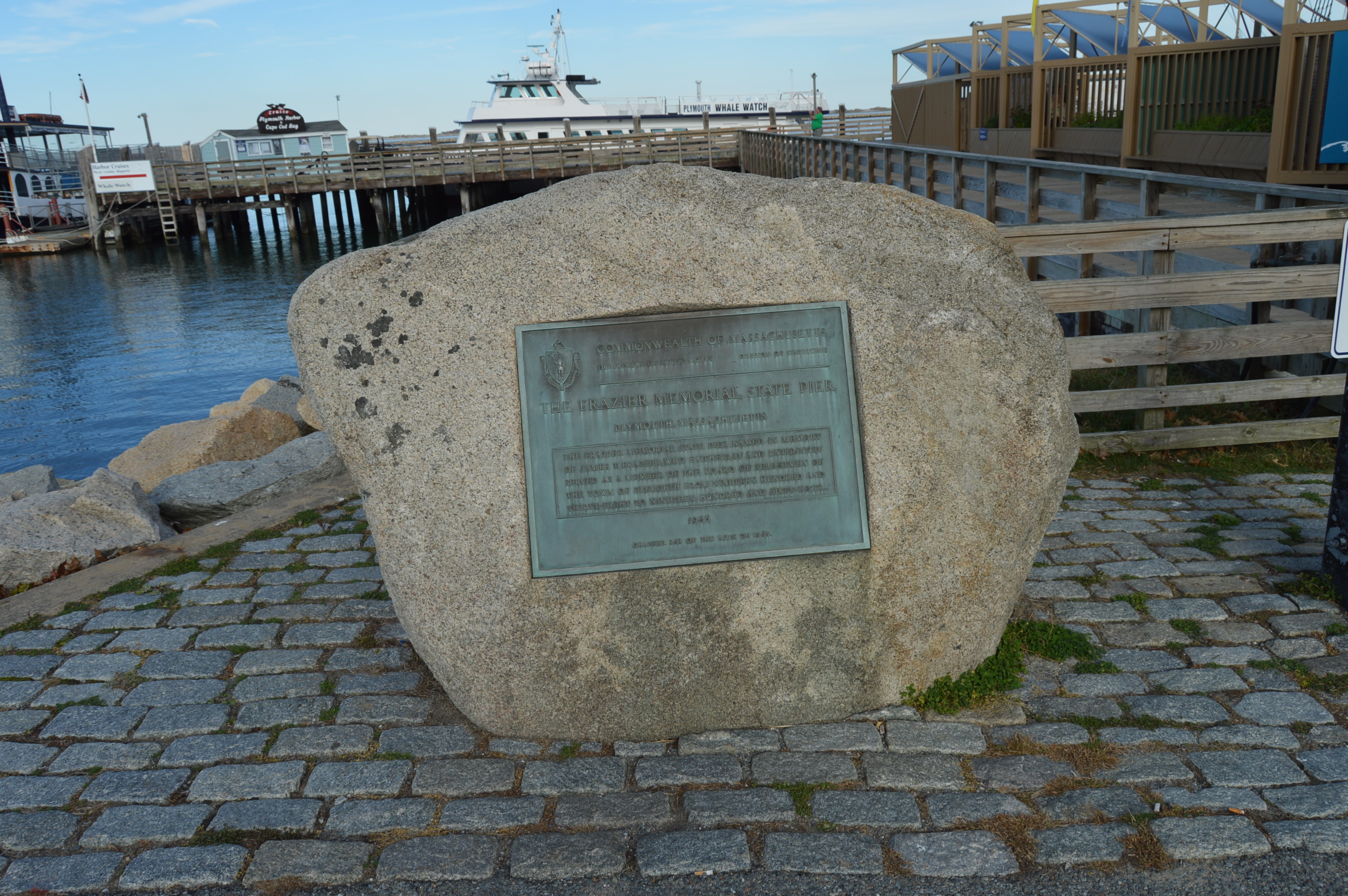
After visiting Plimoth Plantation, the next obvious destination was the Mayflower II.  The Mayflower II, an exhibit of the Plimoth Plantation, is a replica of the original Mayflower.  It is located only a few miles from Plimoth Plantation in the Frazier Memorial State Pier.

DSC_0643 DSC_0640  DSC_0638       DSC_0518

DSC_0498

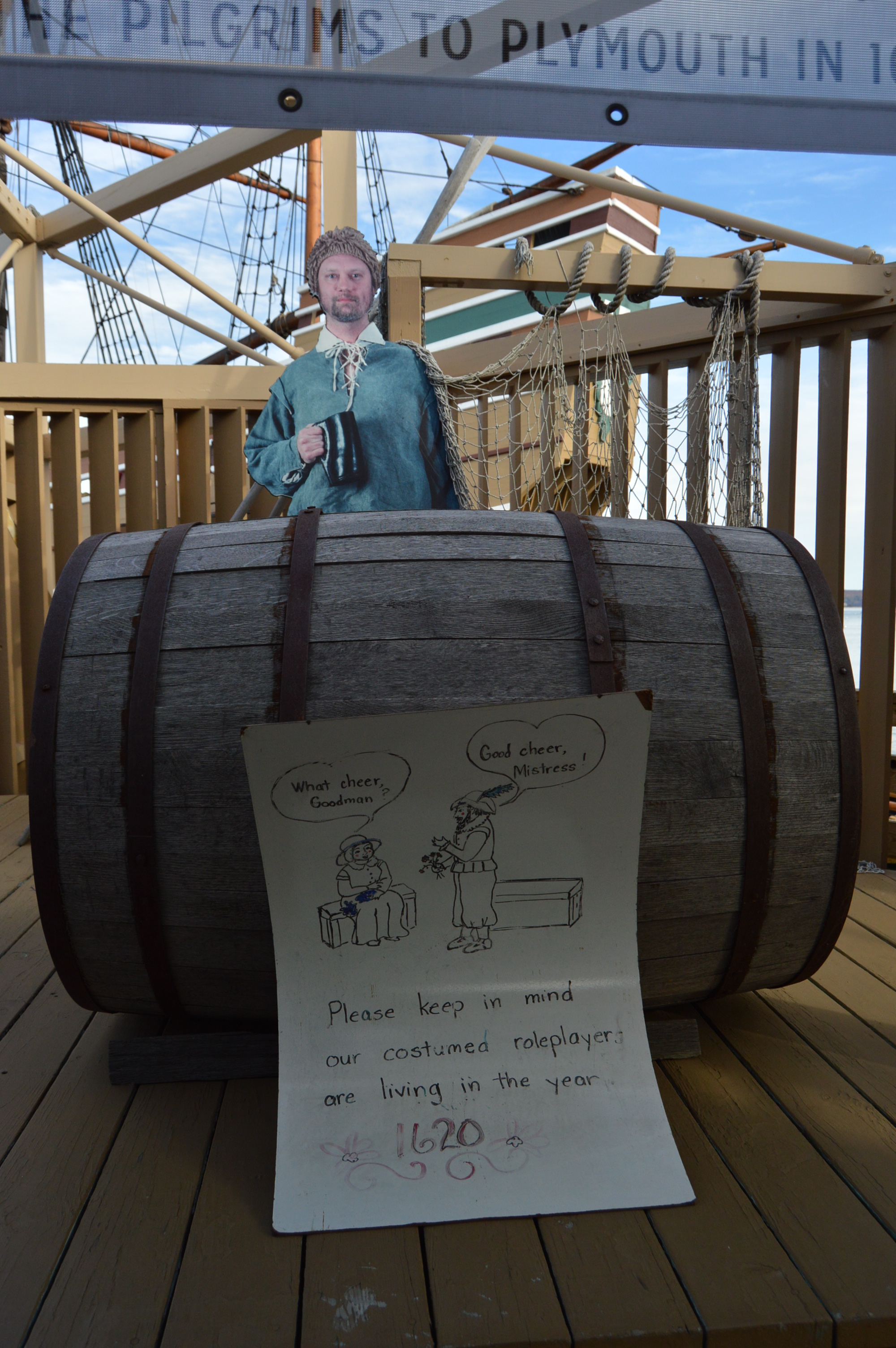
Before you board the boat, you are informed the people on the boat are still living in the 17th century.  They are not aware of cellphones, automobiles or any other modern day comforts.  There is a replica of the Mayflower Compact in the entrance to the boarding area.

DSC_0502 DSC_0508

Actors on the boat discuss the duties of crew members and portray people from that era.  This man reminded me of James Franco, particularly because of his dry sense of humor.

DSC_0551

DSC_0556

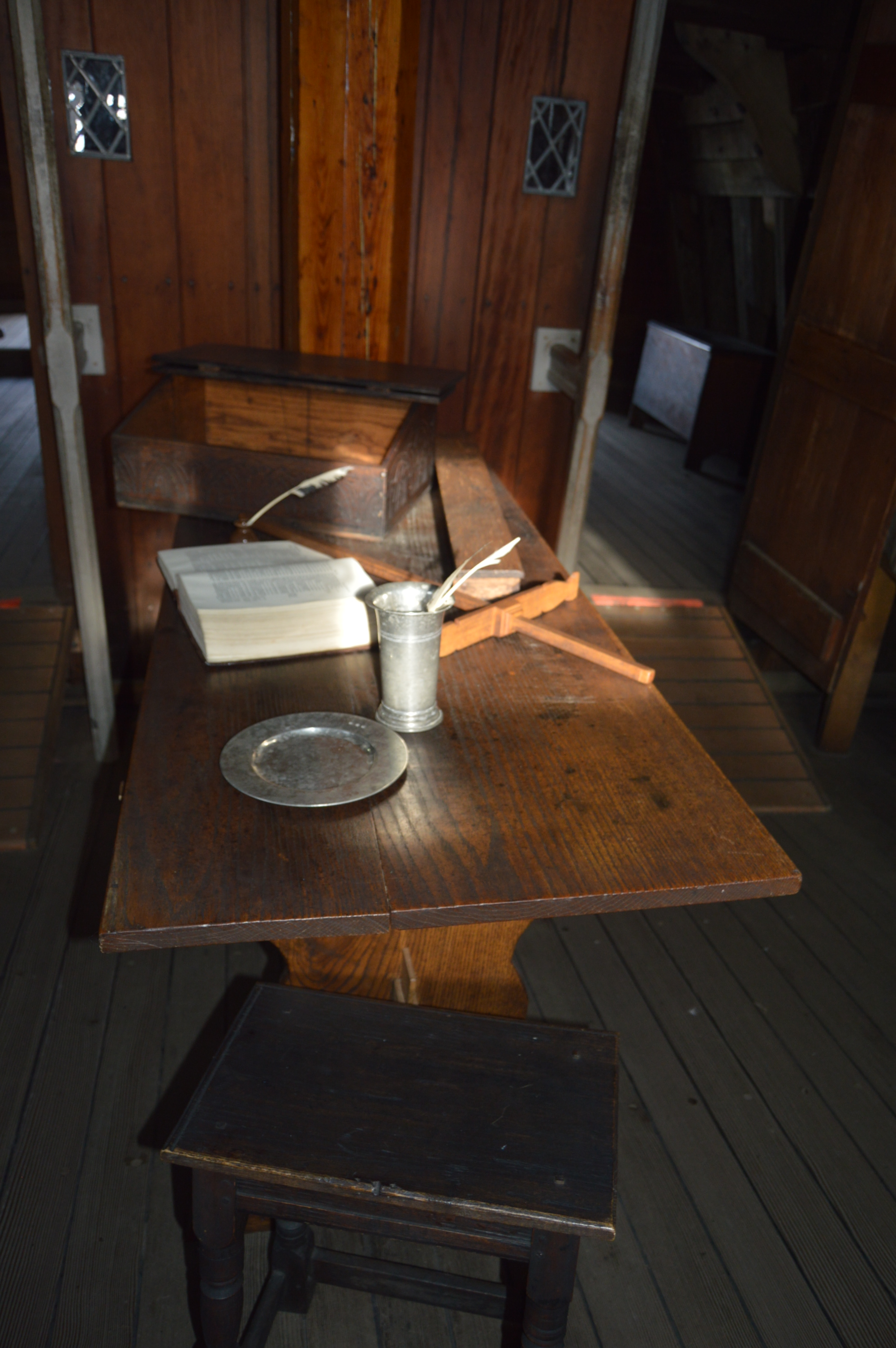
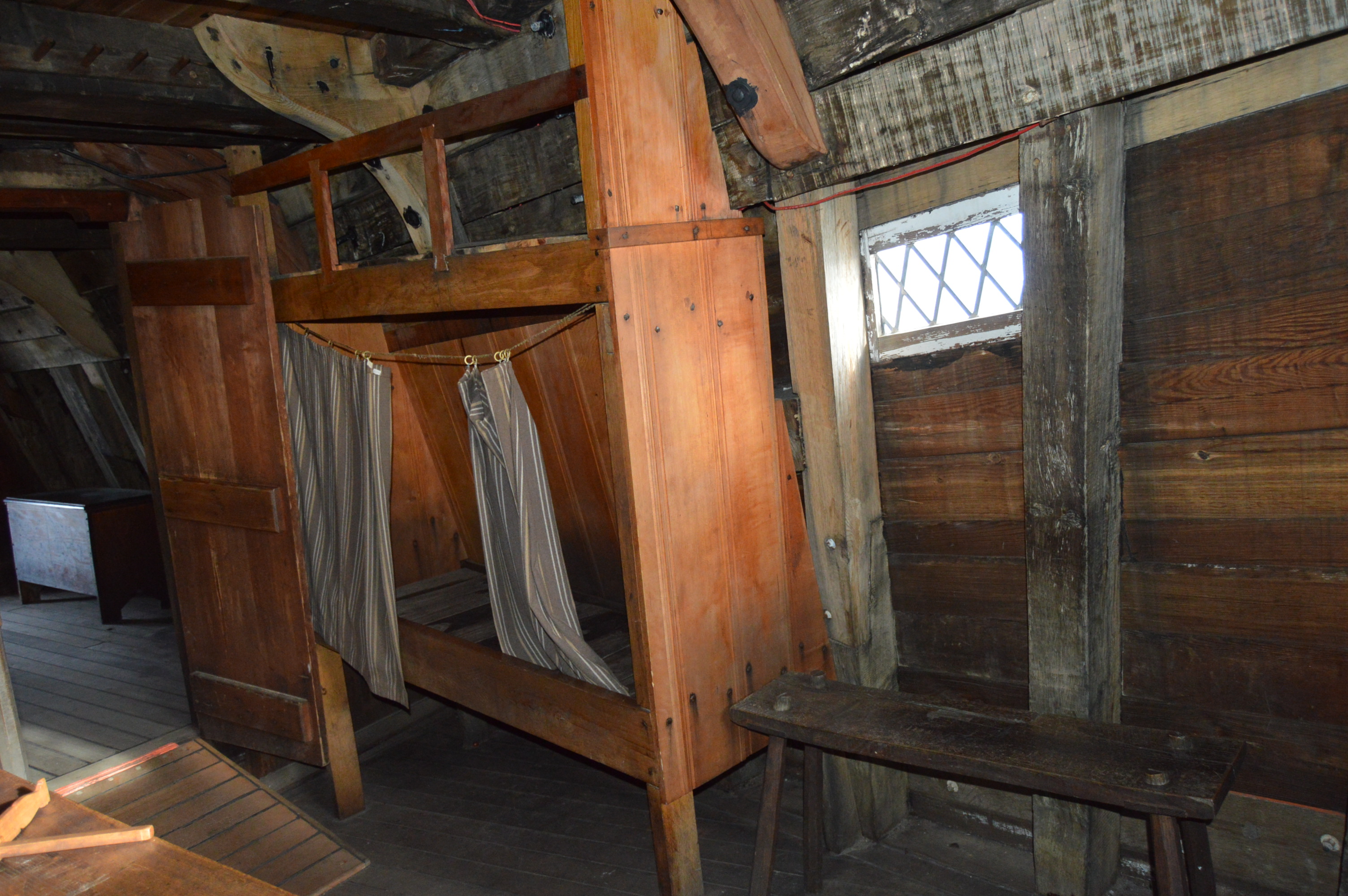
The quarters of the Mayflower were not the most comfortable.  Not exactly Carnival Cruise.

DSC_0523     DSC_0527 DSC_0536     DSC_0538  DSC_0543   DSC_0546  DSC_0529 DSC_0525

DSC_0547

The views from the harbor were very pretty.

DSC_0520  DSC_0645  DSC_0557   DSC_0495       DSC_0481     DSC_0647  DSC_0649

Meet Porsche, a service dog I saw as I was leaving the pier.

DSC_0558


Plimoth Plantation (Plymouth, MA)

Walking into Plimoth Plantation is like walking back in time.

DSC_0091

The constructed plantation is both educational and entertaining.

A short video running in the visitor center runs on a loop and gives you some background of the plantation.  It also gives a little history of the historical of the place a history of the area.

The plantation is divided into two sections: the Wampanaog Homesite and the Colonial English community of the 1600’s.

All of the people on the Wampanaog Homesite are Native Americans (they’re not actors or re-enactors).  They are from the Wampanaog tribe or one of the other tribes indigenous to the Plymouth area.  A cutout on the trail before you reach the Wampanoag Homesite reminds visitors that not every native American “is the same”.  While most of the people residing at the Homesite are Wampanoag, not all of them are.  Also, the cutout reminds people to not call the people “braves” or any other demeaning and sterotypical term as they are not considered compliments or polite ways to address the people there.

DSC_0107

The views on the way to the Homesite and at the main visitor center are very pretty.

DSC_0220

DSC_0213

DSC_0196    DSC_0192  DSC_0190   DSC_0187      DSC_0179    DSC_0129         DSC_0114 DSC_0113 DSC_0112     DSC_0178

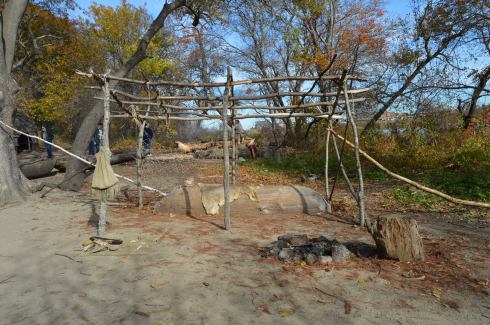
This is a Gathering Circle located on the trail to the Wampanoag Homesite.

DSC_0198 DSC_0201

The Native Americans at the Homesite tell stories about their life there and describe what tasks they are completing.

DSC_0302 DSC_0311

DSC_0288

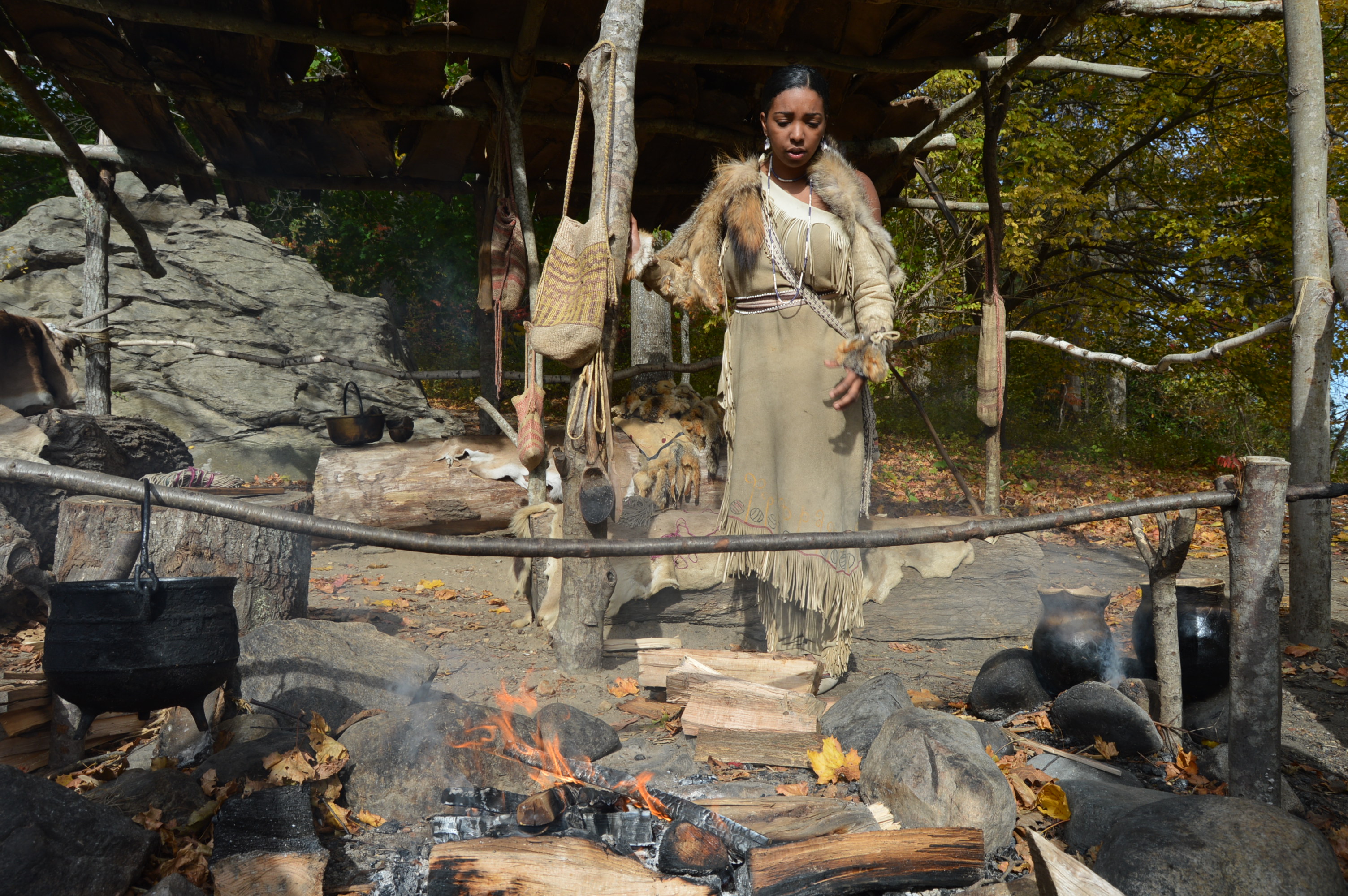
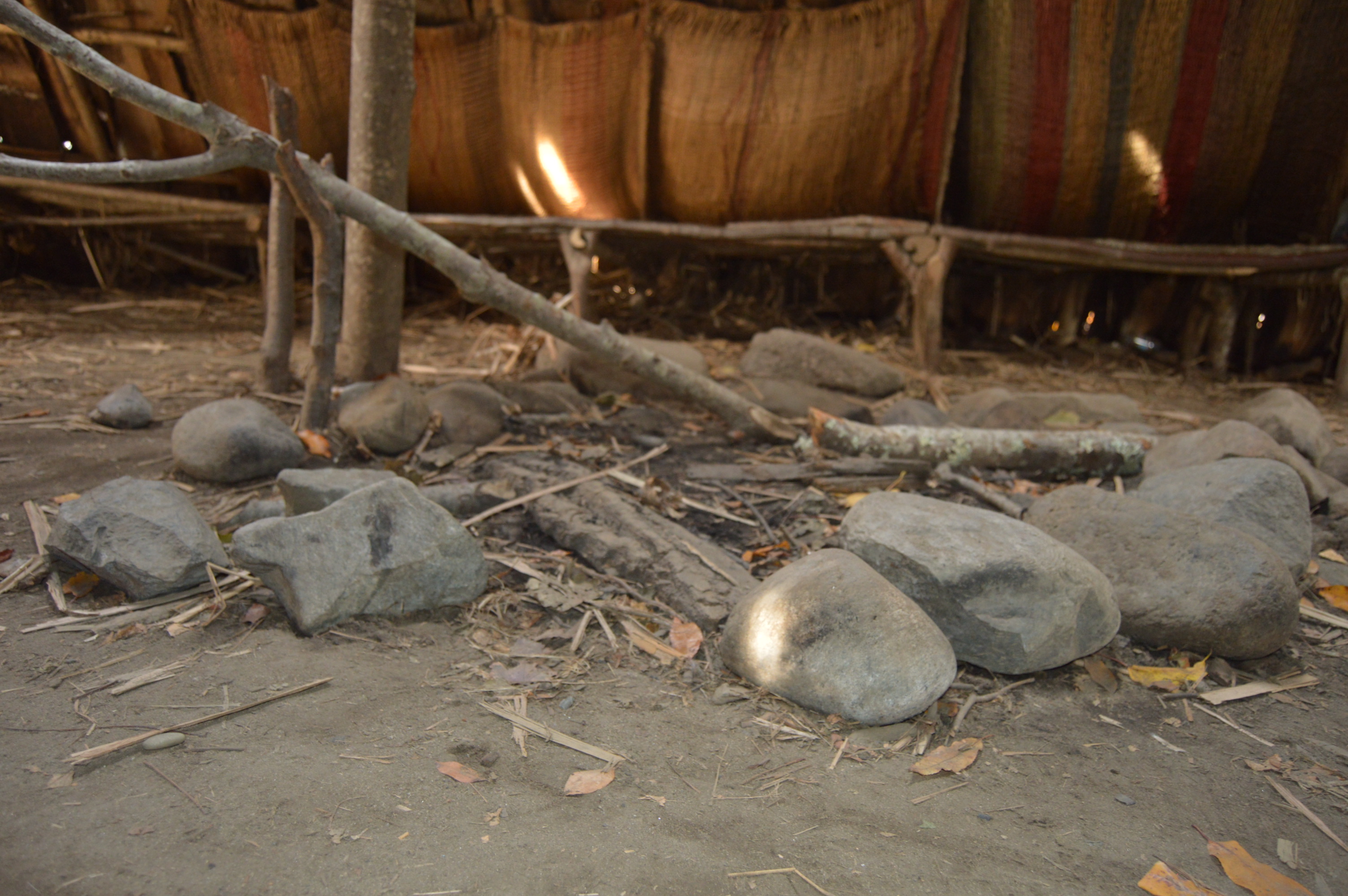
This woman was showing how they cook their food and answering questions from the visitors.

DSC_0267

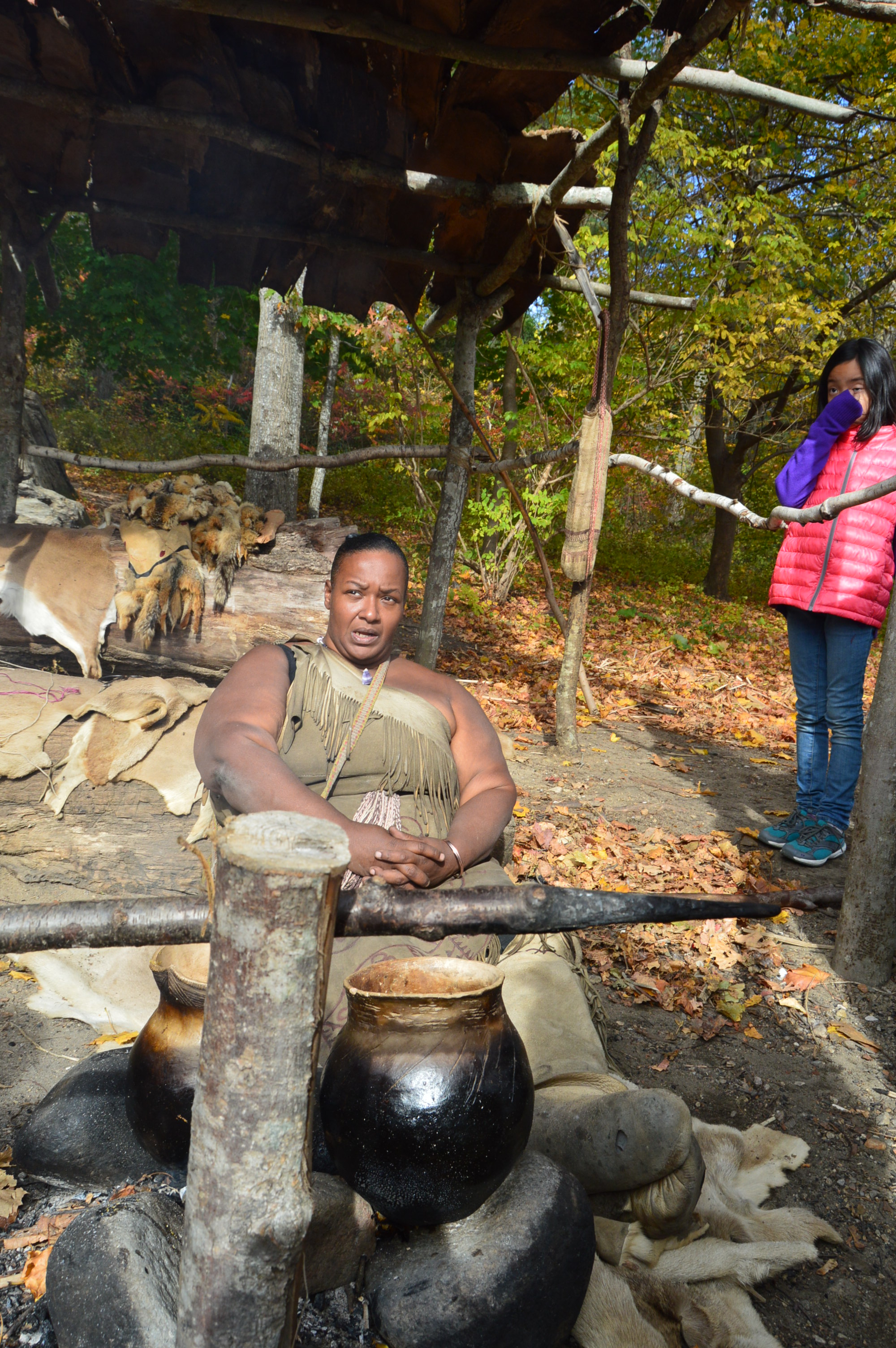
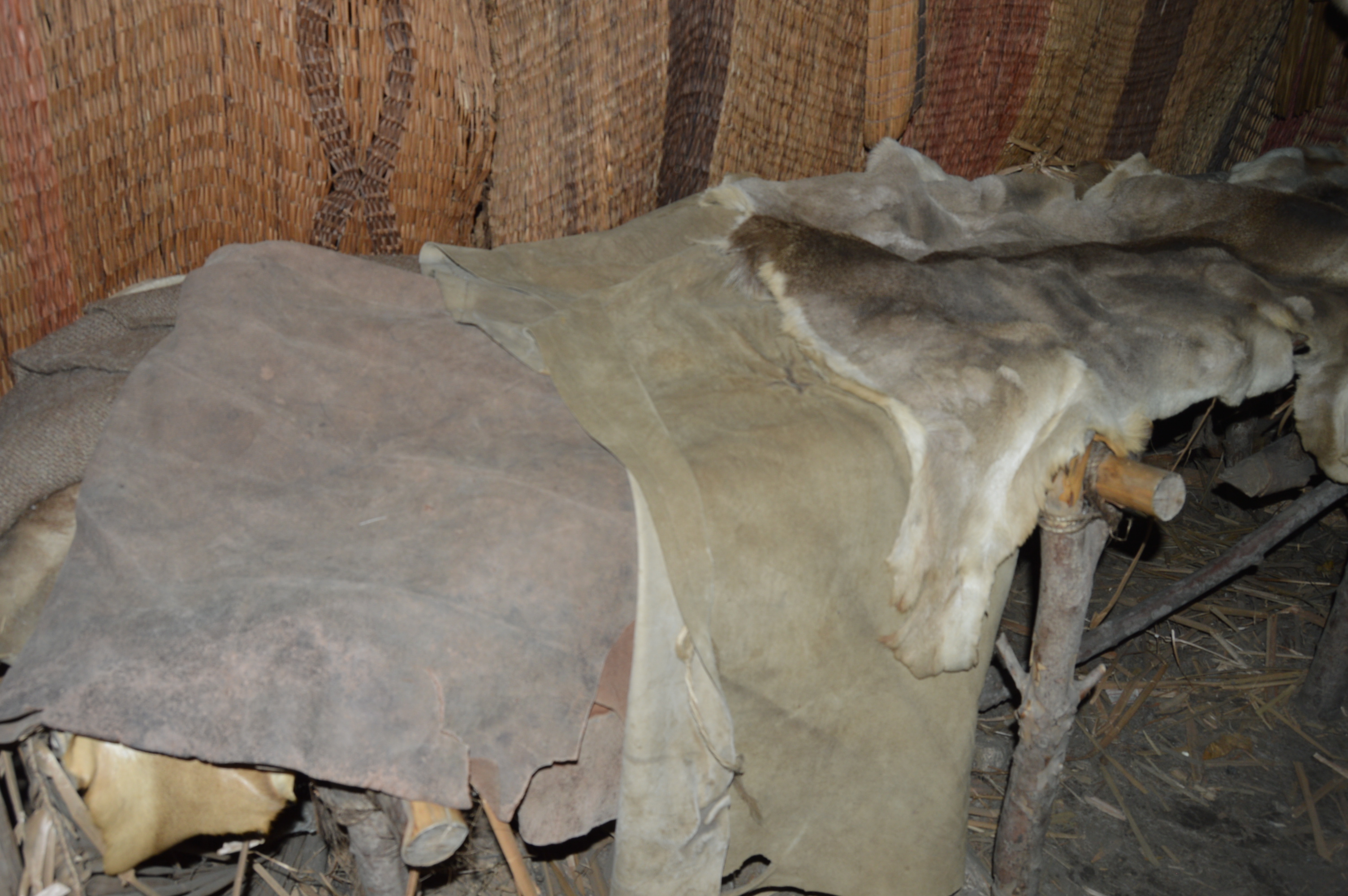
The Native Americans answer questions inside one of the wigwams at the plantation.

DSC_0282 DSC_0286

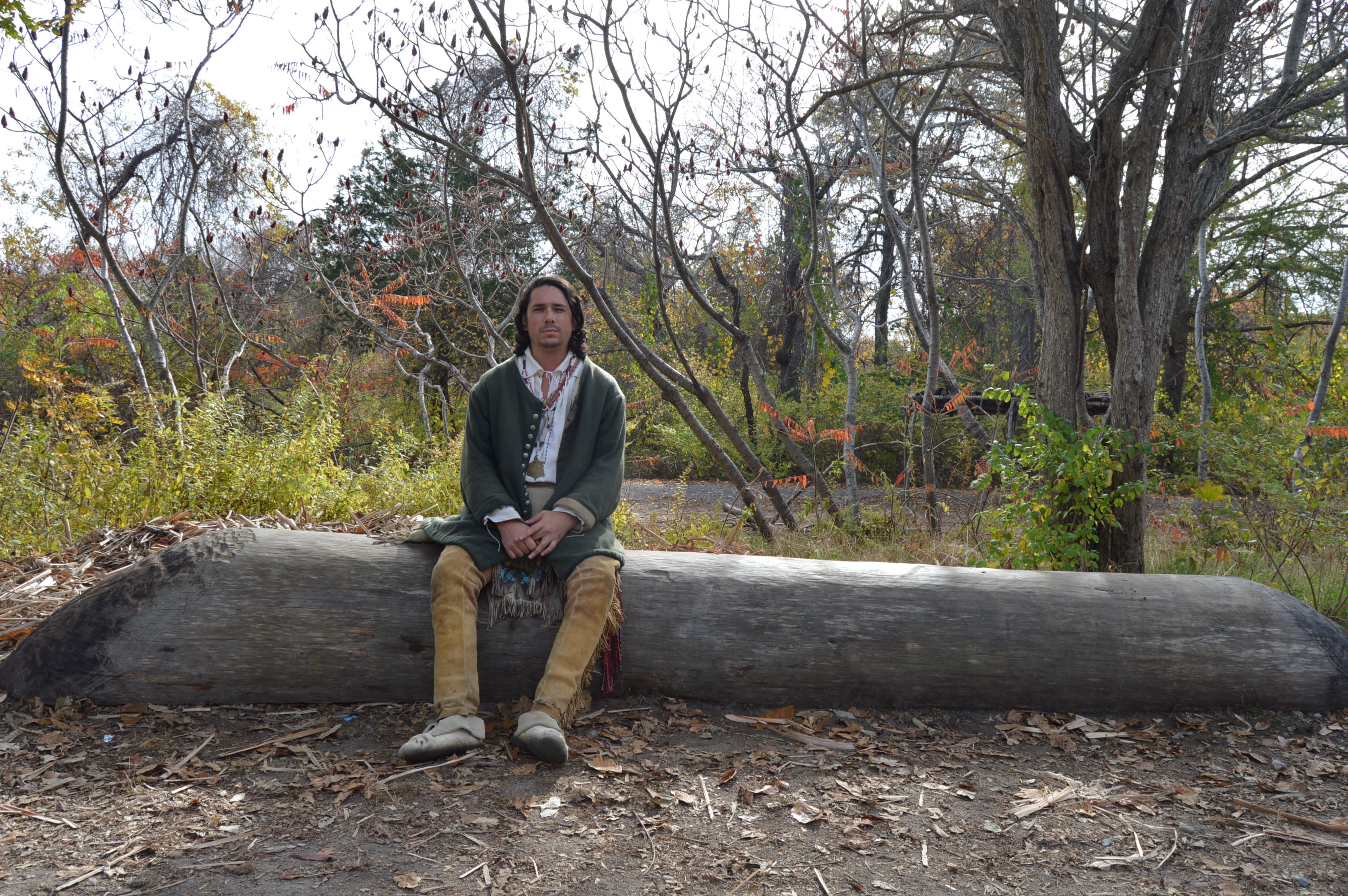
These men were hollowing out a boat.

DSC_0219

DSC_0226

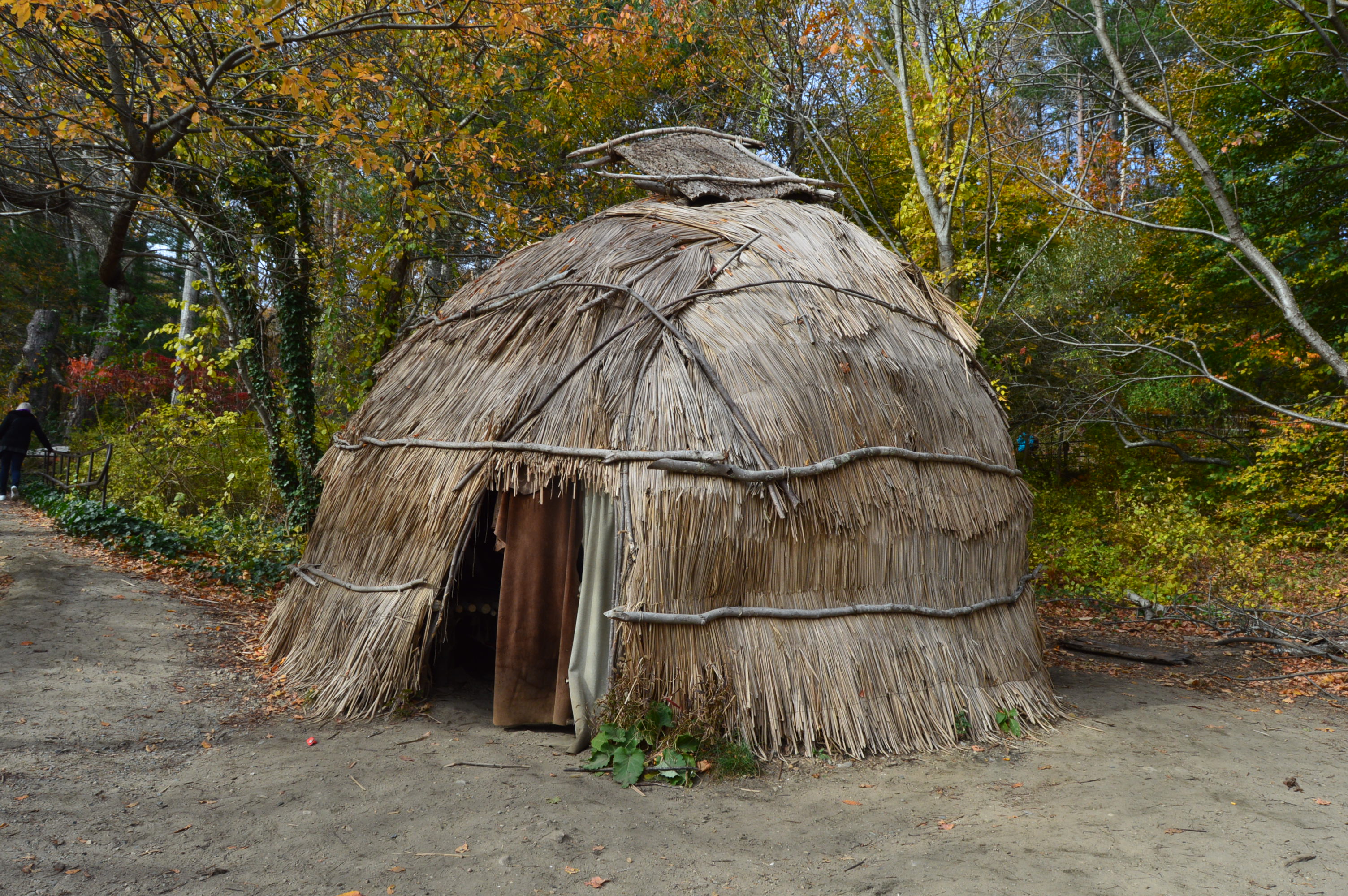
There are structures made with the same materials and the very same way they were built in the 1600’s and earlier.

DSC_0273

DSC_0314 DSC_0313

DSC_0233

This is a meeting room where elders and the rest of the people would meet to discuss issues affecting the community.

DSC_0246

DSC_0294 DSC_0293 DSC_0296 DSC_0297 DSC_0295

DSC_0243


After exiting the Wampanoag Homeesite, a stairway leads to the English side of the plantation

DSC_0320

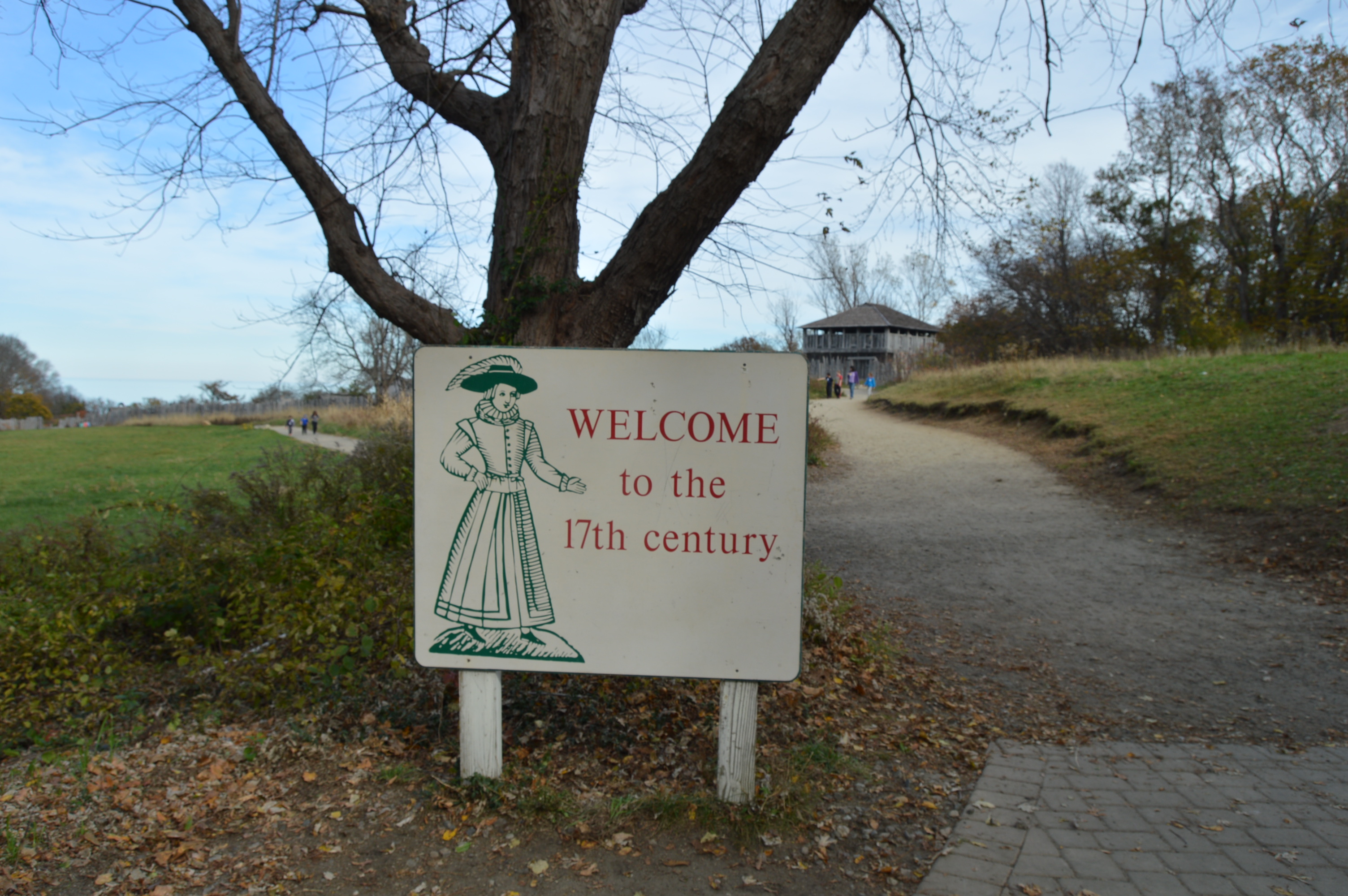
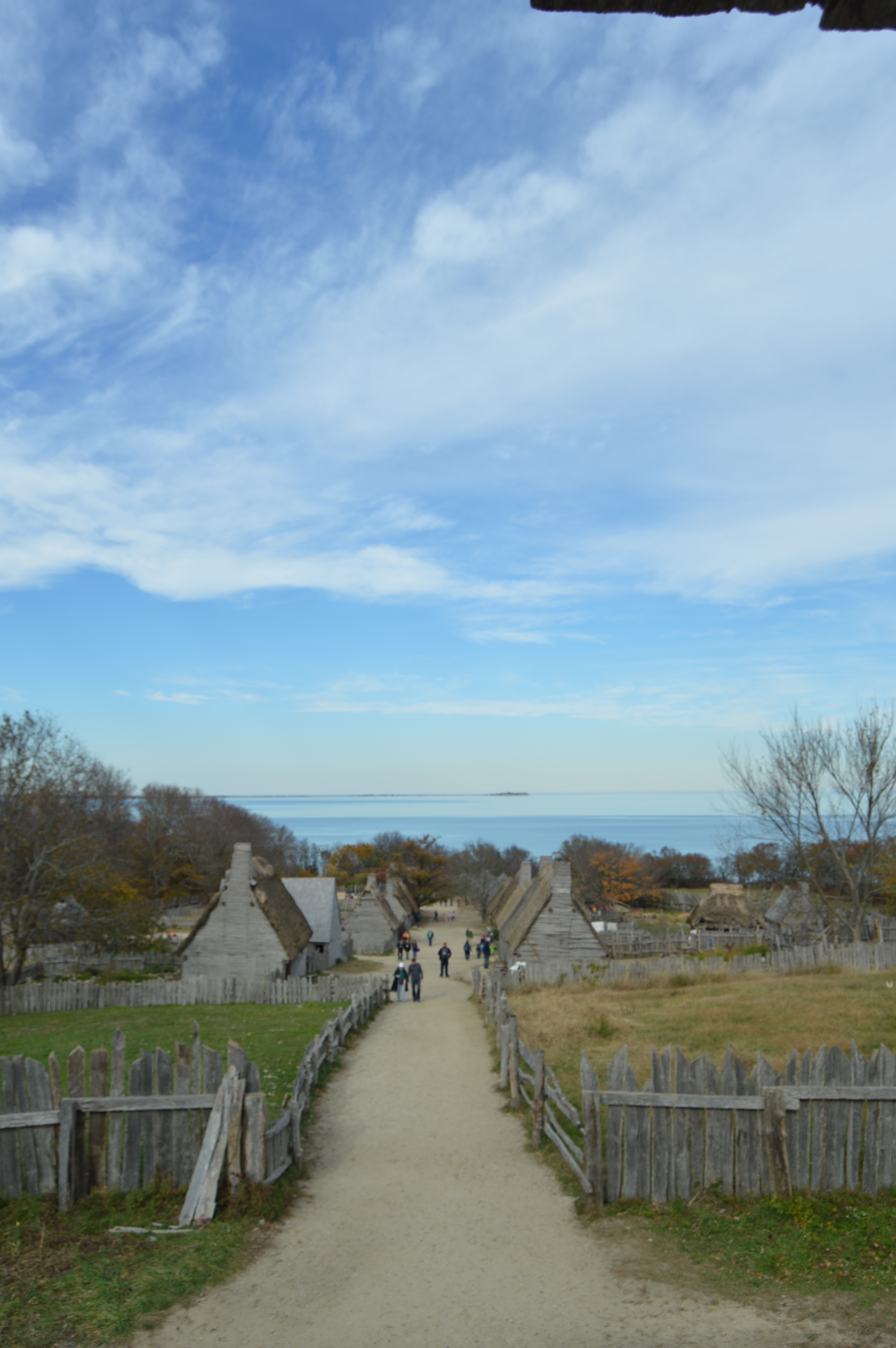
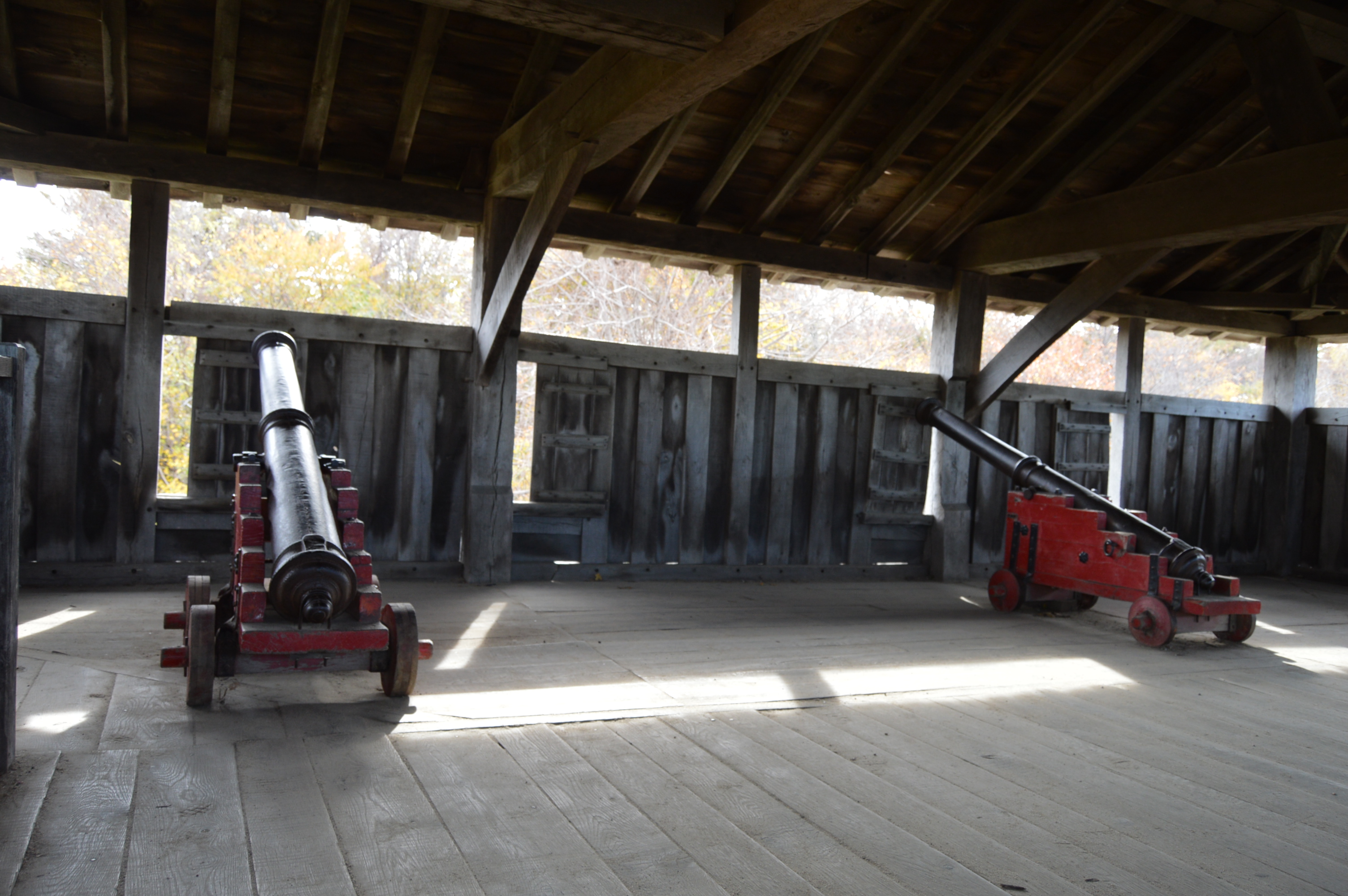
Everything past this sign is pure 17th century.  The structures, the clothing the people wear and the way the people speak are all from the 1700’s.  This fort acted as a lookout.

DSC_0323  DSC_0325

DSC_0446      DSC_0440    DSC_0436 DSC_0435   DSC_0432

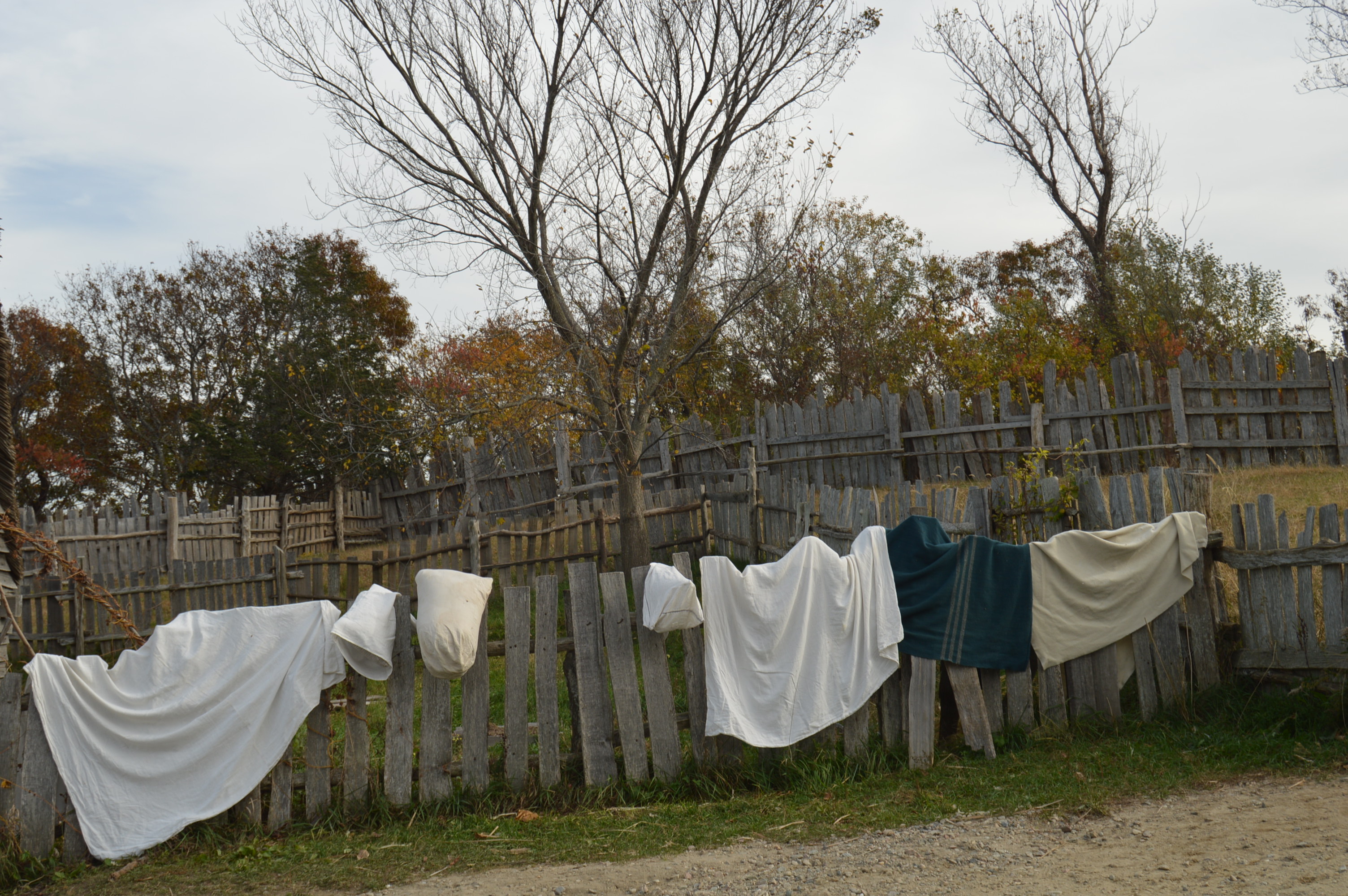
The people even wash their clothing the old way.

DSC_0327

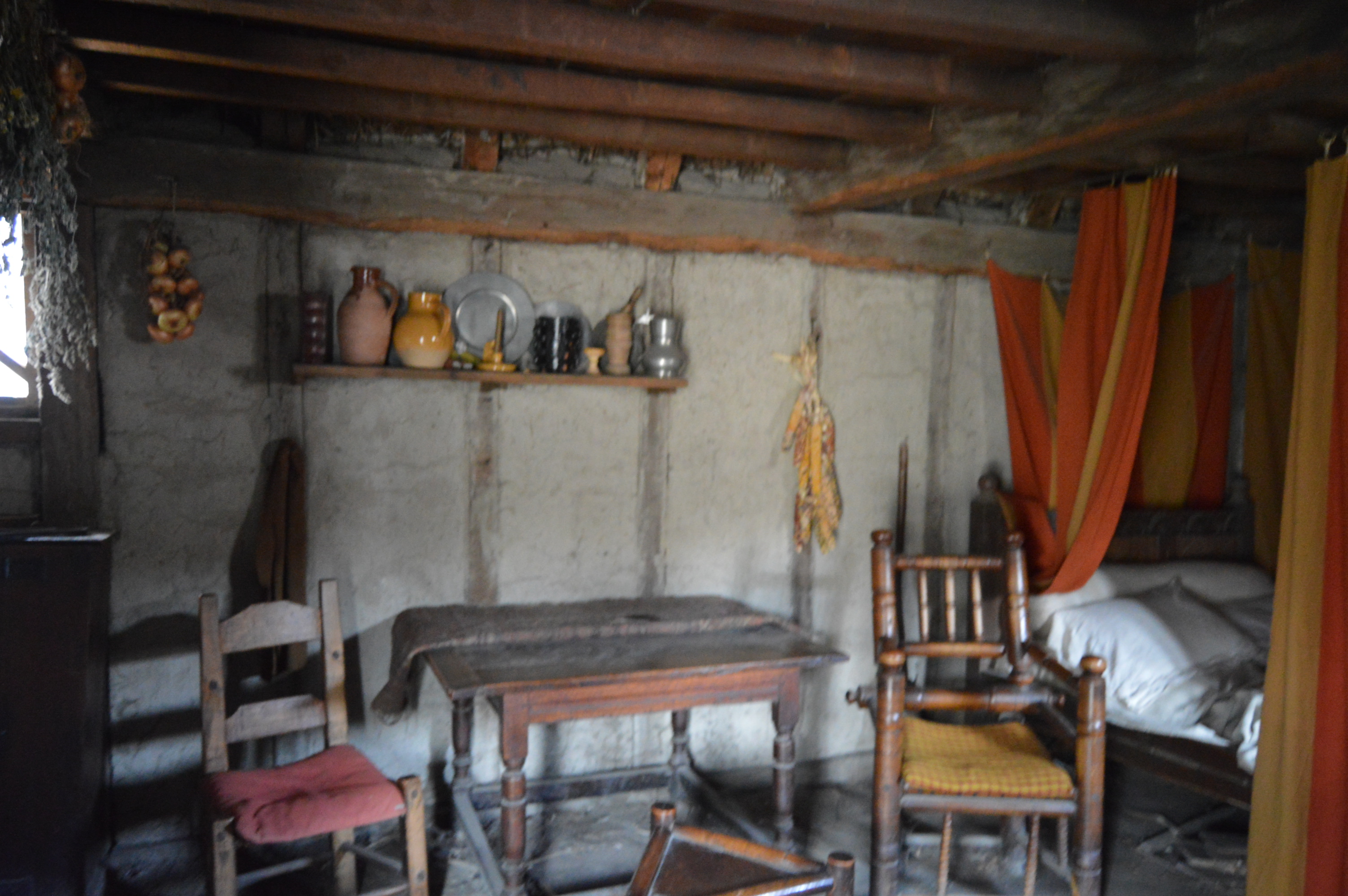
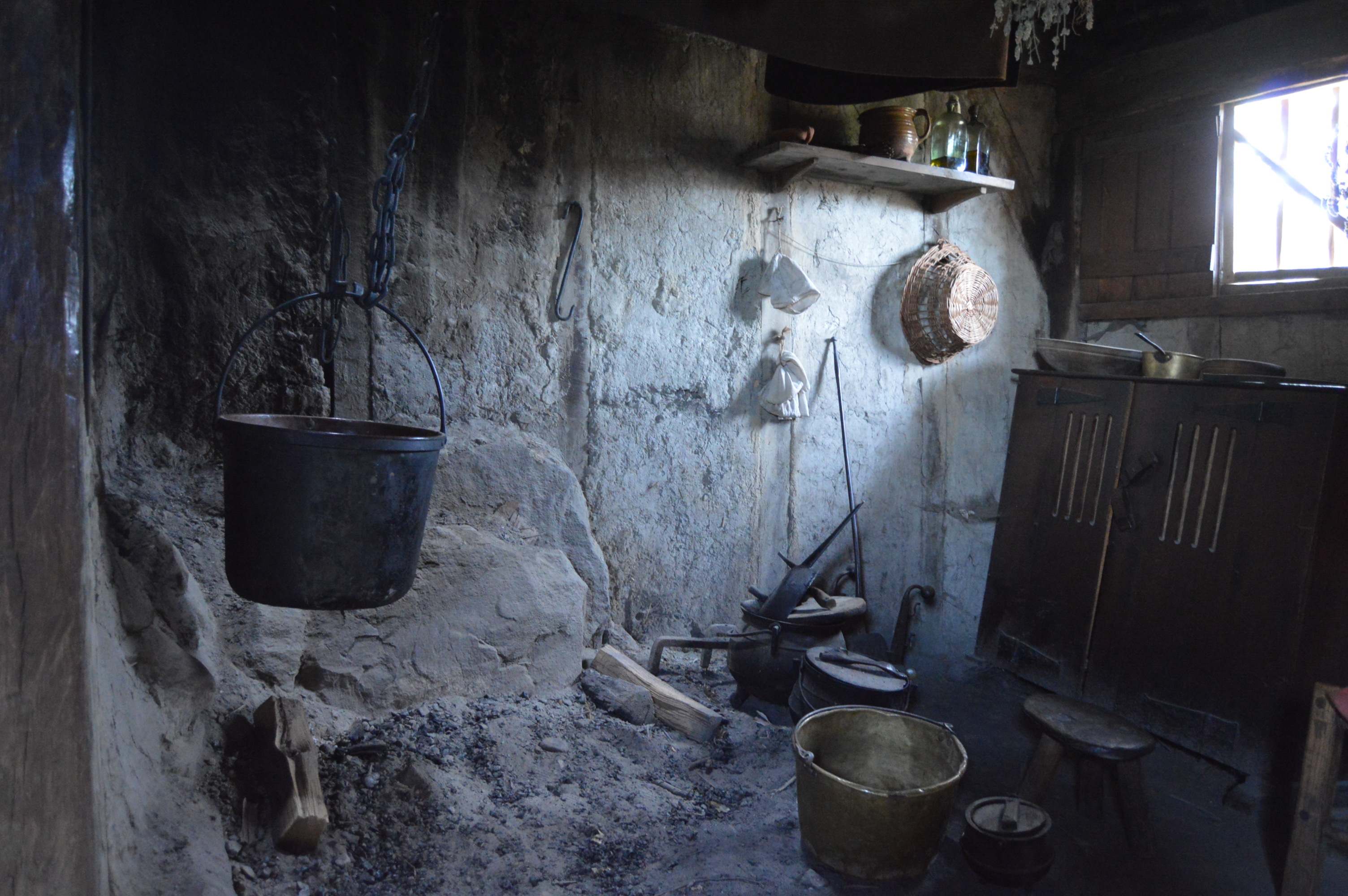
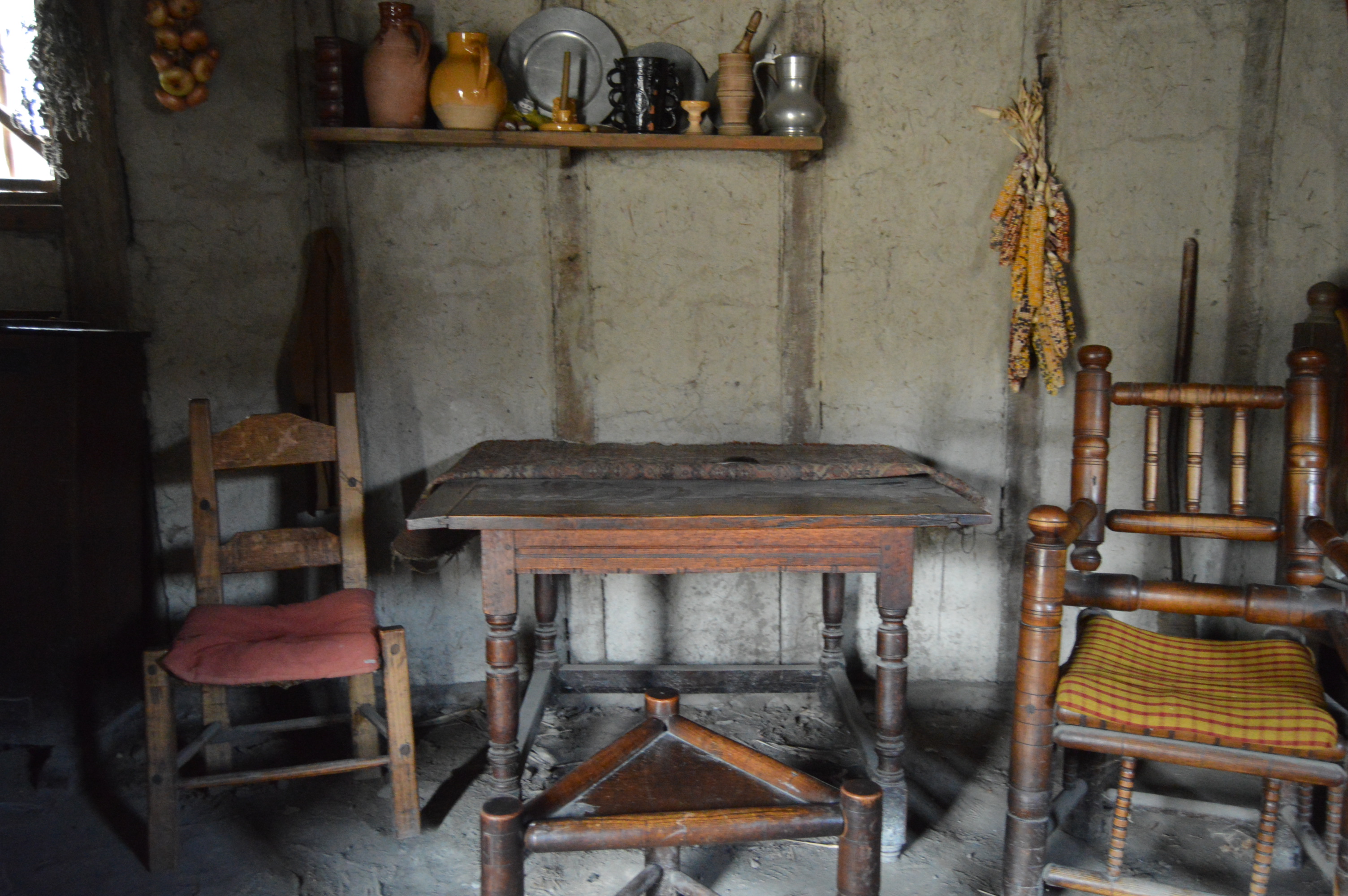
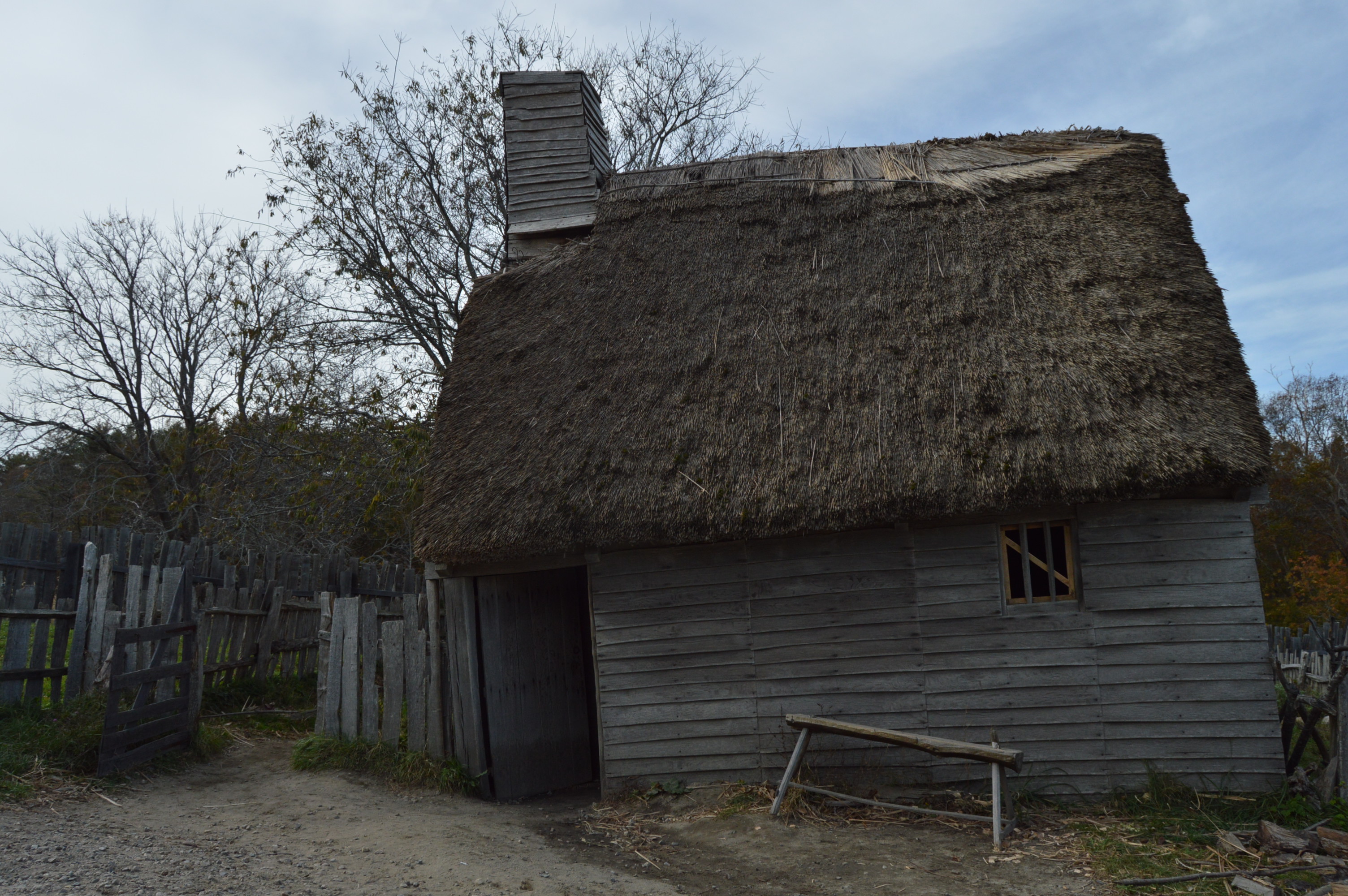
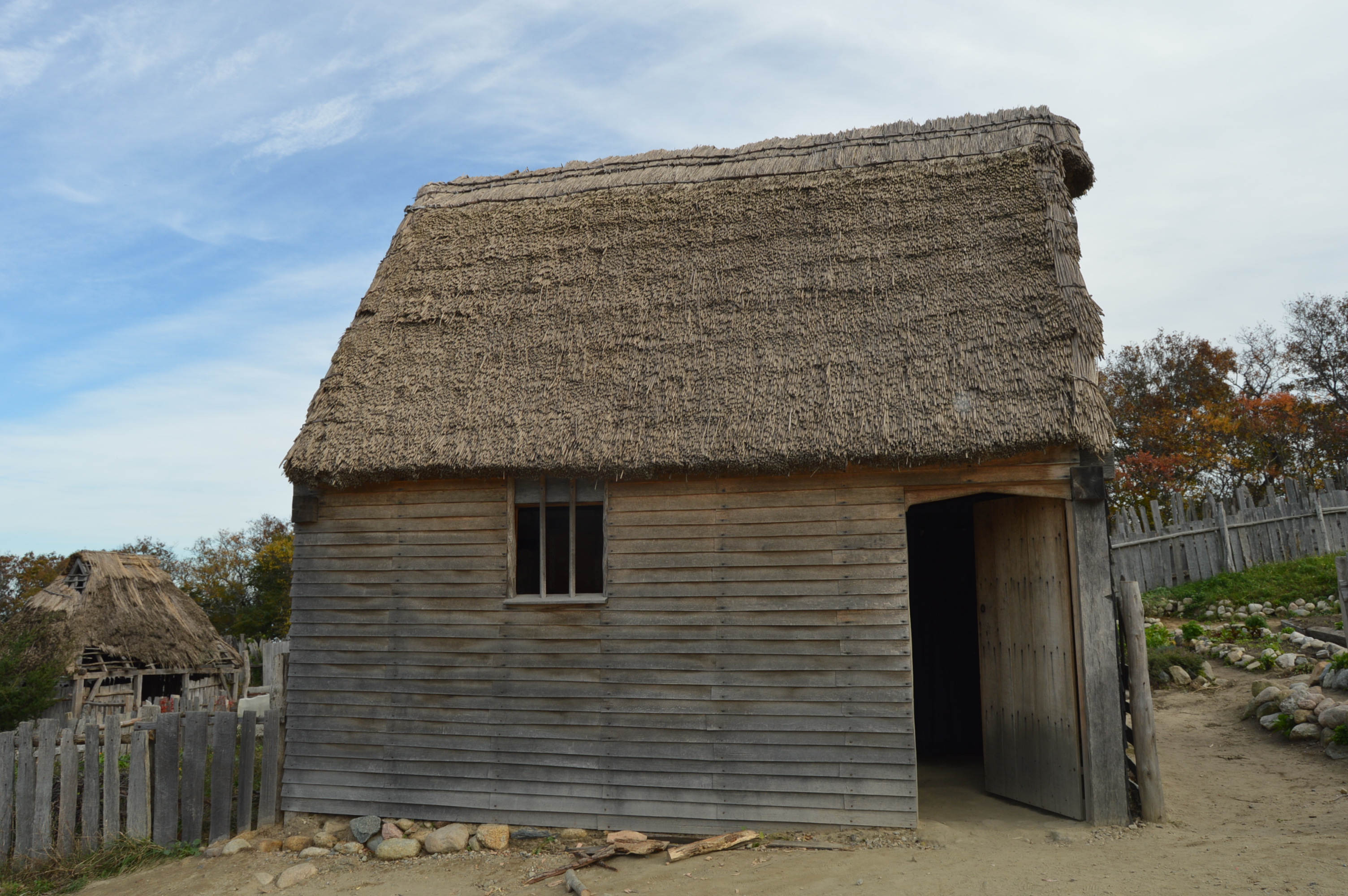
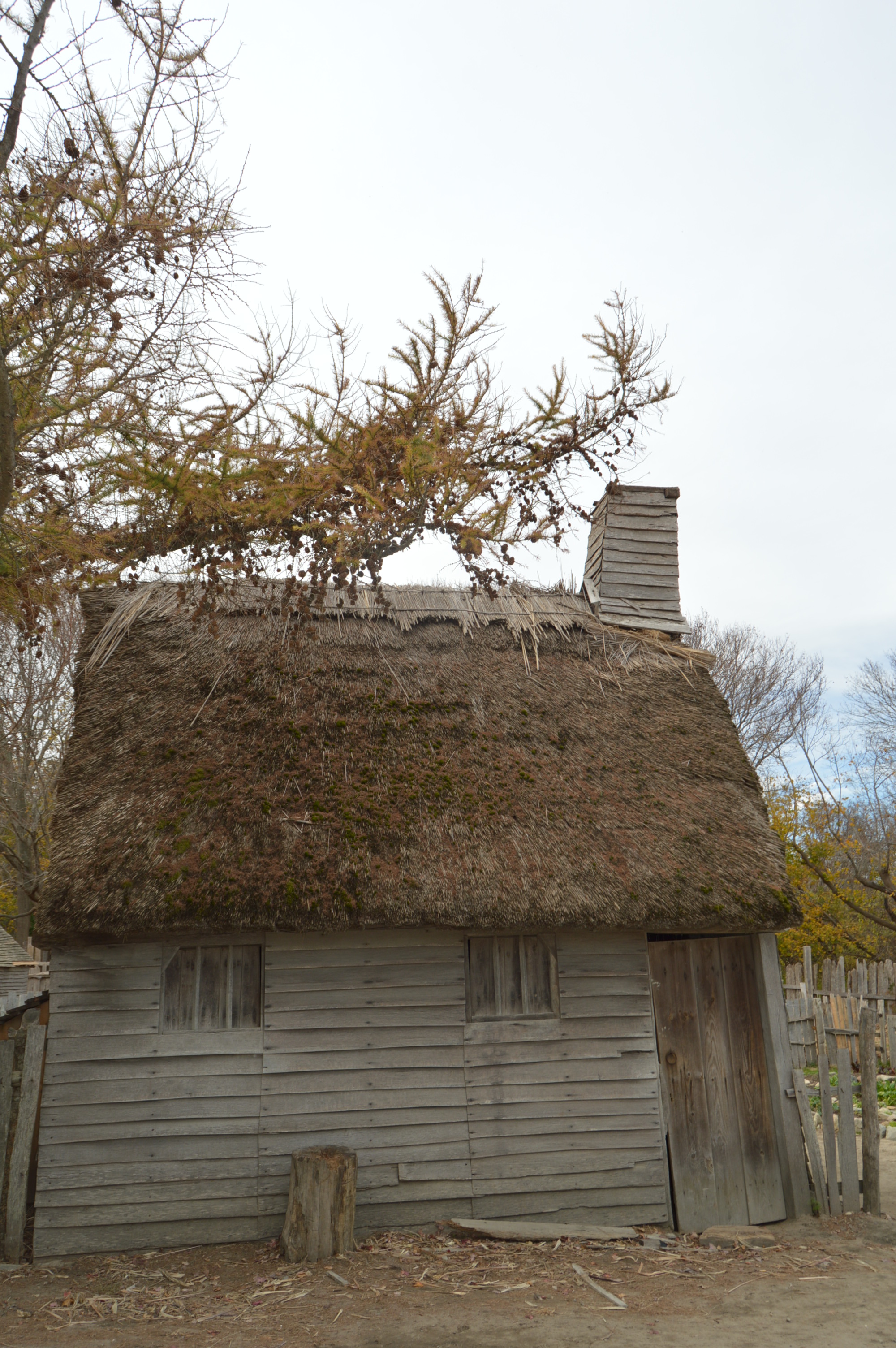
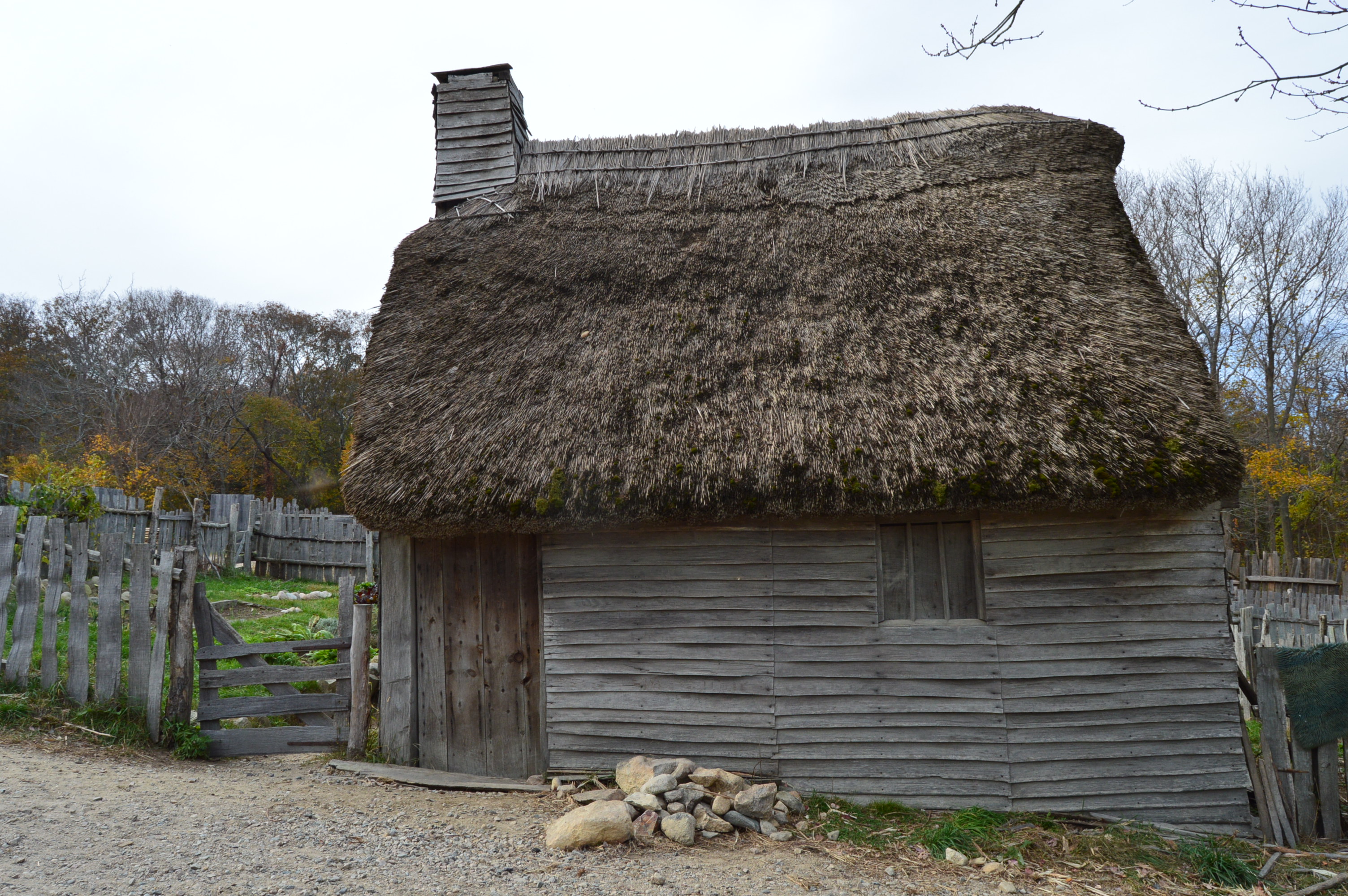
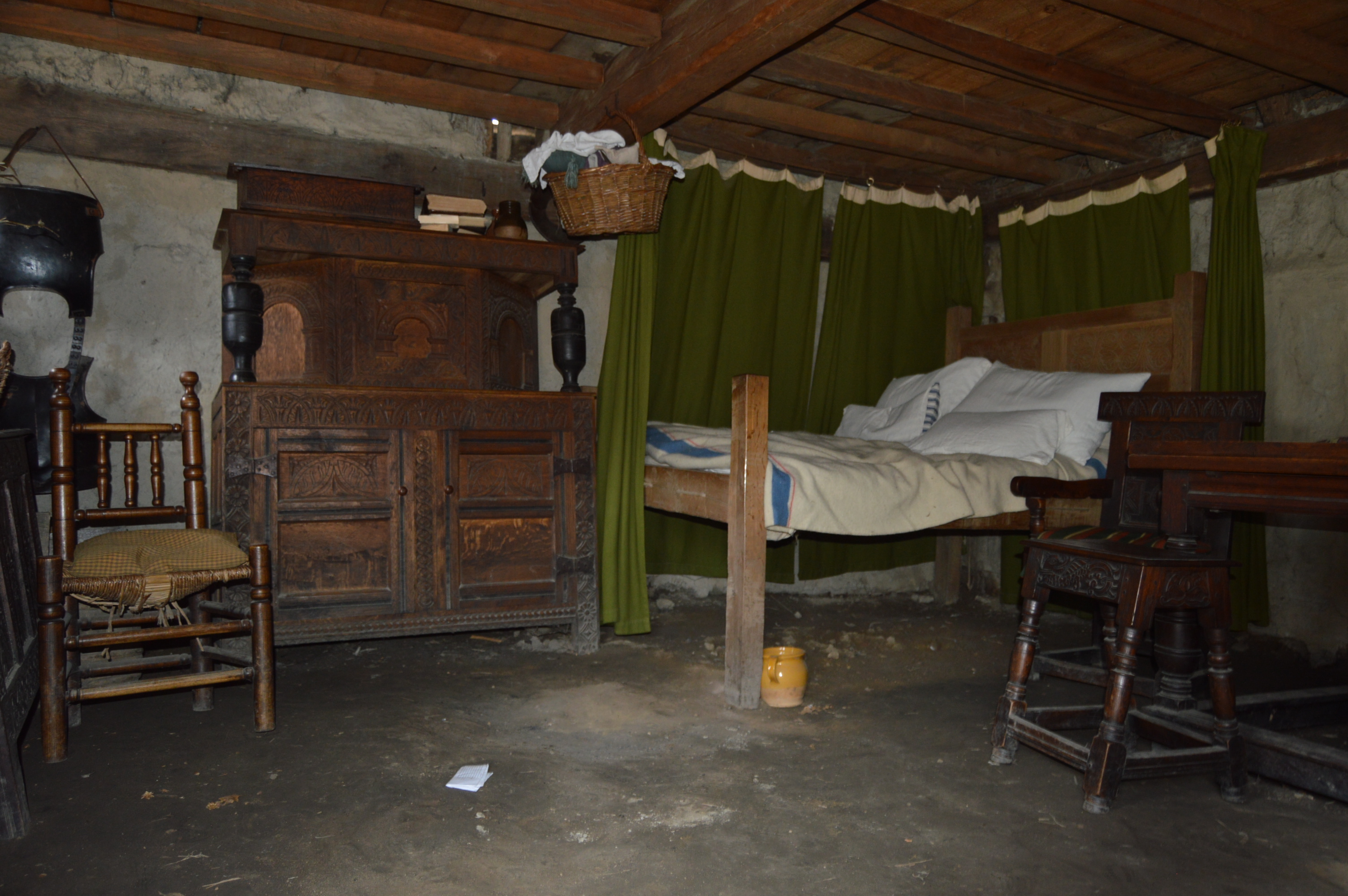
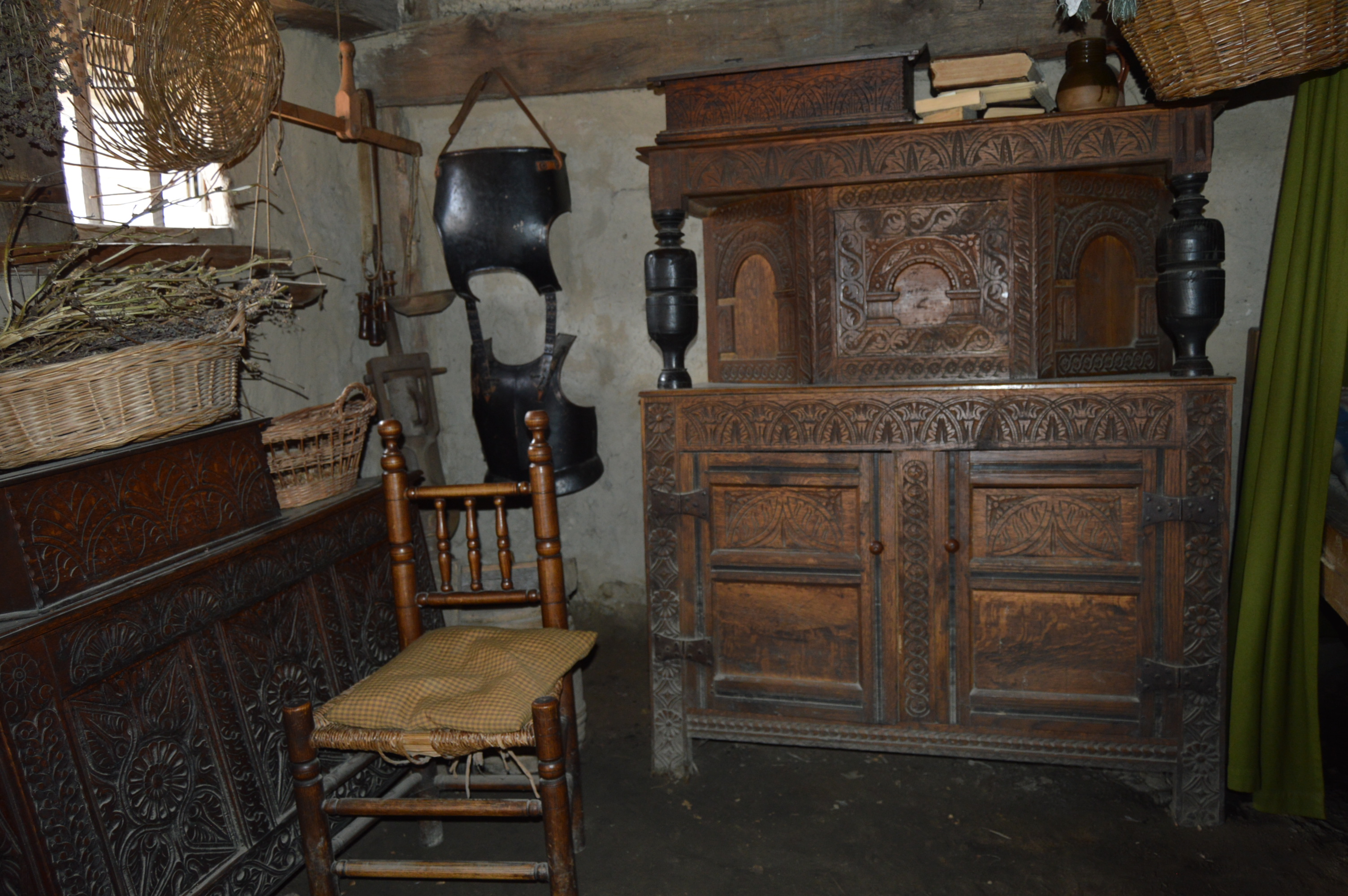
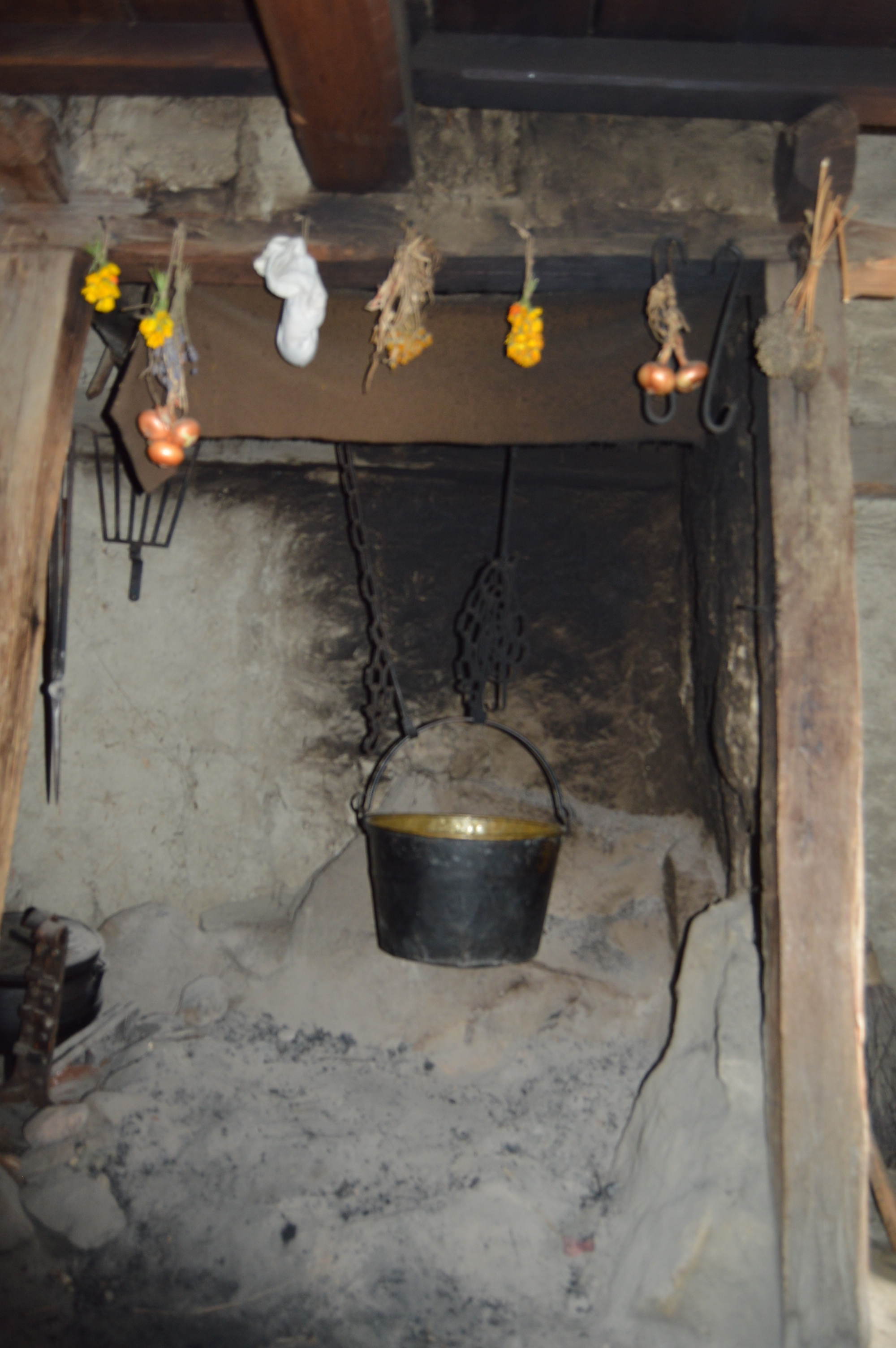
The inside and outside of the houses closely mimic the houses of the 1700’s

DSC_0338

DSC_0328 DSC_0329   DSC_0332  DSC_0334  DSC_0336

DSC_0339

DSC_0341

DSC_0346

DSC_0419  DSC_0401 DSC_0400 DSC_0399 DSC_0381

DSC_0361 DSC_0362  DSC_0364

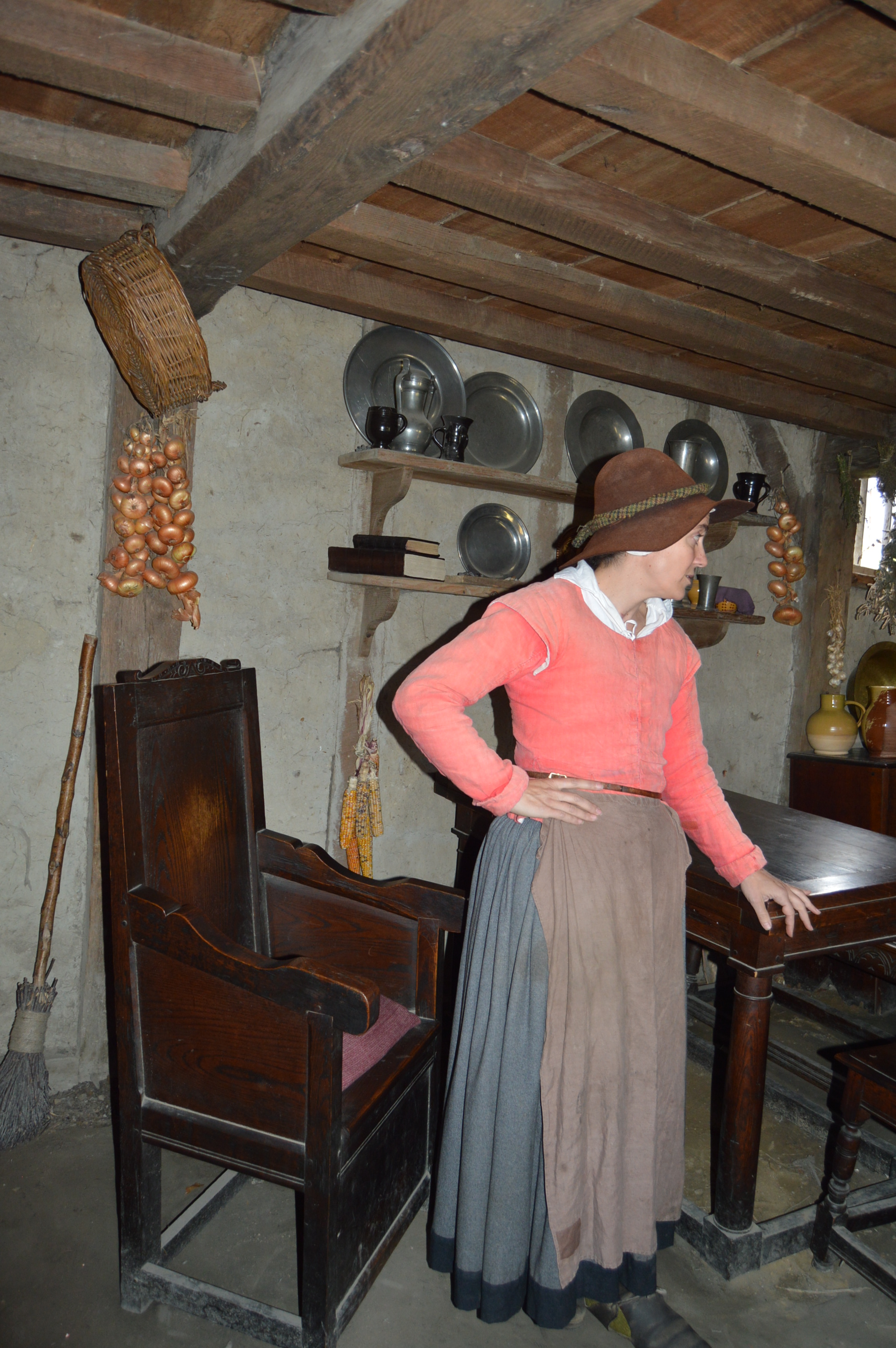
Actors inhabit the homes.

This woman said “My Christian name is Sarah” when I asked her what her name is.

   DSC_0356  DSC_0357

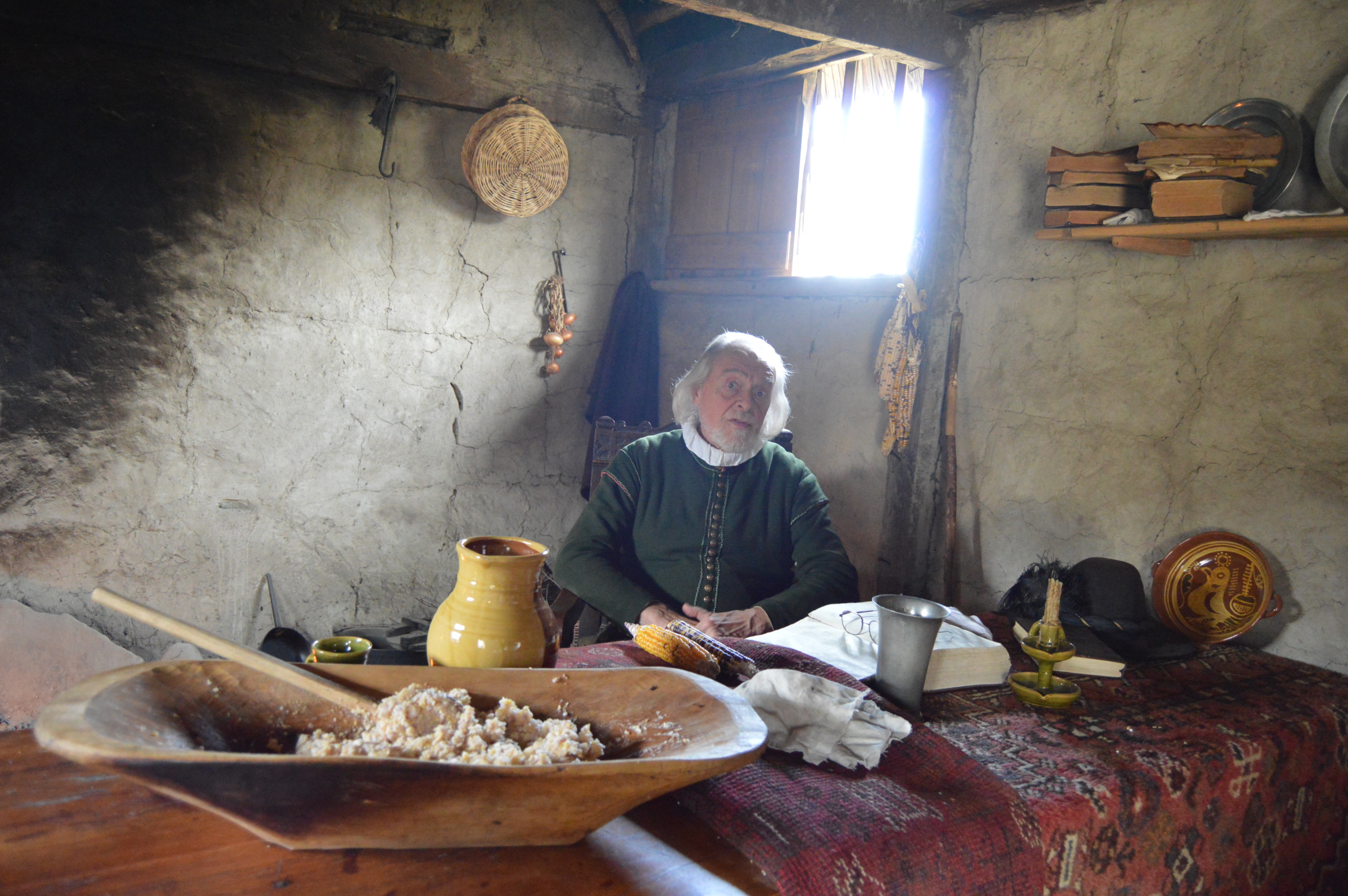
This man and his wife were getting ready for dinner when I stopped by.  it looks like a cozy little place.

DSC_0370    DSC_0372  DSC_0374   DSC_0378 DSC_0377

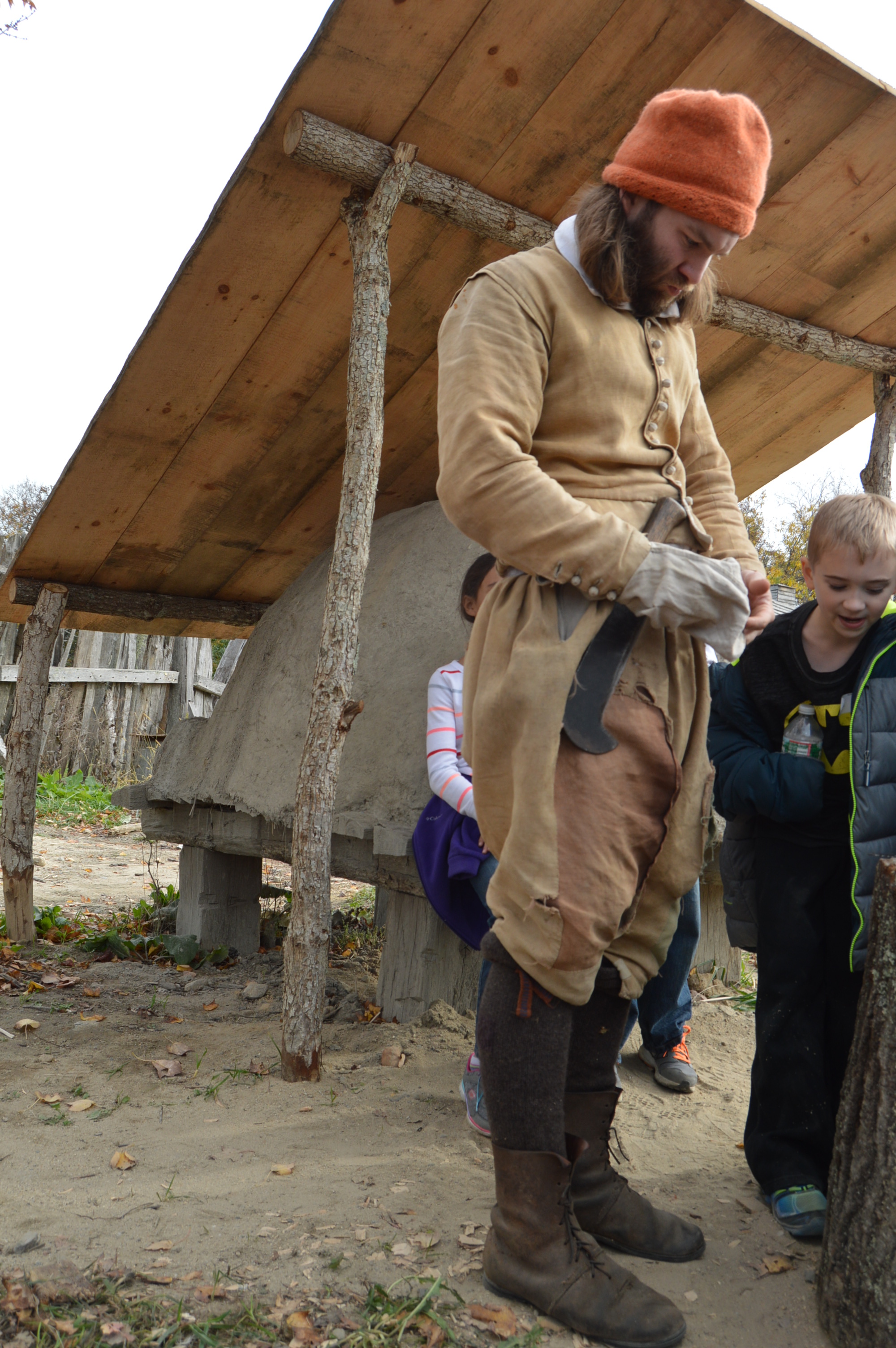
There are also actors walking throughout the plantation.

DSC_0421    DSC_0416 DSC_0415

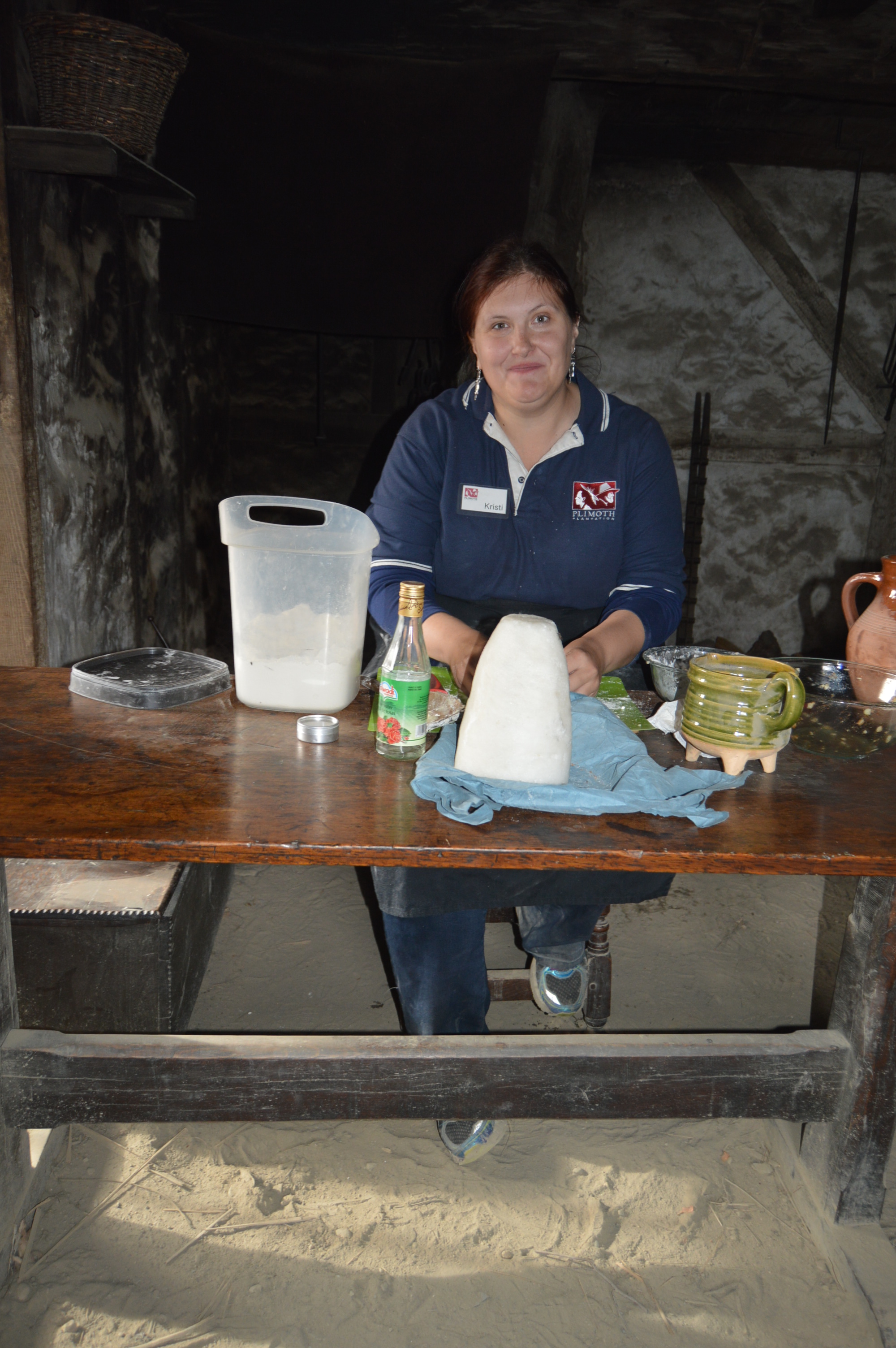
This woman was making apple tarts, the old fashioned way.

DSC_0413 DSC_0412 DSC_0411

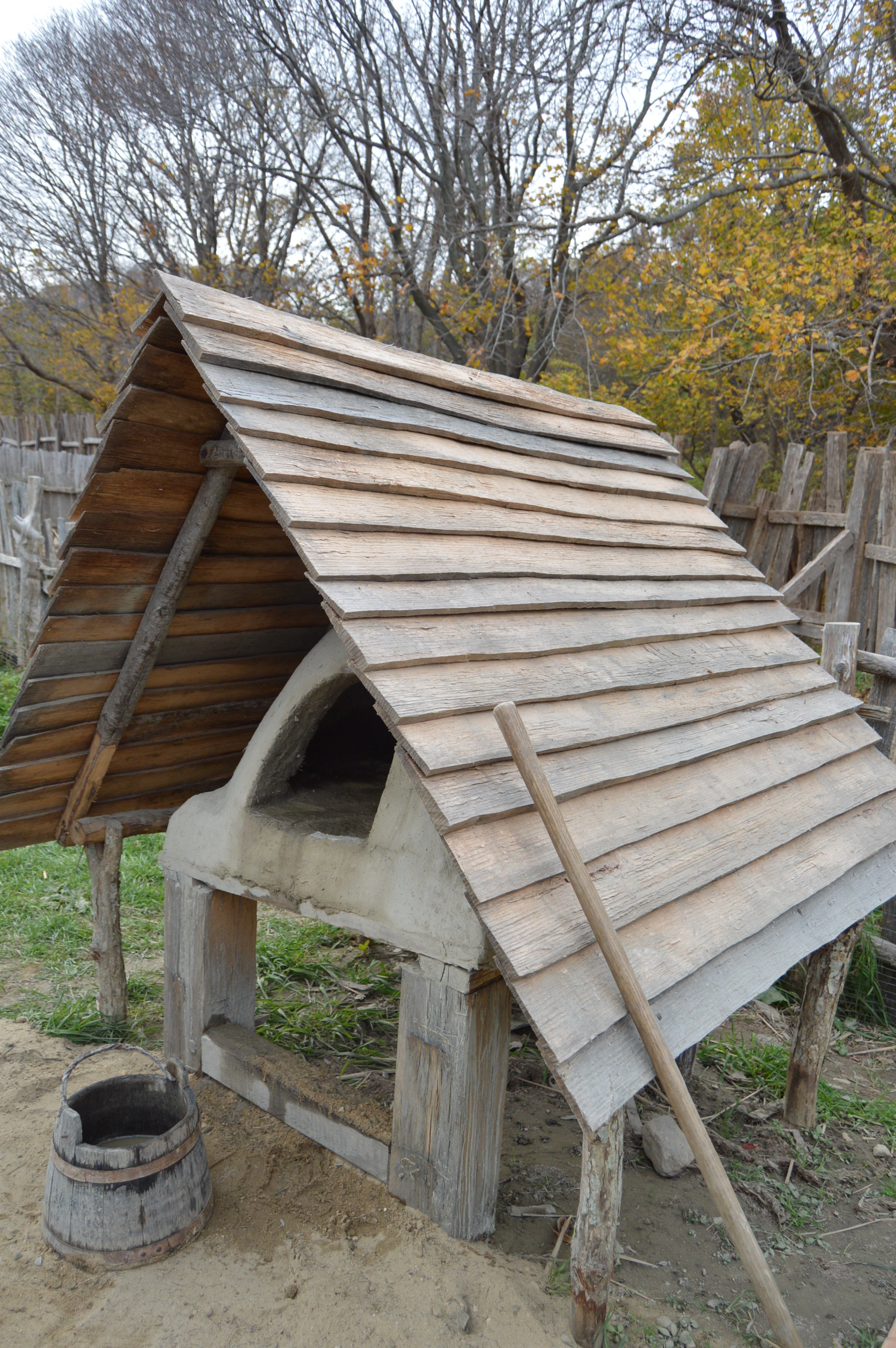
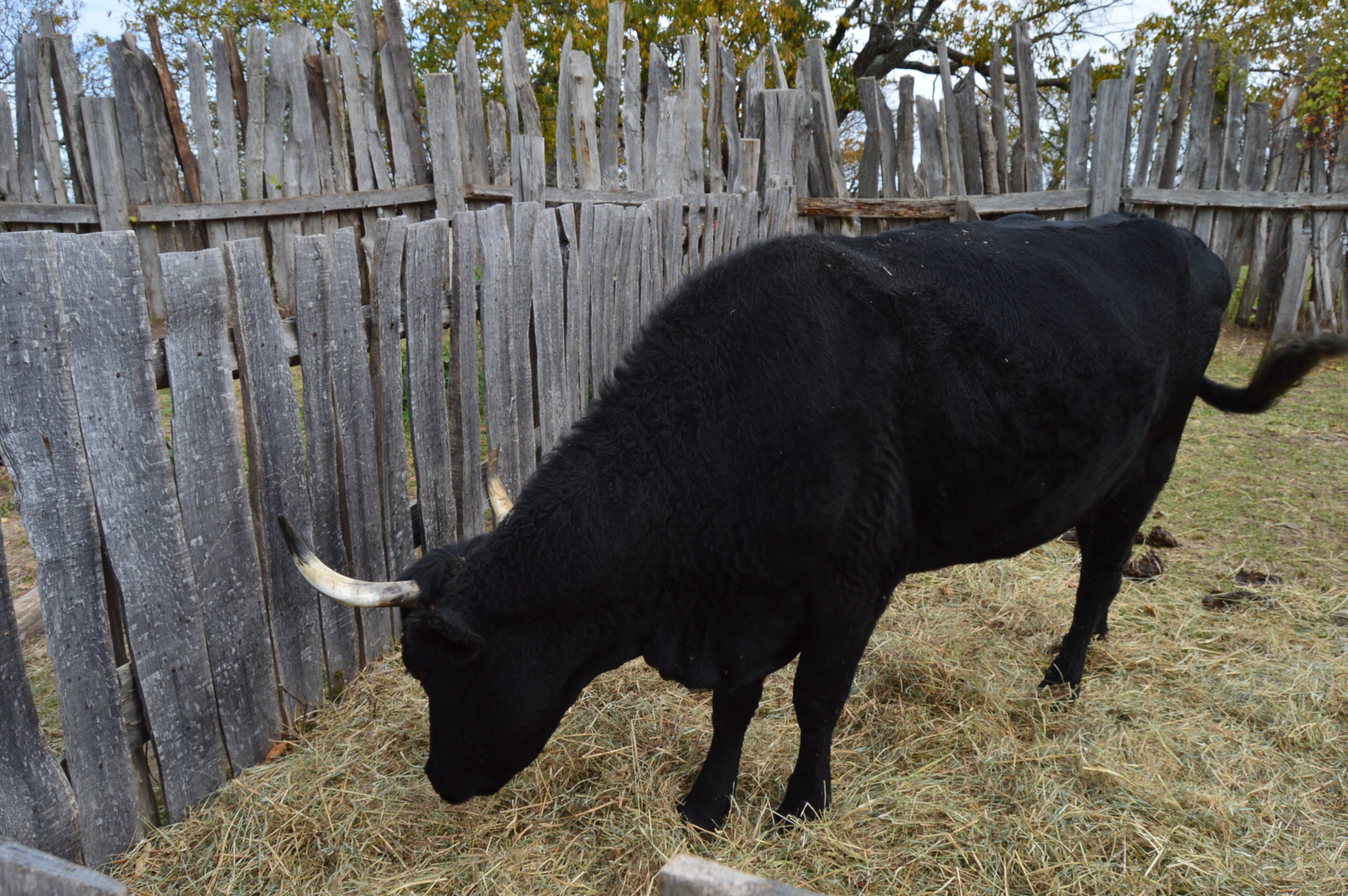
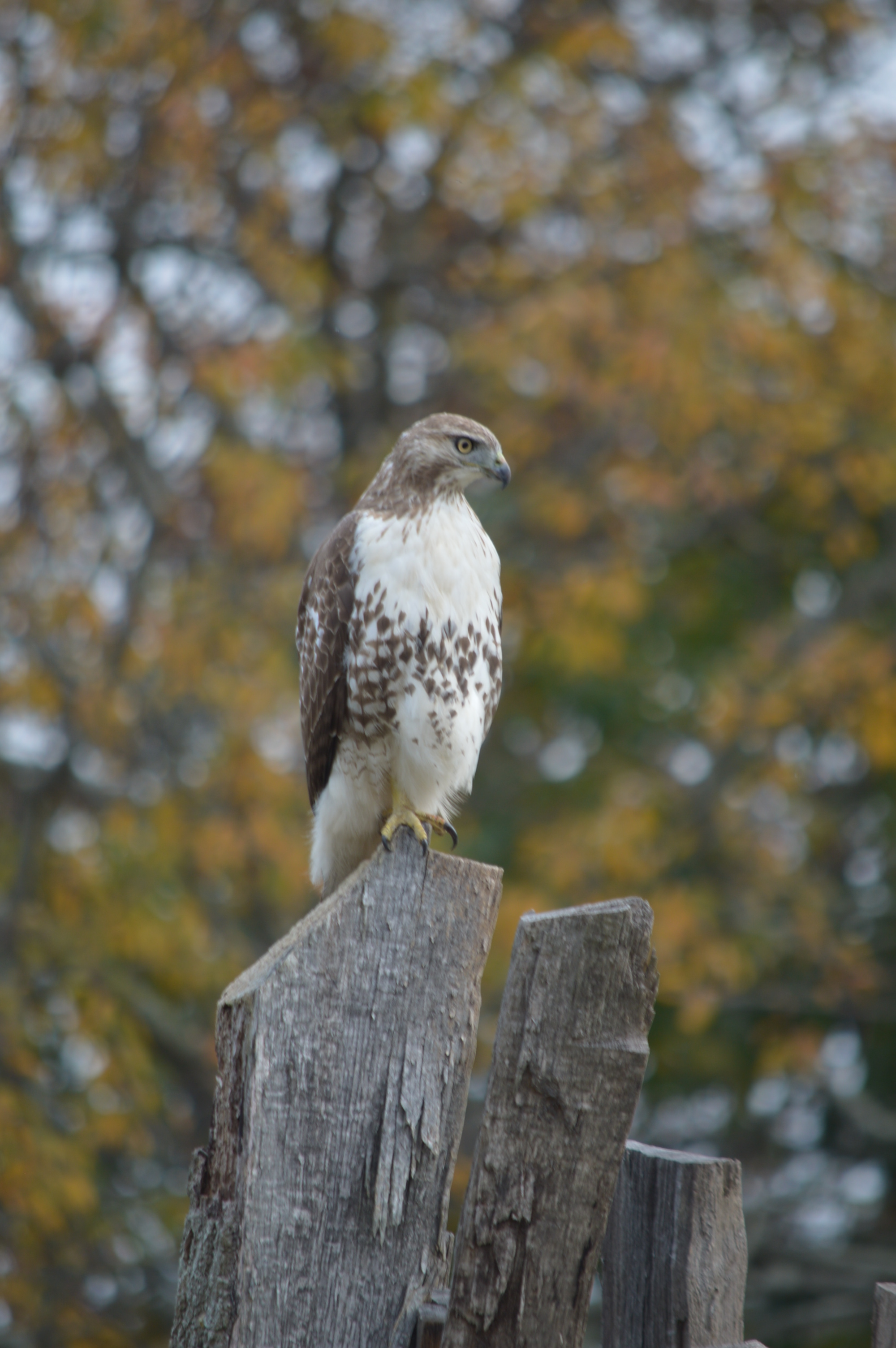
Plimoth Plantation has a limited amount of livestock.  There is a bull and a hawk.

DSC_0403 DSC_0397

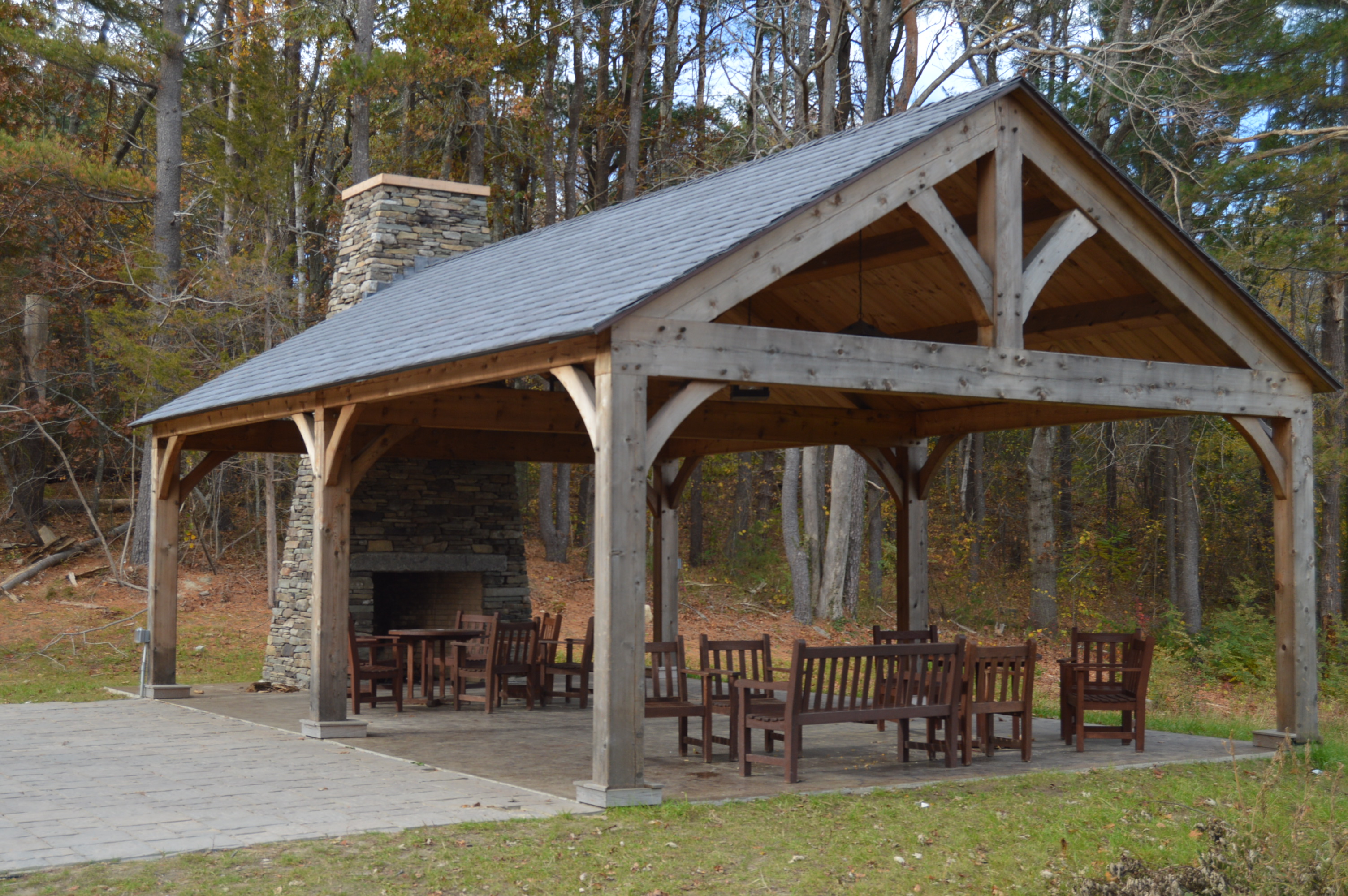
There is a dining and rest area outside of the plantation area.

DSC_0450 DSC_0449

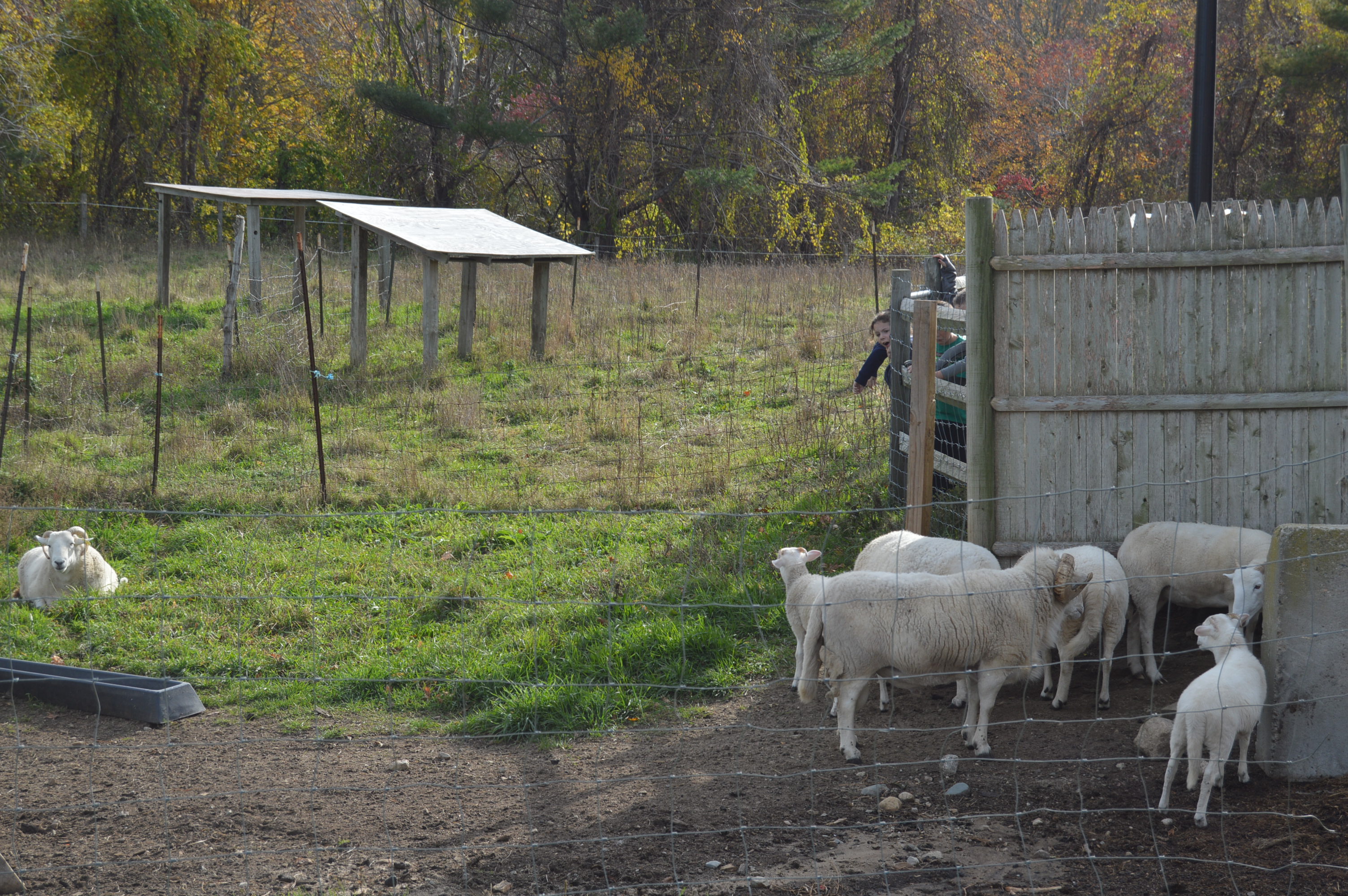
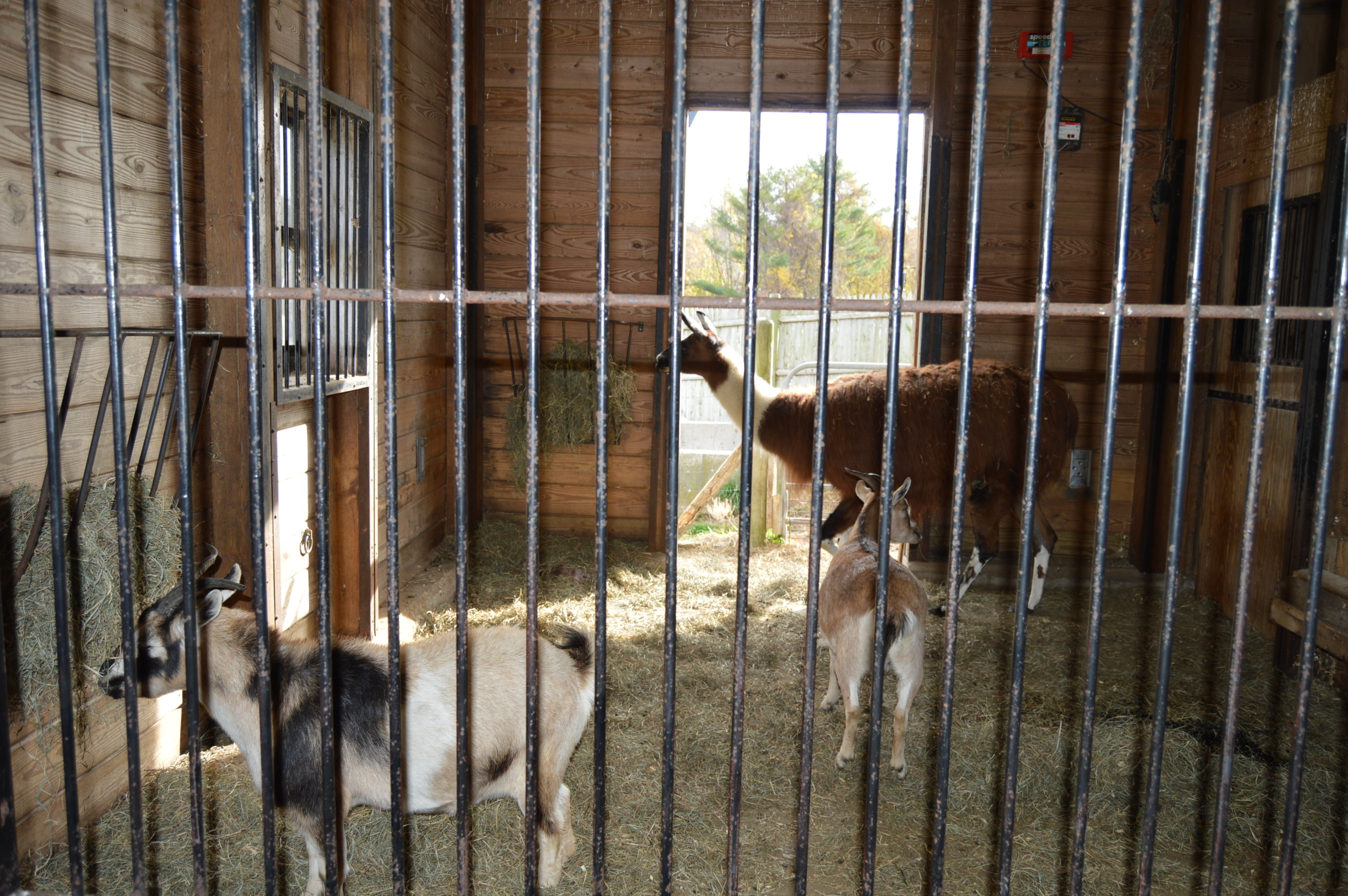
There is also Nye Barn located on the way out of the plantation.

DSC_0453

DSC_0478

DSC_0477  DSC_0475    DSC_0471     DSC_0462     DSC_0459

In other news, I have been nominated for a Liebster Award on my other blogging profile (Mr. Wayne)!  Please follow the link below to read about the nomination, see my answers to the questions sent to me and to see who I nominated for this award at Mr. Wayne’s Blog


Historic Homes of Salem (Salem, MA)

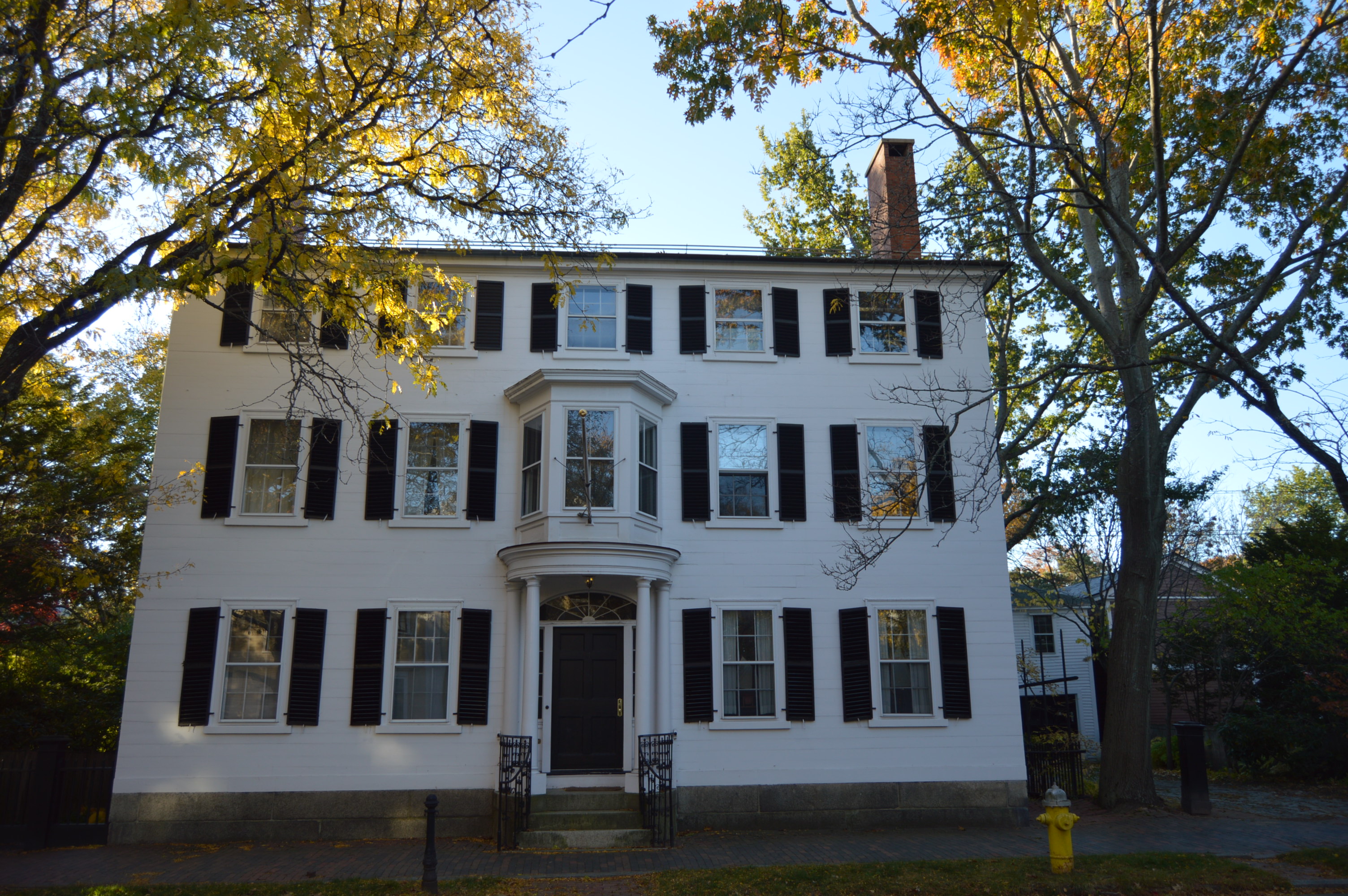
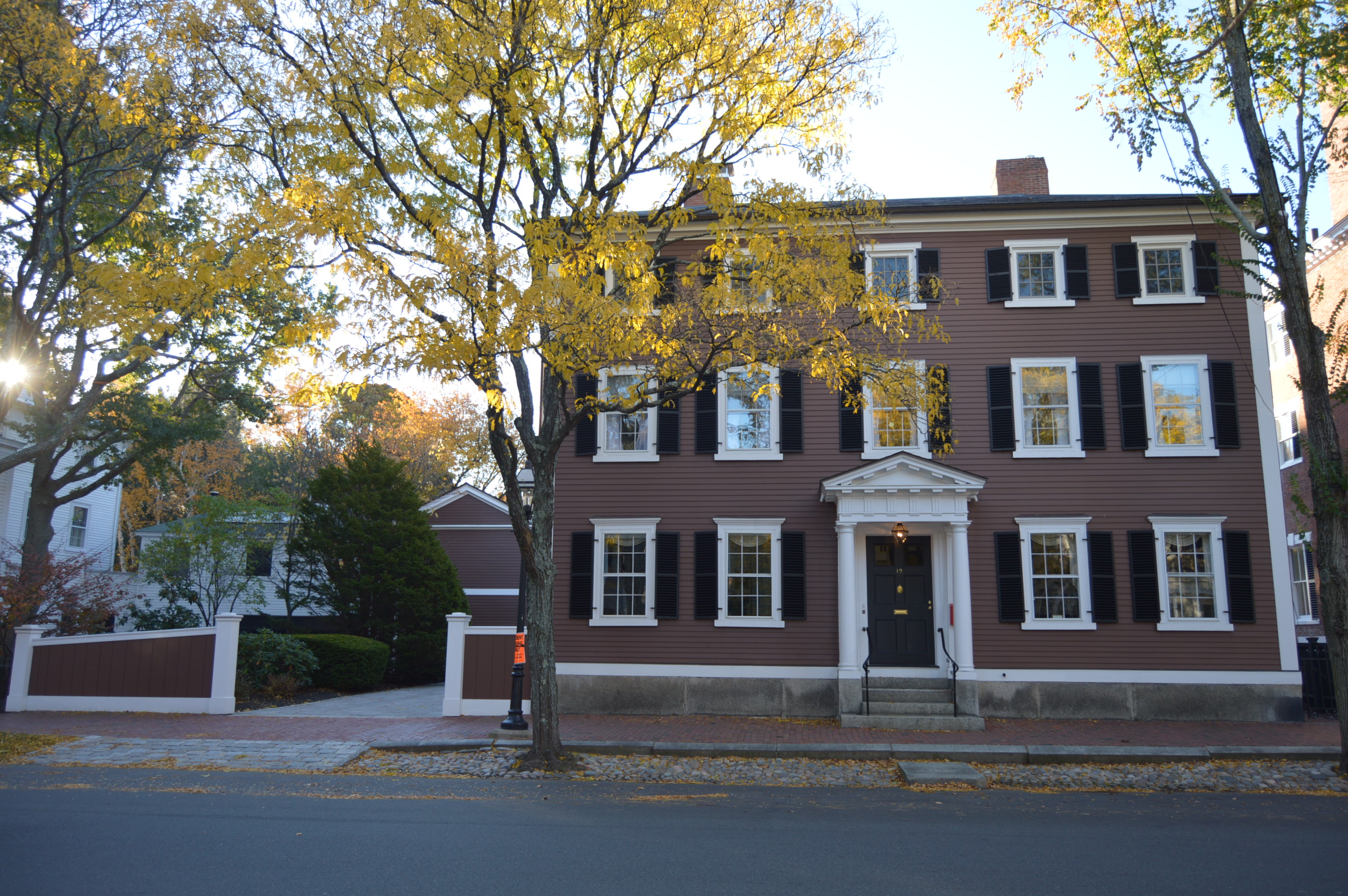
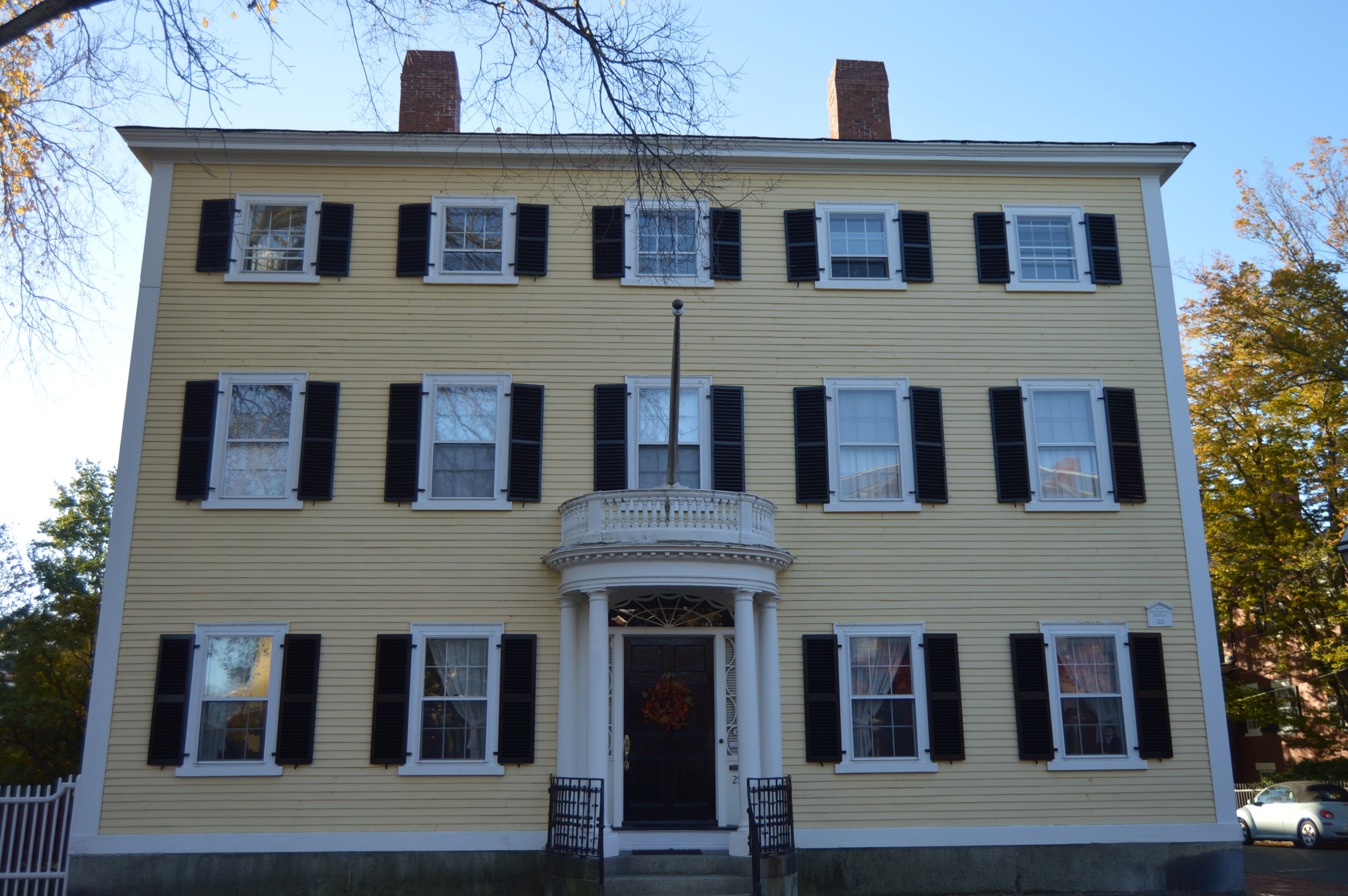
The historical homes of Salem help give the city a quaint feel.  You almost feel like you’re stepping into the pre-Colonial and Colonial days of New England as you traverse these historic areas. They also help keep the city connected to its past.  The homes of Salem range from the wood houses to the brick structures you see scattered around the city.  But, they are all beautiful in their own right.

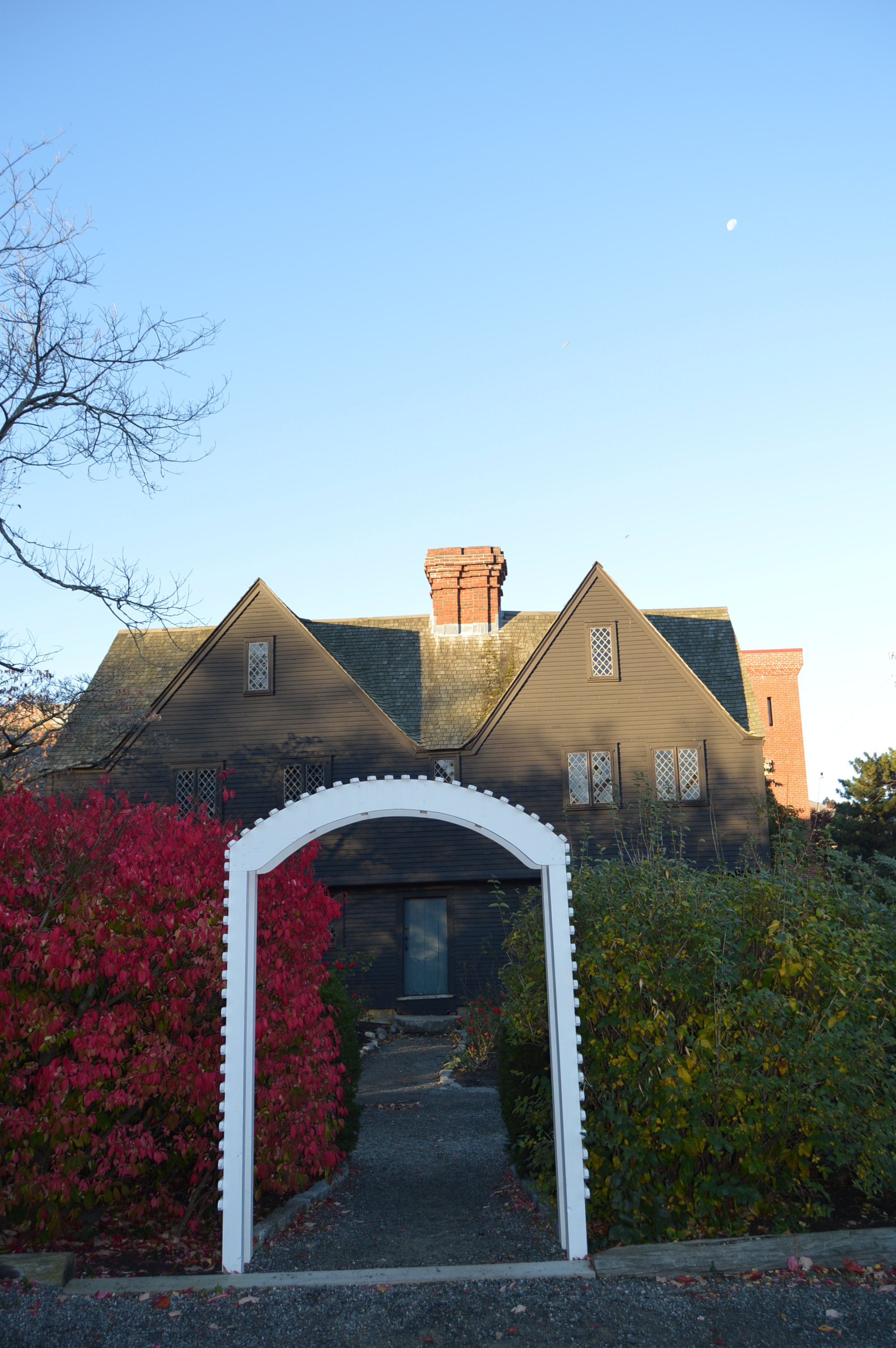
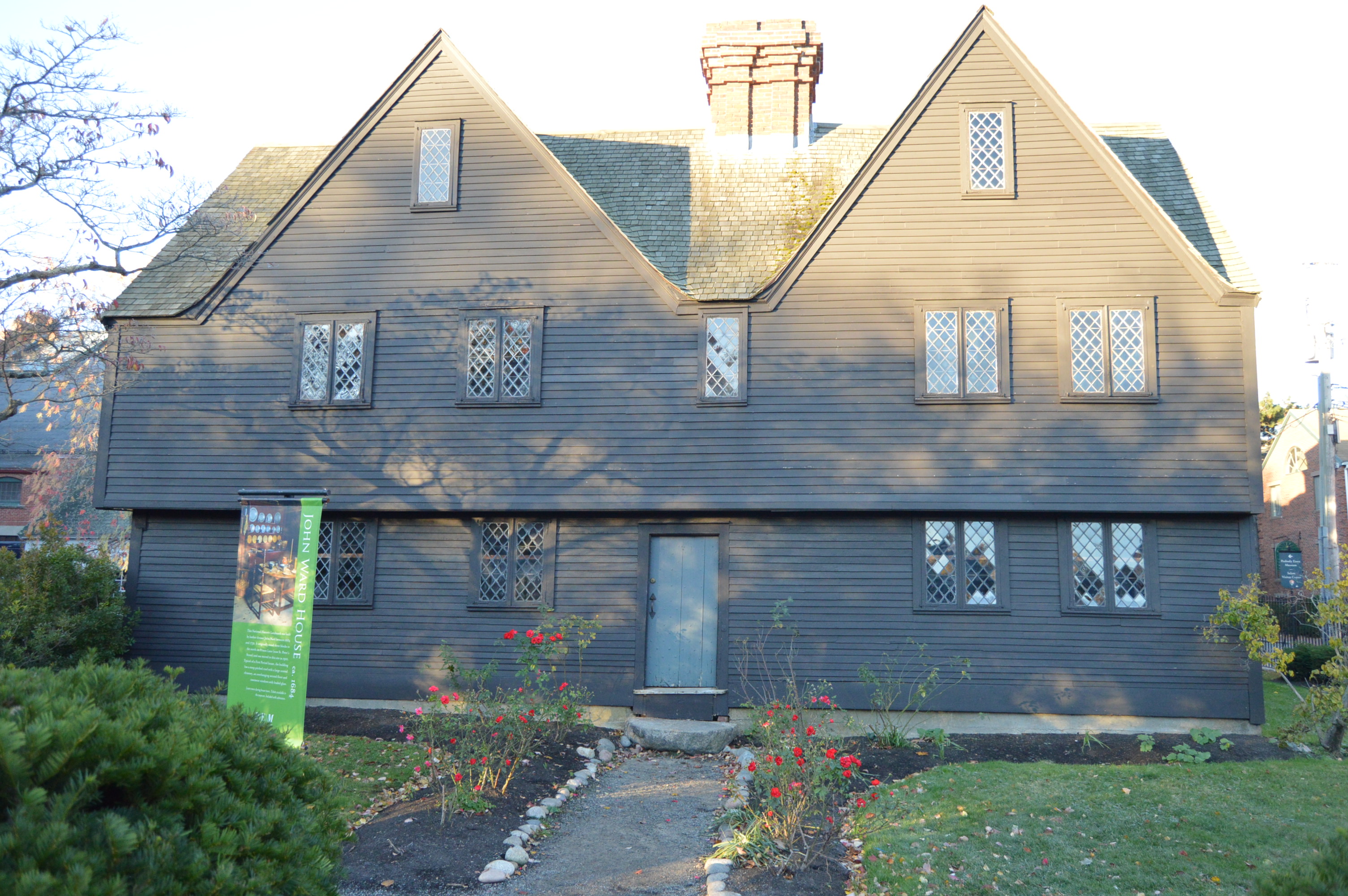
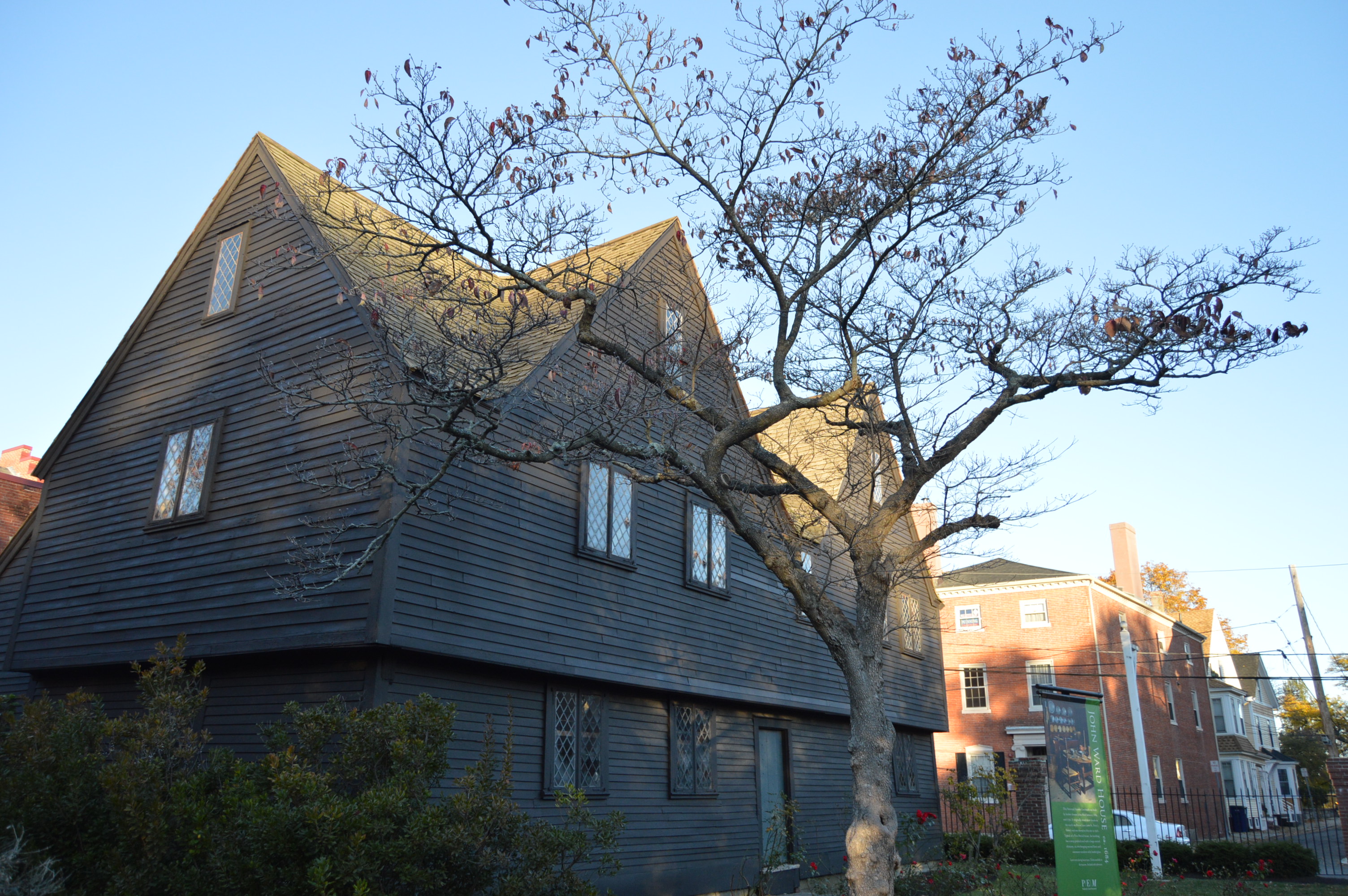
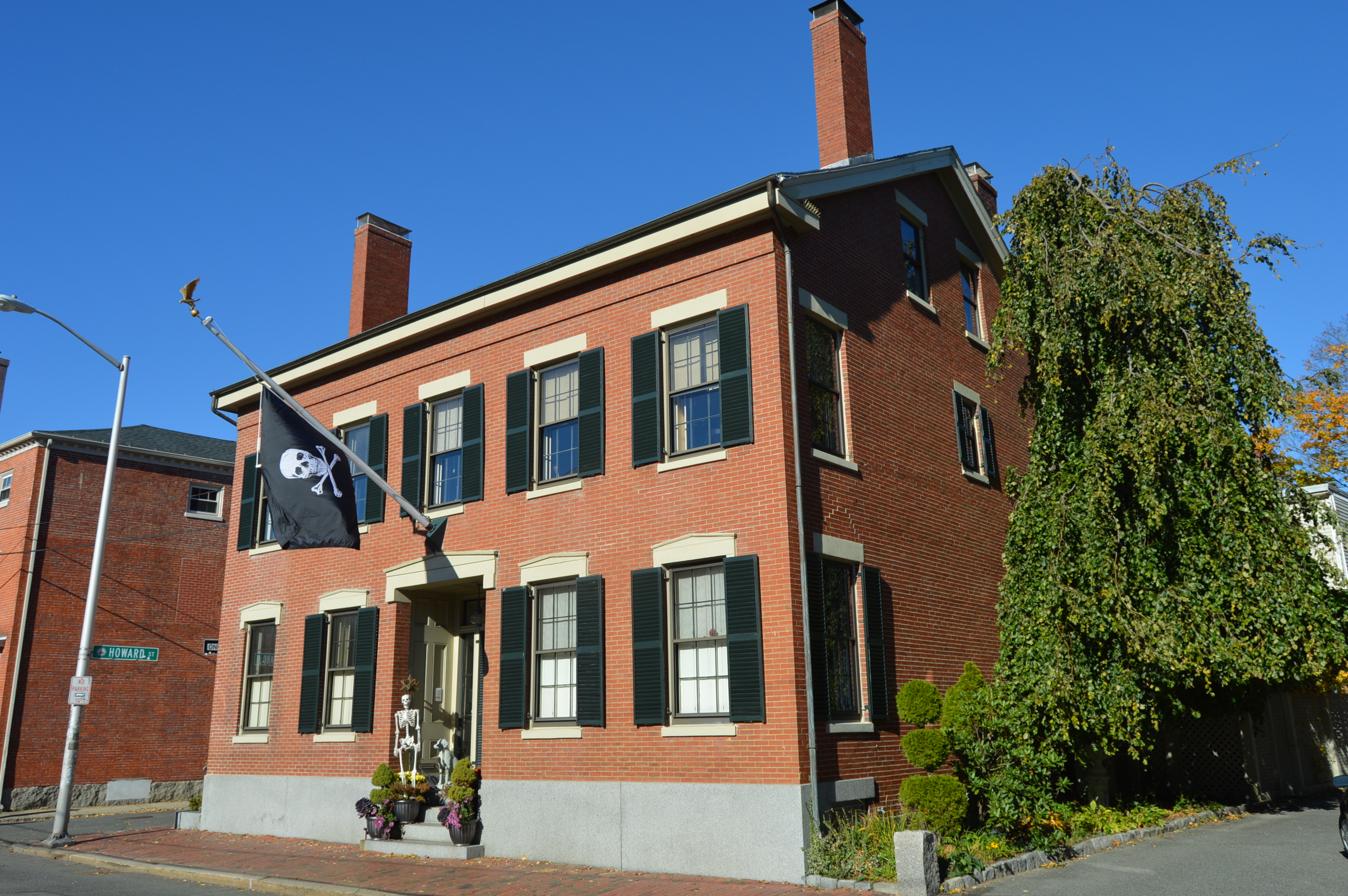
There are 46 homes listed on the national register of historic homes in Salem, MA.  Don’t worry, I only photographed a few of them.  Let’s start with the John Ward House.  John Ward was a currier (a leather finisher)

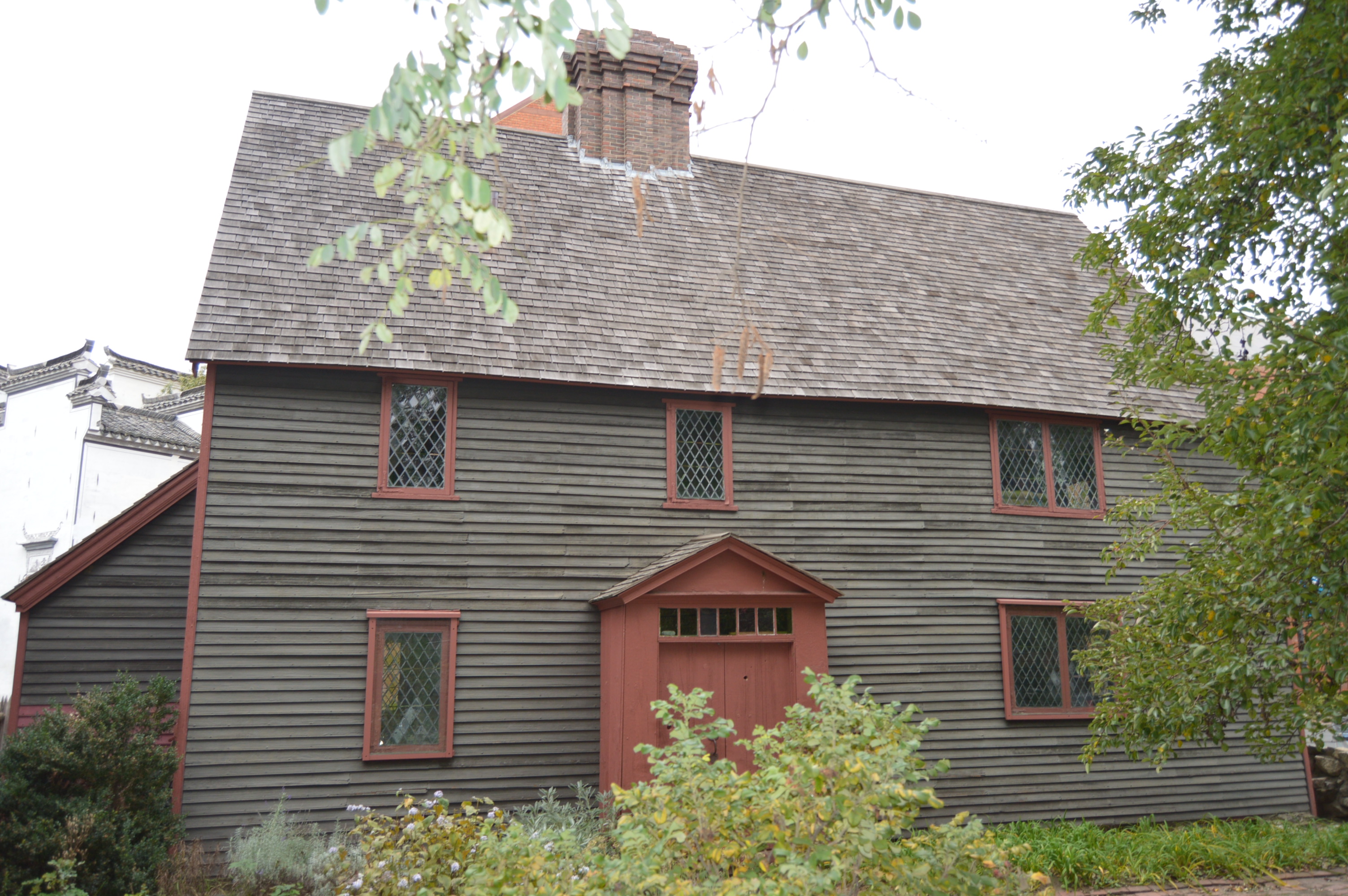
The John Ward House, now owned by the Peabody Essex Museum, is an example of First Period architecture.  Originally built at a different location (St Peter Street, only a few blocks away from its current location) in 1684, the house had many renovations over the years.  It is located just down the street from the Salem Witch Museum.

DSC_0392

DSC_0368     DSC_0374               DSC_0383

DSC_0390

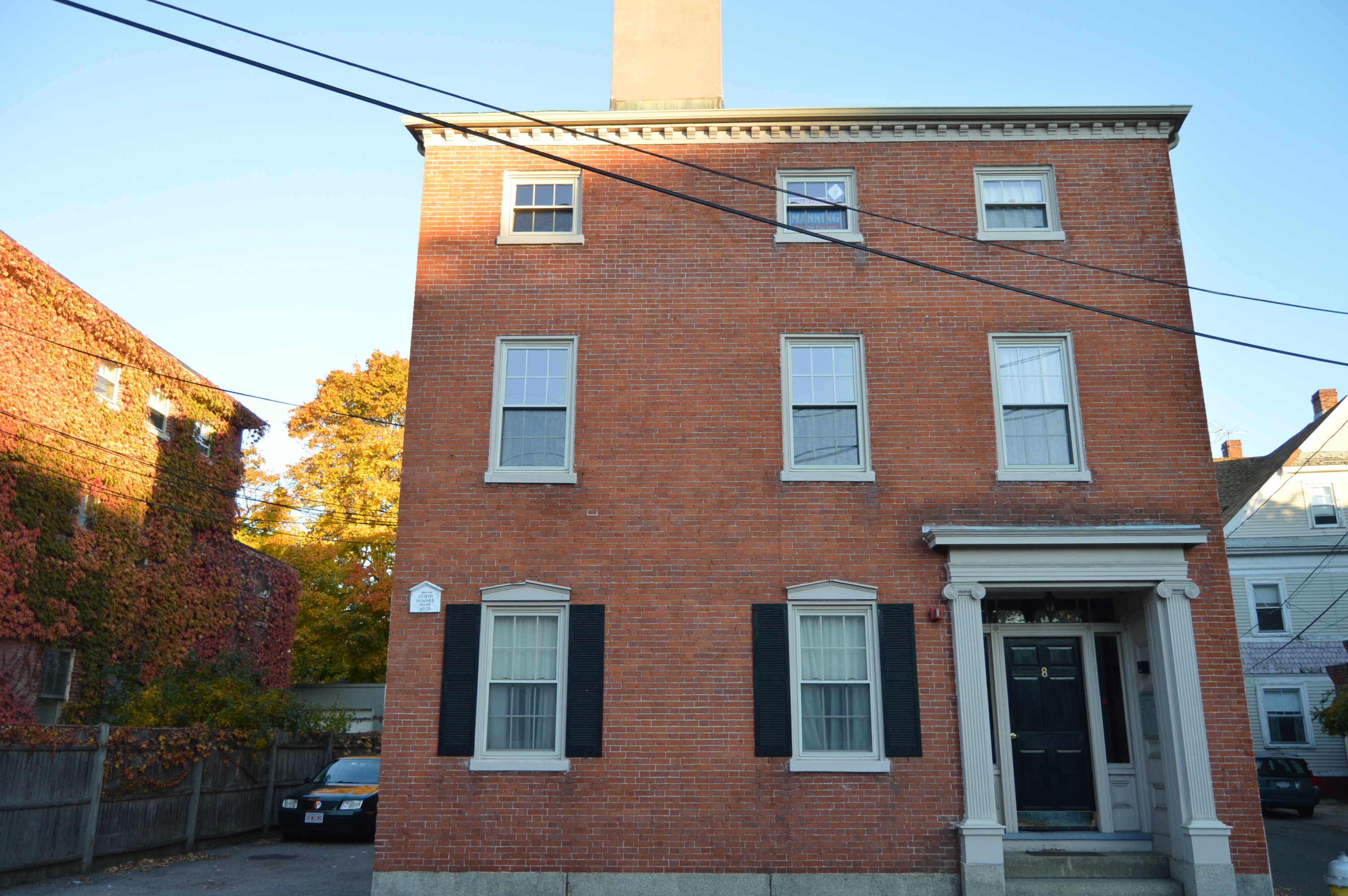
The Joshua Ward House, located closer to the Salem district area, has a more sordid history.  It is built on the same land as the birthplace of the former Sheriff George Corwin.  Corwin is known for his overzealous involvement in the questioning and torture of accused witches during the Salem Witch Hysteria.  The house is said to be haunted by Corwin. Additionally, George Washington is said to have spent a night there in 1789.

DSC_0534    DSC_0530   DSC_0528

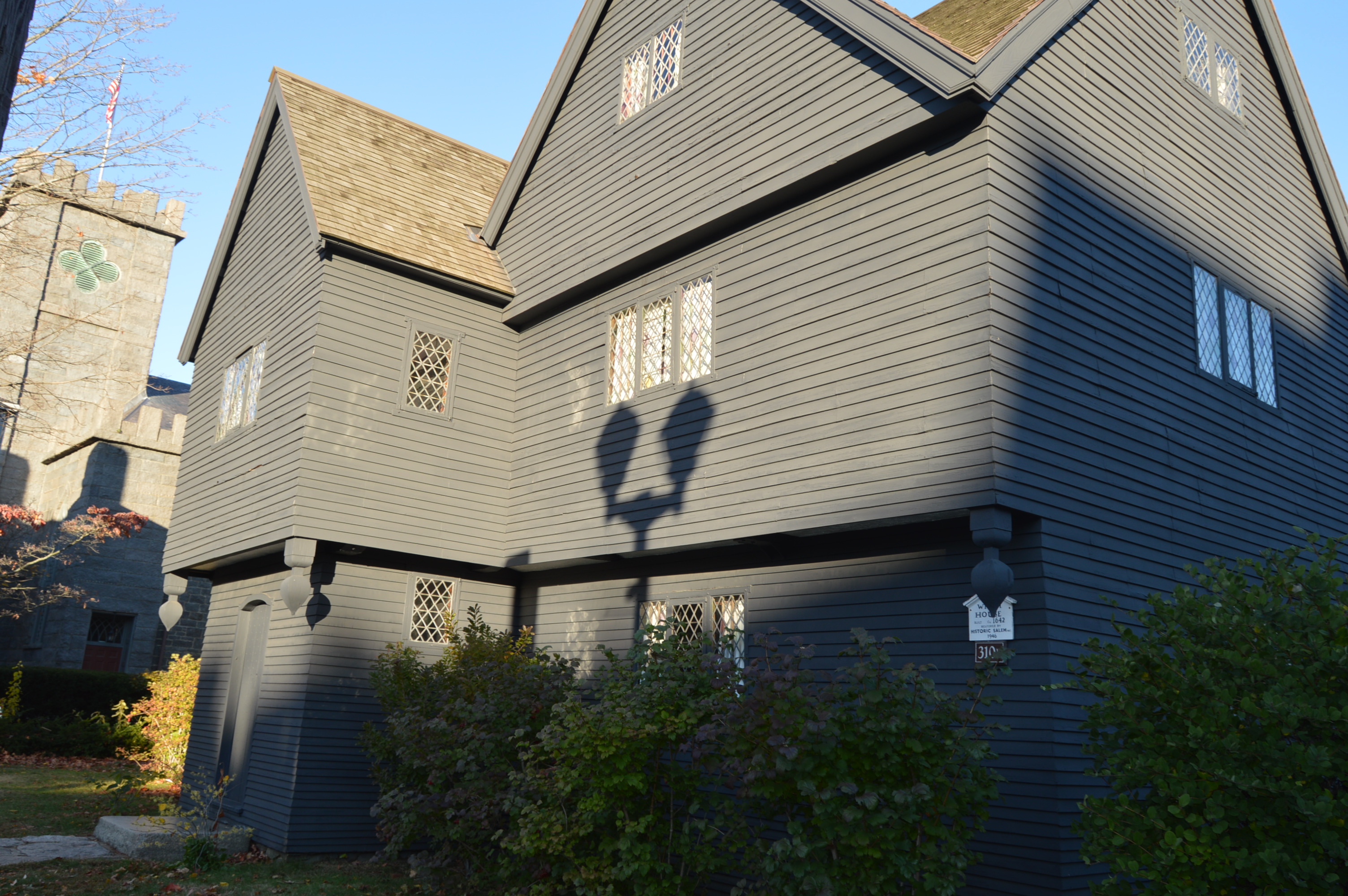
The Corwin House, also known as the “Witch House” is located a little farther away from the center of town on Essex Street.  It is the house where accused witches were allegedly tortured in the hopes they would confess.  The fact these accused witches could withstand some of his tactics such as strangulation and still held their innocence is testament to their strength and integrity.  Naturally, this house is said to have paranormal activity.

DSC_0424

DSC_0413 DSC_0419

There are quite a few houses on Brown Street that have a pre-Colonial or Colonial look to them.  Many of them are decorated for the holiday season.  Here are a few

DSC_0568    DSC_0564 DSC_0449   DSC_0354

DSC_0249

DSC_0898   DSC_0901

DSC_0324  DSC_0322

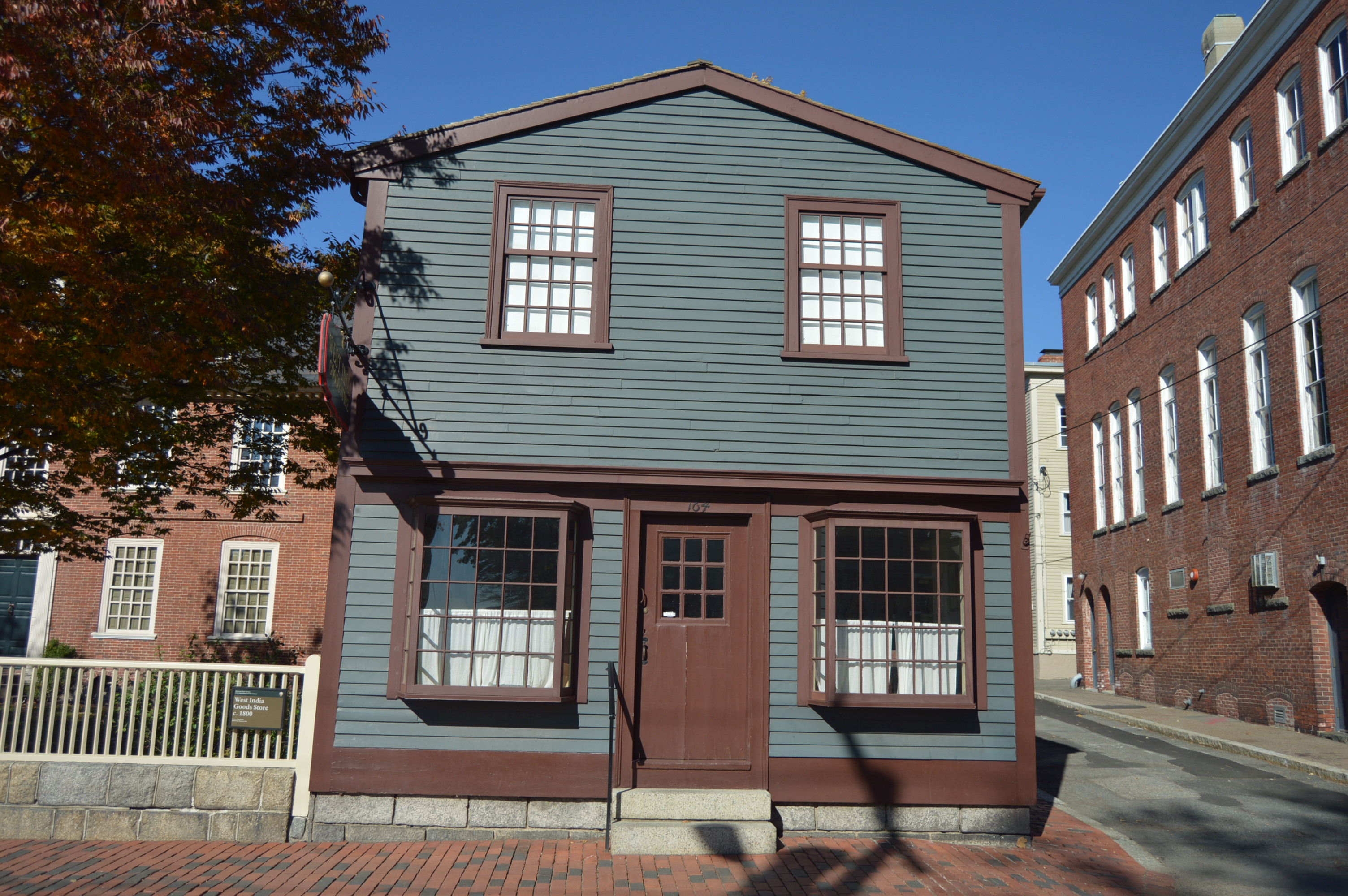
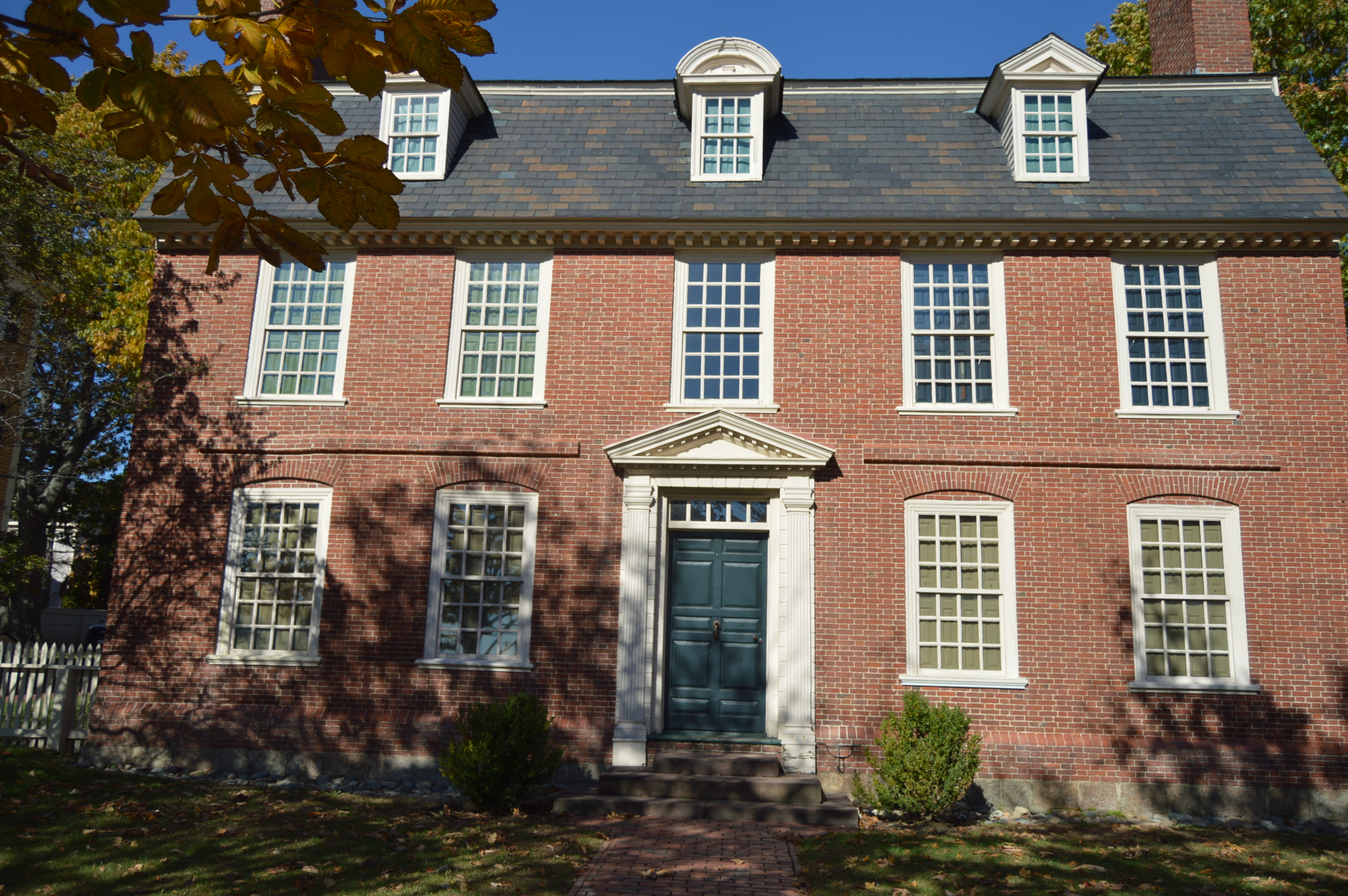
Closer to the wharf, there are a cluster of historic homes.

DSC_0138

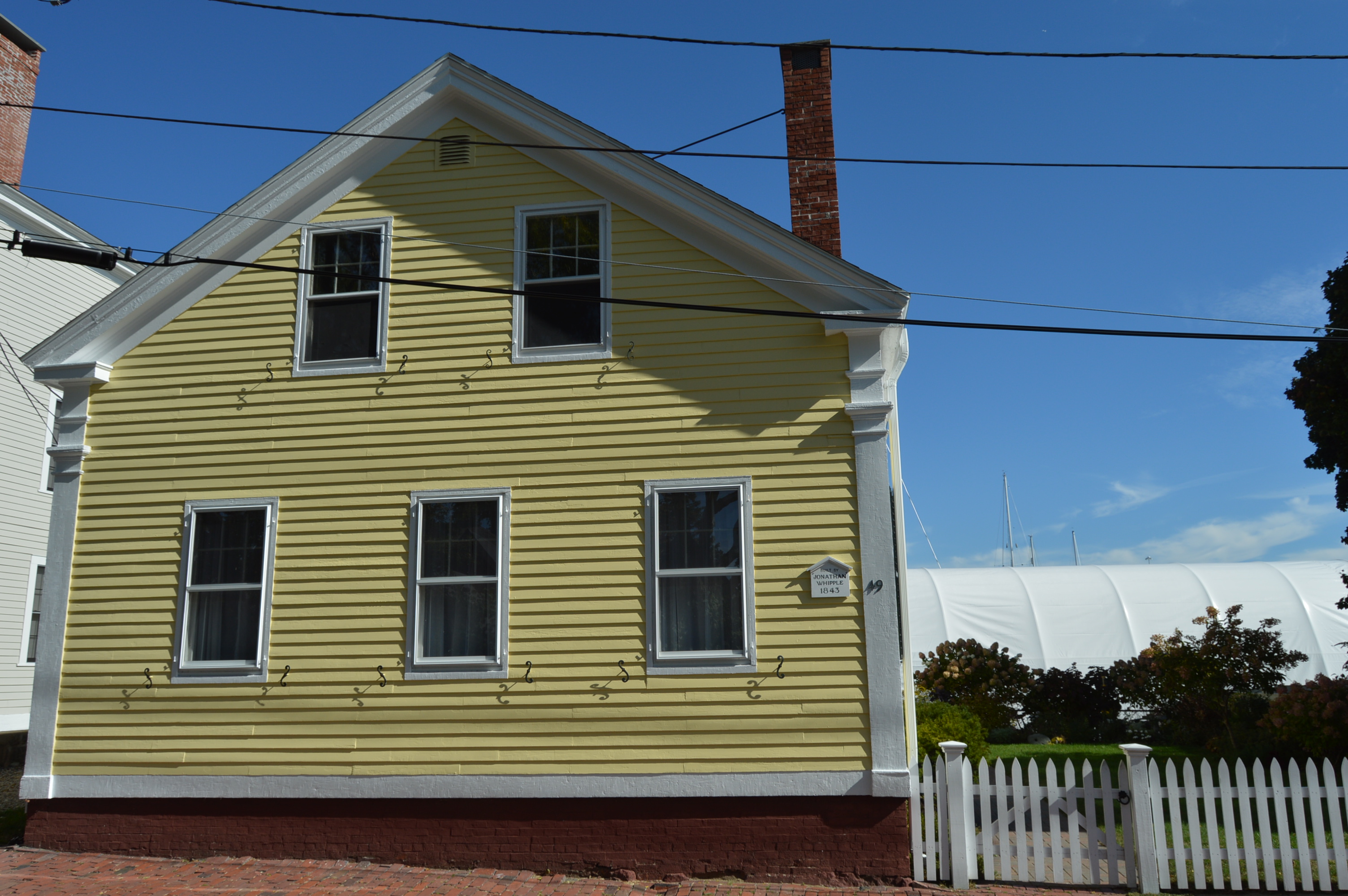
This home was built in 1843 by Johnathan Whipple

DSC_0102

This home, belonging to Penn-Townsend (a mariner), was built in 1771.

DSC_0096

This home, built by Jesse Kenney (a trader), was built in 1804.     DSC_0141

DSC_0140

DSC_0651

DSC_0665  DSC_0668  DSC_0672 DSC_0673

Along Derby Street, there are a few historic homes, directly across from the wharf.  The Custom House remains in its original location there.  A park ranger stands at the base of the stairwell (on your right).

DSC_0648

The Hawkes House is the former home of Benjamin Hawkes, a ship builder and prominent resident of Salem.

DSC_0160

Of course, this is one of the most famous buildings in Salem, Massachusetts.   There was no photography allowed in the House of the Seven Gables.  So, I did not go in as I have already been there several times and the only reason to go on a tour this year would be to photograph the inside of the building.

DSC_0653

There are also some pretty inns adjacent to to The House of the Seven Gables.

DSC_0658

DSC_0661

DSC_0657  DSC_0654

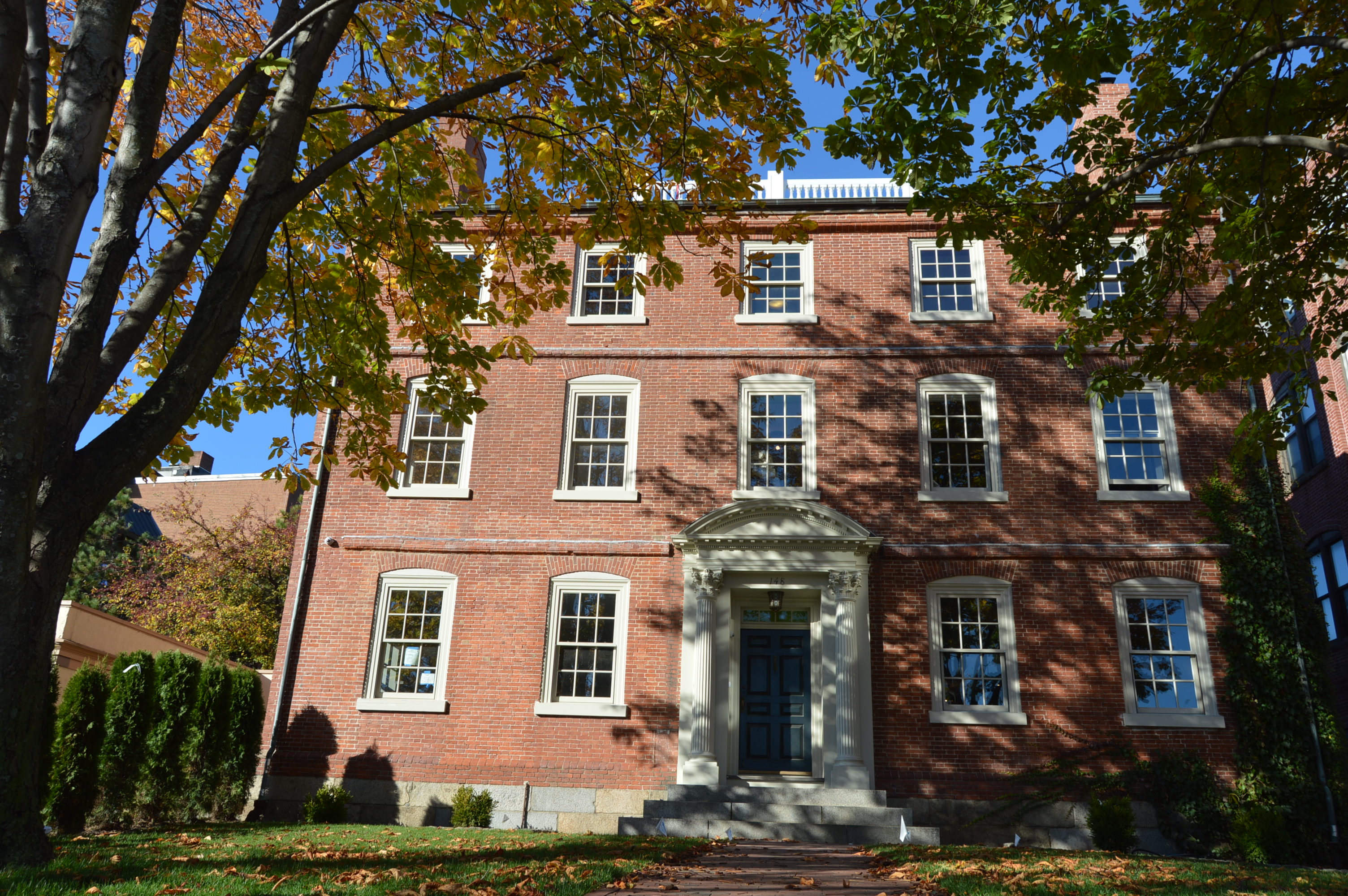
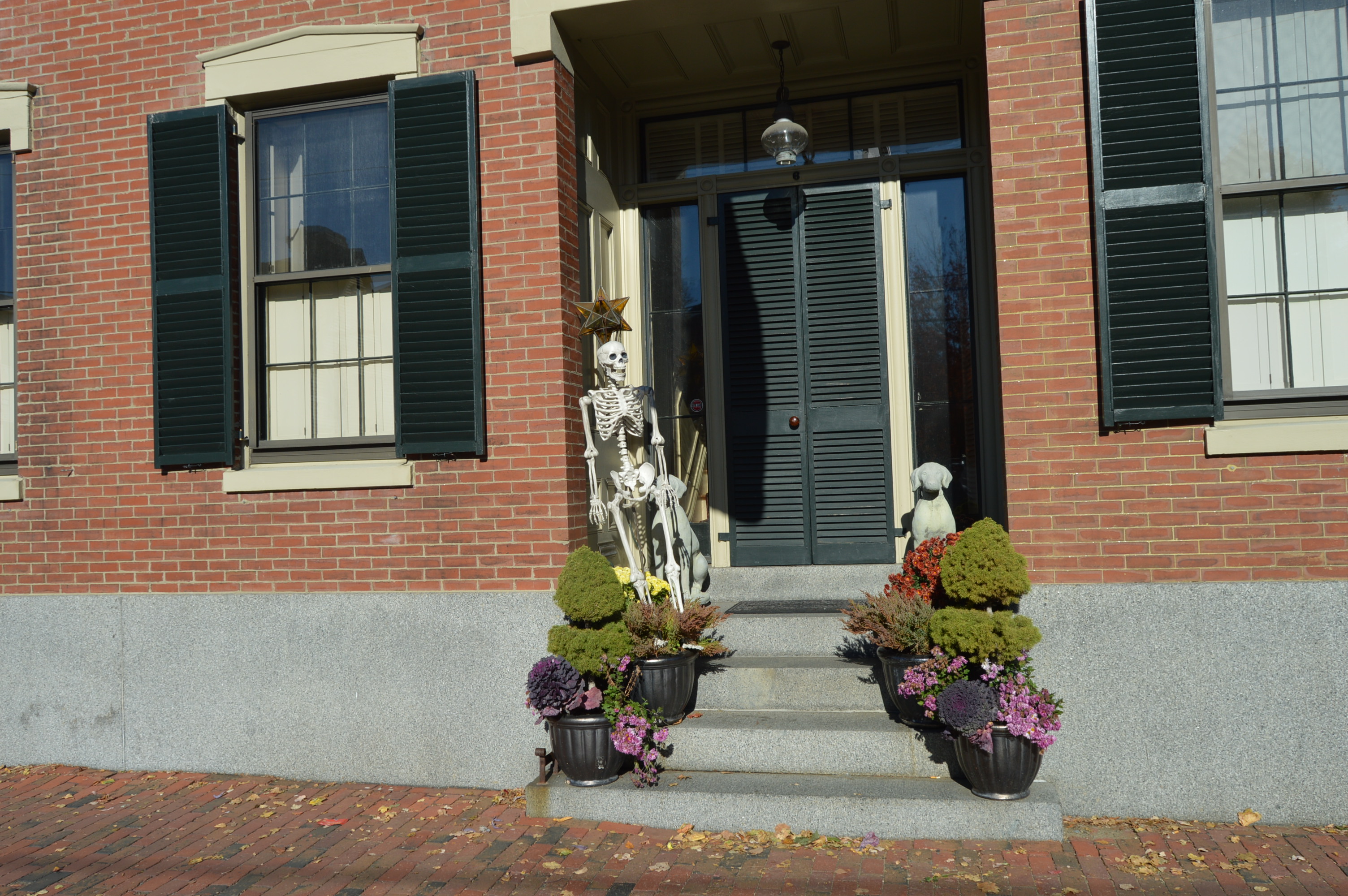
But, the really impressive homes were on Chestnut Street.  This house was built in 1850 for Francis Cox, a merchant.

DSC_0428

DSC_0431

Some of the neighbors did not take kindly to my photography.  But, I carried on.

DSC_0433

Deacon John Stone,a distiller, lived here.

DSC_0434

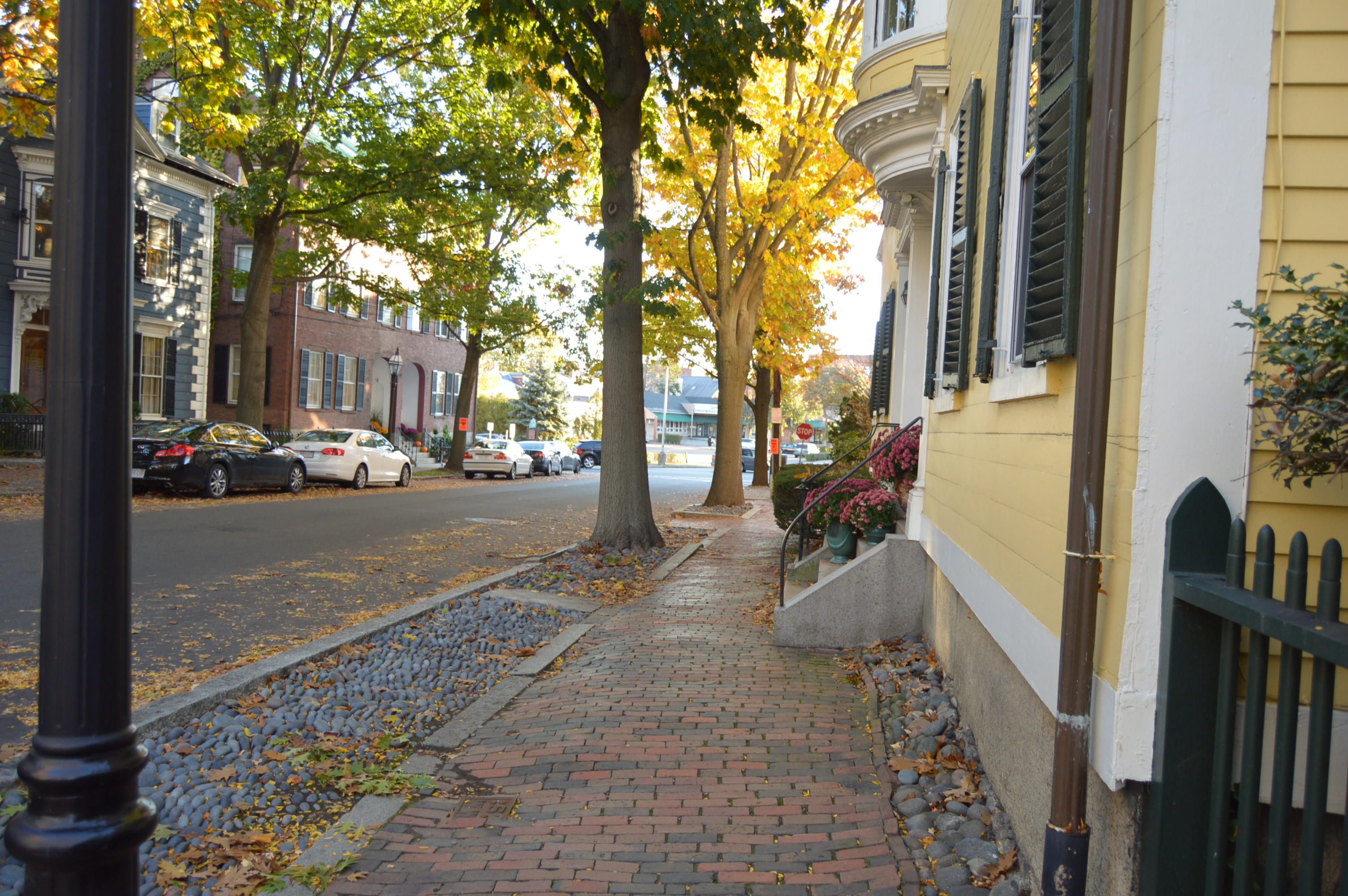
Even the sidewalk and street are charming.

DSC_0437

DSC_0439

This house was built in 1832 for Elizabeth King.

DSC_0444

Many of the historic homes have been converted to residencies.  In fact, almost all of them seemed to be inhabitated either as homes, apartment buildings or inns.  This house was originally built in 1804 for Amos and Solomon Towne.

DSC_0446

DSC_0450

DSC_0458

DSC_0462

Some of these homes are so beautiful during the fall season.  I can only imagine how pretty they must look during the winter with freshly driven snow falling on the trees and walkways.

DSC_0465

This was my favorite house on Chestnut Street.  It wasn’t as big as some of the other buildings.  But, it was cozy and cute.

It was originally built by Stephen C. Phillips.

DSC_0472  DSC_0466

I met Penuche (named after the fudge maybe?).

DSC_0478

And Lola.

DSC_0201

This concludes my journals from my trips to Salem, at least for now.  My next few blogs will deal with other parts of the wonderful New England area.


The Statues of Salem (Salem, MA)

Salem, MA and the people of Salem are known for more than just the well publicized witch hysteria.  While the city remembers this somber time with memorials, they also have other monuments, statues and other decorations, particularly during the Halloween season.

This is probably the most recognized statue in Salem.  It is the statue of Roger Conant, the founder of Salem.  Because of the dark, foreboding image of the statue and the fact that it is located directly in front of the Salem Witch Museum, it is often at first glance considered a monument in tribute to the victims of the witch hysteria.  That was my thoughts when I first saw it as a younger person.   As an fyi, it is very hard to take a photo of the statue without throngs of crowds nearby doing the same thing, often times ruining your photo.  I had to arrive very early Halloween day to get this photo without a lot of people or car traffic.  It is a very popular stop for tourists.

DSC_0345

DSC_0346

While we’re all familiar with people like Nathaniel Hawthorne, there are other people who were pivotal members of Salem that are less noted than Hawthorne like the reverend Theobald Mathew, an apostle of temperance, according to the script on the statue.  Even if you’re not familiar with people like Mathew, the artwork and of the statues is enough to impress anyone.

DSC_0961DSC_0955

Speaking of Hawthorne, just farther down the road on, you guessed it, Hawthorne Boulevard is the Nathaniel Hawthorne statue.

DSC_0978

One of the things you have to love about Salem is they don’t try to sweep the past under the rug and they try to educate others about tolerance.  This sign for the Witches Education League is an example of this.

DSC_0845

There is also a memorial to the The Blue Star Memorial Program which is dedicated to all of the men and women who serve in the United States armed services.

DSC_0968

Salem has another memorial dedicated to a Congressional Medal of Honor recipient, John Phillip Riley.  Riley is one of 5 Medal of Honor recipients from Salem, dating back to the Civil War.

DSC_0486DSC_0487     DSC_0489

This memorial is dedicated to the Boys of the Immaculate Conception who served during World War I.

DSC_0975 DSC_0974

This monument, located in Salem Common, is a tribute to those who died during World War II

DSC_0836

The Salem Fire Department has two memorials at their Ladder 2 station.

One memorial is a memorial to the victims of September 11.The metal in the middle of the monument is from the rubble at Ground Zero.  The two concrete beams in the background represent the North and South towers at the World Trade Center.

DSC_0503

There are two ceramic angels in a cup placed on the memorial.  People leave pennies in honor of the victims.

DSC_0501

The other memorial at the fire station is in honor of the firefighters from their station who have paid the ultimate price

DSC_0509

Closer to the heart of the city, there is also a monument with a quote from Eli Wiesel.

DSC_0016 DSC_0013DSC_0015

During the Halloween festivities, the original water pump was displayed in the main drag of the walk way on Essex Street.  This is the original pump the people of salem had to use before they had indoor plumbing and other amenities we take for granted.

DSC_0035   DSC_0038    DSC_0030     DSC_0029   DSC_0033

Some of the monuments, statues and signs are more lighthearted like the Bewitched statue in Lappin Park.  Little known fact: some of the Bewitched shows were filmed in Salem, MA.

DSC_0278

DSC_0279

This placard reminds us that even ghosts like bacon.

DSC_0541

I also met some very cute dogs during my travels.

There was Massie

DSC_0067

Creed

DSC_0275

And Harley.  Harley didn’t like my camera.  But, he felt safe when he was with his dad.

DSC_0073 DSC_0076

and this cute fella whose name I didn’t get.

DSC_0272

As these monuments, statues, memorials, signs and dogs have shown, there is more to Salem than just the Halloween festivities.  My next blog will deal with the impressive architecture of the homes, museums and other buildings of the Salem area from my recent visits.


The Burying Point (Salem, MA)

Nestled behind the Salem Witch Trials Memorial, is the final resting place for some of Salem’s earlier residents; the Burying Point.  Located among the bustling downtown Salem area, the Burying Point is the oldest cemetery in Salem, MA,

DSC_0193 DSC_0198 DSC_0190  DSC_0187 DSC_0186Tour groups and visitors from all over the country walk over sacred graves.  In fact, the Burying Point is one of the most popular attractions in Salem.

DSC_0200

DSC_0256

The cemetery is well kept and the vast majority of the visitors are respectful of the tenants there.  The one thing I find to be a little weird, besides the obvious weirdness of walking around a cemetery as though it was an “attraction”, was the “haunted house” located feet away from the cemetery.  I’m generally not one to care either way, but it still felt odd hearing ghastly screams and people ordering hot apple cider while we stroll along the cemetery.

Although many headstones are difficult to read, it is worth observing that many of them show the female deceased as the “wife of…” Just another sign of the times.

While many of his relatives reside in the cemetery of the overly commercialized town of Salem, Nathaniel Hawthorne is not buried in Burying Point.  Instead he rests in Sleepy Hollow Cemetery in Concord, Massachusetts.

The storied feud of Nathaniel Hawthorne and his ancestors is of legend.  Just to recap, John Hathorne, a Salem magistrate, was appointed by the then Governor Sir William Phips to be a judge in the Salem Witch Trials.  However, during the trials, he acted more like a prosecutor than a judge.  He would often presume the guilt of an accused witch and demand they confess to witchcraft as well as pressuring accused witches to name other witches after they were inevitably found guilty or they confessed under pressure of Hathorne and his court.  He became known as a “hanging judge”.

In light of his ancestors misdeeds, Nathaniel Hawthorne, Judge Hathorne’s great grandson, would change his name by adding a “w” after the “Ha” in his last name and he would distance himself farther from Judge Hathorne by penning The Scarlet Letterand speaking out against the deeds of his ancestor.

Judge William Hathorne’s grave is on the left in this photo, next to his son’s much larger gravestone.  No one left anything on his gravestone.

DSC_0195

I wanted to thank everyone who reads, likes and leaves comments on my blogs.  It is appreciated.  I also wanted to mention that I have begun (resumed) blogging as Mr.Wayne after a fairly long hiatus.  I have always been a writer at heart and, after being inspired by so many wonderful blogs on wordpress, I have decided to resume my written blogs again, in addition to my photoblogs.  Please view my most recent post What Could Have Been.  Thank you.