Tag Archives: animals

Kennard Park Sculpture Trail (Newton Centre, MA)

Date of Visit: September 24, 2016

Location: 246 Dudley Road, Newton Centre, MA (there is also an entrance on Farina Rd)

Hours: open daily, dawn to dusk

Cost: Free

Parking: There is a designated parking area for about 6-8 cars.  People park on the side of the entrance when the regular spots fill up (see below for photo of parking lot)

dsc_0742

Park Size: 100 acres (conservation area is 32.2 acres)

Trail Difficulty: Easy

Highlights: Easy trails, sculptures displayed around the park (until Nov. 11th, 2016), wildlife, pretty trees and flowers

Lowlights: small parking lot

Web Site: Friends Of Kennard Sculpture Trail

Trail Map: Newrown Conservancy Trail Map

As if Kennard Park wasn’t pretty and interesting enough on its own, sculptures have invaded the park.  The Kennard Park Sculpture Trail is a diverse display of art with social , personal and political messages.  But, hurry if you want to view it.  It is scheduled to be on display until November 11th of this year.

I want to give credit to 52 Sundays-Halpern Blog for posting a blog about this amazing exhibit.  Stop by and check out halperns’ blog!

The sculpture trail includes sculptures from 15 different artists.  There are sheets of paper hanging from the exhibits or near the exhibits which give information about the artist and some of his or her inspiration behind the sculptures or art.  The sculptures may not seem to go in order numerically if you start the trail from the parking area because there are several sculptures and works of art on the front lawn.  I am listing the sculptures and pieces of art in numerical order based on the map key which is available at the park.  Free handouts for the trail are located on one of the tables at the entrance.

The first sculpture by Jean Blackburn is called Kennard Web.  She states she is fascinated by the age of trees and their ability to adapt or effect their environments.  She also states she would like to create a “weave of connections” through this art work.  The work of art would make visible the singular configuration of the community of trees at this time and place.

The second set of sculptures, by Paul Walker, are called the Nattural Balance Benches and Bridge Bench.  These tables and bench are a combination of rough and refined, accordiing to Walker’s write up.  They are natural and hand made.  They are comprised of black walnut is in Newport Bay and sediment stone with stainless steel posts.

Murray Dewart’s sculptures are the third work of art on the trail.  His sculpture entitled, “Pavilion Of The Sun” is meant to convey something aspirational, both spiritual and monumental.  The Sun Pavilion has the promise of something ceremonial and celestial, open to the sky.

The welded aluminum 15 foot gate is powder coated and installed in three sections.  On the inner face of each column inside the pavilion is a mirrored surface of stainless steelthat reflects the sunlight with the faces and bodies of the visitors.

Dewart also has a bright red aluminum gate as part of his exhibit.

The Propeller Bench by Kit Clews is the fourth exhibit on the sculpture trail.  The Bench Propeller is an ultralight cooling station.    Kit imagined a tree branch with a gently spinning propeller in place of leaves which are create cooling breezes whilst they lounge together under the kinetic propeller tree.  As the spinning wheel turns, visitors are free to visualize “whirled peace” and perhaps, someday, “the wheel thing.”

The fifth exhibit is a “Reflection on the Ornithology of Naturalist-Conservationist Frederick Kennard and Memorial to Extinct Species” by Charlet Davenport.  As the name suggests, the exhibit honors Frederick Kennard’s interest in birds and to the extinct species of birds who used to roam these woods.

The exhibit includes eggs with names of extinct species on them (the very same eggs, except they are not real, that Kennard would collect) as well as porcelain forms in the shapes of Japanese lanterns which are meant to mimic the paper lanterns which were used as ornaments during the times of Frederick Kennard.  A stoneware birdbath is located next to each tree.

Biomimicry Rain Harvester by Allison Newsome is the 6th exhibit on the trail.  Her sculpture is made of steel, cast bronze rain chains, aluminized steel culvert and garden hose.  It is a functional sculpture that harvests rain water.  It holds up to 700 gallons of water and it has a hose attached that can be used for gardening and help in conserving the use fo town water by using the water it collects instead.  Biomimetrics is the immation of nature to solve complex human problems.  Biomimetrics is a combination of “bios” which is Greek for life and “mimesis” which means to imitate.

Marek Jacisin’s “Visual Playground” (the 7th exhibit) is meant to transform that part of the park into a visual playground.  The sculpture recreates elements of a board game.  The pieces of the exhibit are the player pieces of the game and the park is the board, according to Jacisin.  Jacisin was aiming (no pun intended) to provide a stark contrast with the black and white spinning circles and the asymmetrical shapes.  Jacisin goes on to explain that “nothing is ever as it seems.”

Once your eyes refocus, you can make your way to the next exhibit (exhibit number 8).  Zoe Friend’s exhibit may be hard to find if you don’t look hard enough.  Somewhat off the main trail, past the parking area and closer to the office, Zoe Friend’s exhibit “Bromeliads” is a tribute to her mother.  While researching charm bracelets, Zoe came across her mother’s old charm bracelet and she wanted to create something that would showcase some of the things her mother loved such as fuschia flowers.  Specifically, Zoe remembered how the rain cascaded off the flowers and how they clung to the very ends of the stamens after a shower, cementing them as the perfect crux between the rain chain and the her mother’s charm bracelet.

The ninth exhibit by Caroline Bagenal is called “Strata.”  If, like me, you begin the trail at the area closest to the parking area, this may be the first sculpture you see.  The elements of the Strata sculpture were inspired by the park itself.  Bagenal states she was first attracted to the land of the park and the apple trees in front of the house as she first came into the park.  She was also attracted by an old well on the corner of the property and the old stone walls she passed by while walking through the park.  She also learned part of the park used to be used as a landfill which lead her to the idea of making an exhibit with levels of both “man-made” and “natural” levels.   As you can tell the sculpture includes natural things as well as man made materials.  Layers of thought, time and place are included in her sculpture.  She specifically chose the perennial garden to display her art because it suggests a clearing but with encroaching woods.  Even the books she chose to include in the sculpture such as a book by Robert Frost and a building construction book seem to add meaning to the exhibit.

“Color Notes” by Anne Spalter is the tenth sculpture on the trail.  Spalter’s exhibit includes three pieces; digital wallpaper, video work and exterior sculpture.

Digital Wallpaper is meant to be a main conference room with a large-scale kaleidoscope composition that integrates images of the wooded area during winter.  The video work is a “color piano” video that uses color notes from winter and fall creating an abstract piece that calls attention to the changing seasons.  The exterior sculpture aspect of the sculpture are meant to highlight the transparency of the “keys” with the colors of nature showing through.

Peter Diepenbrock’s sculptures are the eleventh part of the trail.  Peter’s art consists of four pieces.  His collection, called “Buddhati’s Dream: The Transference”, includes

“The Lost Boy”

“Spirit Ship”

dsc_0229

Spectral Shift II

and “Pegasus”

Peter’s intent was to create a strange otherwordly environment of alien-esque artifacts with fragments of alien intelligence or presence set in an otherwise perfectly quiet, natural environment.

To my surprise and delight, Peter was there to discuss his art and some of the details about his sculptures.  In fact, the artists may be appearing from time to time at the park to meet people and discuss their works.

dsc_0235

The twelfth exhibit is “Totems” by Deborah Putnoi.  “Totems” is in part an interactive exhibit.  Rocks and signs with words and phrases of good advice such as “breathe”, “imagine and “be open” are strewn throughout the trail and on trees.   People are encouraged to draw their own art based on the nature they see on the totems and on paper which provided.

Putnoi, who grew up in Newton and presently lives there, wanted to make a piece that is subtle and doesn’t detract from the nature.  The stones are meant to reflect aspects of the layered and embedded history in the toen as well as the history of the trail and space.


The next exhibit (number thirteen on the sculpture tain) is by Marco Vargas.  Marco’s sculpture was inspired by Ehecatl; the Aztec god of wind whose breath gave movement to the sun and gives life to the lifeless.  His love is symbolized by a tree that grows in the place where Ehecatl arrived to Earth.  Since Kennard Park is a natural zsetting, Vargas wanted to use natural materials to his sculpture.  He used red mud where graffiti hexagons draw the god of wind.  He also used branches and logs.

The fourteenth exhibit on the trail is “Sacred Space” by Carolyn Kraft.  Carolyn’s work of art is a reflection the beauty of nature and how we can appreciate it in our life.  She loves to make dwellings of nature from nature.  Carolyn thinks we can find contentment and be more connected to earth through her art.  Inside the hut are chairs made of stone with moss on them.  The beads which hang in the area change color based on the direction of the sun.

The fifteenth and final work of art is “Silent Spring” by Mary Dondero.  As the title would suggest, Mary’s art is based largely on Rachel Carson’s ground breaking book, “Silent Spring” which revealed the indiscrimate use of pesticides and how it affected our environment, particularly birds.  Mary’s exhibit includes 200 shimmering white objects at the base of the tree, all silent.  Most of the bird objects are clustered near an almost dry brook or stream.  She included ceramic hands in the stream-bed.  The hands may appear to be ripples of water when the water returns to the area.  Her goal was to imply that it is by our own hands that these songbirds have diminished in population.  Although it is explicitly explained in the paper explaining the art hanging near the exhibit, I interpreted the cloths on the rocks on the ground to be dead birds, perhaps due to the use of pesticides and other detrimental human made causes.

Besides, the works of art, there were many other pretty and interesting things at the park.

And, of course, there were dogs at Kennard Park.  With its easy trails and spacious areas to roam, Kennard is an ideal place to take your dog for a quick walk.

Frederick, a 4 year old Chihuahua rescue, had to take a big stretch before he began his walk..

Sally, a 3 year old Golden retriever, walks the trail almost everyday.  She was more interested in playing with her stick than looking at the art.

Truffles, a 6 year old Italian Waterdog, lied down and took in the art at the park.

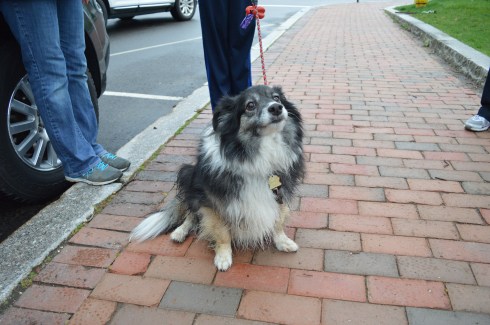
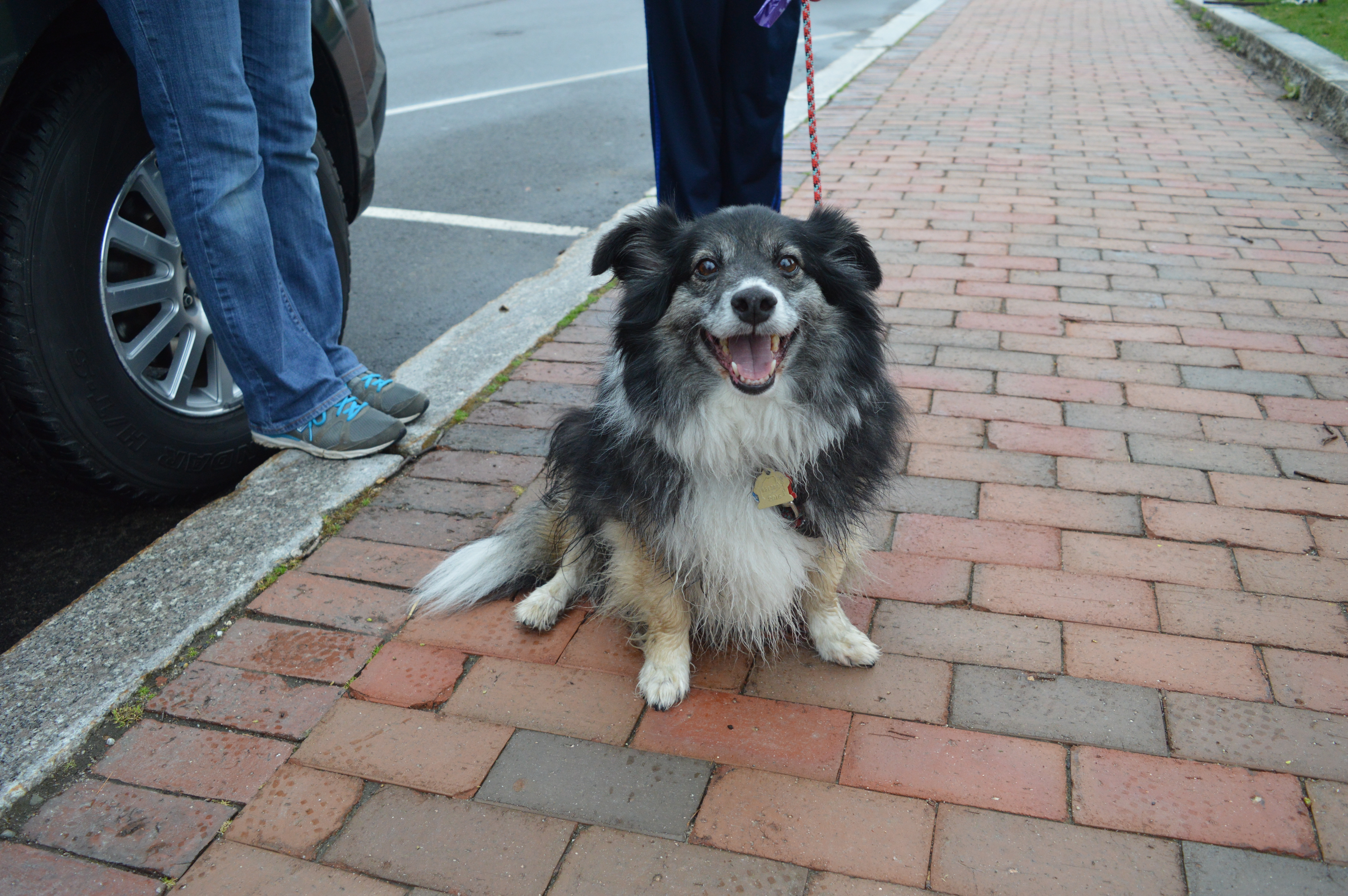
Pika is a 12 year old Border Collie.  The name Pika is derived from the name of the pica font style.

Below is a video of Peter Diepenbrock’s Spectral Shift sculpture.  In the background, you can hear him discussing his art.


Northwest Park (Windsor, CT)

Date Visited: September 10, 2016

Location: 145 Lang Rd, Windsor, CT (15 mins north of Hartford, CT and half an hour south of Springfield, MA)

Hours: Open everyday, sunrise to sunset

Parking: There is ample parking(about 100 parking spots) in the main parking area as you enter by the soccer and baseball fields.  There is also a smaller parking area by the dog park on your right as you enter the park that can accommodate about a dozen cars.

Cost: Free

Size: 473 acres, 12 miles of trails

Trail Difficulty: Easy to somewhat moderate in some areas

Time To Allot For Visit: 2 to 3 hours

Dog Friendly: Yes

Highlights: dog park, ponds, trails, flowers, reservoir, ball fields, wildlife, animals, tobacco museum, venue for events during the spring and summer

Web Site: Northwest Park

Trail Map: Northwest Park Trail Map

dsc_0305

Since summer is winding down, I decided to take in one last trip to one of New England’s more popular parks while the weather was still warm.

With over 12 miles of trails, a reservoir and miles of trails, Northwest Park is a scenic, family friendly park that is a great place to take your dog.

At the entrance of the park, there is a small, penned in dog park called the Windsor Dog Park.

In a way, it is odd to have a dog park in a park that is essentially a dog park.  I do suppose the penned in dog park would be good for dogs that may be too aggressive to be around other dogs or might be too shy or not yet socialized.

Along the trail past the main entrance, there is a pond with an overlook.  The pond is full of turtles, frogs and even Koi fish.  One of the visitors at the park threw some bread into the pond.  Who knew turtles liked to eat bread!

There is also an organic and community garden at the park.

There is also a barn with farm animals and other animals at the park.

One of the special parts of the park is the art scattered around the park.

The trails at the park are pretty much flat and easy to negotiate with some slight inclines.

There are several trails at Northwest Park.  We took the Brookside and Rainbow Reservoir trails.  The Brookside trail is heavily wooded without much to see except a few chipmunks.  The name Brookside seemed a bit misleading as there really wasn’t a brook to be found from the trail.

Eventually, we found ourselves by the Rainbow Reservoir.  The surface of the water was a strange shade of lime green.

There were some boats in the water and even a water skier.

The trails are full of pretty trees, colorful flowers and a few abandoned barns.

You ever notice what the inside of an abandoned barn looks like?  Then, wonder no longer.  It’s actually pretty boring. The video below gives a better look inside.

dsc_0652

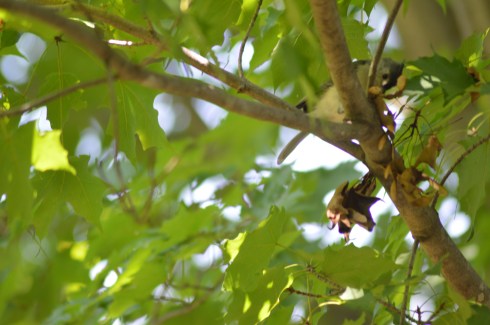
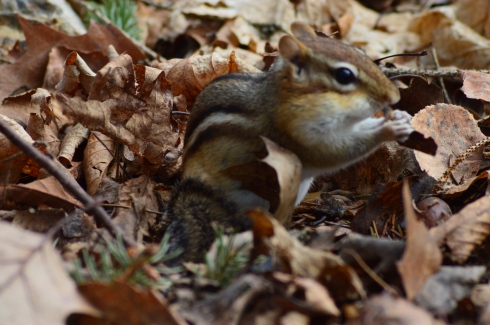
There were also a lot of critters to see along the trails.  This chipmunk thought she could hide from me.

This squirrel wasn’t any better at hiding.

dsc_0662

This bird was a bit better at hiding.

dsc_0665

Finally, on our way out of the park, we decided to check out the tobacco museum.  The museum shows the history of the tobacco crop industry and the tools and machines they used.

Northwest Park is a great place to take your dog.  The trails are not very hard to walk and there are lots of open spaces for your dog to roam.  I found two very friendly dogs to photograph during my visit.

Tally is an 11 year old Shephherd mix.

Lada is a 1 year and 7 month old German Shepherd.

Below is a video of the water skier I saw at Rainbow Reservoir and a video of the inside of the abandoned barn I saw along the trails.

Please check out my Facebook Page and like it to see videos, photos and other content not included in this blog:

Facebook

and instagram:

@new.england.nomad_


Westfield Fair (Westfield, MA)

DSC_1003

Dates Of Event: August 19-21 (it’s usually held the third weekend of August of each year)

Location: 135 Russellville Rd, Westfield, MA

Hours: Friday 5-10 p.m., Saturday 8 a.m., – 10 p.m., Sunday 8 a.m. – 5 p.m.

Cost: $8, $6 for seniors (over 65),  Children under 12 get in free with an adult

Parking: There was ample parking on the fair grounds

Dog Friendly: No

Highlights: petting zoo, animals, tractor pull, demolition derby, arts and crafts

Westfield Fair

Summers bring to mind beach weather, vacations along the shore and, of course, fairs.  In fact, fairs often mark the winding down of the summer vacation season.  And no one may do city fairs better than Westfield, MA.

The 89th Westfield Fair had a very down home/country feel to it.  From the sheep show (yes you read that right), to the arts and crafts fair and the tractor pull, everything seemed more like “country fun”than the city fun I am more accustomed to.  I’m always game for new experiences, though, so I figured I give them a try.

Children from the Pioneer Valley (the section of the area that encompasses the Connecticut River in Massachusetts such as Westfield, Springfield and Chicopee to name a few cities and towns) showed off the animals they have been caring for.  I was taken by surprise by how the sheep seemed to like to cuddle.  It was remarkable how these little kids could handle and treat these animals with such care.  They also seemed very proud of their animals and the work they put into caring for them.

The sheep were evaluated and prizes were awarded to the best in show.

There was also a cattle show.  They take this show very seriously as you can tell by the care they were given.

The cows were also shown off and evaluated.  Some of the cows did not want me to moove, though (sorry, I couldn’t resist that one).  So, the children had to encourage them a bit.  Prizes were awarded to the participants.  Again, it is very cool to see some children who are barely as tall as the cows they were working with handle them so well.  Many of the participants have grown up in families that farm so they have a lot of experience in husbandry.  The pride they all take in their work is evident by their reactions.

Perhaps the most popular event during the day time was the tractor pull.  The Western Mass Tractor Pullers Association sponsored the event which featured tractors of various styles and eras.

The highlight of the event for me was the petting zoo and alpacas.

The goats, pig and other animals took the food from everyone very gently and they were very friendly.

I’ve always marveled at the folksy ways of the Western MA community.  Their down home, folksy ways are evident in so many ways, even their arts and crafts.

And no one knows how to bake like the folks in the western part of the state.  Someone had the unenviable task of tasting all of the goodness on these shelves to decide the winner of the bake fair (the Hershey’s Perfectly Chocolate Cake won).  Talk about pure drudgery!

There were several fun events and activities for children such as a climbing wall, a kiddie tractor pull event, musical performers, face painting (I went with the cat design), food trucks (the fries were to die for) and, of course, amusement rides (I declined).  A play train was available to cart you around to the various events.

Vehicles, specifically trucks, are a staple of the fair.  Everywhere you look there seems to be a souped up vehicle tricked out or a vehicle used for farming on display.


As we were leaving, we could see the participants of the scheduled demolition derby prepping for the event.

I can’t wait until next year’s fair!

Below is a video of the tractor pull event.

Tractor Pull At The Westfield Fair

Please Connect With Me On Facebook:

Facebook


Ipswich River Wildlife Sanctuary (Topsfield, MA)

Date Visited: July 16, 2016

Location: Mass Audubon, 87 Perkins Row, Topsfield, MA (about half an hour north of Boston, MA and an hour southeast of Manchester, NH) 978-887-9264

Hours: presently,  Tues–Fri, 9 am–4 pm
weekends & Mon holidays, 9 am–5 pm

November-April
Tues-Sun & Mon holidays, 9 am-4 pm

May-October
Tues–Fri, 9 am–4 pm
weekends & Mon holidays, 9 am–5 pm

Trails
Tues-Sun, & Mon holidays, dawn to dusk

Cost:

Members: Free
Nonmembers:
$4 Adults
$3 Children (2-12)
$3 Seniors (65+)

Parking: There are about 50 parking spots.  You shouldn’t have too much of a hard time finding parking unless there is an event or summer camp is in session

Size: 12 square miles

Time To Allot For Visit: I was there 5 hours and I still didn’t see everything but you can take in most of the best parts of the park in 2 to 3 hours

Dog Friendly: No, most Audubon parks are not dog friendly

Highlights: bodies of water, plentiful wildlife, pretty flowers and plants, observation tower, canoe rentals (if you’re a Mass Audubon member)

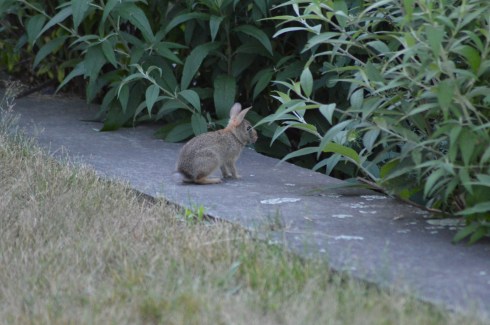
From the moment I walked to the visitor center at the Mass Audubon Ipswich River Wildlife Sanctuary, I encountered wildlife.  In fact, I found this rabbit chewing on some greenery in the shrub by the office.

DSC_0763

That is the great thing about Ipswich River Sanctuary.  If you’re an animal lover, or even if you just like them a little, then you will love this place.

Not only are the animals abundant, they are also relatively friendly and not all that shy.  Well, most of them weren’t too shy.

This slideshow requires JavaScript.

The well-fed red squirrel let me get very close to him or her, so long as I didn’t affect his or her food supply.  A lady who had been sitting there on the bridge wall before I arrived has been intentionally leaving seeds or some other type of food the squirrel was enjoying which allowed me to get some great shots.  Thanks, random lady!

There are also a wide variety of bugs and other insects at the park.  Bug spray and covering up are a must (I especially suggest a hat since one particular bug kept landing in my hair).  And most bug sprays don’t stop all bugs.  The black insect below was particularly menacing.  Also, I never saw so many dragon flies in one spot as I did at Ipswich River Sanctuary but they were pretty harmless.

There are some beautiful views and plant life at Ipswich River Wildlife Sanctuary.  The colors of the flowers really pop out and the trails are well defined.  Many of these pretty features of the landscape were created 15,000 years ago by a glacier.

This slideshow requires JavaScript.

You can also rent canoes, if you are a member, for $10/hour for a minimum of 2 hours.  So, the cost is $20 or more.  You pay for the canoes at the front office and then you have to lug the paddles and life vests along with a key to the where the canoes are locked up (about a half a mile or so away) at the canoe launch.  The canoe launch is right next to where the canoes are locked up.

One thing I have seen at other parks that is present at Ipswich are bat boxes.  These bat boxes are designed to give daytime roots for little brown bats.  Bats are important because they eat lots of mosquitoes and other insects, the plaque next to the boxes explains (then get more bats there please).  Little brown bats have been the victims of white nose syndrome,an illness which has been affecting brown bats while they hibernate during the winter.  The cause is not yet known.  So, the boxes are meant to give them a safe and convenient way for them to rest.  The boxes were constructed by Eagle Scout Sean Enos and Boy Scout Troop 48 of Lynnfield, MA.  The lumber was donate by a local business.

There is also an observation tower at Ipswich Wildlife Sanctuary.  The three story tower built of wood is a little shaky but safe.  The tower overlooks a swamp and meadow.  There wasn’t much wildlife except for the very occasional bird  (I included photos of the egret and other bird who landed in the water in the earlier slideshow).  I think that is you had unlimited time and a lot of patience as well as a good set of binoculars (I didn’t have any of those things) you could see a few grand birds.

This slideshow requires JavaScript.

One of the things I noticed and I had not seen before my trip to Ipswich are pink water lilies.  I have seen white water lilies but never saw the pink water lilies until my visit there.

Like most Mass Audubon sanctuaries, the Ipswich River Wildlife Sanctuary is well kept and family friendly.  The grounds are well manicured and there is even a play area for children.  They also have a summer camp program where they teach children about nature in a fun and exciting way.  All in all, the Ipswich River Wildlife Sanctuary is a fun and exciting place for people of all ages.

Please connect with me on Facebook: New England Nomad’s Facebook Page


Coggeshall Farm Museum (Bristol, RI)

Date Visited: June 18, 2016

Location: 1 Colt Drive, Bristol, Rhode Island (about half an hour from Providence and 1 hour from Boston, MA)  (401) 253-9062

Hours: presently open Tue-Sun 10 a.m. to 4 p.m.

December 15 – April 15
Open Weekends, 10 am to 4 pm
Open February 16 – 21, 2016 for February vacation

April 15 – December 15
Open Tuesday through Sunday, 10 am to 4 pm.

Closed Thanksgiving, Christmas and New Year’s Day.

Cost:

Weekdays

Adults: $5
Seniors: $3
Children (3–12): $3
Children under 3: Free

Weekends

Adults: $7
Seniors: $5
Children (3–12): $5
Children under 3: Free

You can also purchase a membership for unlimited visits, free access to special events and discounts at their gift shop.  If you plan on going more than once or twice a year and especially if you go with your family, the membership is probably the best rate:


Individual membership: $25

Couples: $35

Family: $50

Parking:  There is a space for about 4 or 5 cars across from Coggeshall Farm.  You can also park at Colt State Park, which is adjacent to the farm but you may have to pay a fee to enter the park.

Size: 48 acres

Time To Allot For Visit: About An Hour

Dog Friendly: No (except for guide dogs)

Highlights: living museum, character actors, farm animals, historic style homes

Coggeshall Farm Museum

DSC_0467


You often find the most wonderful places in the most unexpected places.  On an otherwise nondescript trail at Colt State Park used for cycling and running, lies a farm frozen in time.

Established in 1973, the Coggeshall Museum Farm features interpreters and authentic reenactments of farm life in the year 1799.  Every last detail from the tools they use to the bedding (mostly hay) is authentic to the time it represents.

I loved the houses and workshops at Coggeshall.  The homes and interiors were definitely the highlight of the trip for me.  The rooms were modest and fairly bare (and I thought my room was small).

This slideshow requires JavaScript.

Even the papers and bills in the houses are accurate to those days.  They don’t accept them as legal tender though, in case you were wondering.

Coggeshall Farm Museum also has a variety of animals.  When I came to visit there were 2 steer, 11 sheep and several chickens, turkeys and other fowl.  I also got to see some newly hatched chicks.

When I asked how long they keep the animals there I was told they usually live 6 to 8 years and then they have a “retirement plan.”  Yes, everything gets used at the farm.

This slideshow requires JavaScript.

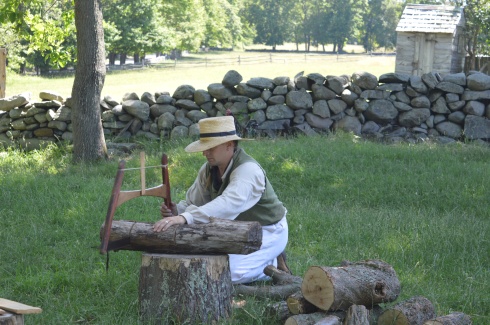
There were several character actors working during my visit.  This gentleman was cutting wood to store (it’s never too early to get ready for long, chilly winter nights).  When I asked how long it would take to cut all the wood he said, “util it is done”.  Where has that work ethic gone?

DSC_0380DSC_0372

The grounds are well kept and very pretty.  They also have a large grazing area for the animals.

Then there was Moe – the resident cat and pest control manager.  He was very friendly and playful as you can see.  Believe it or not, the chipmunk he’s hunting and carrying so gently escaped only a little worse for the wear.

This slideshow requires JavaScript.

Coggeshall Farm also lets the patrons partake in some tasks (such as cutting wood) as long as it is supervised and they  have many events throughout the year such as Arts On The Farm and Farm Camp.  Check their website for more details.


Old Sturbridge Village (Sturbridge, MA)

Date Visited: July 2, 2016

Location: 1 Old Sturbridge Village Rd, Sturbridge, MA 508-347-3362 (about 45 minutes east of Springfield, MA and an hour west of Boston, MA)

Hours: presently, open Daily | 9:30 am – 5:00 pm

November 1-27
Open Wednesday through Sunday | 9:30 am – 4:00 pm

December 2-4, 9-11, 16-18, 23
Christmas by Candlelight | 4:00 pm – 9:00 pm, Fri/Sat/Sun
Please Note: CLOSED during daytime hours
CLOSED December 24, 25

Cost: $28 for adult, $26 for seniors (55 and over), $14 for youths (3-17), children under 3 are admitted free.  They also have annual long family memberships.

Parking:  about 200 parking spots, fills up quickly.  Cars were parked on the grass and other non designated parking spaces when we left because of the large crowd

Time To Allot For Visit: I could spend all day here but 3 hours should do it.

Dog Friendly: No

Highlights: historical actors and portrayal of life in the colonial area era, historical homes, animals, family friendly events, special events throughout the year, stagecoach rides

Old Sturbridge Village

DSC_0992

What better time than the fourth of July to take a trip back to the colonial days of our country where they relive those early days everyday?

Old Sturbridge Village is 200 acre living museum which recreates life in rural New Ebgland during the 1790’s through the 1830’s.  It is the largest living museum in New England.


As you enter the grounds of Sturbridge Village you see flags that represent fallen servicemen and women.

DSC_0422


From the moment you walk into the museum, there are symbols and characters from the past everywhere.

The day began appropriately with the flag raising.  One of the historical actors selected two children from the crowd to help him raise the flag.

Throughout the day there were many more reenactments.  There was the firing of the cannons, marching, drilling and even musket firing (with blanks of course).

Of course, the houses are one of the biggest attractions.  The woman in this house was making stays.  This house is called the “Small House.”

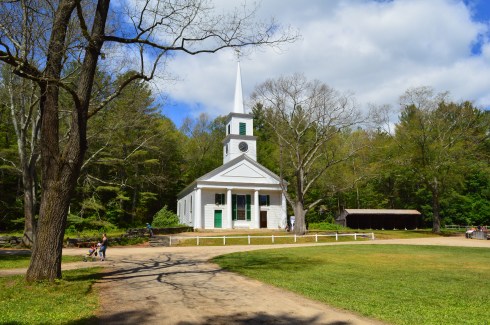
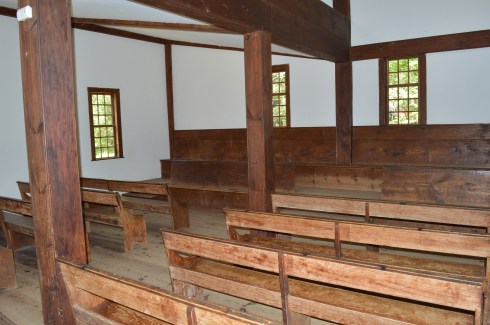
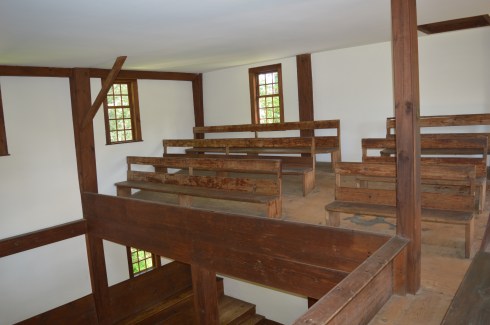
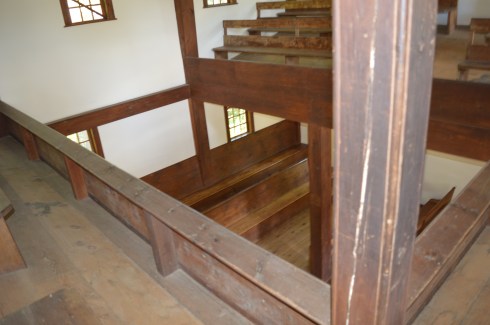
The Meetinghouse is another big attraction.  For 100 years, Friends, also known as Quakers, worshiped in this building.  This particular meetinghouse was originally set in Bolton, MA.  As you can see by the photos, there was no pulpit, altar, statues or other decorative symbols.  Men and women entered the meetinghouse separately in different entrances and sat on separate sides of the building.  The Quakers are remembered for their temperance and anti slavery beliefs.

DSC_0678DSC_0460DSC_0467DSC_0466DSC_0464DSC_0463DSC_0920DSC_0930


While the exterior of the houses were very pretty, the interior of the houses were even nicer.  It also gave you a real feel of what it was like to live back then.  The historical actors were both entertaining and engaging.

This slideshow requires JavaScript.

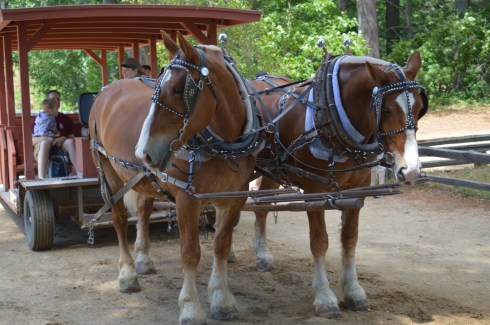
The other great thing about the village was the animals.  Meet Jim and Jerry (from left to right).  Jim and Jerry are the horses who drive the carry all wagon.

DSC_0730DSC_0584


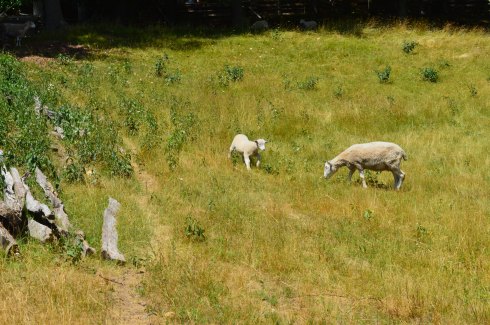
There were also a variety of farm animals.  This sheep was wandering around until he heard his mom calling out to him for feeding time and he came running.

DSC_0846DSC_0848DSC_0847

The rest of the animals at the village were just as beautiful.

This slideshow requires JavaScript.

The village also has little shops and buildings with craftsman and people common to the era like a blacksmith and a tin maker as well as a band call the Quintebrass who played patriotic music of that era.


You could spend all day visiting the many buildings and attractions at the village or just taking in the beautiful views and atmosphere of the area.

This slideshow requires JavaScript.

Sturbridge Village even has toys from the era that kids (or adults) can play with.

The River Ride on the Quinebag takes you around the Quinebag River.  The boat driver also gave a historical overview of the area. The ride costs $3 a person and lasts about 10-15 minutes.

On the way out, there was a nice surprise.  We noticed a building set off to the side; the J. Cheney Wells Clock Gallery.  The clock gallery was a quiet clock museum.  It was fascinating seeing the evolution of time keeping and it felt like a library because it was quiet and set off by itself.  It was a nice break from the hustle and bustle of the historical museum area.

There is also a cafe there (most of their food is cooked outside barbecue style during the warmer seasons and the smell is sure to make you hungry).  There are also several comfort stations scattered around the area.

Below are some videos of the various recreations at Sturbridge Village.

The first cannon firing below was just to get the debris out of the cannon and prep it for the actual cannon firing which is in the second cannon firing video below the first cannon firing video.  The second video is a little long because the men wanted to wait until the stagecoach passed by so they didn’t startle the horse.

Please connect with me on Facebook: New England Nomad


Strawbery Banke Museum (Portsmouth, NH)

Date Visited: April 23, 2016

Location: 14 Hancock St, Portsmouth, New Hampshire

Cost: $20 for adults, $10 for youths (5-17), kids under 5 get in for free according to the May – October price list (these prices may vary depending on the season because it costs us $20 for two adult tickets when I went in April)

Hours: Open 365 days a year from 10:00 a.m. to 5 p.m.

Parking: Free parking is available but it does fill up fast.  There is also parking available throughout the city.  There is free parking at Four Tree Island a block away on Mechanic Street and limited off street parking is available.  Just make sure to pay your meters and not overstay your parking limit as parking restrictions are strictly enforced.

Strawberry Banke

Strawbery Banke is a 12 acre outdoor history museum.  The houses are constructed in the same style and out of the same materials of the buildings of the 17th to mid 20th century.

This slideshow requires JavaScript.

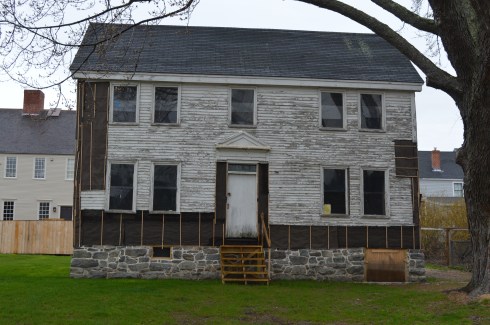
This house, which was being worked on, looked creepy

DSC_0915

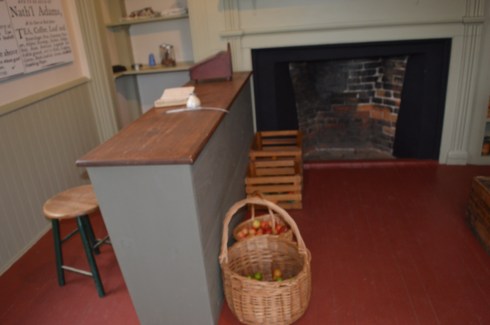
The inside of the homes are designed to be appropriate to the time the house was built or designed.  This is the grocery part of the building.  This is an example of how Strawberry Banke is a must-see for anyone interested in early New England history

DSC_0914

They have set up the grounds and museum to replicate the days of Colonial and post Colonial Portsmouth, once known as “Puddle Duck”.  More specifically, Strawbery Banke tells the stories of the many generations who settled in this Portsmouth, New Hampshire “Puddle Dock” community from the late 17th to the mid-20th century. The museum tells the stories of the people and the area of those times.  They hold events and themed presentations during different parts of the year.

When we went to Strawbery Banke it was the unveiling of the Spring Barnyard Baby Animals event.  It will be running through Sunday, May 1.  The New Hampshire SPCA is present at the vent to ensure all the animals are treated humanely and are as comfortable as possible.  All of the animals came from places in New England.

There was a wide variety of animals such as turkeys

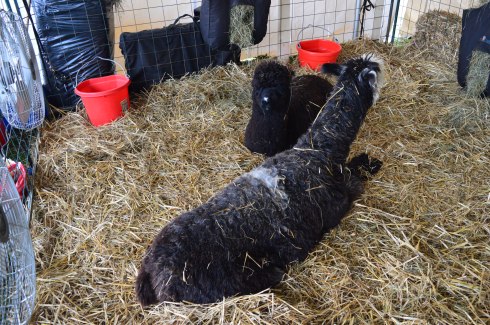
alpacas from Elf-Paca Meadows, Rochester NH

DSC_0939DSC_0938

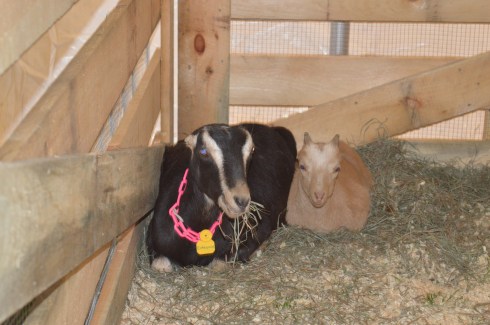
Mommy and baby Nigerian goats from Tiny Hill Farm, Milton Mills NH

DSC_0945DSC_0949

goats

DSC_0958DSC_0964

Jacob Goats from Hogwash Farm, Norwich VT.

DSC_0974

baby chicks from Yellow House Farm in Barrington NH.   You may notice some of the chicks are just lying face down.  They are just sleeping.  They tend to fall down and sleep right where they are when they get tired and the other chicks will often fall on top of them because they tend to cuddle or pile onto one another for safety and comfort.

baby ducks also from Yellow House Farm in Barrington NH.

Pigs and their babies from Double- H Pig Ranch in Berwick ME and Bittersweet Farm, Lyndeborough NH.

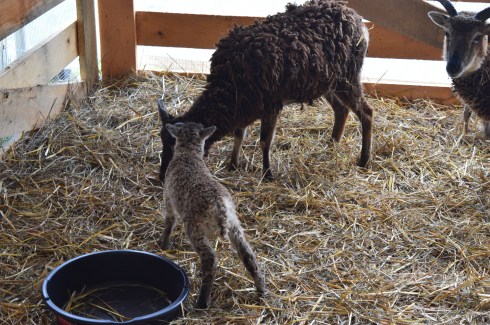
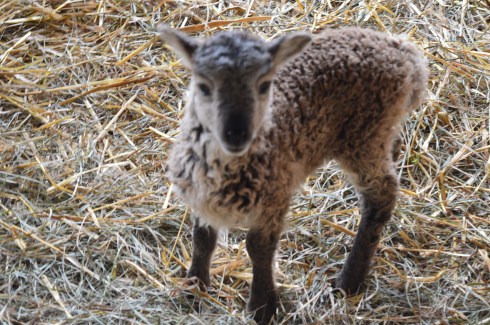
Soay sheep from New England Heritage Farm, Sandown, NH

DSC_1023DSC_1014DSC_0004DSC_1019

Guinea pigs and a rabbit.  This rabbit’s name is Bubbles.

and a pony named Polly.

DSC_0039DSC_0041

One thing I noticed in almost all of the photos is how the mommies, or parents, seem to be protecting or are near their babies.

The holidays are celebrated at Strawberry Banke and I’ll be back in the winter when they have an ice skating rink on the premises and decorate for the holidays.  It must be very festive!

Although dogs are not allowed at the museum saw a lot of dogs on our way to the museum.

DSC_0885

I saw Cody outside of the Breaking New Grounds coffee shop in Portsmouth Center.  If you’re in the area, go there!  Cody is a one year old Great Pyrenees and Husky rescue dog with one one blue eye and one brown eye.

DSC_0064DSC_0066DSC_0065

Chlodie is 9 months old.  Her name is derived from the Irish name “Chlodagh”.  She was very happy to be in Portsmouth!

DSC_0068DSC_0069

Bailey is an English Point Setter.  Love the marking over the right eye.

DSC_0887DSC_0886

Merle is a 9 year old rescue dog.


Balance Rock State Park (Pittsfield, MA)

Date Visited: March 26, 2016

Cost: Free

Location: Balance Rock, Rd, Pittsfield, MA (about 2.5 hours west of Boston, MA or 1 hour east of Albany, NY)

Hours: Sunrise until 6 p.m.

Parking: There is parking for about up to 50 cars or so at the Balance Rock entrance.


DSC_0751


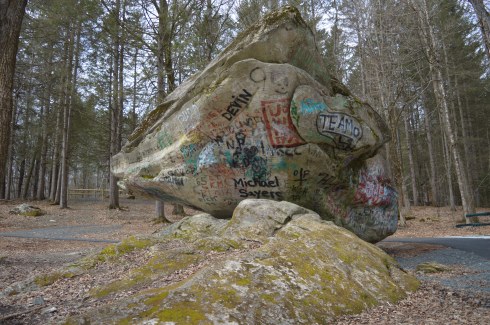
During the last ice age, some 12,000 to 100,000 years ago, rocks were haphazardly pushed to and fro, creating this unusual formation. Or, someone put one rock on top of another. Either the product of glacial movement or an elaborate hoax, the namesake of Balance Rock State Park is a huge attraction.

But, before you view the impressive rock, there are rocks and beauty aplenty at the entrance to Balance Rock Park.

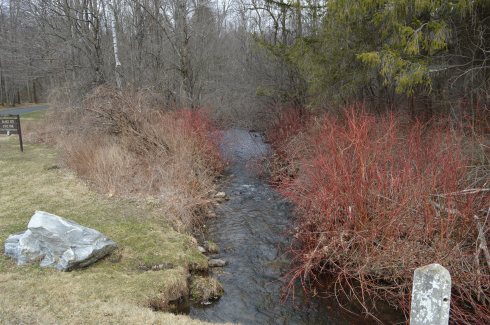
By the entrance, there is a stream that runs along the side of the park

DSC_0778DSC_0766DSC_0768

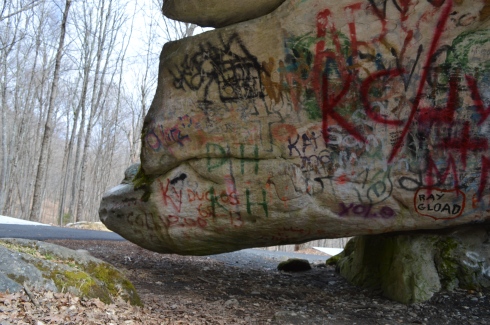
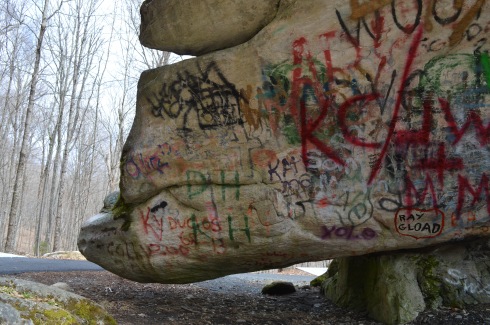
After a short drive up the main entrance road (about half a mile), you will reach Balance State Park’s main attraction; the rock.  We were a bit disappointed to find the rock right there next to the parking lot.  While it is convenient and easy for visitors to find, it would have been nice to have to hike to it.  It would have built up the anticipation.  Despite the journey being anticlimactic, the rock was impressive.  As you can tell from the photos and attached video, the rock never touches the ground.  Unfortunately, it has been vandalized which was very disappointing to see.

The rock is 30 feet long and 15 feet wide.  It is resting on another much smaller rock.  This, the story goes, is the product of the last glacial age.  It also goes to show that no matter how big and seemingly powerful someone or something may be, the rock and we wouldn’t be the same without the help of a little friend.

I noticed how some of the rocks seem to have eyes and lips.  I am not sure if this was due to nature, erosion or the work of mankind.

DSC_0779DSC_0789DSC_0801DSC_0804DSC_0822DSC_0831DSC_0840DSC_0843DSC_0824DSC_0823

DSC_0827

It turns out, there are many rocks in the area

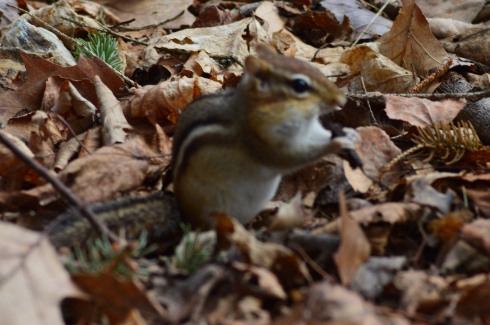
The residents of Balance Rock State Park are very photogenic.  He was shy at first.  But, eventually, he came out and I was able to get some close ups of him.

DSC_0856DSC_0869DSC_0879DSC_0867DSC_0887

DSC_0888DSC_0892

Video of the stream at the entrance to Balance Rock State Park

Walking tour of the rock

Don’t forget to like my Facebook page for extra photos, videos and more: New England Nomad’s Facebook Page.  Thank you!


Springfield Museums (Springfield, MA)

Date visited: January 16, 2016

Hours: Tue-Sat 10-5, Sun 11-5, closed Mon

Price:


Adults: $18
Seniors: $12
Youth 3–17: $9.50
Children Under 2: Free
Students: $12

Springfield Residents (with valid ID): Free – youth included

There is a parking lot by the science museum entrance with about 50 or so spaces.  There is an overflow parking lot across the street.  Parking is free.

DSC_0381

The museums in Springfield, MA, are not your usual museums.  For one, there are four museums, rather than one.  Secondly, on the grounds of one of the museums is another perhaps bigger attraction, the Dr. Suess National Memorial Garden.

There are four museums are the Springfield Museums.  I spent most of the time at the  Springfield Science Museum

DSC_0622

and the Lyman & Merrie Wood Museum of Springfield History

DSC_0595

The two art and sculpture museums do not allow photography.

The Springfield Science Museum is bigger than it appears on the outside.  It is three floors (a first and second floor with a lower level).  The exhibits range from live animals (mostly fish and other smaller animals such as turtles) to dinosaur bones and artifacts.

There was so much to absorb in those few levels.  But, my two favorite parts of this particular museum had to be the Tyrannosaurus Rex and the demonstration put on by the staff in which the patrons, the children who were visiting, got to find out how fortune teller fish work.

DSC_0554

From the moment you enter the science museum your senses are attracted to all of the interesting items in the main entrance.  The main themes of the museum are the products of the Springfield, MA, area such as Dr. Seuss and Indian Motorcycles which were manufactured in Springfield.

Two former residents of Springfield reside in the museum.

Snowball

DSC_0486

and Jynx

DSC_0591

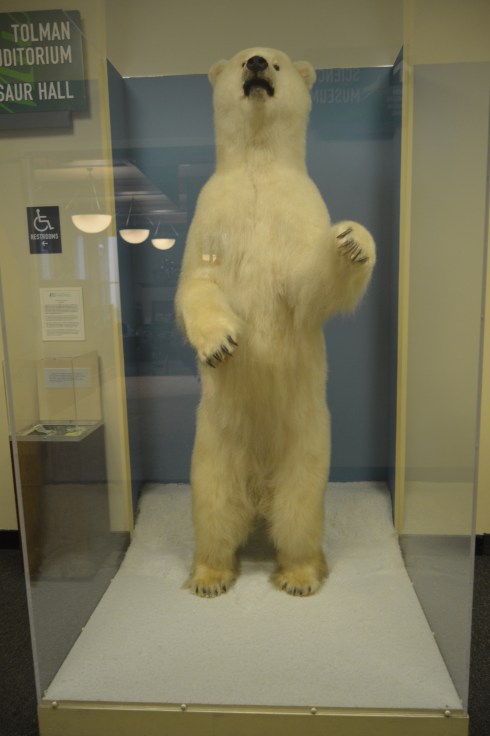
These animals used to be part of the The Zoo In Forest Park (post about this wonderful park to come in the spring or summer).  When they died, they were stuffed and put on display.

There is a wide variety of fish and other animal life on the lower level.  You have to look closely but the first image is of a shy salmon camouflaged against the rocks.  In fact, many of the animals were shy.

This slideshow requires JavaScript.

There were also a variety of toys, art work and fun items for kids of all ages and sizes to enjoy like the skeleton with the Dr. Seuss hat on (note the tie-in to Springfield) and mirrors that make you look smaller and wider, just when I didn’t think I could feel worse about my weight ( :

The second and third levels of the museum have a dinosaur exhibit, planetarium, historical items, models of animals and a variety of other items.

This slideshow requires JavaScript.

The historical museum, located across the street from the science museum, is a little smaller but it also has a wide variety of displays.

During my visit, the museum was displaying the Better Angels tribute to the fallen firefighters from September 11, 2001.  The portrait artist who made the display is from nearby East Longmeadow.  The exhibit will be on display until June of this year.

DSC_0619

After seeing this touching tribute, some of the other attractions seem trivial.  There are a variety of old time cars and a fire exhibit in the main area.  There is also an educational play area for children (and adults if you’re inclined).

The Springfield Museums are a great place to visit.  Time seems to go by quickly while you’re there so it’s easy to lose track of time.  But, it is fun for the entire family.


Mom’s House (Western MA)

As the year draws to an end I thought I would share some of the photos  taken from my mother’s house throughout the year.  Since she lives in an area that used to be farmland there are a lot of wooded areas that attract a variety of wildlife.  She also has a couple of bird feeders that attract birds of all types.  There are many other animals in the area over the years that I have heard or seen but not photographed such as deer, a horse, cows, mountain lions and reportedly even bears.

Check out the slideshow below to see some of the friends that have visited us this past year.  My cat, Bailey, is included in the slideshow.  I always bring her when I visit.

This slideshow requires JavaScript.

I always like investigating the area when I visit for the holidays and long weekends.  I’ve always thought it would be a great place to retire.  The storms and sunsets can be jaw dropping.

This slideshow requires JavaScript.

There are also a variety of plants, flowers and trees in her yard.

Have a happy, healthy and productive 2016!

Please check out my Facebook page:

https://www.facebook.com/newenglandnomad