Summary: 24 sand sculptures are located throughout the Yarmouth area
Cape Cod, specifically Yarmouth, is known for its sand. But, the sand isn’t just located on the beach or your clothes when you get you back from the beach. Instead, this sand is found all over Yarmouth.
Each year, Fitzysnowman sculpts 23 sand sculptures in various locations in Yarmouth, MA. There were 24 this year. But, more on that later. The themes of the sand sculptures ranged from movie characters to patriotic themes celebrating America’s 250th anniversary of independence. I have noticed that each year I see them, many of the sculptures at certain locations have the same themes each year.
I am posting the sculptures in the order I saw them, mostly in reverse order of how they are listed on the web site for the trail map. But, you can see them in any order! The sand sculptures were made in June and, after all of the rain and other New England conditions, some of them were a little worse for wear.
The first sand sculpture was at the Cape Cod Welcome Center on Rte 6 East, a short distance from the Sagamore Bridge. This sculpture celebrates our anniversary of independence as well as the hatching of some turtles that inhabit the Cape Cod area.
This sculpture is located at Ifaw (290 Summer St, Yarmouth Port)
This sculpture at Wharf Yarmouthport (13 Willow St, Yarmouth) is a tribute to a store that is no longer in business but used to be a staple for many malls in the New England area and beyond New England. In fact, at its peak Christmas Tree Shops operated 82 stores in 20 states.
This tribute to the Boston Party is located on Strawberry Lane in Yarmouthport.
This sculpture at Coast and Cape Bank shows some manta rays or sting rays. People have spotted both manta rays and sting rays in New England, usually during the summer.
This sculpture, located on the grounds of the Winslow Crocker House, was another tribute to the fighters of the American Revolution, presumably the privateer John Paul Jones.
This sculpture at Taylor Bray Farms was one of my favorites on the trail.
A few of the sand sculptures paid tribute to the Toy Story franchise which was timely since there is a new Toy Story movie being released soon. This sculpture at Bayberry Hills Golf Course shows Woody with a golf ball.
Of course, what sand sculpture trail in New England would be complete without a Dunkin Donuts sculpture!
This sculpture at Today Real Estate is another sculpture celebrating the country’s independence.
New England is known for its lobsters. So, this sand sculpture at Cape Cod 5 seems appropriate.
This sculpture at Bass River Golf Course is another tribute to the Toy Story movie series. Buzz seems to be admiring one of his drives!
Cape Cod Creamery always has some very cute and interesting sculptures each year. This dog or dog-like creature seems to be enjoying a cone.
This sculpture at Yarmouth Town Hall is a tribute to Parker’s River Landing, one of the many parks in the area.
This sculpture, located at The Pancake Man, was a little damaged during my visit, unfortunately.
This sculpture at the Cape Cod Motor Inn shows a classic car in front of the hotel. What better way to take in all of the attractions!
Shark sightings have become more prevalent in the Cape Cod area over the years. And this shark at the Riviera Beach Resorts has the right idea! I can’t think of a better way to relax and maybe scare off a few tourists!
The Hole In One donut shop shows what looks like a police officer driving a very happy surfer somewhere while he inspects a donut.
This sand sculpture, located at John G. Sears & Sons Landscaping, wasn’t on the sand sculpture trail map. And I only came across by chance on the way to a different sand sculpture.
The Yarmouth Chamber Visitor Center always has a grand sculpture on their property. And this year was no different! I was lucky to get this eagle in the photo. Kidding. It’s one of the decorations along with a fisherman and a deer and a tree that must look very festive during the holidays!
The LAER Realty Partners always uses an image of a lion, the company mascot, for their sculpture. It’s interesting to see the little details of these sculptures. For instance, this sculpture for the real estate agency has a home on the key and houses at the bottom of the sculpture with the years of the country on them.
This very patriotic sculpture, which held up surprisingly well especially given the intricate details, is located at the Bellew Tile and Marble Company.
The Cove celebrated their 40th anniversary with this sand sculpture.
The sculpture at the Cape Sands Inn was the last sculpture on the tour (or the first if you see them in the order of the map).
I found afew other fun things along the sand sculpture trail such as this cute land marker. It’s an awfully long way to Tokyo, Japan!
This Gull located at the Cape Cod Welcome Center is called Clionda (pronounced “Clean-ah). It is a Herring Gull with a message: “We need to take care of our beautiful landscape and keep it cleaner”
The sculpture is meant to inspire all who see it to become better stewards of our planet and to create a responsible environment for the Cape and Islands. The makers of the sculpture encourage people to take simple steps to keep the environment clean such as using reusable instead of single-use plastic, taking trash with you if a trash can is full or not available (“carry in, carry out”) and recycle or repurpose what you can.
Clionda is made with marina-debris cleaned off local beaches as well as post-consumer waste. She was cared for by accomplished activist Sarah J Thornington.
It should only take an hour or so to see all of these amazing sand sculptures by vehicle. It took me closer to 2 or 2.5 hours because I took breaks and explored the area while I took some of the photos. Definitely take some time to enjoy the Taylor Bray farm if you do visit these sculptures. They will be on display until the weekend of Oct 12.
Parking” there is free on street parking available on Asylum St
Universally Accessible: Yes
Dog Friendly: Yes
Summary: Elizabeth Park Conservancy in West Hartford, CT, offers over 100 acres of beautiful greenery and flowers as well as lots of greenery for people to picnic, relax and take a few photos!
Boasting over one hundred acres of formal gardens, green space, recreational facilities, walking loops, and the Pond House Café, Elizabeth Park Conservancy has something for everyone to enjoy. But, the highlight of the conservancy are the flowers.
I visited this park earlier in May. But, I was told the roses were in full bloom in later June and July. So, I made a special visit the first weekend of July. Unfortunately, we were experiencing a dry and hot spell during that time So, the roses and some of the other flowers looked a little worse for wear. And, as you will see later, there were some other environmental factors that affected the roses and other flowers.
Elizabeth Park has a wide array of flowers and plants at the conservancy.
Elizabeth park also has a lot of structures and trails which makes it a popular place for people taking portraits and engagement photos.
One thing I noticed, and you may also notice, is I should have used a flash for some of the photos. I know what you might be thinking; a flash on a sunny day? Yes, the flash or artificial light can help “fill in” some of the shadows and dark areas which helps to bring out the colors and highlight the features of what you’re photographing. Unfortunately, these Japanese beetles, who were in great abundance at the park, were feeding and mating on some of the flowers. These invasive insects, which are native to Japan, are highly destructive. The damage they cause is particularly evident in the third photo.
Despite the heat, drought-like conditions and the havoc the Japanese beetles had on some of the flowers, Elizabeth Park was a delight that I am glad I was able to share with everyone!
There have been incredible celebrations and memorials throughout this year all of New England in celebration of the country’s 250th anniversary. And the sidewalk art in Greenfield, MA, is another example of how art can be used to be celebrate our country’s independence.
The ten murals, which are painted on the sidewalk rather than walls, celebrated a different aspect of our independence.
While all of the murals are located in or near Greenfield Center, you will have to drive to a few of them. I am listing them as they appear on the website. But, I didn’t photograph them in this order. Some of the addresses are approximations since some of the locations, like a cemetery, don’t have an actual address. Also, some of the locations are near certain areas, like the intersection of Meridien and Deerfield St. So, it’s important for you, or preferably a passenger, to look at the sidewalk while driving to some of these locations.
Since most of the descriptions use the artist’s own descriptions of the works of art, I copy and pasted the descriptions from the website as I wanted to represent the artists’ descriptions in their own words. Plus, it made it easier for me. So, it was a win-win!
“Liberty is Unfinished Work” – City Hall, 14 Court Square by Danielle Lucier
Sometimes photography can seem simple. Just point, adjust settings, sometimes repeatedly, and click. However, sometimes it’s not so easy or straightforward. Since this mural was painted vertically on a sidewalk and it was difficult to read all the lettering, I actually photographed this mural on a step stool. By photographing it from a higher angle and looking down, I was able to photograph it with all of the worlds visible and legible. I did have to duck a little so my shadow didn’t appear though.
Created for the 250th anniversary of the American Revolution, “Liberty is Unfinished Work” reflects on the ideals that inspired our nation’s founding, while also acknowledging that liberty is an ongoing project that we work towards every day. My piece depicts a Revolutionary War drummer boy leading a group of present-day marchers with modern signs, connecting the spirit of civic action that shaped the American Revolution with the ways people continue to advocate for their rights, communities, and futures. By putting the drummer with modern day marchers, I also wanted to give viewers a way to relate their work back to history- and to feel like a participant in an ongoing story rather than a distant observer of a historical event.
When designing this piece, I thought about the Revolution not only as a defining historical event, but also as the beginning of a conversation about liberty, representation, and self government. The American Revolution was driven by ordinary people who believed they had the right to make their voices heard. So instead of portraying a moment in the past, I wanted to explore things like who had a voice, who was included, and how those people worked together to create change- and create a piece that felt relatable as a person existing 250 years later.
As an artist reflecting on the 250th, I felt both contemplative and celebratory. It gave me this beautiful opportunity to honor courage, aspirations, and sacrifices that shaped our nation- while also recognizing that liberty isn’t a finished achievement. This anniversary serves as a reminder that each generation inherits the responsibility to expand, protect, and redefine freedom in its own time. This mural was made to celebrate the continuing work and the people who carry it forward.
Visual description: a tall rectangular sidewalk square with banners at the top and bottom. The banners say “Liberty is Unfinished work. Celebrating 250 years of raising our voices”. In between the banners is a green hilly landscape with Poet’s Seat Tower at the top. A revolutionary drummer boy leads a crowd of modern-day protesters with bright, colorful signs standing up for what they believe in.
“What Holds Us Together” – Transit Station, 11 Olive St by Cameron Schmitz
Painted in honor of the 250th anniversary of the American Revolution, my mural, “What Holds Us Together”, celebrates the diverse people whose contributions, sacrifices, and shared efforts have been essential in shaping our nation from its founding to present day.
Suspended in the center of the mural, the original thirteen-star American flag appears to emerge from a web of intersecting threads, its fibers extending outward, held together by the hands of many different individuals. Like a woven tapestry, overlapping strands of red, white, and blue extend outwards, interweaving and converging into an intricate network of connection. The diverse hands which collectively hold the flag’s fibers together, represent people of different backgrounds, cultures, ethnicities, and generations, each contributing to the ongoing work of strengthening the fabric of our nation.
My inspiration for this mural is rooted in an often-overlooked truth about the American Revolution itself. Traditional depictions of the Revolutionary era have frequently centered on white colonial figures, leaving many other contributing members largely absent. Yet the struggle for independence was shaped by people from a wide range of backgrounds. African American men, both free and enslaved, served as soldiers, sailors, laborers, messengers, spies, and support personnel throughout the war. African American women contributed as caregivers, laborers, messengers, camp followers, and community builders whose efforts helped sustain both military and civilian life during the Revolution.
Indigenous nations also played significant and complex roles throughout the Revolution. Native soldiers, scouts, diplomats, guides, and leaders influenced military campaigns, intelligence networks, and political alliances, while Indigenous women often held important roles in diplomacy, decision-making, and sustaining their communities through a time of profound upheaval. The choices made by Native nations shaped both the course of the war and the future of the continent.
The story of American independence is far more diverse, interconnected, and nuanced than it has often been portrayed. By depicting hands of different skin tones collaboratively supporting the flag, this mural recognizes the countless individuals whose labor, sacrifice, and participation have been vital in weaving our nation into being. It serves as a reminder that diversity is not a recent addition to the American story, but is in fact, an essential part of it. The strength of our nation has never rested in a single people, culture, or perspective, but rather, is the result of contributions of many individuals whose lives and efforts have become interwoven across generations.
The hands of this mural do not simply hold the flag together—but are also being held together in unison as its maker. Some hands overlap, some press intimately against one another, and others work side-by-side, symbolizing the trust, collaboration, and shared responsibility that is necessary in sustaining our democracy.
Two hundred and fifty years after the Revolution, the ideals of liberty, self-determination, and democracy remain unfinished work. Like the threads of the flag itself, these ideals must be continually strengthened and held with care by each generation.
“What Holds Us Together” invites viewers to recognize the many people who have been—and continue to be—an essential part of the fabric of our nation, and to reflect on the relationships, care, and collective effort that binds us together.
The strength of our nation lies in the spirit of cooperation that made the American Revolution possible, and in the many hands that continue to work together to hold, weave, and sustain our democracy and our shared future.
“The Pen and the Press” – Justice Center, 43 Hope St by Althea Keaton
“In establishing American independence, the pen and the press had a merit equal to that of the sword.” – Dr. David Ramsay
Dr. David Ramsay was one of the earliest major historians of the American Revolution, as well as a politician and author. He served as a field surgeon during the American Revolutionary War until he was captured by the British army and imprisoned for a year. He wrote many well-respected volumes on American history, both more broadly and specifically about the Revolution. This quote of his reflects his direct experience of the Revolution, both as a writer and as someone who served on the battlefield.
During the U.S. Revolution, newspapers played an essential part in shaping public opinion. At that time, newspapers were the most effective means of mass communication. They spread not only the news, but political ideas, propaganda, foreign dispatches, official documents, and more. Massachusetts in particular was a hotbed for newspapers, with Boston establishing the United States’ first regular newspaper, the Boston News-Letter. By the time of the Revolution, there were numerous Massachusetts papers vying to influence public opinion, the majority of them Patriot papers advocating for independence.
A revolution is not won only with weapons, but with words and ideas. Although the quote this mural is structured around specifically references the American Revolution, it is relevant beyond that corner of history. Freedom of speech and freedom of the press – two of our First Amendment rights – are essential to maintaining a functioning democracy. We may no longer typically exercise these rights via quill or letterpress, but they are still vital.
The barred turkey quill pictured in this mural is a literal depiction of the kind of writing implement commonly used in the 1700s, but it is also a symbol of ‘the pen’ as a concept. Today’s ‘pen’ may be a stylus, a smartphone, or any number of devices. The specific implements may have changed, but they are still potent tools, and they can reach farther than anyone could have possibly imagined in 1776.
Visual description: A barred turkey quill is set at a diagonal, as though writing. A yellow ribbon winds around it bearing the quote, “In establishing American independence, the pen and the press had a merit equal to that of the sword.” – Dr. David Ramsay. At the tip of the quill, there is a firework-like burst. Thirteen stars sparkle around the quill in red, orange, yellow, green, blue, and purple.
“Let Virtue Reign” – Greenfield Library, 412 Main St by Youme Nguyen Ly
Let Virtue Reign is painted in front of the Greenfield Library. A dark blue hand holds a stack of papers, the topmost of which reads, “Let Virtue Reign 1773 Phillis Wheatley”.
The hand represents Elizabeth Freeman, the first African American woman to successfully file a lawsuit for freedom in the state of Massachusetts, less than a year after the adoption of the Massachusetts State Constitution. Her case would ultimately lead Massachusetts to outlaw slavery.
Phillis Wheatley was one of the best-known poets in pre-19th century America. Born in West Africa in 1753, enslaved as a child in Massachusetts. She learned to read and write and was emancipated in 1773, the year her collection “Poems on Various Subjects, Religious and Moral”, was published. She wrote in support of anti-slavery movements. “Ode to Dartmouth”, the quoted poem, was written to encourage Dartmouth’s abolitionist work.
This painting celebrates two Black women who were actively working in Massachusetts and beyond, 250 years ago to make the future better for everyone.
“Free Press” – Main St & Sears Ave by Althea Harris
“There is nothing so fretting and vexatious, nothing so justly TERRIBLE to tyrants, and their tools and abettors, as a FREE PRESS.” – Samuel Adams (from his statement on freedom of the press in the Boston Gazette, March 14, 1768)
Founding Father, signatory of the Declaration of Independence, and colonial Massachusetts politician Samuel Adams was, as you may have guessed from this quote, a strong proponent of the role of a free press in ensuring freedom from tyranny. Adams actively used the press as a tool to advocate for colonial rights and independence, criticizing British rule and promoting his political ideals through essays and letters in colonial newspapers, especially the Boston Gazette. With its weekly publication and its circulation of approximately 2,000, this paper had a significant reach for the time period. By the 1770s, Massachusetts had numerous newspapers – most of them Patriot-led – and Adams was far from the only person to take advantage of this medium of mass-communication and its ability to push the tide of public opinion in favor of revolution.
The appearance of the press has changed significantly over the past 250 years, but the importance of a free press has not declined. A newspaper with a circulation of 2,000 has much less clout in the U.S. of 2026 than it did in the pre-revolution colonies, but the dissemination of news, political thoughts, and opinions is still an essential (and Constitutionally protected) right. This mural is a celebration of a free and active press as it has evolved over the years, and it is also a call for the viewer to support freedom of the press in its many forms.
For this mural, I felt it important to celebrate not only a revolutionary past but also the revolutionary present and future. Independence is not something that was won once in 1776 and need never be fought for again, but something we as a country continue to strive for and evolve towards. Rights have been hard-won, some only recently won, and some even more recently revoked. Freedom of the press is encoded in our Bill of Rights, and true freedom of the press cannot belong in only the hands of a few. It needs to come in many forms and from many people.
Free press is still a potent tool for shaping public opinion as well as for spreading journalistic news. Think pieces still come in newspapers and magazines, but they are also found in social media feeds, pinned on bulletin boards, spoken or sung aloud at open mic events. In times when rights are being infringed upon, find people who are impacted and listen to their voices, read their words. Seek out multiple journalistic sources. Fact check and dig deep rather than trusting AI summaries. Use your own voice to speak out against the silencing of journalists. And don’t be afraid to pick up a pen, paintbrush, or microphone and speak your own truth.
We need all hands on deck to keep this ship moving forward.
Visual description: Thirteen hands reach in from the edges of the sidewalk panel holding various implements of communication from the 1800s to today, including: a quill, a paintbrush, a letterpress block, a zine, a microphone, a smartphone, and more. They are set against a bright yellow background, which fades into an off-white glow in the middle to emphasize the quote the hands surround. “There is nothing so fretting and vexatious, nothing so justly terrible to tyrants, and their tools and abettors, as a free press.” – Samuel Adams
“Old Friends” – Fiske Ave Pocket Park by Youme Nguyen Ly
Old Friends depicts two dolls with a shared sun radiating behind them and a bright outline of sky. On the left a traditional corn husk amsute’kan made in New England.
A traditional story tells that Corn Spirit created the cornhusk amsute’kan for children to enjoy and to watch over them. Originally, she had a face, when she became distracted by her own beauty, her face was taken away to remind us not to focus on our own looks so much that we forget to care for others. On the right side, one of the oldest surviving ragdolls in this country, named Bangwell Putt. She belonged to Clarissa Field of Northfield, Massachusetts. Clarissa was born blind in 1765. The doll’s carefully constructed fingers suggest the importance of touch. In my depiction, the dolls have been friends for over 250 years and carry the respect and gratitude for Indigenous and Non-Indigenous friendships, past, present and future. This piece further serves as a tribute to the importance of children and the essential role of childcare.
“Essential Pieces on the Tapestry of a Revolution” – Historical Society, 43 Church St by Danielle Lucier
This piece, created within the shape of an American traditional quilt square, is a celebration of the diversity of the American Revolution that often gets overlooked throughout historical representations of the war. This quilt square is built of pieces of the original thirteen-star American Flag, pieced together with imagery representing BIPOC roles in the Revolution- all coming together to form one solid piece of our historical tapestry.
In doing research for this piece, everything I found online was vastly misrepresentative of the actual people who worked together in the American Revolution. Most information available showed Colonial white figures- and mostly men at that. Yet upon deeper research at the Historical Society of Greenfield, I found many books and references referring to BIPOC soldiers, spies, messengers, and laborers (free and enslaved) – all in the same positions as these colonial white men. This sparked something in me that felt like a piece of this historical quilt was missing – and inspired my quilt block design. I wanted to pay honor to these hardworking BIPOC people who fell through the cracks in the history books, who didn’t get the credit and honor they deserved.
I found out that roughly 1700-2100 BIPOC men from Massachusetts served as soldiers and sailors throughout the war- and BIPOCwomen worked to build communities, sew soldiers clothing, serve as caregivers, and when not traveling with the camp – they also helped to hold up life at home taking on their duties and the duties of the men who were off fighting.
“Essential Pieces of the Tapestry of the Revolution” is a piece dedicated to African American and Indigenous soldiers and war contributors. Our history is so much more diverse than representation has ever shown – and having this chance to create a piece that tells more of the real story was a true honor. Work and decisions made by BIPOC war contributors played such a large role in the history of our independence- a history that is so much more multicultural and diverse than history texts have led us to believe. It takes hands from all backgrounds coming together to work for a common cause – to create a successful revolution.
Visual description: this square sidewalk tile is broken up into 9 smaller squares to represent an american traditional quilt block. Pieces of the original 13-star flag, and red and white stripes come together to form a pointed star-like pattern, and imagery of Indigenous and African American soldiers are in opposing corners. The center says “250 years 1776-2026” and has hands of all skin colors reaching towards the center of the piece. A banner in the bottom corner says “roughly 1700-2100 BIPOC soldiers from MA fought in the American Revolution”.
“Roles of Children During the American Revolution” – Federal Street School, 125 Federal St by Jill Strait
This mural depicts the various roles children played during the Revolutionary War, a time when the absence of child labor laws meant young people often set aside their education to assist with adult duties. I especially wanted to highlight musicians, who were often in their teens or younger, so they are featured in the center of the piece playing the bugle, drum and fife. Clockwise from left is a young girl hand-sewing a garment, as children worked on uniforms and helped with mending. They often brought essential supplies where needed, on the top right there is a folded blanket, powder horn and a canteen of water. Below that is a teen on a horse, serving the role as messenger. And lastly, farming was a role that kept children occupied, represented by the “three sisters”—squash, corn, and beans—in the lower left corner.
“Caregivers” – Federal Street Cemetery, 175 Federal St by Joe Pye and Ginseng by Youme Nguyen Ly
Caregivers, Joe Pye and Ginseng, shows a black and white tent with abstract pink flowers, red stems and green leaves of Joe Pye weed growing from within. A woman arrives to the tent with a healing bowl of soup. In the abstract black and white background, a tiny black and white revolutionary soldier holds the green living stem of a full color red and green ginseng plant instead of a weapon. Two large ginseng roots are depicted in full color golden yellow, at the base of the illustration.
American ginseng is a medicinal plant native to North America. Income generated from gathering and selling wild ginseng influenced the early history of this country. Local ginseng use and trade stretches back much further than the Declaration of Independence. Long before North America was colonized, various Indigenous peoples used ginseng in medicine.
The story of how this plant came to be called “Joe Pye Weed” has evolved over time. Stories tell of Zhopai, an Abenaki medicine man who treated typhus with this plant. Some researchers believe “Joe Pye” was what white settlers called Joseph Shauquethqueat, a Mohican. Shauquethqueat was a sachem and selectman. It’s believed that white colonists saw Shauquethqueat healing with the plant Pkuwiimakw and named the plant after him.
I painted this with healing in mind, healing that nature offers everyone if we can listen for it. I am also honored that it was chosen for the cemetery location, as those that came before us are part of who we are now and who we will become.
“Crossing the Dela-Western Mass” – Riverworks Park, 250 Deerfield St, just past Meridien & Deerfield St by Youme Nguyen Ly
The Crossing of Dela-Western Massachusetts, references a famous painting of Washington Crossing the Delaware by Emanuel Leutze. In the original painting, George Washington stands at the front of a small boat crowded with thirteen individuals, mostly soldiers, but also a farmer, and a merchant. In my painting, the diverse figures are farming land instead of rowing, what was once an oar is now a shovel. The people are transporting giant sacks of potatoes, corn, one bag simply labeled food.
I wanted to honor the farmers, female, male and non-binary, of all who lived in Greenfield 250 years ago, and grew food which fed the revolution.
What I loved most of these uniquely artistic works of art is how they each showed a different creative display of our fight for freedom and liberty and how that fight continues.
There were many other interesting and fun things to see and do in Greenfield. From industrial sized popcorn bags made to look like Minions to bees (which has a story that deserves their very own post), parking meters painted to look like cultural icons and other murals as well as a nod to dinosaurs, Greenfield has so many more interesting things to see! It’s definitely worth another visit.
For the 26th year in a row, sculptors from all over the world came to Hampton Beach to flaunt their sculpting skills and make a bid for the elusive $6,000 first place prize.
One of the more common questions people inquire about is the sand used for making the sculptures. And, no, they don’t use the sand from the beach. At least not from Hampton Beach. The sand is sourced from local beaches and coastal areas because of its fine texture and consistency. This imported sand was used to make everything from a cat to the tallest sand sculpture, at least the tallest sand sculpture that has ever been constructed at this festival.
Another thing people wonder about is how the sculptures keep their shape and don’t fall apart, even during our turbulent New England weather. The sculptors use moisture control to help keep the sculptures together. If you see the sculptors making the sculptures you may notice how they strategically add water in targeted areas and limited amounts. This helps to create a cohesive mixture which is called capillary action, This is the principle that allows water to bind sand particles. They also spray or mist the sculpture to maintain moisture levels, especially on very hot days. Another tactic they use is a layering technique in which the first layers of the sculpture provide a strong foundation. Some sculptors also use binders such as cornstarch, clay and even glue, in limited amounts, although I am not sure if these are allowed at the Northampton event. The sculptors also have specialized tools which carve and shape the sand in a way that prevents or reduces the chances of disturbing the sculpture.
Each year the Sand Sculpting Classic has a different theme. This year’s theme was the 250th anniversary of the nation’s independence. The main sand sculpture, located in the middle of the sculptures, was created by all of the sand sculptors. Some of the sculptures were damaged by heavy rains before the weekend. So, they had to be touched up.
Instead of building up your suspense, I think we all have enough of that in our lives already, I’ll start with the sculptures that won prizes at the event. You may notice something missing in some of the photos. People. I deleted them from some of the photos when I started editing. But, it wasn’t possible to delete them from every photo and, after thinking it over I considered how time consuming it was as well as how people in the photos could add some atmosphere to the photos. So, ultimately, I kept them in most of the photos.
First prize was awarded to Abe Waterman of Prince Edward Island, Canada. His piece, titled “The Height of Stupidity”, is a commentary about technology and how we use it. He said it is about how we create technology that either kills us or we use to kill ourselves. The towering sculpture depicts an AI‑powered robotic arm holding a skull toward the sky. There are other From the “heads in the sand” and the “huh” written in front of the person in front of the sculpture, there are other aspects of our society or culture mentioned in the sculpture. The 21 foot sculpture is said to the tallest sand sculpture ever made, at least at the Hampton Beach sand sculpture classic.
Second place went to Dmitri Klimenko of Saint Petersburg, Russia for “Spiritual Affinity”. Dmitri said the sculpture is all about relations and when people “become one.” The owl is a symbol of wisdom that people gain when they come together.
Coming in third was “The Birth of Venus” by Ilya Filimontsev of Moscow, Russia. His sculpture was based on a work of art of the same name as the sculpture by Sandro Boticello. He explained that the work of art shows Venice coming from the ocean and the beauty of Hampton Beach reminded him of the story of “The Birth of Venus.”
Karlis Ile of Latvia snagged fourth place with his sculpture “Waiting for the Sunset.” This sculpture also won the People’s Choice” and the “Governor’s Choice” Awards. He said his sculpture was about two people waiting for the sunrise and how beautiful it is to see one sunrise. But, it’s even more beautiful to see many sunrises together and to have the time we spend with our loved ones. This sculpture was unusual because the back of the figures of the sculpture are facing the street view while the front of the figures are facing the ocean. Of course, it does make sense as they are waiting for the sunrise!
While those sculptures were the winners of the event, all of the sculptures were worthy of praise.
Joon Park, also known as JP and the “Japanese Sandman” made “Born to Be”. He said his sculpture shows a young prince and his evolution into a king.
“Ancestral Knowledge” by Carl Jara from Cleveland, Ohio, is about the knowledge he has of his ancestors. The empty space in the middle is where he stepped out and the people on one side are his parents and the people on the other side are his grandparents.
“Puss N Bolts” by Karen_Fralich from Toronto, Canada, is based on the animated film “Puss In Boots”. According to Fralich, “Puss In Boots” has been moving up in the world since his success in the fairy tale. He’s decided to expand his business and he’s created a machine that makes catnip. The pack on his back shows it’s full and so he’s very pleased with himself.
Agnese Ruditze from Lativia created “Revival.” She said her sculpture was inspired by the story of Medusa. She said Medusa’s fate was not her fault. Medusa, according to Fralich, was a victim and she wanted to give her a second chance. I think she would approve.
“One Nation Under God” was created by Justin Gordon from Groveland, MA.
Last year’s first place winner, Melineige Beauregard from Captain Cook, HI, made “Go with the Flow.” She said her sculpture depicts how life is like a whirlpool and is full of currents and events that are always changing, She said the best thing we can do is bring our positivity and go with the change. Or, simply put, “go with the low”.
There was also an area on the beach where people of all ages could learn and practice their sand sculpting skills.
The sand sculpting event was fun for the entire family, even the furry members!
Eda, a 14 year old chihuahua mixed breed enjoyed the sculptures.
Even Otto, an insurance agent, had fun at the sand sculpting event.
The sand sculptures will be available for viewing until Sunday, June 28.
Summary: The New England Carousel Museum features over a hundred carousel animals (not just horses), a working carousel and a few more surprises!
Some places are so incredible they’re worth a second visit. You may remember my earlier visit to the New England Carousel Museum in 2017. But, during this visit there was so much more to see and document. So, I may have missed a few things the first time. Plus, the museum often adds new exhibits and updates their permanent displays.
The museum boasts over 100 horses But, horses aren’t the only animals at the carousel museum. And not all of the non-horse carousels are animals!
This small pig was designed in Germany by Frederick Heyn circa 1900. The pig is still wearing “park paint” which was applied by amusement park personnel when the original paint gets worn. It often hides the detailed painting and carving on the carousel animal but also protects the wood. But flying pigs aren’t the only non-horse animals at the carousel museum.
This small cow was created by Matthieu, a little known carver, in France circa 1915. Cows and other farm animals are popular carousel animals in France and Germany. They were not created by American carvers and were not found in the United States where horses were the favorite.
This giraffe was created by the Philadelphia Toboggan Company circa 1905. The Philadelphia Toboggan Company made a few menagerie animals before 1907. But the stopped making them because, as mentioned above, horses were more popular with the public. Don’t worry about the screaming face in the background. We’ll get to that later.
This carp, carved by an unknown artist (but most likely Gustave Bayol), was painted as a goldfish. It most likely originated from the Gustave Bayol factory of Angiers, France.
The C.J. Spooner Factory created this Robert Bayden Powell Centaur. The British sometimes immortalized officers from the Boer Wars as centaurs or mythical creatures that are half human and half equine. The Boer Wars were disputes over territory in South Africa between the British and Dutch in the late 1800s and early 1900s, a time that coincided with the height of the British carousel industry. The carver of this work of art is unknown.
Certain generals from the wars were so well-liked that multiple centaurs were carved of each one. General Robert Brayden Powell served in the British Army for over thirty years and established the Boy Scouts in Great Britain.
This is another centaur at the museum. It was carved by C.J. Spooner around 1918-1920.
Those of you familiar with college sports may recognize this dog as the mascot of the University of Connecticut Huskies.
This dolphin was designed and sculpted by Massachusetts College of Arts graduate Jeff Briggs. It was painted by the New England Carousel Museum staff. The dolphin has been displayed at the Great Adventure Carousel in Sao Paulo, Brazil in 1992 and the Valencia Town Center in Valencia, California in 1993. Jeff’s name will appear prominently later in this post.
This Heron was also designed and sculpted by Jeff Briggs and painted by William Rogers.
This elephant was designed, carved and sculpted by Jeff Briggs and it was painted by the New England Carousel Museum staff. It has appeared in the Navy Pier Waterfront Carousel in Chicago, IL, the Fun City Carousel in Al-Khobar, Saudi Arabia, the Whimsy Amusement Park in Macau, Hong Kong, the Paradise City Mall in Phoenix, AZ and, of course, the New England Carousel Museum.
Speaking of Jeff, he designed and sculpted this zebra which has appeared at the Fun City Carousel in Al-Khobar, Saudi Arabia, the Whimsy Amusement Park in Macau, Hong Kong, and the Paradise City Mall in Phoenix, AZ.
Some of the most appealing and interesting parts of the carousel are the chariots and other designs.
The Illions Supreme carousels were some of the most ornate carousels ever built, featuring horses with elaborate flaming manes, 23.5 karat gold leaf and hundreds of beveled mirrors. The carousels featured chariots with fantasy creature morphs from a ravenous fire-breathing cheetah to a a serpent then again from dragon to lion, evoking themes of jungle law, eat or be eaten and the thrill of the hunt.
The child’s chariot by an unknown carver circa 1900 posted below was intended for a juvenile ride. Although it appears too small for all but the youngest children, it has no floor or ceiling, allowing taller children to fit comfortably inside. Or, they might have chosen to sit as the driver or the footman. Based on the condition of the fabric, it is possible that the inside was rarely used, if at all.
This is another chariot at the museum. If you look closely you can see what looks like a fairy on the exterior of the backseat.
The vast majority of the carousel art is. of course, horses. There were a wide variety of different horses at the carousel museum. One thing you may notice with some of the horses is the use of real horse hair for their tails.
This is a Coney Island style carousel horse. These horses, which originated from the famed amusement parks in Coney Island, typically feature vibrant, hand painted designs and intricate carvings. They are often made of wood, showcases the craftmanship of the late 19th century to early 20th century. The horses are usually adorned with decorative elements like jewels, saddles, and manes.
This French Horse, also known as a “jumper horse”, was carved by Frenchman Gustav Bayol circa 1905. French carousels typically consisted of menagerie animals, sometimes focusing on one or two animals exclusively. In fact, French carousel horses were typically quite rare.
The carver of this horse, M.C. (Marcus Charles) Illions, was a master carver of wooden carousel horses and other figures at Coney Island, Brooklyn, New York City in the early 20th century.
This child-sized Armored Horse was sculpted by Ismael Flores of Mexico circa 1930. Mexican animals, carved of savino wood, are often small measuring less than 36 inches. Carousel carving in Mexico is often done in the carver’s home with simple tools.
Sometimes the horses need a little tlc.
This horse is an example of a carousel horse that needs repair. They are all sent to this office where they are restored to the same likeness or very close to the same likeness as its original state.
“Black Bess” is believed to be the oldest carousel horse at the Carousel Museum dating back to 1870, “Black Bess” was made by the G&J Lines factory of London, England. G&J Lines factory began producing toy and rocking horses in the mid 1800s before expanding to “dobby horses” which were English carousel horses suspended from sweeps by a pole without a platform.
Bess originally had a real horse hair mane and leather saddle, although no evidence remains of either. What does remain is intricate park paint; the name ribbon and scrollwork are common British fairground motifs. Her legs were broken off and reattached with iron patches, a typical repair done by carnival workers eager to get her back to earning her keep as quickly as possible.
Sculptor Jeff Briggs has been instrumental in designing and carving some of the animals for the carousel on the Rose Kennedy Greenway in Boston, MA. Briggs was the designer, sculptor and art director for this lobster. It was painted by William Rogers. This was one of several gifts from Amalie Kass, an author and American historian at Harvard Medical School, to the museum’s collection. Amalie’s substantial donation sparked the creation of the Greenway Carousel. The museum’s agreement with Amalie specified that several duplicates of Greenway animals would eventually become part of the museum’s collection.
This is the original plaster sculpture of the grasshopper on the Boston Greenway Carousel. It was also designed and sculpted by Jeff Briggs. He was also the art director for this sculpture. The grasshopper sculpture was sculpted of plaster over a wood and wire amature. A mold was made over this original and a polyester resin cast was made in the mold for the carousel.
This Peregrine Falcon is another duplicate of one of the animals on the Eose Kennedy Greenway Carousel. It was designed and sculpted by Jeff Briggs.
This is the original plaster sculpture for the squirrel on the Boston Greenway Carousel. It was designed and sculpted by, surprise, Jeff Briggs. This is the Squirrel ride original, sculpted of plaster over a wood and wire amature. A mold was made over this original and a polyester resin cast was made in the mold for the carousel. The drawing behind the squirrel is called a shop drawing. The drawing was enlarged to 500% to the dimensions of the full-size carousel character.
Th and wire amature. A mold was ese models of a carousel sculpture shows the pieces and process of the production of the sculpture production. Each letter on the mold of the fish corresponds with letters on the placard beneath it.
The museum also has pieces of carousels from all around the country. This rounding board, also designed and sculpted by Jeff Briggs, was on a carousel at Bryant Park in New York, NY.
One of the things I really liked, well besides the various carousel sculptures of course, were the miniature sized carousels on display at the museum.
But, the carousel museum doesn’t just have miniature museums. They also have a real life actual carousel that visitors are encouraged to ride. But, there is not just a working carousel there. There are also music players, a ticket booth to purchase a ride (carousel rides costs $3 a ride or $6 for unlimited rides) and a piano.
If all that wasn’t enough, there is a Fire History Museum and a Hellenic Museum.
There were busts, statues and other artifacts.
There is also a Museum of Fire History which has old fire alarm transmitters,
It was a poignant reminder of the hard work and sacrifice firefighters make everyday.
So, as you can see, the carousel museum has something for everyone to enjoy!
Summary: Dozens of decorated bicycles and a bike parade were the highlights of the Bicycles Along Main event.
We’ve all seen bicycles. But, you’ve never seen bicycles like these before!
Each May for the past 6 years, Old Wethersfield has been displaying creatively decorated bicycles for the public to view. The family friendly event, which last the entire month of May, showcases the creativity and artistic talent of dozens of artists. Although the artists are free to create their own bicycle decor, there is a different theme each year for the event. This year’s theme was the 250th anniversary of the country’s independence.
As you might expect, many of the bikes had a patriotic theme. Some of the bicycles had some famous people riding them.
This patriotic display had circles on the ground with years of significance written on them.
This bike, located in front of Trinity Church, is a tribute to the transporting of the brownstone which was used to build the church. The brownstone was transported up the Connecticut River to the Wethersfield Cove and then carted to the building site by members of the congregation.
This bicycle was a tribute to Emily Warren Roebling. Roebling was instrumental in helping to build the Brooklyn Bridge. After her husband, the designer of the Brooklyn Bridge John A. Roebling, was stricken by a fatal accident. While conducting a survey, a ferry boat crashed into a dock, crushing his foot which had to be amputated. Following the amputation, he developed tetanus and he died shortly thereafter. After John died, Emily became involved in the design of the bridge and was considered the surrogate designer of the bridge.
While this bicycle did have a patriotic theme it also had a scientific and “Project Hail Mary” theme.
This was another space themed bicycle display.
Some of the bicycles celebrated women and women’s rights.
This bicycle is a tribute to Jennie Florence, aka “Wendy the Welder.” She helped lay the groundwork for female welders in Connecticut by proving women could succeed in demanding industrial roles. Through her work at Electric Boat during World War II, she demonstrated skill, precision and reliability in a field traditionally closed to women.
Another bicycle dedicated to a Connecticut native was this bicycle dedicated to Benoni “Ben” Lattimore. Born in Wethersfield in 1761, Ben made a significant mark in the fight for America’s independence. Ben enlist in the Continental Army in 1776, around the age of 15. After being captured by the British and forced into servitude, Ben was regained by American forces in 1779 and promised freedom. He continued to fight for the American forces during the Revolutionary War. After the war, he became a cartman, helping to keep the city clean. He also helped establish Albany’s first school for people of color.
Some of the bicycles were more than just decorated bicycles. There were quite a few interactive bicycles. For instance, this bicycle encouraged people to “gently” make noises with their drums, cymbals and horns.
Although Dr. Seuss (Theodor Seuss Geisel) was from Springfield, MA, his works are celebrated all through New England and around the world.
This bicycle was possibly dedicated to one of the participants in the bike parade (more on this later).
This bicycle was decorated as a tribute to Detective Robert (Bobby) C. Garten. His e.o.w. (end of watch) was September 6, 2023.
“I Need More Bike Bell” (a play on a famous SNL skit) bicycle was part of a promotion for the Bike Karma Bicycle and Cycling Stories podcast based out of Old Wethersfield, CT.
This bike display was right in my wheelhouse. As the sign says, the 80s are calling and they want their childhood back. The display encouraged people to write what they love to do that doesn’t include technology and attach it to the bike. Toy racing cars, a landline telephone and toy binoculars were just some of the items that don’t involve technology, or at least too much technology, people like to use. Some of the tags people filled out and attached to the bike had things like hiking, exploring and Legos written on them (who doesn’t love Legos until you step on one of them).
This bike was interactive. It encouraged people to ride as Richard Simmons watched.
This bike was another interactive display. It encouraged people to follow a QR code and leave a story on the kudoboard you are directed to much like the passage from The Winter’s Tale by William Shakespeare.
This bike asked people to consider what Old Wethersfield will be like in another 250 years. People could fill out tags and tie them to the bike.
There were many other bikes with a variety of different types of decorations from a bike on fire, a tribute to the World Cup and even a time machine bike! But, floral and food designs were particularly popular.
One of the homes along Main, technically off Main St, always has a great display in front of their home during these Main St events. They kept with the bike theme in some of the decorations.
Oh yeah, did I mention there was a bike parade? People of all ages and in a variety of modes of transportation participated in the parade.
This band played music while the cyclists went along the parade route.
Summary: Old Sturbridge Village celebrated Thanksgiving
The week before Thanksgiving, Old Sturbridge Village replicated Thanksgiving in the early United States. From Thanksgiving dinner (more like lunch) and turkey shoots were just some of the highlights of the festivities during my visit.
Thanksgiving was celebrated very differently in New England during the late 18th and early 19th century. Instead of watching football and shopping online for Christmas presents, people went to turkey shoots and cooked some unusual dishes (more on that later).
The first stop was to the small home and garden. I had never noticed before during my many but there is a room located adjacent to the fireplace. It is a very cozy accommodation.
Some of the workers were busy quilting stockings and clothing for the coming winter season. .
The fabric below was dyed using the method from the late 1700s and early 1800s. Dyers in the 19th century used natural materials to make their colors. Housewives gathered black walnuts, oak galls and goldenrod from the countryside. They cultivated plants used for dying like sage in their kitchen gardens. Local New England dyestuffs produced a range of yellows, greens and browns. More vibrant colors usually came from dyestuffs grown in warmer climates. Many country stores stocked imported dyes all over the world.
One of my favorite places to visit at the village is the Blacksmith Shop. The blacksmith always seems to be working on something interesting.
This Blacksmith Shop was originally located in Bolton, MA around 1810. It was relocated to the village in 1957.
Blacksmith Moses Wilder owned land that adjoined a stone quarry operated by his wife’s cousins in Bolton, Massachusetts. Wilder built the Blacksmith Shop using some 400 granite stones from the quarry to form the walls. He was able to maintain a prosperous business making and repairing tools used in the neighboring quarry. His son, Abraham, later took over the business.
Neighborhood blacksmiths undertook several different kinds of work in rural New England, and most towns had several blacksmiths. Some specialized in producing edge tools or machinery. Others shoed horses or turned to wheelwrighting and repairing vehicles. Many did general iron work, repairing manufactured and imported tools, shoeing horses and oxen, and making hardware and other metal items needed in the community.
This tin shop, which was reconstructed in 1975, is believed to have been in operation around 1800 to 1850.
The tin business in New England grew rapidly after 1820. Tin shop owners imported tinplated sheet iron from Great Britain, shaped it into a variety of forms, and distributed their finished goods through peddlers and country stores. They also sold tinware in their shops. Colanders, dippers, dish kettles, funnels, measures, and pans were in greatest demand. Other common items included lanterns, foot stoves, teapots, coffeepots, “tin kitchens”, skimmers, and sconces.
The Tin Shop at Old Sturbridge Village is a reconfigured the early 1800s shed. Here, “tinners” work with hand tools as well as machines that were new innovations in the early 19th century. These machines turned tinplate, made grooves and folds, and inserted wire, increasing a shop’s production.
Sturbridge and the surrounding region were home to some of the foremost rural cabinetmakers of the early 19th century, including Nathan Lumbard and Oliver Wight. These craftspeople, as well as others like them, were integral to 19th-century rural New England communities. In 2017, Village staff and Trustees began working on a plan to create a permanent home for cabinetmaking at the Village. The Cabinetmaking Shop opened in October, 2021, as a highlight of the Village’s 75th anniversary.
In the new cabinetmaking shop, cabinetmakers discuss the tools and techniques used in period furniture construction, including turning demonstrations on a treadle lathe, preparing stock with hand tools, and Federal-style table construction.
The Cabinetmaking Shop is a hybrid building, built using both historic and modern building methods in the construction of the Shop. The shop is patterned after period structures operated by early 19th-century New England craftsmen. Many elements of the final Cabinetmaking Shop will be created by craftsmen and interpretive staff working in the Village, including reproduction period tools, doors, shelves, and the box stove. The large timbers for the construction of the shop were even cut by the Village Sawmill.
The sawmill was one of the most important buildings in the village. This sawmill was reproduced in 1984.
This rare water-powered sawmill—erected on the millpond site that David Wight, Jr. first created in the 1790s—is used to cut lumber for Old Sturbridge Village and other historic sites. The Sawmill is based on what had been one of the oldest surviving sawmills in the area: the Nichols-Colby Sawmill of Bow, New Hampshire, which was destroyed in a 1938 hurricane.
Although the Village demonstrates sawmilling in spring, summer, and fall, rural mills were busiest during late winter and early spring, when waterpower was most abundant and the demands of farming were less pressing. Sawmill account books suggest that since it was so difficult and expensive to transport logs and lumber, mills like this one concentrated on custom production for local customers.
The Gristmill was also active during my visit.
The Gristmill was one of the first buildings constructed at Old Sturbridge Village. Built on the site of the Wight family’s original gristmill, the mill is made of recycled old timbers and new lumber. The mill’s massive millstones and other parts came from the Porter Gristmill in Hebron, Connecticut.
Gristmill owners served their customers by grinding grain into flour and meal for baking or provender for feeding livestock. By Massachusetts law, a miller could charge a fee or toll of 1/16th of the grain bought to him as payment for milling the rest. But rural milling was changing along with the rest of the economy; even in the countryside, cash fees were beginning to replace traditional tolls.
Originally built in Worcester, MA around 1780, the Printing Office was moved to Old Sturbridge Village in 1951.
Printing required speed, dexterity, and strength. Setting type and printing were generally the work of men and boys, but women were employed in stitching and binding books. Country printers concentrated on books, pamphlets, broadsides, and forms. Newspapers were seldom profitable in small towns, but many rural printers tried to make money from them. In order to have a variety of titles for their customers, rural printers exchanged large quantities of books with printers throughout New England. Then they sold the books to country merchants, often taking store goods in exchange. By 1820, many were printing books for publishers in Boston, New York, and Philadelphia.
The Printing Office at Old Sturbridge Village was owned for a time by noted printer Isaiah Thomas. Thomas moved from Boston to Worcester during the Revolutionary War to preserve his freedom to publish. It is unlikely that Thomas printed in this building, but the association with him is important. As one of America’s most successful printers, he trained many craftsmen, who influenced the trade for two generations.
The printer showed off the tools of the print shop as well as how the papers were printed on. This copy of the Connecticut, which was printed on the printer in the office is an original from the 1800s.
Of course, what would a Thanksgiving celebration be without a feast?
Thanksgiving was the biggest holiday in 19th century Sturbridge. While the turkey is usually the biggest part of the Thanksgiving meal in modern day America, it was not the case in 19th century Sturbridge. And, other parts of the meal were considered more important. es were baked weeks ahead of time and stored in unheated attics and bedrooms where they would freeze and keep for months. Pies not consumed at Thanksgiving would sometimes last until April. Also, while many people might be surprised to read this, prayer was not said before the big meal. Grace, or a proclamation of gratitude, was often said before the meal.
Turkey wasn’t the only thing on the menu. This hoof (possibly from a boar, sheep or deer) was a common delicacy of these meals.
But there were also more savory items like pies, cake, vegetables and a turkey cooking near an open flame.
Sometimes, they would store extra vegetables in unusual places!
The highlight for most, though, was the “turkey shoot.” But, no turkeys were harmed during this event. Men and women from the village took their turns at trying to hit the targets. While beginning to fall out of favor by the 1830s, competitive turkey shoots were still fairly common New England events in the fall and early winter. Participants would pay cash to shoot at nearly impossible ranges to try to win their own bird.
While no animals were used or harmed during the shoot, there were other targets used in the shooting. Instead of turkeys or other living things, the shooters aimed at the paper targets, jugs and bowls.
These are the rounds used during the time of the turkey shoot they were recreating. The shooters used the largest projectile to the left for the target practice. Imagine getting hit by that bullet, or any of these bullets for that matter. Ouch.
There were musicians and a few roosters at the turkey shoot.
I couldn’t end my post without adding some of my favorite artsy photos. One of the things I like to photograph in the village are the windows. If you get it the right time of the day when the light is shining just right, you can get some pretty photo opportunities.
Location: Park Hill Orchard, 50 Payson Ave, Easthampton, MA (2 hours west of Boston, MA, 45 minutes north of Hartford, CT)
Cost: Free
Universally Accessible: Yes. The staff at Park Hill Orchard offer a Accessible Art Cart for those who need assistance.
Dog Friendly: Yes
Summary: Art In The Orchard featured dozens of works of art from local artists.
Welcome to the third and final post from the Art In The Orchard art exhibition.
Yes, believe it or not, this is the last post of the art work at the Art In The Orchard event. And there are a few extras at the end of this post from the event. I hope you have enjoyed the posts from this event!
The first art installation in this post is “The Graces” by Ray Ciemny of Groton, MA.
Made of stainless steel, “The Graces” is an attempt to draw attention to the wind and the invisible world that envelops us all.
What captivates Ray and inspired the work of art is the notion of keeping the doors of experimentation and materials exploration open. The keys to these doors are Ray’s head and heart functioning together with an instinctual tension.
Ray tries to give new life to metal objects that were once useful and have become worn or obsolete. Ray endeavors to create a nirvana from scrap. Tension and movement whether physical or suggested has to be present in the work to make it worthy of existence.
Bamboo has always fascinated Philip Marshall of Grafton, MA. For his work of art “Bamboo 2”, Philip used construction grade bamboo, Eastern white cedar, laquer, paint and cord to create an abstract piece similar to the ones he has made using steel.
Philip is a painter and sculptor based out of Massachusetts. But, he was born in Kent, England. He is drawn to public art for its freedom of scale and because he views it as “gateway art” for those who rarely visit a gallery or museum. Although Phillip takes painting and sculpture commissions, his primary focus has been creating outdoor sculptures for temporary public exhibitions. His varied life experiences, extensive world travel and the people he has encountered, provide a rich source of material.
Michael Tillyer of Conway. MA, used a fourteen foot pine tree and some metal to make “Totem.”
This sculpture did not have a sign identifying the work of art or artist. The birds liked it though.
“Rabbit” by Tim MacKenzie of Hull, MA, was made of marble.
In an orchard, Velma stands proud – a stone rabbit sentinel with ears to the breeze and secrets to keep. Forever frozen mid-thought, she ponders the mysteries of morning dew and moonlight dreams.
The sculpture “Joy” by Michael Perusse of Easthampton, MA, is a remembrance and reflection of moments of joy in our lives. The movement of the figures, which are made of Pal Tiya (a cement-based weatherproof sculpting medium that cures to a stone-hard finish without baking or firing which is ideal for durable indoor or outdoor sculptures) can be a moment of silliness, dance, sports achievement, a simple morning stretch in a ray of sunshine or as complex as finishing a law degree and everything in between. It’s that moment your body, heart, mind and soul are one in Joy within yourself or with others.
This is a miniature sized model of the work of art.
Lynn Richards of Sommerville, MA, is interested in how light transforms fused glass to create a dynamic viewing experience. After seeing a Georgia O’Keefe exhibit, Lynn was inspired to create a larger than life glass flower bouquet which would become “Flourishing Buds.” She used bullseye glass with steel rods to create the various flower elements. The glass was cut into realistic and abstract shapes that invite the viewer to interpret the bouquet. Finally, the flowers are designed to ensure wind can easily pass through the swirl on a steel rod.
“The Four Elements Personified” by John Collins of Ware, MA, displays the four elements (water, Earth, wind and fire) as humans. Each bust made of fire clay with metal coating finish with a marble, cast iron stand, represents each element. Mounted on a four tier marble and steel base, the work unites the distinct energies of Satan, Lady Wind, Mother Earth and Poseidon.
Dave Rothstein of Florence (Northampton), MA, used hay, straw, chicken wire, steel, aluminum and a lot of ingenuity to make “Beetle in a Haystack.”
The most beautiful things are often fleeting and right under our noses. But if we don’t take time to observe we often miss out. “Beetle In A Haystack” pays homage to the ubiquitous hay bales that blanket the New England landscape. They are so commonplace that we often take them for granted. So, the next time you’re driving by a far,m or other landscape in New England or some other rural area, pause and take a look (safely).
Most hay bales contain much more than hay. You’ll often find Goldenrod, native mints, bergamot (a fragrant citrus fruit native to southern Italy) and other plants.
So it’s no surprise that Beetle In A Haystack hovers over the “Harmonics Gardens Labyrinth” filled with native grasses and medical plants and abound with pollinators. Please experience its magic and maybe you’ll discover the elusive calm and peace we search so longingly for, See what you learn about yourself and the natural world in the process.
“Peace Pole: A beacon for hope and desire for peace” by Jane Pelton Andresen of Easthampton, MA, is the perfect work of art to end this series of posts. The pole, which is made of wood, acrylic panels and clay, is meant to connect people. She included indigenous languages from the region, in this case Mohawk (territory to the west) and Wampanoag (territory in what is now eastern MA, RI and parts of CT). Both languages are still spoken today. She also included Spanish as it is the most non-English language spoken here.
The rainbow stripes represent the fact that peace without freedom and equity is not true peace.
The symbols on the pole represent what Park Hill Orchard has given to our community.
While the art from the artists was plentiful, there was additional art at the park.
There was this Poetree at the park. The Poetree included poems attached to the tree.
There were also other sculptures and works of art that were not part of the event. Some of them were sculptures the artists were selling and some were things I just noticed at the park.
During the event, one of the sculptors, John Collins, was making a sculpture of a girl’s head.
And, there was also a rooster and chicken, specifically a Golden Laced Wyandotte chicken.
AS you can see, there was lots of art at the event. But, what struck me most was the meaning and theme of the works of art. There were some very meaningful messages to some of the art! It also goes to show how creative people can be!
Location: Park Hill Orchard, 50 Payson Ave, Easthampton, MA (2 hours west of Boston, MA, 45 minutes north of Hartford, CT)
Cost: Free
Universally Accessible: Yes. The staff at Park Hill Orchard offer a Accessible Art Cart for those who need assistance.
Dog Friendly: Yes
Summary: Art In The Orchard featured dozens of works of art from local artists.
Welcome to the second part of my Art In The Orchard post! Even though I am posting quite a few sculptures and other works of art, there are still many more to share with you all. This is why I debated posting them at all. It is fairly big undertaking and I didn’t want to bore anyone with the volume of art. But, these sculptures and other works of art are so impressive, I doubt they will bore any of you!
Well, it’s another weekend and that can only mean one thing in New England: more snow! So, to brighten my and everyone else’s mood in New England and anyone else experiencing inclement weather, what better way to get our minds off this wintry weather than to look at some photos from a warmer and prettier time!
“Spiders” by Matt Evald Johnson is the first installation in the second post from the Art In The Orchard event. I know. I get it. I’m not crazy about spiders either. But, look at that face! On his Instagram profile, Matt describes himself as a “spider protector.” So, it makes sense that he would make such cute creatures for the event.
“Infinite Delicacy” by Lee Williams of Shaftsbury, VT, is a colorful work of art that shows the deconstruction and construction of nature and other things in our lives.
Lee, whose installation is made of paint and wood, makes art by disrupting things. Deconstruction becomes construction. Action interrupts contemplation as a means of accepting a path among many alternatives. Lee thinks there is a constant fluidity and changeability and elements influence one another as they entangle and smear together. The color pink saturates the sculpture which is rare in nature. It moves us toward the sublime. Poised between laughter and despair, they call to mind the natural and unnatural in their materiality.
The Fiberistas, a group of nine women artists in western MA who love to work with fiber, worked together to make a group of art installations called “The Arches Of Hampshire County.” Each work of art in this installation had 7 works of art made by different artists. All of the works of art were made with nylon twine, thread, fabric, yarn, wire and wool felt.
The first work of art was “Raphaella”(Queen of Healing) by Martha May of Holyoke, MA. It appears to be a snake with perhaps some eggs ready to hatch on the ground next to her.
RAZZAMATAZZ” by Barbara Kline of Leverett, MA, features carnival performers. Ringling Bros, no offense, has nothing on these performers!
The next work of art for this installation was “Flutter” by Martha Robinson
Nancy Young of South Hadley added to the art installation with “The Monkey Brother’s Circus” (Not All Elephants Are Gray!).
Sally Dillon and Flo Rosenstock of Amherst, MA, created “Caterpillars & Fungus Among Us?”
The final piece of this extensive art installation is “I Dream Of The Sea” by Margaret Stancer of Pelham, MA.
I told you (in the earlier post) there were a lot of works of art!
One of the things I noticed is people expressing a desire or need for people to come together and connect through their work. This is a common theme during these times. Eileen Jager‘s work of art called “We Are All One Planet” was an example of this.
Eileen, from Easthampton, MA, presented Planet Earth as the egg in a nest. The work of art, made of glass mosaic, Pal Tiya, willow, moss, pine cones and needles, represented the elements of Earth; air, fire, water and earth. Like our Earth it is resilient yet fragile. The work of art shows the forces of nature are strong and how we all inhabit this planet. The proverbial flap of a butterfly here can become a tsunami there. It’s time we understand we are all connected, we are all one planet and we all share our living, our dying and out birth.
Carved from a single block of Bethel white granite, the “Swan Side Profile” by Ryan Ackerman of Quincy, MA, merges Art Nouveau elegance with enduring strength. Shaped using a liquid oxygen/biodiesel quarry torch (the same fuel mix used in NASA shuttles) alongside diamond abrasives and air chisel, the sculpture reveals fluid grace within dense, glacial stone.
“Salutation” by Scott Keeley of Charleston, RI is an abstract figurative form in a pose that represents an international symbol of welcome and peace. The figure, made of cast iron, stands tall, arms wide open, her face gently tilted upward yet gazing at the viewer. The geometric form of the face is a reference to Constantin Brancusi. Like the way the beak in “Bird In Space” is a truncation of the soft form that makes up the body of the bird, the face in “Salutation” is a revolved cut in the soft form that makes up the torso of the figure. The focal point of the sculpture, the figure’s face, is expressed by what is taken away.
This large-scale abstract sculpture named “Medusa” by Chris Plaisted is a bold and striking work of art that captures the essence of the mythological figure while pushing the boundaries of traditional representation.
Rather than depicting Medusa in a realistic or literal way, the sculpture, which is made of steel and enamel paint, takes on an abstract form that evokes the snake haired, fearsome nature of the mythological figure. While the eyes, nose and mouth facial structures remain, components and shapes are added to make the face less obvious.
Made of stainless steel and reclaimed wood, “Forward” by Lindsey Molyneux is a tribute to horses. Throughout history, horses have played a pivotal role in altering the course of conflicts, expanding human boundaries through exploration and facilitating cultural exchanges. This transformative impact mirrors the power of connection and communication, which are more crucial now than ever.
As symbols of movement and progress, horses act as a metaphor for the human journey how, despite our differences, we can forge paths toward greater unity and movement forwards.
“Bench People” by Ed Mcaloon is designed to be both entertaining and functional. The configurations of the seat, made of welded recycled steel with oil based paint finish, are intended to invite the seated folks to face each other and interact.
The selection of female and male themes is meant to be inclusive. When positioned facing each other, these pieces create a fanciful environment.
Keeping with the chair theme, Mark Fenwick of Guilford, VT, created :Andromeda’s Chair” made of hemlock. There also seems to be a little visitor sitting in the chair. The wooden chair in the similitude of a sea wave washed rock. Andromeda was an Ethiopian woman threatened by a monster. Perseus came along and turned the beast into a rock by showing it the head of Medusa.
“Olie” by Dan Rocha is a contemporary interpretation of a carin. Carins, a stack of stones, are usually used as markers on hiking trails. While most carins are made of rocks and stones, this particular carin was made of PVC, aluminum sheet and paint. In Celtic prehistory carins also have a spiritual significance as they were used as memorials and as burial chambers.
This concludes the second part of the Art In The Orchard exhibit. But, don’t fret. There are many more to show in my following posts!
Location: Park Hill Orchard, 50 Payson Ave, Easthampton, MA
Cost: Free
Universally Accessible: Yes. The staff at Park Hill Orchard offer a Accessible Art Cart for those who need assistance.
Dog Friendly: Yes
Summary: Art In The Orchard featured dozens of works of art from local artists.
Raise you hand if you’re sick of this cold and wintry weather. Since I still have lots of photos from events and places I have visited last year, I thought it would be a good time for a change of pace and post some photos from a milder, more colorful time.
Nature and art go hand in hand. Hence, the Art In The Orchard exhibit. The aim of Art In The Orchard is to blend art with horticulture. Two of my favorite things!
Created in 2011, Art in the Orchard is a juried outdoor sculpture and installation exhibit showcasing the work of local and regional artists. Set on the grounds of Park Hill Orchard, the Art In The Orchard event is nestled among apple trees, small fruit gardens and landscaped farmland.
Because there were so many art installations (well over 30) and in some cases lengthy descriptions of each exhibit, I am posting this event in parts. In fact, I have photographed this event in years past. But, it was too overwhelming and time consuming to post all of the photos from the exhibit. Maybe, in the future, if I can find those photos I took I can post photos from those other years. Also, since this was a “meet and greet” event, you may notice artists posing next to some of their works. As an added note, some of the names of the artists were very familiar as I have photographed some of their works in the past. For instance, Harold Grinspoon, the artist of the first work of art has many works of art installed throughout western MA, namely at the Big E Fair at the Eastern Exposition Center in West Springfield, MA, and at Mittineague Park, also in West Springfield, MA.
One of the things that stood out to me was how all of New England was represented in the art. From Vermont to Connecticut, people came from all over New England to show their art.
The first work of art at the event was “Big Bang” by Harold Grinspoon of Agawam, MA. “Big Bang” is made of charred wood center and acrylic rods. It is meant to be a celebration of special occasions and to remind us to be joyful of life. The rods individually capture light and reflect it back. But, together with others it creates an impact and good feelings in us.
“Baroque Composition, Standing Figure” by David Skora of New Hartford, CT, made of welded polychromed steel, is the next exhibit. Created in the modernist tradition, “Baroque Composition, Standing Figure” was a welded fabricated metal sculpture of abstracted forms. The sculpture attempts to appropriate the energy and exhilaration of David’s interpretation of the Baroque style of art and architecture he observed while visiting Spain.
The next piece is not really a work of art. The red frame is often used for people to take selfies or photos with friends and loved ones. The hills and trees make for a beautiful backdrop, especially during foliage. It is installed at every Art In The Orchard event.
“Acknowledgement” “by Diane Travis of Northampton, MA, is a nod to “land acknowledgement.” You may have seen some signs or markers on the ground acknowledging “native land” or other forms of land acknowledgement (I’ve seen several of them in Boston and Salem, MA). This installation, made of a found table, brass copper, aluminum, paint and wood letters, is meant to be a tangible. interactive sculpture situated on the land people to refer to during “land acknowledgements” at meetings and gatherings. It also pays tribute to the original people of the land.
A compass rose set upon the table orients the viewer in the landscape of Mt. Tom, short for “Tomhoganompekut.” Say that three times fast. I dare you. This name roughly translates to “Tomahawk Stone Place.” For millennia, Indigenous people used the unique stone there to make tomahawks.
Stools set at North, South, East and West invite people to sit and contemplate the land in all directions. Visitors are encouraged to sit and contemplate the land and history in all directions. The compass has an inner and outer circle of names; the inner circle refers to the Ancestral names of original people in the area. The outer circle names and acknowledges the continuous and current presence of Native people in the wider region of Dawn Land now called New England. “Acknowledgement” is meant to confront tropes of the “Disappeared Indian”, asserting, “We are here.”
“Big Mama With Glass ” by Robert Osborne of Athol, MA is the next art installation. I was fortunate enough to meet the artist of this work of art during the event. Robert told me the “Big Mama With Glass”, which is made of solid aluminum bar and solid glass rods, was the largest of his “Mama” sculptures. He said the “Dia generation” which is Michael Kimmelman’s label for minimalists and conceptualists many of which are on view at the Dia in Beacon, NY, to be the most relevant today. Their work, according to Robert, is about optics, light, architecture and a unique philosophical approach to seeing and thinking. Robert is also intrigued by the string constructions of Fred Sandback because of his exploration of volume and space. Robert hopes to make people question and really look closely and think about the images and their interactions with his art.
“Coming Home To Roost” by Easthampton resident Christopher Woodman was inspired by some unsavory looking guests in his backyard. The art installation, which is made of a factory fan hub, multiple hand saws and other found metals and wooden beams, was inspired by turkey vultures. The previous Fall, the trees in Christopher’s yard were the chosen home for dozens of turkey vultures. Christopher was taken by the calamity in their process. He observed that for masters of the wind, they don’t always stick their landings. At one point, Christopher counted 60 buzzards, which was close to 400 ft of wingspan.
When choosing a focal point for his piece, the vulture idea hit a lot of themes for Christopher. He especially liked using discarded parts and appreciated the balance of nature and renewal. He also wanted to show the ominous and foreboding specter of the future.
Gints Grinbergs of Dedham, MA created “Queen Anne’s Lace” with stainless steel tubing found metal rods, bent landscape spikes and cast off stainless steel washers. It strives to depict forms and structures found in nature as it reaches for the sky, turning it’s head towards the sun. The backdrop of foliage and pumpkins made the installation look prettier.
“Three Small Flames” by Antoinette Schultze of Eliot, ME, is the next art installation. The work of art, which was made of granite and glass, was a work of nostalgia. It represented her nostalgia for place, specifically home, with the candles burning. The three small flames can be found at the bottom of the granite installation.
Antoinette began her art career in 1961 when she auditioned for an Impressionist class at Columbia College in New York. Antoinette learned that an artist can express their feelings, not just copy nature. The materials and process of creating her sculptures are a manifestation of herself. Antoinette can carve stone and wood, coupled with glass into a marriage seeking light. Although the work is dirty, time consuming and laborious, Antoinette finds it to be meaningful and rewarding. The work brings order and insight into what she calls a chaotic world. Calling herself the “singing sculptor”, Antoinette said she often sings and speaks to herself as she works.
The next sculpture “River Siren” by Joshua Ruder of Greenfield, MA, is a little unusual. It is interactive. The sculpture made of stone, metal and concrete has a stone attached by a string to the other side of the sculpture. And yes, it does make a “siren song sound.
Joshua found the perfect curved contour in the stone while he was wading in a river. He felt compelled to carve the stone and continue the process of carving that nature had begun.
“Rebirth” by Gregory Didyoung of Wilmington, VT, is a sculptural interpretation of the phoenix myth. Reborn from its own ashes, the phoenix symbolizes renewal, resurrection and immortality. The sculpture was made of found metal and reused and reborn into something new. Cracking the nested egg into two halves the phoenix rises and flaps his wings for the first time.
While the meaning of “Erebus” by Trisha Moody may seem straightforward, it has a deeper meaning. The sculpture which is made of steel, iron and recycled tools is actually a commentary of human beings. The sleepy dragon which looks beautiful and dangerous, is similar to how we are often asleep and how we all react differently when woken. The dragon is playfully being tapped by the fairy to join her in the woods. It shows how two very different creatures can play together. It also shows how we have the ability to act together in a community and how we can choose to be the gentle giant or the fire thrower.
Brendan Stechini of Belchertown, MA, described his sculpture as being like a scientific instrument. He described it as being like a lighthouse with a round mirror that projects and reflects light, turning 360 degrees, oscillating like a weathervane. The mirrors on the outside legs capture the sky and the tops of the trees. The mirrors on the inside reflect the ground and our footprints. At the top of the sculpture, the steel rod points to the heavens. Brendan suggests looking at the sculpture with “new eyes” and “holding a mirror up to it” This sculpture represents how we can look at the same facts from an alternative perspective.
Malcolm White of Leeds. MA made some impressive sculptures all out of grape vine. Perhaps you heard about them through the…well you know.
Malcolm’s installations consisted of Pegasus the hippo, Long Tall Sally the giraffe and Atlas the elephant.
Malcolm has two objectives for his work: making a connection and bringing some joy to those who view his work. Malcolm uses material found in the landscape where he lives and which will decay into the same landscape without harm to the environment. He feels joy and a connection to the environment when he is making his works of art. If viewers feel the same connection and joy, Malcolm feels he has succeeded in his goals.
Malcolm was inspired by Greek mythology when making these sculptures. For instance, Pegasus was a flying horse from Greek mythology and hippos, or as the Greeks proclaimed them “river horses”, fly about in the watery world. So, the hippo is worthy of the name Pegasus. If you have seen a hippo gracefully swimming underwater you can see why he named it Pegasus.
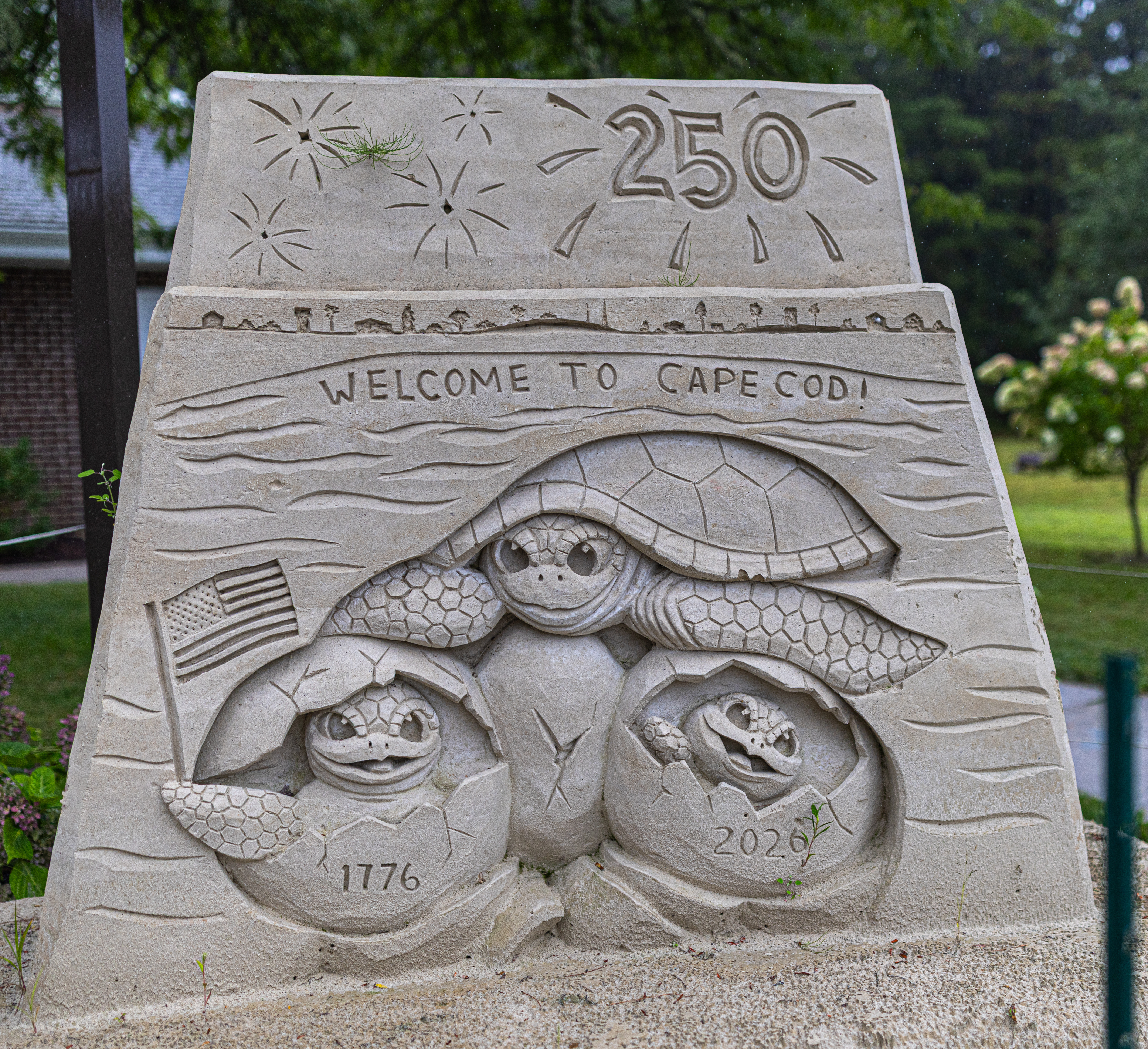
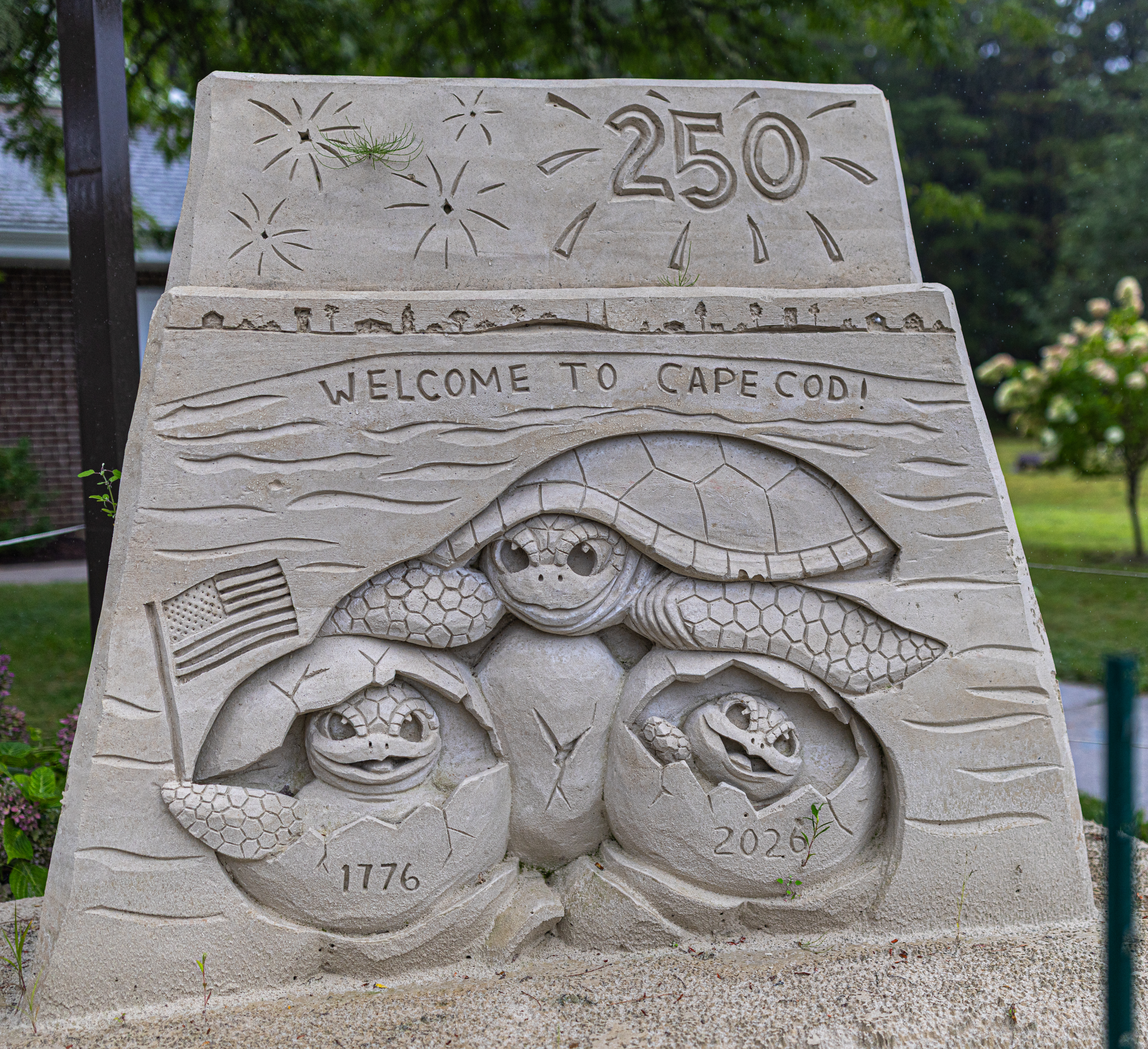
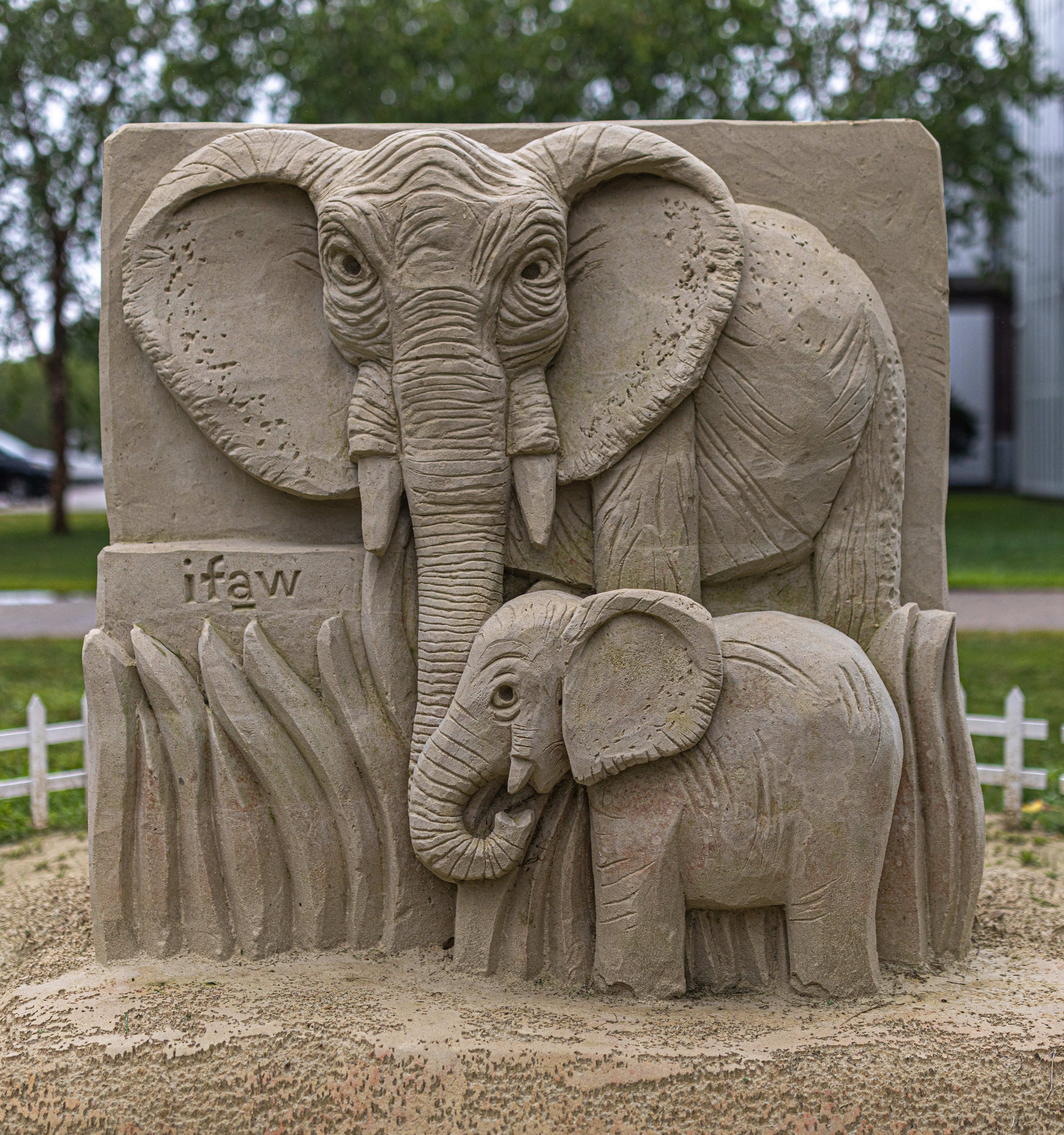
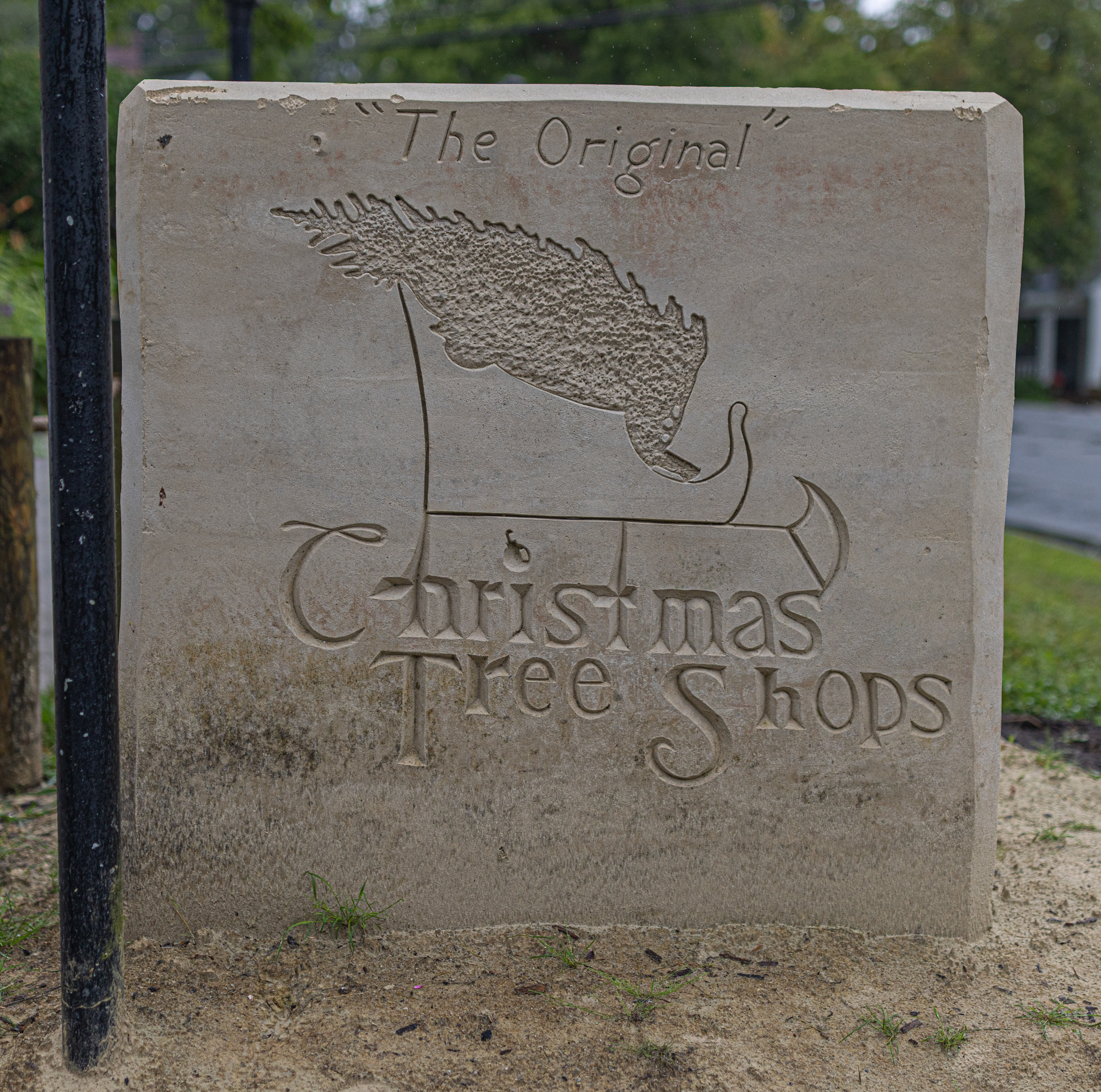
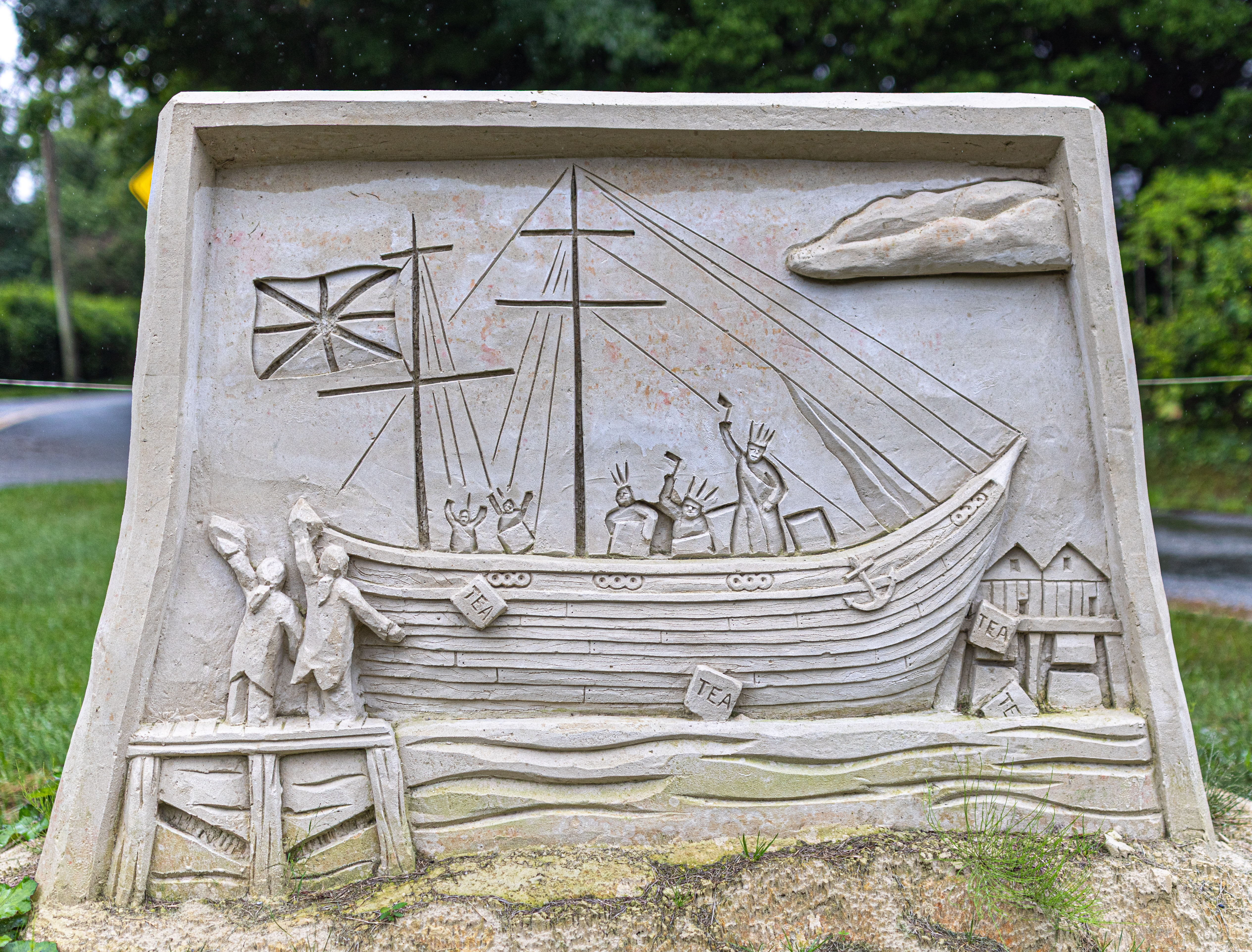
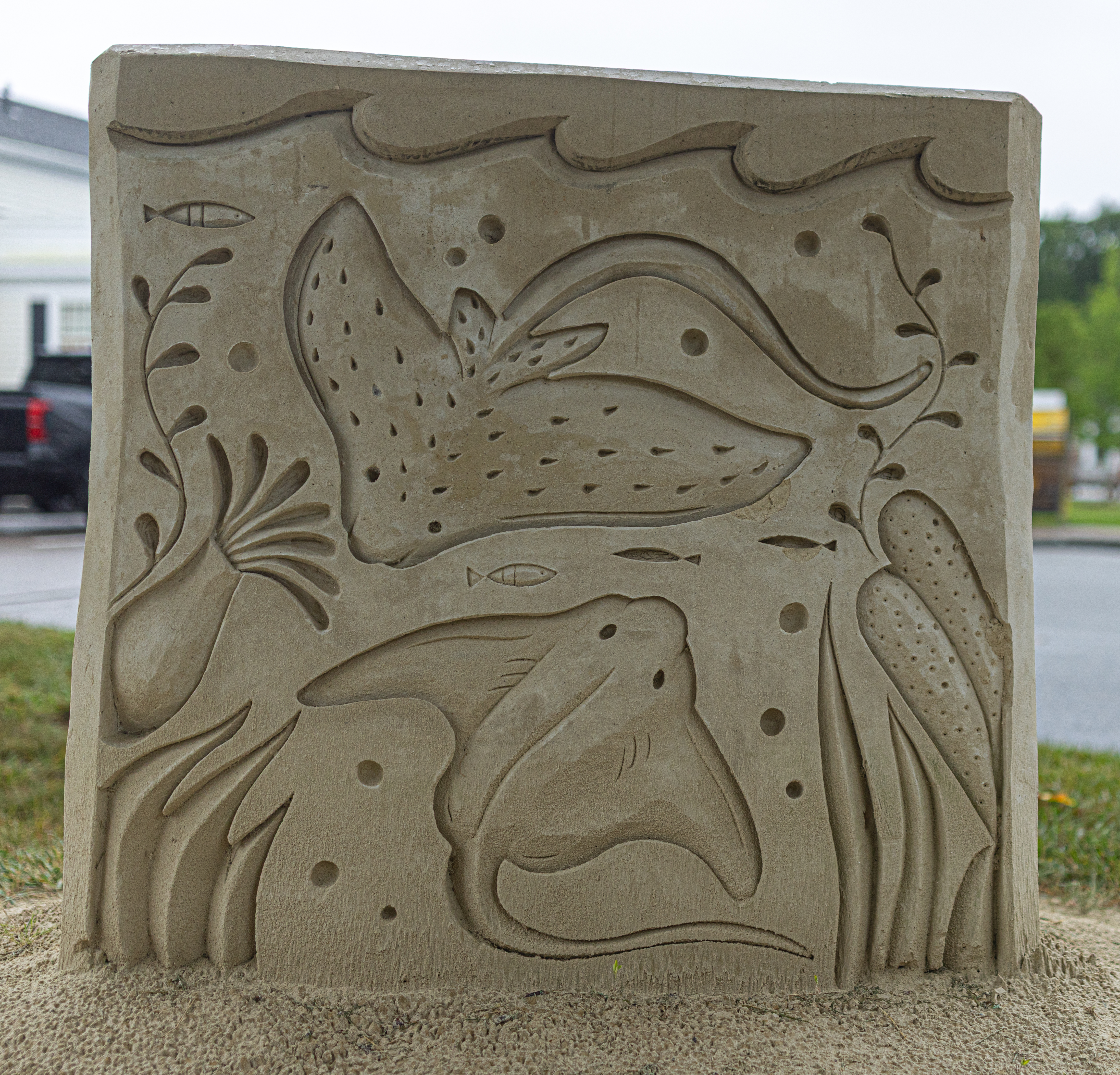
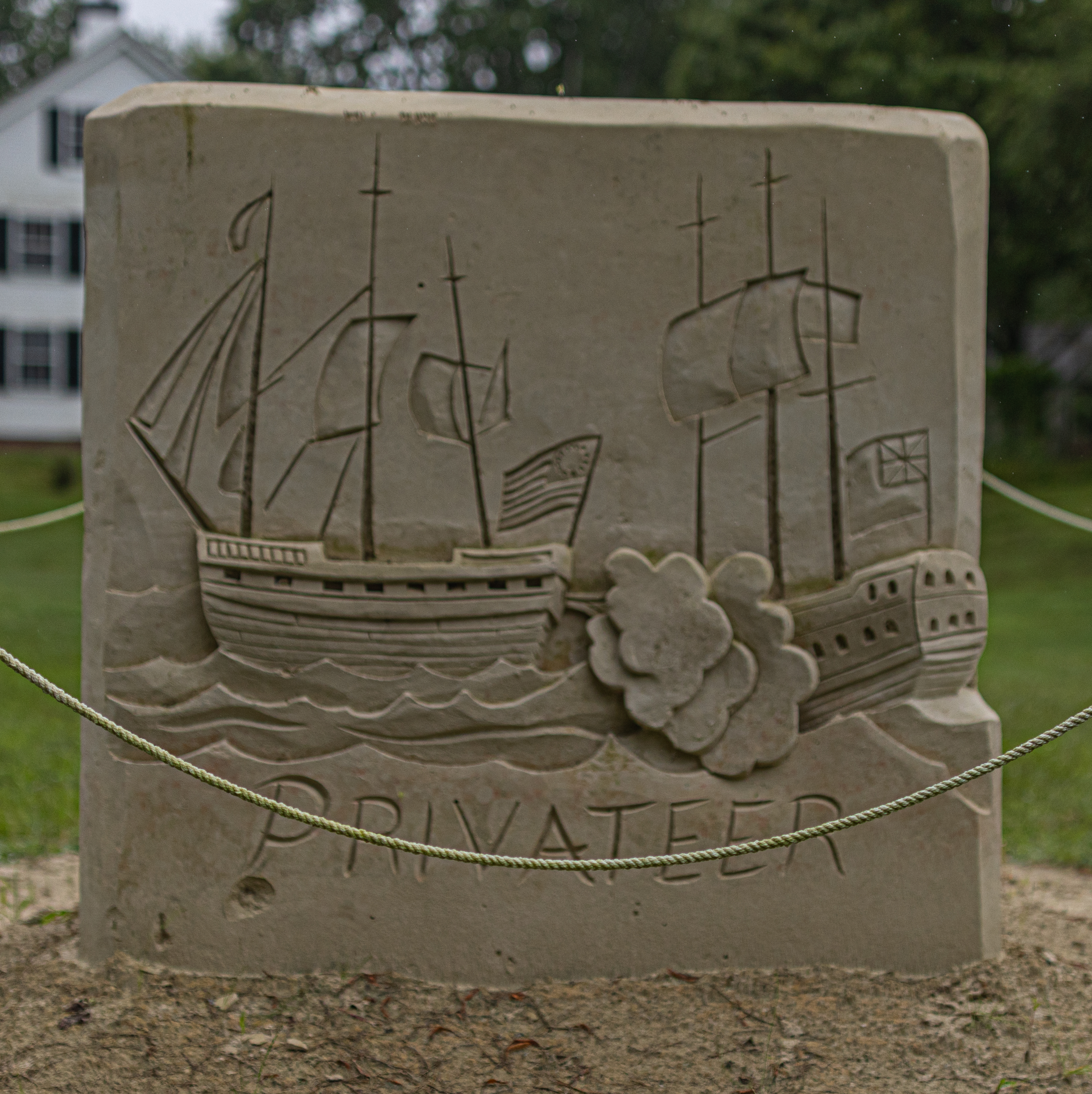
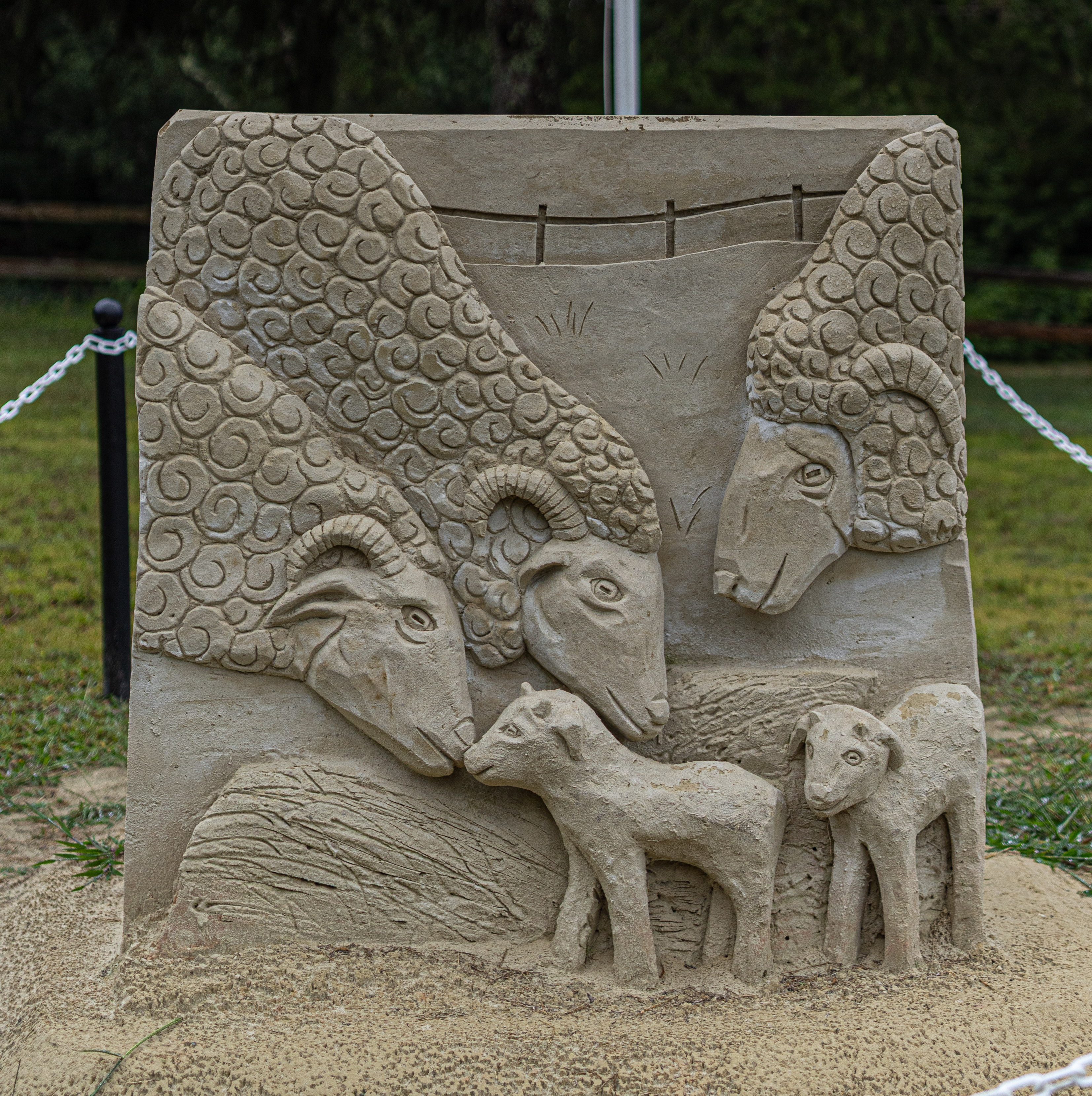
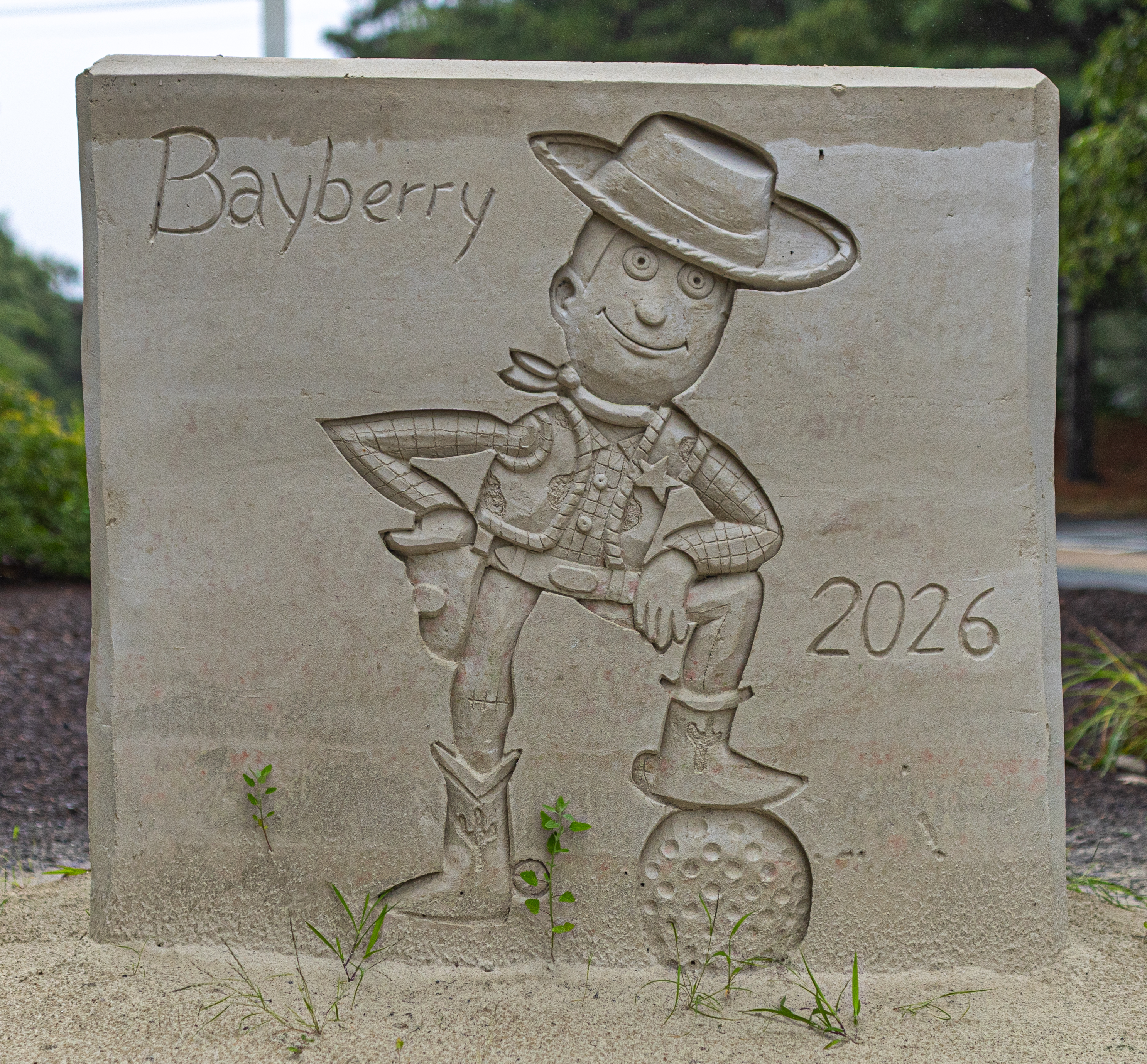
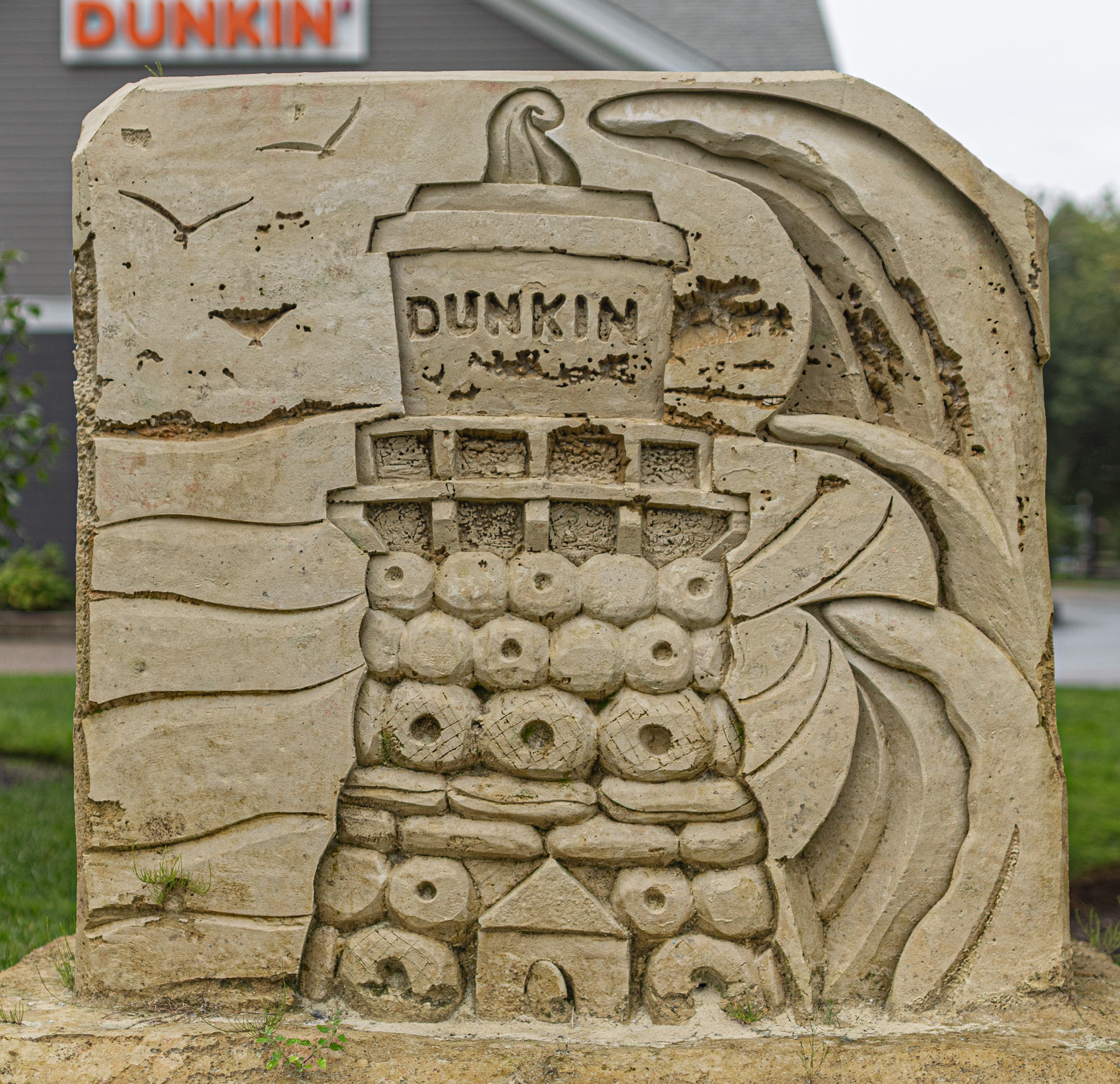
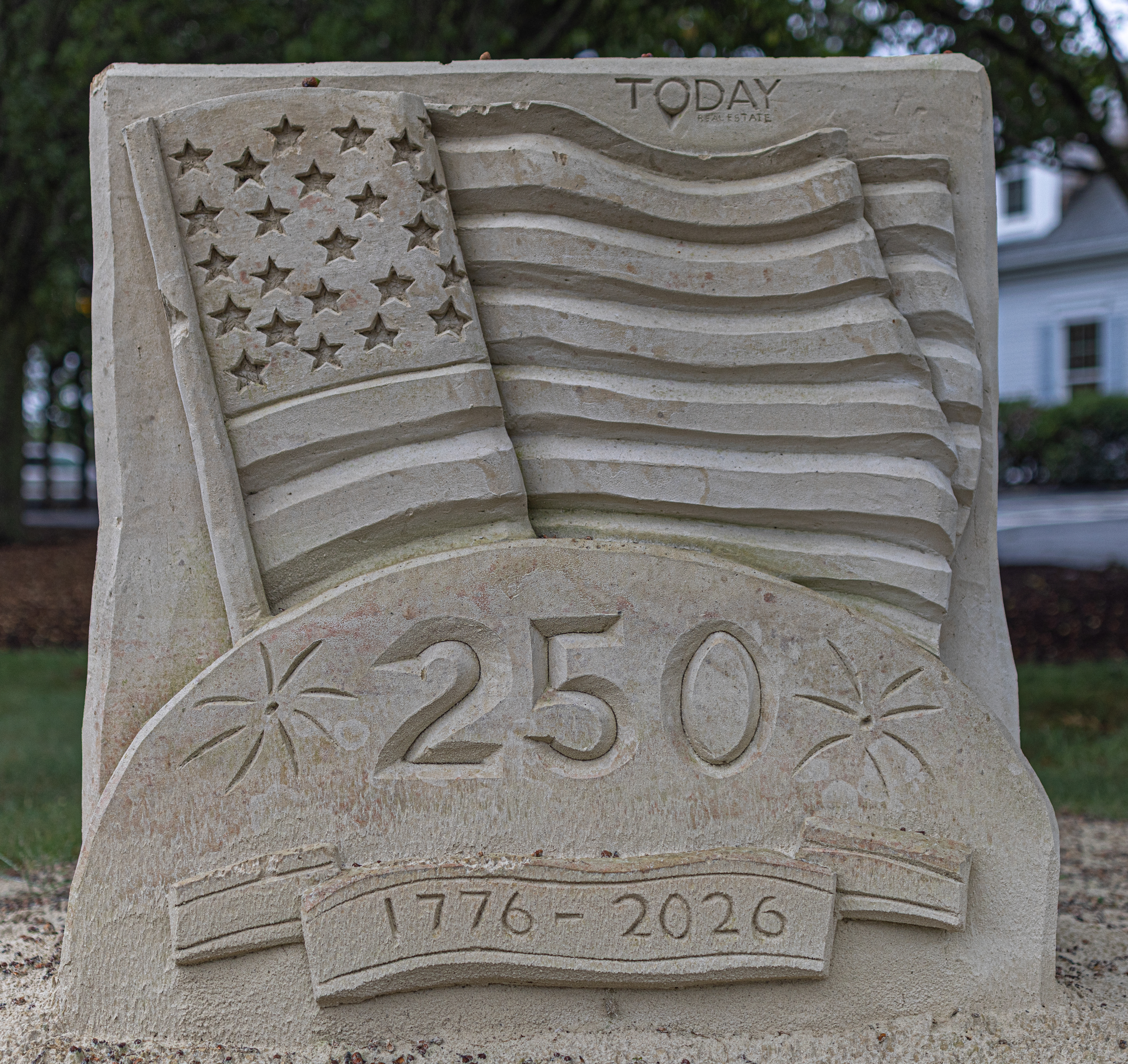
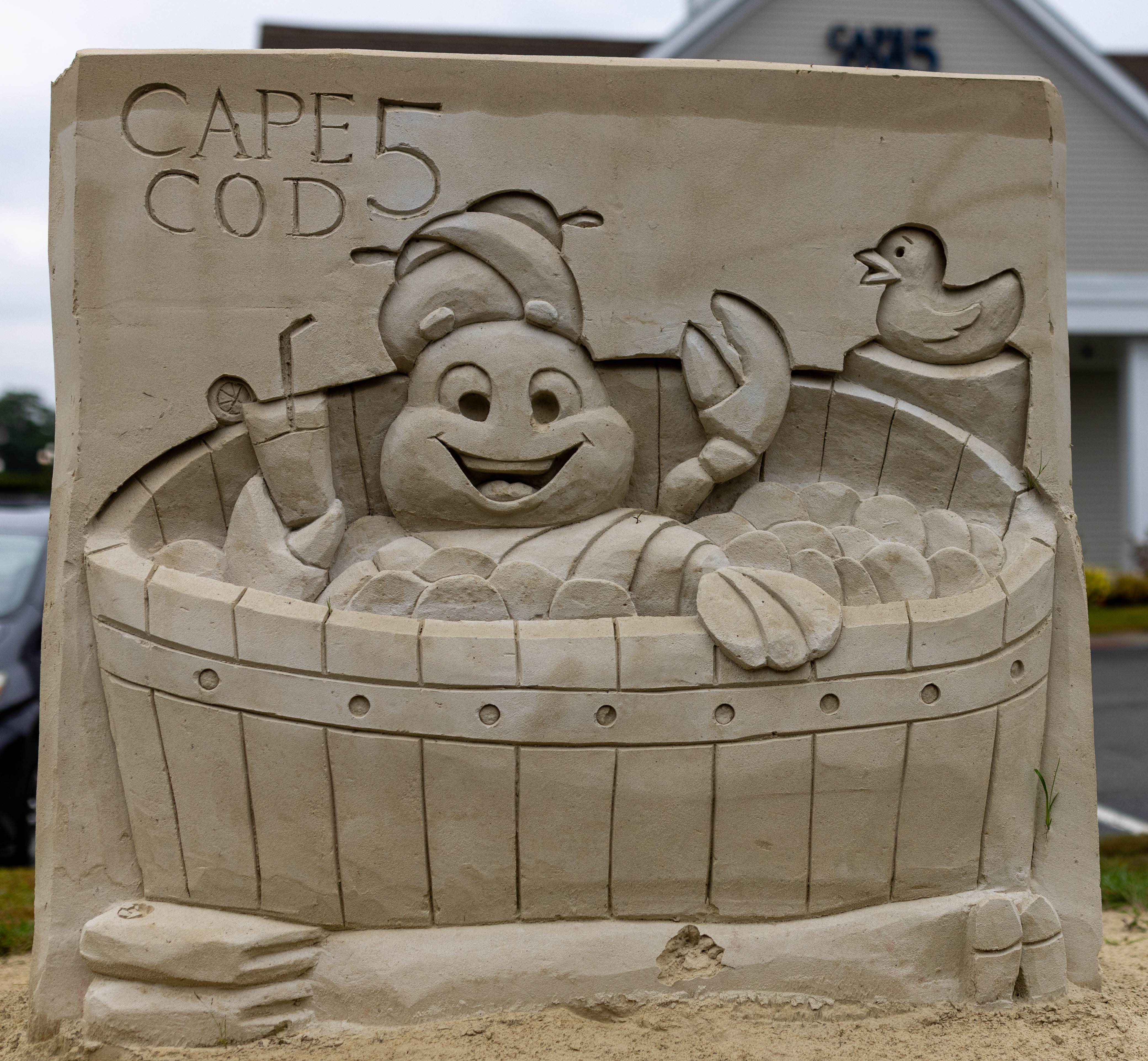
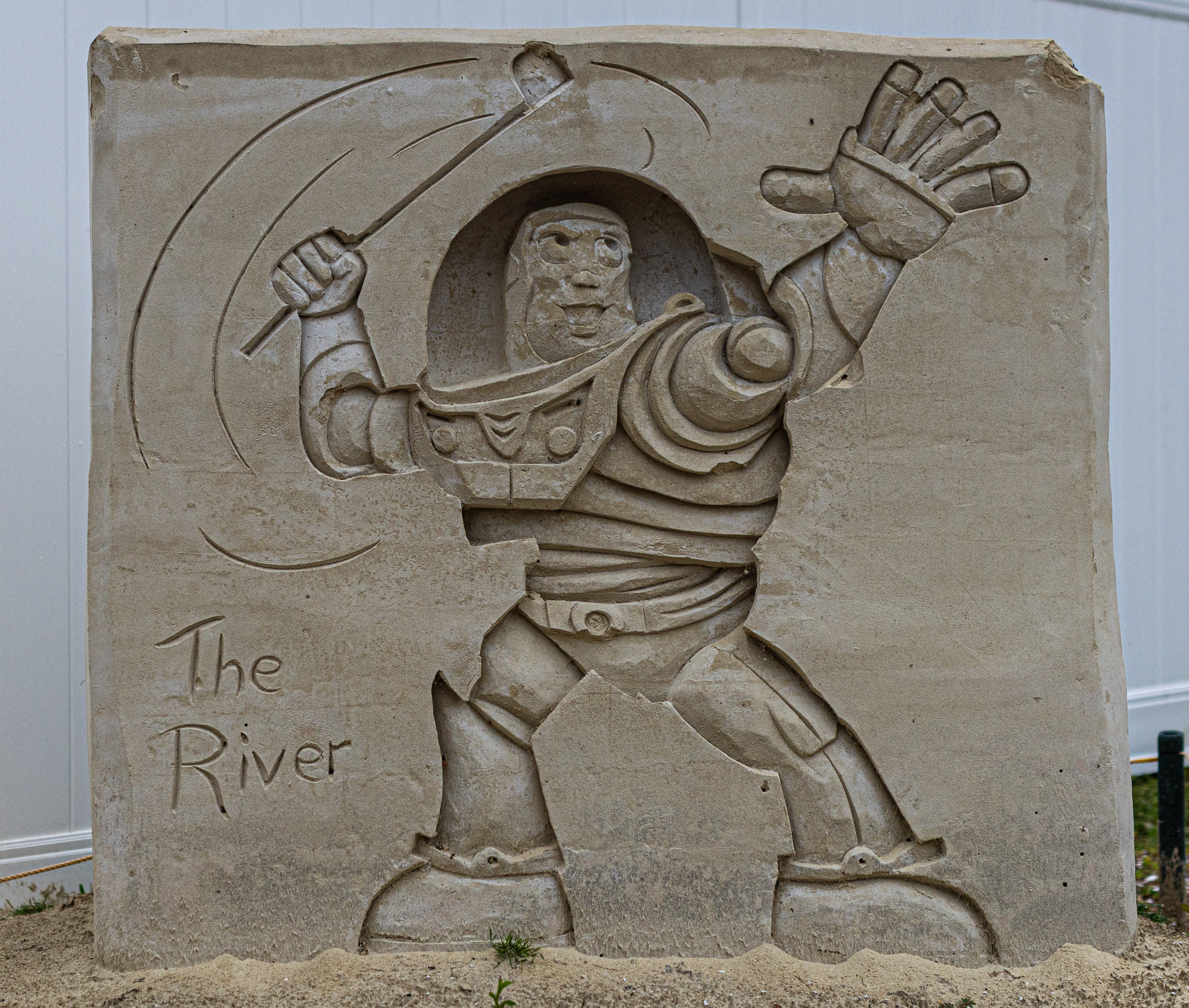
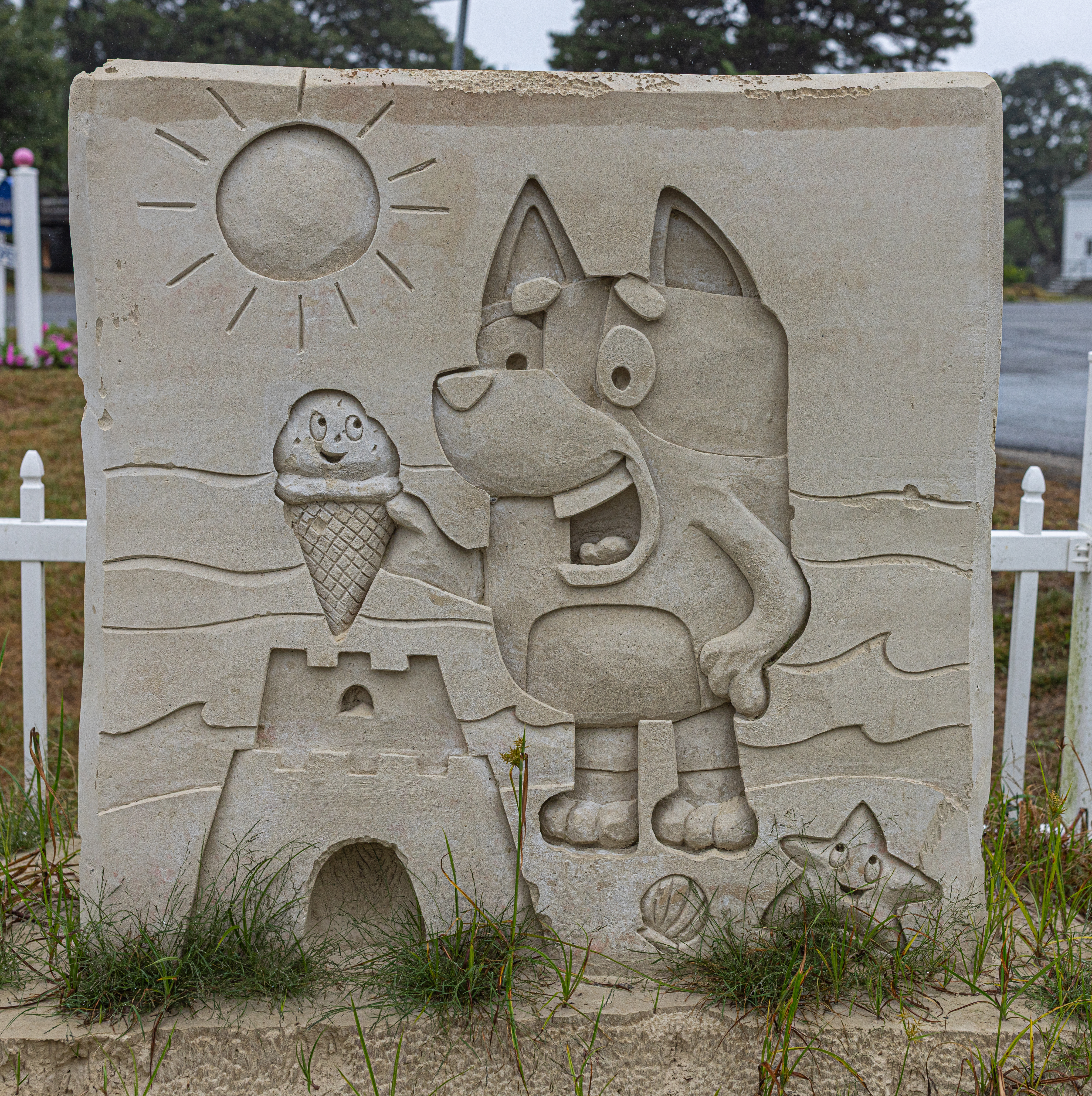
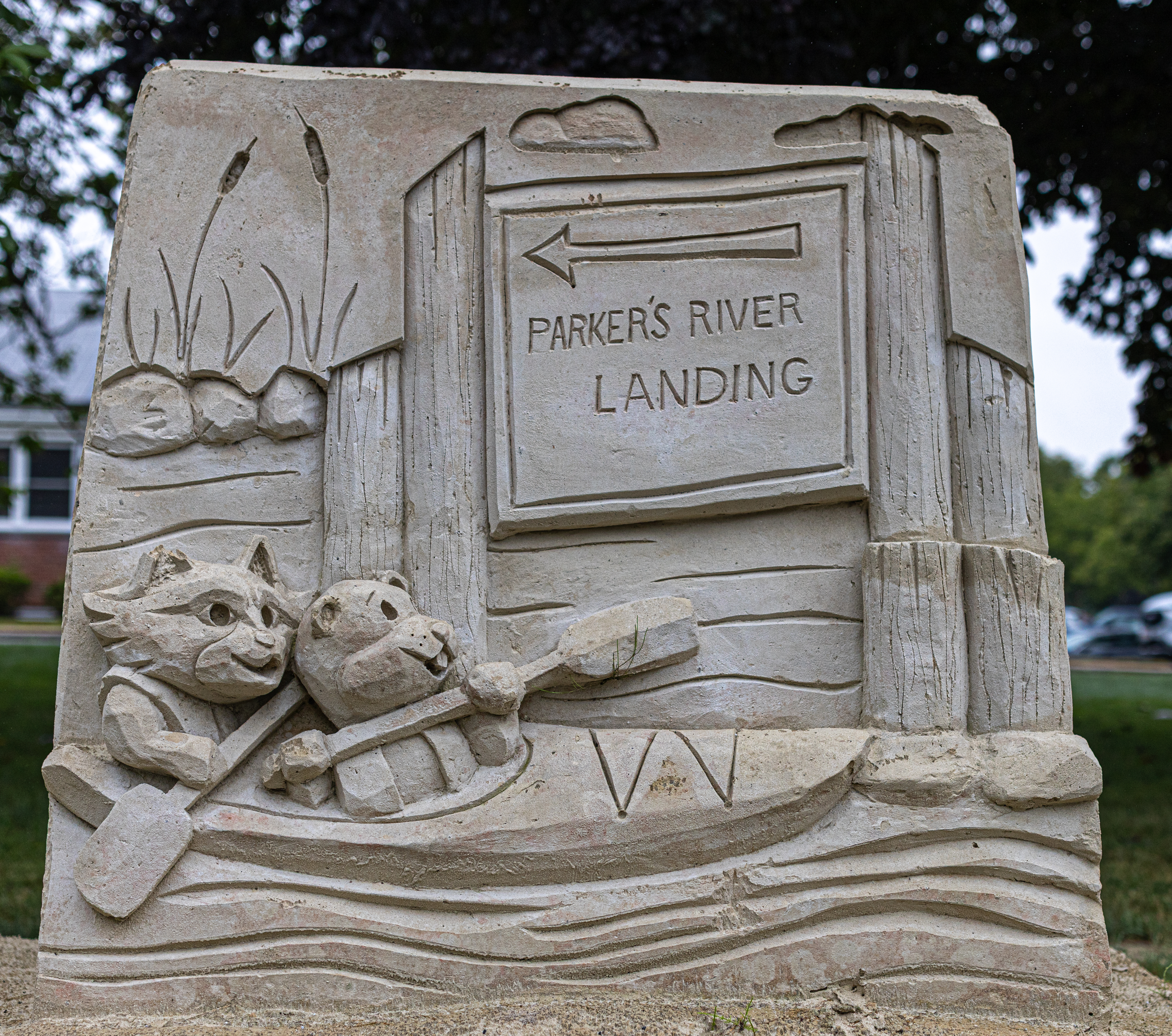
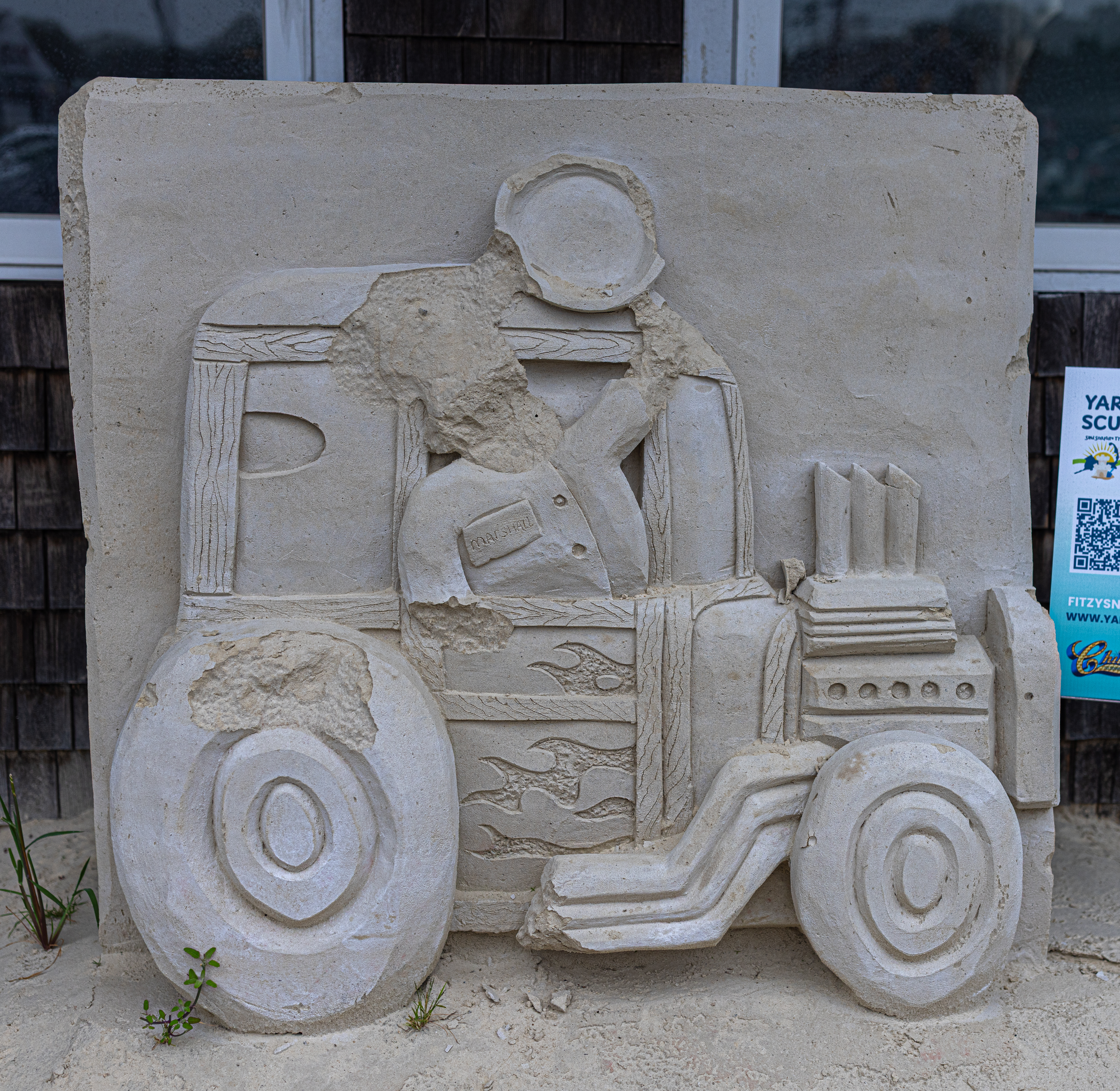
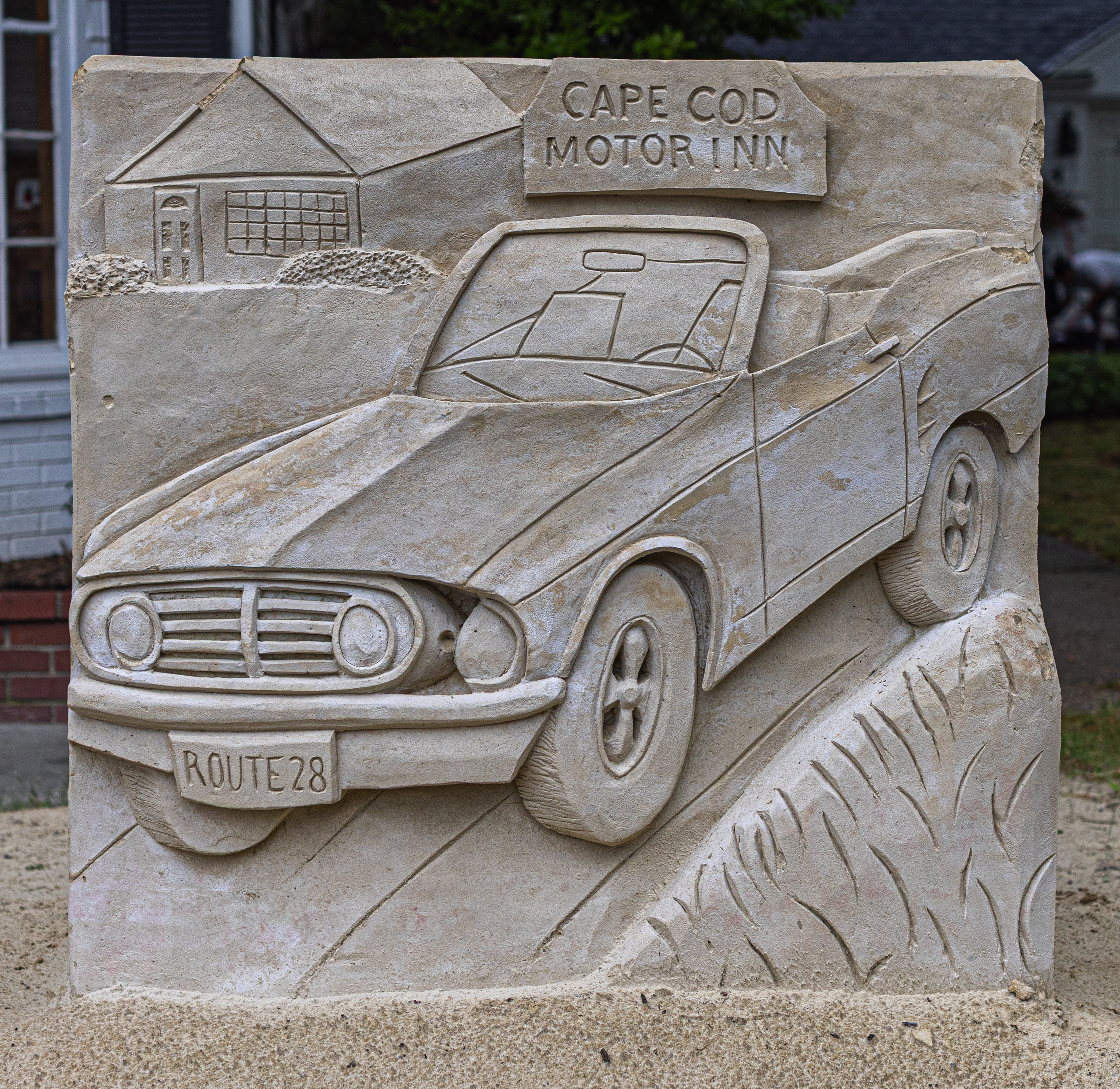
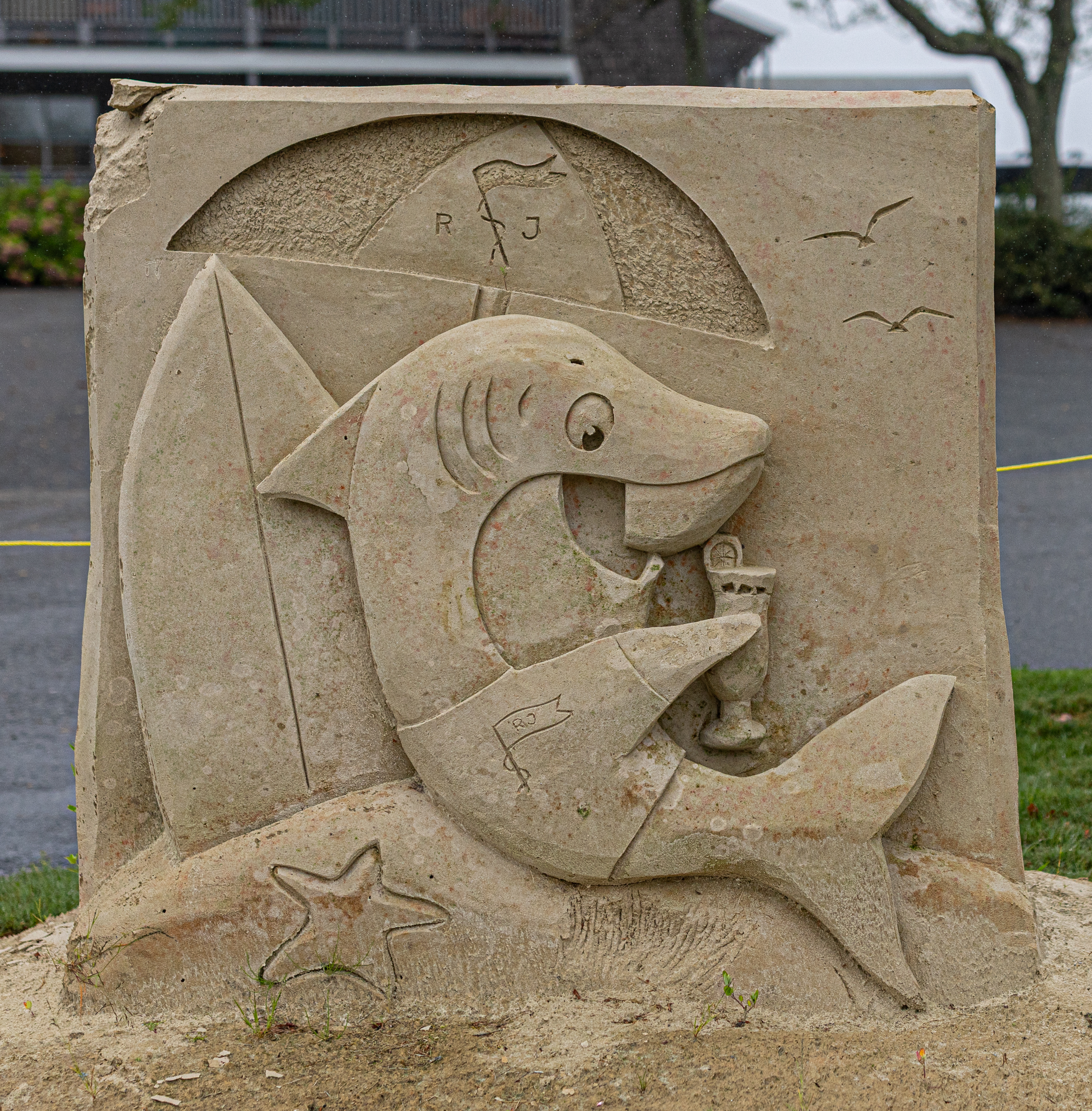
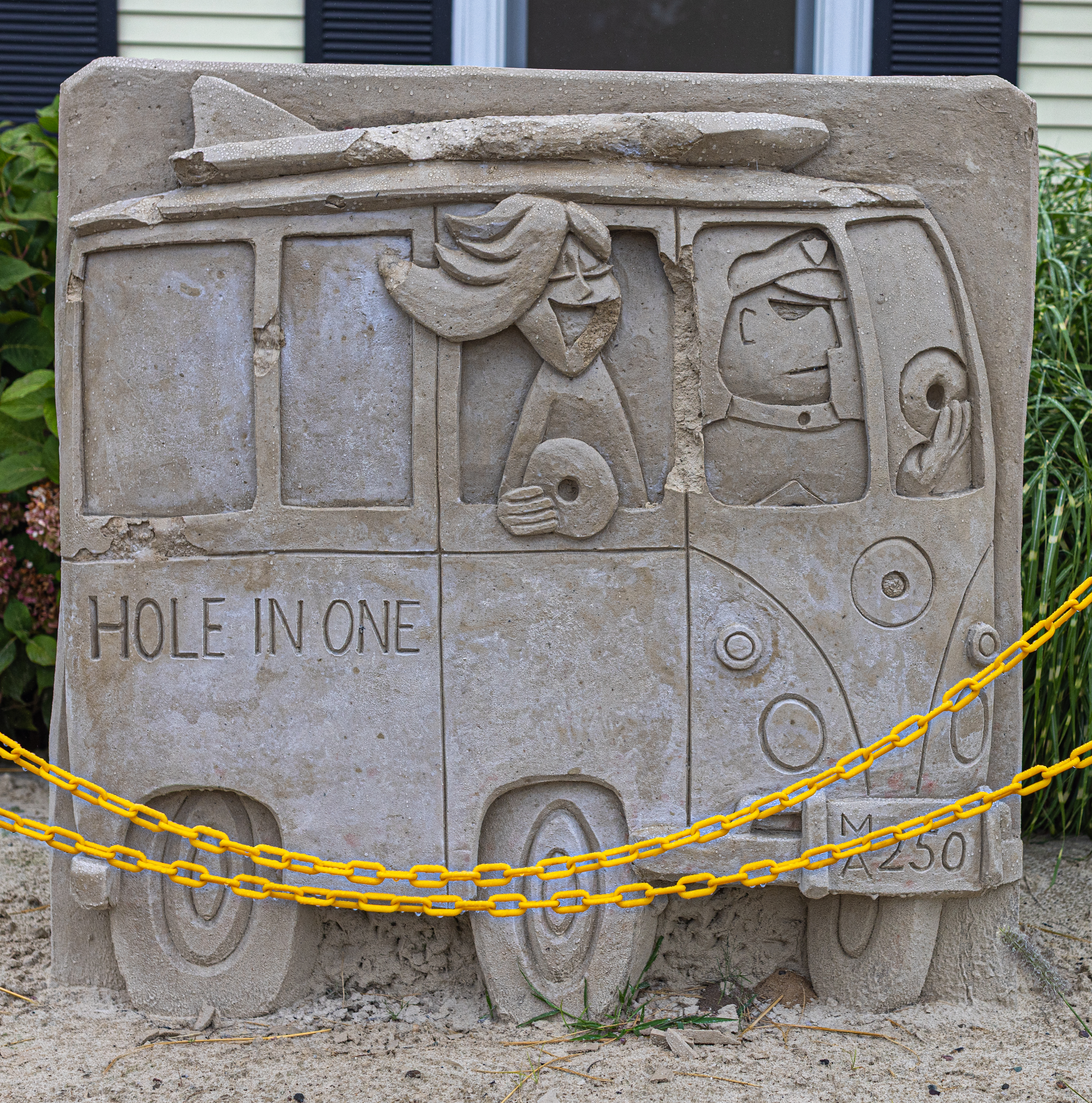
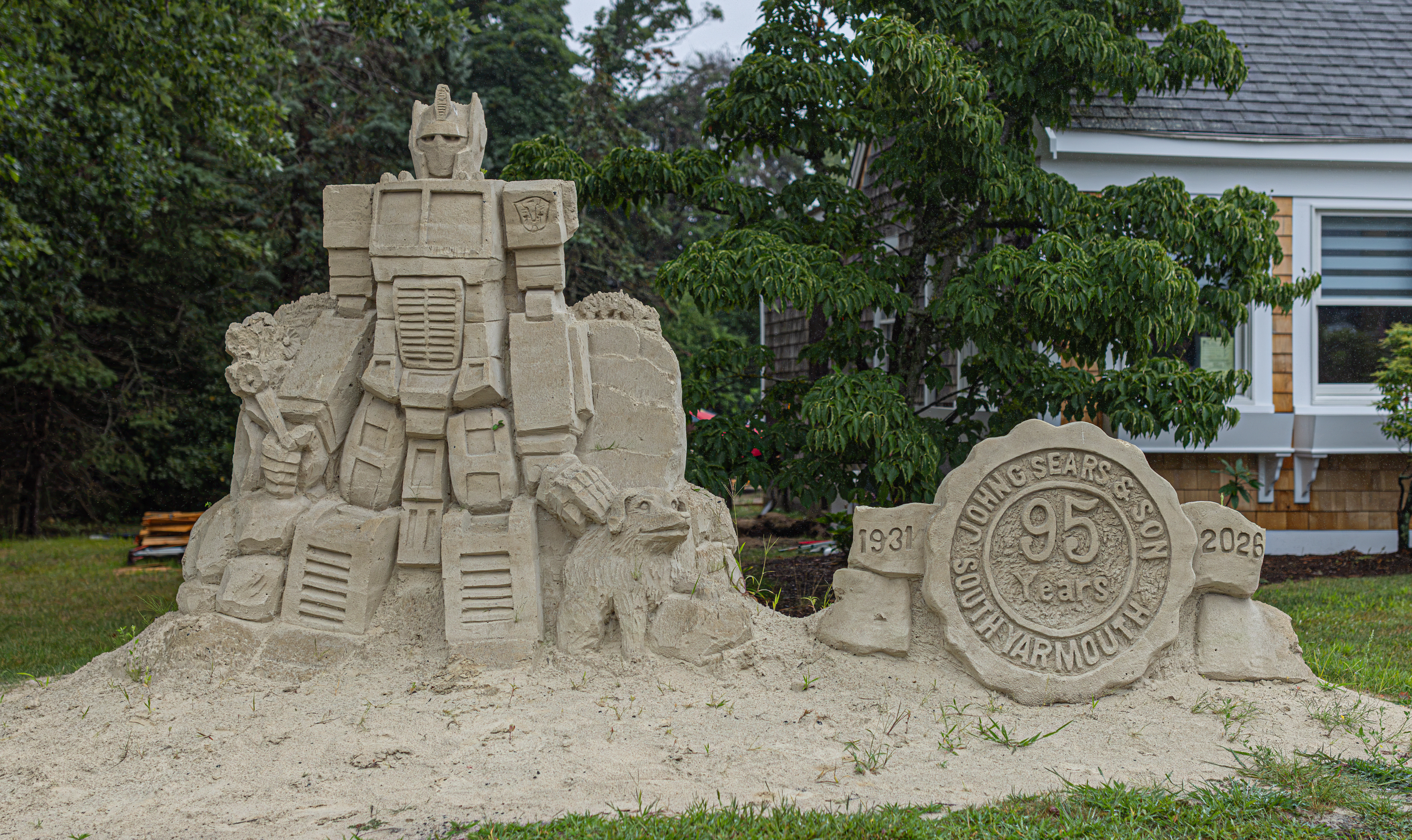
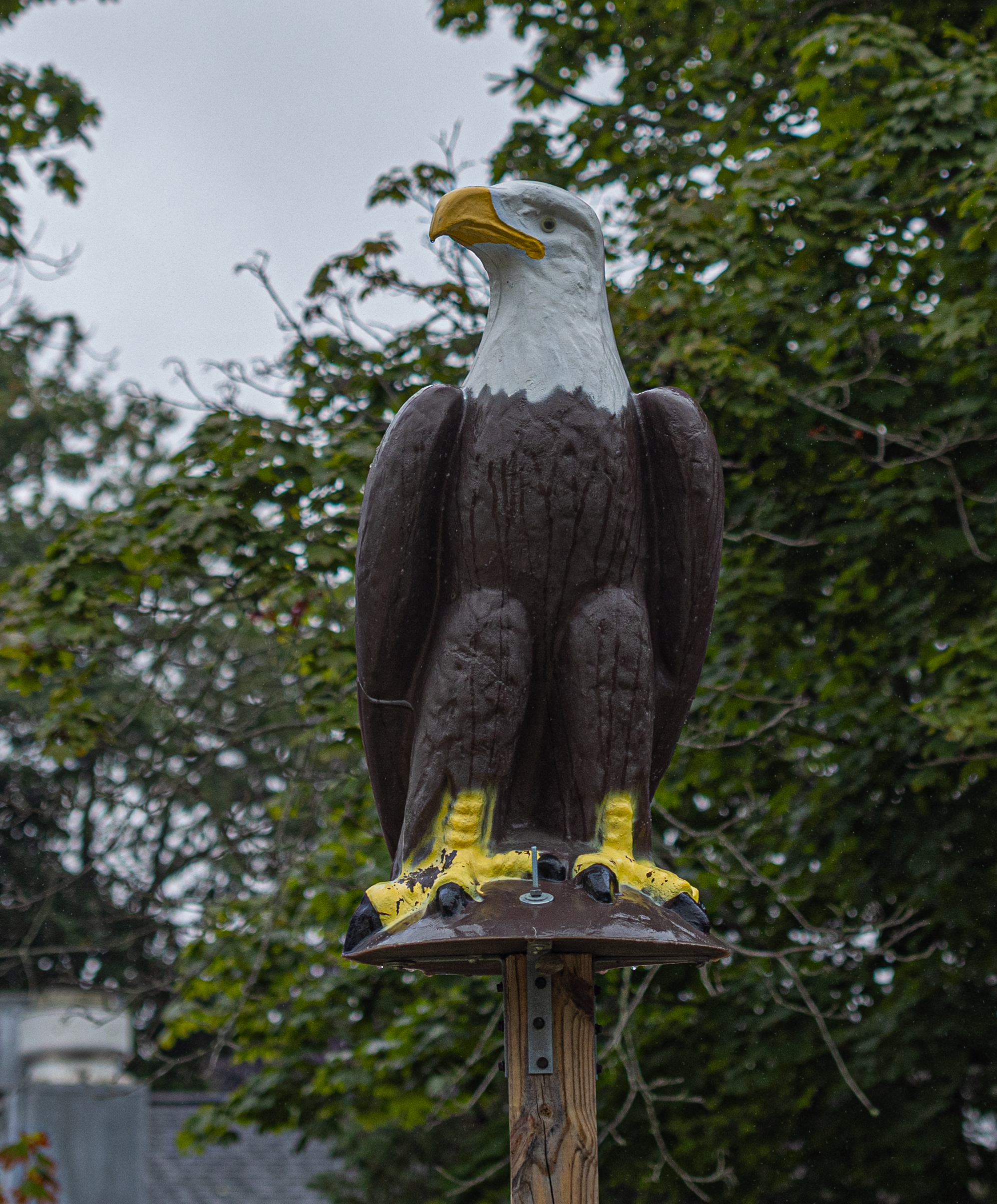
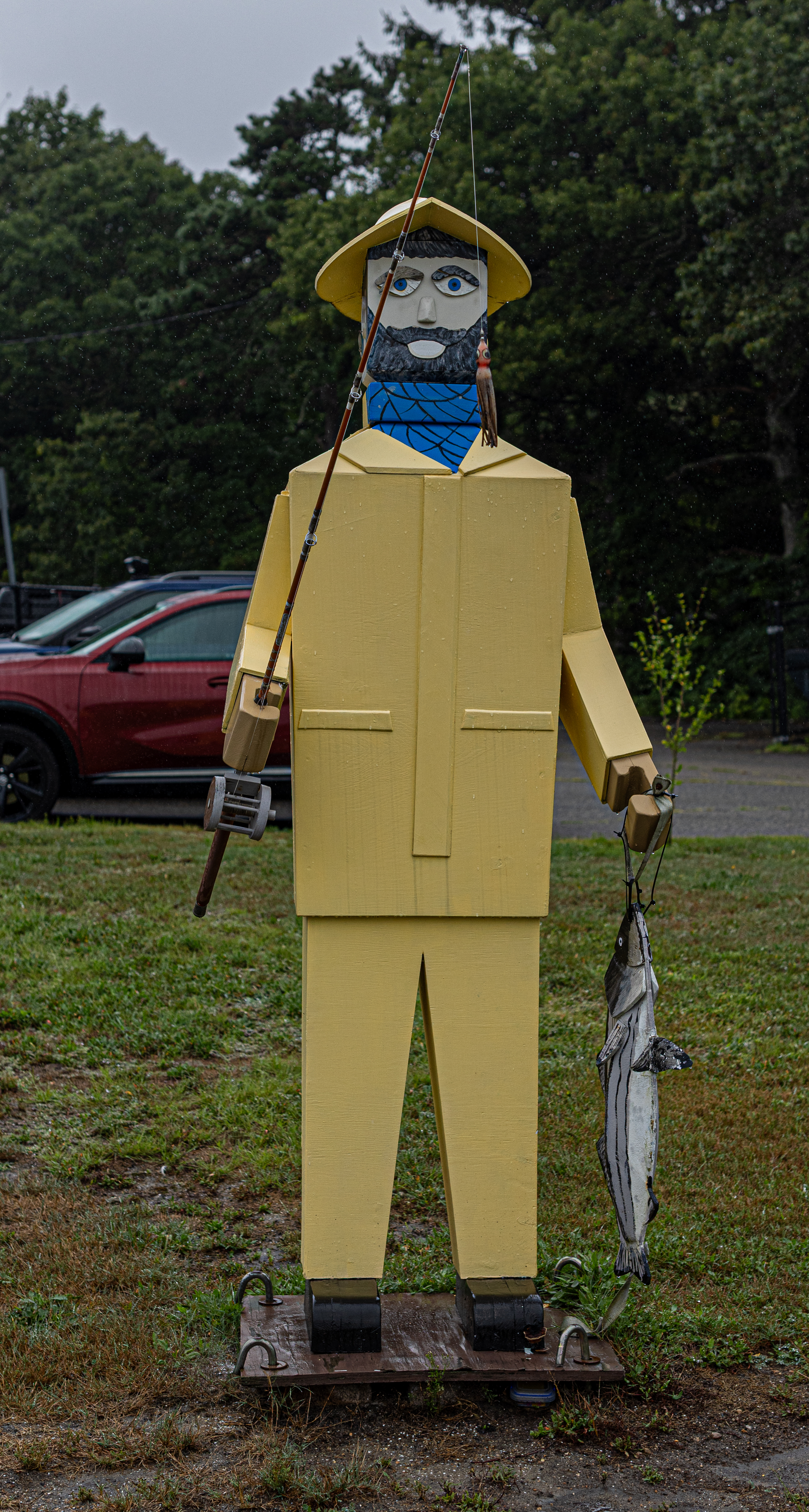
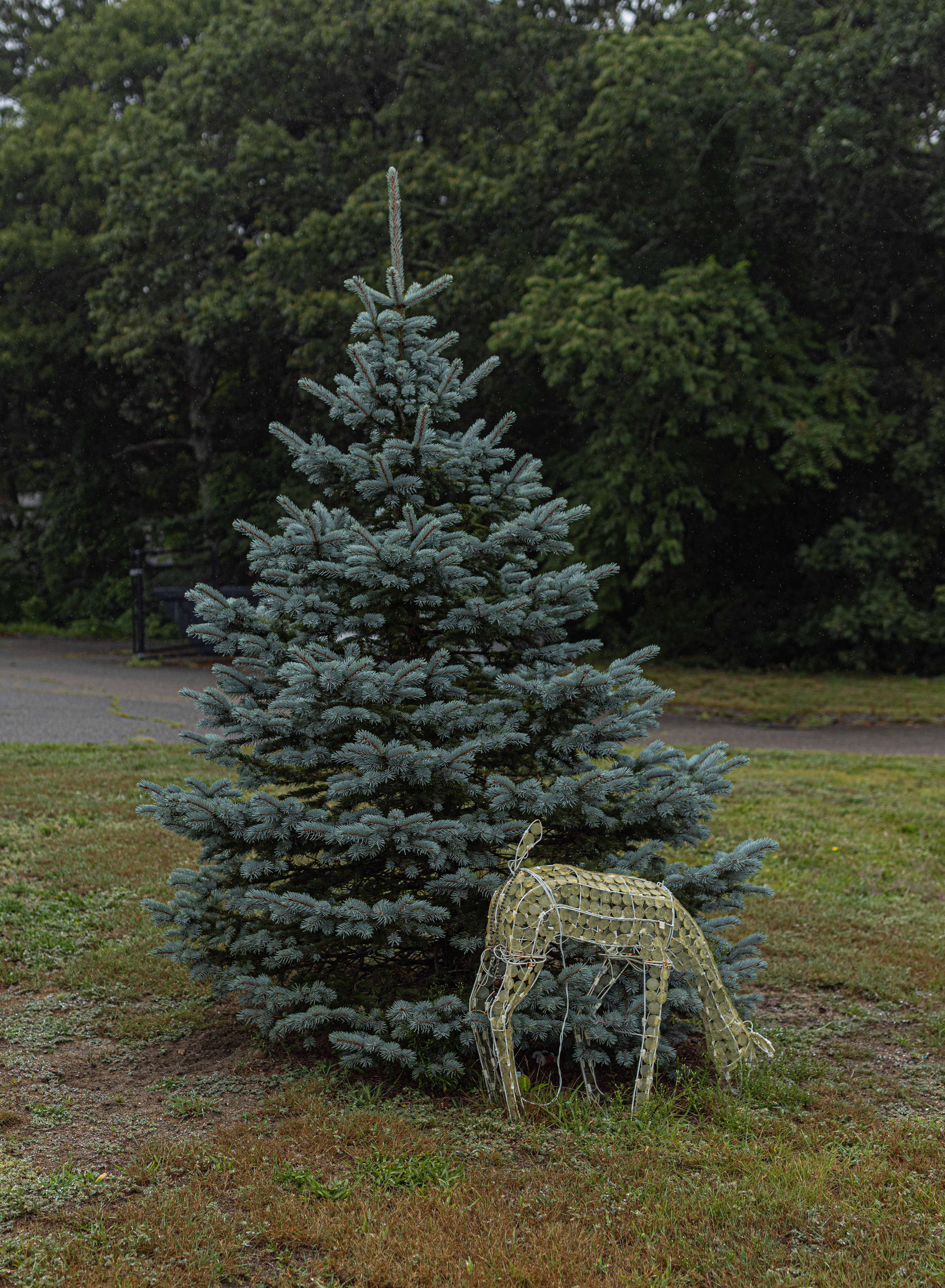
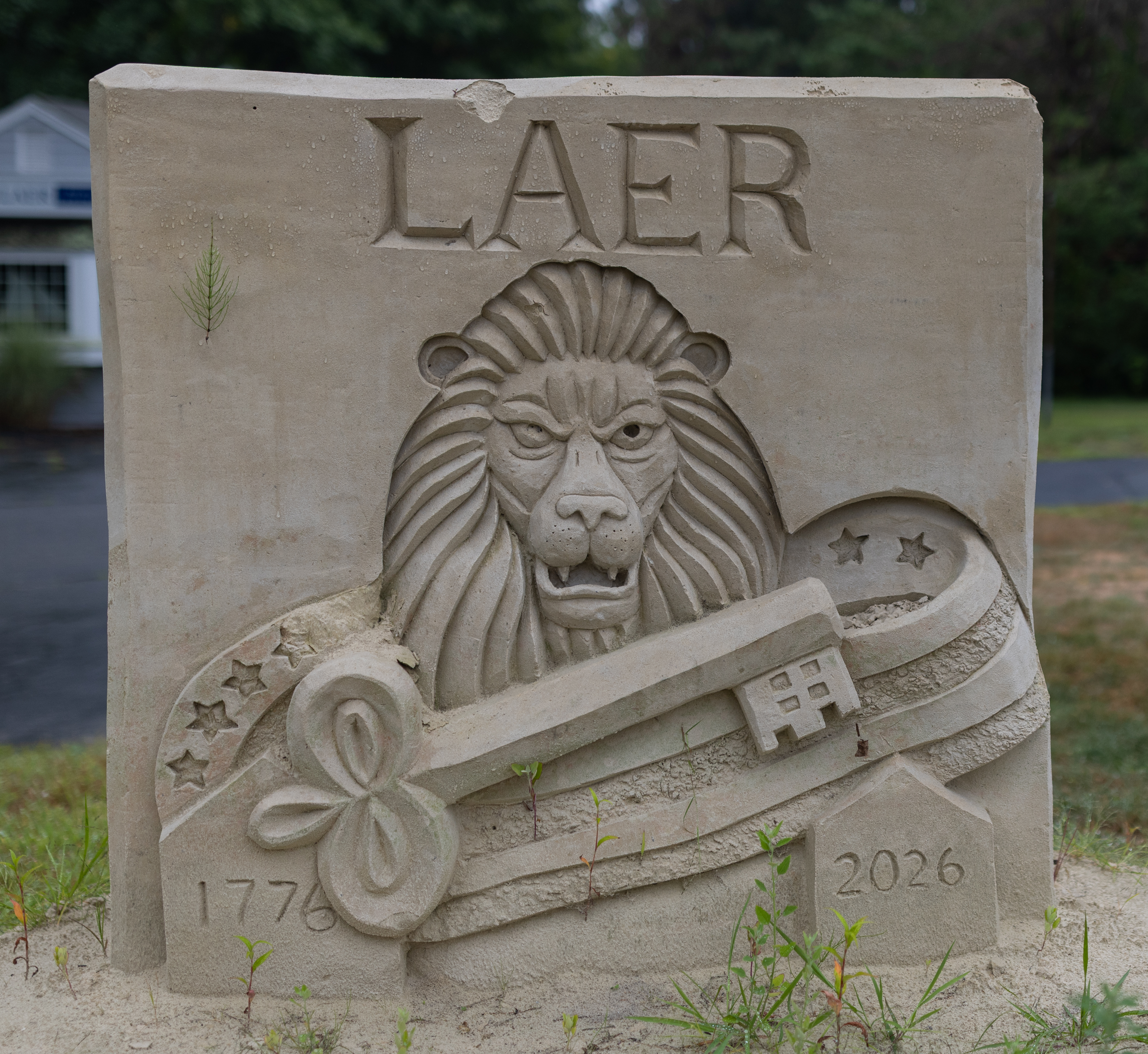
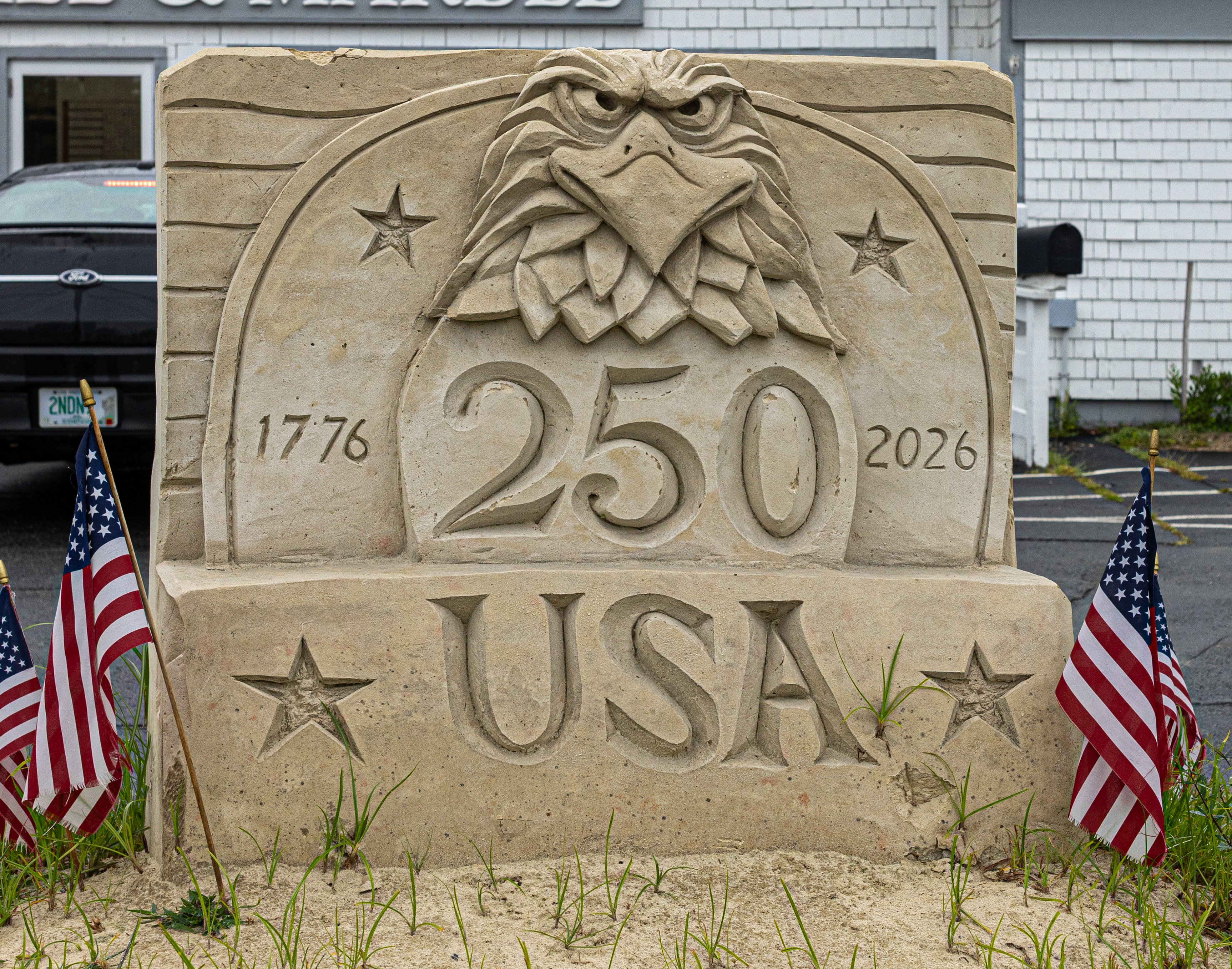
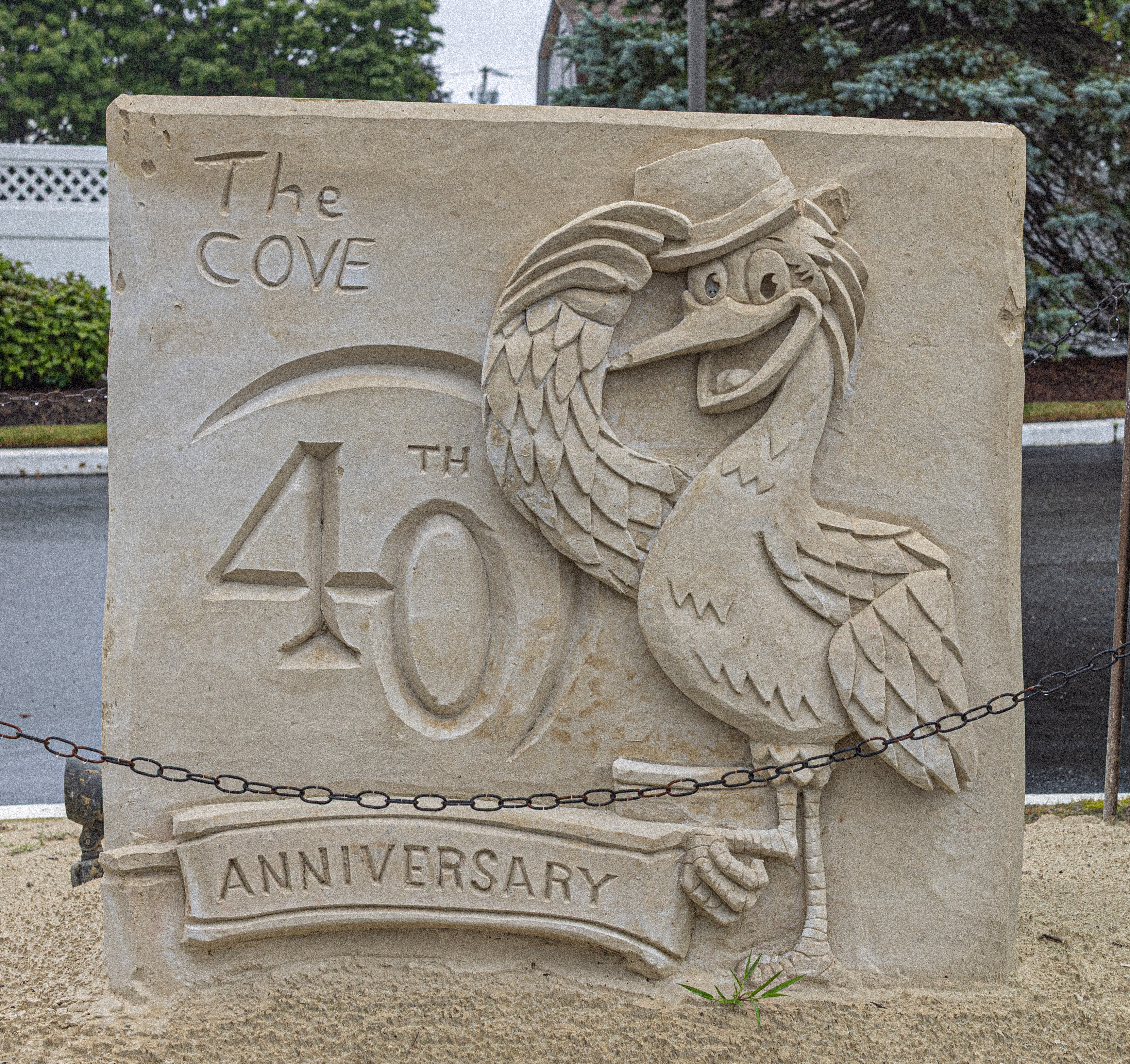
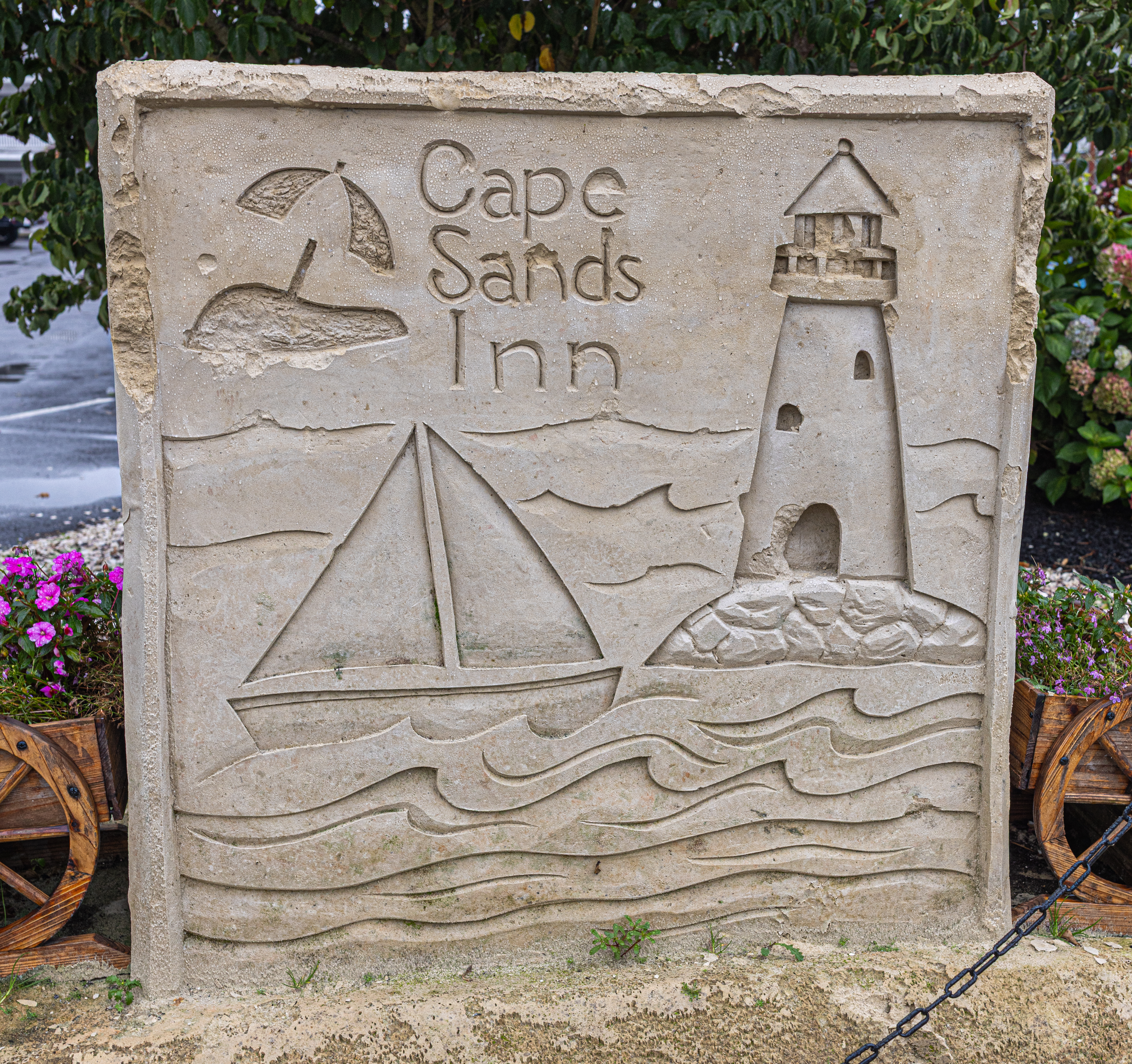
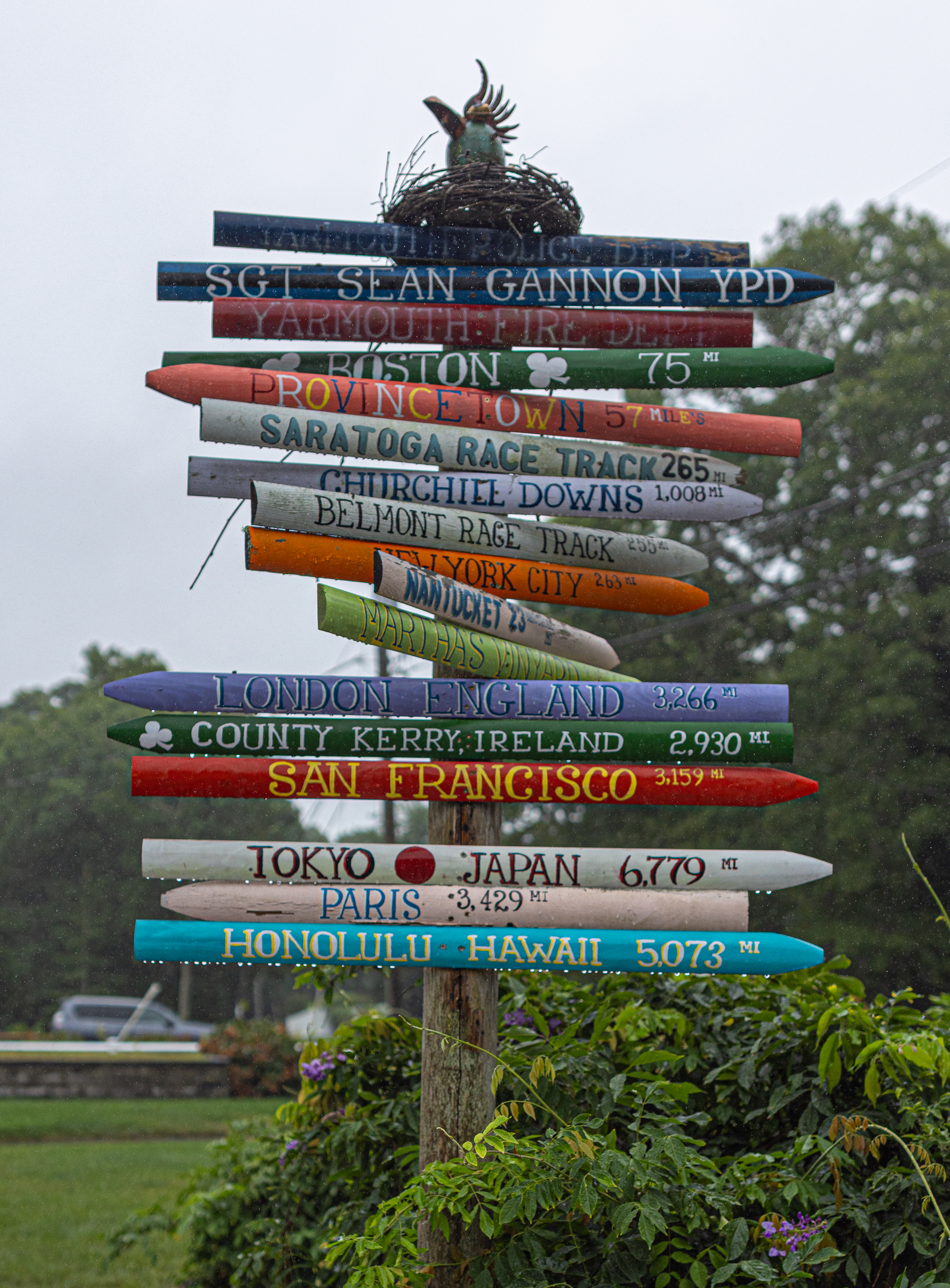
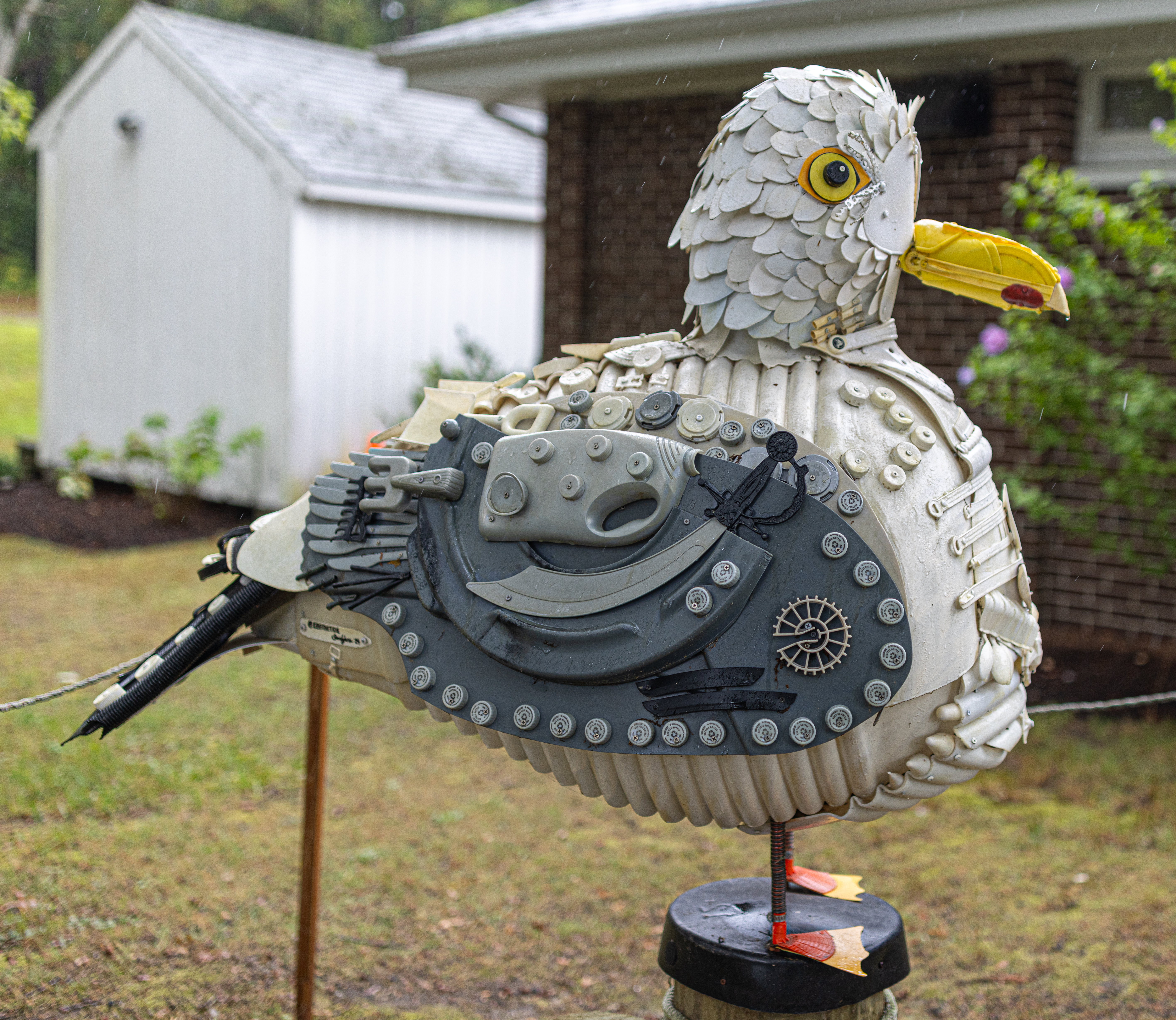
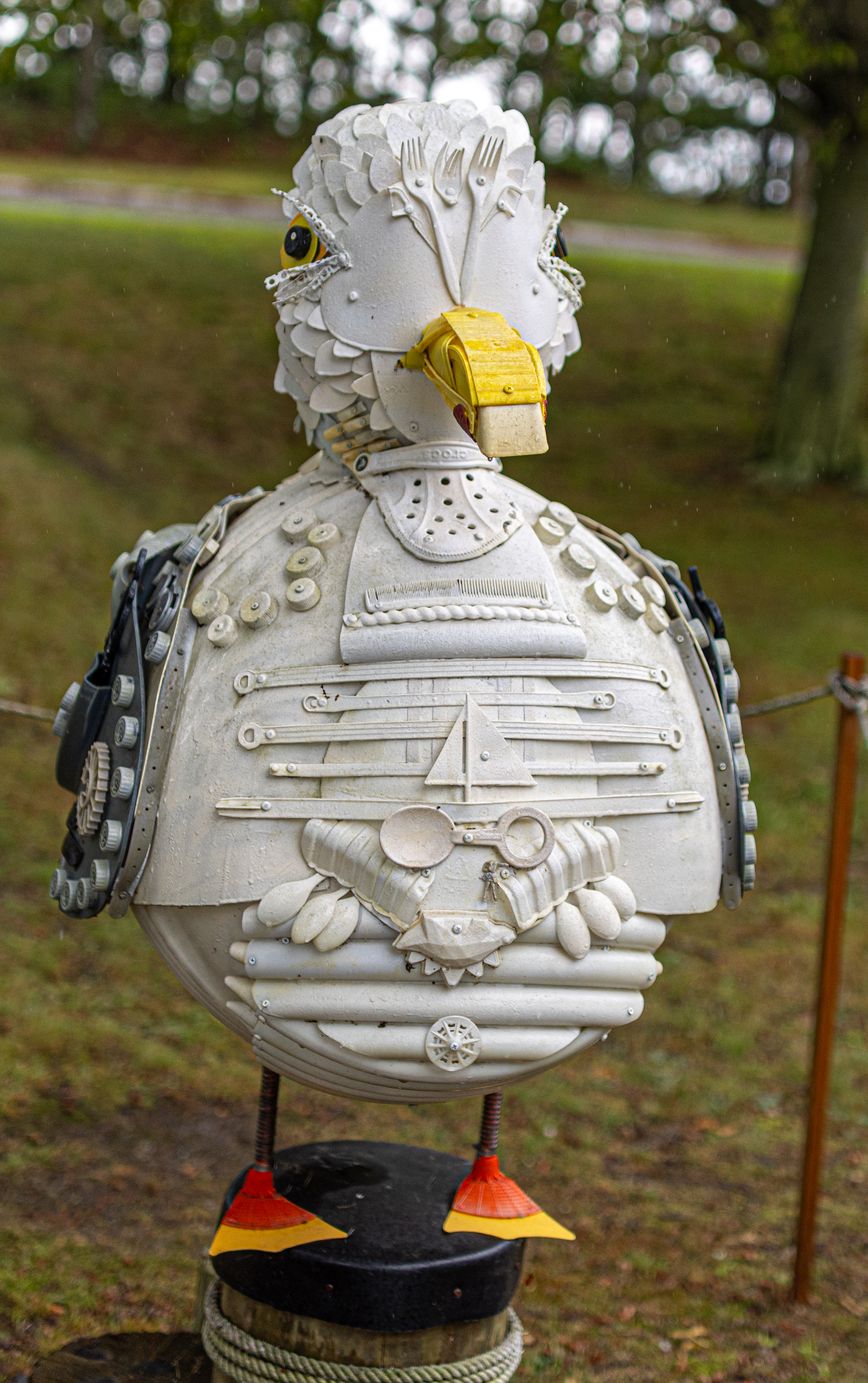
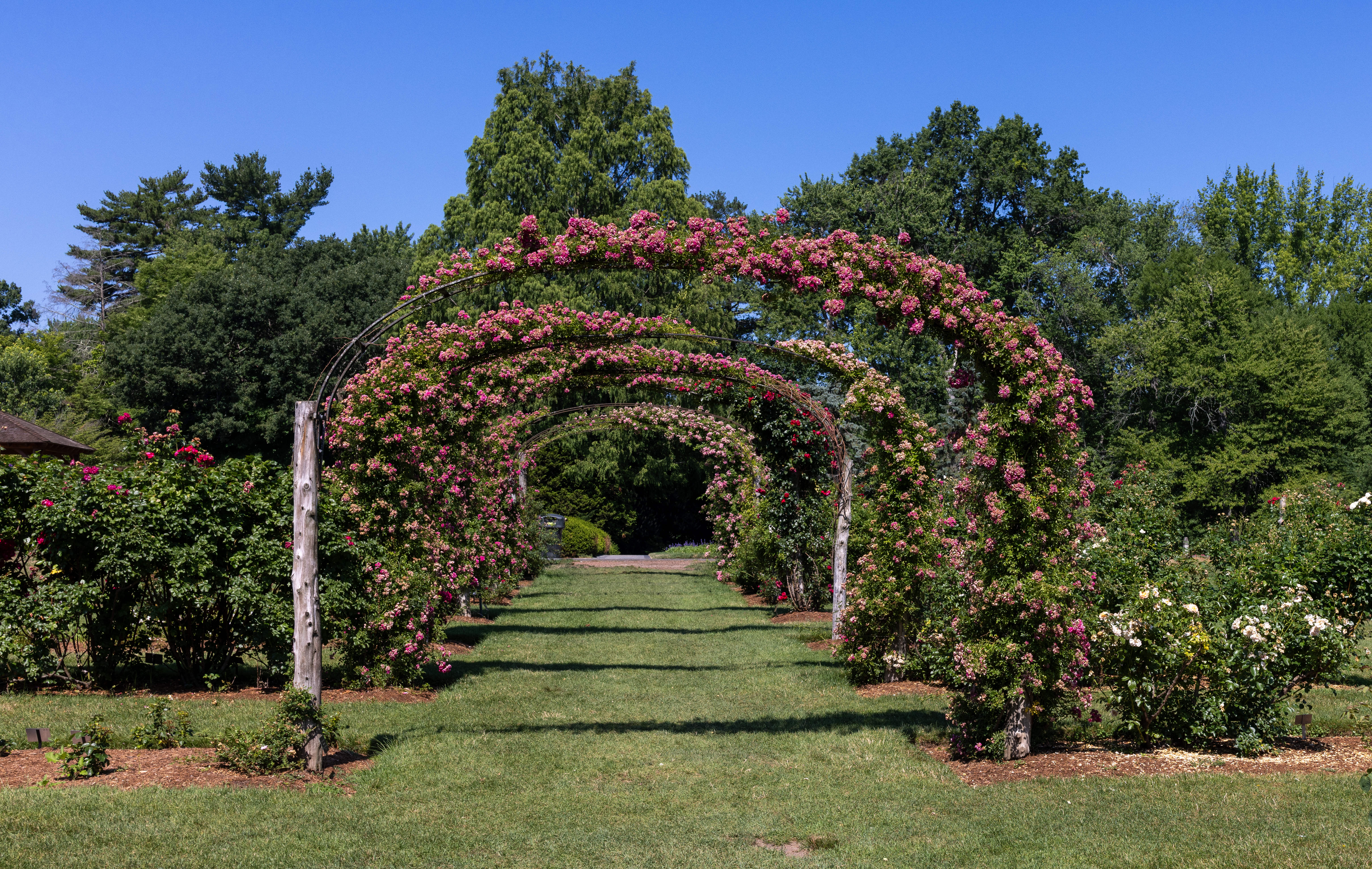
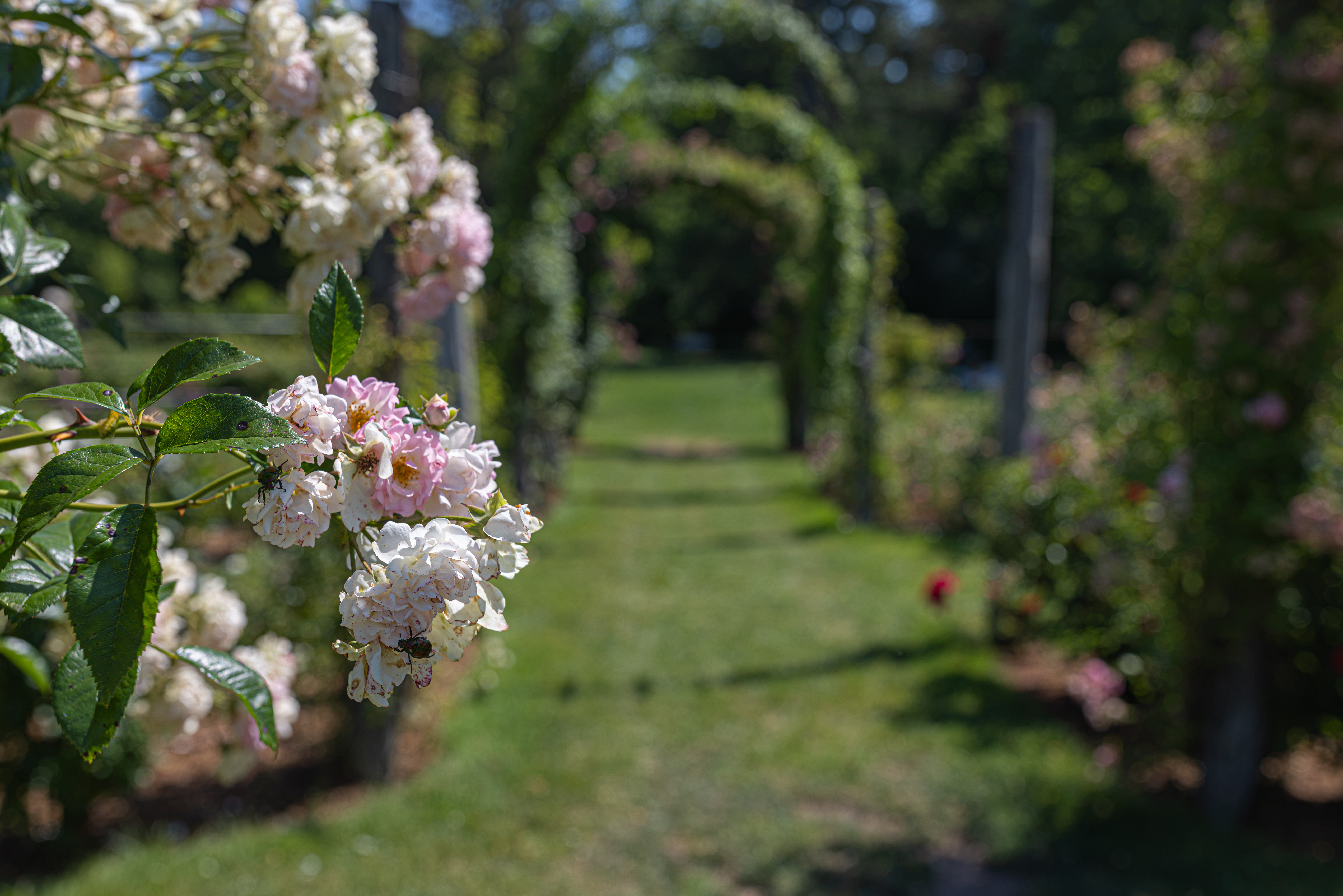
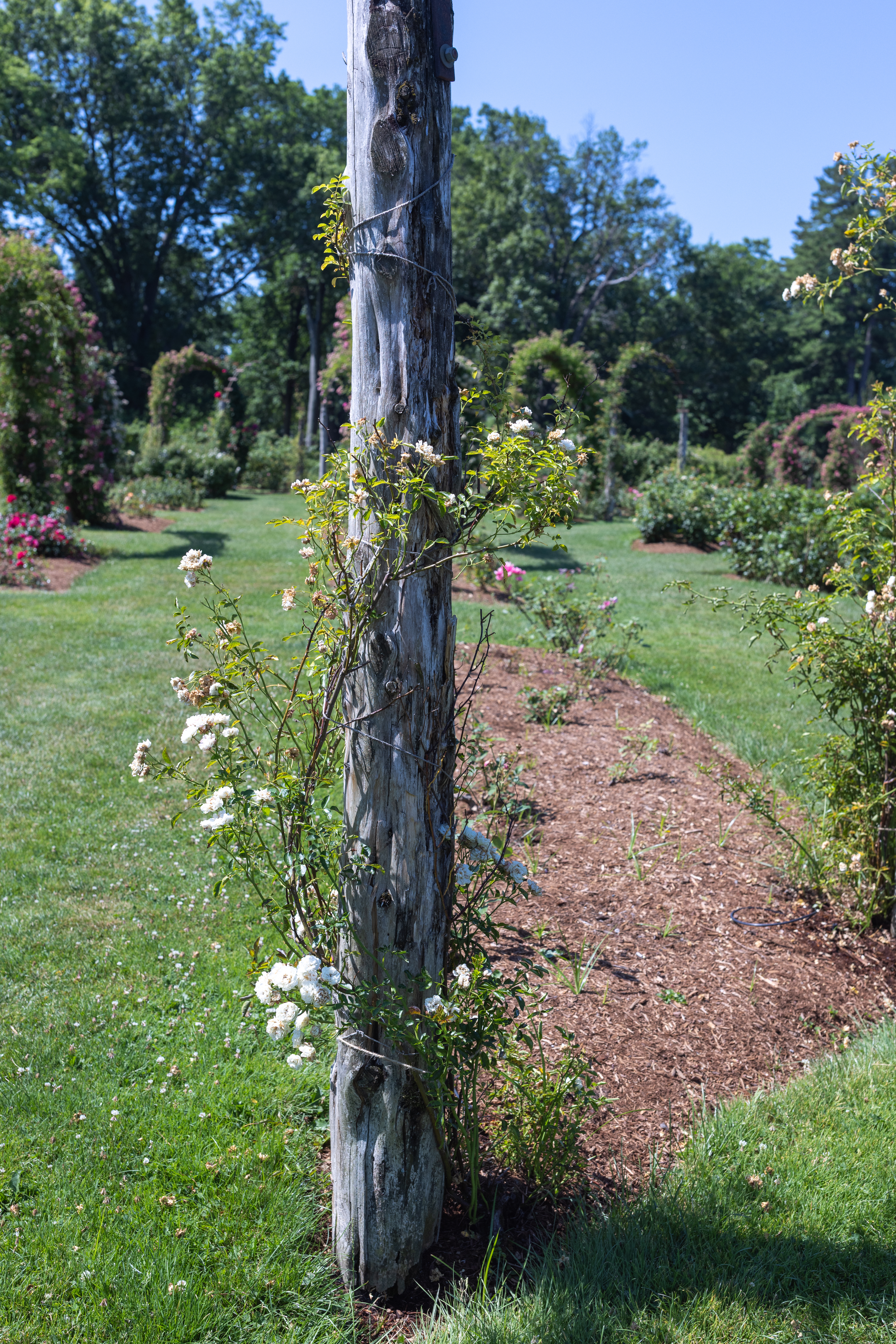
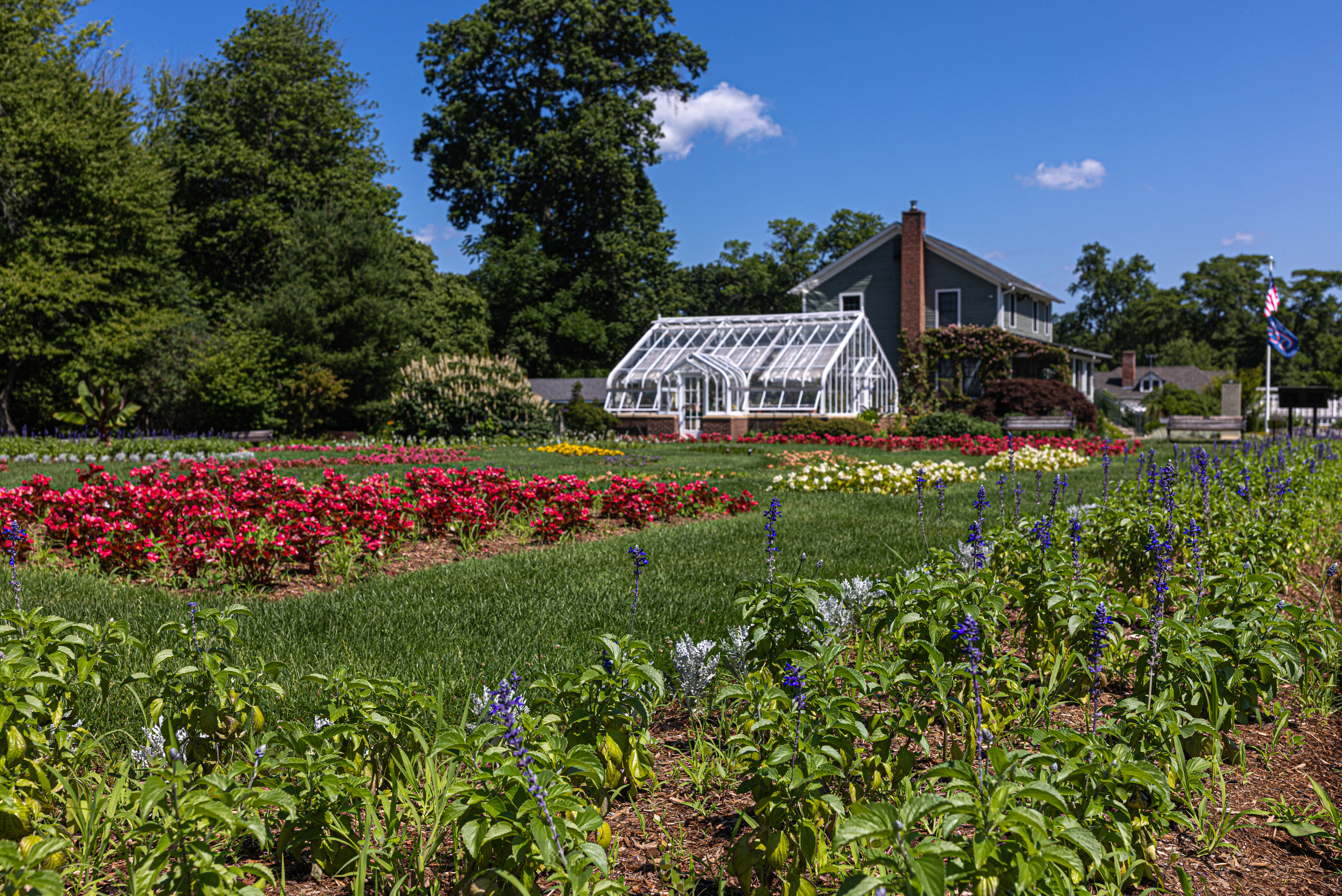
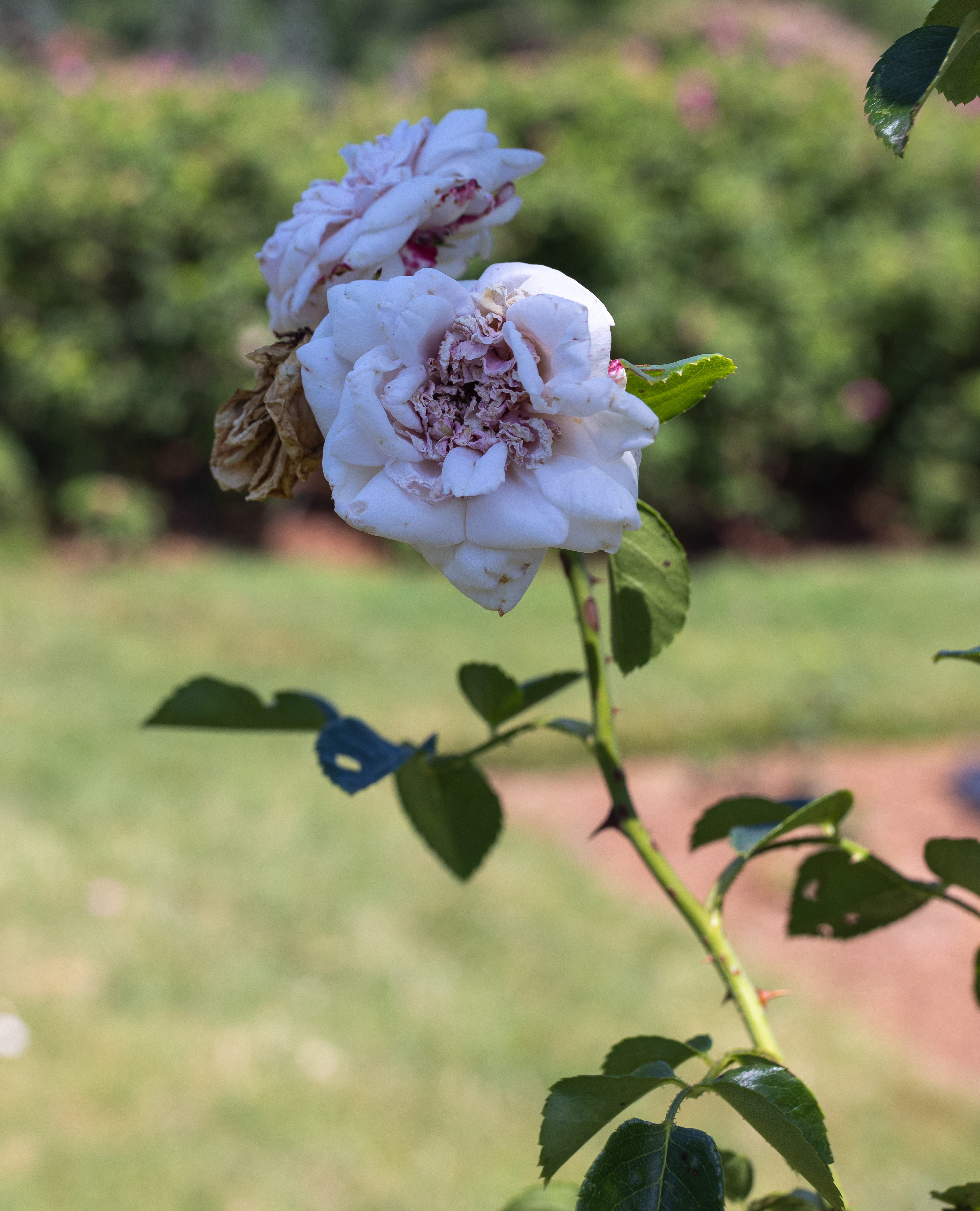
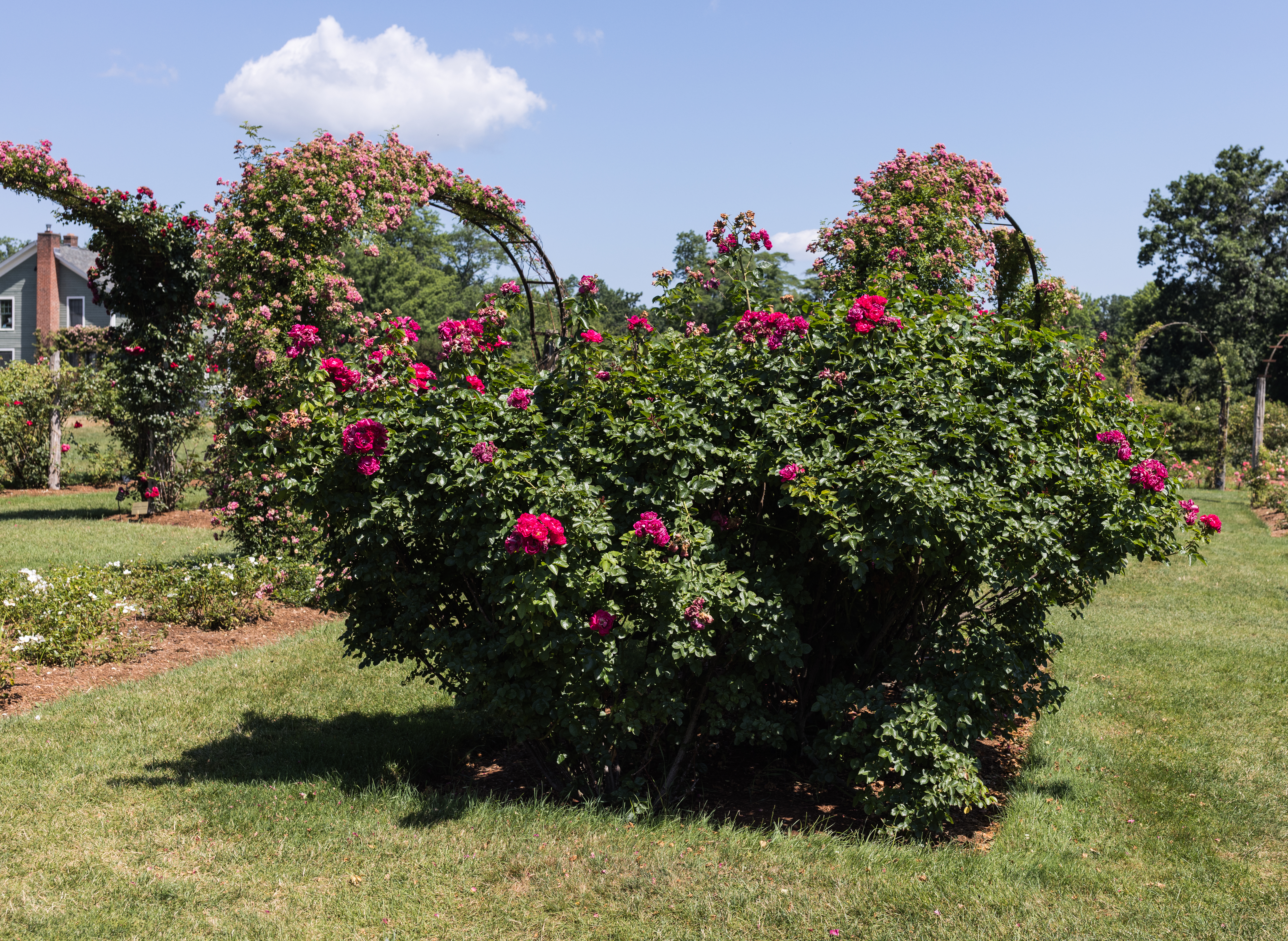
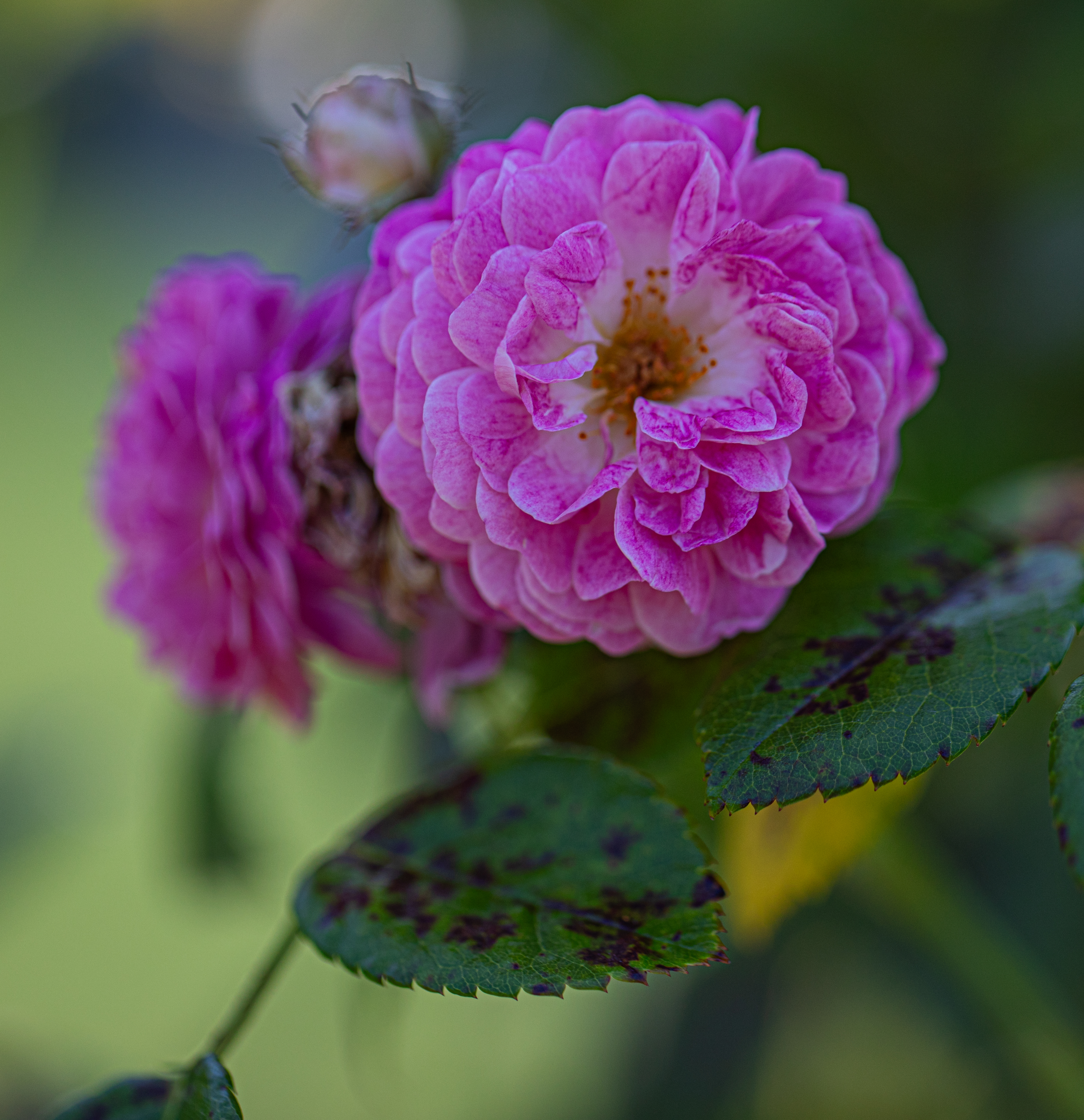
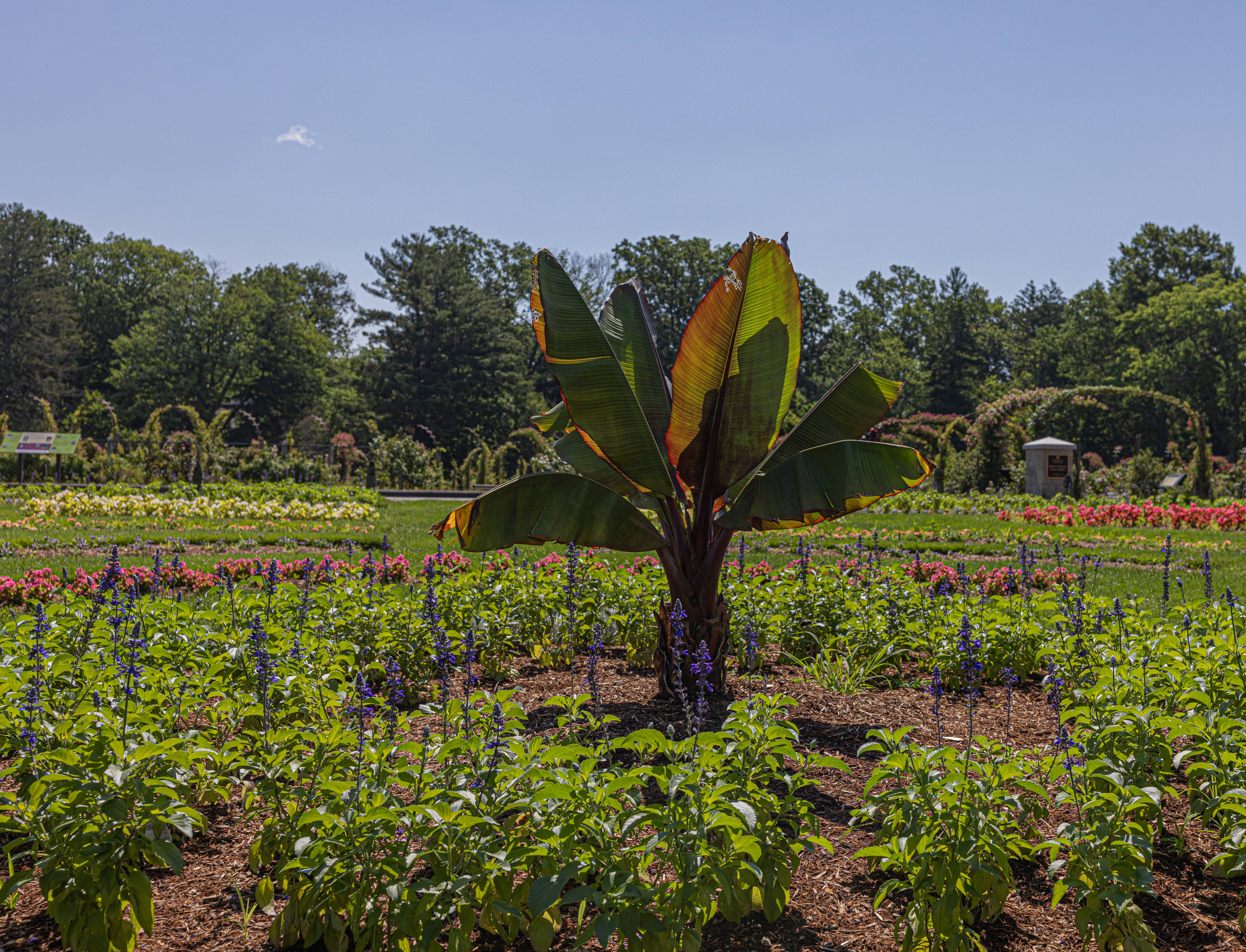
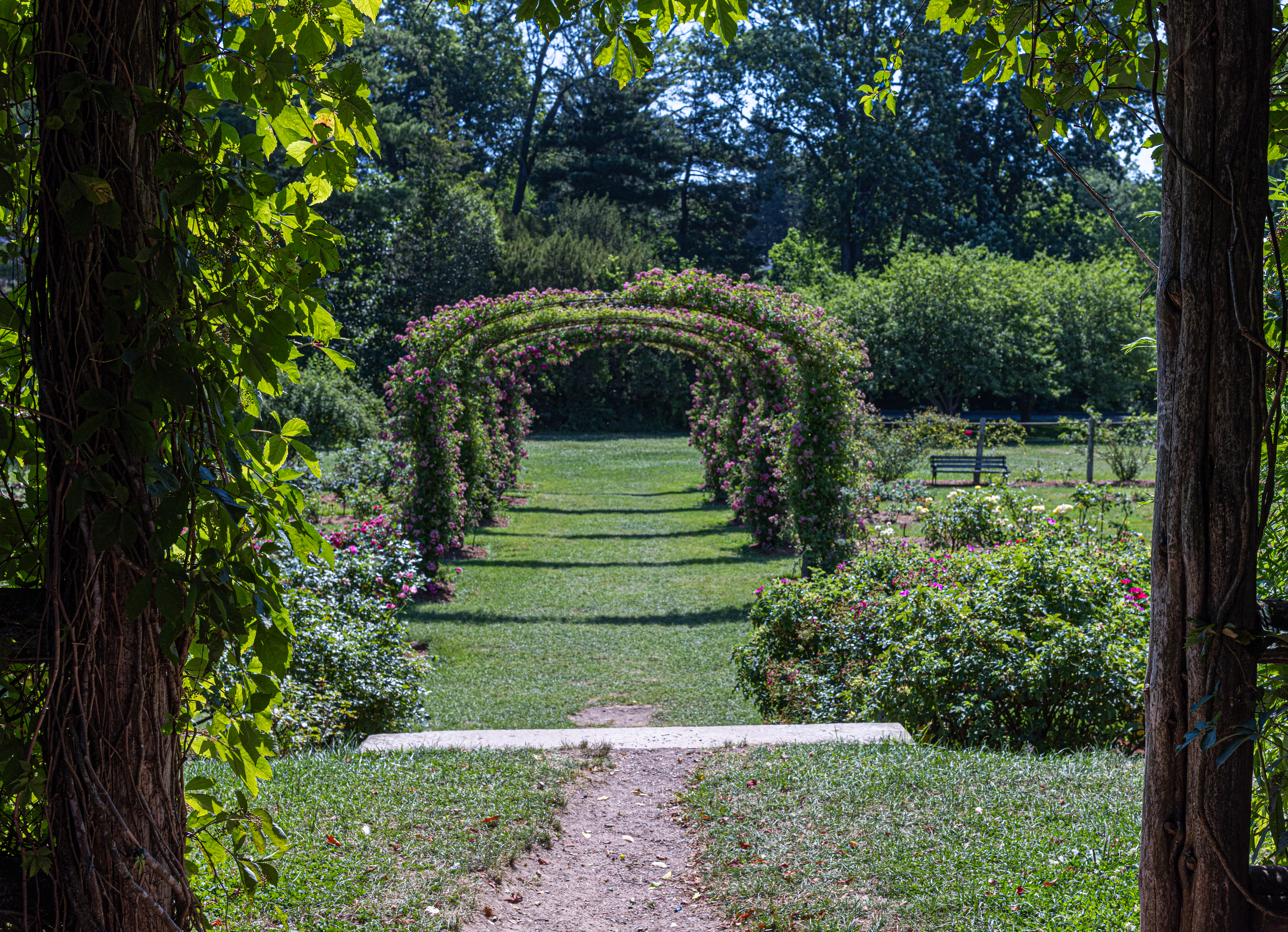
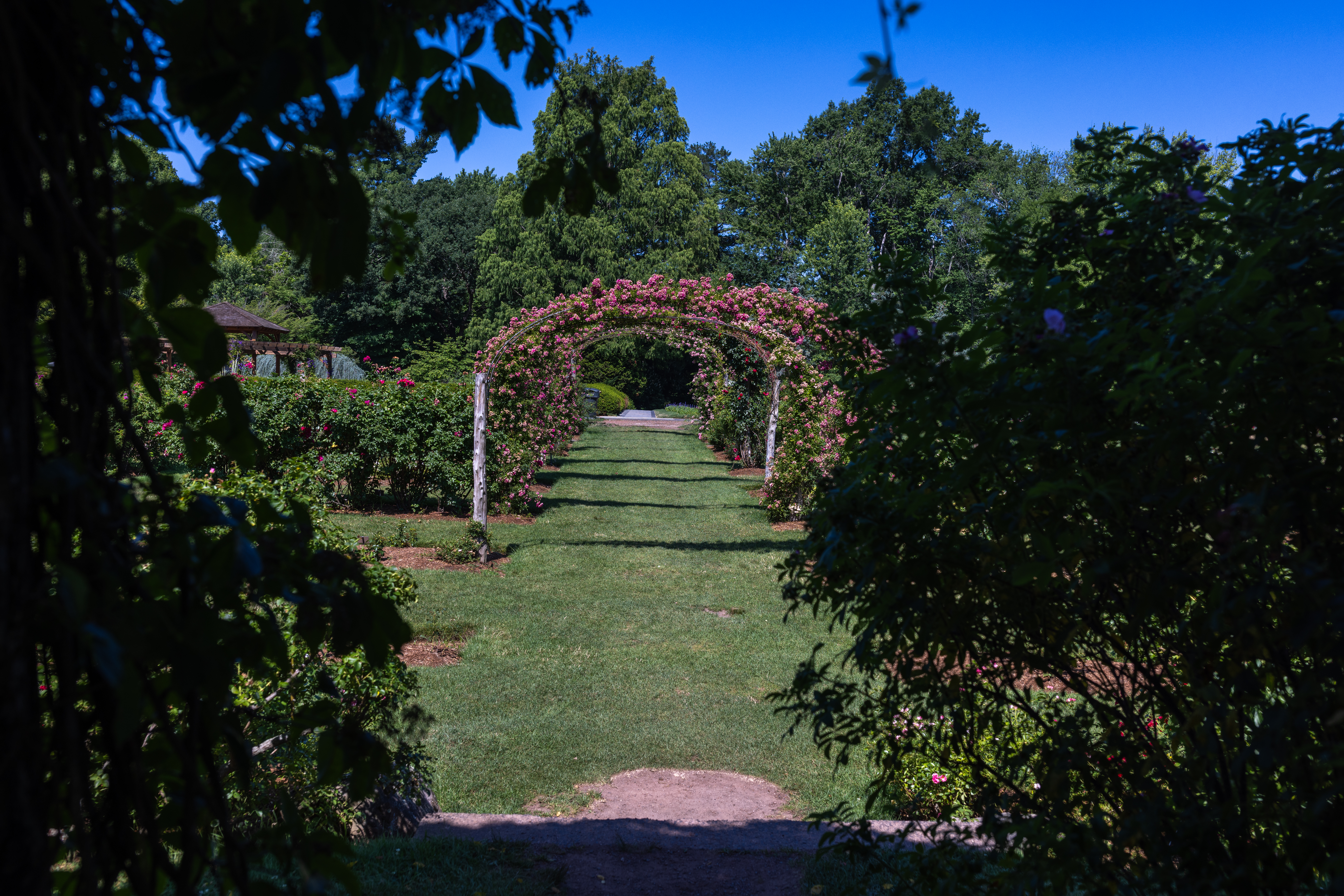
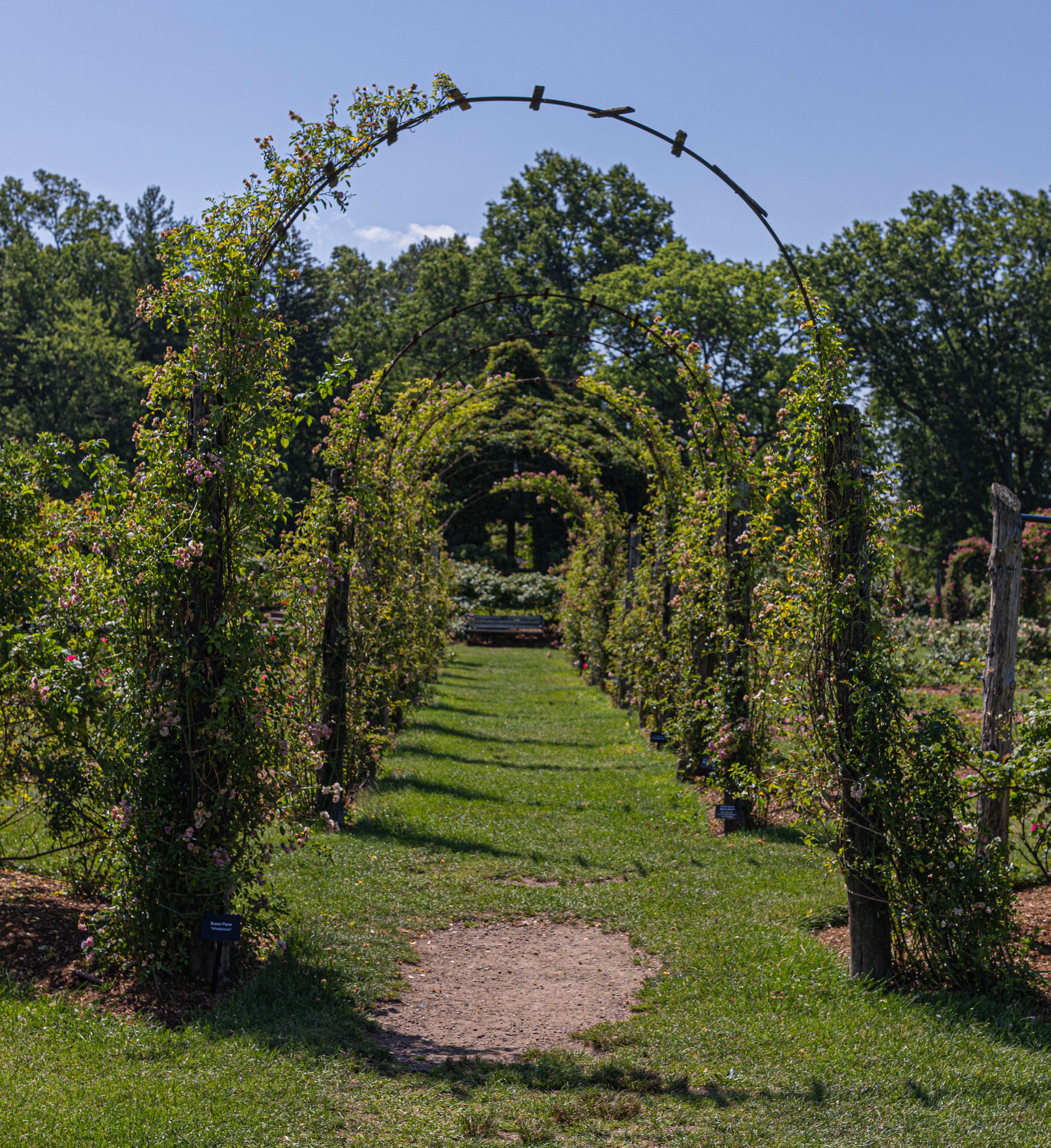
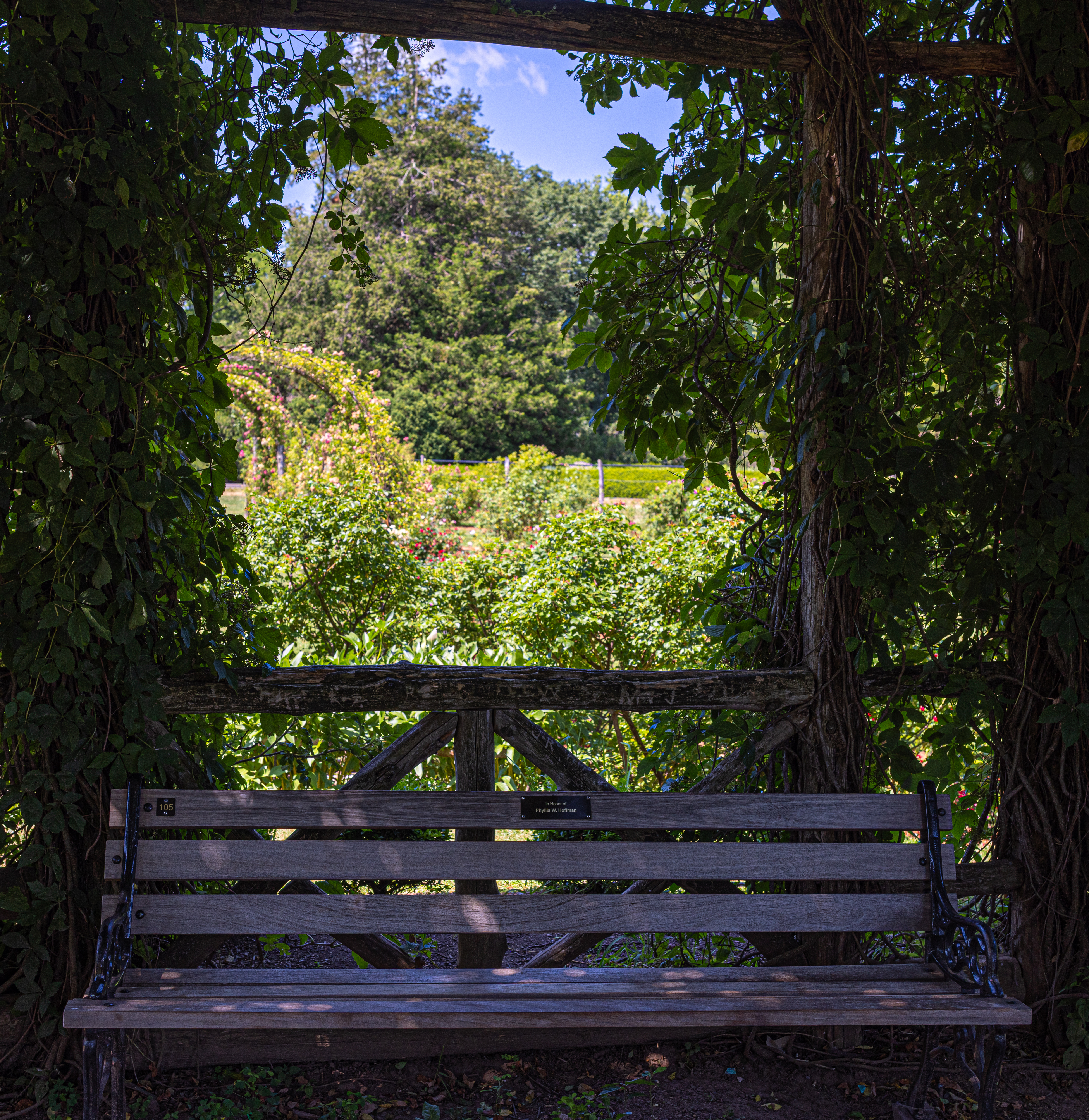
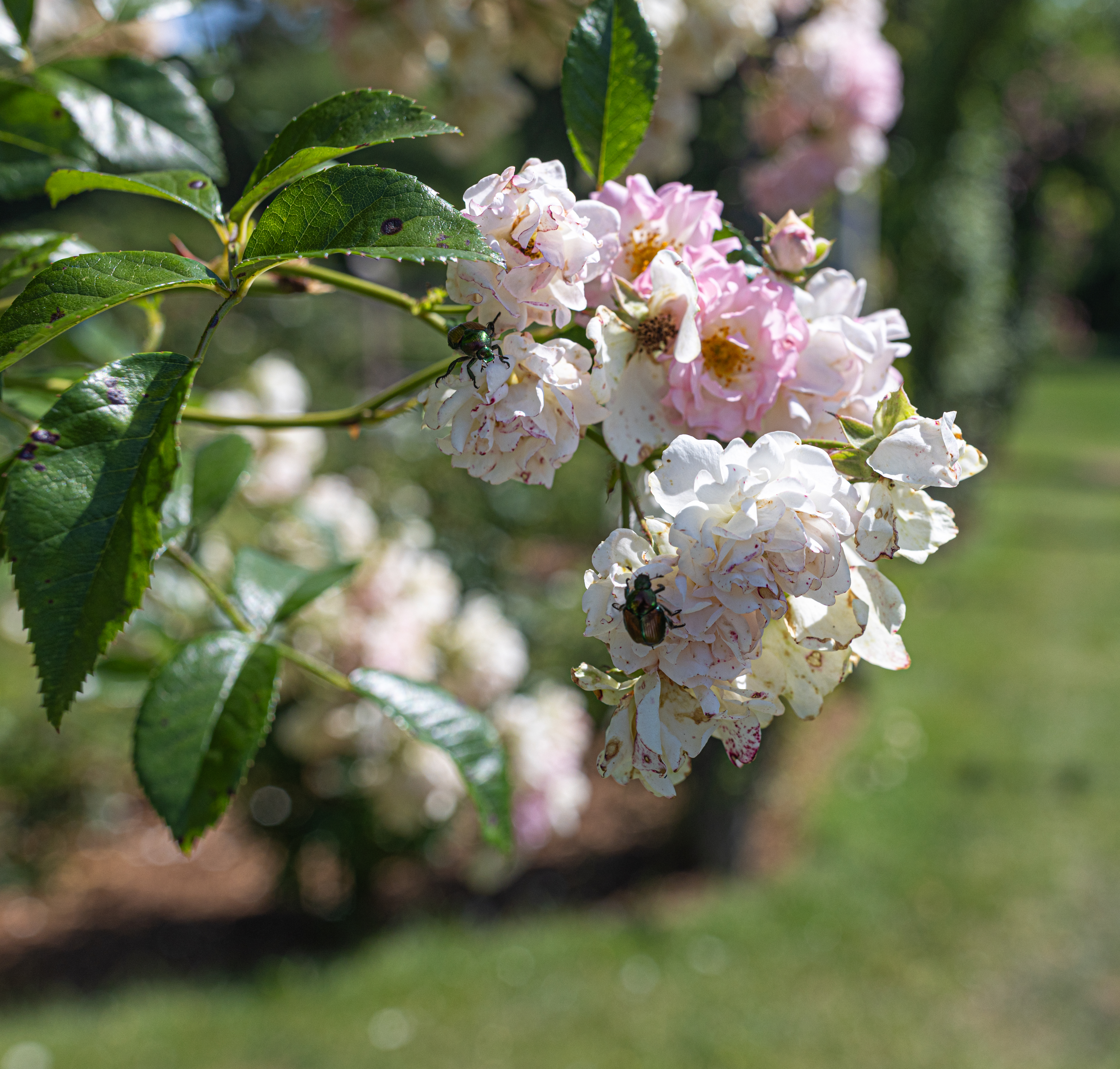
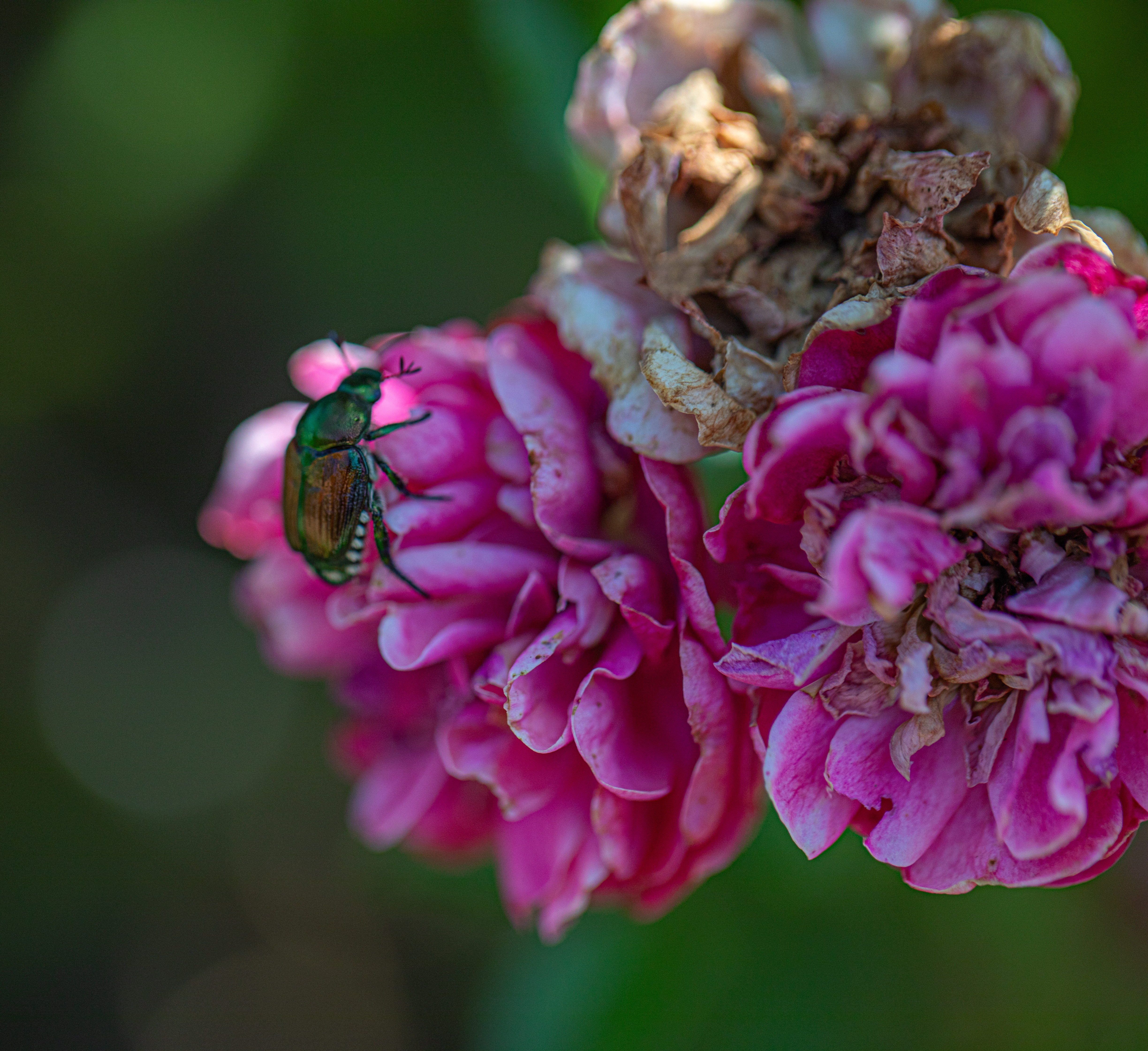
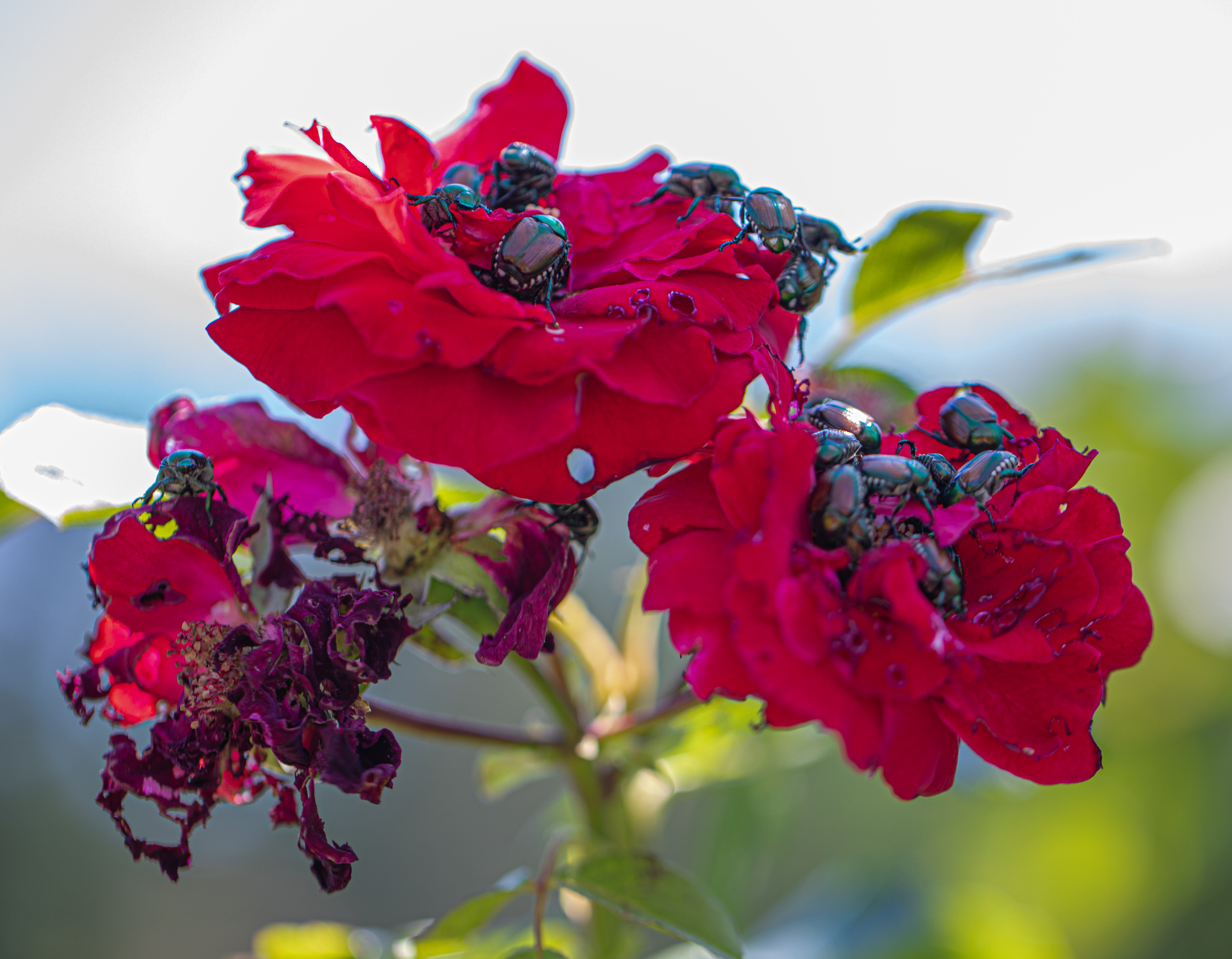
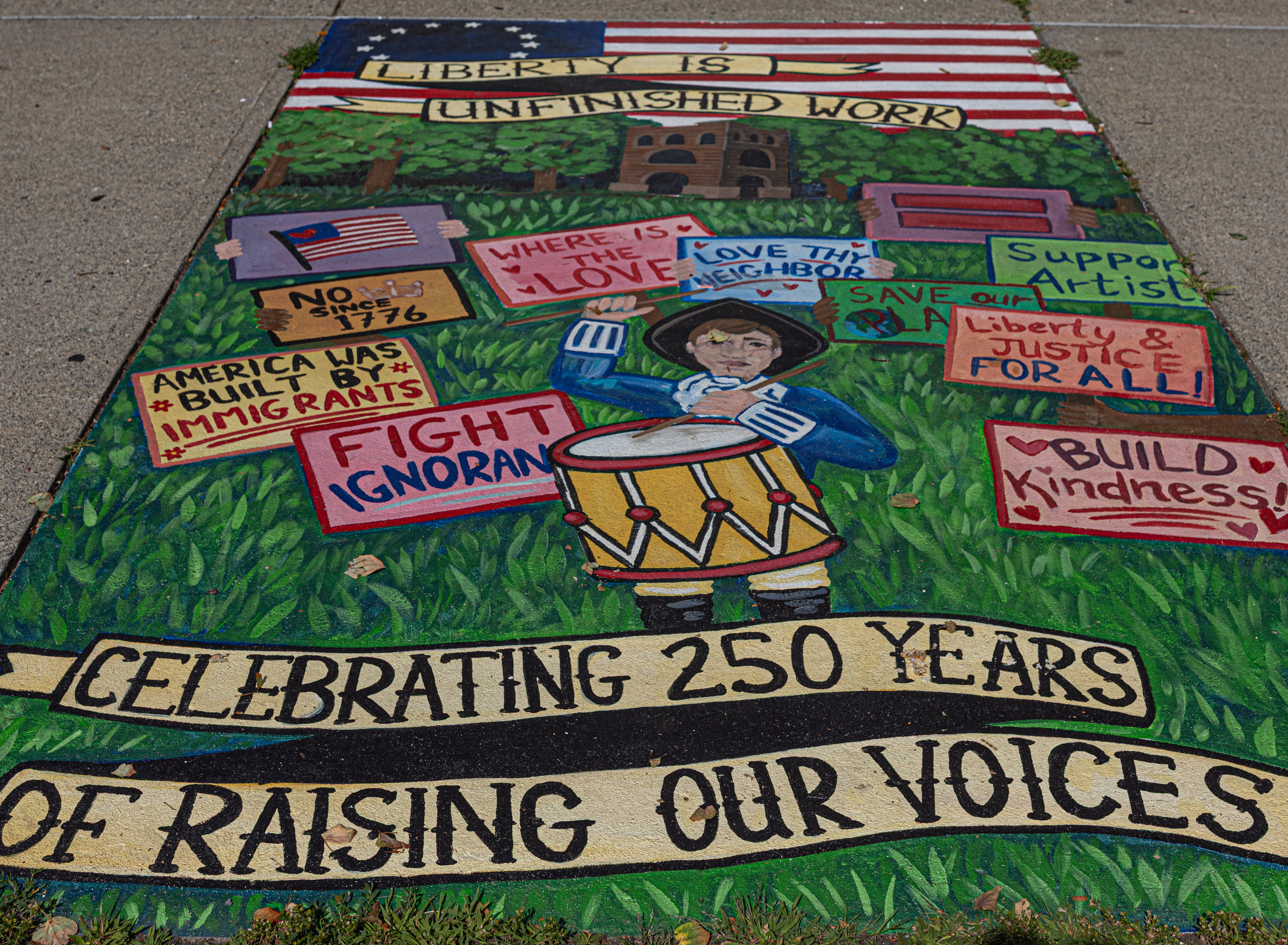
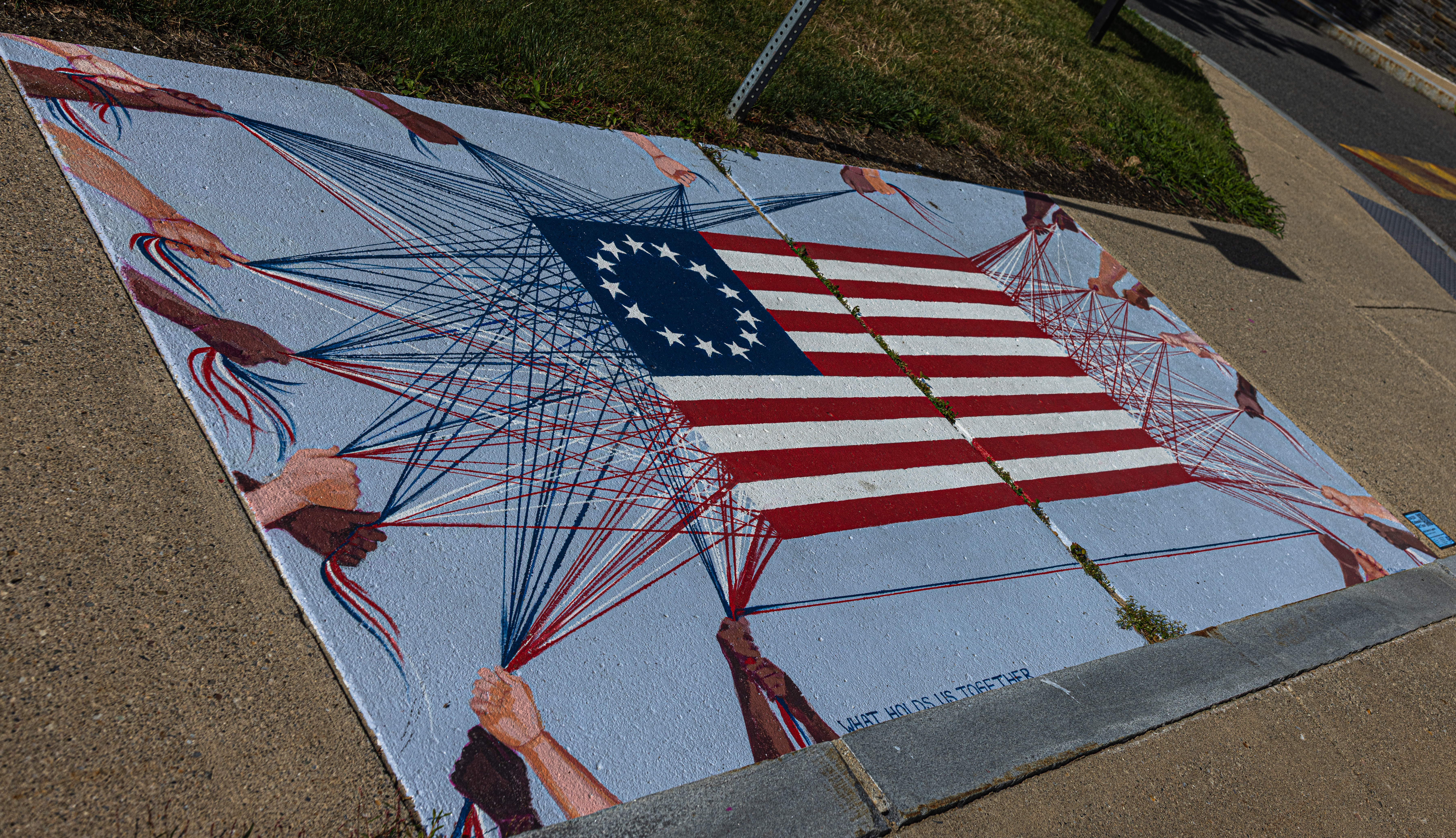
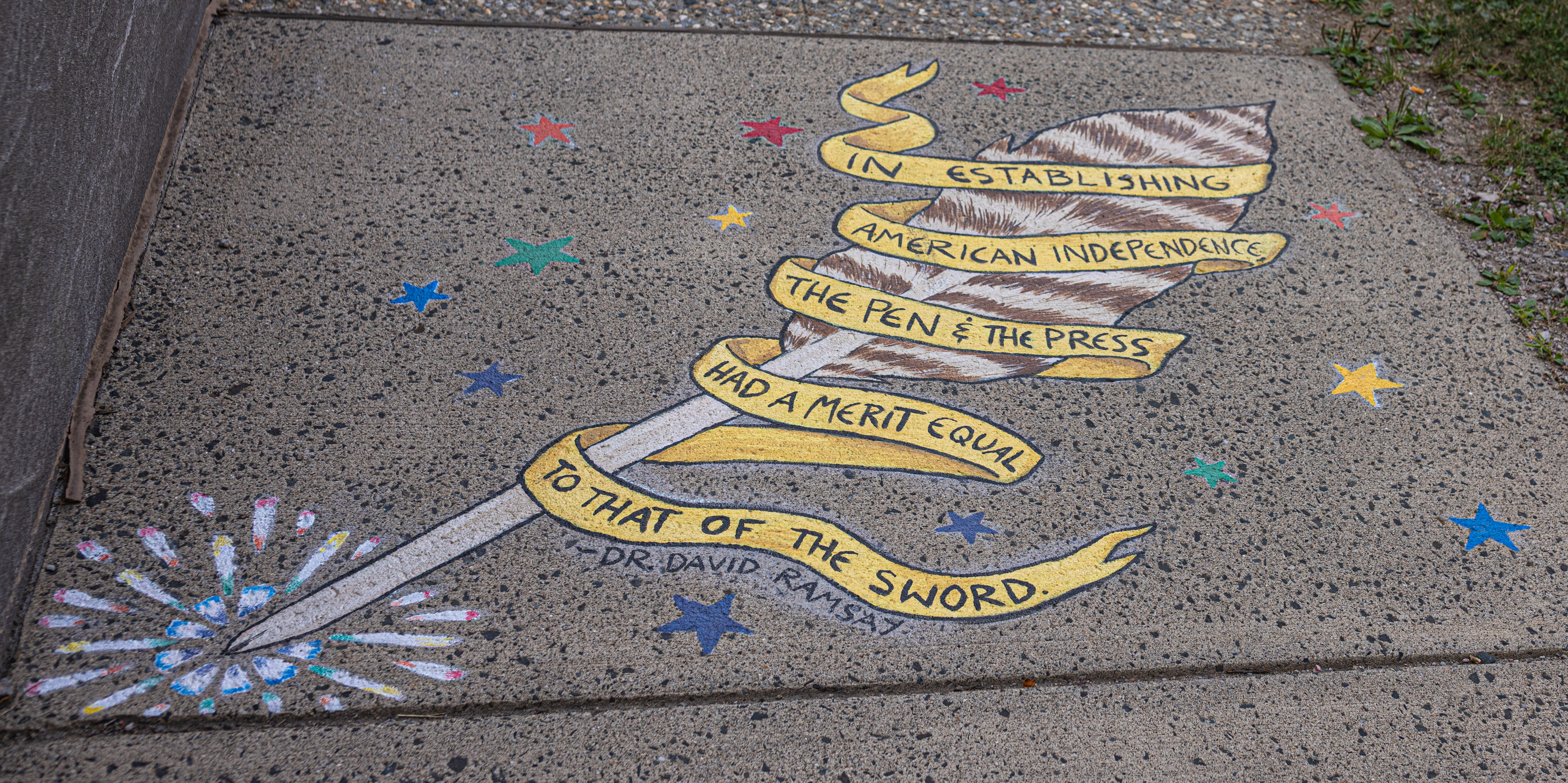
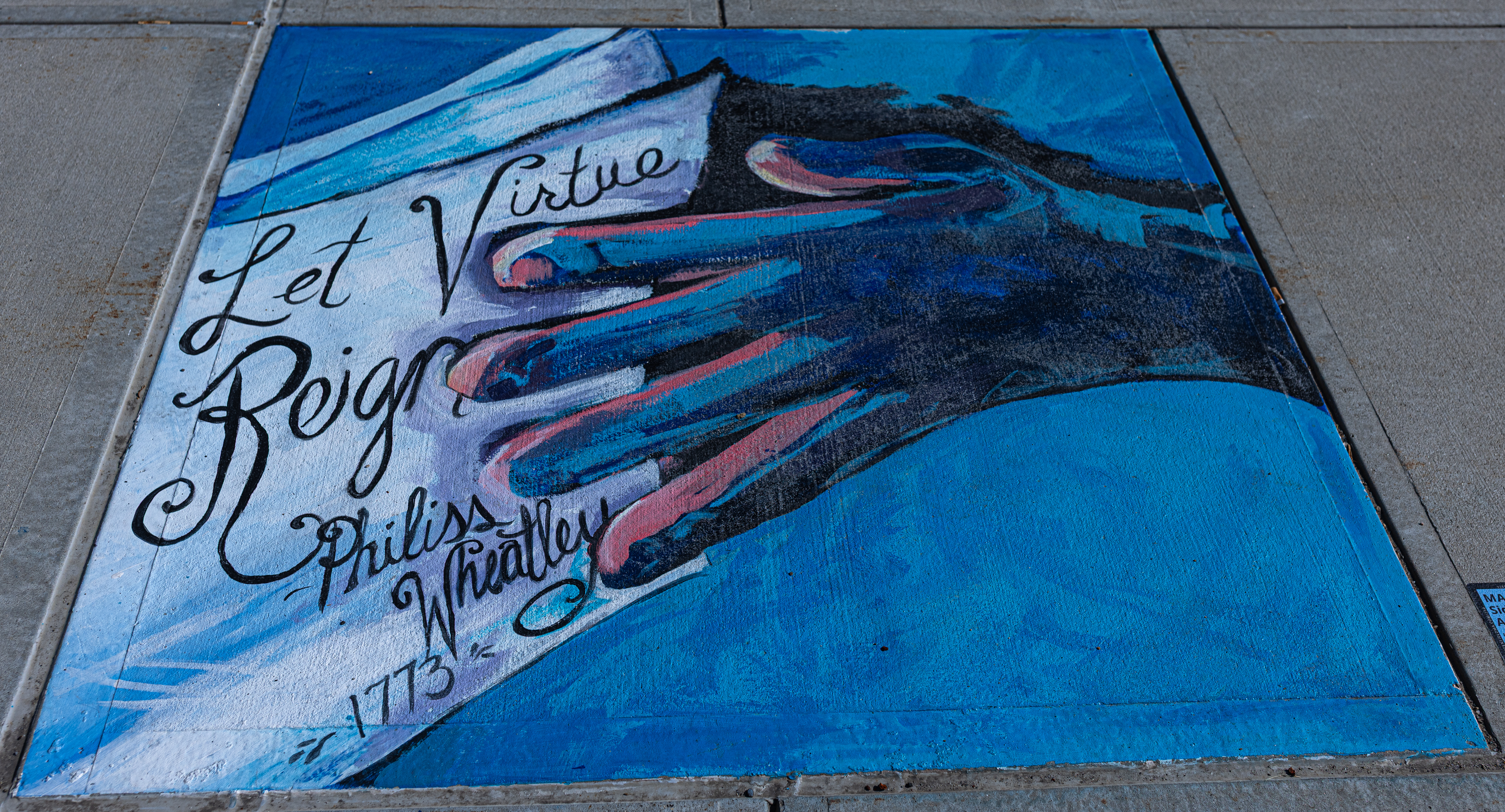
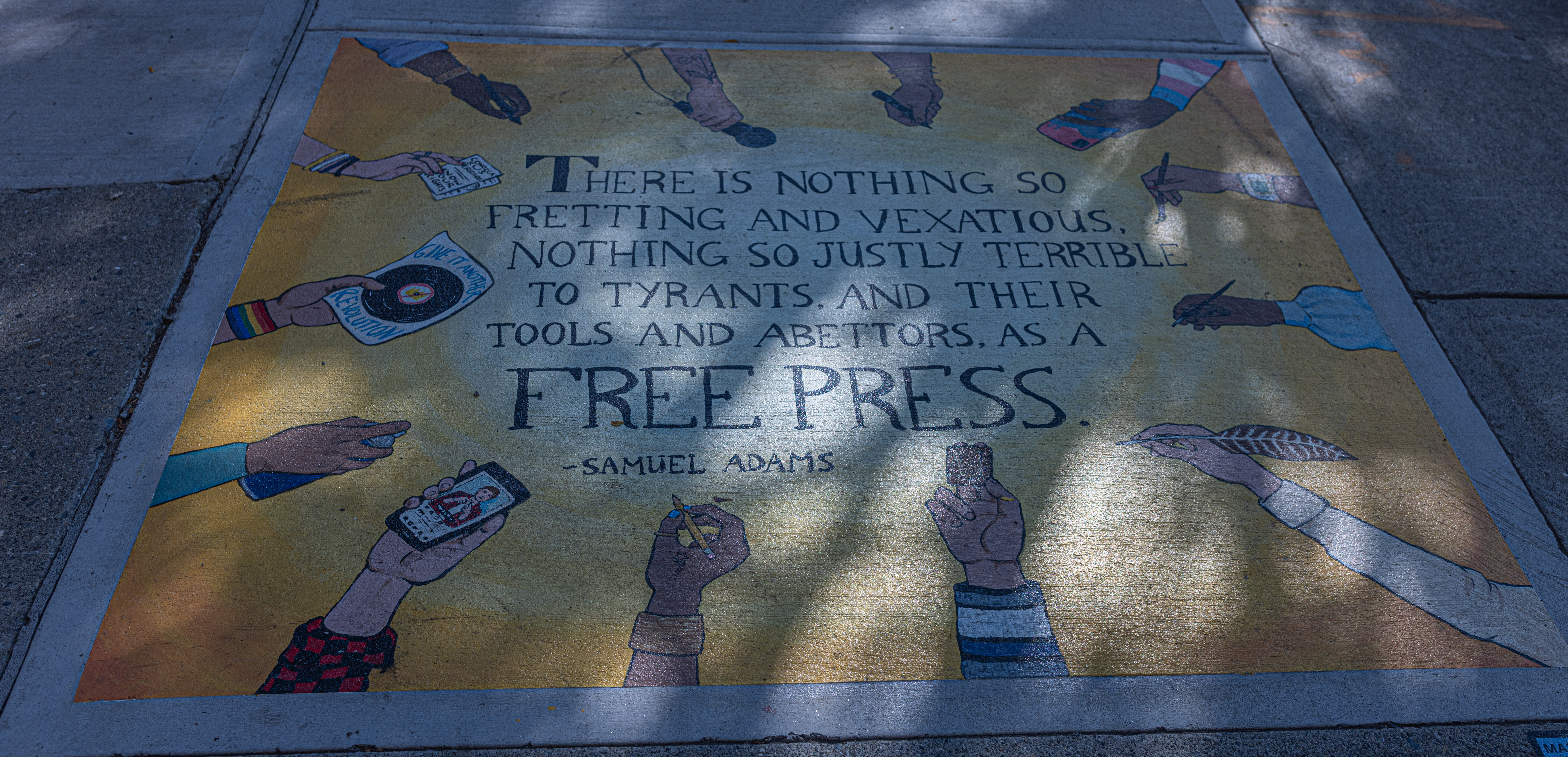
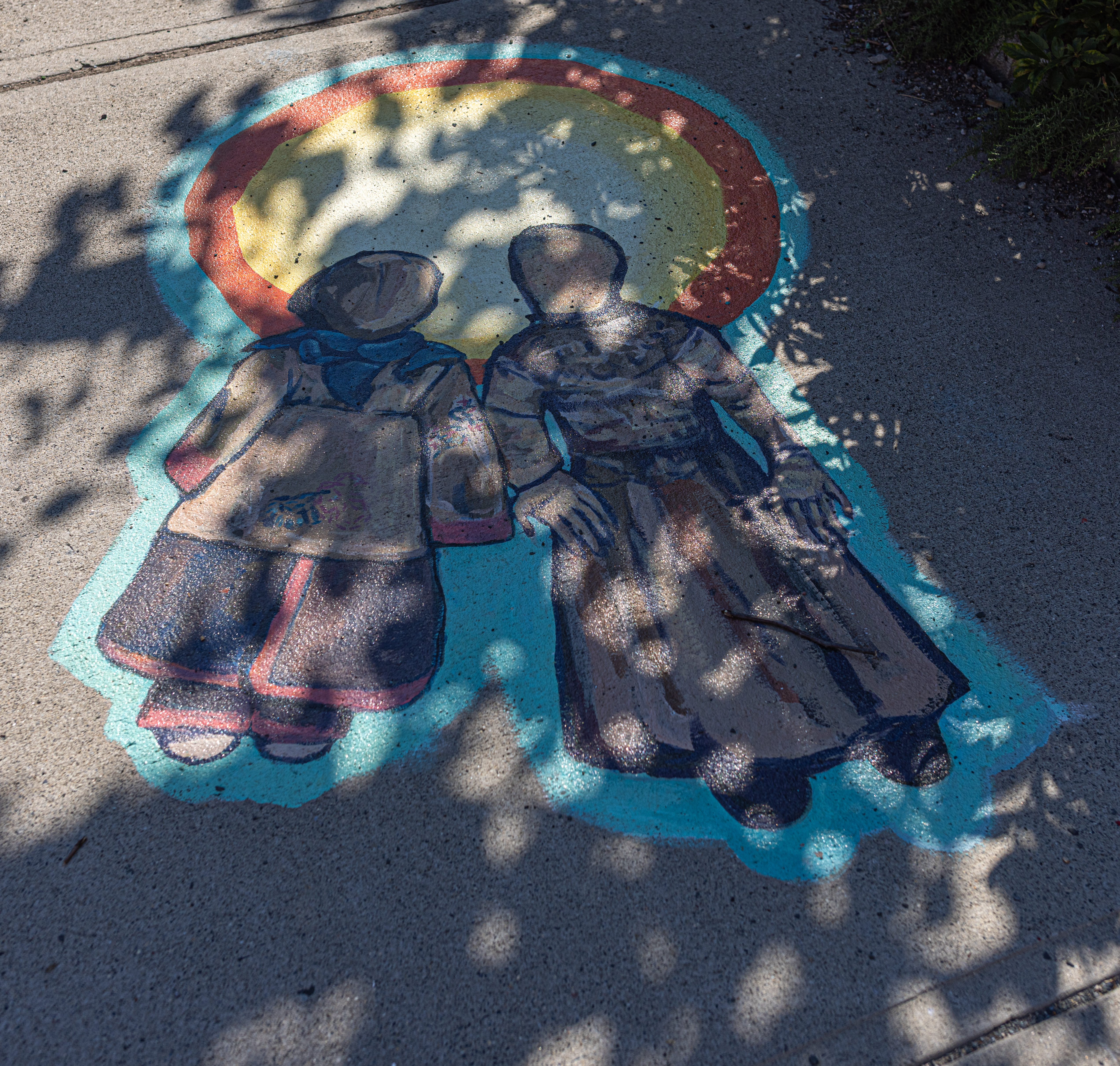
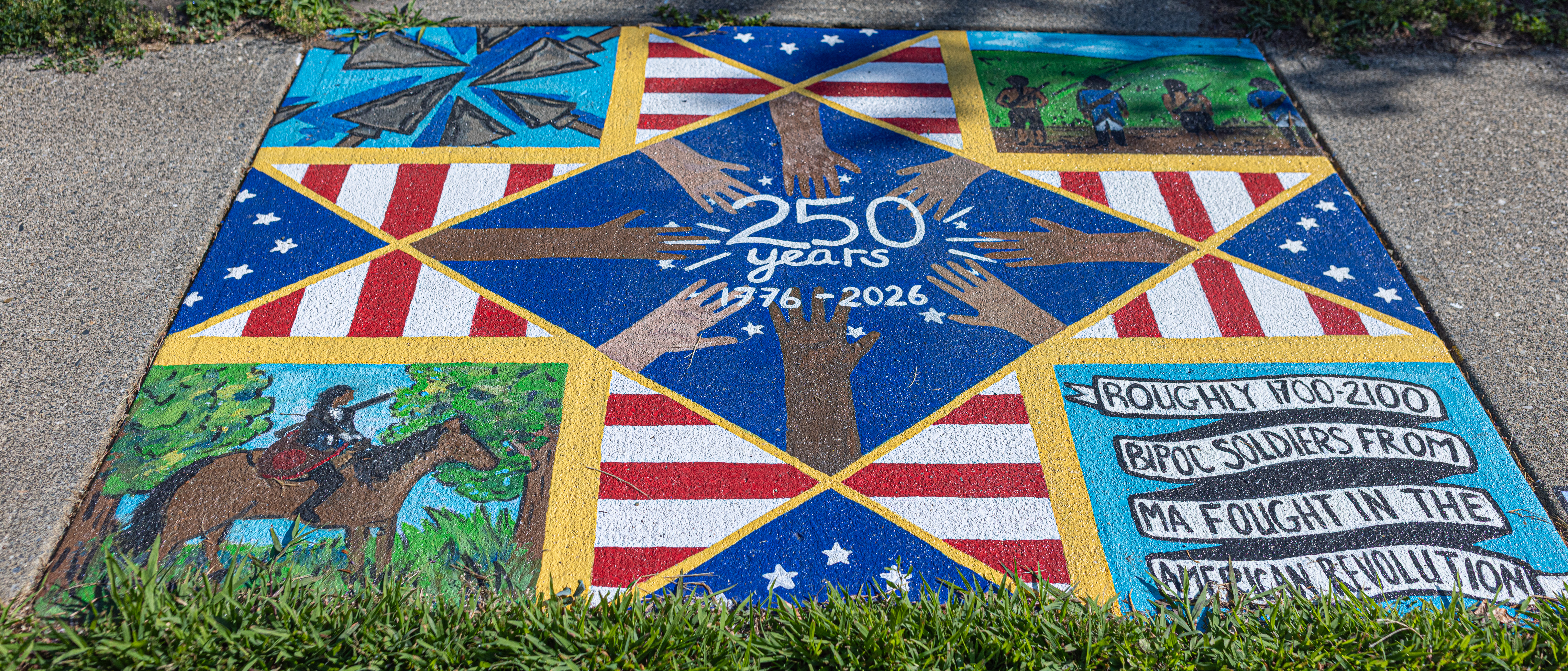
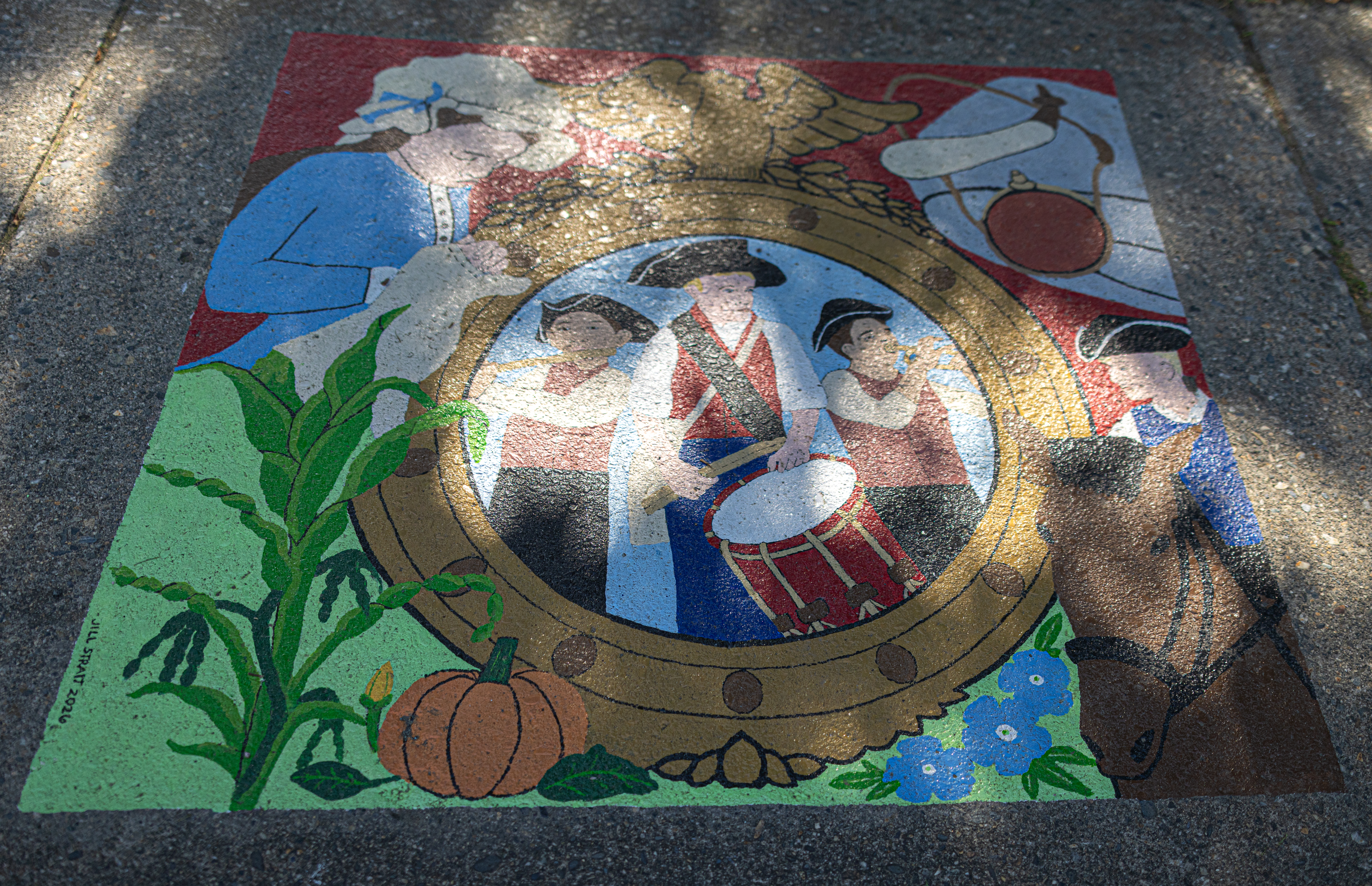
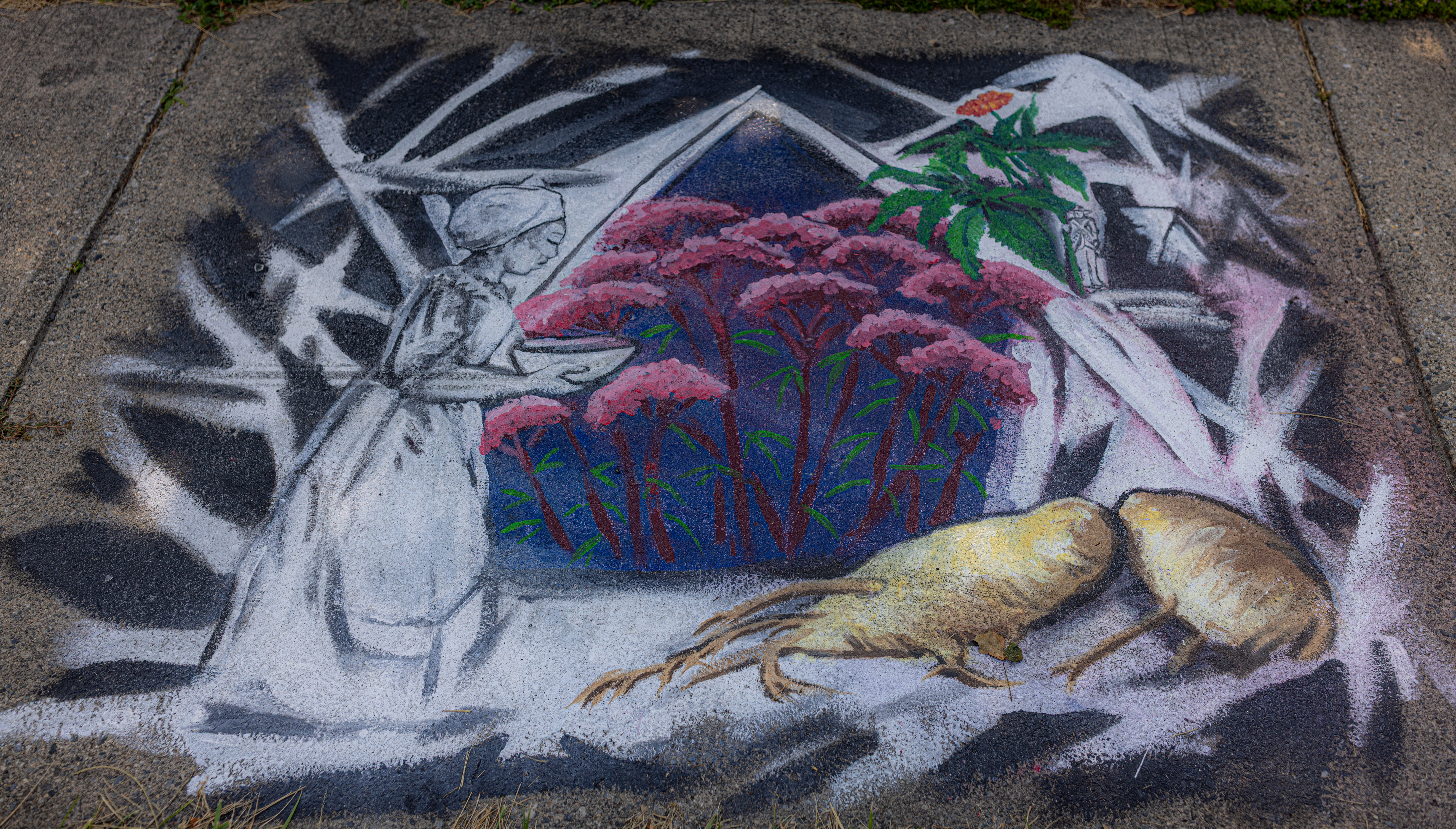
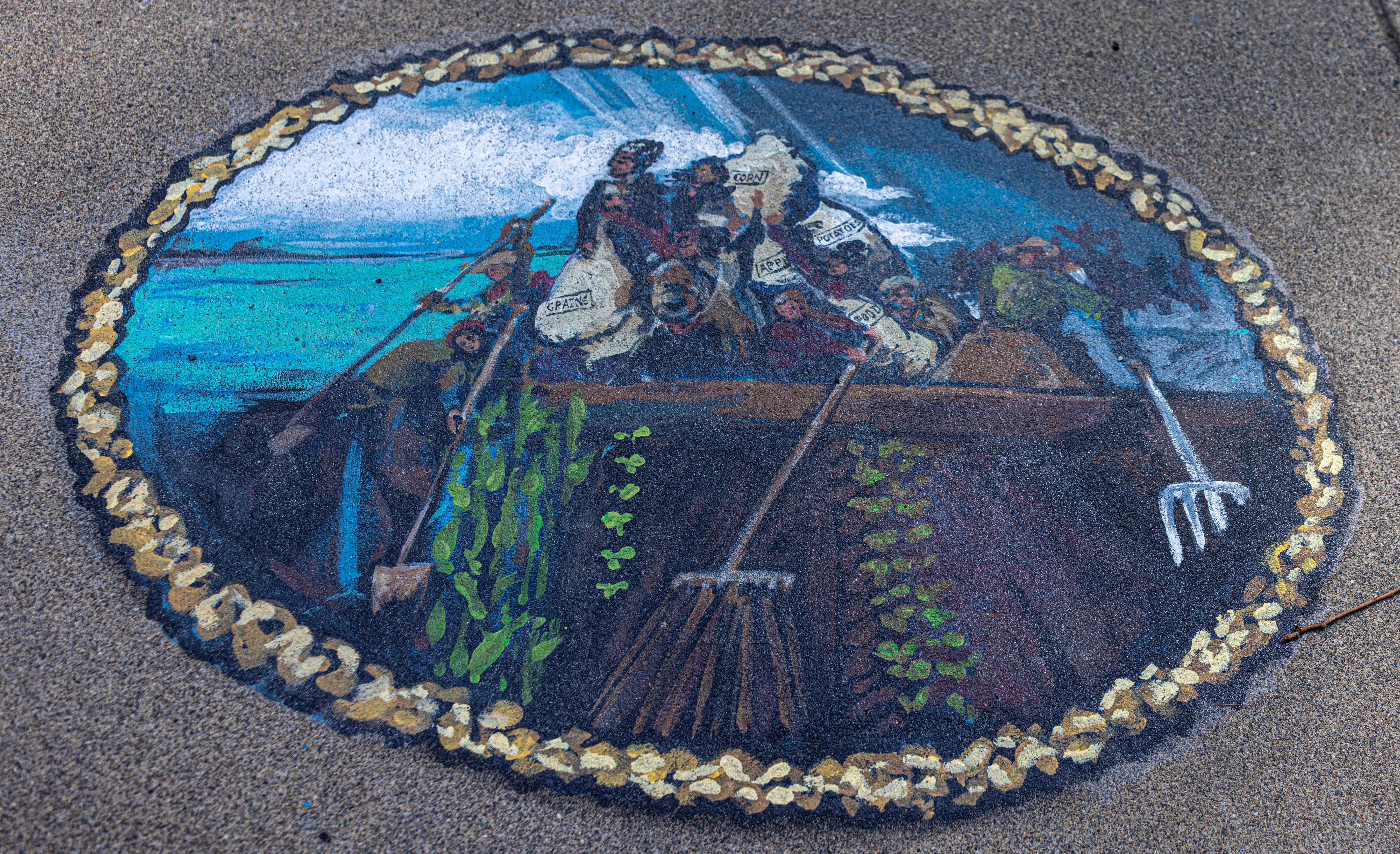
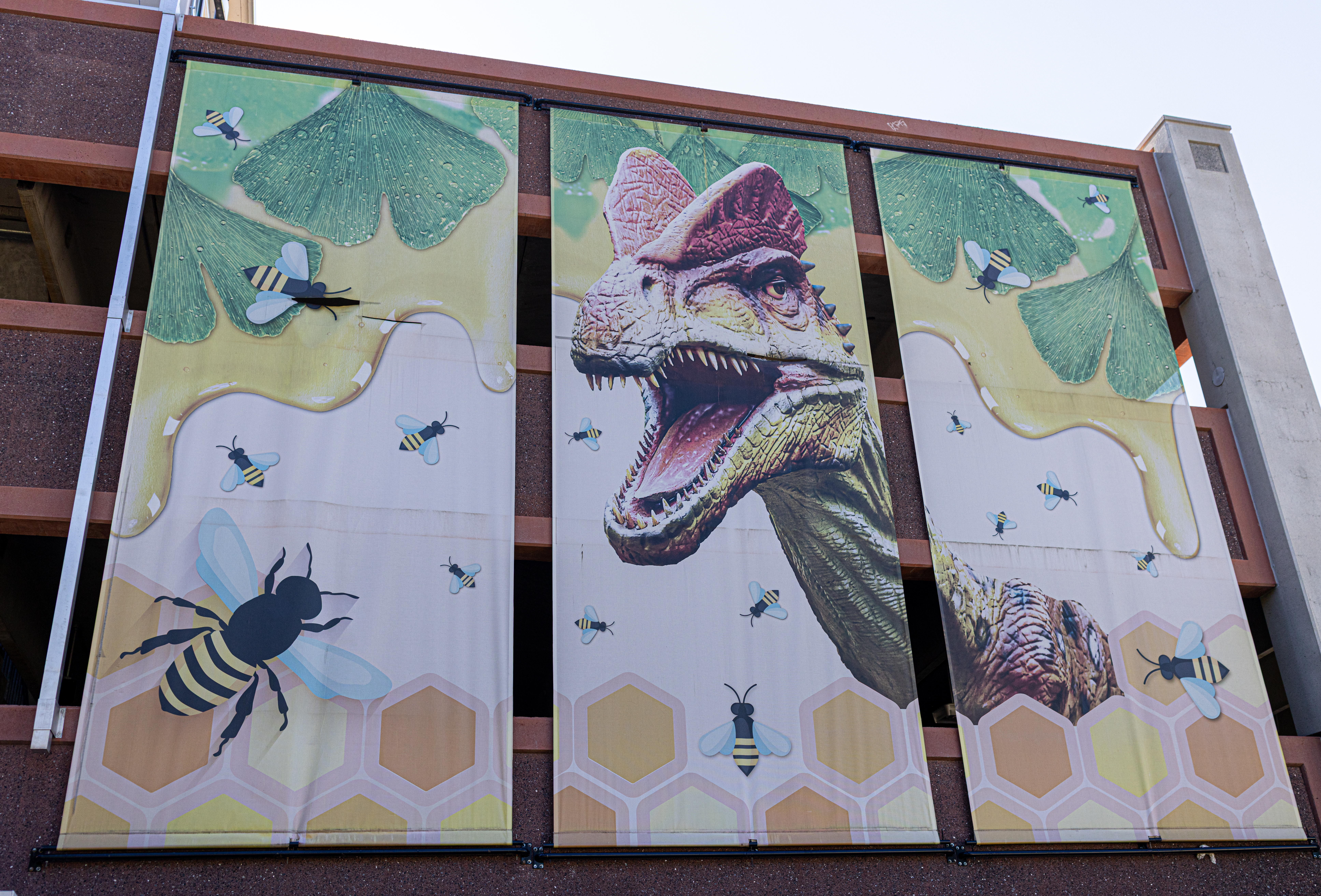
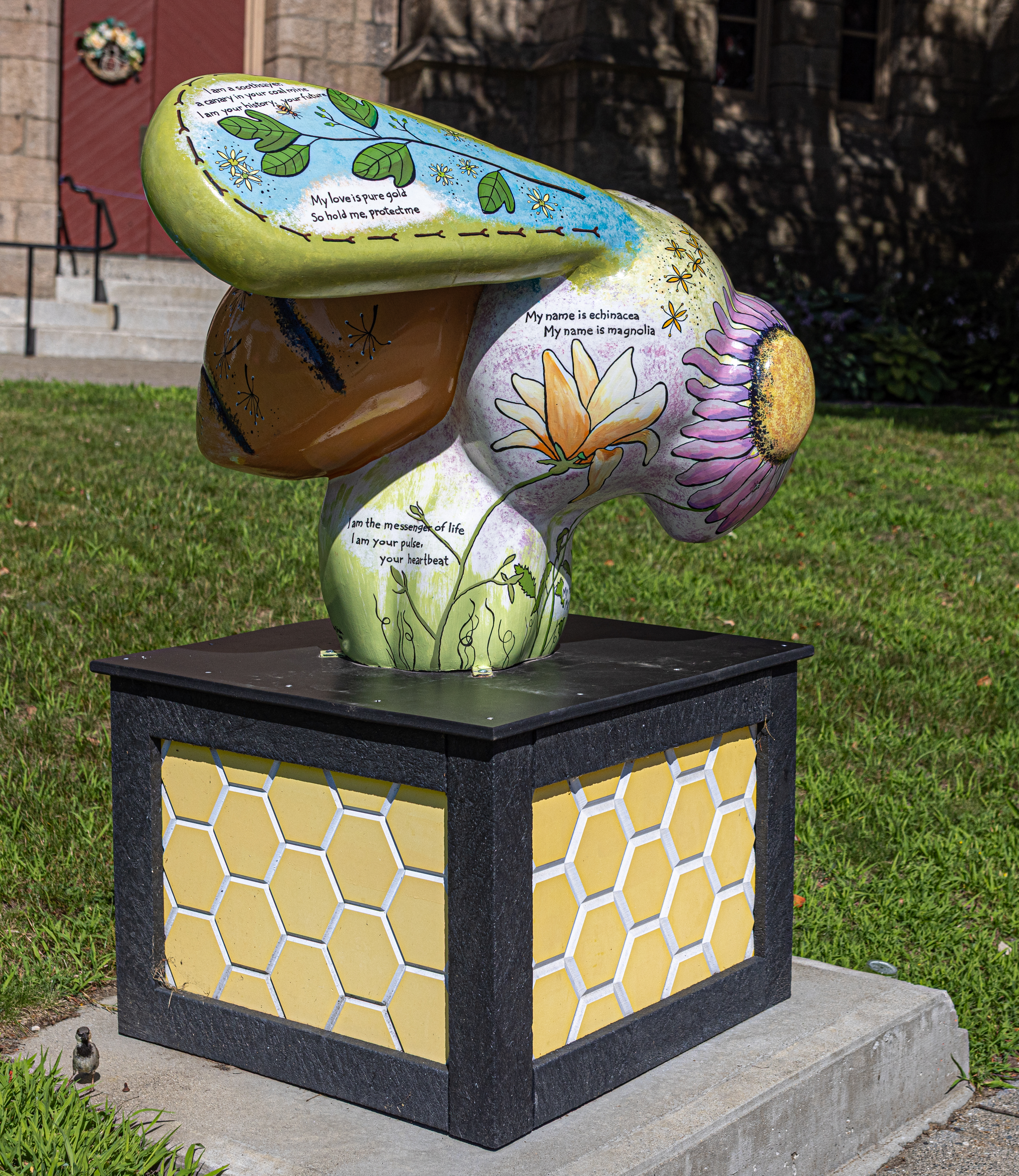
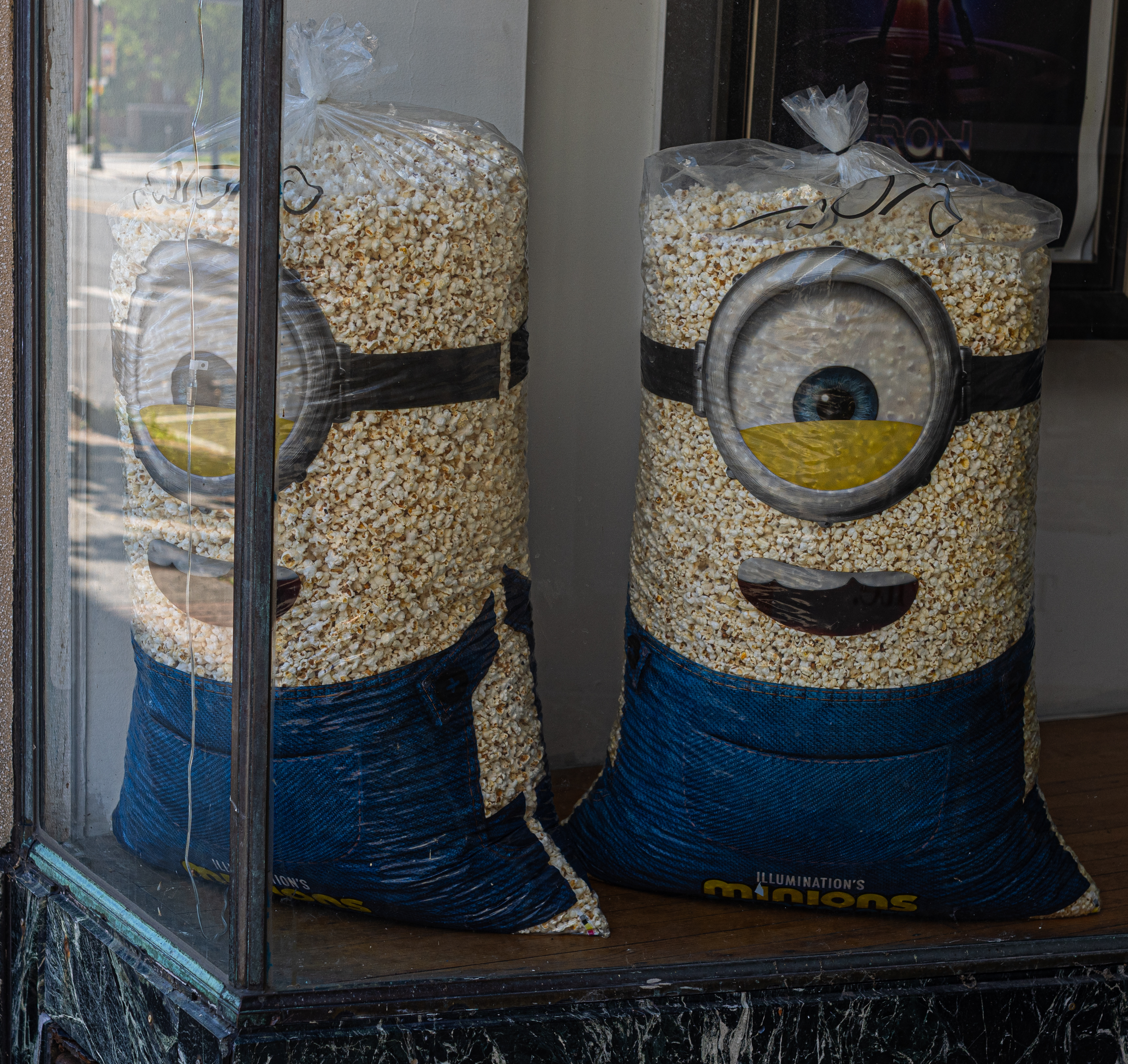
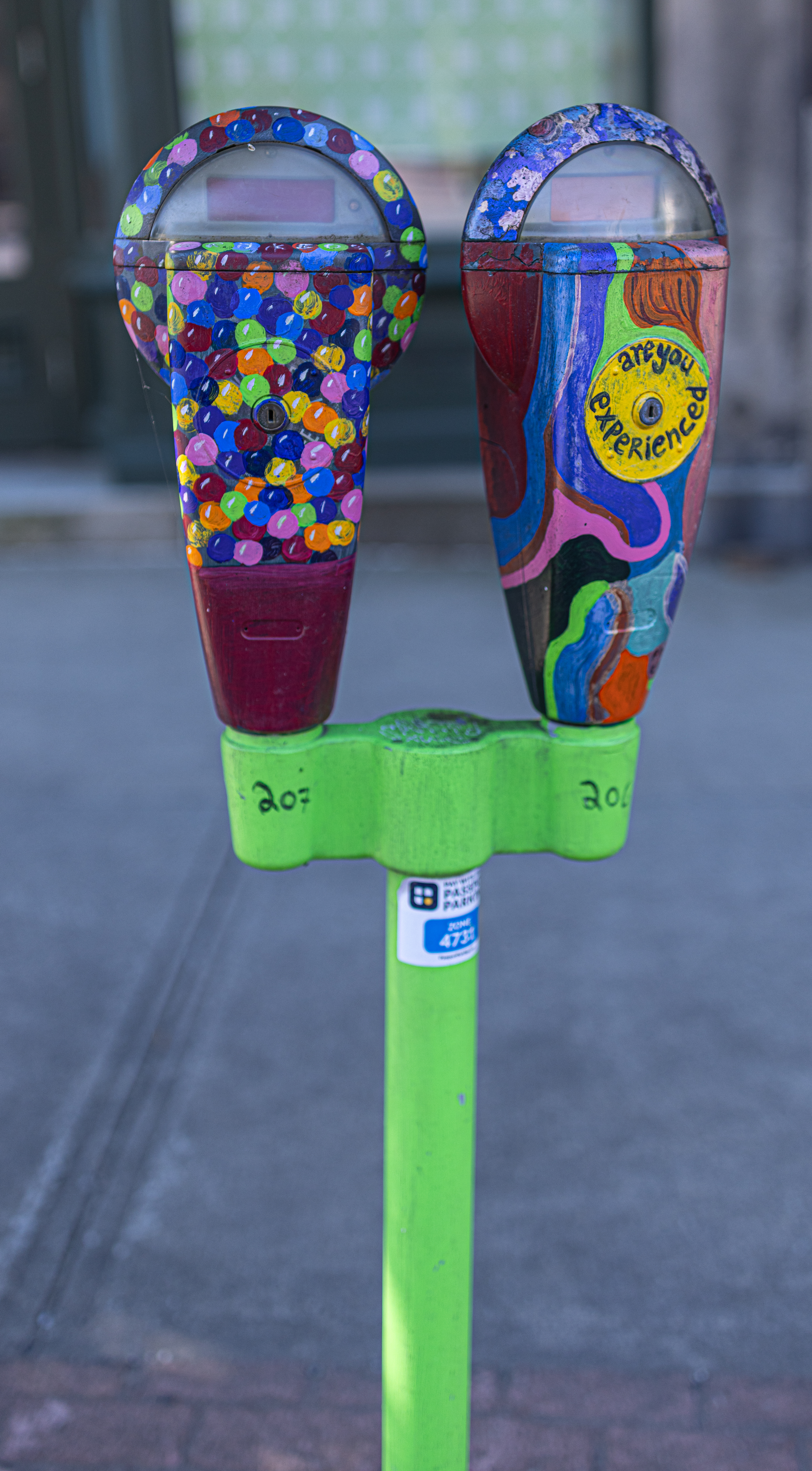
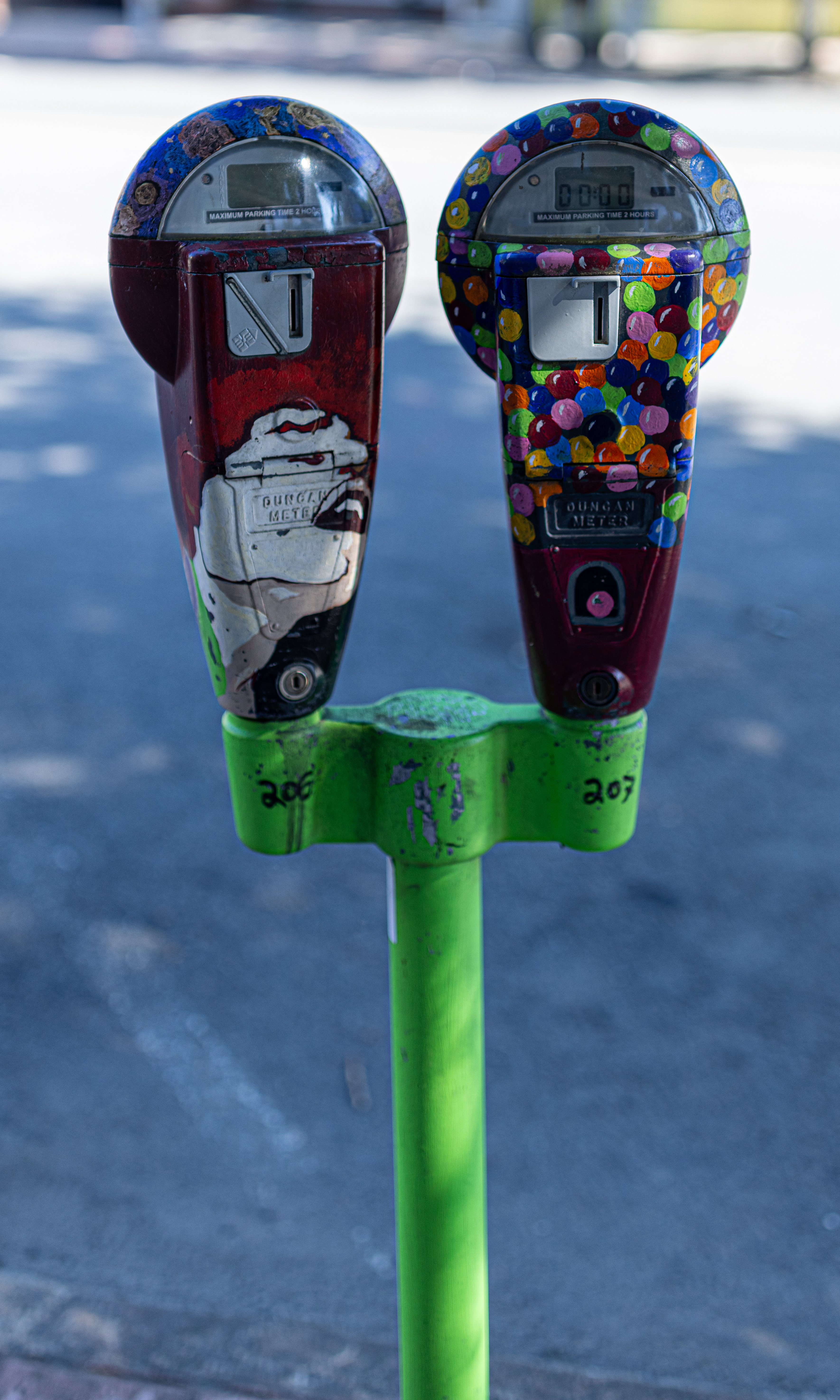
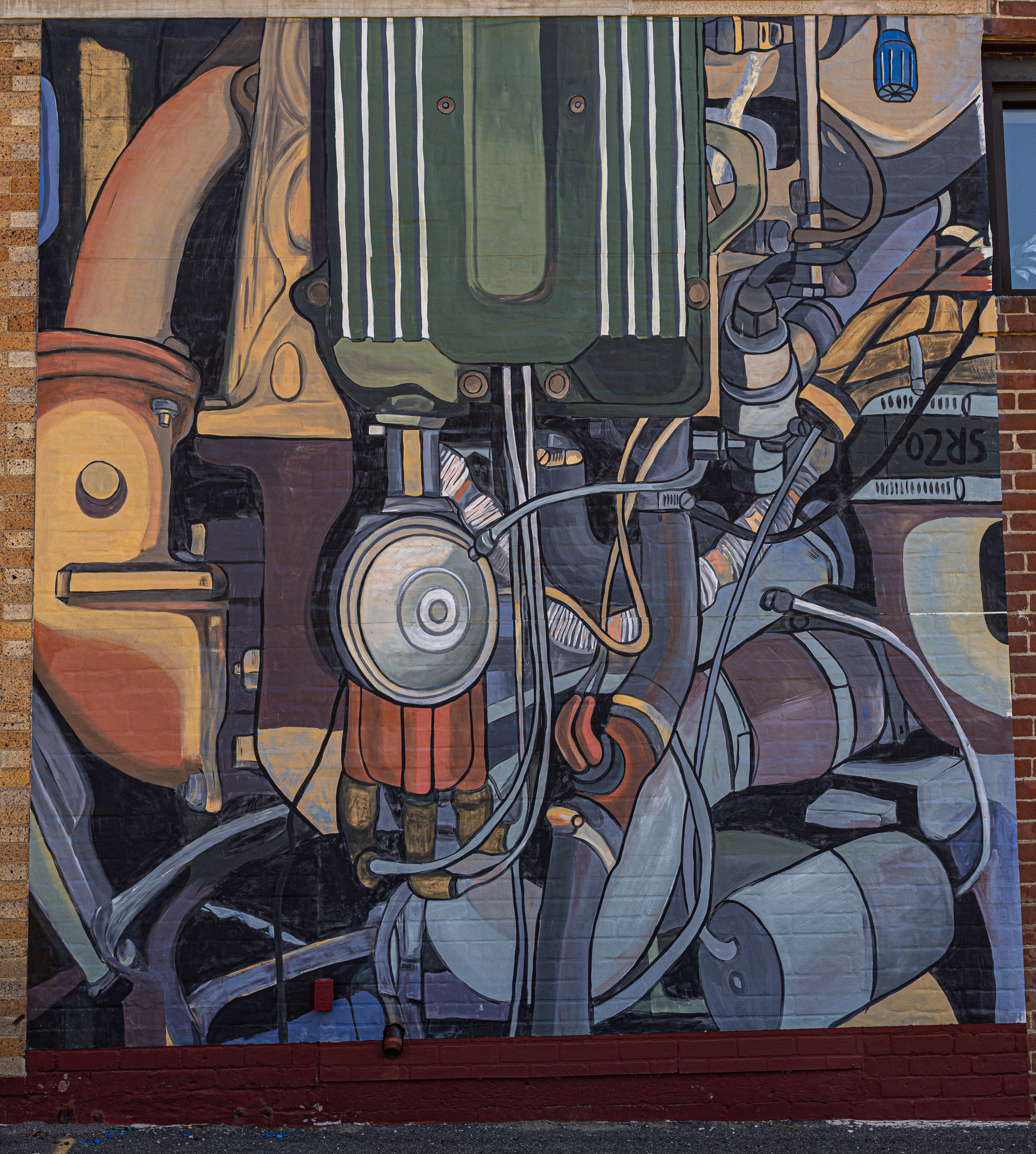
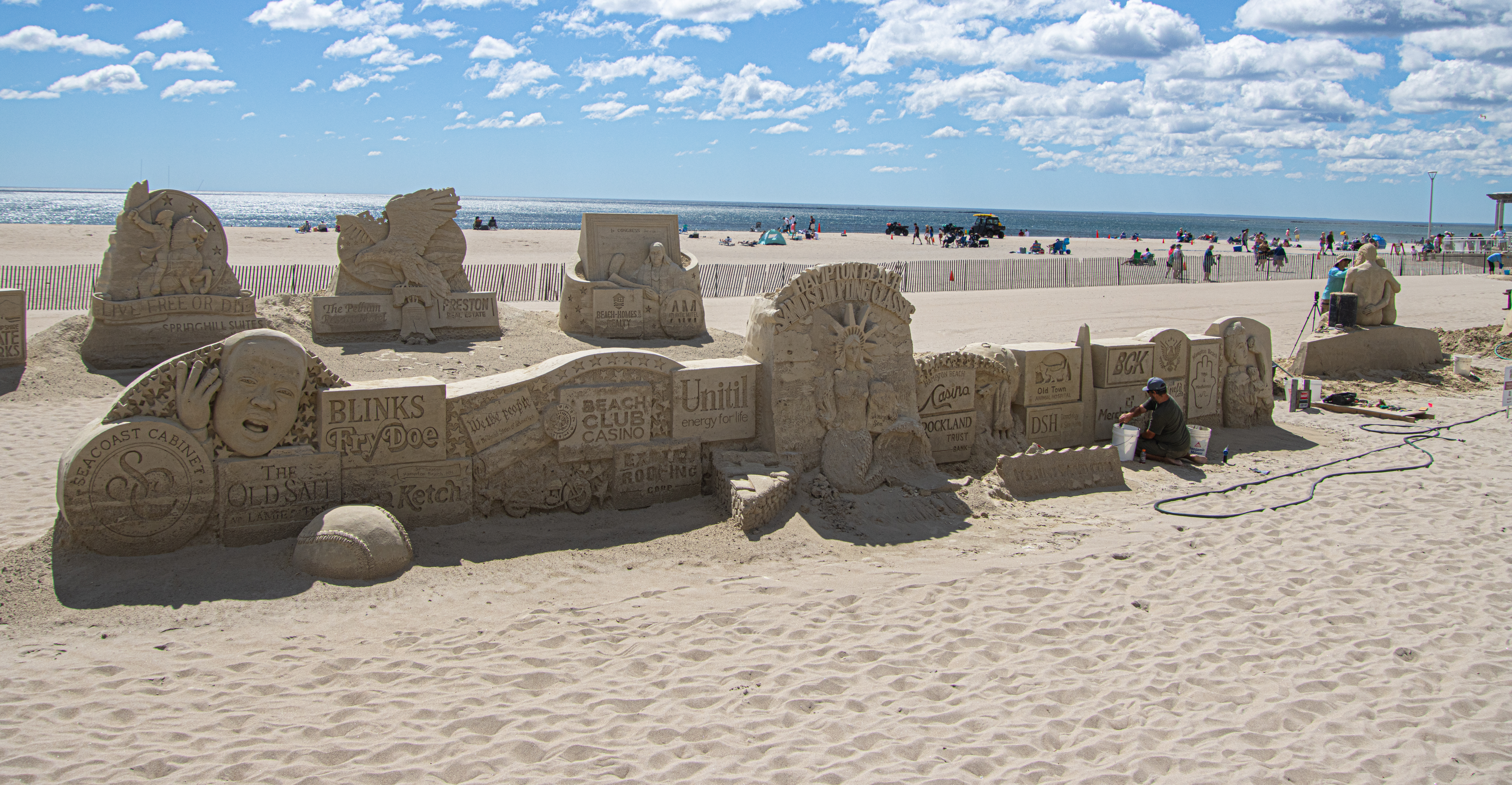
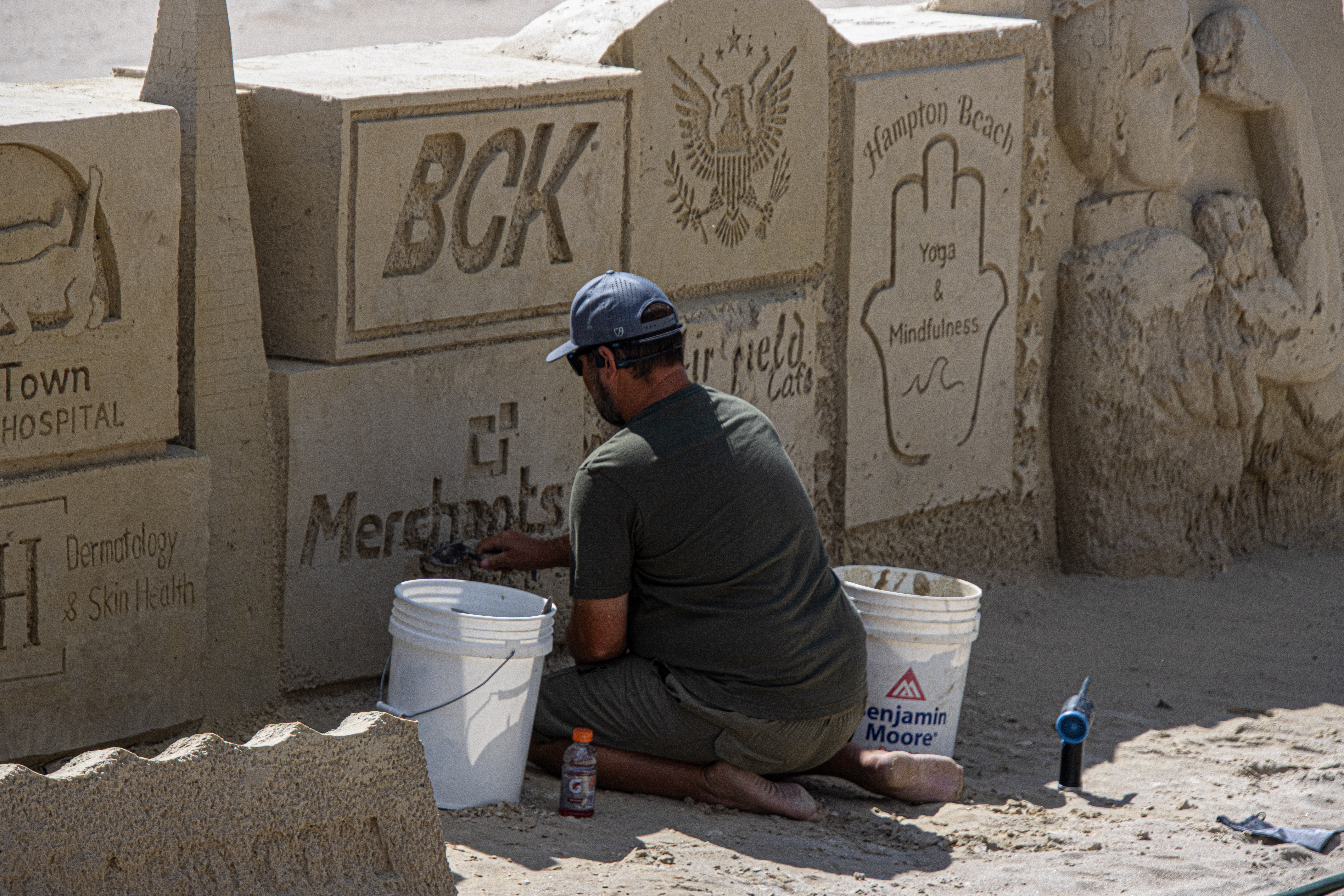
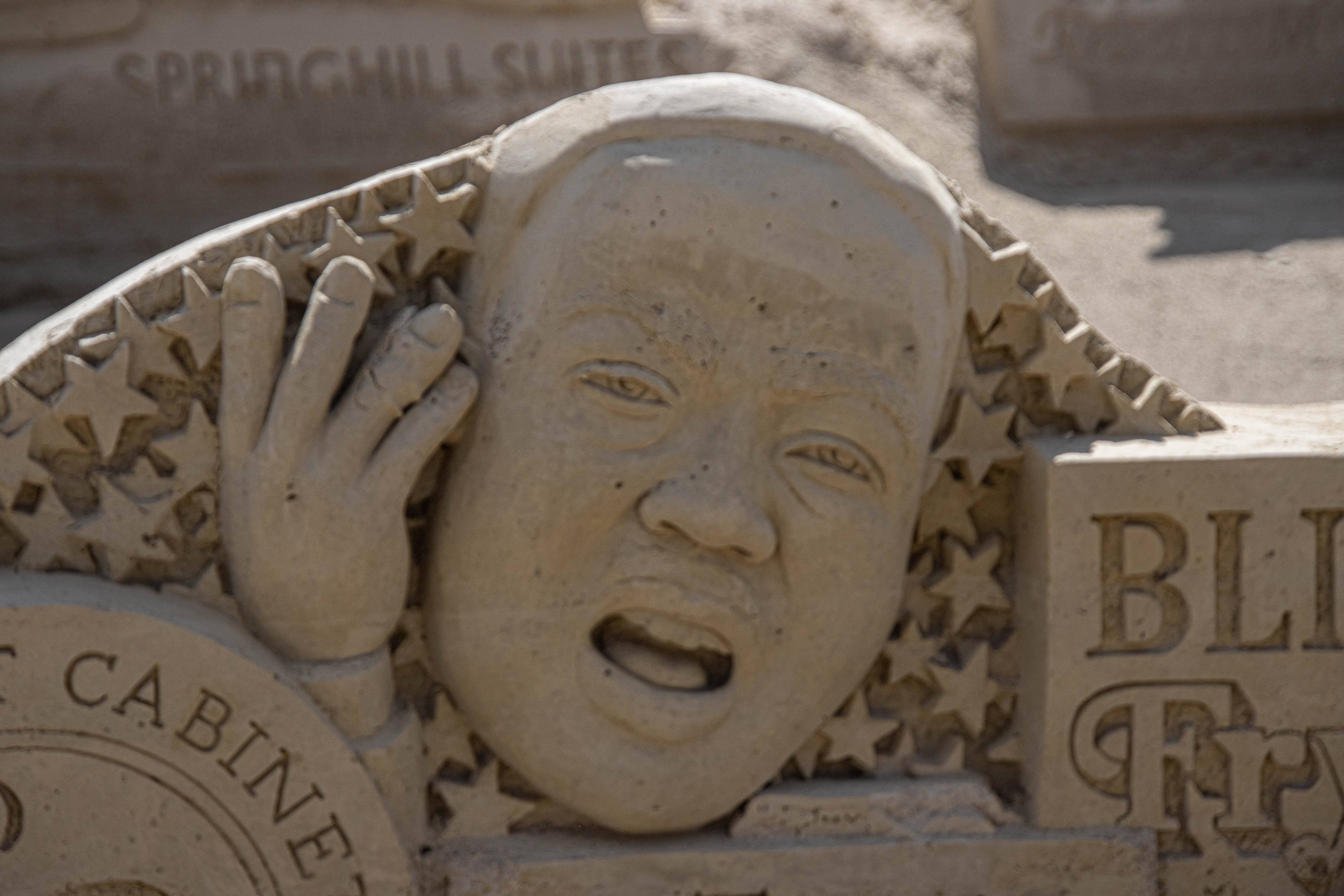
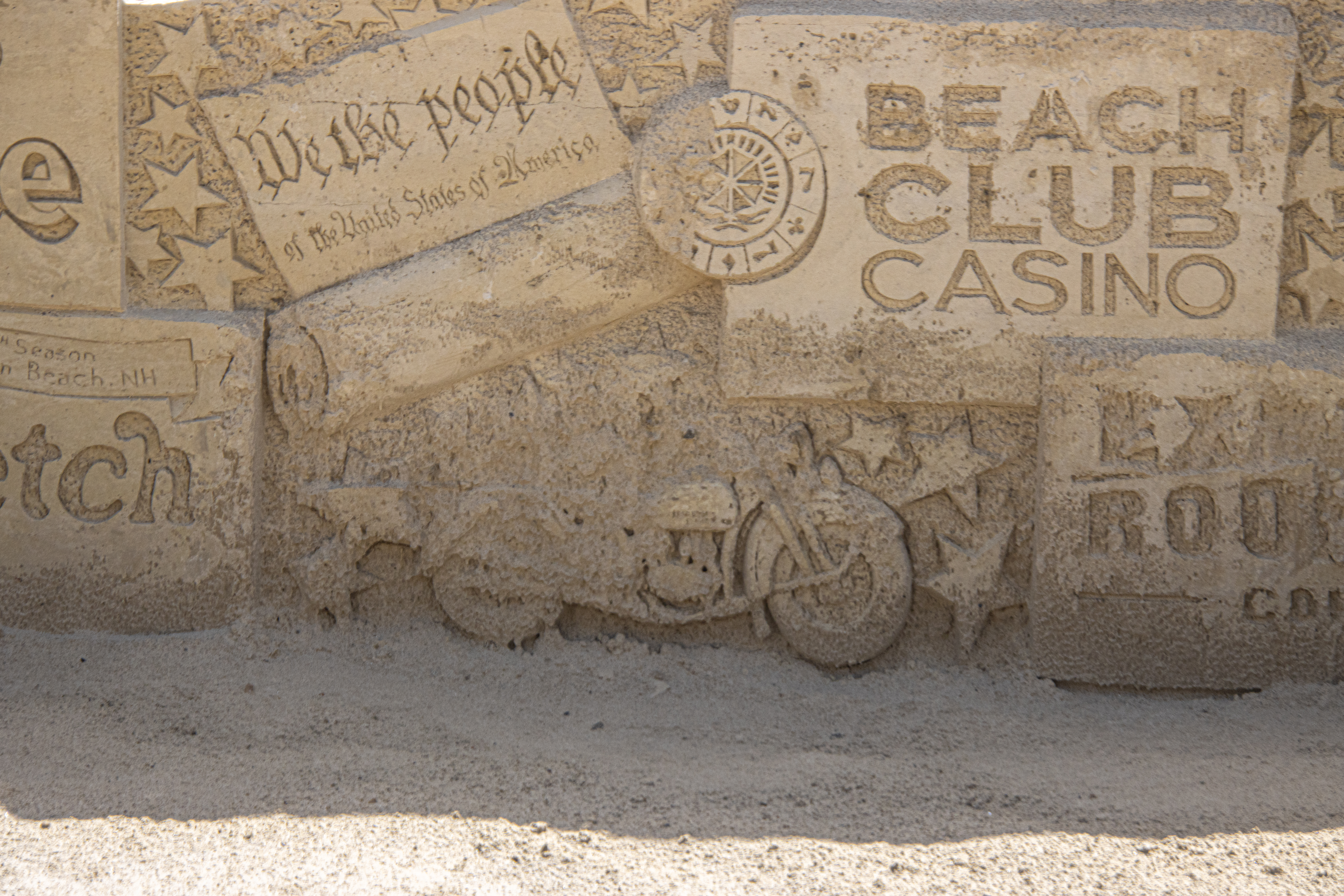
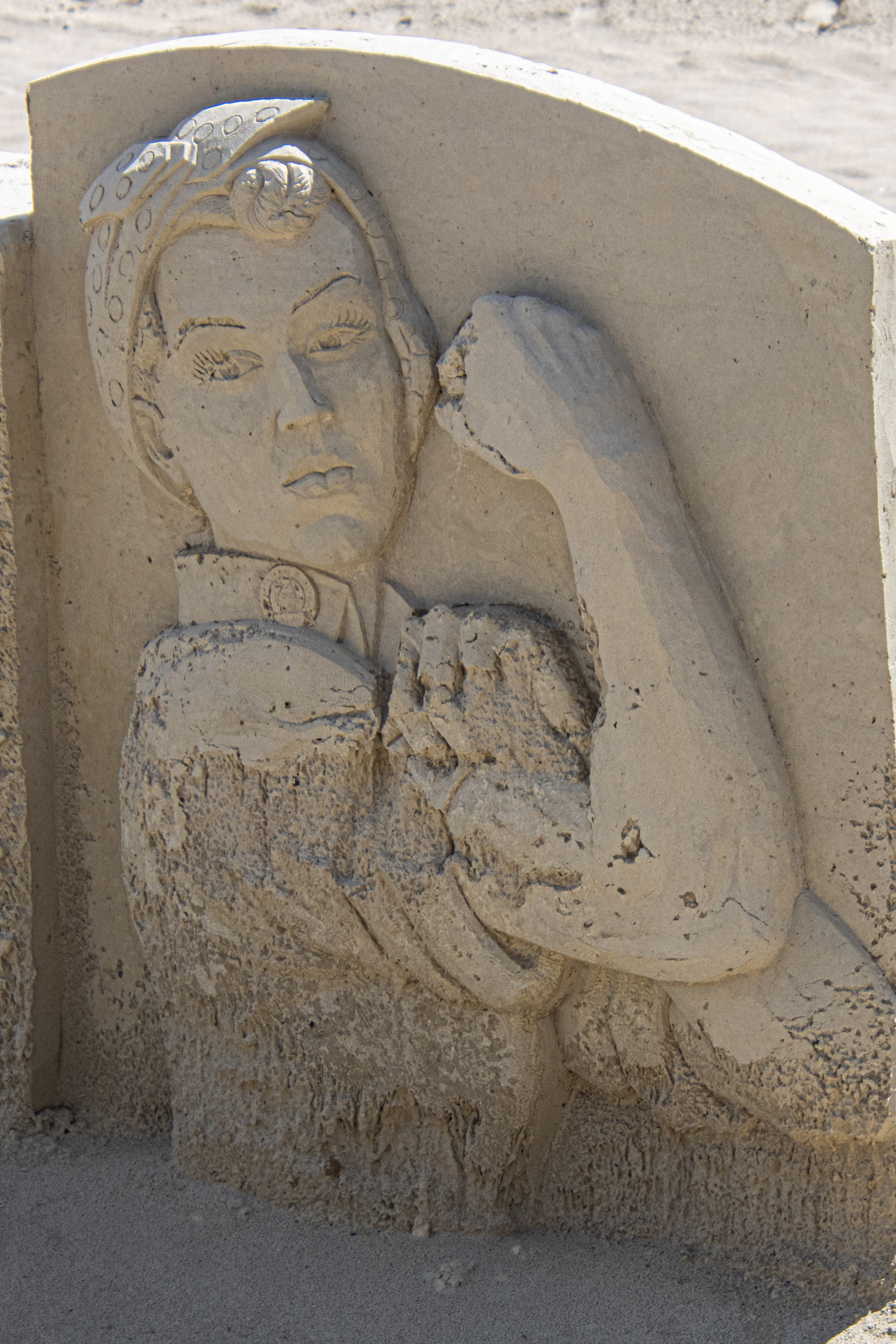
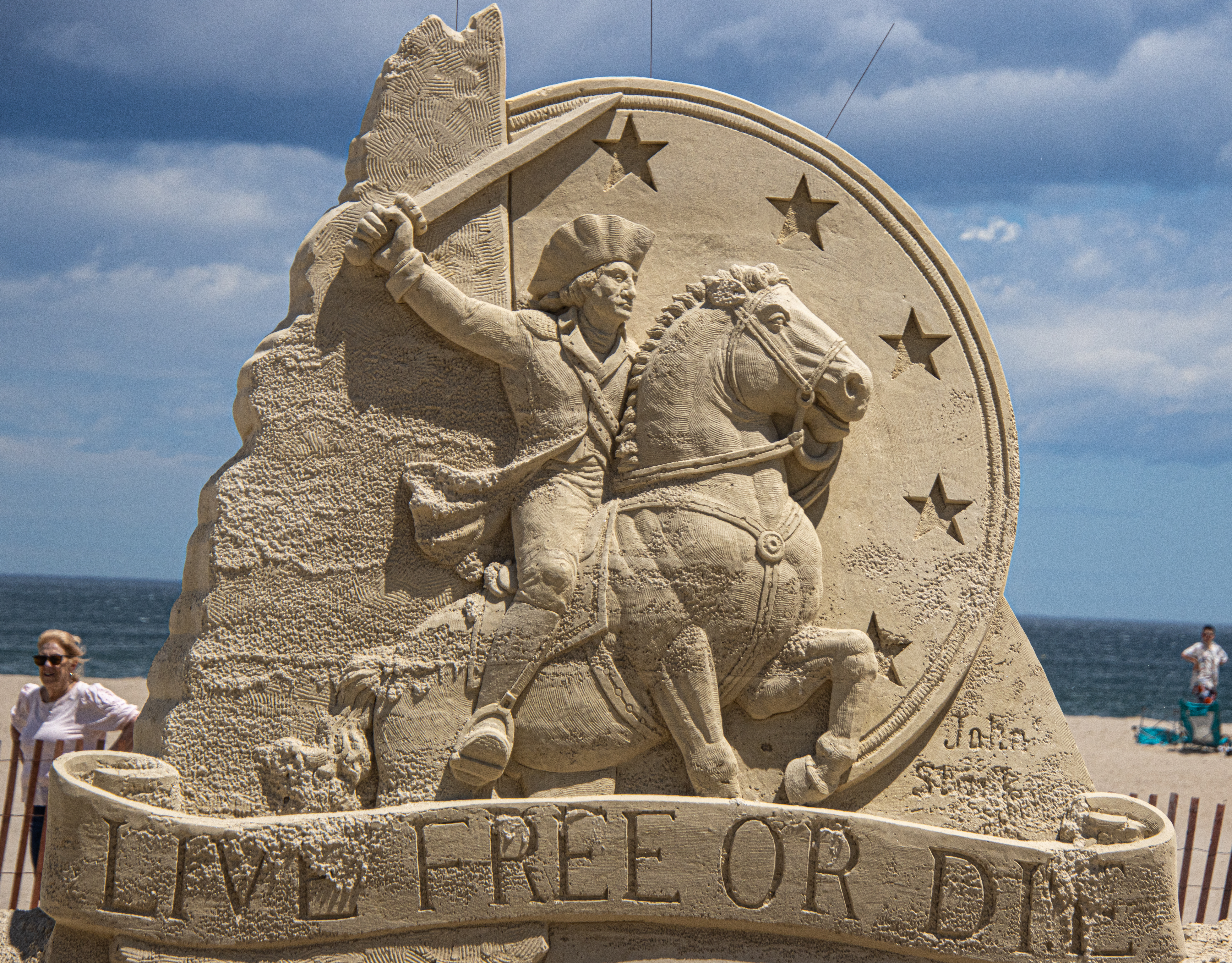
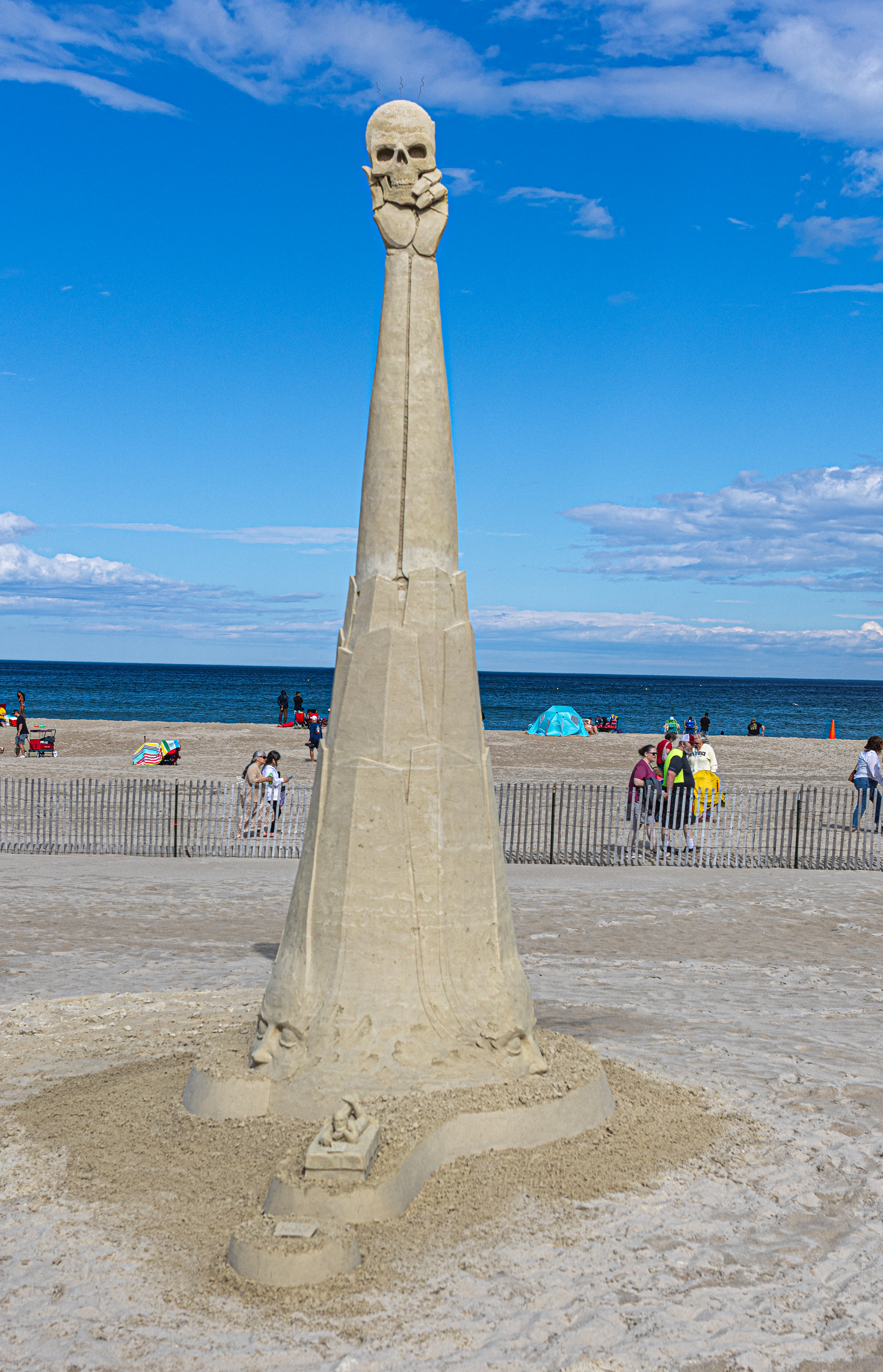
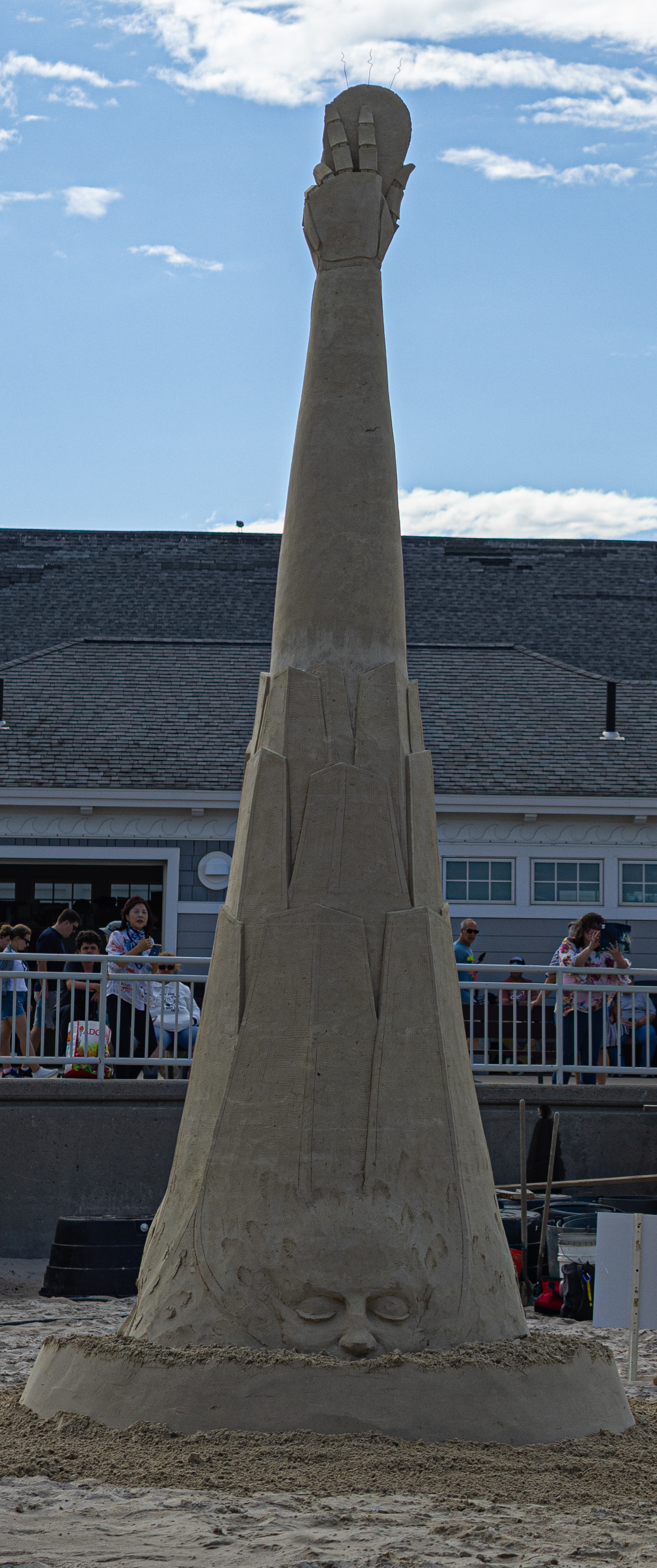
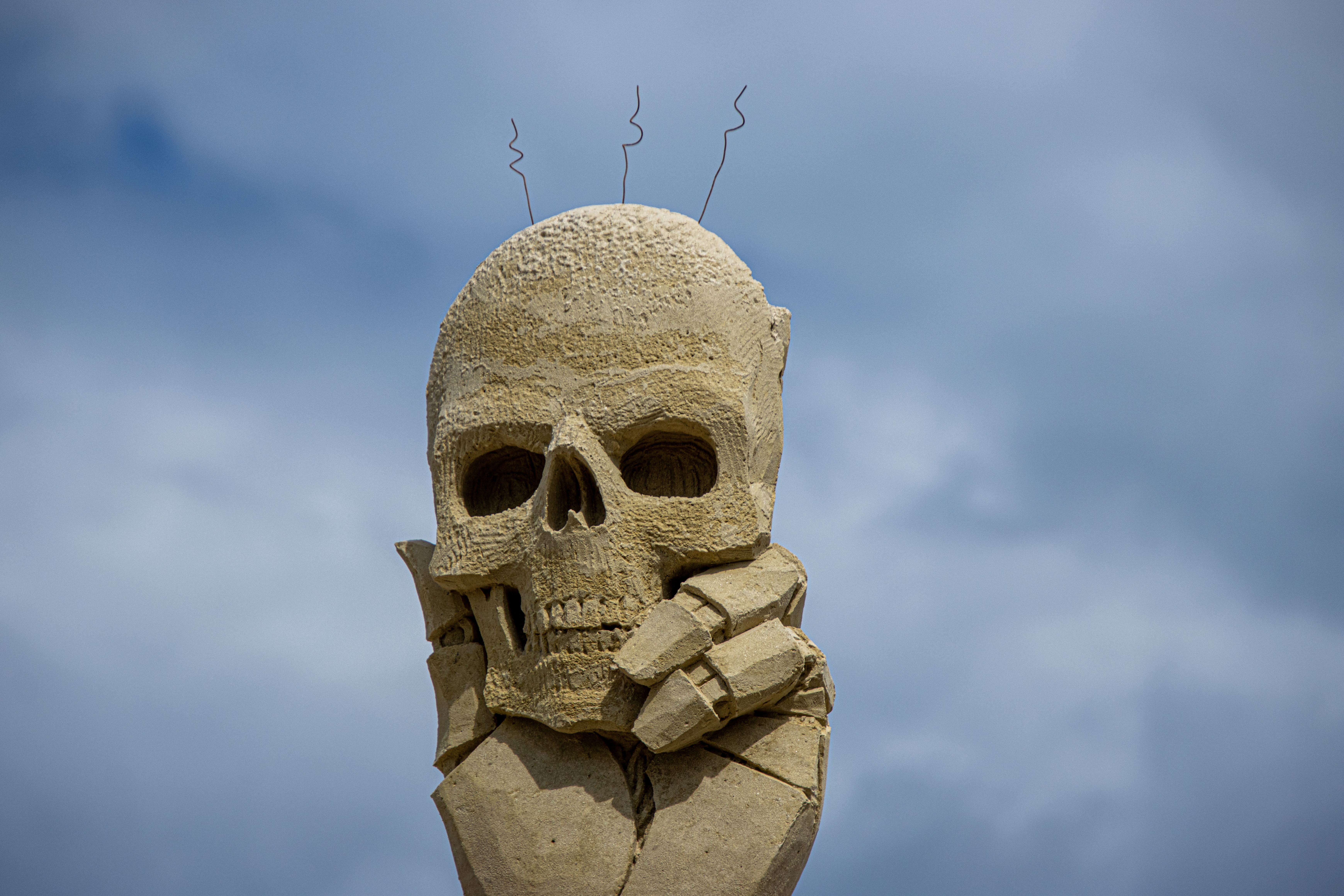
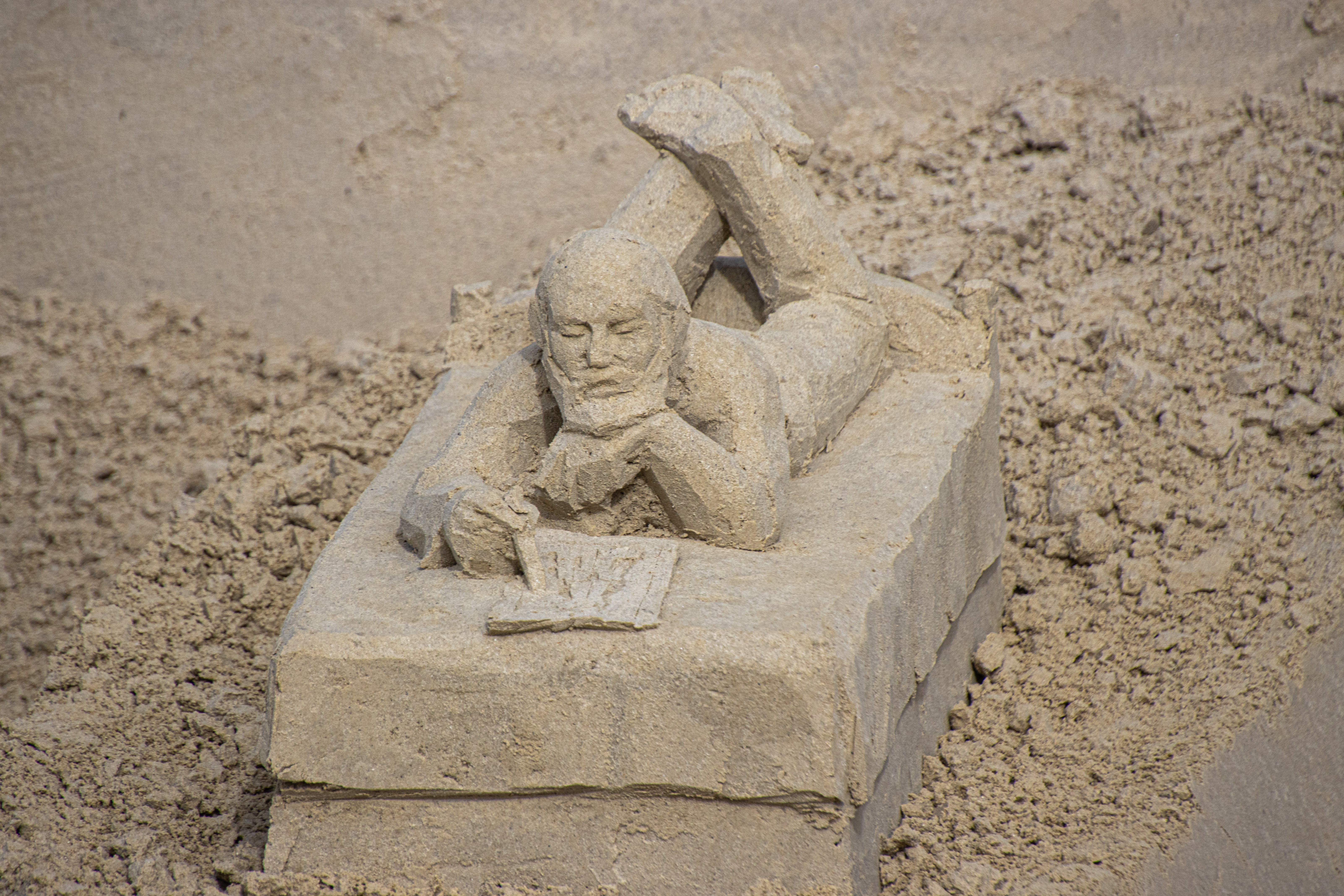
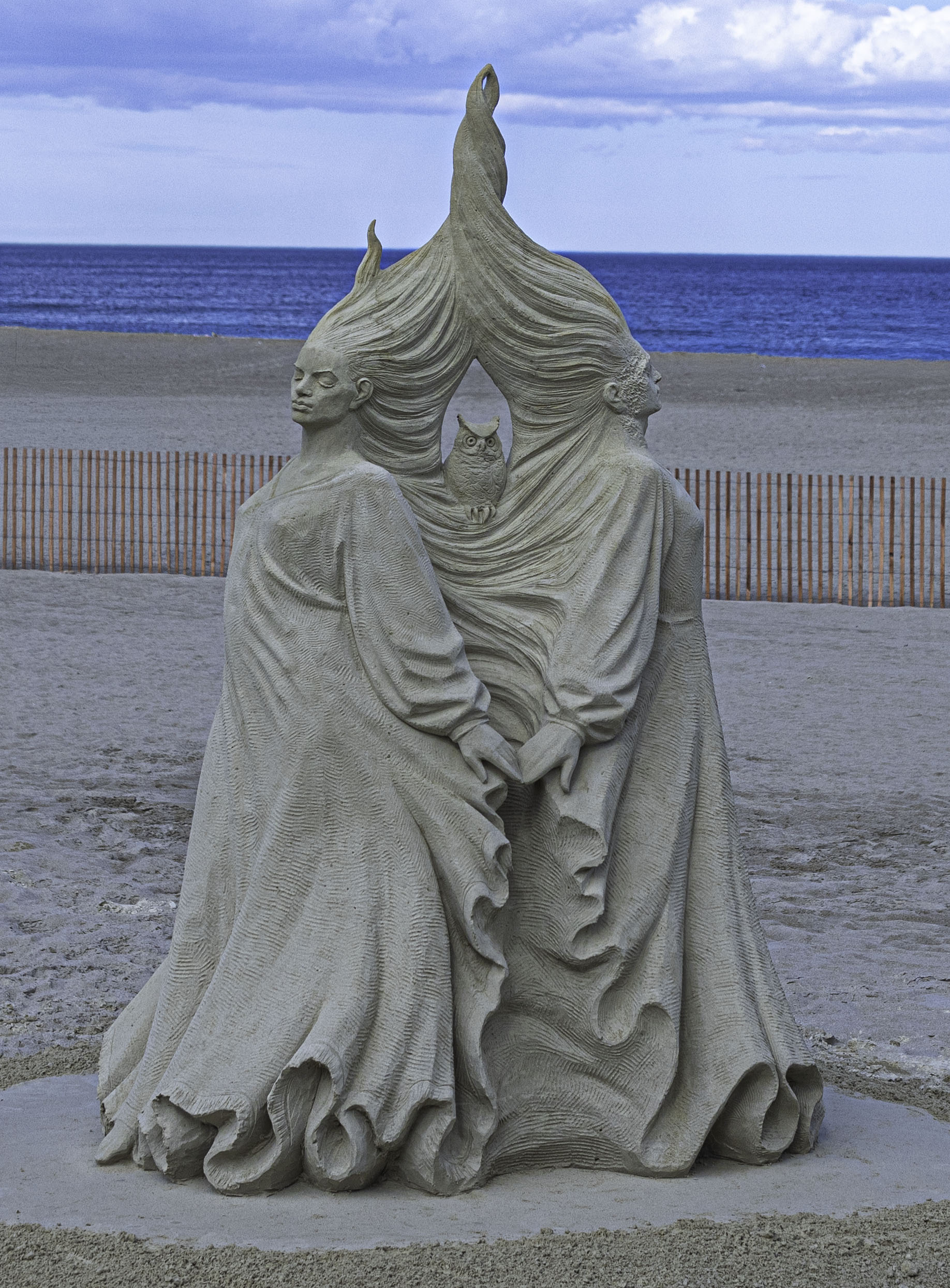
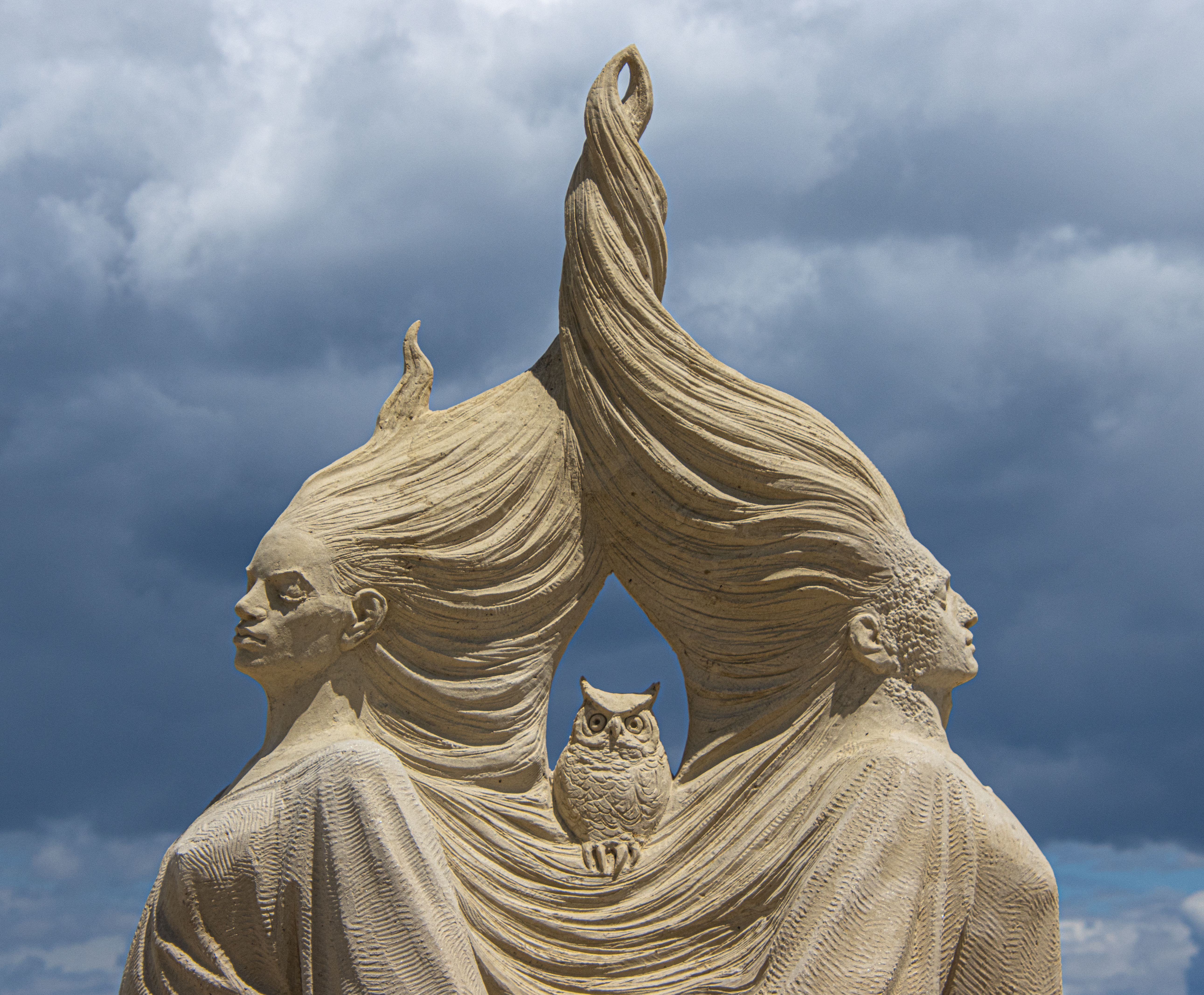
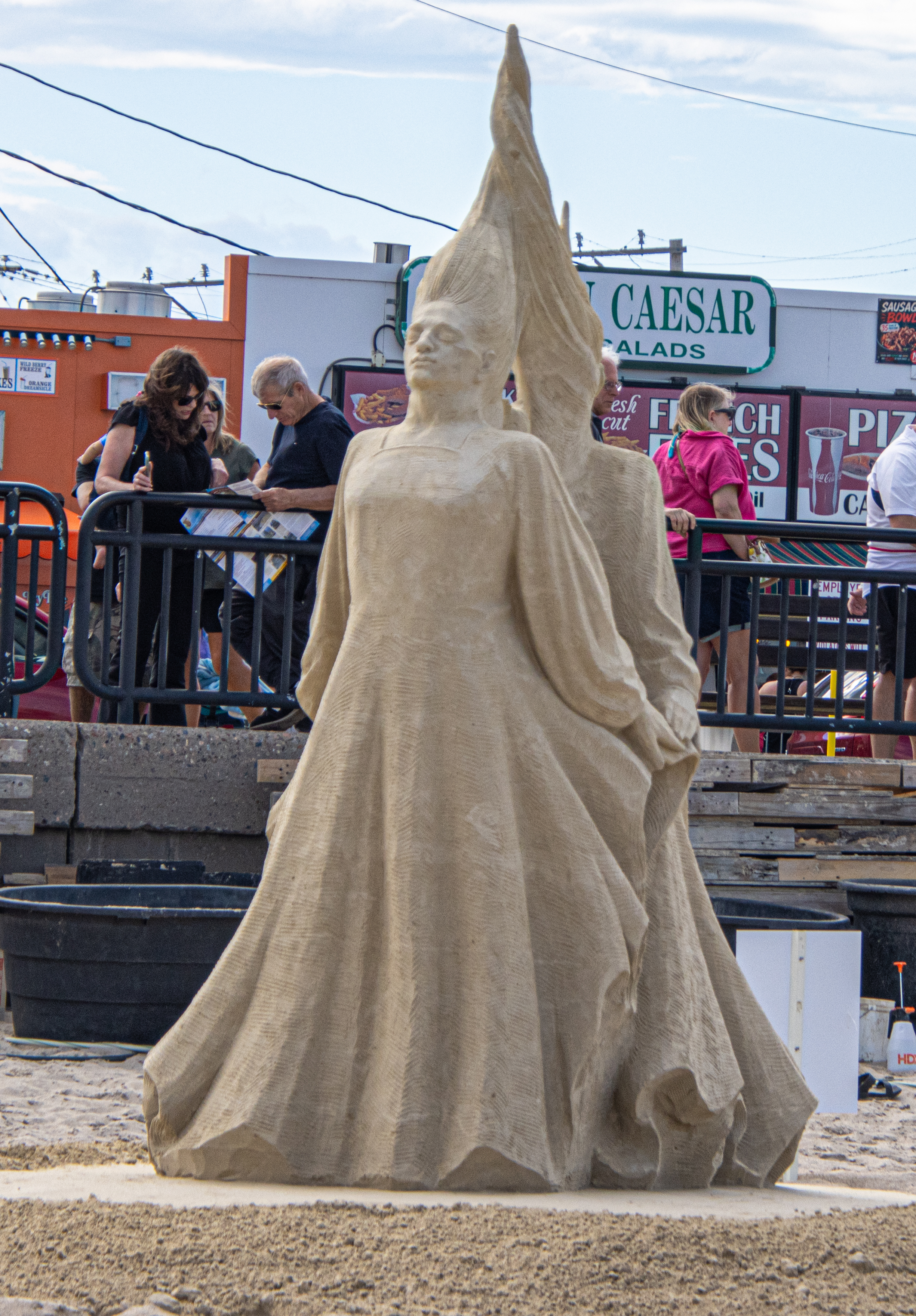
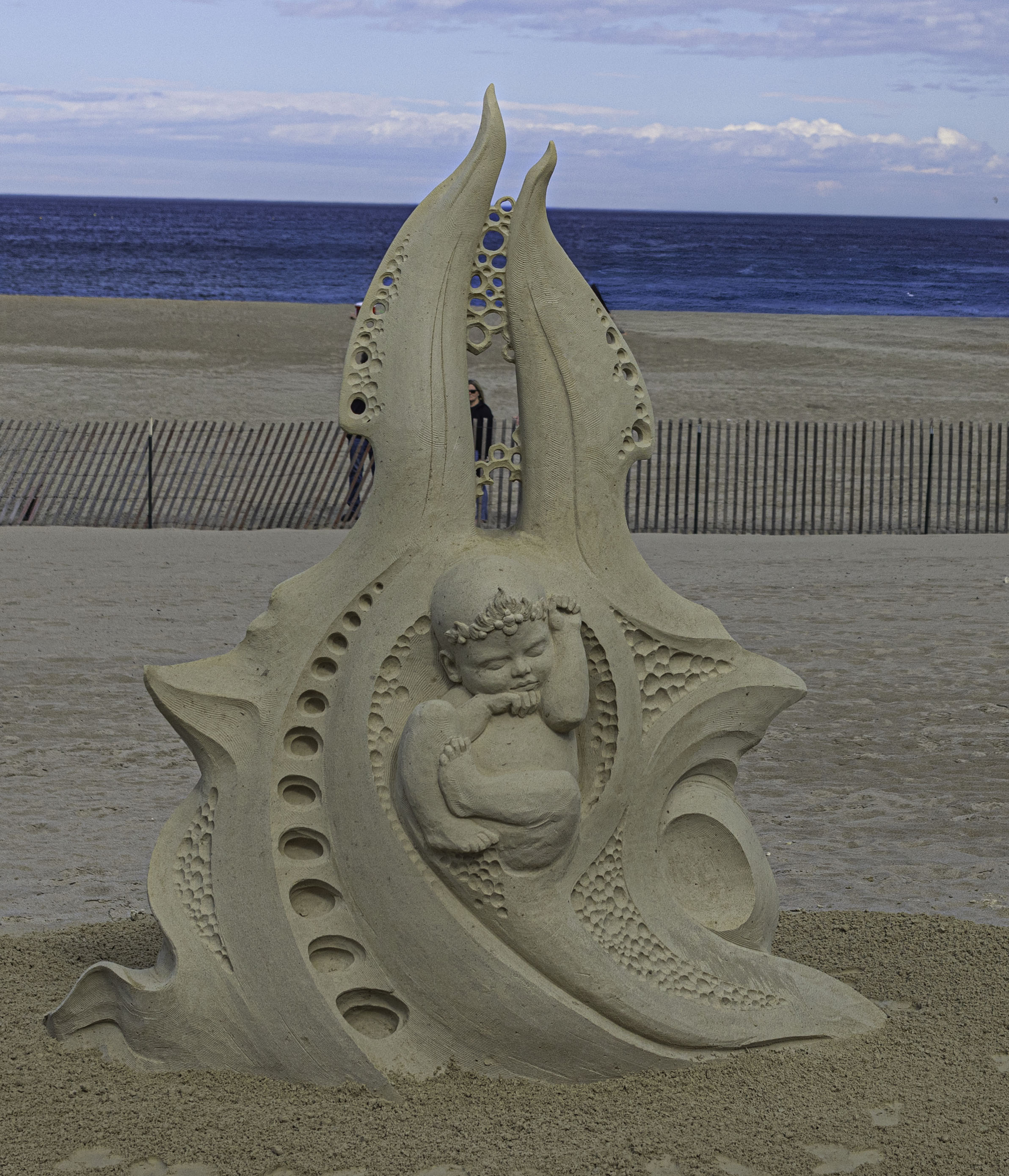
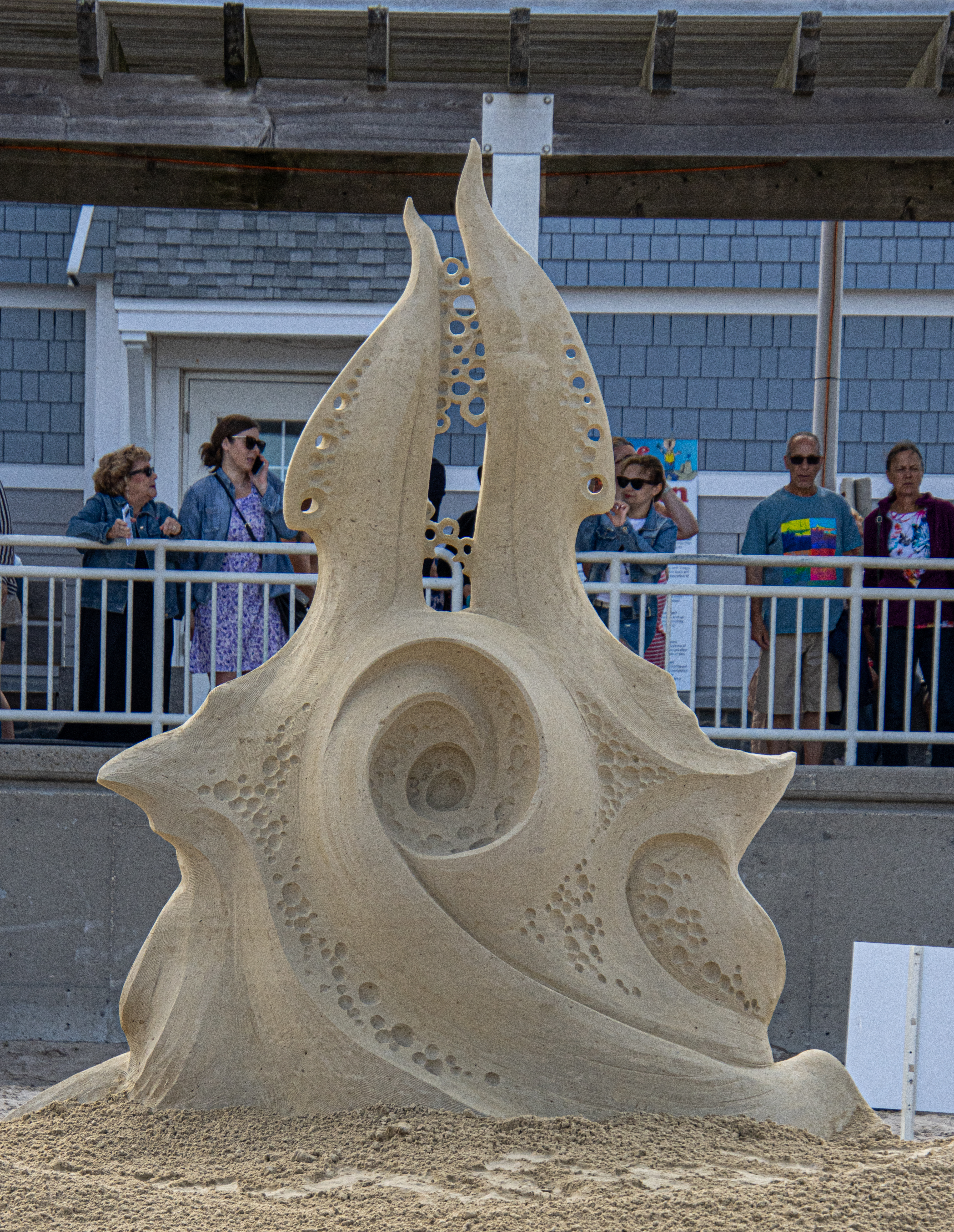
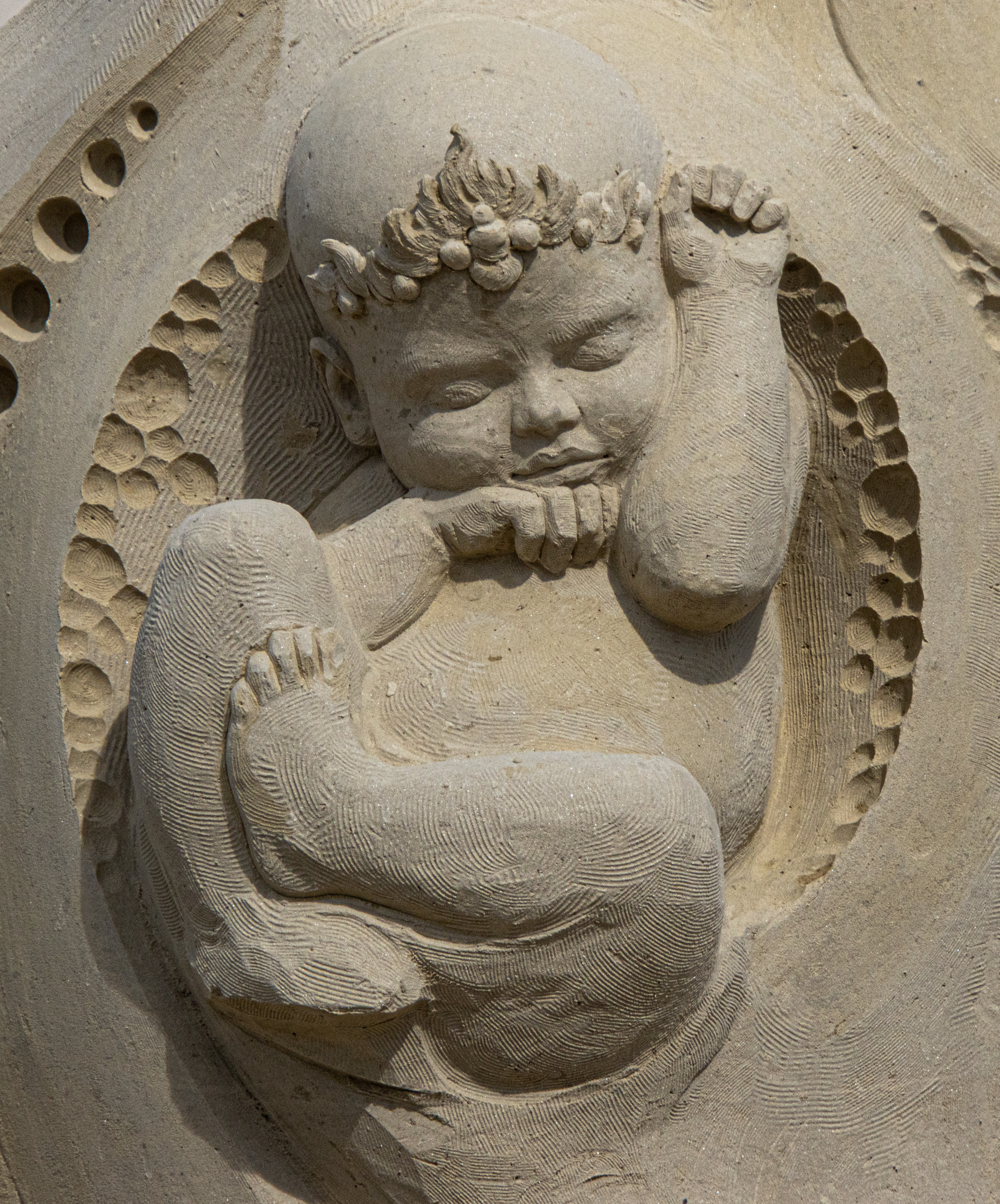
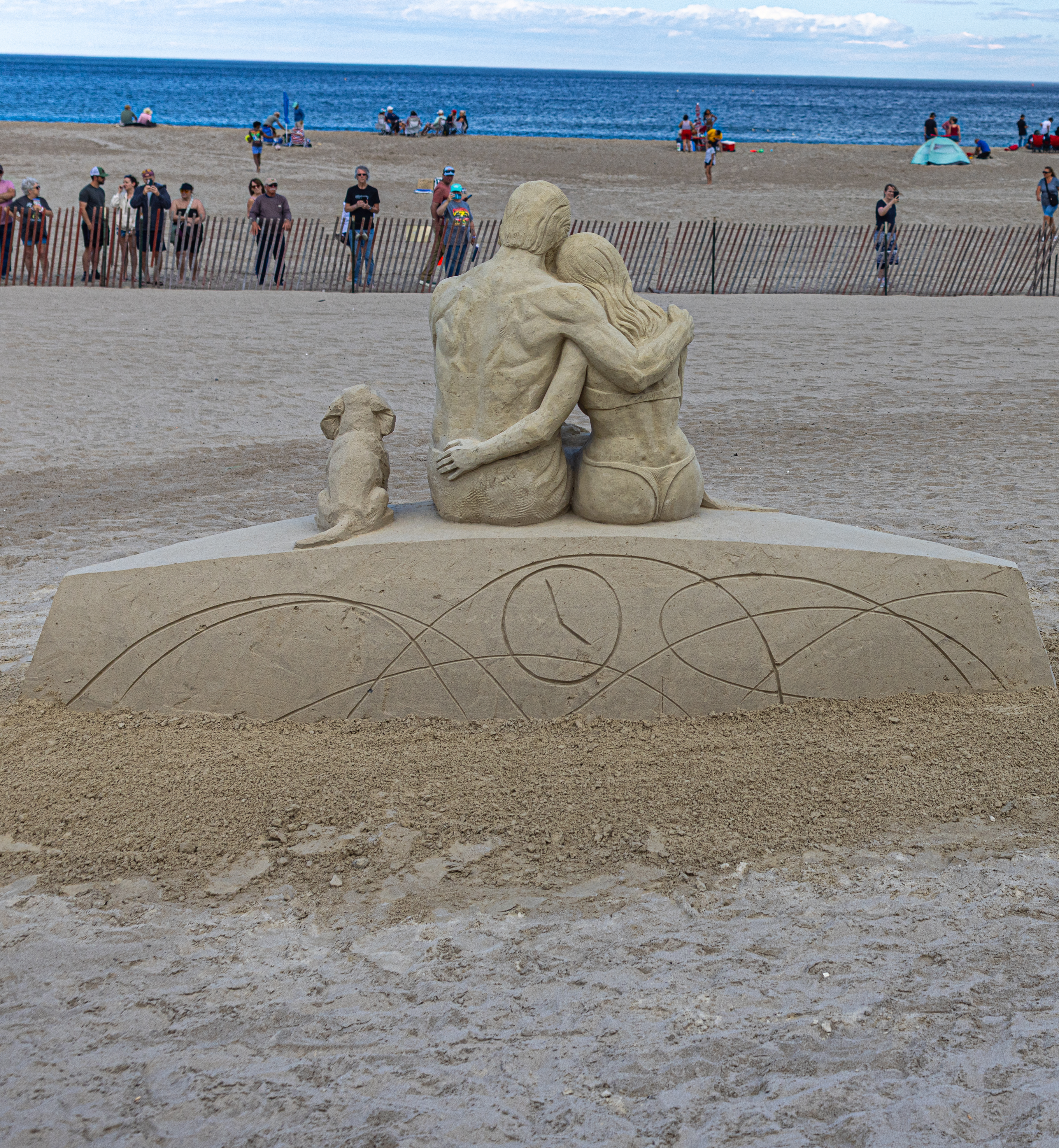
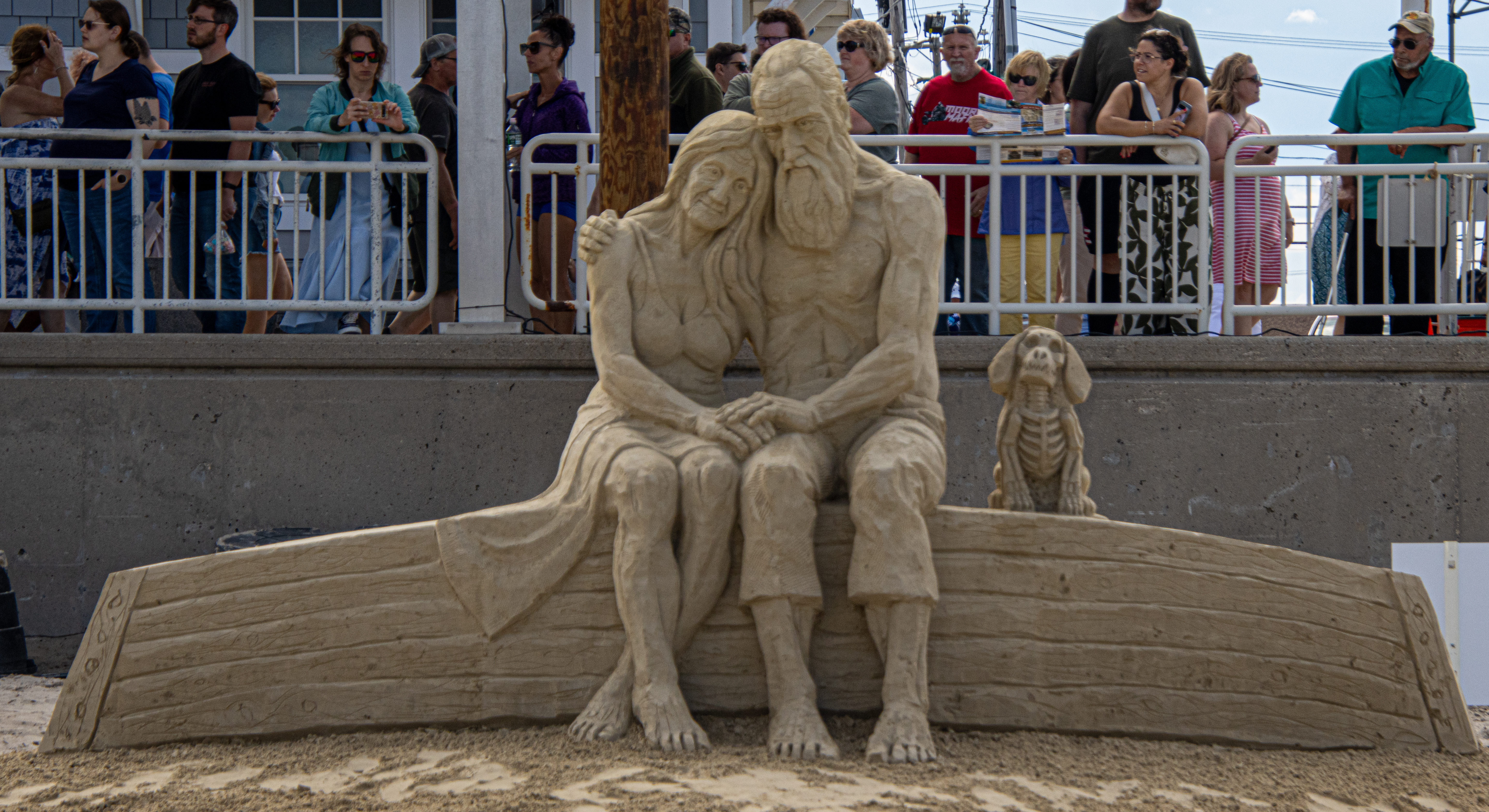
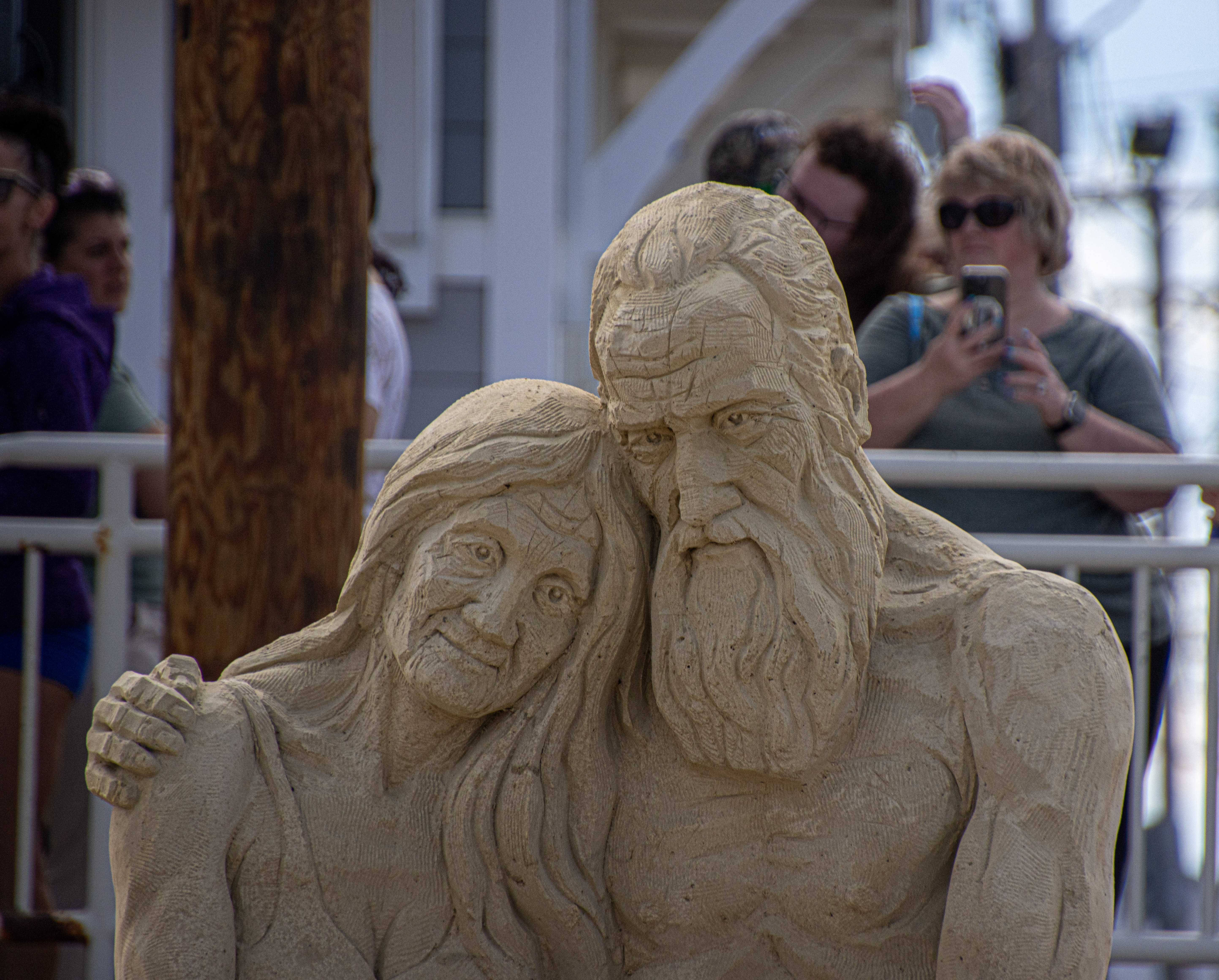
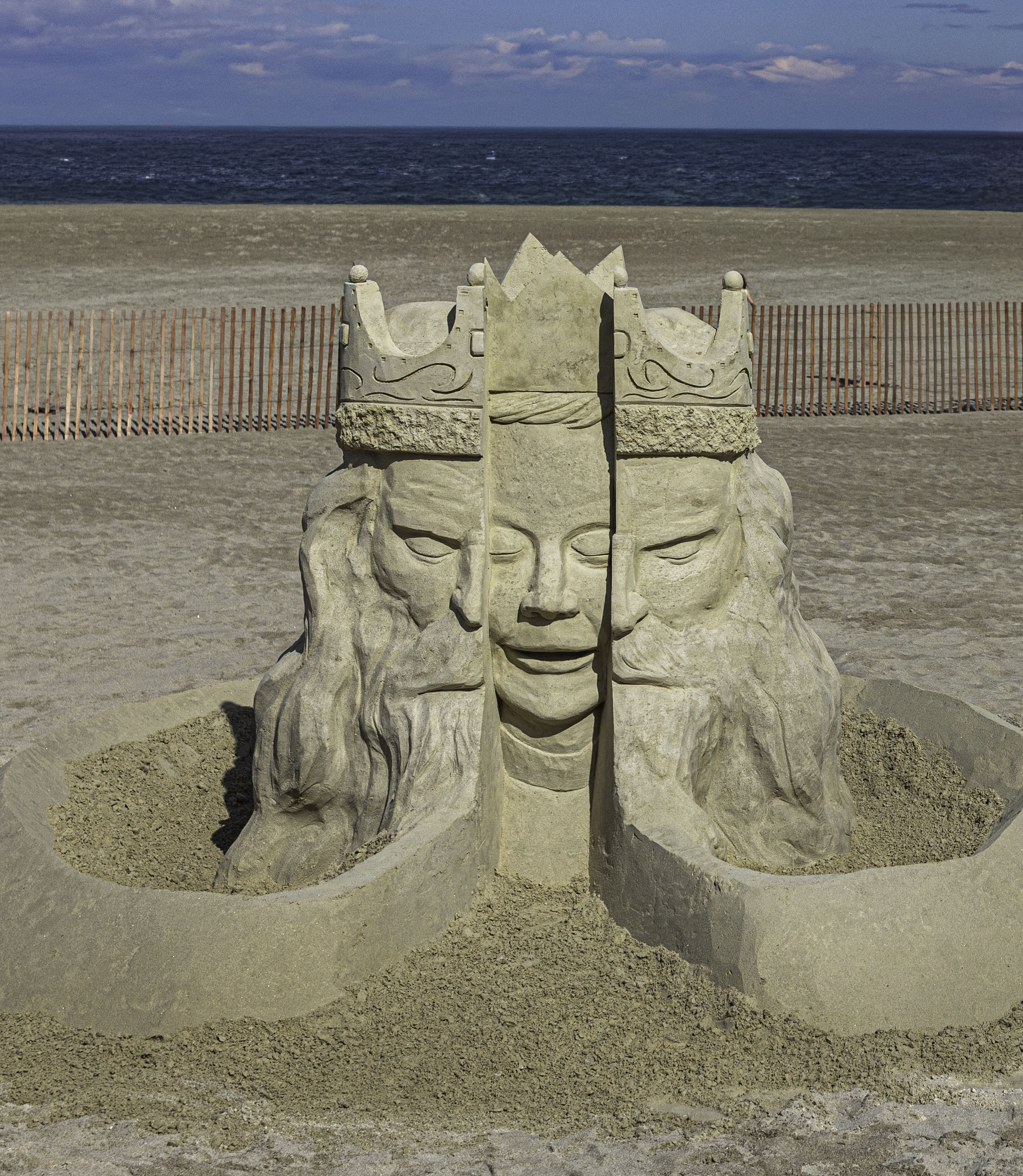
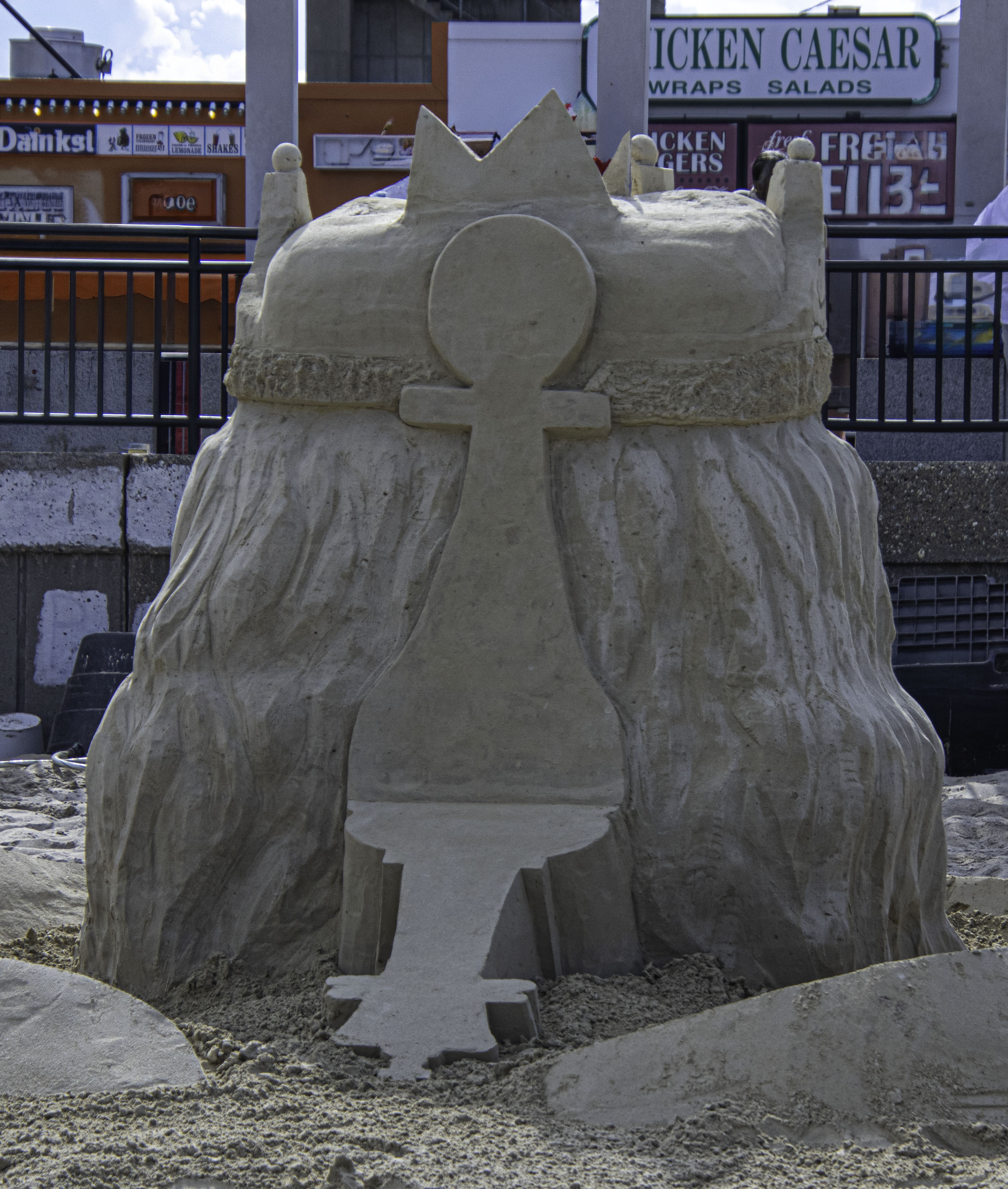
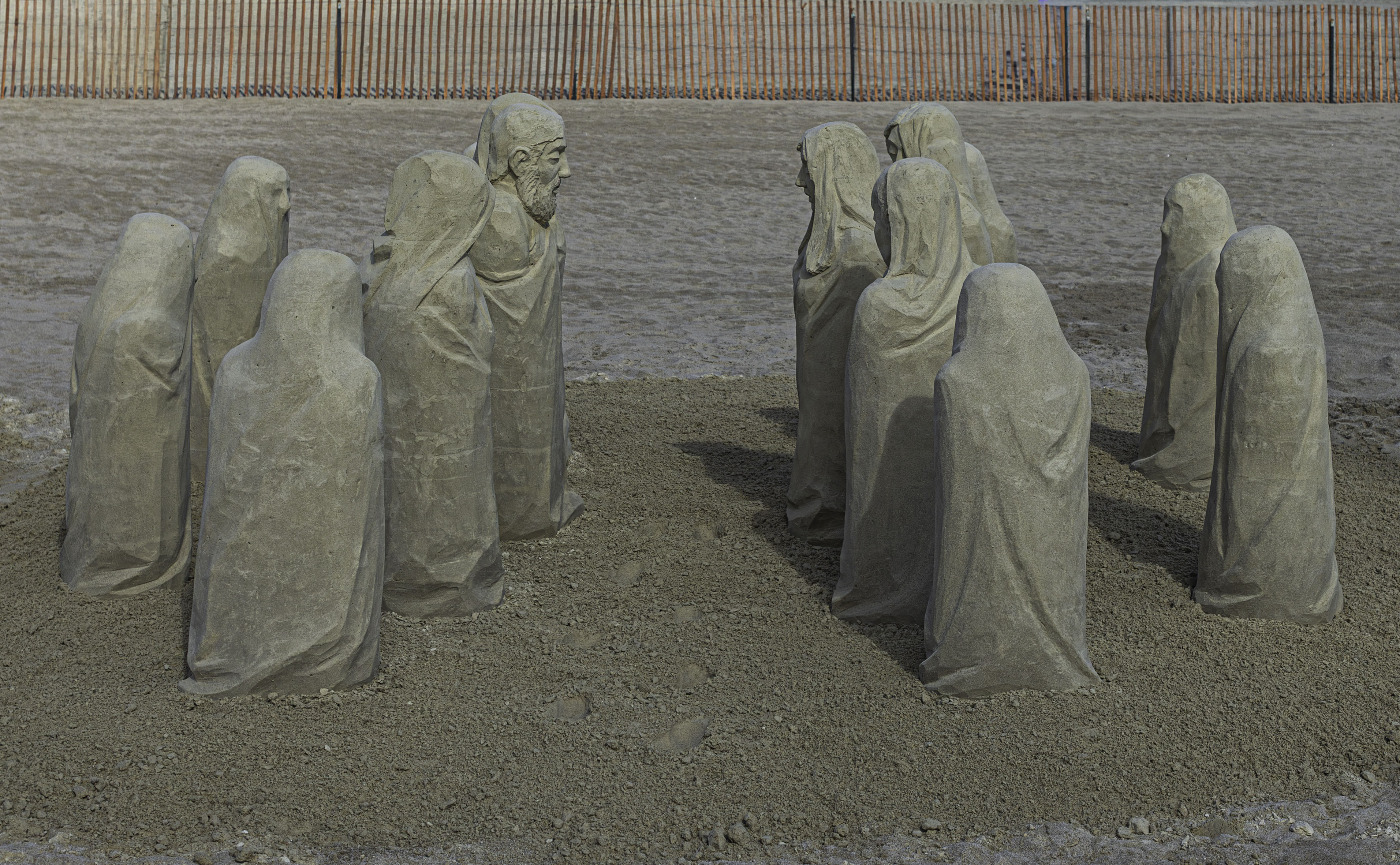
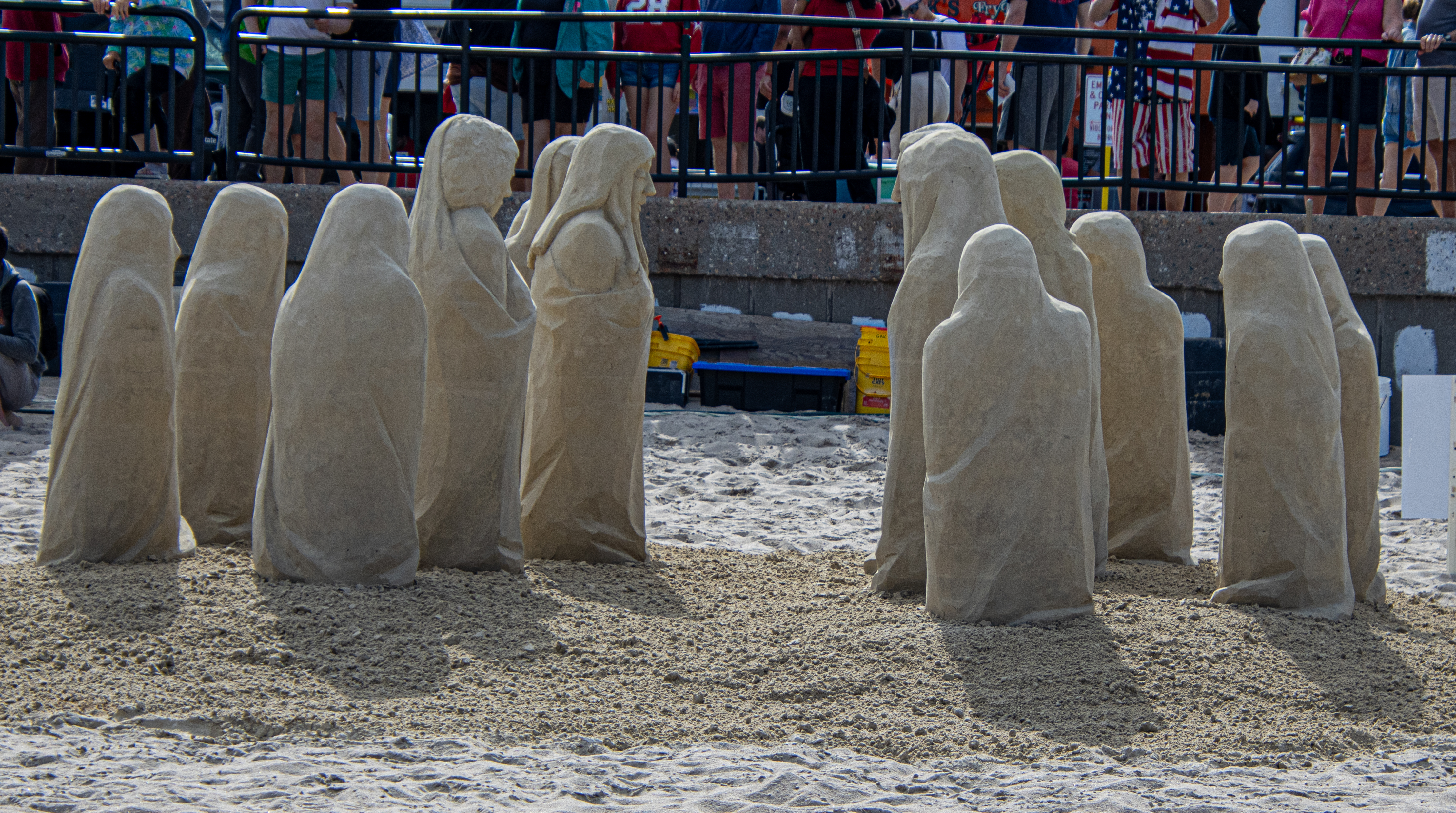
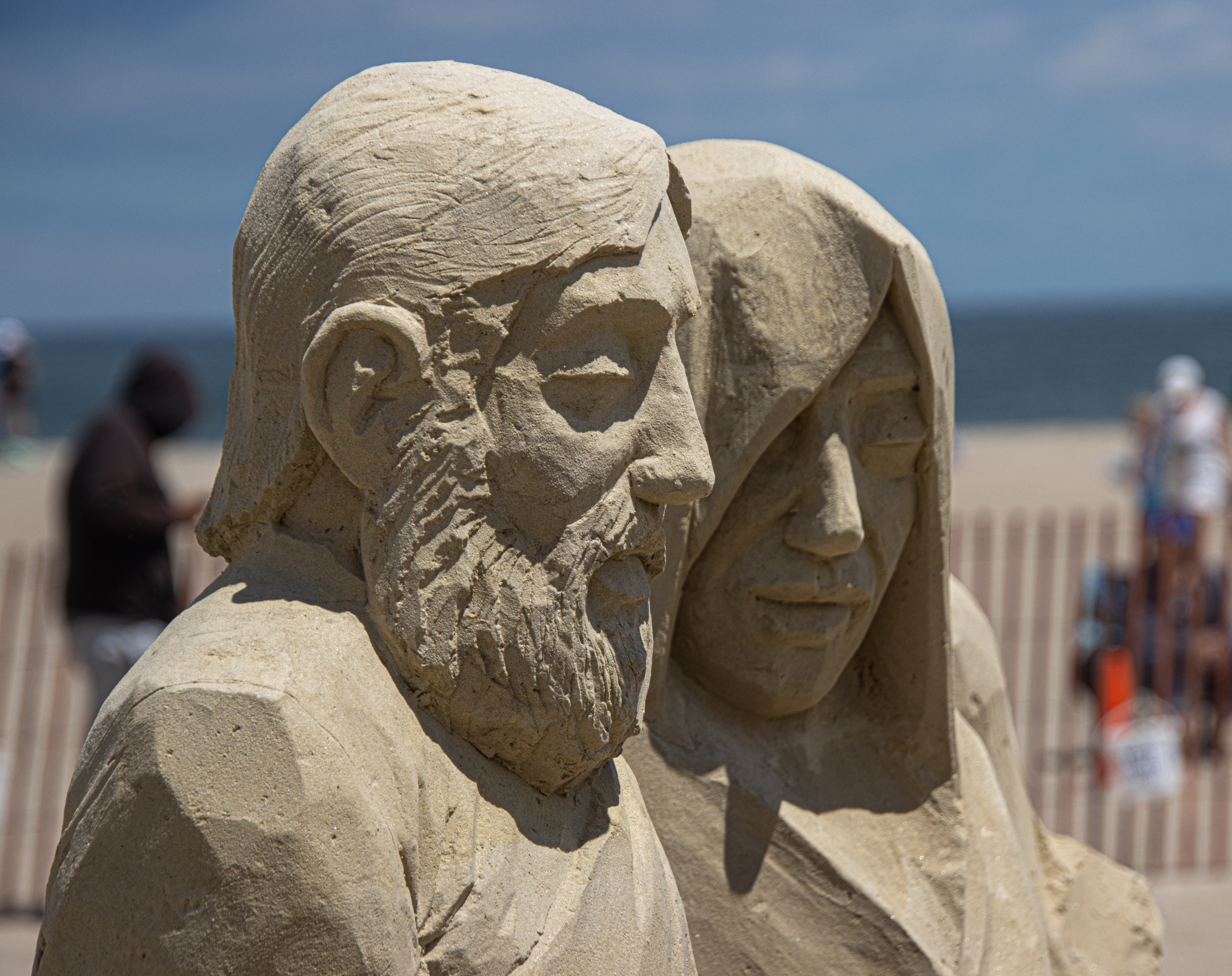
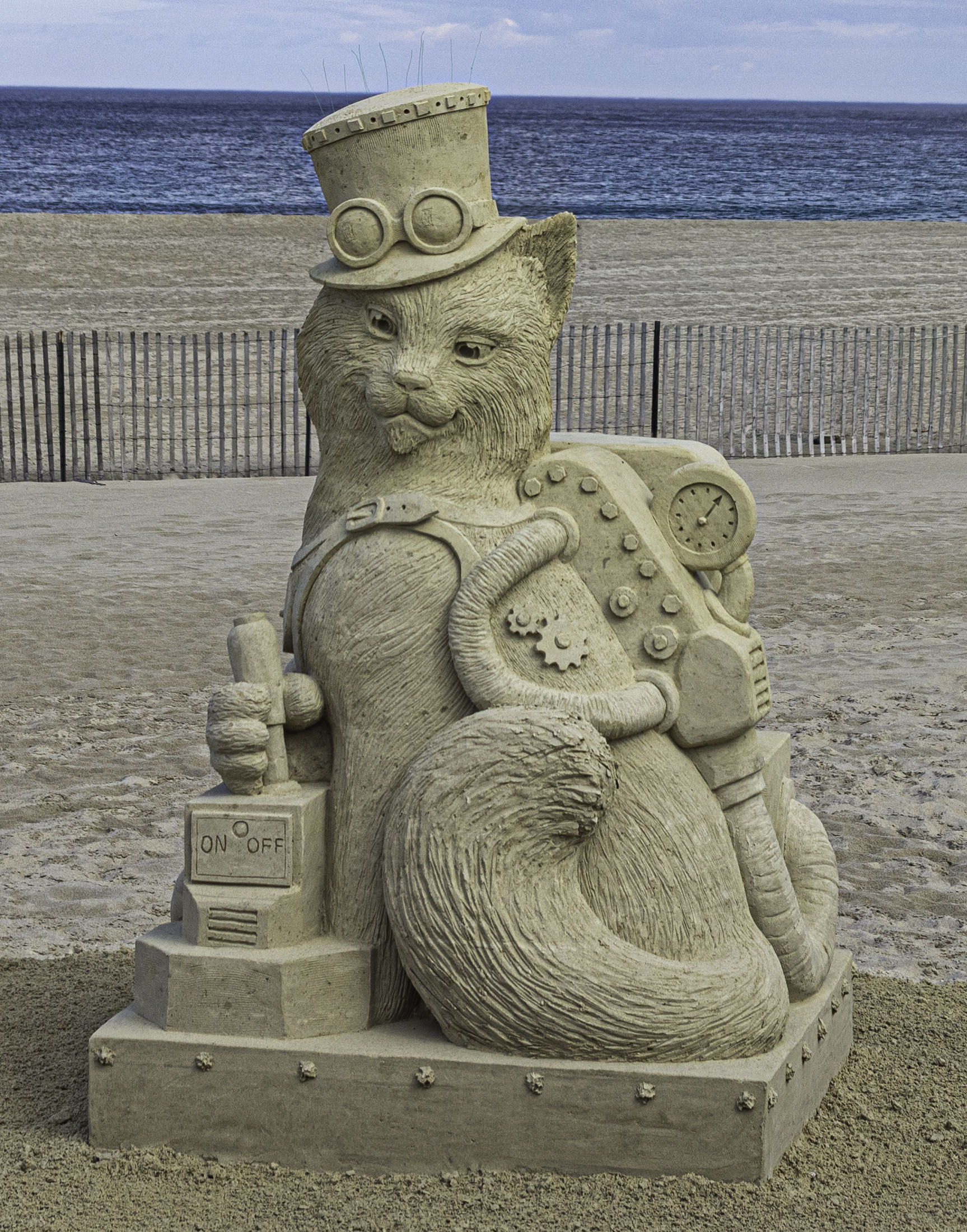
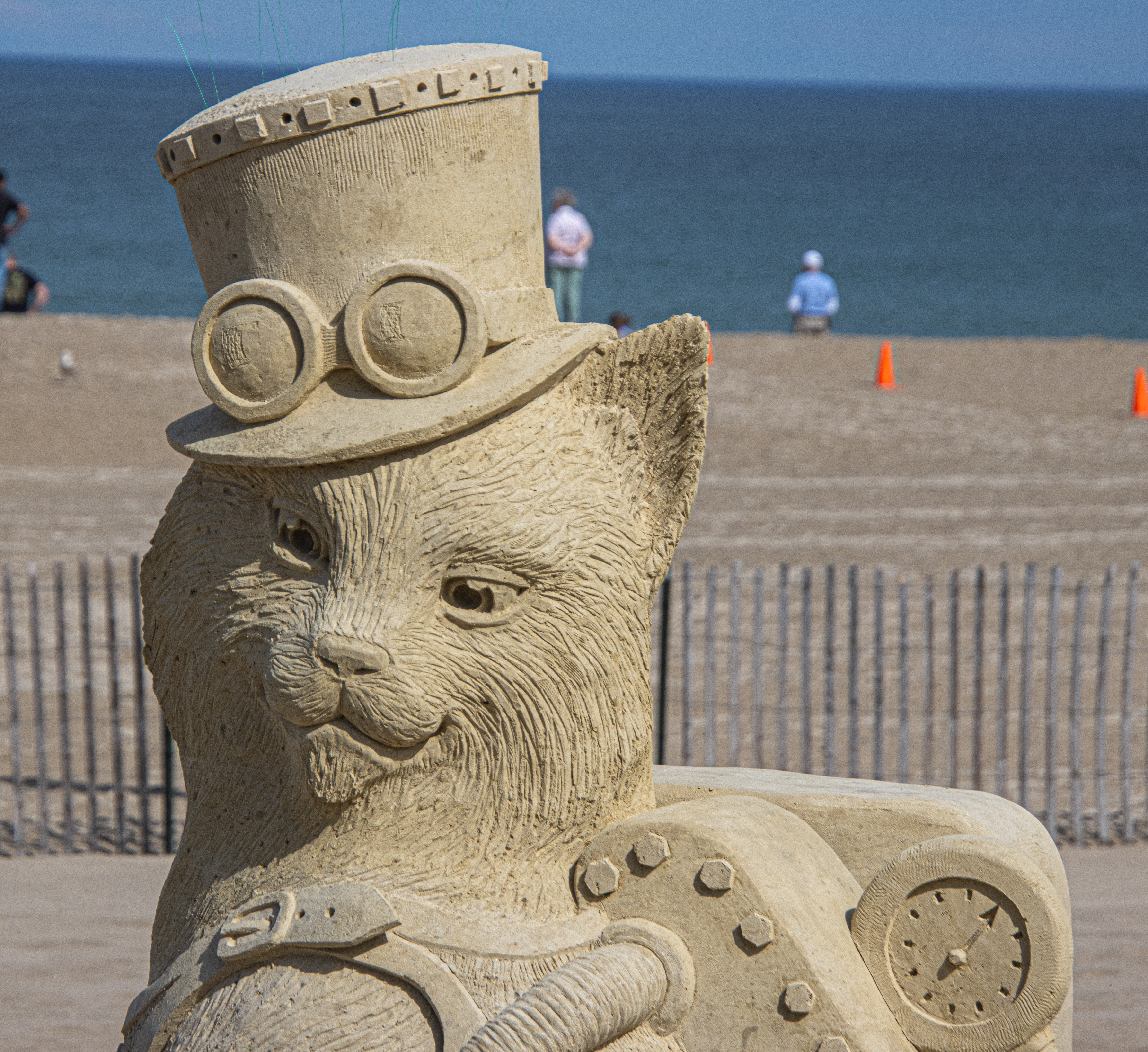
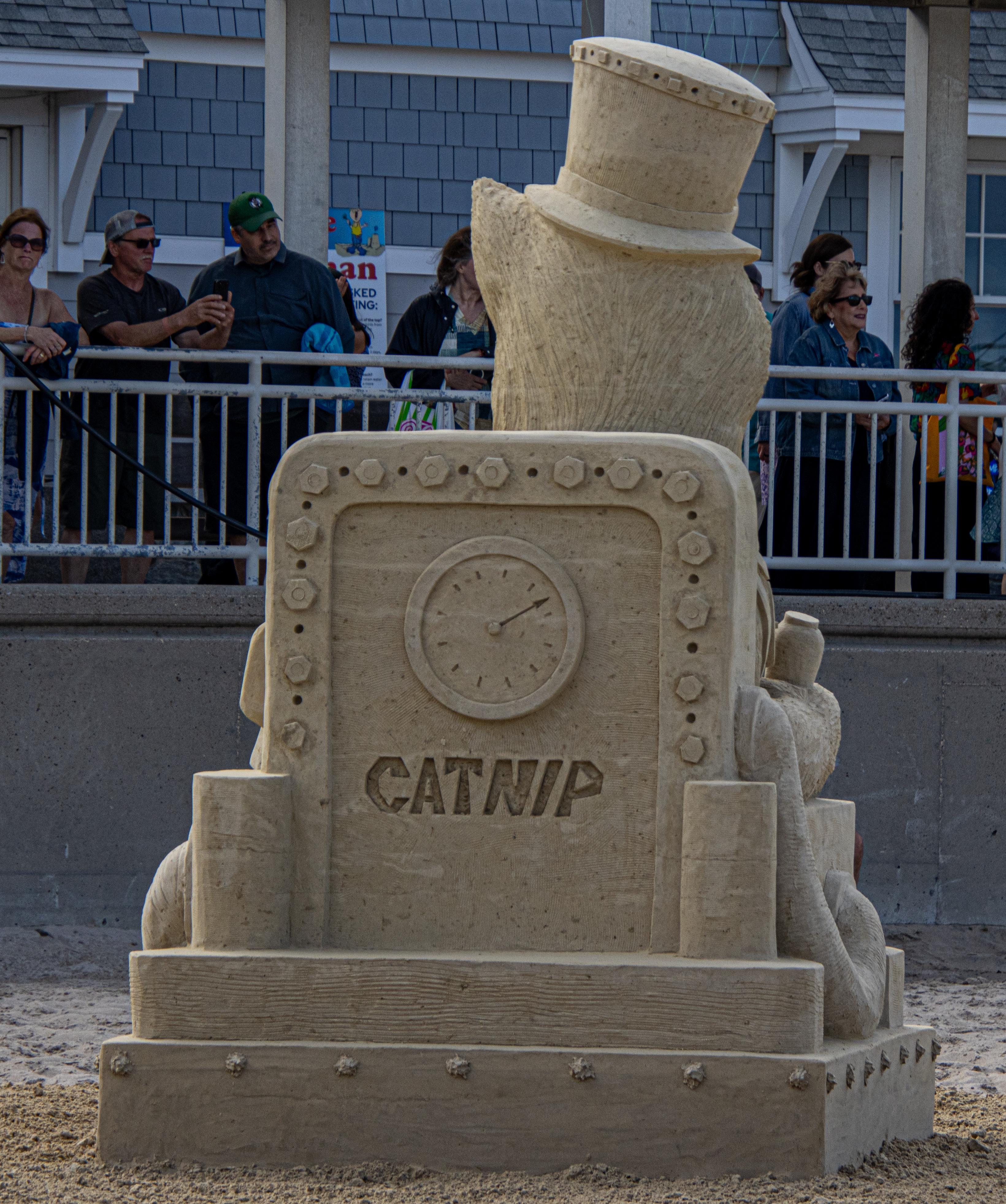
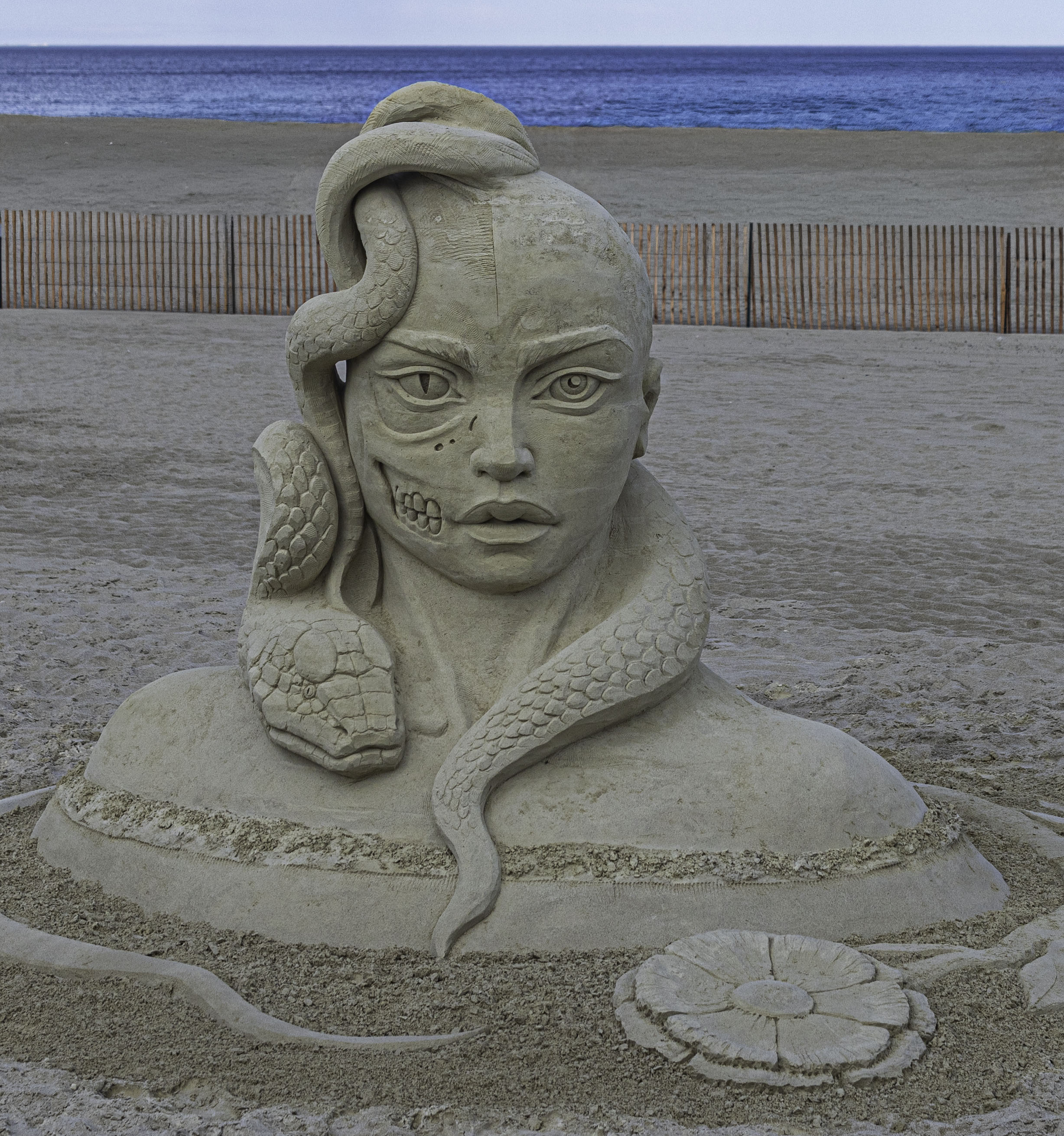
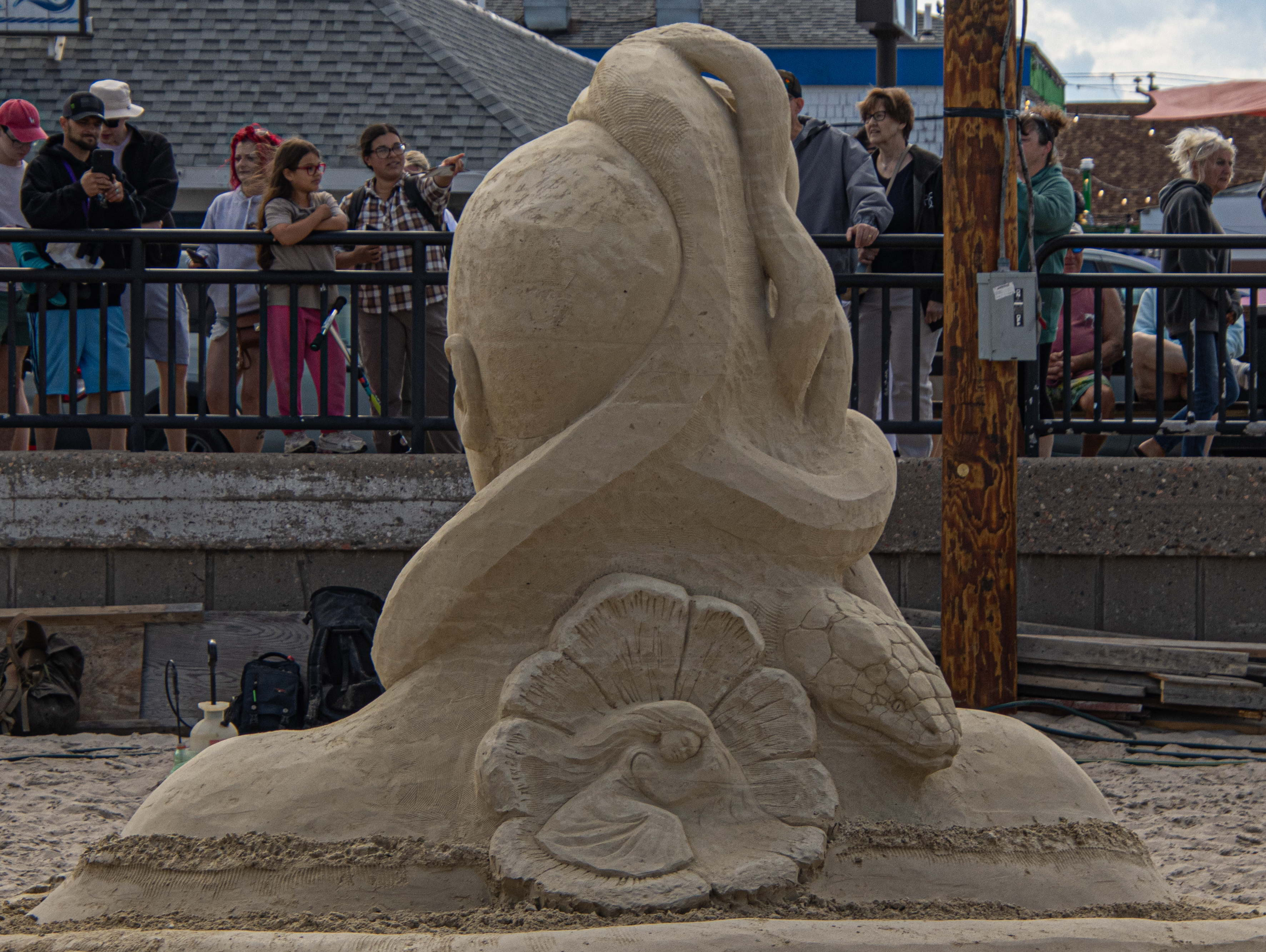
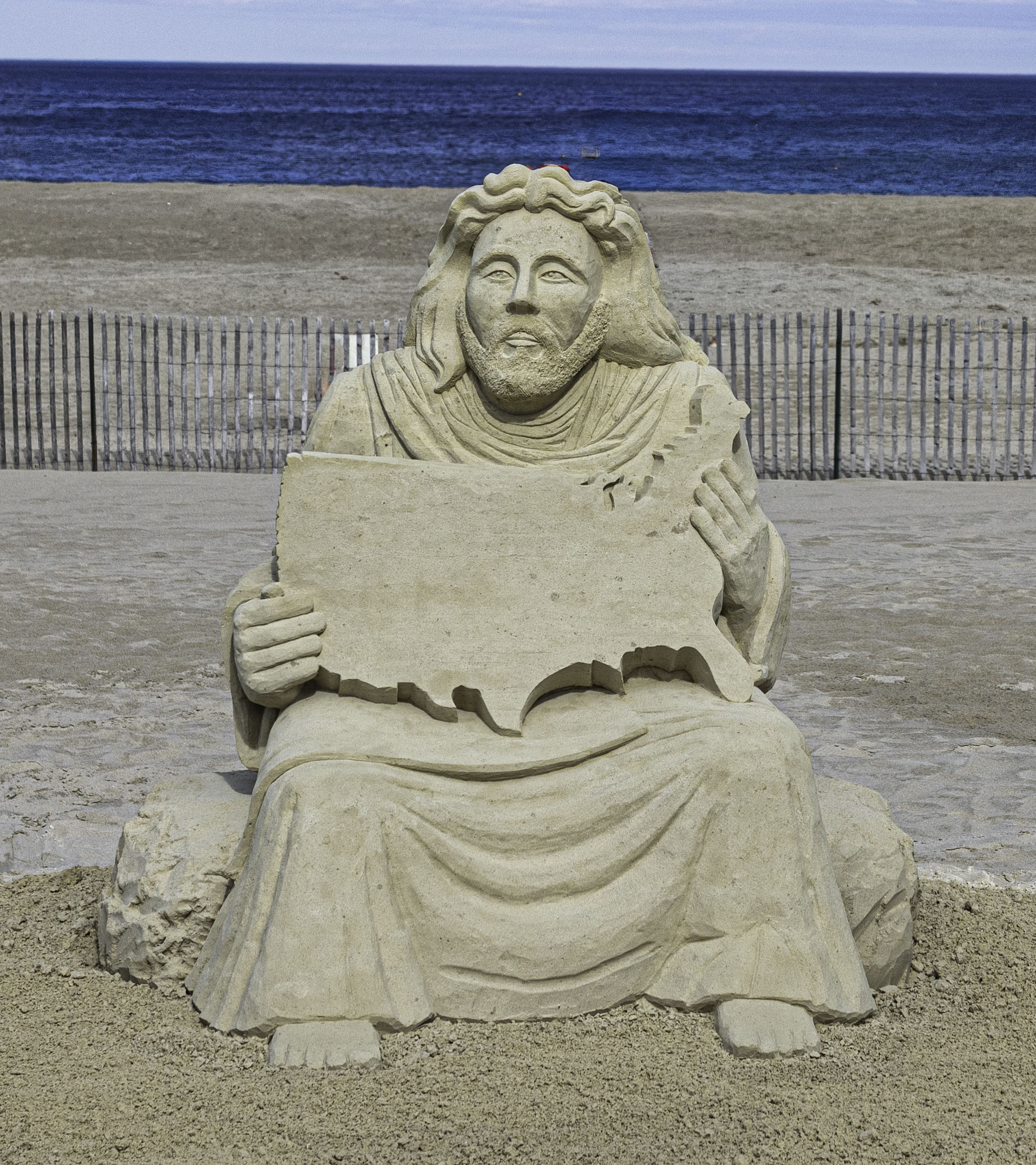
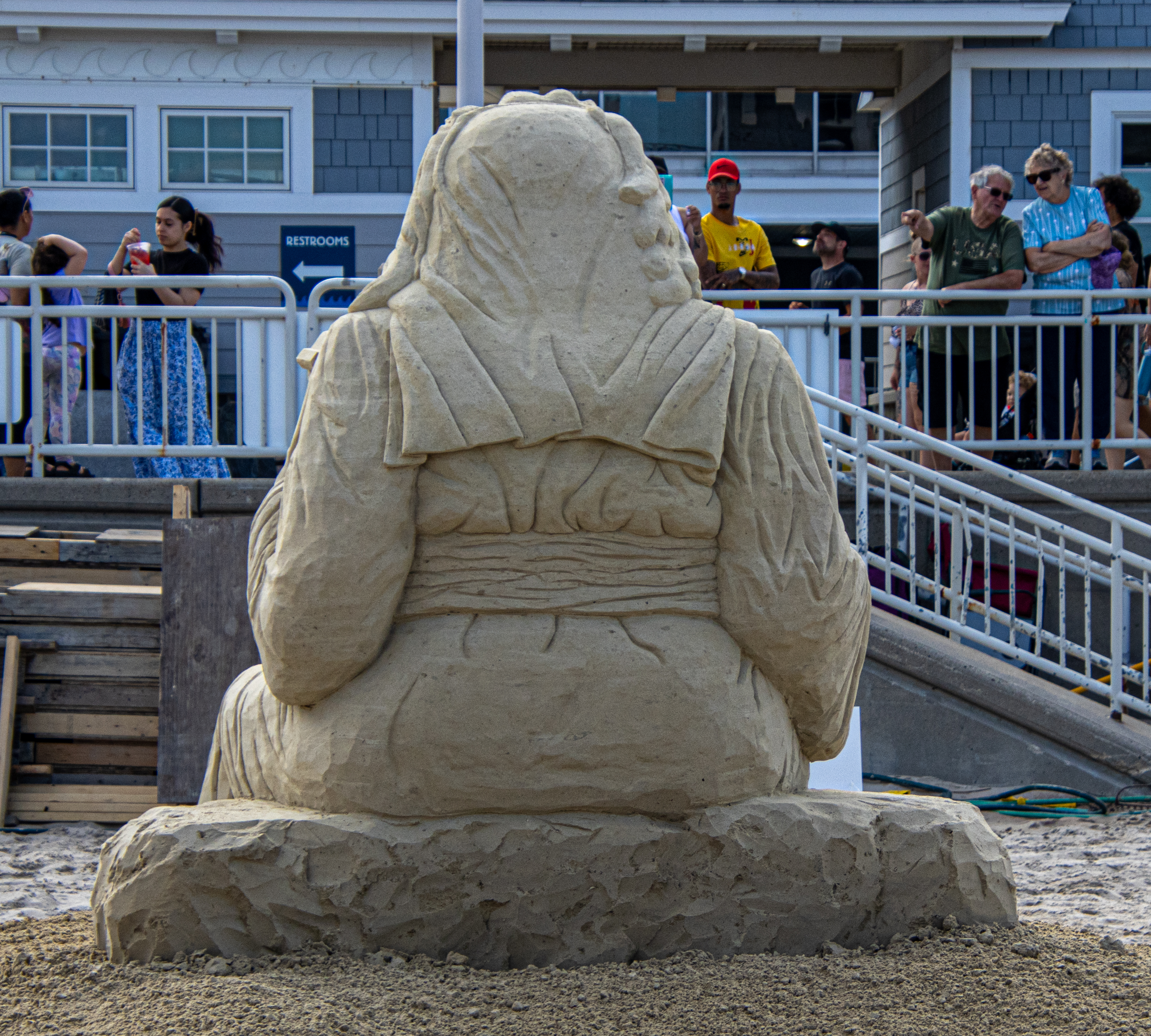
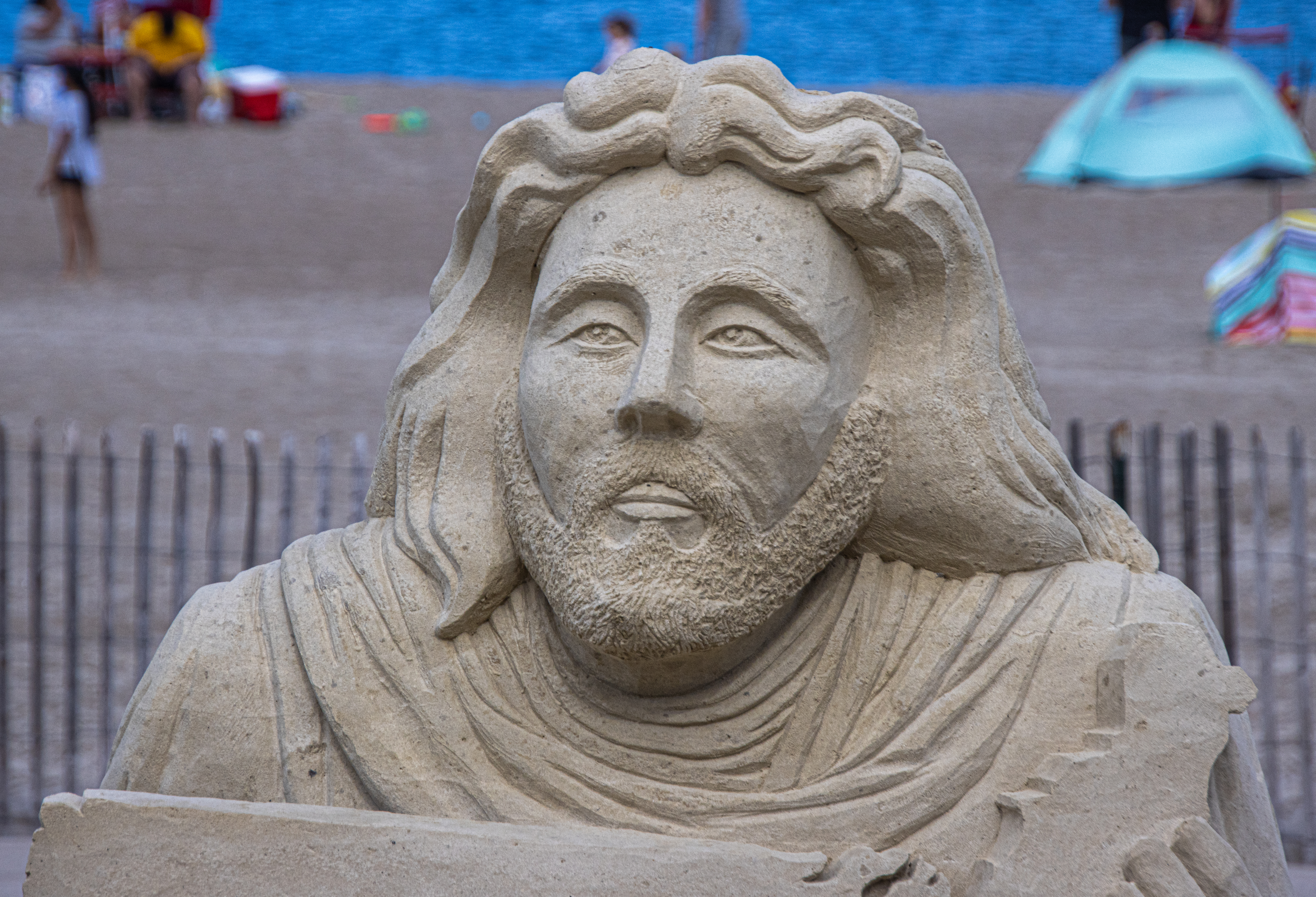
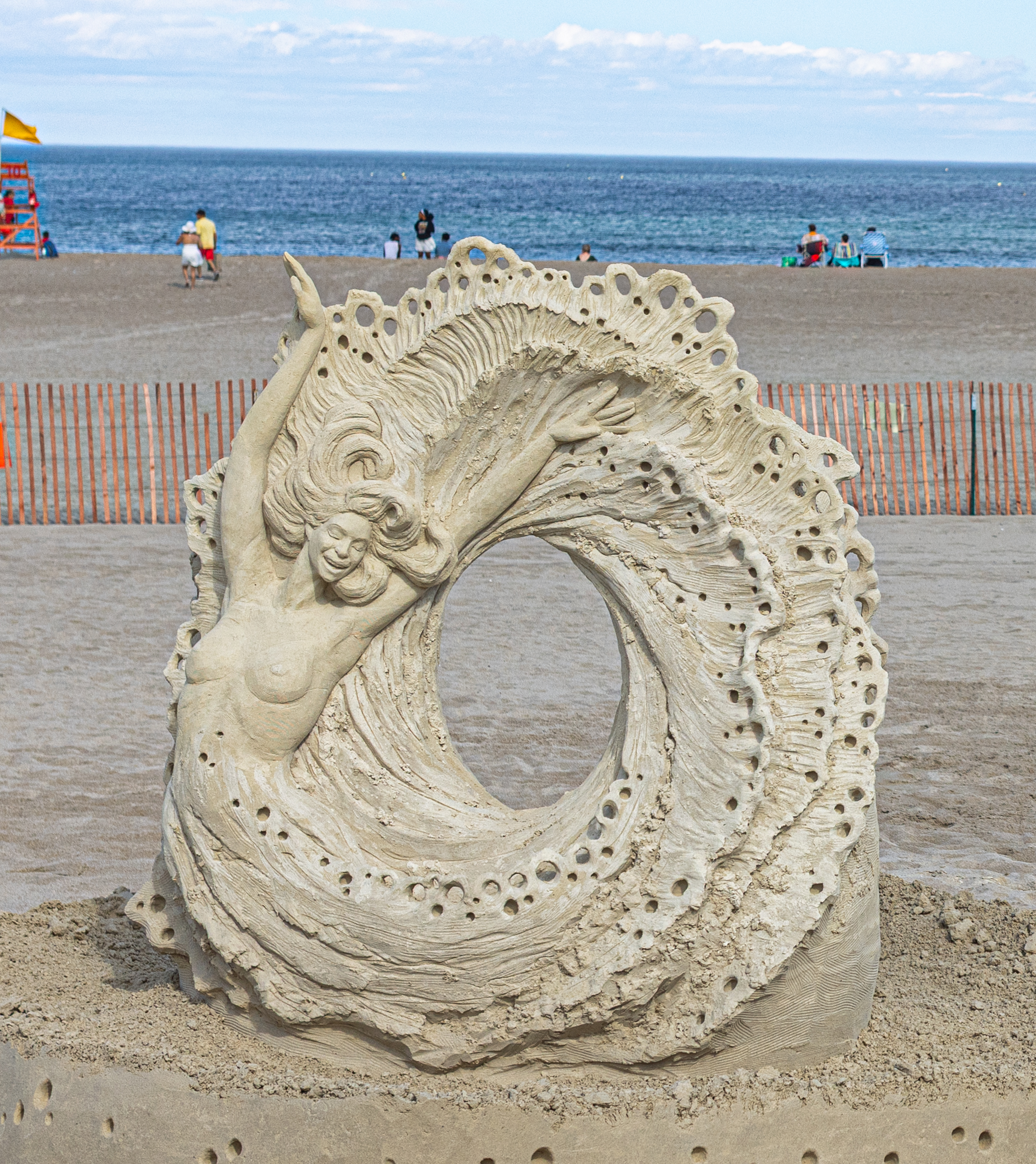
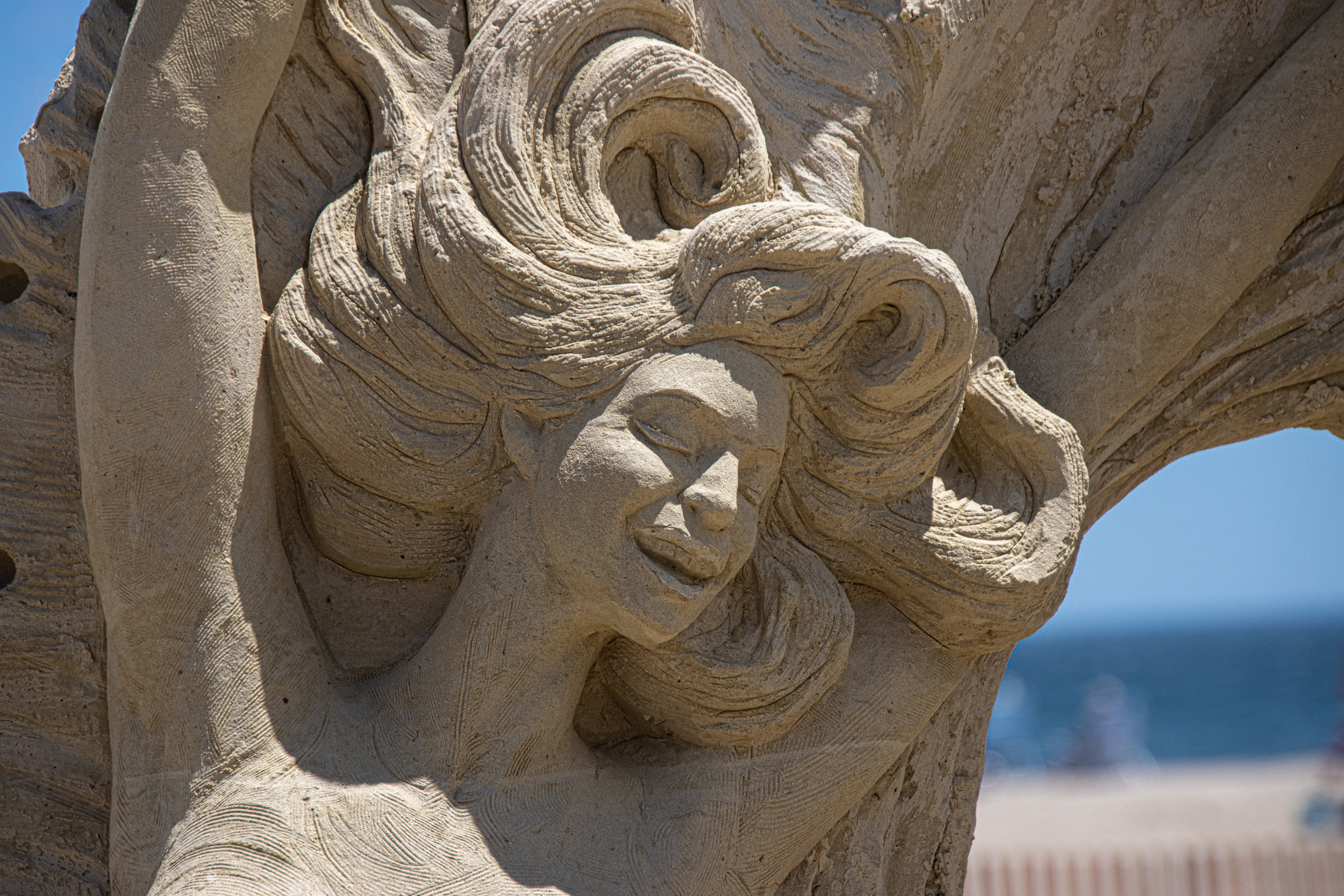
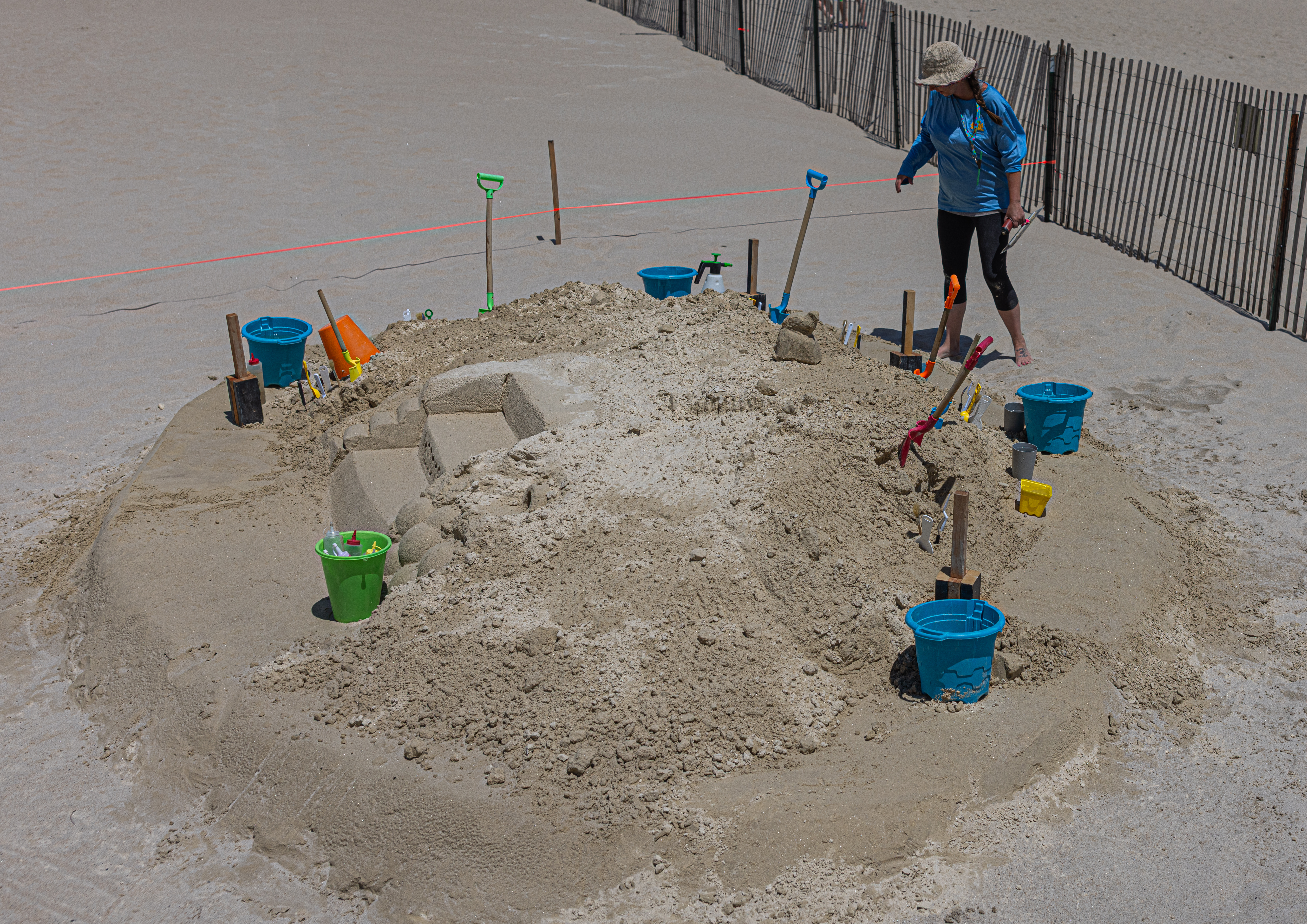
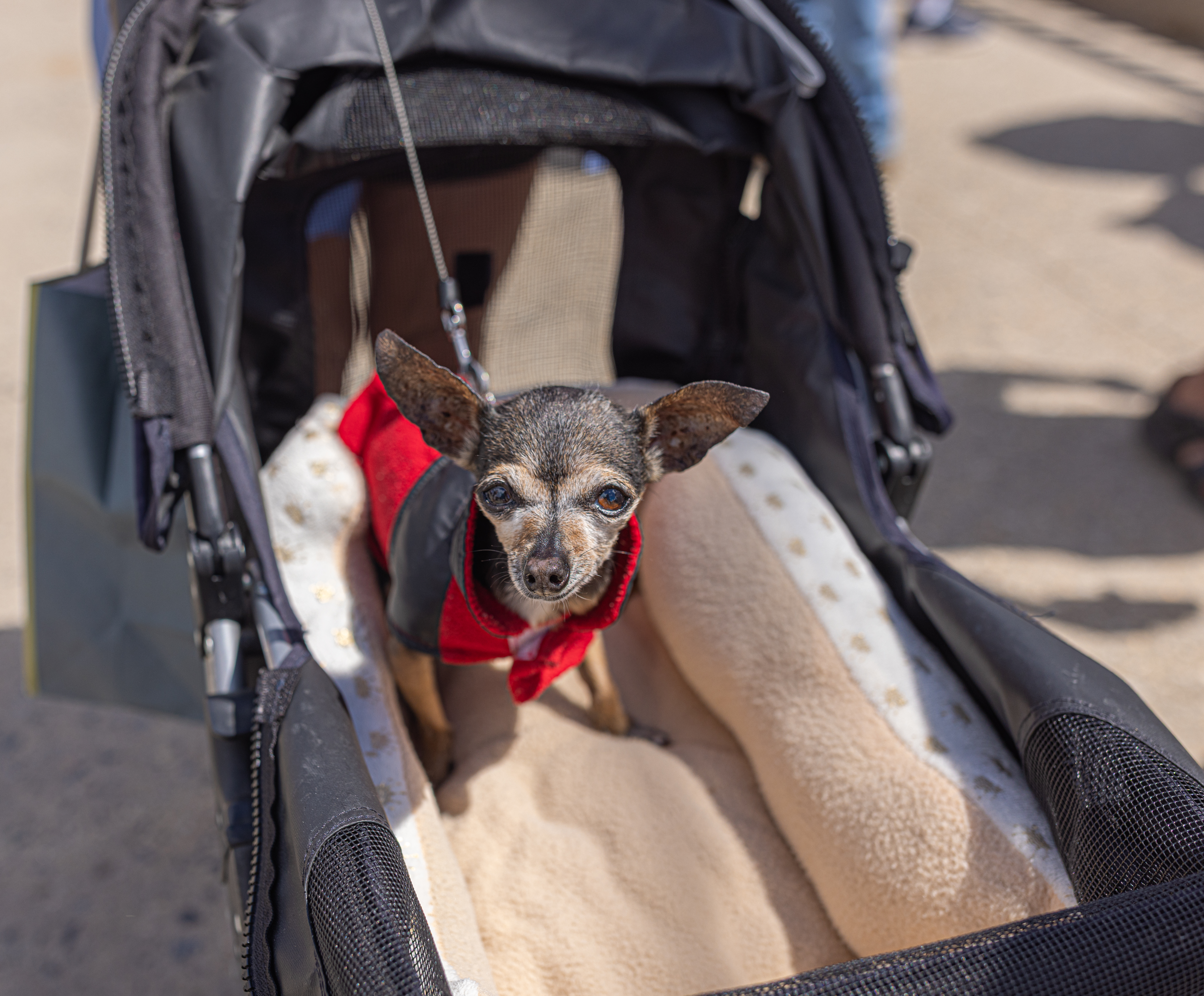
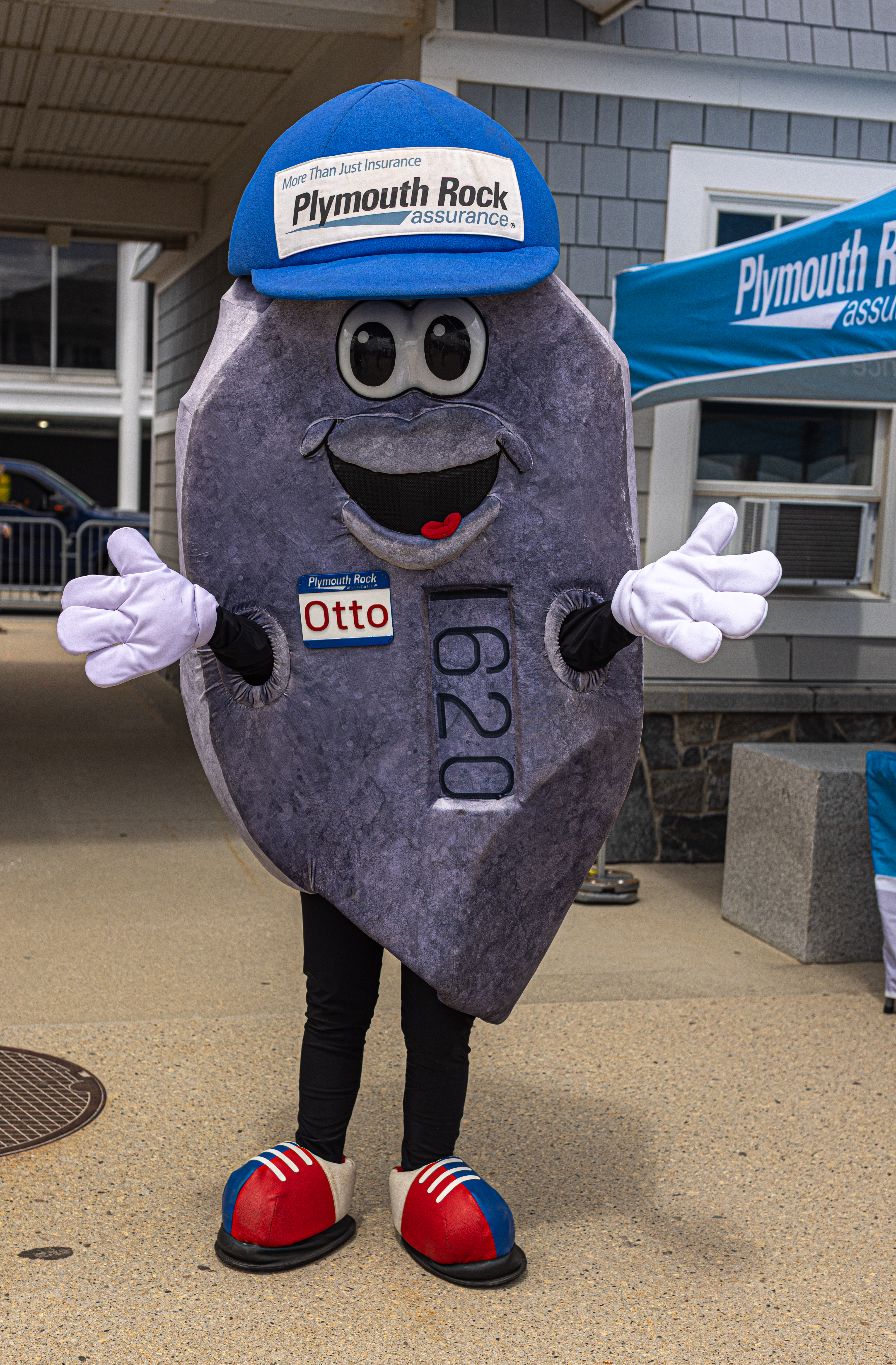
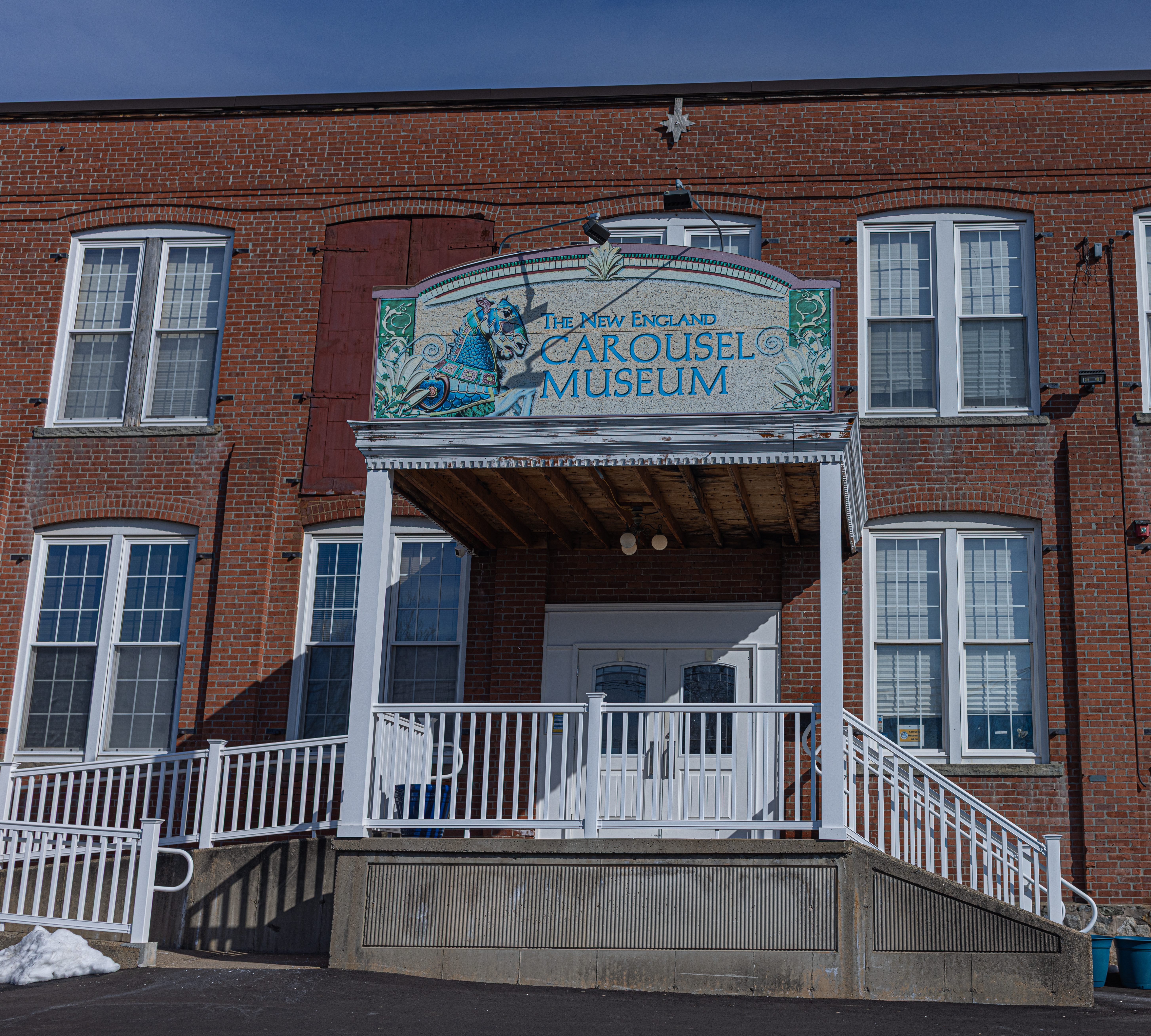
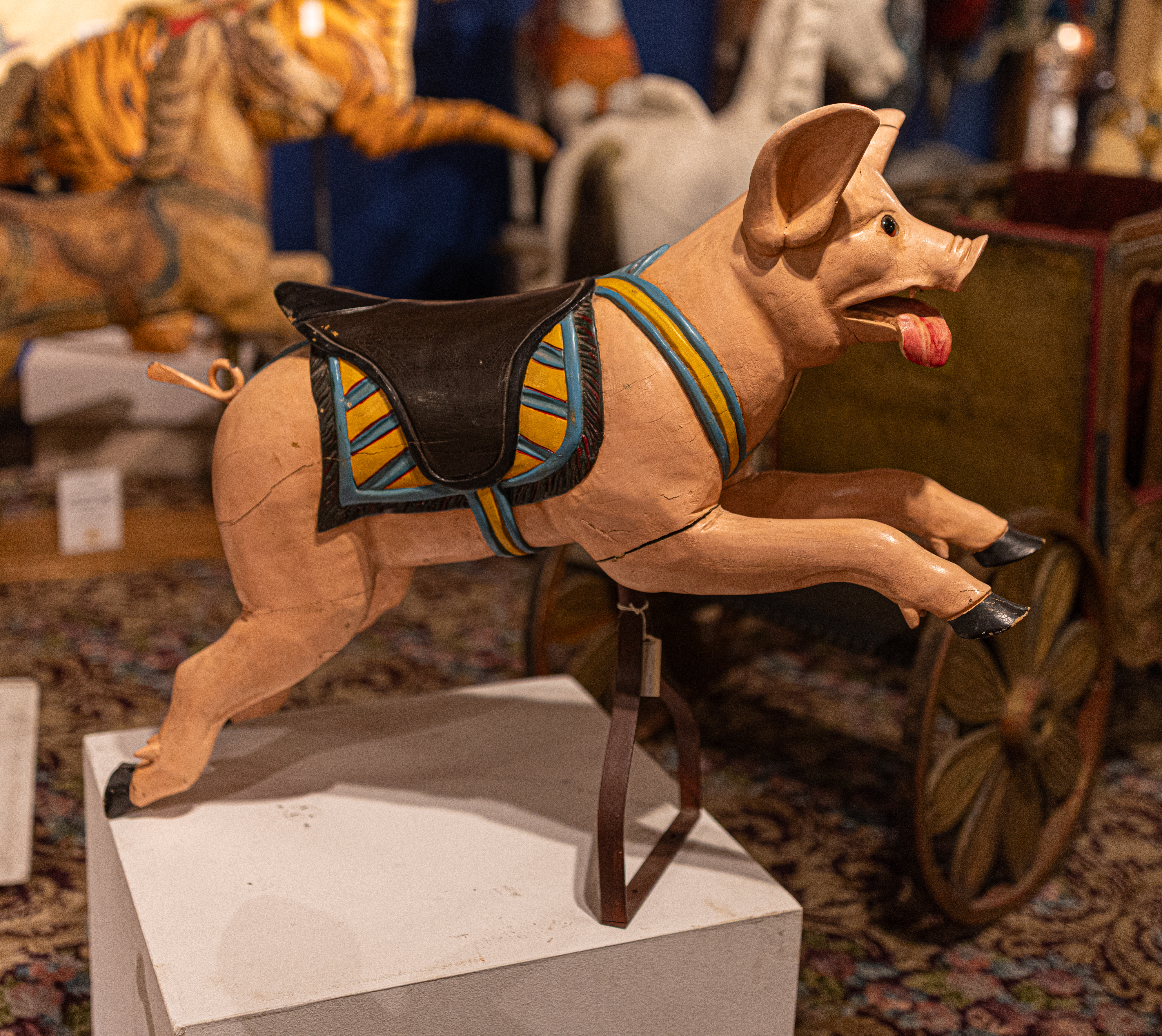
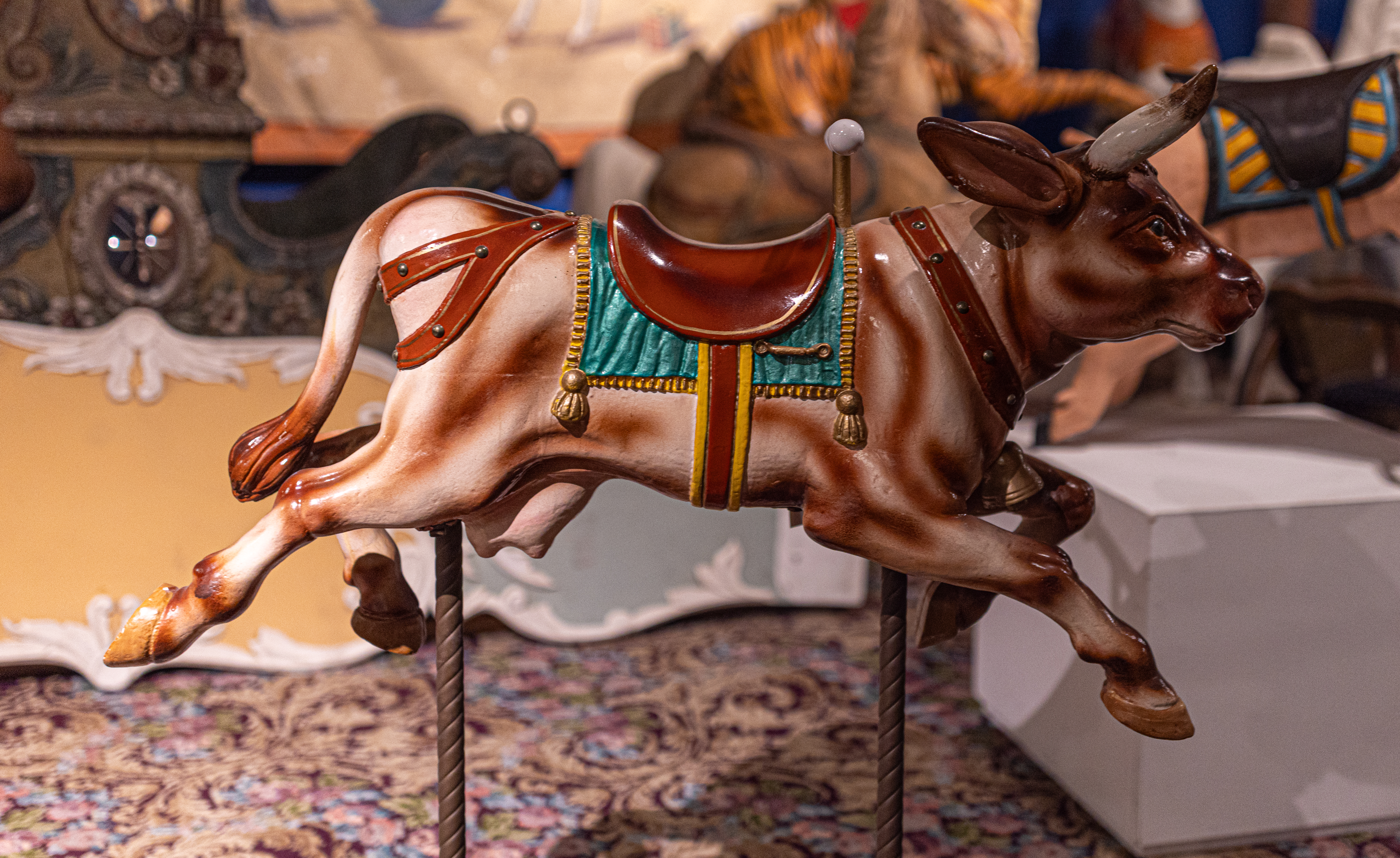
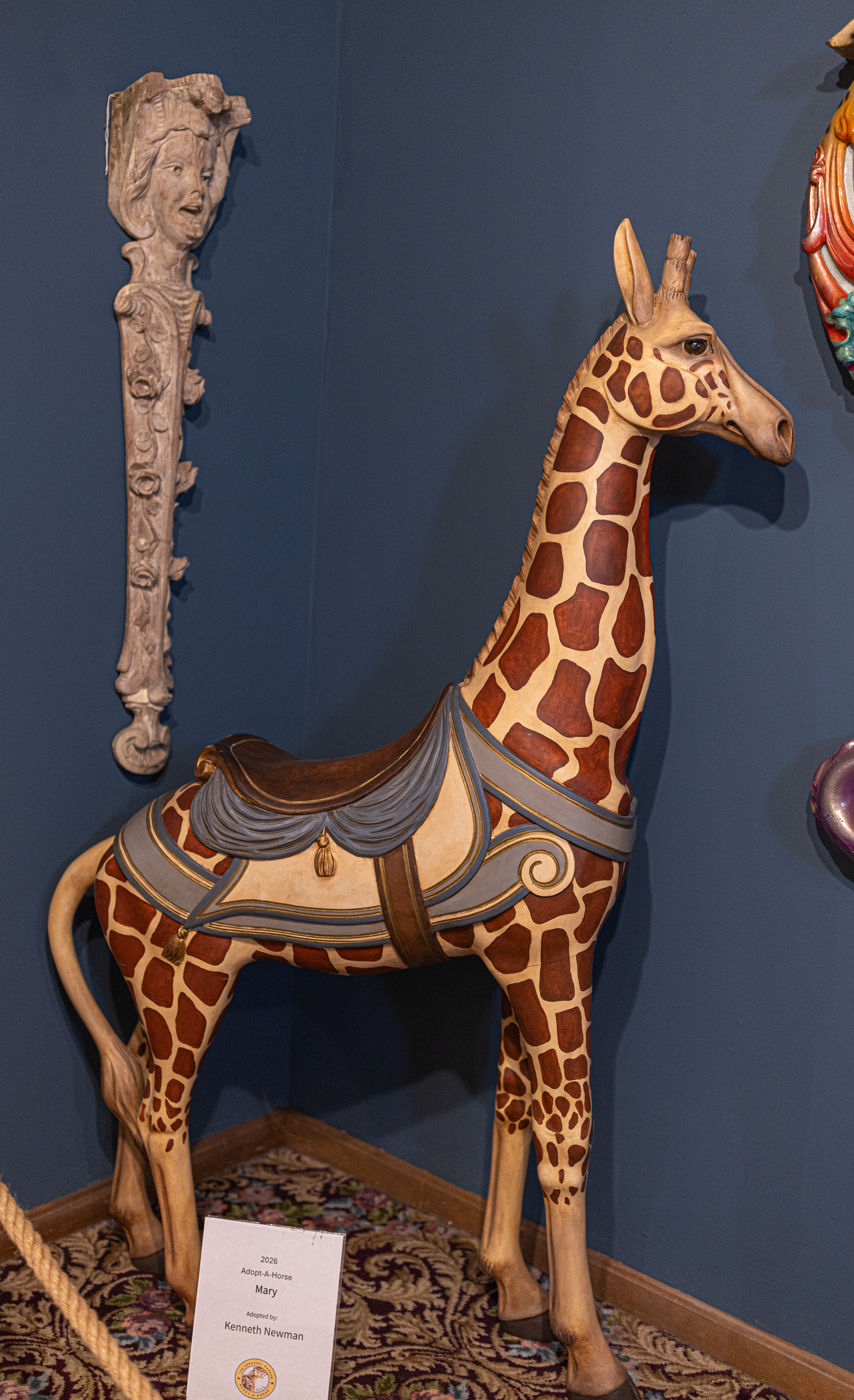
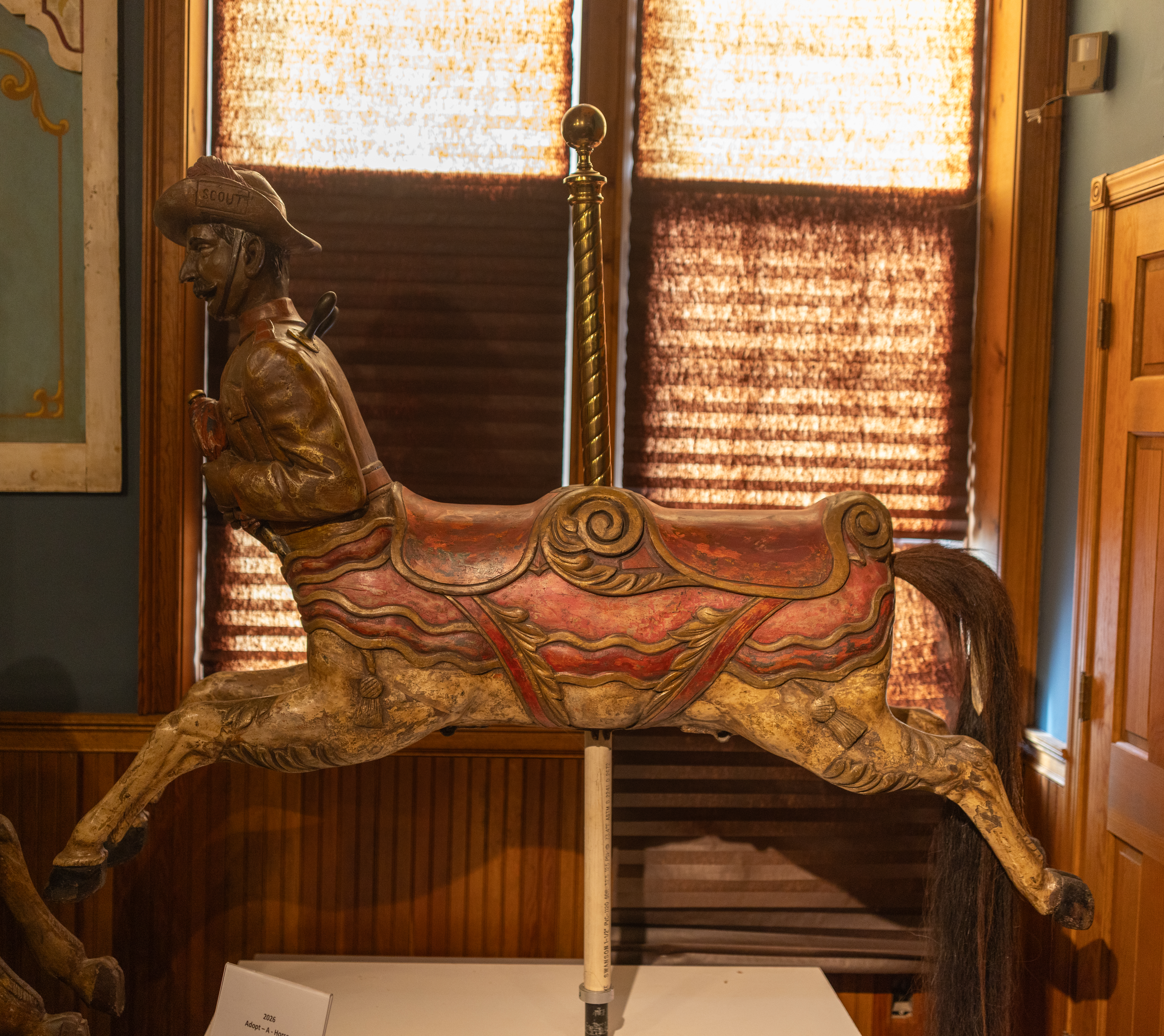
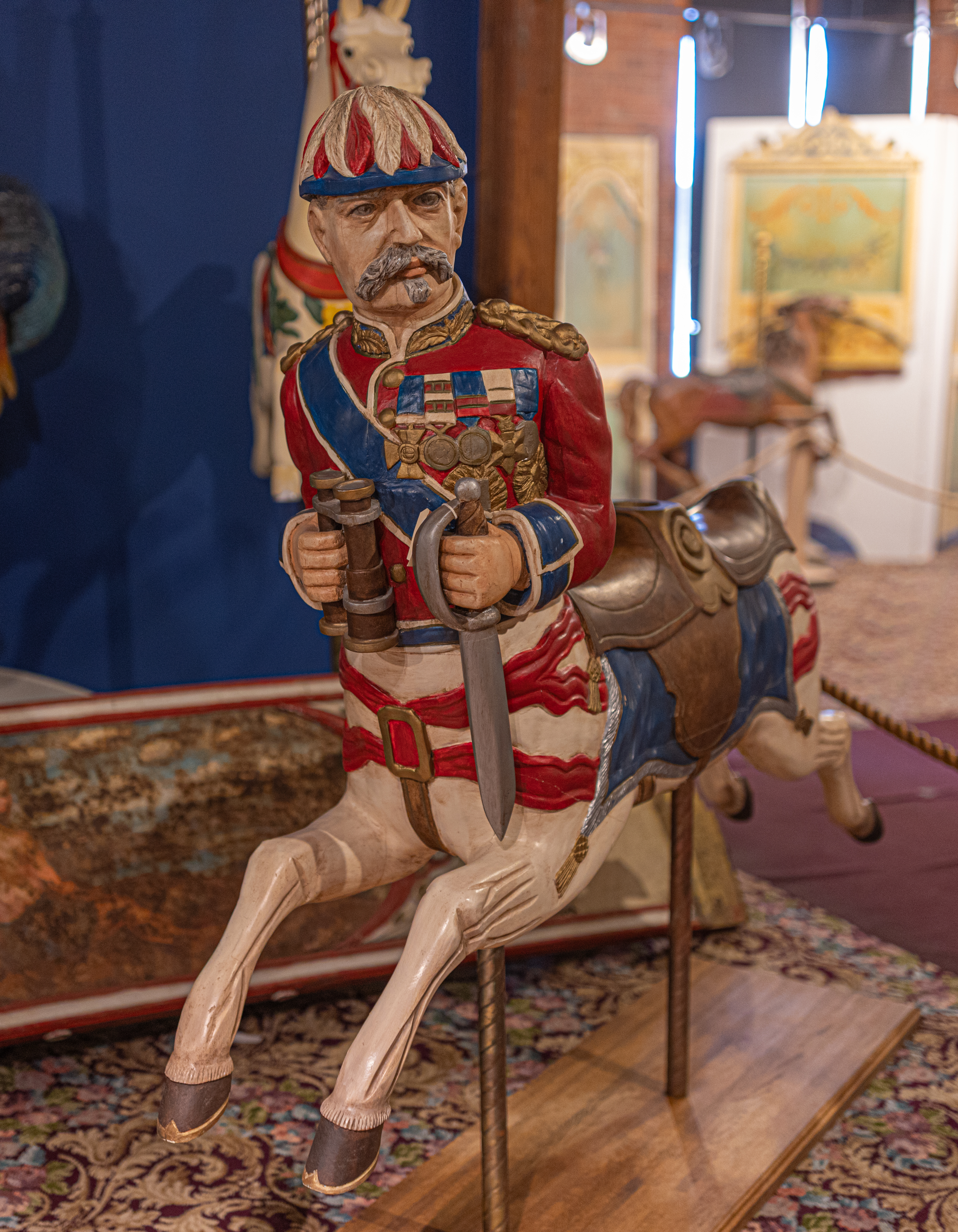
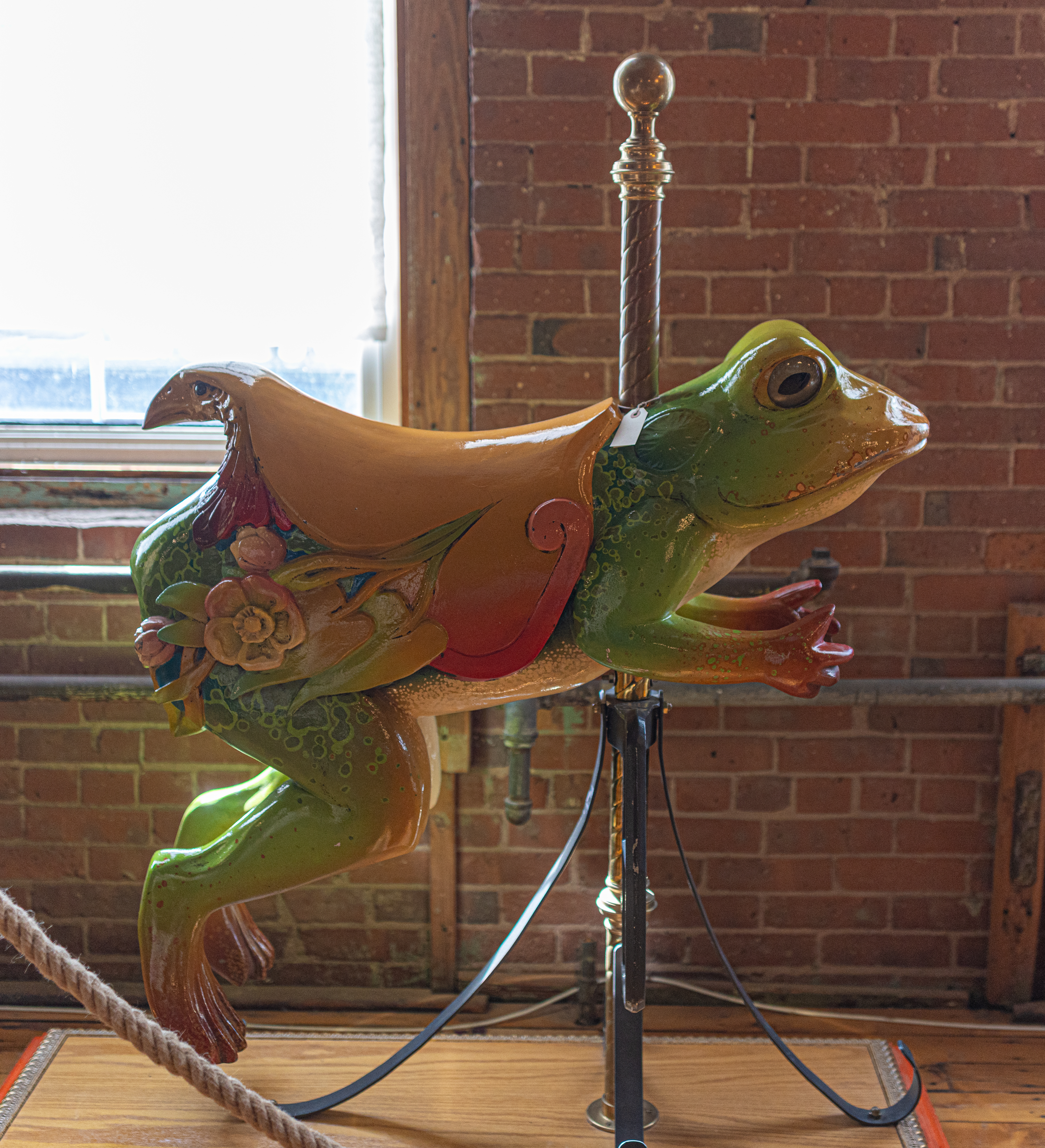
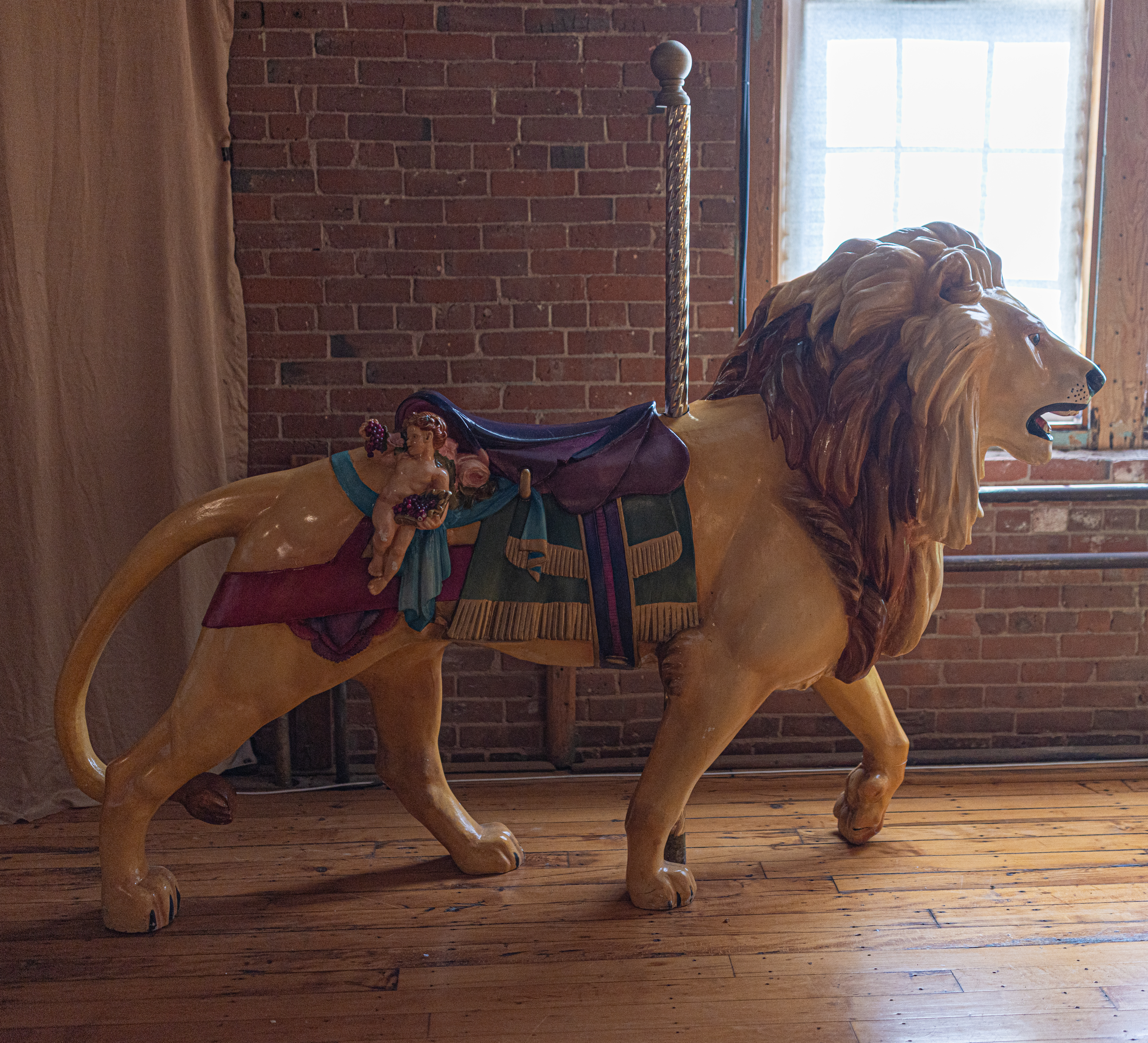
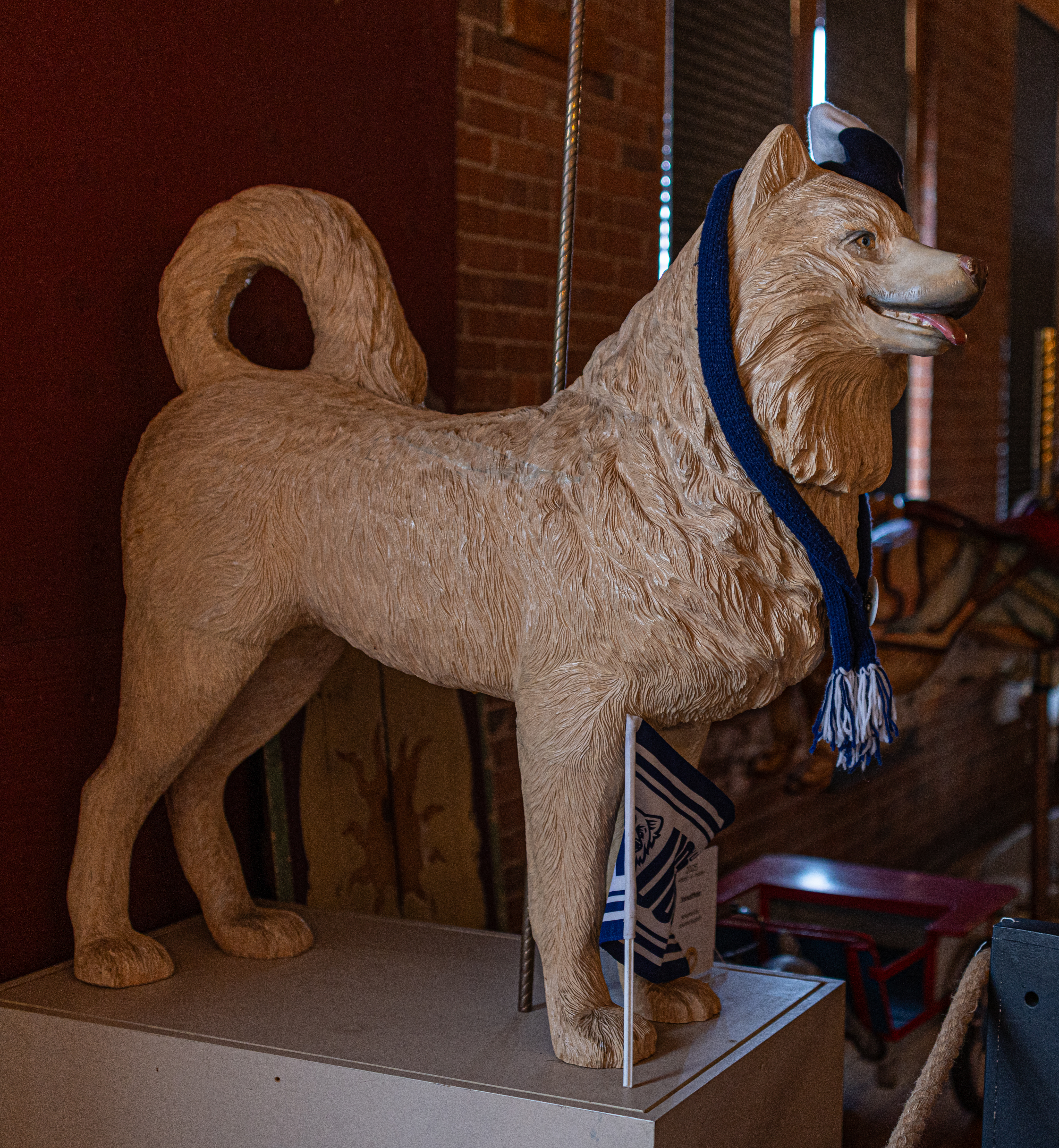
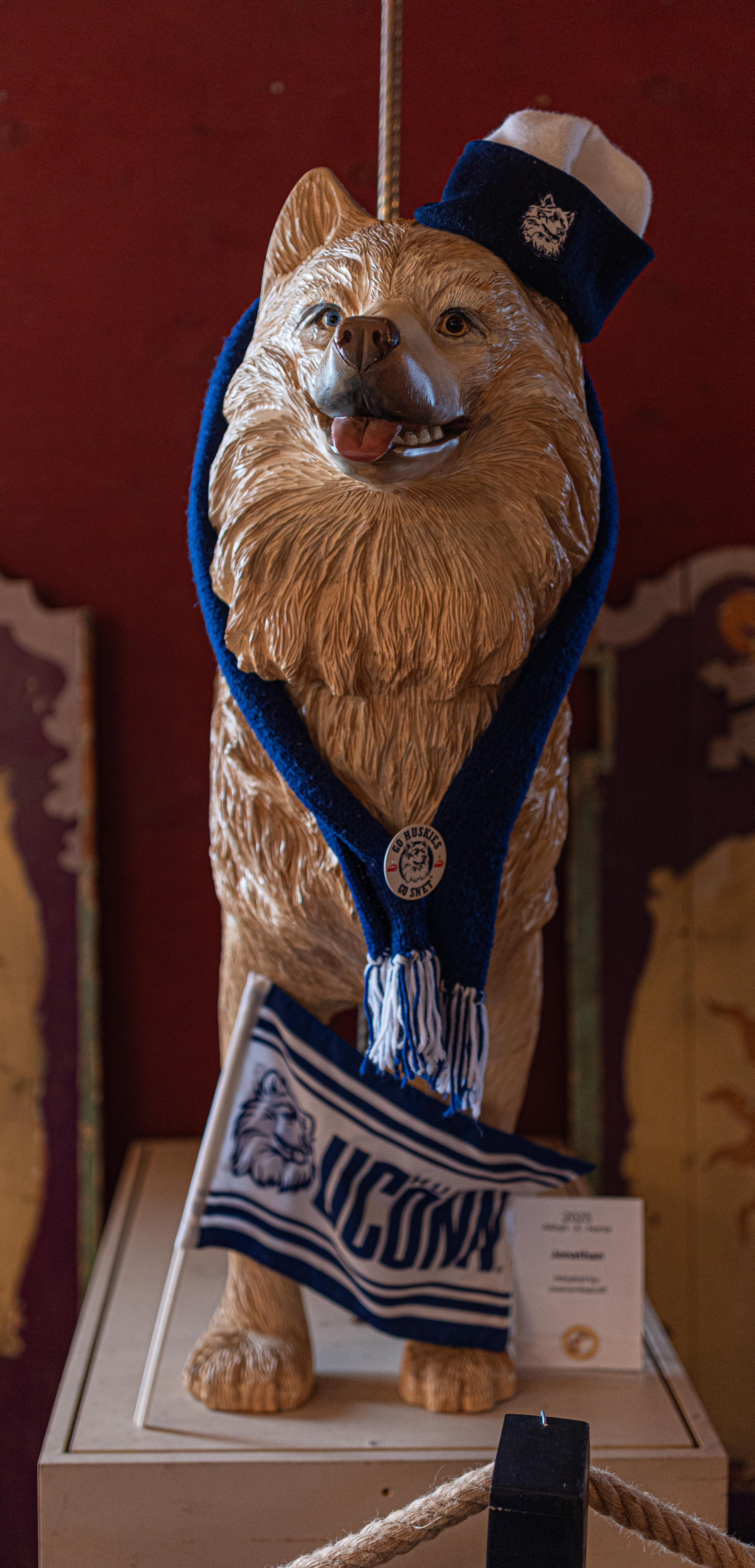
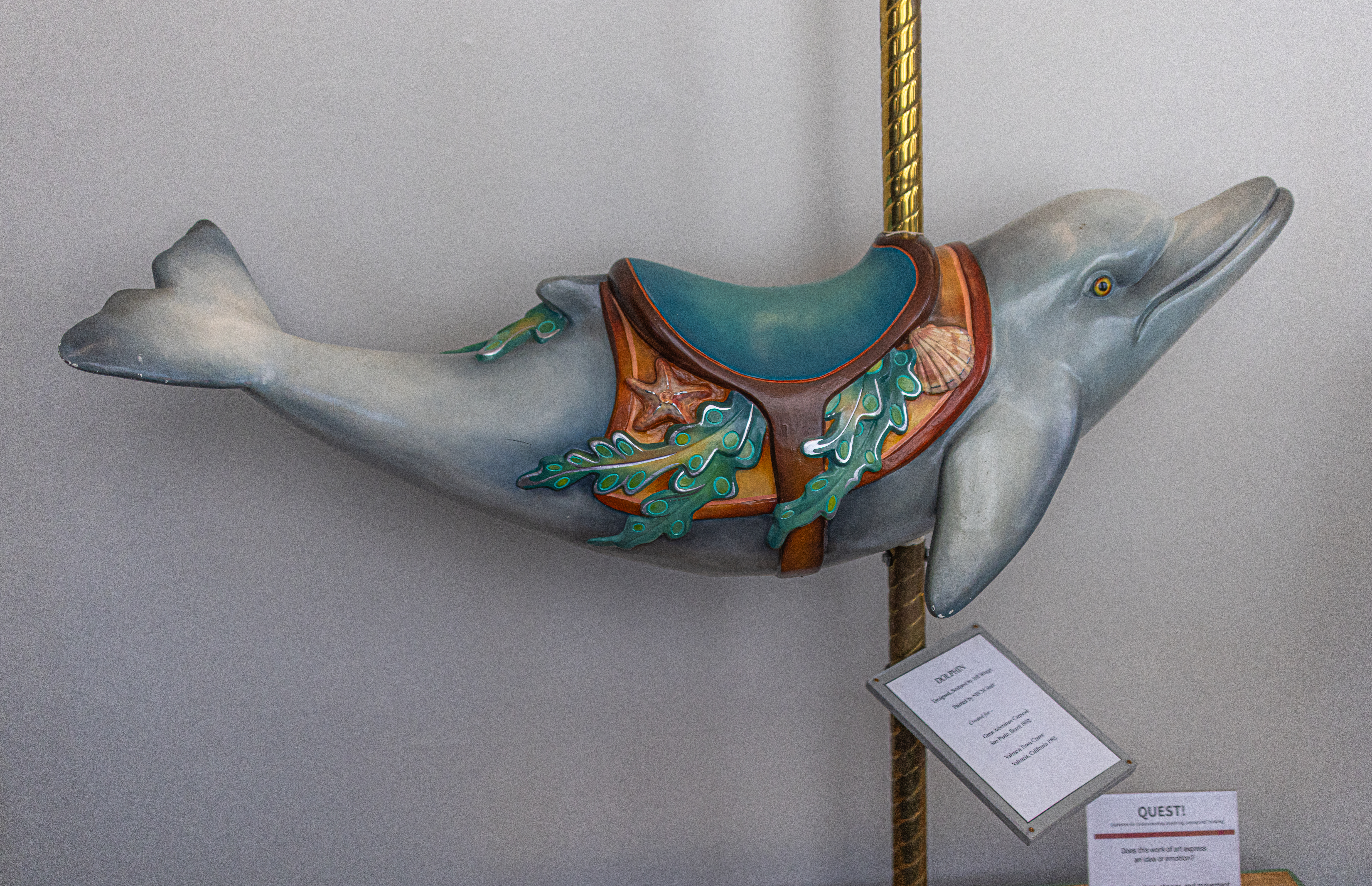
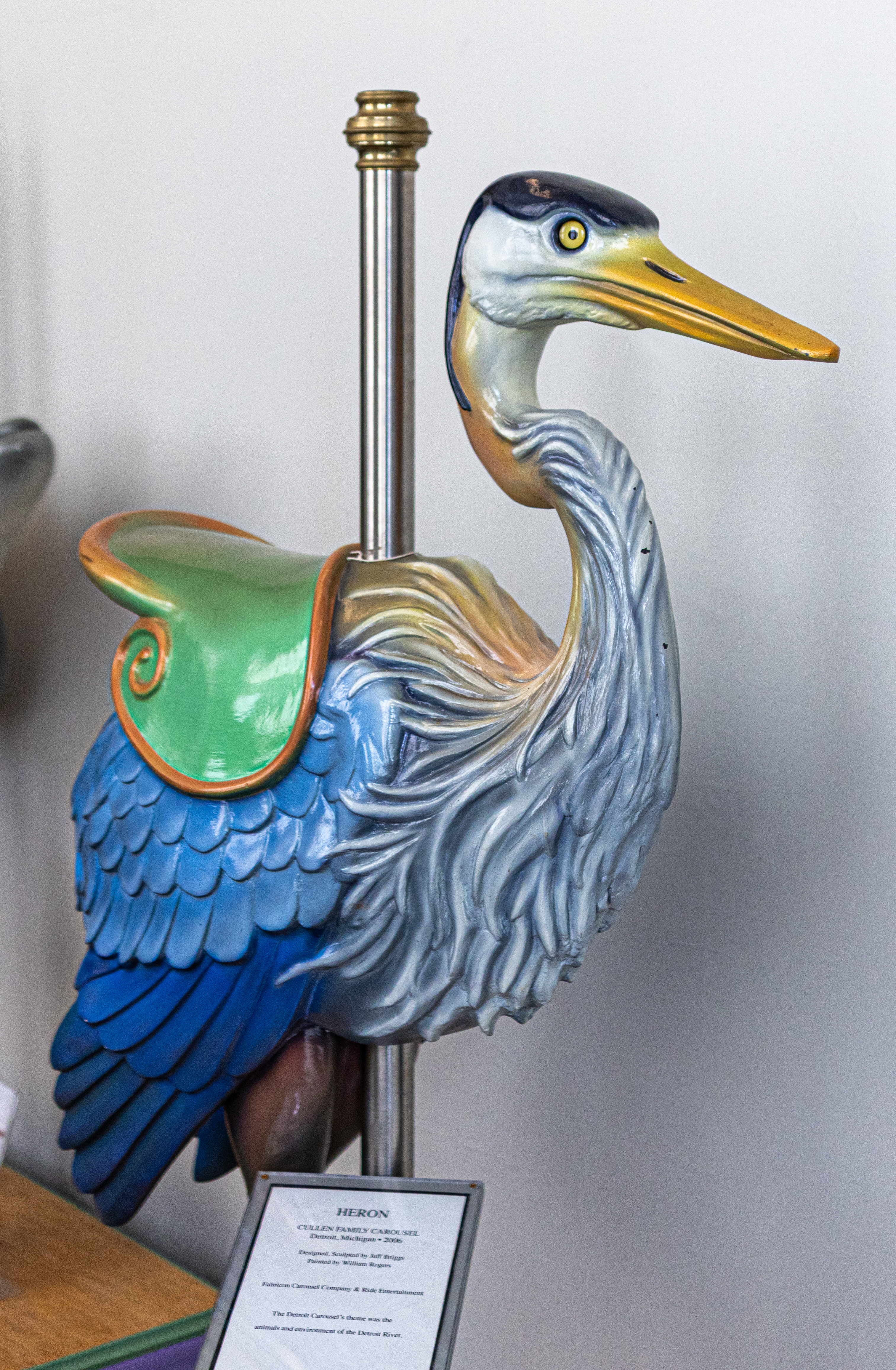
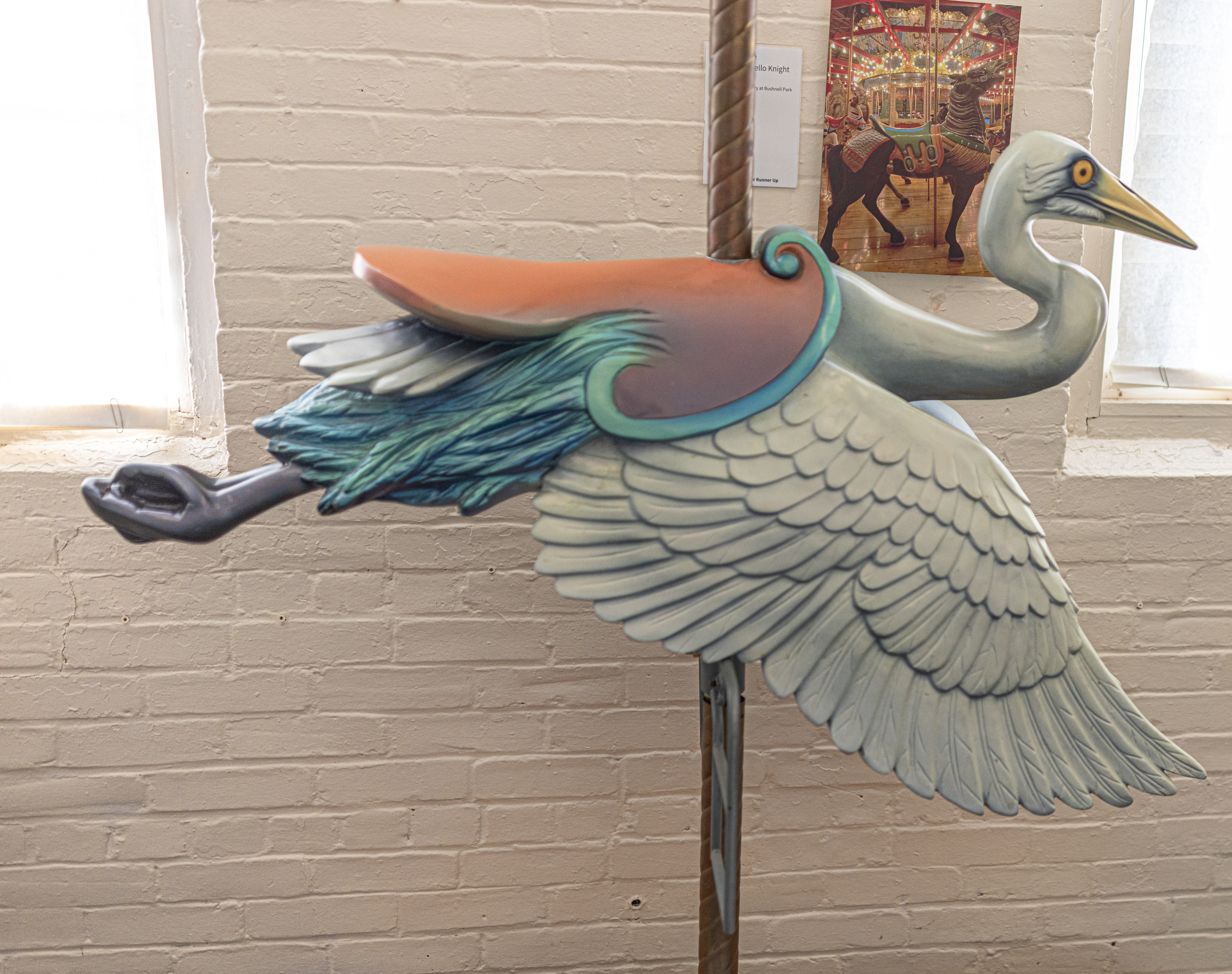
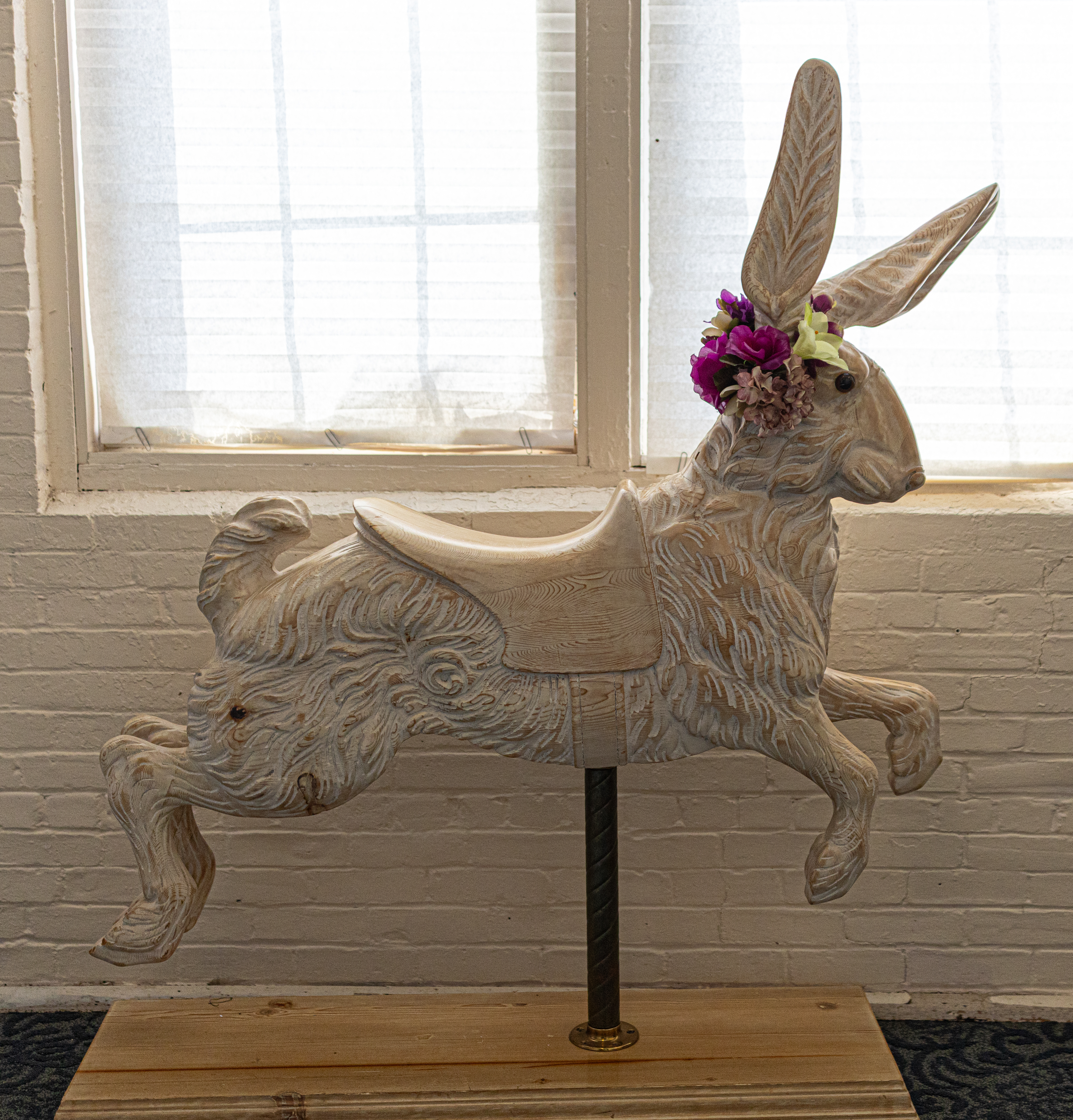
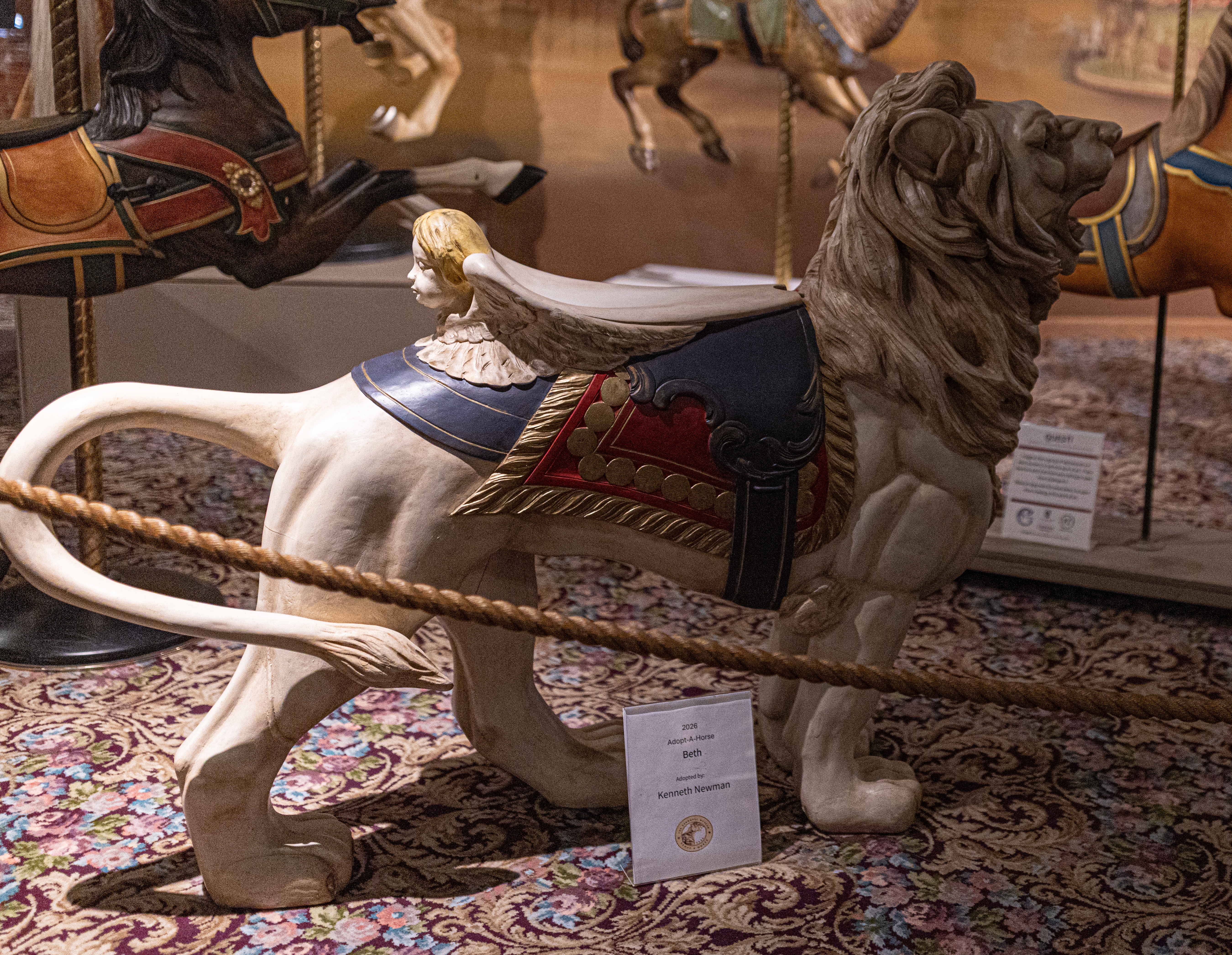
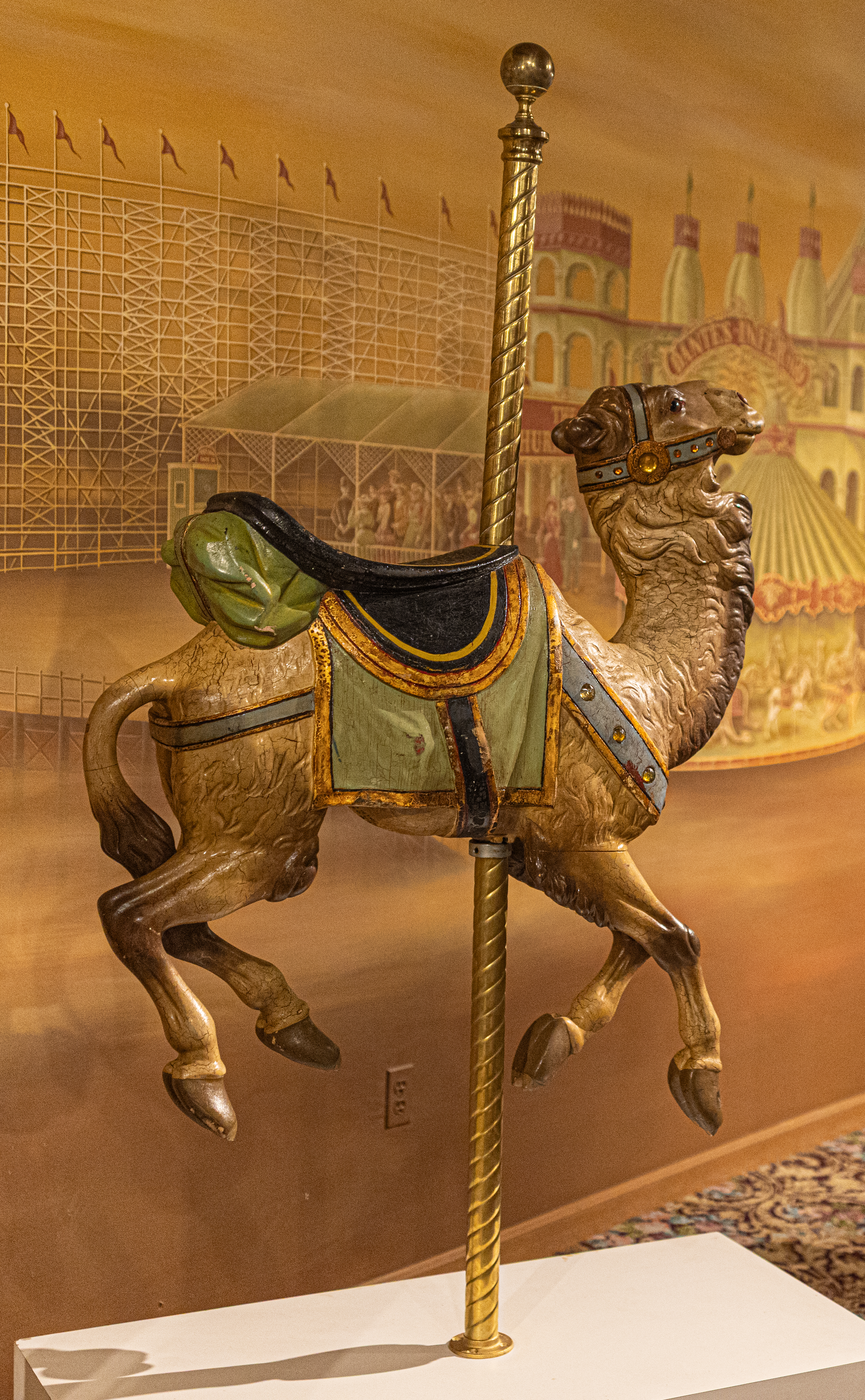
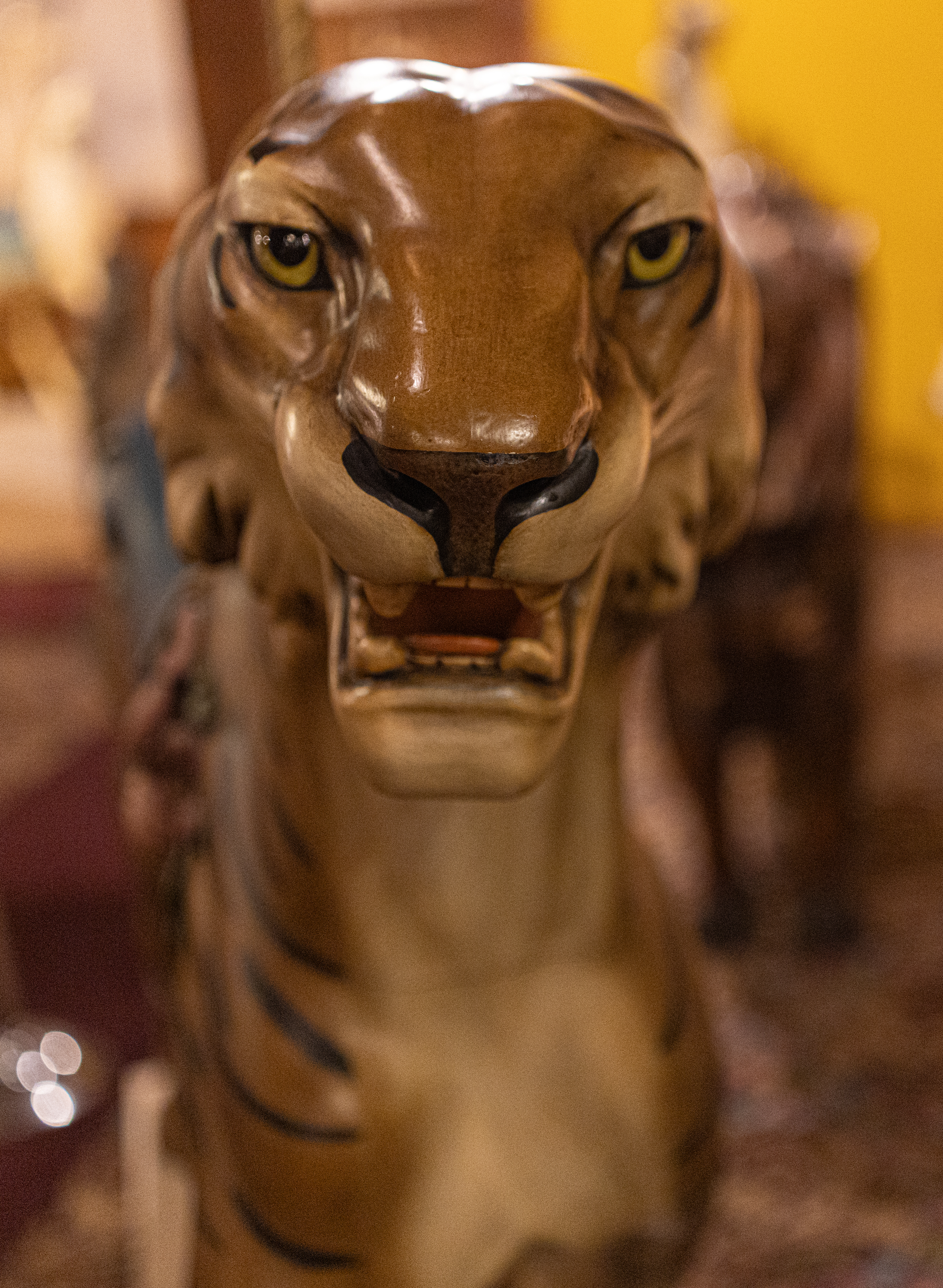
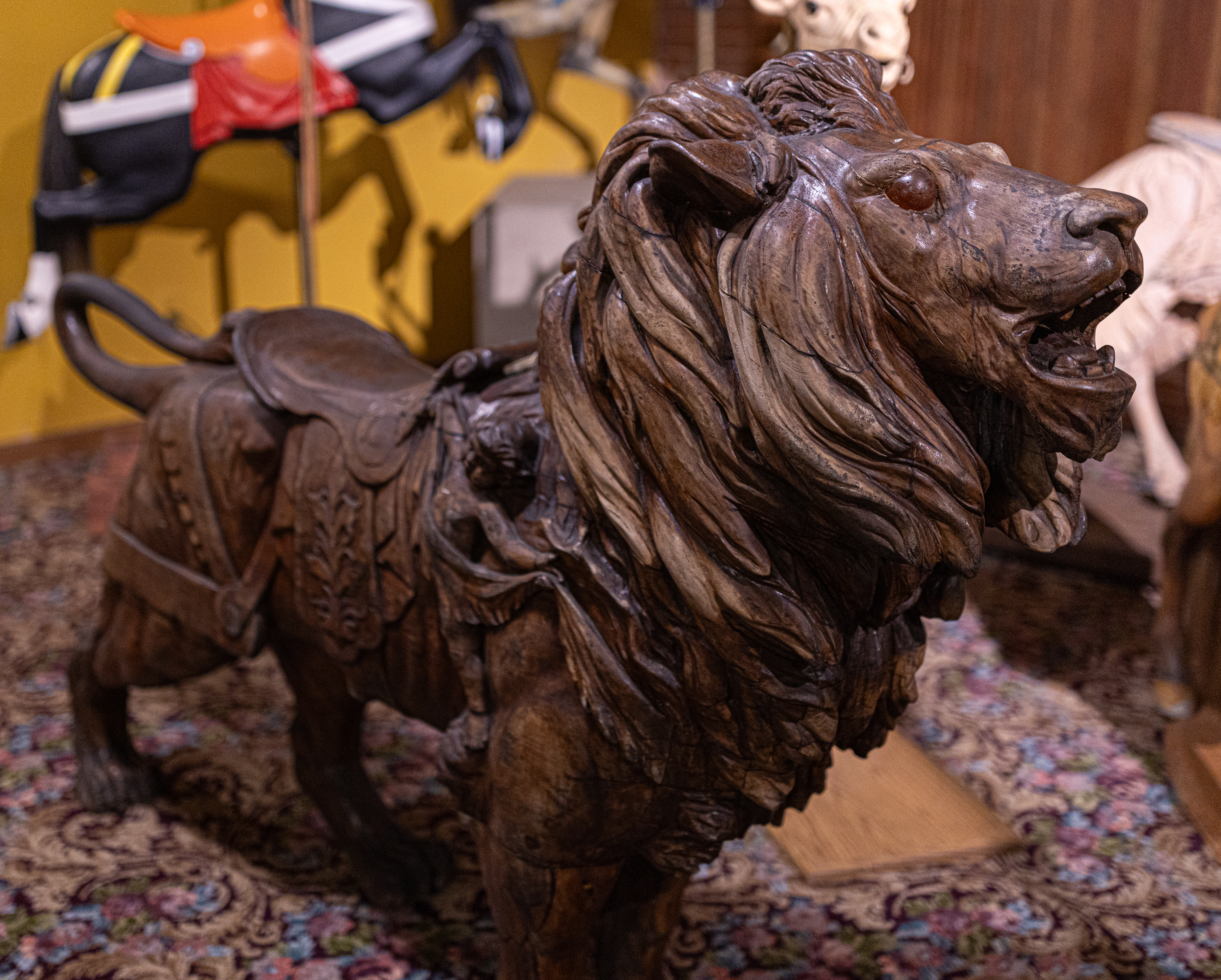
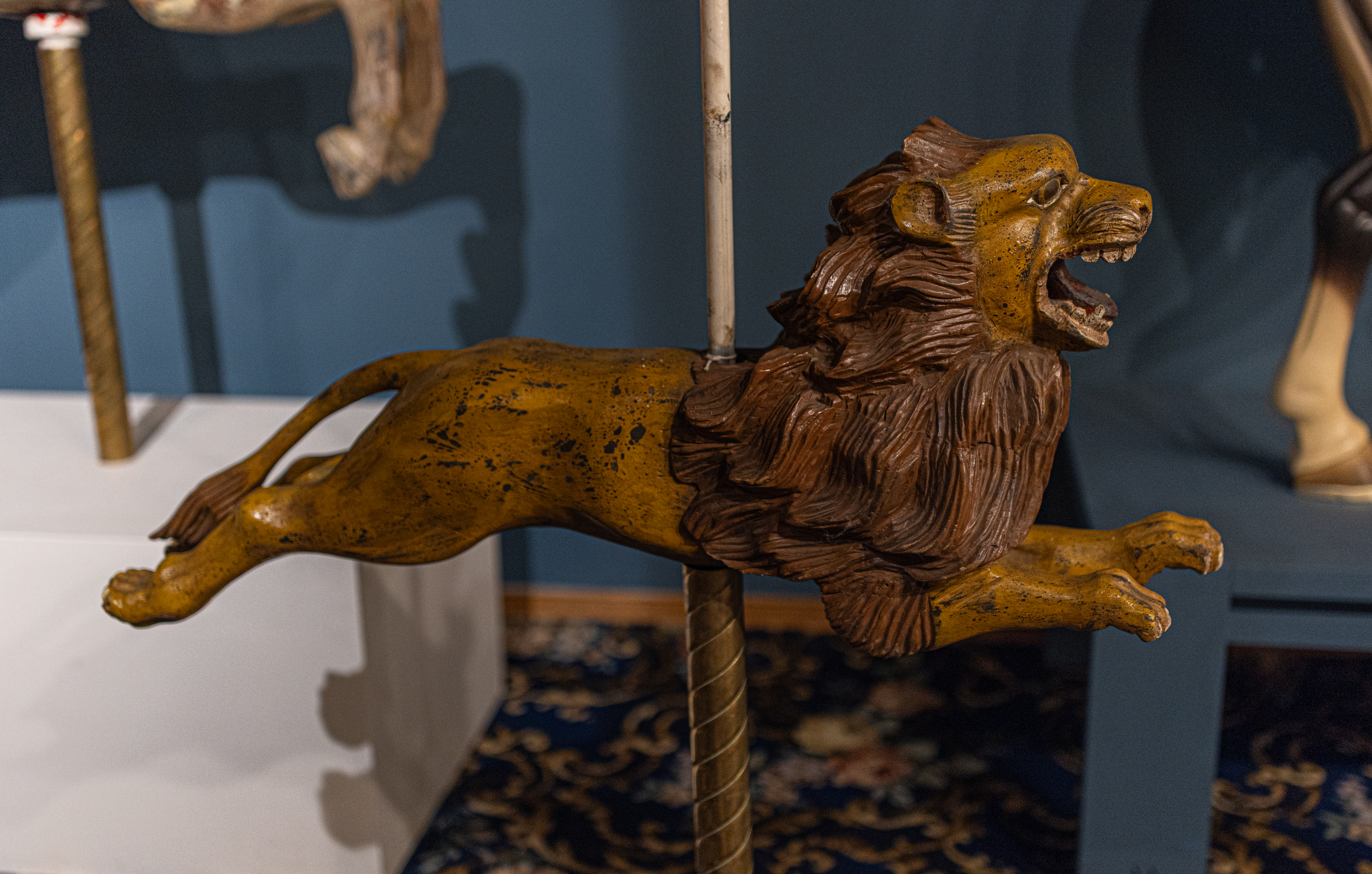
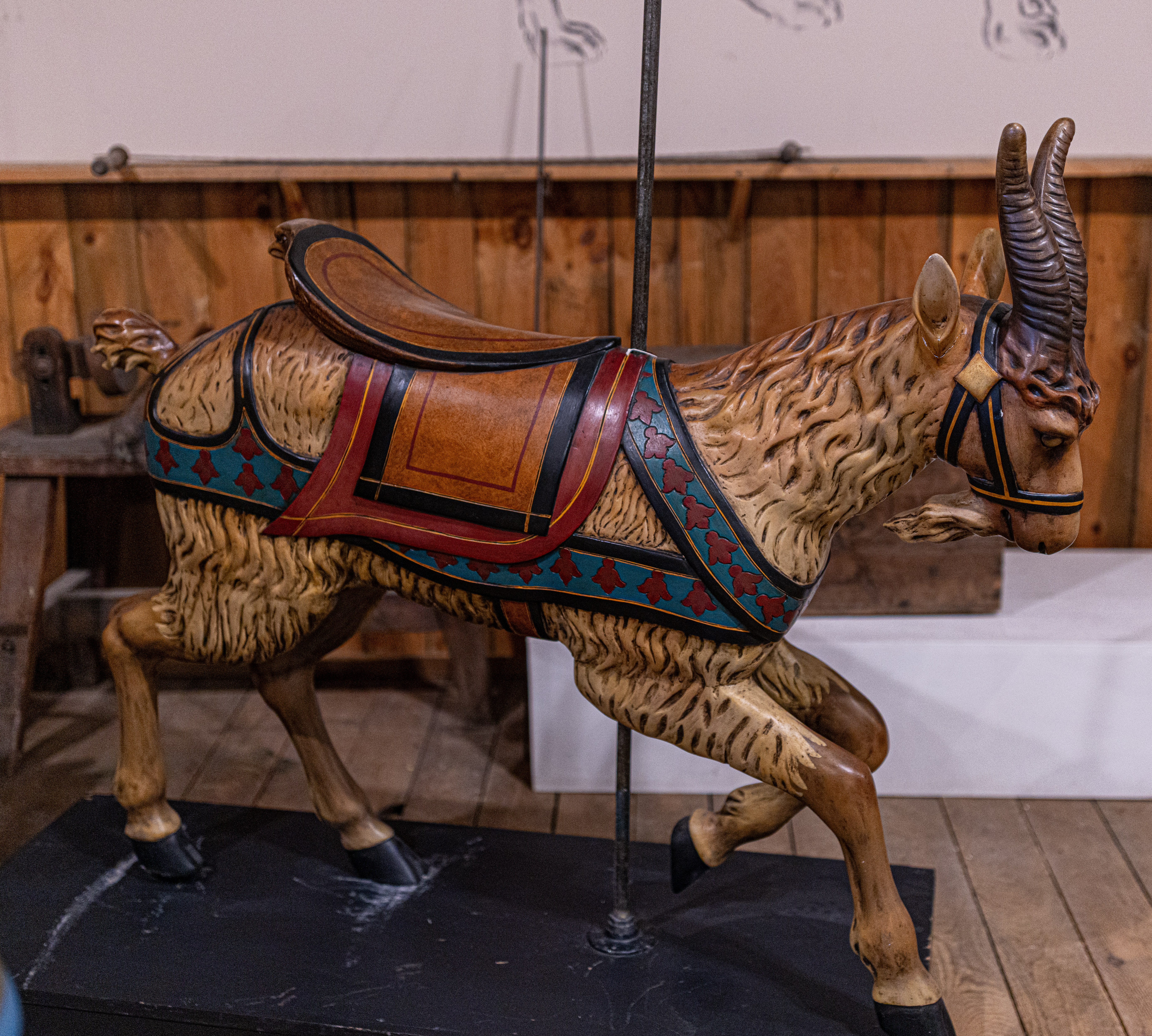
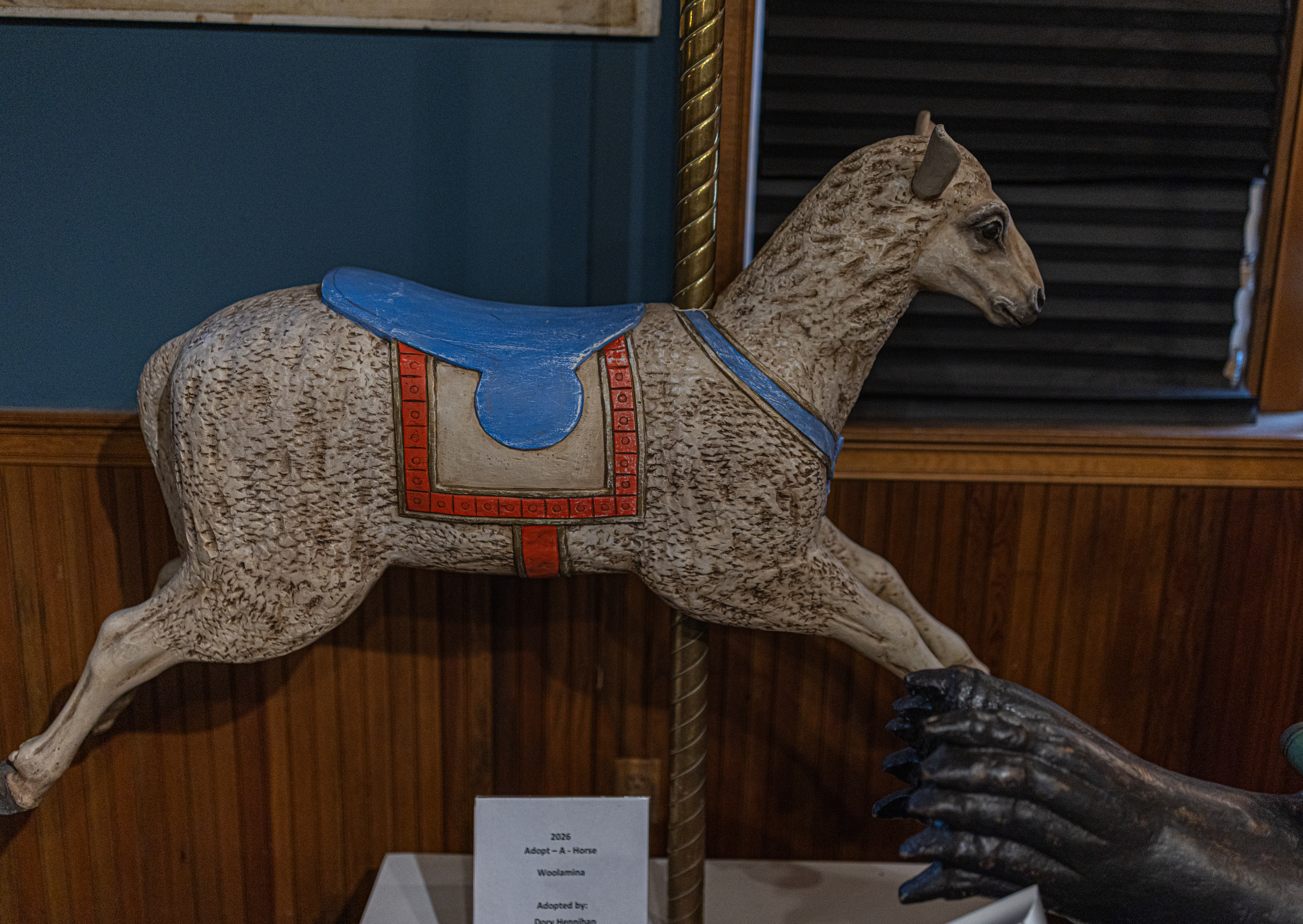
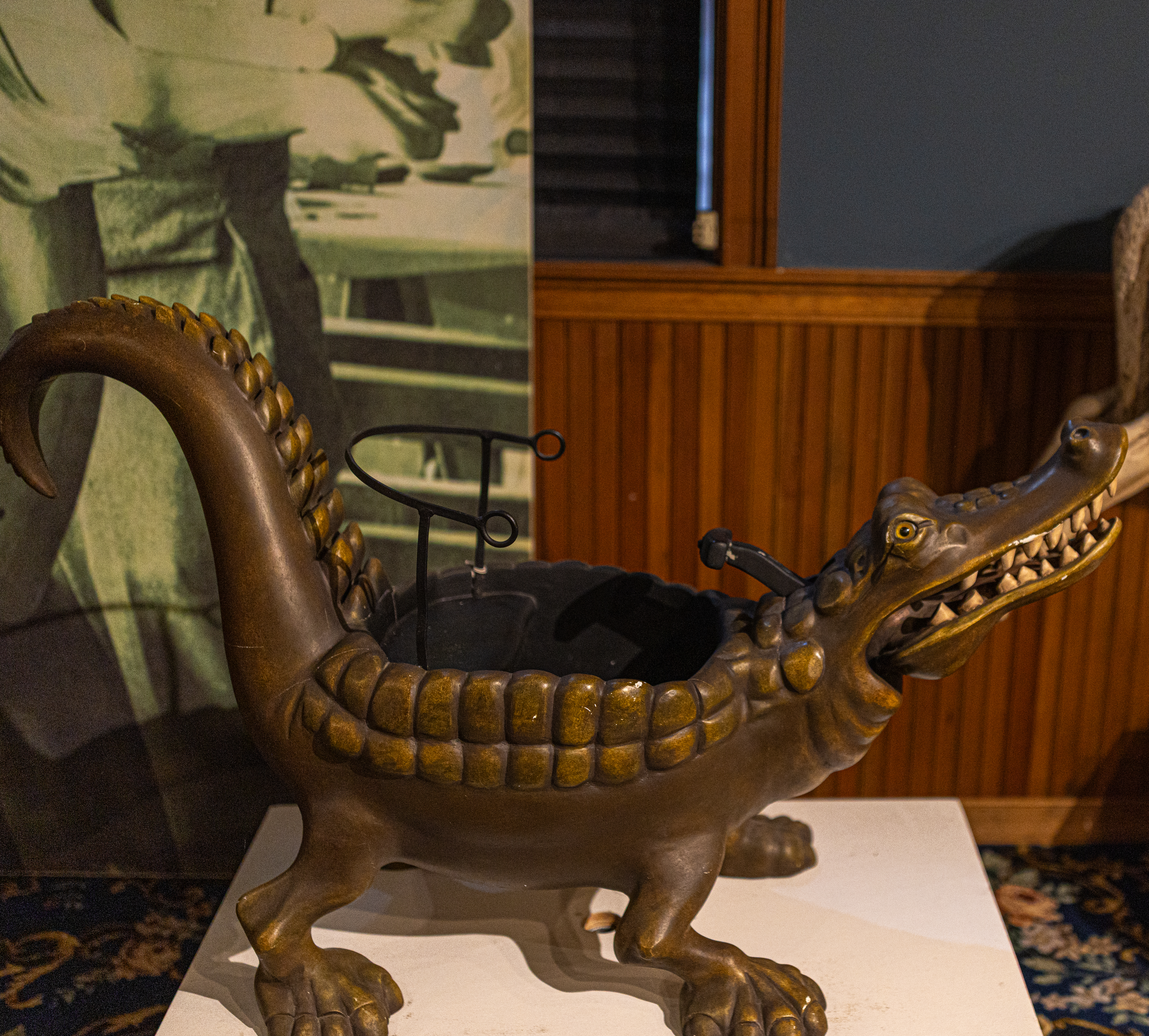
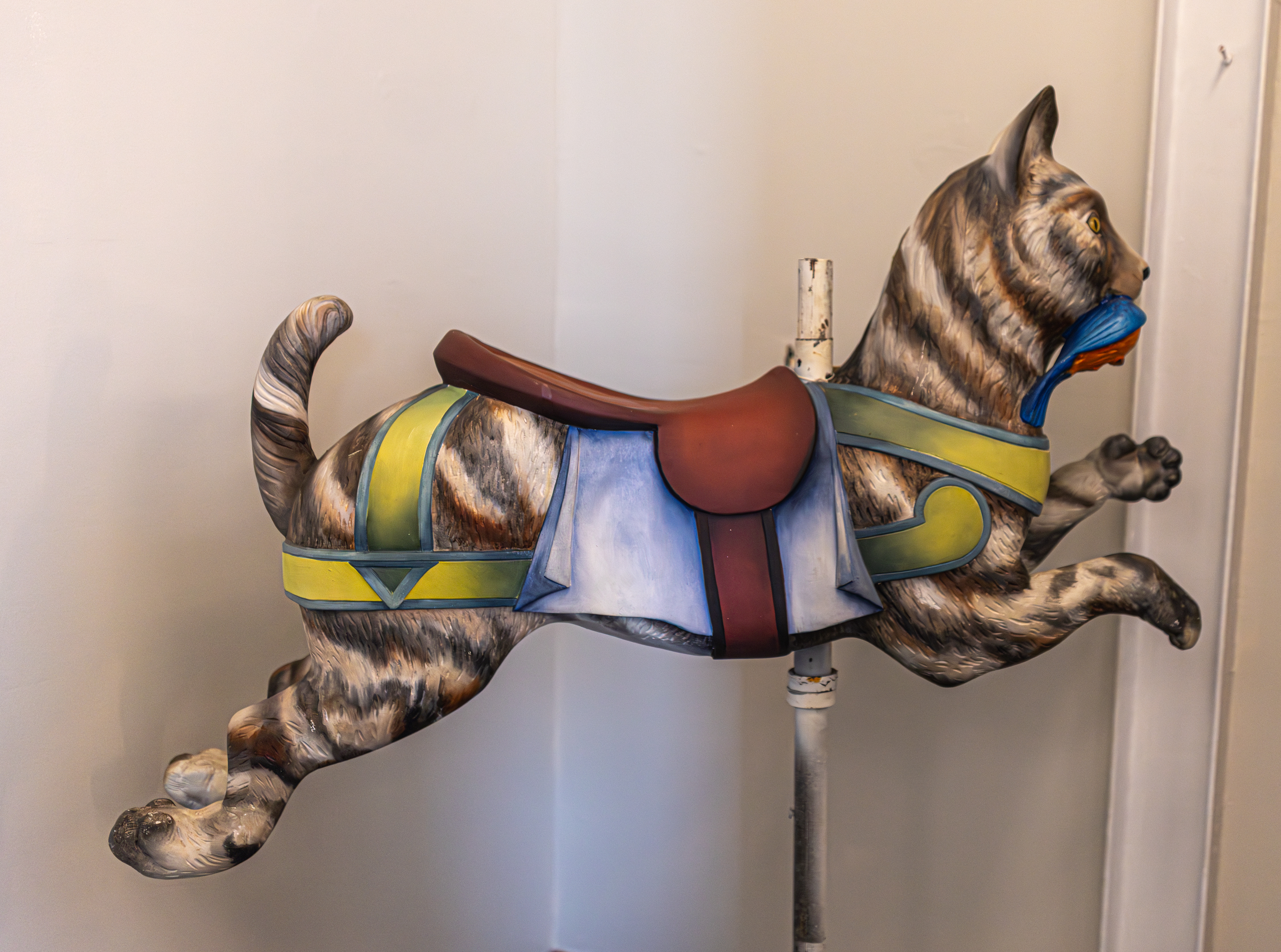
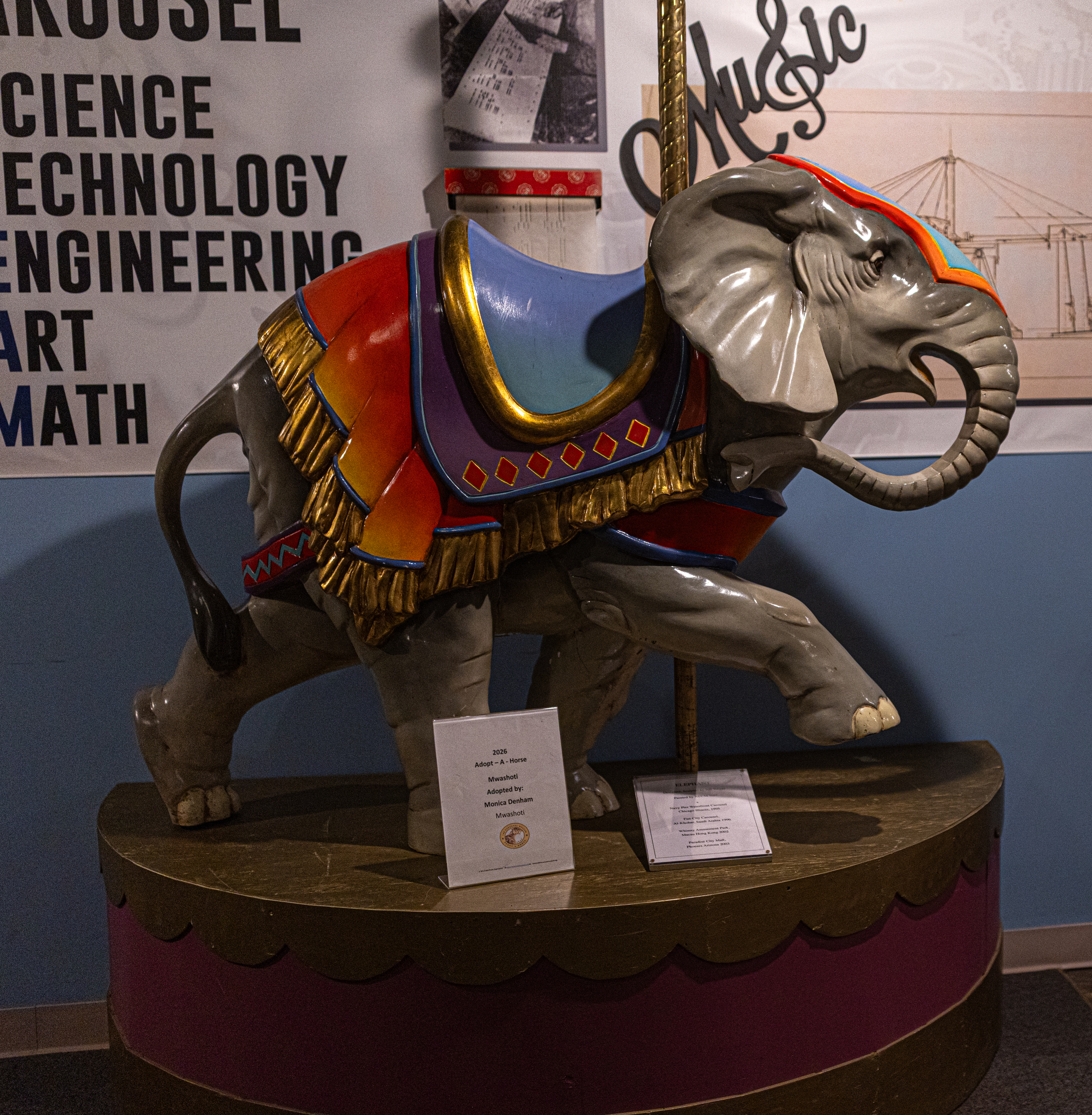
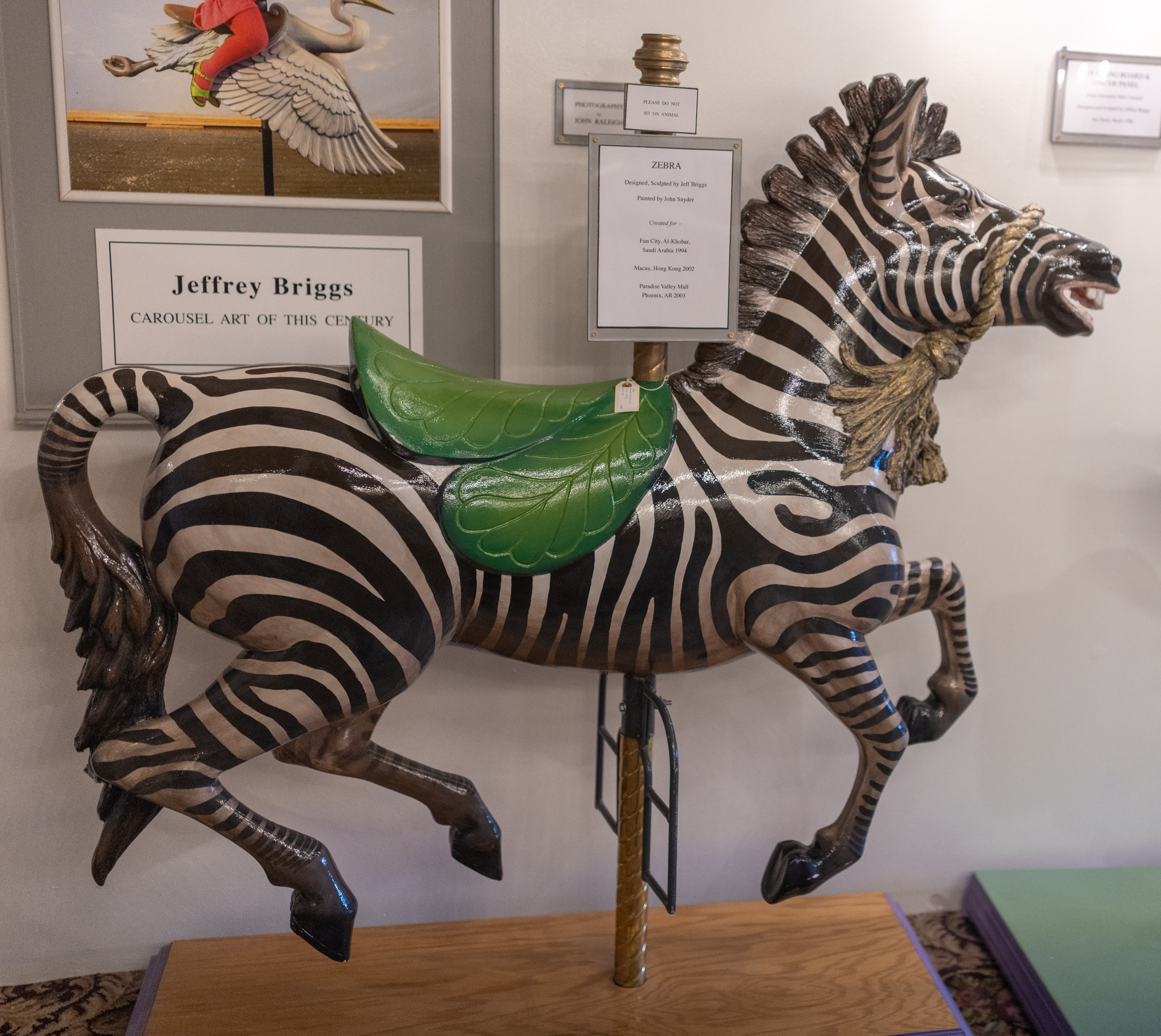
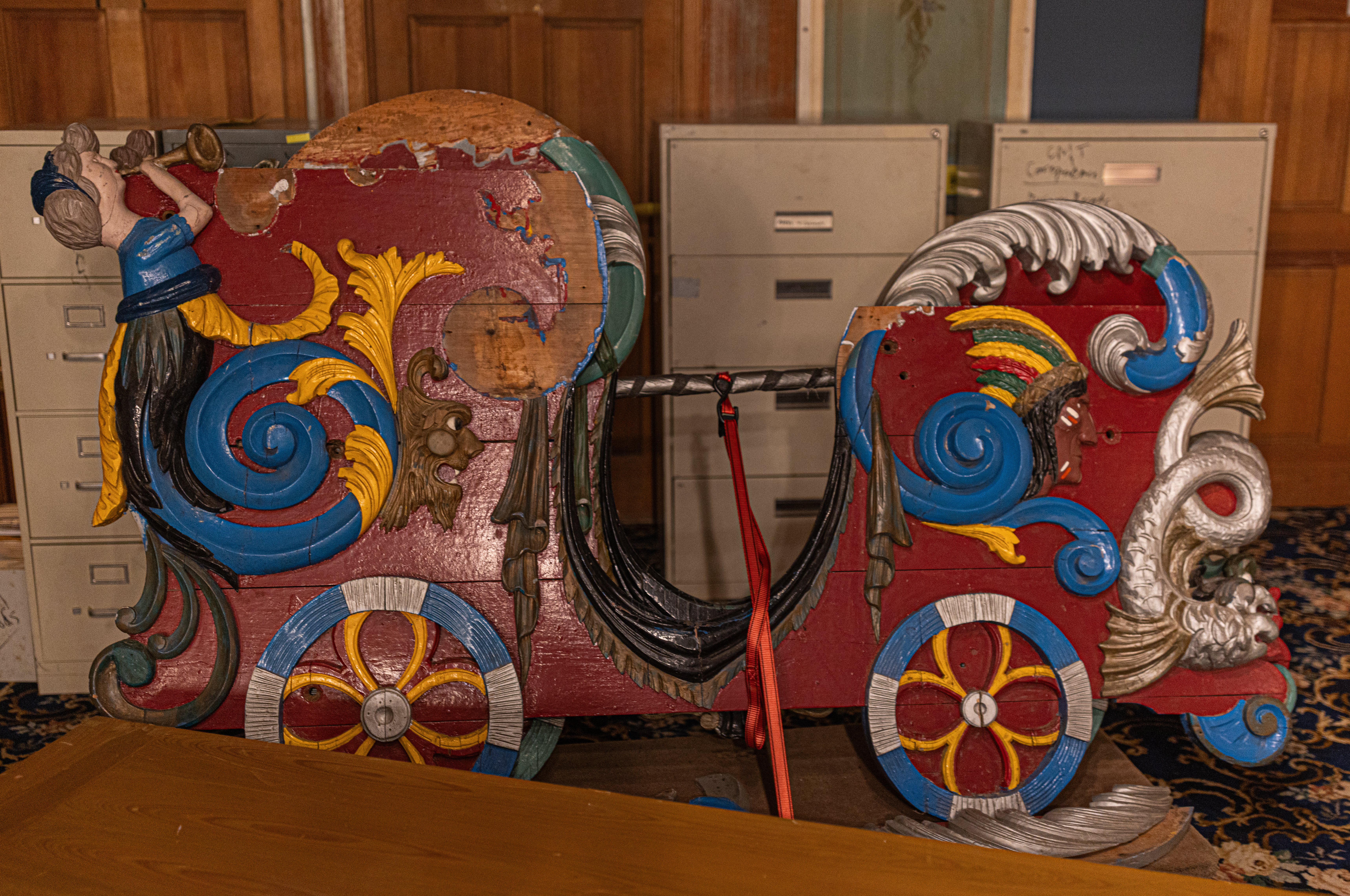
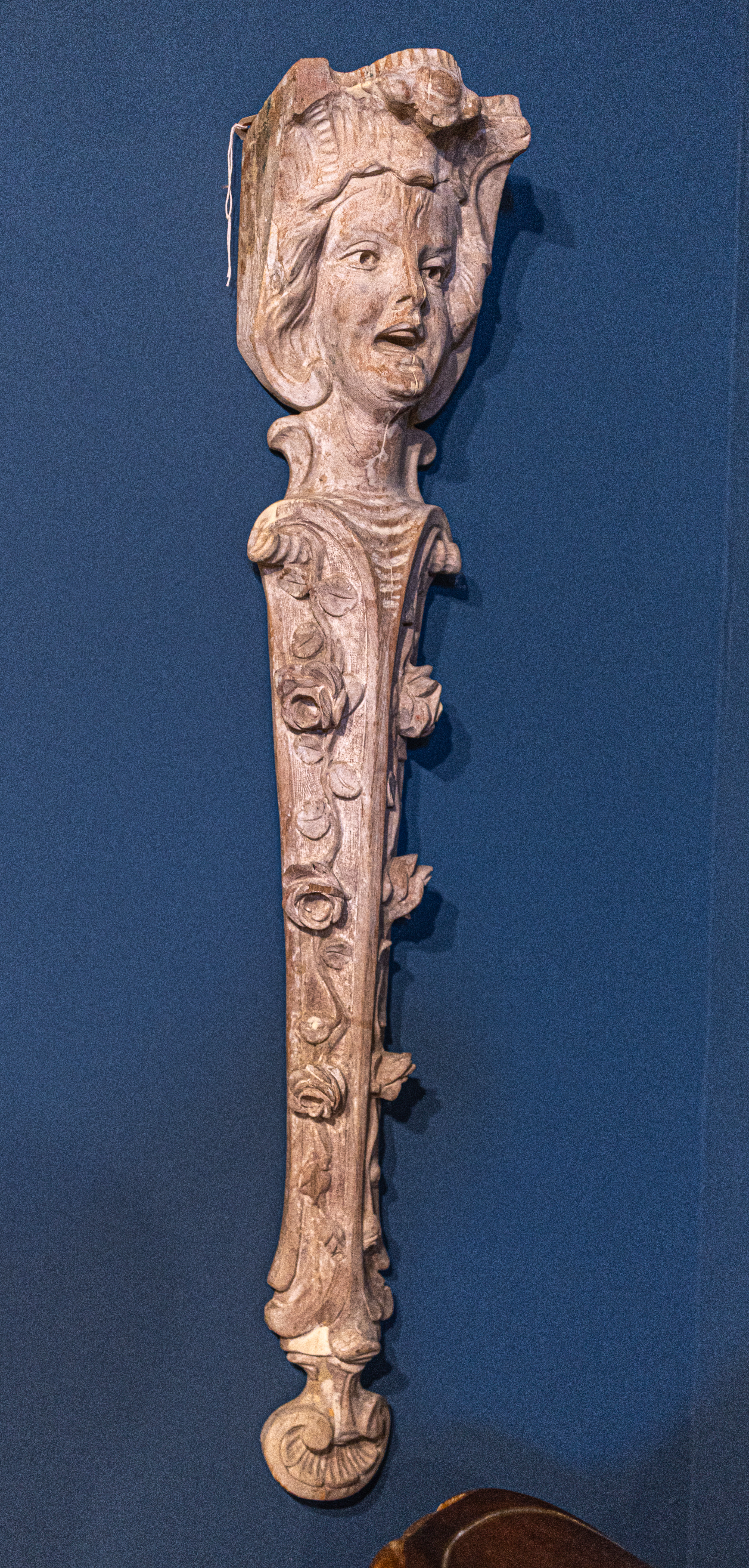
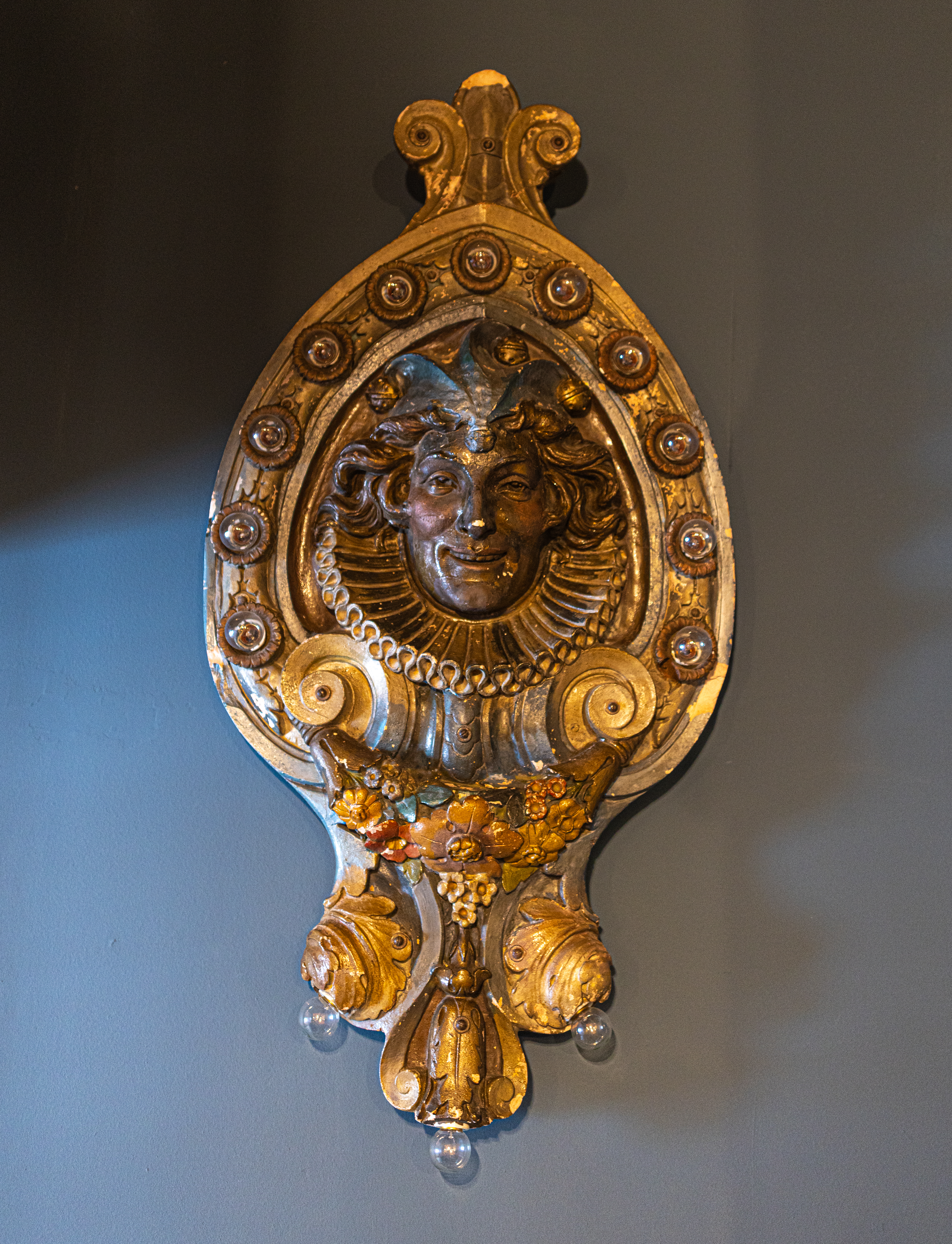
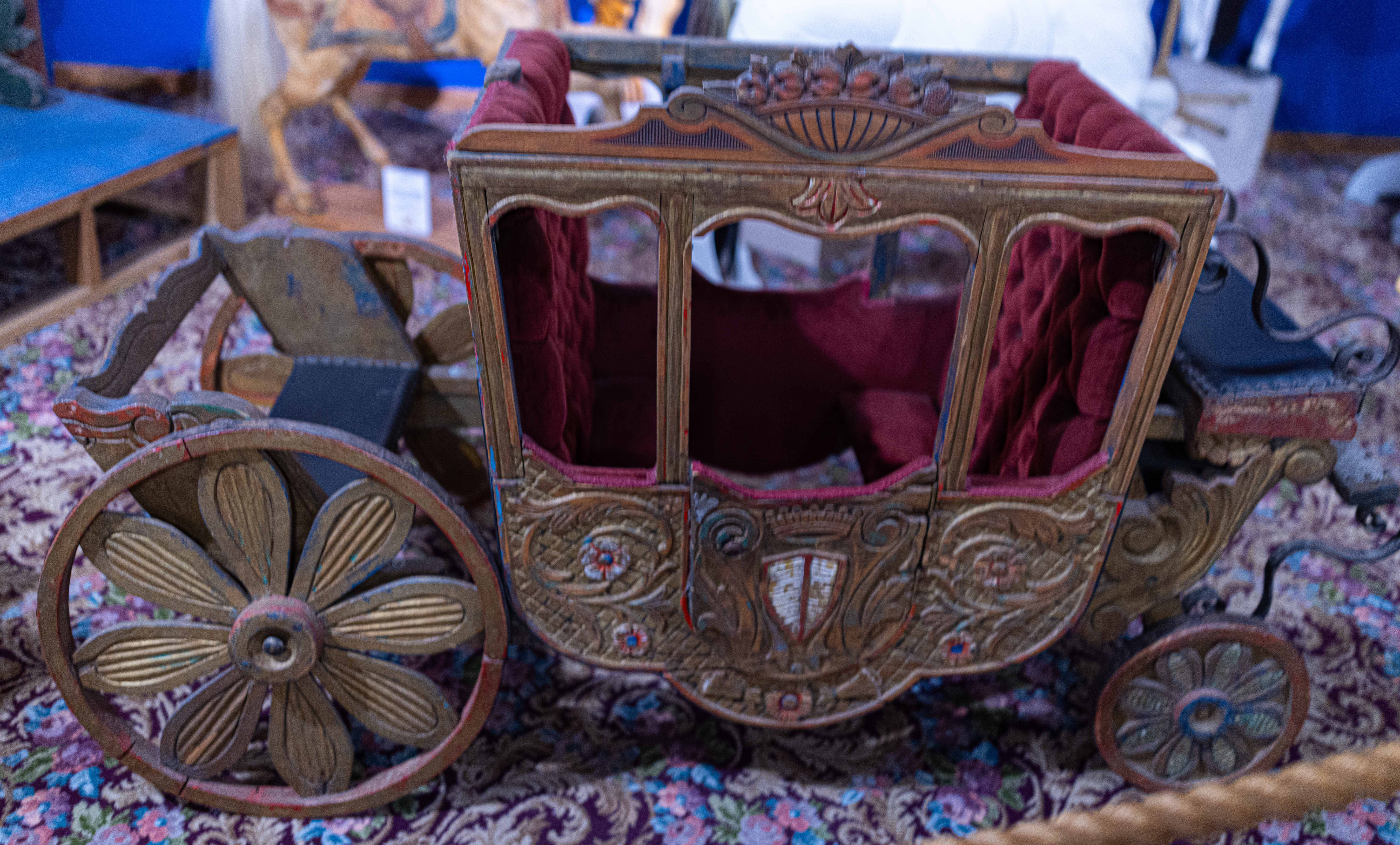
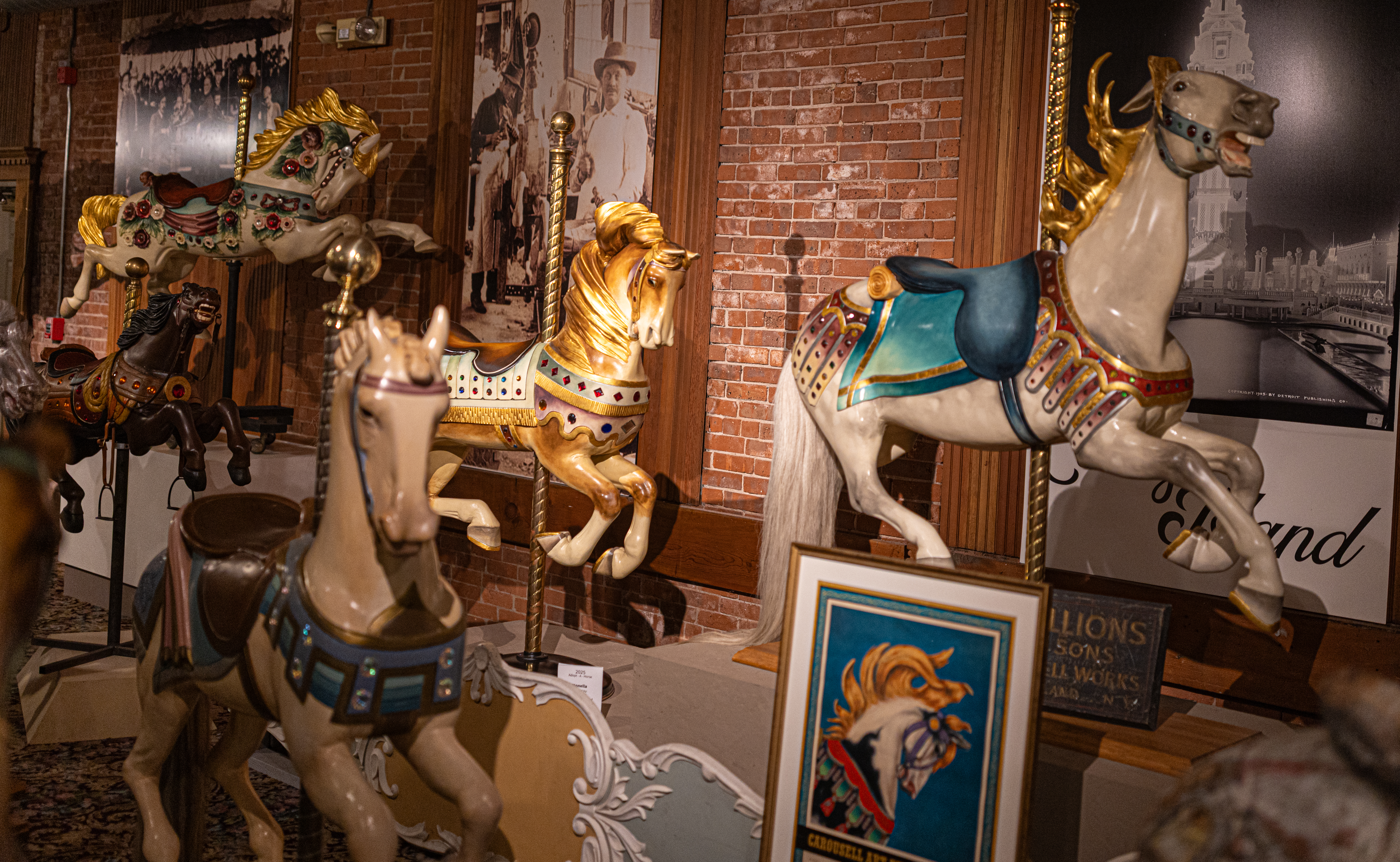
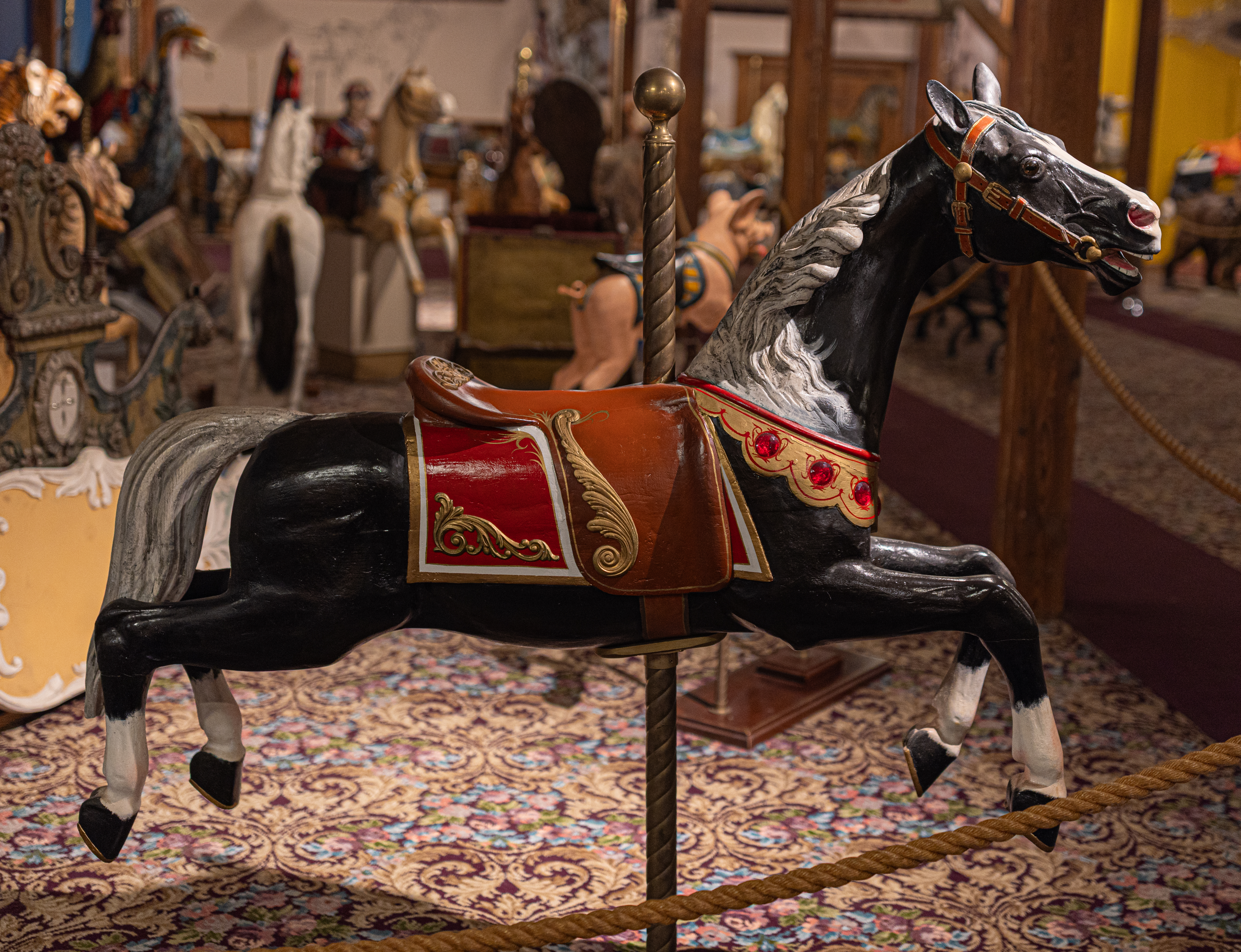
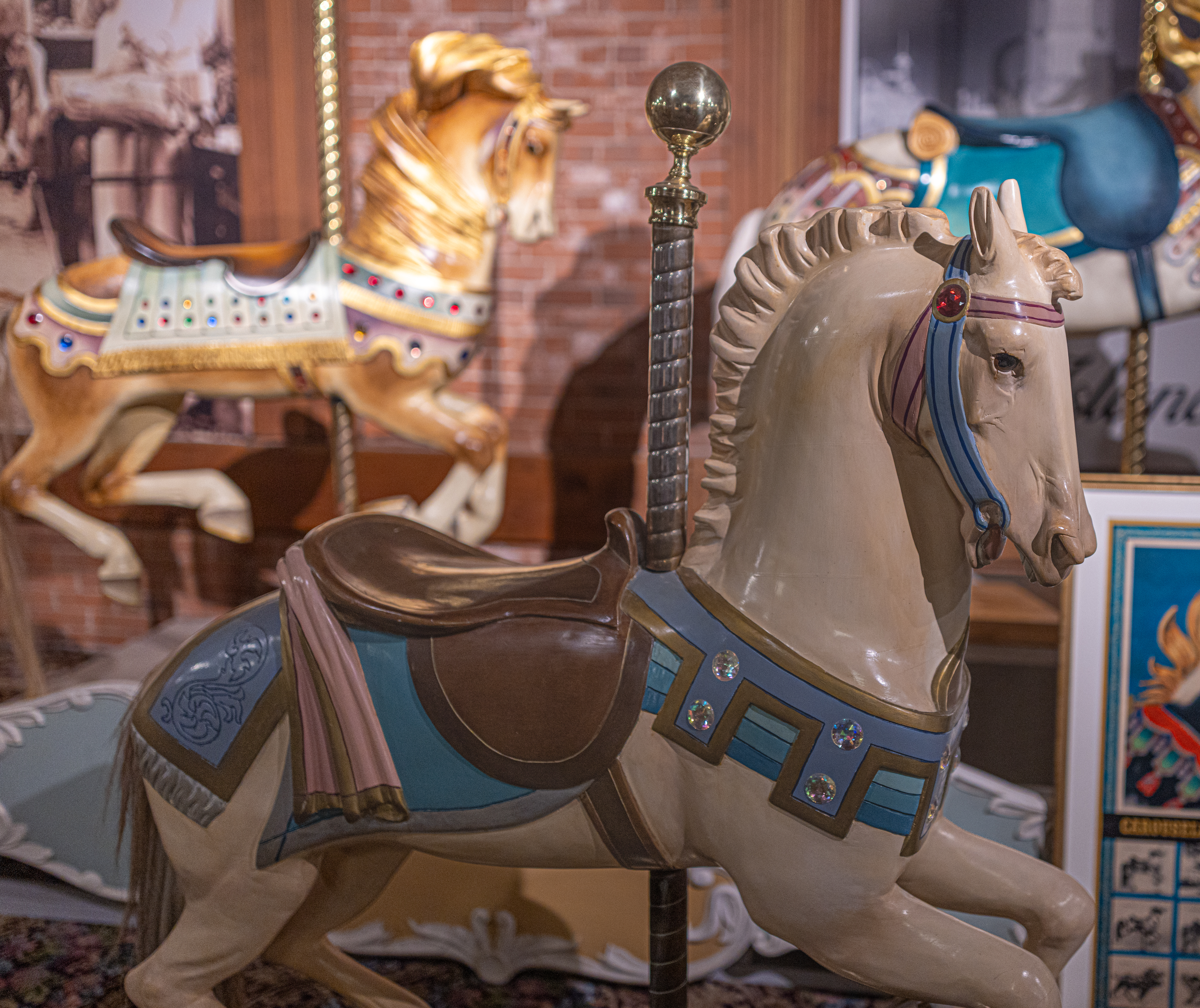
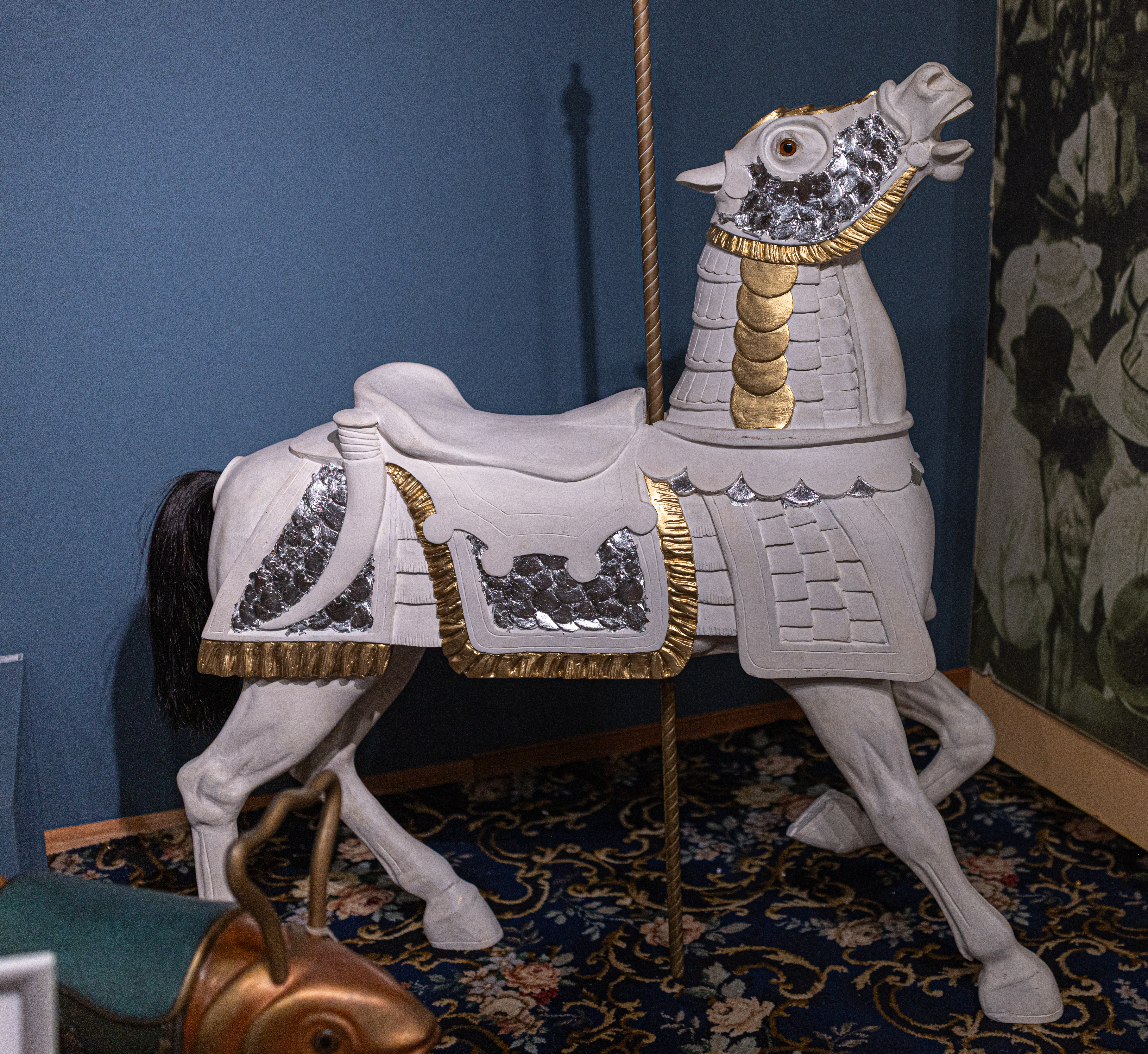
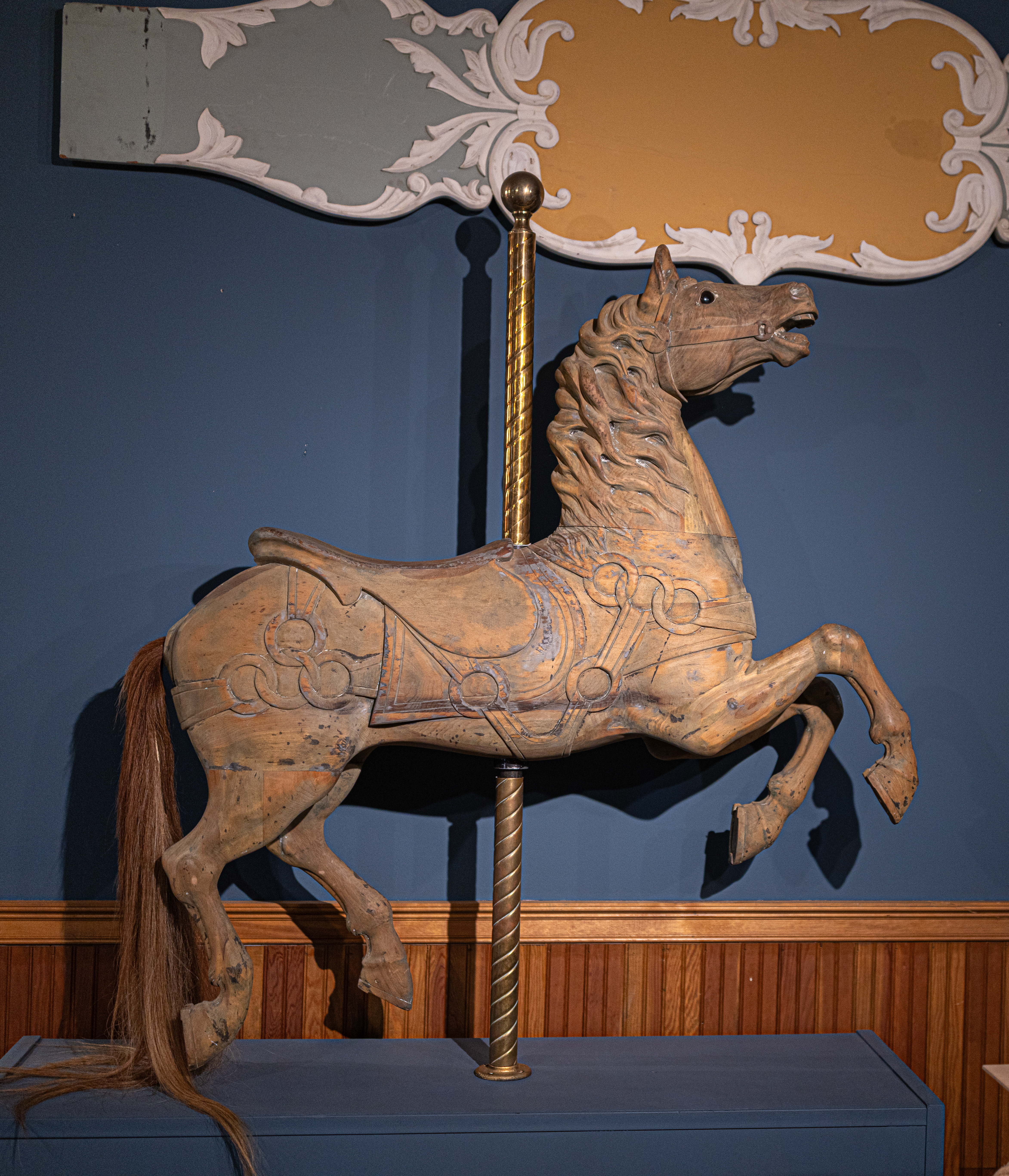
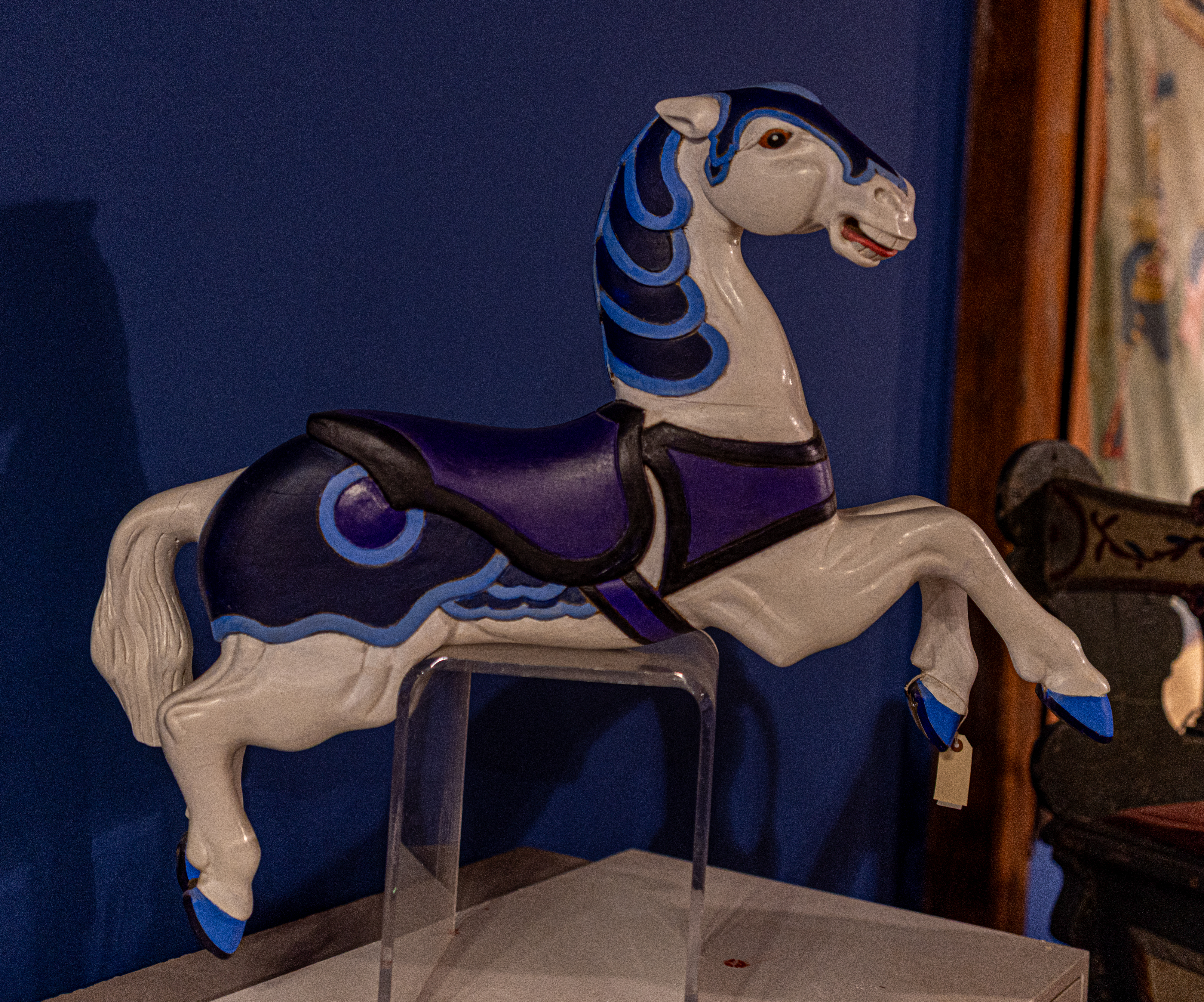
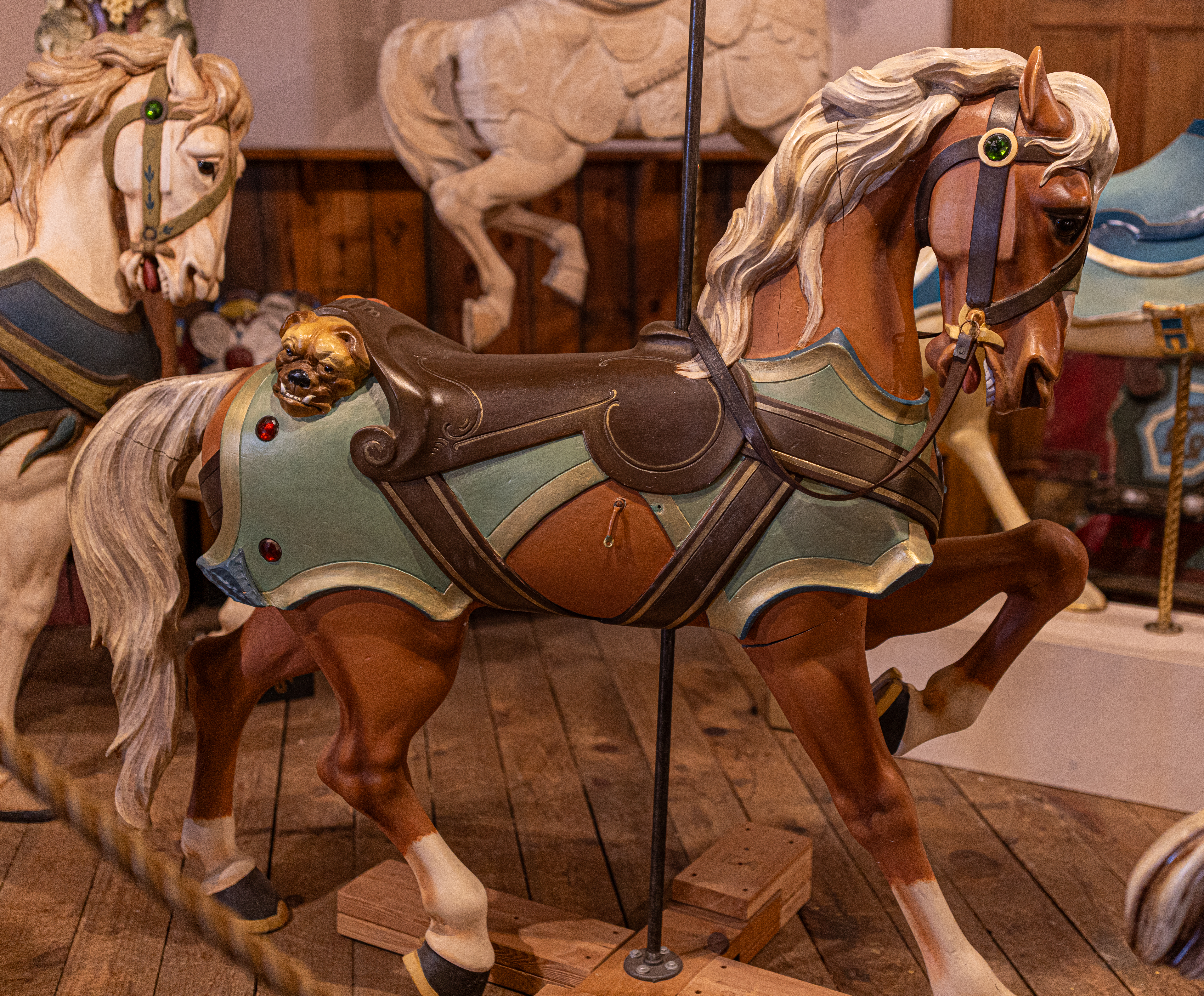
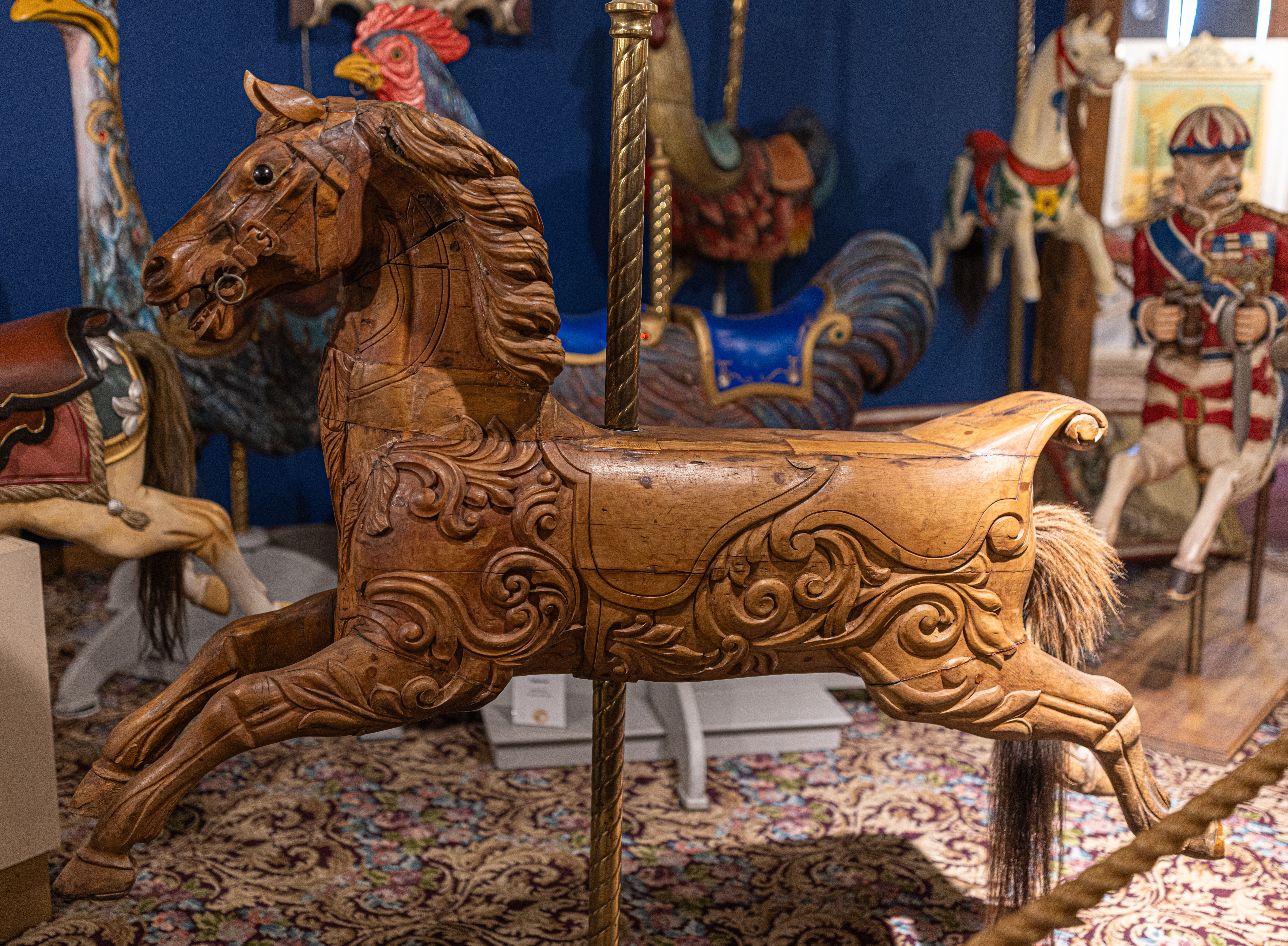
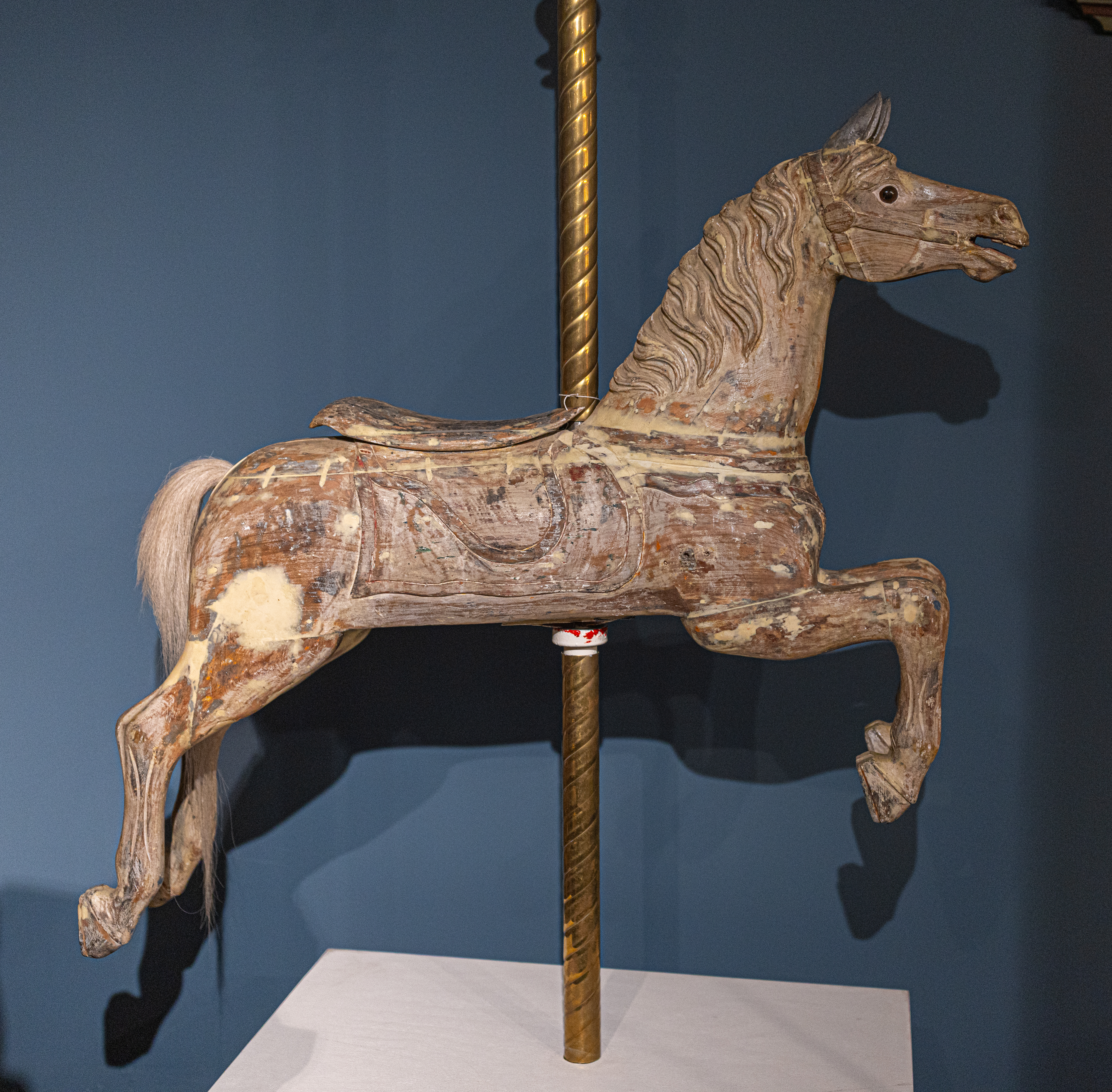
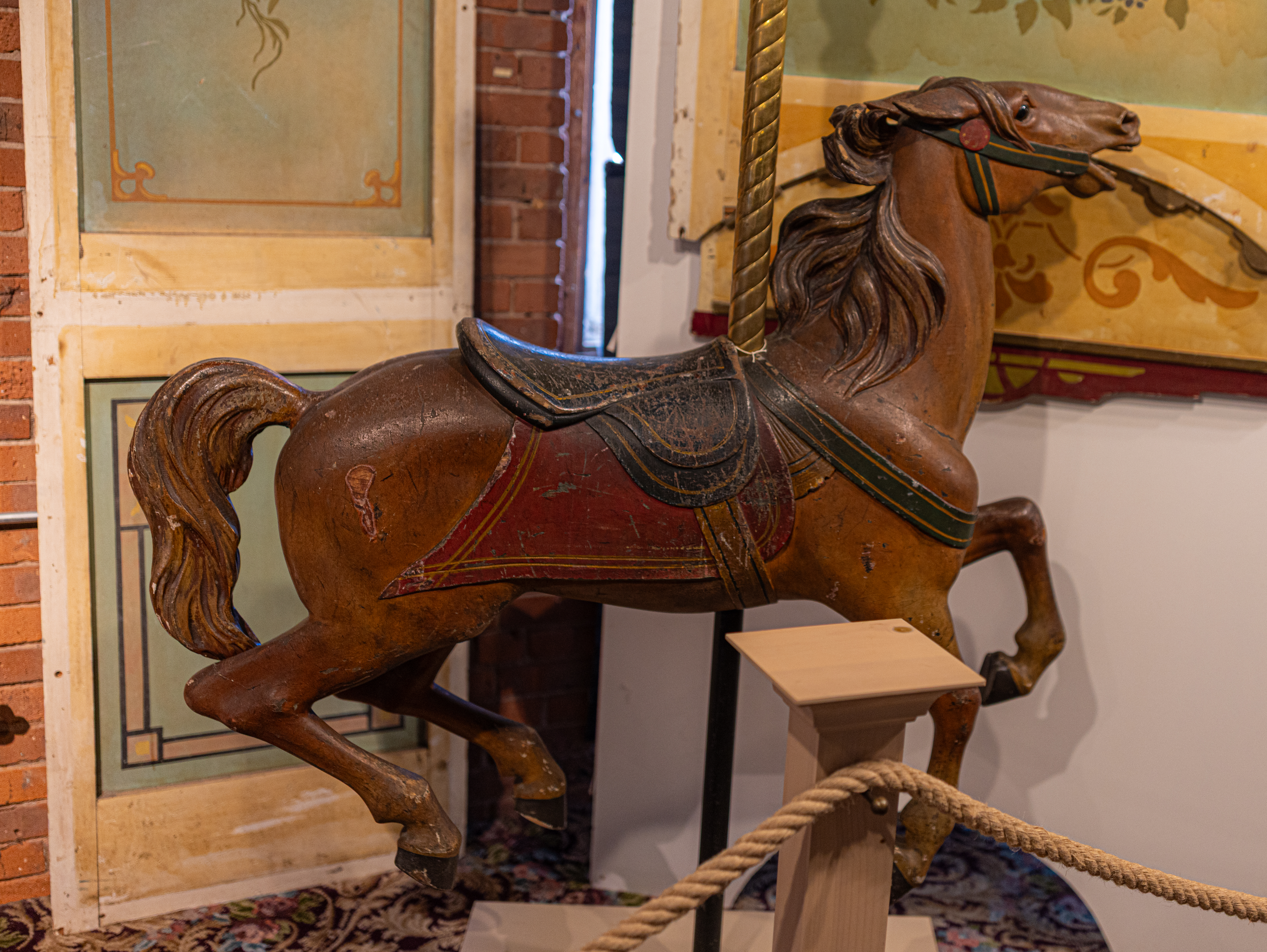
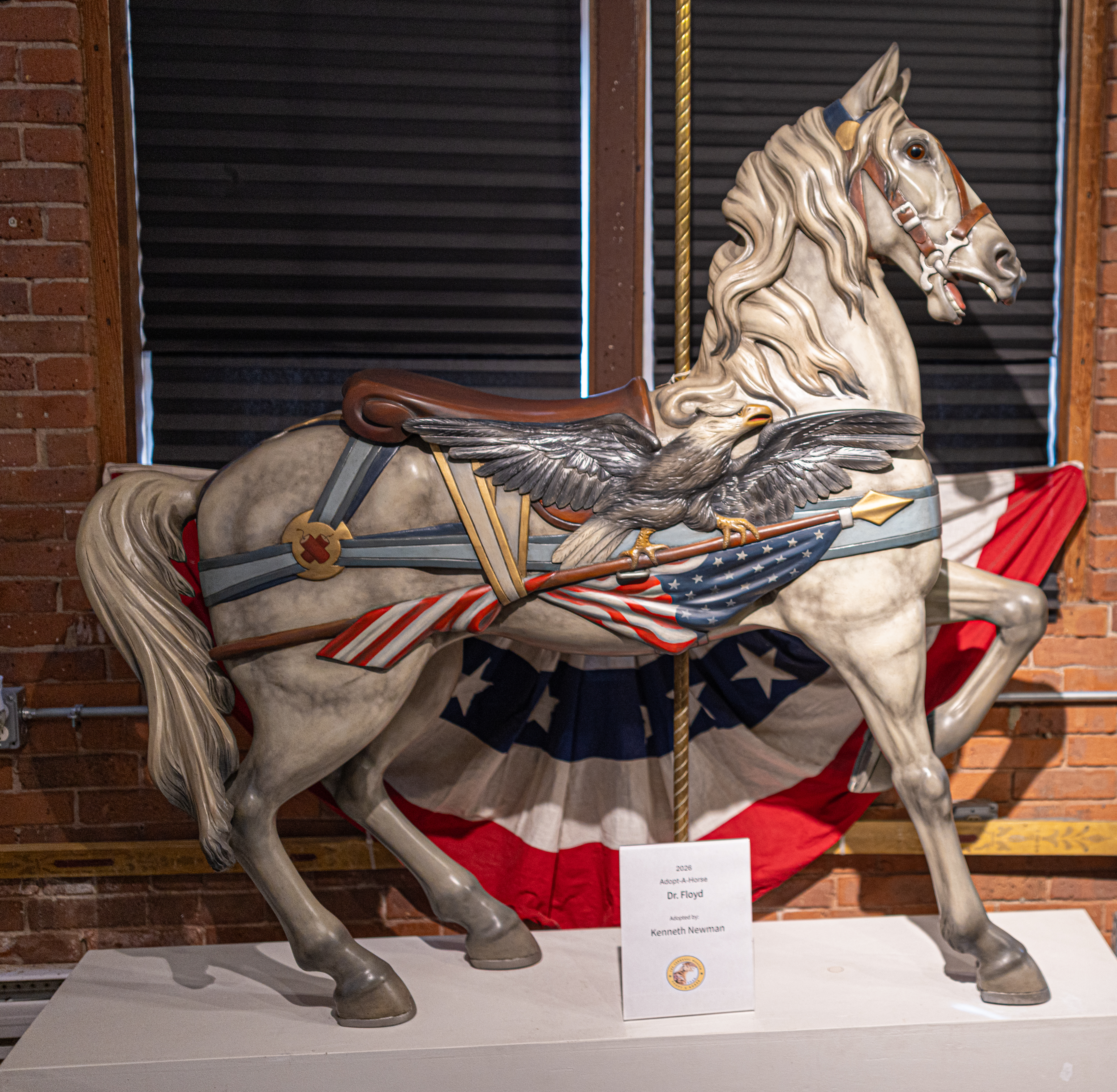
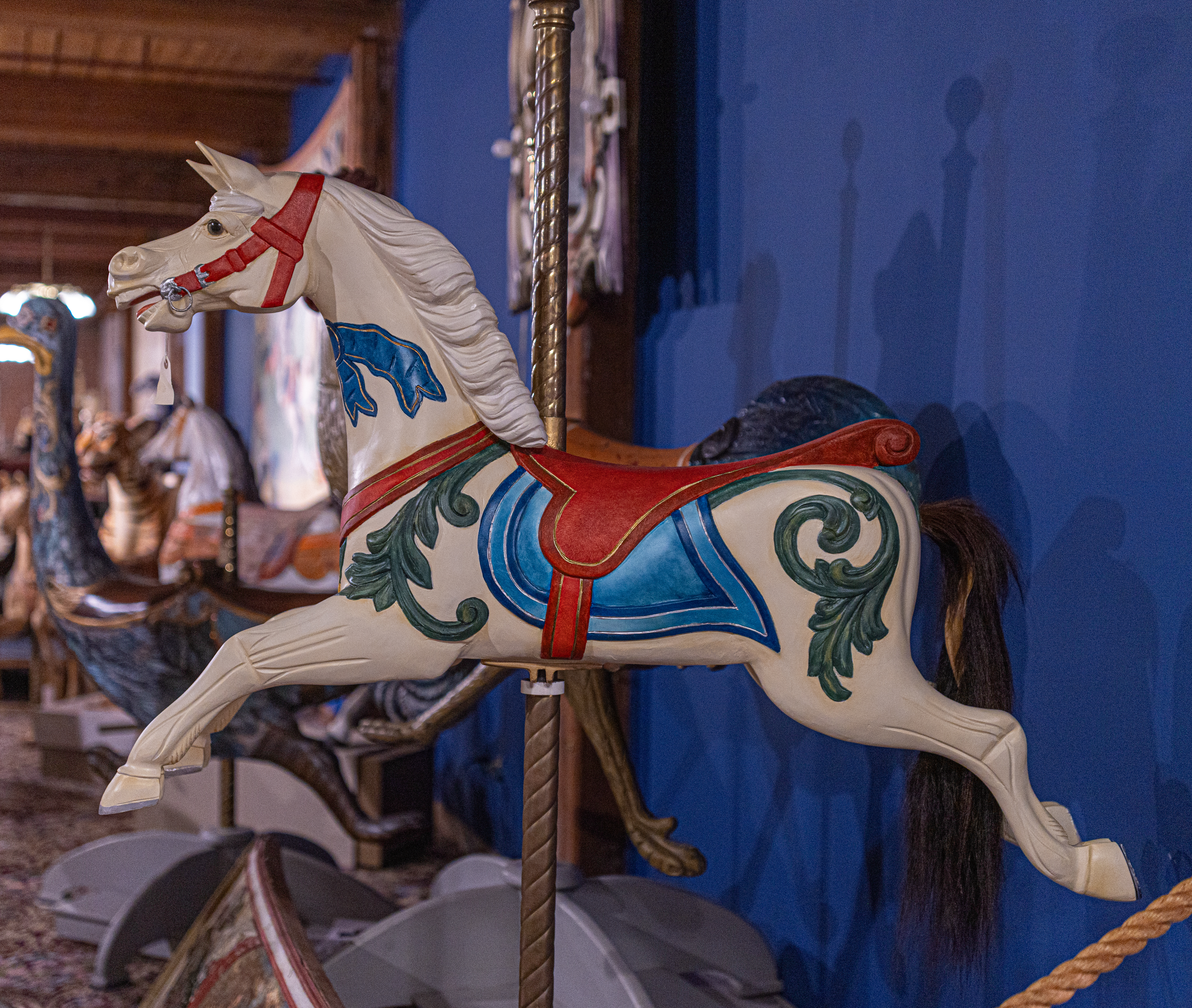
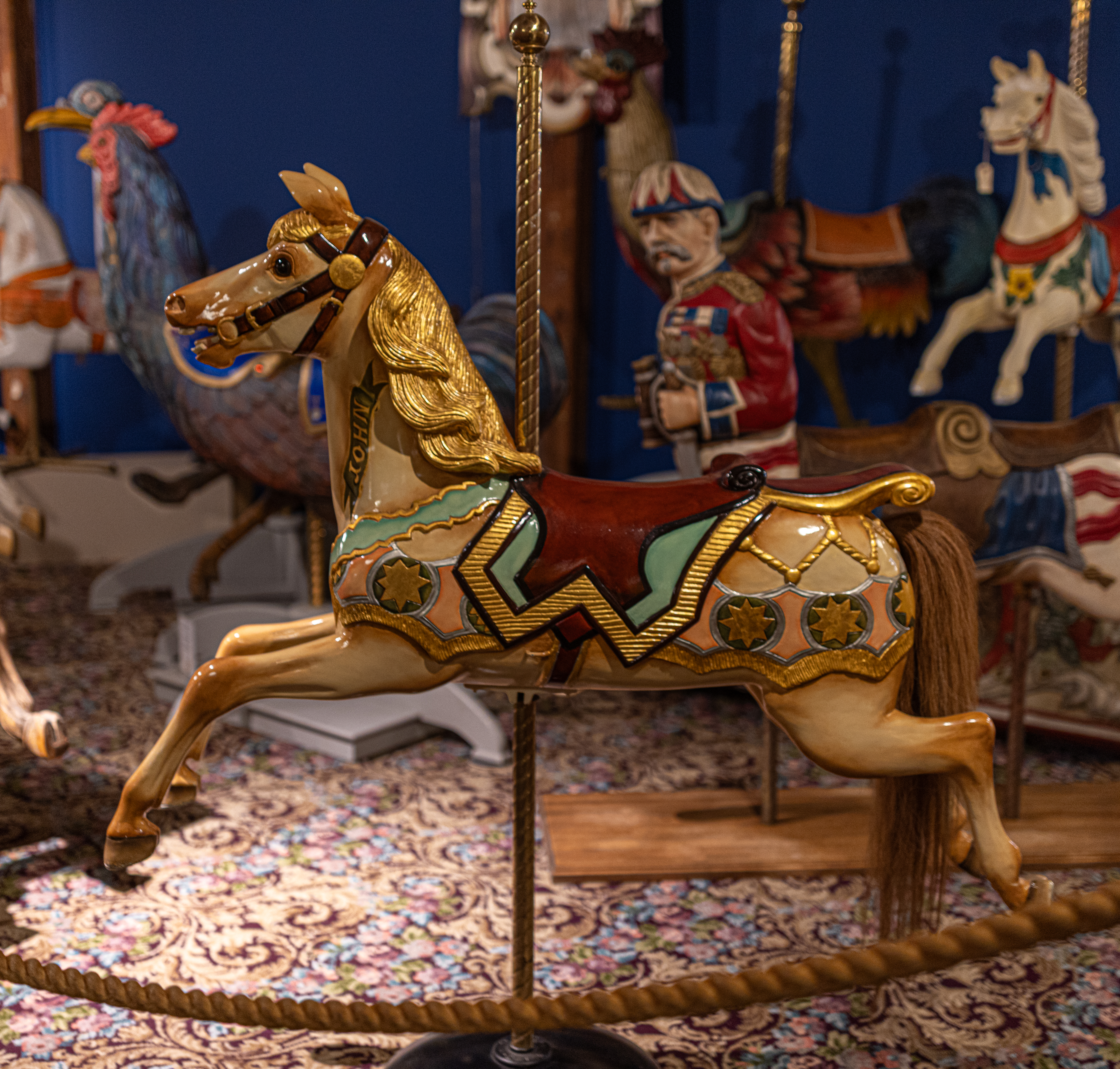
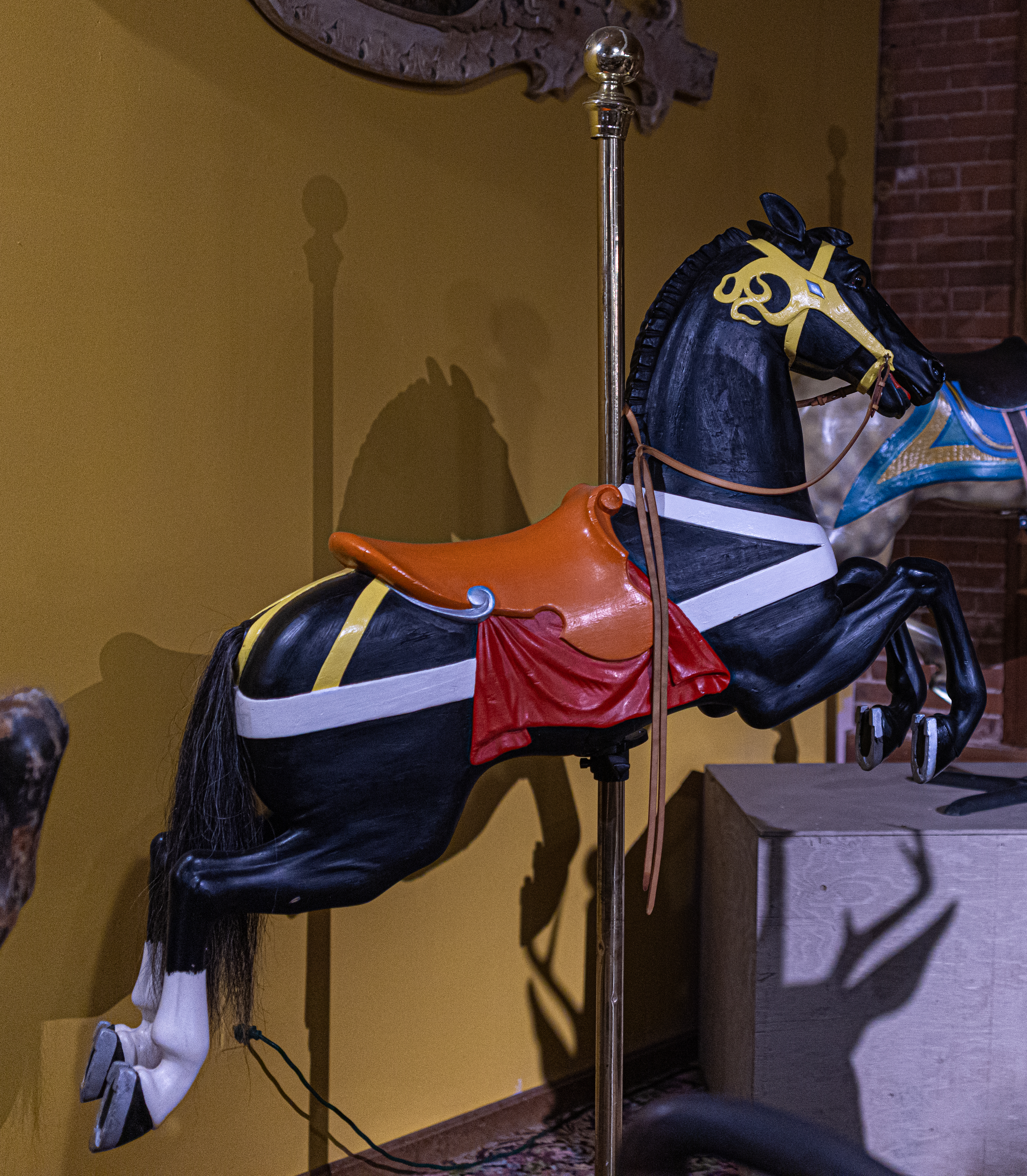
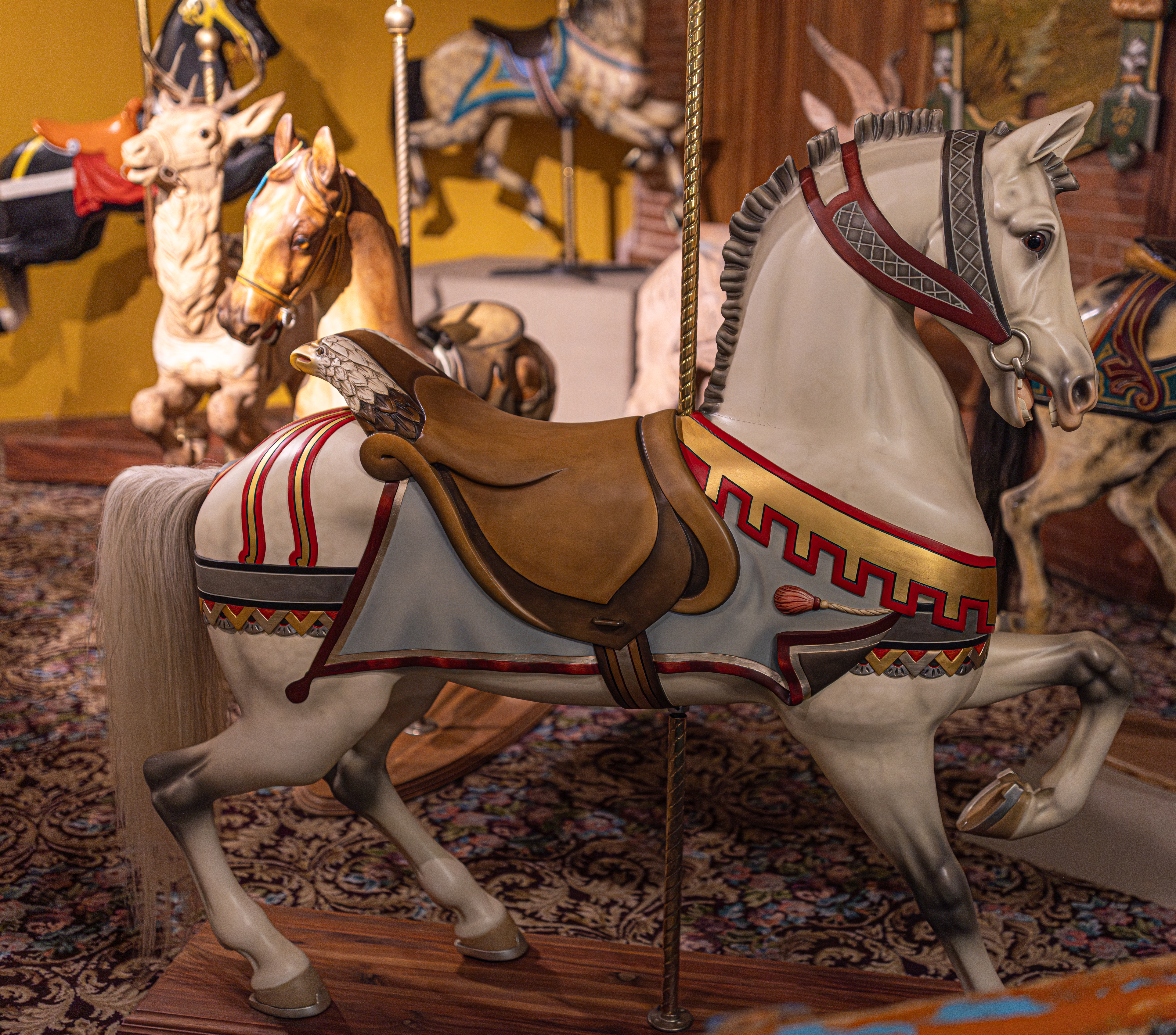
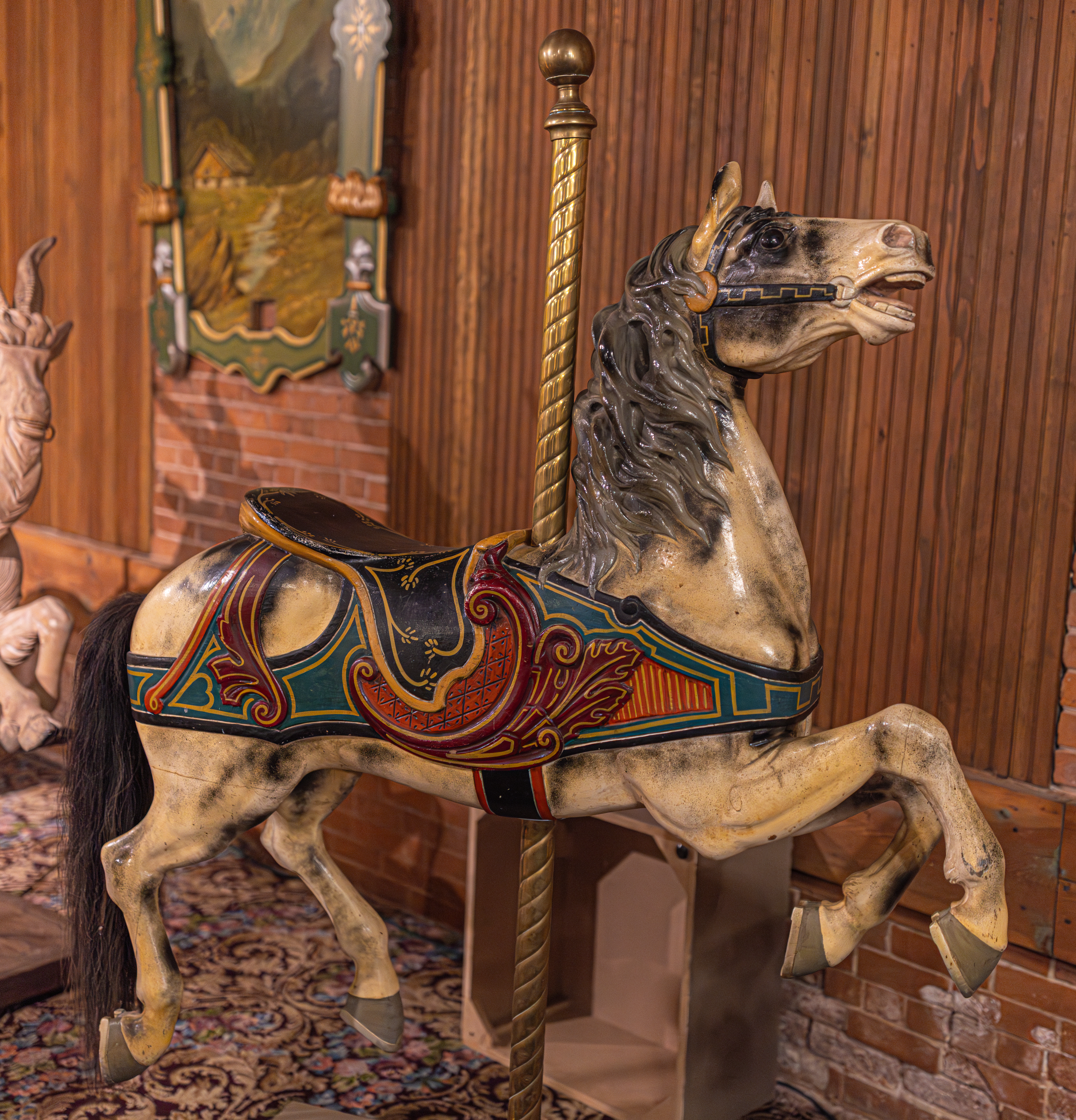
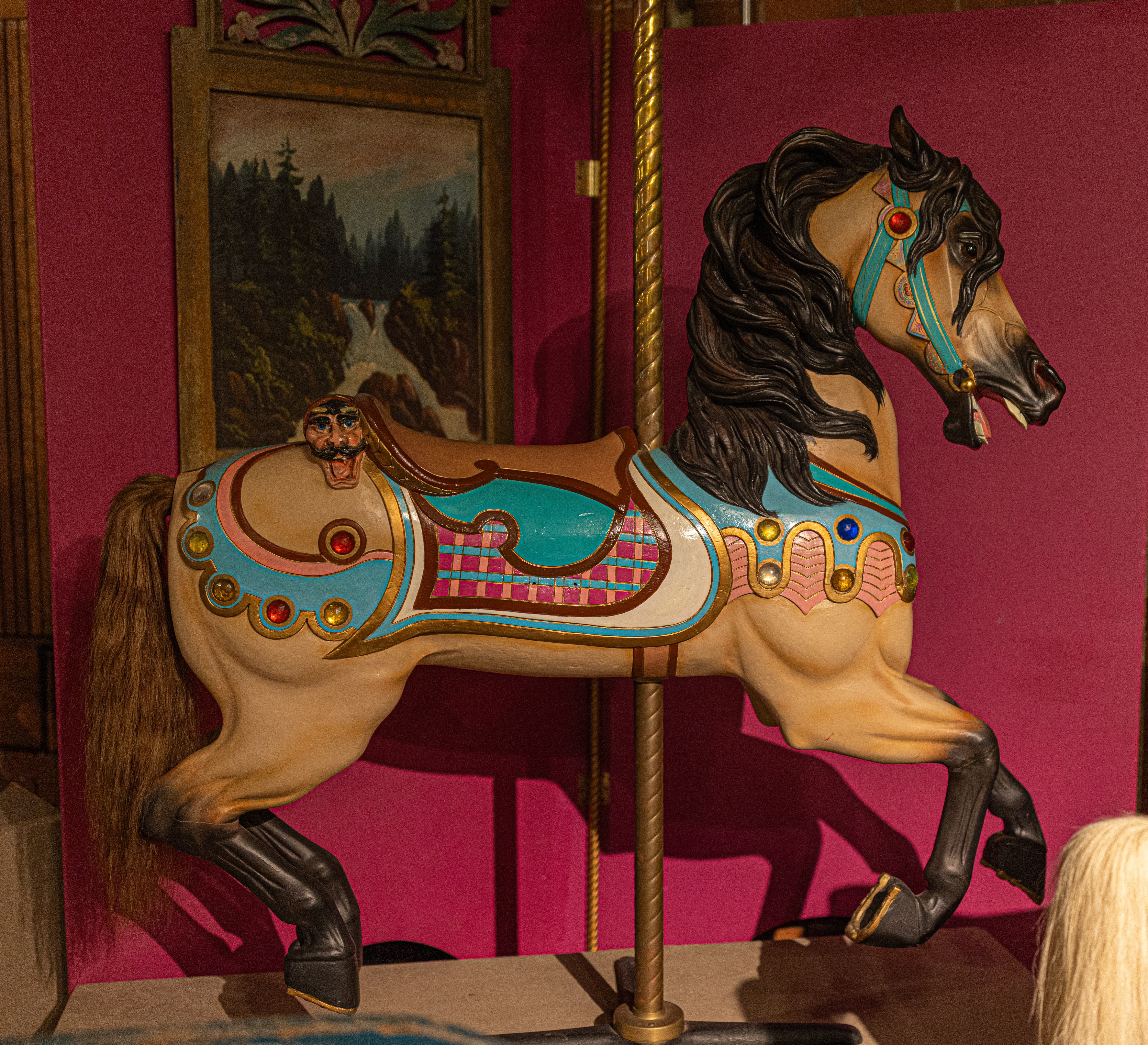
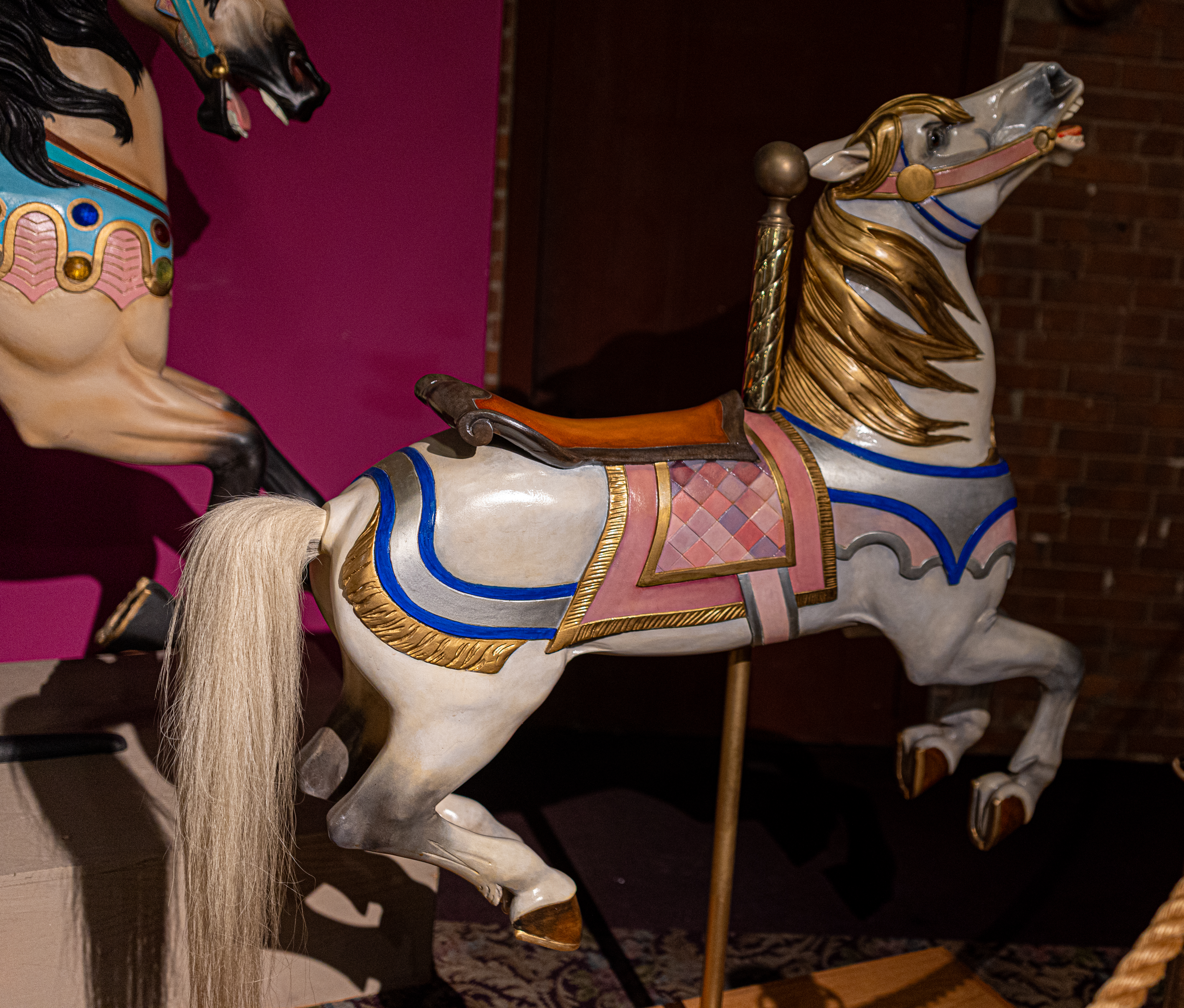
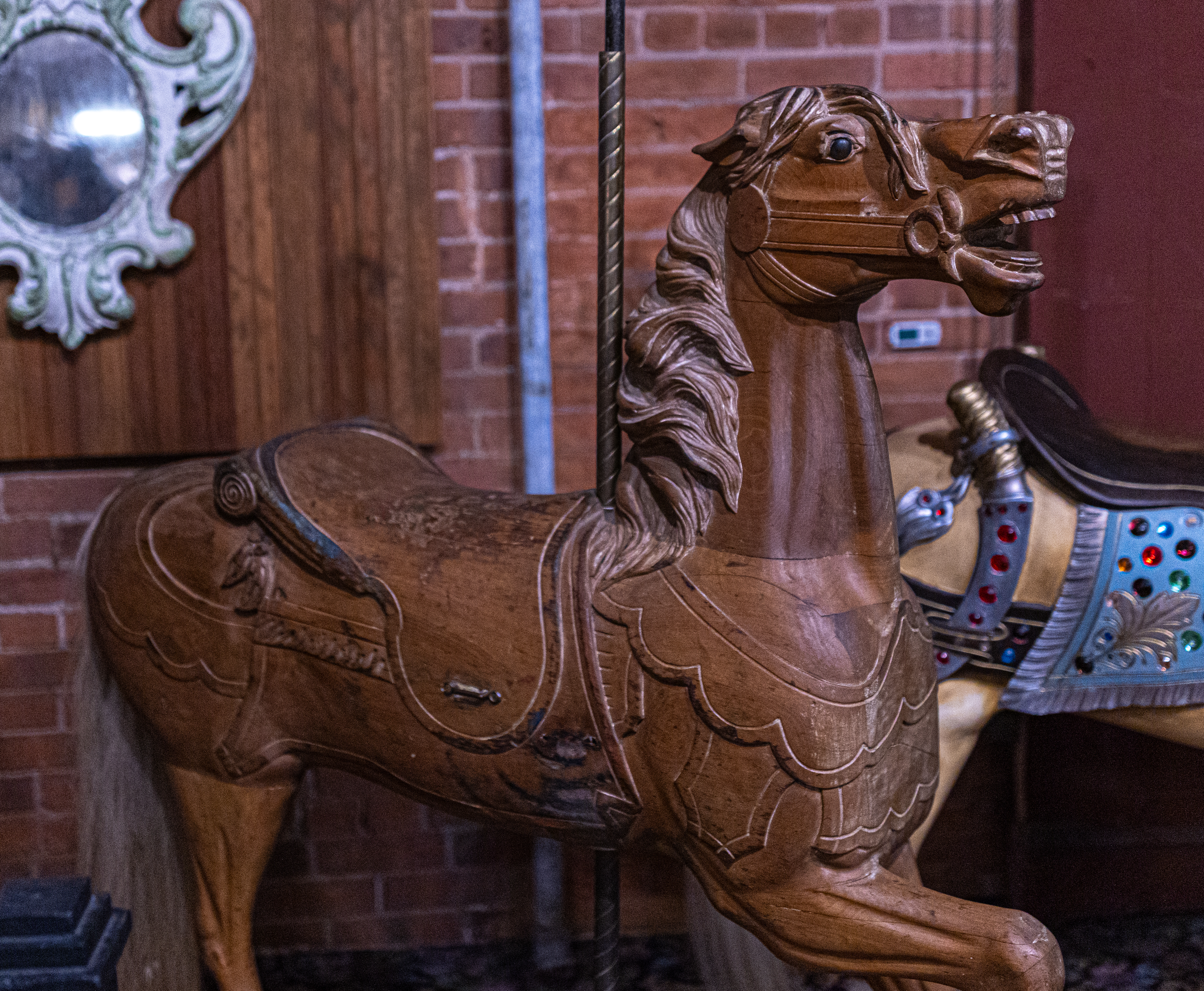
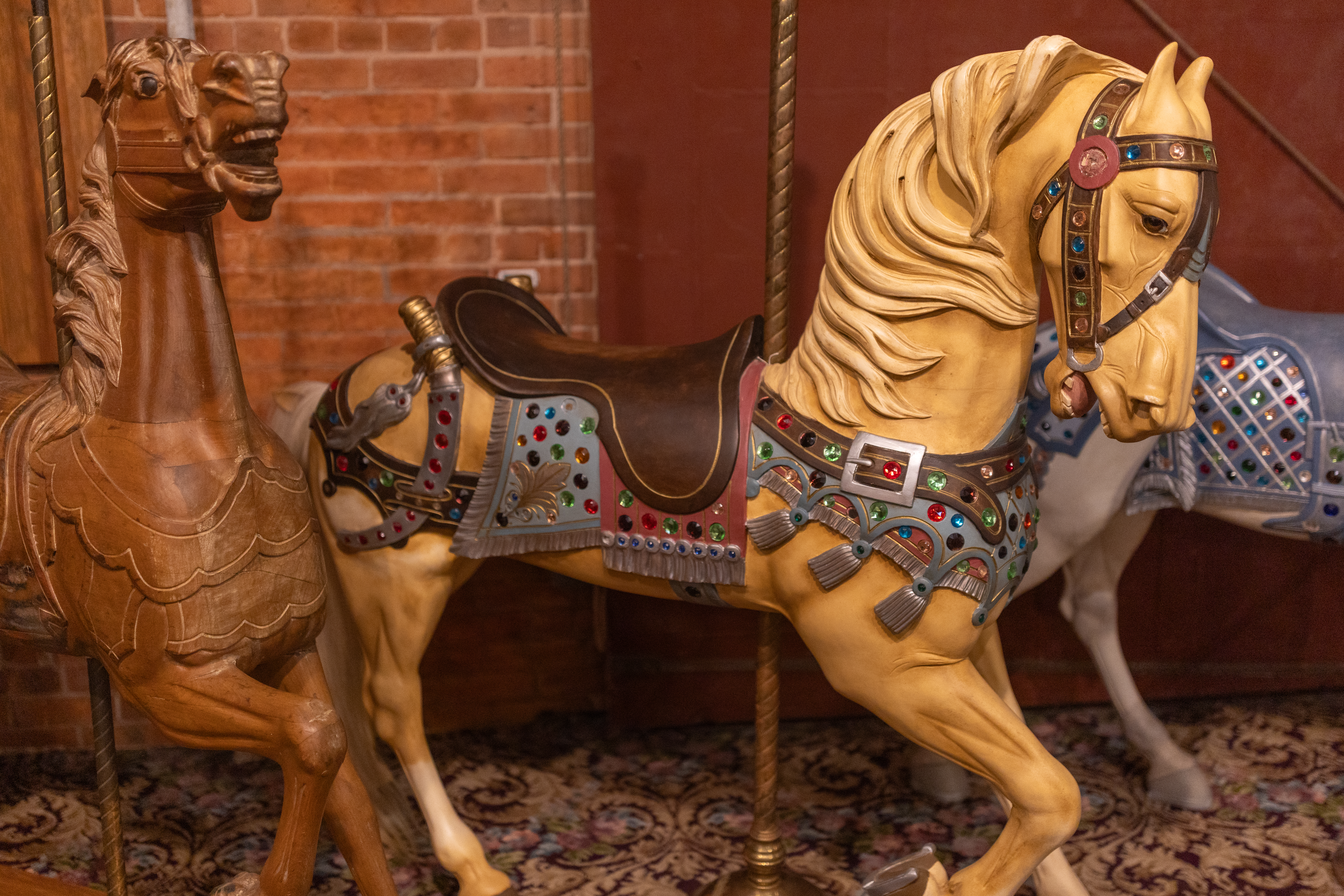
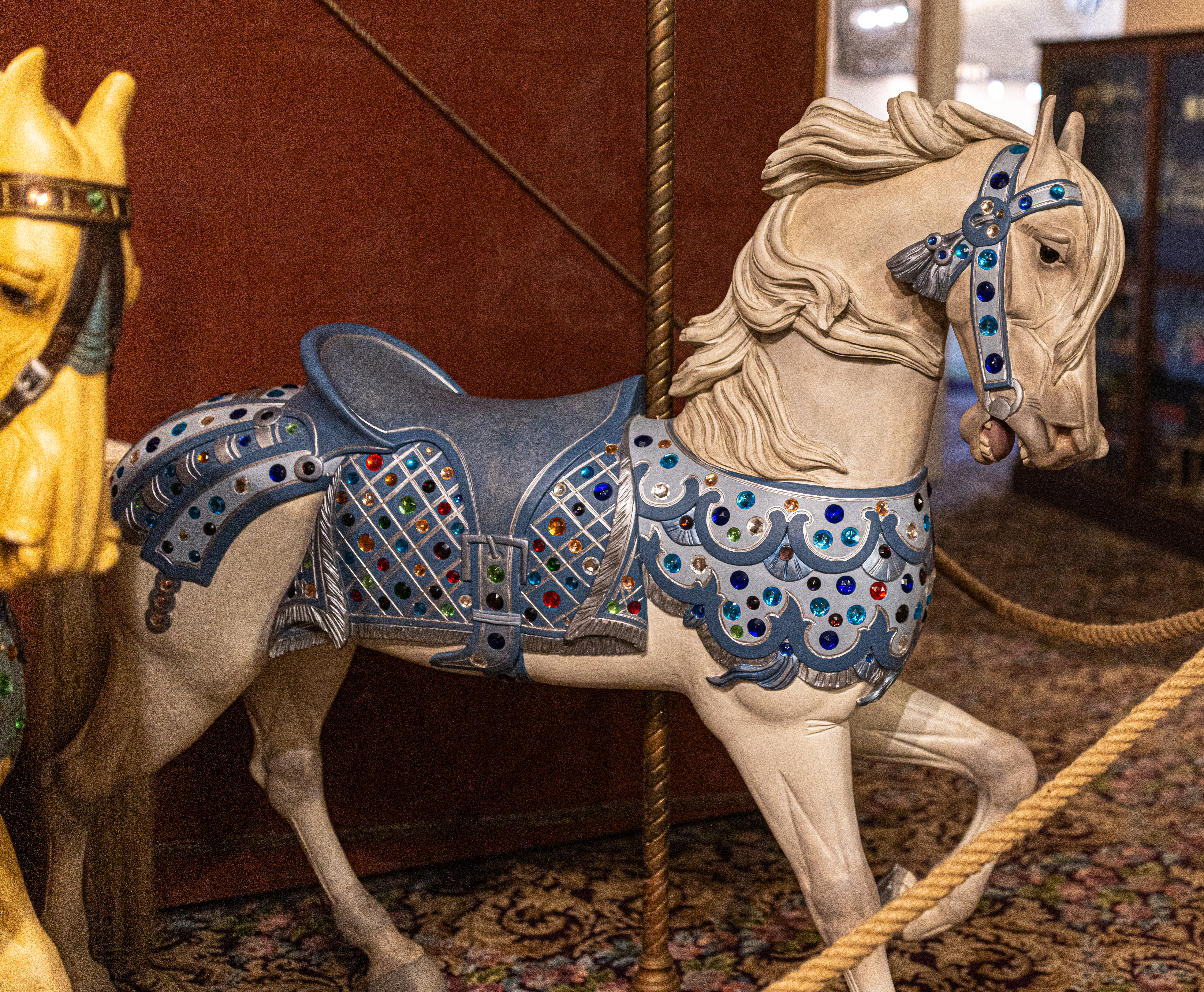
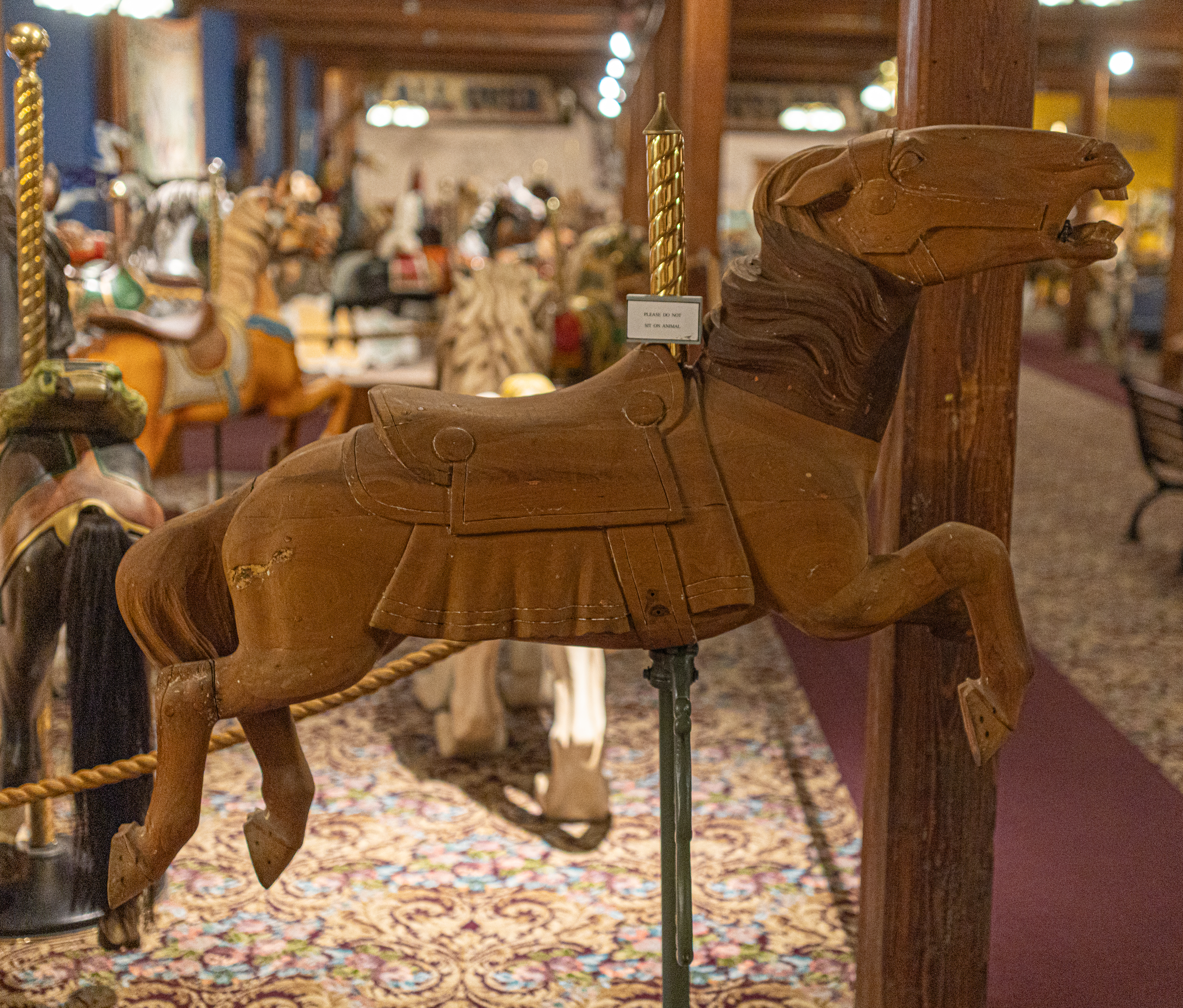
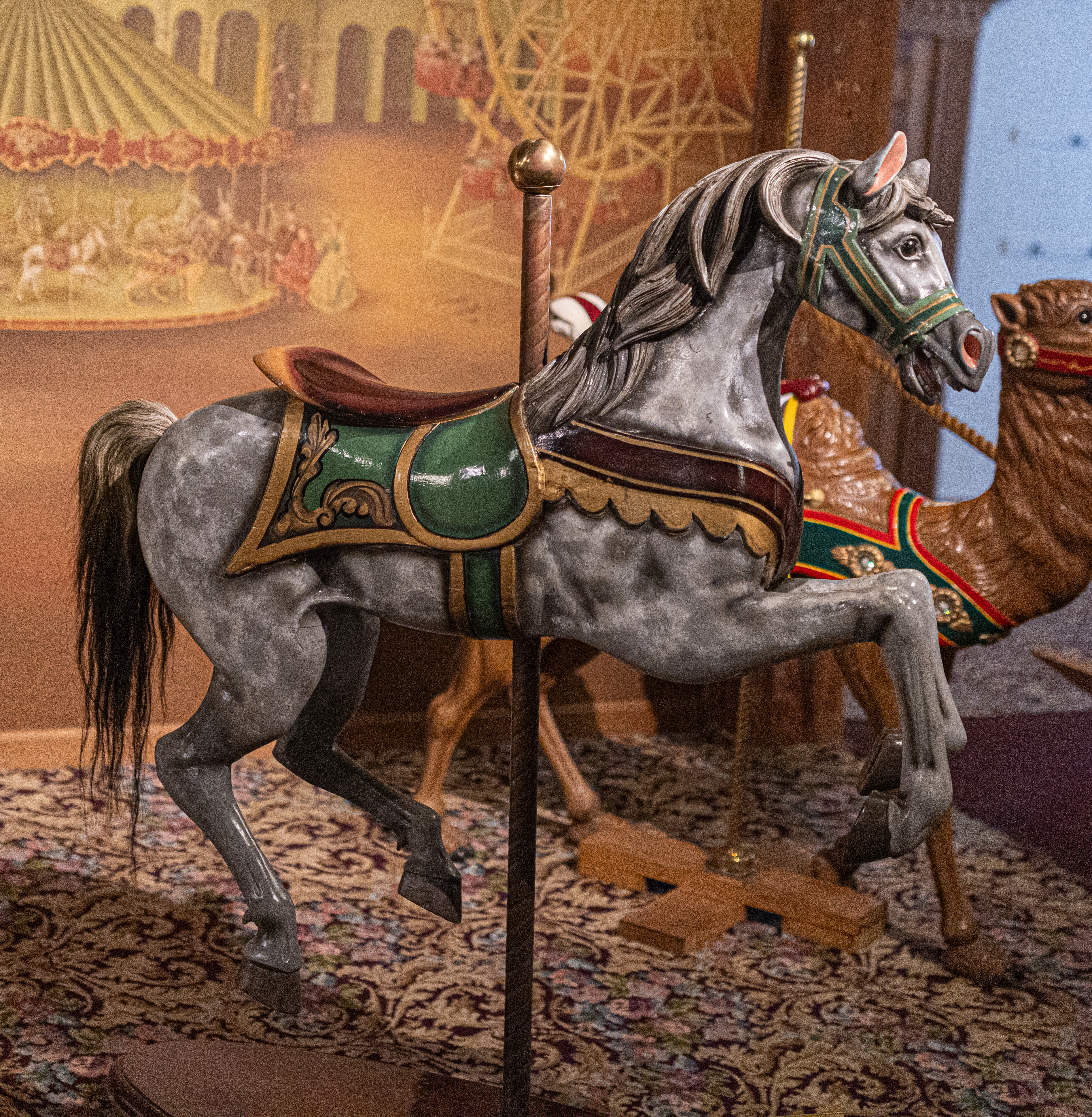
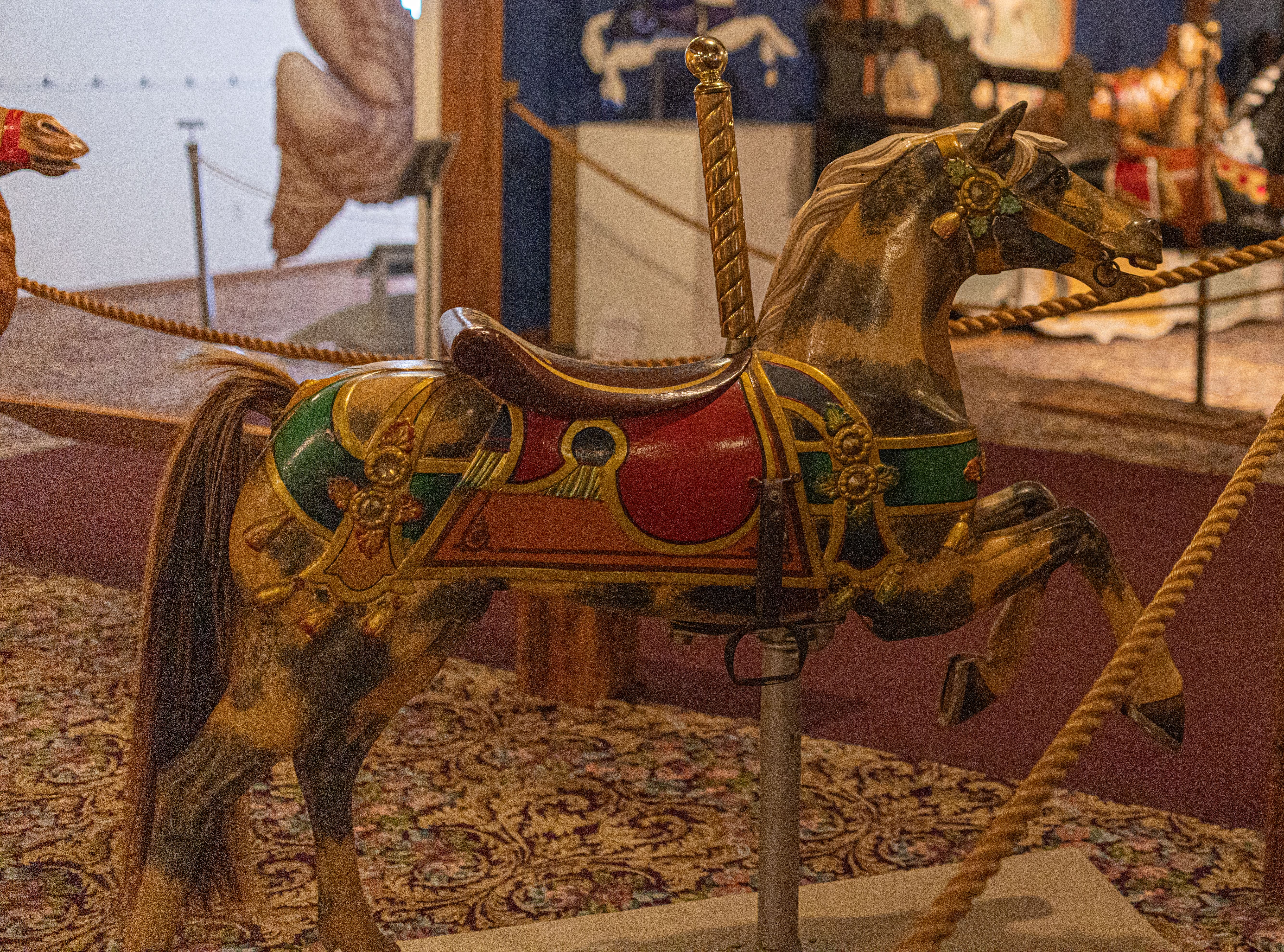
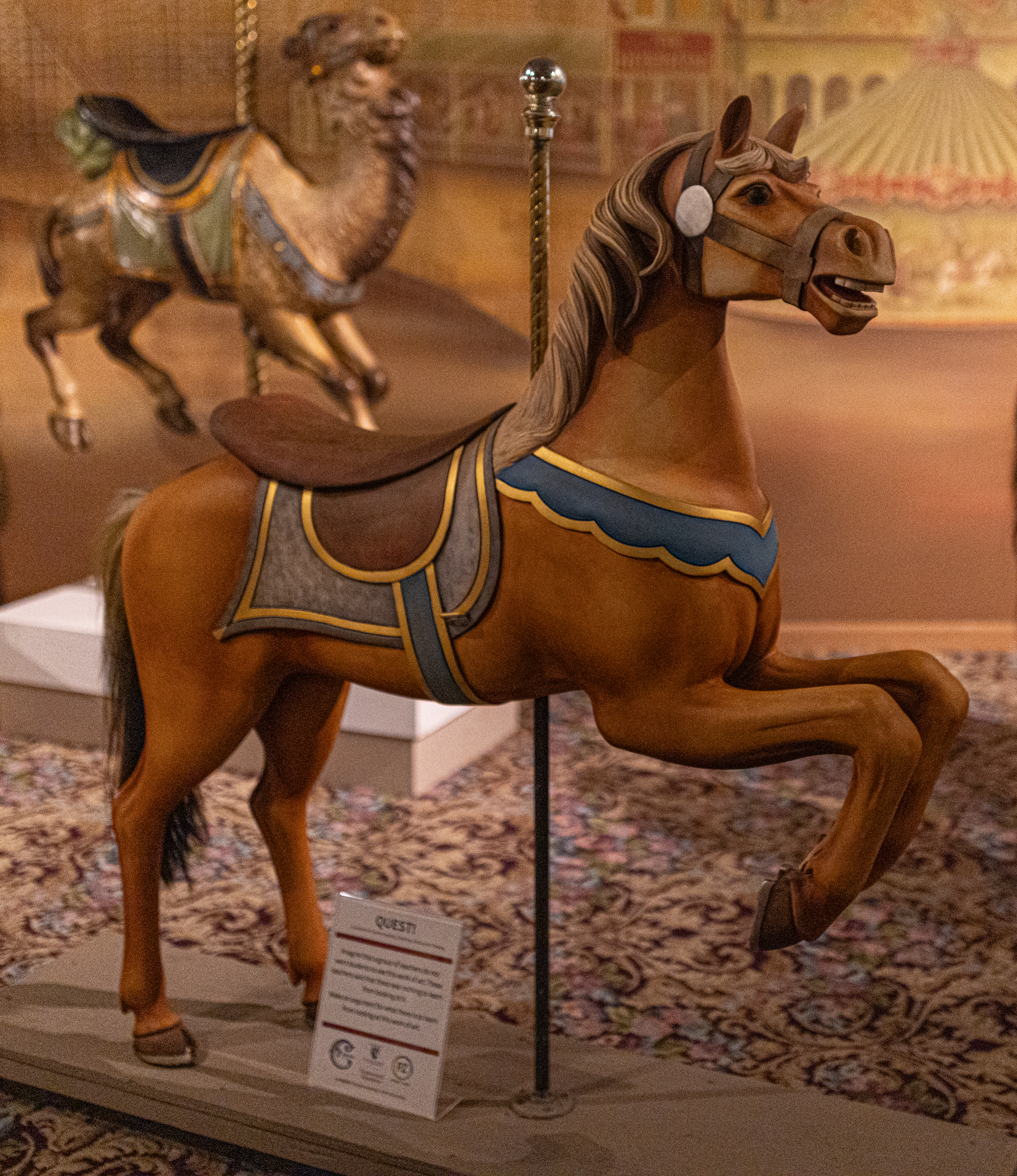
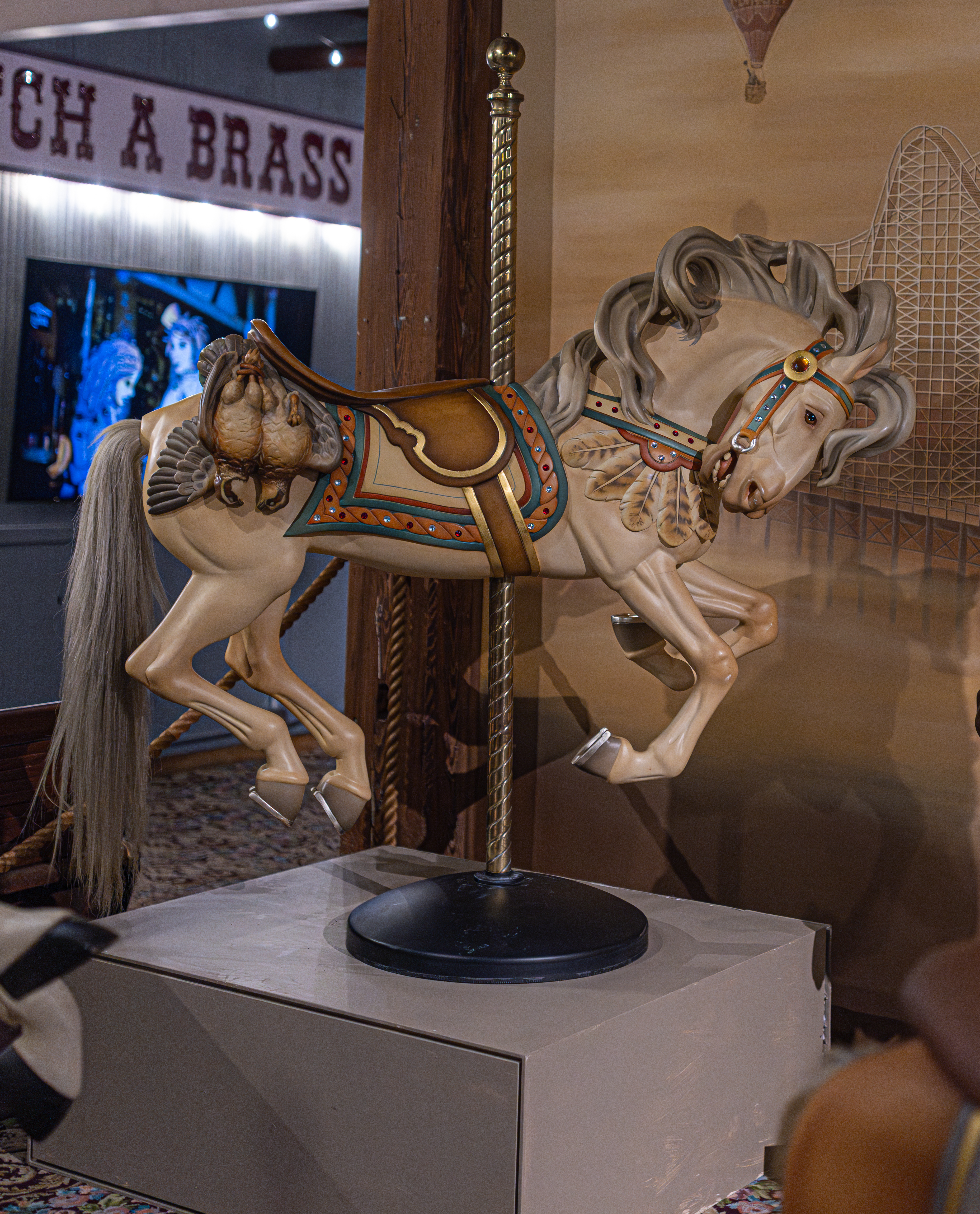
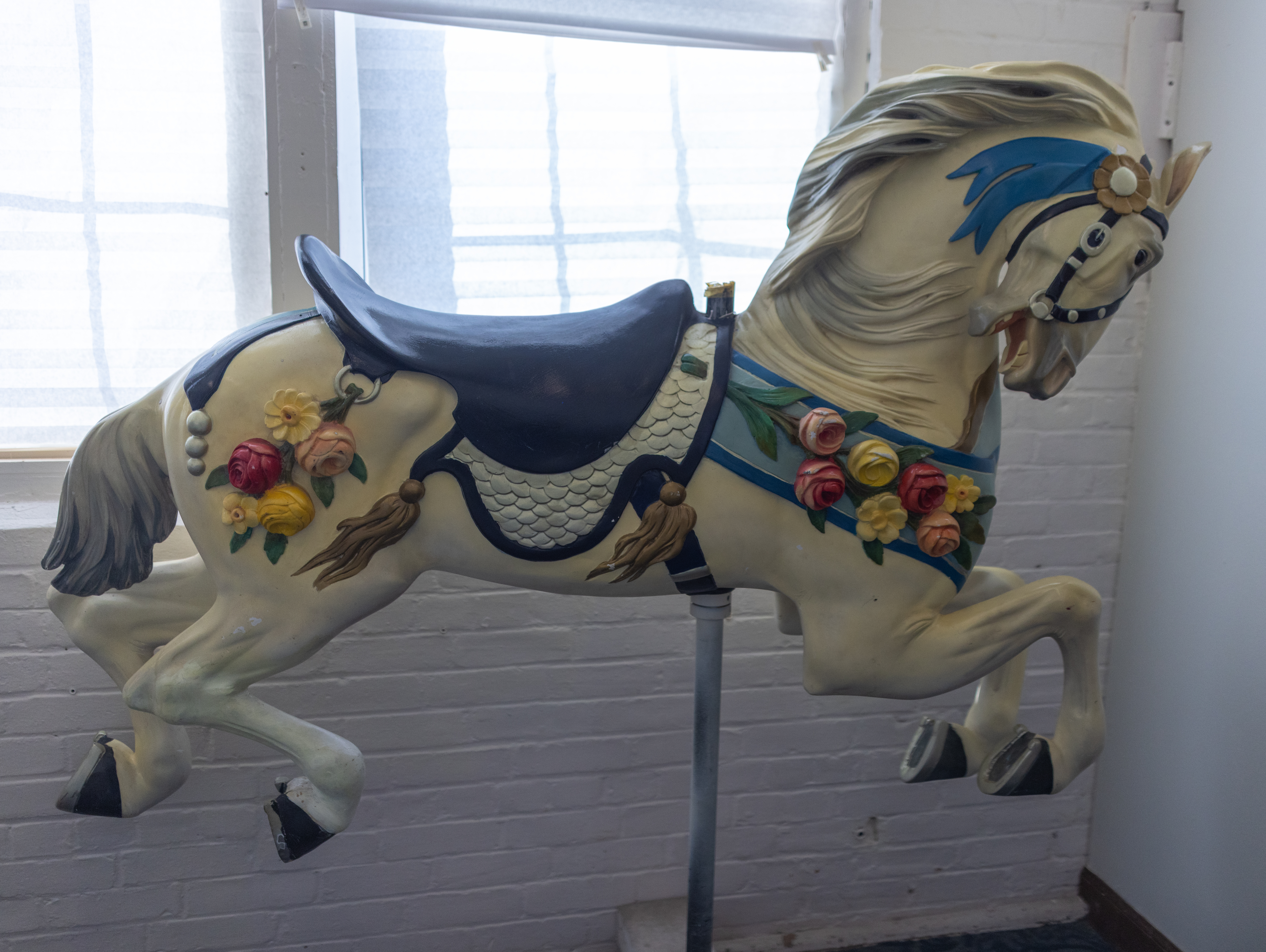
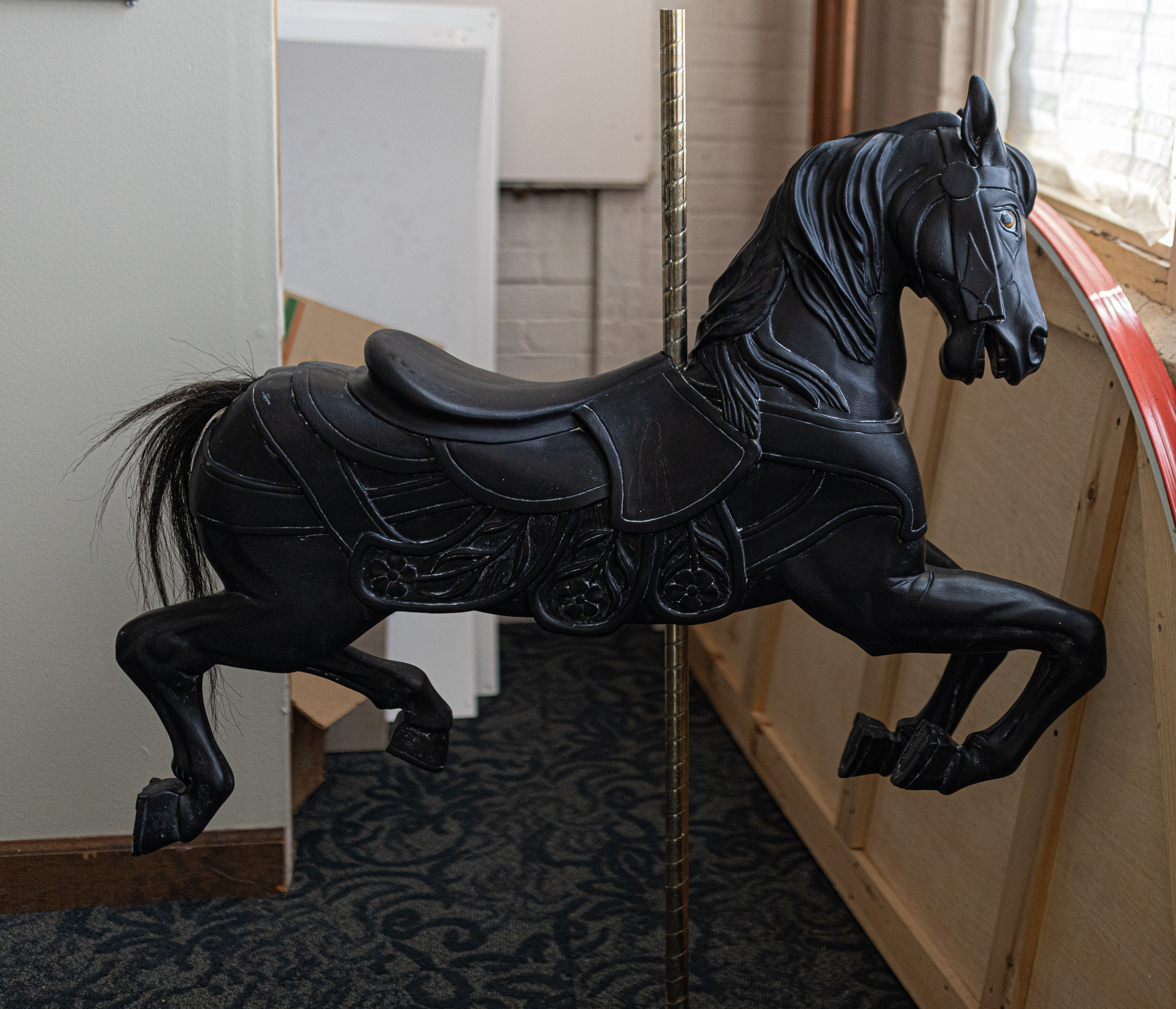
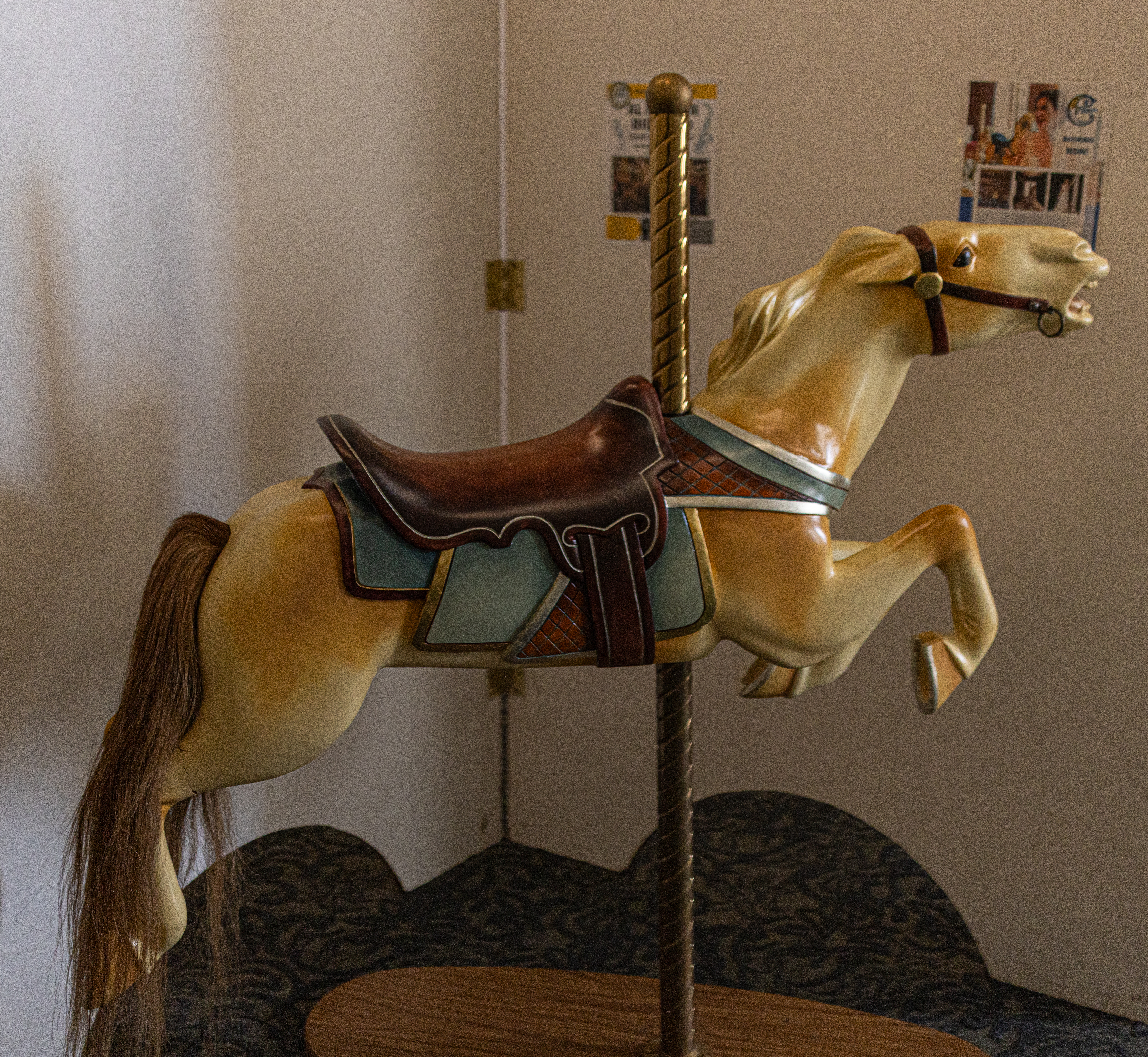
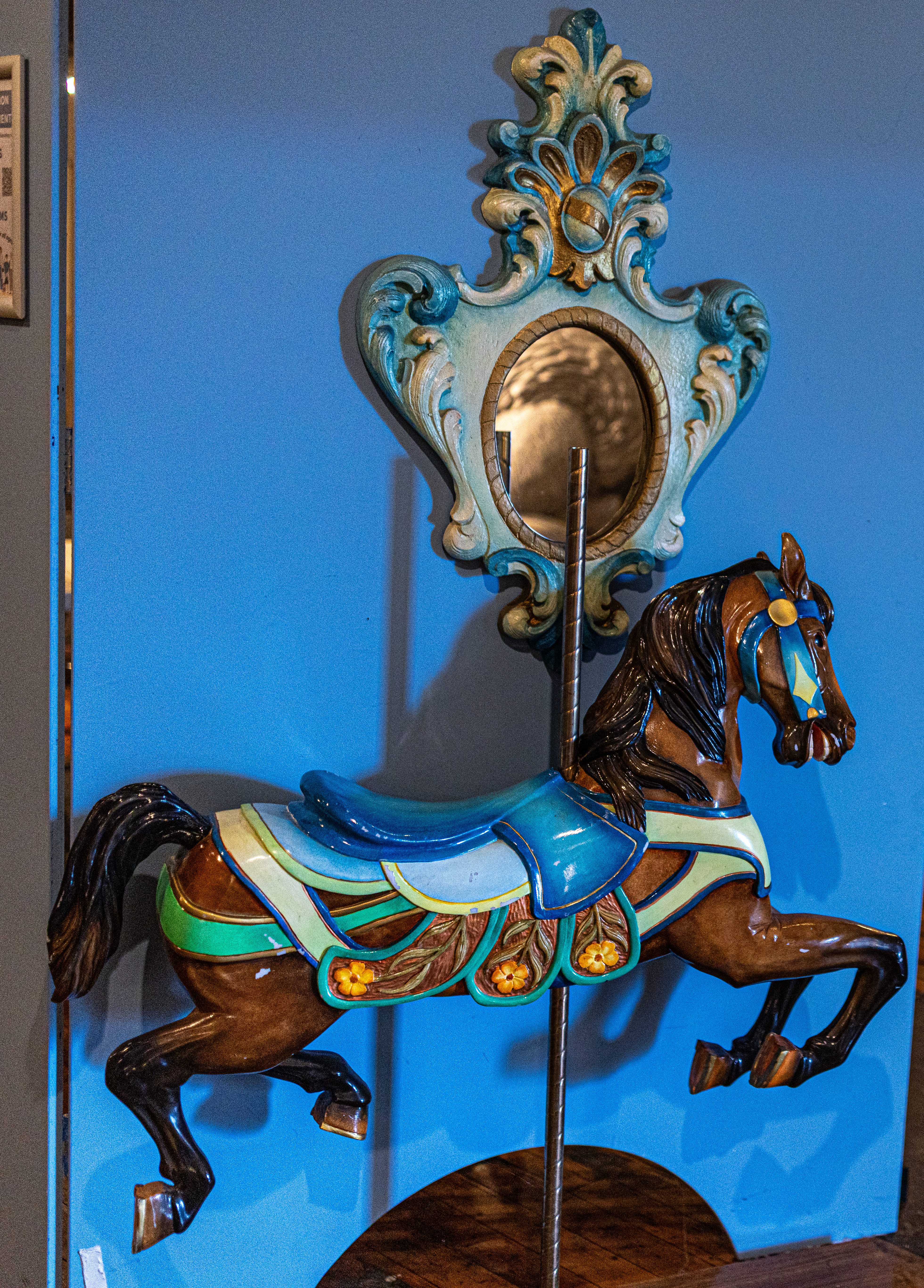
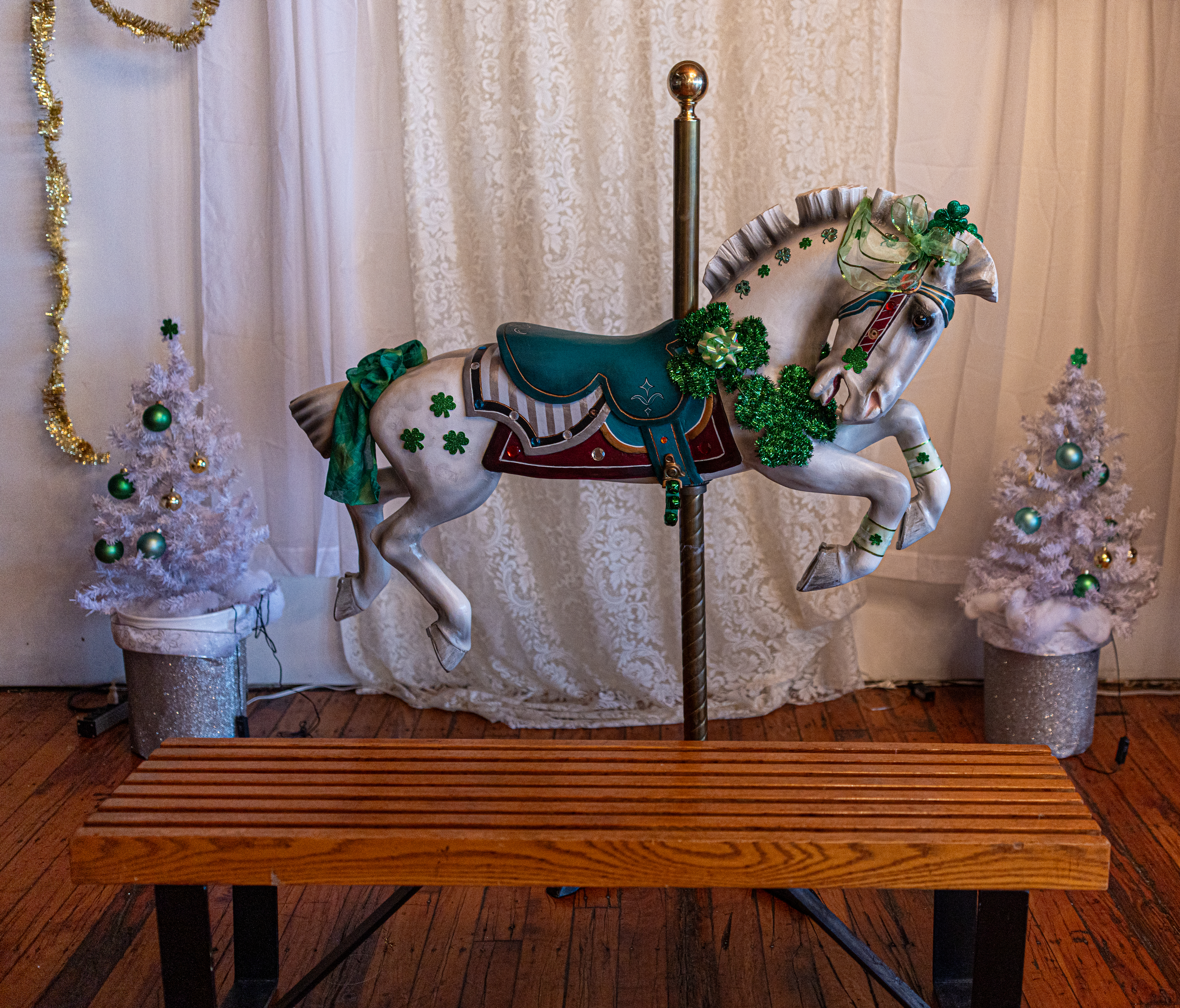
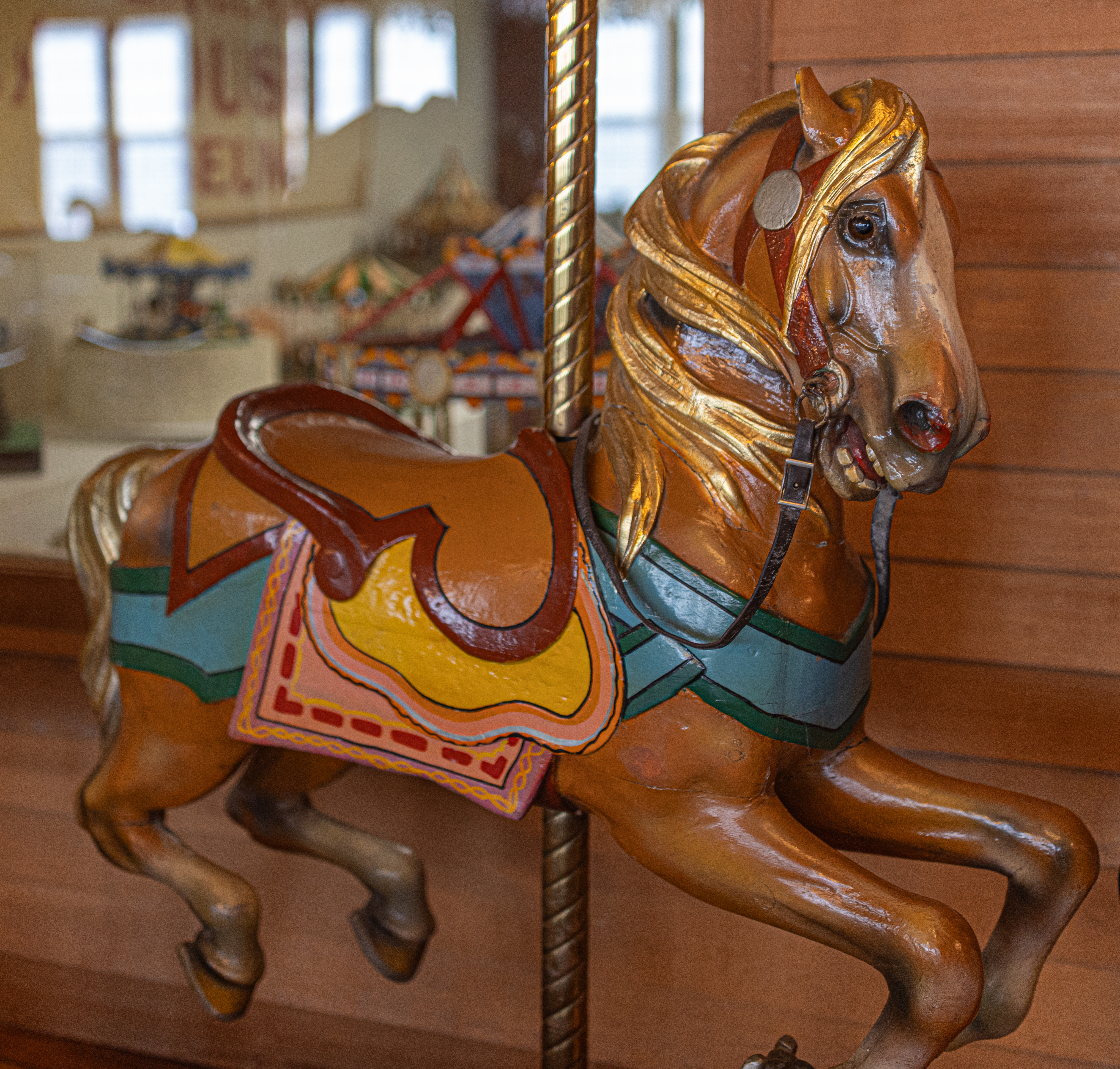
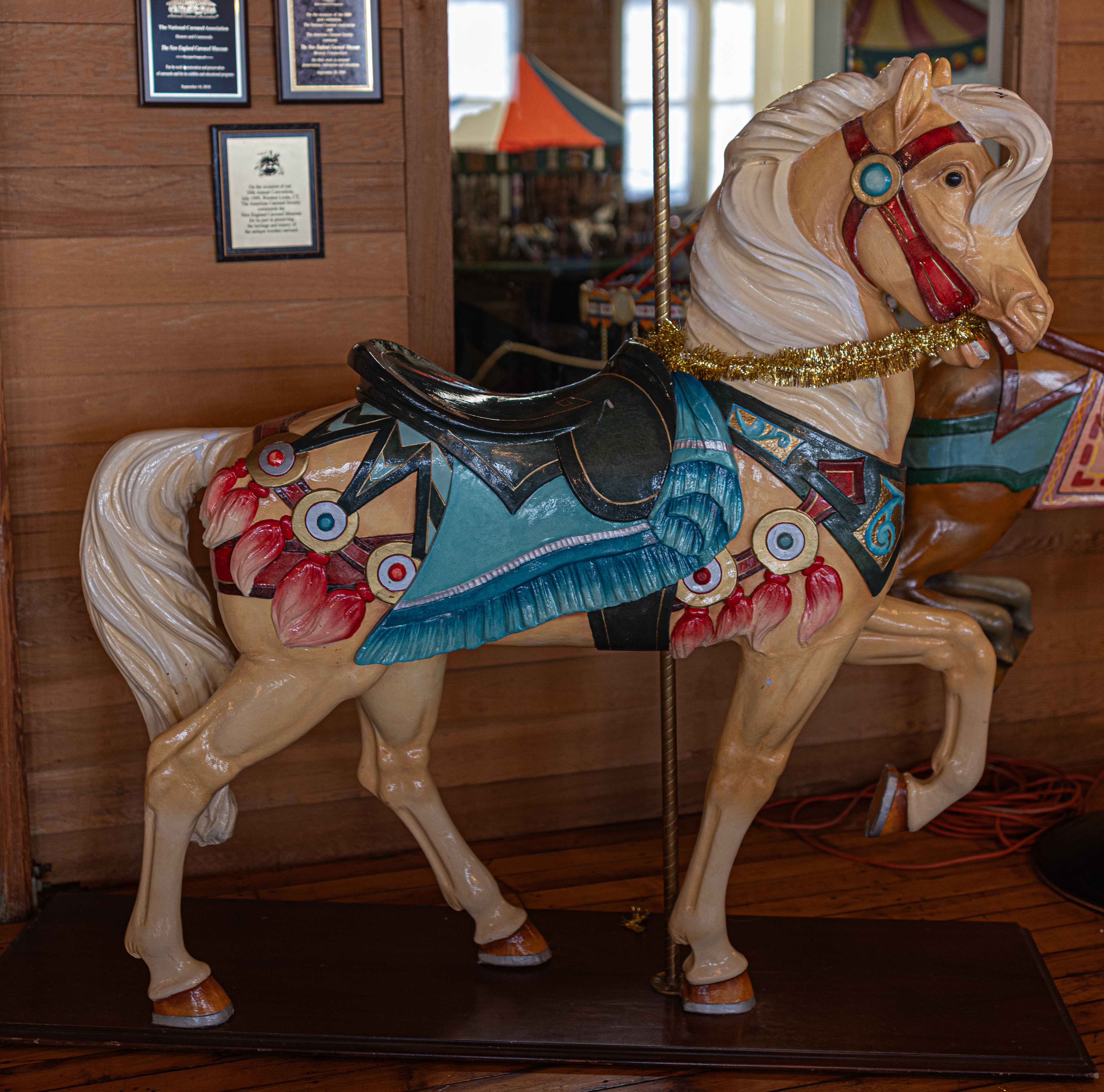
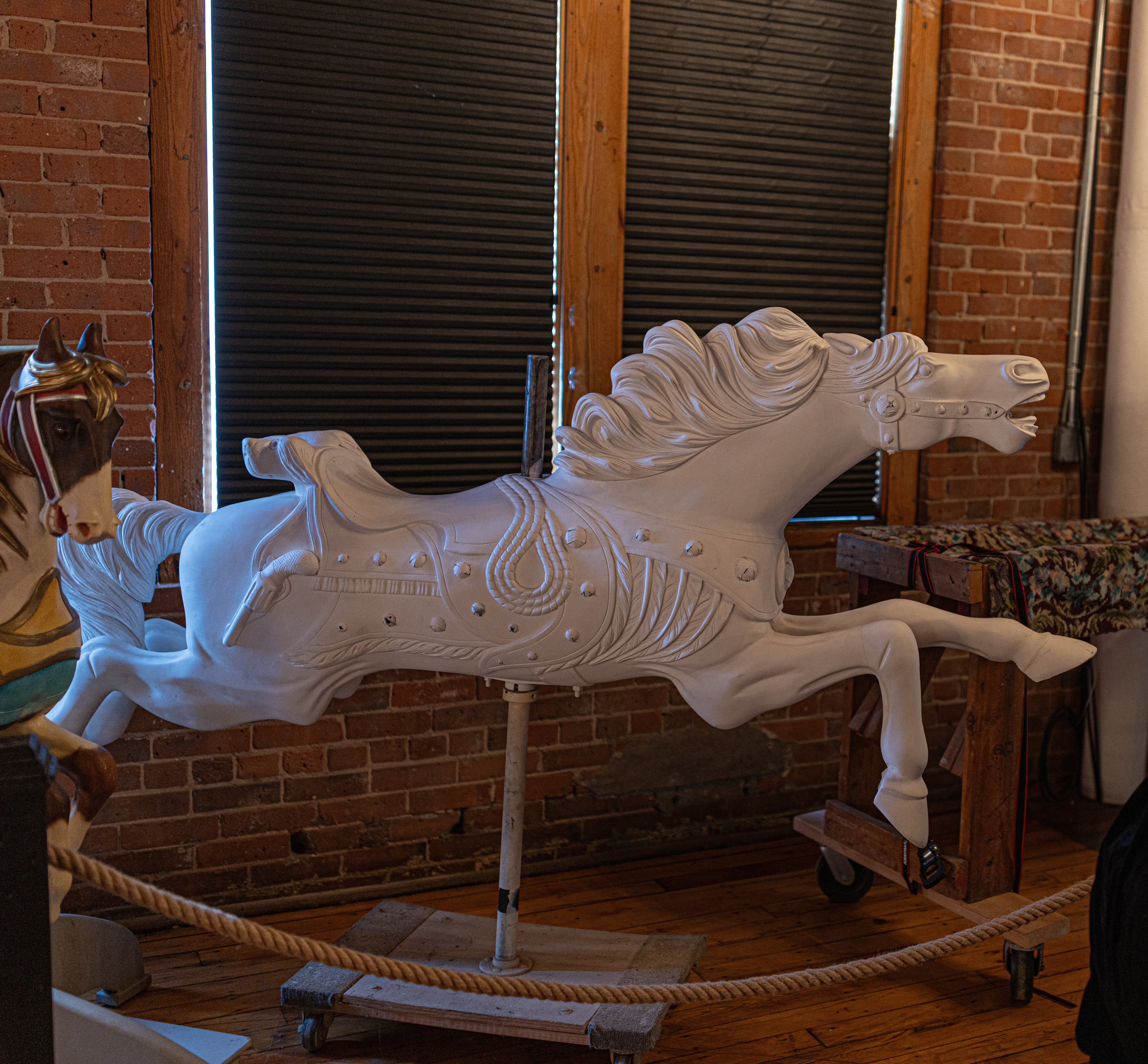
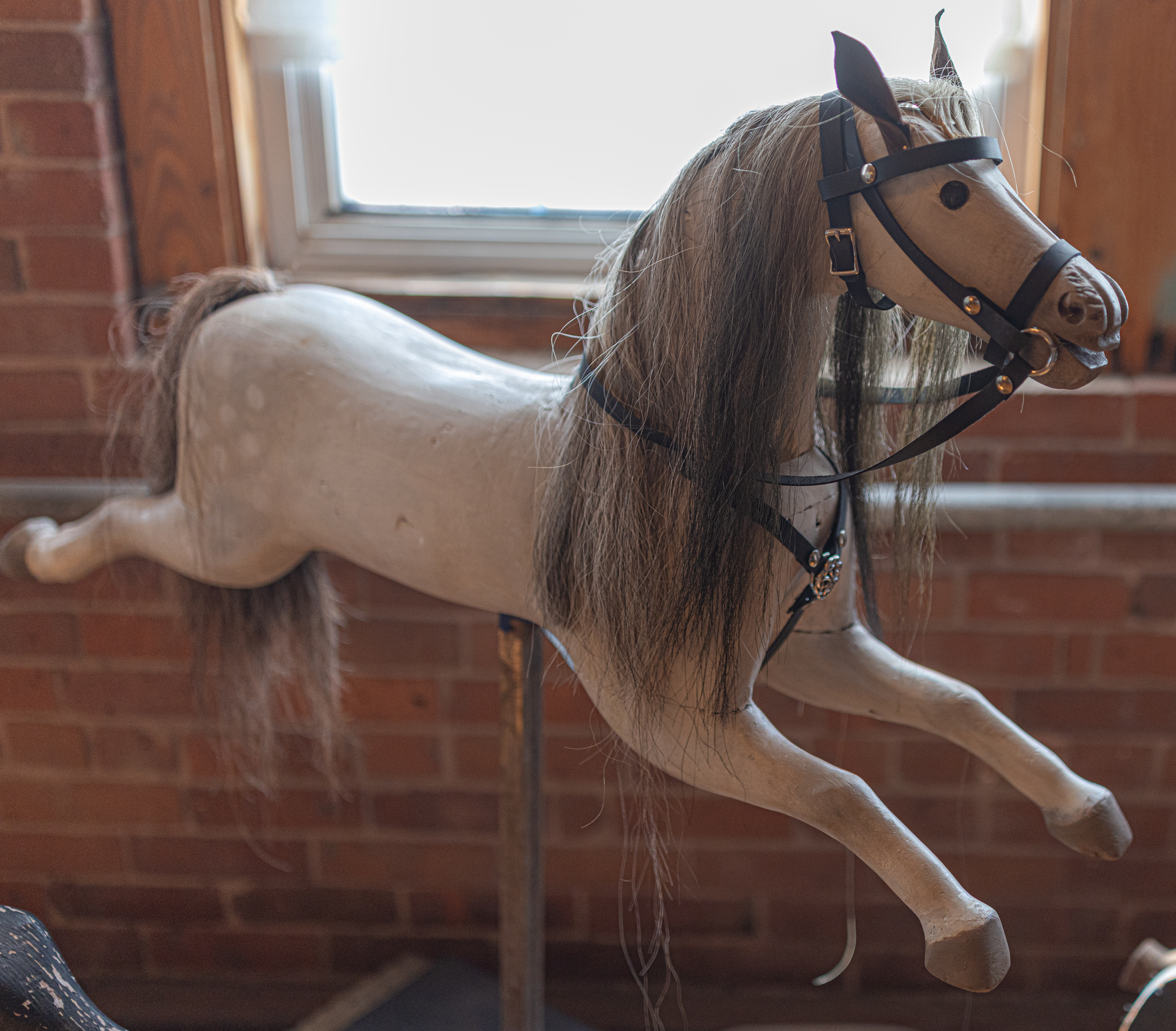
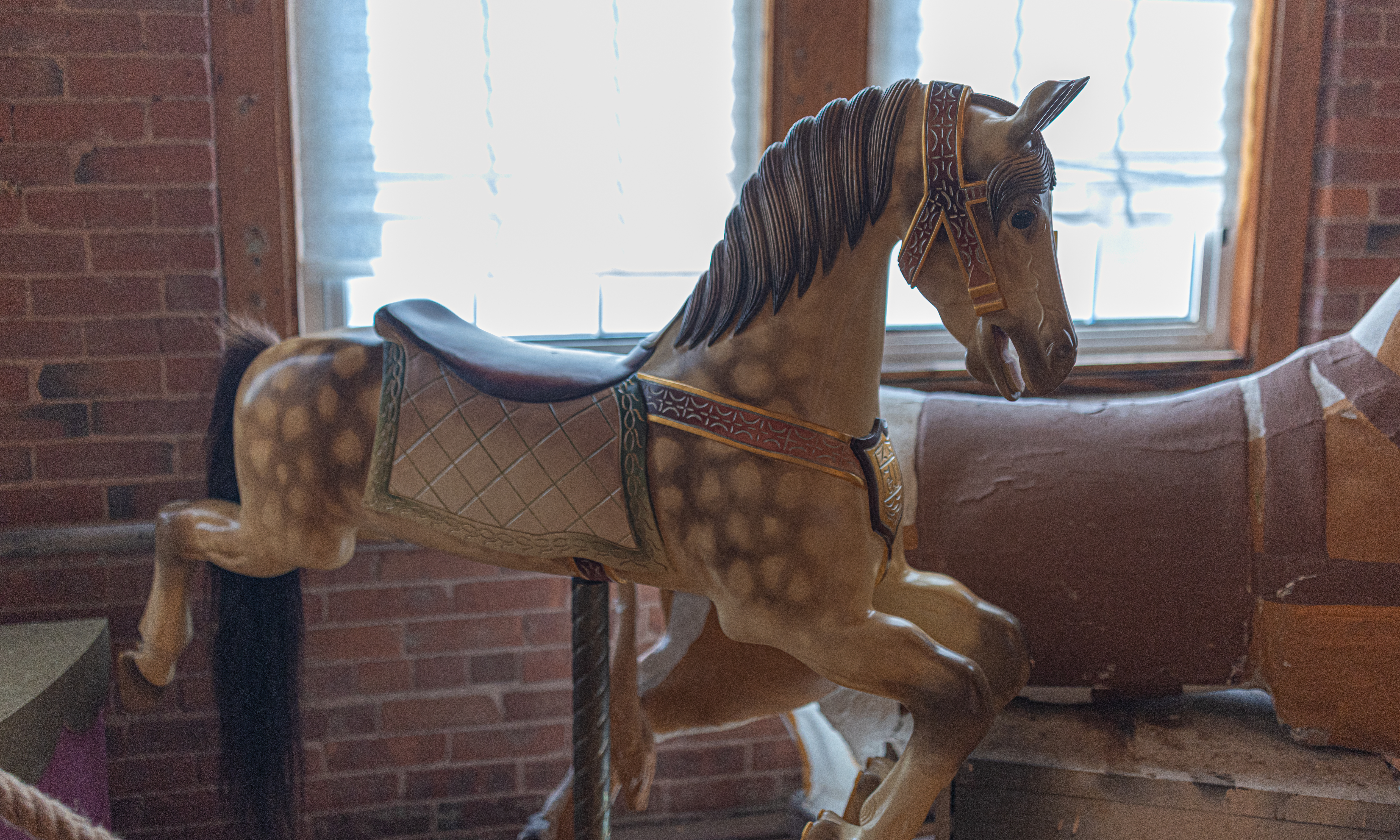
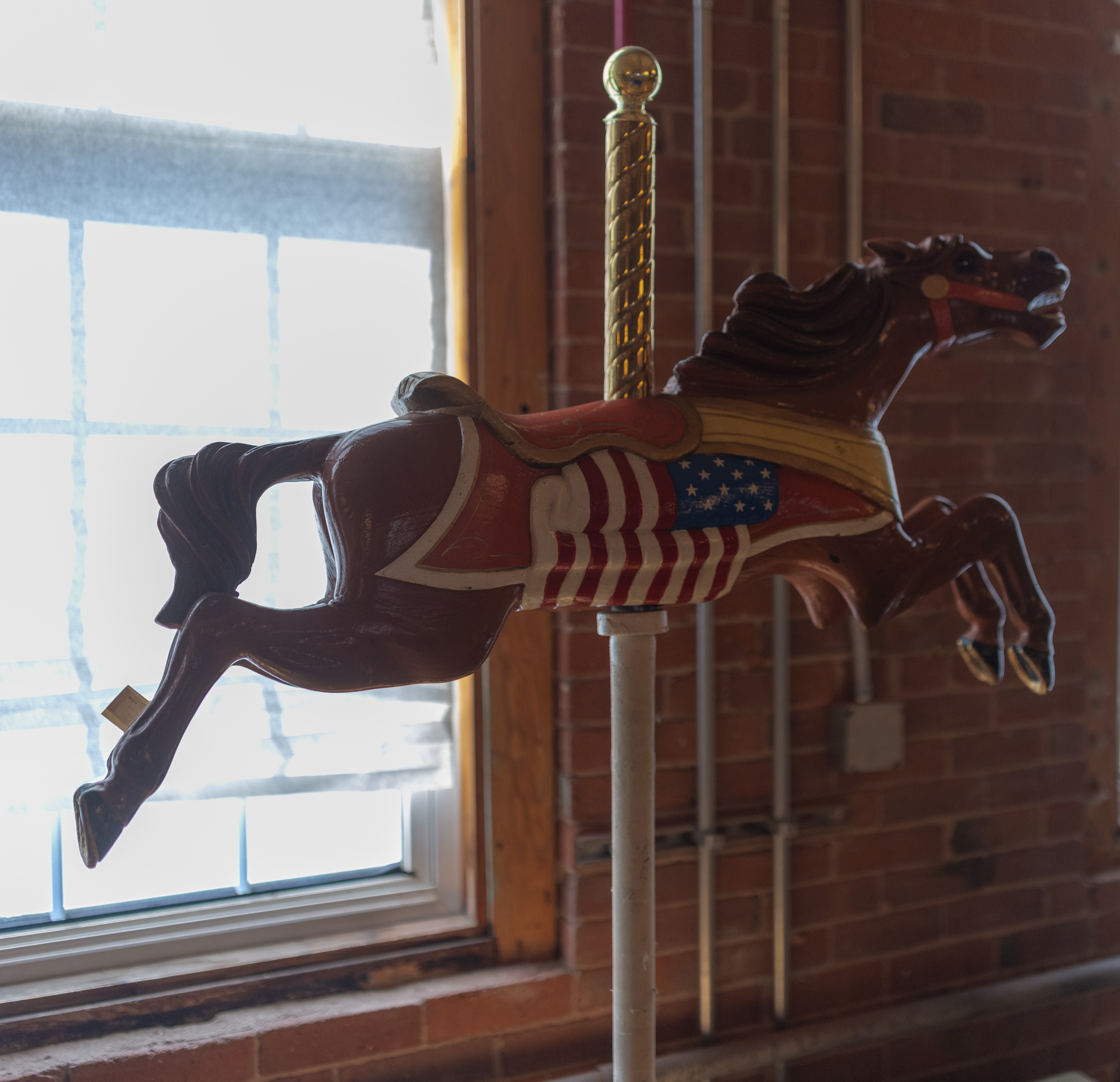
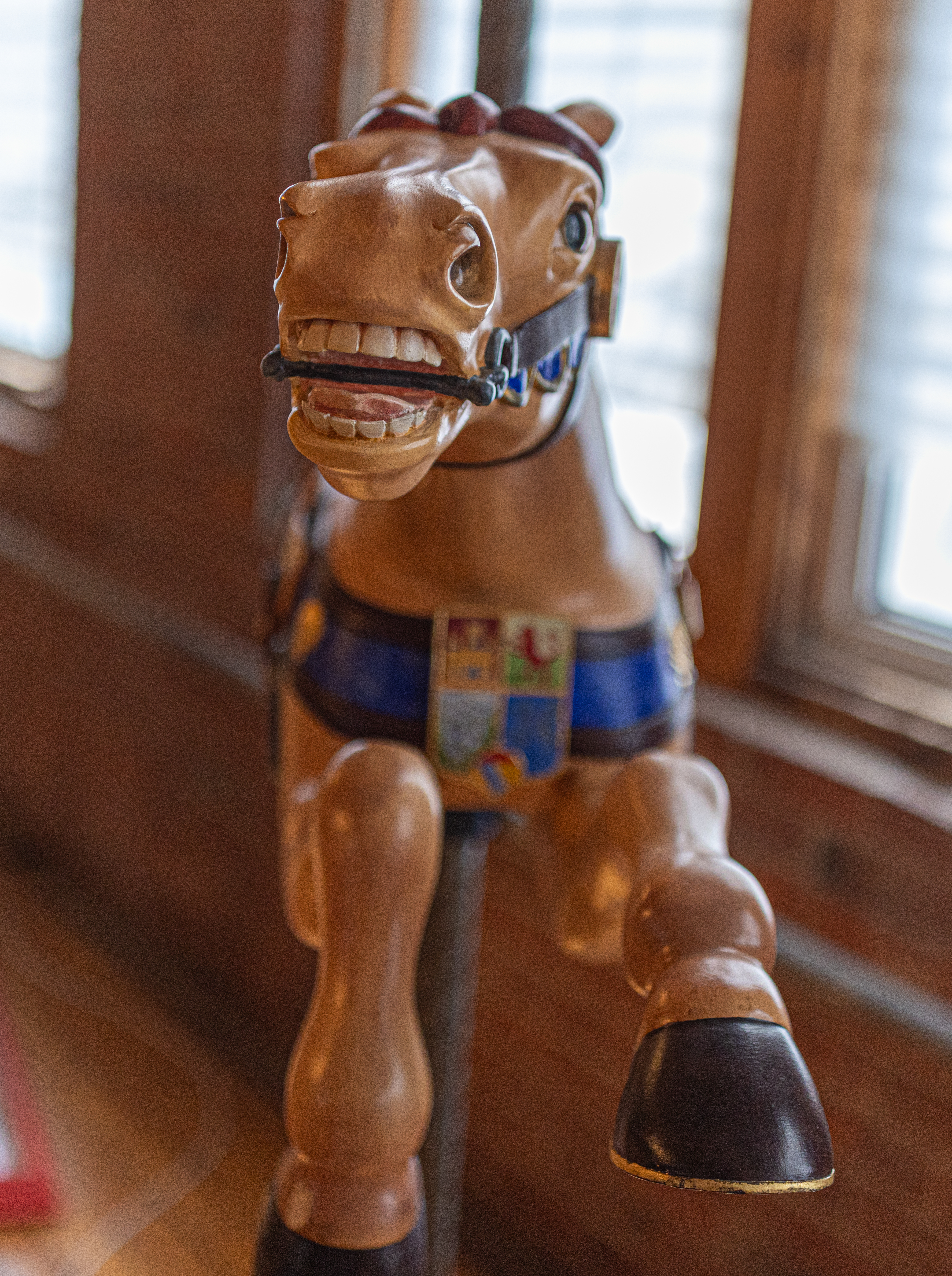
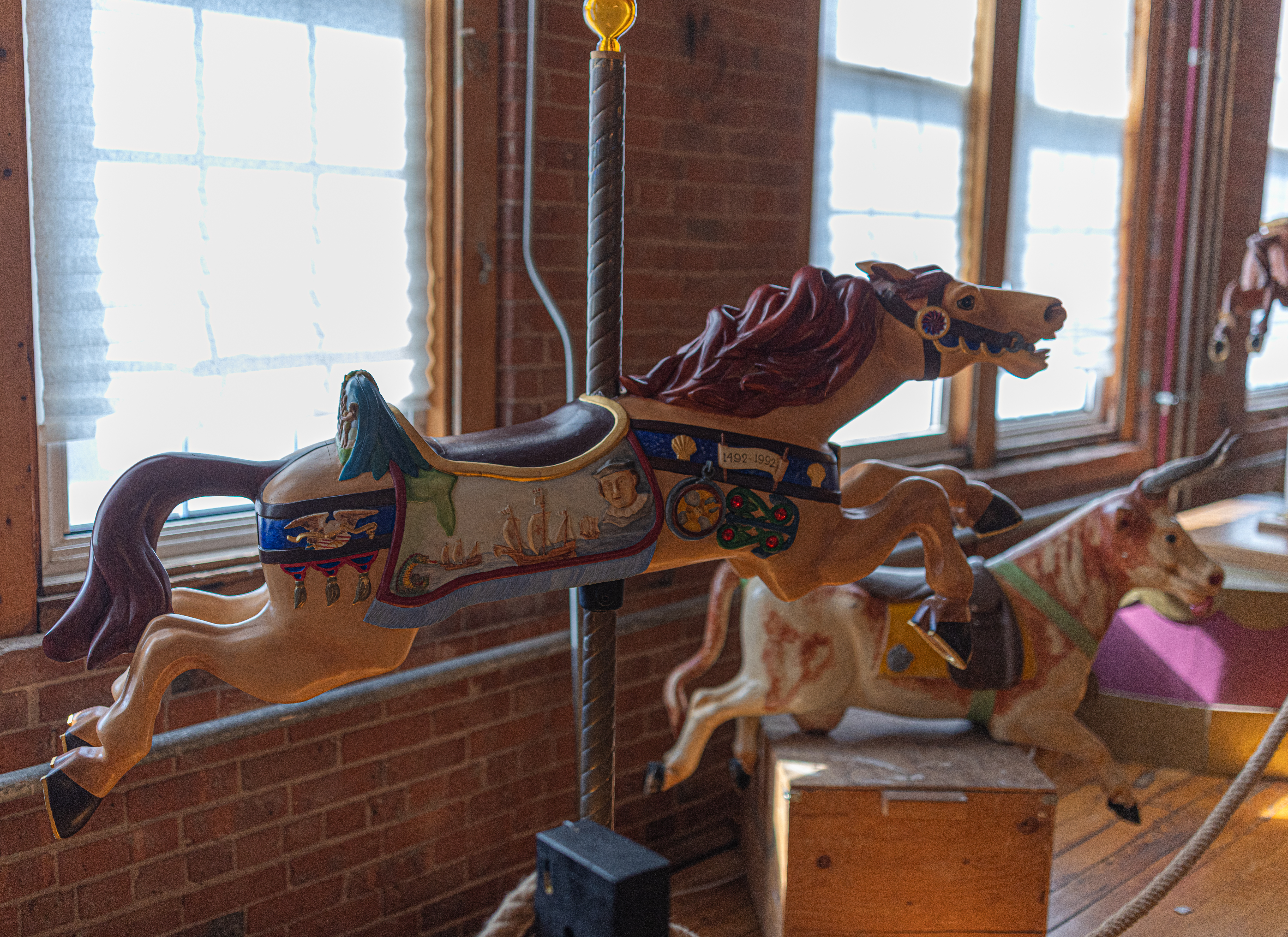
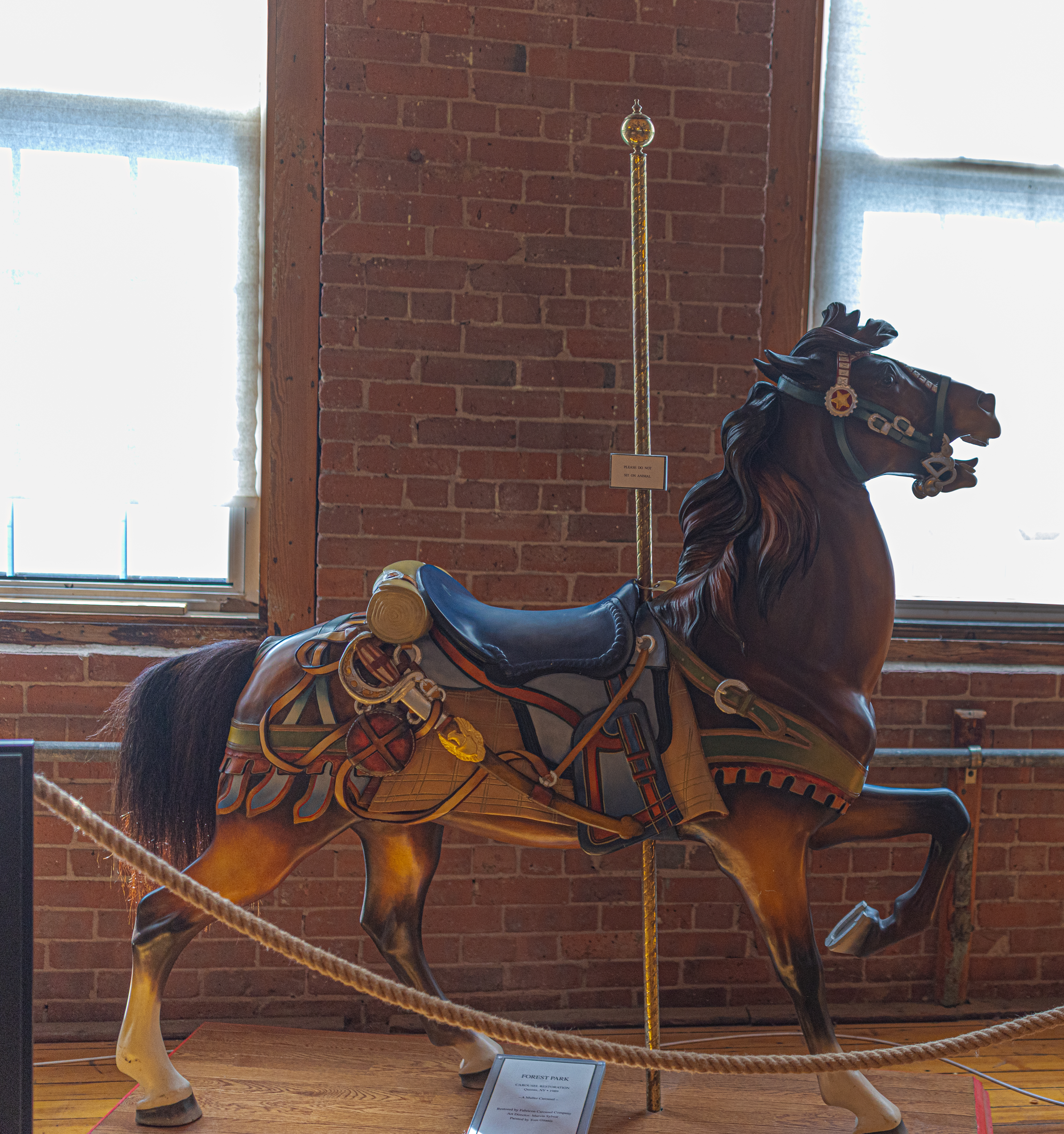
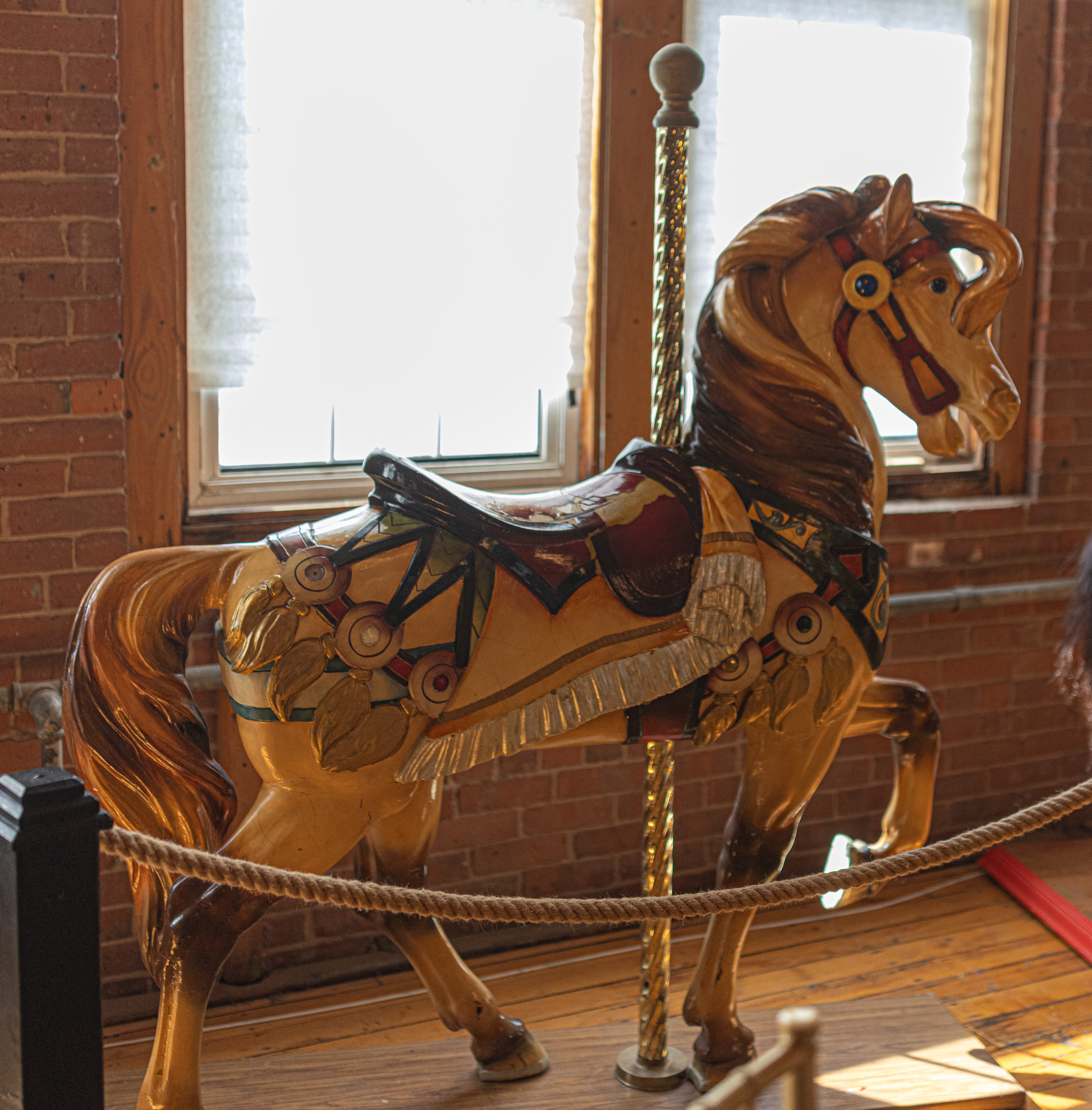
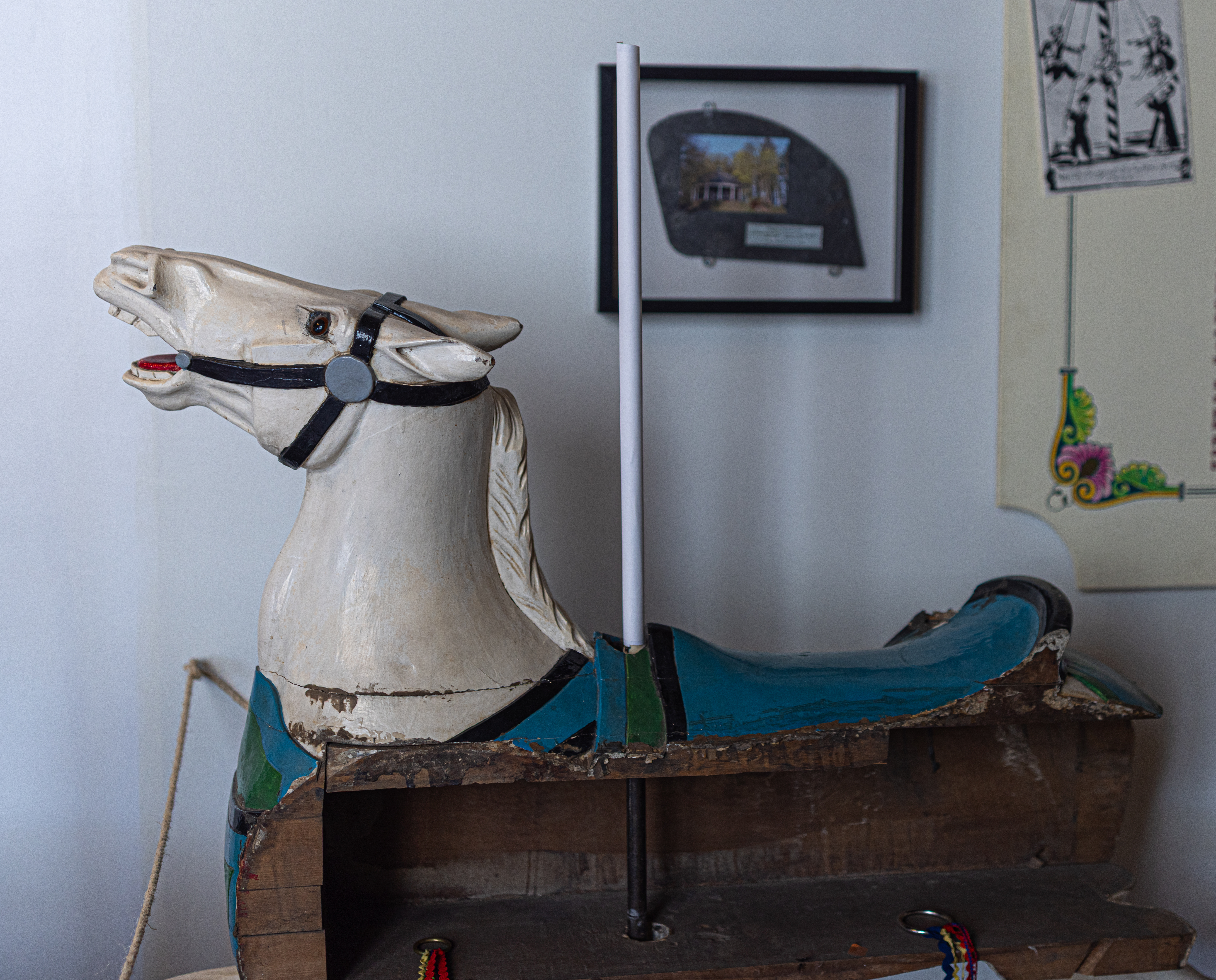
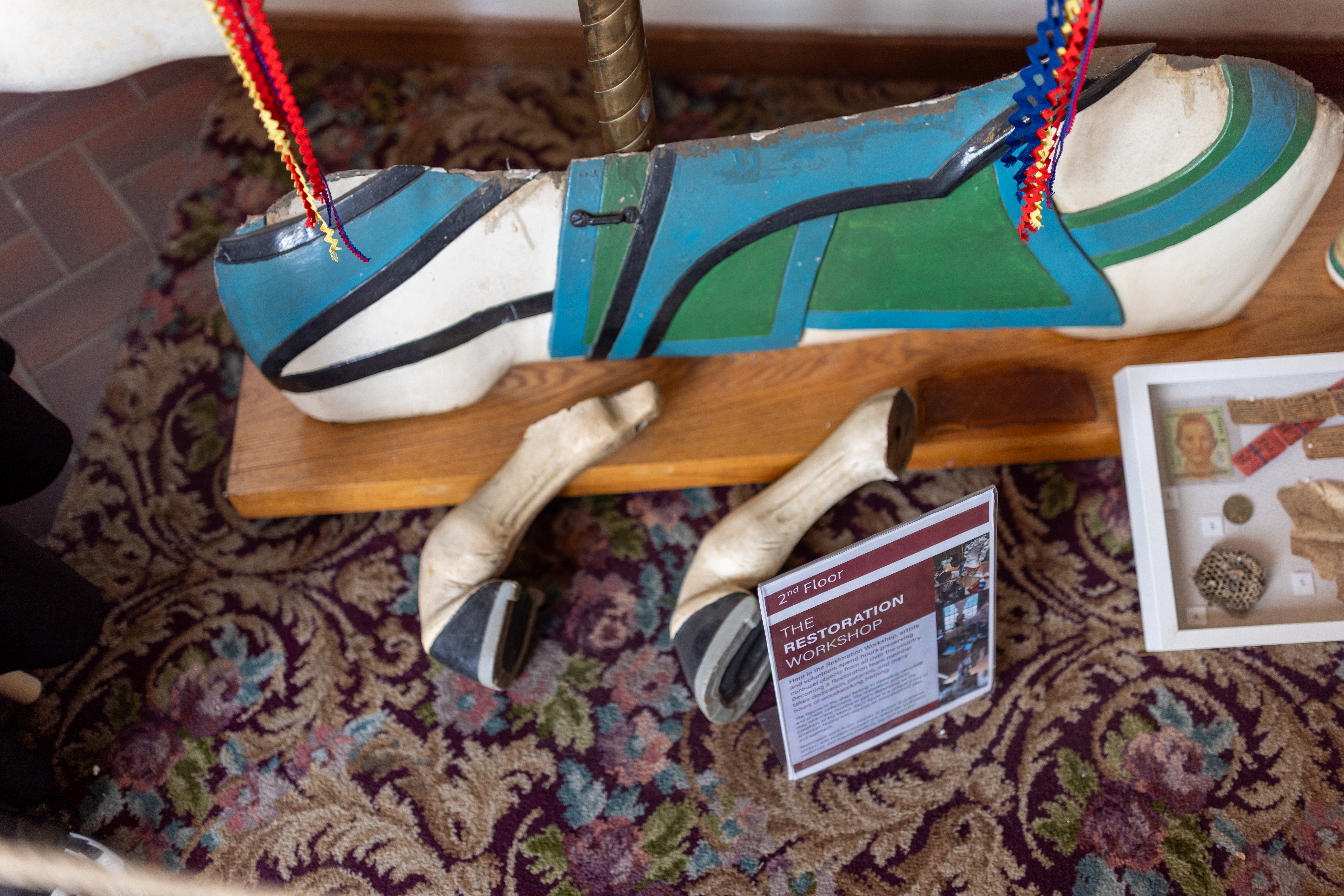
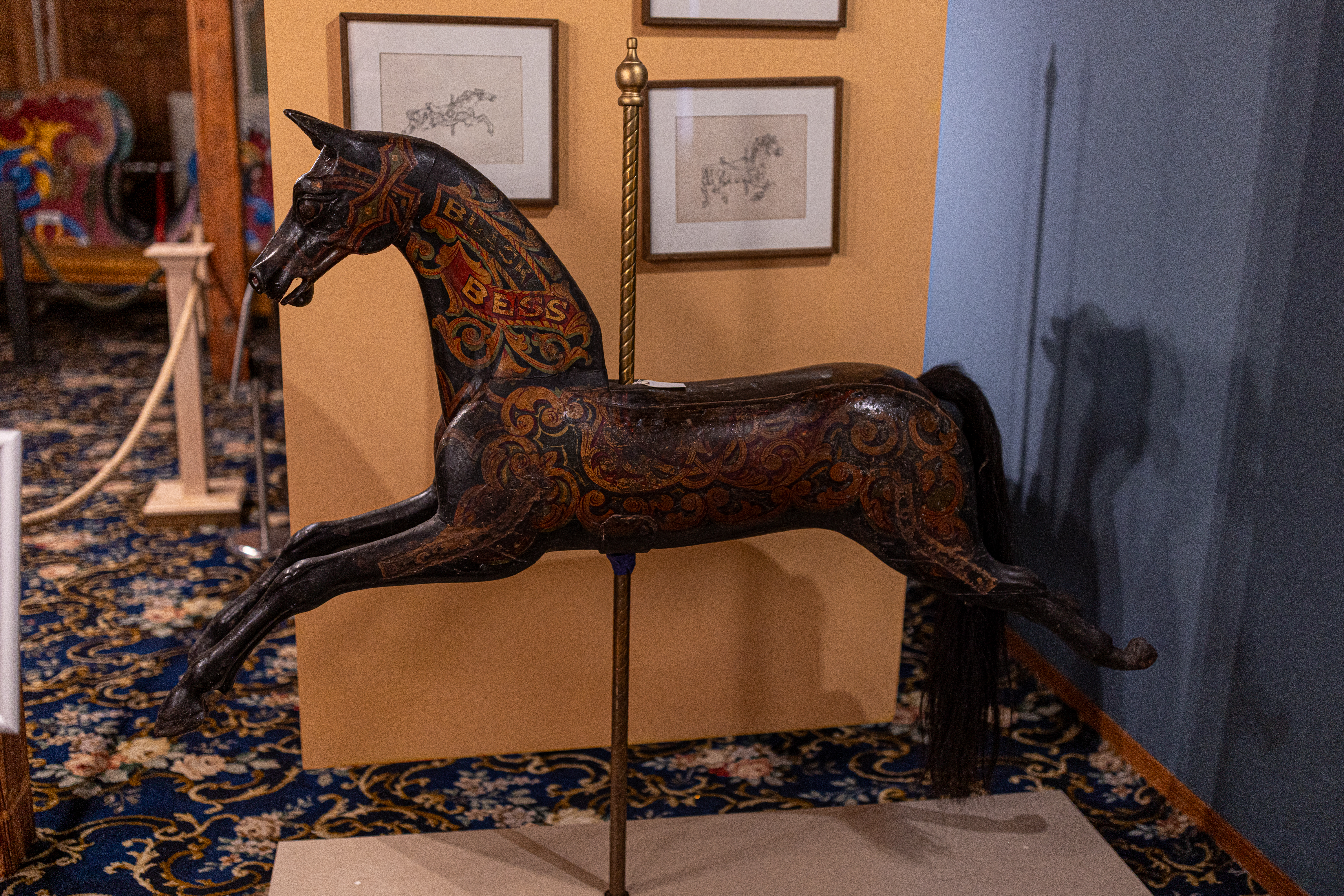
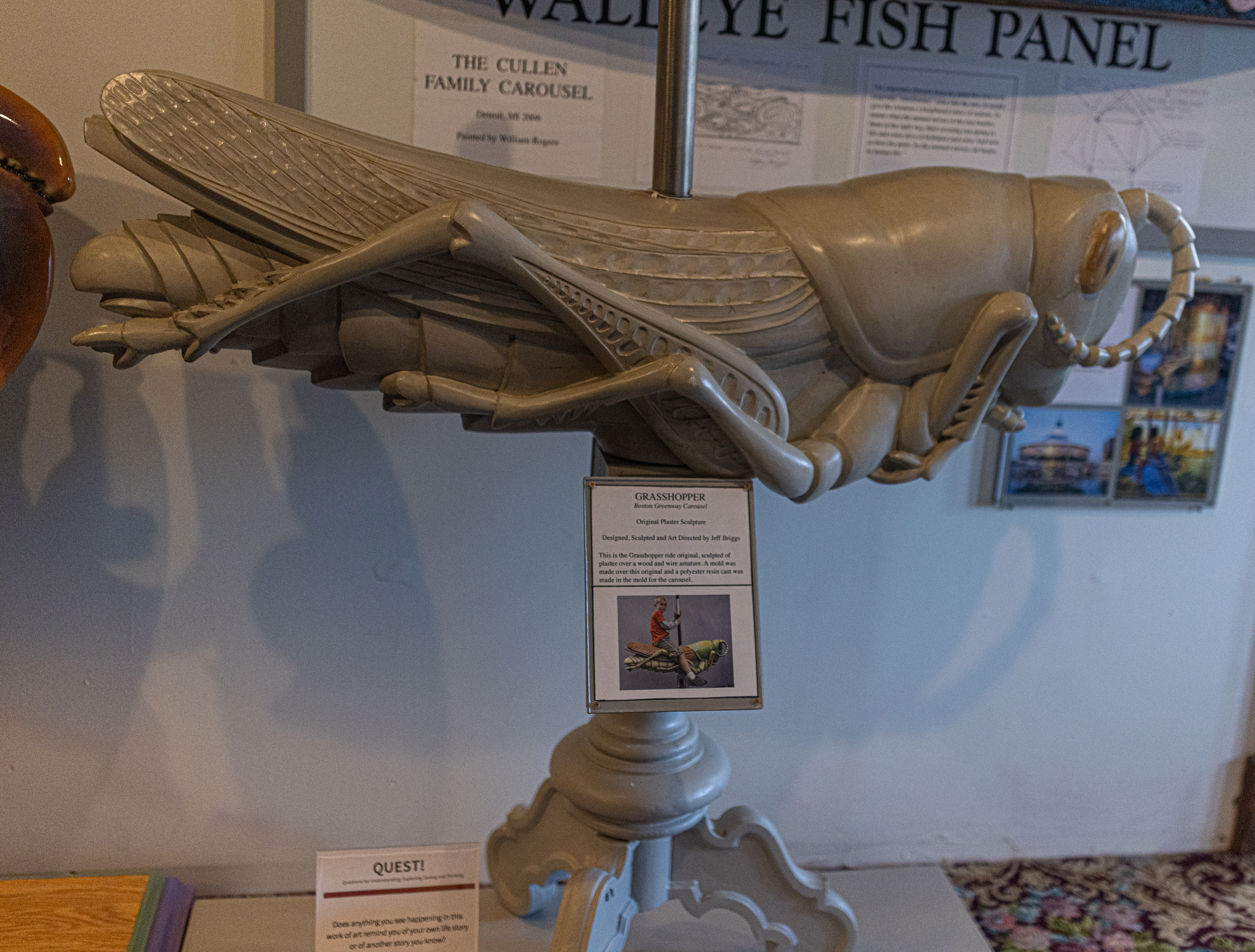
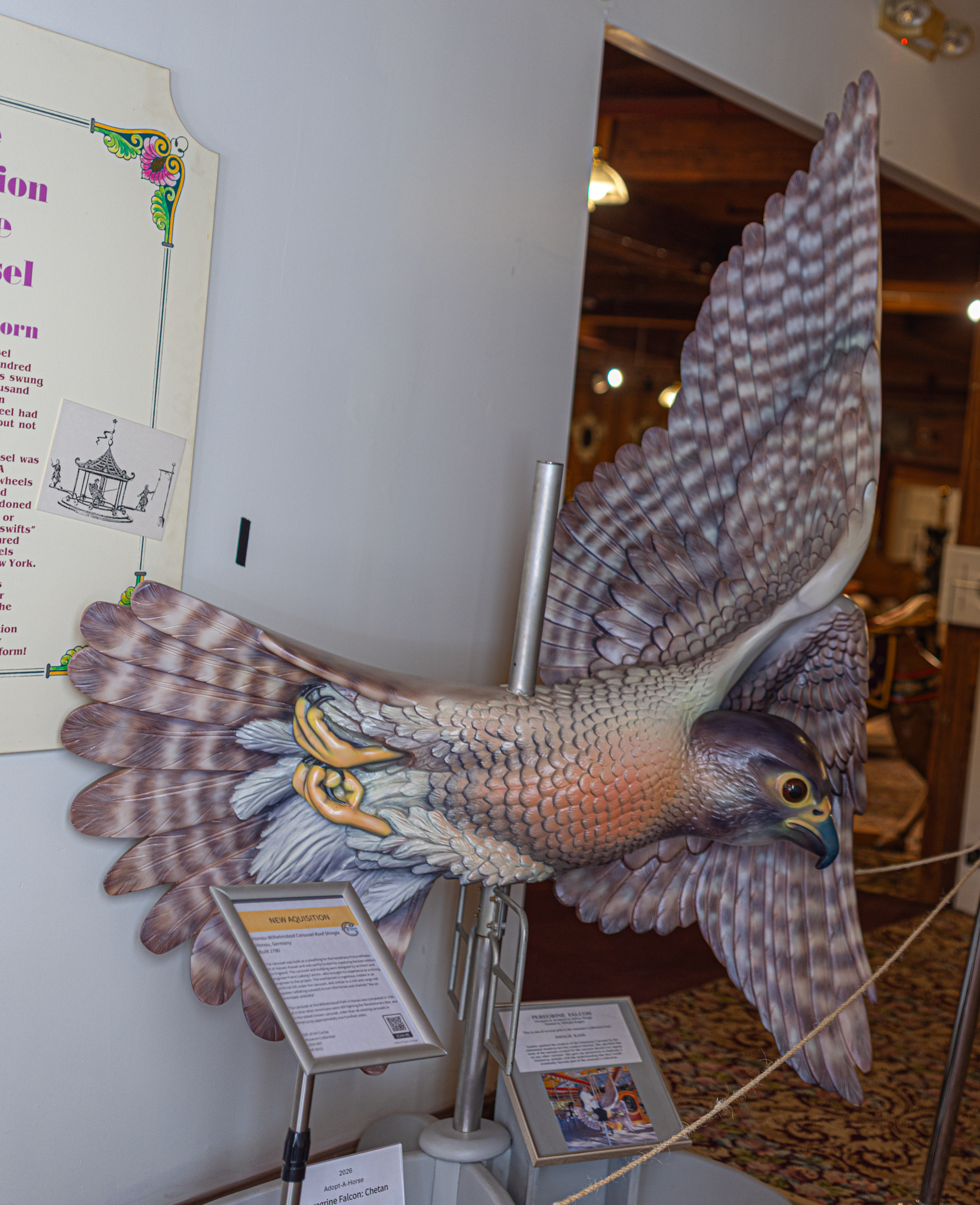
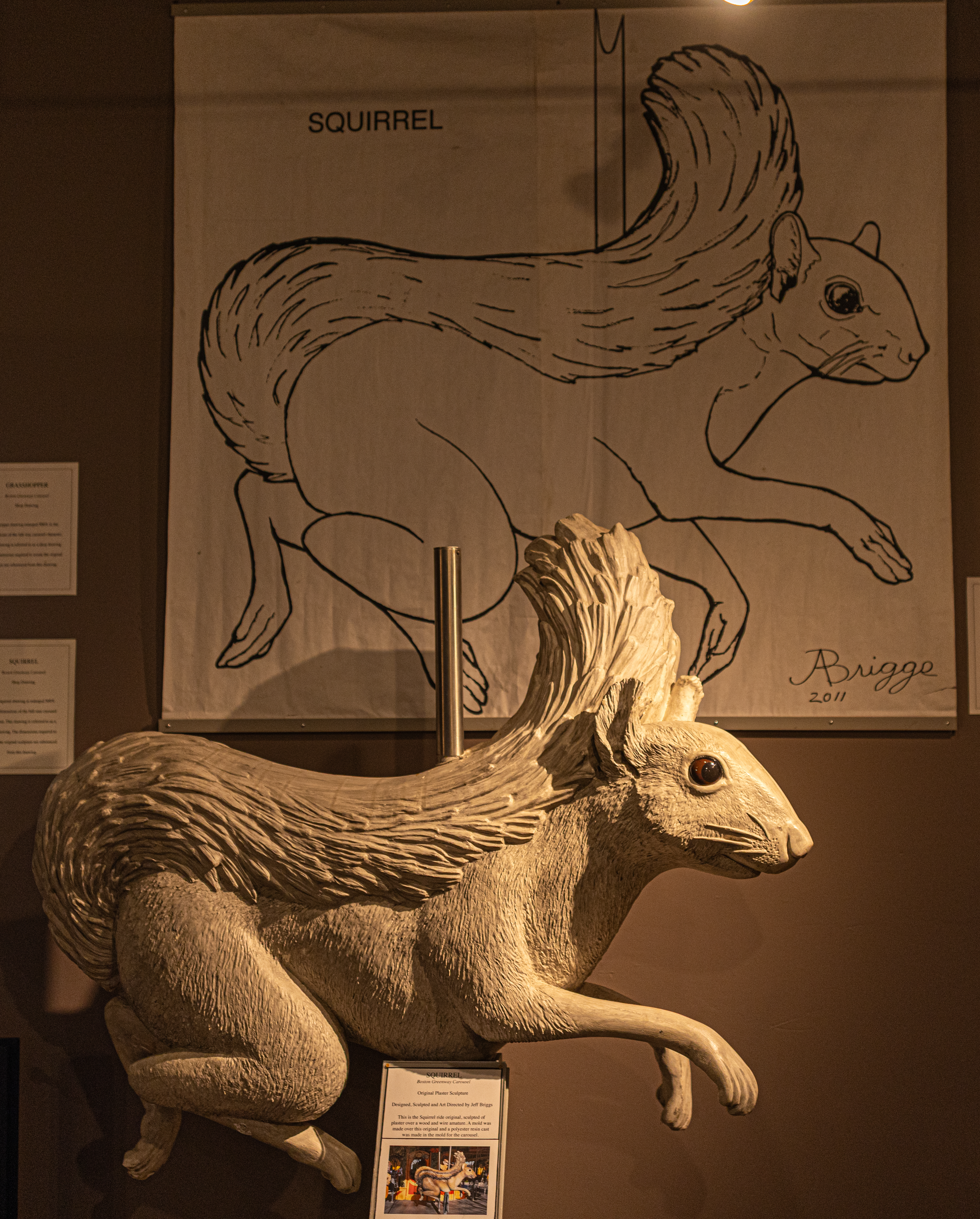
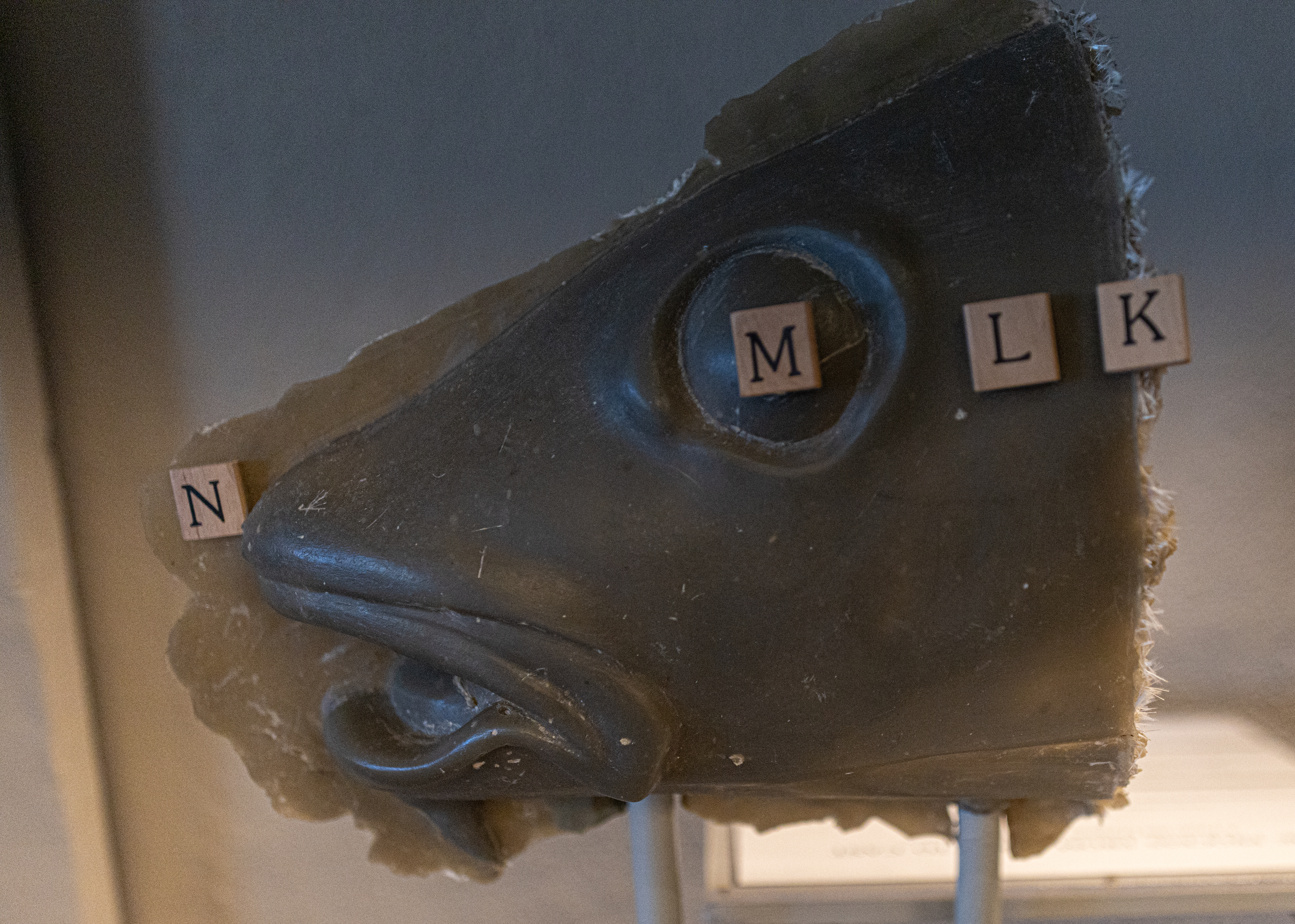
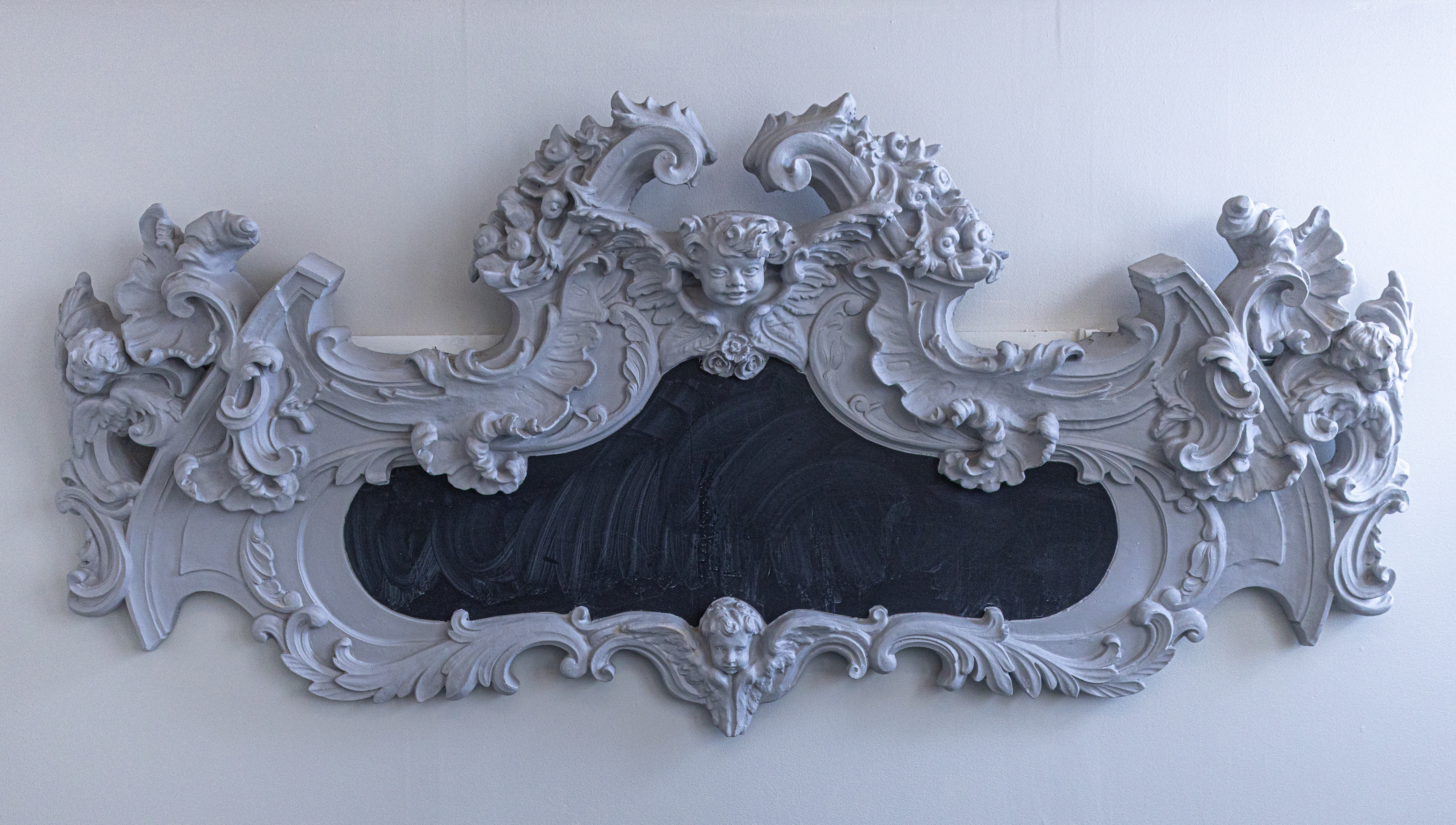
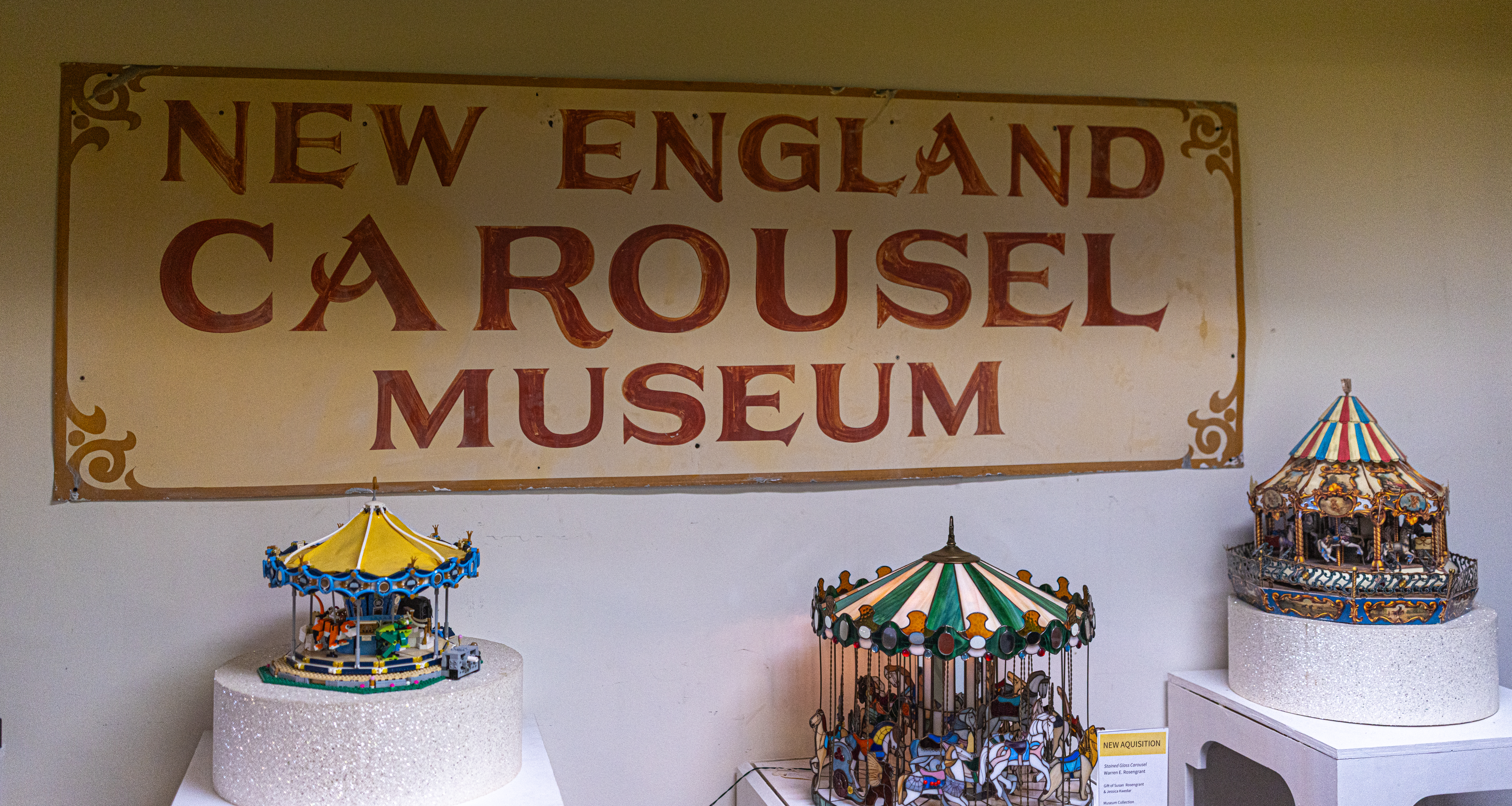
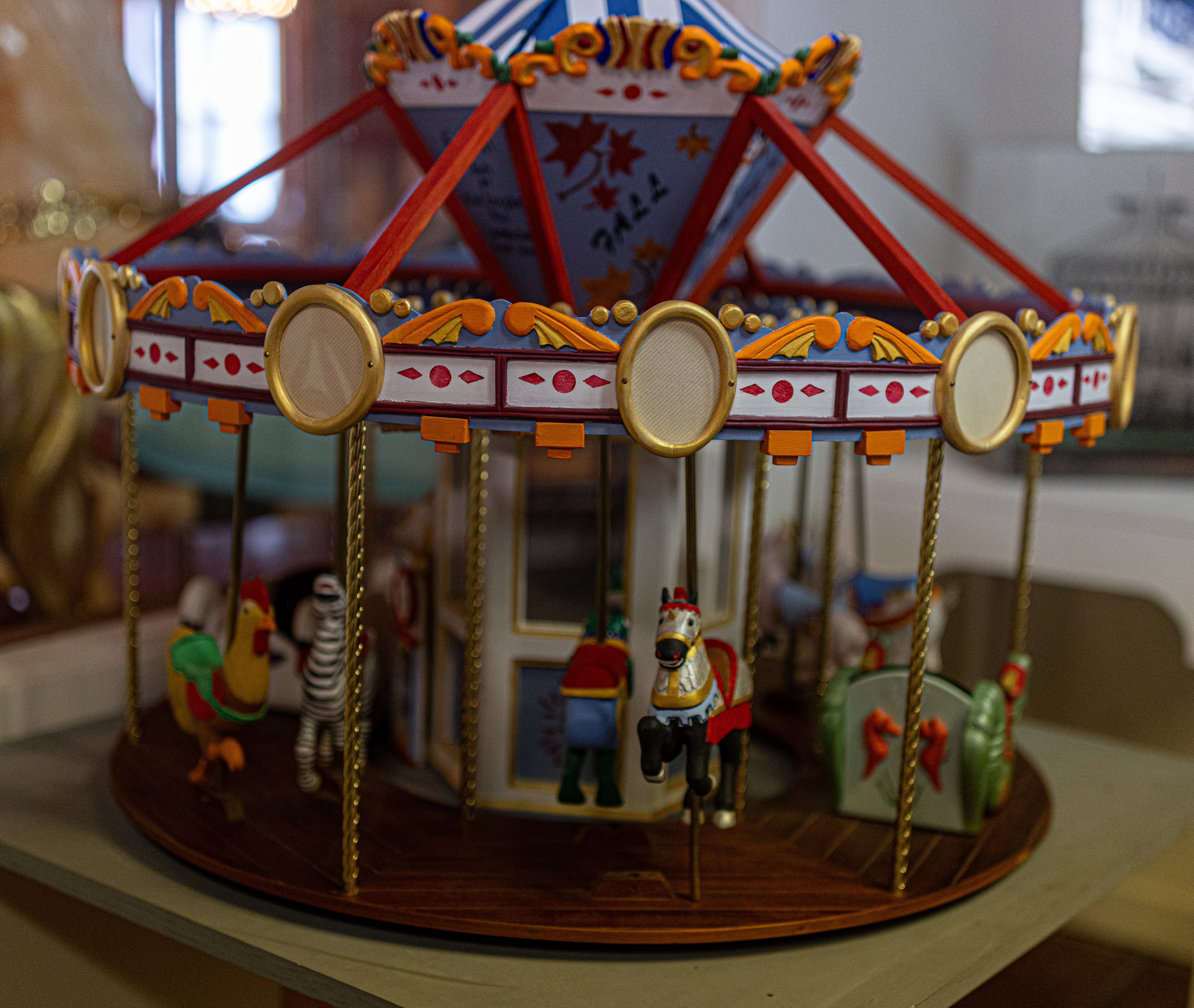
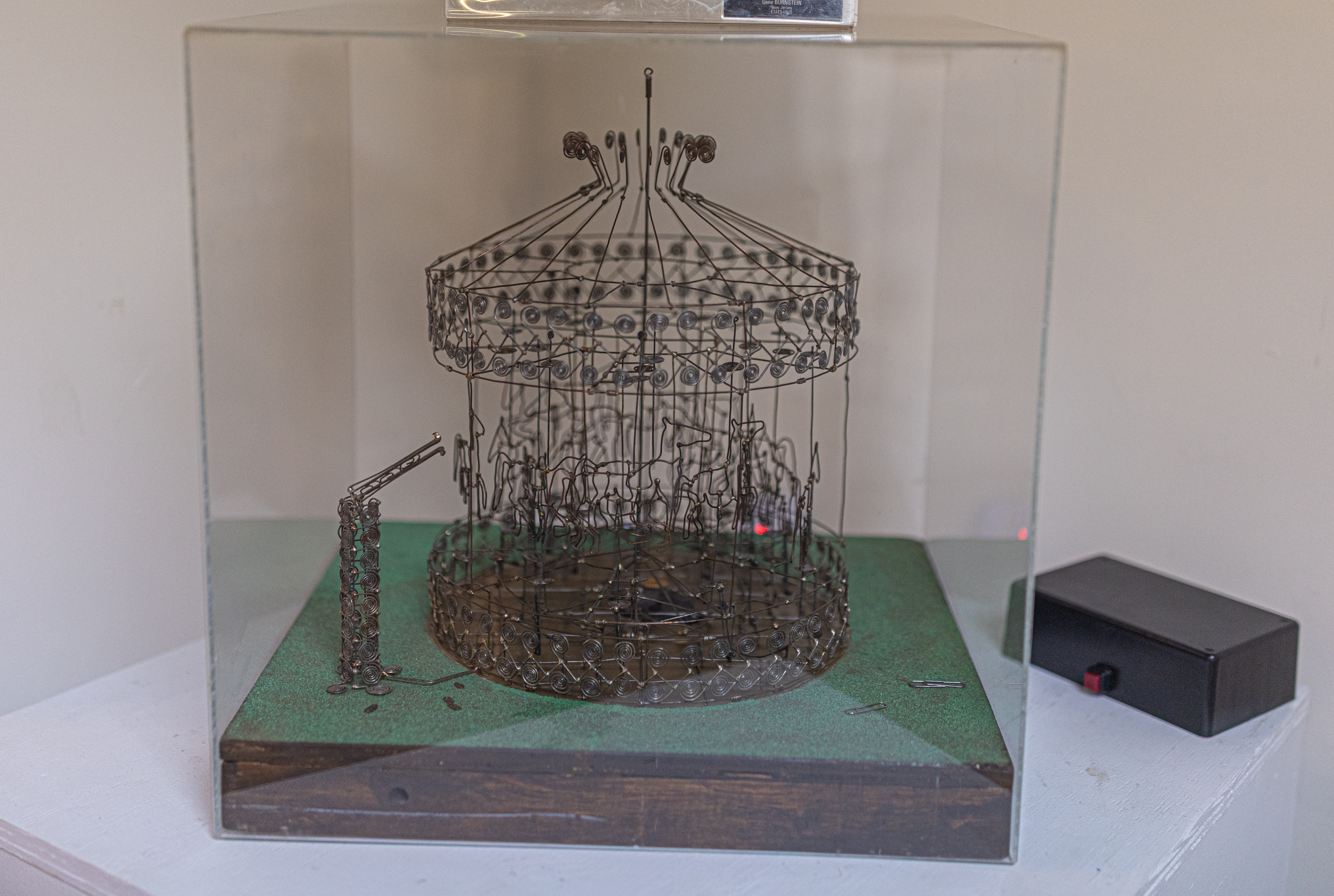
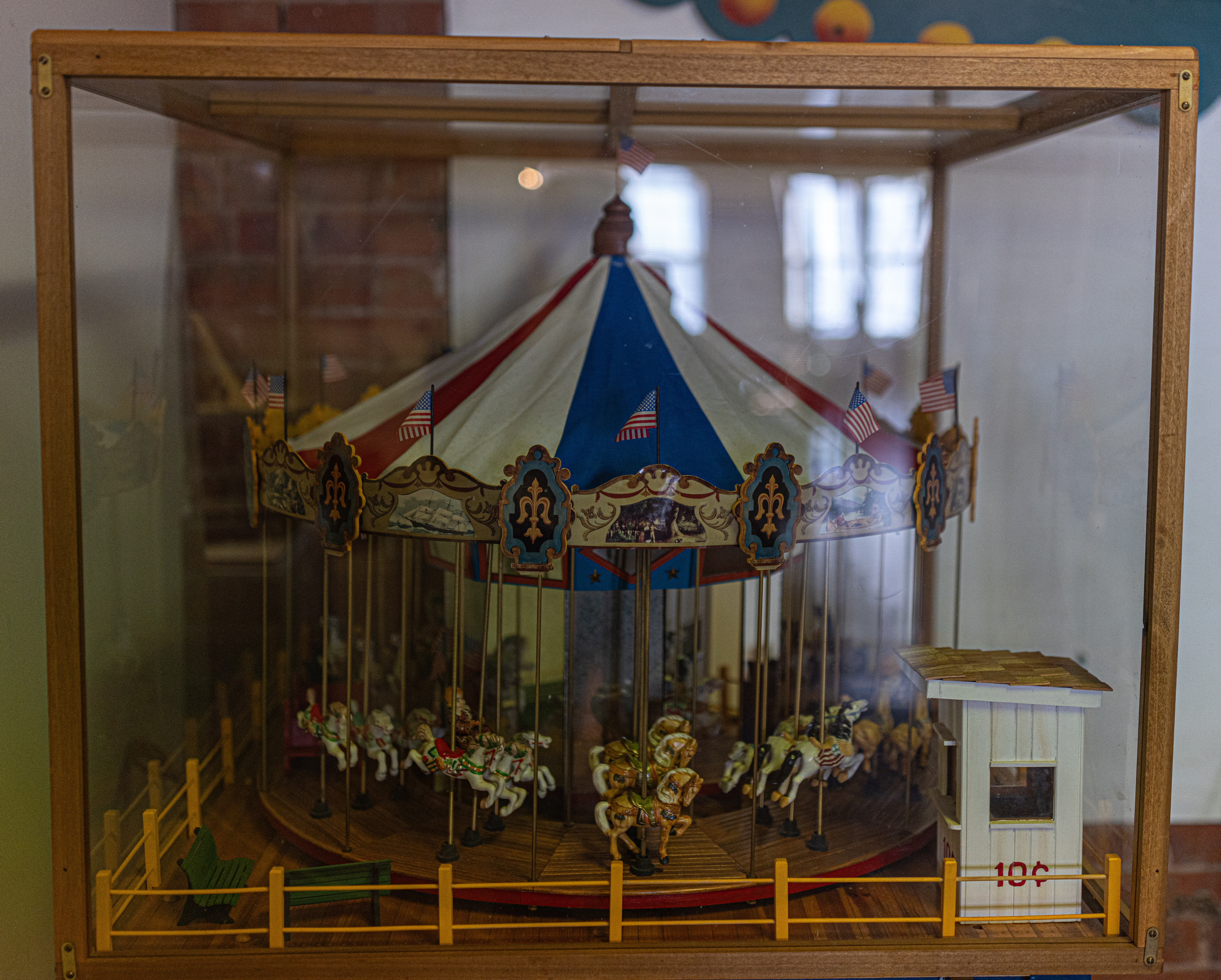
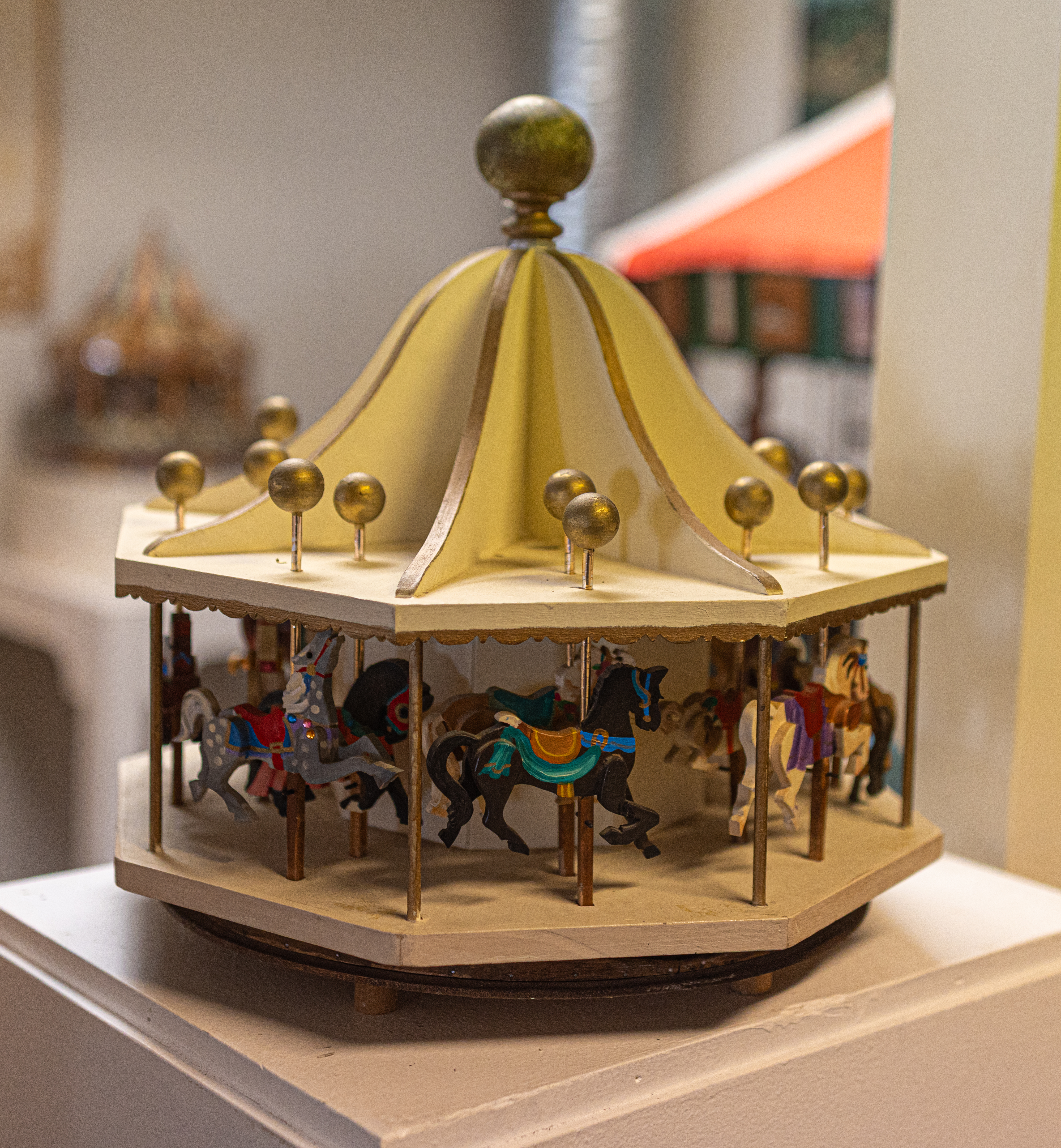
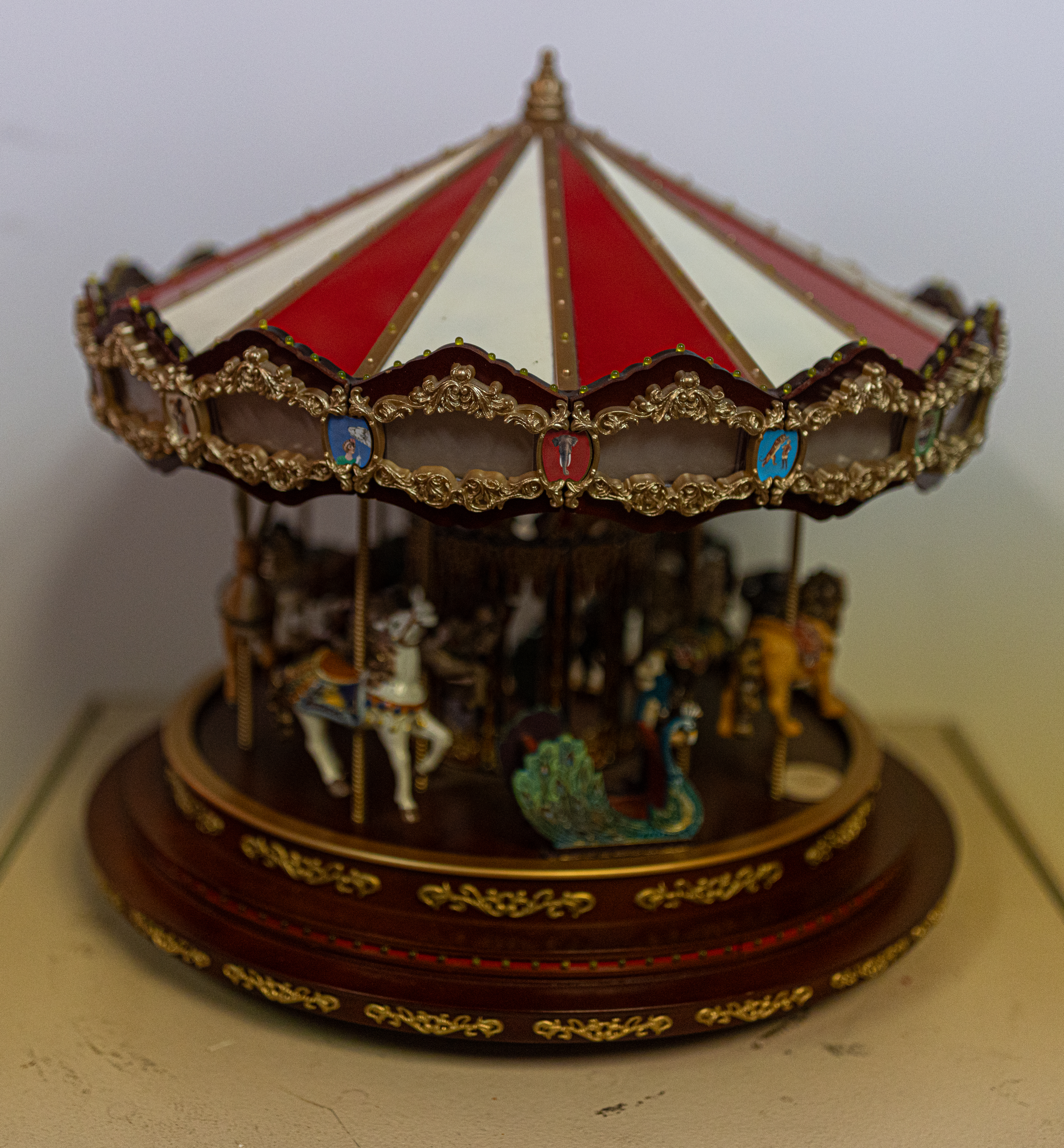
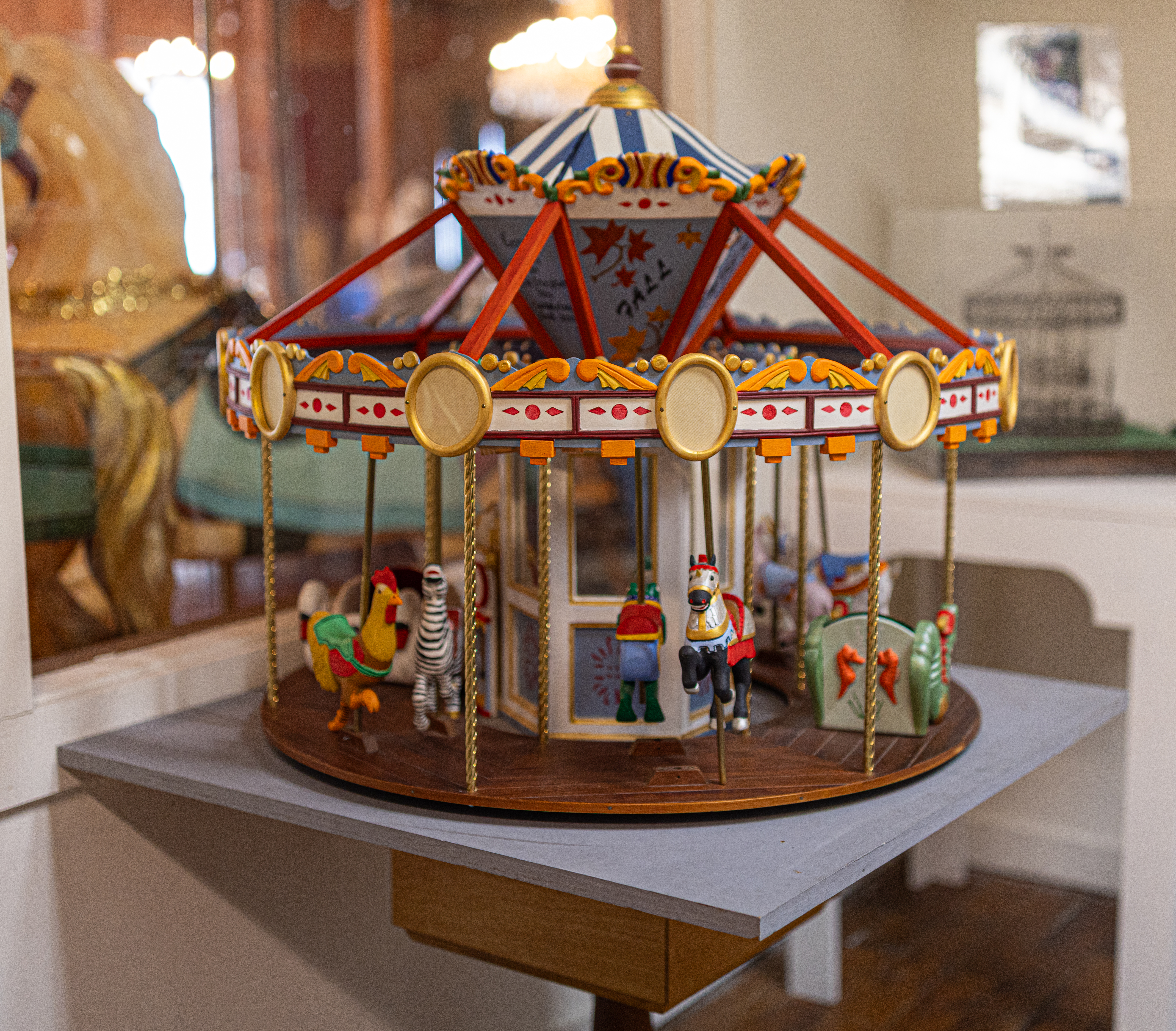
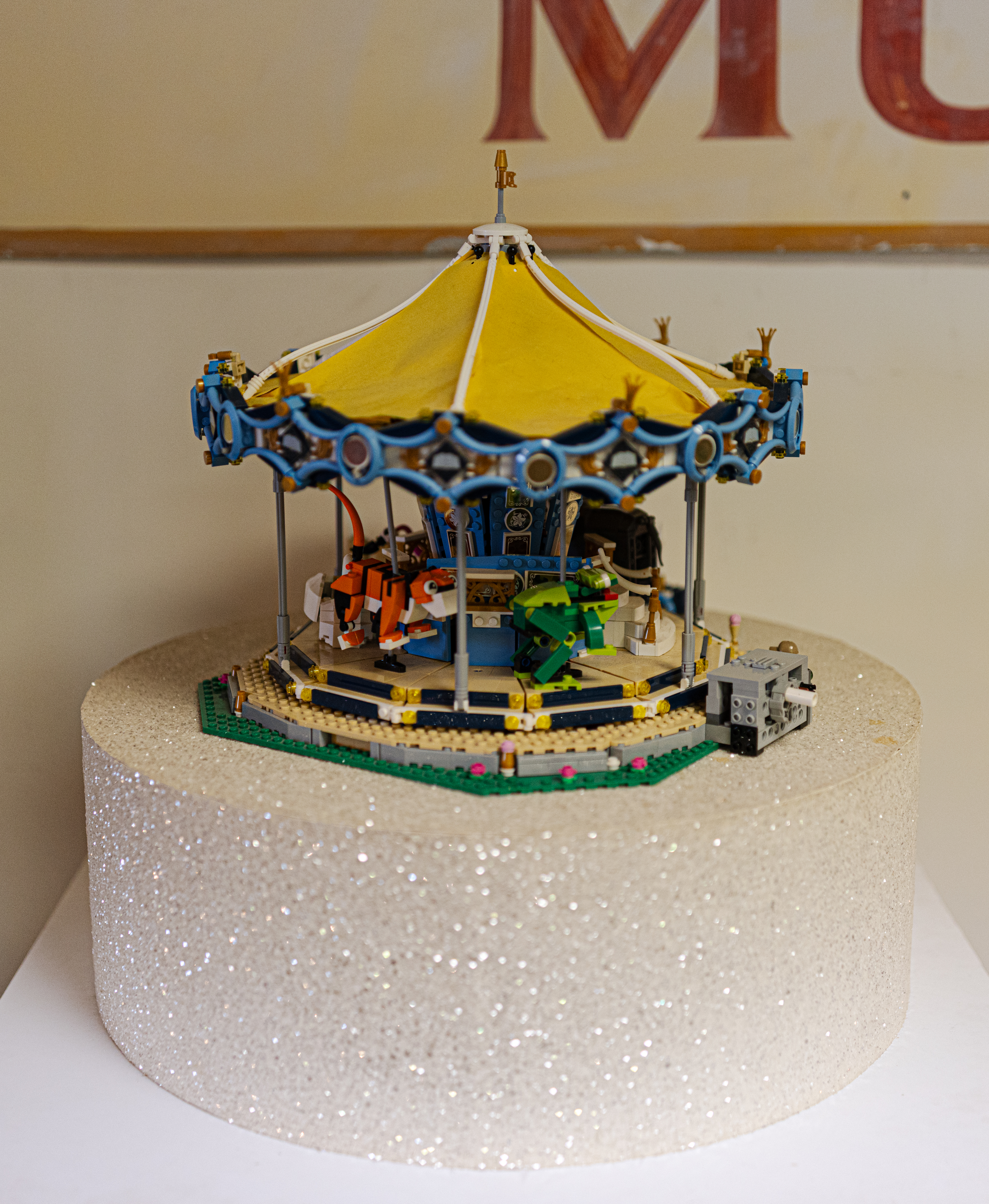
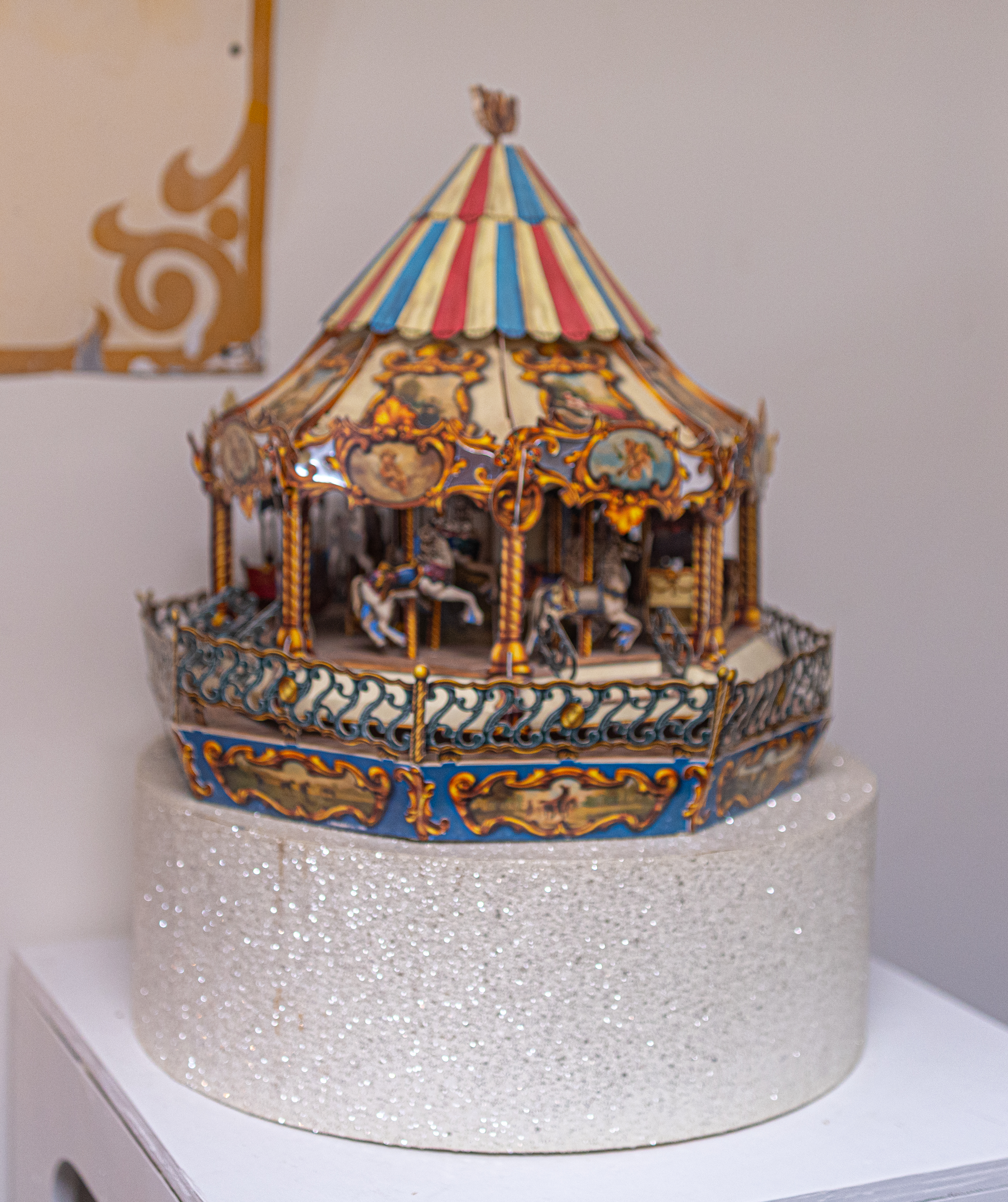
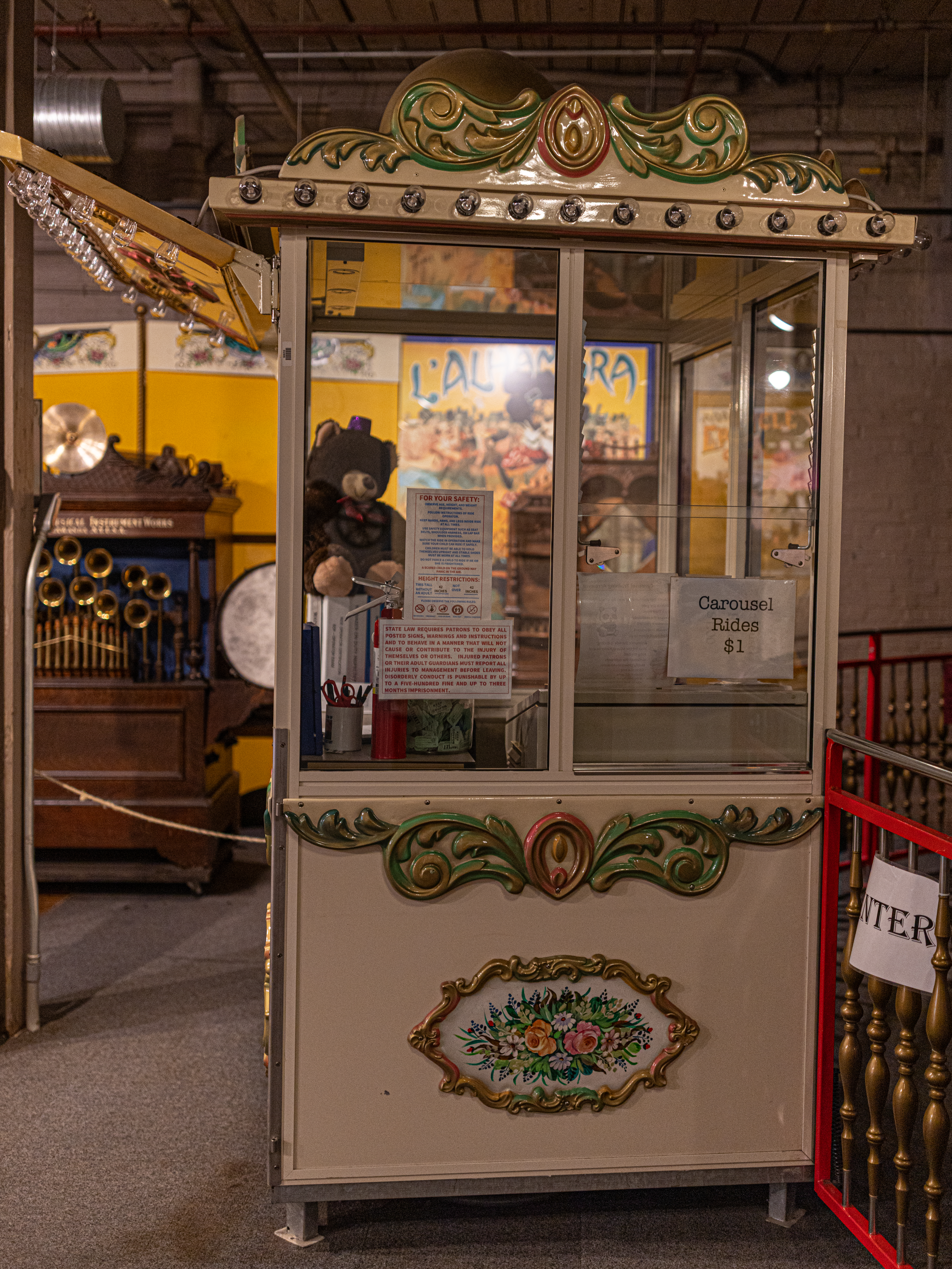
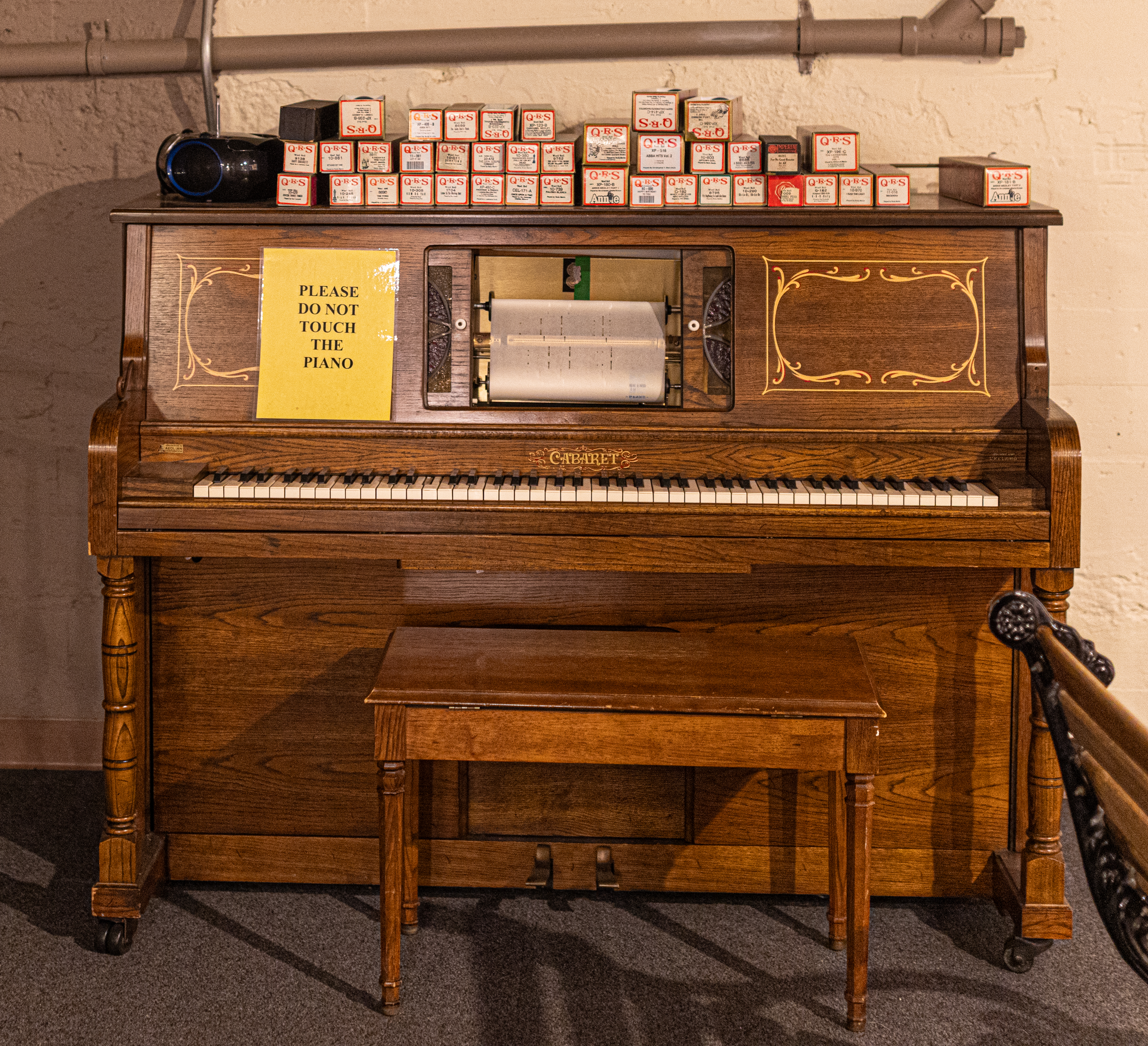
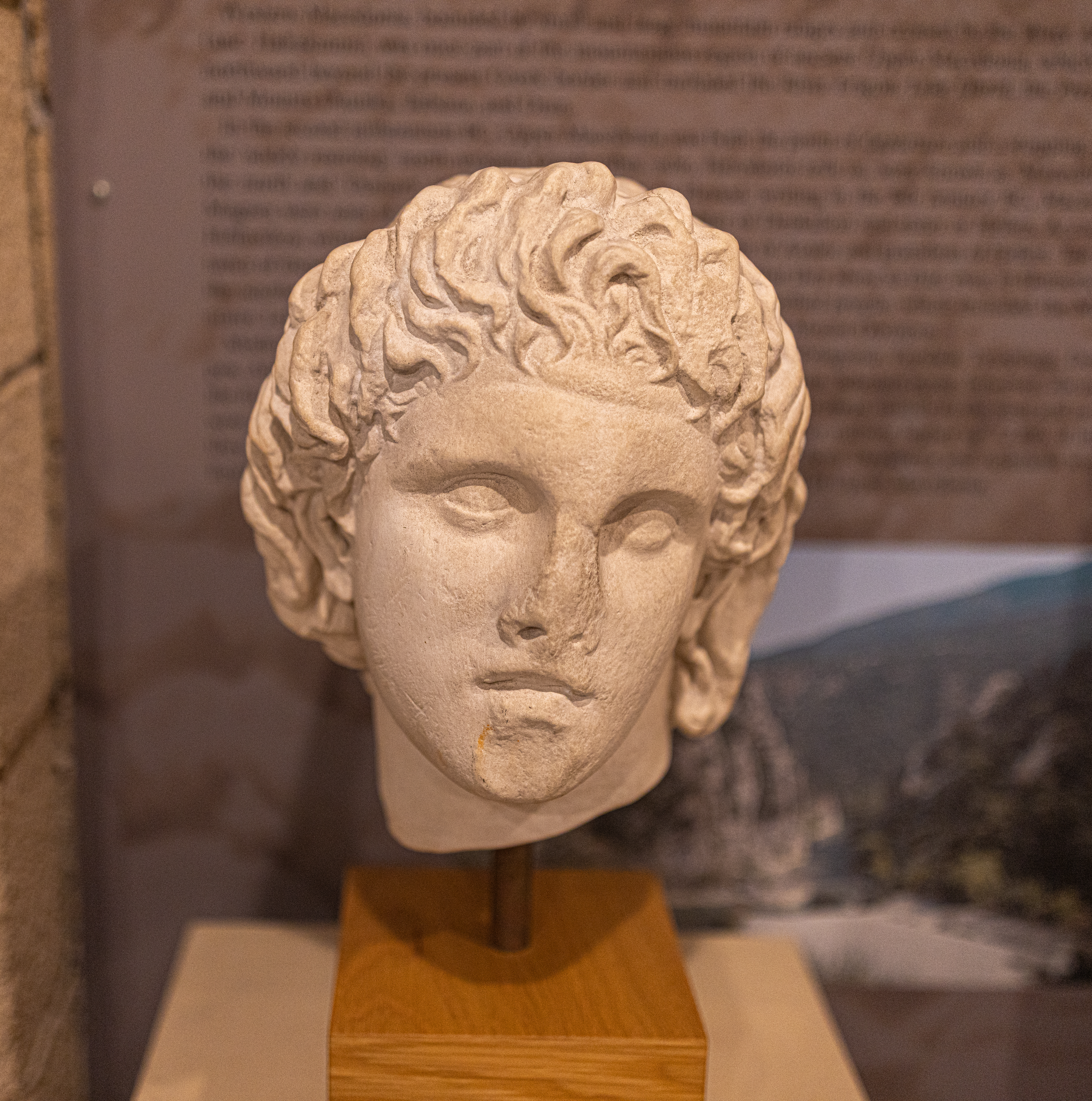
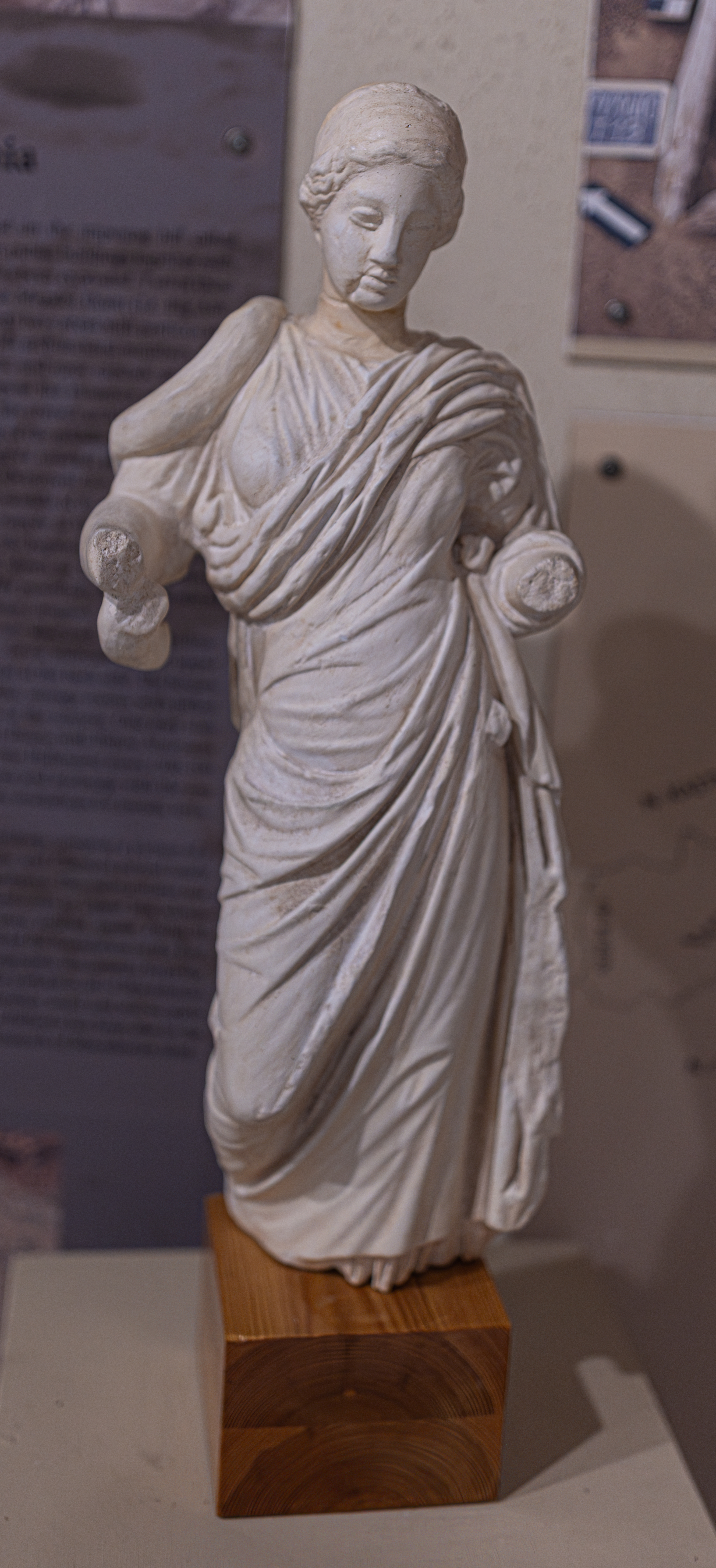
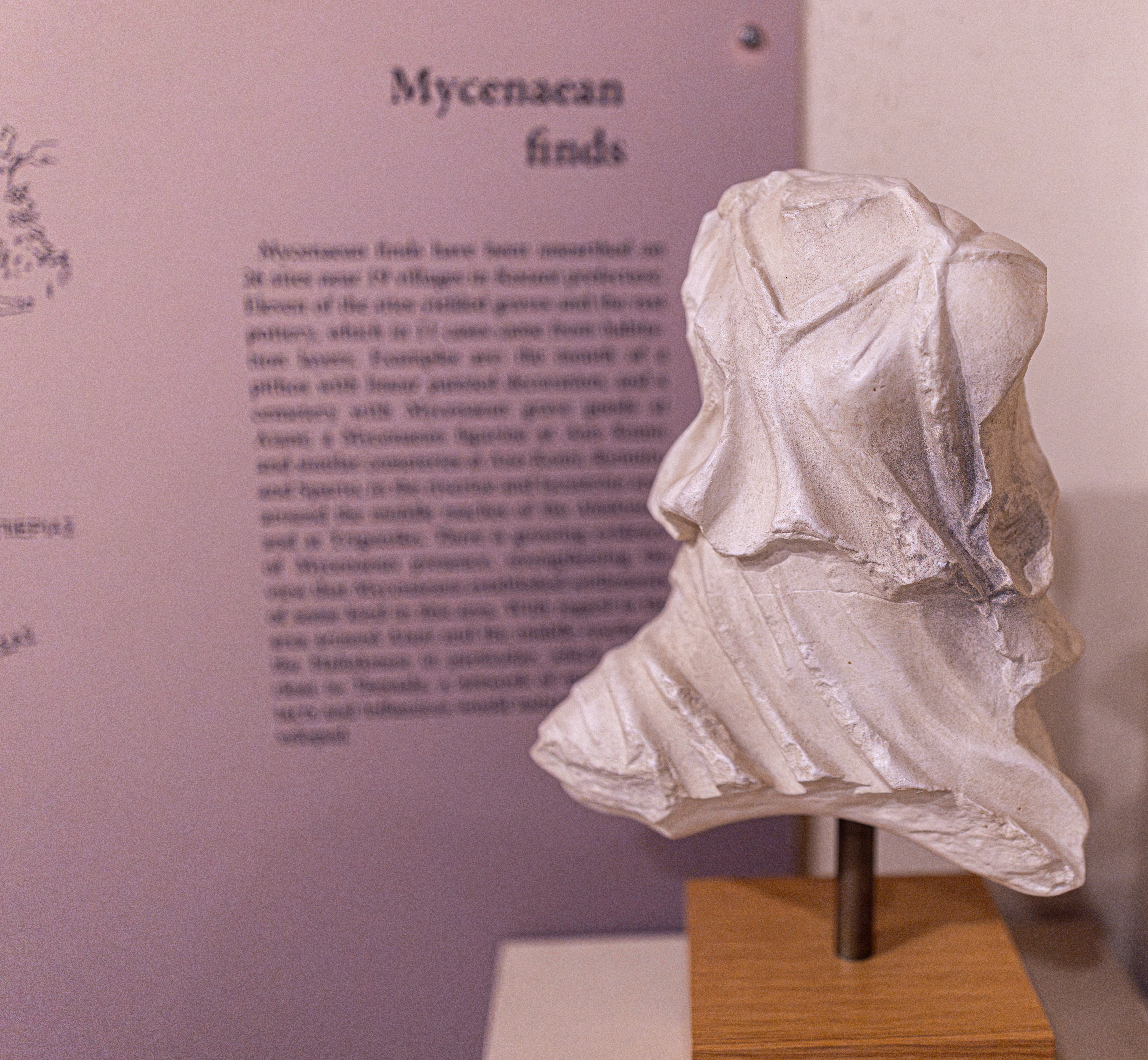
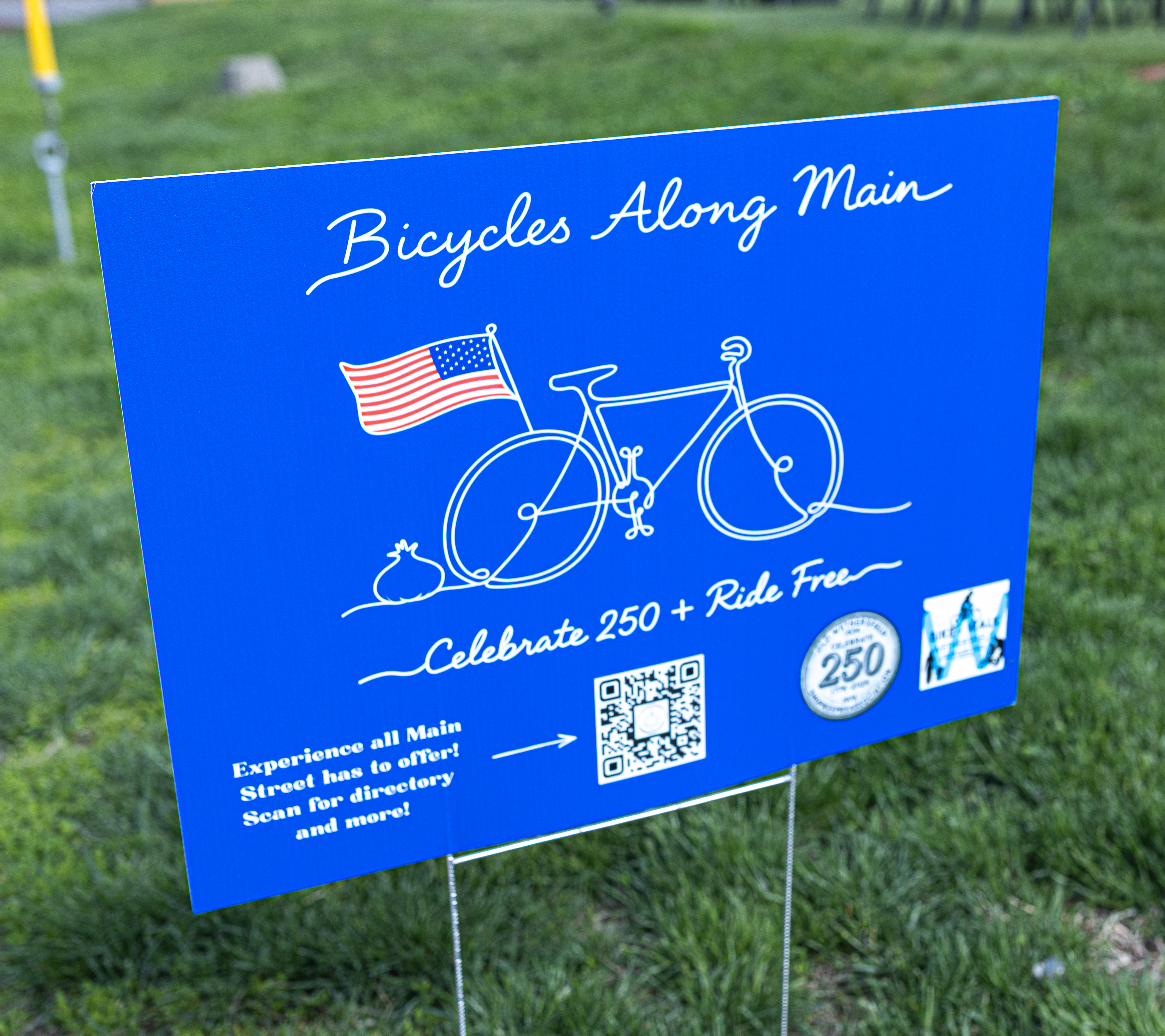
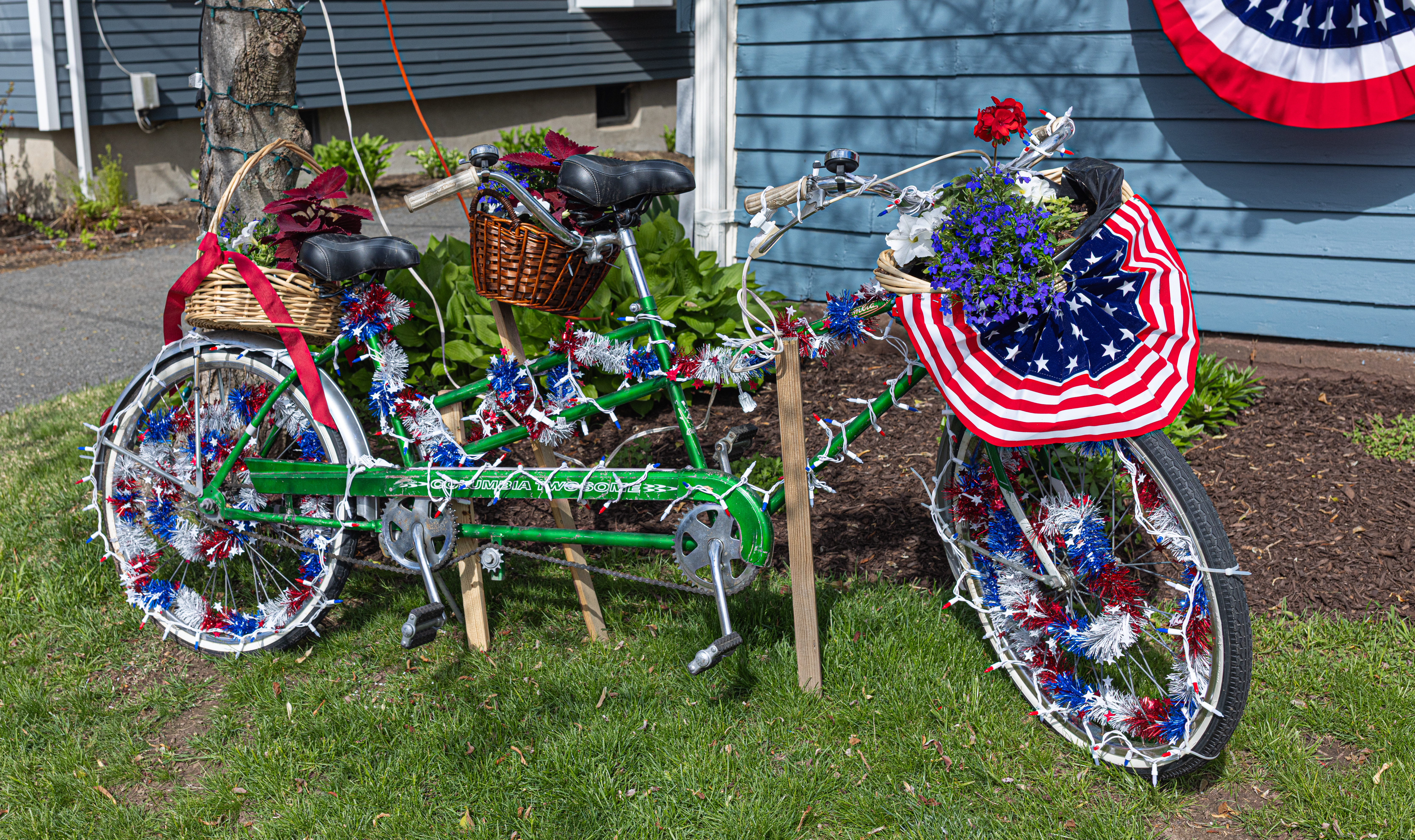
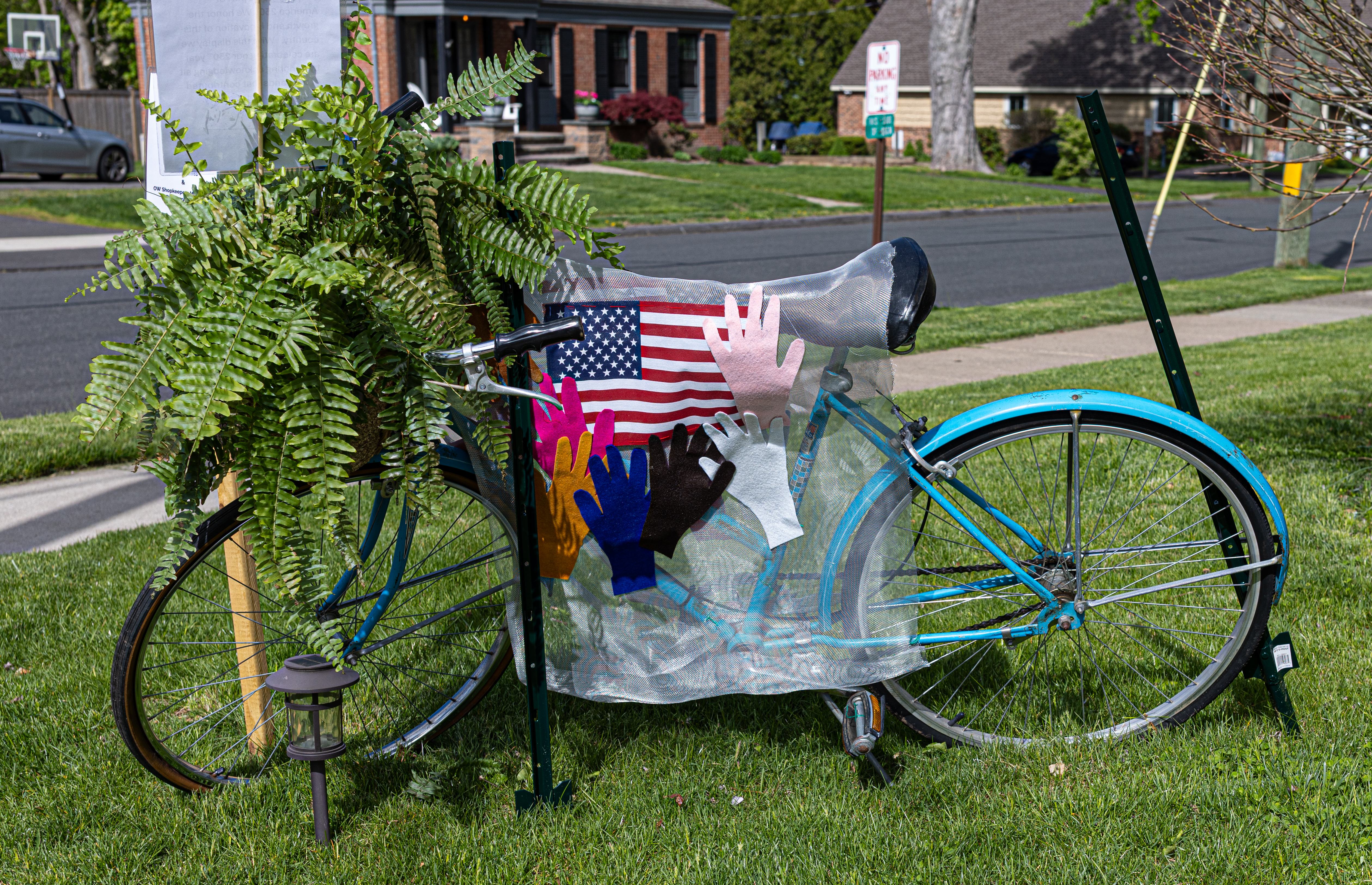
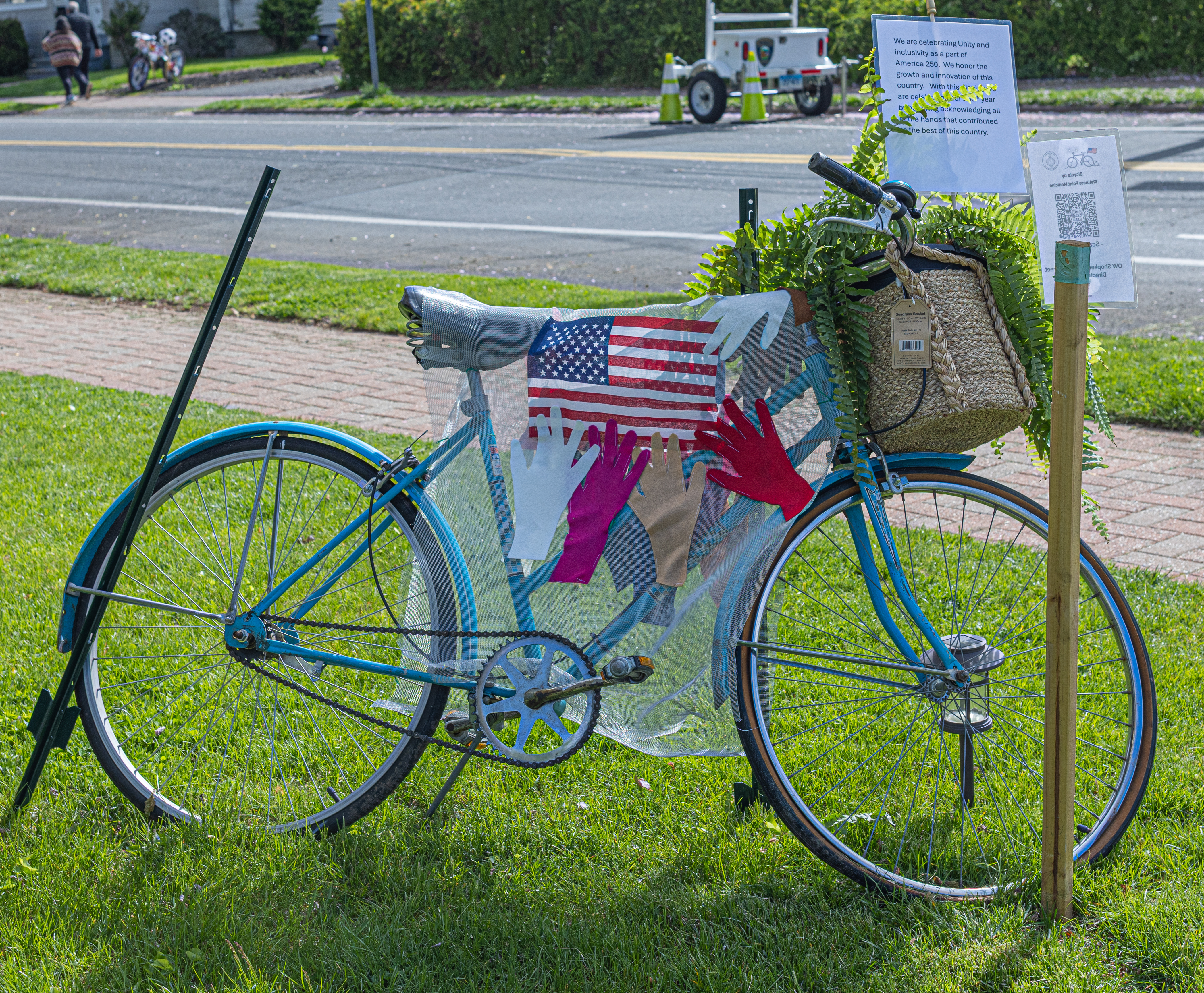
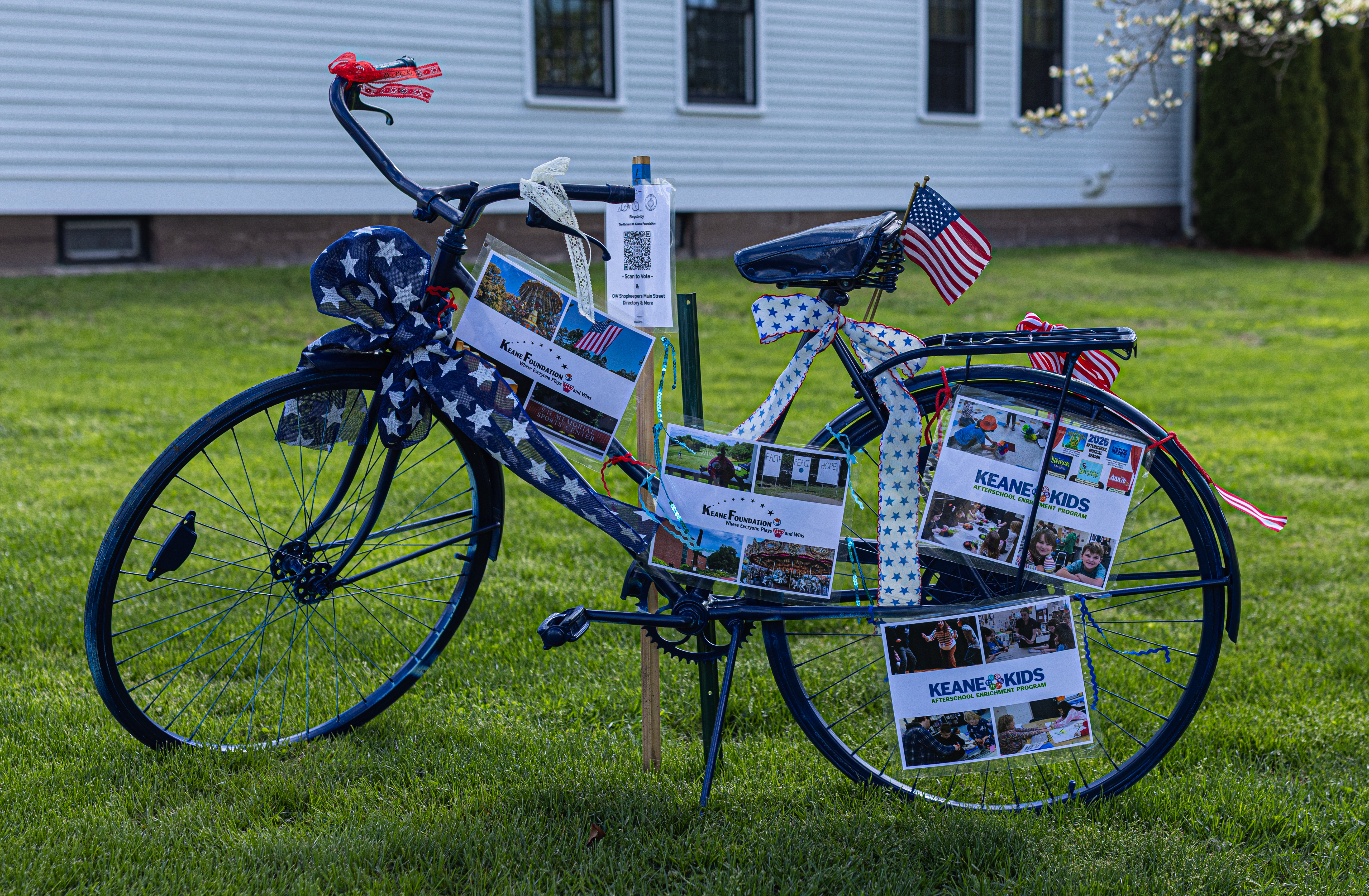
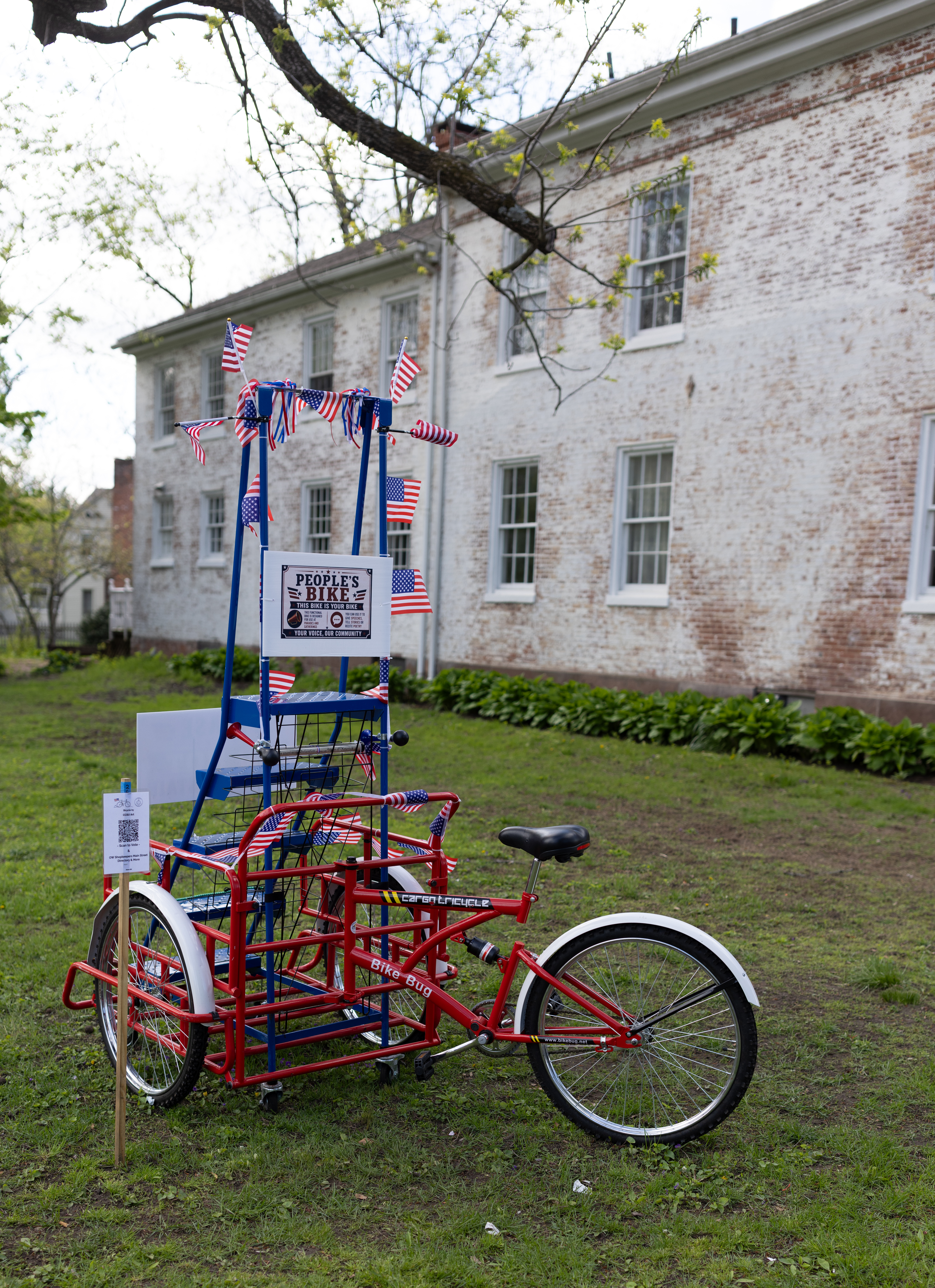
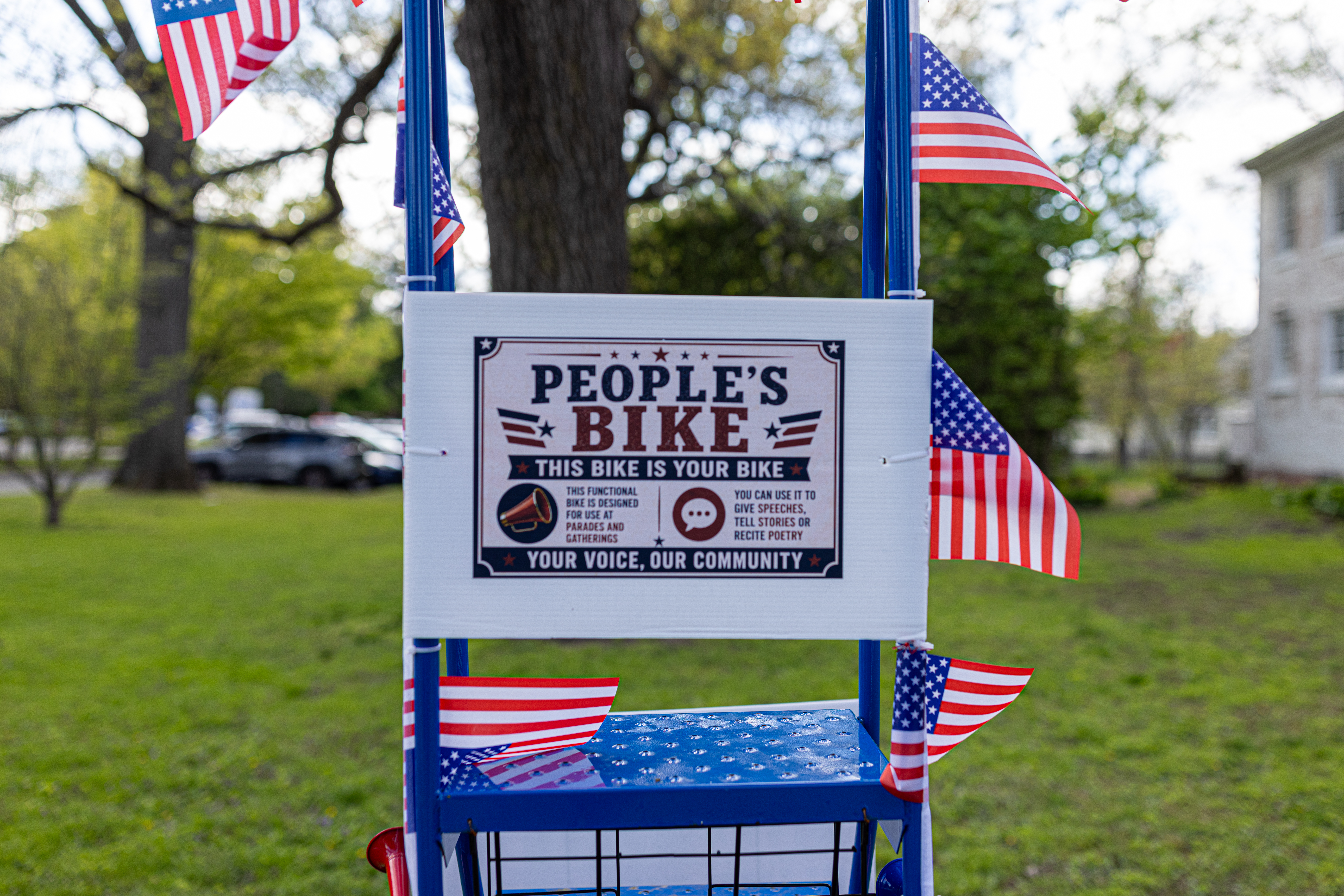
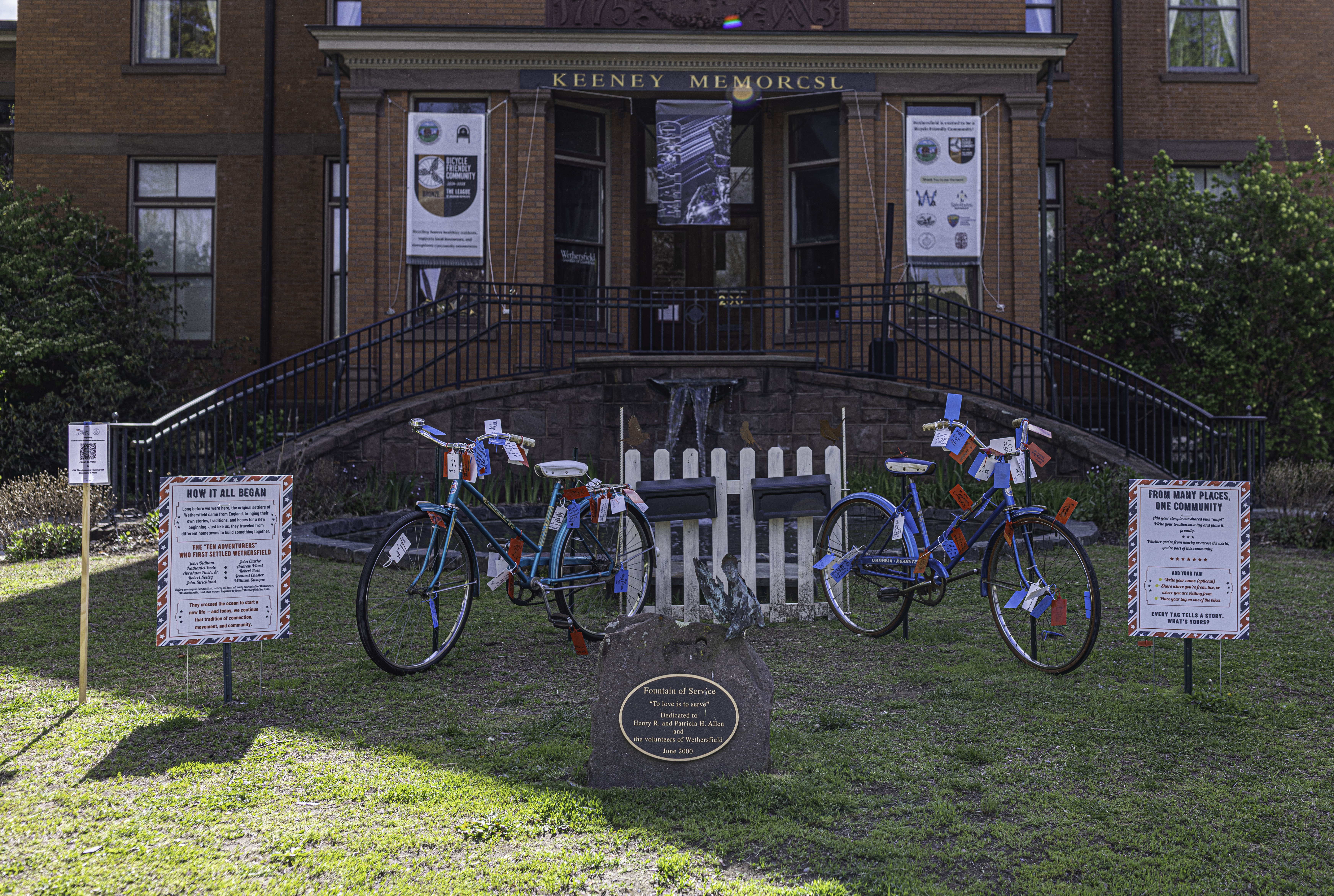
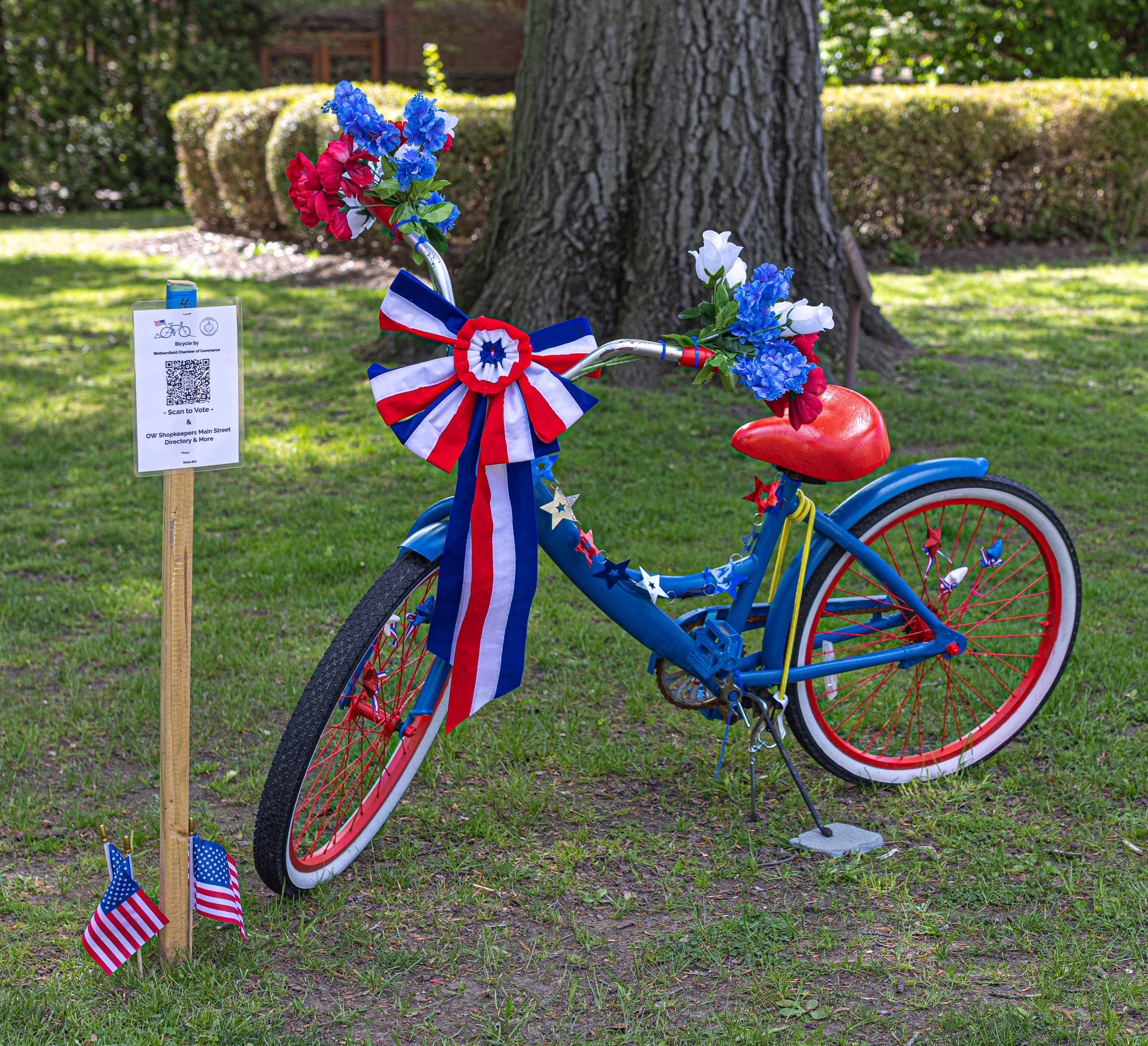
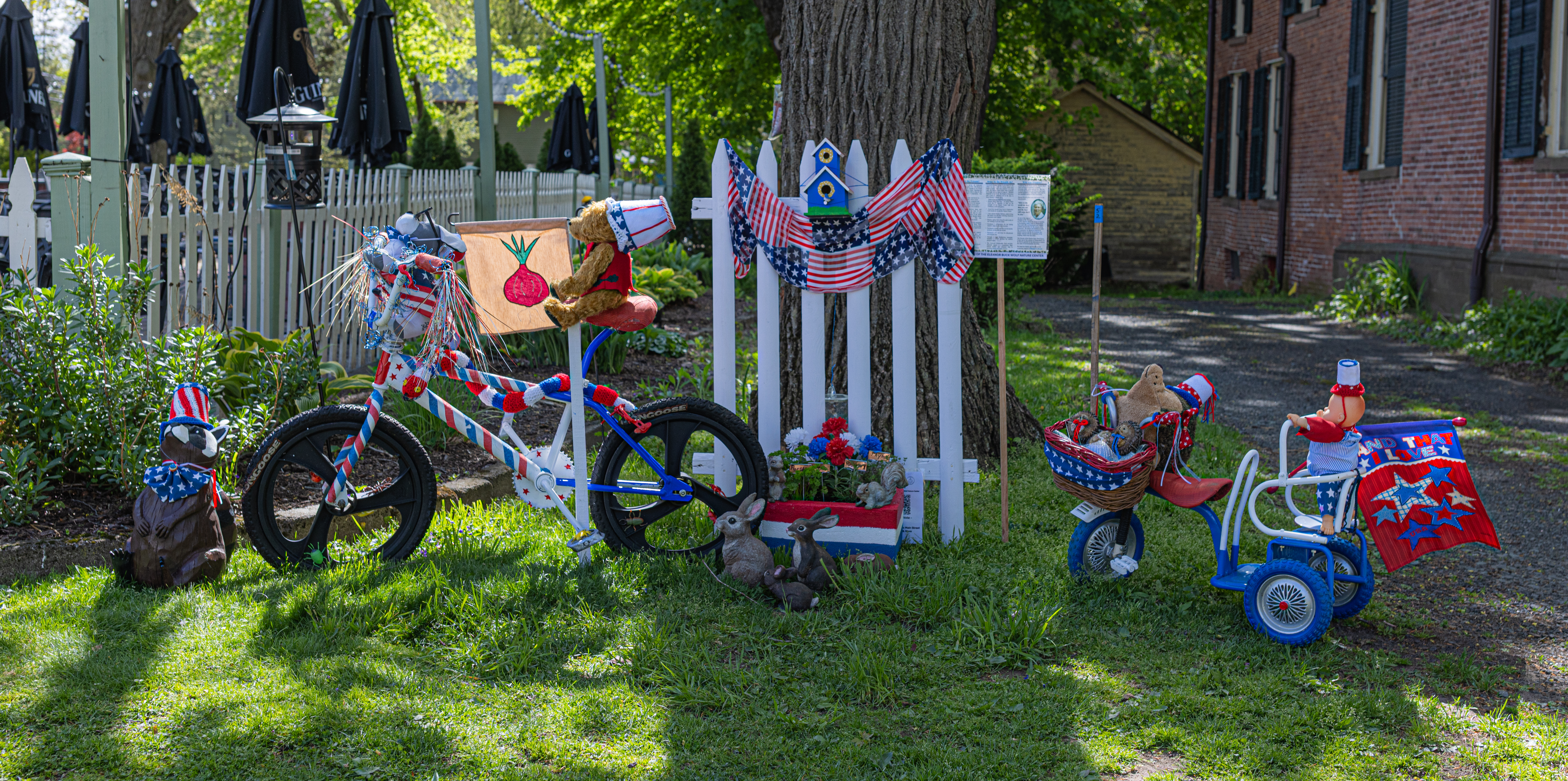
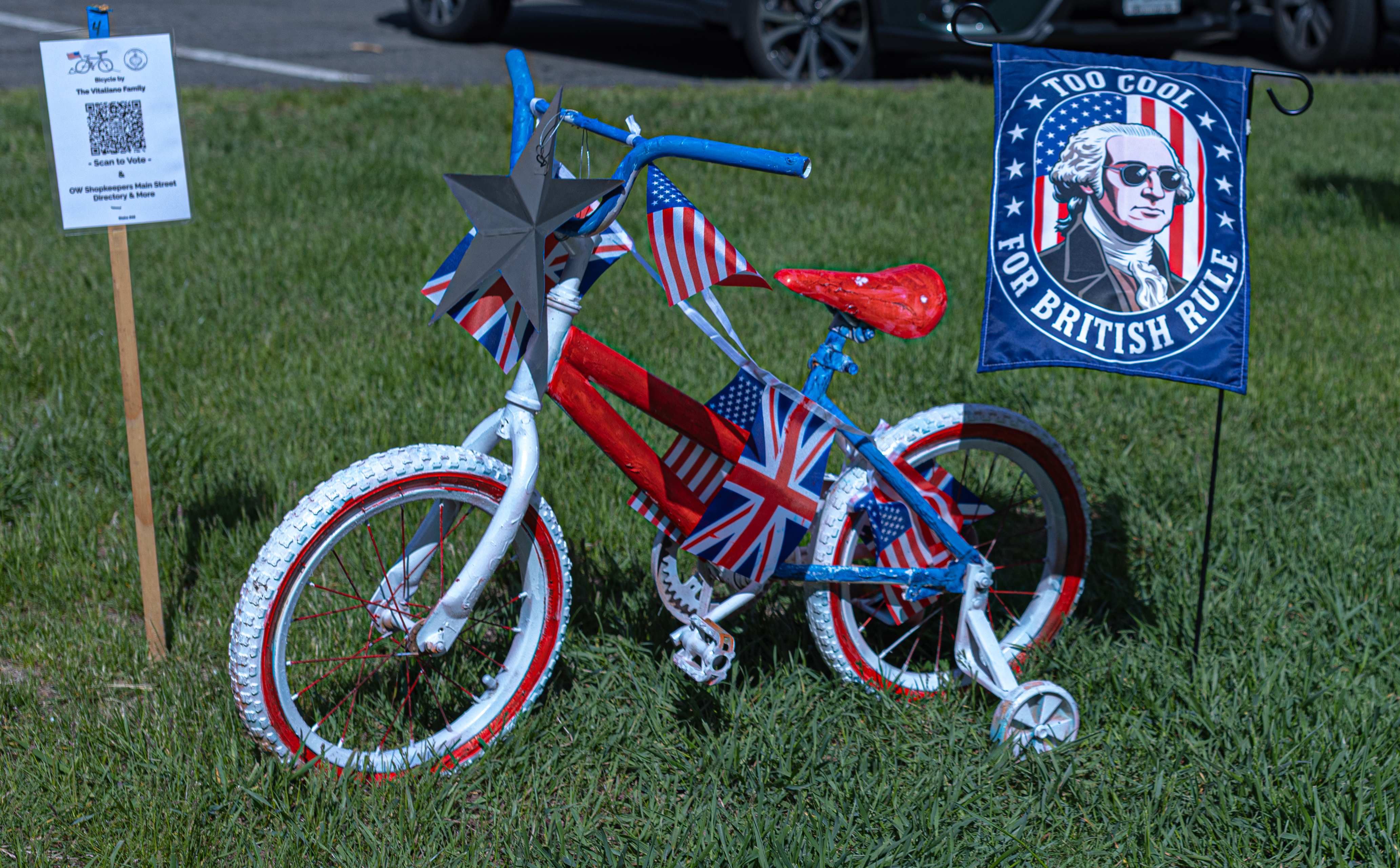
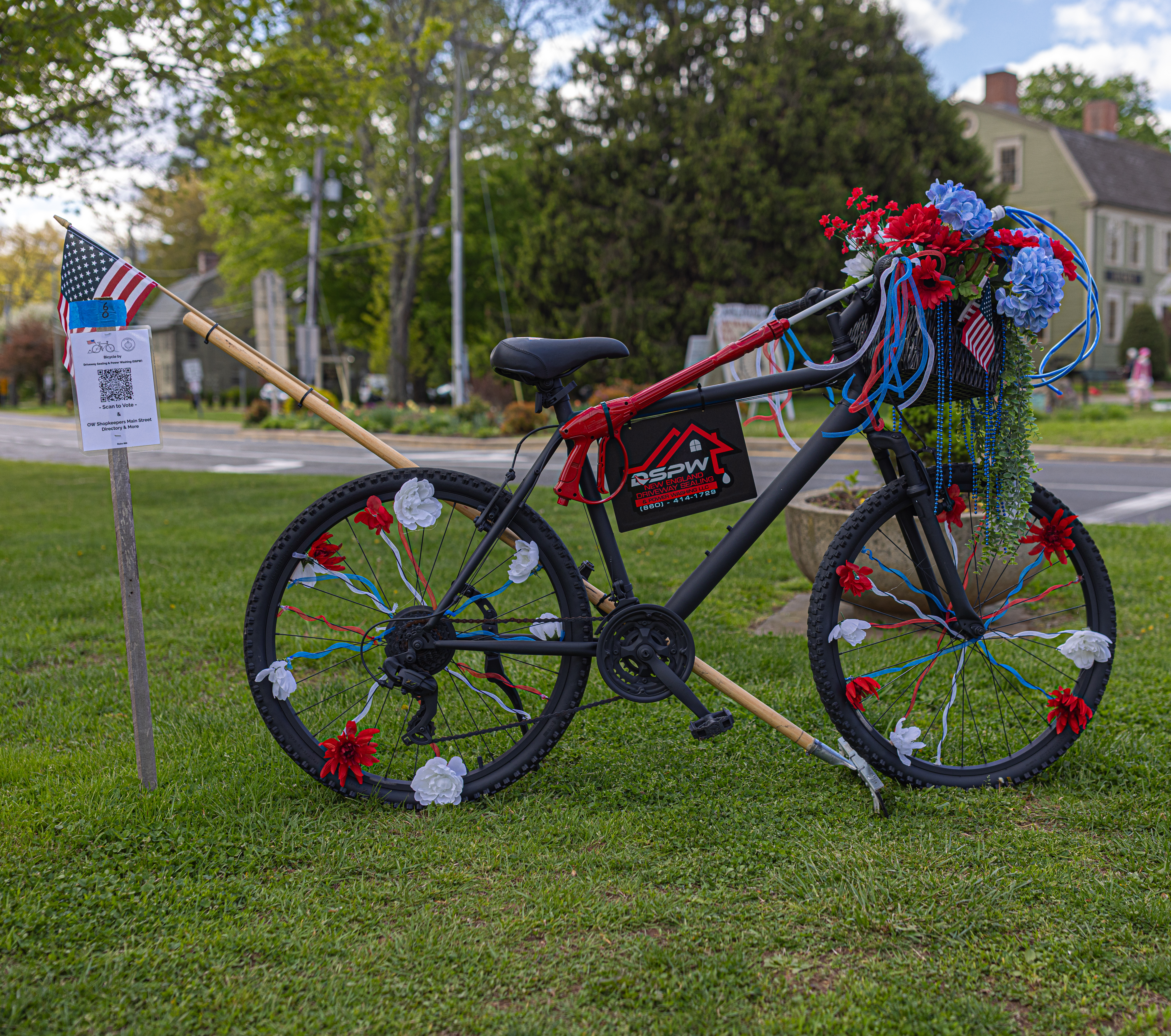
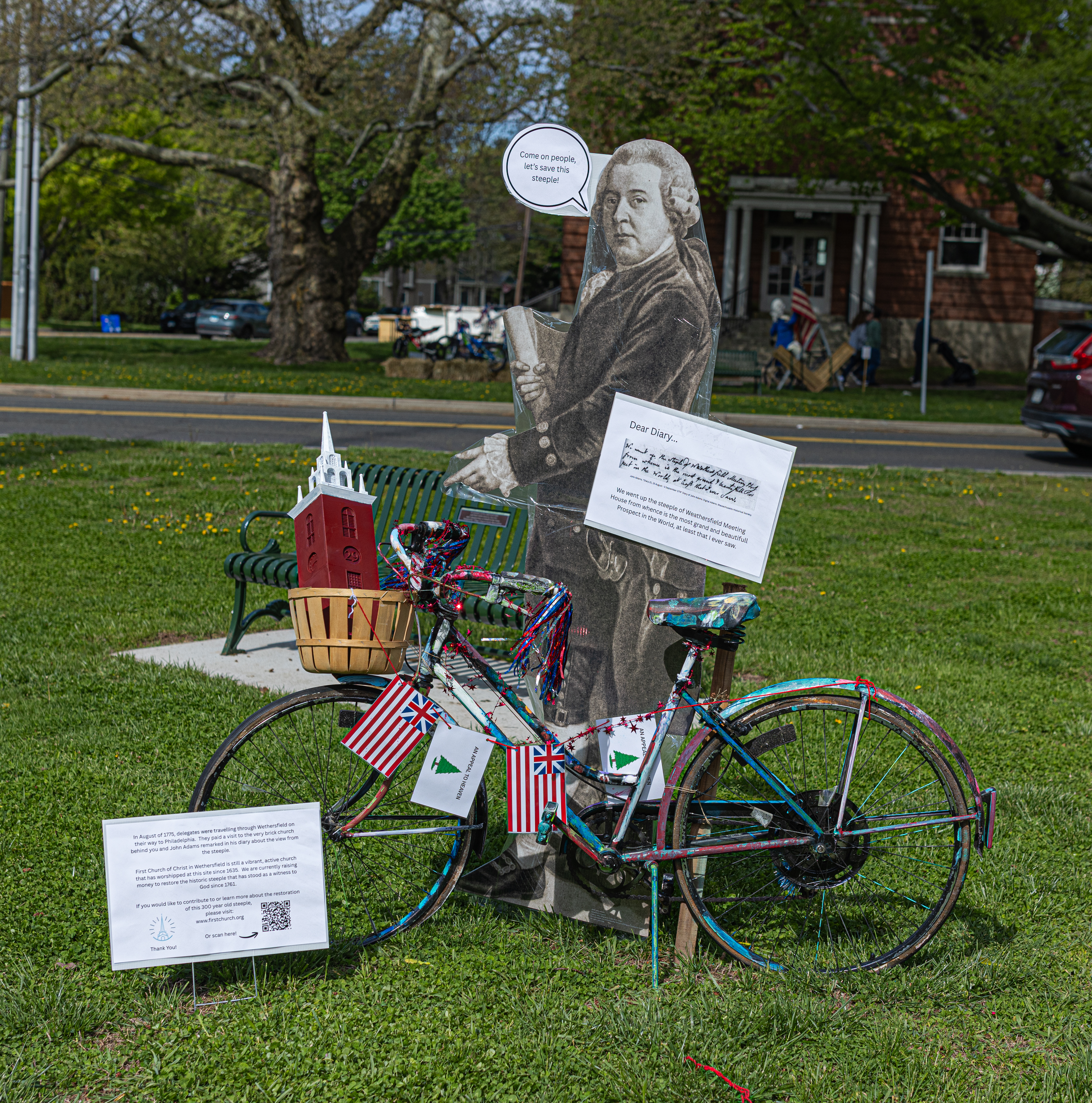
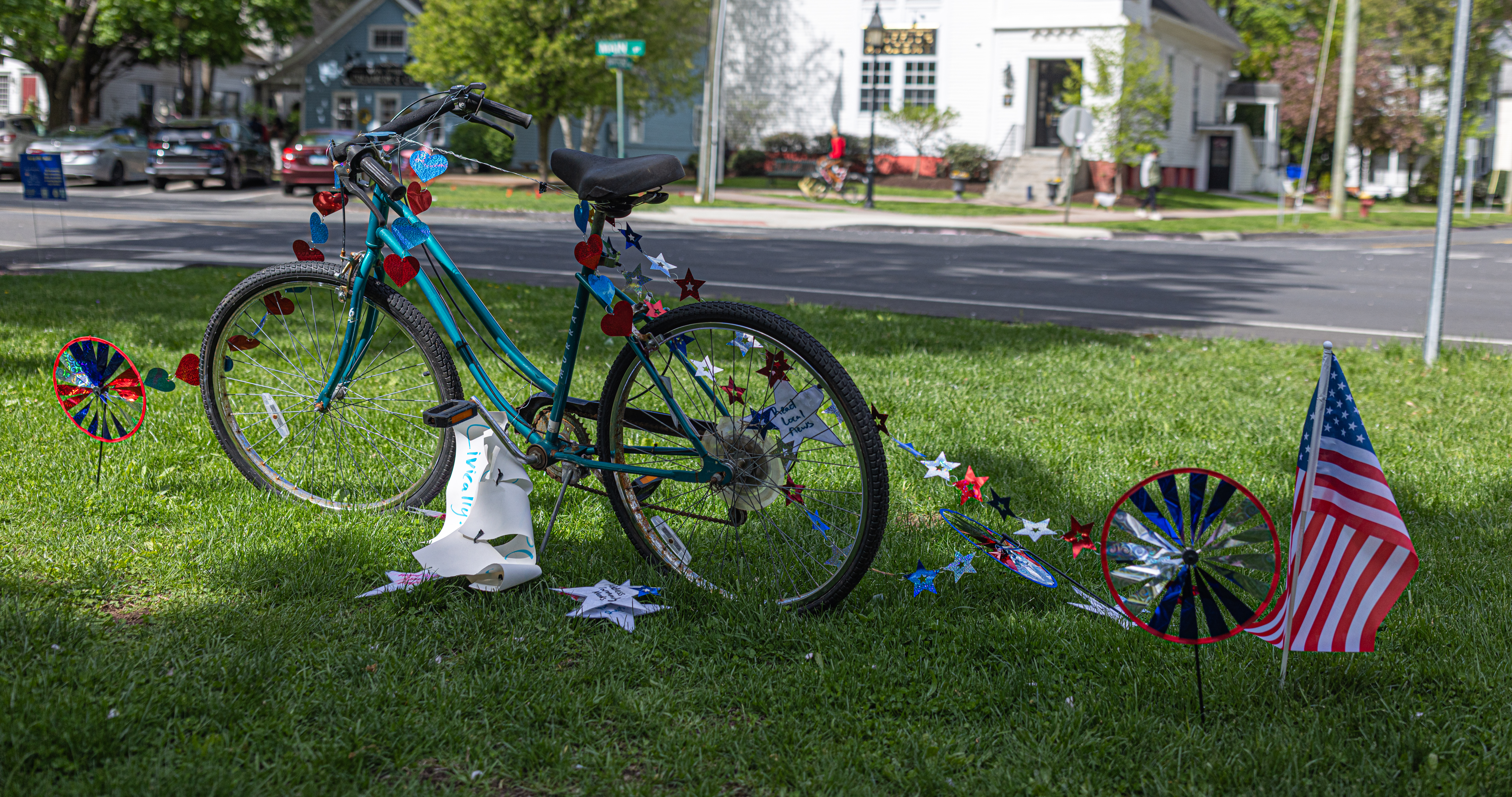
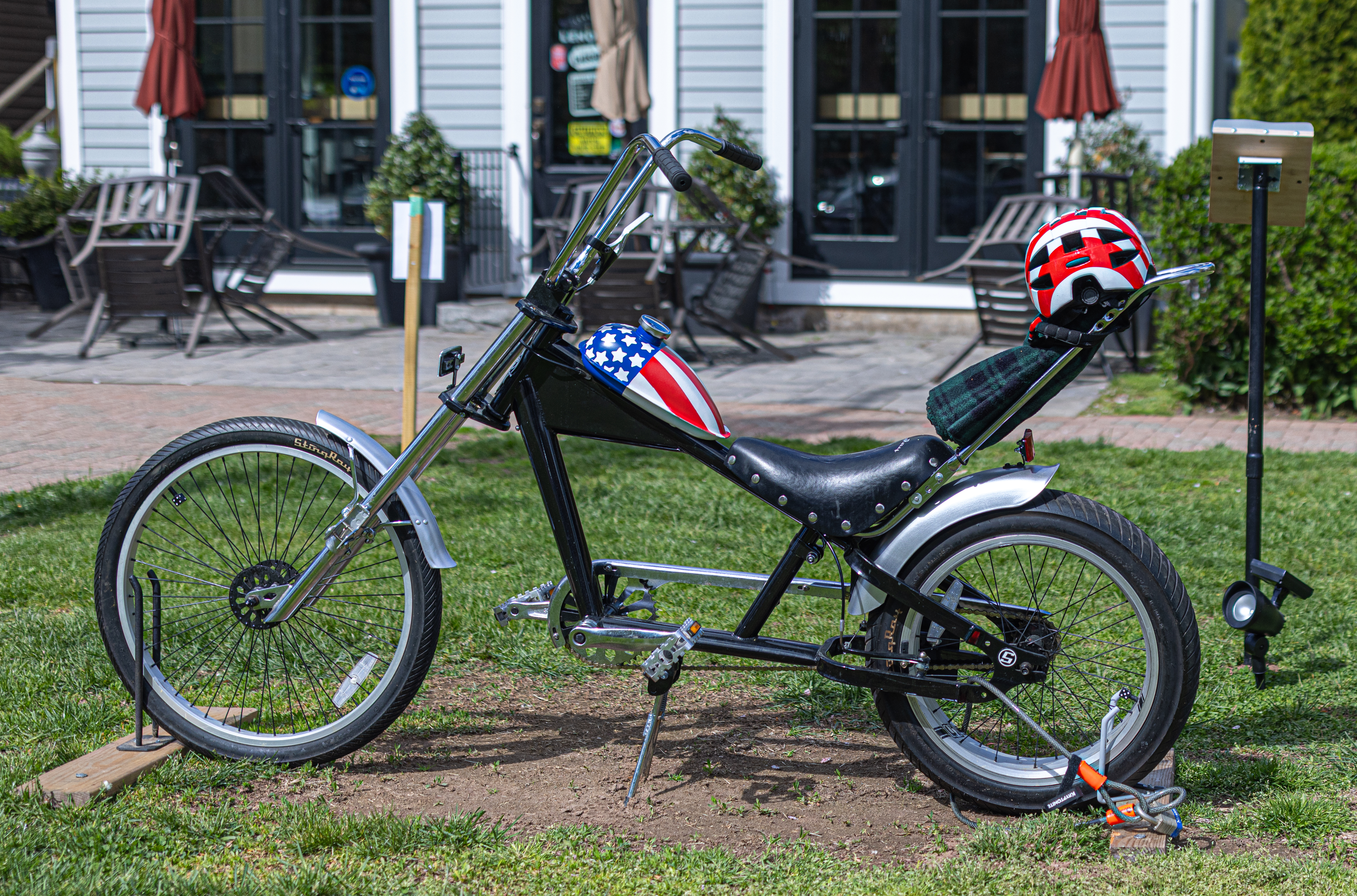
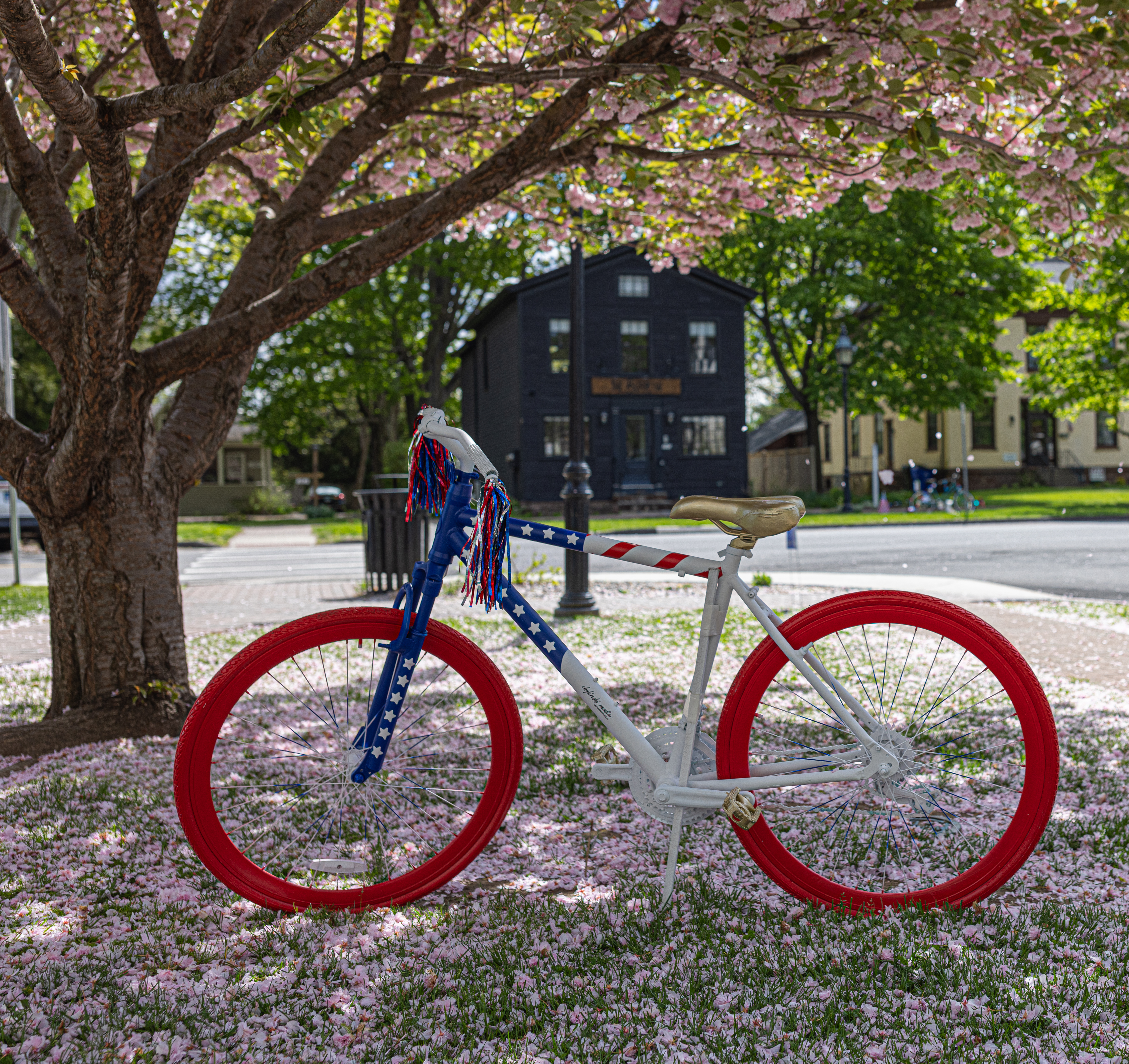
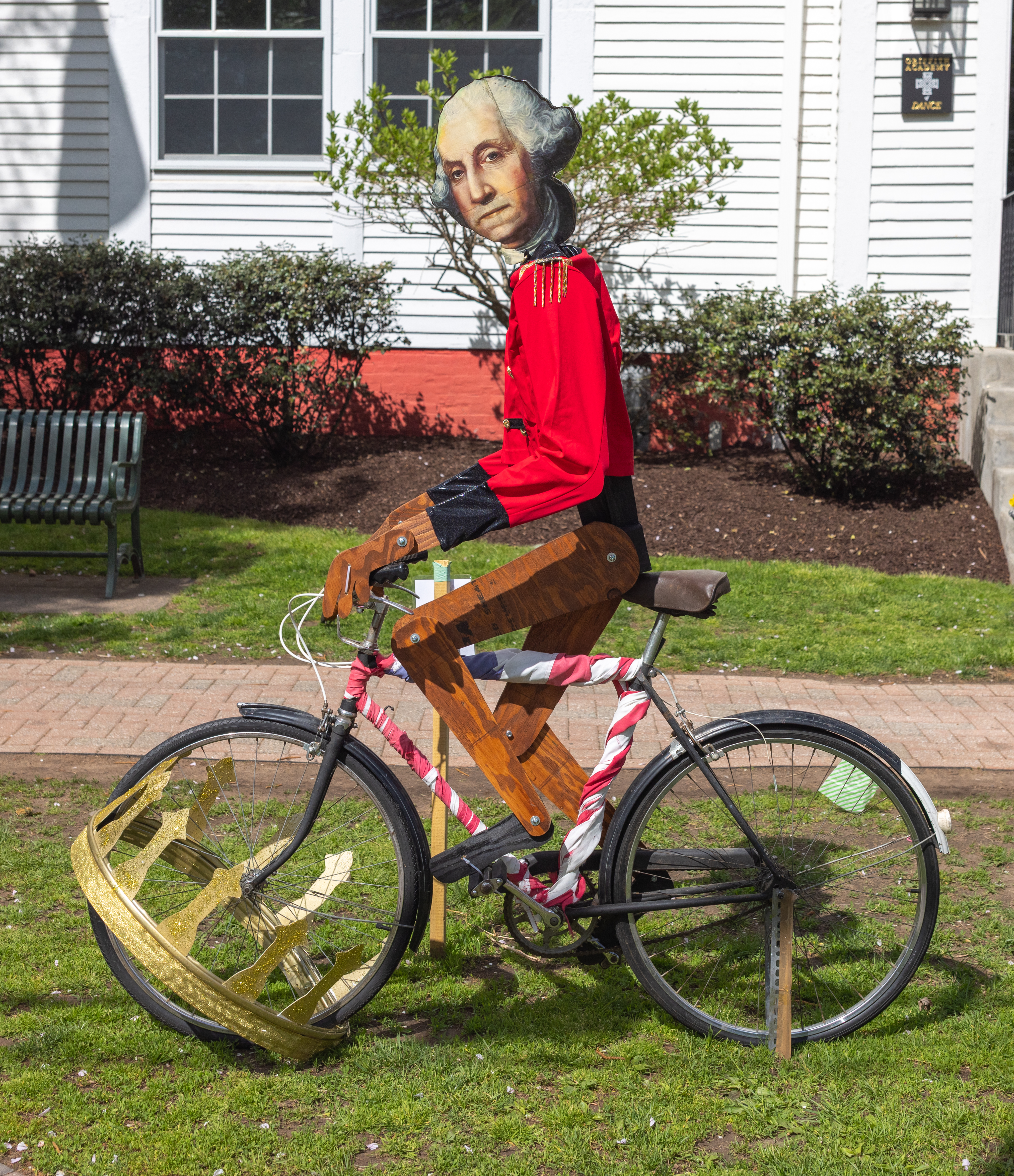
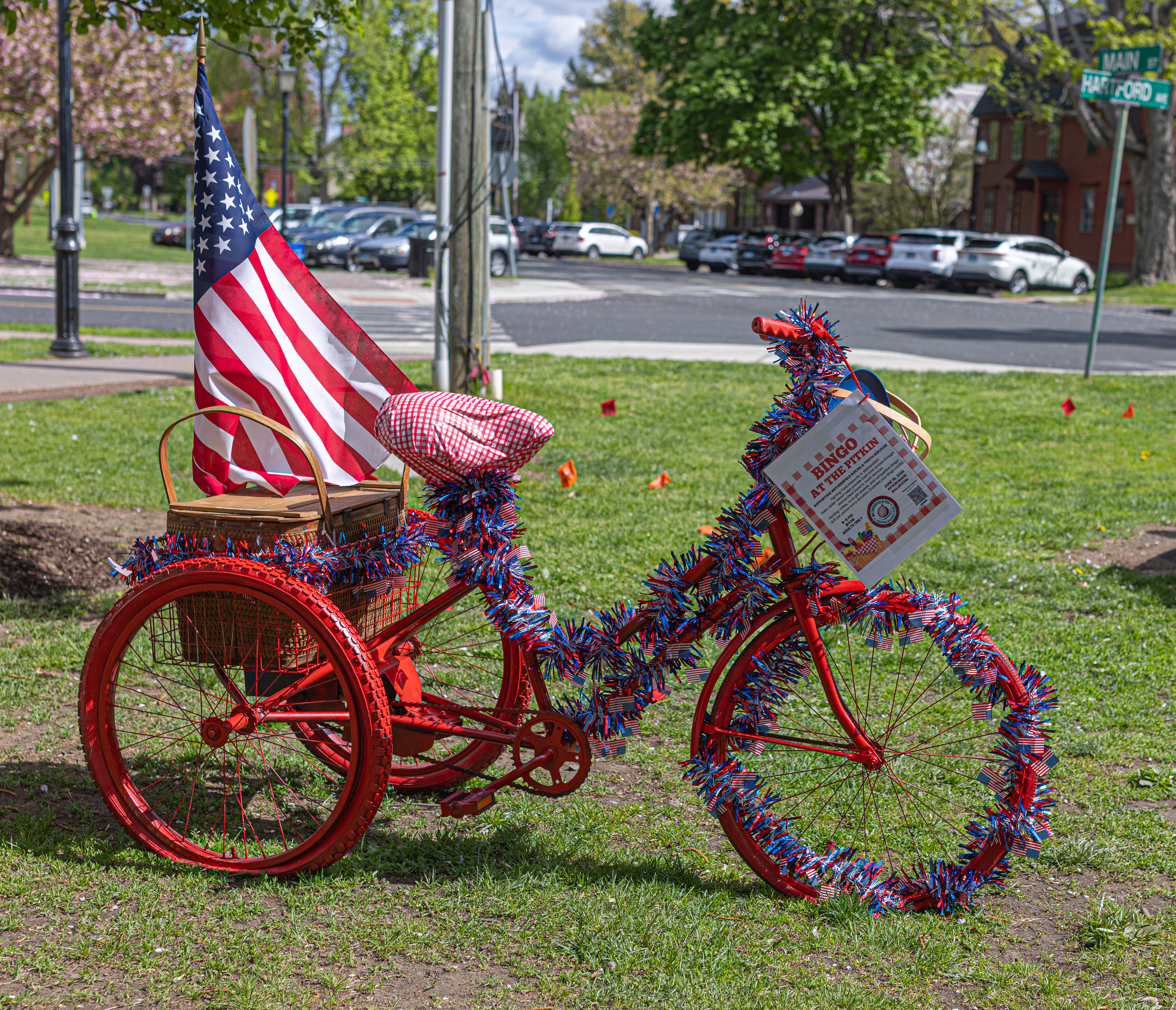
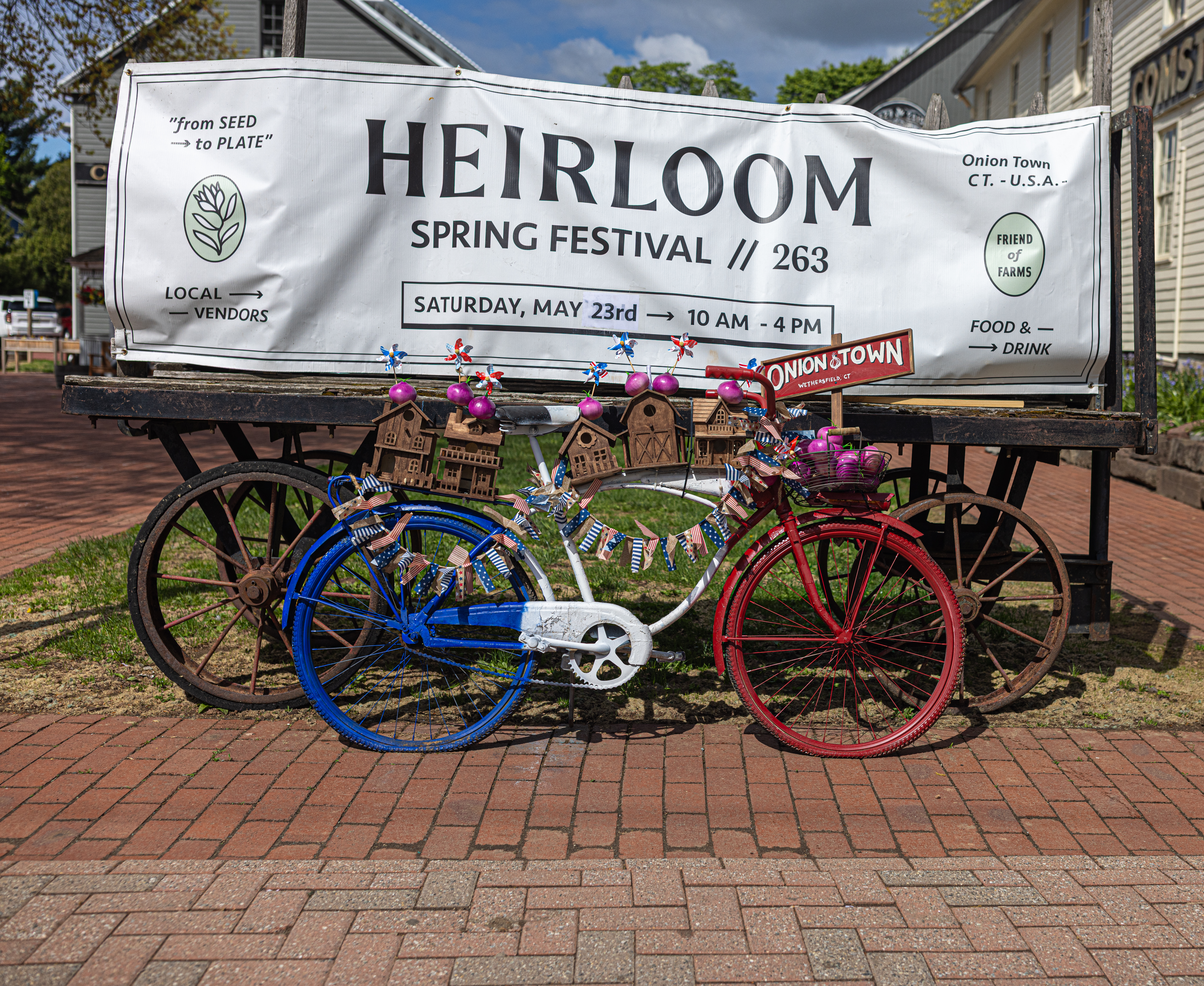
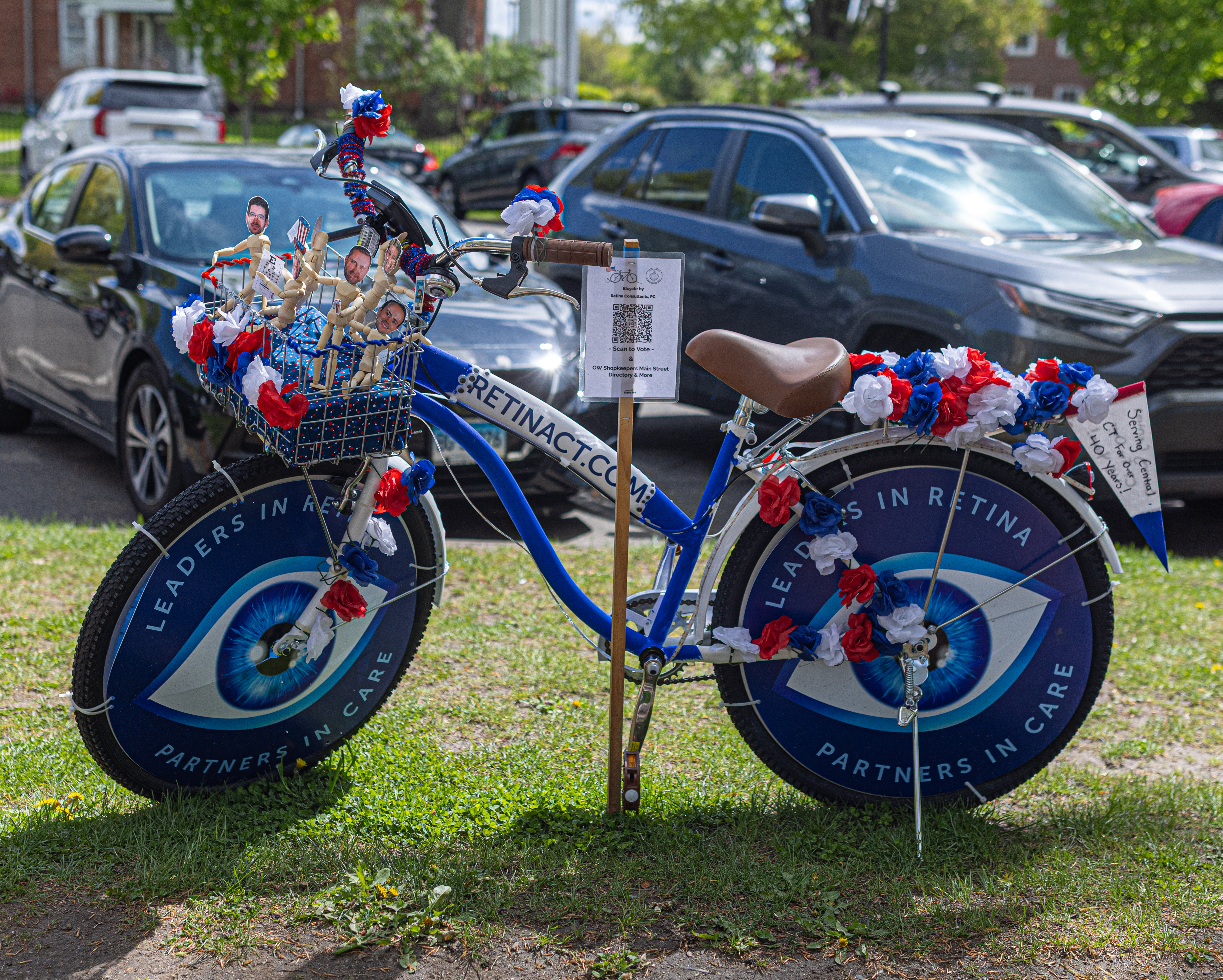
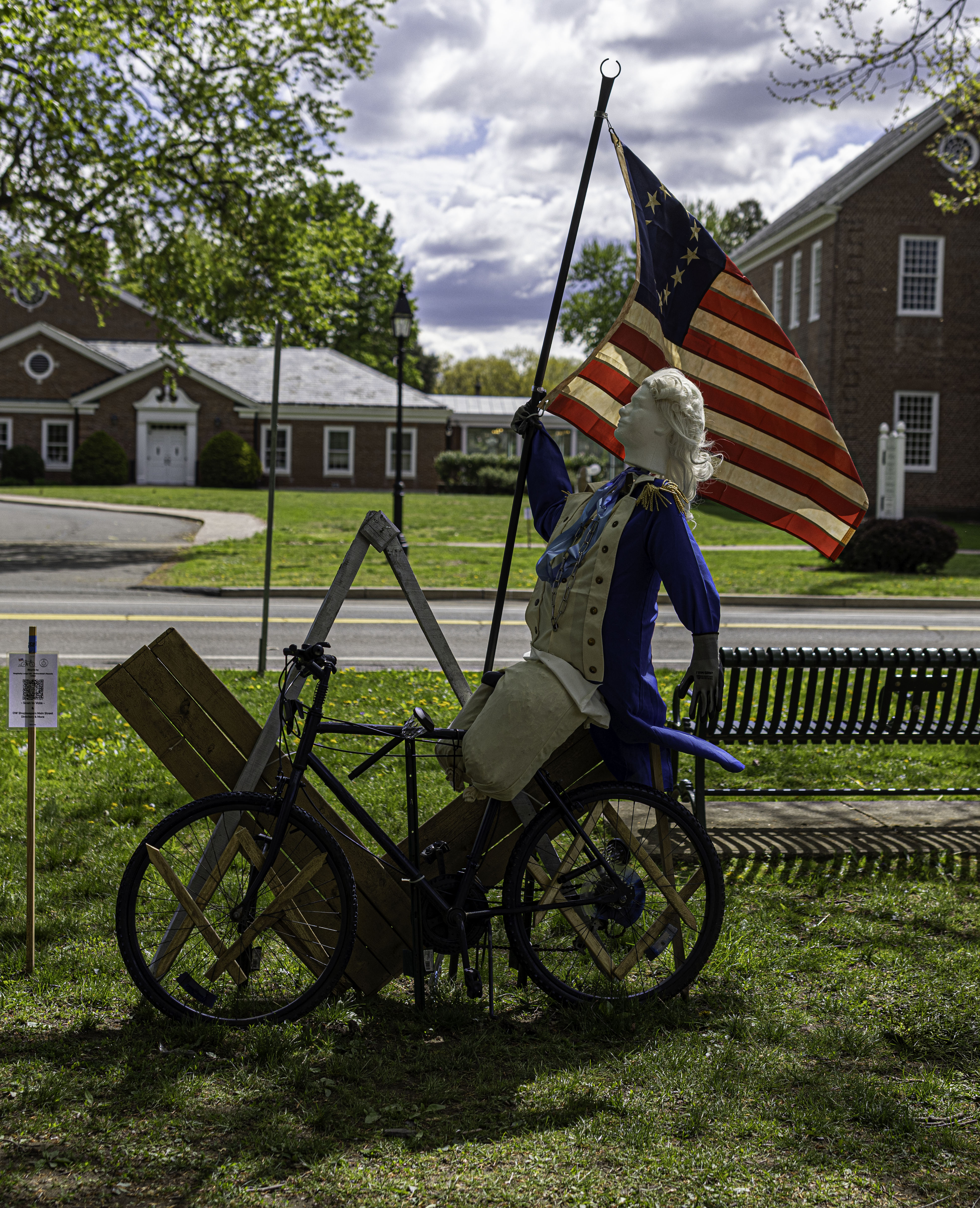
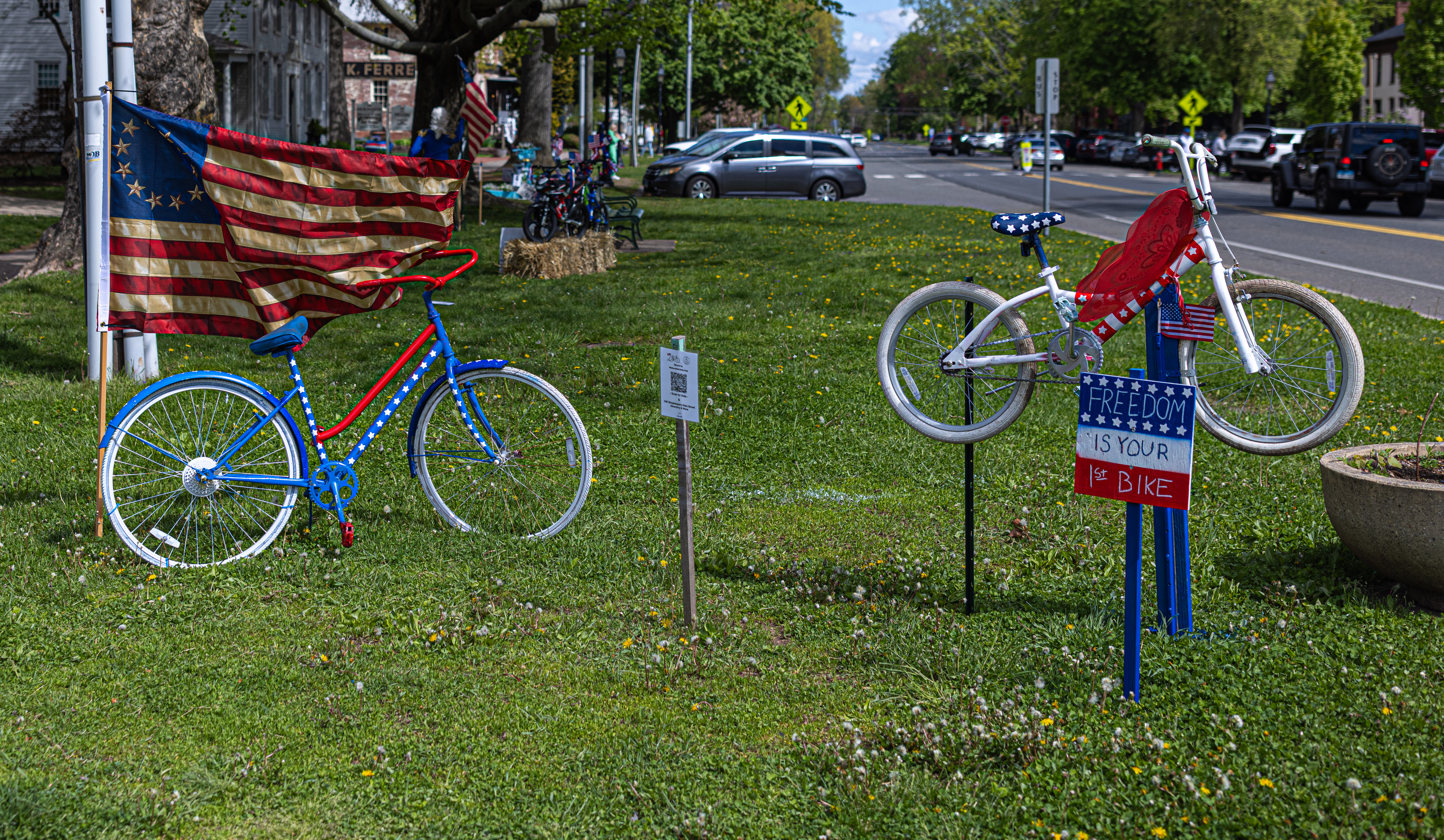
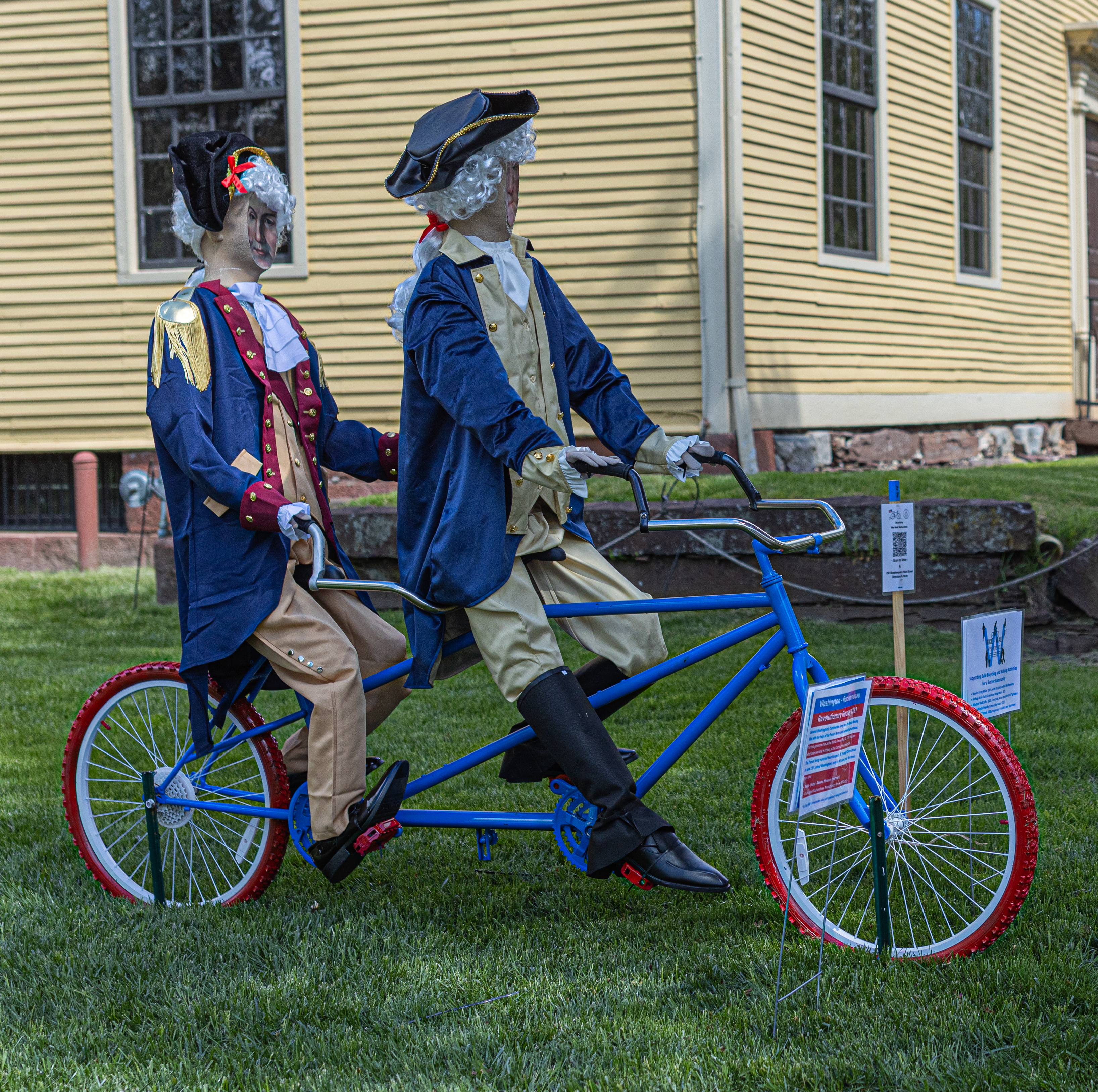
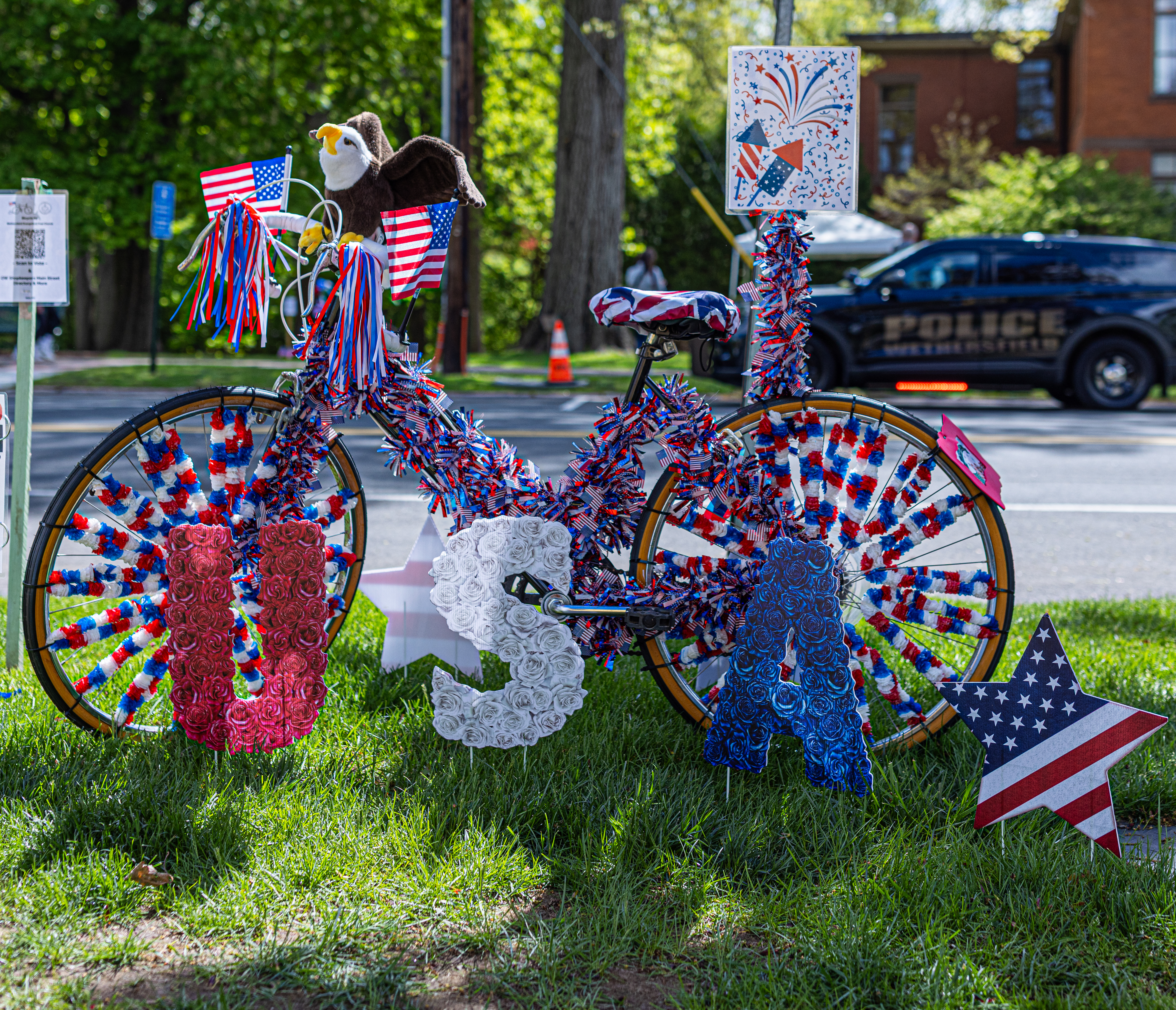
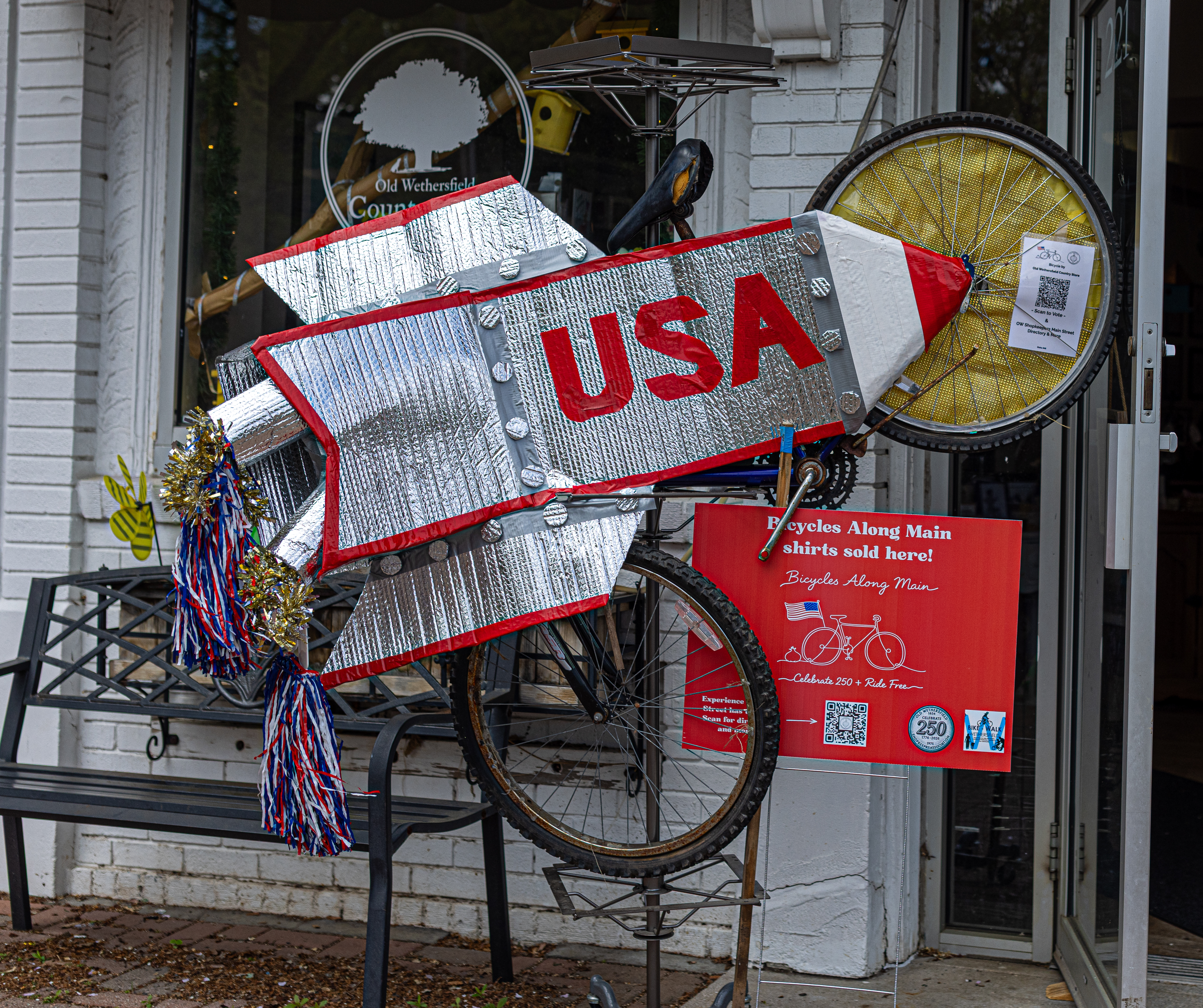
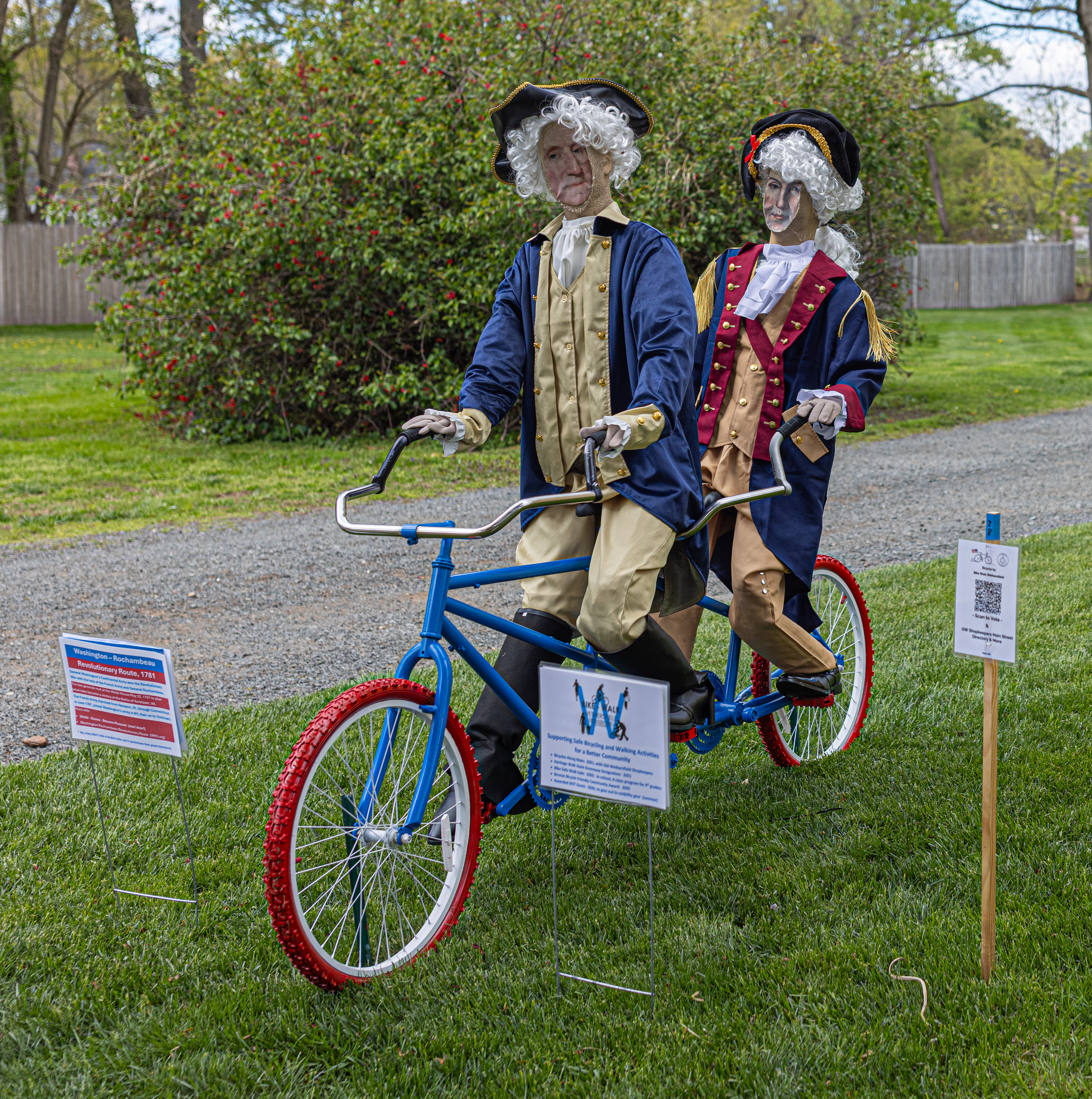
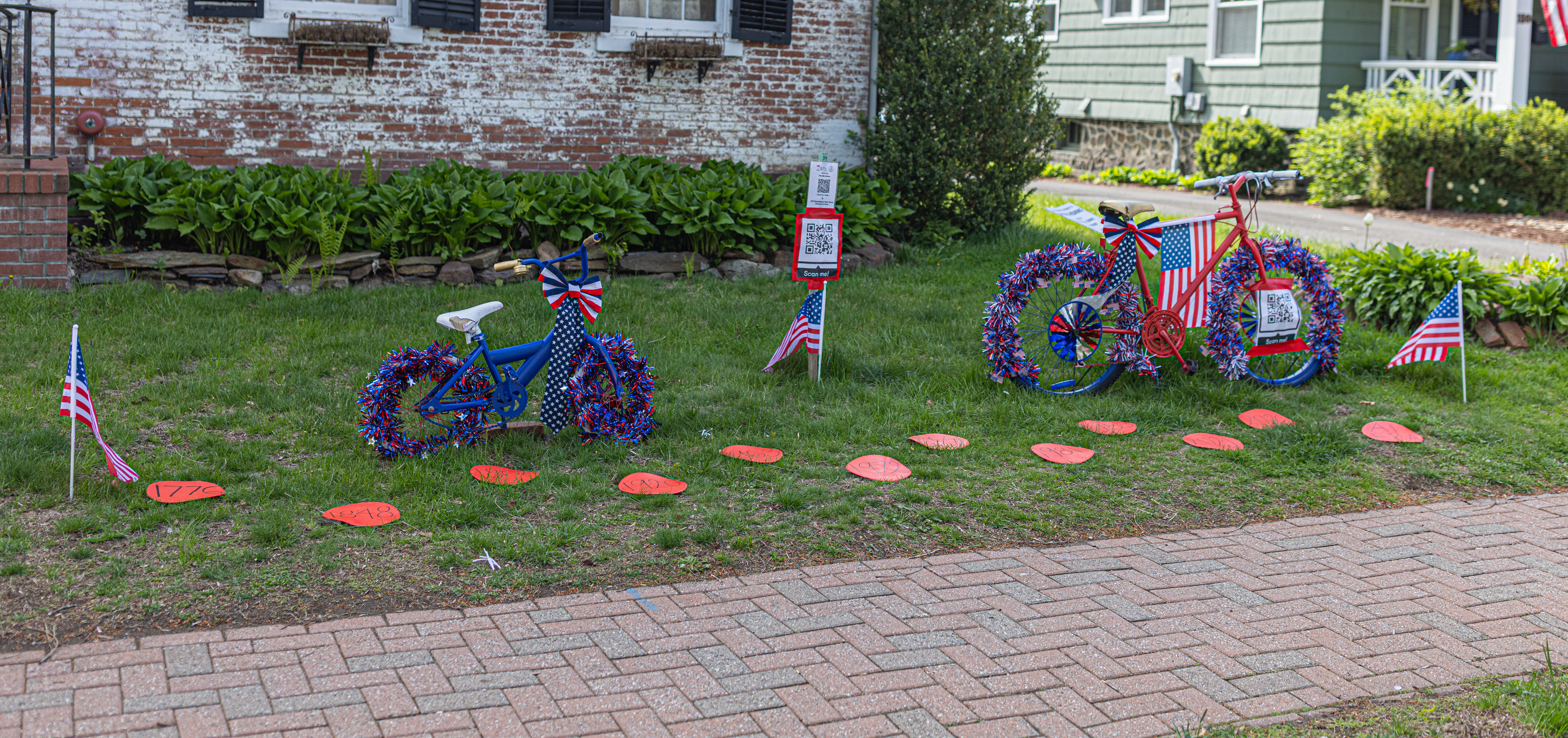
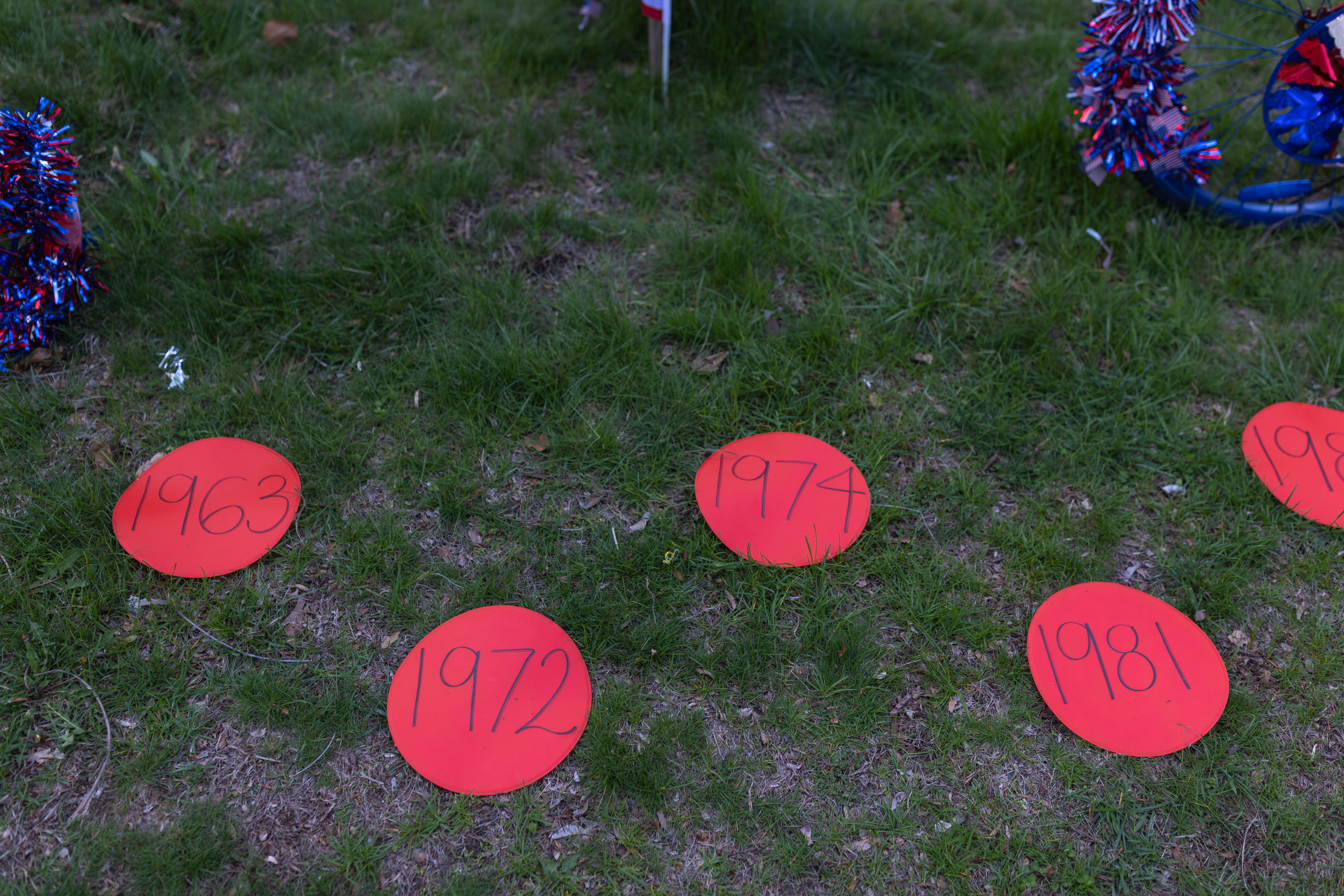
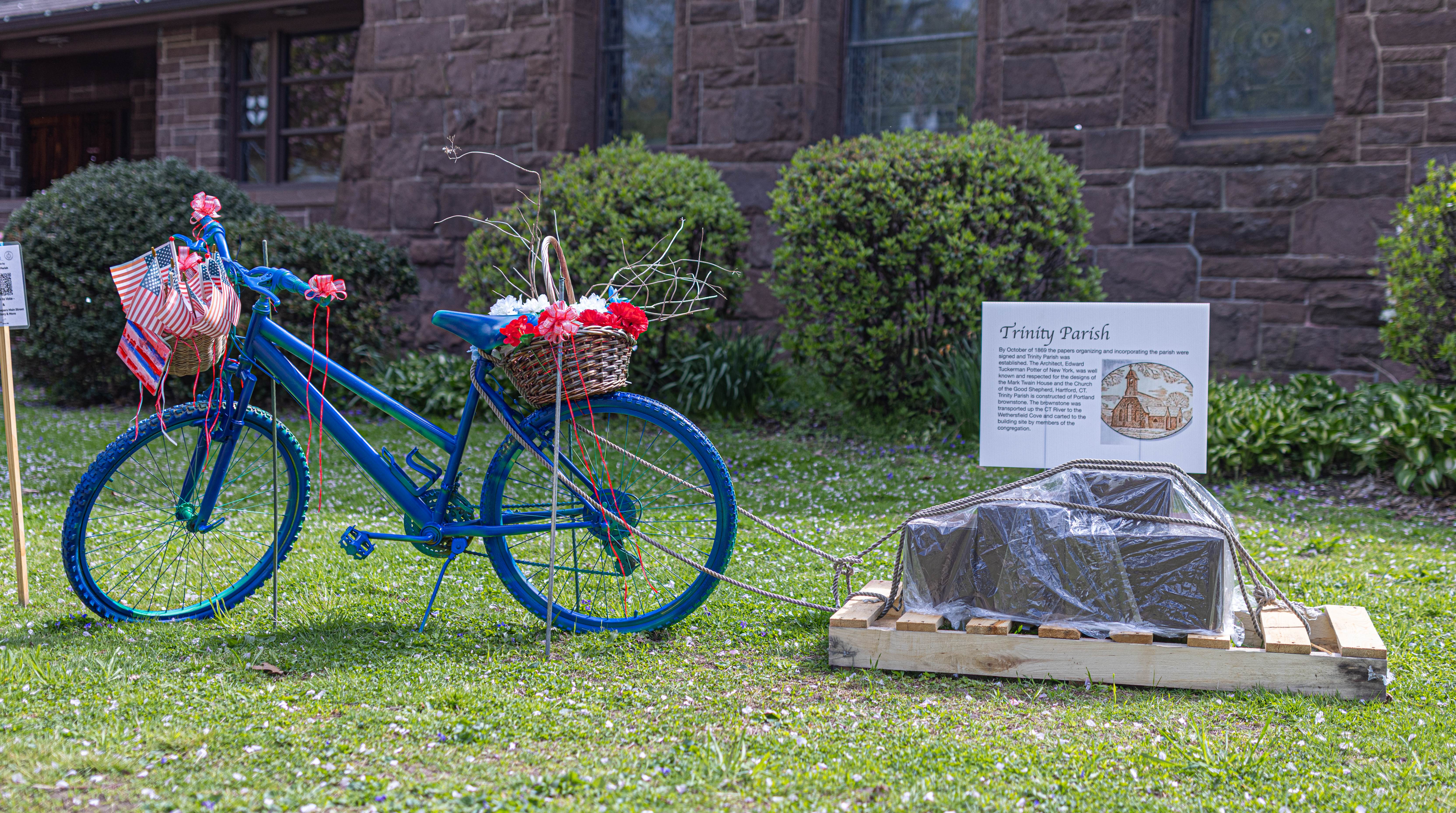
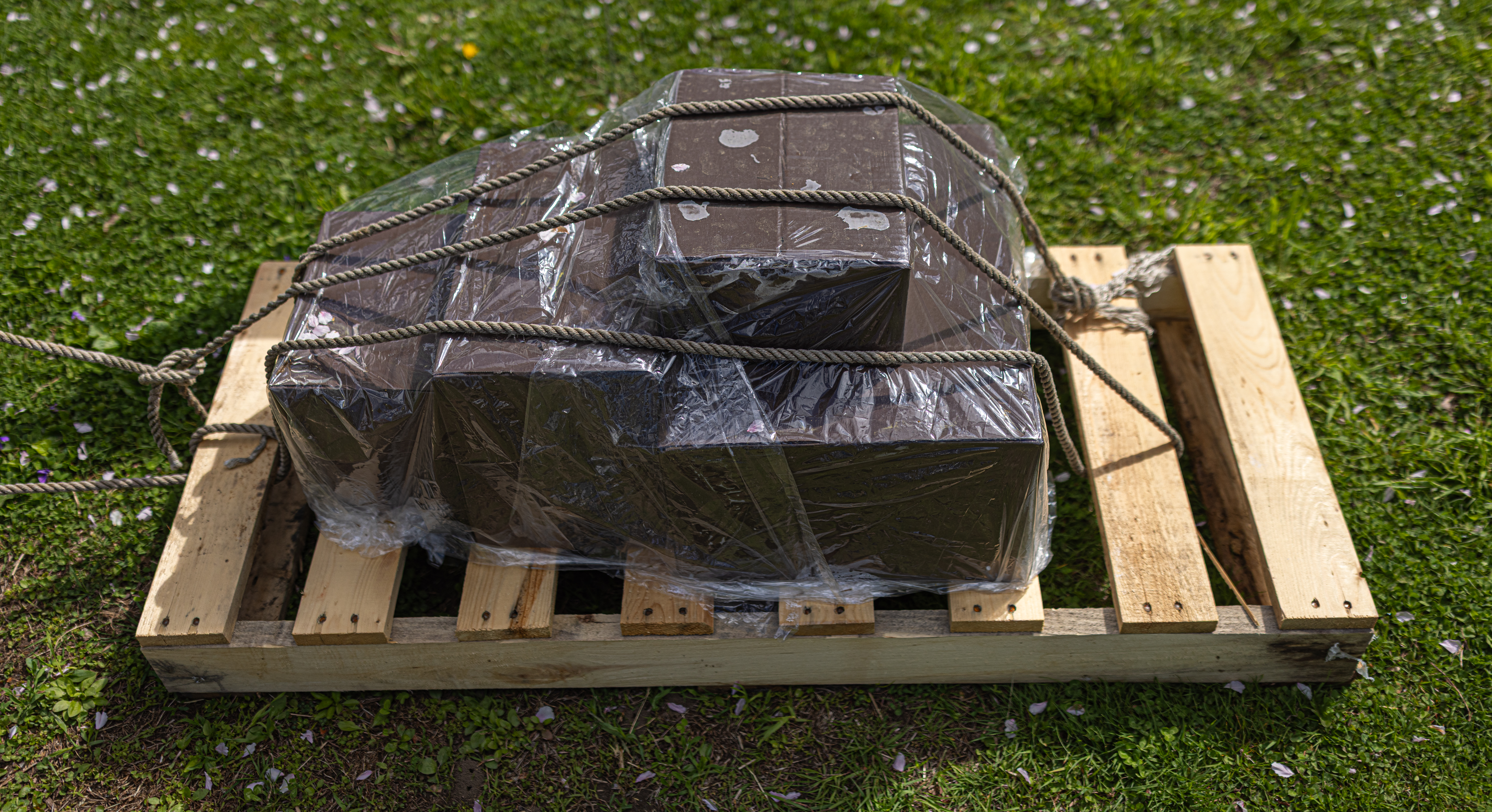
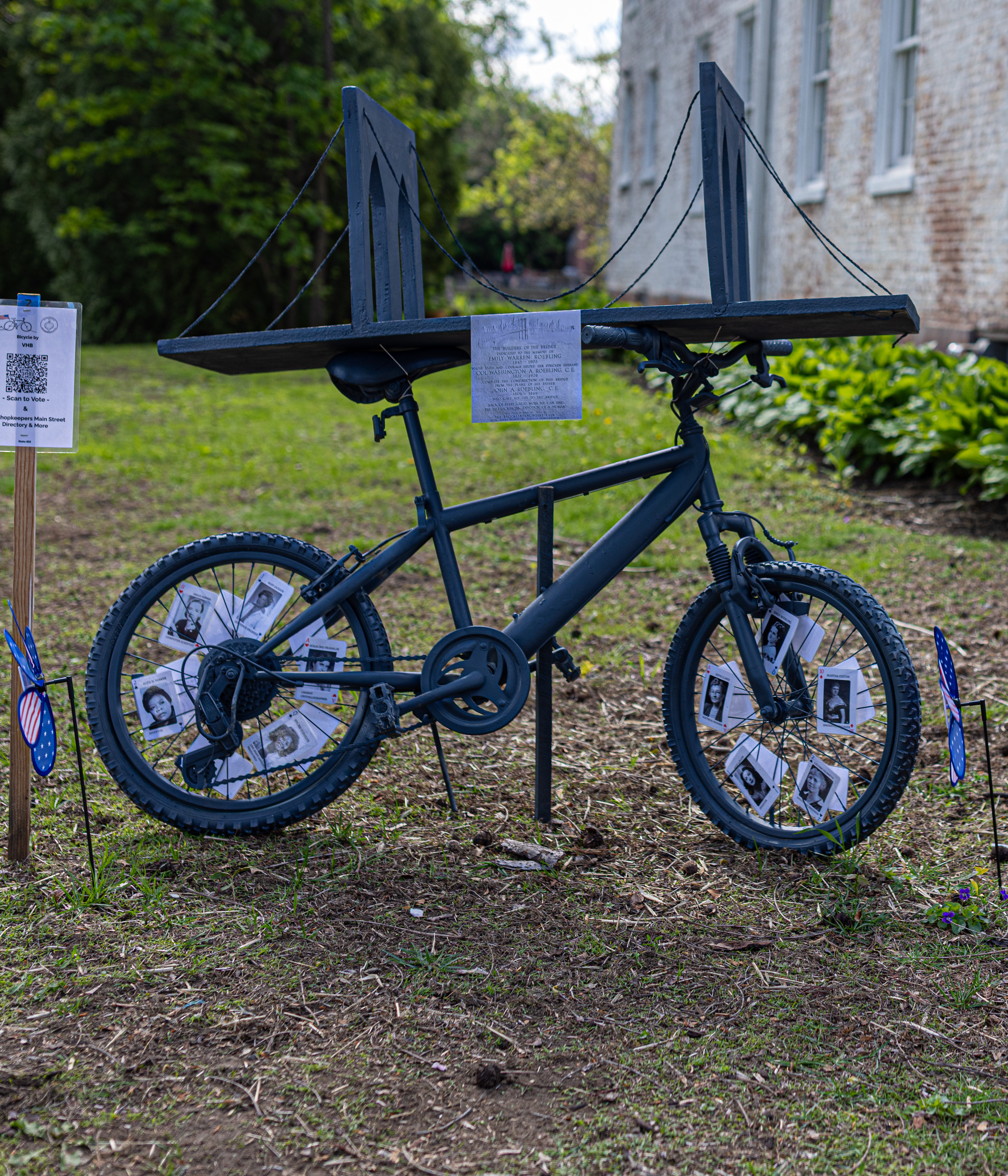
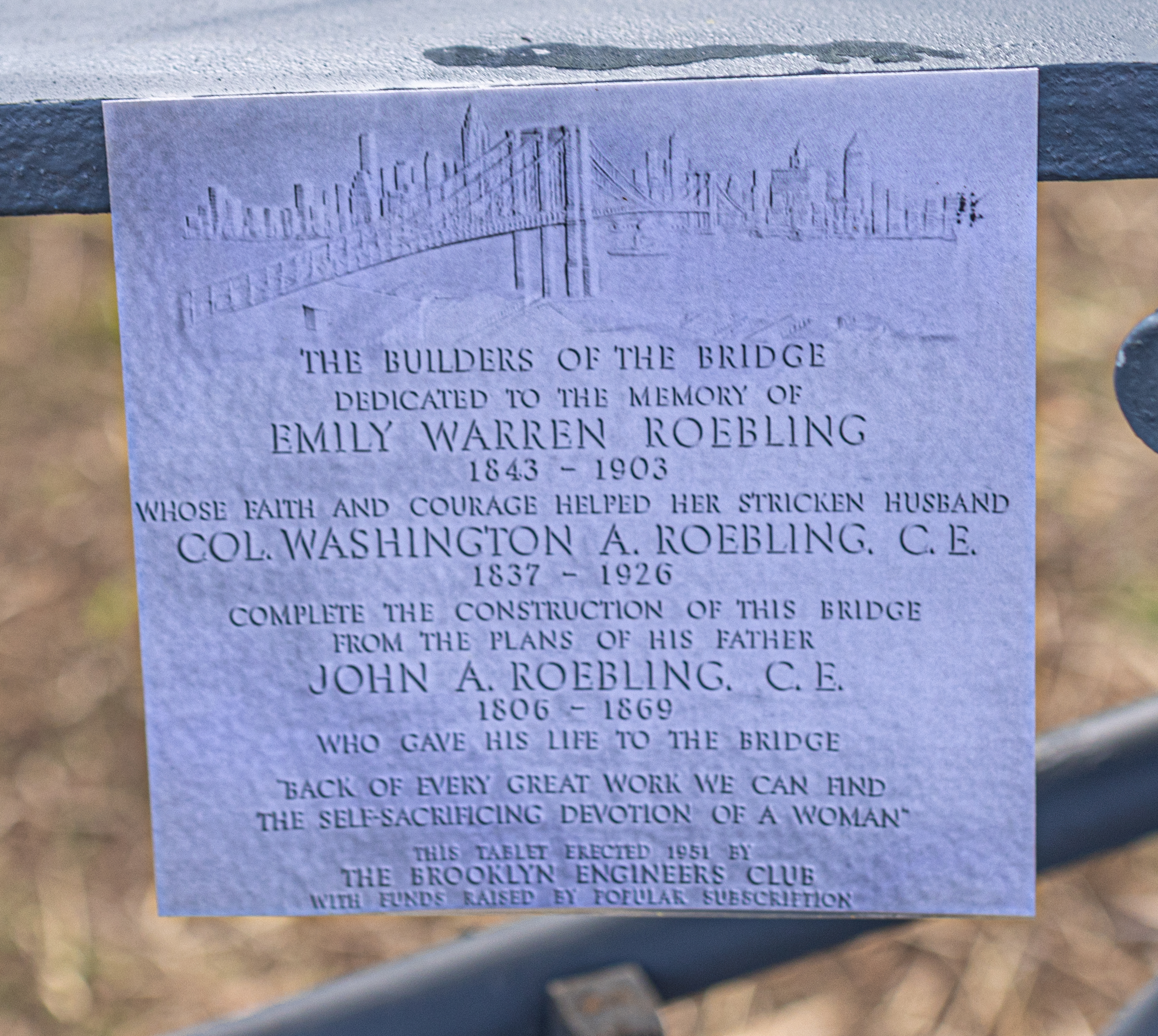
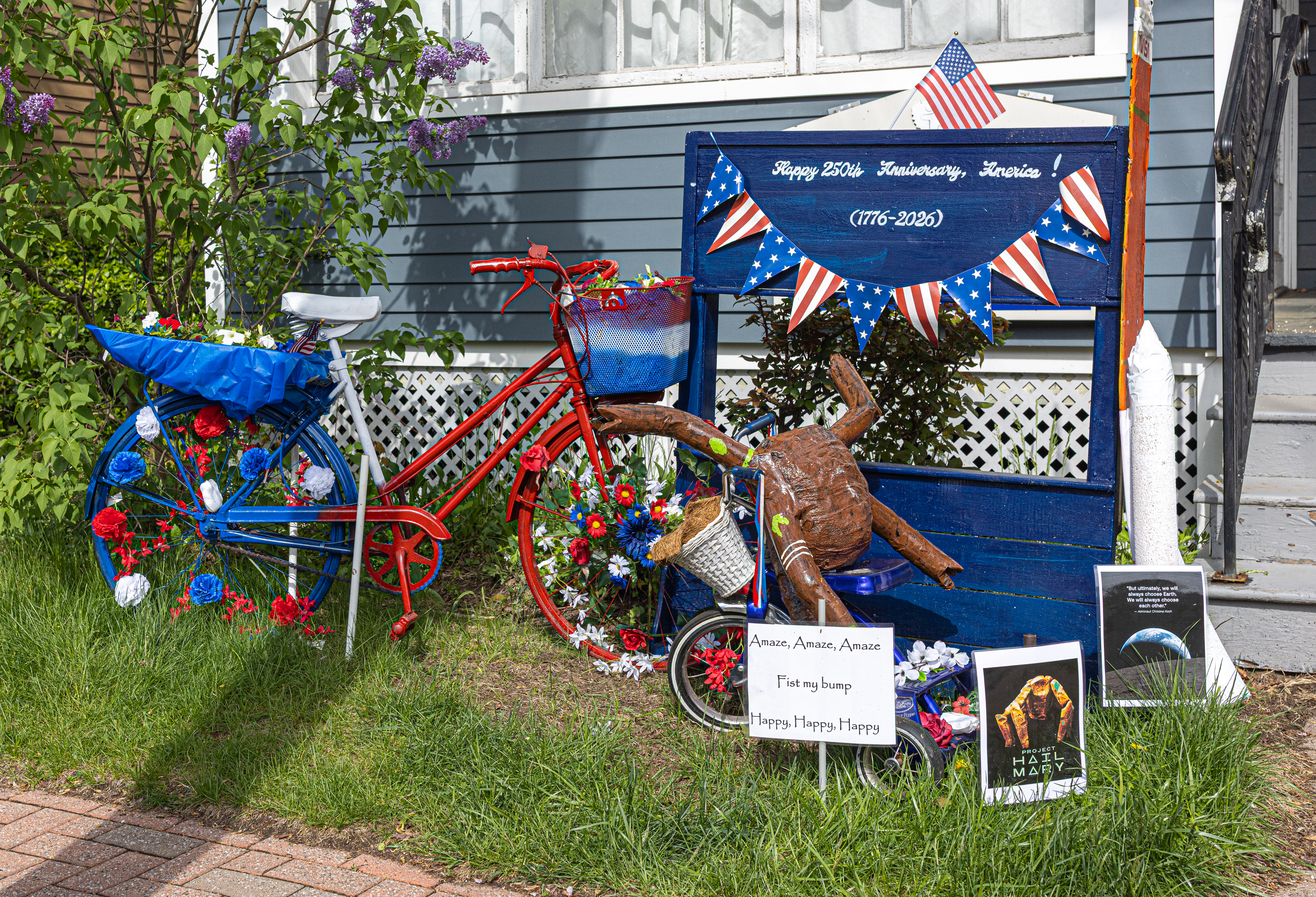
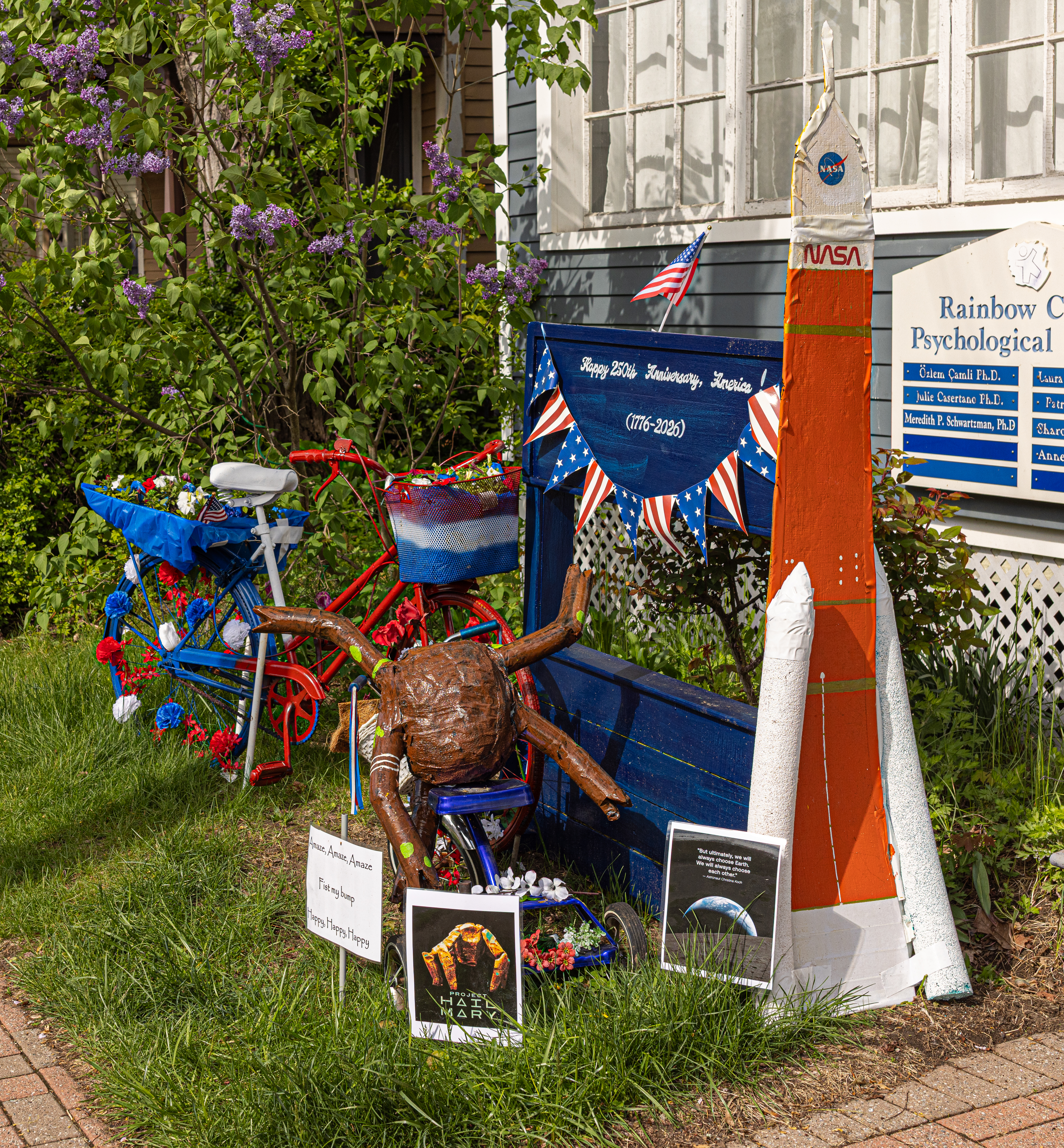
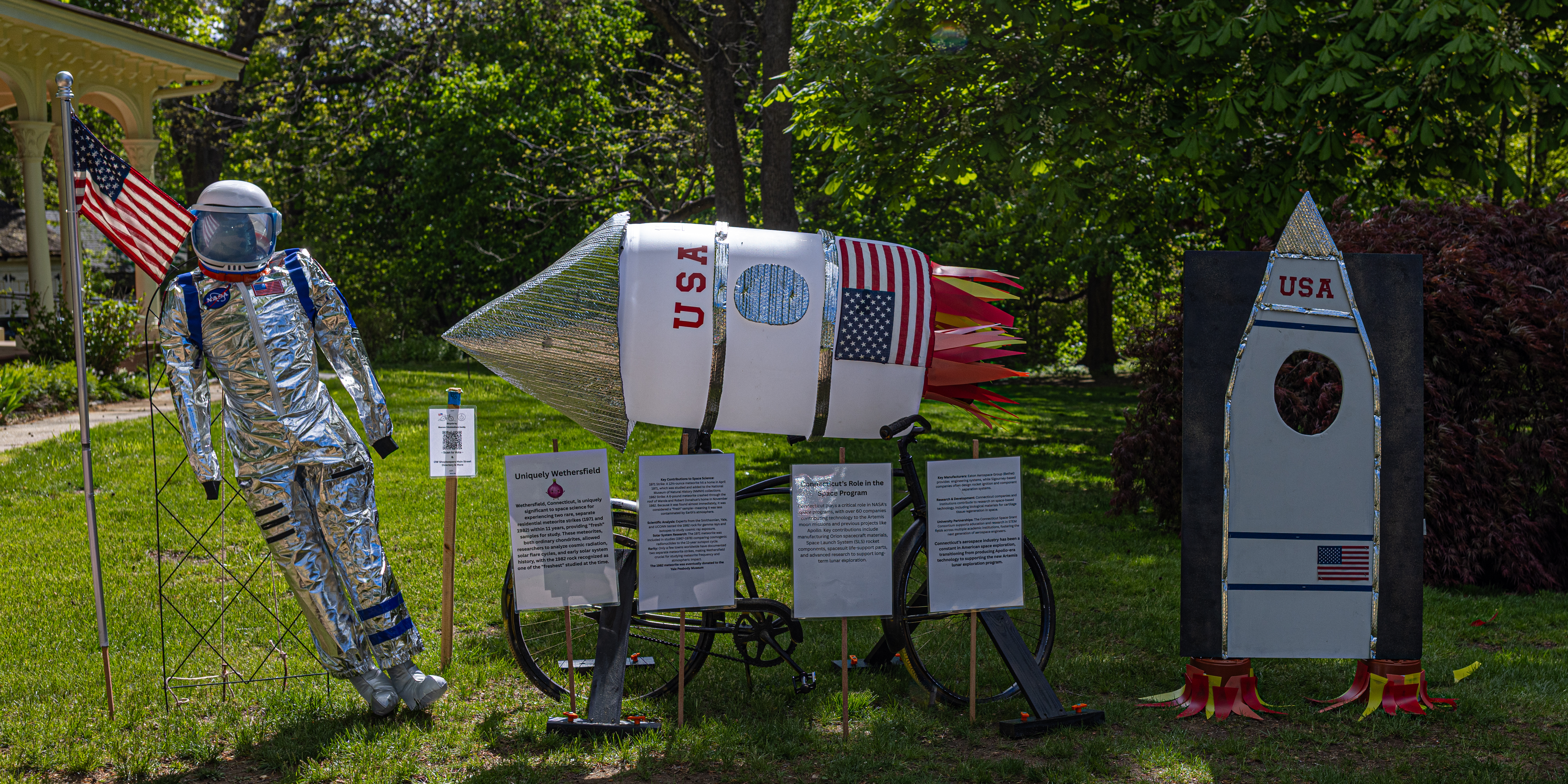
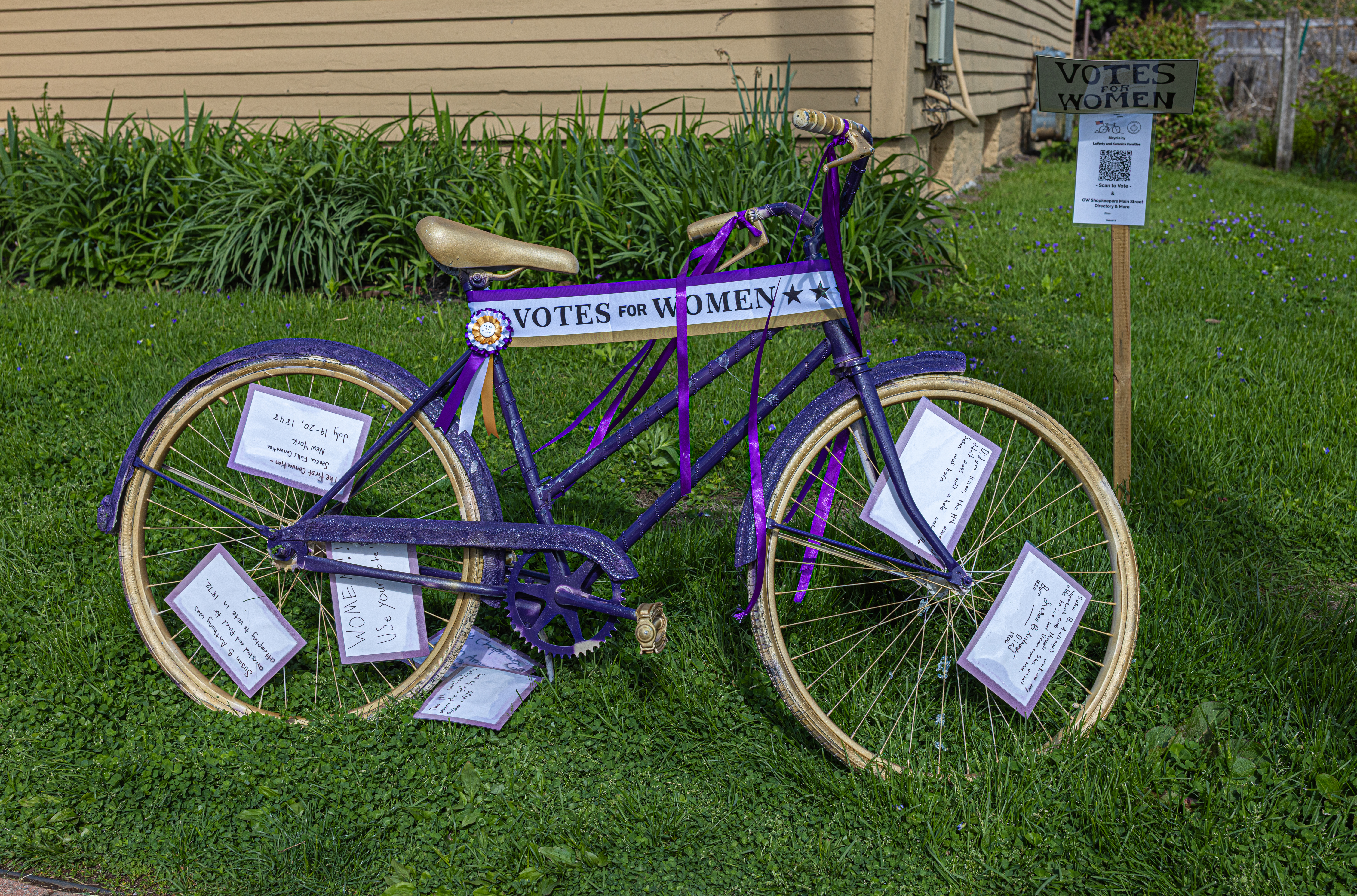
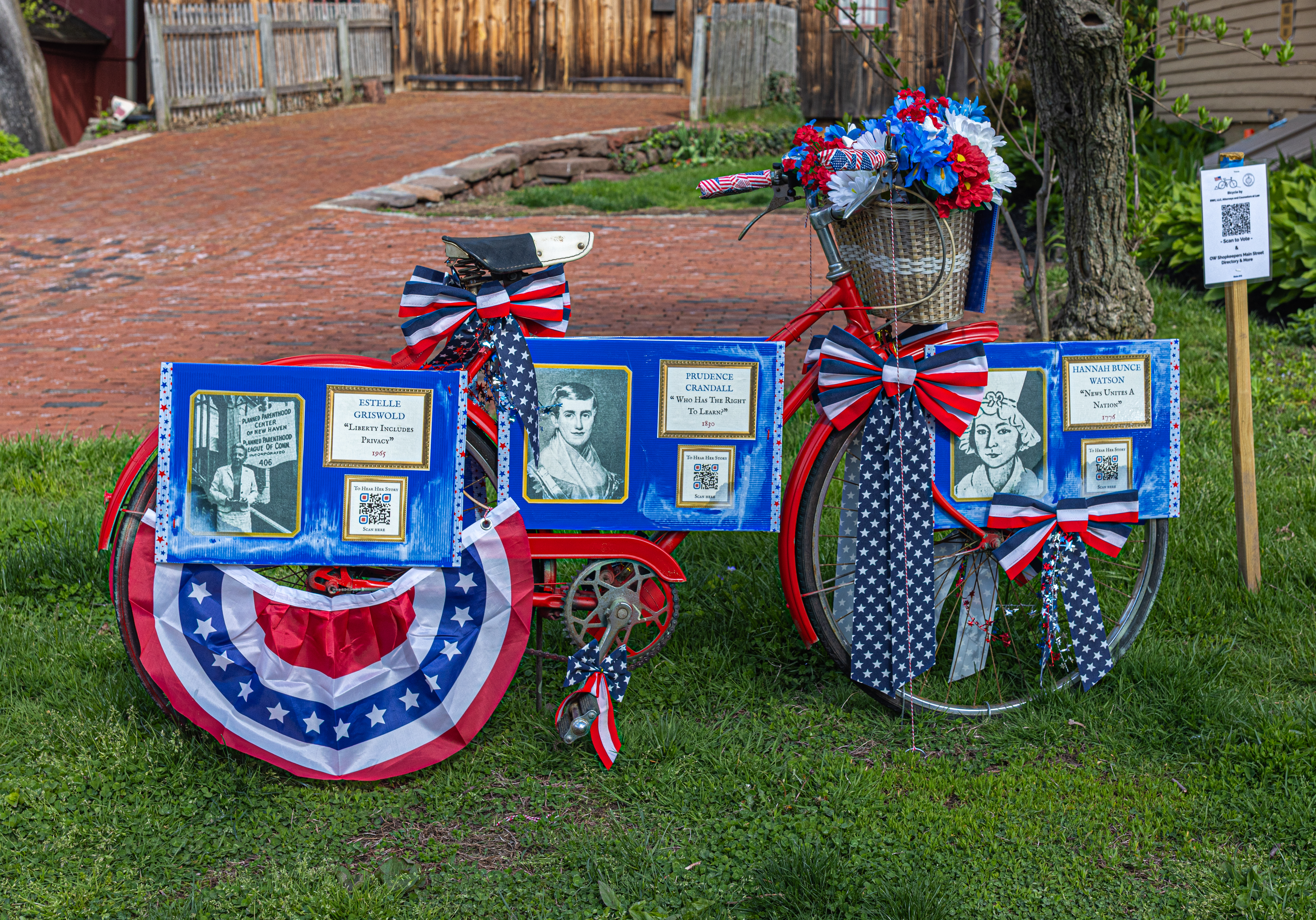
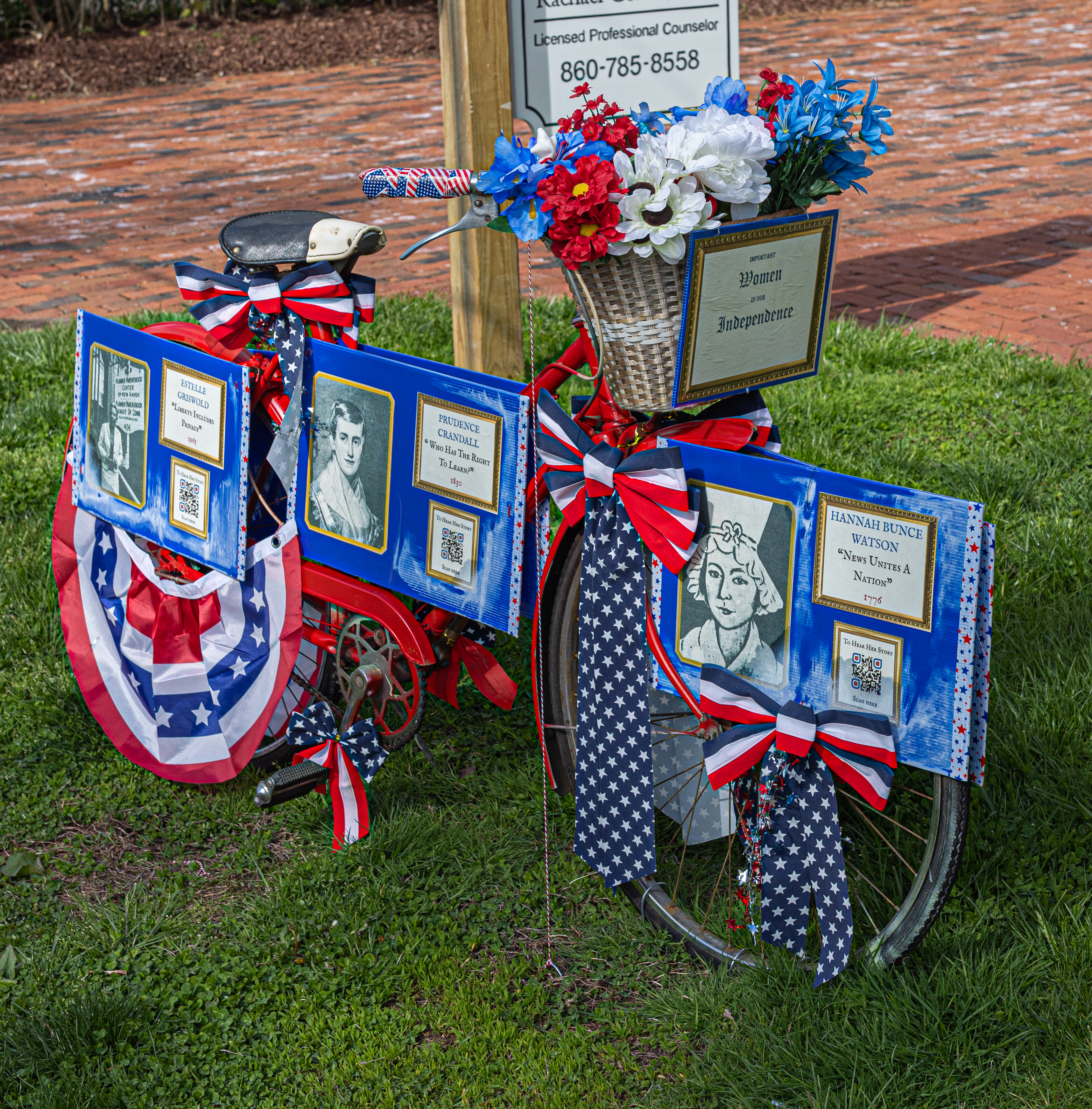
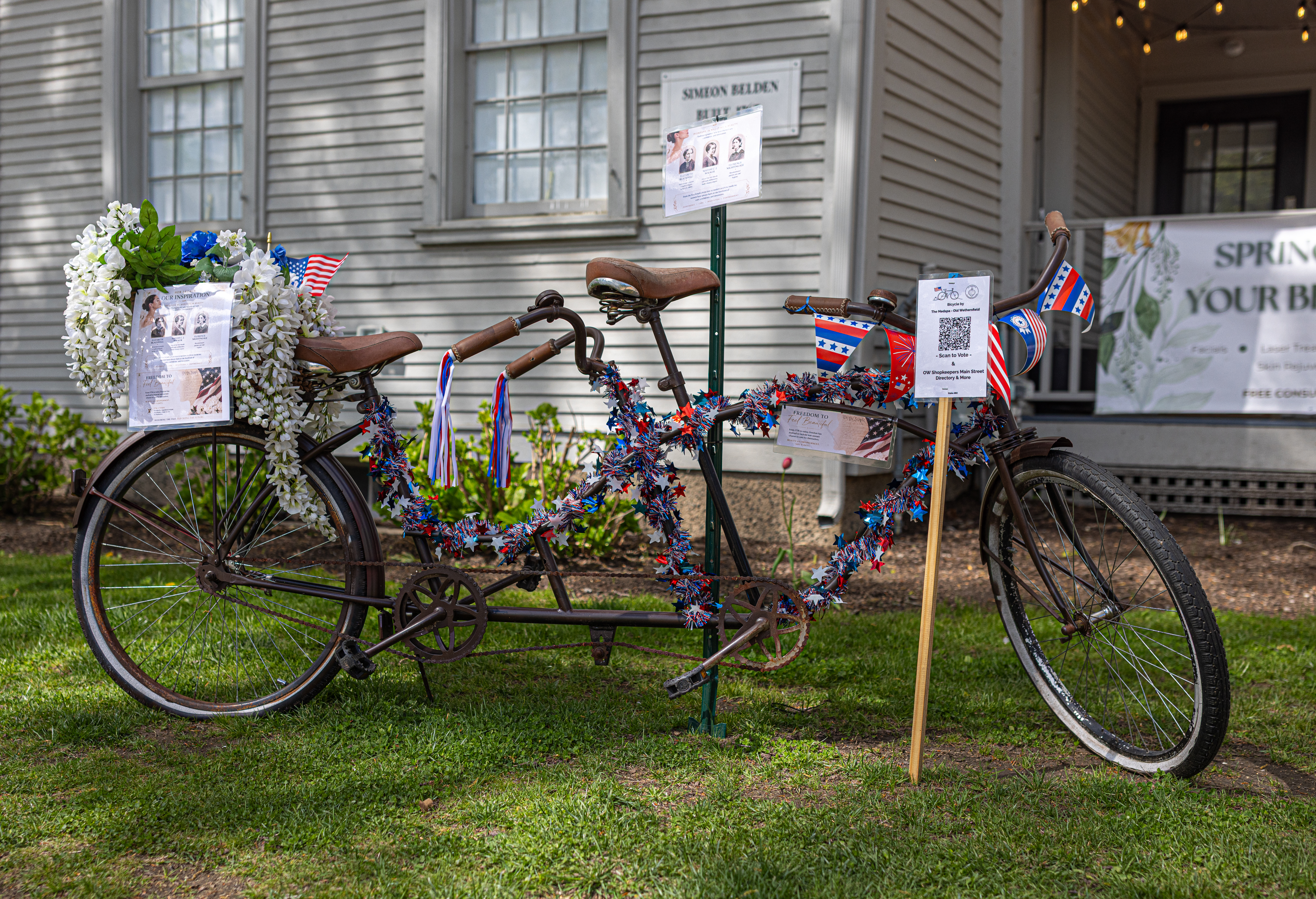
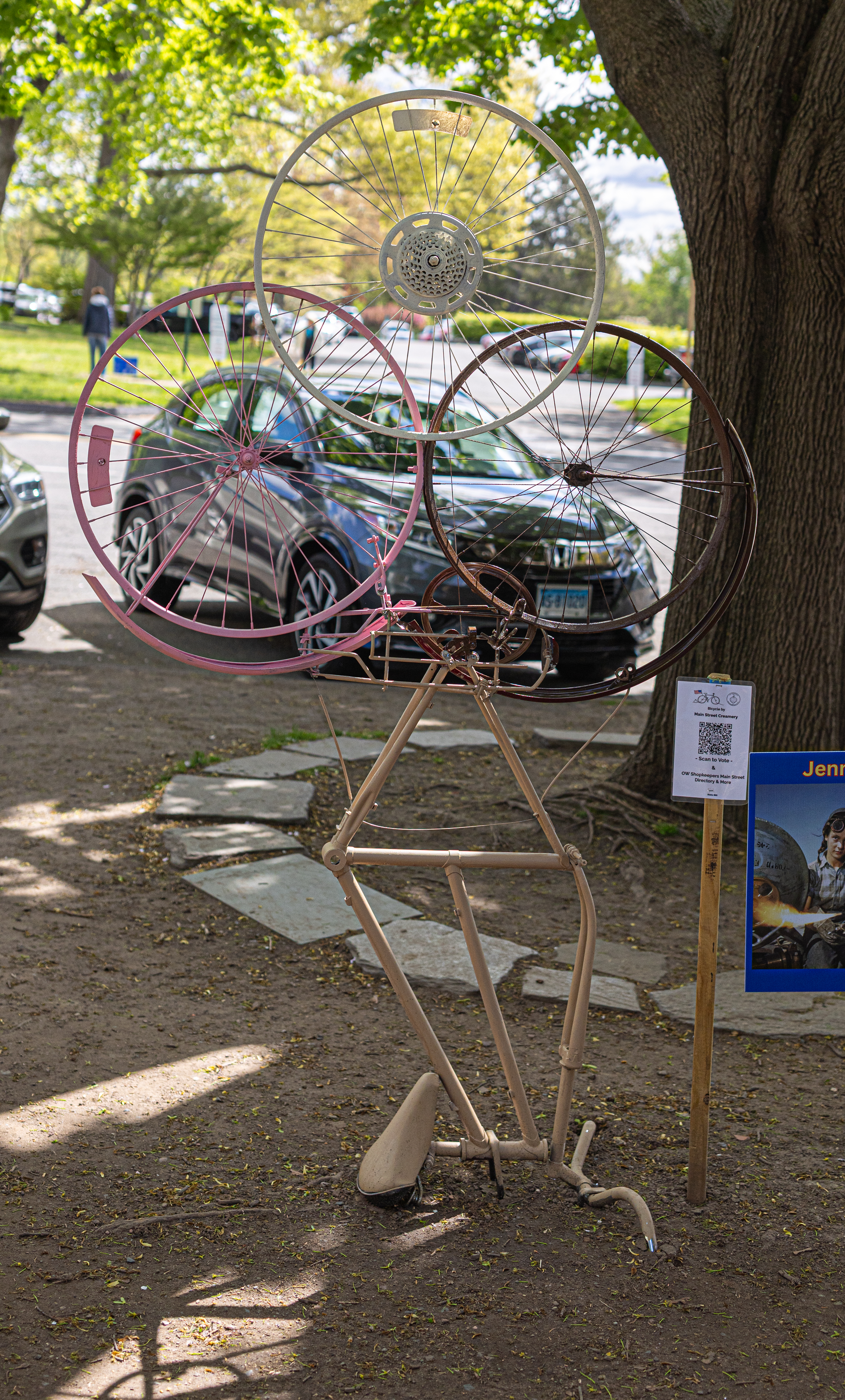
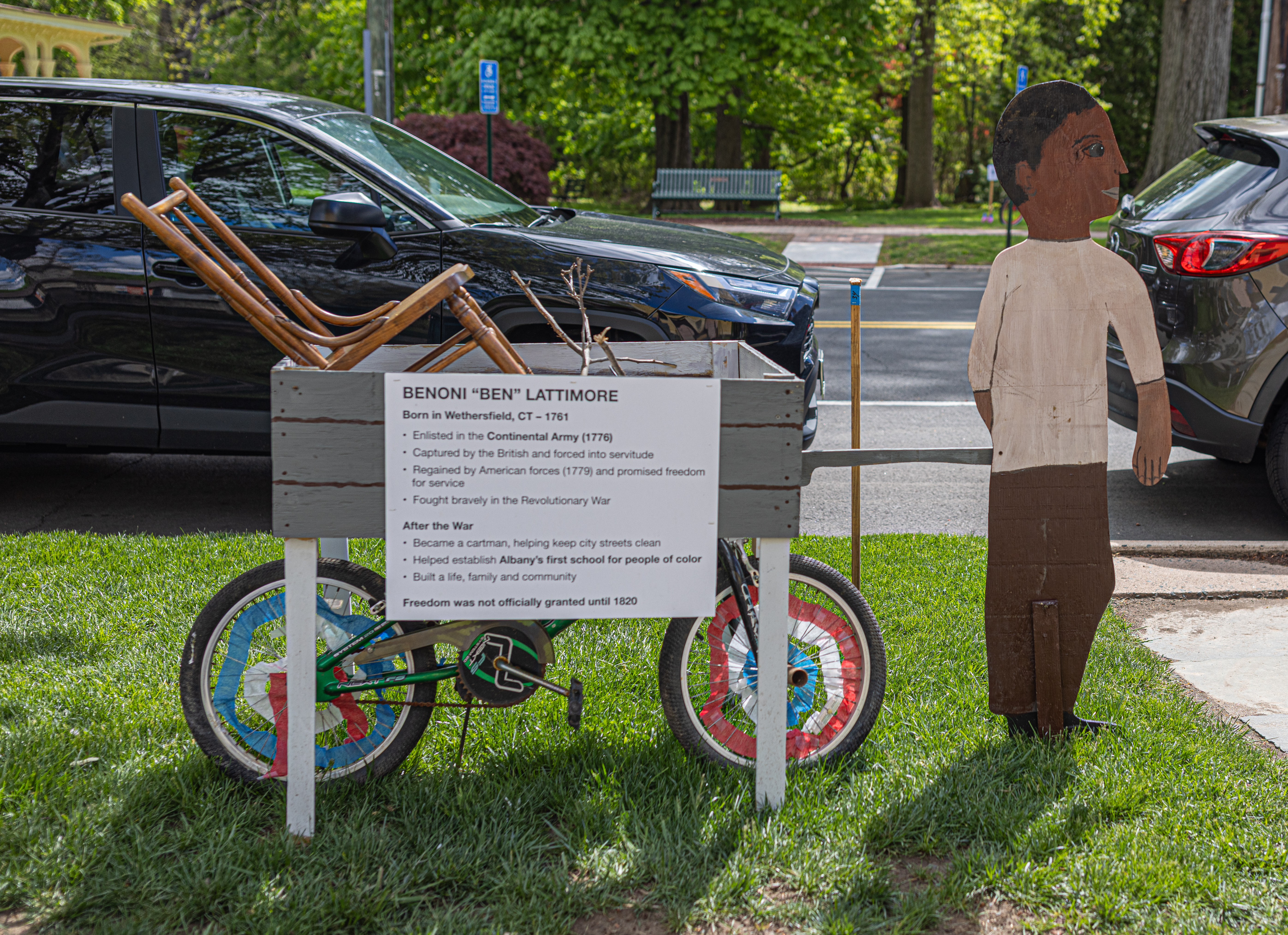
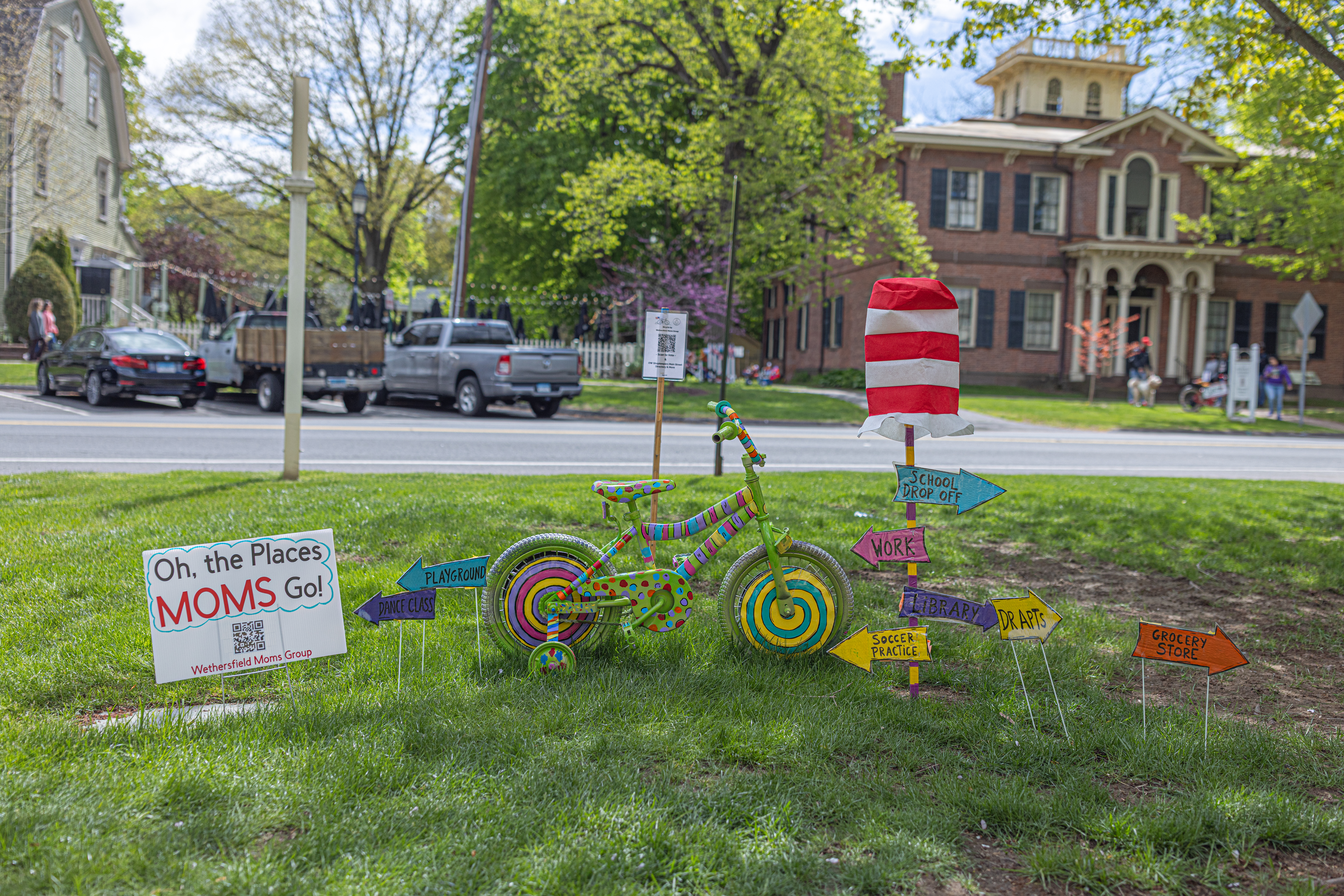
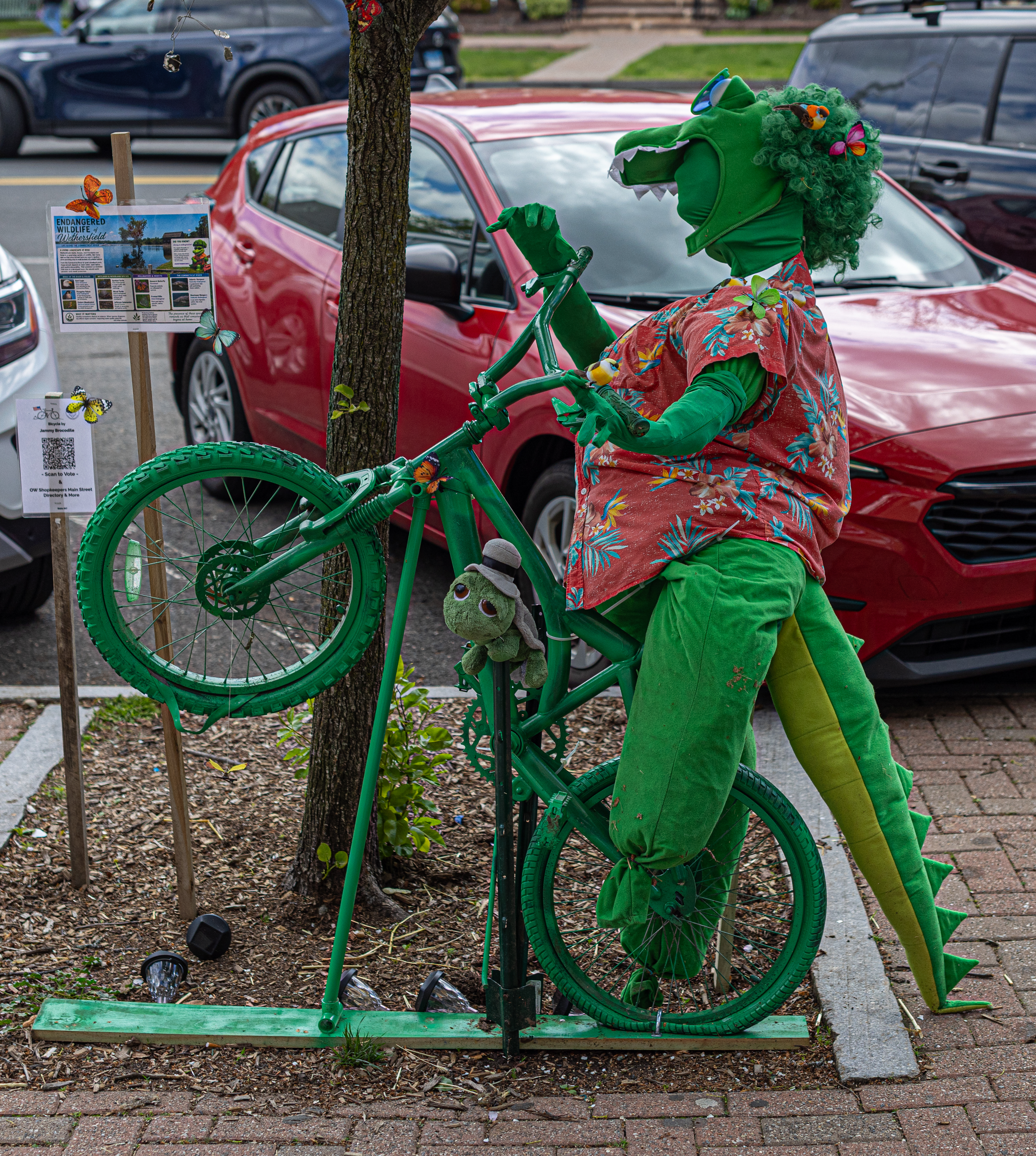
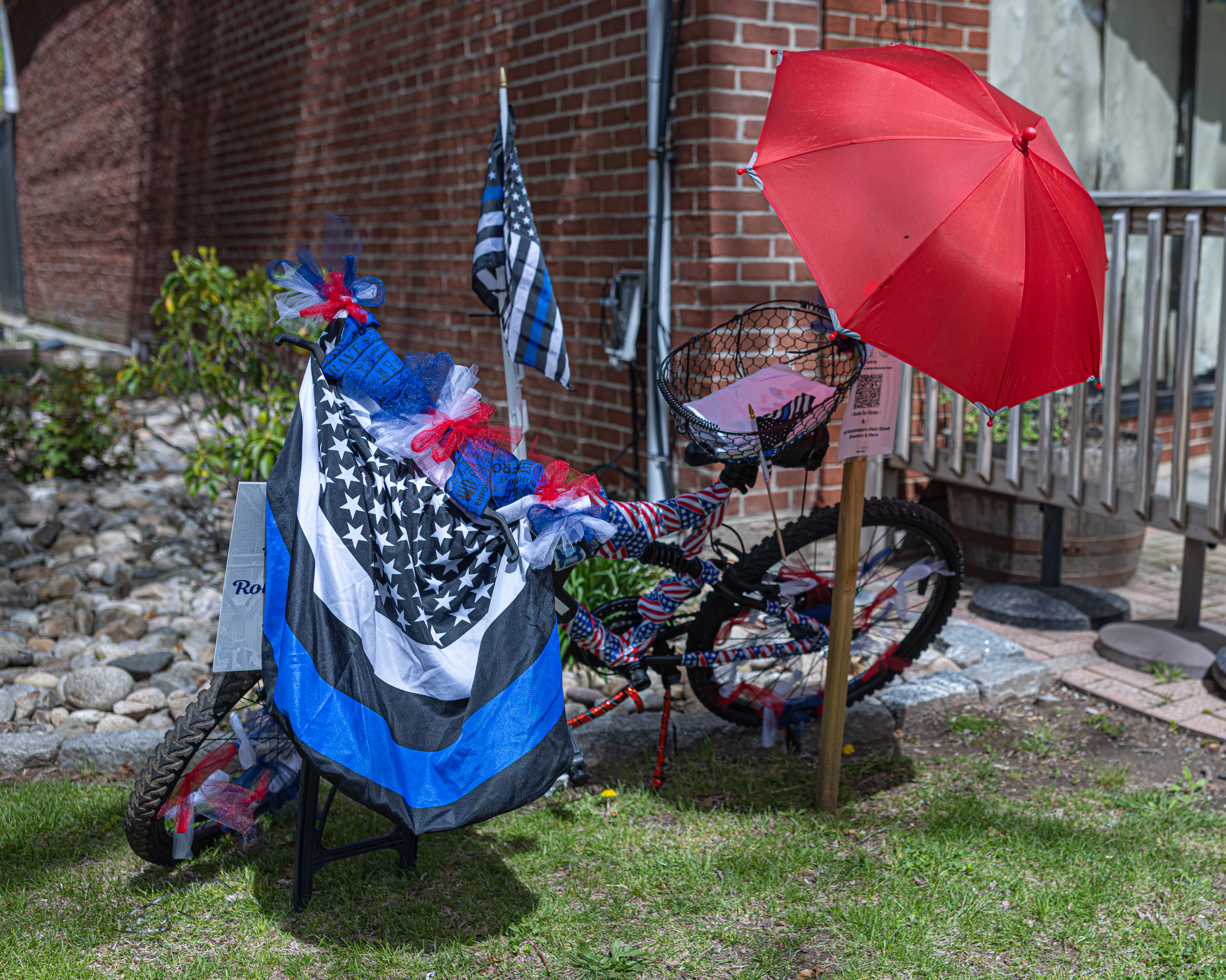
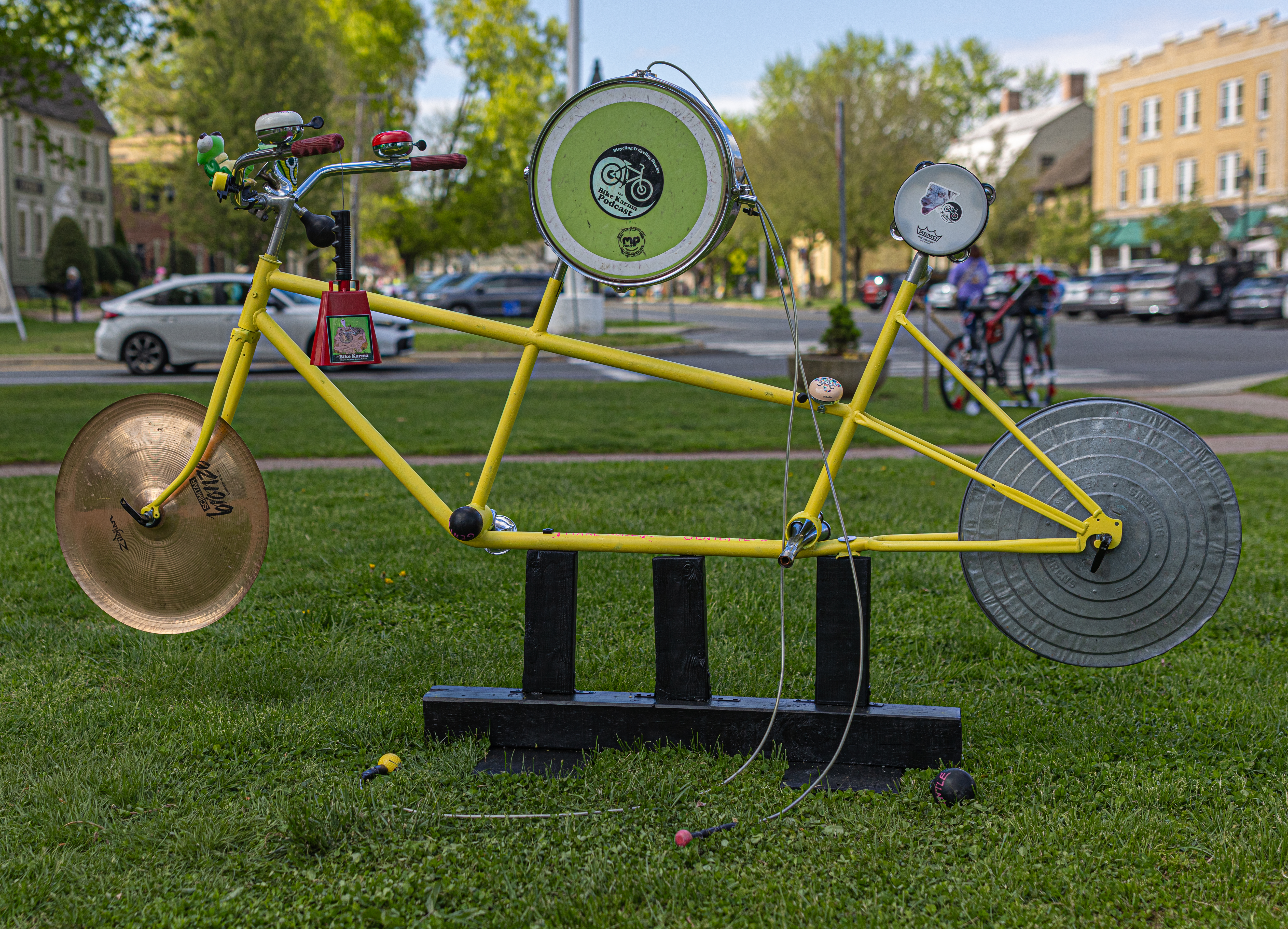
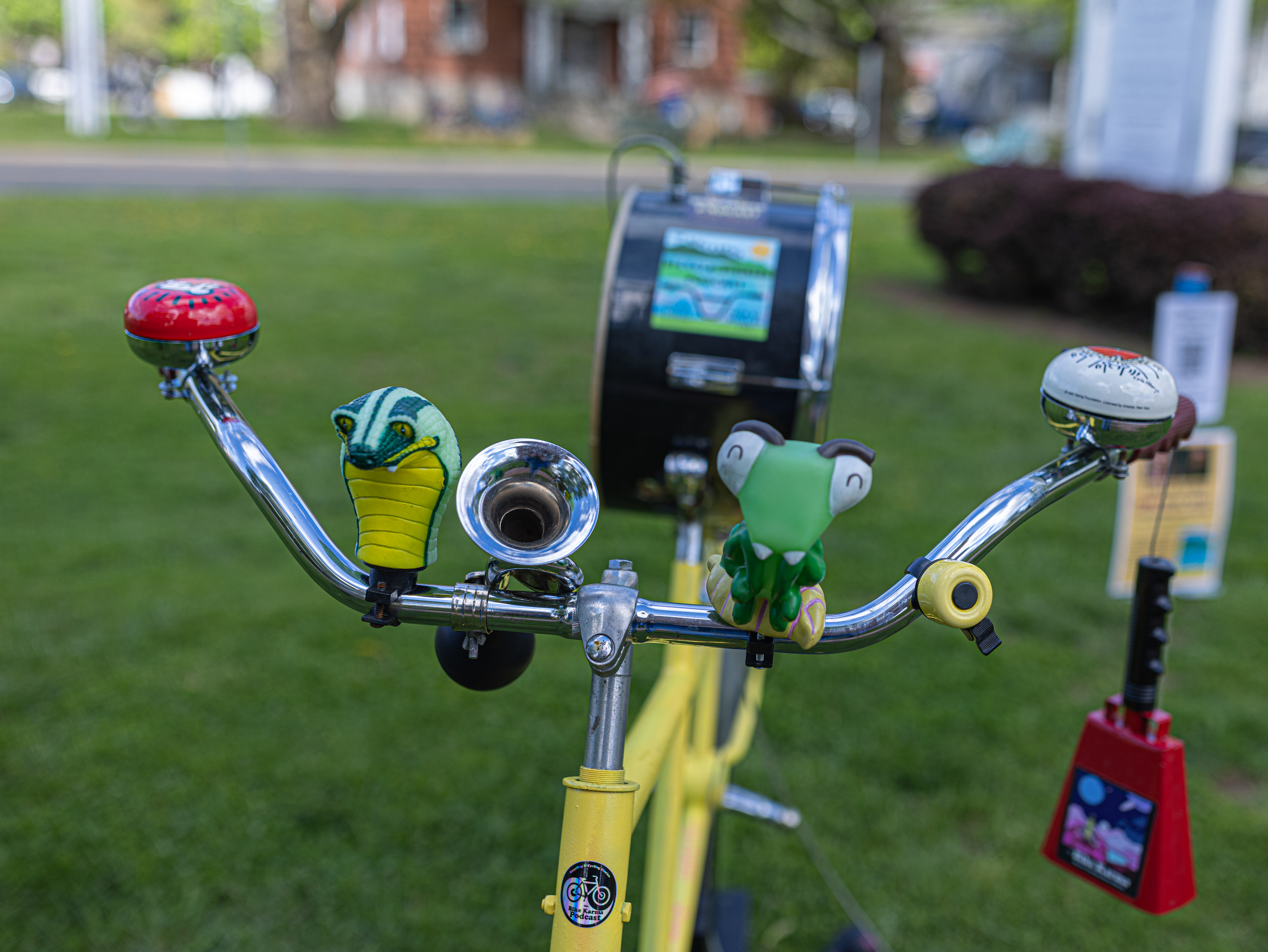
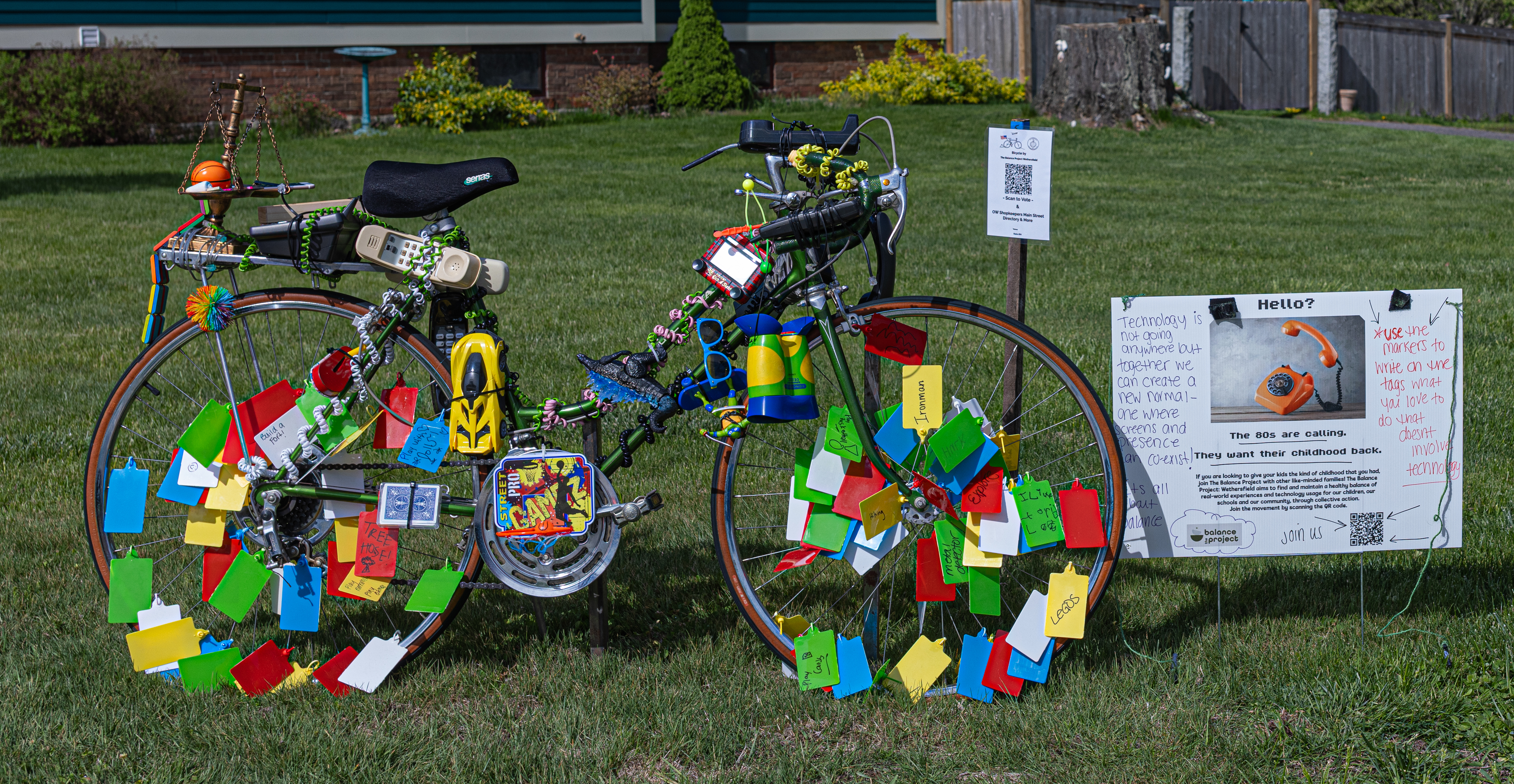
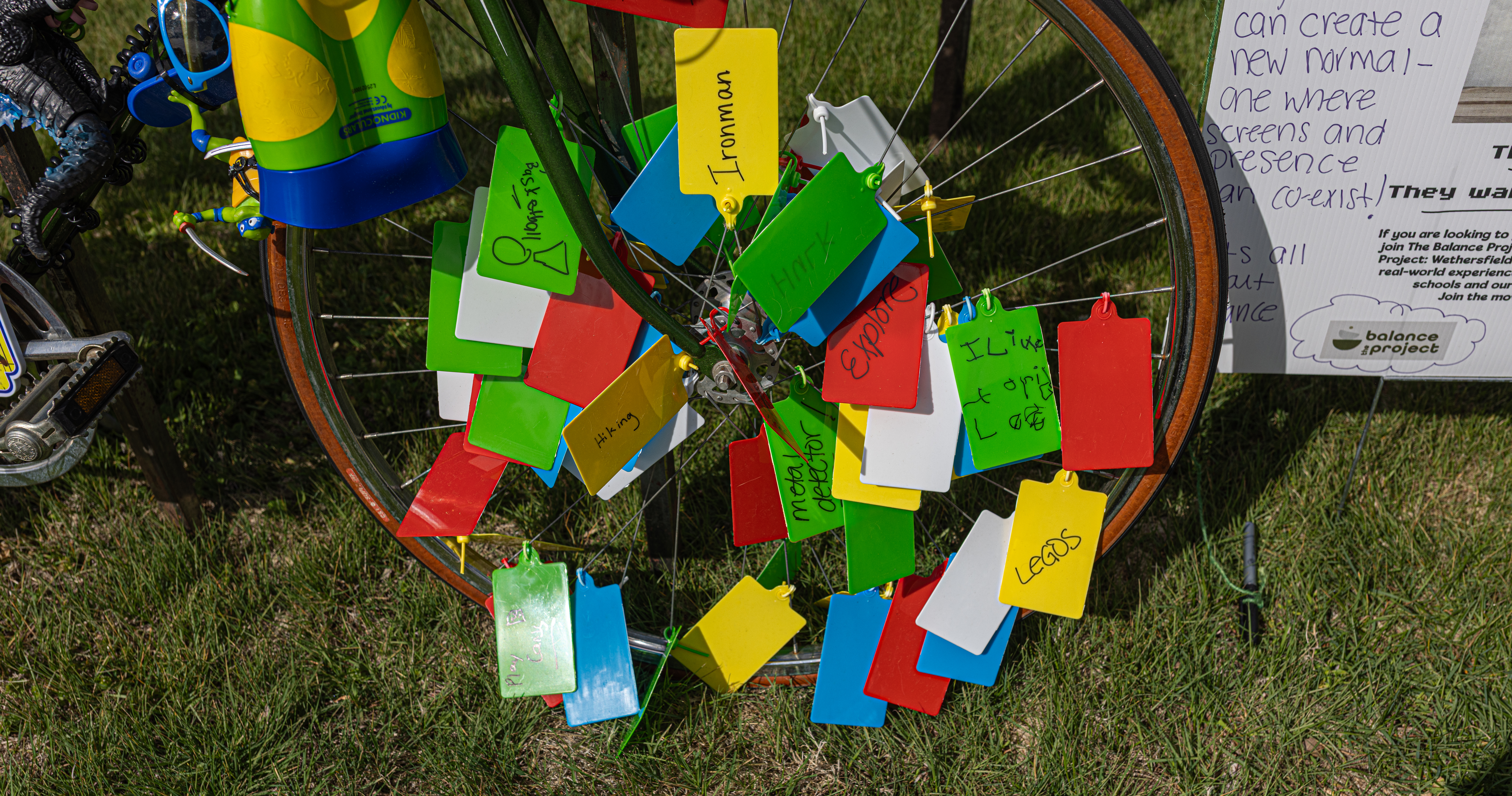
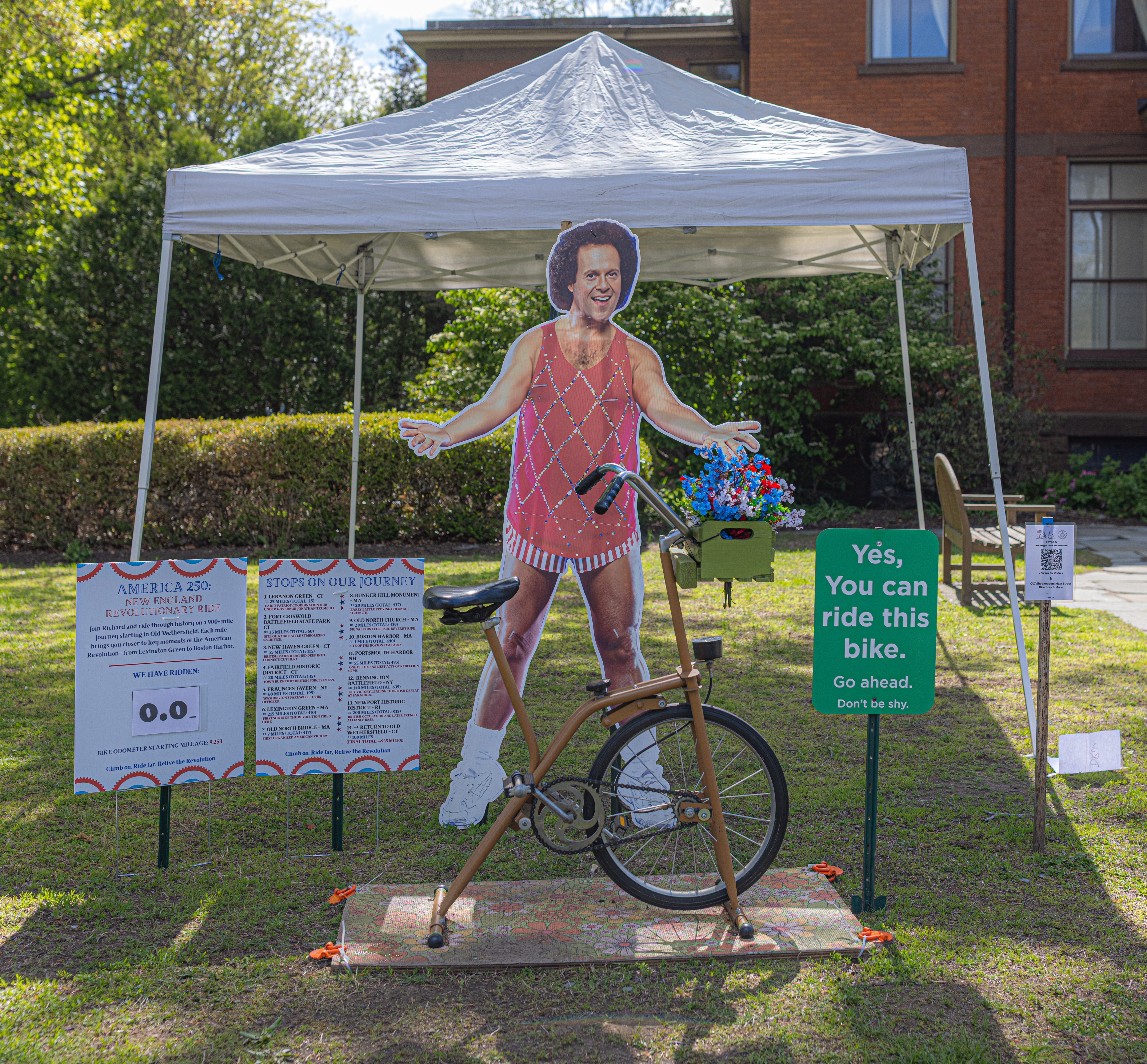
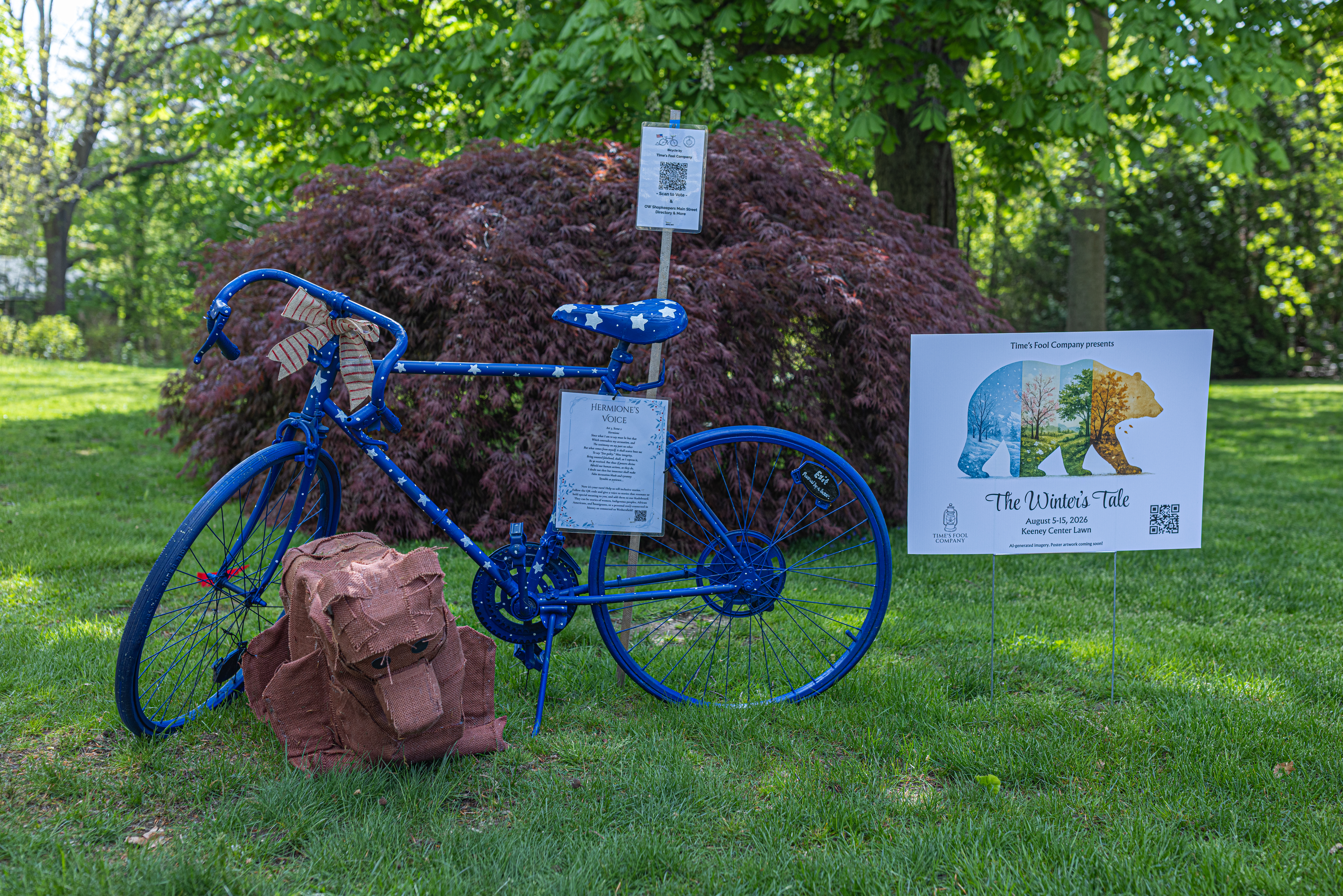
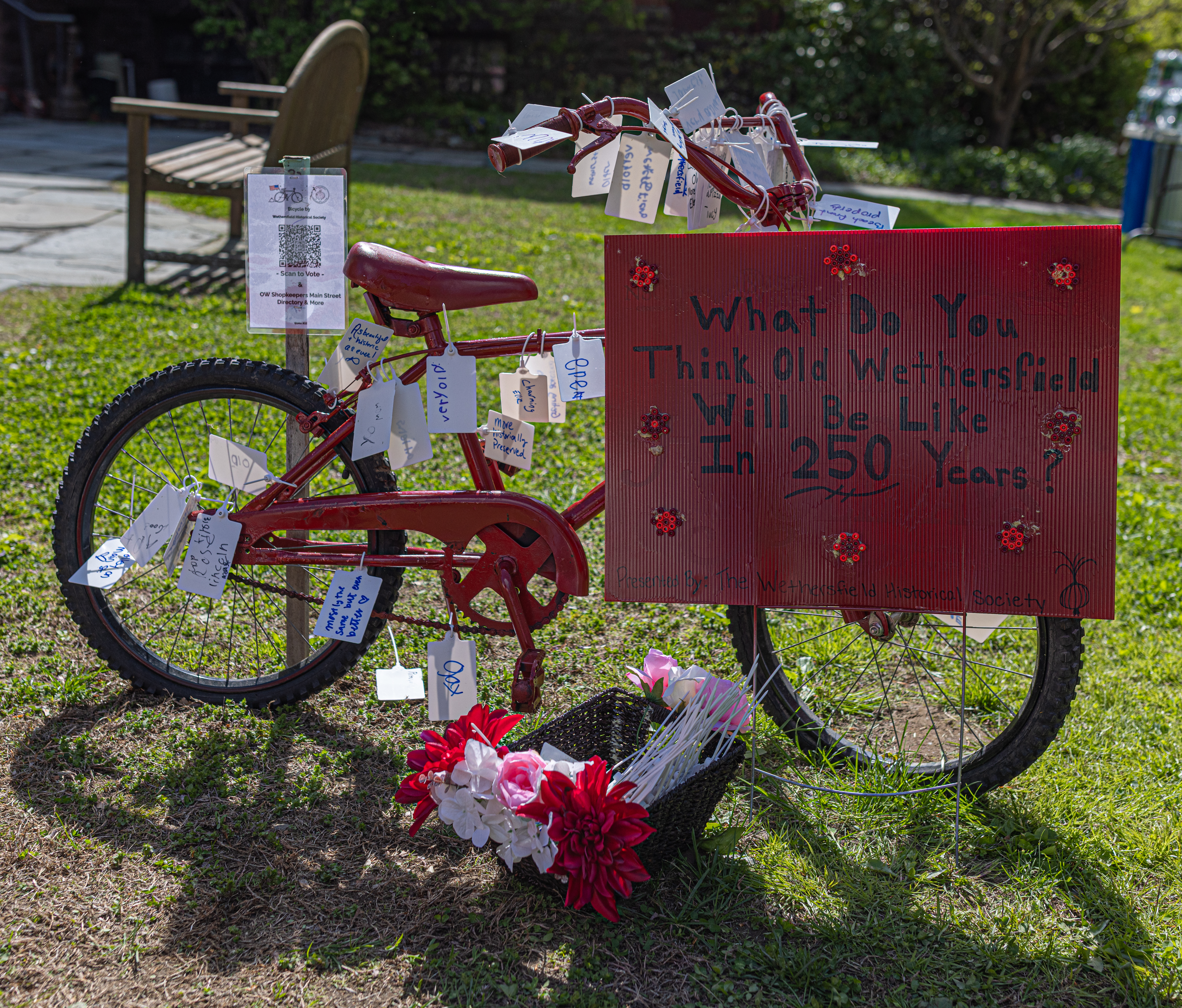
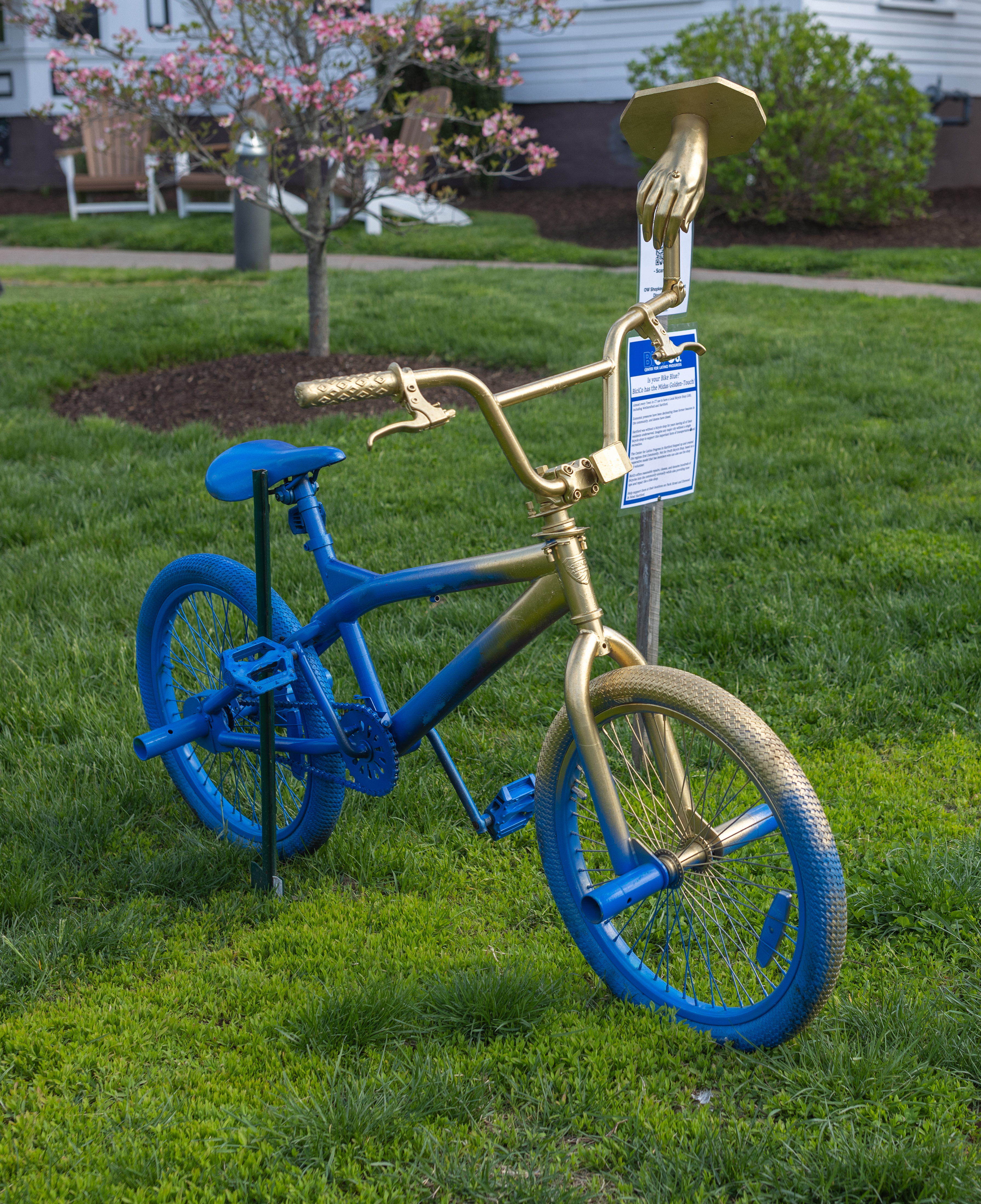
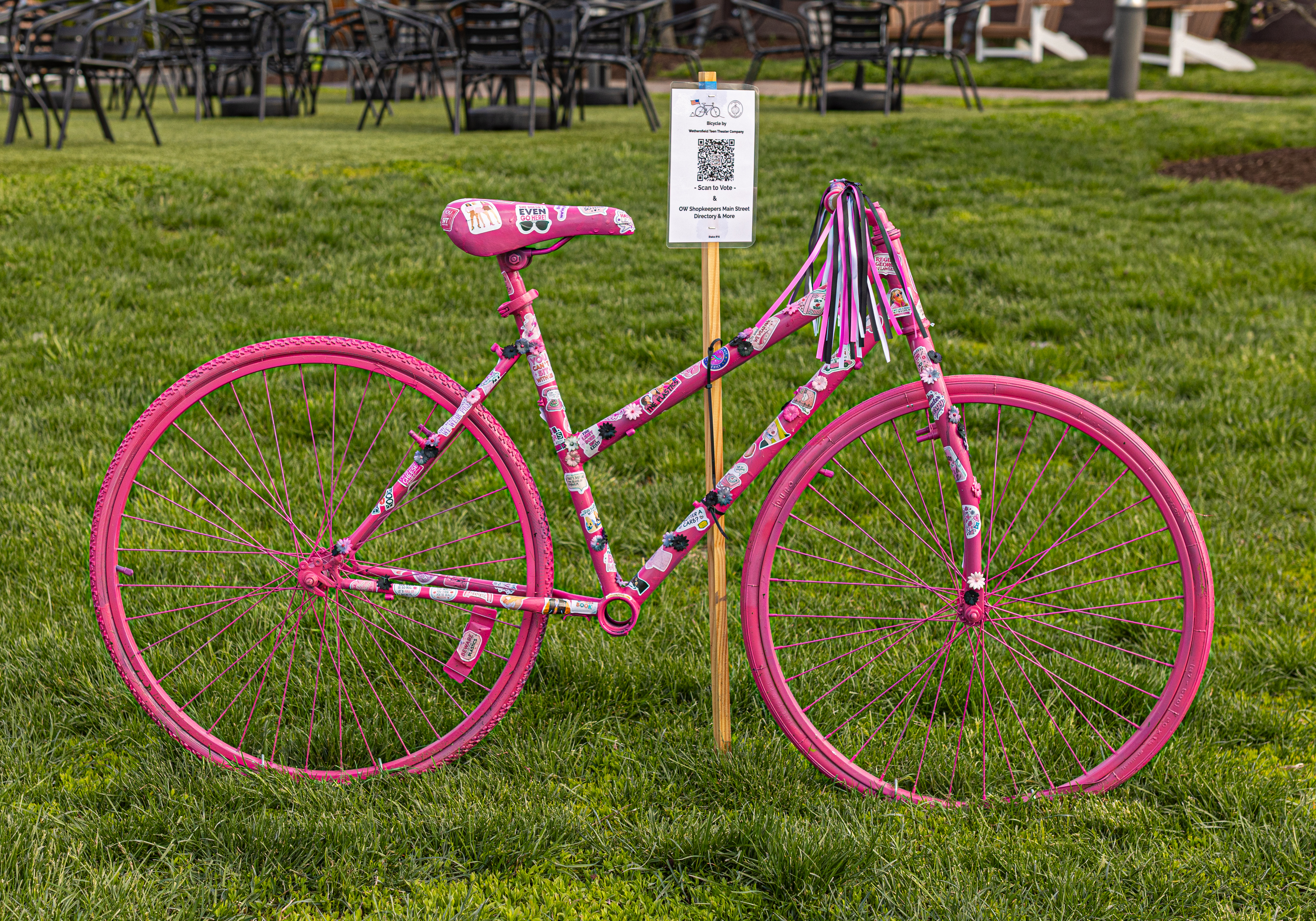
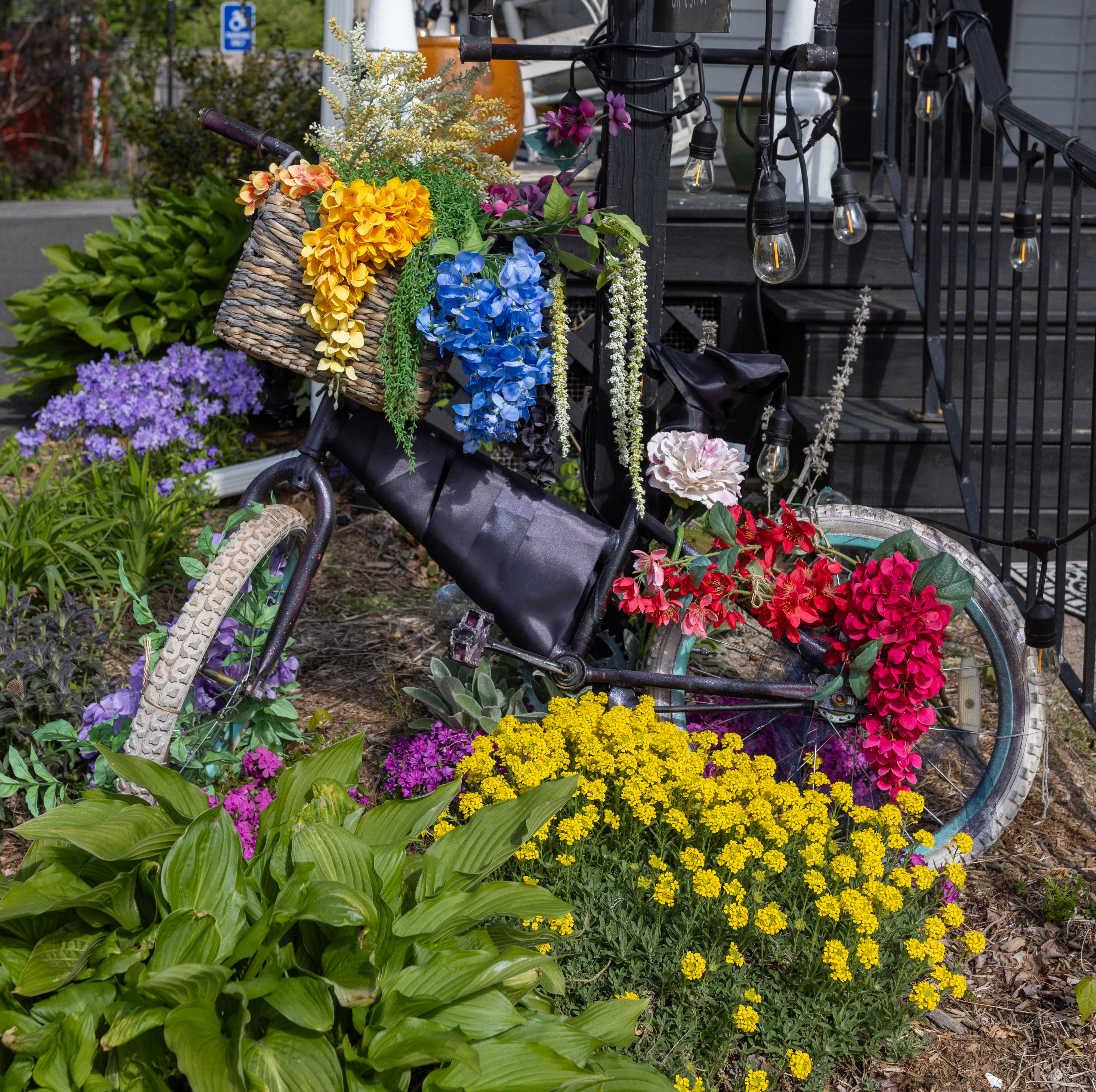
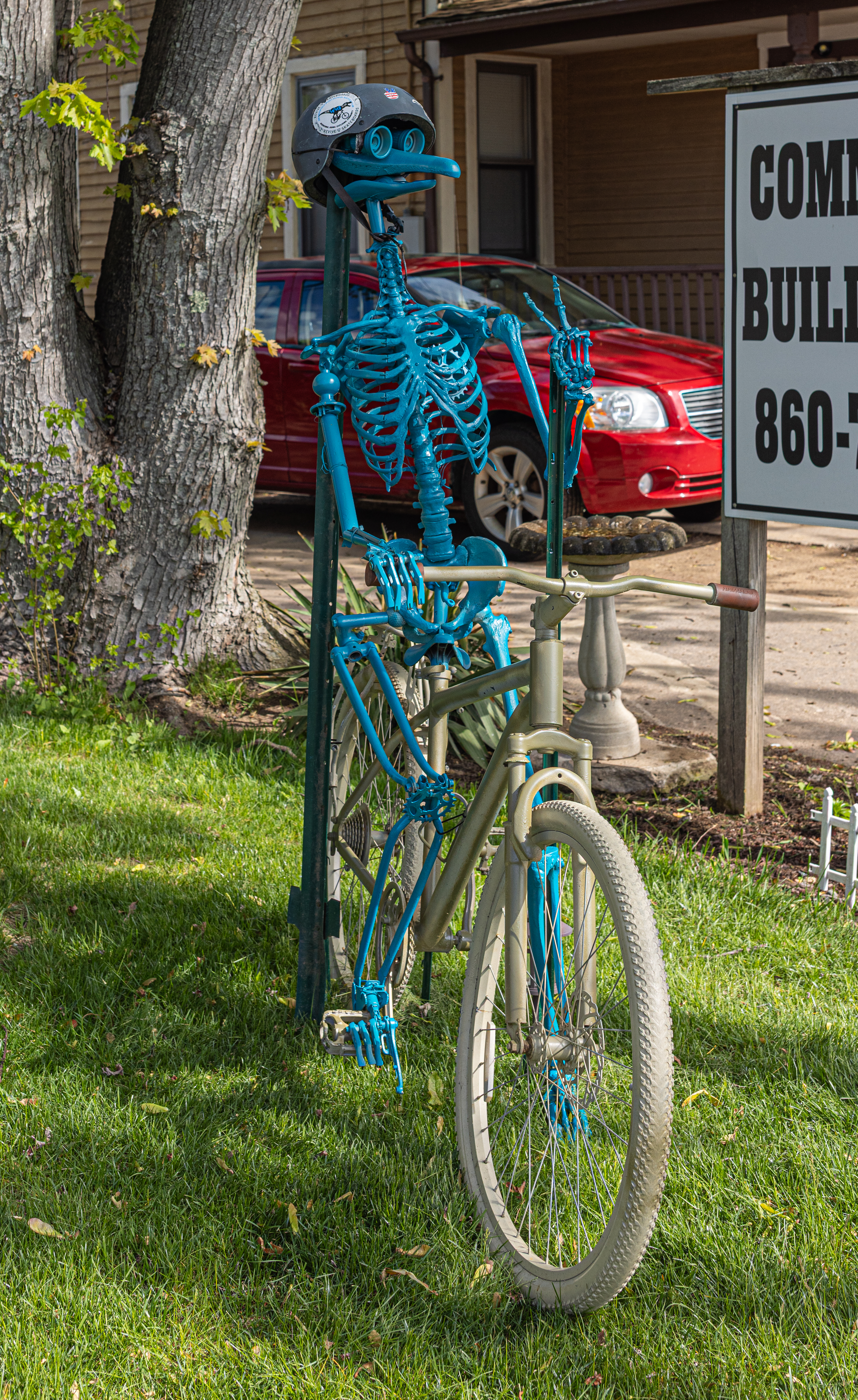
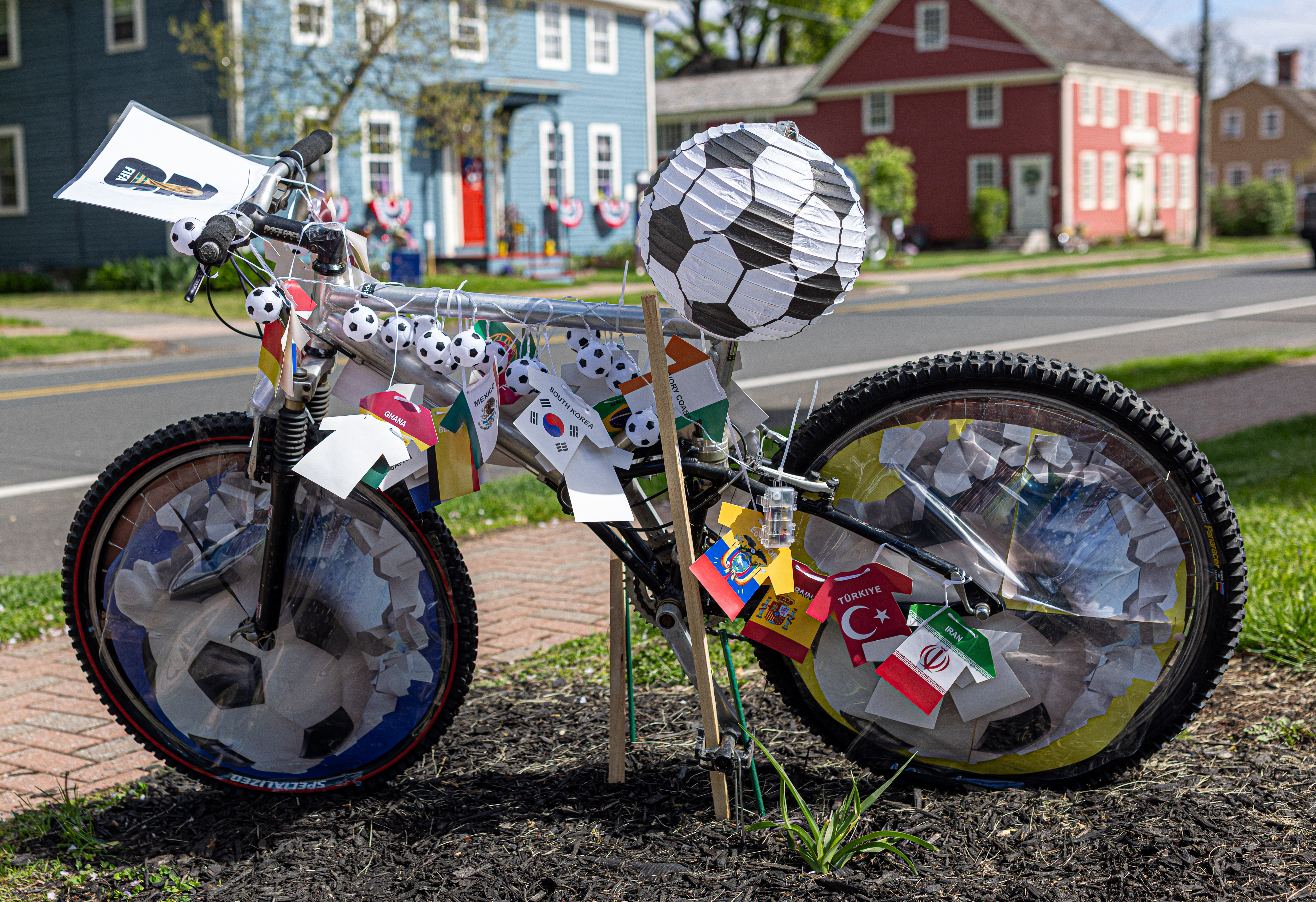
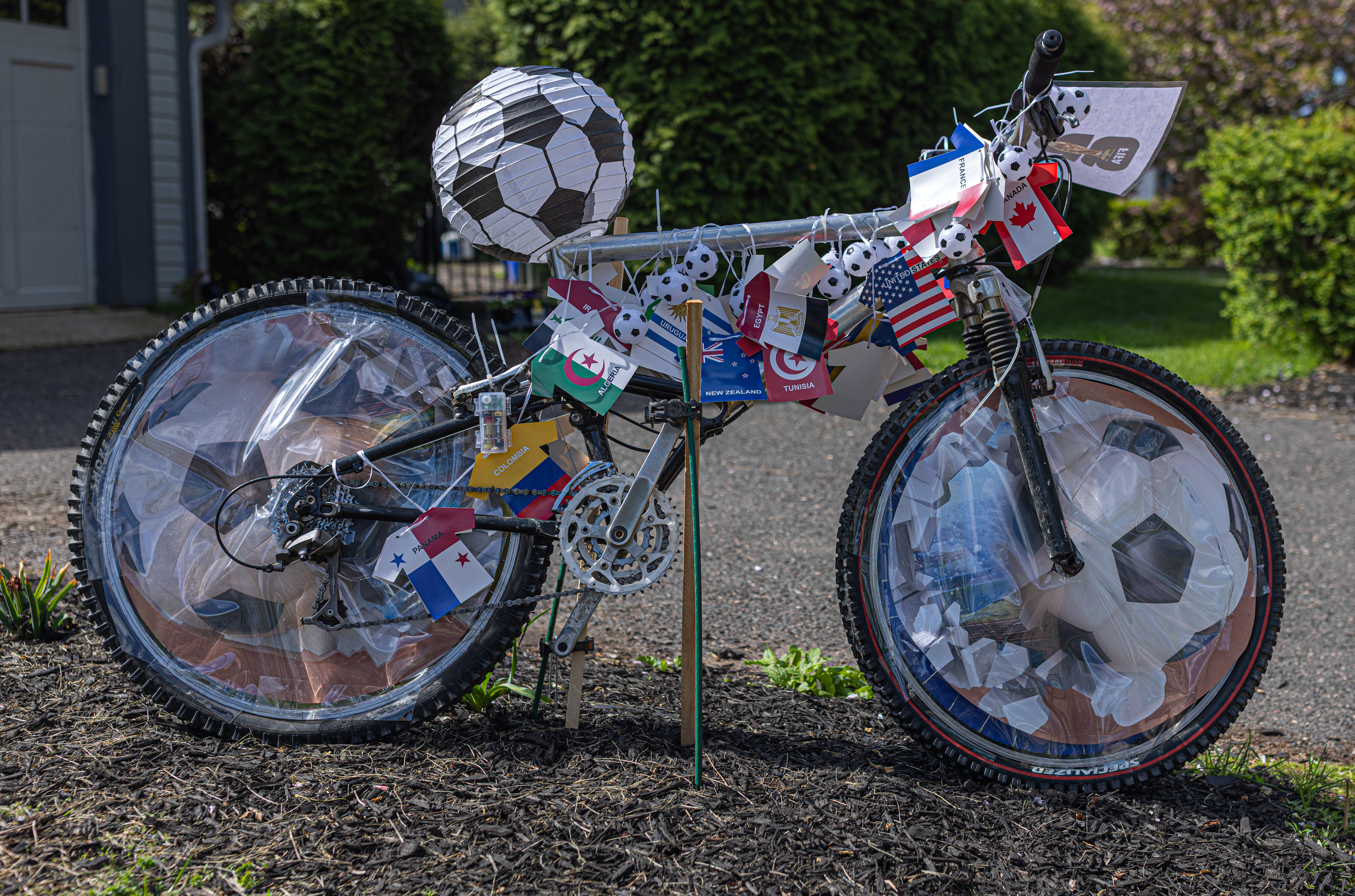
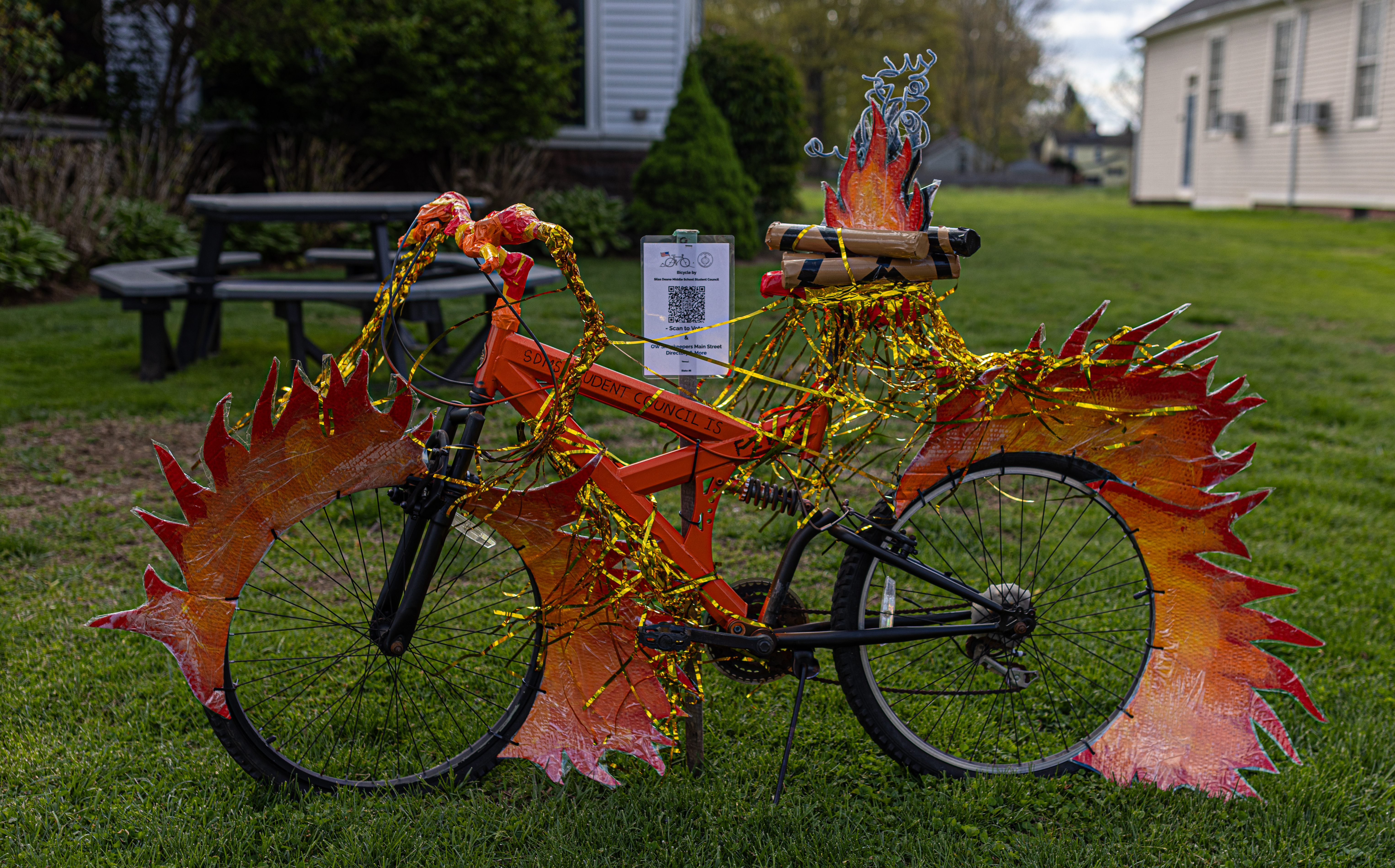
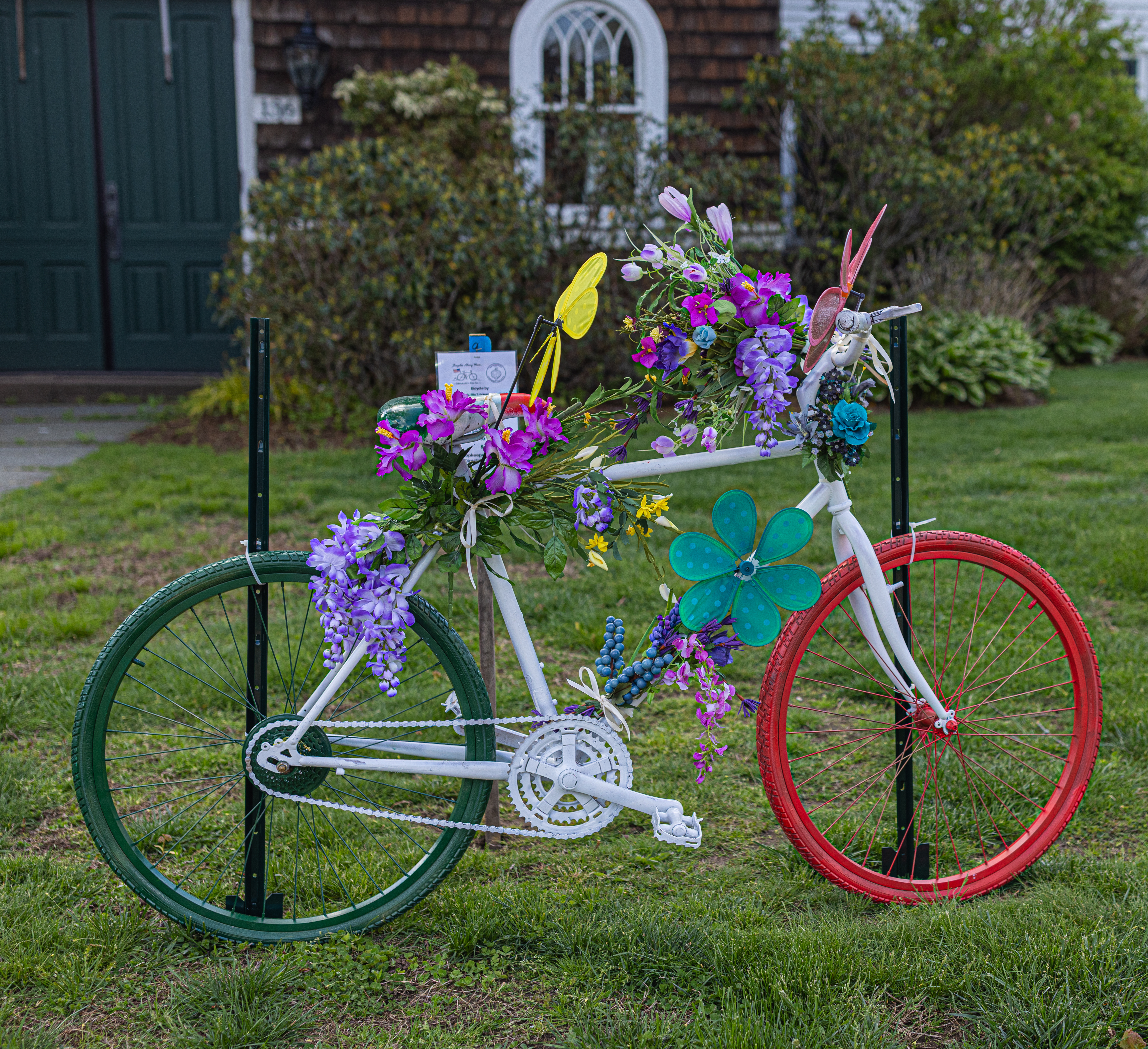
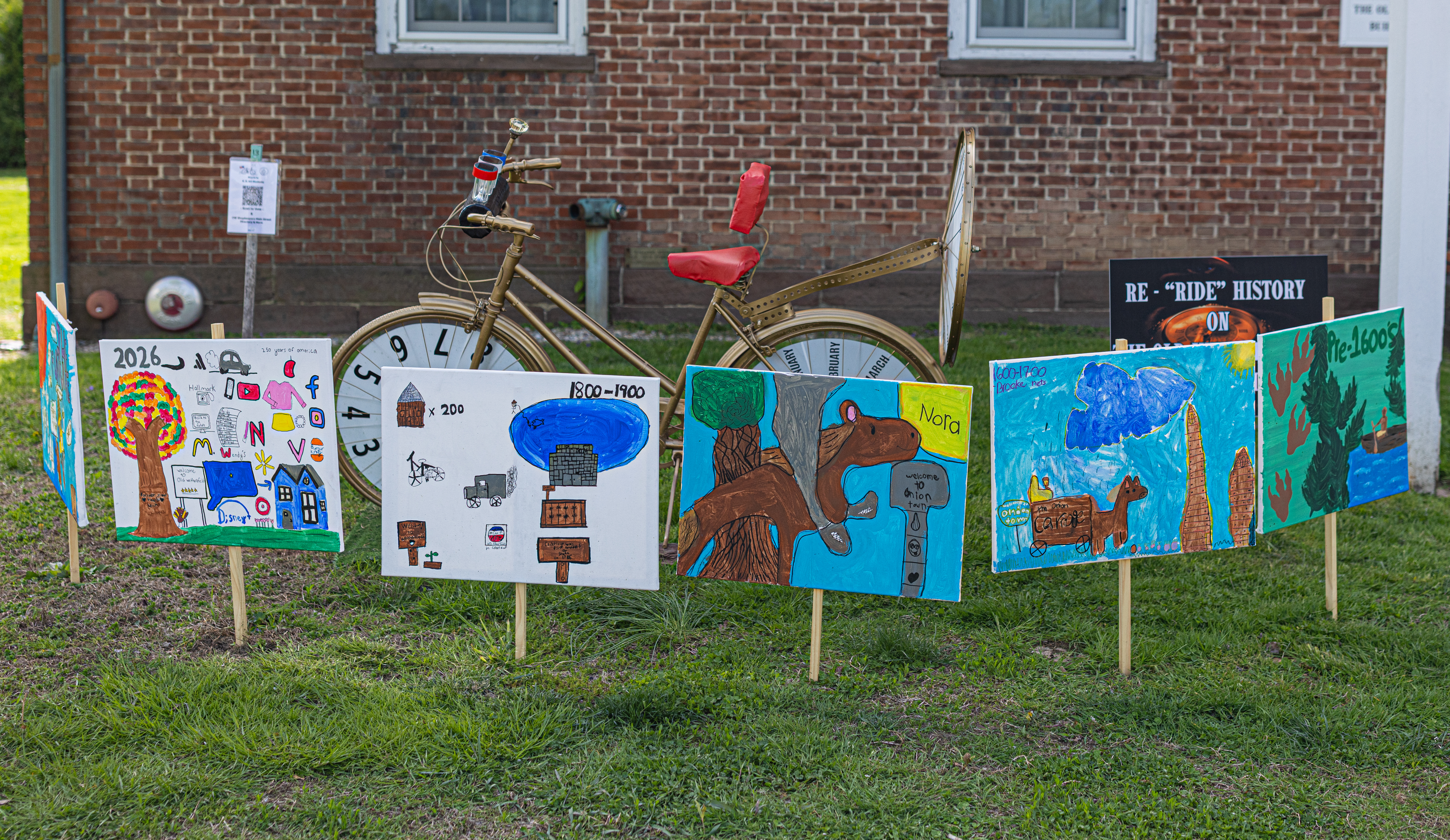
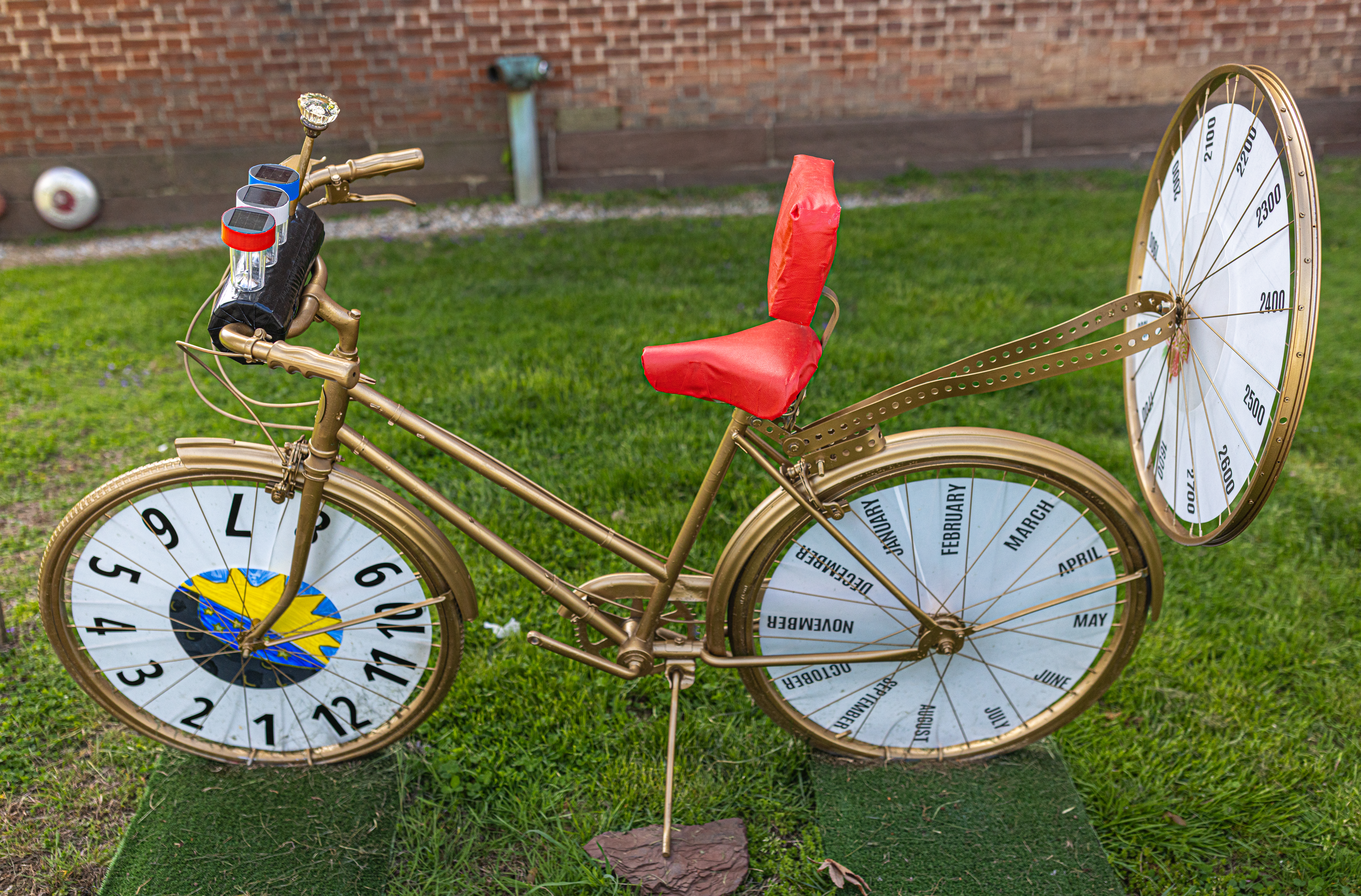
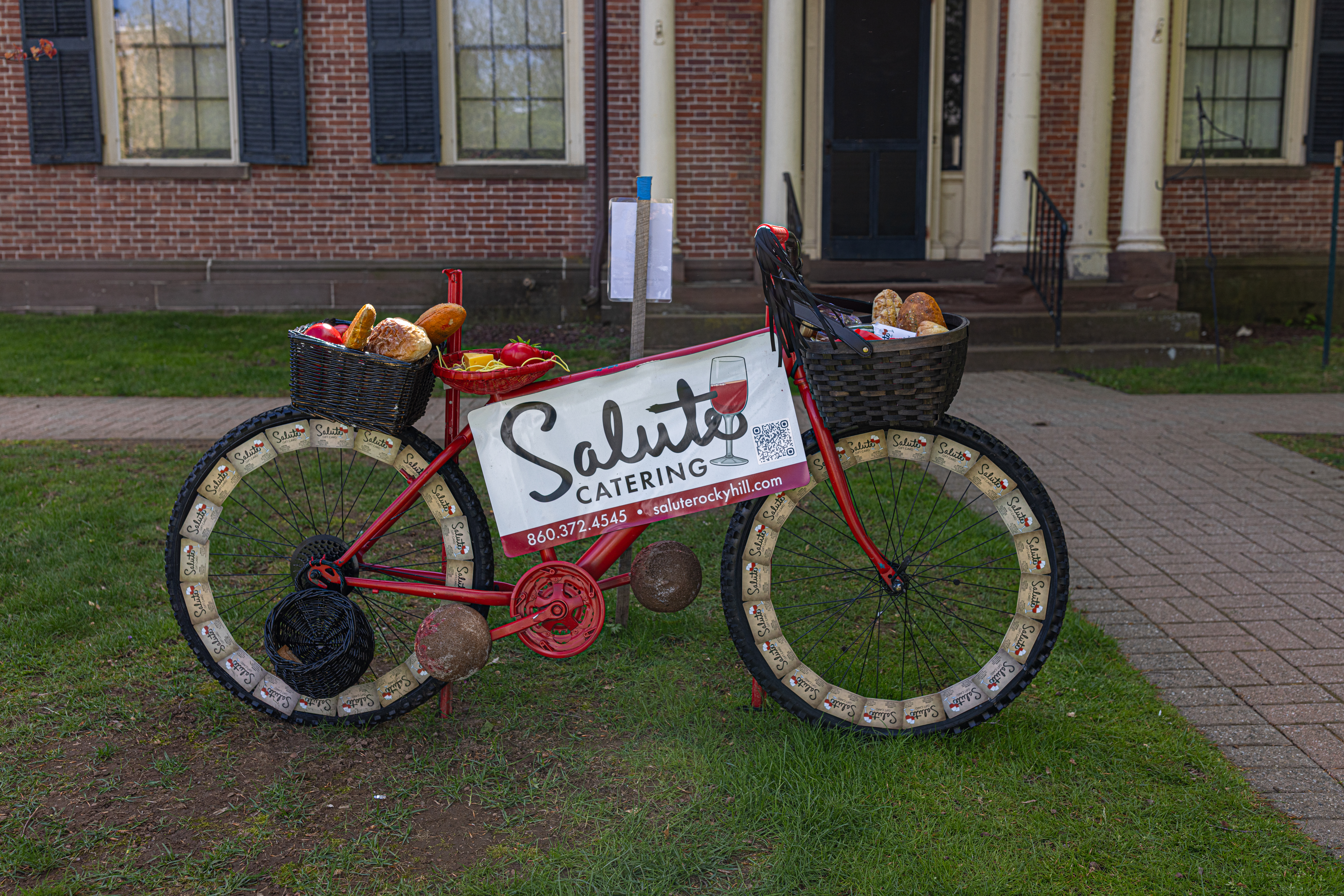
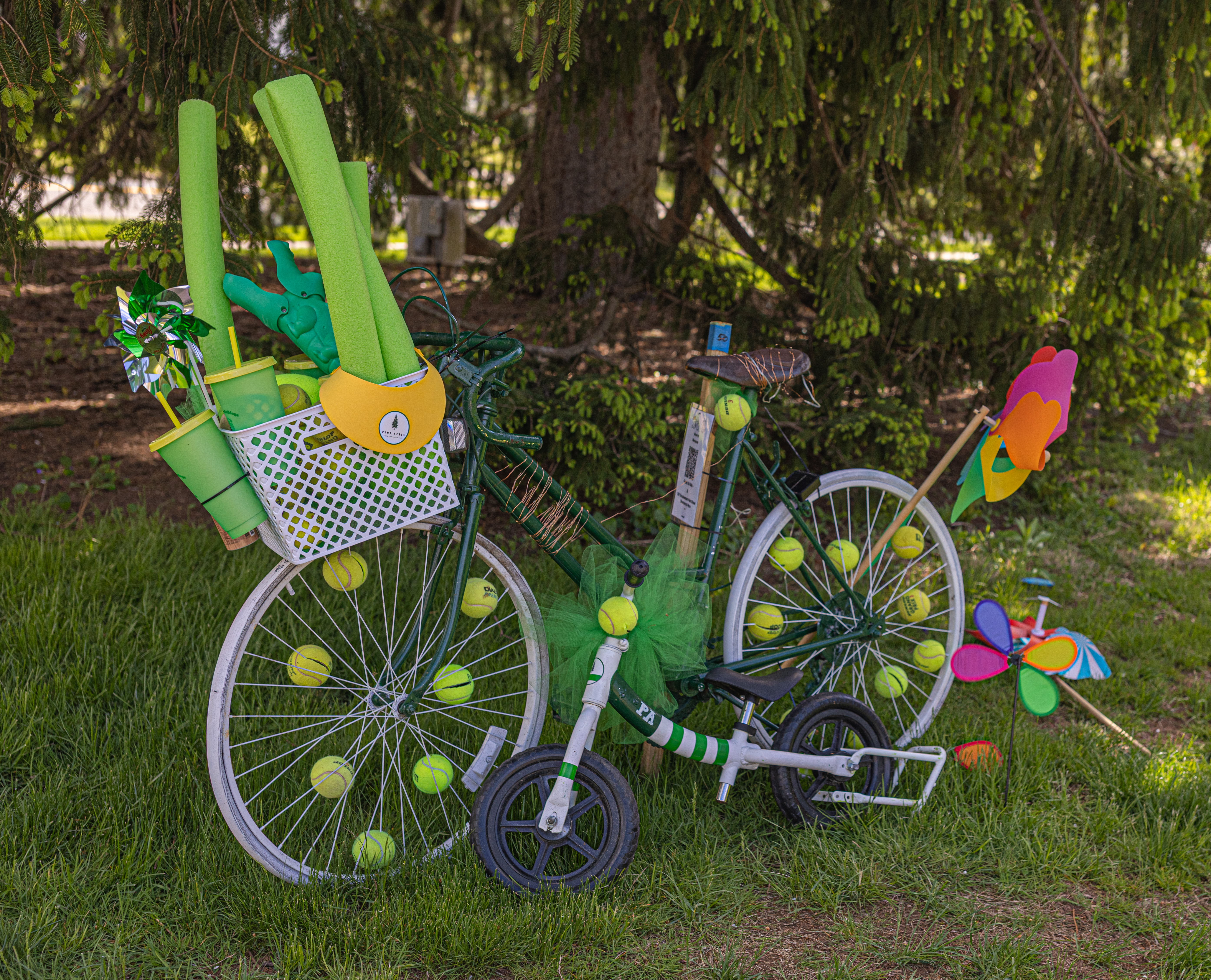
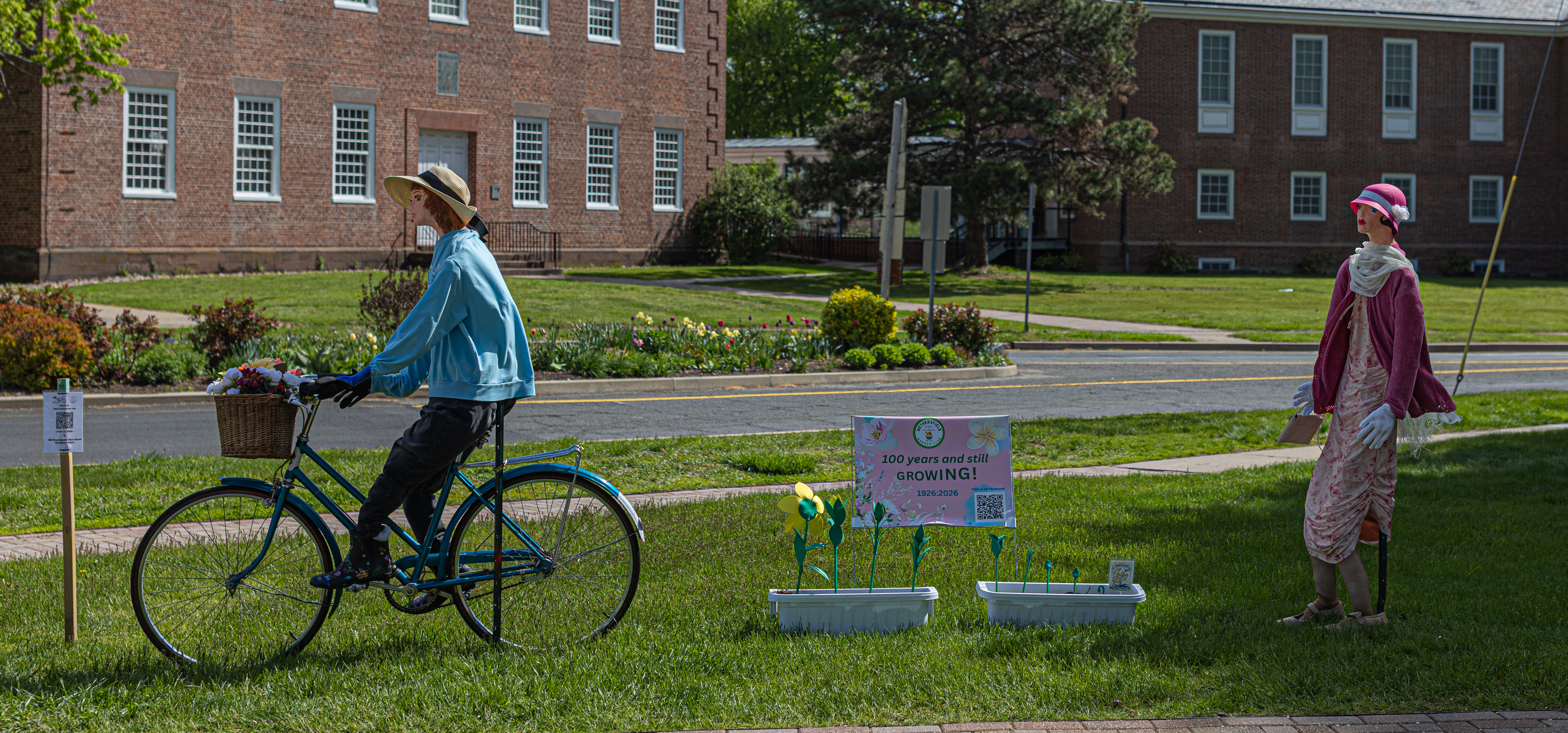
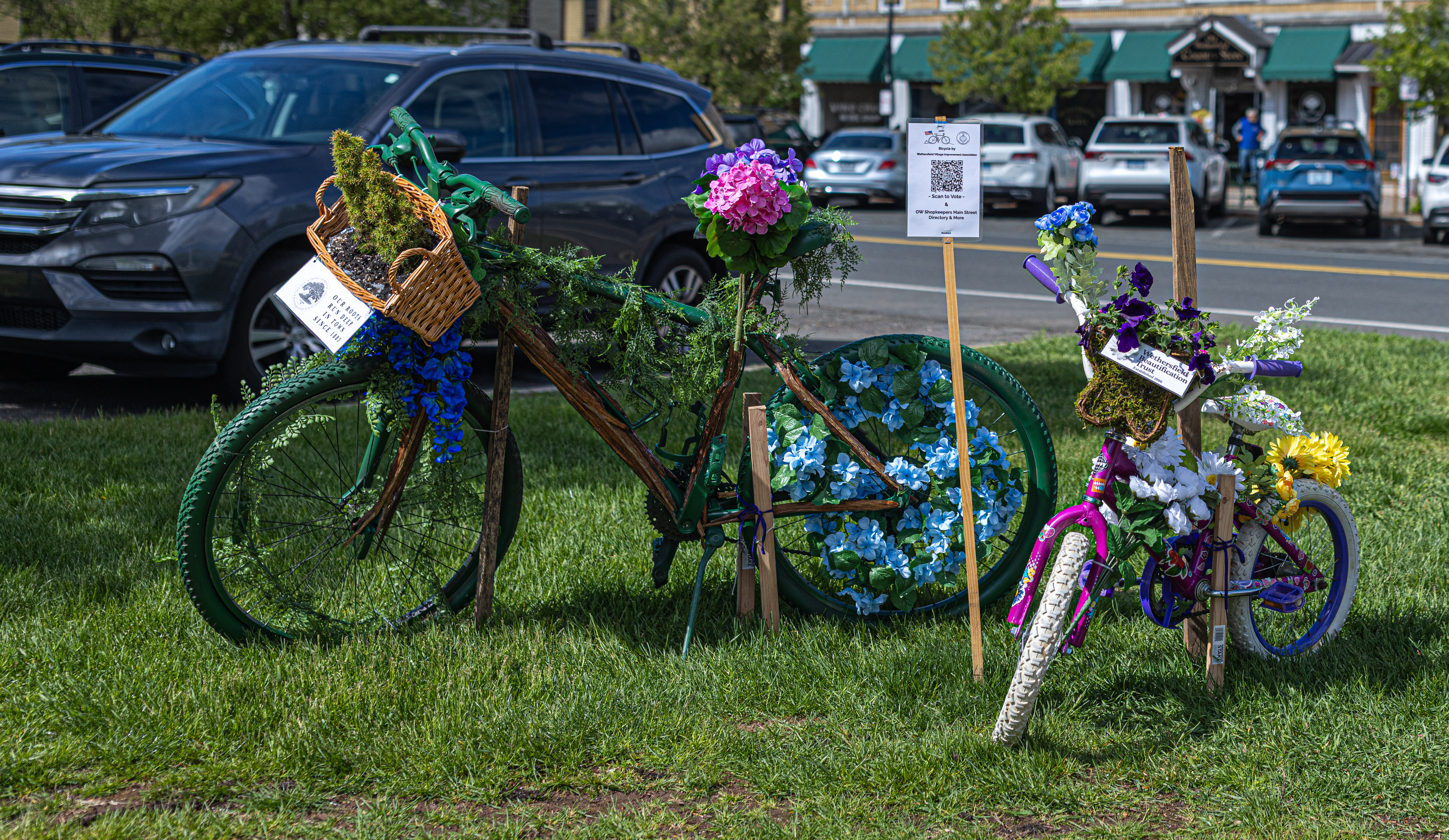
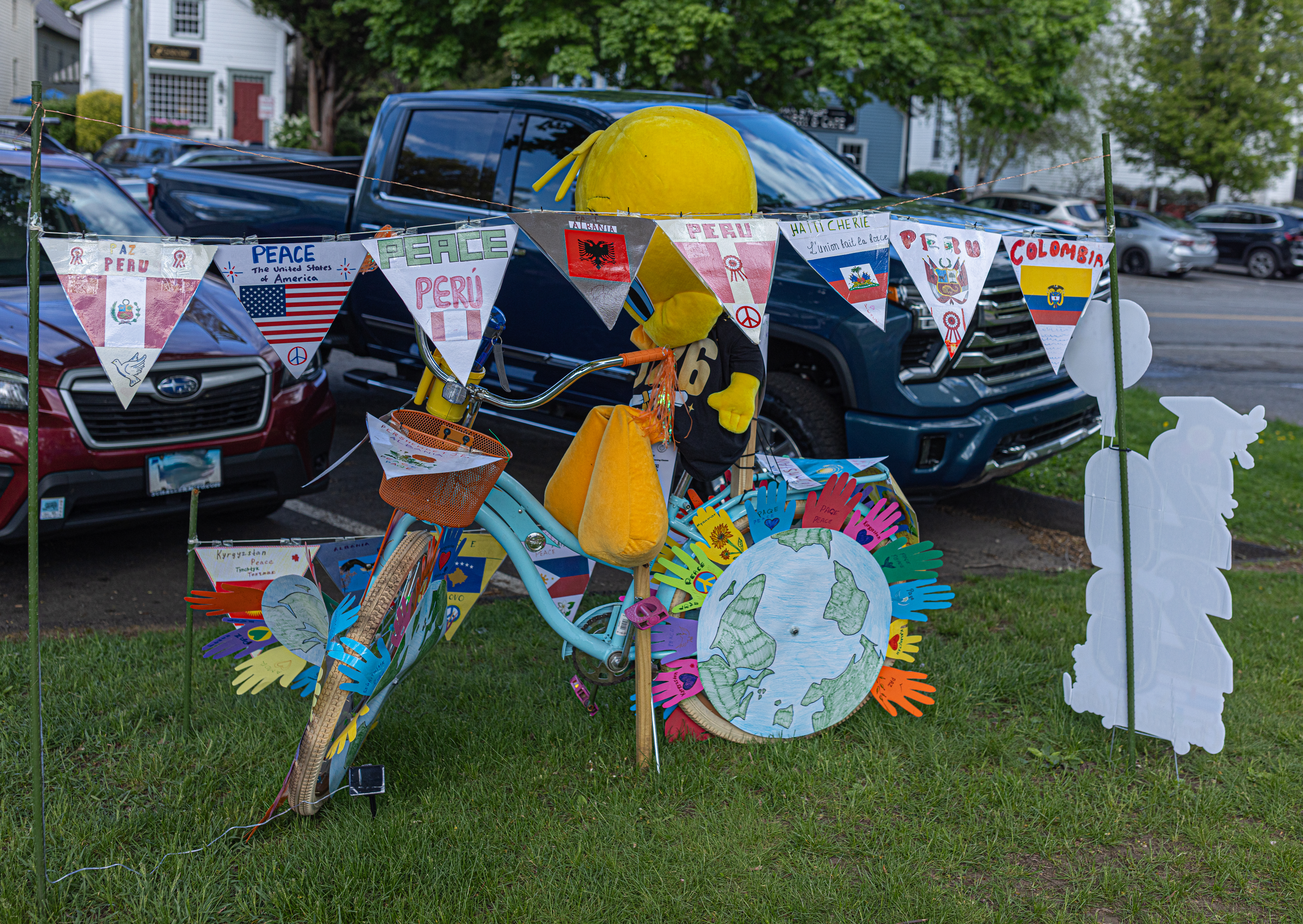
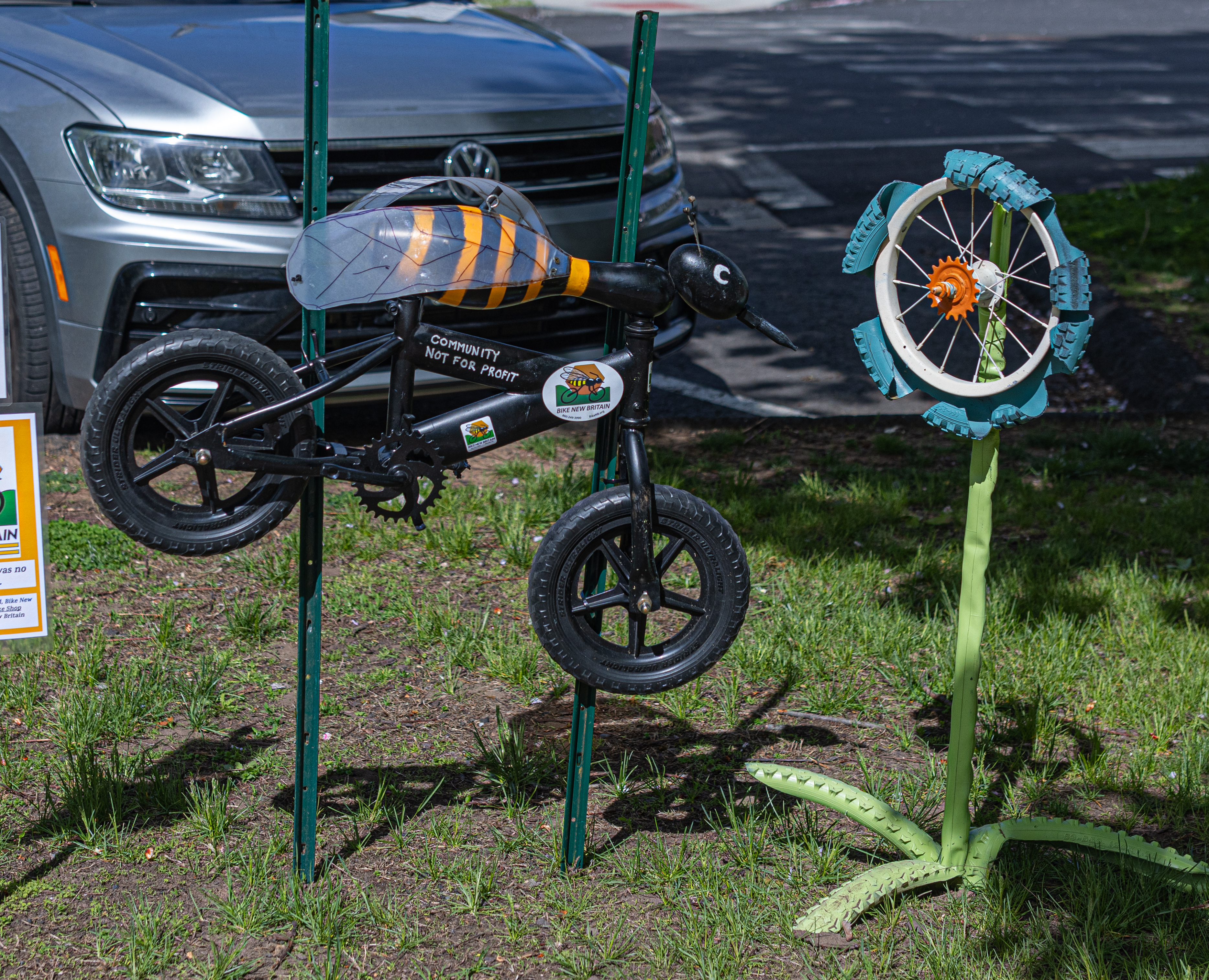
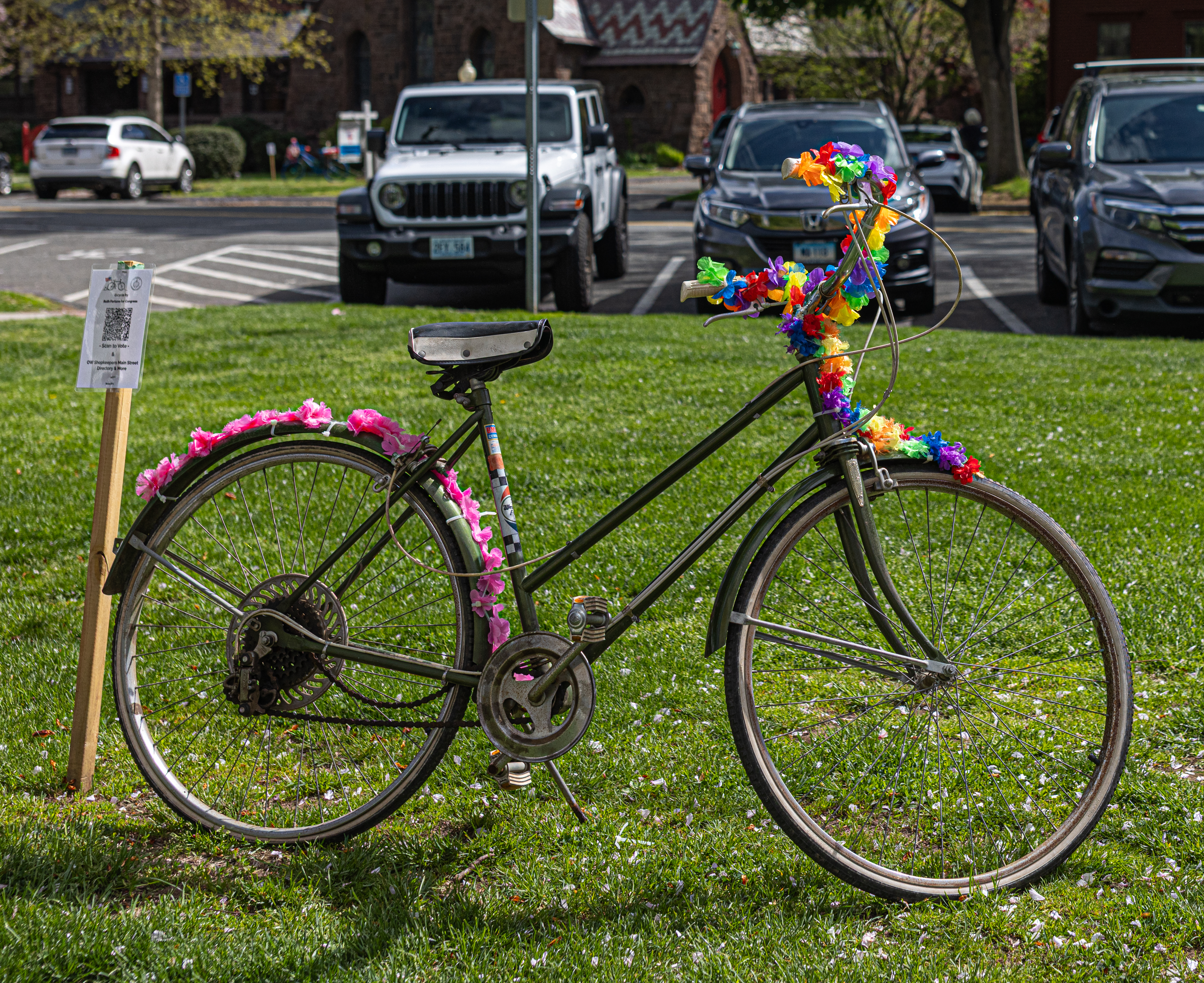
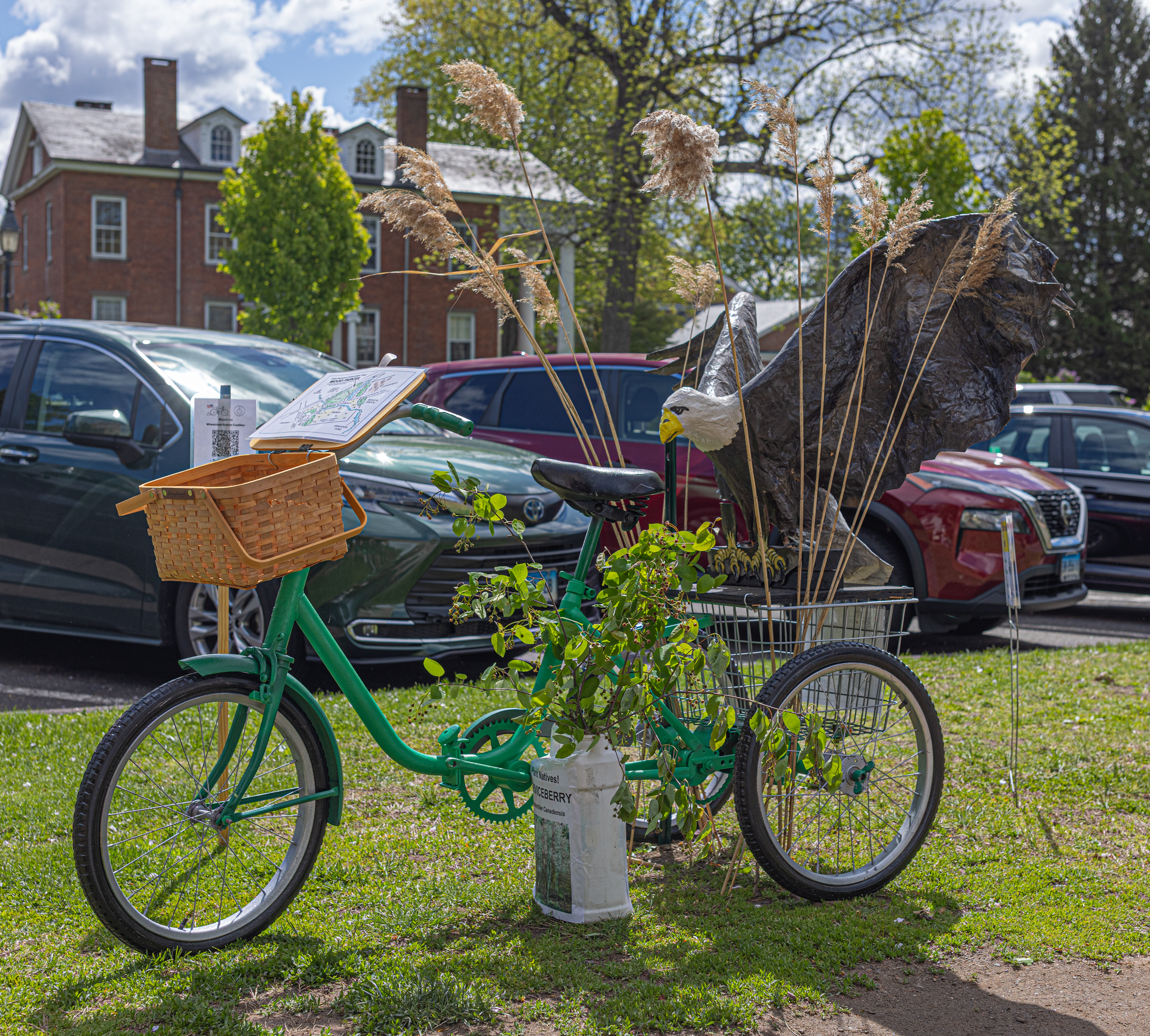
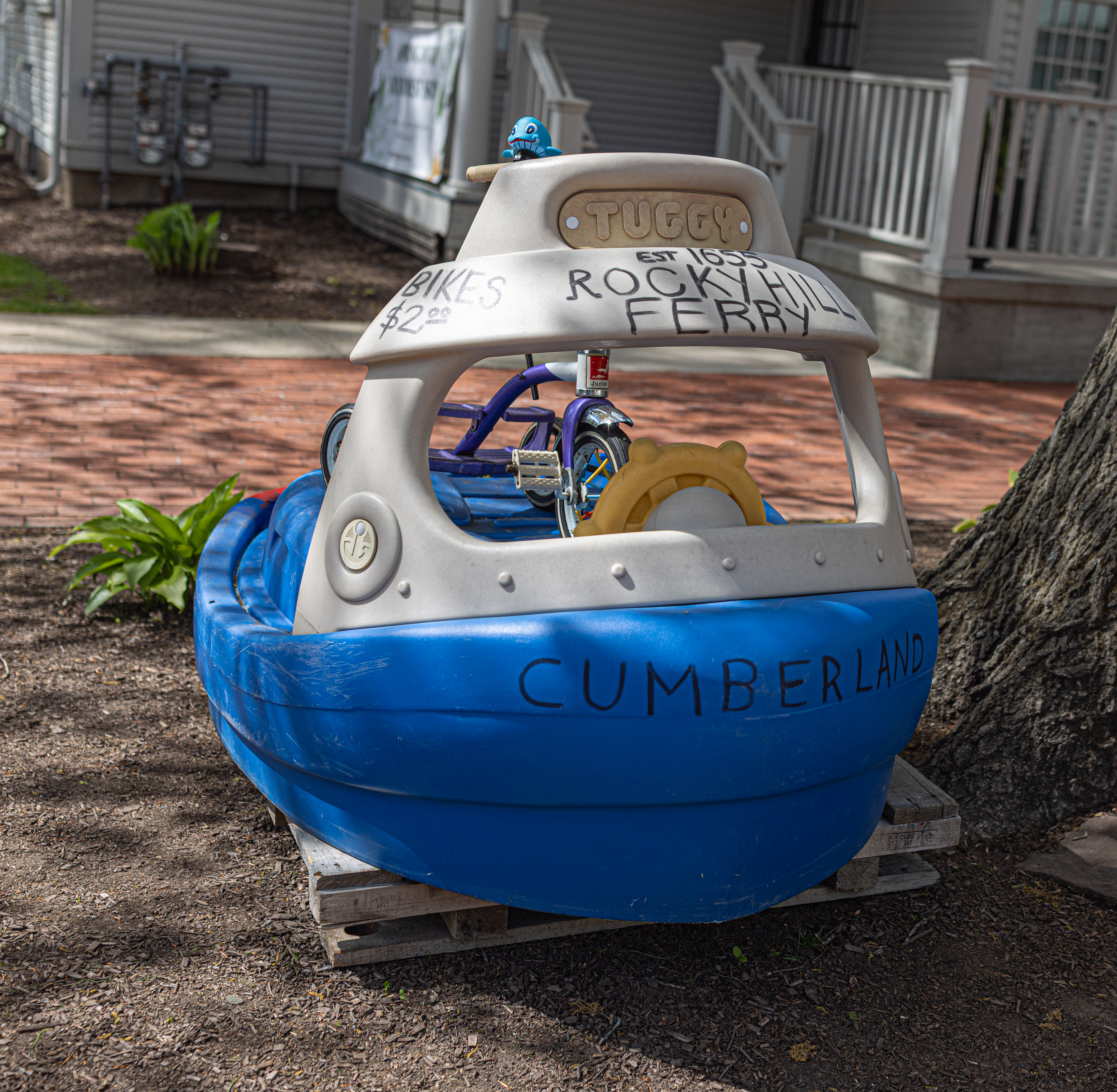
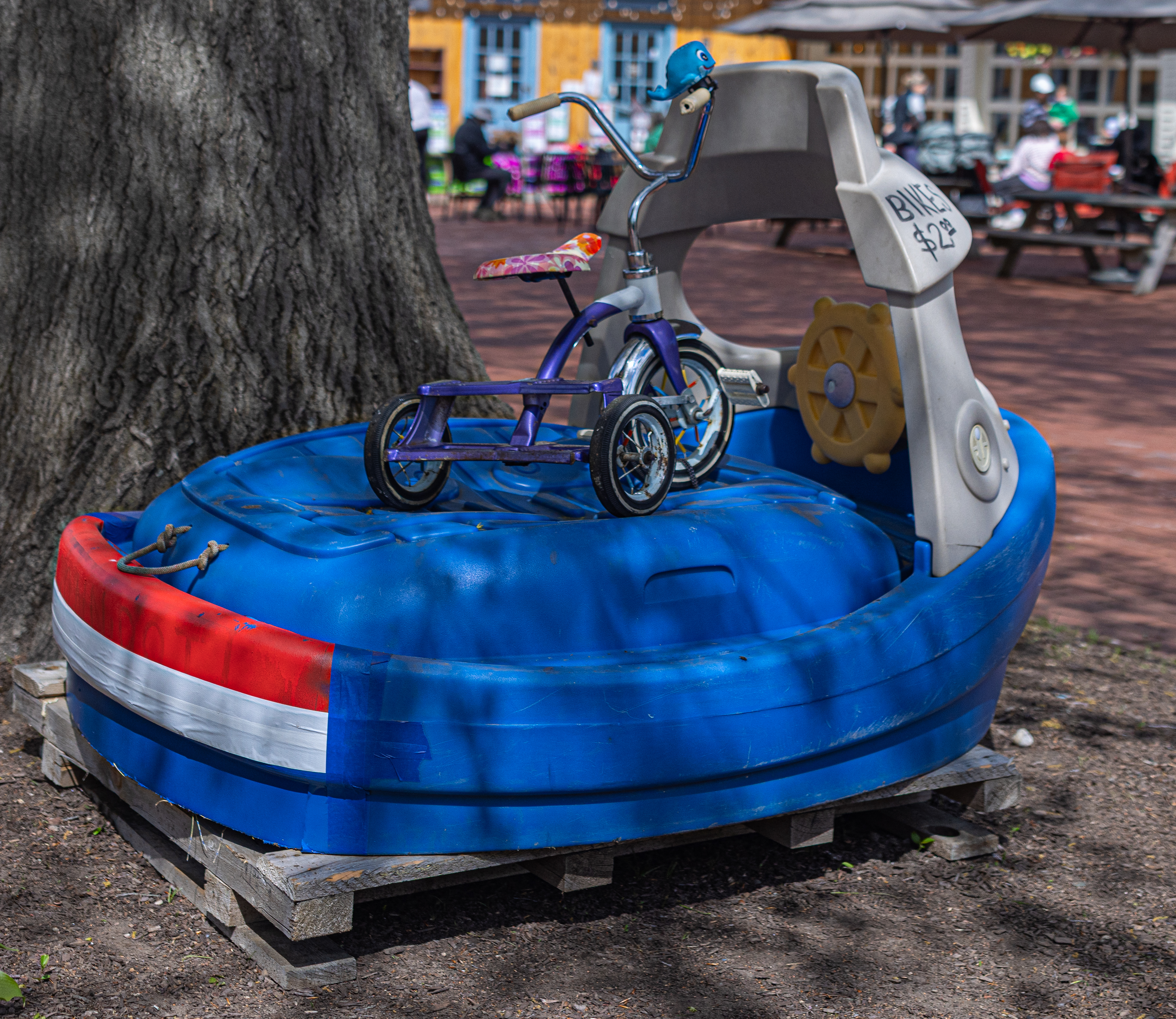
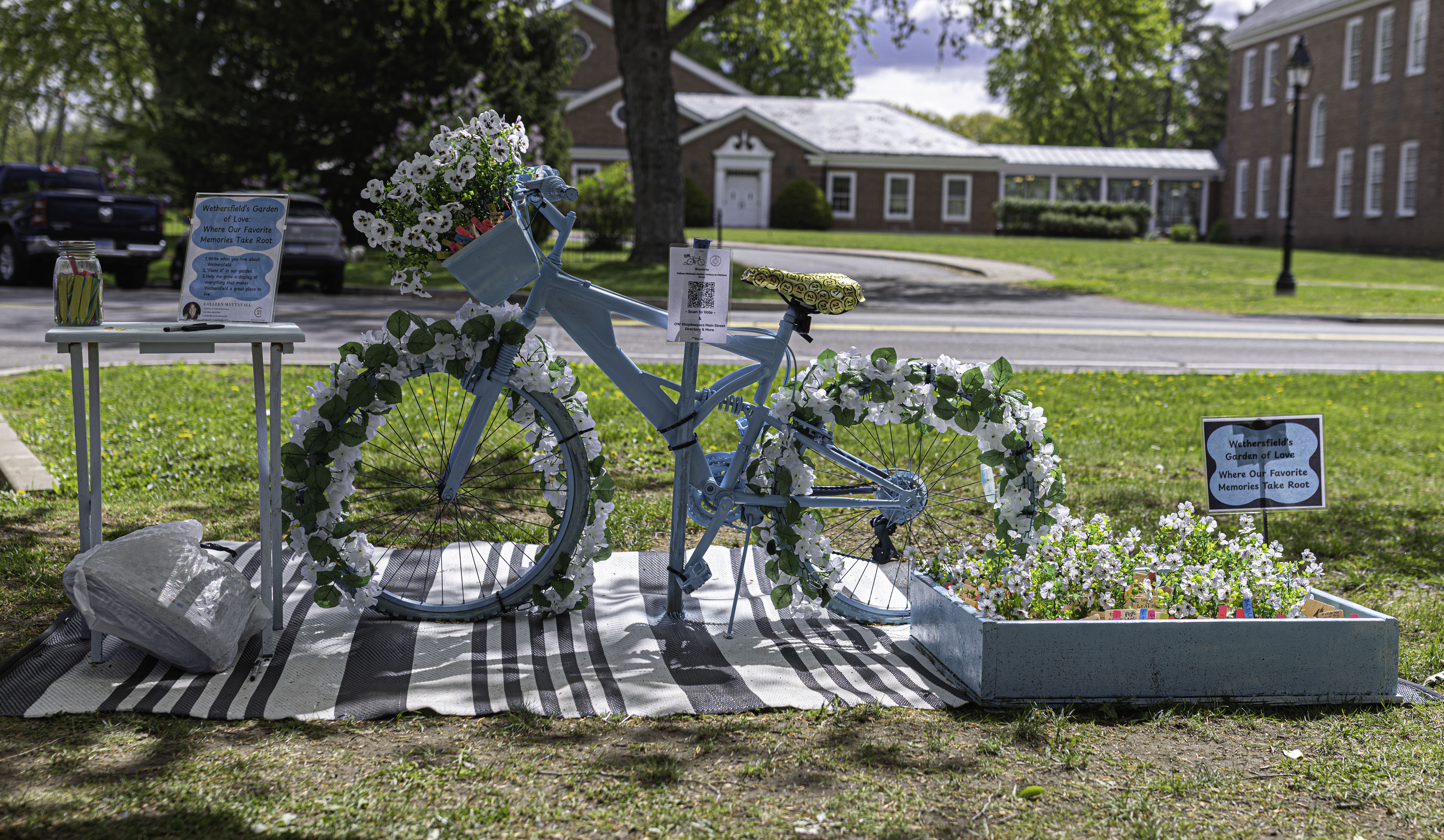
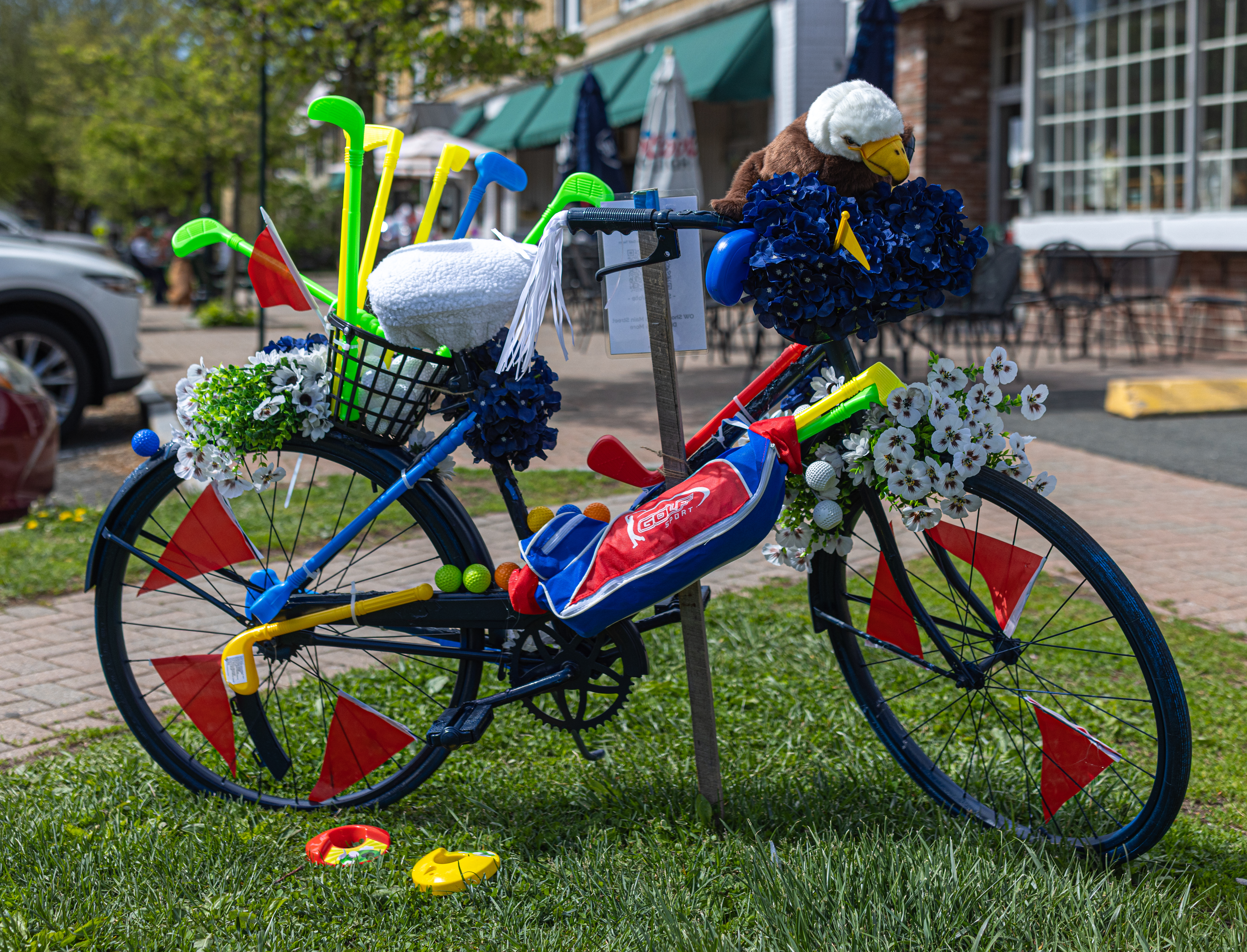
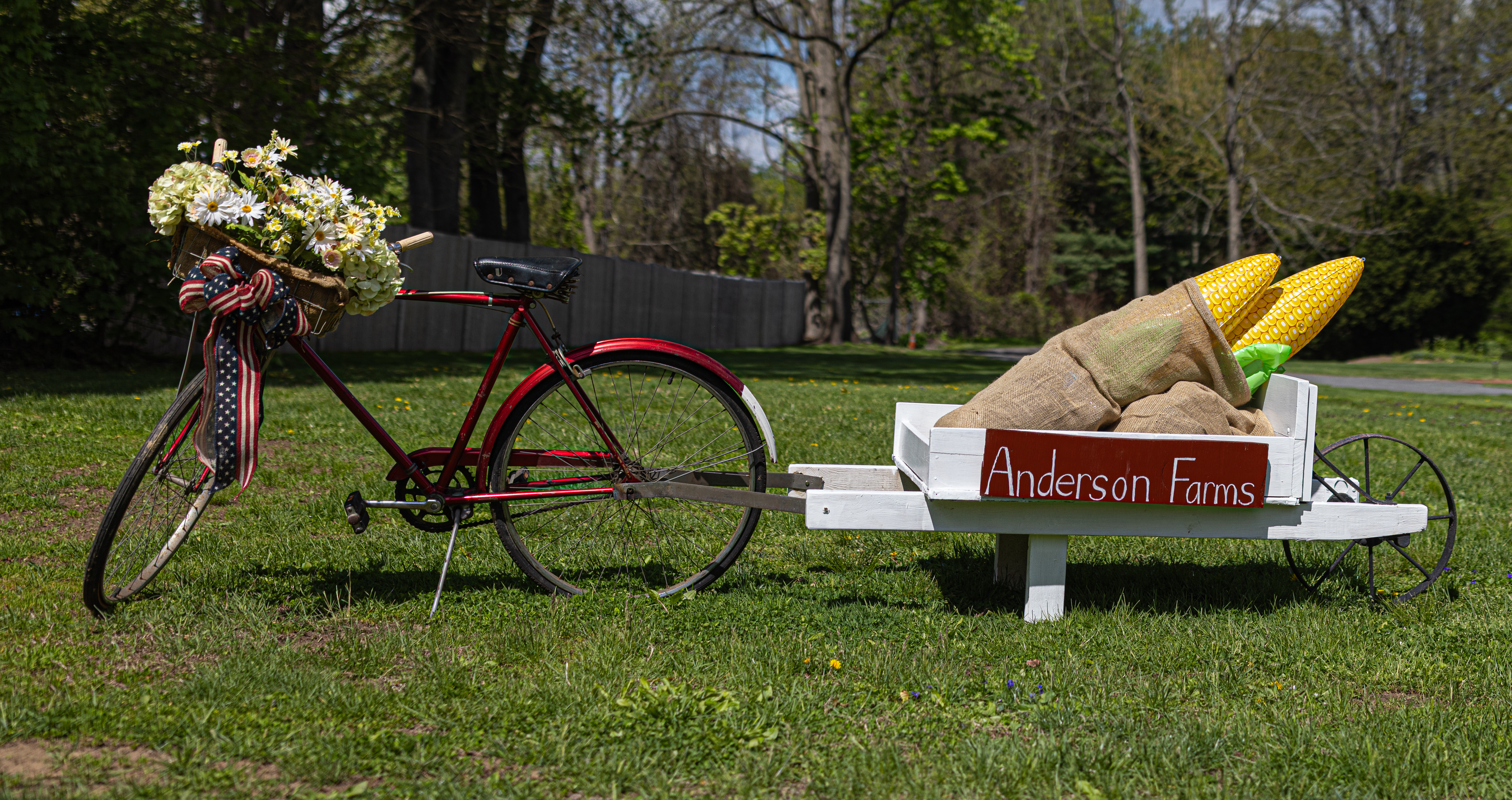
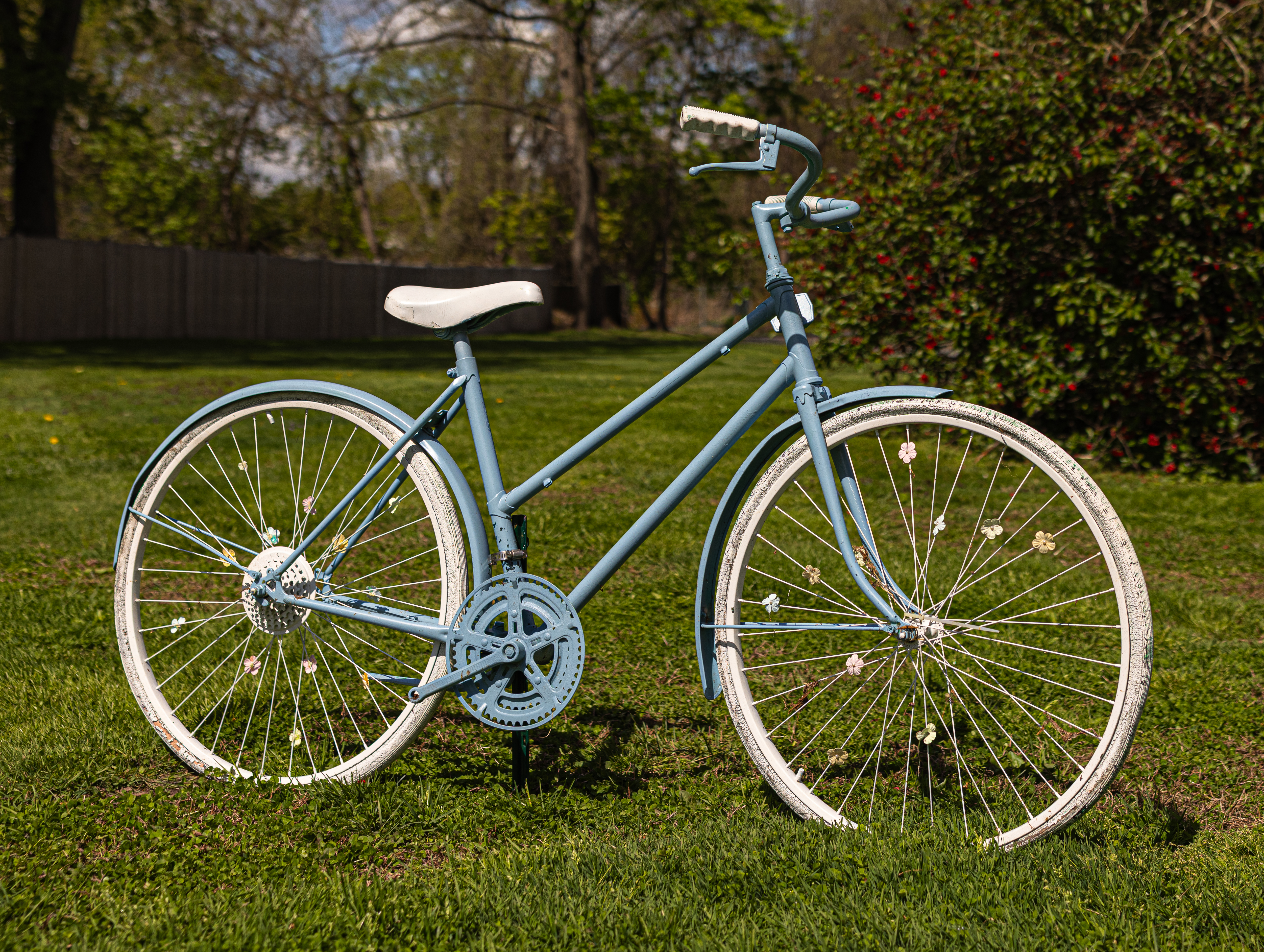
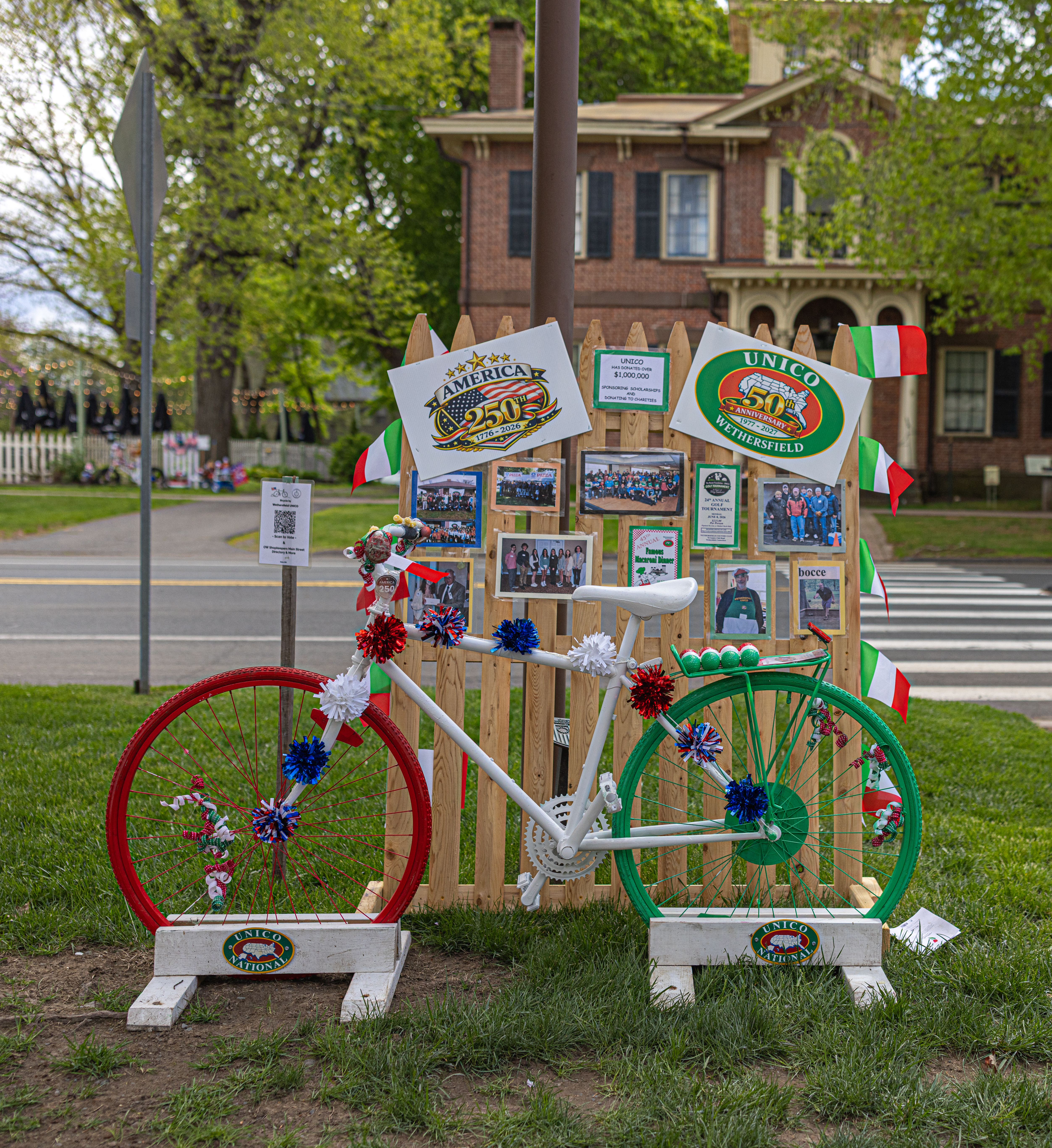
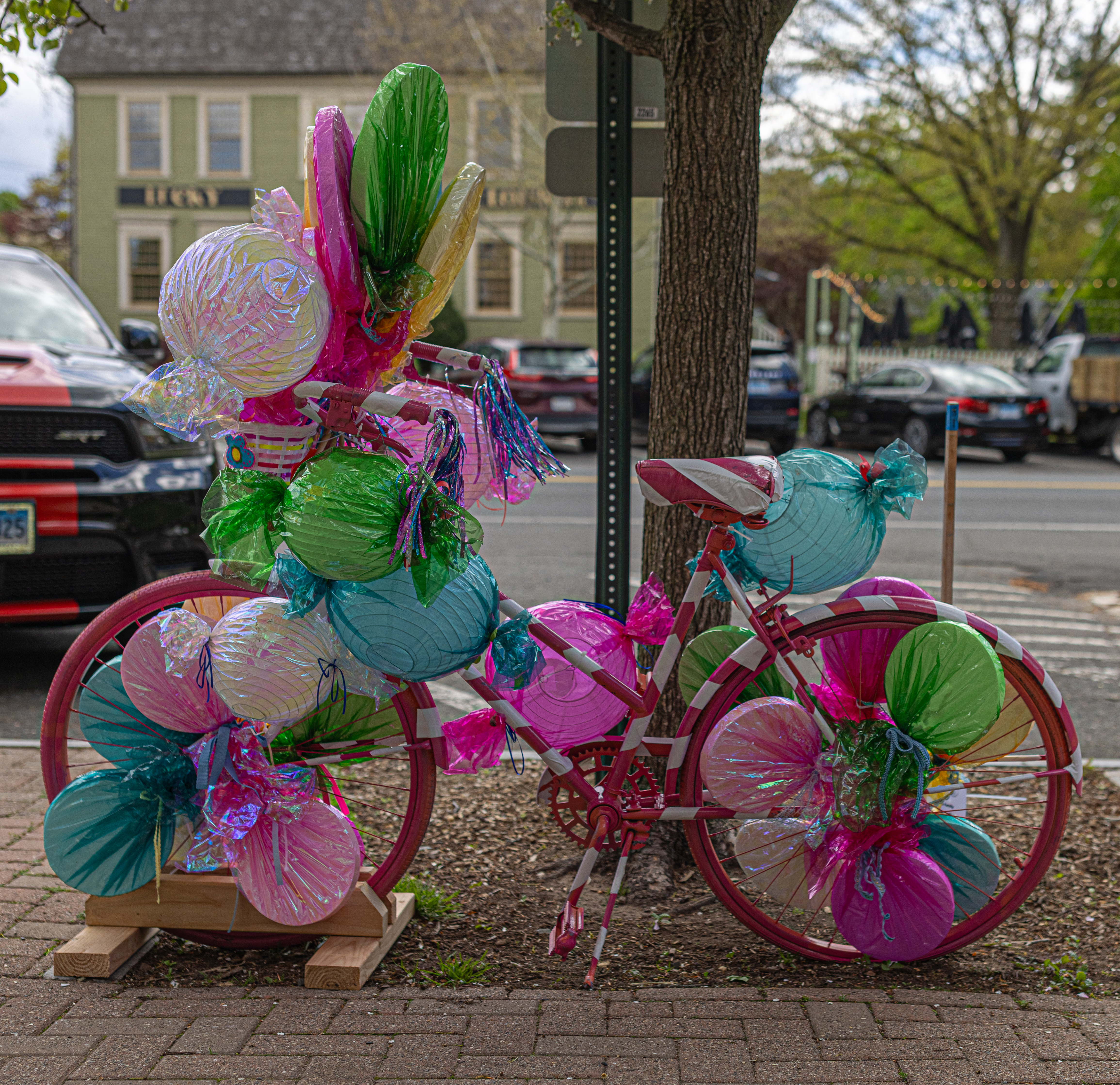
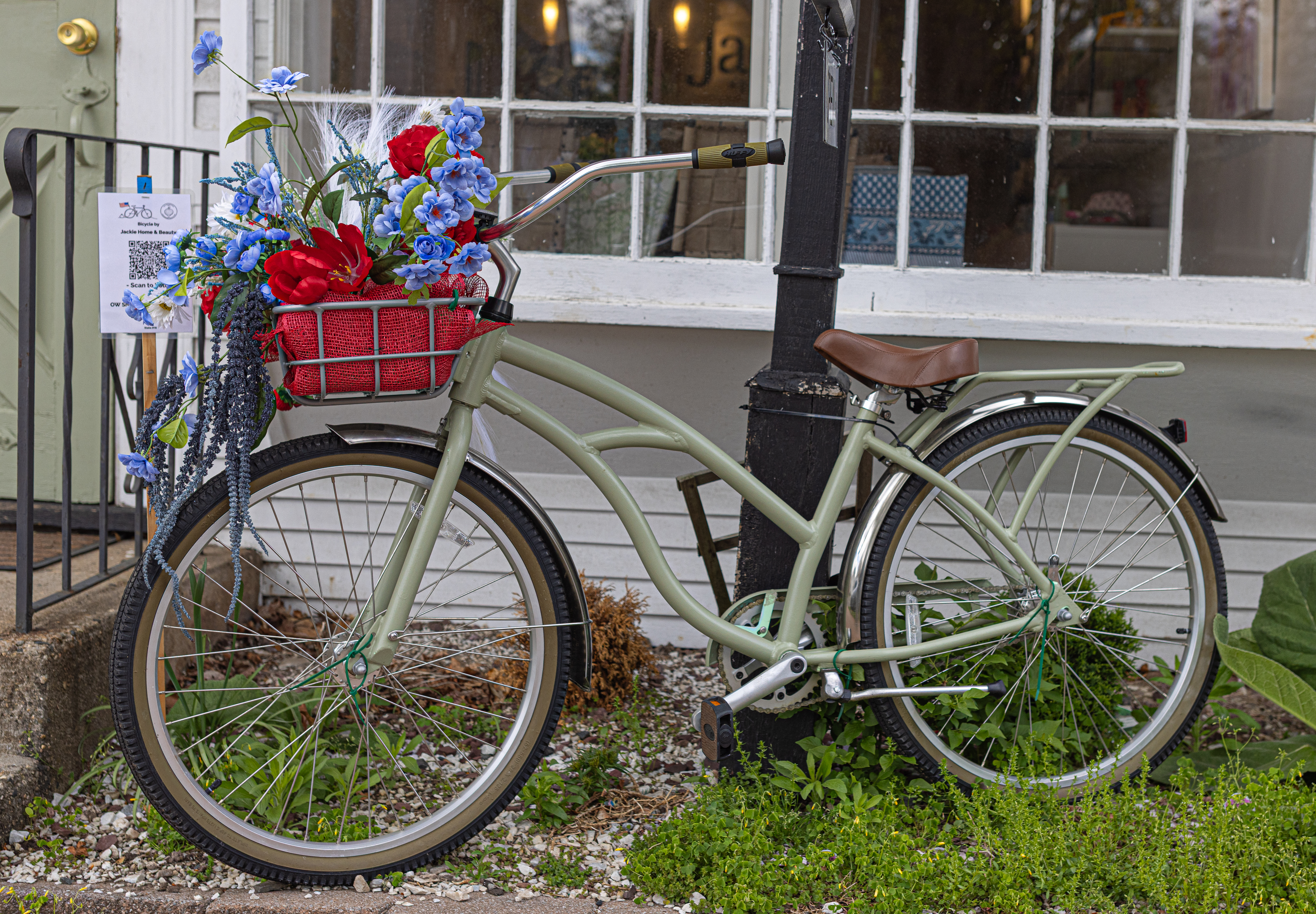
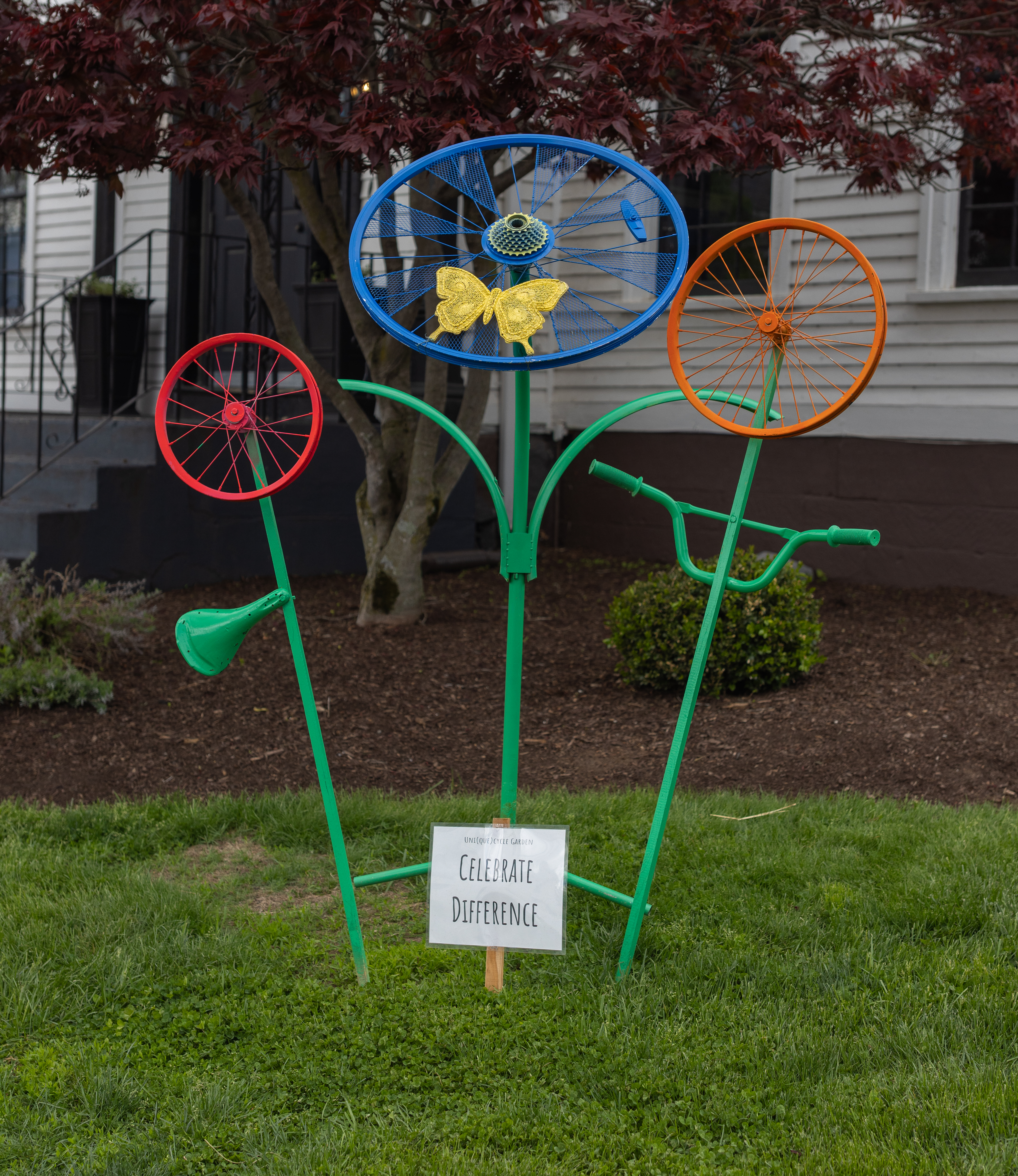
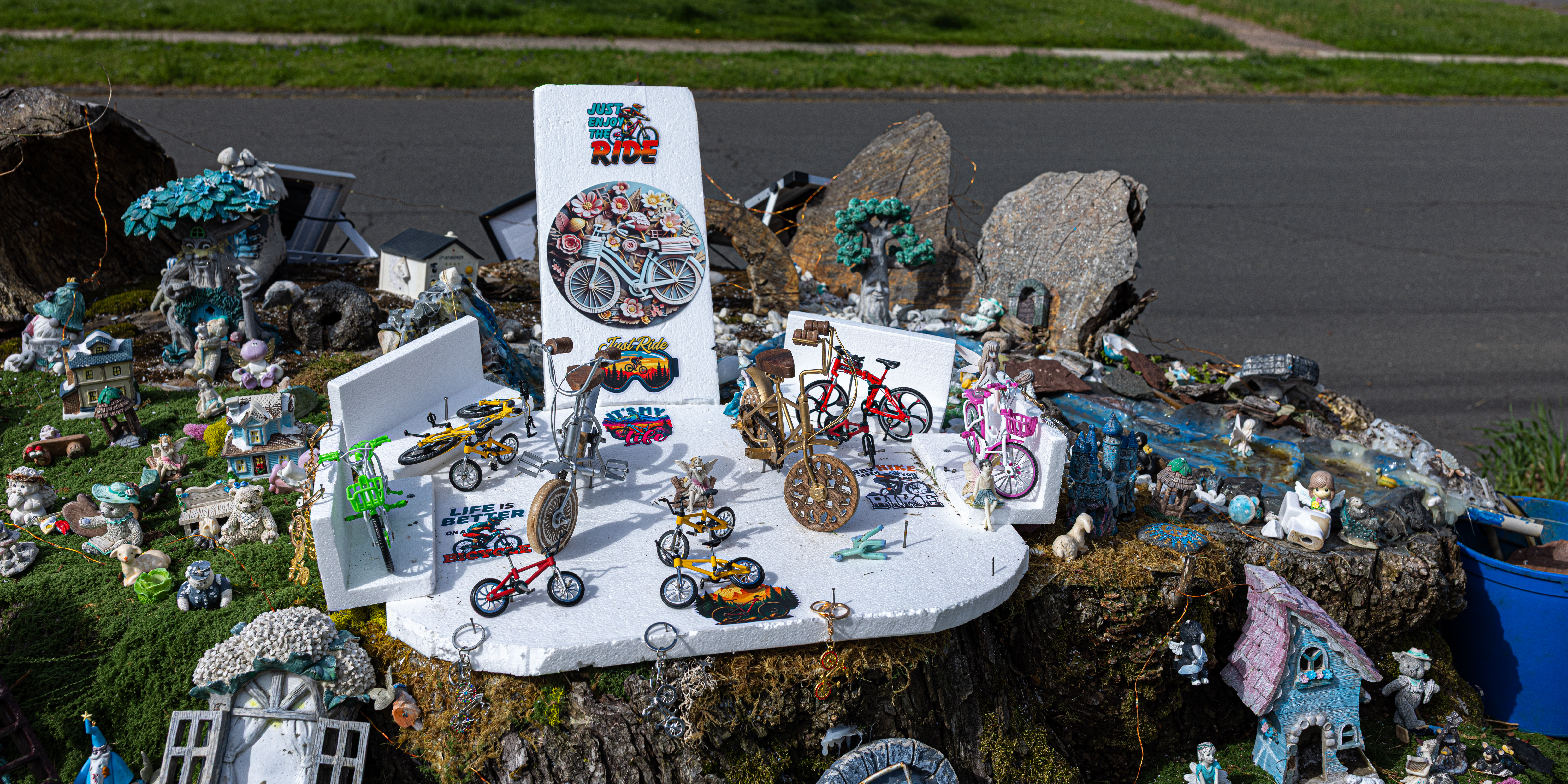
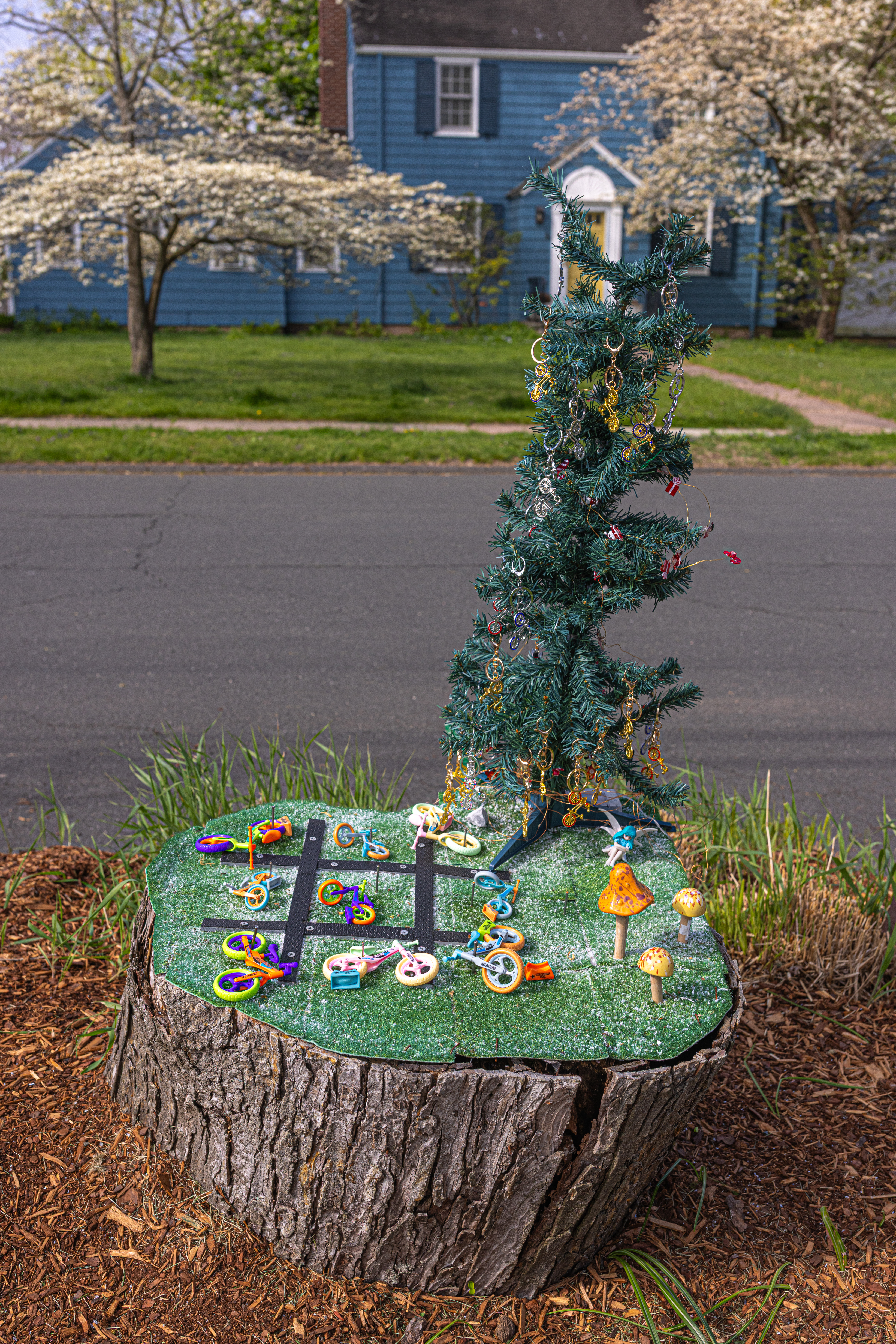
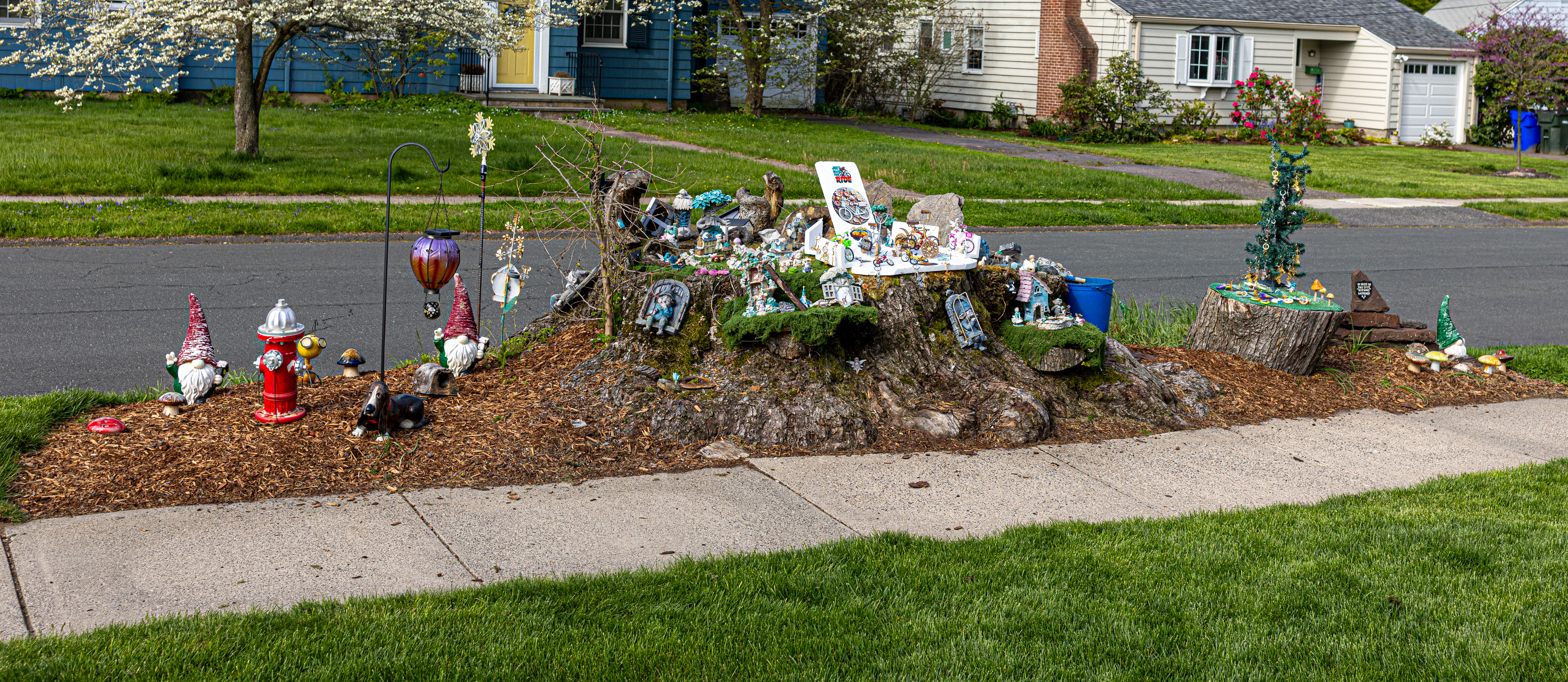
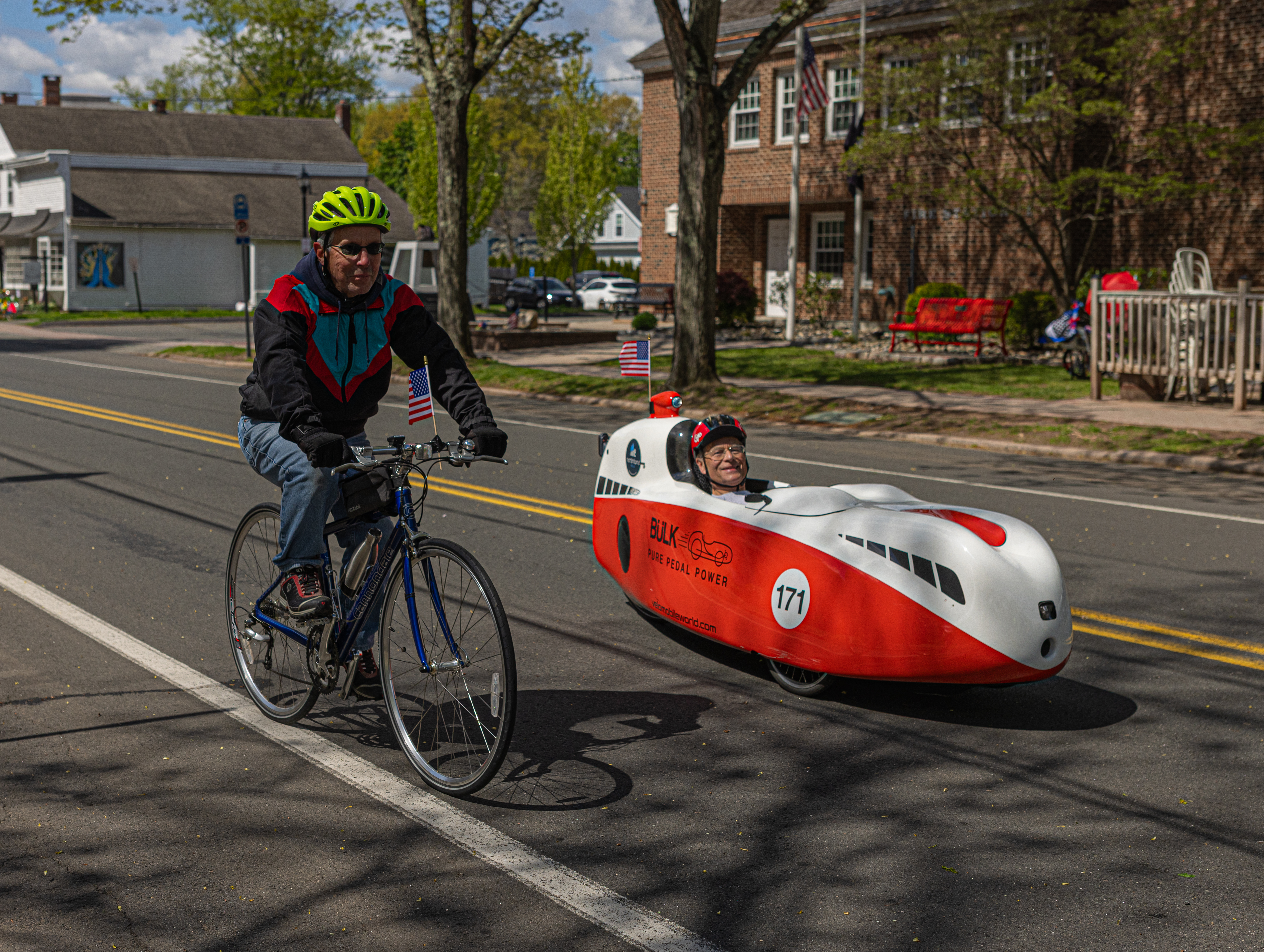
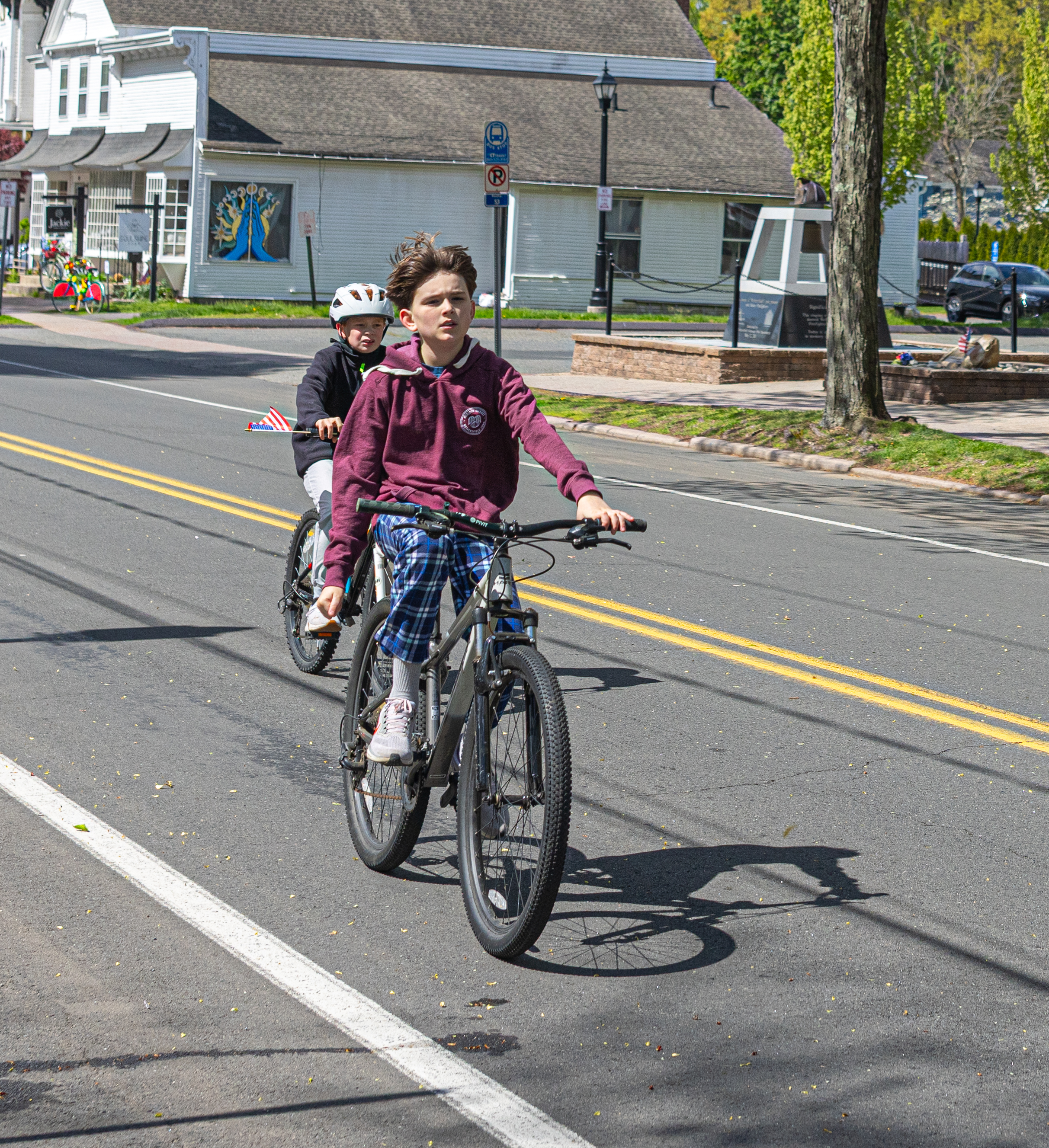
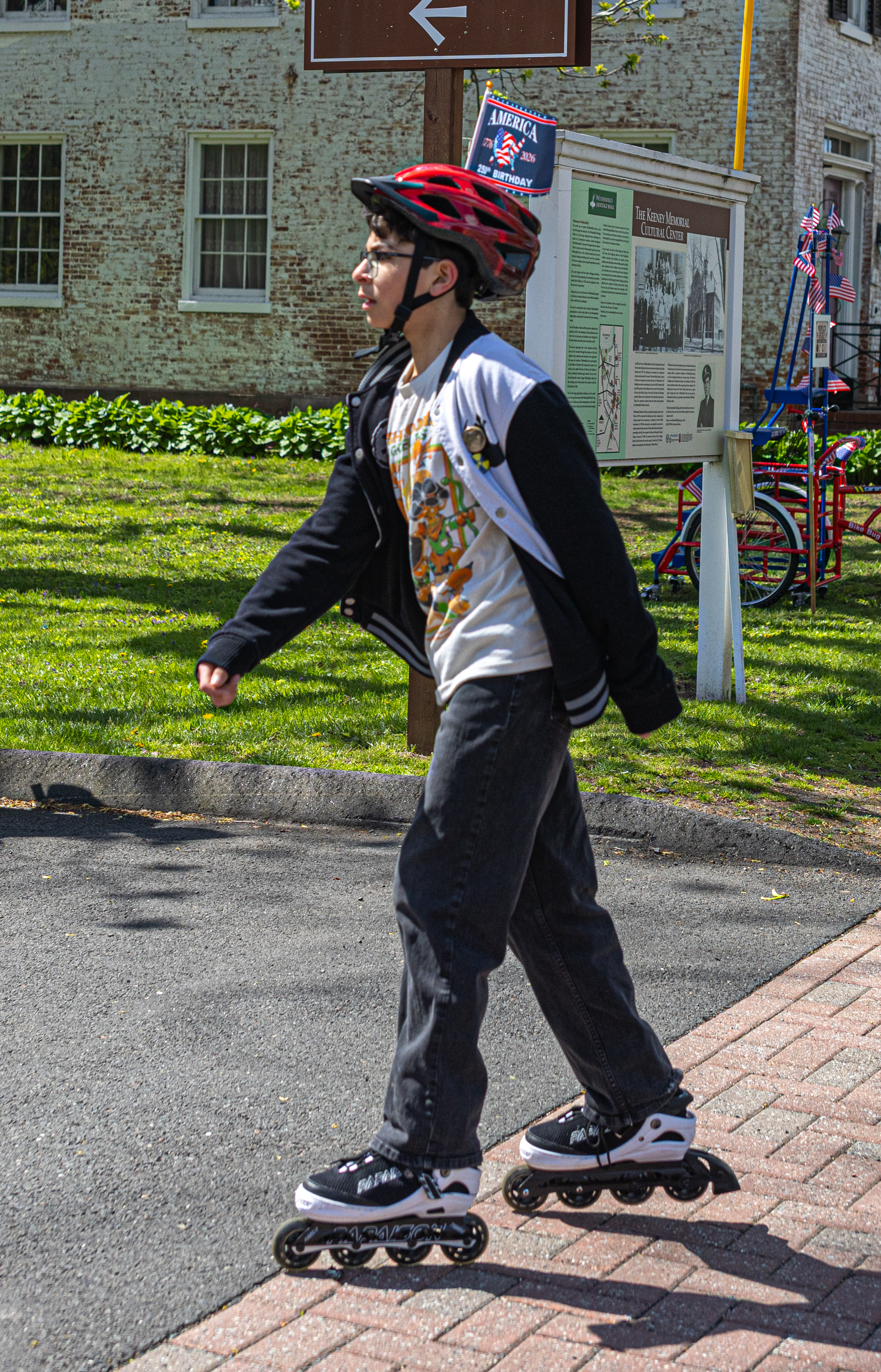
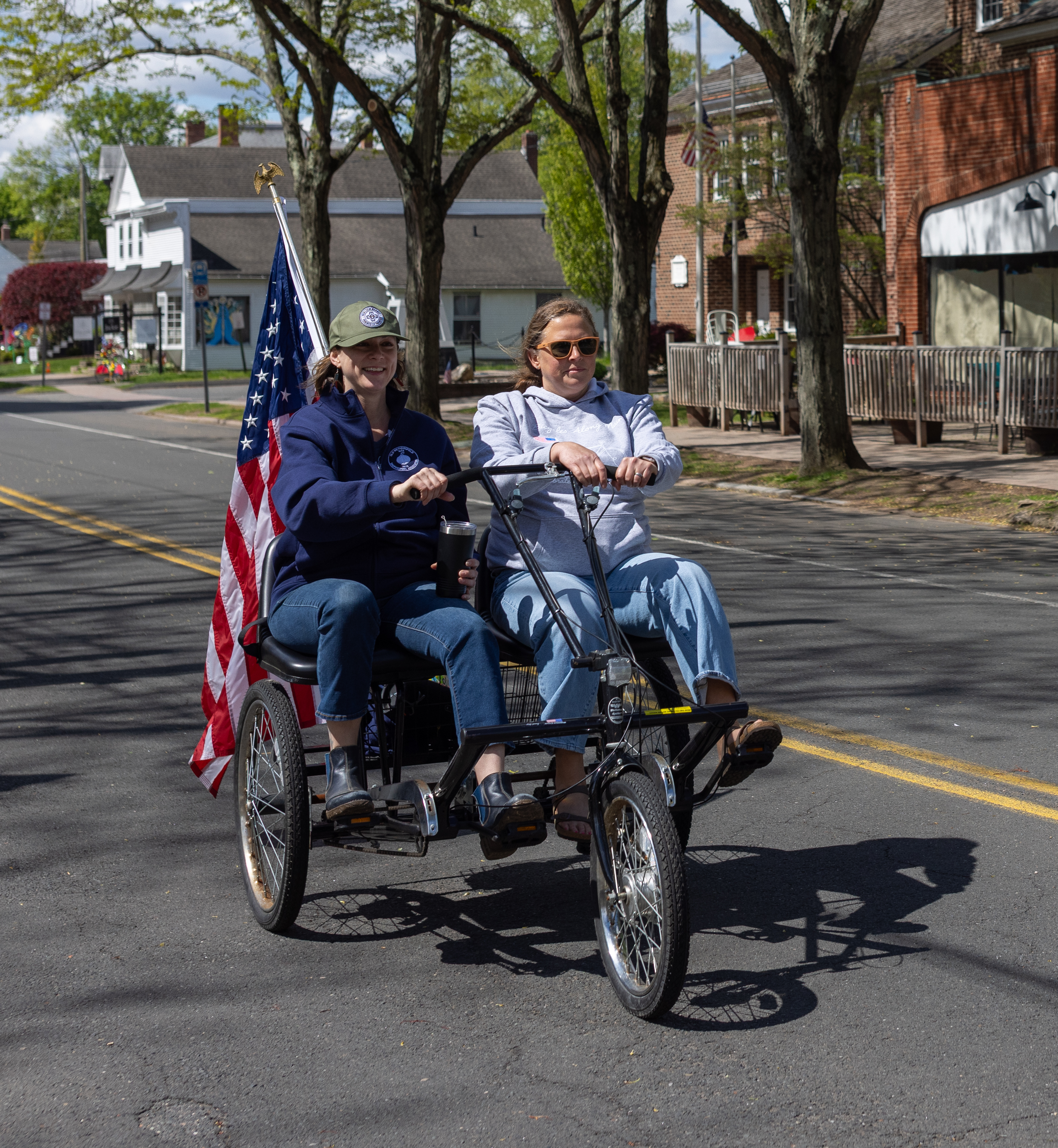
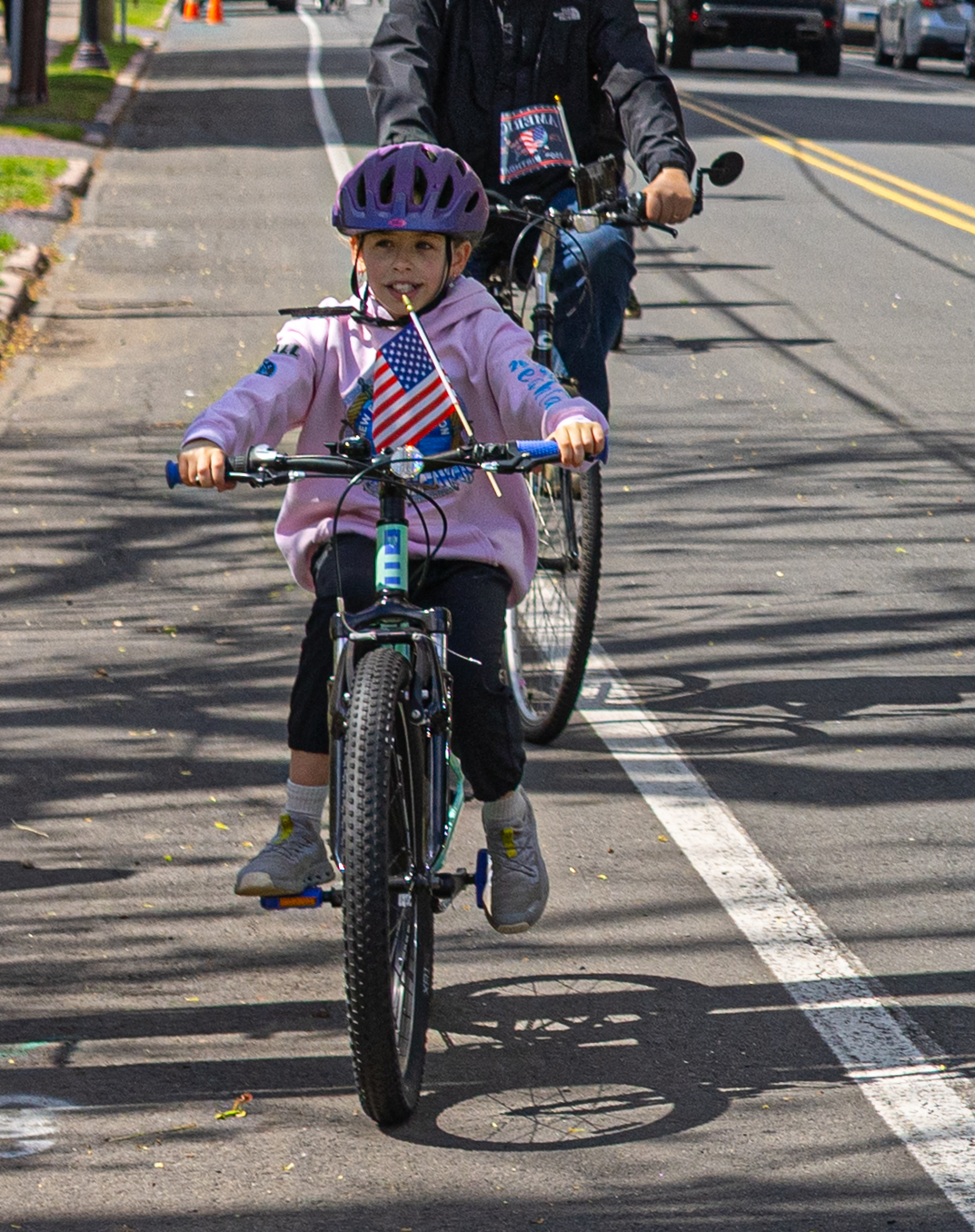
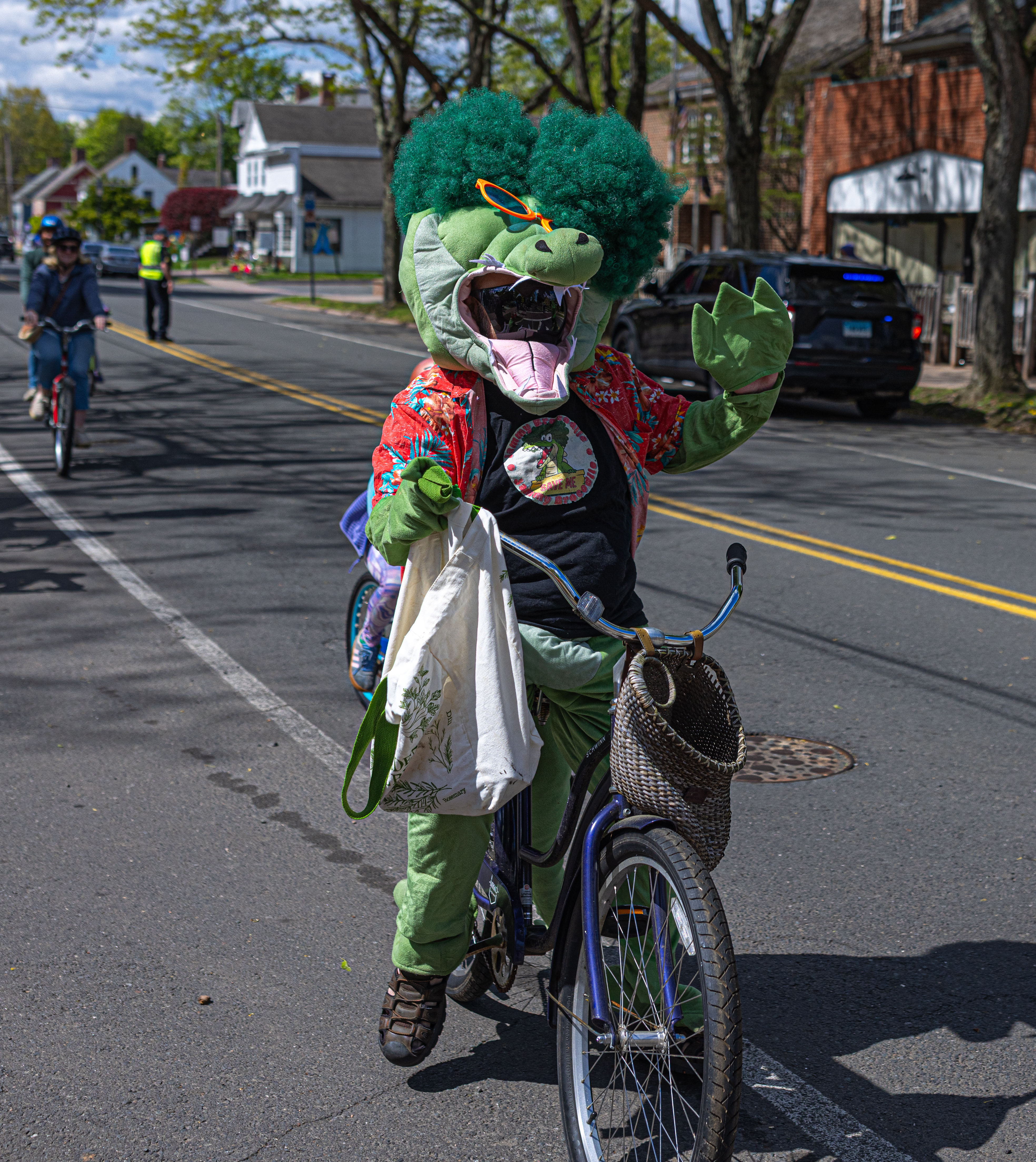
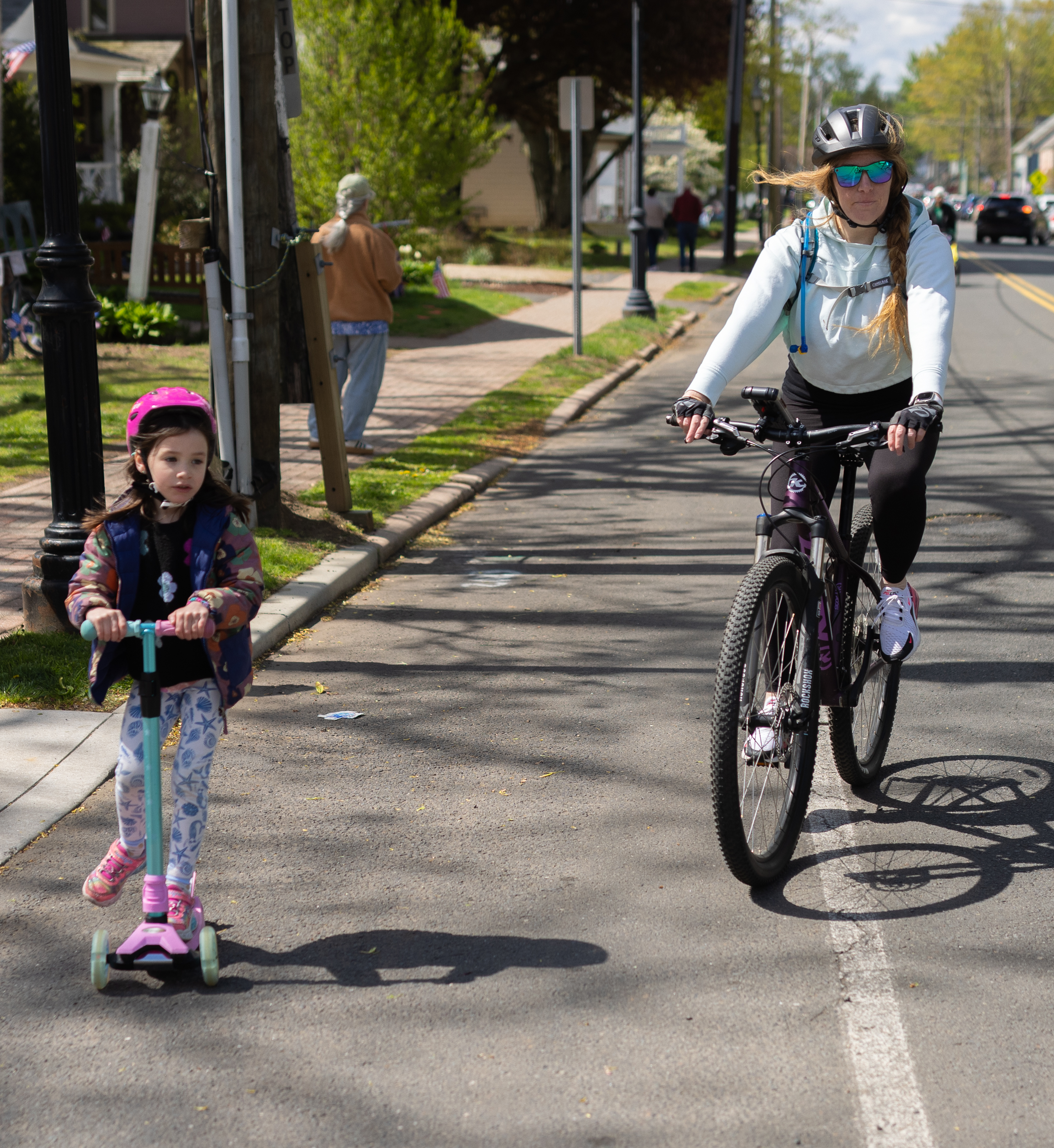
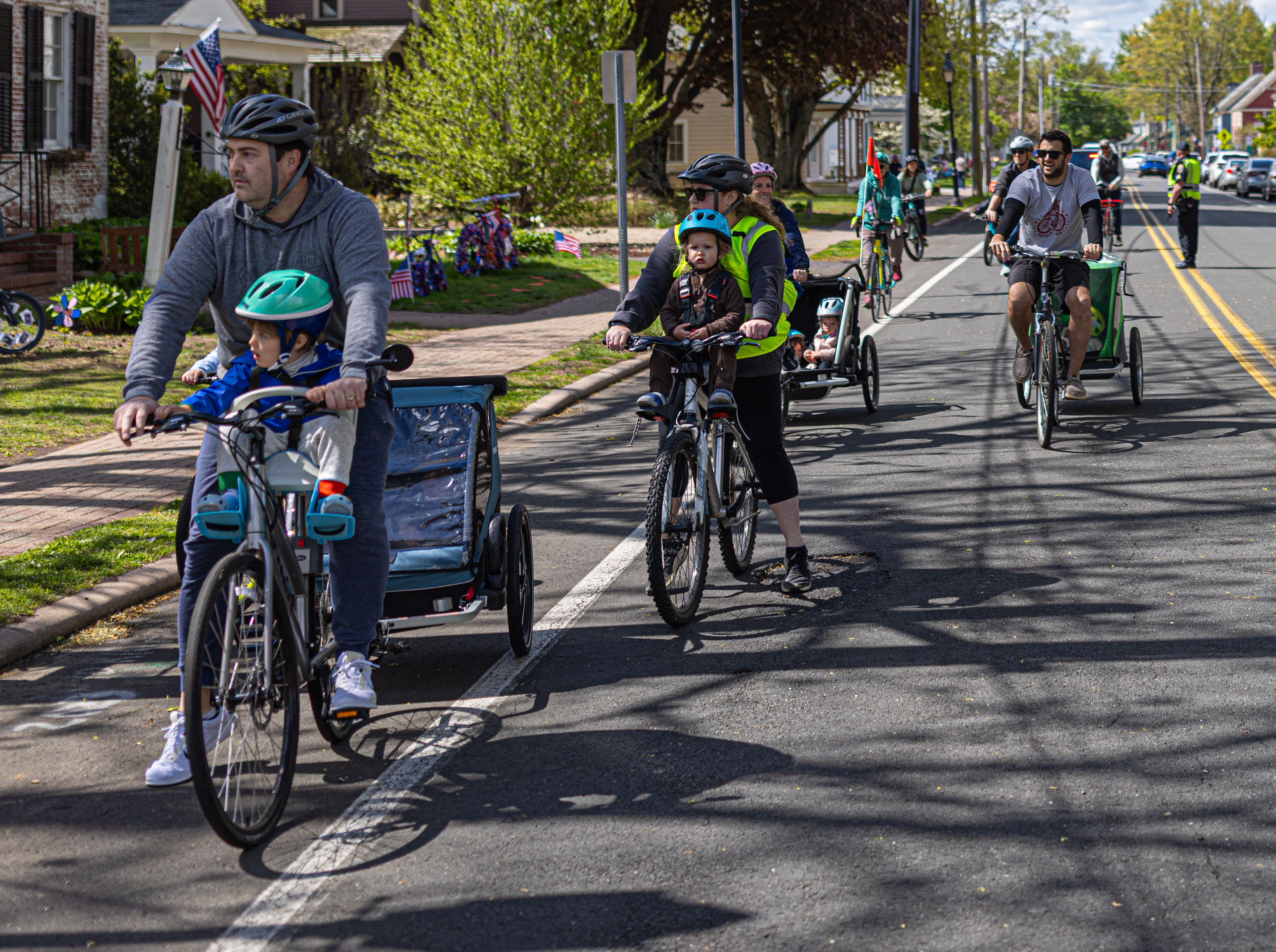
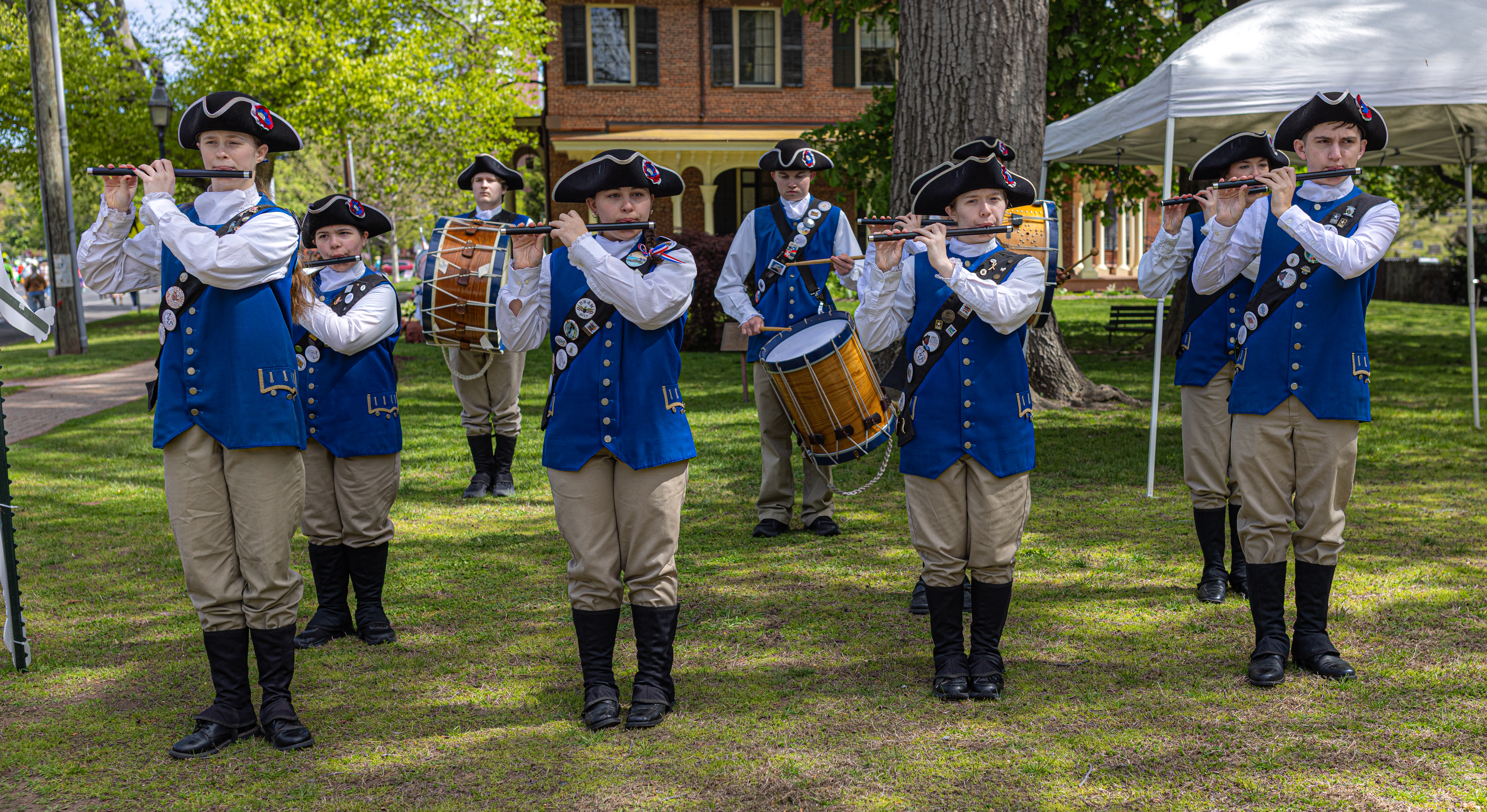
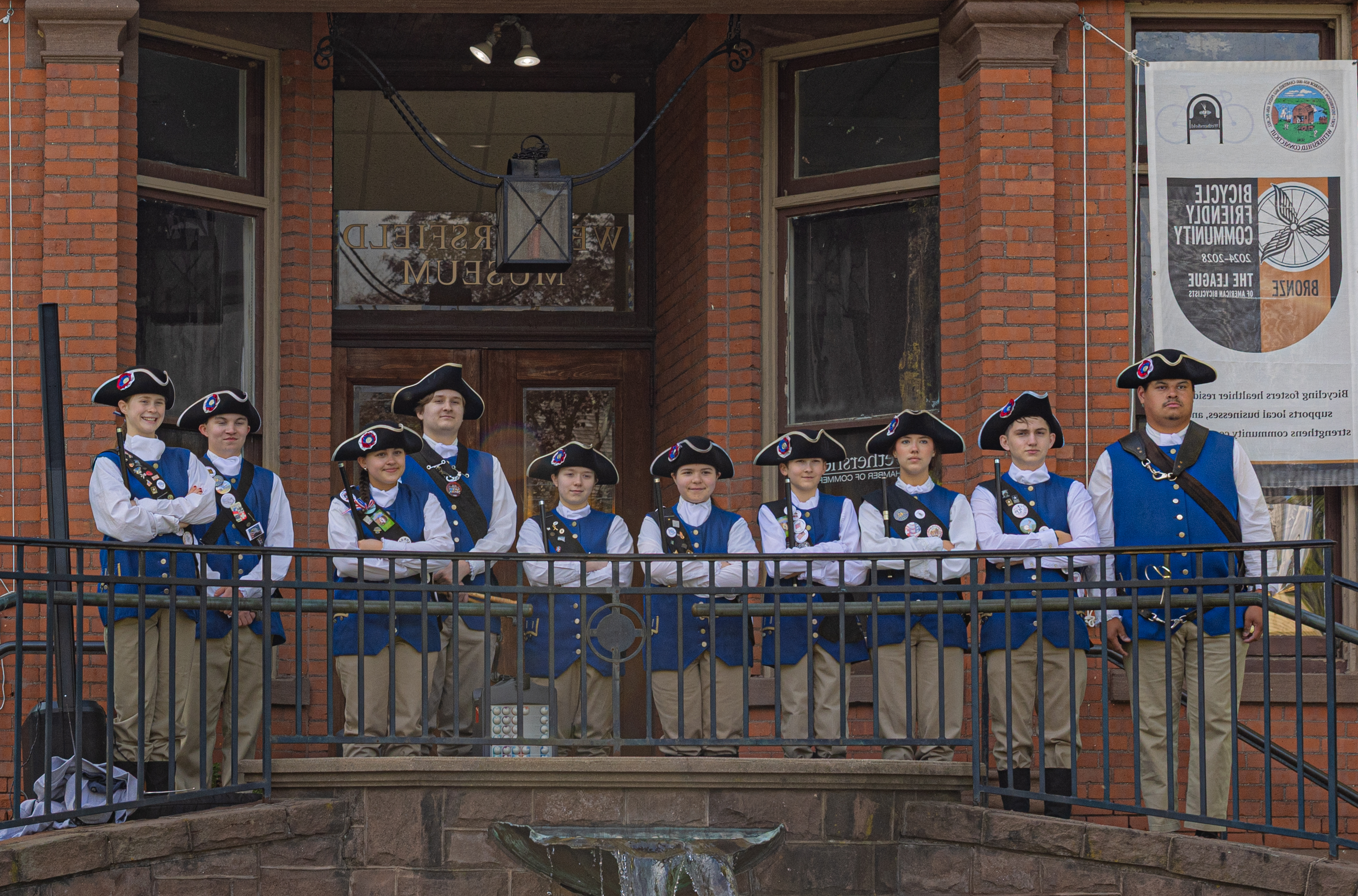
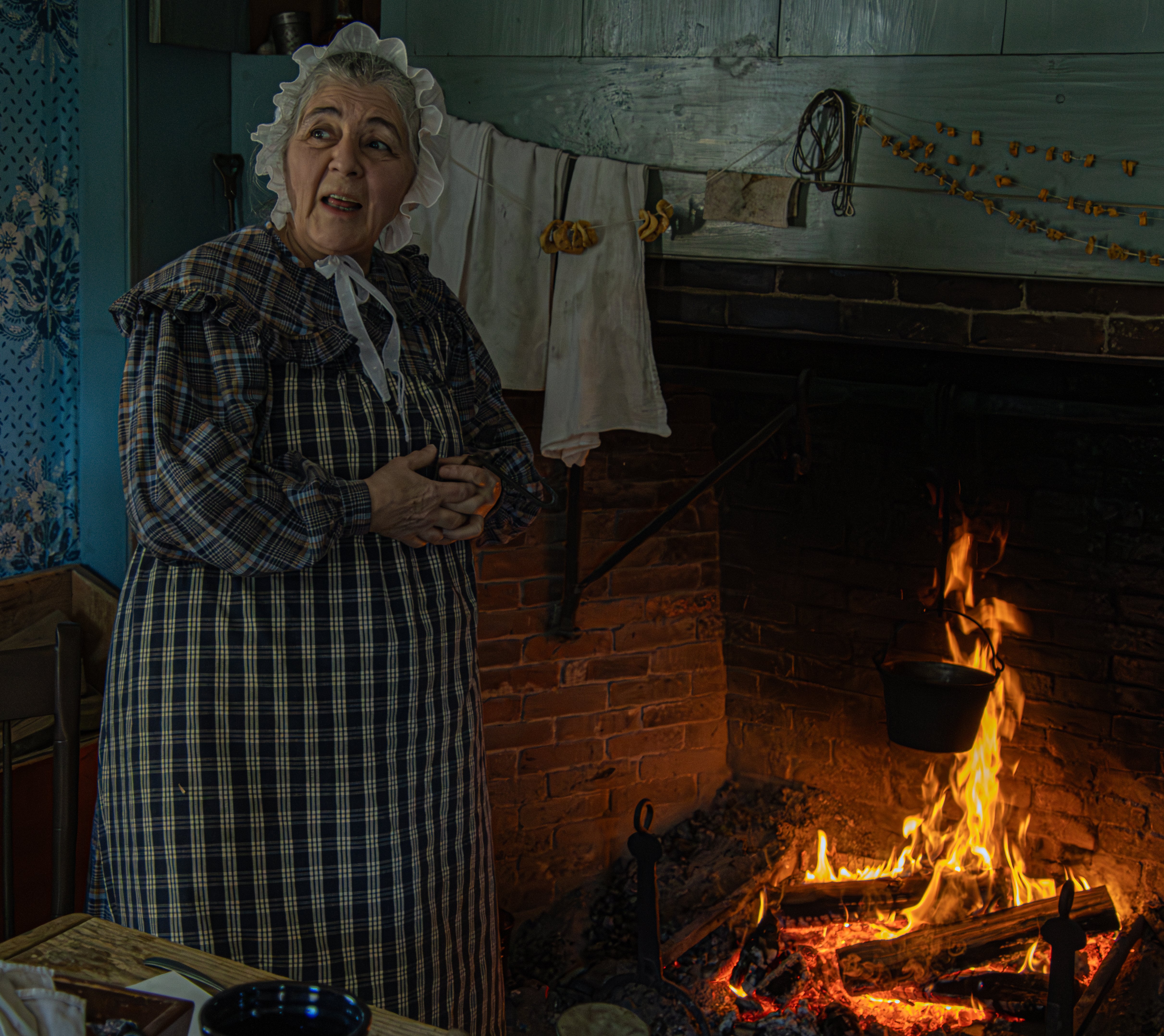
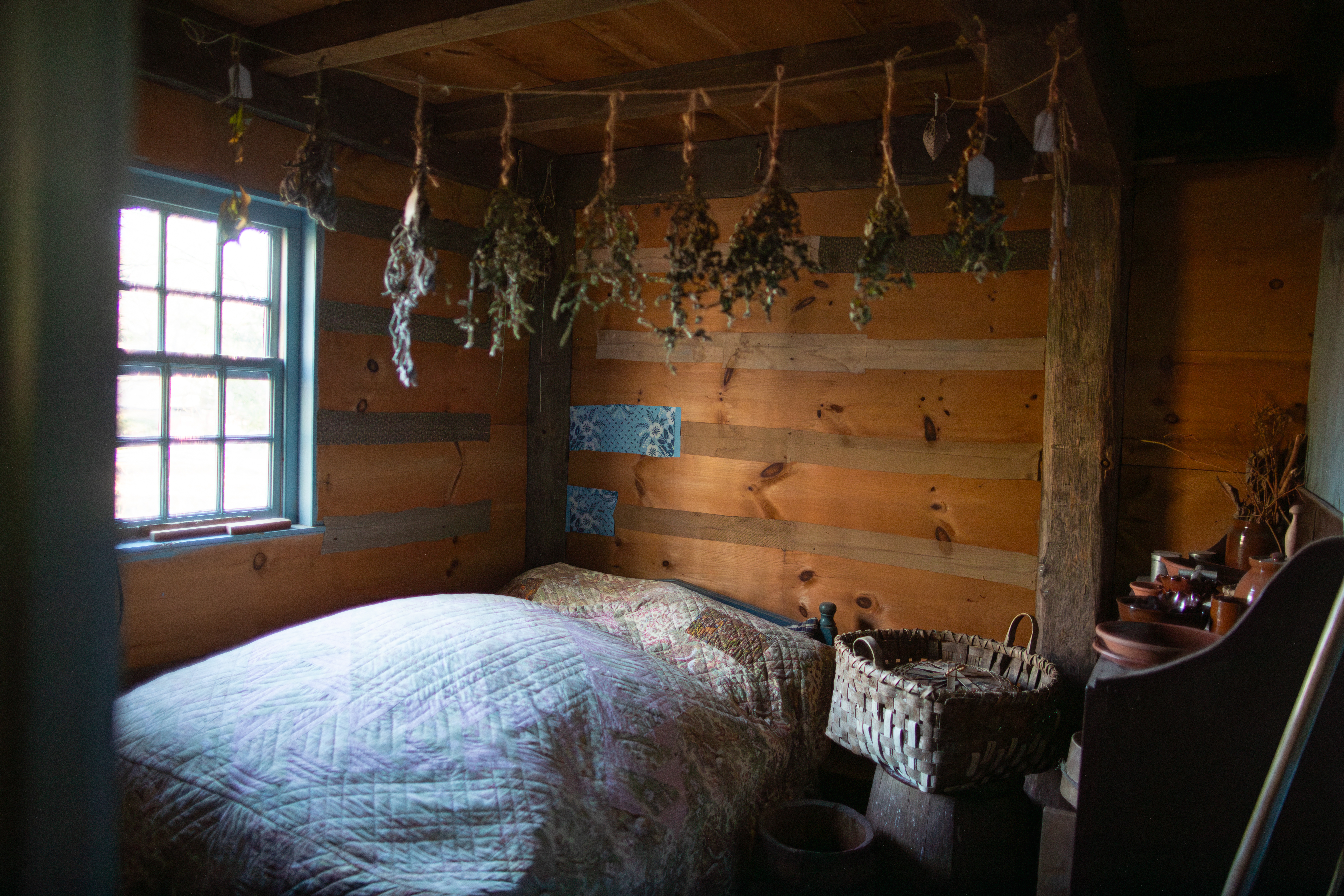
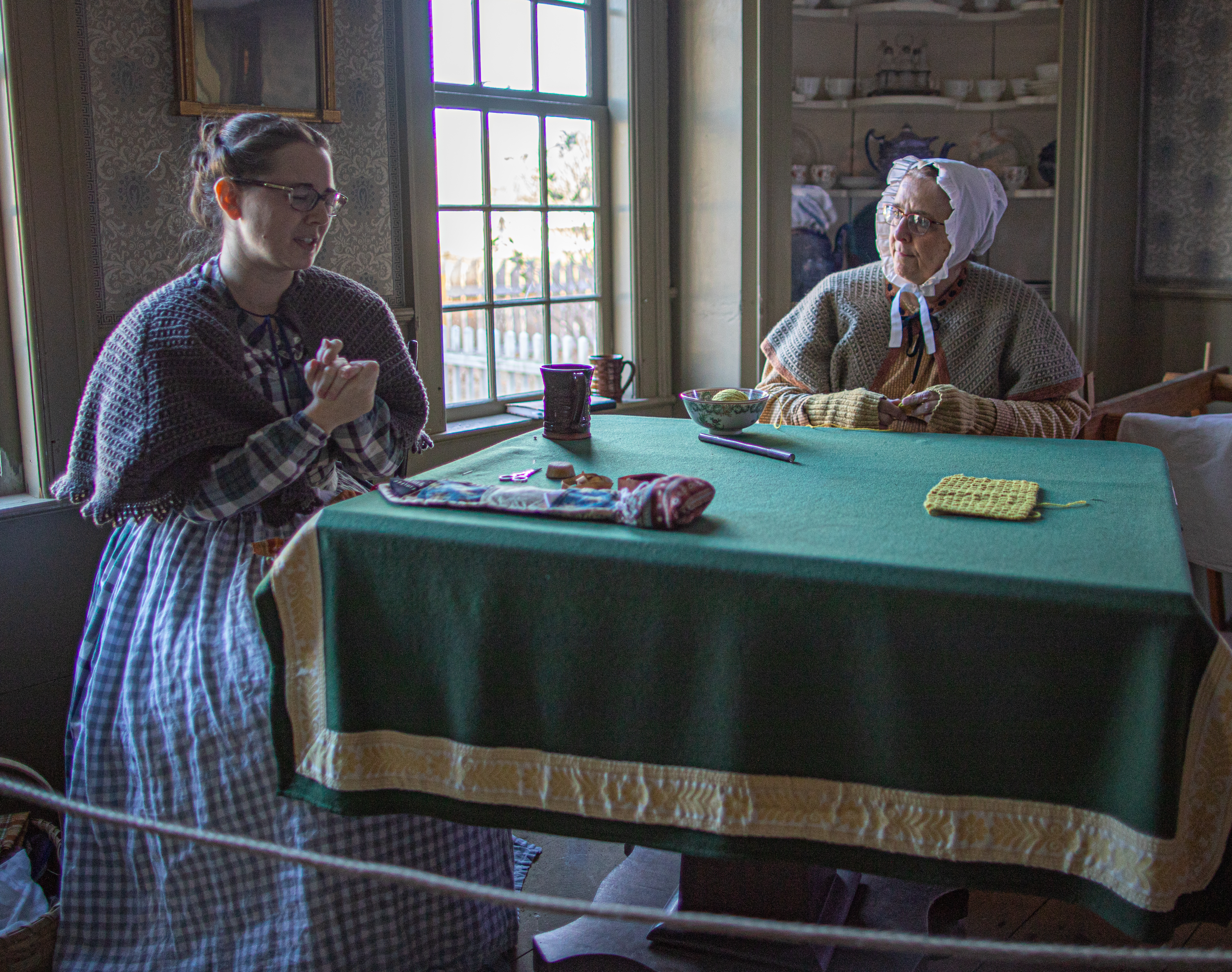
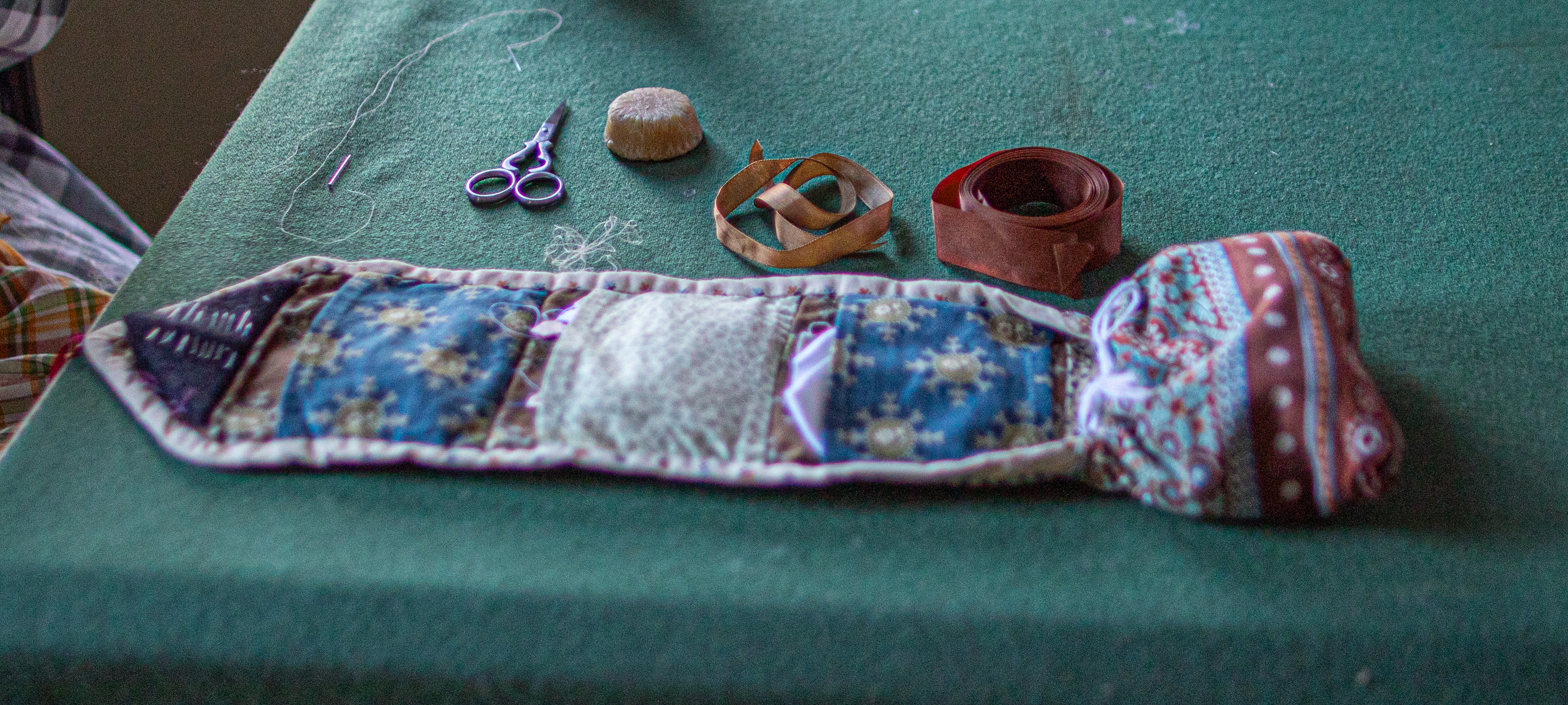
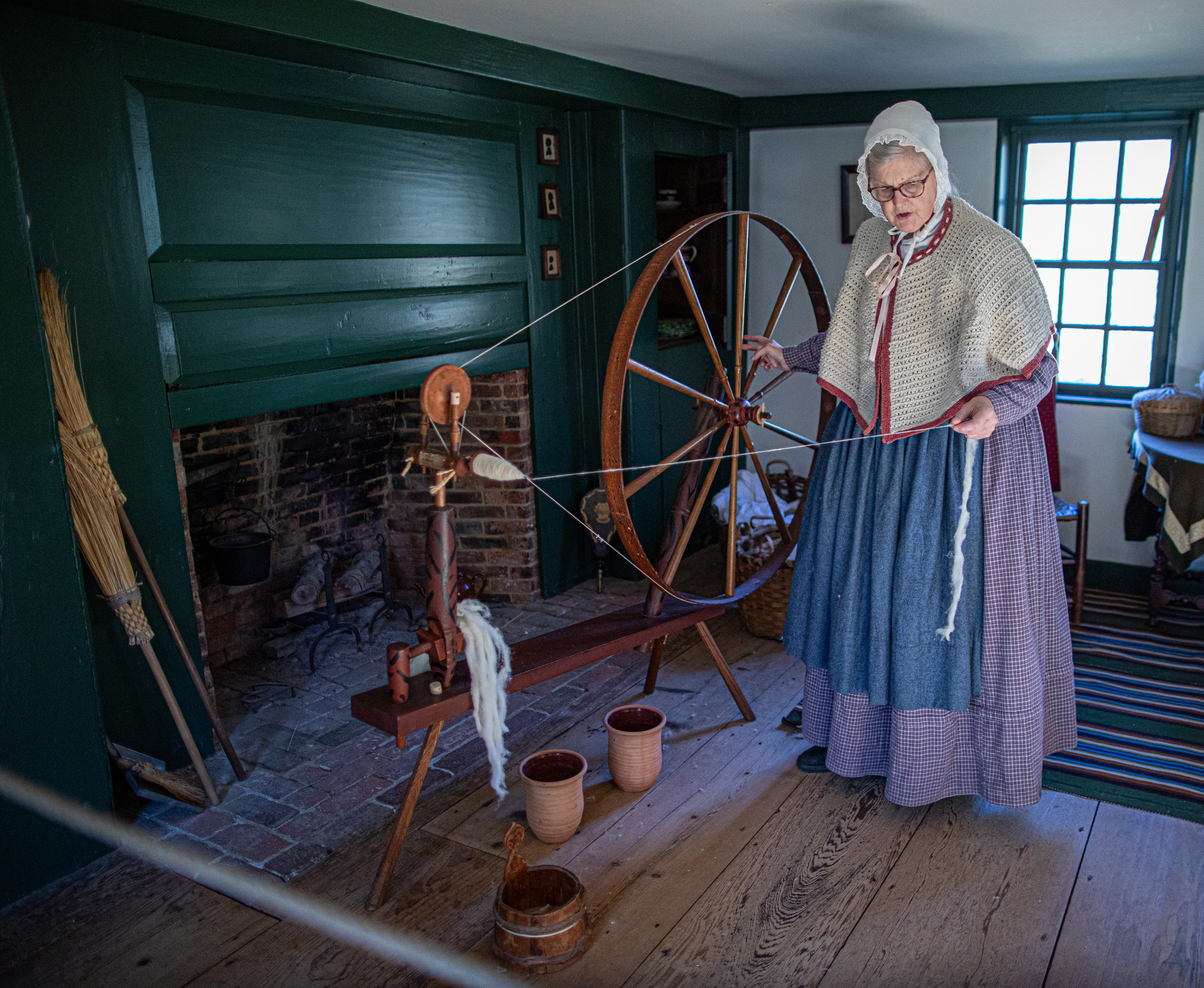
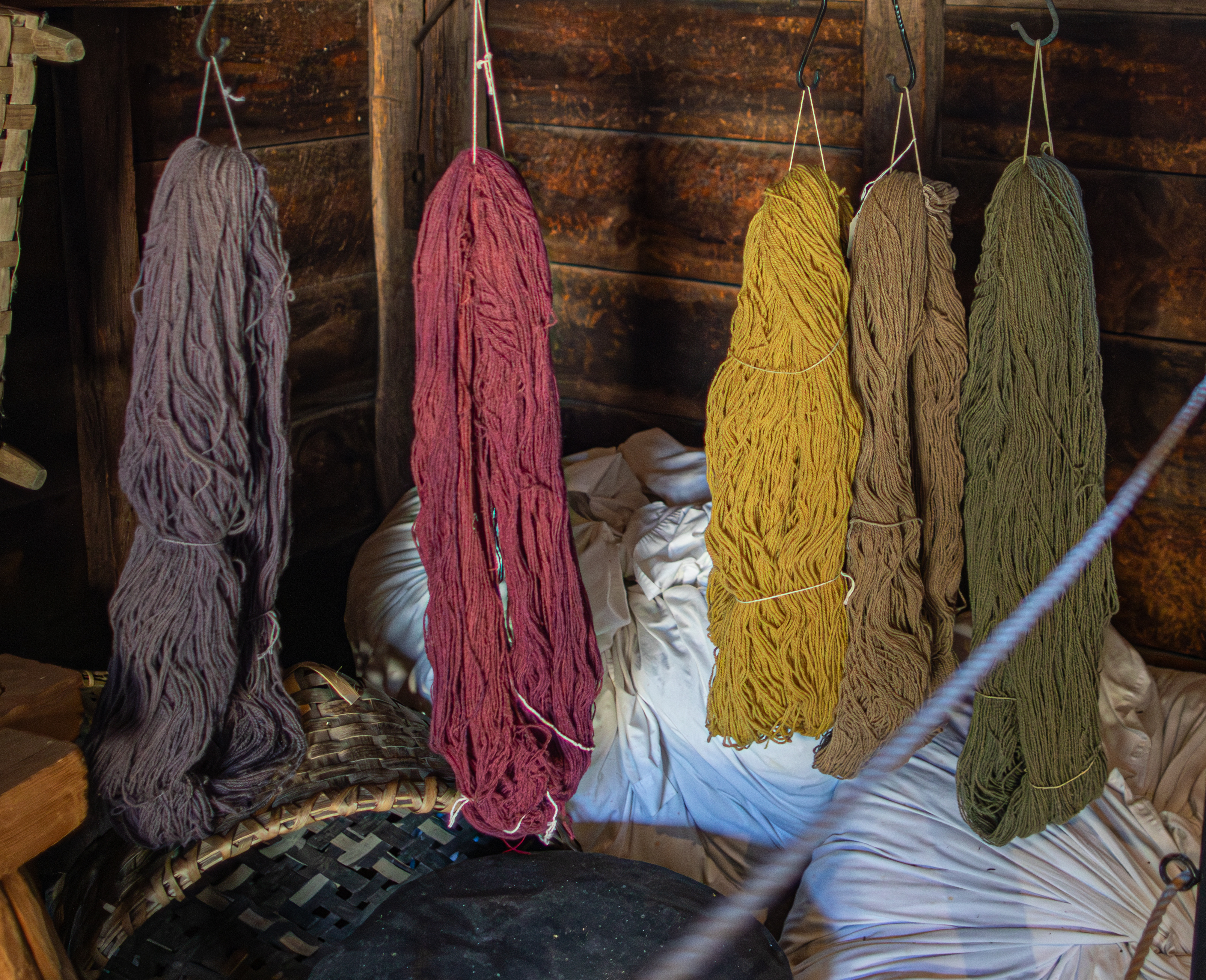
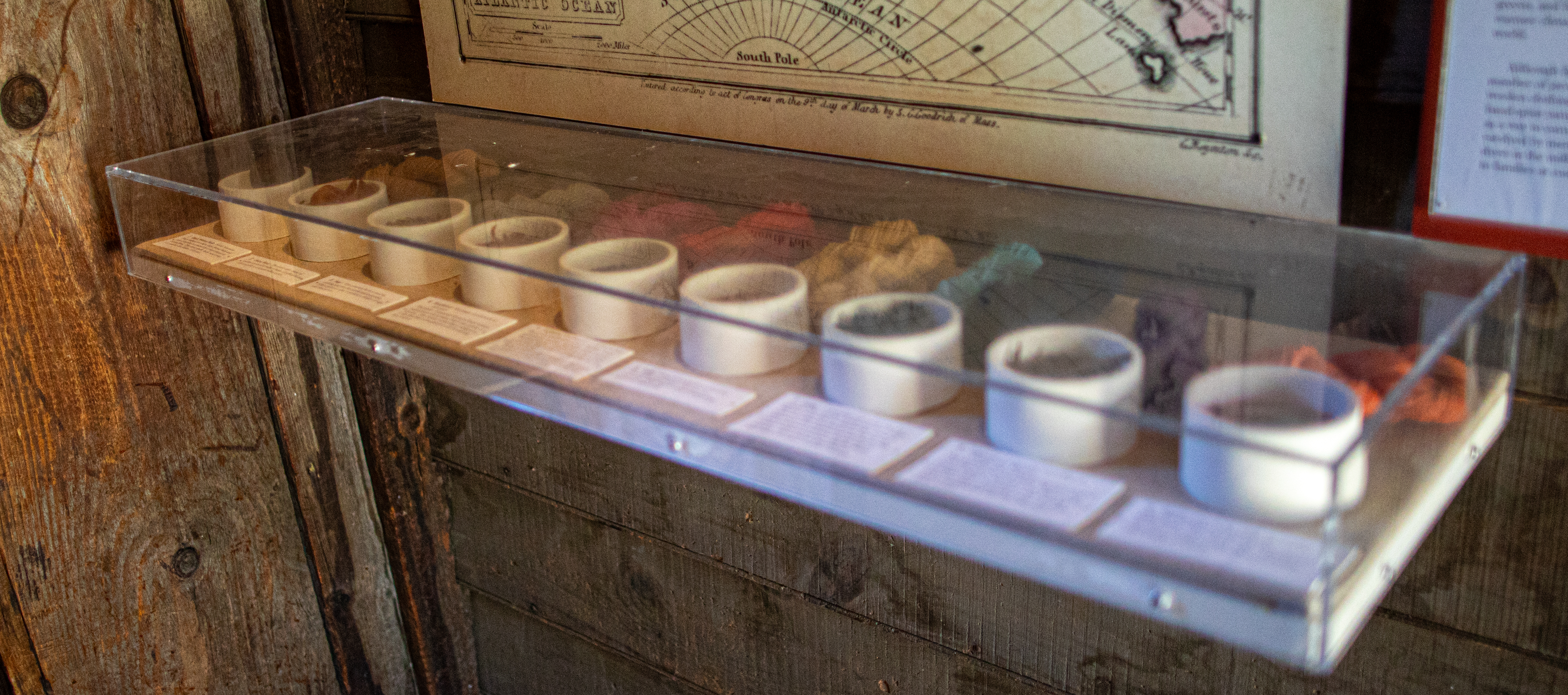
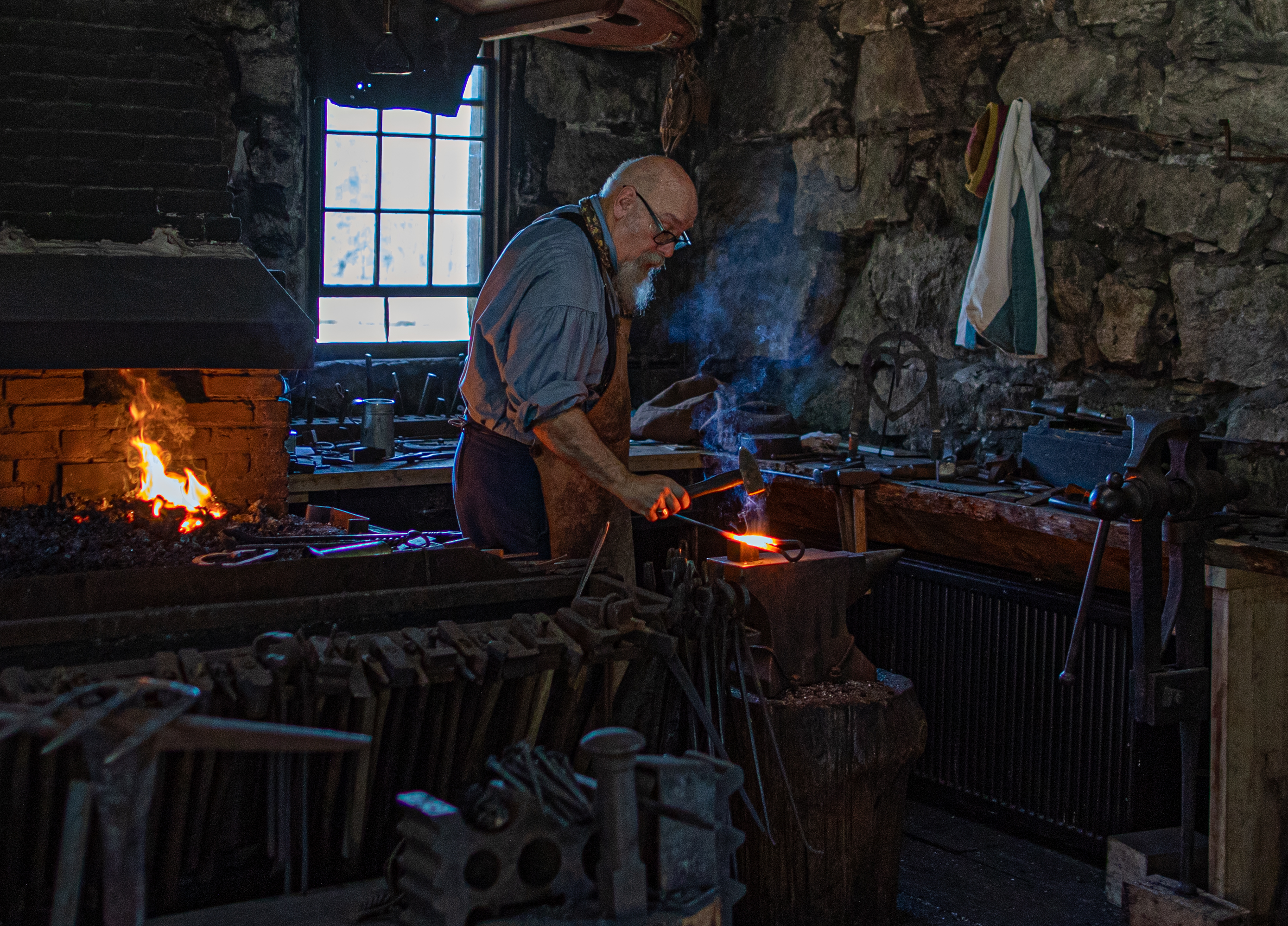
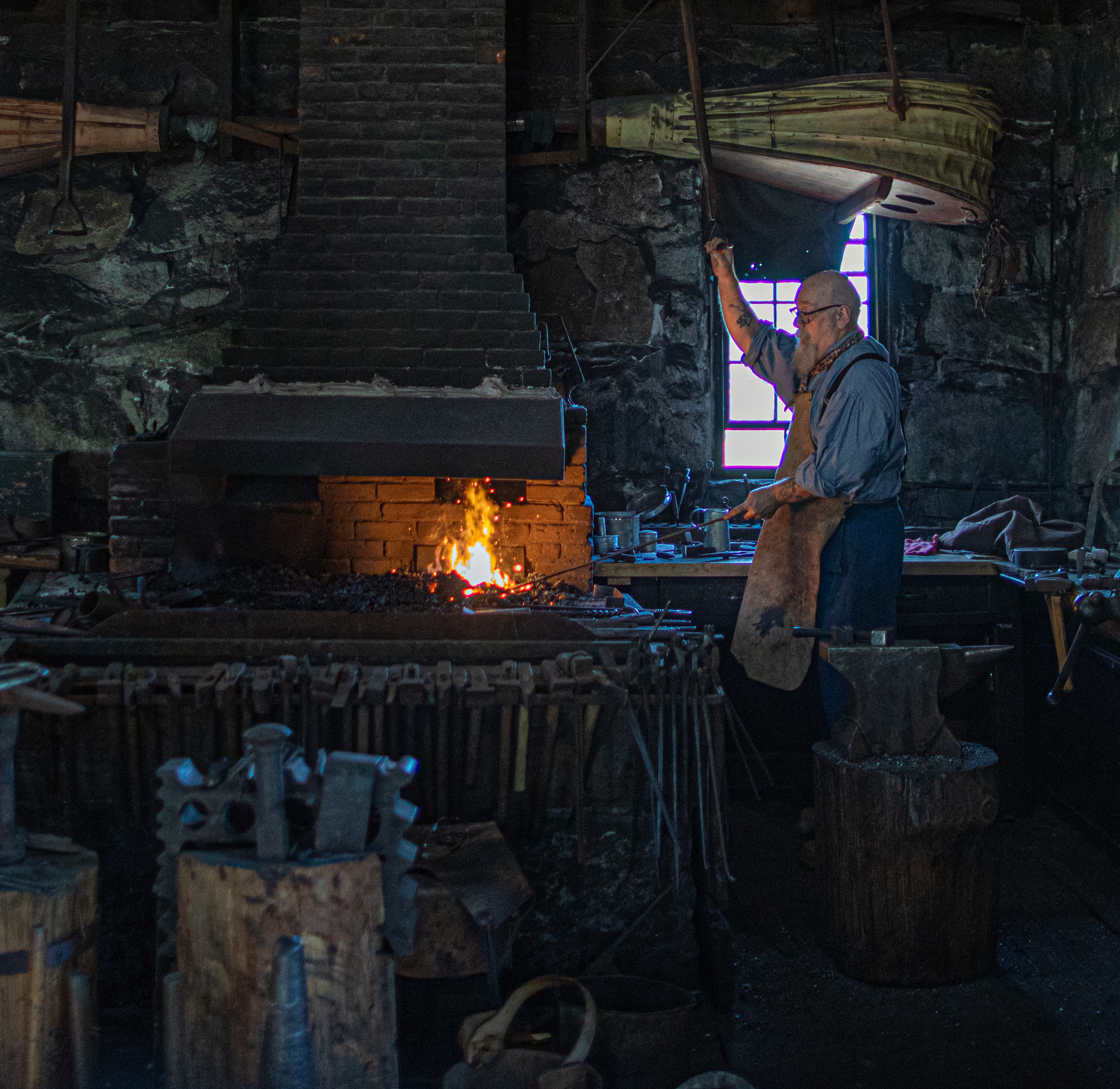
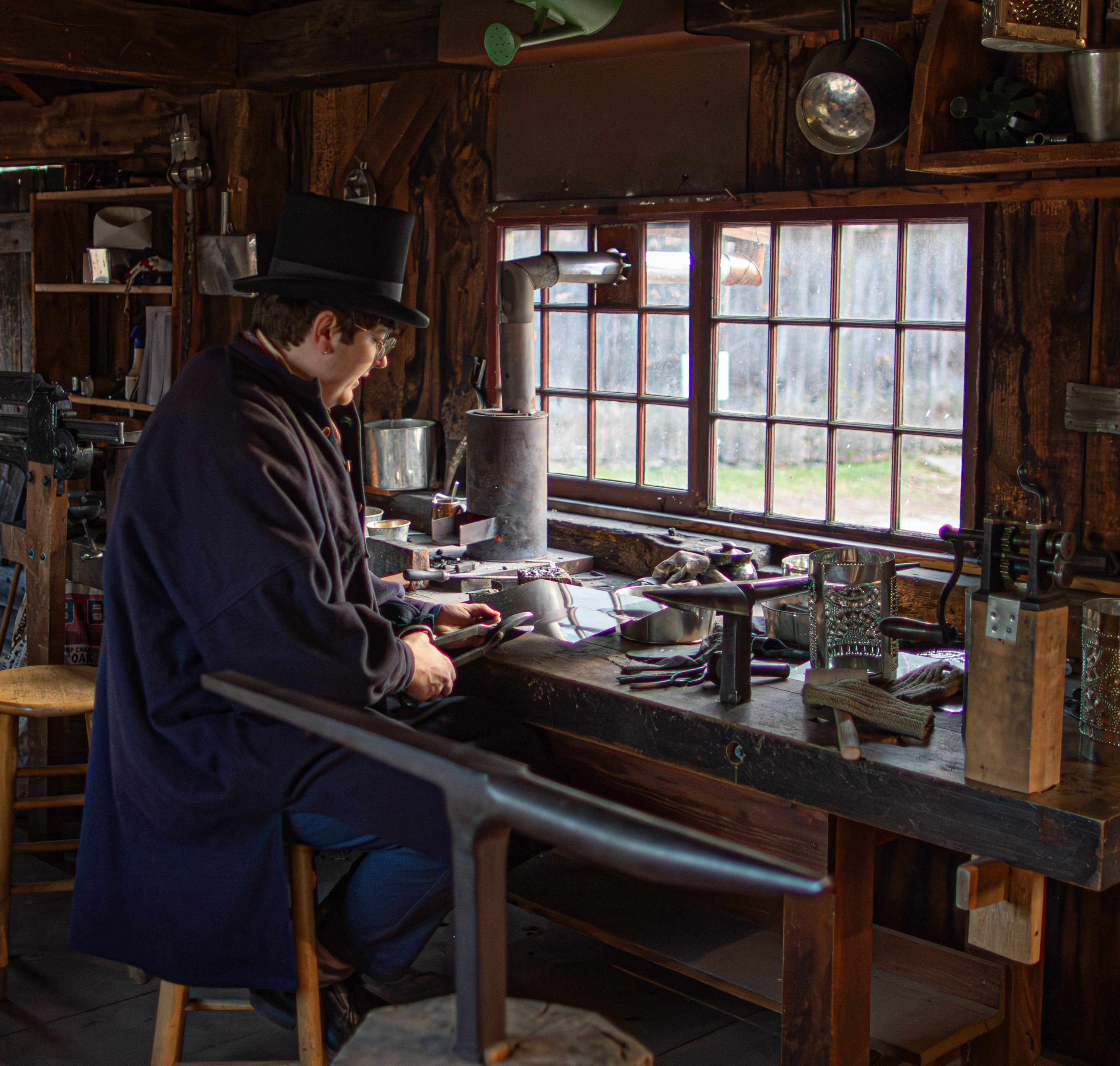
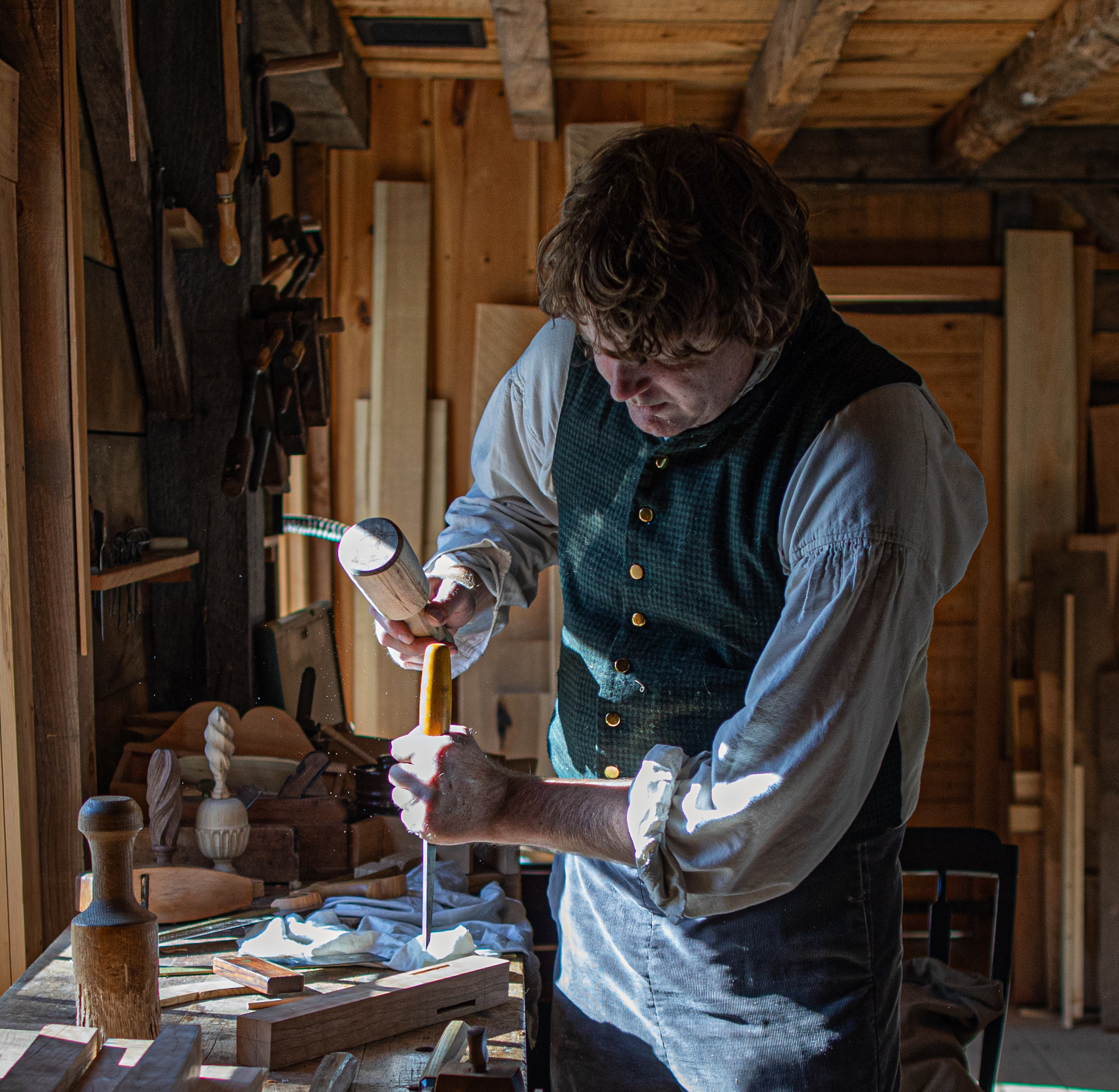
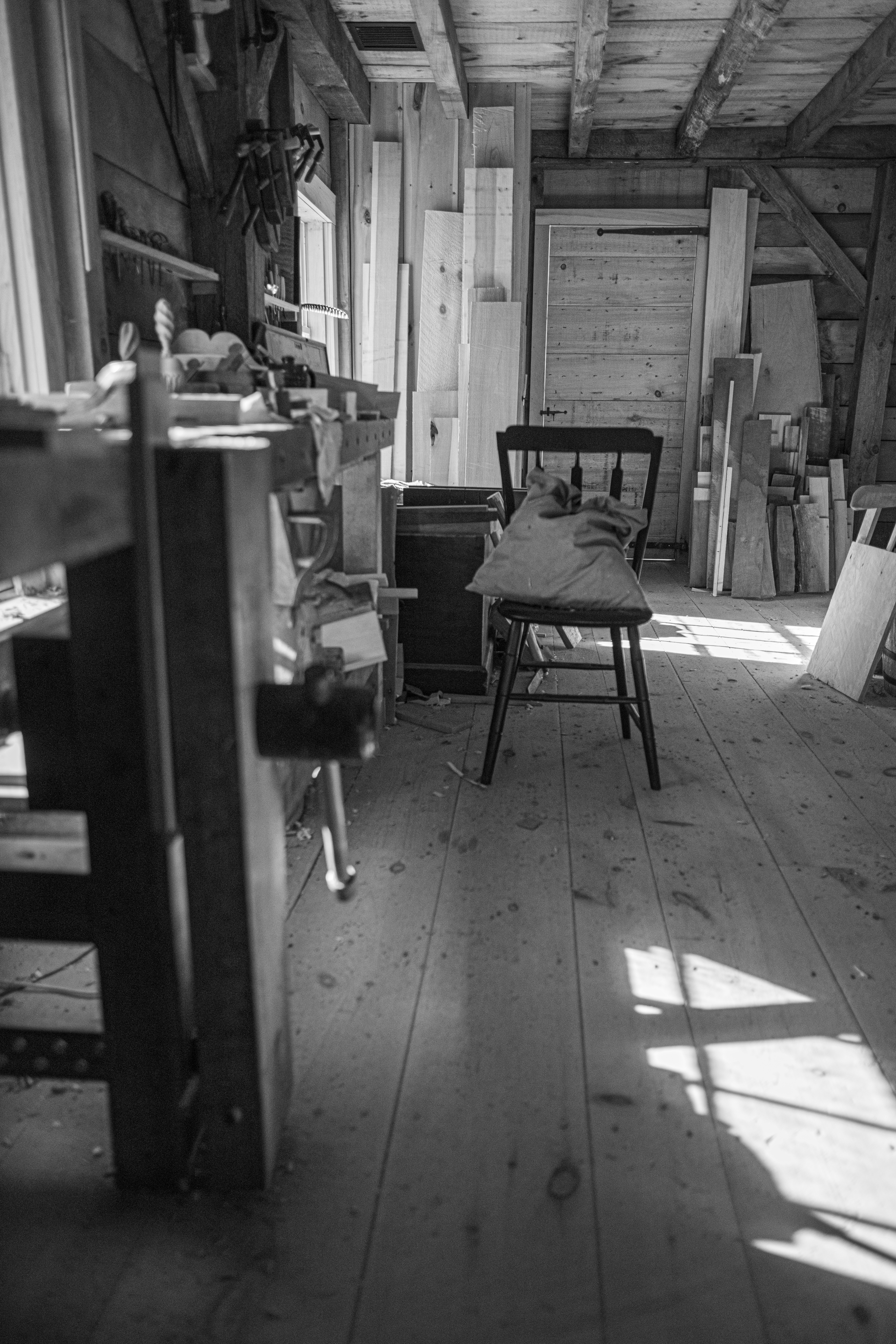
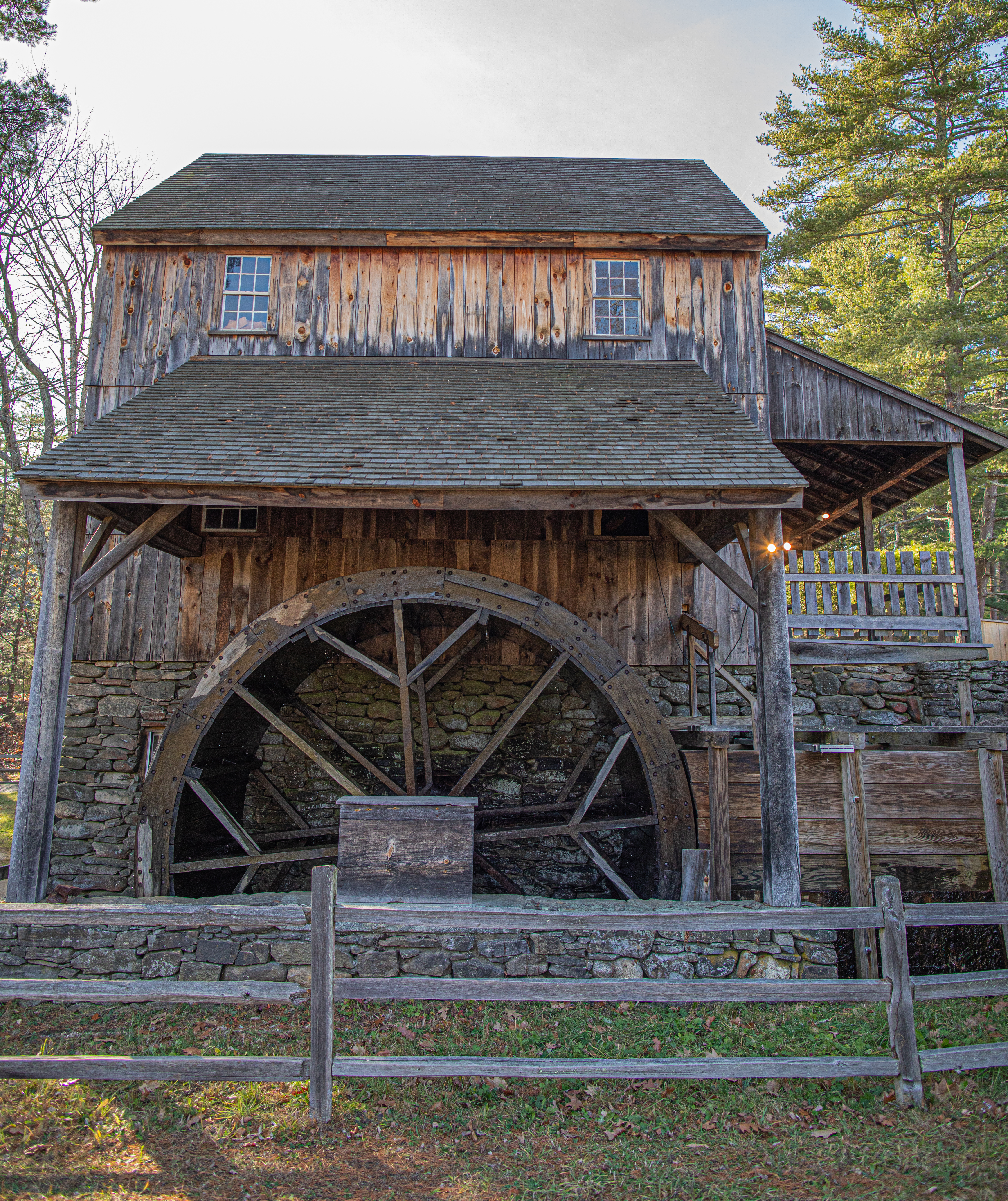
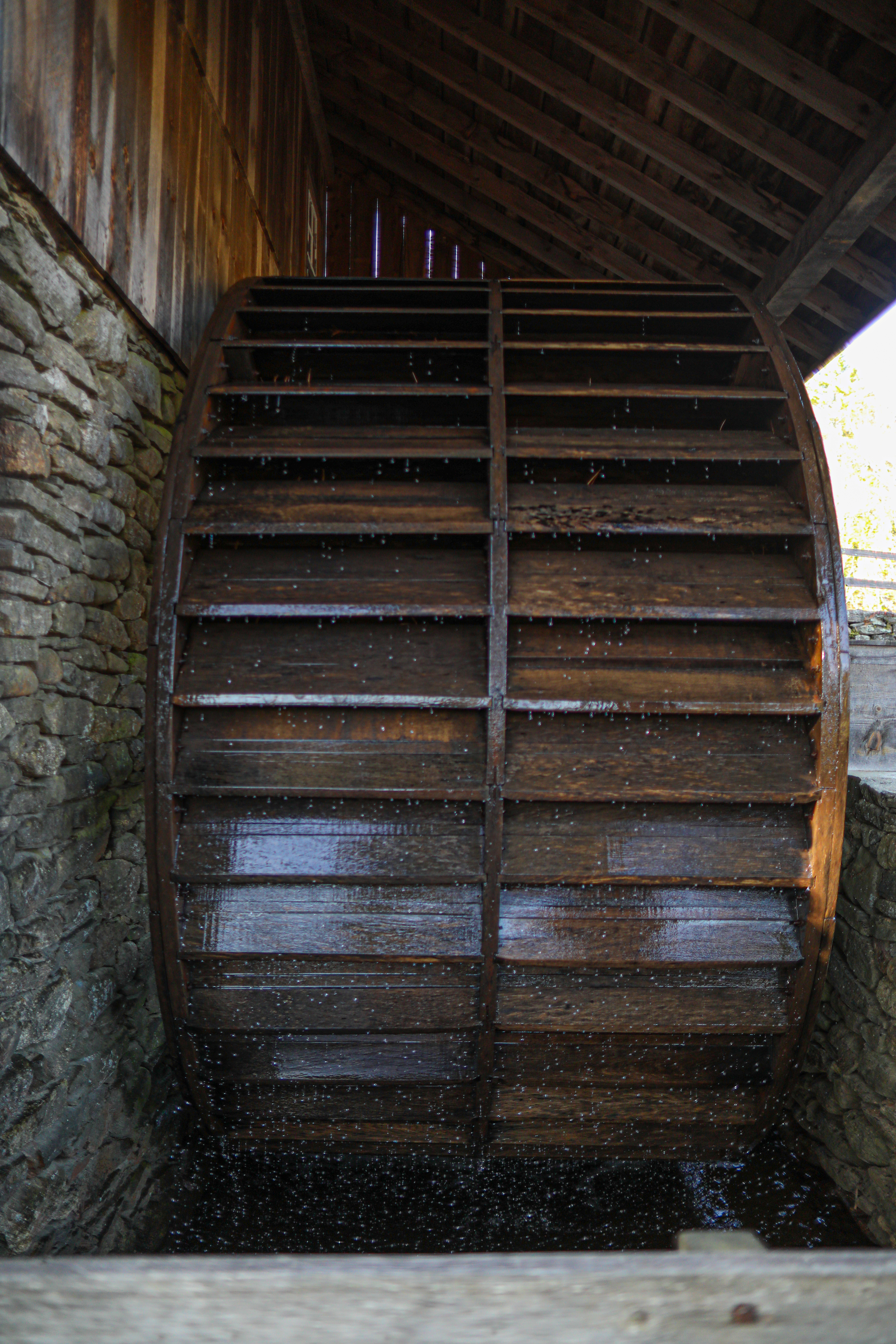
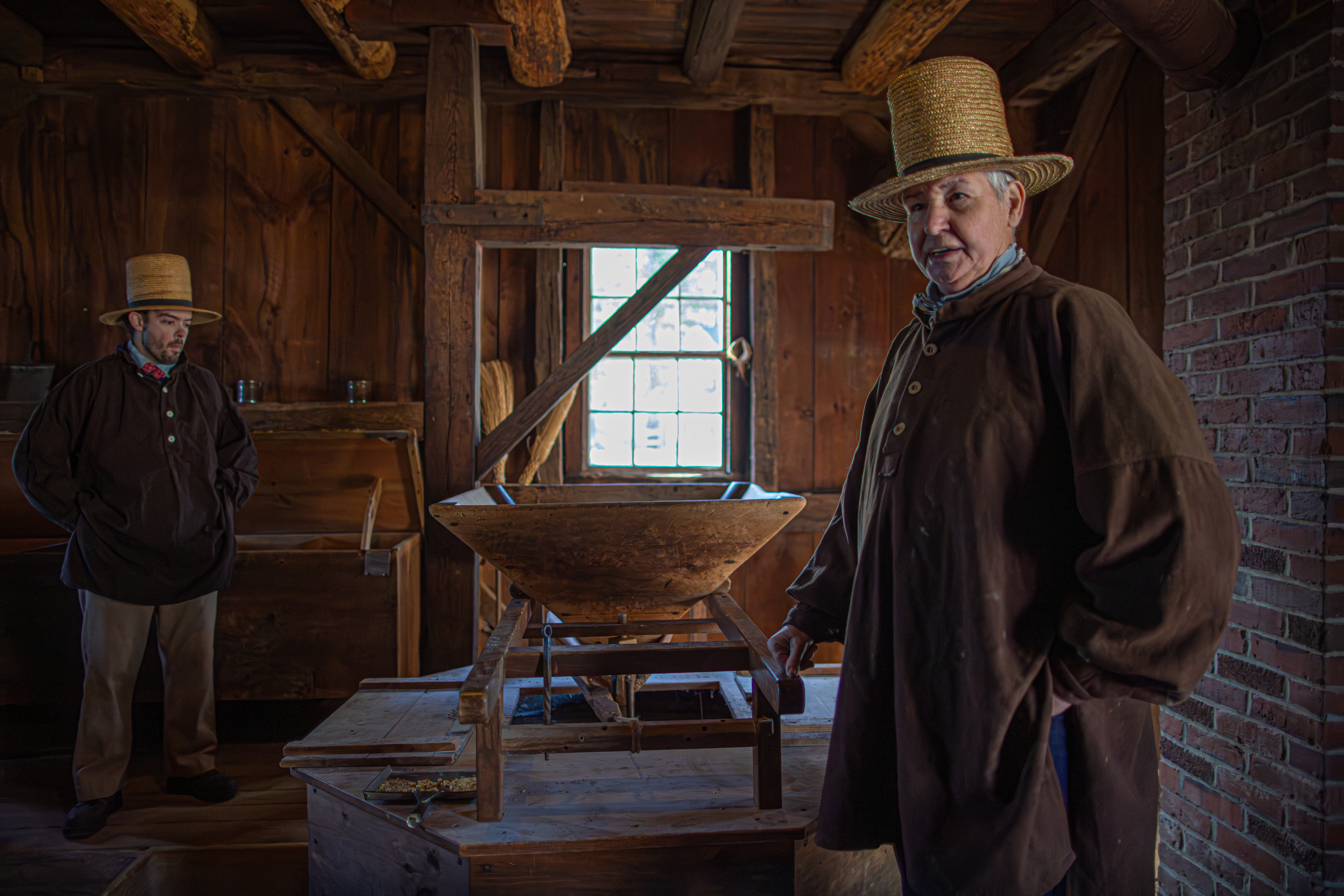
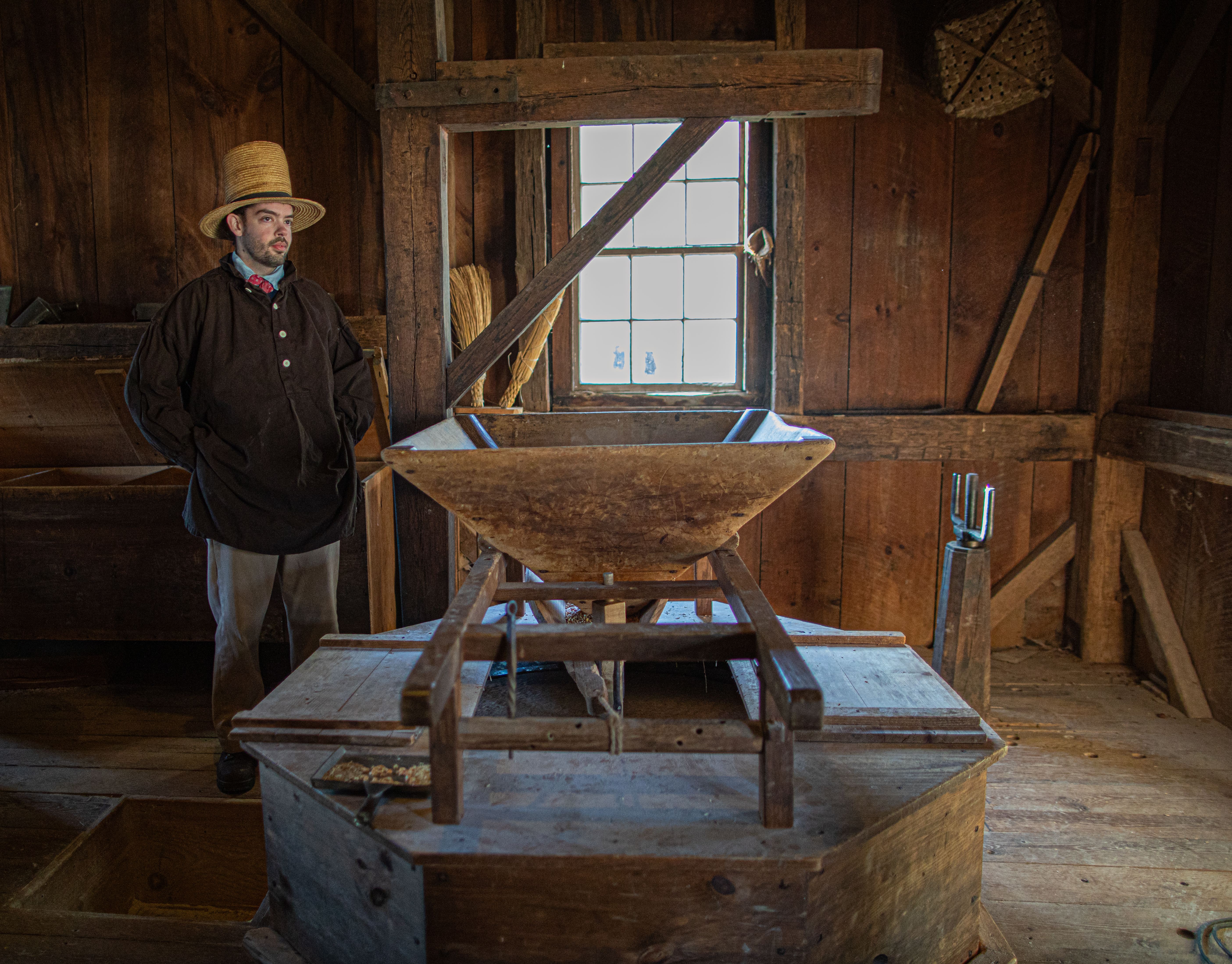
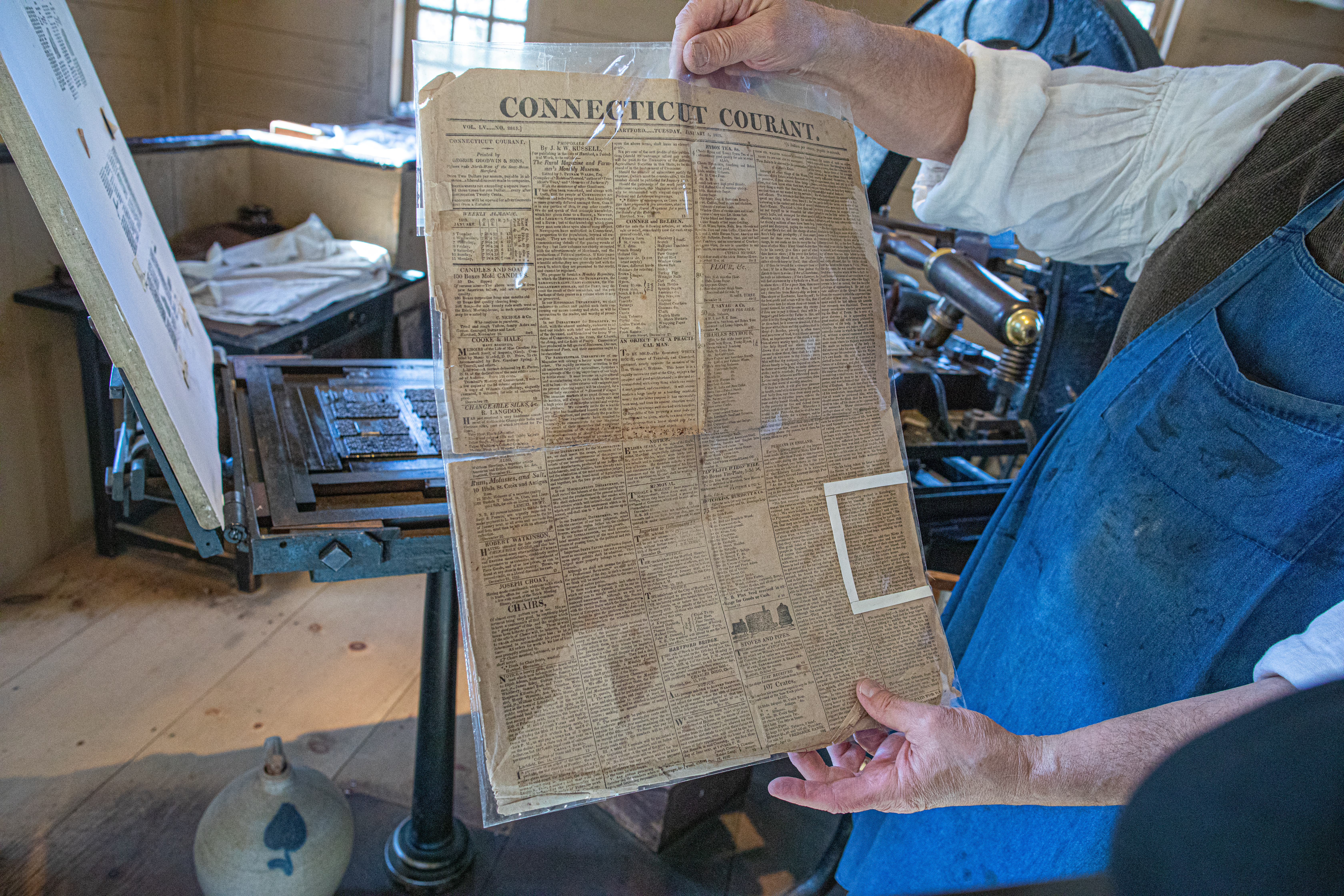
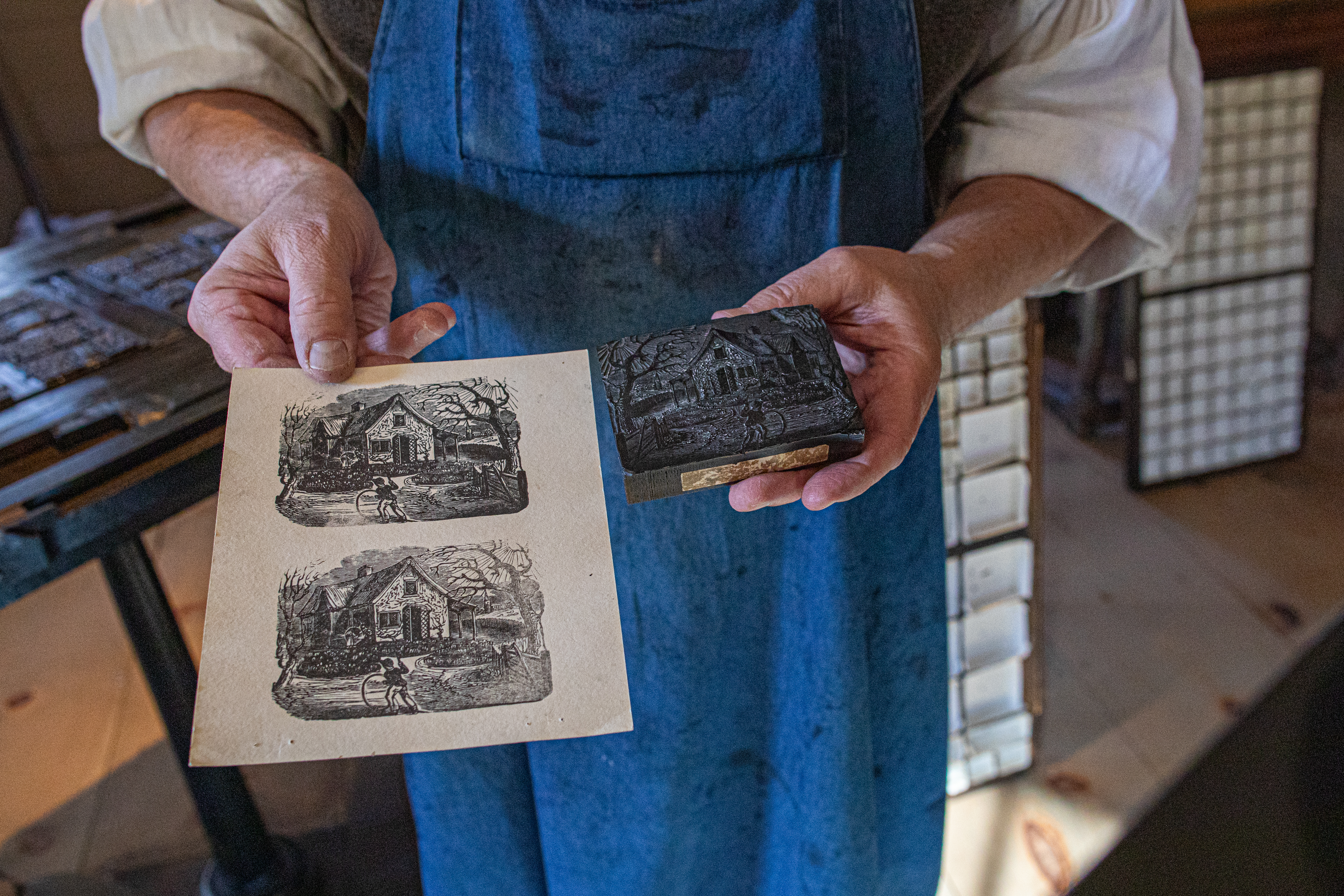
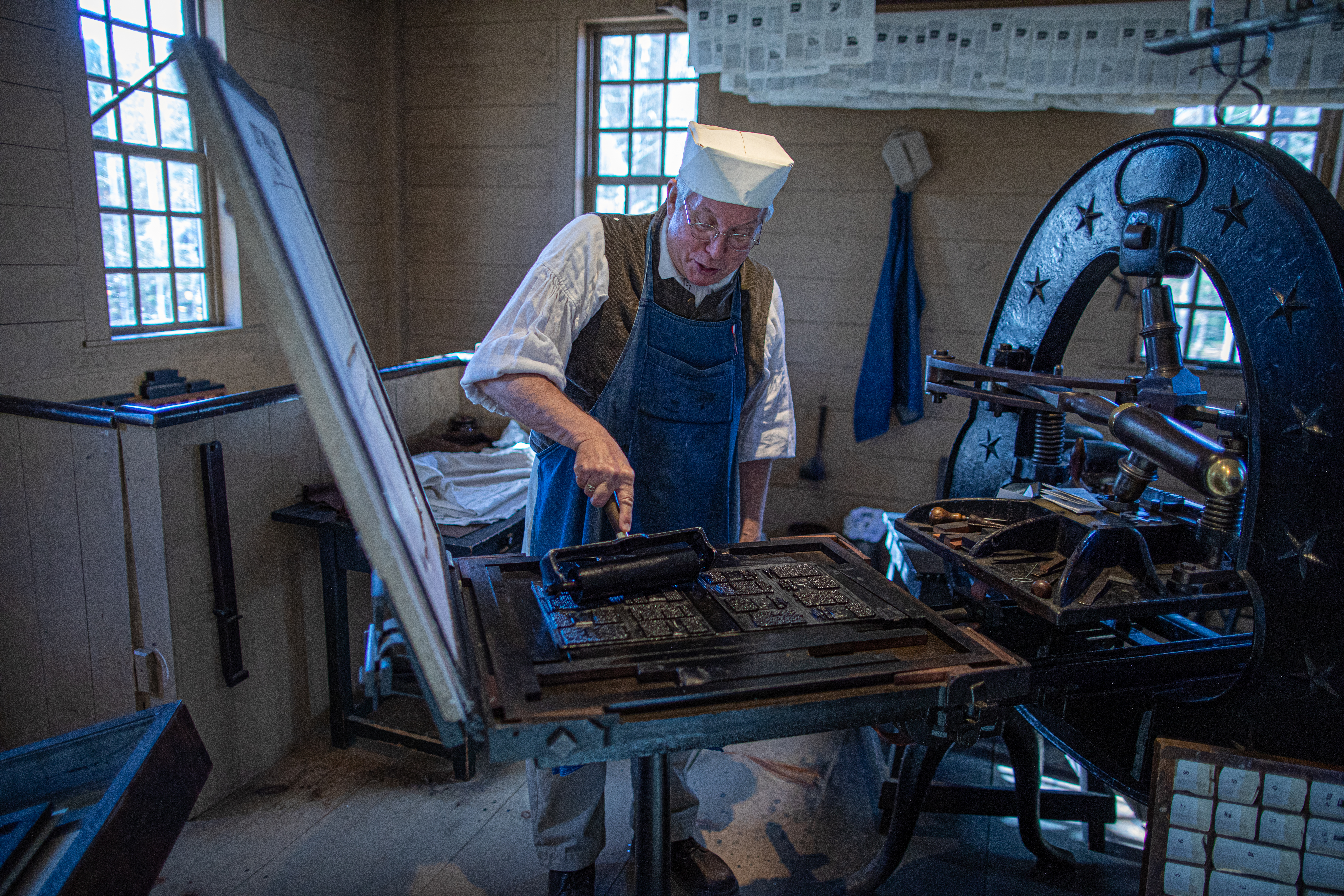
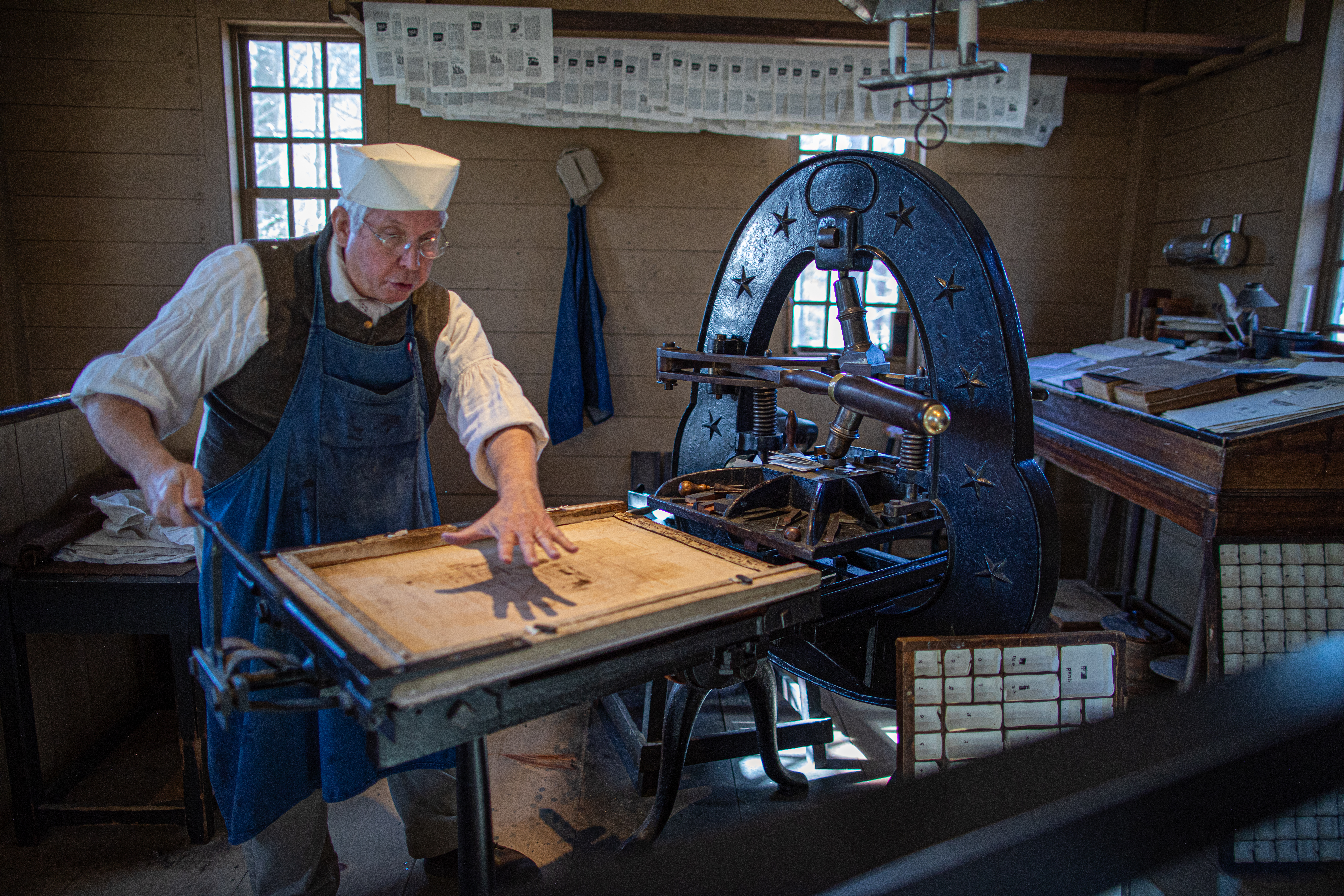
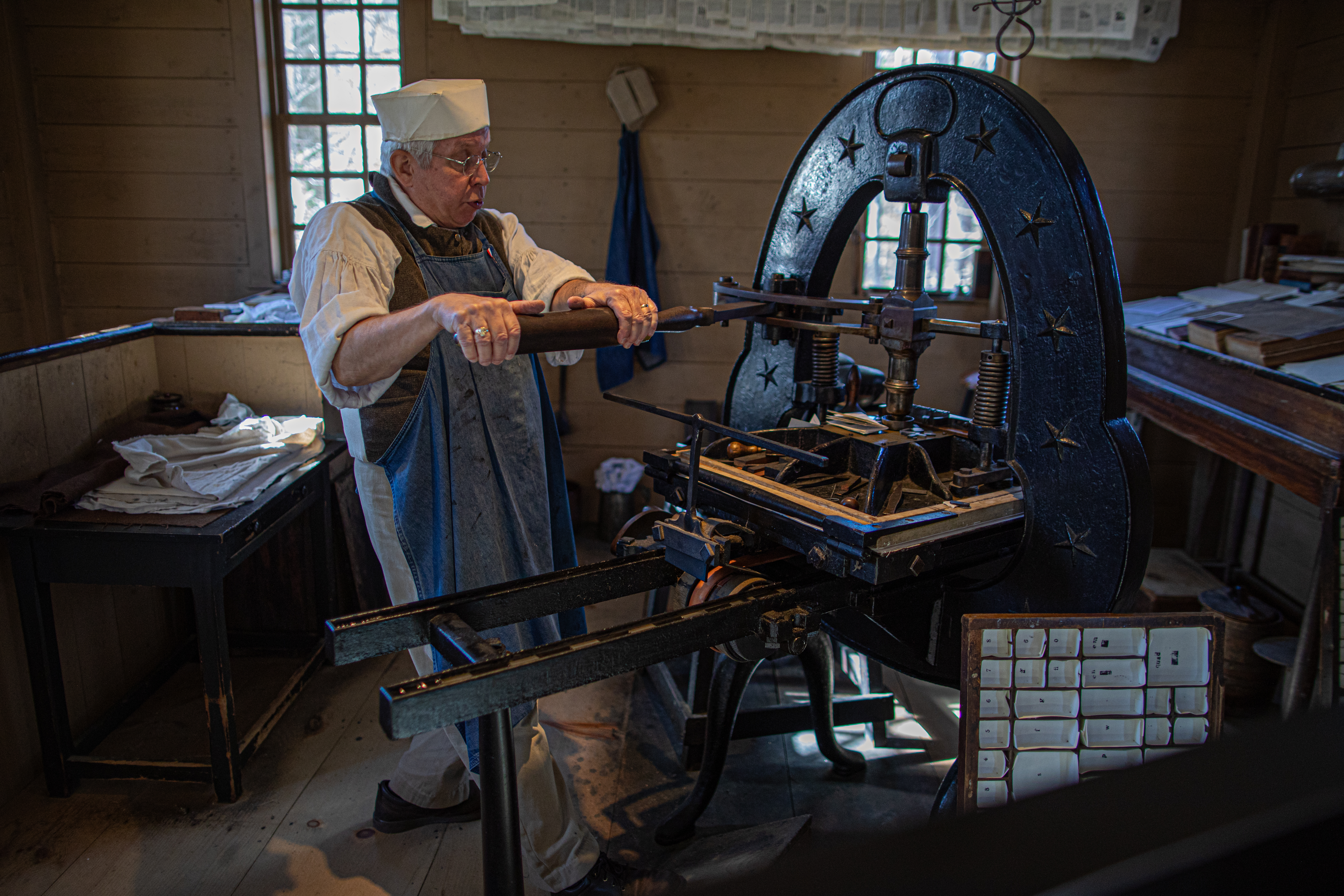
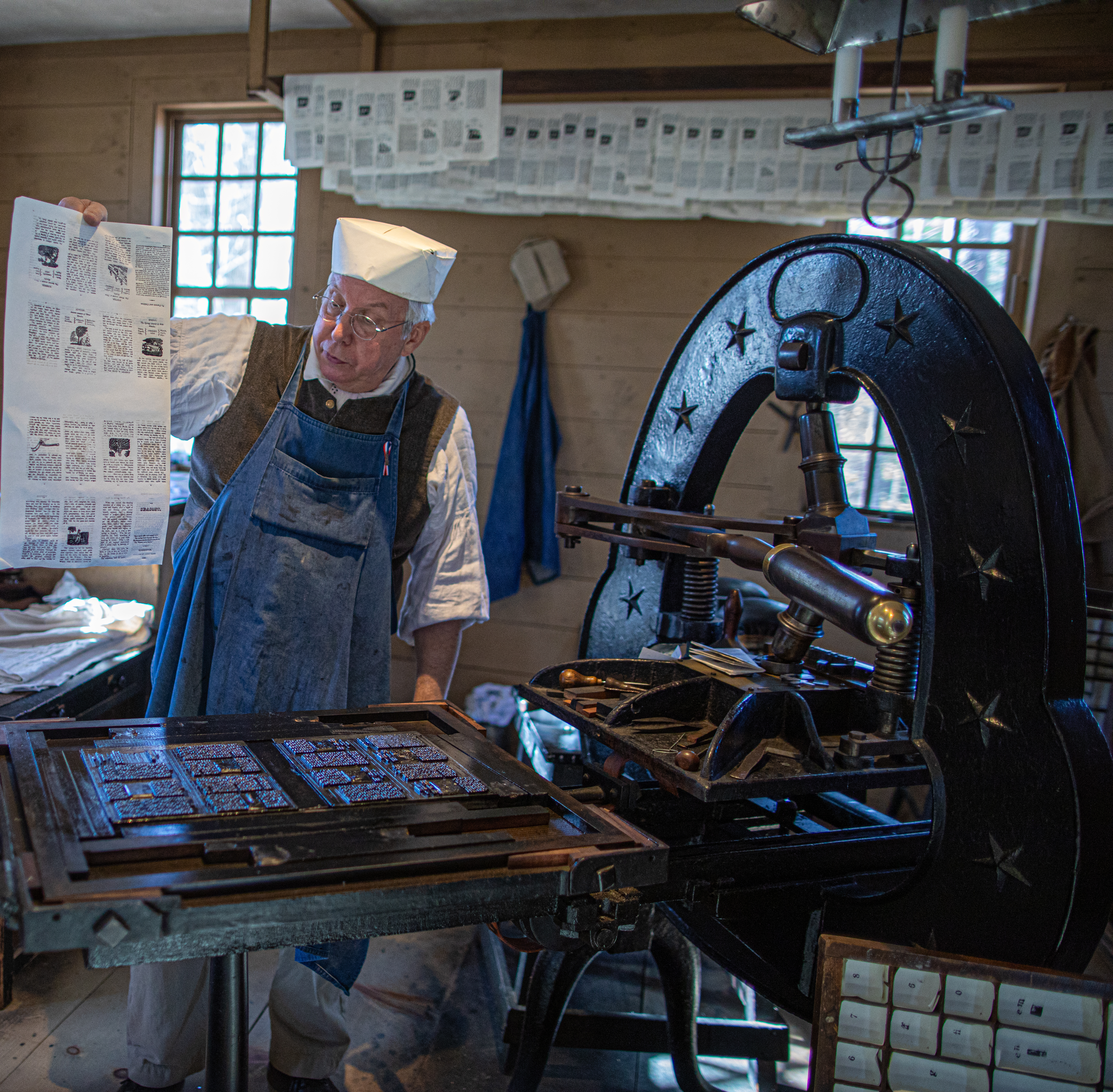
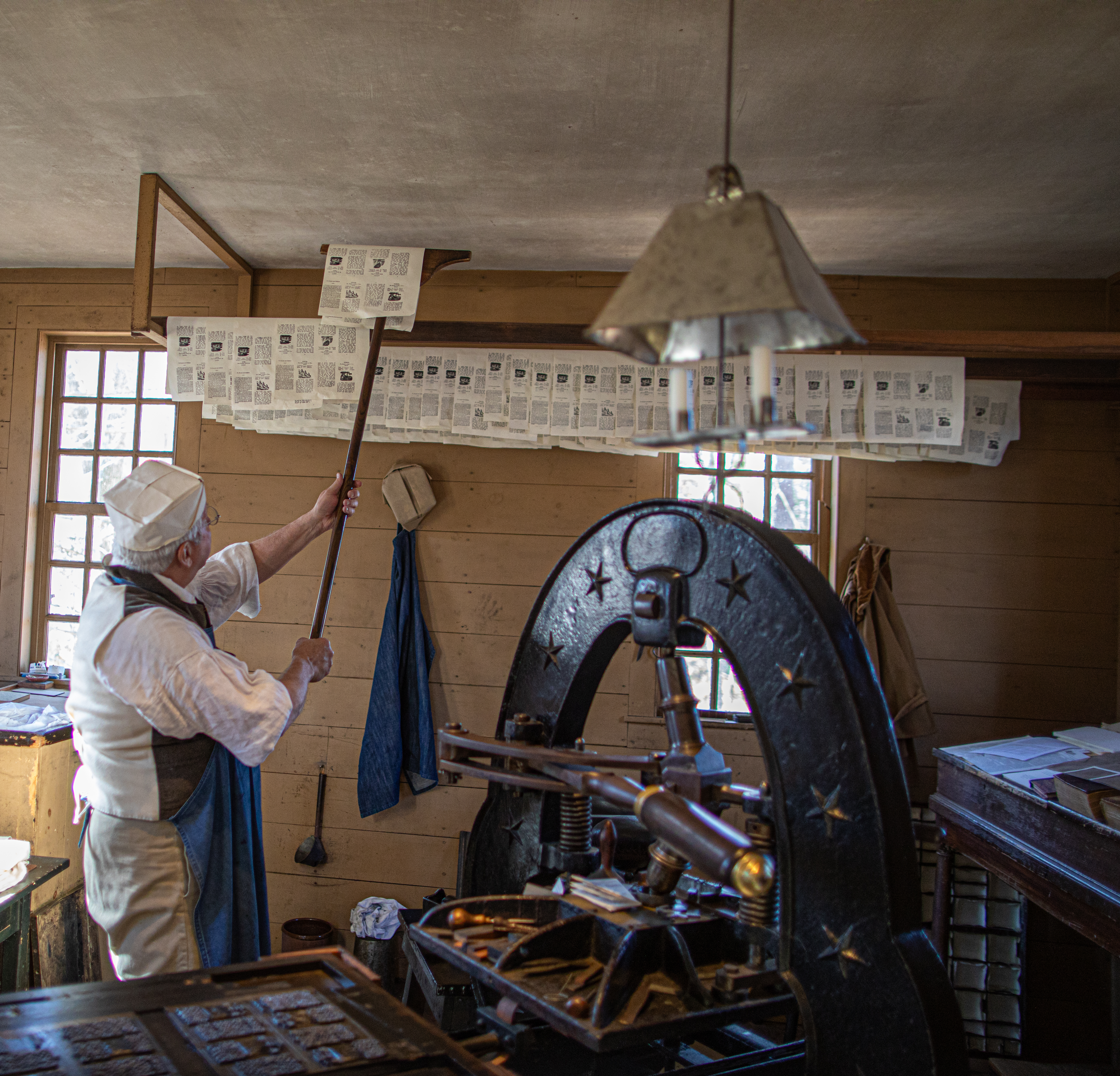
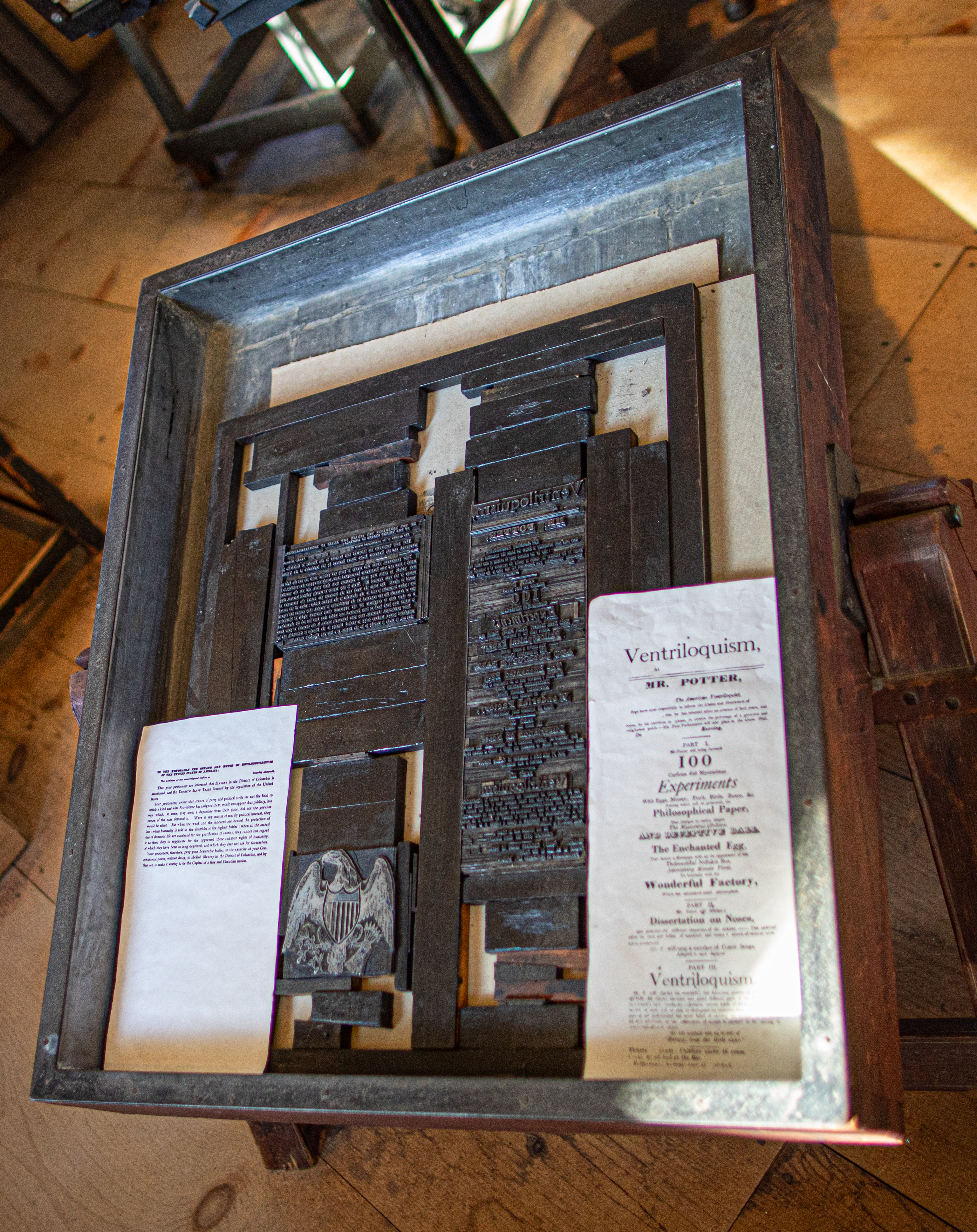
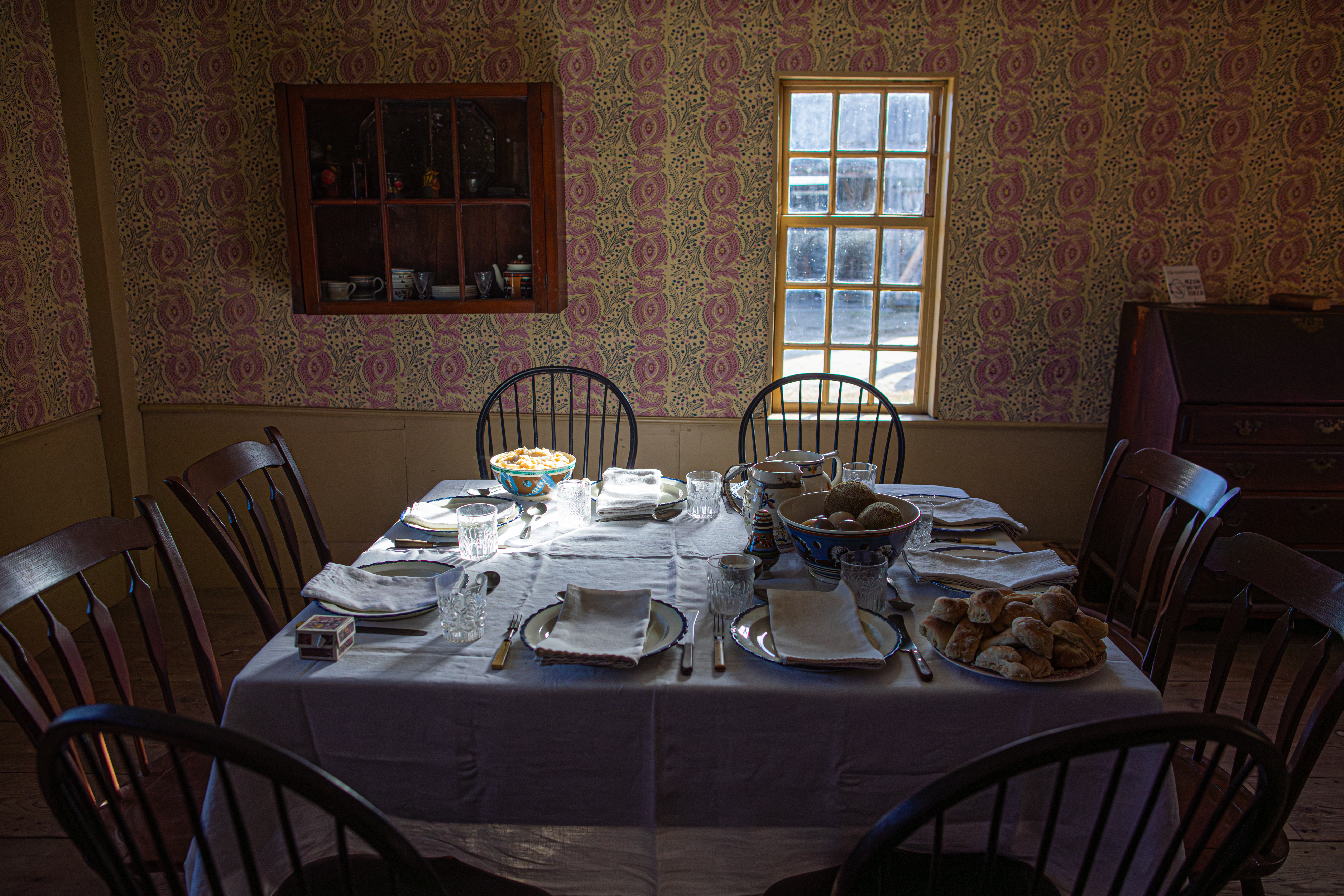
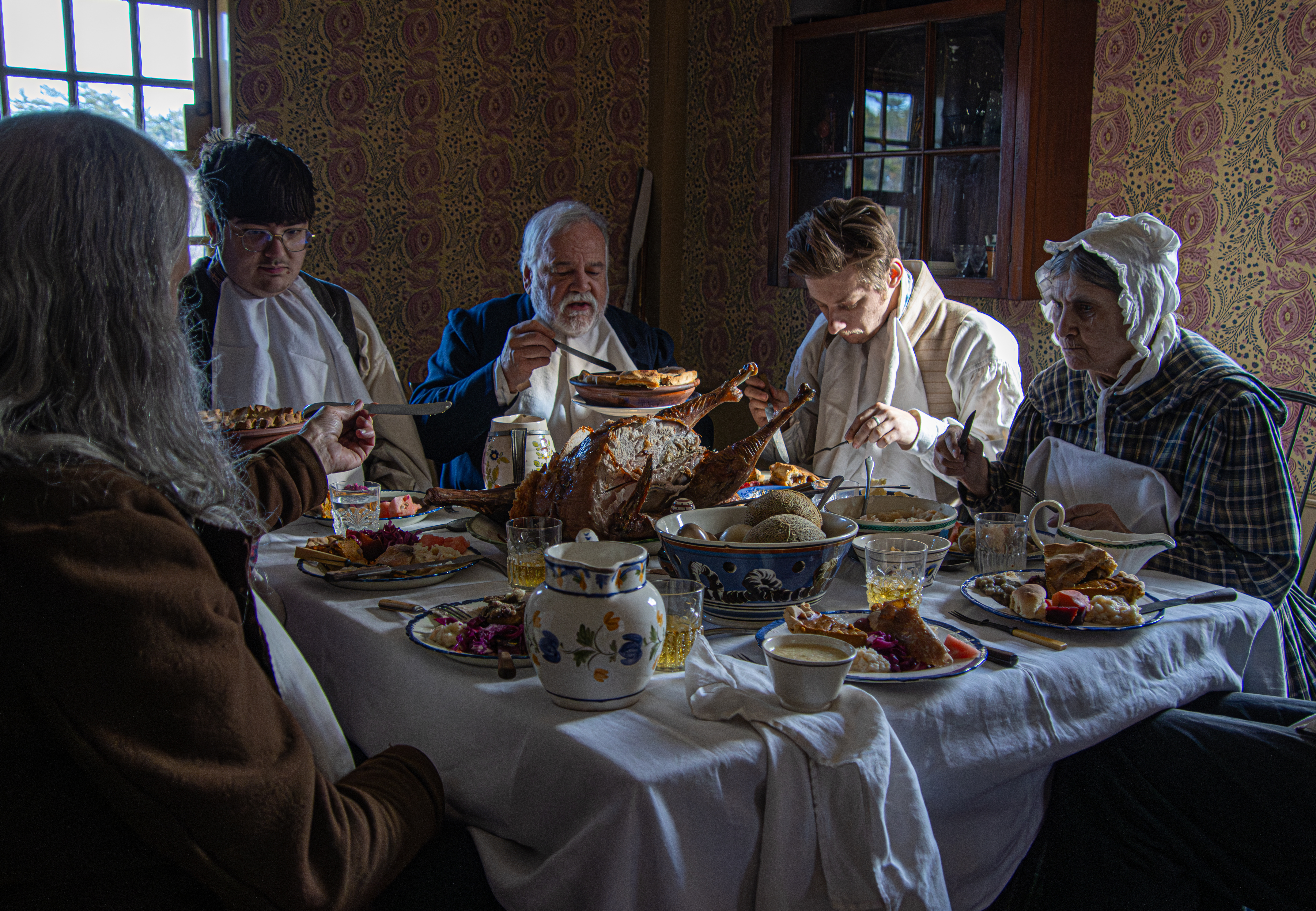
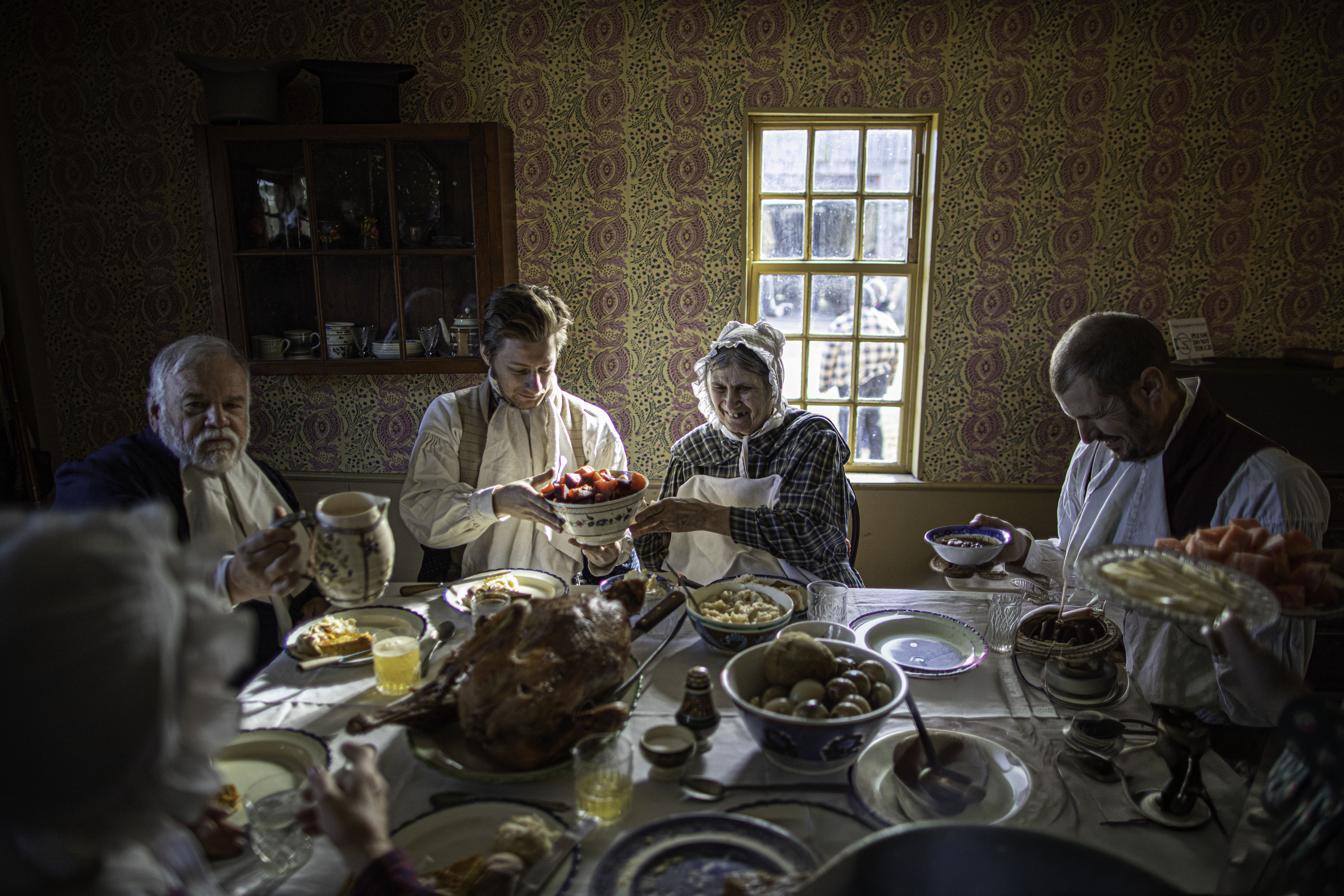
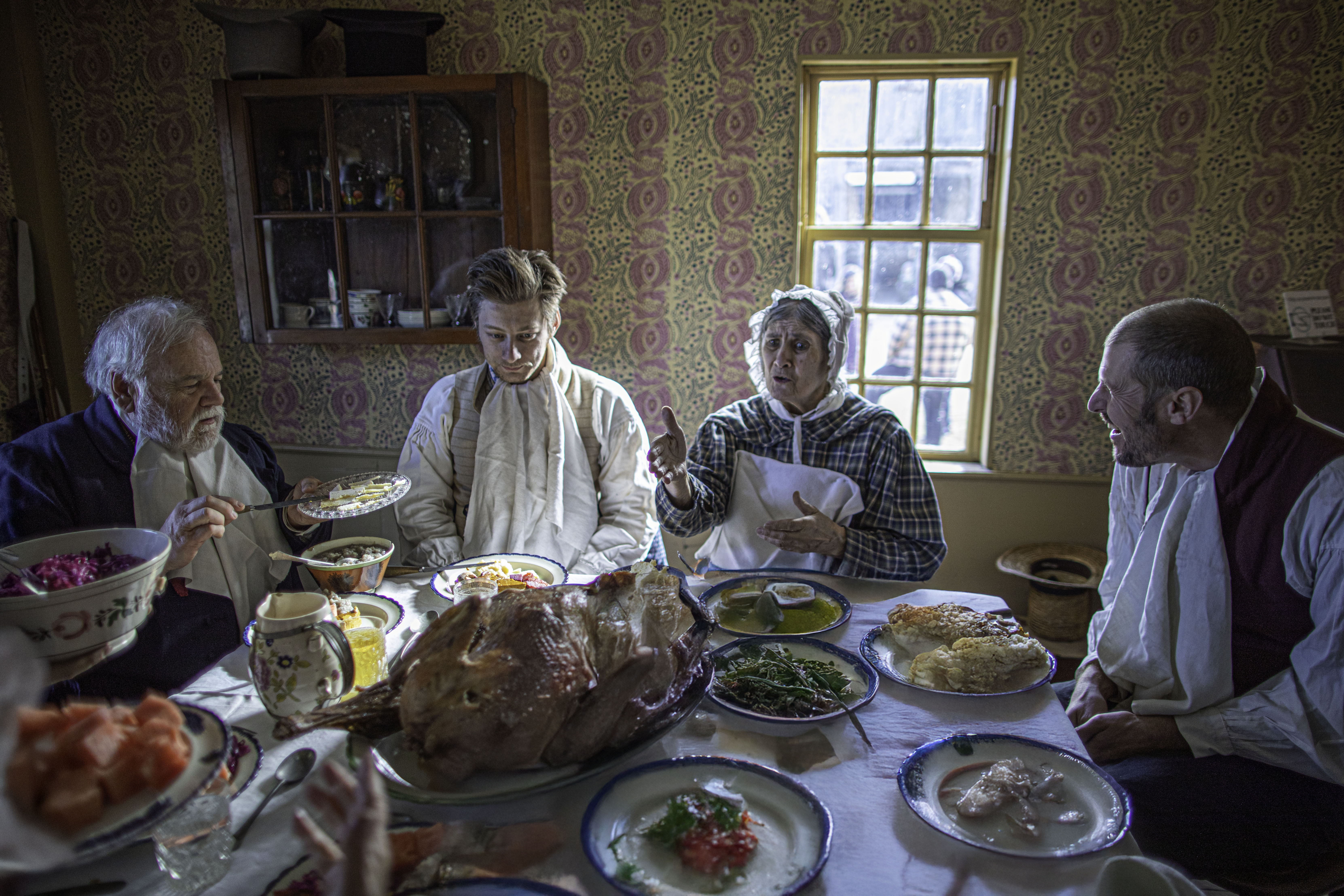
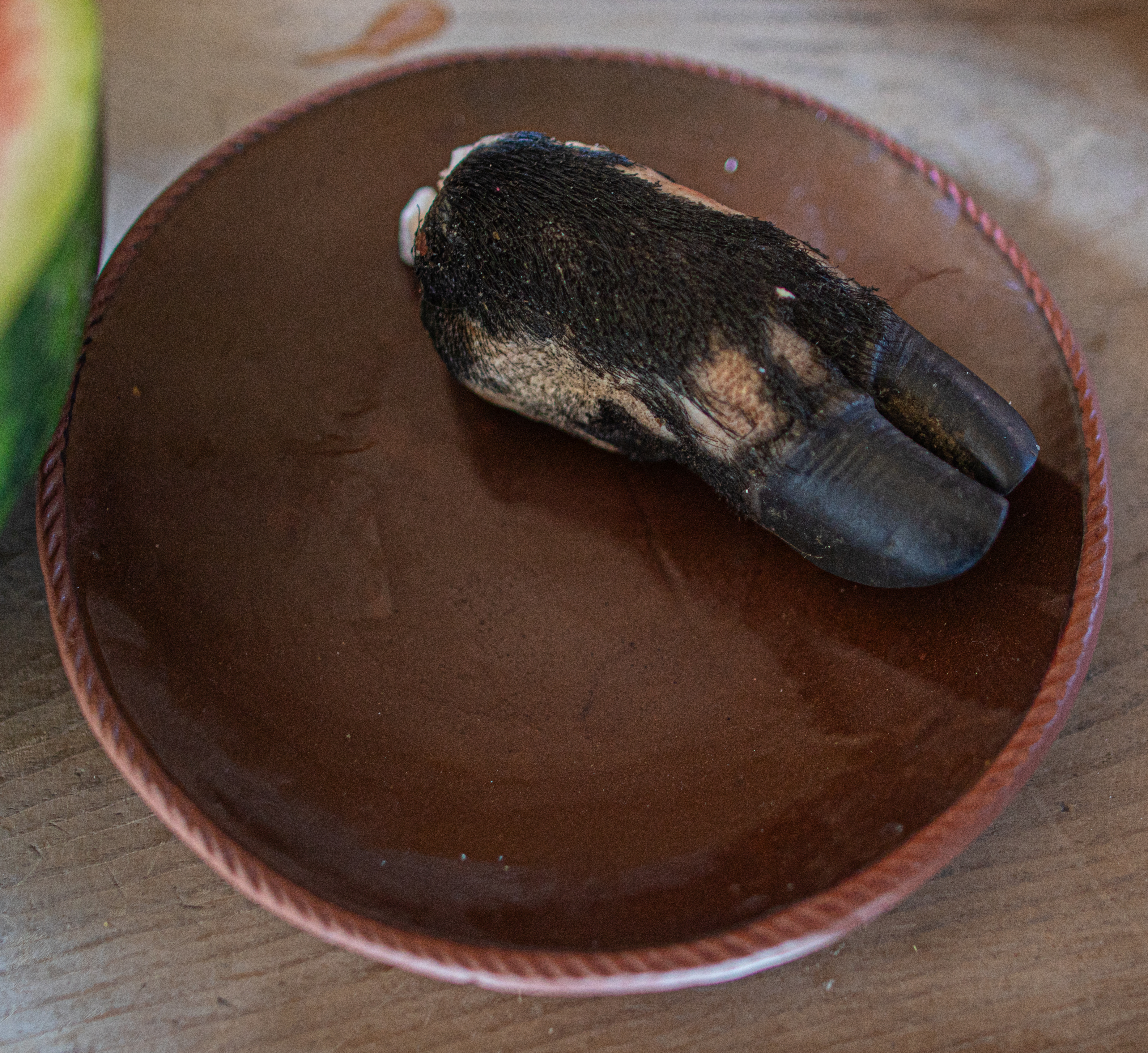
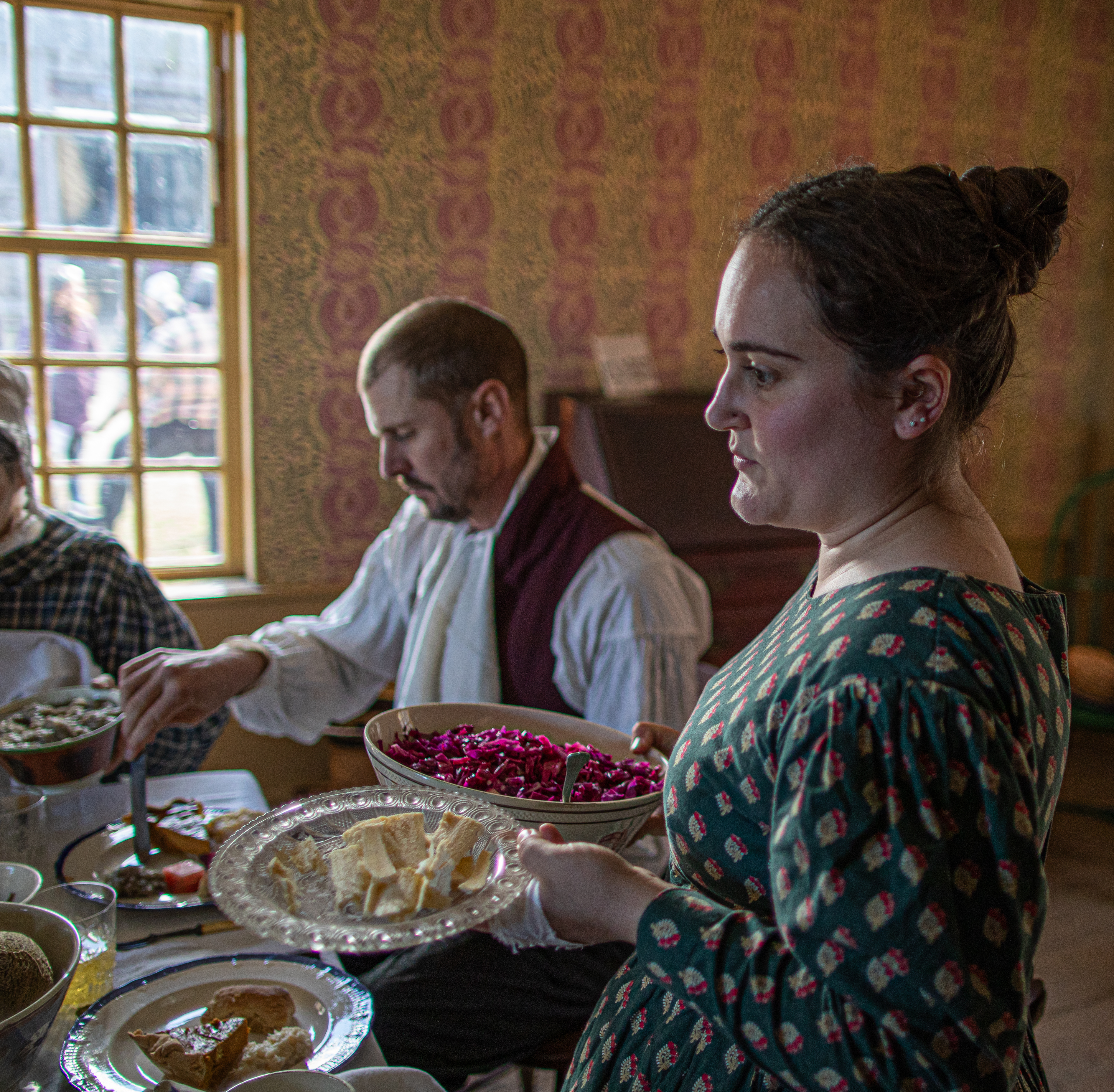
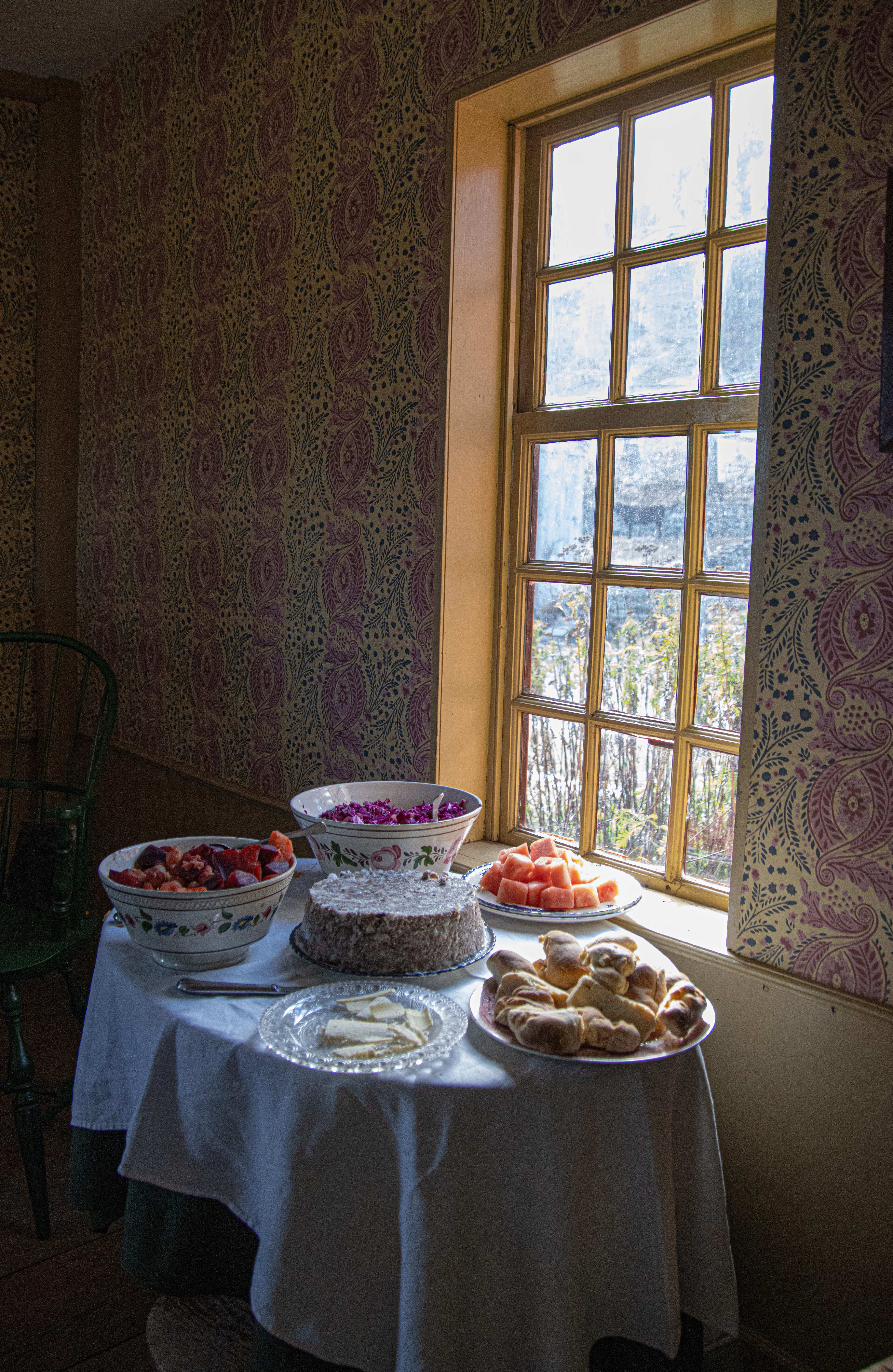
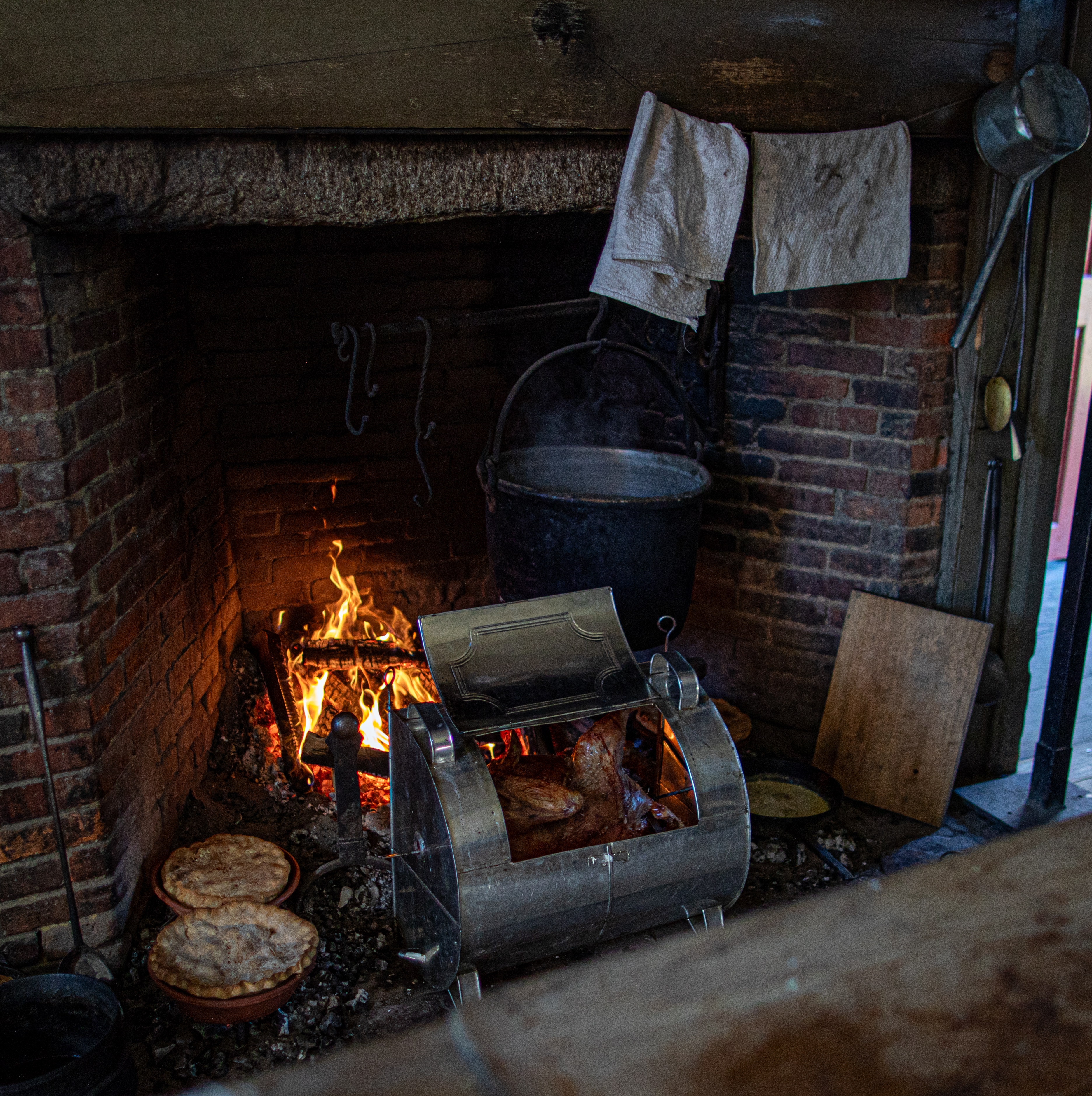
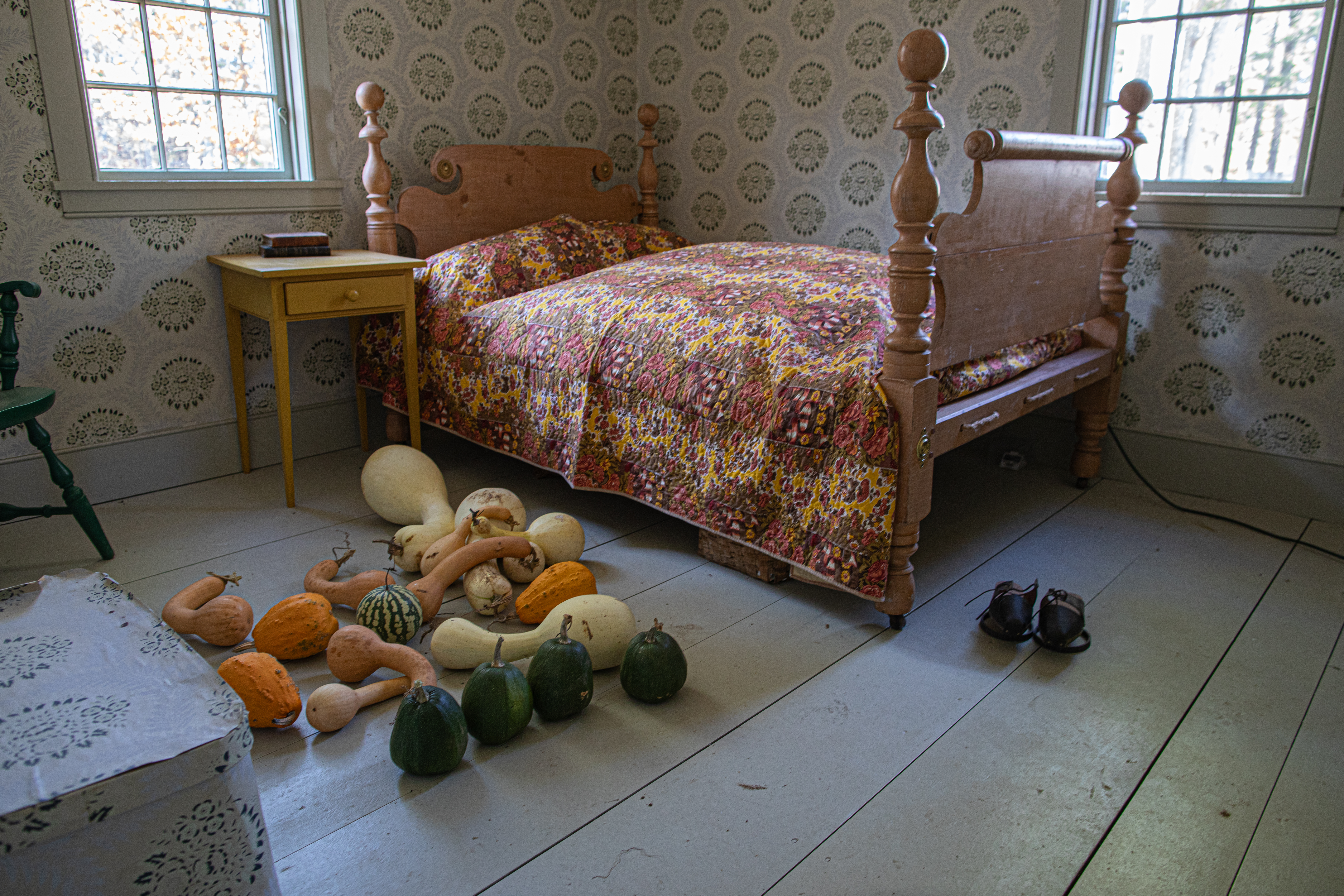
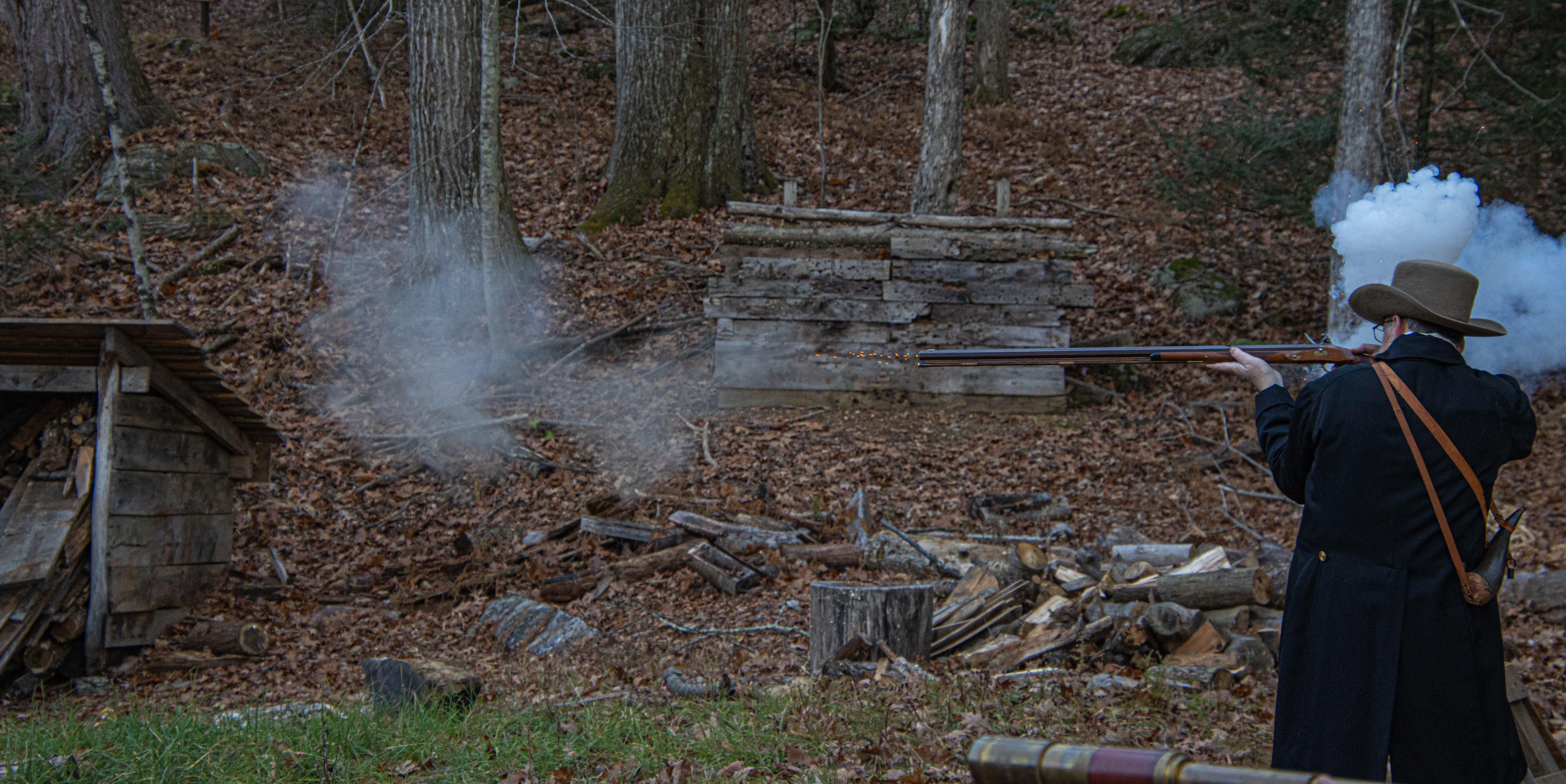
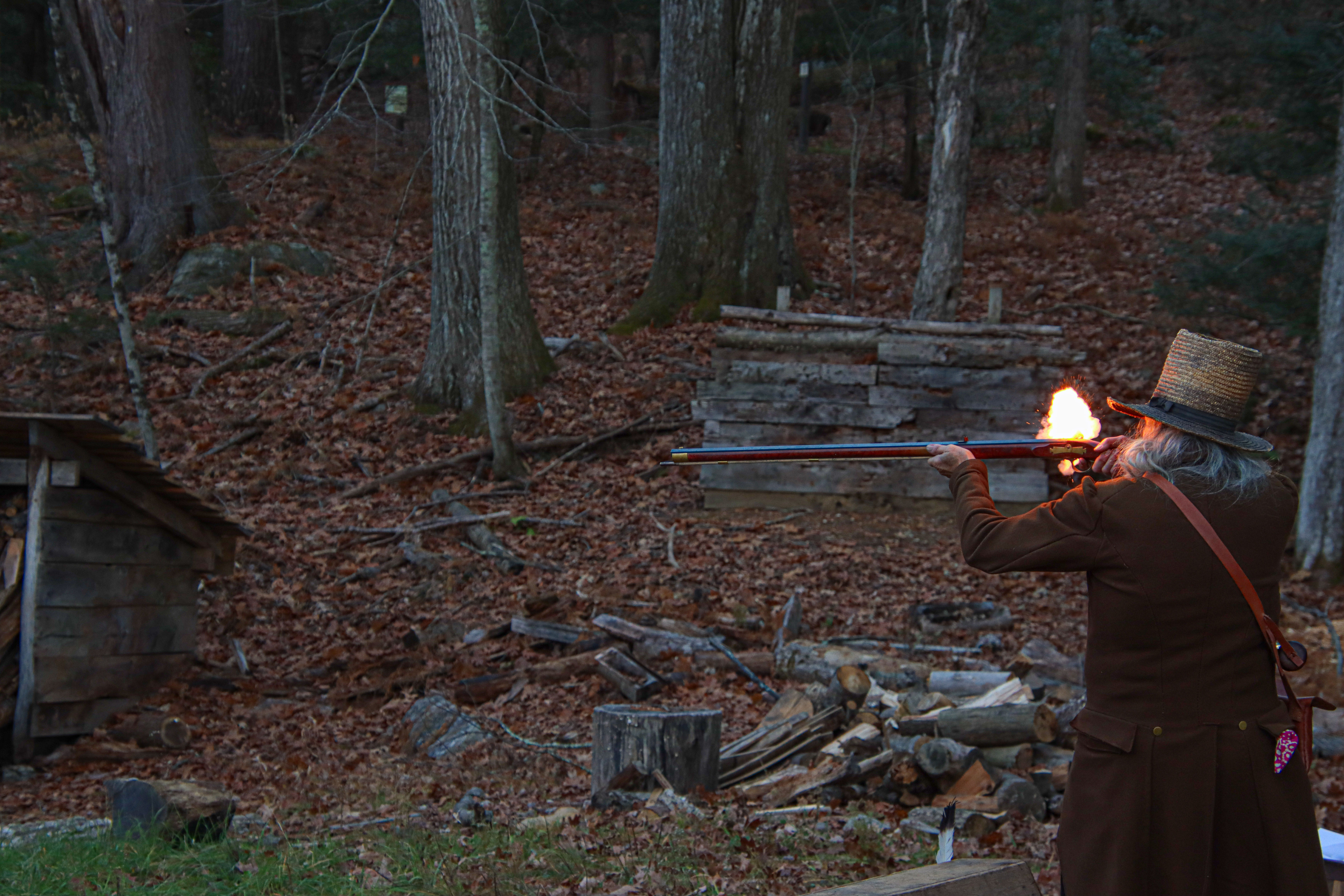
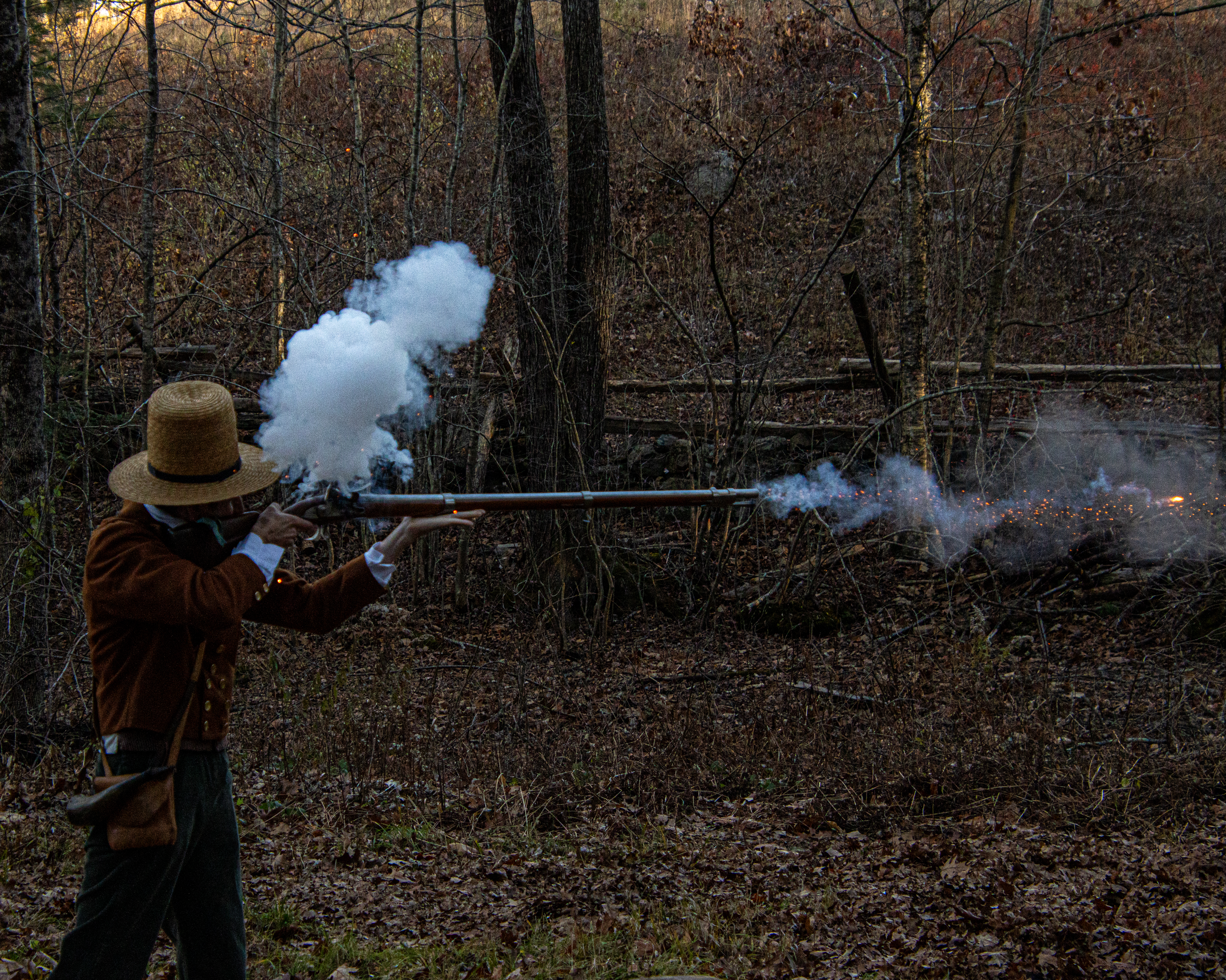
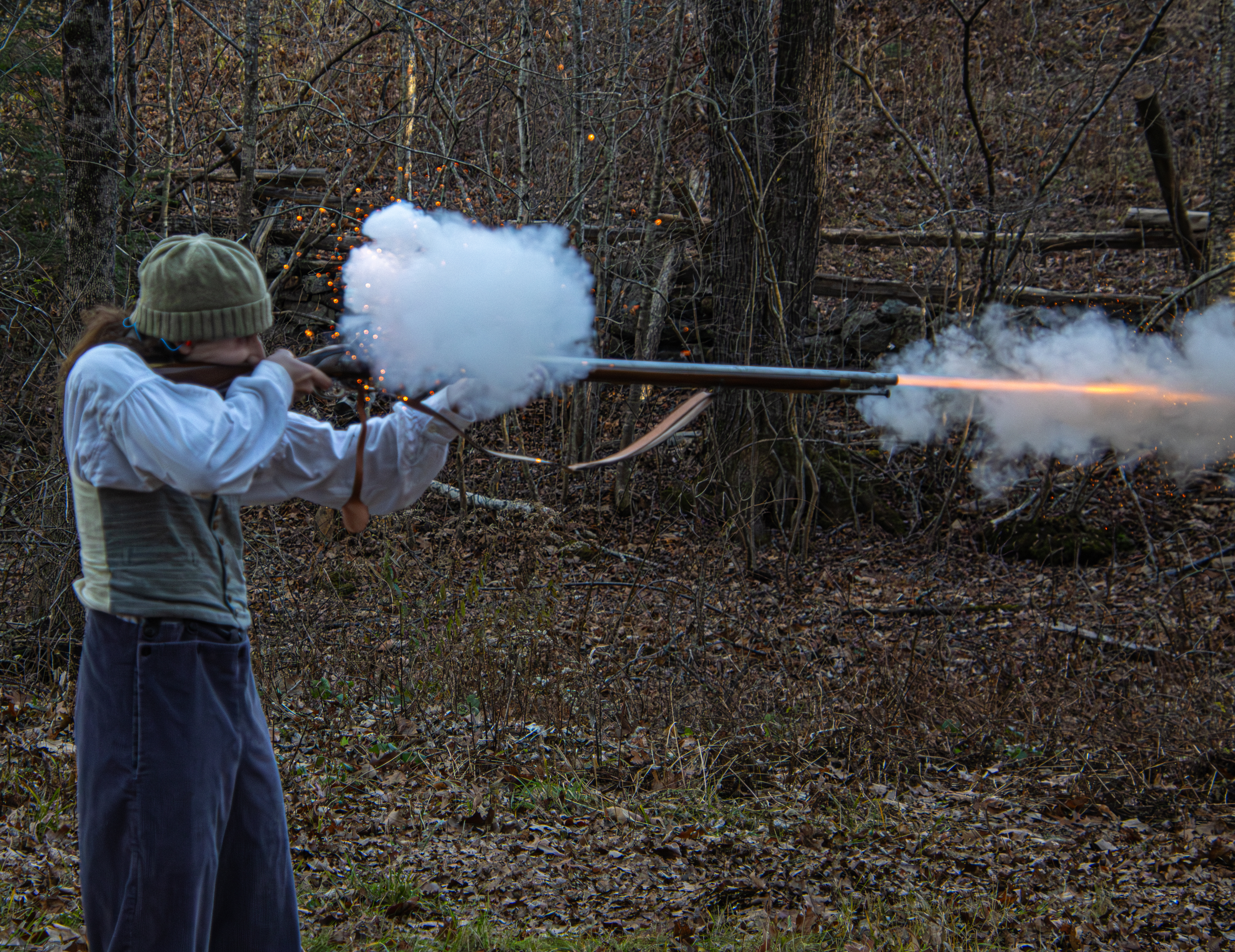
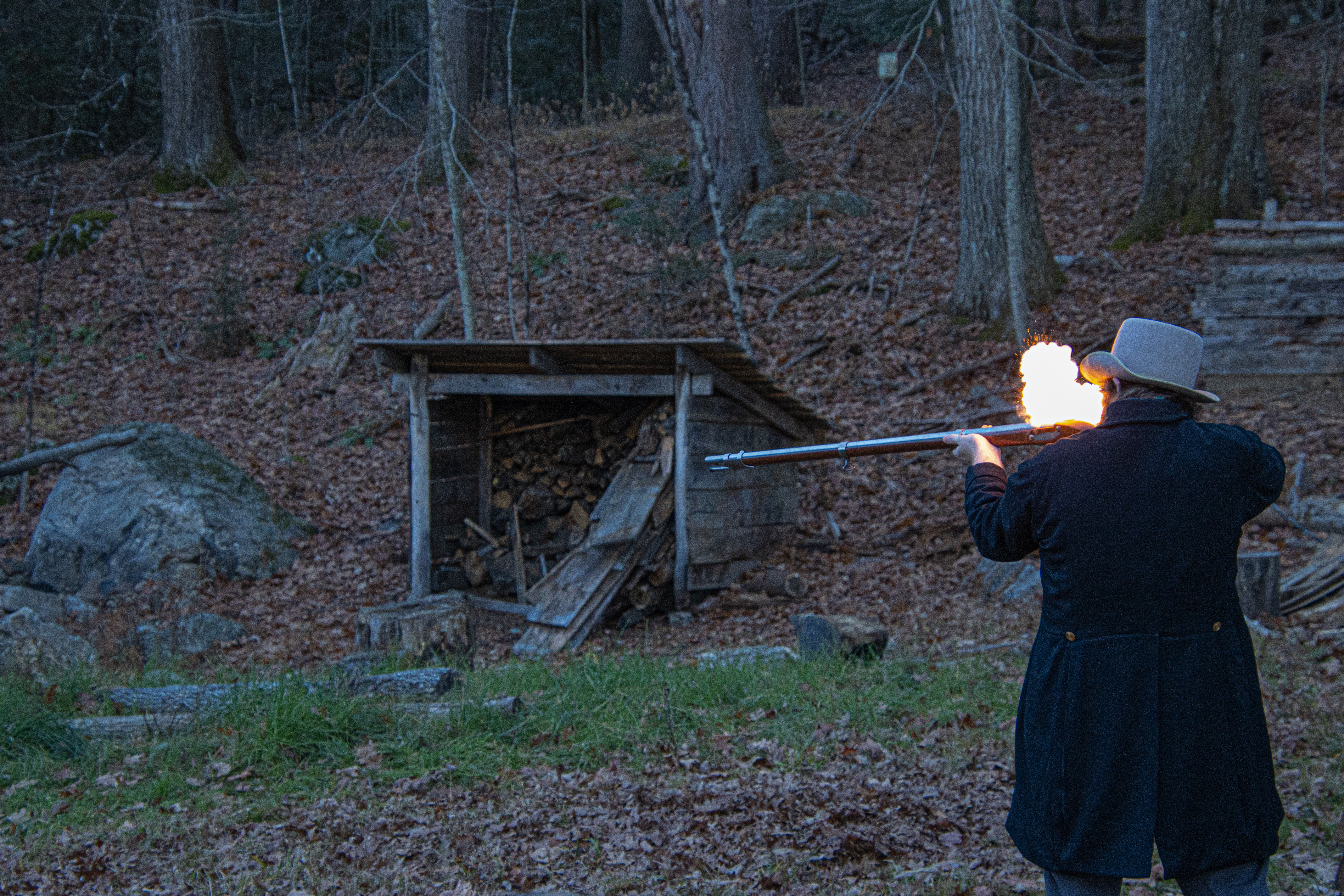
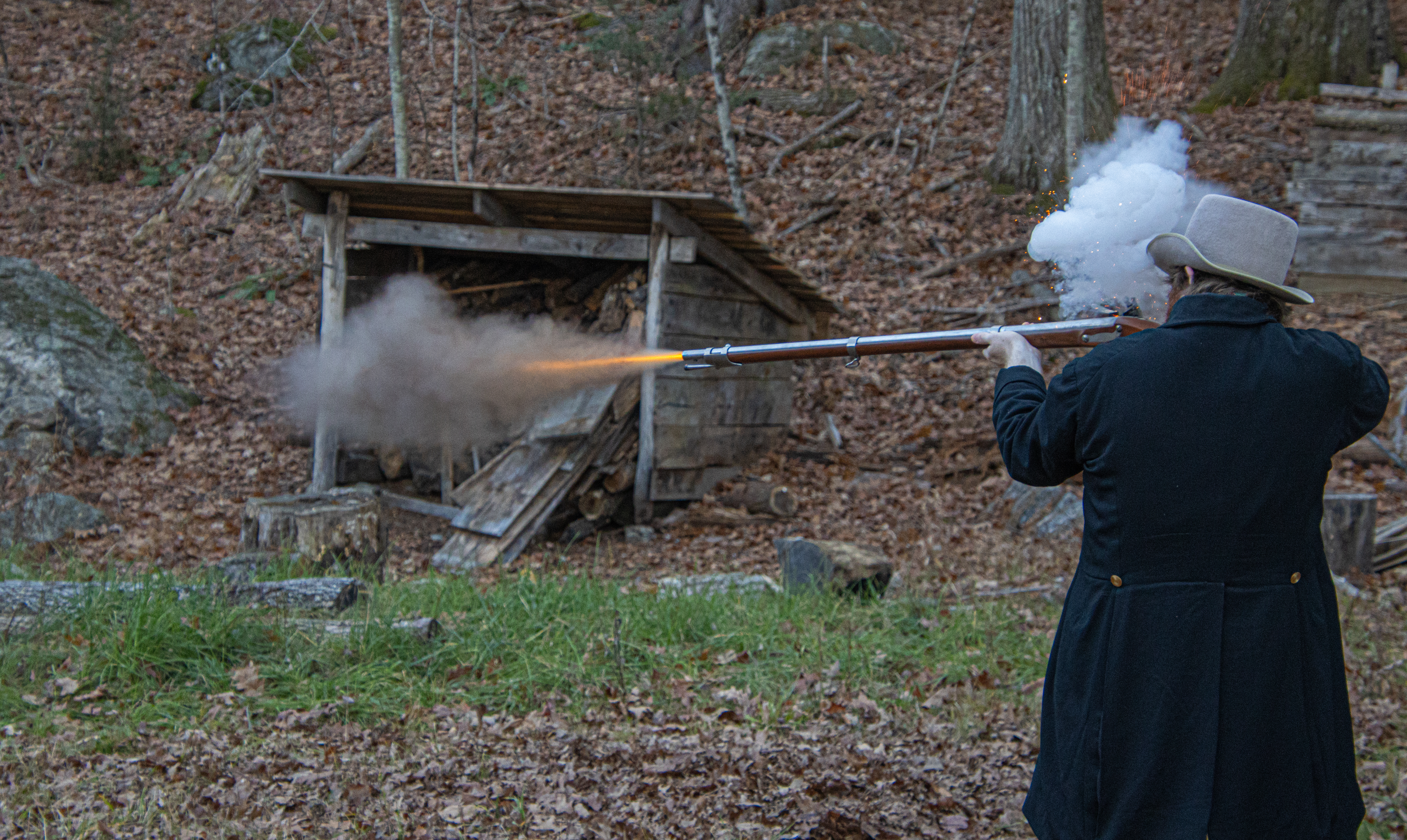
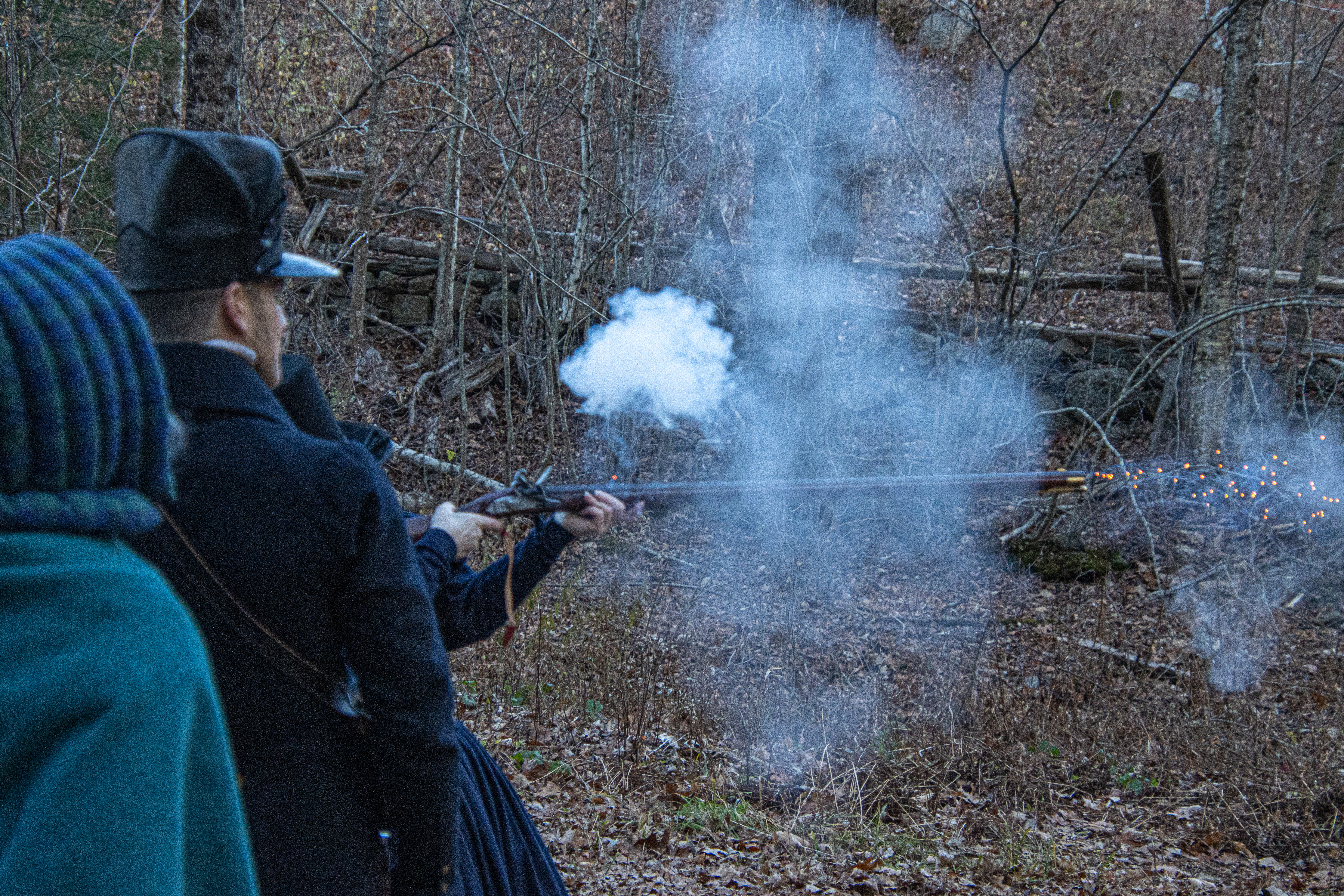
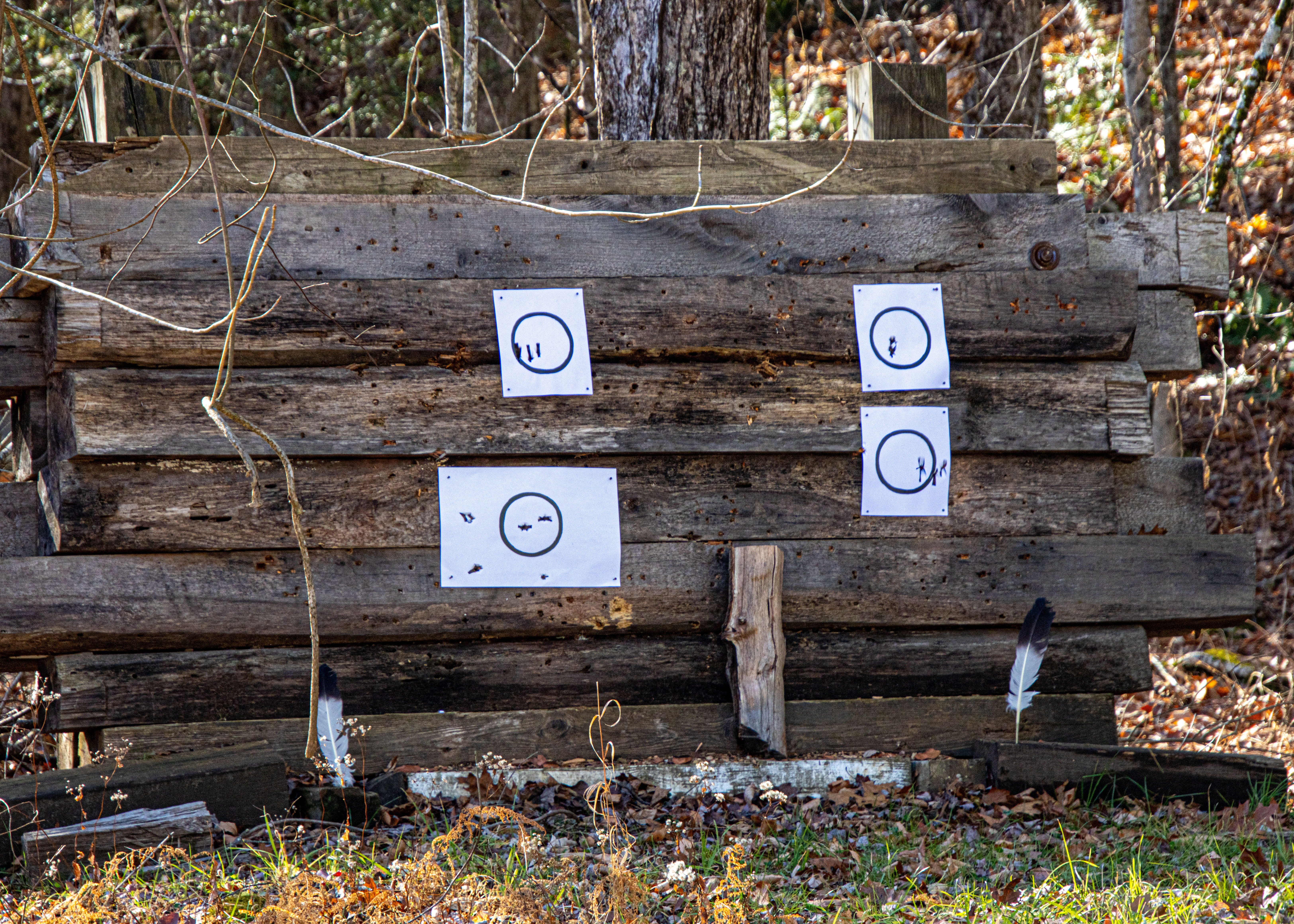
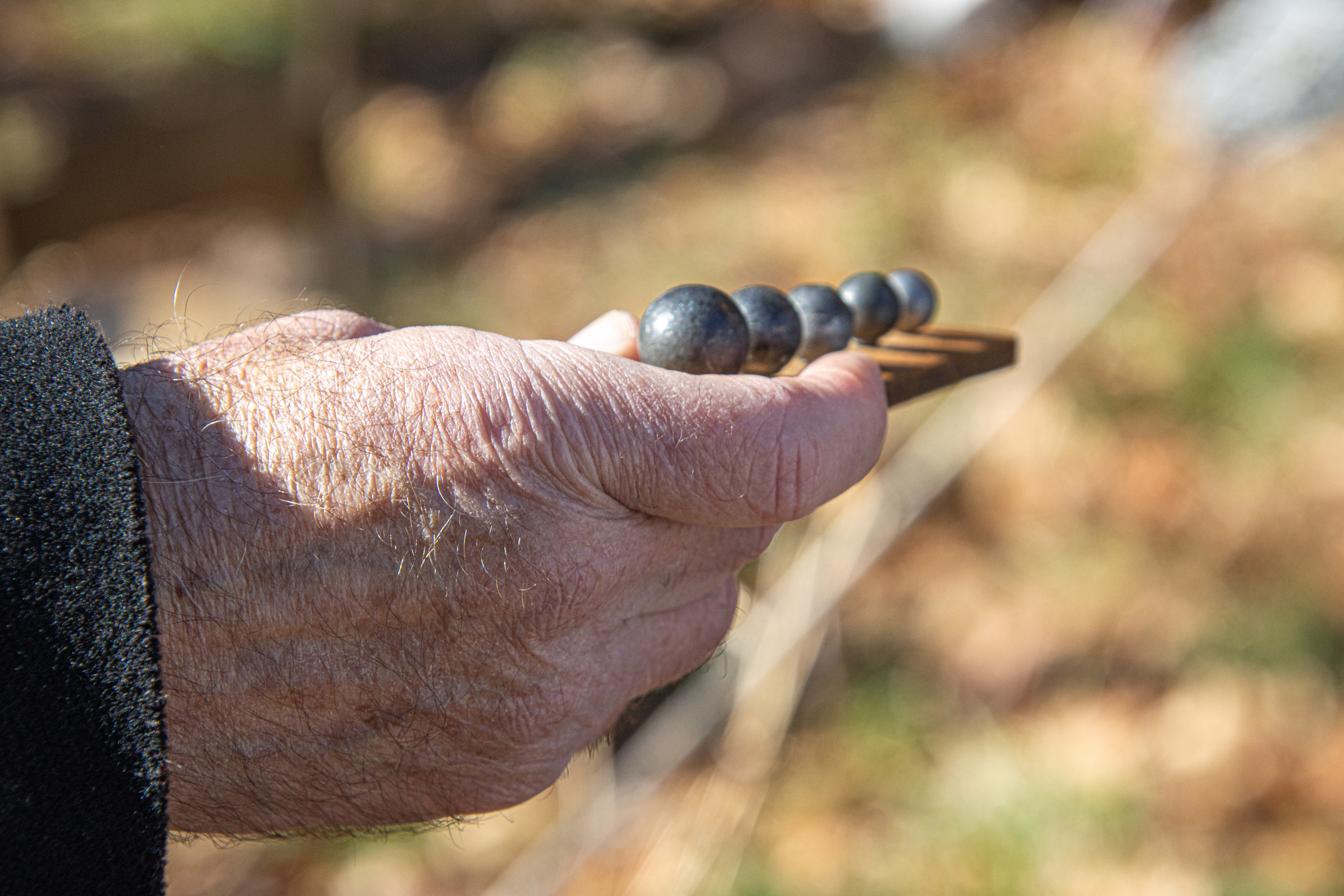
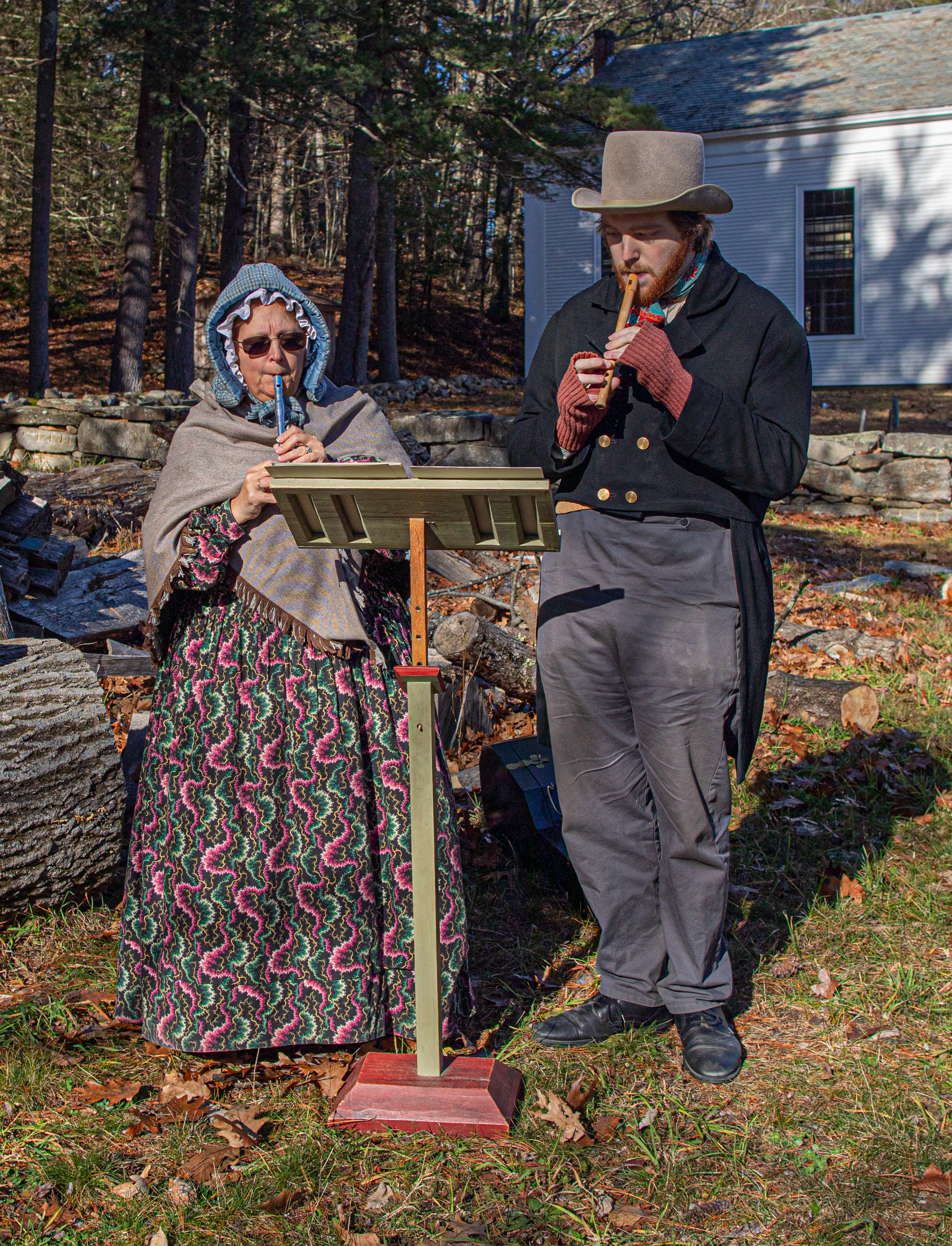
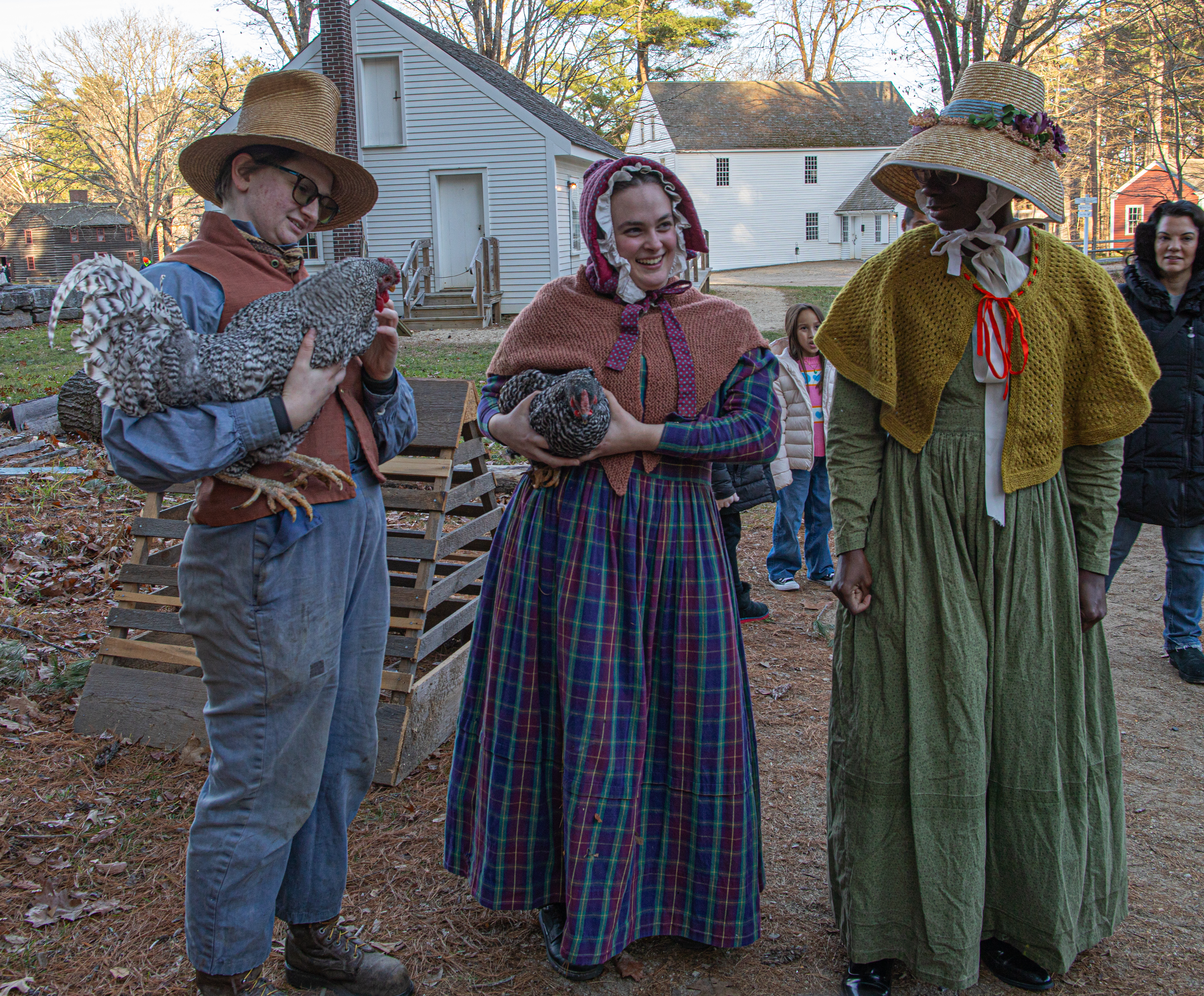
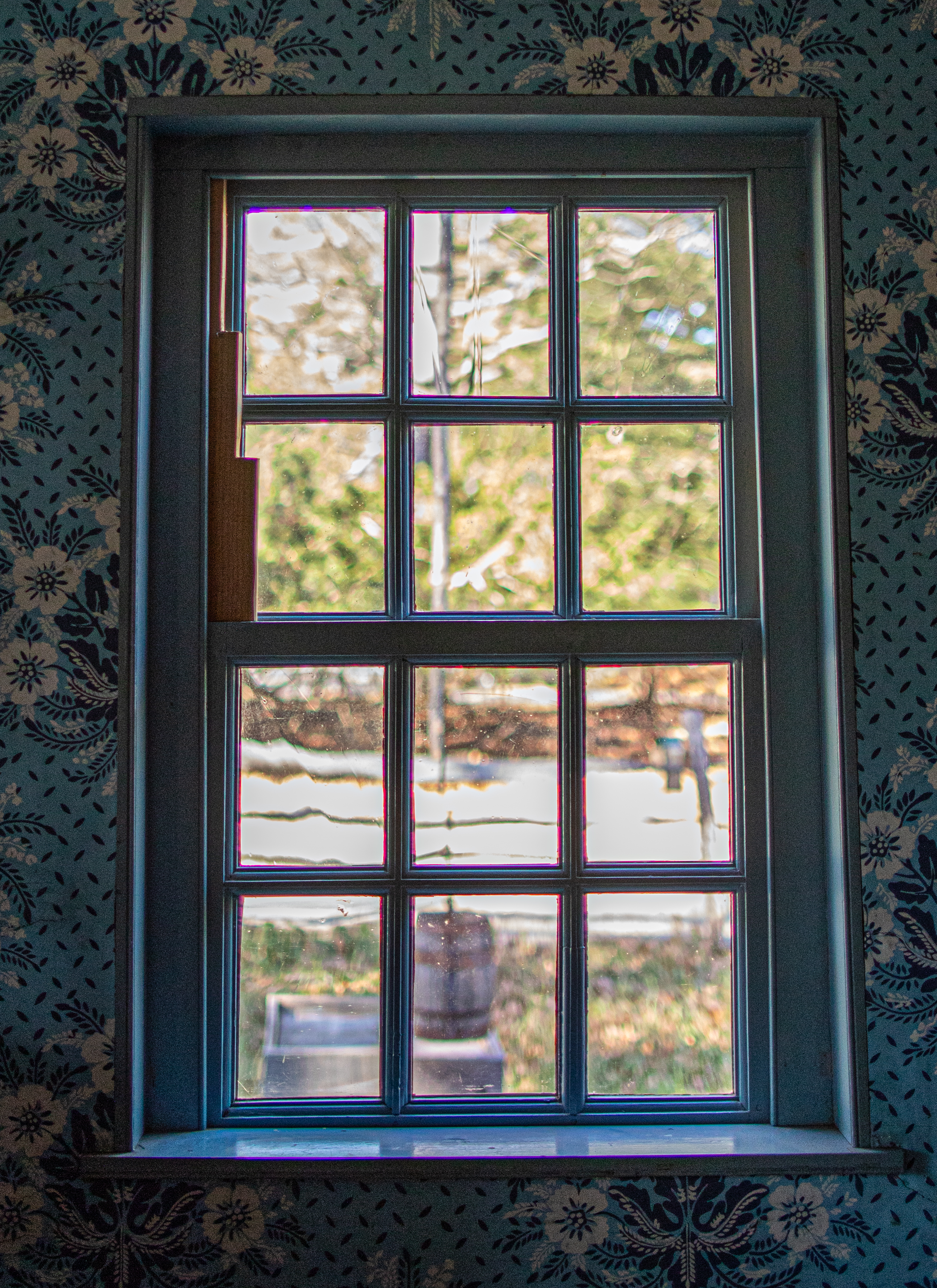
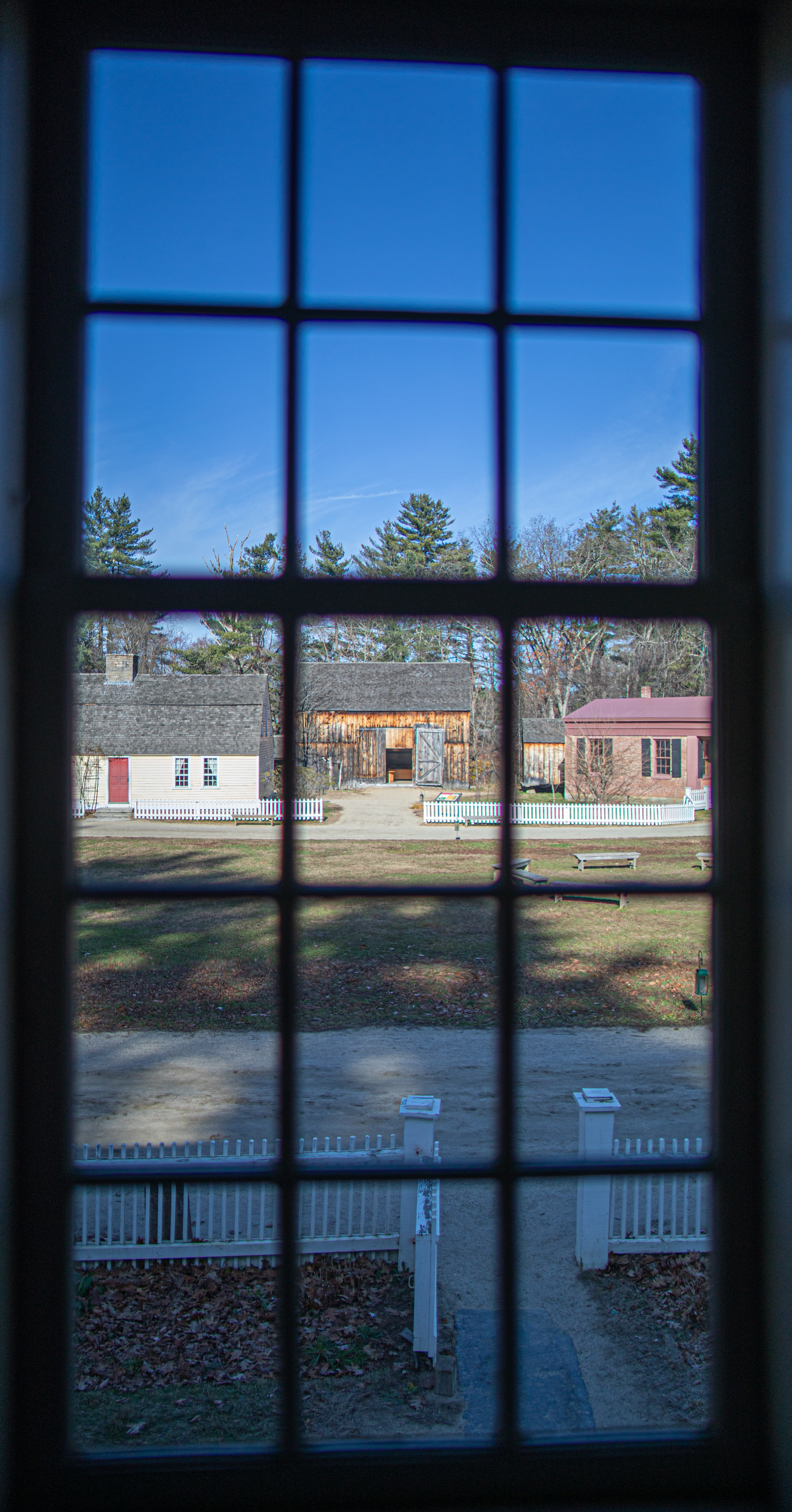
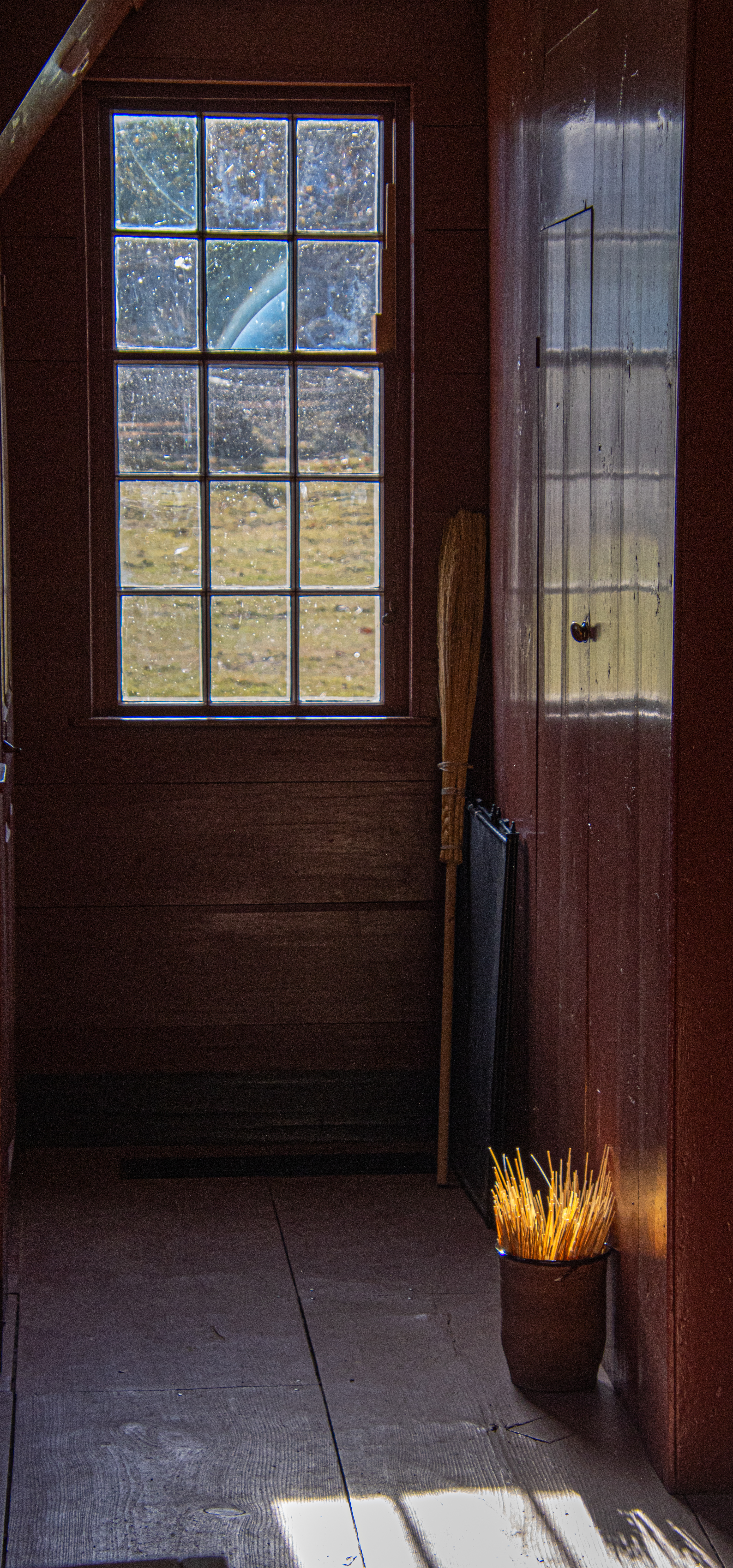
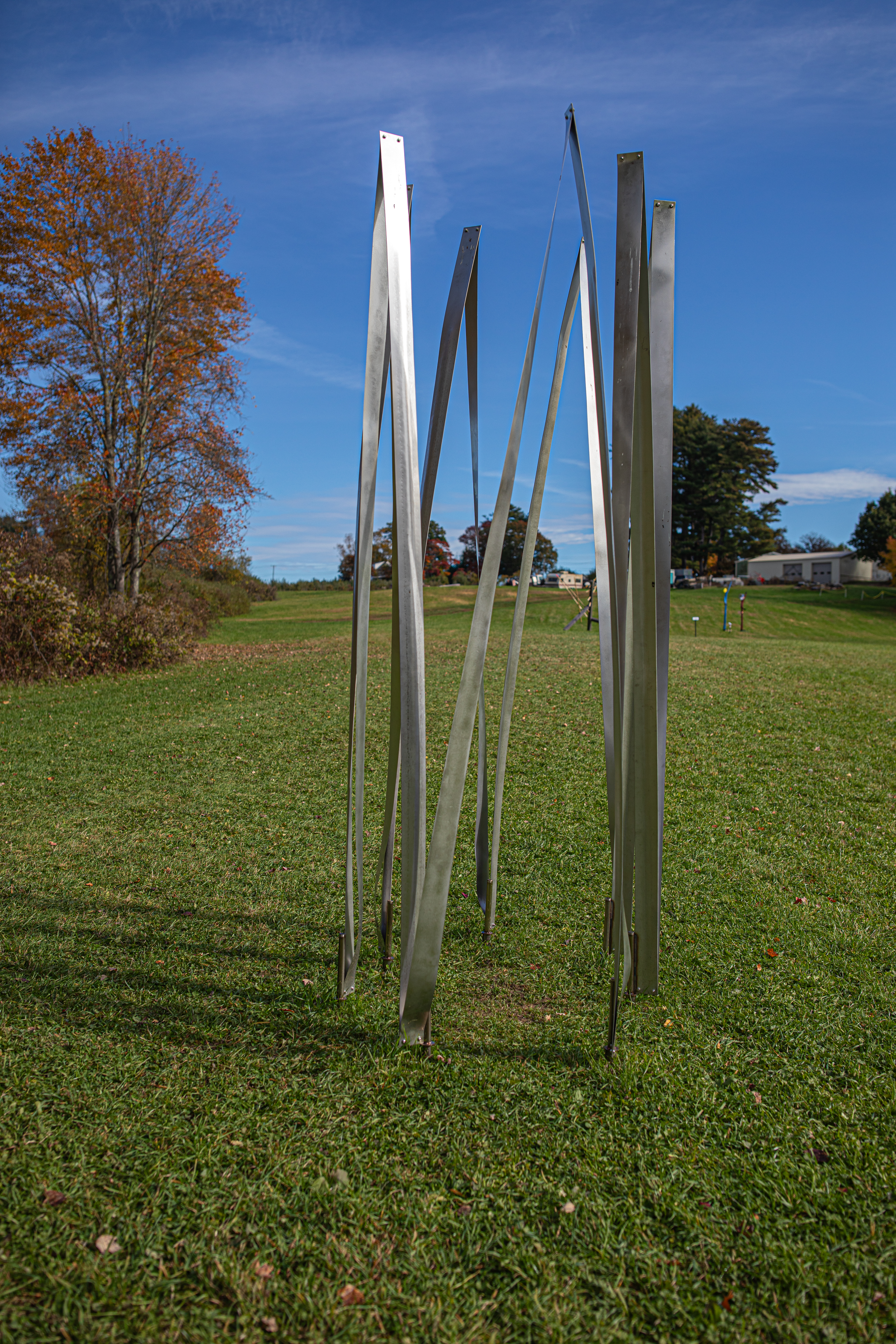
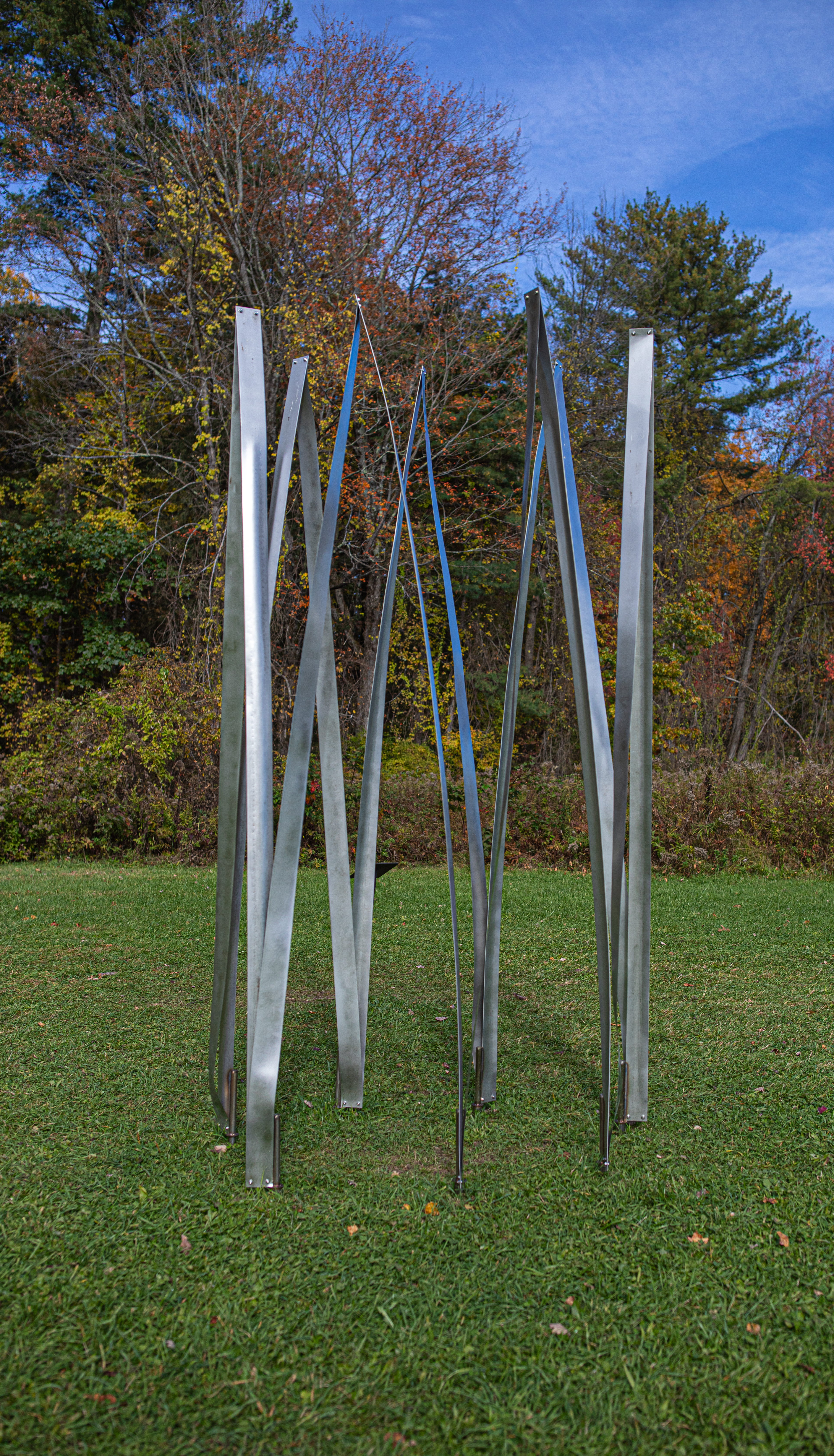
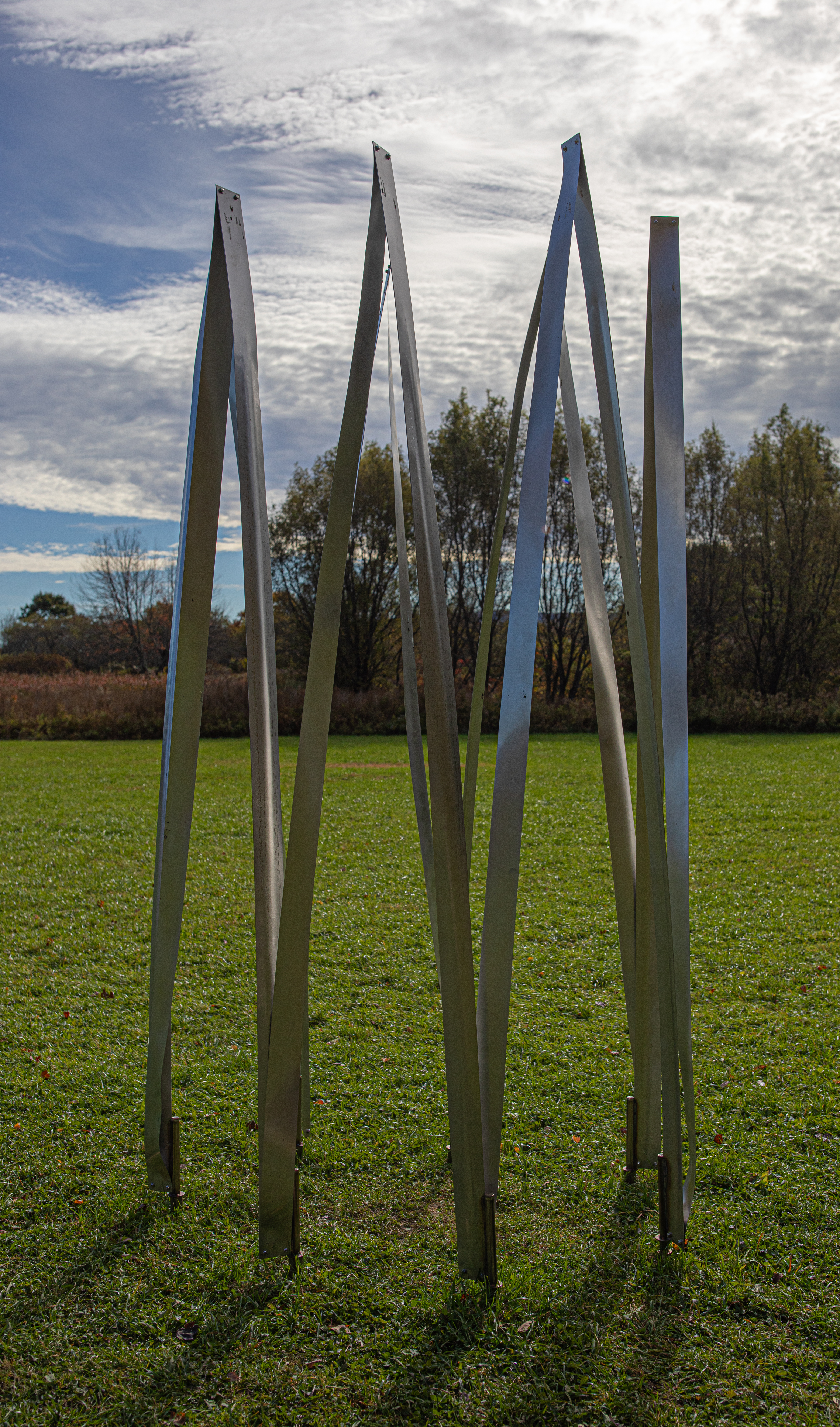
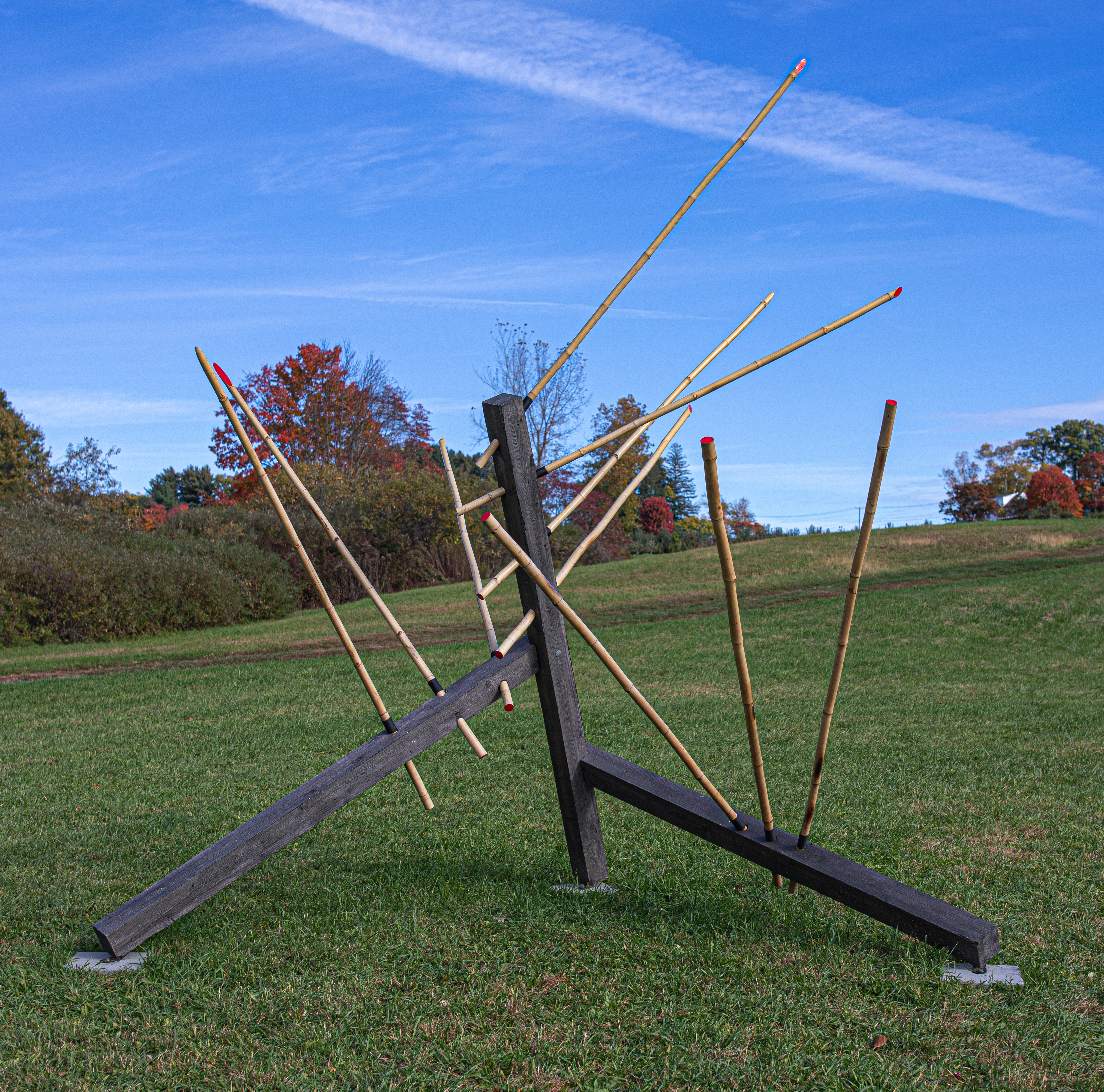
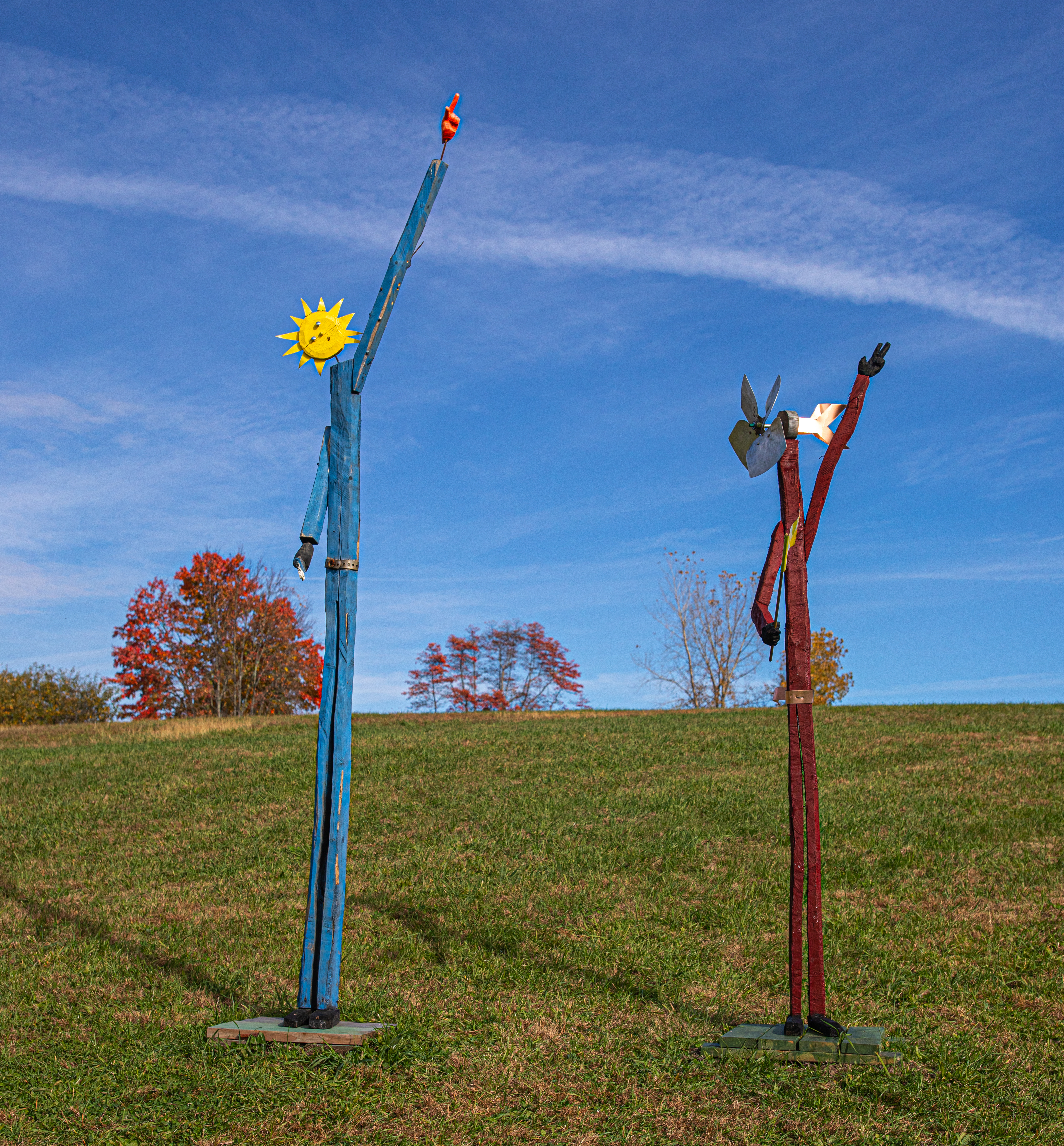
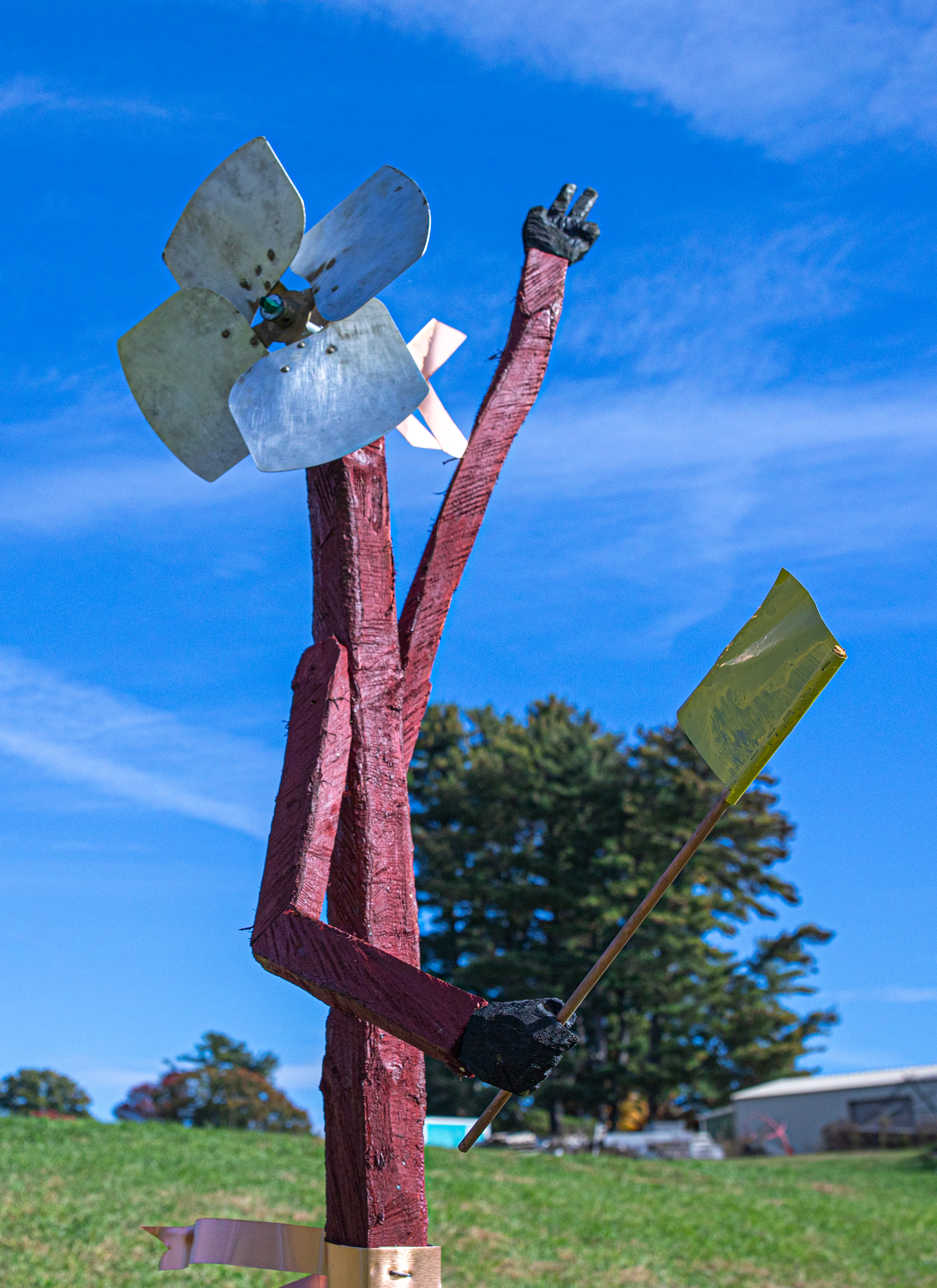
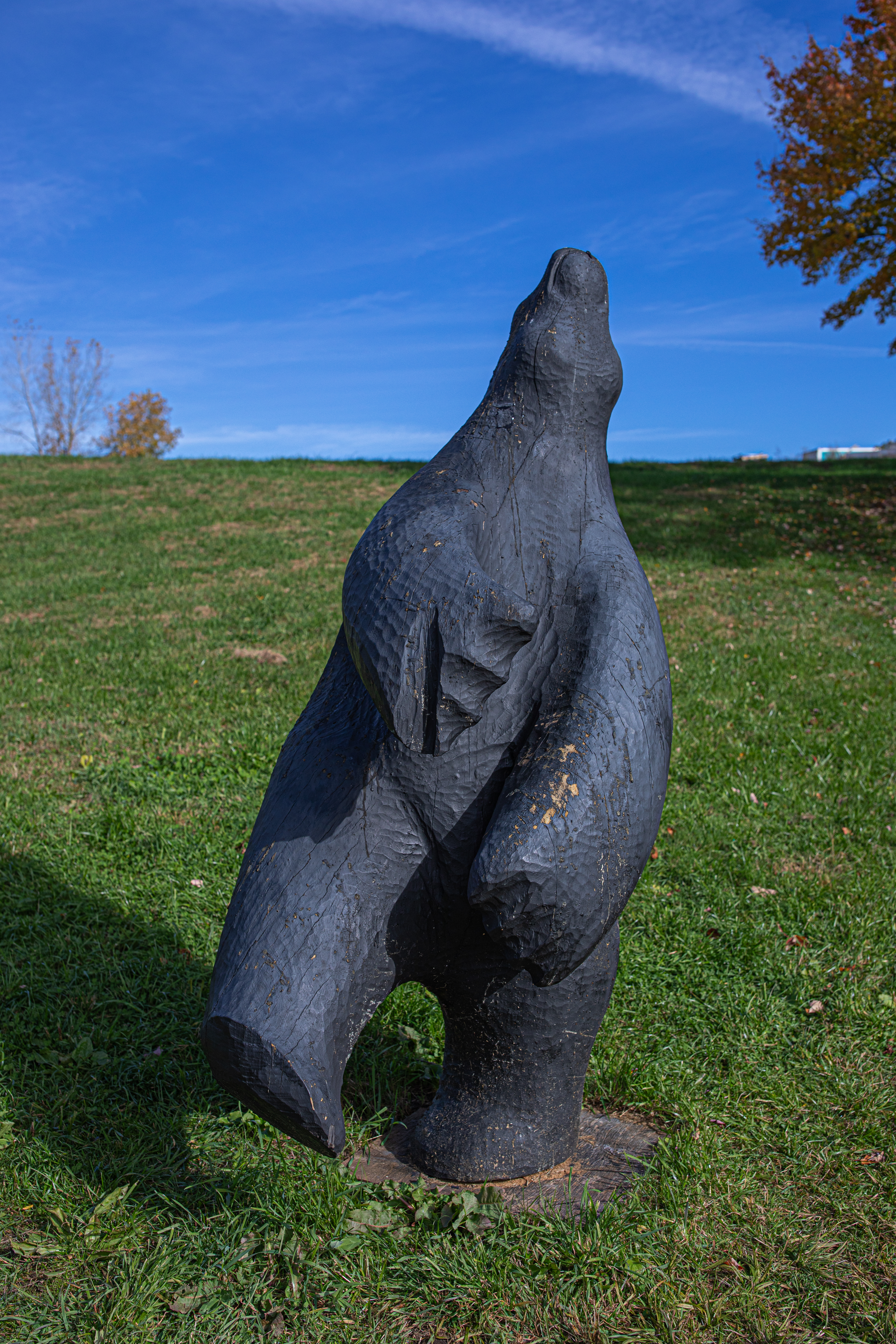

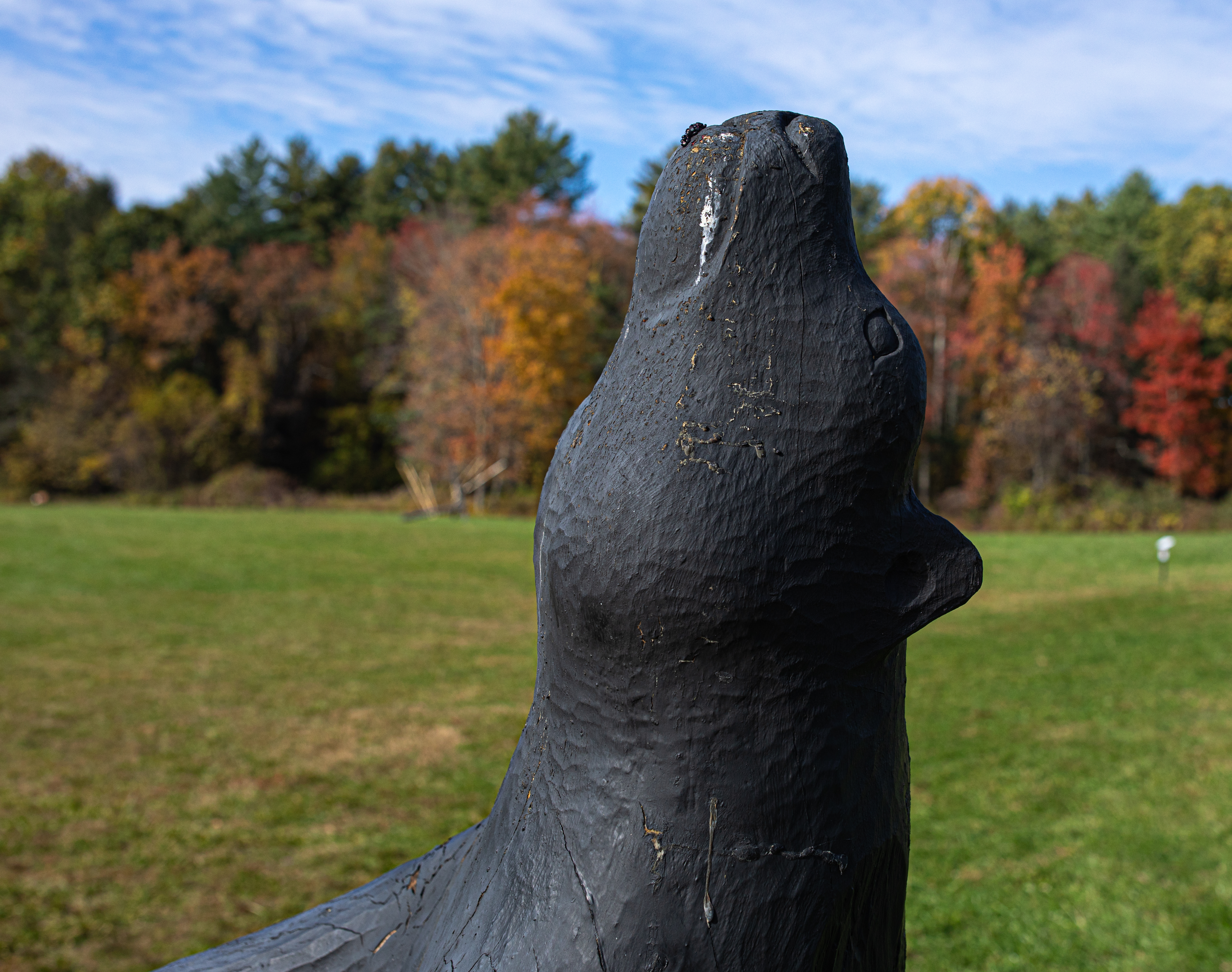
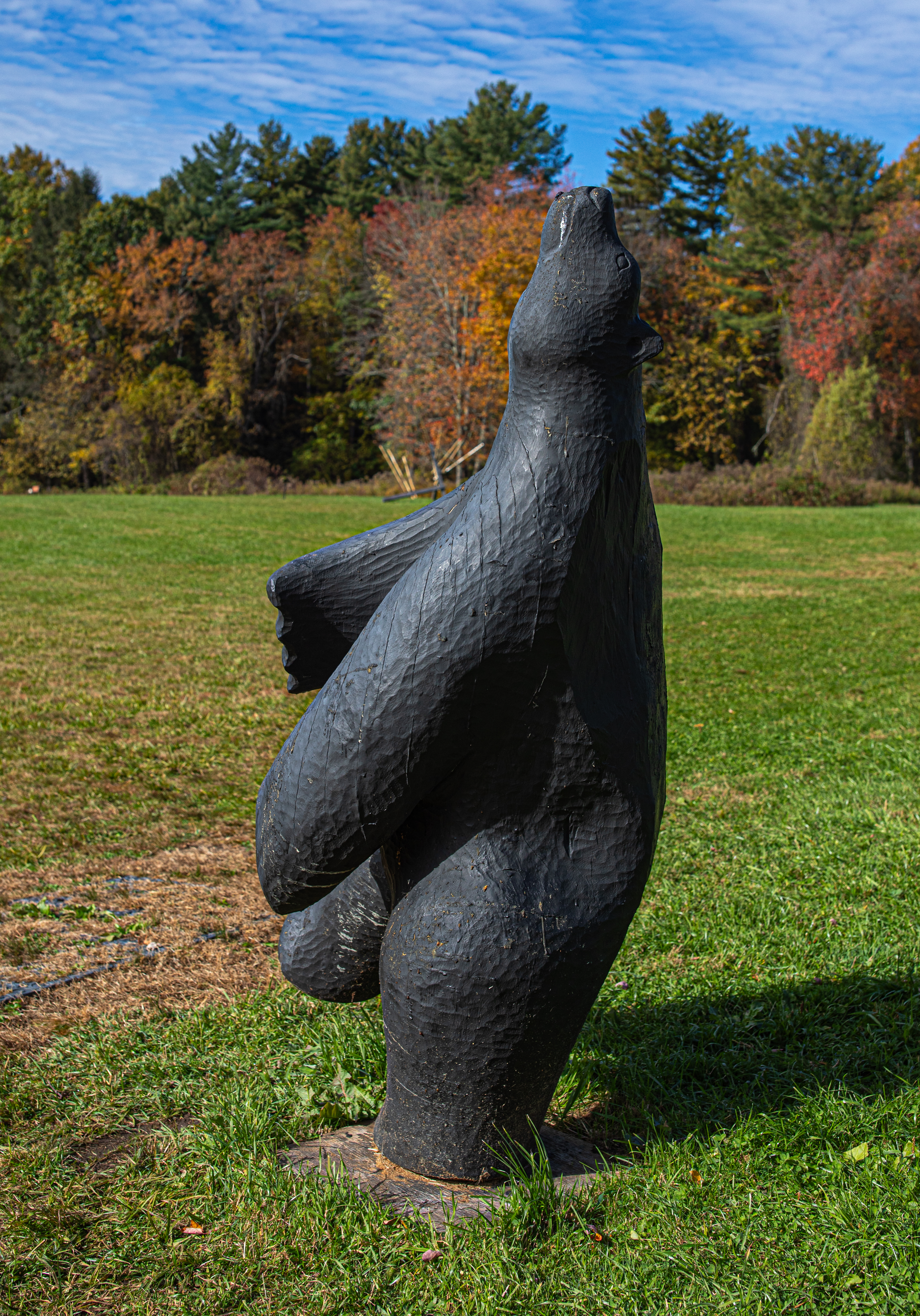

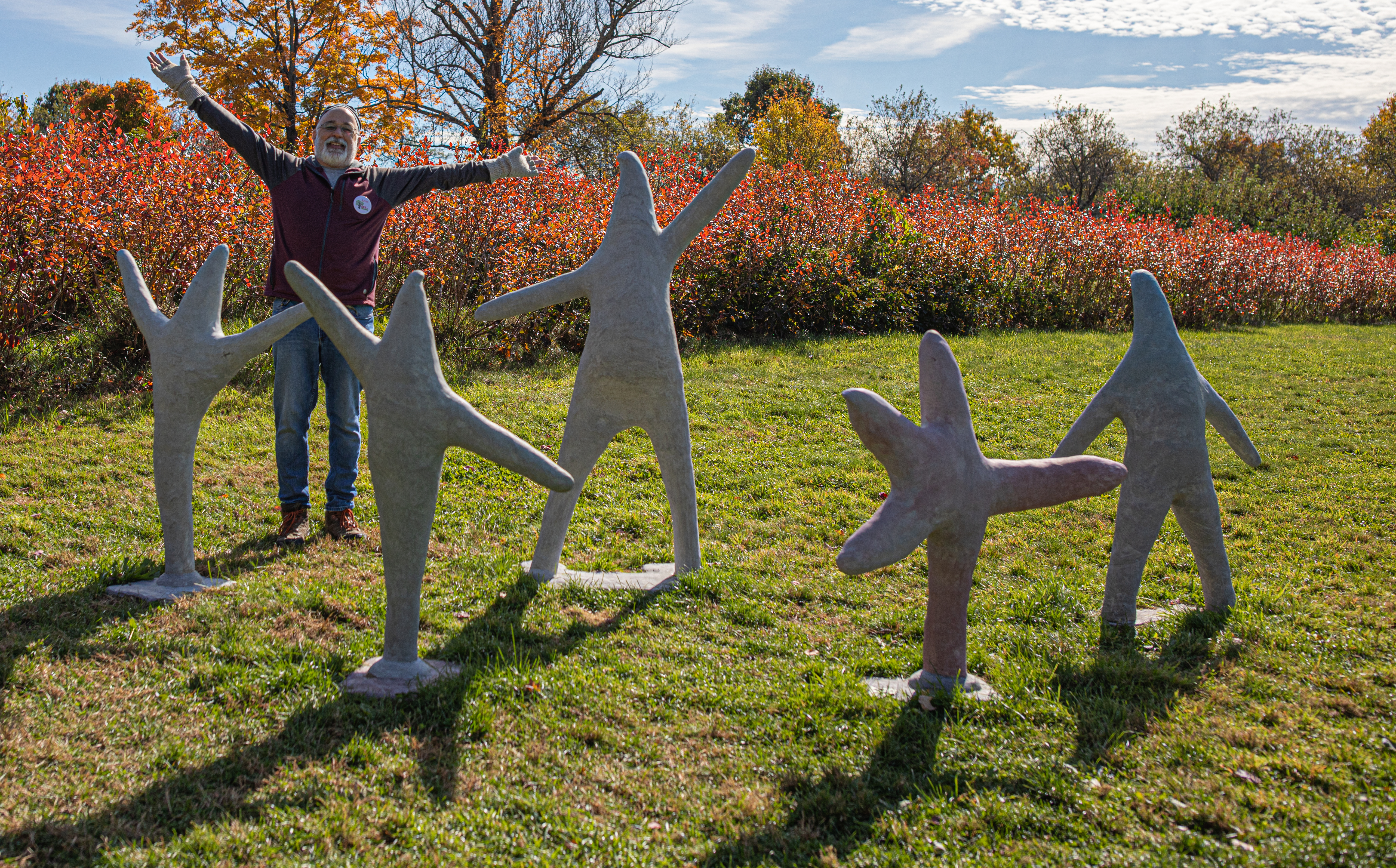
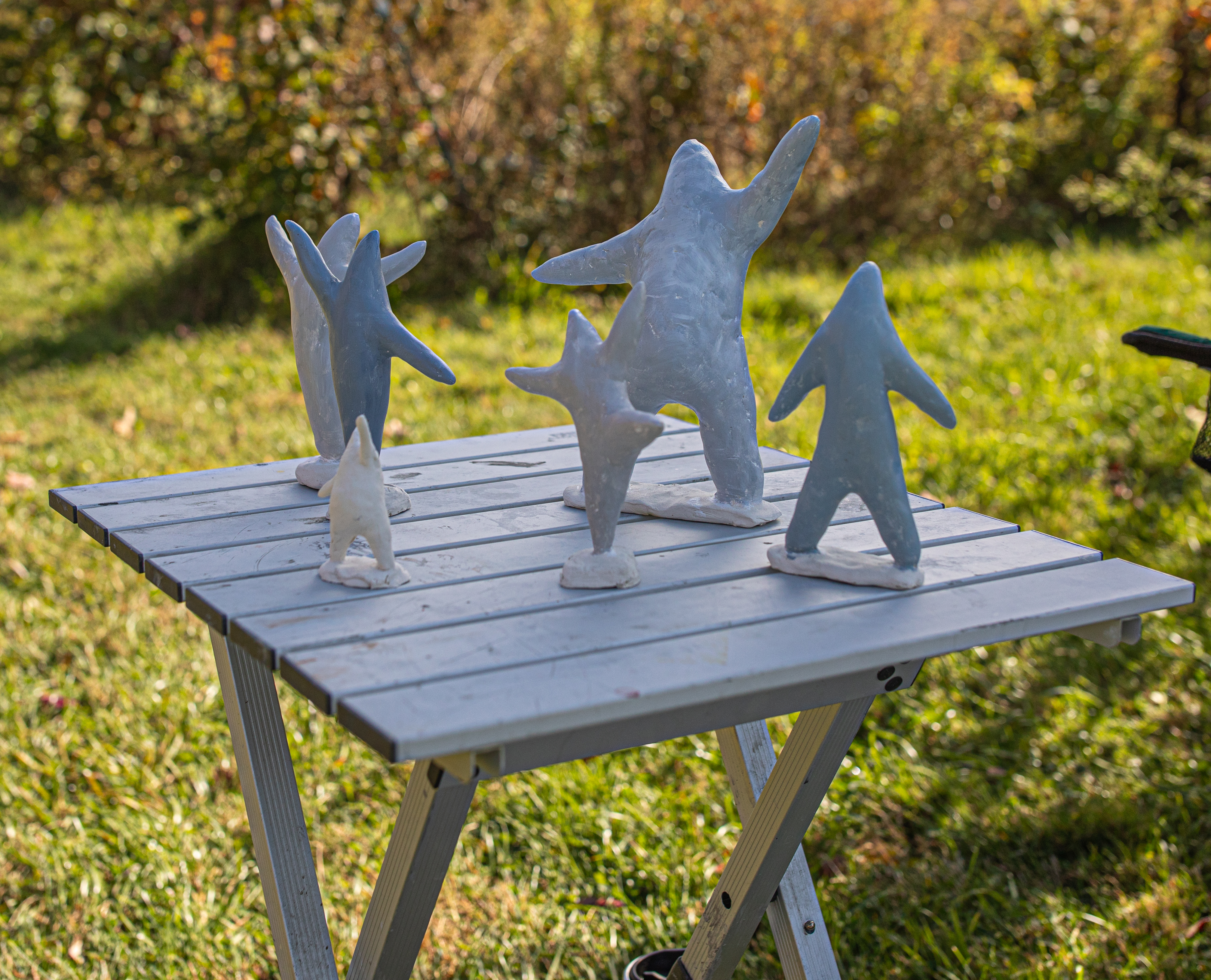
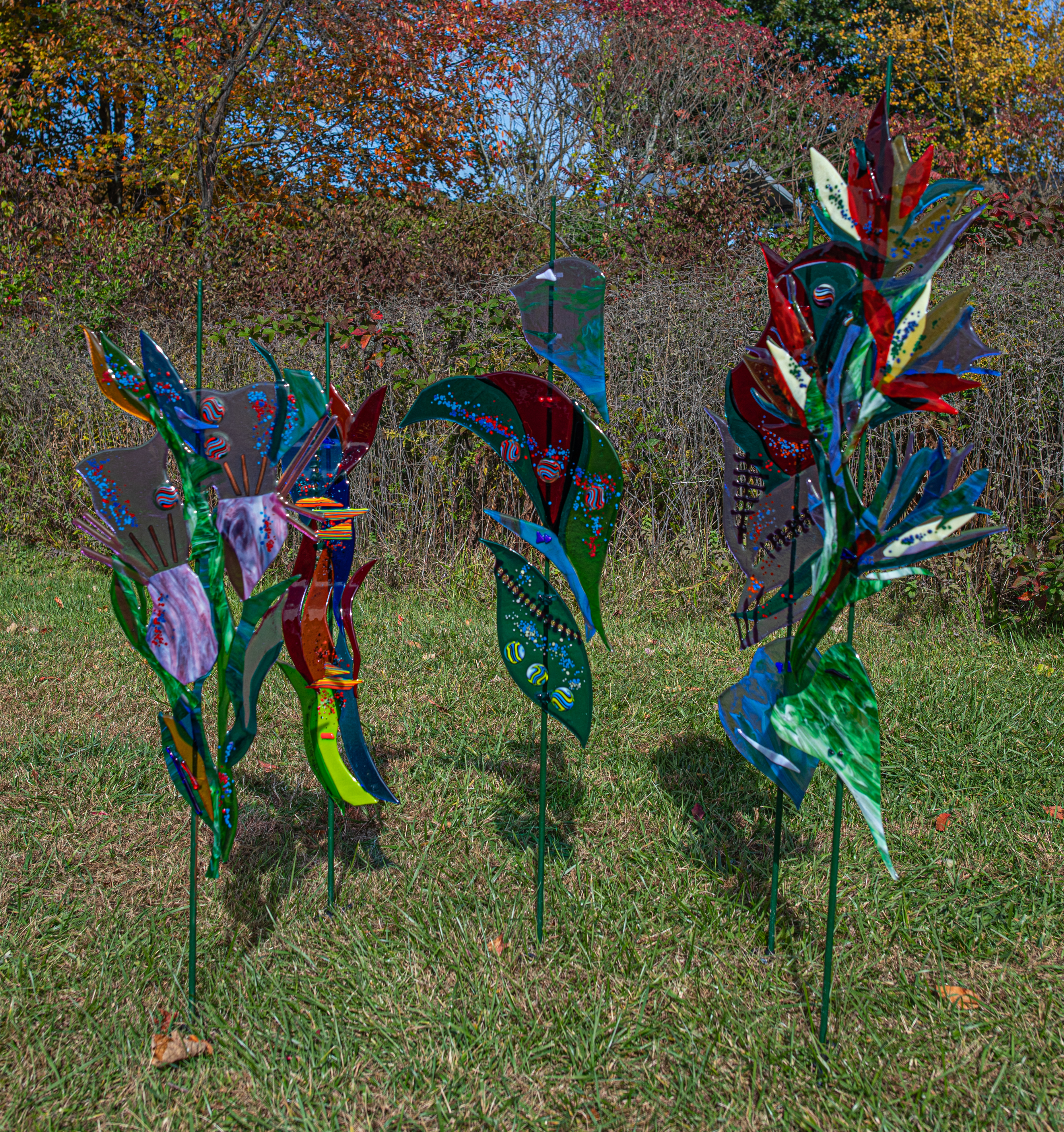
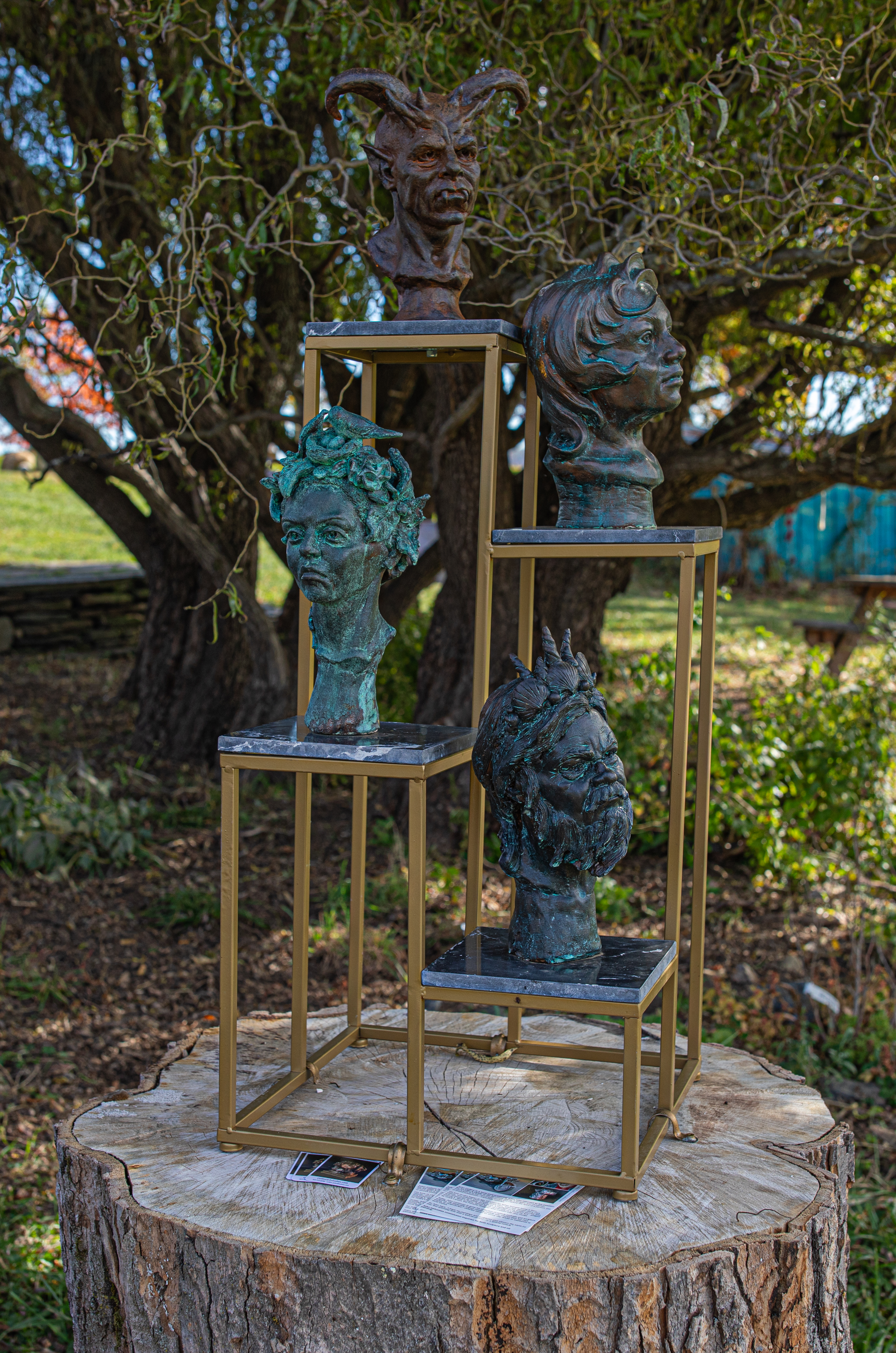
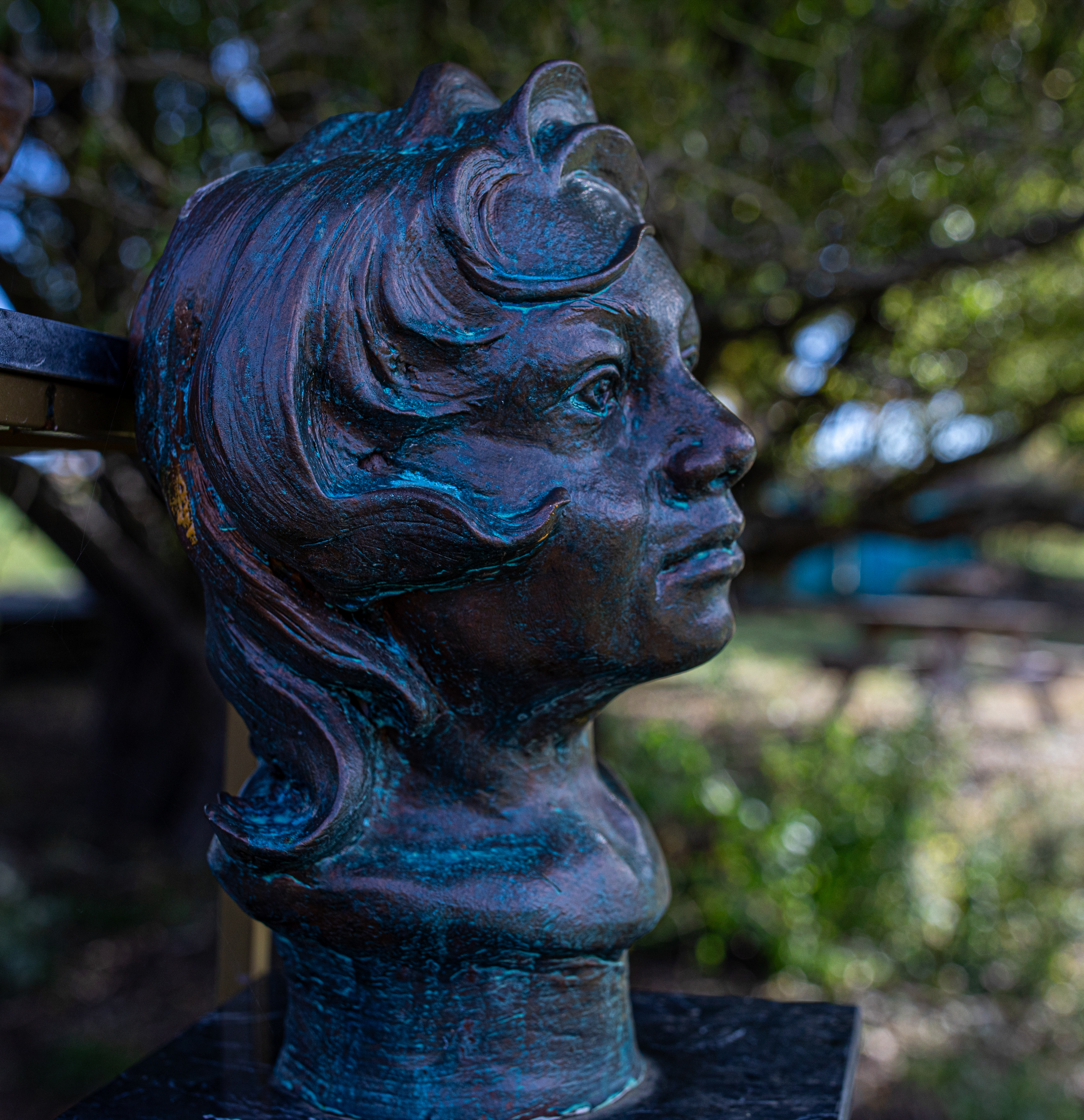
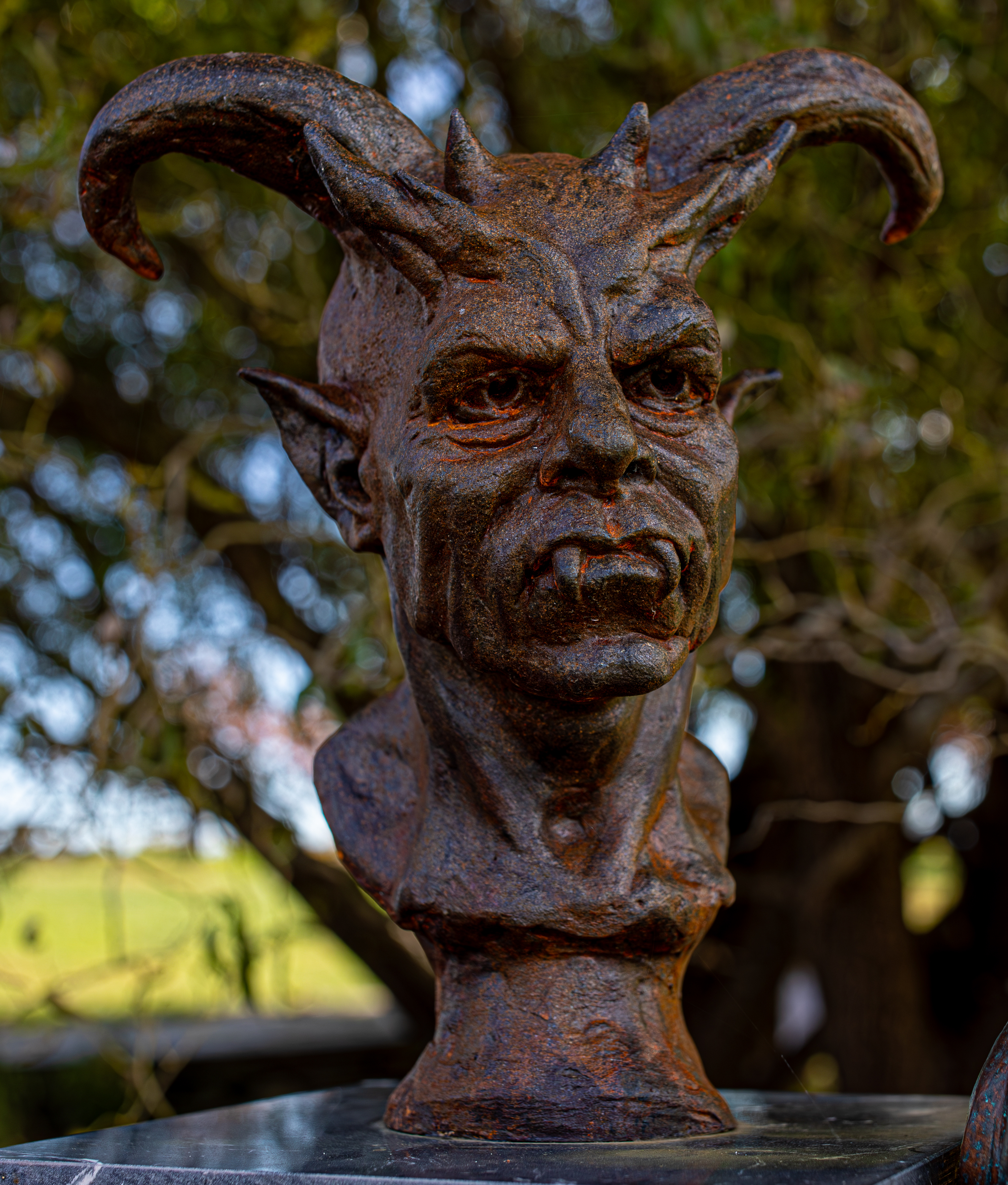
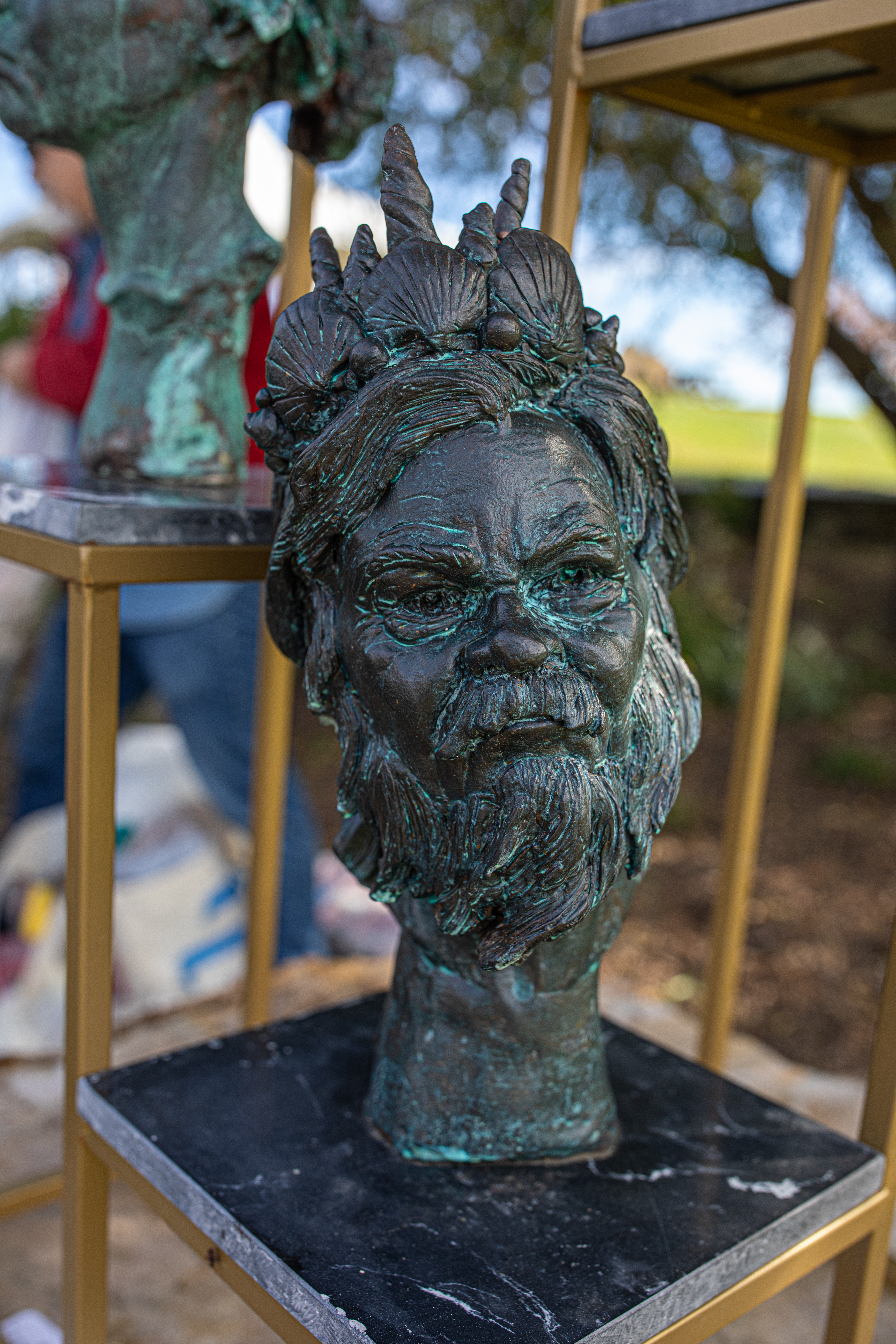
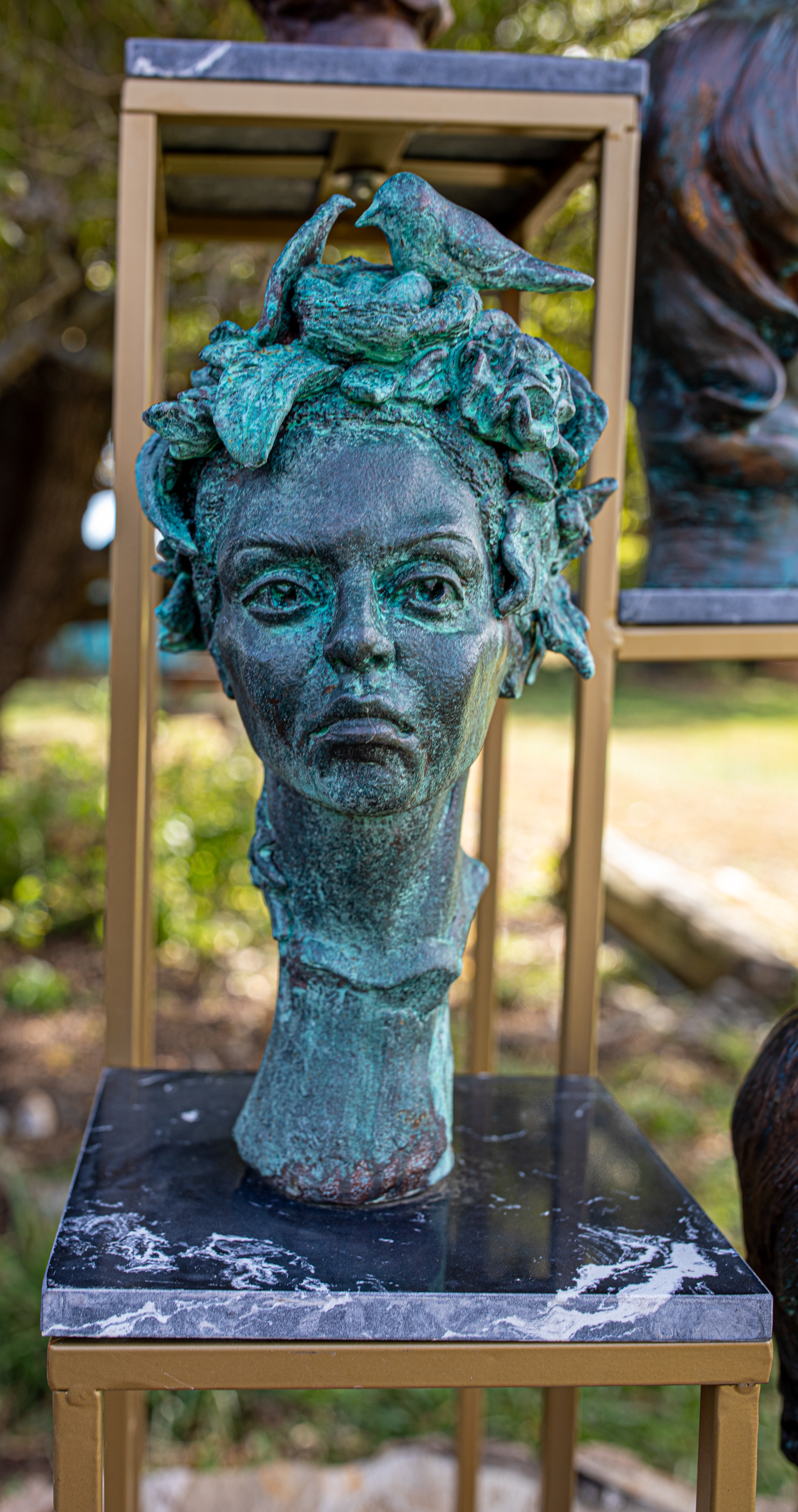
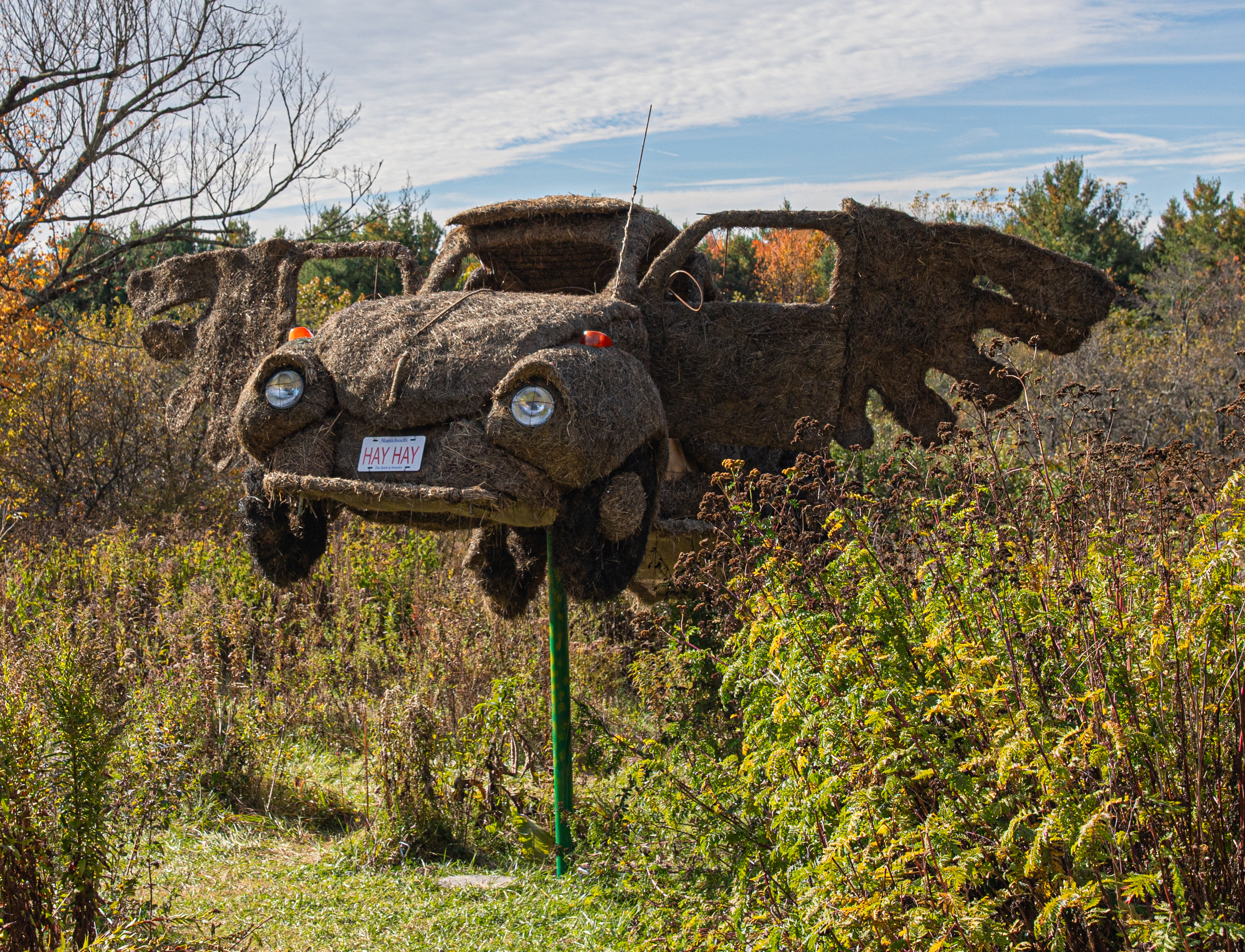
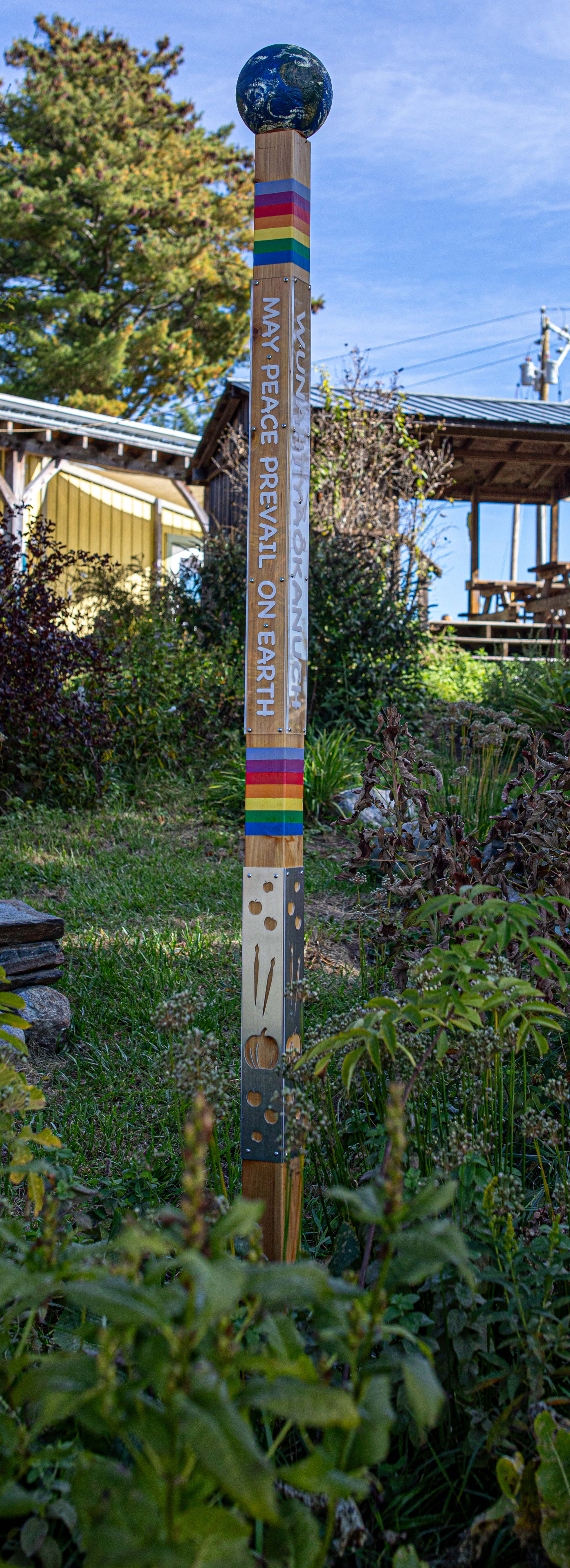
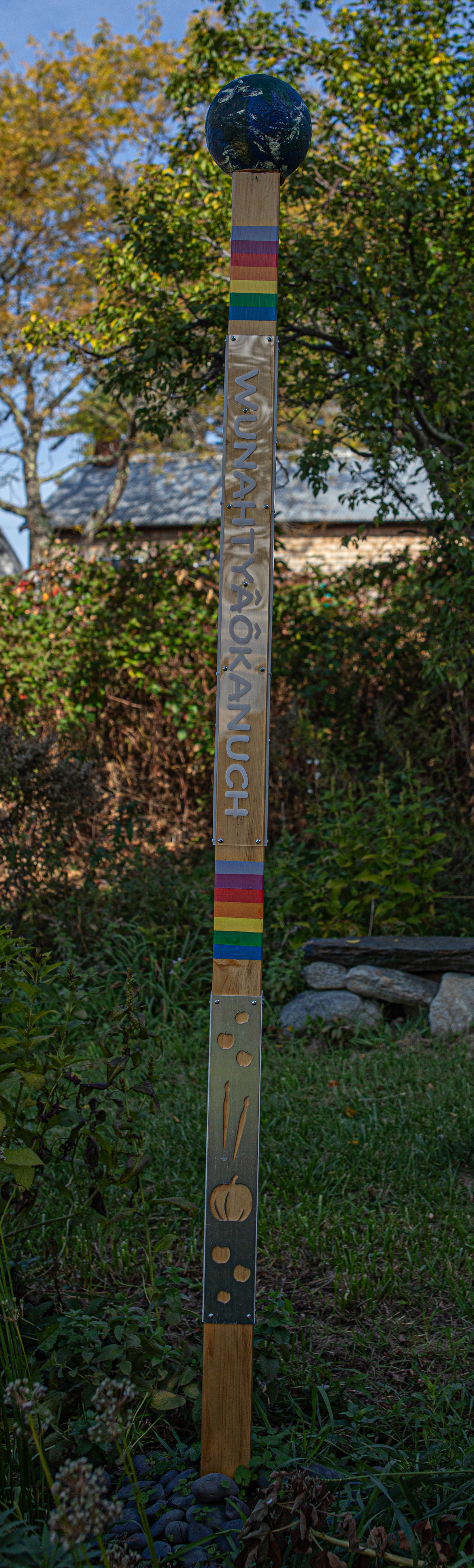
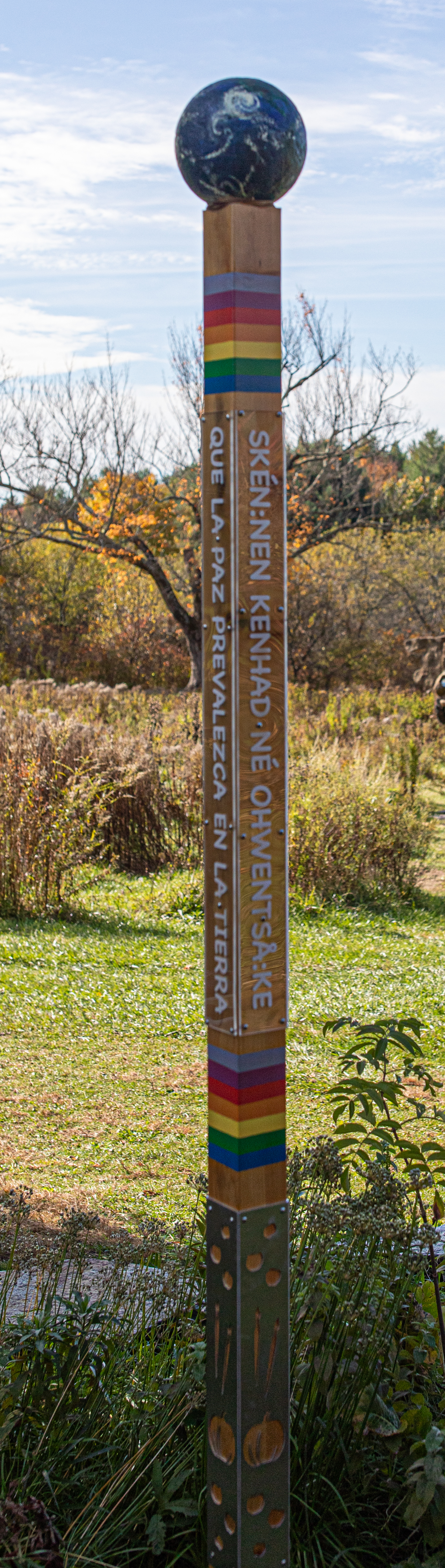
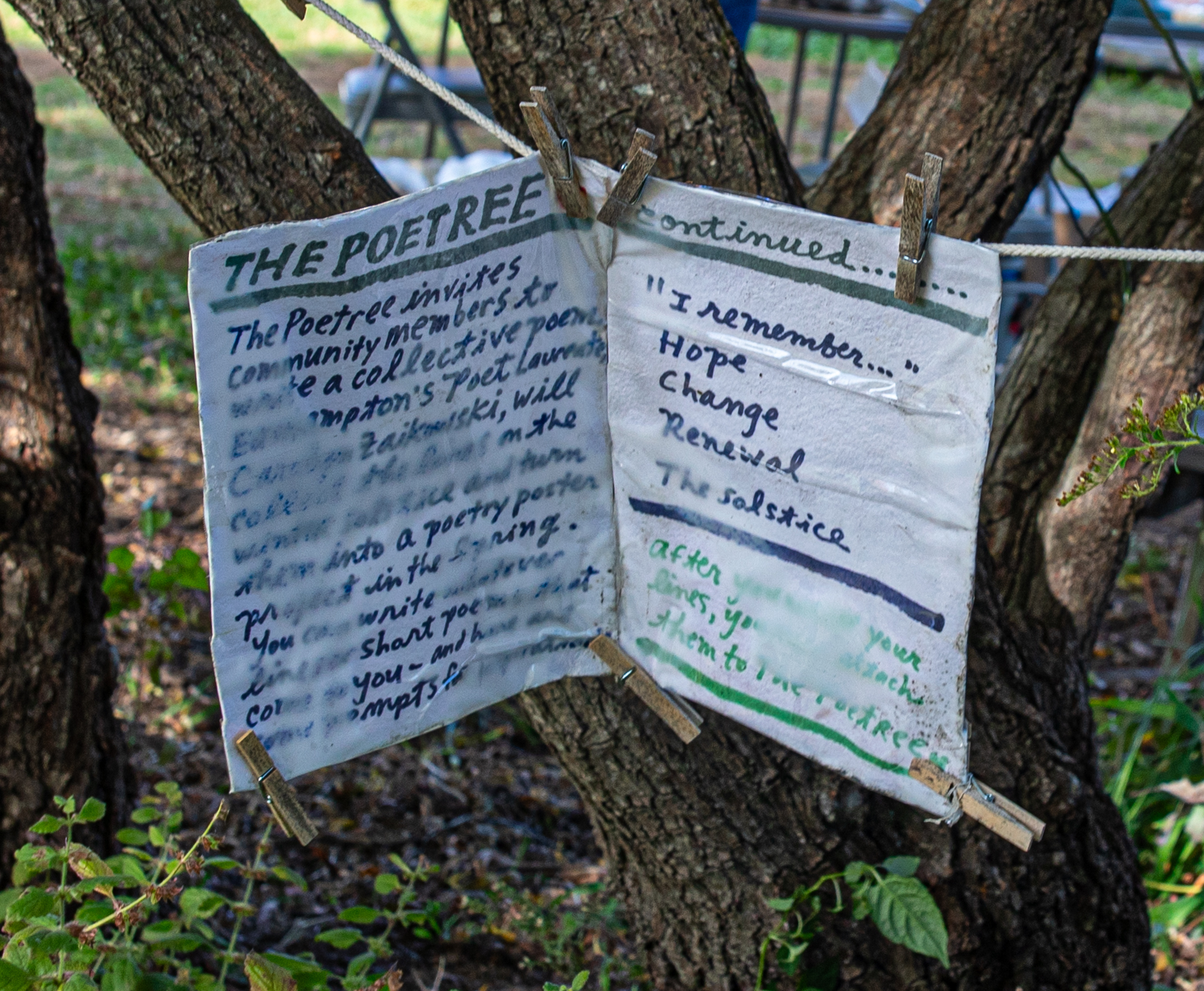
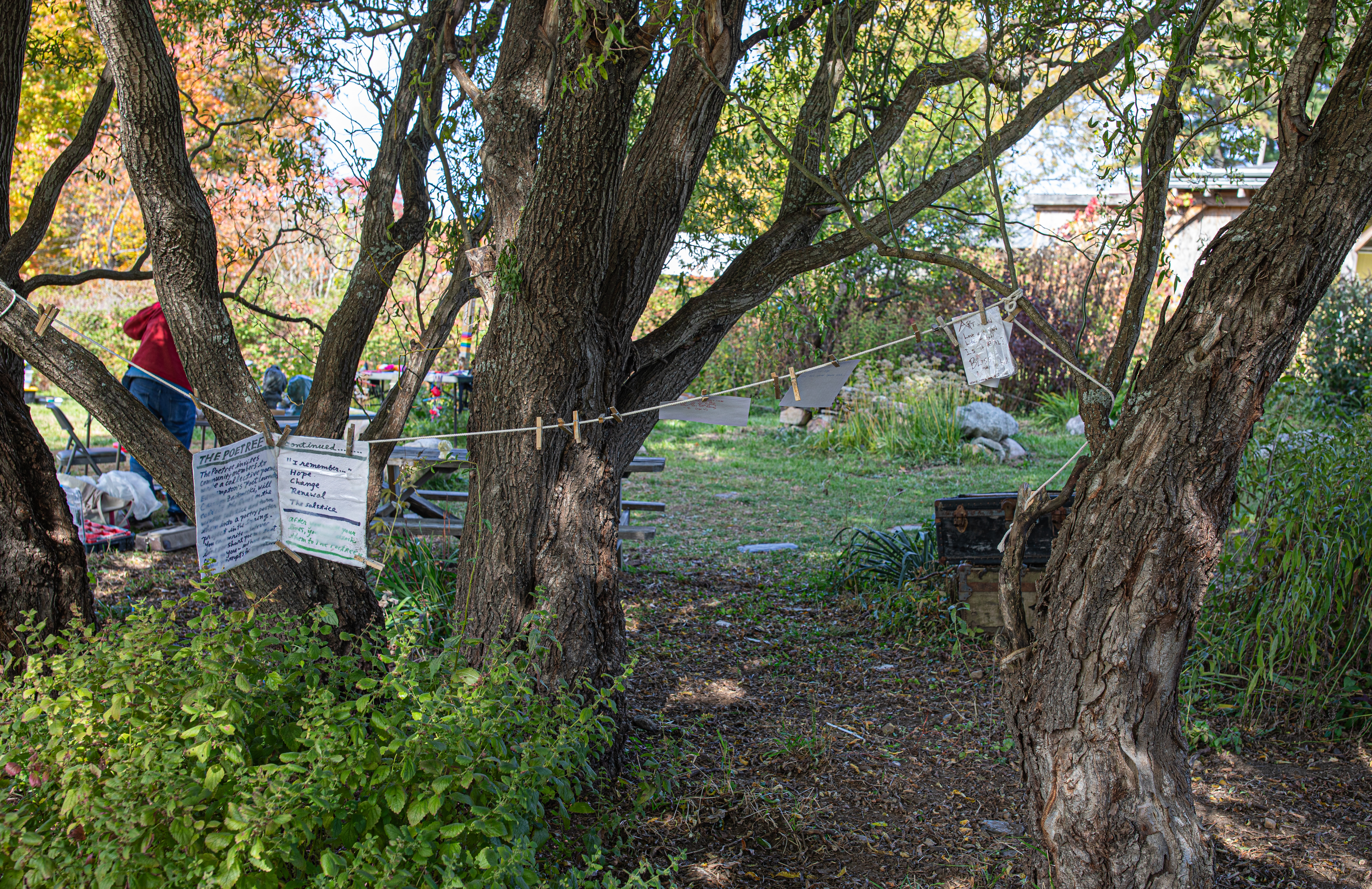
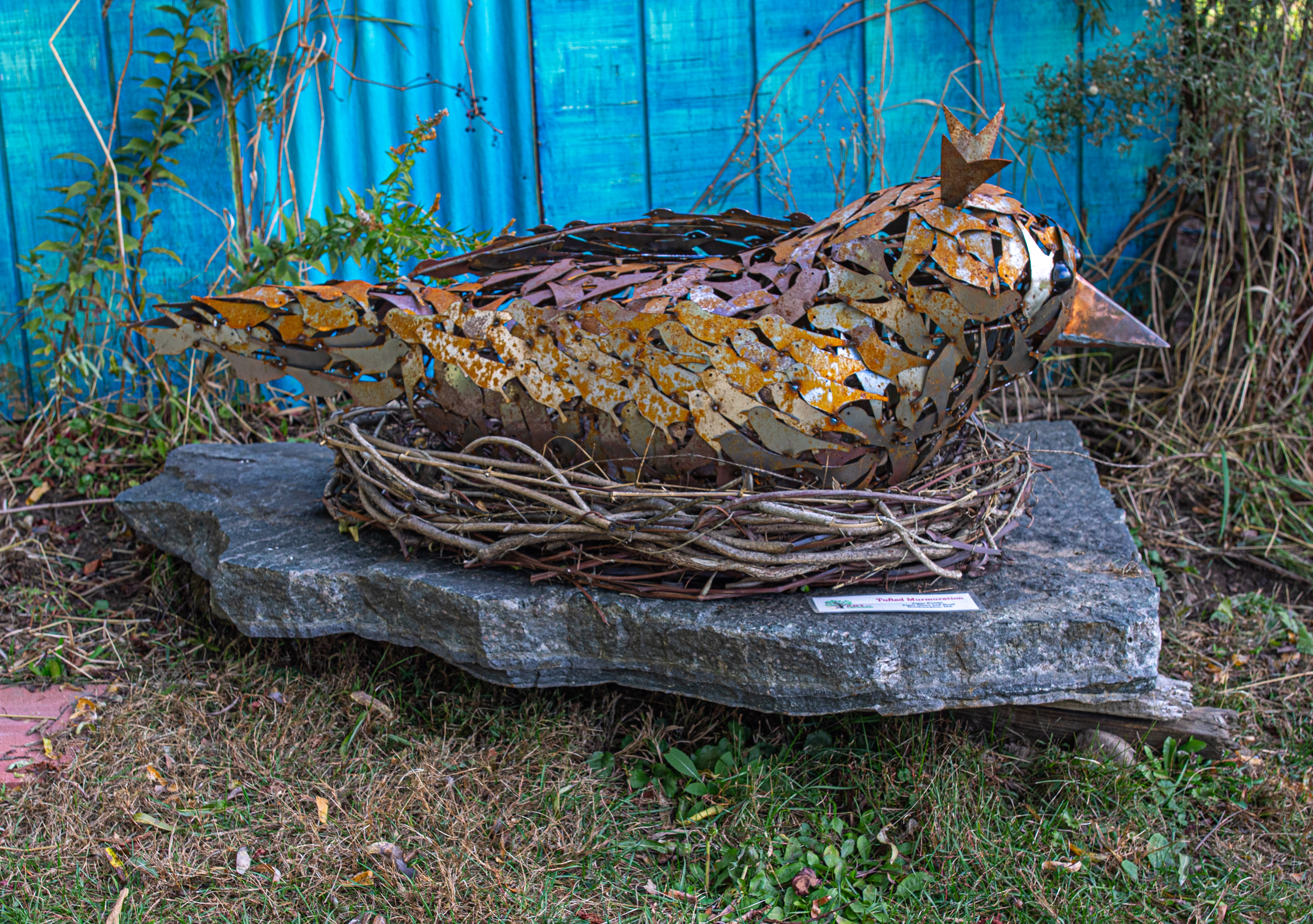
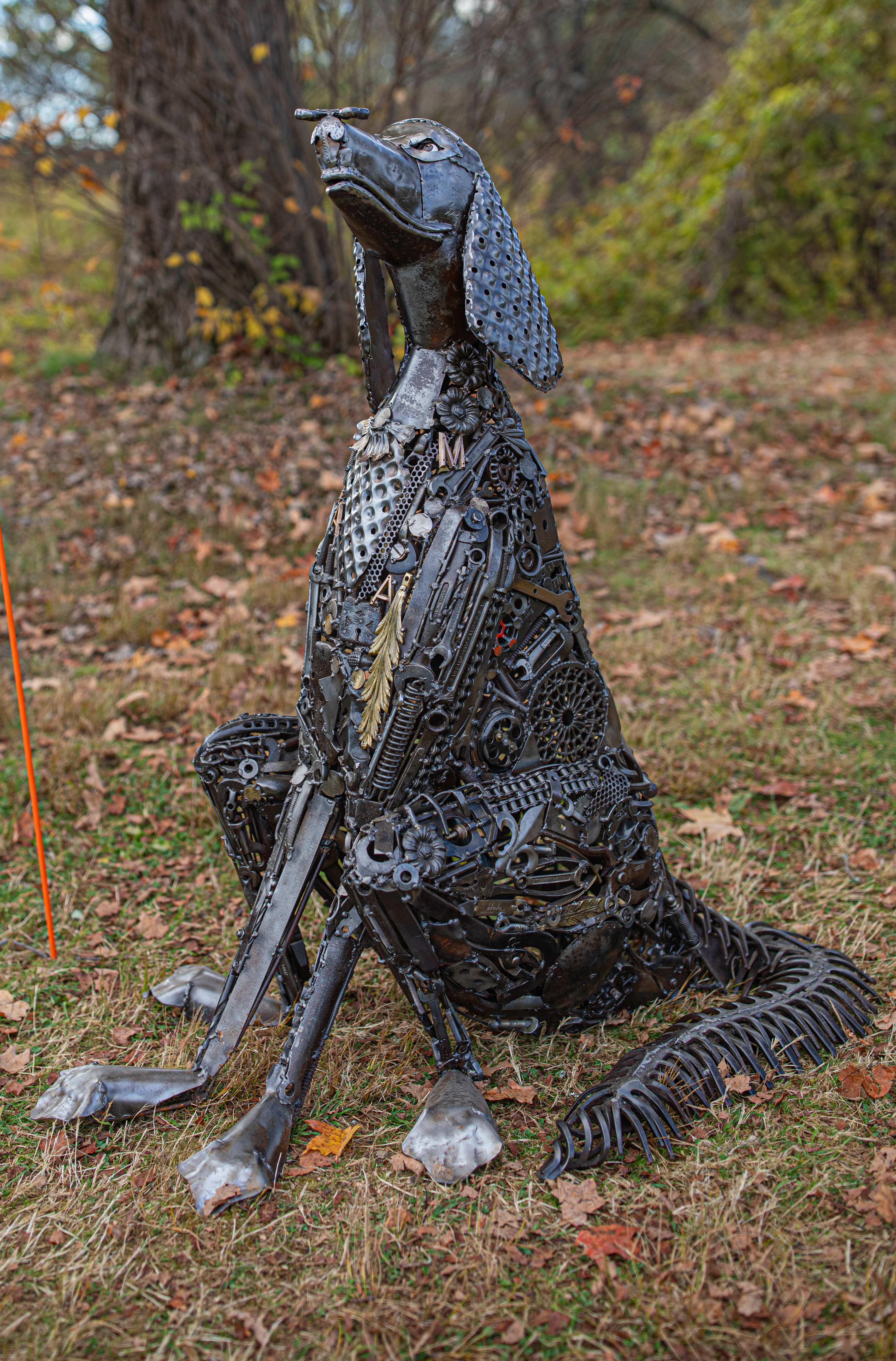
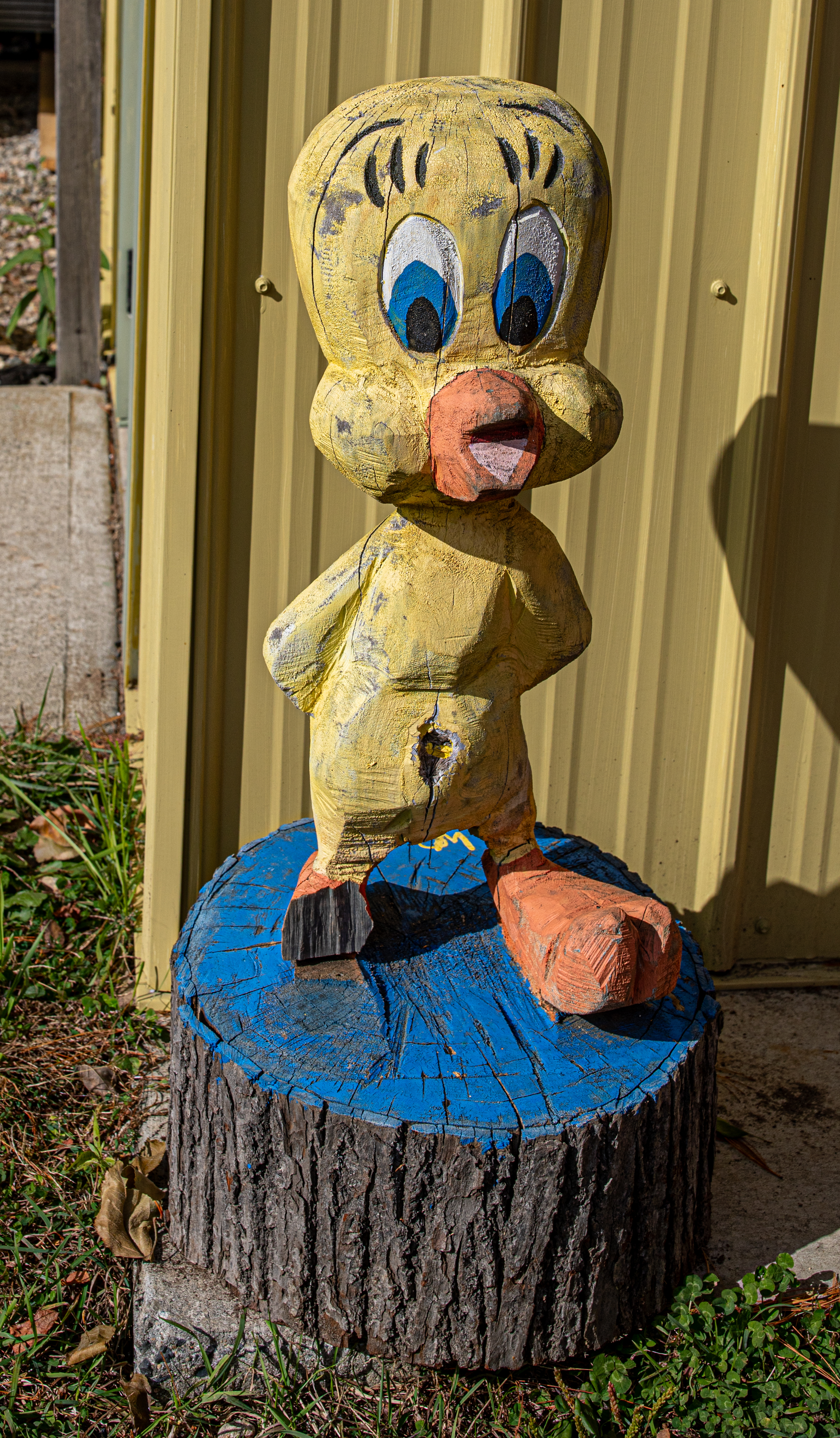
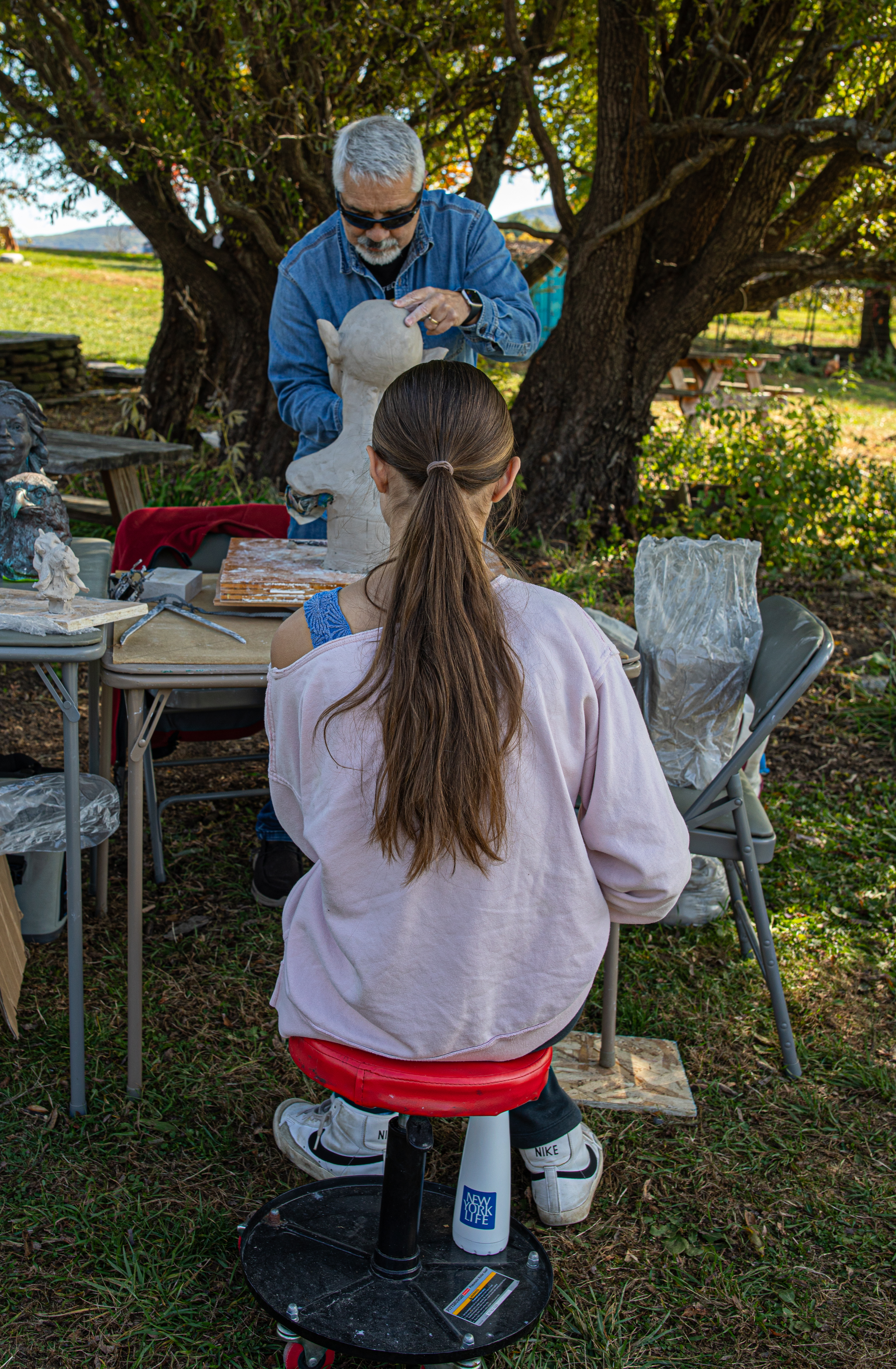
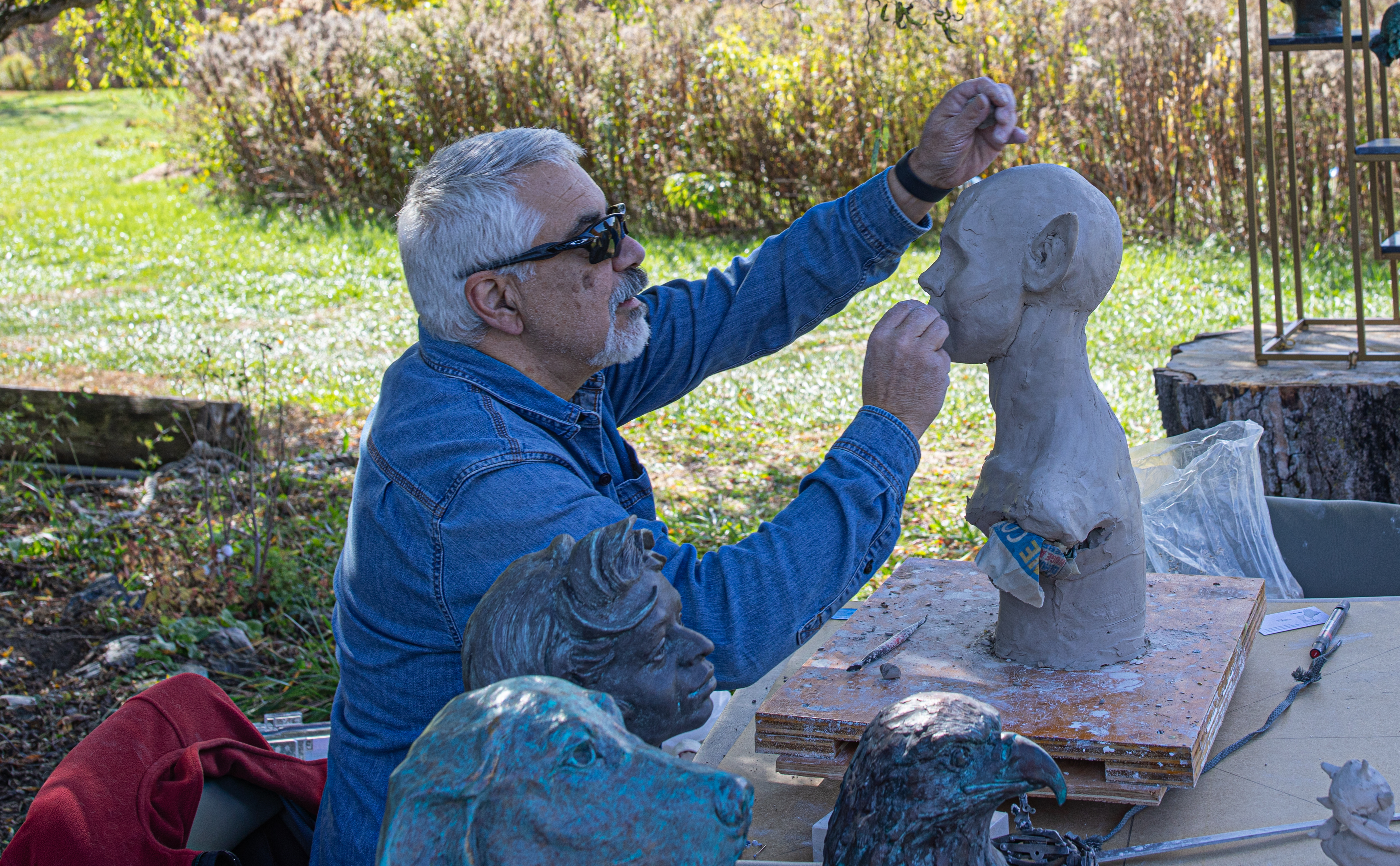
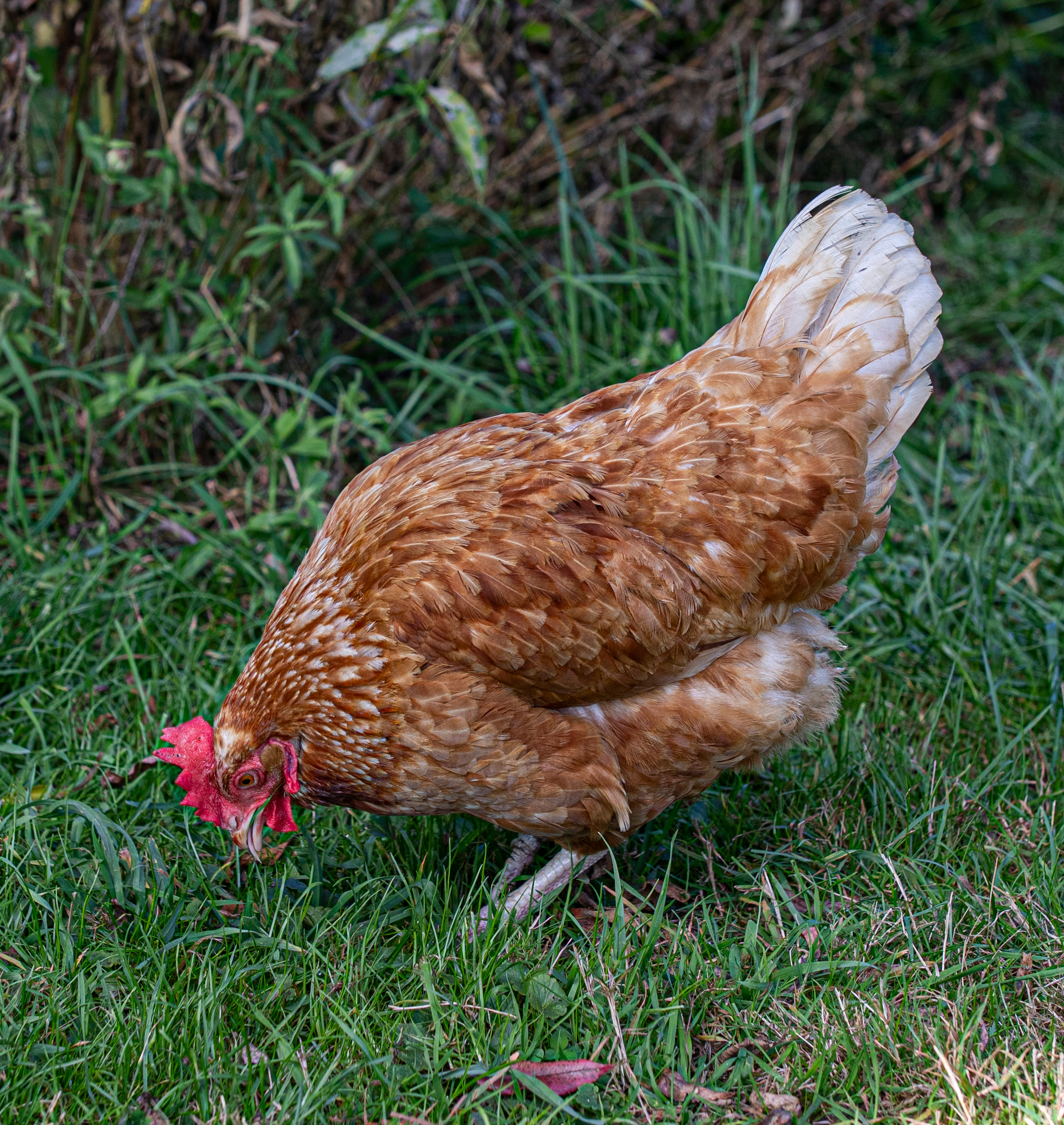
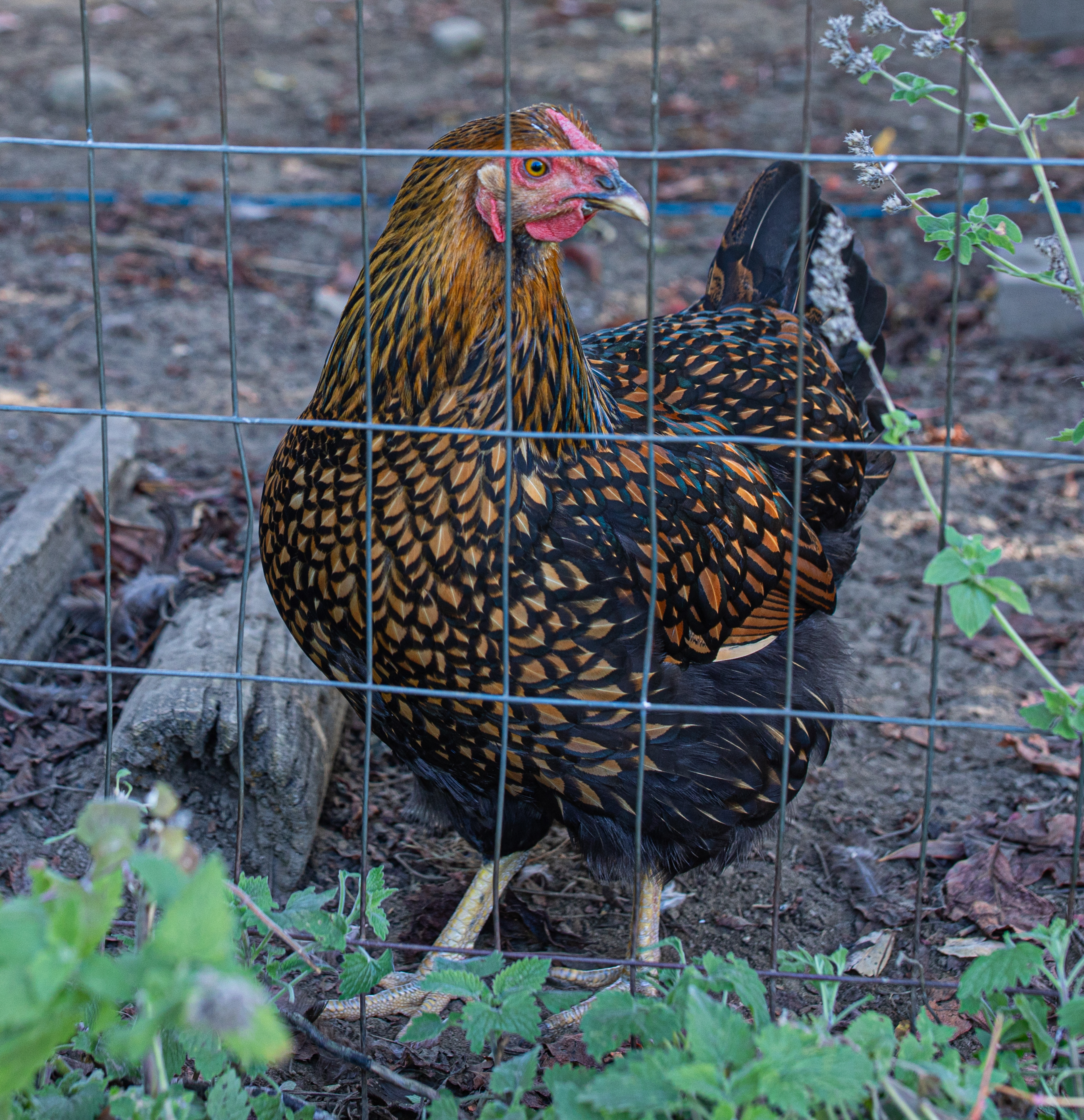
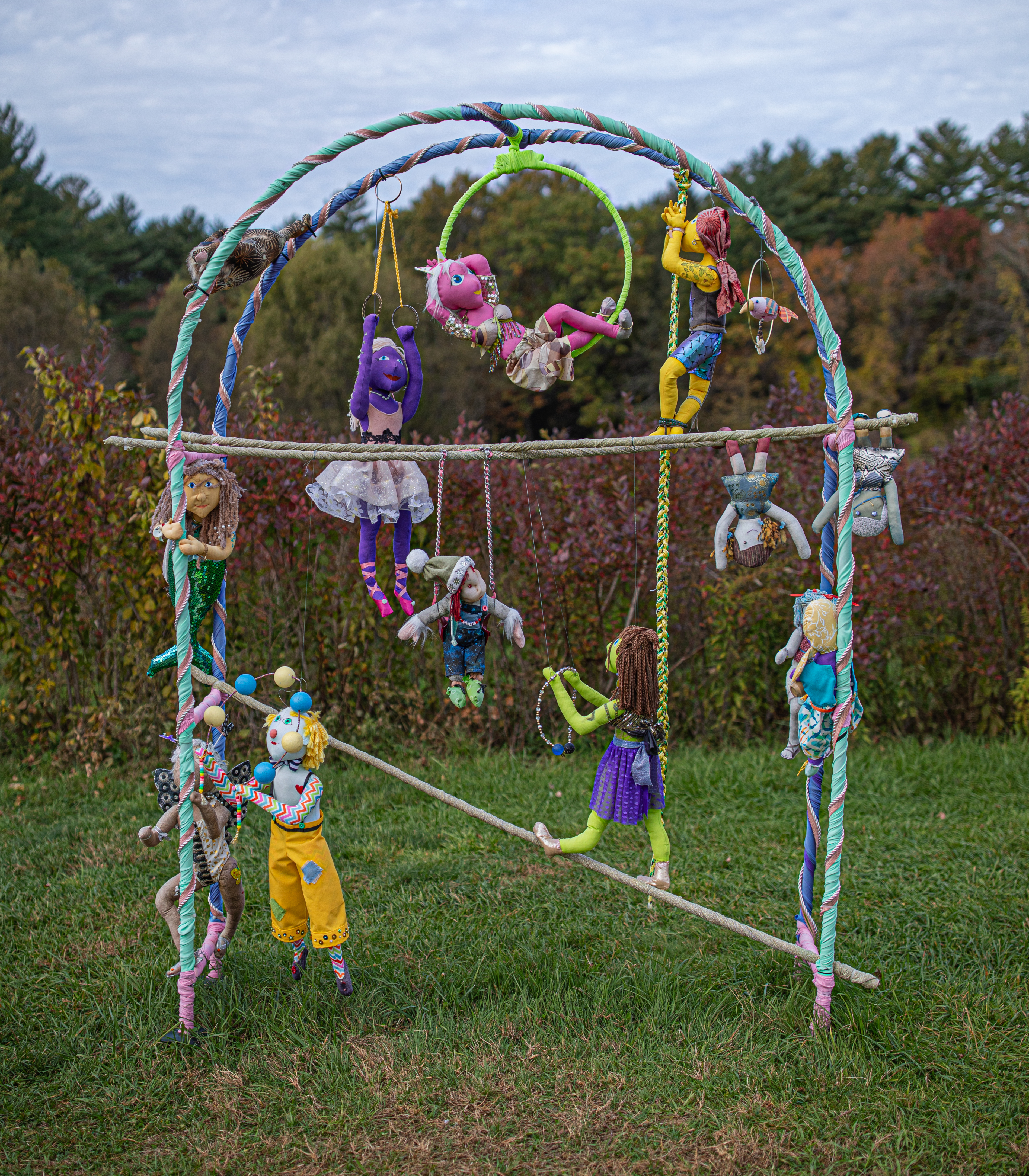
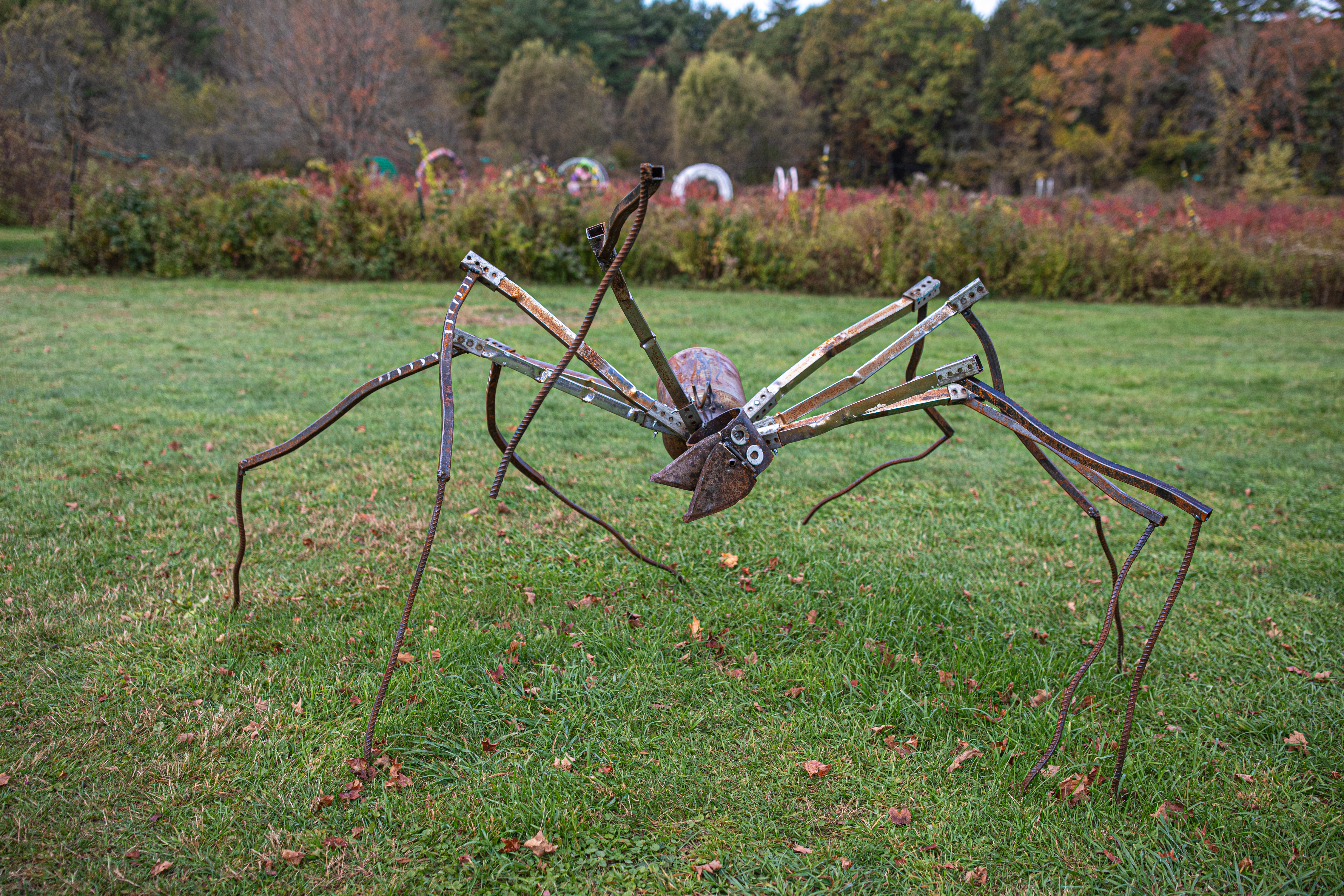
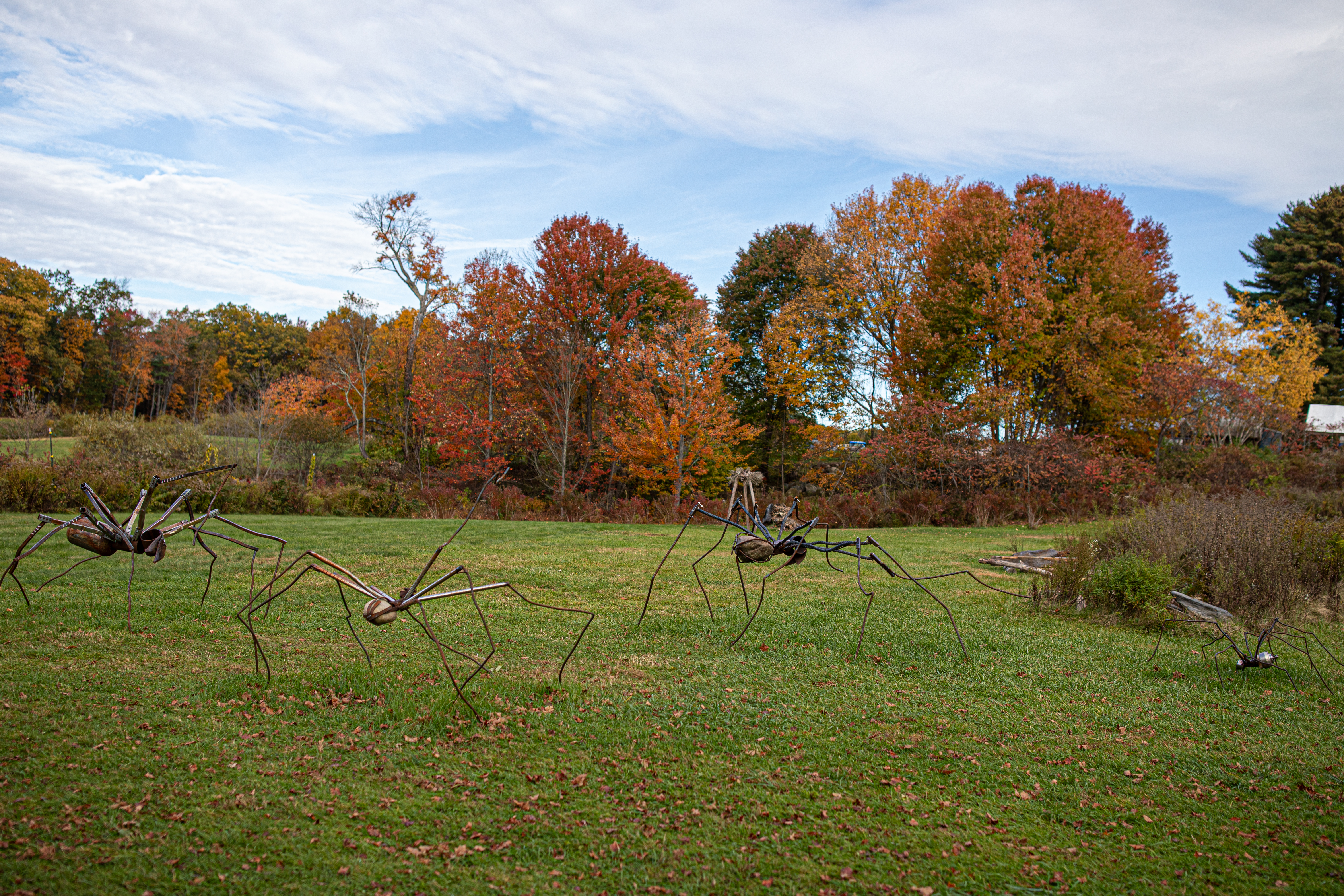
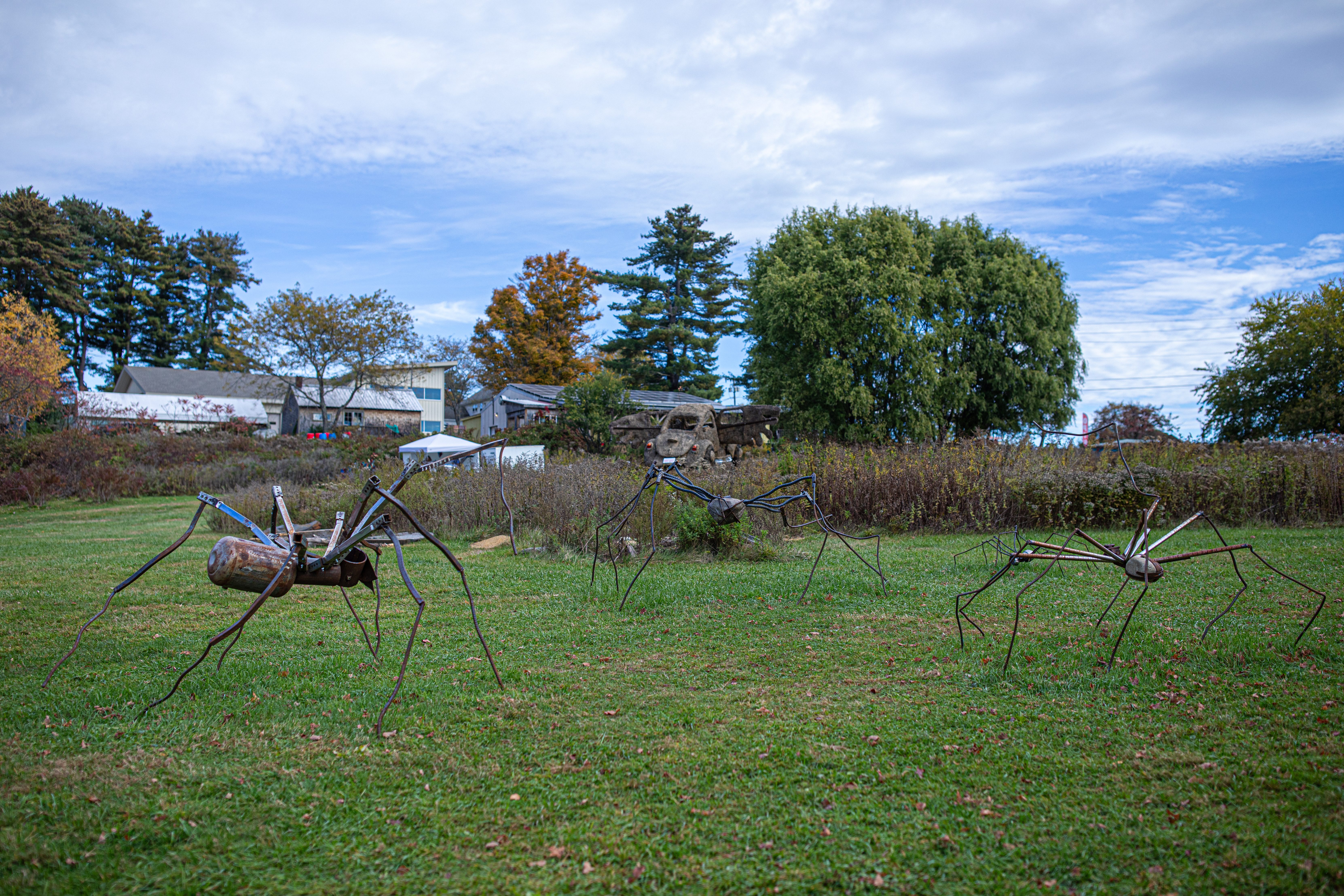
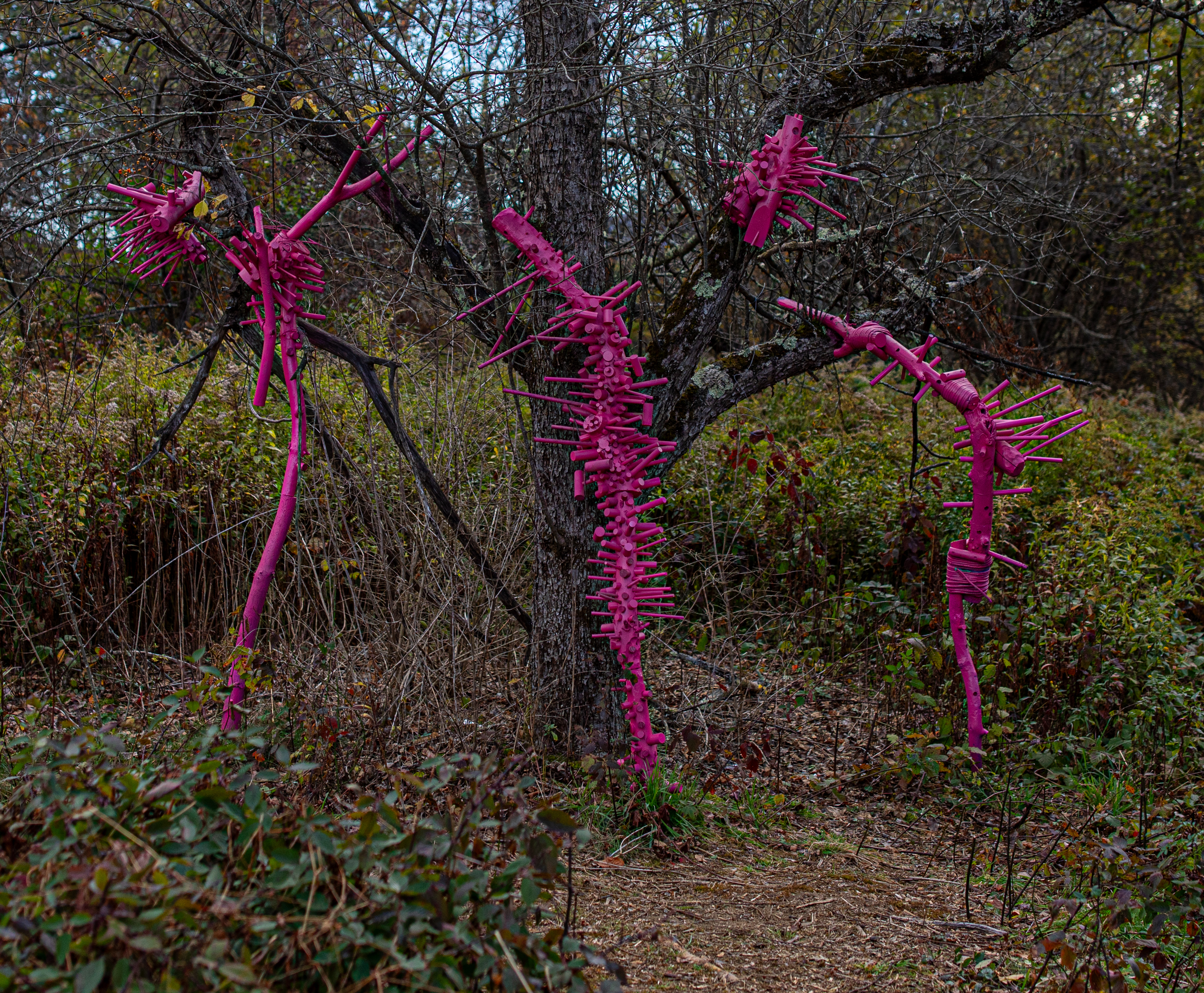
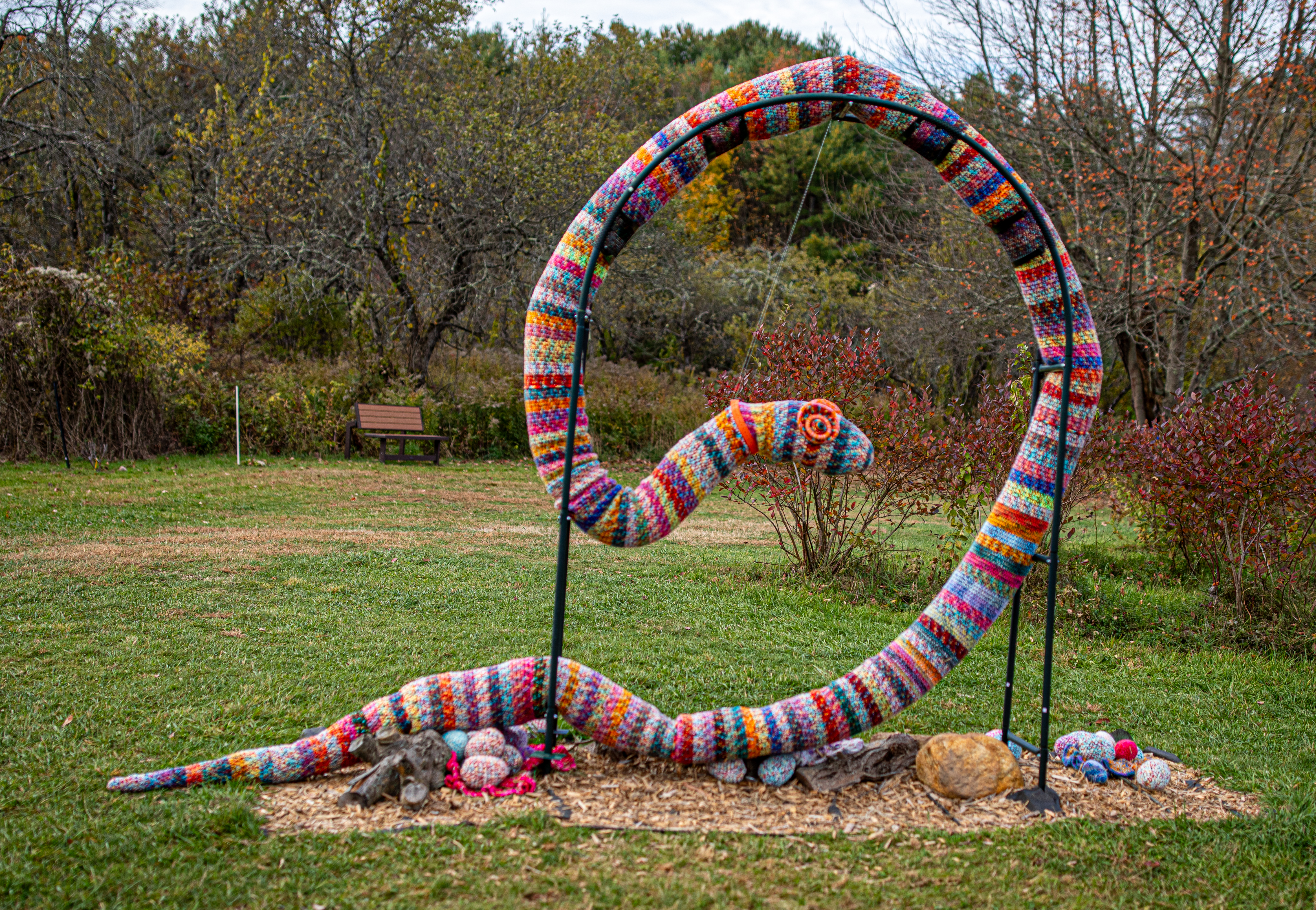
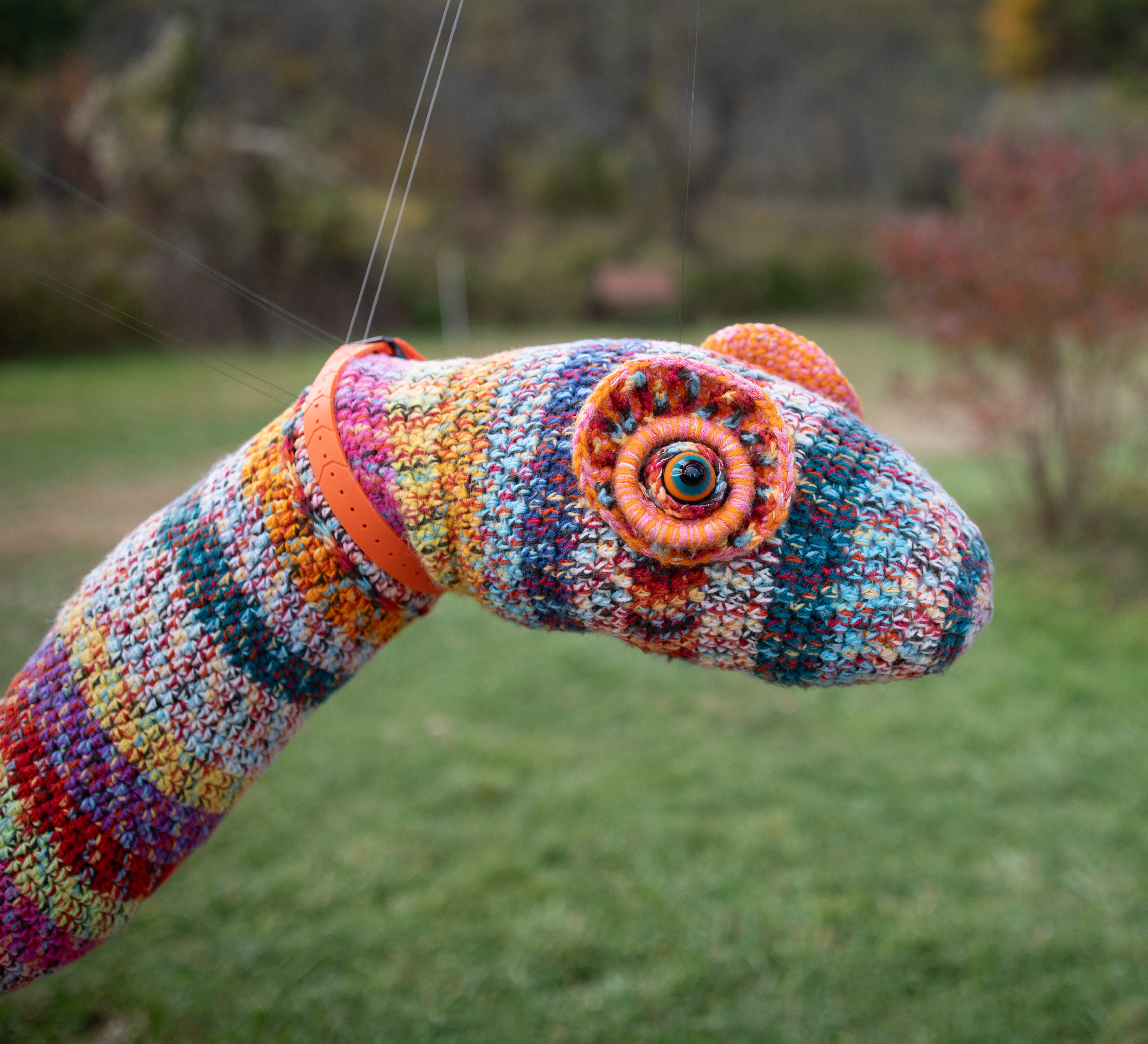
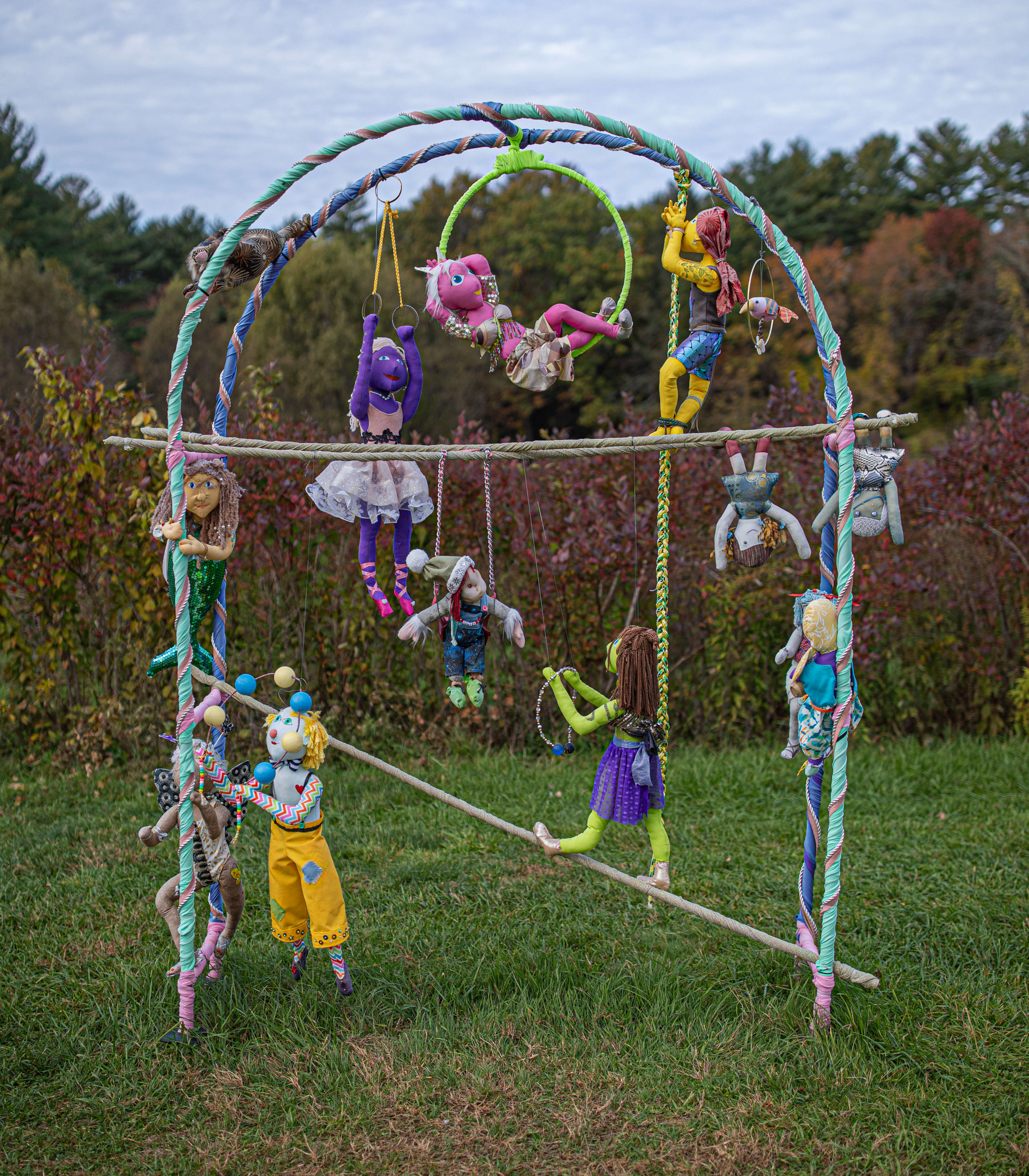
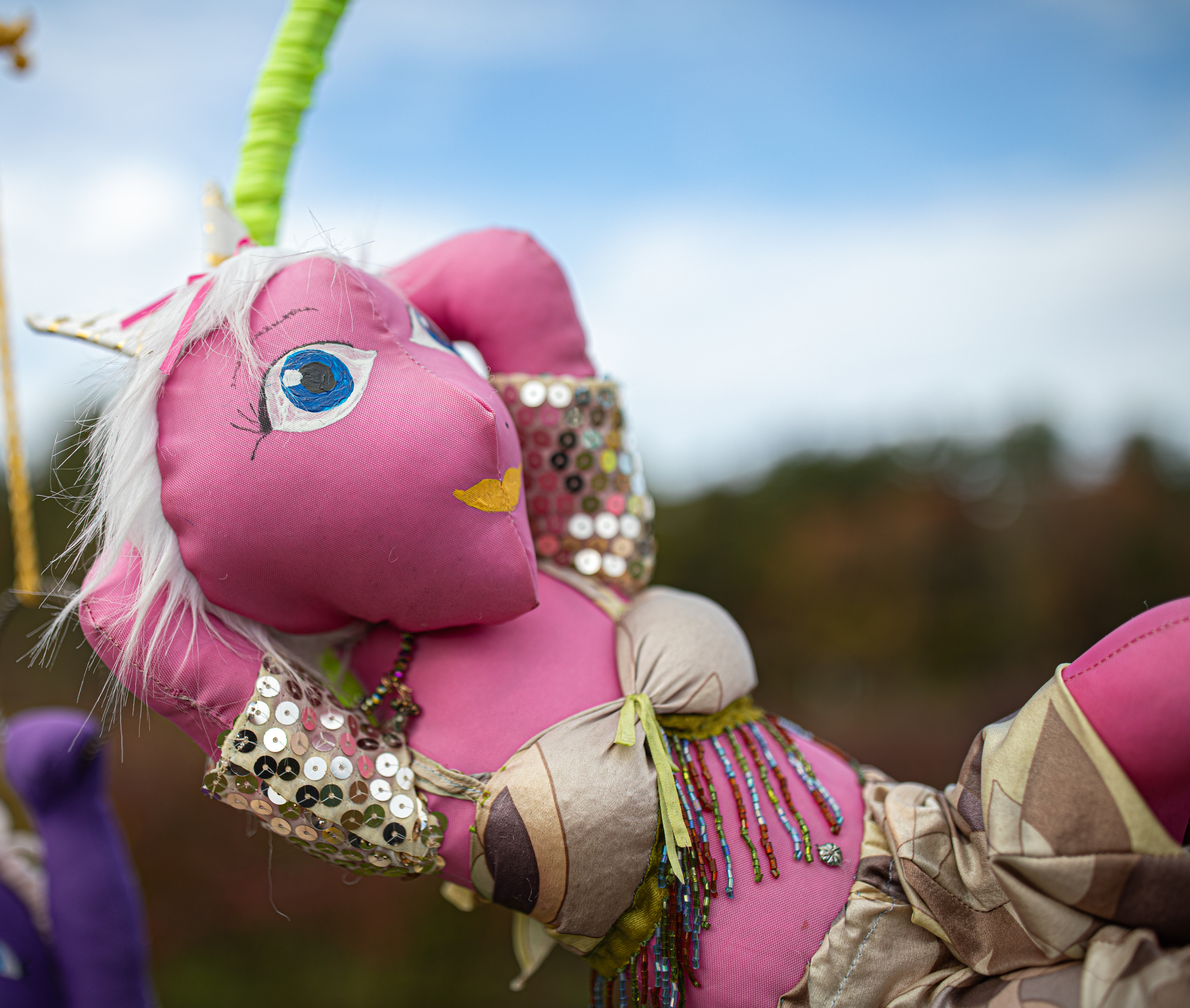
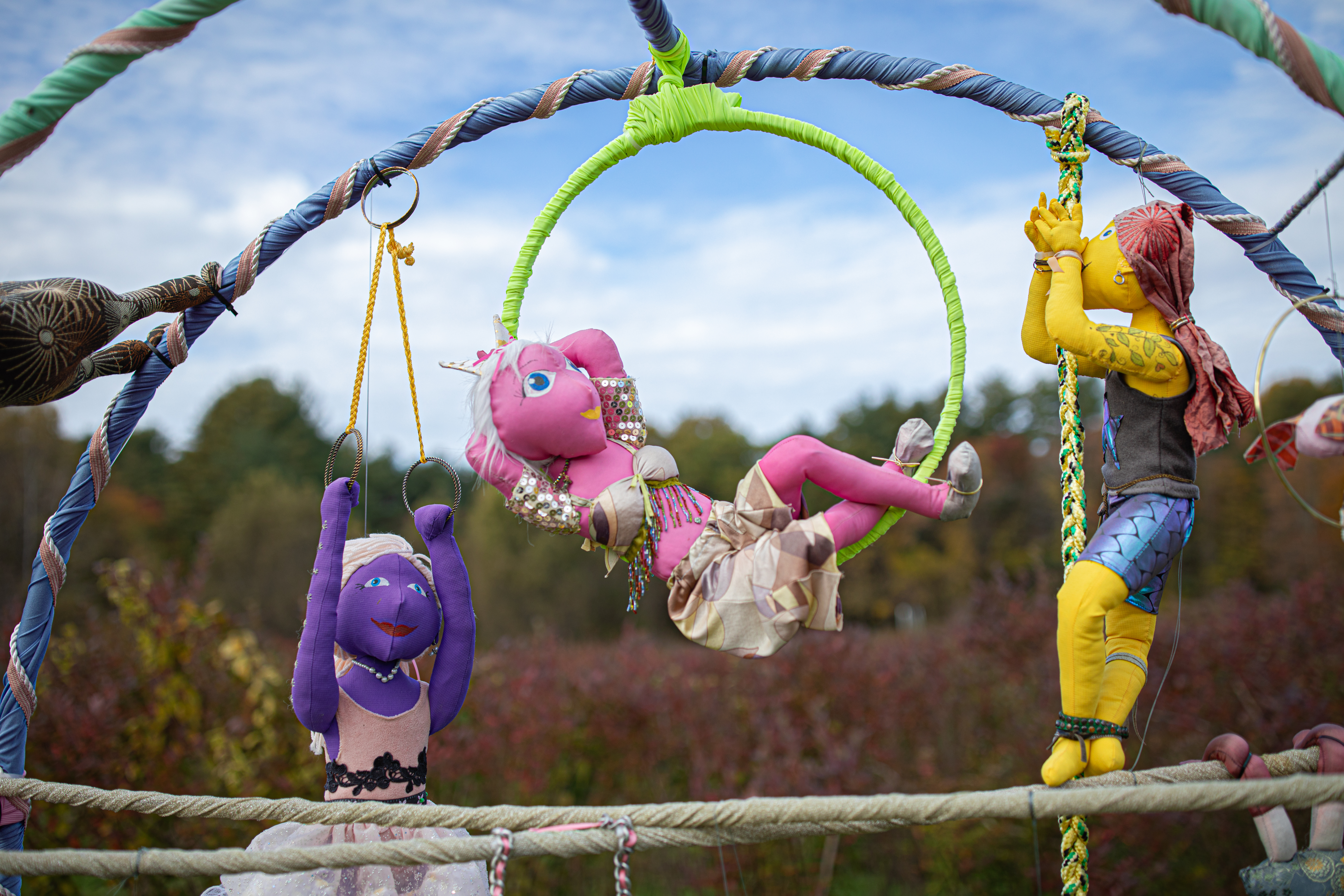
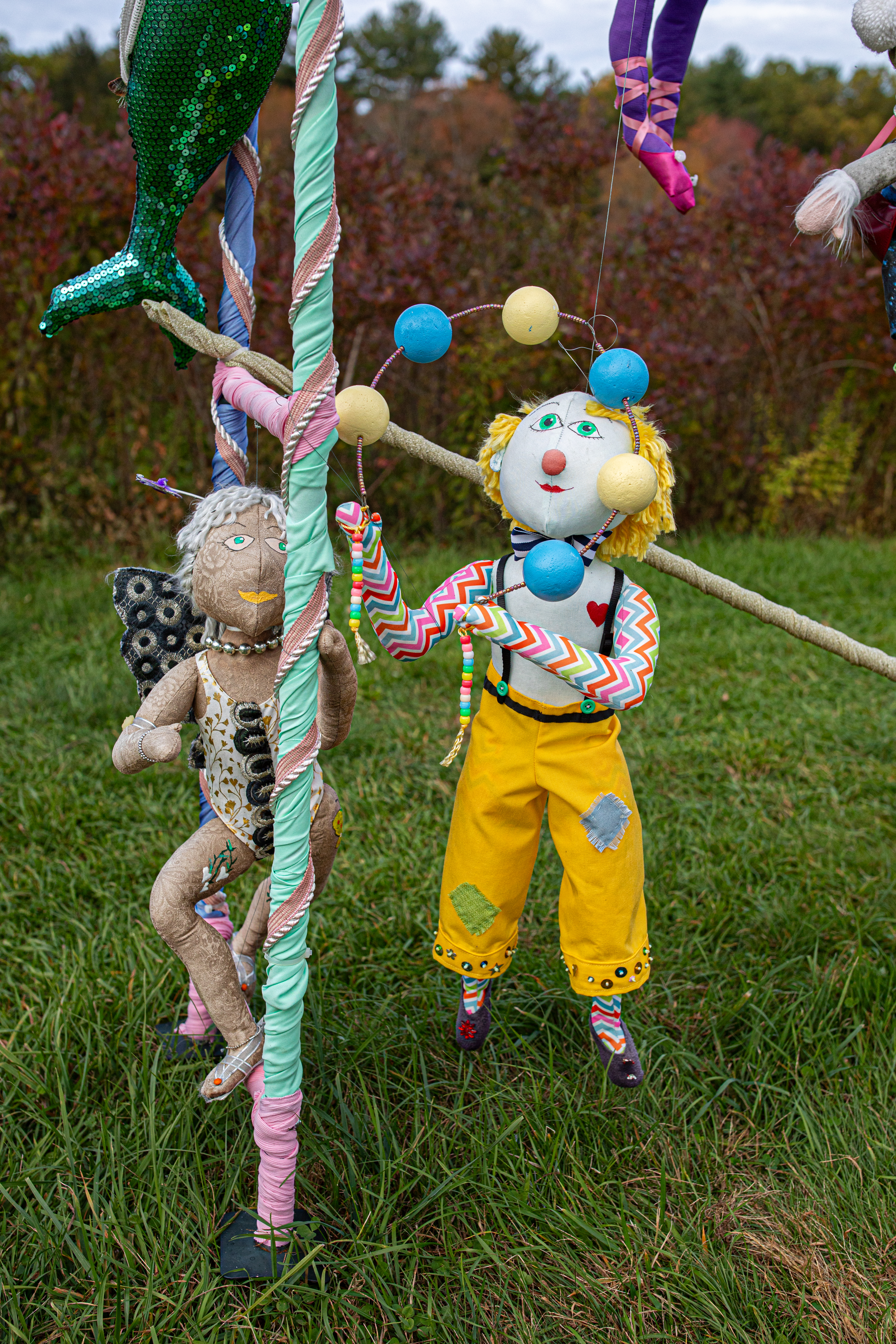
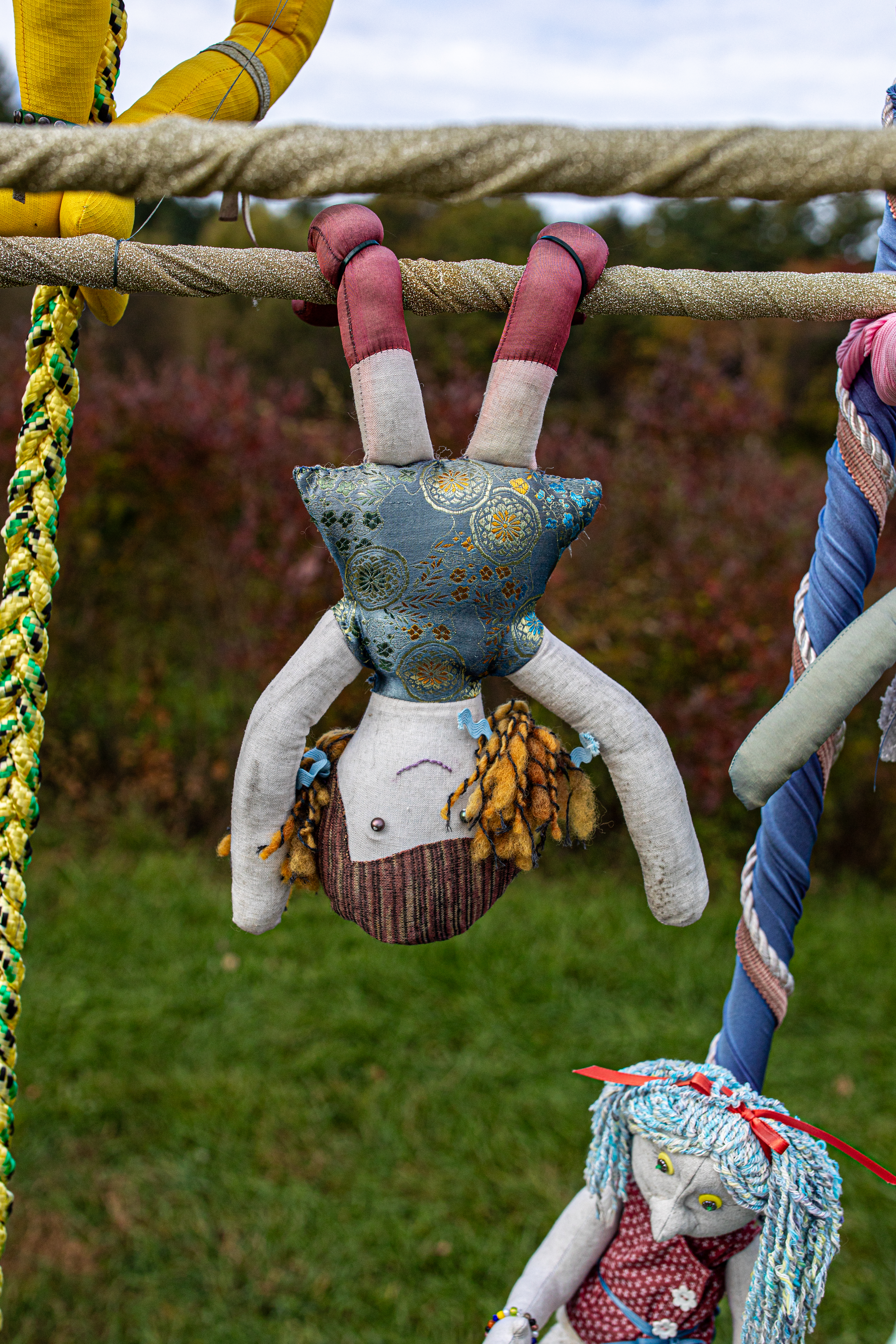
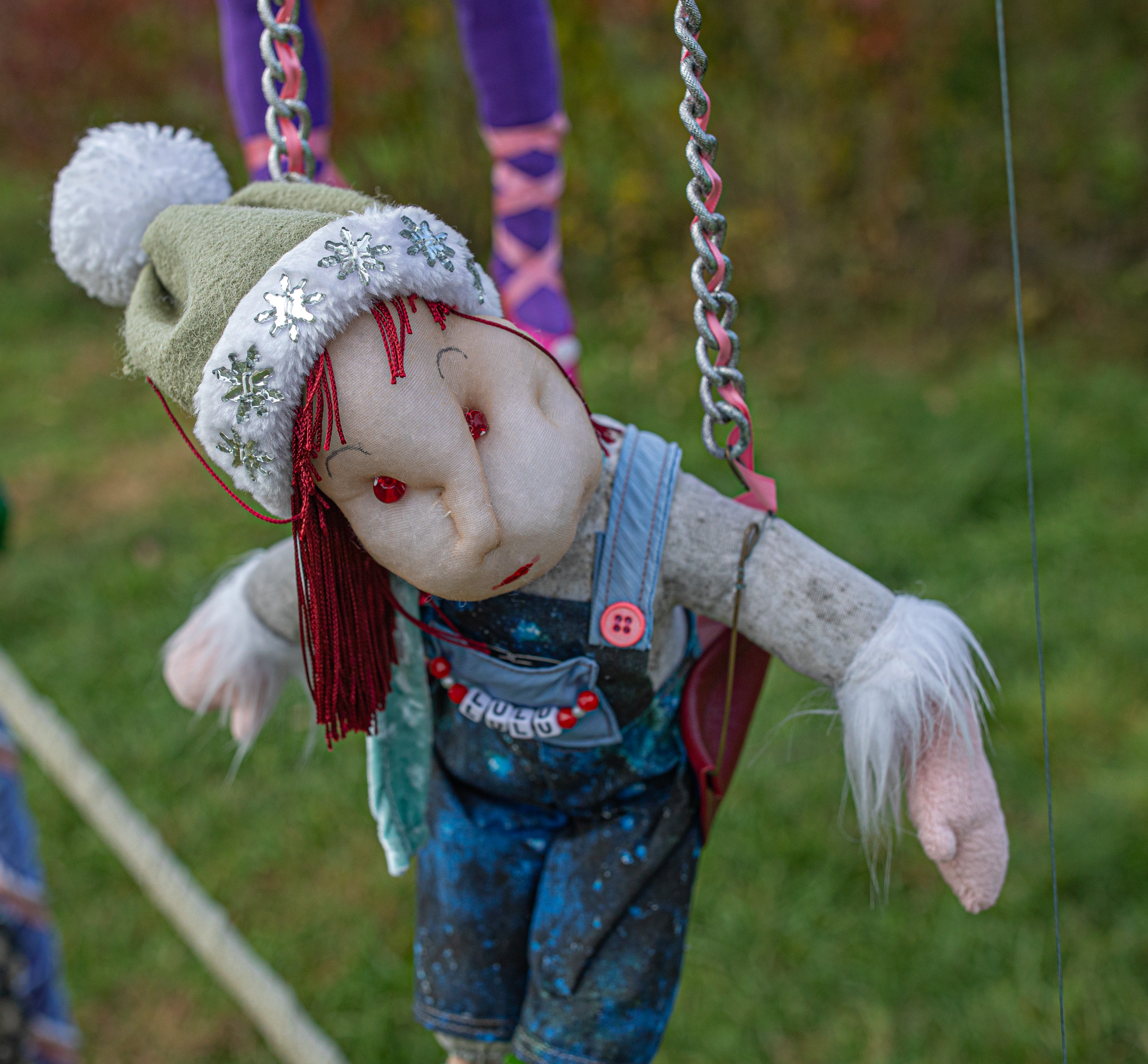
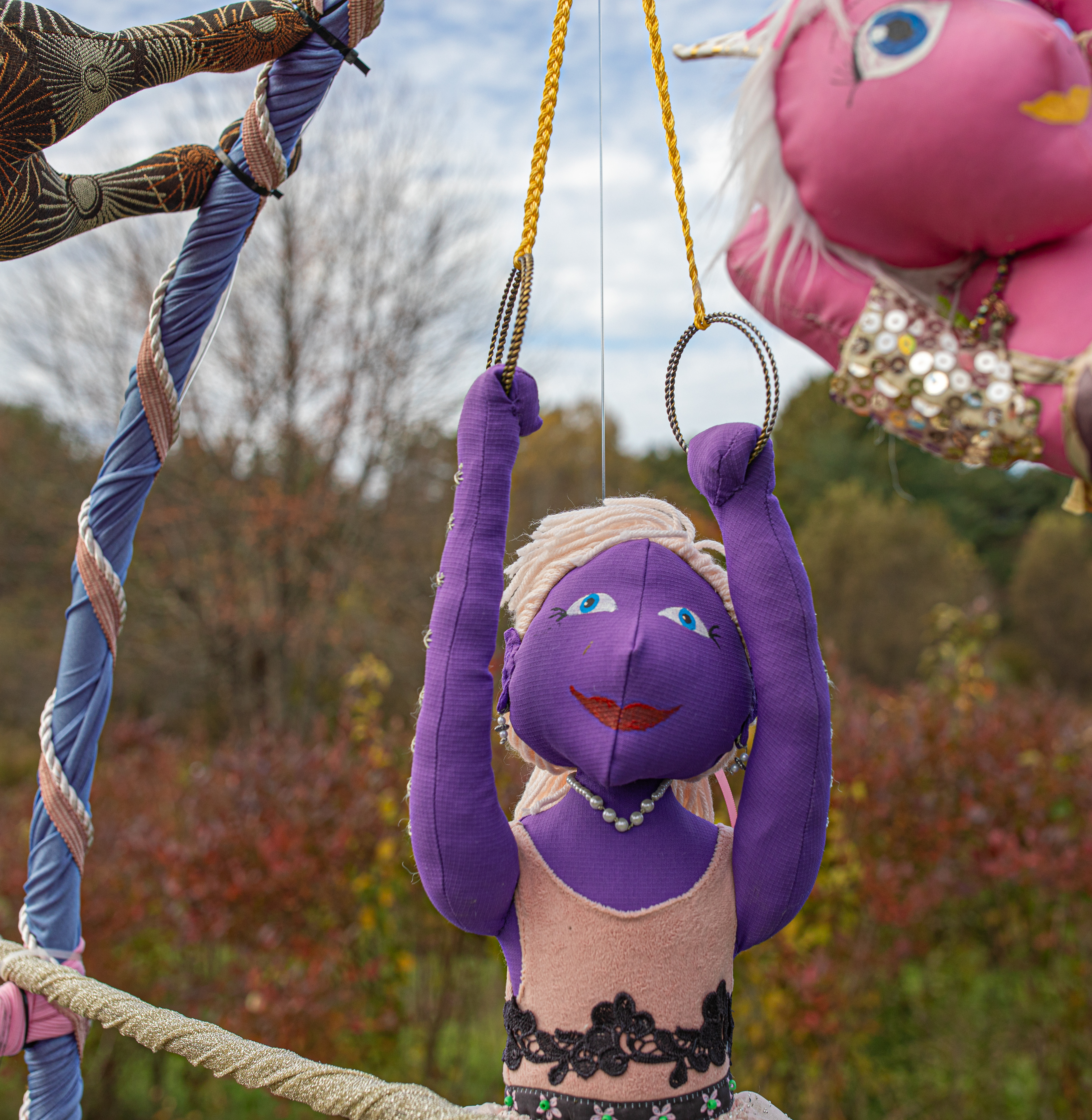
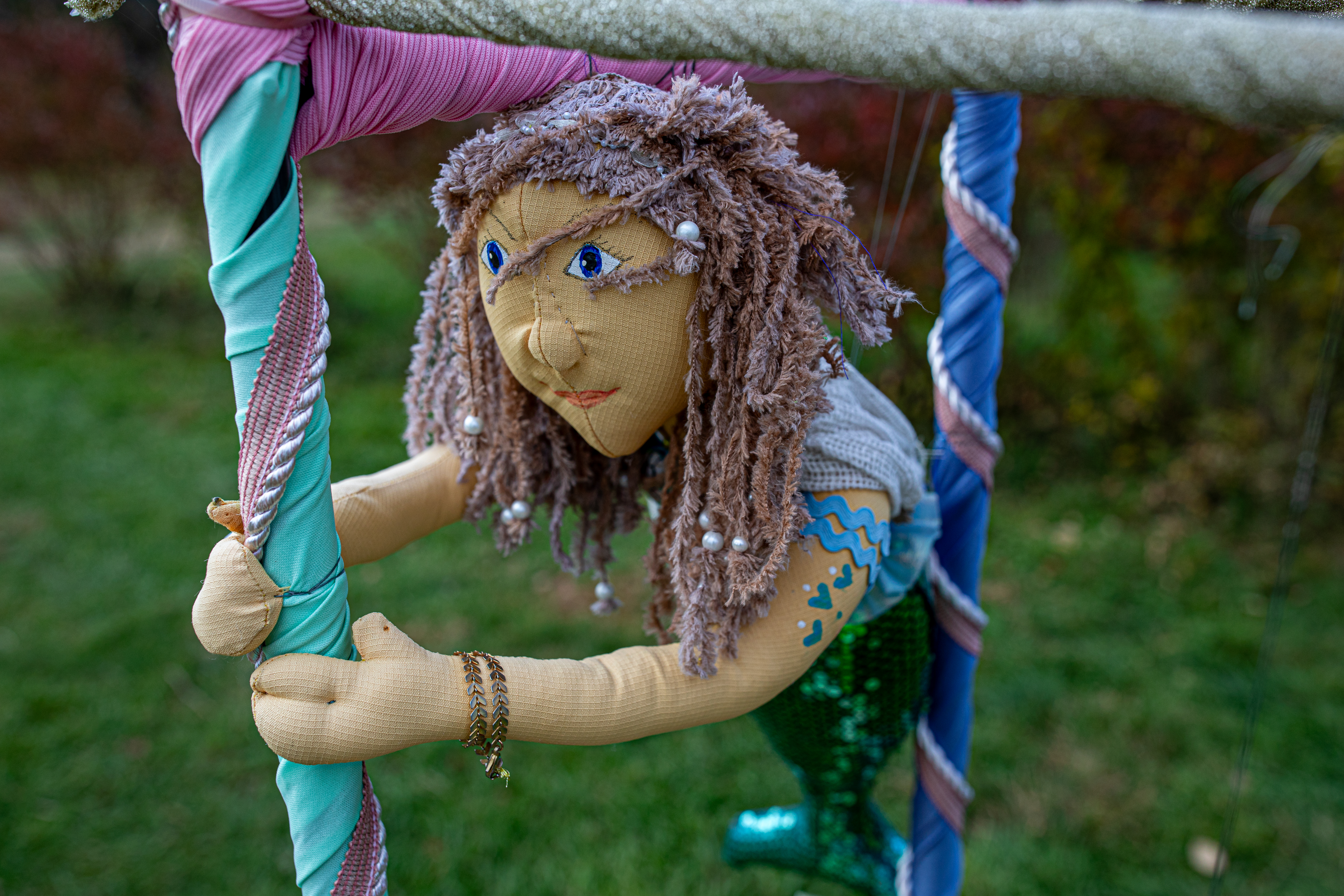
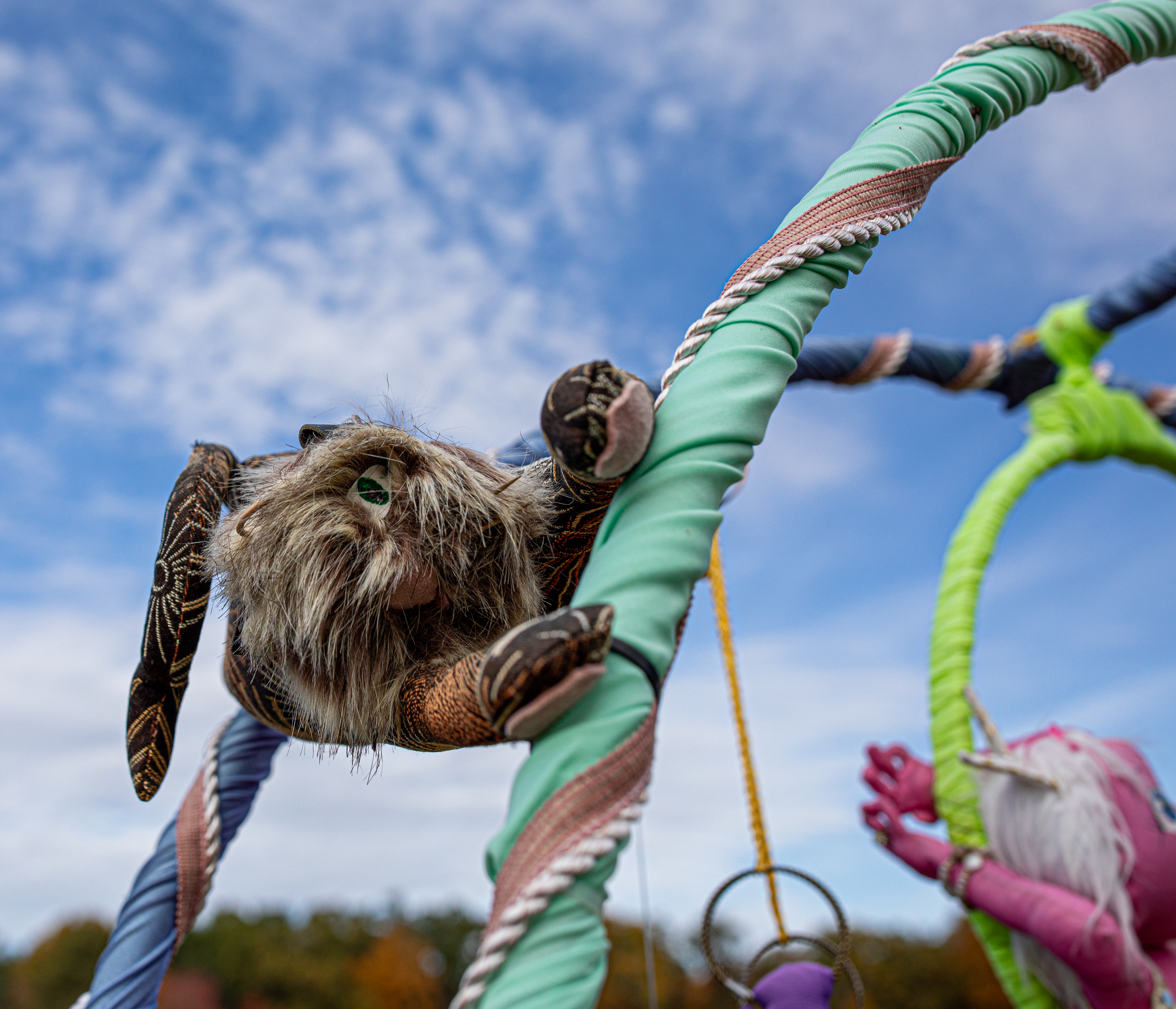
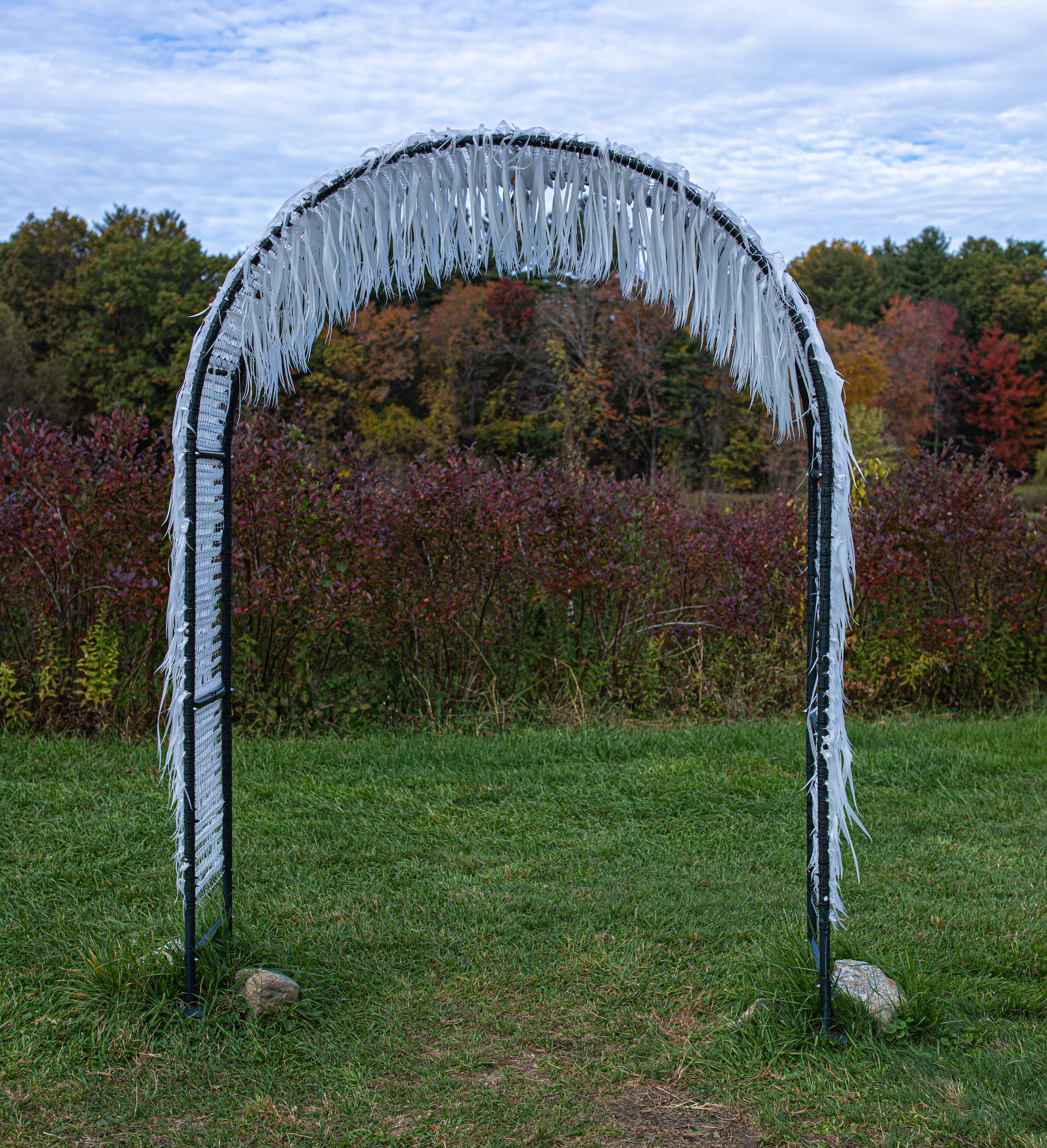
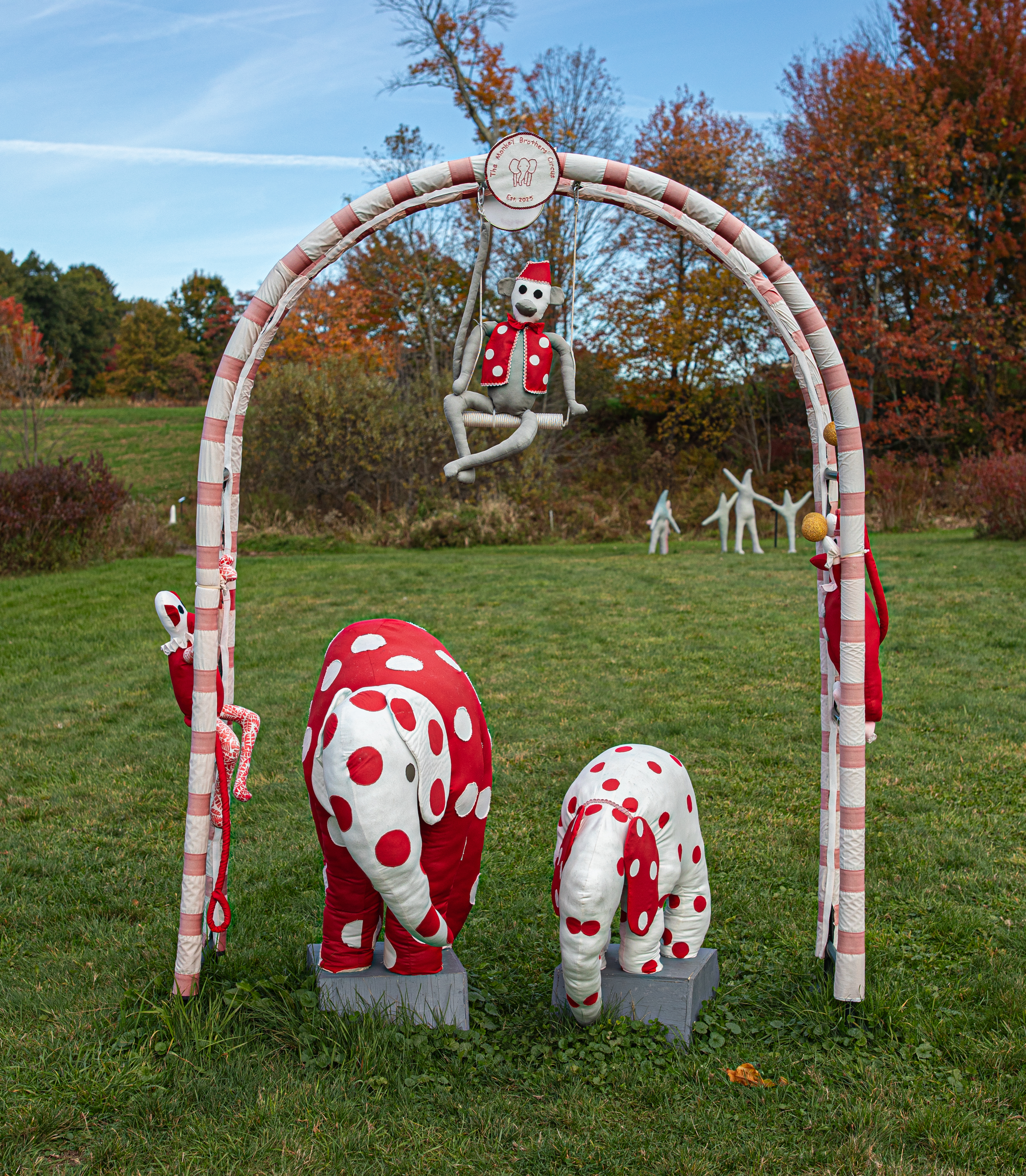
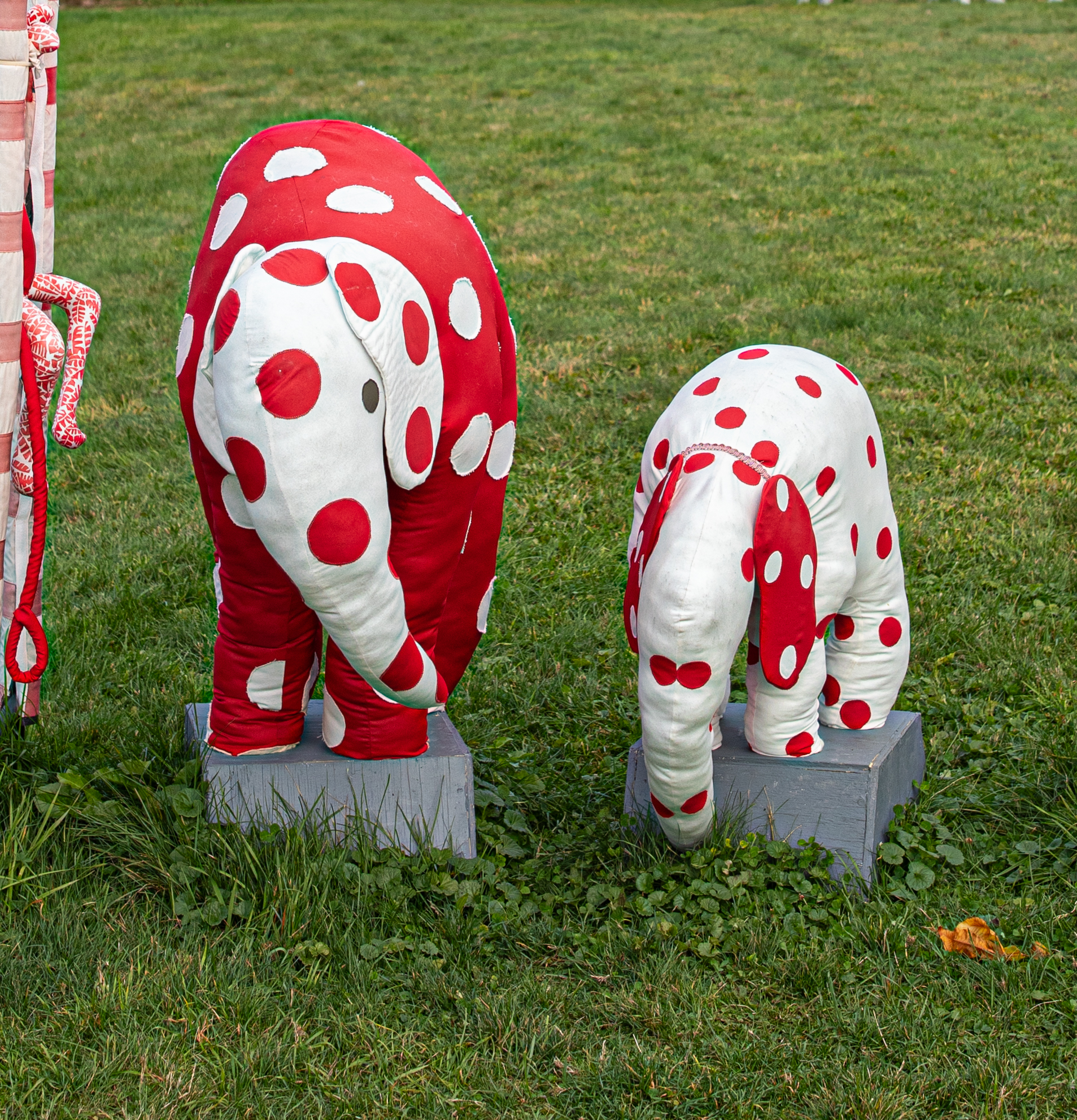
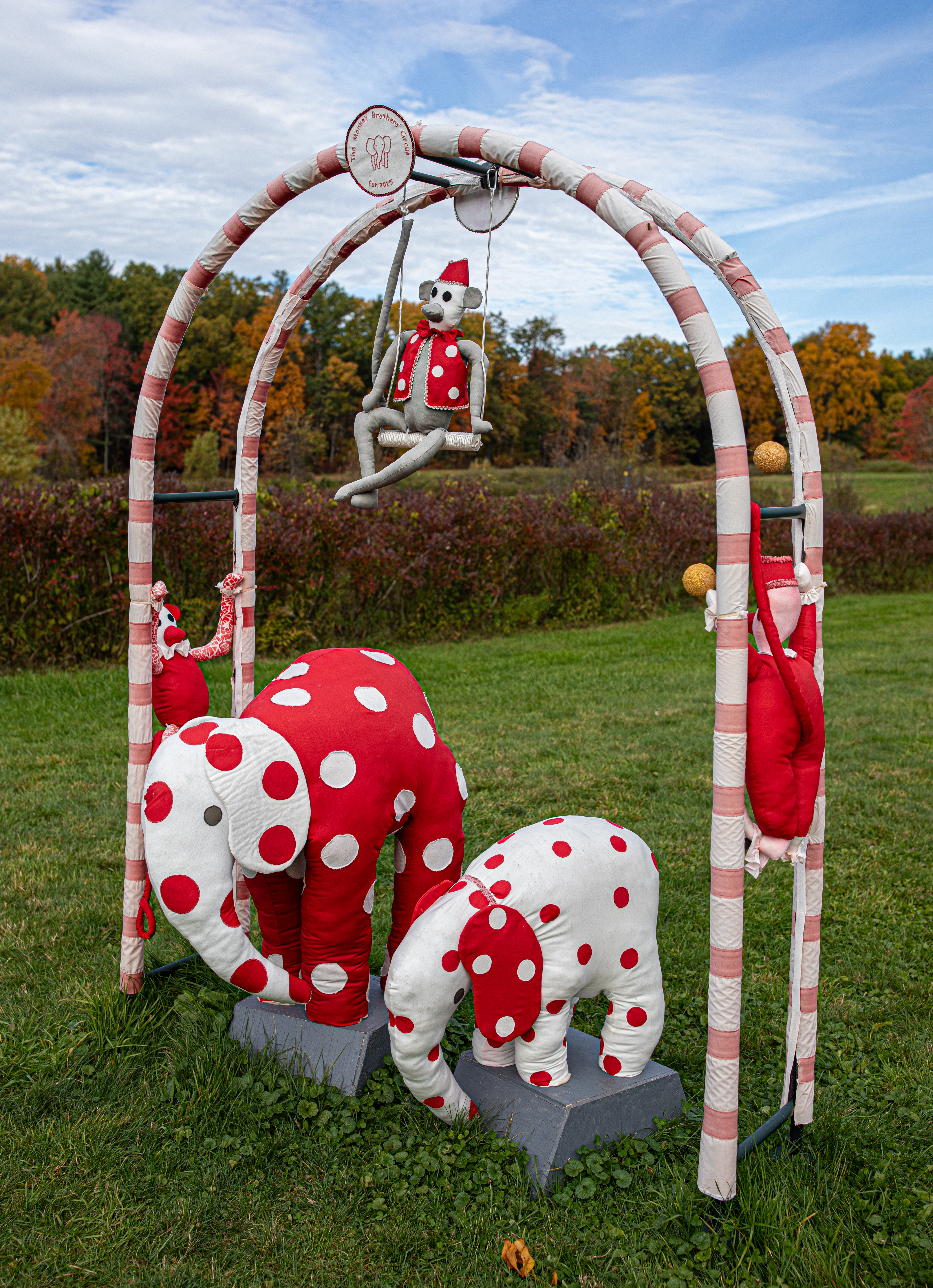
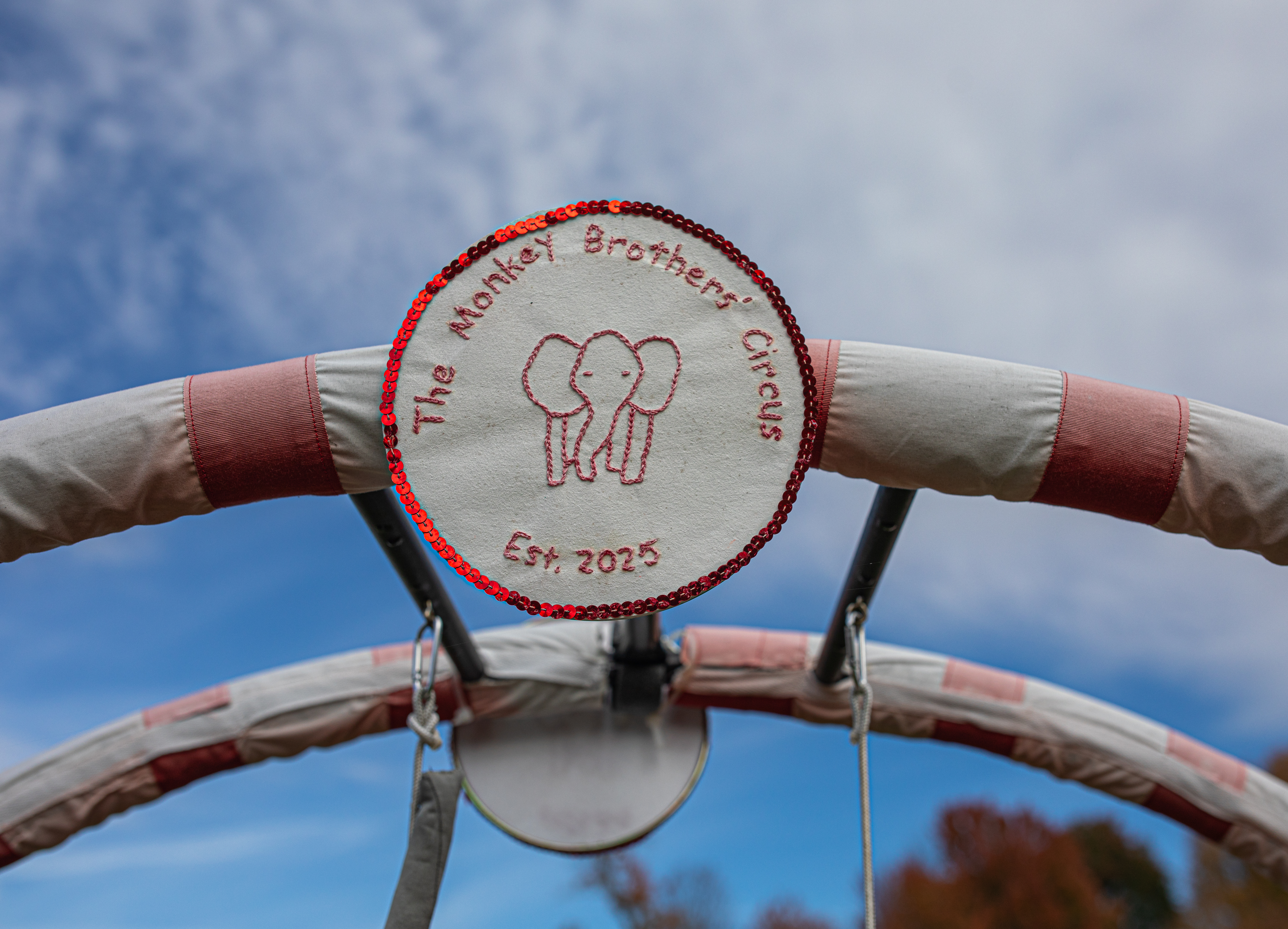
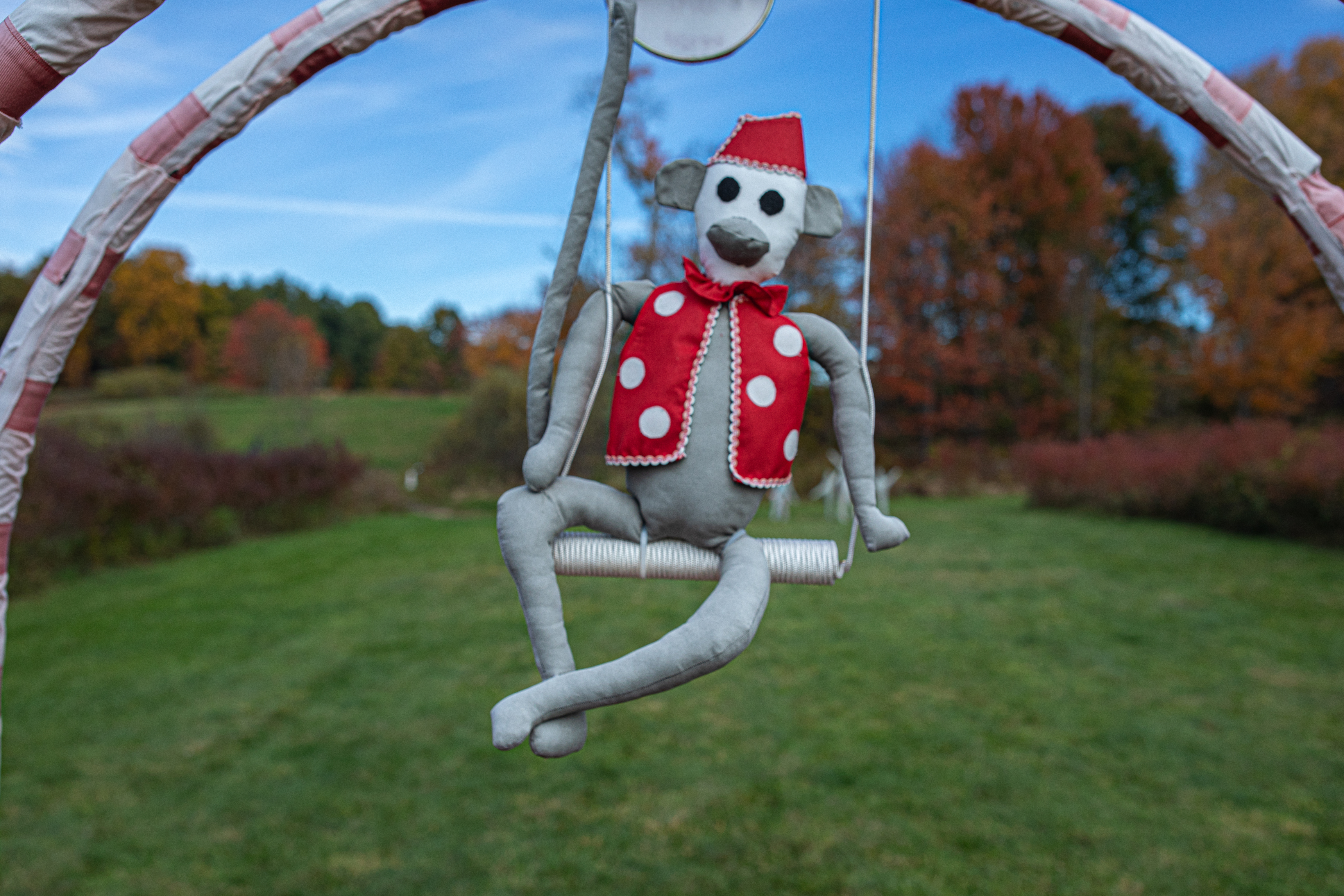
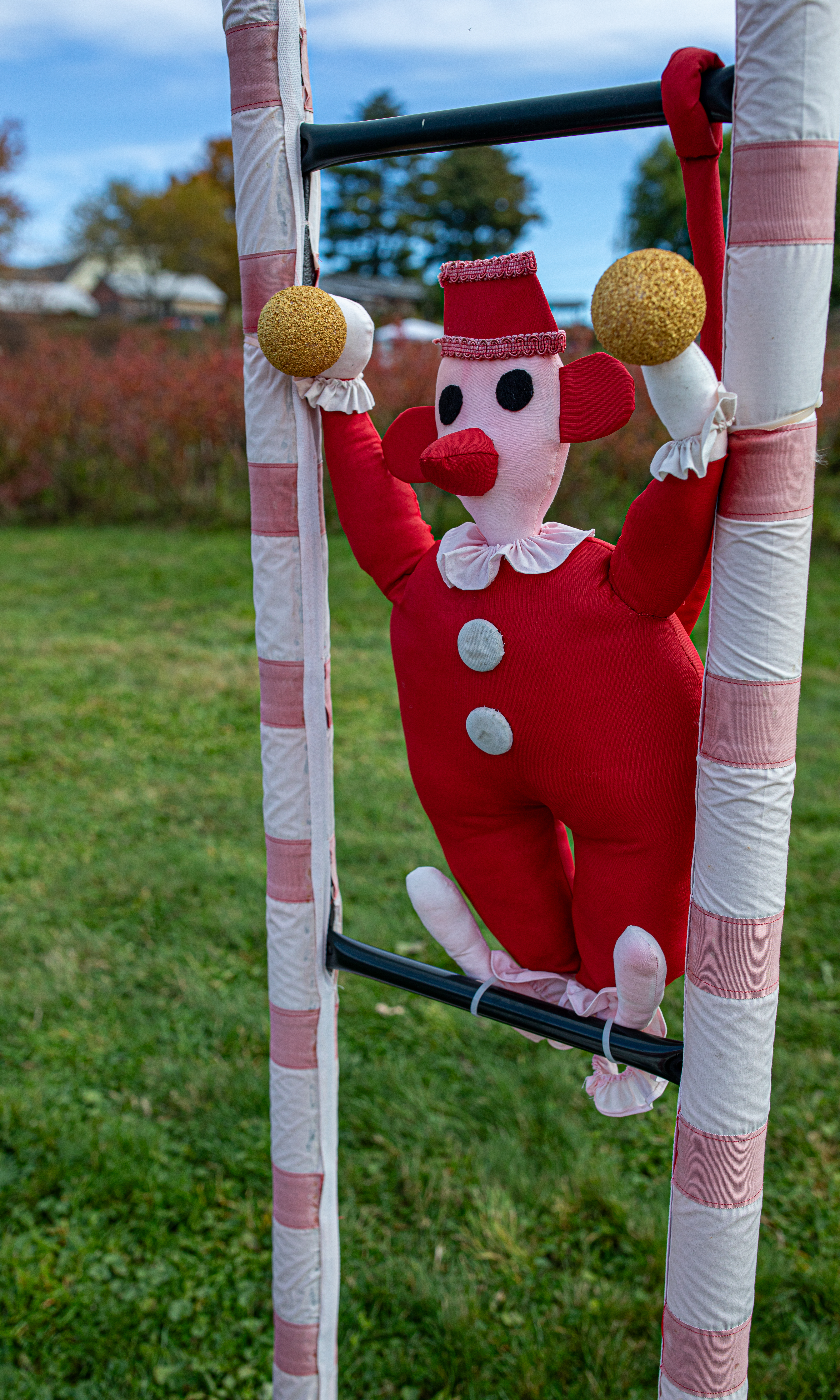
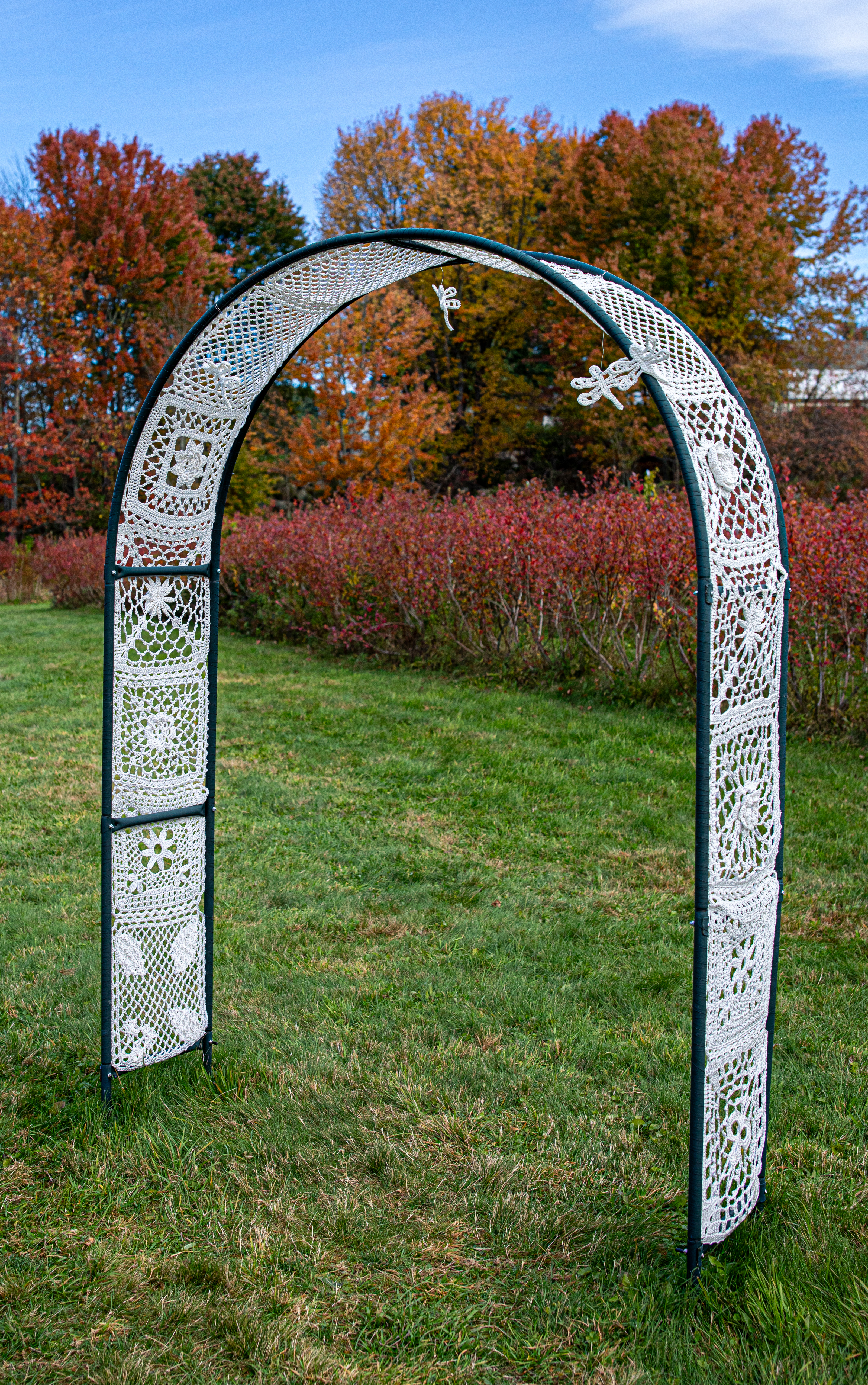
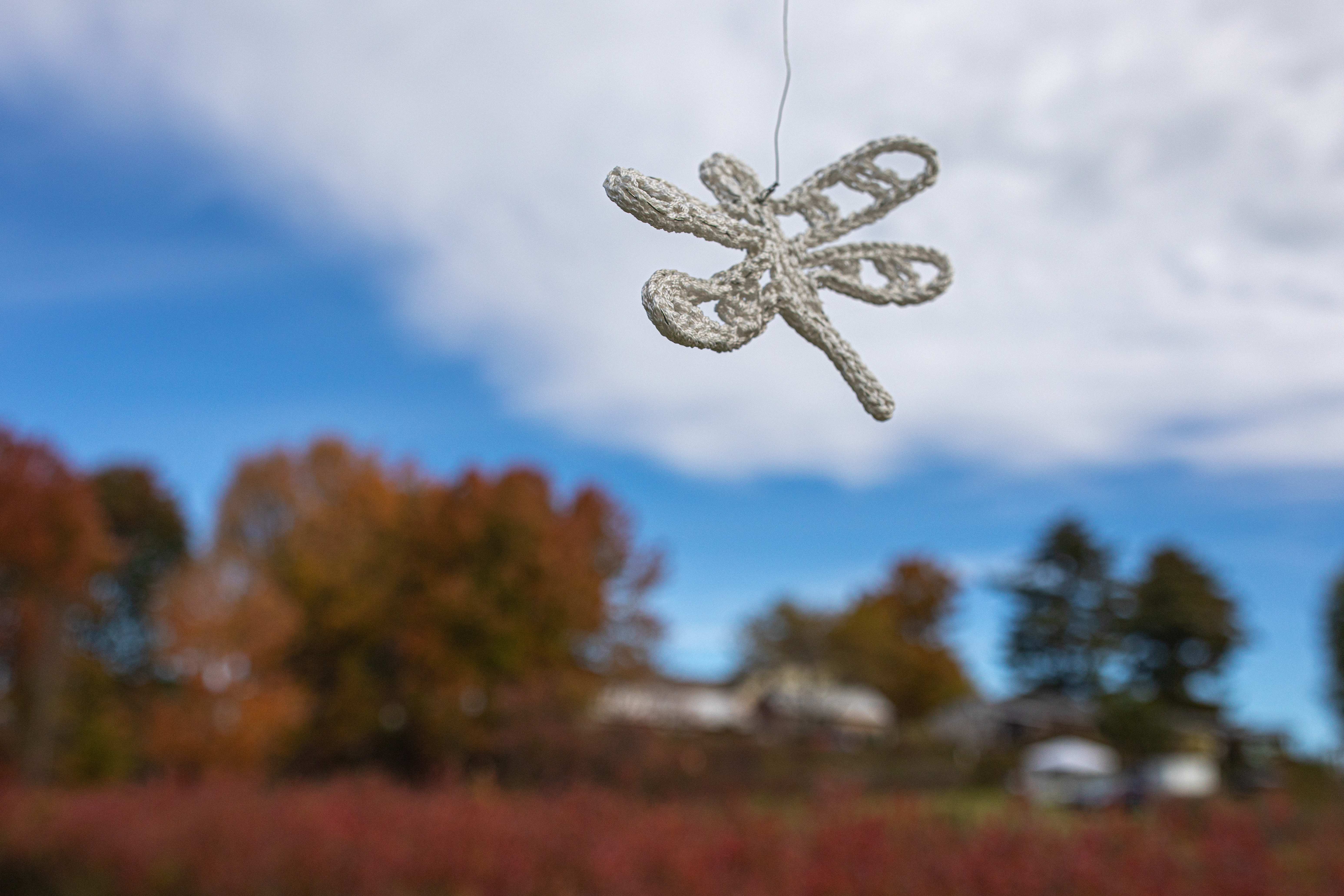
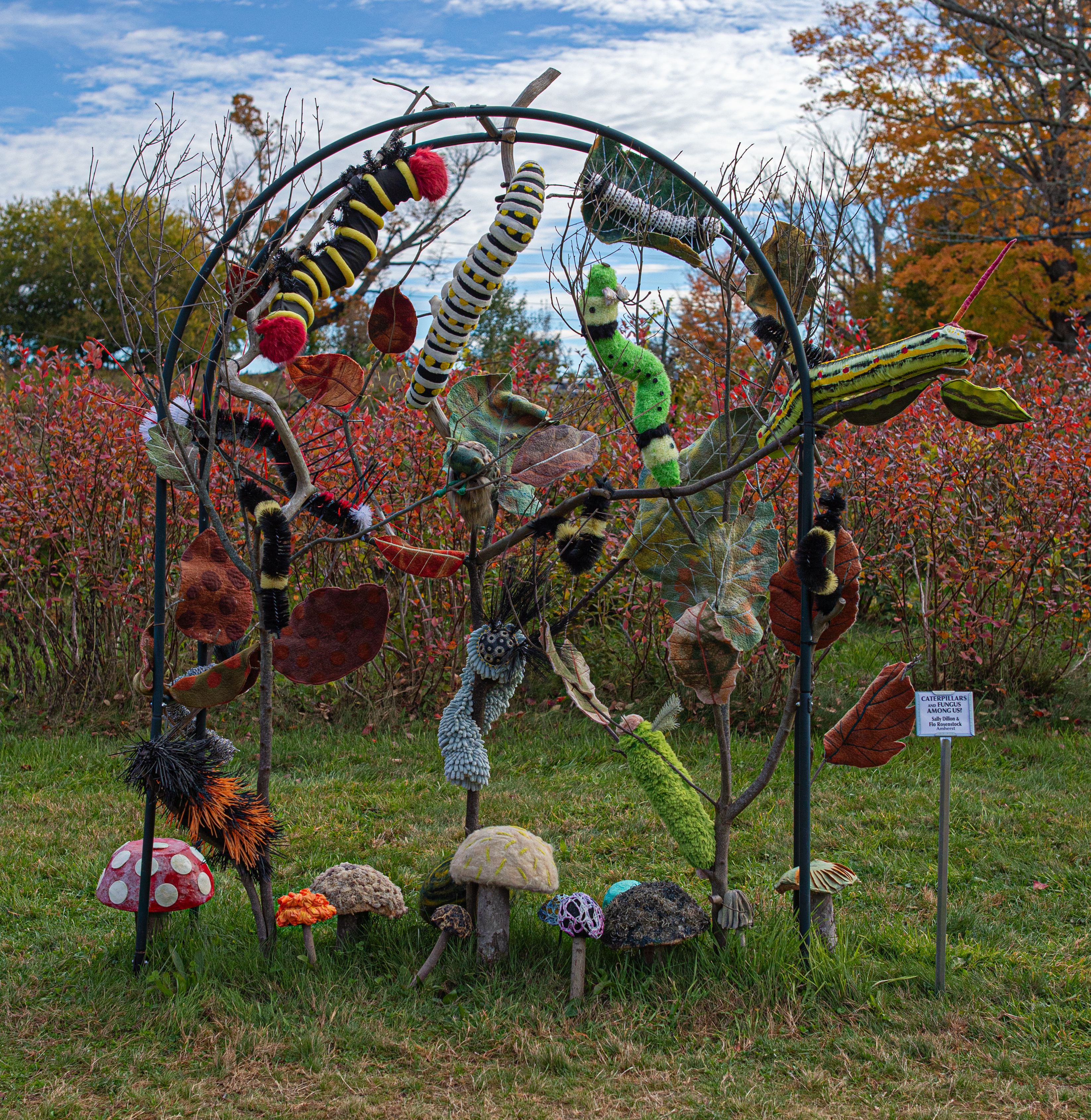
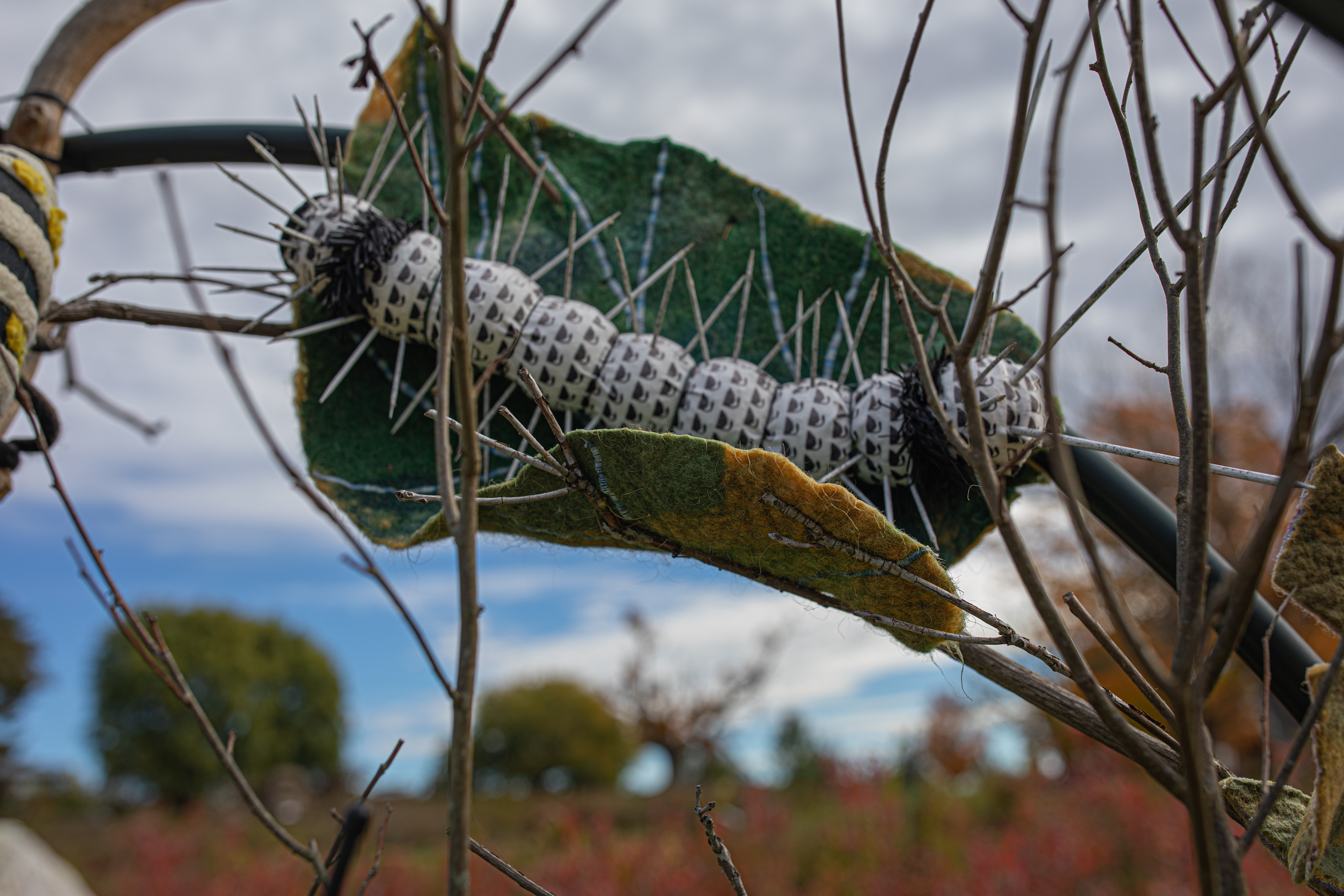
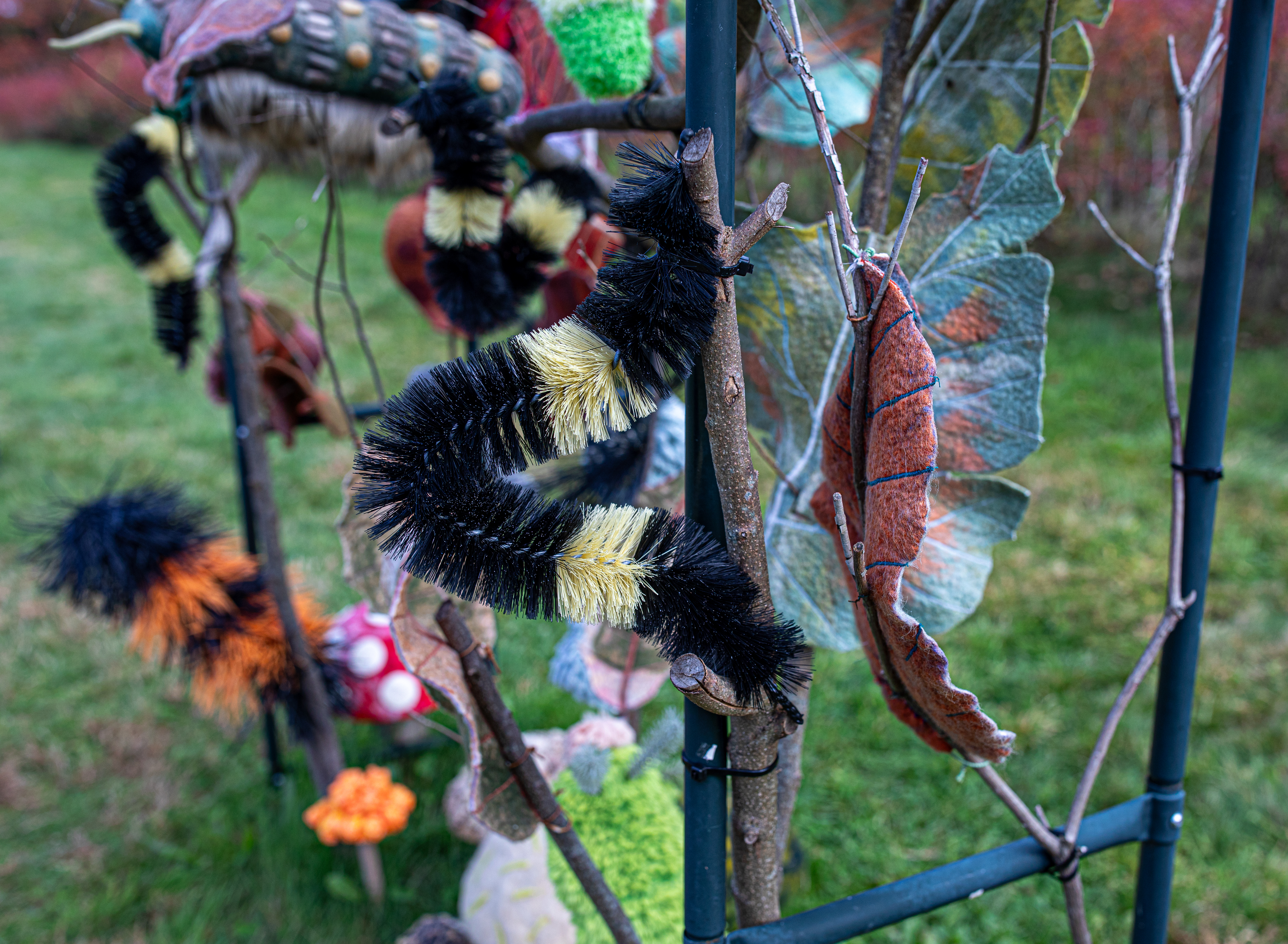
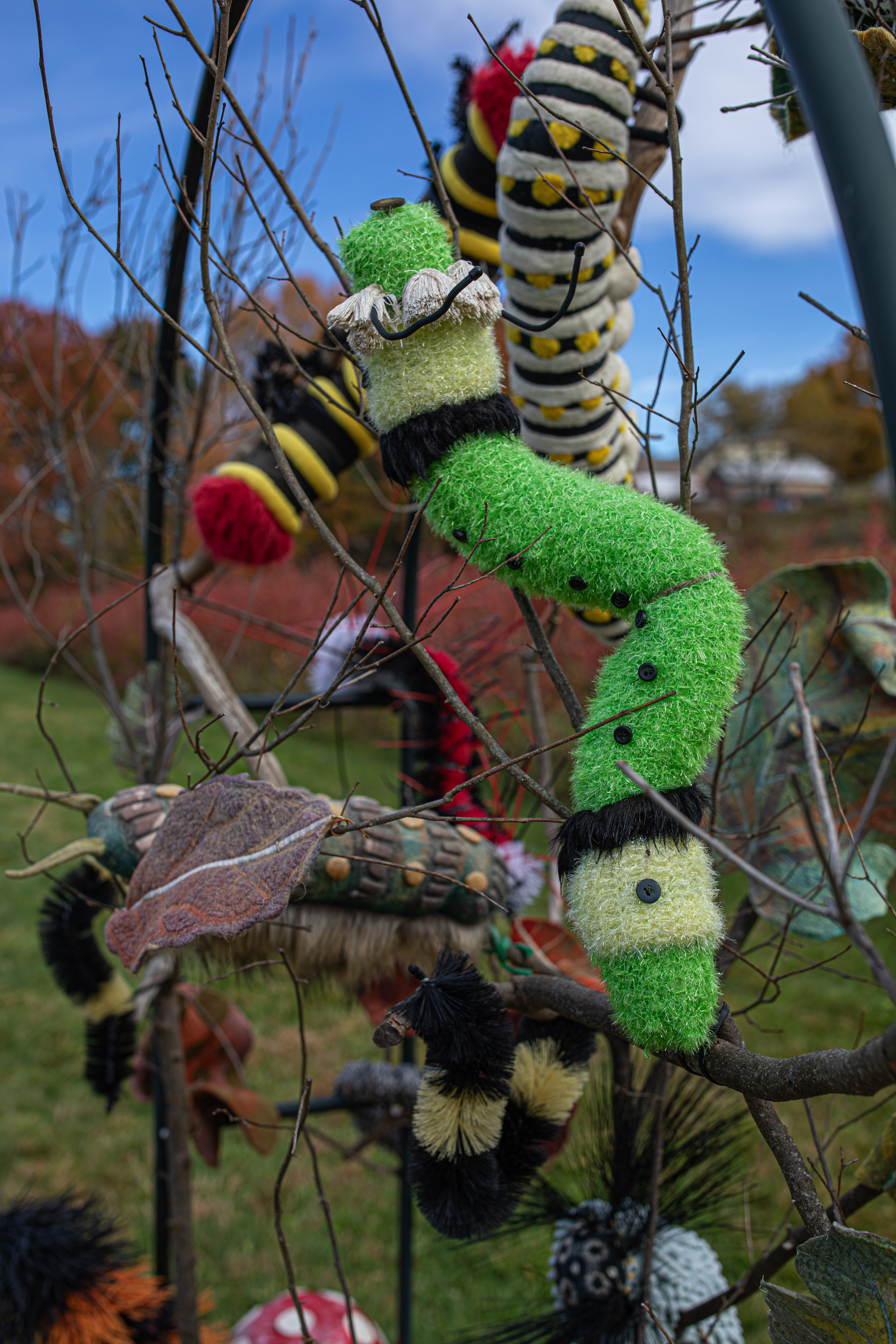
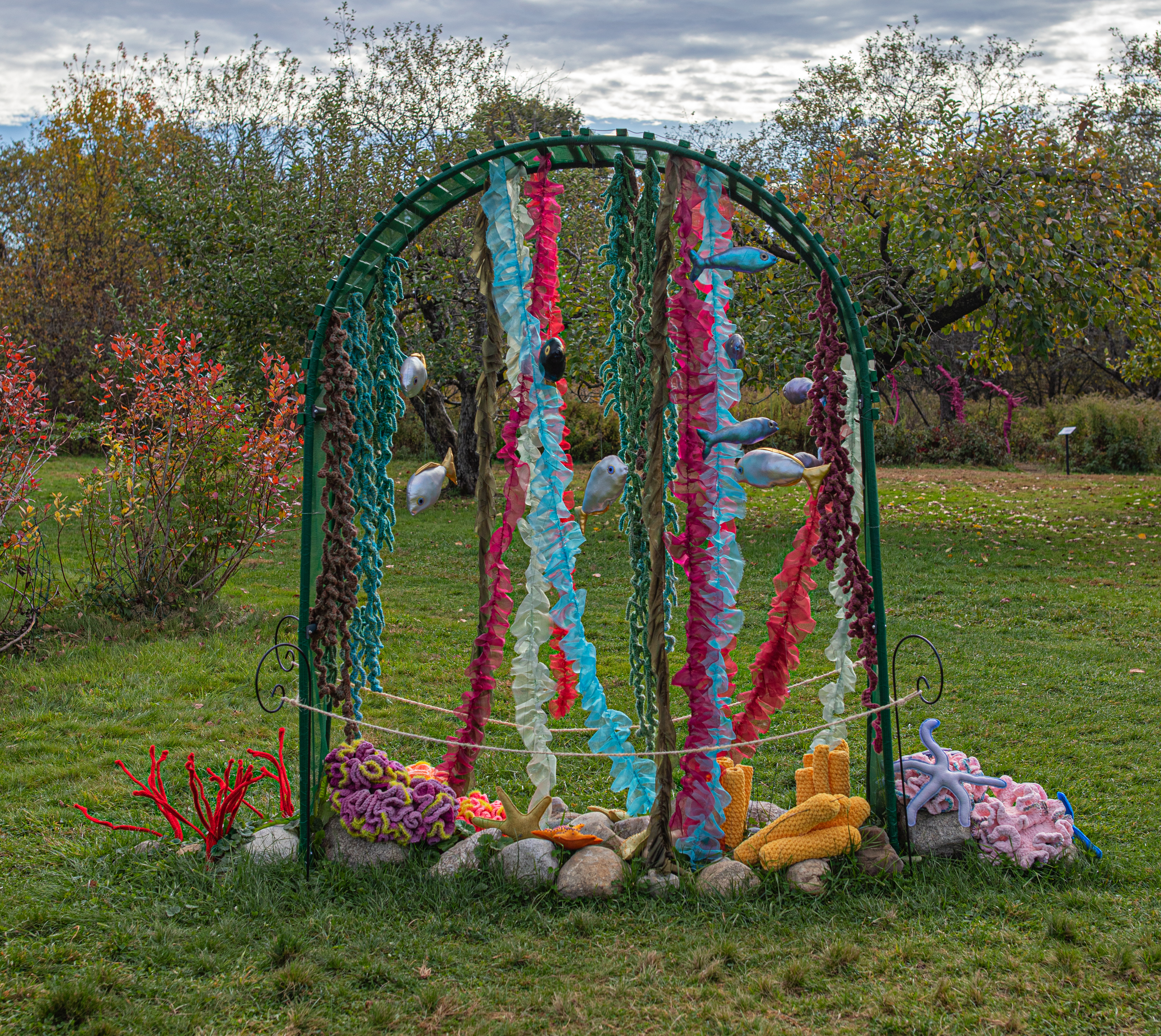
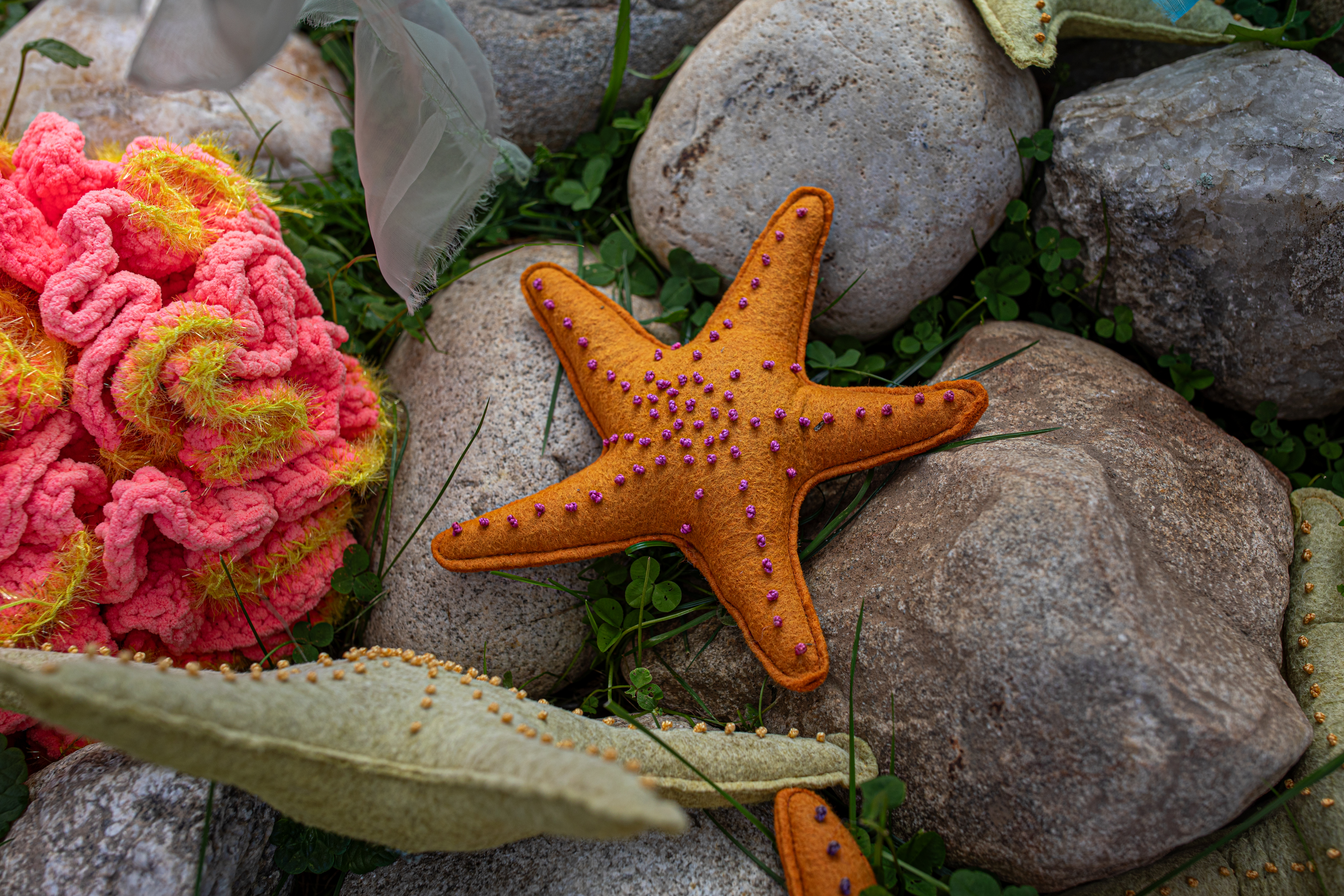
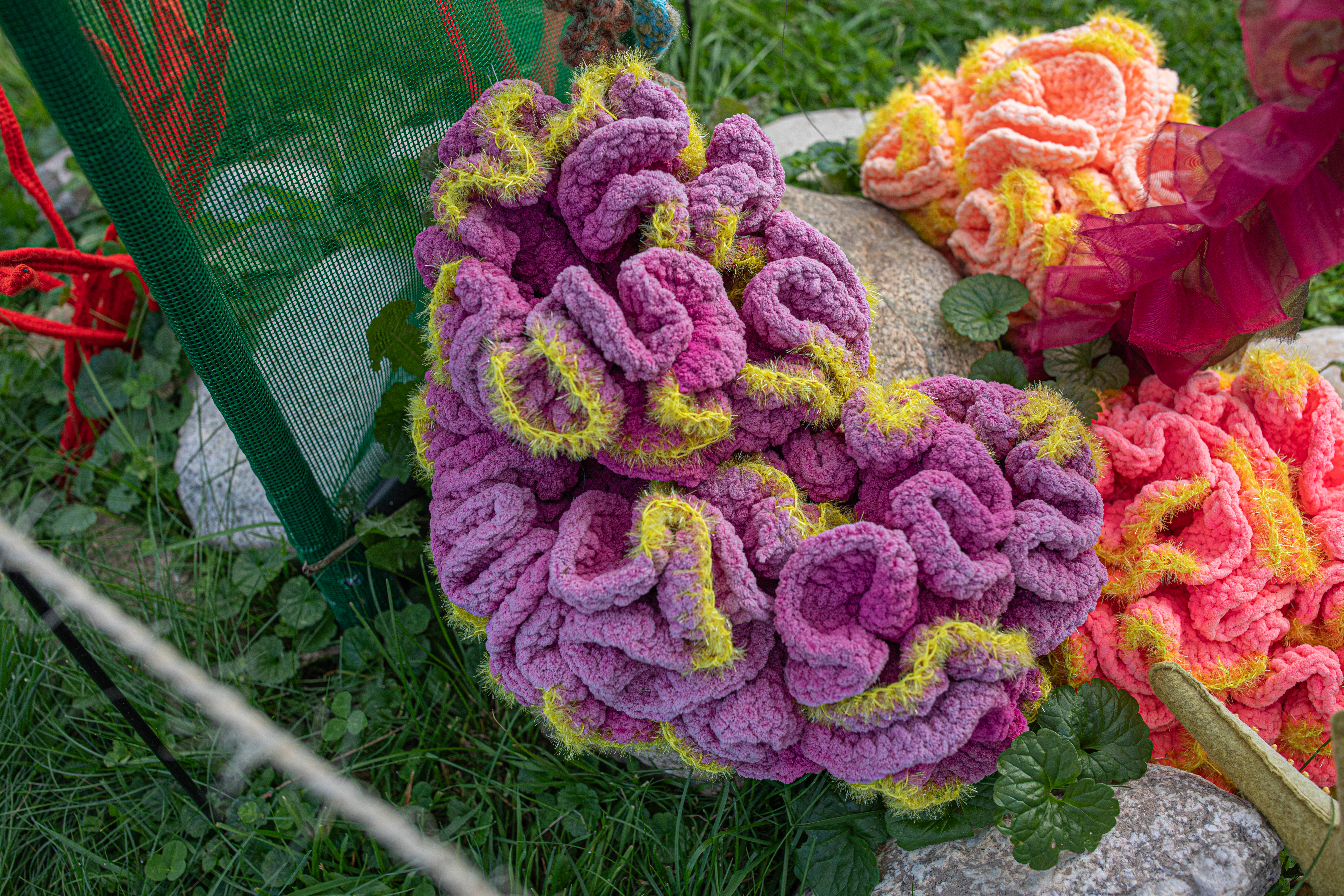
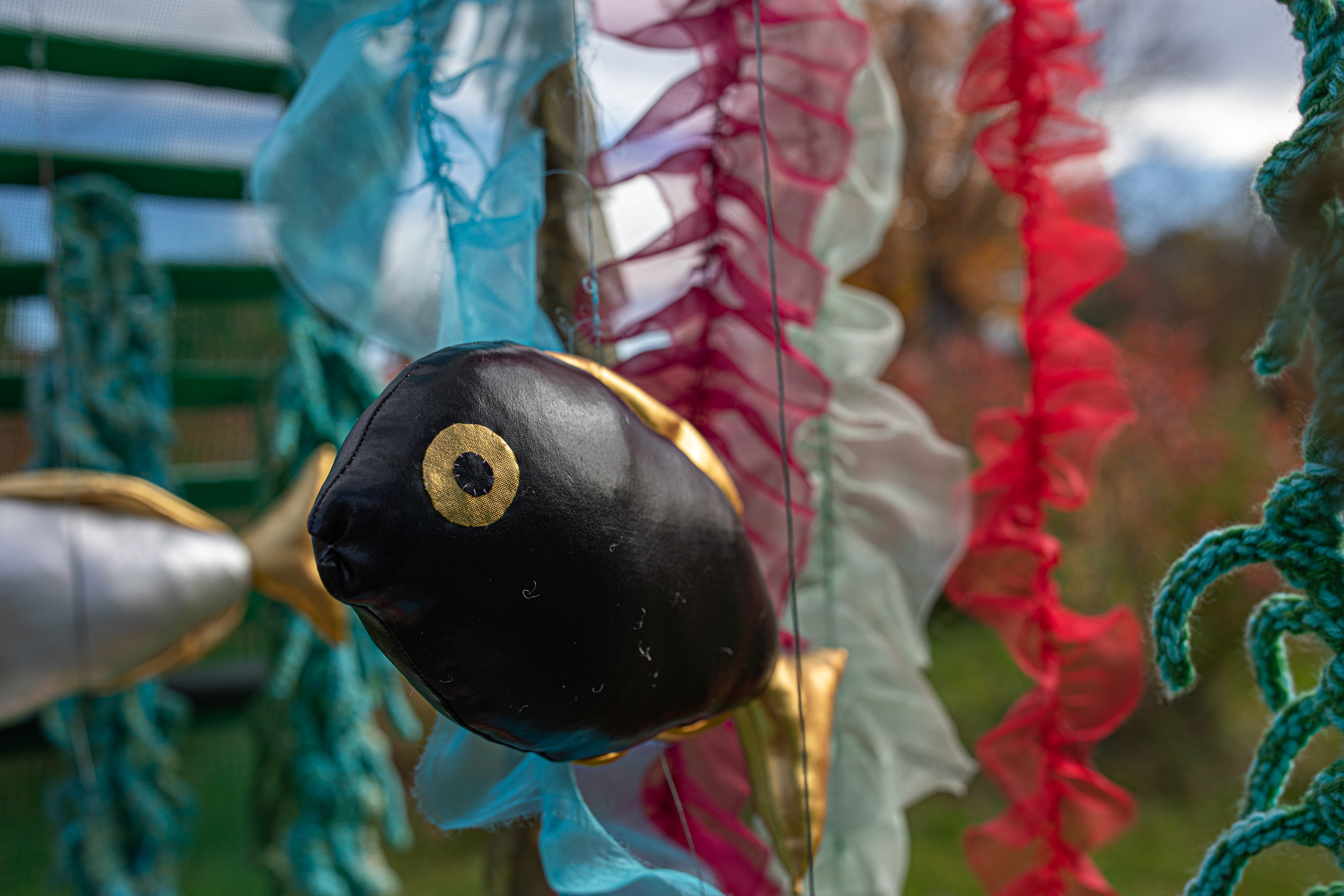
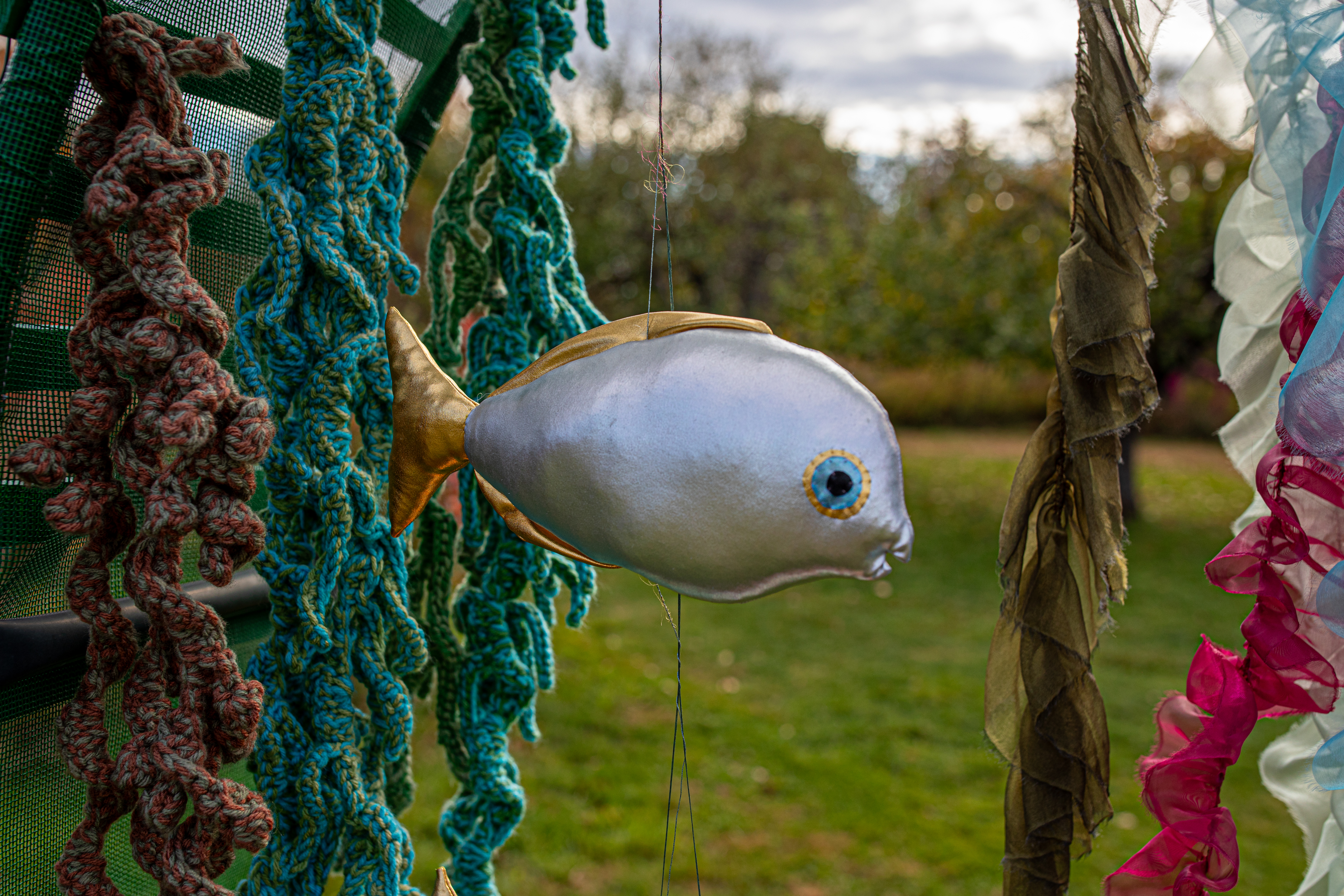
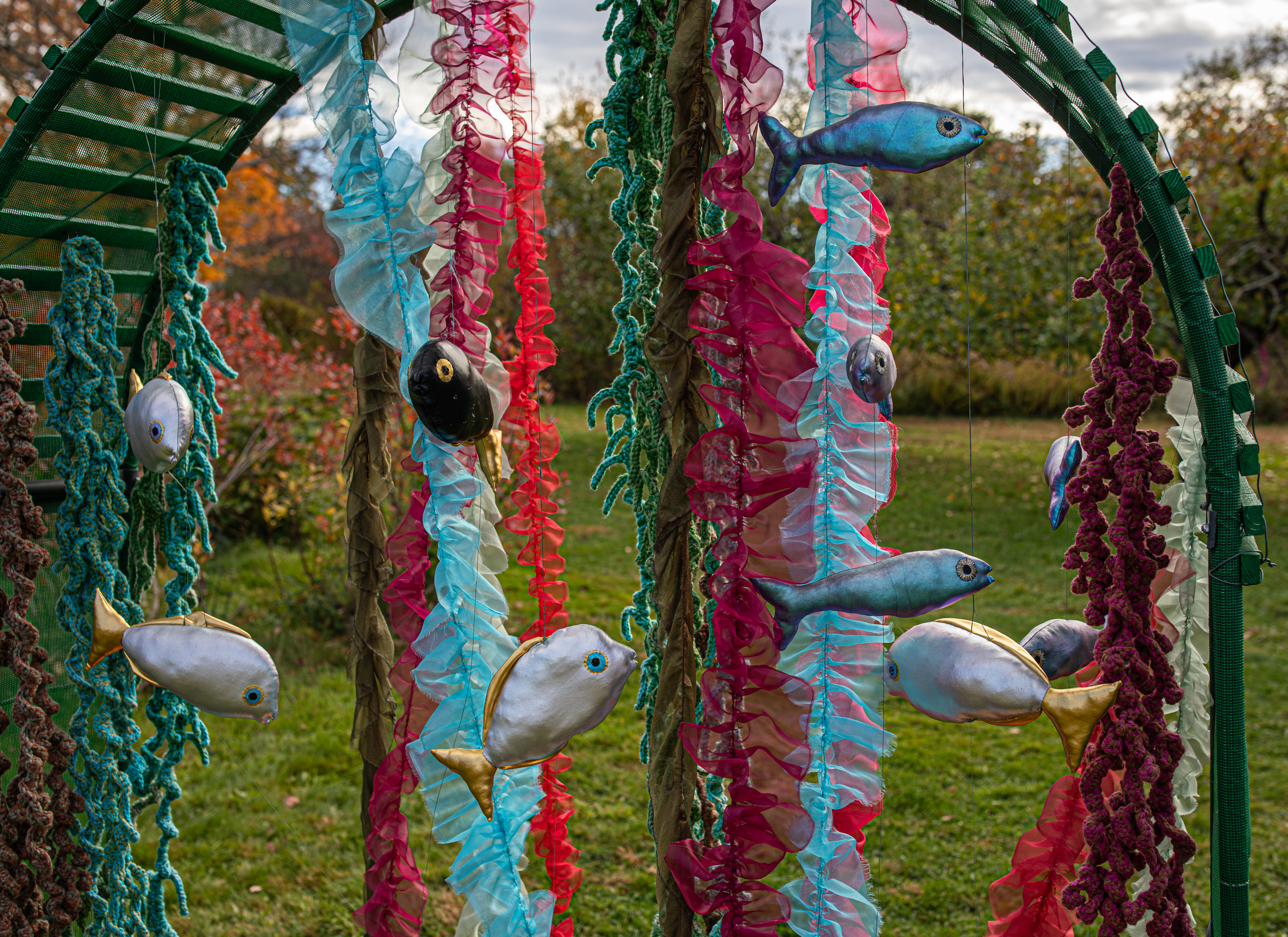
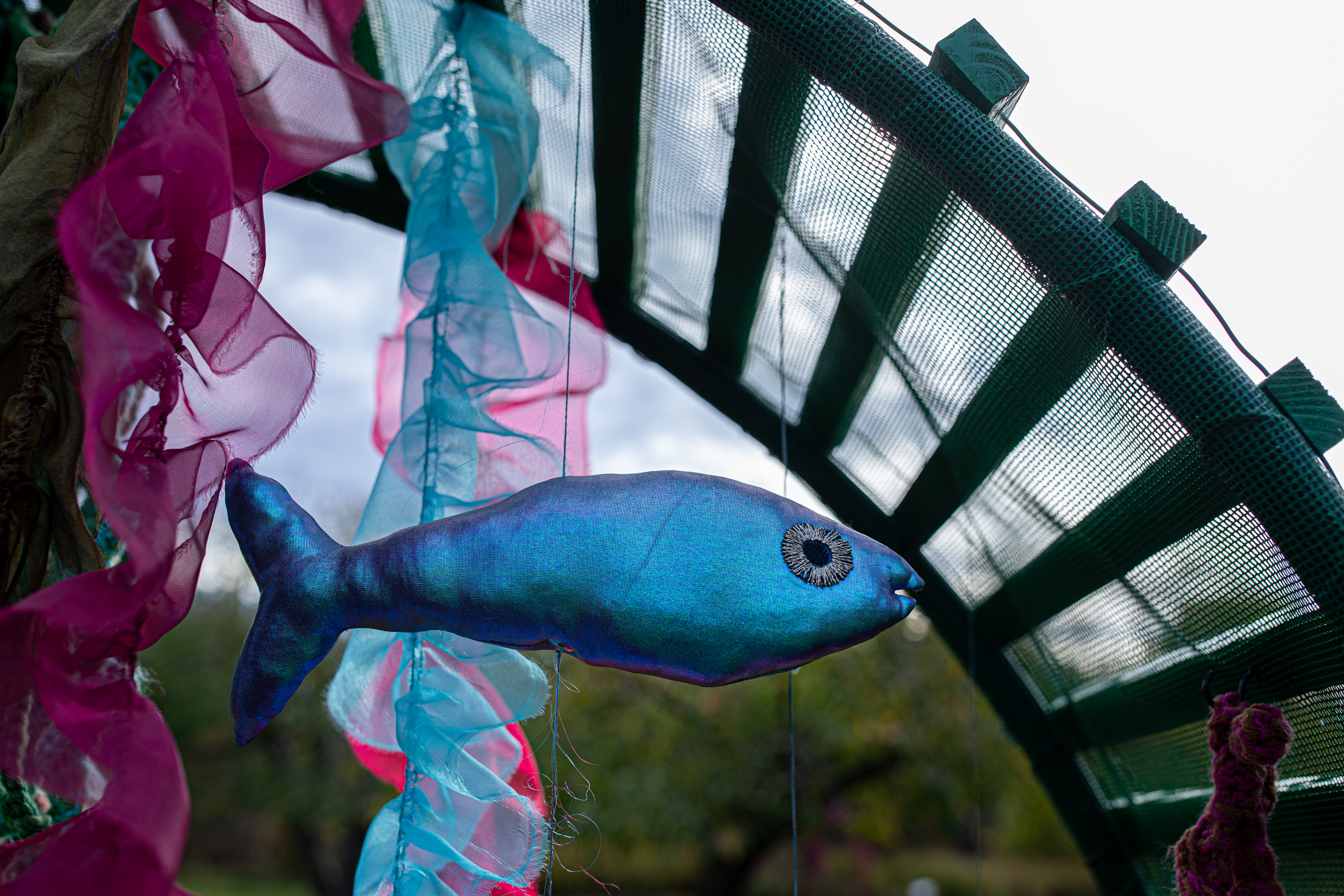
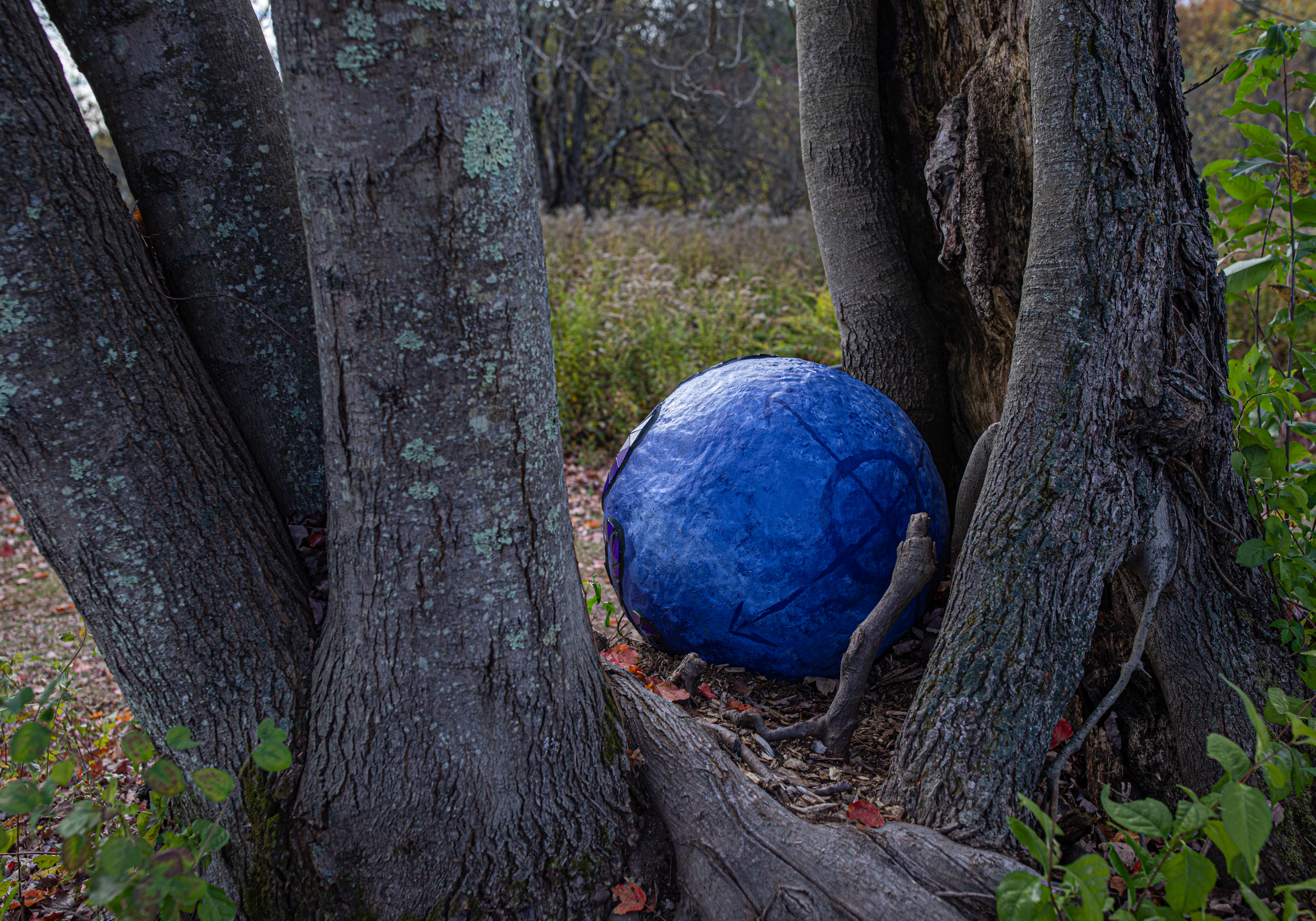
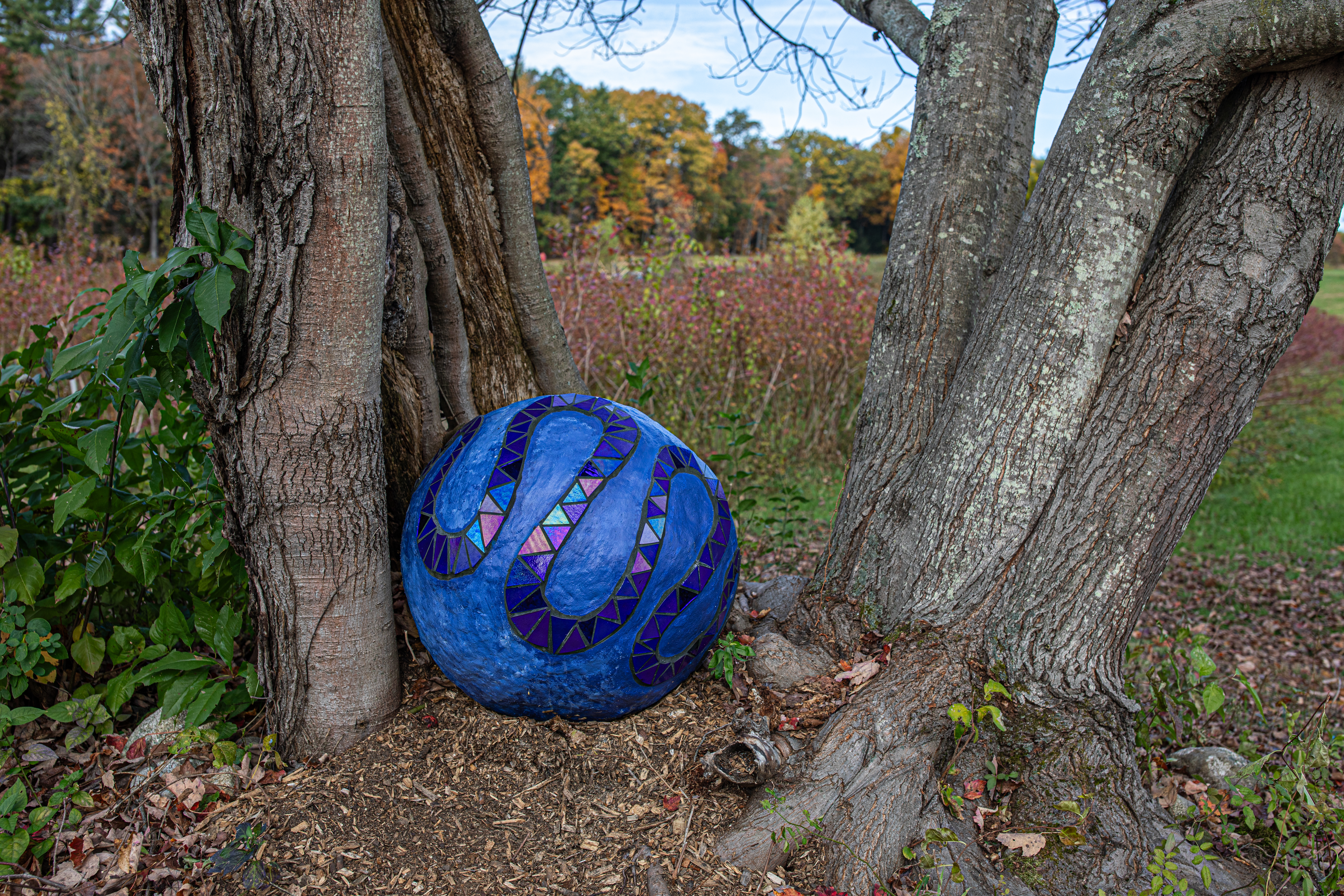
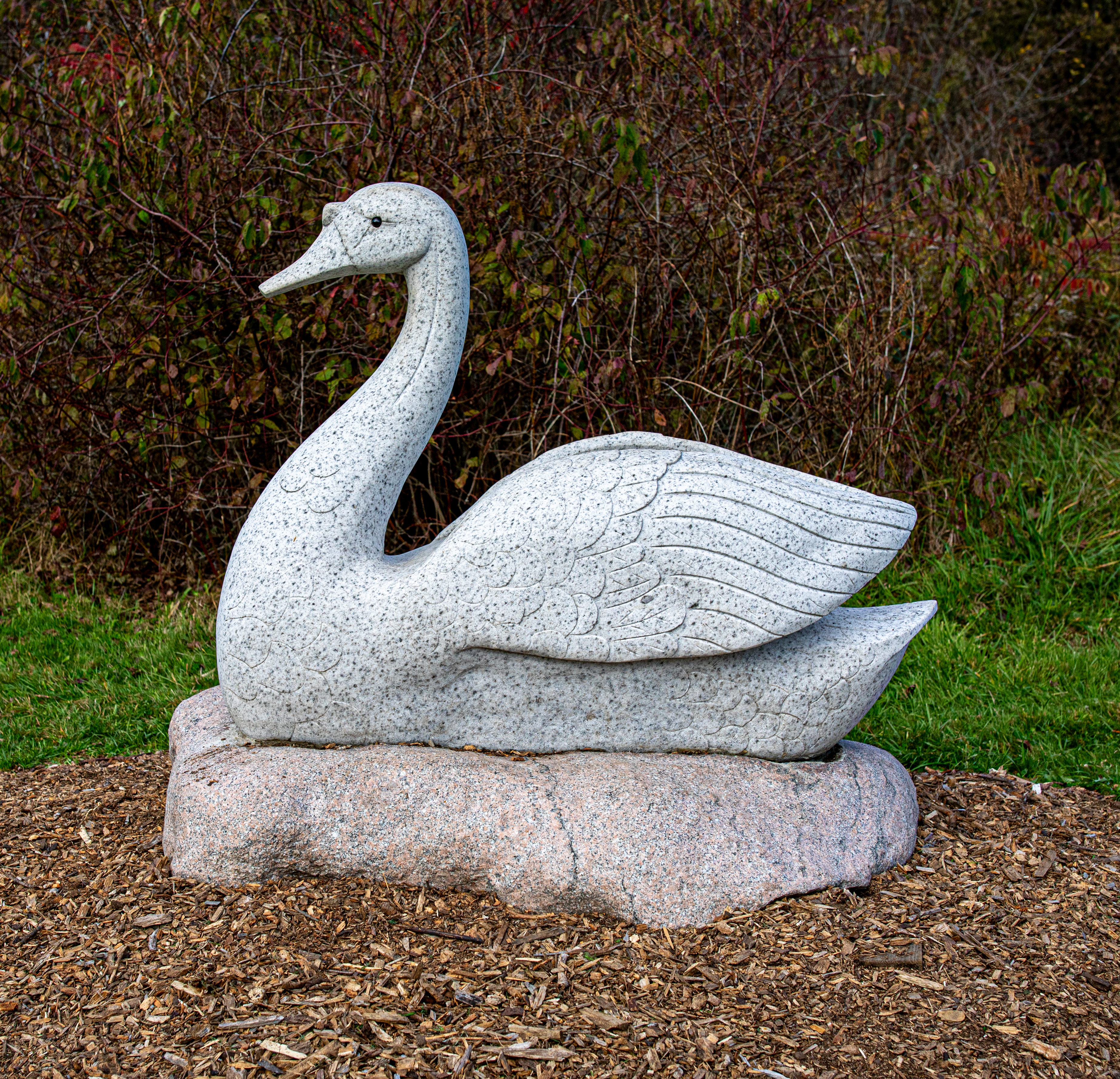
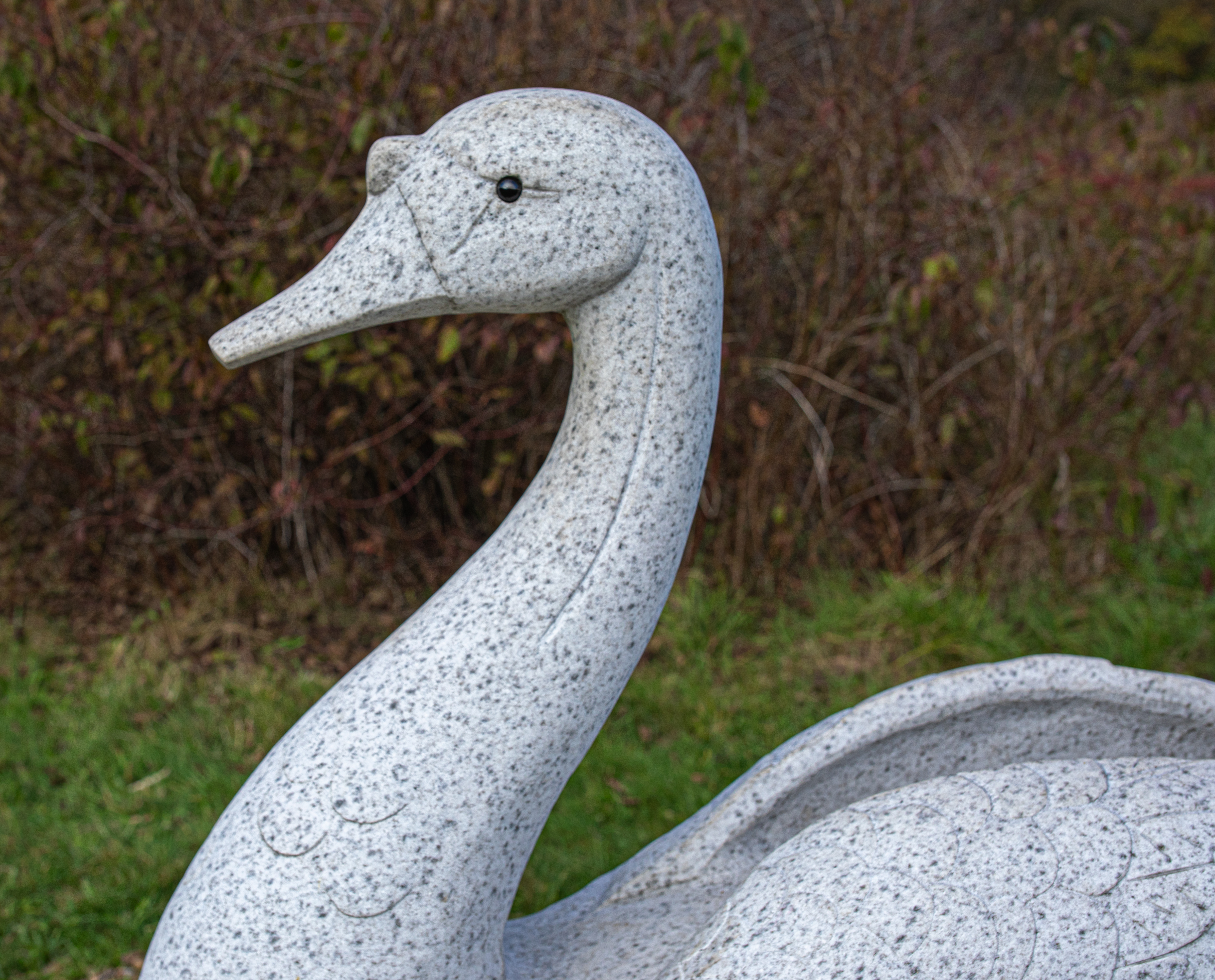
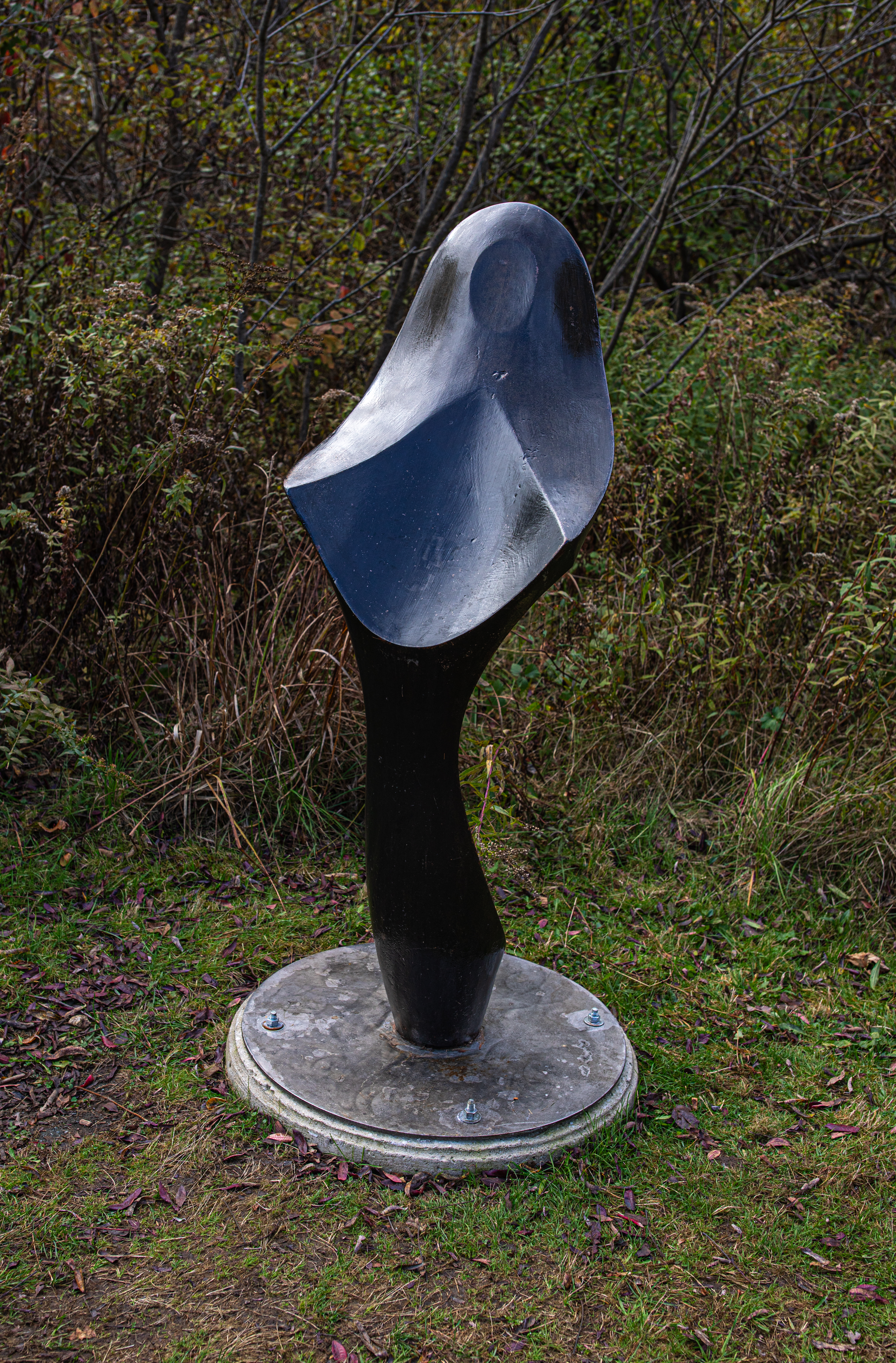
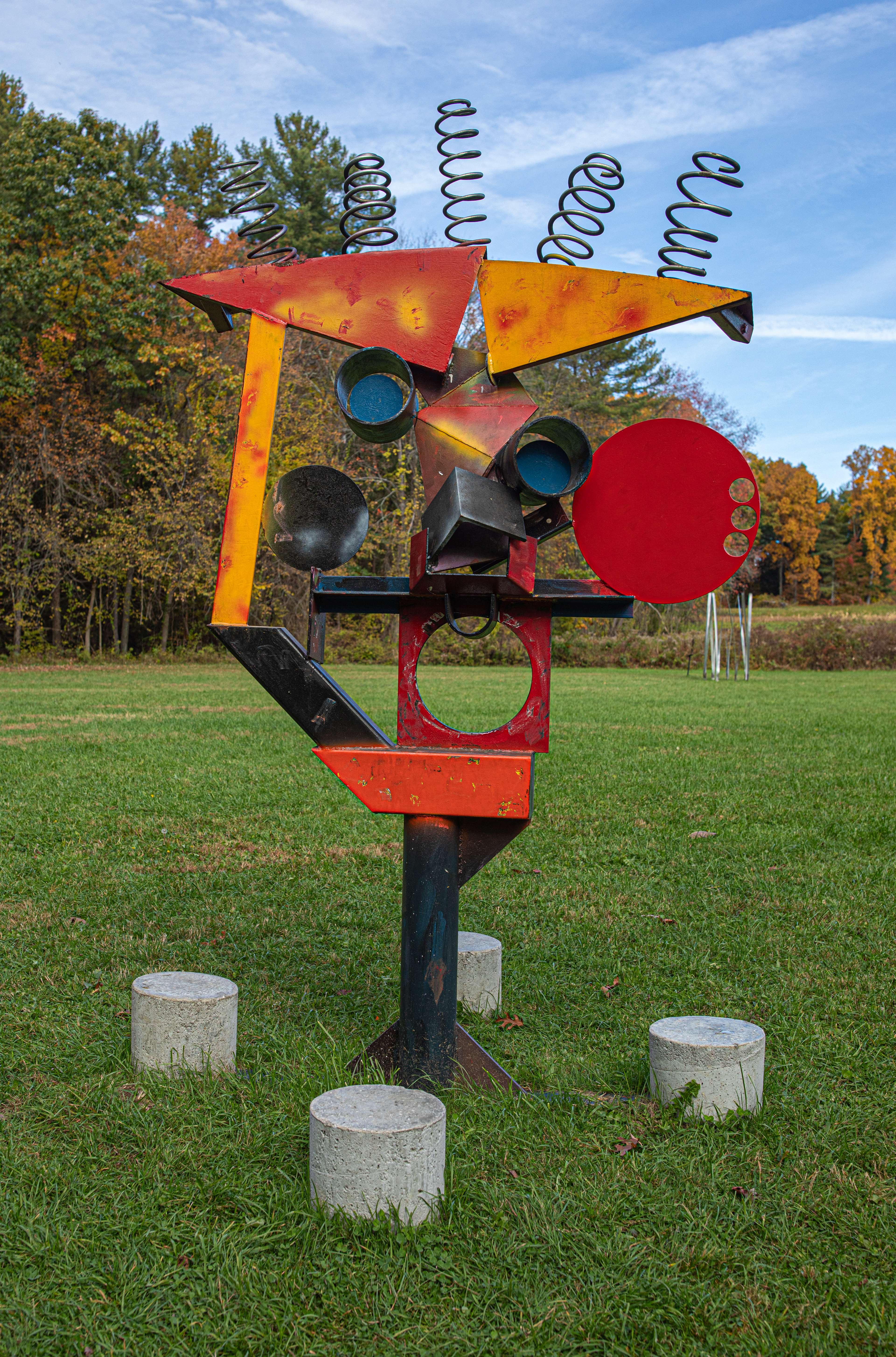
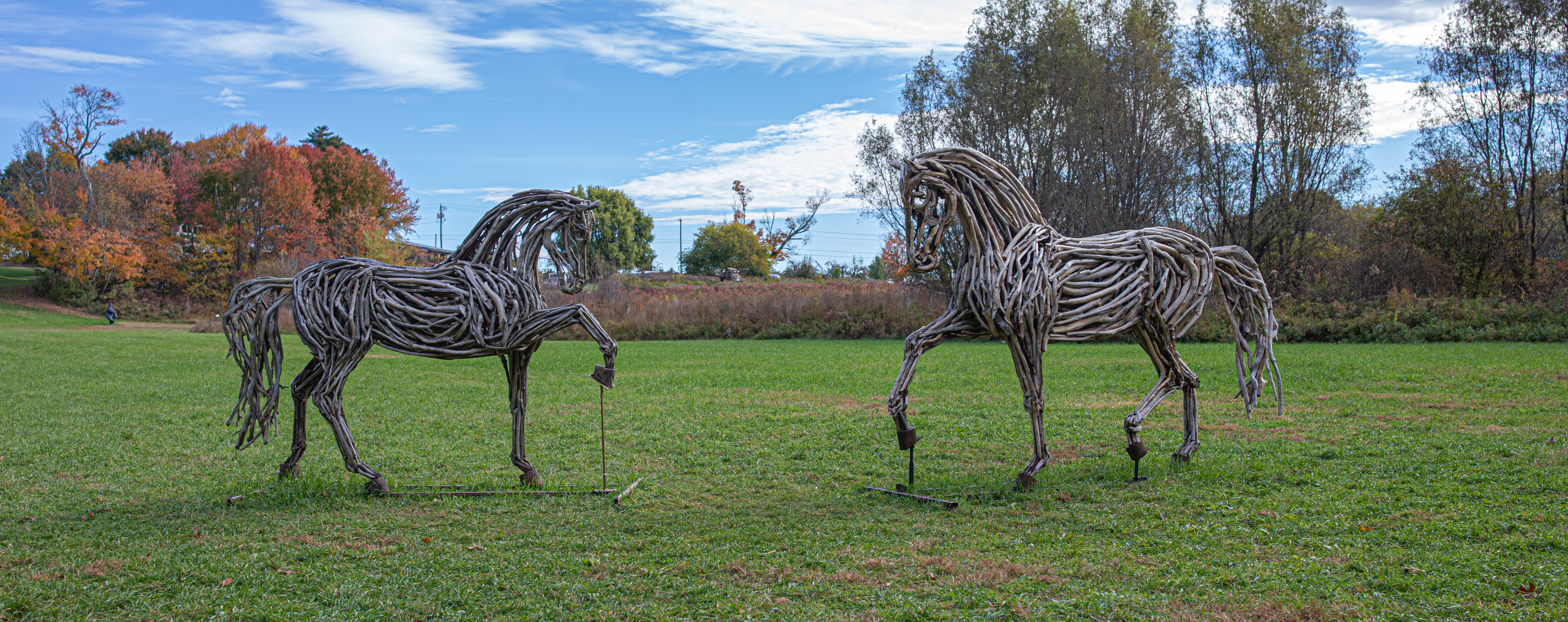
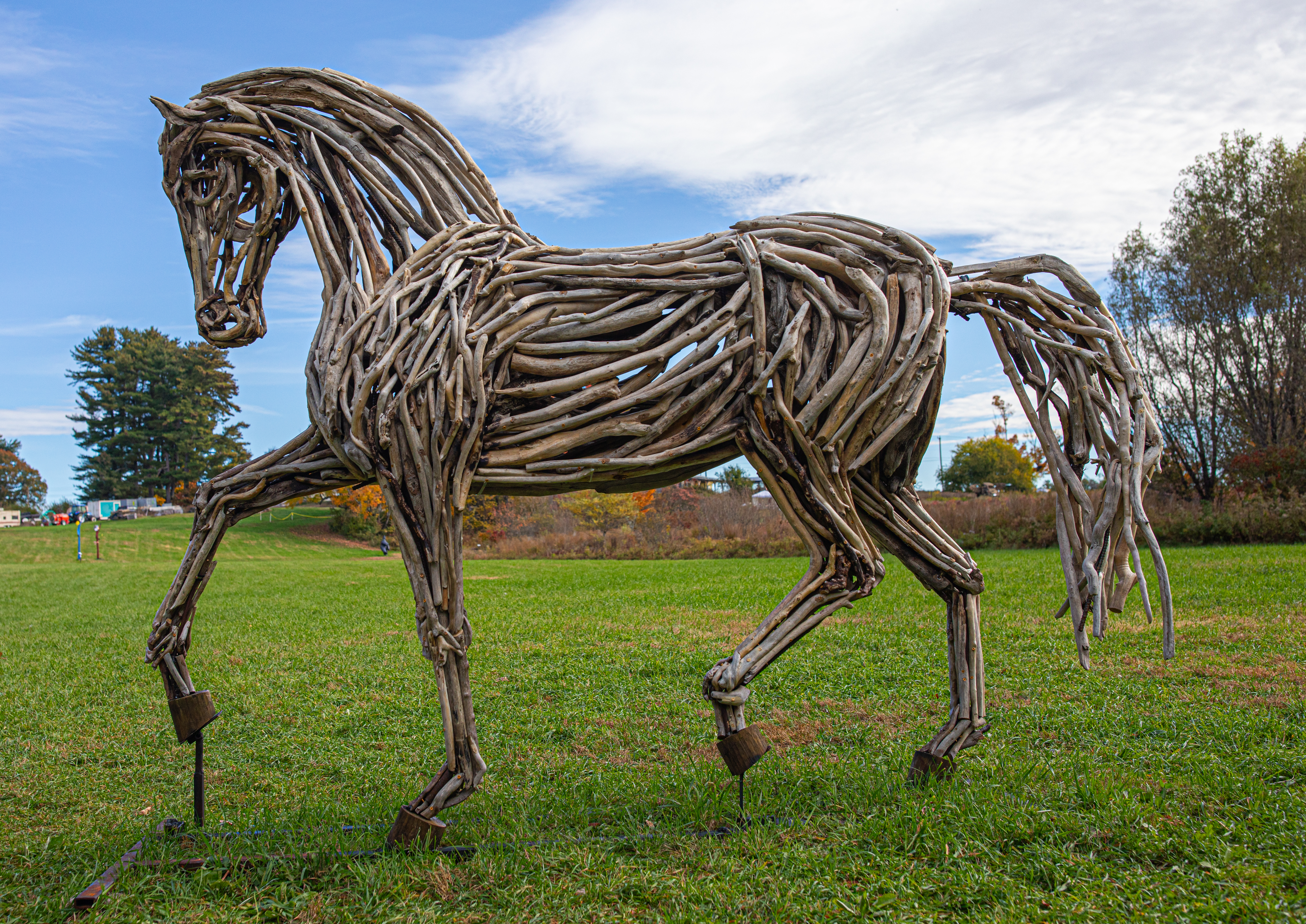
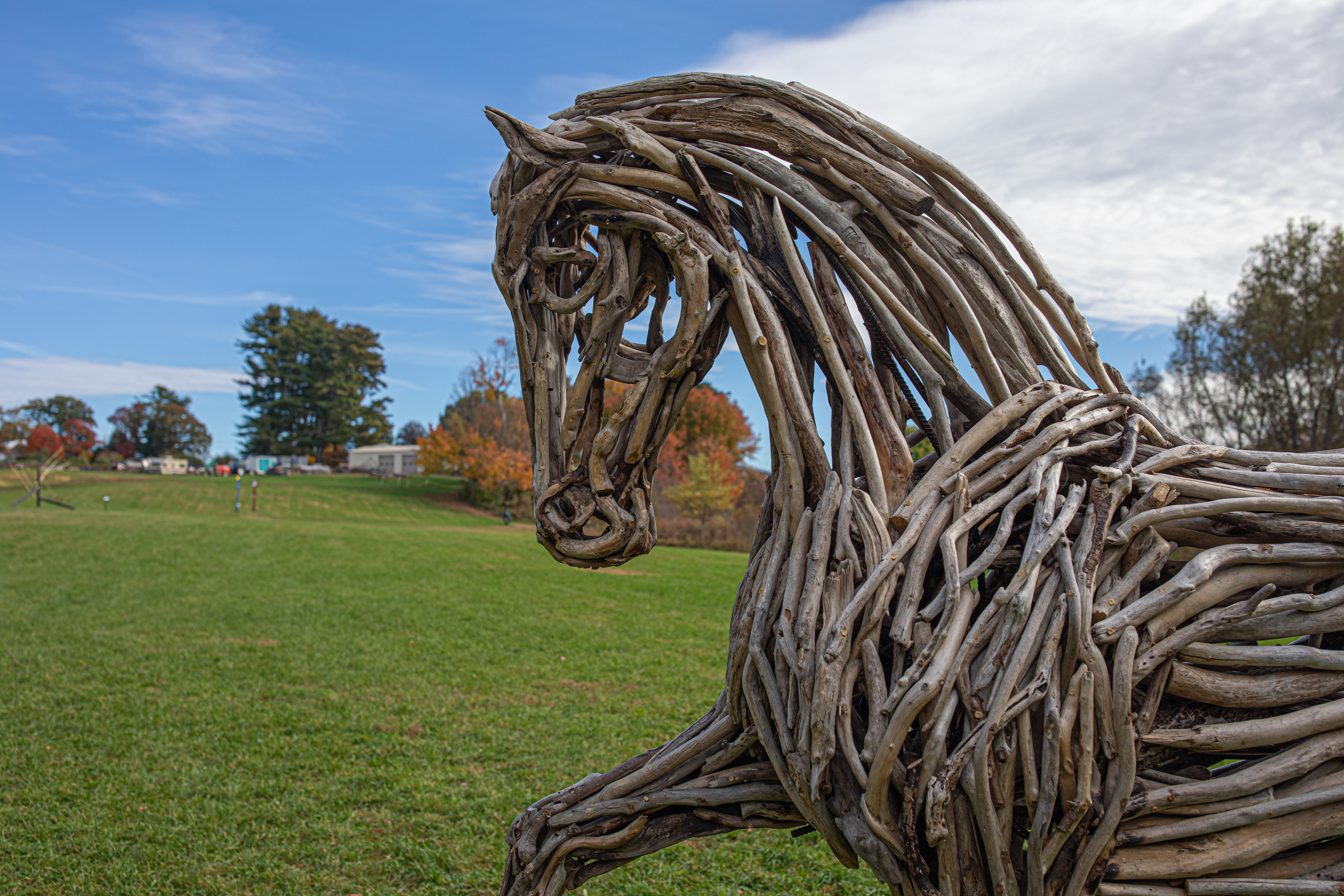
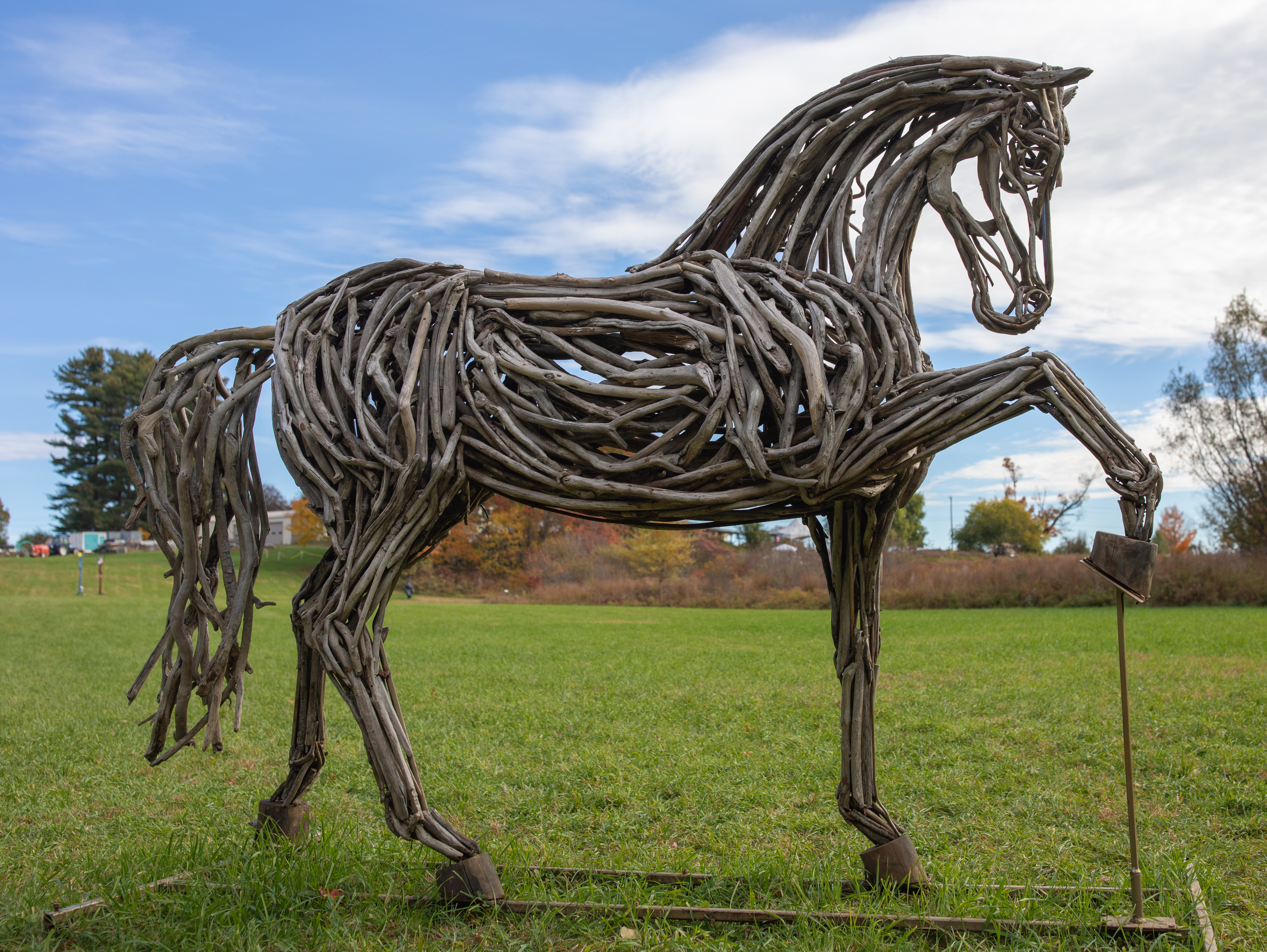
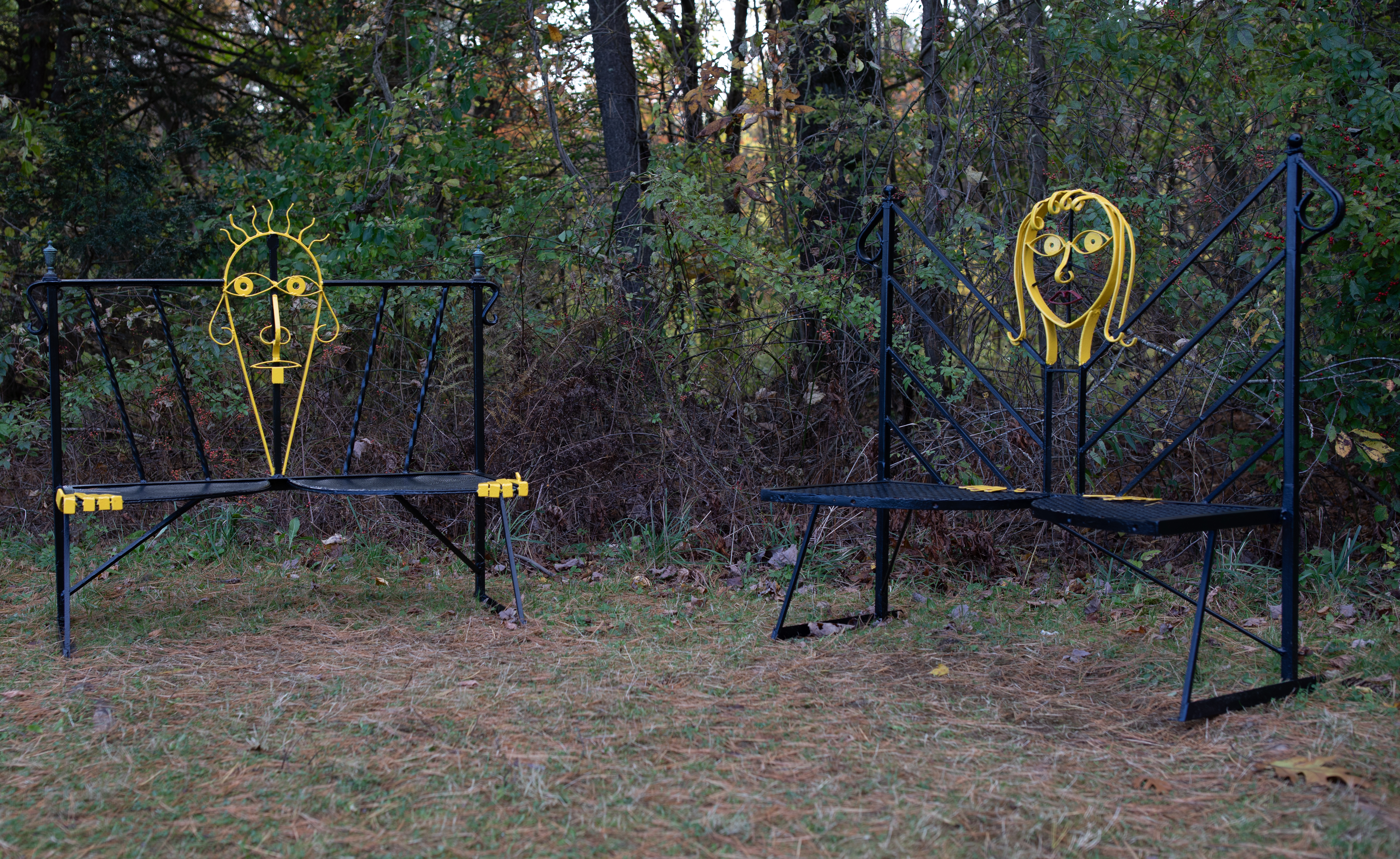
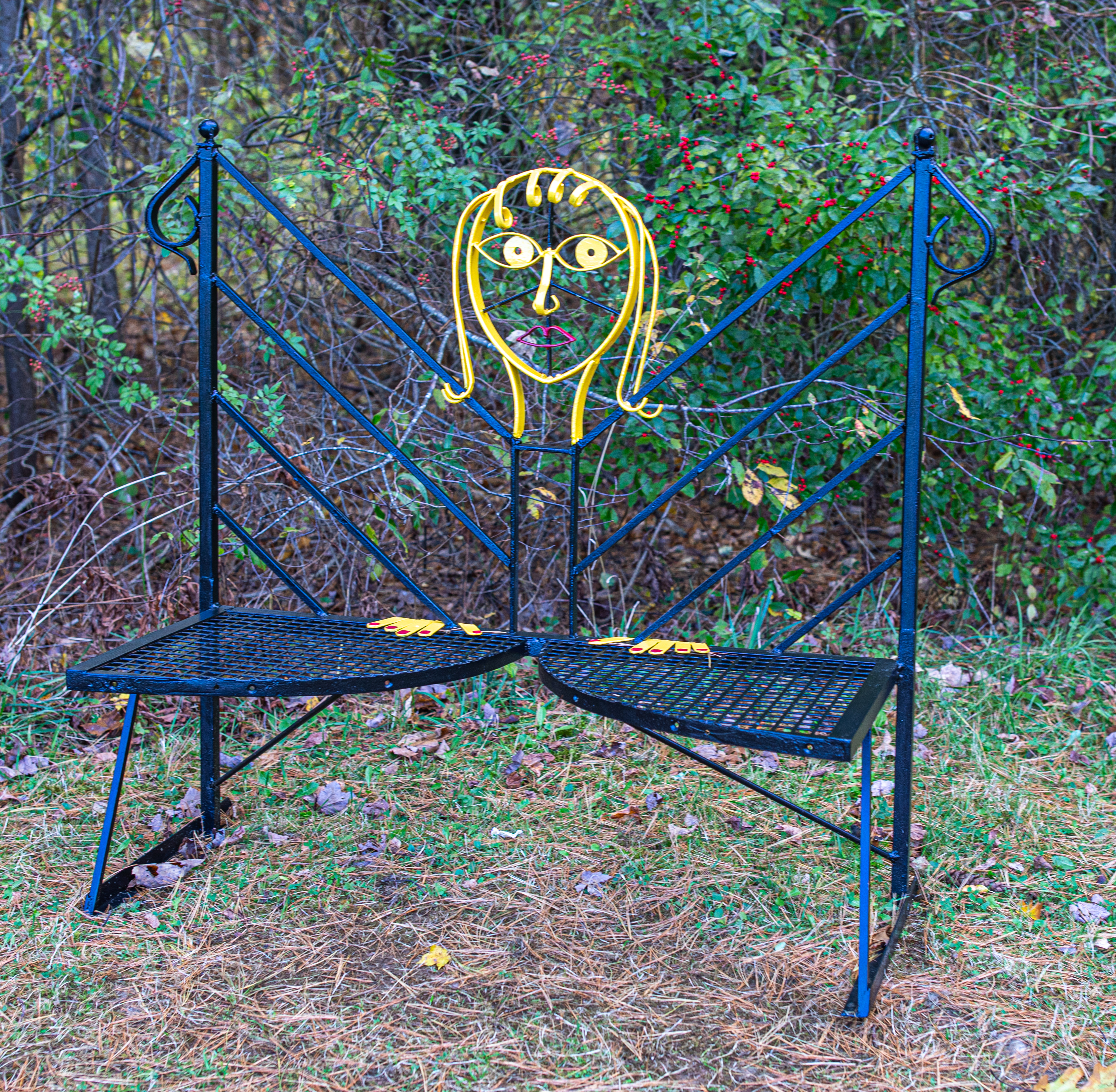
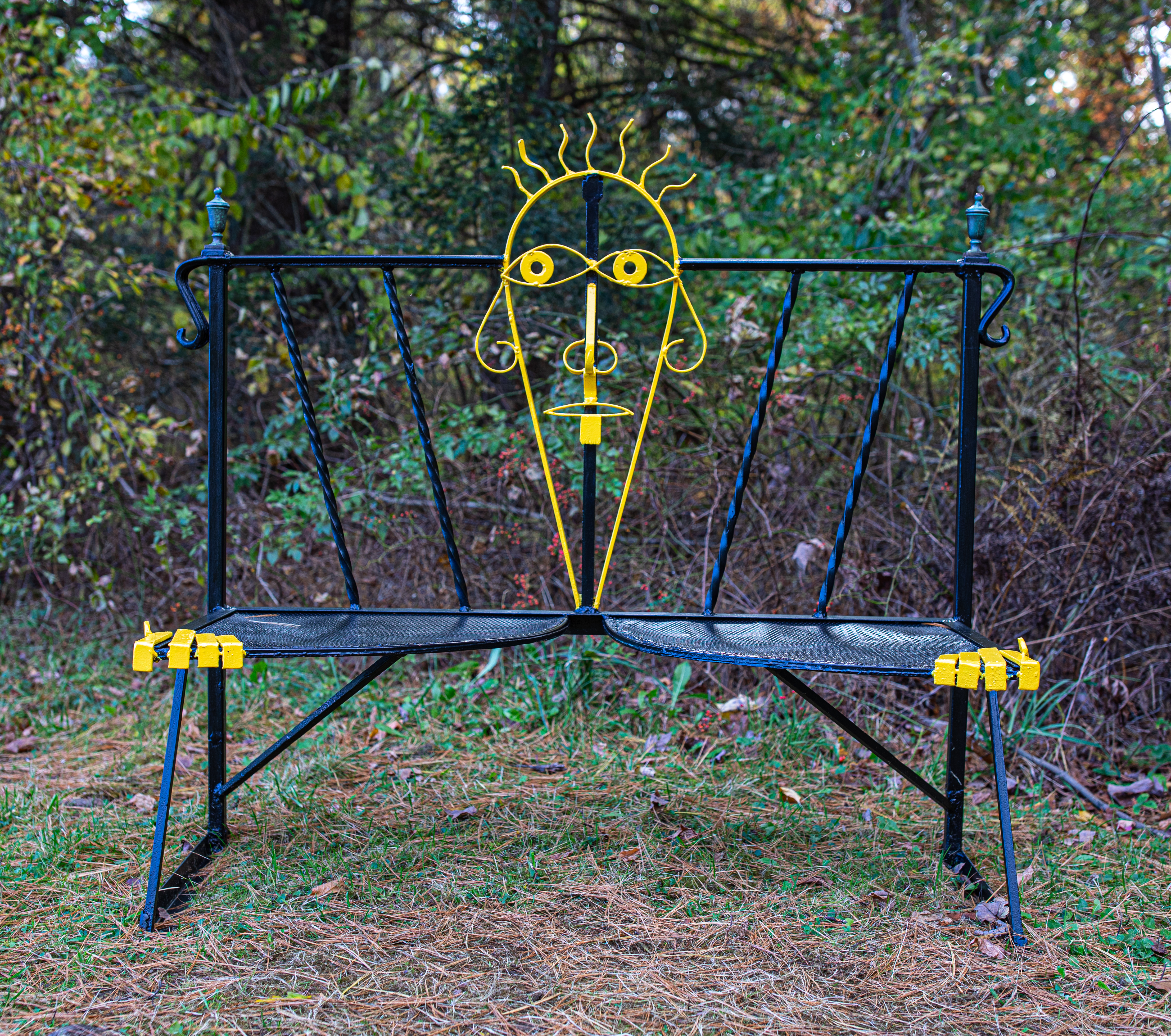
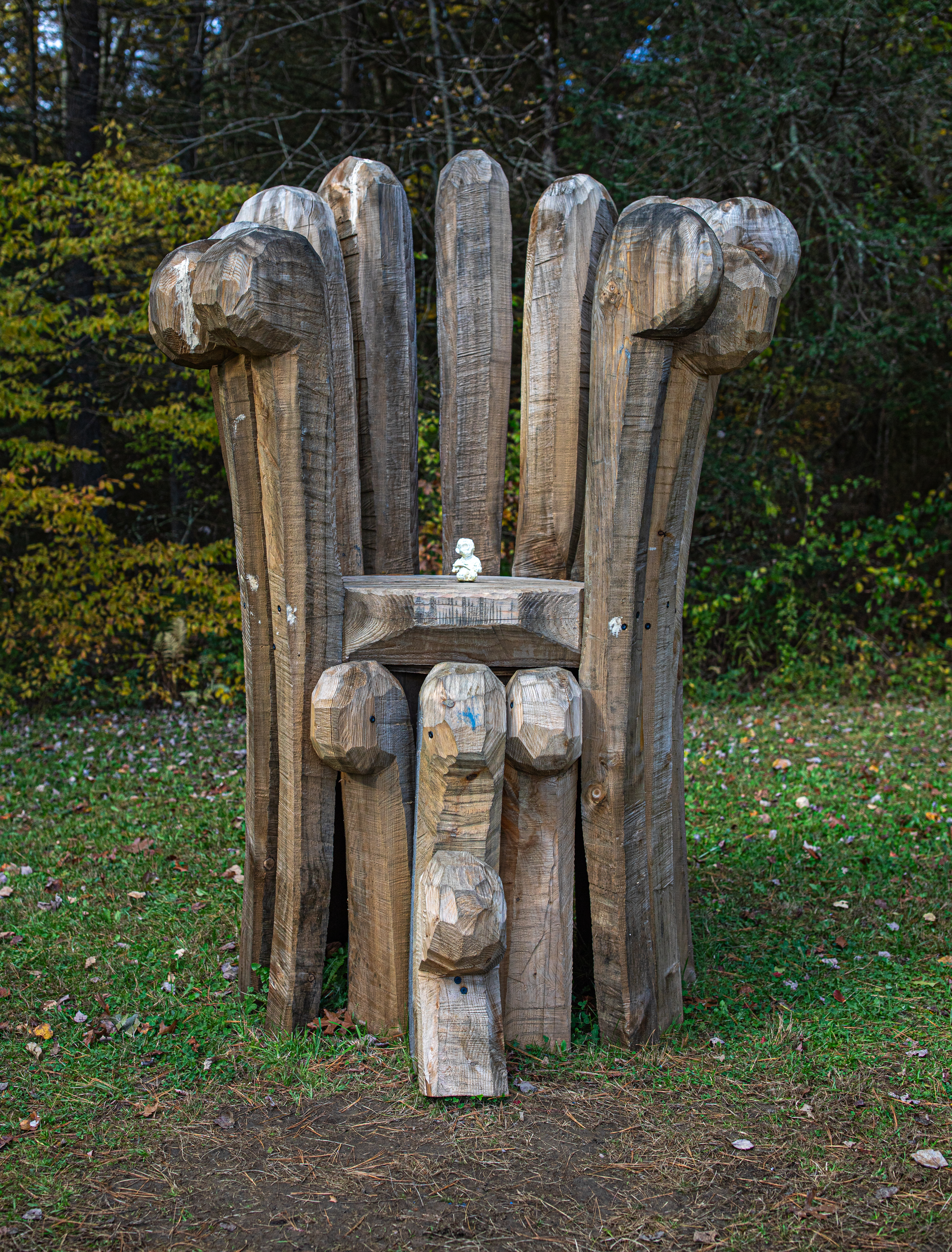
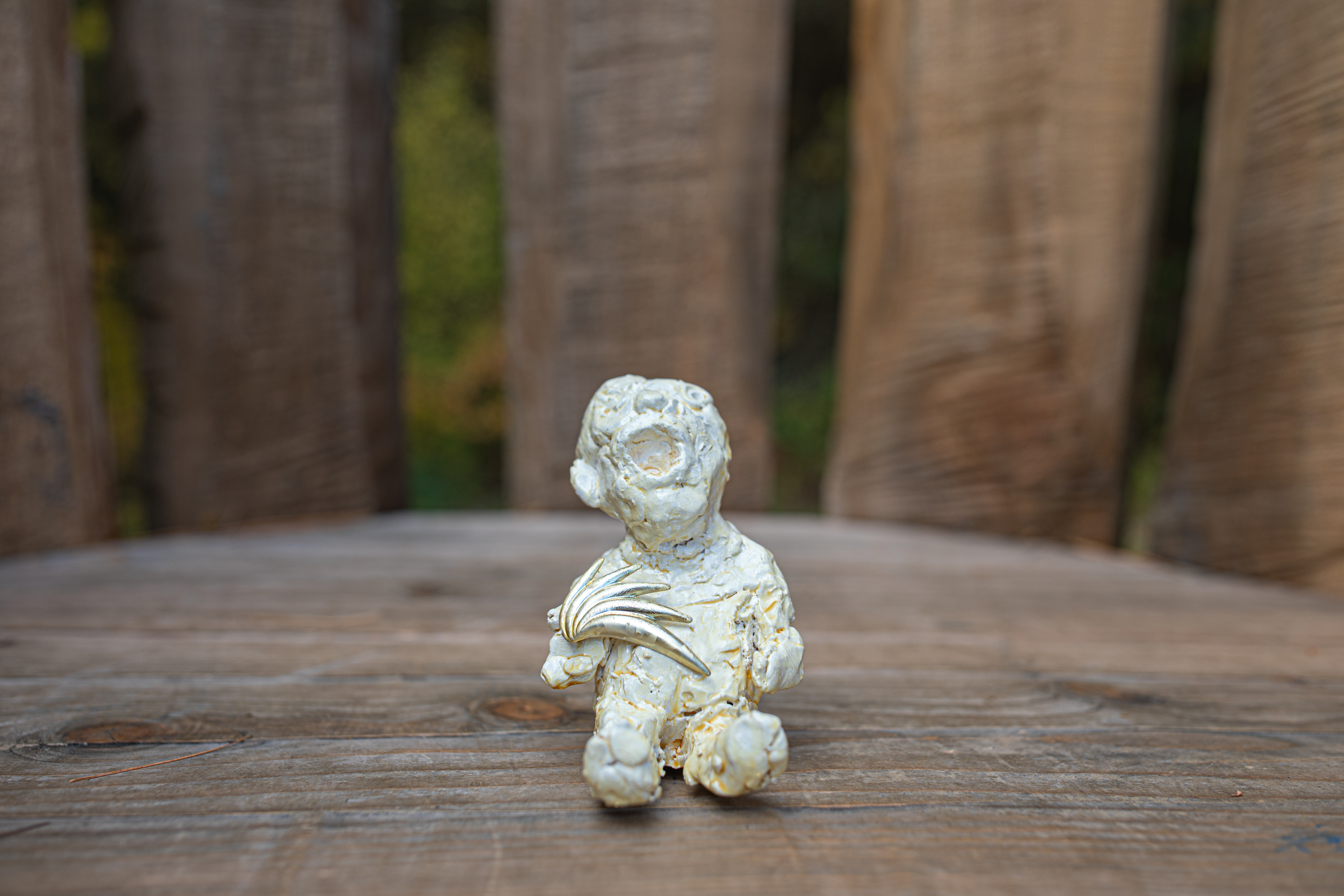
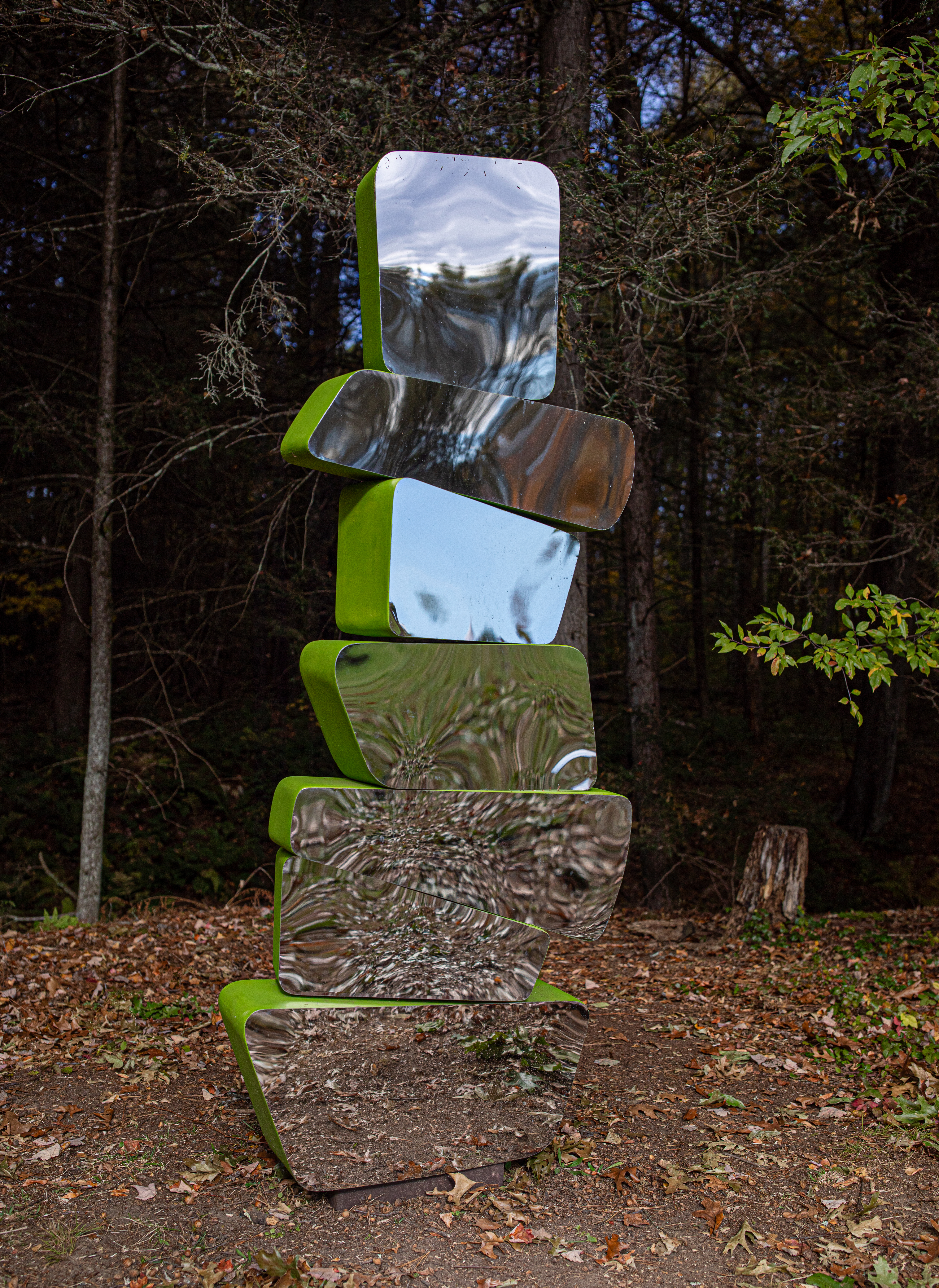
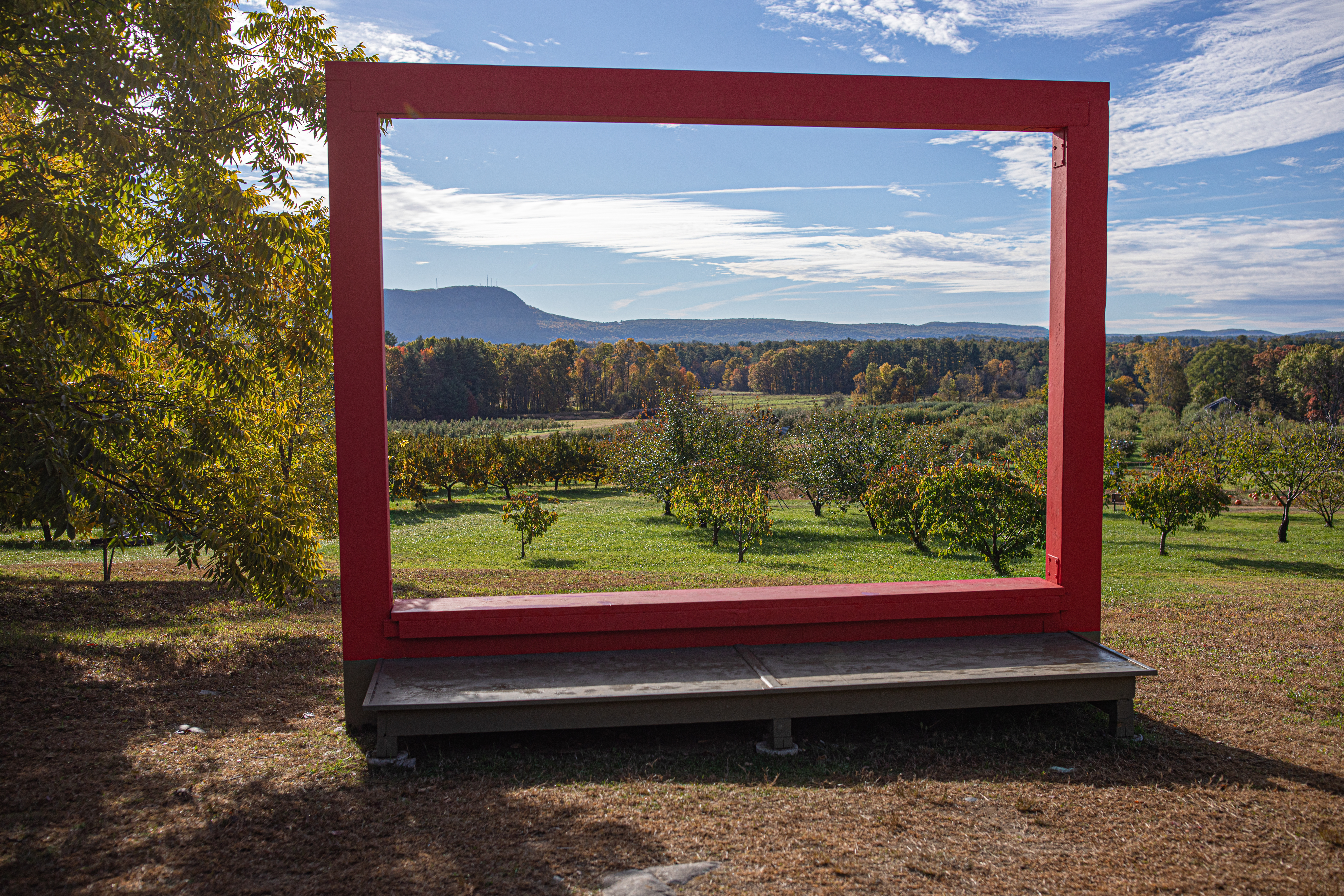
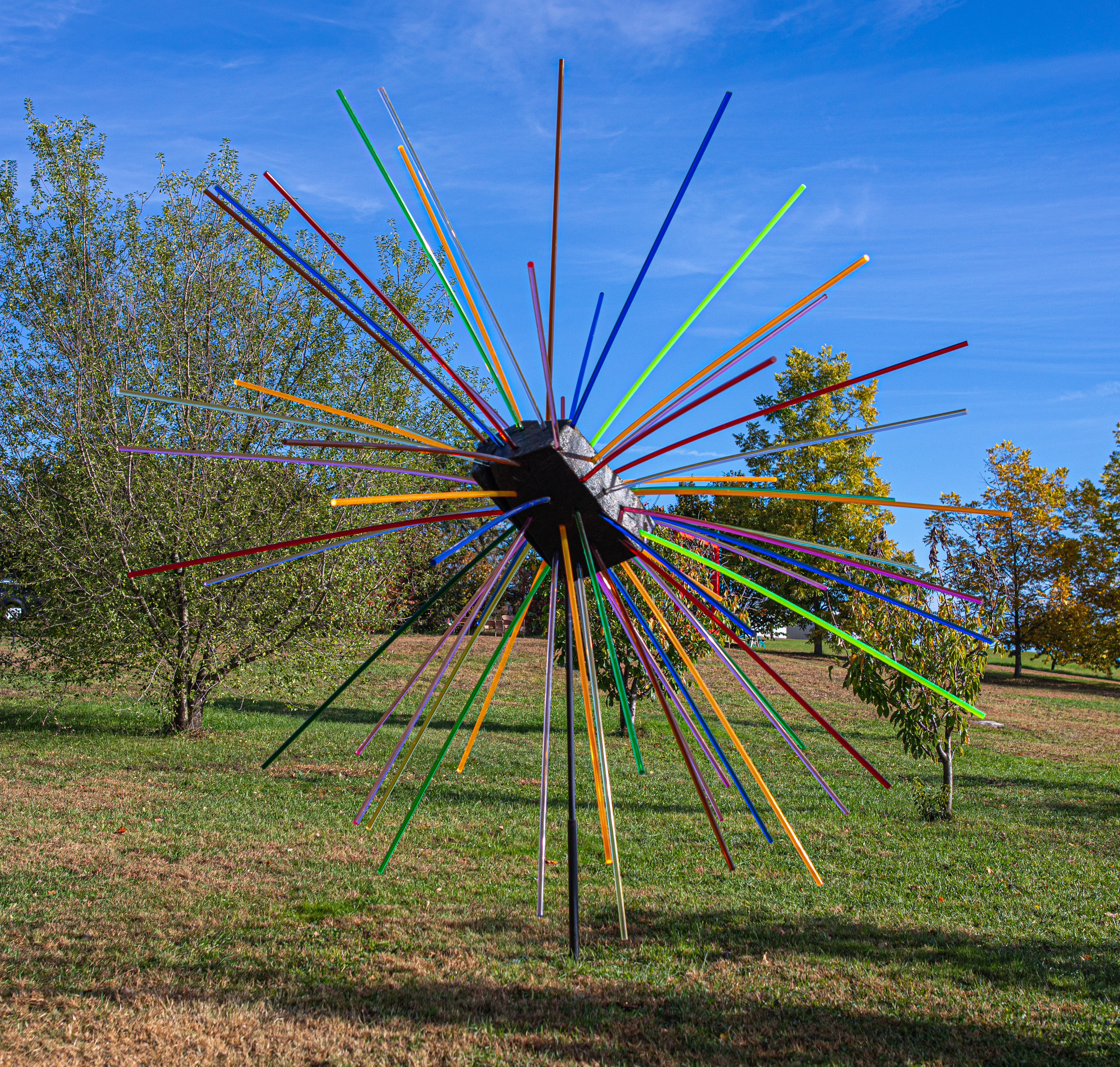
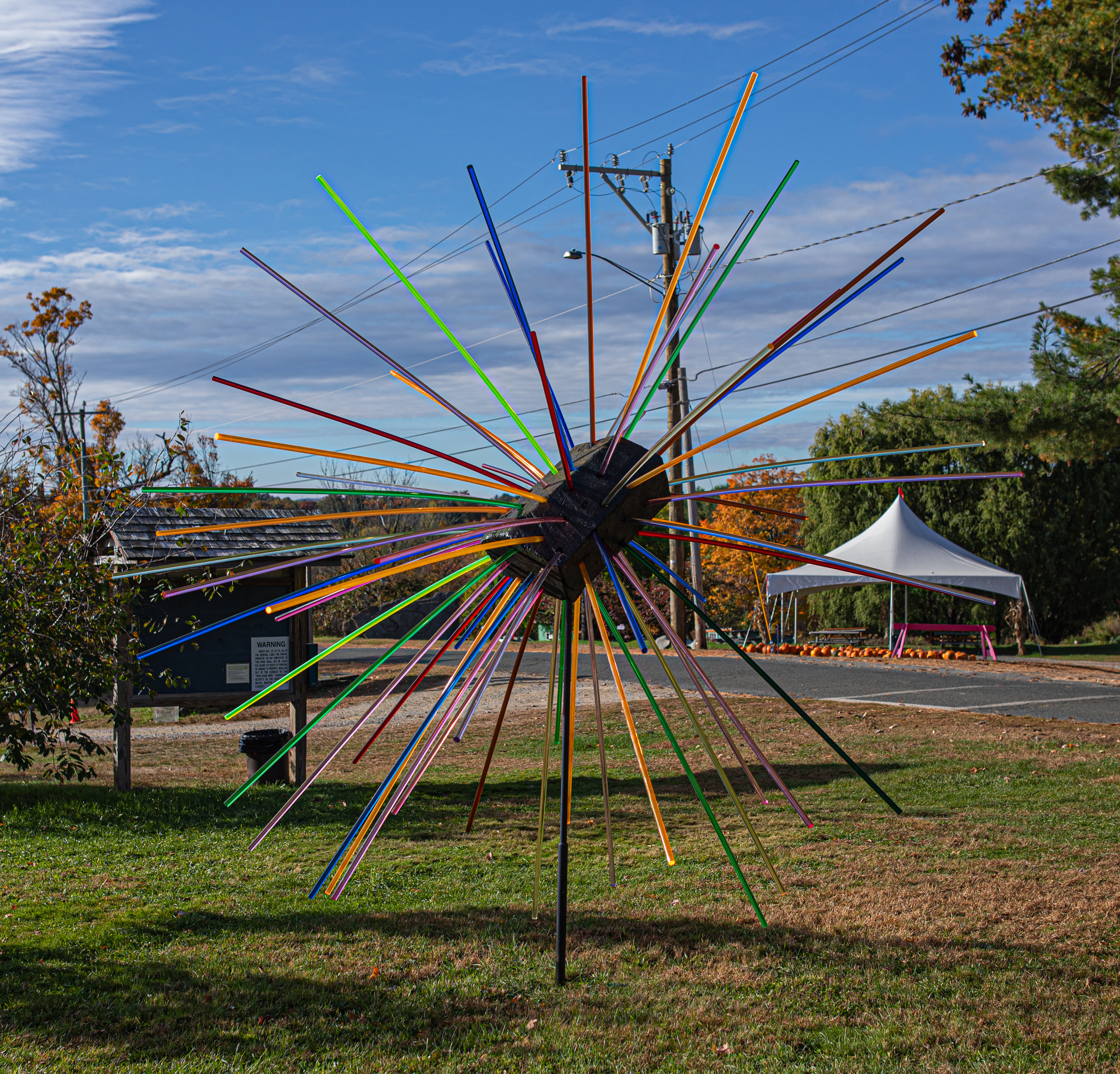
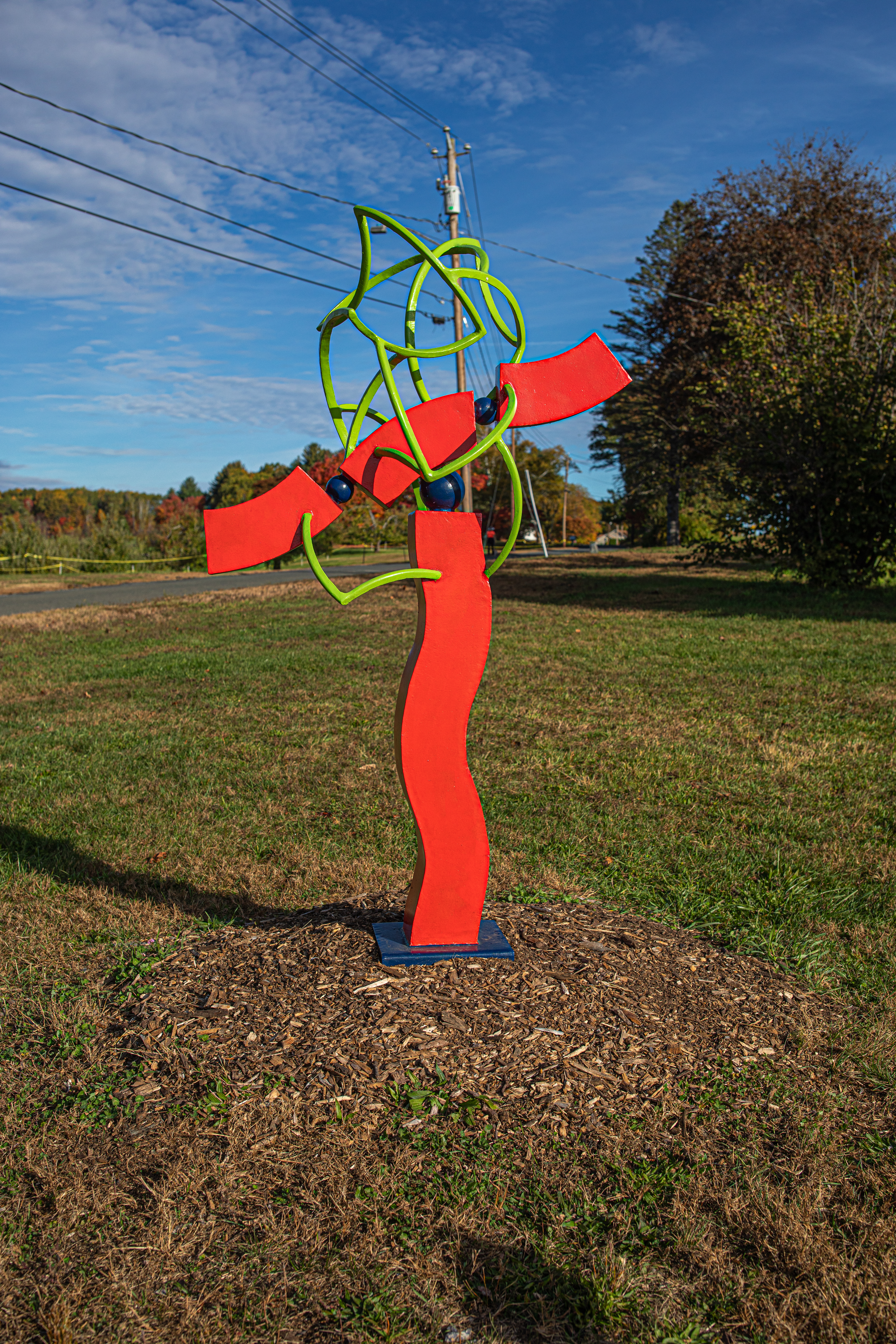
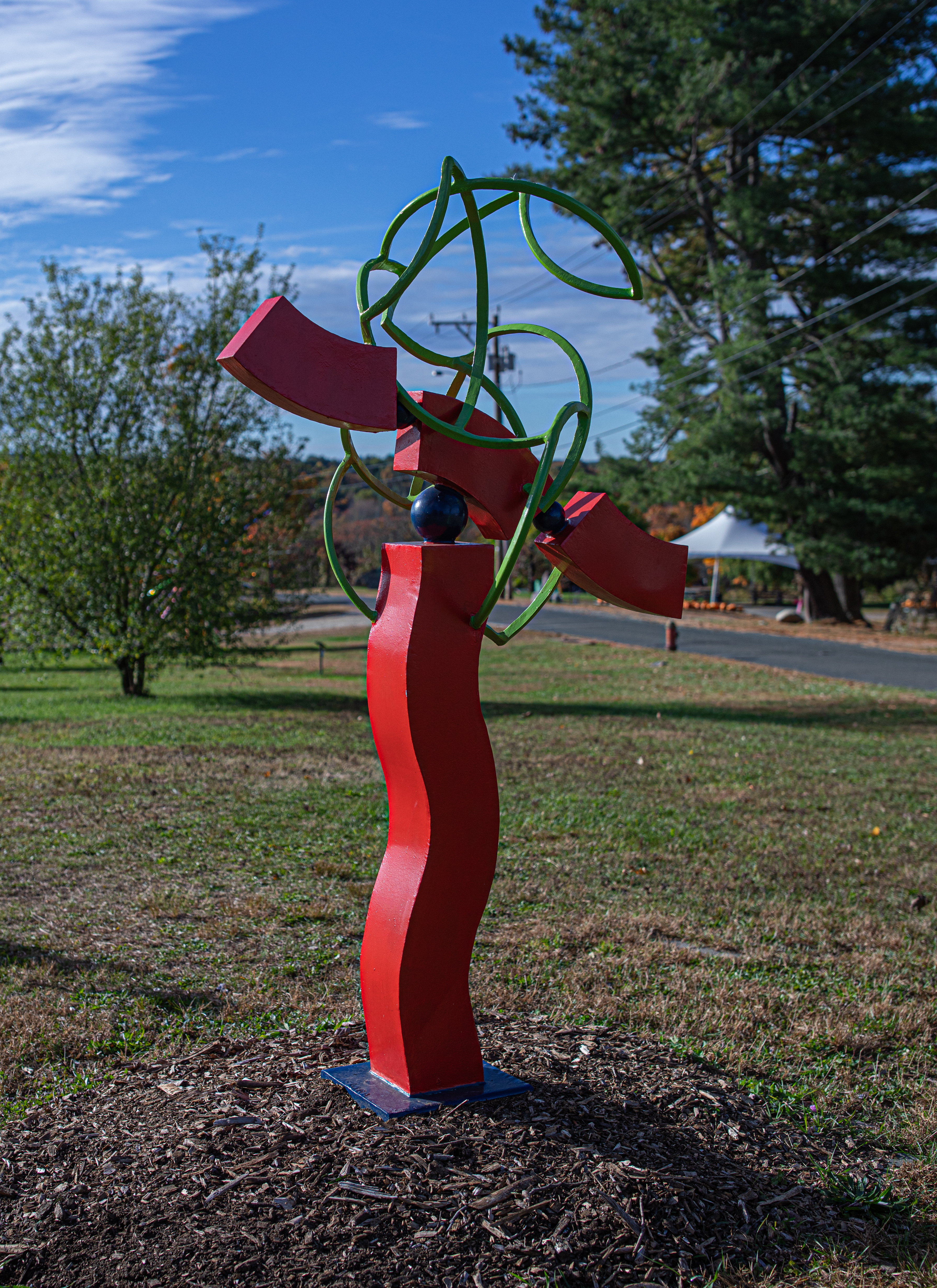
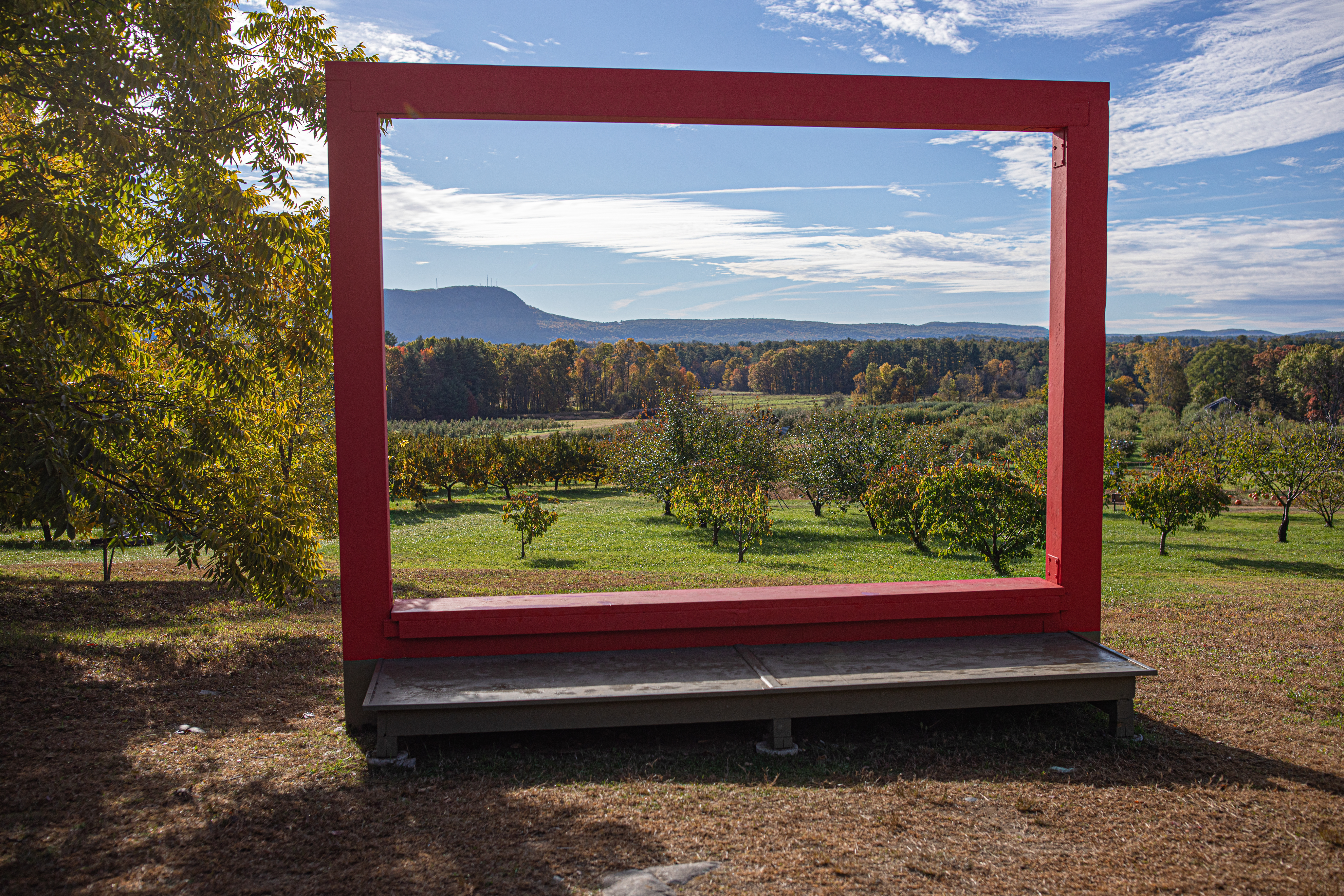
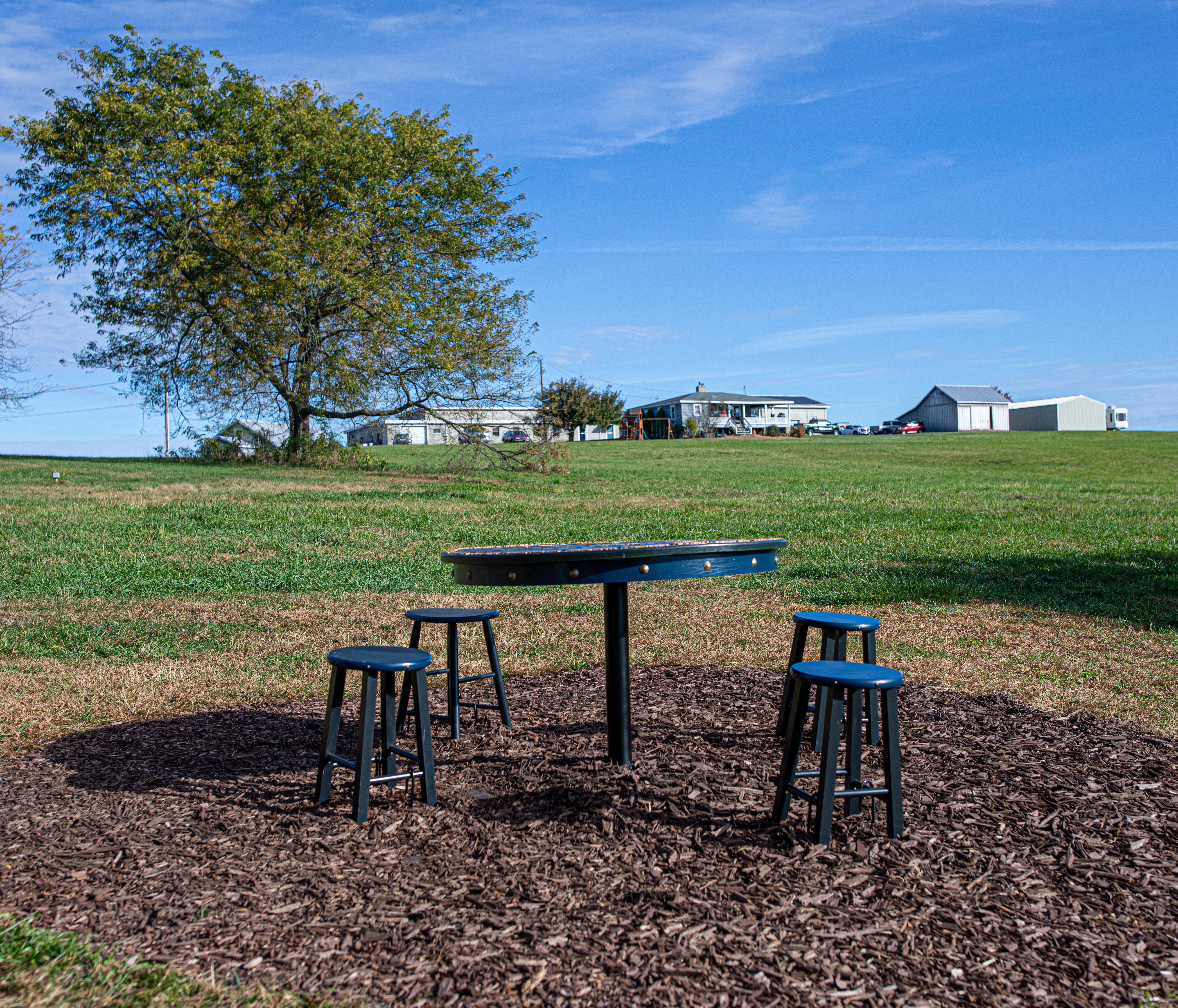
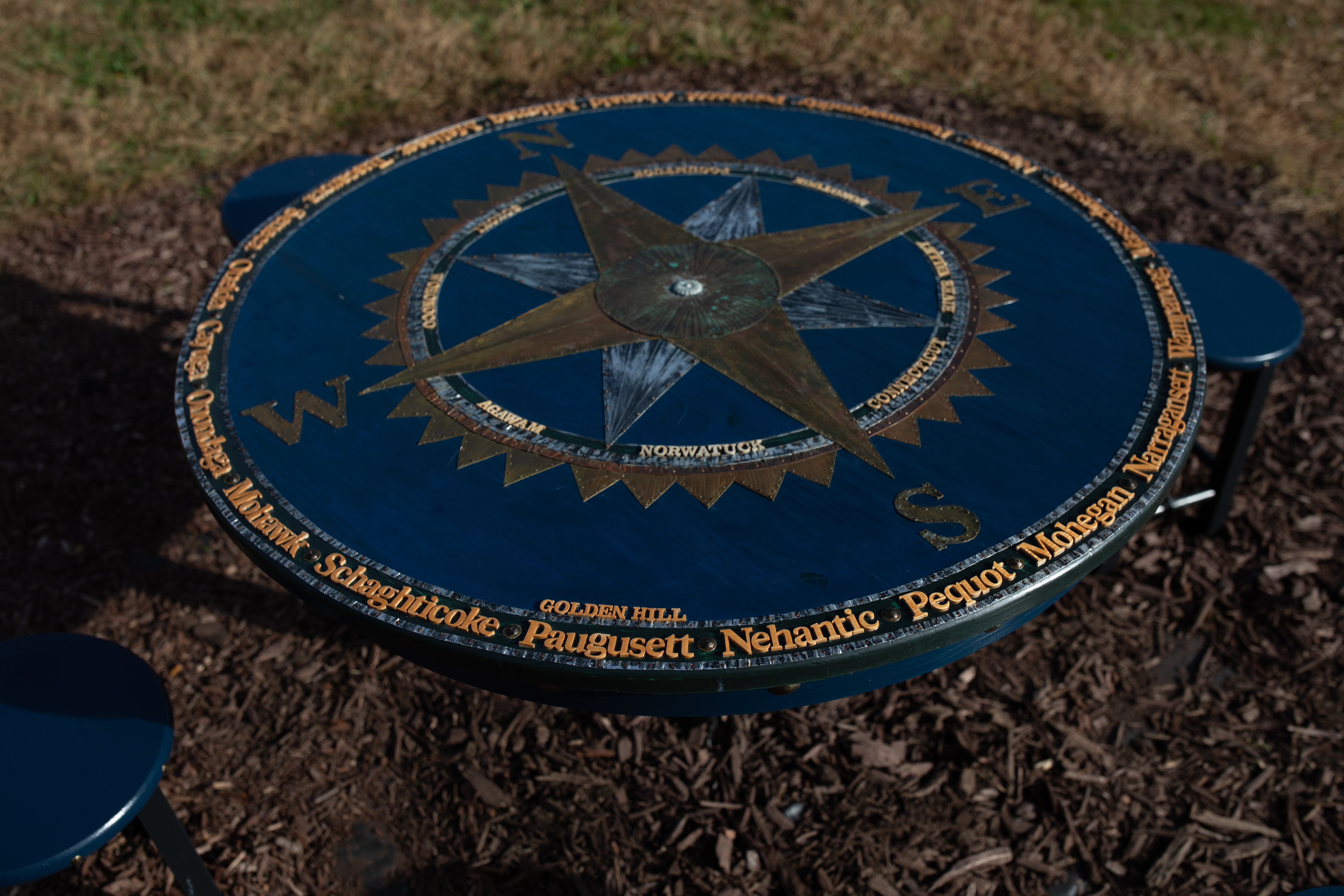
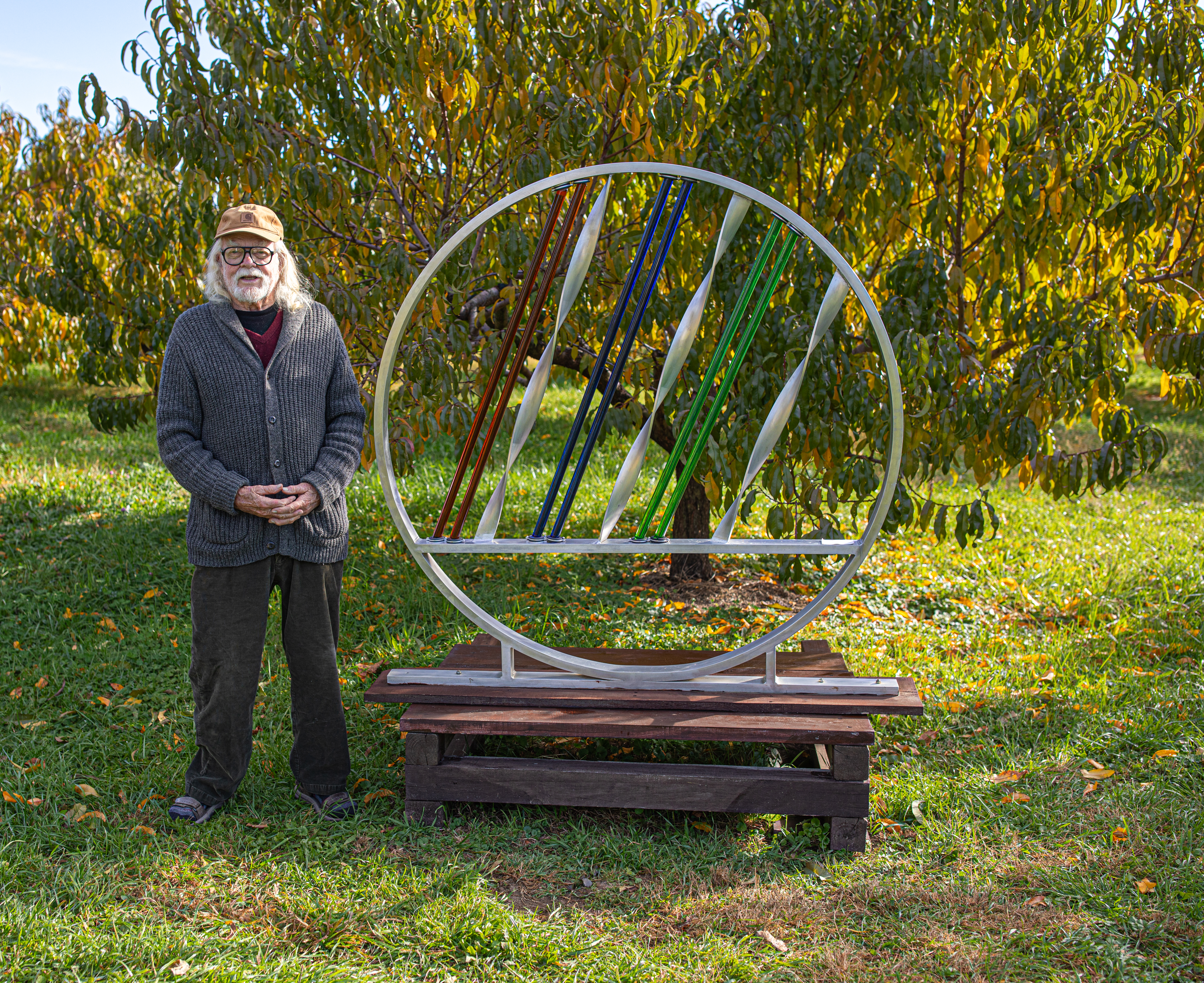
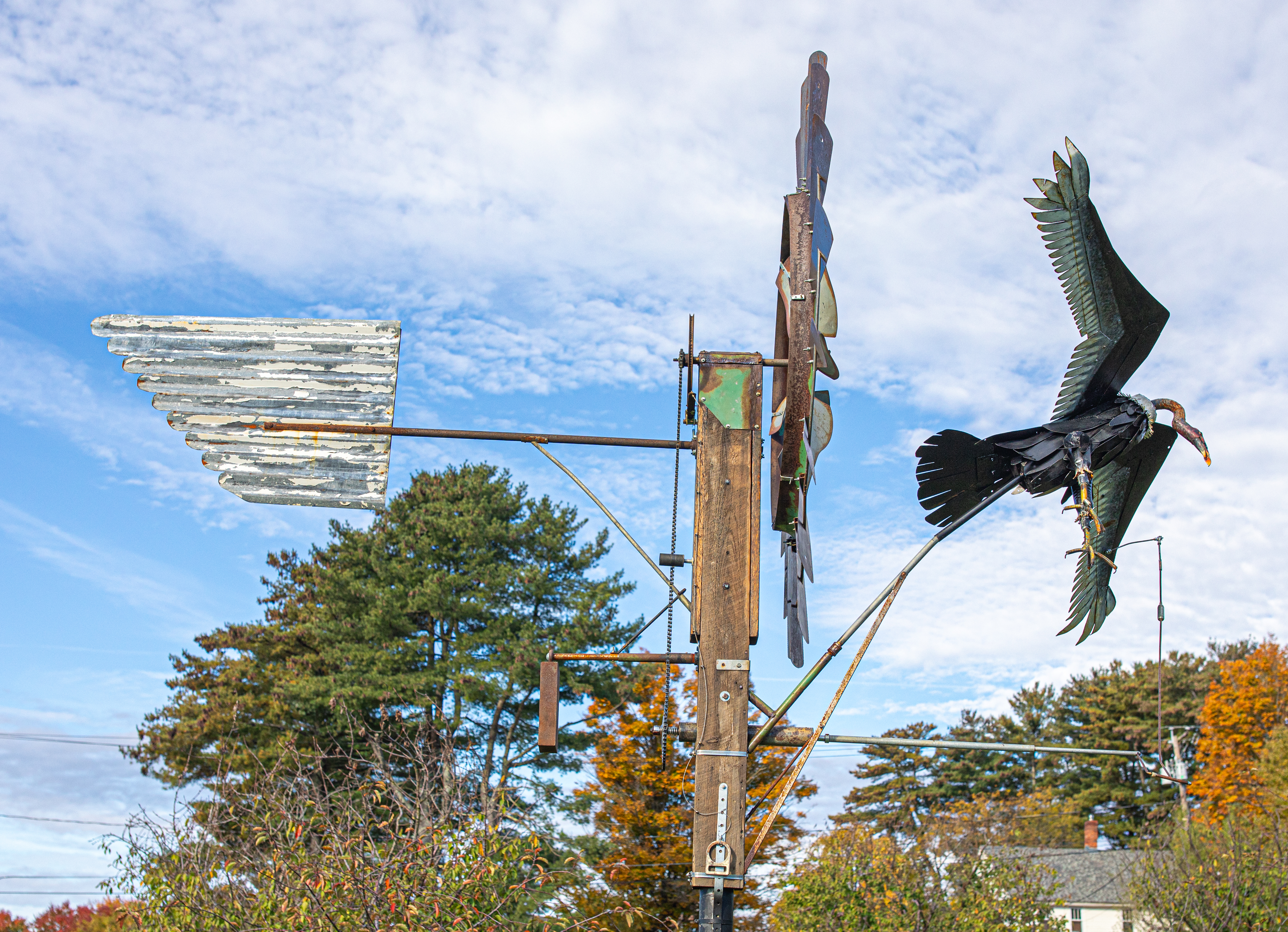
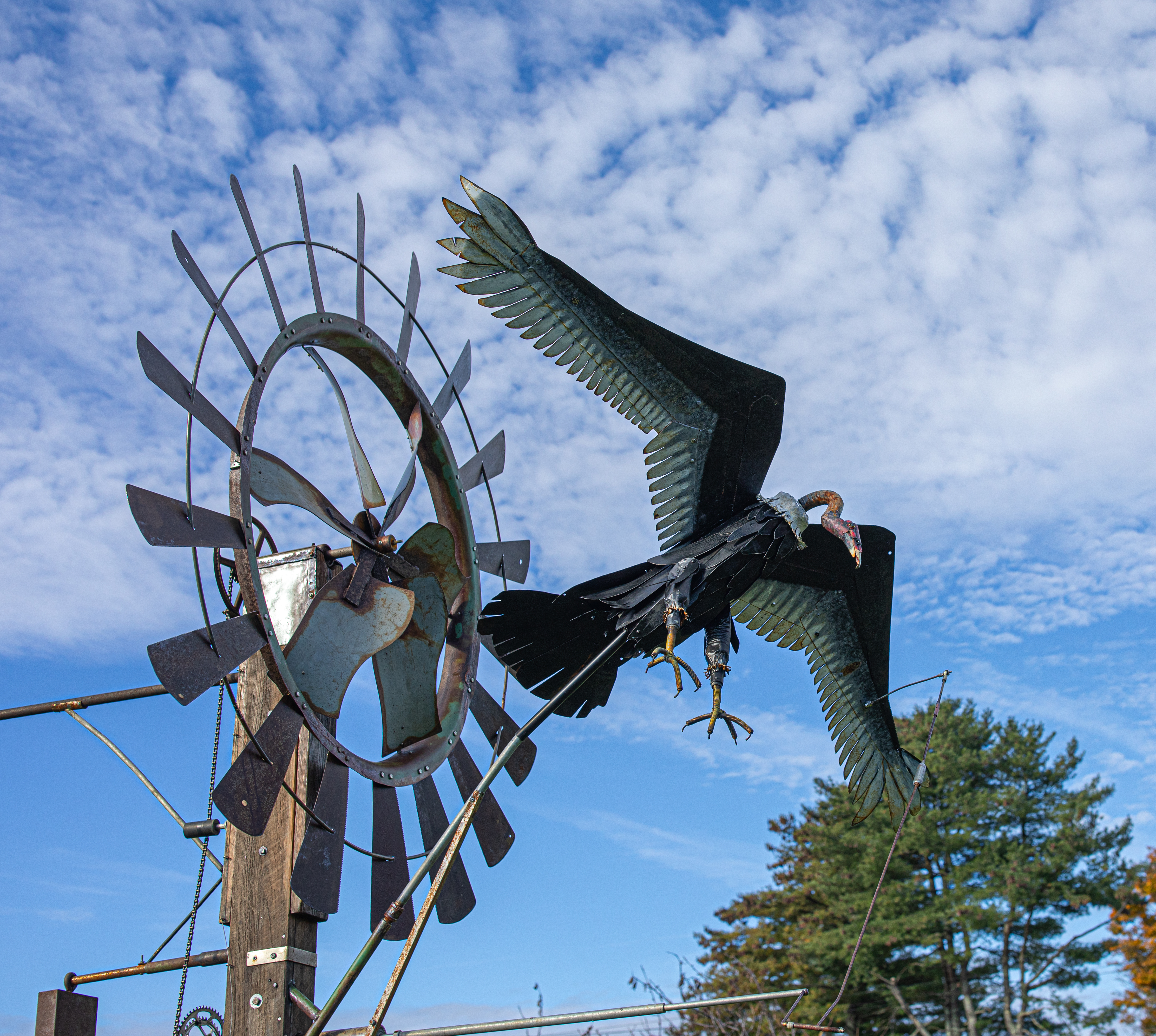
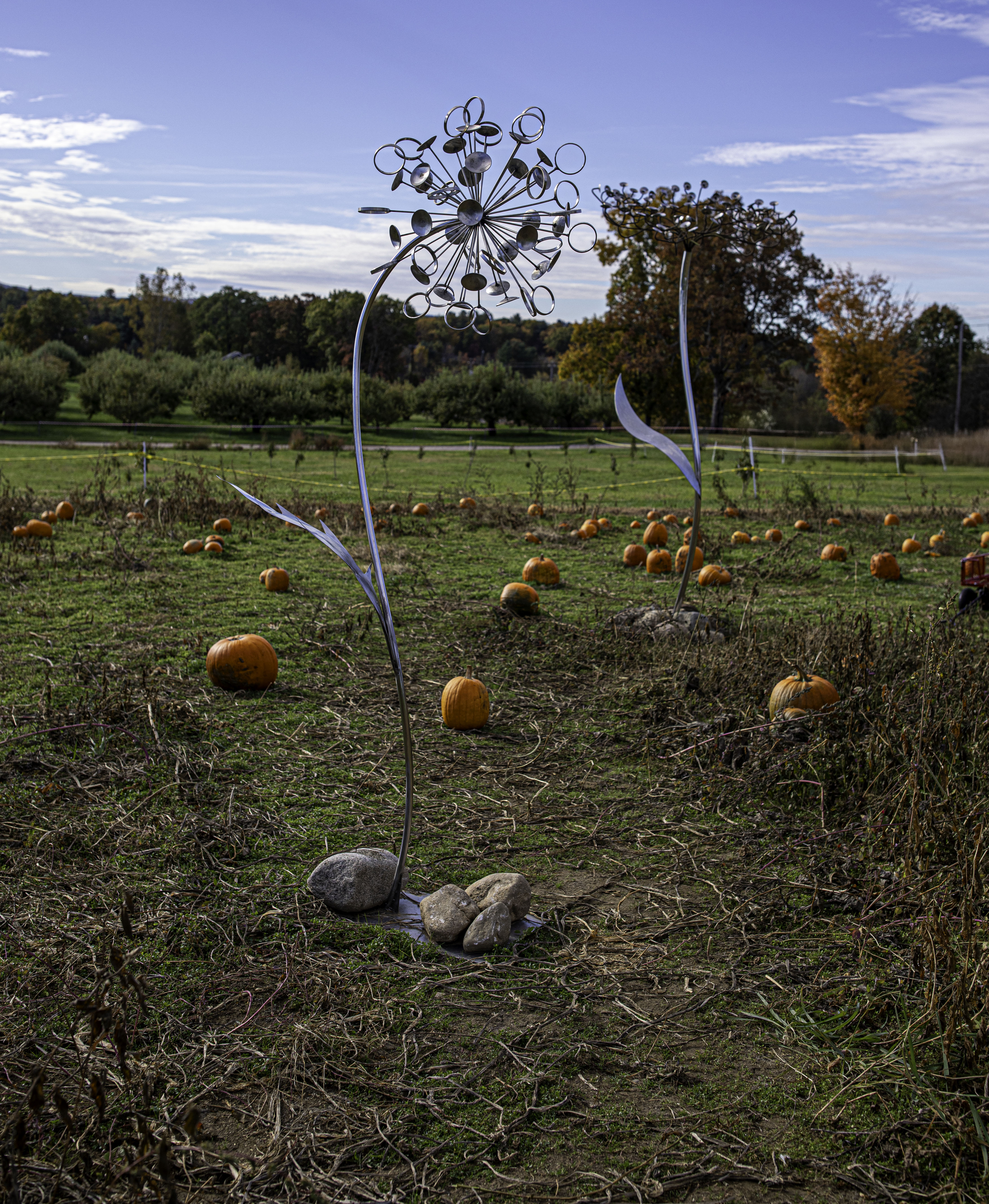
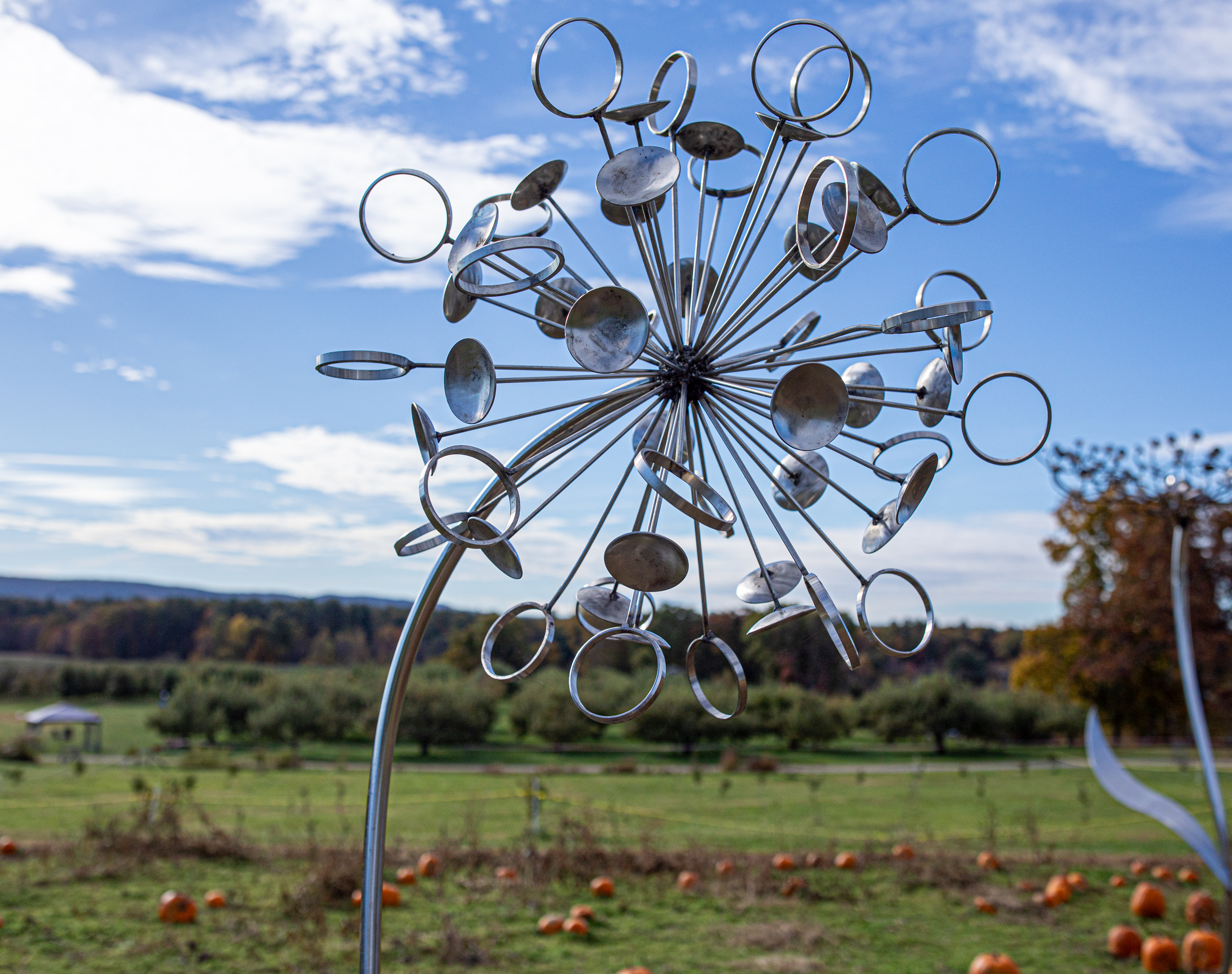
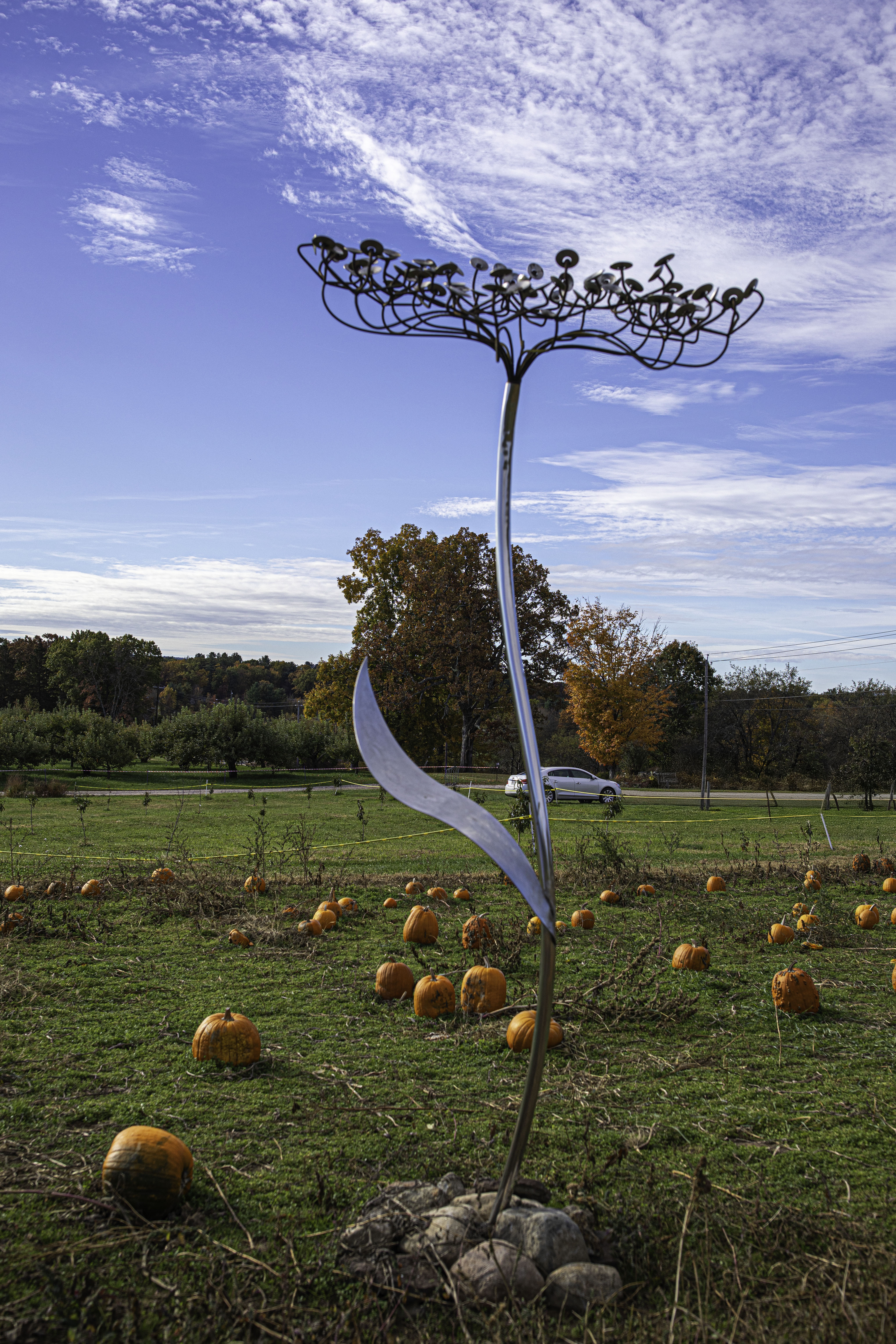
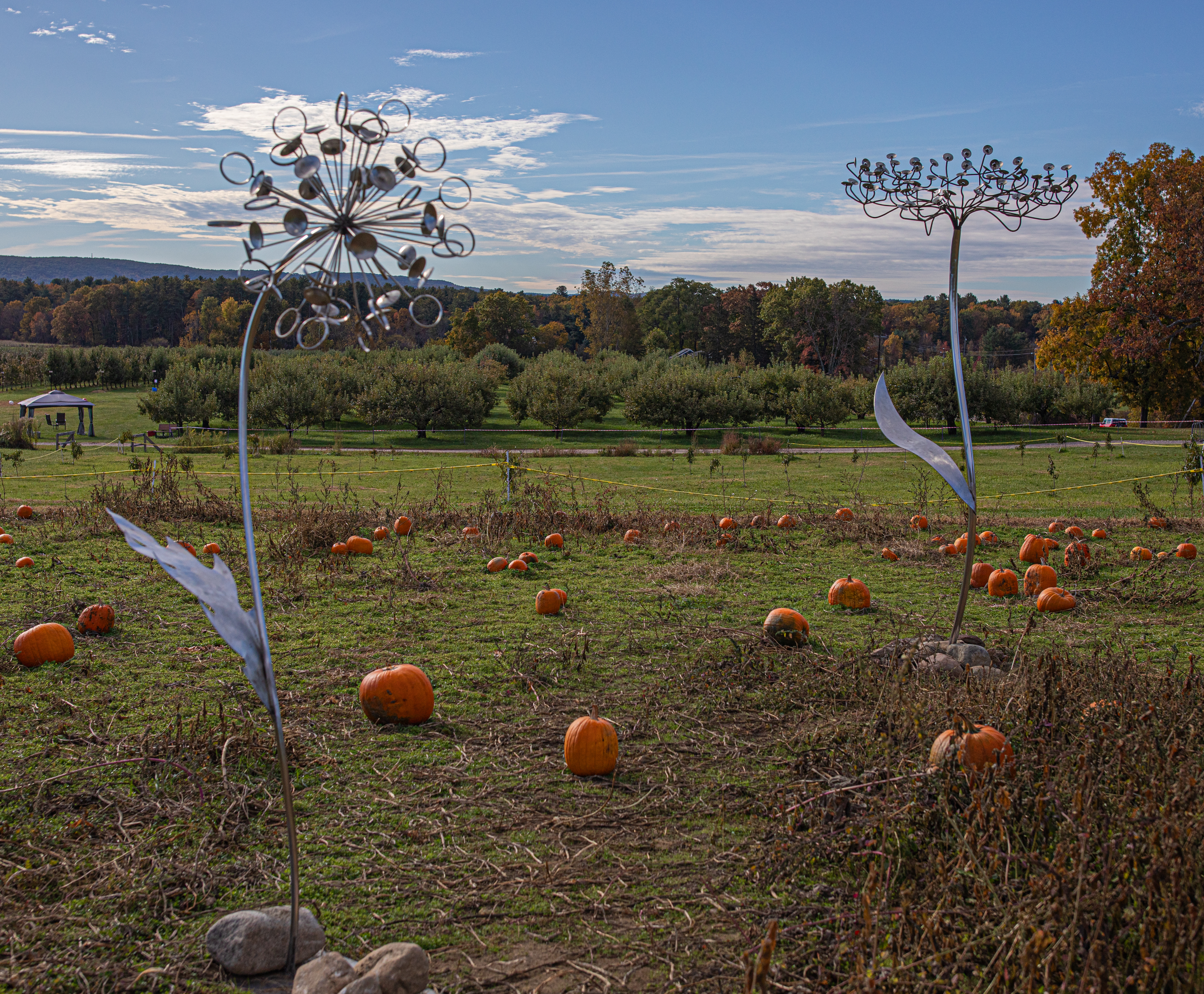
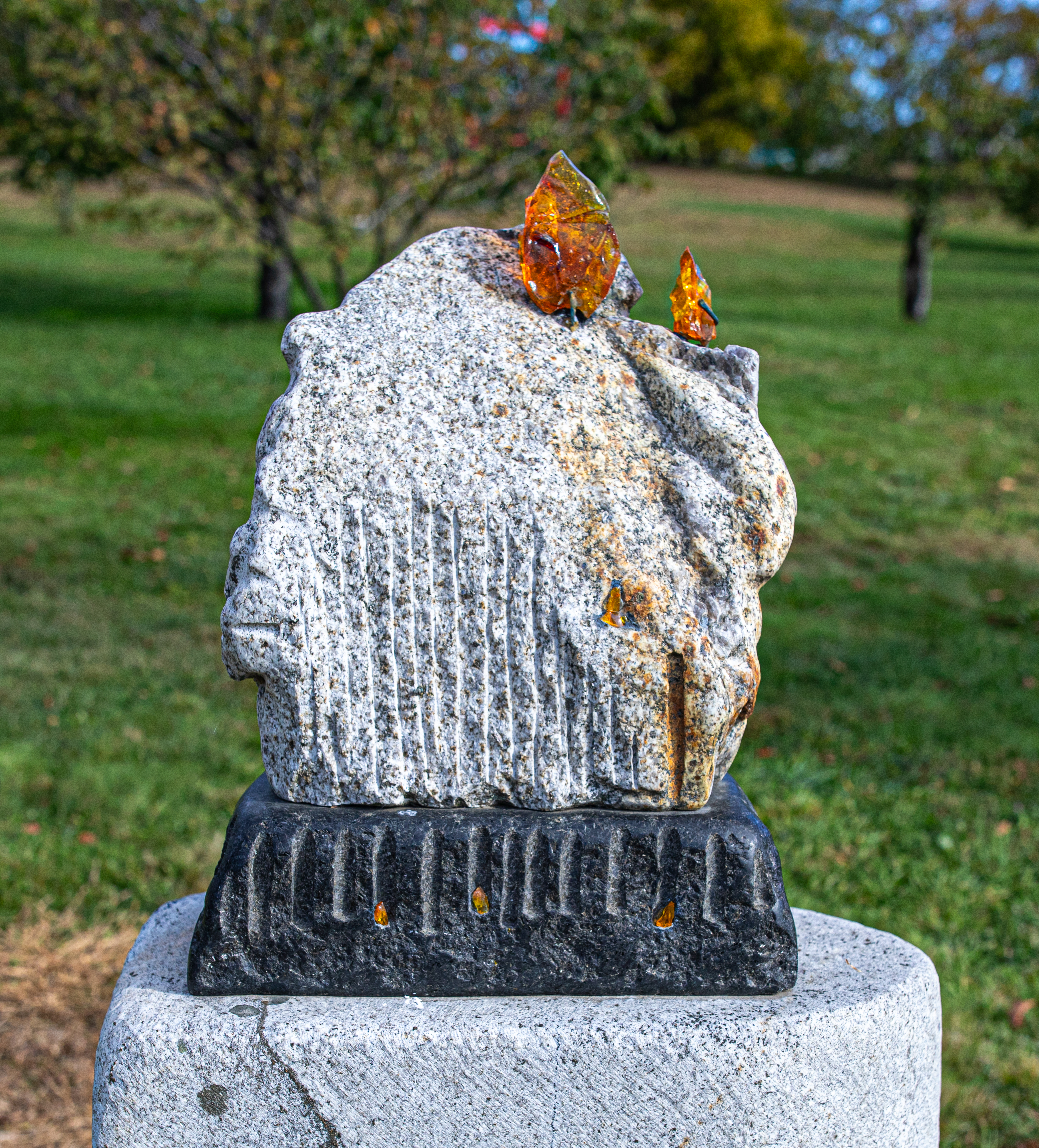
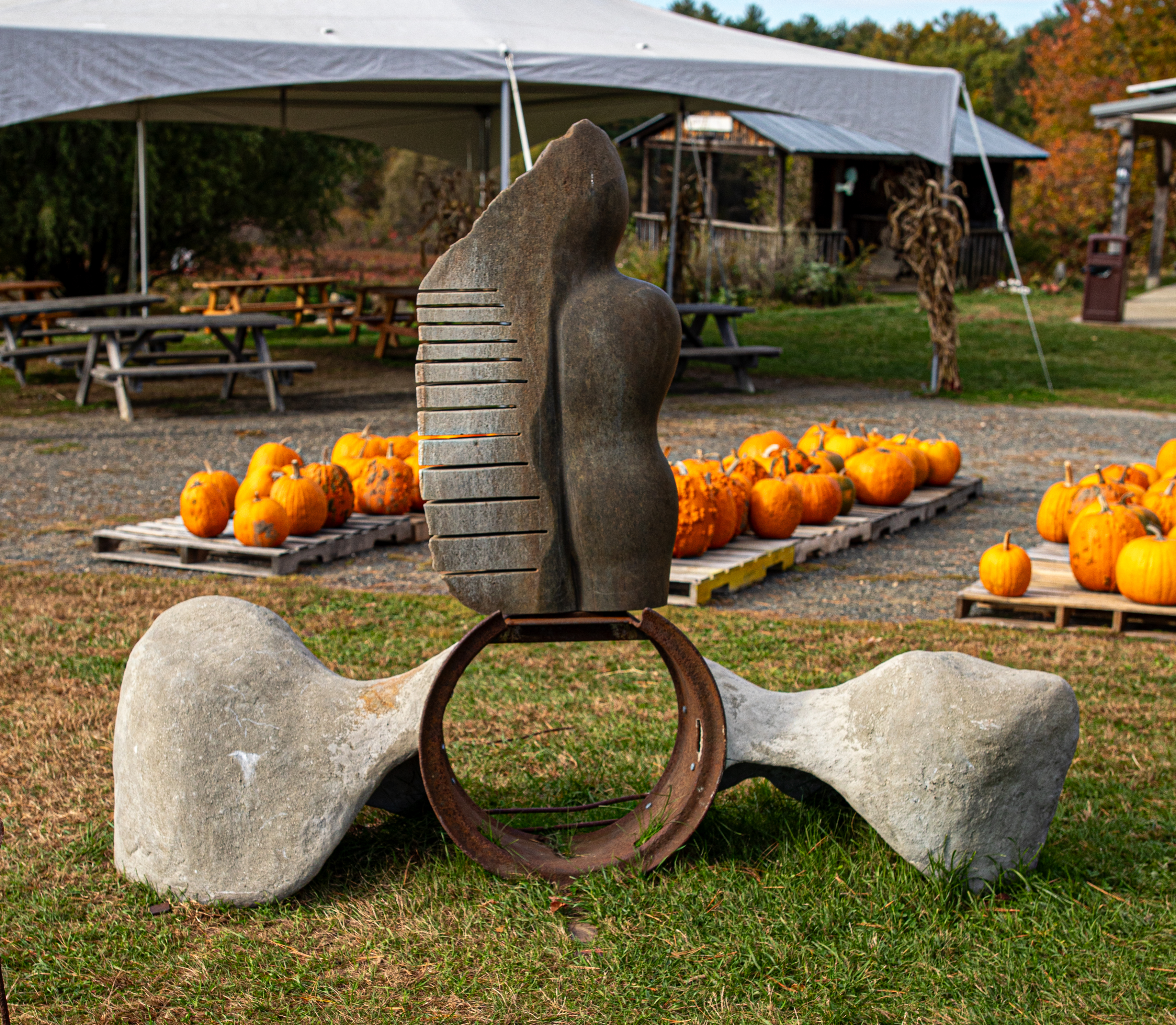
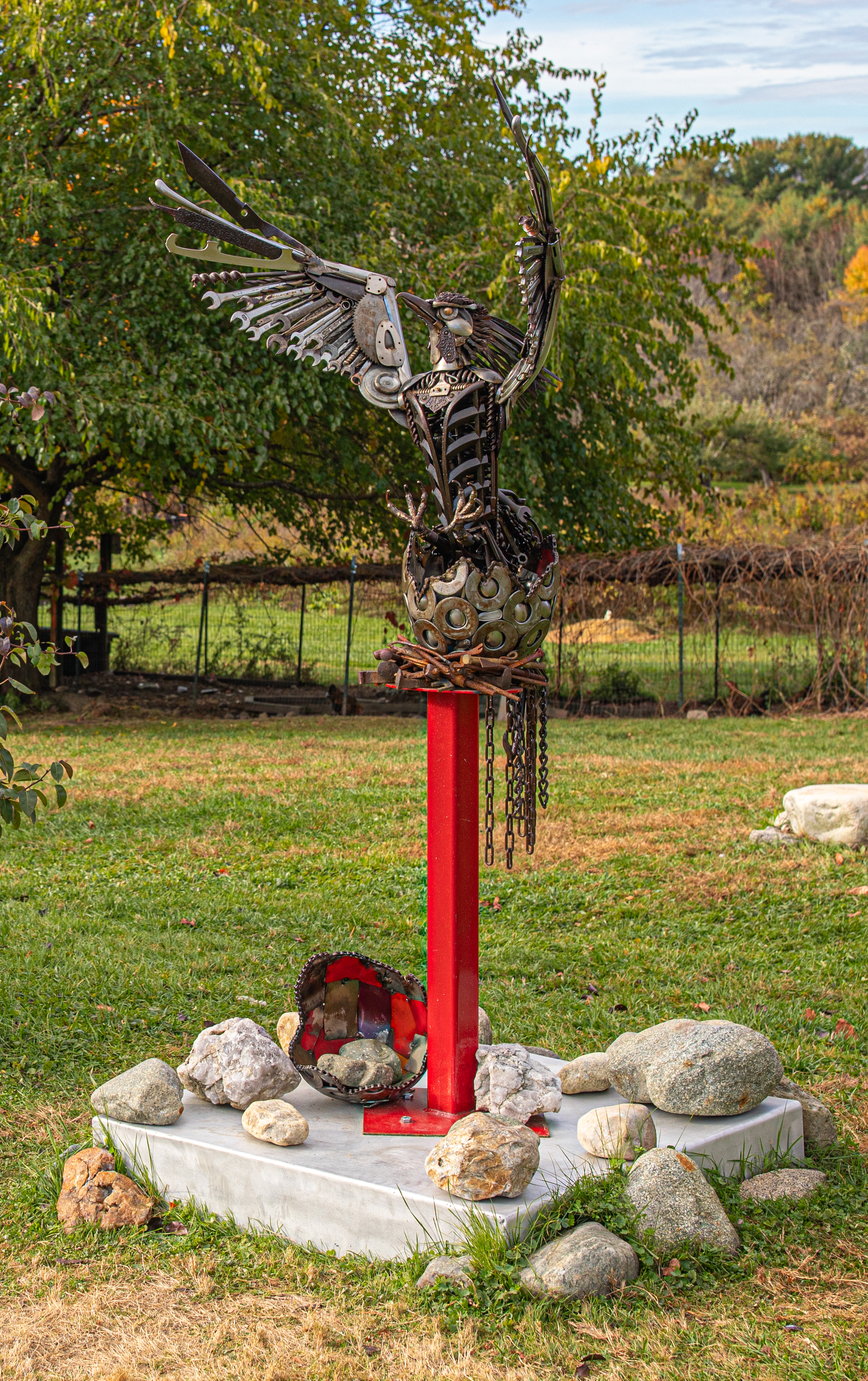
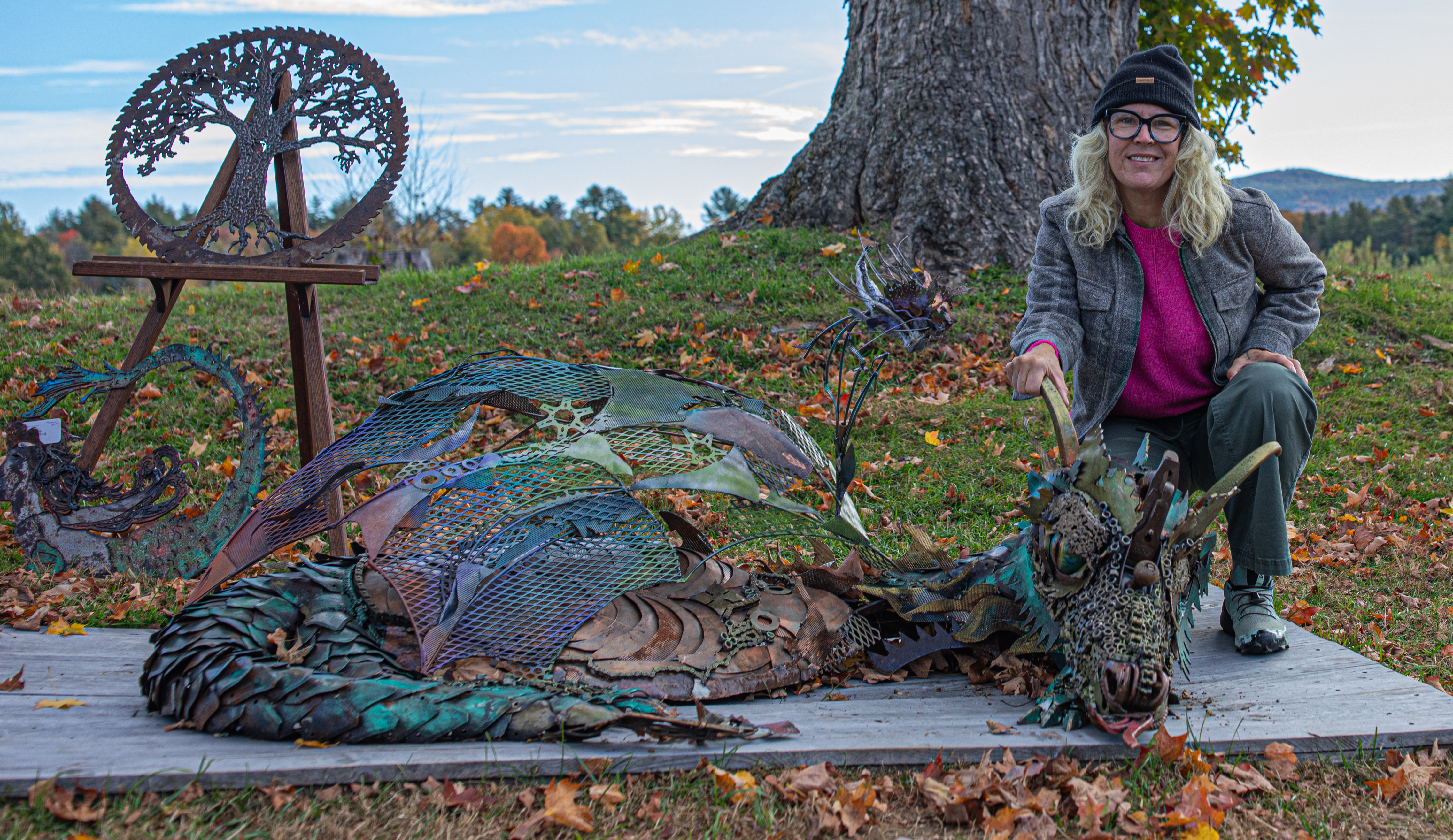
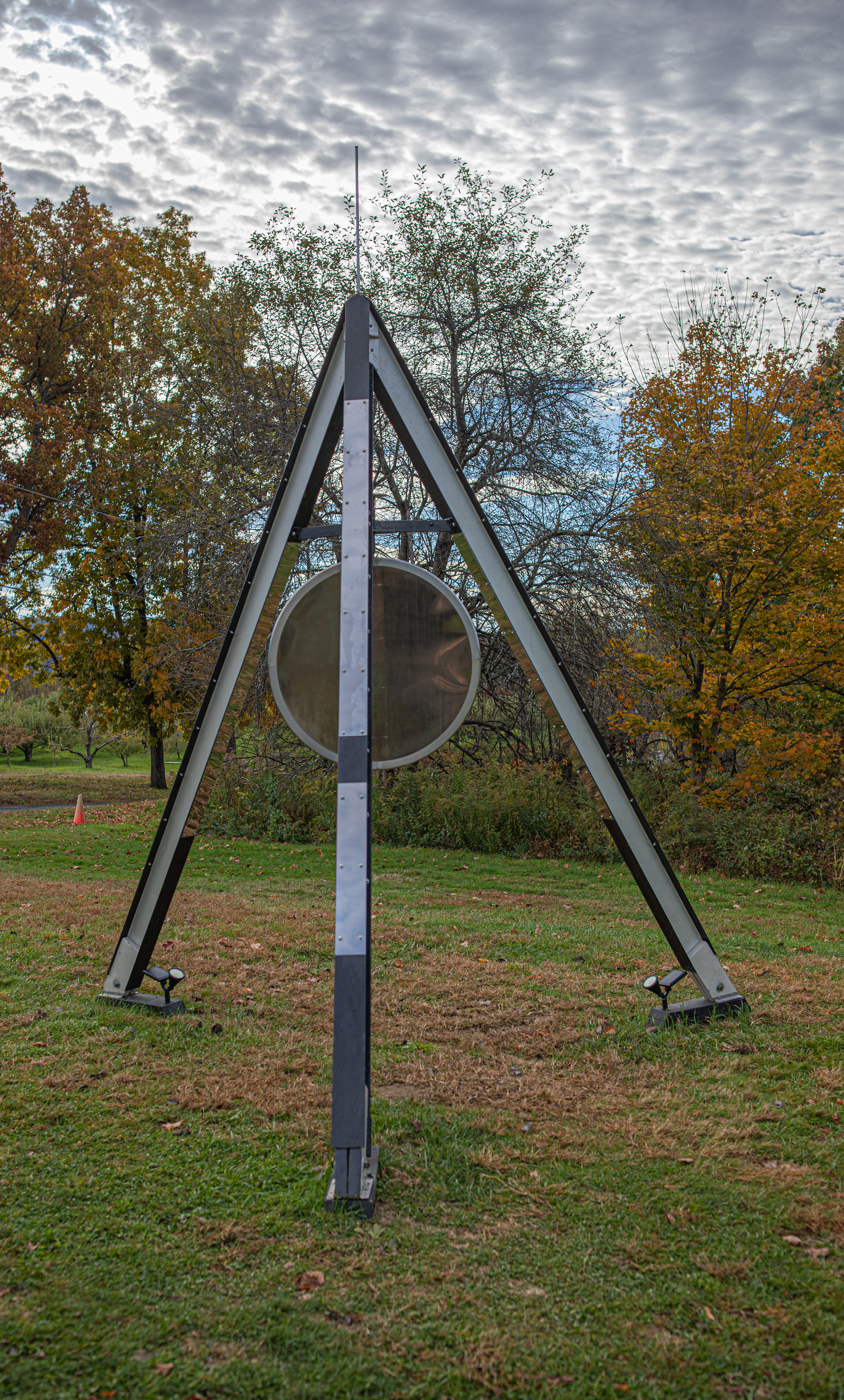
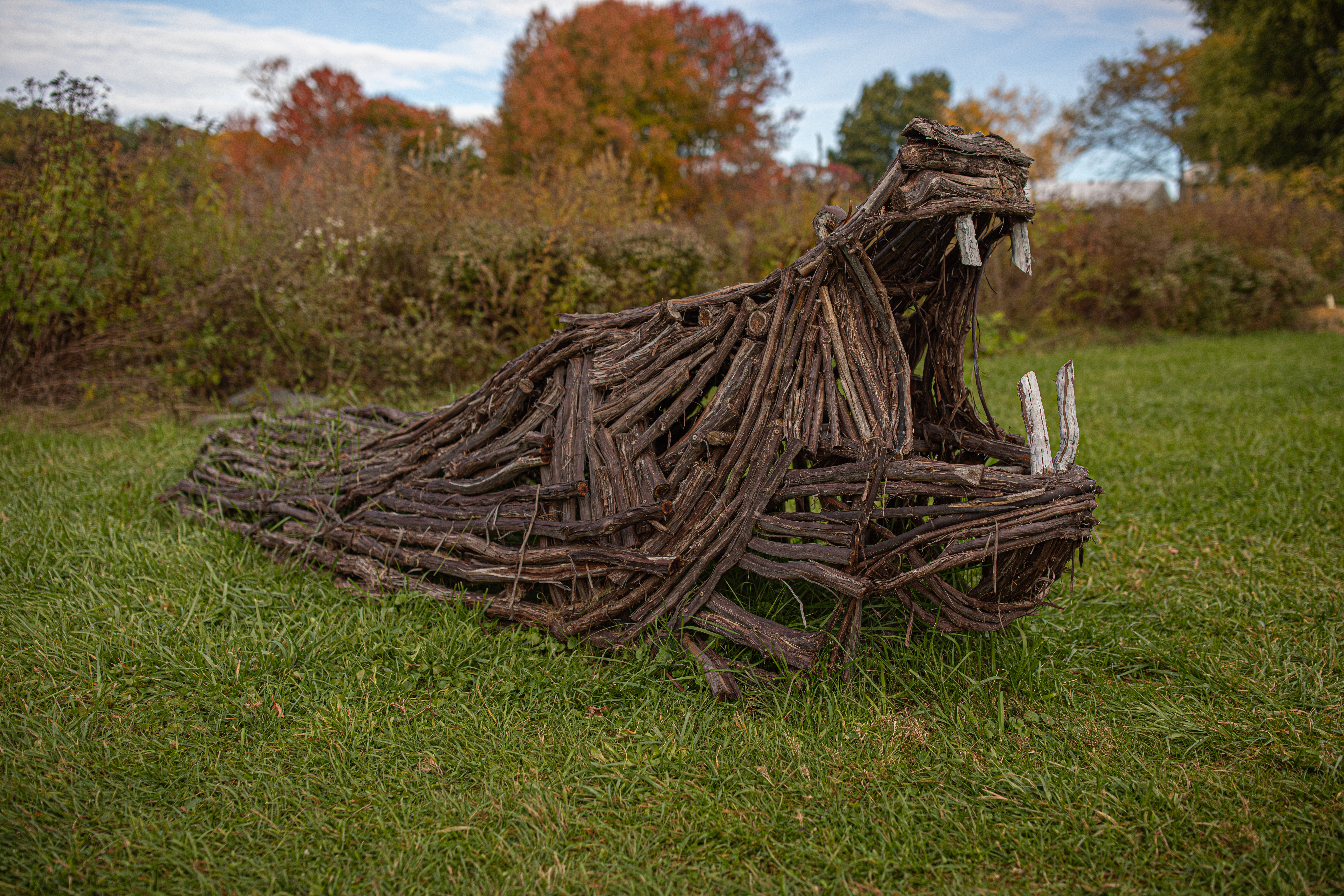
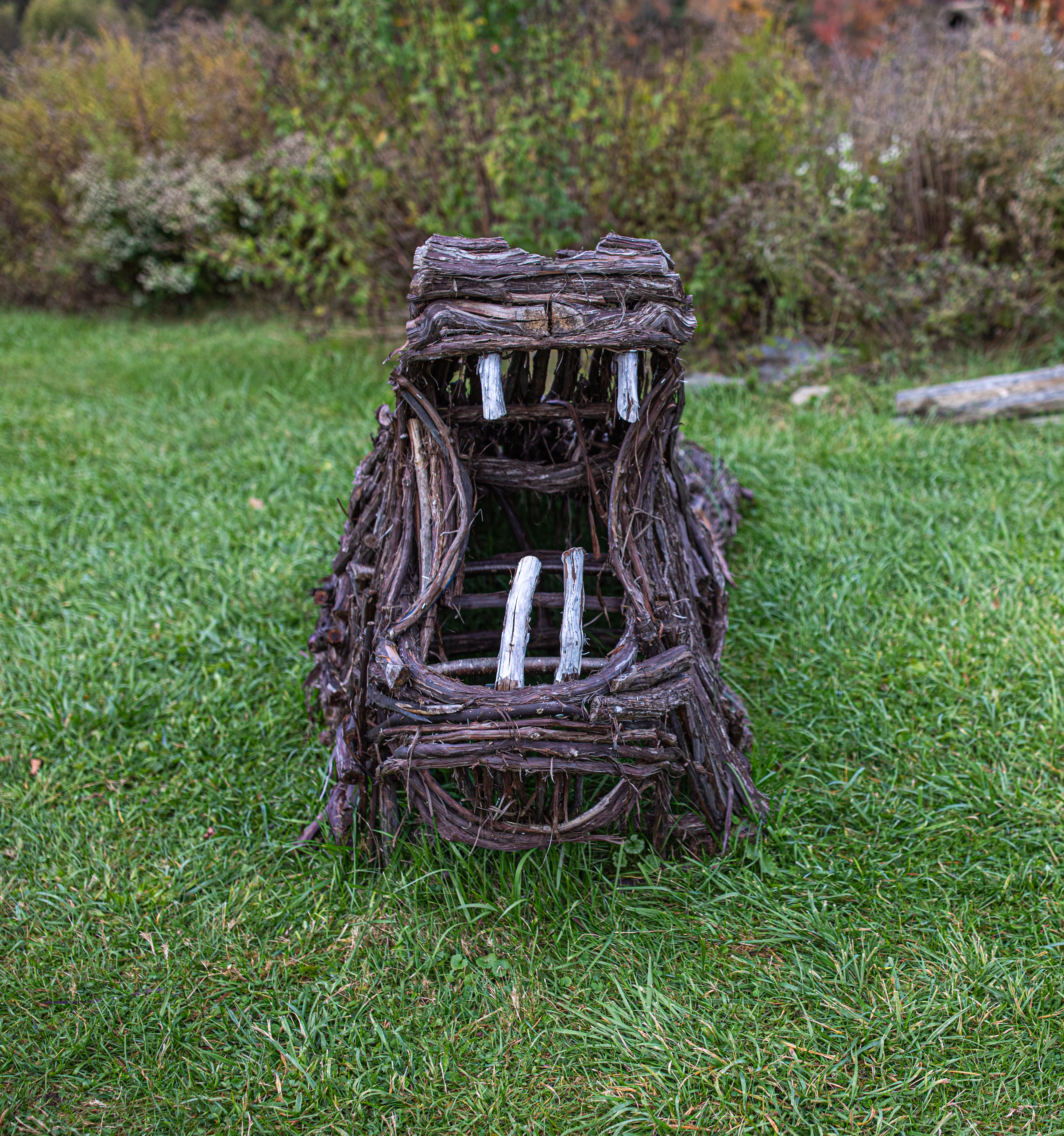
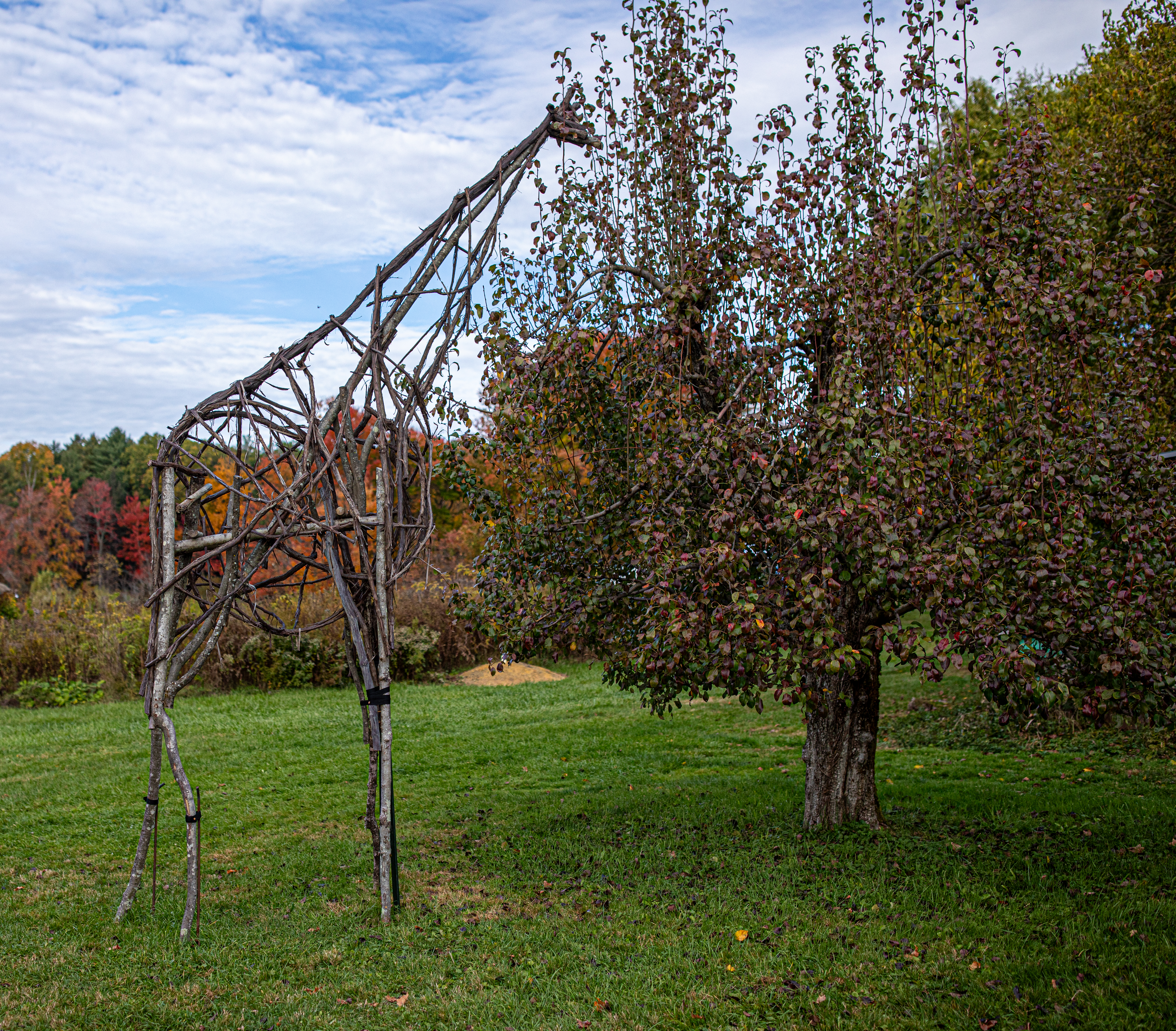
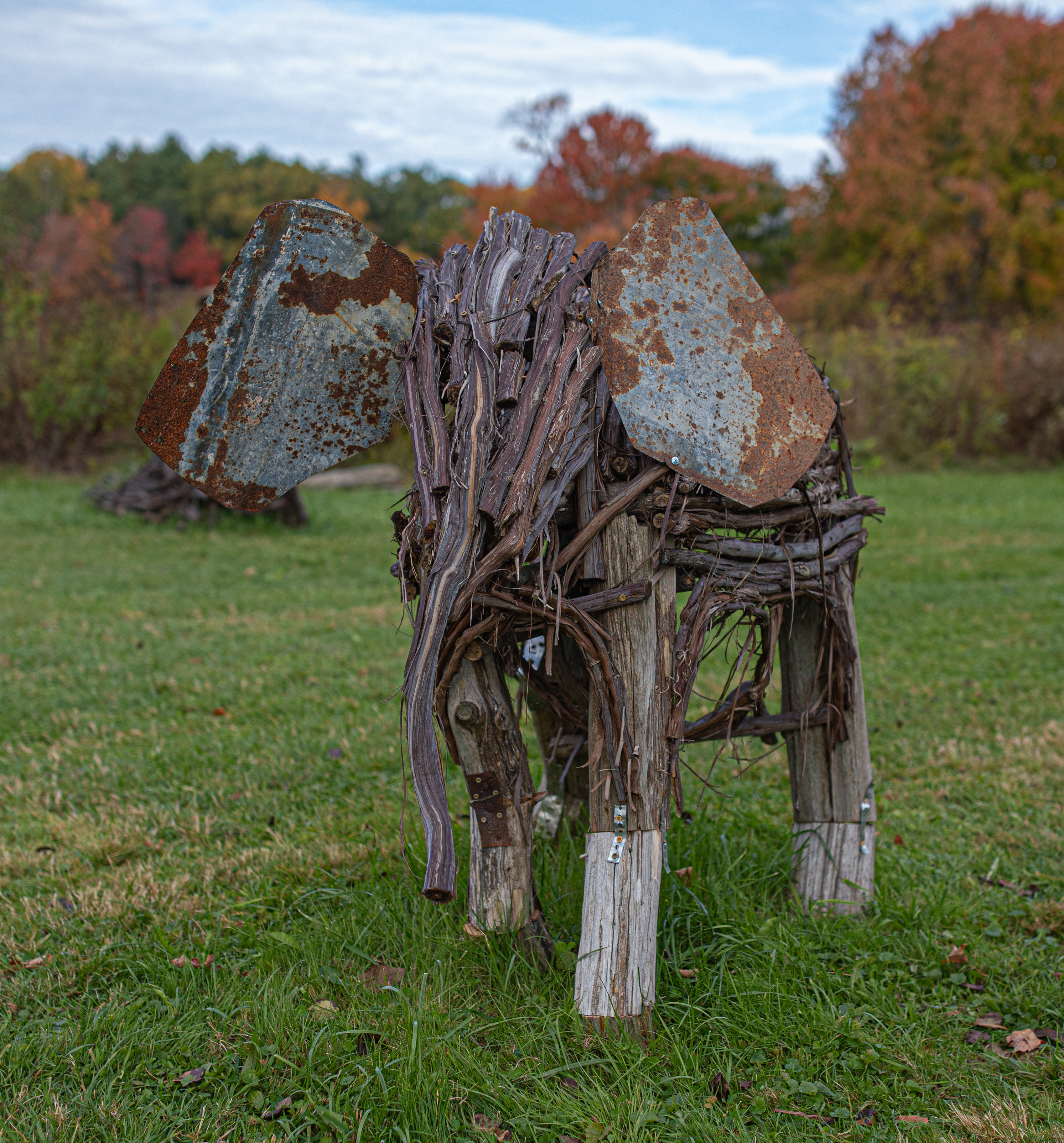
 New England Nomad