Parking: There is both metered parking and parking garages and lots in the area.
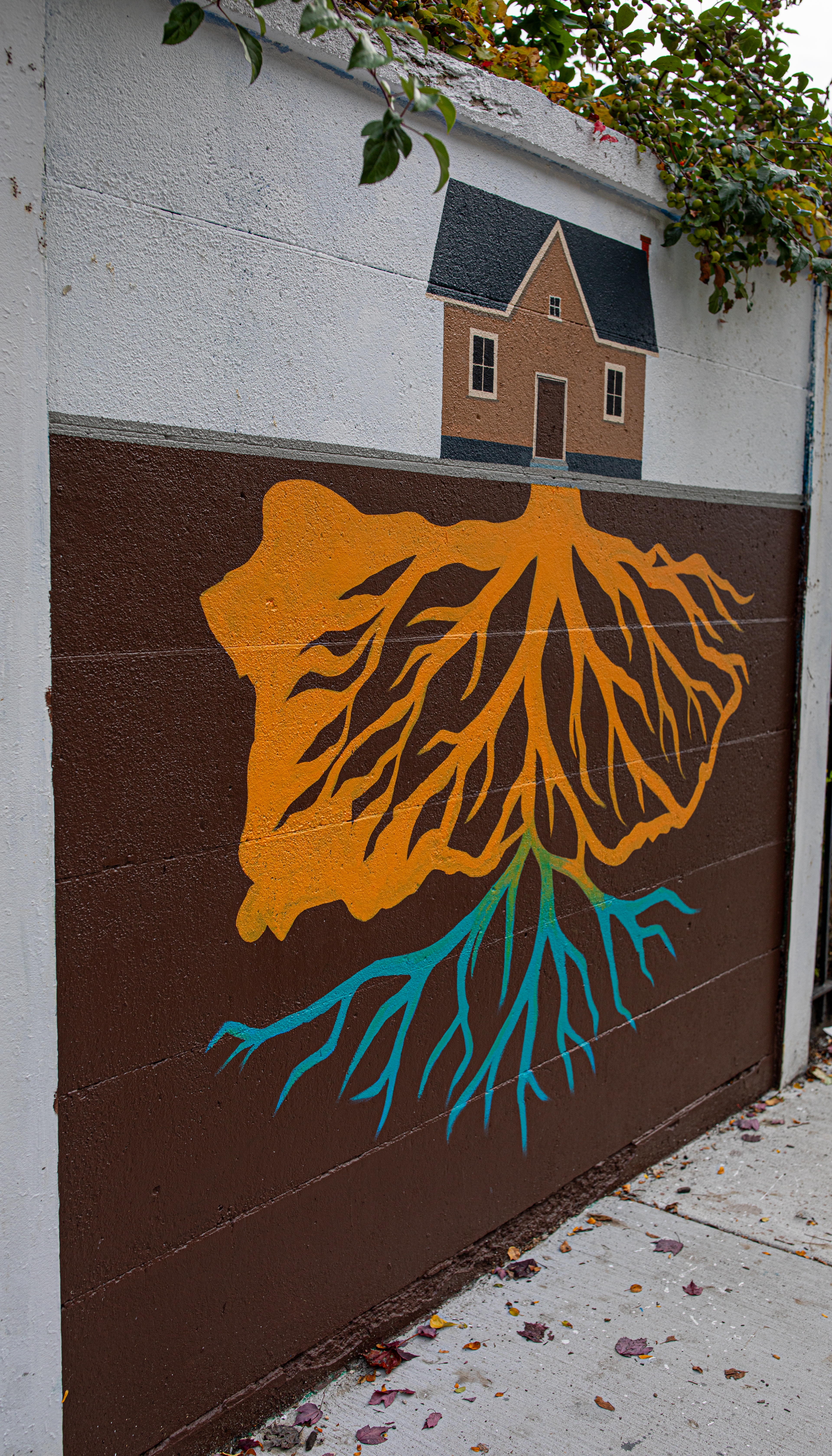
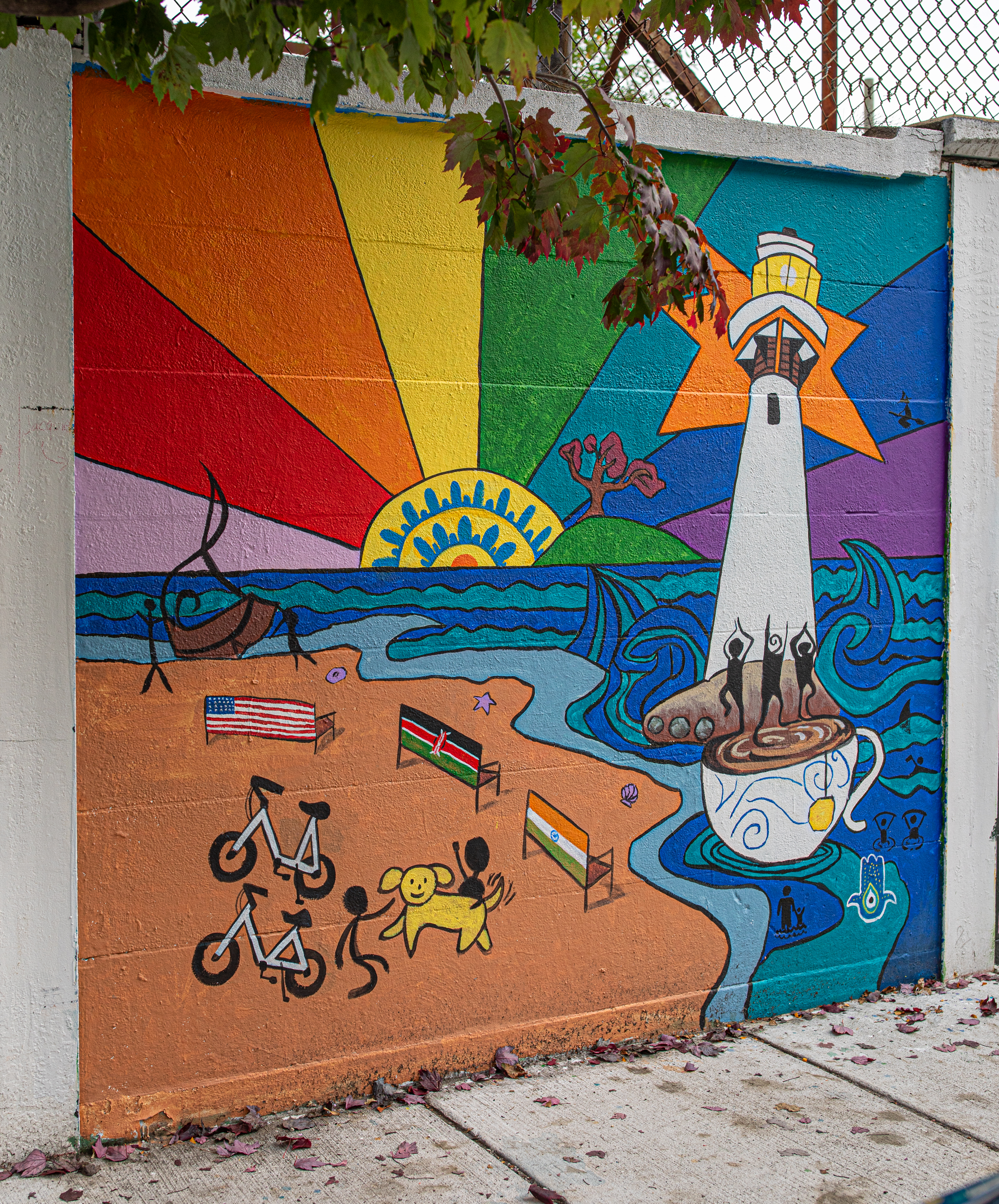
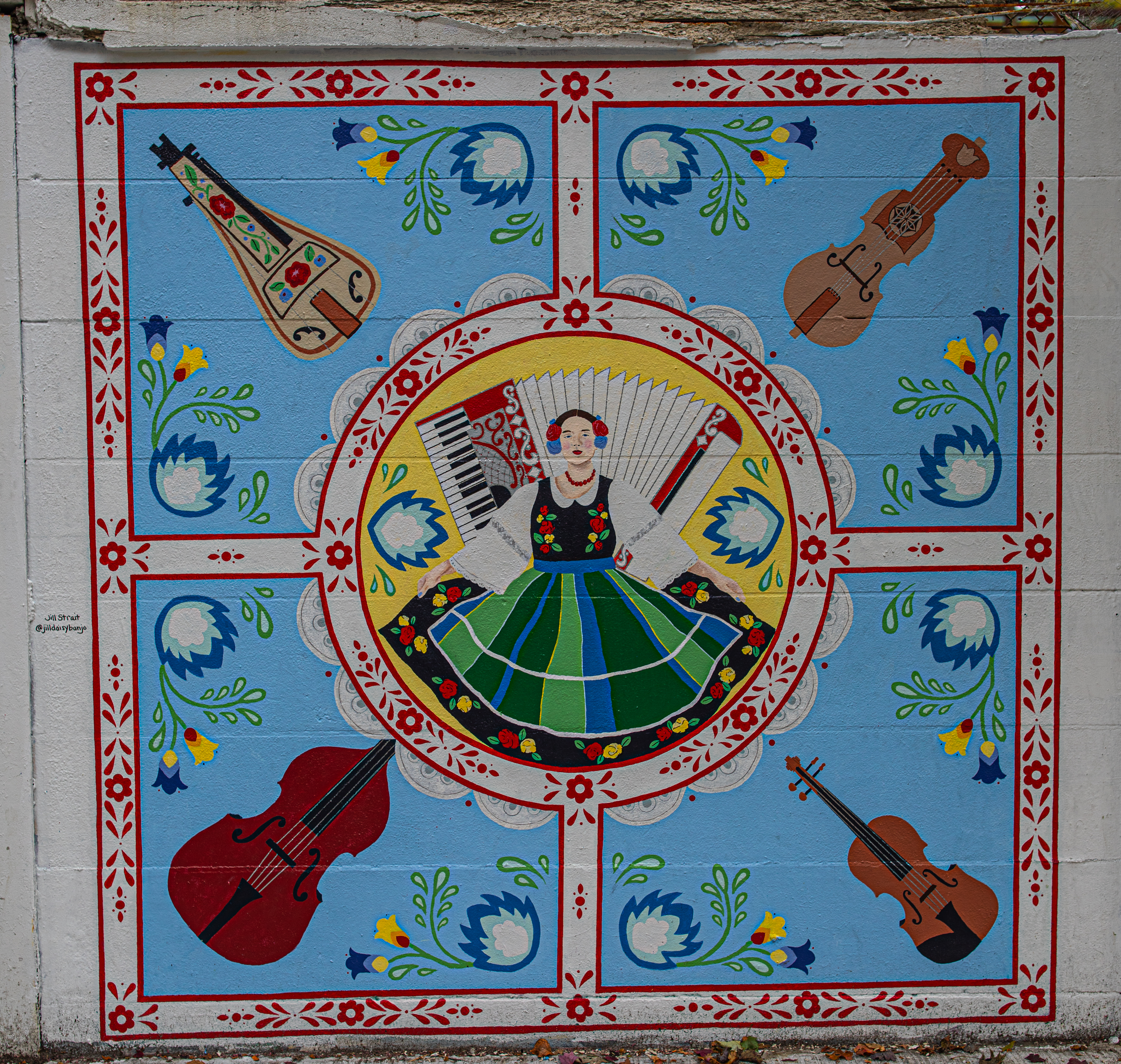
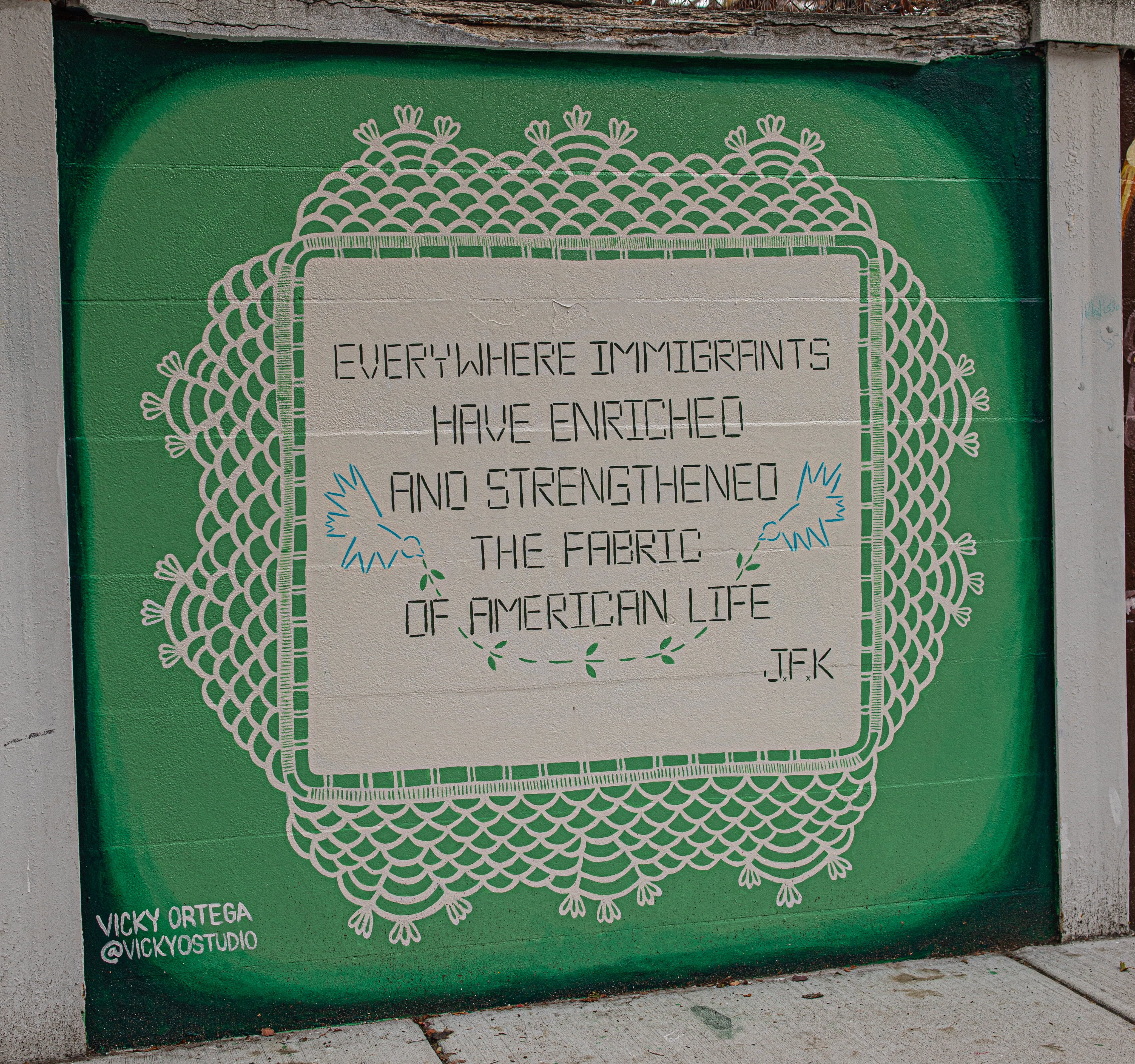
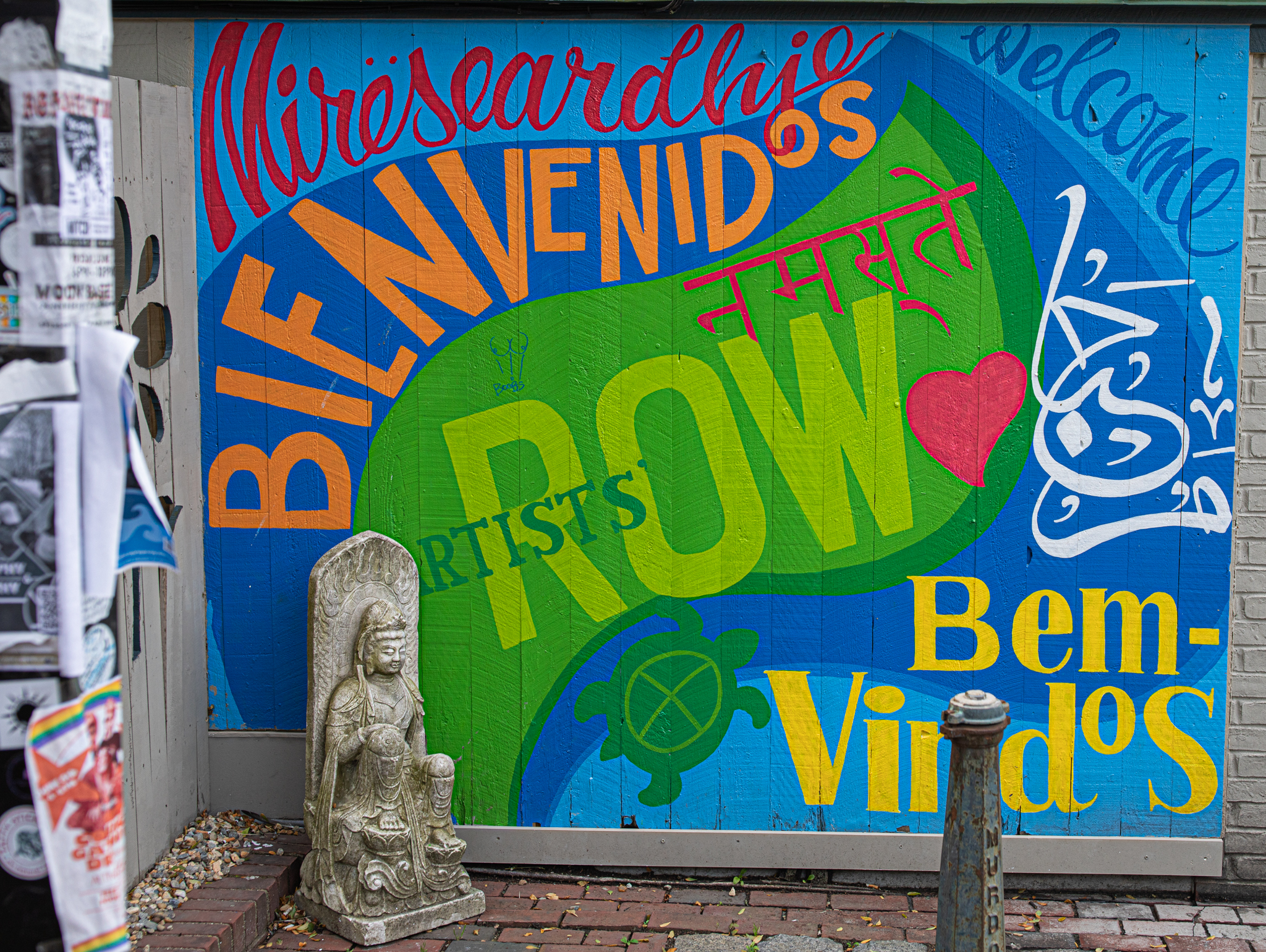
Summary: 17 new works of art adorn the walls on Peabody St in the “punto” area of Salem, MA
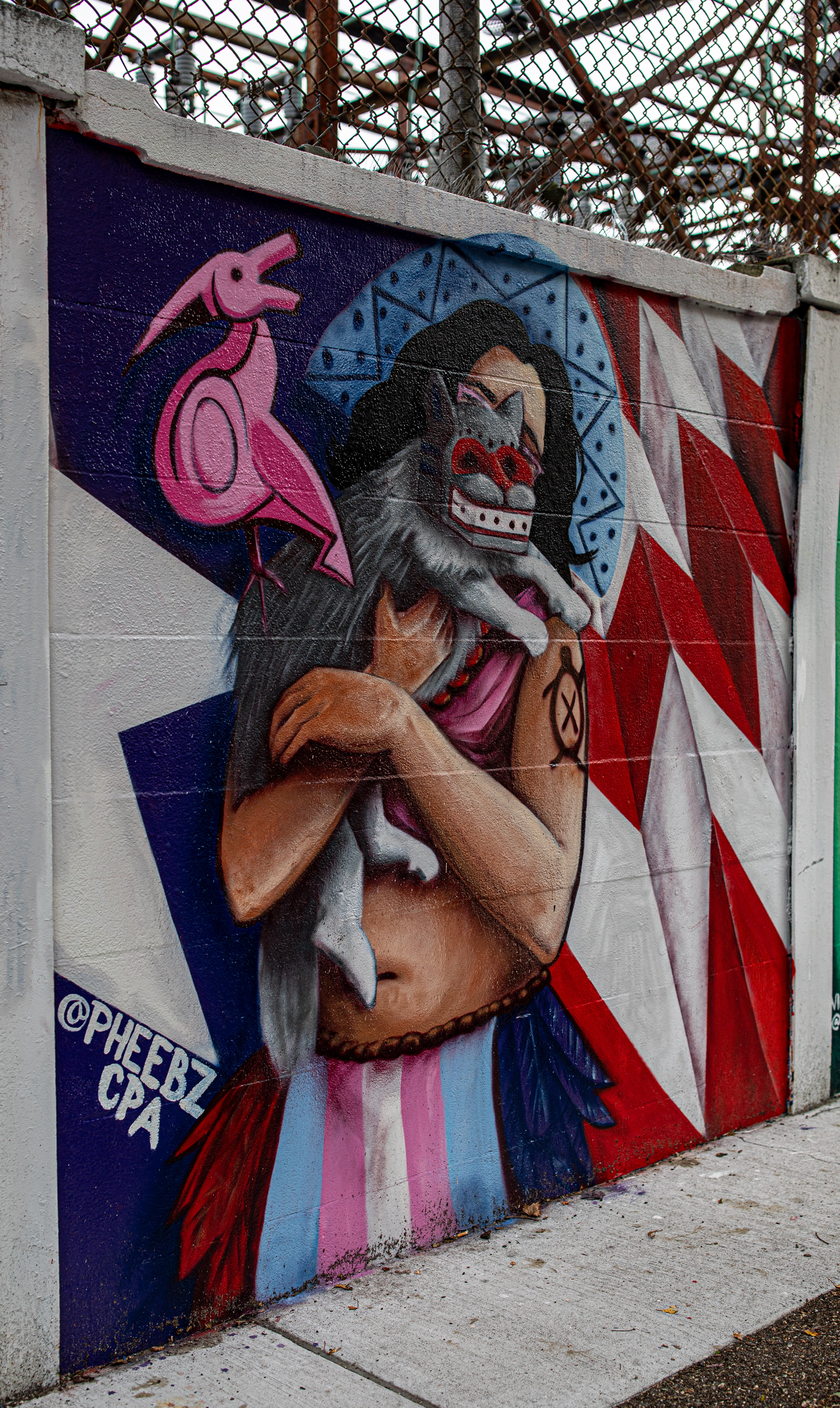
Salem, MA, is a diverse community . And the “El Punto” (“The Point”) neighborhood is proof of this diversity. Comprised largely of Latinx and other new immigrants, El Punto is the sight of many art projects by the Punto Urban Art Museum (PUAM), a program of North Shore Community Development Coalition.
The Roots/Raices mural art project is meant to reflect on the layered histories of place and people. The aim of the project is to honor both the original inhabitants and the newer generations who have made Salem home.
The project, which is presented in partnership with Salem 400+, Salem Maritime National Historic Site, and the Peabody Essex Museum, unites arts, history, and community to honor Salem’s past while envisioning its future. Selected artists received a $1,000 stipend to create 8-by-8-foot mural works that will become part of PUAM’s semi-permanent outdoor collection. Artists were asked to share their stories and to seek out and bring together their different experiences and beliefs.
These murals are usually painted every year or few years. In fact, I photographed the last group of murals there which were part of a project called A Dream Called Home. The works of art do not have titles. But, most of the artists left their Instagram or other contact info in the artwork.
From the Old Salem Depot, the old Salem train that used to run through the center of the city, to the famous lighthouse (Fort Pickering Light) and the trolley which takes its passengers past all of the historical sites in Salem, some of the works of art pay tribute to parts of Salem and its history.
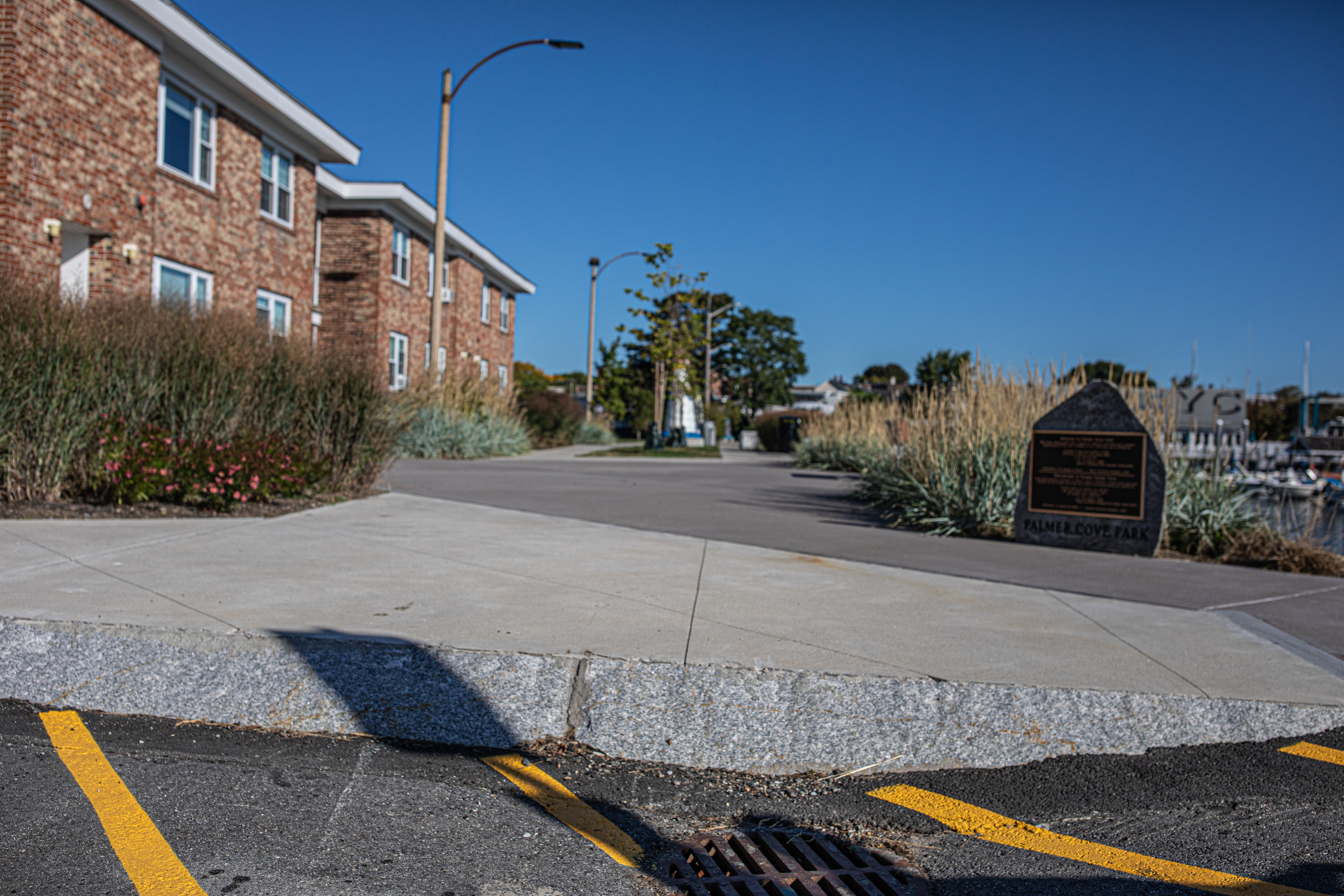
Location: Palmer Cove Park, 38 Leavitt St, Salem, MA (about 40 minutes northeast of Boston, MA)
Cost: Free
Universally Accessible: Yes
Dog Friendly: Yes
Parking: There is a small parking lot at the park for about 7 cars. There is also local on street parking and several parking lots and garages in the area.
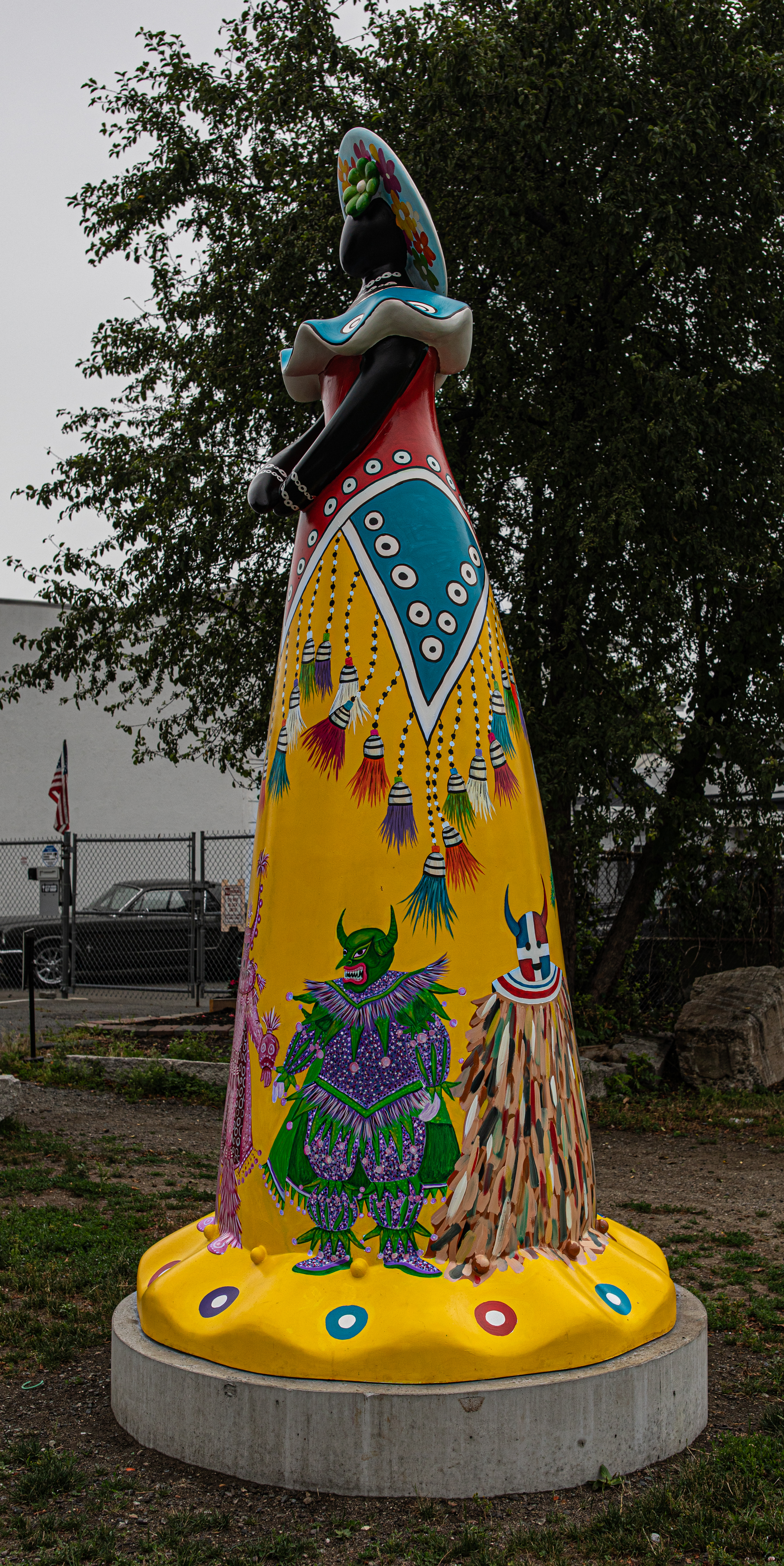
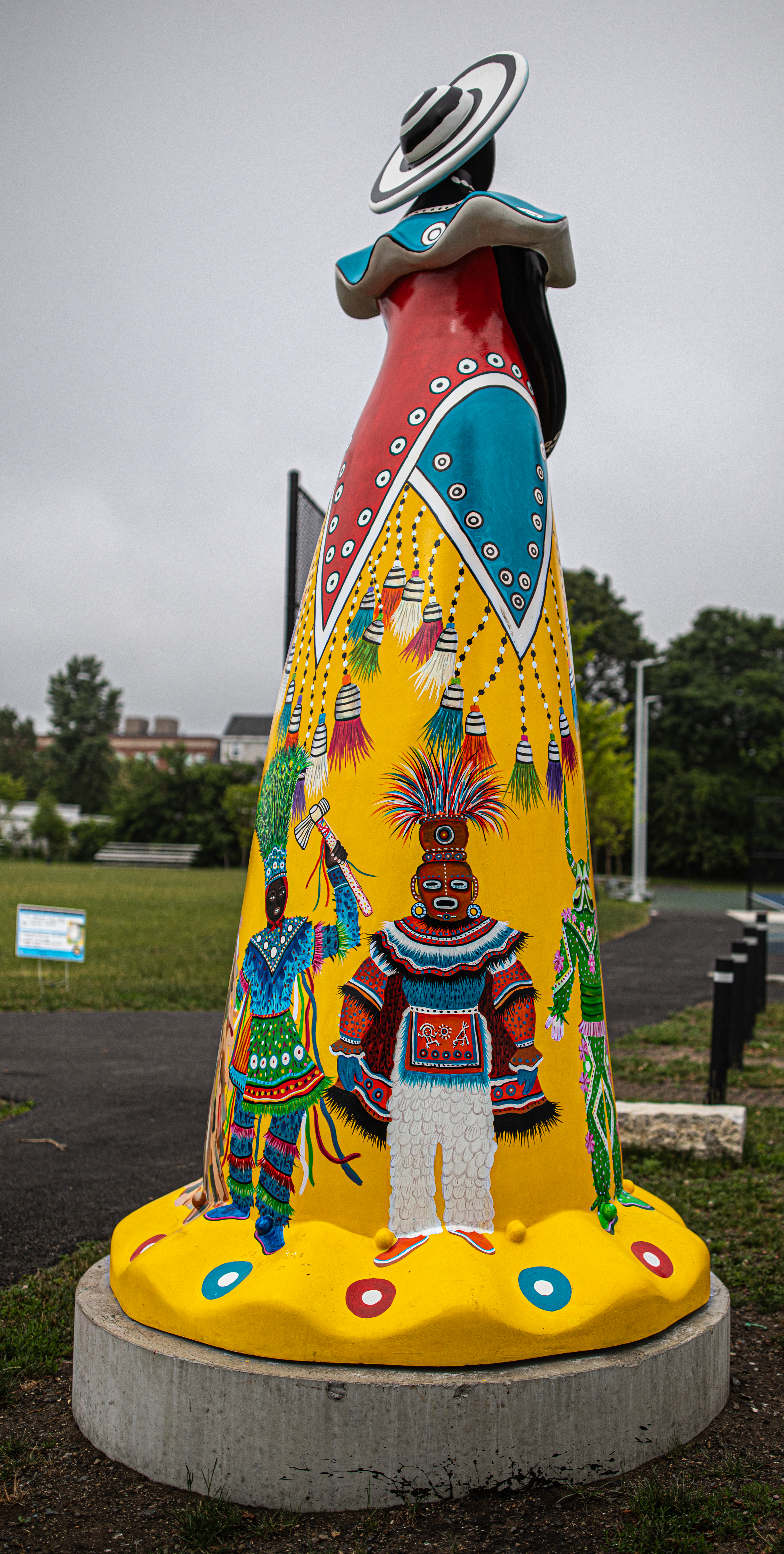
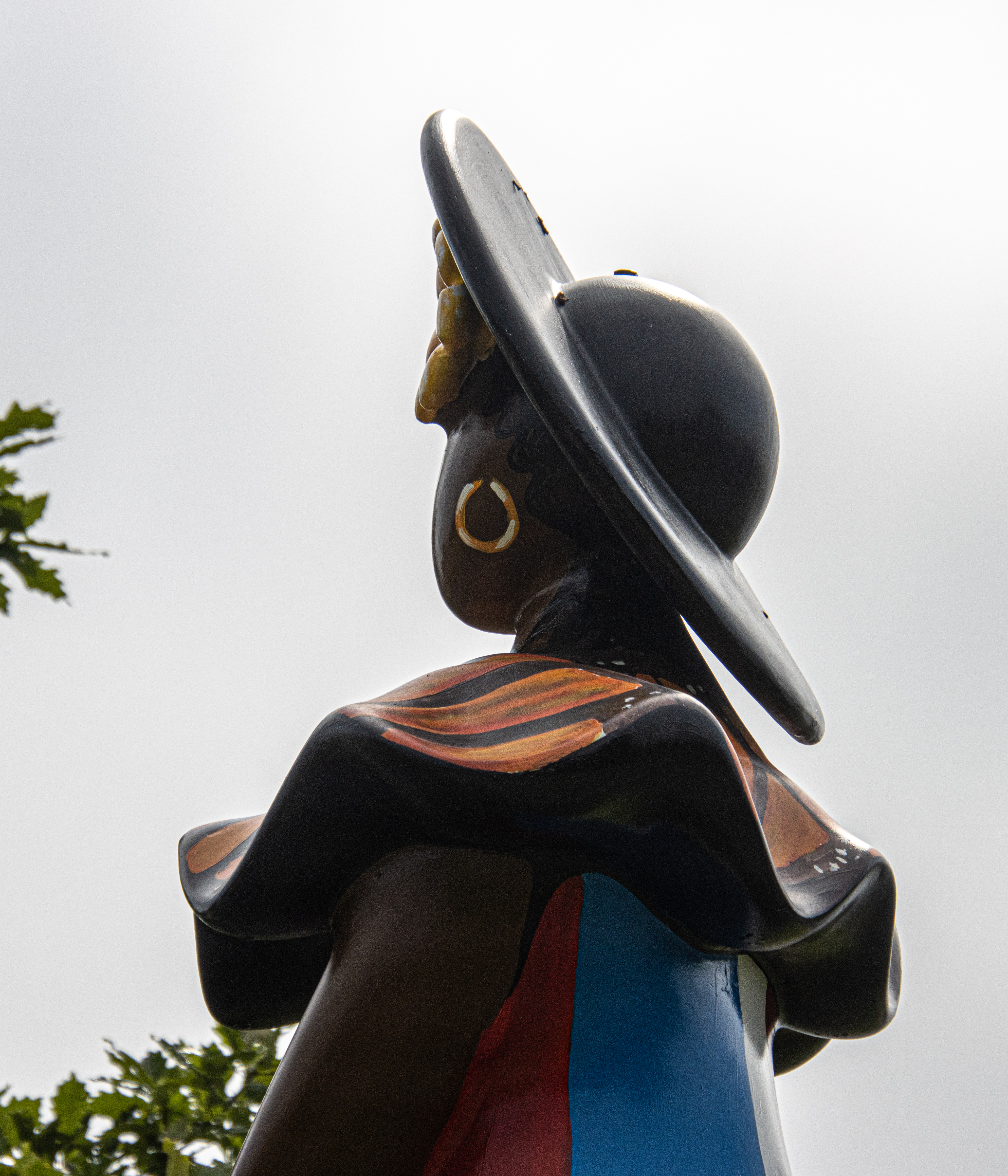
Summary: 7 “faceless dolls” (Muñeca Sin Rostro) have been installed at Palmer Cove Park and Pioneer Terrace, Salem, MA. And, a special path has been installed to view the statues and reflect.
The Punto Urban Art Museum (PUAM) have found a way to mix art with an education. The seven 12 foot fiberglass statues were painted by a group of artists who used the statues for expression and storytelling.
The ceramic Muñeca Sin Rostro (“faceless dolls”) were originally created by Liliana Mera Lime in 1981. Liliana, a pottery worker in the town of Moca, a province in the Dominican Republic, wanted to depict a small figure of a woman. However, she lacked the tools and molds to make a small ceramic figure. This would prove to be a blessing in disguise. The doll was handcrafted by hand on a potter’s wheel with elements like ruffles, baskets and hats and one distinct feature, or lack of a feature. The dolls all had a head with no facial features. These full-sized dolls, which were originally smaller figurines, have been replicated with each artist’s interpretation and messages.
There are 7 statues at Palmer Cove Park. I did have a hard time finding the 7th one on my list. In fact, I had to make 2 visits to find them all. So, don’t forget to go to the area by the public garden to find them all!
Another special part of the park is a walkway that was installed earlier this year as a memorial to those lost from Covid-19.
Salem
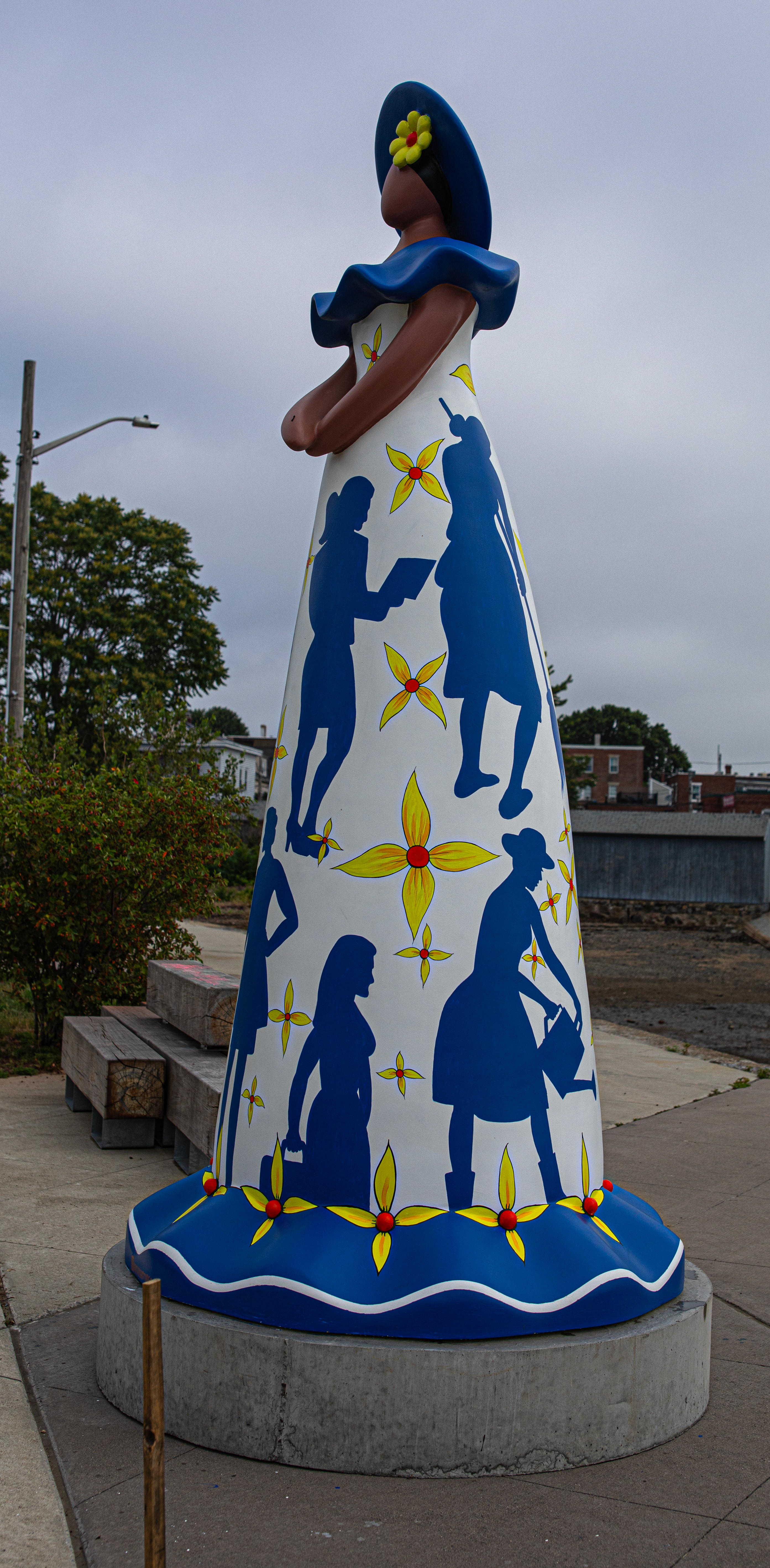
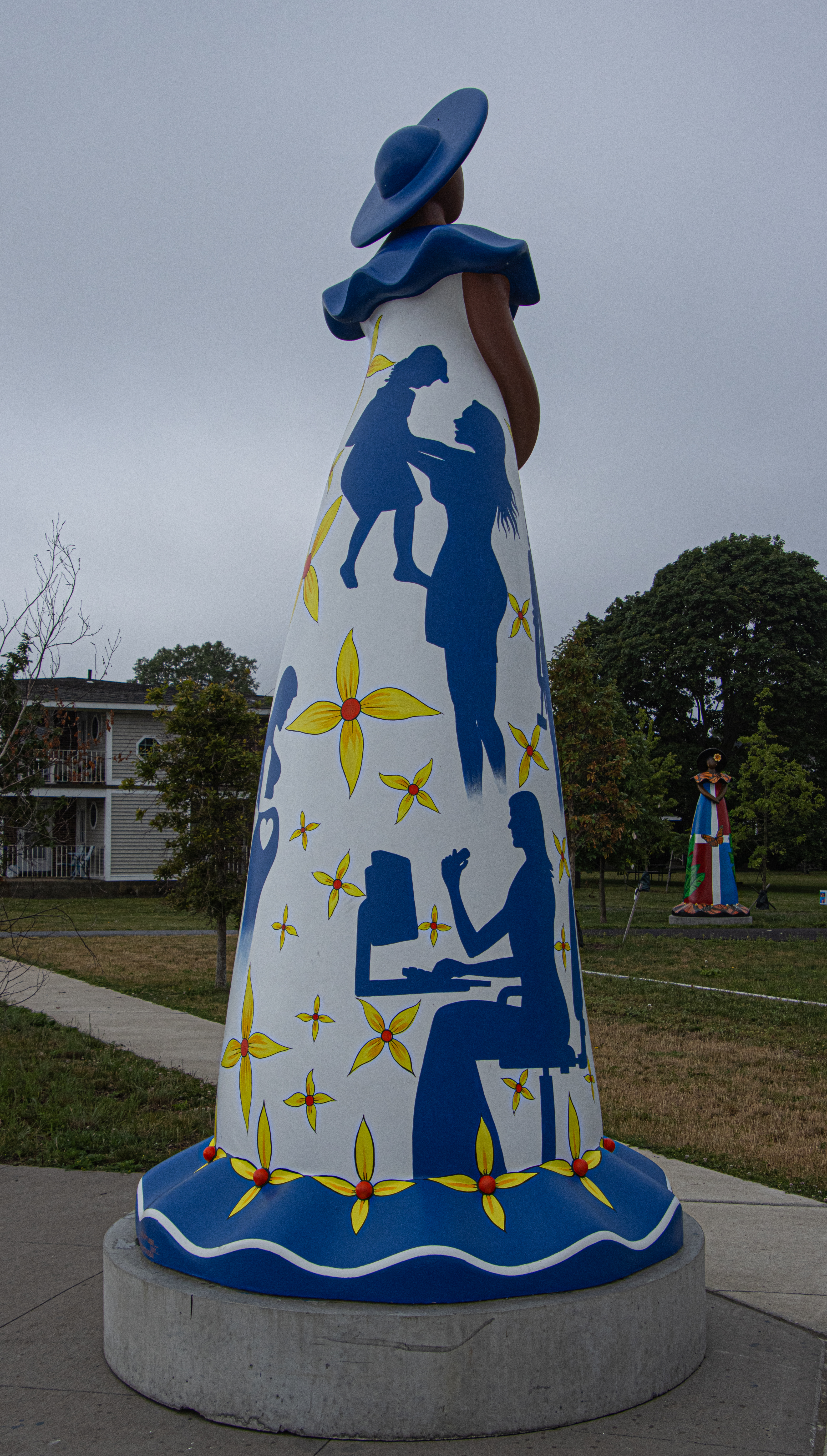
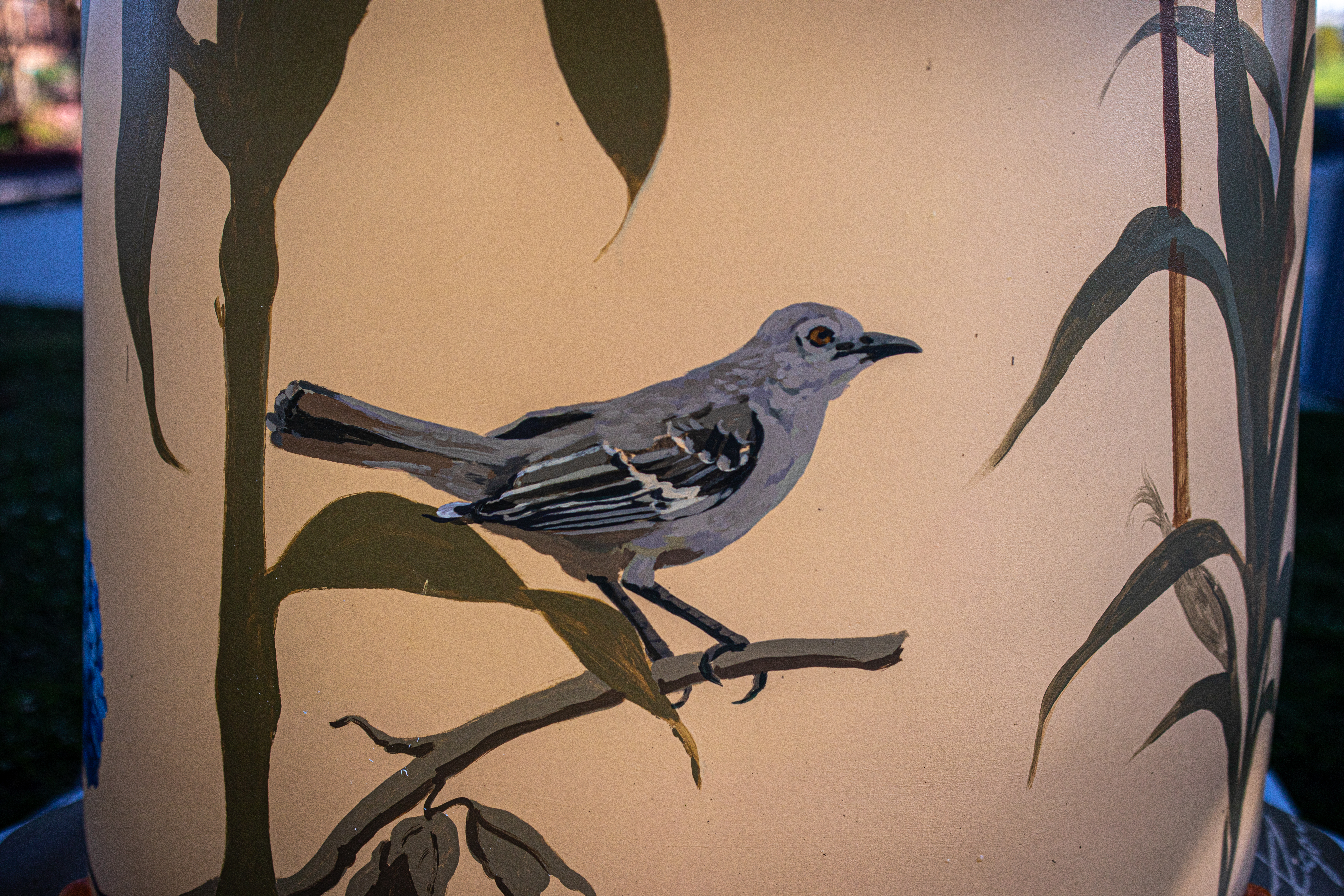
The first Muñeca Sin Rostro is fittingly called “Salem.” Created by painter and sculptor Ramon Santiago, a native of the city of Moca, Espaillat province in the Dominican Republic, “Salem” is a representation of the city bearing the statue’s name. Ramon said his work of art is dedicated to the hardworking people of Salem. Examples of the hardworking people of Salem can be found not only in elements of people working at a job, in their yards and, most importantly, with their families. The various bold colors are meant to represent how diverse and vibrant the city is.
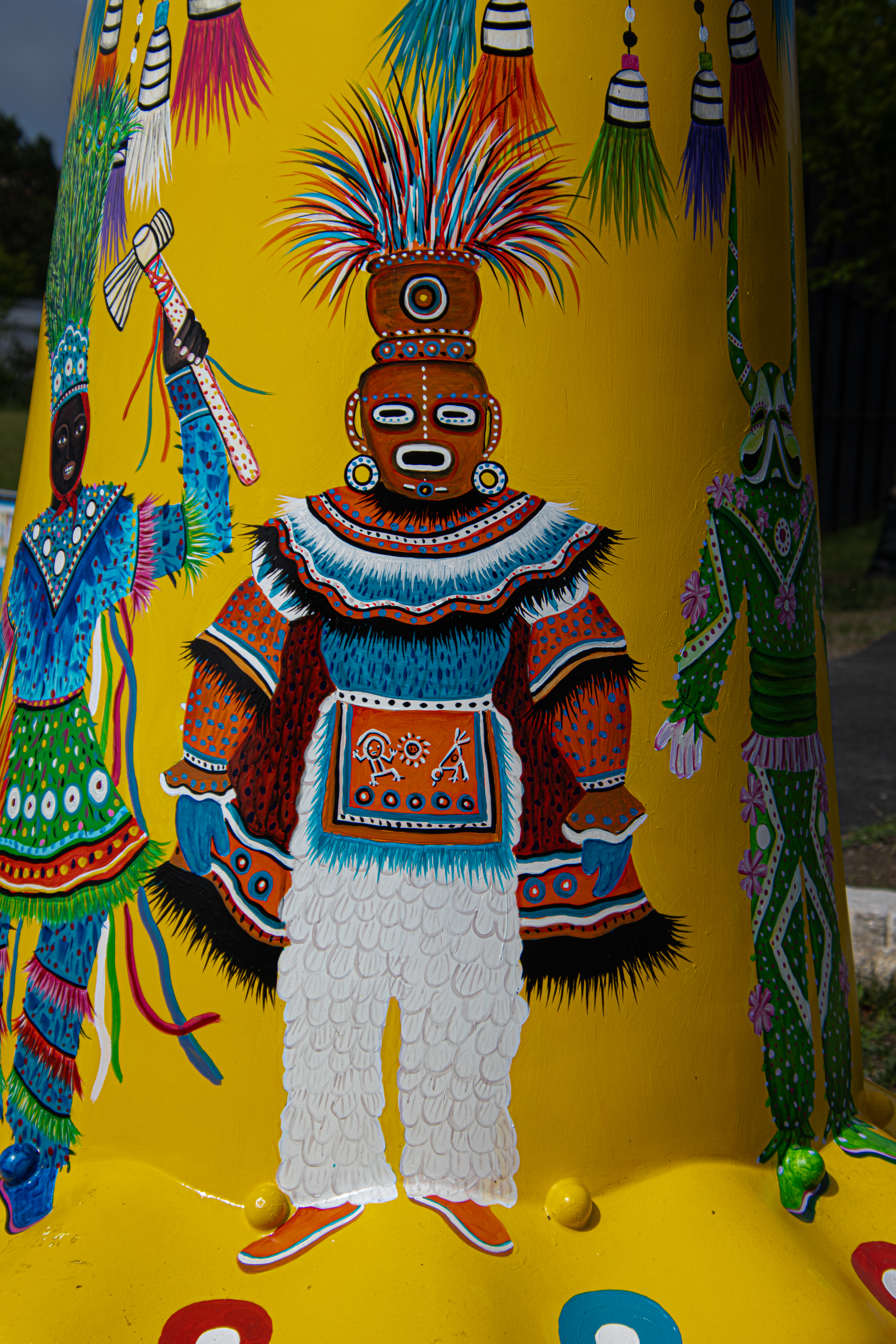
Los Ninos Y El Carnaval
“Los Ninos La Carnaval” represents children and their participation in the Dominican Republic’s carnival. The statue, made by Luis Rivera, a native of San Cristobal, displays the most representative costumes from different regions of the country: the Lechones of Santiago, the Ecol Devils of San Cristóbal, the Devils of La Vega, the Plátanus of Cotuí, and the Taimácaros of Puerto Plata, among others. The flowers represent the joy of the Dominican people. The flowers symbolize the diversity and racial mix that define us as a nation which is a fusion of Indigenous, African, and Spanish heritage. A graduate of the Universidad Autónoma de Santo Domingo and the Escuela de Diseño de Altos de Chavón, Luis has developed a versatile artistic style that spans sculpture, stained glass, jewelry, and carnival costumes. Luis is the co-creator of Urbelconica, a project that has helped reimagine the traditional Muñeca sin Rostro, beloved Dominican symbol of resilience and shared heritage, into large-scale public sculptures brought to life through the talent of many Dominican artists.
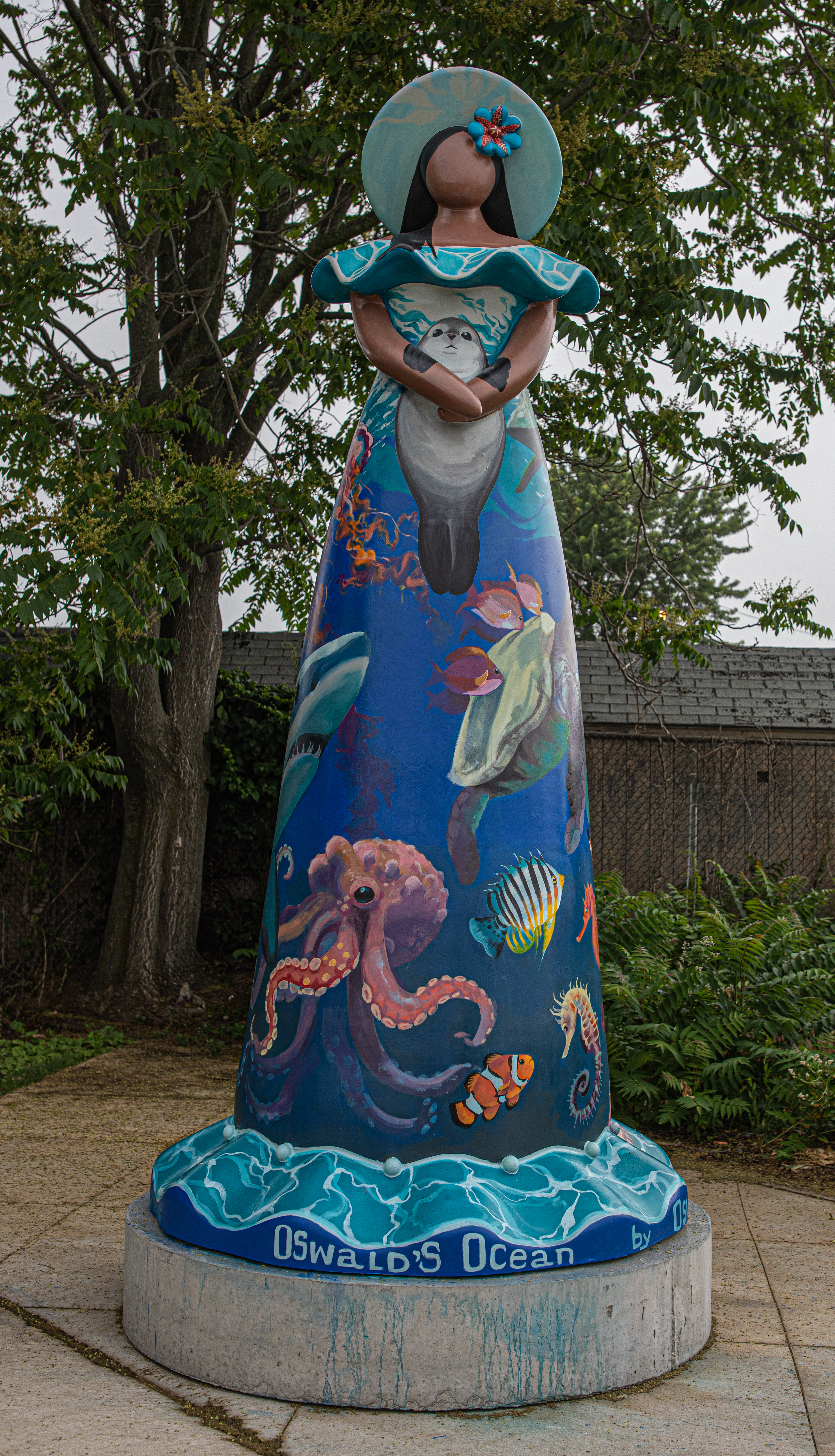
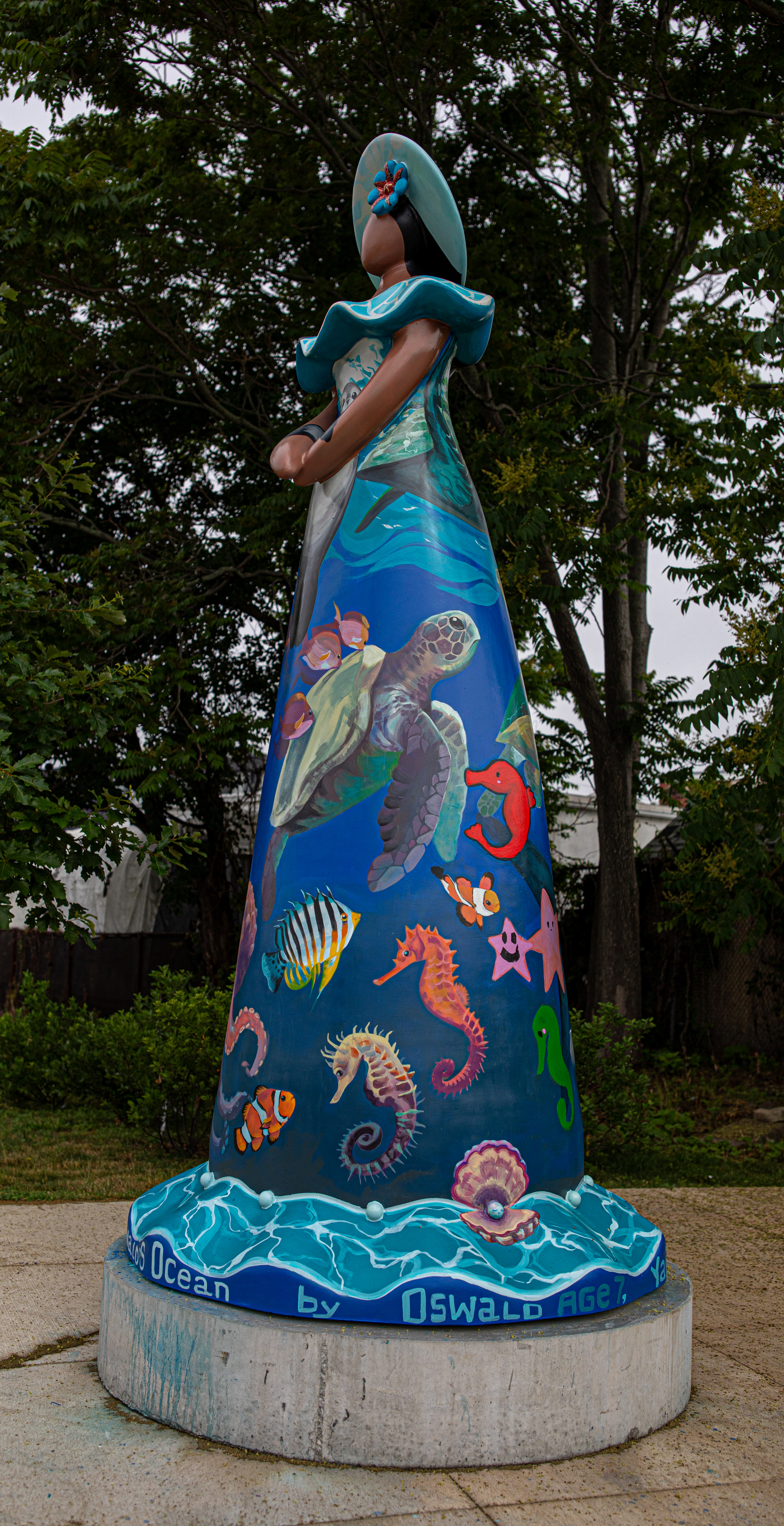
Oswald’s Ocean
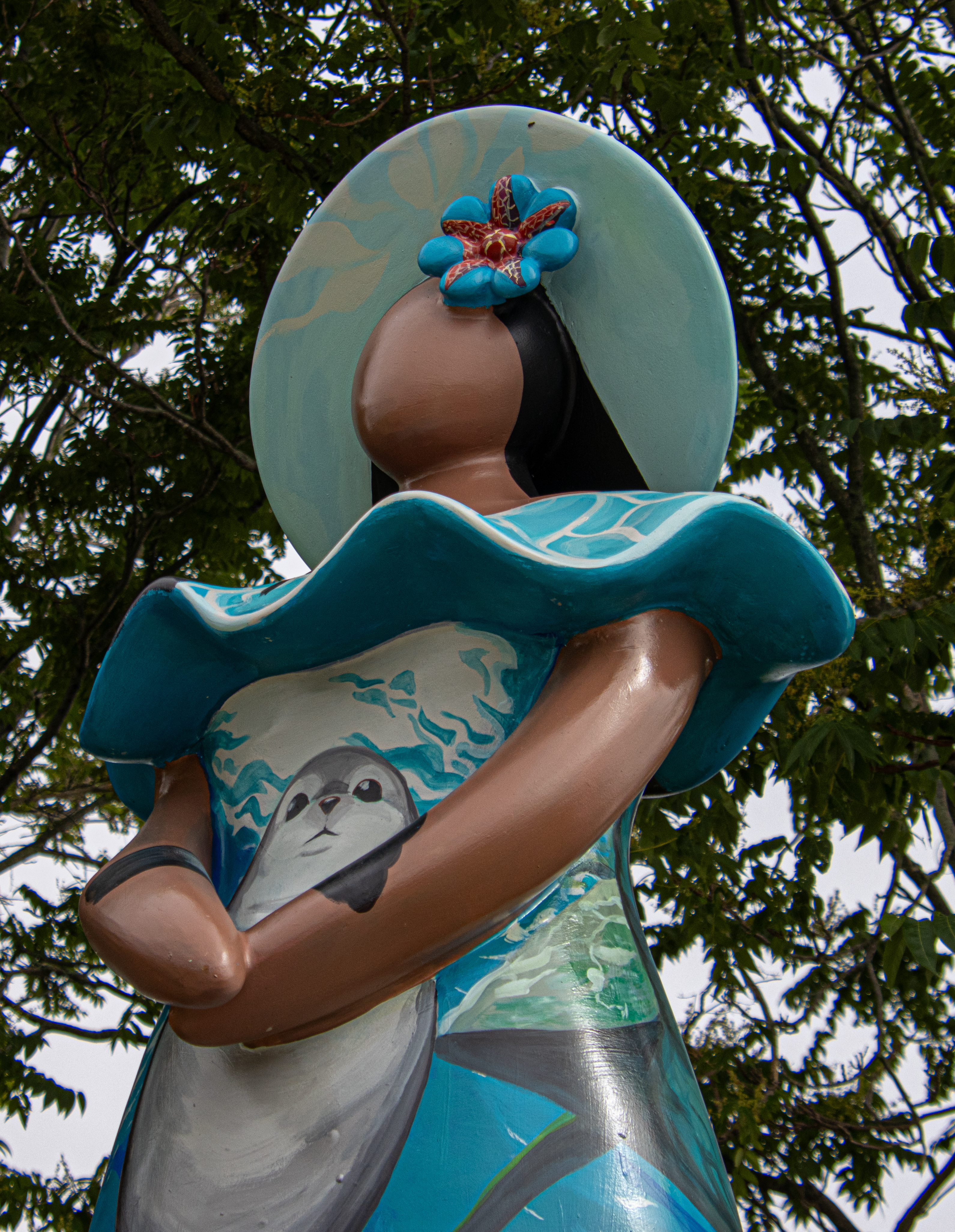
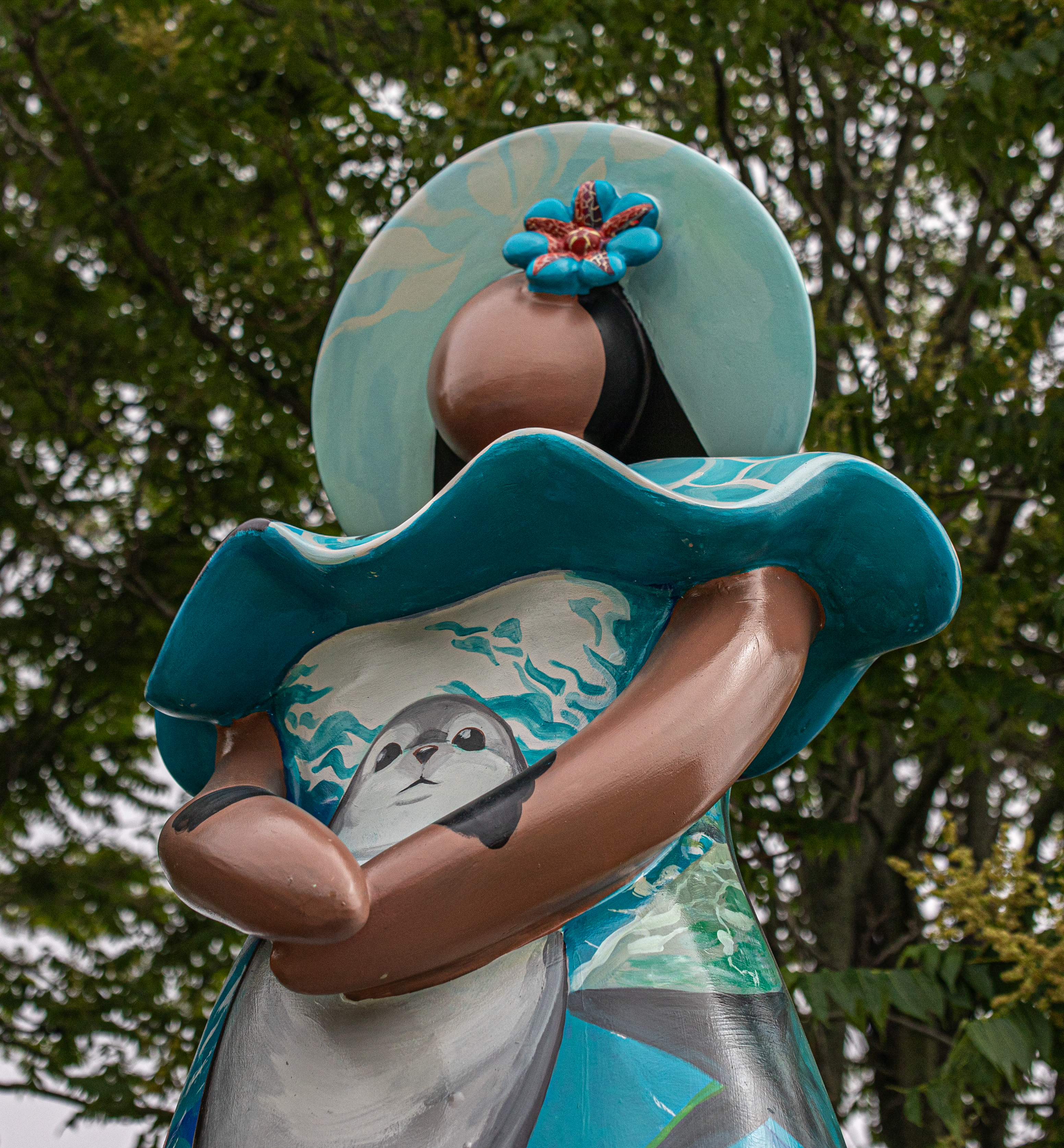
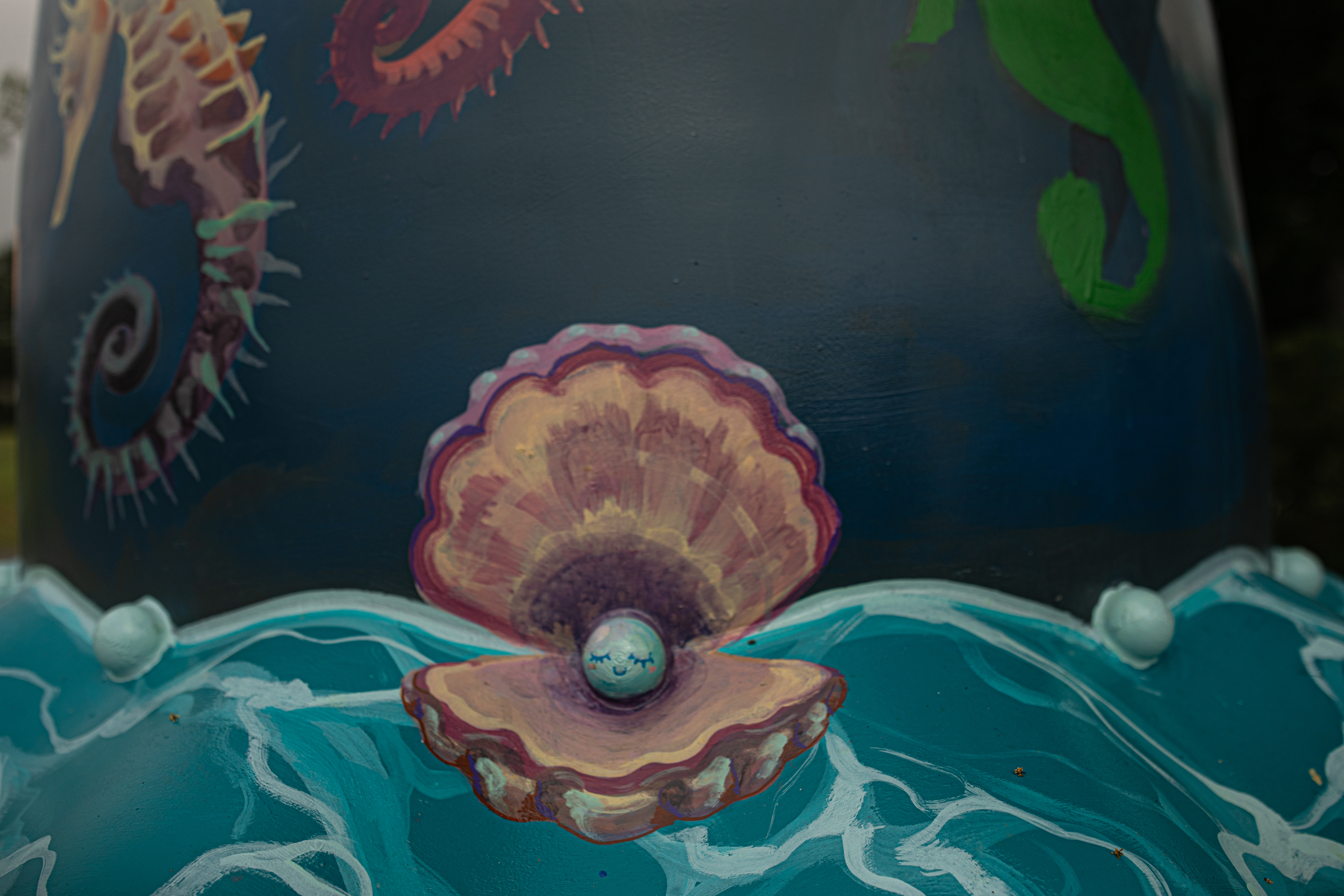
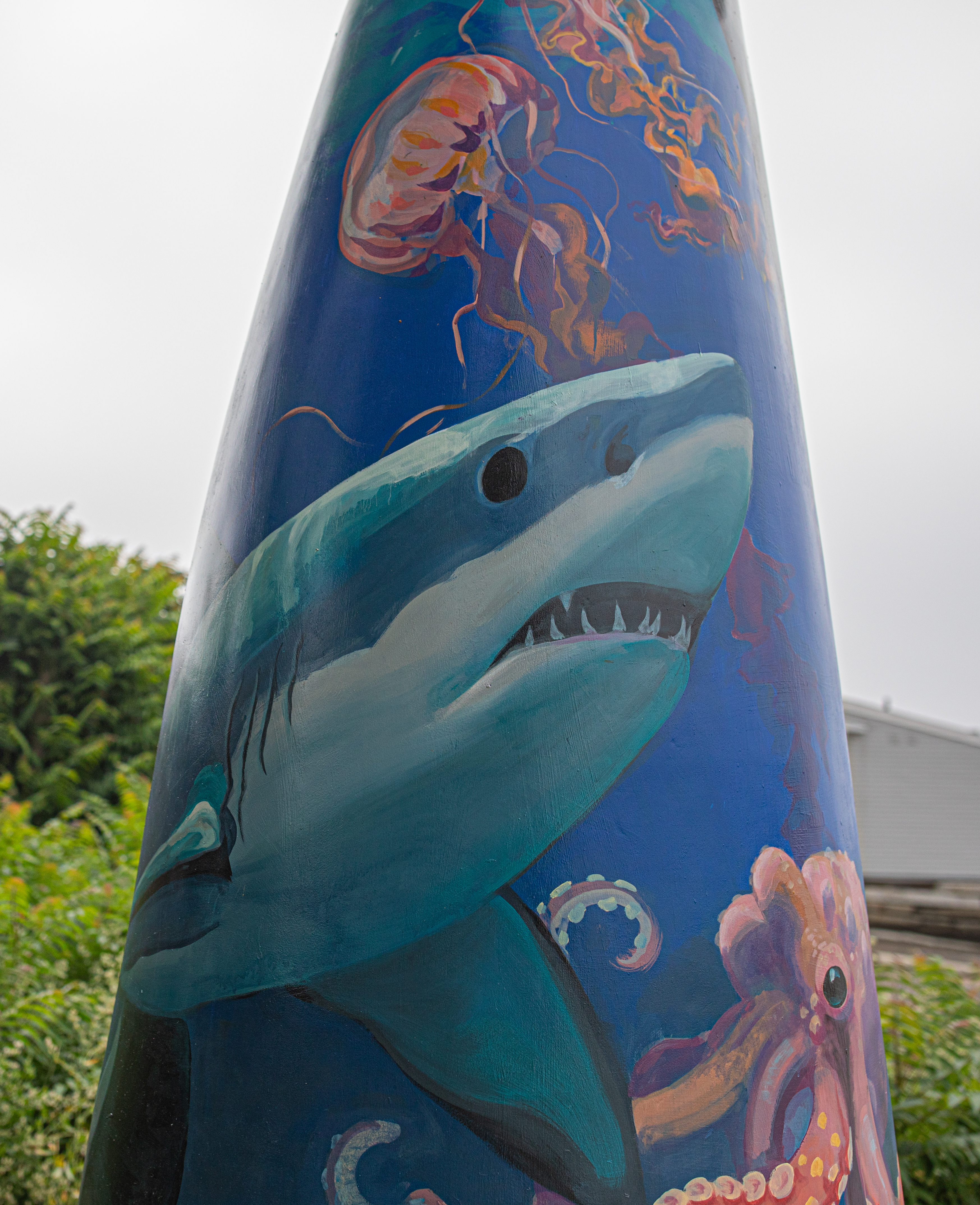
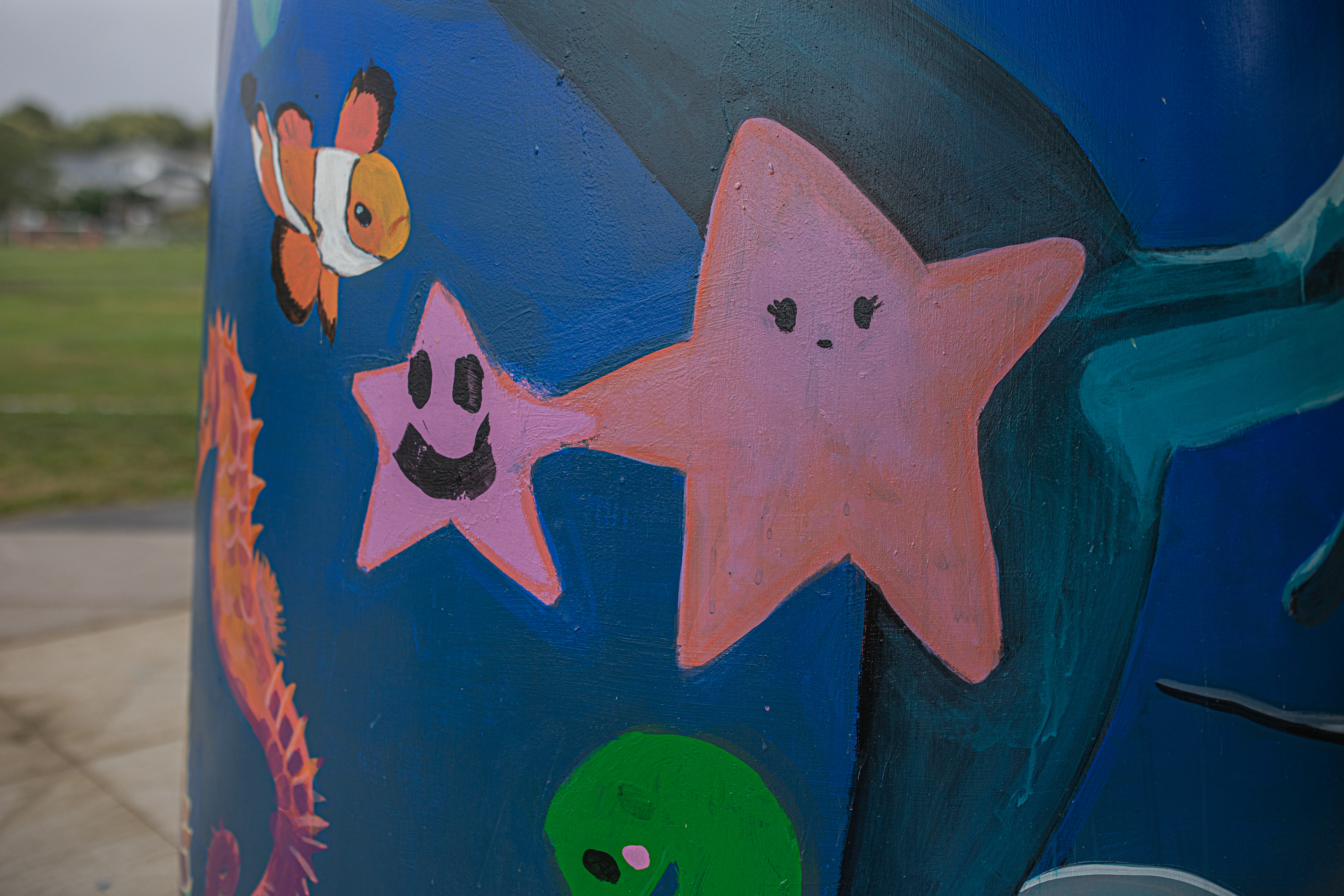
“Oswald’s Ocean” was created, or at least conceived, by a 4 year old; Oswald. The artist, Yixuan Zeng, was captivated while reading Oswald’s design for the doll. Yixuan said the faceless doll designs reminded him of Chinese porcelain figures. Yixuan was inspired by Oswald’s passion for the color blue and sea life. He enjoyed making the sea creatures Oswald had described and envisioned the dress as being a dynamic sea scene beneath the waves.
Oswald said he is 4 years old and loves the color blue and sea life. Oswald did contribute beyond designing it. He added blue glitter to the hat.
MariposaCibaeña
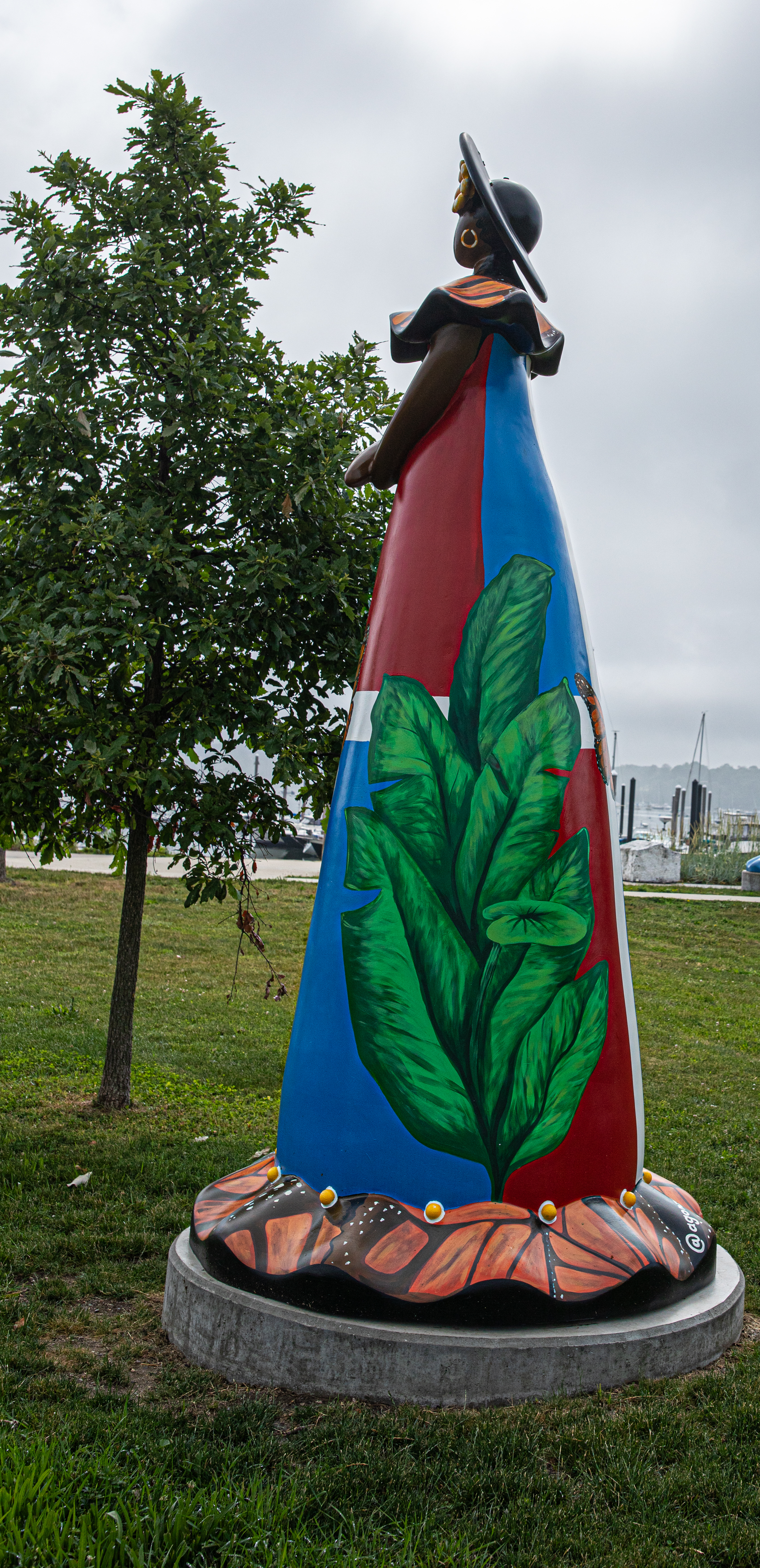
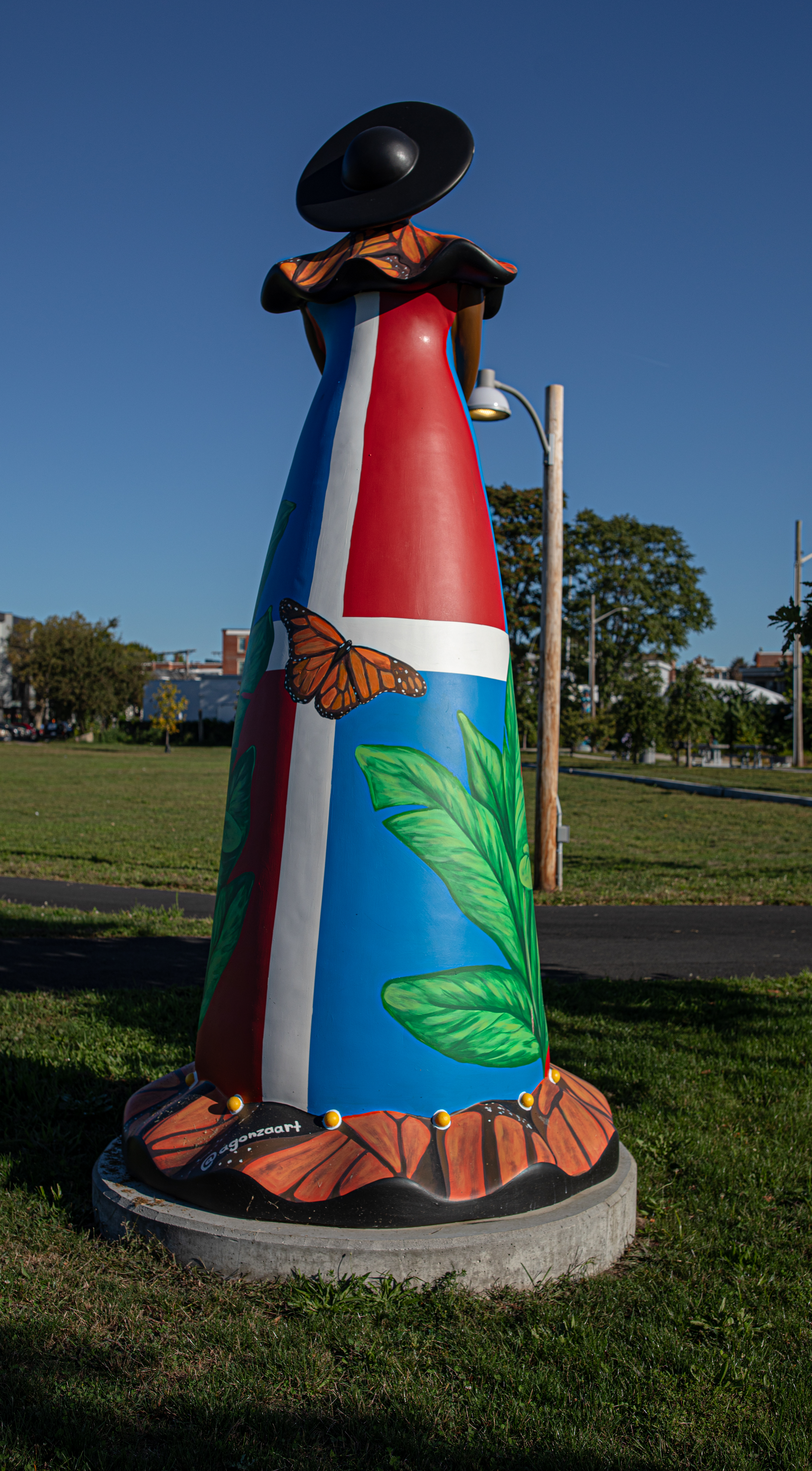
Angela Gonzalez, a Dominican artist, wanted to highlight Las Hermanas Mirabal (more commonly known as the “Butterfly Sisters”), the sisters who fought for women’s rights. They were the only women who stood up to the last Dominican dictator. Angela chose to feature the Dominican flag as the main background design. She also added the national plants and, of course, a butterfly.
Angela said her doll represents the flavors, music and nature of the Dominican Republic, The bottom of the dress is made from plantain leaves which were used to make pasteles en hojas, a leaf-wrapped plantain pocket. You may have to look closely, particularly at the bottom of the statue, to see other objects that represent the Dominican Republic such as tropical plants such as coconut, bananas, sugar cane and eggplant. Musical instruments and other foods are also included.
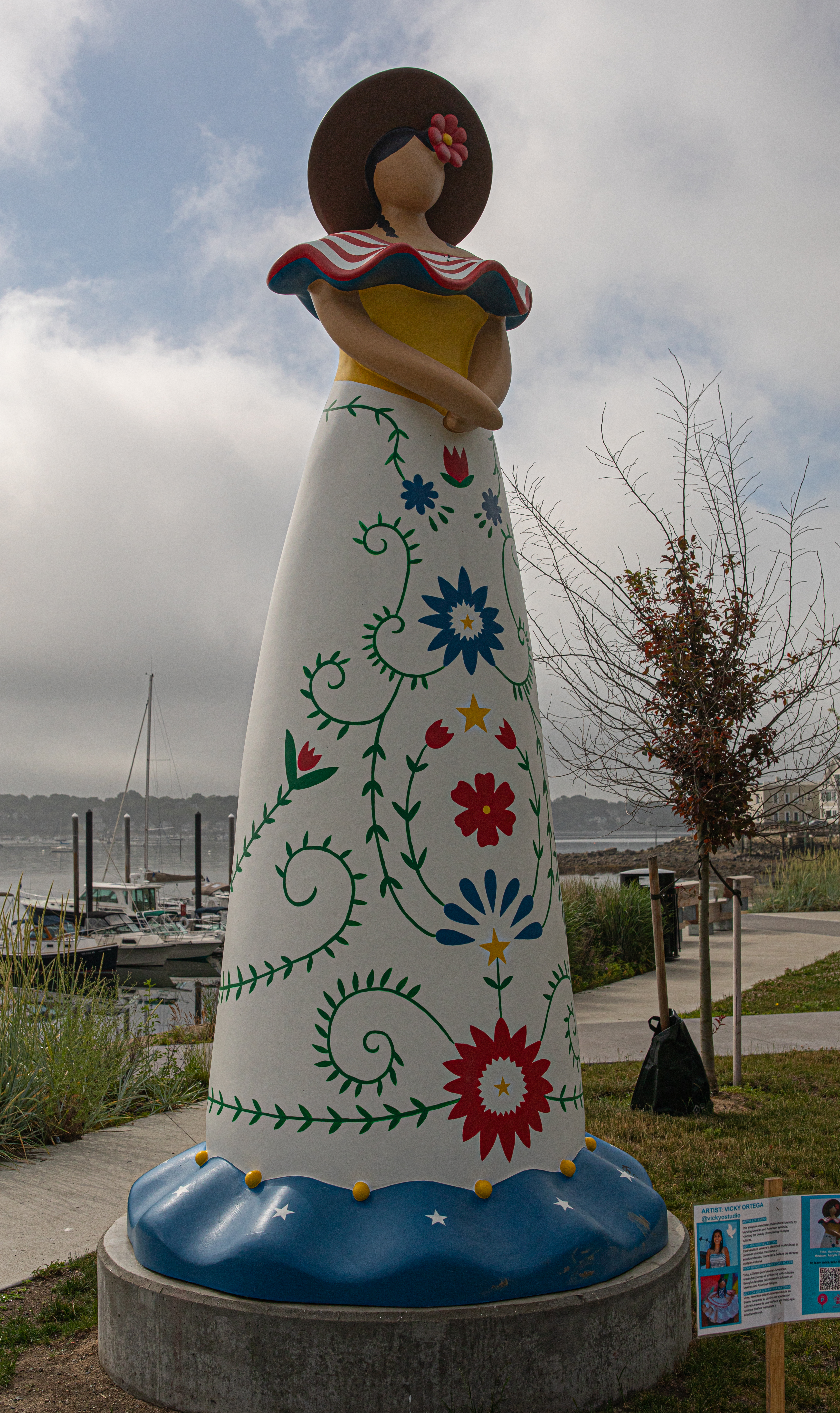
Harmony
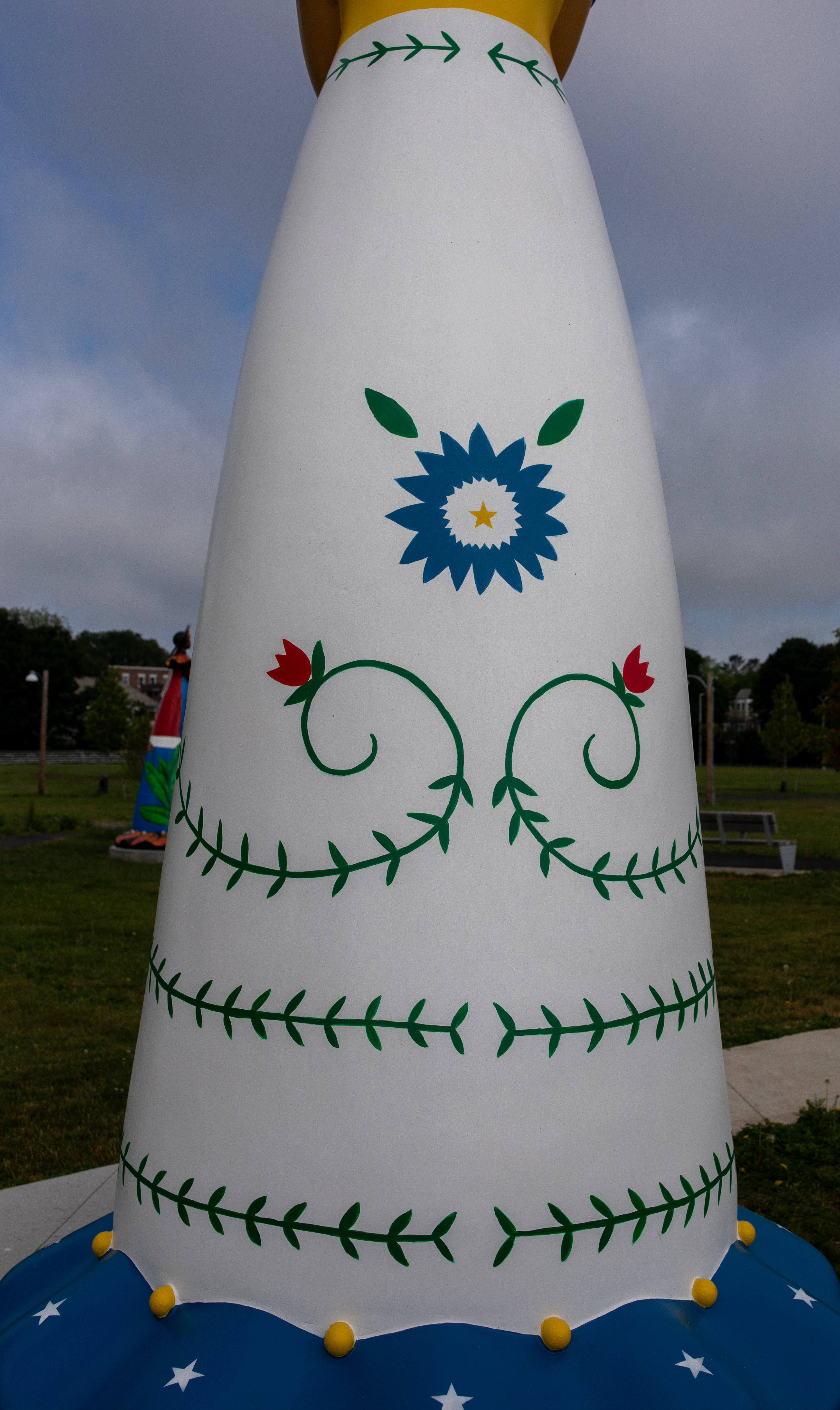
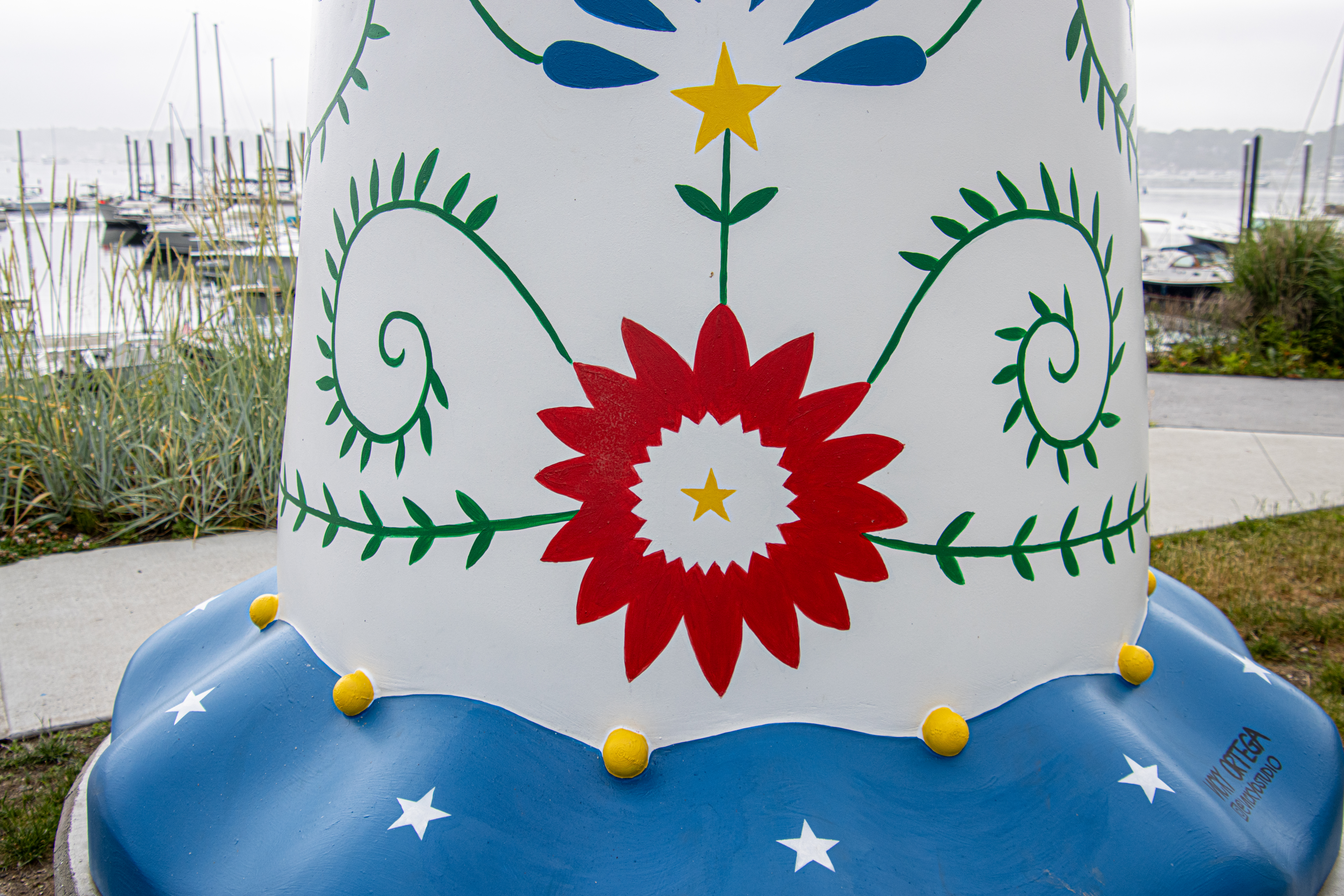
The artist for this statue, Vicky Ortega, said her doll was meant to serve as a celebration of those who represent the multiple cultures and as an homage to the strength of our multicultural community. The statue illustrates her own cultural blend by combining traditional Mexican dress embroidery with features of the American flag. Vicky wanted to express the strength of a new identity that draws from multiple traditions.
As a Mexican-American, Vicky often felt she didn’t belong in either culture. However, over time she learned to embrace both her heritage and nationality which helped shape who she is.
Lift Each Other Up
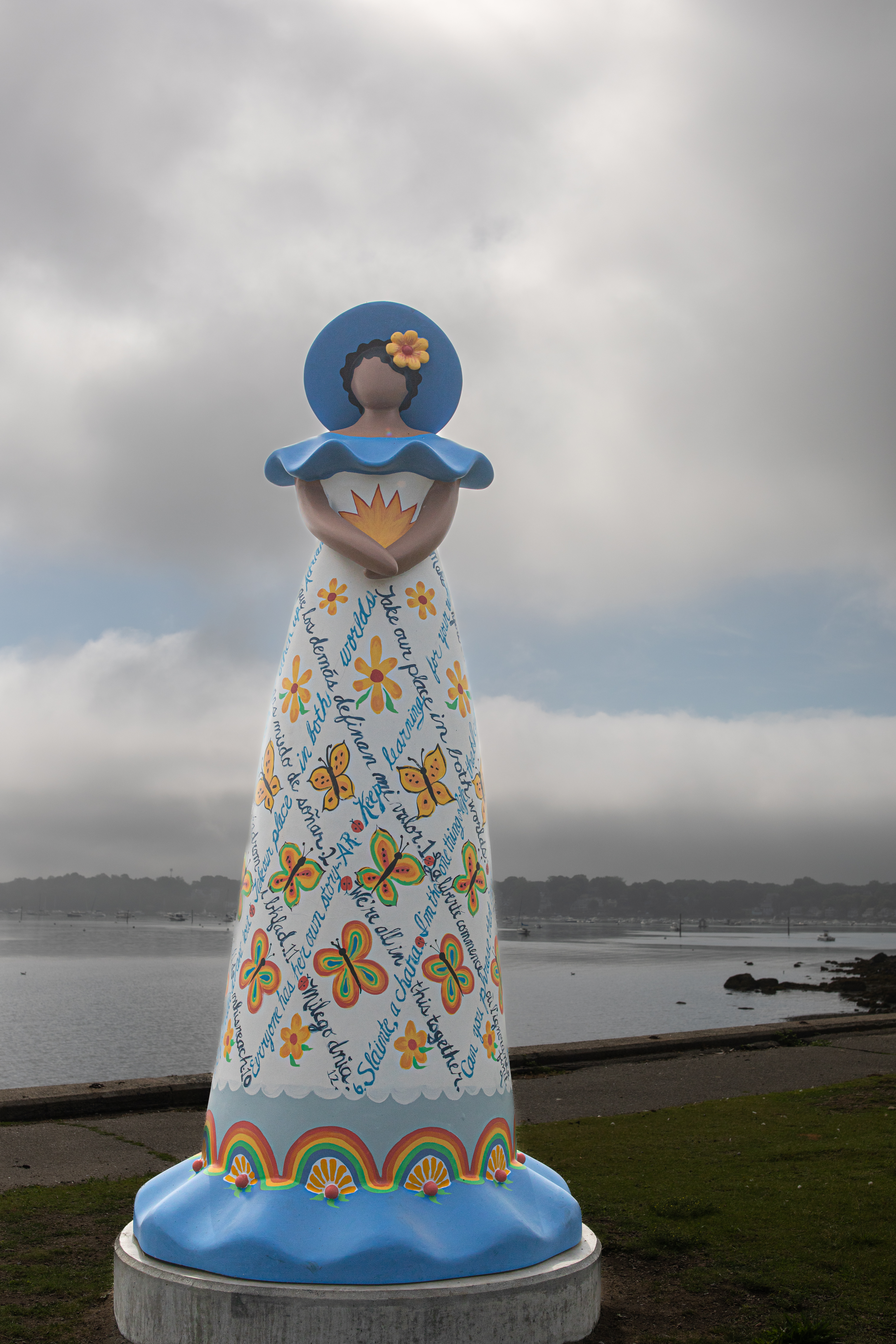
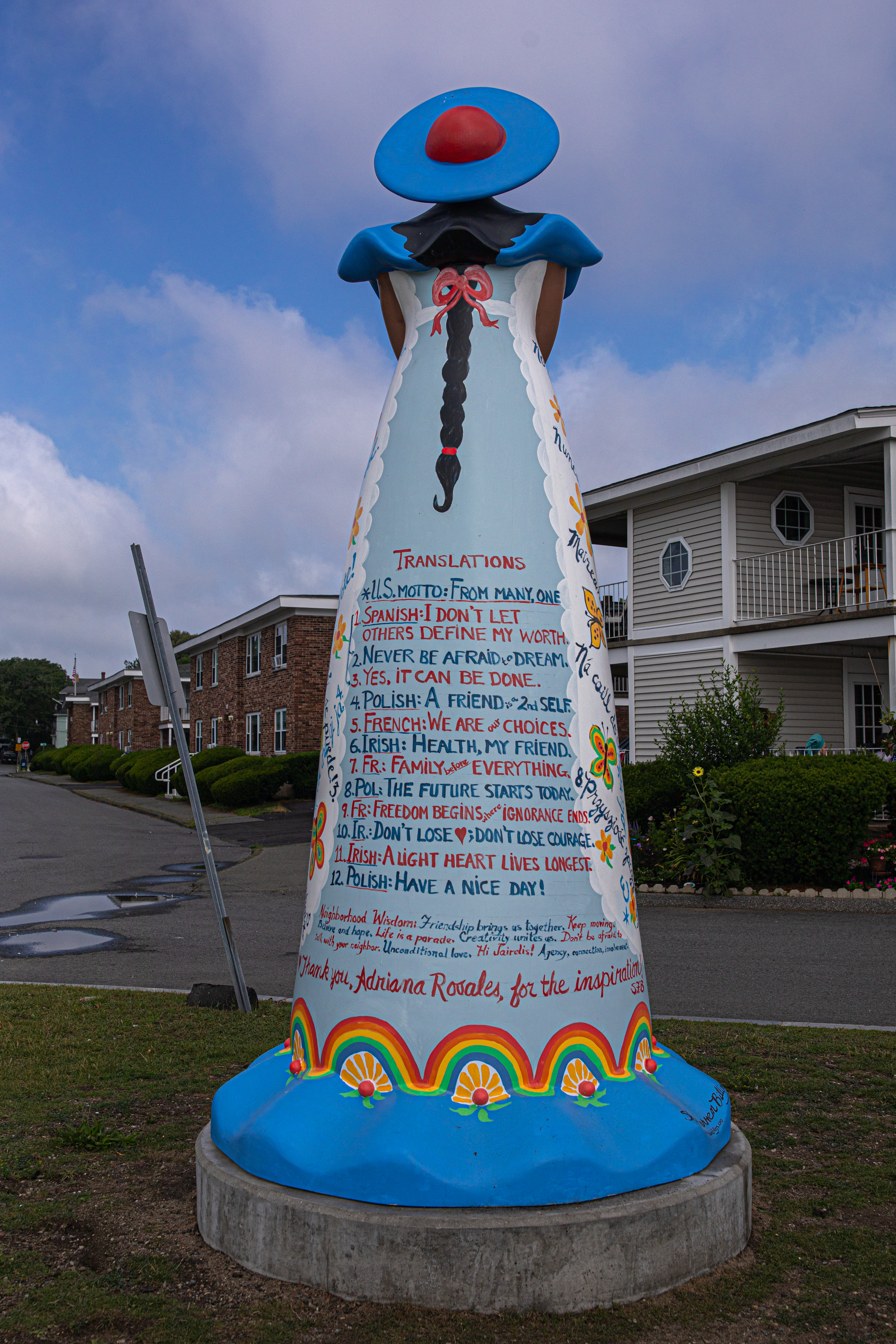
Created by Sheila Farren Billings, My Muñeca, “Lift Each Other Up”, is meant to express how language can either divide us or bring us together. Sheila says it is up to us to use language wisely and well. Sheila included quotes from remarks that neighbors made at a meeting about the project, with translations of course.
La Reyna De La Cosecha
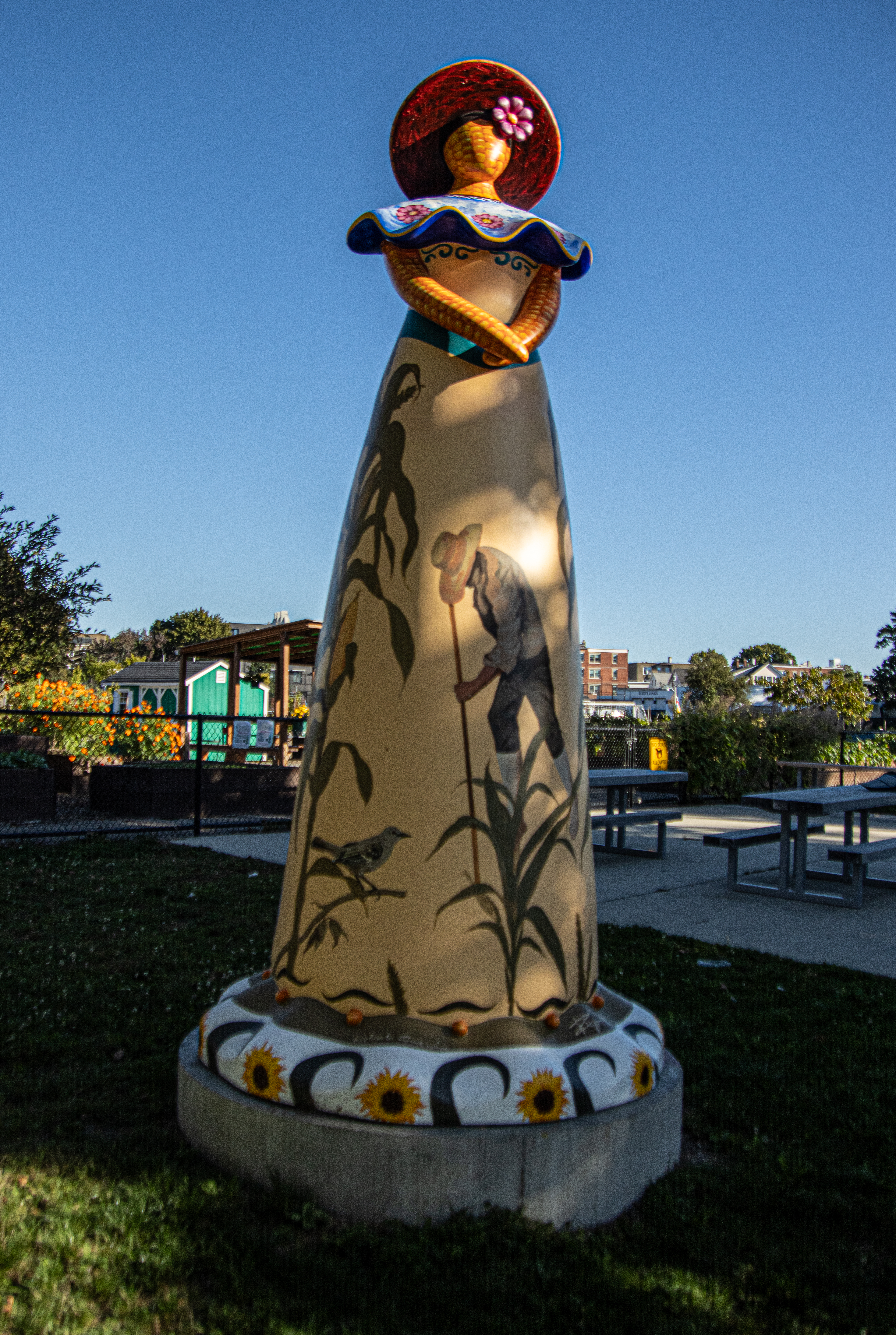
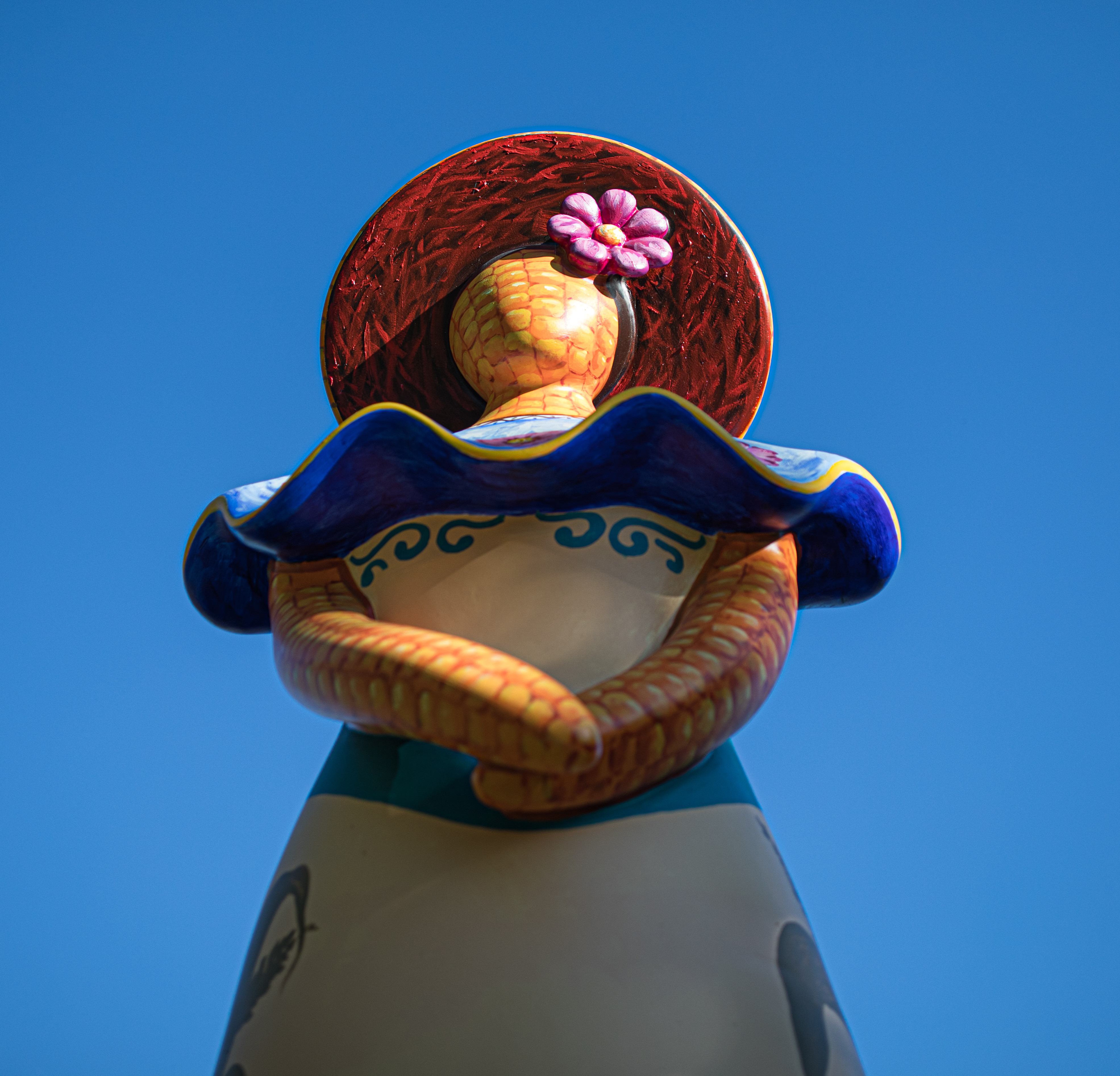
The artists for this statue (Rigo Peralta and Melanio Guzman), said this sculpture honors the deep roots of agricultural labor as well as the cultural legacy of muñecas de tusa, traditional Honduran corn husk dolls. They said the corn husk dolls, which Melanio’s grandmother used to make and sell at Honduras flower festivals, is a reminder of the hard worker of the field laborers. It was fittingly located by the community garden.
Along the newly paved walkway, there is a memorial remembering the 140 Salem residents who lost their lives from Covid-19. The walkway is meant to give people a space to wander, reflect and enjoy the statues and park. It also gives people an easier and more accessible way to enjoy the park. It’s hard to imagine the park was just all grass without paths to allow people an easier access to move around. Benches give visitors a chance to sit and reflect while they enjoy the scenic views of Palmer Bay Cove.
Summary: There is a new multi-use art installation on the Rose Fitzgerald Kennedy Greenway
“Door knockers” or swings? That is what many people have been been asking themselves when they see the new art installation on the Rose Fitzgerald Kennedy Greenway.
The answer is both!
The artwork, “Big Hoops To Fill”, features two “door knocker” earrings made of steel, resin and fiberglass composite, epoxy paint and polyurethane.
But, this is not just a work of art. People use the “door knockers” as a swing. In fact, that was the highlight of the art. Many people, both young and older, enjoyed swinging on it. This dual function of the art has made it one of the most popular attractions on the Greenway.
According Ja’Hari Ortega, the Boston-based sculptor and jewelry-maker, the “door knockers”, which are cast from fiberglass with steel interior supports, are reminiscent of swings she used to swing on as a child.
The art is also a cultural statement. According to Ja’Hari, this work of art draws upon the cultural weight of bamboo hoop earrings which are considered an iconic style of jewelry worn by many women of color that originated from early hip-hop culture and fashion. Artists such as Salt-N-Pepa, MC Lyte, Roxanne Shanté, and Queen Latifah (they were definitely on my playlists or “mix tapes” when I was younger) have been known to include these types of ear rings in their fashion.
According to Ja’Hari, “Big Hoops to Fill” creates opportunities to “heal one’s inner child, cultivate and encourage healthy multigenerational relationships, and foster confidence in one’s identity and culture.”
“Big Hoops To Fill” is set to be on display along the Greenway Until October, 2026. So, stop by for a swing!
Parking: There are several parking lots and metered street parking in the area
Summary: Dozens of bricks representing people, places and things related to Boston (and some of the surrounding areas such as Cambridge) are installed on the ground of the alley way on Winthrop St.
Watch where you’re stepping on Winthrop St in Boston, MA! You may be stepping on history.
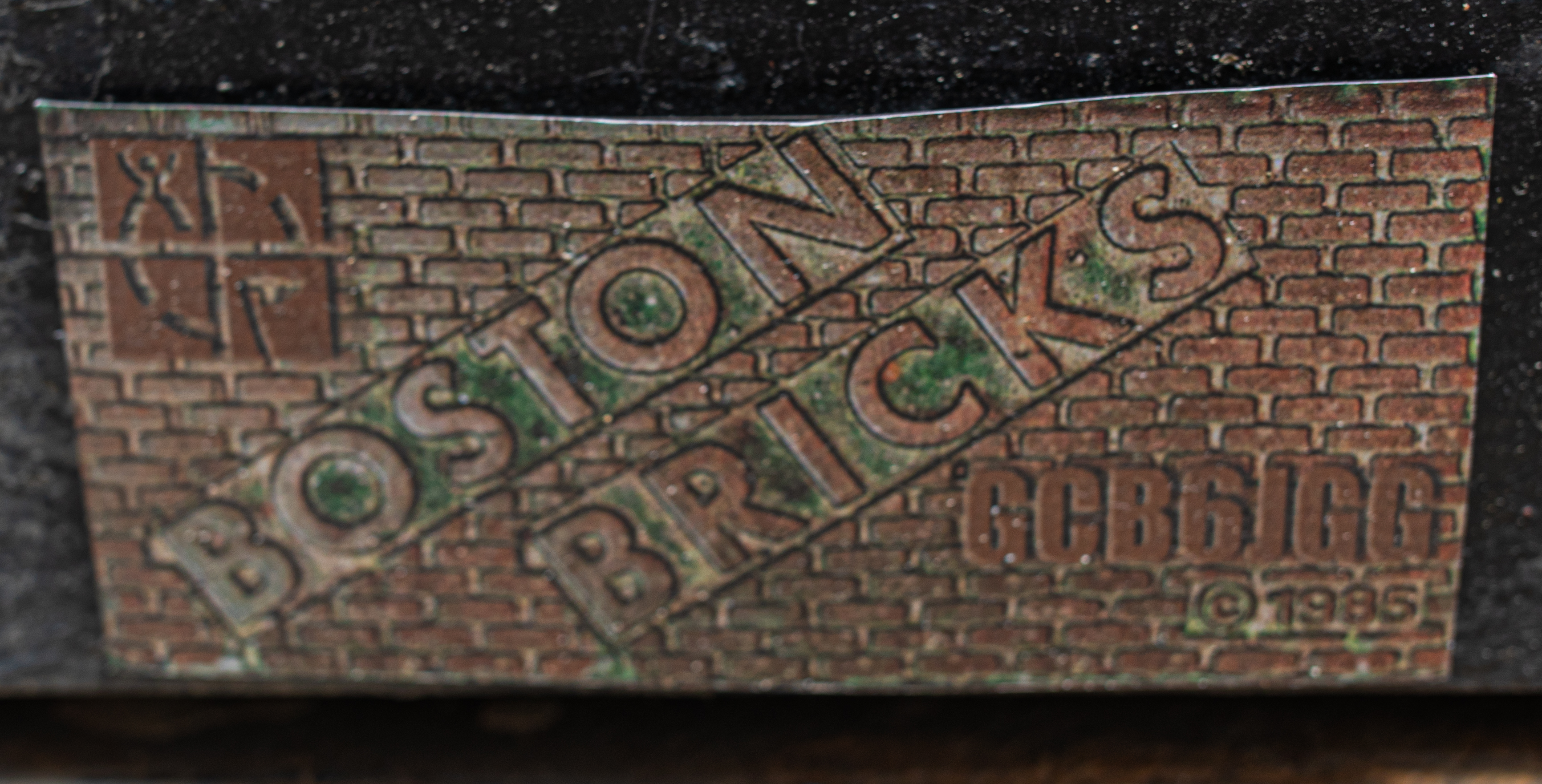
The roughly 100 bricks scattered along Winthrop St (don’t worry, I won’t include them all), which were created by sculptors Kate Burke and Gregg LeFevre in 1985, depict something related to Boston. The alleyway is easy to miss. So, you do have to pay close attention. It is located between Otis and Arch Streets
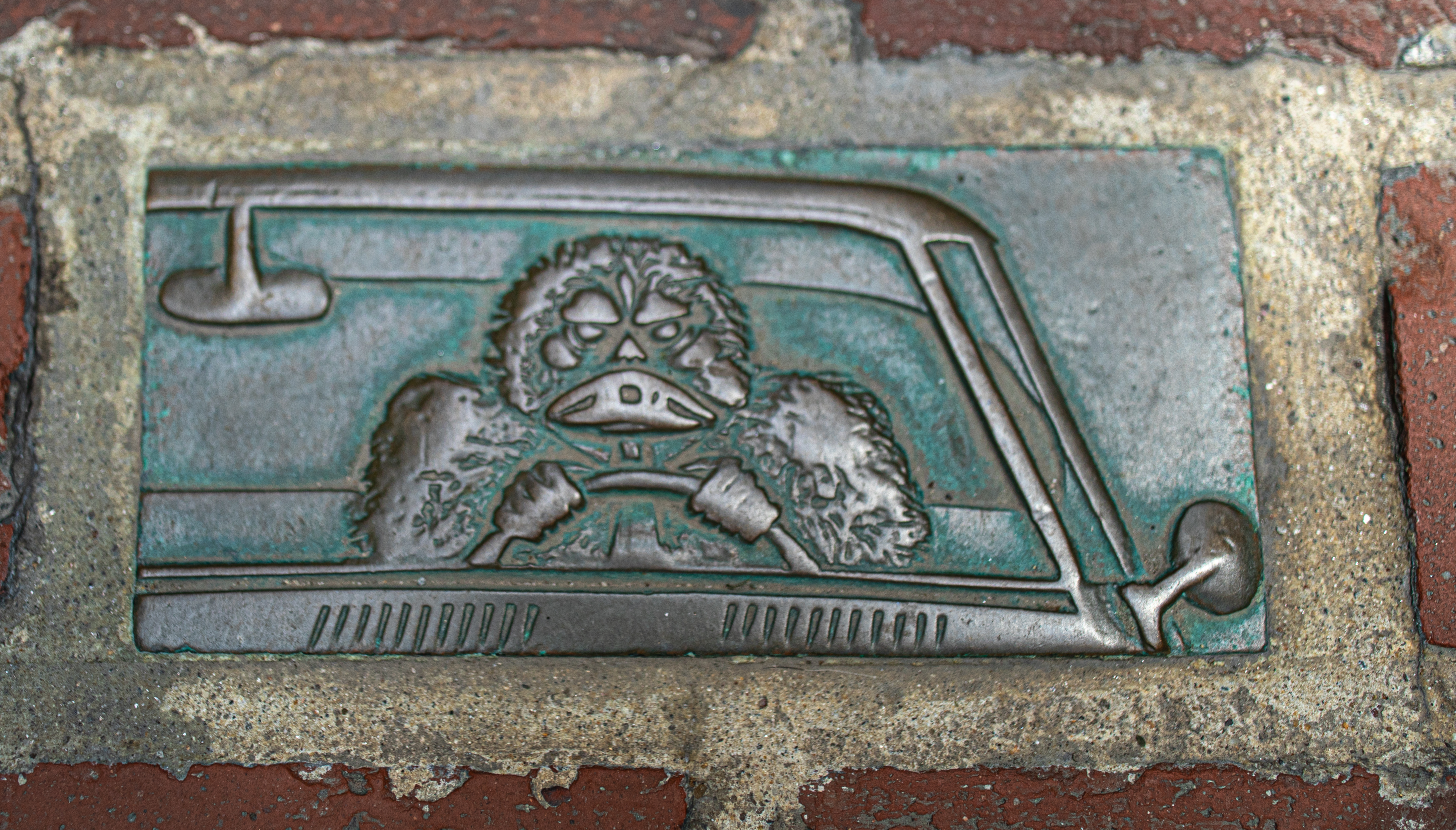
One of the bricks, which were funded by the Edward Ingersoll Browne Fund, is something any Boston driver can relate to. In fact, I think he cut me off the other day.
Yes, Boston drivers can be animals at times. At least he’s using the “10 and 2” steering wheel method.
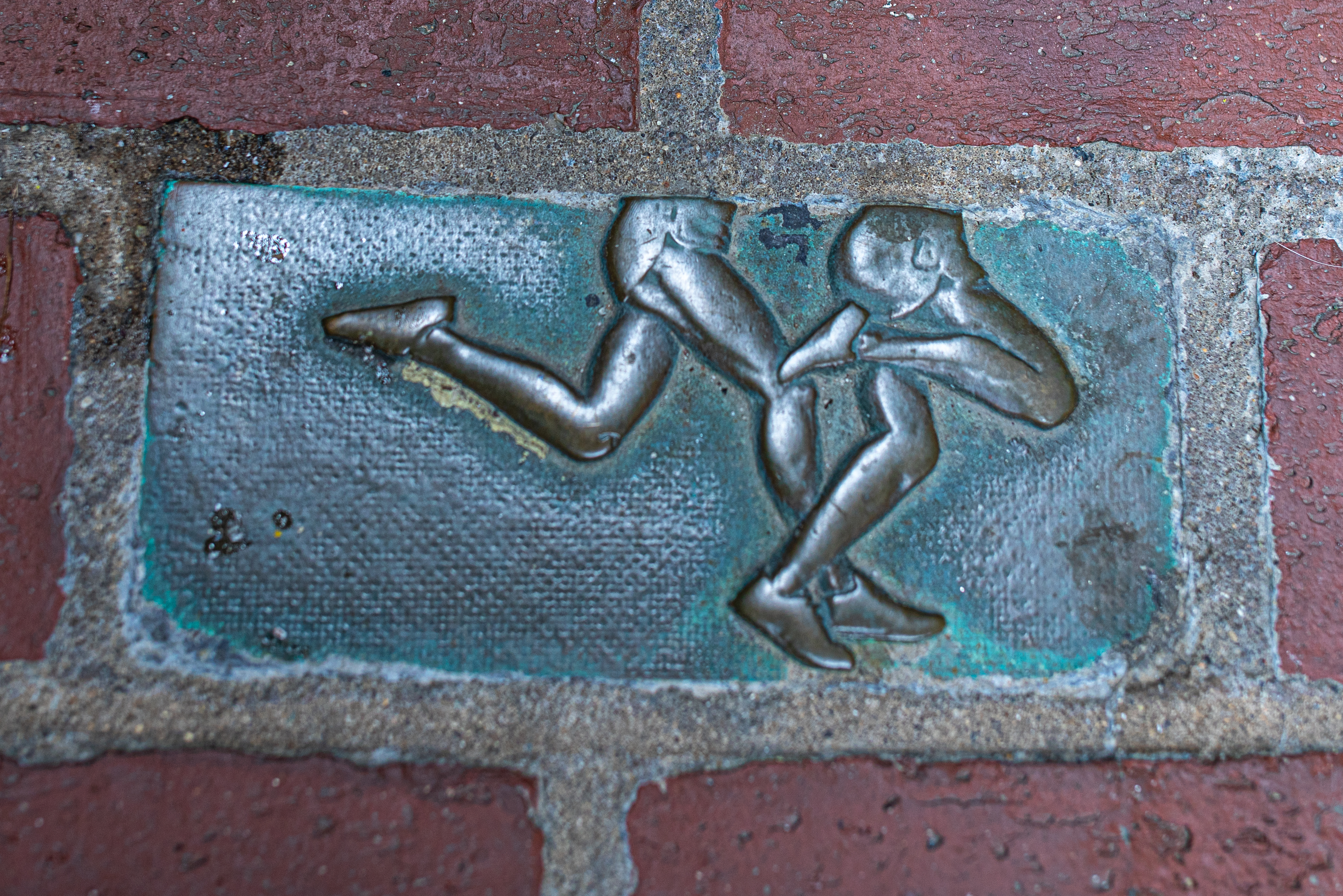
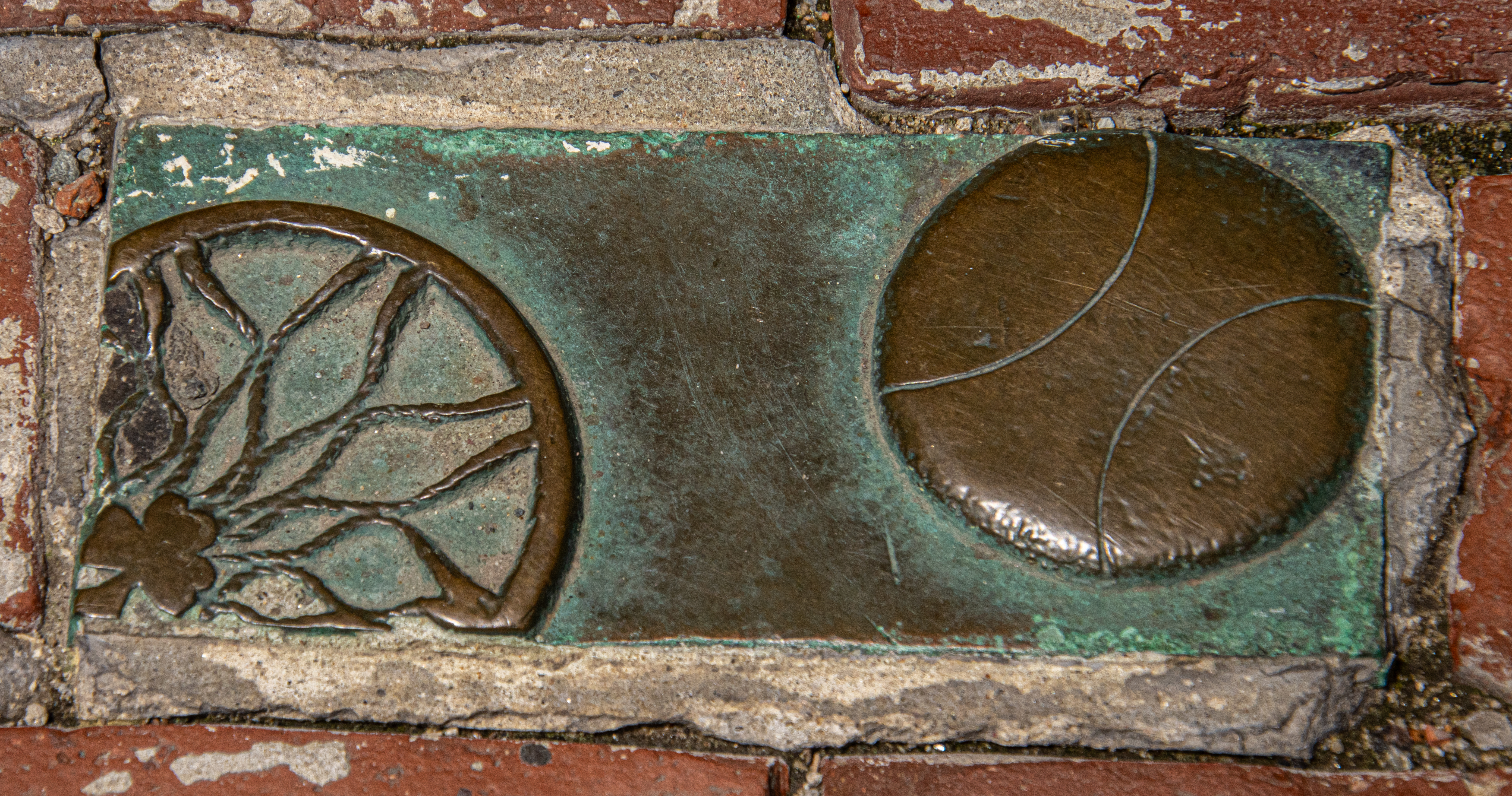
Like them or hate them, Boston is also known for its sports teams and sports in general. These bricks represent everything from the Boston Marathon (the longest active marathon in the United States) to the oldest Major League Baseball park in the states (Fenway Park) as well as some rowers and the most winning team (in terms of championships); the Boston Celtics.
This Boston Bruin logo was included in this brick which also contains logos of the MBTA (Massachusetts Bay Transportation Authority, or more commonly known as “the T” in Boston) as well as the logo for the New England Sea Aquarium in the left hand corner. “I can walk like a penguin.” If you got that reference your AARP card is in the mail.
Of course, Boston is a city of firsts. These bricks show off some of the firsts the city may or may not be known for. For instance, did you know the first wooden golf tee was invented in 1899 by Dr. George Franklin Grant in Boston, MA?
Another sports first is the claim to the use of the first baseball glove. Although it is debated (one historical reference states the first “buckskin” gloves, which were more like actual gloves, were worn as early as the 1860s). But, the first gloves that resemble what we use now are said to have been worn by first baseman Charles Waitt in Boston.
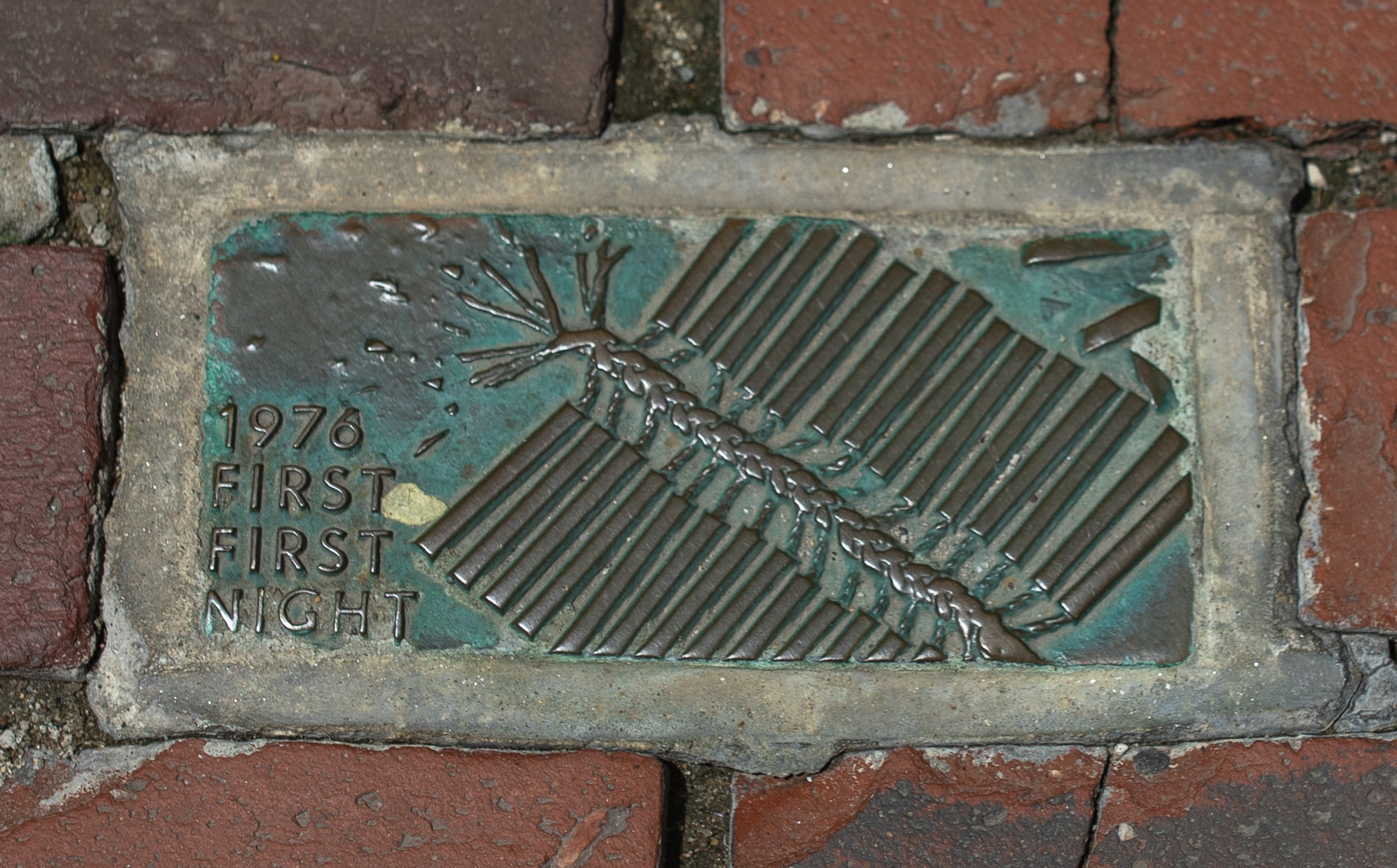
One more first represented by the bricks on Brick Alley is the first First Night which should really be called “First Morning” or “Last Night”. But I digress.
Boston held its first (and the country’s first) First Night December 31, 1976. I guess people just went to bed at a reasonable hour before then.
Another first in Boston is the first resident. After all, it had to be someone. And that someone was Rev. William Blaxton (also spelled Blackstone). He moved to what would later to Shawmut Peninsula which would later become known as Boston in 1625.
Since it is an area so rich in history, there were also several bricks dedicated to the history of the city.
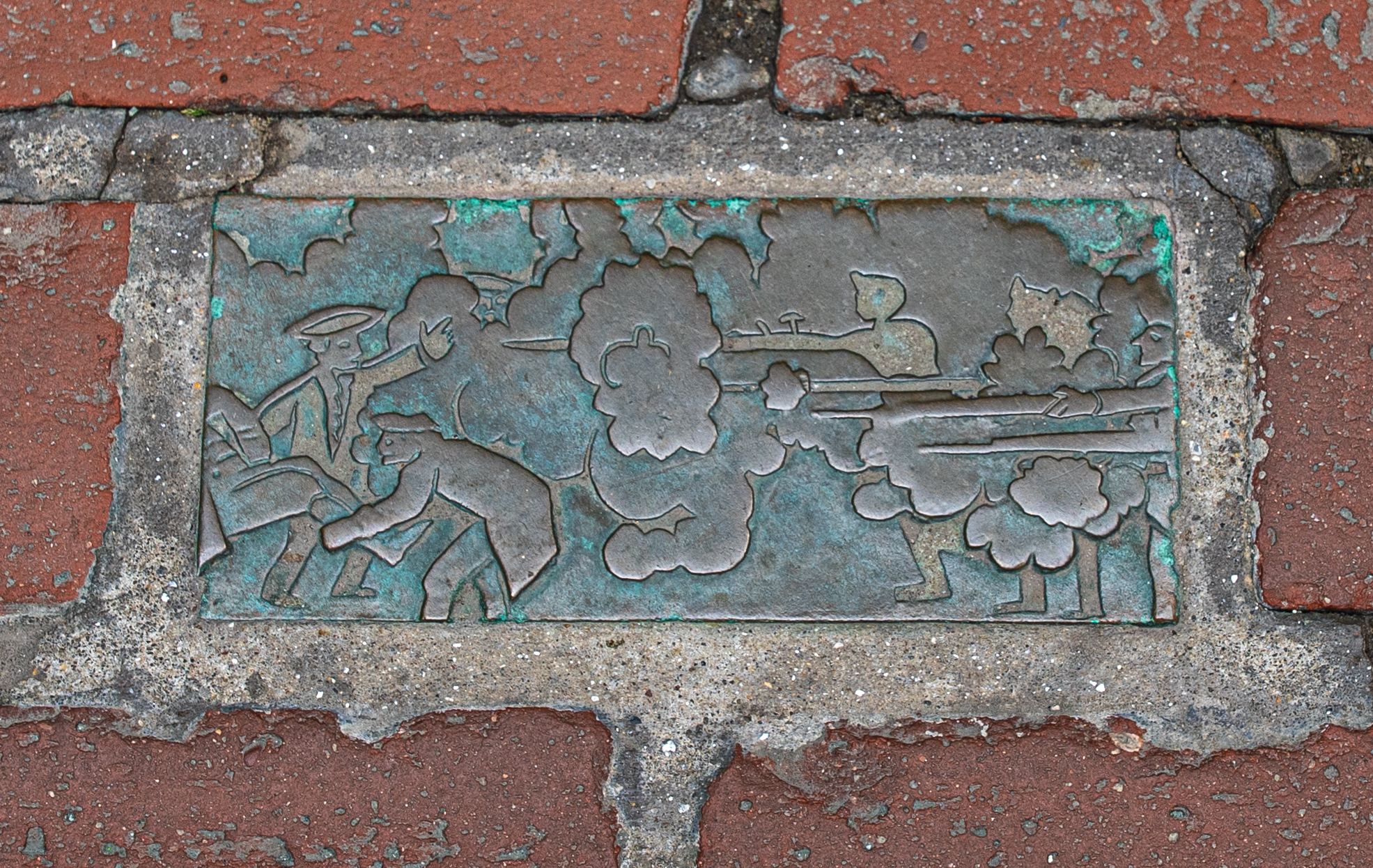
This brick could signify a few different battles or clashes in Boston or were part of the “Boston Campaign” of the American Revolutionary War. But, I am assuming this brick pays tribute to the “shot heard around the world” and the subsequent Battle of Lexington and Concord just outside of Boston. I’m not saying who shot first, though.
The first public park is indeed in Boston. Boston Common was established in 1634 by the Puritans to serve as meeting place for public, military and recreational purposes. A lot of effort and care were used to show all of the paths in the park.
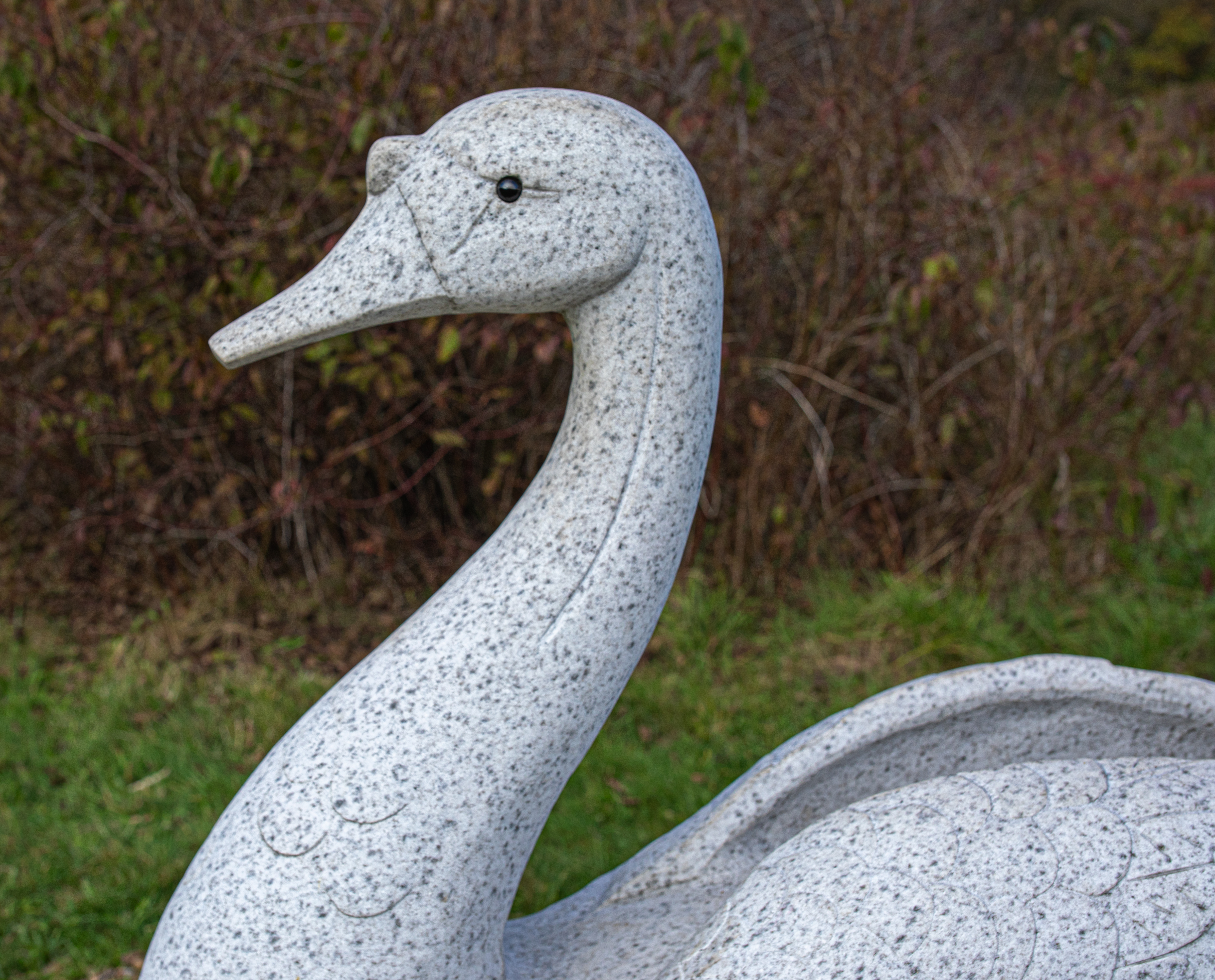
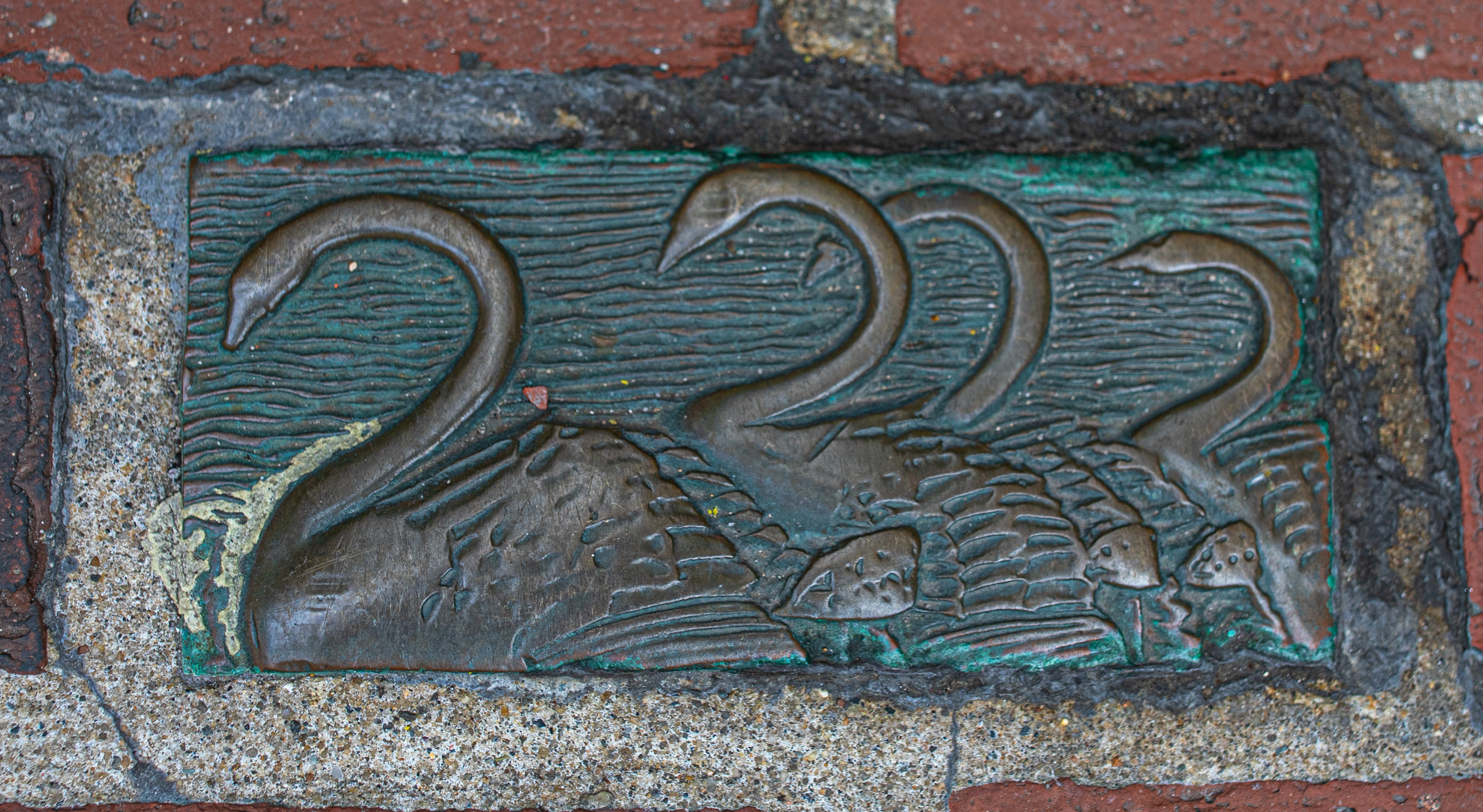
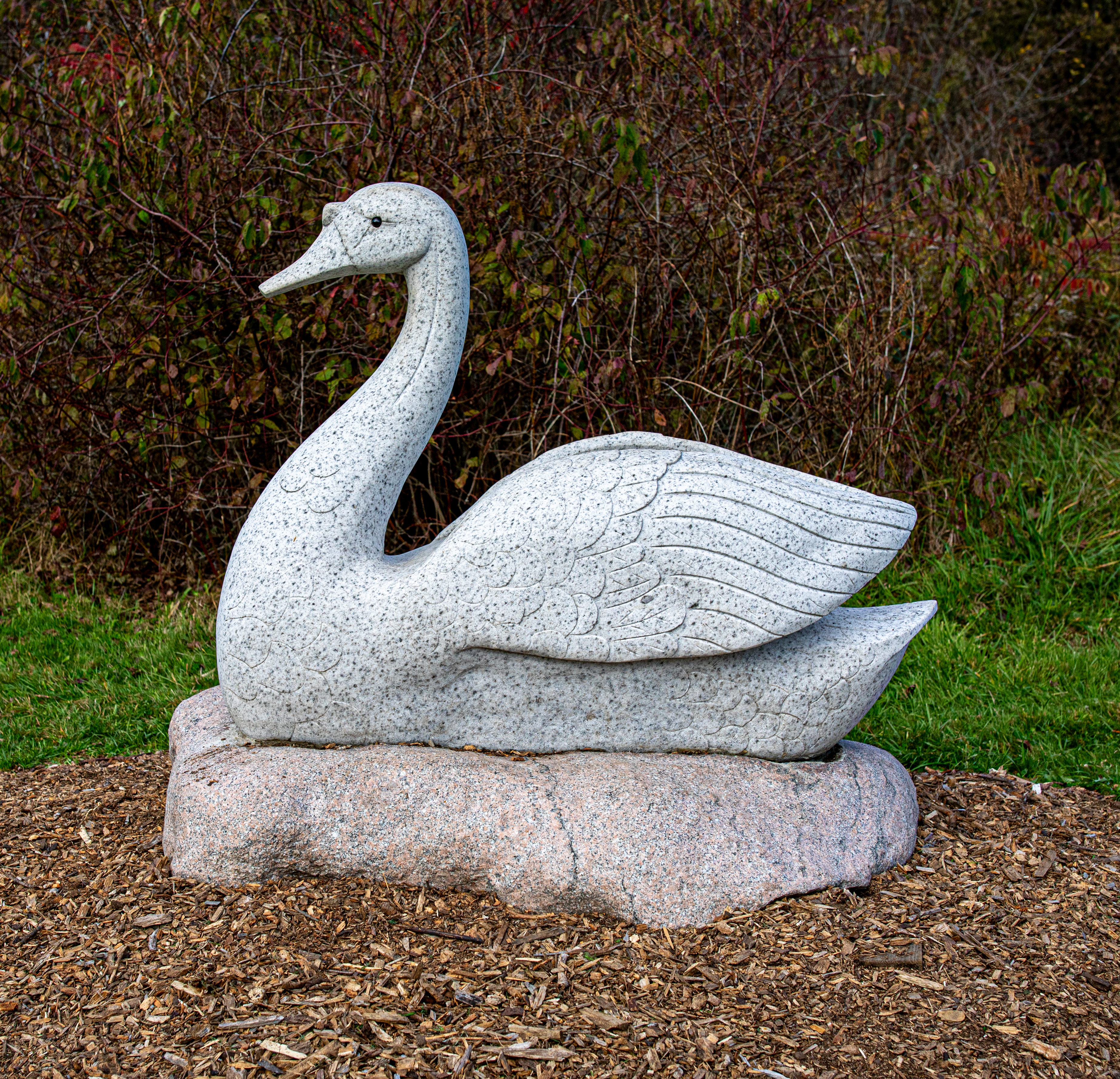
These swan boats which are in use every summer in the public garden adjacent to the Boston Commons,. They have been in operation in one form or another since 1877 when Robert Paget, a ship builder in Boston started making them.
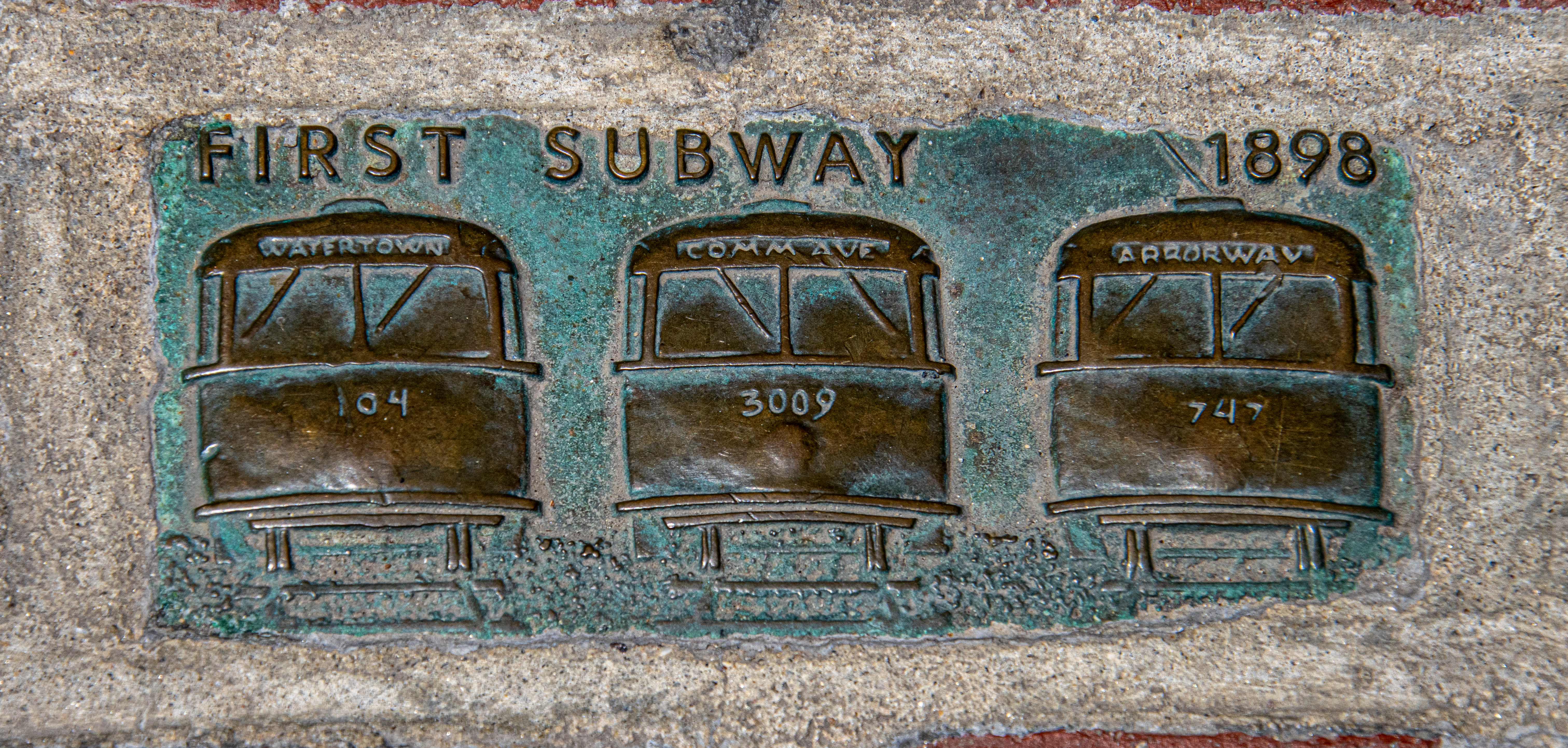
Another first is the Boston subway system. The subway system in Boston is the first in this country (the first subway stops were Boylston and Park Street). The first trains began operating in 1898 and I think they’re still in use today. At least it feels that way,
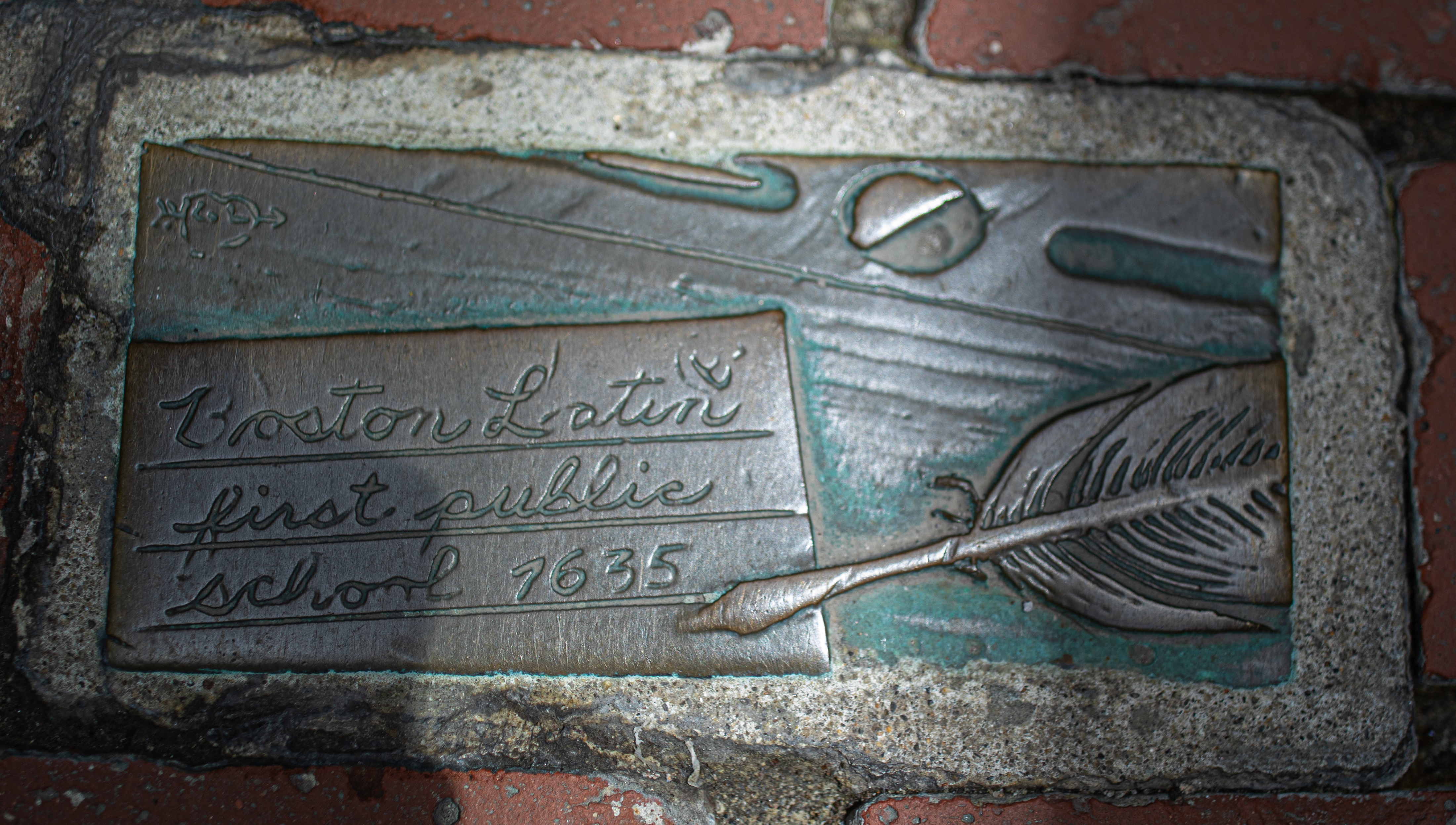
The Boston Latin School, which was founded in Boston in 1635, is the first public school in the country. It has been in continuous operation since it formed on April 23, 1635. And, no, I wasn’t in attendance. I’m not that old.
While the sewing machine is in its earliest forms was not invented in Boston, the inventor of the first practical and commonly used sewing machine was a mechanic from Boston named Elias Howe. Elias invented the first modern lockstitch sewing machine in 1845. The underlying lockstitch design Elias invented became the foundation for most modern day sewing machines and is still used to this day in most sewing machines.
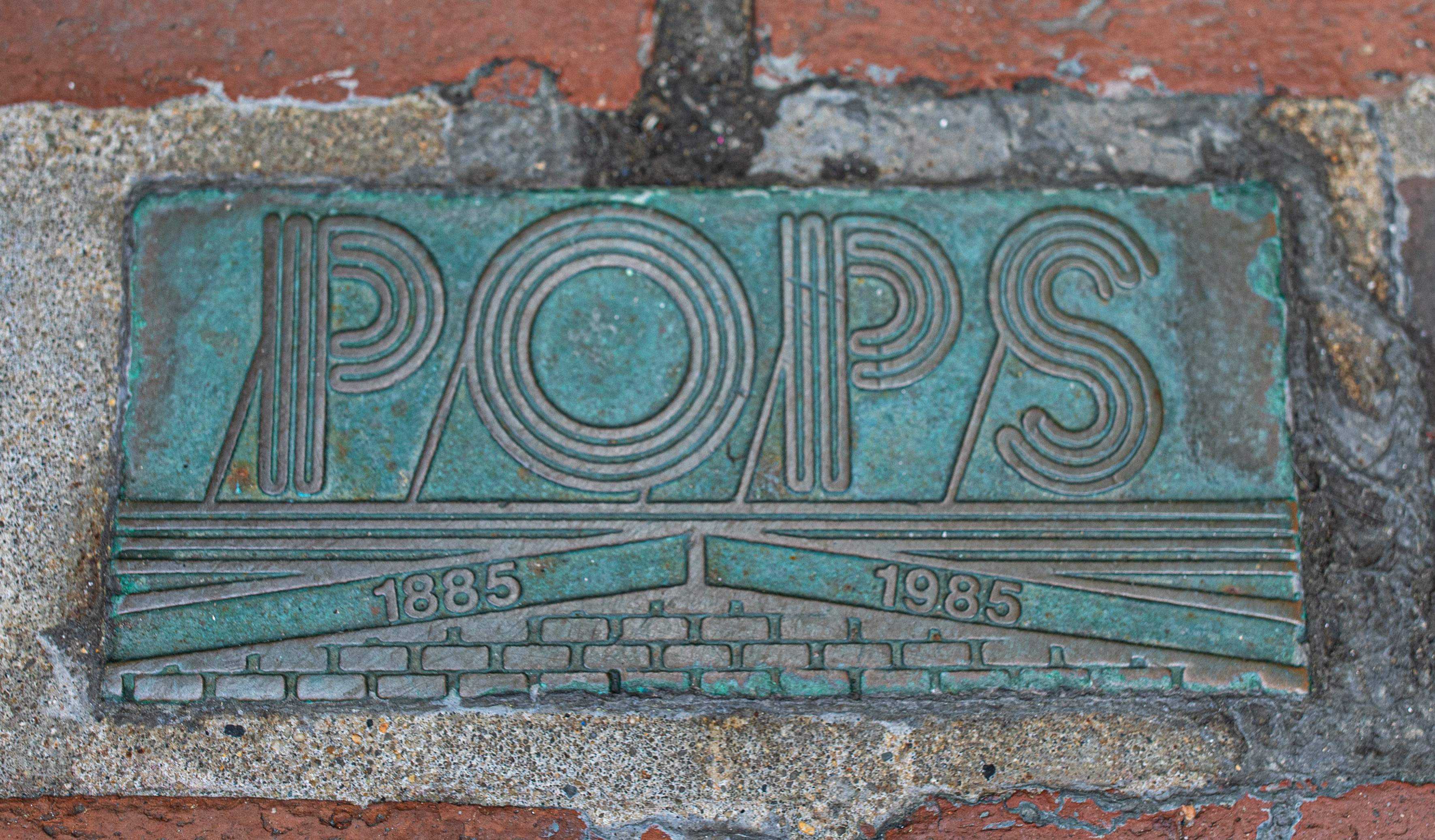
Boston is also known for its many arts and entertainment. These bricks include the POPS (the Boston Pops). Although they’re most famously known for their performances during the 4th of July celebrations on the Charles River Esplanade, they perform on many other occasions at many other venues.
This brick is a tribute to the ballet dancers that perform at the many events throughout the year. But, I will always get Nutcracker vibes when I see them.
The opera is also a staple of the art which is plentiful in the area.
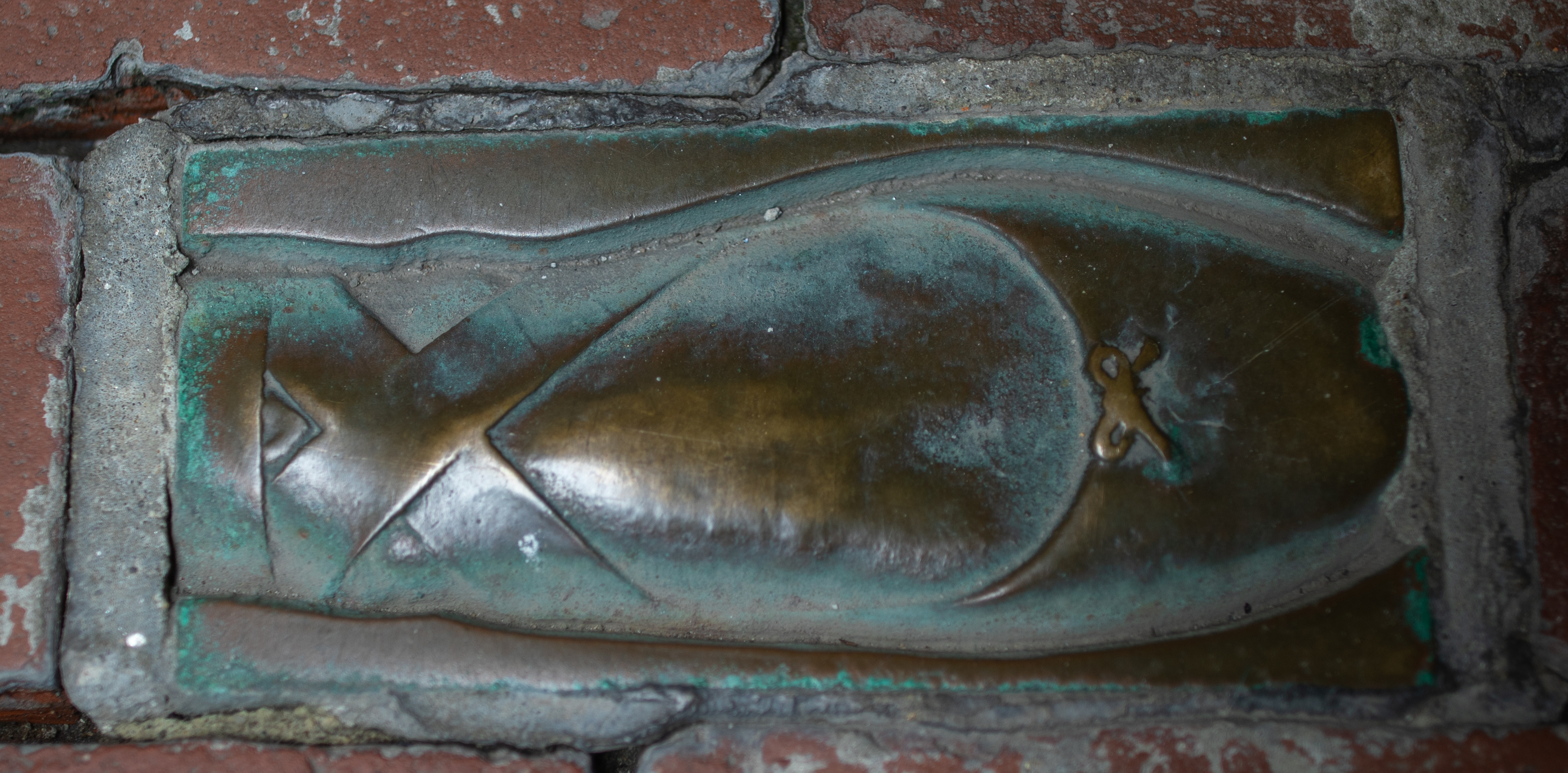
This brass instrument is commonly used in the Boston Pops concerts and at other concerts throughout the city.
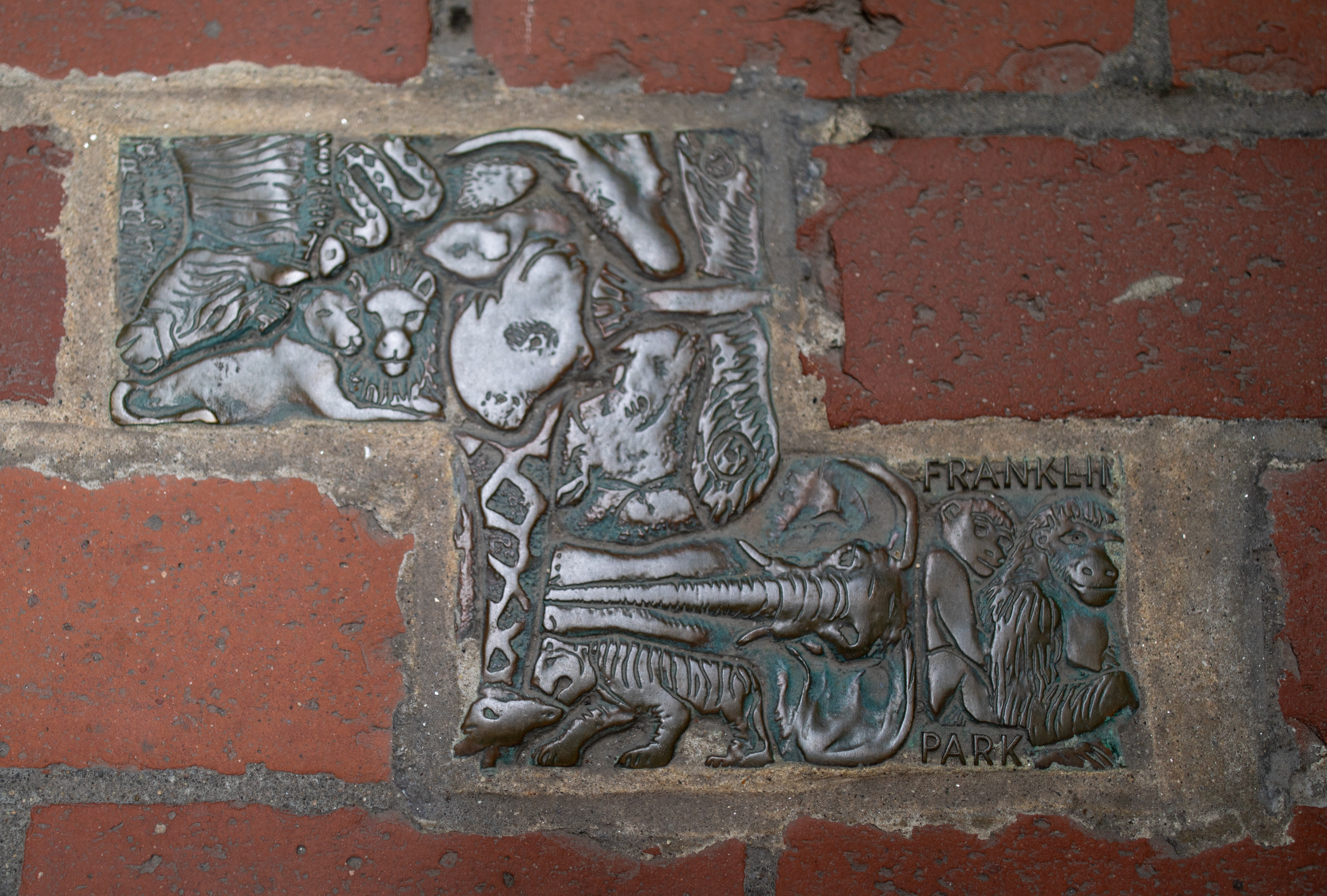
The Franklin Park Zoo in Boston, MA, is one of the oldest continuously running zoos. But, not the oldest in the country. The 72 acre zoo opened on October 4, 1912.
Boston is proud of its history and accomplishments. One of those accomplishments championed by President Kennedy, from Boston, was sending astronauts to the moon by the end of the decade, although he was not alive to see it to fruition. This brick shows both the moon and the approximate distance to the moon.
This brick shows some of the most famous people from Boston in their final resting places.
Speaking of final resting places, many of these newspapers no longer exist. A few, like the Boston Herald, the Boston Globe and Christian Science Monitor are still in operation, though.
This historical event was a real mess. The Molasses Flood of 1919 was just that; a flood of molasses. On January 15, 1919, a 58 foot tall and 98 foot diameter molasses storage tank in Boston’s North End burst, releasing 2.3 millions of molasses into the streets. The dark brown syrup is said to have reached speeds of 35 miles per hour and left a 10 foot deep, 100 yard tidal wave that destroyed everything in its path. Twenty one people were killed and 150 more people were injured. Wen the air is just so and the breeze is just right, it’s said you can still smell the thick scent of molasses.
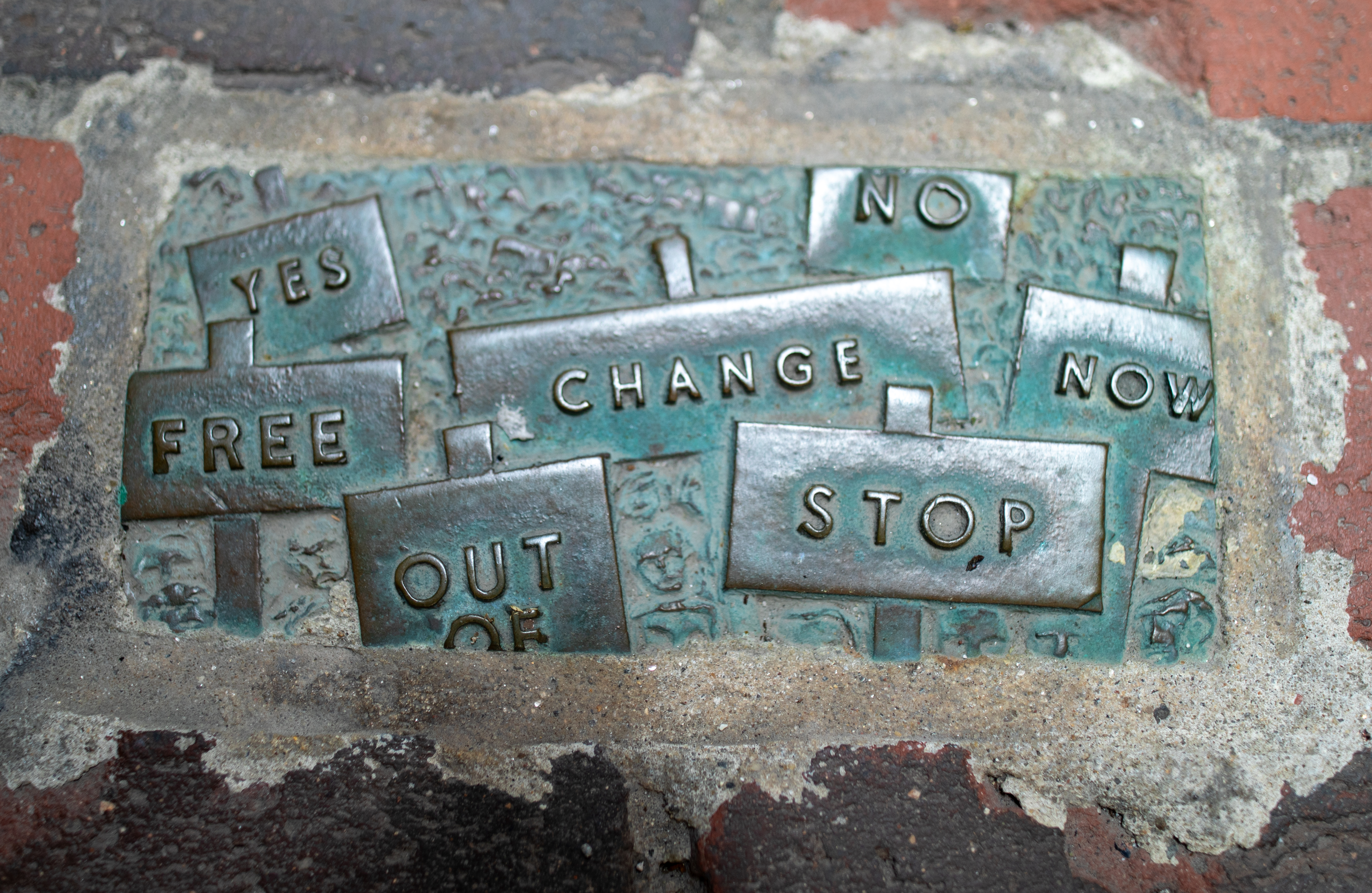
These bricks are representative of the protests and how we have worked to make the world a little bit better.
I never liked tea anyway.
“Yes”. “No.” I wish they’d make up their minds.
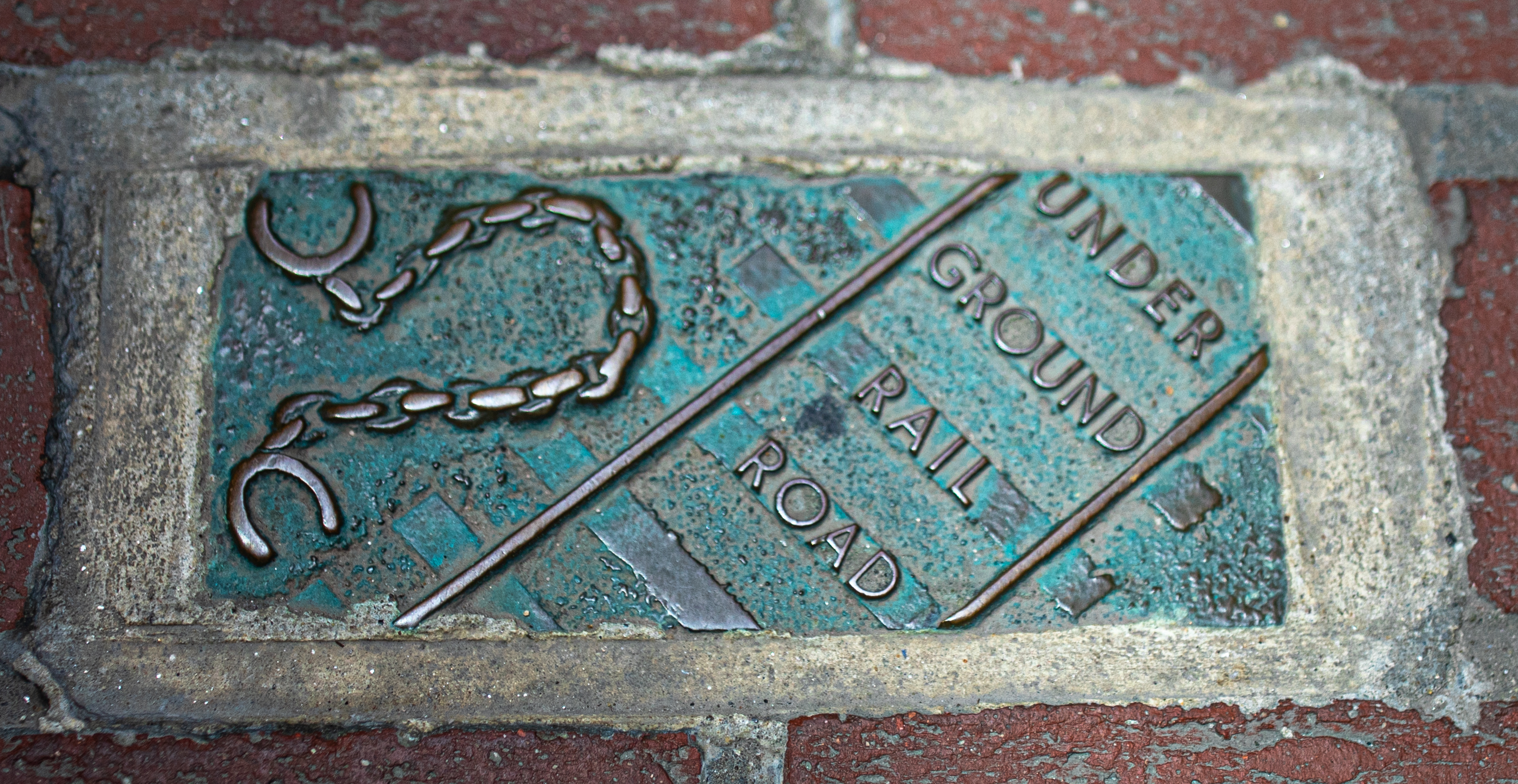
The Underground Railroad did include parts of Boston, specifically the north slope of Beacon Hill and other areas in Boston.
The Stamp Act was another political issue that was hotly debated and protested. If only things were still so simple today.
We have a lot of famous landmarks and buildings. A few of them were represented in the alley.
As it is stated clearly on it, this brick is a depiction of the State House in Boston, MA. Yes, the dome is really covered in real gold leaf. And you wonder why we’re so grumpy.
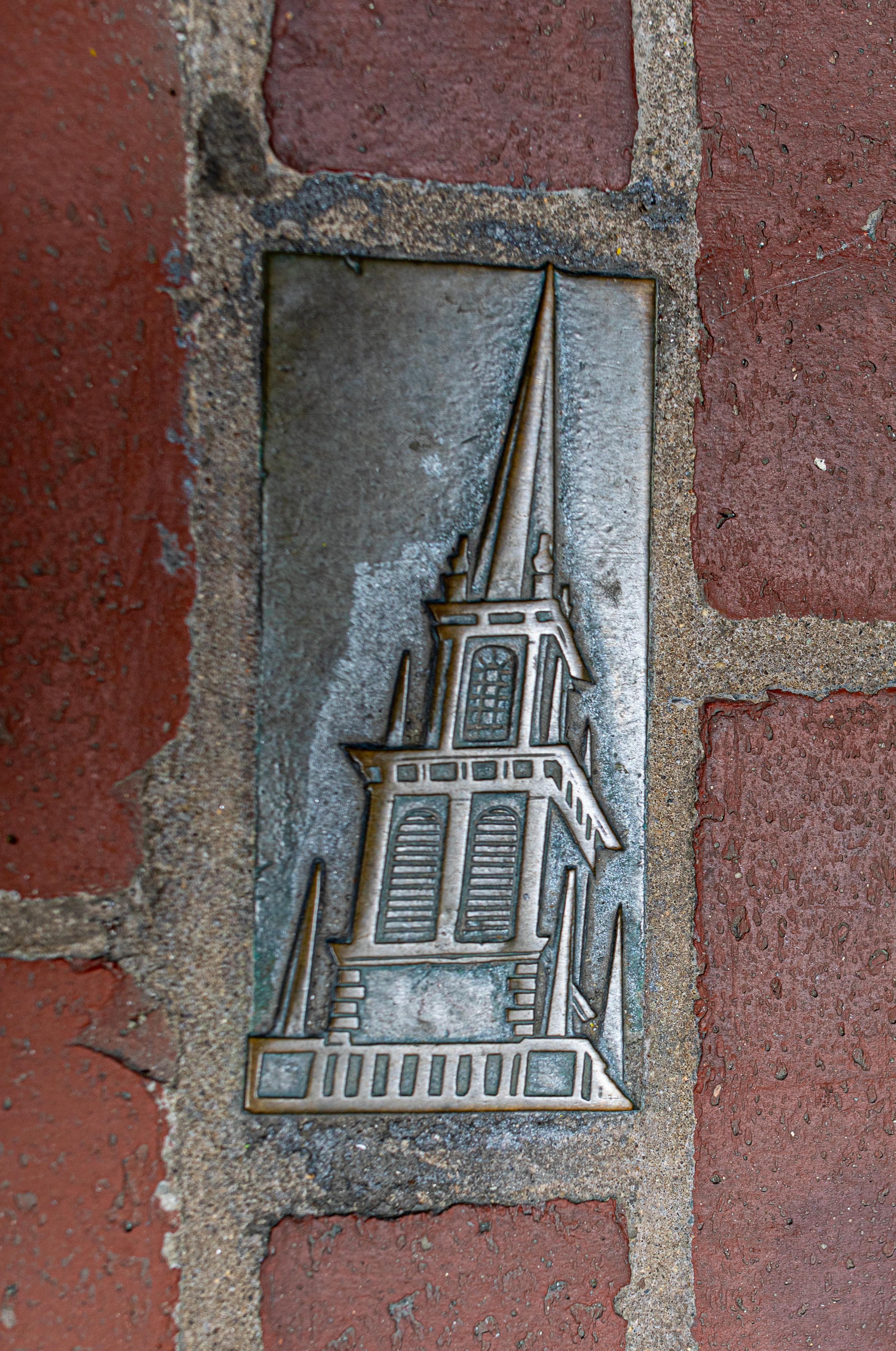
This brick is an artful design of the Old North Church in Boston, MA
The Custom House Tower, also located in Boston, MA, is also on one of the bricks.
Some of the bricks would need a little explaining. So, what’s a “Smoot”!?
A “smoot” is a non-standard unit of measurement (defined as 5 ft 7 inches). This measurement perfectly fits Oliver Smoot, an MIT fraternity pledge from 1958. The fraternity members used poor Oliver to measure the Harvard Bridge in Cambridge, MA (it measured 364.4 smoots long). The fraternity brothers measured him, made him lie on the bridge, marked his full body length and continued the process until they had covered the entire length of the bridge. And I thought I had a lot of free time. The “smoot” has remained a tradition at MIT and a well known landmark (by locals at least). And each year the fraternity repaints the yellow markings.
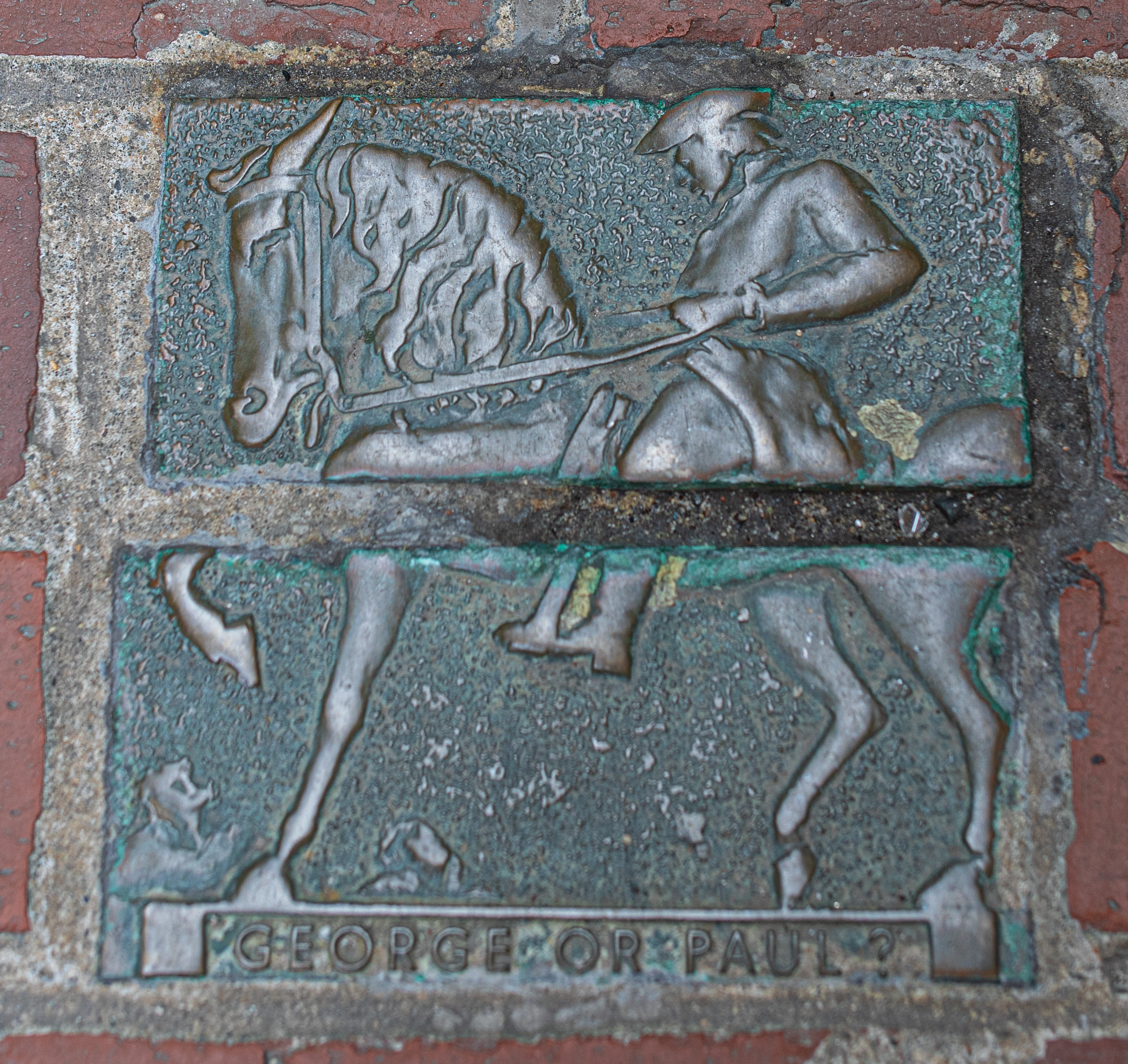
Another brick that may need some explaining is this brick that has “George or Paul?” No, not those George and Paul. There are two statues in Boston of two pretty famous people. One statue with George Washington on a horse is in the Boston Public Garden. The other statue is of Paul Revere, undoubtedly on his ride to warn us all about the British, is located in Paul Revere Mall in Boston’s North End.
This may seem like a pretty straightforward design on the brick below. It is the Longfellow Bridge which spans the Charles River and connects Boston’s Beacon Hill to the Kendall Square area of Cambridge, MA (or vice versa). The bridge has an interesting history and background. The S and the P are meant to represent “salt” and “pepper” as it is also known as the “Salt” and “Pepper” bridge because the shape of the central towers on the bridge resemble salt and pepper shakers. Great. Now I’m hungry.
When it was originally built in 1845, the bridge was named the West Bridge. It was rebuilt in 1906 and eventually it was named the Longfellow Bridge after a certain writer penned a poem about the original bridge (West Bridge) entitled “The Bridge.”
These two seemingly random creatures actually have a very close connection to our history. They are both located on a very old and important historical building; the Old State House. Located on Washington St in Boston, the original State House is also near the site of the Boston Massacre. In any event, this lion and unicorn are located on the exterior of the building near the roof. These are the same figures used in the coat of arms for the United Kingdom which are reminders of its past.
These are only roughly half of the bricks on the alleyway. So, there are many more for you to find on your own! Just don’t forget to look down!
Summary: Artists from all over the Salem (MA) area showed off their artistic abilities at the 17th annual Salem Arts Festival.
As summer is winding down, sadly, it’s true, I thought it was the perfect time to post photos from the annual Salem Arts Festival in June of this year! Ok, I should have posted them earlier. But, it’s been a busy summer! And I plan to show off more photos from my busy summer soon!
The 17th annual arts festival featured art and artists from all over the Salem, MA, area.
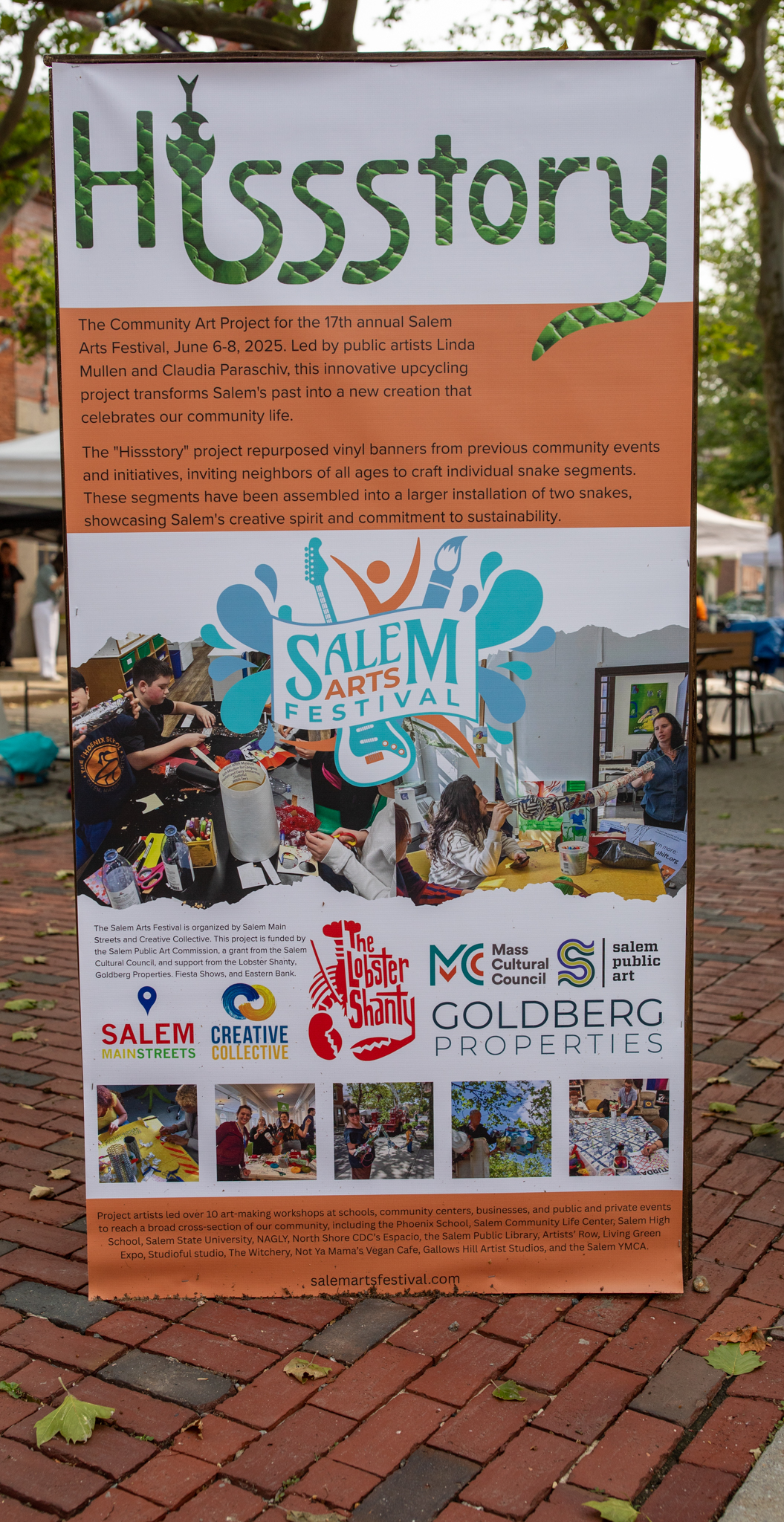
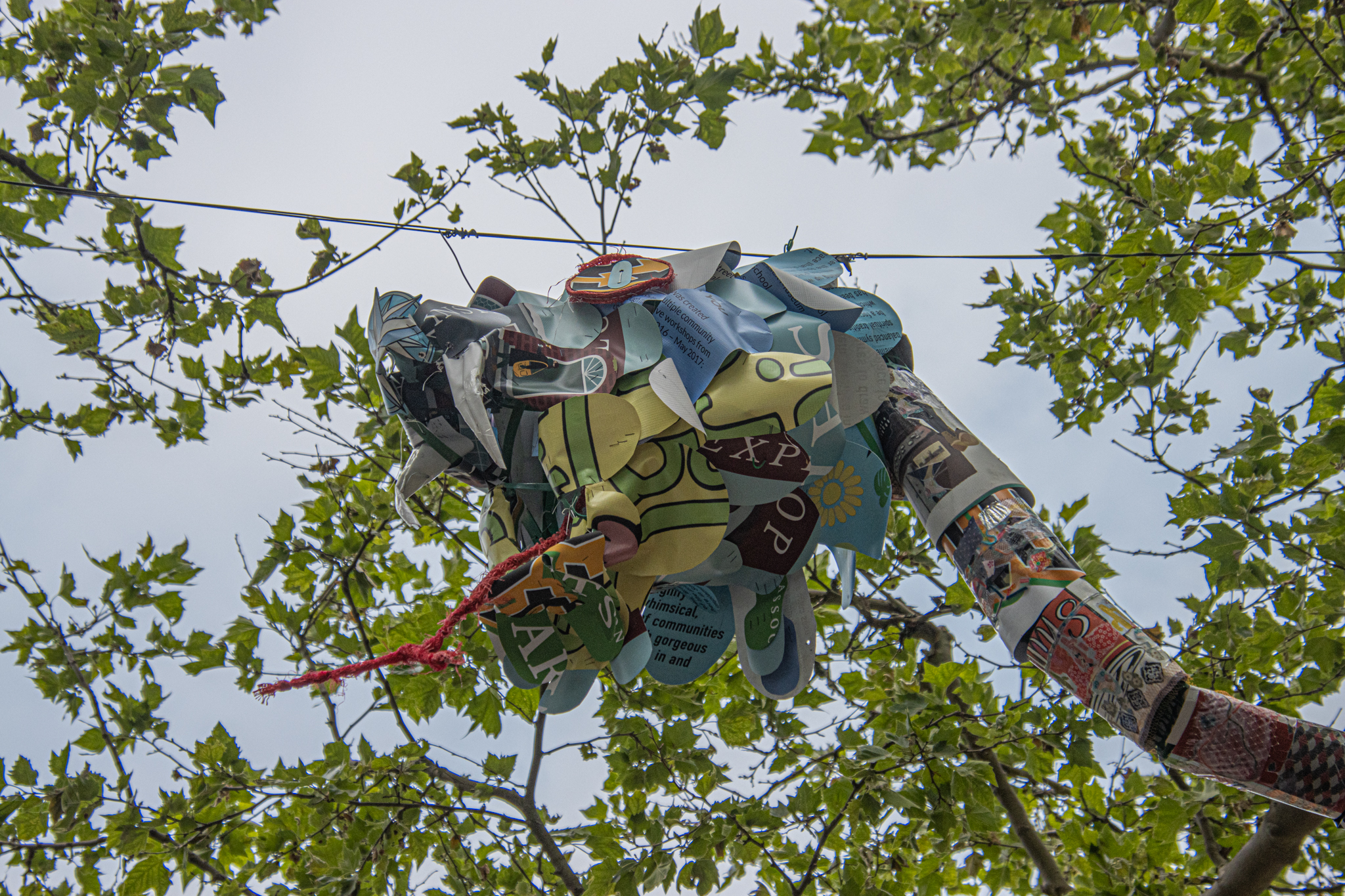
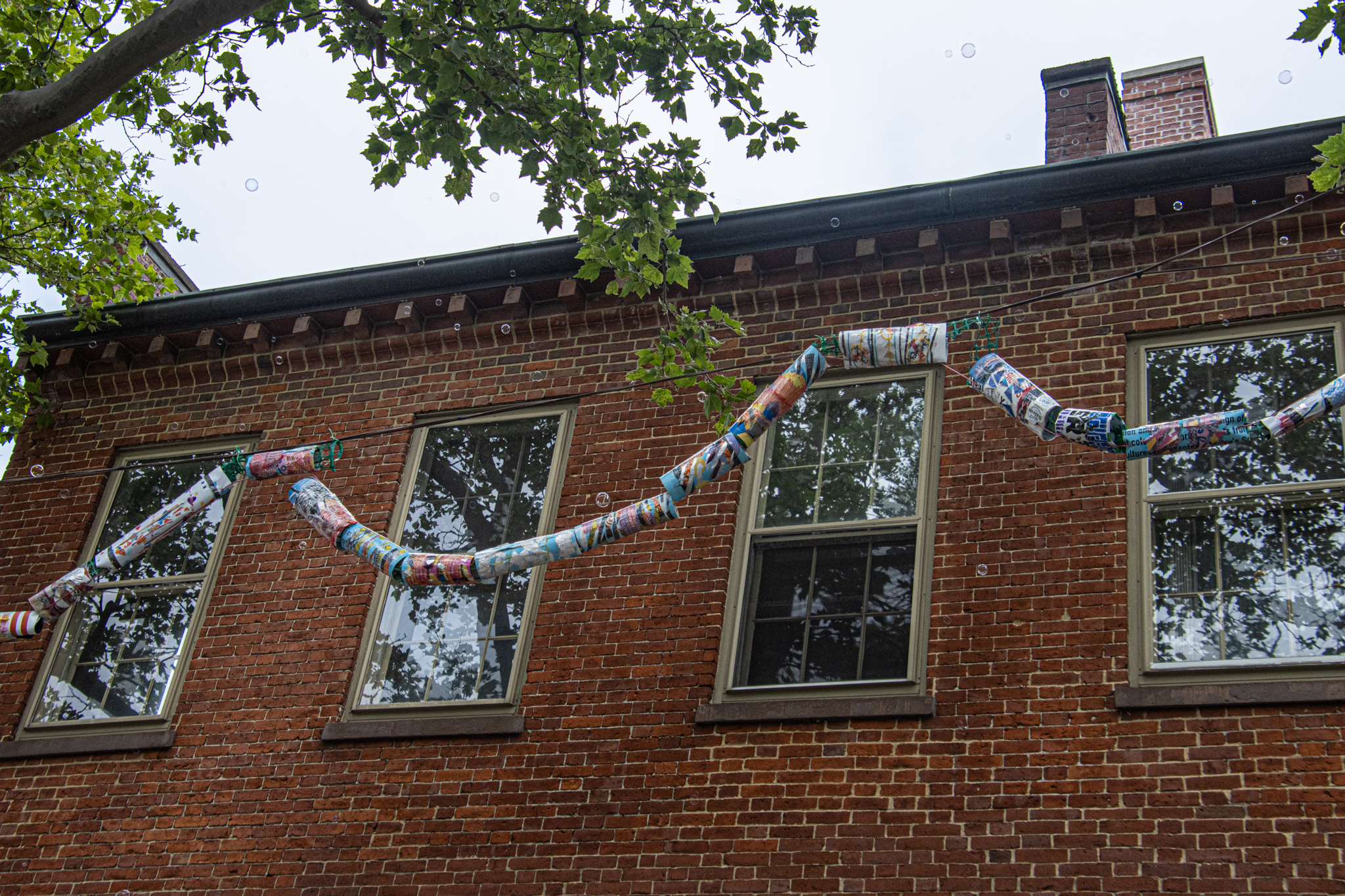
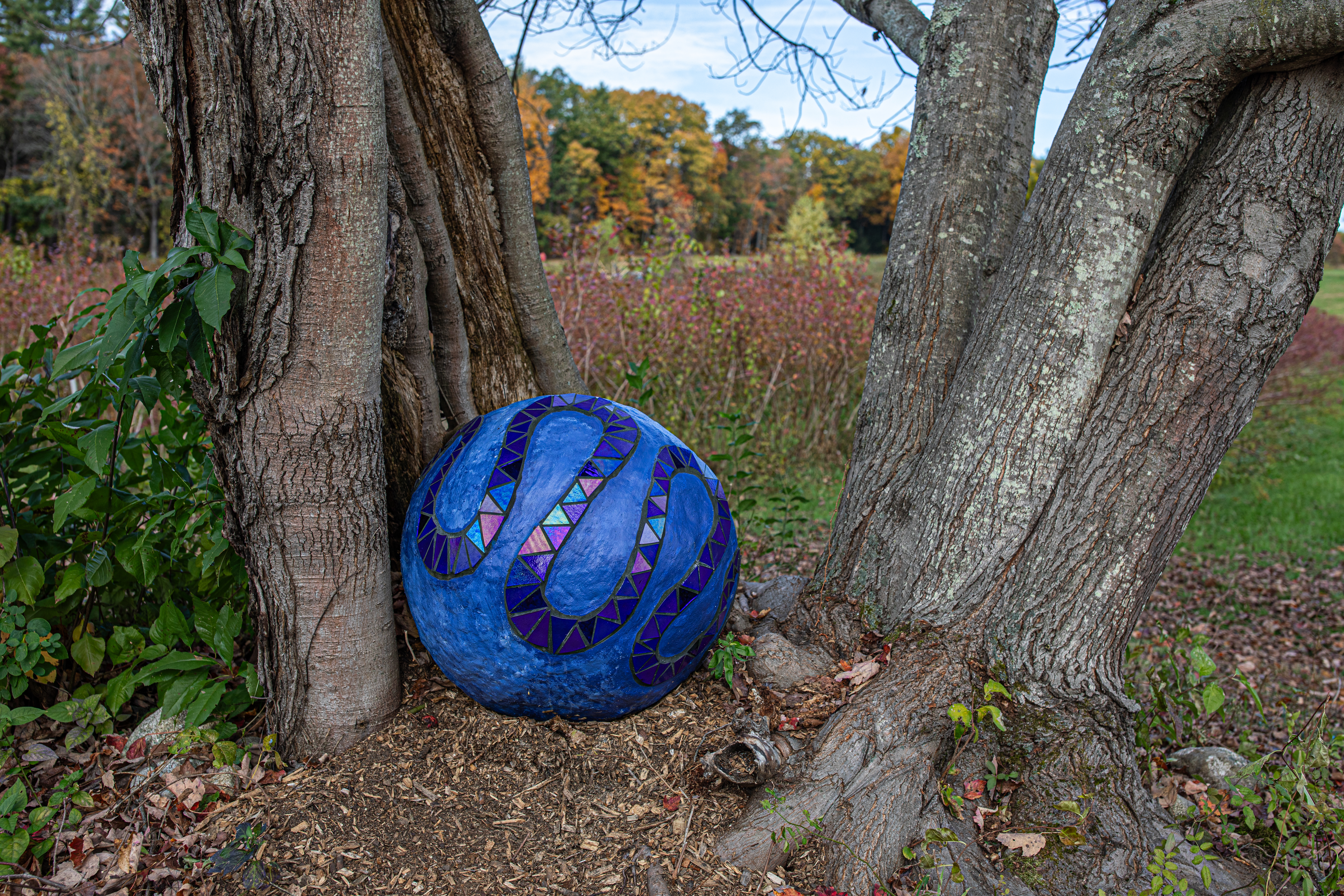
The theme for this year’s festival was Hissstory. As the sign below states, the hissstory project repurposed banners from previous events in the city. These repurposed parts were used to form a very long snake! Citizens of Salem were encouraged to create their segments of the snake which was displayed on Front St; the staging area for the performers. Recycling, or repurposing, at its finest.
The festival ran from June 6th to 8th. But, because of the rainy weather, I only attended on the 8th of June.
Since there was so much art and entertainment at the festival, I have decided to post this blog post in 2 parts. This post will include the popular “Mural Slam” as well as some of the dancers and musicians at the festival.
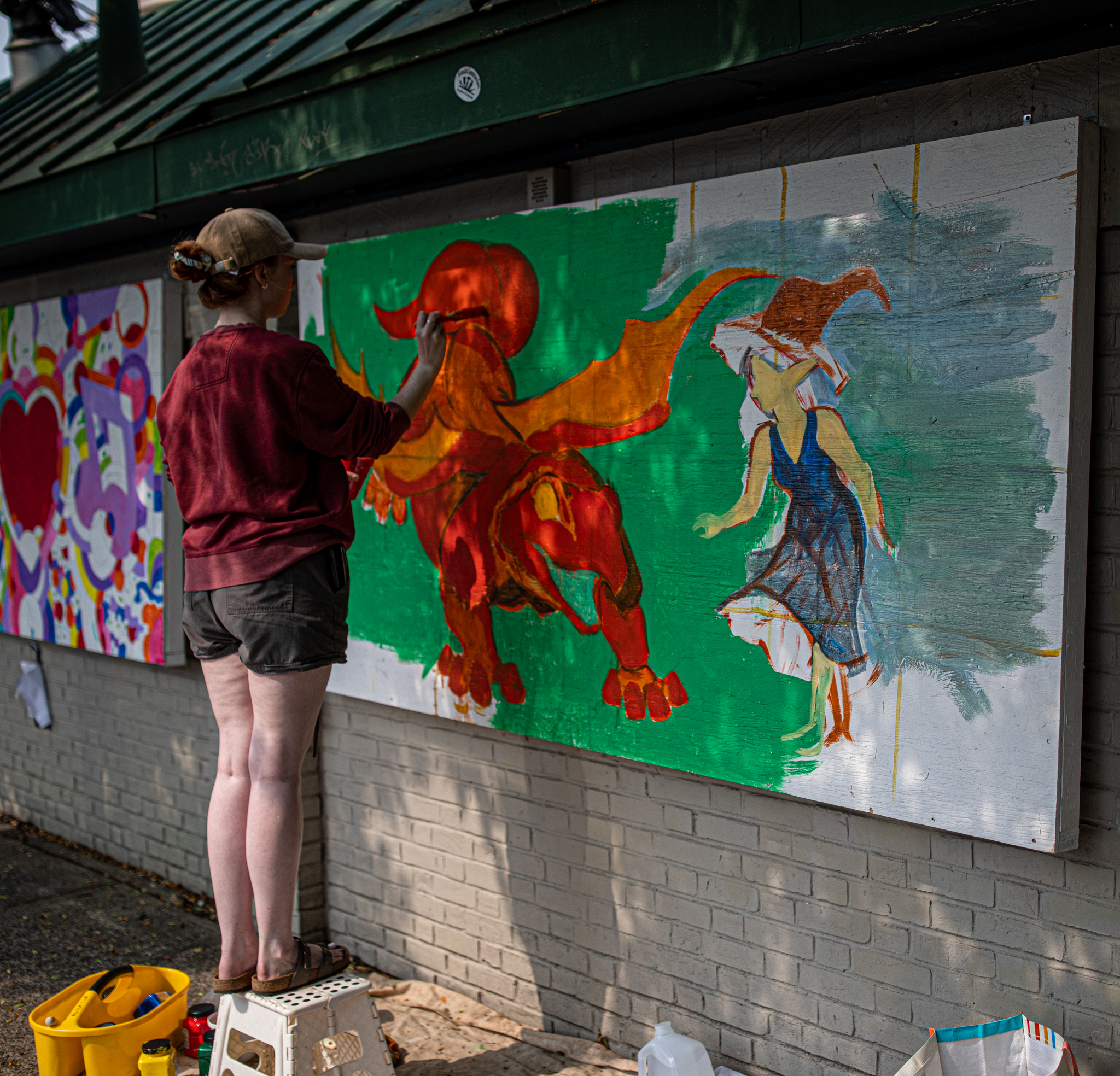
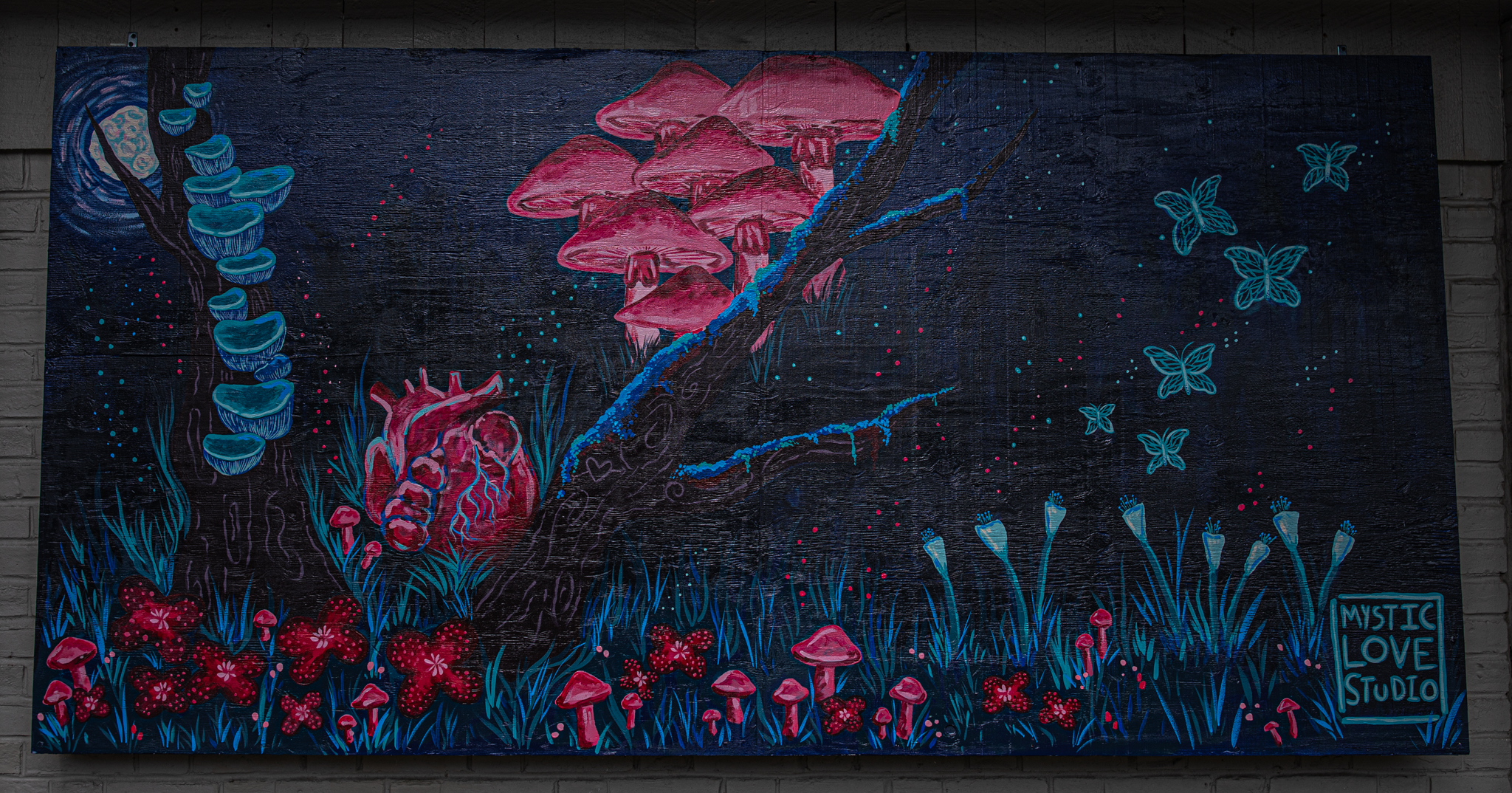
Without a doubt, the main event of the festival is the mural slam. Twelve artists painted uniquely creative works of art.
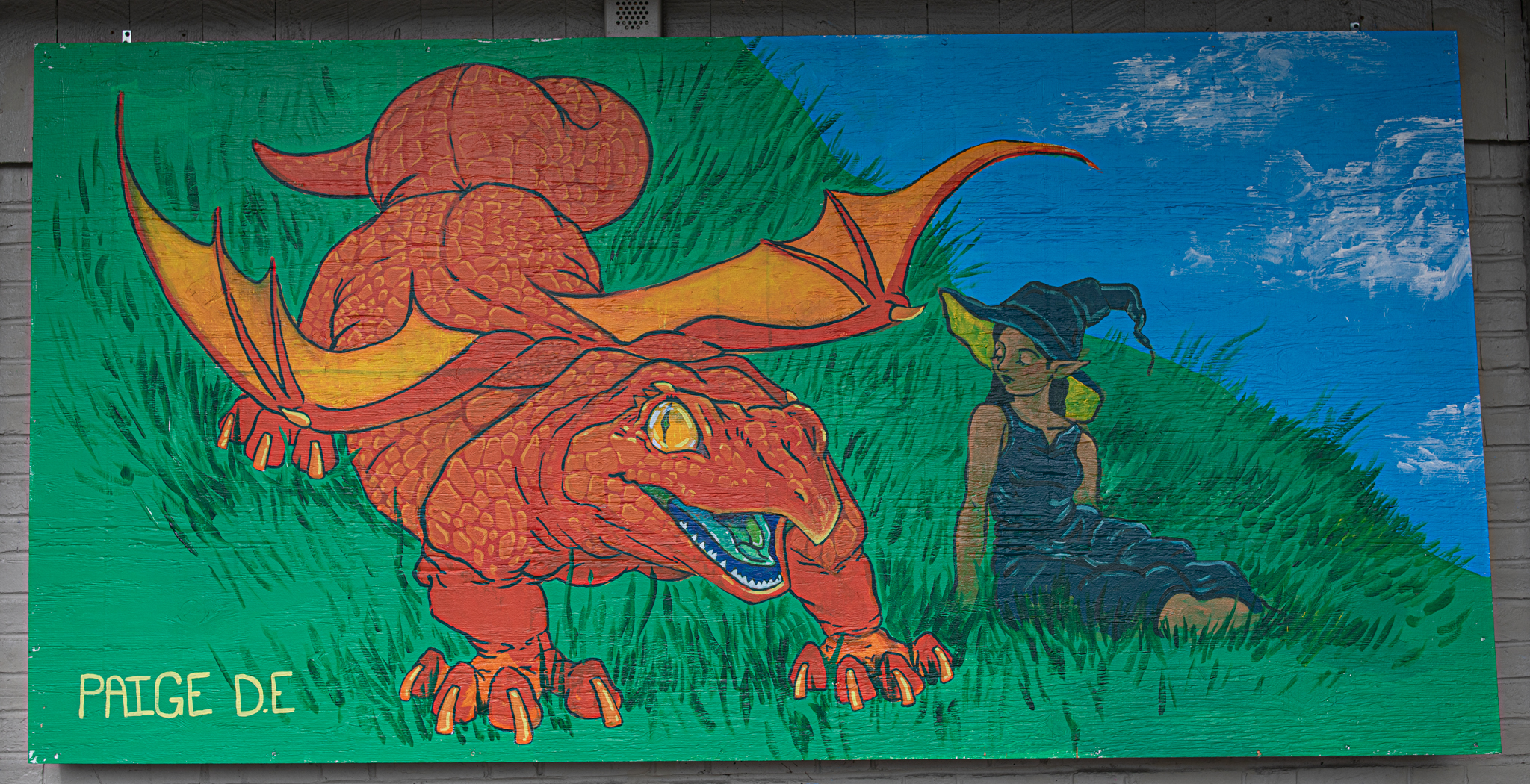
The murals weren’t finished until later in the day after I left. So, I stopped by the next weekend to photograph them when they were done. Plus it’s fun seeing how some of the murals evolved. At least it’s fun for me. Maybe I need to get out more.
Paige Doyle-Elwell
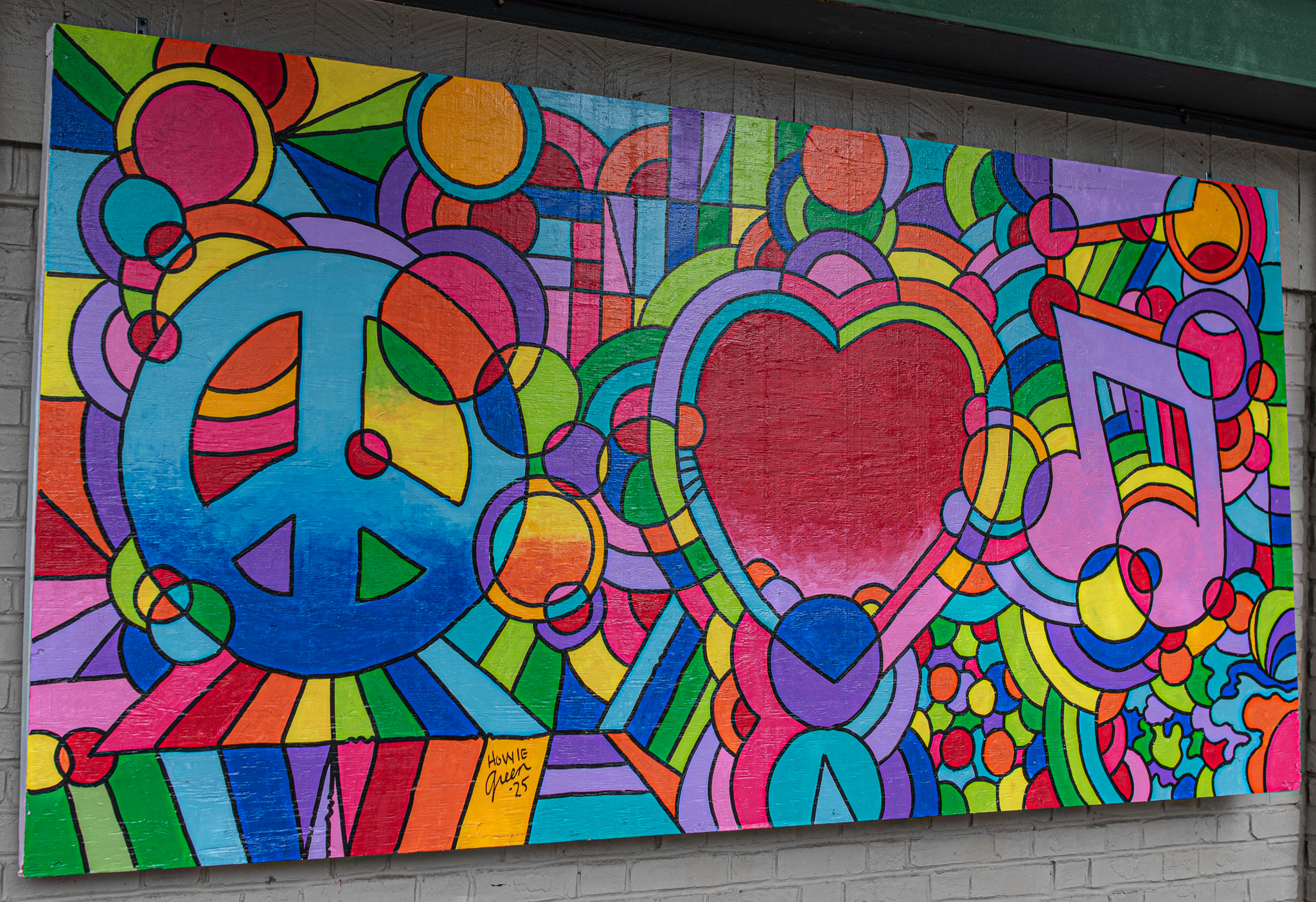
Howie Green
Colomba Klenner
Jess “Pickles” Clark
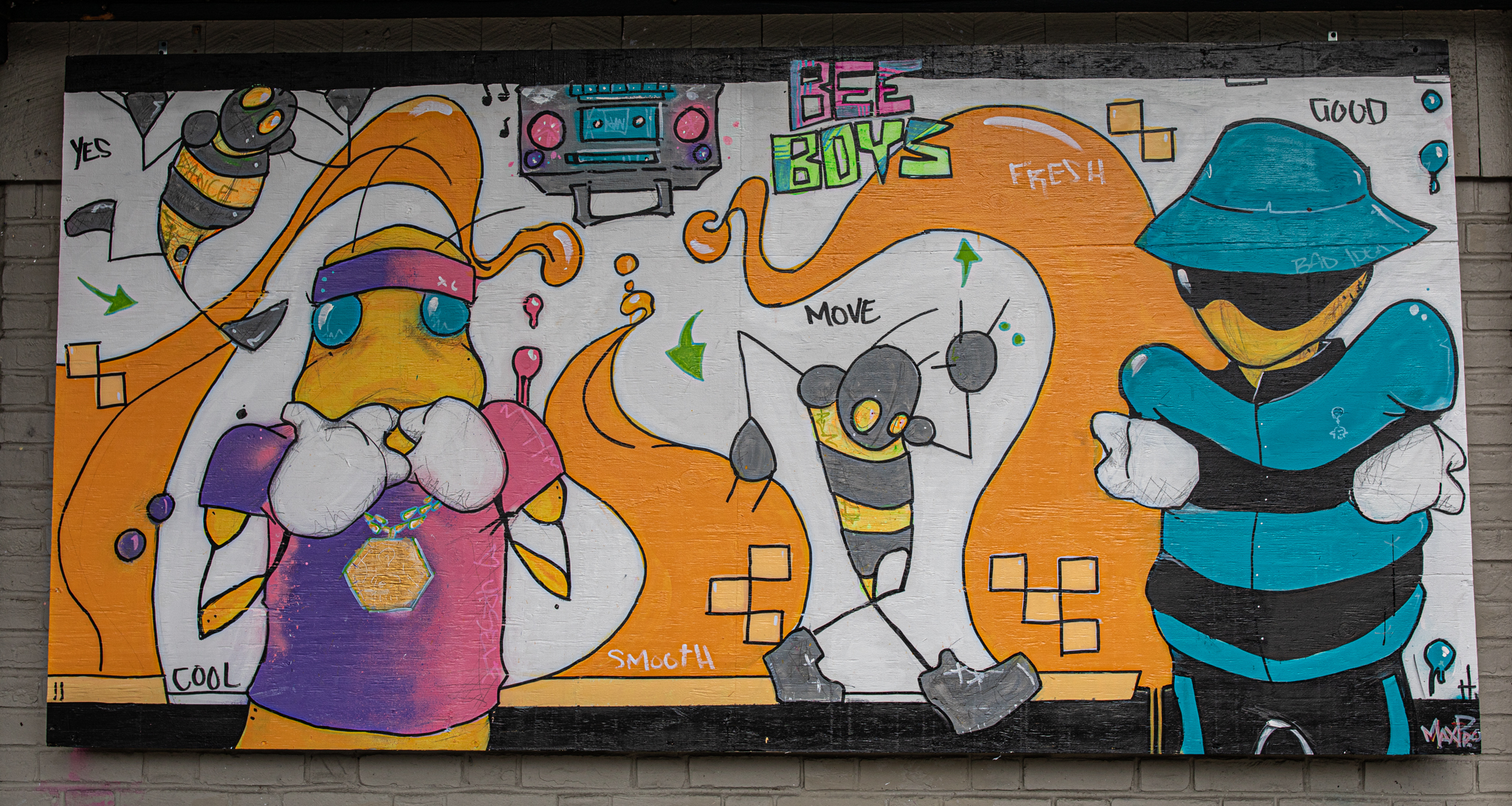
Max Pro
Daphne Powers
Bruce Orr
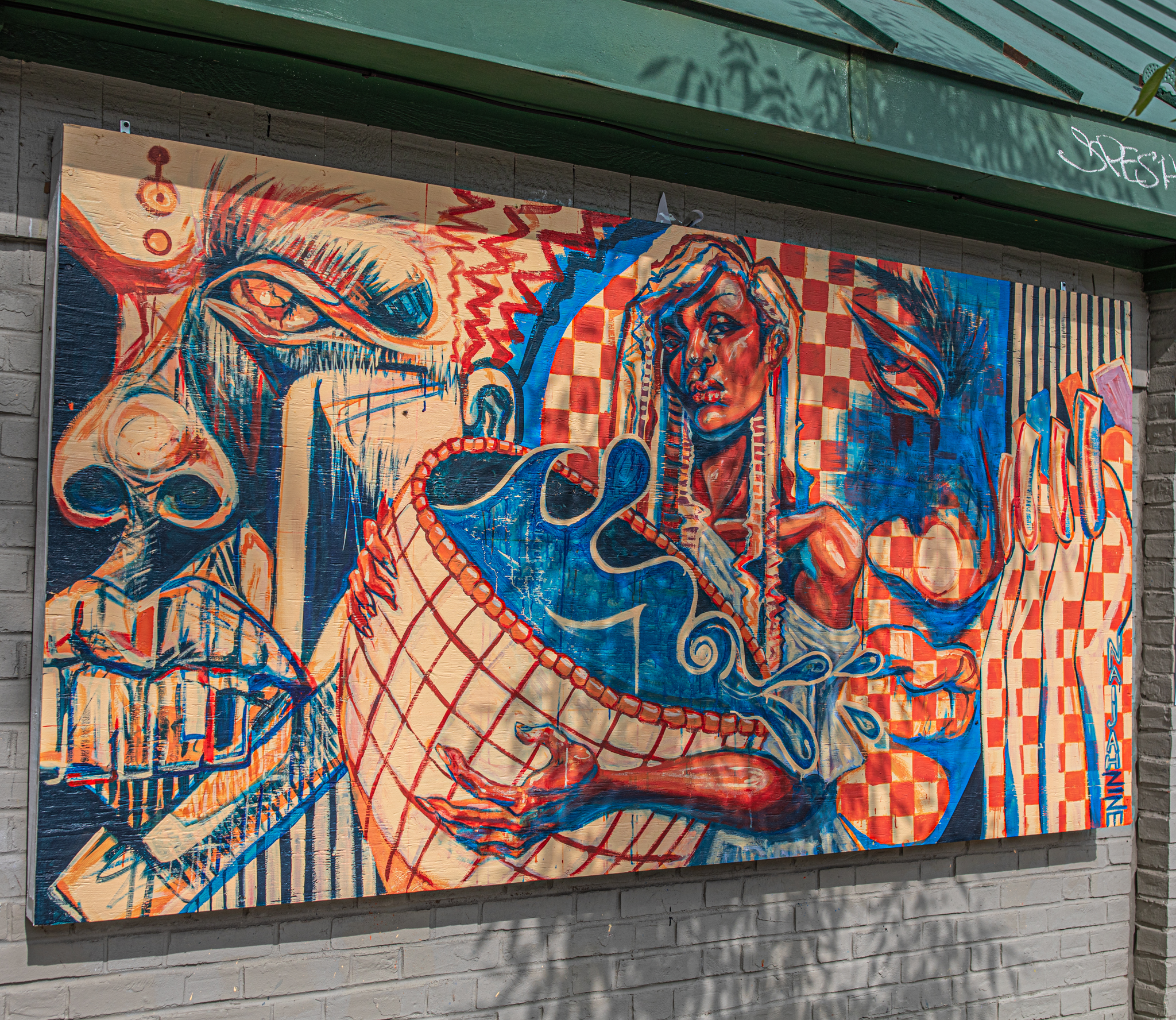
Naijah Nine
Caoin O’Durgy
Sarah Egan
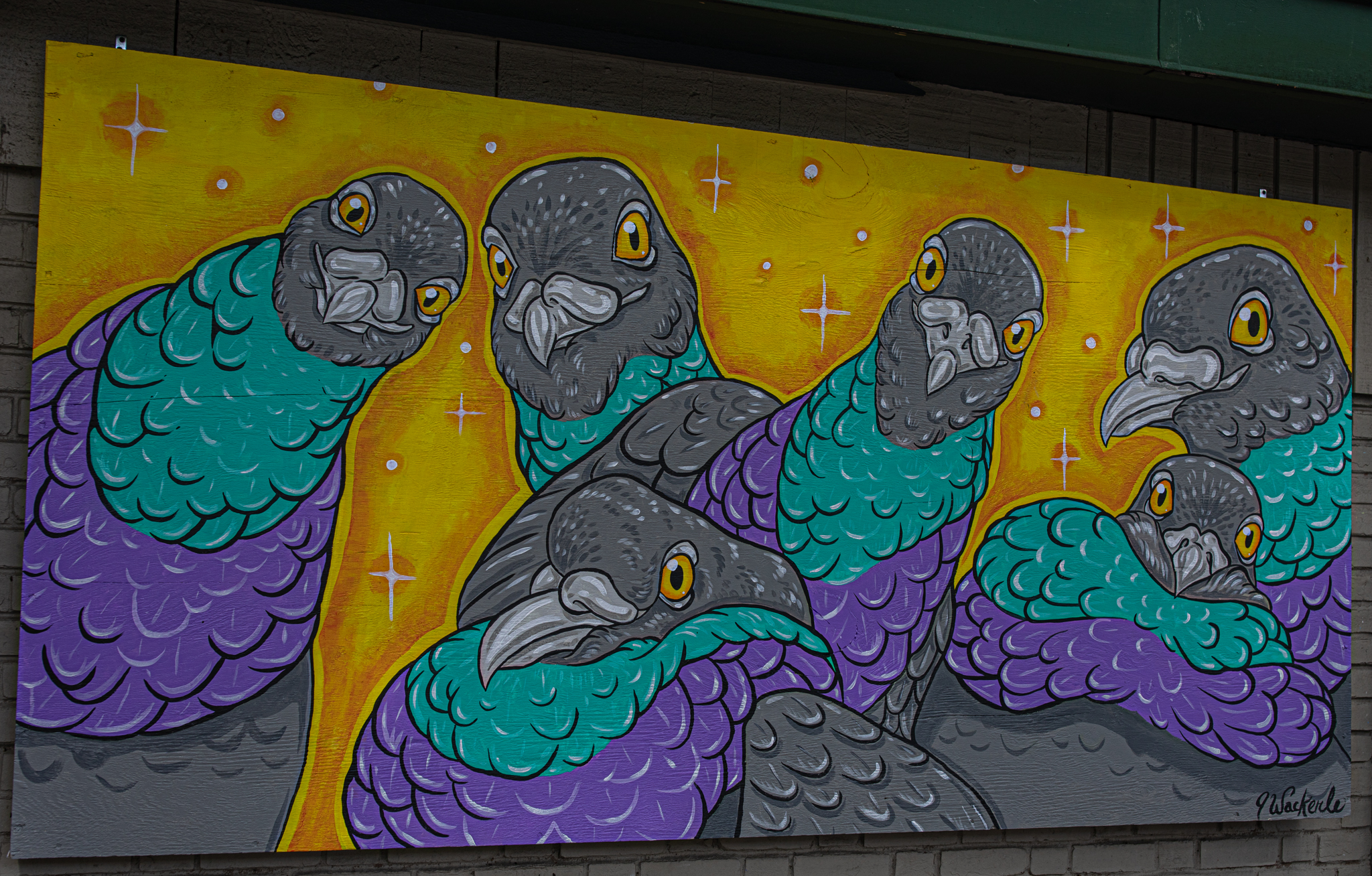
Jennifer Wackerle
Bobbie Smith
There were additional murals and other works of art that were not part of the mural slam. The elephant was made by Polyvios Christoforos for the 2018 Salem, MA, mural slam. Bonus points if you can name all of the 4 buildings in the painting with the homes.
But, the art wasn’t just the murals and in the old town hall. There were also musicians and dancers. Matt Savage Groove Experiment kicked off the festivities on the second day of the festival. Matt is the keyboard player and composer for the band.
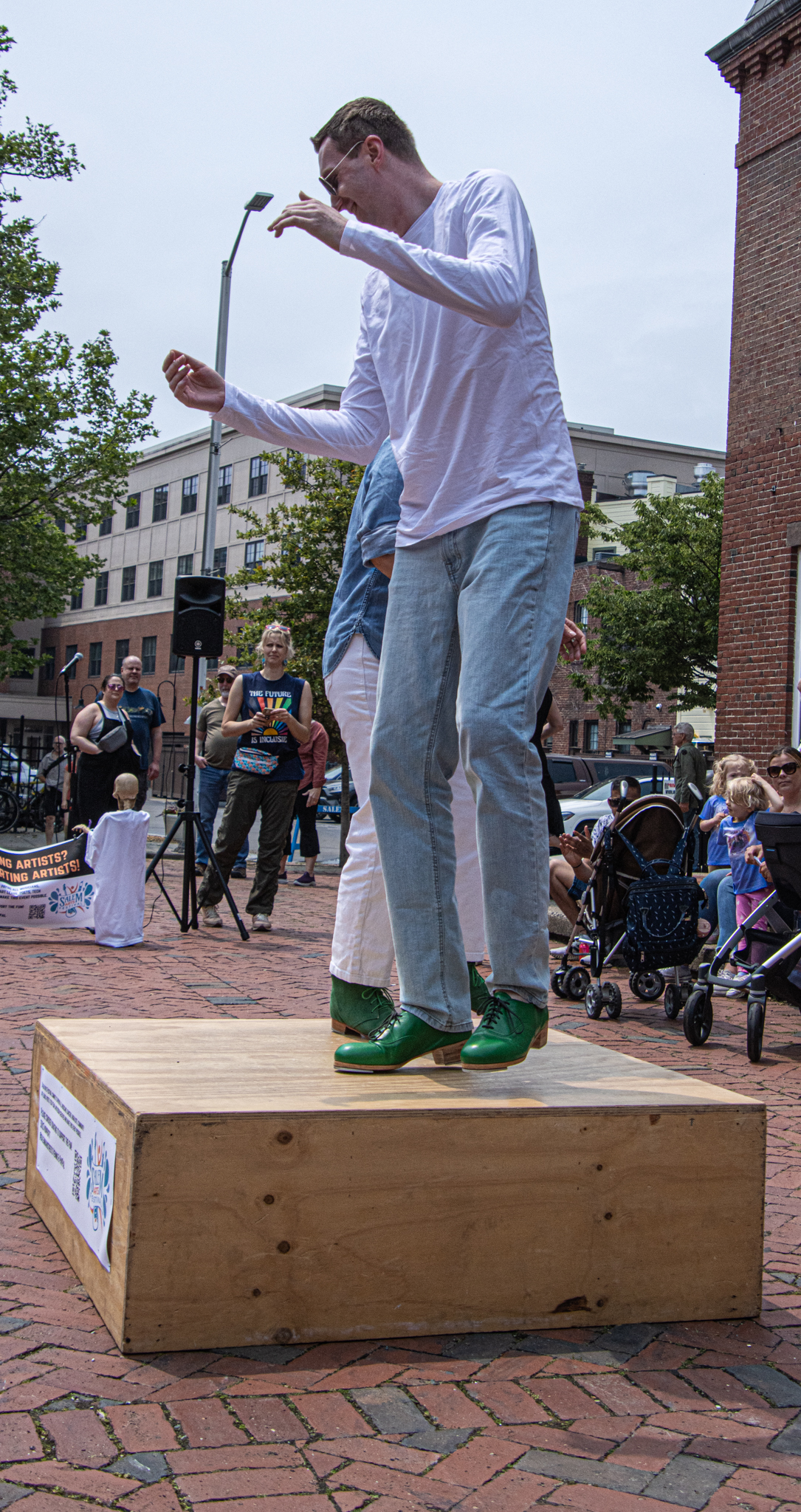
One of the more interesting and creative parts of the festival were the dancers. There were tap dancers.
But, the most interesting dancers were the interpretative dancers.
I hope you join me in part 2 of my blog post from this event which I will post soon!
Location: Kate Gould Park, Main St, Chatham, MA (1.5 hours southeast of Boston, MA)
Hours: Park is open sunrise to sunset
Cost: Free
Parking: there is metered parking as well as parking lots on Main St.
Dog Friendly: Yes
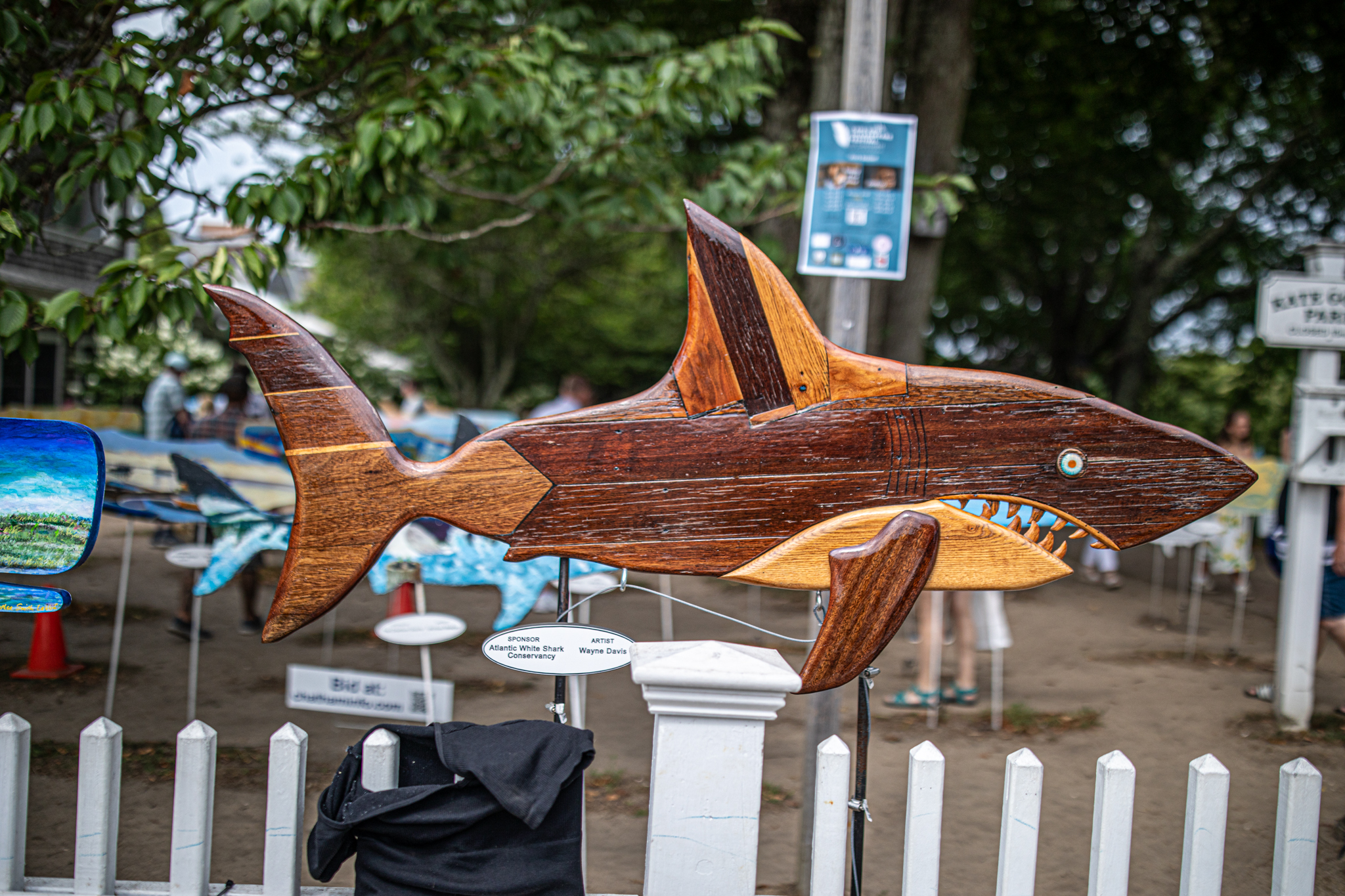
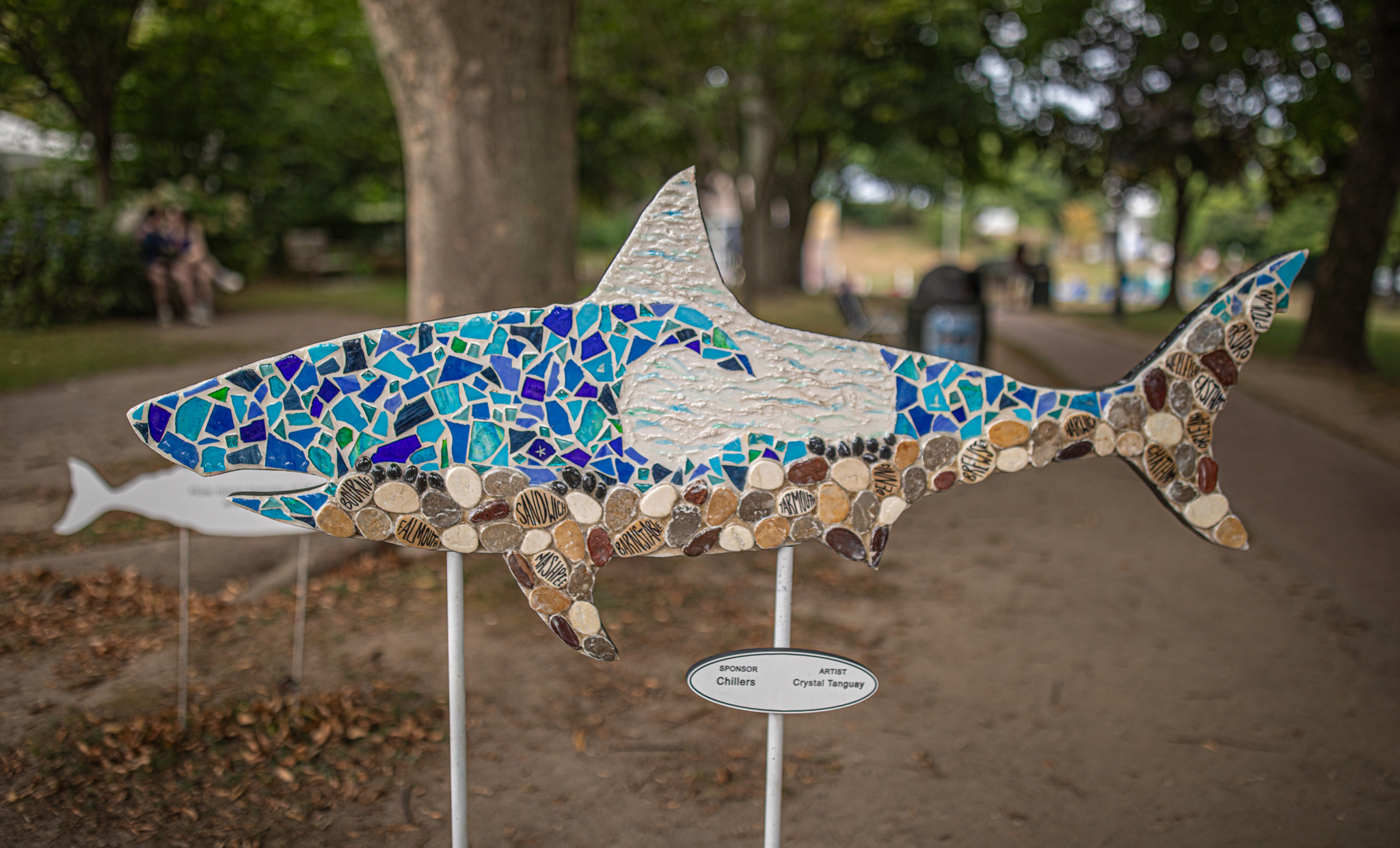
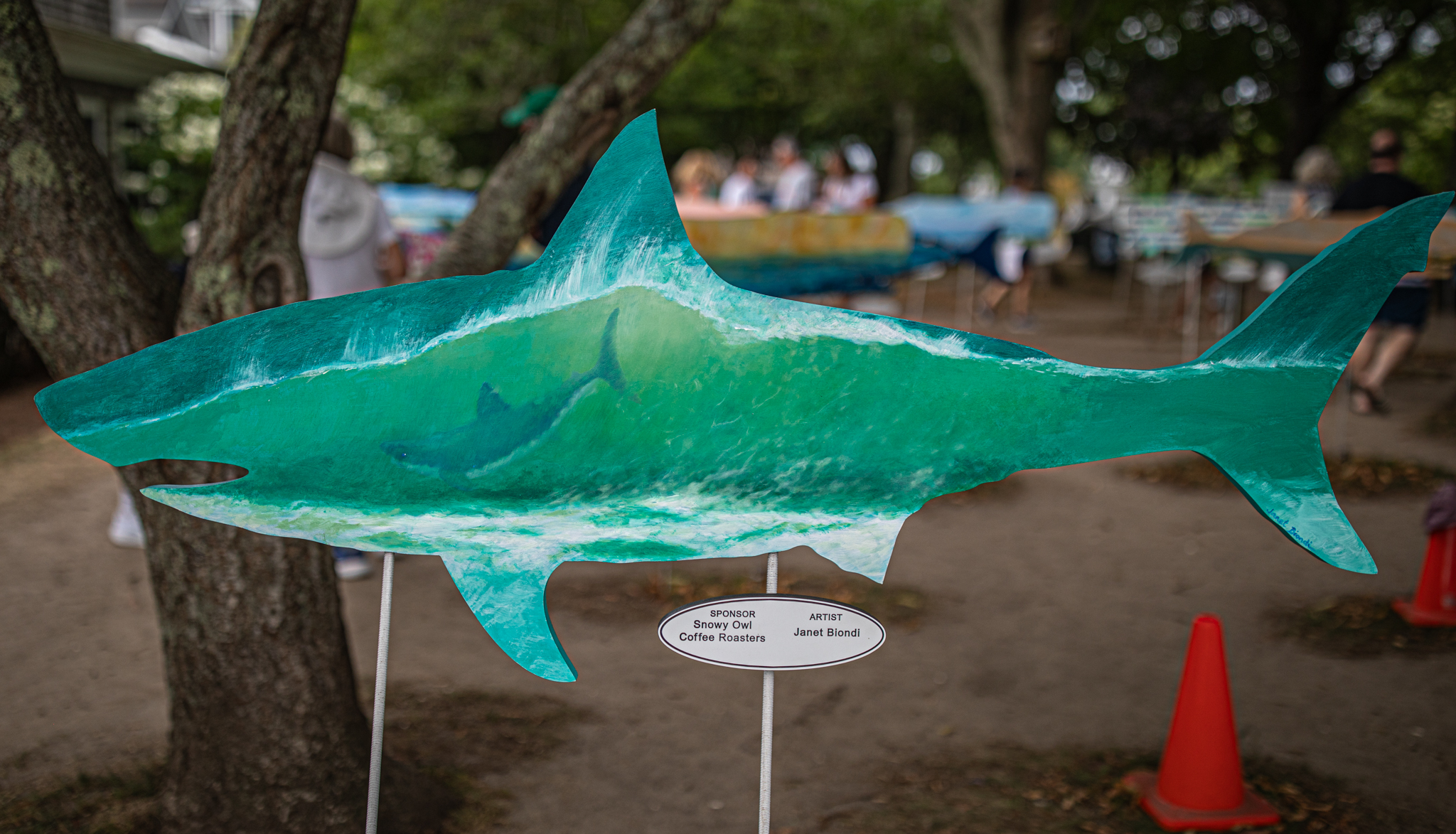
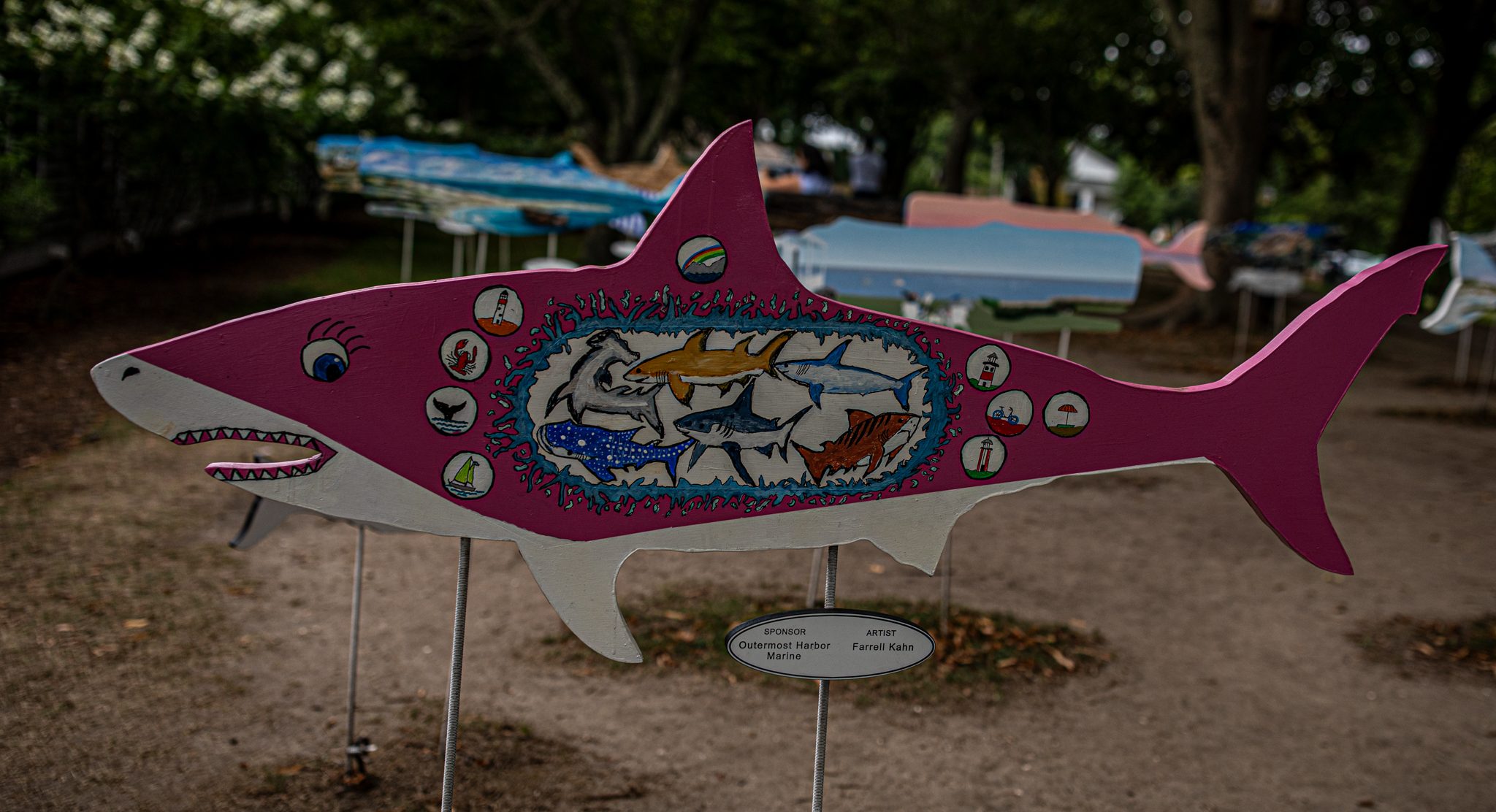
Cape Cod, or better known simply as the “Cape”, has been known for shark sightings. But, this is getting ridiculous.
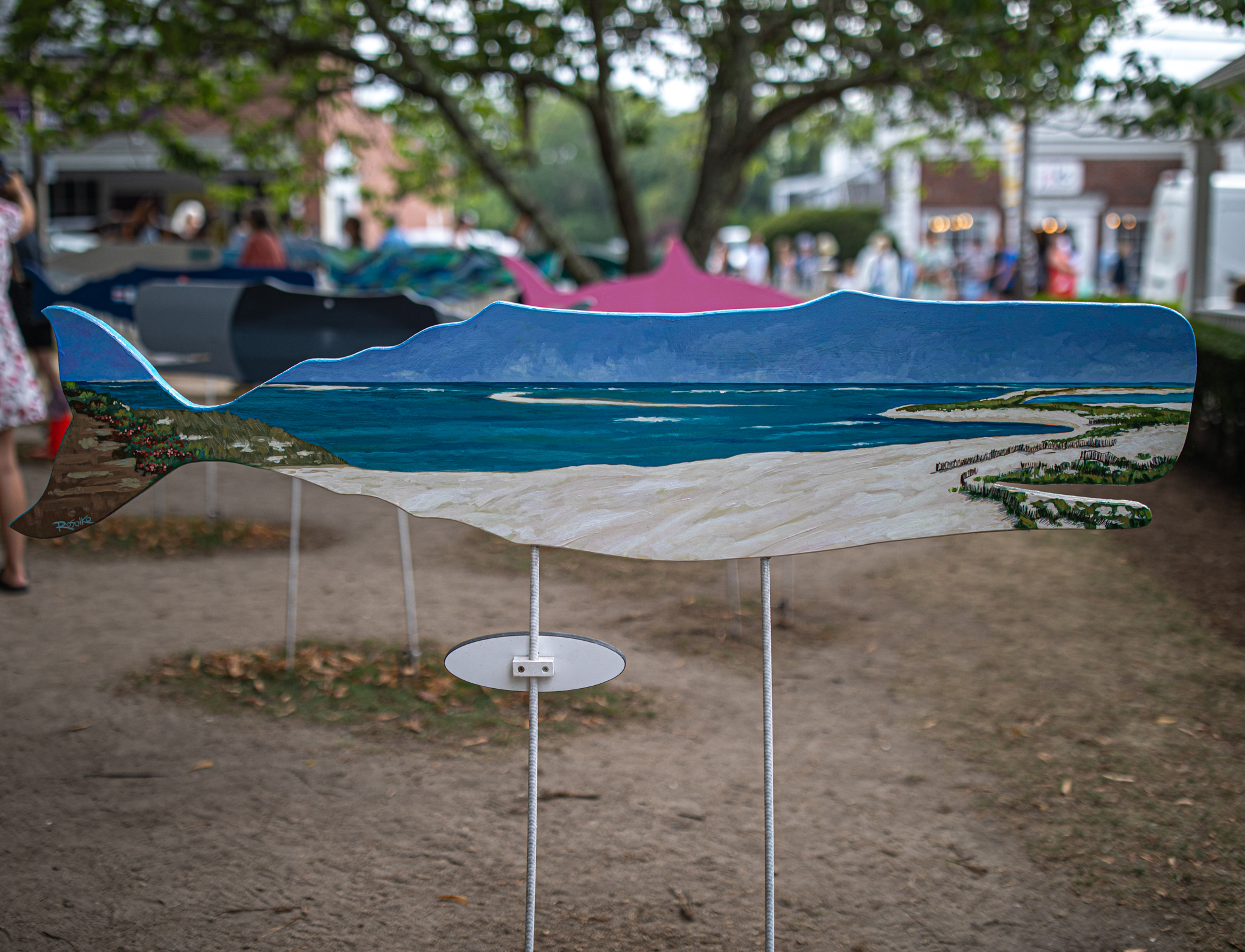
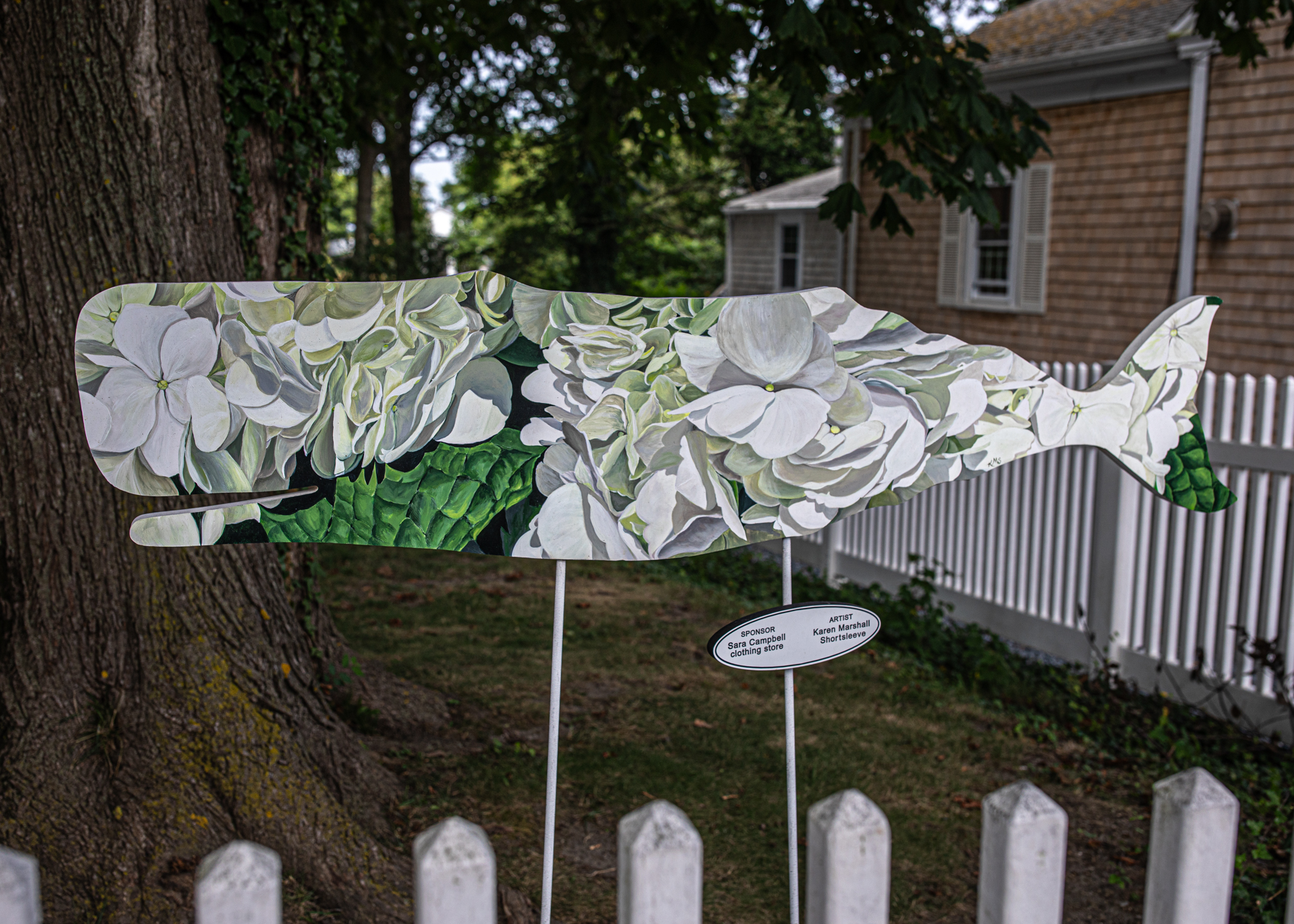
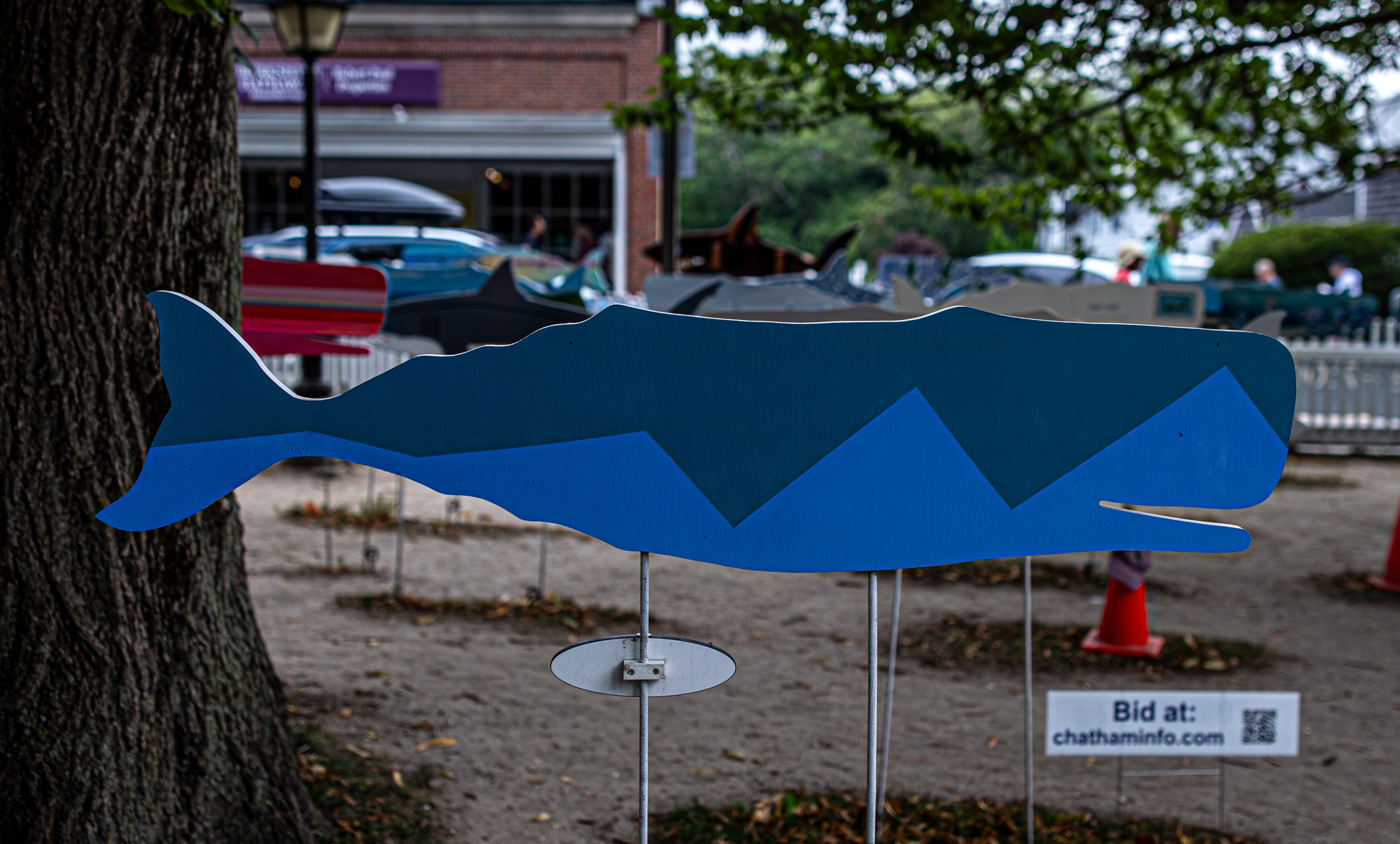
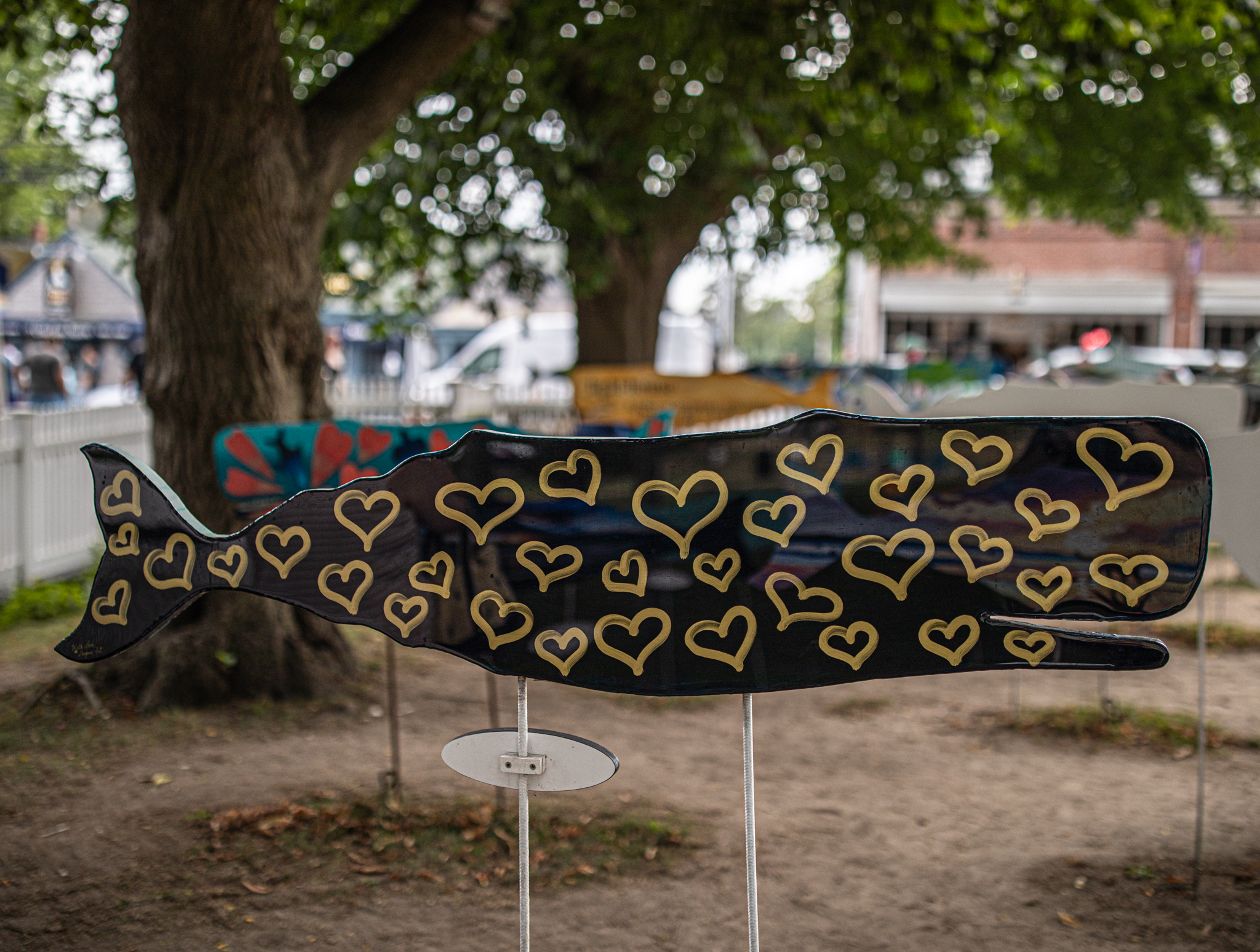
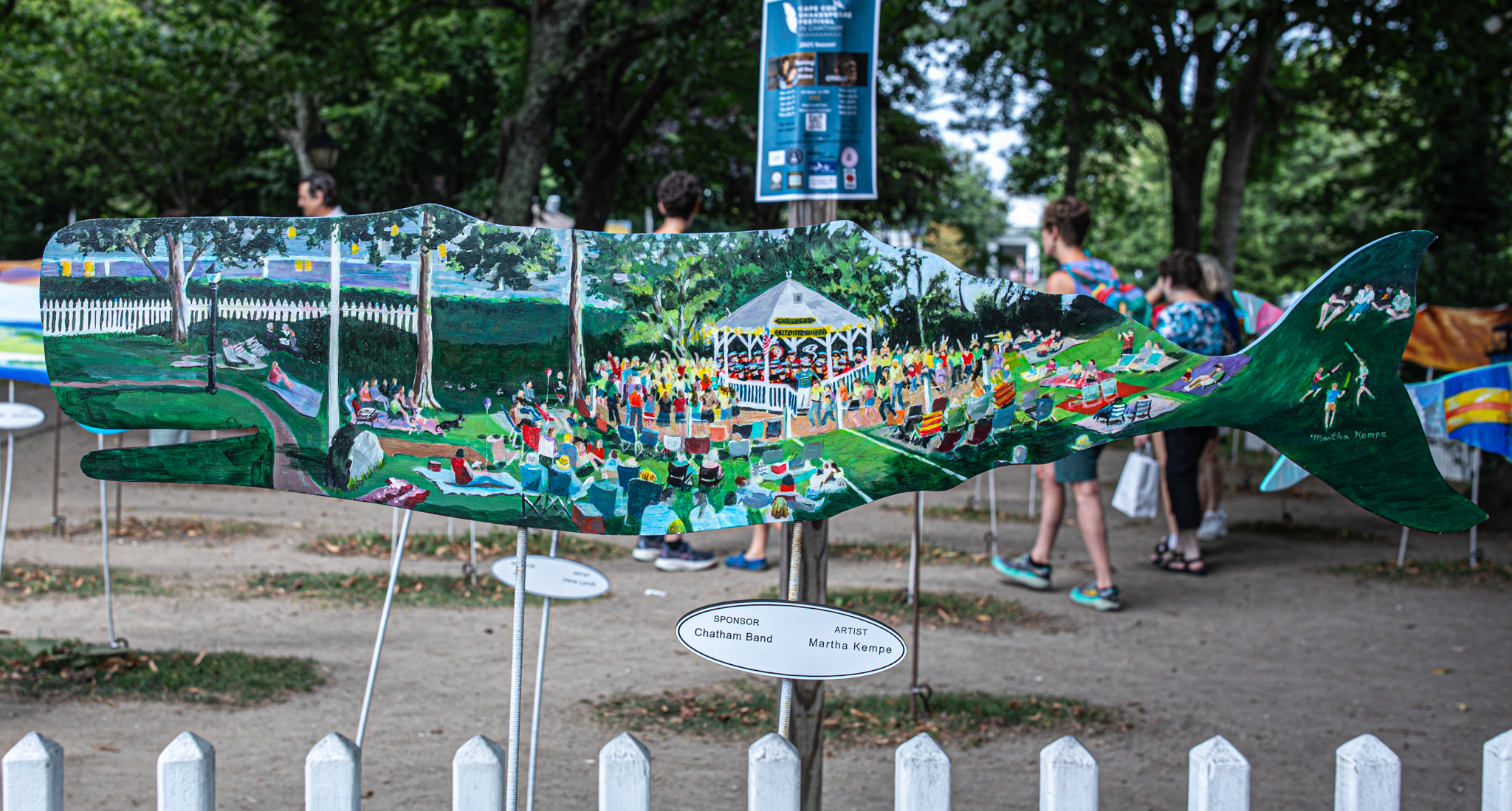
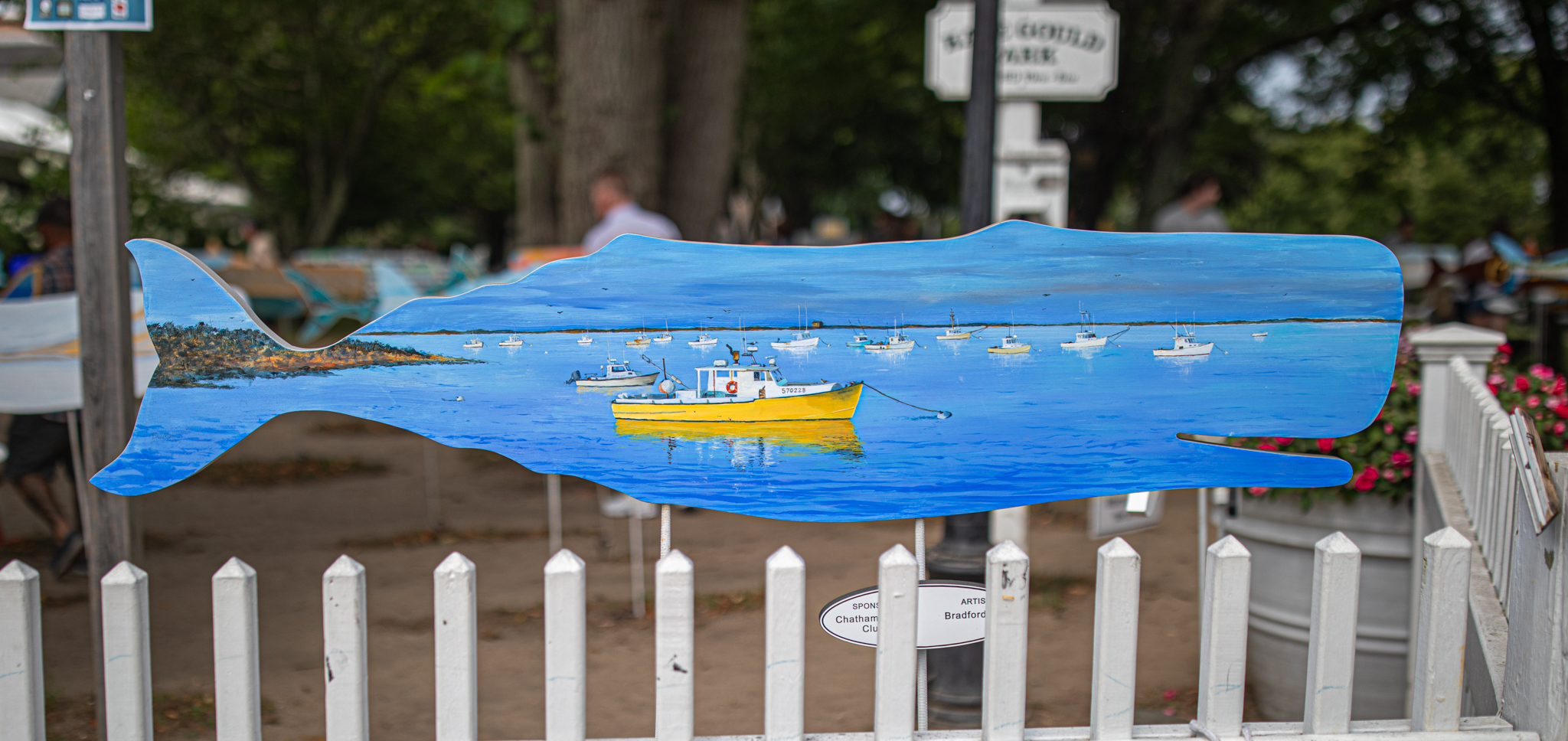
But, it’s not just sharks that are in Kate Gould Park. A variety of artistically decorated whales are also in the park!
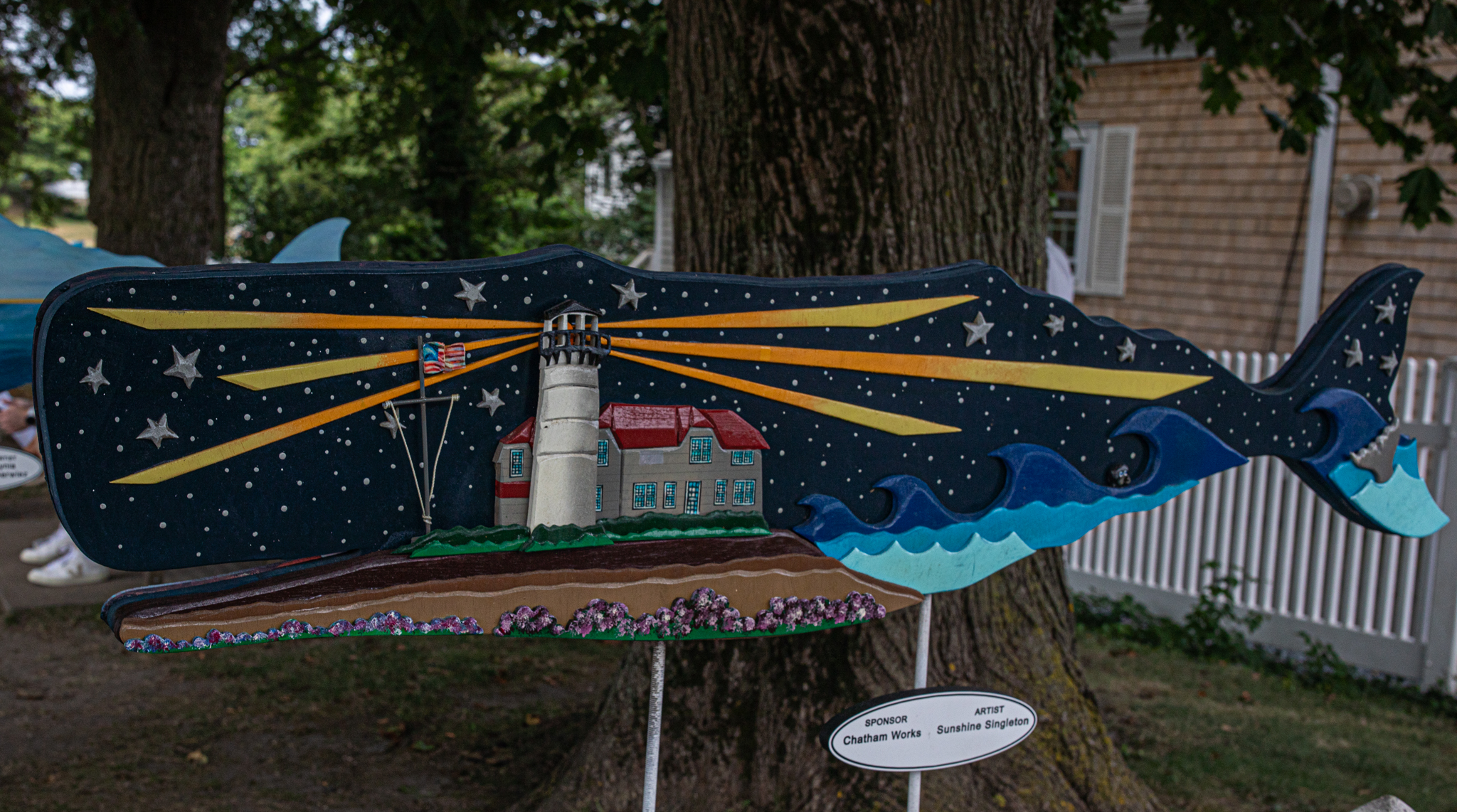
The “Art In The Park” event which began in 2013, displays dozens of whales and sharks (over 30 after I lost count). Each whale and shark has a unique design and many of the designs incorporate something relevant to the Cape Cod area such as beaches, lighthouses and traffic. Sailboat traffic that is.
But, some of the best artwork were the sharks and whales that were made of unusual materials or had creative designs.
One of my biggest pet peeves regarding photography is photographing people or other obstructions in my photos. But, this exhibit is so popular it was almost impossible to get photographs without people in them. But, I did my best.
Some of the sharks and whales had artwork on both sides of them. So, make sure to look at both sides of them if you do check them out!
Although it’s hard to pick a favorite, these were some more of my favorites.
As the saying for the event goes, “the art is in the park and the oars are in the stores.” Artists made works of art on oars as part of the artistic event. I didn’t have much time to see all of the oars associated with the event. But, I did see this one in a window of a realtor.
Although it may be a long drive (Chatham is located along the coast at the “elbow” of the Cape Cod region), it’s definitely worth the drive! But, don’t wait too long. The art in the park exhibit will only be around another week!
Summary: 17 spots (24 works of art) in downtown Boston (Downtown Crossing, Government Center and Rose Kennedy Greenway to be exact) with some fun and artistic exhibits
In it’s second year, the Winteractive exhibit in Boston, MA, featured a variety of creative and, in some cases, illuminated art displays.
The displays, which were scattered throughout the Downtown Crossing, Government Center and Rose Kennedy Greenway areas were created by a combination of American artists and our friends from the north in Canada.
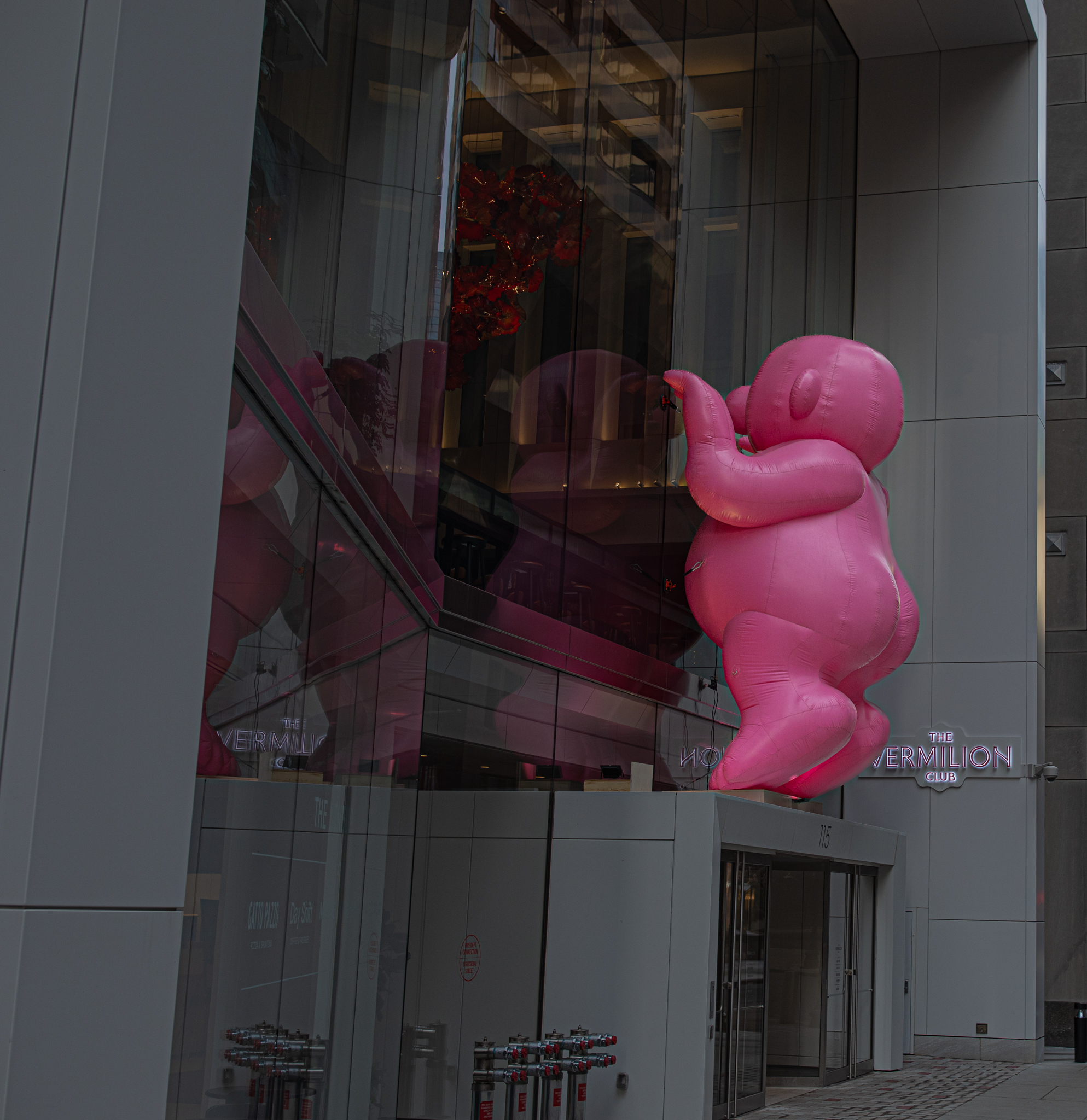
The first exhibit at Winteractive was actually one of the six Mr. Pink inflatables.
Winthrop Center
Mr. Pink #1 (pvc, steel and cable)
Federal St
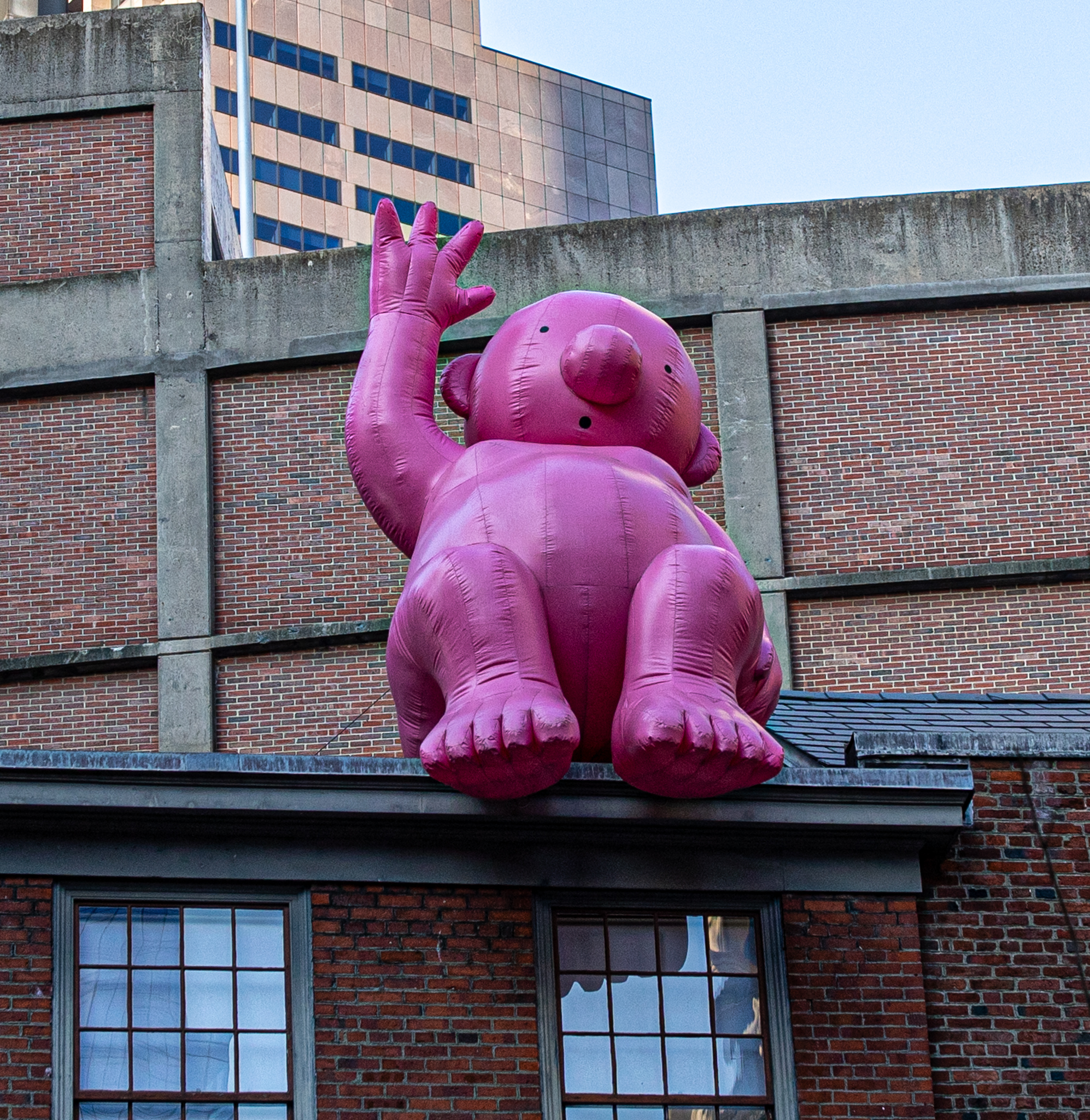
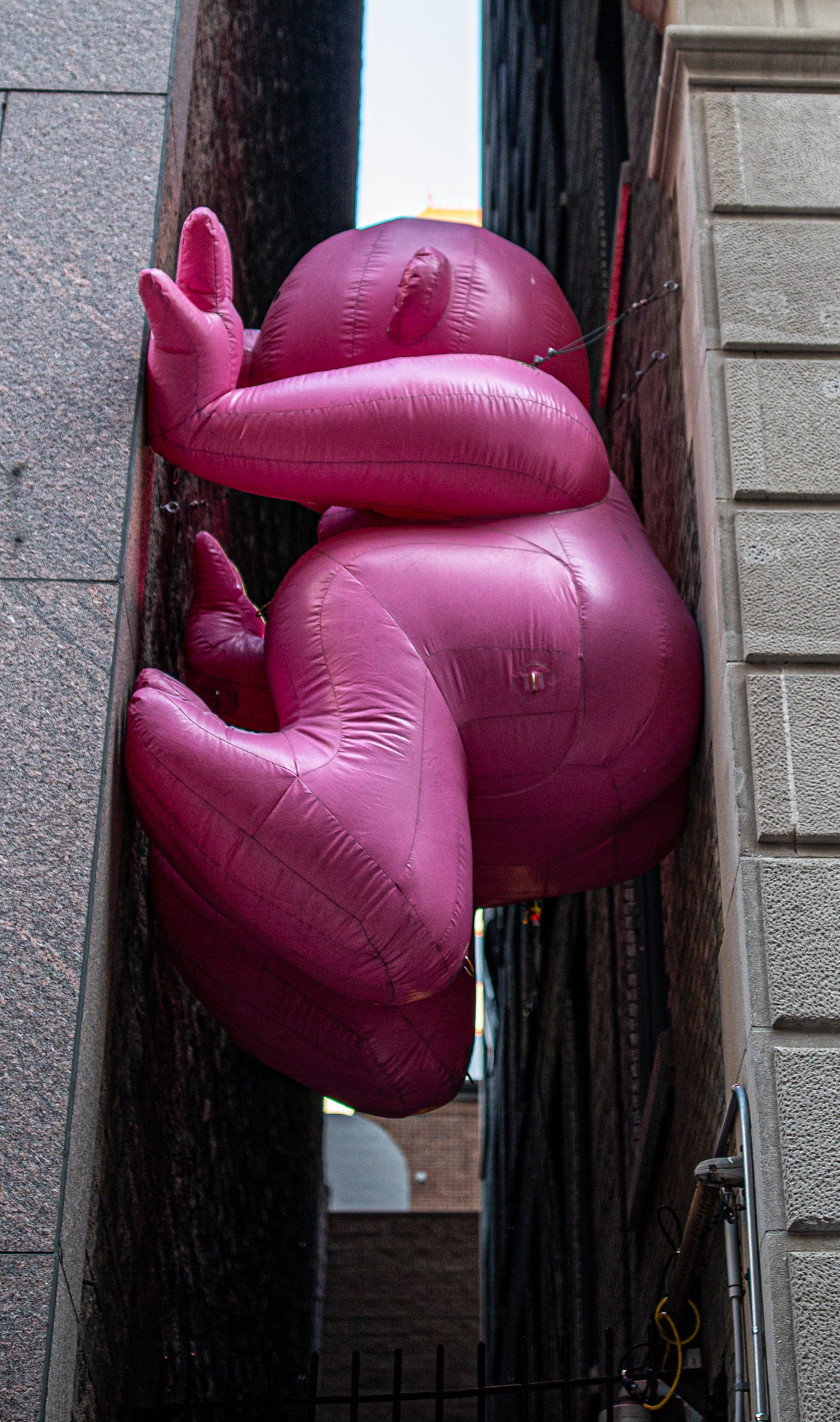
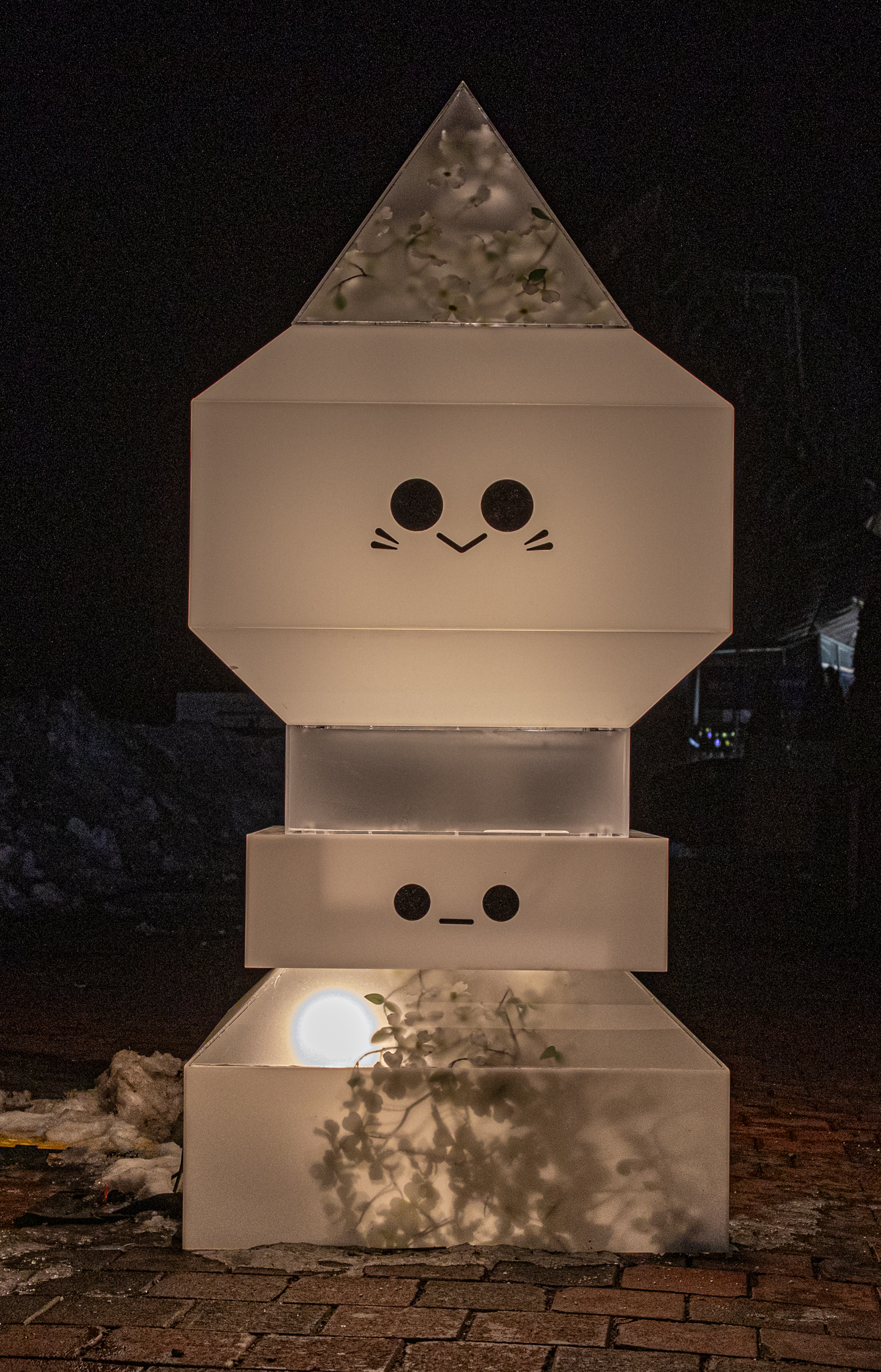
Located at Winthrop Center, Mr. Pink 1 was sneaking a peak into the Vermilion Club on Federal St. “Monsieur Rose” (Mr. Pink) is a considered a type of art called Mignonisme or Cuteism. Mignonisme is a form of art that embraces the aesthetics of cuteness in our physical and psychological environments. You will see a few more of Mr. Pink (6 in total) in this exhibition.
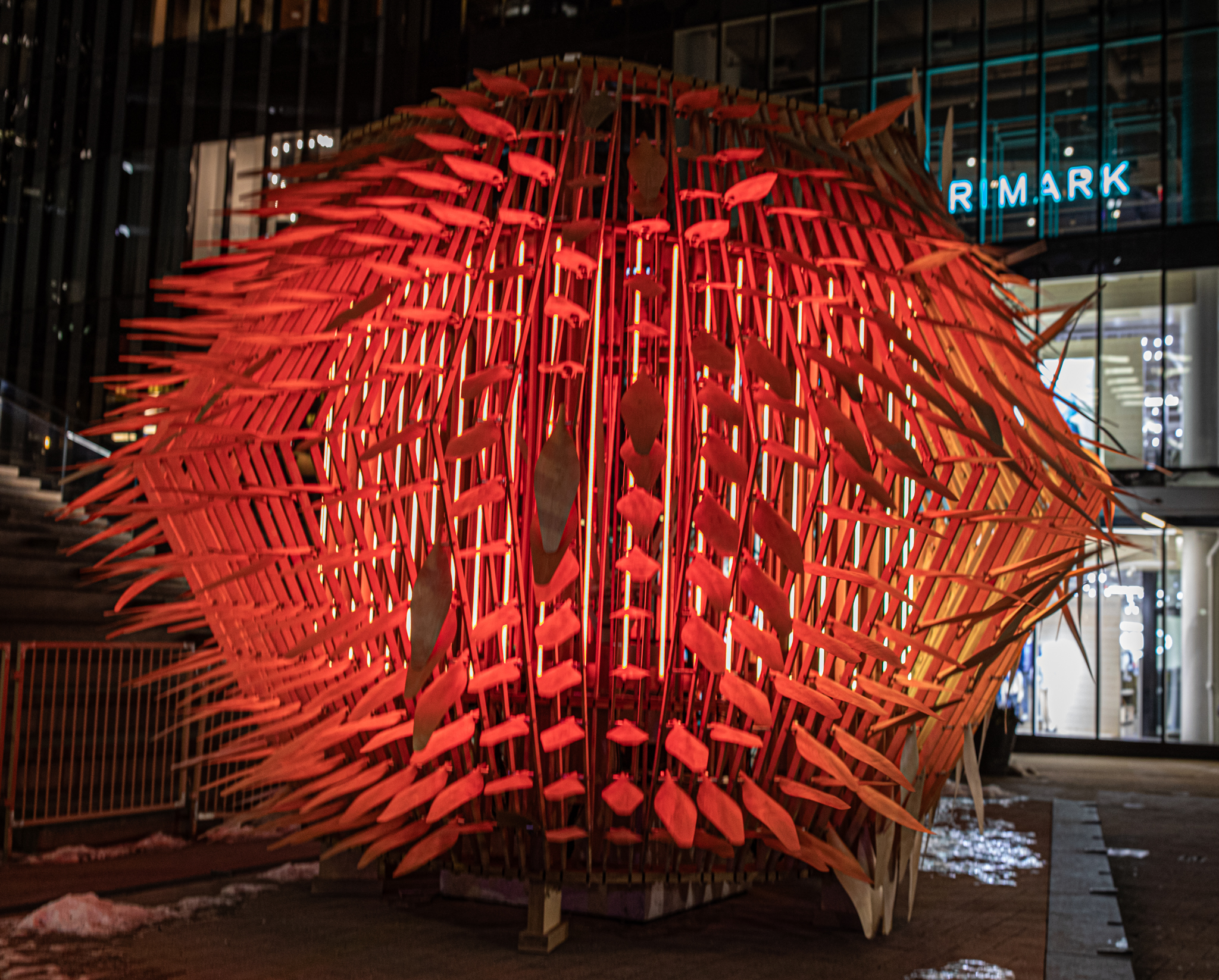
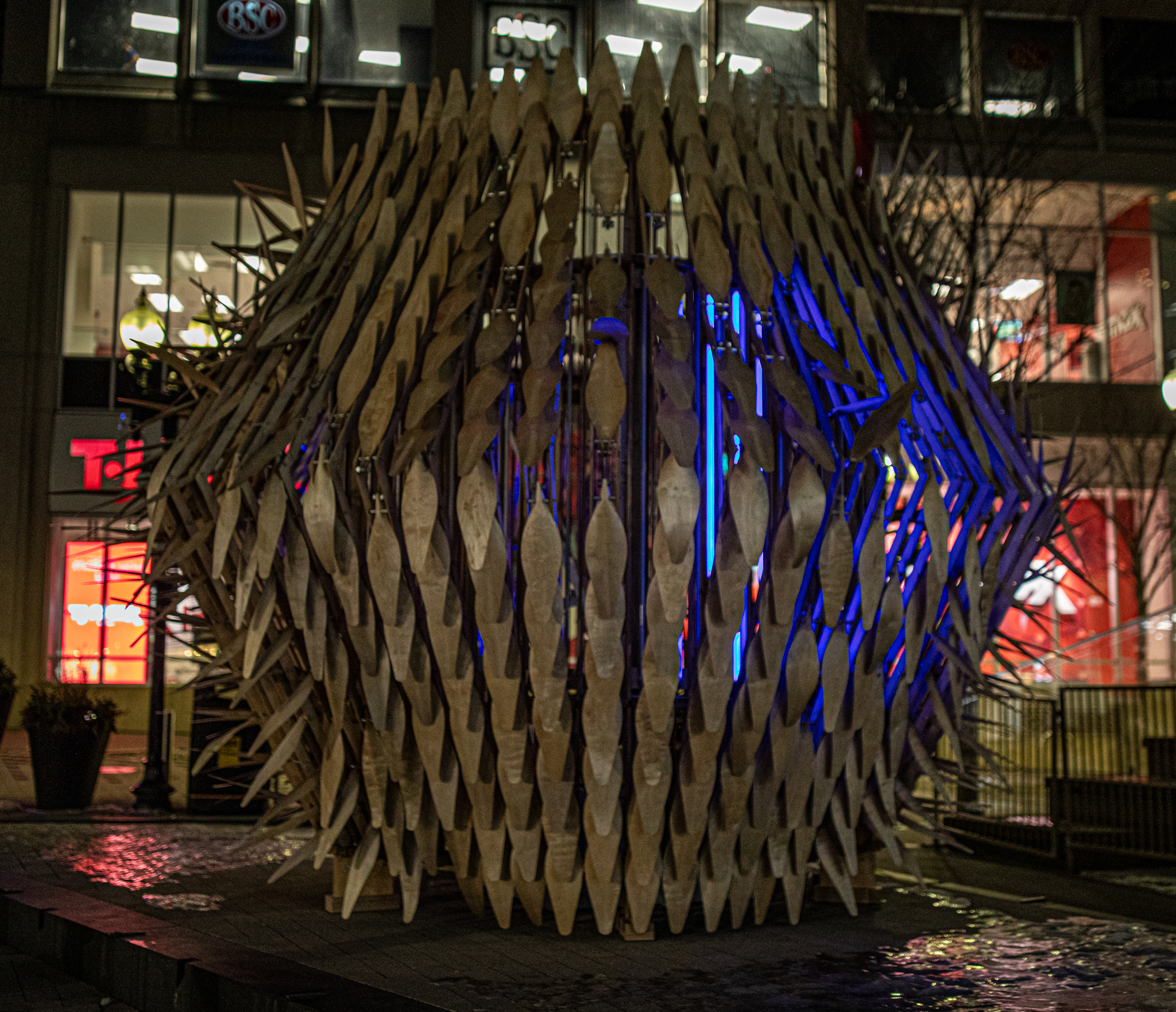
The Living Lantern
NEON Studio & Frankie Boyle
Shopper’s Plaza, Washington St
As you can see by the photos above, the Living Lantern offers a sense of light and hope. Visitors were encouraged to spend time and observe the lanterns change color, The changing colors were meant to express a deeper and longer lasting emotional relationship between people and their surroundings. The animated light colors infused the space with flowing colors. Video of the lantern can be viewed at the bottom of the post.
No, that’s not my car. For one, it has less miles on it. But, it does remind me of the debris one might encounter on our highways in New England.
This art installation called Alouette is meant to be a representation of the failed promise of a brighter future. It also could equally represent the ever-growing obsession with connectivity and the resulting accumulation of space waste. This exhibit was made in 2017 by Brandon Vickerd who hails from Hamilton, Ontario, Canada. Brandon likes to introduce anomalies into everyday life to show the failures of scientific positivism and the utopia of its boundless progress.
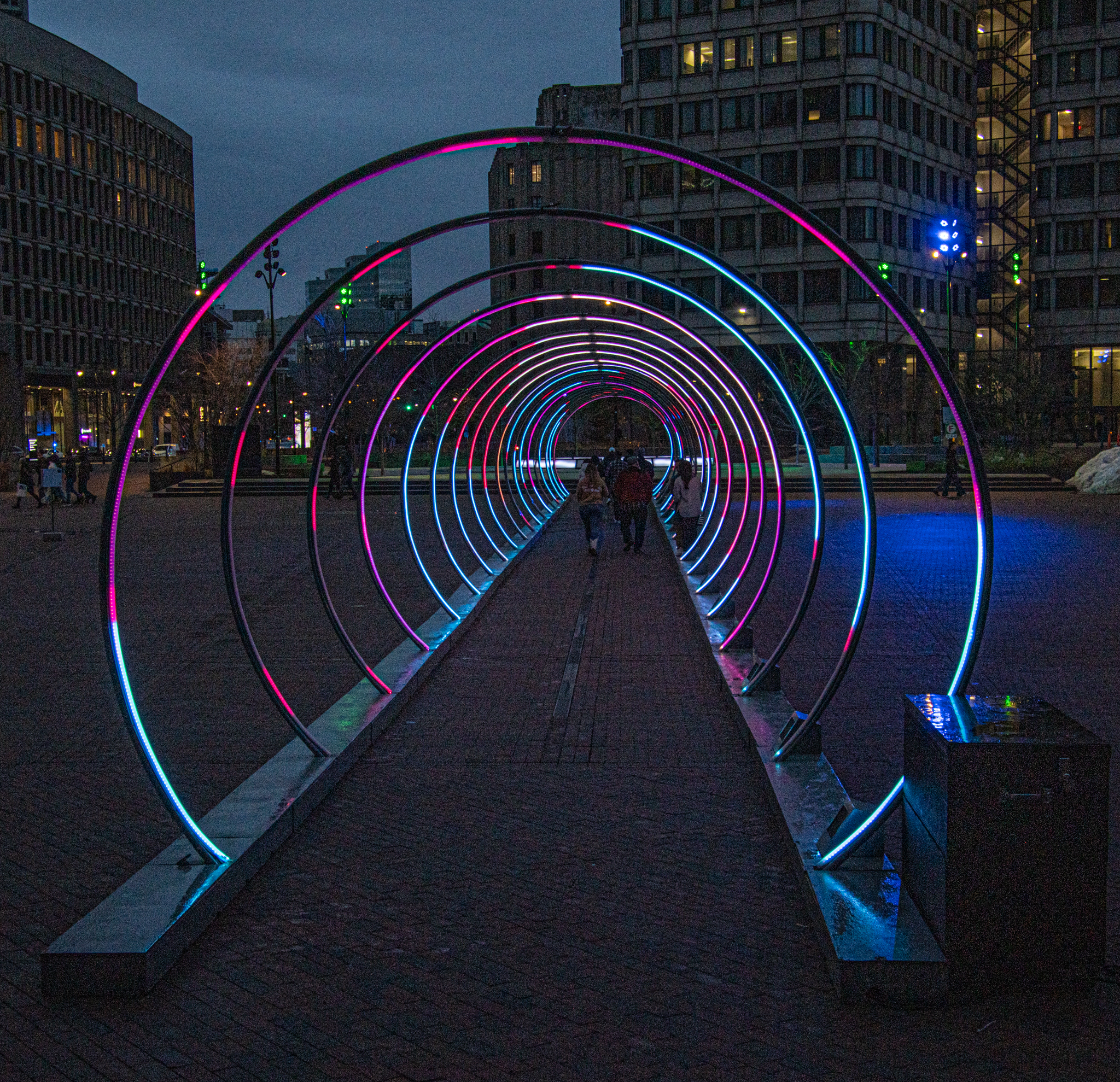
Sonic Runway
Rob Jensen and Warren Trezevant,
Government Center
The Sonic Runway was a light-art installation that converts audio signals into patterns of light that shoot down a 342 to 432 ft (105 to 132 meters) corridor of 20 to 25 LED lined arches at the speed of sound.
At the front of the Runway, the observers see musical sound waves rippling away from them. Walking down the corridor, sound and light are always in sync. Looking back from the far end, walkers can see the sound waves coming at them, and hear the music as the pattern reaches them.
Mr. Pink 2
Philippe Katerine
Historic Boston Inc, School St
Mr Pink was located on the roof top of Historic Boston, Inc. on School St.
Celestial Garden
Lucion
Dewey Square, Rose Kennedy Greenway
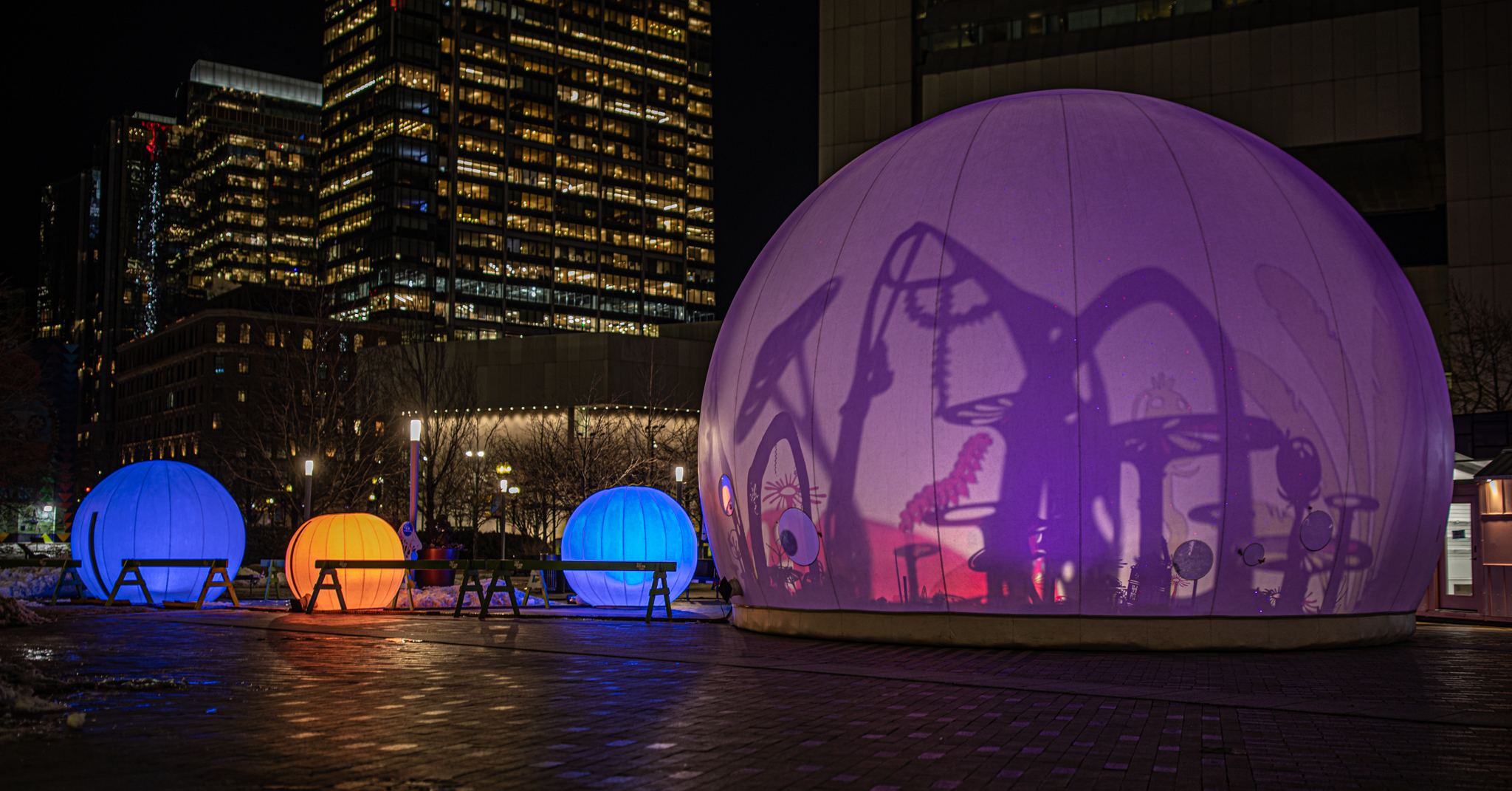
One of my favorite displays in the Winteractive exhibit, Celestial Garden features a group of circular shaped spheres that change colors with the largest sphere housing some interesting works of art.
Celestial Garden was described a sa unique artistic installation that illuminates the heart of Boston. Inside the 30 foot in diameter sphere, a fantastical garden comes to life, blending sky, land and sea. This immersive space is home to fantastic plants and creatures, created from cut-outs painted with fluorescent colors that light up under the black light as soon as night falls.
Nature’s Glow
Mike Geiger
Summer St Pedestrian Walkway
Nature’s Glow was described as a light installation that stood as a testament to the harmonious coexistence of the spiritual and natural worlds. The design symbolized the nurturing embrace of a forest spirit, manifested in the structural framing, which tenderly shelters a bed of foliage. The spirit’s serene, watchful presence connects us to the nurturing forces of nature, reminding us of our intrinsic bond with the environment. This installation encourages visitors to reflect on their own relationship with nature and the unseen forces that protect and surround it.
Slap Shot
LeMonde Studio
High St
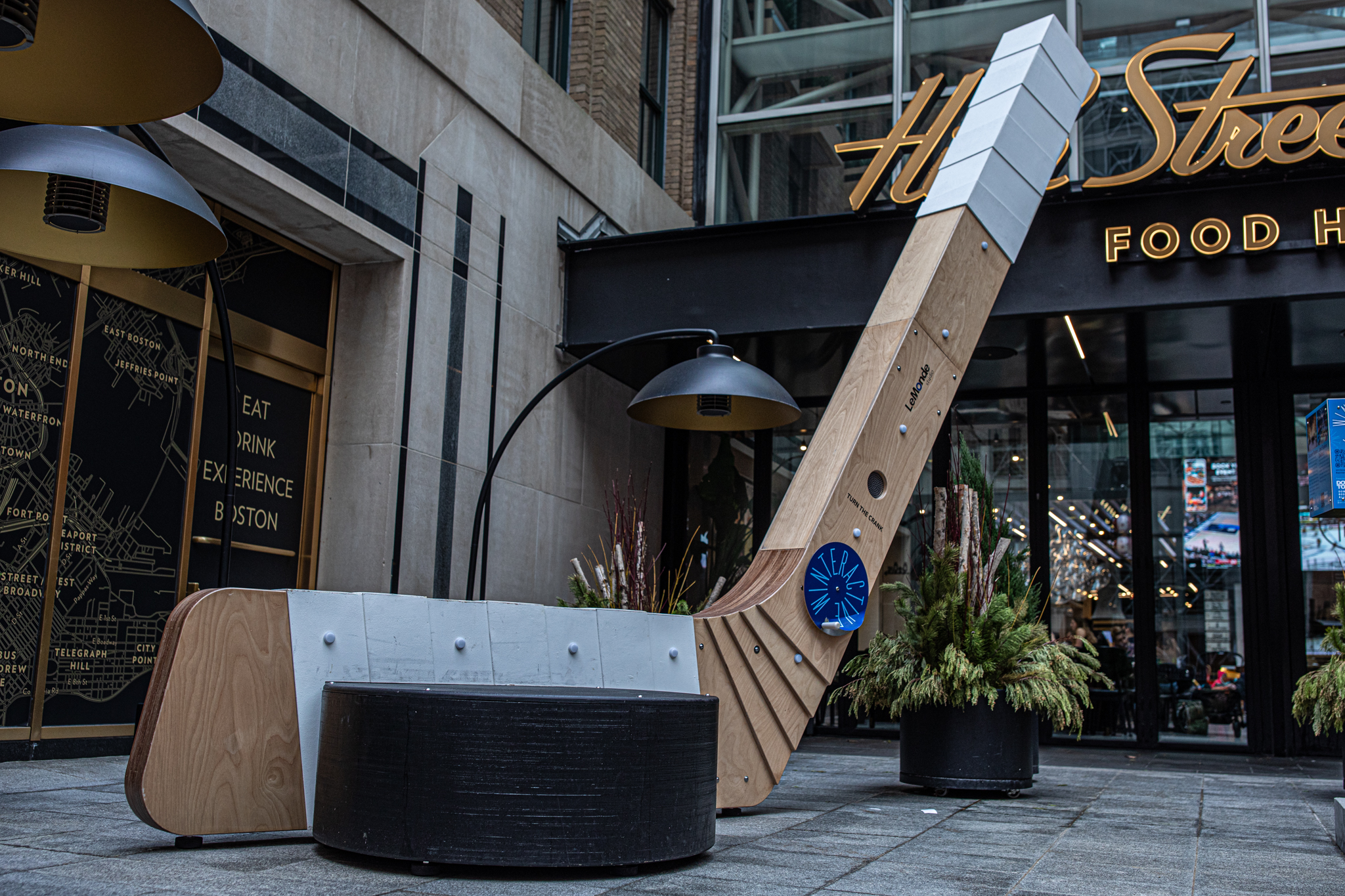
Slap Shot was a human powered hockey stick and puck. There was a little crank you could turn that turned on the lights on the stick and puck. You might see the lights on the white tape of the stick. There were also lights on the puck!
The exhibit celebrated the NHL’s first-ever 4 Nations Face-Off coming that took place in February, when Montreal & Boston served as host cities to some the best hockey players in the world representing their home countries: the US, Canada, Sweden, and Finland.
Mr Pink 3
Philippe Katerina
Post Office Square
Mr Pink was also found in the trees at Post Office Square.
Mr Pink 4
Philippe Katerina
the alley next to Barry’s on Chauncy St
Cycle
Serge Maheu
Government Center
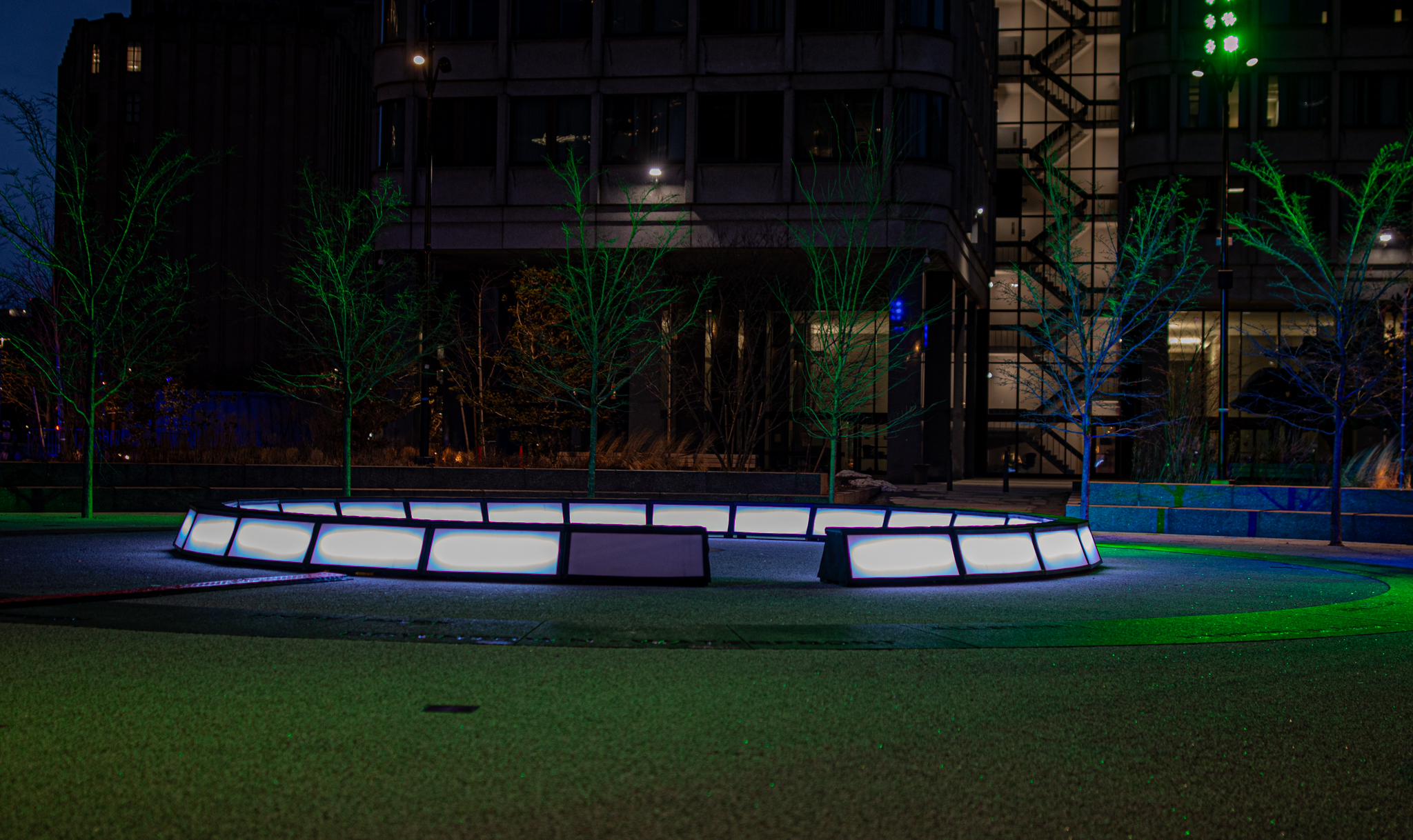
The next exhibit, Cycle, was located at Government Center. It was lit up and it did change colors.
Cycle is an interactive installation inspired by the revolutions of the sun and the moon, that illuminates open spaces.
Composed of a series of modules allowing various configurations, and equipped with several light animation sequences, Cycle delights with its variations in intensity and color. Diffusing brightness from its core, it evokes the halo effect of an eclipse.
In a maestria of light and sound, Cycle comes to life at the rhythm of bystanders’ interactions. By moving to the beat of the ambient music, the young and the young at heart transmit their energy to Cycle, transforming it into a larger-than-life musical sequencer.
Hockey Hijinks
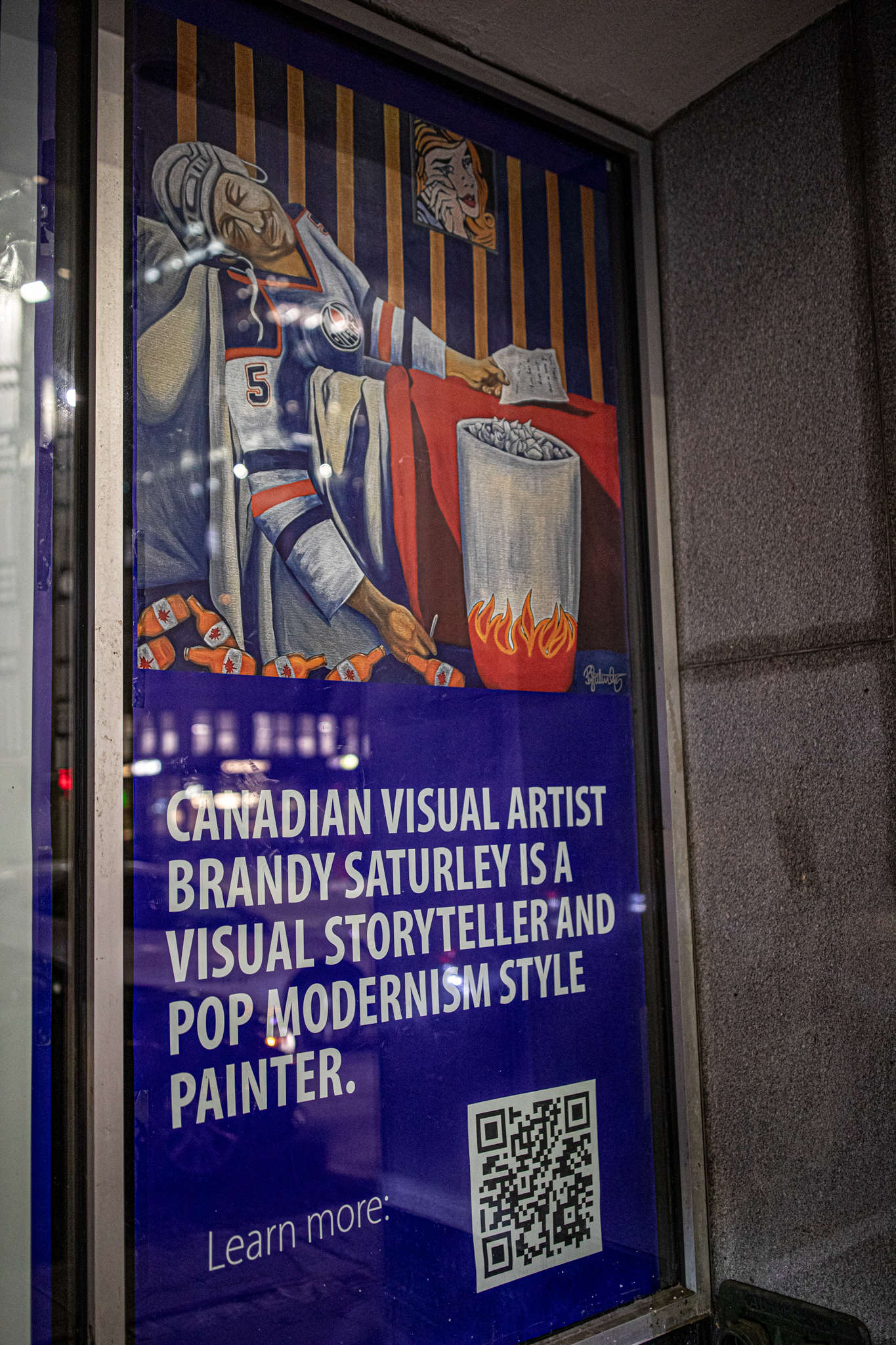
Brandy Saturley
Boston Downtown Window Display
This display combined Canada hockey and art history. Some of the art, such as the woman with the man in the Montreal Canadiens jersey are callbacks to real art (in this case American Gothic).
A Winter Messenger
Breehan James
Boston Downtown Mural
In folklore, white deer are said to bring luck and good fortune. In some cultures, they are associated with enlightenment, healing and personal growth. They are said to inspire us to seek wisdom, seek wisdom and embrace change while finding meaning and beauty in our connection to the natural world.
Nature’s Solace
Mike Geiger
New England Sea Aquarium
Nature’s Solace is a light installation that symbolizes the balance between the spirit and nature. This design captures the essence of multiple forest guardians, whose presence is echoed in the structure that gently houses a lush canopy of greenery. The guardians’ calm and protective aura serves as a reminder of our deep connection to the earth and its caretakers.
Mr. Pink 5
Philippe Katerina
Hyatt Regency Boston
This Mr. Pink could be found pointing at passerbys.
Polar Bear Passages
Brandy Saturley
Polar Bears (Ursus maritimus) are magical creatures, loved by many. These white beauties often stir deep emotions in humans, especially now as their habitats are disappearing due to global warming. The Polar Bear is seen as a guiding spirit when facing dramatic life transitions, especially at the onset of a new path or major change in life. Capturing the playful and inquisitive creature as he searches for a new home.
Mr Pink 6
Philippe Katerine
29 Winter St
This high flying Mr Pink attracted large crowds!
It has only been a little over a month since Winteractive 2025 ended and they’re already planning for Winteractive 2026 on their website! And I plan on being there!
Please see below for some videos from the event!
I have been continuing my review of books by authors from New England or about New England. The latest book I re-read was Following Atticus by Tom Ryan (304 pages).
Without revealing too many spoilers, the book is an inspiring story of a man and his love of hiking and, more specifically, his love of hiking with his dog, Atticus. What a pleasure it was to re-read this gem! In fact, I feel like re-reading it again! The story isn’t just about a man and his dog, though (although it is the main plot). There are also stories of the challenges he faced with his family and other people in his community. You don’t have to love or even like hiking or dogs (however weird that seems) to enjoy this book. Although, it may help if you do.
You can read my full review (with spoilers) at my good read profile below.
Summary: 16 art exhibits are located throughout downtown Boston.
While this winter weather may have been a difficult one for many of us, there was a bright spot in the downtown Boston area. The walkable art exhibit known as Winteractive brought some color and fun to what can be a dreary and frigid Boston winter.
The exhibits, which were inspired by the winter art festivals in Quebec, Canada, are located throughout the downtown Boston area. However, they are mainly located near Downtown Crossing train station, City Hall Plaza and High Street as well as Summer St. near the South Station train station. You can view the locations on this map. While it is possible to walk to all of the exhibits, it may be a good idea to use public transportation or rideshare services to view some of the exhibits off the beaten path.
As you will see, some of the exhibits are interactive. Whenever possible, I got some friendly people to help use the interactive devices for filming. I am listing these exhibits in the order of their locations. Eleven exhibits are are located in or near the Downtown Crossing area. Two more are located in or near City Hall Plaza and the last 2 are located in the Financial District on or near Summer St. Consult the map on the attached link above if you plan on visiting these exhibits.
Echoes: A Voice From Unchartered Waters
1 Franklin St
Mathias Gmachl (United Kingdom)
Steel structure on base
As you emerge from the Downtown Crossing train station, the first exhibit you will see ifs Echoes: A Voice From Unchartered Waters. This exhibit in the shape of a whale is meant to ask us to consider our everyday activities on nature and the environment and to make us be more aware of its fragility. The exhibit not only lights up. It also makes sounds that you can only hear if you’re very close to it.
The artist Mathias Gmachl said he wanted to create a space for people to discuss the future of our planet.
The next 5 works of art were all completed by the same artist; Mark Jenkins. These are all listed below. Mark uses common household or personal items such as tape, wigs, fabrics, fishing rods (yes fishing rods) and rope among other items in his work. Although there is not ,more information available for all of these exhibits, I have included some info when I can find it. Since some of the exhibits relied on their lighting to add to their artistic value, I only went either at night or just before night time. I did like how the sunset or pre sunset light reflected on some of the installations.
Fisherman (Untitled #1)
Summer St at Chauncy St
It is not fish, but love, this person is trying to catch. Good luck, there!
The Swing (Untitled # 2)
Winter St at Tremont St
Woman Suspended (Untitled #3)
Temple Pl
*this exhibit is temporarily unavailable
Stairwalker (Untitled # 4)
31 Bromfield St
Clothesline (Untitled #5)
9 West St (the site of the outdoor lot at Brattle Book Shop)
Blissful Rendezvous
Summer Street Pedestrian Plaza
Kezna Dalz
Vinyl digital print
This exhibit was meant to show the commonalities between the Boston and Quebec provinces by including the flora and fauna of both locations and using Boston as its backdrop. You may notice some of the more notable landmarks and things common in Massachusetts and New England such as lobsters, deer and colorful flowers.
There are also 5 “play feature” exhibits made by LeMonde Studio. They make sounds, light up or do some other fun things based on user interaction.
Light Lane Bikes
Summer Street Pedestrian Plaza
I tried to get someone to ride these bikes so I could display the way the lights change but I had no takers. The colored lines on the bikes light up and moved as people pedal. That’s it!
Guitar Slide
City Hall Plaza
As the name suggests, there is a slide on the neck of this guitar
Music Box
High Street Place Entrance
Photo Frame
Summer Street Pedestrian Plaza
I was able to persuade someone to crank the lever on the device next to the frame and light up this picture frame!
Bird House
Hyatt Regency, One Avenue De Lafayette
This is another interactive exhibit. You simply crank the lever on the box and the bird makes some interesting sounds!
“End Game” (Nagg & Nell)
Max Streicher
Recycled vinyl signs, fans, steel cable
This was certainly my, and many other people’s, favorite exhibit. There were always a group of people stopping by to photograph it whenever I passed by the area. However, the back story of the characters in this exhibit is pretty grim. The inflatable heads are based on characters in the play by Irish novelist Samuel Beckett; End Game. In this play, the characters Nell and Nagg are forced to live out their lives in a dumpster after losing their legs. Yikes.
The mythical unicorn stands behind a frosted glass display. This was a tricky photo to take. I wanted to photograph it at night to show off the light in the display. Yet, the display did tend to reflect the glare from the street lights and lights from the storefronts. In retrospect, I should have photographed it from the other side.
Island Of Warmth
125 Summer St
ATOMIC3
Steel and light elements
Two hundred and twenty bulbs light up intermittently on this visual, musical and luminous display. The Island of Warmth is a tribute to Montreal’s festive tradition. But, despite the name, it’s not going to keep you warm. So, don’t try to warm up by it!
Territories 2.0
175 Federal St
Olivier Roberge
Steel, polycarbonate, paint, miniature models, LED lighting
Described as a “true narrative microcosm”, this walk in exhibit is a diorama which depicts a natural environment that has been abundantly transformed by human intervention and climate change.
Although it’s more like Springactive at this point, this exhibit is a must see if you’re in the Boston area! But, don’t wait. The displays will only be up until April 15!
Hours: The murals are available to view throughout the day
Parking: There is metered street parking available in the city. There are also two municipal parking lots in the city (see link below for more information)
There always seems to be new works of art popping up throughout the various cities and towns all over New England. These works of art often have a special meaning or purpose behind them. The Beyond Walls mural project has been a big contributor to both exhibiting art and spreading their messages of heritage, pride and other important messages.
The Beyond Walls project features murals in several cities such as Massachusetts including Lynn, Haverhill, Lowell, Chicopee and the murals displayed in this post in Holyoke.
These murals are part of the El Corazon – The Heart of Holyoke from 2022 which I photographed and posted on my blog. But, the artists keep adding to the mural project or changing the murals over time. These murals were not made until after the initial murals were created. Some of the murals have a special meaning or message about the community or people from the community. Others are the free expression of art by the artist.
All of the locations for these murals are in Holyoke. I tried to list them in the order they can best be seen in case you want to make a trip to see them for yourself!
Holyoke Community College
303 Homestead Ave
While most of the murals are located near each other in the downtown Holyoke or South Holyoke area, this mural was located further away in the main campus at Holyoke Community College. Betsy Cananas was surprised and impressed with the diversity of the student population of Holyoke Community College, particularly the Latinx, particularly the Puerto Rican, population of the students. In this vein, she decided to create a mural depicting a bomba classroom. Betsy payed homage to the cultural roots of the audience as well as creating a visual narrative that resonates deeply with their experiences. There is more info about the mural and artist at the following link
Holyoke Health Center
230 Maple St
This mural is a mixture of many people and things that depict Holyoke. From the gorilla arms meant to show the strength of the community to the coquí, to old San Juan, to coconuts, jíbaro (farmer), salsa, plena, congas, food and tropical flowers there are many tributes to Holyoke and it’s people of Puerto Rican descent. The mural also gives a nod to the world famous Puerto Rican singer Hector LaVoe and, perhaps surprisingly, the Irish population of the area. To the right of the mural there is a portrait of John F Kennedy with the colors of the flag of Ireland. It really shouldn’t be a surprise, though. For over 70 years, they have held one of the most popular Irish Pride parades and Grand Colleen events in Massachusetts.
You can find out more about the mural and artist here.
284 Maple Street North Wall
No, this isn’t a mural of Abraham Lincoln, although the similarity may be uncanny. German artist, Case Maclaim painted this mural in honor of a former Pioneer Valley resident and well known abolitionist John Brown.
This mural by Alexis Diaz is a tribute to Boricuas and Latinos outside their homeland. Boricuas is a spirit, flavor, and rhythm that you’ll feel in every part of Puerto Rico. It is meant to honor all of those who left their homeland of Puerto Rico to seek a better future. According to the 2010 census, Holyoke, Massachusetts had the largest Puerto Rican population per capita of any city in the United States outside of Puerto Rico. So, Puerto Rico plays a central role in much of the art in of the city. There is more information about this mural and artist here.
100 Appleton St
The Amazing Ske painted this mural to emphasize the importance of preserving the marine environment and the harmony generated among the different beings that inhabit it. The sharks, depicted with armor ,are portrayed as protectors of the ocean and their ability to maintain balance within it is reflected in the mural. The mural also reflects the message that all species are important and the need to work together to preserve the environment. Click here to find out more about the artist and mural.
South Shore YMCA
171 Pine St
Repoe9 created this work of art to display the spirit of hope and resilience. The colors of the hands, reaching for the sky, are meant to express the hope of optimism and an uplifting energy. There is more information about the mural and artist here.
Lawler Insurance Agency
1 Main St
There was no information available for this mural.
Battleship Block
648 S. Summer St
and
660 S. Bridge St
Built in 1910, this housing complex and compound was built by German immigrant workers and sold to French-Canadian developers. The housing development was largely comprised of Yiddish-speaking Russians, Greeks, German-speaking Poles, and Germans, as well as native-born and French Canadian residents. Nearly all of the occupants were employees of paper, woolen, or thread mills. These murals were created by BKFoxx and CP1. Follow the link for more information and photos of the mural here.
University Products
517 Main St
While originally disappointed to have to take a photo of this mural behind a fence, I later thought the chain link fence gave the mural an added artistic value and perhaps even an unintended social commentary.
Created by GoFive and TakeOne, this mural, “Yo Soy…” or “I am…” is a mesage meant to extend out into this community, and all who see it, is a form of self affirmation. Yo Soy! I am anything and everything. The following poem was posted on the website for the mural:
I am a powerful force.
I am light.
I am beauty, undefined.
I am capable.
I am resilient.
I am, You are, We are
ENOUGH!
You can find out more about the mural and artist here.
Baustein Building
523 Main St
This vibrant tapestry of this mural by the artist Golden celebrates the rich history and enduring legacy of the American Thread Company which was a central part of Holyoke, Massachusetts. Each part of the mural represents artistic expression and the spirit that flourished within those walls. You can find out more about the mural, the artist and the the history of this building here.
Yellow Brick Management
346 Race St
This mural created on the the former Boy’s Club of Holyoke by Gleo and aptly titled “Child Flower” is meant to celebrate the youthful energy of the building’s history. Click here to find out more about the mural and the artist.
Battleship Block
648 S. Summer St – East Wall
This mural “The Master of Masks” by Don Raúl Ayala Carrasquillo, Loizeño, who learned his craft from his father Don Castor Ayala, is meant to show the very same masks he learned to make from his dad. Don Raul added more color and additional horns to his masks and has passed down this art to his own children to preserve the tradition.
These murals are only a few of the works of art in the Beyond Walls mural project. Many of these murals either had been painted over older ones or were new additions to the El Corazon/The Heart Of Holyoke Mural Project that I posted about in 2022. If you do want to see these murals, and I highly suggest you do, do try to get there before they may be painted over again in the future!
Home can mean different things to different people, especially to people who may have immigrated to this country. The A Dream Called Home mural exhibit in Salem’s The Point district gives a voice to those who are striving to have a stable home. The murals were inspired by the award winning memoir by Mexican-American Reyna Grande. Reyna’s book is about daring to dream about having a stable home. The Punto Art Museum, who sponsored these 20 murals, provides a platform for creative individuals to share stories that reflect the culture of its residents.
It’s interesting to see what each artist drew to symbolize their dream home or what would make for a happy home life. From Teenage Migrant Dominicans to people cooking and picking fruits and vegetables, there are many different ways of expressing your home or path to a happy home.
I took these photos while I waited for the Salem Merry Time Festival to begin. It was a good precursor to the maritime event.
I took these photos with my Canon 5D Mark IV camera with 50 mm lens. I’ve been trying to use prime lenses more often when I take photos of murals, art and other things that don’t move. Generally, prime lenses produce sharper images than zoom lenses because they don’t have extra glass or mechanics inside that moves in order to zoom. This results in better quality photographs due to less diffraction, which increases with higher number of lens elements inside a lens as in the case of zoom lenses. Plus they can be more fun to use and more lightweight. But, the highest quality photo is always paramount. And that is what prime lenses can help deliver.
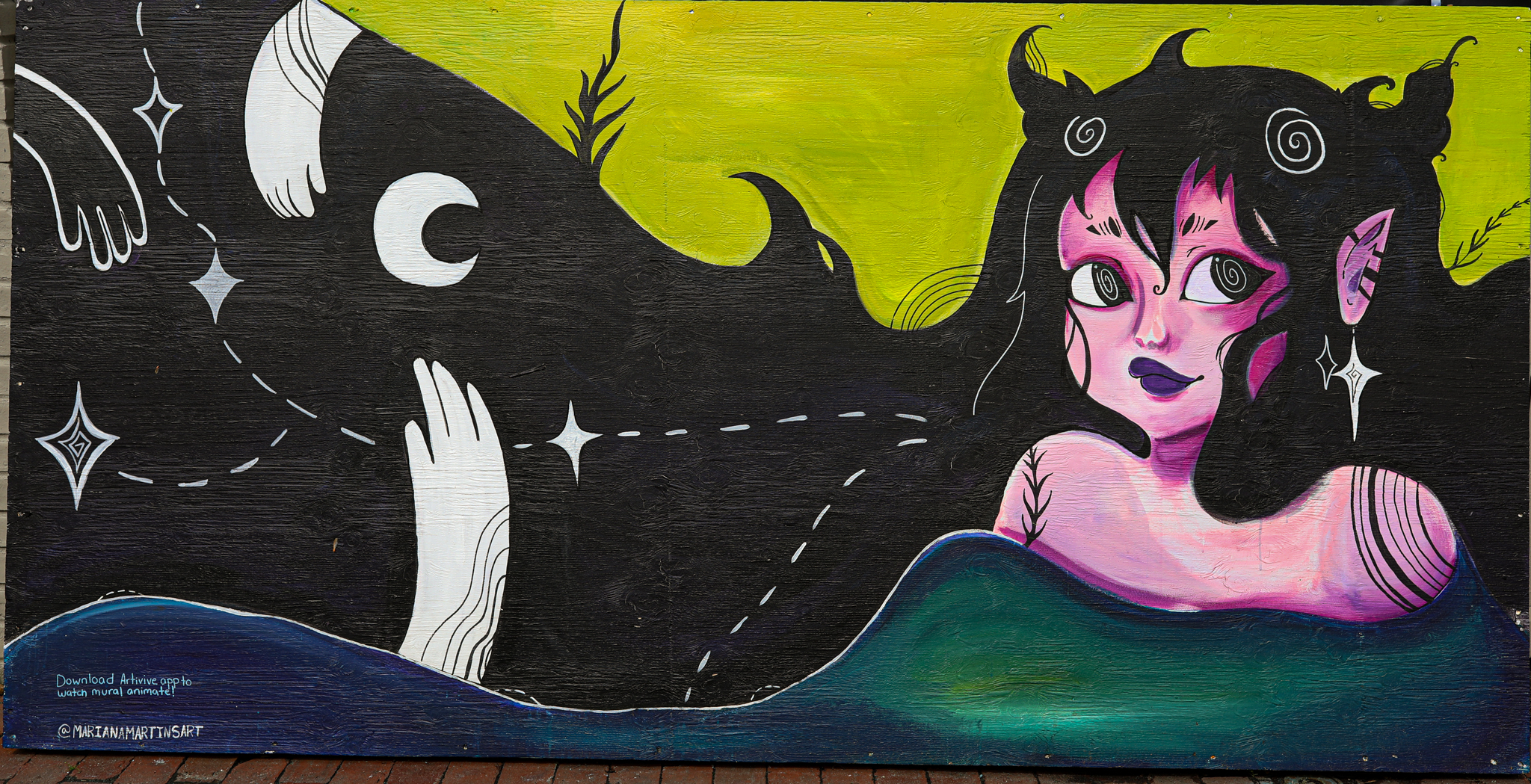
Some of the murals may have the names of the artists on the mural. However, I could not find more information about these murals.
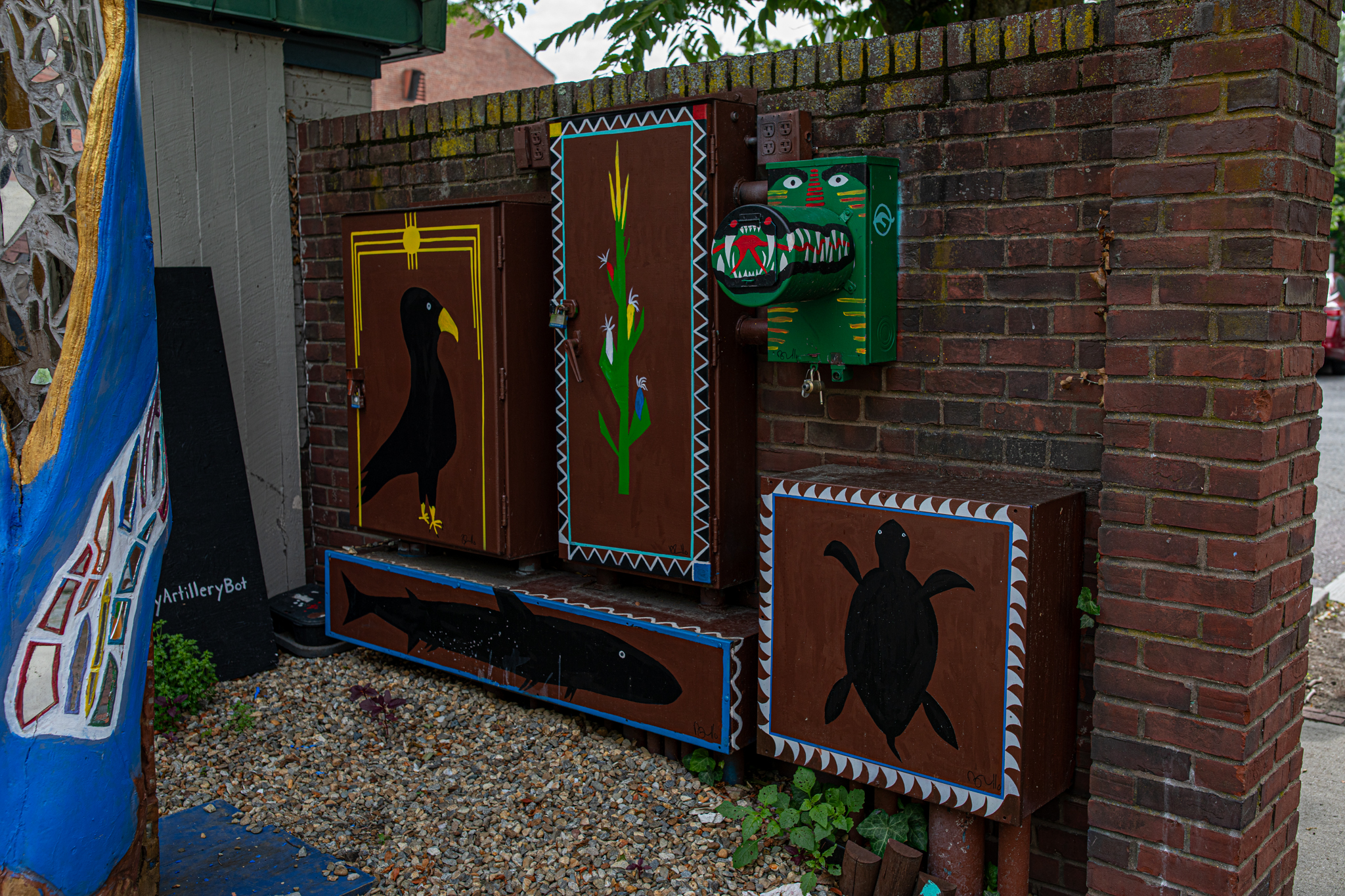
The murals on this street do change periodically. So, I’m confident there will be new murals with a new theme later this year.