Location: 19 Cambridge St, Salem, MA (about 30 minutes northeast of Boston, MA)
Universally Accessible: No
Cost: $40 per ticket ($50 if you purchase day of tour tickets)
Parking: There are several parking garages in Salem, as well as metered on street parking.
Summary: The John Fullington home, constructed in 1807, is full of lots of surprises.
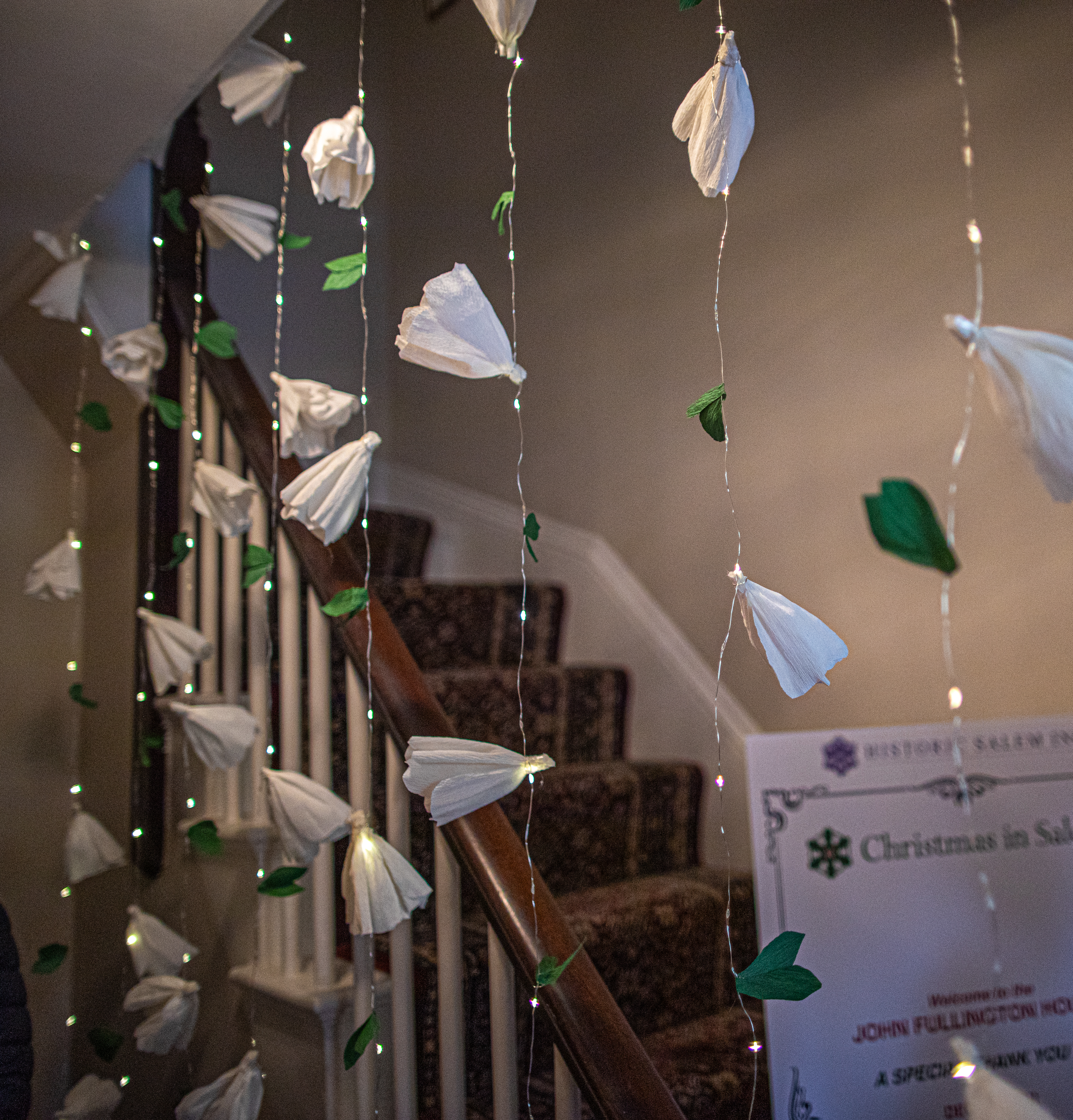
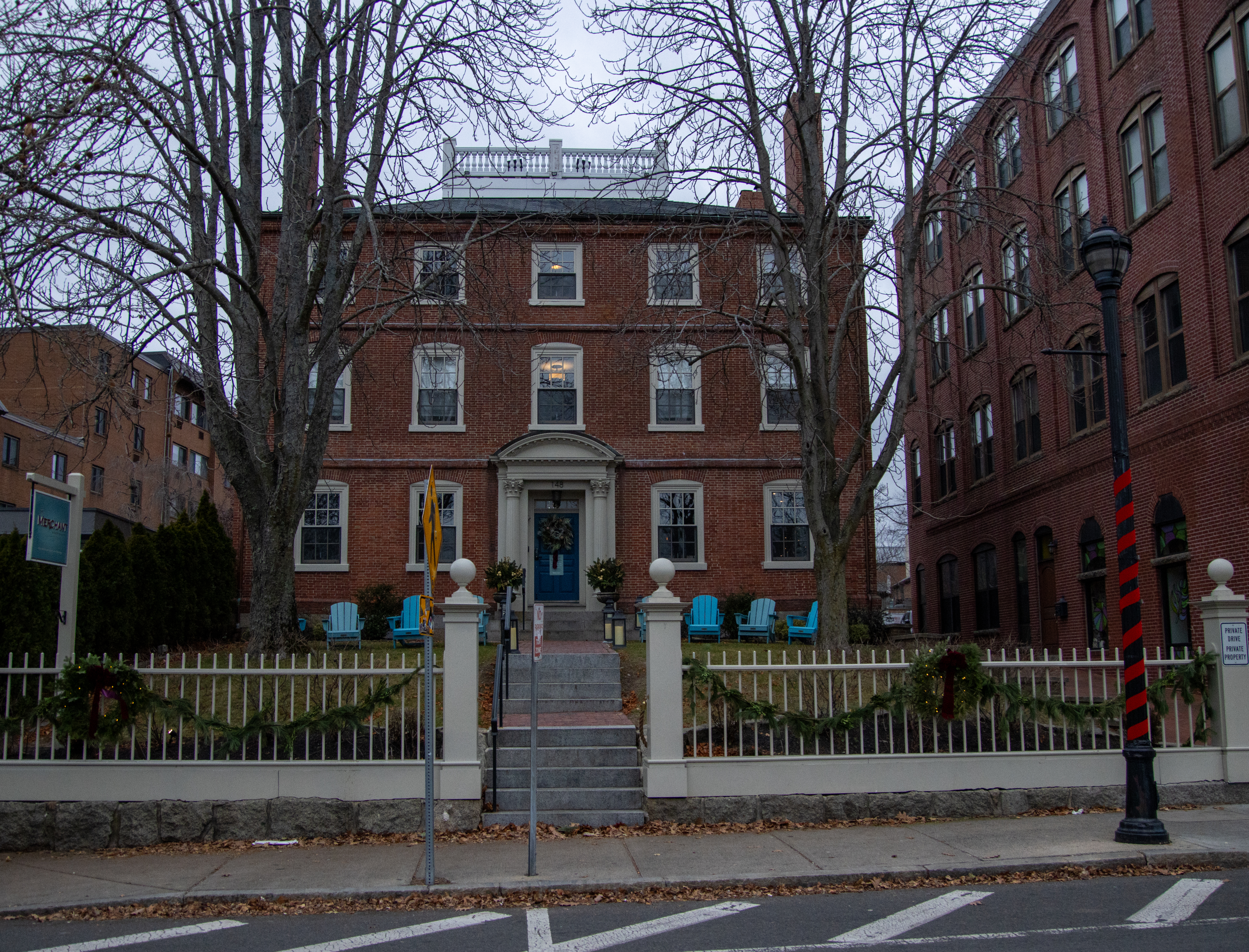
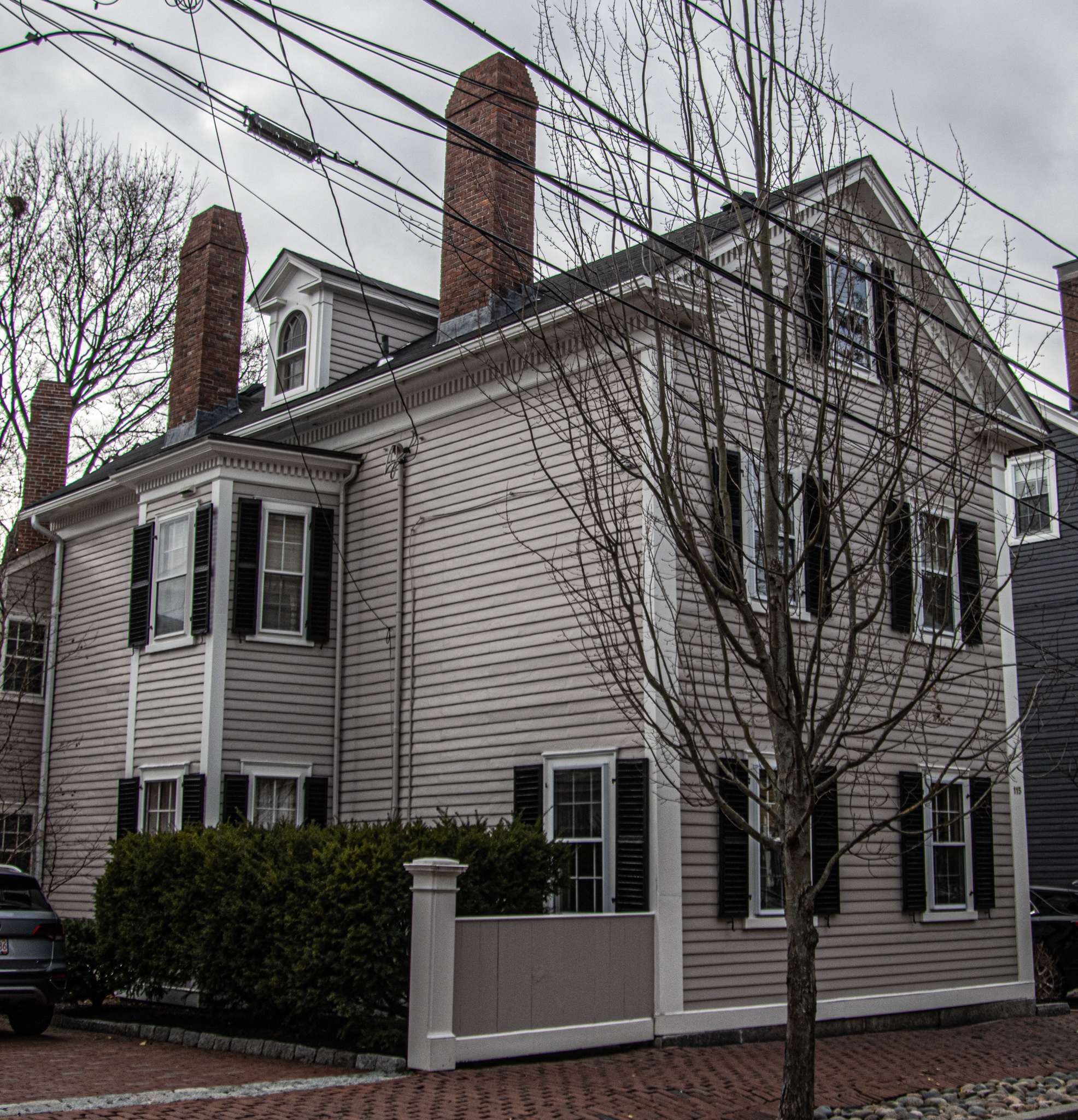
Although records show this home was built in 1807 by John Fullerton, it was really built by John Fullington, a bricklayer. The house has gone through some changes since it was originally built, though. It is now stylistically considered a mid 1860s home. While the original structure may have been in the federal Style, the house has been redesigned in the Second Empire Style around 1865. Some of the elements of the Second Empire Style include the mansard roof with flared eaves punctuated by dormer windows, large and small decorative brackets and the recessed side hall entrance containing double doors. The front doors were recently restored by a Salem based artisan. The door hood is topped by a flat cornice upon which rests a rectangular bay window.
During the late 19th century, renovations in the rear extension were added, creating a larger kitchen as well as a small upstairs bedroom.
James J. Buckley, a wine merchant, acquired the property in 1865. He most likely was responsible for the major renovations that were made to the house at that time. Buckley owned a liquor store on Washington St and shared the home with his wife Margaret and their son James O. Buckley. After Buckley’s death in the early 1870s, Margaret continued to live in the house until 1919 when it was sold to Isabella Murphy, the widow of John Murphy. Her son, Edward, a painter and leather worker, lived there with his wife until the 1950s. Mary Murphy occupied the house until the 1980s.
The home tour guide made an astute observation at the entry way of the home and I agree – the owner of the home must not have cats. If you know, you know.
The home did have some unique and unexpected features like this bell above the doorway.
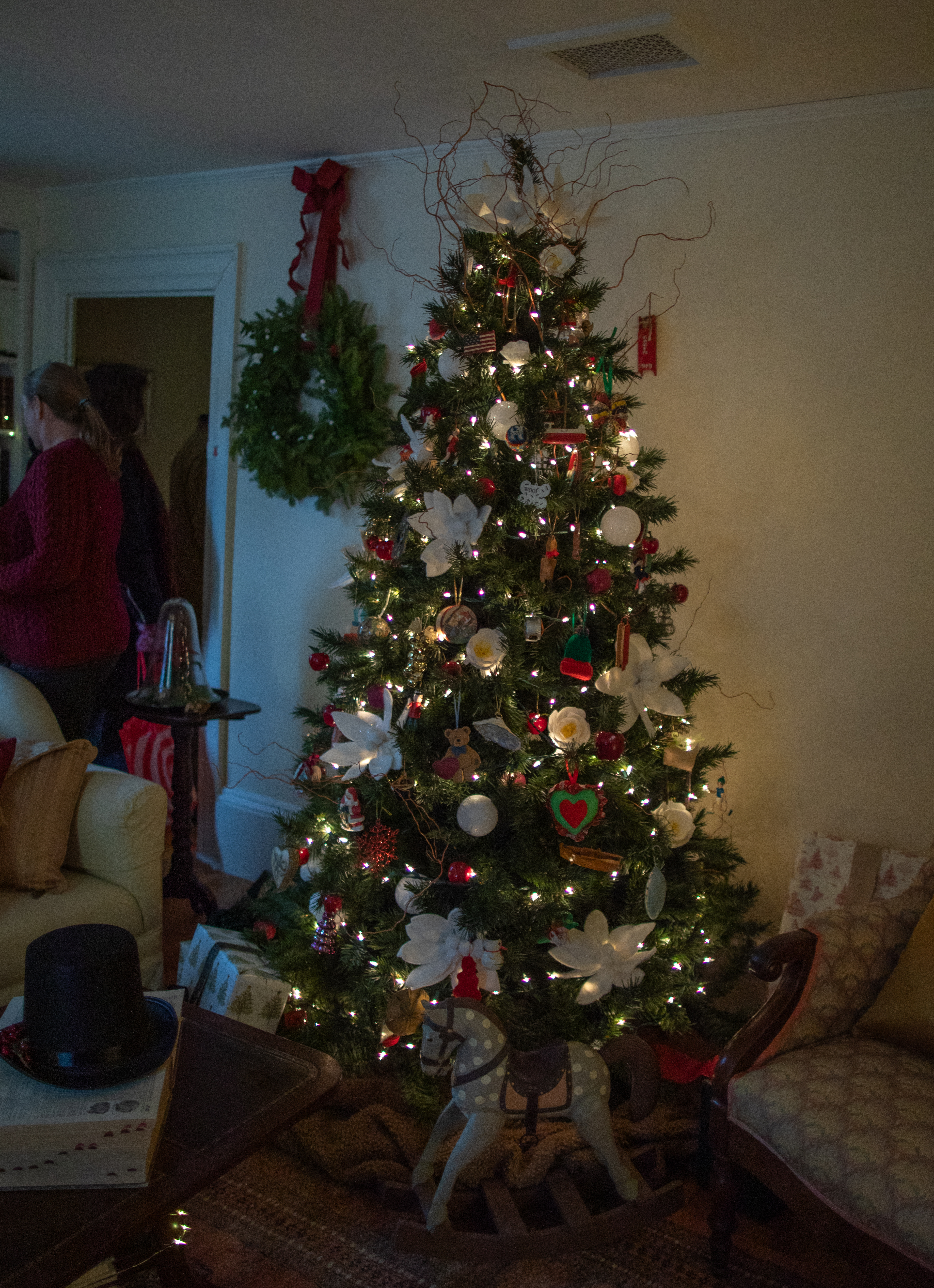
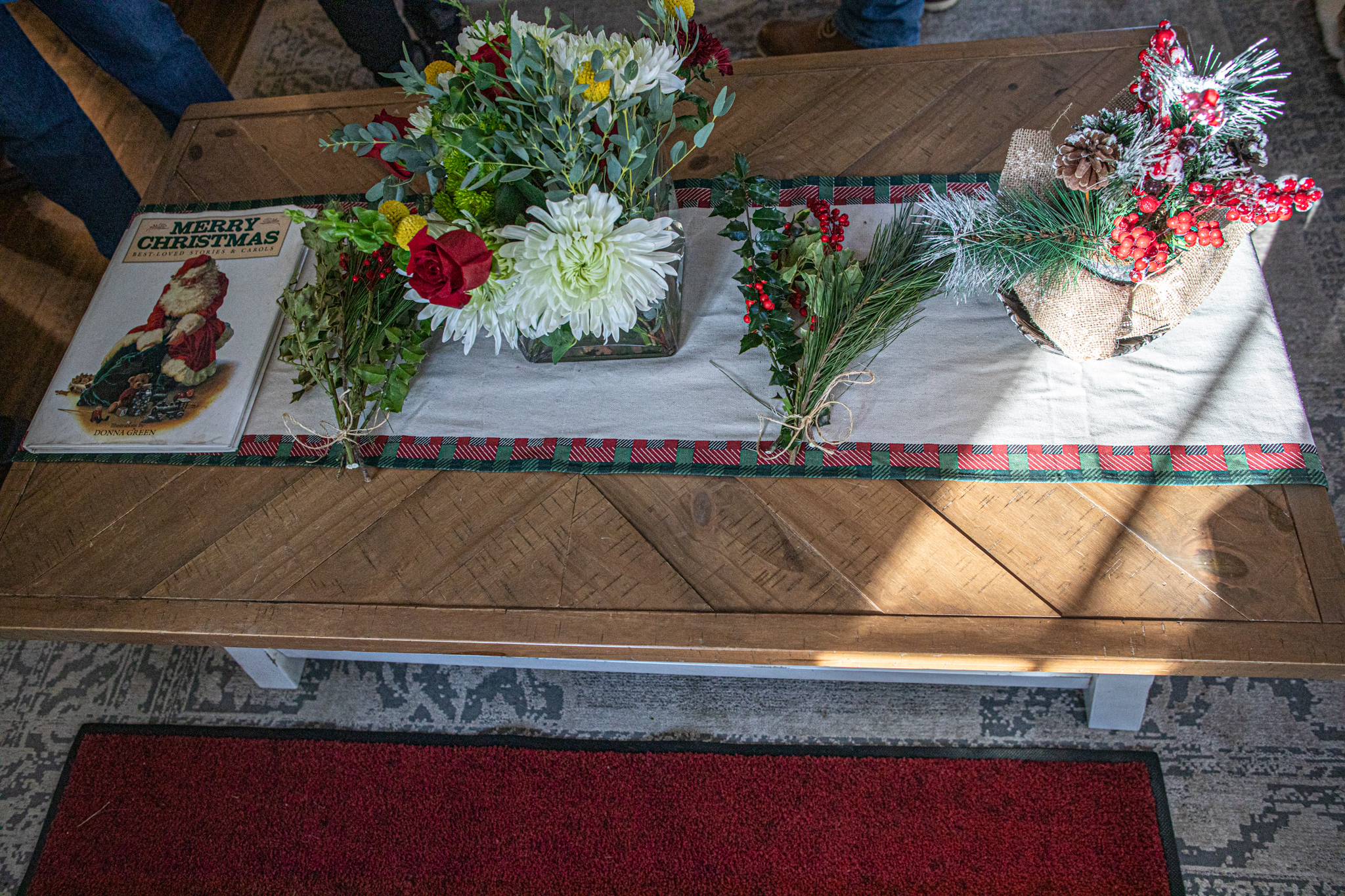
Besides a certain type of decor I will touch on later, the owner of the home has a special affinity for our 16th President. The top hat on the book is a tribute to Abraham Lincoln. There’s also an Easter egg on the floor on the right side of the Christmas tree.
One of the pieces of decor that stood out to me were the chairs.
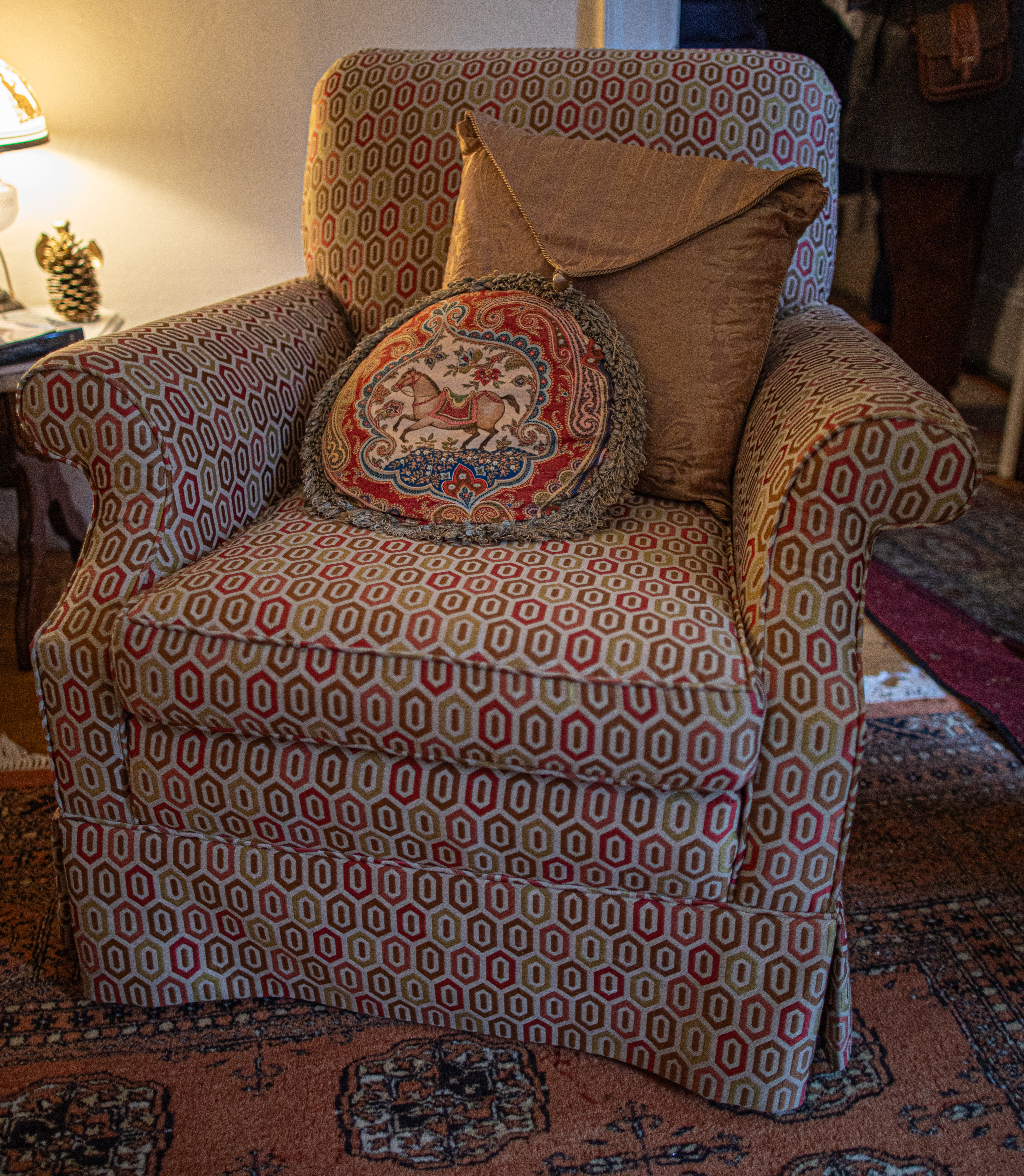
This chair is a 1880’s Victorian chair model.
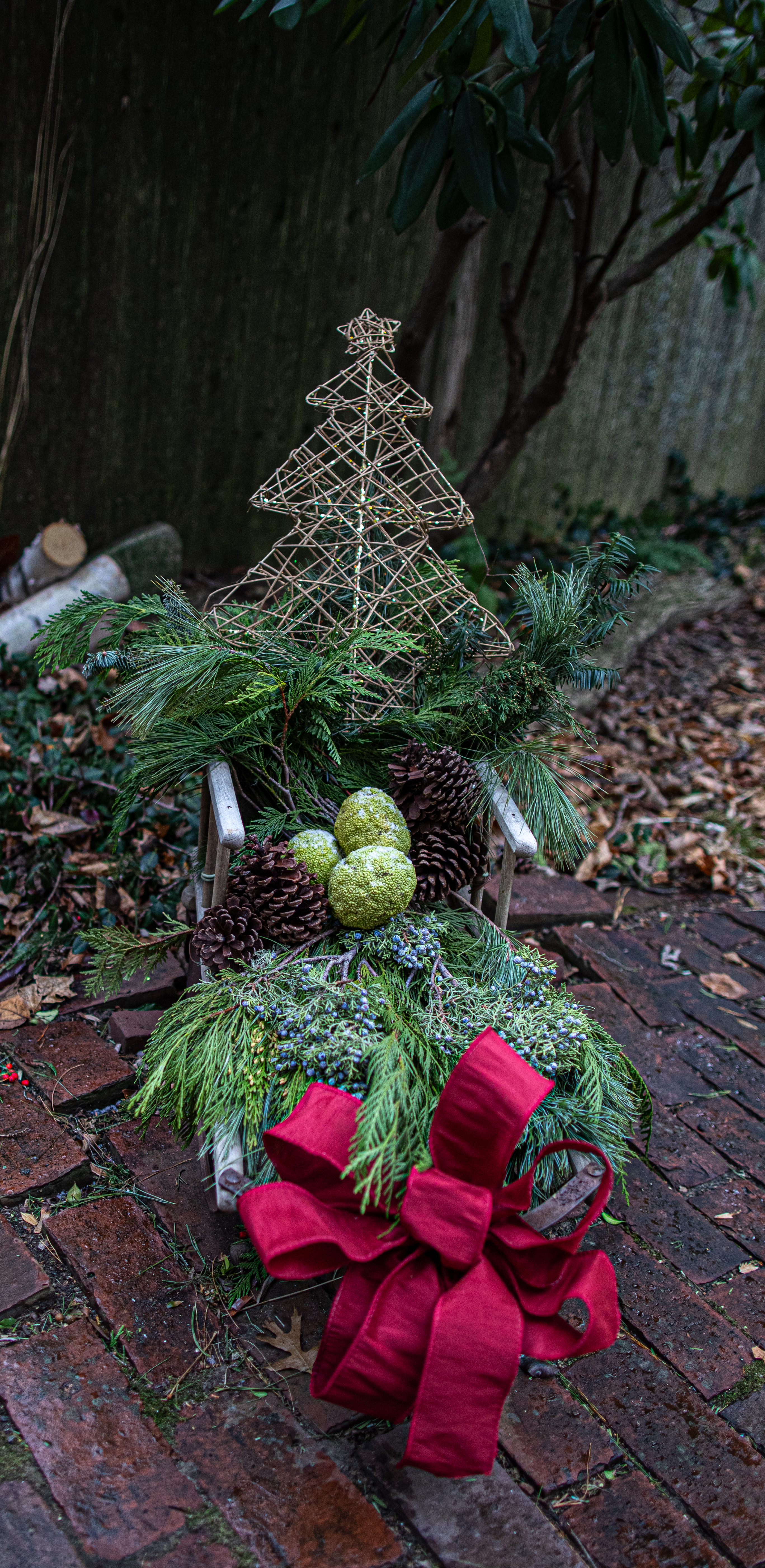
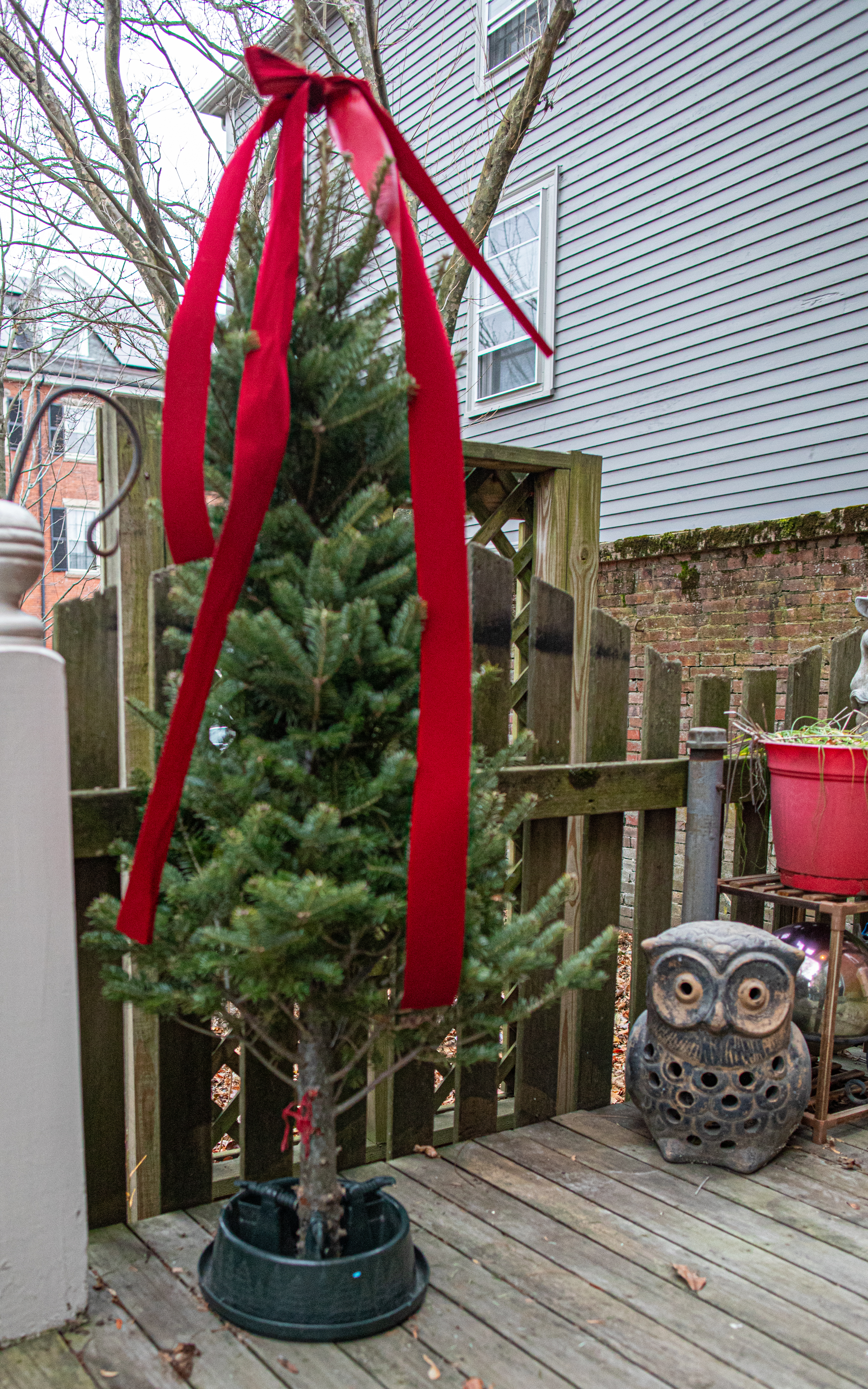
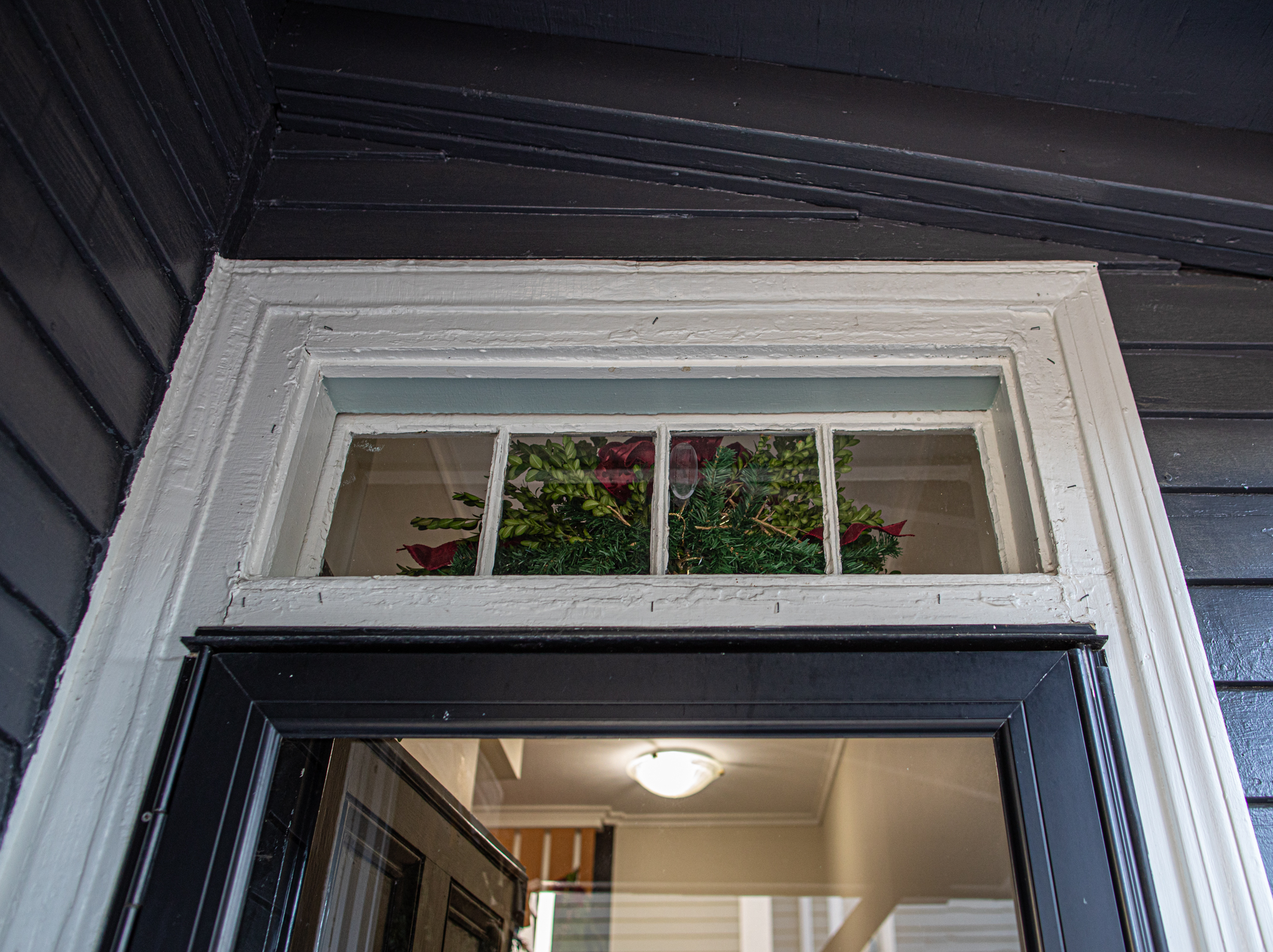
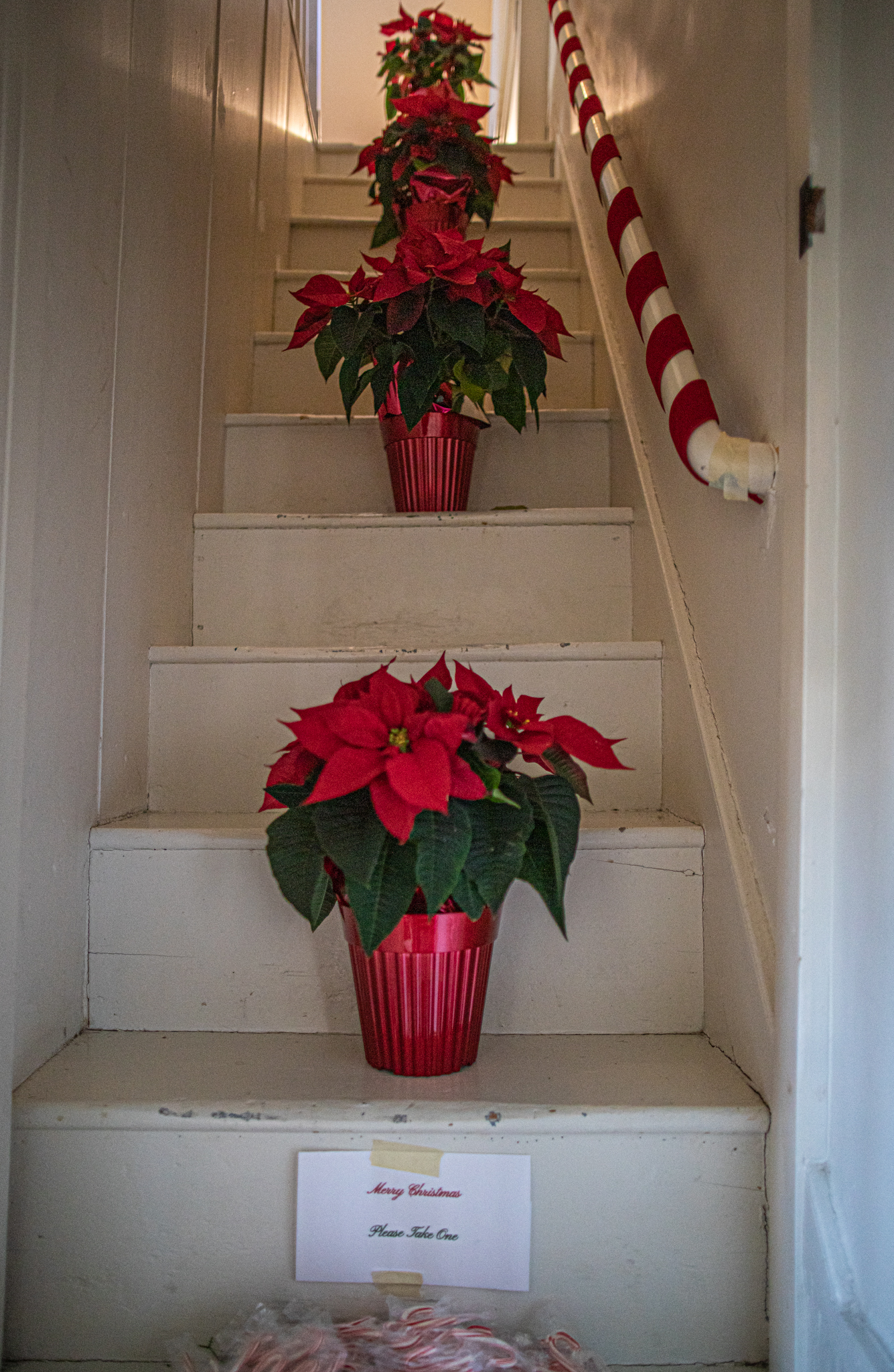
I also liked the Christmas decor in and outside of the home.
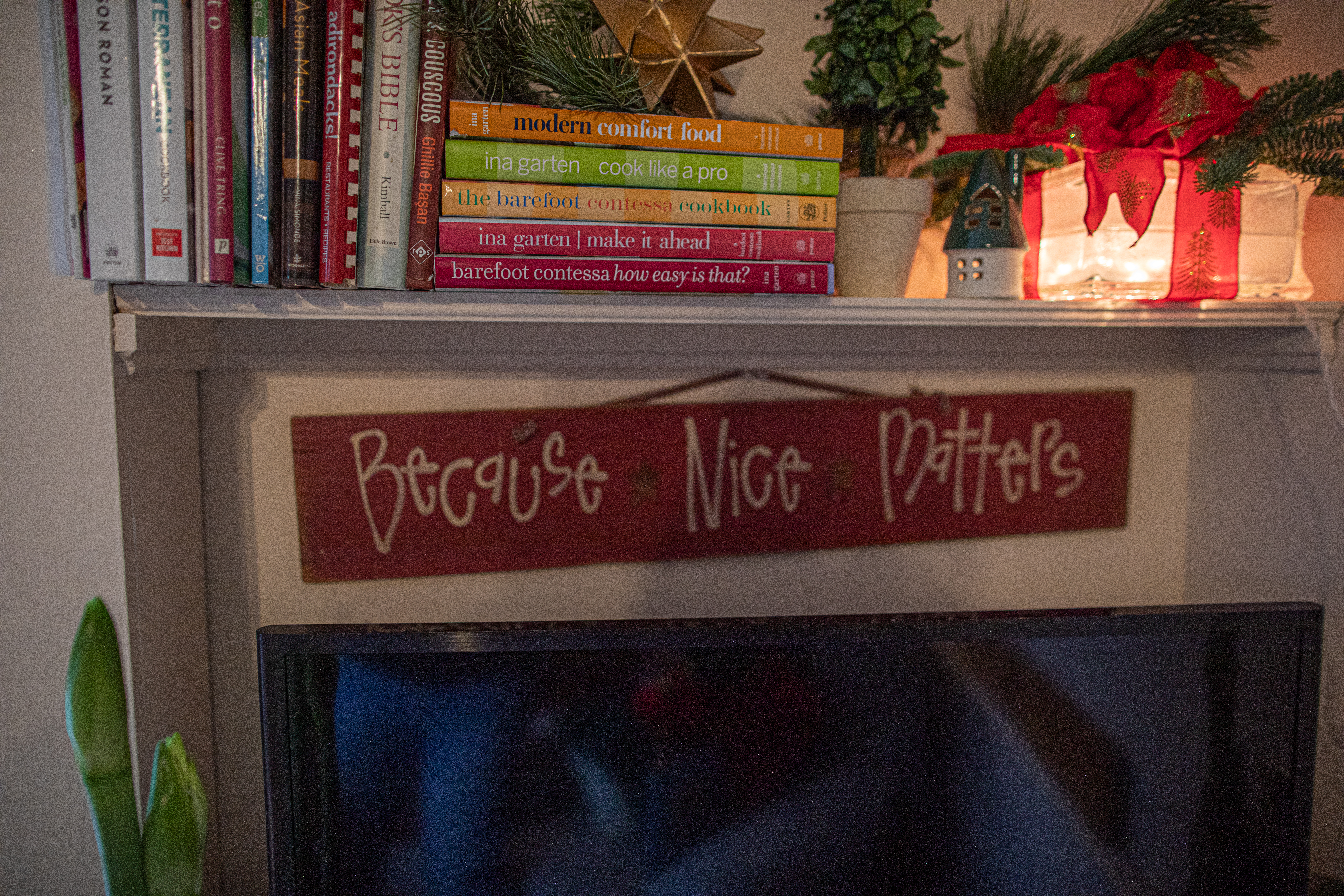
I agree with this sign!
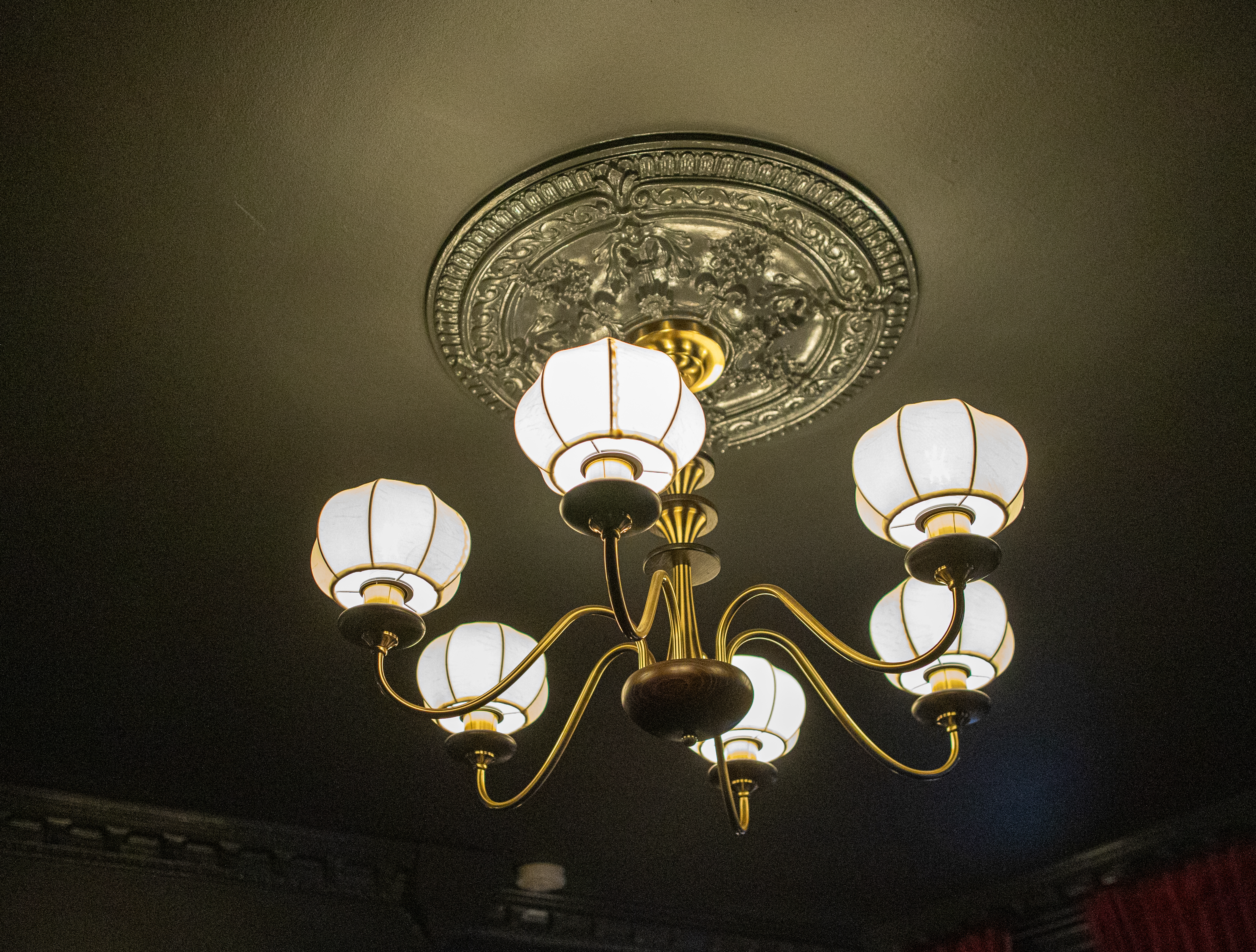
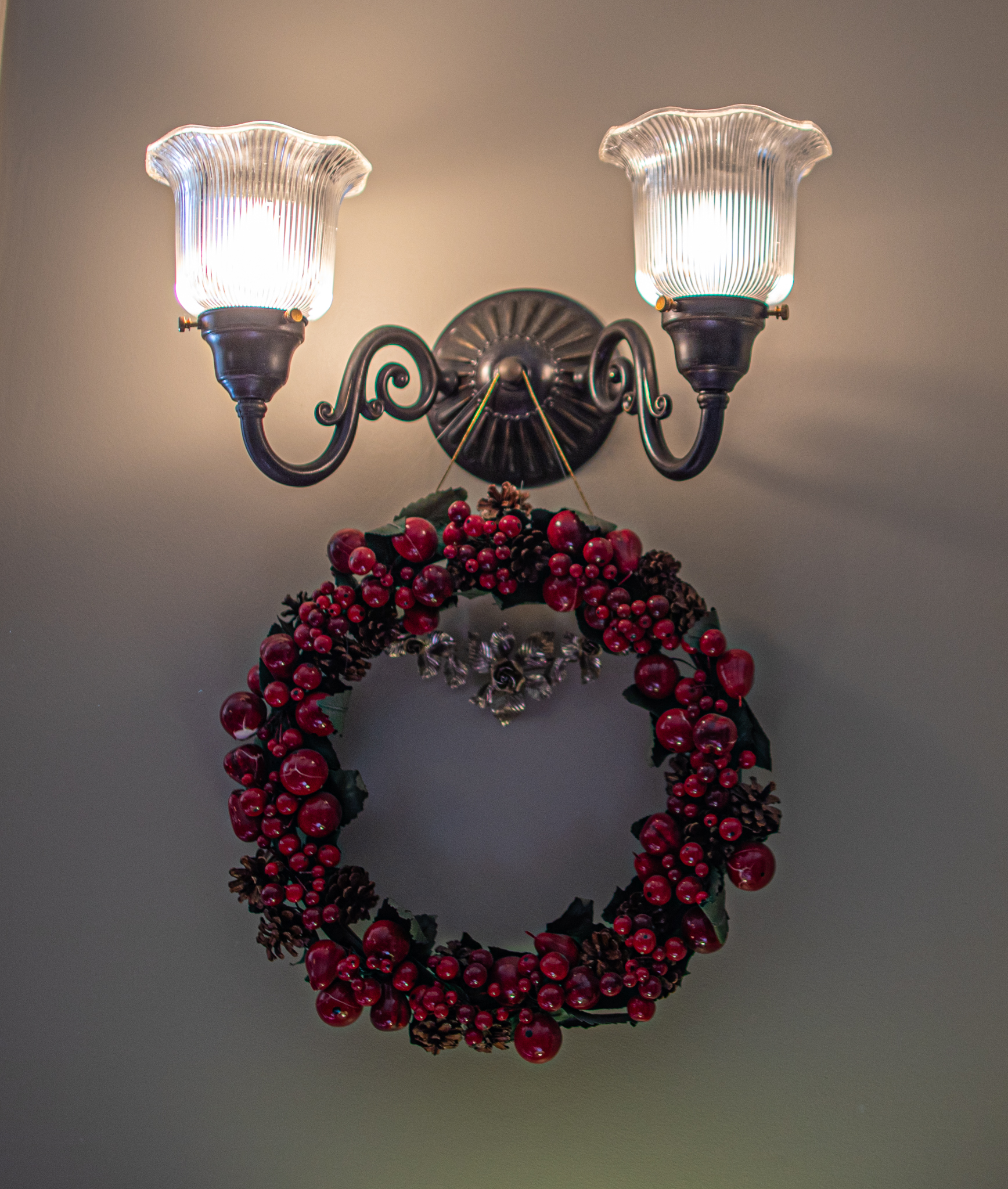
And, if you’ve been following my posts, you know I appreciate most of the lighting fixtures of these homes. This light had an environmental feel to it.
Now, back to the special theme of the home that I alluded to previously and the “Easter egg” from earlier in the post. This home like some of the homes on the tour had a theme or certain type of decor. The theme of this home was rocking horses! The owner of this home really likes rocking horses.
As you can see, the Fullington home was full of charm, Christmas cheer and a few pleasant surprises!
Location: 311 Essex St, Salem, MA (about 30 mins northeast of Boston, MA)
Universally Accessible: No
Cost: $40 ($50 if you buy ticket on day of tour)
Parking: There are several parking lots and garages and metered on street parking in Salem.
Summary: The Kinsman home has multiple Christmas trees, interesting art and decor and a lot of history!
Another home that I have walked past while marveling at its design is the Joseph Kinsman house. Some of the homes on this tour look like something you’d see in a movie. Wait until we get on to Chestnut St.
The Kinsman House has a long history of owners and changing locations. In 1850, Eliza Fiske sold her property which included her house on the corner of Essex and Summer Streets to John Kinsman, Superintendent of the Eastern Railroad, and his wife Nancy Fogg. The house, which was originally numbered 311 Essex St and later renumbered 309 after the Second Empire-style house was constructed, was demolished by the 1950s to make way for the expansion of Summer and North Streets (the streets adjacent to Essex St). Kinsman, after getting remarried to his second wife Martha Lord, sold his property to Caroline E and Joseph F. Dane, a shoe and leather dealer, on 1864, the lot already had two brick houses. Dane and his wife lived in 309 Essex St and rented out 311 Essex St to various tenants.
After their parents deaths in the early 1900s, the Dane children divided the property between the two buildings, selling 311 Essex St to Dr. George K. Blair, a renowned physician and surgeon in Salem. Madeline, his wife, lived at 311 Essex St until her death in 1983.
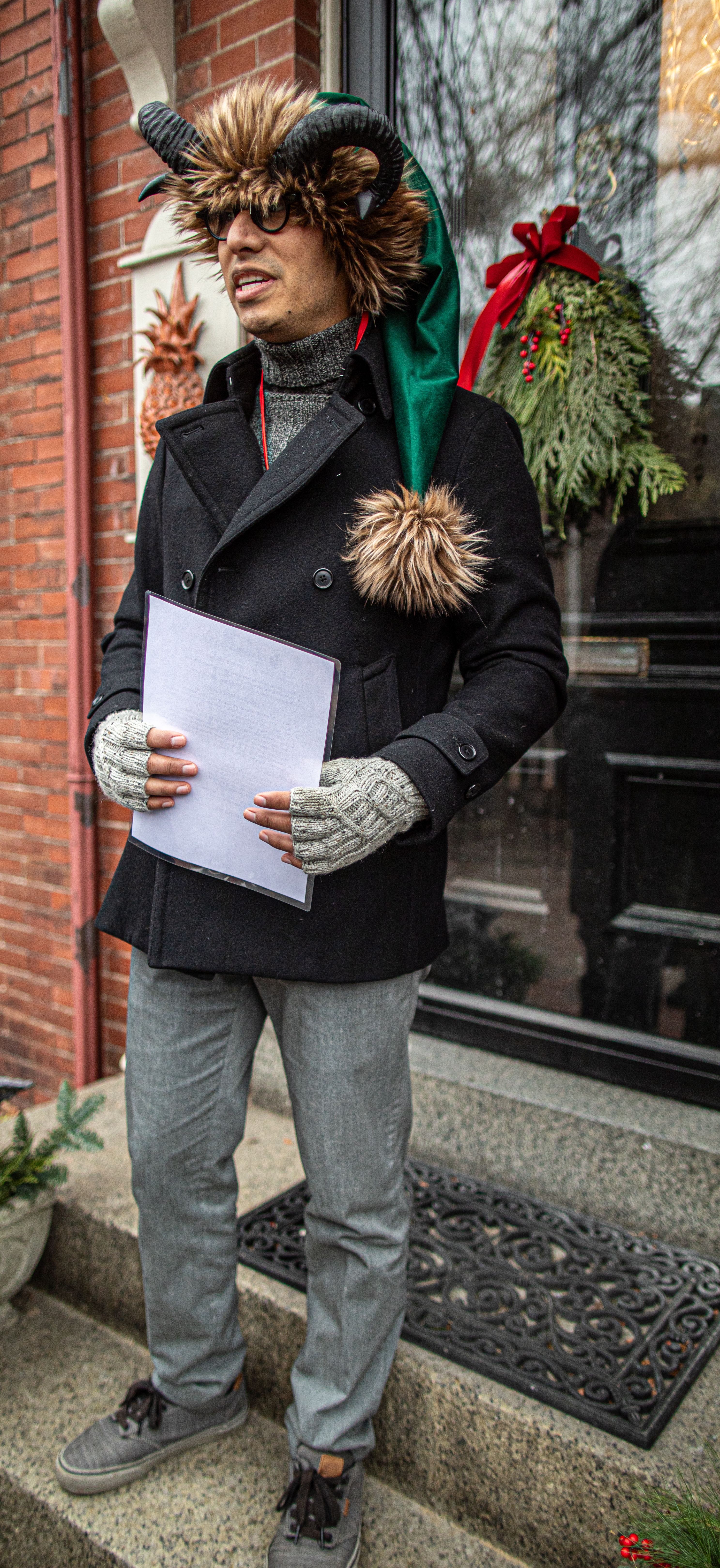
The tour guide for the home had some horns growing. He should have that looked at!
The entryway was decorated with some traditional Christmas decorations.
The spacious bedroom had a lot of character and pretty decor.
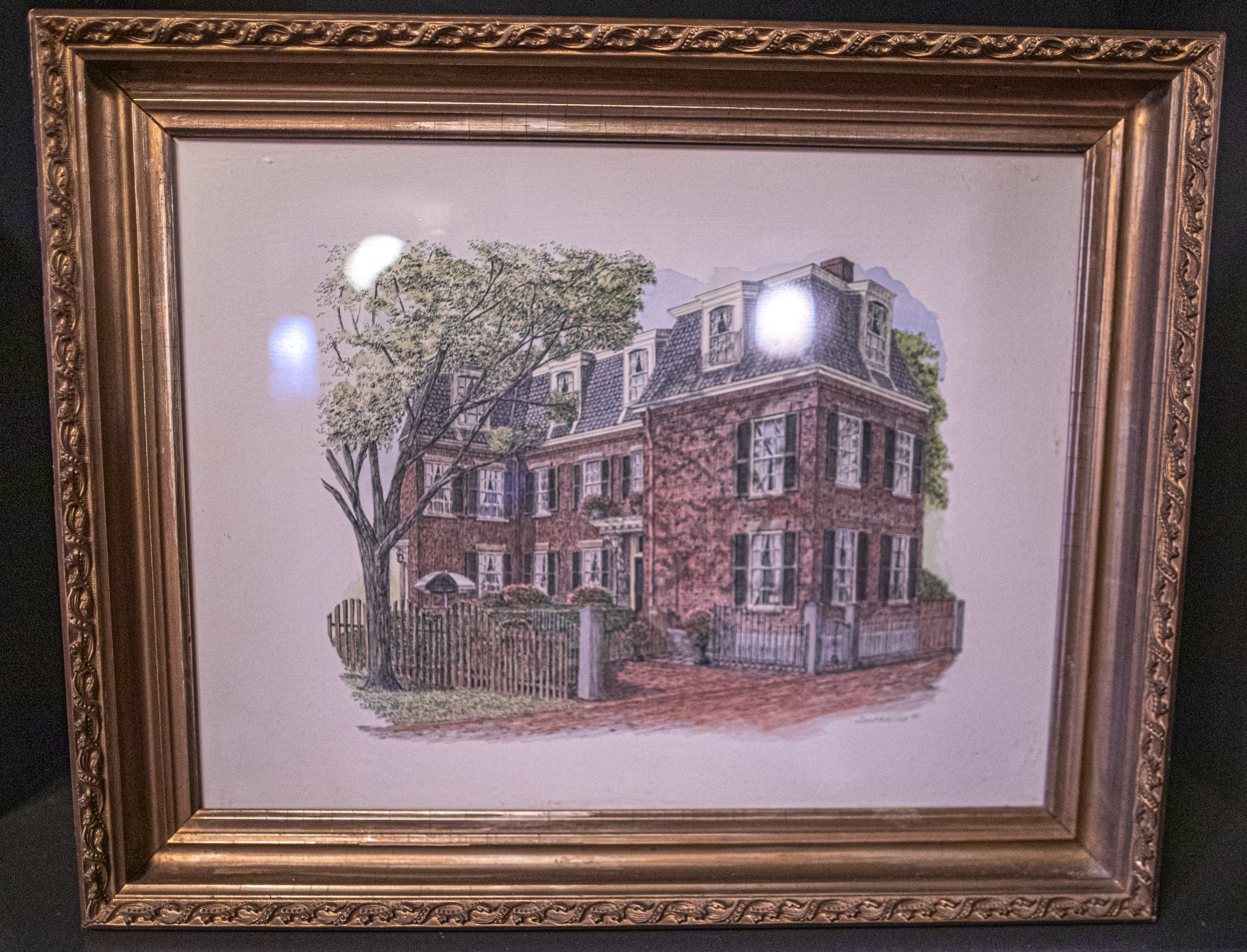
This painting of the house, done by a local artist, hung on the bedroom wall.
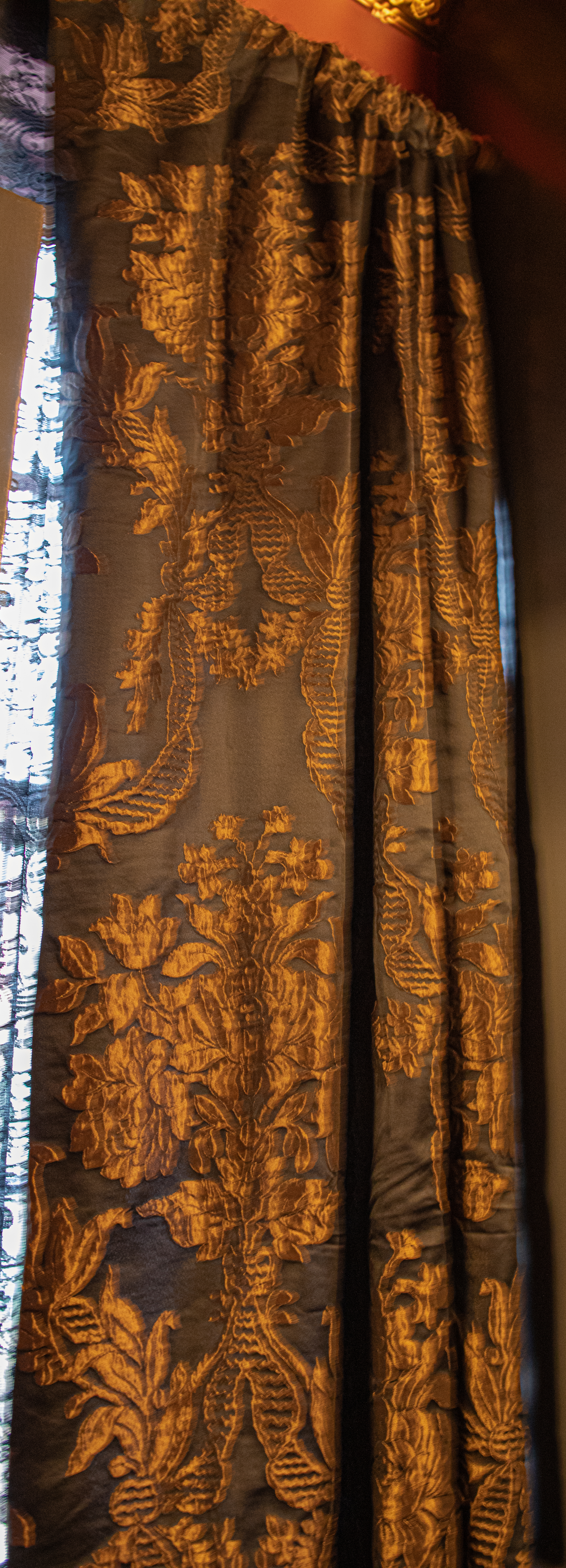
These colorful curtains were from high end decorators Cole & Son.
The decor on the fireplace mantle and table were emblematic of the aptly named “Boughs and Blossoms” tours. And, no, they are not decorated this way all year long! I did ask!
I’m always intrigued by the lighting fixtures at these historic homes.
The owner of the home is a connoisseur of whisky and other fine liquors. But, the tour guide assured us there was no liquor in this drink (wink, wink).
This so called “blessed buck” is indeed a real buck.
The home had various works of art and other types of decor around the home. I especially liked the painting in the middle. But, it is a house in Salem, So, of course, there was a skeleton and what appears to be a dragon in the group of paintings. This is what I like so much about these home tours. It’s interesting to see what they look like on the inside. And, it’s fun to see how different each of the home owners decorate.
There were quite a few trees in the home. One in the bedroom.
And in the kitchen.
And one outside
Some of the visitors dressed up for the event. These guys wore some festive headwear!
And these ladies wore their best hats! This is just another reason to love these tours! The people you meet are both interesting and fun to be around!
Location: John Ward House, 148 Washington St, Salem, MA (about 30 minutes northeast of Boston, MA)
Universally Accessible: No
Cost: $40 per ticket ($50 if you purchase day of tour tickets)
Parking: There are several parking garages in Salem, as well as metered on street parking.
Summary: The Joshua Ward House, rumored to be haunted, is said to be Salem’s oldest Federal style brick building. It was the first home on the Christmas In Salem’s Boughs & Blooms historic homes tour.
Salem’s not just a Halloween destination anymore and the throng of crowds at the Christmas In Salem historic homes tour, titled “Boughs & Blossoms, is proof of this. The event, which included tours of 12 historic homes, and a bonus tour of a tiny home, attracted thousands of visitors to the Witch City. And it seems to be a bigger event each year.
While you can visit the homes in any order you choose to, a list is provided of the homes on the tour and the Joshua Ward House was the first house on this list. I found most of the information for these blog posts in the guide book given to each person on the tour. But, all of the info about the homes aren’t just in the guide books. The tour guides also provided additional information not included in the guidebook which I am including in these posts.
Like many of the countless people who walk past this grand home, I always wondered what it looked like inside. So, it was very exciting to finally see the interior of this mysterious building.
Joshua Ward, a merchant and privateer, built the house shortly after the Revolutionary War. It is said to be the oldest Federal high style brick house in Salem. The house was built adjacent to Ward’s business activities by the waterfront and would have extensive views down to the harbor. It was built with the assistance of famed Salem architect and wood carver Samuel McIntyre. In fact, you will see Samuel’s handywork or influence in many of the homes in the tour.
For all of the gearheads out there, I used my Canon 5D Mark IV DSLR with a 24 mm while photographing this and all of the houses. Except, I did use my 90D Canon with a 18 to 400 mm lens for the photo of the exterior of the house so I could fit the entire exterior of the house in the frame. I also had to use a 1.4 aperture for most of the photos of the interior because of the low light environment.
The entrance to the home was decorated tastefully.
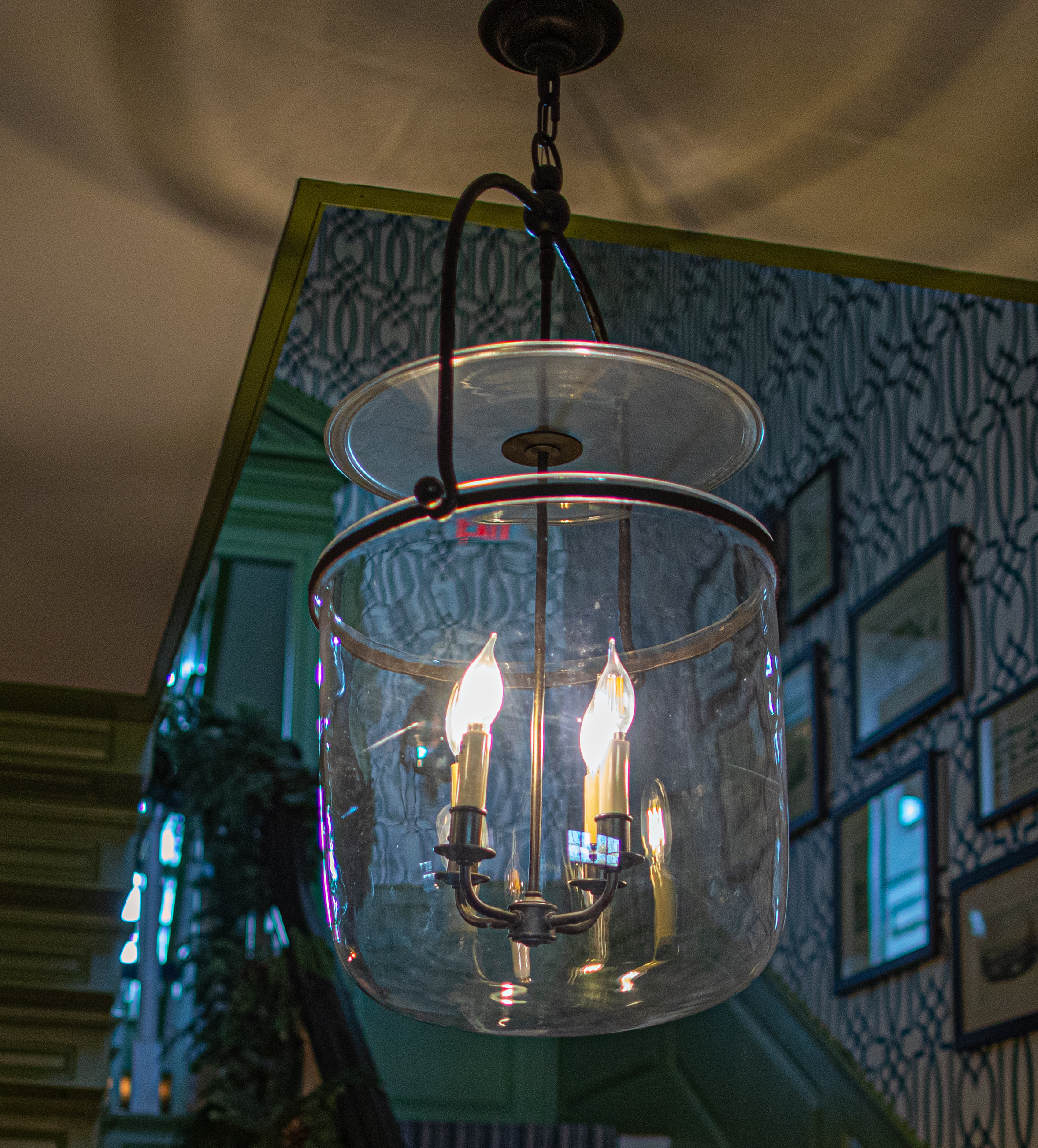
I thought this light was pretty unique.
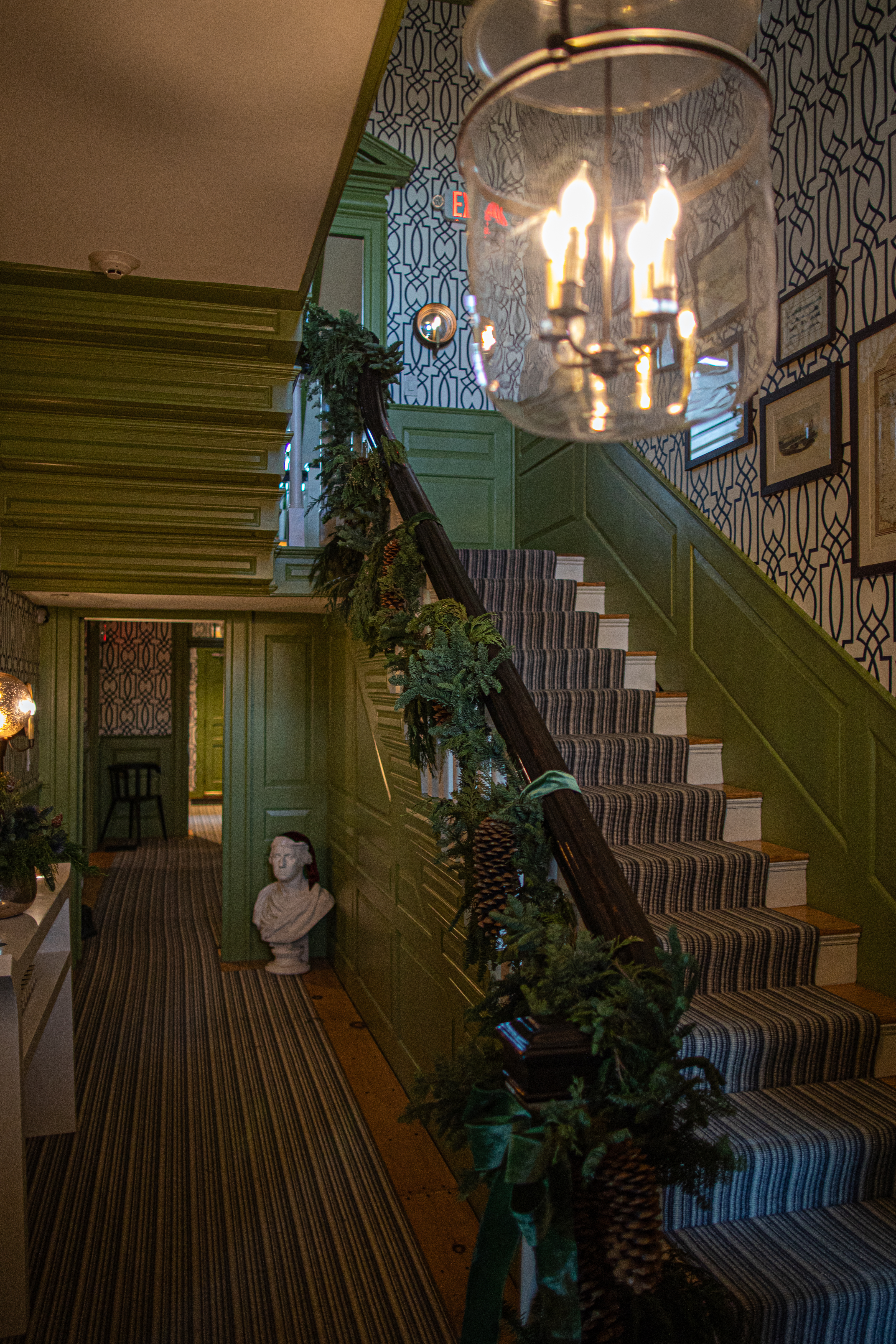
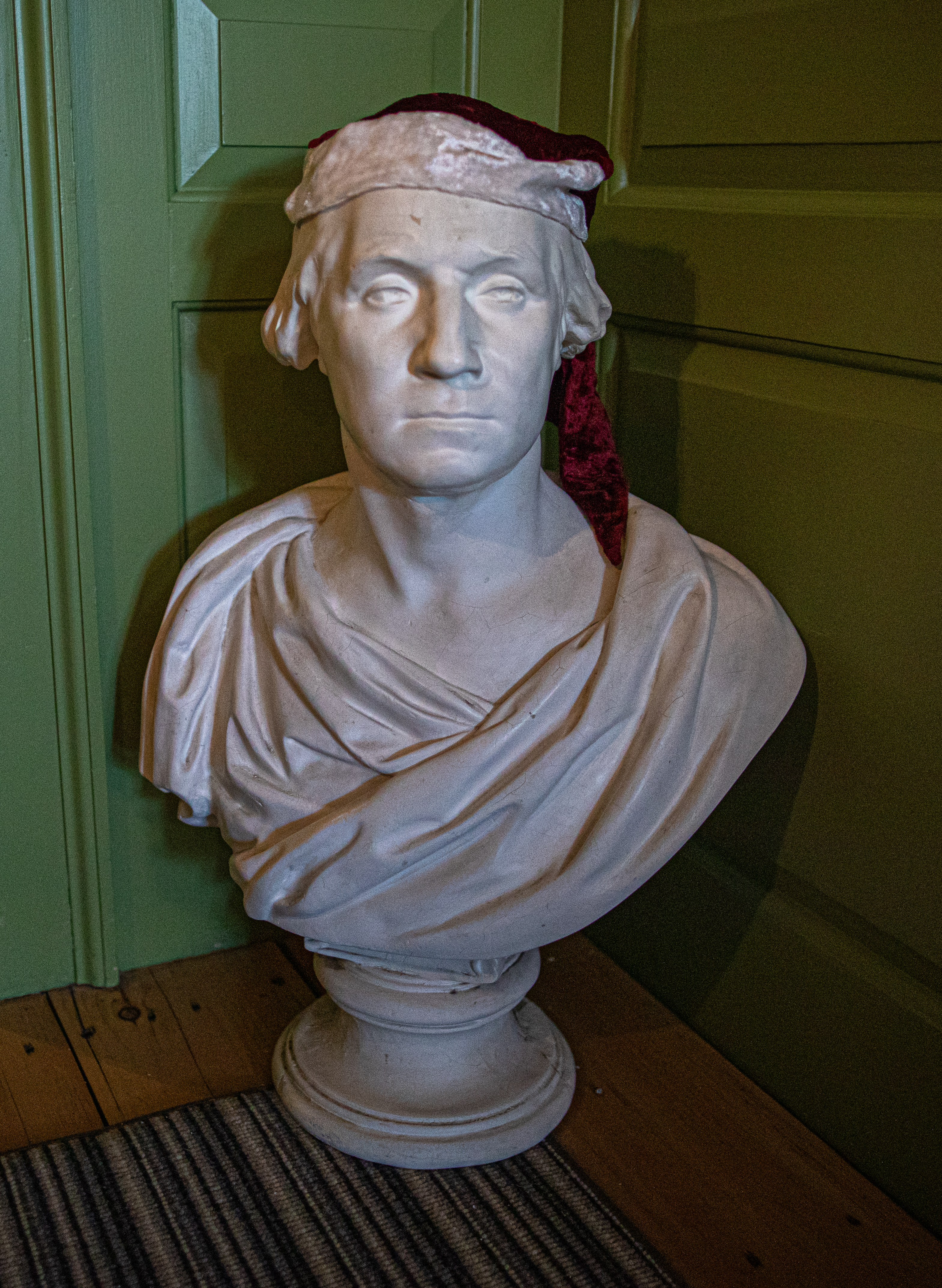
While many inns, homes and other historical dwellings claim “George Washington slept here”, he really did sleep in the Joshua Ward home. When Washington visited Salem in 1789, diarist William Bentley recorded that Washington requested to sleep in the Joshua Ward house. He is said to have slept in the second level, southeast front bed chamber. When the home was turned into a hotel in the 19th century, it was known as the Washington Tavern in recognition of Washington’s visit. This bust was made in George’s honor.
Ok, now to address the elephant, or ghost, in the room. Since this is Salem, of course there is a connection to ghosts. The house has been widely said to be haunted. The house is said to be haunted because the home was built on the land where where High Sherriff George Corwin had his house. George Corwin was the person who issued the arrest warrants for the people accused in the Salem Witch trials. He is also the person who is said to have placed the stones on Giles Corey’s body to force his confession of being a witch. Giles never confessed. Instead, he’s alleged to have cursed Corwin and the city of Salem. His and the victims of the trials spirits are said to reside in the home. For whatever it’s worth, the tour guide at the house chuckled and told me he has never seen or heard any paranormal activity (although he did tell me he’s seen UFO’s or UAP).
The home has been refurbished and turned into a boutique hotel. It is also a National Historic Landmark and is listed on the National Register of Historic Places.
The work of art above the fireplace is called See No Evil.
The hotel has some luxurious accommodations. As long as you don’t mind sharing them with some uninvited guests!
Parking: There are several parking lots and metered street parking in the area
Summary: Dozens of bricks representing people, places and things related to Boston (and some of the surrounding areas such as Cambridge) are installed on the ground of the alley way on Winthrop St.
Watch where you’re stepping on Winthrop St in Boston, MA! You may be stepping on history.
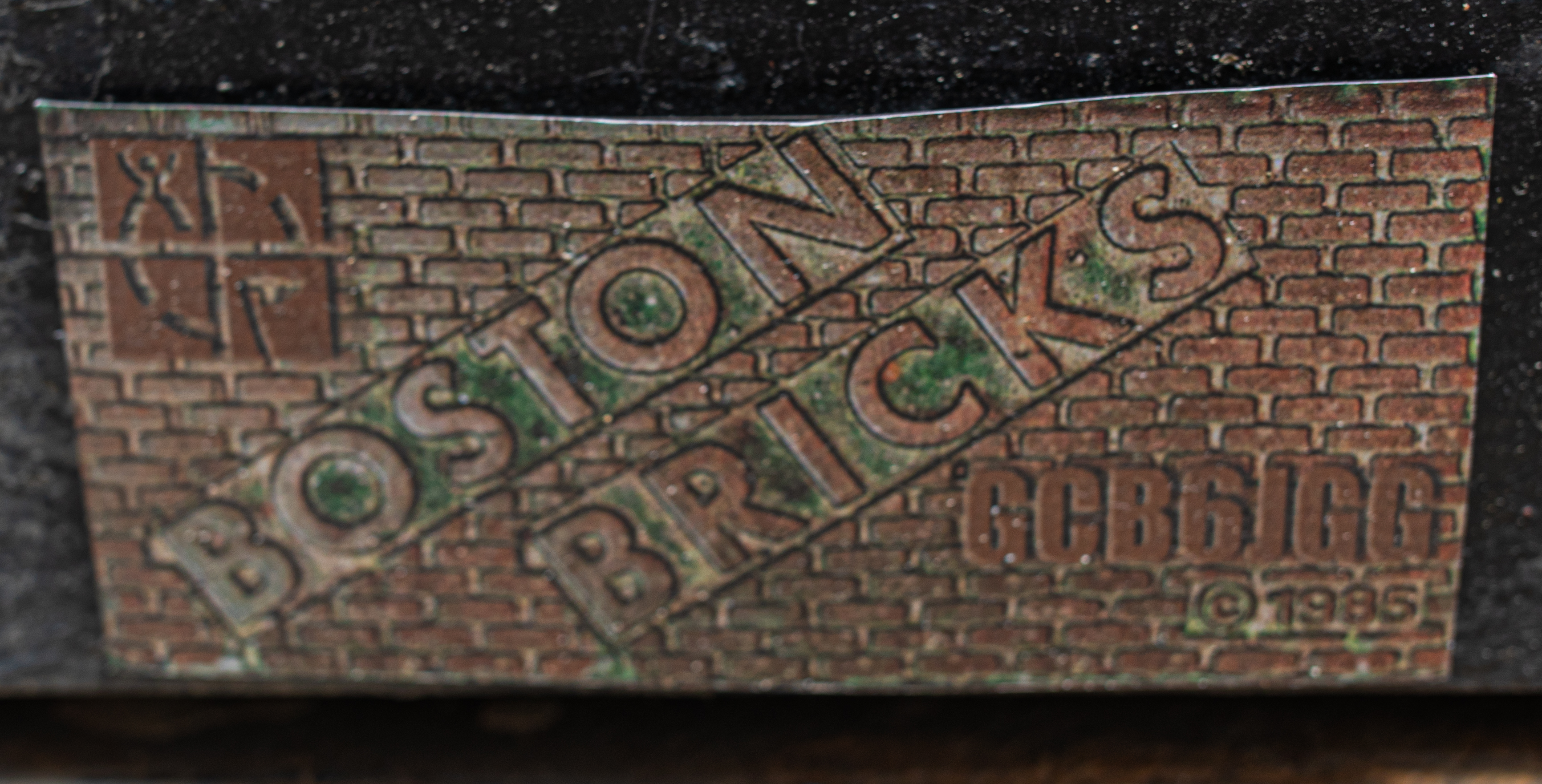
The roughly 100 bricks scattered along Winthrop St (don’t worry, I won’t include them all), which were created by sculptors Kate Burke and Gregg LeFevre in 1985, depict something related to Boston. The alleyway is easy to miss. So, you do have to pay close attention. It is located between Otis and Arch Streets
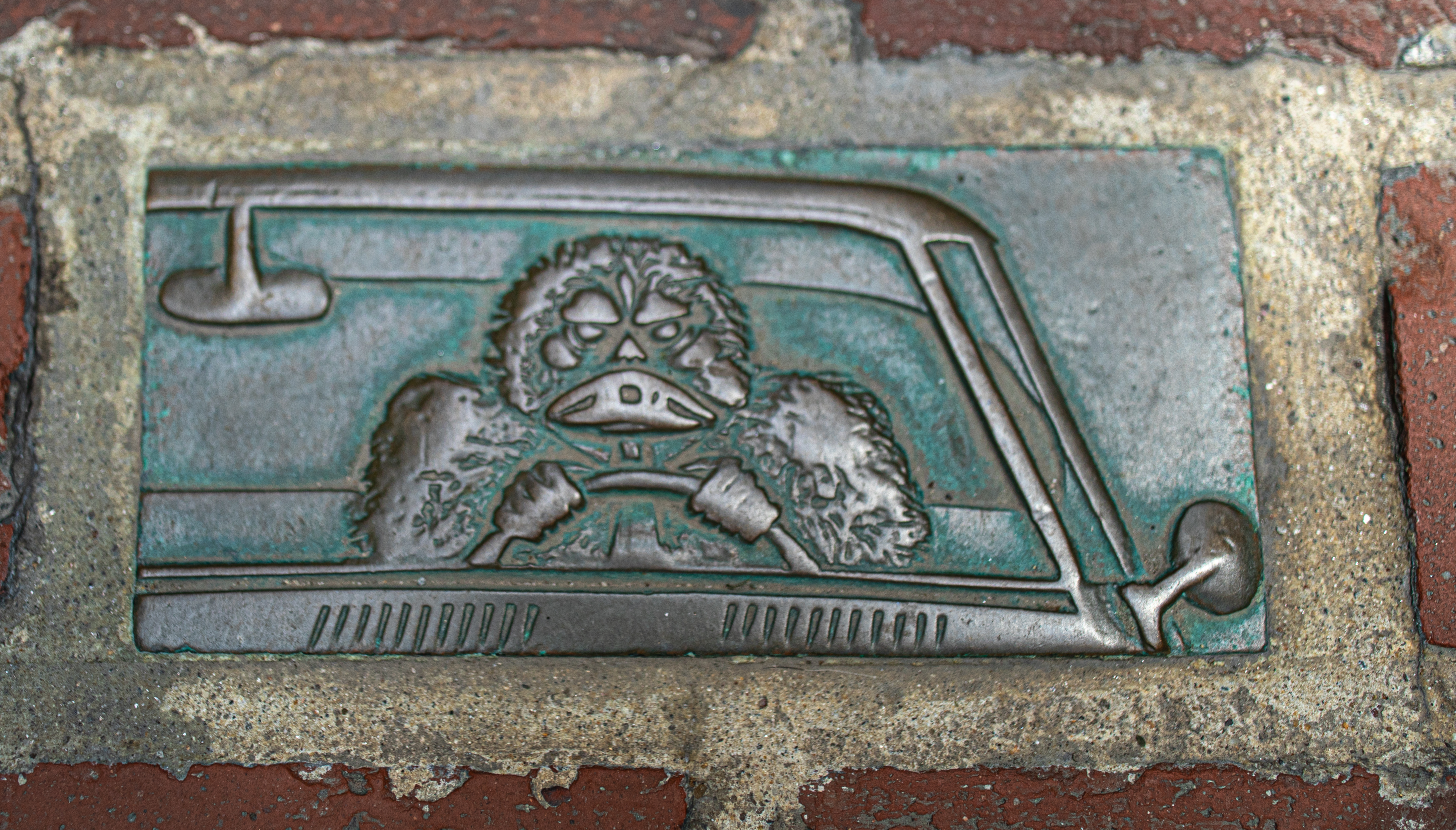
One of the bricks, which were funded by the Edward Ingersoll Browne Fund, is something any Boston driver can relate to. In fact, I think he cut me off the other day.
Yes, Boston drivers can be animals at times. At least he’s using the “10 and 2” steering wheel method.
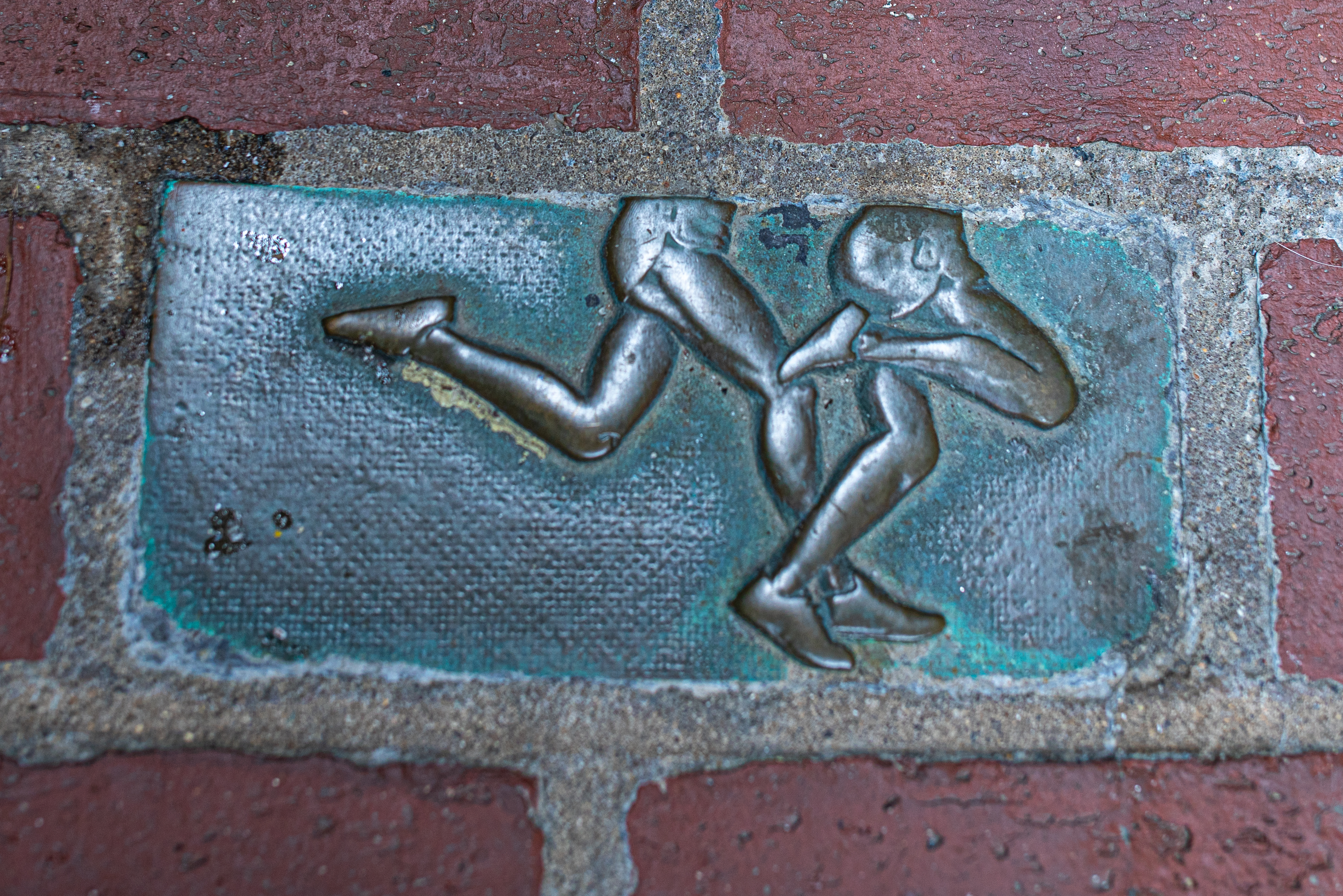
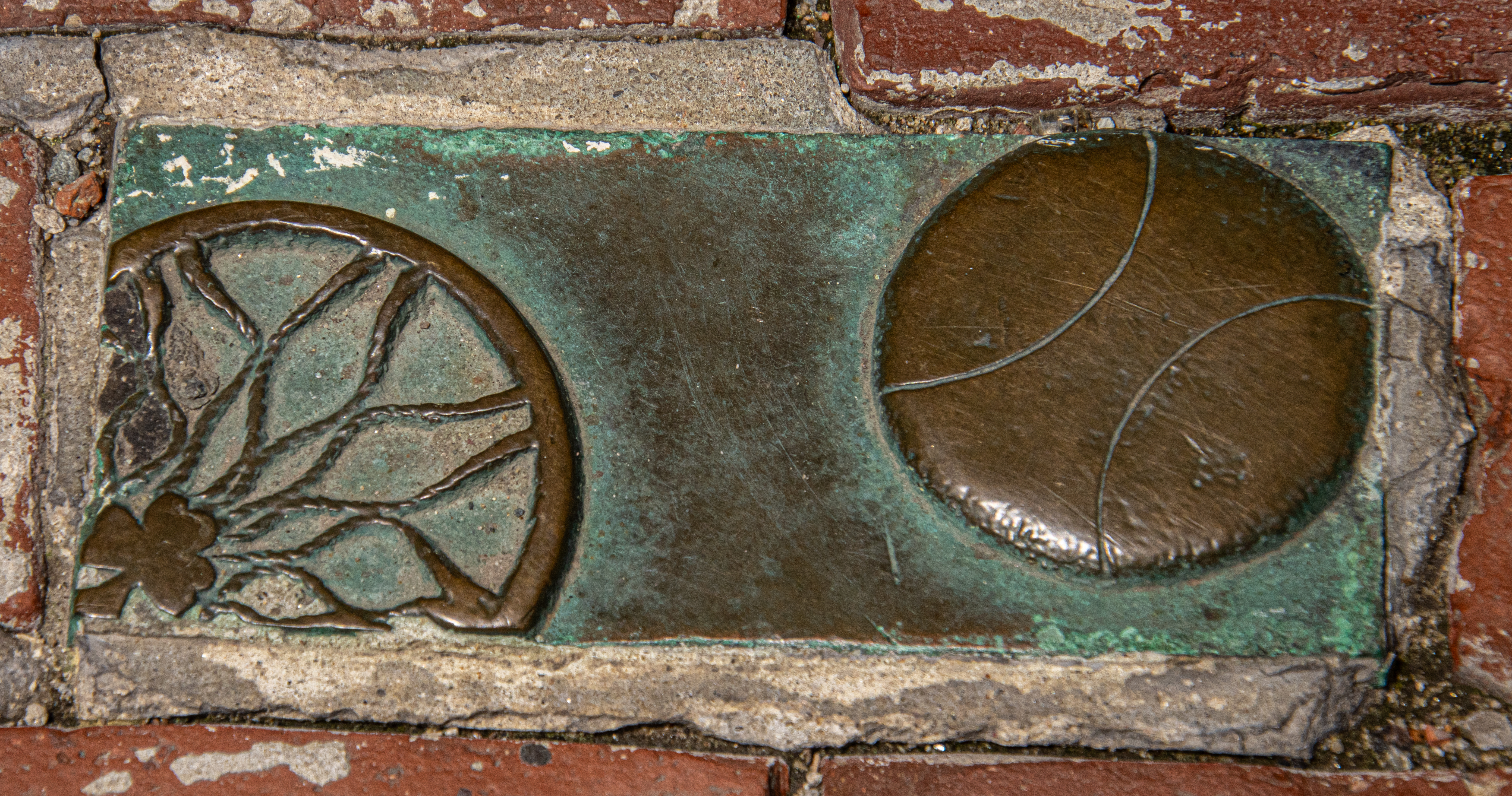
Like them or hate them, Boston is also known for its sports teams and sports in general. These bricks represent everything from the Boston Marathon (the longest active marathon in the United States) to the oldest Major League Baseball park in the states (Fenway Park) as well as some rowers and the most winning team (in terms of championships); the Boston Celtics.
This Boston Bruin logo was included in this brick which also contains logos of the MBTA (Massachusetts Bay Transportation Authority, or more commonly known as “the T” in Boston) as well as the logo for the New England Sea Aquarium in the left hand corner. “I can walk like a penguin.” If you got that reference your AARP card is in the mail.
Of course, Boston is a city of firsts. These bricks show off some of the firsts the city may or may not be known for. For instance, did you know the first wooden golf tee was invented in 1899 by Dr. George Franklin Grant in Boston, MA?
Another sports first is the claim to the use of the first baseball glove. Although it is debated (one historical reference states the first “buckskin” gloves, which were more like actual gloves, were worn as early as the 1860s). But, the first gloves that resemble what we use now are said to have been worn by first baseman Charles Waitt in Boston.
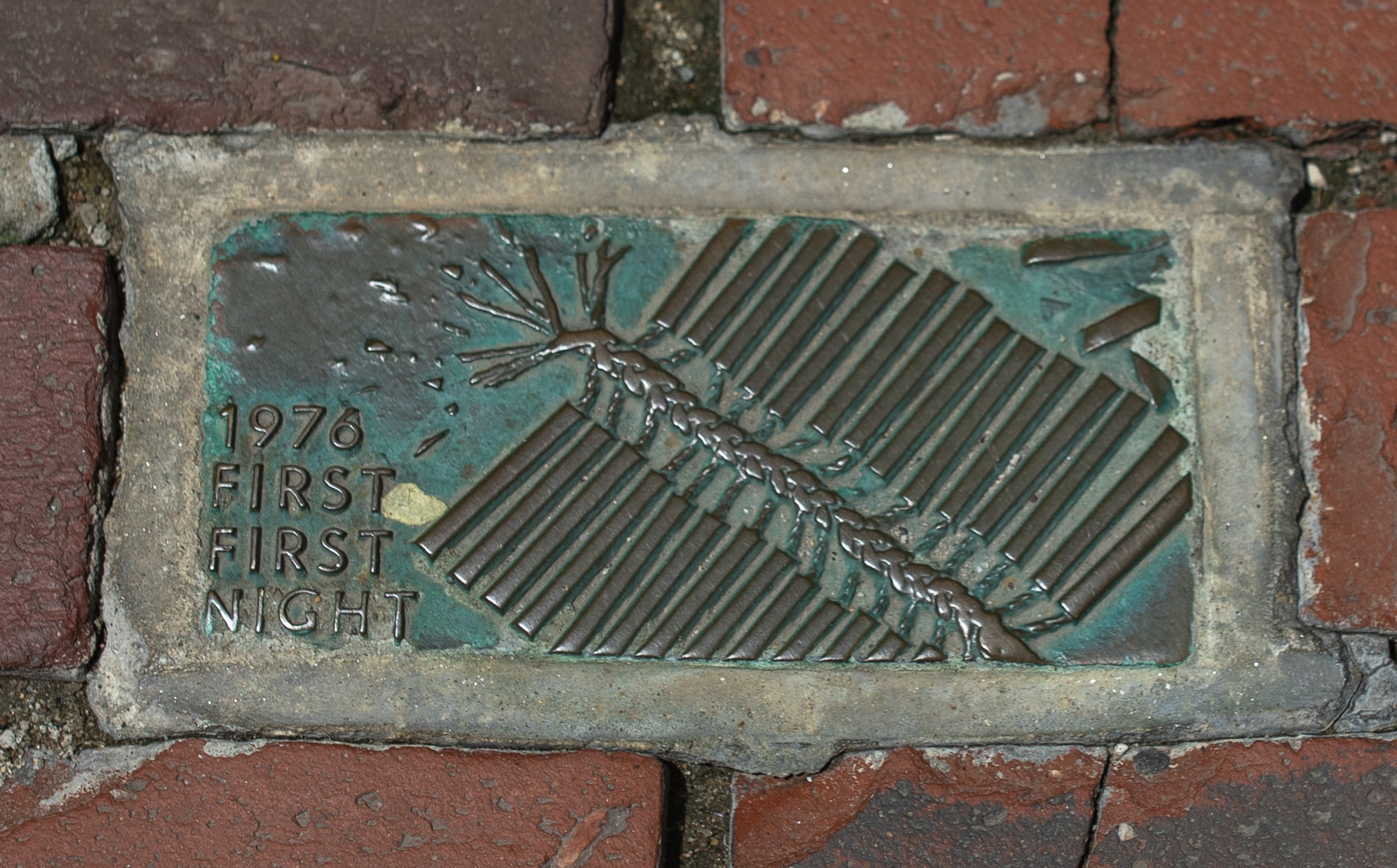
One more first represented by the bricks on Brick Alley is the first First Night which should really be called “First Morning” or “Last Night”. But I digress.
Boston held its first (and the country’s first) First Night December 31, 1976. I guess people just went to bed at a reasonable hour before then.
Another first in Boston is the first resident. After all, it had to be someone. And that someone was Rev. William Blaxton (also spelled Blackstone). He moved to what would later to Shawmut Peninsula which would later become known as Boston in 1625.
Since it is an area so rich in history, there were also several bricks dedicated to the history of the city.
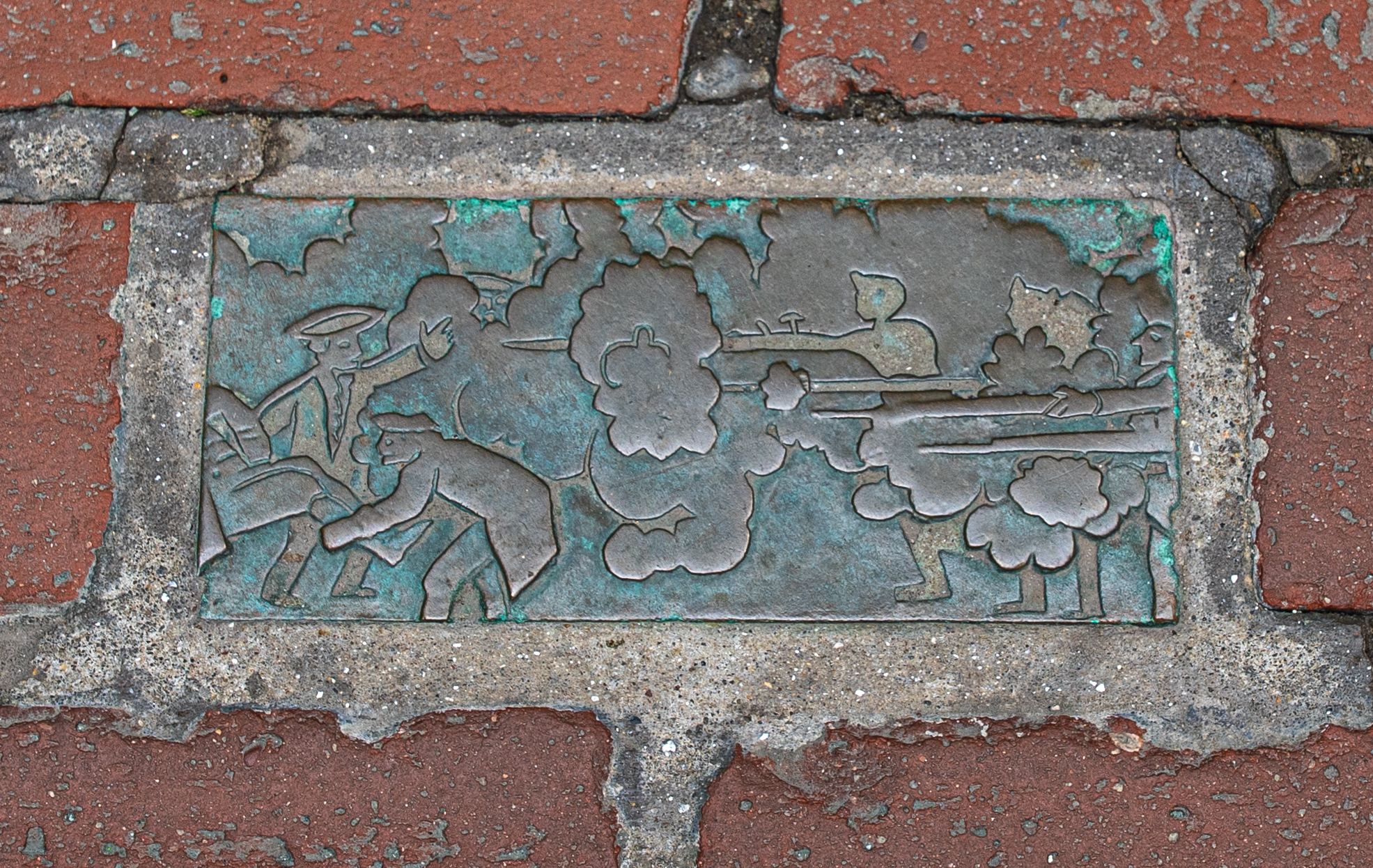
This brick could signify a few different battles or clashes in Boston or were part of the “Boston Campaign” of the American Revolutionary War. But, I am assuming this brick pays tribute to the “shot heard around the world” and the subsequent Battle of Lexington and Concord just outside of Boston. I’m not saying who shot first, though.
The first public park is indeed in Boston. Boston Common was established in 1634 by the Puritans to serve as meeting place for public, military and recreational purposes. A lot of effort and care were used to show all of the paths in the park.
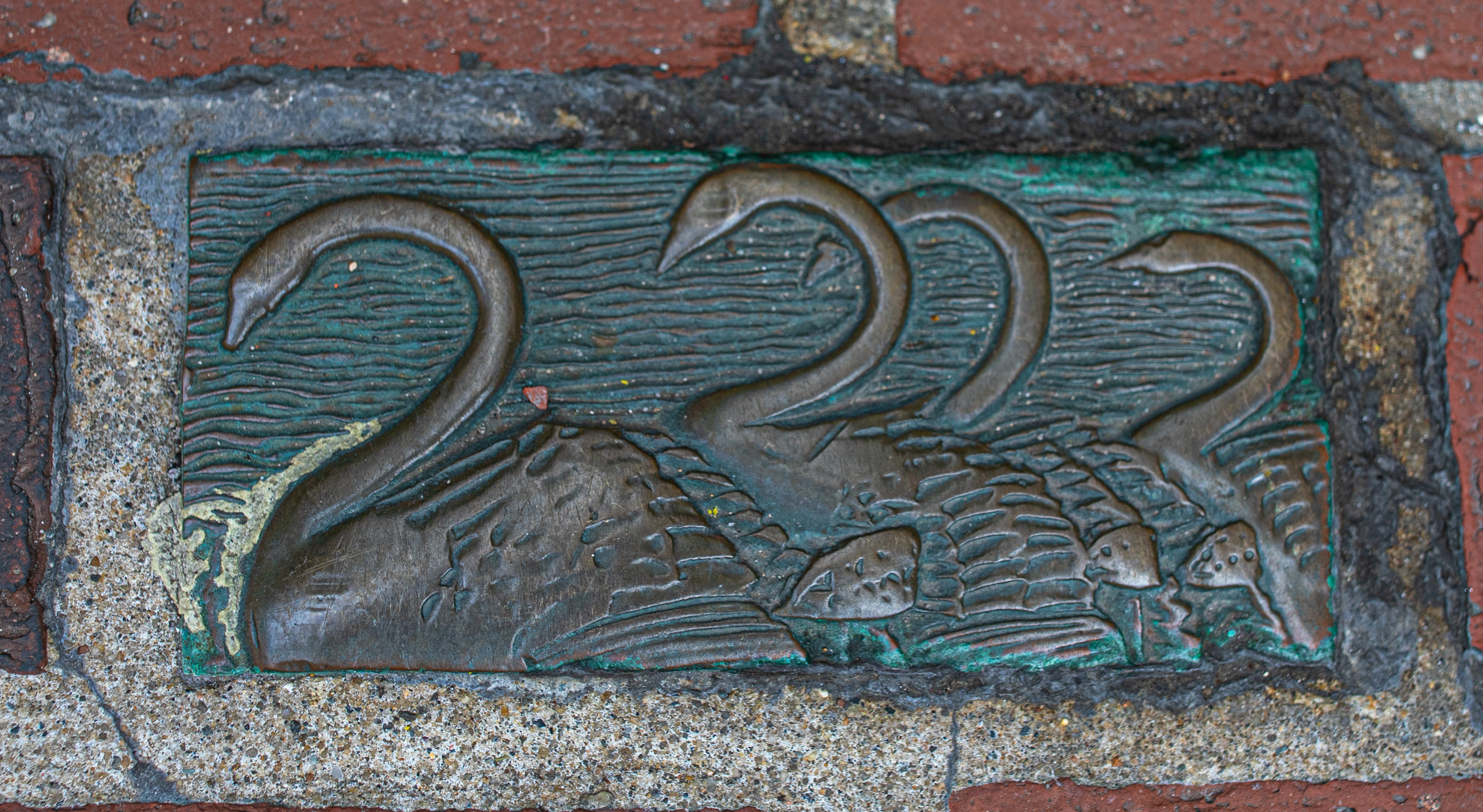
These swan boats which are in use every summer in the public garden adjacent to the Boston Commons,. They have been in operation in one form or another since 1877 when Robert Paget, a ship builder in Boston started making them.
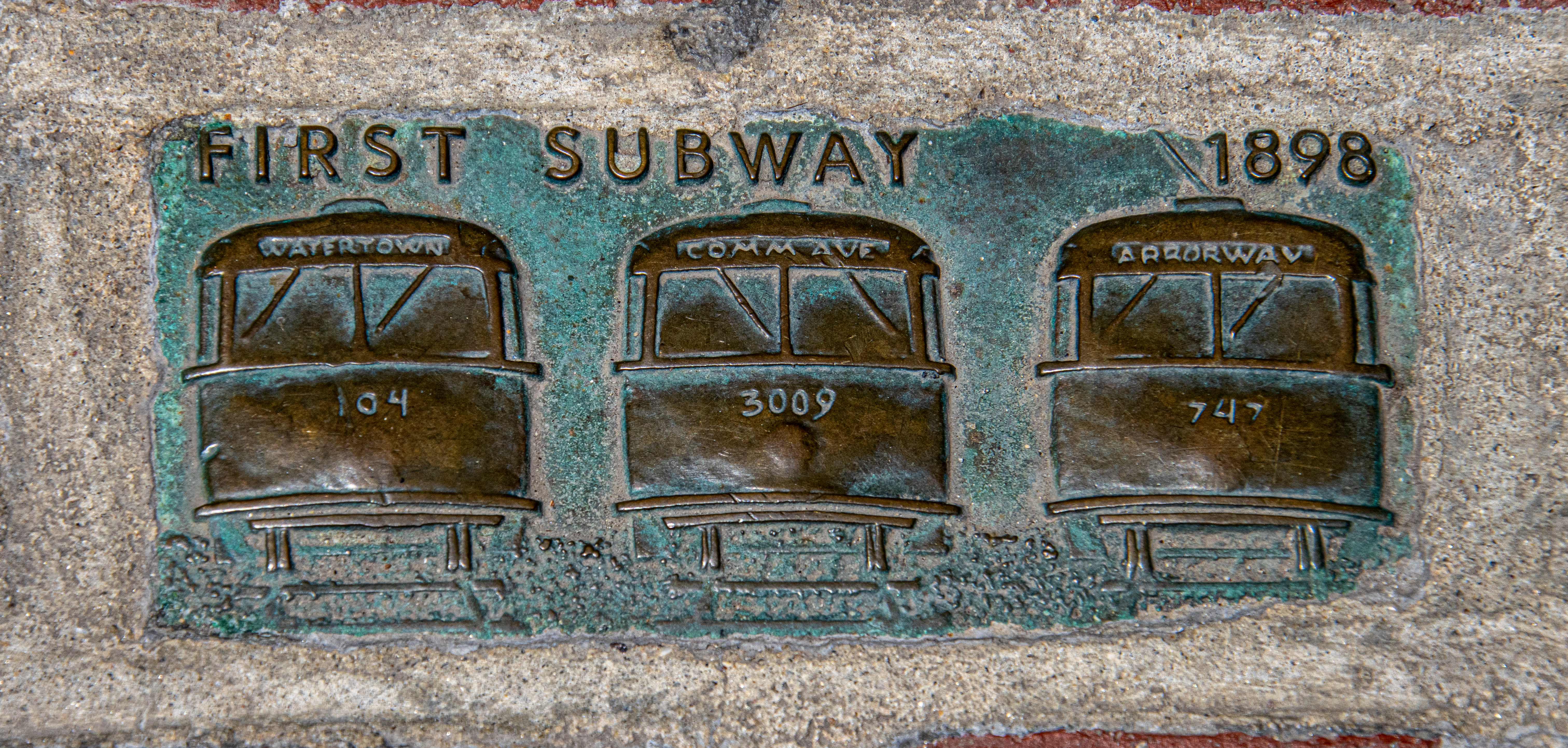
Another first is the Boston subway system. The subway system in Boston is the first in this country (the first subway stops were Boylston and Park Street). The first trains began operating in 1898 and I think they’re still in use today. At least it feels that way,
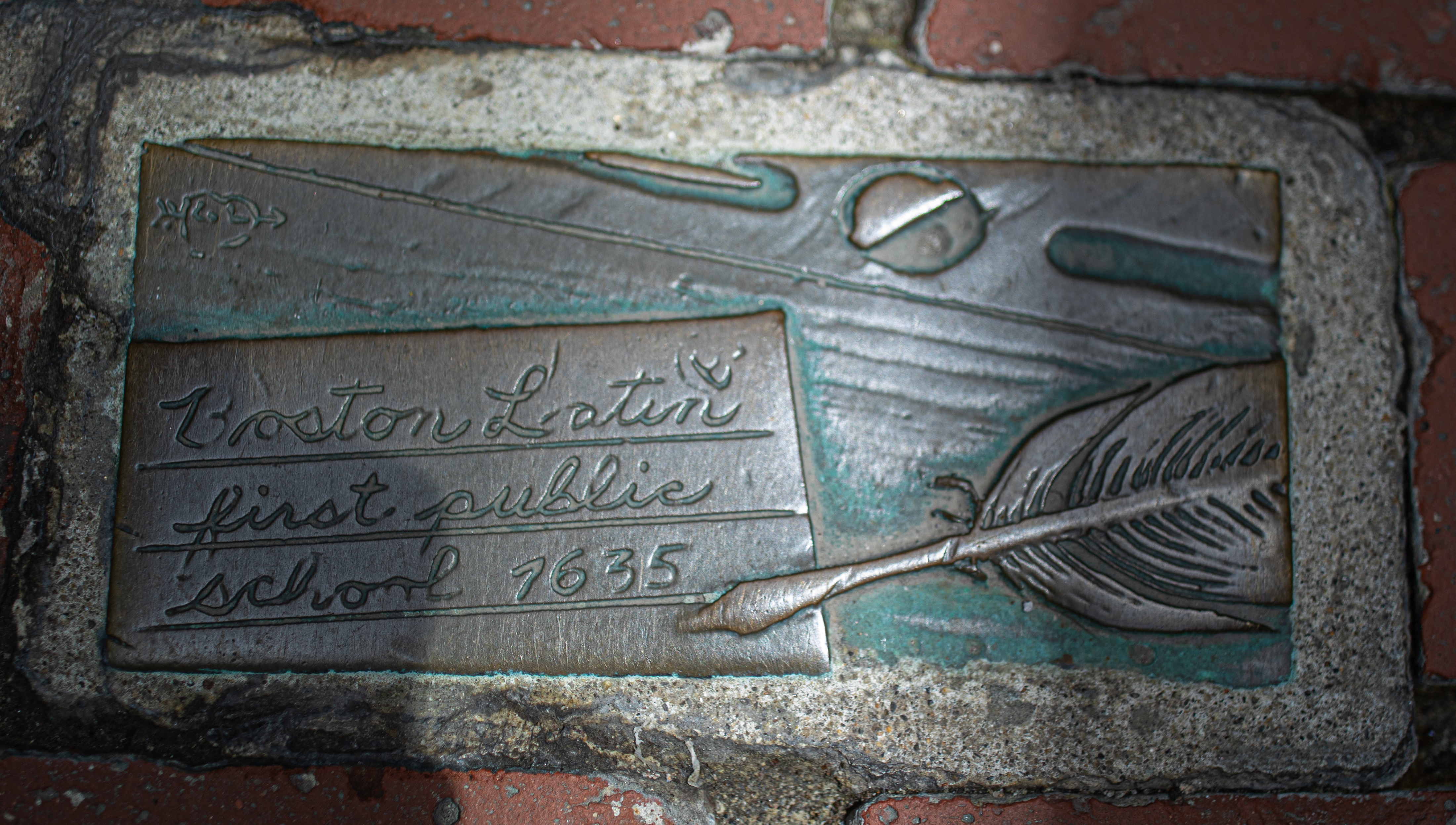
The Boston Latin School, which was founded in Boston in 1635, is the first public school in the country. It has been in continuous operation since it formed on April 23, 1635. And, no, I wasn’t in attendance. I’m not that old.
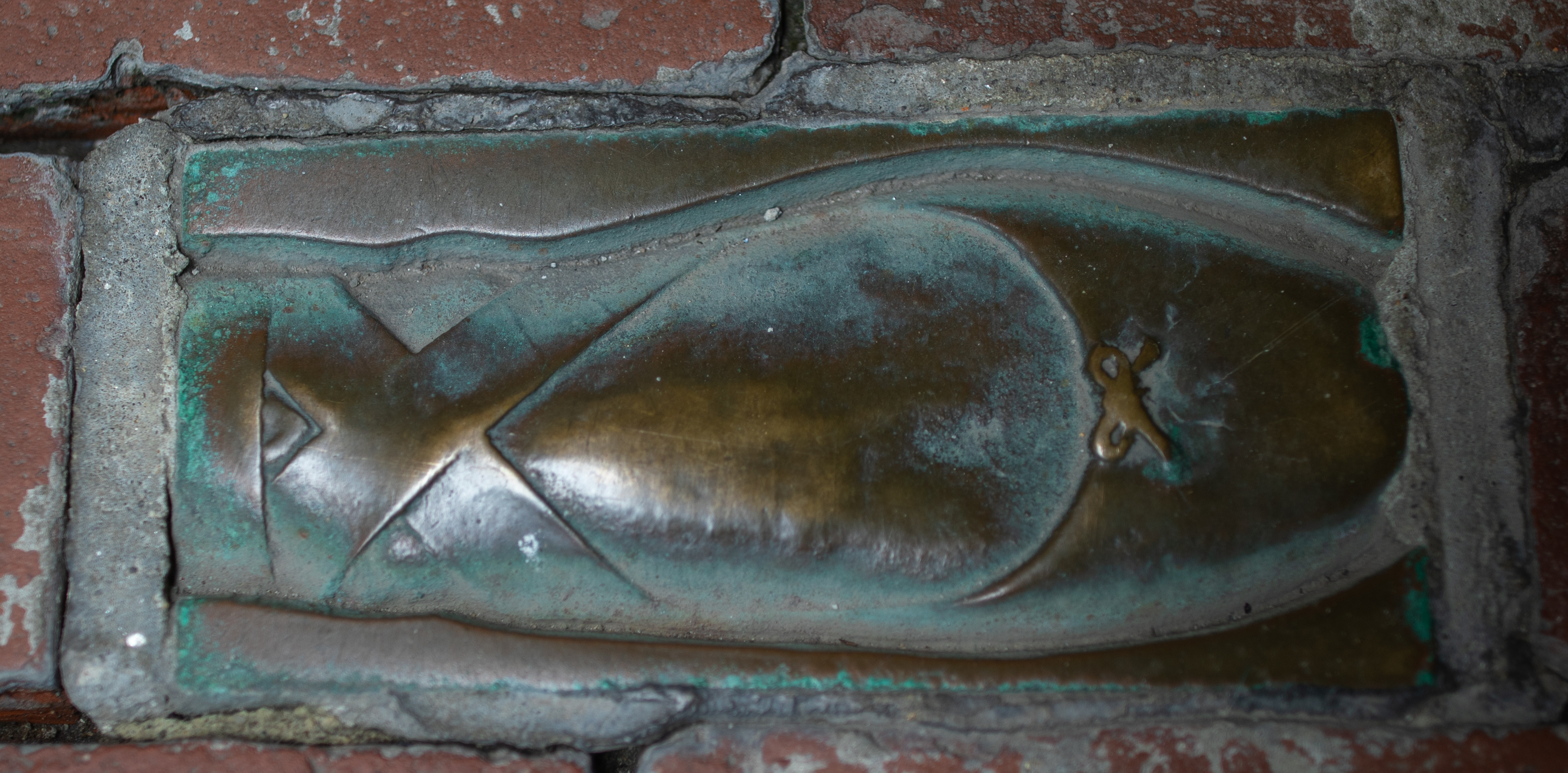
While the sewing machine is in its earliest forms was not invented in Boston, the inventor of the first practical and commonly used sewing machine was a mechanic from Boston named Elias Howe. Elias invented the first modern lockstitch sewing machine in 1845. The underlying lockstitch design Elias invented became the foundation for most modern day sewing machines and is still used to this day in most sewing machines.
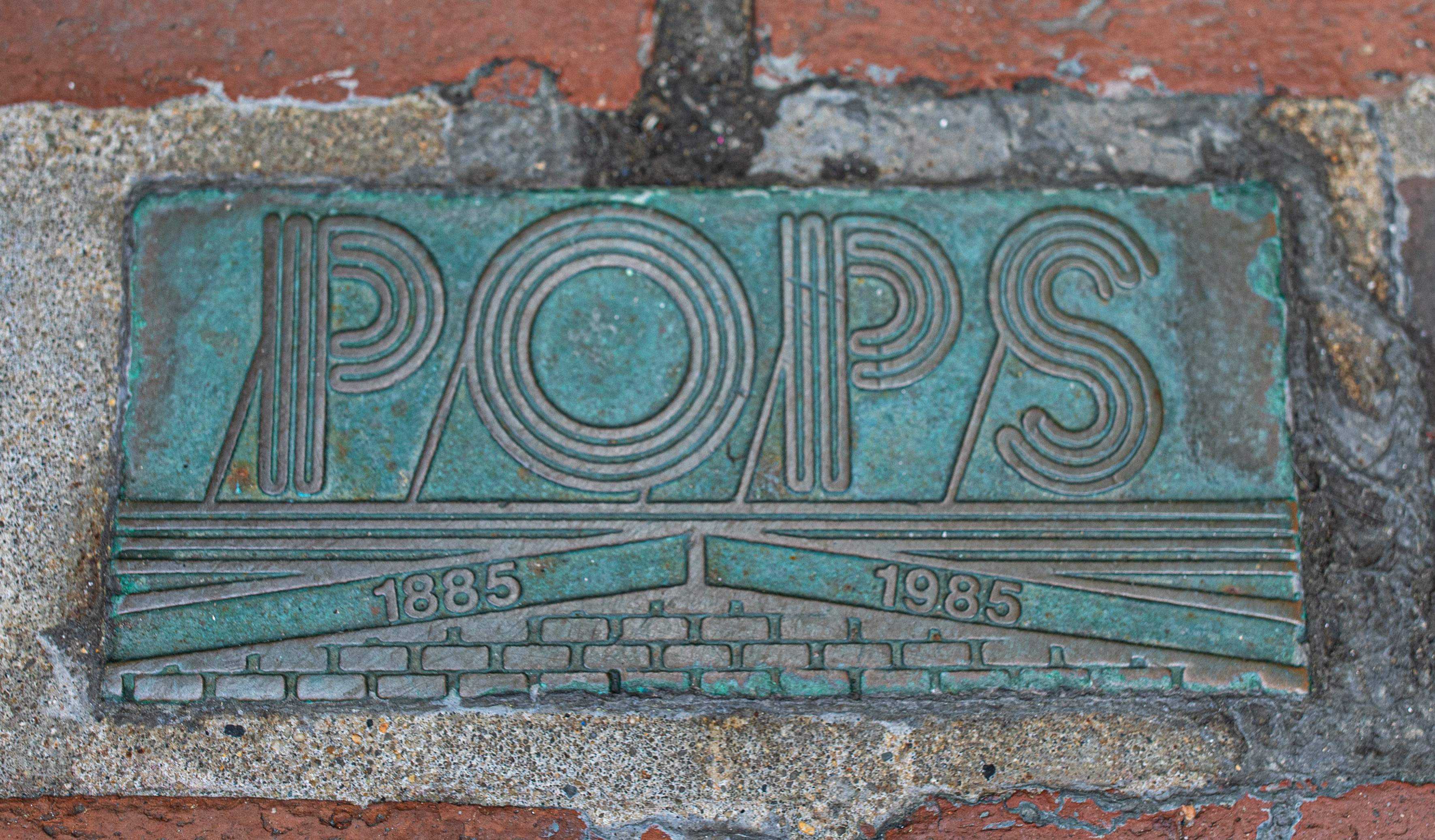
Boston is also known for its many arts and entertainment. These bricks include the POPS (the Boston Pops). Although they’re most famously known for their performances during the 4th of July celebrations on the Charles River Esplanade, they perform on many other occasions at many other venues.
This brick is a tribute to the ballet dancers that perform at the many events throughout the year. But, I will always get Nutcracker vibes when I see them.
The opera is also a staple of the art which is plentiful in the area.
This brass instrument is commonly used in the Boston Pops concerts and at other concerts throughout the city.
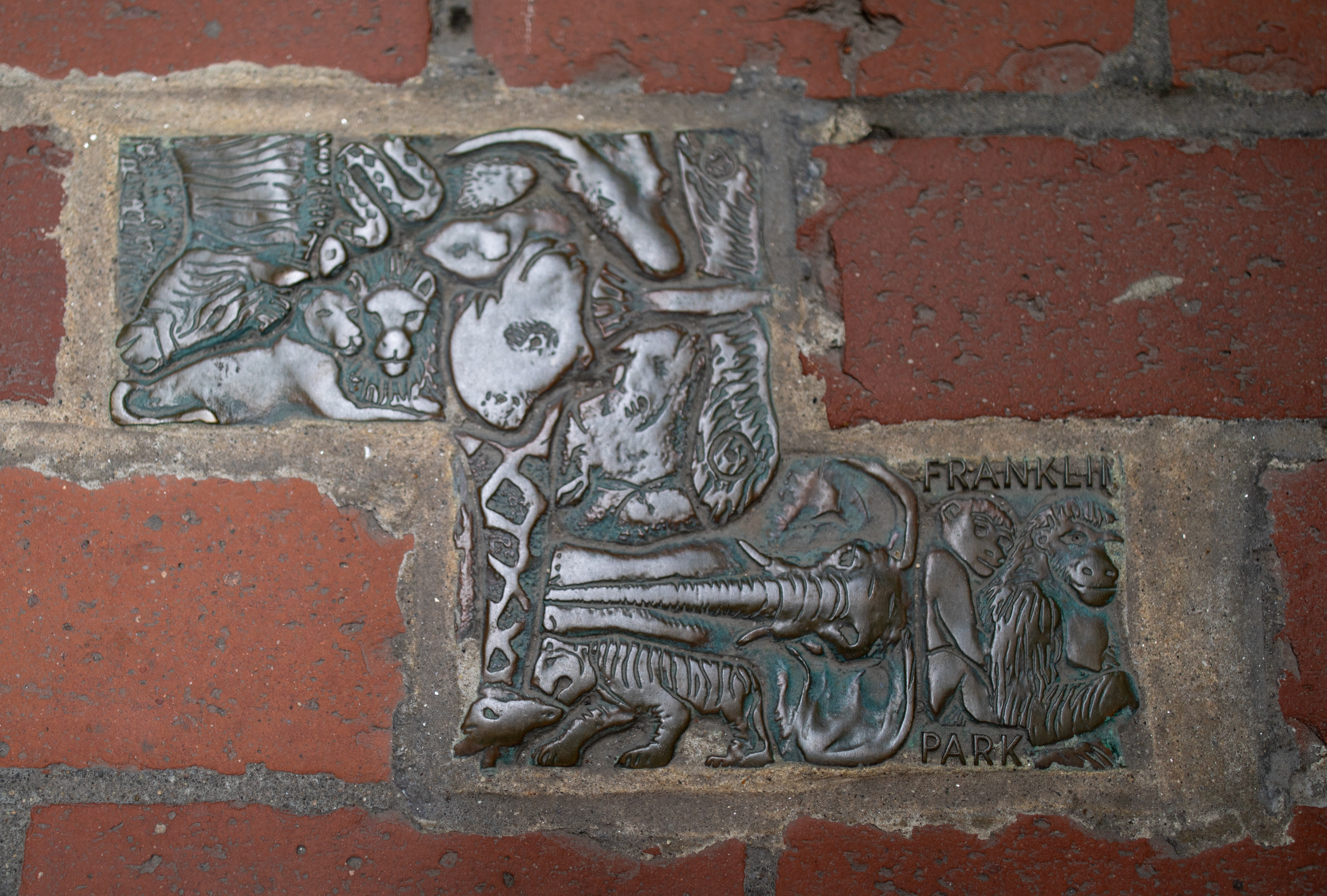
The Franklin Park Zoo in Boston, MA, is one of the oldest continuously running zoos. But, not the oldest in the country. The 72 acre zoo opened on October 4, 1912.
Boston is proud of its history and accomplishments. One of those accomplishments championed by President Kennedy, from Boston, was sending astronauts to the moon by the end of the decade, although he was not alive to see it to fruition. This brick shows both the moon and the approximate distance to the moon.
This brick shows some of the most famous people from Boston in their final resting places.
Speaking of final resting places, many of these newspapers no longer exist. A few, like the Boston Herald, the Boston Globe and Christian Science Monitor are still in operation, though.
This historical event was a real mess. The Molasses Flood of 1919 was just that; a flood of molasses. On January 15, 1919, a 58 foot tall and 98 foot diameter molasses storage tank in Boston’s North End burst, releasing 2.3 millions of molasses into the streets. The dark brown syrup is said to have reached speeds of 35 miles per hour and left a 10 foot deep, 100 yard tidal wave that destroyed everything in its path. Twenty one people were killed and 150 more people were injured. Wen the air is just so and the breeze is just right, it’s said you can still smell the thick scent of molasses.
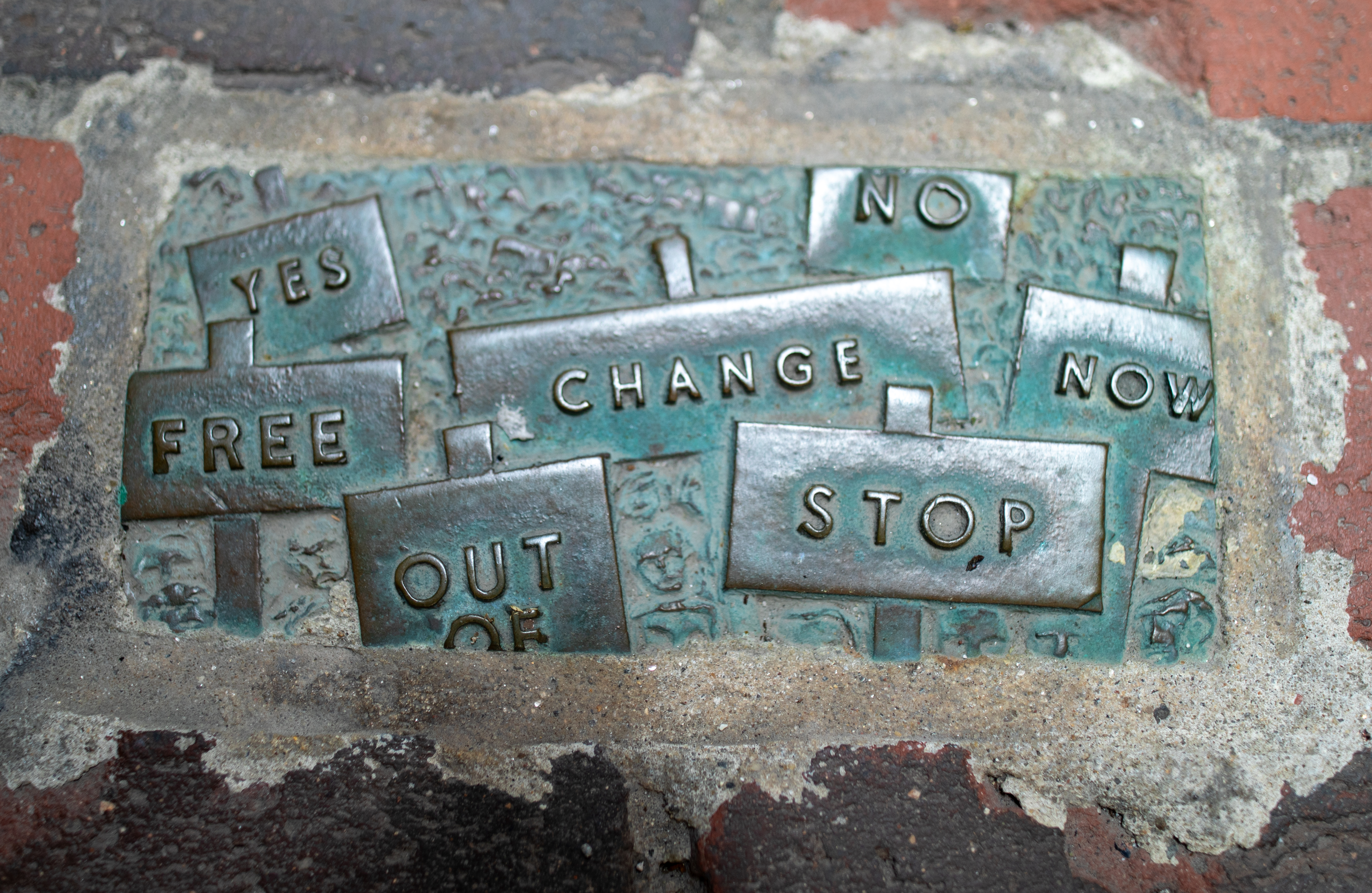
These bricks are representative of the protests and how we have worked to make the world a little bit better.
I never liked tea anyway.
“Yes”. “No.” I wish they’d make up their minds.
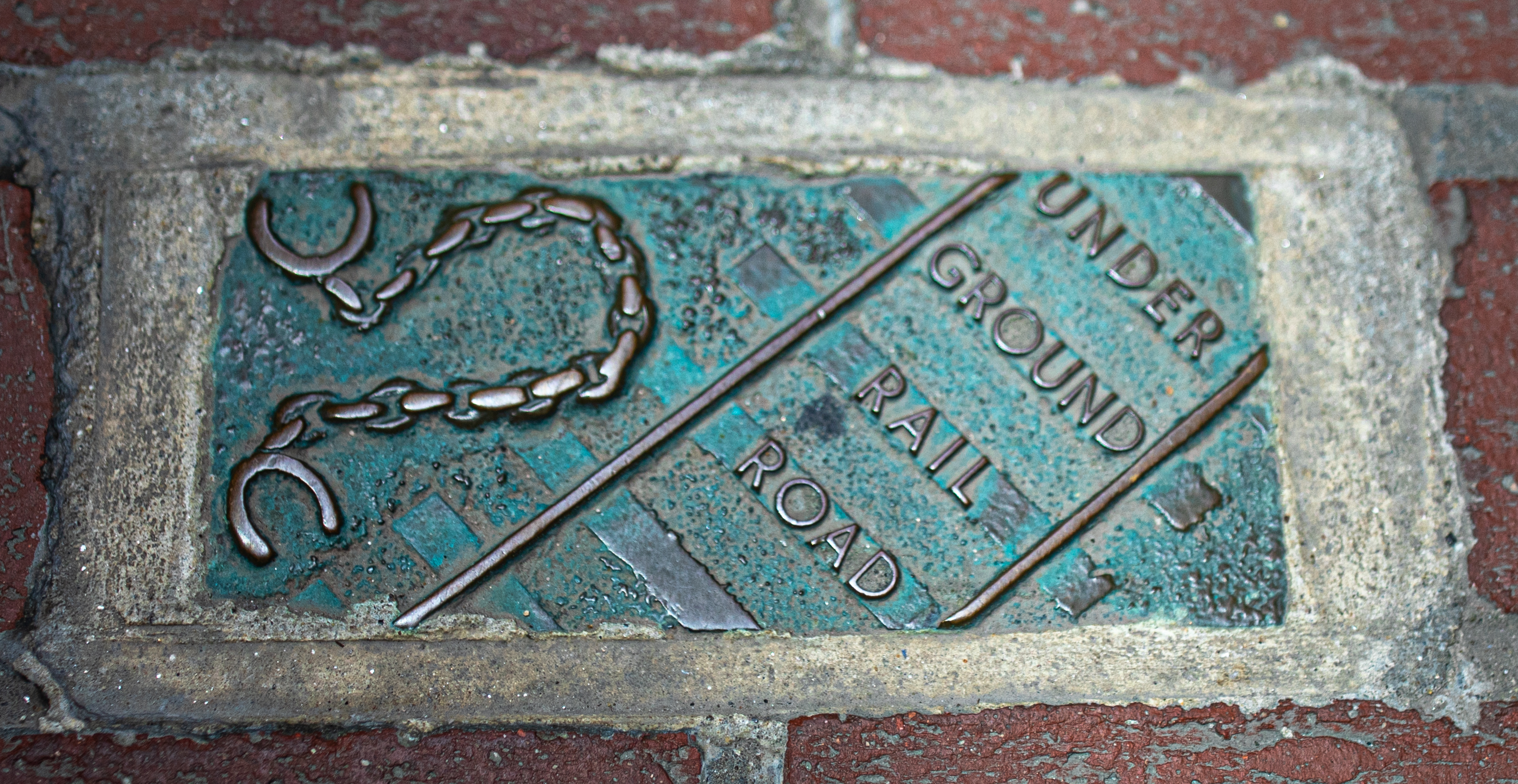
The Underground Railroad did include parts of Boston, specifically the north slope of Beacon Hill and other areas in Boston.
The Stamp Act was another political issue that was hotly debated and protested. If only things were still so simple today.
We have a lot of famous landmarks and buildings. A few of them were represented in the alley.
As it is stated clearly on it, this brick is a depiction of the State House in Boston, MA. Yes, the dome is really covered in real gold leaf. And you wonder why we’re so grumpy.
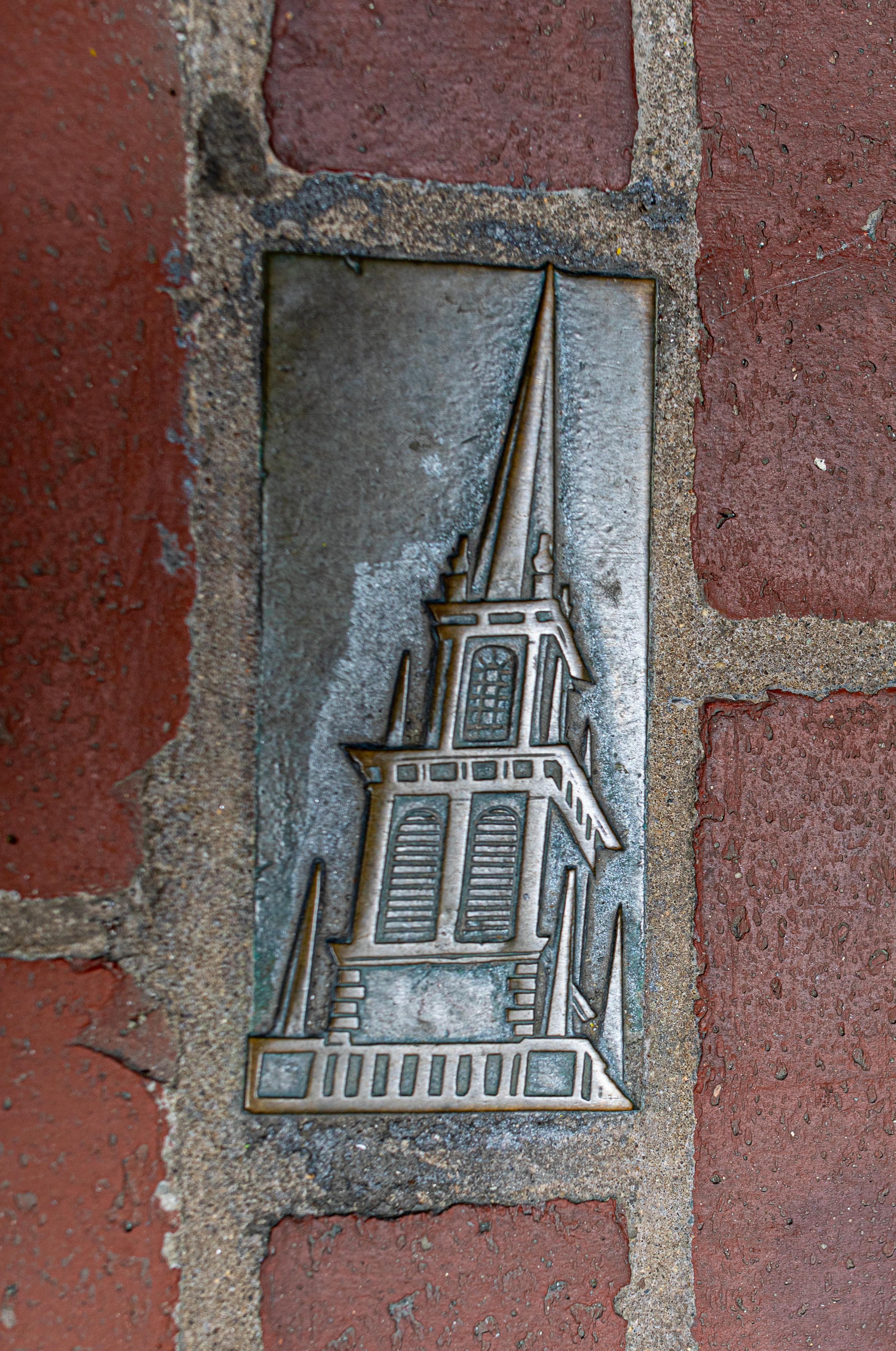
This brick is an artful design of the Old North Church in Boston, MA
The Custom House Tower, also located in Boston, MA, is also on one of the bricks.
Some of the bricks would need a little explaining. So, what’s a “Smoot”!?
A “smoot” is a non-standard unit of measurement (defined as 5 ft 7 inches). This measurement perfectly fits Oliver Smoot, an MIT fraternity pledge from 1958. The fraternity members used poor Oliver to measure the Harvard Bridge in Cambridge, MA (it measured 364.4 smoots long). The fraternity brothers measured him, made him lie on the bridge, marked his full body length and continued the process until they had covered the entire length of the bridge. And I thought I had a lot of free time. The “smoot” has remained a tradition at MIT and a well known landmark (by locals at least). And each year the fraternity repaints the yellow markings.
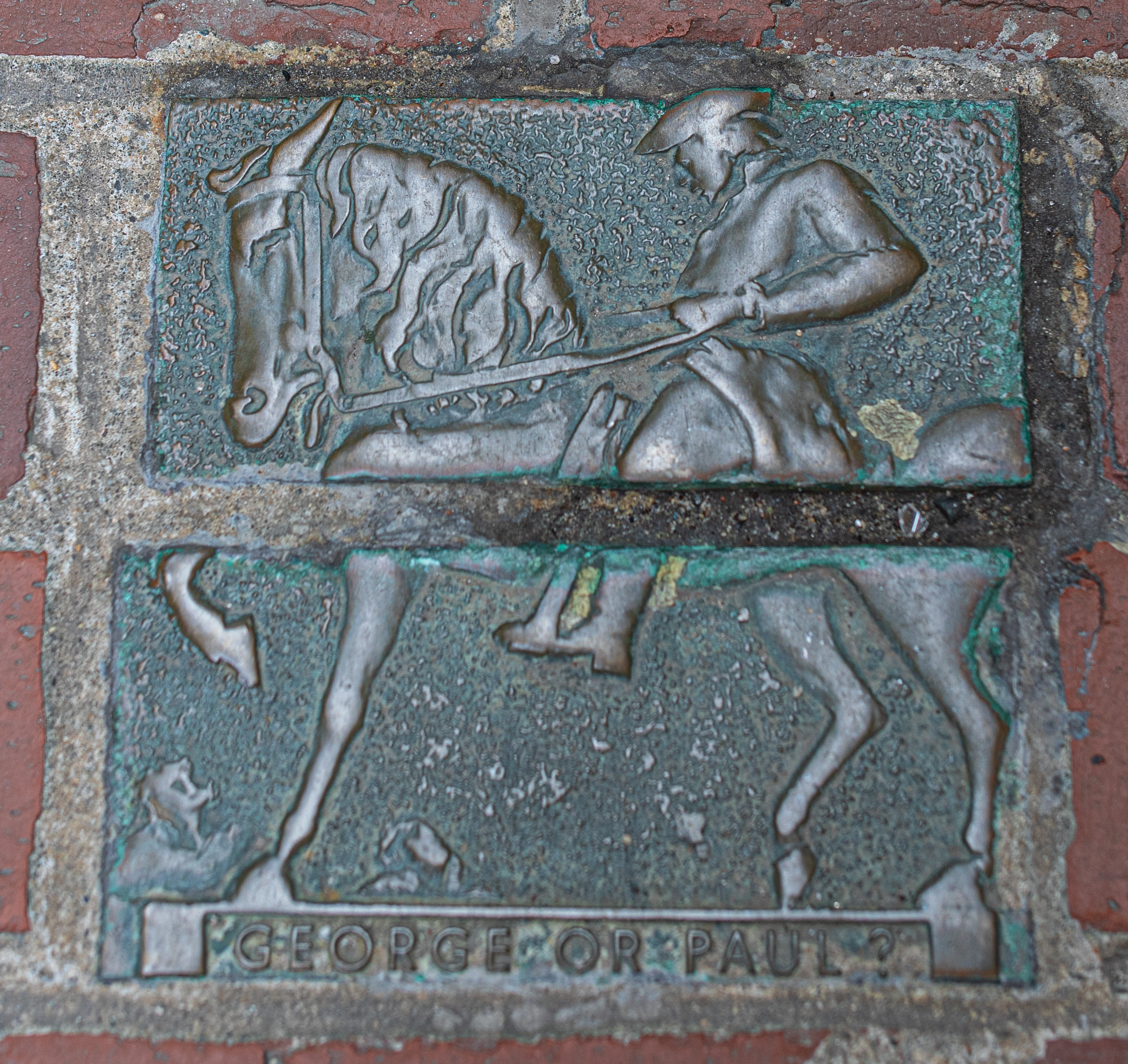
Another brick that may need some explaining is this brick that has “George or Paul?” No, not those George and Paul. There are two statues in Boston of two pretty famous people. One statue with George Washington on a horse is in the Boston Public Garden. The other statue is of Paul Revere, undoubtedly on his ride to warn us all about the British, is located in Paul Revere Mall in Boston’s North End.
This may seem like a pretty straightforward design on the brick below. It is the Longfellow Bridge which spans the Charles River and connects Boston’s Beacon Hill to the Kendall Square area of Cambridge, MA (or vice versa). The bridge has an interesting history and background. The S and the P are meant to represent “salt” and “pepper” as it is also known as the “Salt” and “Pepper” bridge because the shape of the central towers on the bridge resemble salt and pepper shakers. Great. Now I’m hungry.
When it was originally built in 1845, the bridge was named the West Bridge. It was rebuilt in 1906 and eventually it was named the Longfellow Bridge after a certain writer penned a poem about the original bridge (West Bridge) entitled “The Bridge.”
These two seemingly random creatures actually have a very close connection to our history. They are both located on a very old and important historical building; the Old State House. Located on Washington St in Boston, the original State House is also near the site of the Boston Massacre. In any event, this lion and unicorn are located on the exterior of the building near the roof. These are the same figures used in the coat of arms for the United Kingdom which are reminders of its past.
These are only roughly half of the bricks on the alleyway. So, there are many more for you to find on your own! Just don’t forget to look down!
Location: Old Sturbridge Village, 1 Old Sturbridge Village Rd, Sturbridge, MA
Summary: Guided tours lit only by candle light showcased life before the use of electricity in New England.
It’s hard to believe but there once was a time when luxuries like IPads, streaming services and, of course, electrically powered lighting did not exist. But, Old Sturbridge Village was able to recreate these times at the Evening Of Illumination event in February.
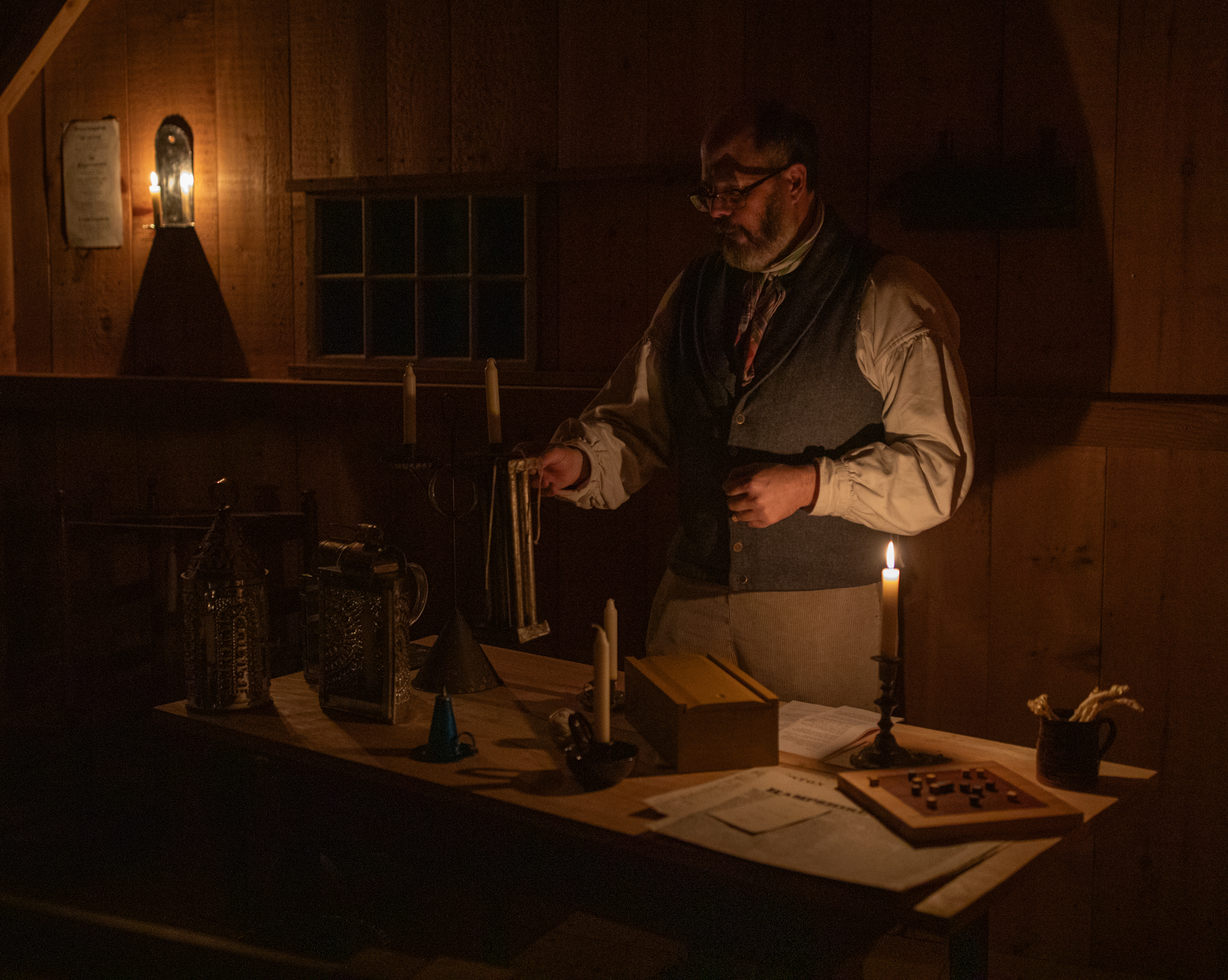
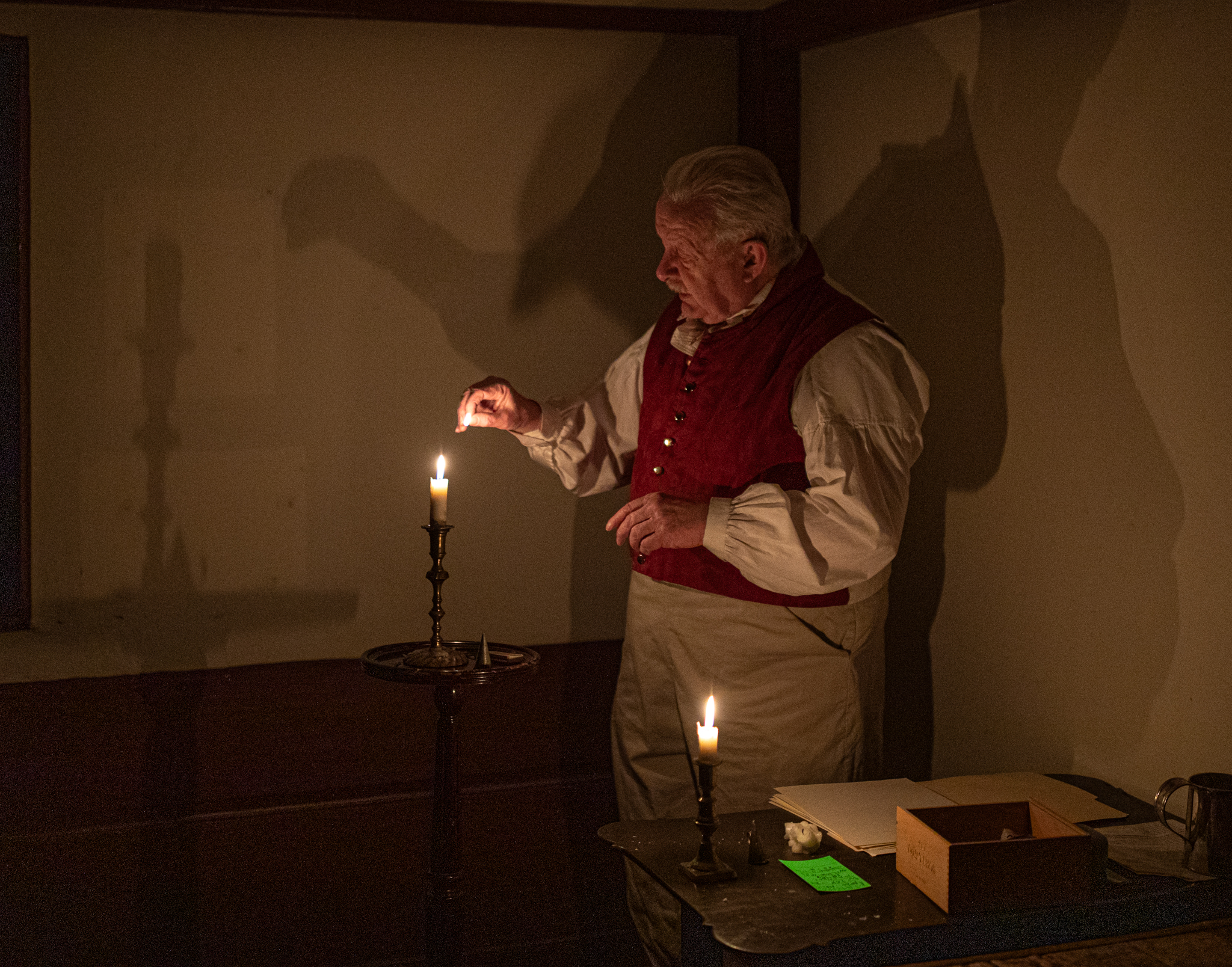
At the first exhibit, the demonstrator showed off some of the different candles and lighting fixtures of the time.
During this event, one of the attendees asked if I could enable silent shooting on my camera as it was difficult to hear the speakers with the shutter of my camera going off. Unfortunately, my camera does not have this function. Modern mirrorless cameras do have this feature. But, my DSLR camera does not have silent mode (although there is a “quiet mode” that still makes a muted sound and is almost like a “slow mode”). So, out of respect for the people in the group, I did switch to video mode and I recorded videos at the historical homes. I did, however, also take a few photos in “quiet mode” when the speakers weren’t speaking. So, most of the remainder of this post will consist of videos from the event. Video recording is not my strong suit, particularly in low light situations and when there are bright light sources in low light. It really is a different skill set. So, I did have some challenges getting the lighting and focus right in some parts of these recordings.
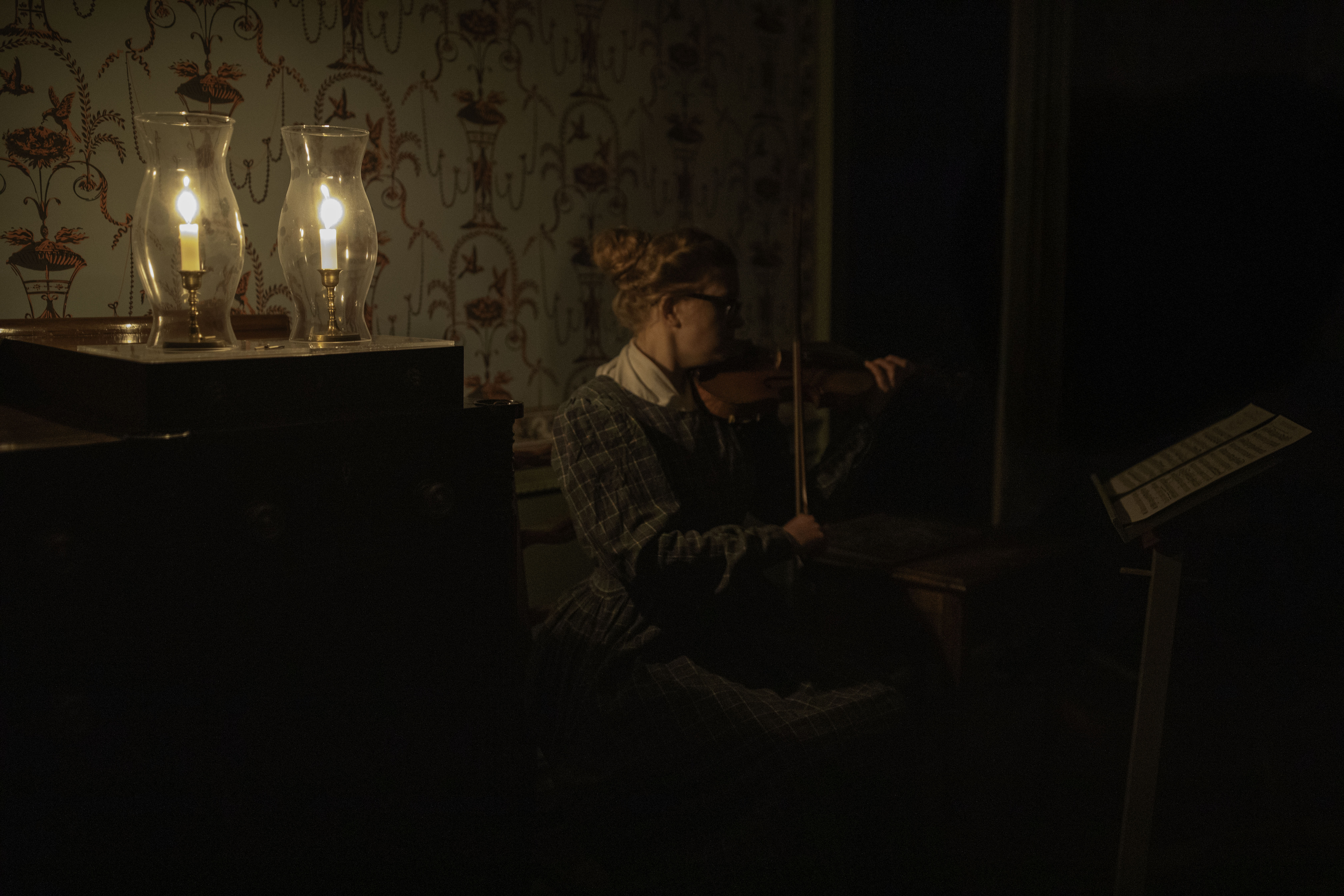
At the next house, a violinist played a few songs. This is her version of “Park Waltz.” I especially like how she threw in a reference to the controversy surrounding her next piece. You may hear her say waltzing is a little bit controversial. In part, this is because waltzing is a form of dance where the dance partners are very close together. So close, in fact, their faces sometimes touched. Additionally, the dance partners would move or turn quickly and the dancing included fast tempos. How gauche!
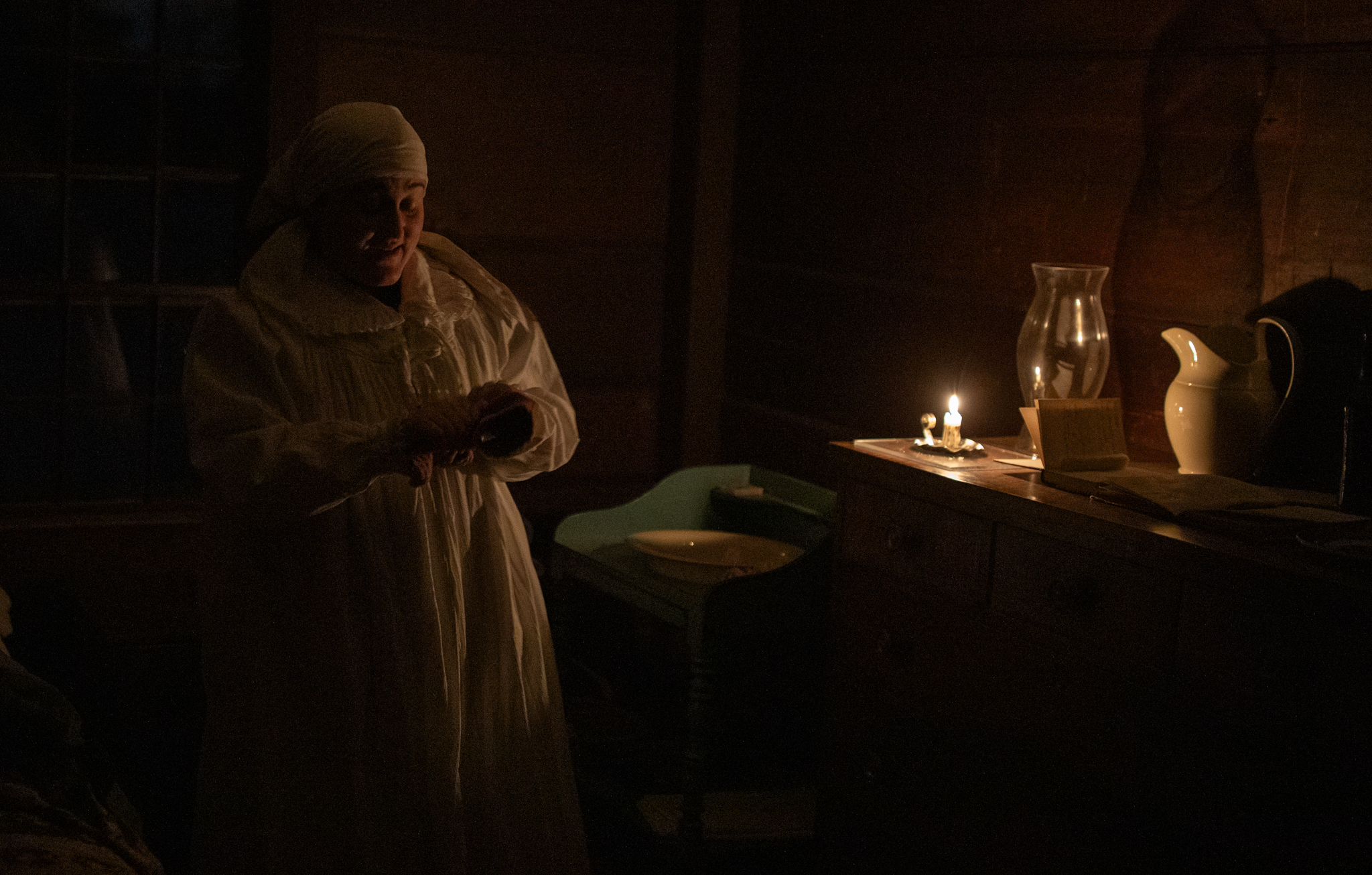
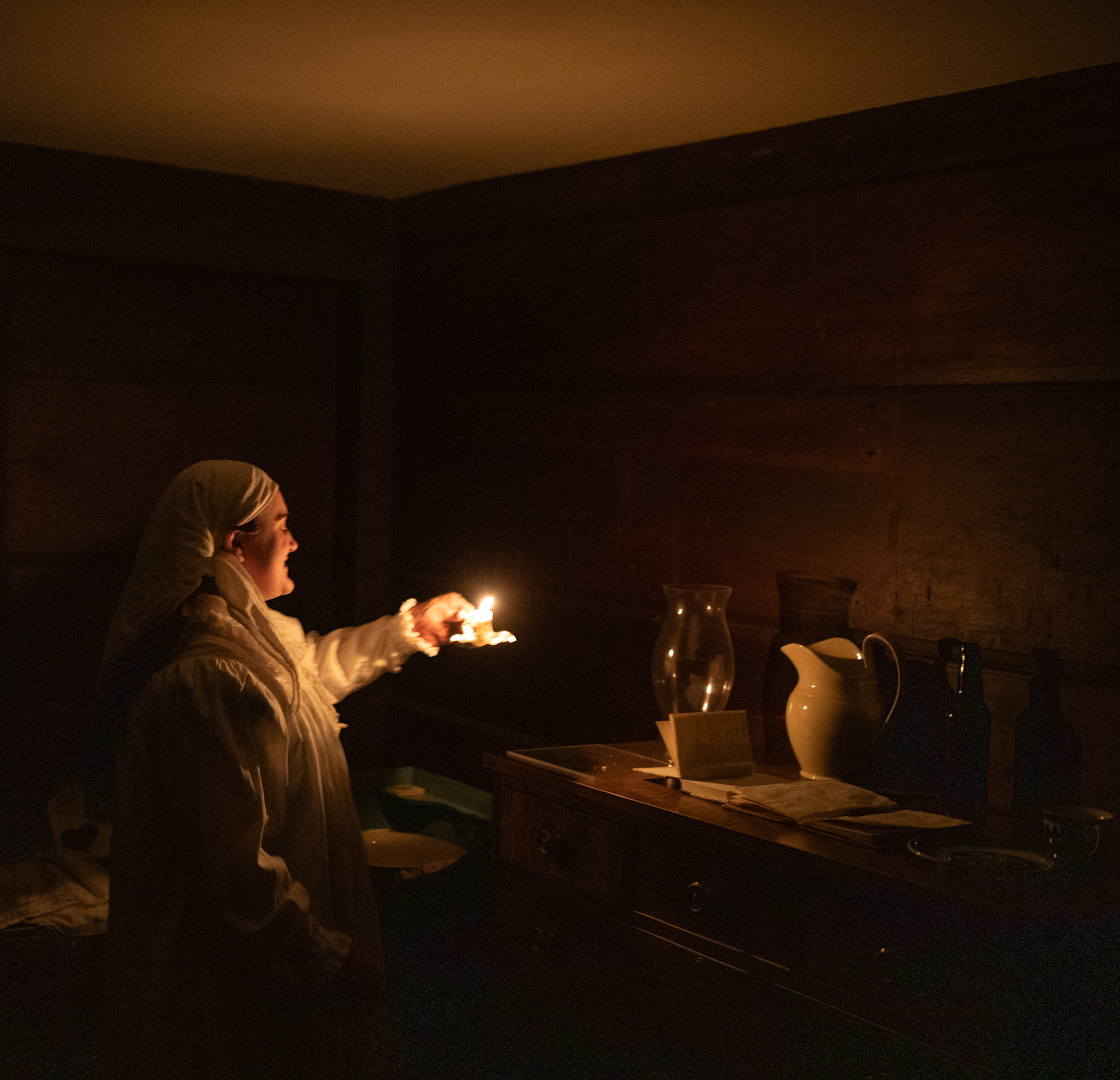
This historical actor showed everyone what her night time routine was like. Her routine included saying her night time prayers, laying out her clothes and washing her face and hands.
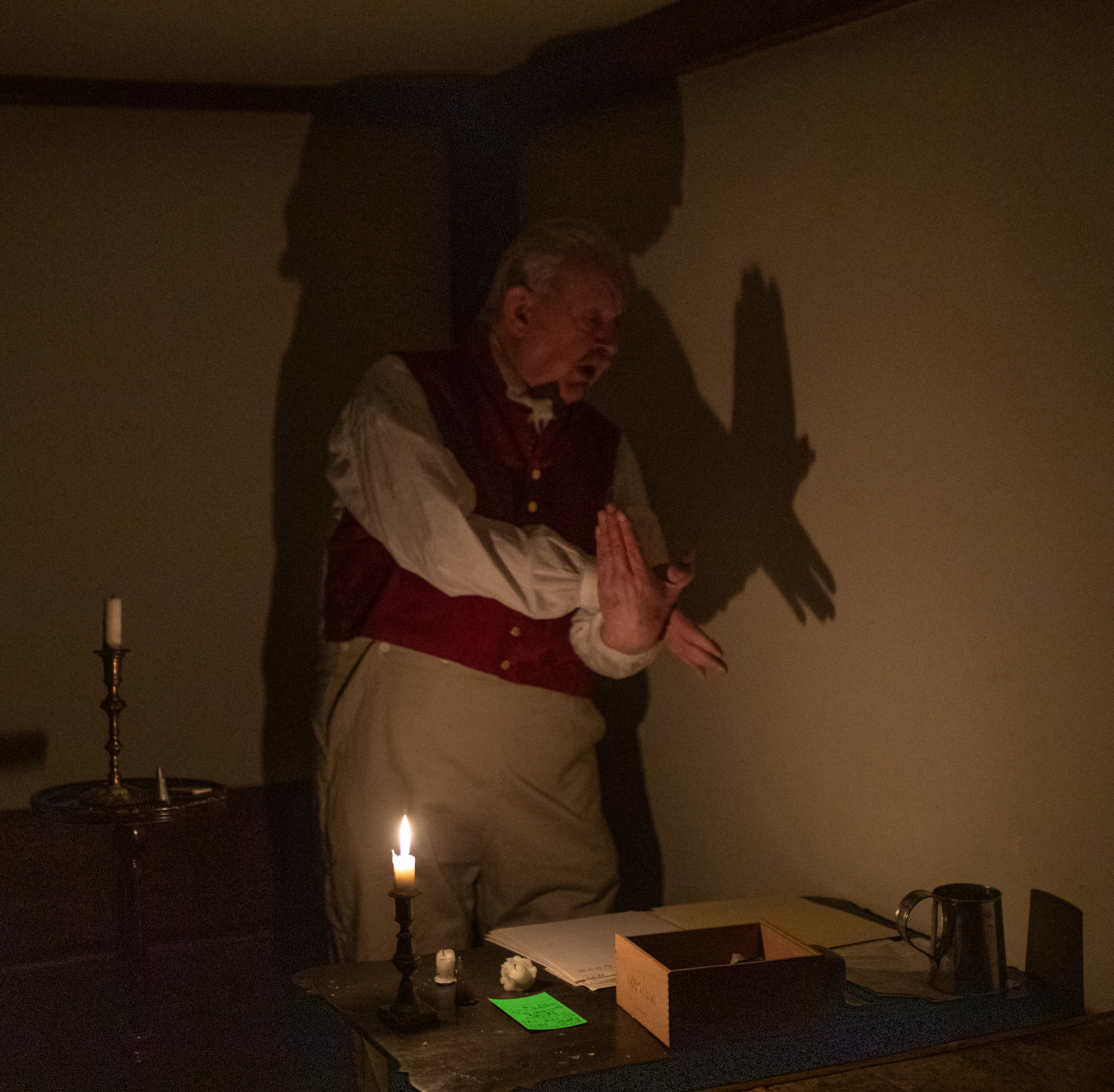
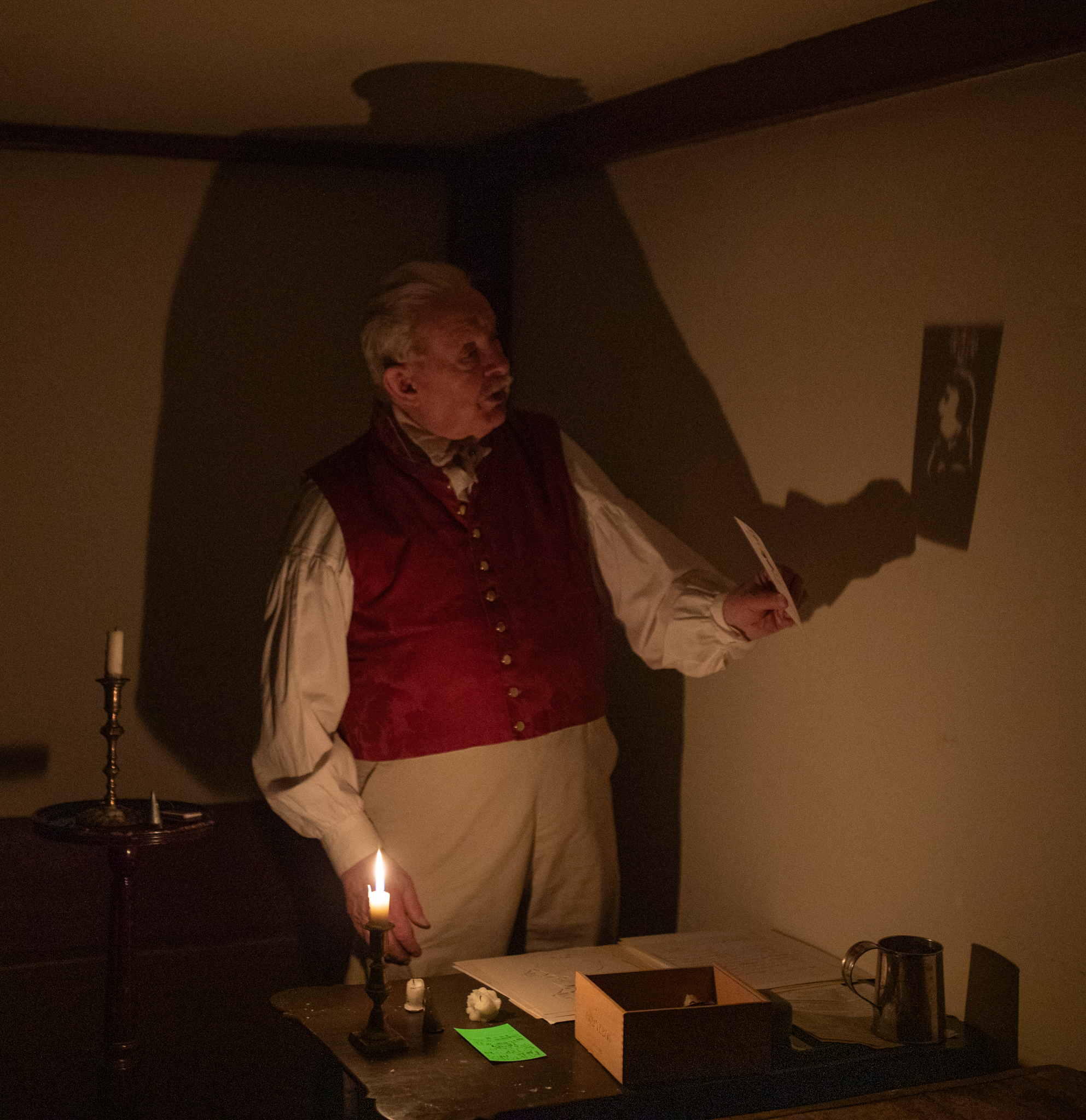
The gentleman at the next house showed us how people kept themselves entertained with a simple candlelight. It’s amazing the images you can create by candlelight.
He also told us some stories that people would share and showed us how people viewed images a s a form of entertainment (way before moving pictures became a thing).
What did people do before board games and apps? The historical actors at this house showed how they kept themselves entertained. Games like charades and asking riddles were popular forms of entertainment.
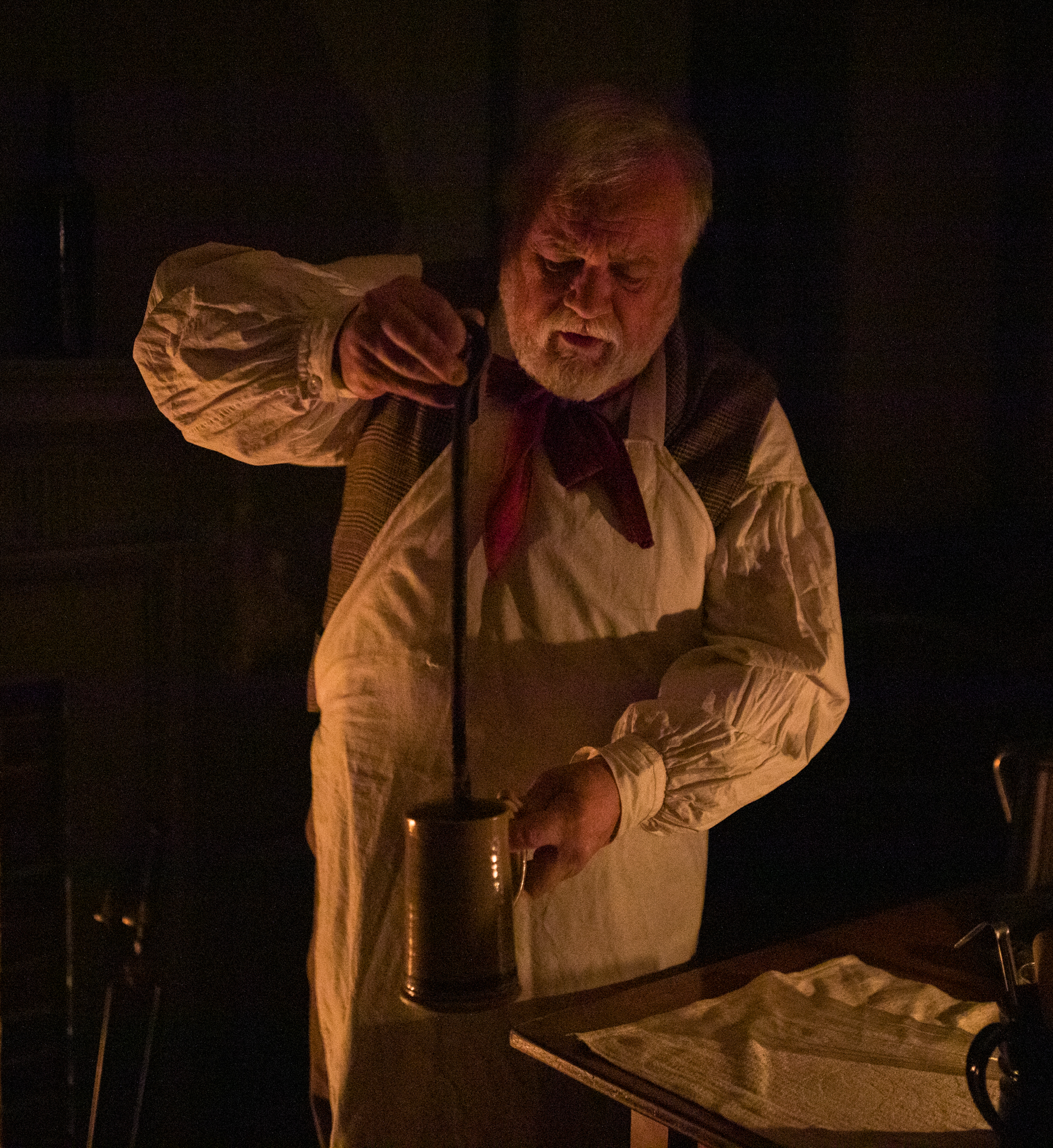
The shoemaker at the the village explained how a shoemaker’s job was like.
The furniture maker at the village described his job by candlelight.
A young couple talked about their lives as young people with a child.
Carolers sang “Yankee Doodle Dandy” at the Meetinghouse.
The shop keeper explained the details of her job and some of the merchandise in the shop.
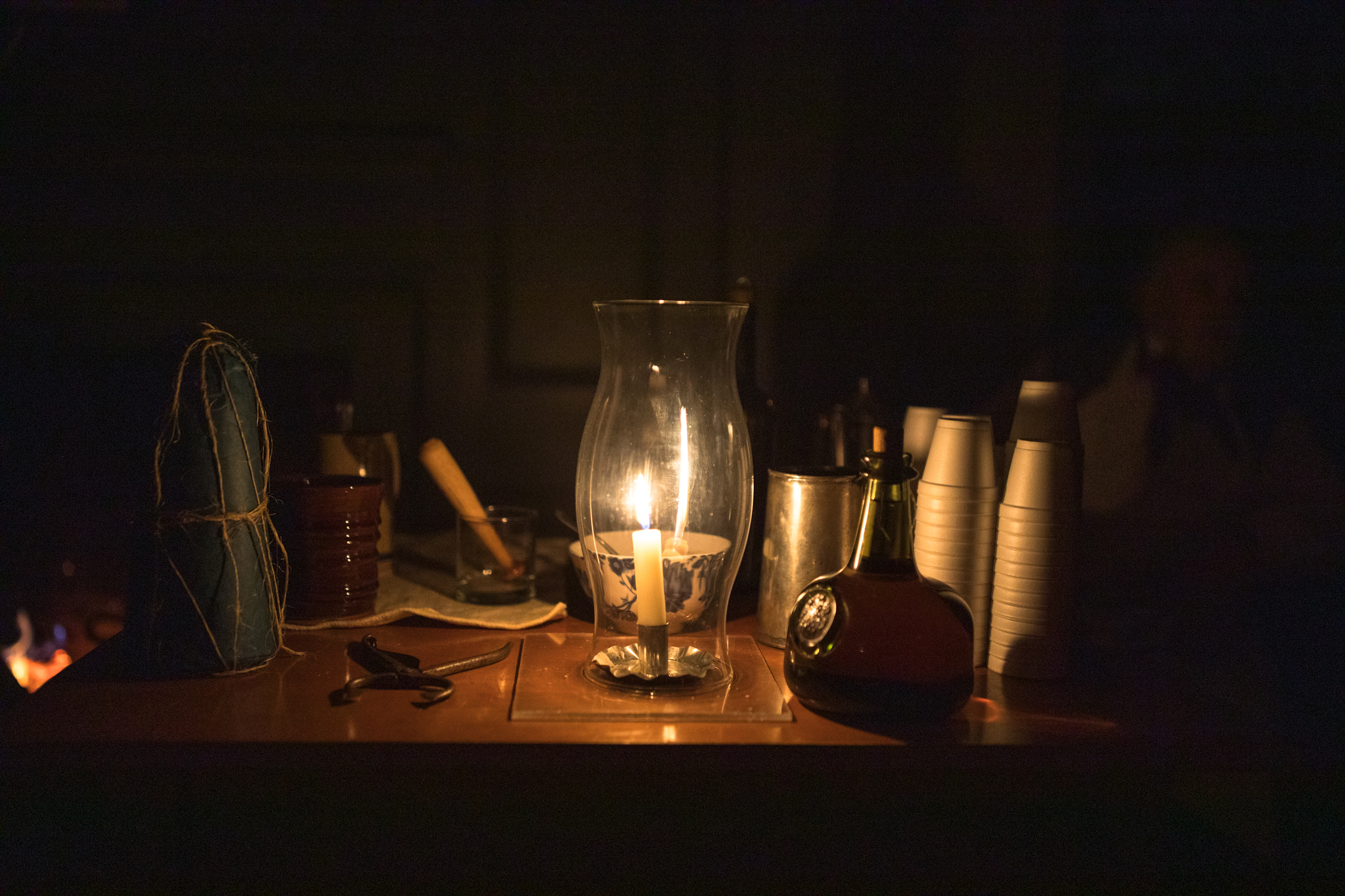
There were also some great photo opportunities in the tavern and lobby.
If that wasn’t enough, there was also dancing! All the visitors were invited to watch and participate in dancing at the tavern.
While this event was a lot of fun and very informative, it also made me appreciate the luxuries I have!
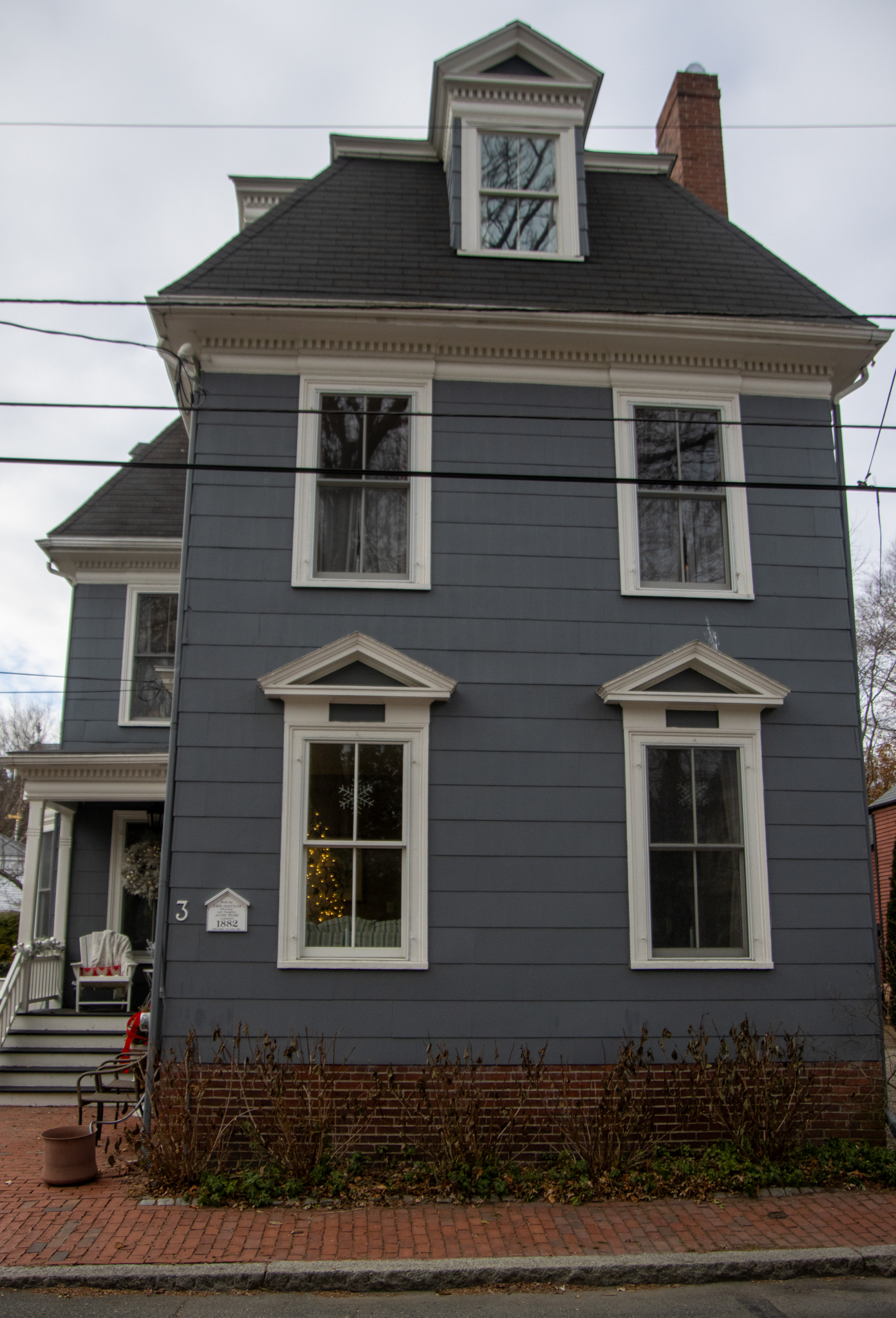
John Bertram, a wealthy merchant and philanthropist in Salem, built this house as an investment for his three daughters: Jennie, Annie and Clara. Upon his death in 1863, his own mansion was donated to the city of Salem. The building was donated as the future Salem Public Library. However, after the sisters showed interest in the home they inherited the house.
It is unlikely that Annie Webb ever lives on Carpenter St. Instead, Annie lived on Chestnut St with her husband, William G. Webb, and used the property on Carpenter St as a rental. Annie sold the house in 1920 to a long time tenant. A succession of owners occupied the house through the years before the current owners acquired it in 2011,
The Bertrams built the house in the Colonial Revival style, an architectural style popular in the 19th century which incorporated an eclectic mixture of stylistic details considered as representing aspects from several earlier historical styles. Ornamental elements typical of the Colonial Revival style used on the exterior of the house include dentilated and bolection moldings at the cornice and elaborate pediments over some of the first floor windows. The roof is an adaptation of the Mansard type popular in France about that time. The house is built in an L-shaped plan with the main entrance at the corner of the L where there is a single story porch.
Speaking of the porch, there was this cute pillow on a chair on the porch to the entrance of the house.
Inside the home there were more Christmas decorations.
This game looked like it would be fun to play!
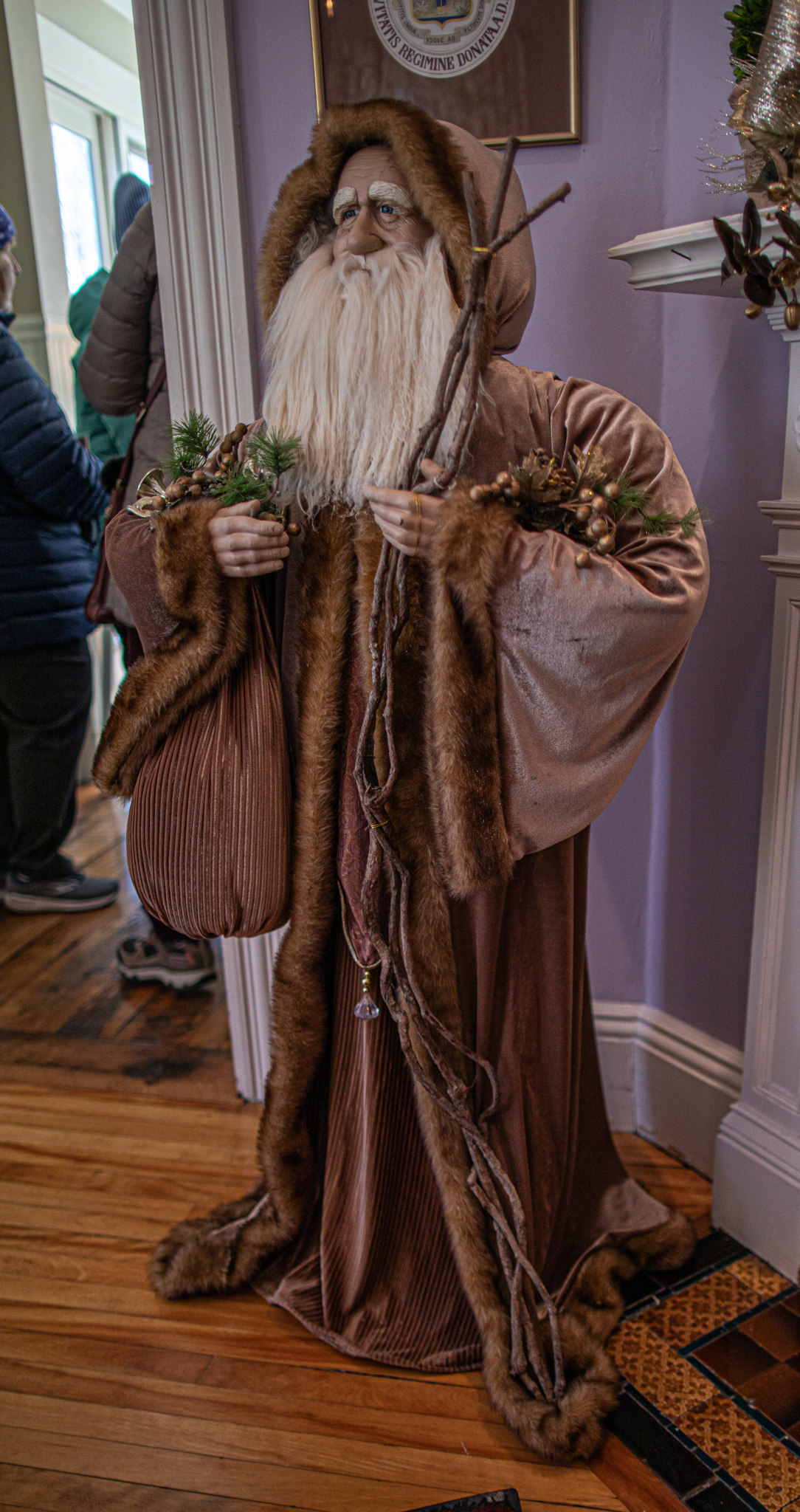
Meet Belsnickel. A crotchety, fur clad, gift bringer, Belsnickel is a figure in the folklore of Palatanite region of southwestern Germany along the Rhine (think Dwight from the office in the Christmas special). In some traditions, he is said to reward the good children while punishing the bad children. So, you really better be good!
This statue seemed like a kinder Belsnickel.
The sunny living room area gave some light and warmth to the home despite the wintry weather outside.
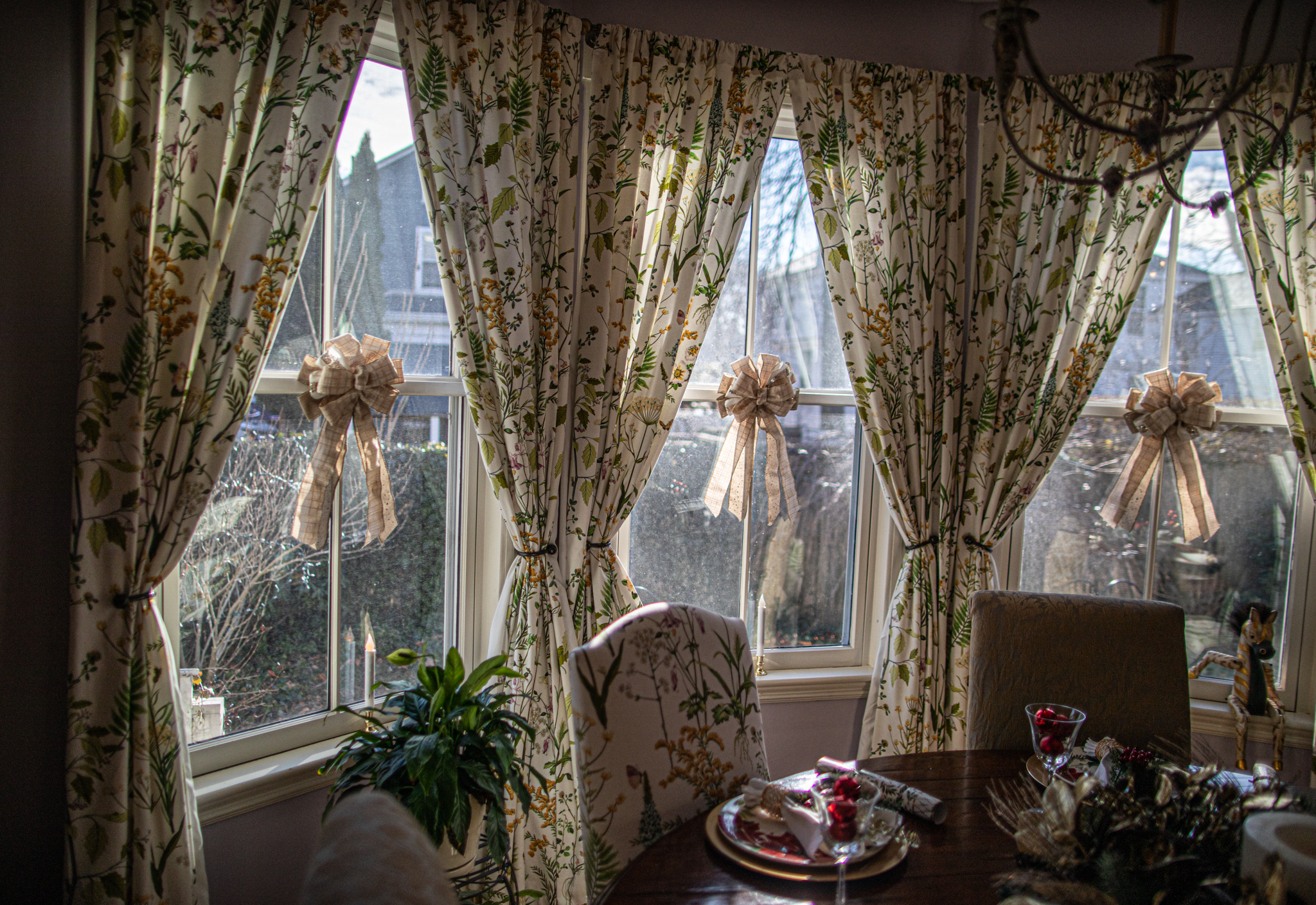
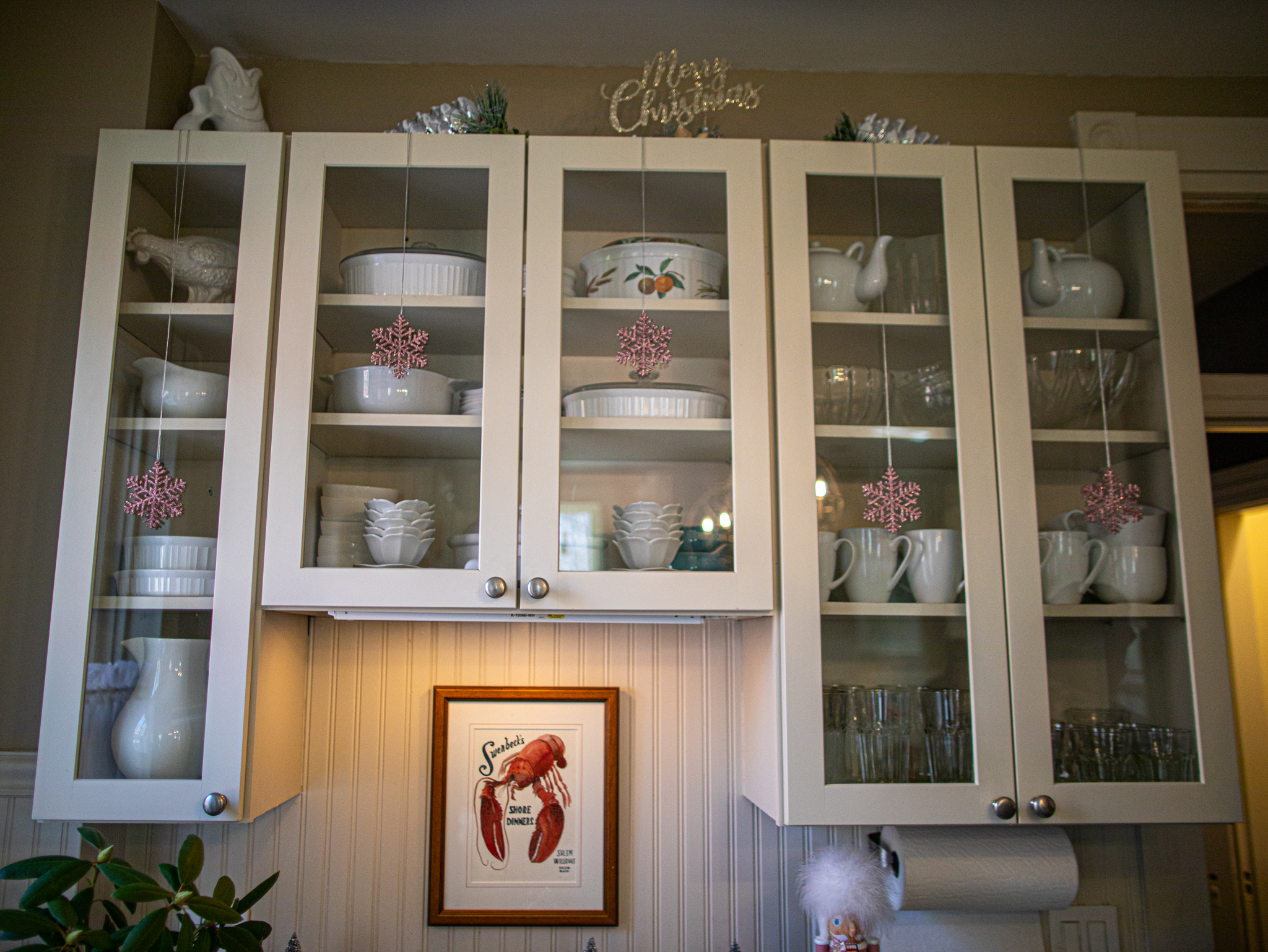
Of course, I spent a little extra time in my two favorite rooms: the kitchen and dining room.
And, of course, what would a Christmas home tour be without not one, but two Christmas trees!
This concludes the 2024 Christmas In Salem Home Tours posts! I hope you all have enjoyed the Christmas In Salem home tours as much as I enjoyed posting about them!
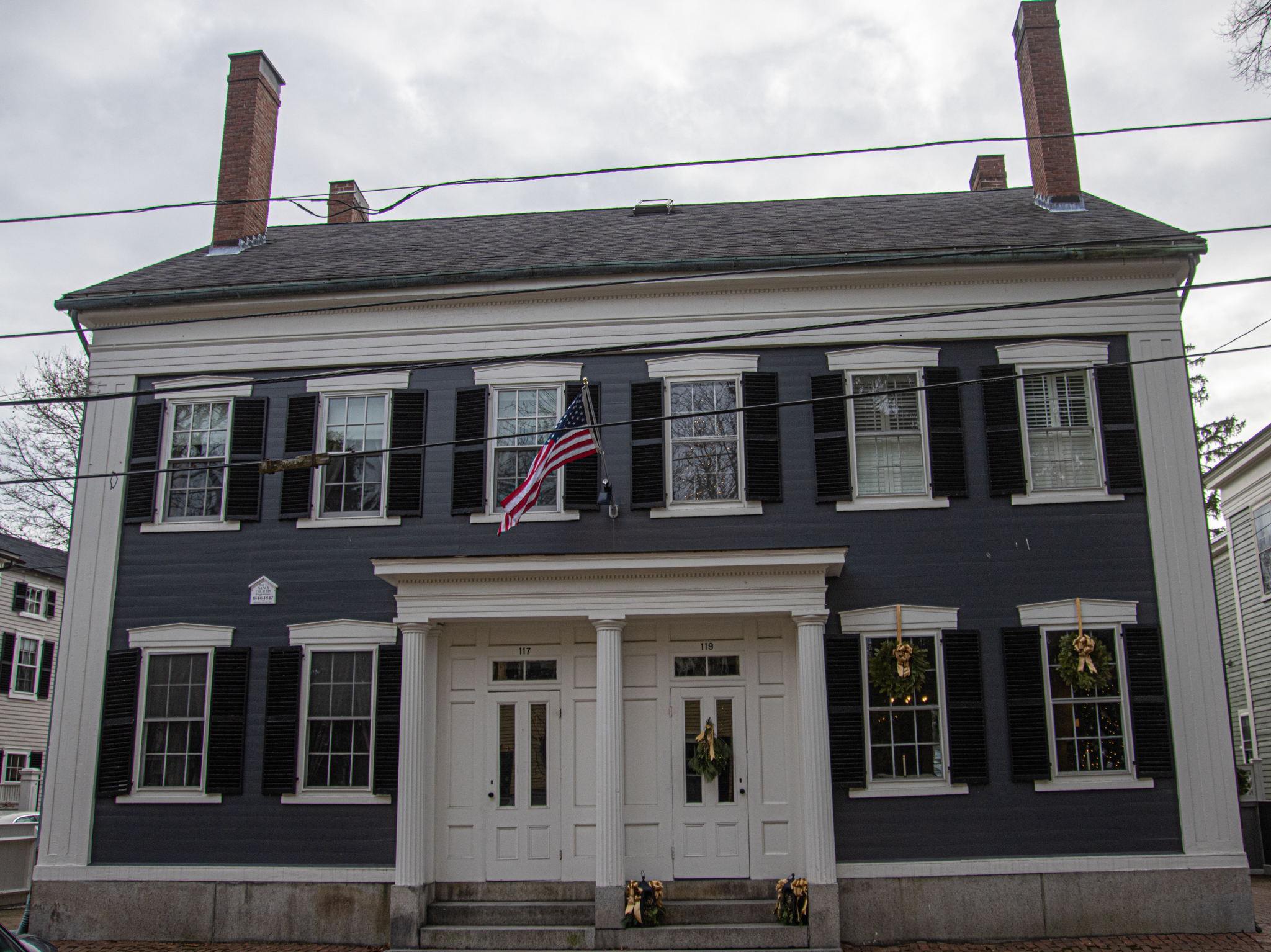
The Nancy Courtis house (the house on the right side of the duplex in this photo) was built for Nancy around 1846. The double house was built in the Greek Revival style. Nancy purchased the property on May 26, 1843 and later had the house built there.
In 1850, the property was worth $5,000 in todays dollars. Nancy had a brother, William Courtis, and a sister Hannah Courtis. She never married and no occupation was ever listed for her. Nancy died in 1875. Since she did not have children to leave her property to, he property was left to her nephew, Ambrose Saunders.
As I entered the Nancy Courtis House, I noticed this mistletoe. The tour guide told us 16 couples had already smooched under it! And that was only a few hours into the tour!
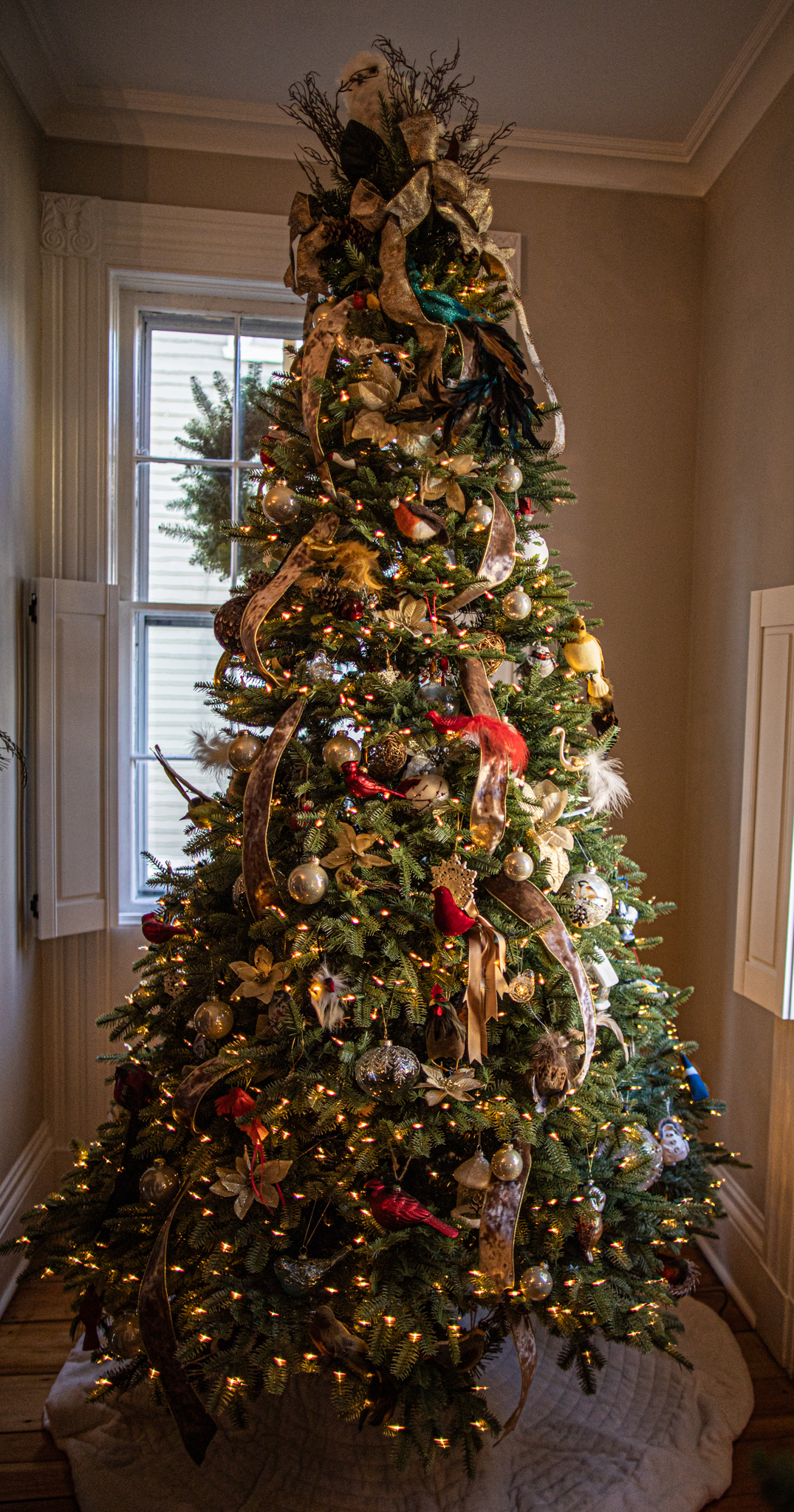
For some reason, this Christmas tree seemed more “full” than the other trees on the tour. The decorations. lights and ribbons gave some heft to the tree!
But, one tree was not enough for these folks. This “bird tree” has a variety of different birds in it. You may have to enlarge the photo to see them.
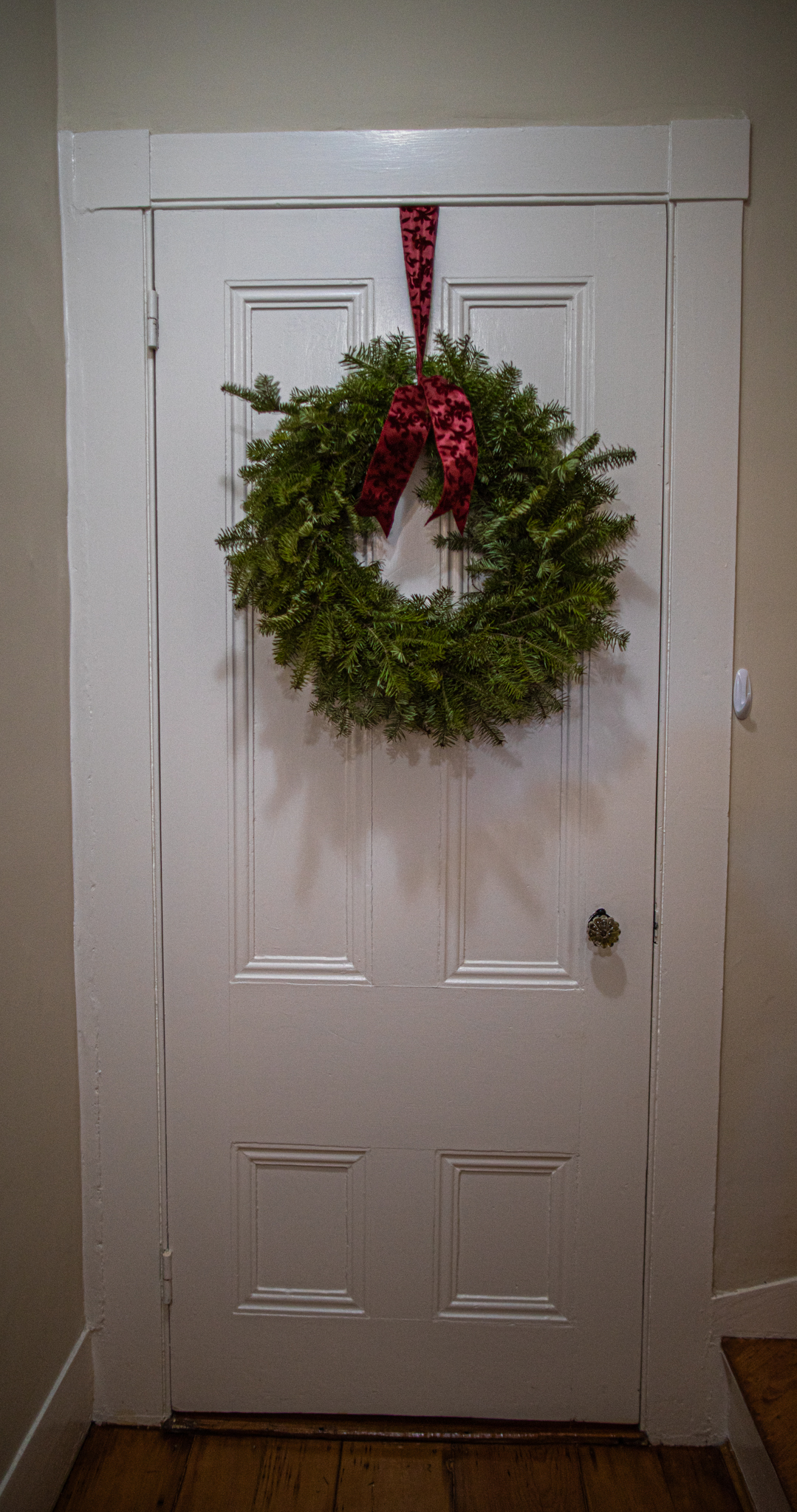
There were also wreaths and other Christmas decor in the home.
On the way out of the home, the tour guide explained how the paint used for the doorway was not a random choice or a fancy passing. The owners of the home, transplants from Louisiana, brought over their superstitions and beliefs with themselves. One of those beliefs is to paint your doorways, particularly the doorway to your porch, in Haint blue. The superstition holds that evil spirits won’t cross water and the blue color represents the barrier to these spirits. It seemed very appropriate for this superstition to be brought to a city known for its superstitions and beliefs in the paranormal.
I know. Christmas posts in April? But, I feel a certain feeling of nostalgia and cheer posting these photos and retelling these stories. I’m just glad I took copious notes during the tours! For those who may be sick of these posts, only one more home left on the tour!
As you may have noticed by the title, this home has a long history of not only being a business but also a lucrative business.
Two brothers, Jacob and Elijah Sanderson, both cabinetmakers, constructed a building on this site in 1793 to be used as a shop. Considered two of the most prominent cabinet makers, the brothers established a firm by the name of E & J Sanderson Co in 1799. The business was a cooperative business venture in which cabinet makers, carvers, gliders, turners, upholsterers and other craftsmen collaborated to produce furniture for local, regional and foreign export or wherever the cargo could be sold for profit. Renowned Salem carver Samuel McIntire supplied piecework to the firm. Following the deaths of two brothers, the property was acquired in 1814 by Joseph Edwards, housewright, who built the house that stands there today.
Joseph Edwards built the house in the Federal style with five bays and an enclosed entrance porch centered on the facade. Fluted pilasters mark the corners of the flat-roofed porch and partial sidelights flank the six panel door. Two pedimented dormers punctuate the roof slope. The house. oriented with the gable and toward the street, sits directly on the sidewalk. A three story angled wing extends behind the main block.
In the 1820s, the owner of the home, Thomas Cole, became proprietor of a school for girls in Salem, the Female School on Marlborough St (now Federal St). This school was said to elevate the learning standards for females to the same level of those that already applied to males.
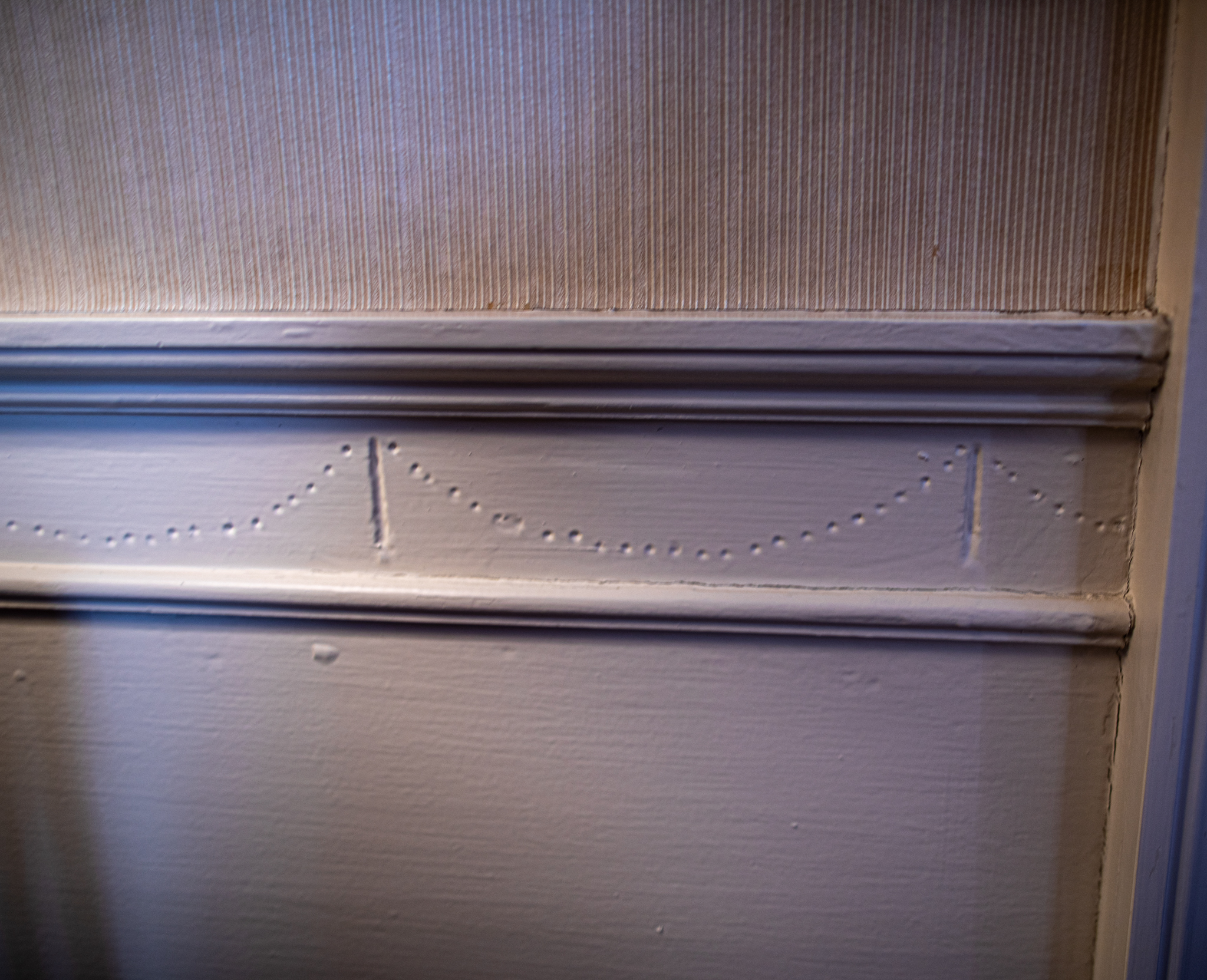
Glyphs, cornicing, moldings and wainscoting are terms I were not aware of before I went on this tour. Yet, they were in abundance at the Edwards home.
In short, these terms are used to describe decorative designs, dots and other ornamental grooves and patterns. This is one of the great things about these tours. I always learn something new during each house tour.
I especially enjoyed the flowers (real or otherwise) and other colorful decor of the home.
Because of the size and dimensions of some of the rooms, many of the homes had their trees in a corner. I always liked having the tree in the middle of the room when I was a kid. That way, everyone could bump into it and knock it over. And, more importantly, there was more room to put presents under it.
People came to the tours dressed in their festive decor. These young ladies wore their favorite holiday headwear. Funny enough, I had photographed some of these very same people at last year’s tour! I hope to photograph you all again next year!
While the house tours may not officially be dog friendly, you may be able to carry your dog into the homes. Brooklynn, a 6 year old Morkie (Maltese Yorkie mix), had a fun time at the tour!
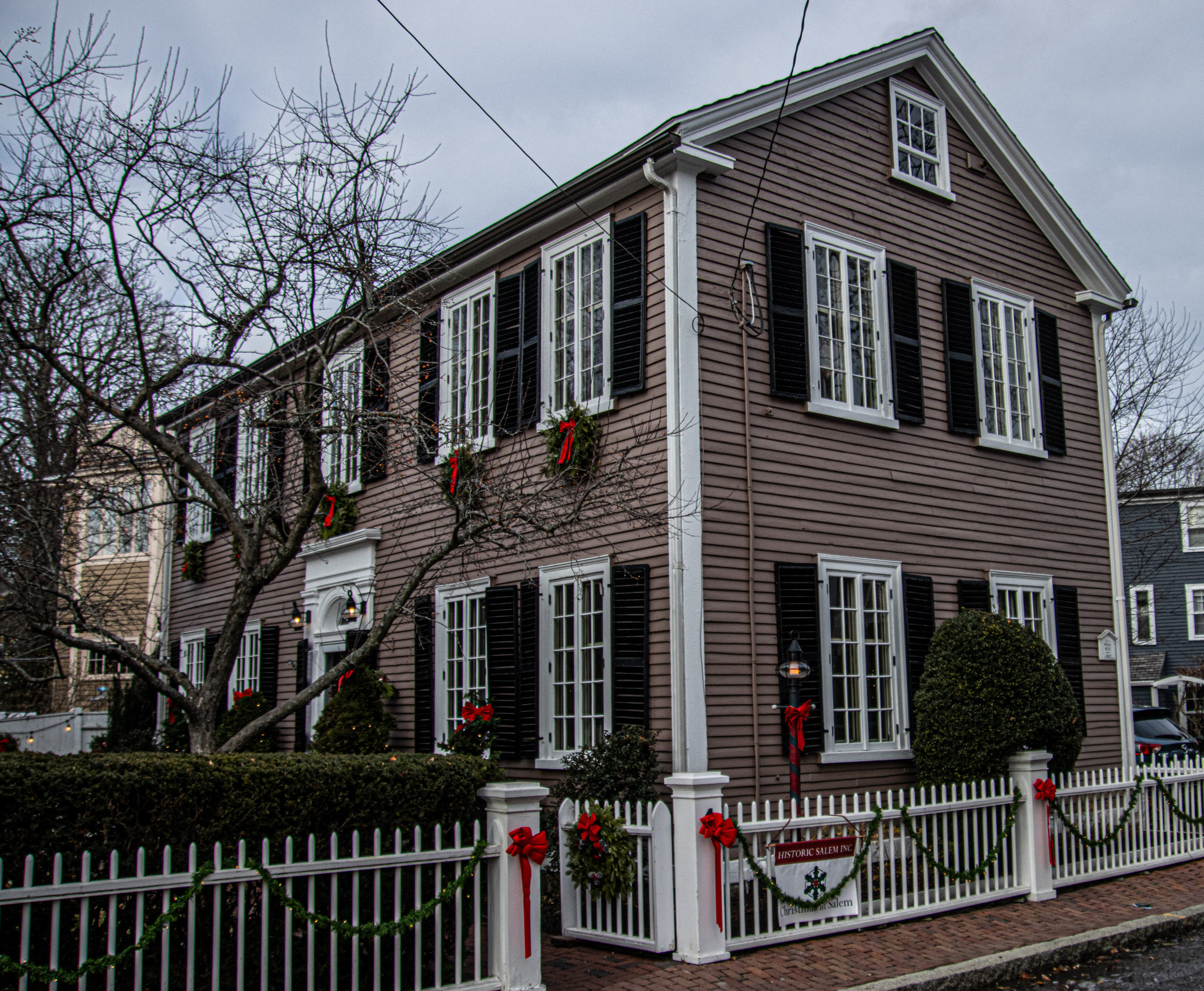
A two story clapboard Federal style house with five bays, the John Dodge House features a pedimented front entrance with fluted pilasters on either side of the door and horizontal row of lights above the door. The house was said to have been built around 1794 by a John Dodge. However, there were several men living in Salem at that time with the name of John Dodge (I’m sure the name Dodge was like Smith is these days). It is believed by historians the original owner was the John Dodge who died in 1812, leaving behind a wife and 6 children.
The house was sold to Lucius Bolles in 1808. Bolles was the first minister of the First Baptist Church of Salem and Corresponding Secretary of the Baptist Board of Foreign Missions fourteen years. He was also one of the founders of Newton Technological Institution.
Bolles sold the property to Priscilla Dike, the wife of John Dike, a prominent lumber and coal dealer. Mrs. Dike was the aunt of the famed Salem author, Nathaniel Hawthorne, who most likely visited the home frequently.
The keen eye may notice the photo of the house posted above was not taken during the tour. I missed this one during the tour. So, I took this photo last weekend.
The home had so many wonderful decorations.
Each of these figures on the mantle represents or is doing one of the things in the 12 days of Christmas. For instance, there is a caroler drumming.
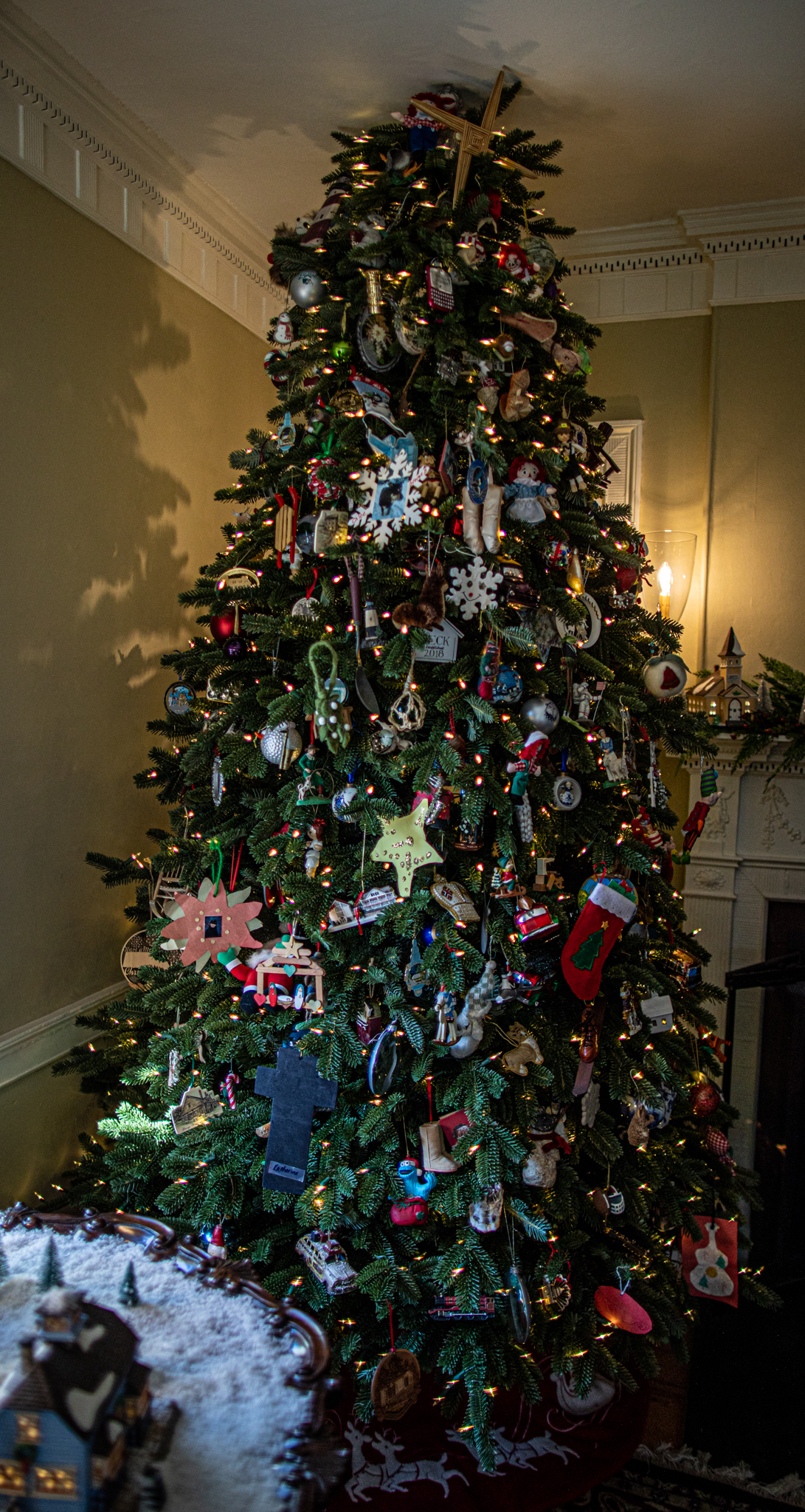
And of course Christmas trees! I think this tree needed a little taken off the top!
I especially enjoyed the old timey decor of the wooden decorations.
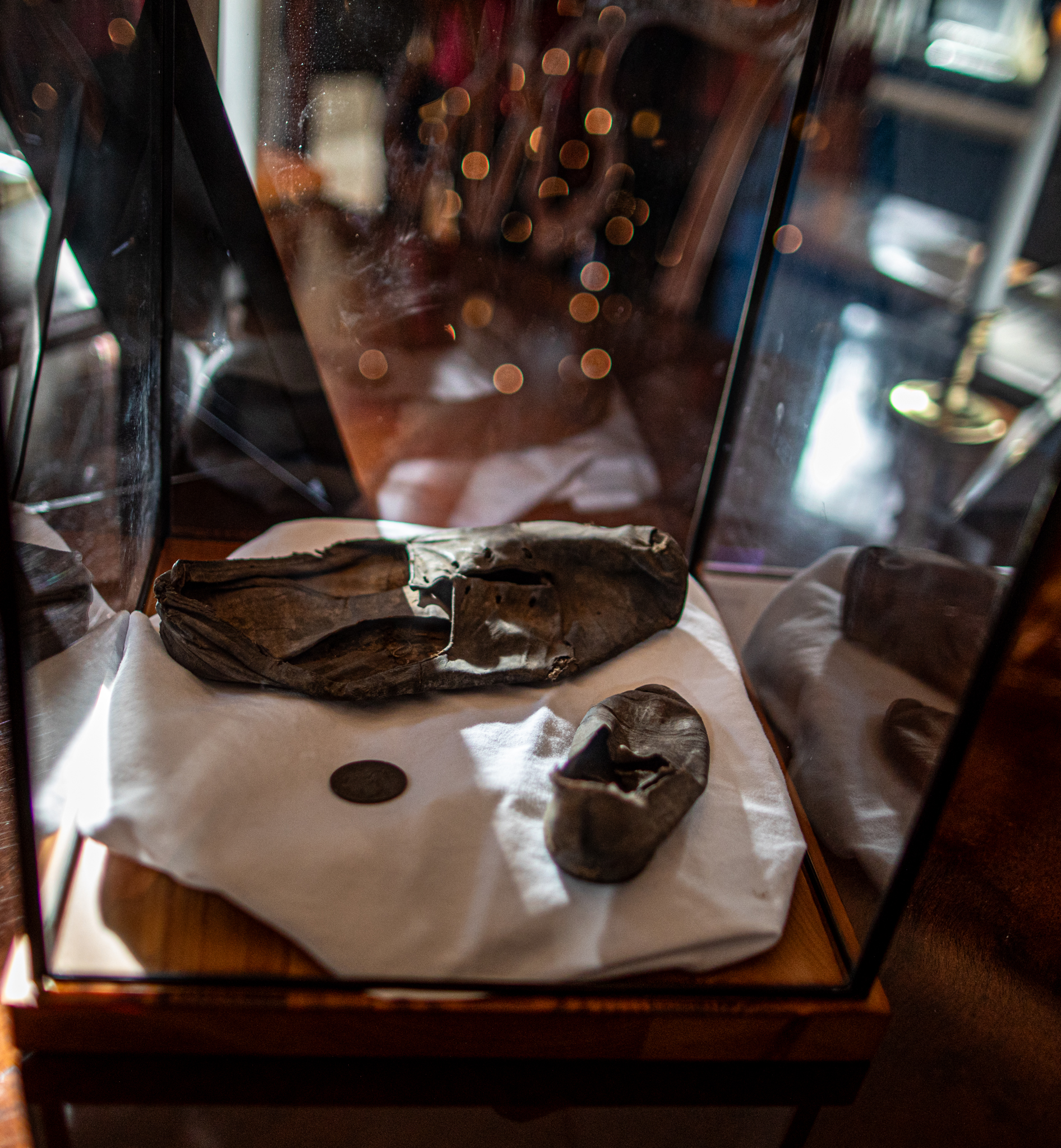
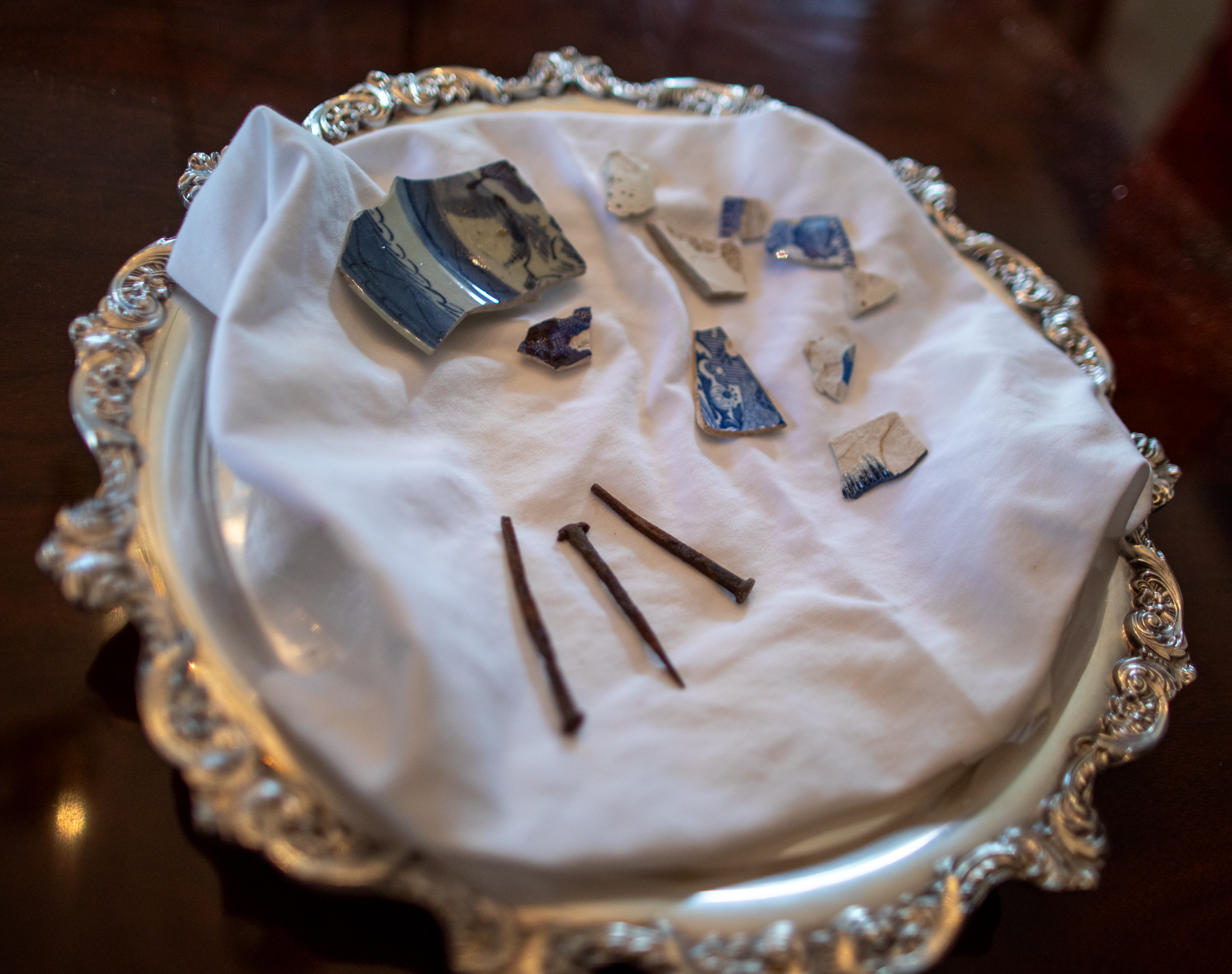
While doing work around the house and property, there were some unexpected discoveries.
These shoes were found by the chimney near the attic. Shoes had a special significance during the times of the 1700 and 1800s. They are the only item of clothing that takes the shape of the person who was wearing them. They were believed to hold something of the wearer’s essence or personality even when they were not being worn. It was believed that it was this association with the wearer that could fight off evil spirits should they try to enter a home.
The blue and white Chinese porcelain pieces were found while digging in the cellar of the house. The wrought iron nails, also found in the cellar, are believed to be original to the house.
Believe it or not, this piece of furniture traveled from England to Salem! At least that is the story behind it. What is known for sure is it was transported from Boston to Salem.in 1794 which must have been an arduous journey. Although it may have been cleaned up and polished over the years, it’s incredible to see it has stayed in such good condition over the years.
It feels weird posting about Christmas in March. Yet, I also feel a sense of warmth and joy looking back on these photos. Christmas decor and the Christmas spirit are always appropriate no matter the time of the year!
Located on 4 Federal, Court, the Mikah Wild House was built in 1804. The house is considered a classic example of the Federal style house with its gable end to the street. An interesting factoid as to why this house was built this way is that homes were built this way to avoid taxes. People were taxed by the street frontage of the house. And, since the side of the home was more narrow and smaller then the actual front of the home where the the front door is located, people paid less taxes. Duly noted. Although I’m sure that law has been updated by now.
Unfortunately, I did not take any photos of the side/front of the home. But, I was able to find this photo on redfin.com. as it will show the descriptions I will outline below.
The south facing facade of the home has five bays and a central entrance trimmed with flat pilasters and a semicircular fanlight above the door.
The builder of the house, Micah Wild, was a native of Braintree, MA, and a Revolutionary War veteran. He moved to Salem, MA, in 1790 and he acquired the land to build the house in 1802. In 1806, fellow Revolutionary veteran James Barr and he agreed to lay out a private way or court, 24 feet wide, extending from Federal Street to land belonging to James Ropes. Wild built the house on a parcel of land of that right-of-way. The Wild family did not live there very long. As they moved from Salem to Andover, MA, in 1810.
In 1815 Eben Dodge, a flour and grain merchant, and his wife Joanna acquired the house. Their son, Eben Dodge, Jr, was born in 1819. He would later go on to become a professor of religious studies and the fourth president of Madison College (now Colgate University).
The current owner acquired the house in 2022.
I was hesitant to go to this house because I didn’t want to go to Federal Court. But I took my chances.
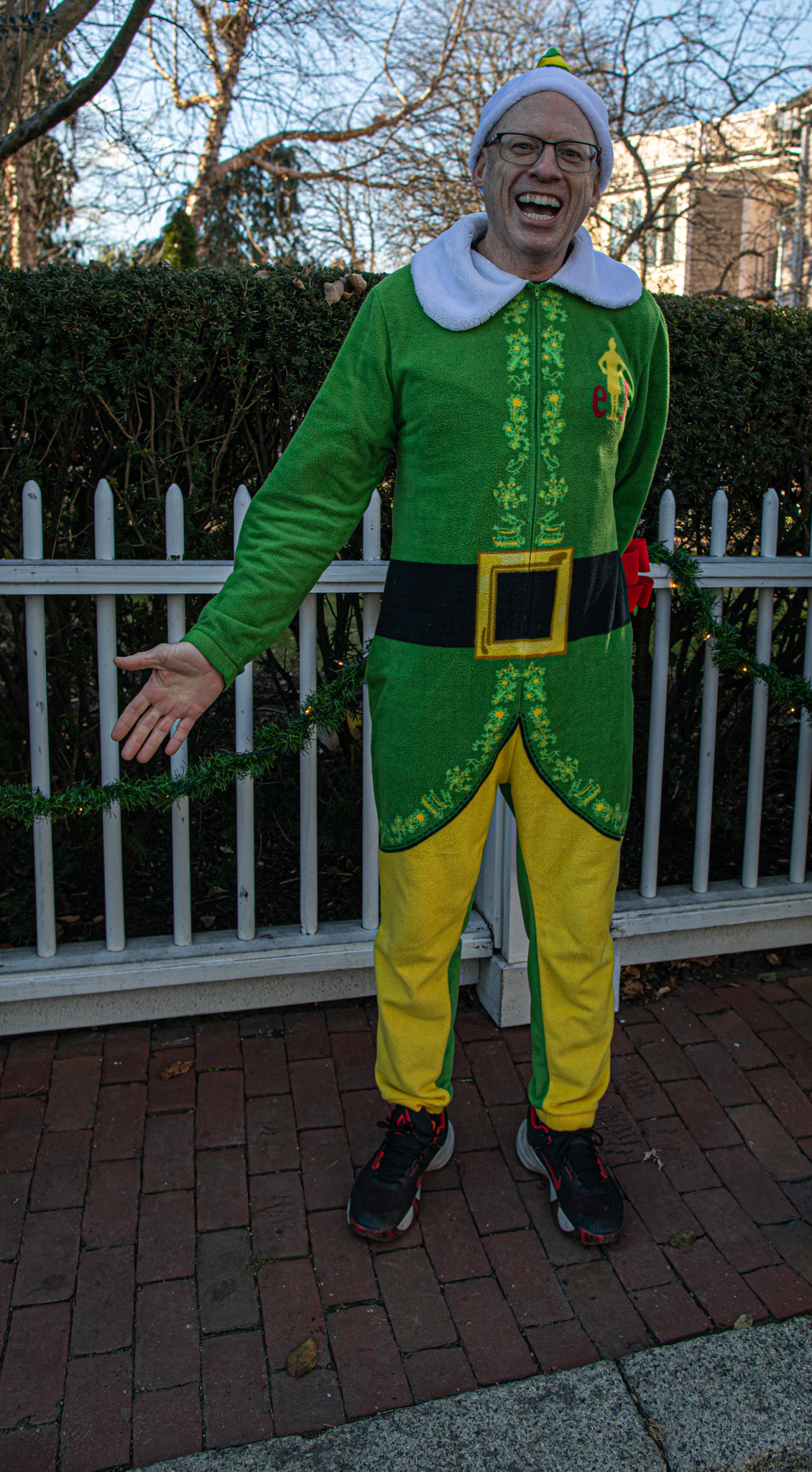
While waiting to enter this home, I met this elf.
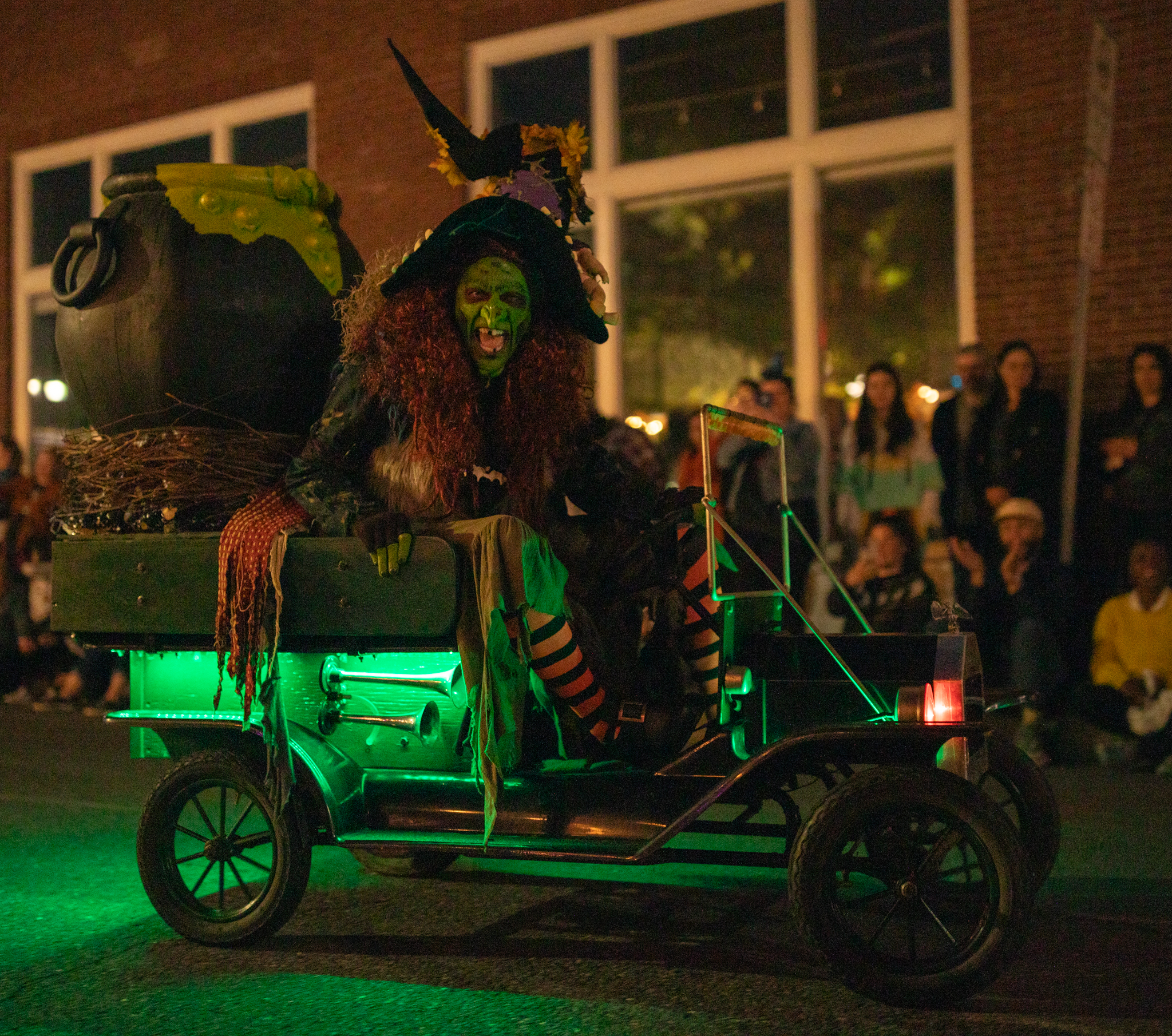
Brian is also know for dressing up as the witch “Borah” in Salem during Halloween.
A portrait of the home hung on the wall leading to the stairwell. Much like the rest of the house, the stairway was decorated for the holidays.
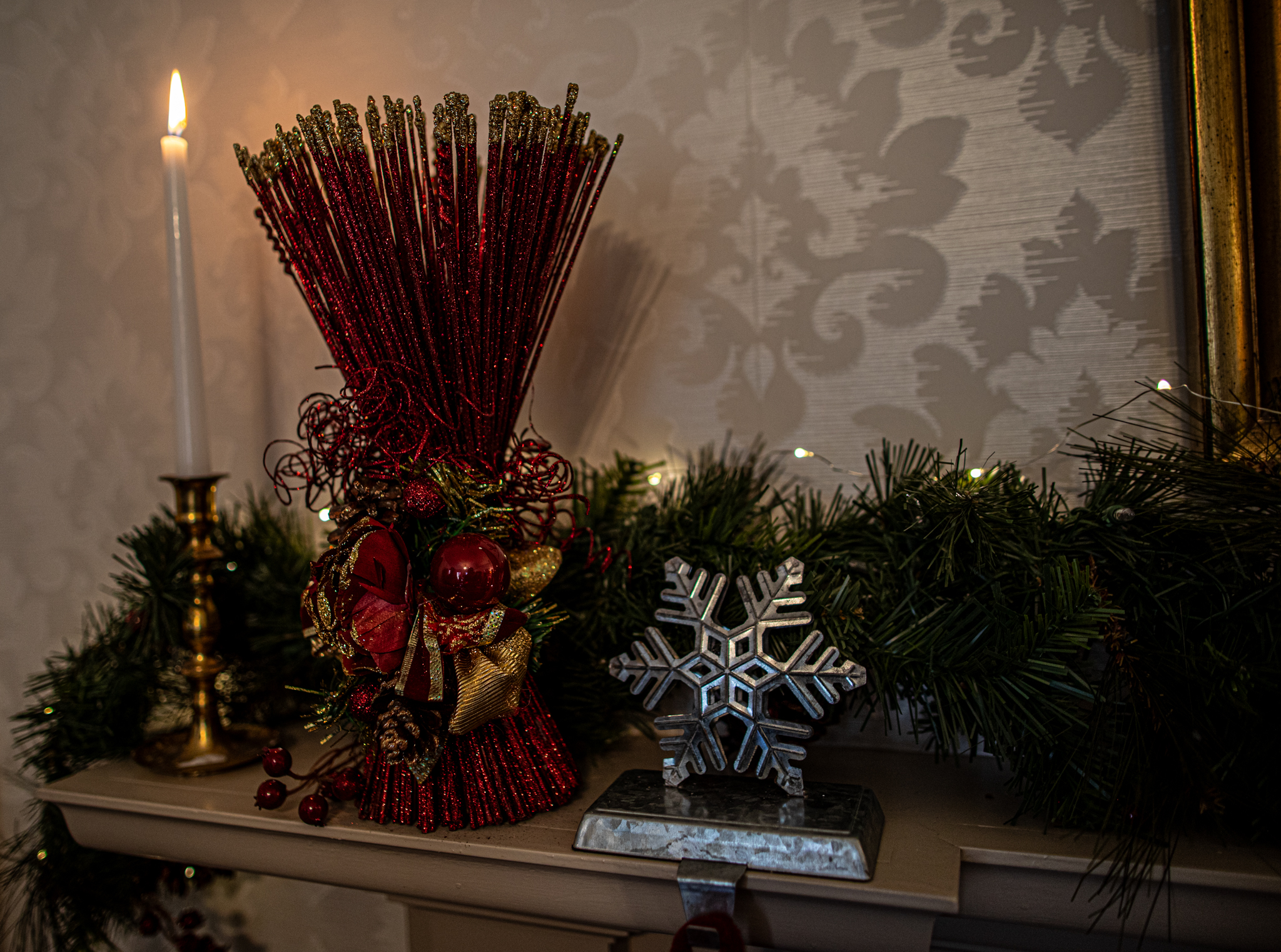
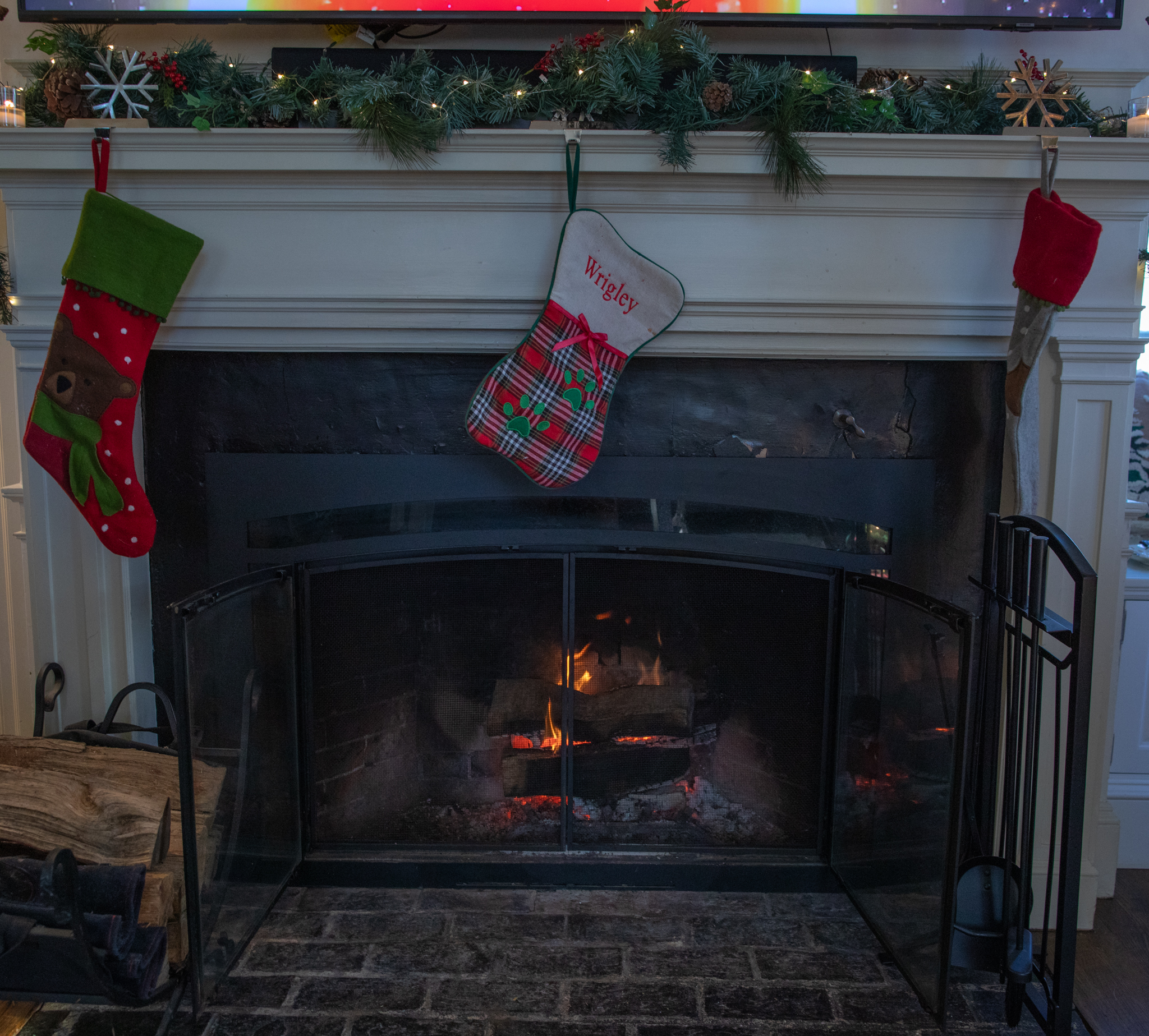
Stars, holly and even a Santa statue filled the home with holiday cheer!
Fun fact: the home was said to have been bought by Robert Parker of the “Parker Brothers” family.
There was also a Christmas tree and other assorted decorations.
I bet this closet could come in handy during the holidays!
My favorite part of the house was the free candy, of course. Mental note: Don’t put candy canes and chocolates in your pockets when you’re crouching down to take photographs.








































































 New England Nomad