Date Of Event: December 7, 2024
Location: 310 Essex St, Salem, MA
Website: The Witch House

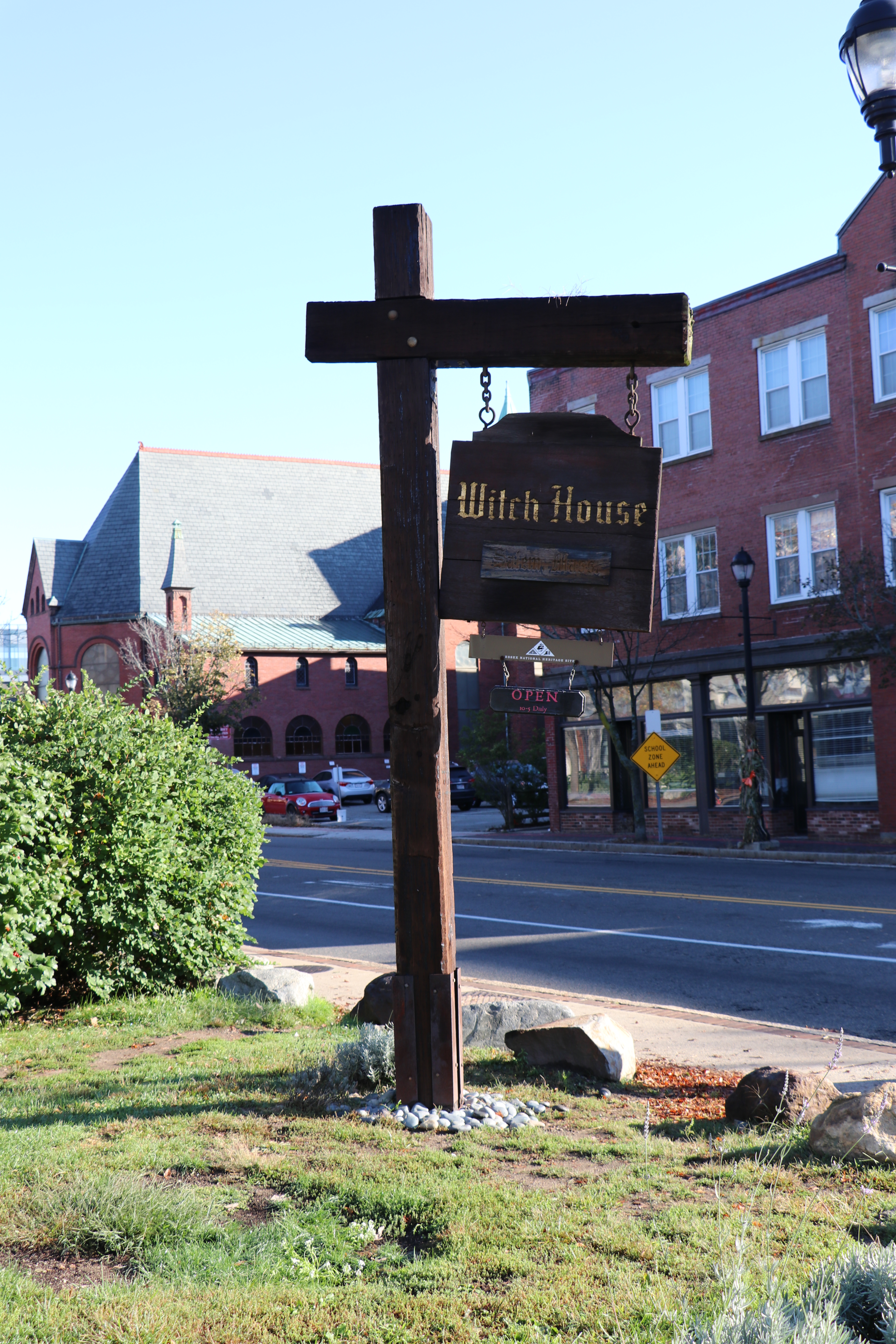
The Witch House in Salem, MA, may be not only the most photographed housew in Salem, it may also be the most infamous.
Built in circa 1675, the building was built by Captain Nathaniel Davenport of Boston. The wood-frame and clapboard home was sold to Salem merchant Jonathan Corwin. After purchasing the home, Corwin hired mason Daniel Andrew to complete the structure.
In 1692, during the Salem witch trials, Corwin, who served as a magistrate and justice, would question and examine some of the accused witches in this very house. None of the accused ever lived in the house. And, of course, none of the accused witches were actual witches.
The house was built in a center chimney style. The clustered brick chimney served as an anchor for the house. A two-story projecting projecting porch is flanked by peaked gables on the facade, a rear lean-to extends the space on the back. The entire second story overhangs the first story in the front with decorative drop pendants at the ends of the overhangs of the porch.
Through the year, multiple changes and alterations were made to the structure. In the second-half of the 19th century, owner George P. Farrington, attached a drugstore to the east front of the structure.
In the 1940s, the city wanted to enlarge North St (the original location of the Witch House). But, the citizens of Salem raised $42,000 to save the home and to have it moved to its current location on Essex St. The Witch House was eventually opened as a museum in 1948.
I have mixed feelings about this house. Innumerable people line up to take photos in front of this infamous home. While it’s important to keep reminders of the past and it’s also good that places where tragic things have taken place have transformed into places of historic value (and business), it still doesn’t sit well with me.
The Witch House had a self-guided tour that had print outs with information about the house. While the house is generally known for the tragic events of the Salem witch trials, this tour dealt more with the Christmas traditions and some of the rituals and remedies of the day.

According to the handouts, the colonists brought over many of their Christmas traditions from England. Some of these traditions include eating and singing religious hymns. Did I mention eating?

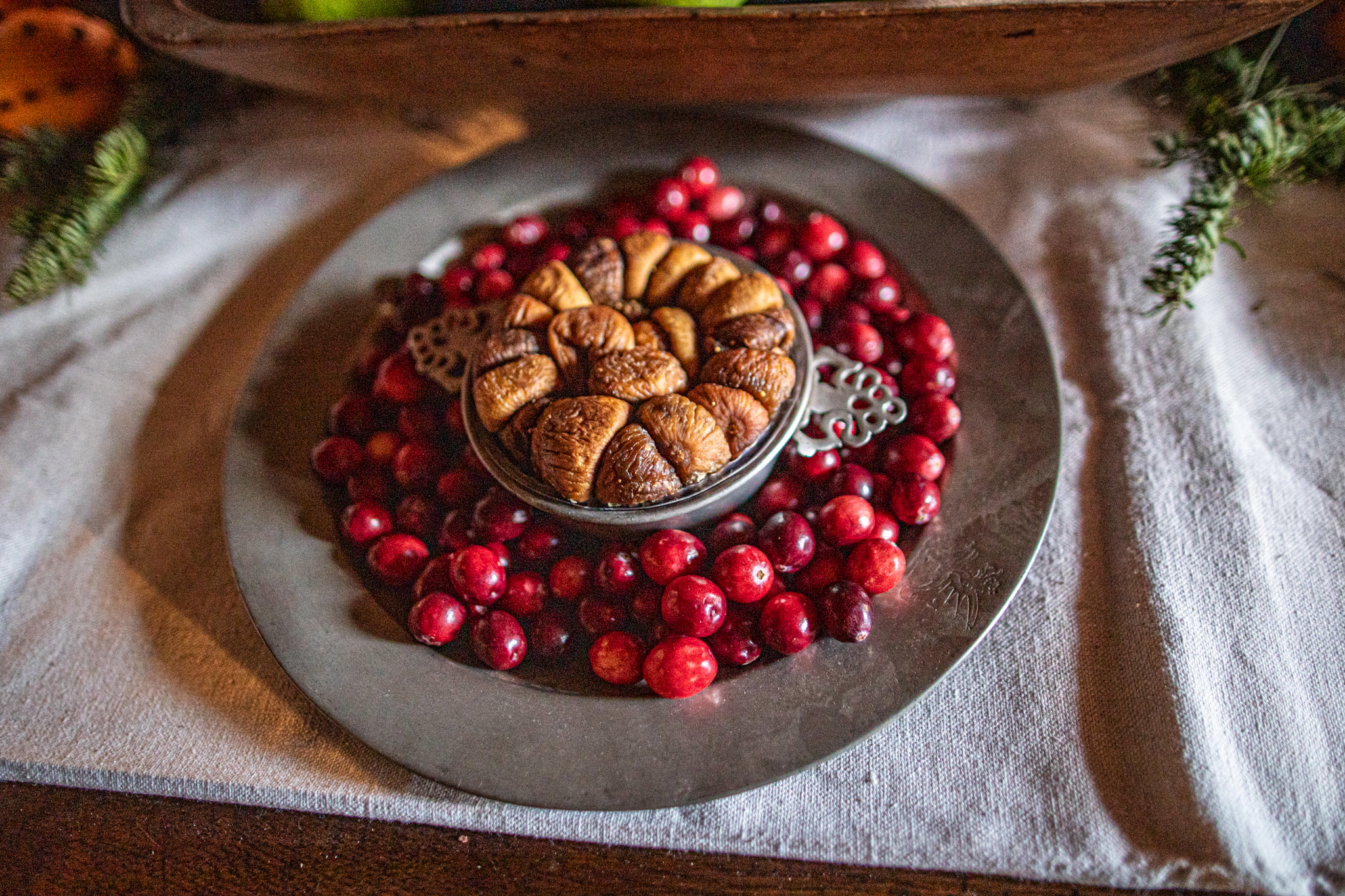
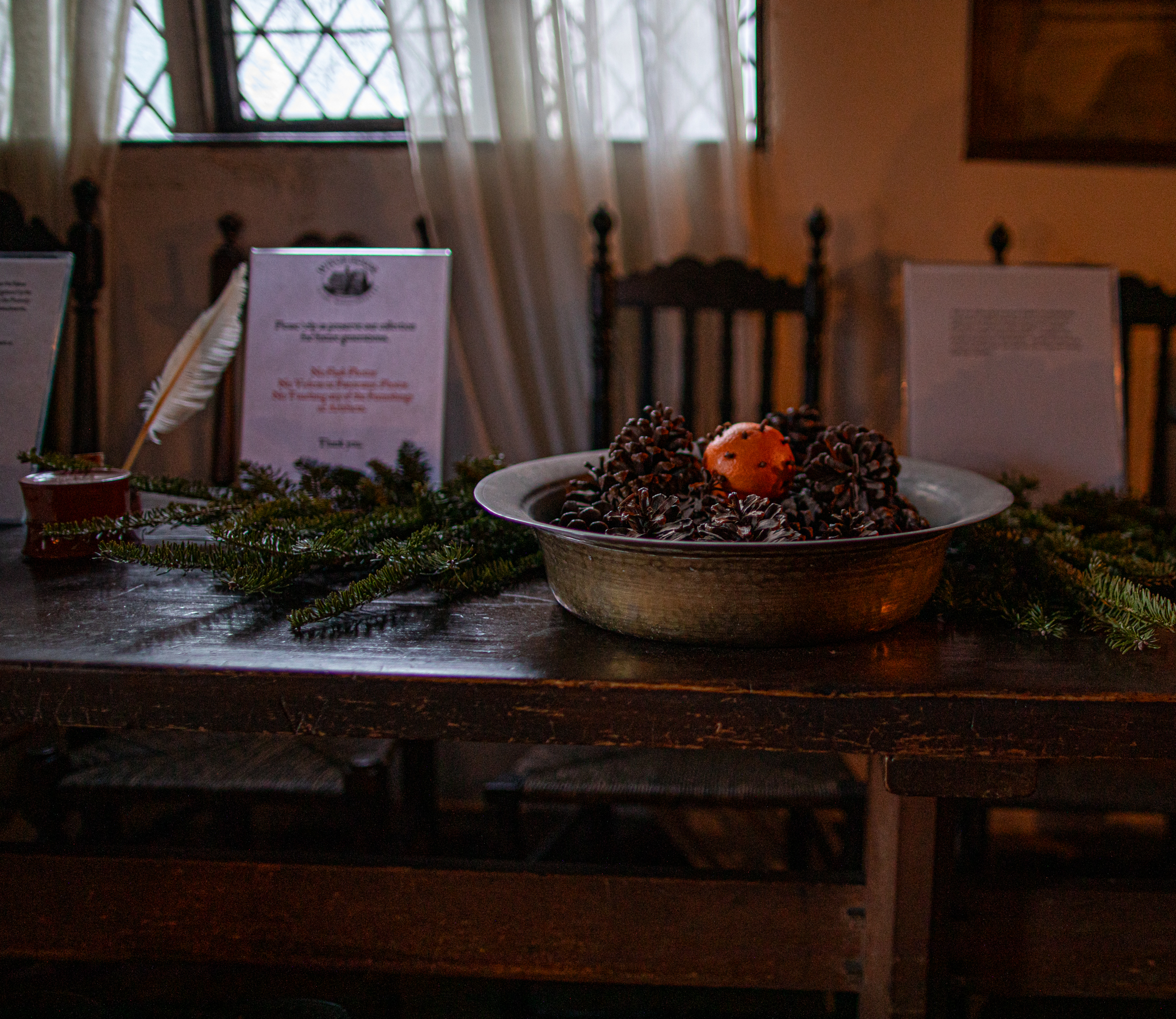
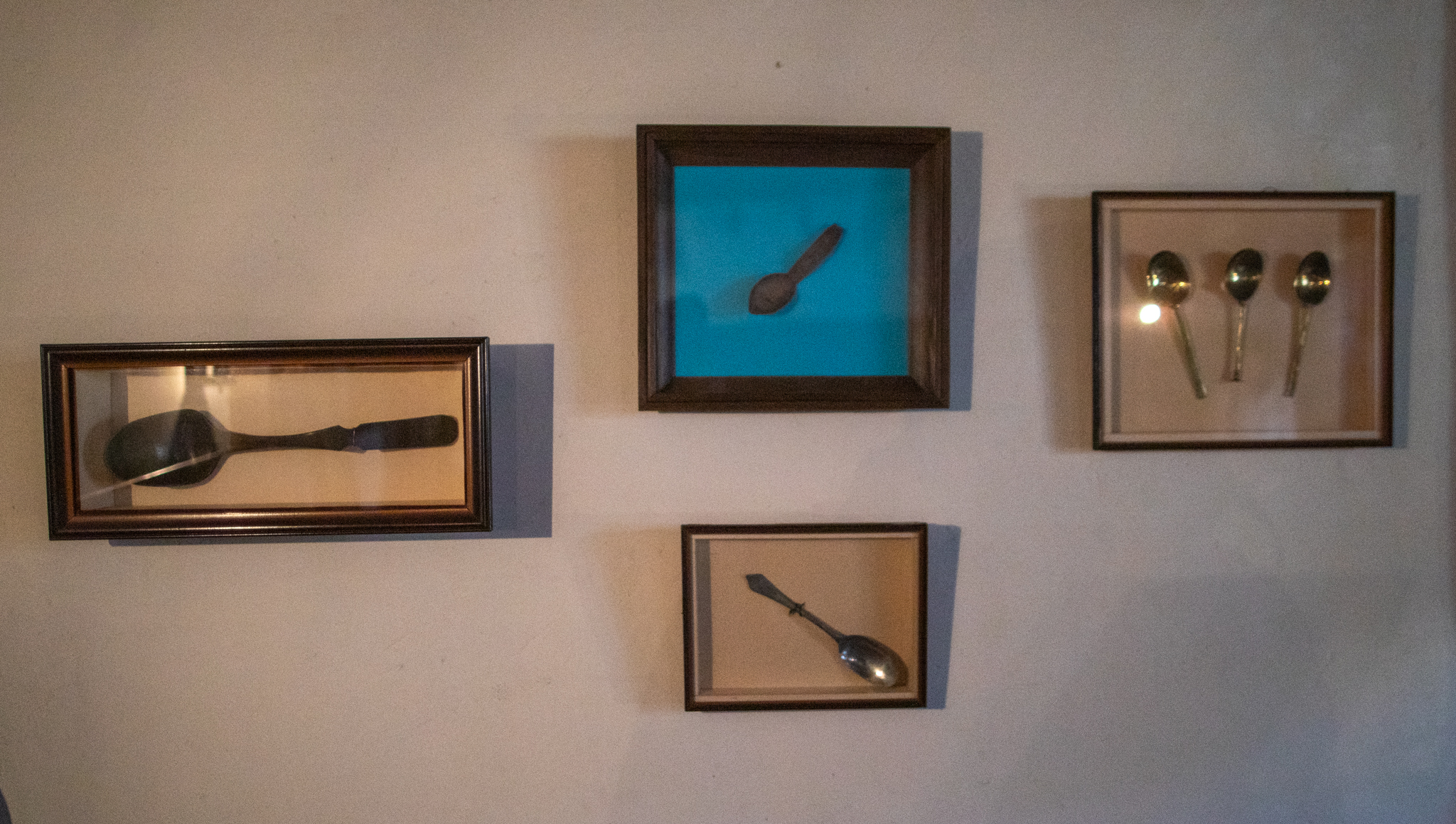
I got hungry just posting these photos! And, of course, one would need implements to eat these foods.
These utensils were found through archeological digs and excavations.
The Christmas festivities from that time lasted from December 25 until the Twelfth Day, January 6. During this time period very little work was done. What a bunch of party animals.
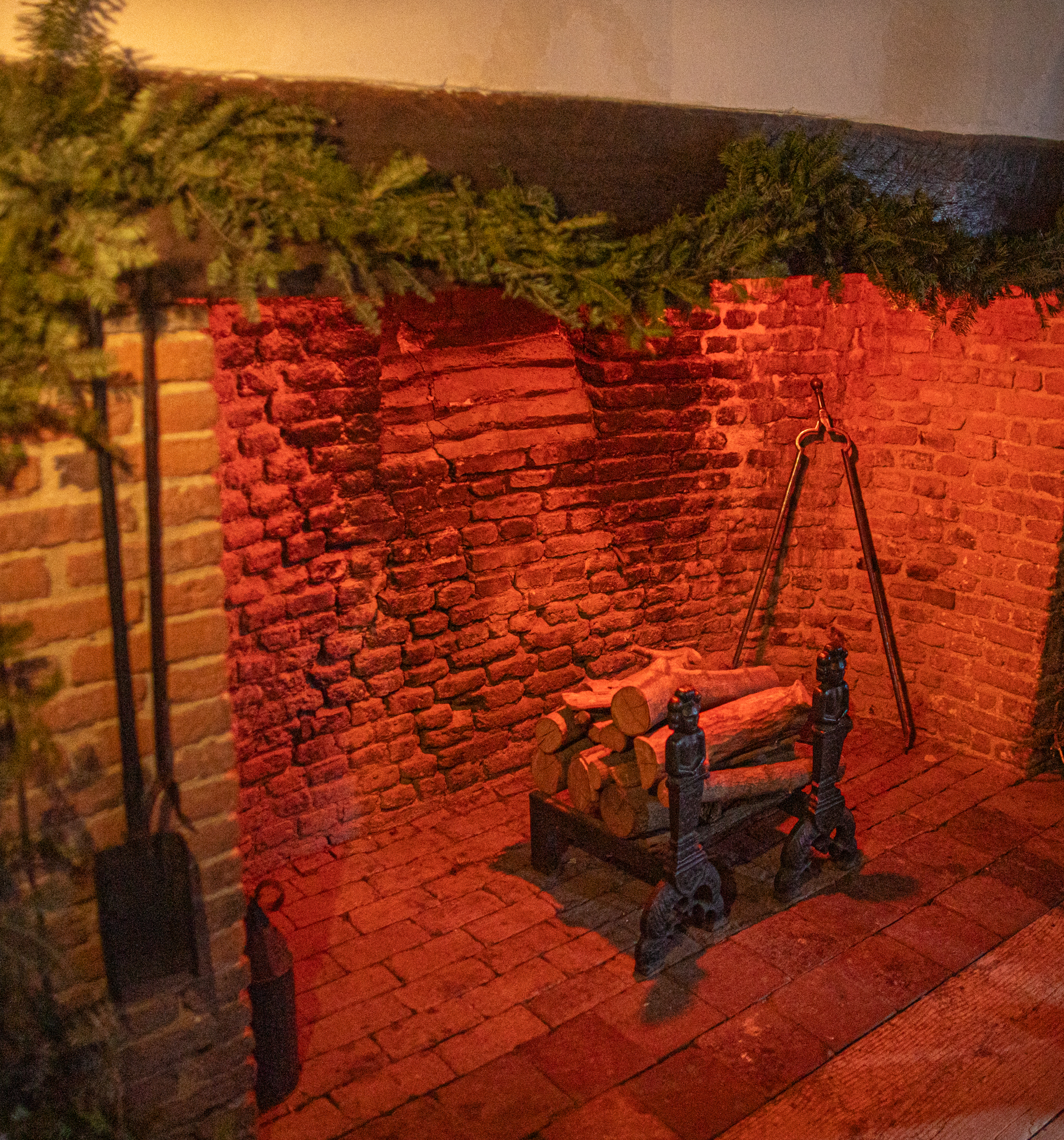
The Witch House was festively decorated for the tours.


During the times of the witch trials, people used holly remedies as cures. Archeologists found ritual shell-cups in North America with residue dating back to 1,200 BC. The leaves can be used to make tea and alleviate digestive disorders, water retention, jaundice, rheumatism, periodic fevers, measles and respiratory illnesses such as cold, coughs, flu and pneumonia. Somedays I feel like I may have every single one of those. Holly leaves can also be used to treat symptoms of dizziness and high blood pressure. They also can be used topically for sores and itching.

There were some documents from the witch trials. These actual documents from the trials are kept in a sealed container.

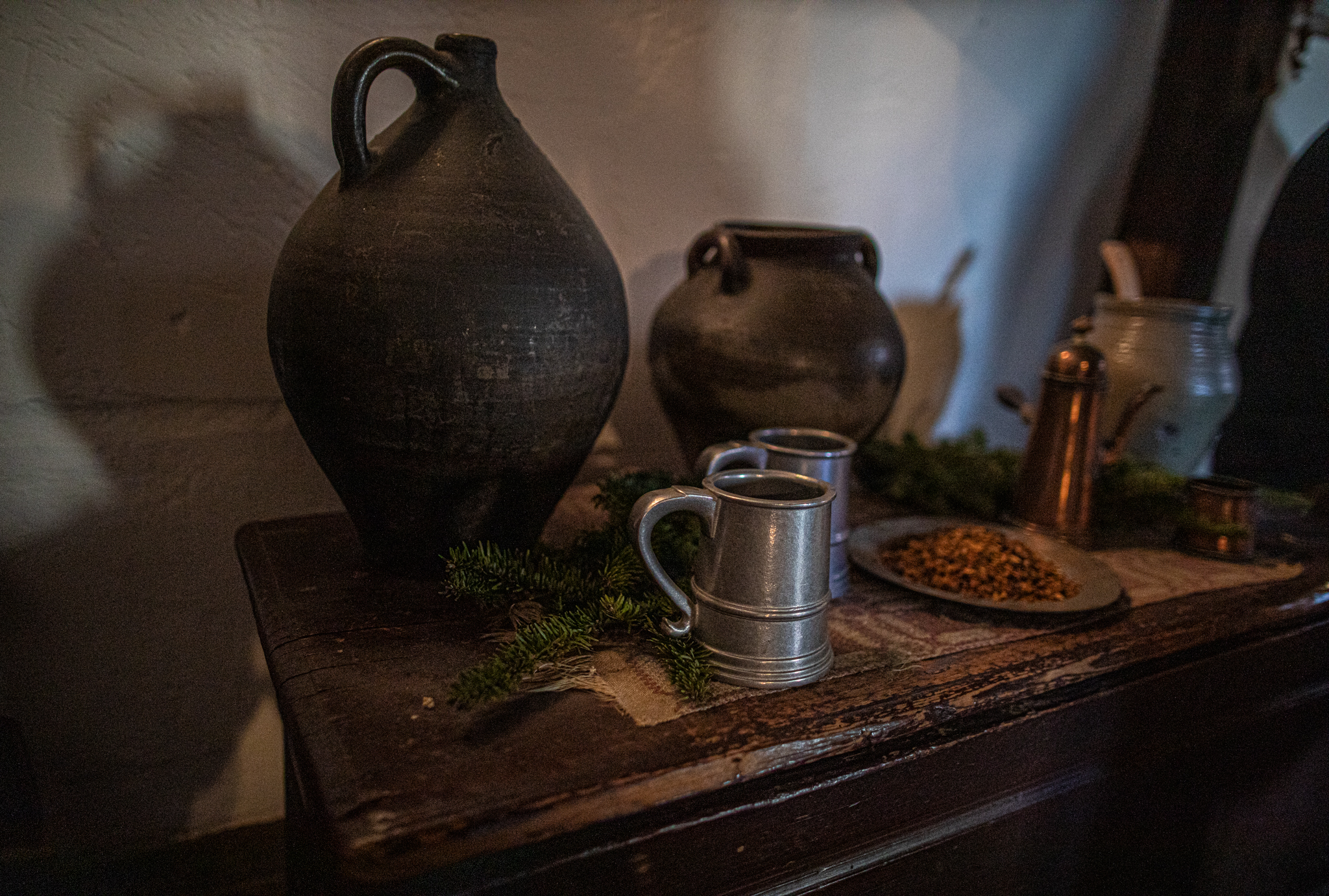
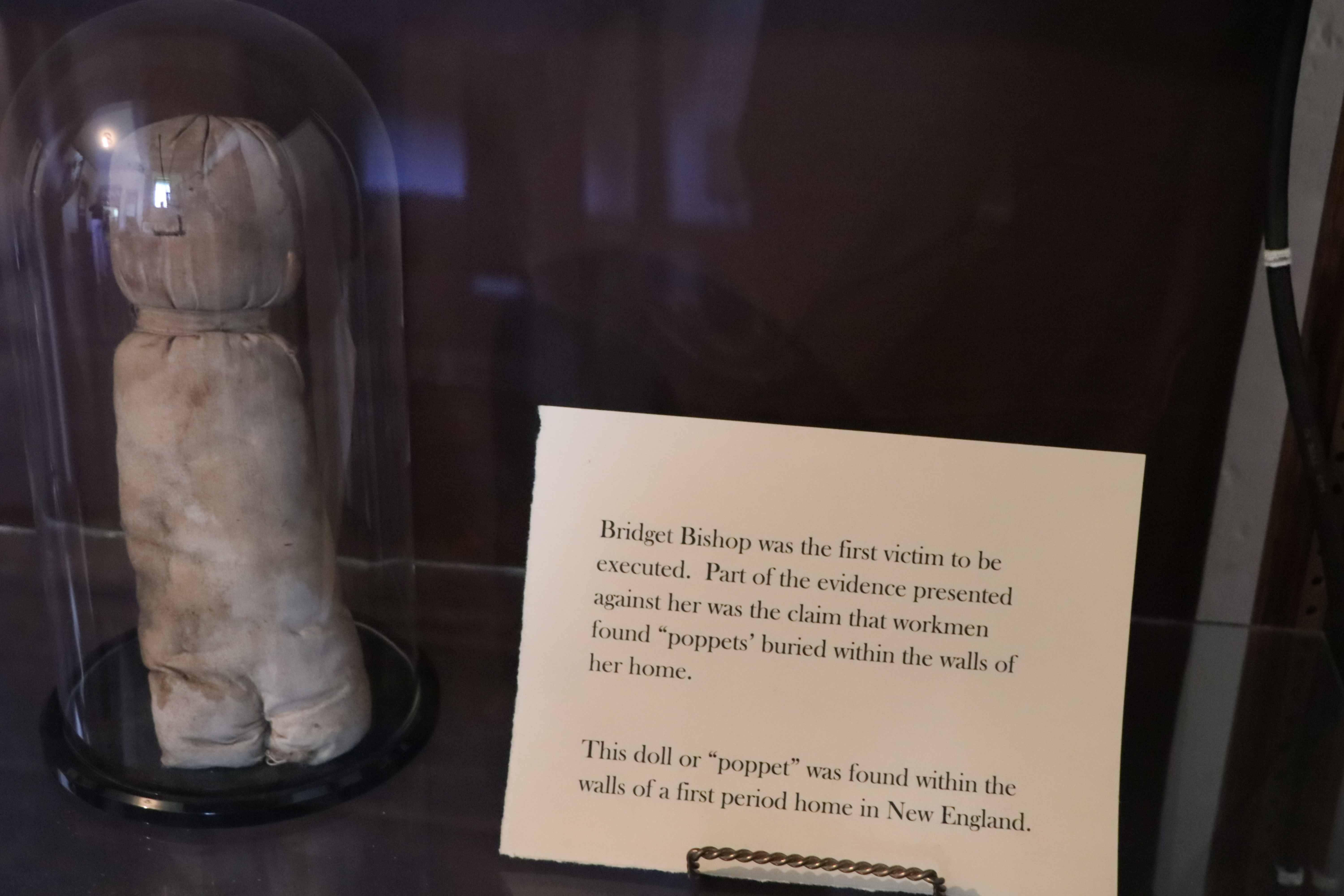
The Witch House also displays an assortment of wares and other tools of the era.






 New England Nomad