Category Archives: Uncategorized

Evening Of Illumination (Old Sturbridge Village, Sturbridge, MA)

Date Of Event: February 22, 2025

Location: Old Sturbridge Village, 1 Old Sturbridge Village Rd, Sturbridge, MA

Summary: Guided tours lit only by candle light showcased life before the use of electricity in New England.

It’s hard to believe but there once was a time when luxuries like IPads, streaming services and, of course, electrically powered lighting did not exist. But, Old Sturbridge Village was able to recreate these times at the Evening Of Illumination event in February.

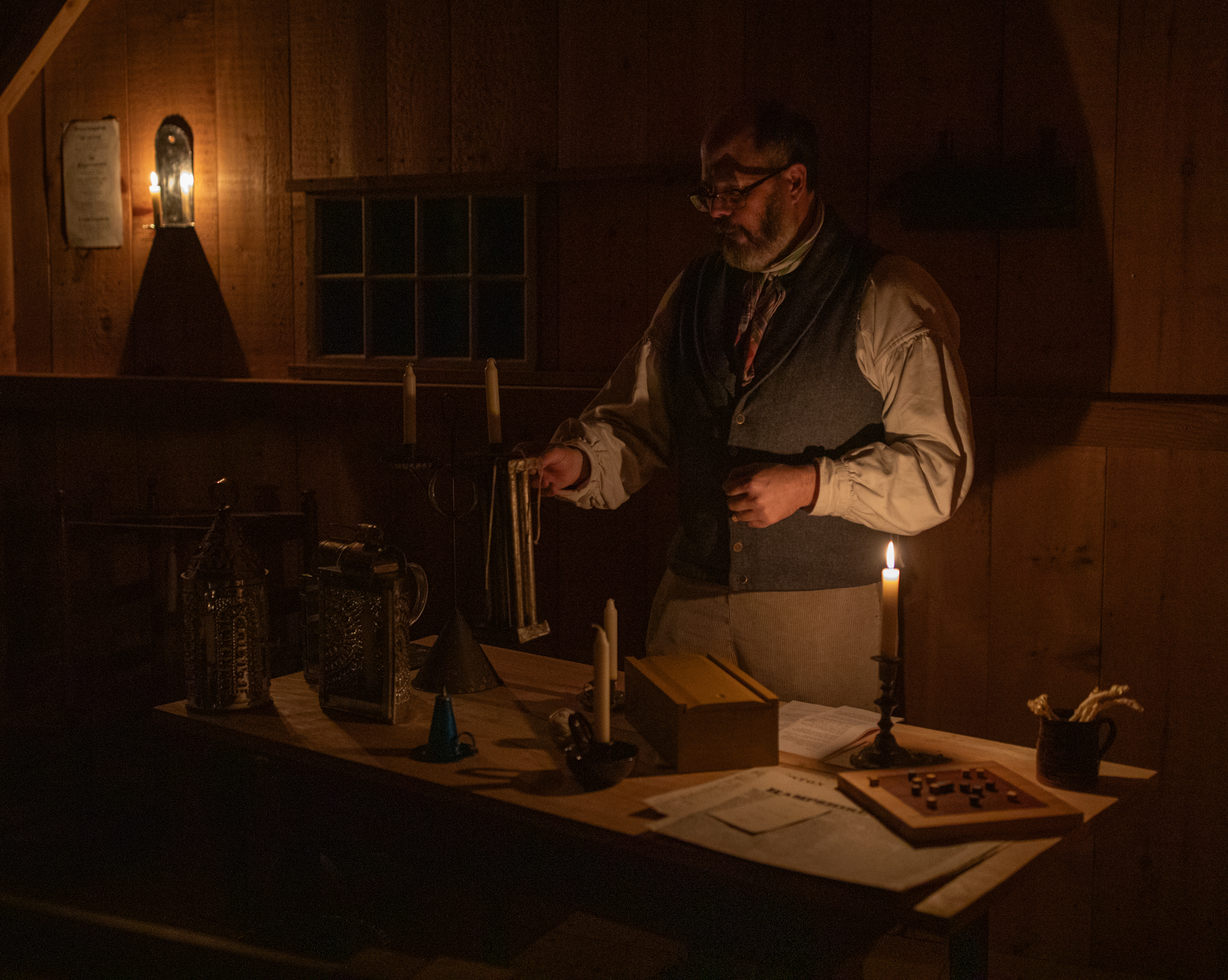
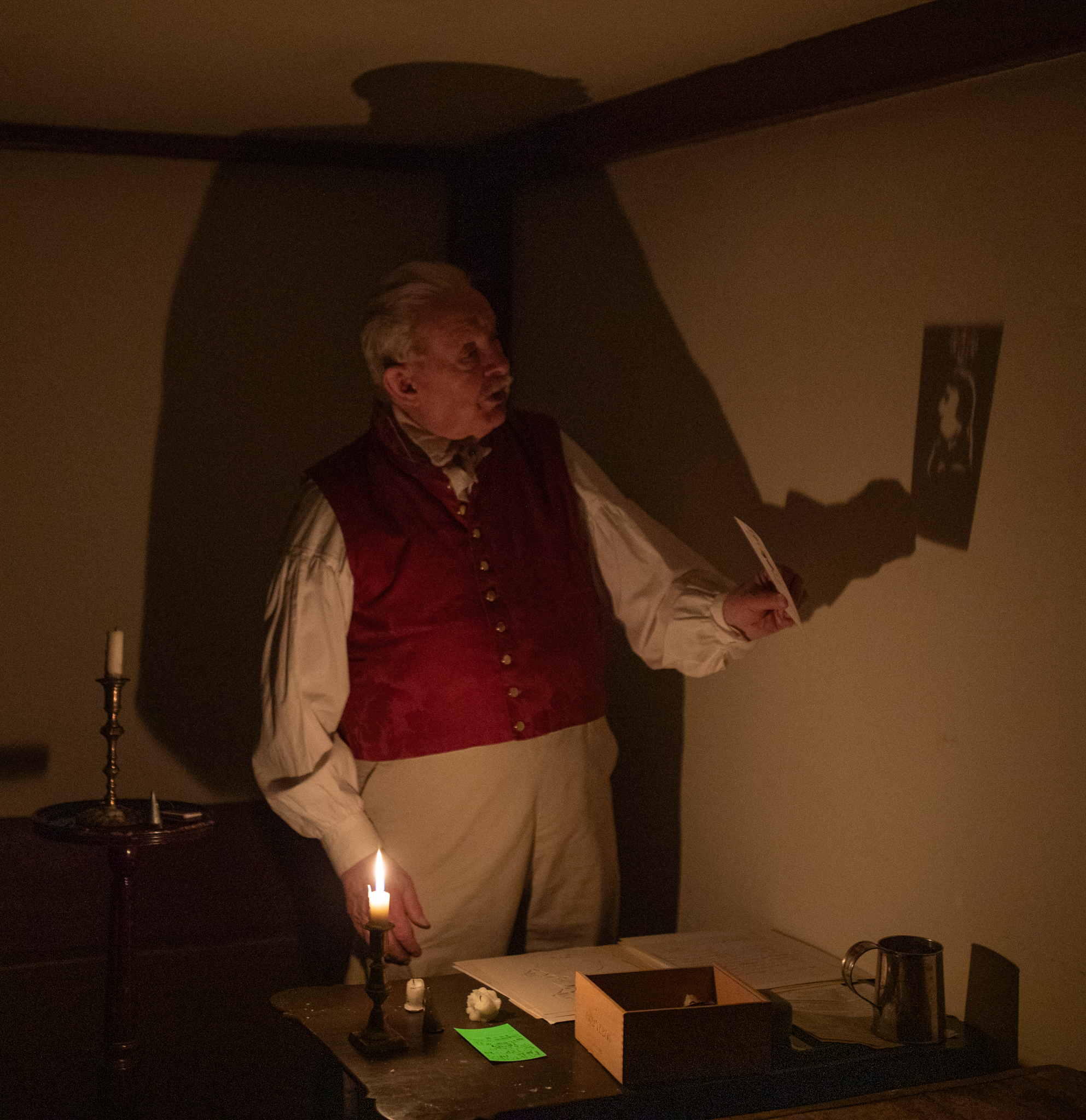
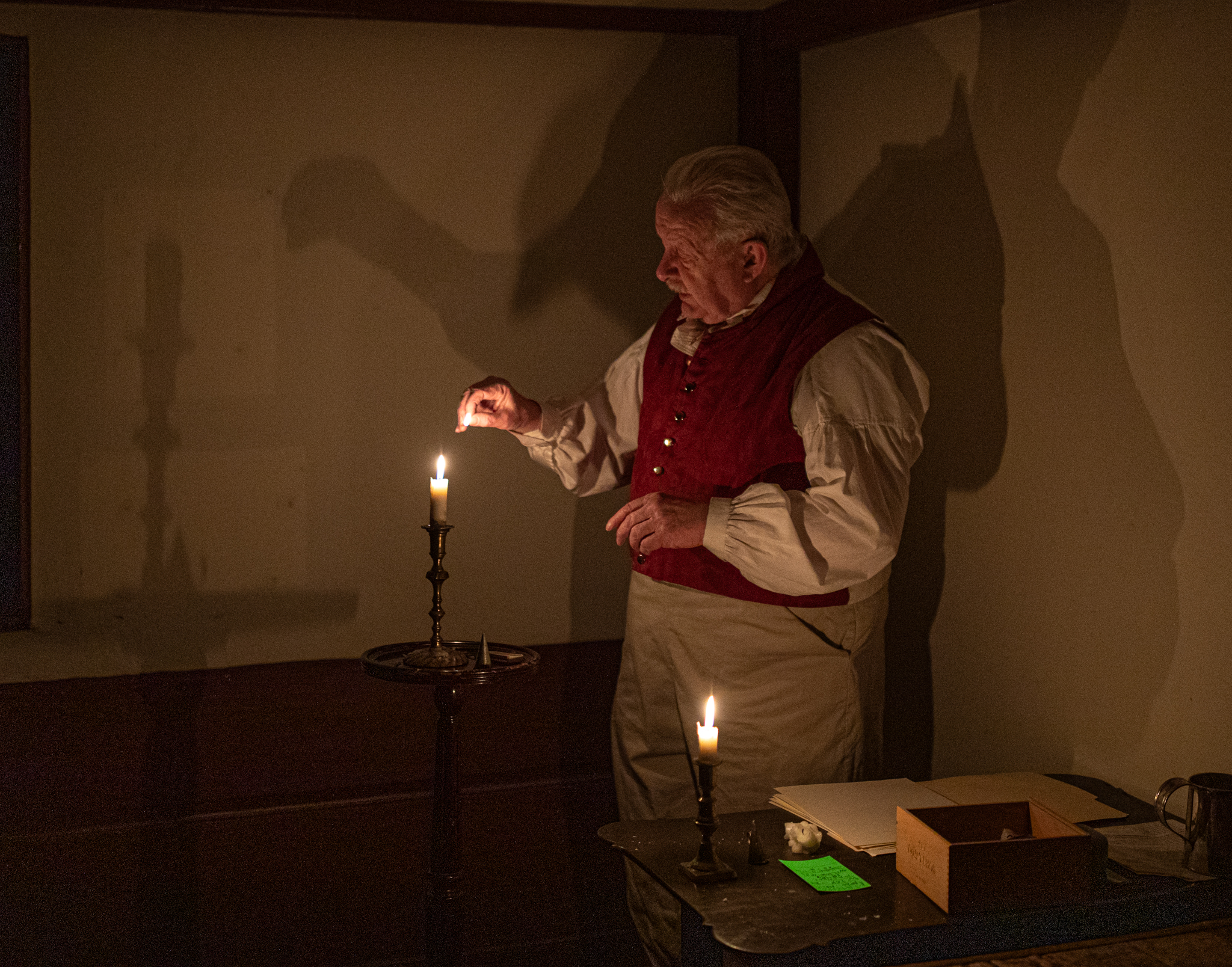
At the first exhibit, the demonstrator showed off some of the different candles and lighting fixtures of the time.

During this event, one of the attendees asked if I could enable silent shooting on my camera as it was difficult to hear the speakers with the shutter of my camera going off. Unfortunately, my camera does not have this function. Modern mirrorless cameras do have this feature. But, my DSLR camera does not have silent mode (although there is a “quiet mode” that still makes a muted sound and is almost like a “slow mode”). So, out of respect for the people in the group, I did switch to video mode and I recorded videos at the historical homes. I did, however, also take a few photos in “quiet mode” when the speakers weren’t speaking. So, most of the remainder of this post will consist of videos from the event. Video recording is not my strong suit, particularly in low light situations and when there are bright light sources in low light. It really is a different skill set. So, I did have some challenges getting the lighting and focus right in some parts of these recordings.

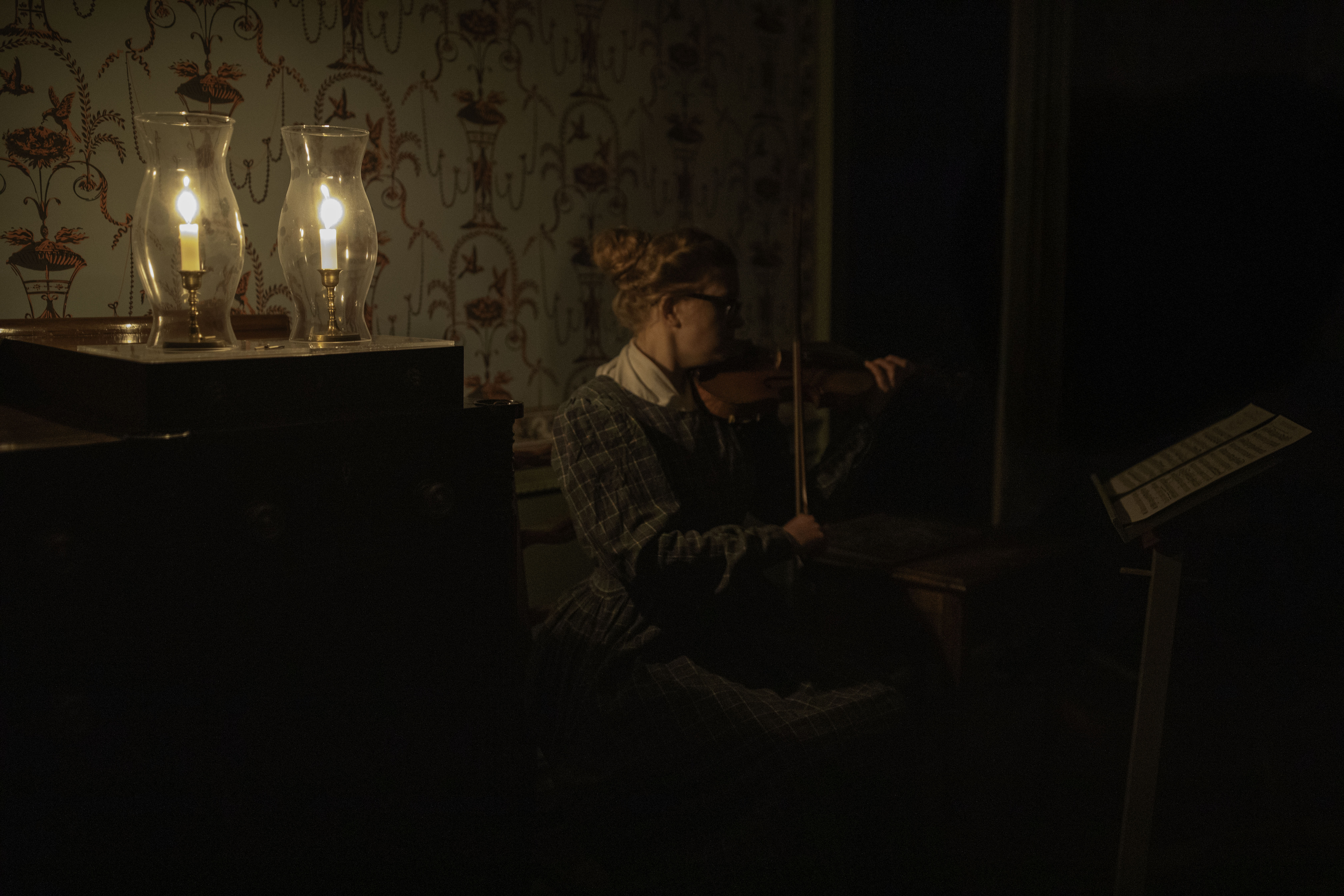
At the next house, a violinist played a few songs. This is her version of “Park Waltz.” I especially like how she threw in a reference to the controversy surrounding her next piece. You may hear her say waltzing is a little bit controversial. In part, this is because waltzing is a form of dance where the dance partners are very close together. So close, in fact, their faces sometimes touched. Additionally, the dance partners would move or turn quickly and the dancing included fast tempos. How gauche!

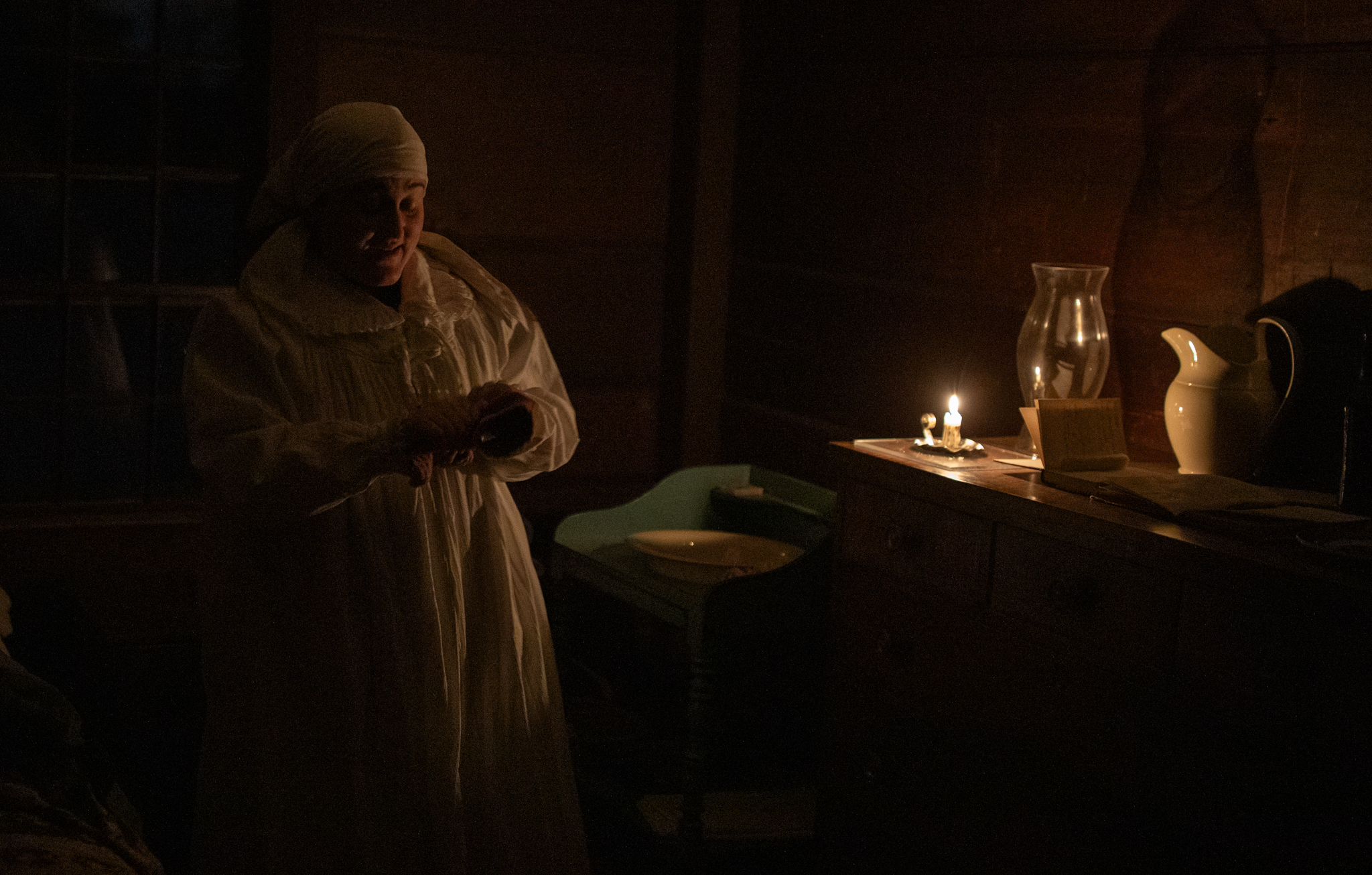
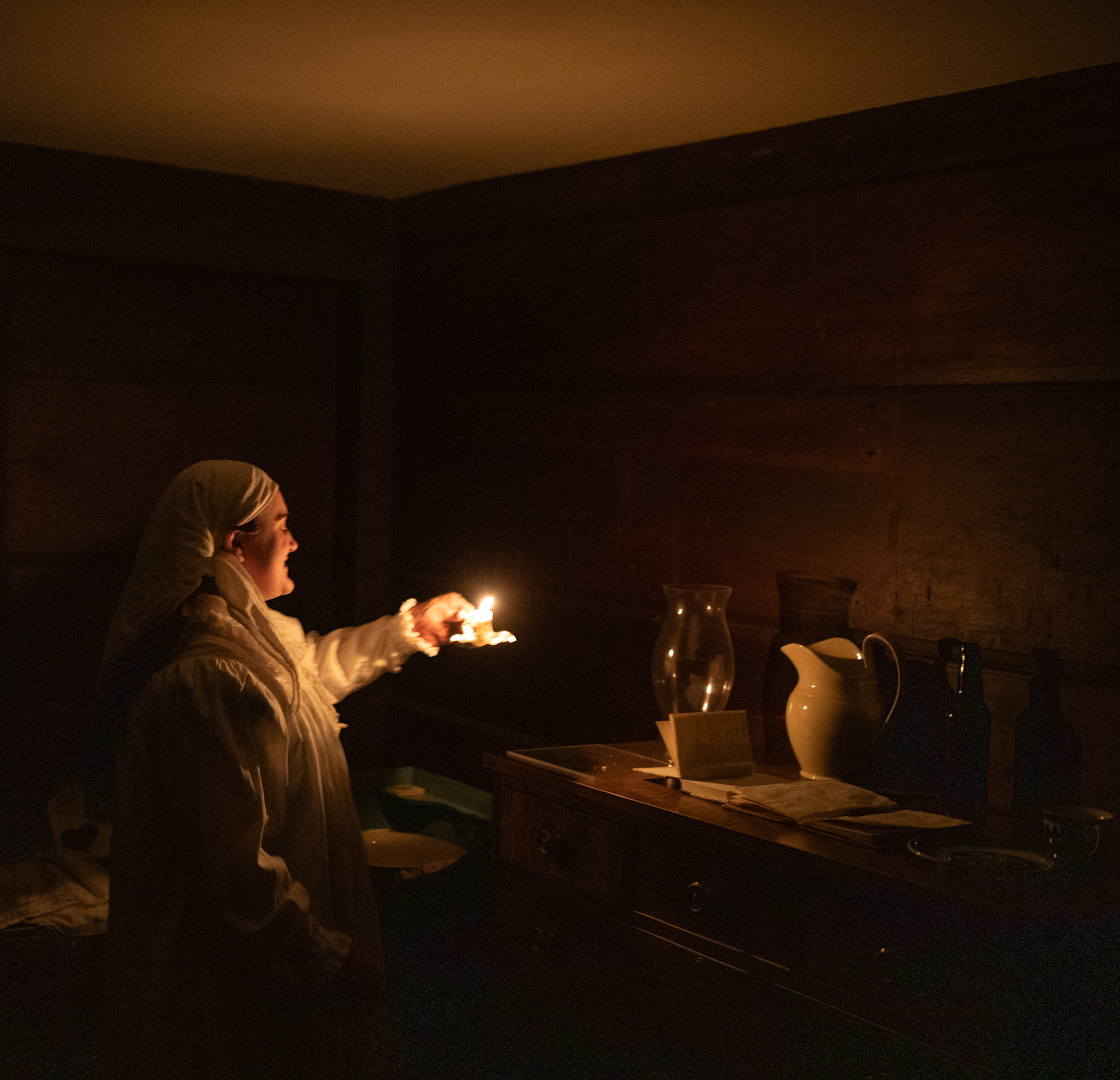
This historical actor showed everyone what her night time routine was like. Her routine included saying her night time prayers, laying out her clothes and washing her face and hands.

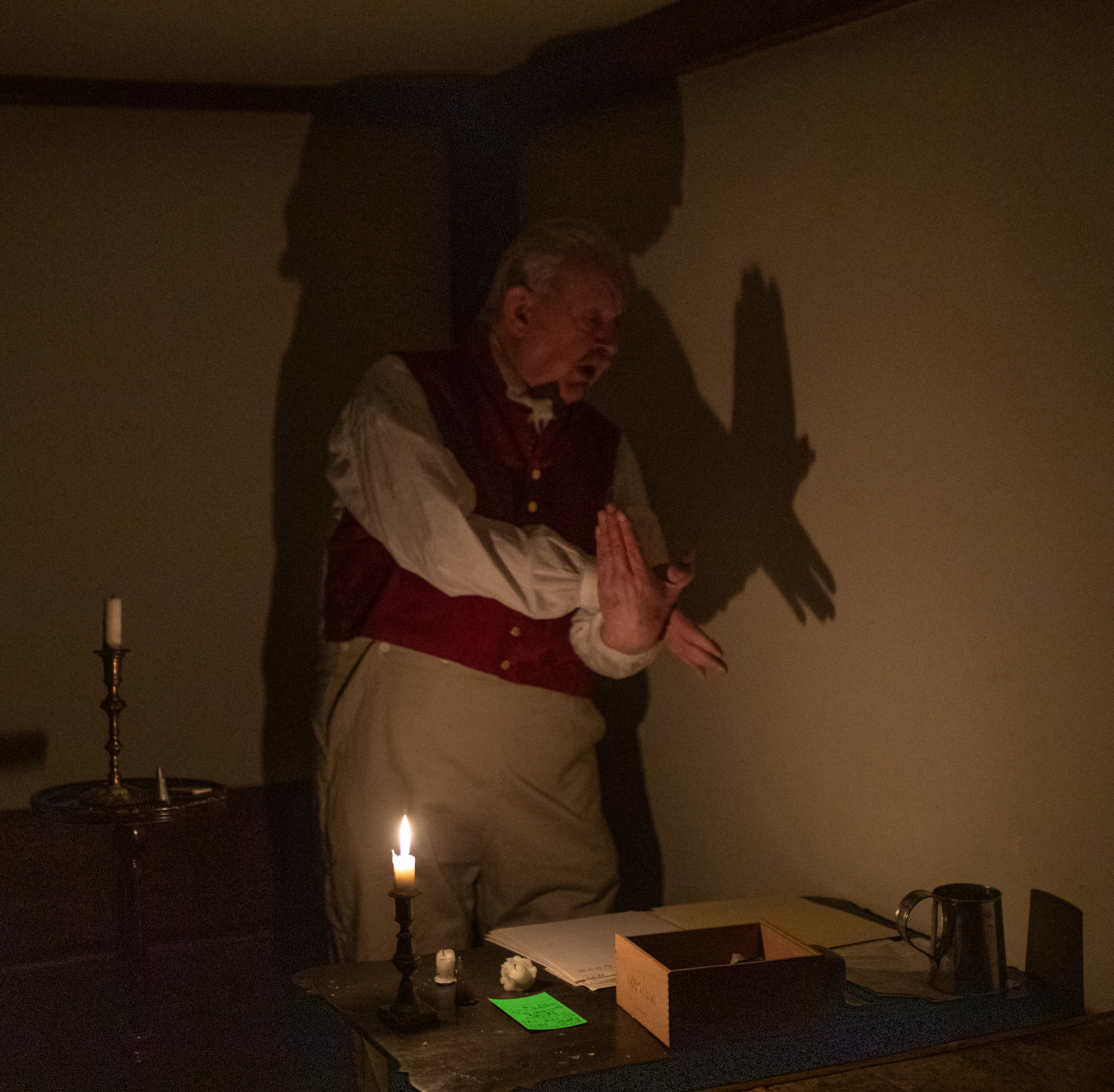
The gentleman at the next house showed us how people kept themselves entertained with a simple candlelight. It’s amazing the images you can create by candlelight.

He also told us some stories that people would share and showed us how people viewed images a s a form of entertainment (way before moving pictures became a thing).

What did people do before board games and apps? The historical actors at this house showed how they kept themselves entertained. Games like charades and asking riddles were popular forms of entertainment.

The shoemaker at the the village explained how a shoemaker’s job was like.

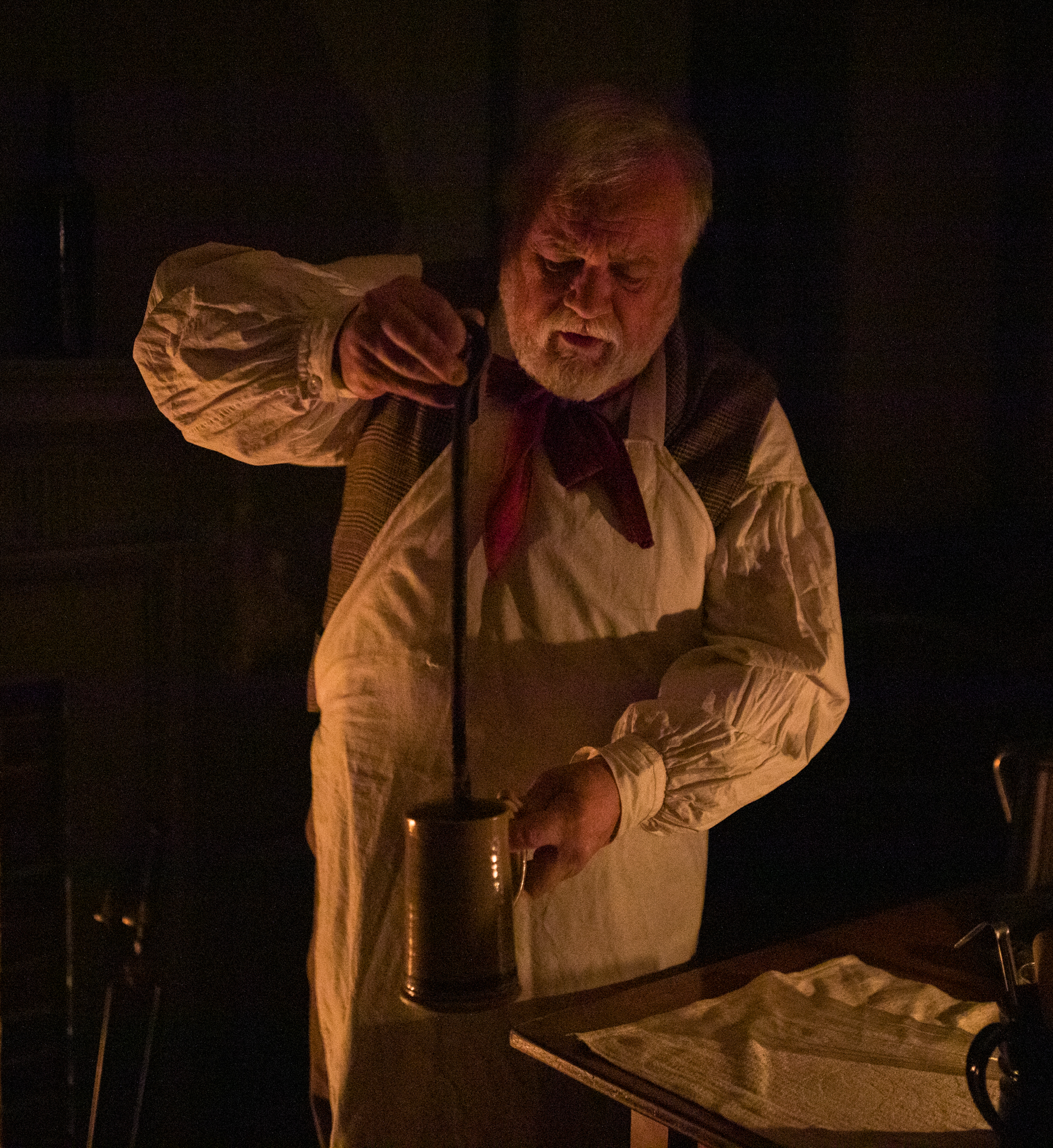
The furniture maker at the village described his job by candlelight.

A young couple talked about their lives as young people with a child.

Carolers sang “Yankee Doodle Dandy” at the Meetinghouse.

The shop keeper explained the details of her job and some of the merchandise in the shop.

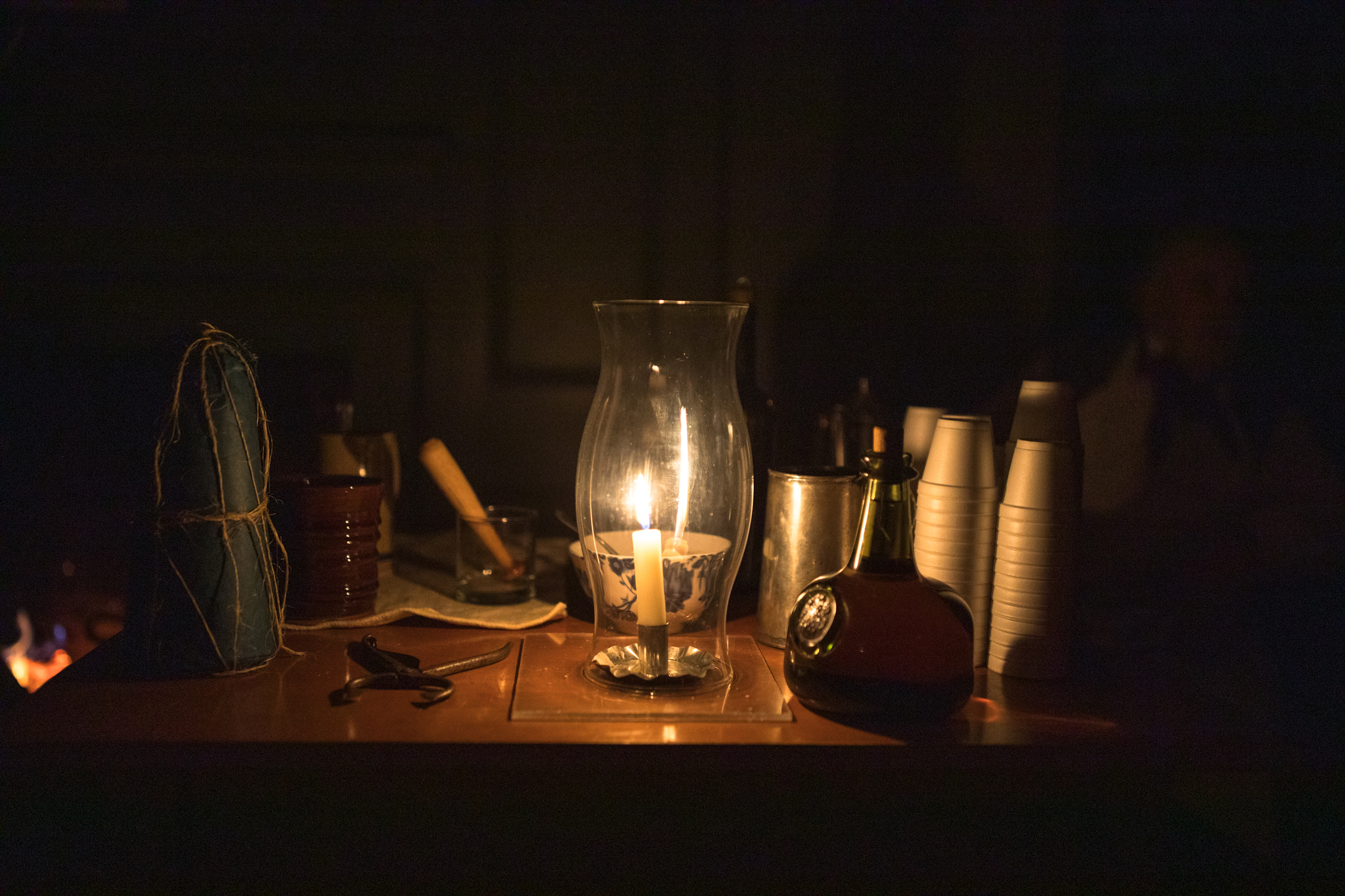
There were also some great photo opportunities in the tavern and lobby.

If that wasn’t enough, there was also dancing! All the visitors were invited to watch and participate in dancing at the tavern.

While this event was a lot of fun and very informative, it also made me appreciate the luxuries I have!


Winteractive 2025 (Boston, MA)

Dates Of Visits: Feb 14 & March1, 2025

Location: Boston, MA

Summary: 17 spots (24 works of art) in downtown Boston (Downtown Crossing, Government Center and Rose Kennedy Greenway to be exact) with some fun and artistic exhibits

Website: Winteractive 2025

In it’s second year, the Winteractive exhibit in Boston, MA, featured a variety of creative and, in some cases, illuminated art displays.

The displays, which were scattered throughout the Downtown Crossing, Government Center and Rose Kennedy Greenway areas were created by a combination of American artists and our friends from the north in Canada.

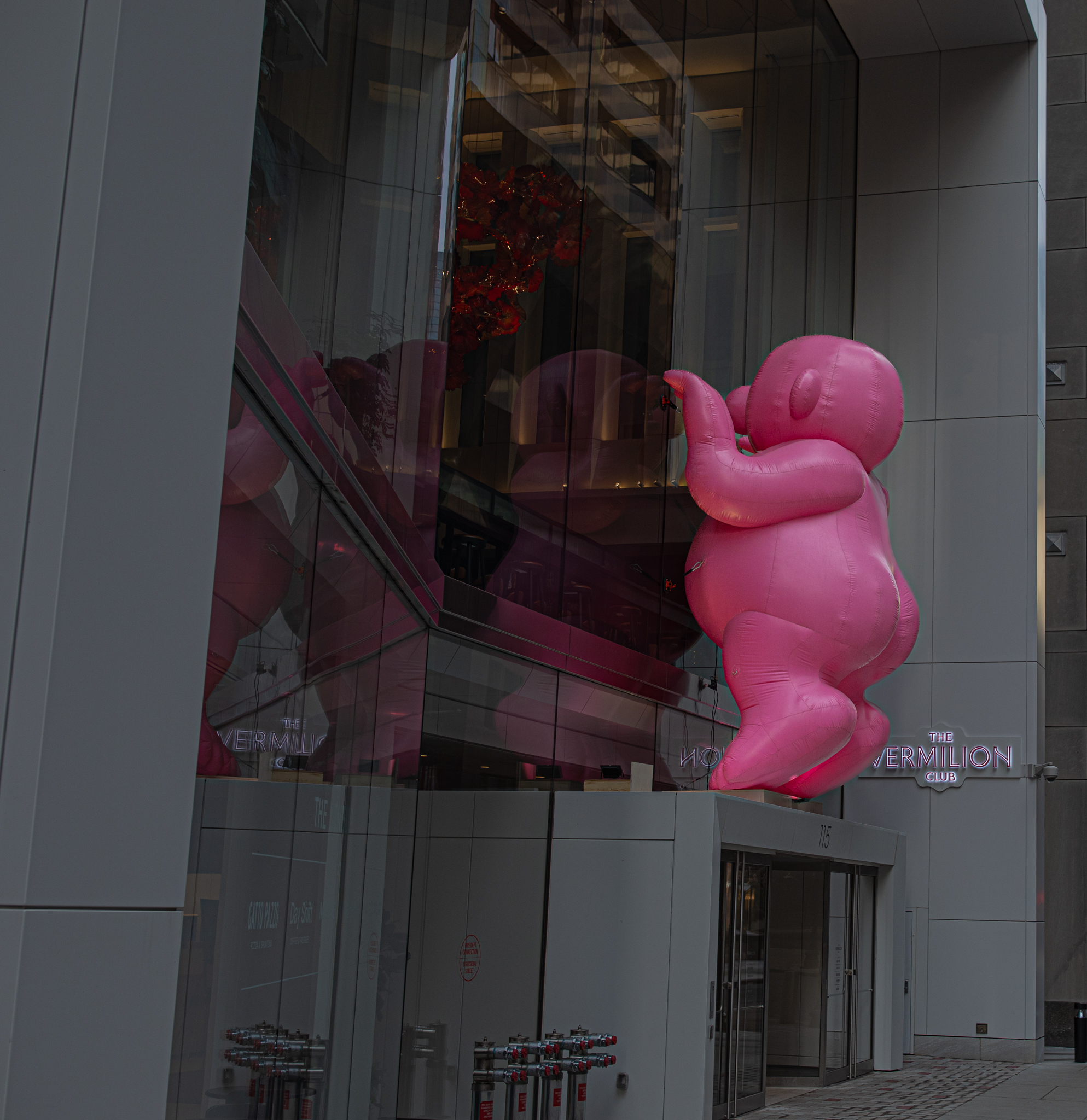
The first exhibit at Winteractive was actually one of the six Mr. Pink inflatables.

Winthrop Center

Mr. Pink #1 (pvc, steel and cable)

Federal St

Located at Winthrop Center, Mr. Pink 1 was sneaking a peak into the Vermilion Club on Federal St. “Monsieur Rose” (Mr. Pink) is a considered a type of art called Mignonisme or Cuteism. Mignonisme is a form of art that embraces the aesthetics of cuteness in our physical and psychological environments. You will see a few more of Mr. Pink (6 in total) in this exhibition.

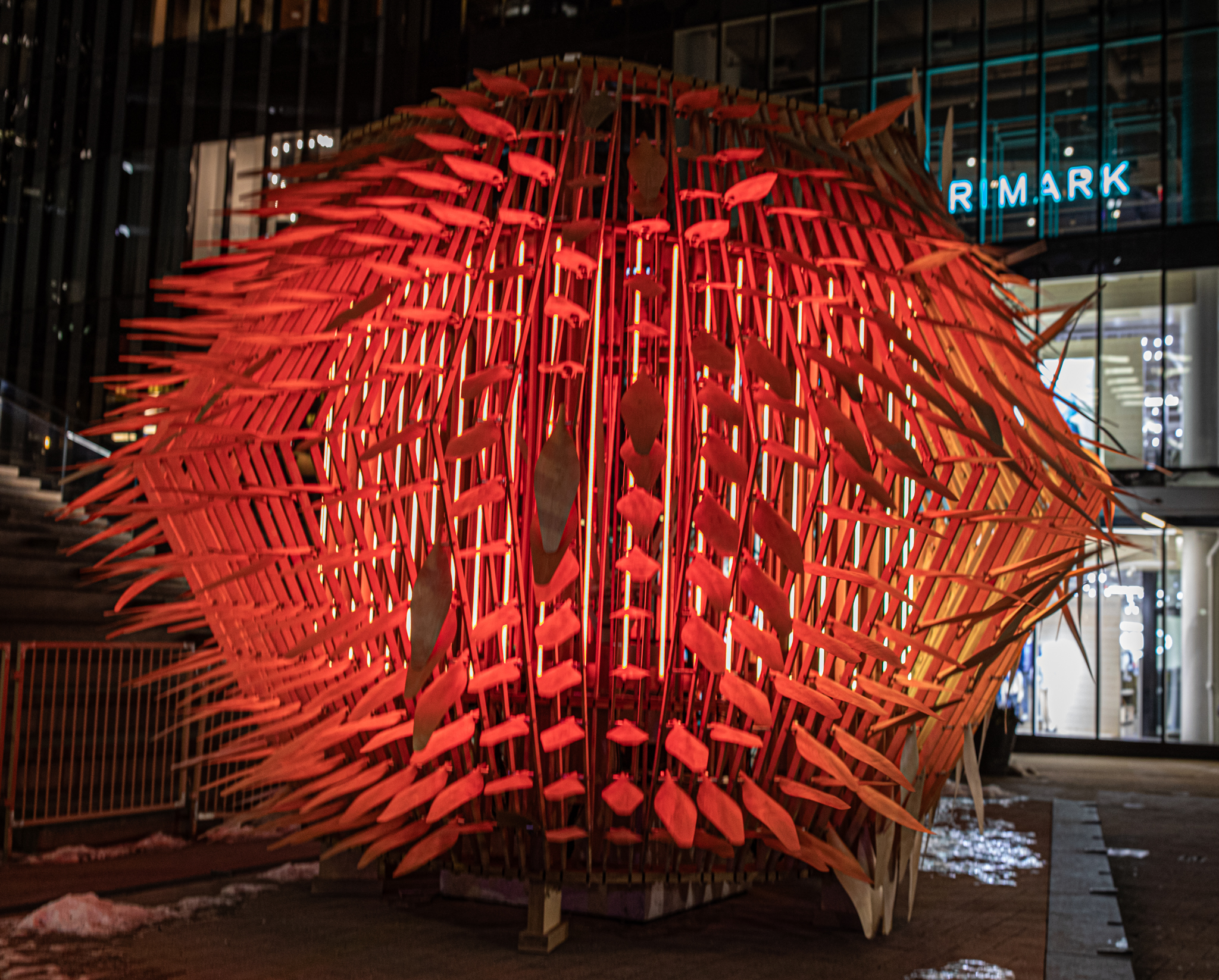
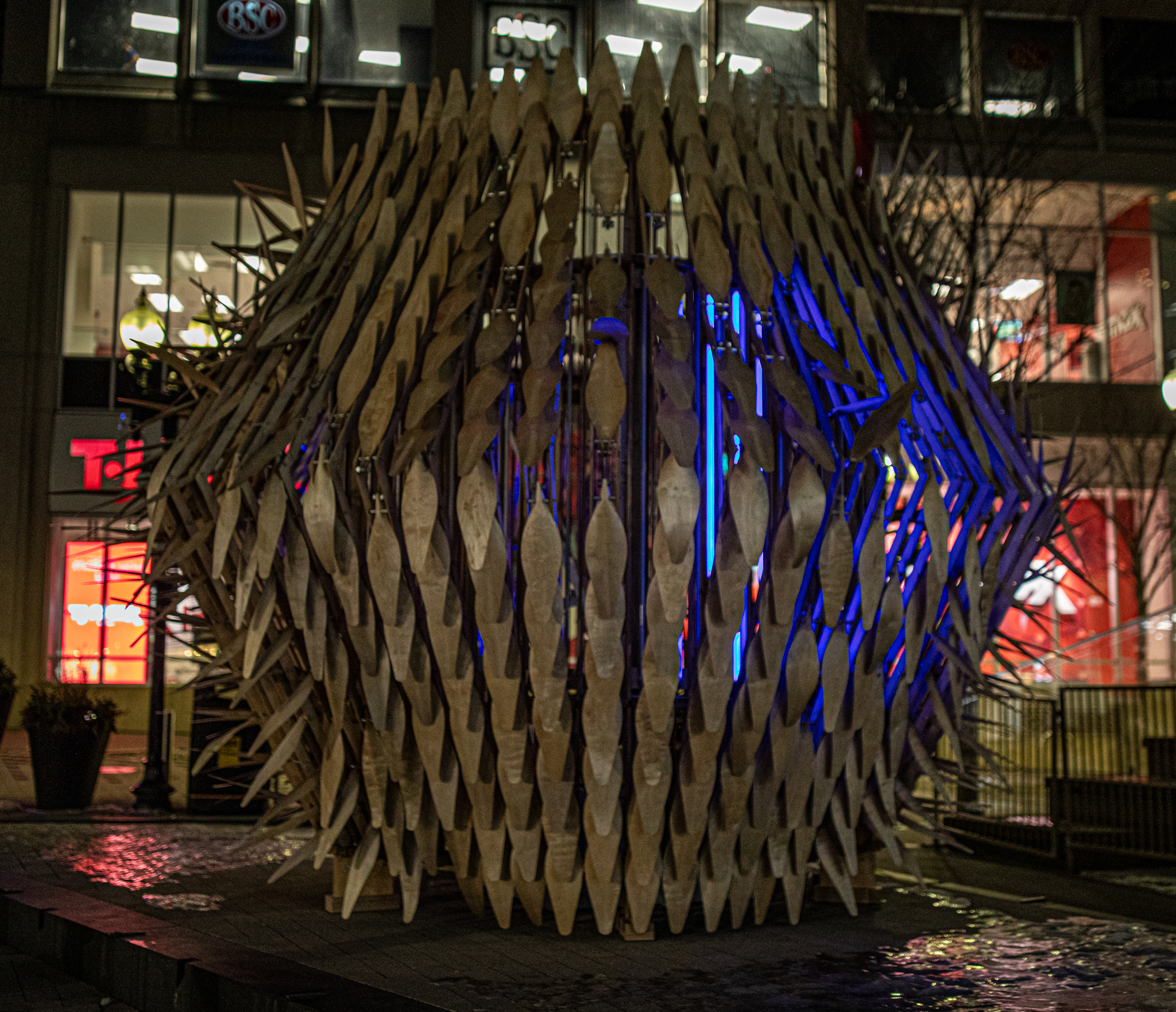
The Living Lantern

NEON Studio & Frankie Boyle

Shopper’s Plaza, Washington St

As you can see by the photos above, the Living Lantern offers a sense of light and hope.  Visitors were encouraged to spend time and observe the lanterns change color, The changing colors were meant to express a deeper and longer lasting emotional relationship between people and their surroundings. The animated light colors infused the space with flowing colors. Video of the lantern can be viewed at the bottom of the post.

Alouette (stainless steel, indicator light, battery, car)

Brandon Vickerd

Washington St

No, that’s not my car. For one, it has less miles on it. But, it does remind me of the debris one might encounter on our highways in New England.

This art installation called Alouette is meant to be a representation of the failed promise of a brighter future. It also could equally represent the ever-growing obsession with connectivity and the resulting accumulation of space waste. This exhibit was made in 2017 by Brandon Vickerd who hails from Hamilton, Ontario, Canada. Brandon likes to introduce anomalies into everyday life to show the failures of scientific positivism and the utopia of its boundless progress.

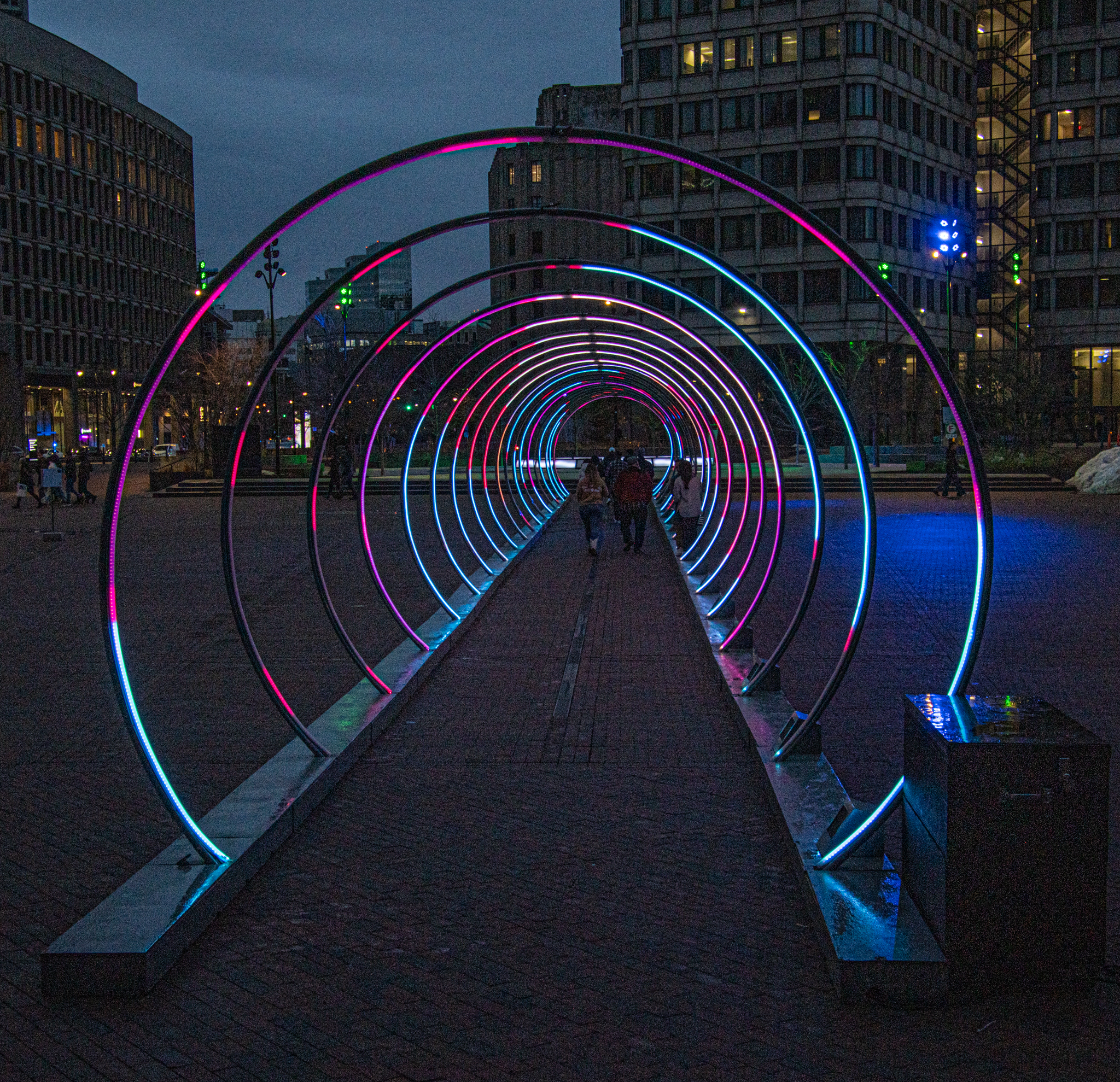
Sonic Runway

Rob Jensen and Warren Trezevant,

Government Center

The Sonic Runway was a light-art installation that converts audio signals into patterns of light that shoot down a 342 to 432 ft (105 to 132 meters) corridor of 20 to 25 LED lined arches at the speed of sound.

At the front of the Runway, the observers see musical sound waves rippling away from them. Walking down the corridor, sound and light are always in sync. Looking back from the far end, walkers can see the sound waves coming at them, and hear the music as the pattern reaches them.

Mr. Pink 2

Philippe Katerine

Historic Boston Inc, School St

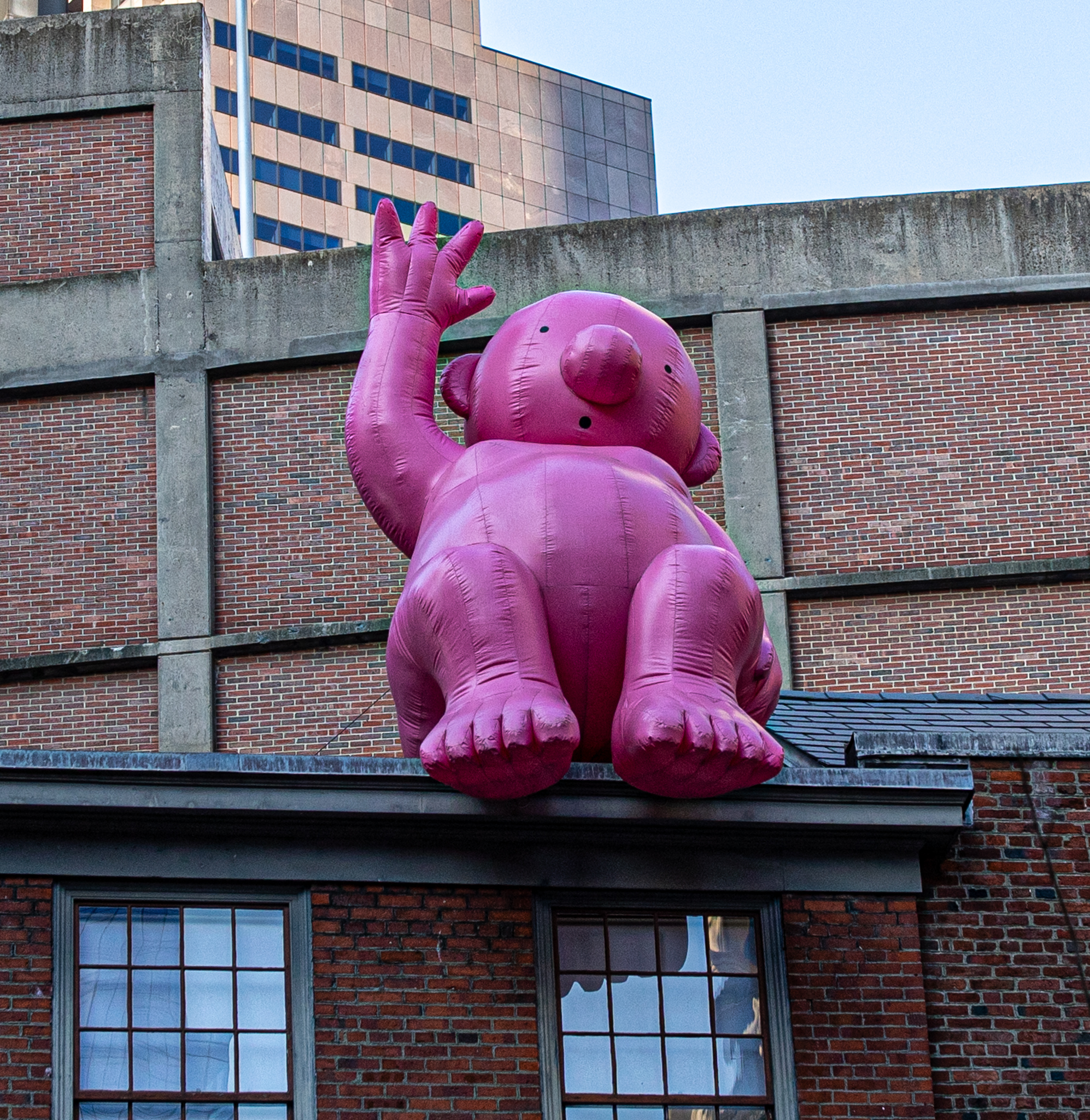
Mr Pink was located on the roof top of Historic Boston, Inc. on School St.

Celestial Garden

Lucion

Dewey Square, Rose Kennedy Greenway

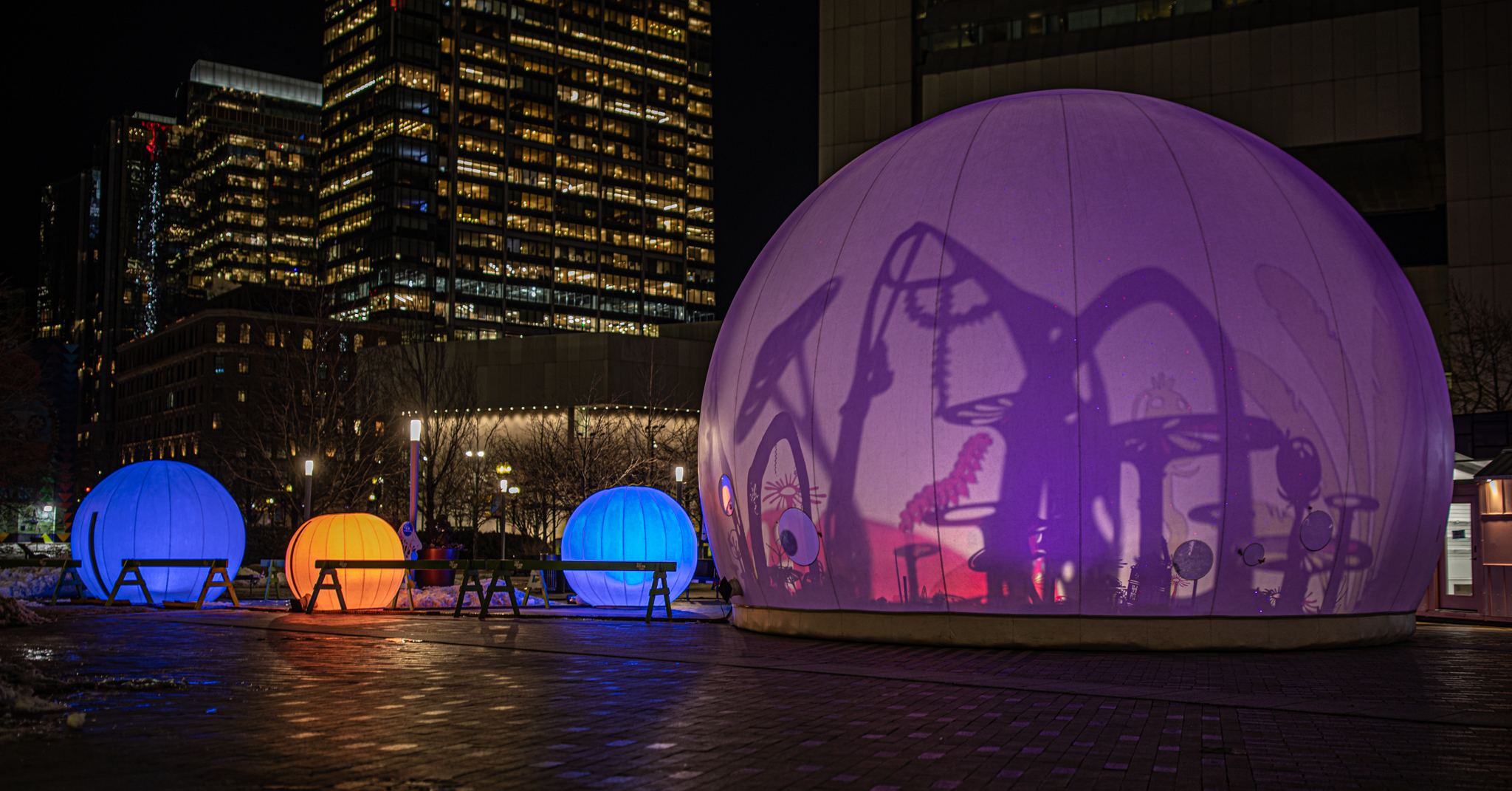
One of my favorite displays in the Winteractive exhibit, Celestial Garden features a group of circular shaped spheres that change colors with the largest sphere housing some interesting works of art.

Celestial Garden was described a sa unique artistic installation that illuminates the heart of Boston. Inside the 30 foot in diameter sphere, a fantastical garden comes to life, blending sky, land and sea. This immersive space is home to fantastic plants and creatures, created from cut-outs painted with fluorescent colors that light up under the black light as soon as night falls.

Nature’s Glow

Mike Geiger

Summer St Pedestrian Walkway

Nature’s Glow was described as a light installation that stood as a testament to the harmonious coexistence of the spiritual and natural worlds. The design symbolized the nurturing embrace of a forest spirit, manifested in the structural framing, which tenderly shelters a bed of foliage. The spirit’s serene, watchful presence connects us to the nurturing forces of nature, reminding us of our intrinsic bond with the environment. This installation encourages visitors to reflect on their own relationship with nature and the unseen forces that protect and surround it.

Slap Shot

LeMonde Studio

High St

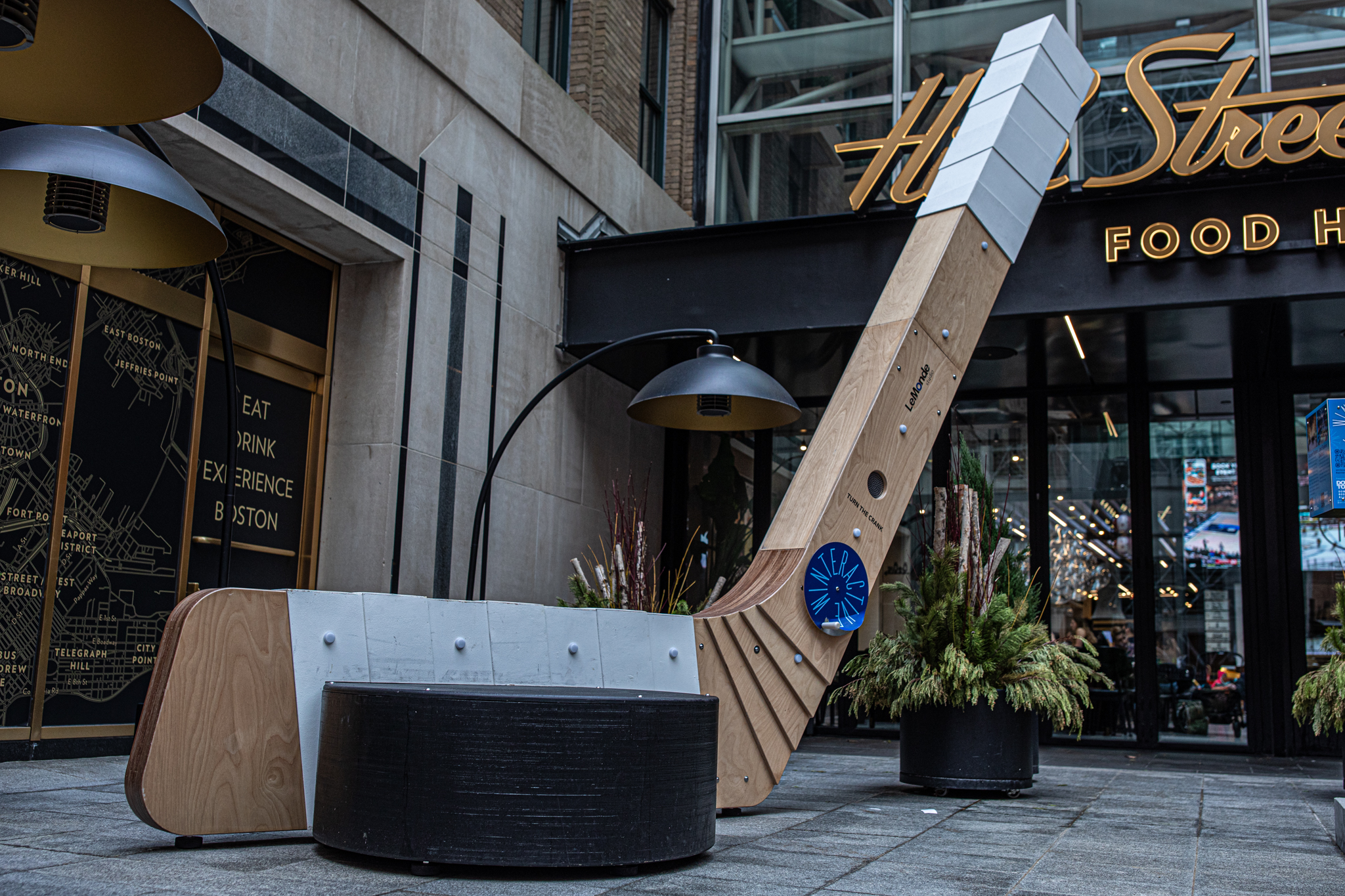
Slap Shot was a human powered hockey stick and puck. There was a little crank you could turn that turned on the lights on the stick and puck. You might see the lights on the white tape of the stick. There were also lights on the puck!

The exhibit celebrated the NHL’s first-ever 4 Nations Face-Off coming that took place in February, when Montreal & Boston served as host cities to some the best hockey players in the world representing their home countries: the US, Canada, Sweden, and Finland. 

Mr Pink 3

Philippe Katerina

Post Office Square

Mr Pink was also found in the trees at Post Office Square.

Mr Pink 4

Philippe Katerina

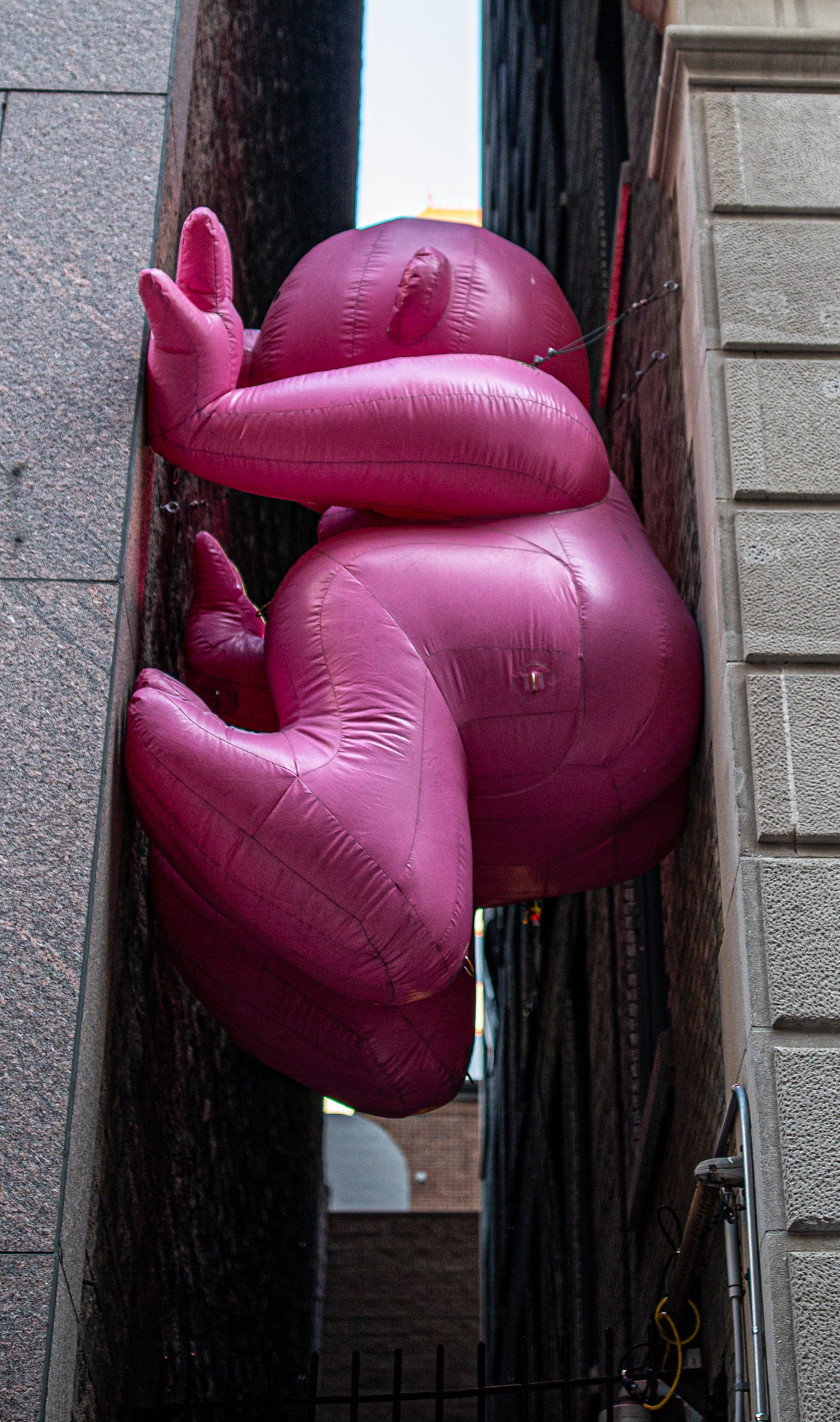
the alley next to Barry’s on Chauncy St

Cycle

Serge Maheu

Government Center

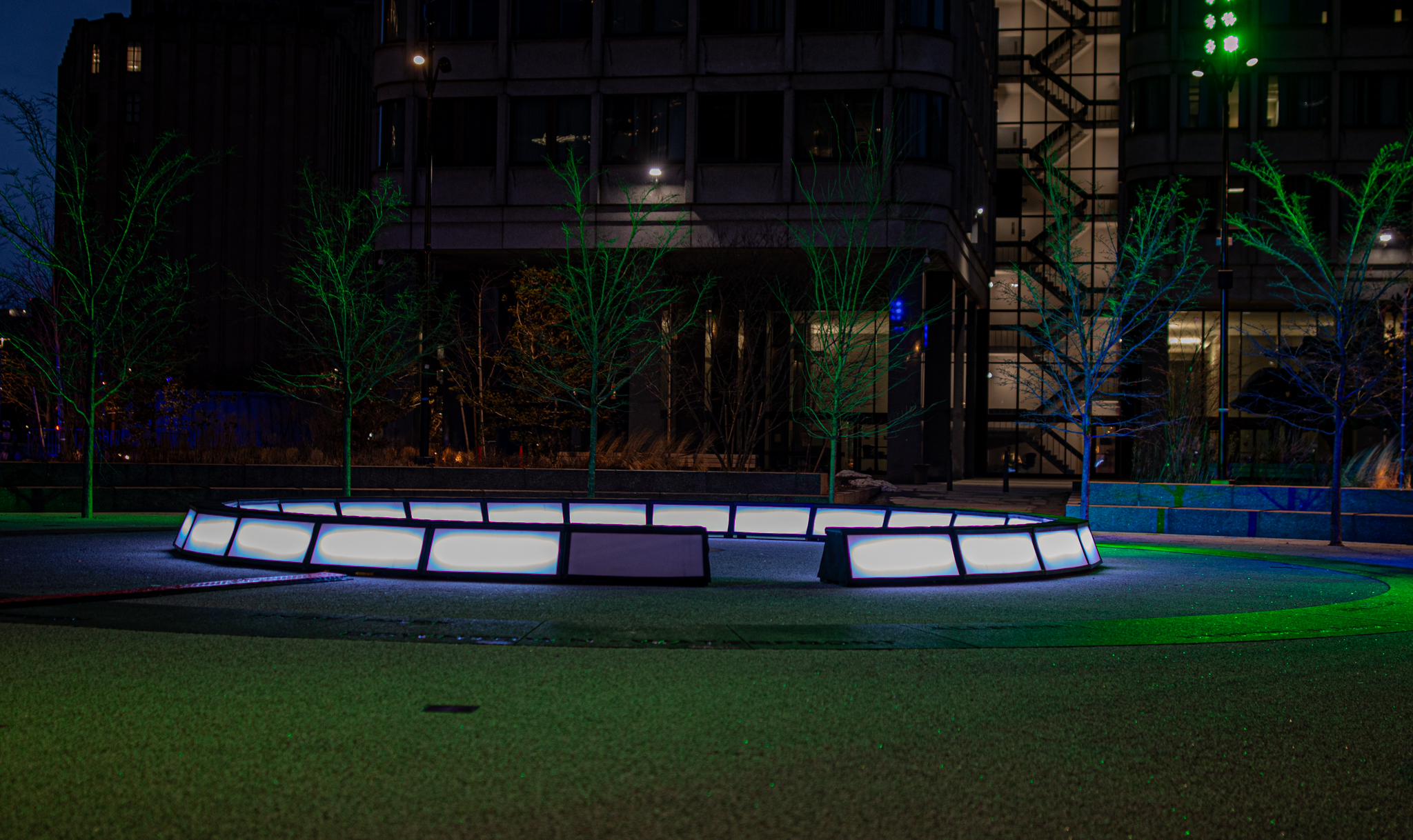
The next exhibit, Cycle, was located at Government Center. It was lit up and it did change colors.

Cycle is an interactive installation inspired by the revolutions of the sun and the moon, that illuminates open spaces.

Composed of a series of modules allowing various configurations, and equipped with several light animation sequences, Cycle delights with its variations in intensity and color. Diffusing brightness from its core, it evokes the halo effect of an eclipse.

In a maestria of light and sound, Cycle comes to life at the rhythm of bystanders’ interactions. By moving to the beat of the ambient music, the young and the young at heart transmit their energy to Cycle, transforming it into a larger-than-life musical sequencer.

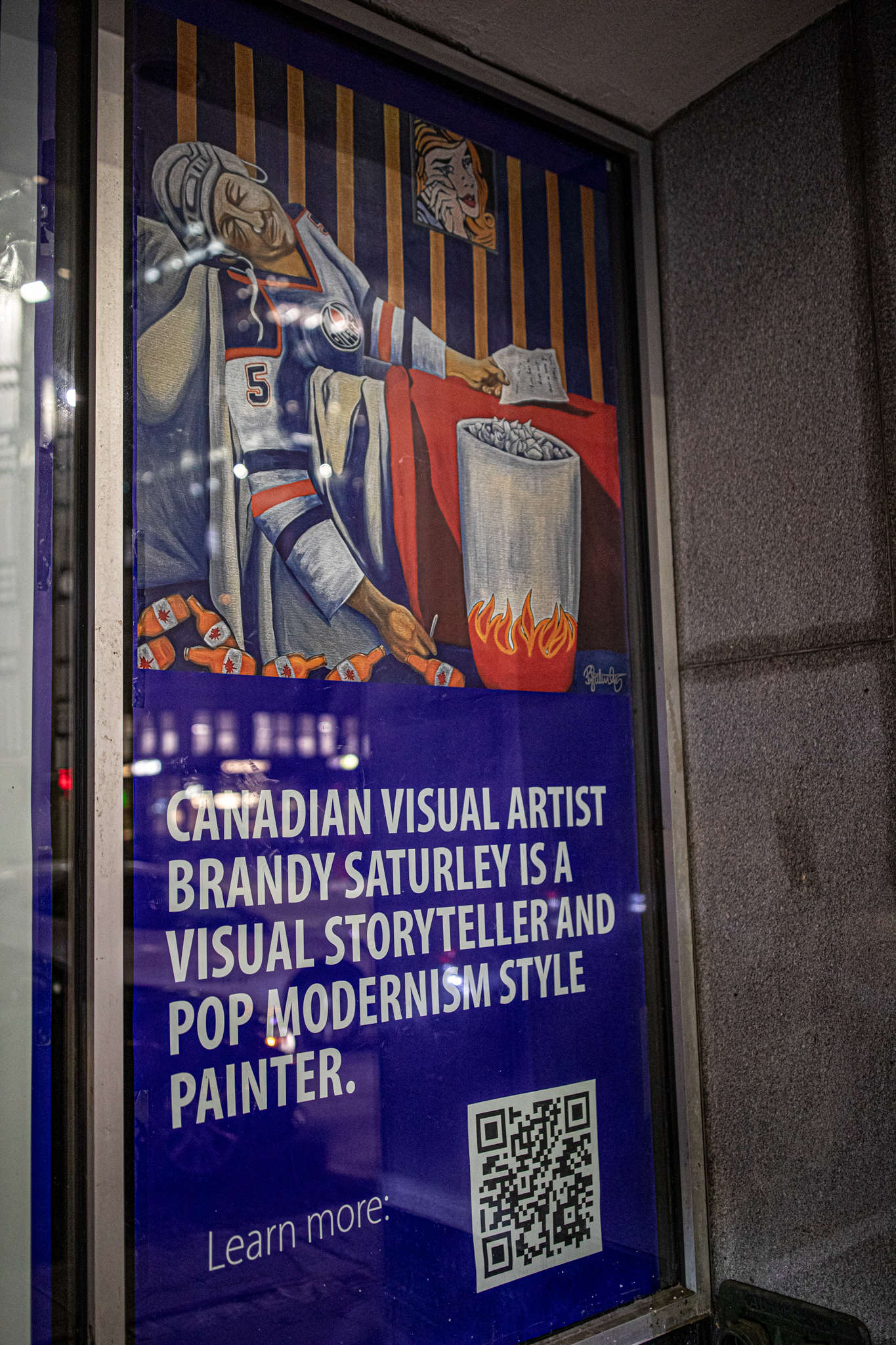
Hockey Hijinks

Brandy Saturley

Boston Downtown Window Display

This display combined Canada hockey and art history. Some of the art, such as the woman with the man in the Montreal Canadiens jersey are callbacks to real art (in this case American Gothic).

A Winter Messenger

Breehan James

Boston Downtown Mural

In folklore, white deer are said to bring luck and good fortune. In some cultures, they are associated with enlightenment, healing and personal growth. They are said to inspire us to seek wisdom, seek wisdom and embrace change while finding meaning and beauty in our connection to the natural world.

Nature’s Solace

Mike Geiger

New England Sea Aquarium

Nature’s Solace is a light installation that symbolizes the balance between the spirit and nature. This design captures the essence of multiple forest guardians, whose presence is echoed in the structure that gently houses a lush canopy of greenery. The guardians’ calm and protective aura serves as a reminder of our deep connection to the earth and its caretakers.

Mr. Pink 5

Philippe Katerina

Hyatt Regency Boston

This Mr. Pink could be found pointing at passerbys.

Polar Bear Passages

Brandy Saturley

Polar Bears (Ursus maritimus) are magical creatures, loved by many. These white beauties often stir deep emotions in humans, especially now as their habitats are disappearing due to global warming. The Polar Bear is seen as a guiding spirit when facing dramatic life transitions, especially at the onset of a new path or major change in life. Capturing the playful and inquisitive creature as he searches for a new home.

Mr Pink 6

Philippe Katerine

29 Winter St

This high flying Mr Pink attracted large crowds!

It has only been a little over a month since Winteractive 2025 ended and they’re already planning for Winteractive 2026 on their website! And I plan on being there!

Please see below for some videos from the event!

I have been continuing my review of books by authors from New England or about New England. The latest book I re-read was Following Atticus by Tom Ryan (304 pages).

Without revealing too many spoilers, the book is an inspiring story of a man and his love of hiking and, more specifically, his love of hiking with his dog, Atticus. What a pleasure it was to re-read this gem! In fact, I feel like re-reading it again! The story isn’t just about a man and his dog, though (although it is the main plot). There are also stories of the challenges he faced with his family and other people in his community. You don’t have to love or even like hiking or dogs (however weird that seems) to enjoy this book. Although, it may help if you do.

You can read my full review (with spoilers) at my good read profile below.

https://www.goodreads.com/review/show/7561372311


2024 Christmas In Salem Part 13 – Nancy Courtis House (Salem, MA)

Date Of Visit: December 7, 2024

Location: 119 Federal St (Salem, MA)

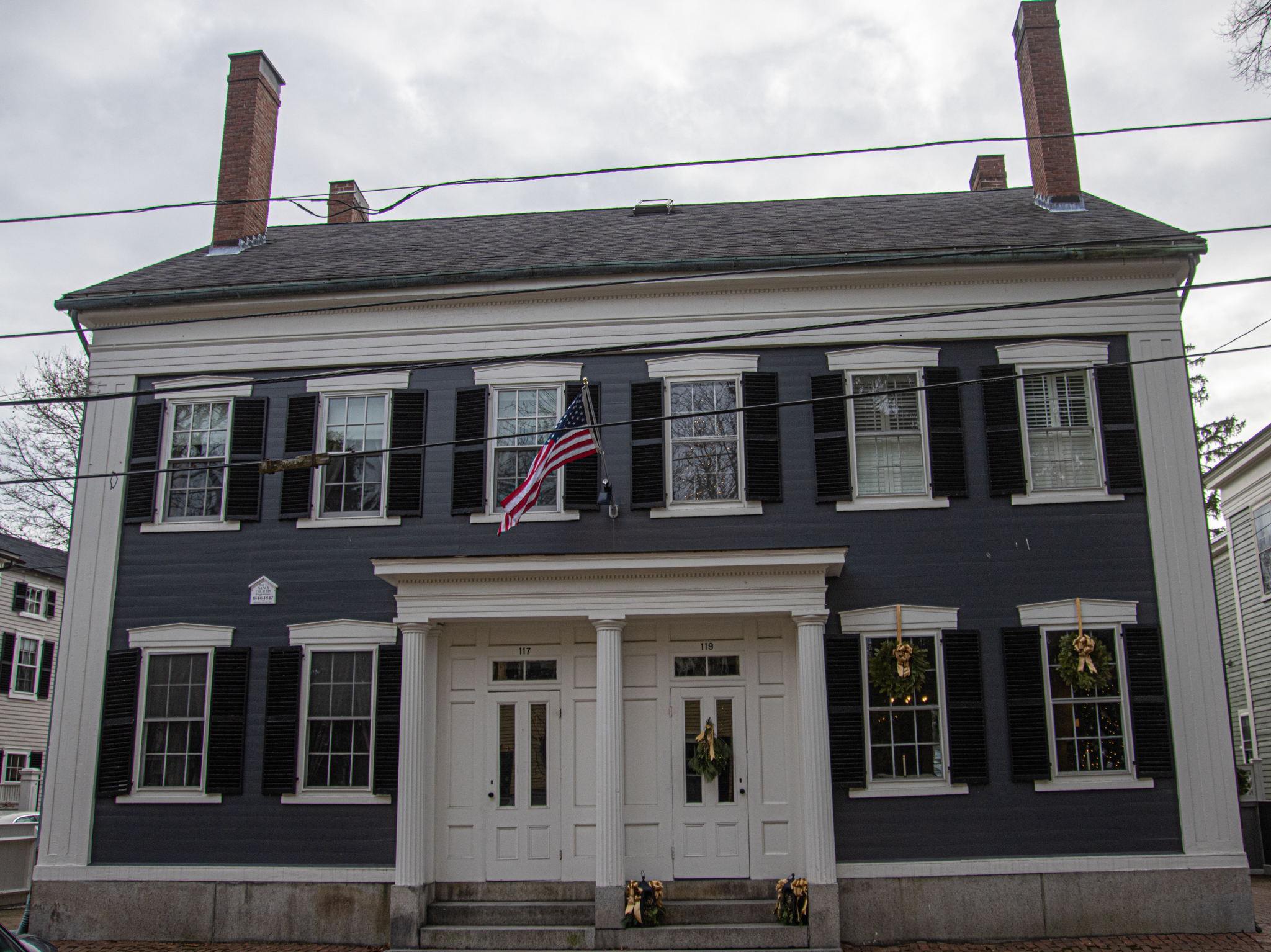
The Nancy Courtis house (the house on the right side of the duplex in this photo) was built for Nancy around 1846. The double house was built in the Greek Revival style. Nancy purchased the property on May 26, 1843 and later had the house built there.

In 1850, the property was worth $5,000 in todays dollars. Nancy had a brother, William Courtis, and a sister Hannah Courtis. She never married and no occupation was ever listed for her. Nancy died in 1875. Since she did not have children to leave her property to, he property was left to her nephew, Ambrose Saunders.

As I entered the Nancy Courtis House, I noticed this mistletoe. The tour guide told us 16 couples had already smooched under it! And that was only a few hours into the tour!

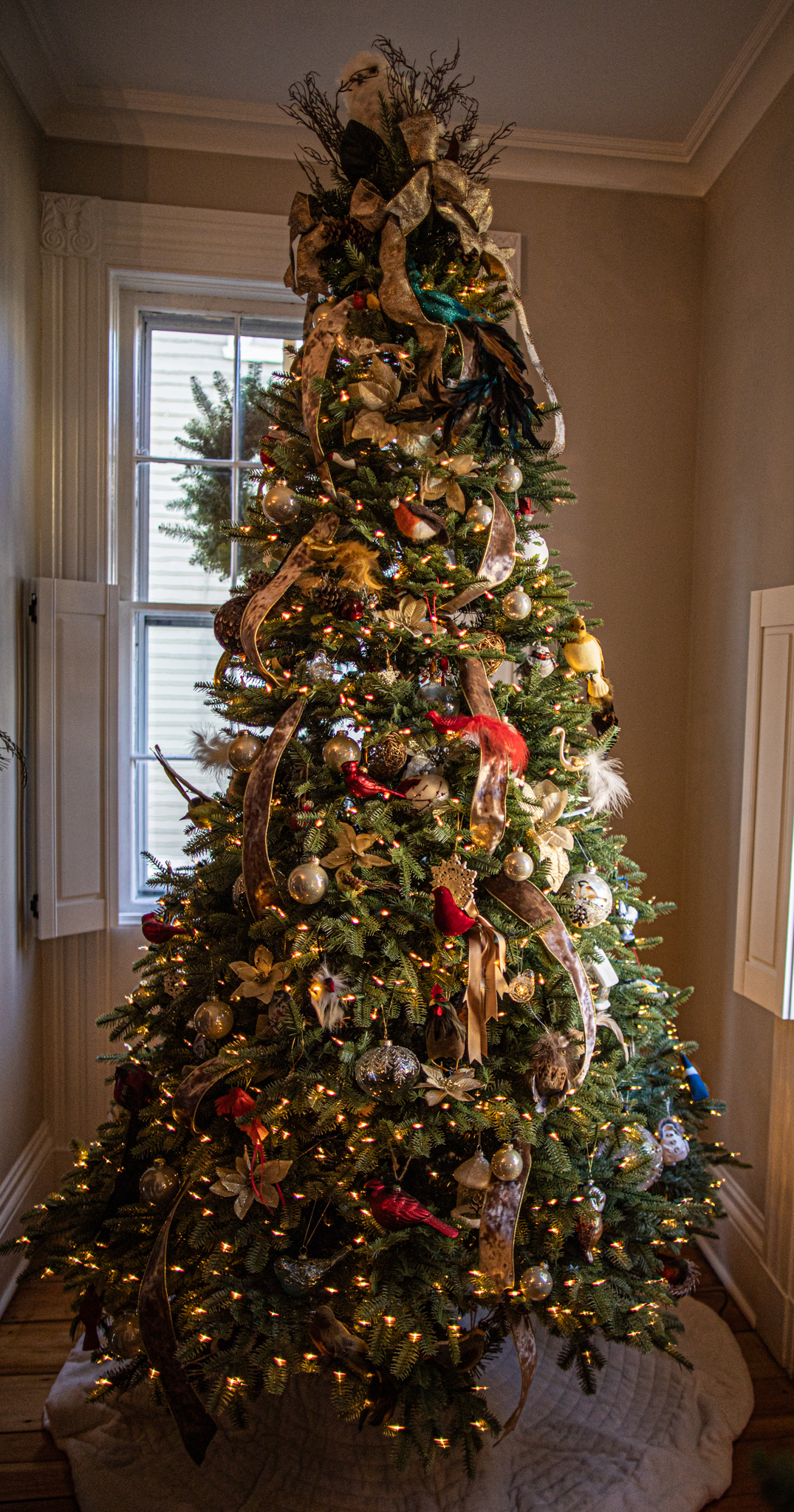
For some reason, this Christmas tree seemed more “full” than the other trees on the tour. The decorations. lights and ribbons gave some heft to the tree!

But, one tree was not enough for these folks. This “bird tree” has a variety of different birds in it. You may have to enlarge the photo to see them.

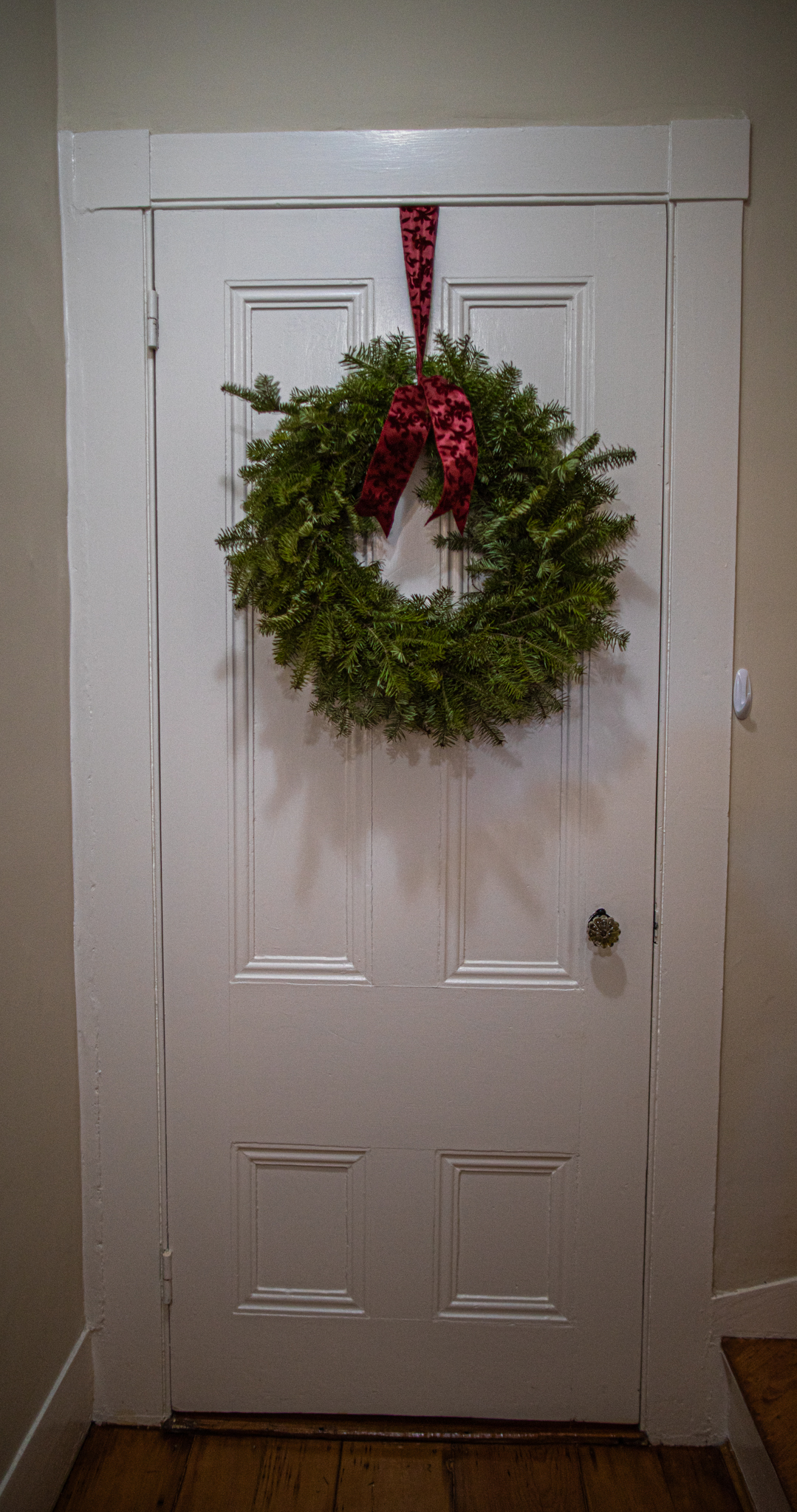
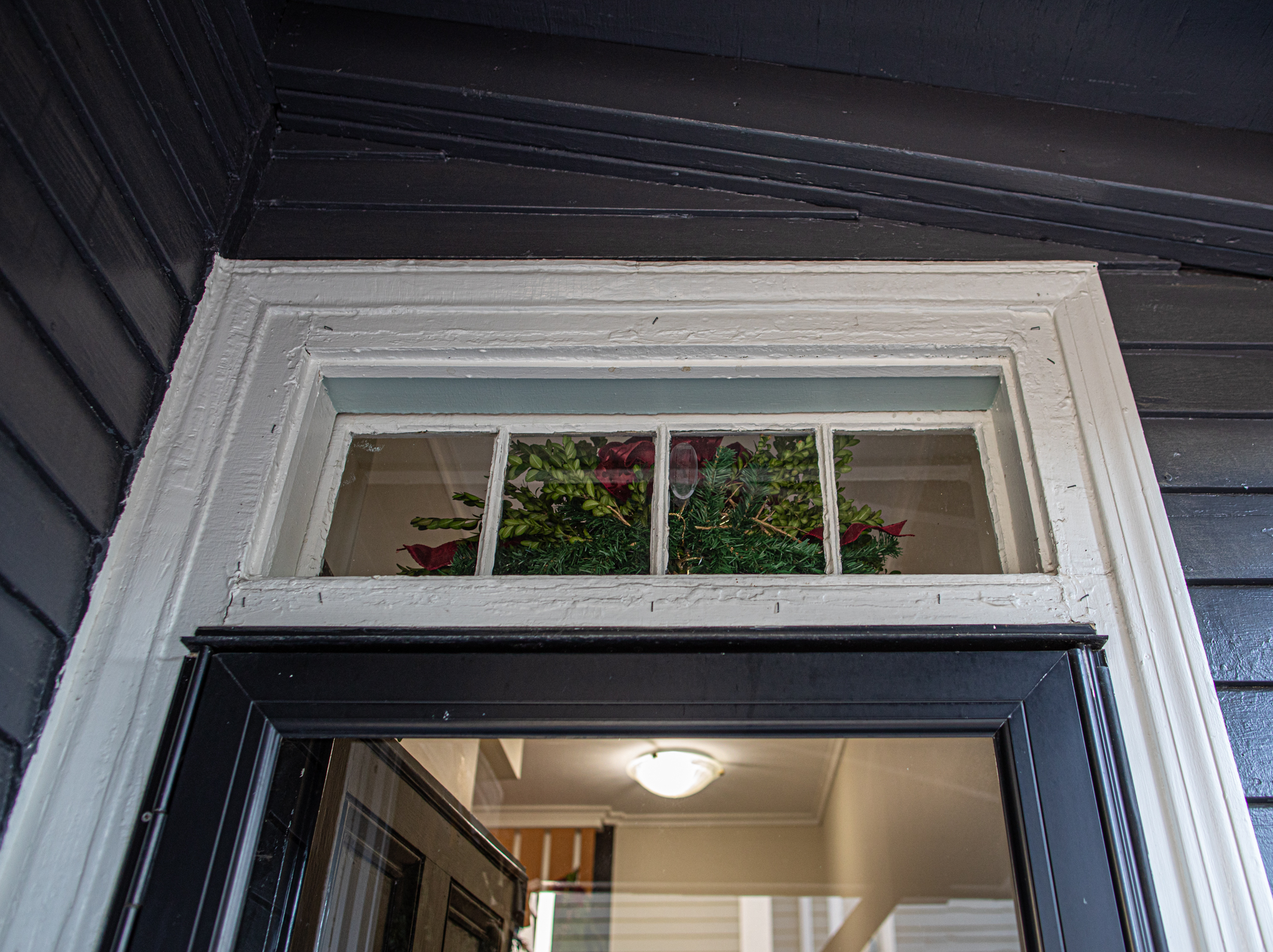
There were also wreaths and other Christmas decor in the home.

On the way out of the home, the tour guide explained how the paint used for the doorway was not a random choice or a fancy passing. The owners of the home, transplants from Louisiana, brought over their superstitions and beliefs with themselves. One of those beliefs is to paint your doorways, particularly the doorway to your porch, in Haint blue. The superstition holds that evil spirits won’t cross water and the blue color represents the barrier to these spirits. It seemed very appropriate for this superstition to be brought to a city known for its superstitions and beliefs in the paranormal.

I know. Christmas posts in April? But, I feel a certain feeling of nostalgia and cheer posting these photos and retelling these stories. I’m just glad I took copious notes during the tours! For those who may be sick of these posts, only one more home left on the tour!


Christmas In Salem 2024 Part 11 – Nathaniel Lang House (Salem, MA)

Date Of Visit: December 7, 2024

Location: 3 Lynn St, Salem, MA

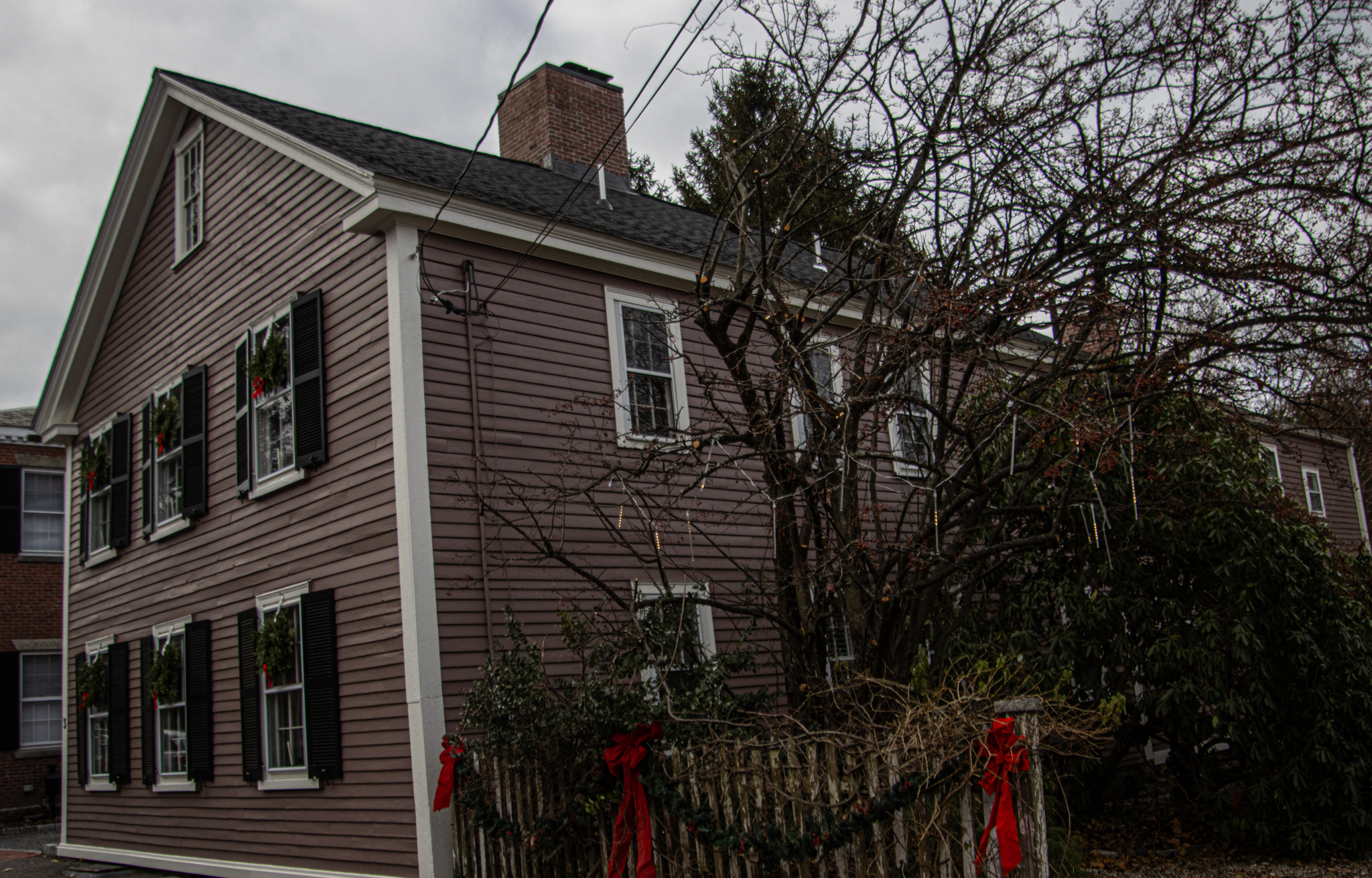
This clapboard house , built as an early Federal style building, has three bays and a center chimney. The gable end faces the street. The doorway entrance on the south side has Doric-style pilasters on either side supporting a flat entablature ( superstructure of moldings and bands which lies horizontally above columns, resting on their capitals). A rear addition that was added circa 1860 features a one story porch with a railing, along the southside, facing a patio.

Born in 1767, Nathaniel Land was a master silversmith as well as the son and nephew of master silversmiths in Salem, MA. The house was built for Lang in 1783. However, Lang’s and his wife Priscilla’s homestead is believed to be in North Salem. Additionally, it is believed Lang may have bought the home as an investment and never actually lived in the house.

Like the Micah Wild House which I posted about earlier, the Nathaniel Lang house had a side facing front. THis, as I mentioned in the previous post, was often done for tax purposes as the more narrow side of the home would be taxed. Since I only photographed the side of the home I am adding this photo from Zillow to give a better perspective of the home.

Even before you entered the Nathaniel Lang home, you could feel the Christmas spirit.

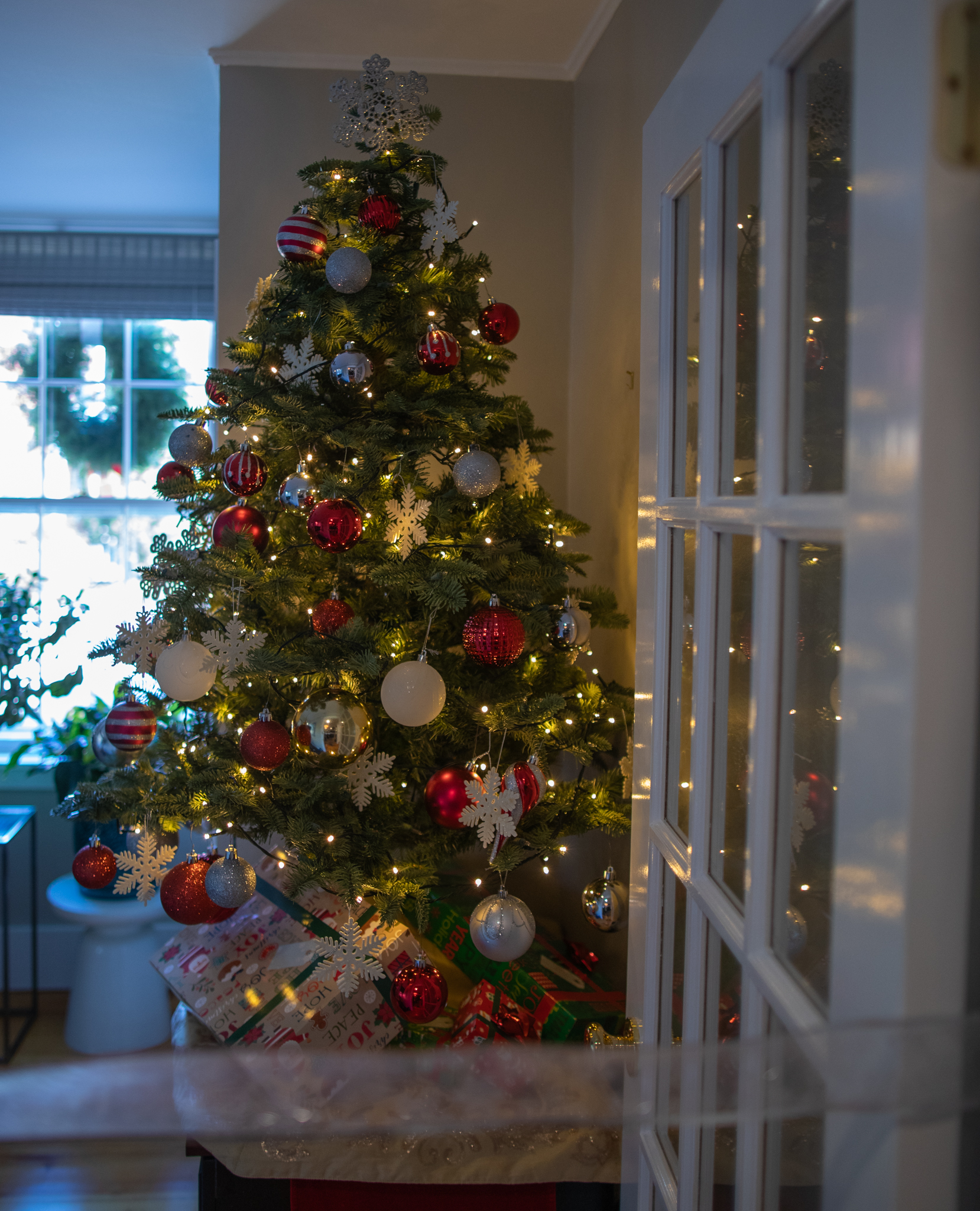
Inside, the home had a very cheery feel to it with this Christmas tree taking up the corner of the living room area.

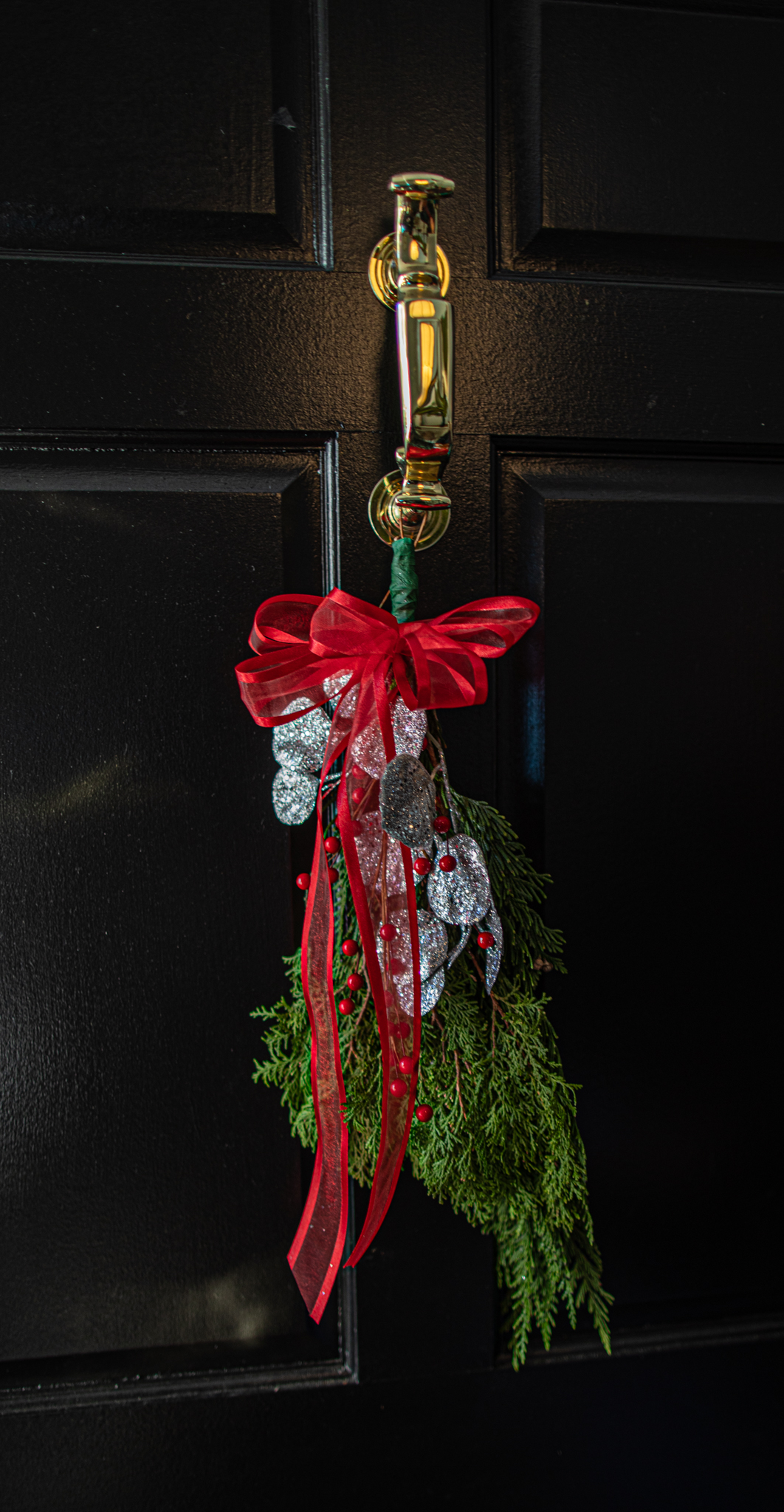
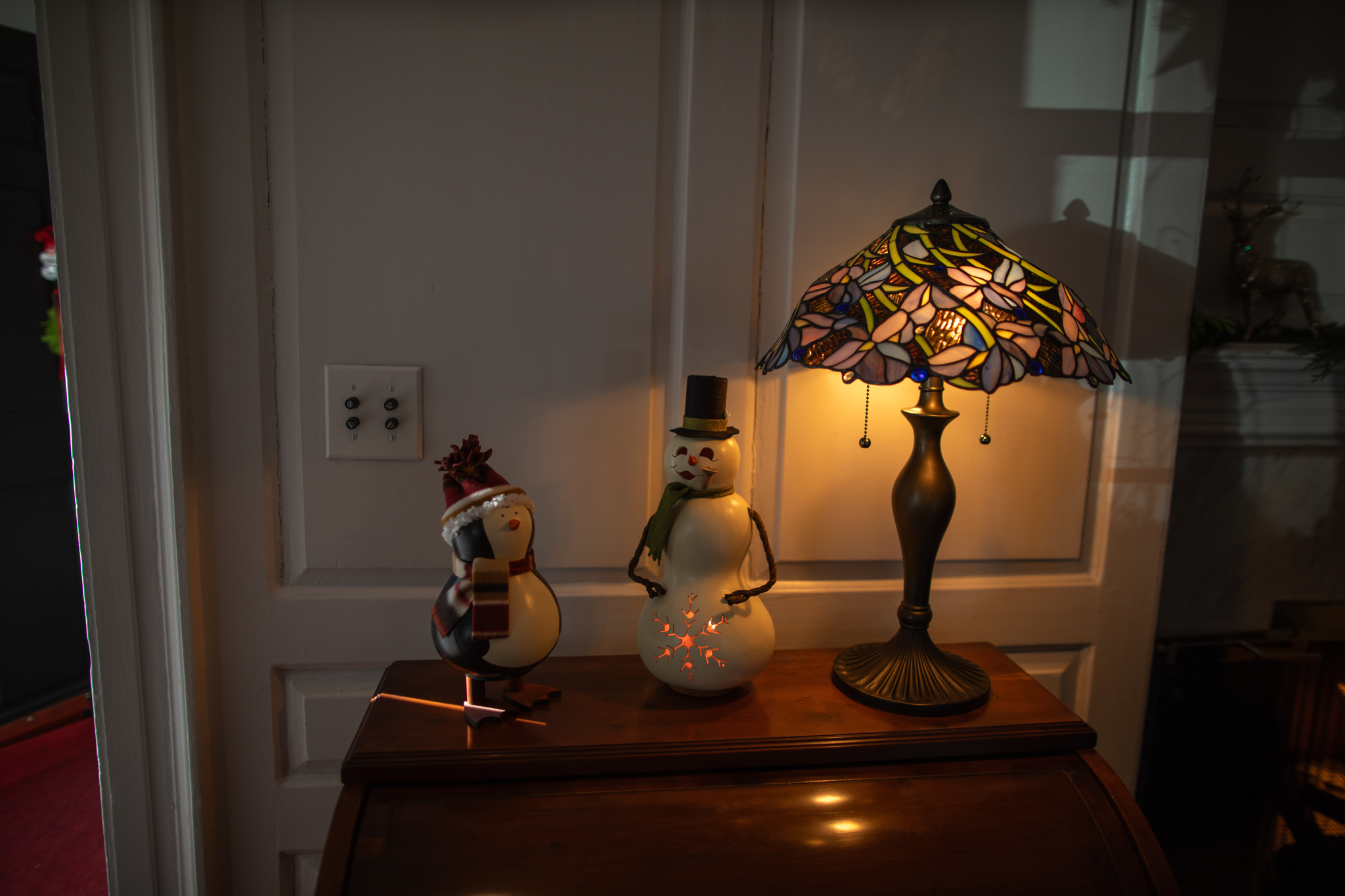
There were also Christmas decorations placed throughout home.

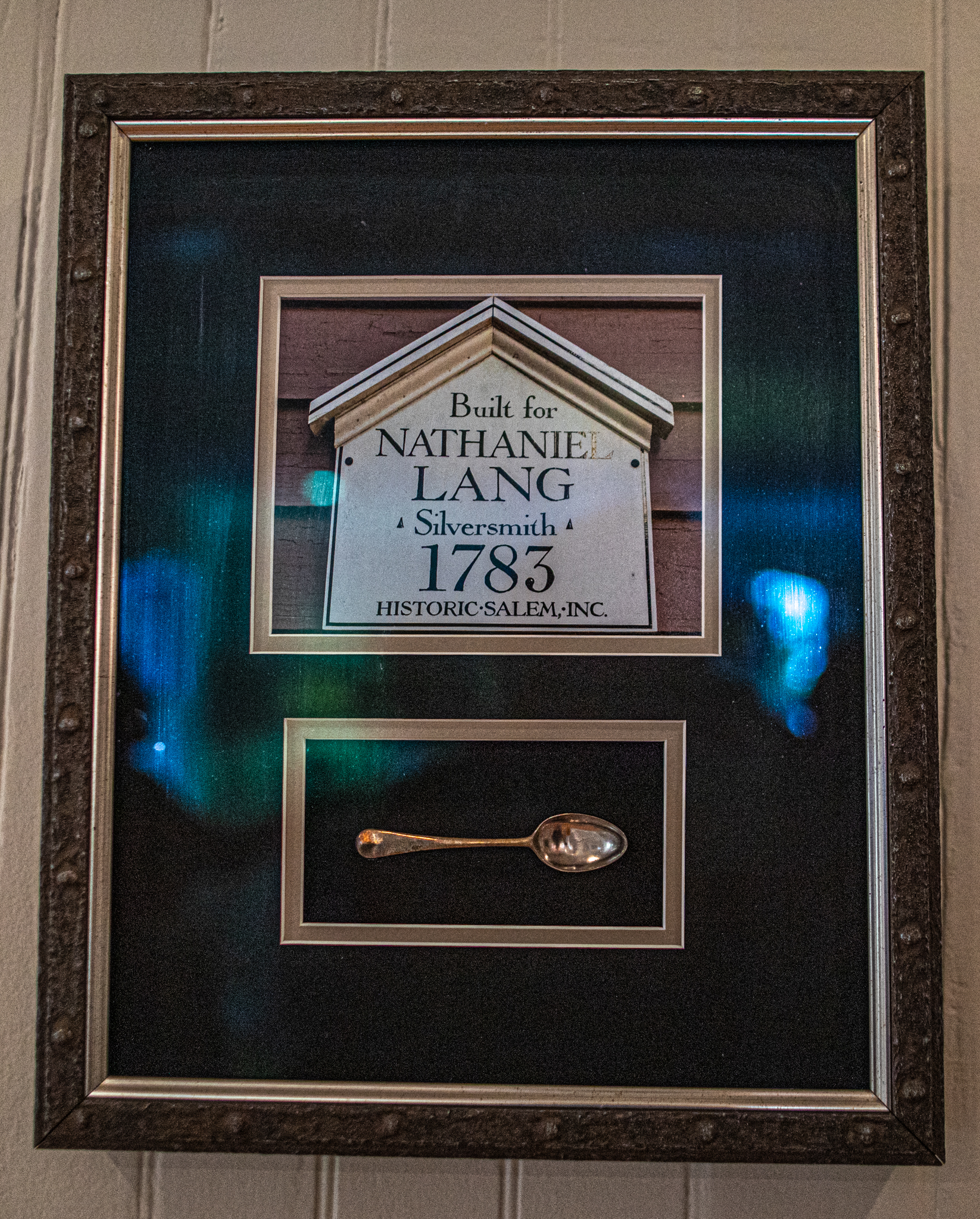
This spoon which was used in the home was framed and hung on the wall as a reminder of the history of the home.

There were other reminders of the historic nature of the home.

This flooring is the original wood flooring.

And this wood, which they found during renovations, is also original to the house.

It’s incredible to think this home still has these original features. They just don’t make things like they used to!

This glass of this door was very colorful. I also liked how the portrait of their dog seemed as though it was looking out at everyone. Nice touch!

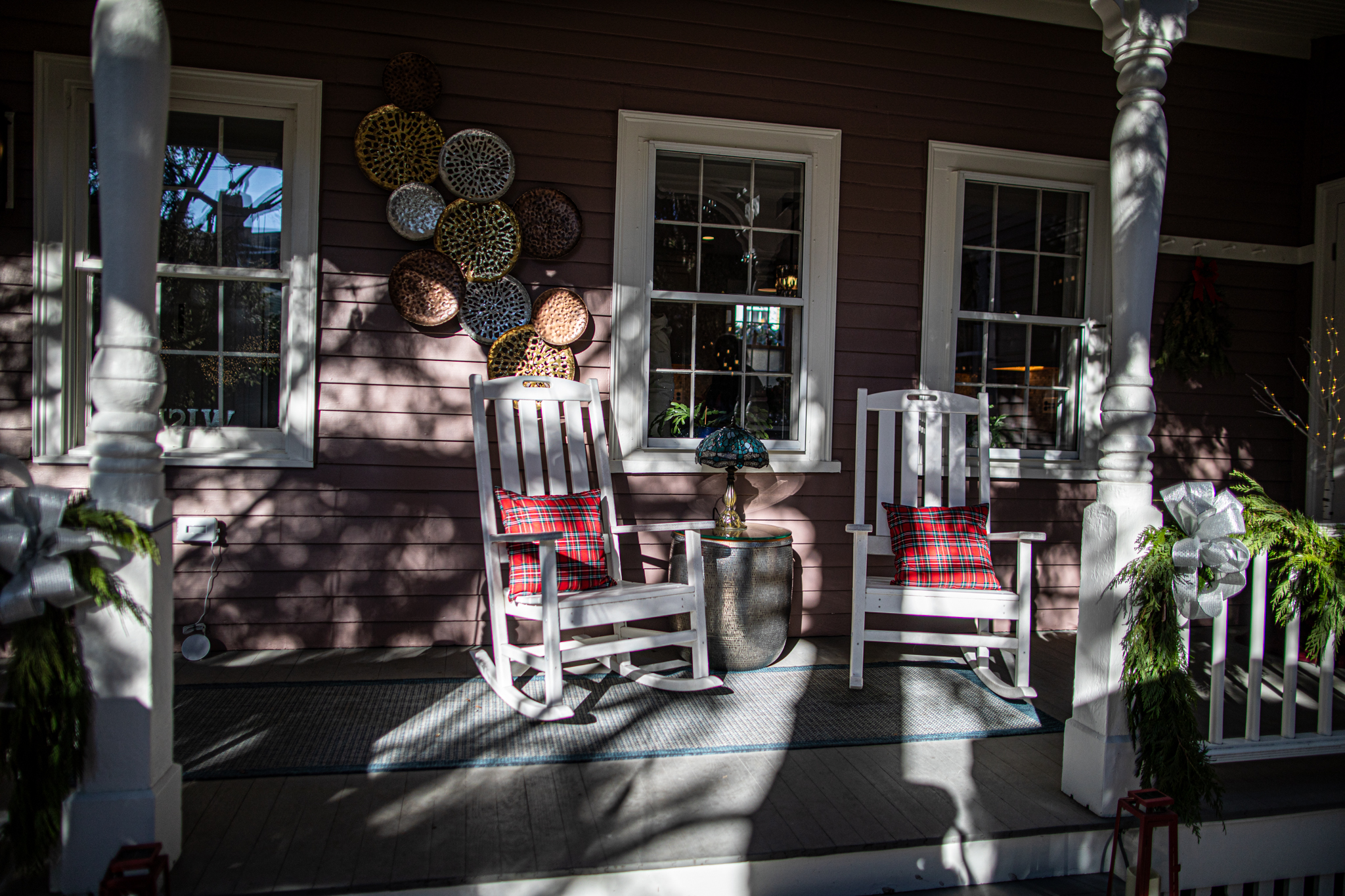
As I was leaving the home, I noticed one of the more charming aspects of the home. The back porch gave the home a very relaxing and almost country feel despite being located near the busy downtown area. One can imagine sitting on the bench or chairs with some friends and a beverage,

As you can see, this home had so much to offer! It was one of the more interesting homes on the tour thus far!


2024 Christmas In Salem Part 9 – Micah Wild House (Salem, MA)

Date Of Visit: December 7, 2024

Location: 4 Federal Court, Salem, MA

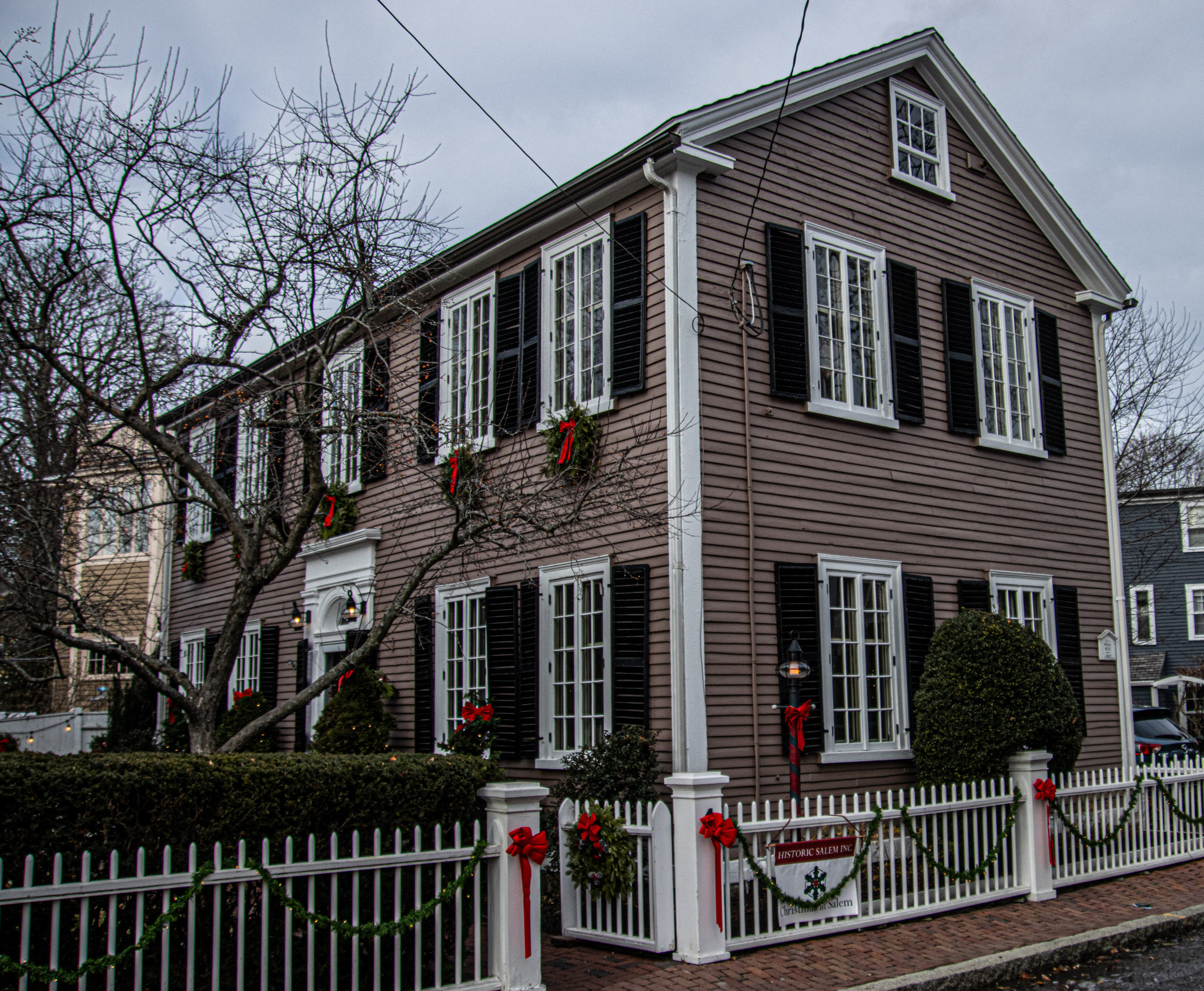
Located on 4 Federal, Court, the Mikah Wild House was built in 1804. The house is considered a classic example of the Federal style house with its gable end to the street. An interesting factoid as to why this house was built this way is that homes were built this way to avoid taxes. People were taxed by the street frontage of the house. And, since the side of the home was more narrow and smaller then the actual front of the home where the the front door is located, people paid less taxes. Duly noted. Although I’m sure that law has been updated by now.

Unfortunately, I did not take any photos of the side/front of the home. But, I was able to find this photo on redfin.com. as it will show the descriptions I will outline below.

The south facing facade of the home has five bays and a central entrance trimmed with flat pilasters and a semicircular fanlight above the door.

The builder of the house, Micah Wild, was a native of Braintree, MA, and a Revolutionary War veteran. He moved to Salem, MA, in 1790 and he acquired the land to build the house in 1802. In 1806, fellow Revolutionary veteran James Barr and he agreed to lay out a private way or court, 24 feet wide, extending from Federal Street to land belonging to James Ropes. Wild built the house on a parcel of land of that right-of-way. The Wild family did not live there very long. As they moved from Salem to Andover, MA, in 1810.

In 1815 Eben Dodge, a flour and grain merchant, and his wife Joanna acquired the house. Their son, Eben Dodge, Jr, was born in 1819. He would later go on to become a professor of religious studies and the fourth president of Madison College (now Colgate University).

The current owner acquired the house in 2022.

I was hesitant to go to this house because I didn’t want to go to Federal Court. But I took my chances.

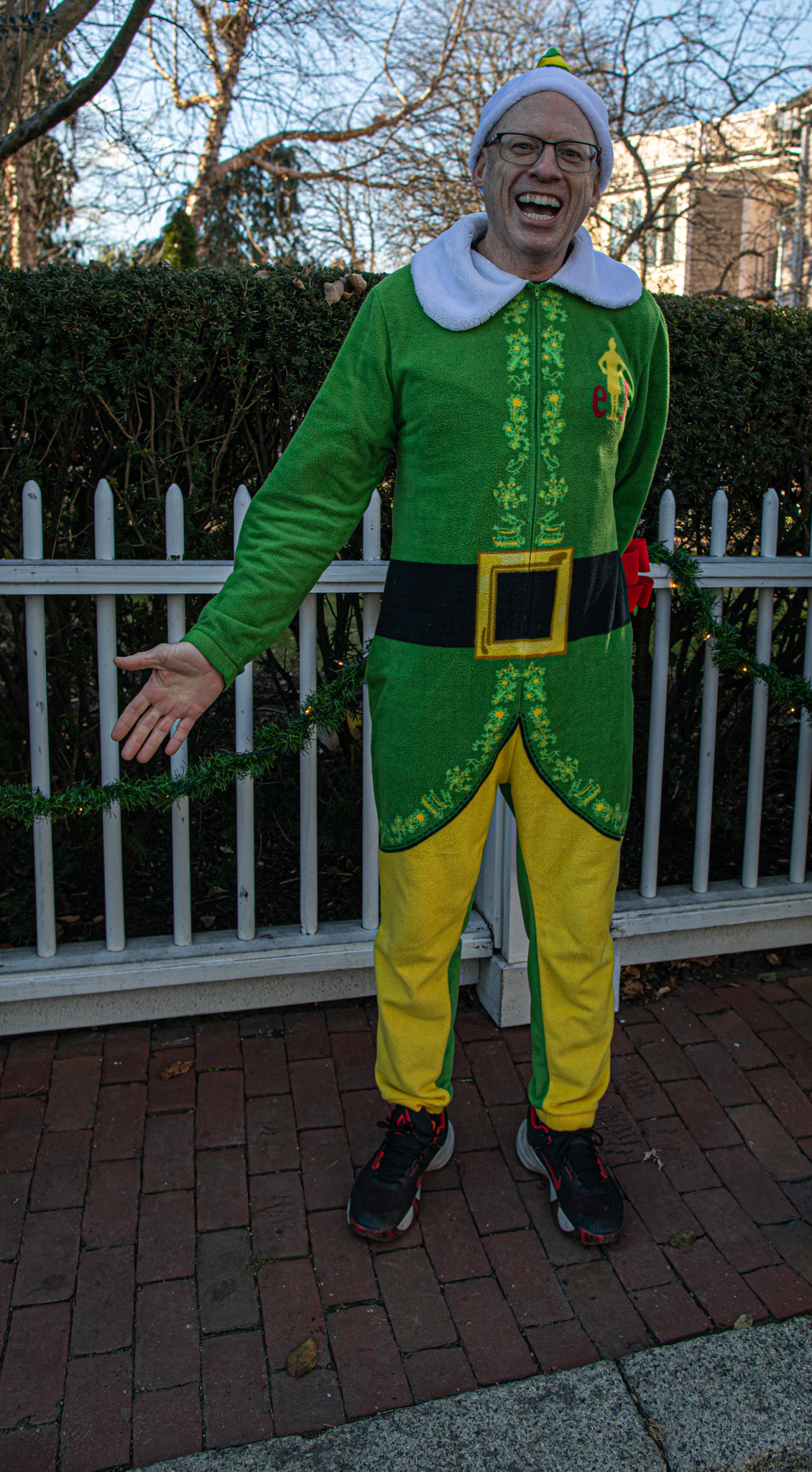
While waiting to enter this home, I met this elf.

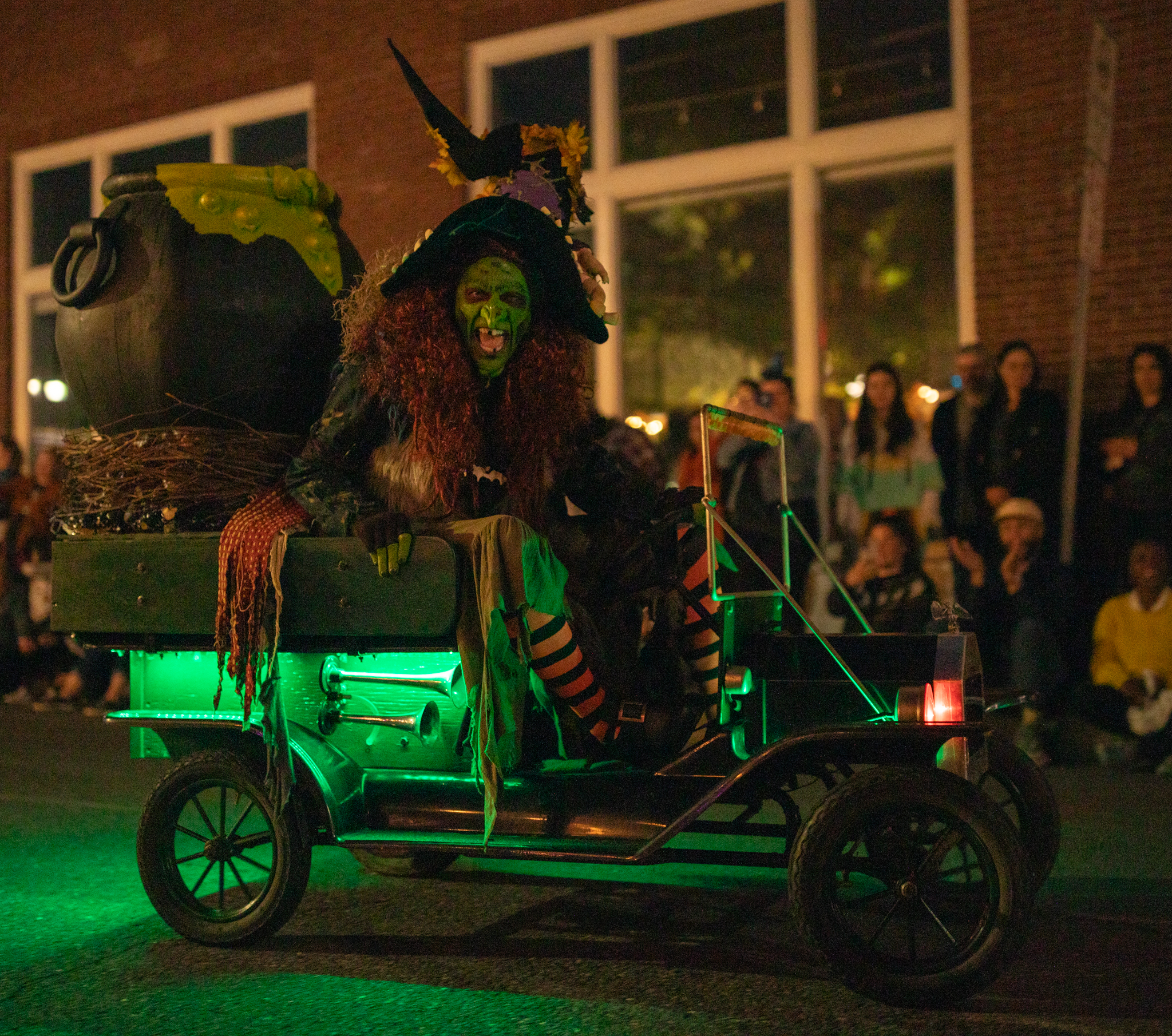
Brian is also know for dressing up as the witch “Borah” in Salem during Halloween.

A portrait of the home hung on the wall leading to the stairwell. Much like the rest of the house, the stairway was decorated for the holidays.

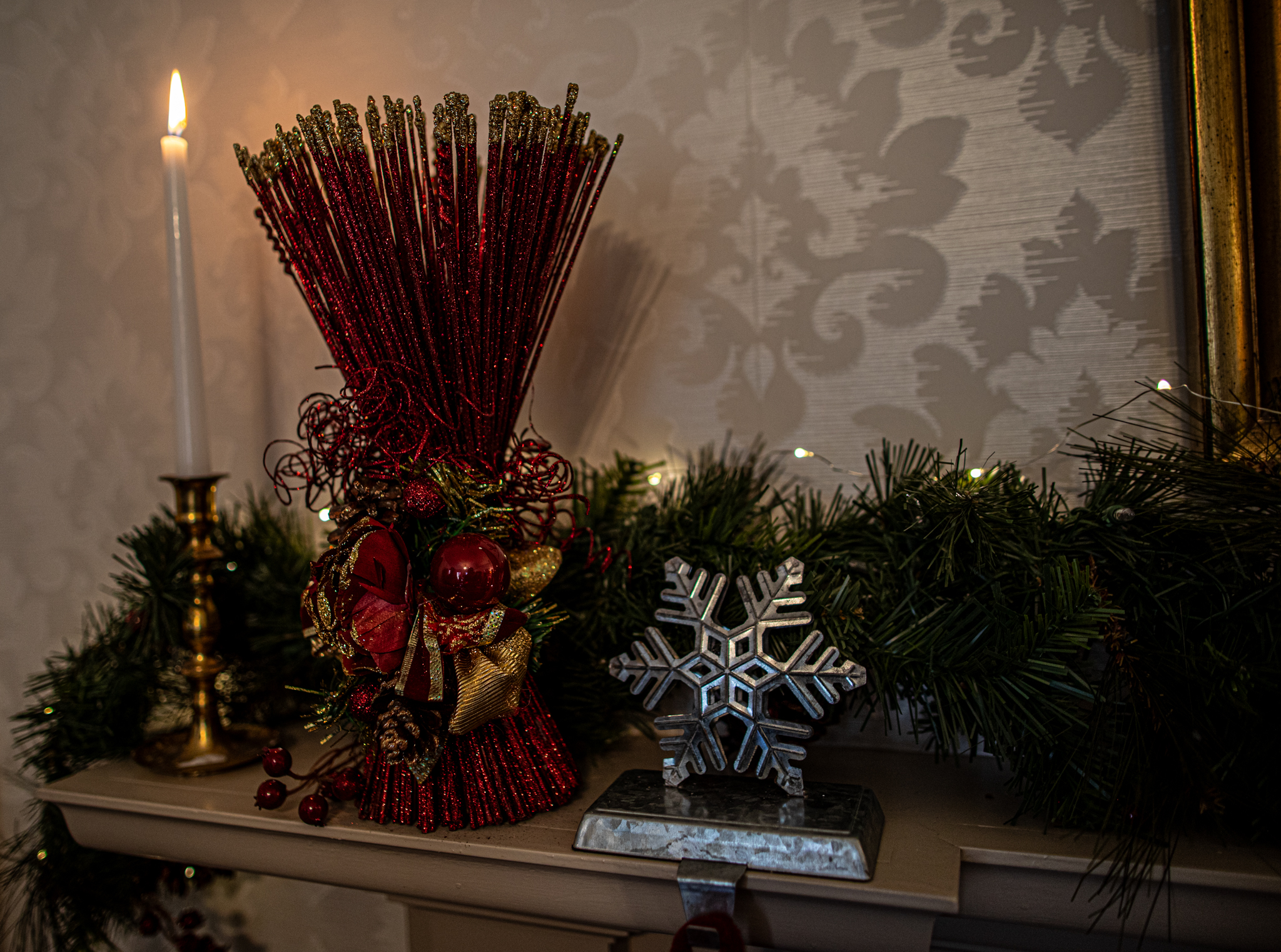
Stars, holly and even a Santa statue filled the home with holiday cheer!

Fun fact: the home was said to have been bought by Robert Parker of the “Parker Brothers” family.

There was also a Christmas tree and other assorted decorations.

I bet this closet could come in handy during the holidays!

My favorite part of the house was the free candy, of course. Mental note: Don’t put candy canes and chocolates in your pockets when you’re crouching down to take photographs.


2024 Christmas In Salem Part 7 – First Church Of Salem (Salem, MA)

Date Of Visit: December 7, 2024

Location: 316 Essex St, Salem, MA

Hours: Open all day Saturday, special Sunday hours 1-4 pm

I am still planning on posting all of the summaries of my tours of the homes and buildings on the Christmas In Salem tour, albeit a little late. I did get side tracked with some other events I attended. But, I will now focus on these last remaining homes of the tour. I am also adding a bonus surprise to this post which will be revealed at the end of the description of this church.

From the 4 leaf clover-like design at the top of the building to the unique design, the First Church of Salem is one of the more recognized structures in the city of Salem, MA., that doesn’t have “witch: in it’s name. In fact, as I took the photo above a lady mentioned how it was one of the most photographed buildings in Salem. But, the interior of the building and the building’s history are lesser known points of interest.

Built in 1836, the The First Church of Salem is not only considered the continuous Protestant Congregation, it is also considered one of the best examples of stone masonry Gothic Revival ecclesiastical structures in the United States.

Constructed of cut and regularly coursed Quincy granite covered by a low-hipped slate roof, the First Church of Salem has symmetrical front facade on which is centered a square, crenelated attached bell tower with a Tudor-arch front doorway. Just like my home. Above the doorway is a large traceried (ornamental stone openwork) pointed-arch window. There are additional pointed-arch windows with basic tracery and diamond-shaped panes on either side of the tower and along the side walls. The church also houses stained glass windows by such names as Tiffany, LaFarge and Reynolds. Grace Park, widow of George Swinnerton Parker of Parker Brothers fame, dedicated one of the stained glass windows in memory of her husband and 2 sons.

Festive decor was abundant in the church.

In the back of the church, there was a room for functions and receiving people.

A pianist played some holiday music.

One of the interesting tidbits the guides for the church discussed was the church’s role in Leslie’s Retreat. To make a long story short, starting in 1718, the First Church of Salem broke into five different churches, with all but one rejoining the original First Church in later years. Today, the congregation worships at the meetinghouse of the North Church, built in 1836. The one congregation that remains independent is the Tabernacle Church in Salem, which separated from the First Church in 1734 over a row about a minister at the time. 

On February 26, 1775 at North Church, which is the current location of the First Church, Reverend Thomas Barnard Jr left his pulpit to join a group of Salem men to convince the British Colonel Leslie to not attack a munitions depot alleged to be stored in North Salem. After some cajoling (and perhaps some bending of the truth), Col. Leslie agreed to not attack. It is said that if not for the reverend’s efforts, the Revolutionary War would not have started in February, 1775 instead of April, 1775. A portrait of the reverend still hangs at the church.

Drum roll please for the bonus to this post…

Every so often, I am planning on adding book reviews from authors from New England or books about New England. I’ve read many books from authors based in New England or about the area. But, to refresh my memory, I will have to re-read some. If you do have any New England themed books or books written by people from New England, feel free to leave a comment or suggestion!

This was not my first go at a book by this author some of you may have heard of. And, although I’ve given this author many tries, I’ve never been overly impressed. But, that may be because it’s just not my personal taste of genre. However, this book was different. I am copying and pasting text from my goodreads review. Click on the link if you want to read the entire review. And, send a friend request if you’re a goodreads user!

The Shining – Stephen KIng

It may be surprising to some. But I am not a huge Stephen King fan. However, he definitely delivered in this effort.

Of course, I had seen the movie several times before reading the book. However, not everyone prefers the film over the book. In fact, Stephen King has been a sharp critic of the film version. While each production stands on their own, here’s what I appreciated about the book.

Jack Torrance. What a character. Unlike the film, Jack is a much more nuanced and layered character in King’s book. Sometimes he seems dangerous, indeed evil. Other times he seems almost relatable, particularly his struggles with his vices.

I also appreciated the Wendy character in the book. She was both sincere and, frankly, bad ass.

King transitioned smoothly to various side stories…


2024 Christmas In Salem Part 6 – The Greymoor /Putnam-Balch House (Salem, MA)

Date Of Visit: Dec. 7, 2024

Location: 329 Essex St, Salem, MA

It’s easy to see why the Grey-Balch residency is considered “the most ambitious and outstanding residence of its era in Salem.”

The Greymoor-Balch House boasts rusticated wooden sheathing, paired pilasters with fluted tops at the corners of the facade and an elaborate arched dormer window above the second floor which is enhanced by a heavily bracketed cornice. The front entrance porch is supported by eight square molded columns capped by a balustrade with corner posts supporting urns.

The house’s decor is modeled after the Second Empire and Italianate styles.

Greymoor was built by James S. Putnam in 1872 after he demolished a house on that site which was owned by Benjamin Marston, a former Essex County high sheriff and colonel in the state militia. In 1881 the property was by Frank Balch. Balch worked at the Naumkeag Steam Co. Balch’s son is said to have improved x-ray technology by inventing the Balch Roentgen Scopic screen in 1916 which reduced the time required for taking an x-ray picture from 20 seconds to 1/5 of a second. Balch’s company, Balch Roentgenoscopic Screen Co, was located in Salem, MA.

The house served as Salem’s American Legion headquarters between 1921 and 1979. Between 1971 and 1981, Donald Costin restored the house as a private home. More recently, the current owners have restored the house to its original decor. The 6,352 square foot included 3 floors with 2.5 bathrooms, 5 bedrooms and 8 fireplaces. When the house was listed for sale in June, 2019, the house was listed for just under a paltry $1.4 million.

Upon entering the home, it was clear there was a lot of Christmas decor in the house.

I thought this arched door was very elegant.

Of course, my favorite of any home is the kitchen. I always like to look at the kitchens of these old homes! This very old looking cast iron coal stove had 6 burners. I especially enjoyed the artwork and decor above the stove.

In the hallway, there was this painted window that could be opened.

The home was tastefully decorated. I especially liked the lighting fixtures.

Fitz Blarney provided some holiday cheer.

I have a pet peeve about taking photos in general. But, especially with photos of homes. If there is a vehicle or some other obstruction, I won’t take head on photos of the building. So, I will often take photos from an angle or the side. However, this home is so pretty, I decided to include a front facing photo of the building from the real estate website when it was on the market (photo courtesy of priceypads.com).


Christmas By Candlelight 2024 (Old Sturbridge Village, Sturbridge, MA)

Date Of Visit: Dec. 21, 2024

Location: Old Sturbridge Village, 29 Stallion Hill Road
Sturbridge, MA (1 hour southwest of Boston, MA)

Universally Accessible: Some of the areas are universally accessible. But, many of the houses do not have ramps or other universally accessible entryways. See below for more details from their website:

Old Sturbridge Village is an outdoor museum with unpaved roads that lead to houses, farms, shops, mills, and gardens typical of 19th-century rural New England. While more than half of the Village’s historic buildings have wheelchair-accessible entrances, interior access varies. The Village’s unpaved roads are generally firm and stable. Most roads are level, with steeper grades located near the Bullard Tavern, Glass Exhibit, and Herb Garden. Longer, more gradual grades are located near the Visitor Center and Freeman Farmhouse.

Summary: Old Sturbridge Village hosted their annual Christmas By Candlelight event last month. Historical actors discussed the many historical aspects of the holiday and many Christmas decorations were on display.

The spirit of Christmas was alive in Sturbridge, MA! An 1830s Christmas that is.

Every year, Sturbridge Village recreates Christmas during the olden days. Toys, treats and decorations were in abundance at the event.

The first thing that caught my eye was the Tree of Heroes.

Each star hanging from the tree included the name of a service member from the area who has died. It is a sobering reminder of the sacrifice of others and the loss people feel this time of the year and throughout the years.

At the village, one of the biggest decorations, literally and figuratively, were the nutcrackers.

Although nutcrackers were a part of the Christmas decor of the 1800s, they really became more common in the states after World War II. American soldiers stationed in West Germany after the war would send them home as gifts.

Nutcrackers are said to represent fear and strength. And, in some cultures, luck. Since their purpose is to crack open the shells of nuts, which requires a certain amount of force and strength, they are figures of strength and being fierce. In fact, they are so fierce, according to German folklore, they were believed to ward off evil spirits and protect homes because of their strength.

This employee at the village was working diligently on a nutcracker. The carved bodies of the nutcrackers are delivered to the village and the workers are responsible for painting and decorating them. She said she can paint and decorate one nutcracker in one evening (at least when people like me weren’t pestering her with questions). She told me the hardest part of decorating the nutcrackers is getting all the lines straight.

Of course, the homes, buildings and grounds were decorated for the season.

The interior of the homes were just as beautiful as the outside of them.

Toys, of course, are also a big part of the holiday. There were toys from the 1800s and modern day era at the event.

But, not all of the gifts children received were toys or dolls. Children in the 1800s would leave carrots and hay in their shoes to feed St Nick’s horse (or donkey) in the hopes he might leave gifts such as chocolates, candy, fruits, nuts, coins and other gifts in their shoes.

There were also musicians, magicians and other entertainers at the event.

Of course, what would the holidays be without food? The house where the Italian traditions were shown featured a Ceppo, a wooden pyramid structure designed to hold shelves full of different Christmas items. Some levels had gifts and food items while other levels had candles on them. Besides being a potential fire hazard, the Ceppo was meant to represent a flame and act as a substitute for the Yule log.

In the corner of the table you may have noticed a figure holding a stick.  La Befana, the “Christmas Witch”, is considered a good witch who rides around on her broomstick. She carries around a sack of gifts and candies for good children. The name  La Befana originates from the Greek word Epifania, the Italian name for the religious festival of the Epiphany.

The Italian Christmas Eve tradition of the Feast of the Seven Fishes was also discussed. But, thankfully, no fish was prepared or served at the event. In its place, cakes, cookies and other sweets were on display. And a chocolate layered cake was served. I did not partake. But, the consensus was it was “delicious.”

Just looking at all the photos makes me hungry! Believe it or not, even with all of the photos I have posted, I could have posted even more.

As an added bonus, there was a gingerbread house contest.

The “winning gingerbread house was “Best In Show” gingerbread house was this “Farm Creation.”

The rest of the gingerbread houses and other gingerbread structures are posted below, in no particular order.


Christmas In Salem Part 3 – Grace Church (Salem, MA)

Date Of Visit: December 7, 2024

Location: 385 Essex St, Salem, MA

Website: Grace Church

Not all of the buildings in the Christmas In Salem tour are homes. This part of the tour took us to the Grace Church.

Grace Church has been at its current location since 1926. Previously, it was a wooden Gothic Revival building in 1869. The original church was demolished as it was deemed inadequate for the needs of the congregation. Philip Horton Smith and Edgar Walker, both architects of Salem, constructed the stone masonry late Gothic Revival structure that exists at the location today. Four of the stained glass windows in the church were transferred from the original 1856 structure, two of which are by Tiffany.

While the church was being built, Grace Church acquired the Burill House as a Parish House. The building has been remodeled and enlarged while adding a cloistered wing to the church.

Susan Gentile’s “Heavenly Light” art project adorns the walls of the church.

If you look closely at this stained glass window, you may see some historical figures (besides the obvious one).

In the second row of the stained glass window, there are images of Martin Luther King, Ghandi and Mother Teresa.

Grace Church is involved in many activities and causes such as the Abundant Life Garden which engages children in scripture and agriculture as well as many other causes.


2024 Christmas In Salem Part 1 – The Cotting-Smith Assembly House (Salem, MA)

Date Of Visit: December 7, 2024

Location: 138 Federal St, Salem, MA

Parking: There are several parking lots and garages in the Salem area

Universally Accessible: No, many of the homes do not have ramps or universally accessible entry

When you ask most people what they think of when they think of Salem, MA they will most likely reply with something about Halloween and witches. However, Salem has become an all year round attraction. In fact, the Christmas in Salem event has quickly become one of the more popular events in Salem.

Christmas In Salem is a series of guided tours at 13 historic homes and buildings in Salem, MA. In these series of posts, I will take you all on these tours and give some observations from my perspective through my photos and the information provided by the informative tour hosts and the literature from this event.

The first home on the Christmas In Salem tour is the Cotting-Smith Assembly House (aka as the Assembly House) on Federal St. This house was used as the headquarters of the tour. People registered for the tour by showing their receipt and, upon registering, were given a handbook with the addresses and writeups for each building.

Built in 1782 as a “Federalist Clubhouse”, the Cotting-Smith Assembly House was used as a ballroom and concert venue as well as a place to host lectures and other events for Salem’s elite. The Marquis de Lafayette was said to have danced in that very house in 1784 and it is said that George Washington dined there in 1789. While the original documentation for the building is not available, it is believed the house was essentially plain and functional in its original state in 1782.

The building was originally funded as a joint stock venture. Once it was rendered obsolete in 1792, Jonathan Waldo, one of the original developers, obtained full ownership. Waldo then sold the house to Samuel Putnam in 1794. Either Waldo or Putnam hired renowned Salem architect and craftsman Samuel_McIntire to remodel it as a private home. McIntire added 4 pillar of iconic pilasters to the second floor facade and a pediment centered above. The Assembly House is said to the the only wooden structure designed by McIntire with a pavilion front. The house was later remodeled during the 1830s or 40s. During this time the Greek Revival portico was added to the front of the house featuring an ornate frieze of carved grape vines by master carpenter Joseph True. The Assembly House, which is now owned by the Peabody Essex Museum, is listed on the National Register of Historic Places.
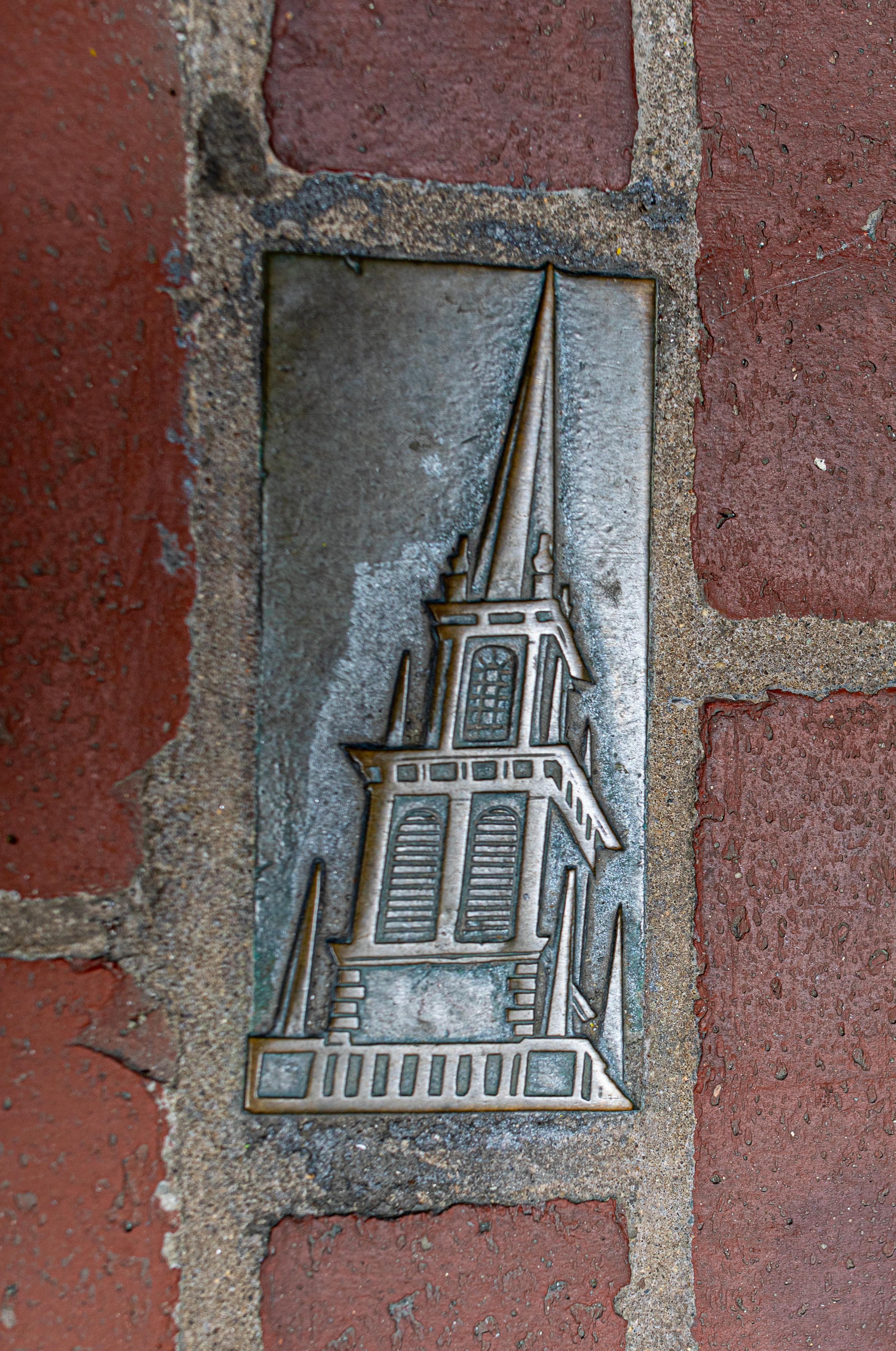
The building acted as the meeting place for visitors to get their handbook of houses to visit and map of all of the buildings on the tour. So, there wasn’t much decor at this particular home. However, I did see some photo worthy things.
Sometimes the little things can tell a lot about a home. For instance, this wallpaper spoke to the trade relations between Salem and other countries. This wallpaper, which shows what looks like a rendition of life and culture of the people of Asia, may have been an example of how the owners traveled to certain parts of Asia. It was not unusual for people to put up wallpaper that reminded them of places they traveled to or traded with.

This is not an original print, though. It is a stylized representation of wallpaper from that time.

While wallpaper may not be in vogue now, it was a treasured possession of the wealthy at the time this house was built.

According to Historic New England, the earliest record of wallpaper in America is in the estate inventory of a Boston stationer in 1700, where “7 quires of painted paper and three reams of painted paper” were listed. But, only one wallpaper in Historic New England’s collection with a history in New England dates back to the 1700s. Like all early references, this was more descriptive of quantity than of design. Only one wallpaper in Historic New England’s collection with a history in New England dates to this early period. This wallpaper was later used to cover a copy book of poetry in 1783.

Initially, paper hangings, as wallpaper was called in the eighteenth century, were only available from stationer and book sellers. Or they could be custom ordered from merchants who specialized in importing luxury goods. Eventually, wall paper could be purchased from upholsterers.

Prior to 1760, only the wealthiest colonists in urban areas in New England could afford wallpaper. Wallpaper was expensive because of the process involved in making it. The rolls the wallpaper was printed on had to be made of individual sheets of paper. These sheets were glued together. Then, they were hand printed with wood blocks, one block for each color of the design.

That is what makes the Christmas In Salem event so interesting. You can learn so much about the history of wallpaper just by touring a historic home!

Please join me on my tours of all of these historic homes!

You can find me on Instagram here, new.england.nomad_

You can follow me on Facebook here.

If you want to see more photography from New England, click here to join my Photographers of New England Group on Facebook.

I don’t do Twitter and I’m too old for TikTok!