Tag Archives: wildlife

Feeding Birds (Mass Audubon Ipswich River Wildlife Sanctuary, Topsfield, MA)

Date Of Visit: Nov. 8, 2025

Location: Mass Audubon Ipswich River Wildlife Sanctuary. 87 Perkins Row, Topsfield, MA (30 minutes northeast of Boston, MA)

Cost: $7 for adults, $4 for children seniors. Memberships are also available.

Hours: Trails are open dawn until dusk

Parking: There are about 50 free parking spots for visitors

Dog Friendly: No

Universally Accessible: Yes, while some trails may be challenging, the Audubon has an ADA-compliant, universally accessible All Persons Trail. Also, a rollator is available for loan upon request

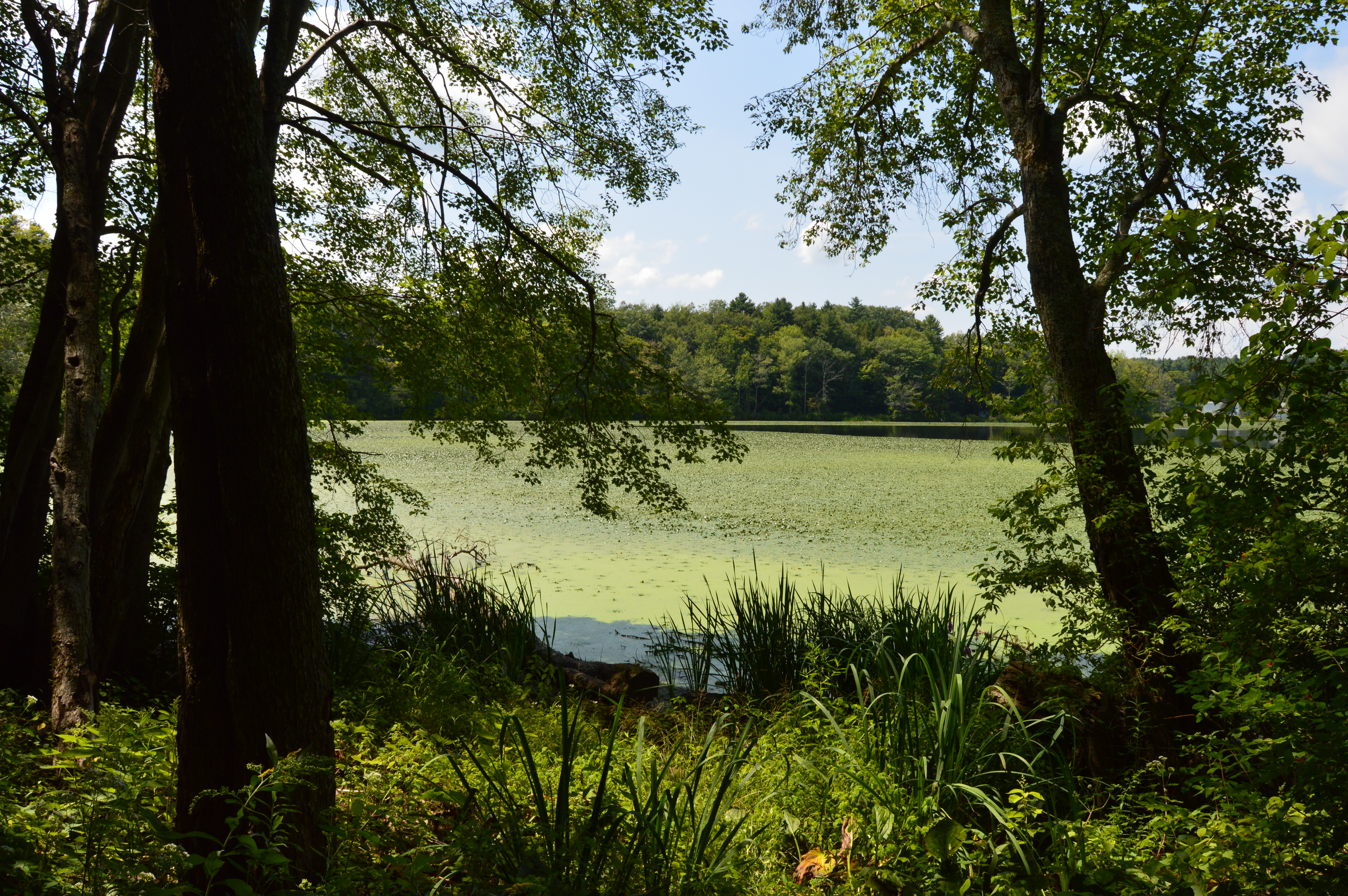
Summary: The Mass Audubon Ipswich River Wildlife Sanctuary in Topsfield, MA, has many features and natural beauty. But, it’s an especially magical this time of the year when they\ hungry birds enjoy hand fed treats.

As the temperatures dip and food becomes less available, you may be surprised by how friendly the wildlife can be. Especially our feathered friends.

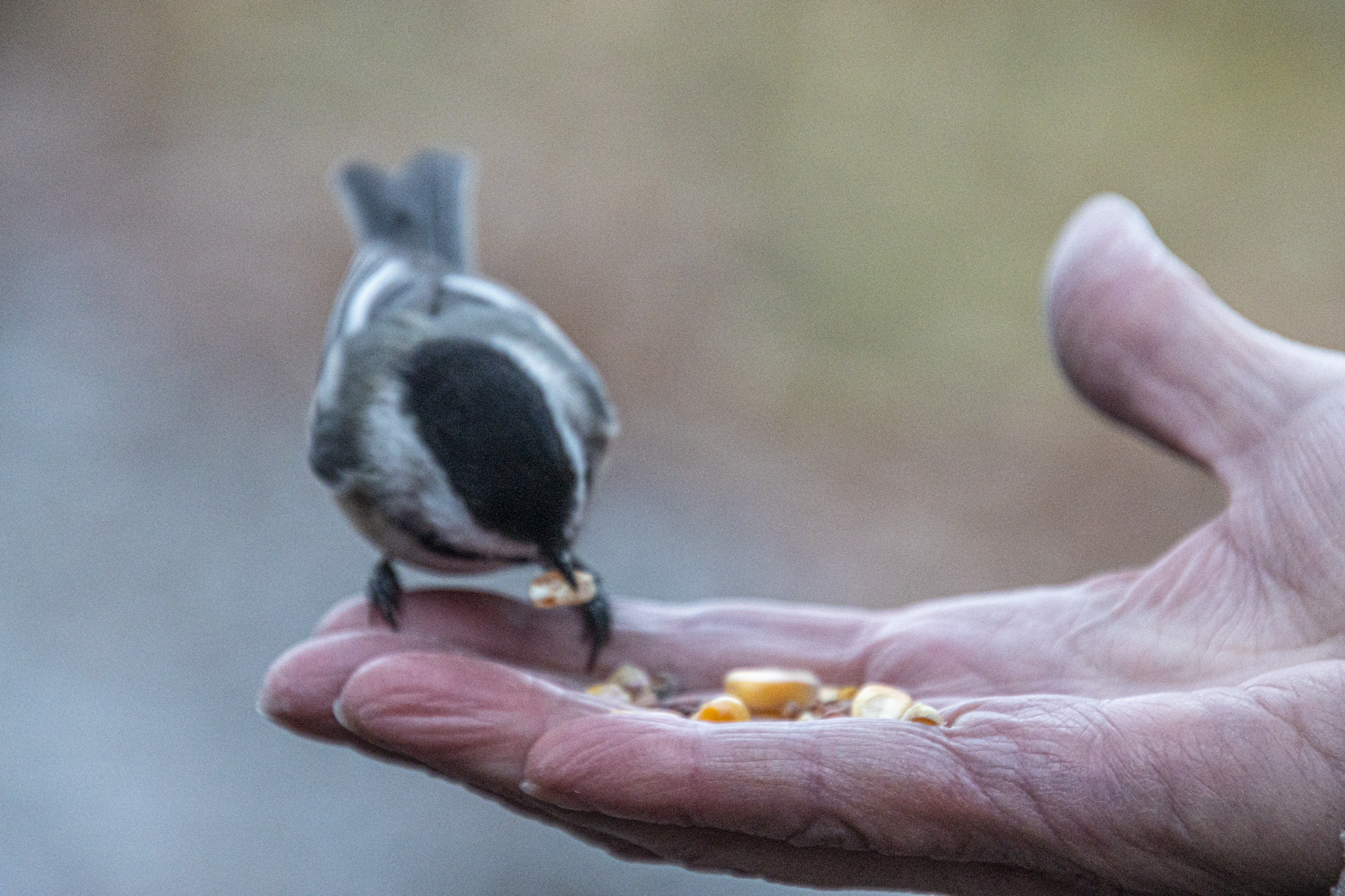
There are only a few spots in Massachusetts where birds will eat of your hand. And, only a few birds that will be bold and trusting, or hungry, enough to do so. In fact, some of the birds are so bold it almost feels like you’re in a Alfred Hitchcock movie (I’m looking at you, Black-Capped chickadee).

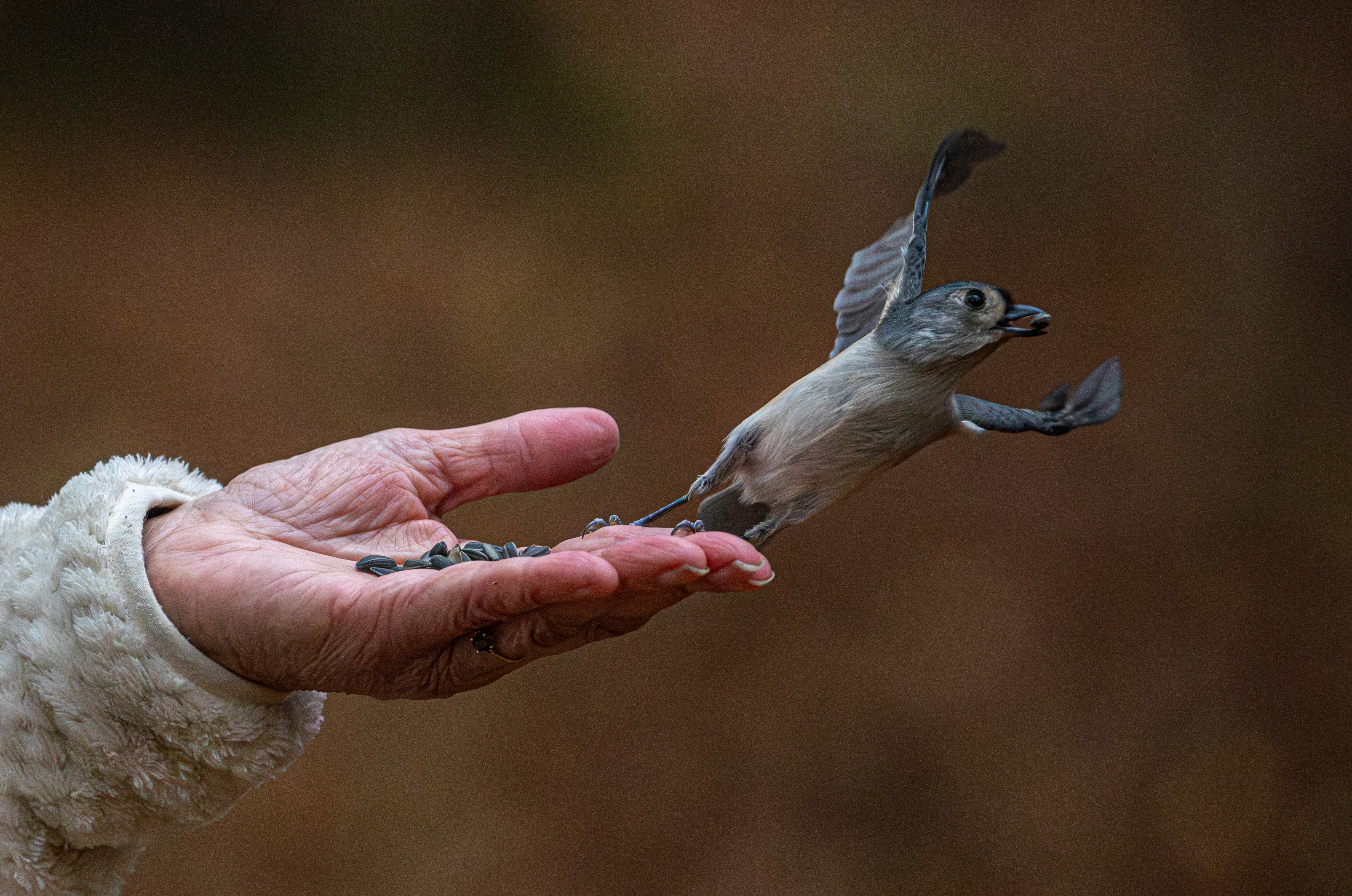
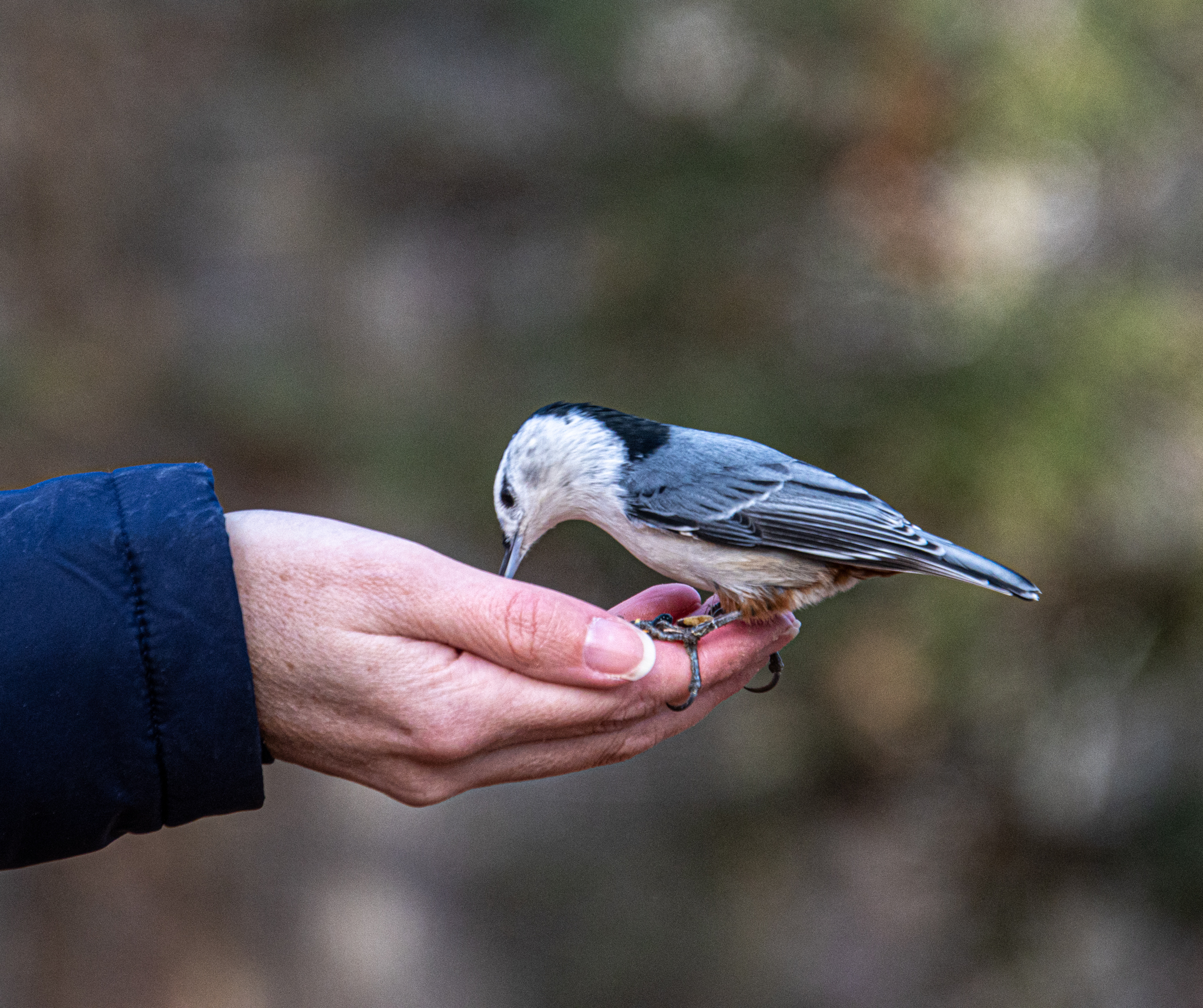
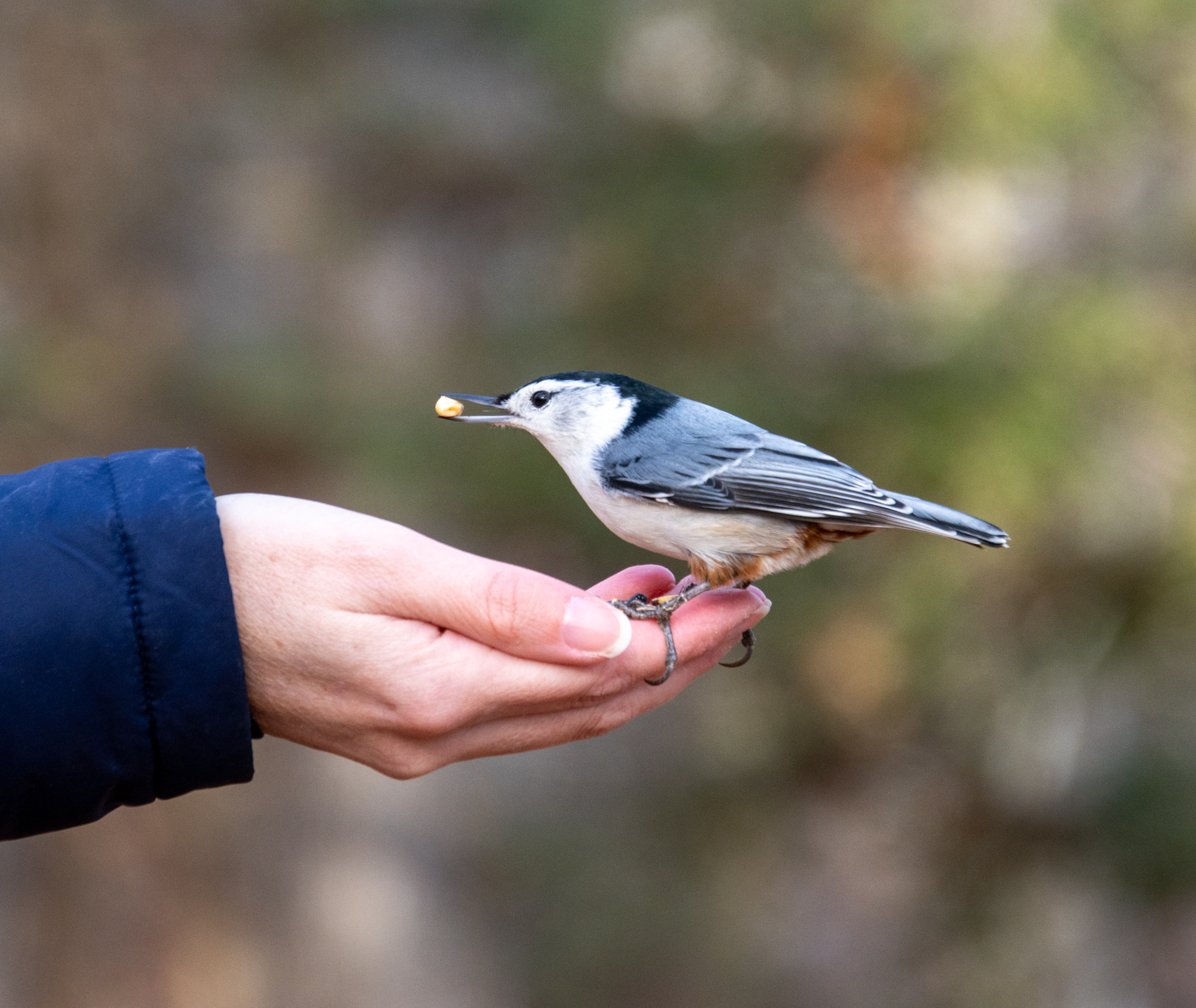
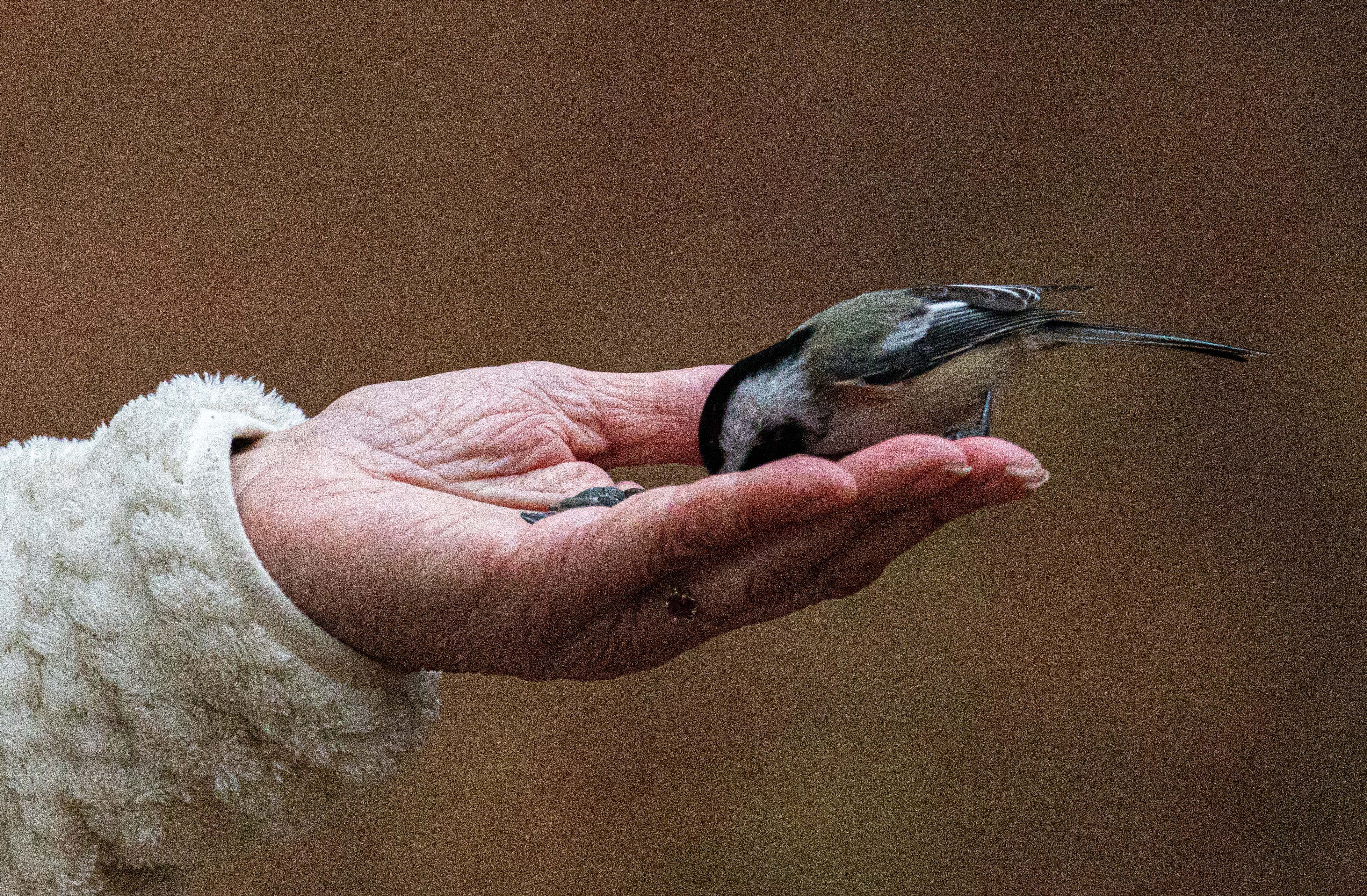
The Nuthatch, like the one featured above, is one of these birds that will eat right out of your hand. I especially like how they show you the seed before they begin their takeoff from your hand. As if to say, “Look what I have!” or “Thank you!”

If you enlarge the photo below, you can see the tongue of the Nuthatch picking up and bringing the seed into their mouth,

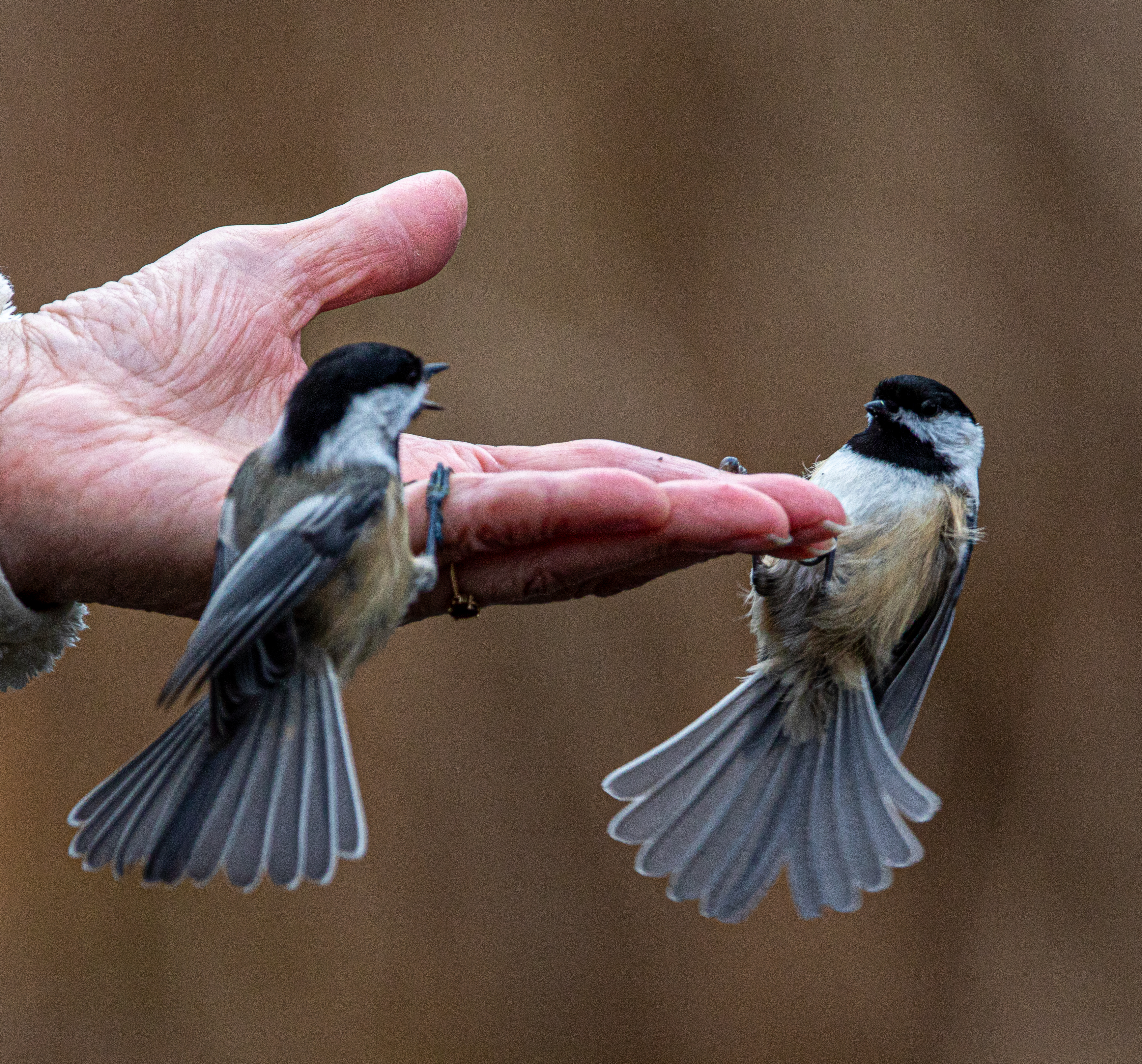
The Black-Capped Chickadees at the sanctuary are very friendly and not very shy. In fact, one of them landed on my cellphone as I tried to photograph the bird. This one had to tell a fellow Chickadee, “I was here first!”
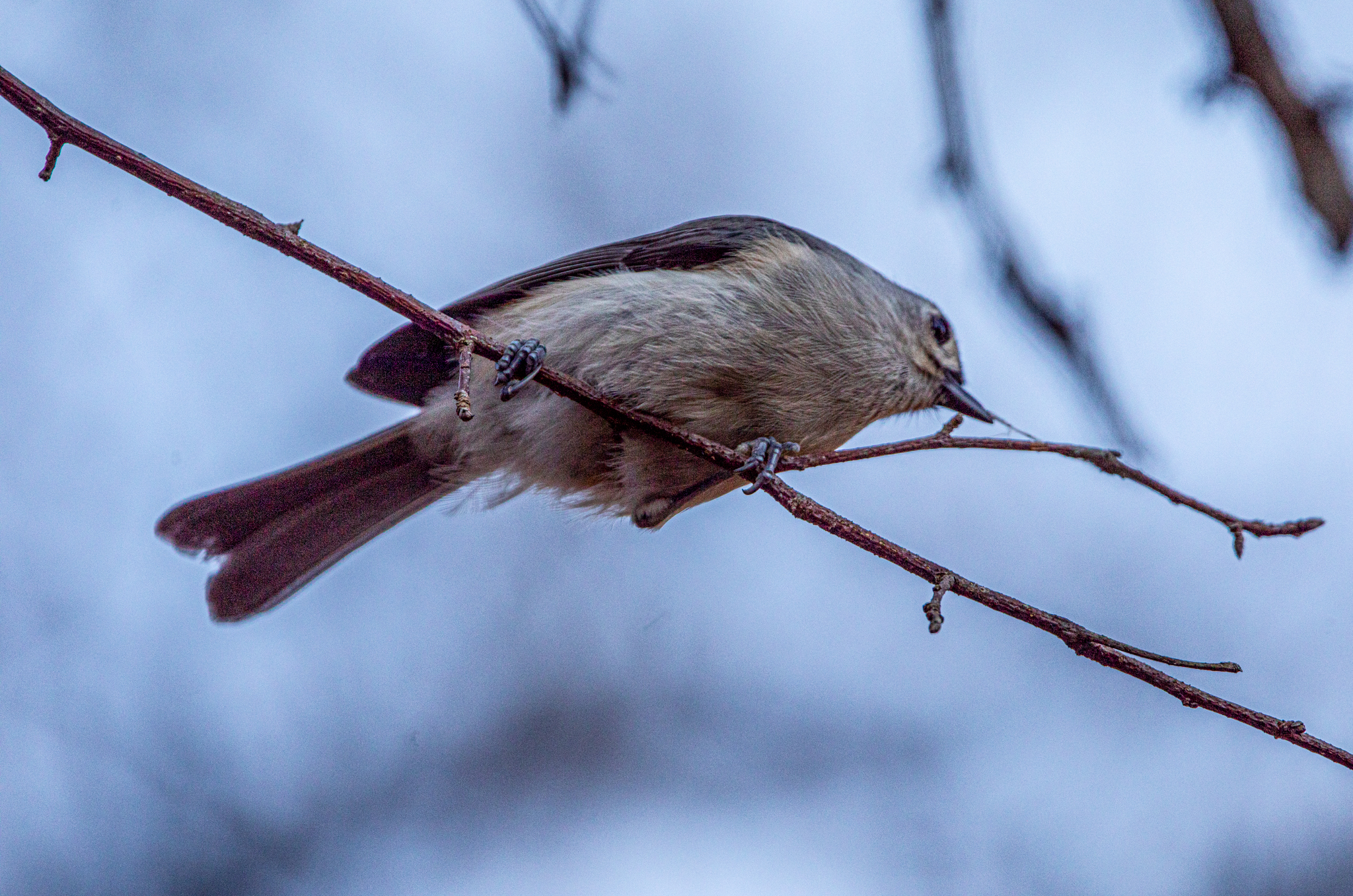
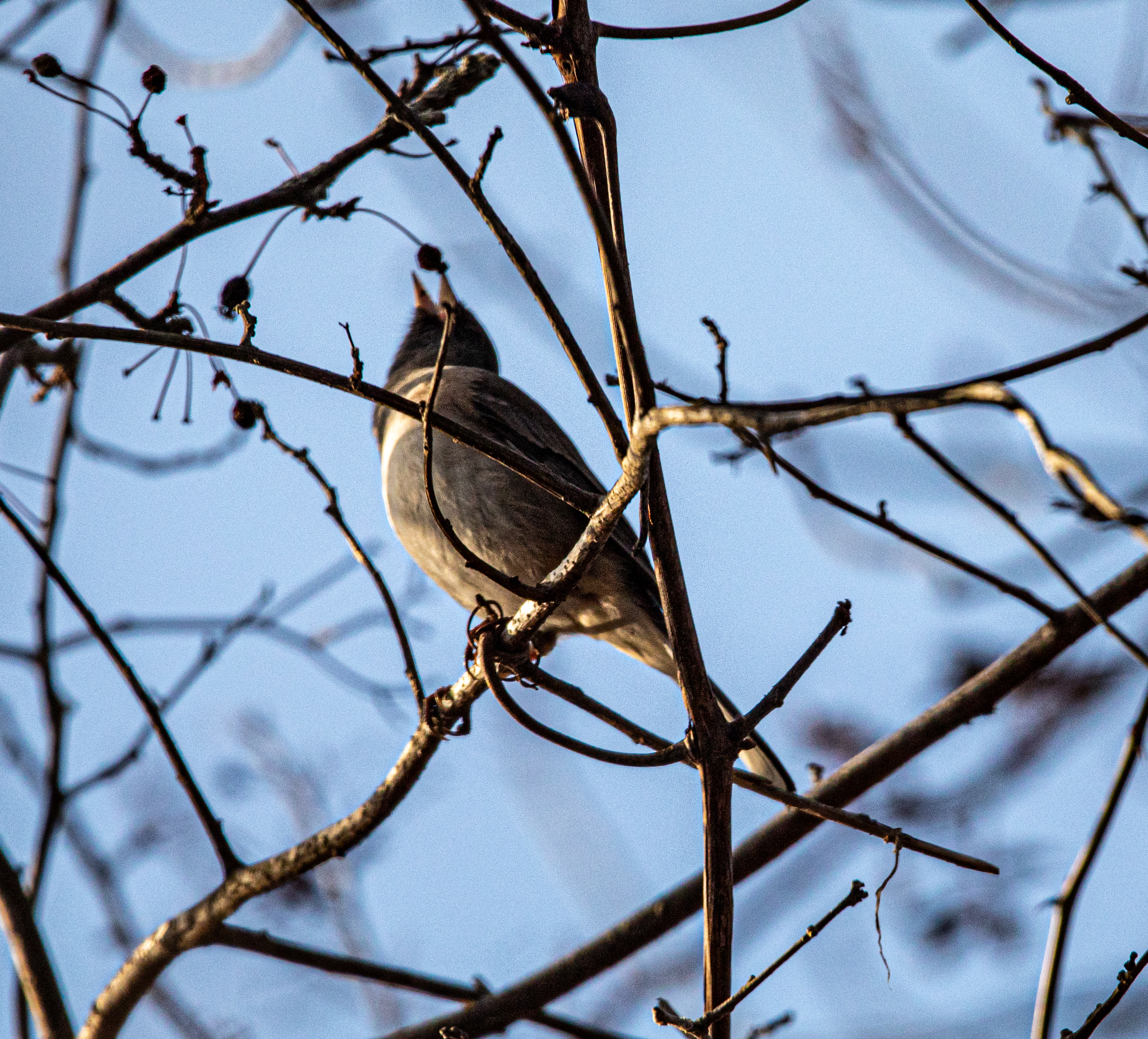
But, my favorite and at times the most elusive bird there is the Tufted Titmouse.

While their claws may look sharp, and they can be, the birds don’t hurt the people feeding them. At least not usually. The person I photographed feeding the birds said they felt soft and light and you could barely feel the claws. And don’t bring just any seeds. The birds seed of choice is the Black-oil Sunflower seed which provides significant energy for the birds due to their high oil content. They won’t even touch some of the other types of seeds. In fact it can’t be just any Black-oil Sunflower seed. Some of the Black-Capped Chickadees would pick through the Black oil Sunflower seeds just to find the right one.

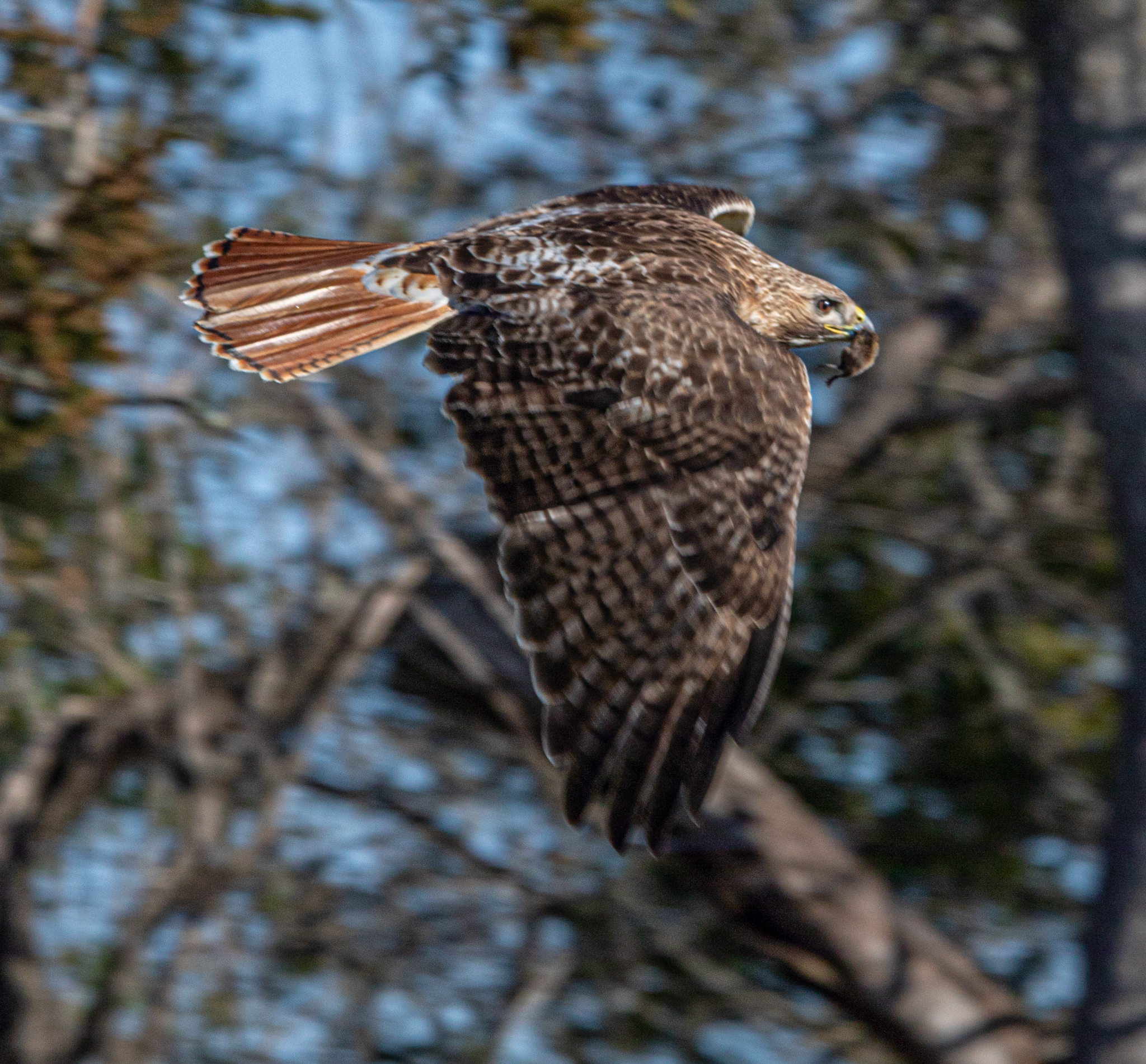
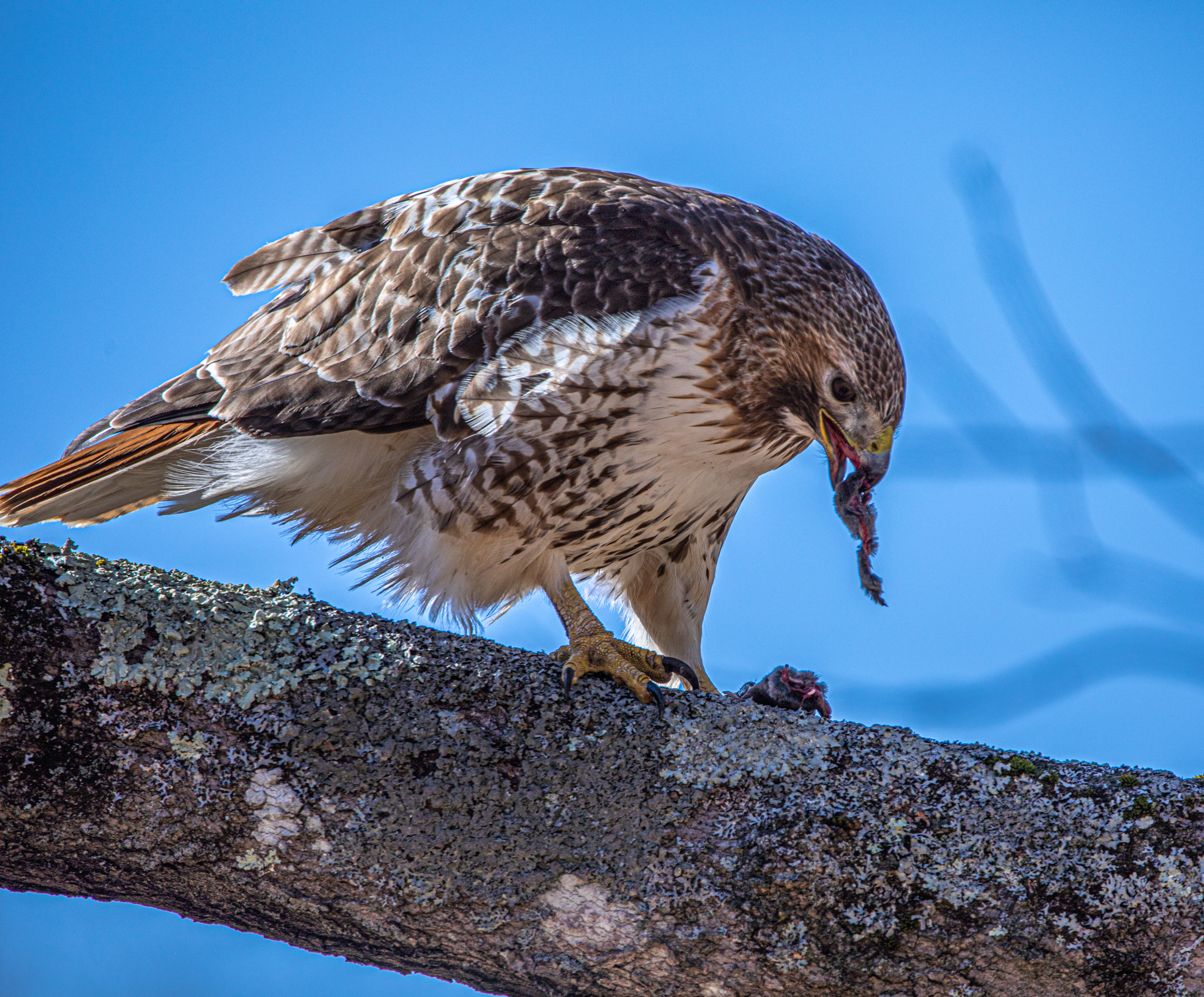
This sanctuary, which I may not be able to photograph much longer (more on this later in the post), has been my go to sanctuary for the past few years. In fact, there always seem to be something interesting to photograph there, like this Red Tailed Hawk I saw during my visit.

Also there was a little mist on the water during my photo shoot.

You may have noticed I haven’t been posting as often as usual. Which brings me to my big news! I am in the process of moving which has been a long and time consuming process. But, I will still remain in the New England region (western MA to be more specific)!

I have still been out there photographing things. So, I do have a lot of photos to process and post. I hope to post more frequently once the move is complete, hopefully in December!

You can follow me at the following social media:

https://www.facebook.com/newenglandnomad/

https://www.instagram.com/new.england.nomad_/

https://www.youtube.com/@WaynoTV

If you want to see more photography or post your photography, join my photography group on Facebook

https://www.facebook.com/groups/1289904897817614


A Year Of Photography 2024 (New England)

Locations: All over New England

As the year winds down, I wanted to share some of my favorite photos from 2024!

Because of my schedule and commitments, I don’t always get to post photos from all of my travels around this beautiful region. I also noticed sometimes I will edit only a few photos from one photo shoot before going onto editing photos from a different photo shoot. So, I haven’t fully edited all of the photos from several of my photo shoots. I will make completing one task before moving onto another task a resolution so this won’t happen going forward!

Another thing I do sometimes is I post my photos from some photo shoots on my Facebook or my Instagram profiles instead of WordPress. So, I thought this would be a good opportunity to share them on here!

Each year, I make goals or plans for my photography. One of my plans for this year was to spend Halloween in Salem, MA. I was able to get a hotel room and stayed the whole day there! It was something I have always wanted to do! There were so many incredible Halloween costumes and decorations!

One of my other plans for the year was to photograph more wildlife. While you can’t always make something like that happen since a lot of it does come down to luck or being in the right place at the right time, l do think you can prepare for the opportunities. I was fortunate to photograph these beautiful critters.

Too bad this lady was looking at her phone when this happened.

I took these photos of a snake in March, when the temperatures were still cold in the morning but warmer in the afternoon.

How did I get so close to a big garter snake like this? Well, essentially, this snake was sluggish due to the cold weather. Garter snakes hibernate (technically they experience a process called brumation which I’ll explain later) through the winter, usually from late October through March or early April. But, if we have some warmer days they may come out sooner. This little guy or lady “froze” in a process called brumation (as opposed to hibernation). In colder temperatures, you may see snakes like this one here seemingly “frozen” as if they were perhaps dead or in a state of dormancy much like a person staring at their phone.

Hibernation of cold-blooded animals like snakes is called brumation. While mammals technically hibernate, snakes, reptiles and some other cold blooded animals experience a process called brumation. The difference between hibernation and brumation is that during brumation snakes can wake up to drink, go to the bathroom, and bask in the sun. But, just like hibernation, they still spend most of their winter in a dormant state.

Have no fear, as the Audubon specialist working there told me they often “unfreeze” when the temperatures increase (much like what bees do when the temperatures dip) when it gets warmer.

I did check on him or her before I left and the snake was still there undisturbed.

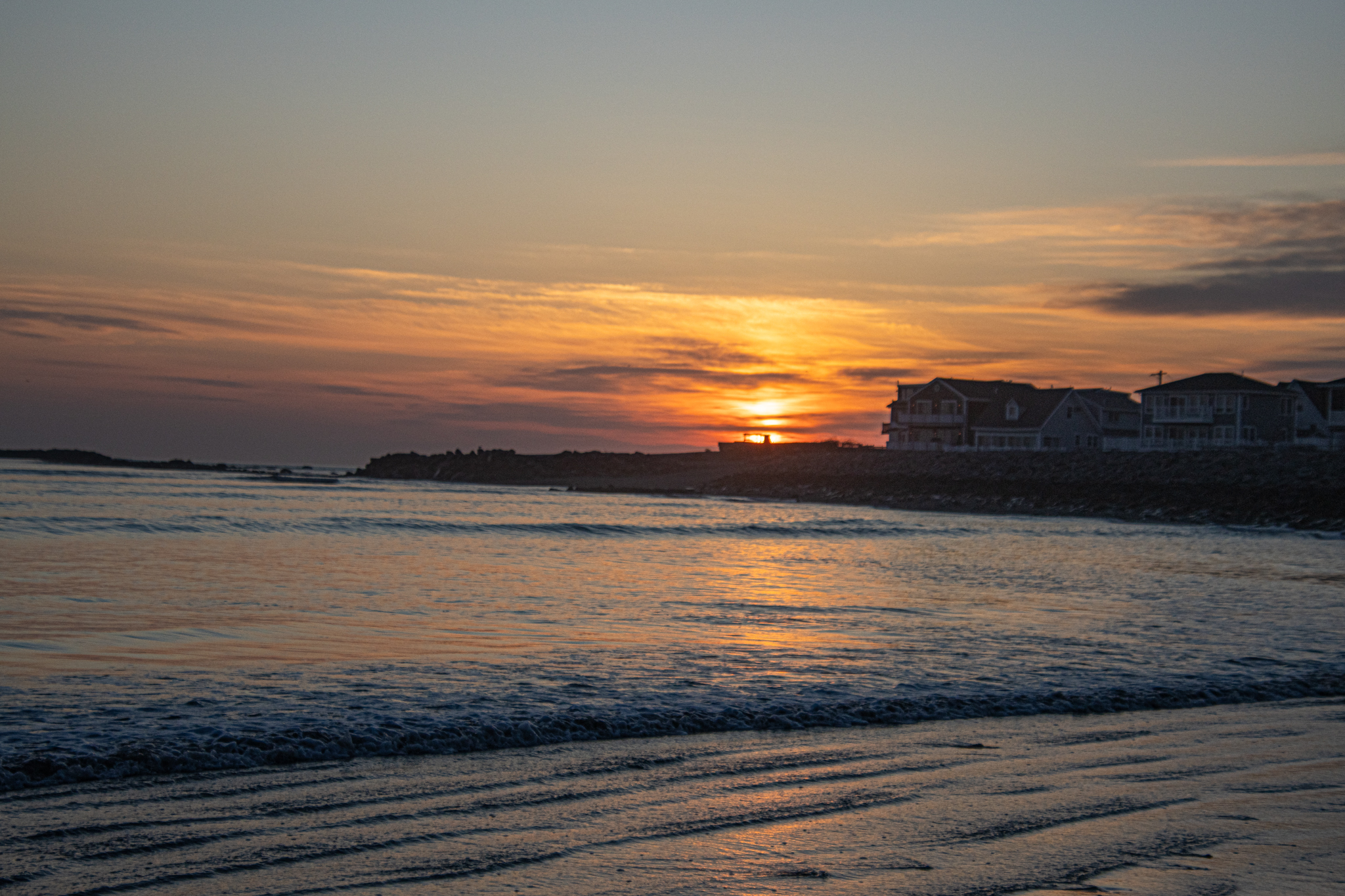
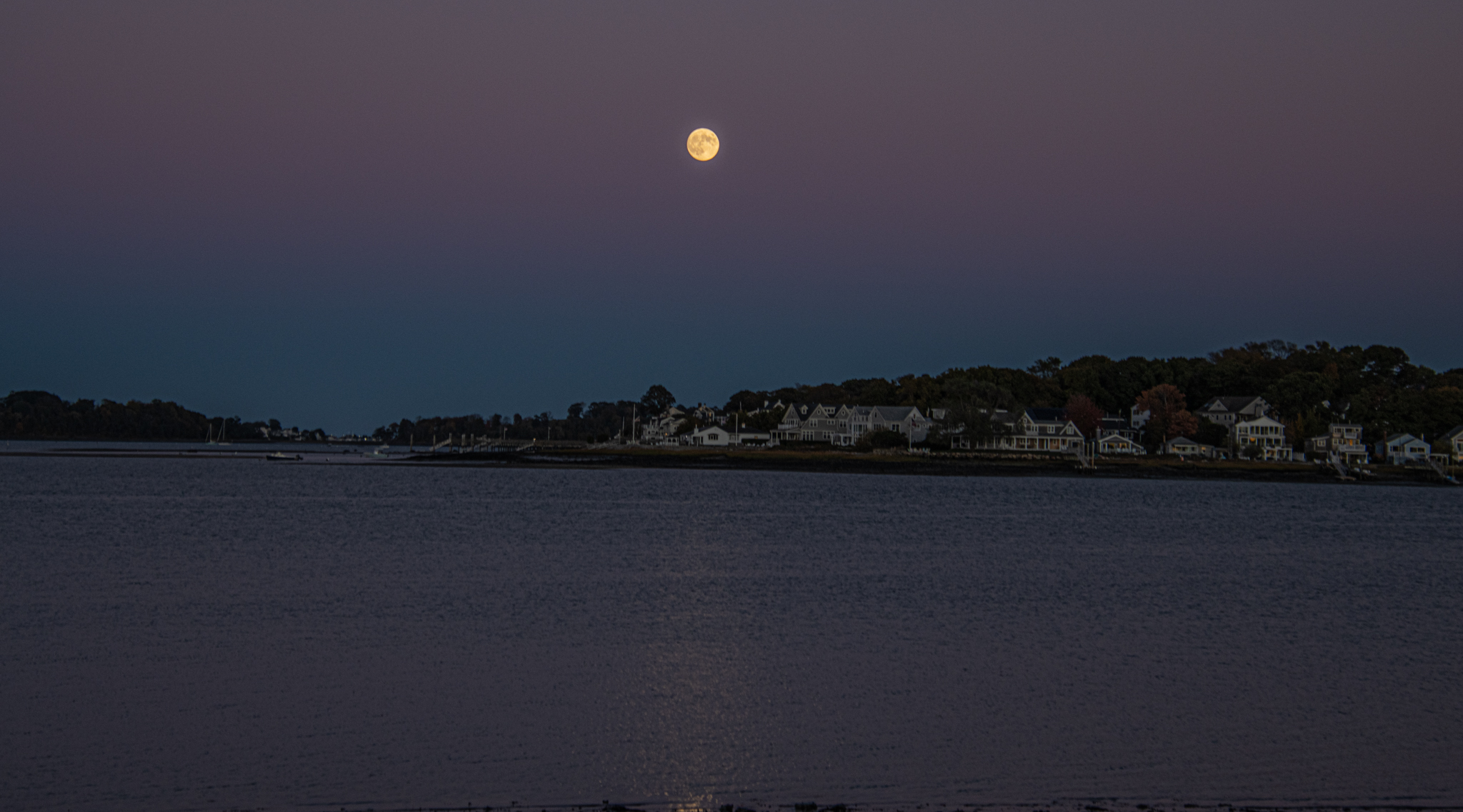
I also photographed some sunrises, a sunset and a full moon!

Cliff Walk, Newport, RI

Hampton Beach, Hampton, NH

Independence Park, Beverly, MA

Revere Beach, Revere, MA

Webb Memorial Park, Weymouth, MA

Webb Memorial Park, Weymouth, MA

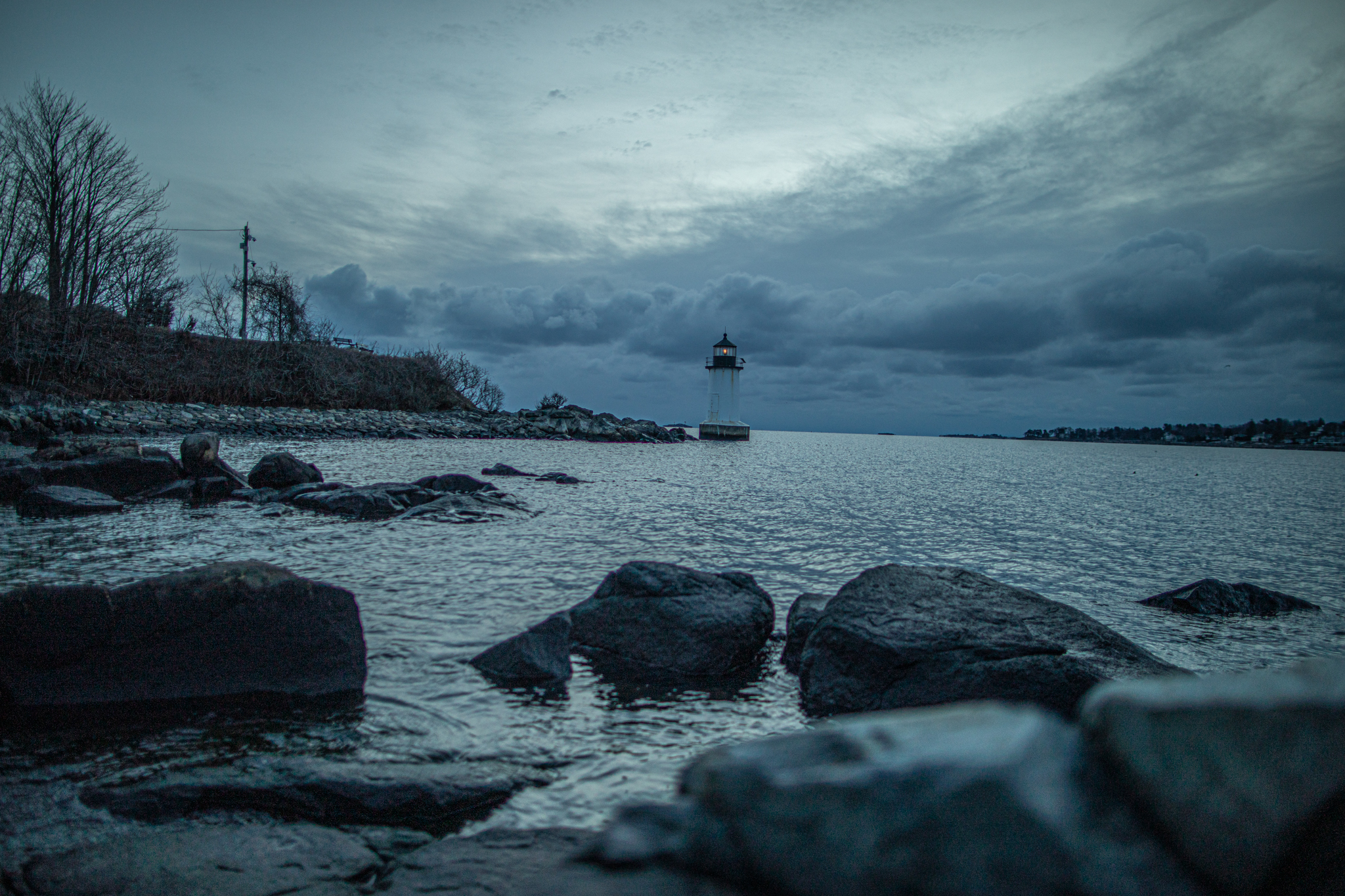
And, of course, I made several trips to my favorite lighthouse at Winter Island, Salem, MA!

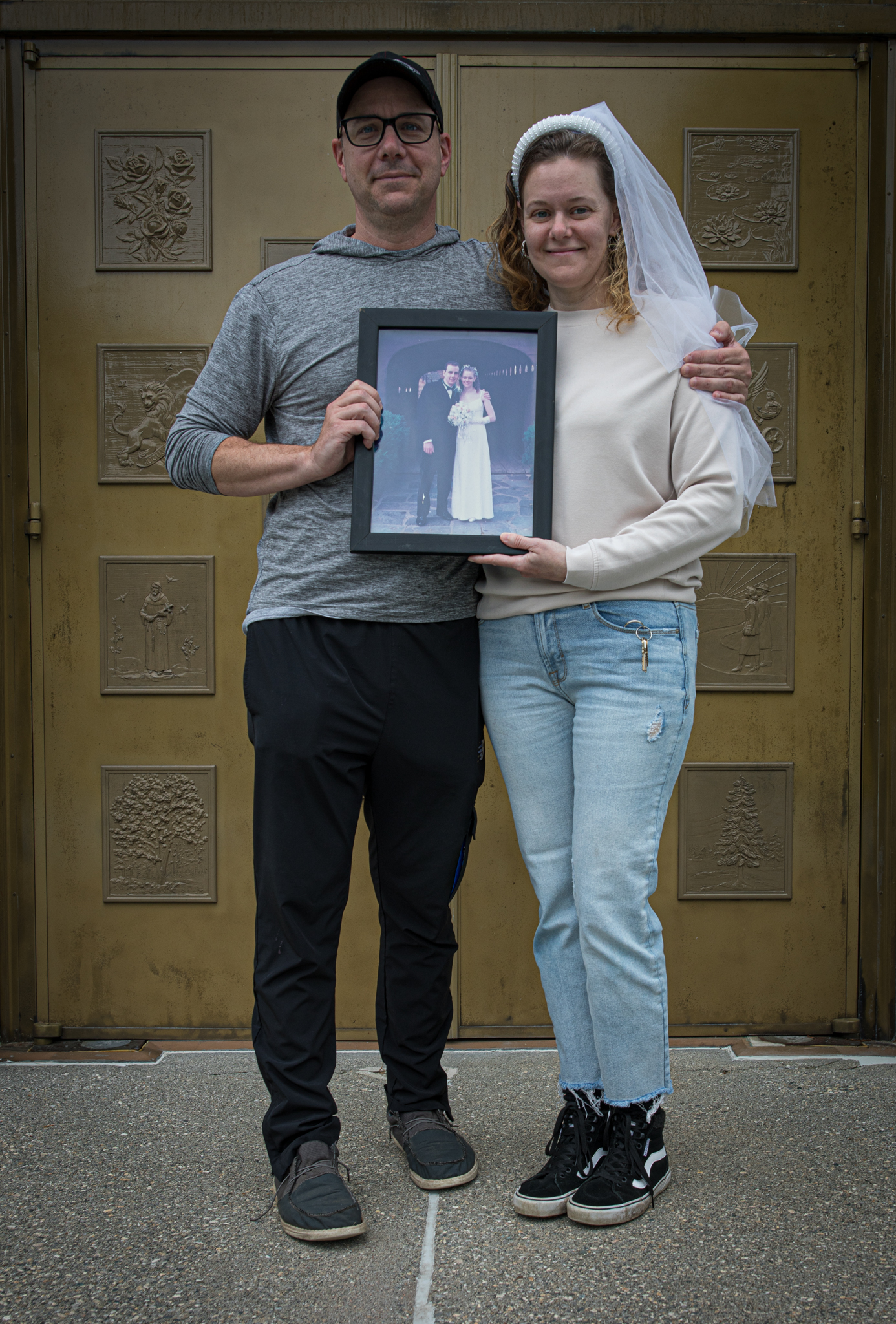
Stanley Park in Westfield, MA, celebrated their 75th anniversary. To commemorate this anniversary, the park officials invited all of the people who were married there to come back for a reunion! This couple looks like they’ve barely aged!

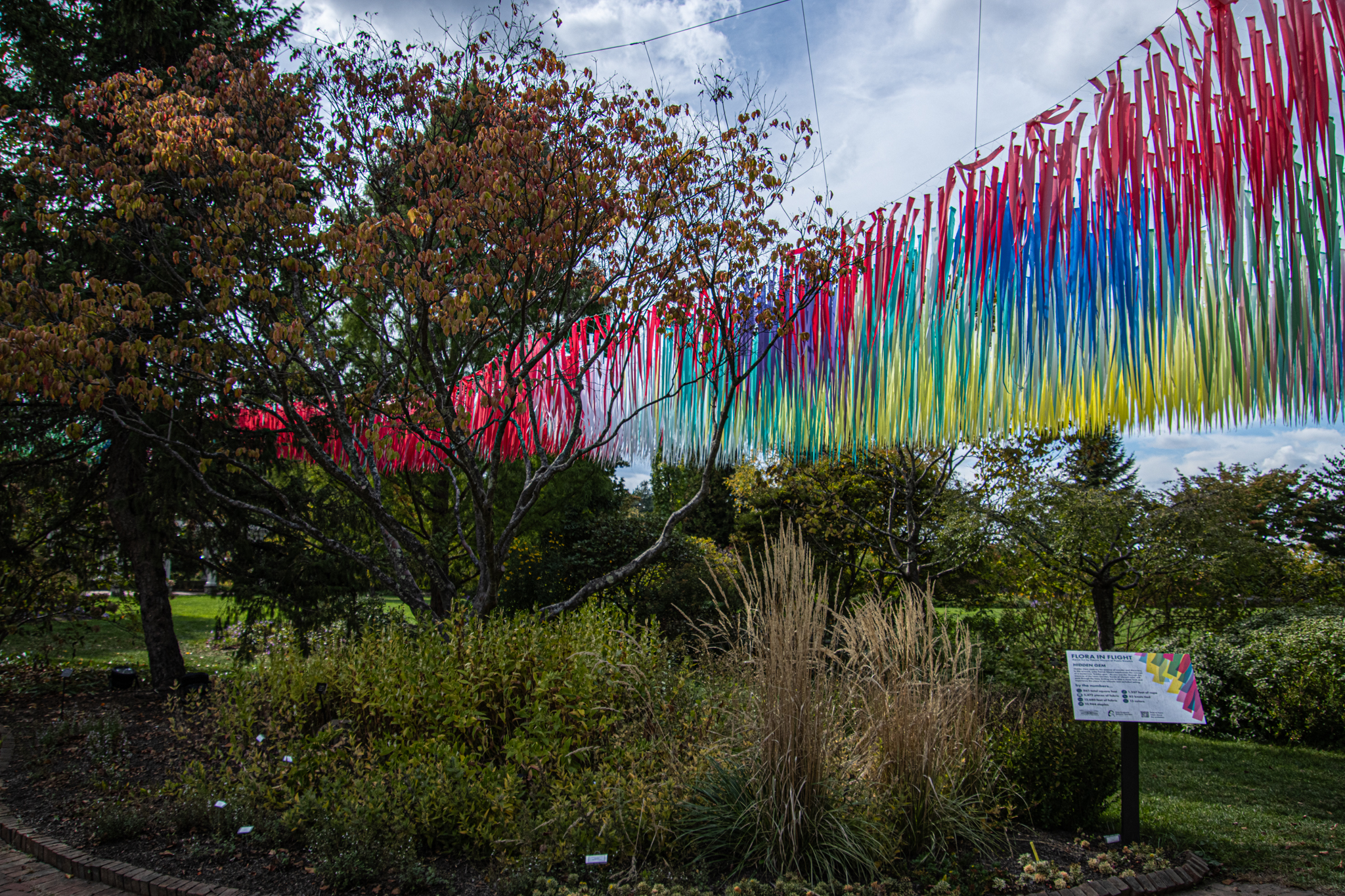
Another exhibit I was able to photograph was the Flora In Flight art display at the New England Botanical Garden. Designed by Poetic Kinetics, Flora In Flight is meant to inspire audiences and connect them with the environment through visually striking experiences.

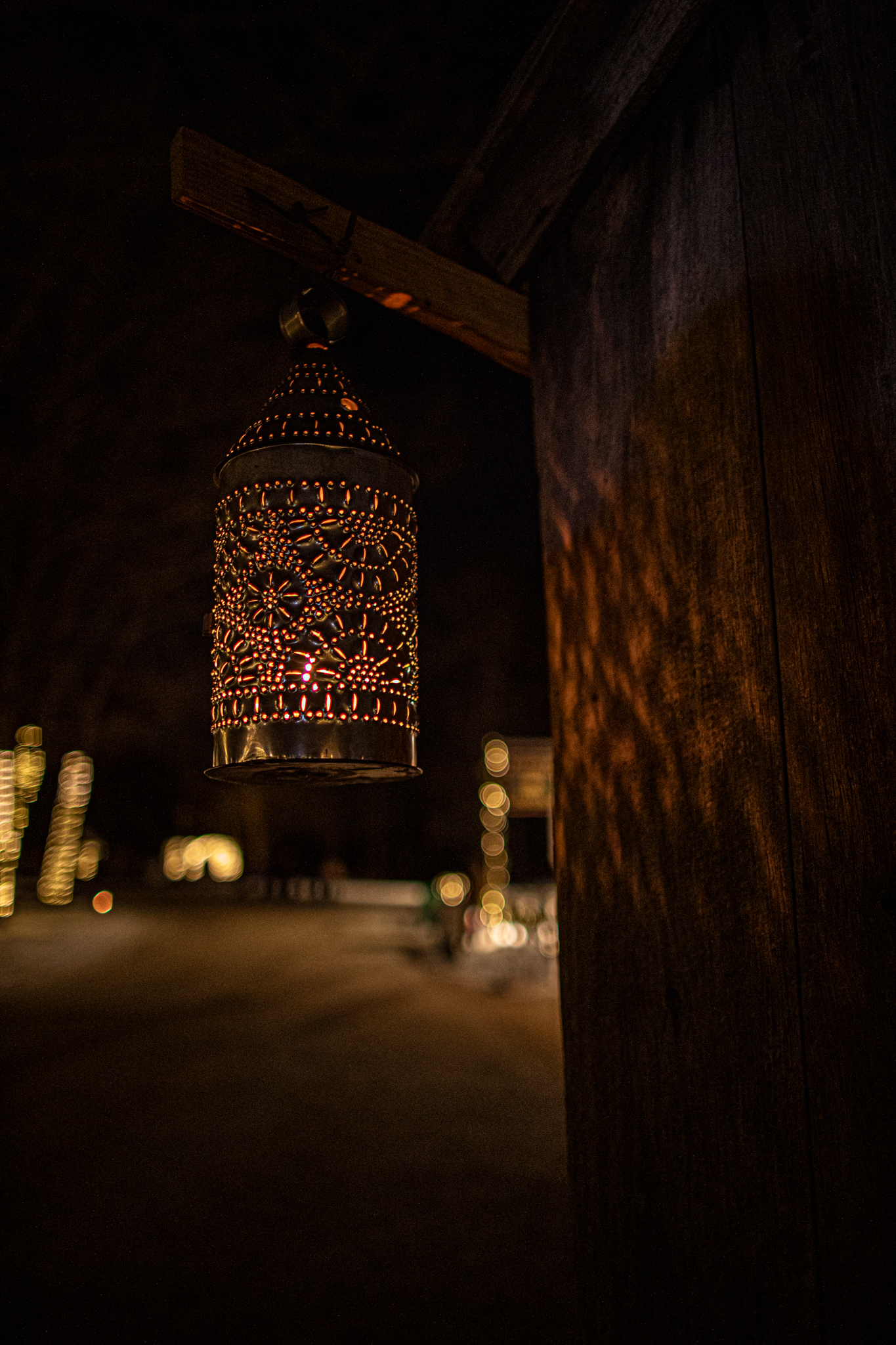
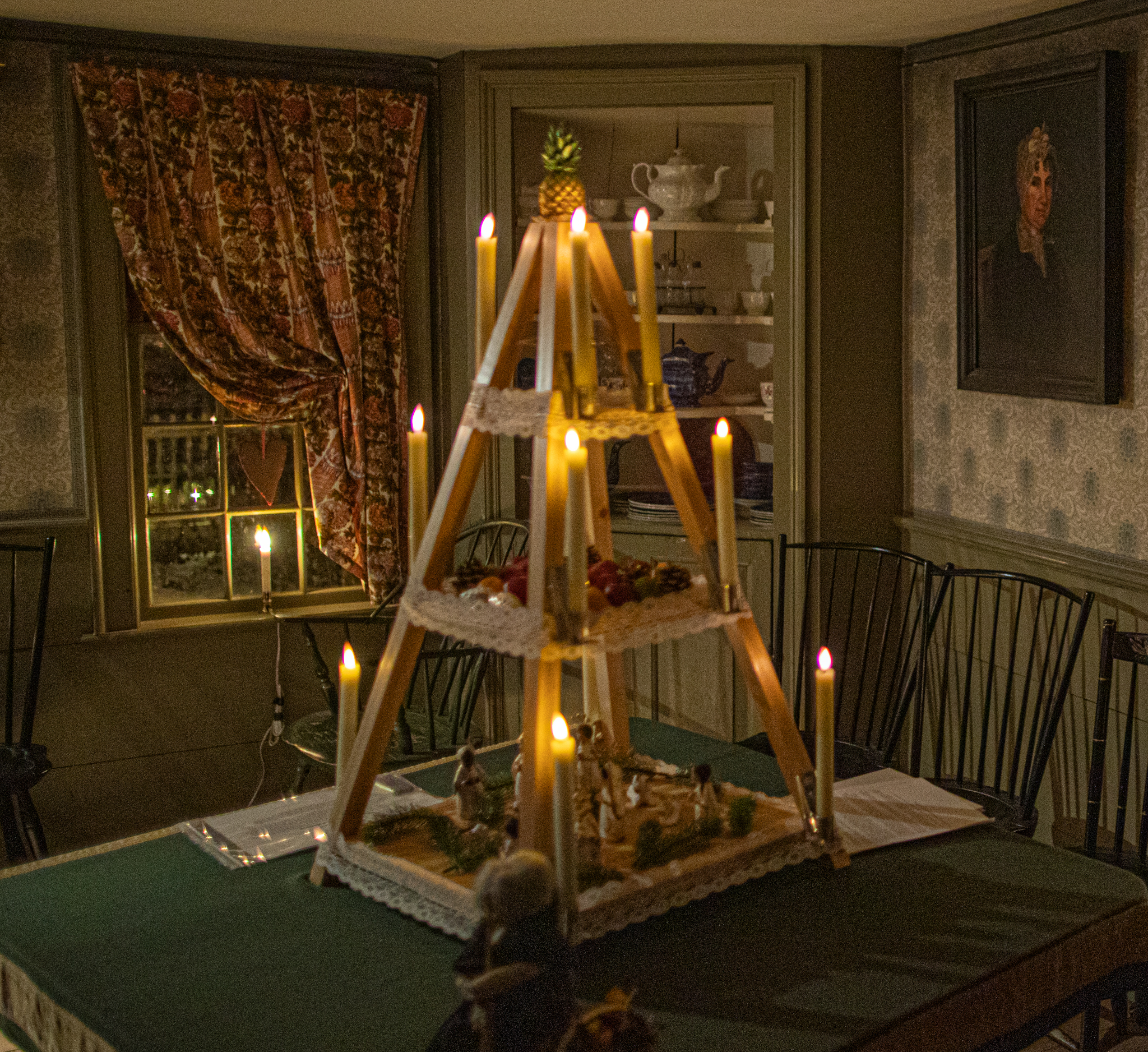
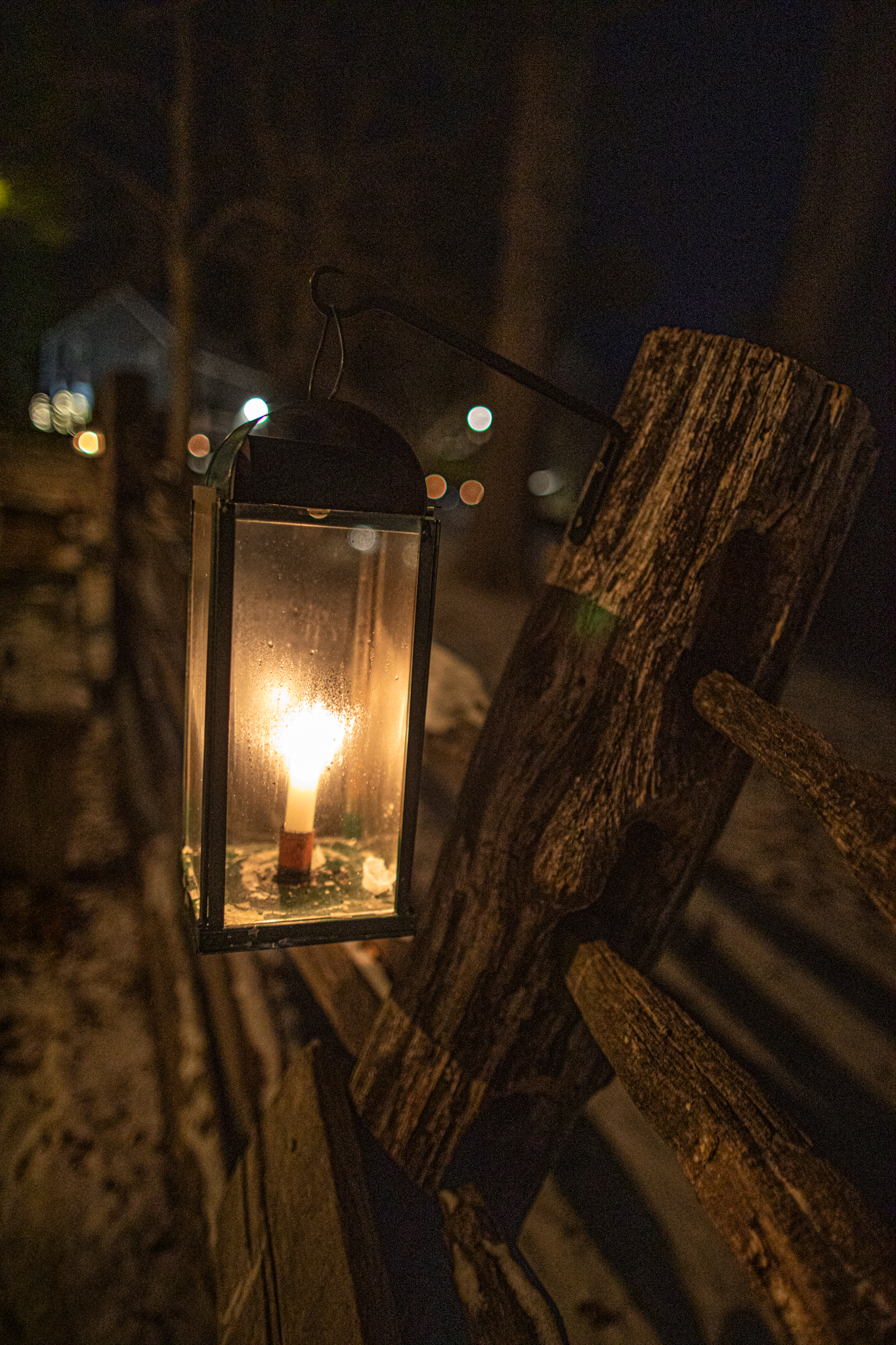
Recently, I made it out to the Christmas By Candlelight in Sturbridge, MA!

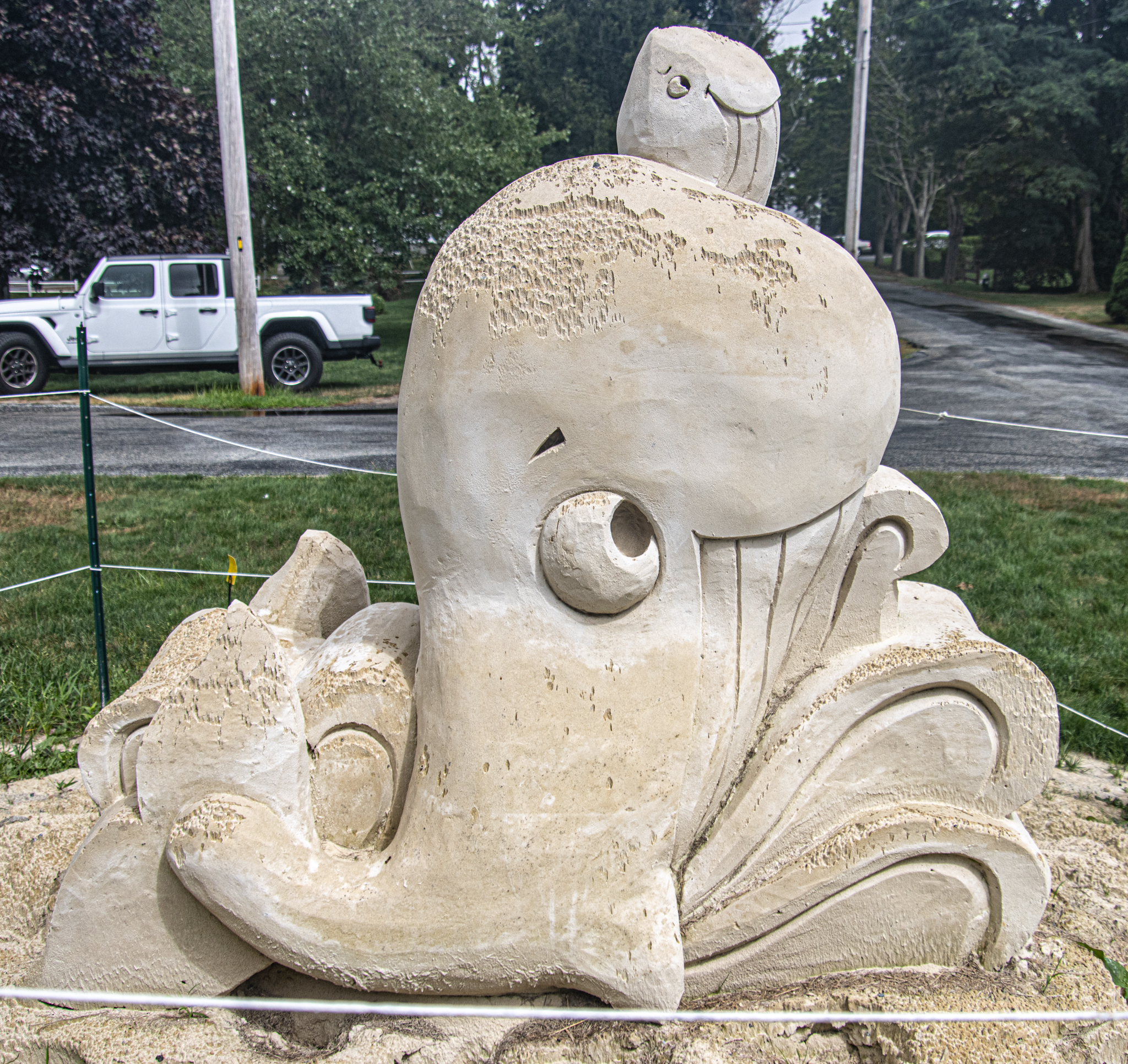
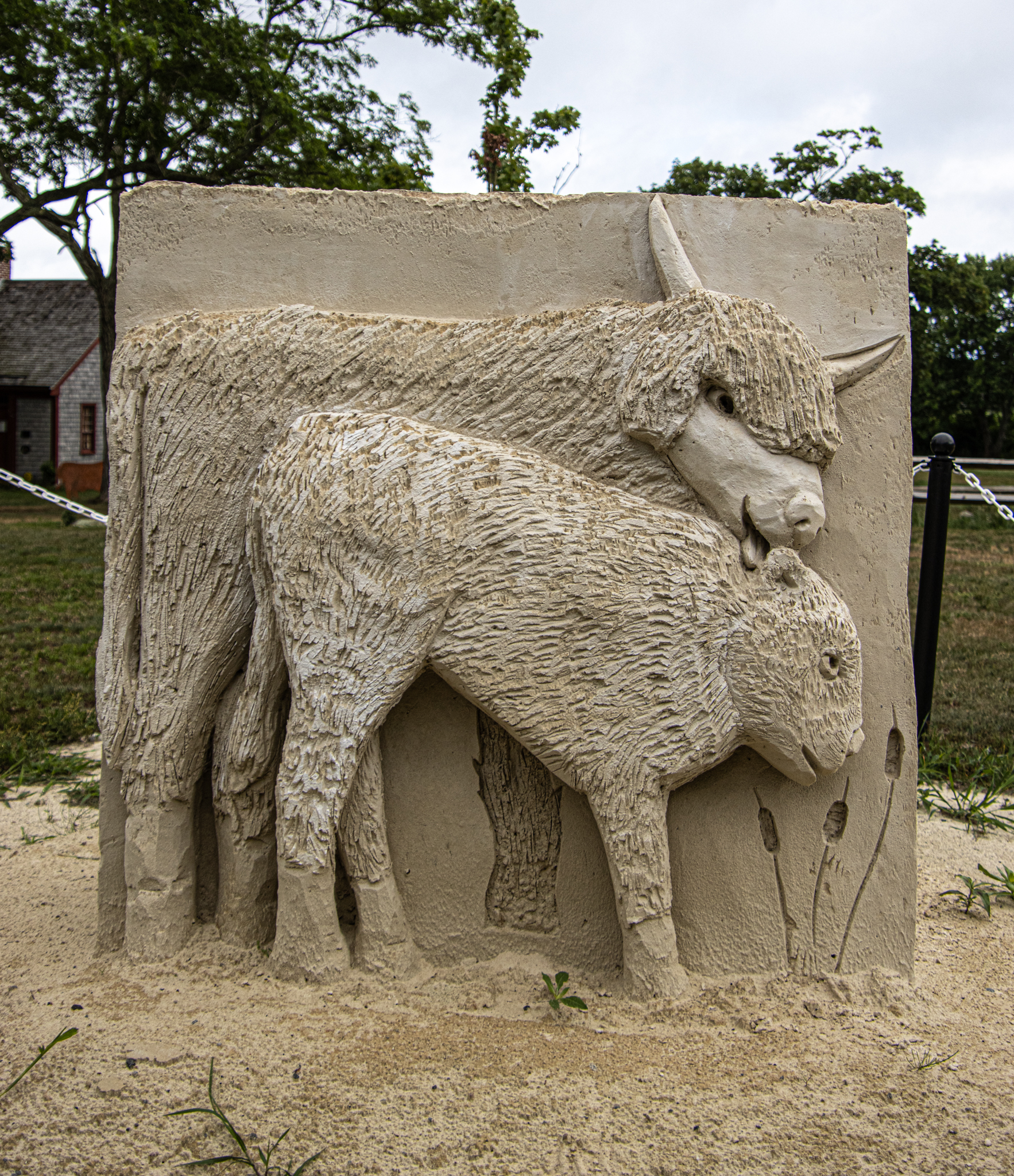
I also photographed some of the sand sculptures on the Yarmouth Sand Sculpture Trail.

So, I had a busy 2024! But, there is much more I want to see and show everyone in the upcoming year! I also plan on editing the remainder of the photos from the photo shoots above!

Thank you all for stopping by my posts!

I hope everyone has a happy, safe and successful 2025!


2023 Rewind Part 1 – Wildlife

Date Of Post: December 30, 2023

Locations: All over New England

Summary: I often take photographs throughout the region but do not post the photos on WordPress. Attached are some photos I took during my travels this year.

What a year! I’m sure many of us are both sad and glad the year is over. Since I’ve been doing this photography thing, I look at the new year as a chance to reset, reevaluate my progress and see in what areas I can improve. I also look at it as a way to set goals for the upcoming year and see how far I have come. I think it’s important to highlight the accomplishments as well as areas to improve.

I was going to include all of the photos and stories I have from this year in one post. But, as I was going through my photos, I realized I have a lot to share and many photos I want to show! So, I decided to break up my posts in different parts. This particular post will show my wildlife photos from the year. I hope to not post more than 3 or 4! I hope I don’t bore you all with these posts! 

One of my favorite places to visit in New England is the Mass Audubon Ipswich River Wildlife Sanctuary. There are a variety of birds there (particularly during the warmer seasons before some of them migrate). However, a good amount of birds do stay all year long. These are some of the birds I photographed there this year.

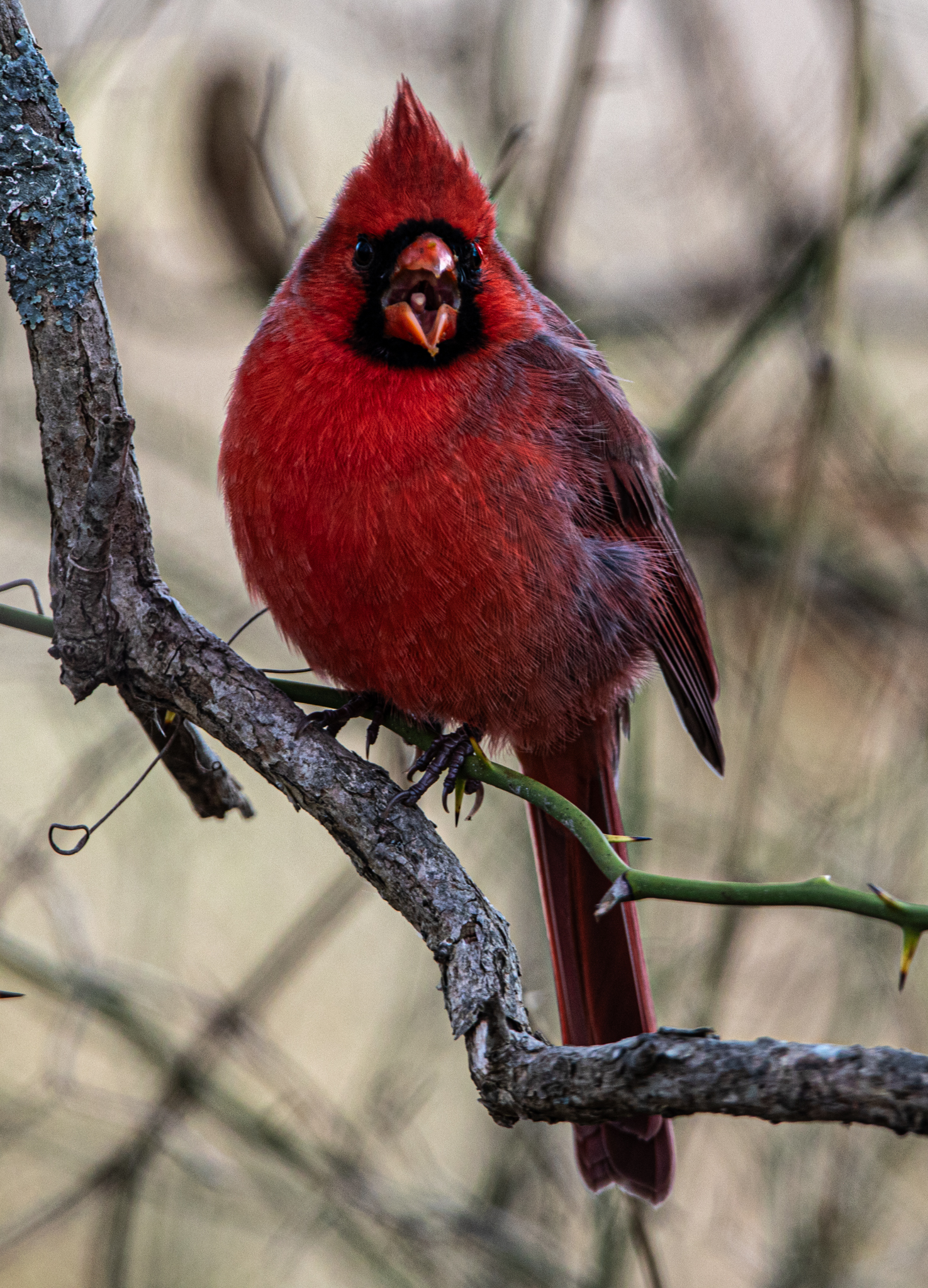
I photographed this female Cardinal in December. People often ask how I get photos of birds. Easy. Go to where the food is. I tend to go to trees that still have berries on them. Also, people tend to feed the birds at this sanctuary (more on this later). And, although I never do some people do. So, I know some of the feeding areas at the sanctuary.

These are a few other birds I found looking for food or materials for nesting.

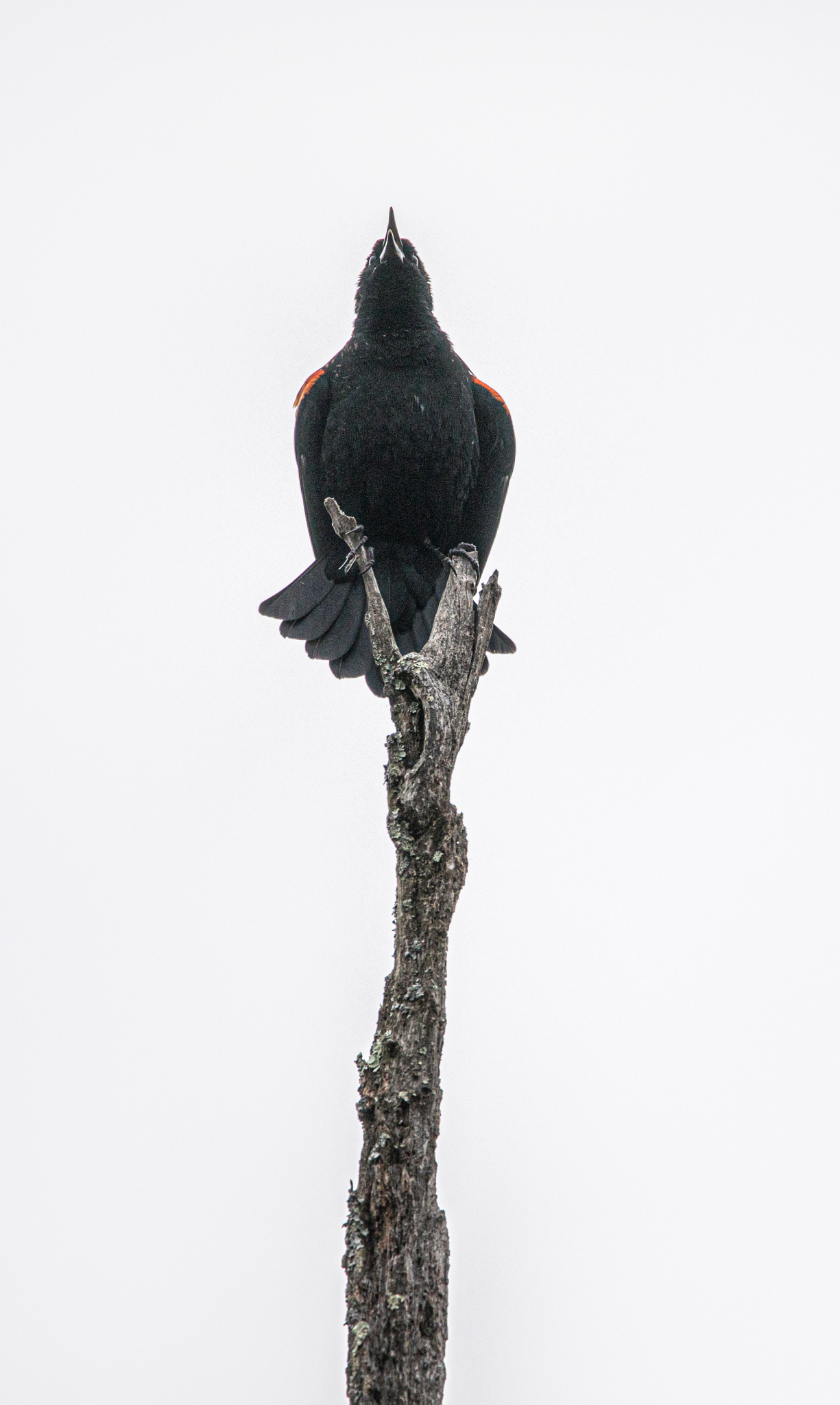
I also encountered something I hadn’t seen before: a Red wing Blackbird feeding a juvenile Red wing blackbird.

Some of the birds found their food more easily. As mentioned before, some people do feed the birds at the sanctuary. By hand. I love how they show the seed or feed before they fly away.

Other birds find their food the old fashioned way. This red tail hawk (affectionately nicknamed Jasper by the staff at the sanctuary) found his own meal during one of my visits.

I see Jasper there frequently whenever I visit the sanctuary.

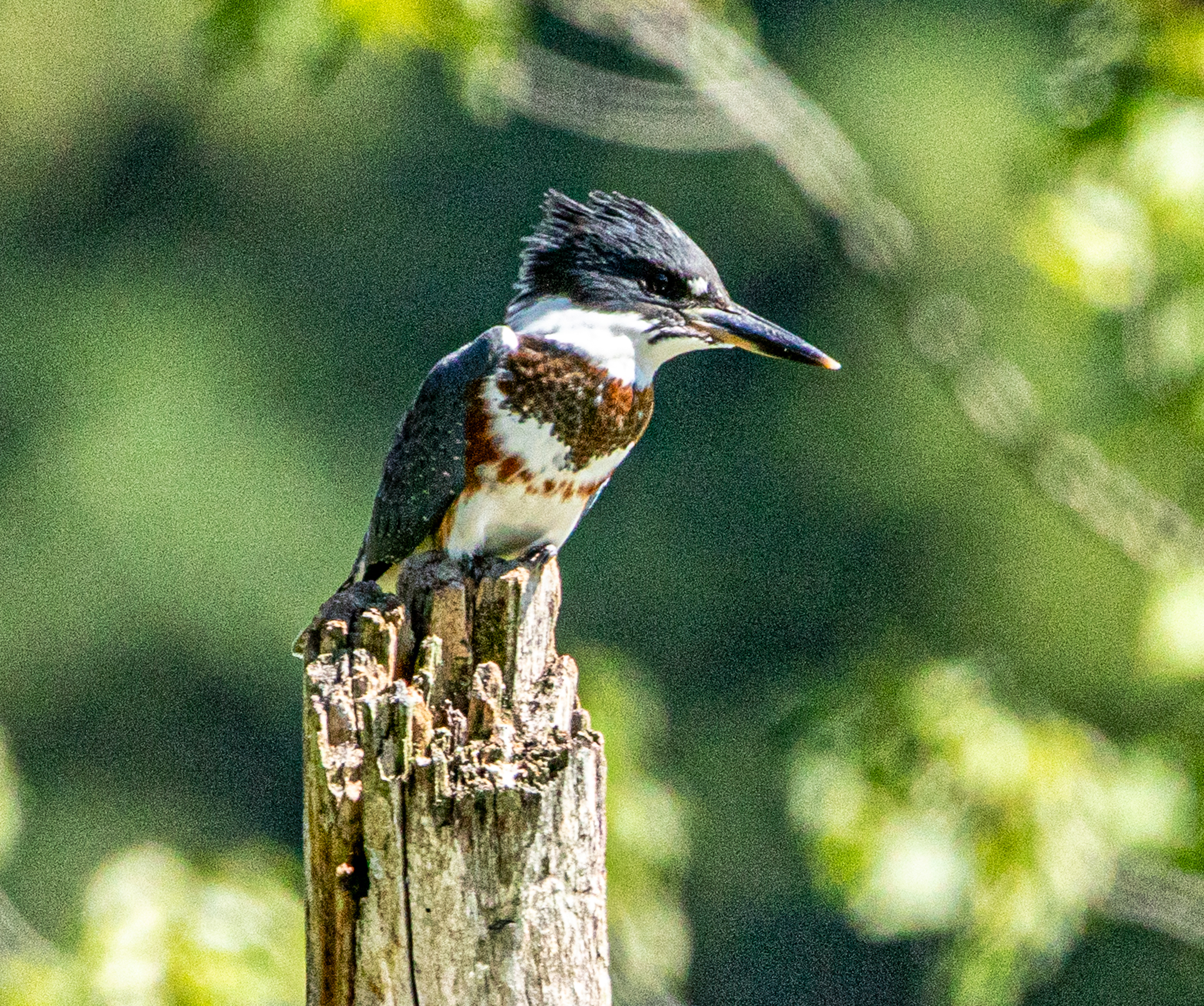
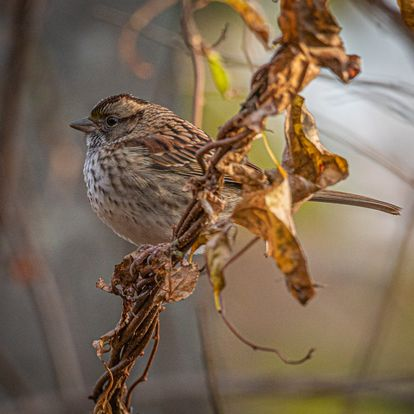
But, there are many other birds at the sanctuary I was able to photograph such as these Blue jays, Yellow Throated Sparrows and Belted Kingfisher among others.

There were also deer and, of course during the warmer months, frogs and turtles aplenty at the sanctuary this year. I wish I had my settings correct for the second photo of the deer pictured below. It caught me by surprise as it was right near the entrance when I got there. But, as a photographer, you must always be prepared.

Some of the frogs were more stealthy than others.

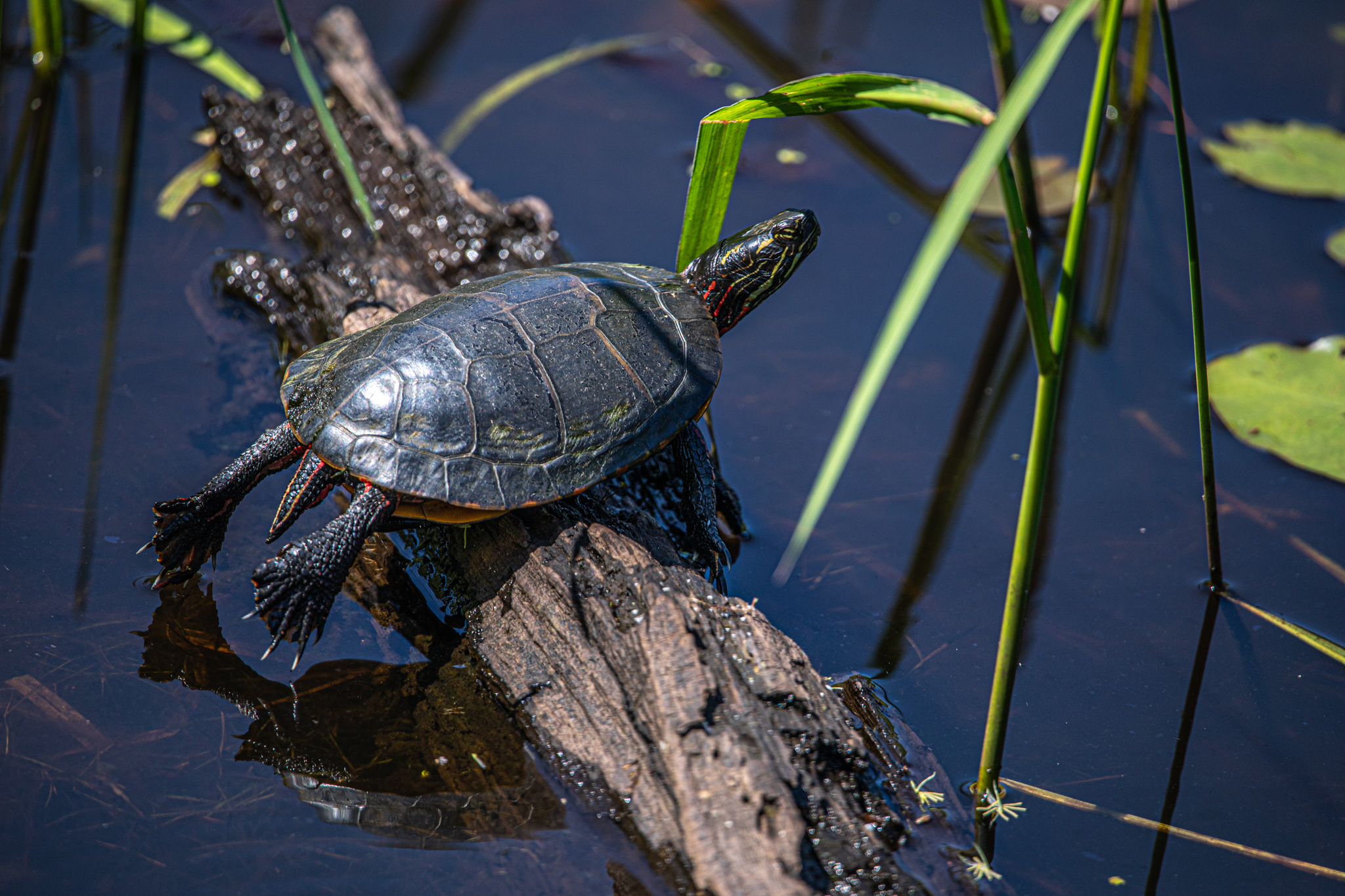
The turtles were easier to photograph as they just like to lie out in the sun and don’t care if you see them or not. I love how this painted turtle just stretched out and basked in the sun. I do that too sometimes!

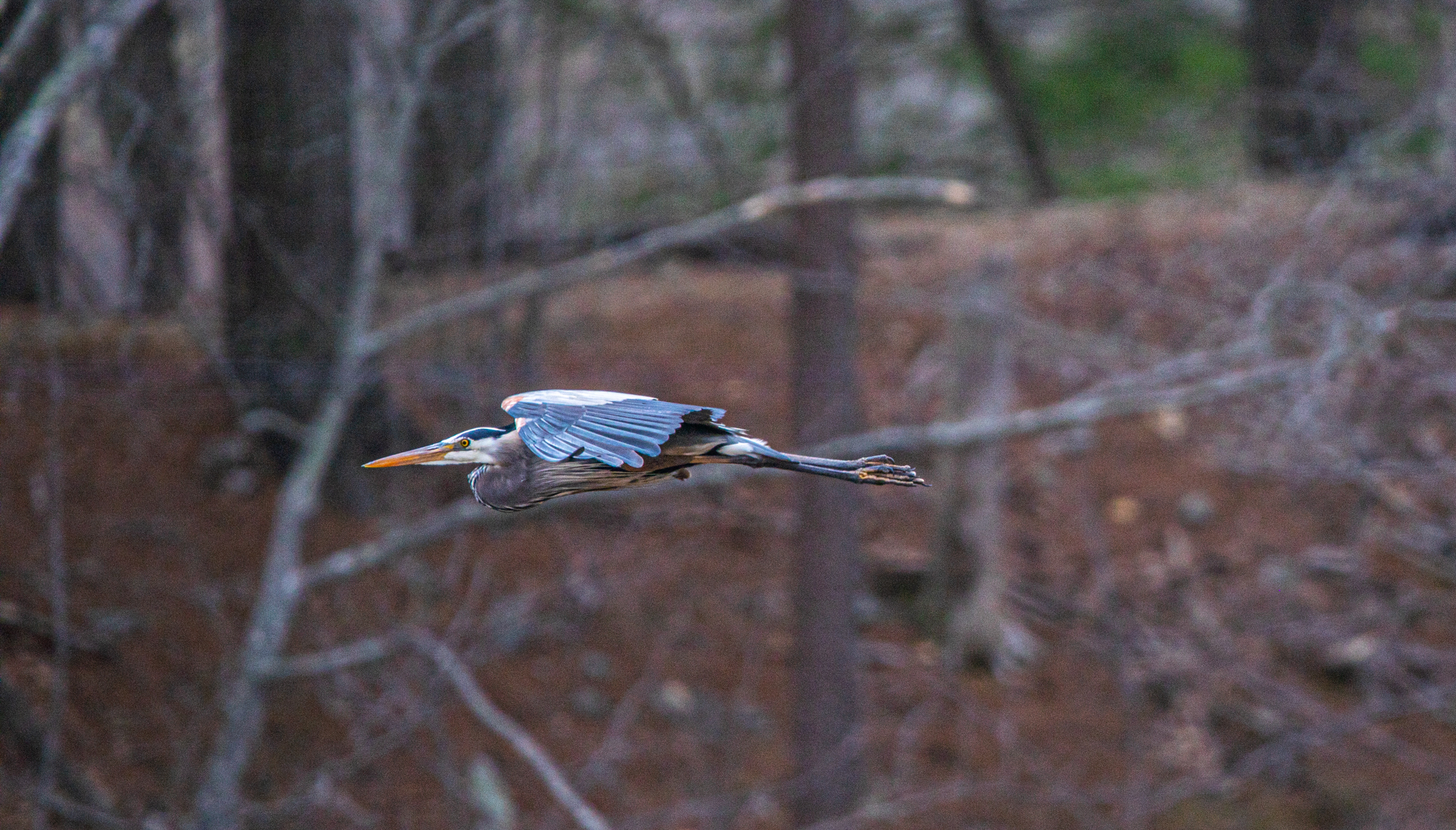
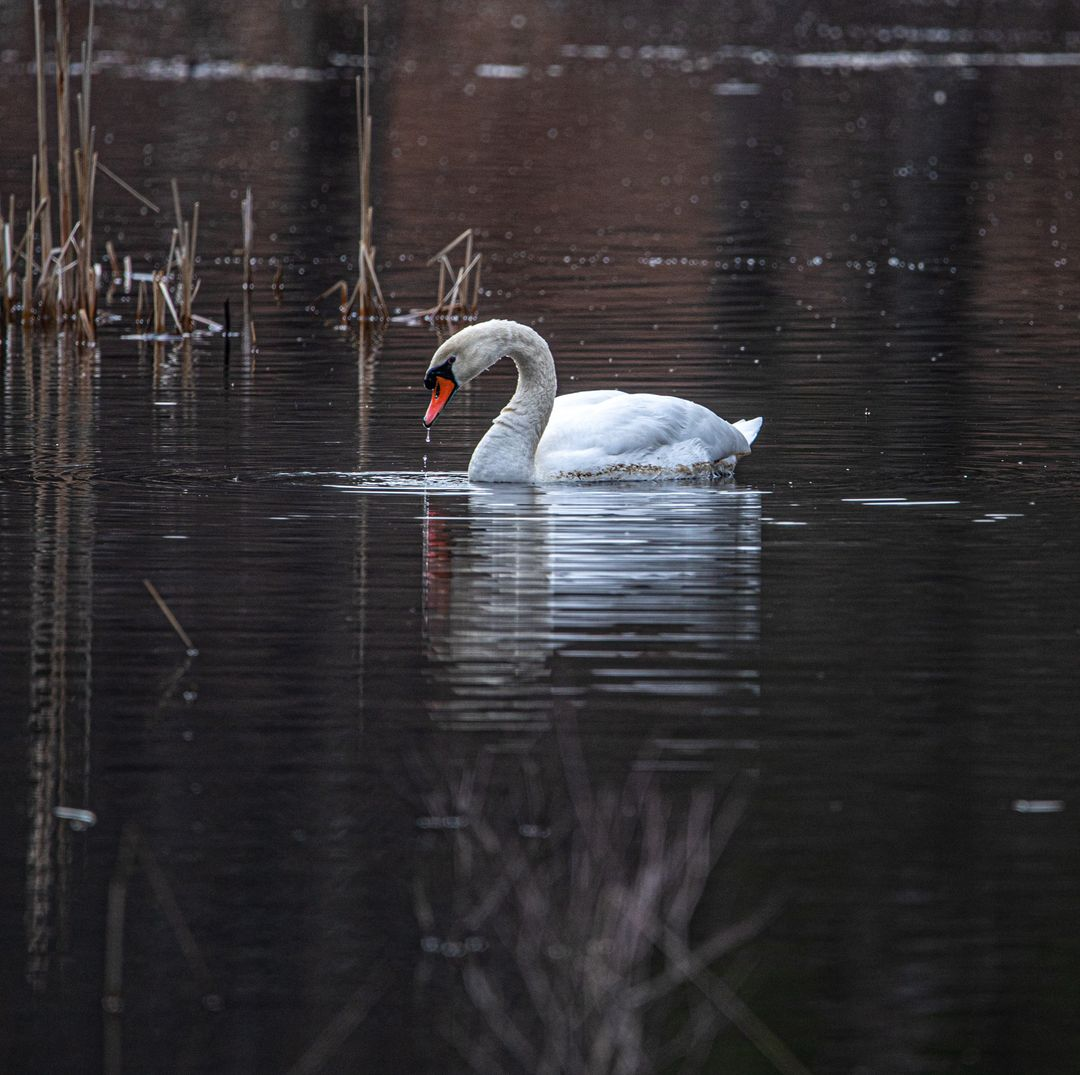
But, my personal favorites to photograph at this sanctuary are swans, herons, egrets and even a Barred Owl. They’re all such beautiful, graceful birds.

It’s easy to see why this sanctuary is my favorite place to visit and I usually make at least one visit a month to this gem.

But, I also like to visit other parks such as Cutler Park in Needham, MA, Wickham Park in Manchester, CT, Stanley Park in Westfield, MA as well as other parks in the New England area.

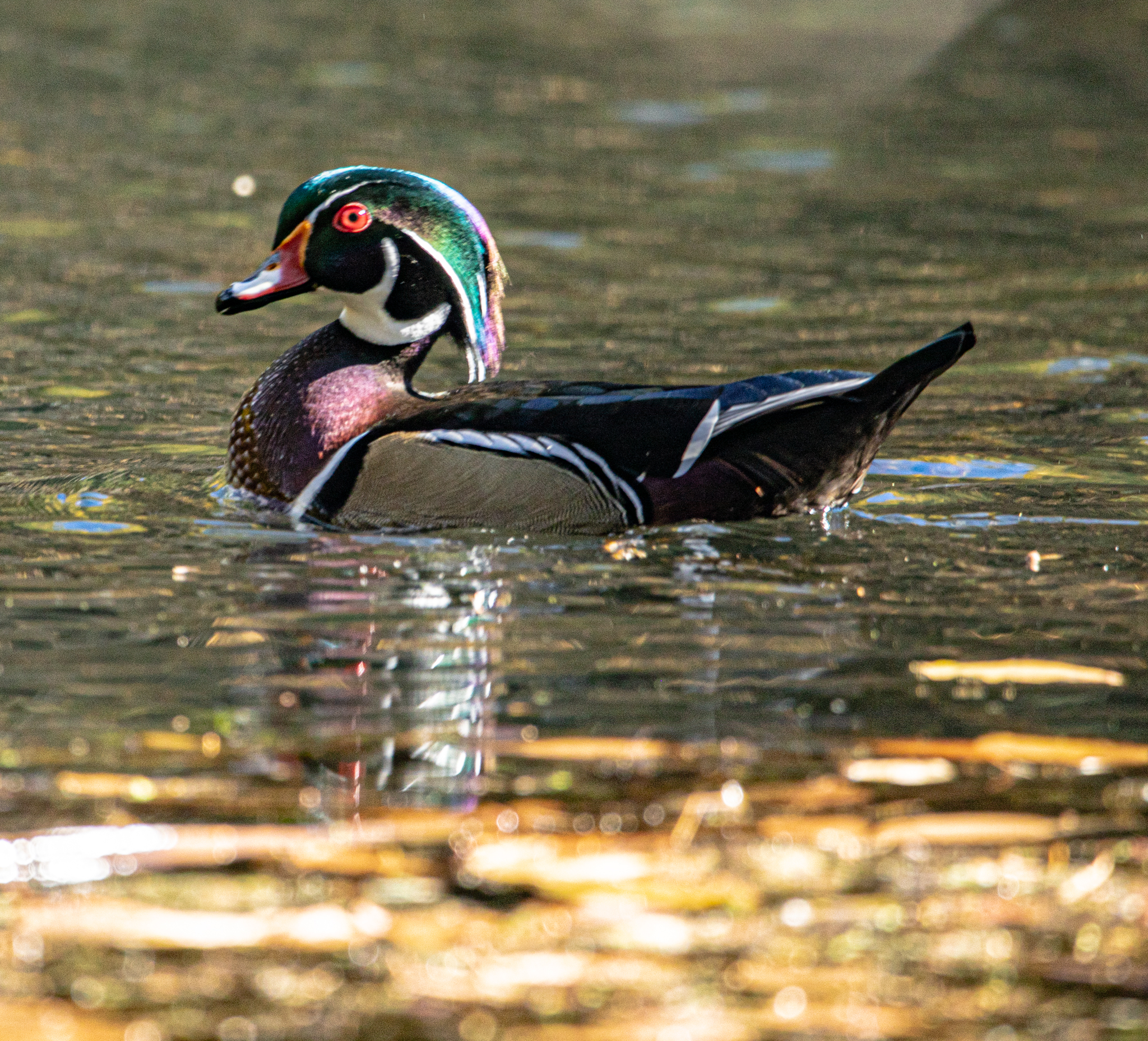
I photographed this wood duck in western MA. It was my first, and to date, only time I have been able to photograph one. He or she just flew and landed in the river as I was kneeling and, no pun intended, ducking while I waited for some activity. It flew away seconds after I started clicking when it heard the camera clicking.

I spotted this turtle as he or she came out from the grass at Stanley Park in Westfield, MA.

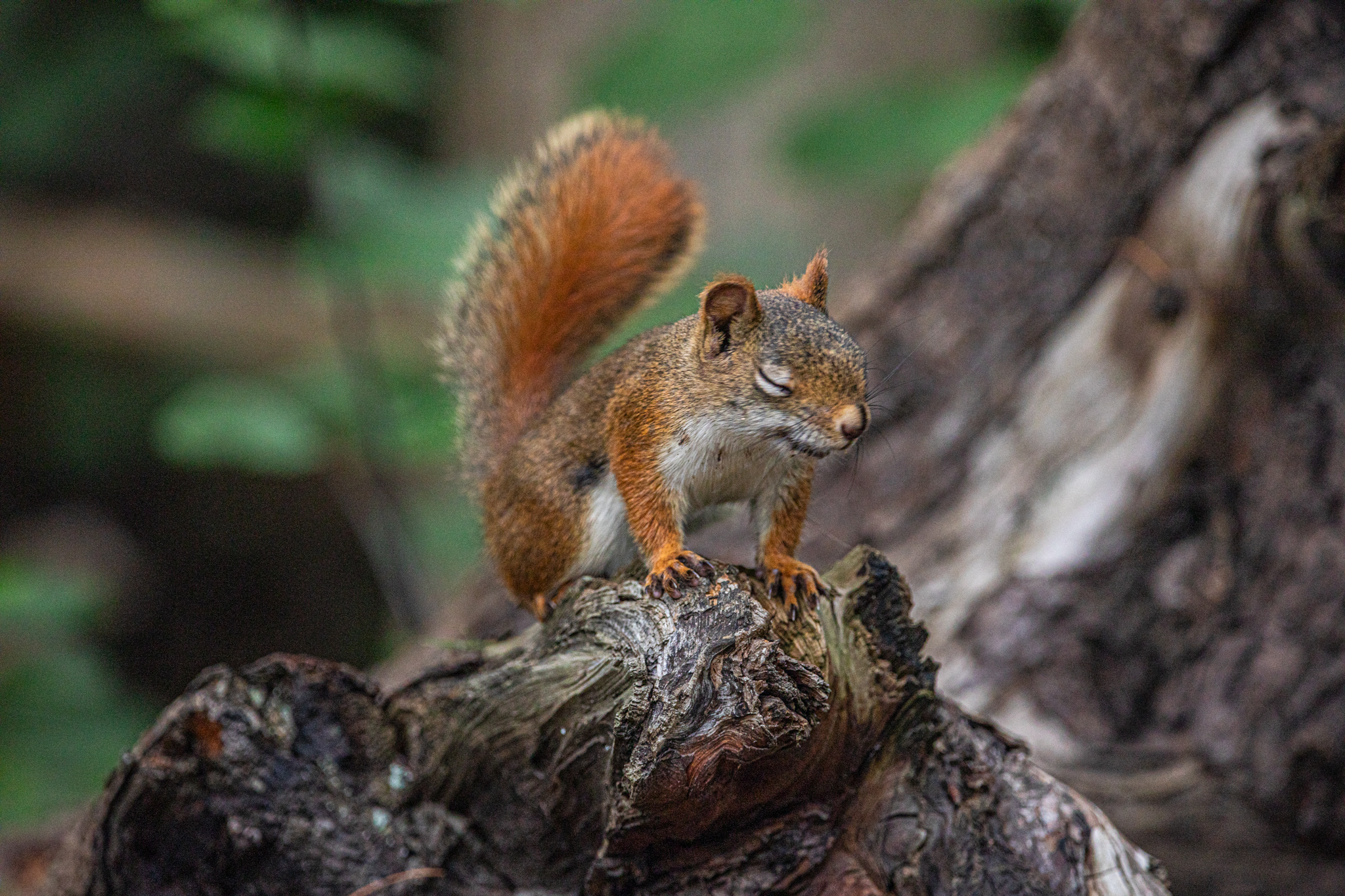
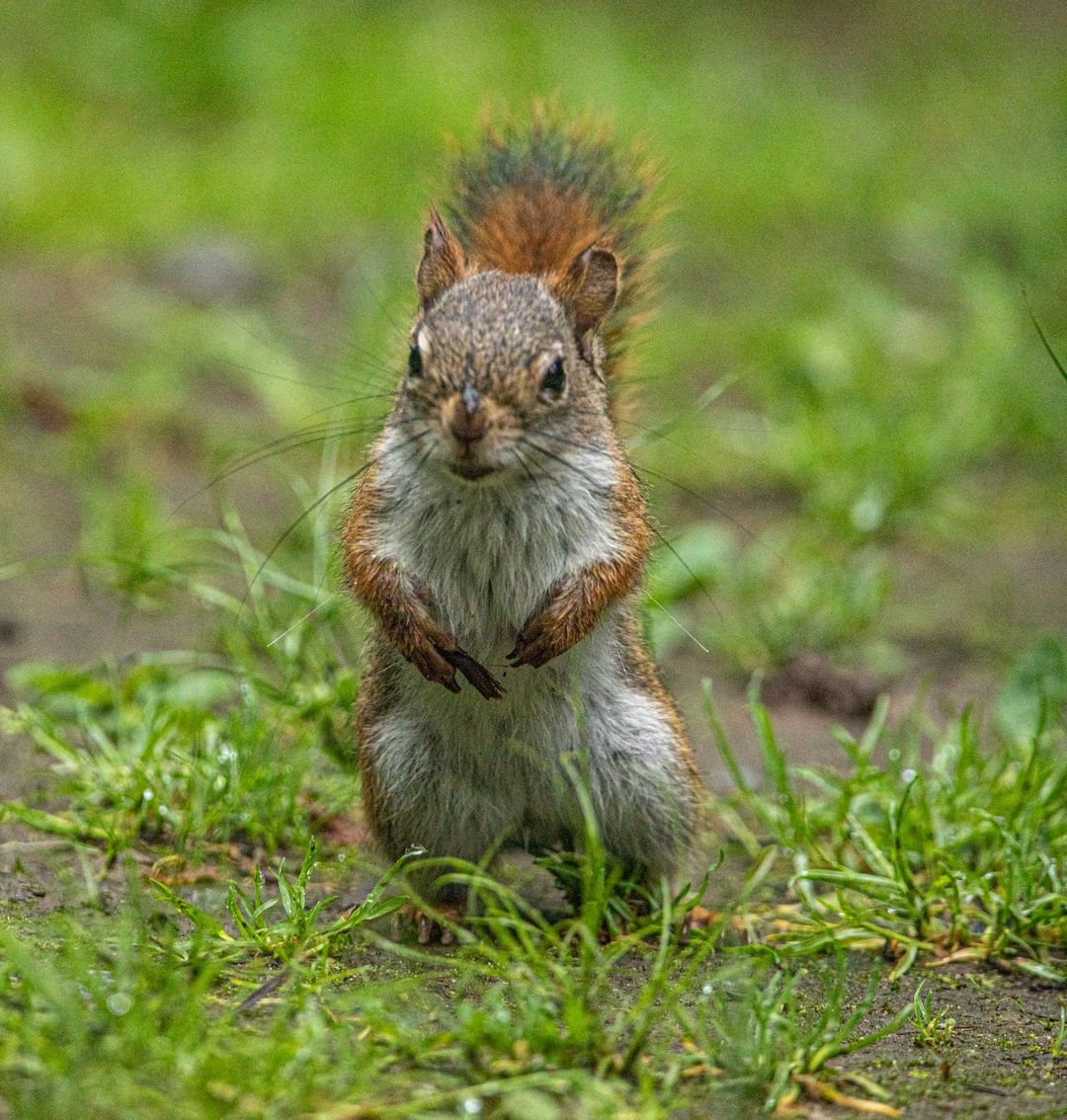
And, of course, there were chipmunks and squirrels galore during the warmer seasons. I always try to catch them in unusual poses or get them to look at the camera, or when their eyes are closed. This photo below may look like the critter is asleep. It was just lucky timing that he or she was blinking.

I don’t usually photograph gray squirrels as they are very common and, in my opinion, not overly appealing. But, I found this squirrel to be interesting and the fact he or she was beginning to build his or her nest in August sparked my curiosity. So, I did some research after I took this photo.

While most nest building for squirrels takes place during the fall, squirrels do begin nest building in June and July. This is done by mothers to teach their spring born young how to build nests.

Rabbits are particularly difficult to photograph. While squirrels and chipmunks will often get that “deer (or chipmunk) in the headlights stare” at you, rabbits will often flee at the first sight or sound of movement.

My next part will deal with some of the sunrise, full moon and nature shots from 2023! Thank you as always for reading and best wishes for the upcoming year!

To see my posts on Facebook click here

You can see my YouTube videos here

Click here to view and/or post photos in my Photographers Of New England group on Facebook


Five Days Of Foliage Day #3 – Ipswich River Wildlife Sanctuary (Topsfield, MA)

Date Of Visit: October 21, 2017

Location: 87 Perkins Row, Topsfield, MA

Hours:

November–April:
Tues-Sun & Mon holidays, 9 am-4 pm
Closed Mondays

May–October:
Tues-Fri, 9 am-4 pm
Sat, Sun, & Mon holidays, 9 am-5 pm
Closed Mondays

Trails:
Tues-Sun, & Mon holidays, dawn to dusk
Closed Mondays

Cost:

Members: Free
Nonmembers:
$4 Adults
$3 Children (2-12)
$3 Seniors (65+)

Parking: There is free parking for about 30 vehicles

Handicapped Accessible: No

Dog Friendly: No

Website: Ipswich River Wildlife Sanctuary

Original Post: Ipswich River Wildlife Sanctuary

IMG_9251

Located only half an hour north of Boston, MA, Ipswich River Wildlife Sanctuary offers 12 miles of trails, diverse wildlife and some pretty good foliage.

I visited Ipswich River Wildlife Sanctuary in July, 2016 (the link to this post is posted above).  But, like many of the places I have visited more than once, I found some hidden gems that I missed the first time.  Specifically, during my initial visit I missed out a cute walkway cut out of rock which I found during my recent visit.  I have considered revisiting places I have already photographed in the upcoming year to make sure my posts are much more comprehensive than they have been in the past.  It’s very easy to miss things if you don’t do your research beforehand or if you have a difficult time with the conditions.  In any event, it’s an idea I’m tossing around.

Since I had already visited Ipswich River Sanctuary and I was focusing mostly on foliage photo opportunities, I walked along the Ipswich River along some boardwalks, fairly easy trails and a few side trails.  There are lots of birds to photograph and the wildlife seems to be pretty friendly.  In fact, a chipmunk greeted me and came within inches of me.  I think they are used to seeing people and people may often feed them.  Unfortunately for the little fella, I was all out of acorns and nuts.

I have also seen deer at Ipswich River Sanctuary during both of my visits.  Actually, I have seem them multiple times during both of my visits.  During my first visit, I spotted two bucks drinking from the river.  They got away before I could photograph them.  But, I saw a deer later during my visit which I was able to photograph.

During my most recent visit, I saw a few deer running off into the woods.  But, again, I saw them later.  Except not in the sanctuary.  This leads me to my next observation.  I took a wrong turn, more accurately I missed a turn, on my drive back from the sanctuary.  I ended up on Central St where I found a mom deer and two of her little ones grazing on the side of the road.  After stopping abruptly and making sure she didn’t charge, I quickly grabbed my camera from the back seat without leaving the vehicle and took some photos of the deer family.

It was both exciting and shocking to see the deer by the road.  I know this happens often but I had never been so close to any animal on the road.  Not for one second did the momma’s eyes look away from my car.  You can also see how she is shielding one of her babies in the photos I took.

There was a lot of color at Ipswich River Wildlife Sanctuary.  However, my issue was more with lighting and shadows.  The weather was nice and there are lots of places to explore at the sanctuary.  But, I couldn’t stay long as I was going to Salem to do some Halloween photography.  So, I couldn’t stay too long.  I had to work with what I had.

Read more about my visit to Ipswich River Wildlife Sanctuary here…


Moose Hill Wildlife Sanctuary (Sharon, MA)

Date Of Visit: November 13, 2016

Location: 293 Moose Hill Parkway, Sharon, MA (about 45 minutes south of Boston)

Cost: Members & Sharon Residents: Free
Nonmembers:
$4 Adults
$3 Children (2-12)
$3 Seniors (65+)

Size: 1,951 acres

Hours: Mon-Fri, 9 am-5 pm
Sat & Sun, 10 am-4 pm

Trails
Spring & Summer, 7am–7pm
Fall & Winter, 8 am-5 pm

Parking: There are about 60 parking spots in the lot

dsc_0129

Handicapped Acessible:  Some trails at the entrance may be flat enough to be considered handicapped accessible.  But, for the most part no.

Dog Friendly: No, Mass Audubon trails are not dog friendly

Highlights: miles of trails, observation lookout, wildlife, nature center, acticities throughout the year, fire tower (inaccessible during my visit)

Web Site: Moose Hill Wildlife Sanctuary

Trail Map: Trail Map

dsc_0898

Moose Hill Wildlife Sanctuary in Sharon, MA, may not have moose but it has everything else that makes a sanctuary the perfect place for a weekend hike.  Pretty flowers and trees, scenic views and wildlife are plentiful at Moose Hill.

The nature center at Moose Hill was decorated for the autumn season with pumpkins and a quilted figure.

The trails at Moose Hill are, for the most part, easy with some modest inclines, except for the trail up to the fire tower.  There is also a boardwalk over a red swamp area and some other boardwalks that are a nice touch.

The trail to the fire tower is challenging but it’s not too difficult.  It’s a short incline up to the tower.  Unfortunately, it appears to be off limits.  Usually, signs and barriers don’t stop me but I draw the line at barbed wire.  It’s too bad because the views must be amazing.

Instead of the fire tower, there is a great overlook at the Bluff Overlook on, oddly enough, the Bluff Trail.  Most of the trees have shed their leaves but yyou could still see some pretty colors out there.  I especially liked the branches in the first photoon the left hand side of the group of photos.

It is easy to find beautiful areas to photograph in Moose Hill all year round.  Ideally, foliage season would probably be the best time to visit.  I just missed the peak foliage season but it still looked beautiful.  The shapes of the trees and the way the rocks form borders in the different sections of the park make for great photo opportunities.  It really doesn’t take a lot of effort or talent to find the beauty of the sanctuary.

There is also a beekeeping harvest hive and a real hive located near the harvest hive.  Both looked inactive.  A bench sat precariously near the now destrcuted hive.  “Be At Peace” is engraved on the backing of the bench.  Good advice.

I was a little disappointed by the lack of visible wildlife during my visit.  I got there early (between 7 and 7:30) but I still didn’t see any of the larger wildlife that is known to be there such as deer, foxes and coyotes. I did see these little critters, though.

dsc_0158

chipmunk, Moose Hill Wildlife Sanctuary, 11-13-16

dsc_0140

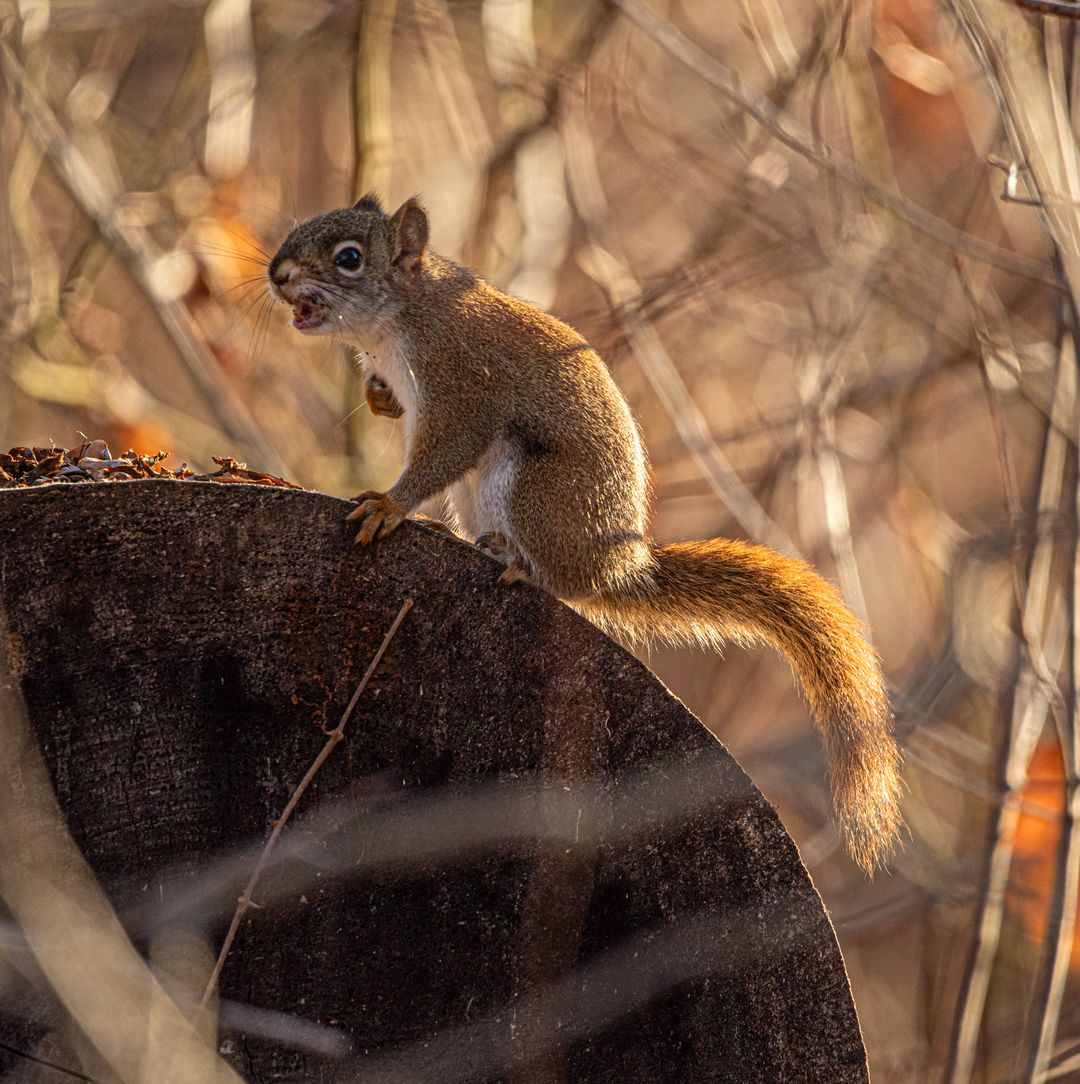
red squirrel, Moose Hill Wildlife Sanctuary, 11-13-16

And this owl.

dsc_0161

Fooled ya!

But, this owl is an actual part of the sanctuary.  It’s part of the “unnatural trail.”  The unnatural trail is a family friendly trail that is geared more for children.  The trail is about a quarter of a mile that has objects that you normally don’t find on a trail (like shovels and shoes for instance).  The children are then asked to identify the randomly placed objects and answer questions about what was on the ttrail.

There is also the Billings Barn (the white building) and a maple sugar shack which campers use to make sugar from the sugar maple trees.  During maple sugar harves season, the campers and people at the sanctuary leave buckets attached to the trees to harvest the maple sugar from the trees.


Richardson Brook Wildlife Sanctuary (Tolland, MA)

dsc_0716

Date Visited: August 20, 2016

Location: New Boston Rd. (Route 57) Tolland, MA

Hours: Open everyday, 24 hours and day

Parking: There is not a designated parking lot or parking area.  You have to pull over to the side of the road on Route 57.

Cost: There is no fee but donations are appreciated

Trail Difficulty: Easy

Size: We took the 1.6 mile Brook nd Charlotte trail loops

Dog Friendly: Technically, no, MA Audubon does not allow dogs on their trails.  But, I suspect people do bring their dogs.

Highlights: brook, secluded, trails are not very steep, short and easy trail

Lowlights: trails are a little hard to follow (look for the blue and yellow marked trees), lack of visible wildlife, hard to find especially if you don’t have a passenger to help you look for it

Richardson Brook Wildlife Sanctuary

Richardson Brook Wildlife Sanctuary Trail Map

Richardson Brook is not the easiest trail to find.  In fact, it took a few turnarounds and nifty parking to find a safe place to park and enter the trail.

The trail for Richardson Brook is pretty easy.  The only catch is looking for the marked trees to follow since the trail is not clearly defined all the time and it can get a little confusing, even with the markings on the trees to follow. It could be very easy to get lost.  Visions of Camp Crystal Lake flashed before my eyes a few times.

The big payoff is the brook which was not running very hard during my visit.  But it was still very pretty.

We saw some little critters and colorful mushrooms along the way.

dsc_0820dsc_0777dsc_0875dsc_0854

dsc_0831dsc_0830dsc_0825

Water bugs, frogs, salamanders and baby salamanders were abundant, even if they did try to camouflage themselves.

Although we did not see many birds we did hear them and we did see evidence of other animals.  I am also convinced that if you were determined to find other wildlife you wouldn’t be disappointed.  If you had a lot of time to spend and you went off trail you could definitely find bigger wildlife.  Just look out for Jason!

The video below of Richardson Brook really captures the beauty of the trail.

Similar Places I Have Visited In New England:

casc

Cascading Waters (Worcester, MA)


Robinson State Park (Feeding Hills, MA)

Dates Visited: July 3 & 4, 2016

Location: 428 North St, Feeding Hills (Agawam), MA

Cost: $8 for MA vehicle, $10 for non-MA vehicle

Parking: There are about 50 parking spots in the park itself at various designated parking areas.  There are also several entrances besides the actual entrance to the park where you can park for free but there are gates at these entrances and you have to walk rather than drive to the beach and fields in the park.

Time To Allot For Visit: 3 to 4 hours to hike the entire park

Size of the park: 800 acres, 5 miles of frontage on the Westfield River

Dog Friendly: Yes

Highlights: walking trails, stream, beach, picnic area, fields, lots of wildlife, great for bikers, joggers, walkers and dogs

DSC_0244

Known for its abundant wildlife, long paved trail and scenic views of the Westfield River, Robinson State Park is one of my favorite parks to visit.  I love the paved, winding trail and abundant wildlife.  I have jogged the main trail hundreds, if not thousands, of times.  The wide paved trail is wide enough to accommodate joggers, bikers, walkers and even vehicles (cars are allowed on the main paved trail during the summer months only).

About a mile or a little more than a mile from the main entrance there is a small beach next to a grassy area for people to relax and sun themselves.  If you’re lucky, you may even see a tadpole.

This slideshow requires JavaScript.

One thing to keep in mind is there are a lot of bugs in the area.  Since it is located by a stream of water, bugs and mosquitoes are a real problem, especially during the summer months.  So, either cover up or use bug spray if you plan on hiking the various trails.  Another downside to the park, if you want to call it that, is that some trails just seem to end…right in people’s backyards.  This happened on two of the side trails I ventured on.  No biggie.  You just turn around and come back the way you came.  But it can be anticlimactic and annoying (for the homeowner as much as it would be for you).

The Westfield River runs along the paved trail giving off some pretty views.  There are some side trails you can use to get a better view.

There is a pond just down the trail from the beach.  I heard lots of frogs, toads and other wildlife in the pond but they are pretty well hidden.

Robinson Park is also teeming with wildlife.  In fact, Westfield, one of the cities the park borders, is known for its black squirrels.  Unfortunately, I didn’t see any during my visit or at least none that I could photograph.   But, there were plenty of other animals visible at the park the days I visited.

This slideshow requires JavaScript.

There is also a pond and a variety of trees, plants, flowers and berries along the trails.

The trails are well defined and there are a number of bridges at the park.

Because it has such a wide main trail and lots of area to roam, Robinson Park is a great place to walk your dog and I ran into quite a few cute dogs during my visits.

Oliver is an 11 year old Collie and Chow mix.

DSC_0230

DSC_0246

DSC_0257

Josie is a 9 year old Cocker Spaniel.

DSC_0216DSC_0222

And Bruno is a 2 year old Shepherd and Lab mix rescue.

DSC_0990DSC_0989

Please connect with me on Facebook to view photos, videos and other posts I don’t include in my blog! New England Nomad


October Mountain (Lee, MA)

Even though it’s only August, today was the perfect day for a trip to Mount October.

DSC_0690

Roughly, a 45 minute drive west of Springfield, MA, Mount October is located in the majestic Berkshires. The wild flowers and plant life, which are a staple of the Berkshires, were in full bloom.

DSC_0882 DSC_0697 DSC_0904 DSC_0925 DSC_0984 DSC_0933 DSC_0848 DSC_0856 DSC_0868   DSC_0943

The wildlife at Mount October was also abundant.

There were salamanders

DSC_0823   DSC_0759   DSC_0731

toads

DSC_0804

caterpillars

DSC_0754

centipedes

DSC_0945

and dogs!

DSC_0704

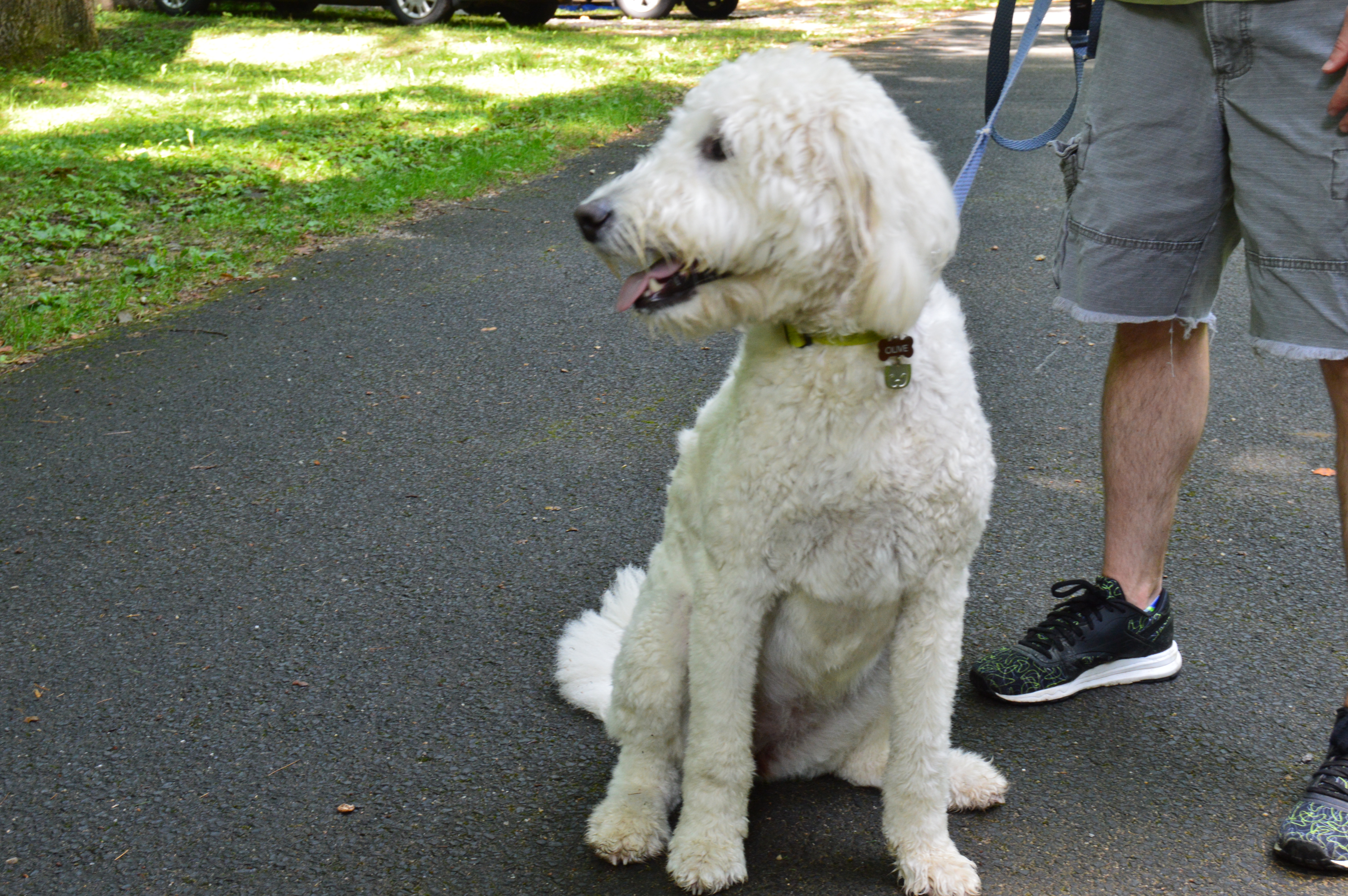
Olive posed during her walk with her dad

DSC_0929

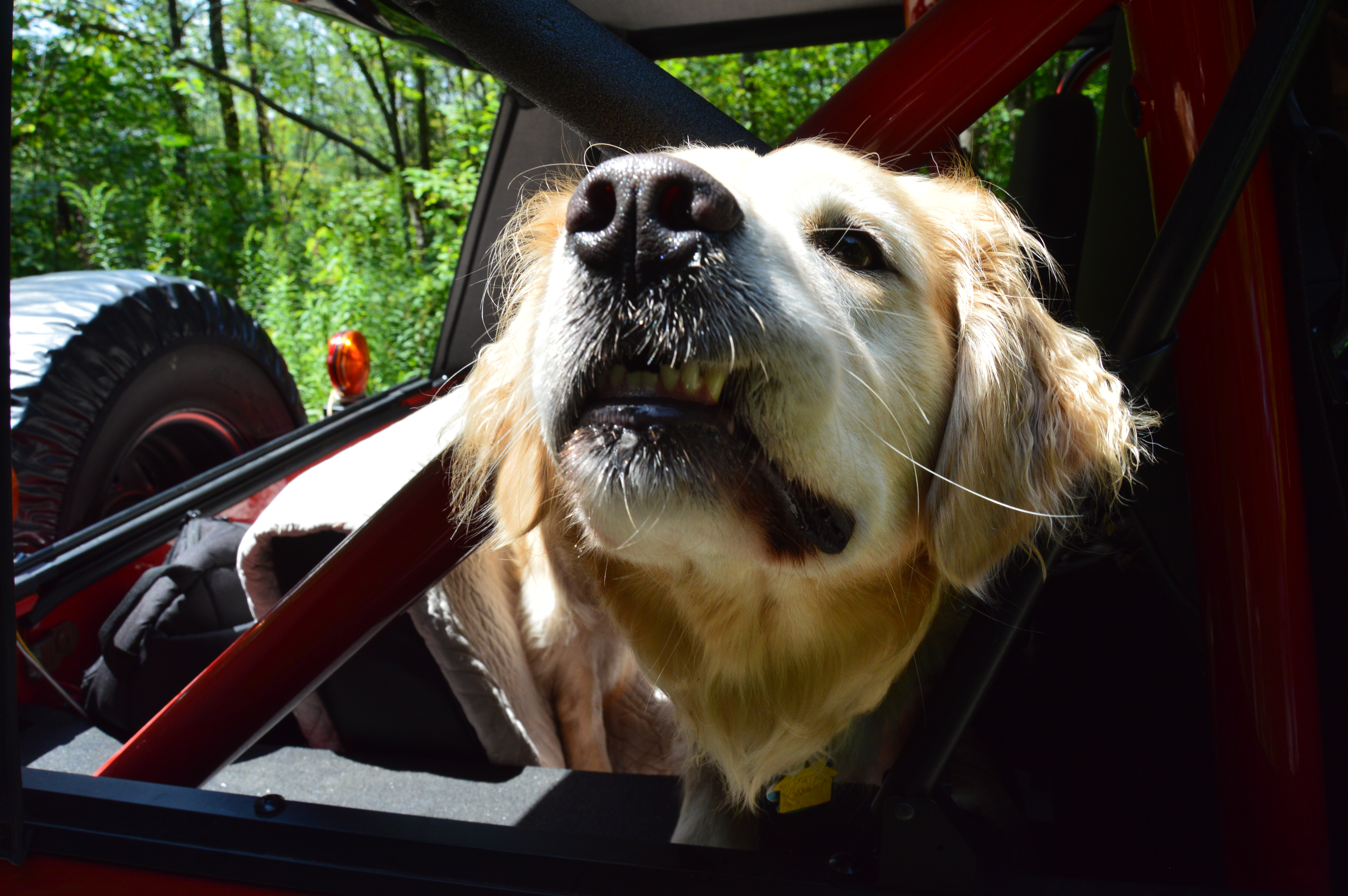
Emily stuck her head out for some fresh air.

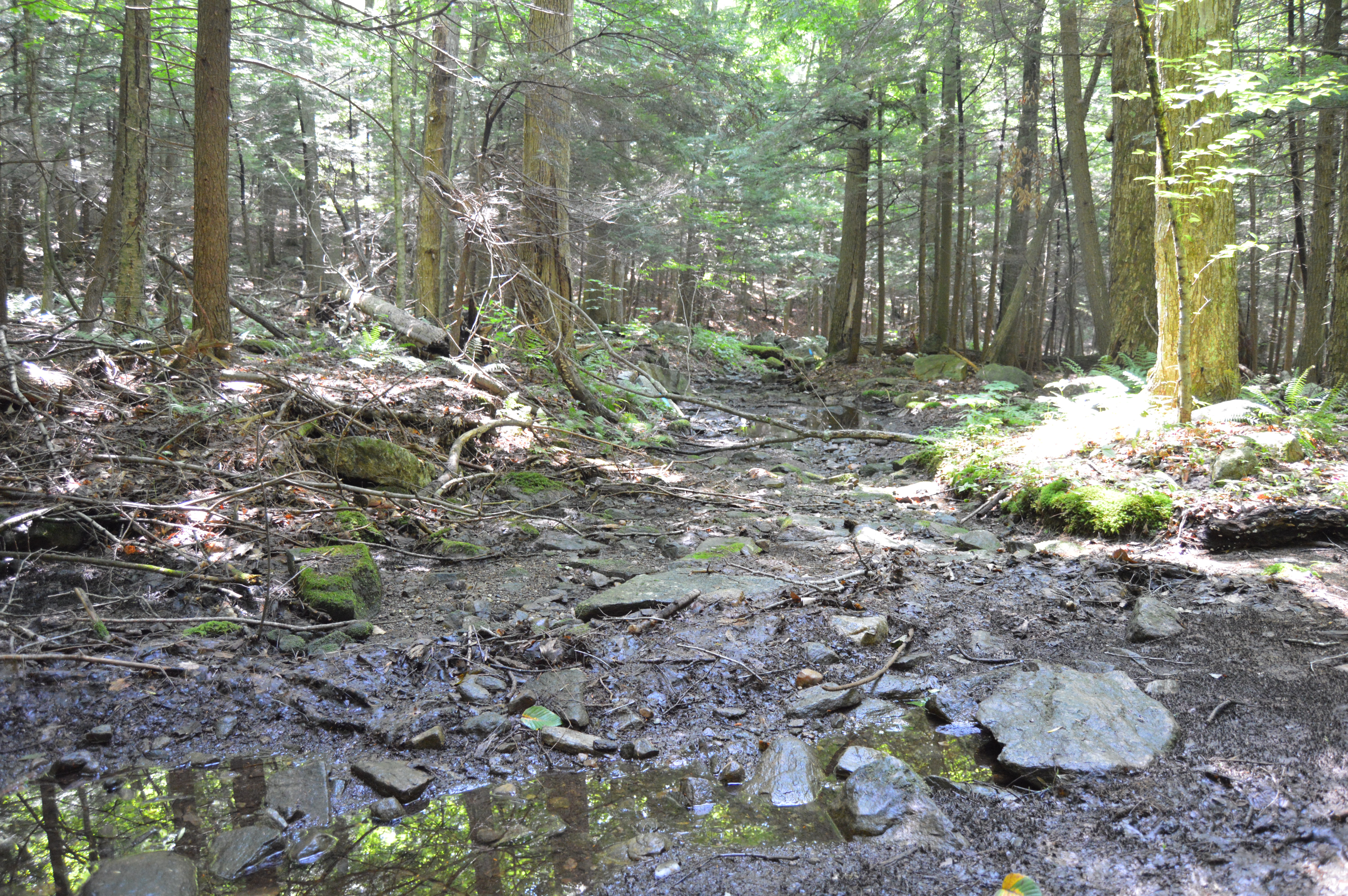
While it serves as a campground, the hiking trails are perhaps the most notable part of the state forest.  But, the most challenging part of Mount October was the terrain of these hiking trails.  Dew and rain made for marshy, washed out paths which made it even more difficult when you had to cross rocky areas.  Some parts of the paths were also fairly steep.

DSC_0750      DSC_0811   DSC_0814

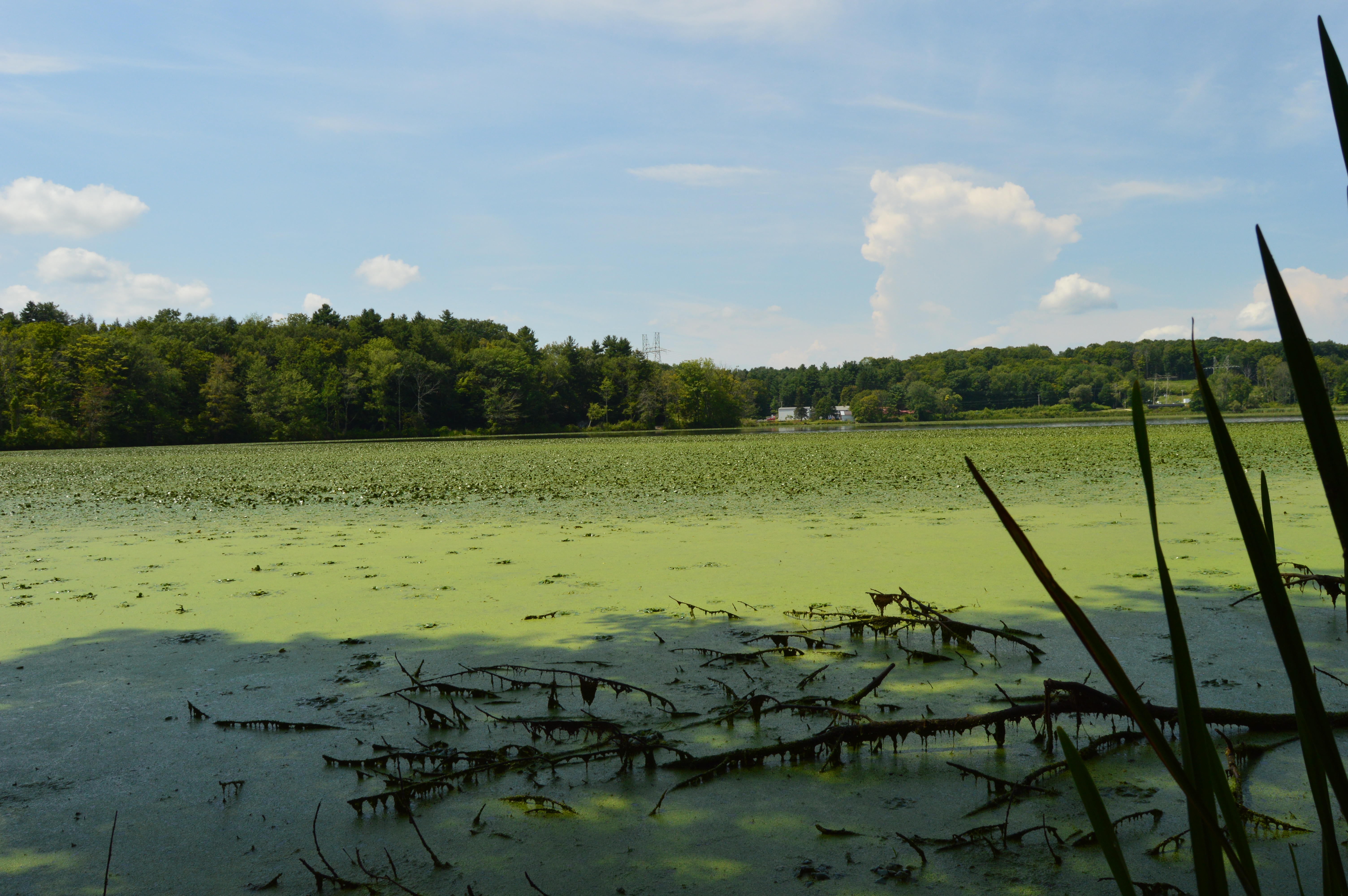
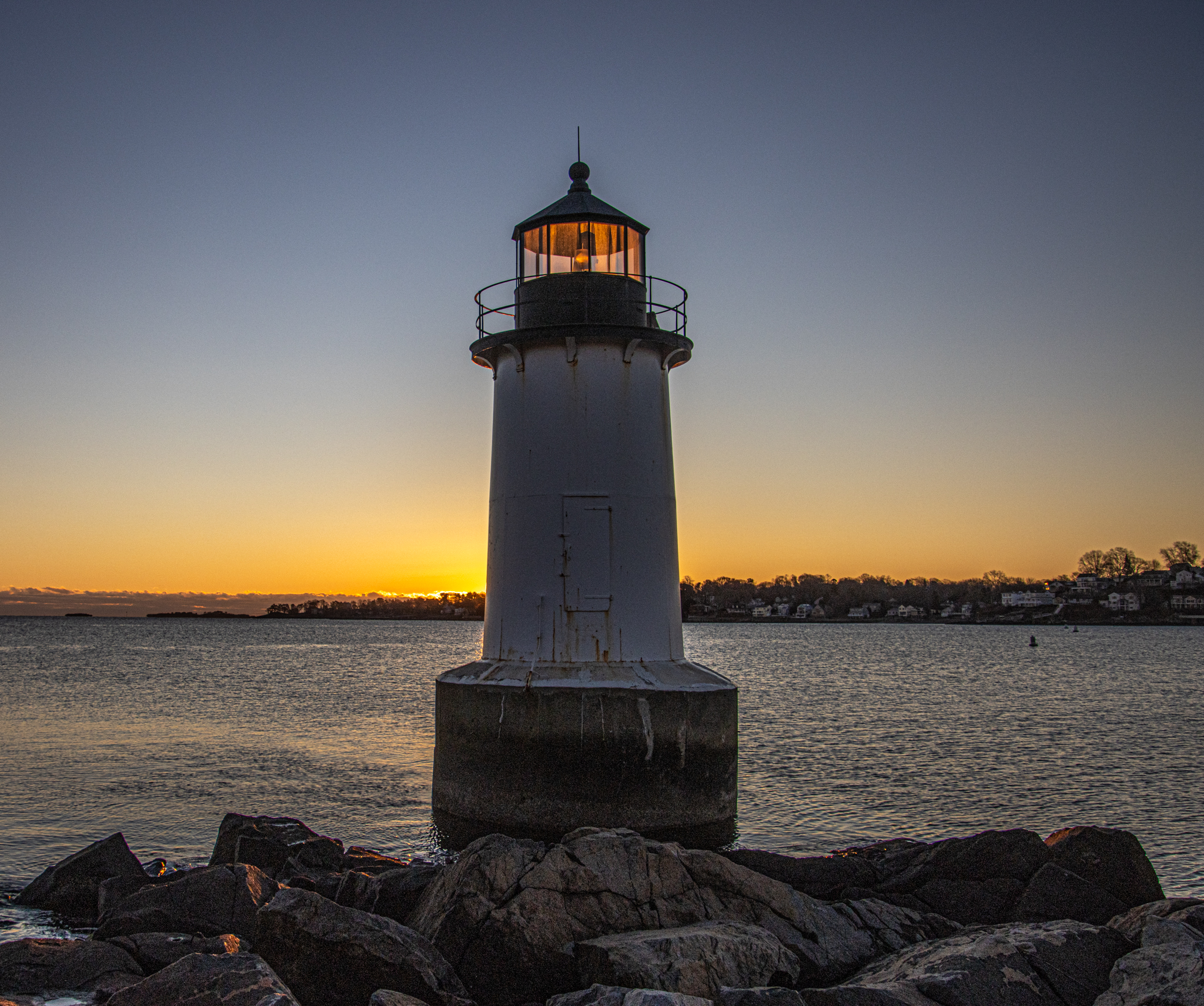
Interestingly, I visited Woods Pond earlier this year which is a section of Mount October.  The blog for which can be found here.  Even though I had already taken photos of Woods Pond previously, I took a few more during my visit at Mount October.
     DSC_0919   DSC_0930 DSC_0935  DSC_0936

Mount October is the largest state park in Massachusetts.  And, despite spending several hours there, we were only able to cover a fraction of the area.  Perhaps I’ll come back in the fall.