Tag Archives: Historical

Christmas In Salem – Boughs And Blossoms – John Fullington House (Salem, MA)

Date Of Visit: December 6, 2025

Location: 19 Cambridge St, Salem, MA (about 30 minutes northeast of Boston, MA)

Universally Accessible: No

Cost: $40 per ticket ($50 if you purchase day of tour tickets)

Parking: There are several parking garages in Salem, as well as metered on street parking.

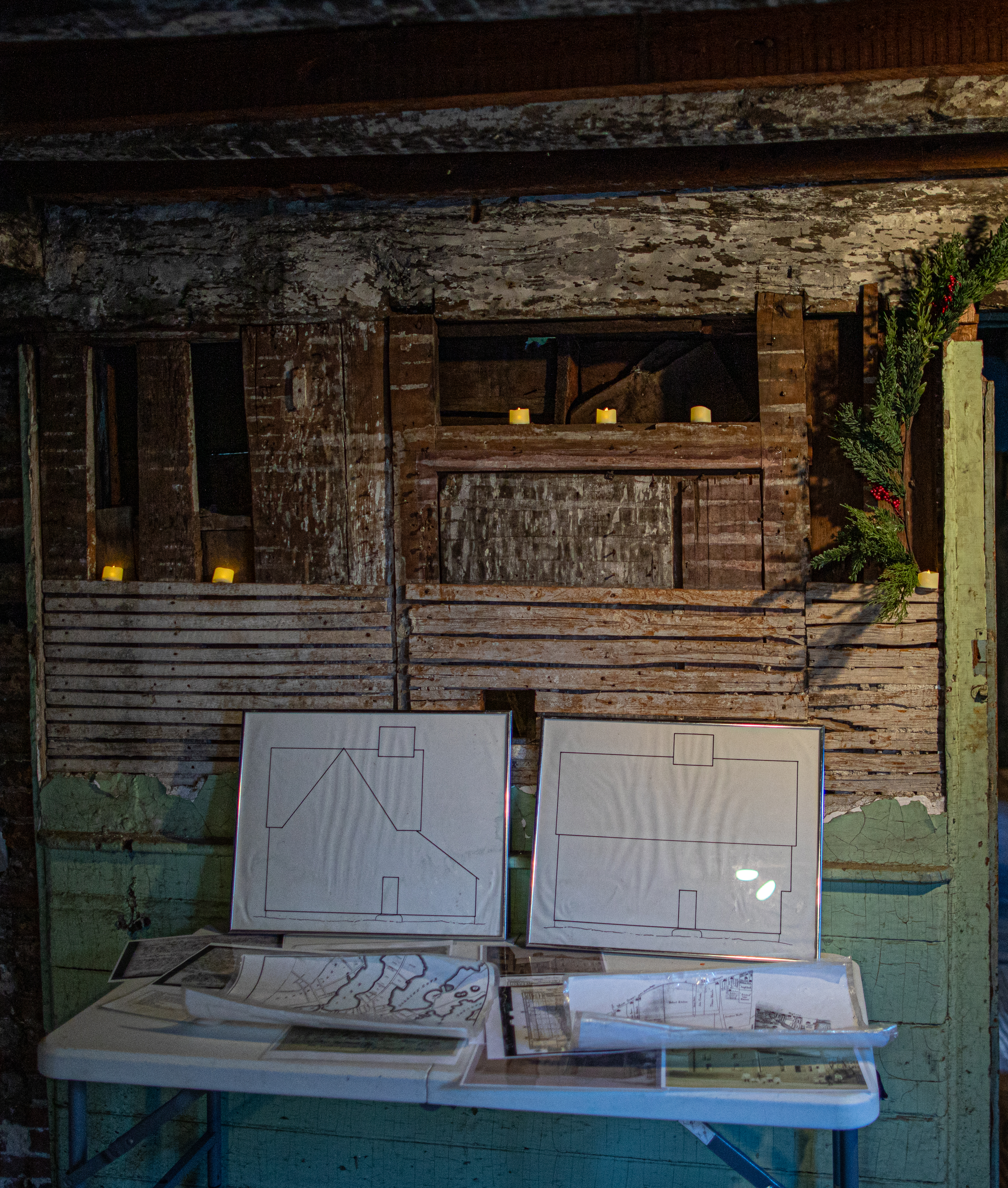
Summary: The John Fullington home, constructed in 1807, is full of lots of surprises.

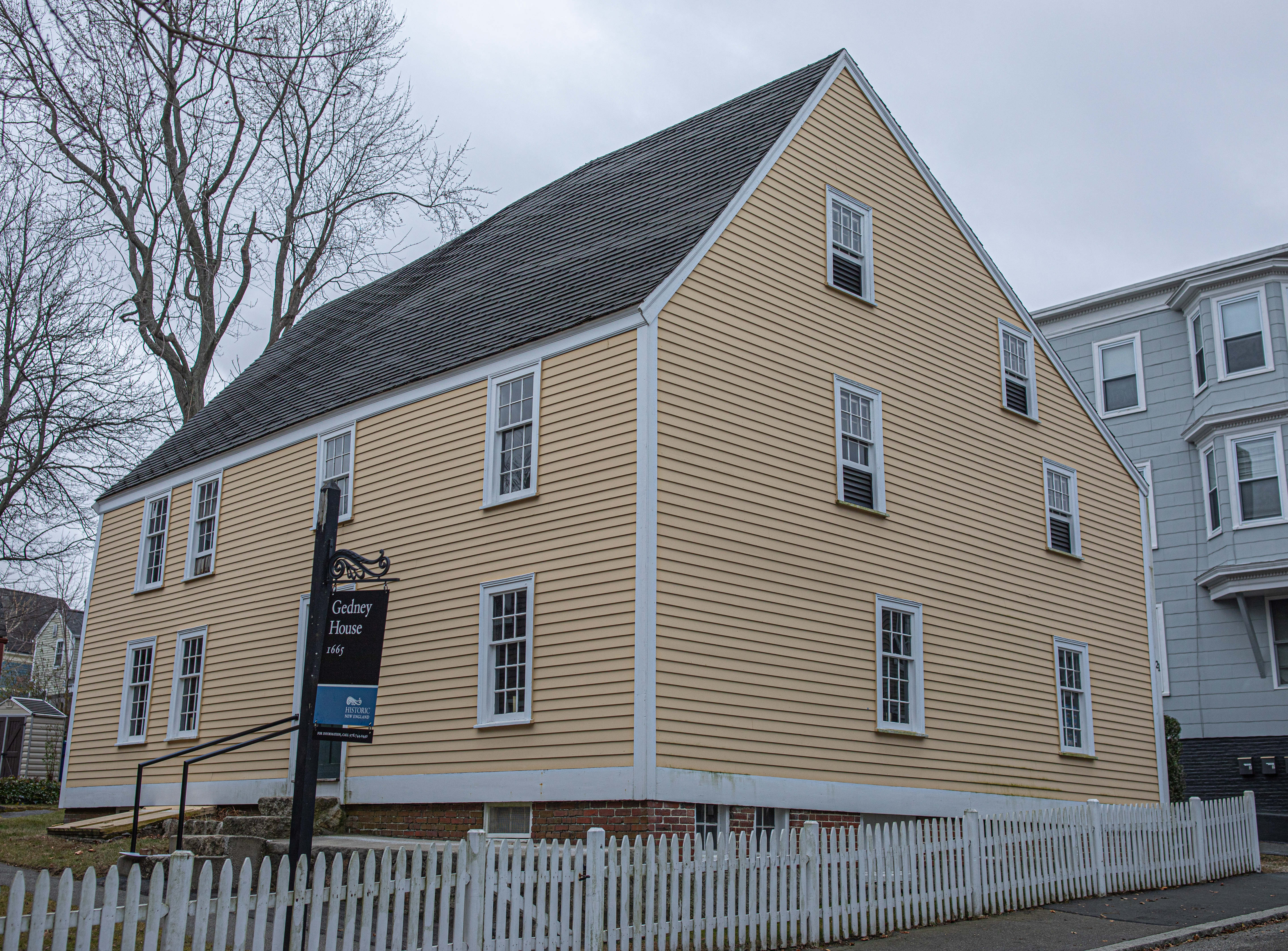
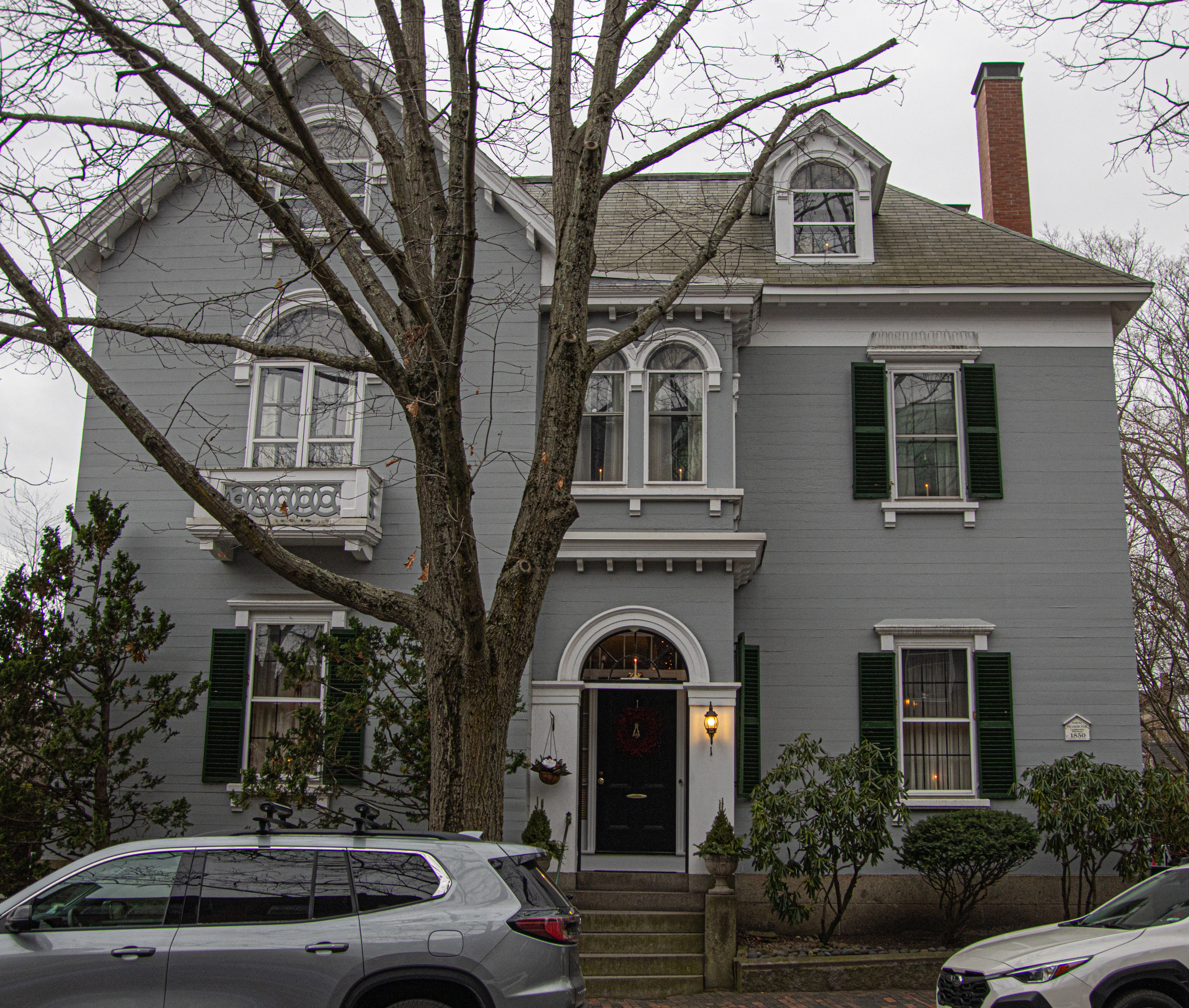
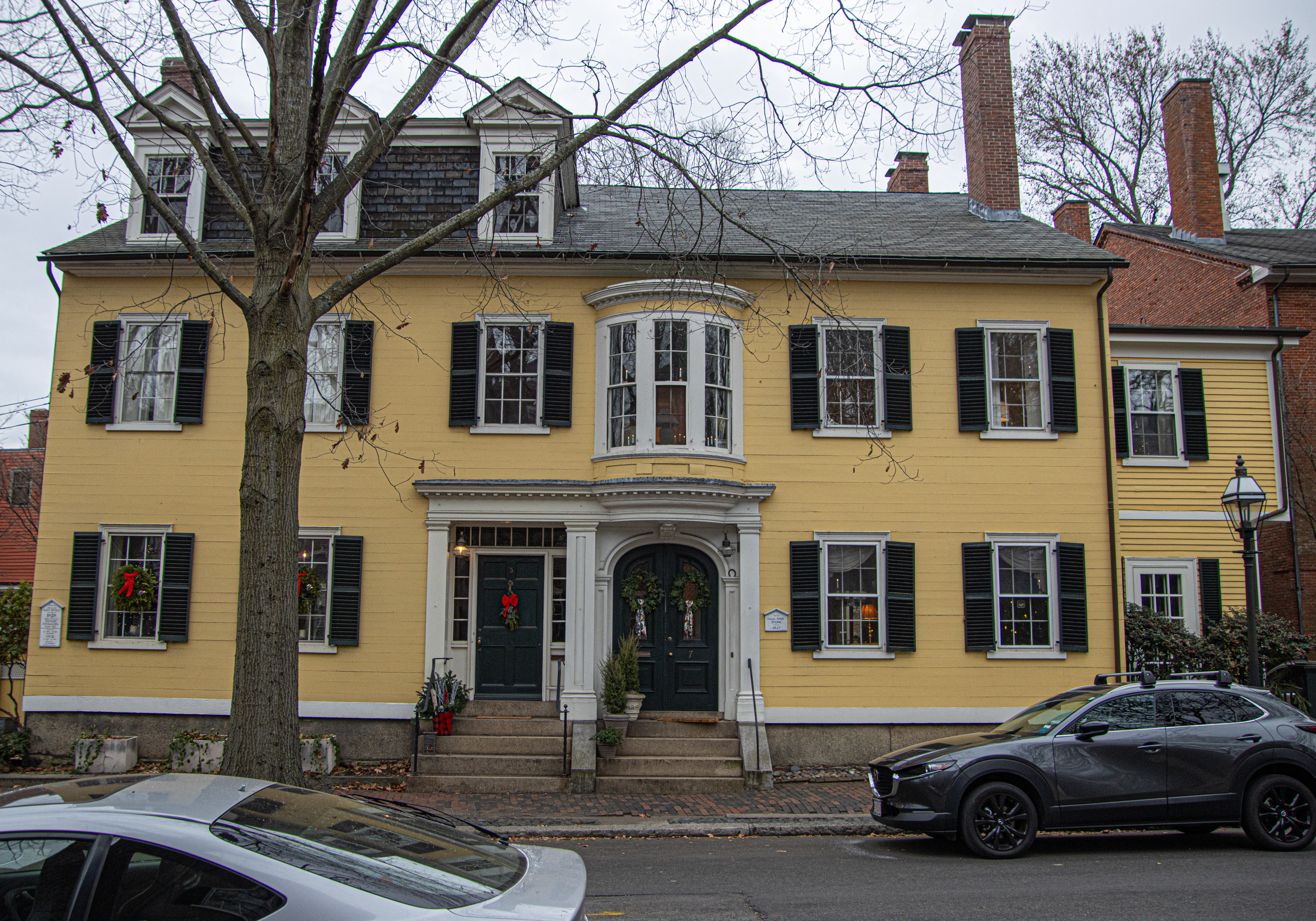
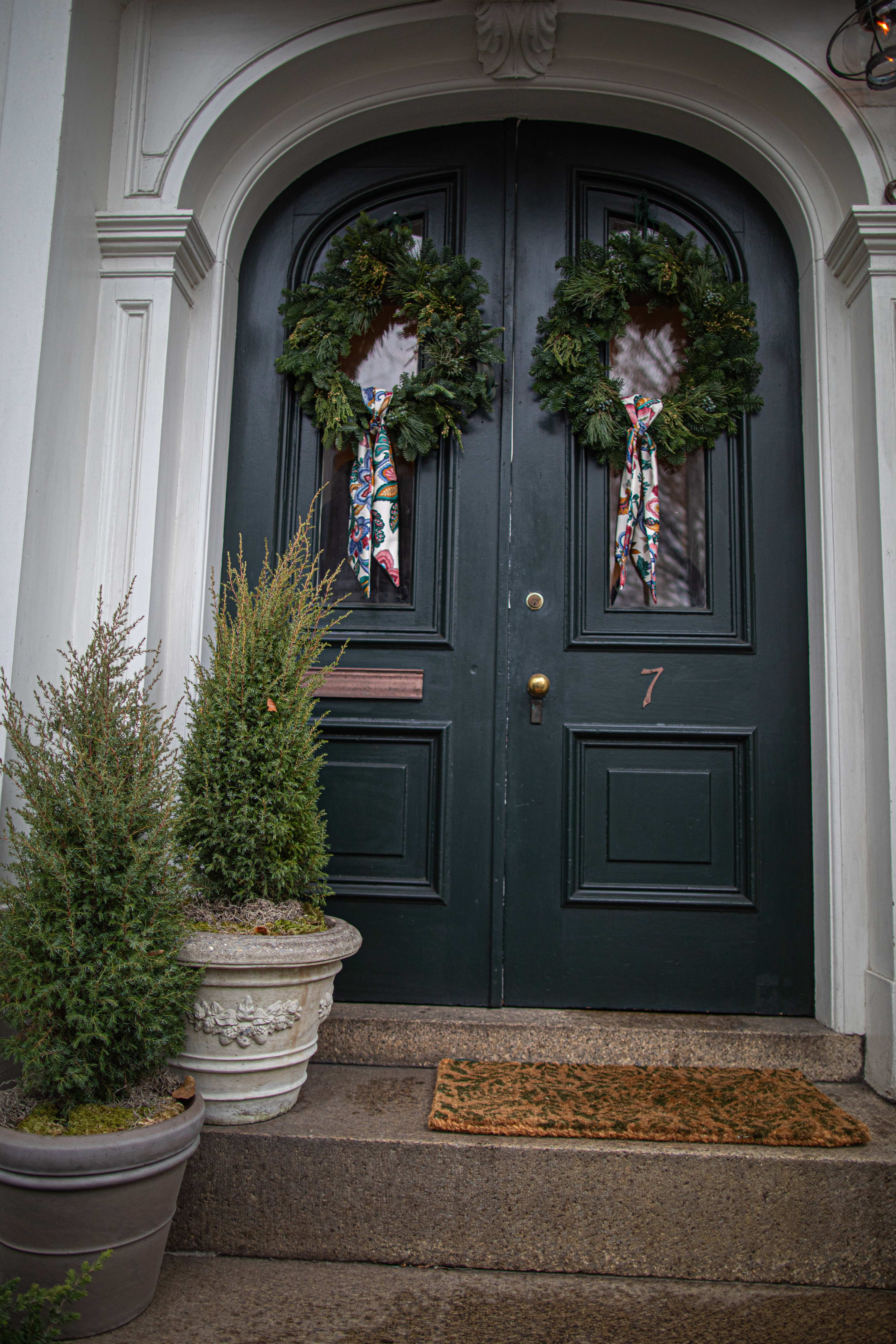
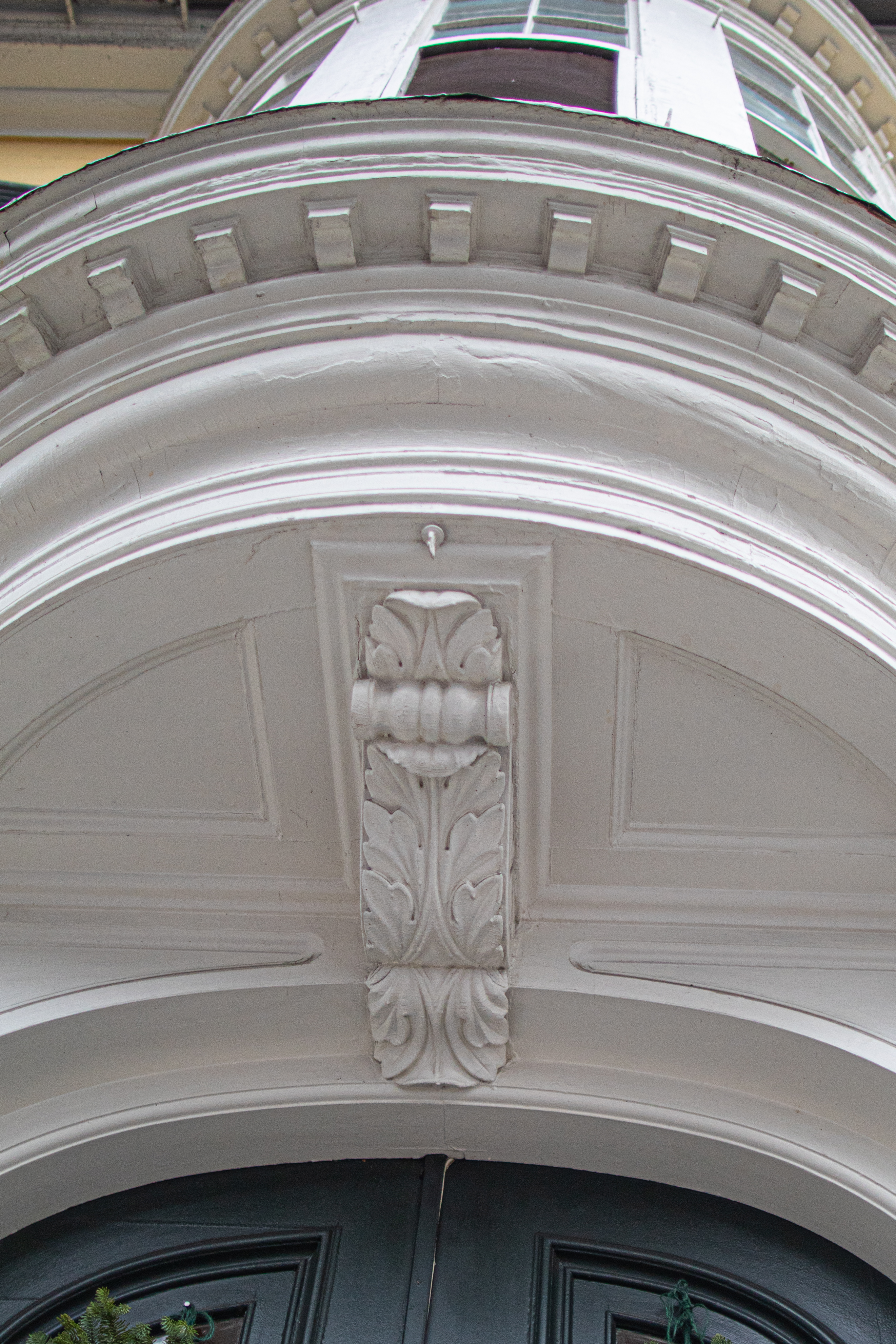
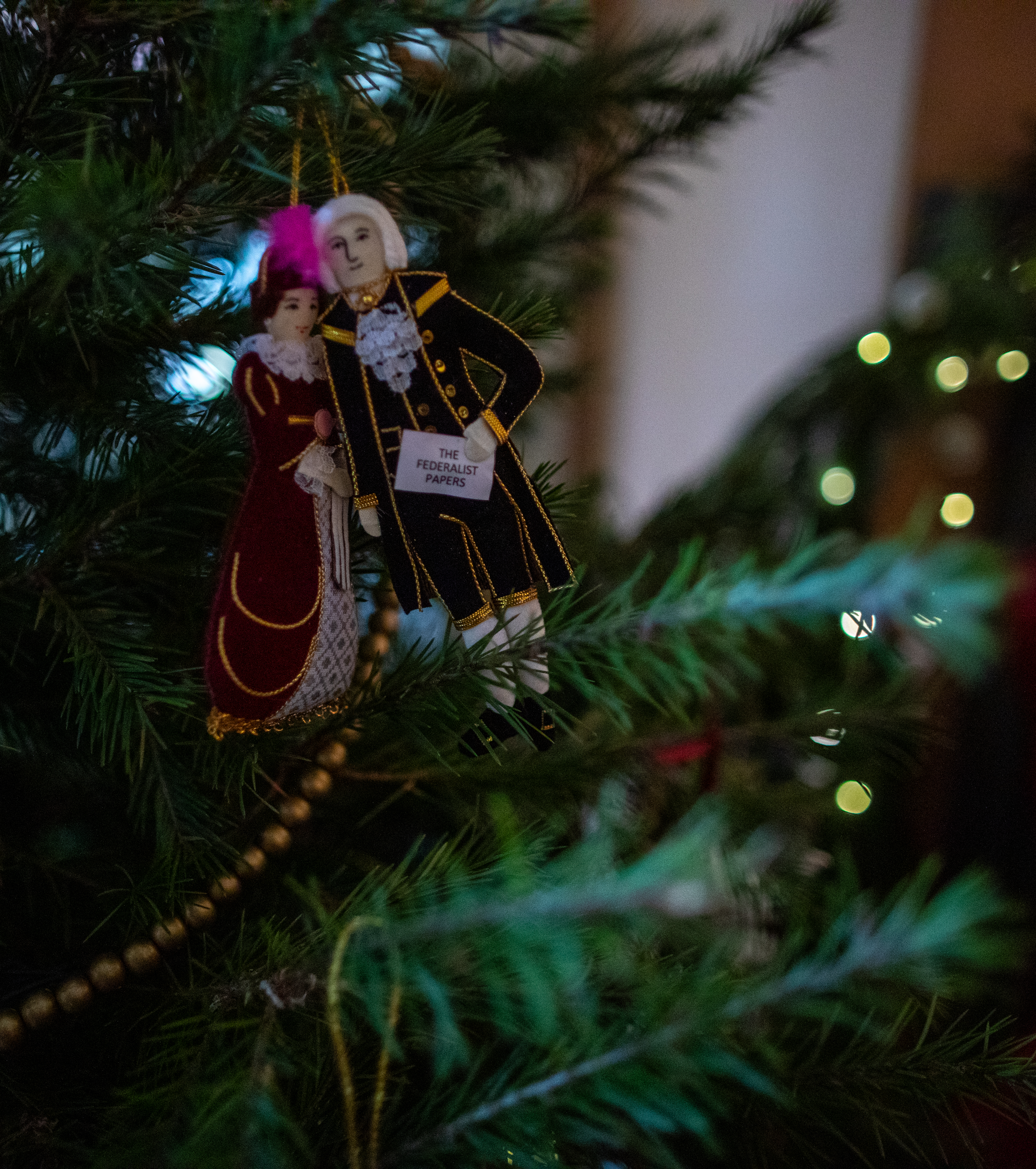
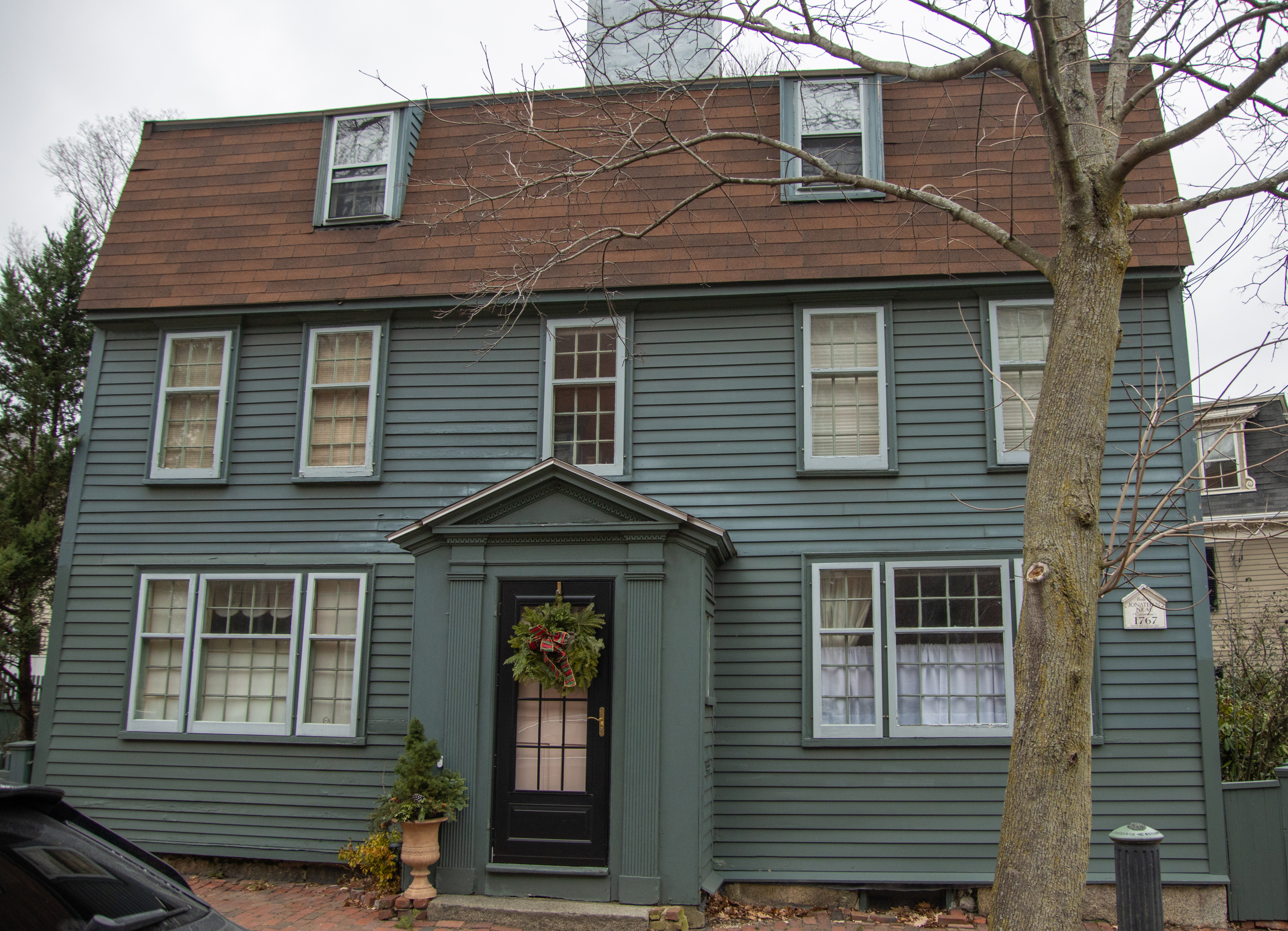
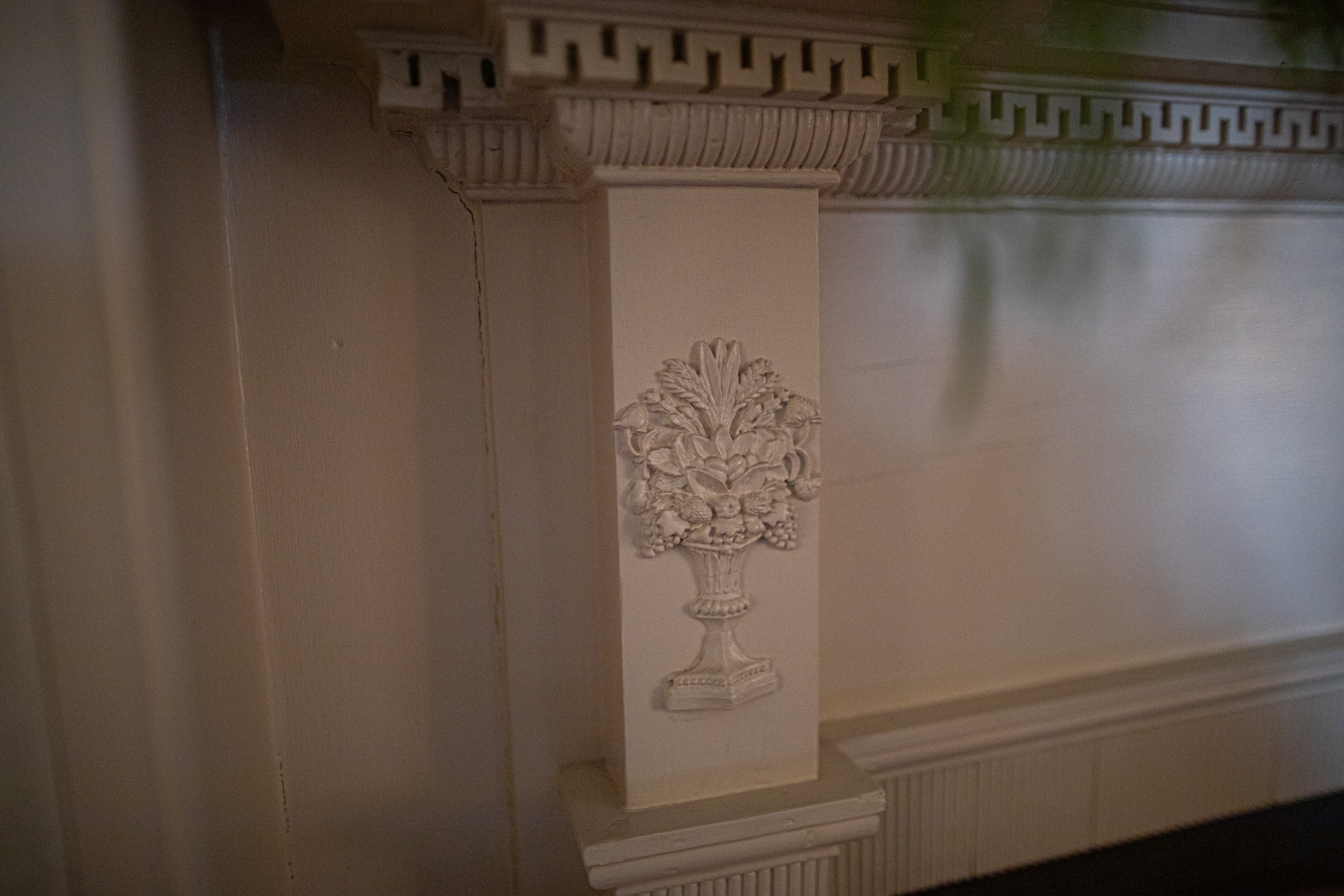
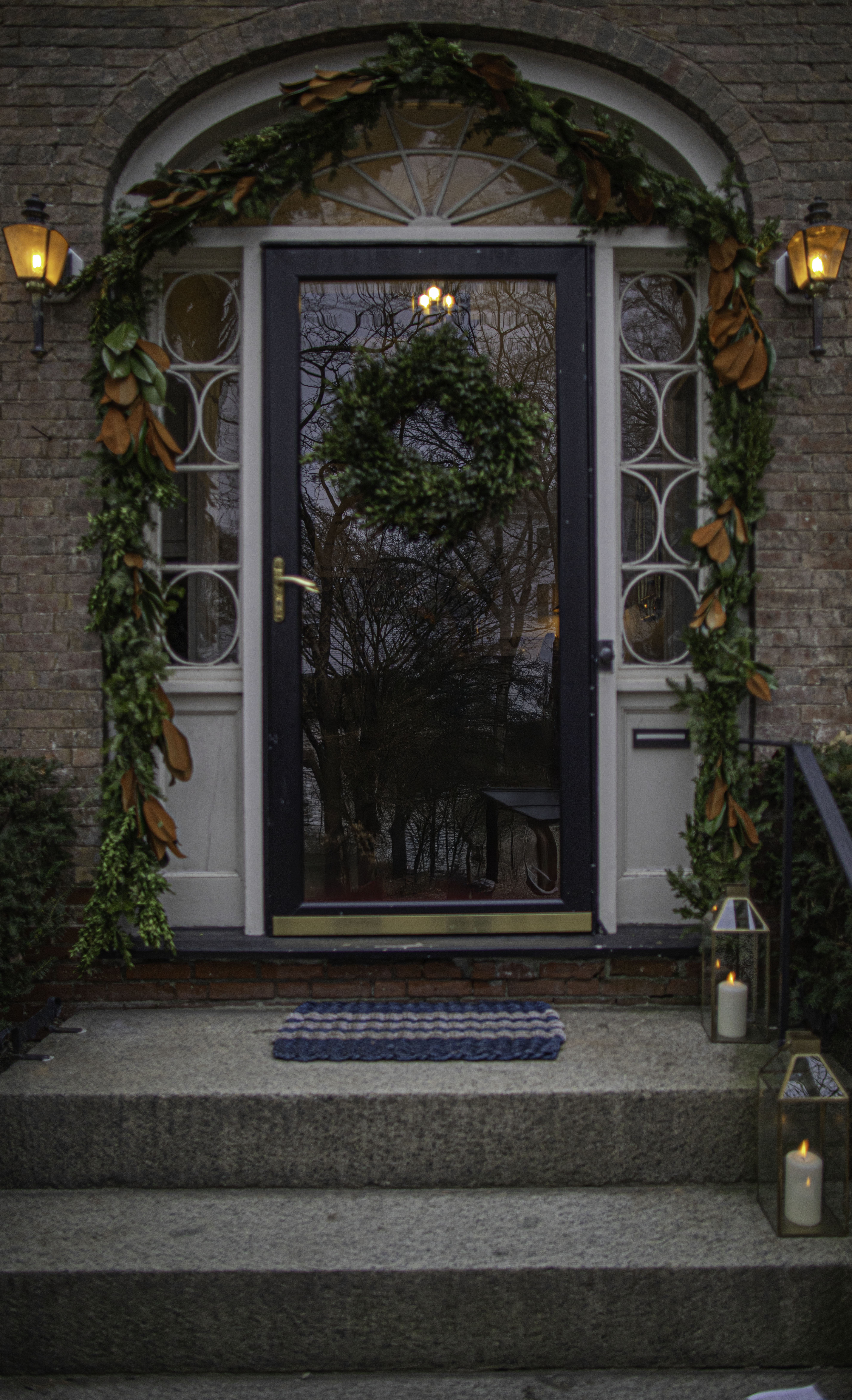
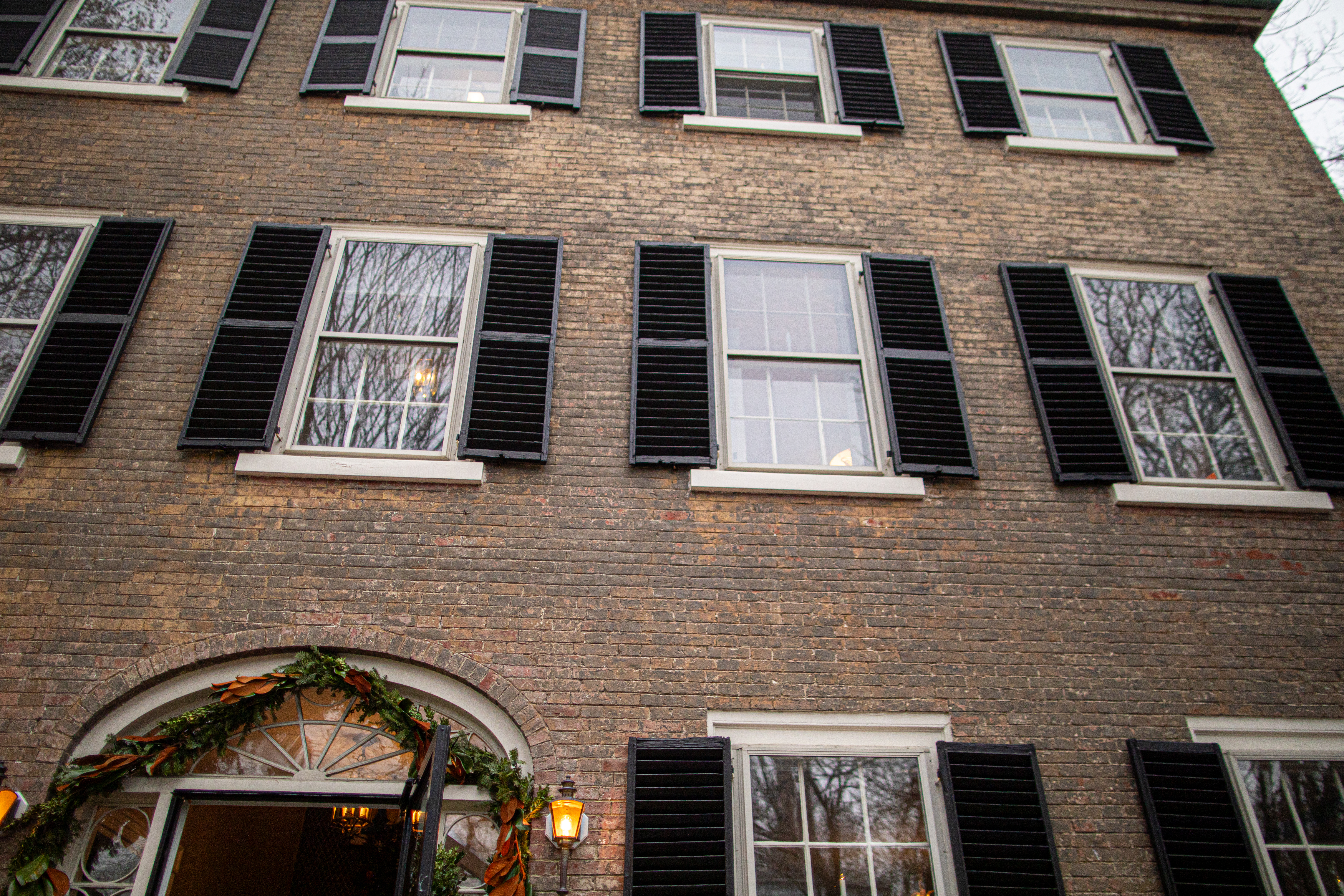
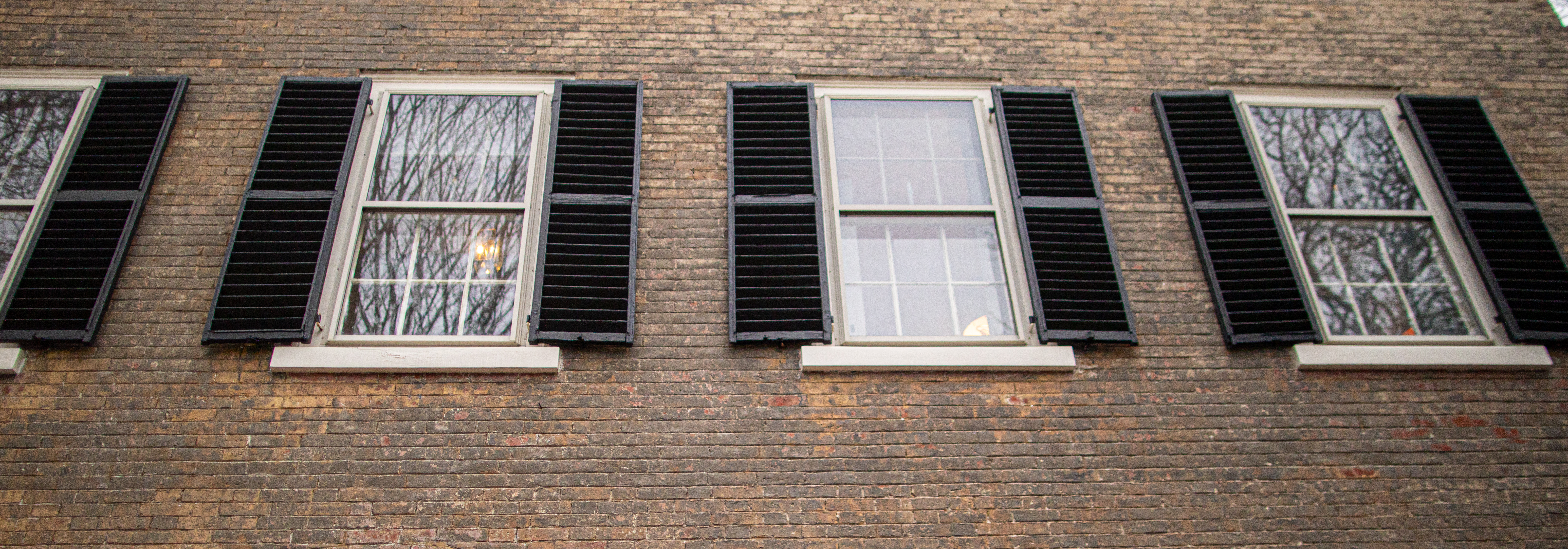
Although records show this home was built in 1807 by John Fullerton, it was really built by John Fullington, a bricklayer. The house has gone through some changes since it was originally built, though. It is now stylistically considered a mid 1860s home. While the original structure may have been in the federal Style, the house has been redesigned in the Second Empire Style around 1865. Some of the elements of the Second Empire Style include the mansard roof with flared eaves punctuated by dormer windows, large and small decorative brackets and the recessed side hall entrance containing double doors. The front doors were recently restored by a Salem based artisan. The door hood is topped by a flat cornice upon which rests a rectangular bay window.

During the late 19th century, renovations in the rear extension were added, creating a larger kitchen as well as a small upstairs bedroom.

James J. Buckley, a wine merchant, acquired the property in 1865. He most likely was responsible for the major renovations that were made to the house at that time. Buckley owned a liquor store on Washington St and shared the home with his wife Margaret and their son James O. Buckley. After Buckley’s death in the early 1870s, Margaret continued to live in the house until 1919 when it was sold to Isabella Murphy, the widow of John Murphy. Her son, Edward, a painter and leather worker, lived there with his wife until the 1950s. Mary Murphy occupied the house until the 1980s.

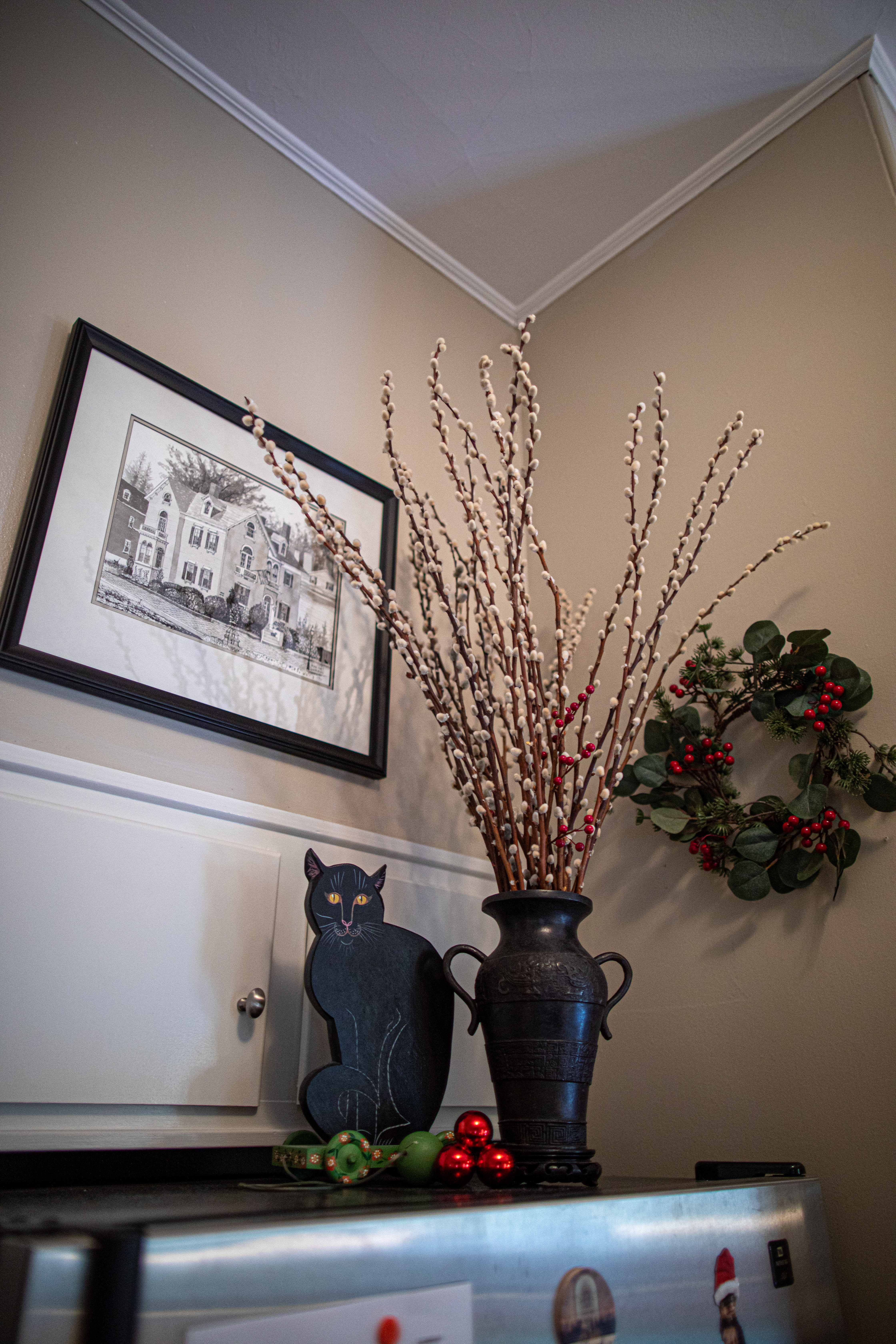
The home tour guide made an astute observation at the entry way of the home and I agree – the owner of the home must not have cats. If you know, you know.

The home did have some unique and unexpected features like this bell above the doorway.

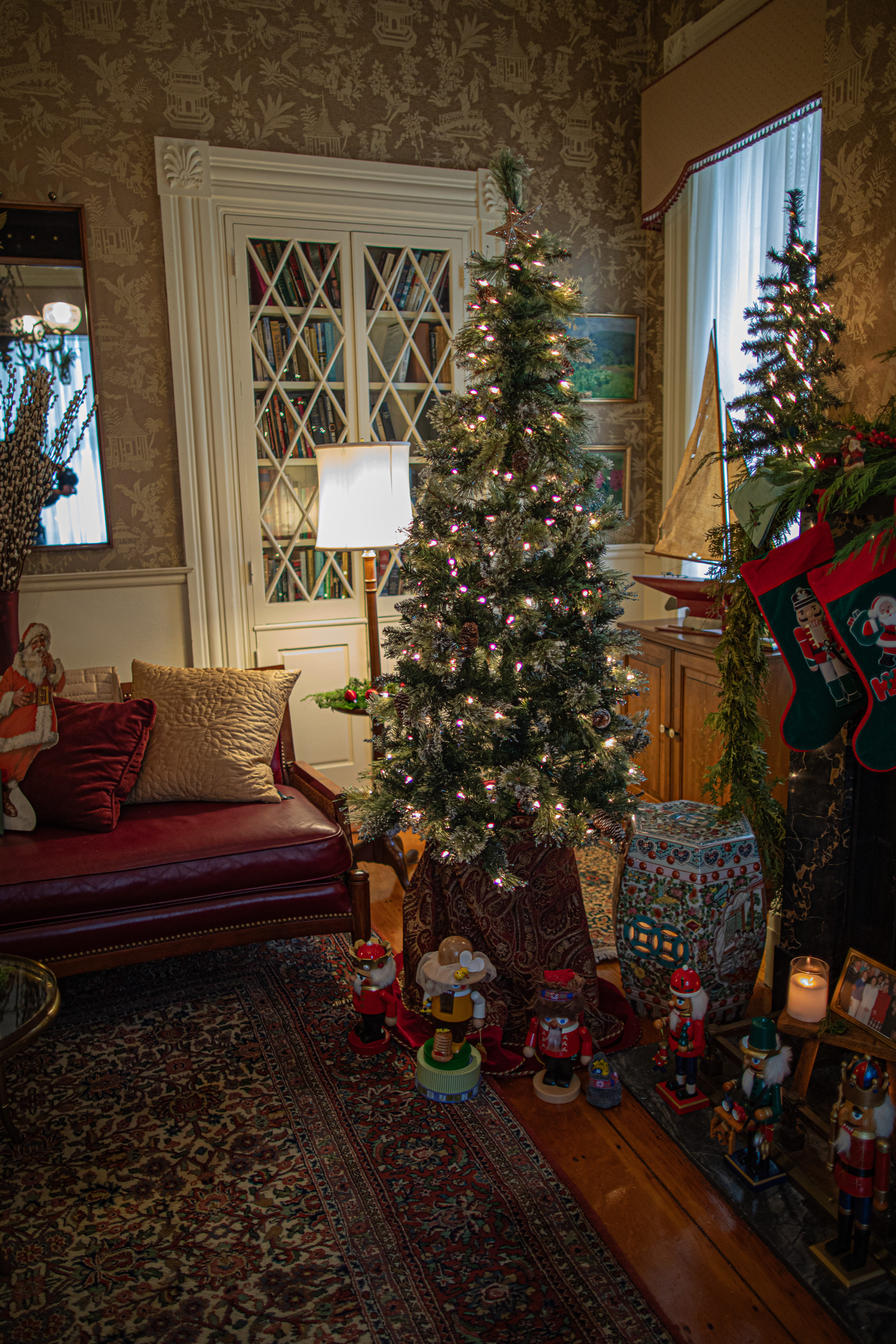
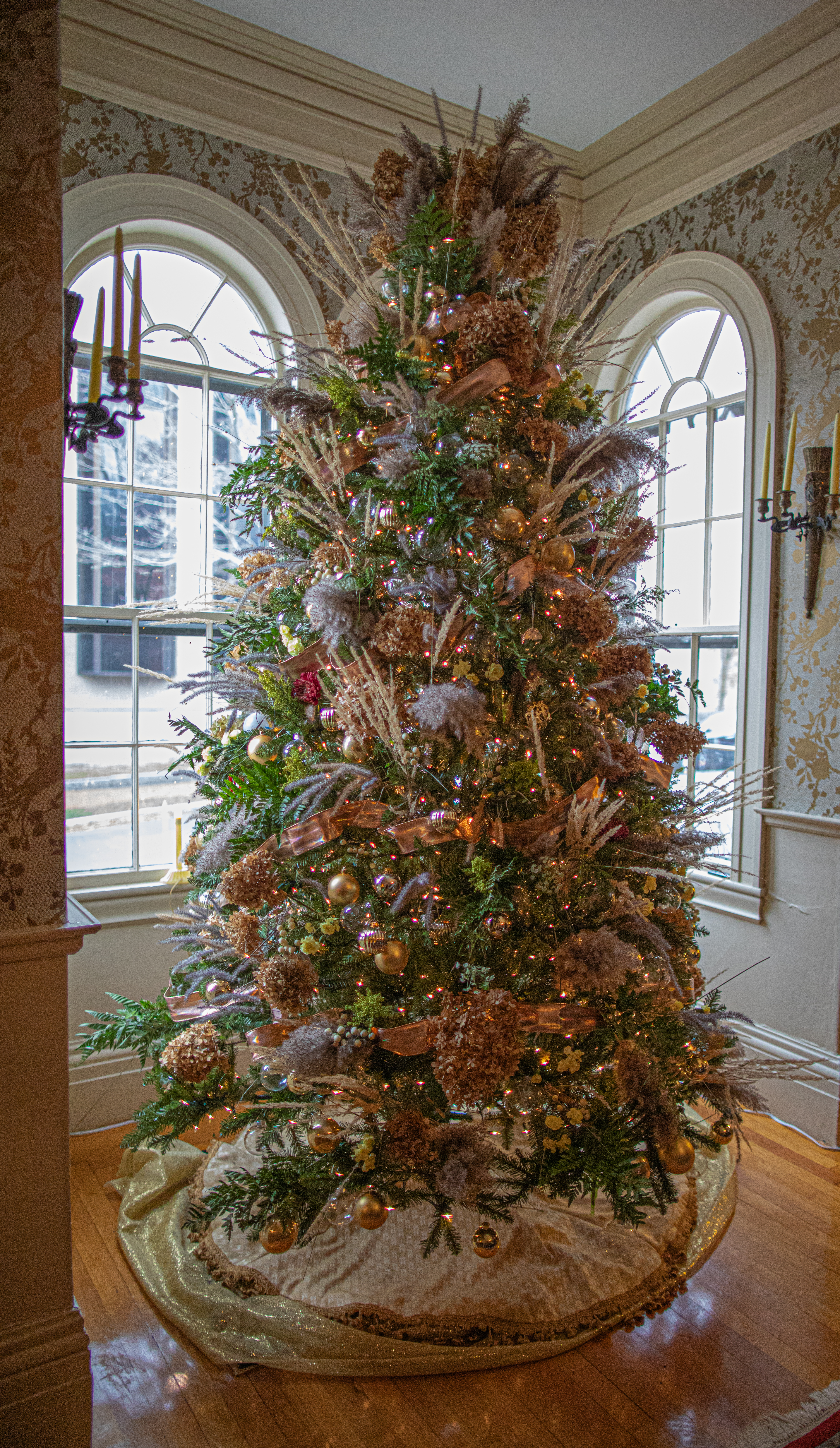
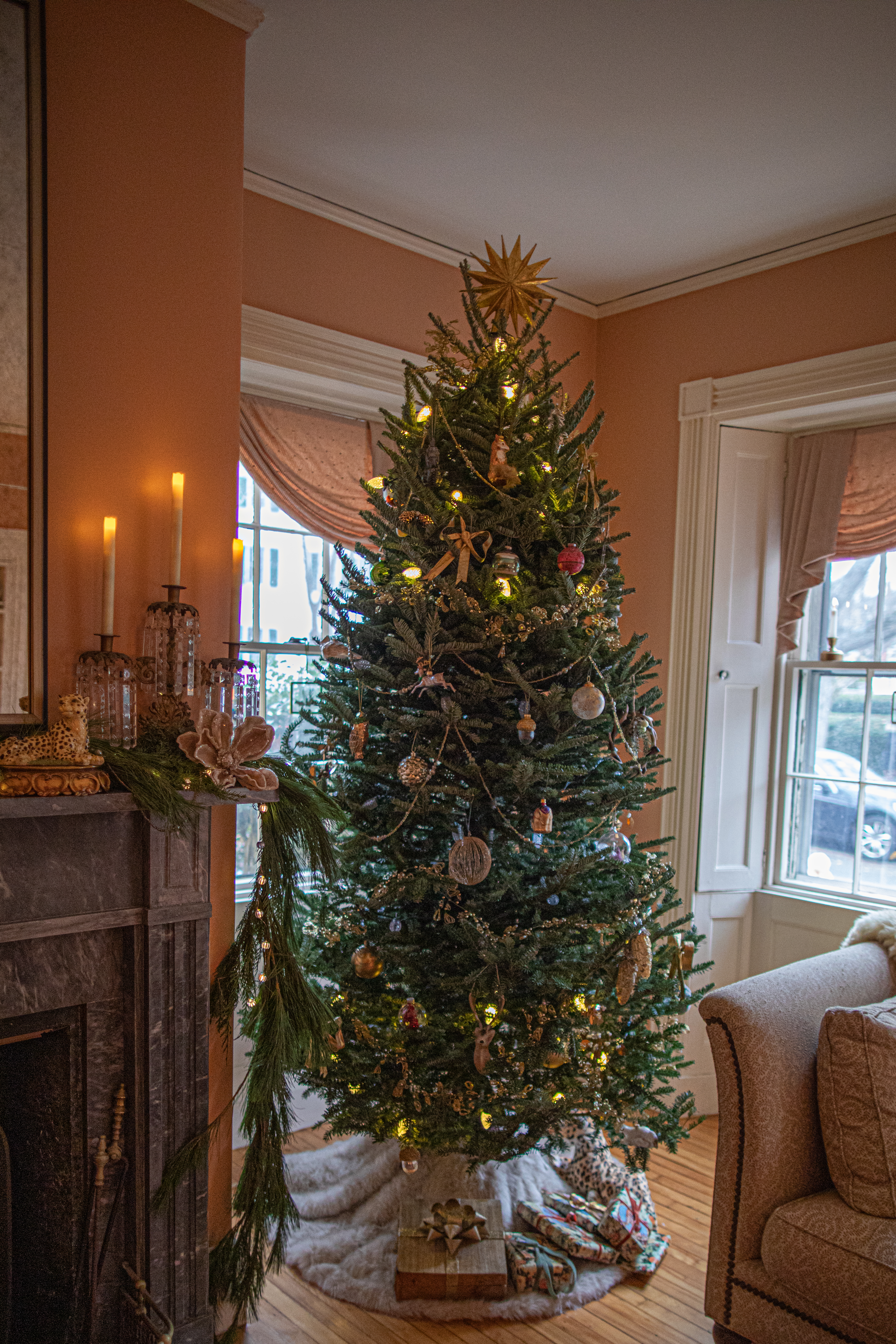
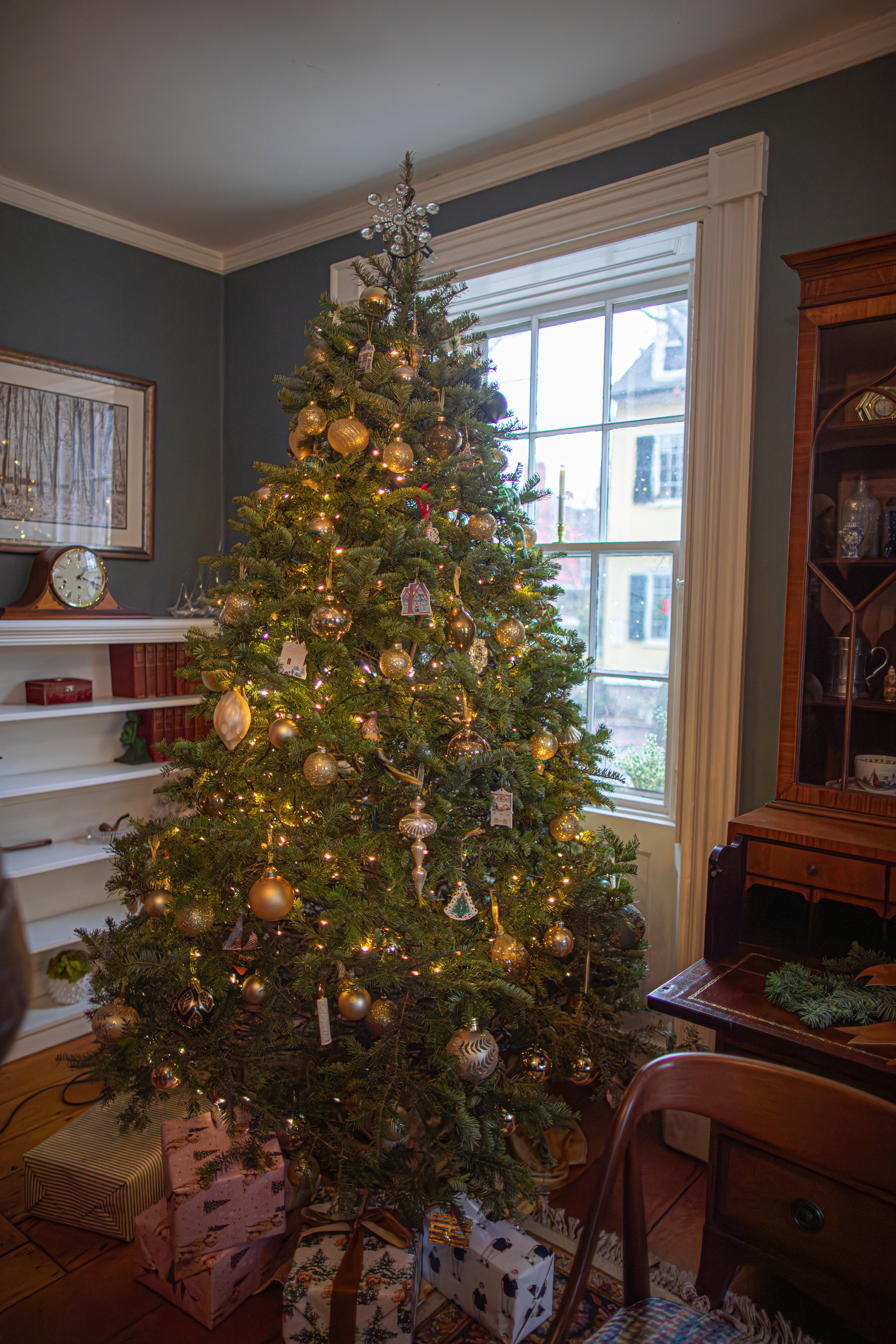
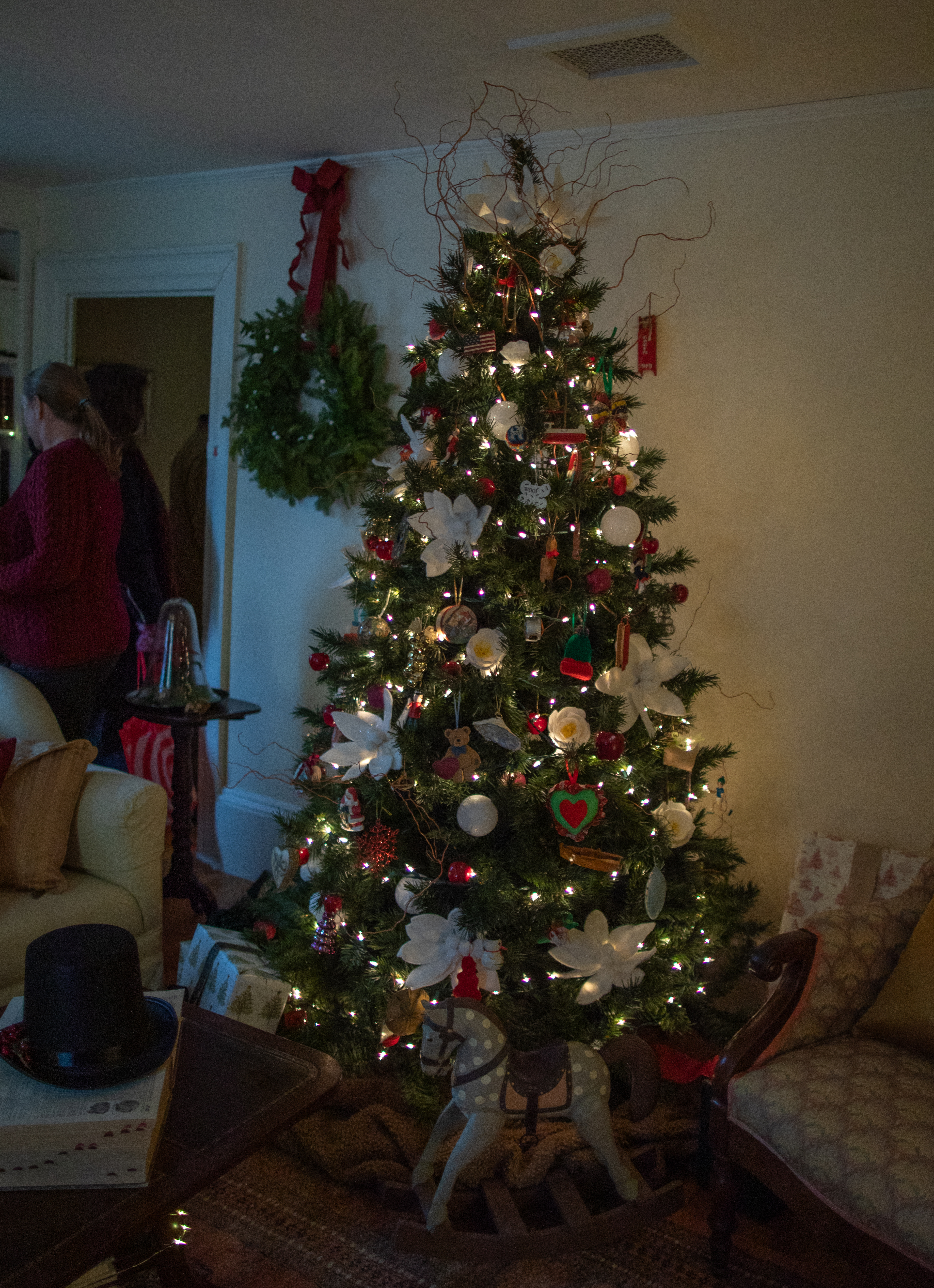
Besides a certain type of decor I will touch on later, the owner of the home has a special affinity for our 16th President. The top hat on the book is a tribute to Abraham Lincoln. There’s also an Easter egg on the floor on the right side of the Christmas tree.

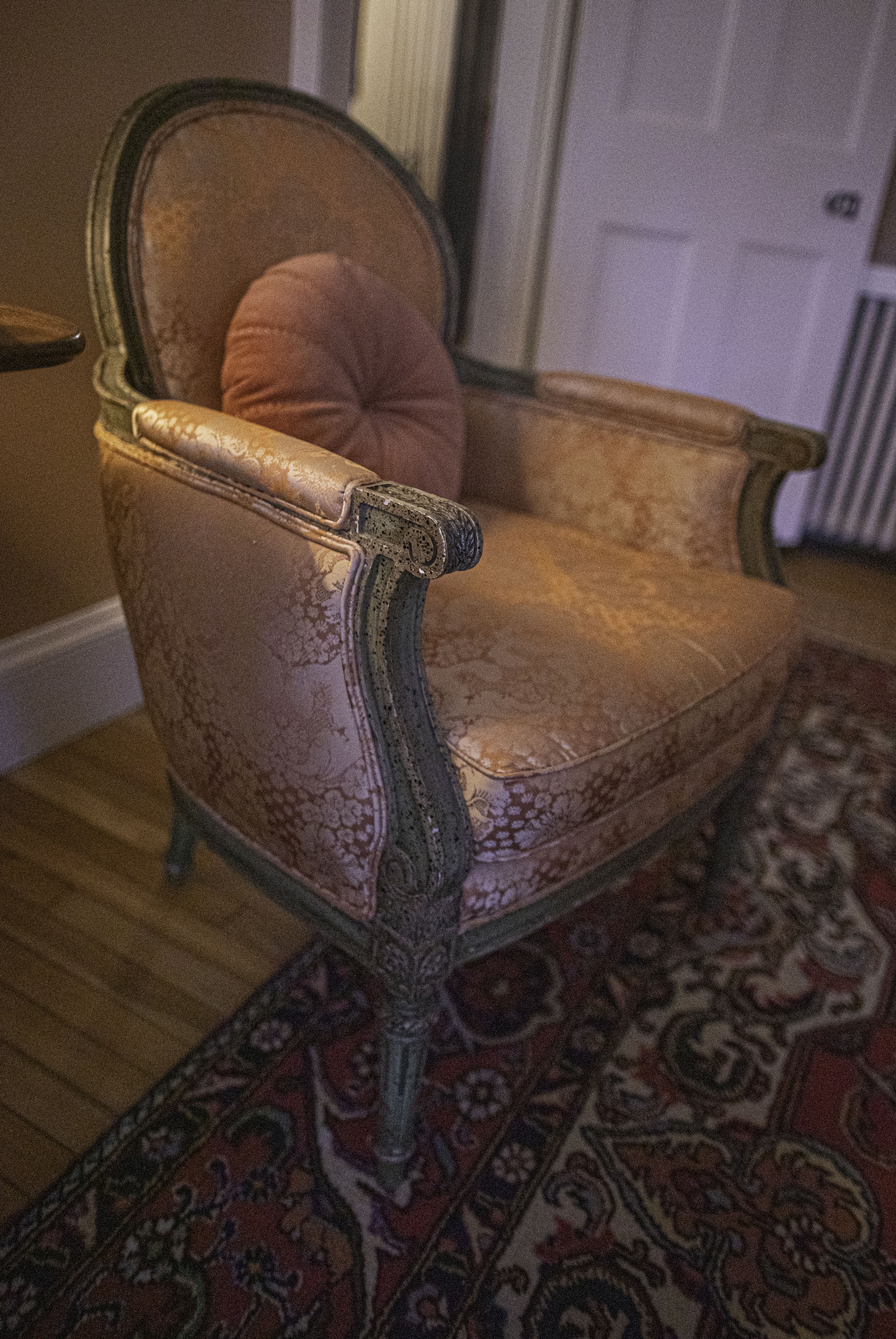
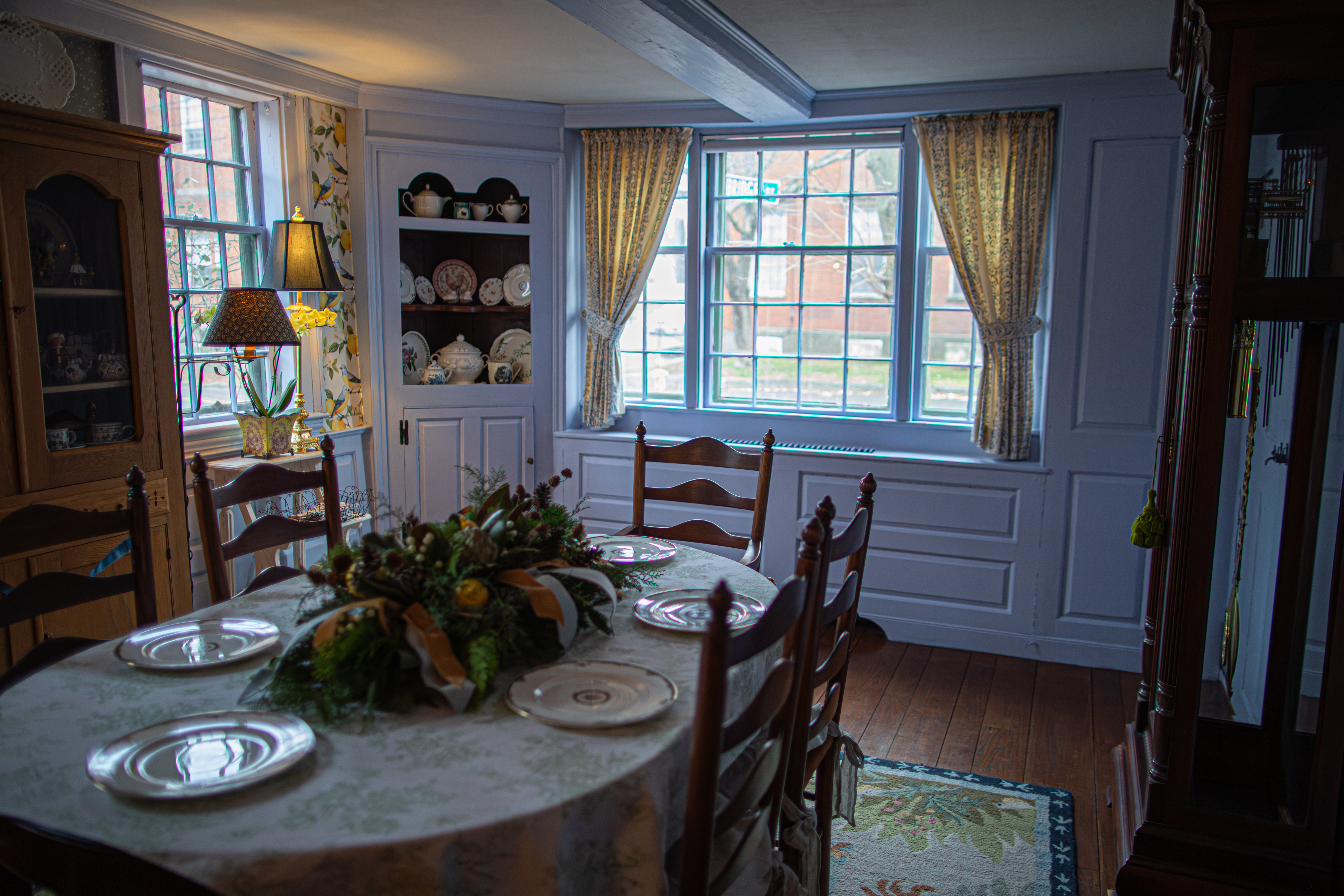
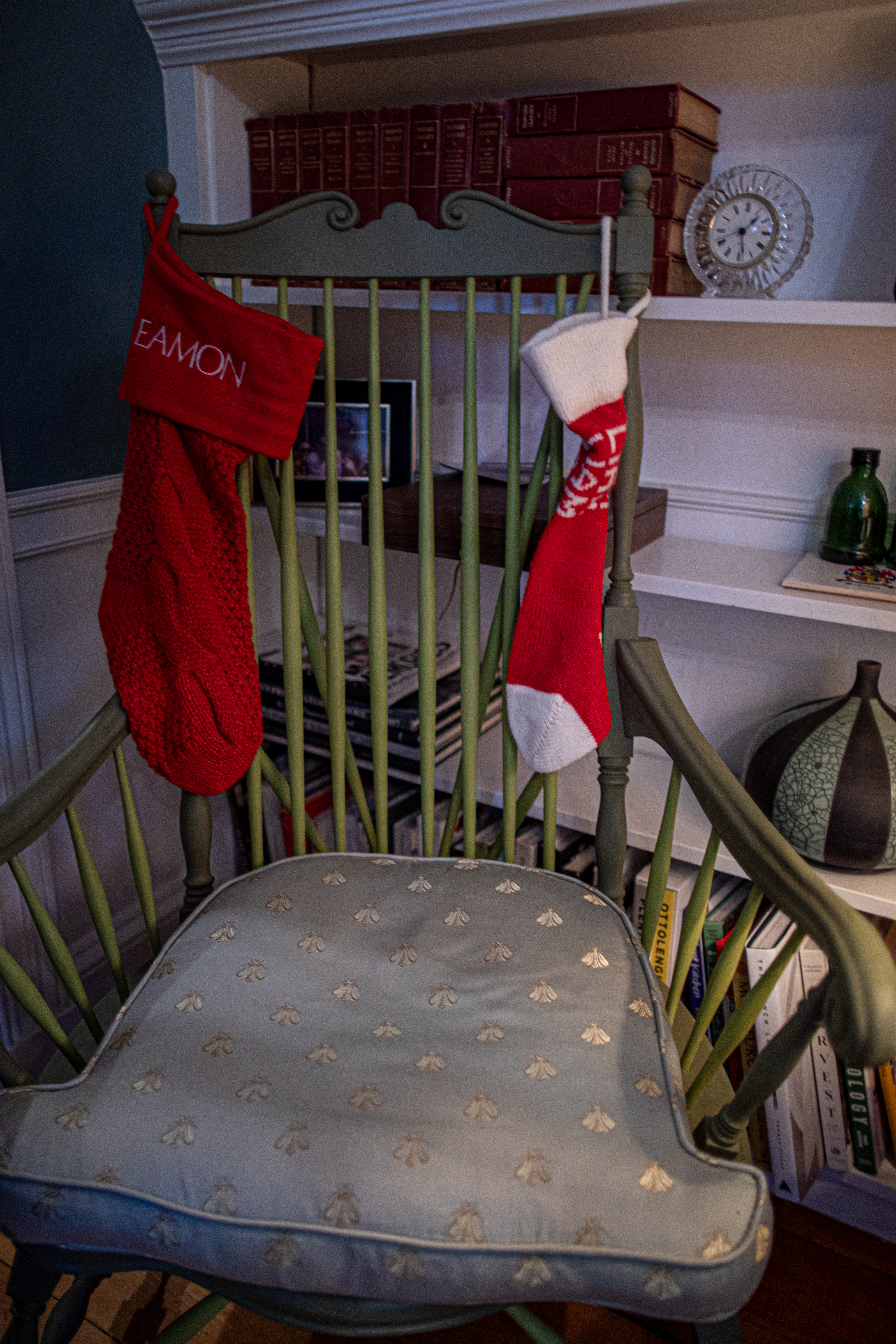
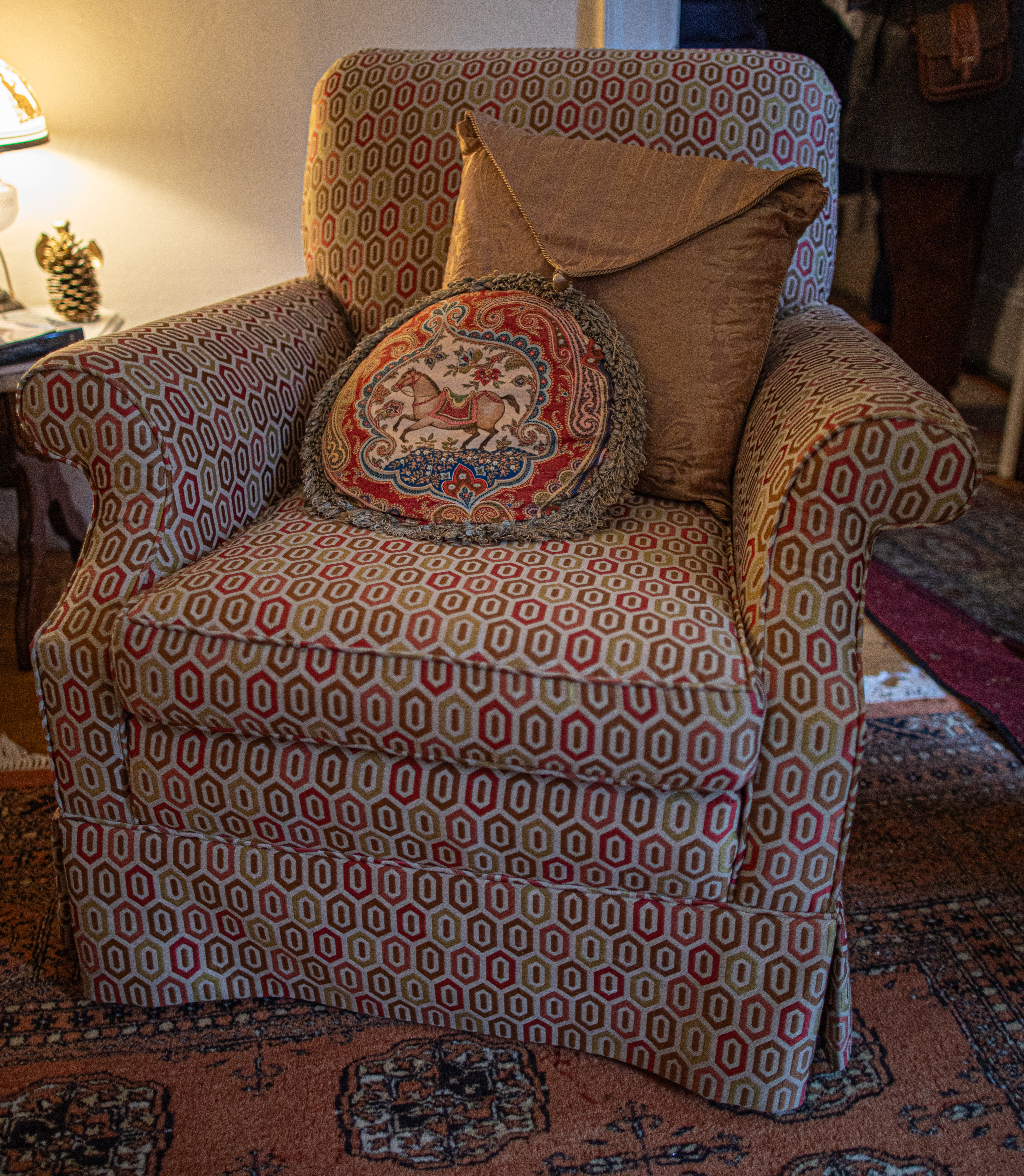
One of the pieces of decor that stood out to me were the chairs.

This chair is a 1880’s Victorian chair model.

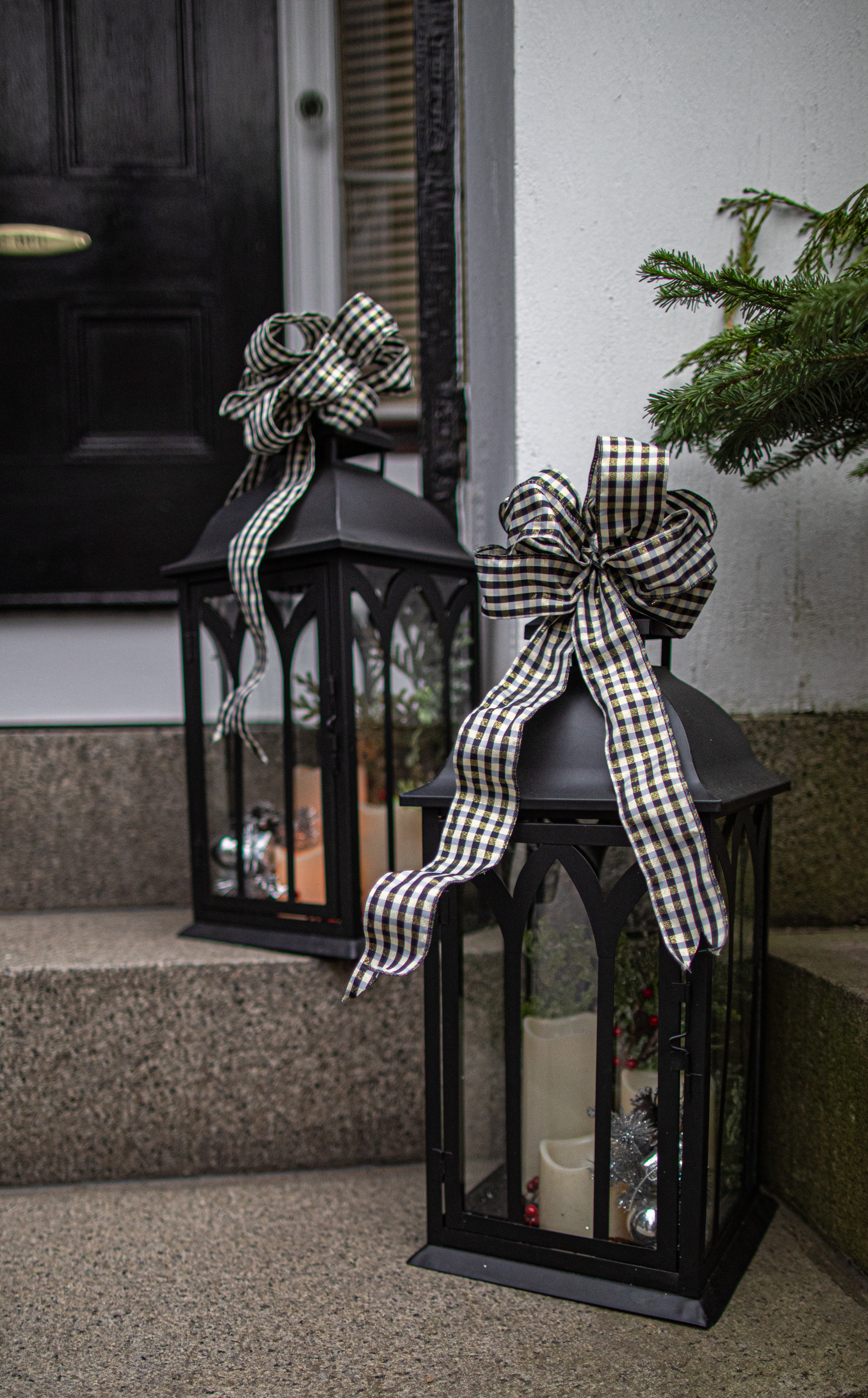
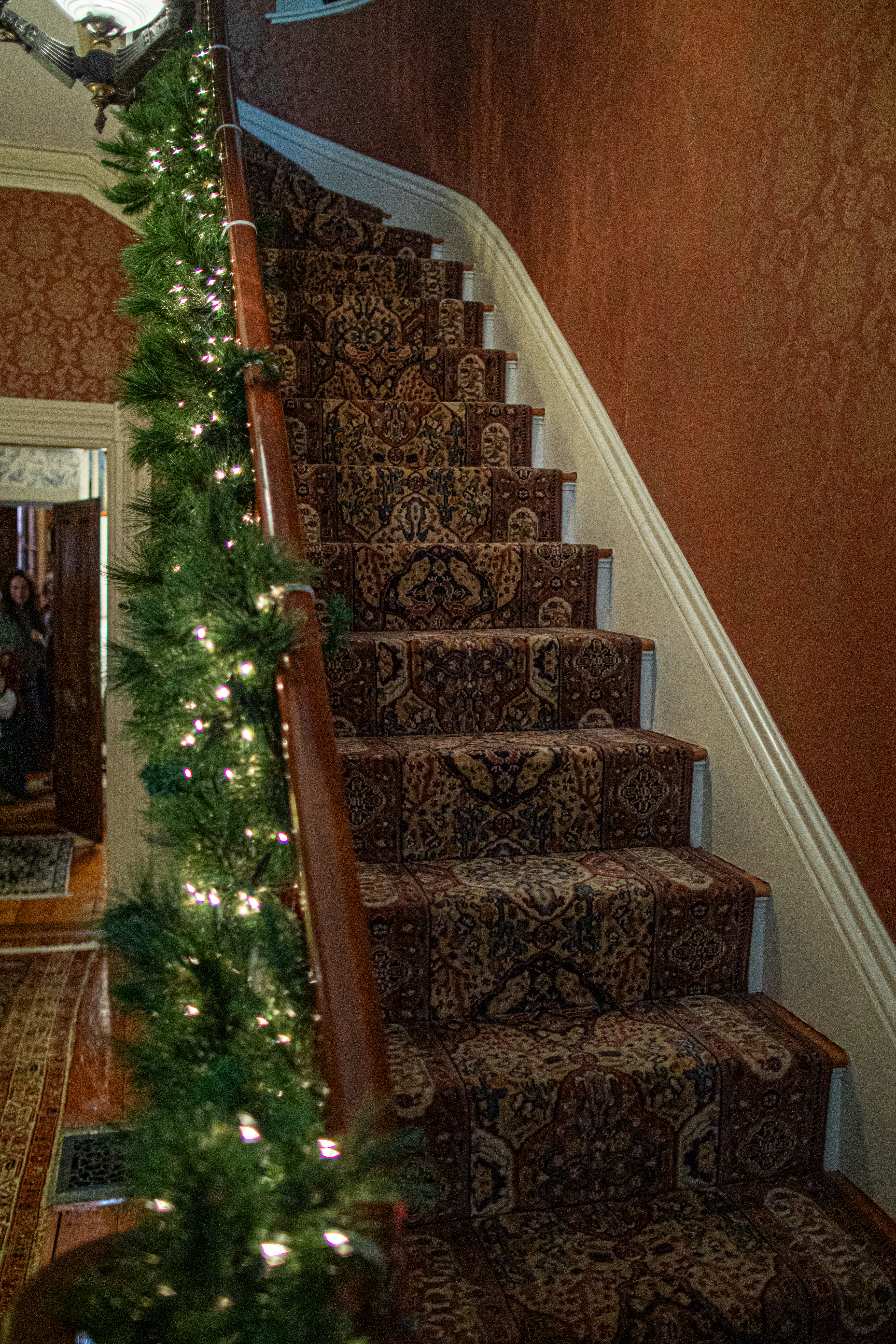
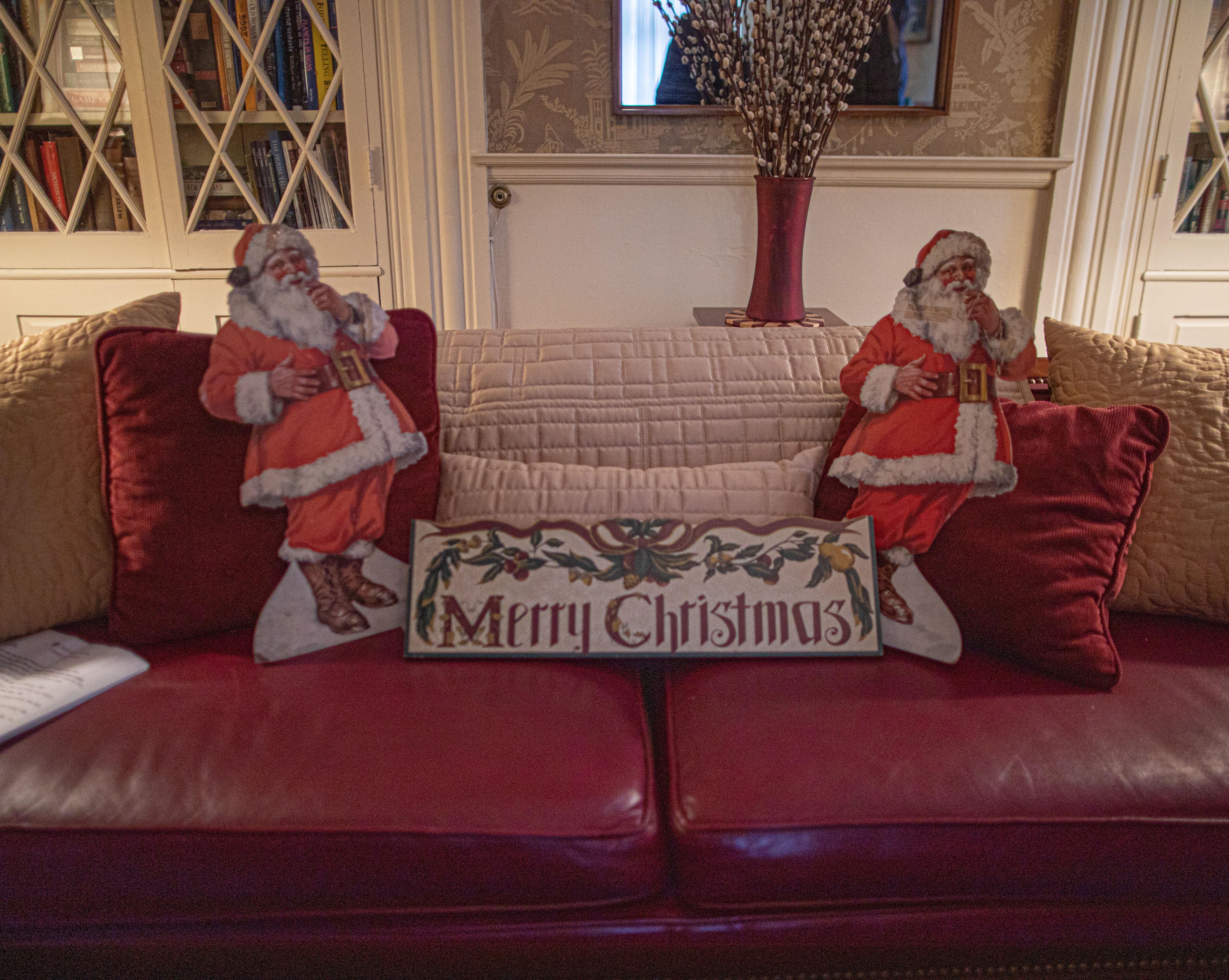
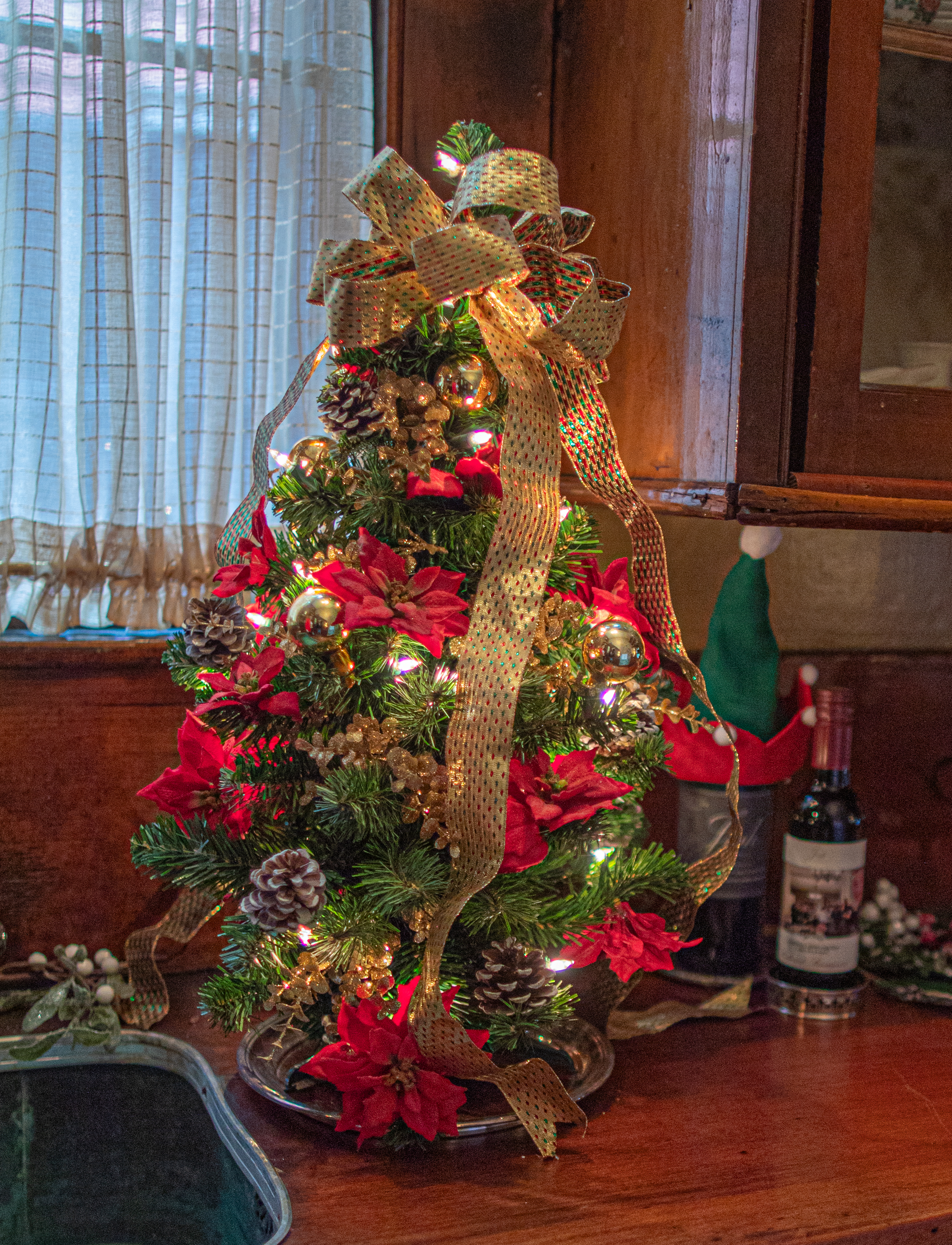
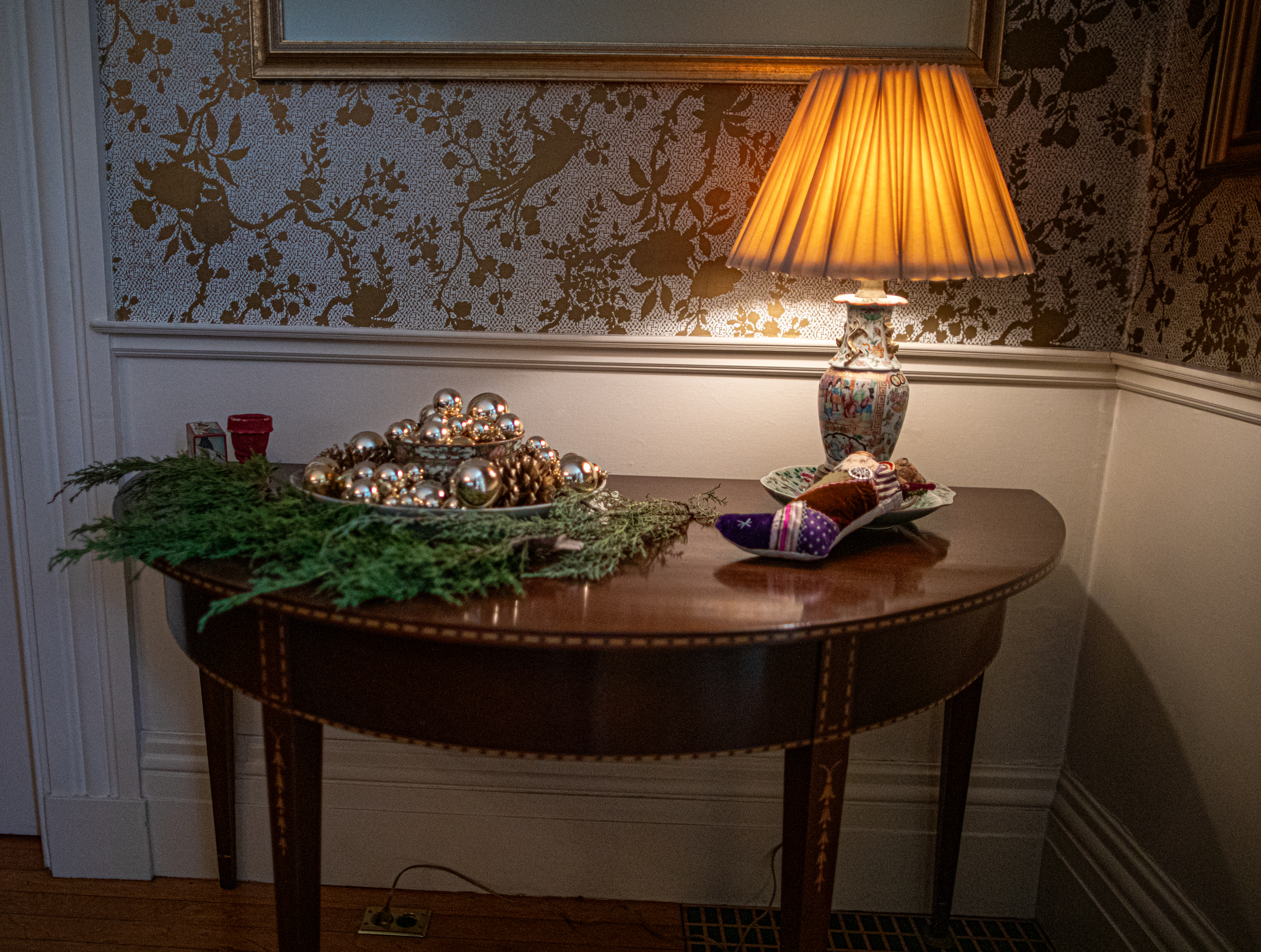
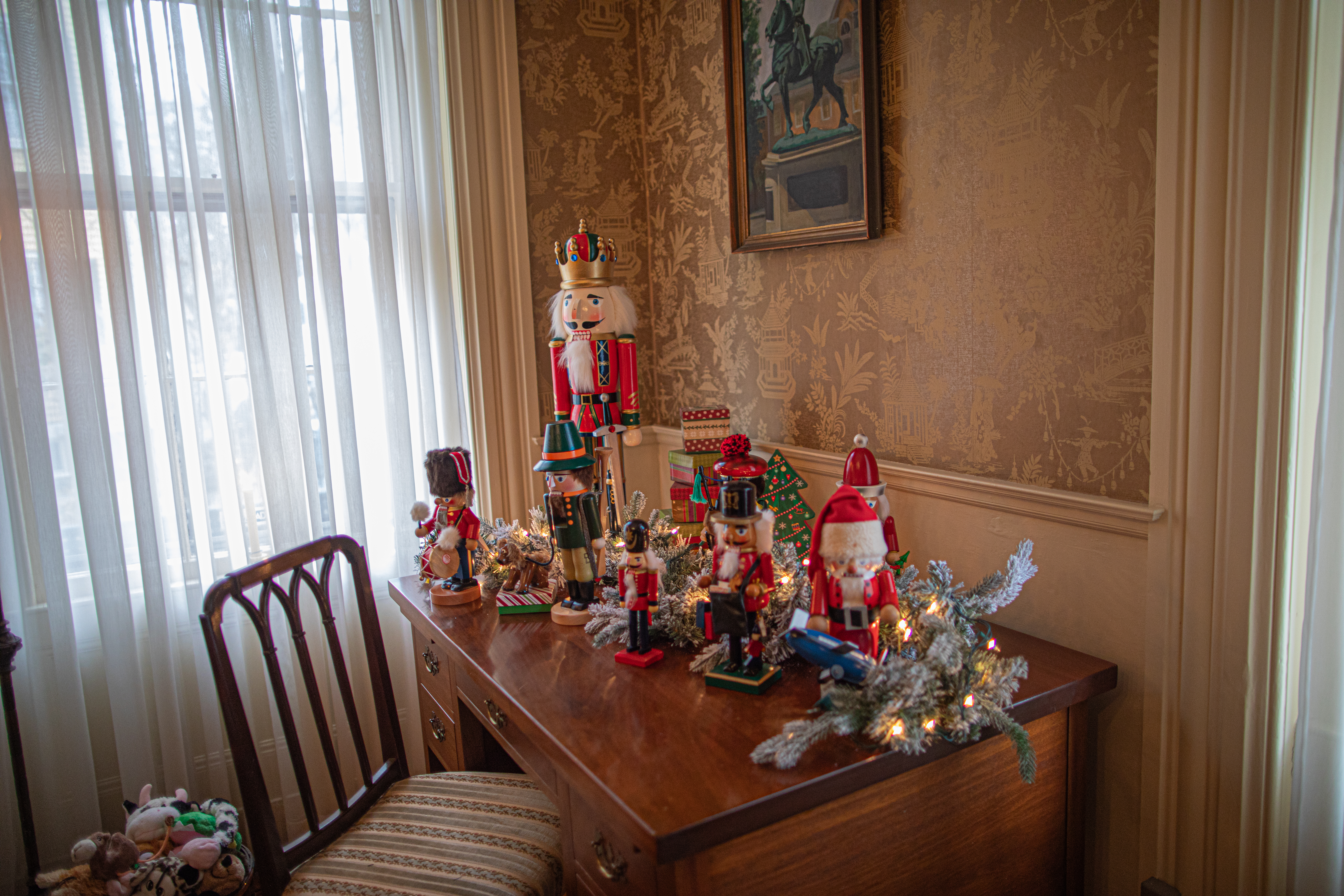
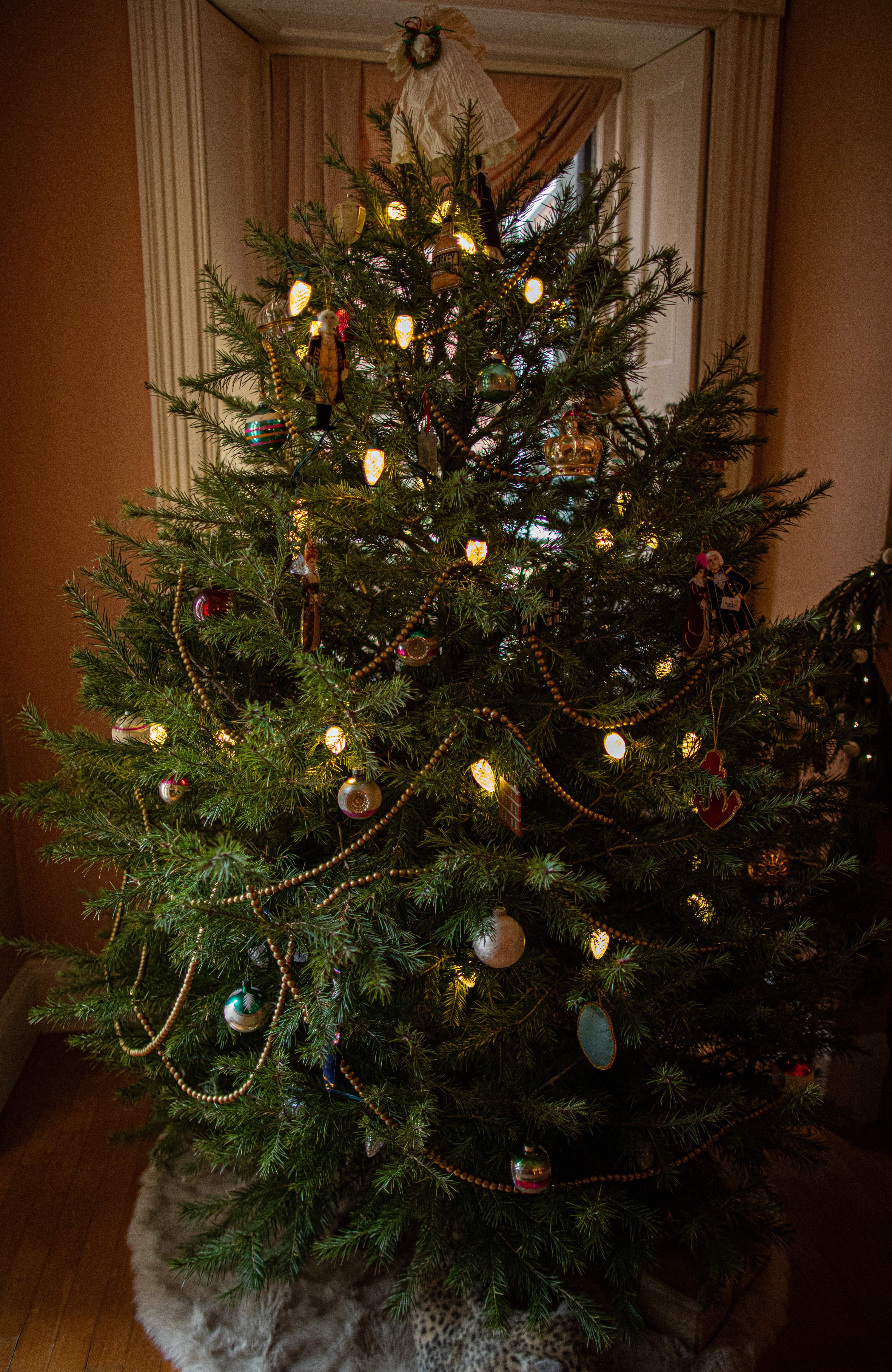
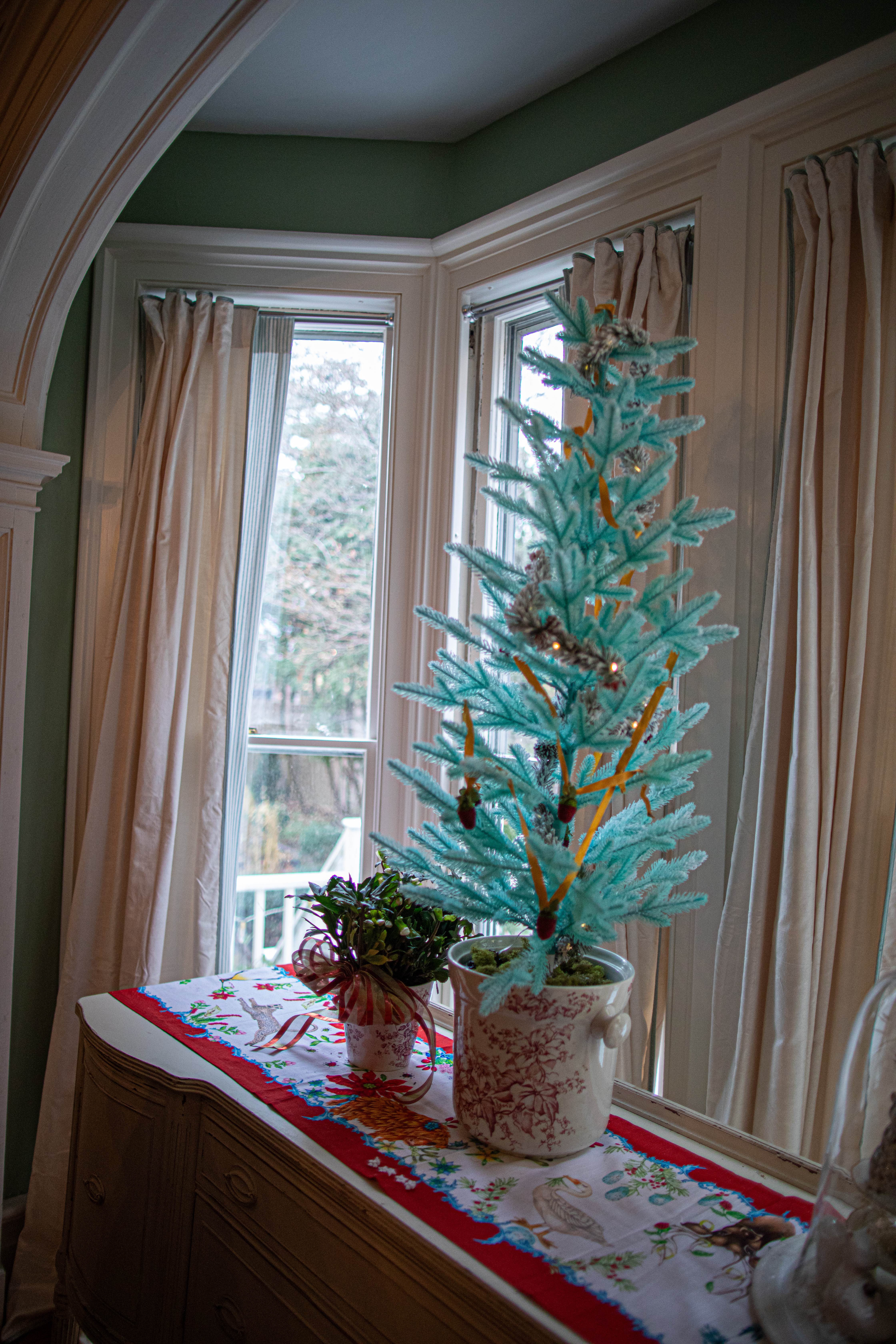
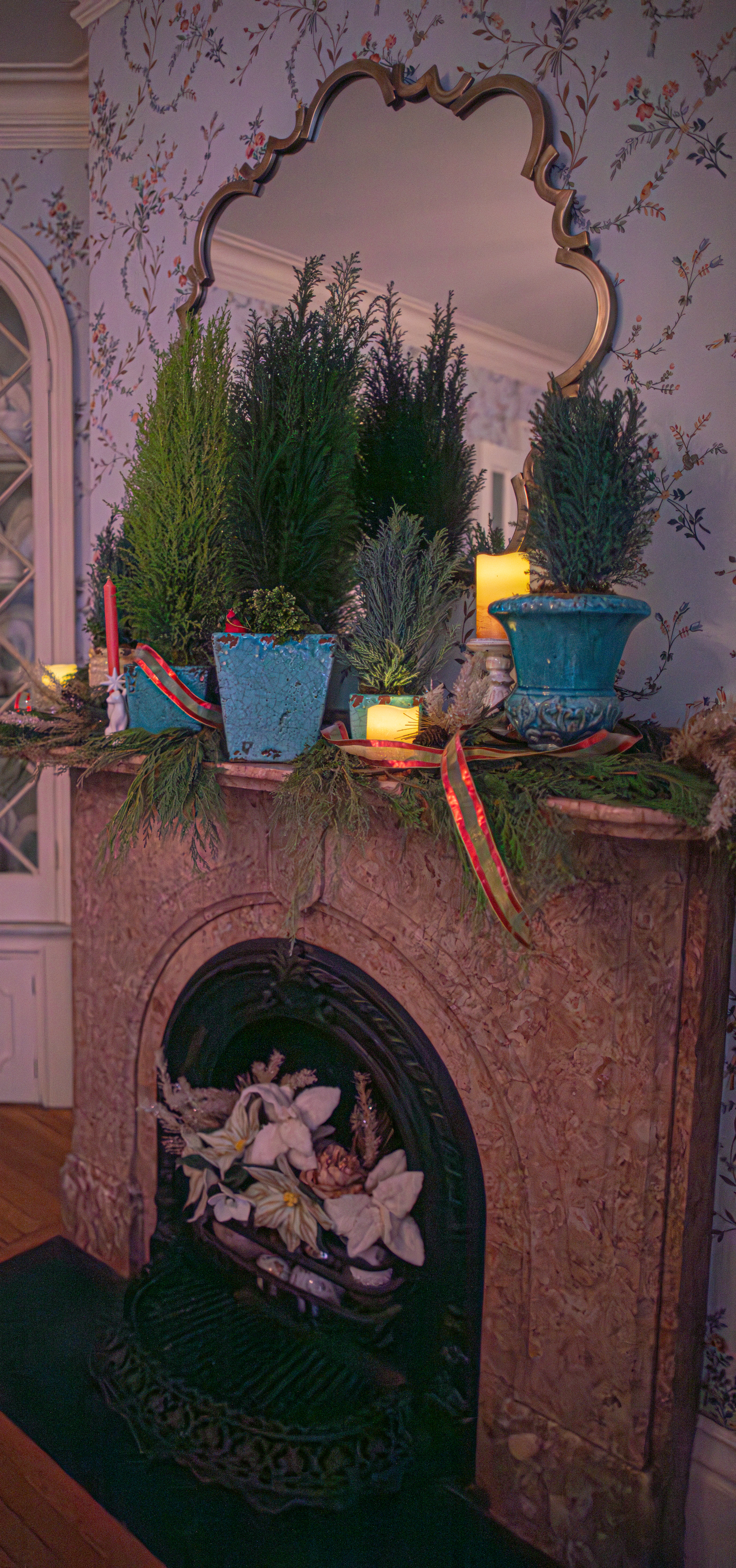
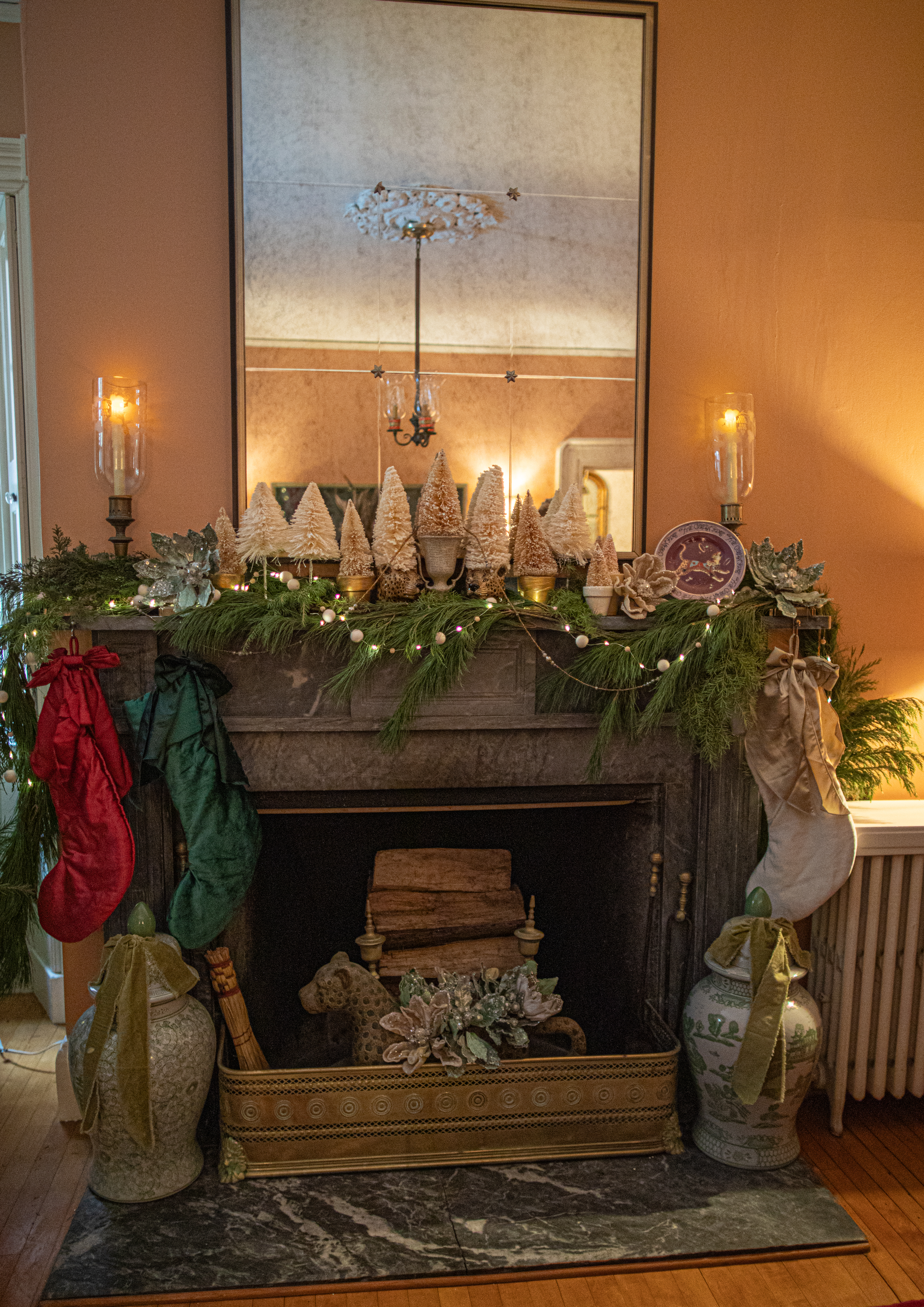
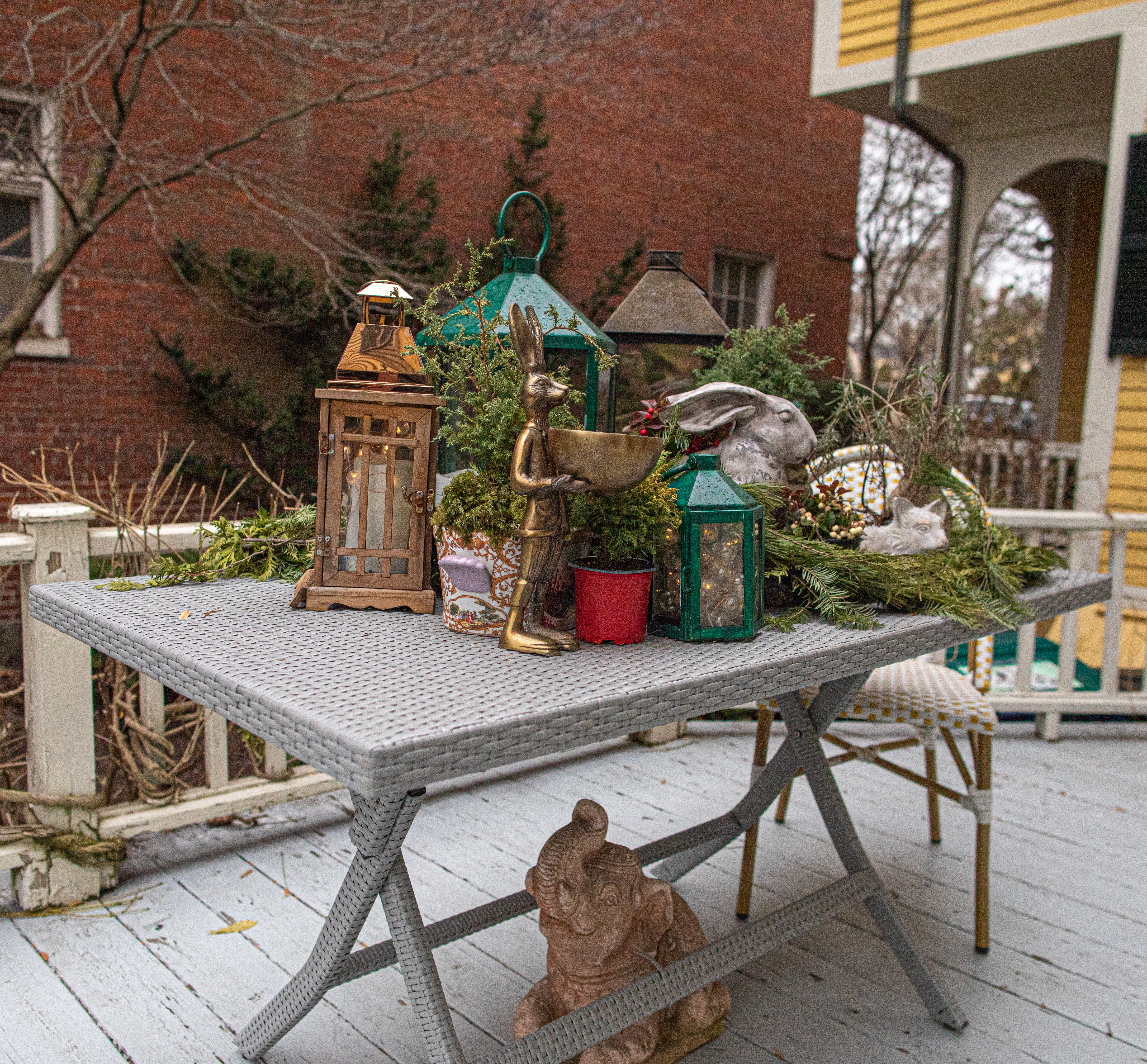
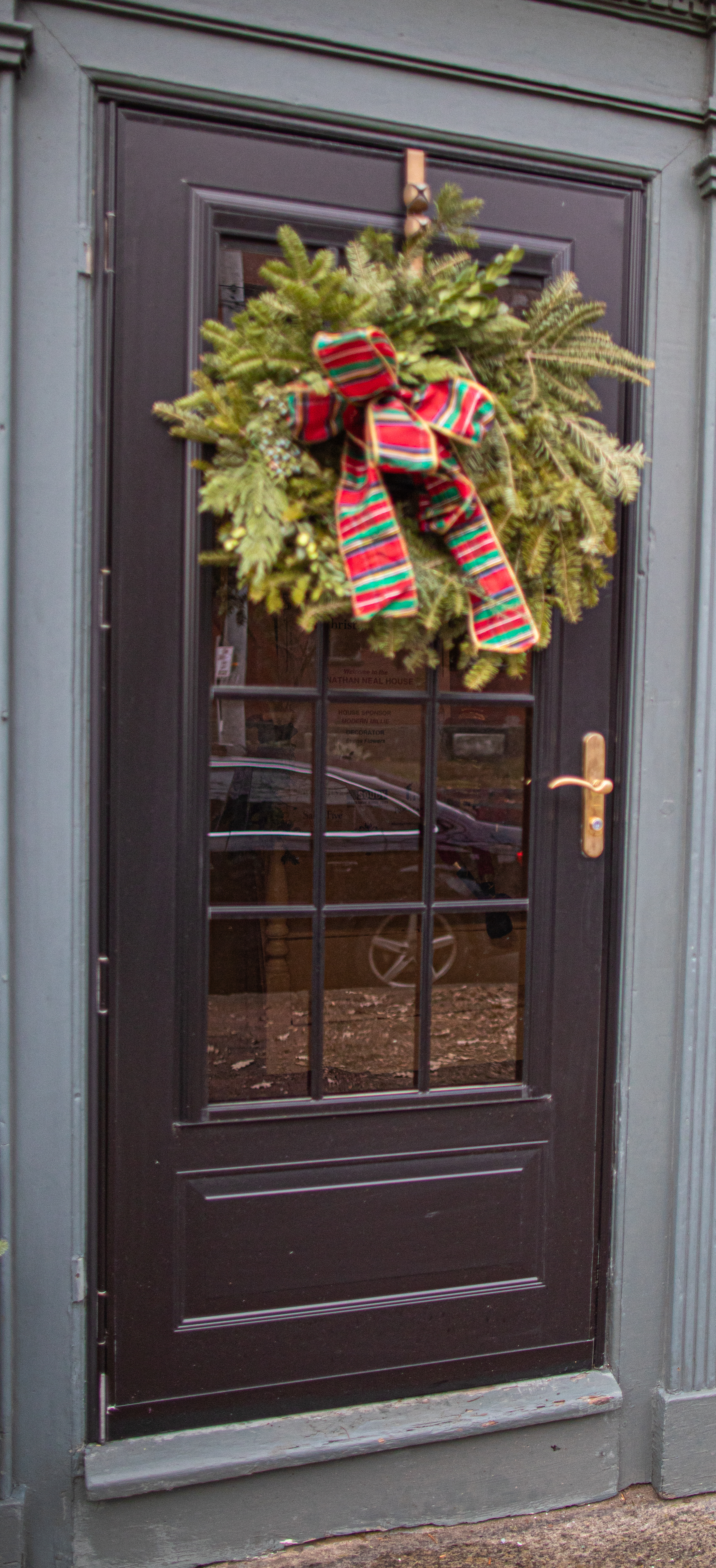
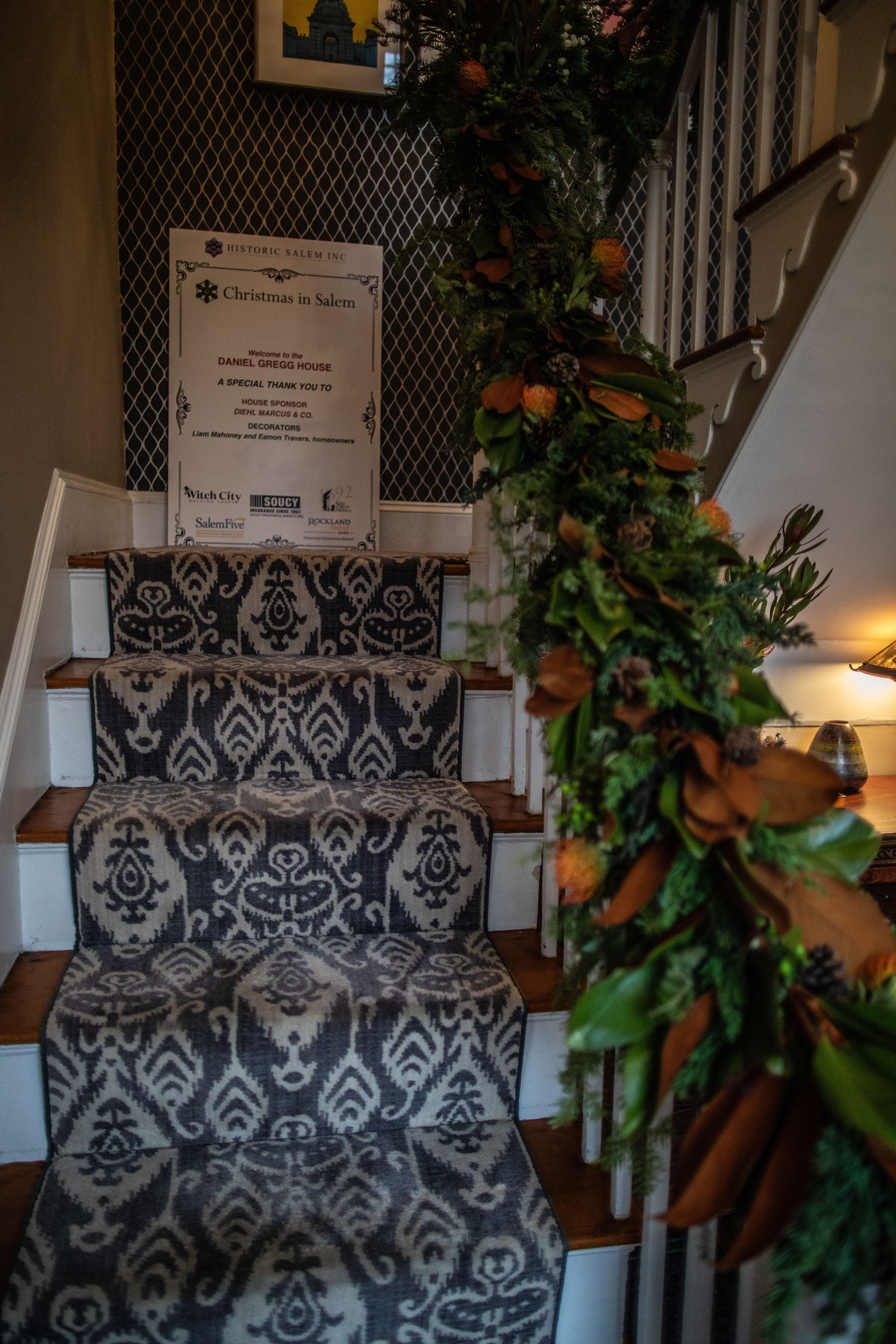
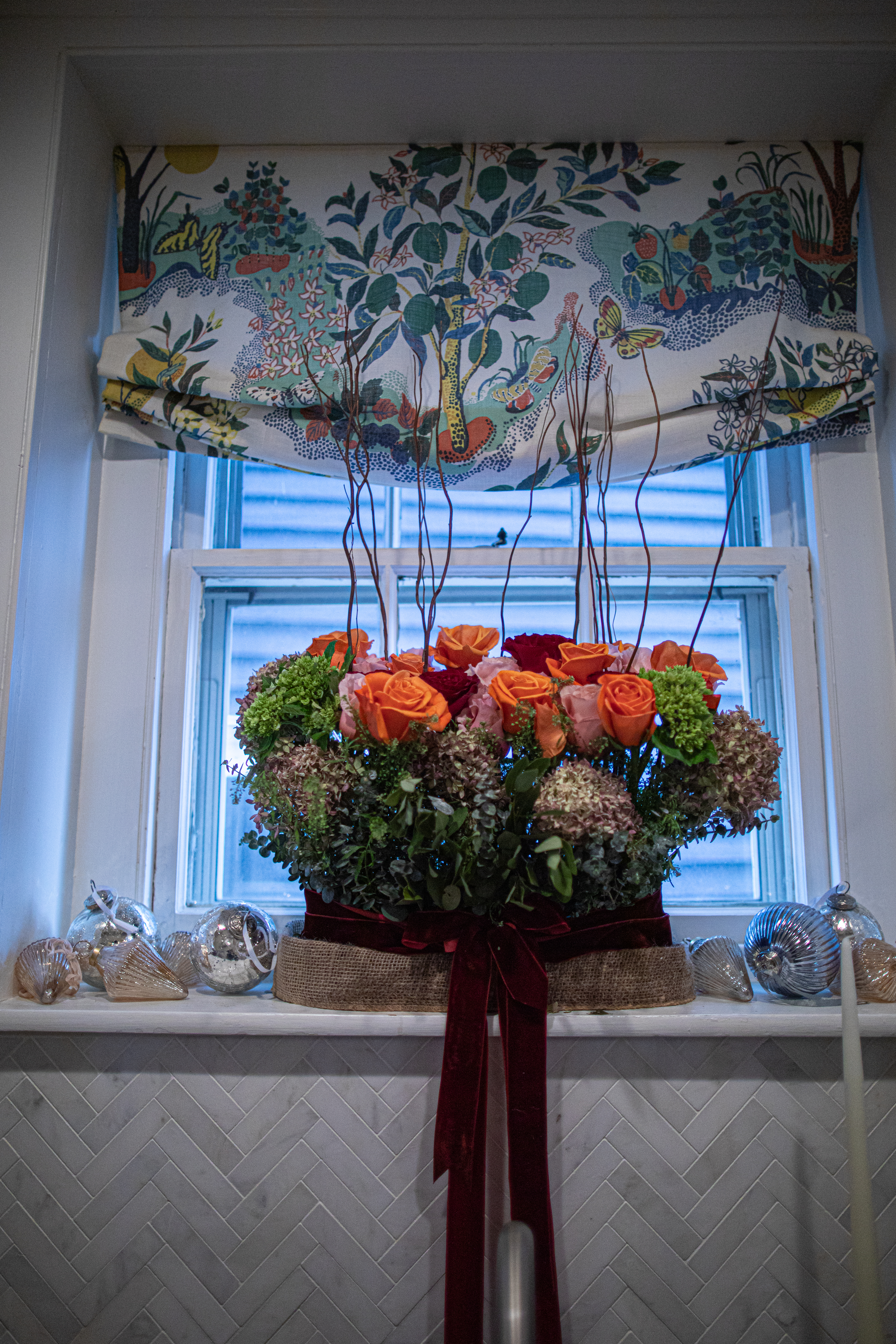
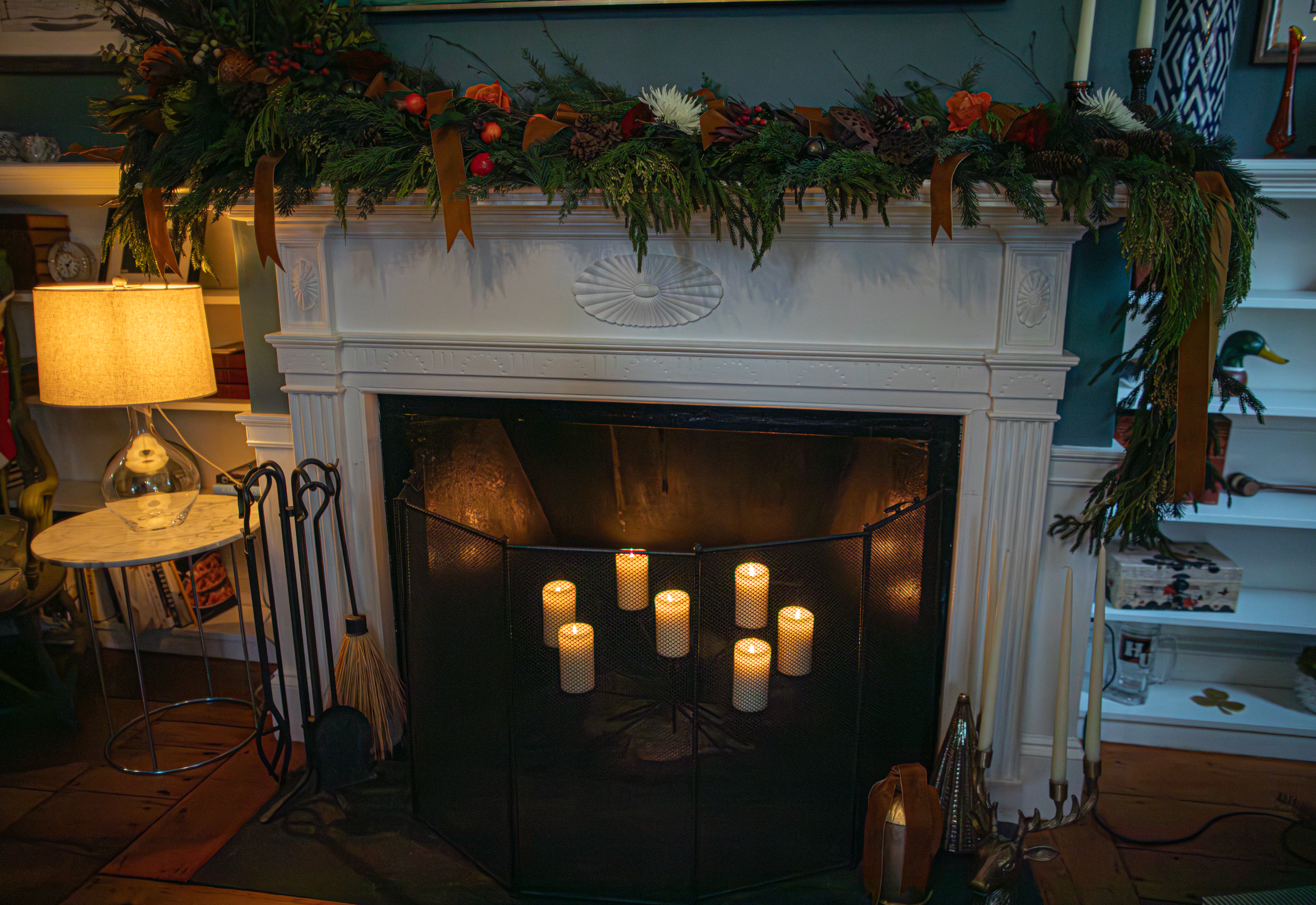
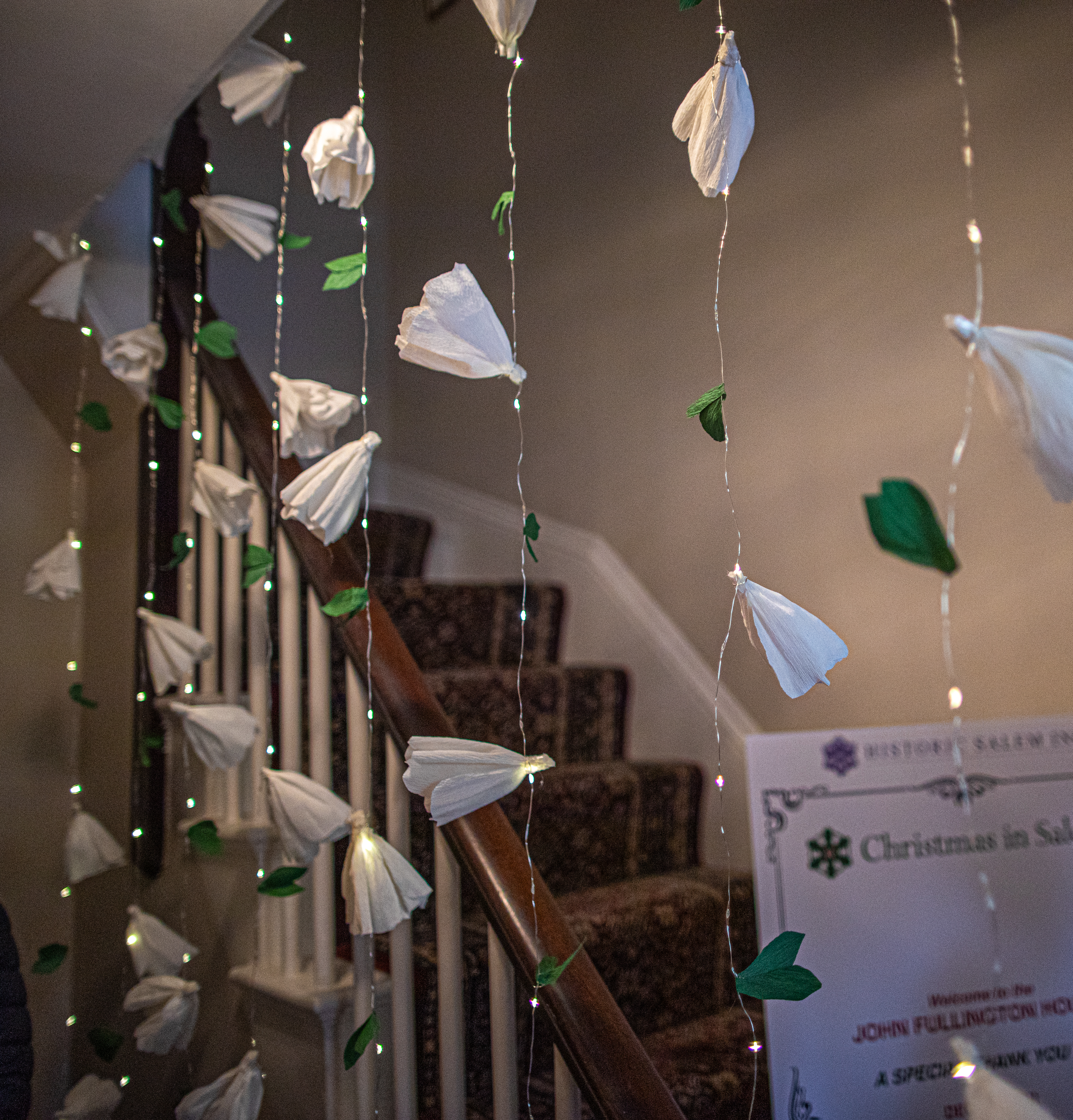
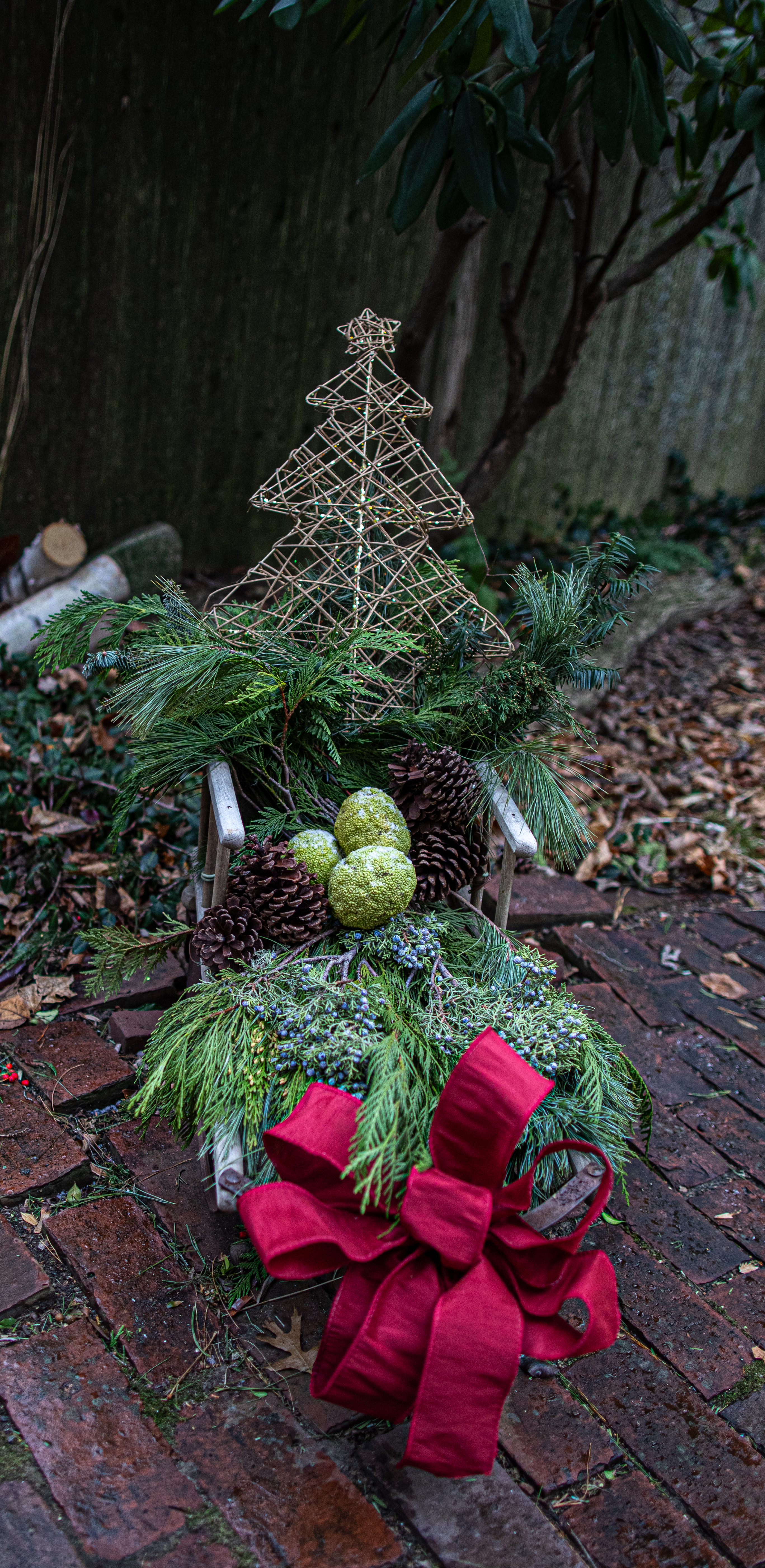
I also liked the Christmas decor in and outside of the home.

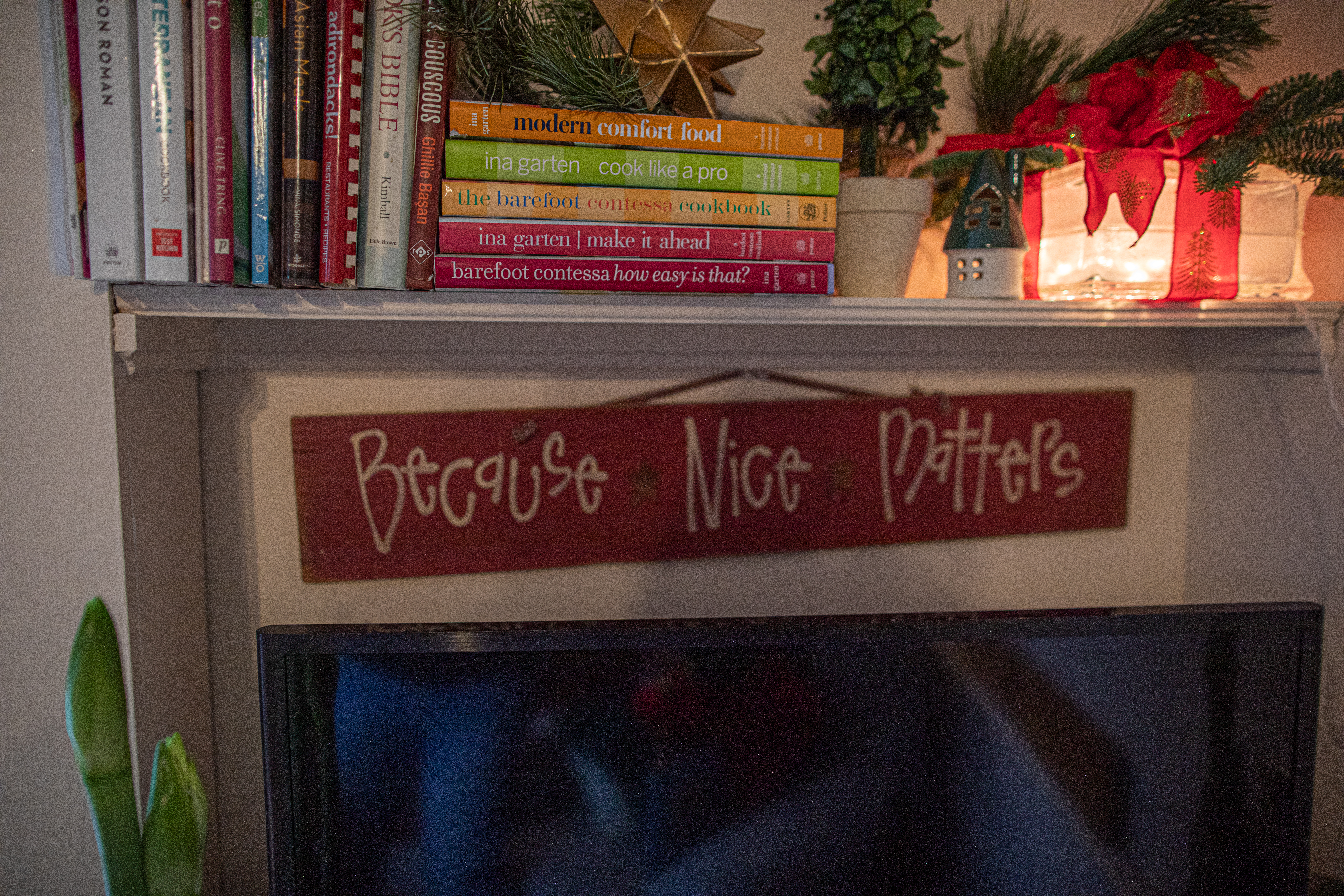
I agree with this sign!

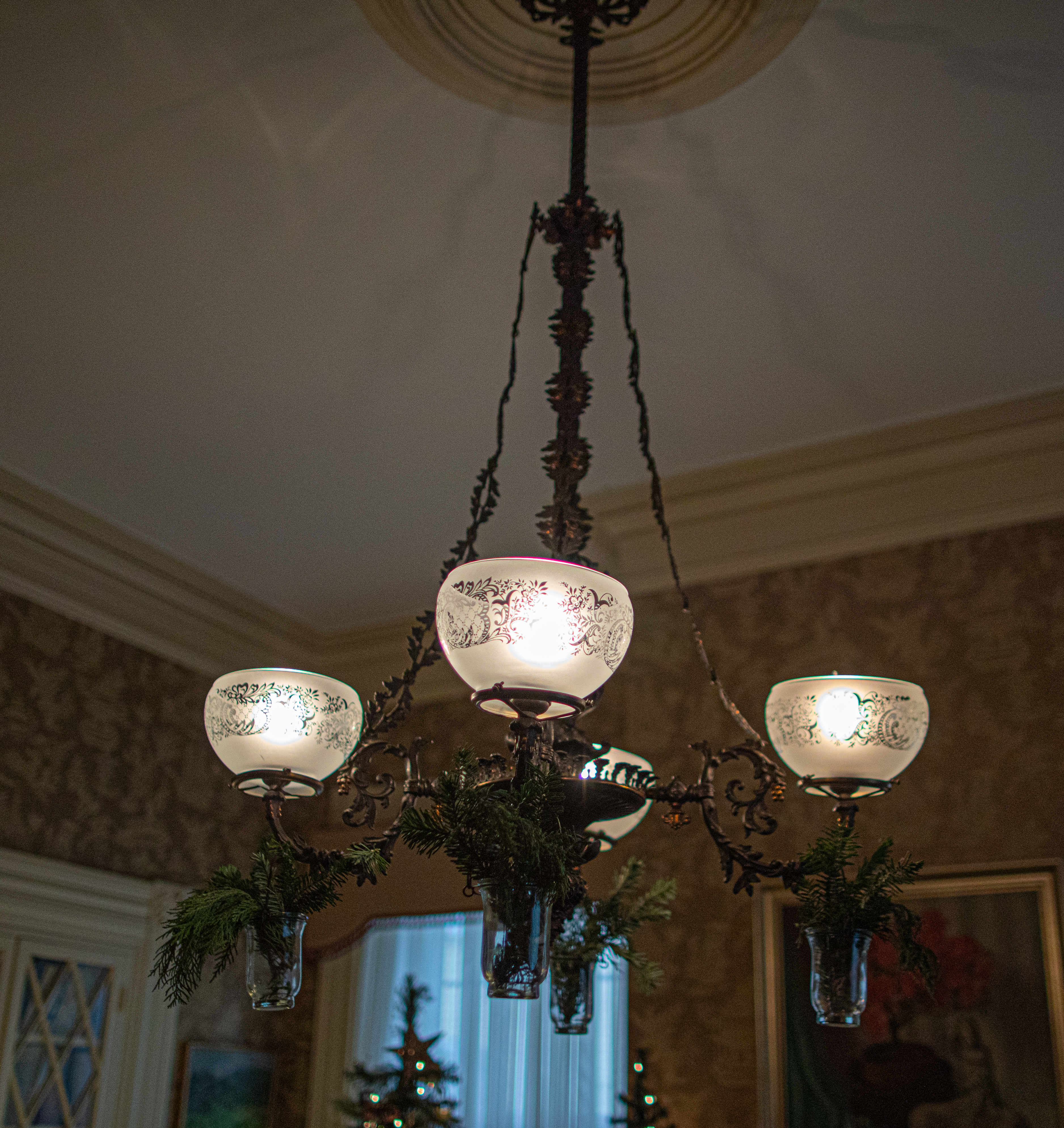
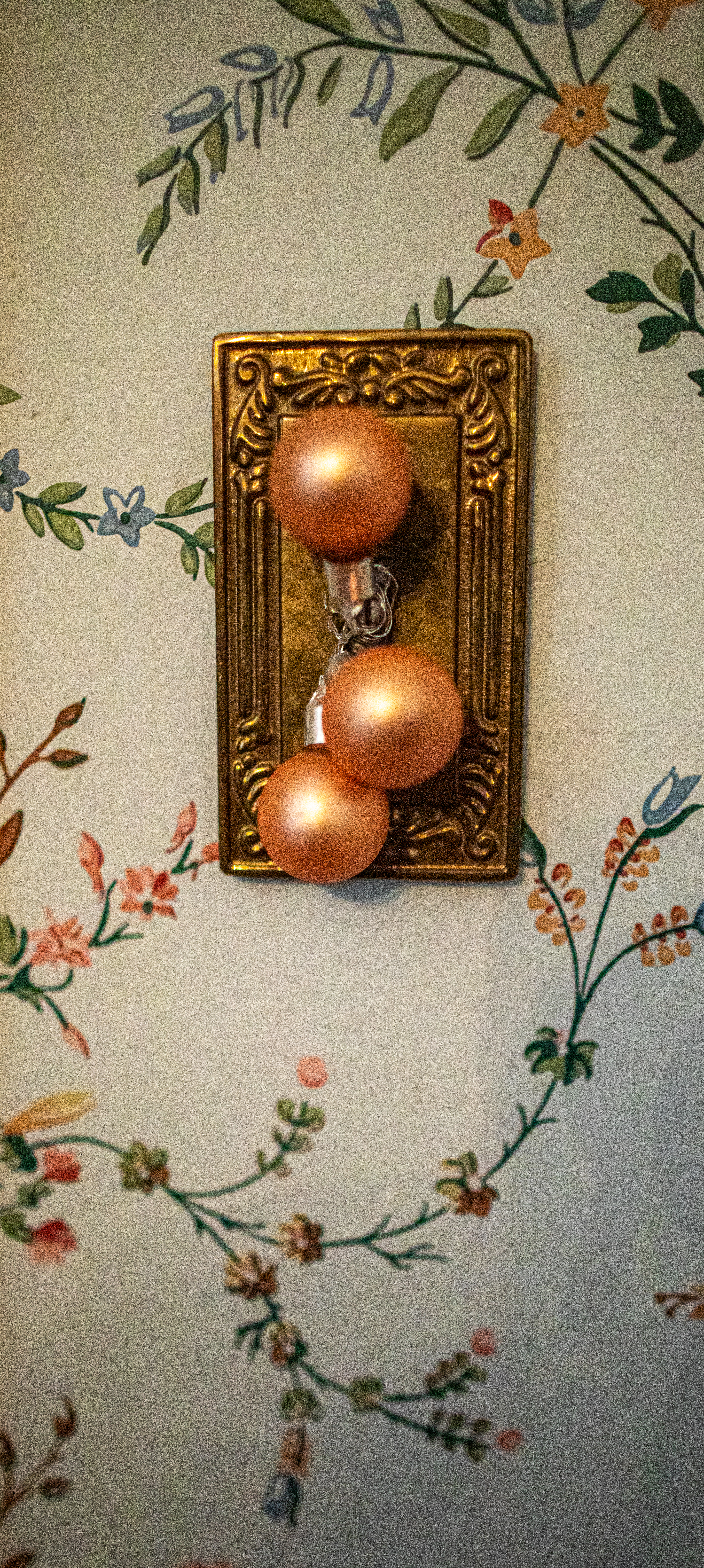
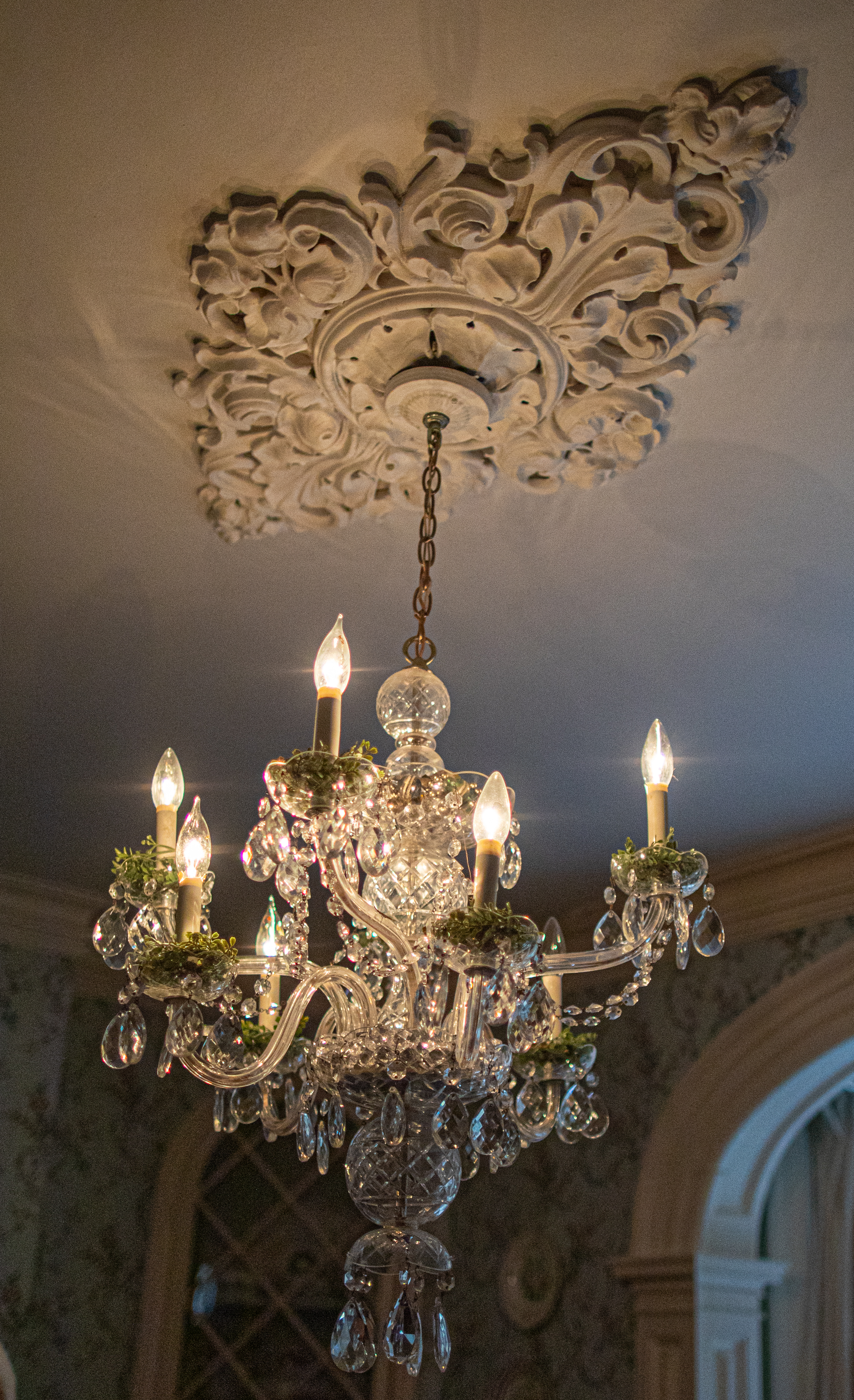
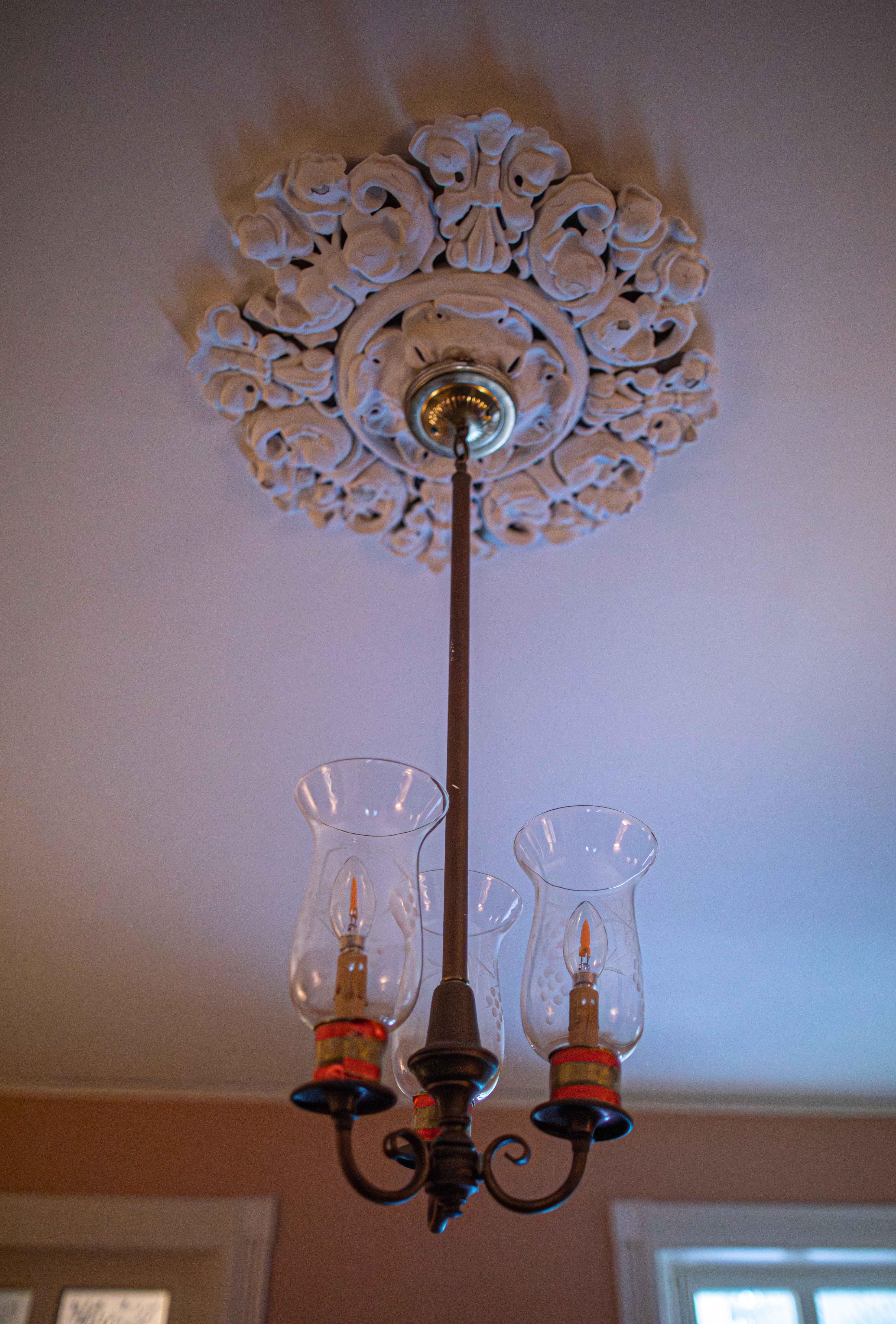
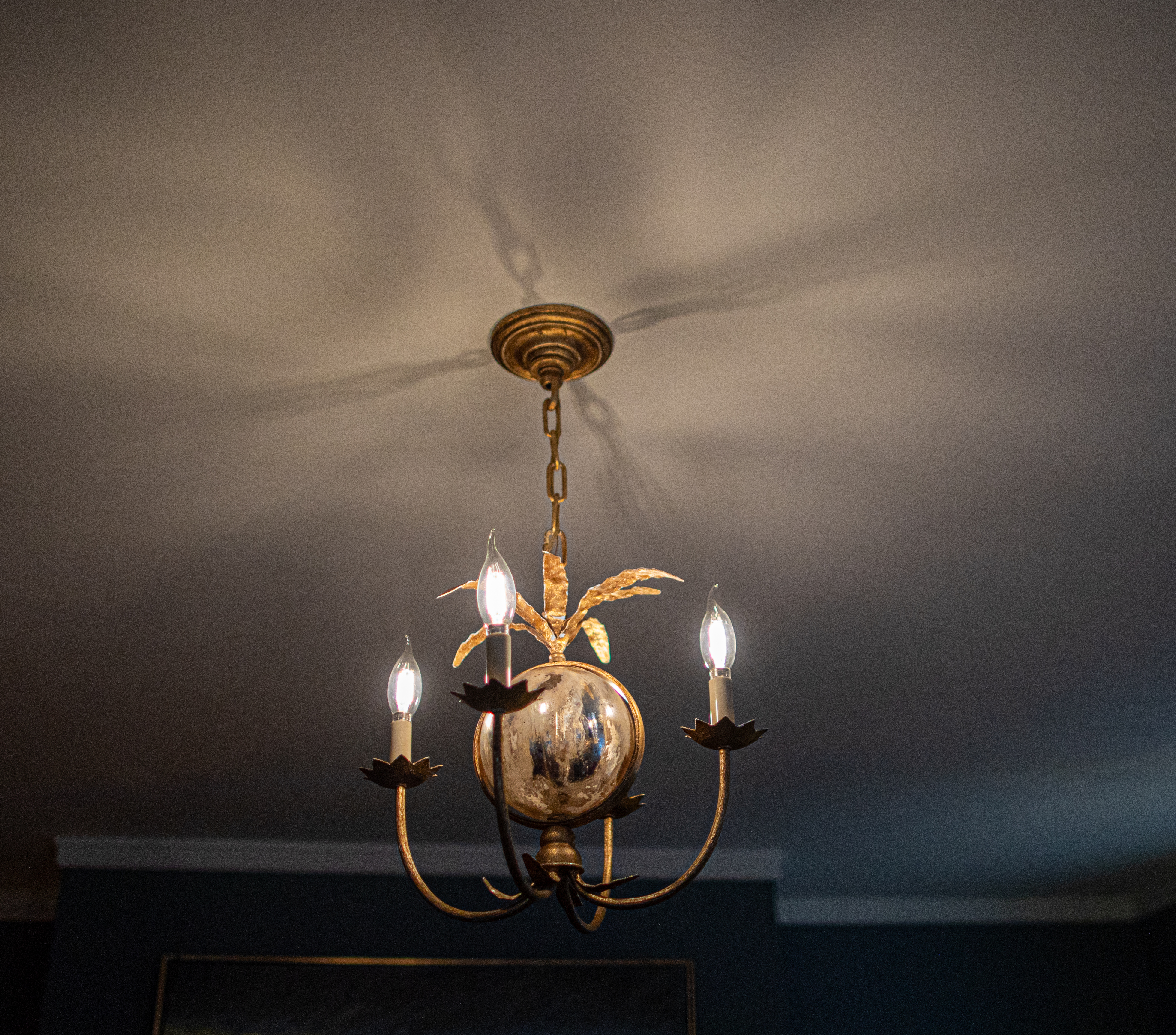
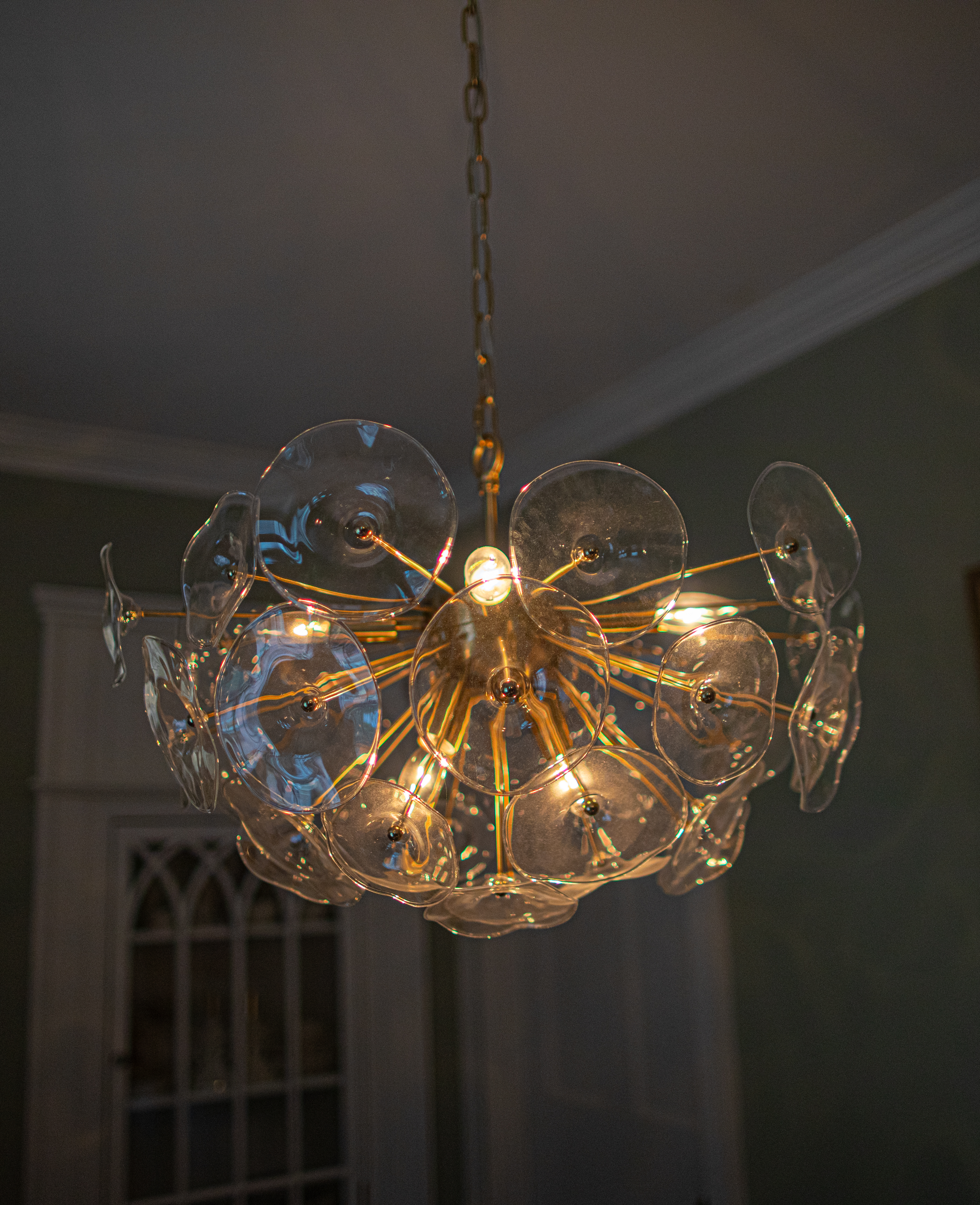
And, if you’ve been following my posts, you know I appreciate most of the lighting fixtures of these homes. This light had an environmental feel to it.

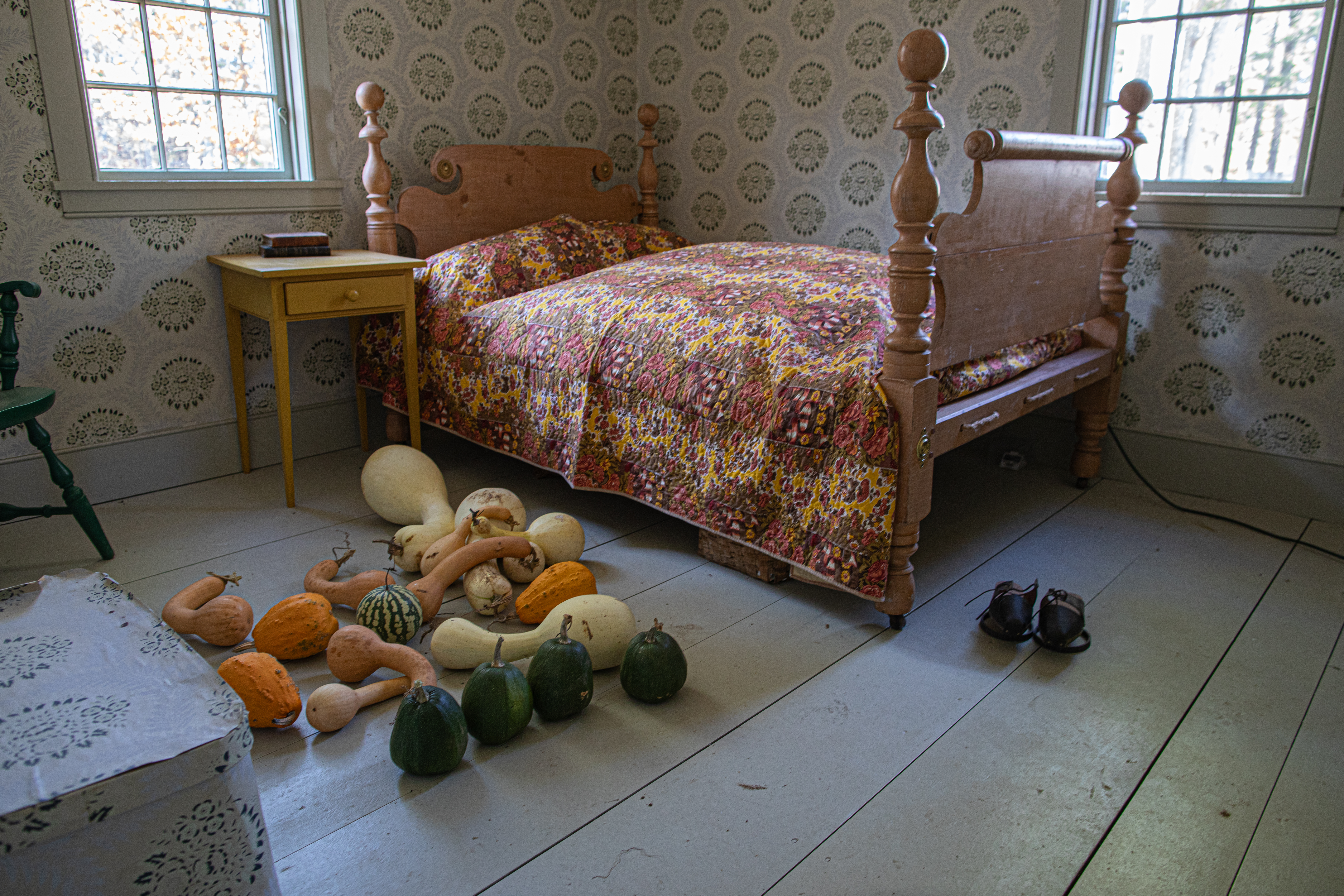
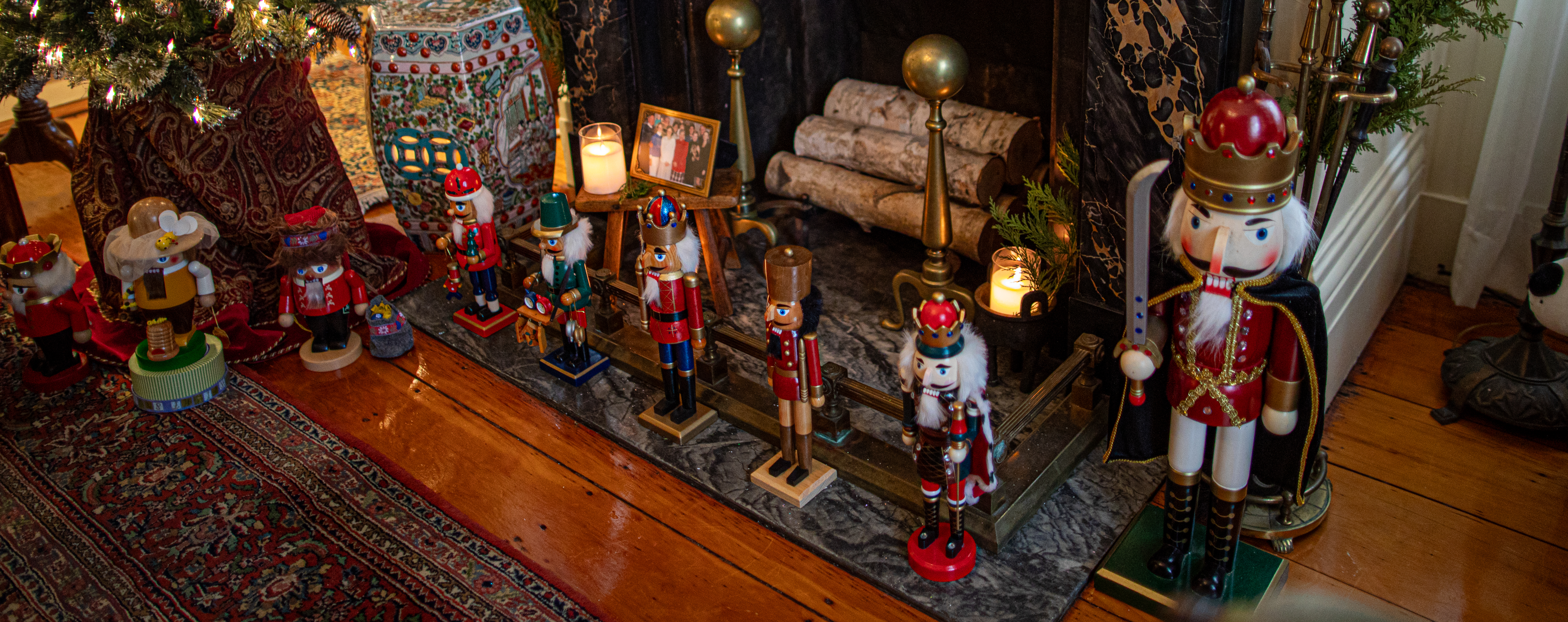
Now, back to the special theme of the home that I alluded to previously and the “Easter egg” from earlier in the post. This home like some of the homes on the tour had a theme or certain type of decor. The theme of this home was rocking horses! The owner of this home really likes rocking horses.

As you can see, the Fullington home was full of charm, Christmas cheer and a few pleasant surprises!


2024 Christmas In Salem Part 8 – The Witch House (Salem, MA)

Date Of Event: December 7, 2024

Location: 310 Essex St, Salem, MA

Website: The Witch House

The Witch House in Salem, MA, may be not only the most photographed housew in Salem, it may also be the most infamous.

Built in circa 1675, the building was built by Captain Nathaniel Davenport of Boston. The wood-frame and clapboard home was sold to Salem merchant Jonathan Corwin. After purchasing the home, Corwin hired mason Daniel Andrew to complete the structure.

In 1692, during the Salem witch trials, Corwin, who served as a magistrate and justice, would question and examine some of the accused witches in this very house. None of the accused ever lived in the house. And, of course, none of the accused witches were actual witches.

The house was built in a center chimney style. The clustered brick chimney served as an anchor for the house. A two-story projecting projecting porch is flanked by peaked gables on the facade, a rear lean-to extends the space on the back. The entire second story overhangs the first story in the front with decorative drop pendants at the ends of the overhangs of the porch.

Through the year, multiple changes and alterations were made to the structure. In the second-half of the 19th century, owner George P. Farrington, attached a drugstore to the east front of the structure.

In the 1940s, the city wanted to enlarge North St (the original location of the Witch House). But, the citizens of Salem raised $42,000 to save the home and to have it moved to its current location on Essex St. The Witch House was eventually opened as a museum in 1948.

I have mixed feelings about this house. Innumerable people line up to take photos in front of this infamous home. While it’s important to keep reminders of the past and it’s also good that places where tragic things have taken place have transformed into places of historic value (and business), it still doesn’t sit well with me.

The Witch House had a self-guided tour that had print outs with information about the house. While the house is generally known for the tragic events of the Salem witch trials, this tour dealt more with the Christmas traditions and some of the rituals and remedies of the day.

According to the handouts, the colonists brought over many of their Christmas traditions from England. Some of these traditions include eating and singing religious hymns. Did I mention eating?

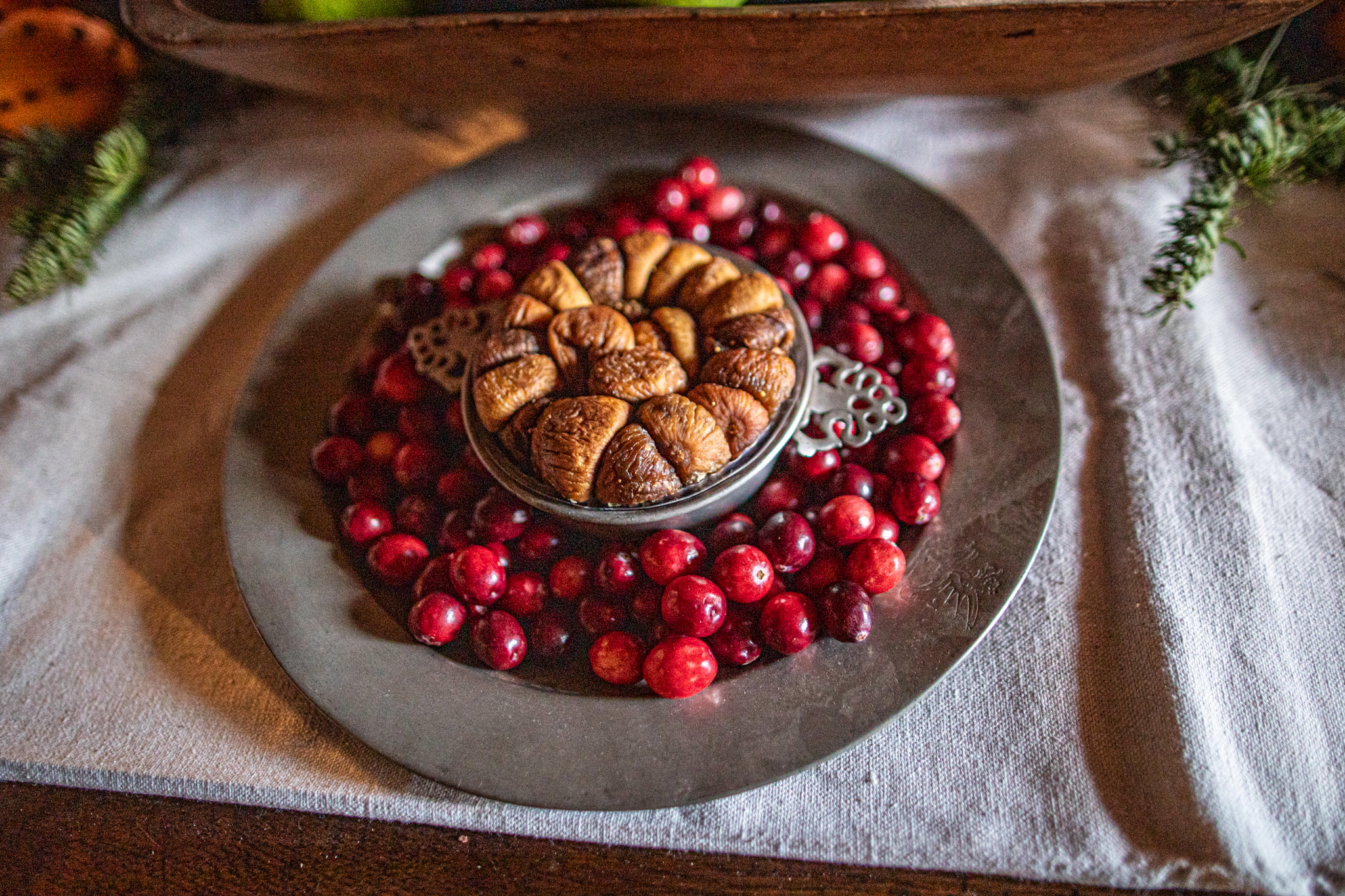
I got hungry just posting these photos! And, of course, one would need implements to eat these foods.

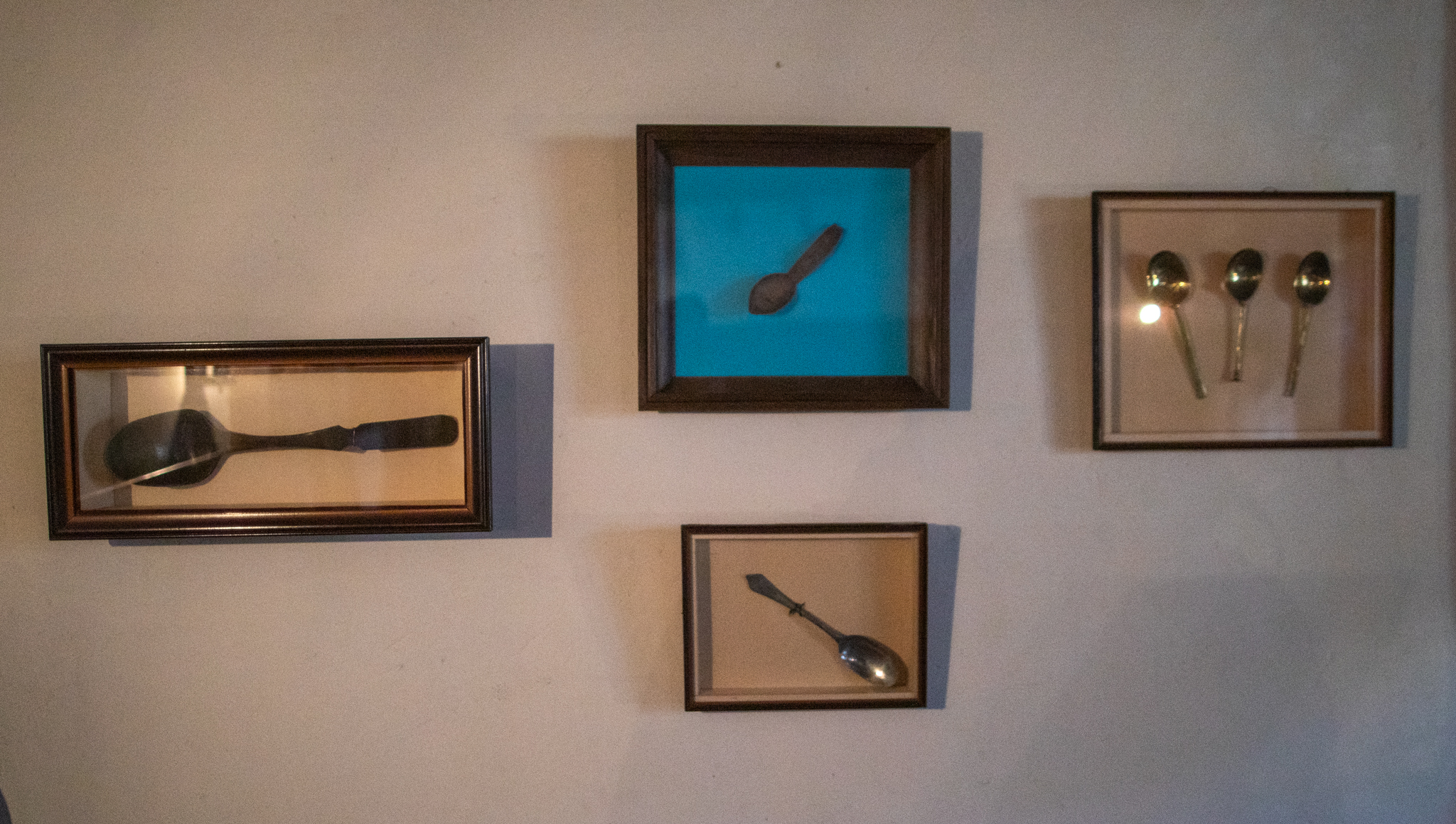
These utensils were found through archeological digs and excavations.

The Christmas festivities from that time lasted from December 25 until the Twelfth Day, January 6. During this time period very little work was done. What a bunch of party animals.

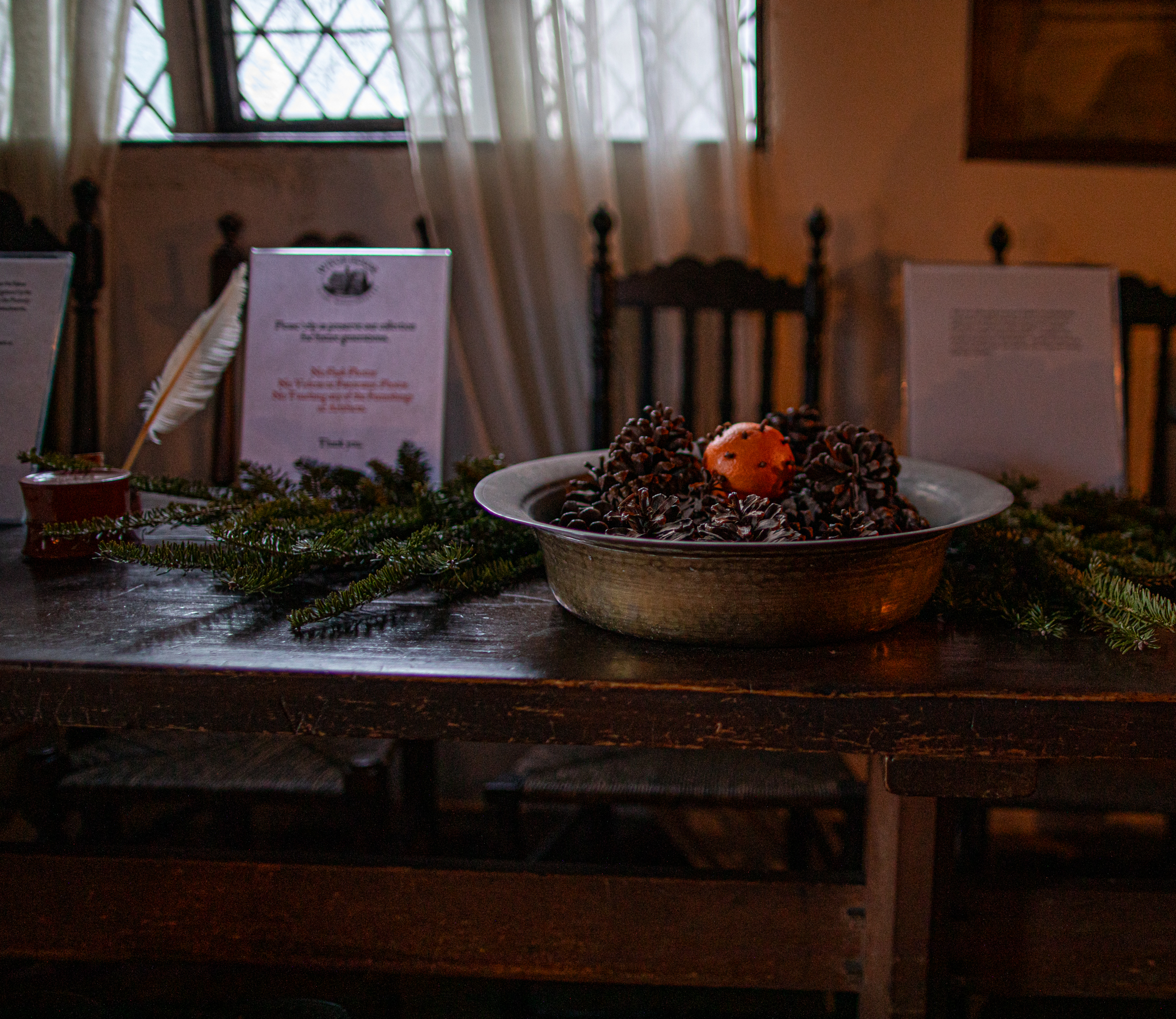
The Witch House was festively decorated for the tours.

During the times of the witch trials, people used holly remedies as cures. Archeologists found ritual shell-cups in North America with residue dating back to 1,200 BC. The leaves can be used to make tea and alleviate digestive disorders, water retention, jaundice, rheumatism, periodic fevers, measles and respiratory illnesses such as cold, coughs, flu and pneumonia. Somedays I feel like I may have every single one of those. Holly leaves can also be used to treat symptoms of dizziness and high blood pressure. They also can be used topically for sores and itching.

There were some documents from the witch trials. These actual documents from the trials are kept in a sealed container.

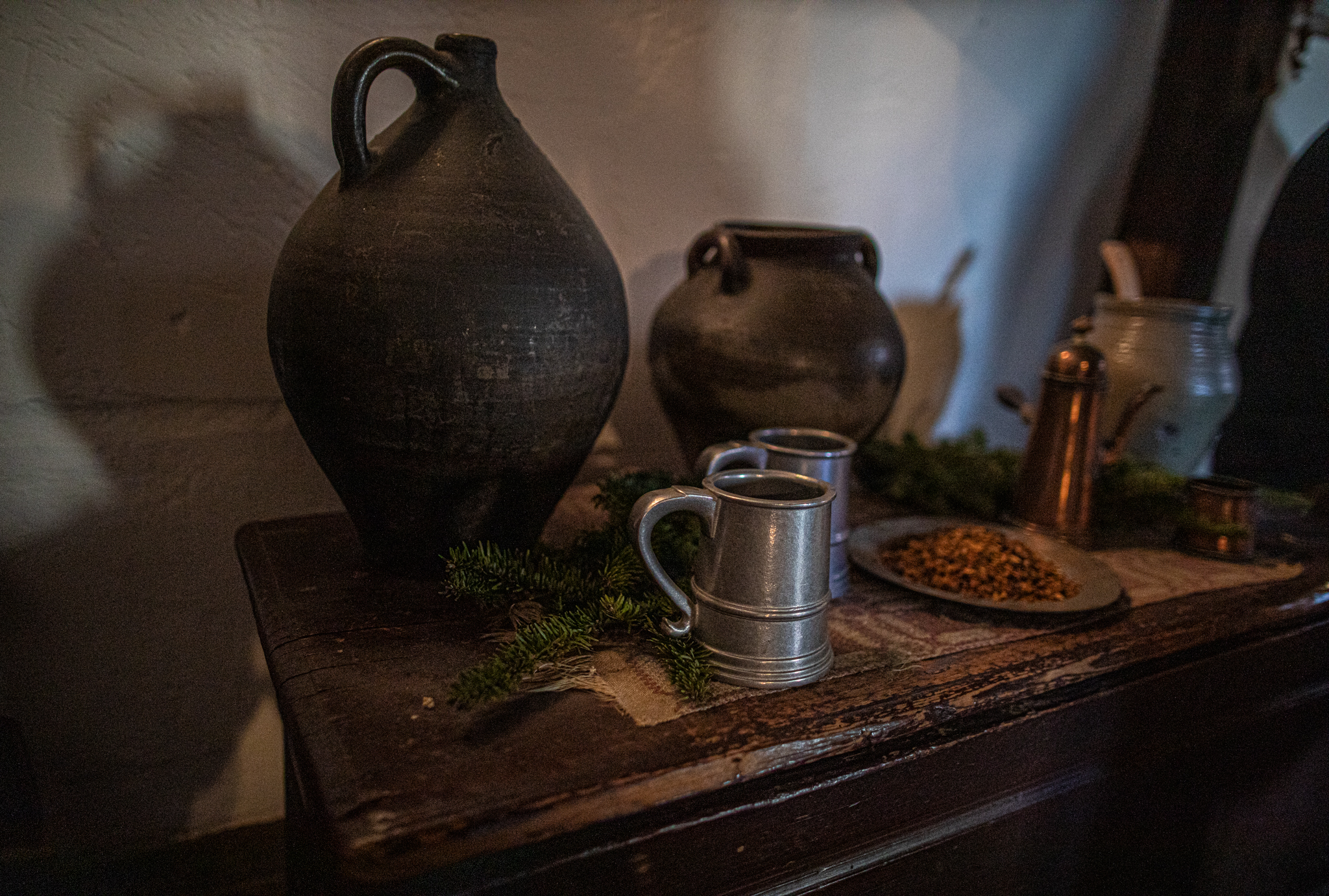
The Witch House also displays an assortment of wares and other tools of the era.


2024 Christmas In Salem Part 6 – The Greymoor /Putnam-Balch House (Salem, MA)

Date Of Visit: Dec. 7, 2024

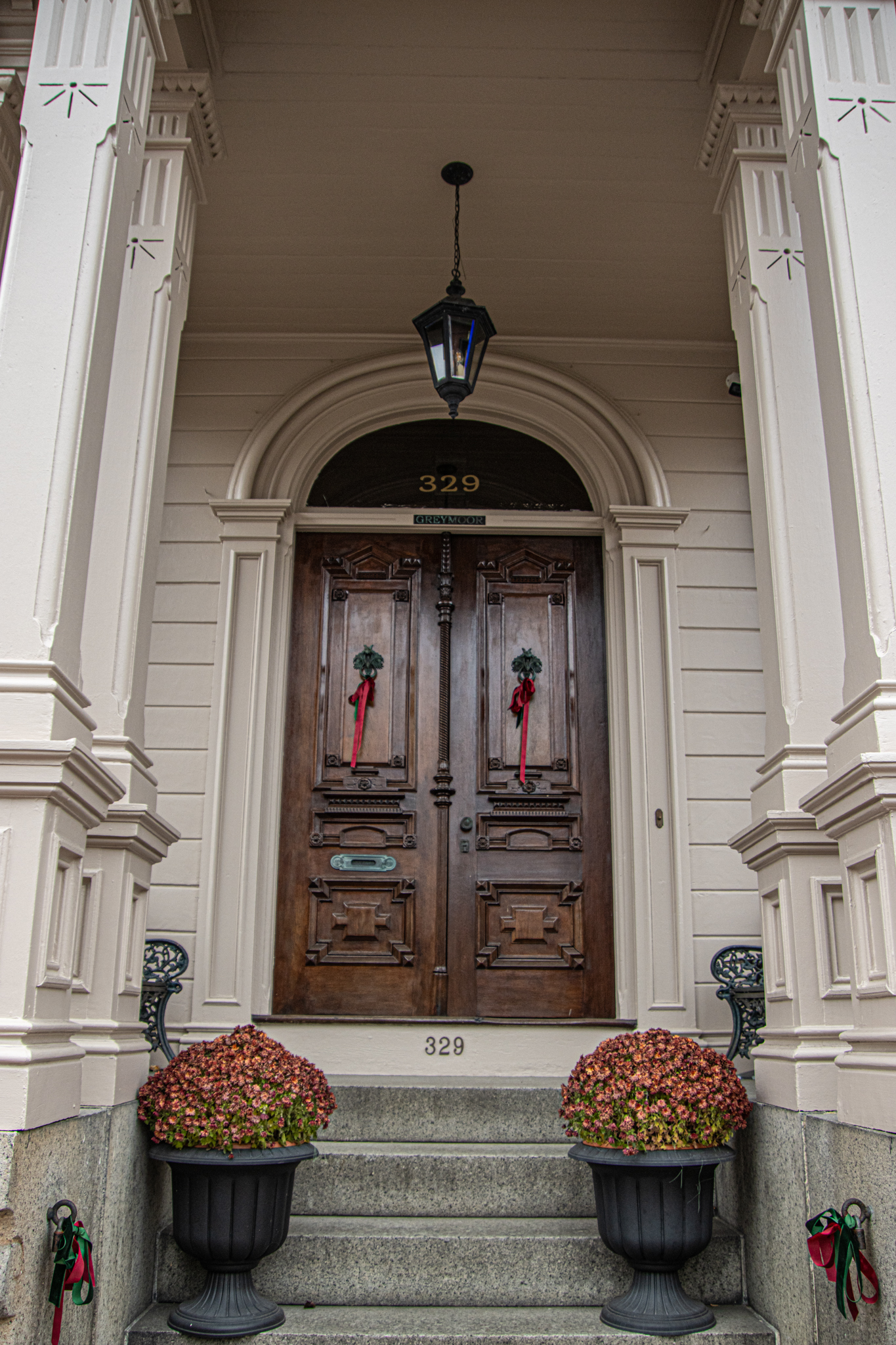
Location: 329 Essex St, Salem, MA

It’s easy to see why the Grey-Balch residency is considered “the most ambitious and outstanding residence of its era in Salem.”

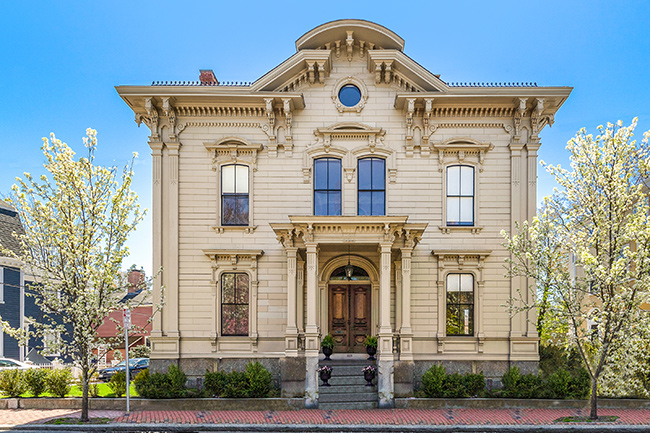
The Greymoor-Balch House boasts rusticated wooden sheathing, paired pilasters with fluted tops at the corners of the facade and an elaborate arched dormer window above the second floor which is enhanced by a heavily bracketed cornice. The front entrance porch is supported by eight square molded columns capped by a balustrade with corner posts supporting urns.

The house’s decor is modeled after the Second Empire and Italianate styles.

Greymoor was built by James S. Putnam in 1872 after he demolished a house on that site which was owned by Benjamin Marston, a former Essex County high sheriff and colonel in the state militia. In 1881 the property was by Frank Balch. Balch worked at the Naumkeag Steam Co. Balch’s son is said to have improved x-ray technology by inventing the Balch Roentgen Scopic screen in 1916 which reduced the time required for taking an x-ray picture from 20 seconds to 1/5 of a second. Balch’s company, Balch Roentgenoscopic Screen Co, was located in Salem, MA.

The house served as Salem’s American Legion headquarters between 1921 and 1979. Between 1971 and 1981, Donald Costin restored the house as a private home. More recently, the current owners have restored the house to its original decor. The 6,352 square foot included 3 floors with 2.5 bathrooms, 5 bedrooms and 8 fireplaces. When the house was listed for sale in June, 2019, the house was listed for just under a paltry $1.4 million.

Upon entering the home, it was clear there was a lot of Christmas decor in the house.

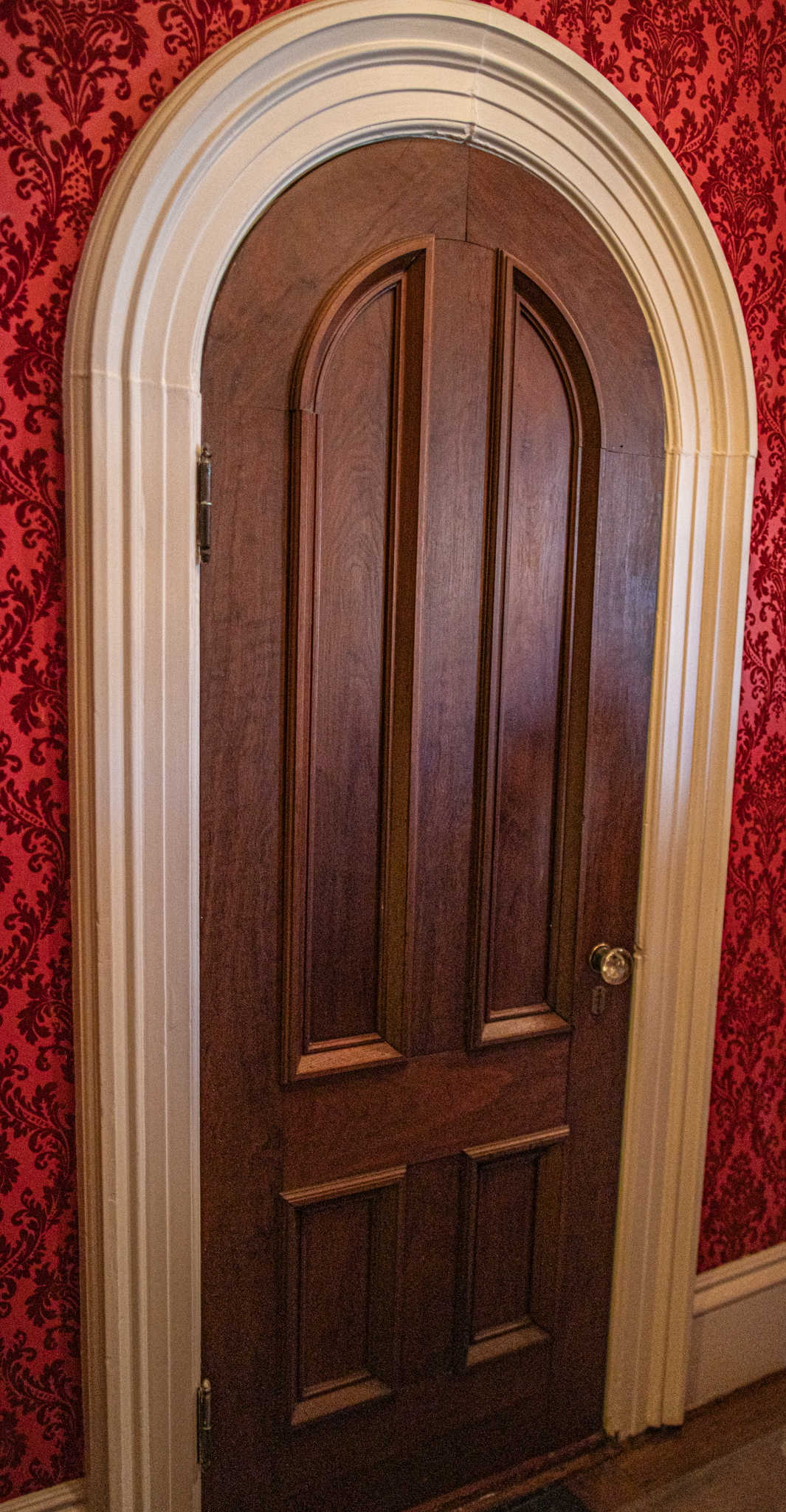
I thought this arched door was very elegant.

Of course, my favorite of any home is the kitchen. I always like to look at the kitchens of these old homes! This very old looking cast iron coal stove had 6 burners. I especially enjoyed the artwork and decor above the stove.

In the hallway, there was this painted window that could be opened.

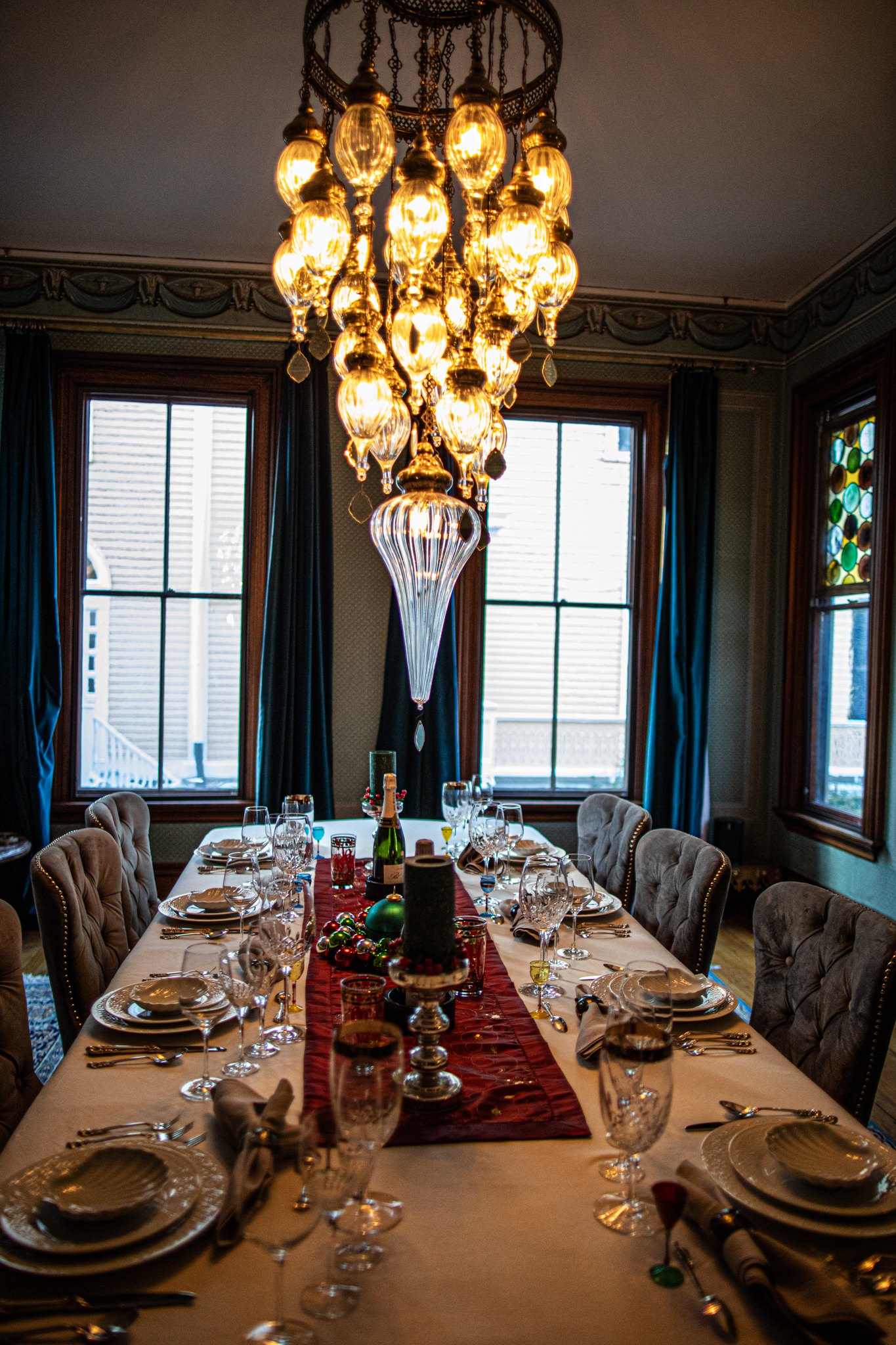
The home was tastefully decorated. I especially liked the lighting fixtures.

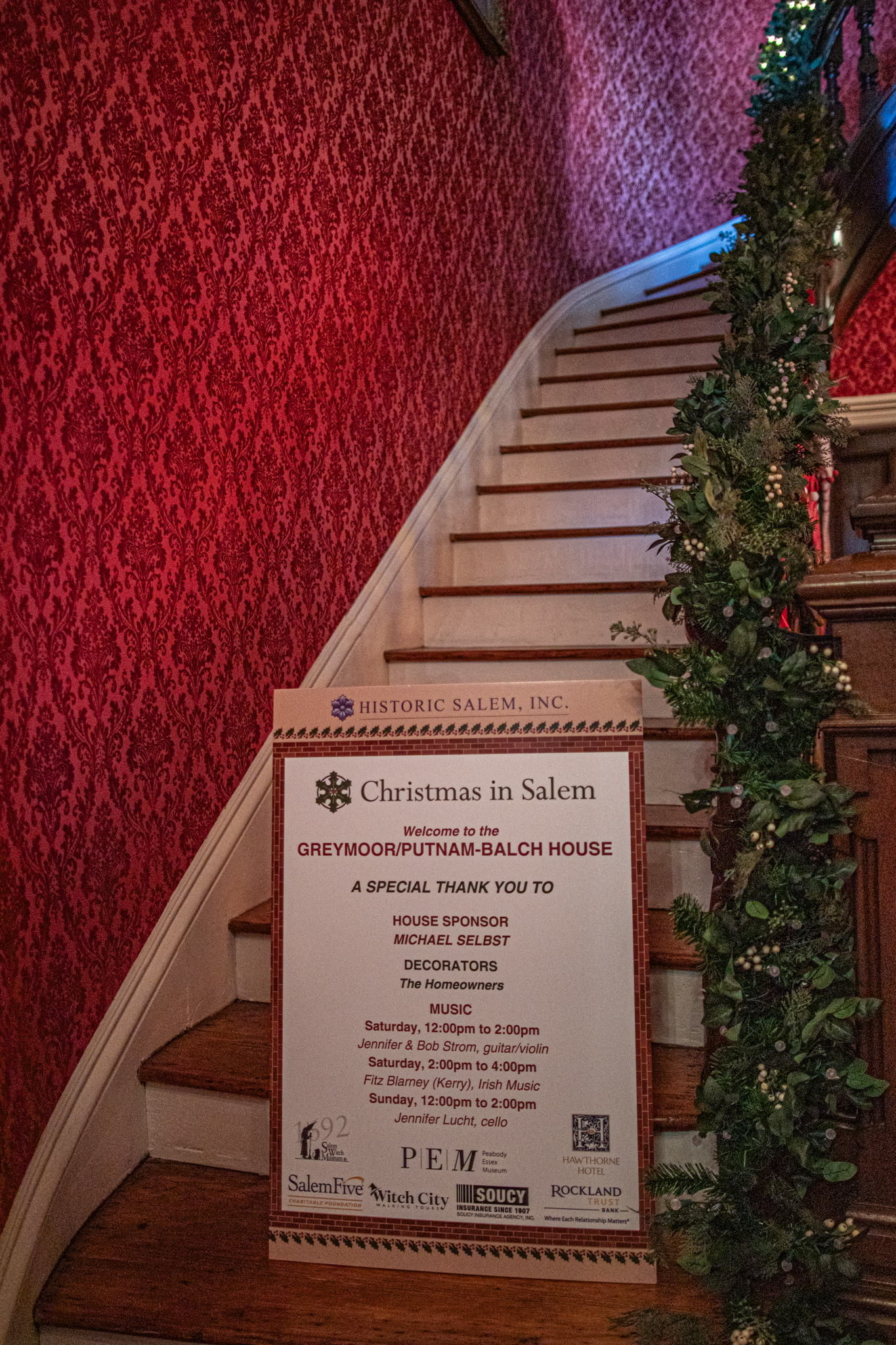
Fitz Blarney provided some holiday cheer.

I have a pet peeve about taking photos in general. But, especially with photos of homes. If there is a vehicle or some other obstruction, I won’t take head on photos of the building. So, I will often take photos from an angle or the side. However, this home is so pretty, I decided to include a front facing photo of the building from the real estate website when it was on the market (photo courtesy of priceypads.com).


Redcoats & Rebels (Old Sturbridge Village, Sturbridge, MA)

Dates Of Event: August 3 & 4, 2024

Location: Old Sturbridge Village, 1 Old Sturbridge Village, Sturbridge, MA (1 hour and 30 minutes southwest of Boston, MA)

Hours: Hours and days of operation vary depending on the time of the year

Cost: $30 for adults, $28 for seniors (age 55+), and $15 for youth (ages 4-17). There is a $3 discount if you purchase tickets online. Military families also receive discounts.

Parking: Free parking is provided at the village

Summary: Hundreds of historical reenactors gathered at Old Sturbridge Village to recreate the Revolutionary War era.

Website: Old Sturbridge Village

The largest military re-enactment in New England, Redcoats and Rebels, made its annual appearance at Old Sturbridge Village earlier this month. From cooking demonstrations to the highlight of the event; the battle reenactment, the historical village depicted life in the colonial era. Many of the reenactors showed off their culinary chops and craft making skills.

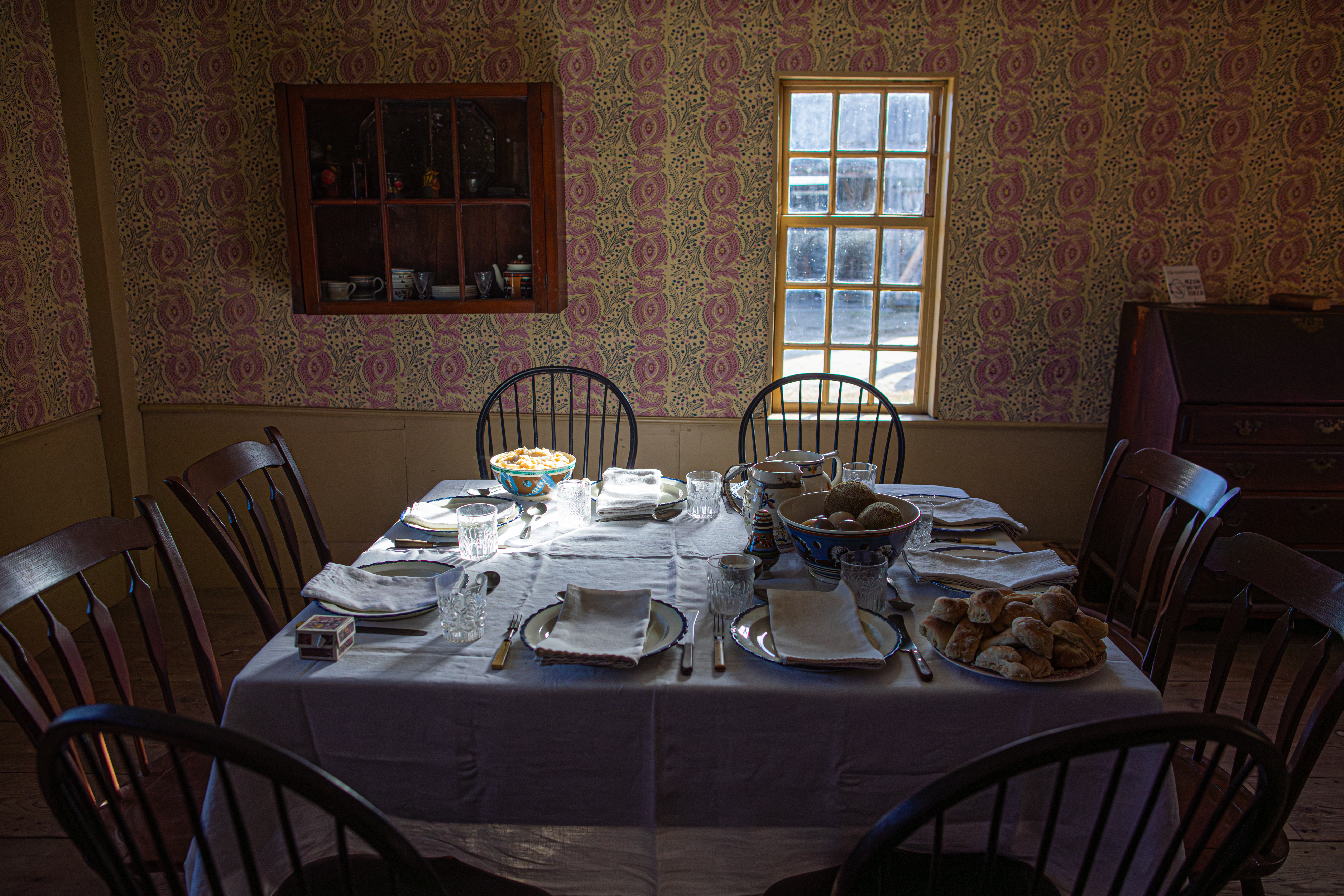
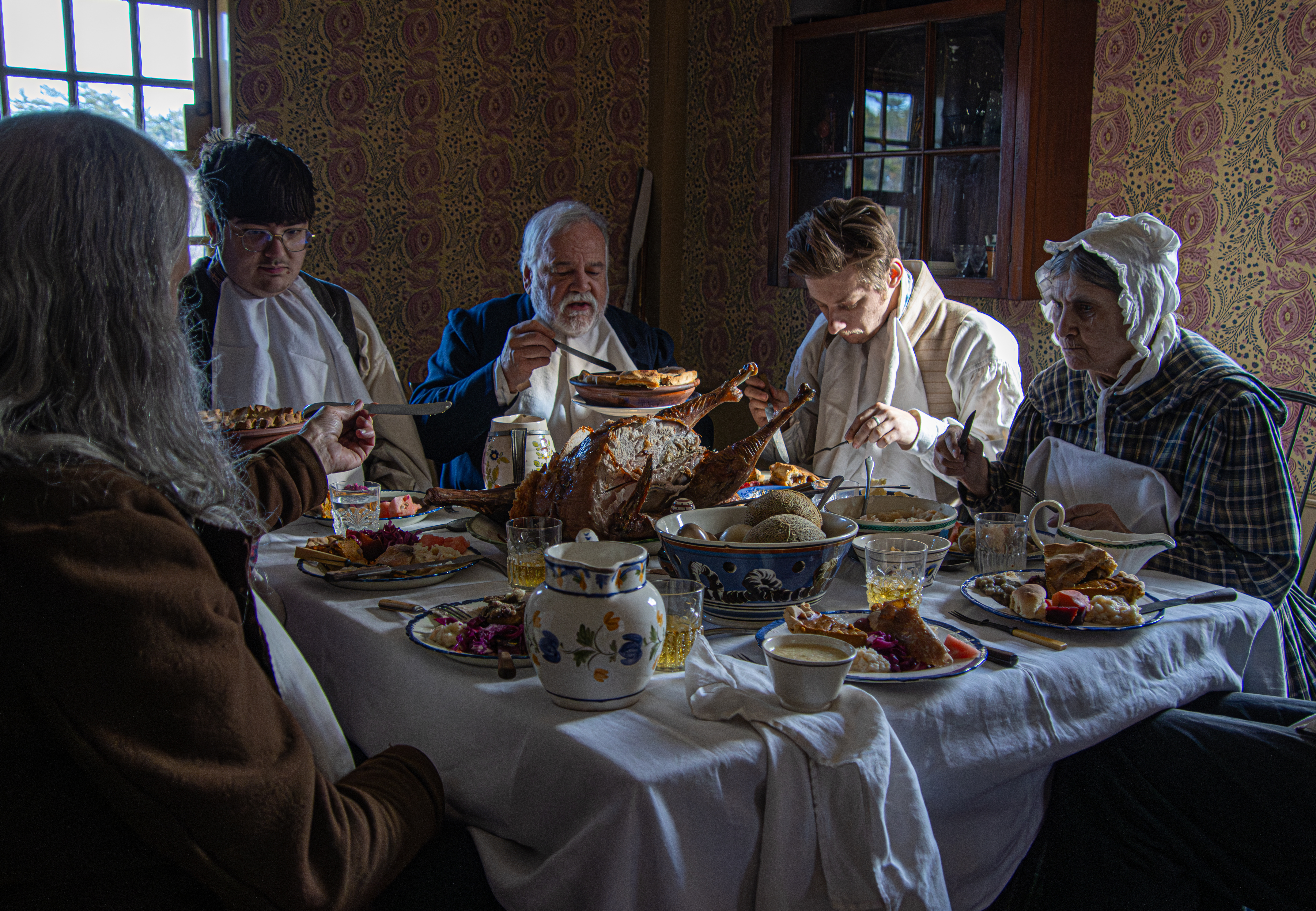
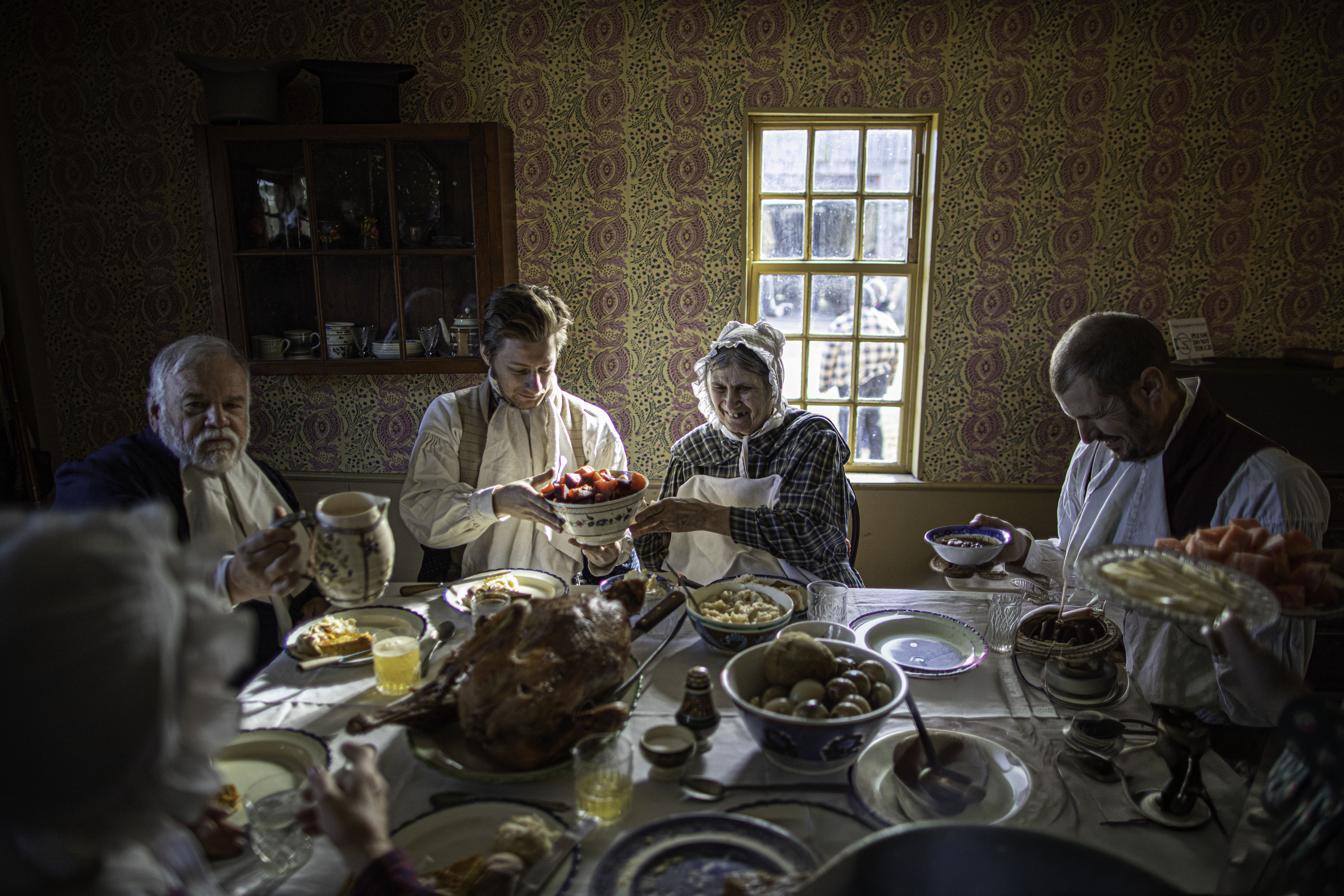
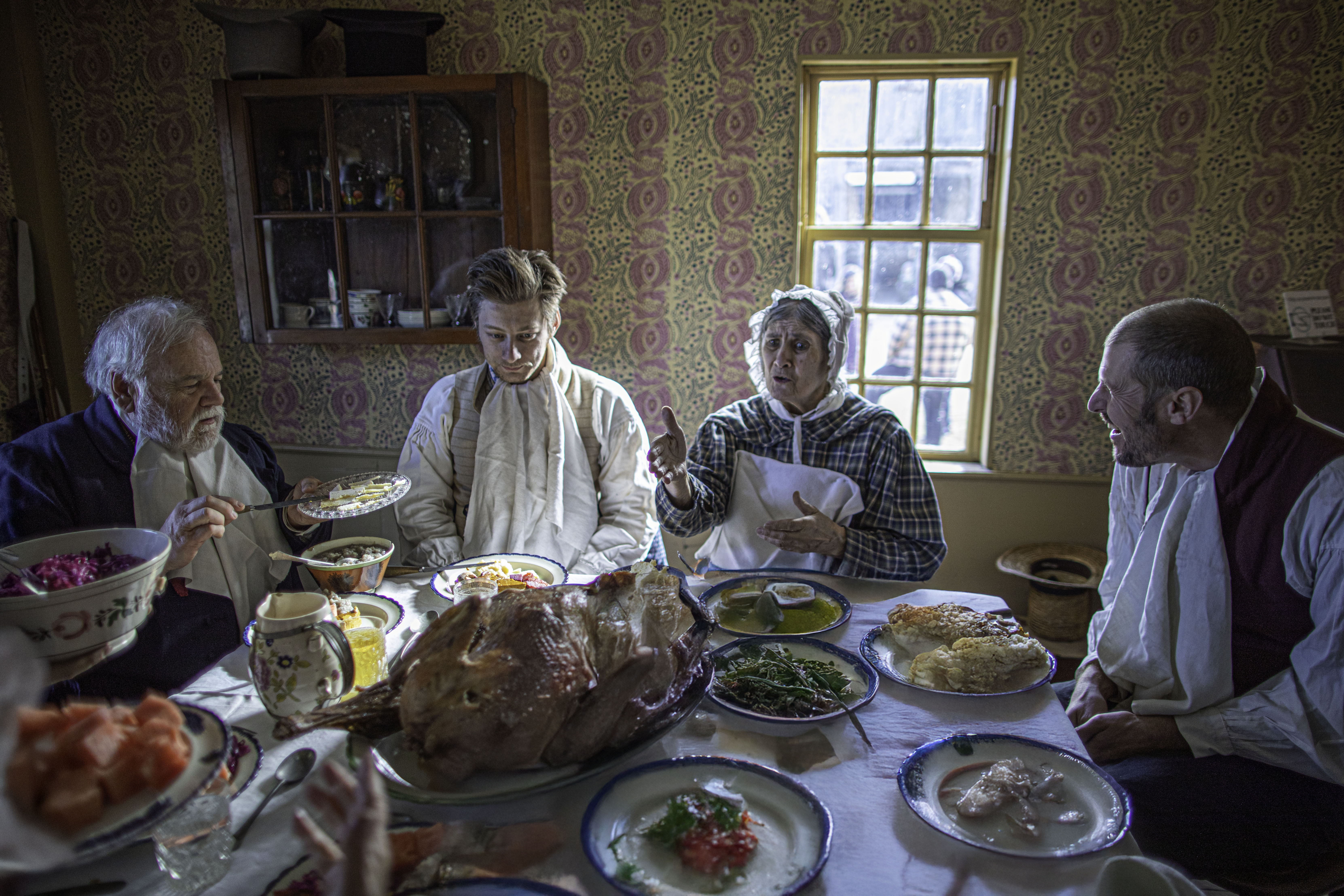
One of the delicacies served up at the encampment was egg pie (yum). And, it is still considered a popular dish in some parts. The big meal of the day, however, was a turkey dinner with all the fixings.

Horses played an integral part of life during this time and there were many people riding or caring for their horses. I found it heartwarming to see the care and effort they put into caring for these animals.

Some of the items on display were toys from that era. I don’t know about you. But, I’d rather play with my phone!

Tents and soldiers could be found throughout the encampment.

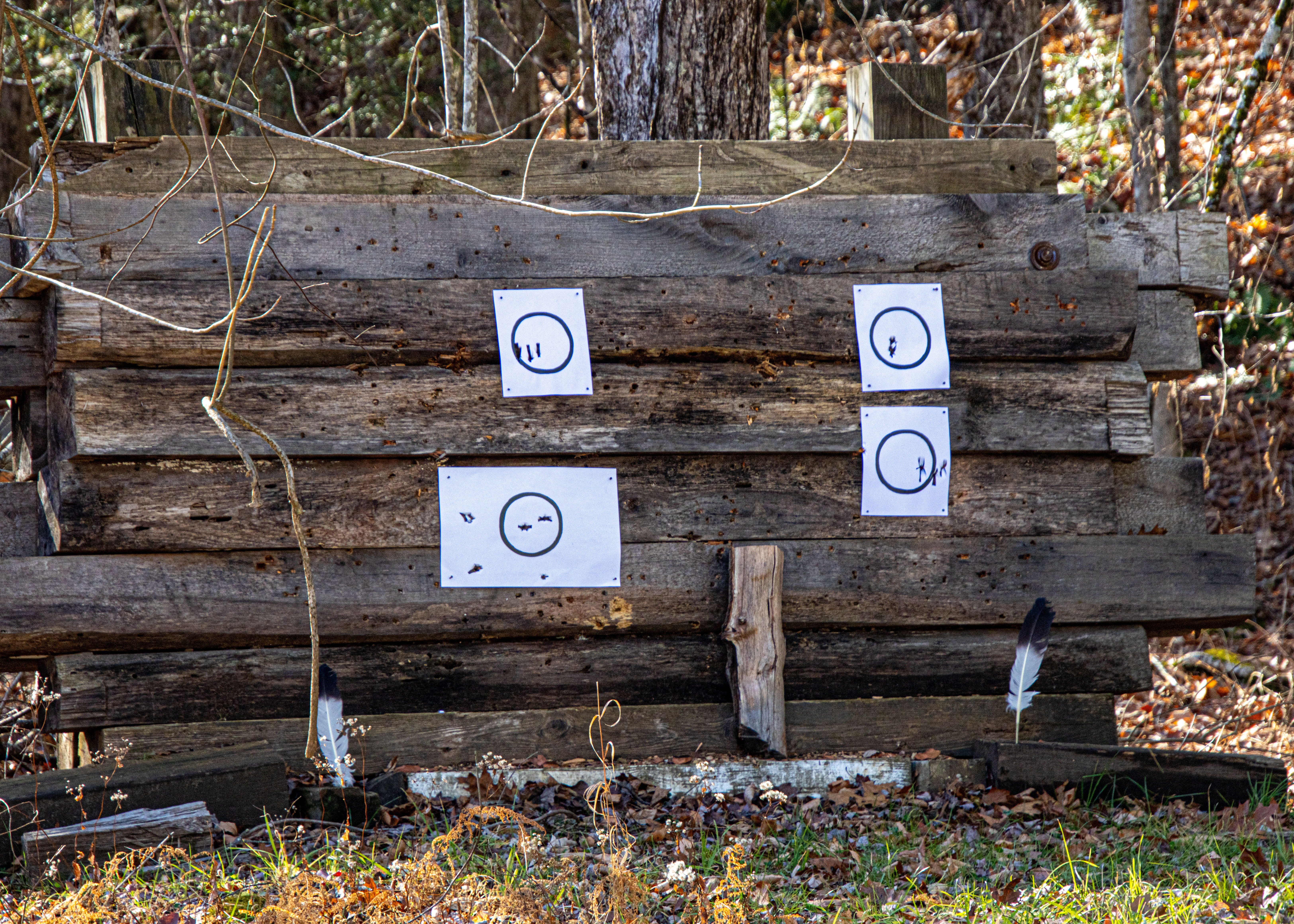
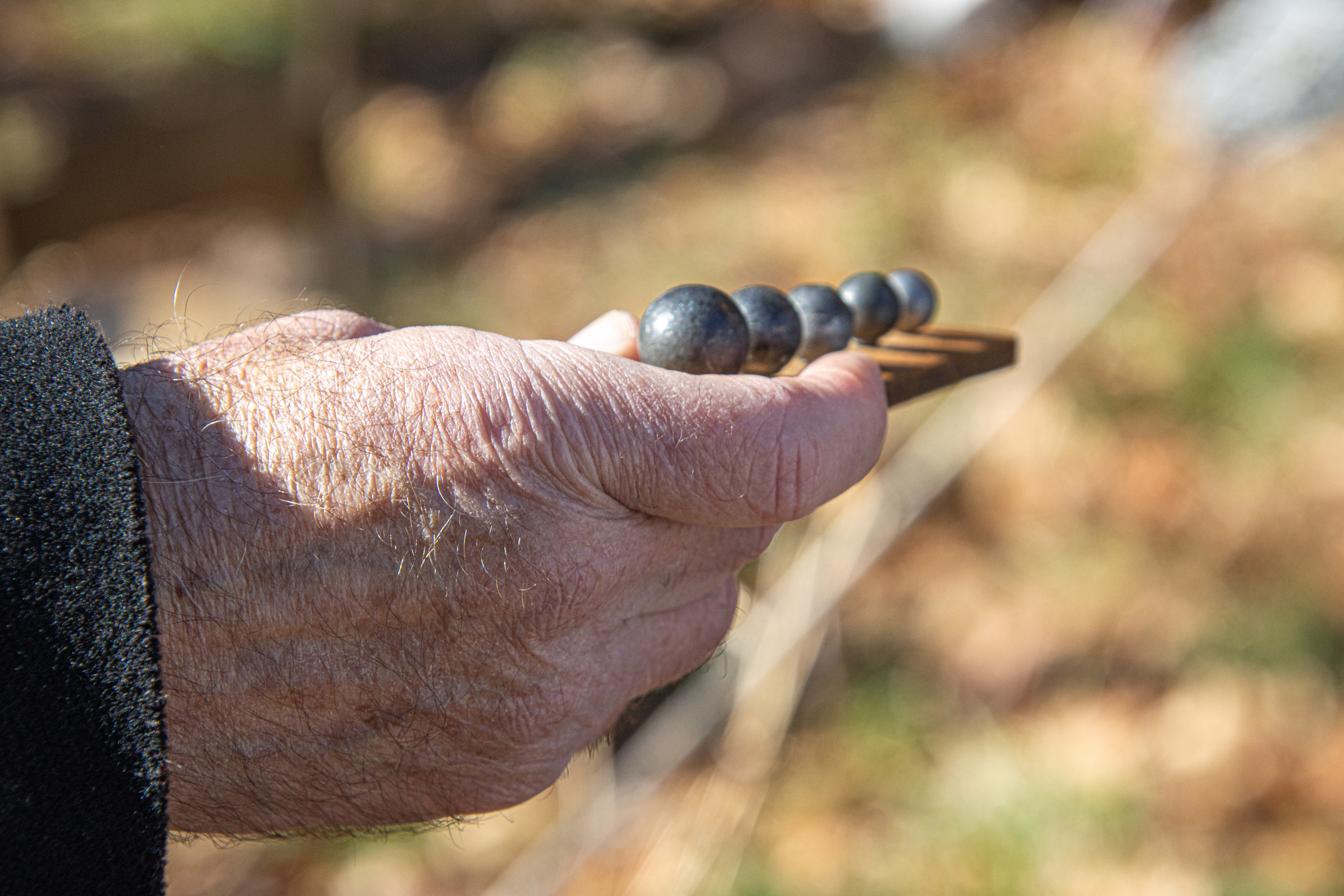
Some of the weapons from that era were also on display. I especially appreciated the fine detail incorporated in these weapons.

Music also played a big part at the event.

These drummers had a unique type of drumming. Not only did they bang on their drums, they also banged their sticks together.

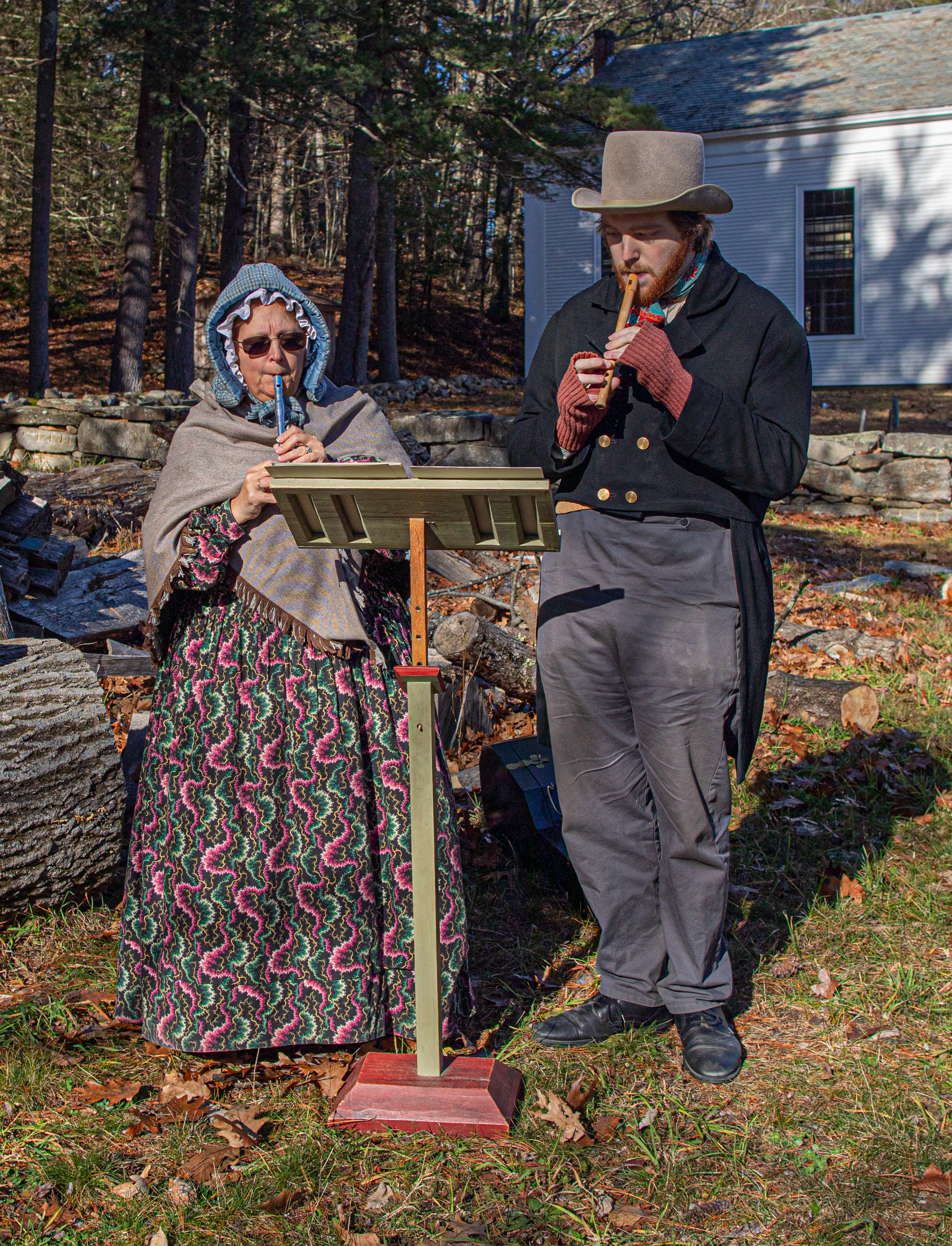
I noticed these musicians practicing before a musical event.

Doctor Newman, with the assistance of a fellow reenactor, explained the process of amputation during the Revolutionary War era. The average amputation at that time took 2 minutes and were done without any anesthesia. And, since liquor thins blood, they could not even take a few sips of whisky to help dull the pain.

For someone with such a gruesome job, Dr. Newman was a rather jovial sort.

The tools of the surgeon were shoddy. The white object that looks like a mitten was used to wrap the area where the amputation took place. It was a grim reminder of the cost of war that we should never forget.

There were many re-enactors I was fortunate enough to photograph at the event.

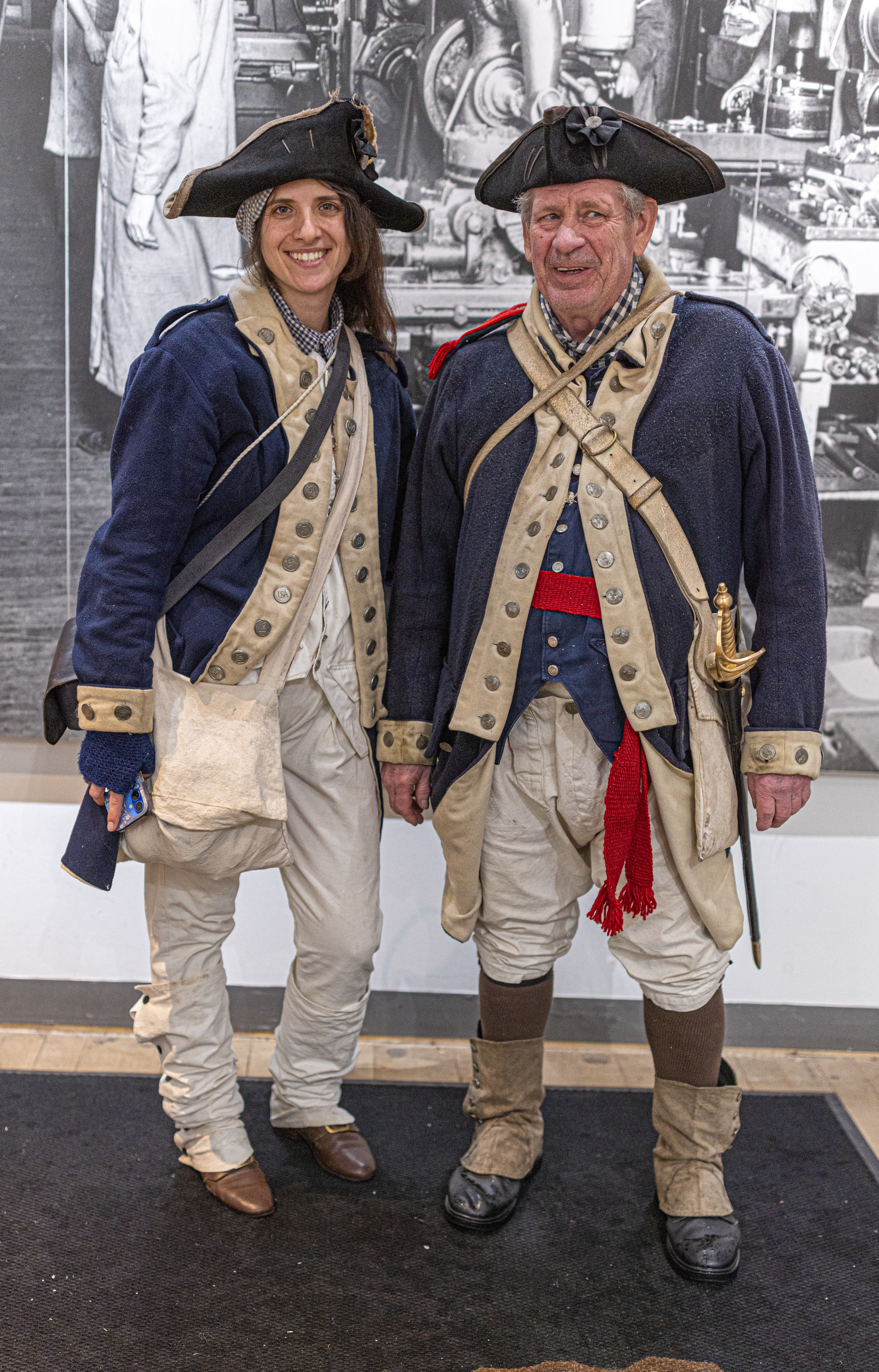
But, the re-enactors weren’t the only people who dressed up for the event. These visitors also dressed up in their best Colonial era attire.

Finally, after a busy day photographing the re-enactors, it was time for the Redcoats and Rebels battle to begin!

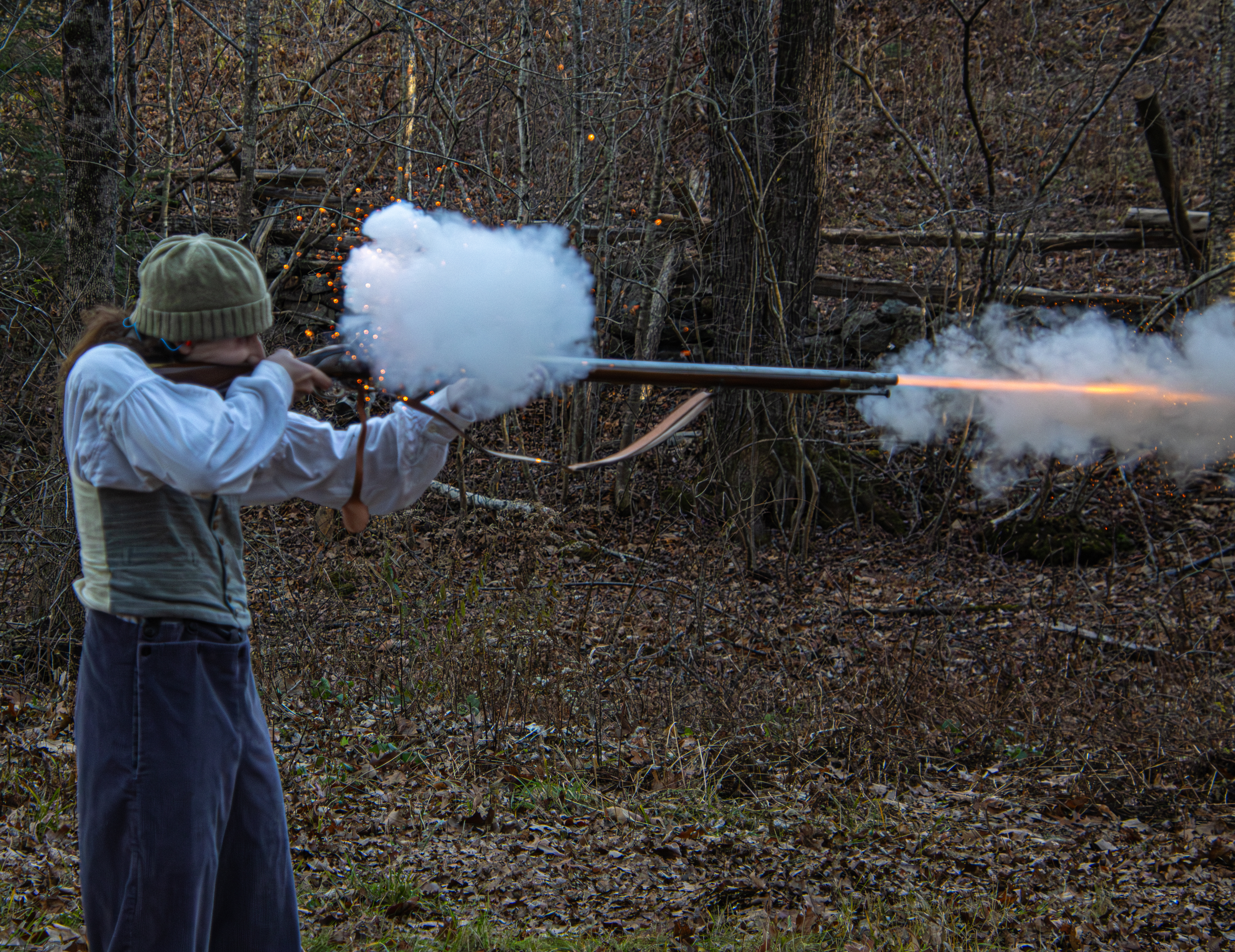
The battle was a realistic reenactment of the Revolutionary War.

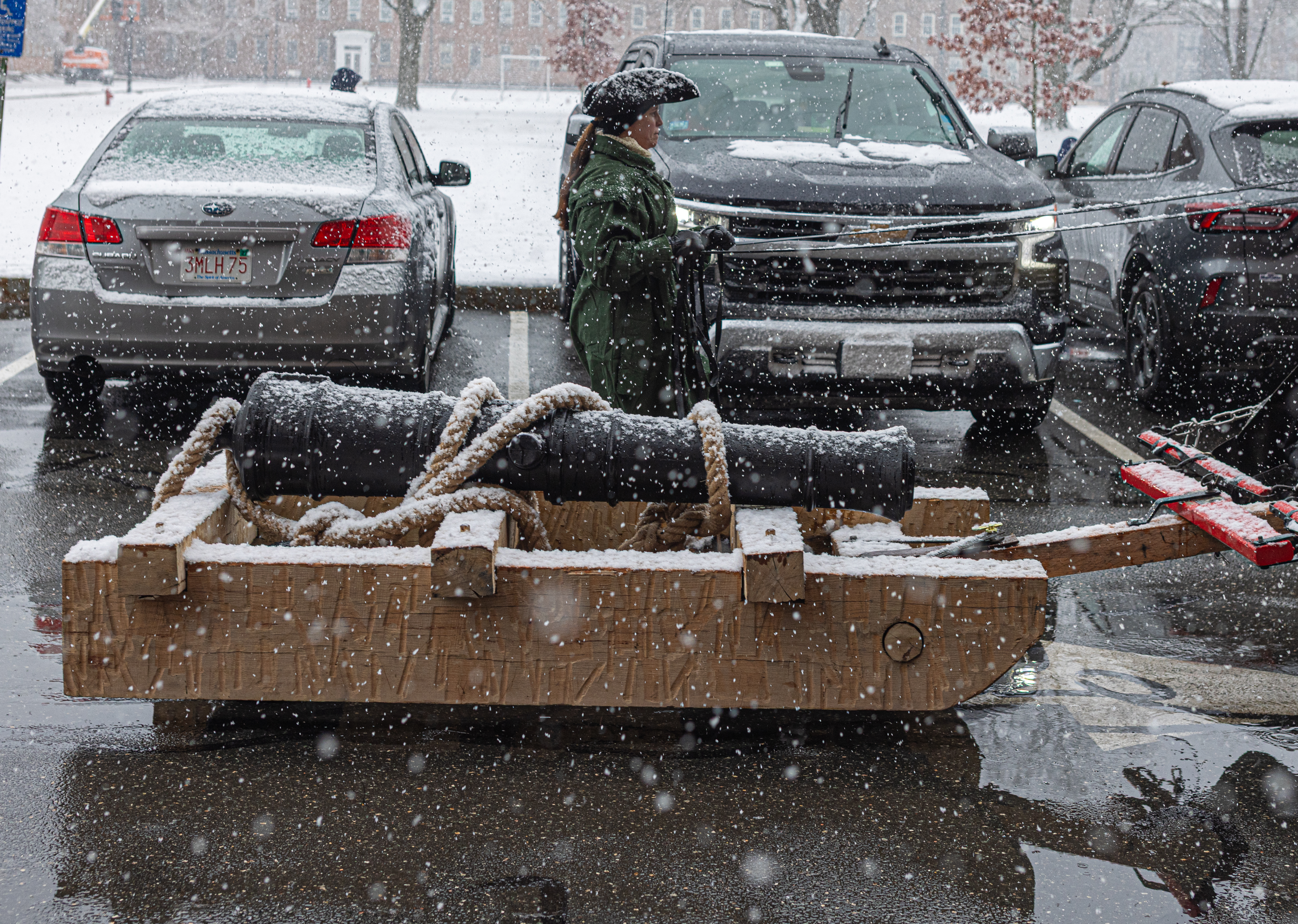
As you can see by some of the soldiers in the photo below, the cannons did make a very loud noise.

The British proved to be a formidable opponent.

But, in the end, the Rebels were able to keep them at bay and eventually the Redcoats retreated.

Both armies made sure to not leave their wounded behind.

As I was leaving, I passed by the “Field Of Flags.” Each flag represents a person who had died serving their country. It was a moving display to never forget those who have sacrificed for their country.


British Encampment (Salem, MA)

Dates Of Event: June 15 & 16, 2024

Location: Salem Maritime National Historic Site, 160 Derby St, Salem, MA

It’s 1774 in Salem, MA. The British military governor of Massachusetts General Thomas Gage moved the state General Court and capital of Massachusetts from Boston to Salem. This was done for a variety of reasons but stemmed from something having to do with tea.

After the little dustup also known as the Boston Tea Party, the British Parliament, in an effort to punish Massachusetts colonists, passed the Coercive Acts (aka as the Intolerable Acts by the colonists). These acts were not just “coercive”. They were also divisive. While some Salem colonists supported them, others not so much. So, things were somewhat contentious. Sounds familiar.

To celebrate the 250th anniversary of this historic decision, the National Park Service at the Salem Maritime National Historic Site and a variety of historical actors held a 2 day event to educate and entertain guests.

The day started with a mass at St Peter’s Episcopal Church on St Peter’s St. Since this was 1774, the mass and messages were slightly different from things you might hear today at a religious ceremony.

The pastor railed against “speaking out against the government” and for loyalty to the crown.

From exclaiming “Huzzah” when the Governor was announced to dressing to the nines, the congregation was eager to show their respect to the crown. Respect for the crown was the common theme of the sermon and mass. In fact, when the donation plate was brought to each person the collector said the money would go to the government. Not to those in need but rather the government.

People at the ceremony were dressed in their Sunday Bests.

General Thomas Gage (on the right in the photo below) and a fellow officer sat in a pew specially designated for him.

Tributes to the king and the crown could be found inside the church.

After the mass, the event continued onto the Salem Maritime National Historic Site on Derby St. This particular flag included symbols for Scotland who were part of the British empire.

At the encampment, actors displayed what life was like in Salem, MA, during 1744. From knitting their own uniforms to cook and starting fires, life was certainly much different 250 years ago.

The British Encampment event was family friendly. In fact, they even had some rifles (wooden toy rifles) for people of all ages to enjoy.

And, some real rifles used by the historical actors.

There were also historical experts who showed off some of the foods, fashion and medicine that were common for that time.

The food in these photos were common for most meals during 1774.

And, after eating all that food. Tea was a common beverage.

Fashion was another big part of Salem in 1774. This hat was considered not only very fashionable but very expensive for its time.

Knitting was a big part of life in Salem in 1774.

Musicians kept the guests entertained with music from that era.

I don’t want to give it all away. But, the Coercive Acts didn’t go over very well and something happened a year later. But, that’s a topic for another day!


Christmas In Salem 2023 Part 5 – The Samuel Roberts House (Salem, MA)

Date Of Event: December 2, 2023 (event is held annually the first weekend of Dec)

Location: 23 Winter St, Salem, MA

Cost: Tickets for Christmas in Salem are available online at www.historicsalem.org at a cost of $40 for non-Historic Salem, Inc. members and $35 for HSI members.  Tickets purchased the day of the tour are $45.  Tour tickets including the Friday night candle-lit preview are $120 for non-HSI members and $100 for members of Historic Salem, Inc.  Christmas in Salem proceeds support the preservation mission of Historic Salem, Inc

Hours: Sat & Sun 10-4

Parking: there are several parking lots and metered street parking throughout the city.

Website: Christmas In Salem

Summary: The Christmas In Salem event consists of a tour of historic homes and buildings in Salem, MA. Each year, home owners and building management open their doors to visitors to get a glimpse into what these historic homes look like and what stories they may have.

Update – some of these photos may look familiar to you if you have been reading this series of posts. I mistakenly posted photos of this home (the Samuel Roberts House) in my previous post for the William Roberts House (there are too many Roberts homes in Salem!) In any event, I have updated that post with the correct photos which you can find at this link: Christmas In Salem 2023 Part 4 – The Williams Roberts House (Updated). Trust me, you’ll want to check it out!

The Samuel Roberts House on Winter Street is the fifth stop on the Christmas In Salem tour. The Greek Revival home with vertical flashboard plasters was built in 1827. A wide frieze with two-part architrave and modillions (an ornate bracket, more horizontal in shape and less imposing than a corbel if that helps) wrap around the house. The entrance, which was decorated beautifully for the holidays is covered with louvered panels and is capped by a semicircular transom.

Samuel Roberts, who was a mason by trade, built the the home 1827 and immediately deed the house to his son Nehemiah Roberts, a mariner. Nehemiah, who died at sea in 1841, sold the home to his brother David in 1835. David, who was a Harvard graduate and lawyer, would go on to have an illustrious career as a state representative in 1833 and mayor pf Salem from 1866-1867. The house remained in the Roberts family until 1912 when it was sold to Dr. Martin Field who was considered one of the leading surgeons in the North Shore of Massachusetts.

You can see that before you even enter the home the home and property was decorated with a tasteful touch. Based on the many beautiful plants around and inside the property, it may not be surprising to know the The Salem Garden Club decorated the house for the event.

The interior of the house kept up with the plant and horticultural theme. It was just as pretty and festive.

The house has some really interesting decor. I am always fascinated by the fancy decor and architecture of these historic homes, especially their walls and ceilings. I thought this was a very interesting type of decor in the ceiling.

In the dining area there was a very interesting lighting fixture. Believe it or not, this ornate chandelier does not turn on. It was never set up to have any current sent to it. Instead, the home owners use candles to light the room.

You may notice the wallpaper has an interesting pattern. The home owners wanted the wallpaper to show places they like to visit such as France and Africa I believe so they could still feel like they’re traveling even though they’re in their dining room.

As we entered the kitchen area, we found something interesting and unusual. This stove. It’s always on. Always.

The visitors on this tour wore their own holiday best! This nice lady was wearing very decorative glasses for the tour.

So, we’ve made it half way through the 2023 Christmas In Salem tour! I hope you’ve enjoyed the tour so far and I hope you join me on the second leg of the tour!


Christmas In Salem 2023 Part 3 – Captain Nathaniel Weston House (Salem, MA)

Date Of Event: December 2, 2023 (event is held annually the first weekend of Dec)

Location: 21 Washington Square North, Salem, MA

Cost: Tickets for Christmas in Salem are available online at www.historicsalem.org at a cost of $40 for non-Historic Salem, Inc. members and $35 for HSI members.  Tickets purchased the day of the tour are $45.  Tour tickets including the Friday night candle-lit preview are $120 for non-HSI members and $100 for members of Historic Salem, Inc.  Christmas in Salem proceeds support the preservation mission of Historic Salem, Inc

Hours: Sat & Sun 10-4

Parking: there are several parking lots and metered street parking throughout the city.

Website: Christmas In Salem

Summary: The Christmas In Salem event consists of a tour of historic homes and buildings in Salem, MA. Each year, home owners and building management open their doors to visitors to get a glimpse into what these historic homes look like and what stories they may have.

Welcome back to the Christmas In Salem tour! I hope everyone is enjoying their holiday season!

Not all of the historic homes on the Christmas In Salem tour are obvious. One could walk by this house and not realize they are walking past a house so rich with history and decorated so beautifully. To the uninformed, it may look like just another house.

Right from the entrance to the home, you can see the Christmas decor.

Built in 1837, the Captain Nathaniel Weston House is a Greek Revival style home. It was in the Weston family until the turn of the (20th) century. Before the new owners purchased the home, it had been used as a single family home, a doctor’s office and a hotel. It is now being used as a multi family home.

The wooden structure still holds much of the charm of its earlier days.

The house was renovated and restored by Seger Architects on 2020 and was awarded a Historic Salem Inc Preservation Award. And it’s easy to see why. It was simple yet tasteful and elegant in its design and decor.

Rumor has it, that artwork above is a classic. But, that is yet to be confirmed.

We were only allowed access to the first floor. But, there was some more decor outside.

Make sure to follow me on my tour and as we move on to the next historic home.

In the meantime, you can follow me on Facebook and at Instagram at new.england.nomad_

You can also post and view photos from all over New England at my Facebook photography group at: Photographers Of New England


Christmas In Salem 2023 Part I – St Peter’s-San Pedro Episcopal Church (Salem, MA)

Date Of Event: December 2, 2023 (event is held annually the first weekend of Dec)

Location: 24 St. Peter St, Salem, MA

Cost: Tickets for Christmas in Salem are available online at www.historicsalem.org at a cost of $40 for non-Historic Salem, Inc. members and $35 for HSI members.  Tickets purchased the day of the tour are $45.  Tour tickets including the Friday night candle-lit preview are $120 for non-HSI members and $100 for members of Historic Salem, Inc.  Christmas in Salem proceeds support the preservation mission of Historic Salem, Inc

Hours: Sat & Sun 10-4

Parking: there are several parking lots and metered street parking throughout the city.

Website: Christmas In Salem

Summary: The Christmas In Salem event consists of a tour of historic homes and buildings in Salem, MA. Each year, home owners and building management open their doors to visitors to get a glimpse into what these historic homes look like and what stories they may have.

If you’ve traveled to Salem, MA, you’ve undoubtedly passed by the historic St. Peter’s-San Pedro Episcopal Church. Yet, you may not know it’s secret history.

As luck would have it, this church was the first stop of the Christmas In Salem event. An annual event for the 44 years, Christmas In Salem showcases historical homes and buildings which are tastefully decorated for the tours. The homes and buildings also display historical and seasonable appropriate items. Tour guides inform the visitors of the historical significance and background of each building.

Because of all of the information disseminated at this event and the number of photos taken, I have decided to break this event up into a series of posts. There were 10 houses on this tour. So, there will be 10 posts for this event. I hope you join me on this tour of some of the most historical and beautiful buildings in Salem, MA!

St. Peter’s Church was established on St. Peter’s Day, June 29th, 1733, on land given by Phillip English and was built by parishioners and their slaves. From then it has grown and changed dramatically. The present church, which is constructed of Cape Ann granite, is our second church building and replaced the original yellow wooden church exactly 100 years later, on June 29th, 1833.

Although this church was built in 1873 from Cape Ann granite sourced from Rockport, MA, the St. Peter’s-San Pedro Episcopal Church, the history of the church in other forms, stretches back to St. Peter’s Day, June 29, 1733. The current church, which has 1733 pews, is said to have been constructed by parishioners and enslaved Africans according to the historical guide for this event. But, a different church in this location existed back to 1733. In fact, the original church at the location is said to have been a small wooden church built in 1733. It was demolished and the current church was built in 1833.

There are many stories and facts within the walls of this church. For instance, the bells of the church, which were being repaired during my visit, have rung for every President of the United States. It is the oldest bell in the United States.

Another interesting fact about the construction of the church is these stained glass windows. The stained glass windows are the original windows. Yes, according to the tour guide, these windows are 190 years old.

Also, the organ you may see on the balcony in the background of these photos is Salem’s first organ acquired in 1743. It is said Puritans were alarmed by these Earth shattering advancements. Imagine what they would think of TikTok.

Another interesting historical fact about this church has nothing to do with religion. Written by Salem native Nathaniel Bowditch, American Practical Navigator which was first published in 1867, is still said to be on every Naval vessel to this day. It also acts as good cure for insomnia. Fun fact: the ferry which some of you reading this may have used to travel from Salem to Boston’s Long Wharf, is also know as the Nathaniel Bowditch.

Some of the more interesting stories and facts about this church and the changes that have occurred dealt with some of the policies of the church.

Before the break of the colonies from the British government and before the church found its current location, it was required for the church to say a prayer for the British crown. This did not go over well as one could imagine during and after the American Revolution. However, while some loyalist ministers fled to Nova Scotia and other parts, some loyalist ministers still wished to say this prayer. You will see in the photo below it was actually scribbled over in the prayer books and replaced with a prayer for the state of Massachusetts and the new country called the United States of America.

The church was not without its conflict and strife, however. Because of the harassment many of the parishioners felt by loyalists, some of the patriots would spit upon the loyalists from the balcony and rocks were sometimes thrown at the church because of its support of the British government.

There was an also a pew (which the tour guide is standing in) was dedicated to the British crown. This tradition was stopped of course after the American Revolution. But, as a lark, former Massachusetts Governor Deval Patrick sat in the pew during a service. The photos below show some of the items which were on display at the church throughout the years.

There are certainly many more facts and stories from this church. But, it would take up the whole day and time was of the essence if I was able to make it to all of the houses for this event.

As I was leaving, I noticed how the church was decorated tastefully for the event. There was also a band playing Christmas tunes in the basement. I could have stayed there all day listening to their melodies. But, there were many more stops for the Christmas In Salem event.


Original Dunkin’ Donuts (Quincy, MA)

Date Of Visit: July 8, 2023

Location: 543 Southern Artery, Quincy, MA

You can’t throw a rock, or a bagel for that matter, in Massachusetts without hitting a Dunkin Donuts. But, among all of these coffee shops, there’s a special one in Quincy, MA.

Like many successful companies, the Dunkin’ Donuts franchise had humble beginnings.

The origins of what would become Dunkin’ Donuts began during World War II when a shipyard worker decided to provide food options for his co-workers. William Rosenberg, a worker at the Fore River Shipyard based on the Quincy and Weymouth areas, noticed there weren’t many eating options for his coworkers and himself at the time. While this is far from the case now, Quincy did not have a wide variety of dining options.

Initially, William opened the “Industrial Luncheon Services” with a $1,000 loan and another $1,500 start up money. “Industrial Luncheon Services” was a a food truck that sold sandwiches, coffee, doughnuts, and other snacks.

William noticed that at least 50% of the food and drinks he sold were doughnuts and coffee. So, William decided to start a food business that focused on these foods and renamed his business “Open Kettle.”

Eventually, in 1950, William would open a brick and mortar store at its current location, 543 Southern Artery. After noticing many of his customers dunked their doughnuts in their coffee, William changed the name of his shop to “Dunkin’ Donuts.”

While many of the Dunkin’ Donuts coffee shops updated their decor and designs, the Dunkin’ Donuts on Southern Artery went in another direction. In December, 2011, the shop was “retro-renovated” to honor its original look.

From the original outside design to the indoor decor, the shop on Southern Artery transformed to a coffee shop from back in time.

The interior of the Dunkin’ Donuts has a mural of a photo of the original Dunkin Donuts and a display of the various logos the company has used over the years.

While the logos, design, dining options and decor may have changed at many of the coffee shops, one things remain clear; New Englanders still love their Dunkin’ Donuts.

Please check out my newly updated website!

New England Nomad – All Things New England!

To view more of my photos click on the link to my Facebook page below:

New England Nomad

Please check out my Instagram profile

new.england.nomad_

To view more photos from New England click on the link below to my Photographers Of New England group

Photographers Of New England


Old Scituate Light (Scituate, MA)

Date Of Visit: April 10, 2021

Location: 100 Lighthouse Rd, Scituate, MA (about 40 mins southwest of Boston, MA or 1 hour northwest of Providence, RI)

Parking: There is a small parking area for about half a dozen cars and an overflow lot across the street

Hours: Open daily dawn until dusk

Cost: Free

Universally Accessible: Yes, the lighthouse is universally accessible but the jetty may not be universally accessible

Dog Friendly: Yes

Website: http://scituatehistoricalsociety.org/light/

Summary: Built in 1810, Old Scituate Light is the 11th lighthouse lit in Massachusetts. The lighthouse is on the registry of historic landmarks in Massachusetts and is reportedly open for tours during certain periods of time during the year (see link above for more info). A rock jetty and rocky beachhead is a popular spot for sunrise watchers and tourists. The lighthouse has a rich history dating back to the early 1800s.

New England has no shortage of lighthouses and breath taking views of seascapes. In fact, due to the plethora of beautiful destinations along the water, some destinations seem to get overlooked. Old Lighthouse in Scituate, MA, is one of these overlooked destinations.

Built in 1810 for $4,000, Old Scituate Light played an important, but little known, role in the War Of 1812. After observing two British barges approaching the Scituate harbor, Abigail and Rebecca Bates, the daughters of the original keeper of the lighthouse (Simeon Bates) hid among a cluster of cedar trees which were once prominent in the area and played their fife and drum in an attempt to ward off the would be attackers. The two girls created such a loud din the barges were said to have retreated fearing an army was preparing for their attack. Their efforts are said to have saved Scituate from being sacked as there was, in reality, no standing army ready for a British attack. The girls went on to become known as the “American Army of Two.”

The 25 foot lighthouse (70 feet above sea level) has a natural/emplaced foundation. The light is a replicated lantern and the keeper does stay in the attached home. A bell, perhaps more for decor than function, stands outside the housekeeper’s residence. The lighthouse keeper is a teacher at nearby Marshfield High School.

There is also a memorial dedicated to the grounding of the Etrusco and the rescue efforts from that accident. On March 16, 1956, the ship came aground at Cedar Point during the St. Patrick’s Day Blizzard (it is New England after all). After the grounding of the freighter, five Scituate residents (all members of Scituate’s Civil Defense Communications Team) sprang into action and, despite blizzard conditions, kept in communication with the Coast Guard, providing key details and information to the Coast Guard. The Coast Guard would eventually rescue all 30 men from the grounded ship.

The surrounding grounds of the lighthouse provide for great photo opportunities.
The highlight of the lighthouse and the surrounding area is the beautiful views it offers which are especially spectacular during sunrise and sunset

As I was about to pack up and head to my next destination, I noticed this group of painted rocks with hopeful messages. Many of them seemed to have a special personal meaning. But, I think we call can derive some inspiration from their messages.
And, of course, my favorite message