Category Archives: Sturbridge

Thanksgiving at Old Sturbridge Village (Old Sturbridge Village, Sturbridge, MA)

Date Of Event: Nov. 18, 2025

Location: Old Sturbridge Village,

Cost: $30 for daytime events. There are discounts for seniors, military personnel and college students. See their website for additional info

Website:Old Sturbridge Village

Summary: Old Sturbridge Village celebrated Thanksgiving

The week before Thanksgiving, Old Sturbridge Village replicated Thanksgiving in the early United States. From Thanksgiving dinner (more like lunch) and turkey shoots were just some of the highlights of the festivities during my visit.

Thanksgiving was celebrated very differently in New England during the late 18th and early 19th century. Instead of watching football and shopping online for Christmas presents, people went to turkey shoots and cooked some unusual dishes (more on that later).

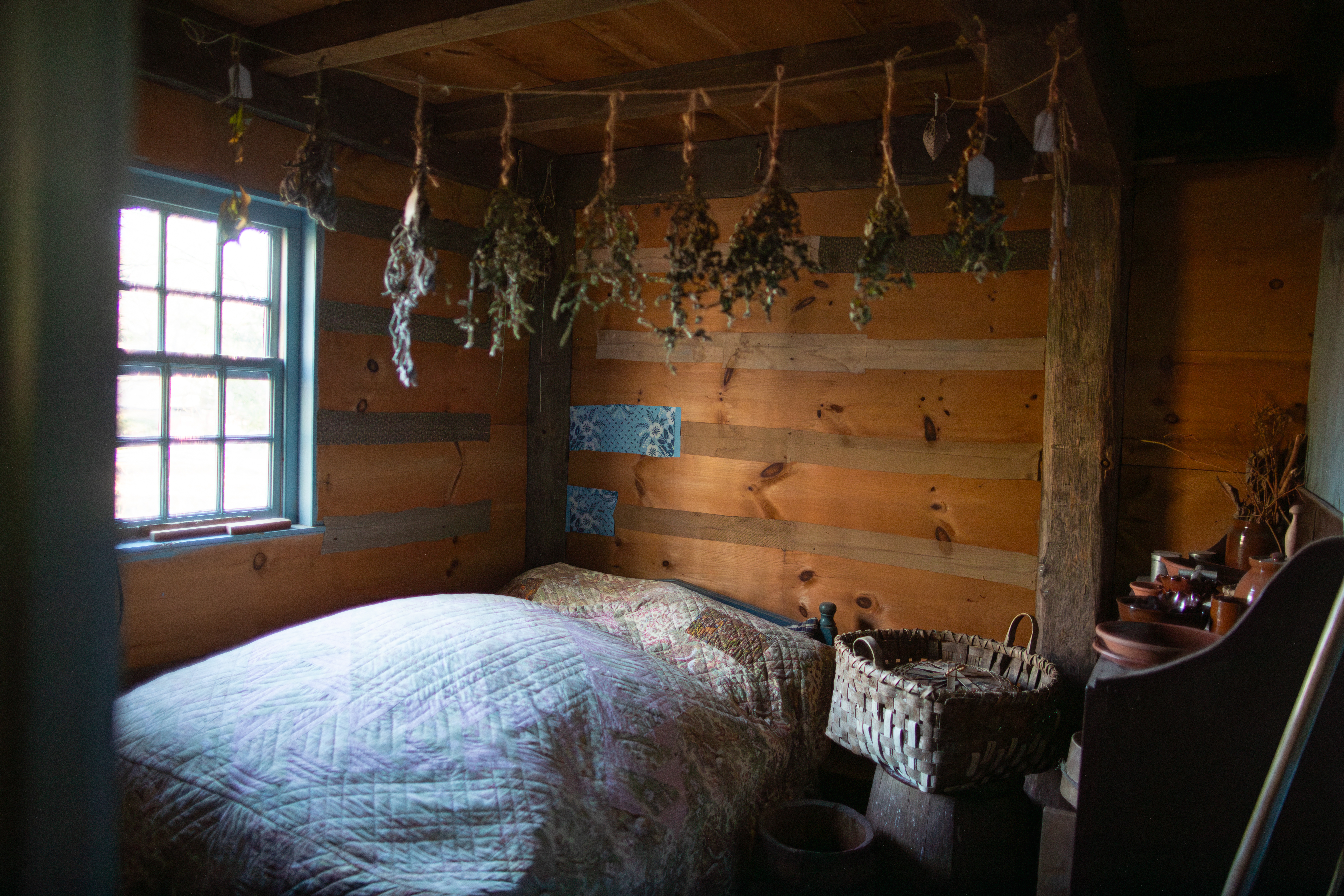
The first stop was to the small home and garden. I had never noticed before during my many but there is a room located adjacent to the fireplace. It is a very cozy accommodation.

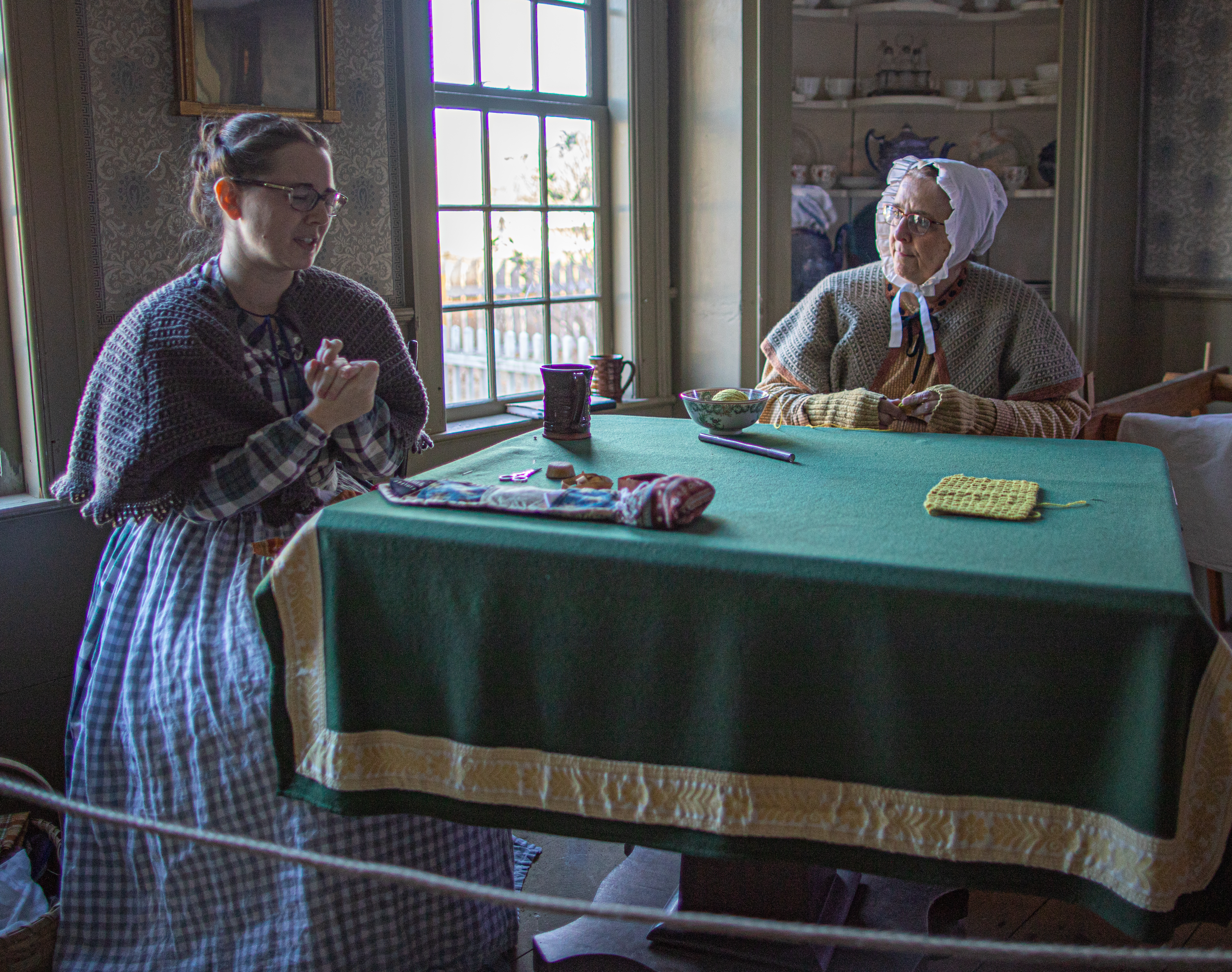
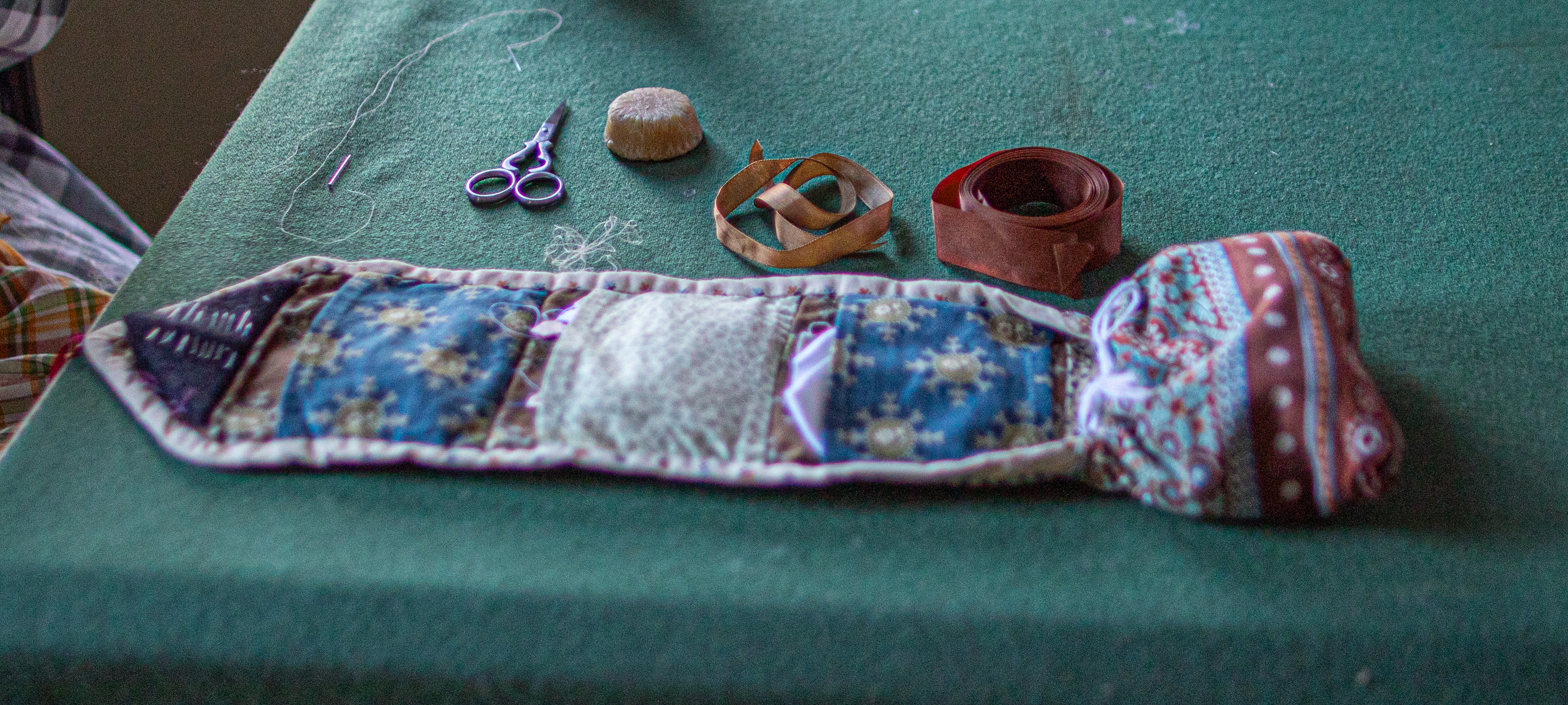
Some of the workers were busy quilting stockings and clothing for the coming winter season. .

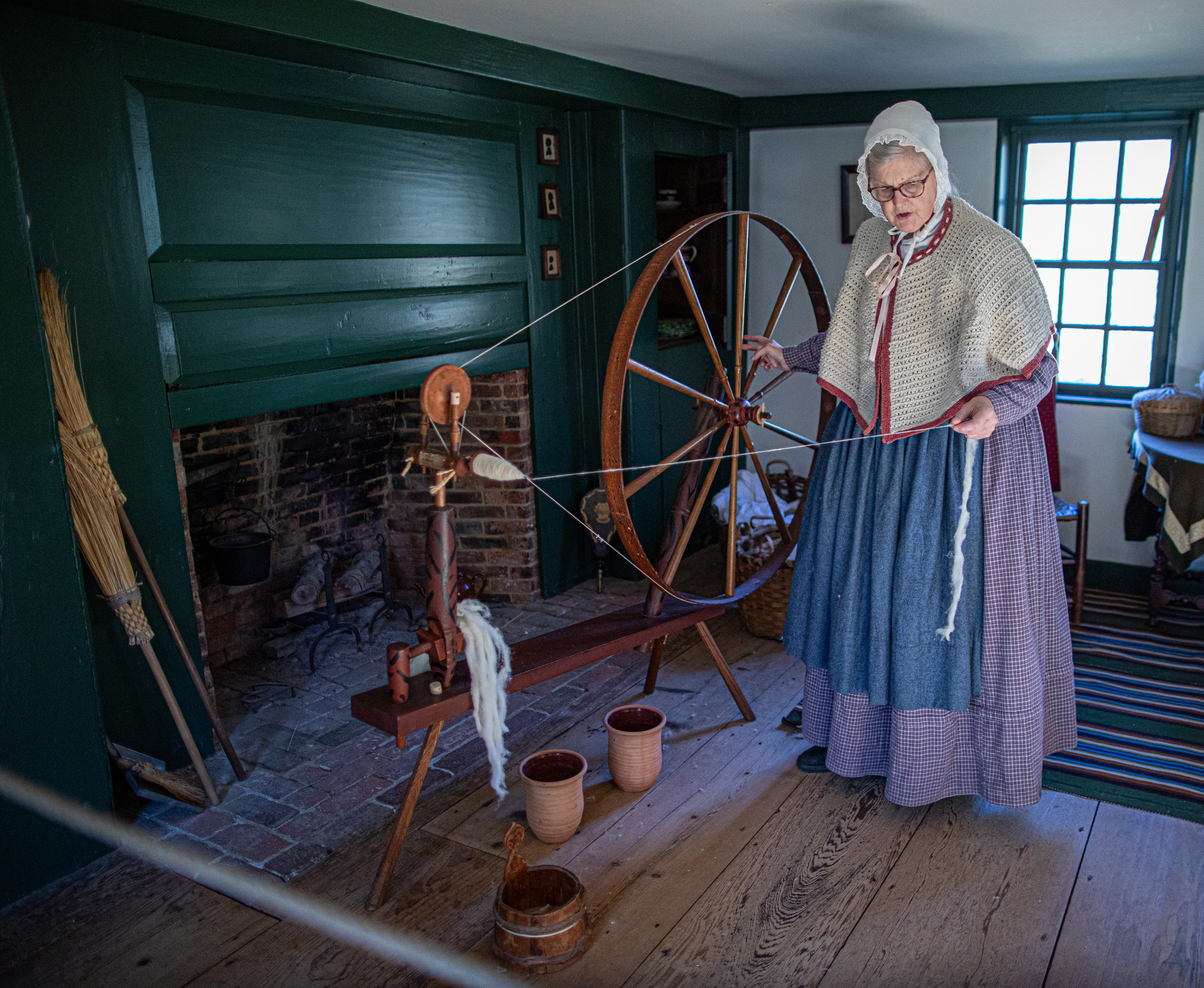
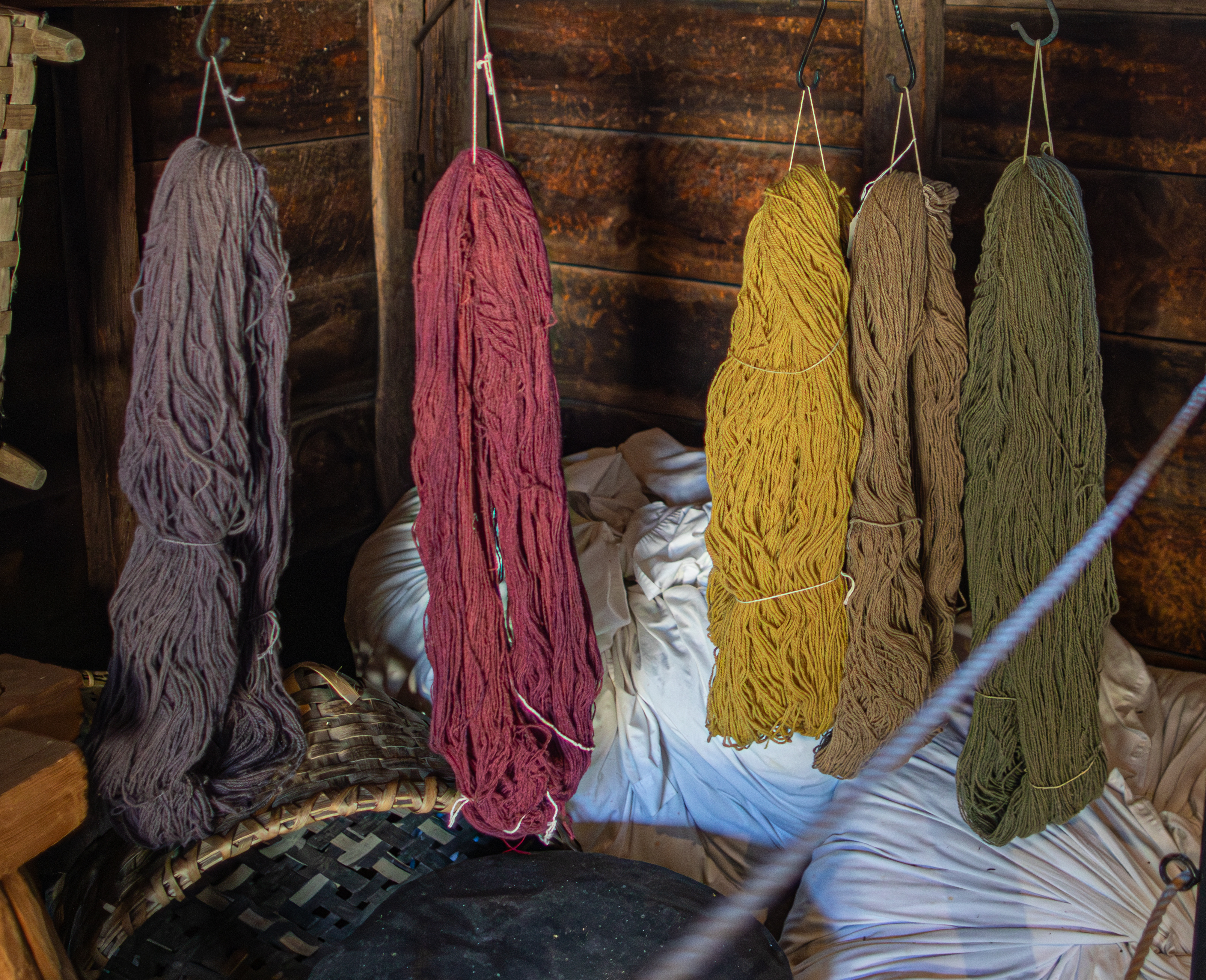
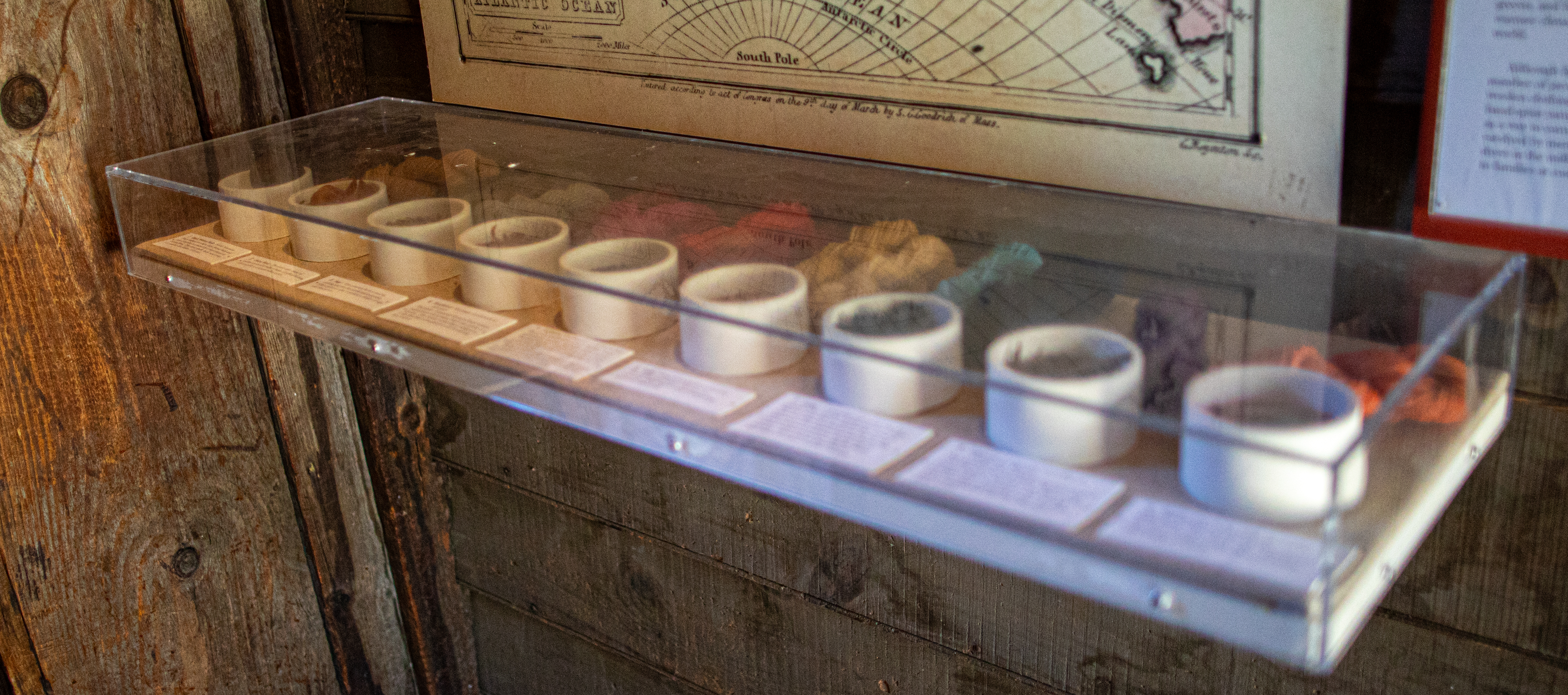
The fabric below was dyed using the method from the late 1700s and early 1800s. Dyers in the 19th century used natural materials to make their colors. Housewives gathered black walnuts, oak galls and goldenrod from the countryside. They cultivated plants used for dying like sage in their kitchen gardens. Local New England dyestuffs produced a range of yellows, greens and browns. More vibrant colors usually came from dyestuffs grown in warmer climates. Many country stores stocked imported dyes all over the world.

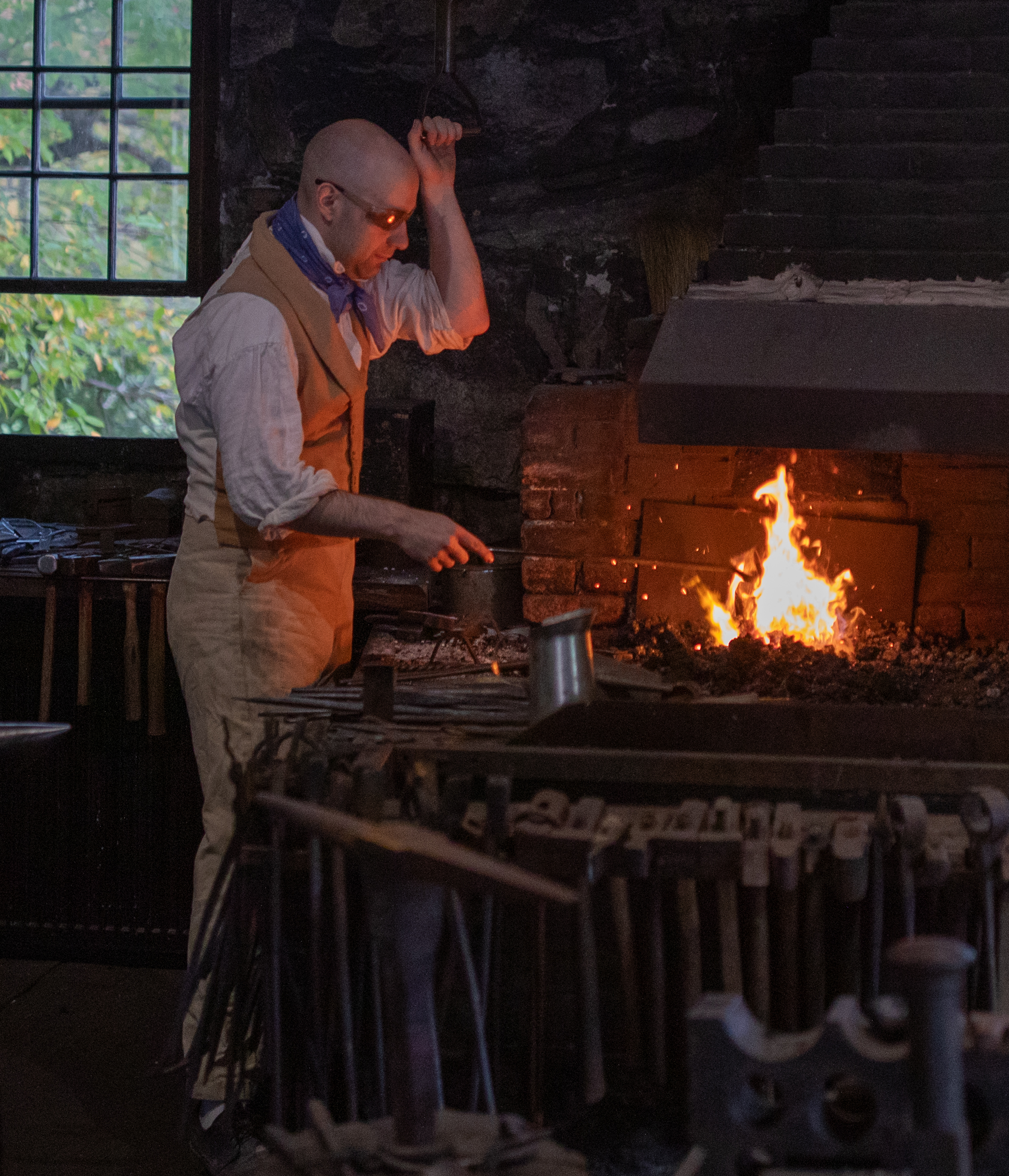
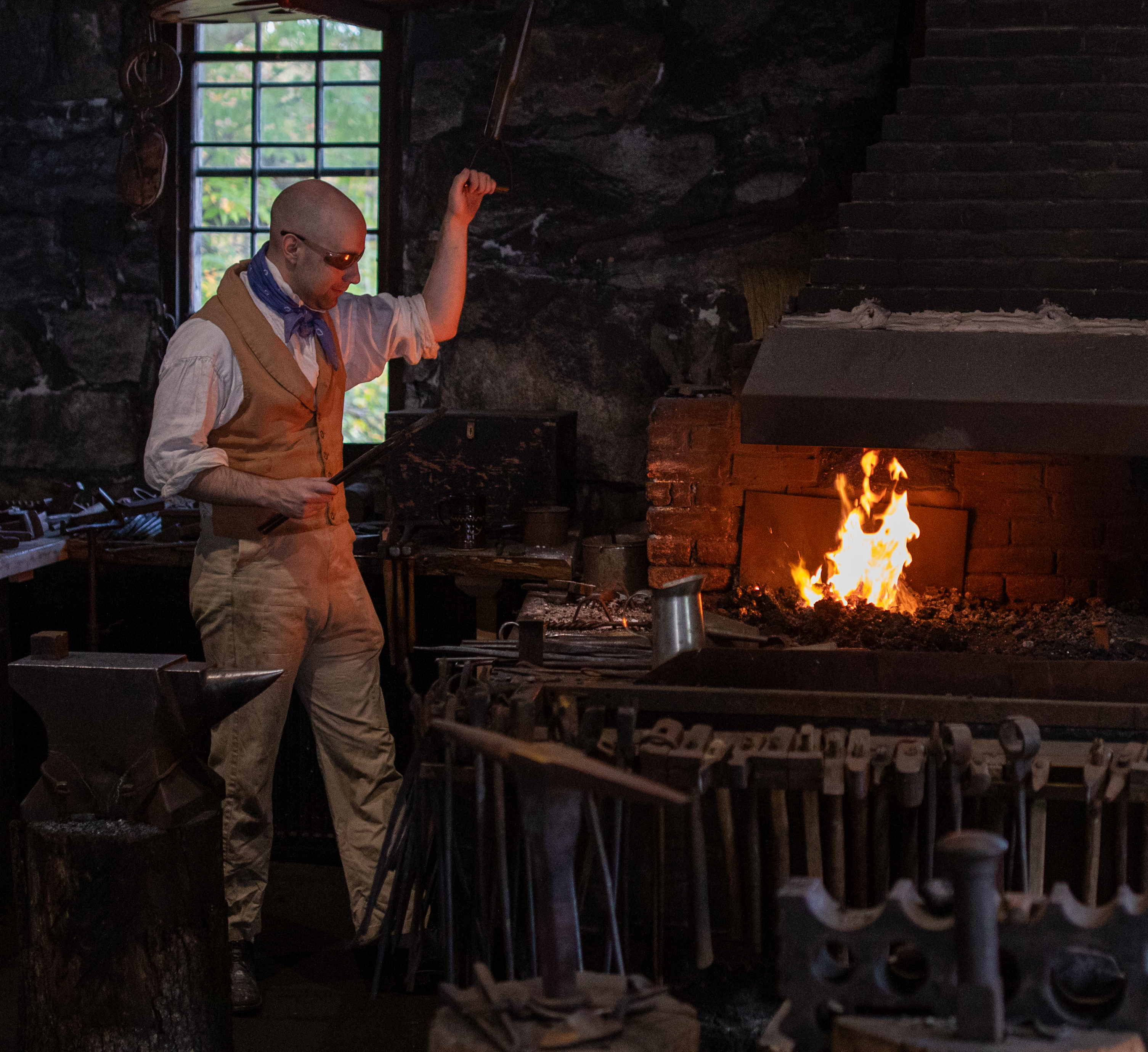
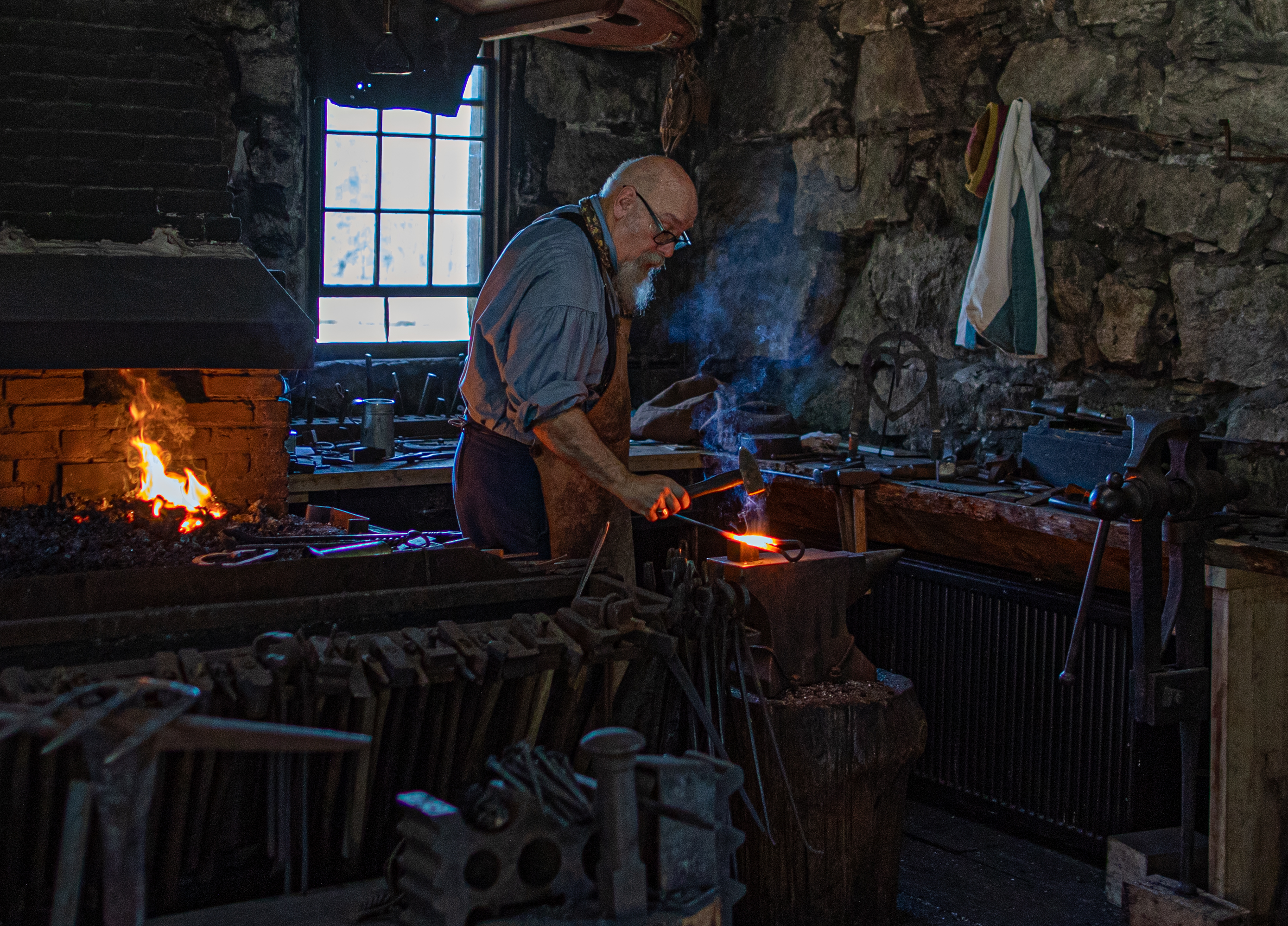
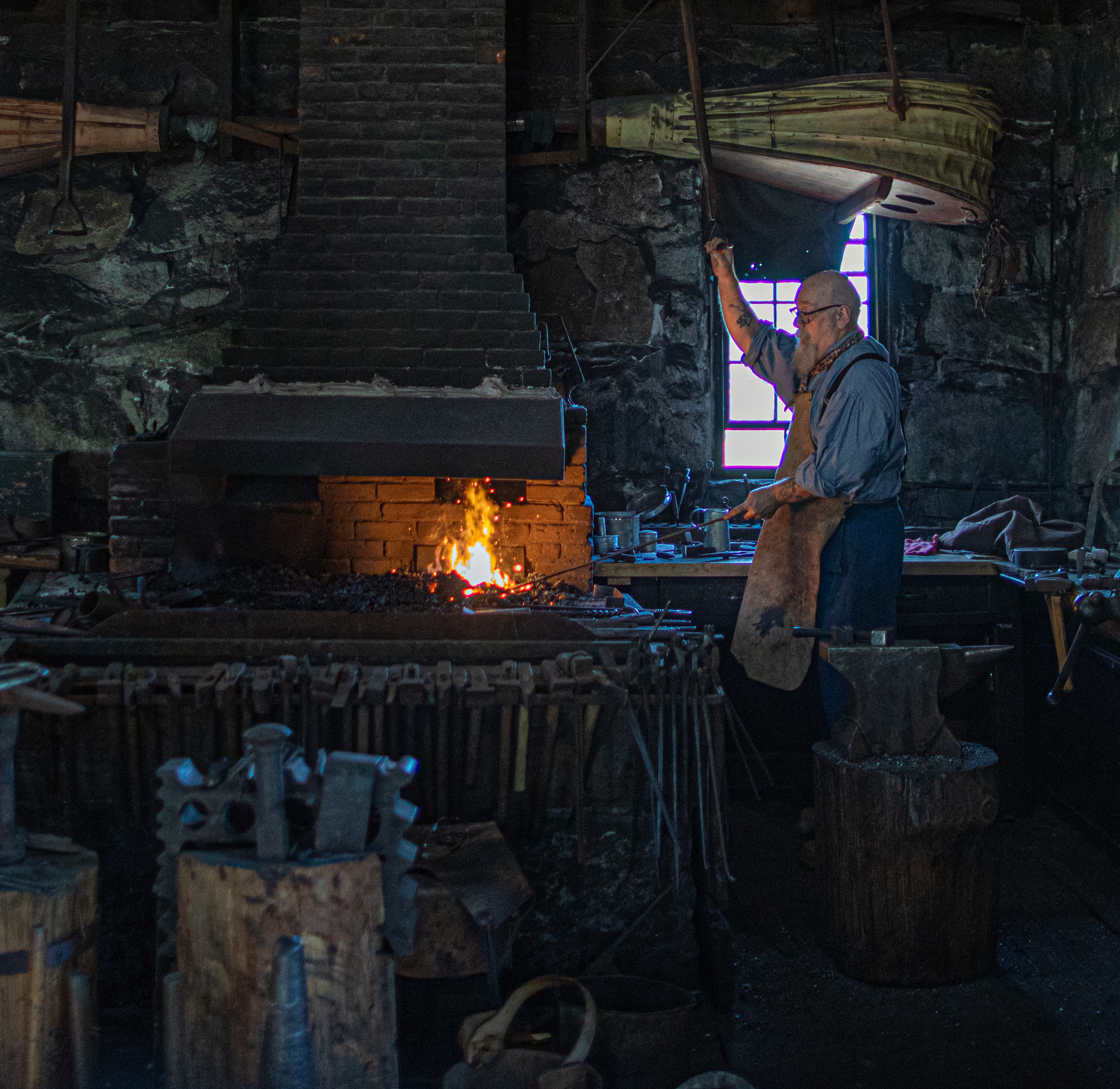
One of my favorite places to visit at the village is the Blacksmith Shop. The blacksmith always seems to be working on something interesting.

This Blacksmith Shop was originally located in Bolton, MA around 1810. It was relocated to the village in 1957.

Blacksmith Moses Wilder owned land that adjoined a stone quarry operated by his wife’s cousins in Bolton, Massachusetts. Wilder built the Blacksmith Shop using some 400 granite stones from the quarry to form the walls. He was able to maintain a prosperous business making and repairing tools used in the neighboring quarry. His son, Abraham, later took over the business.

Neighborhood blacksmiths undertook several different kinds of work in rural New England, and most towns had several blacksmiths. Some specialized in producing edge tools or machinery. Others shoed horses or turned to wheelwrighting and repairing vehicles. Many did general iron work, repairing manufactured and imported tools, shoeing horses and oxen, and making hardware and other metal items needed in the community.

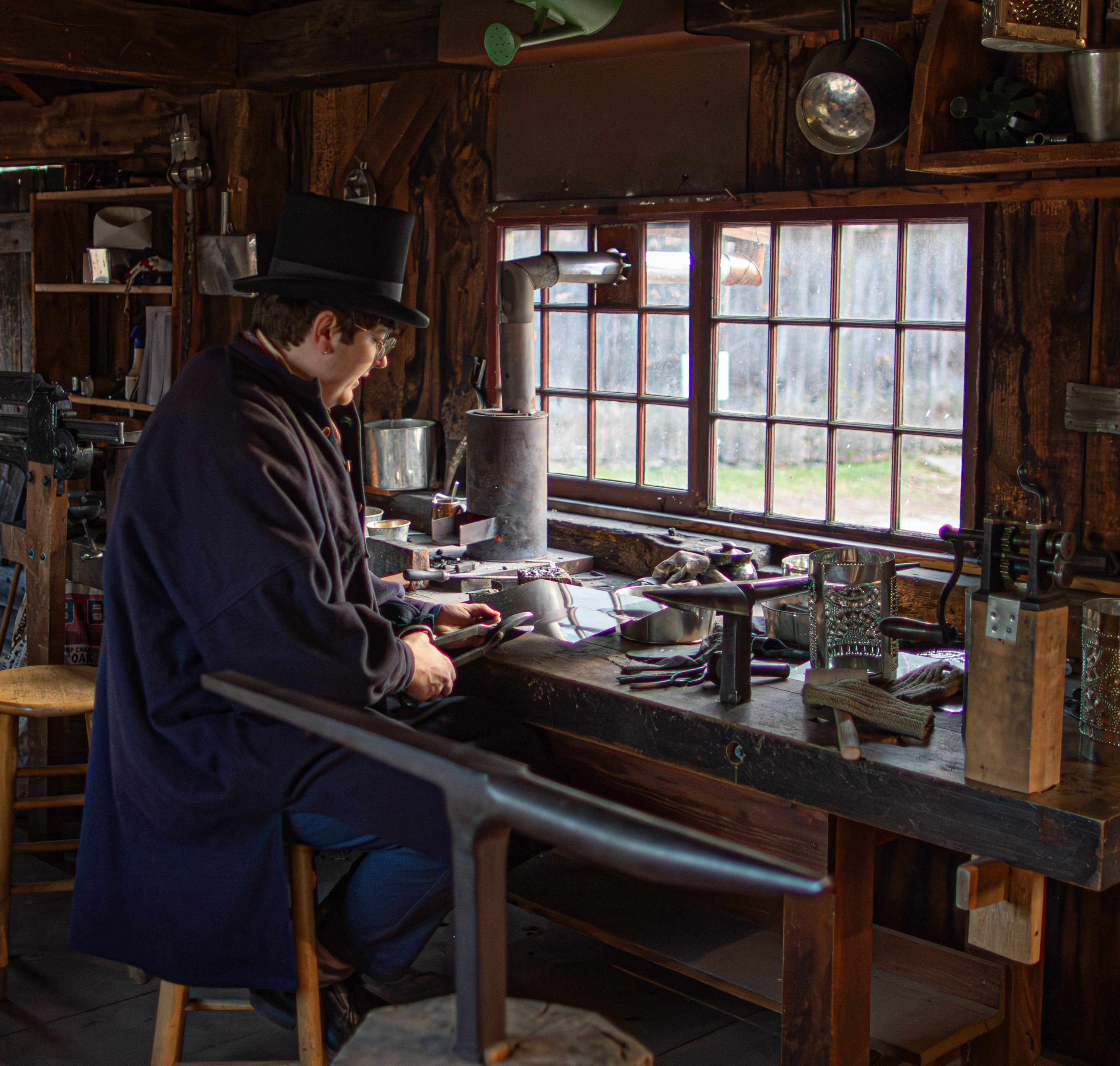
This tin shop, which was reconstructed in 1975, is believed to have been in operation around 1800 to 1850.

The tin business in New England grew rapidly after 1820. Tin shop owners imported tinplated sheet iron from Great Britain, shaped it into a variety of forms, and distributed their finished goods through peddlers and country stores. They also sold tinware in their shops. Colanders, dippers, dish kettles, funnels, measures, and pans were in greatest demand. Other common items included lanterns, foot stoves, teapots, coffeepots, “tin kitchens”, skimmers, and sconces.

The Tin Shop at Old Sturbridge Village is a reconfigured the early 1800s shed. Here, “tinners” work with hand tools as well as machines that were new innovations in the early 19th century. These machines turned tinplate, made grooves and folds, and inserted wire, increasing a shop’s production.

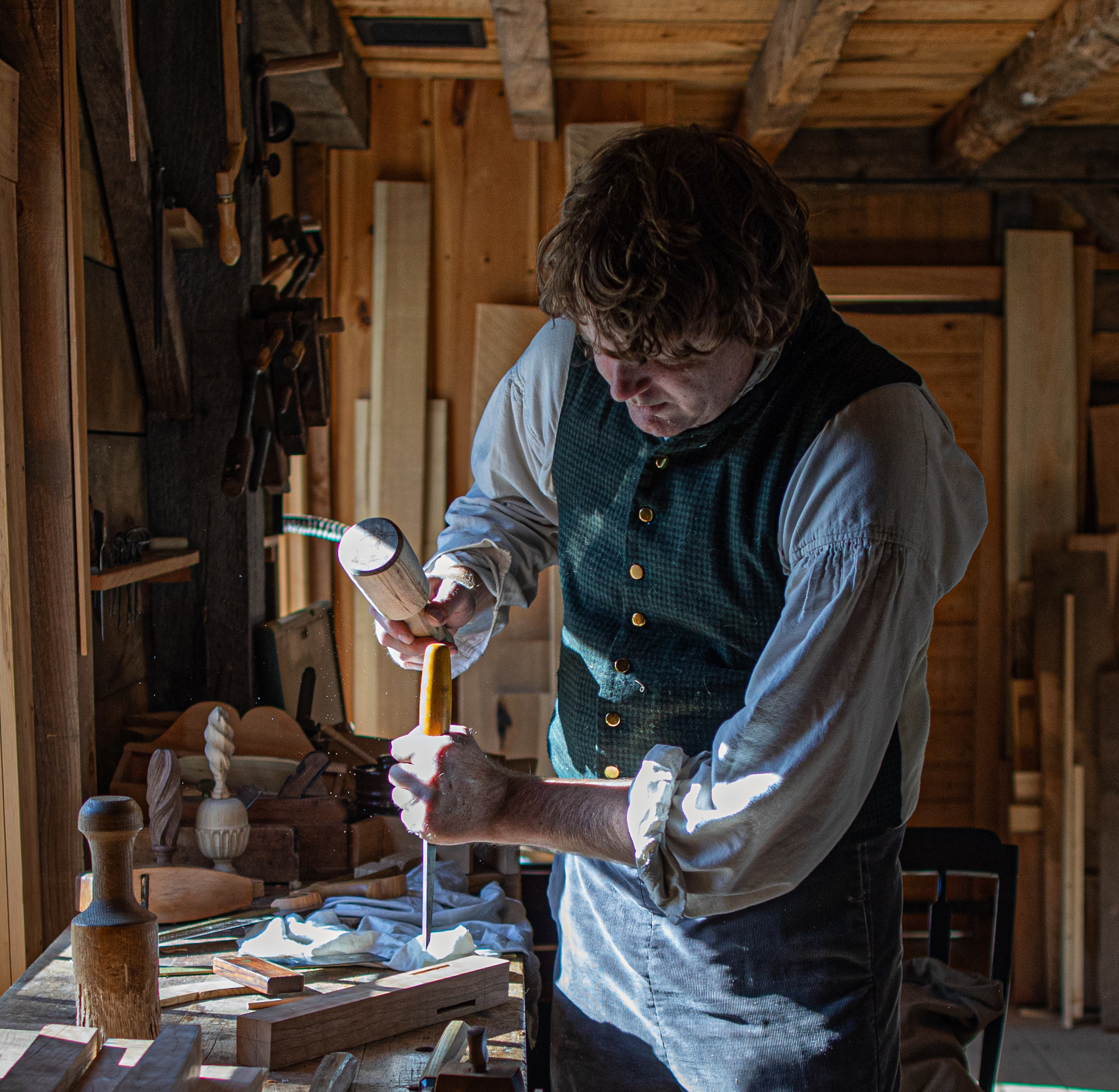
Sturbridge and the surrounding region were home to some of the foremost rural cabinetmakers of the early 19th century, including Nathan Lumbard and Oliver Wight. These craftspeople, as well as others like them, were integral to 19th-century rural New England communities. In 2017, Village staff and Trustees began working on a plan to create a permanent home for cabinetmaking at the Village. The Cabinetmaking Shop opened in October, 2021, as a highlight of the Village’s 75th anniversary.

In the new cabinetmaking shop,  cabinetmakers discuss the tools and techniques used in period furniture construction, including turning demonstrations on a treadle lathe, preparing stock with hand tools, and Federal-style table construction.

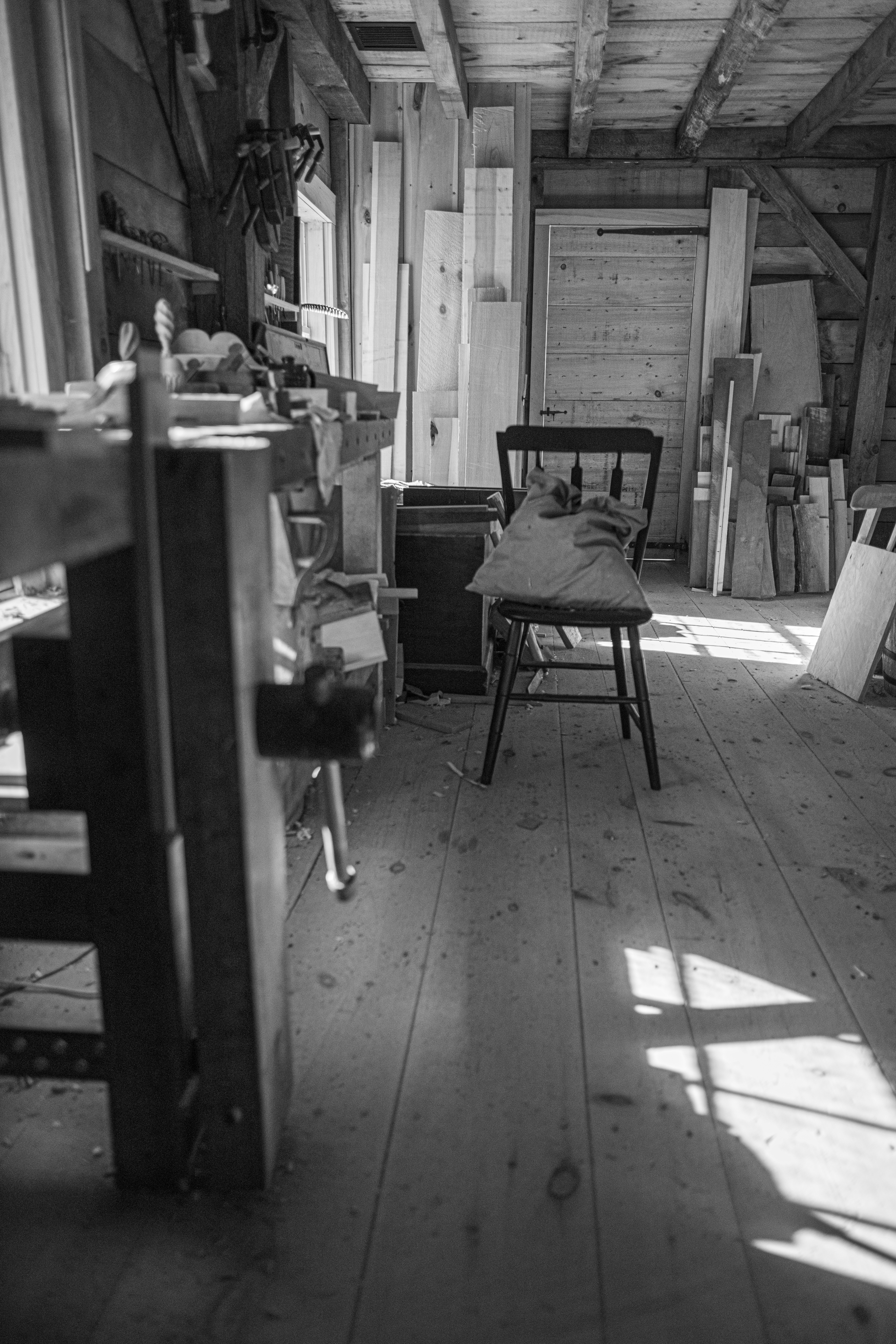
The Cabinetmaking Shop is a hybrid building, built using both historic and modern building methods in the construction of the Shop. The shop is patterned after period structures operated by early 19th-century New England craftsmen. Many elements of the final Cabinetmaking Shop will be created by craftsmen and interpretive staff working in the Village, including reproduction period tools, doors, shelves, and the box stove. The large timbers for the construction of the shop were even cut by the Village Sawmill.

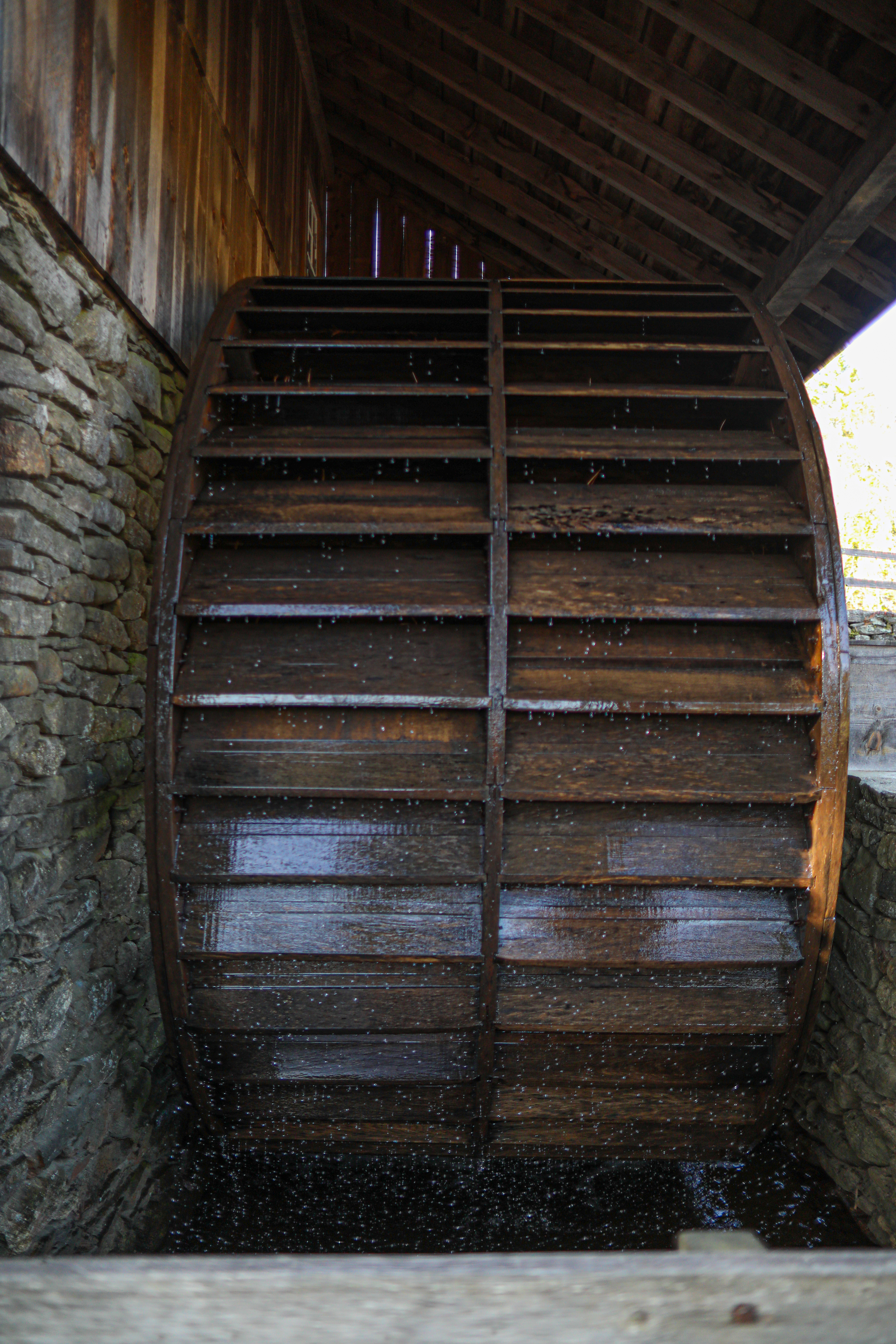
The sawmill was one of the most important buildings in the village. This sawmill was reproduced in 1984.

This rare water-powered sawmill—erected on the millpond site that David Wight, Jr. first created in the 1790s—is used to cut lumber for Old Sturbridge Village and other historic sites. The Sawmill is based on what had been one of the oldest surviving sawmills in the area: the Nichols-Colby Sawmill of Bow, New Hampshire, which was destroyed in a 1938 hurricane.

Although the Village demonstrates sawmilling in spring, summer, and fall, rural mills were busiest during late winter and early spring, when waterpower was most abundant and the demands of farming were less pressing. Sawmill account books suggest that since it was so difficult and expensive to transport logs and lumber, mills like this one concentrated on custom production for local customers.

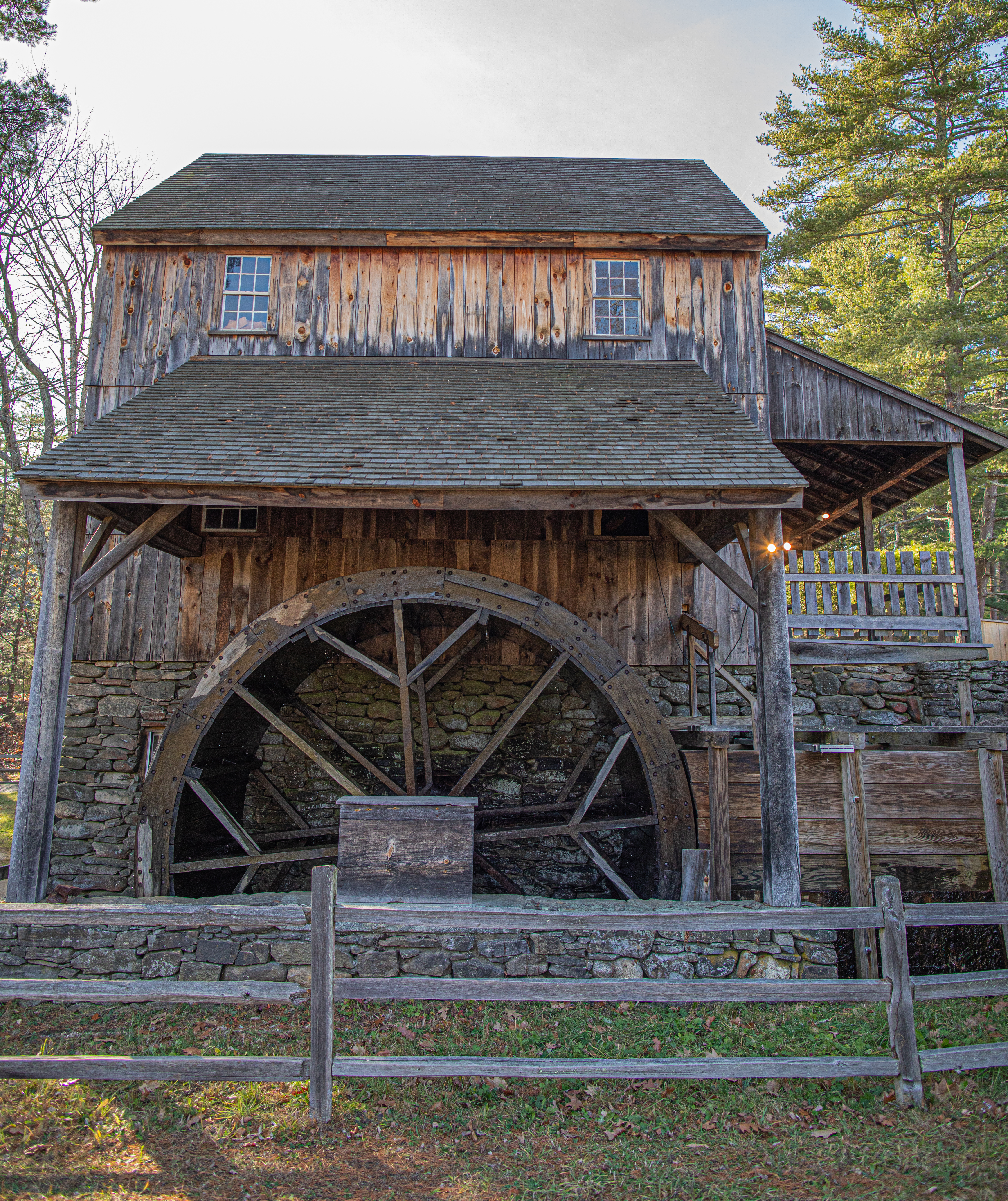
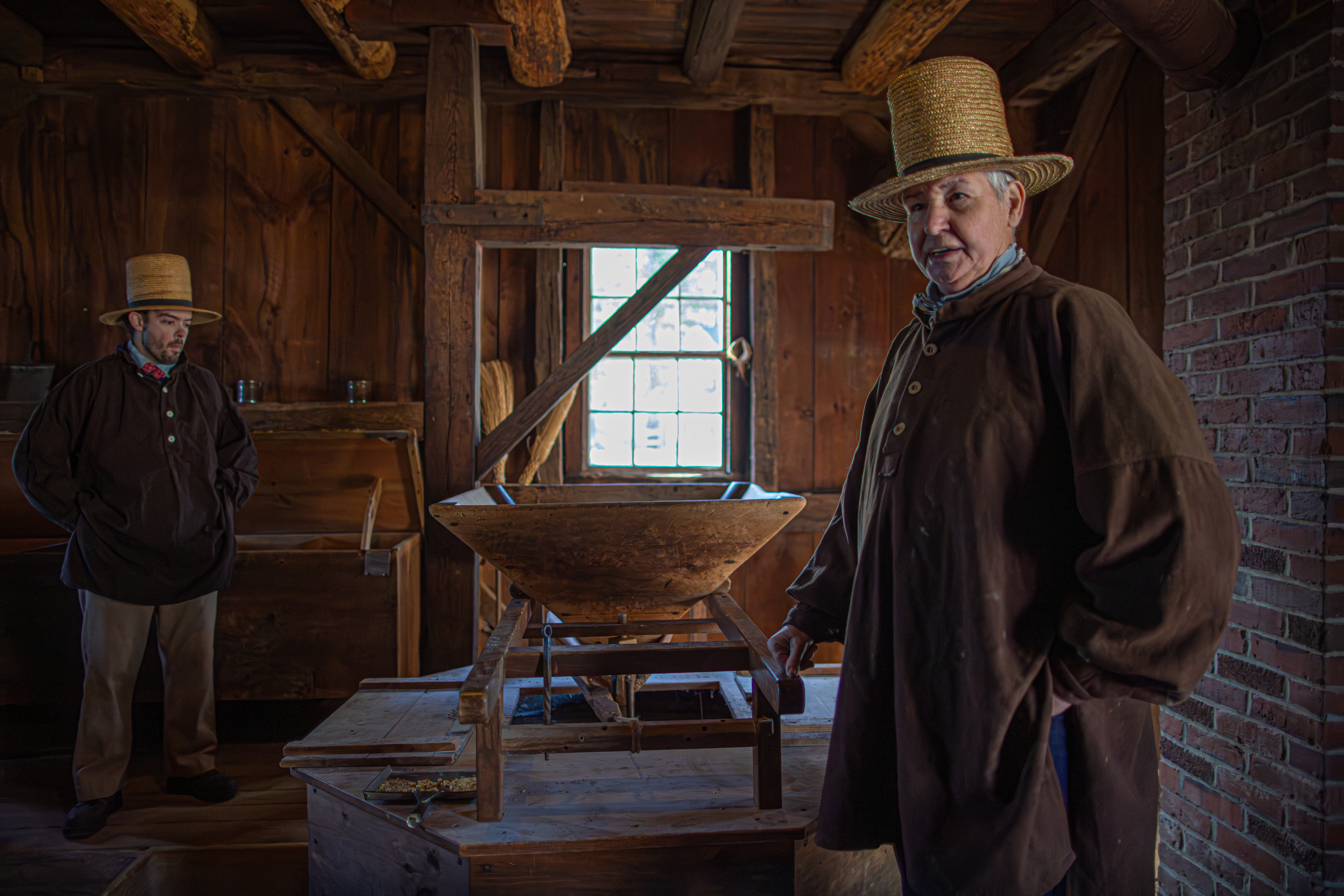
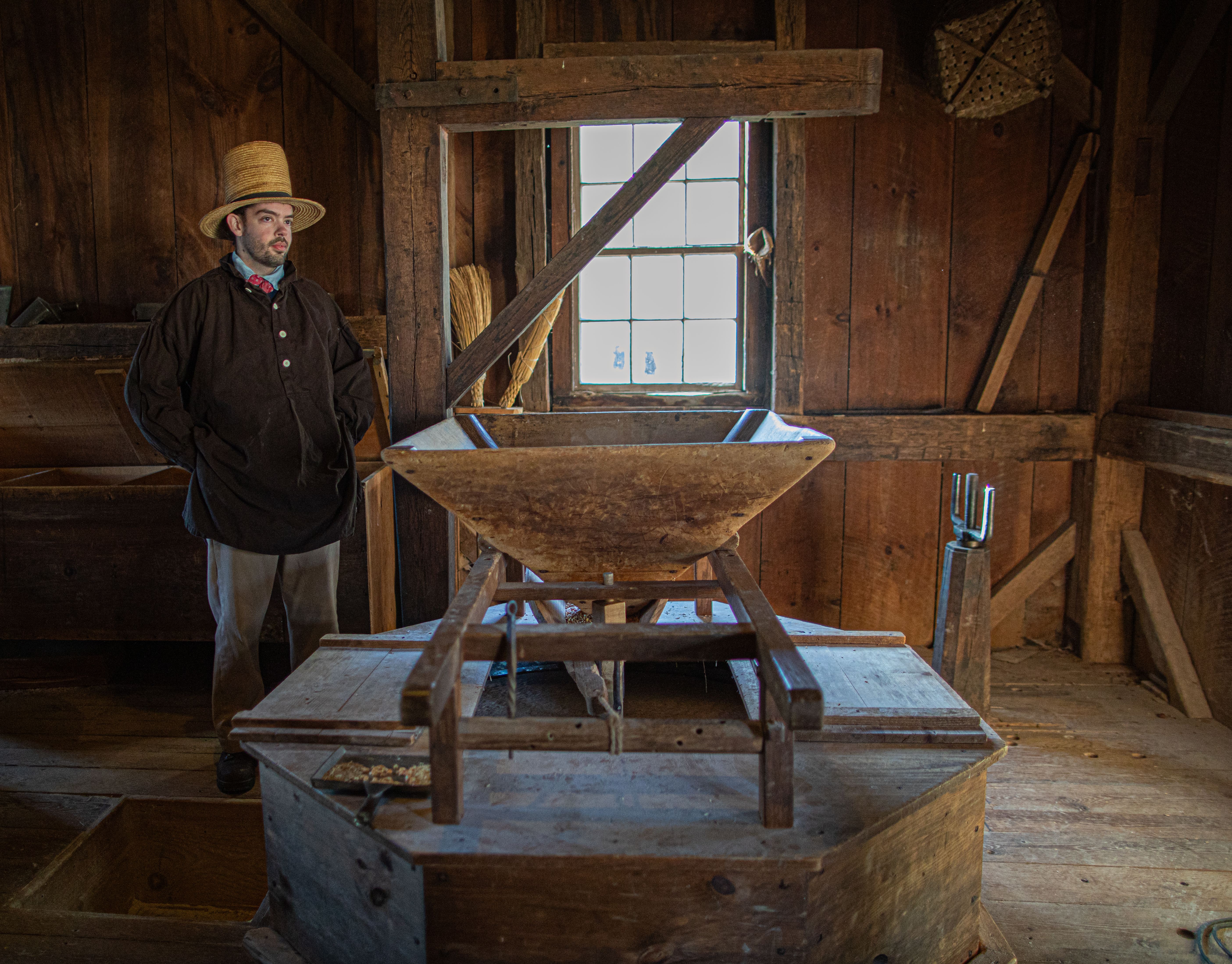
The Gristmill was also active during my visit.

The Gristmill was one of the first buildings constructed at Old Sturbridge Village. Built on the site of the Wight family’s original gristmill, the mill is made of recycled old timbers and new lumber. The mill’s massive millstones and other parts came from the Porter Gristmill in Hebron, Connecticut.

Gristmill owners served their customers by grinding grain into flour and meal for baking or provender for feeding livestock. By Massachusetts law, a miller could charge a fee or toll of 1/16th of the grain bought to him as payment for milling the rest. But rural milling was changing along with the rest of the economy; even in the countryside, cash fees were beginning to replace traditional tolls.

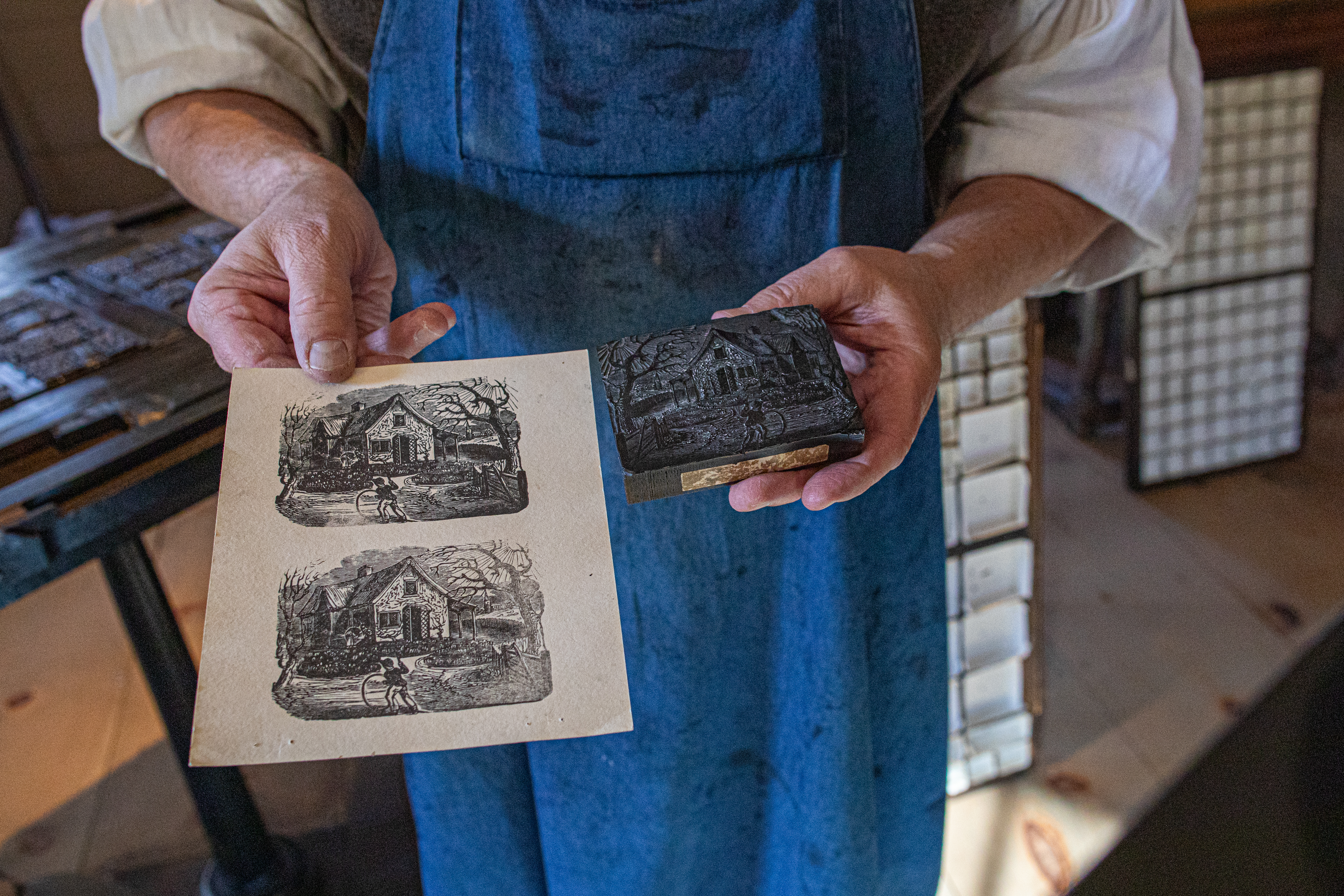
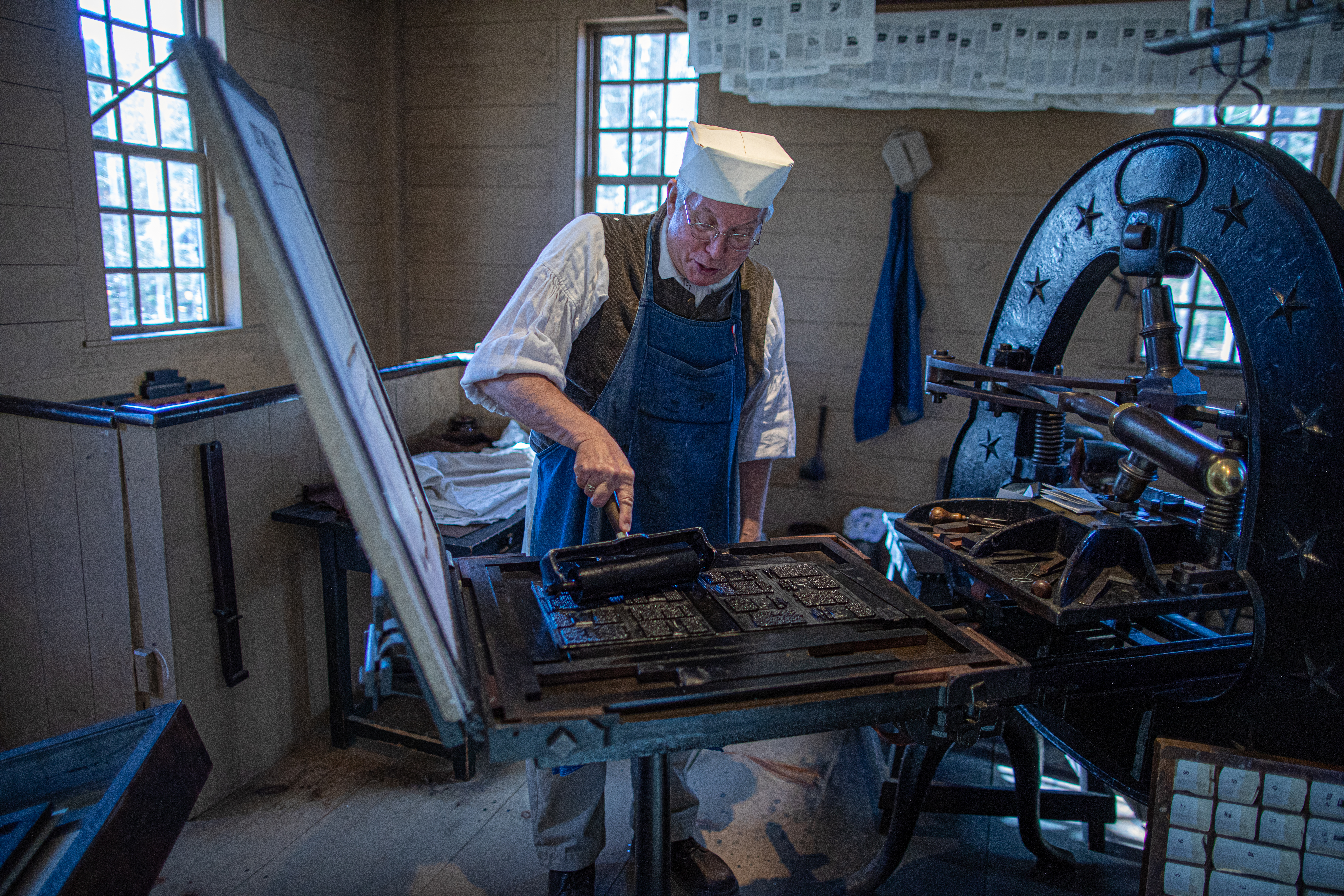
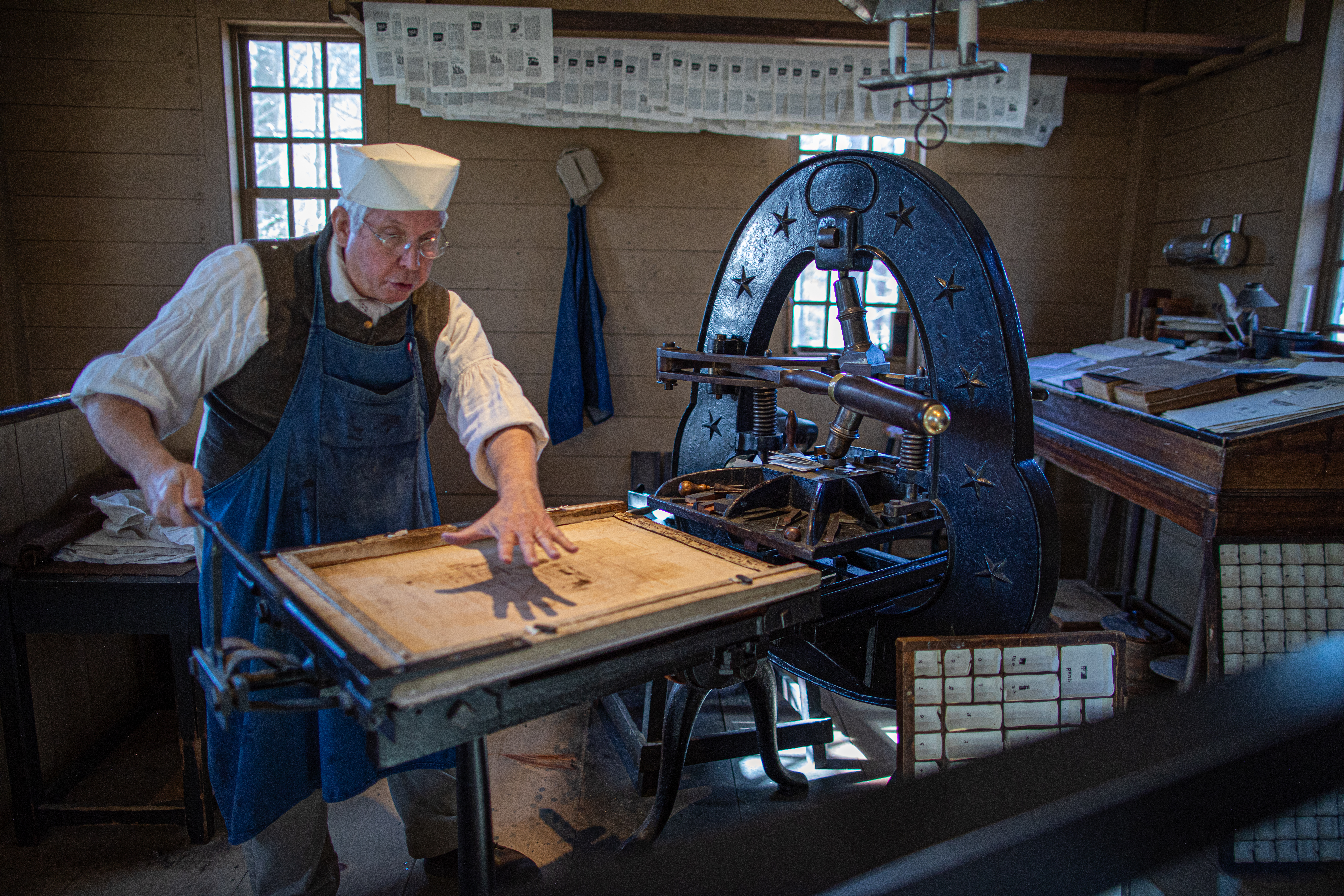
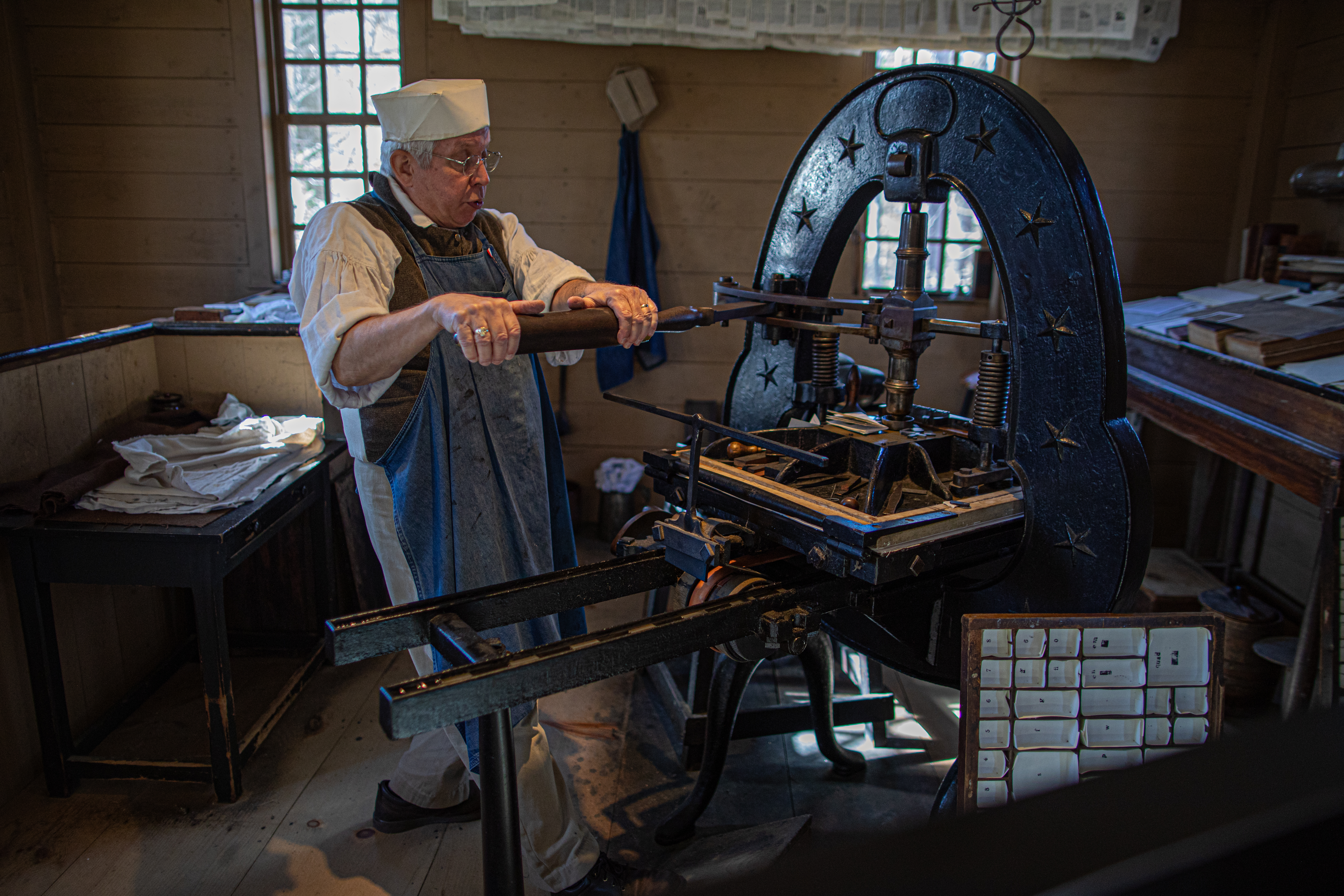
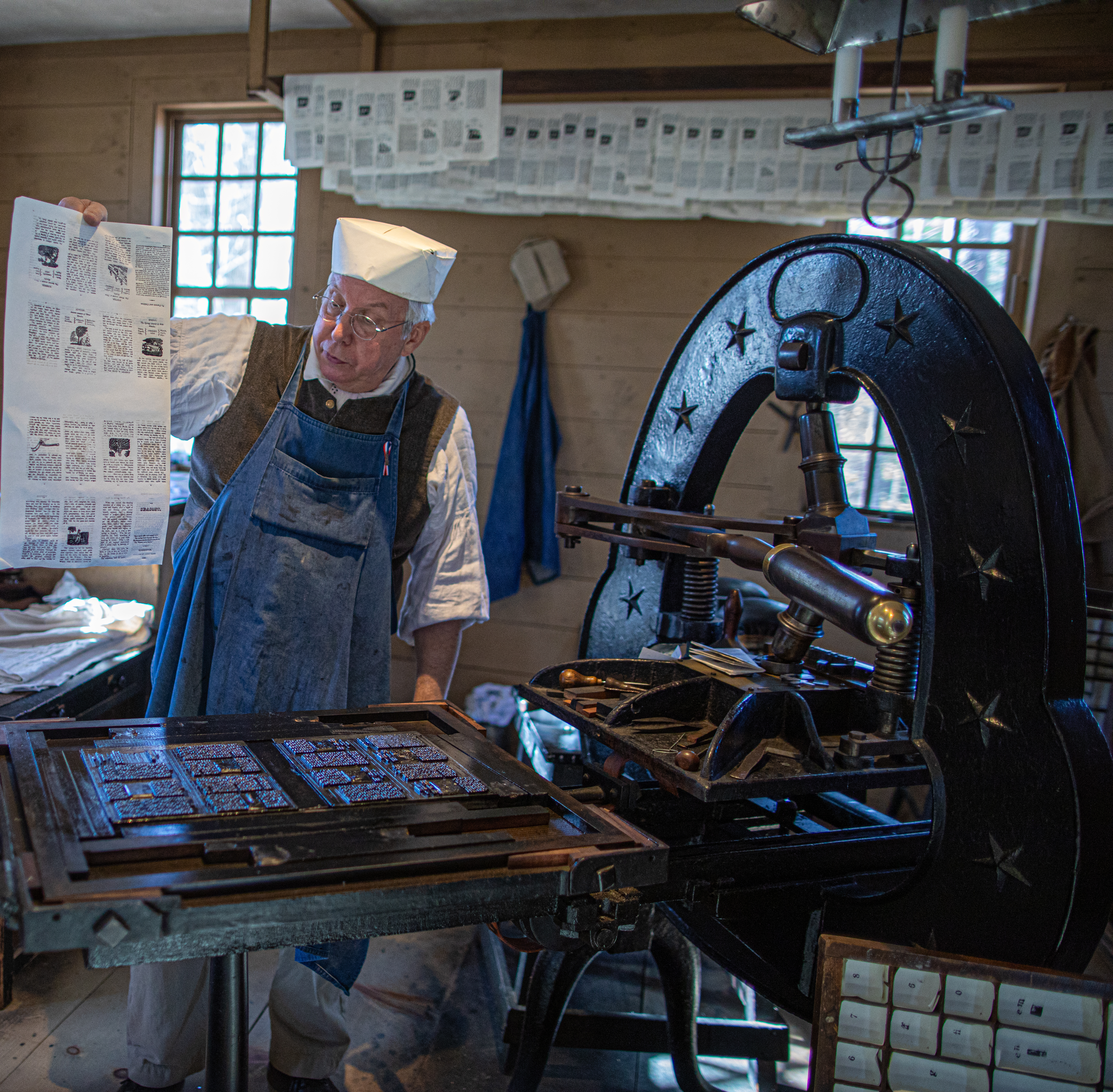
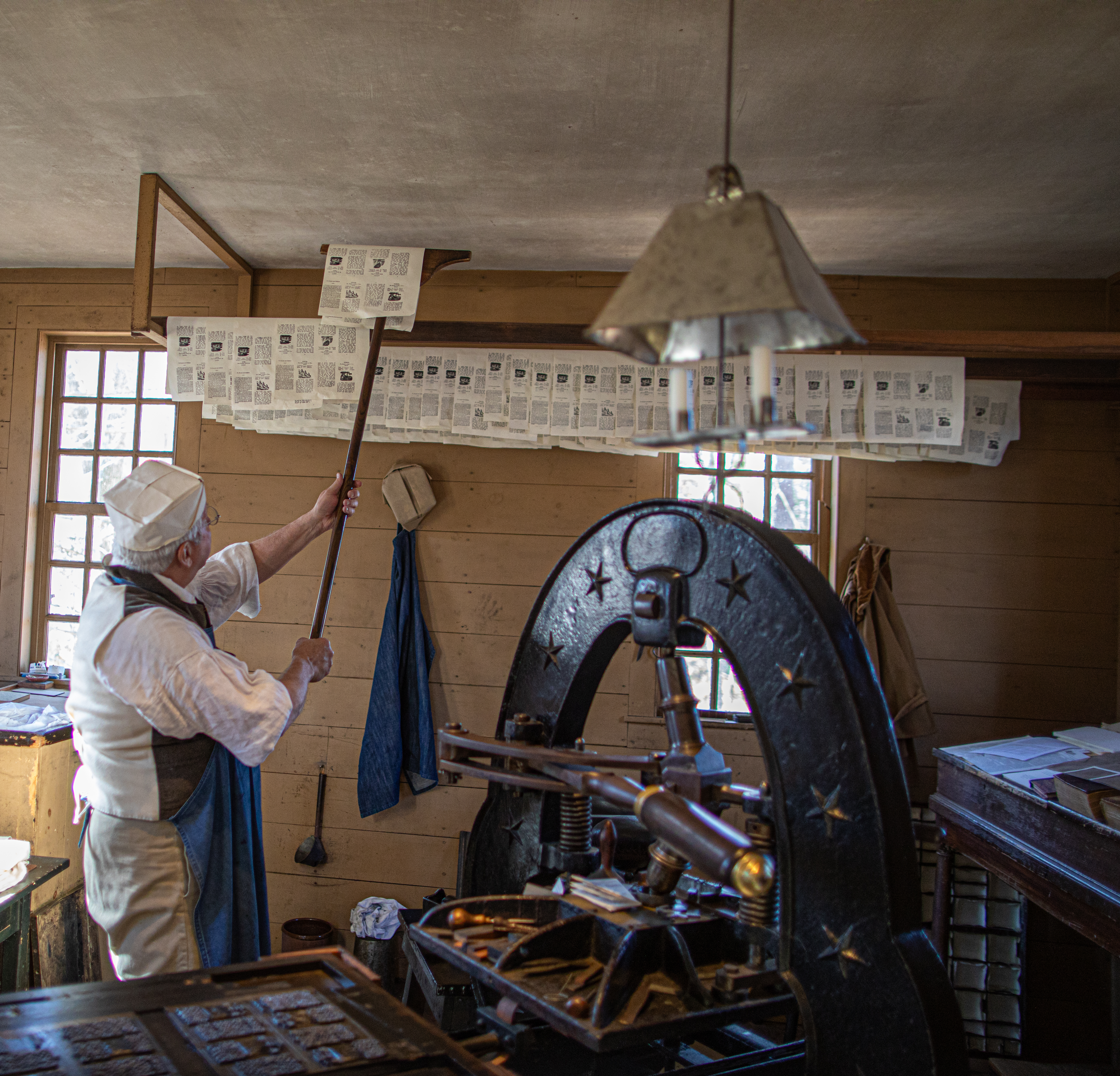
Originally built in Worcester, MA around 1780, the Printing Office was moved to Old Sturbridge Village in 1951.

Printing required speed, dexterity, and strength. Setting type and printing were generally the work of men and boys, but women were employed in stitching and binding books. Country printers concentrated on books, pamphlets, broadsides, and forms. Newspapers were seldom profitable in small towns, but many rural printers tried to make money from them. In order to have a variety of titles for their customers, rural printers exchanged large quantities of books with printers throughout New England. Then they sold the books to country merchants, often taking store goods in exchange. By 1820, many were printing books for publishers in Boston, New York, and Philadelphia.

The Printing Office at Old Sturbridge Village was owned for a time by noted printer Isaiah Thomas. Thomas moved from Boston to Worcester during the Revolutionary War to preserve his freedom to publish. It is unlikely that Thomas printed in this building, but the association with him is important. As one of America’s most successful printers, he trained many craftsmen, who influenced the trade for two generations.

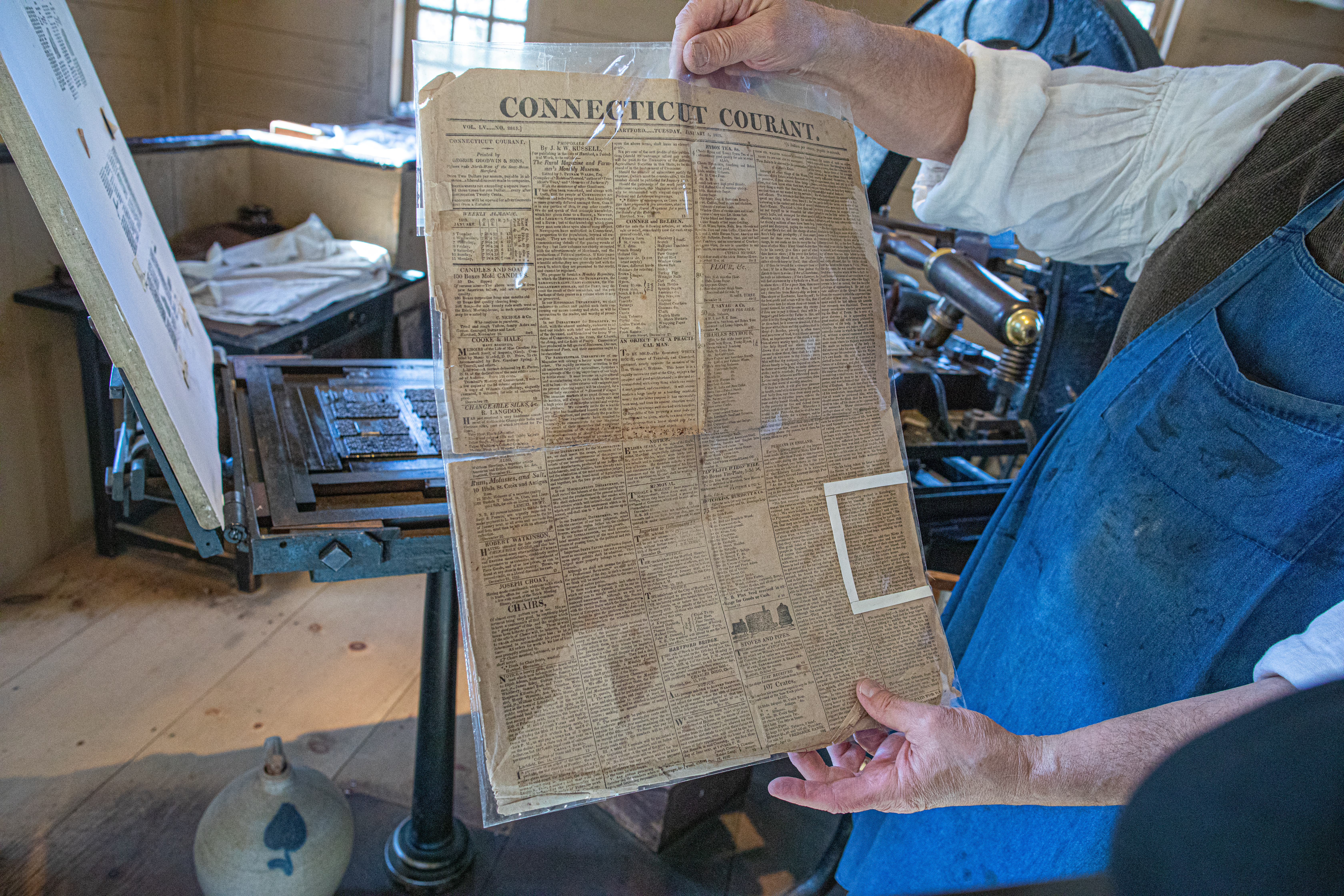
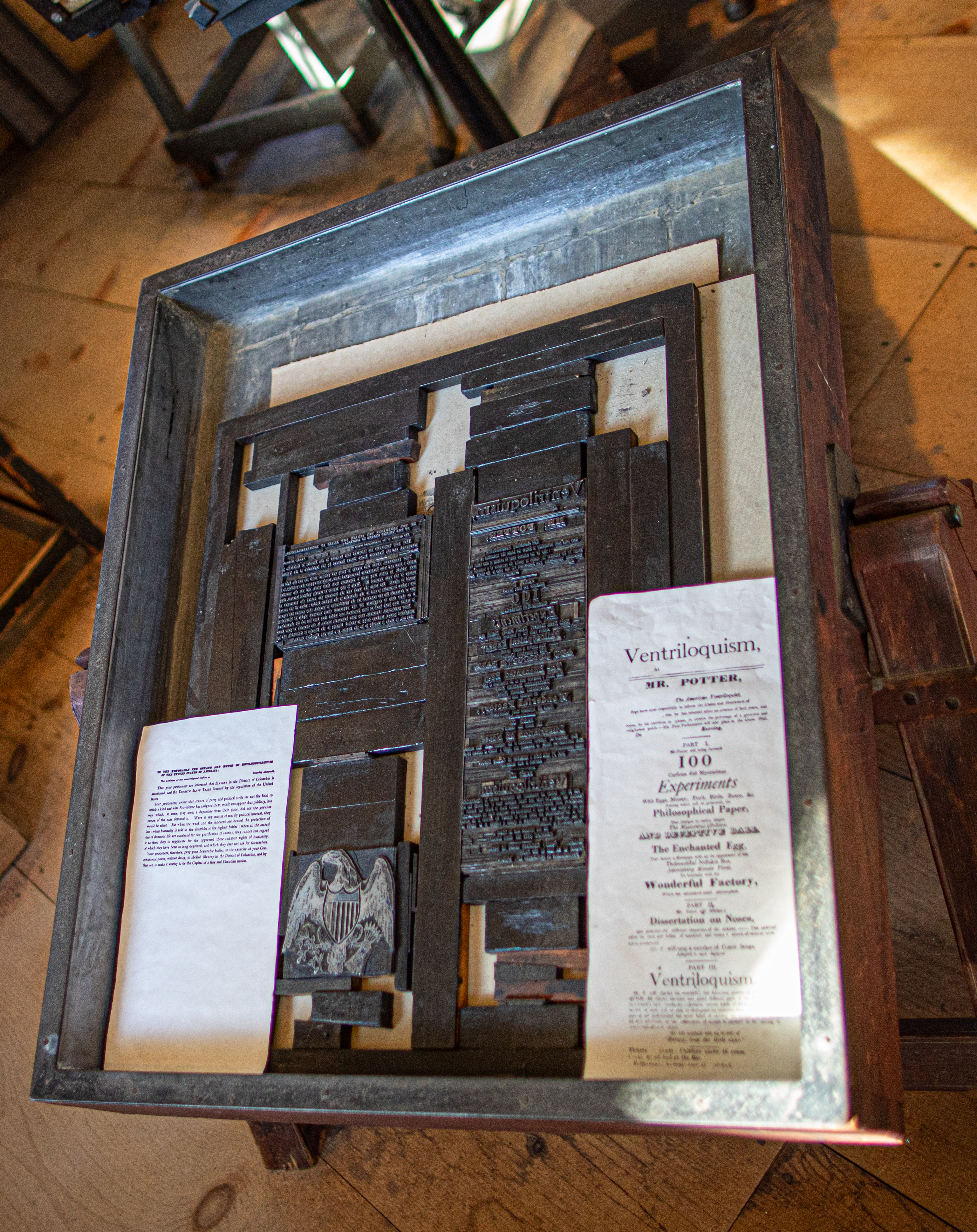
The printer showed off the tools of the print shop as well as how the papers were printed on. This copy of the Connecticut, which was printed on the printer in the office is an original from the 1800s.

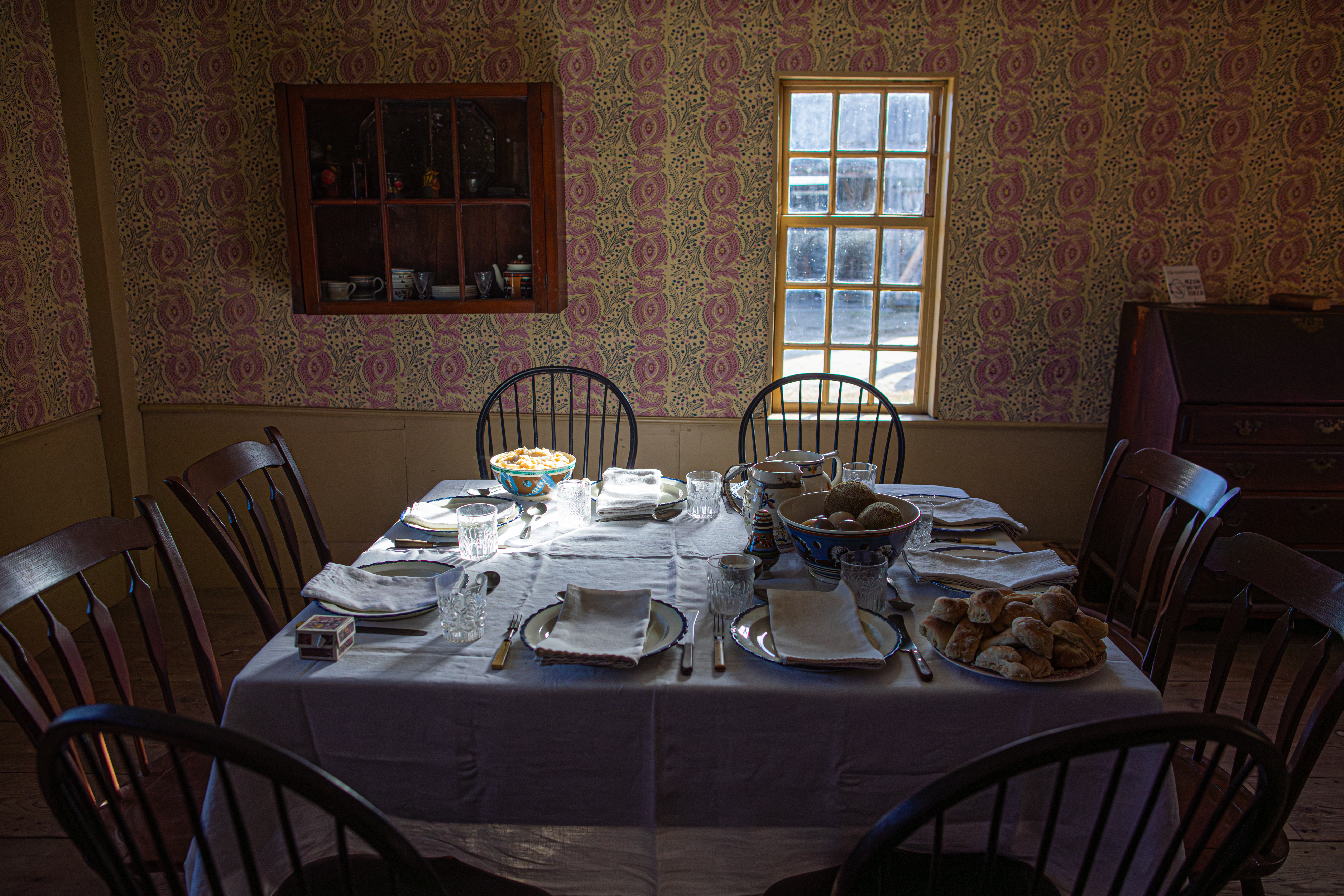
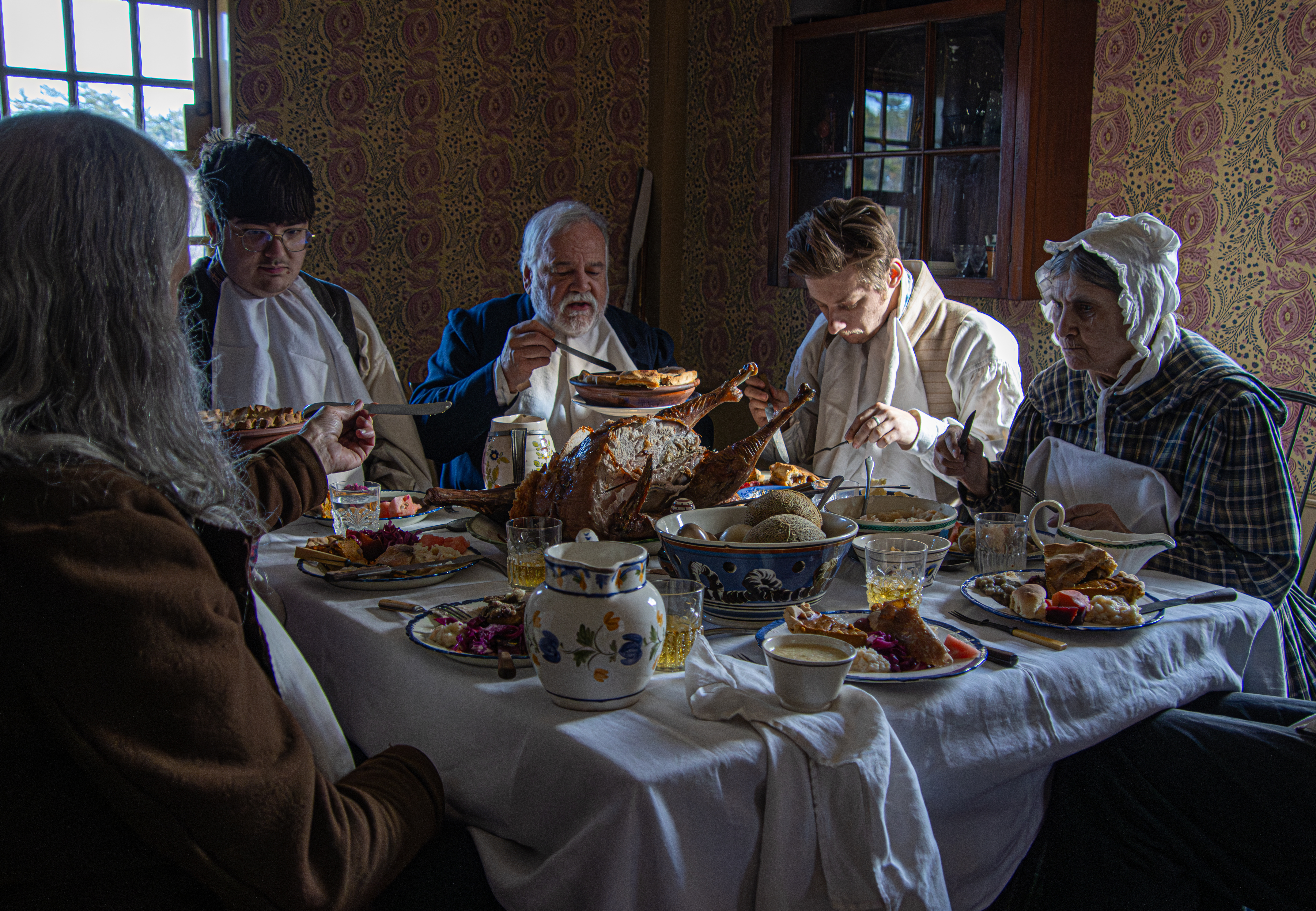
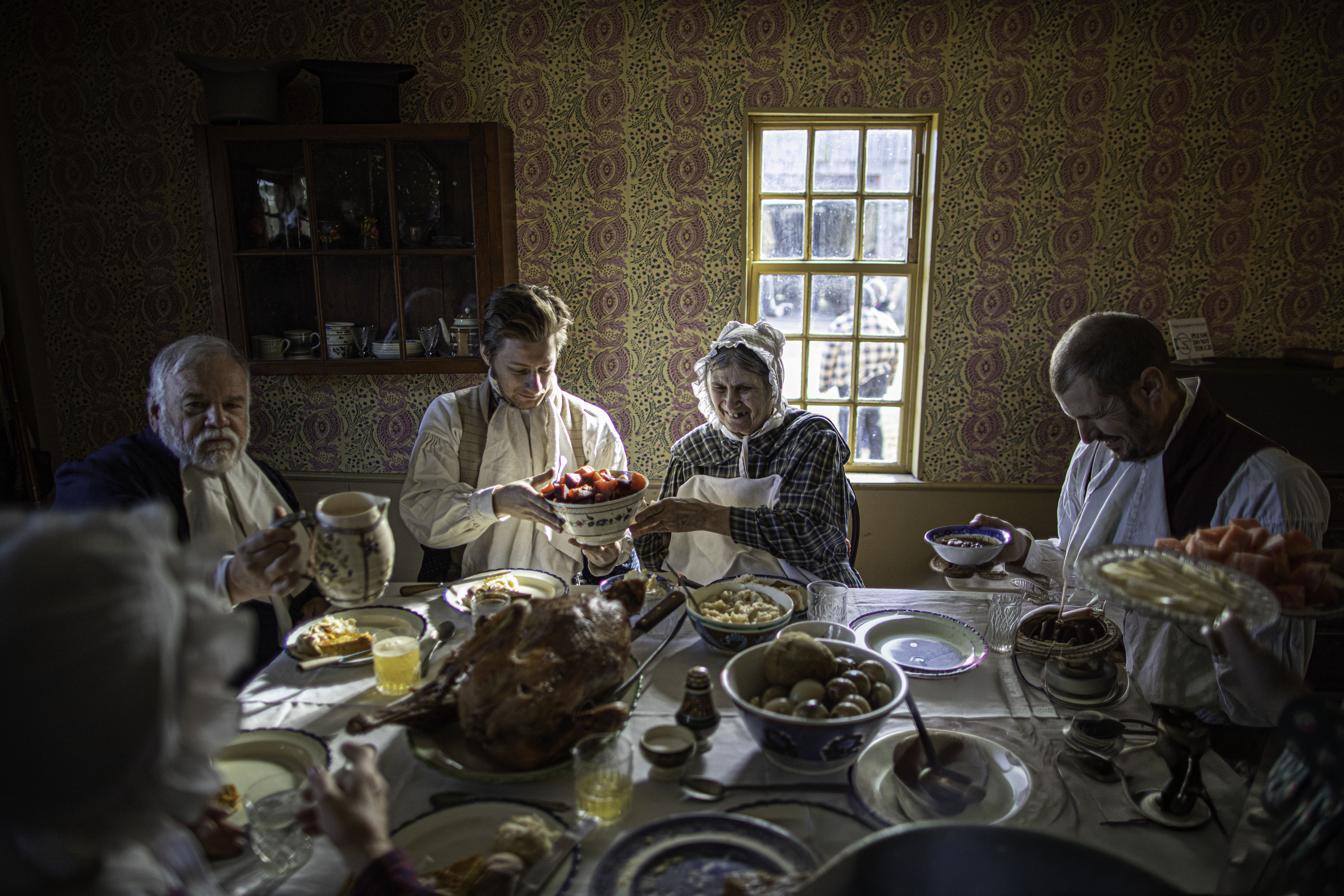
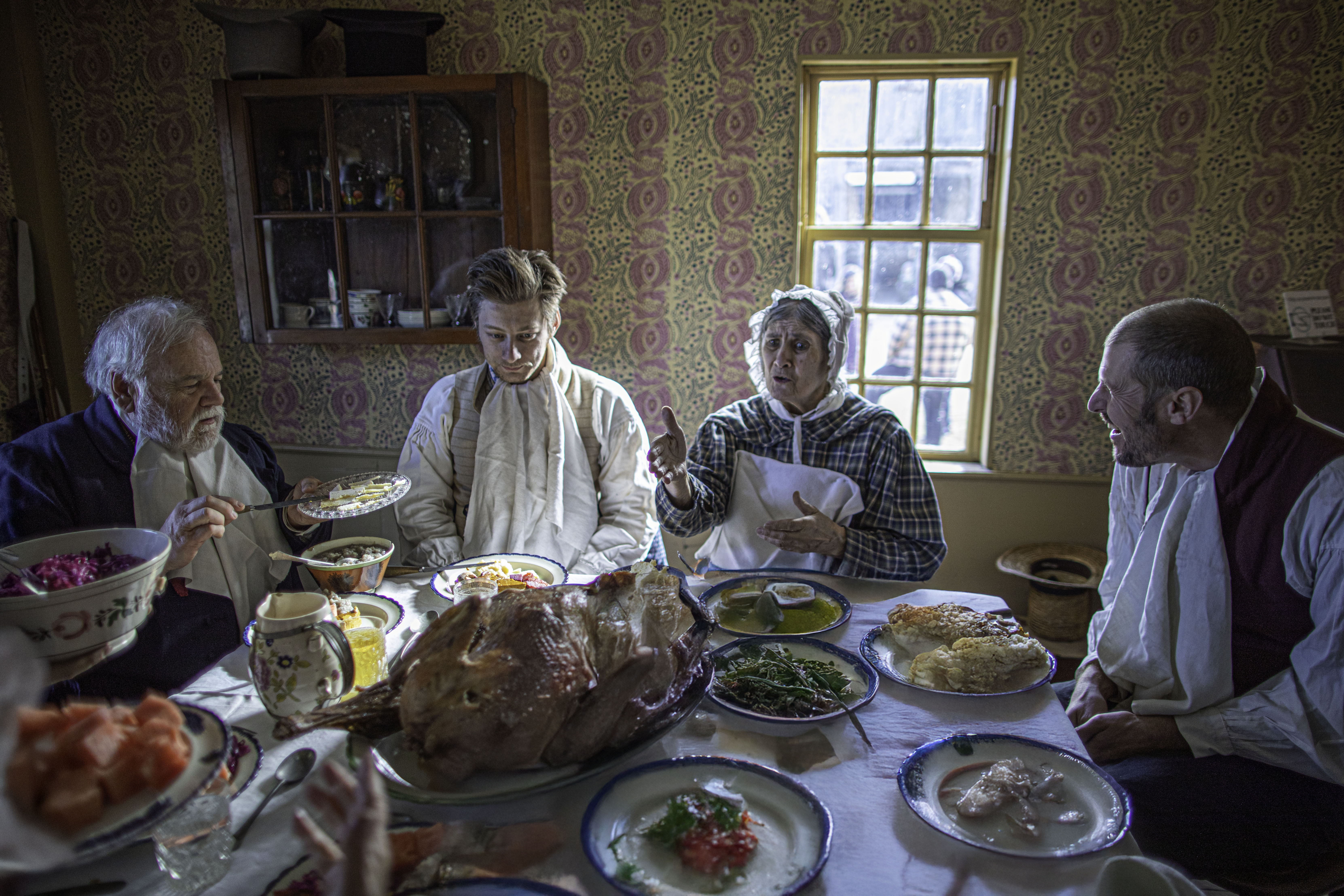
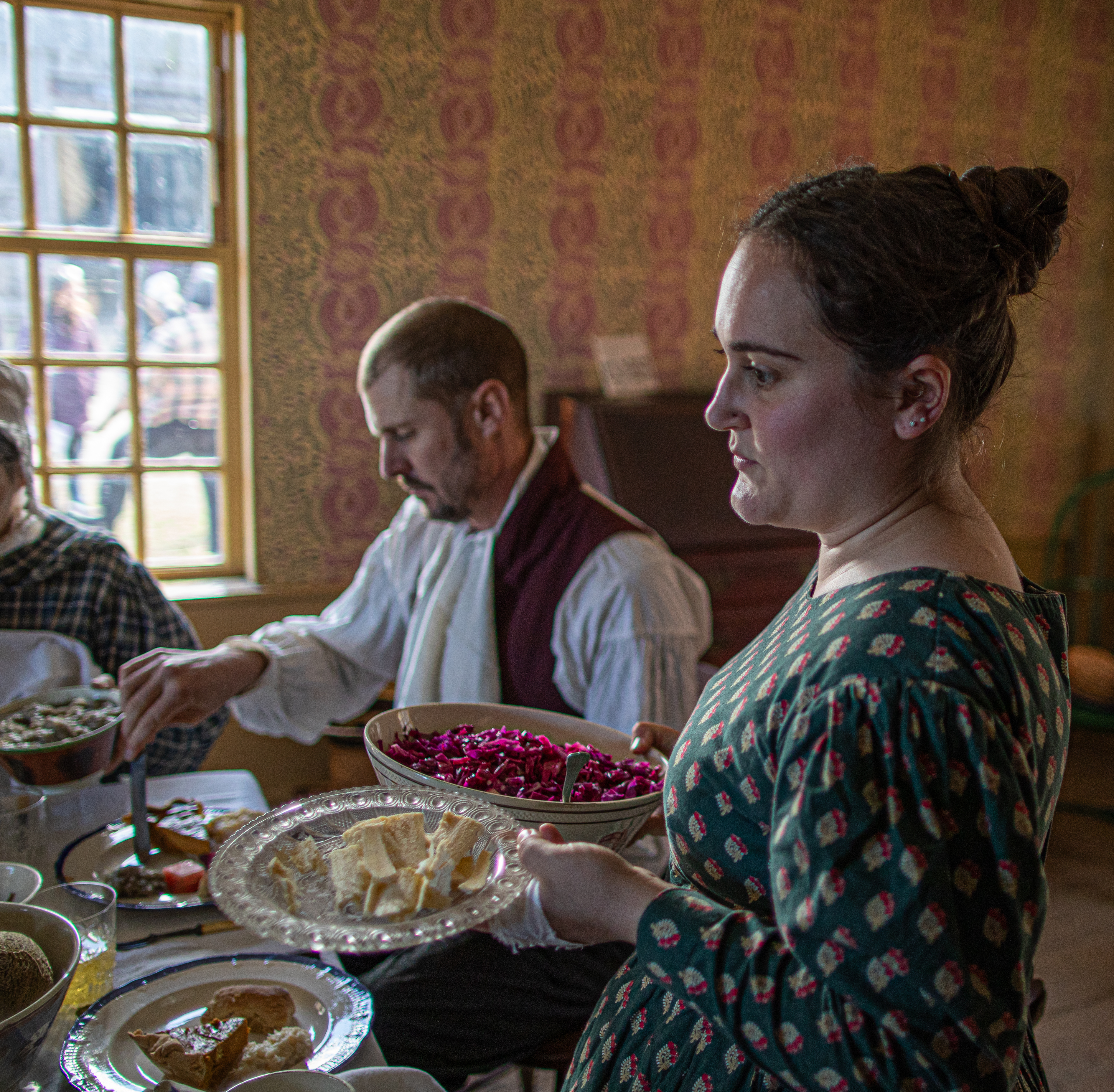
Of course, what would a Thanksgiving celebration be without a feast?

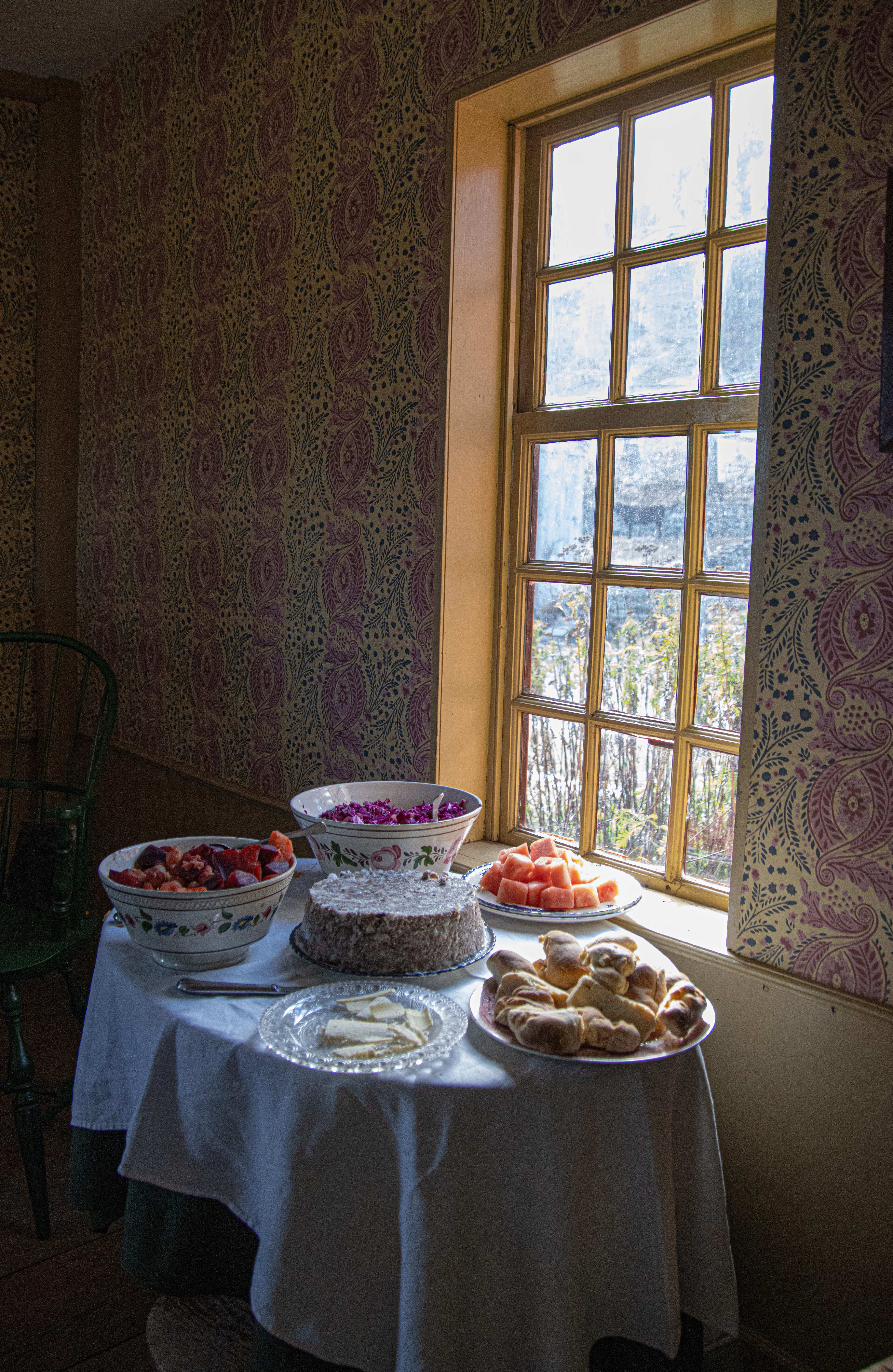
Thanksgiving was the biggest holiday in 19th century Sturbridge. While the turkey is usually the biggest part of the Thanksgiving meal in modern day America, it was not the case in 19th century Sturbridge. And, other parts of the meal were considered more important. es were baked weeks ahead of time and stored in unheated attics and bedrooms where they would freeze and keep for months. Pies not consumed at Thanksgiving would sometimes last until April. Also, while many people might be surprised to read this, prayer was not said before the big meal. Grace, or a proclamation of gratitude, was often said before the meal.

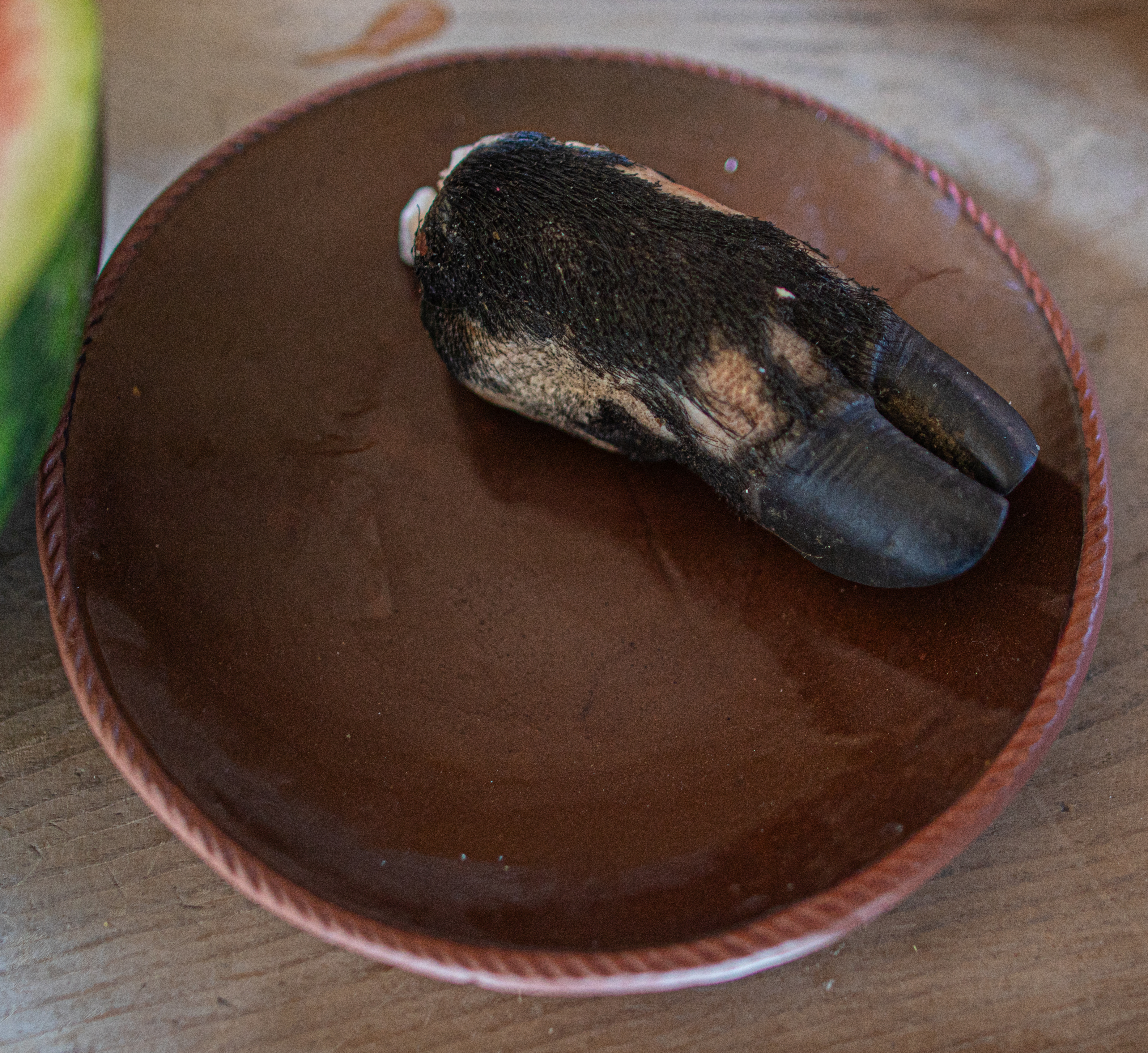
Turkey wasn’t the only thing on the menu. This hoof (possibly from a boar, sheep or deer) was a common delicacy of these meals.

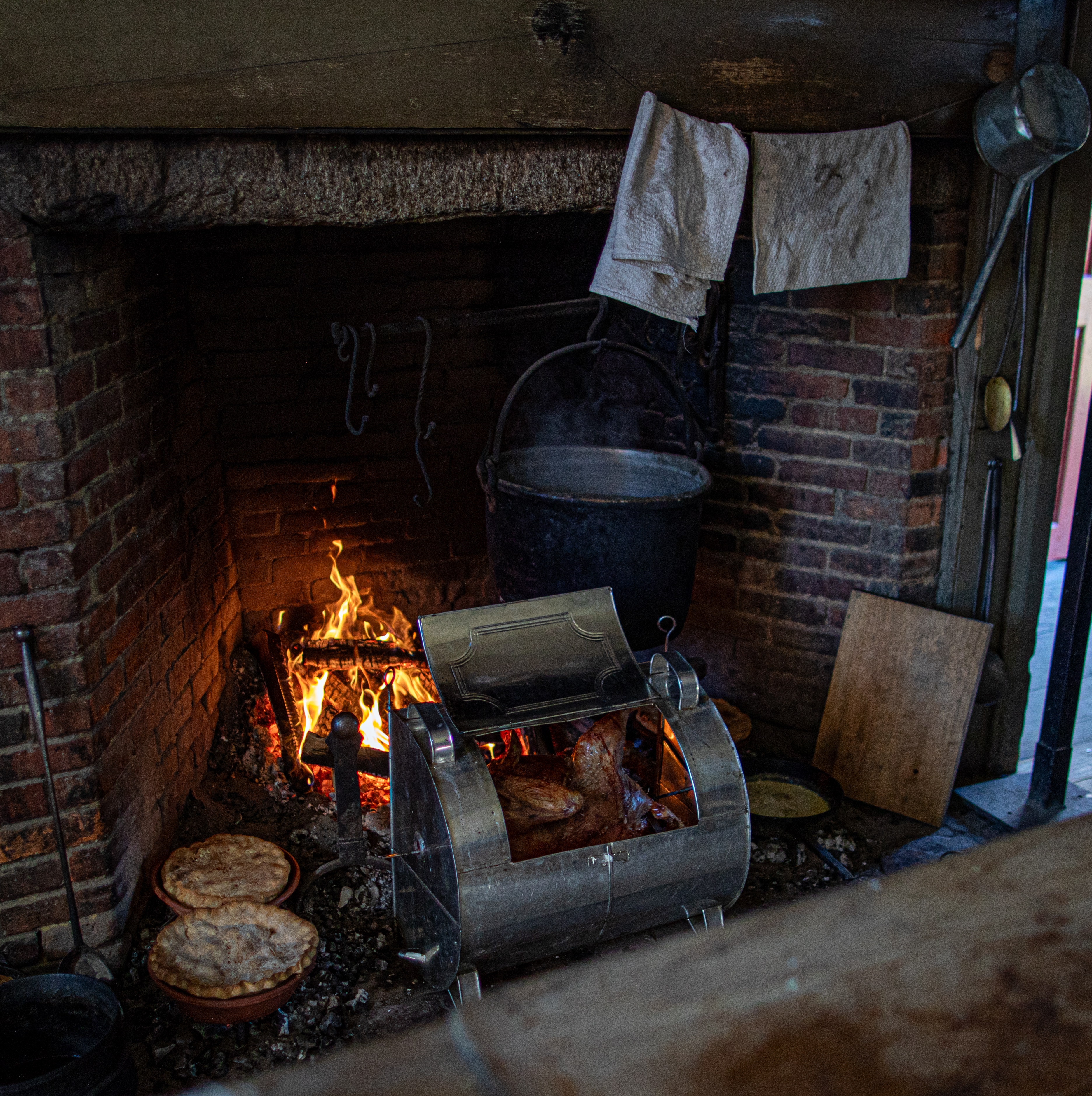
But there were also more savory items like pies, cake, vegetables and a turkey cooking near an open flame.

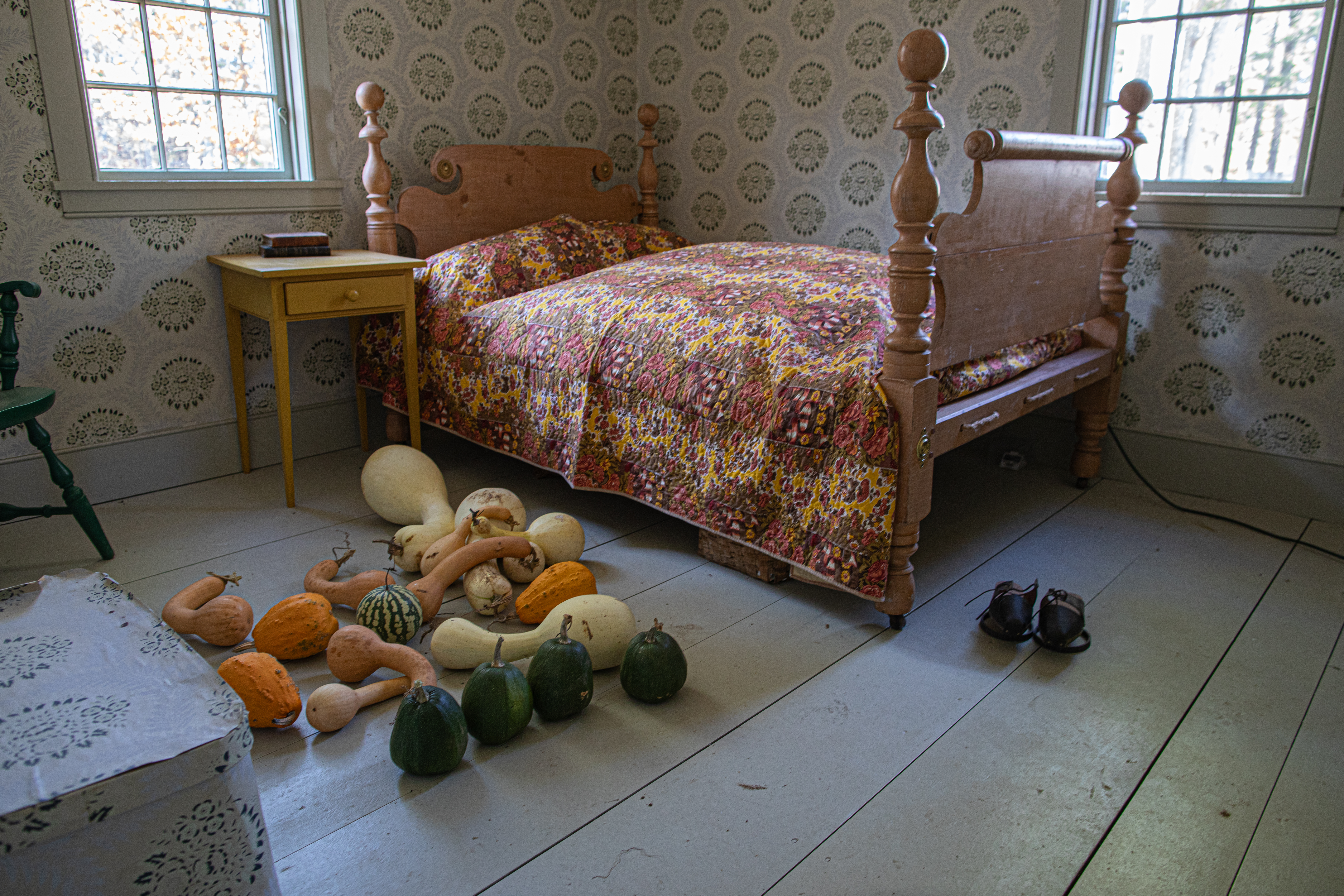
Sometimes, they would store extra vegetables in unusual places!

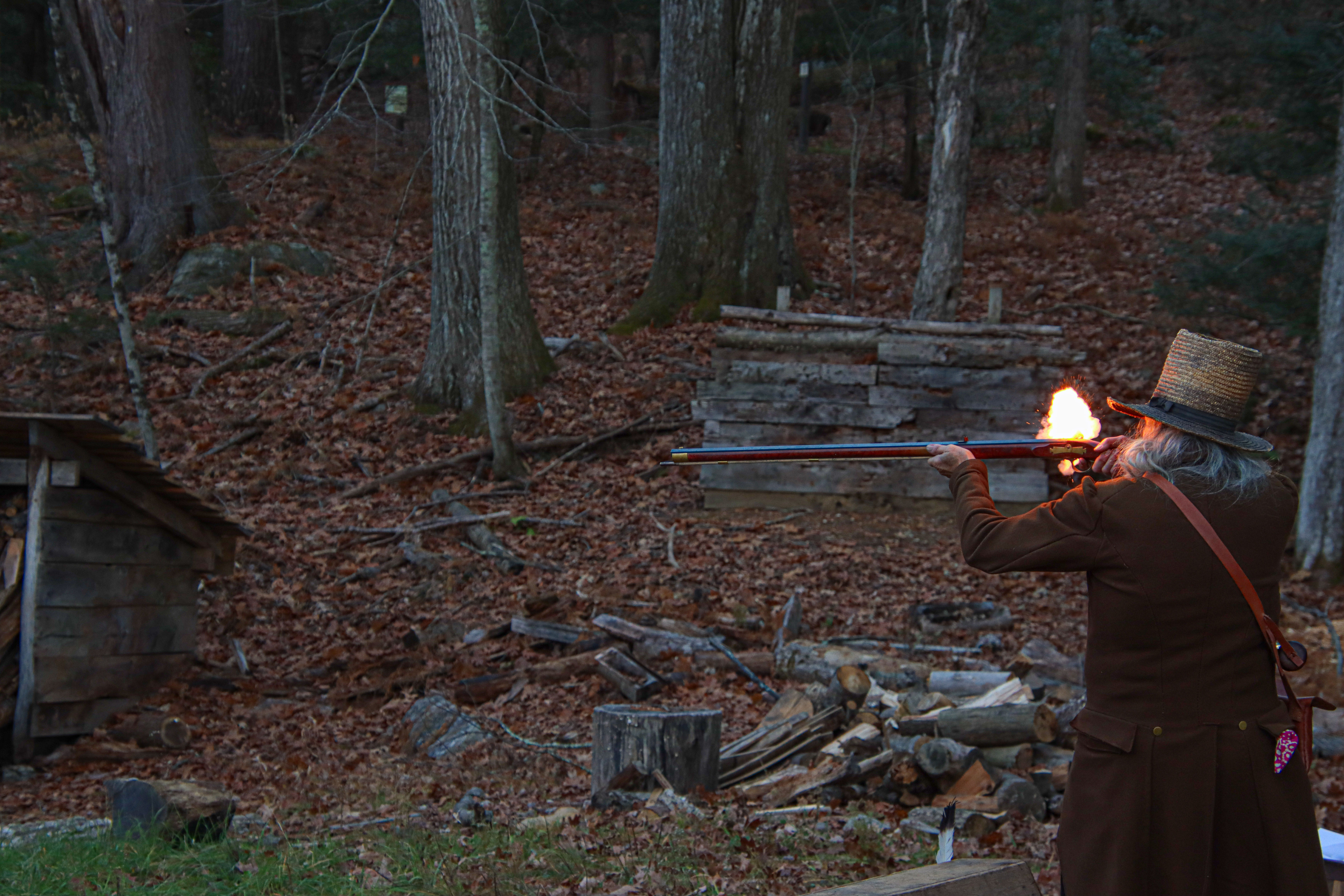
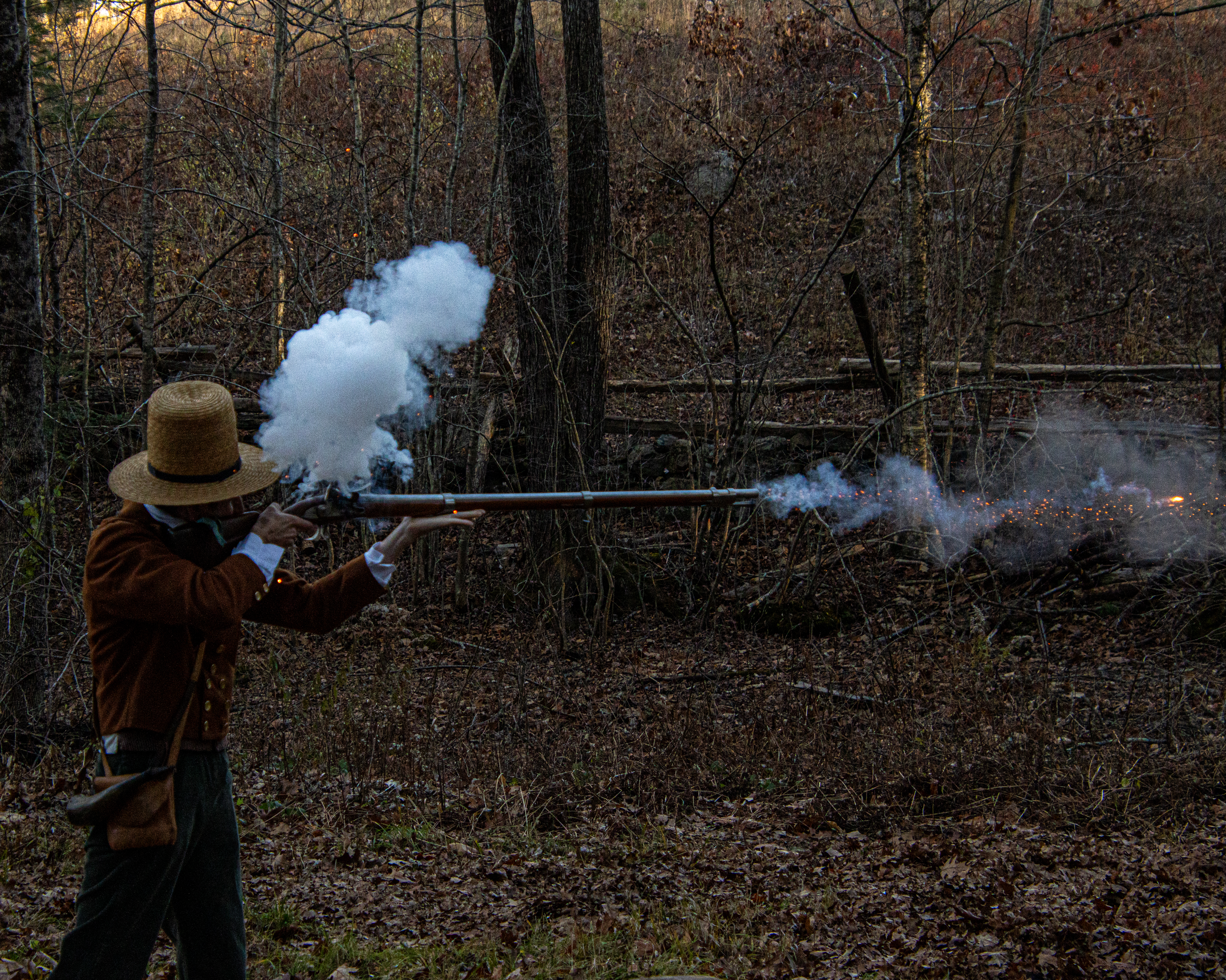
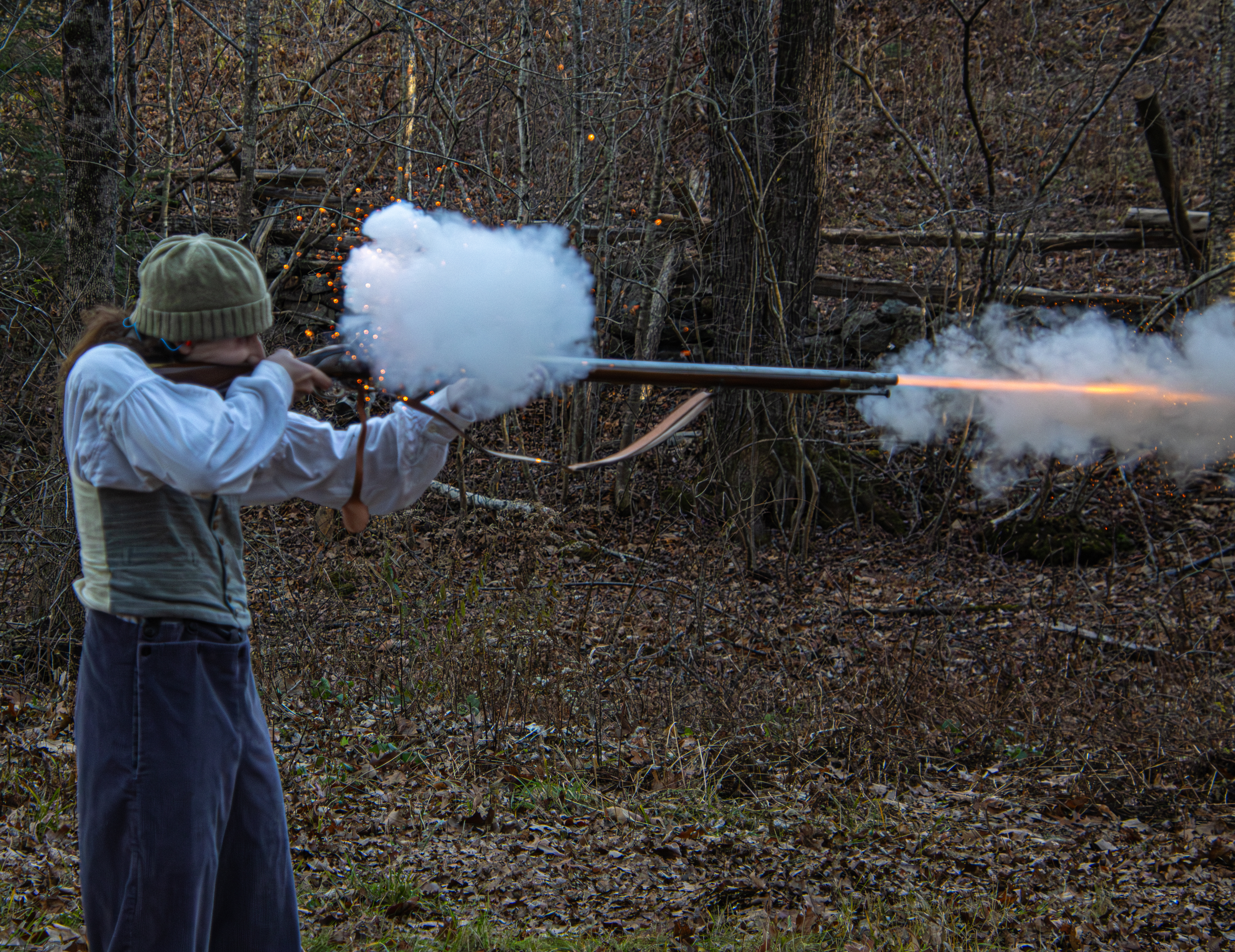
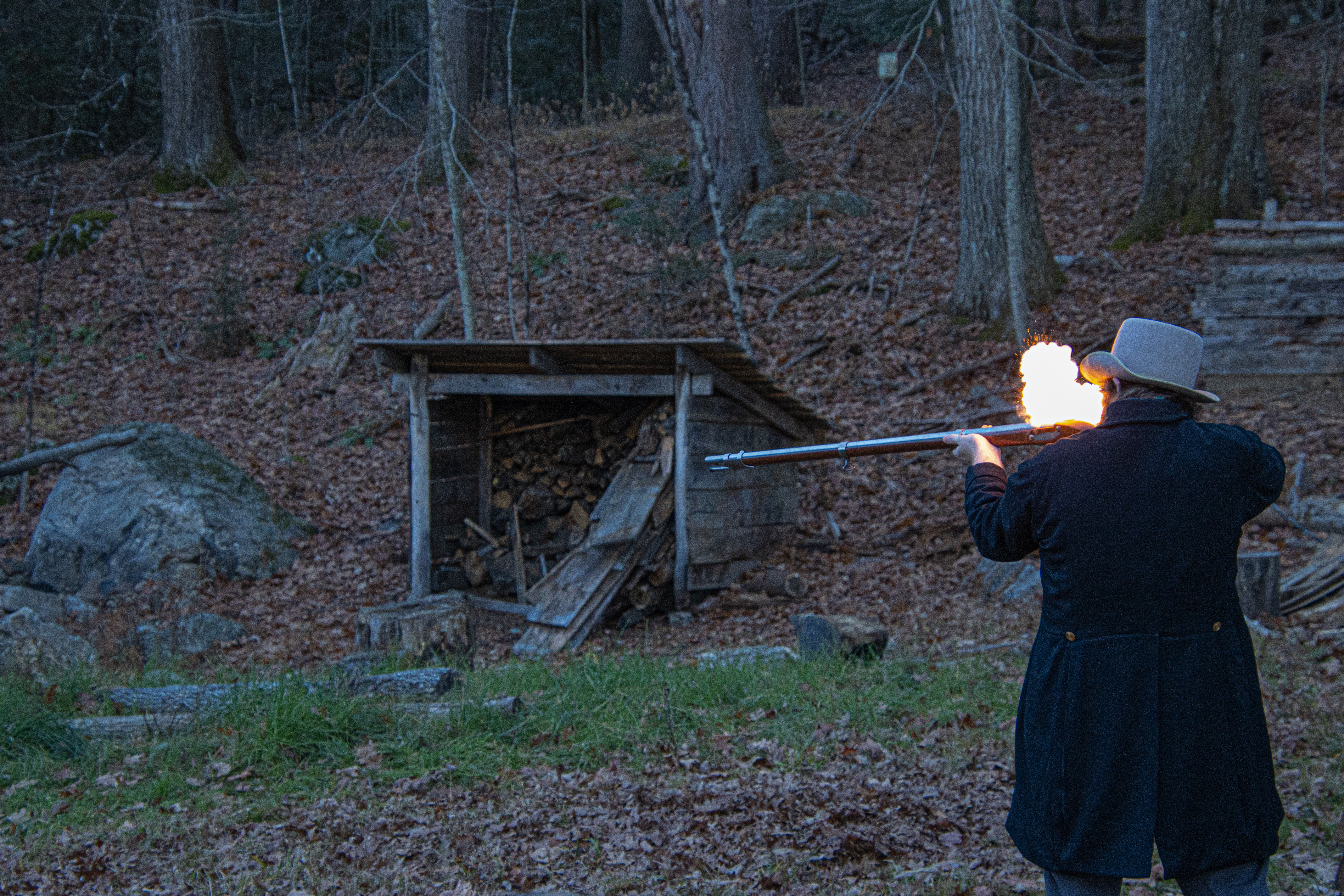
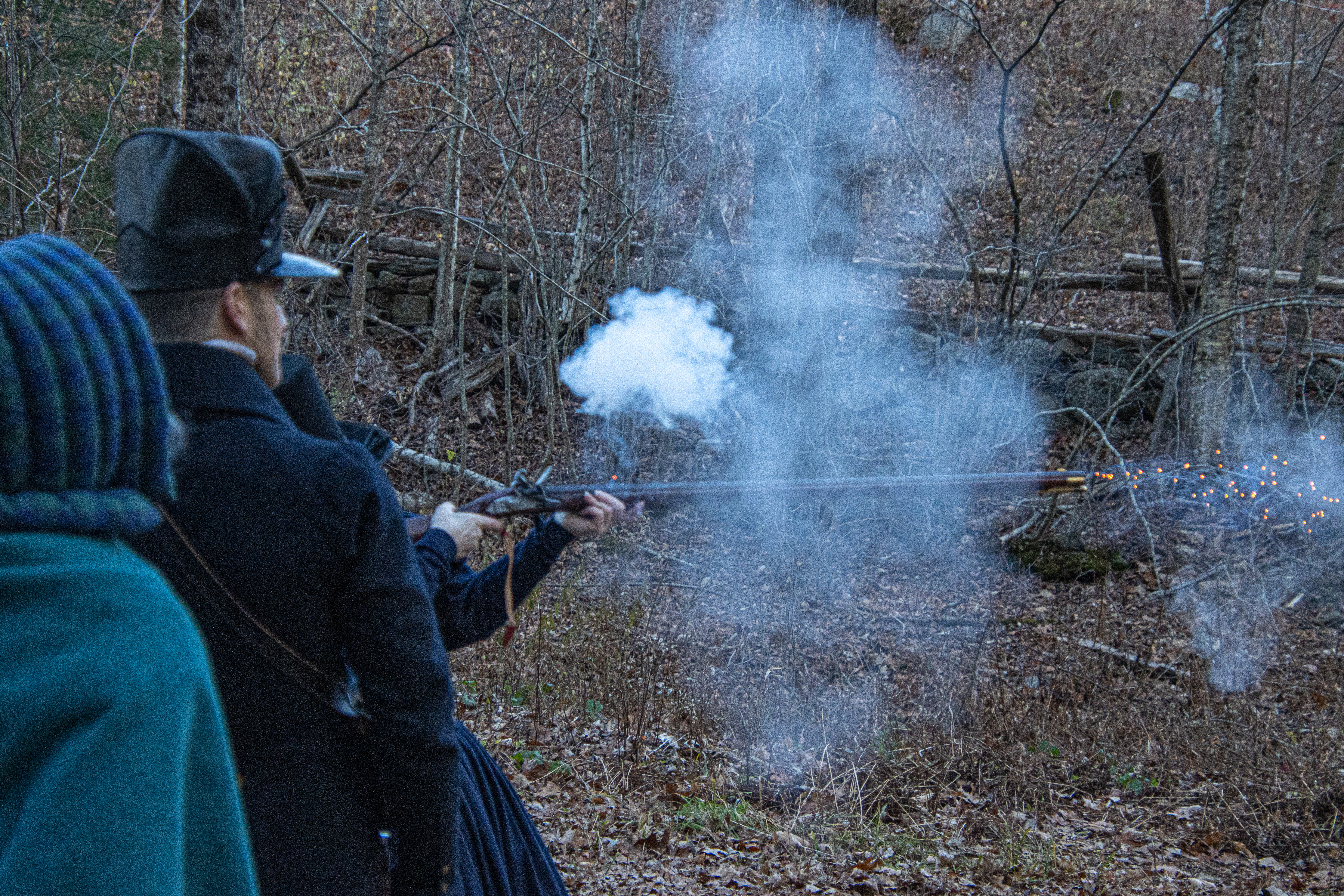
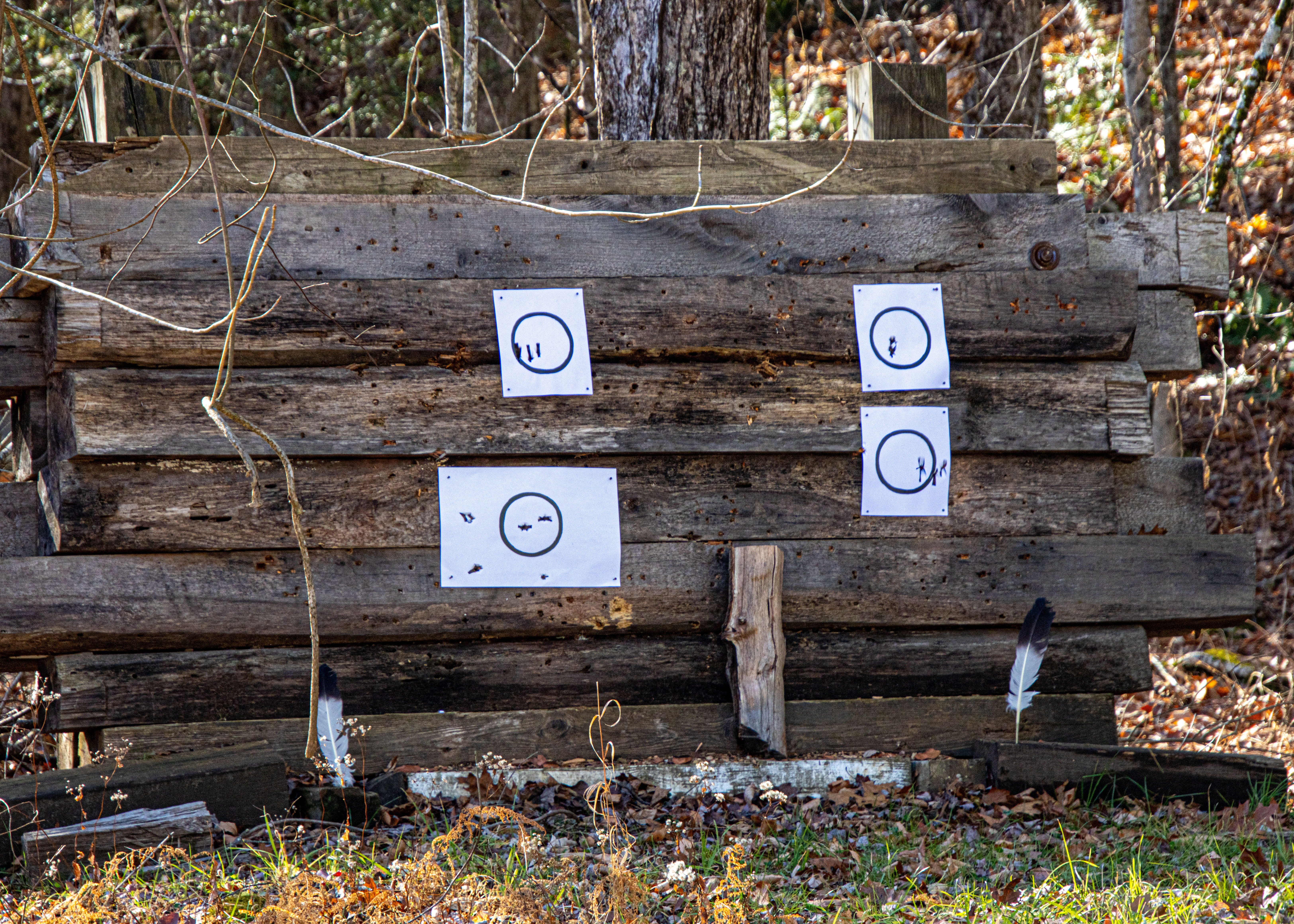
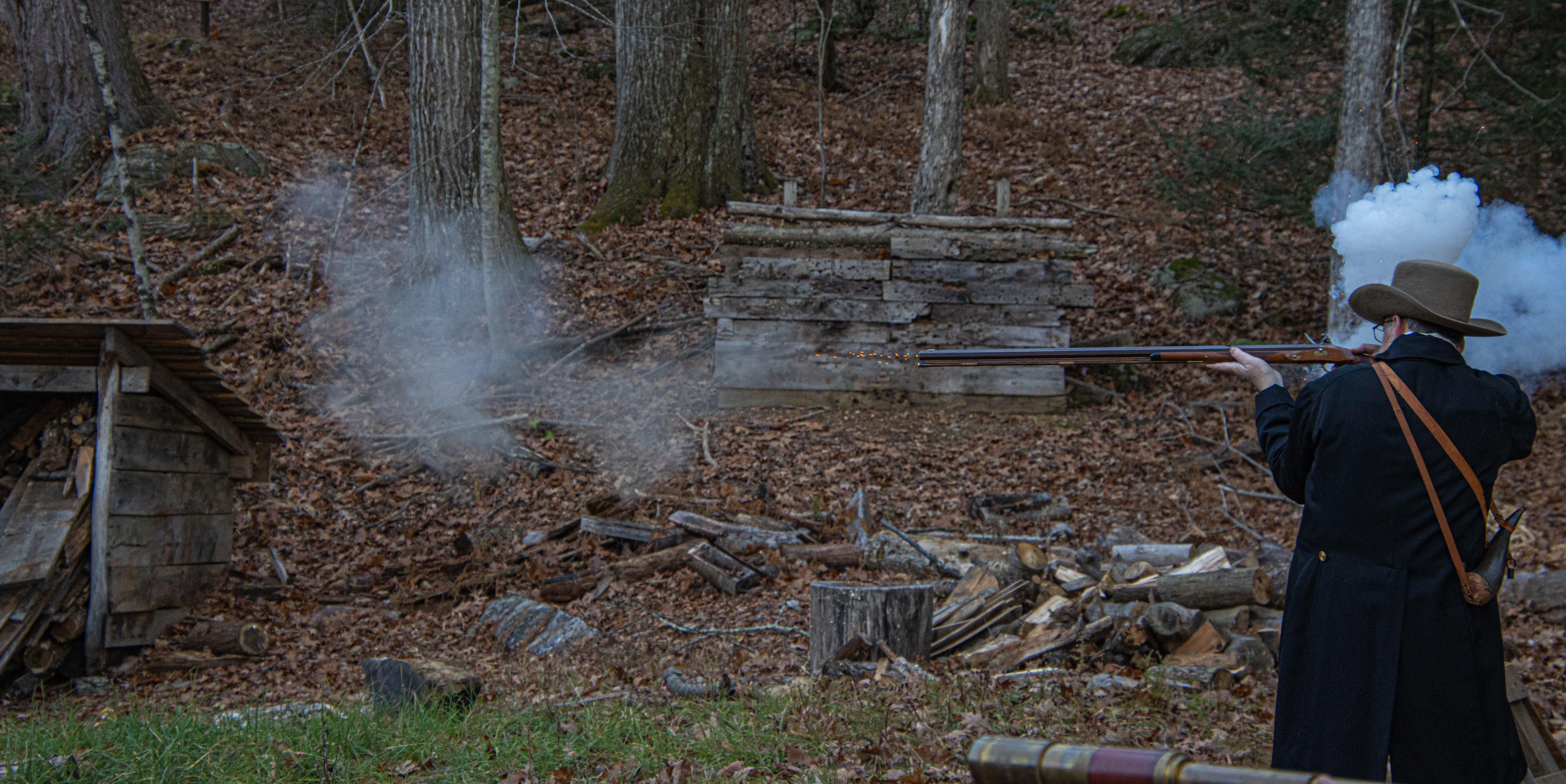
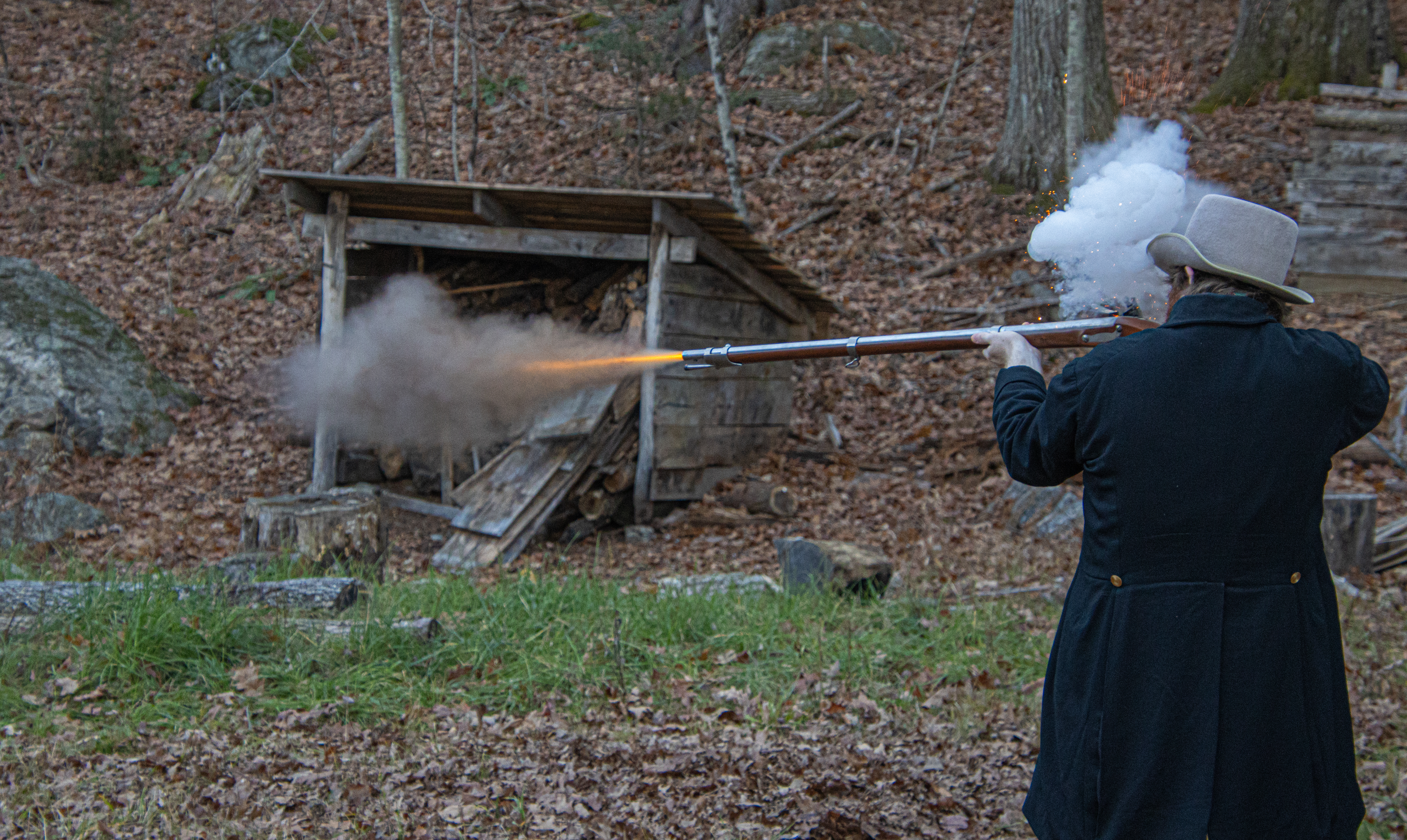
The highlight for most, though, was the “turkey shoot.” But, no turkeys were harmed during this event. Men and women from the village took their turns at trying to hit the targets. While beginning to fall out of favor by the 1830s, competitive turkey shoots were still fairly common New England events in the fall and early winter. Participants would pay cash to shoot at nearly impossible ranges to try to win their own bird.

While no animals were used or harmed during the shoot, there were other targets used in the shooting. Instead of turkeys or other living things, the shooters aimed at the paper targets, jugs and bowls.

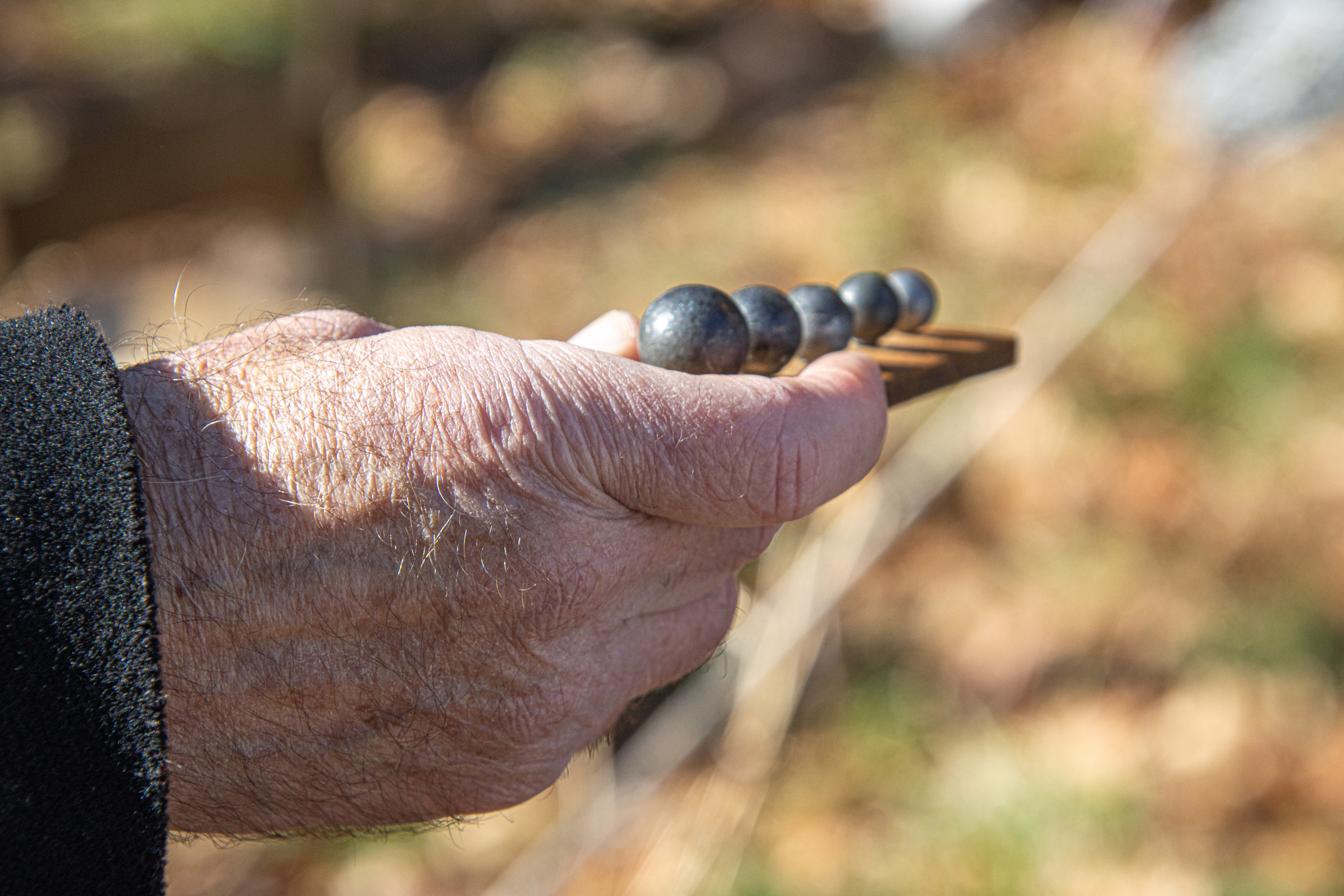
These are the rounds used during the time of the turkey shoot they were recreating. The shooters used the largest projectile to the left for the target practice. Imagine getting hit by that bullet, or any of these bullets for that matter. Ouch.

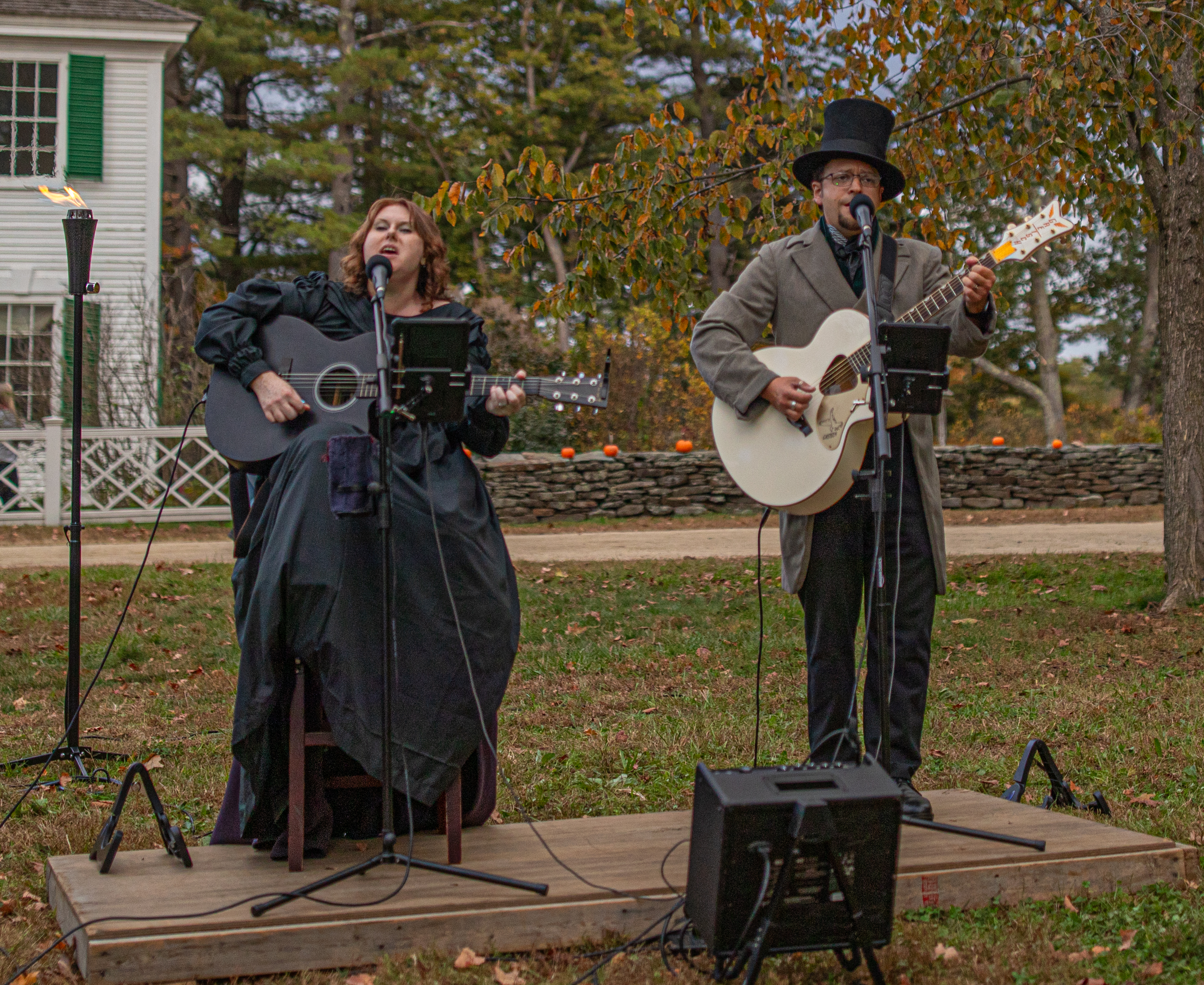
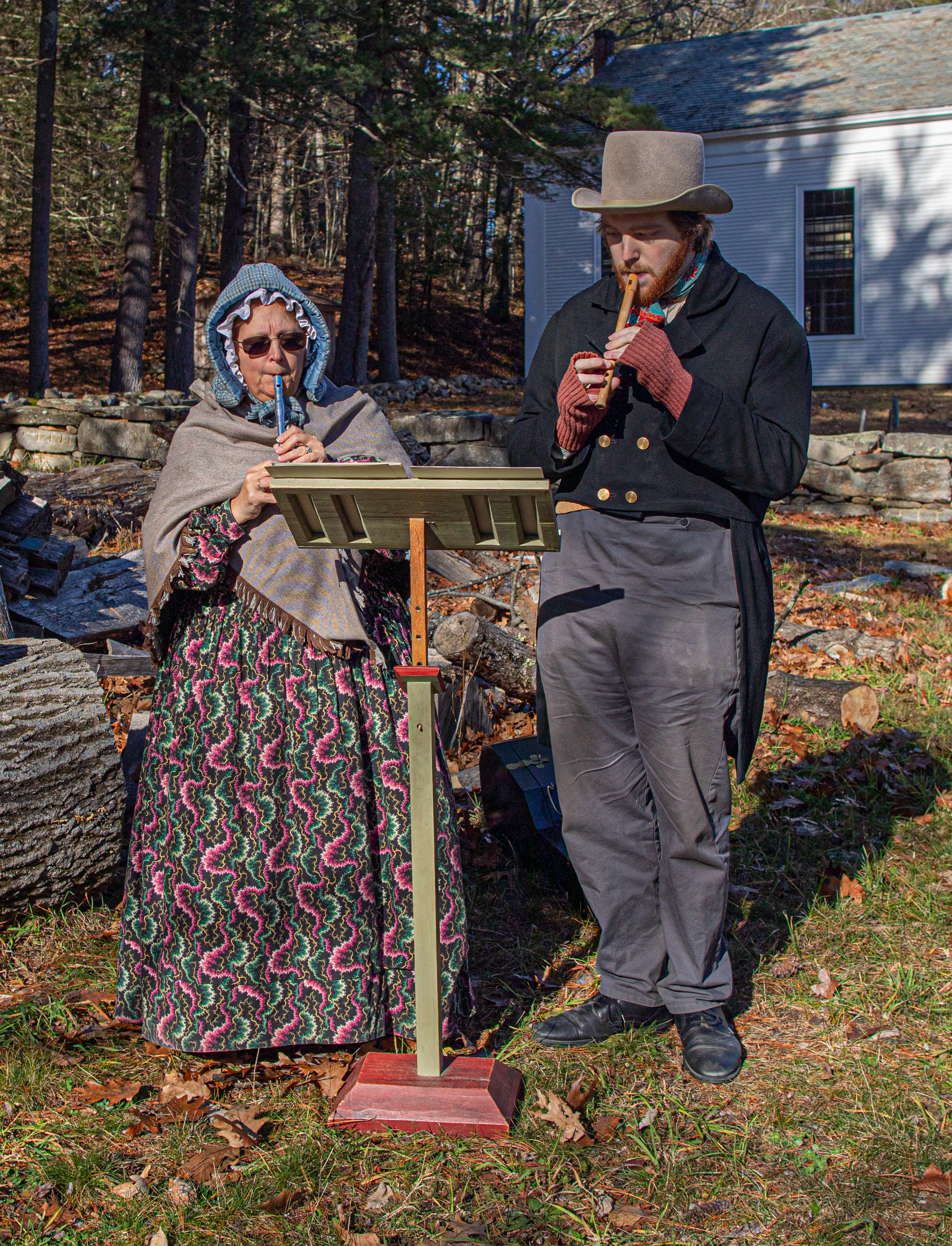
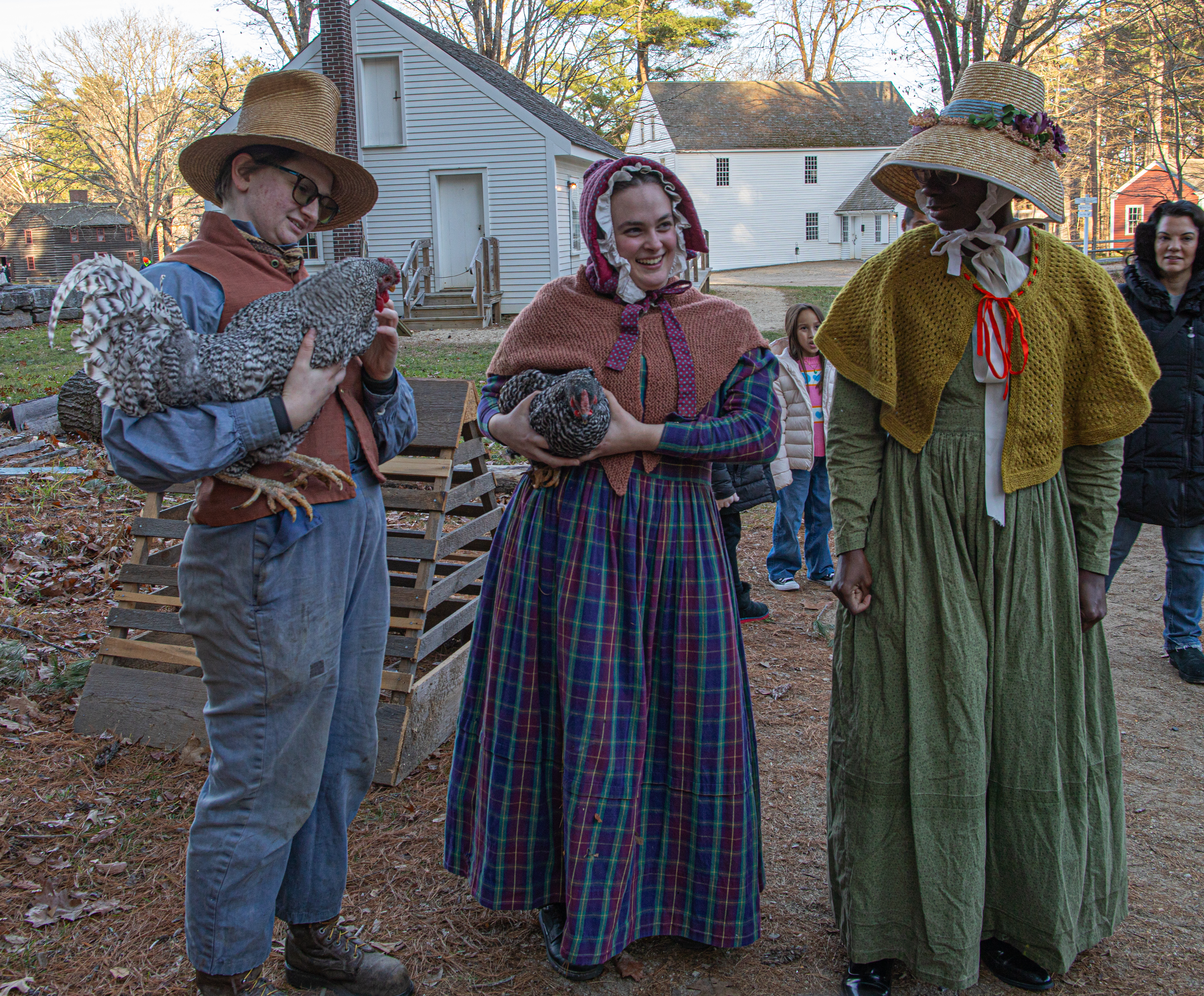
There were musicians and a few roosters at the turkey shoot.

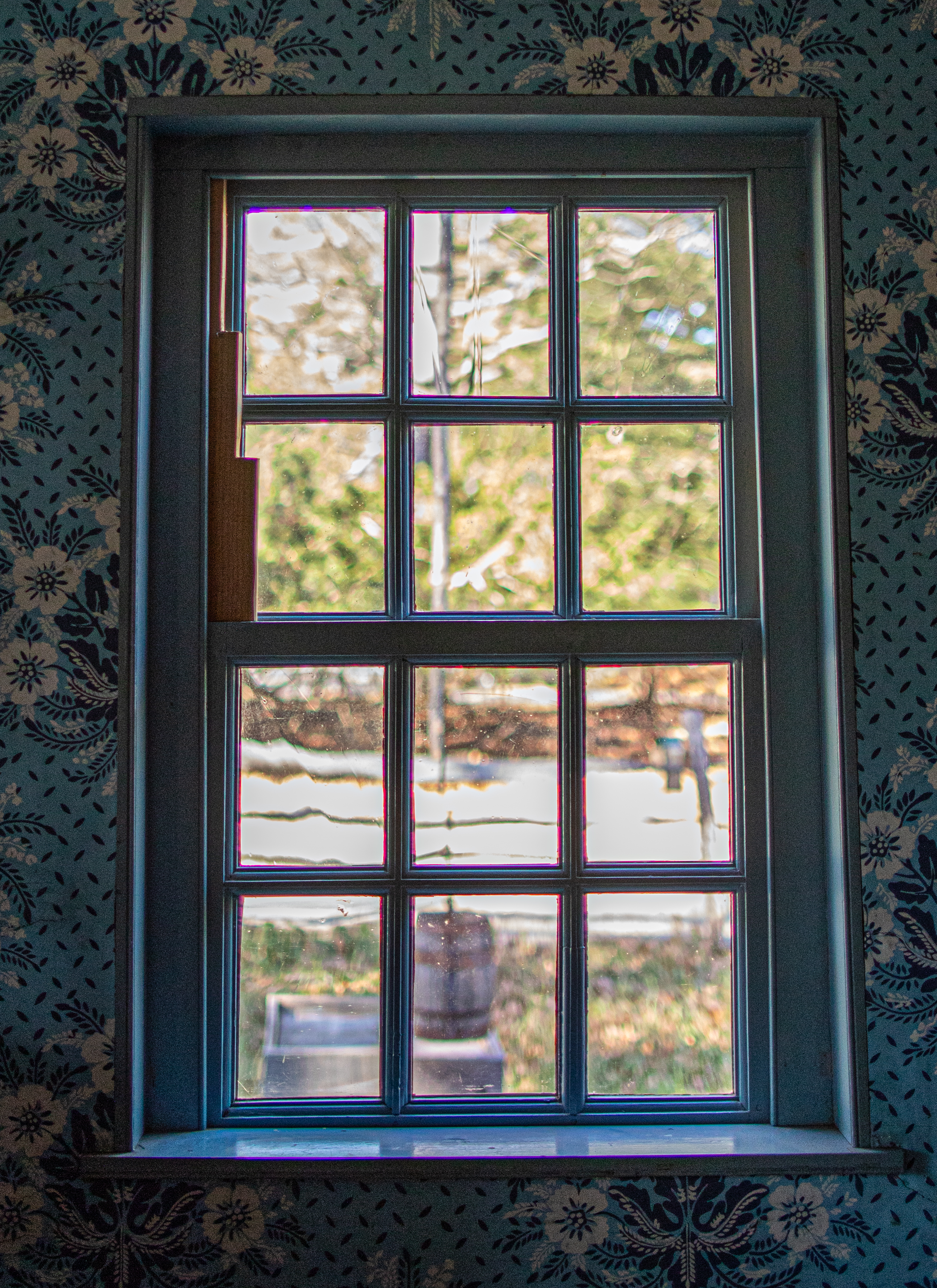
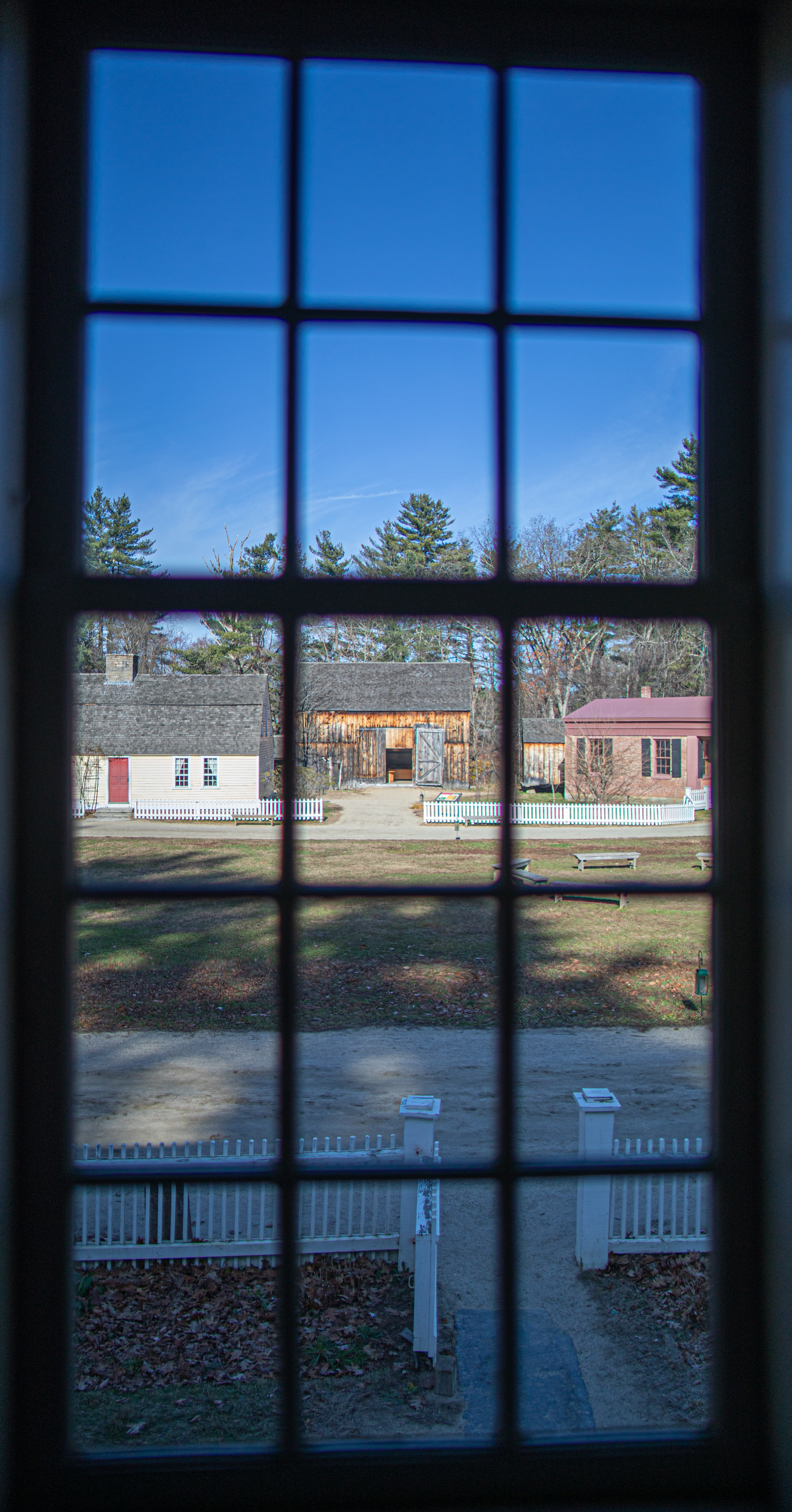
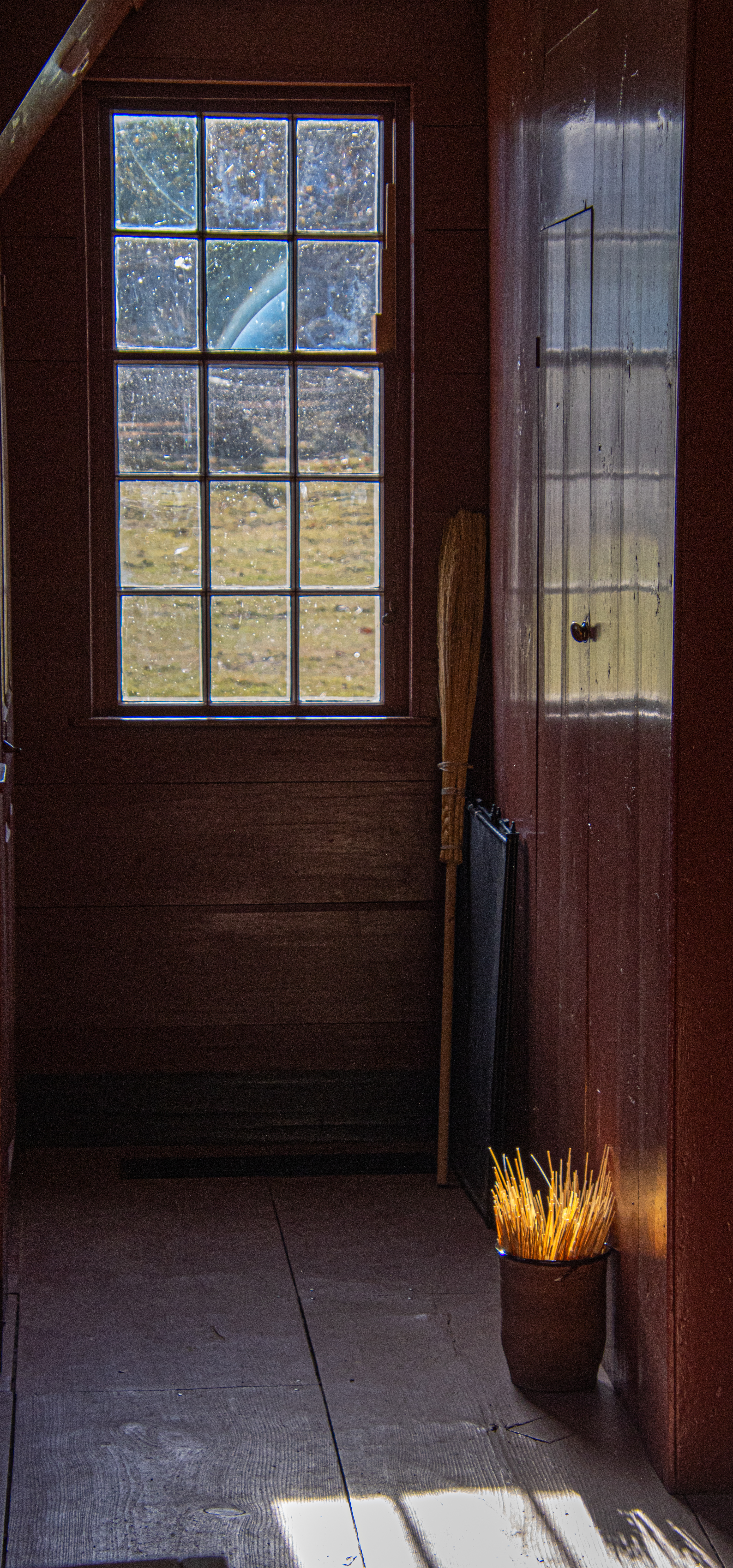
I couldn’t end my post without adding some of my favorite artsy photos. One of the things I like to photograph in the village are the windows. If you get it the right time of the day when the light is shining just right, you can get some pretty photo opportunities.


Evening Of Illumination (Old Sturbridge Village, Sturbridge, MA)

Date Of Event: February 22, 2025

Location: Old Sturbridge Village, 1 Old Sturbridge Village Rd, Sturbridge, MA

Summary: Guided tours lit only by candle light showcased life before the use of electricity in New England.

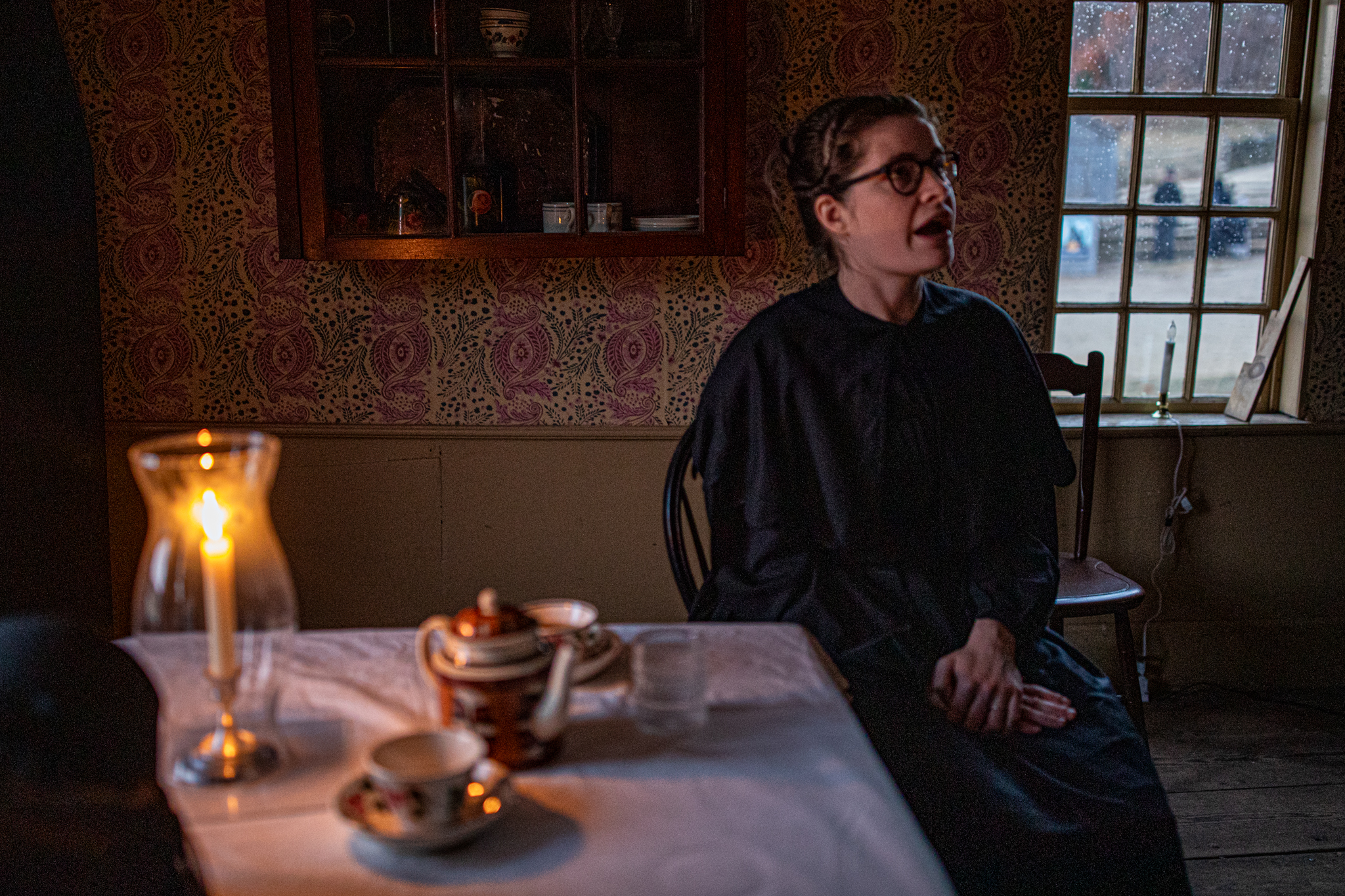
It’s hard to believe but there once was a time when luxuries like IPads, streaming services and, of course, electrically powered lighting did not exist. But, Old Sturbridge Village was able to recreate these times at the Evening Of Illumination event in February.

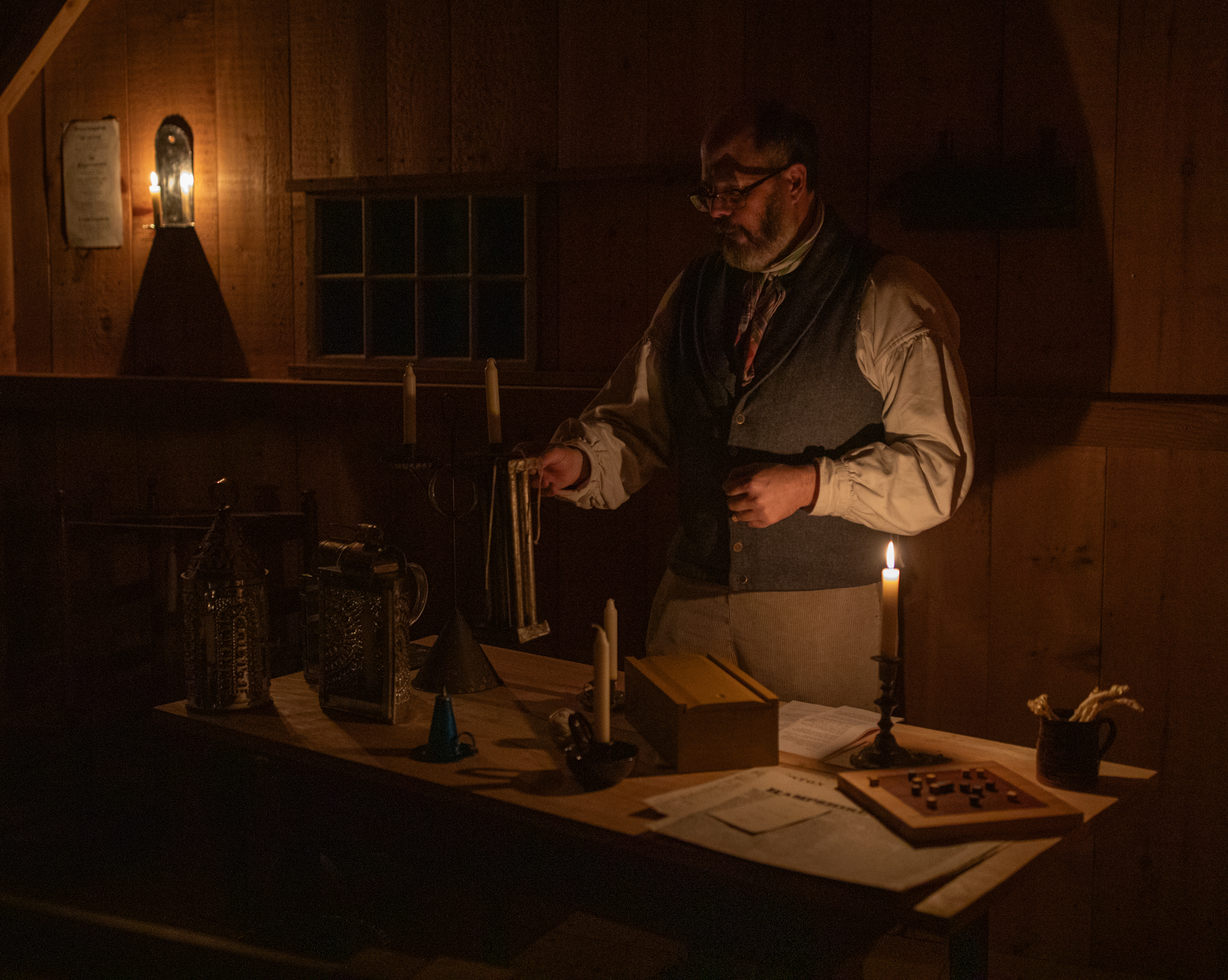
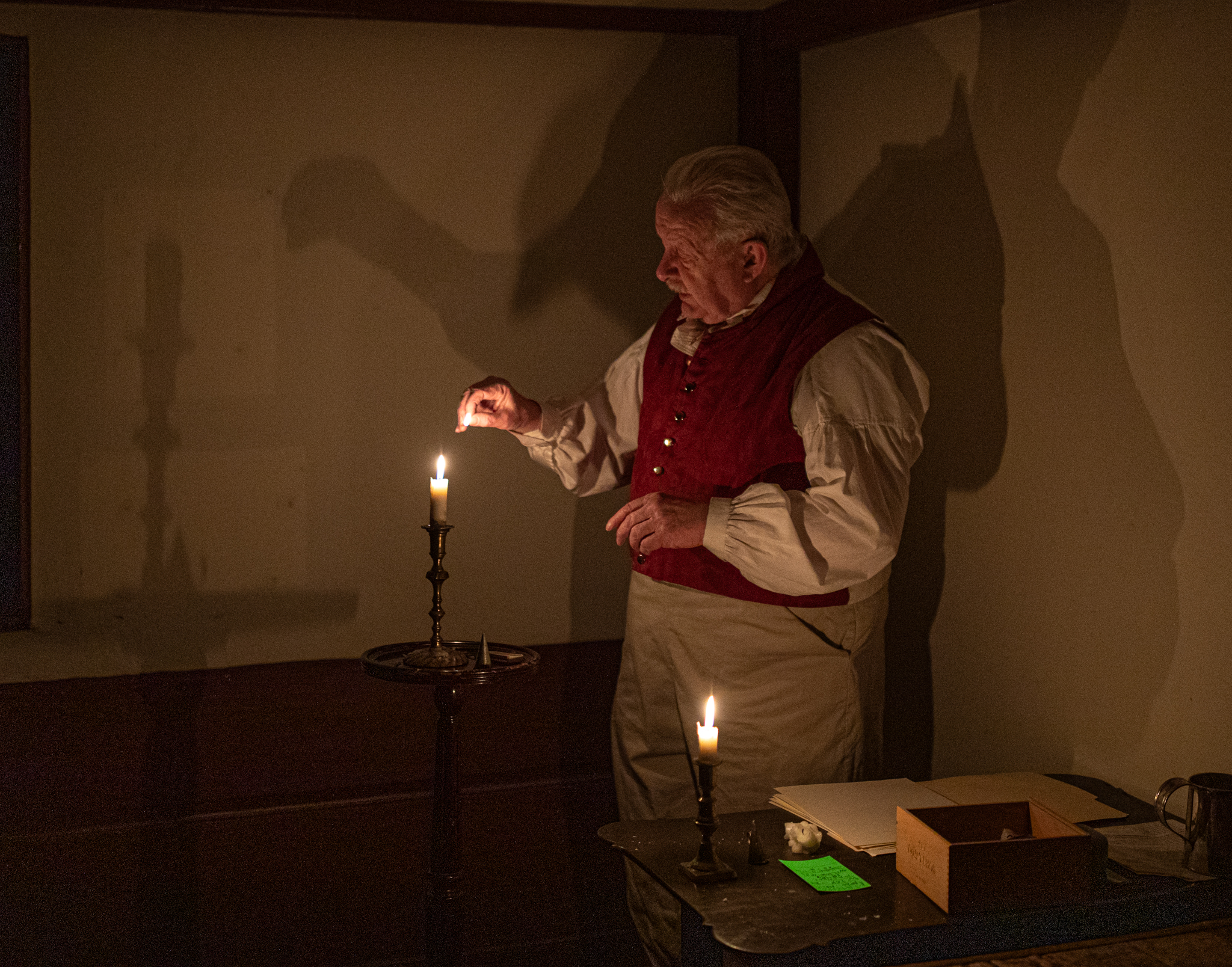
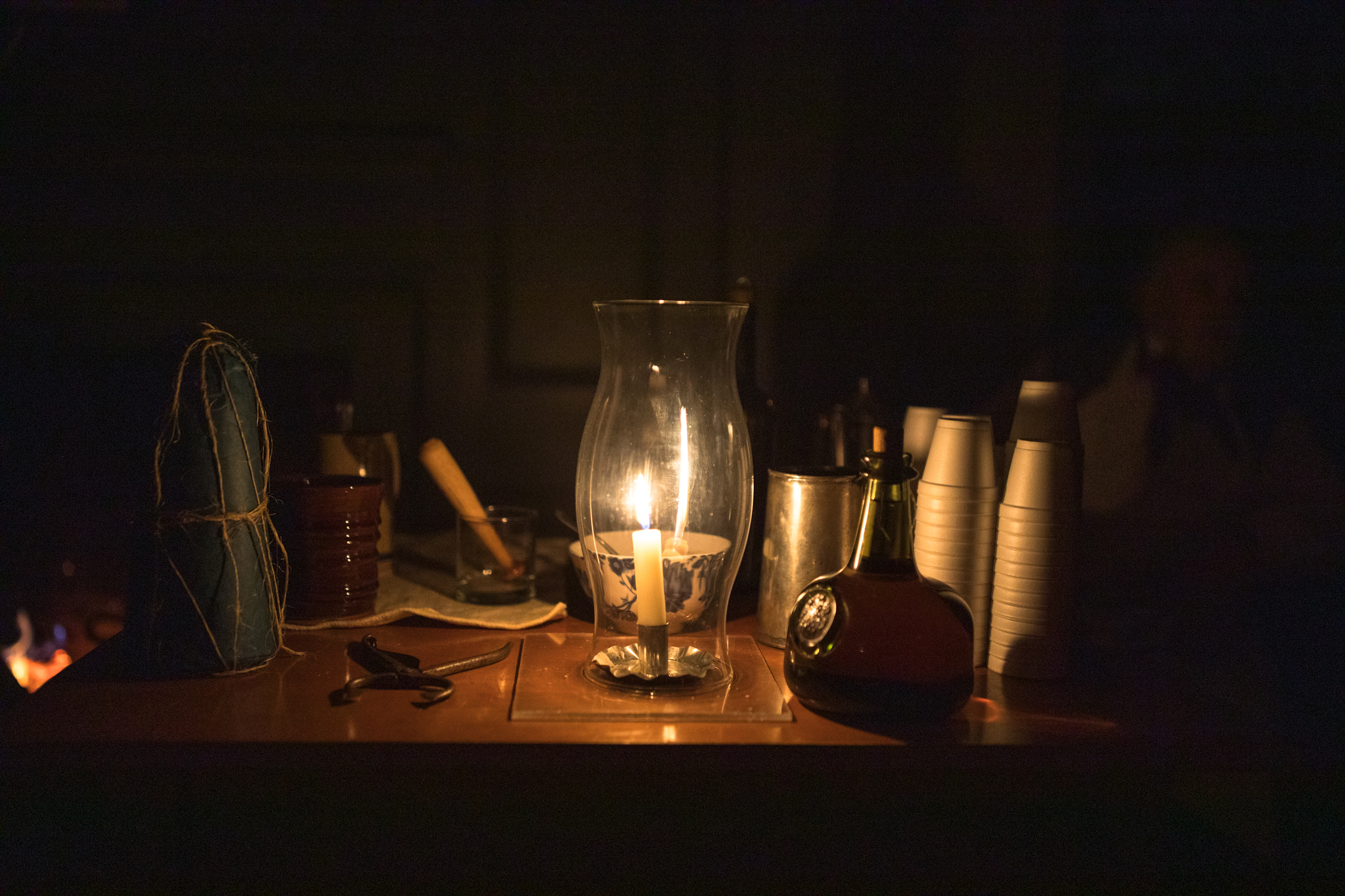
At the first exhibit, the demonstrator showed off some of the different candles and lighting fixtures of the time.

During this event, one of the attendees asked if I could enable silent shooting on my camera as it was difficult to hear the speakers with the shutter of my camera going off. Unfortunately, my camera does not have this function. Modern mirrorless cameras do have this feature. But, my DSLR camera does not have silent mode (although there is a “quiet mode” that still makes a muted sound and is almost like a “slow mode”). So, out of respect for the people in the group, I did switch to video mode and I recorded videos at the historical homes. I did, however, also take a few photos in “quiet mode” when the speakers weren’t speaking. So, most of the remainder of this post will consist of videos from the event. Video recording is not my strong suit, particularly in low light situations and when there are bright light sources in low light. It really is a different skill set. So, I did have some challenges getting the lighting and focus right in some parts of these recordings.

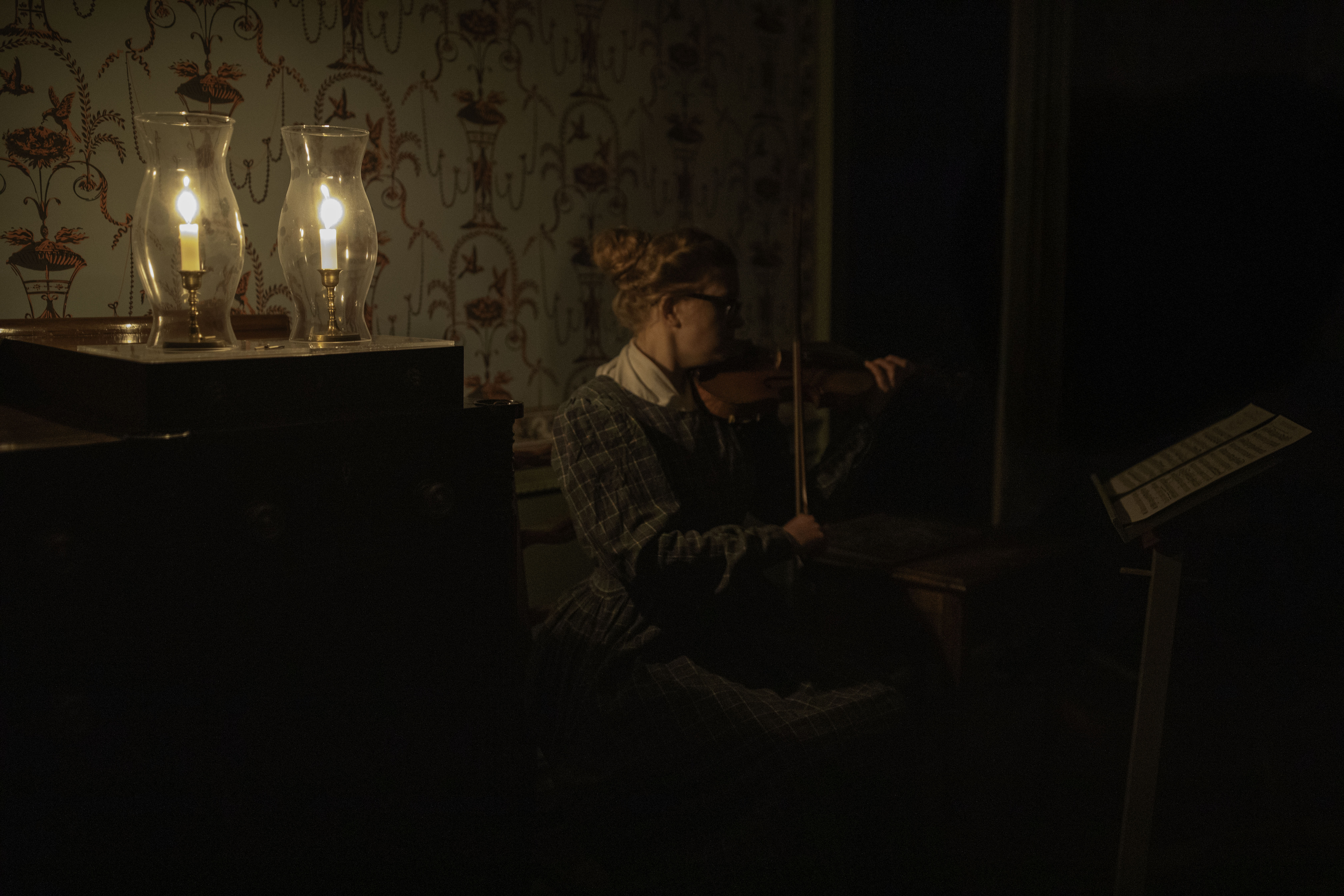
At the next house, a violinist played a few songs. This is her version of “Park Waltz.” I especially like how she threw in a reference to the controversy surrounding her next piece. You may hear her say waltzing is a little bit controversial. In part, this is because waltzing is a form of dance where the dance partners are very close together. So close, in fact, their faces sometimes touched. Additionally, the dance partners would move or turn quickly and the dancing included fast tempos. How gauche!

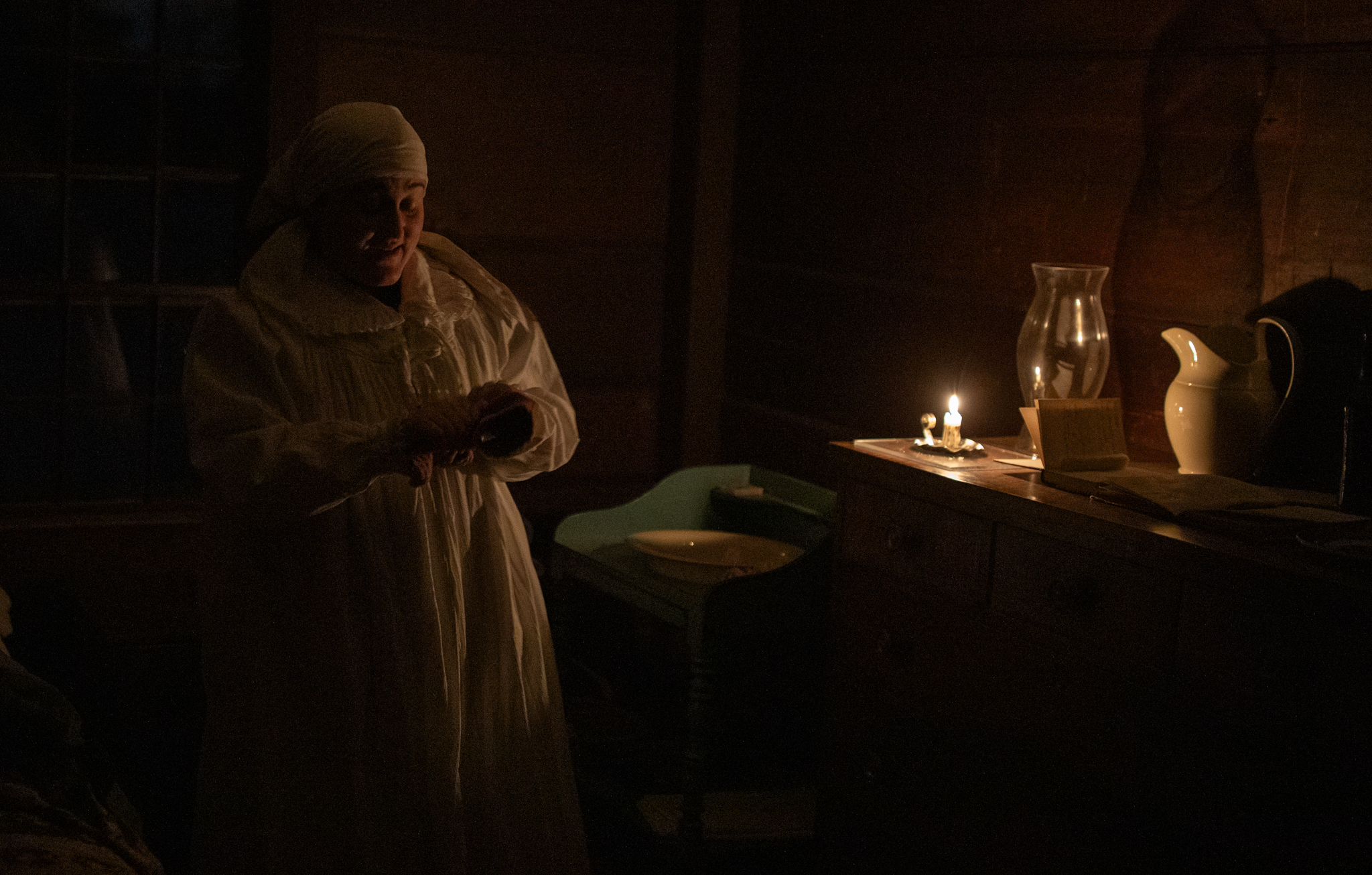
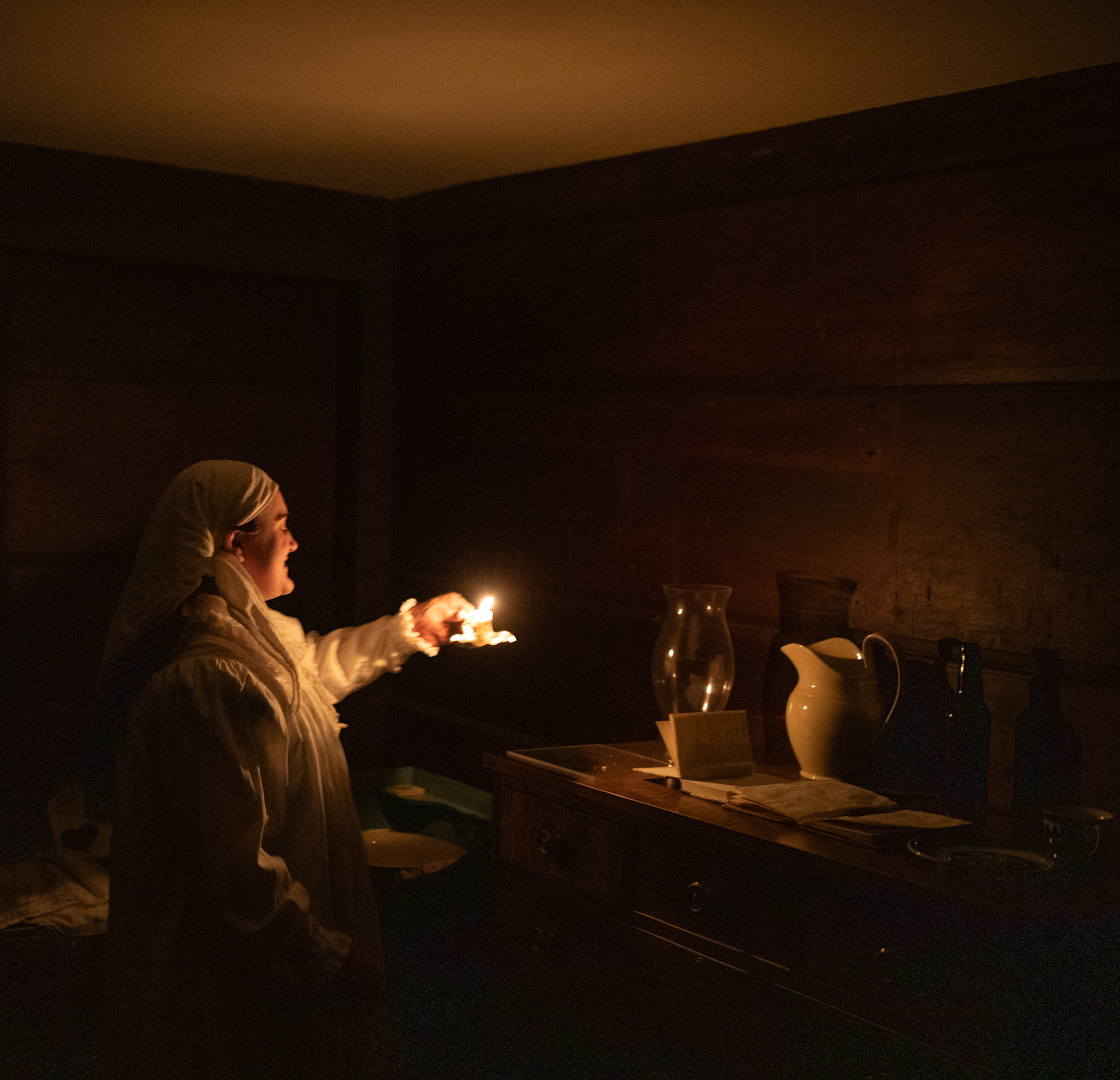
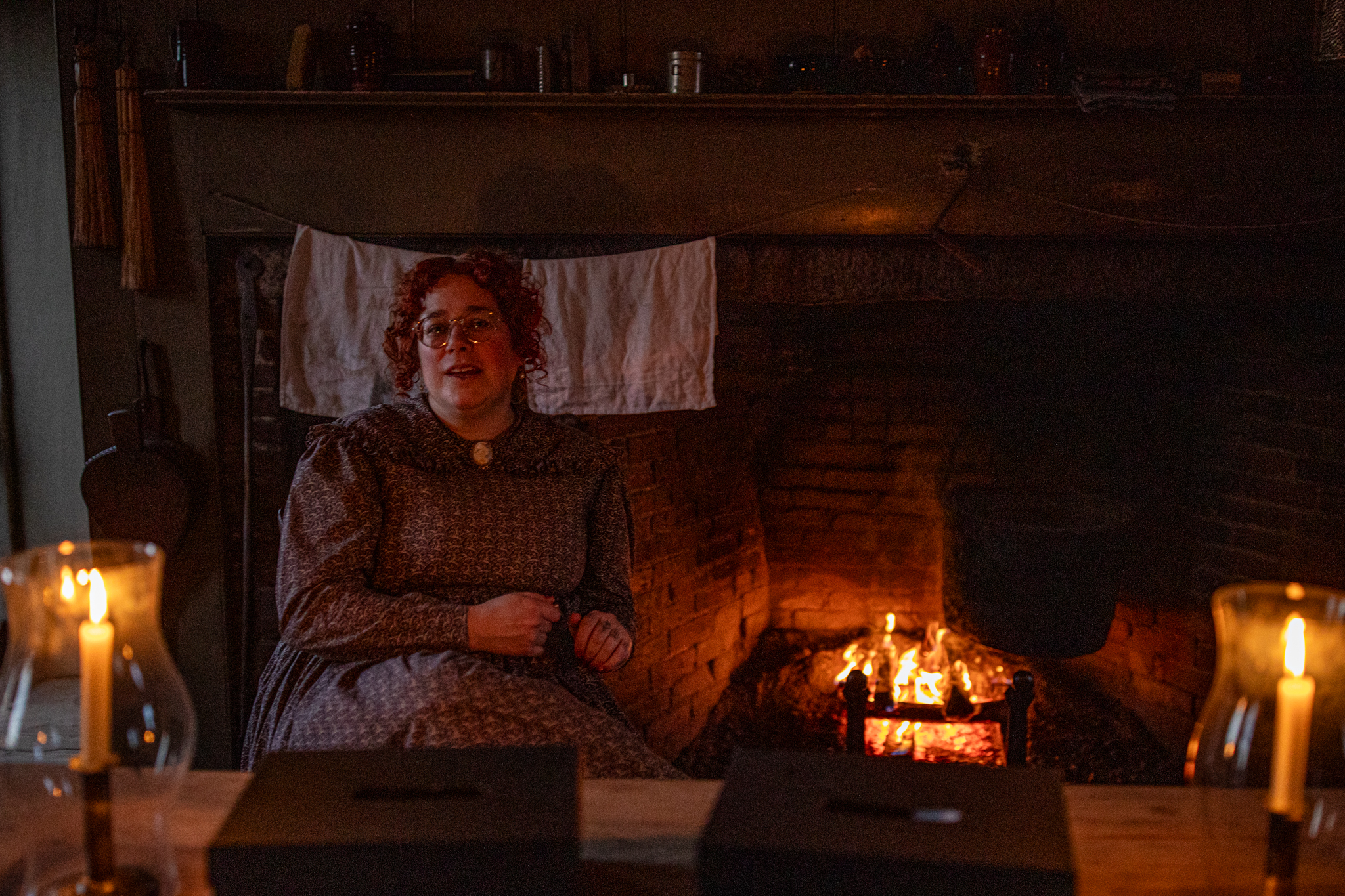
This historical actor showed everyone what her night time routine was like. Her routine included saying her night time prayers, laying out her clothes and washing her face and hands.

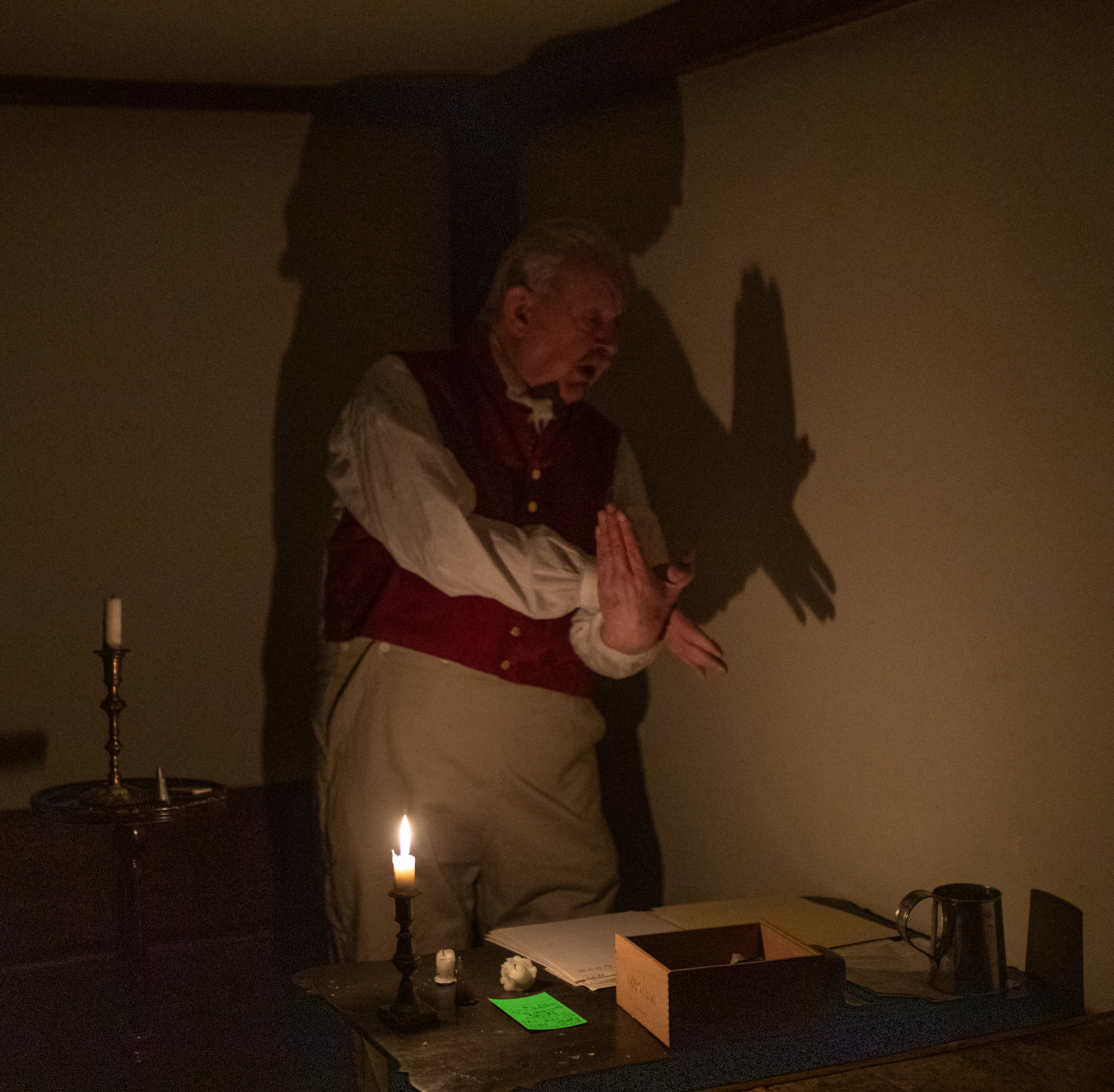
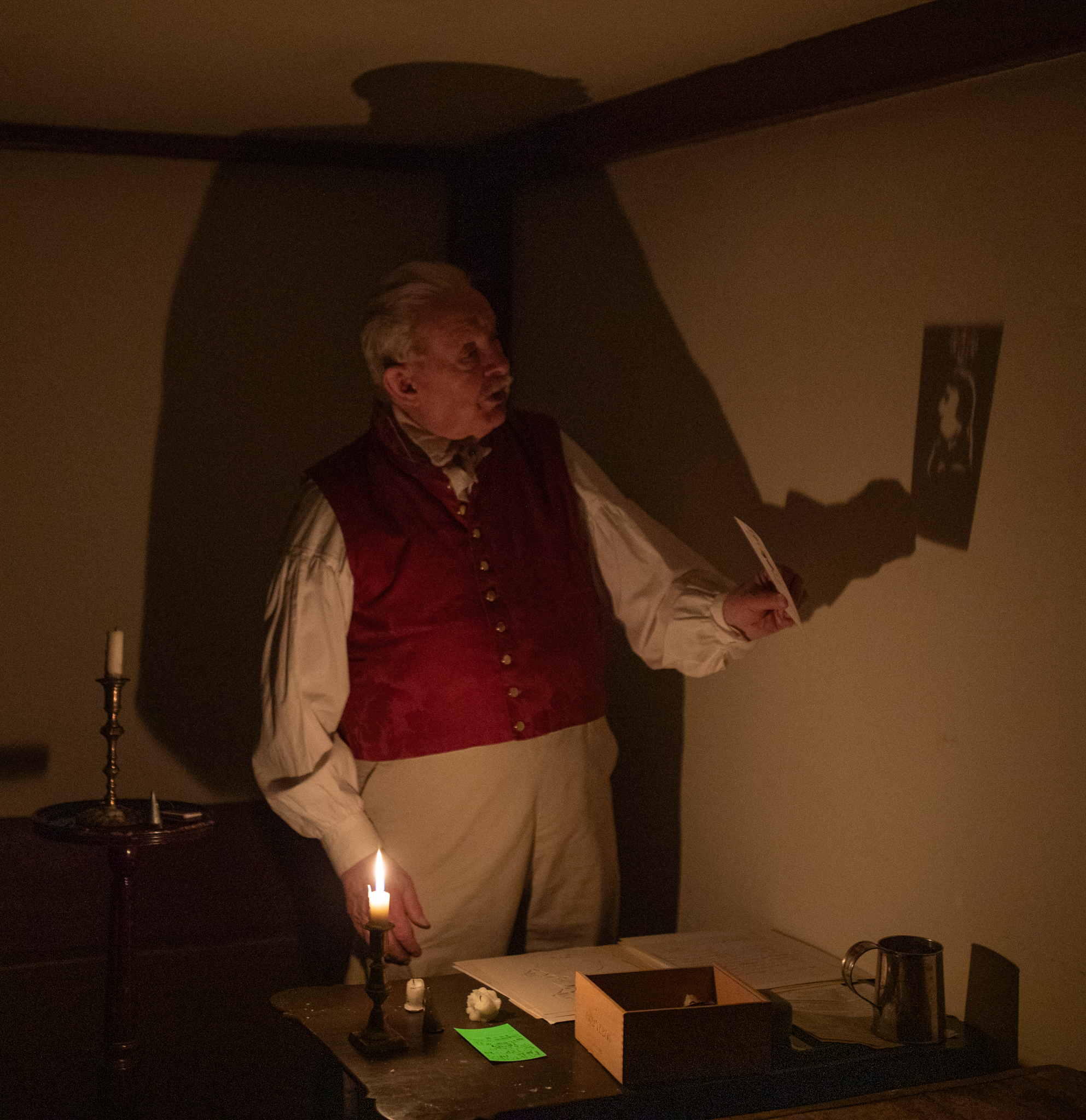
The gentleman at the next house showed us how people kept themselves entertained with a simple candlelight. It’s amazing the images you can create by candlelight.

He also told us some stories that people would share and showed us how people viewed images a s a form of entertainment (way before moving pictures became a thing).

What did people do before board games and apps? The historical actors at this house showed how they kept themselves entertained. Games like charades and asking riddles were popular forms of entertainment.

The shoemaker at the the village explained how a shoemaker’s job was like.

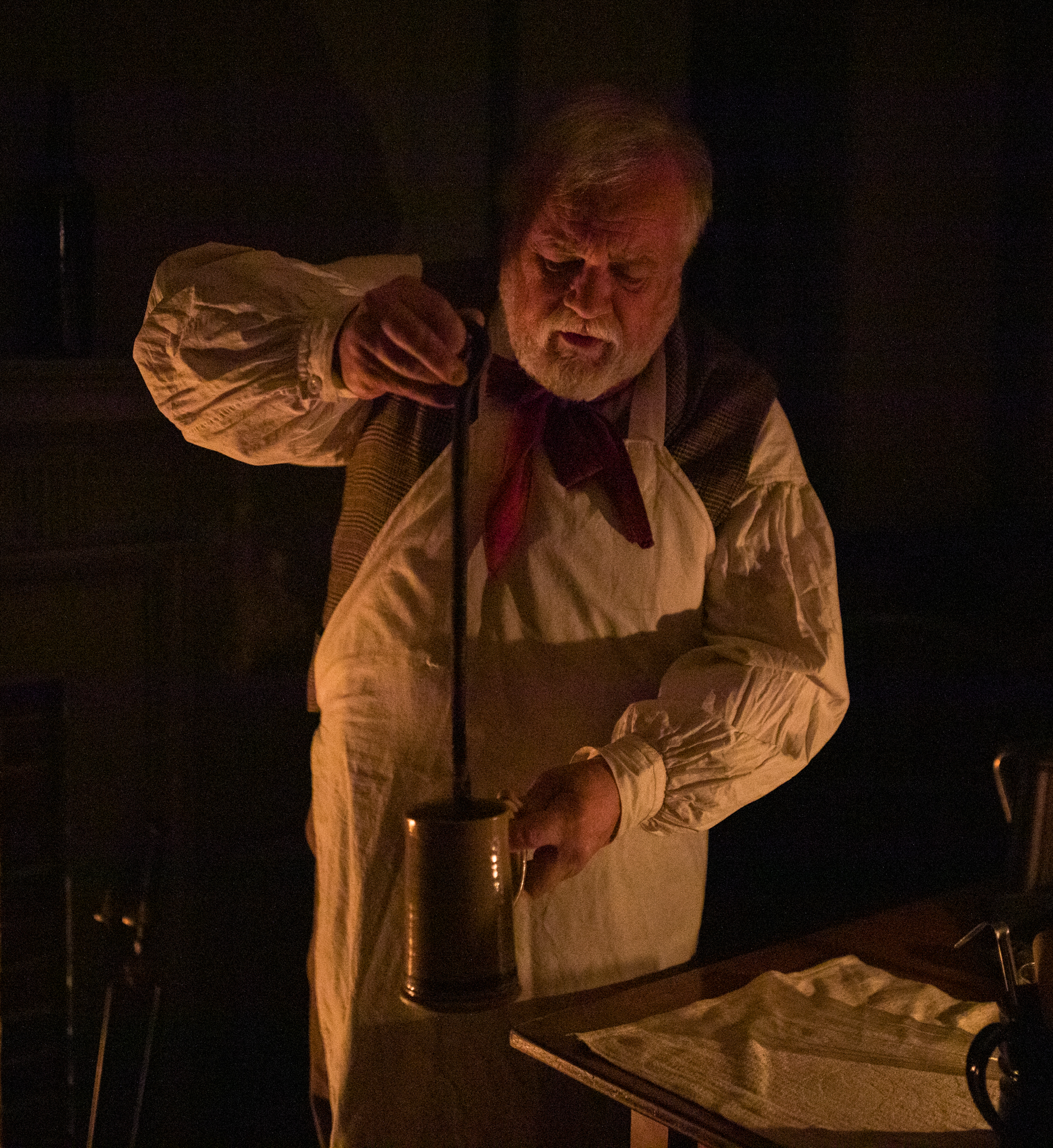
The furniture maker at the village described his job by candlelight.

A young couple talked about their lives as young people with a child.

Carolers sang “Yankee Doodle Dandy” at the Meetinghouse.

The shop keeper explained the details of her job and some of the merchandise in the shop.

There were also some great photo opportunities in the tavern and lobby.

If that wasn’t enough, there was also dancing! All the visitors were invited to watch and participate in dancing at the tavern.

While this event was a lot of fun and very informative, it also made me appreciate the luxuries I have!


Christmas By Candlelight 2024 (Old Sturbridge Village, Sturbridge, MA)

Date Of Visit: Dec. 21, 2024

Location: Old Sturbridge Village, 29 Stallion Hill Road
Sturbridge, MA (1 hour southwest of Boston, MA)

Universally Accessible: Some of the areas are universally accessible. But, many of the houses do not have ramps or other universally accessible entryways. See below for more details from their website:

Old Sturbridge Village is an outdoor museum with unpaved roads that lead to houses, farms, shops, mills, and gardens typical of 19th-century rural New England. While more than half of the Village’s historic buildings have wheelchair-accessible entrances, interior access varies. The Village’s unpaved roads are generally firm and stable. Most roads are level, with steeper grades located near the Bullard Tavern, Glass Exhibit, and Herb Garden. Longer, more gradual grades are located near the Visitor Center and Freeman Farmhouse.

Summary: Old Sturbridge Village hosted their annual Christmas By Candlelight event last month. Historical actors discussed the many historical aspects of the holiday and many Christmas decorations were on display.

The spirit of Christmas was alive in Sturbridge, MA! An 1830s Christmas that is.

Every year, Sturbridge Village recreates Christmas during the olden days. Toys, treats and decorations were in abundance at the event.

The first thing that caught my eye was the Tree of Heroes.

Each star hanging from the tree included the name of a service member from the area who has died. It is a sobering reminder of the sacrifice of others and the loss people feel this time of the year and throughout the years.

At the village, one of the biggest decorations, literally and figuratively, were the nutcrackers.

Although nutcrackers were a part of the Christmas decor of the 1800s, they really became more common in the states after World War II. American soldiers stationed in West Germany after the war would send them home as gifts.

Nutcrackers are said to represent fear and strength. And, in some cultures, luck. Since their purpose is to crack open the shells of nuts, which requires a certain amount of force and strength, they are figures of strength and being fierce. In fact, they are so fierce, according to German folklore, they were believed to ward off evil spirits and protect homes because of their strength.

This employee at the village was working diligently on a nutcracker. The carved bodies of the nutcrackers are delivered to the village and the workers are responsible for painting and decorating them. She said she can paint and decorate one nutcracker in one evening (at least when people like me weren’t pestering her with questions). She told me the hardest part of decorating the nutcrackers is getting all the lines straight.

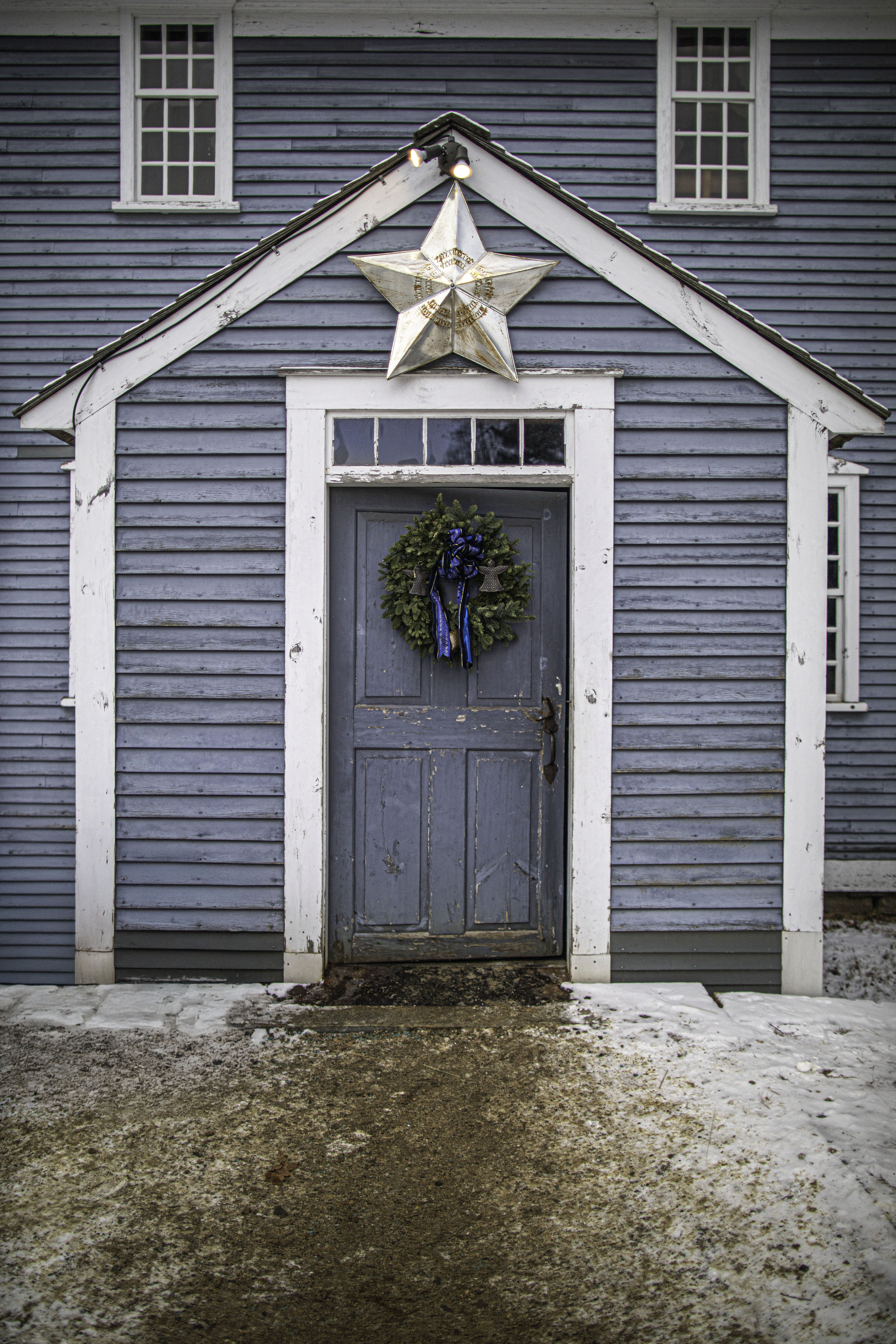
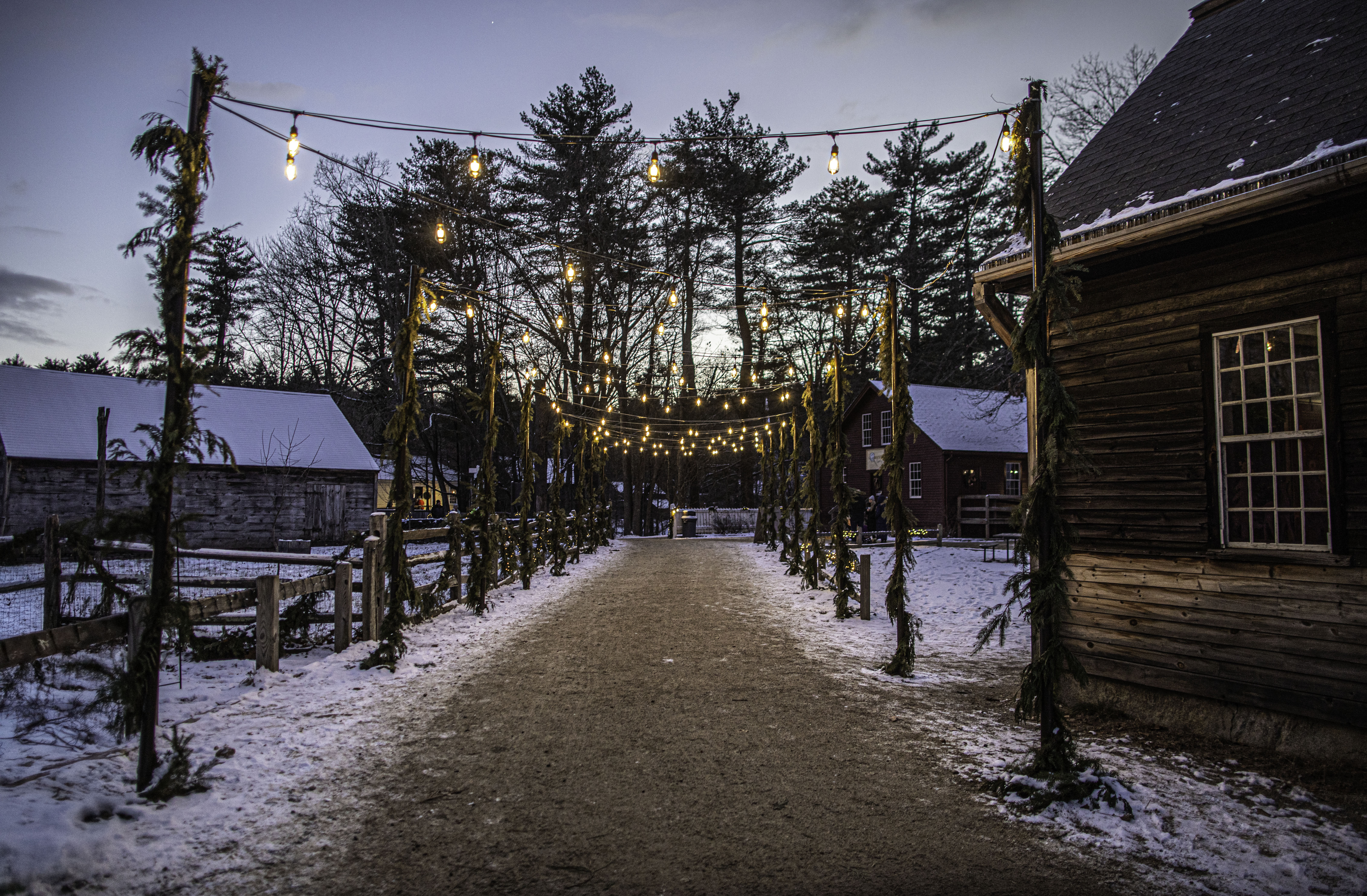
Of course, the homes, buildings and grounds were decorated for the season.

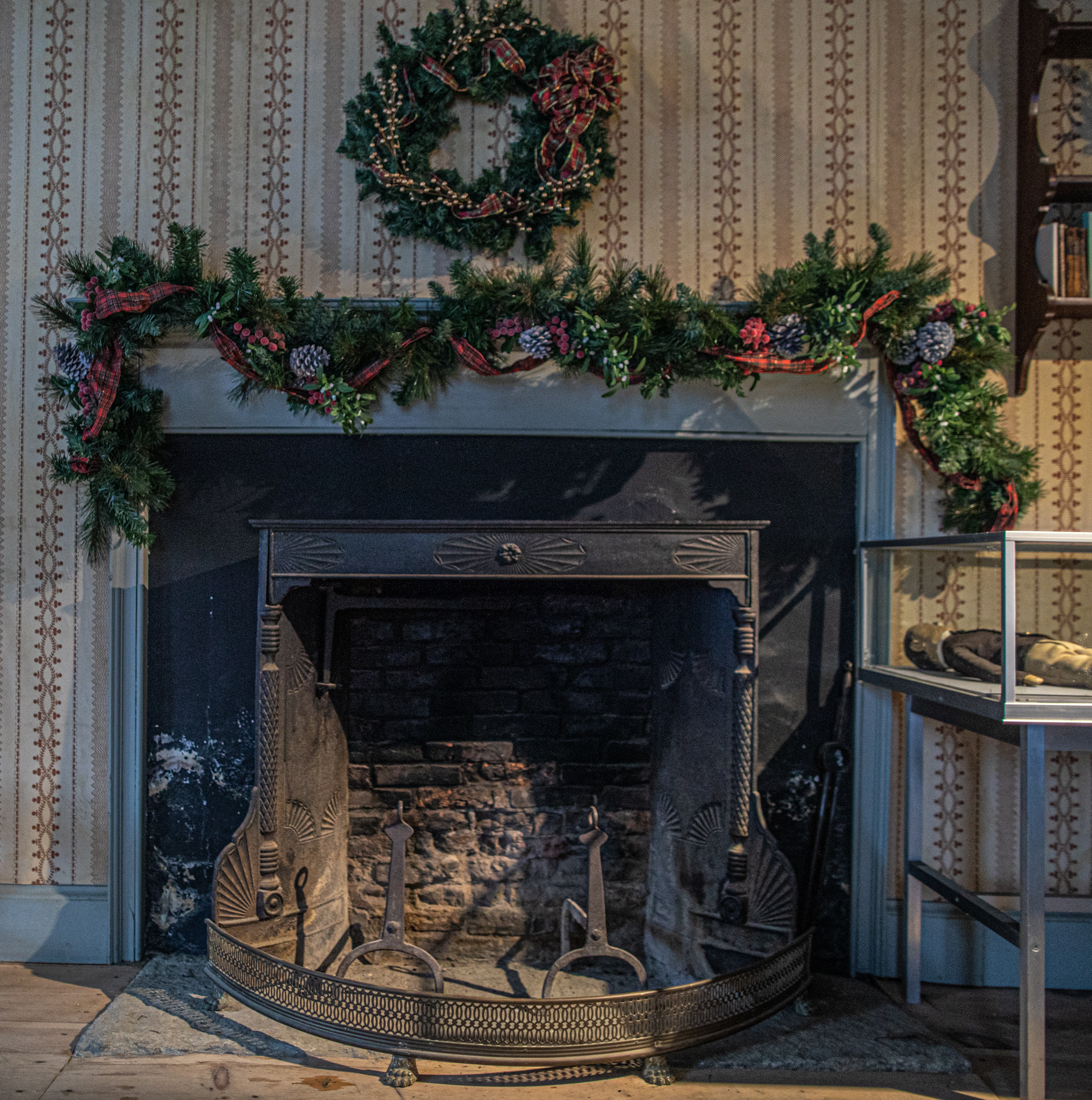
The interior of the homes were just as beautiful as the outside of them.

Toys, of course, are also a big part of the holiday. There were toys from the 1800s and modern day era at the event.

But, not all of the gifts children received were toys or dolls. Children in the 1800s would leave carrots and hay in their shoes to feed St Nick’s horse (or donkey) in the hopes he might leave gifts such as chocolates, candy, fruits, nuts, coins and other gifts in their shoes.

There were also musicians, magicians and other entertainers at the event.

Of course, what would the holidays be without food? The house where the Italian traditions were shown featured a Ceppo, a wooden pyramid structure designed to hold shelves full of different Christmas items. Some levels had gifts and food items while other levels had candles on them. Besides being a potential fire hazard, the Ceppo was meant to represent a flame and act as a substitute for the Yule log.

In the corner of the table you may have noticed a figure holding a stick.  La Befana, the “Christmas Witch”, is considered a good witch who rides around on her broomstick. She carries around a sack of gifts and candies for good children. The name  La Befana originates from the Greek word Epifania, the Italian name for the religious festival of the Epiphany.

The Italian Christmas Eve tradition of the Feast of the Seven Fishes was also discussed. But, thankfully, no fish was prepared or served at the event. In its place, cakes, cookies and other sweets were on display. And a chocolate layered cake was served. I did not partake. But, the consensus was it was “delicious.”

Just looking at all the photos makes me hungry! Believe it or not, even with all of the photos I have posted, I could have posted even more.

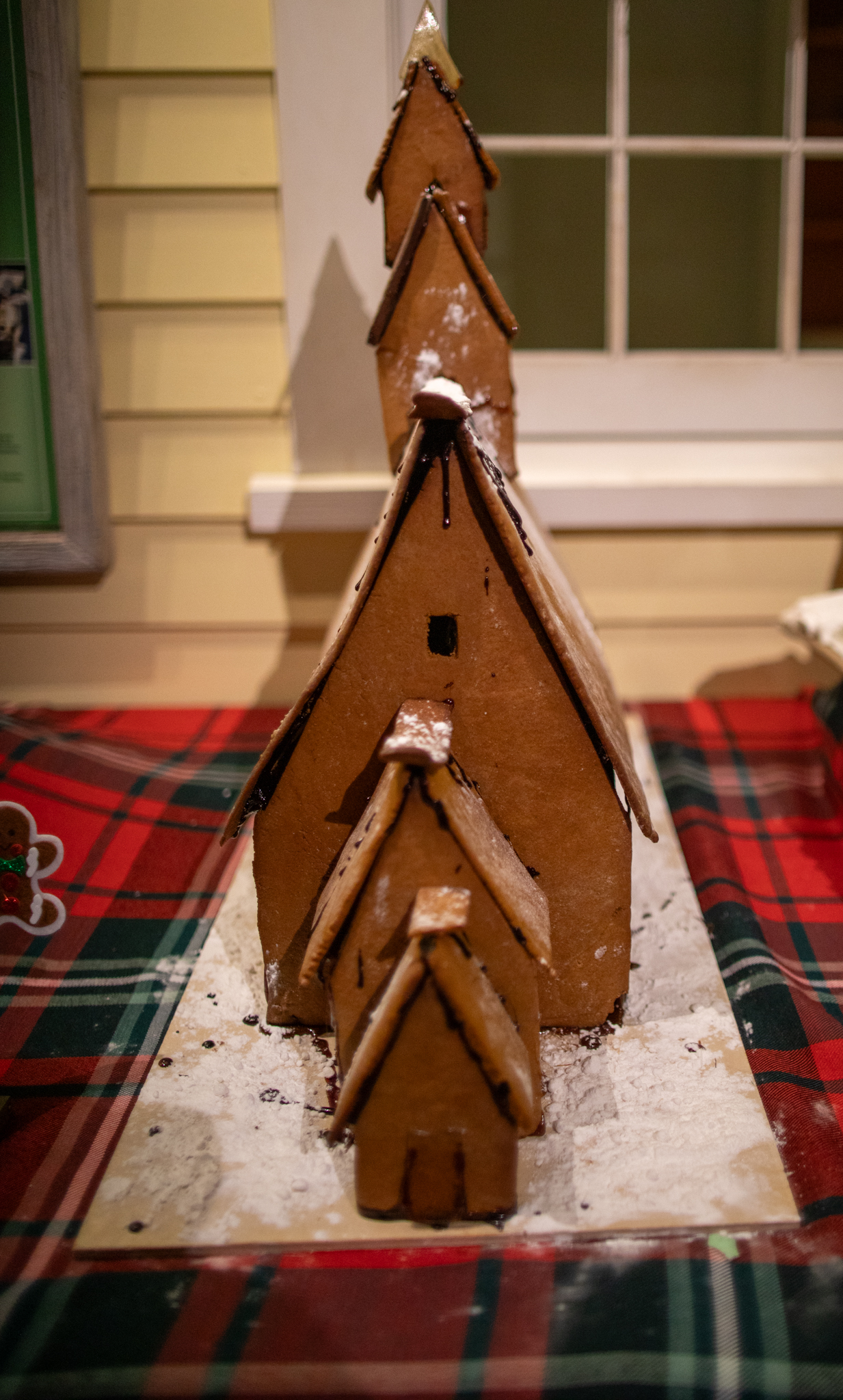
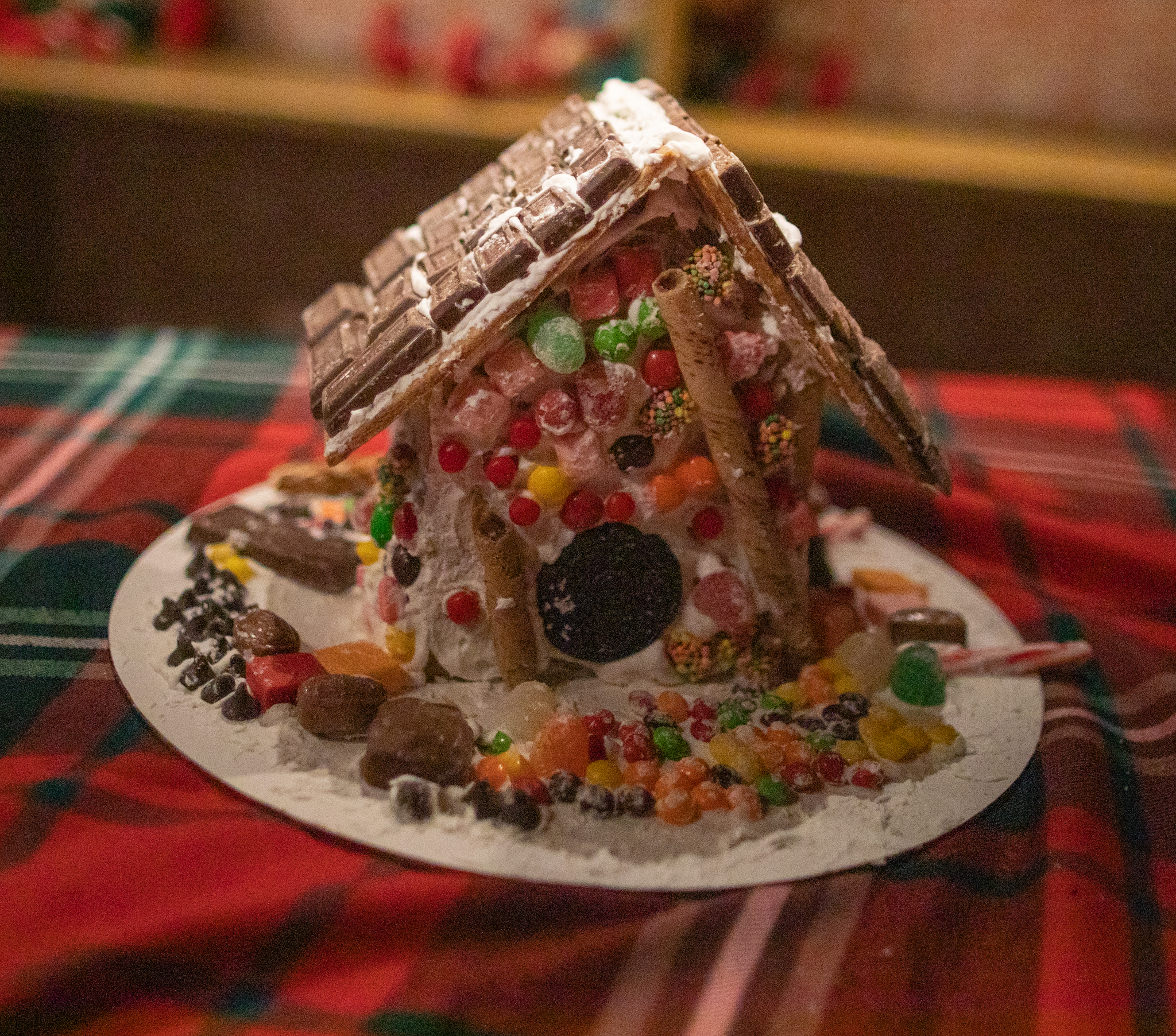
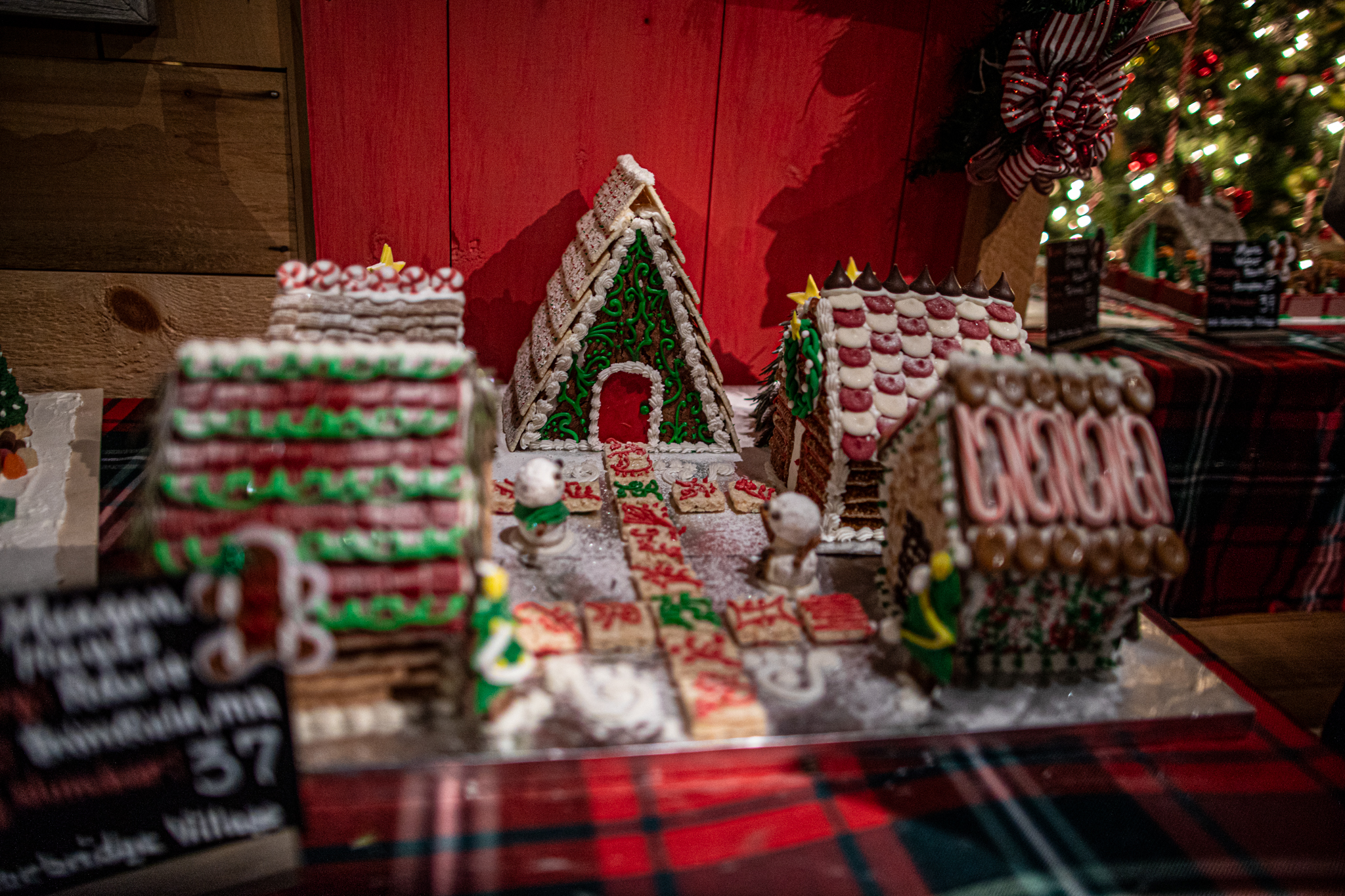
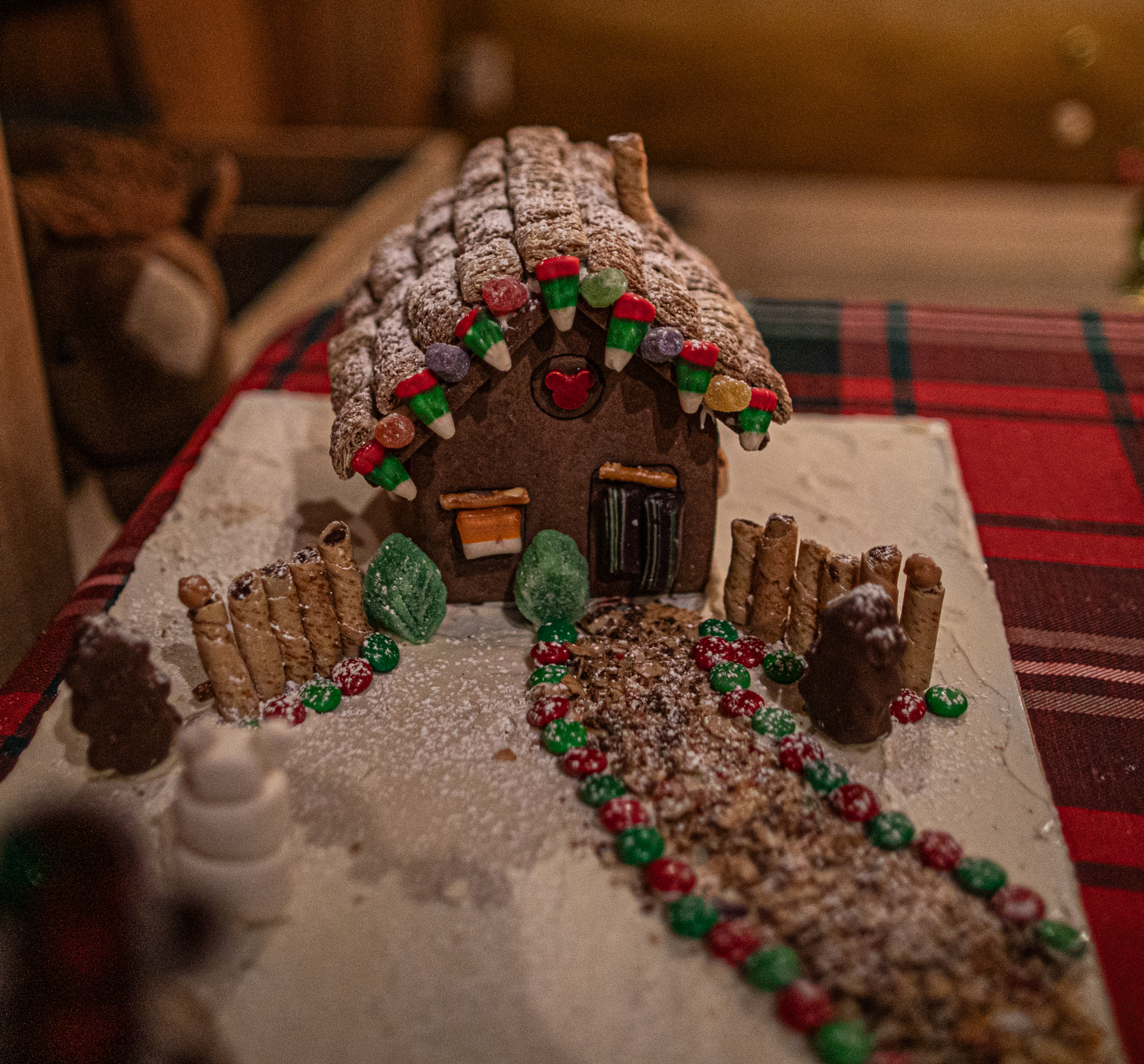
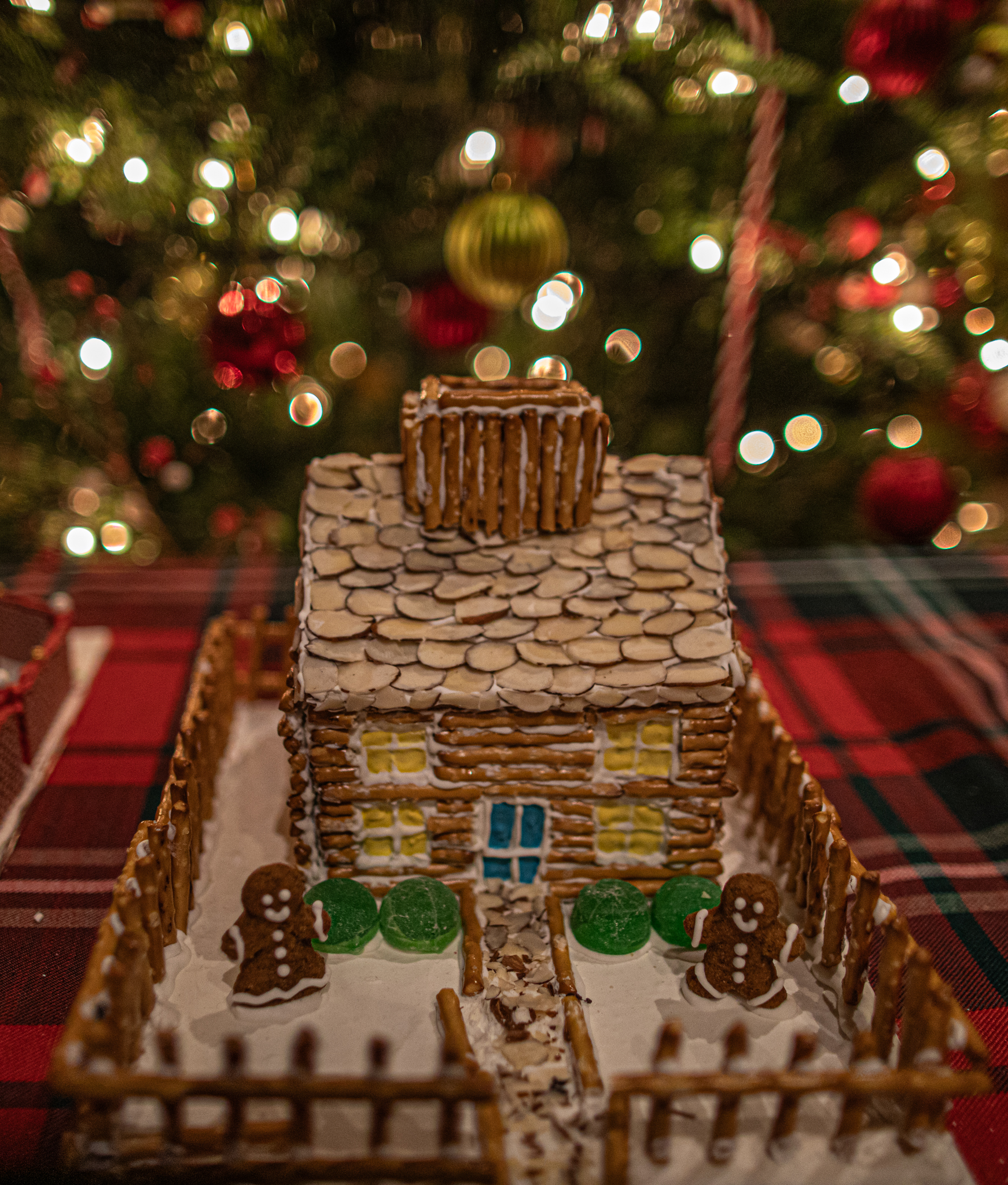
As an added bonus, there was a gingerbread house contest.

The “winning gingerbread house was “Best In Show” gingerbread house was this “Farm Creation.”

The rest of the gingerbread houses and other gingerbread structures are posted below, in no particular order.


Phantoms By Firelight (Old Sturbridge Village, Sturbridge, MA)

Date Of Event: October 26, 2024

Location: Old Sturbridge Village, 29 Stallion Hill Road, Sturbridge, MA (1 hour southwest of Boston, MA)

Cost: Prices tanged from $14 to $45 depending on your age and when you bought them. More information can be found at the link below

Ticket prices

Universally Accessible: Yes

Parking: Free parking is included in the ticket price

Website: Phantoms By Firelight

Summary: Performers entertained visitors with gravity defying acts, fire breathing and other jaw dropping tricks!

Fiery frights awaited all at this year’s Phantoms By Firelight event at Old Sturbridge Village.
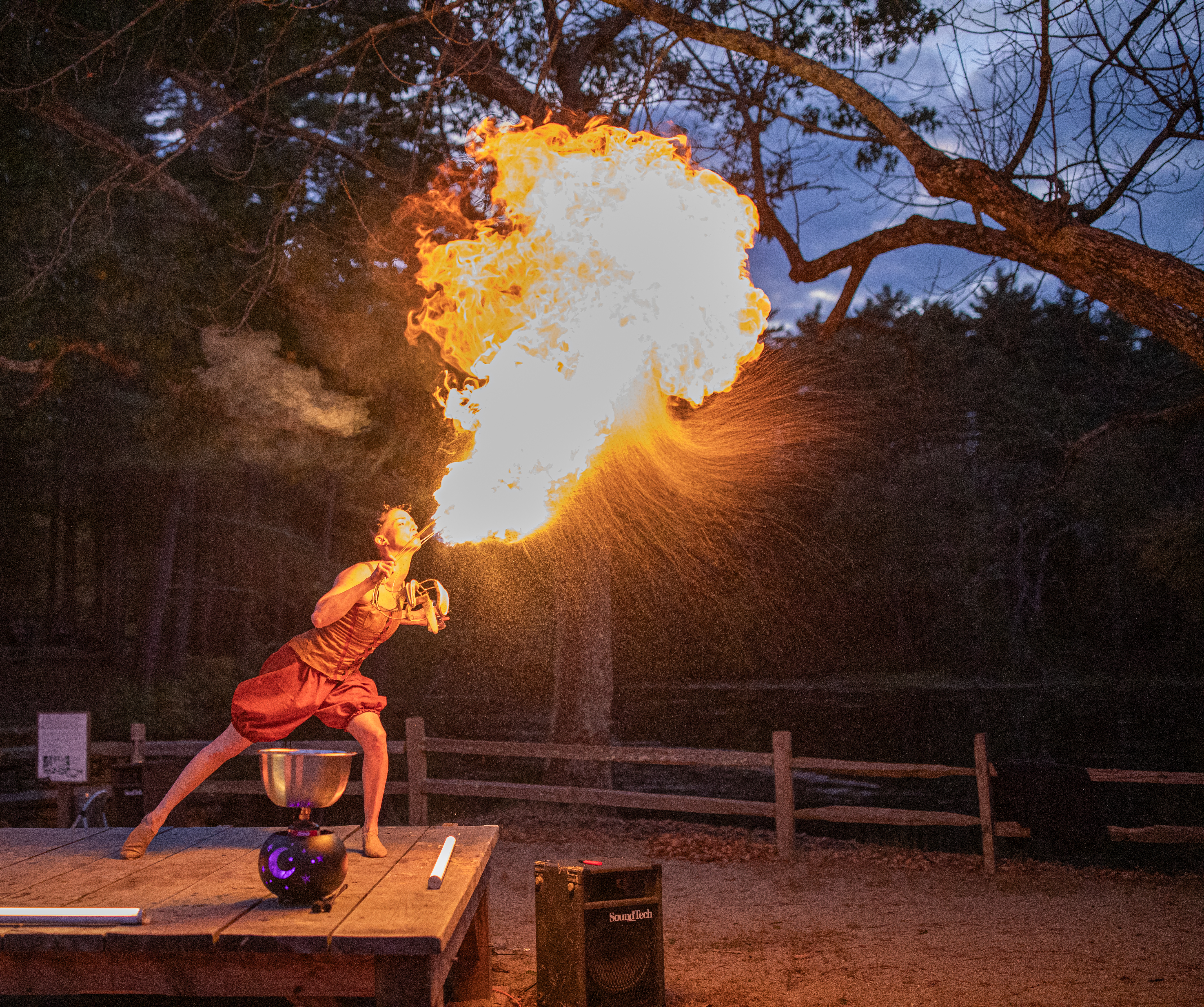
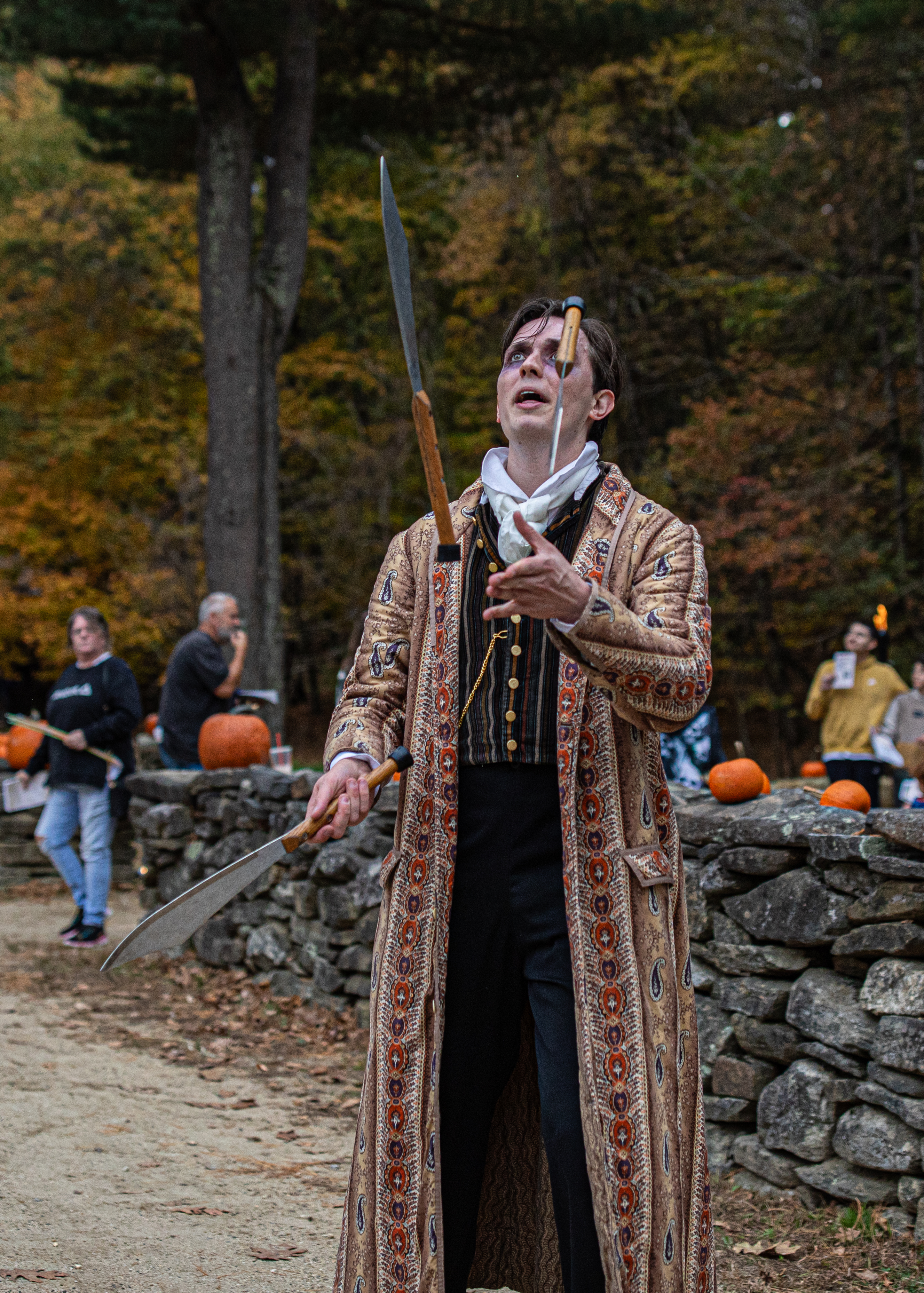
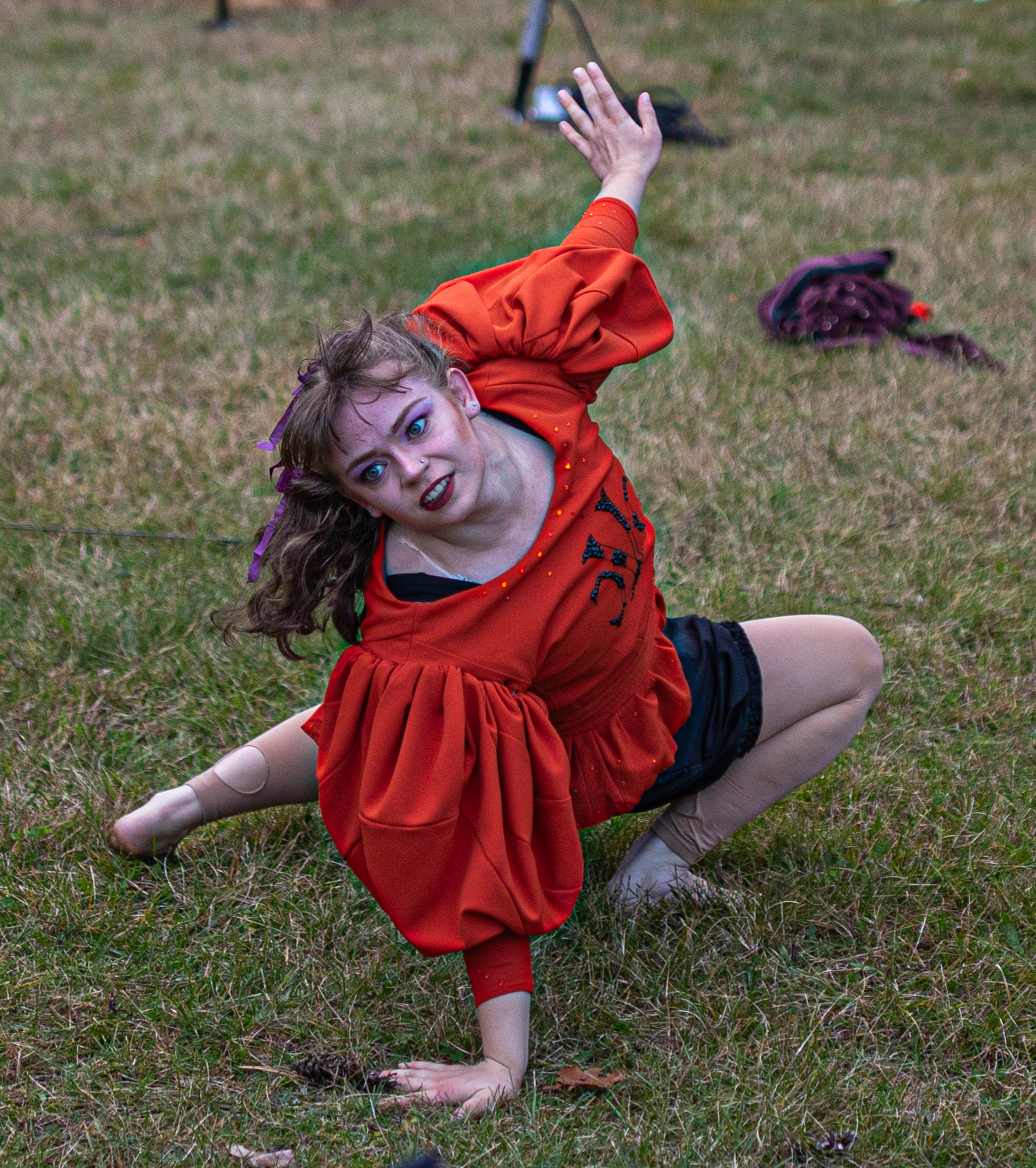
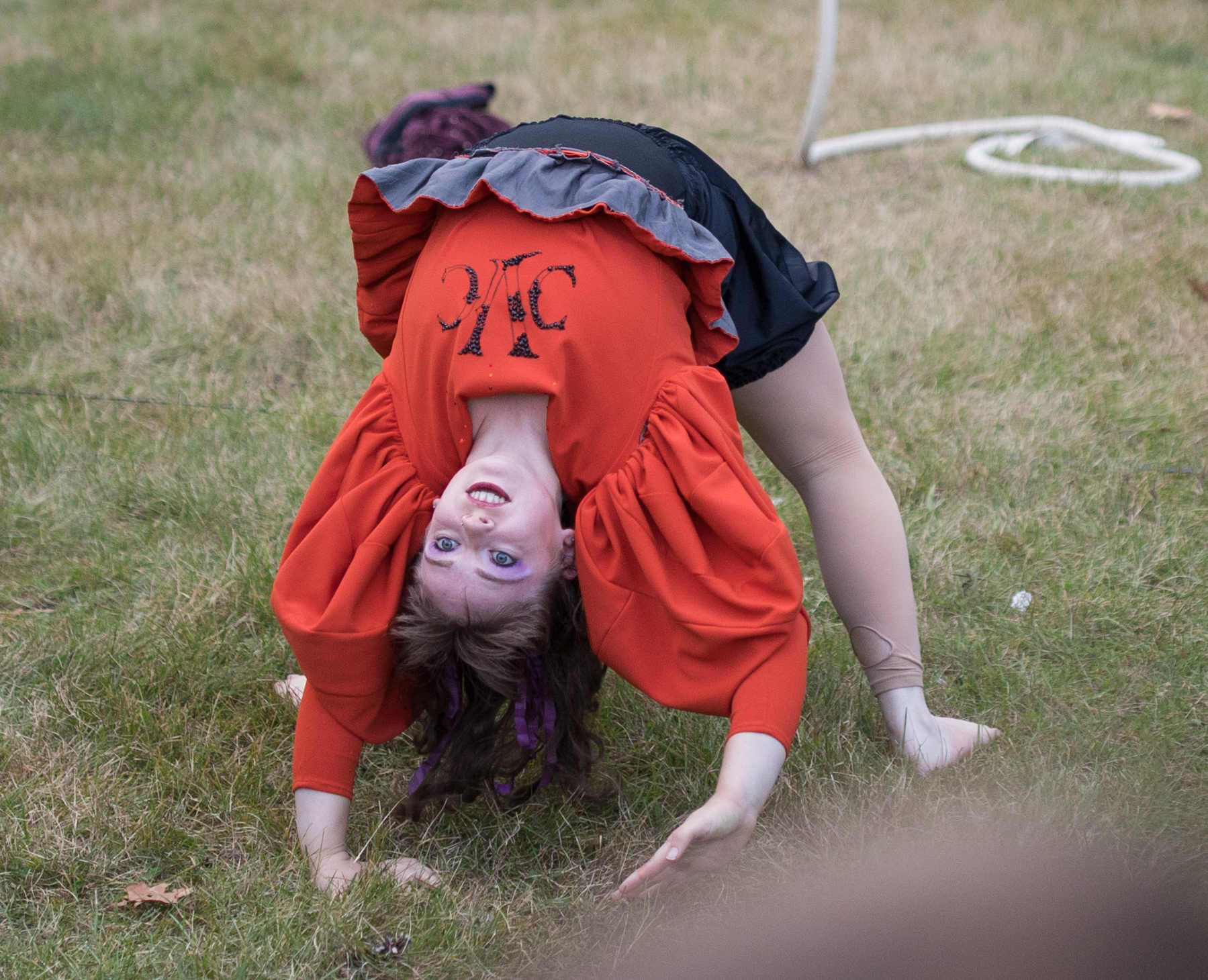
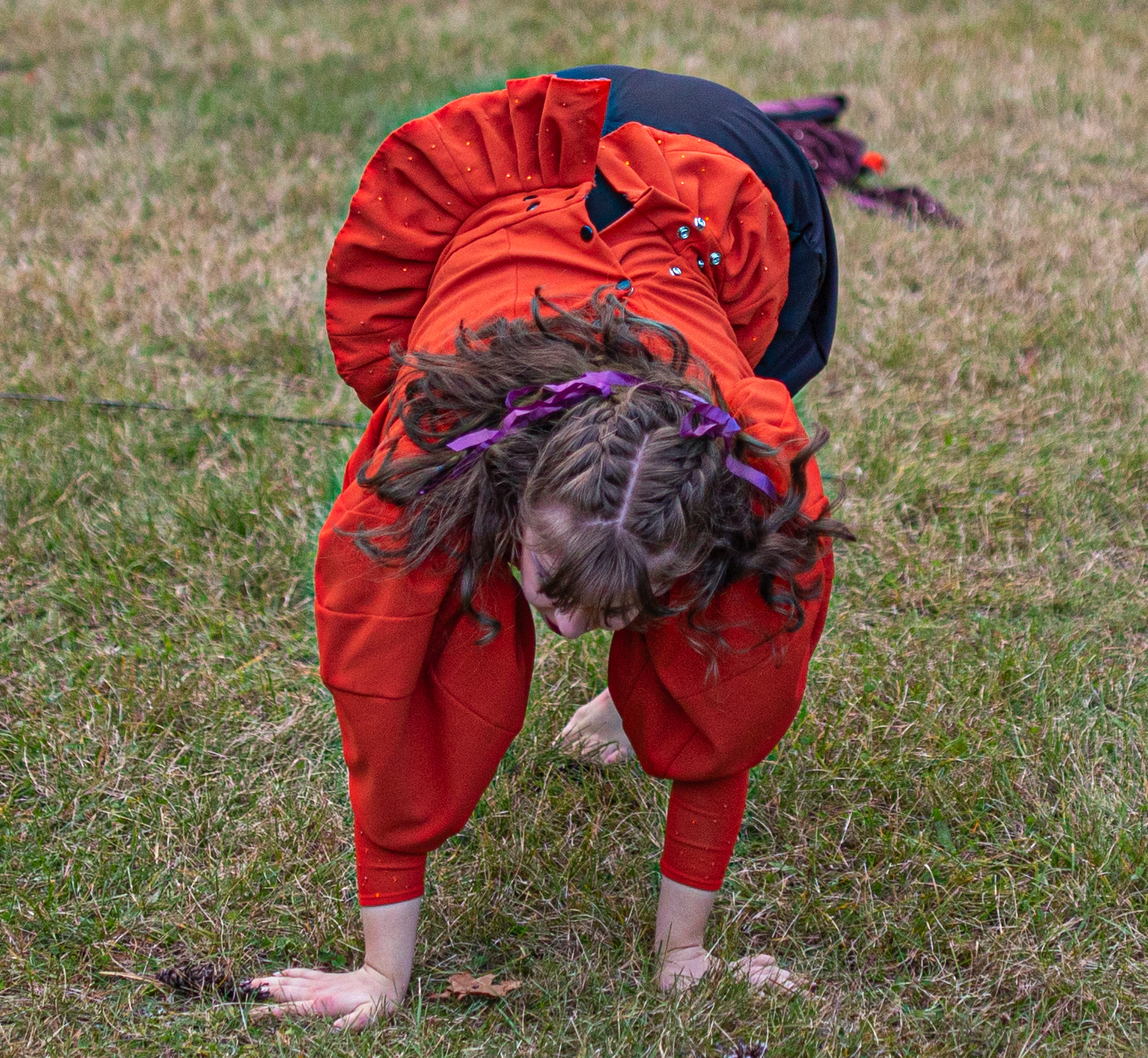
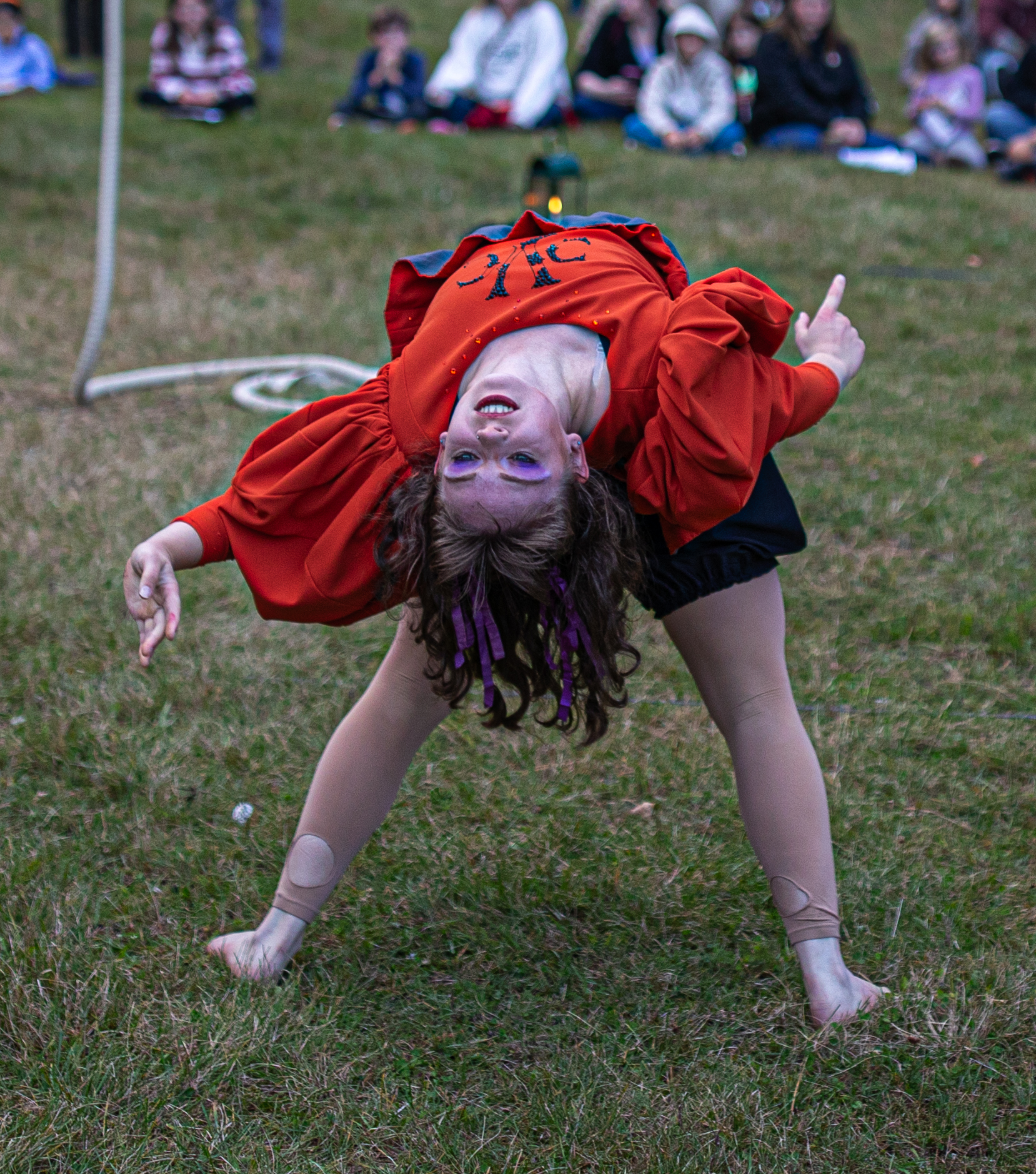
An array of performers, dare devils and acrobats entertained countless visitors last month at Old Sturbridge Village.

Perhaps this event should have been titled, “don’t try this at home.”

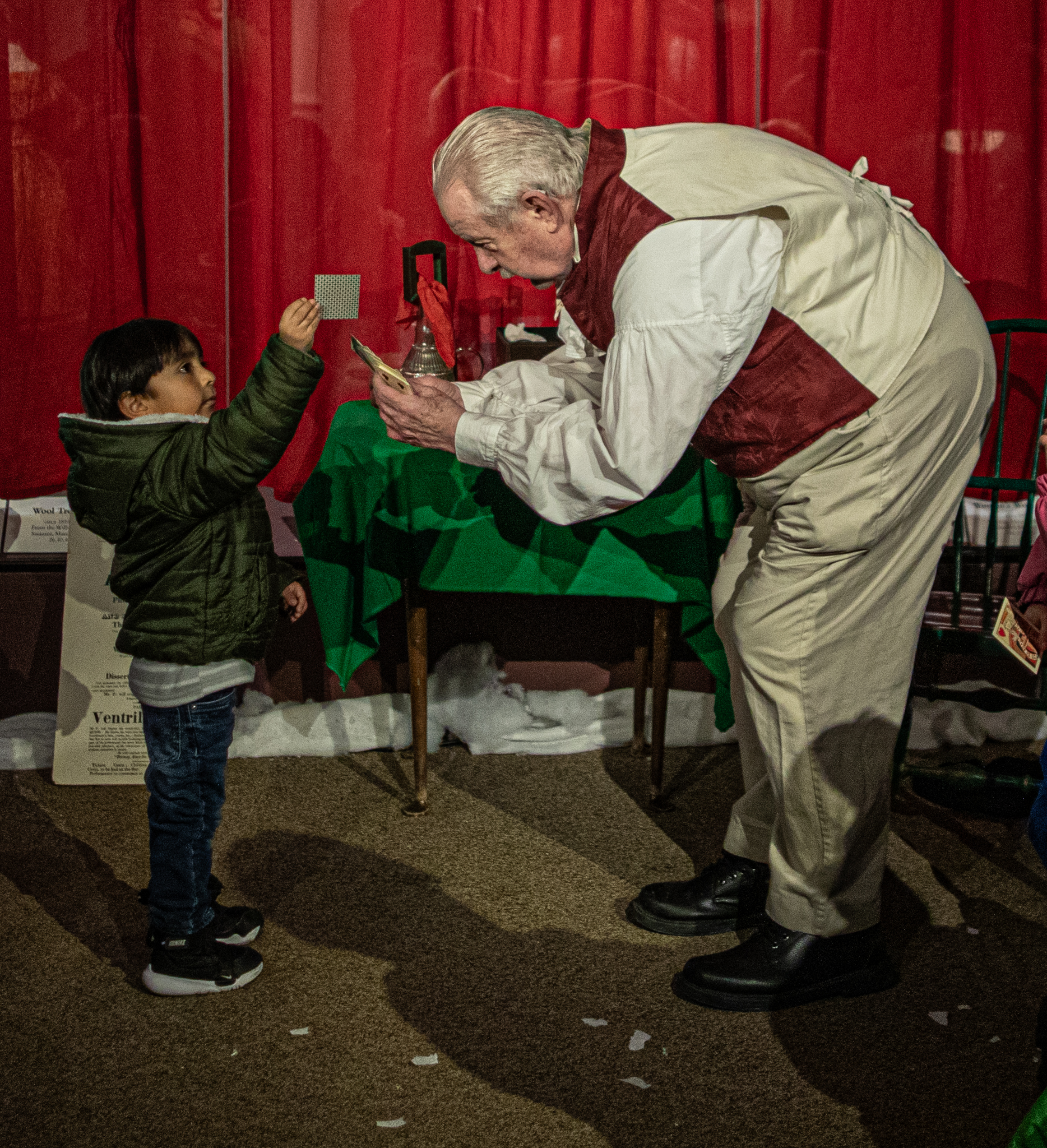
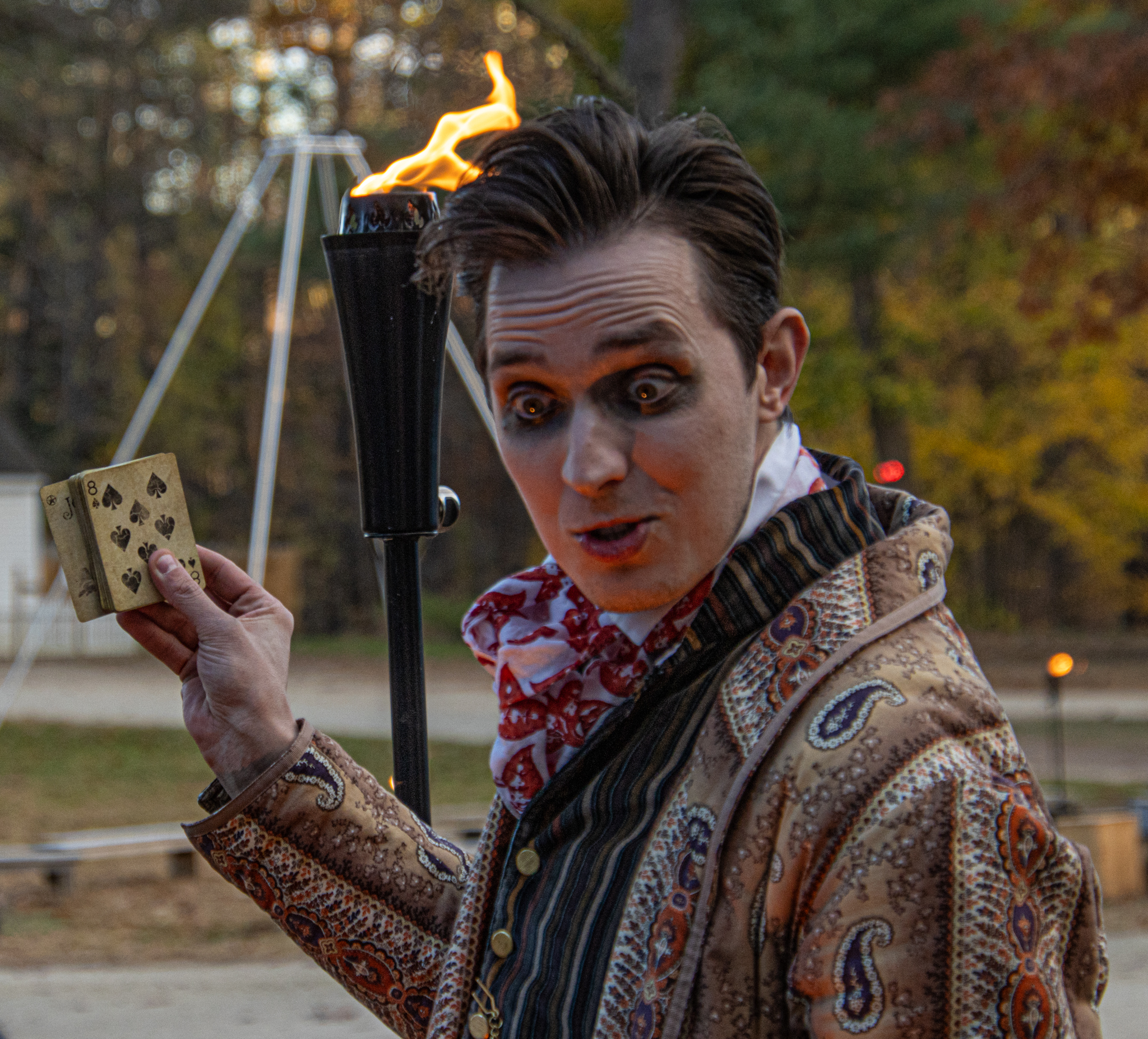
The family friendly event included card tricks by Magnus The Magnificent.

There were also games like this World Scramble game. Can you guess the phrase hidden in this world scramble?

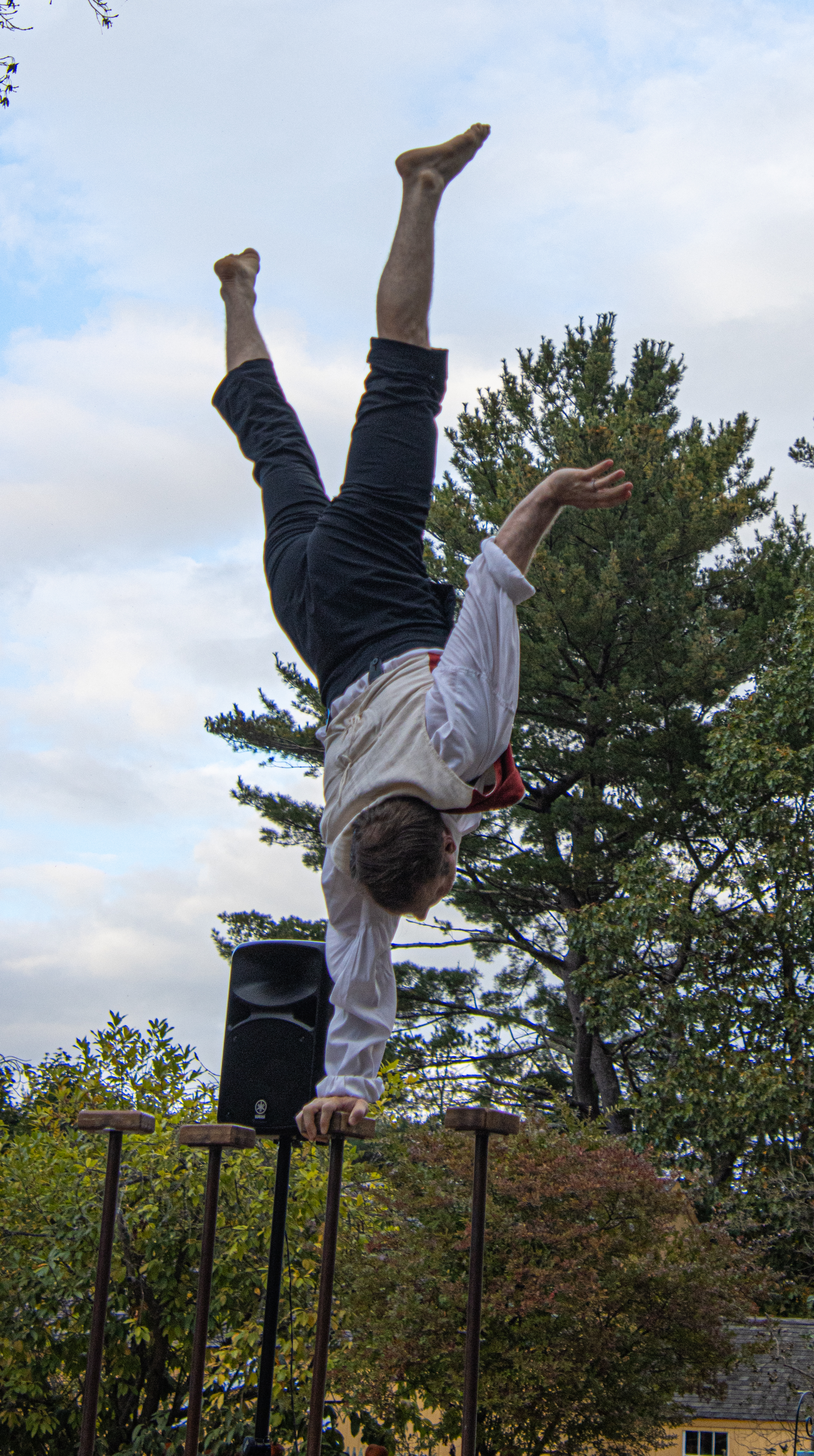
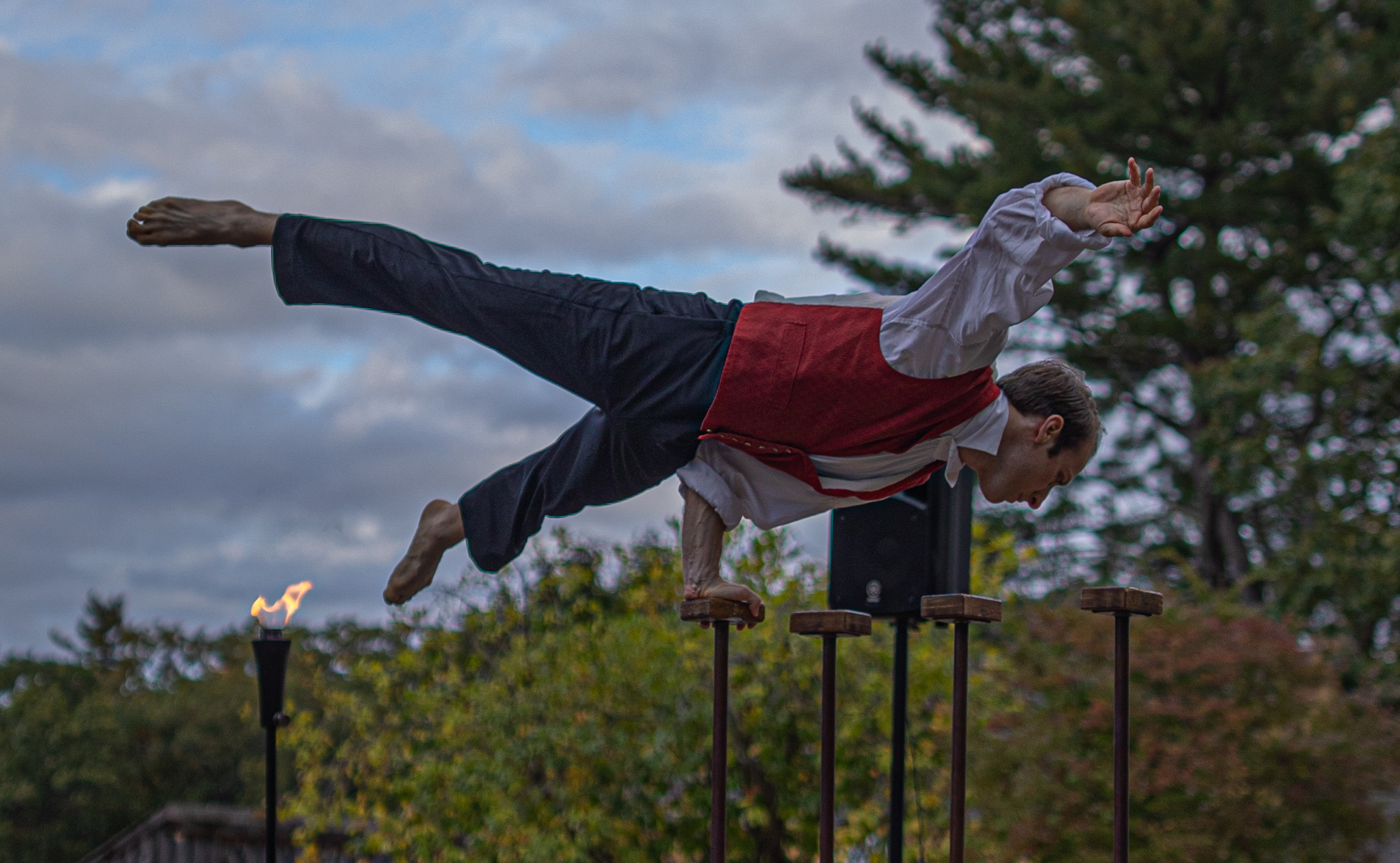
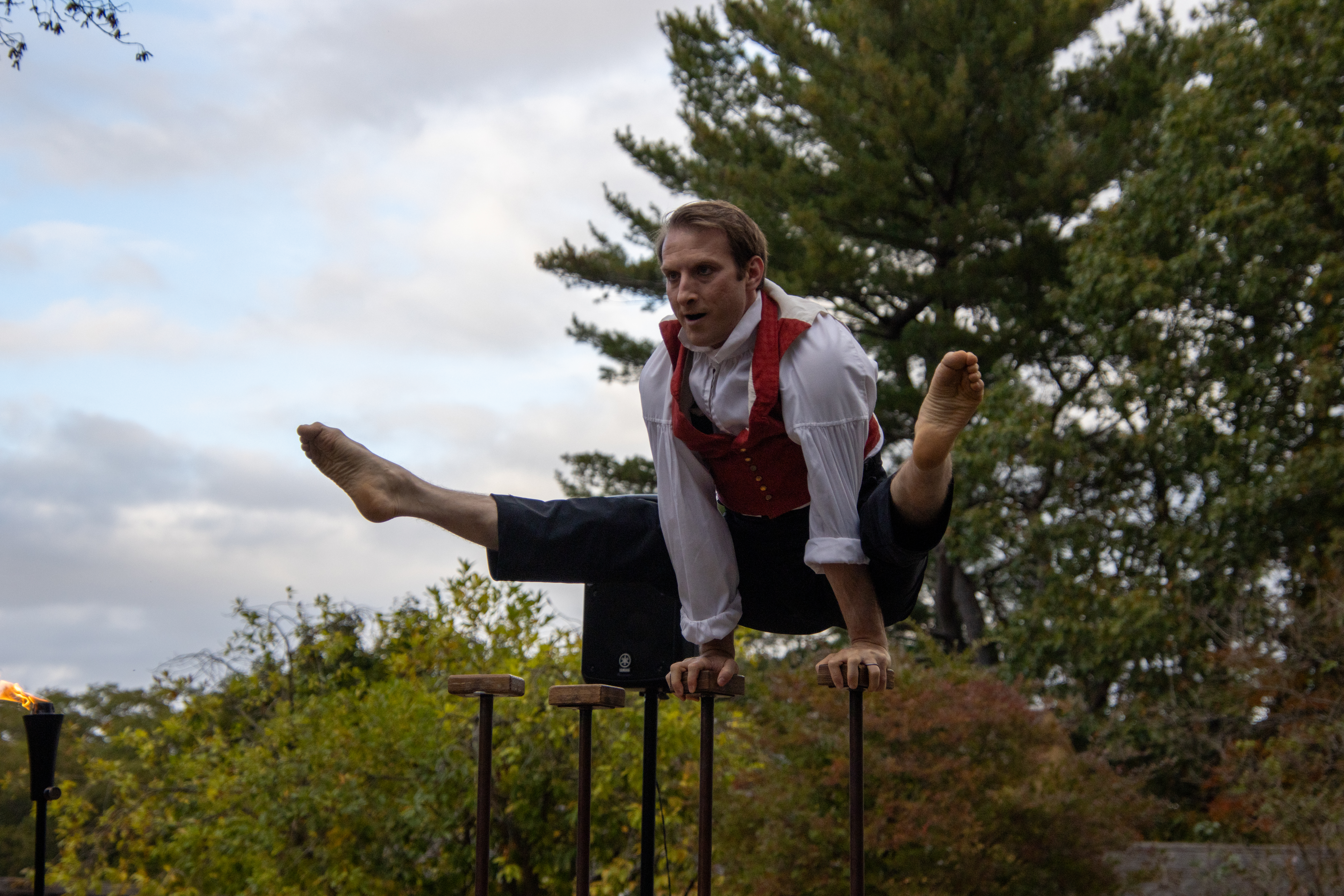
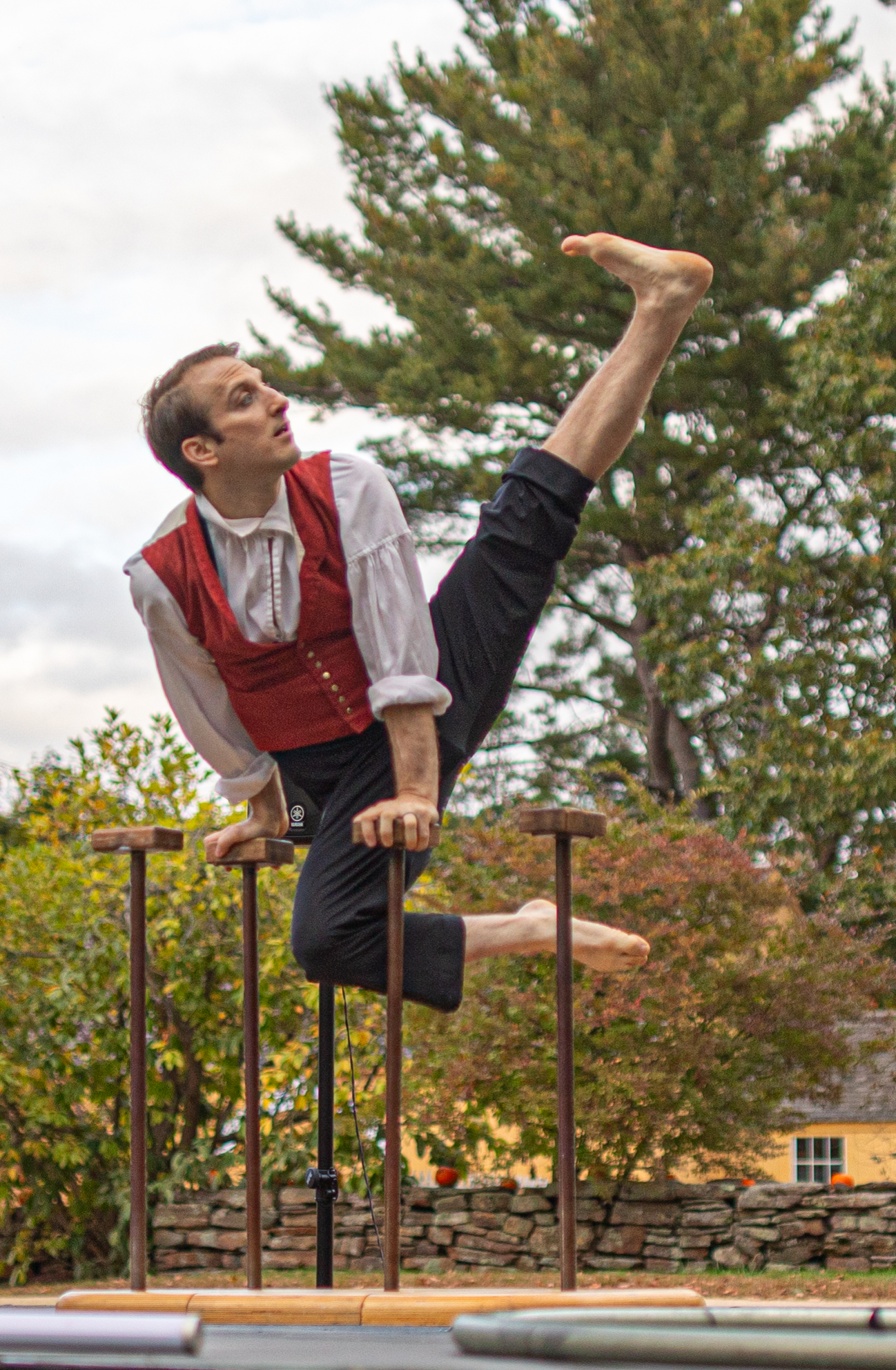
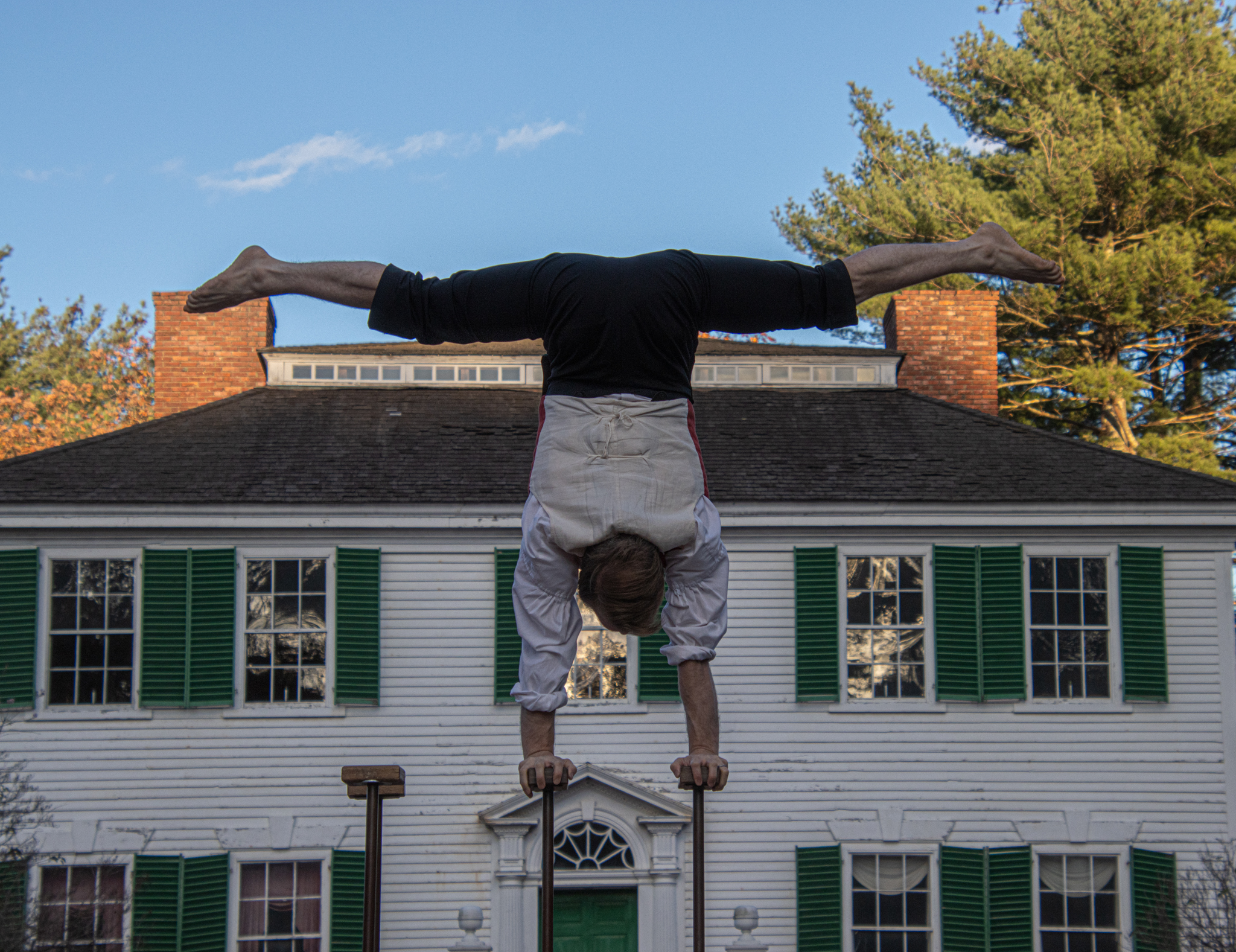
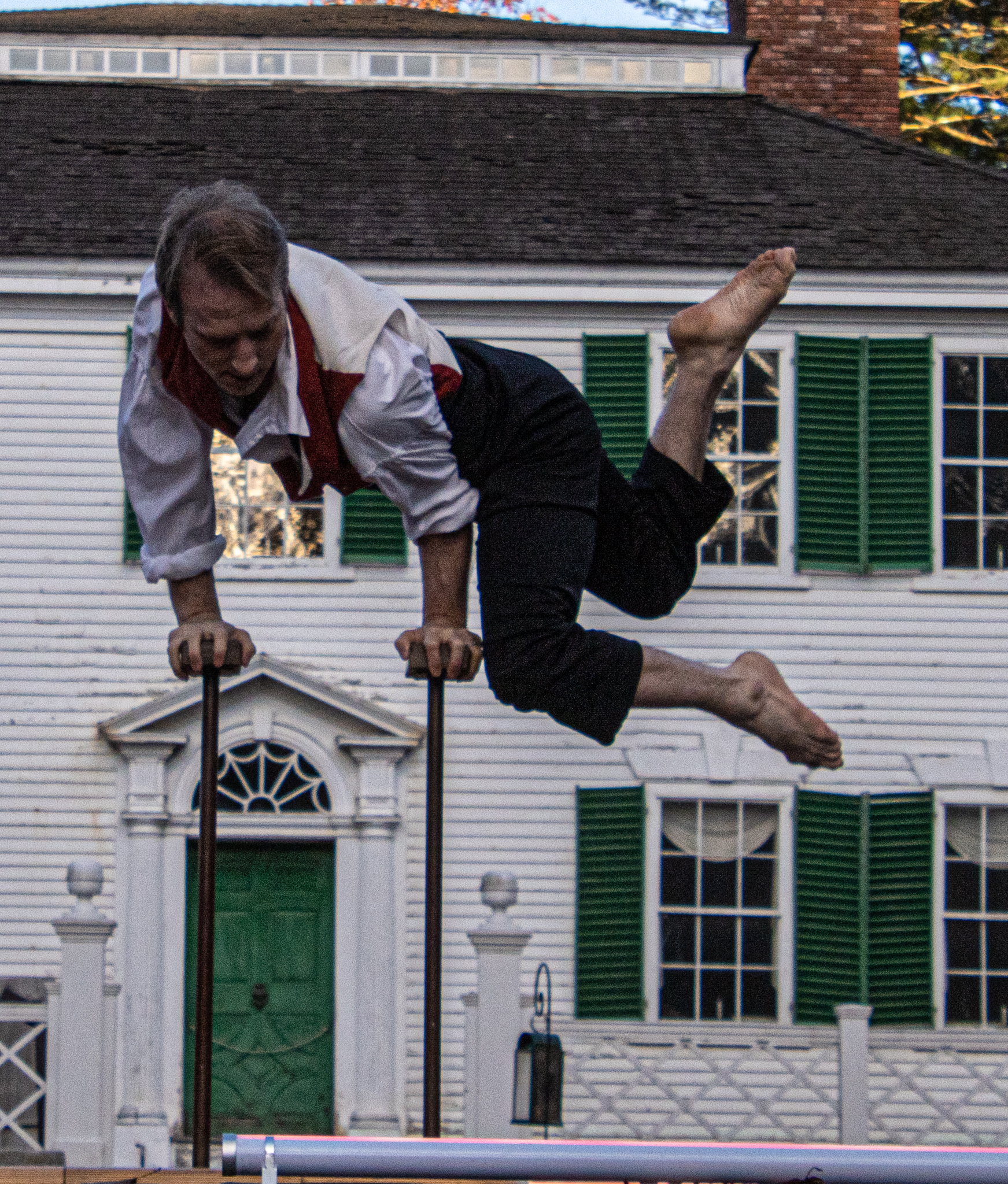
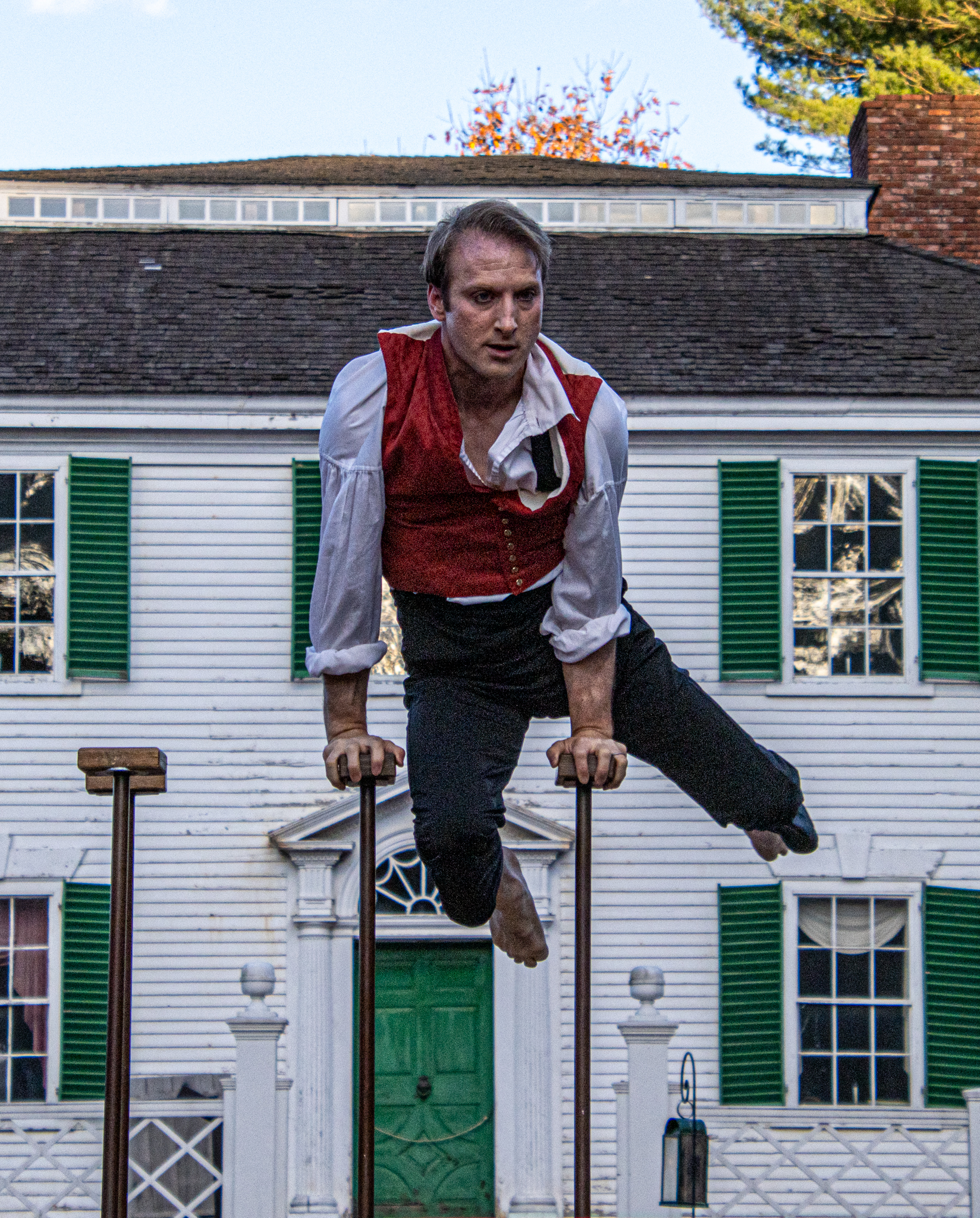
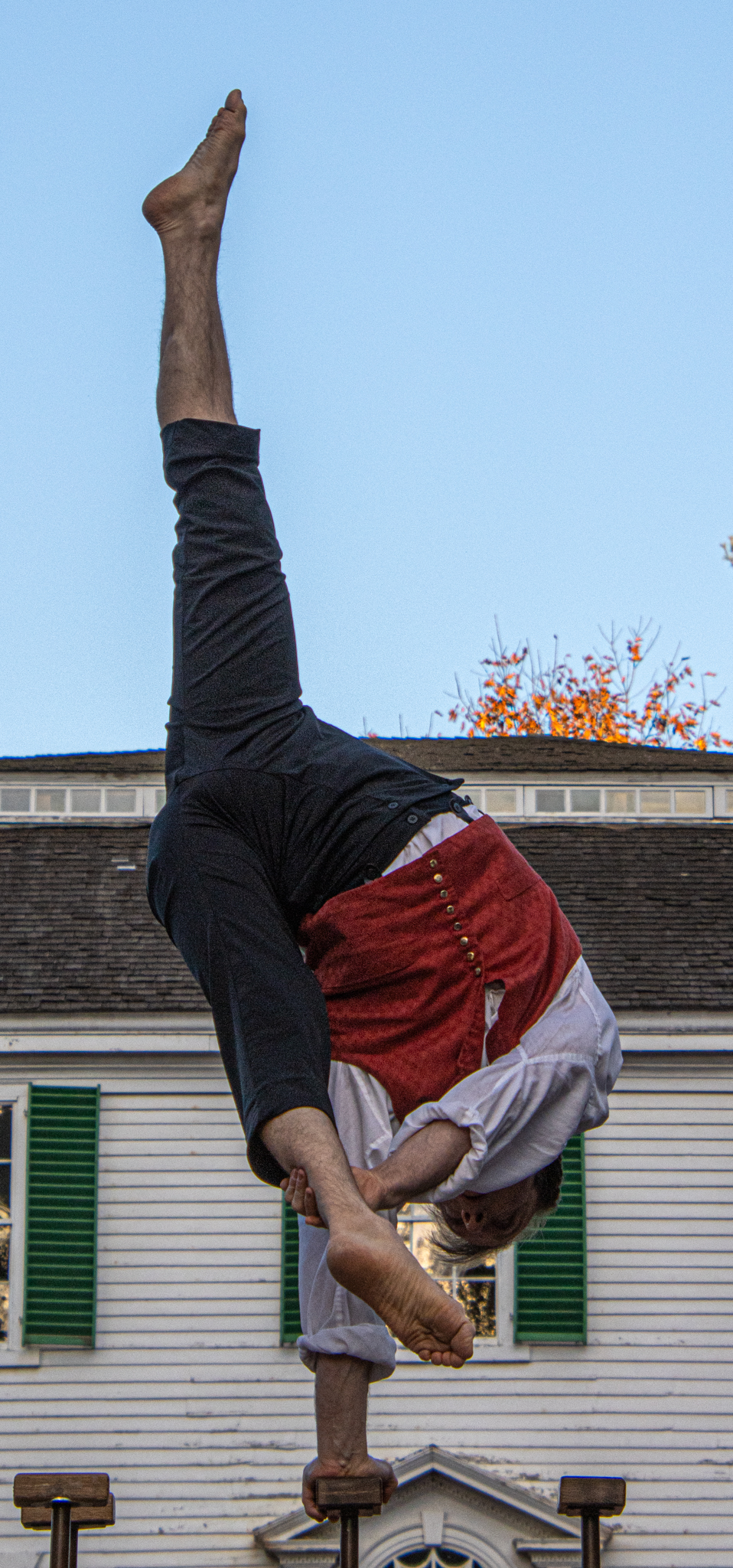
After all the fun and games, it was off to the Village Common to watch Alexander the Upside Down Man.

The feats of strength by Andrew were very impressive!

Whew! I got sore and tired just watching Alexander!

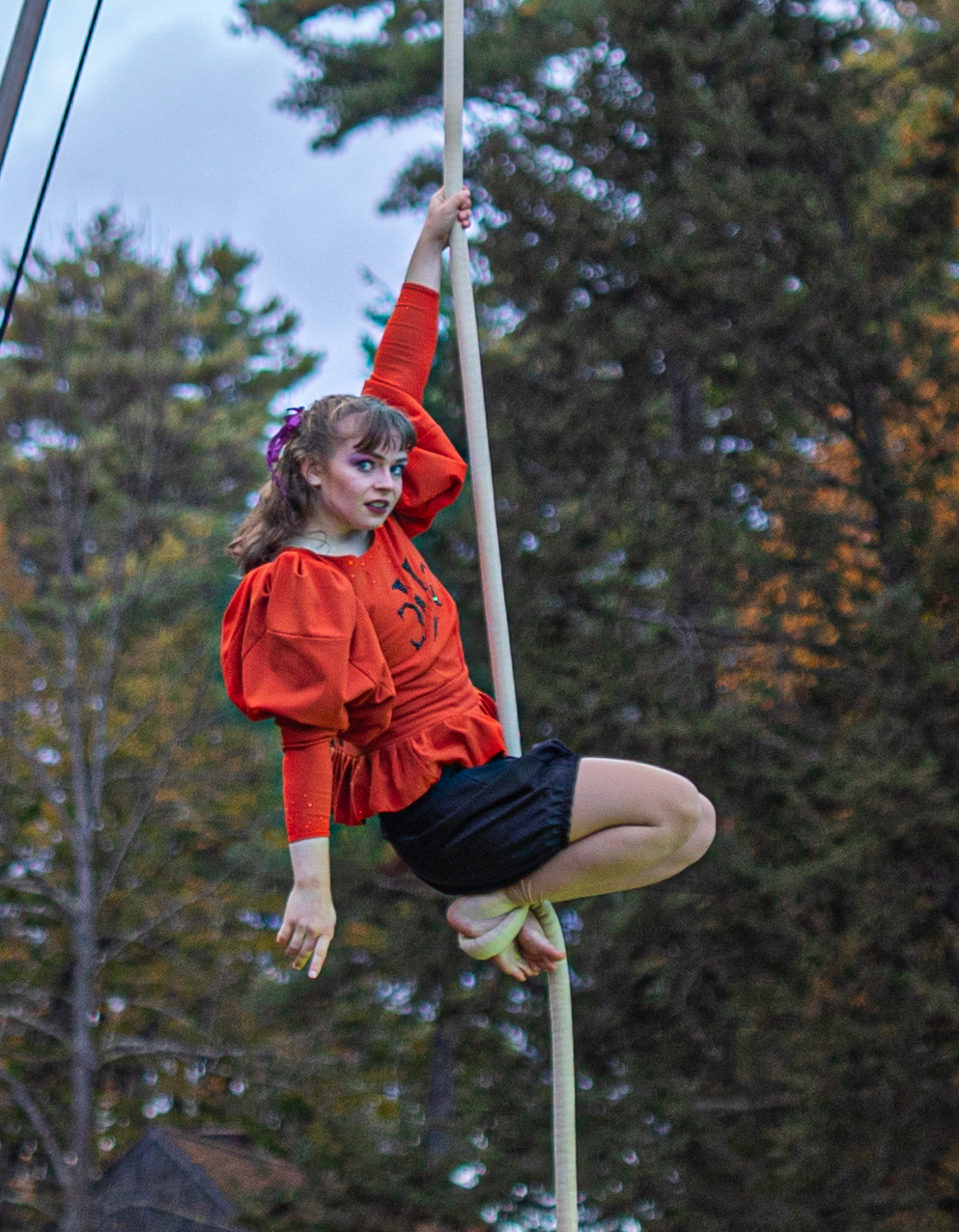
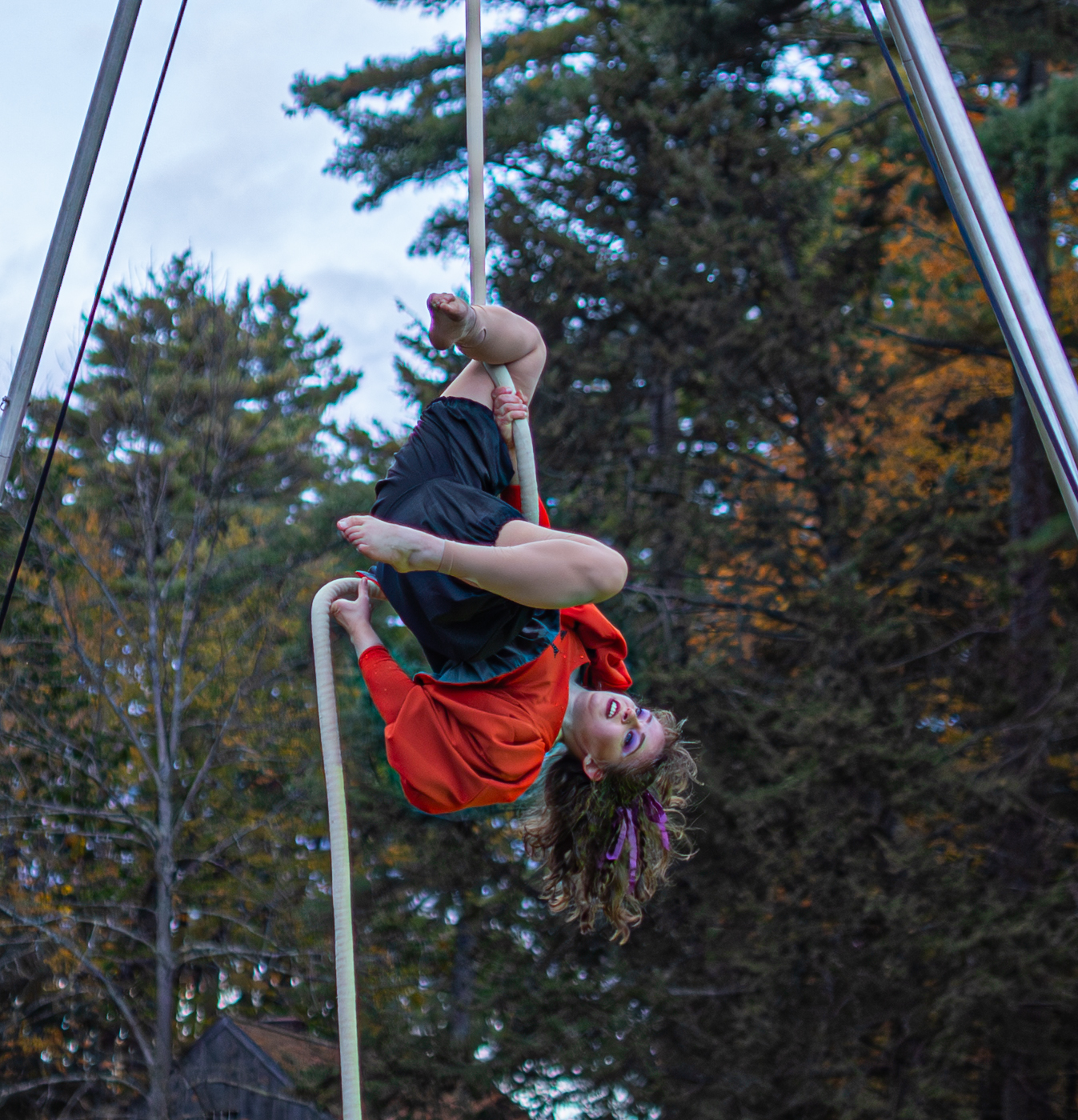
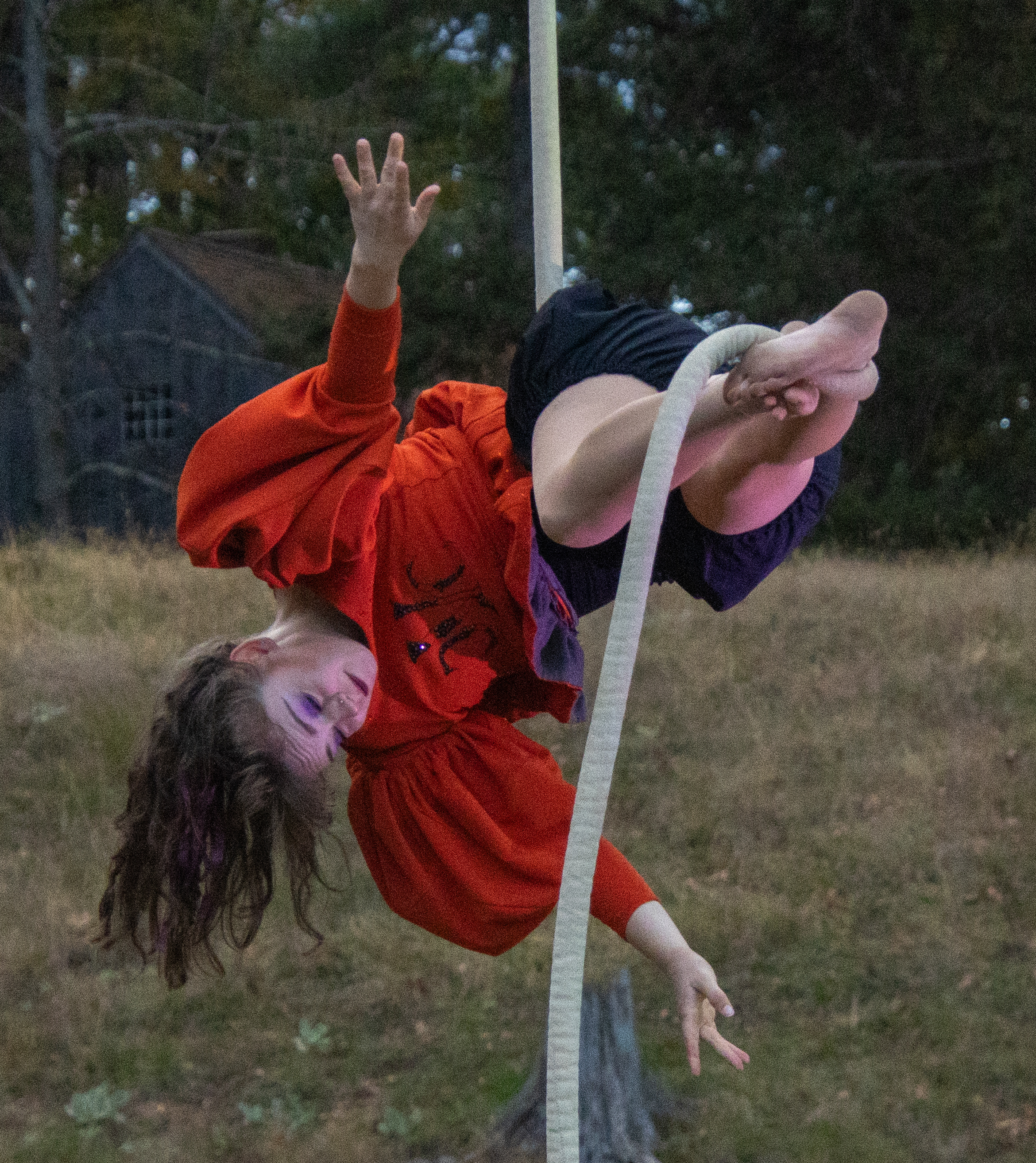
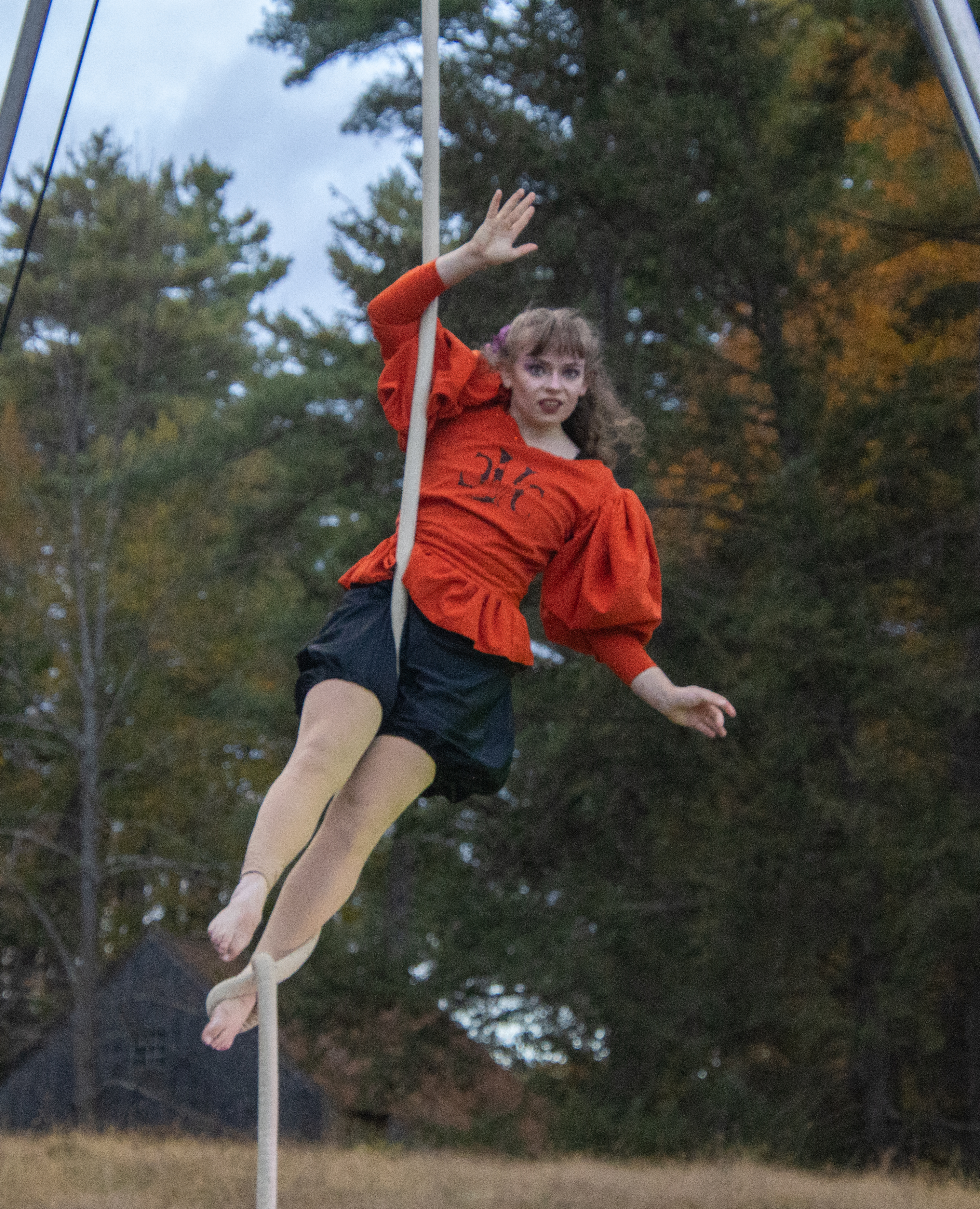
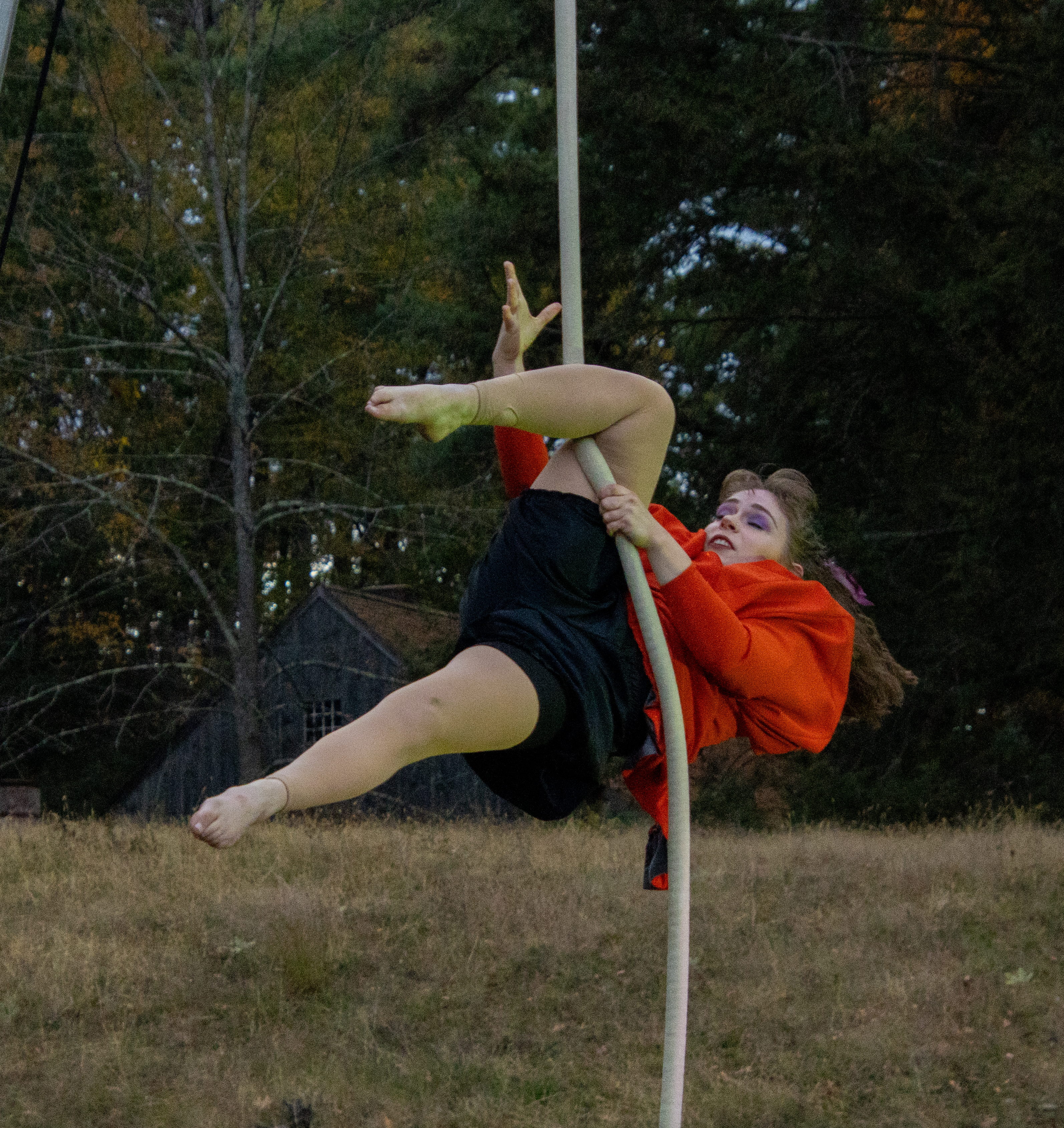
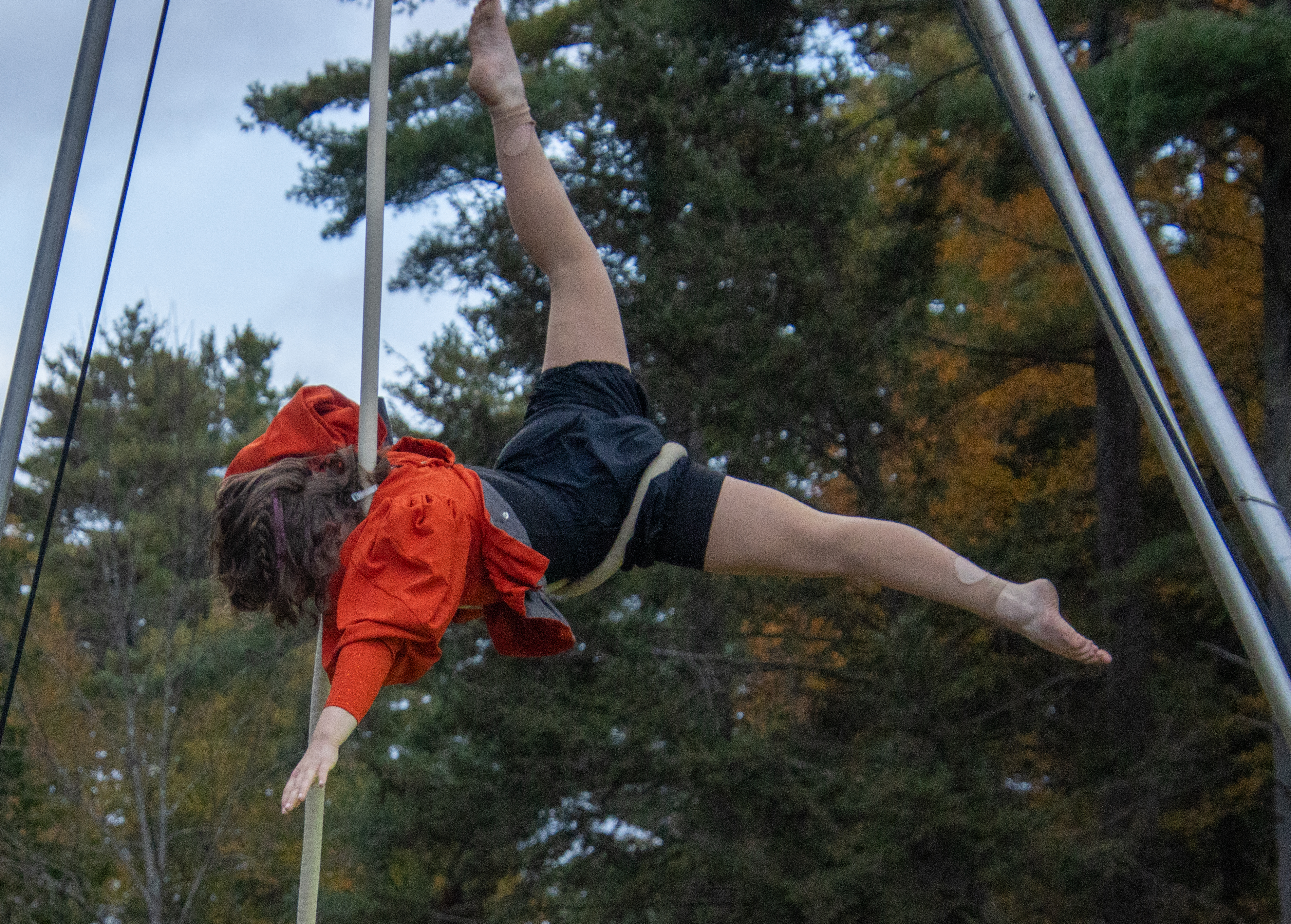
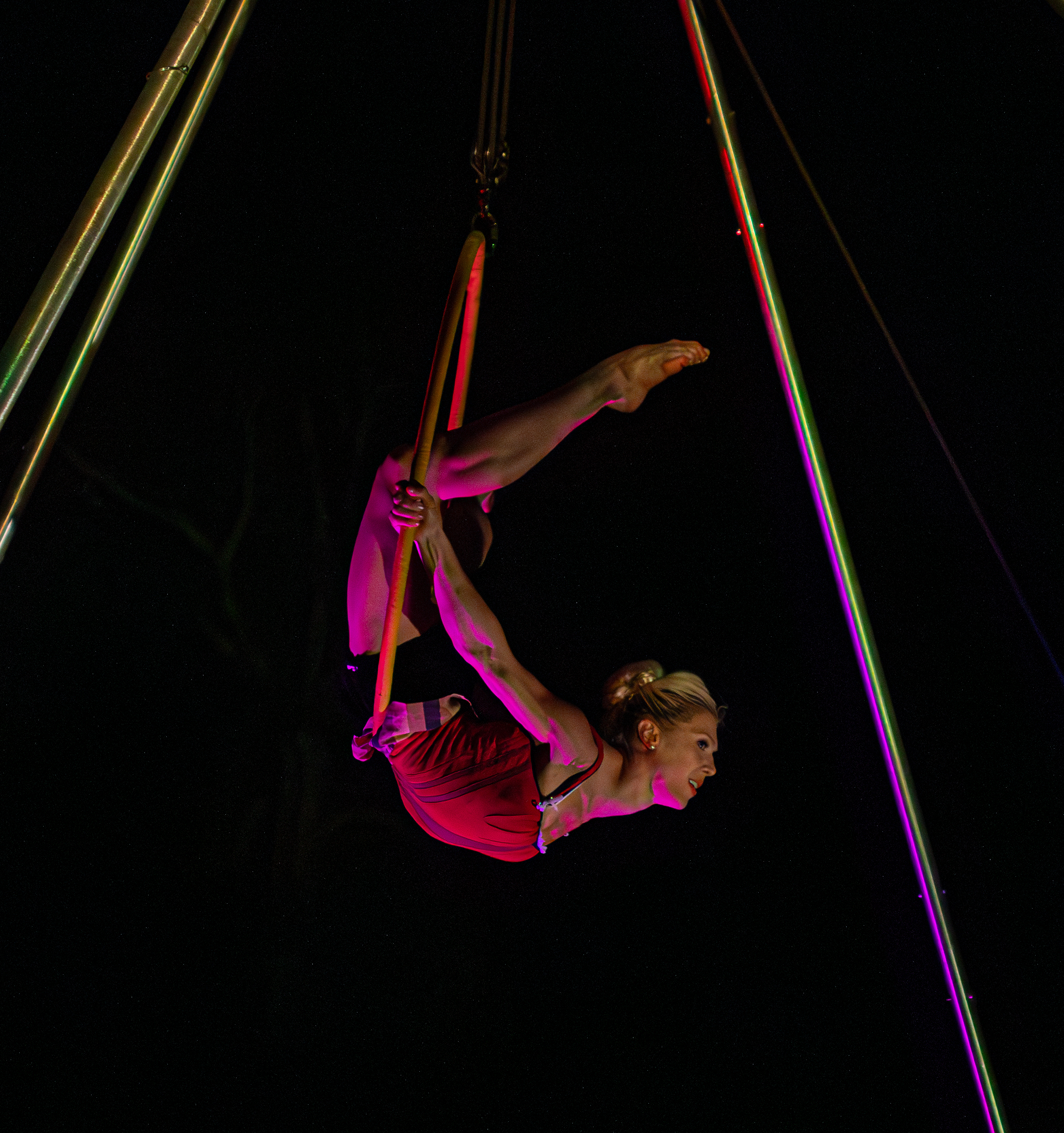
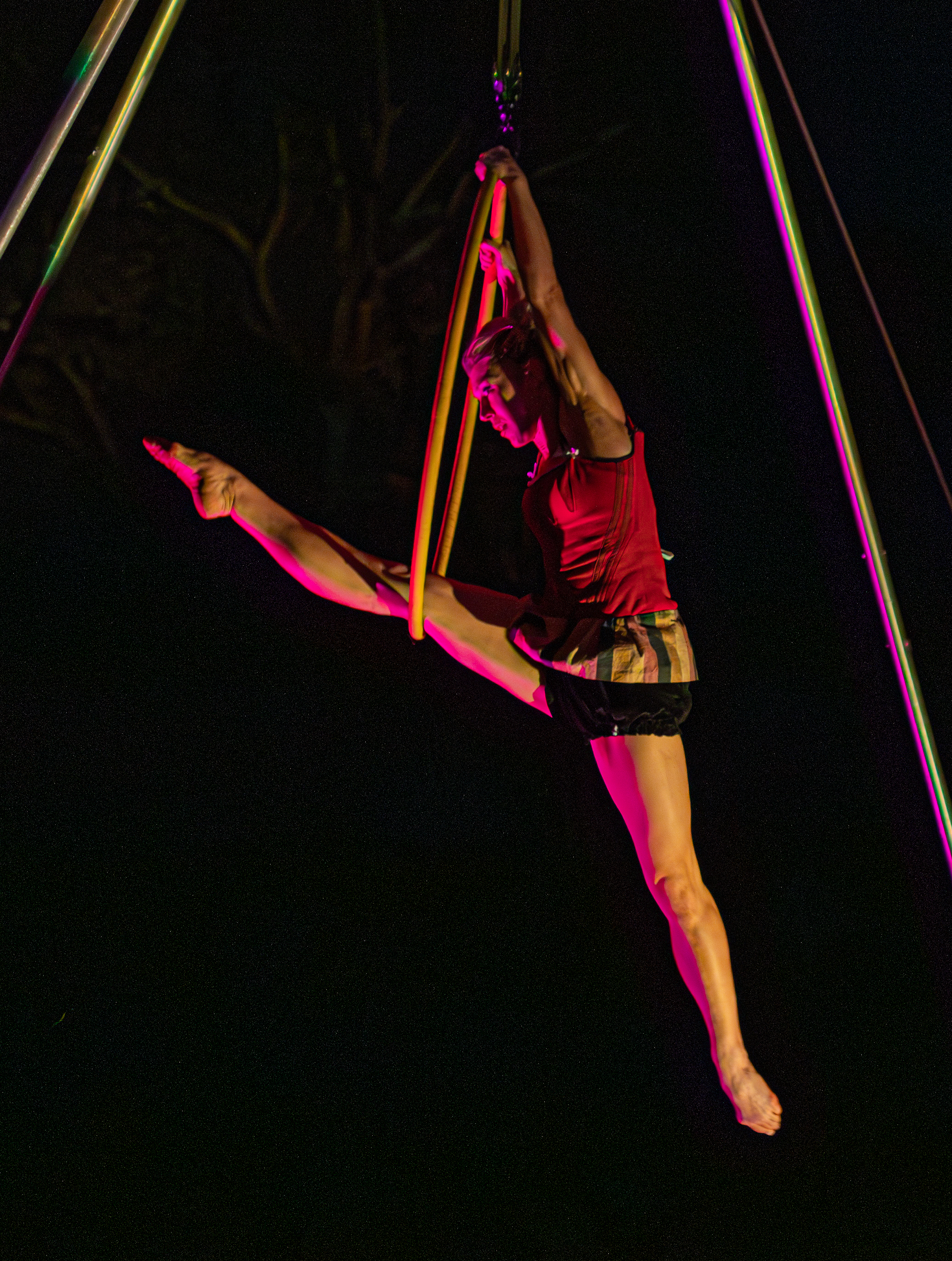
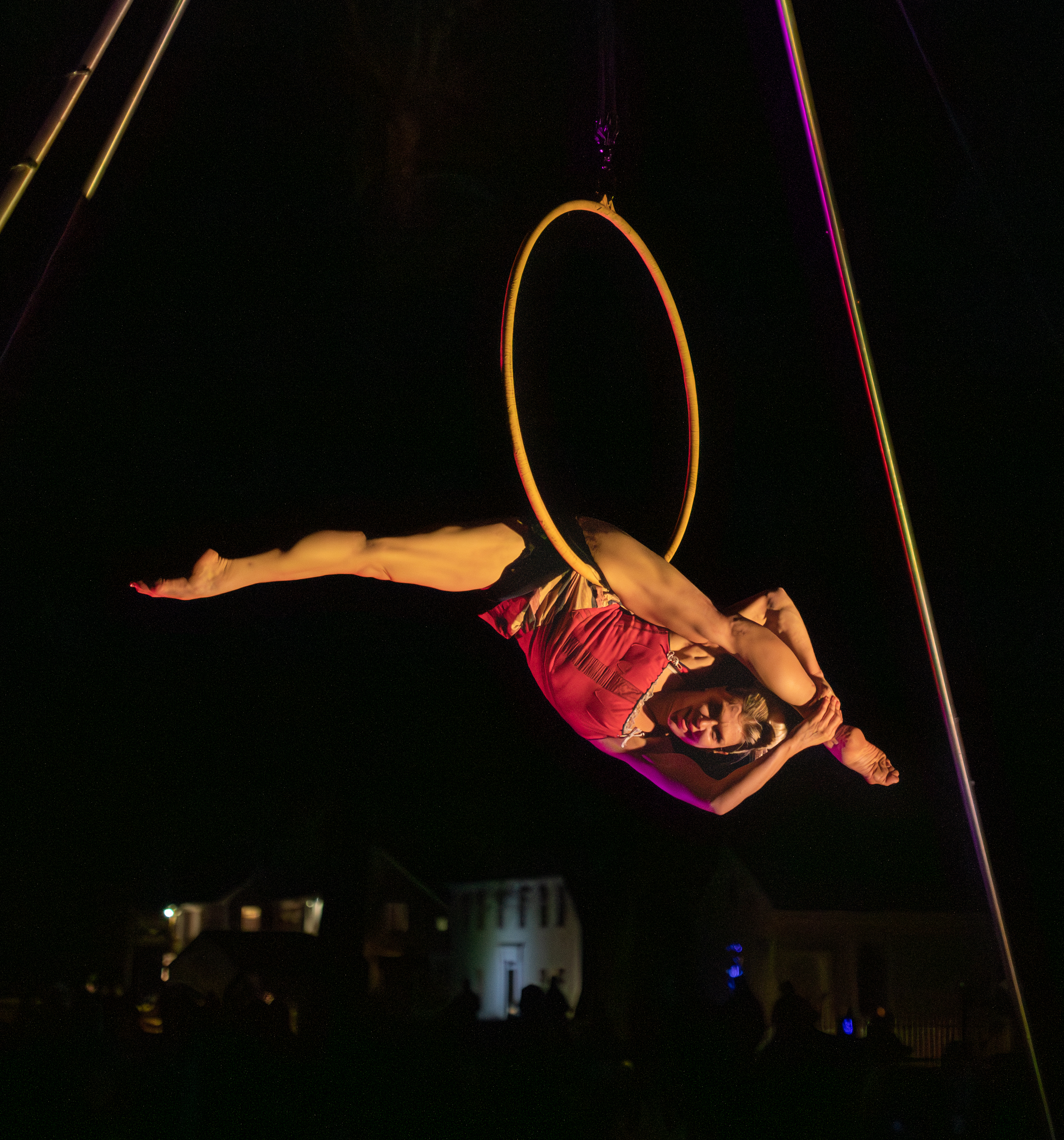
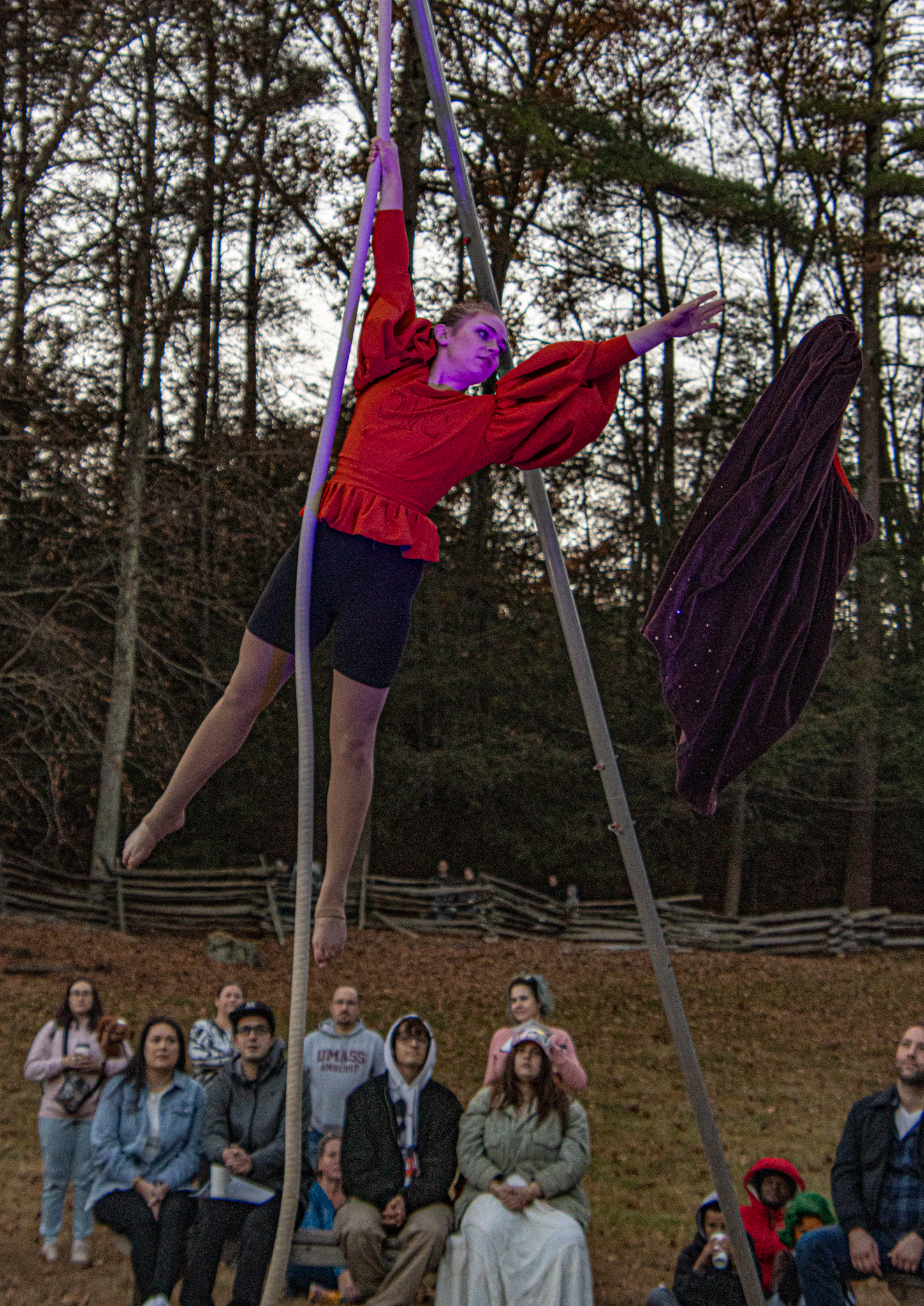
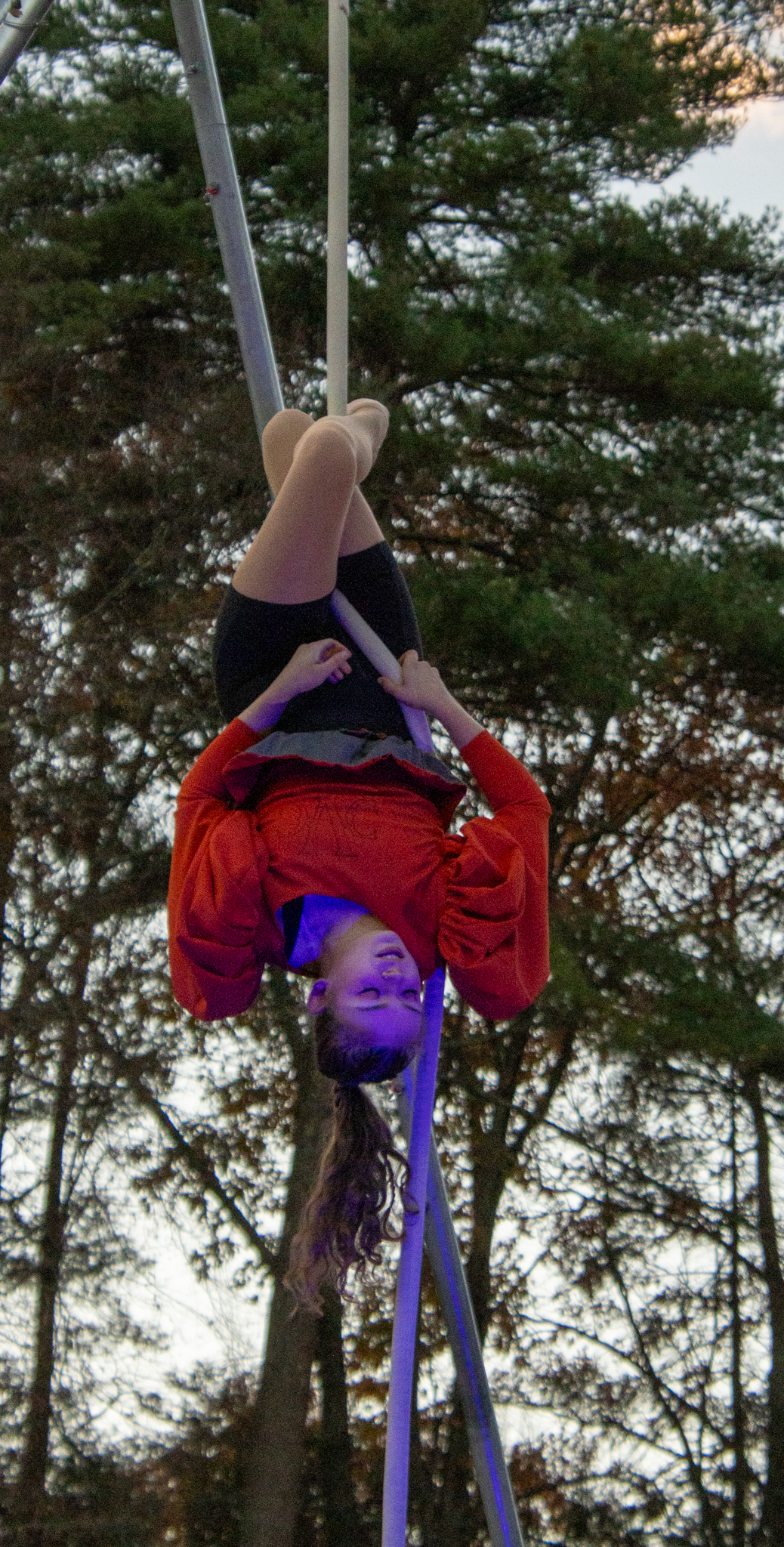
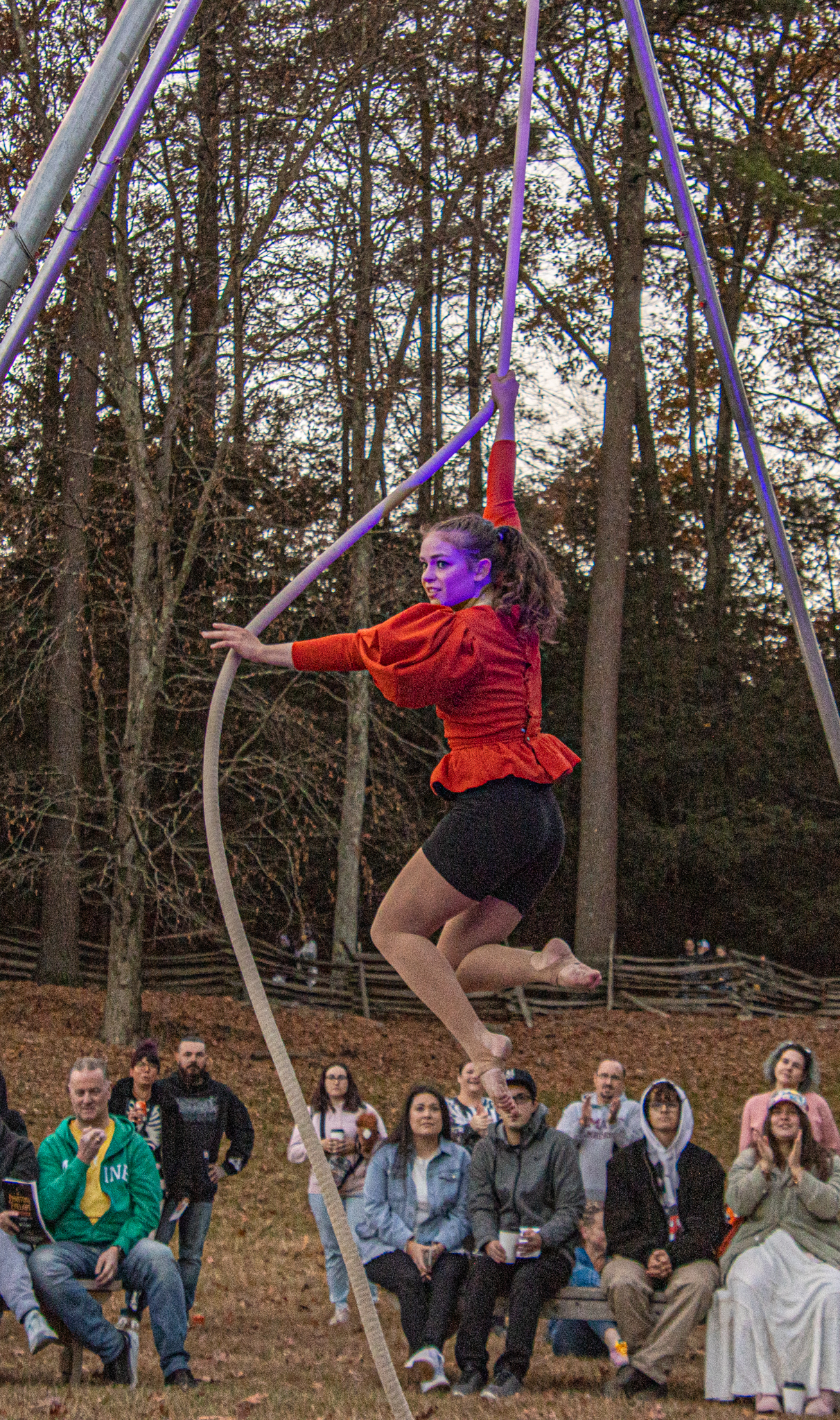
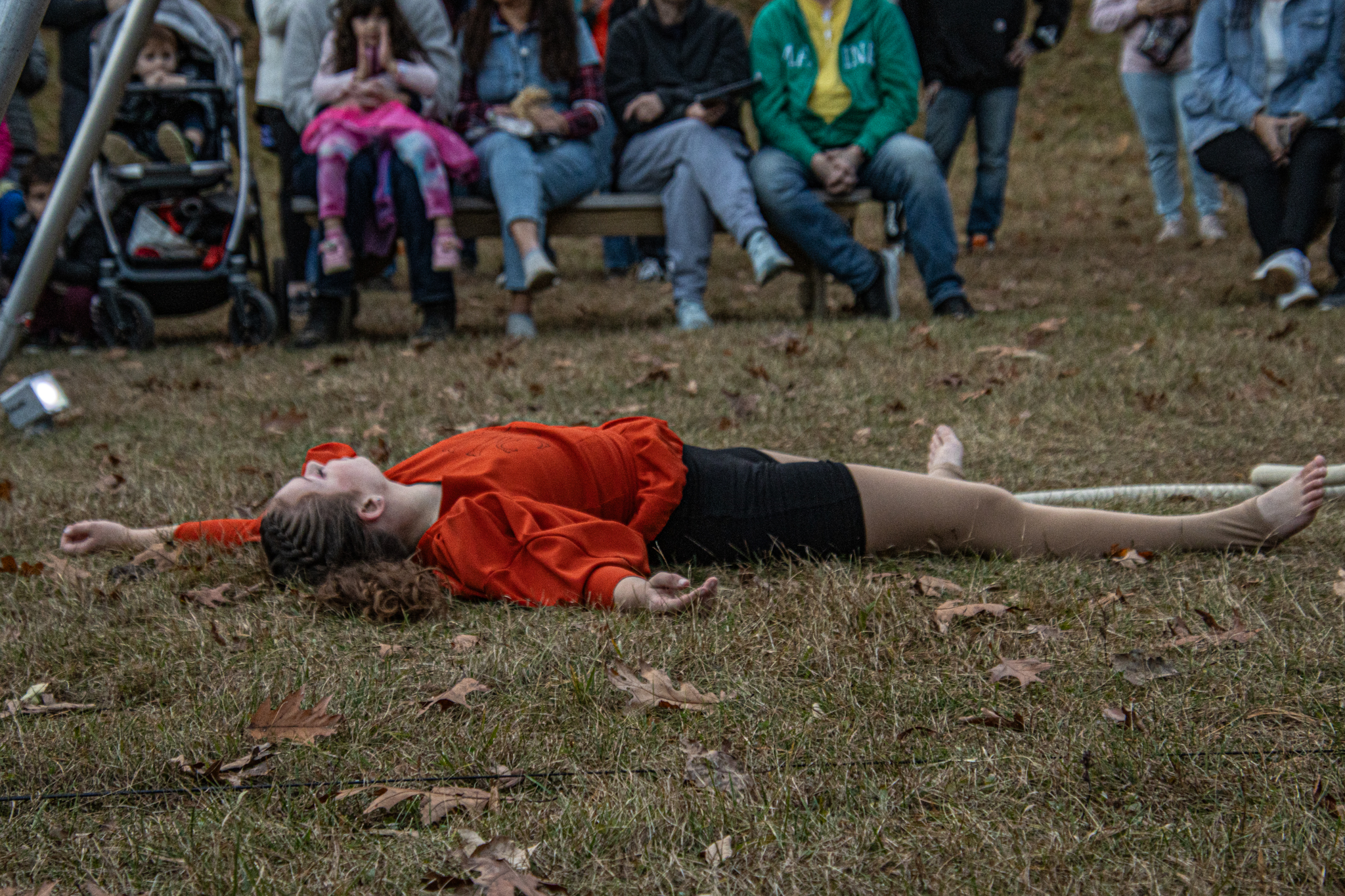
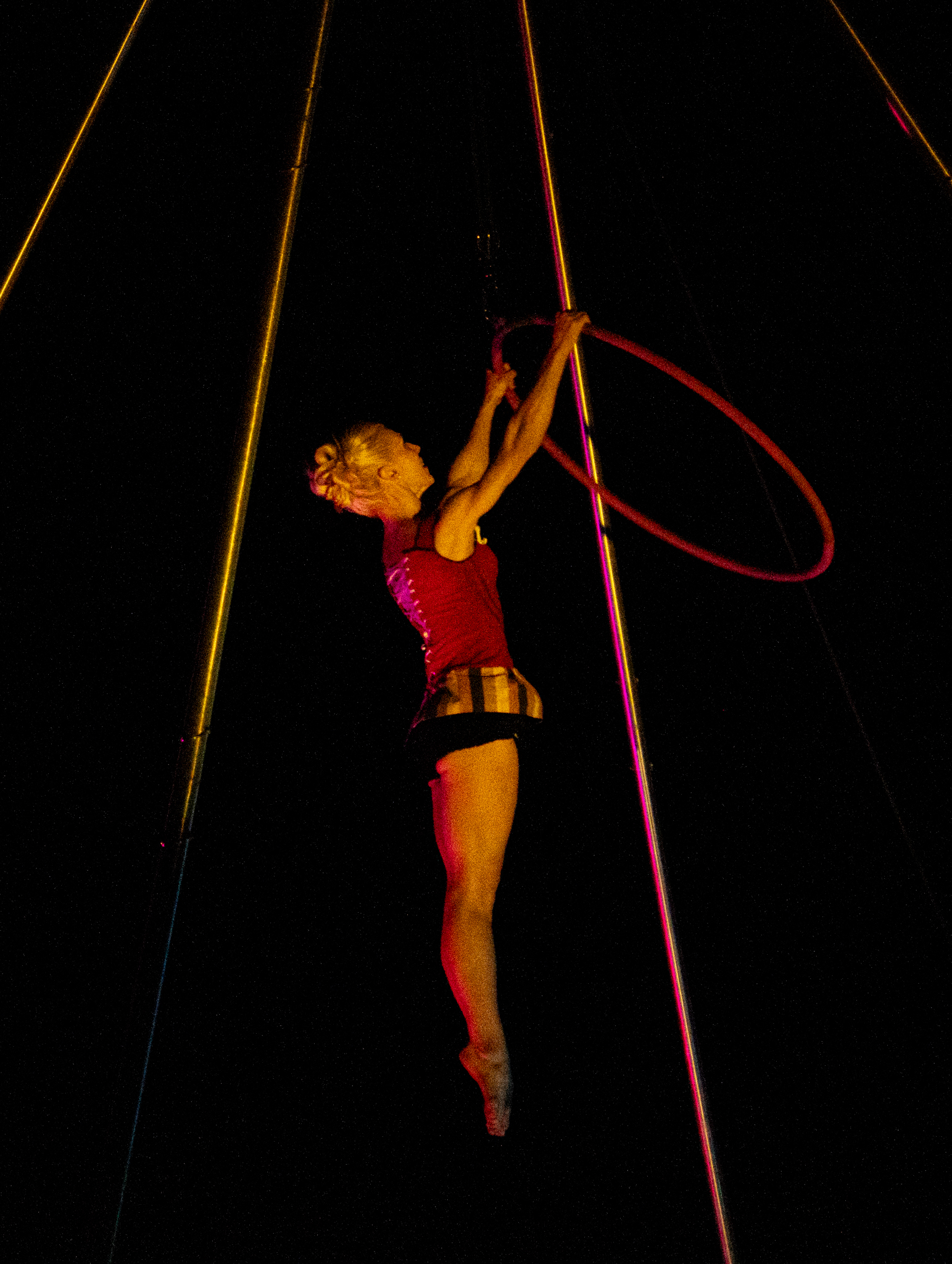
Next on the list of things I’ll never be able to do was the rope climbing extraordinaire Philomena.

But, before the show got started, the ring master got the crowd pumped up for the event!
After all that climbing, Philomena took a well deserved rest!

After the show, I was able to take a photo of the star of the show!

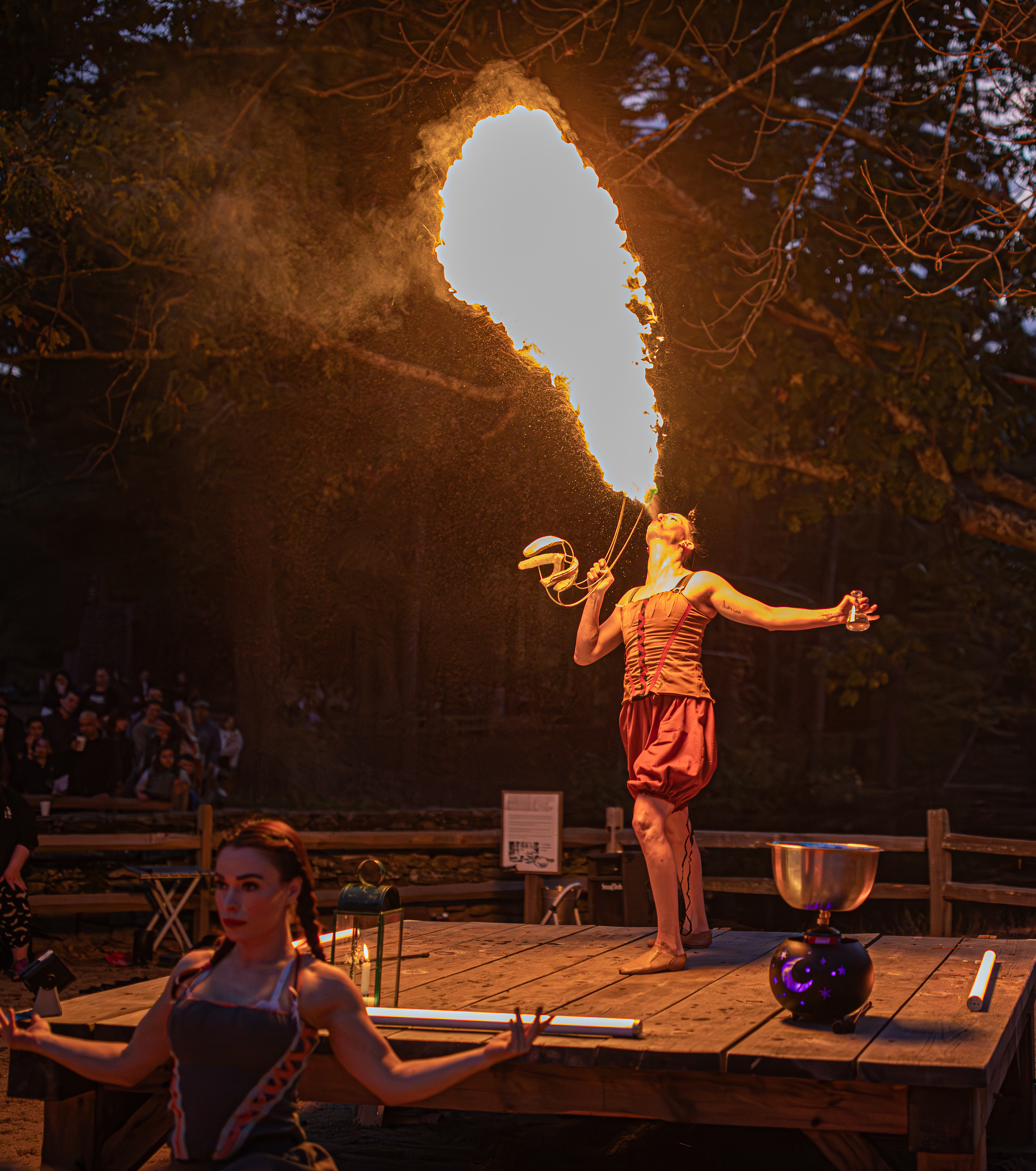
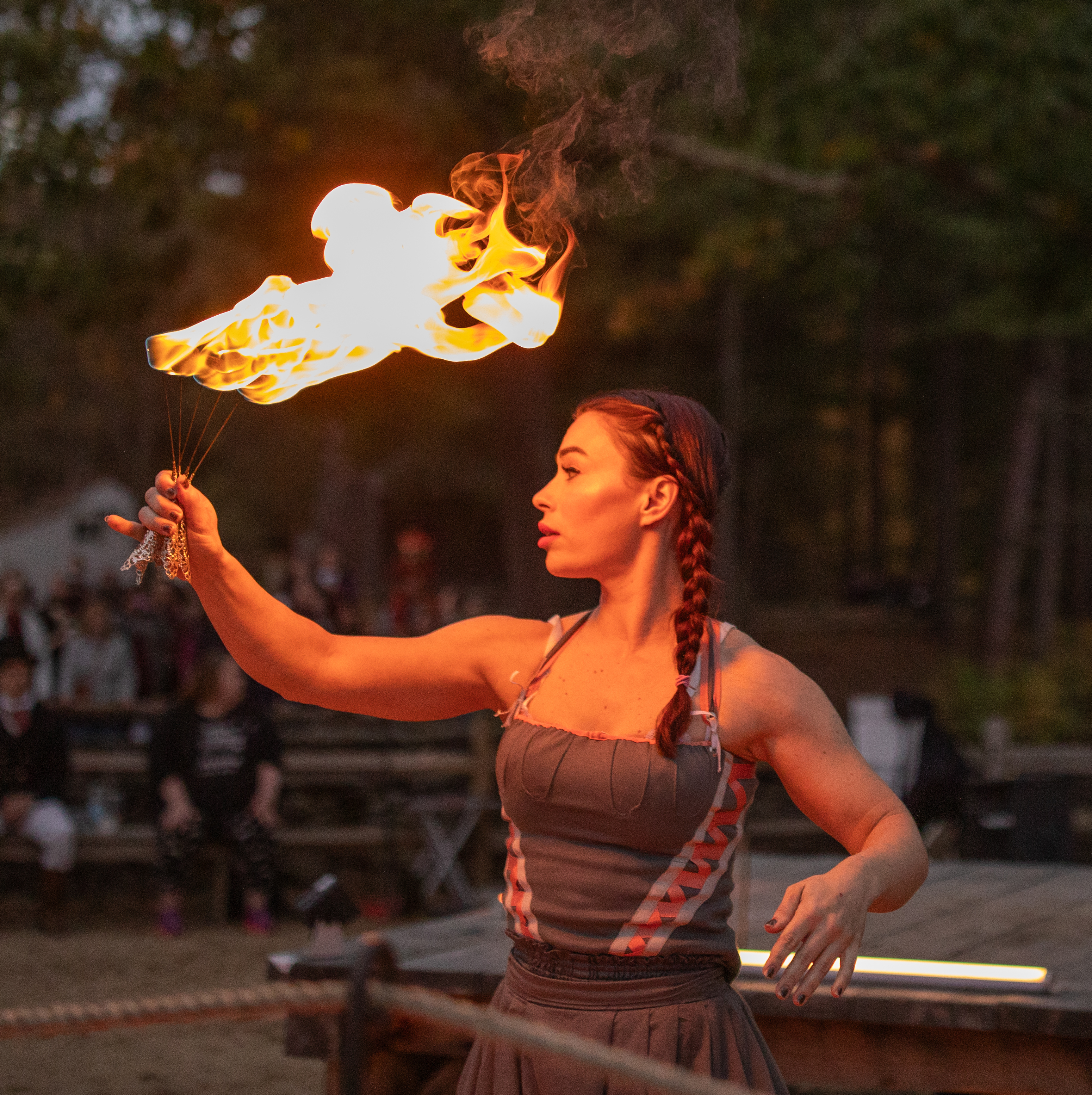
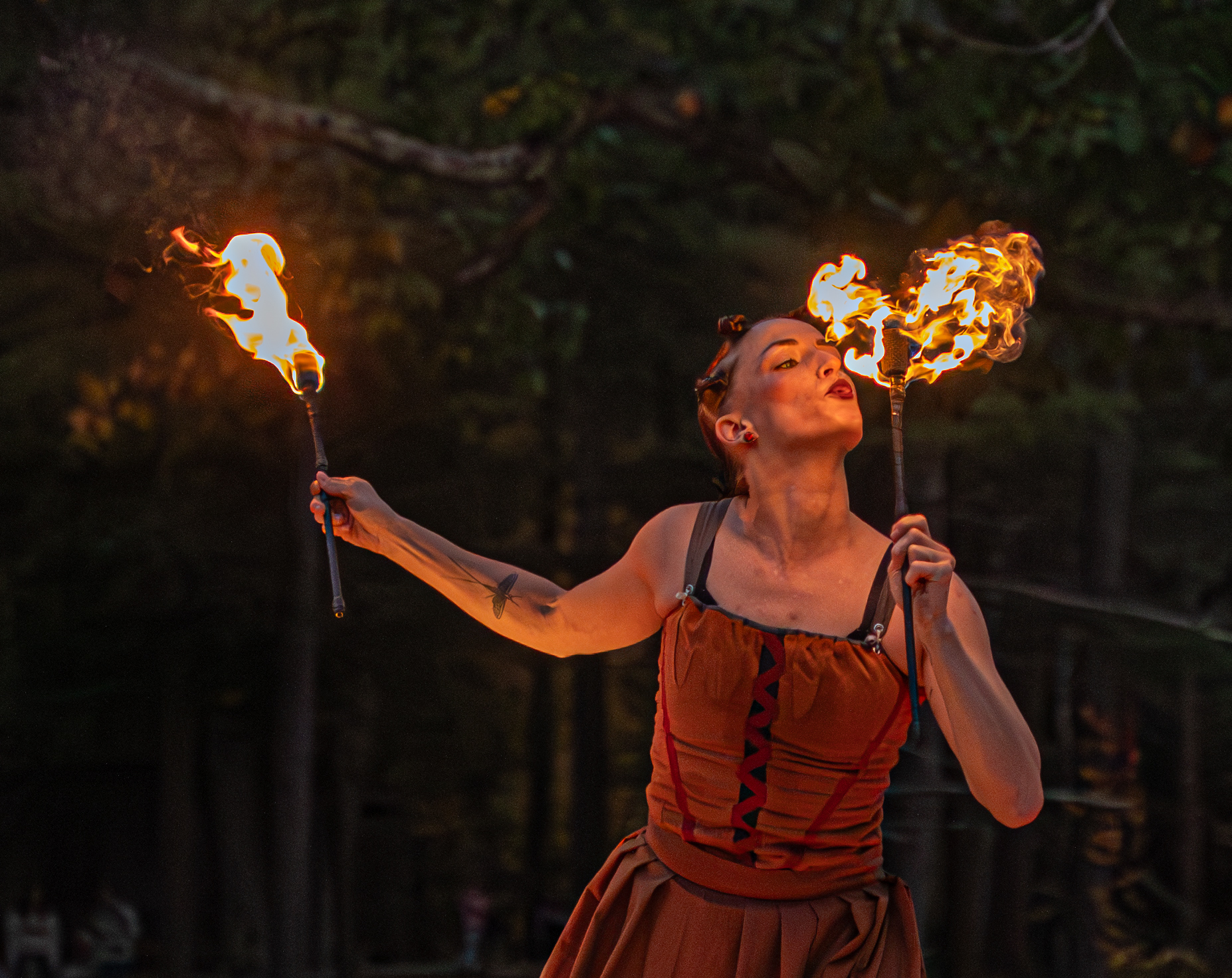
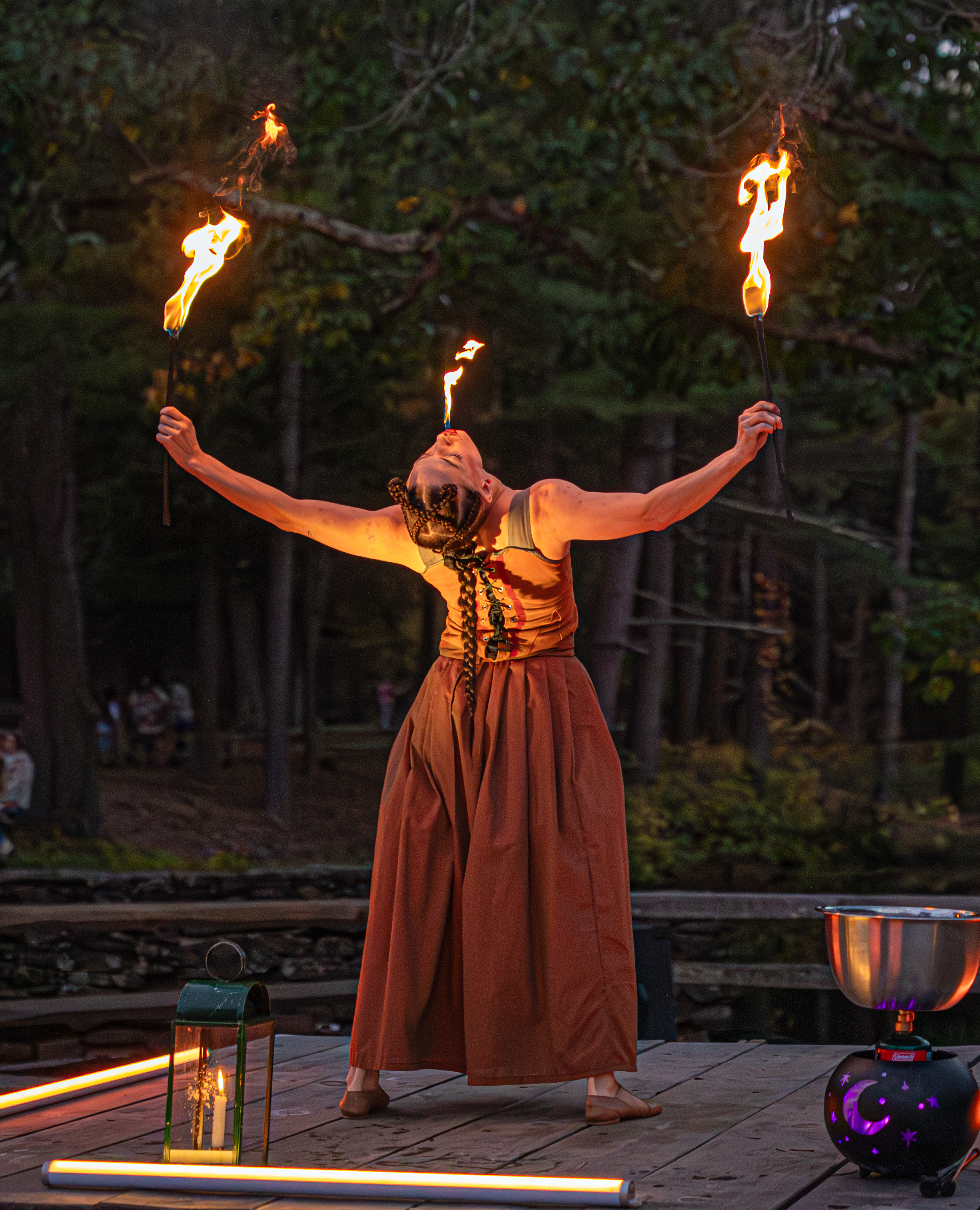
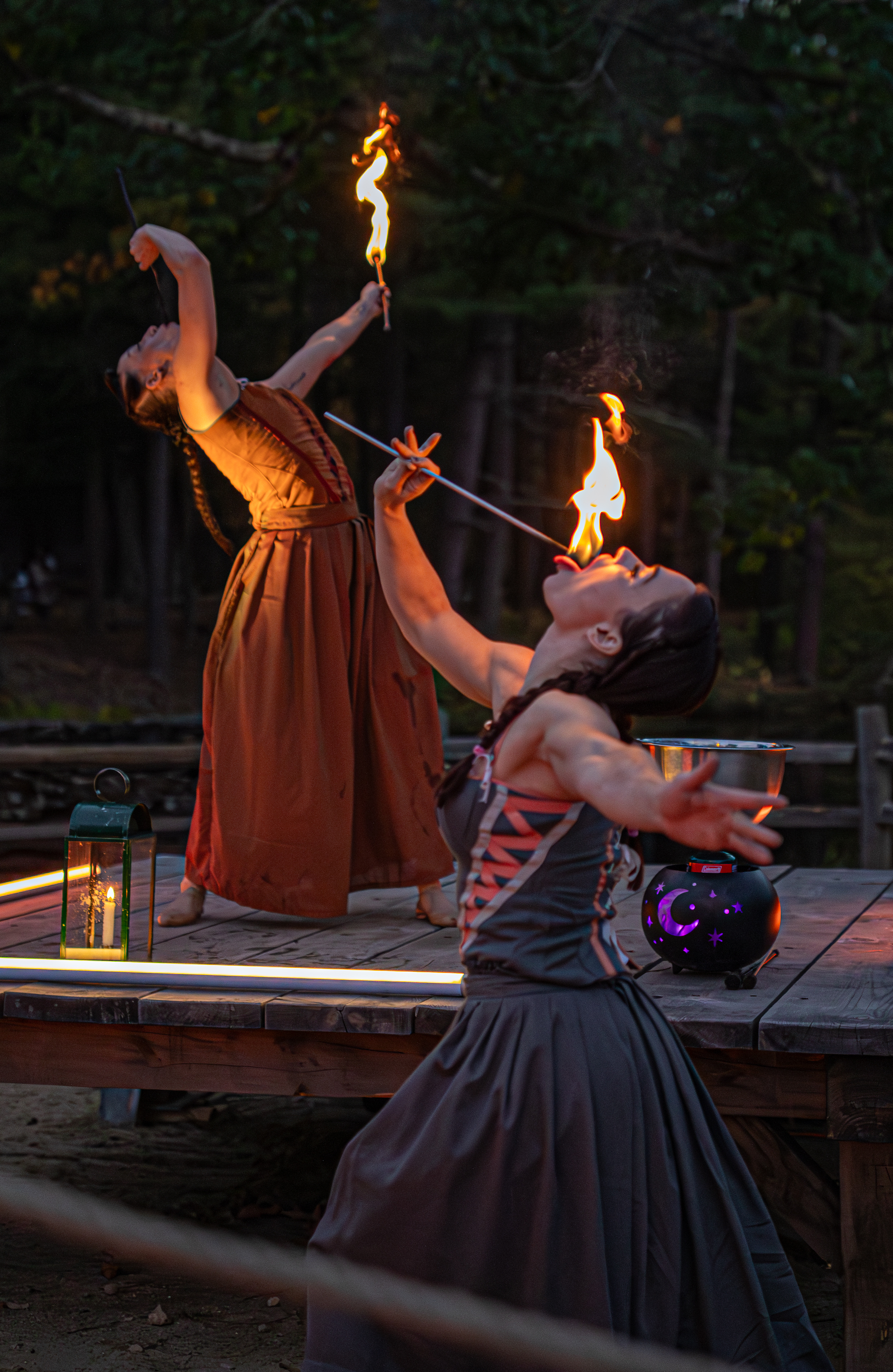
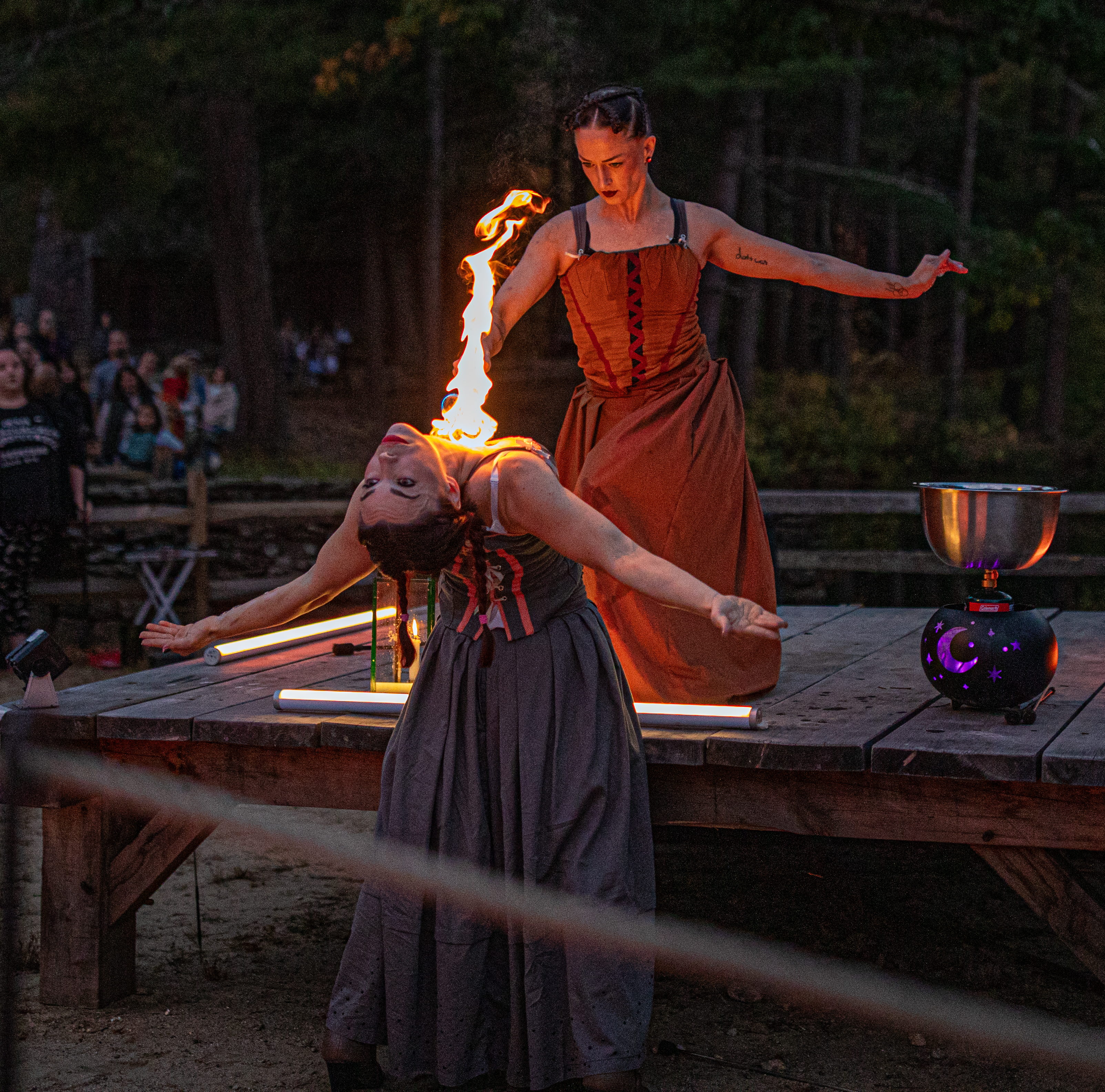
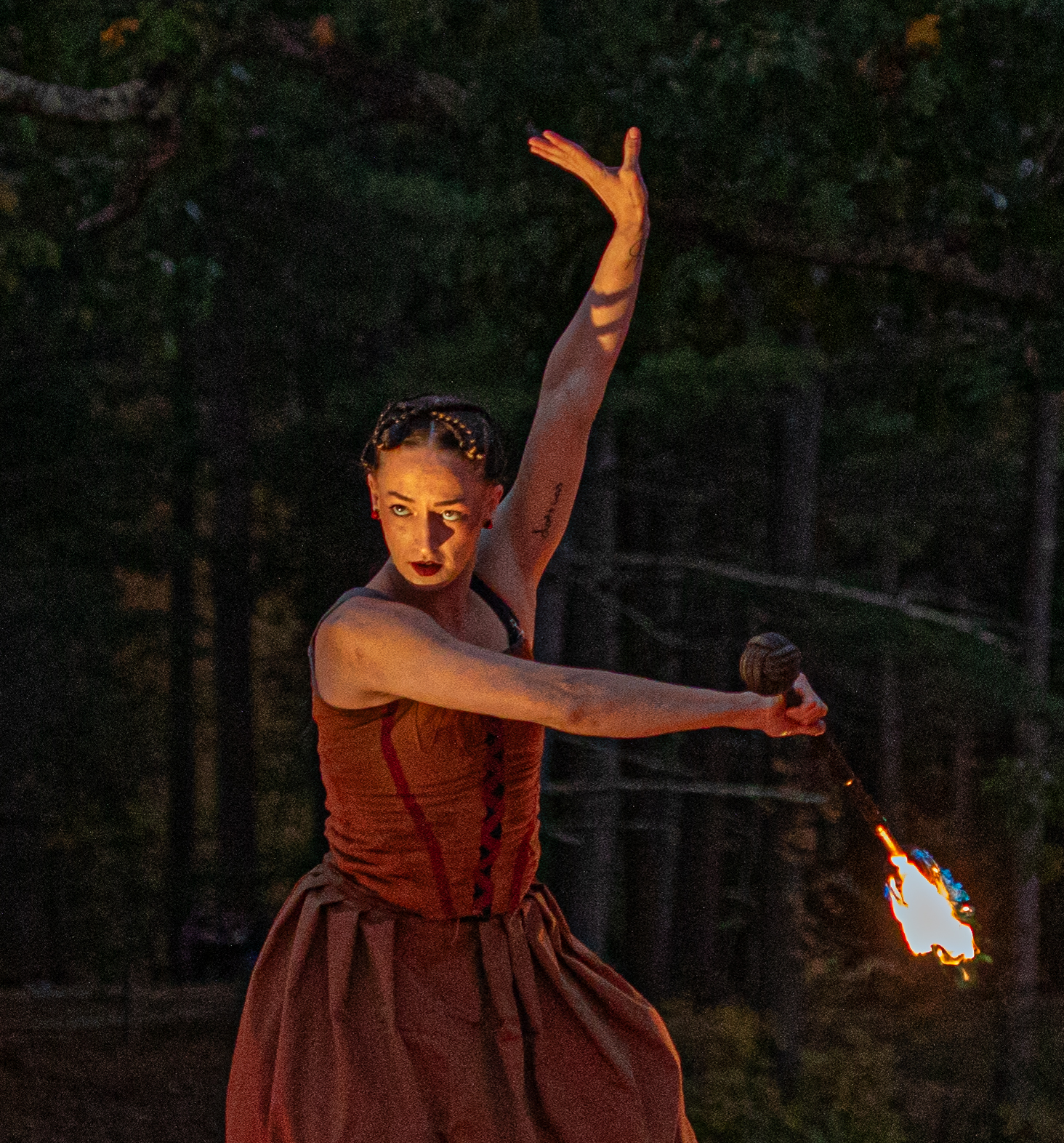
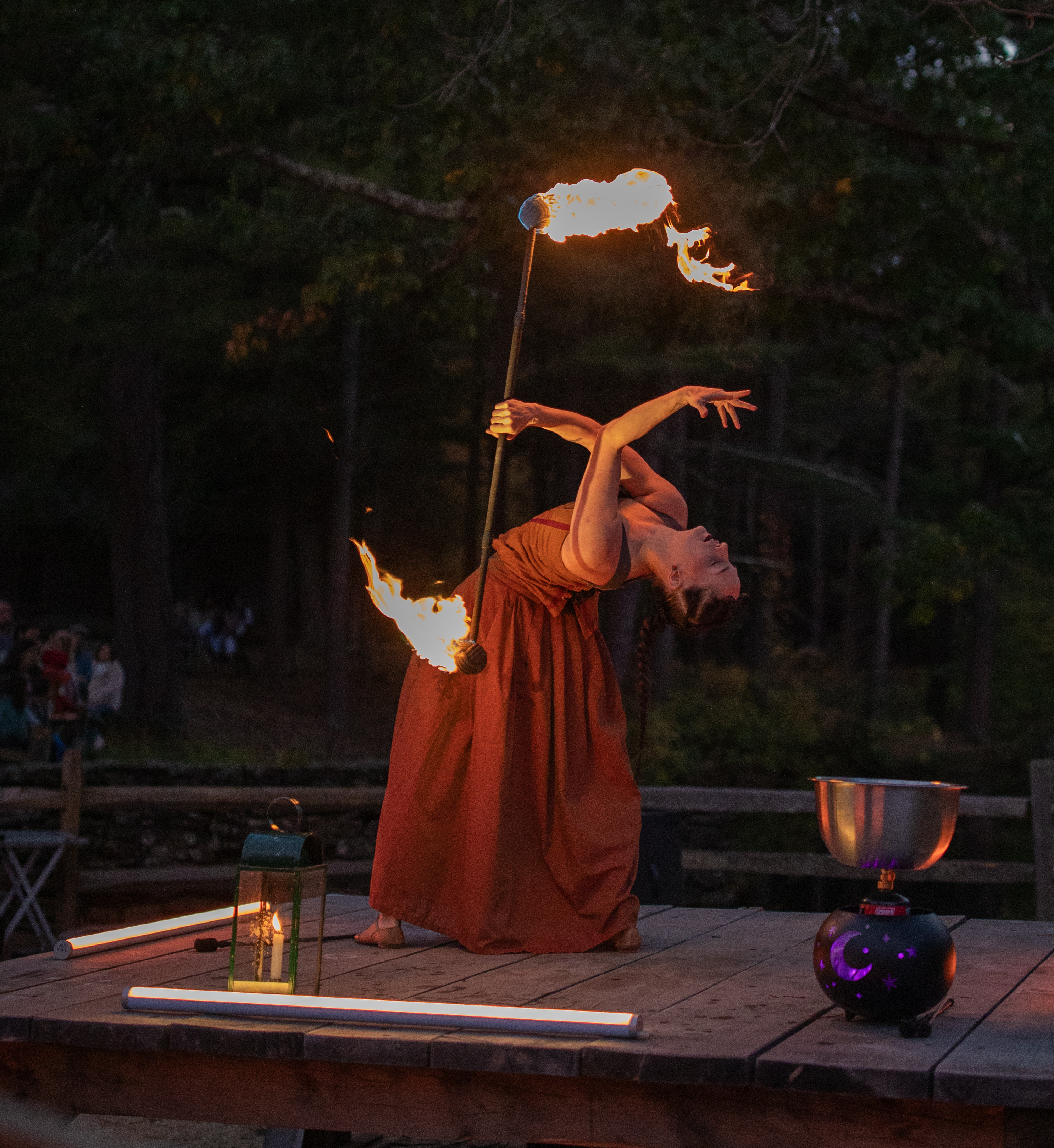
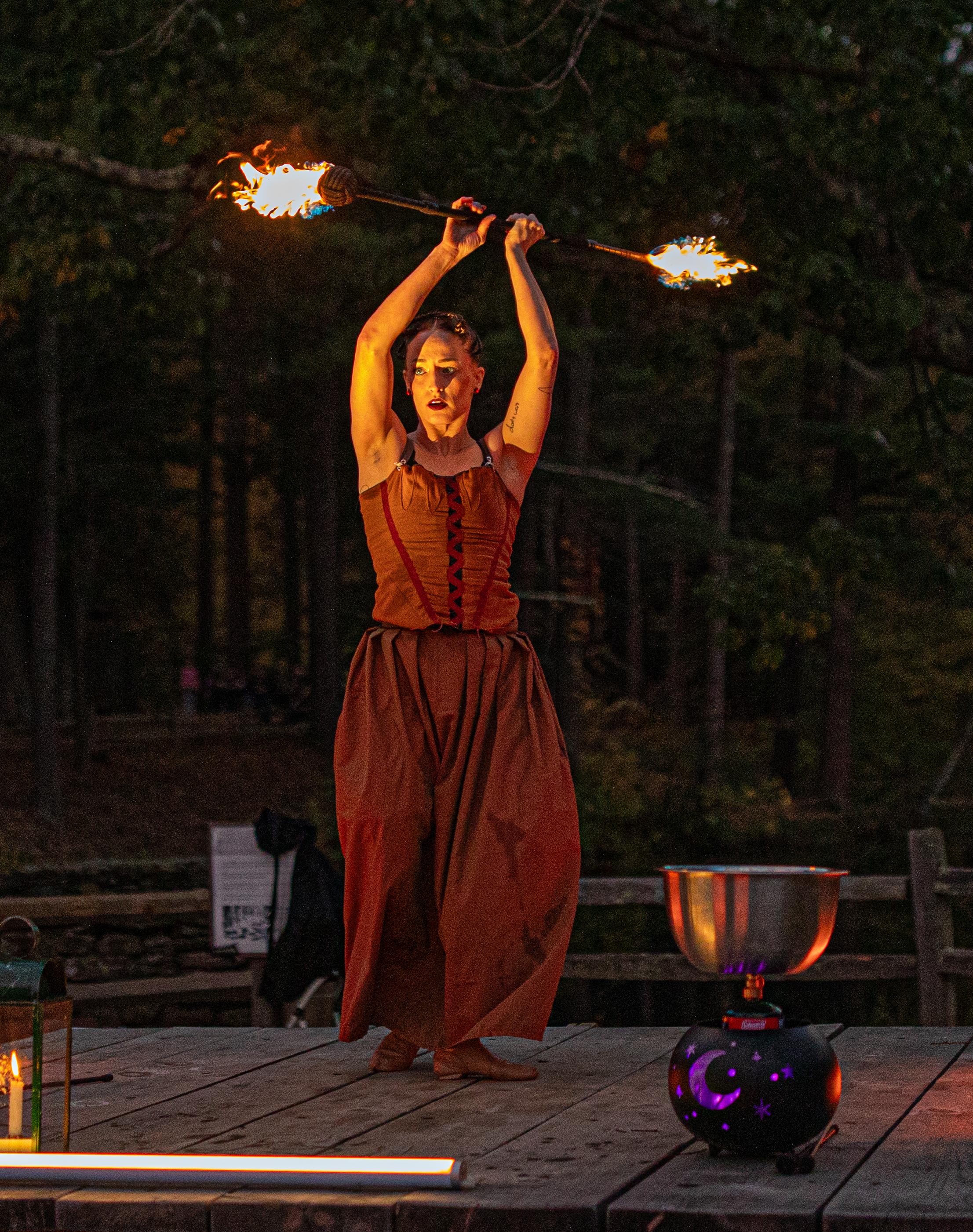
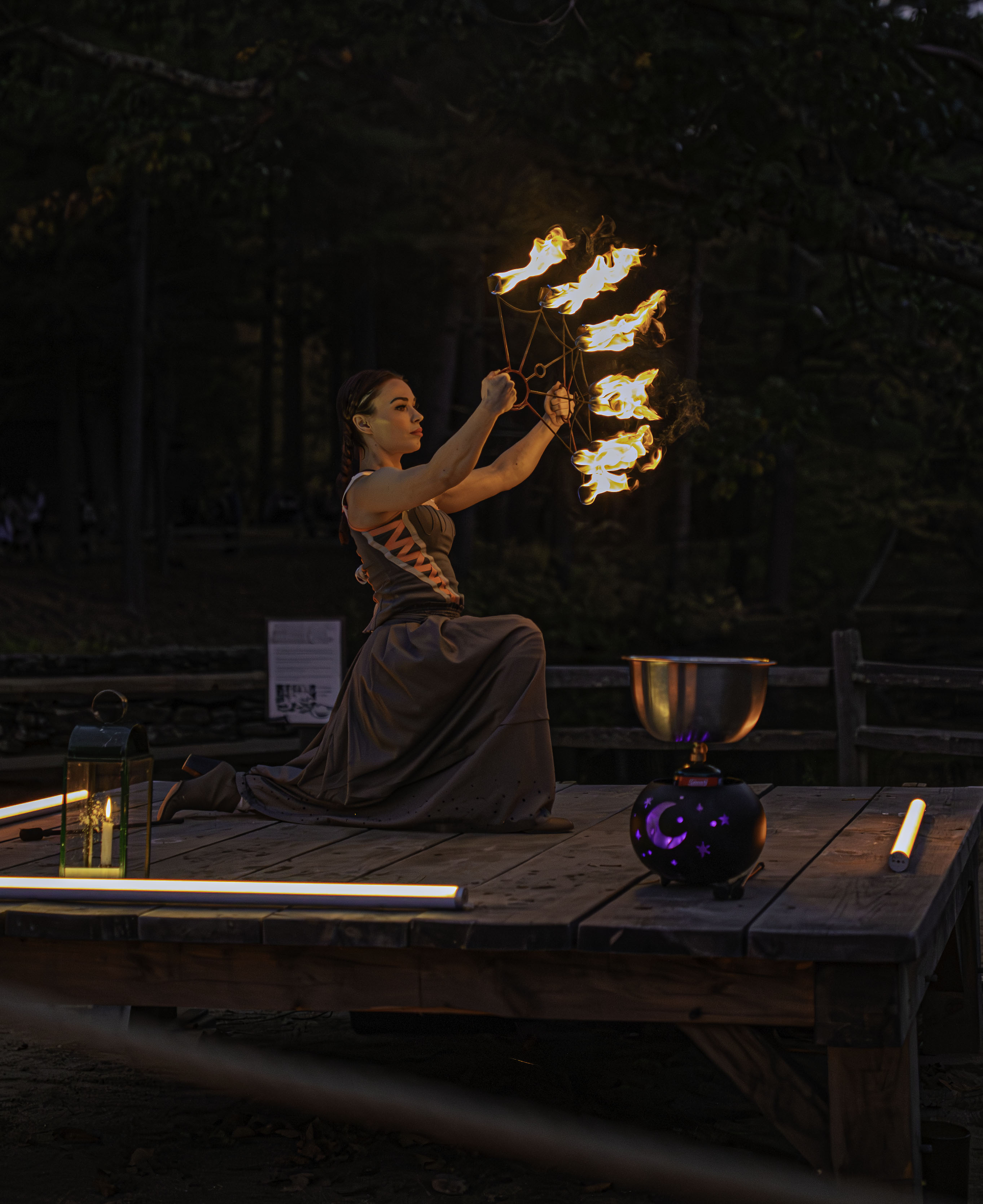
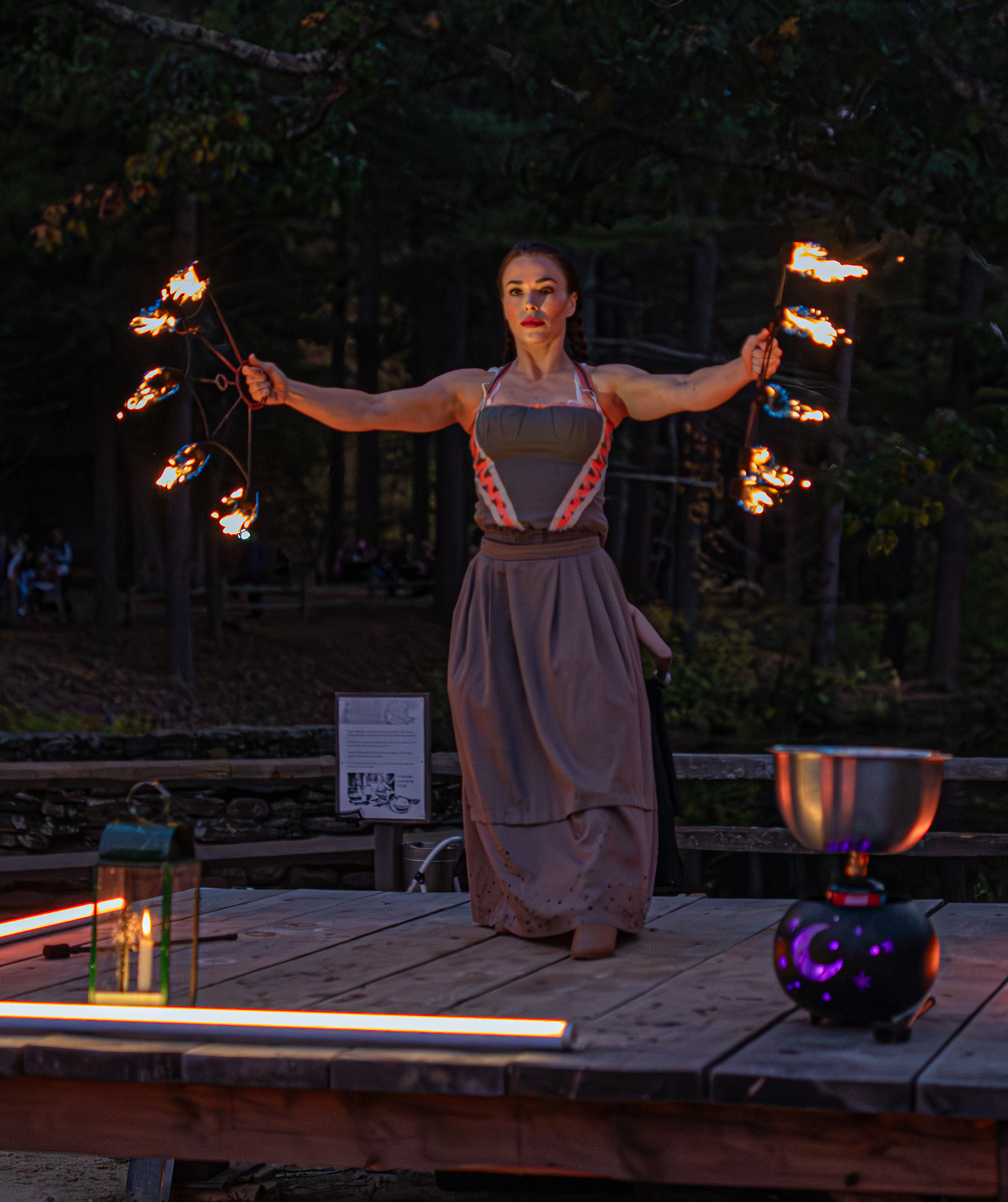
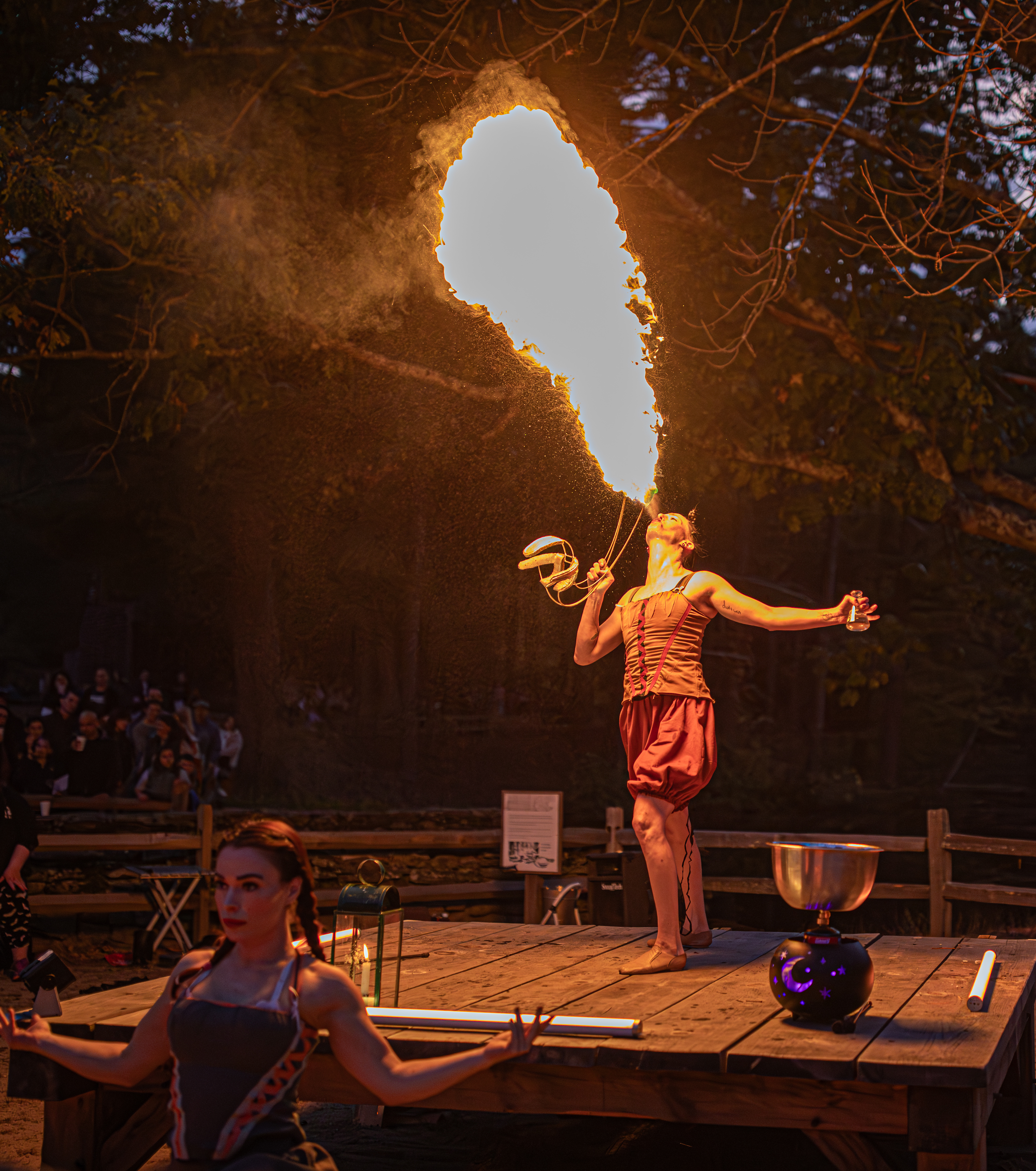
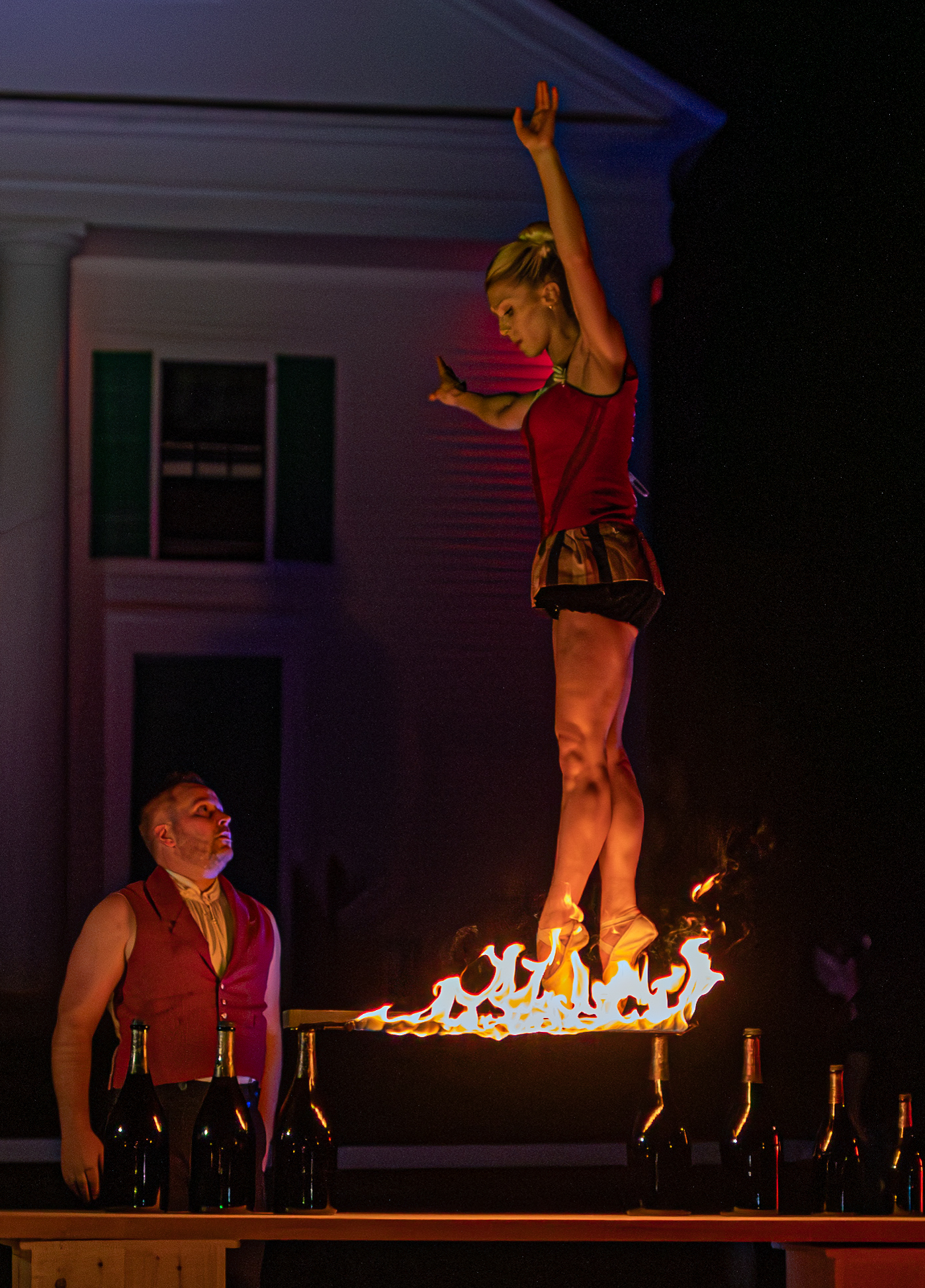
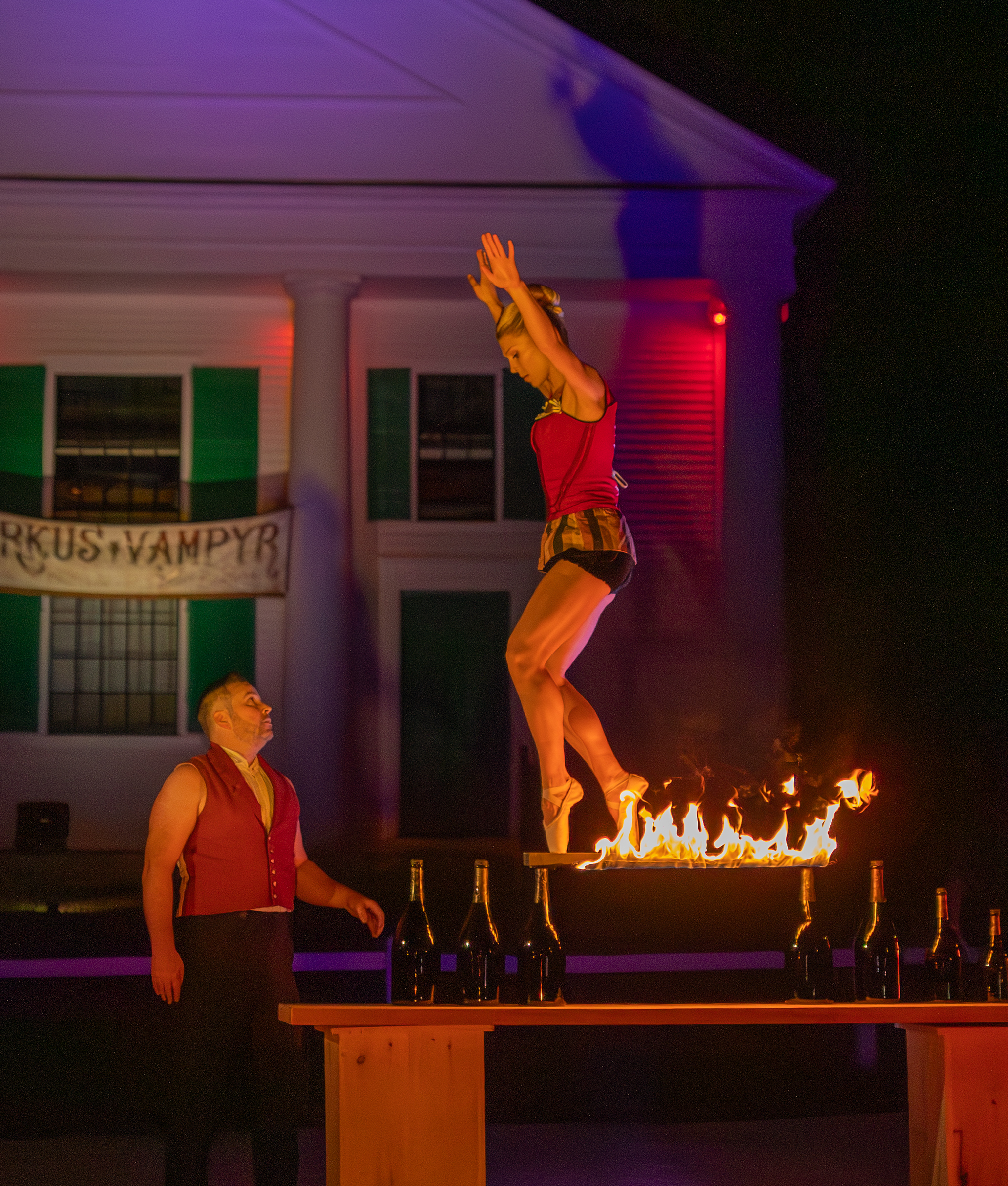
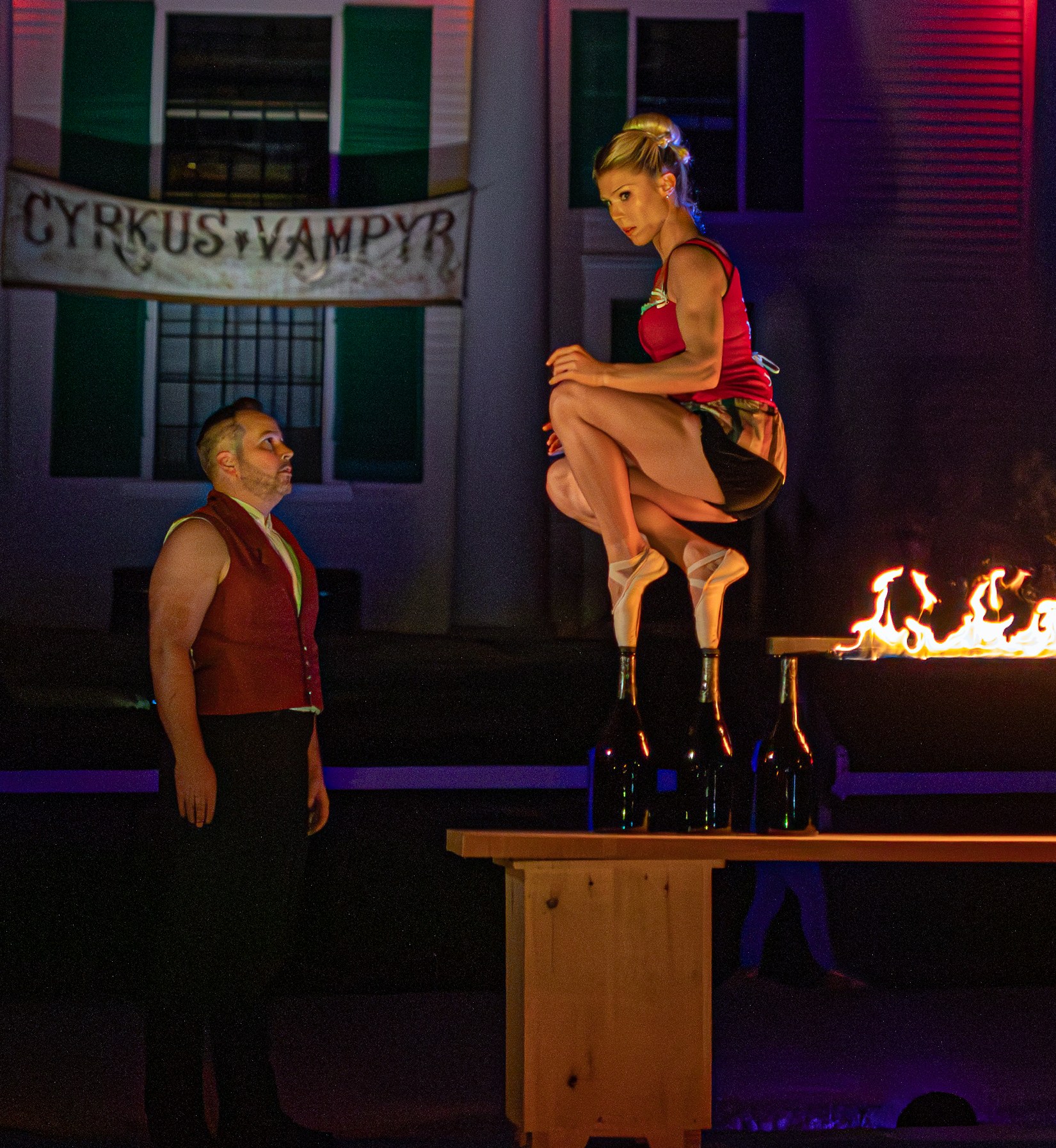
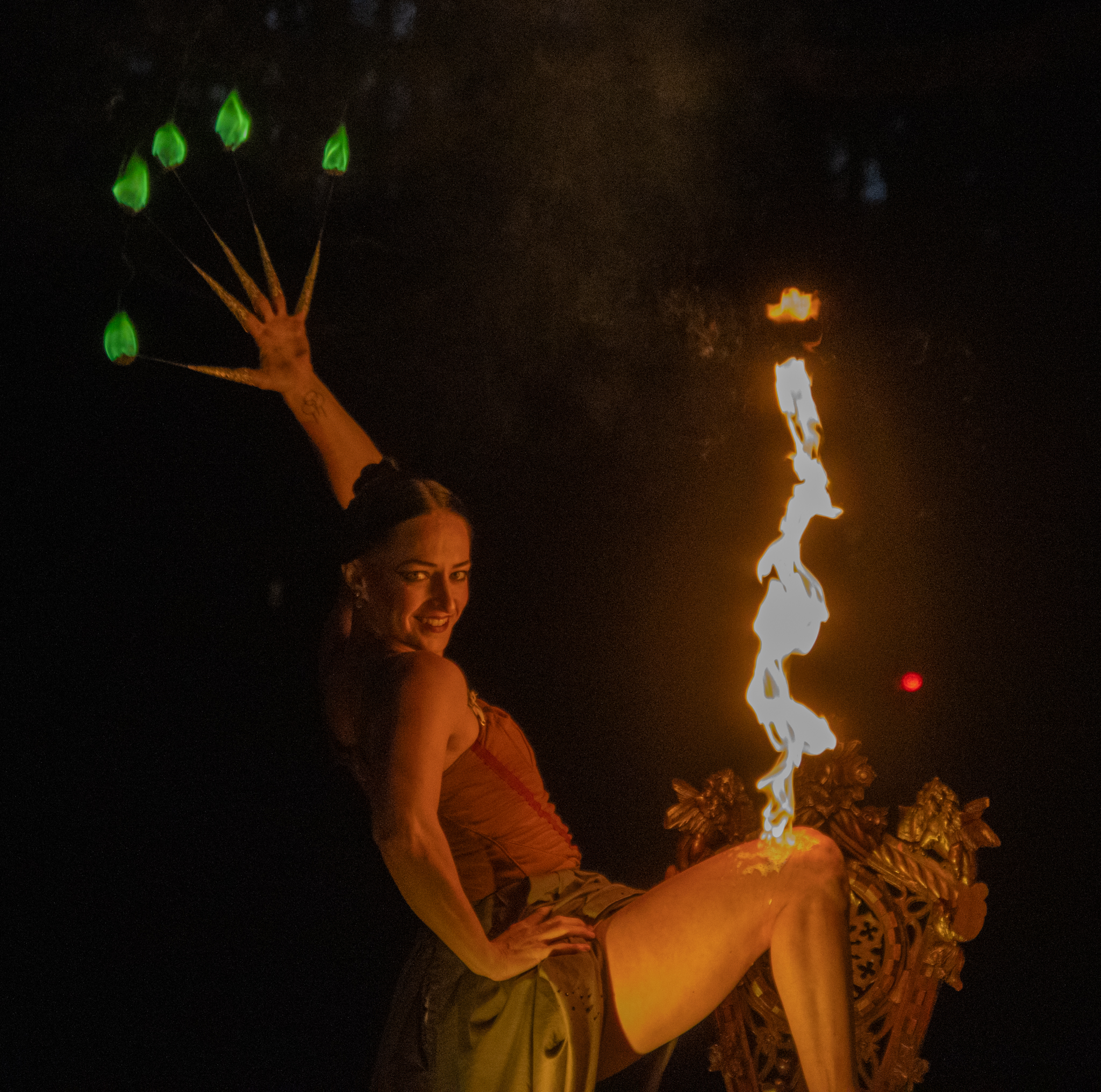
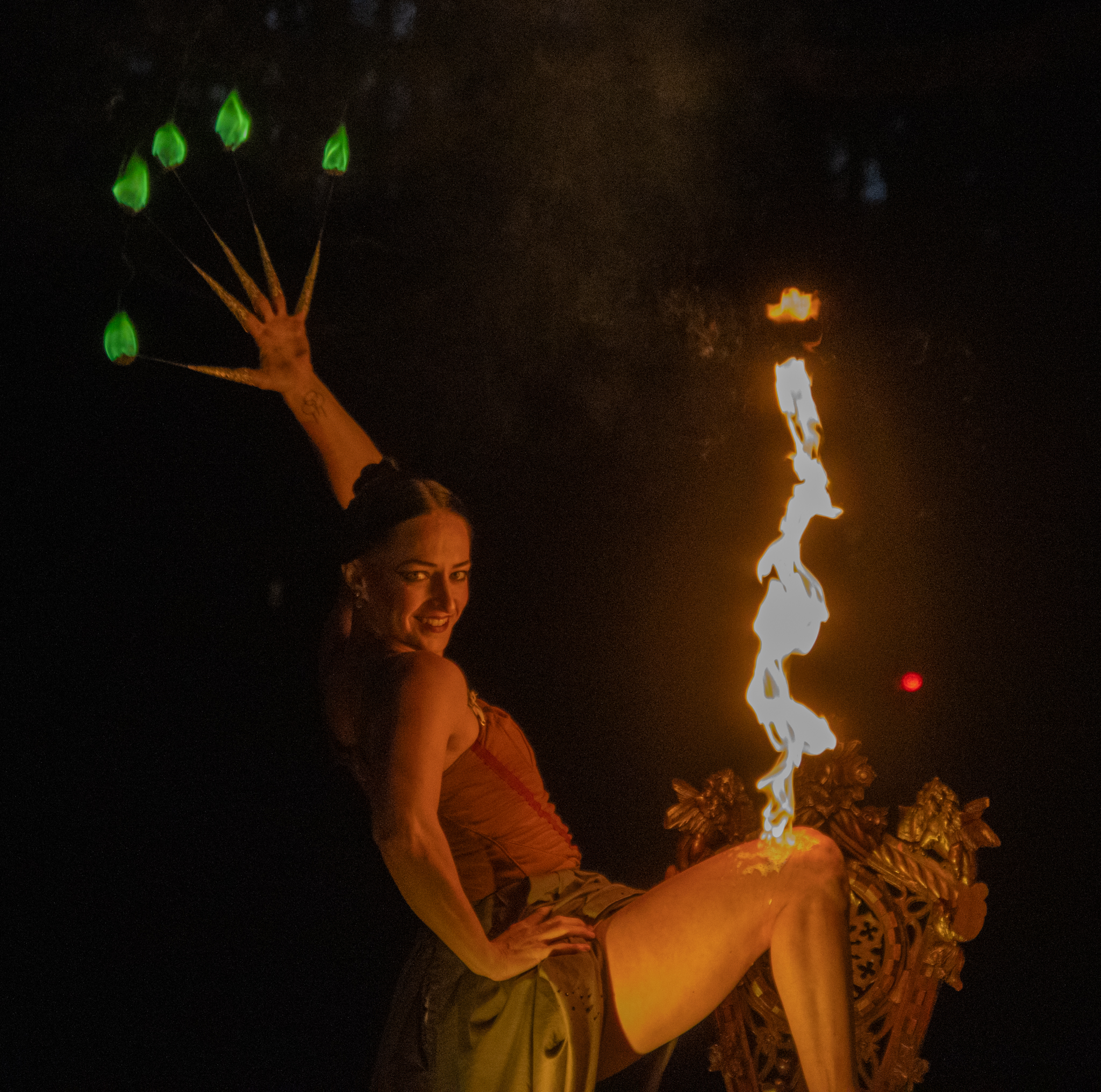
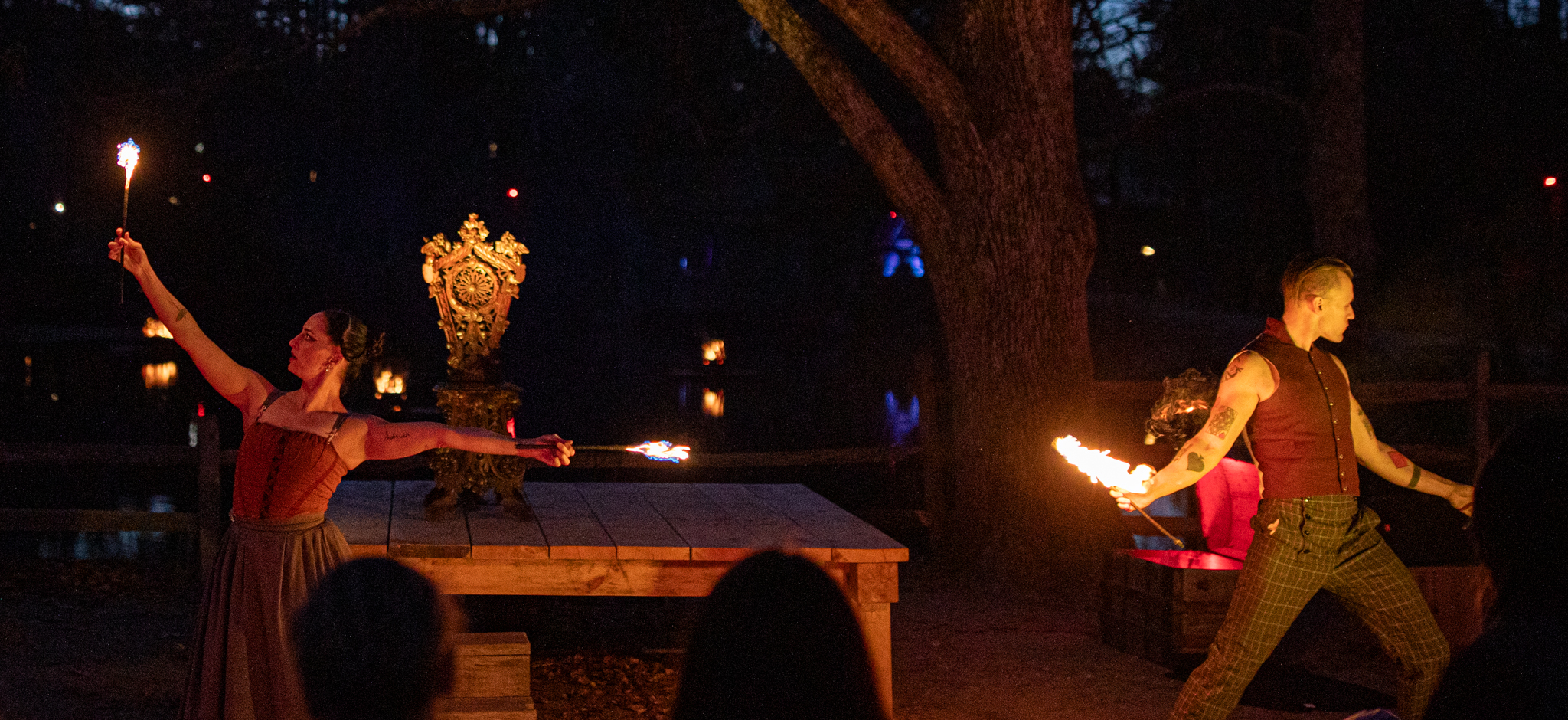
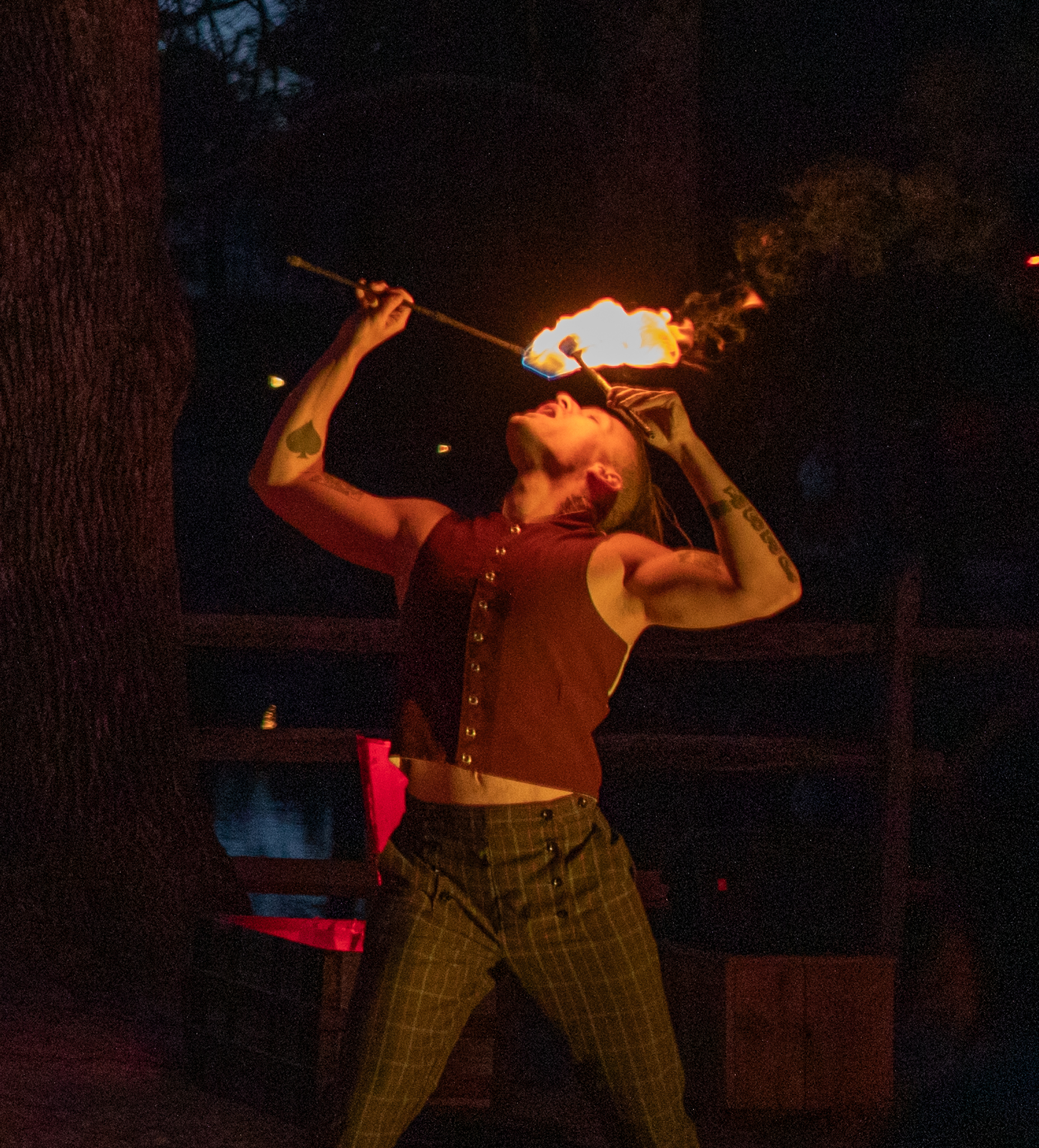
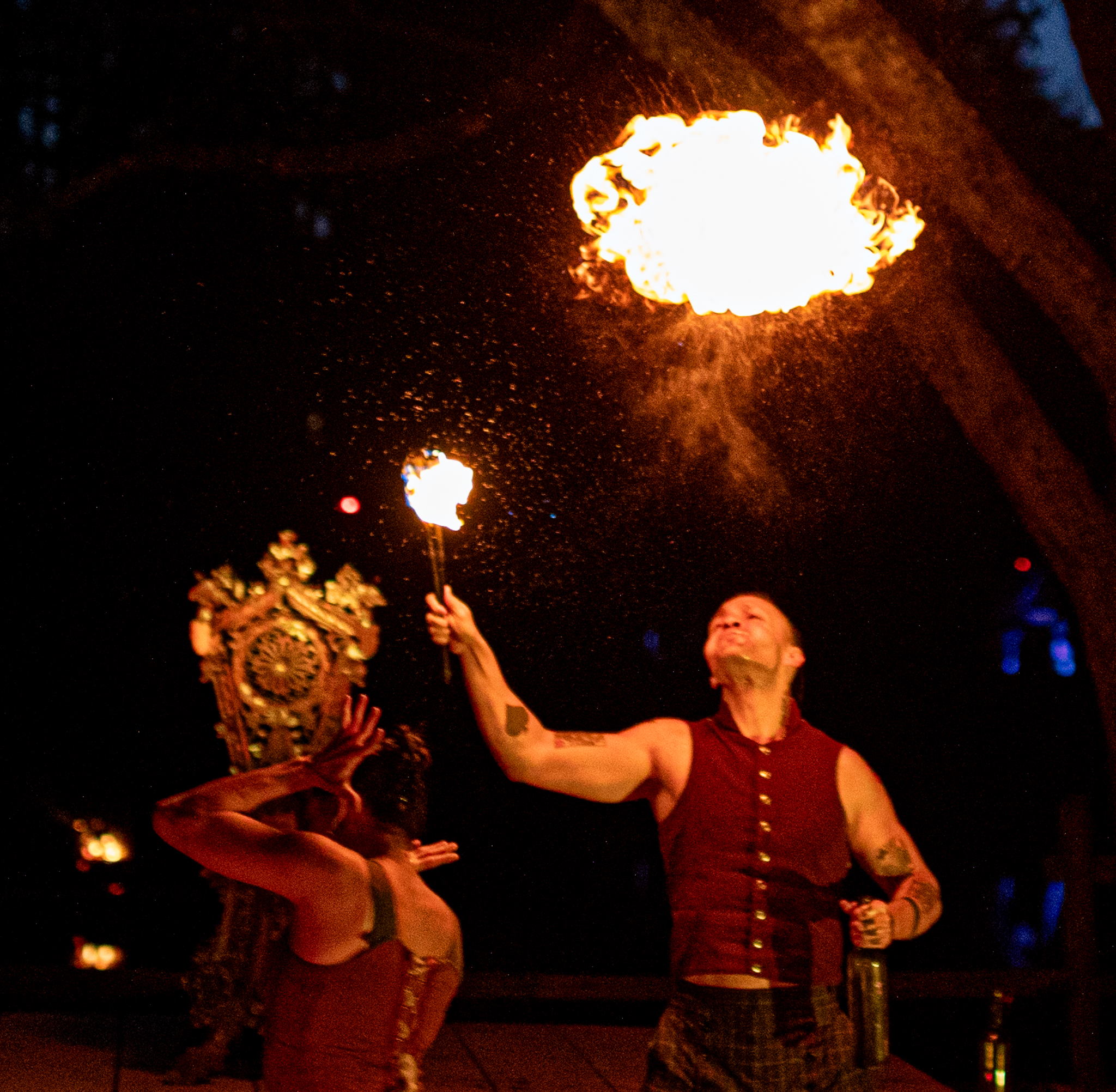
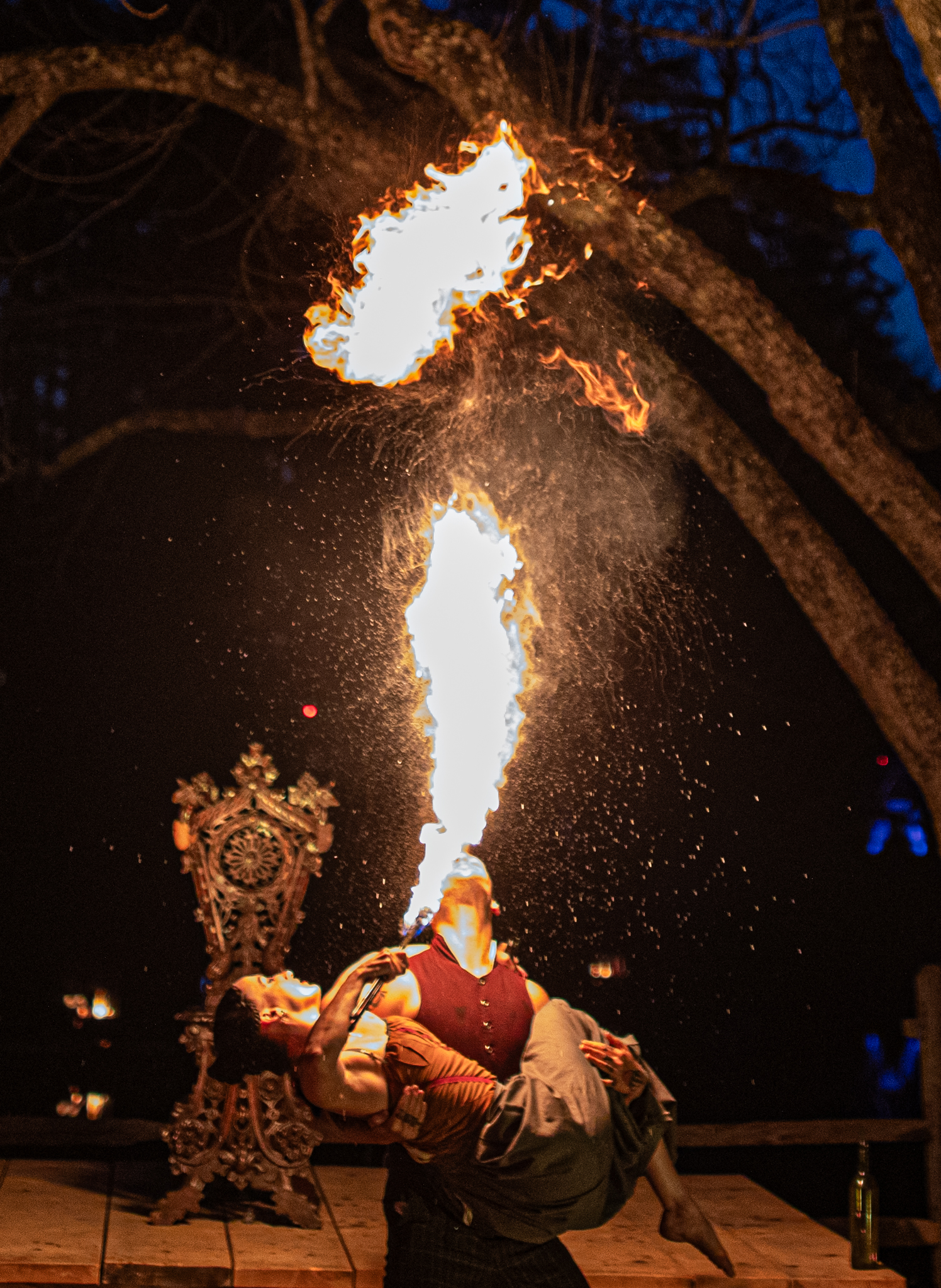
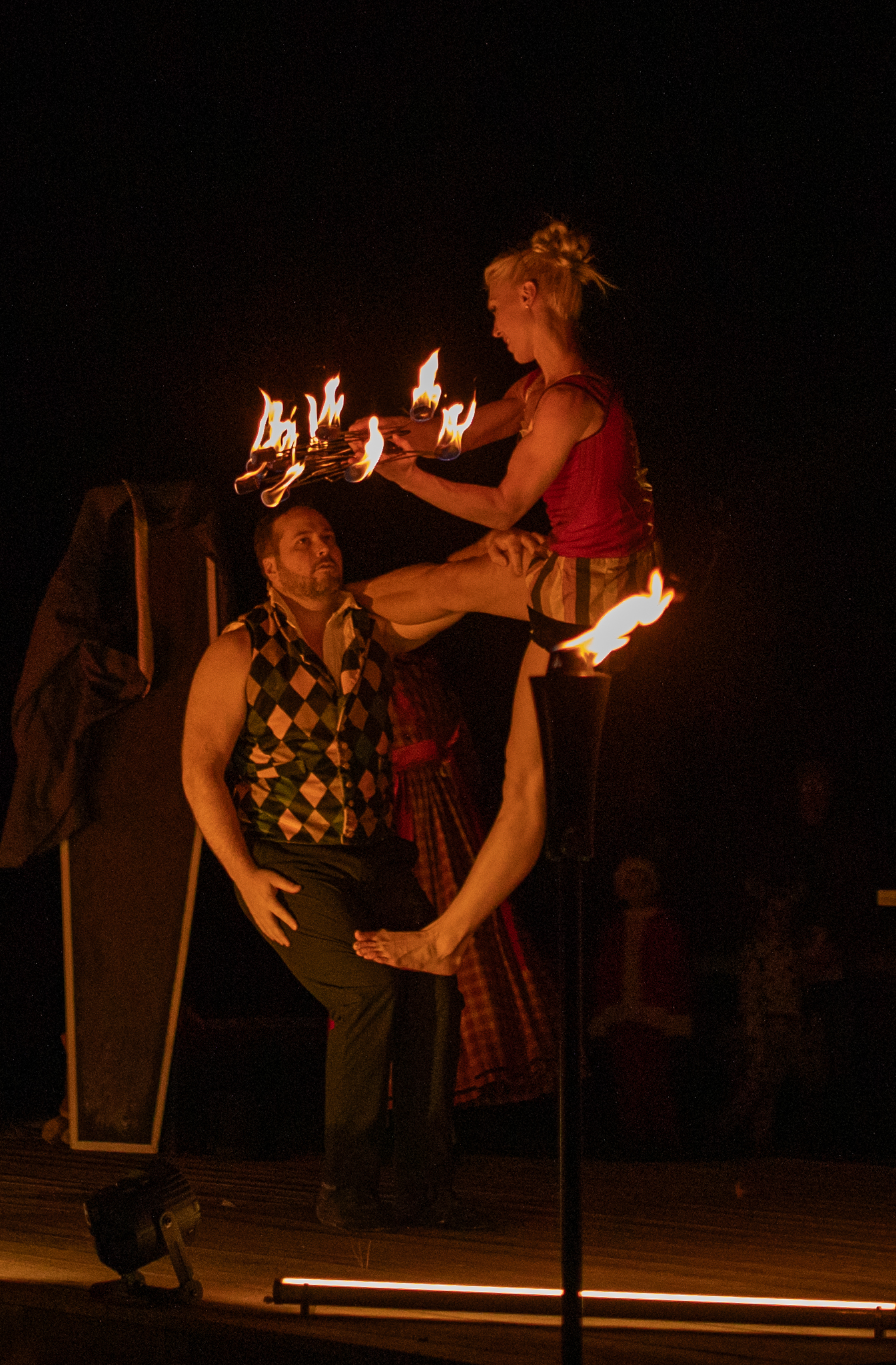
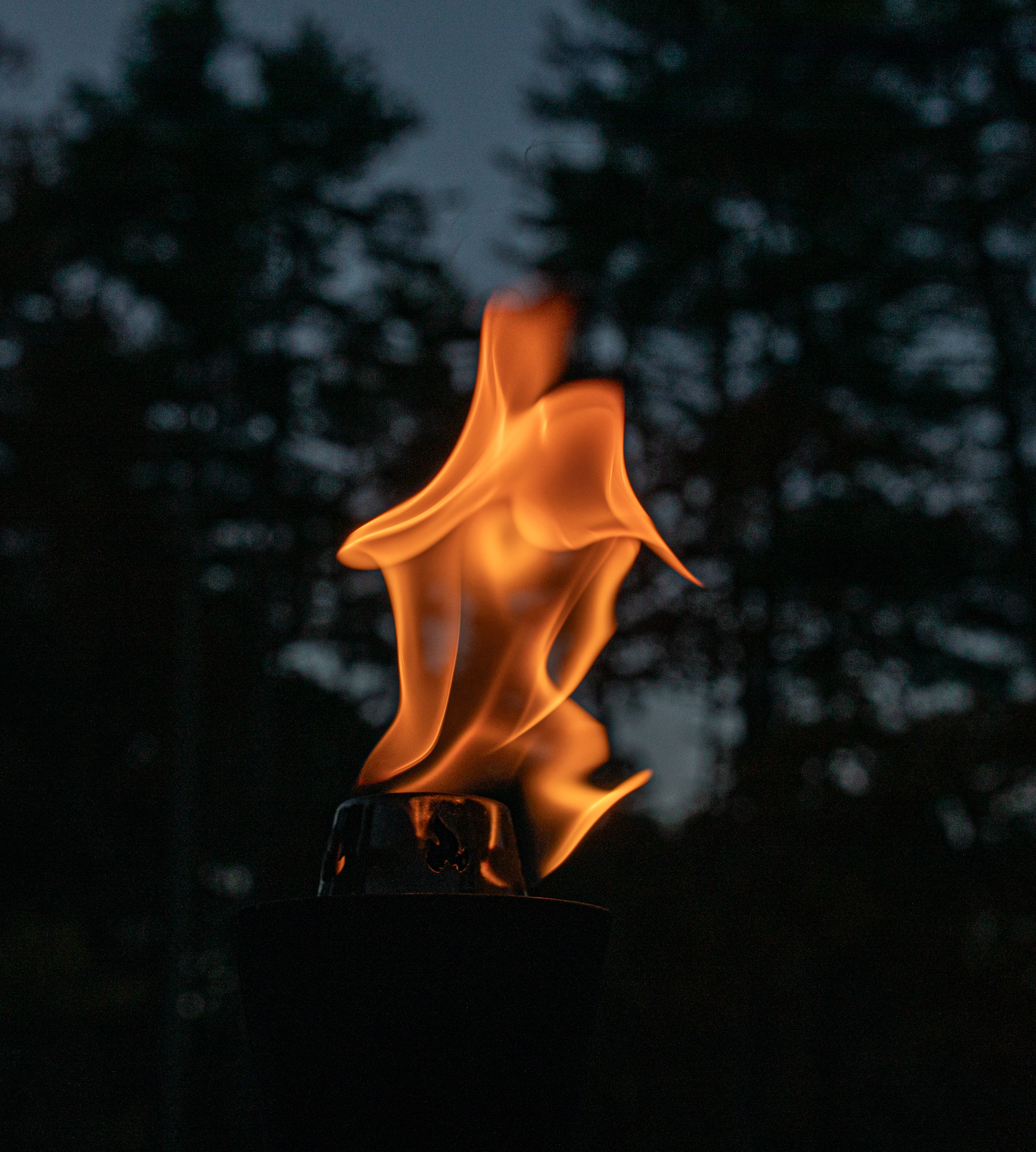
As the evening wore on and darkness fell upon the village, The performers kept everyone warm and entertained! Ignatius and Anastasia, aka the Masters Of The Flame, kept everyone enthralled with their fiery tricks! I liked the contrast of the agility and graceful of Philomena and the pure rock and roll daredevil action of Ignatius and Anastasia!

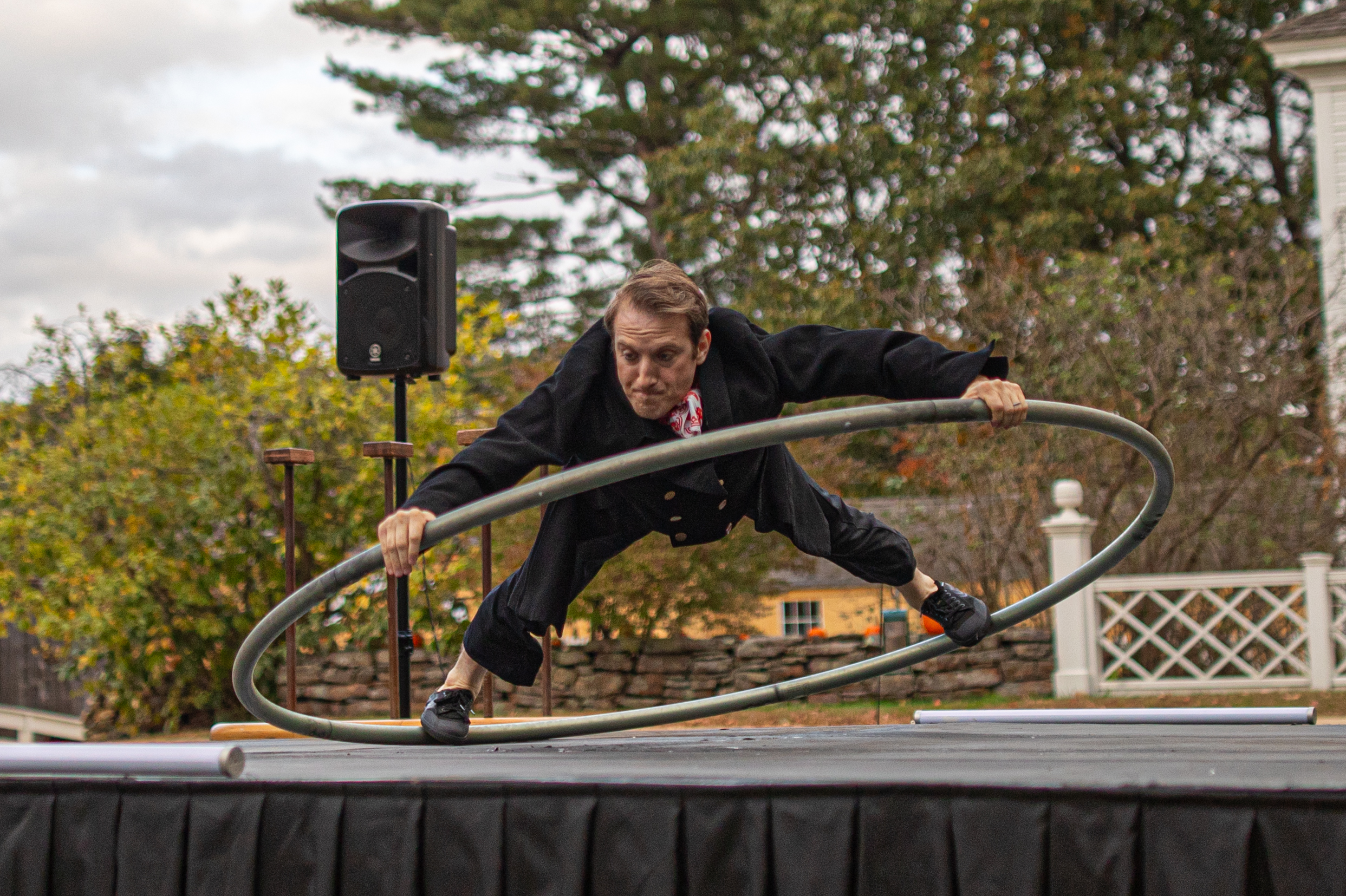
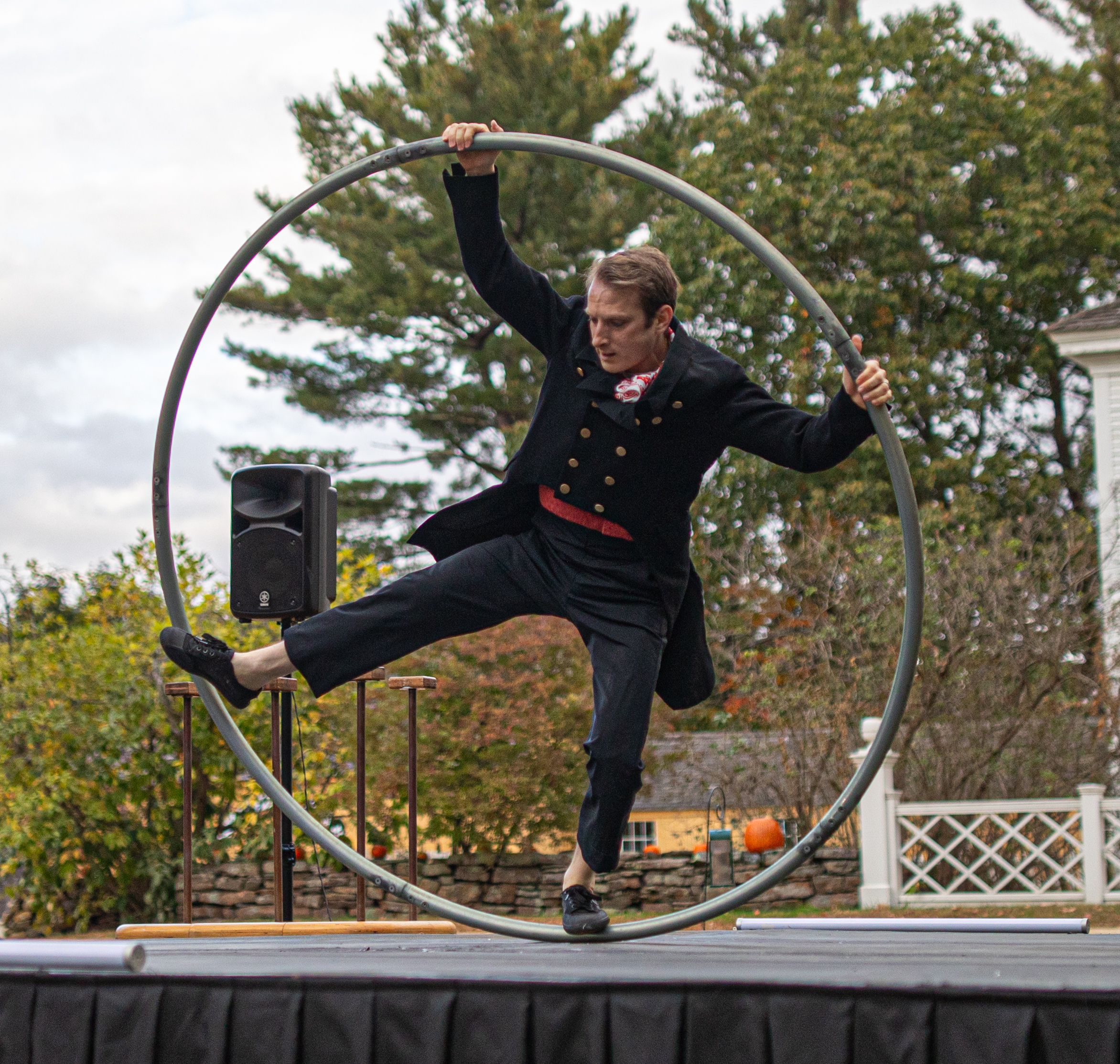
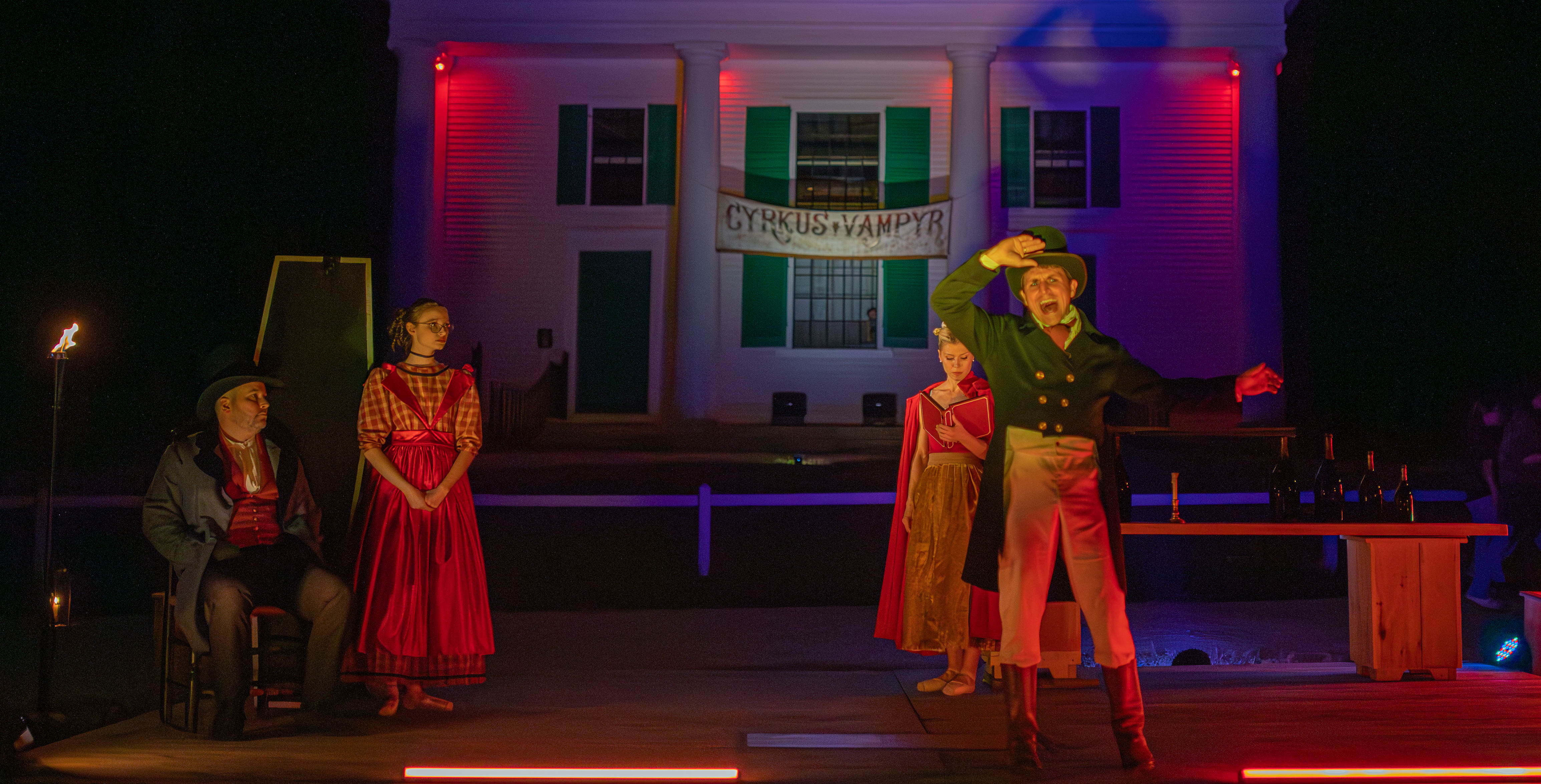
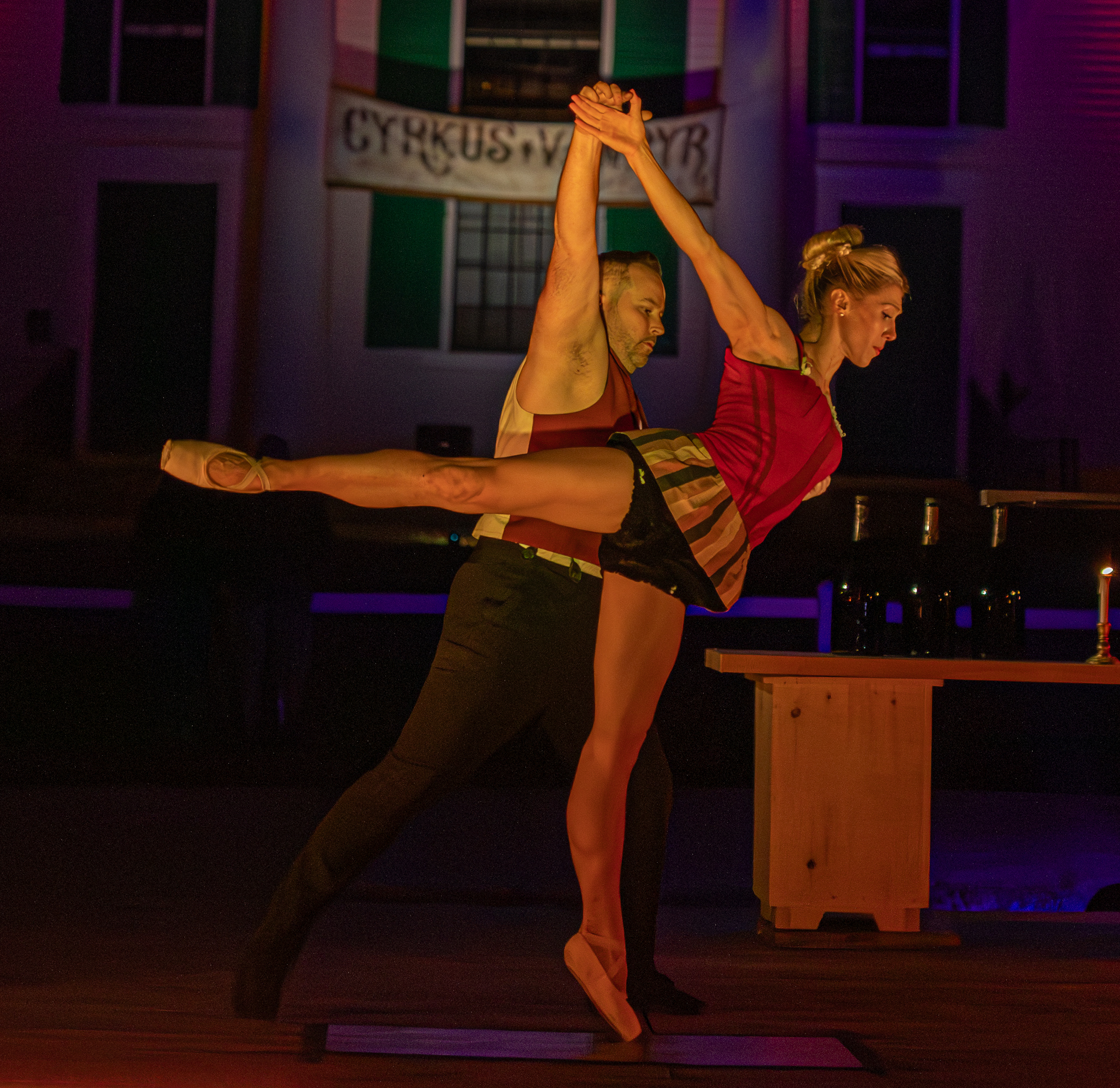
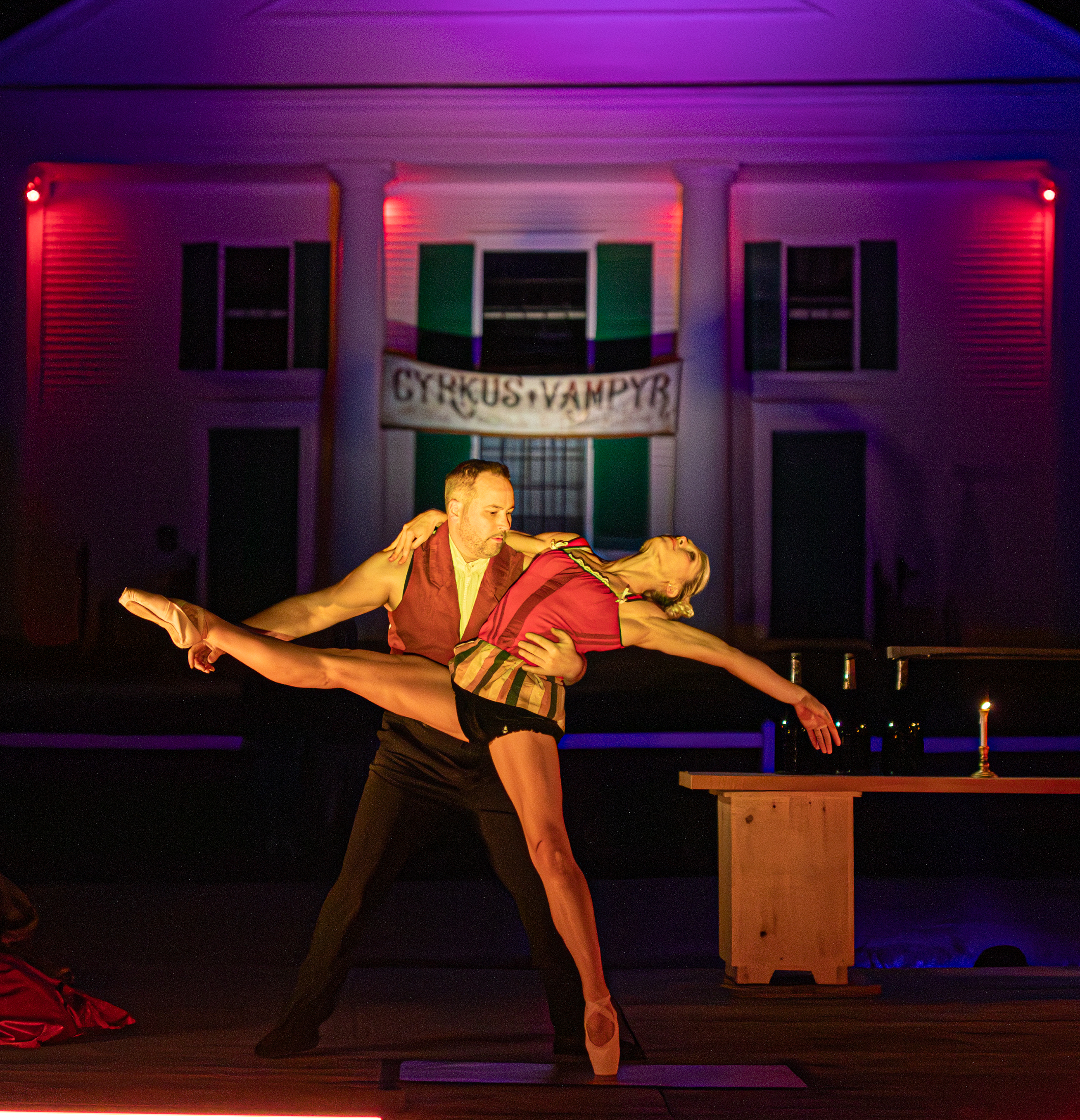
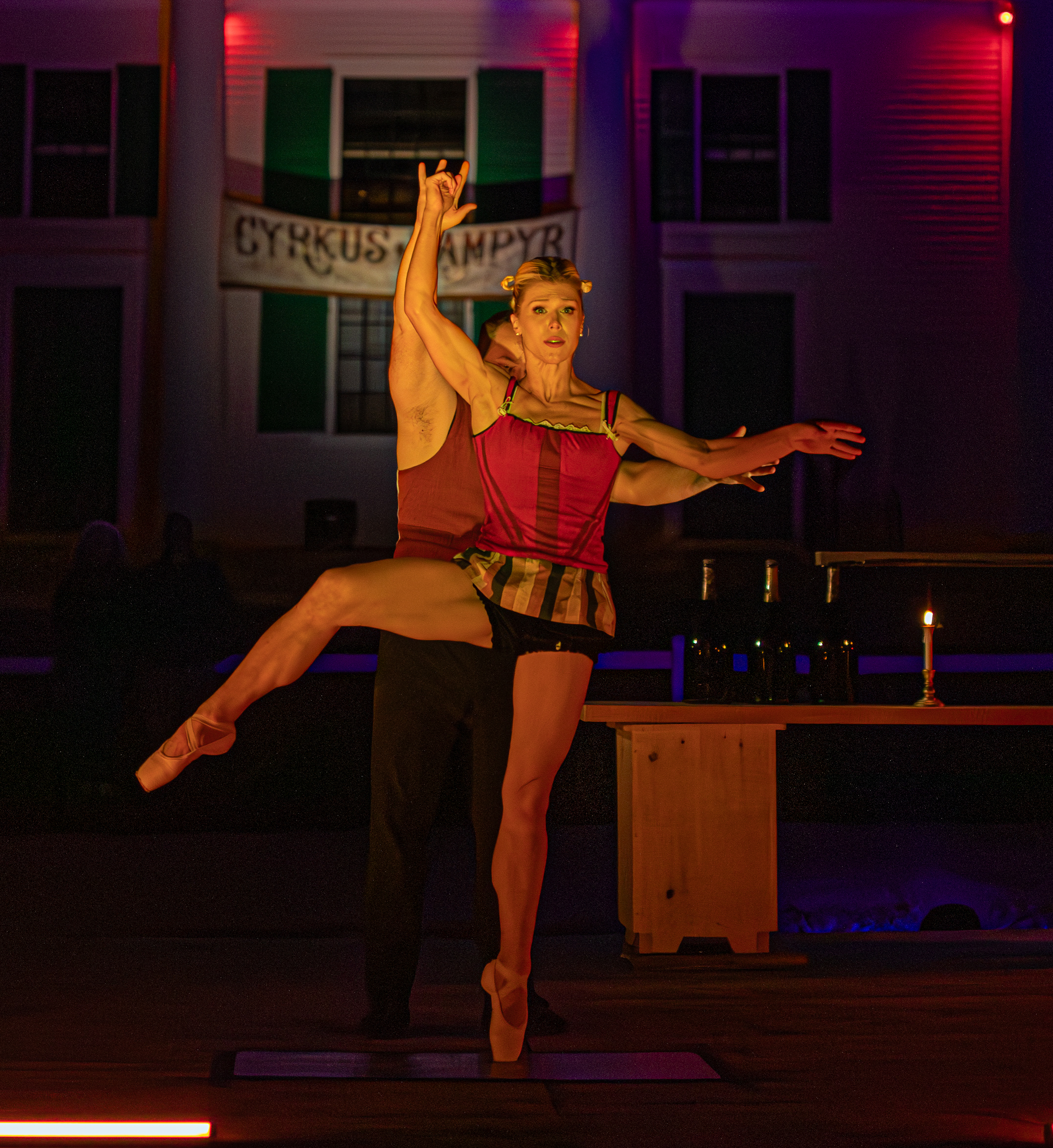
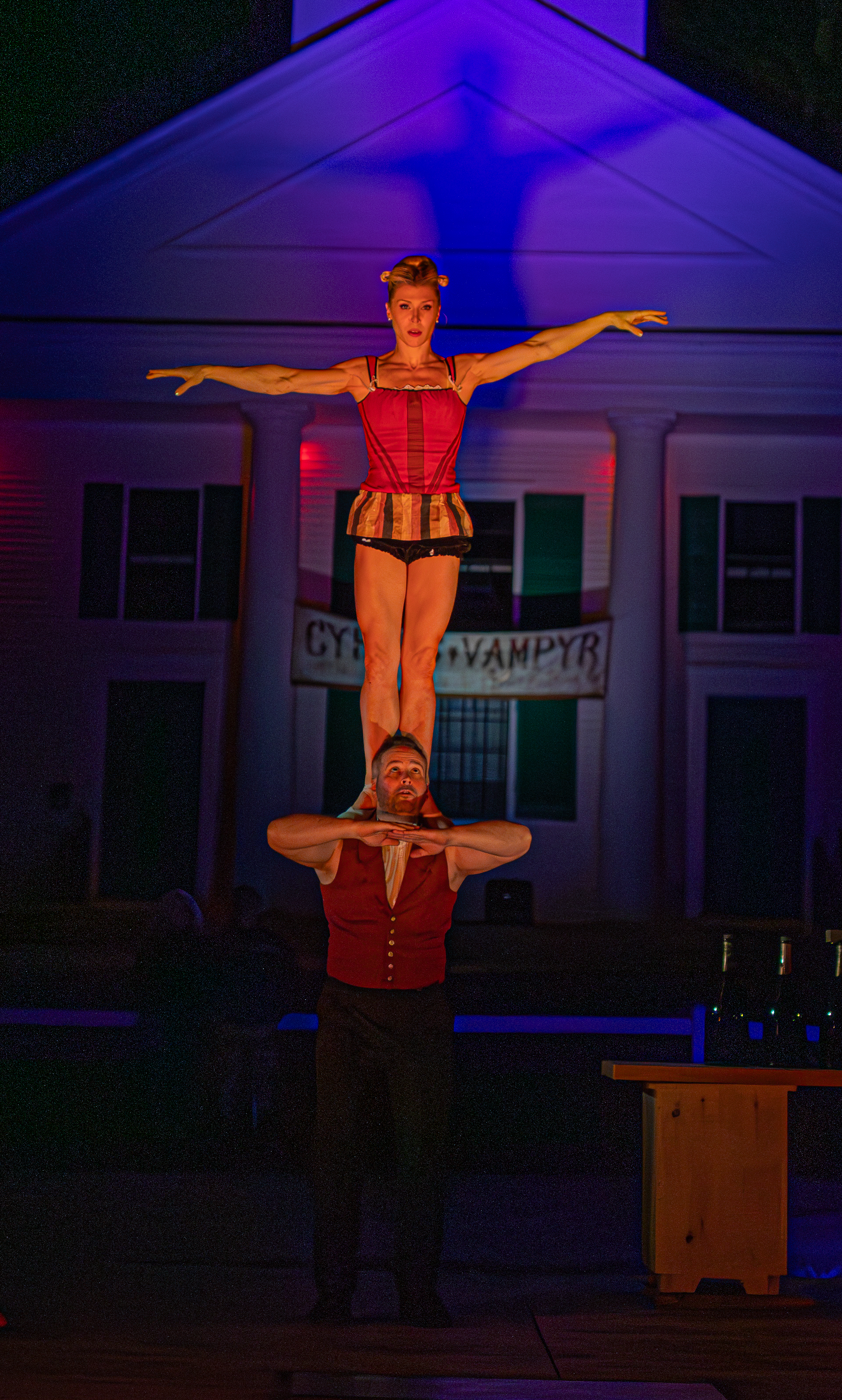
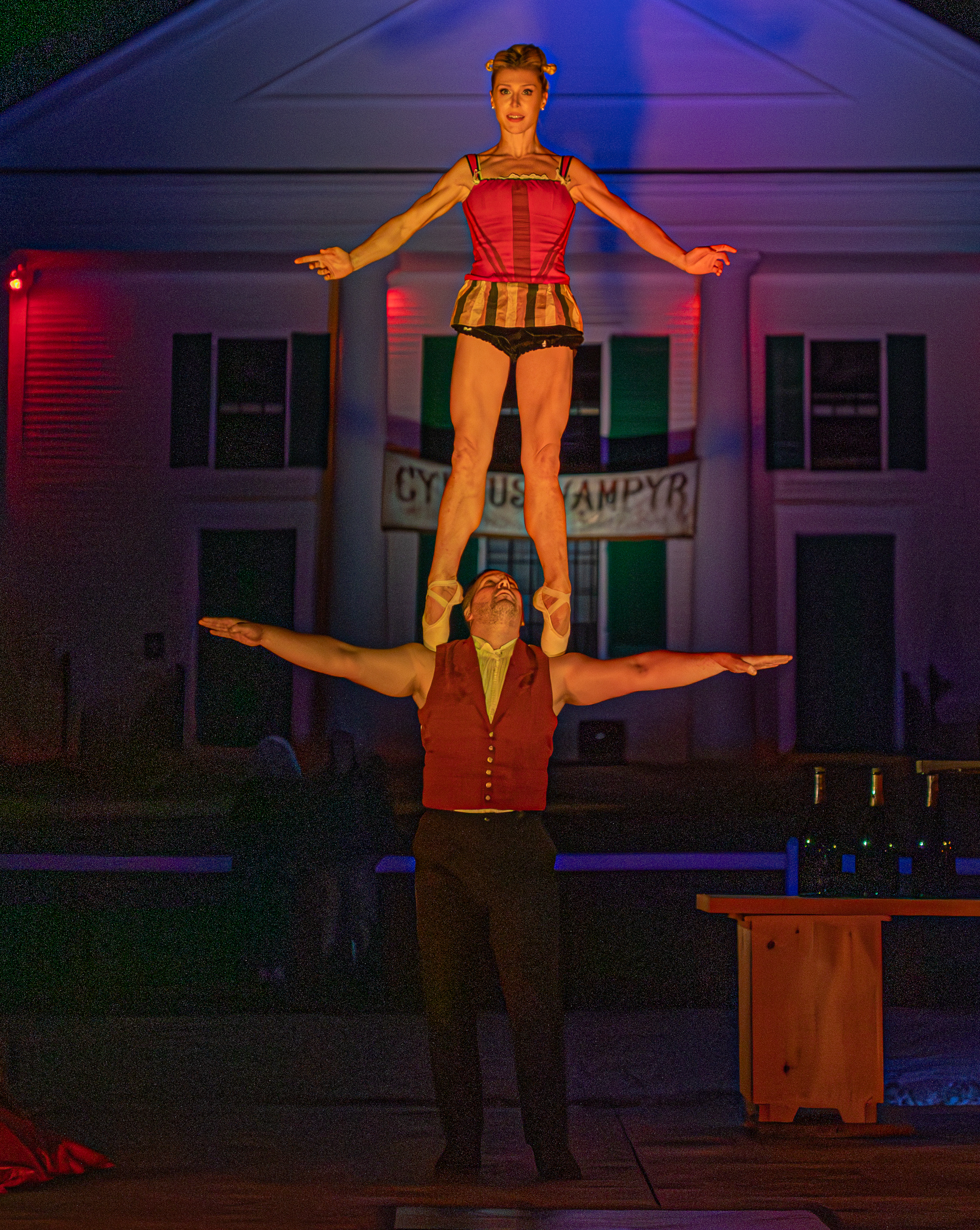
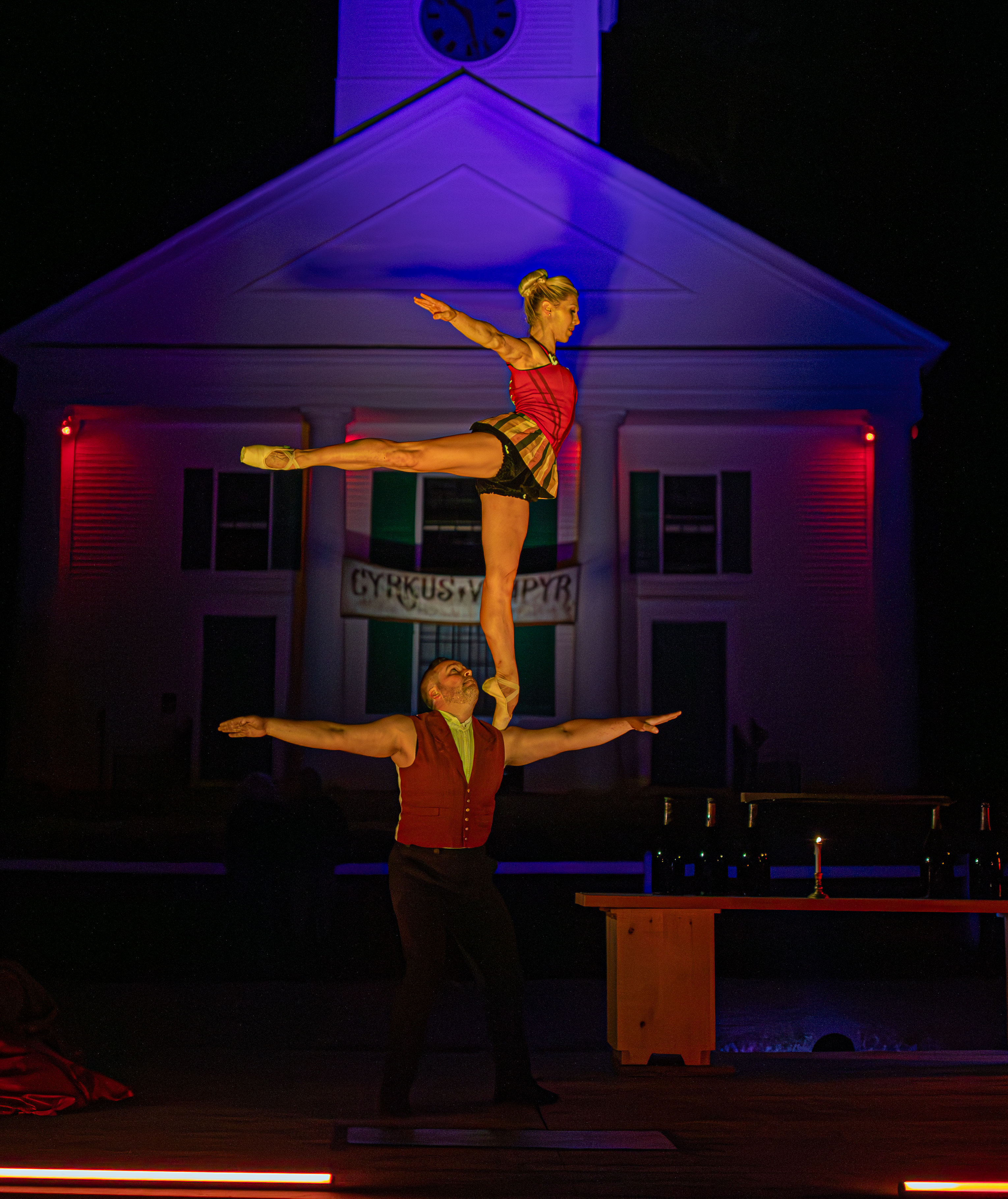
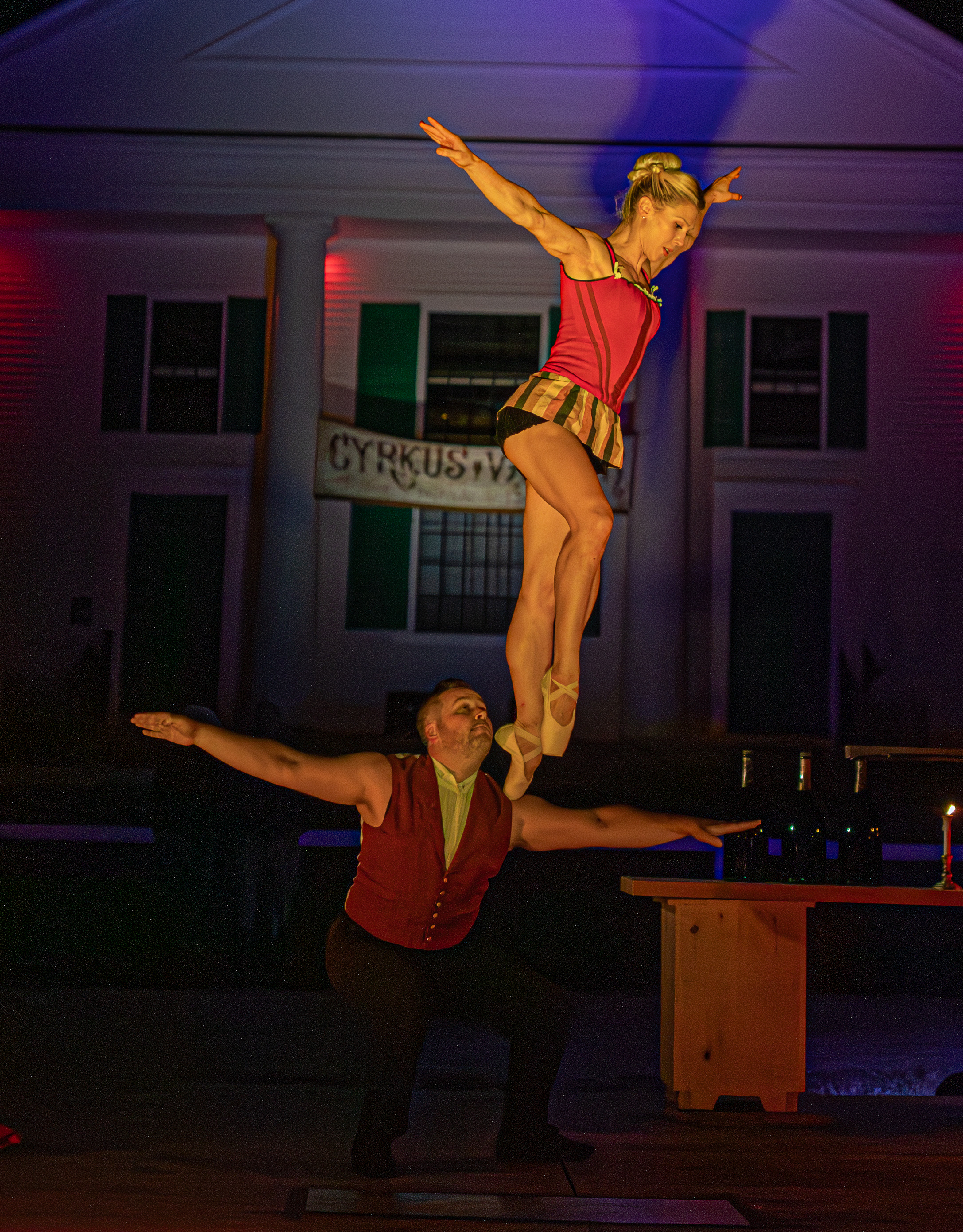
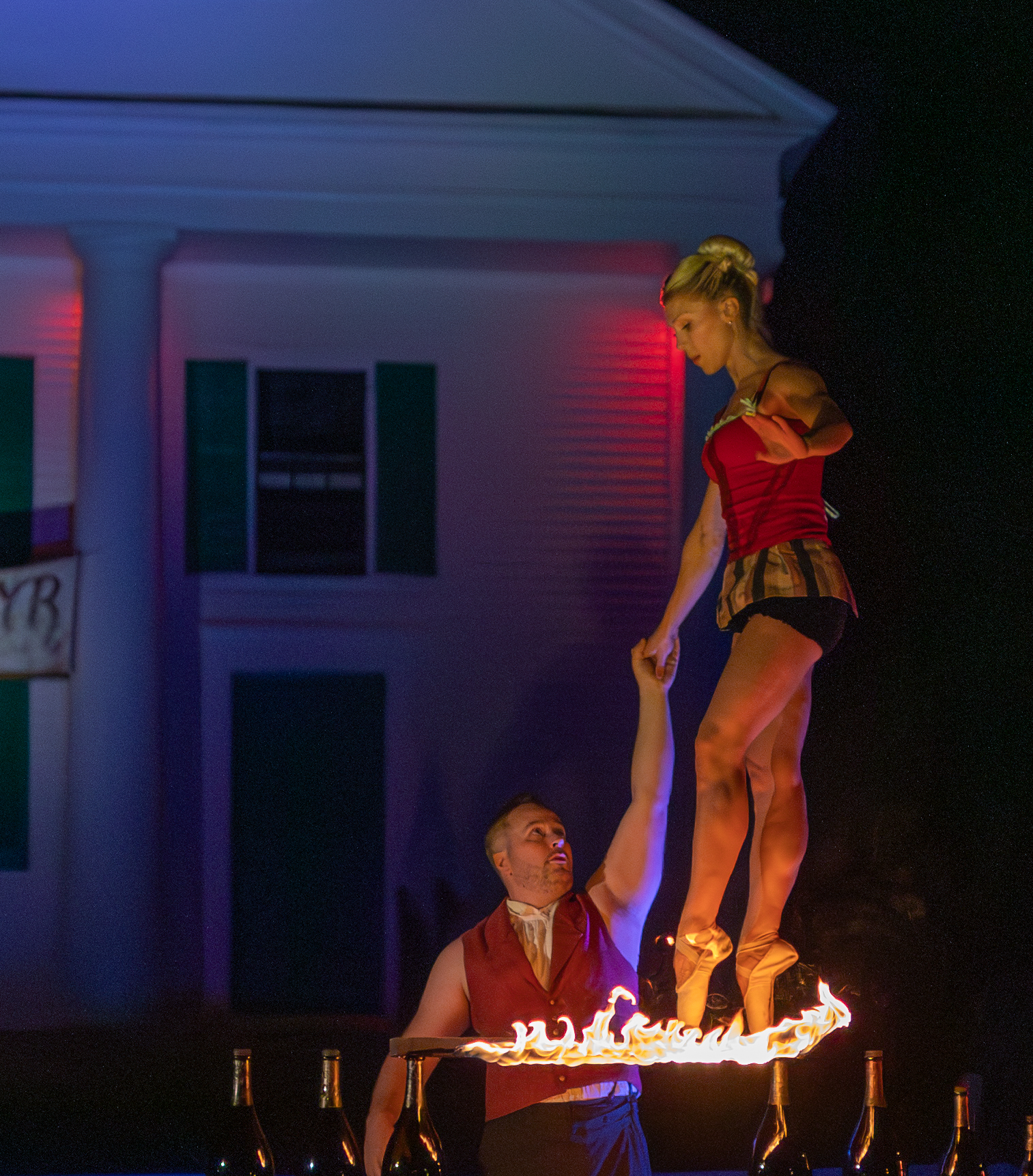
After that breath taking display, it was on to the Cyrkus Vampyr Finale Ultimo. As the name would seem to suggest, this was the finale of the evening.

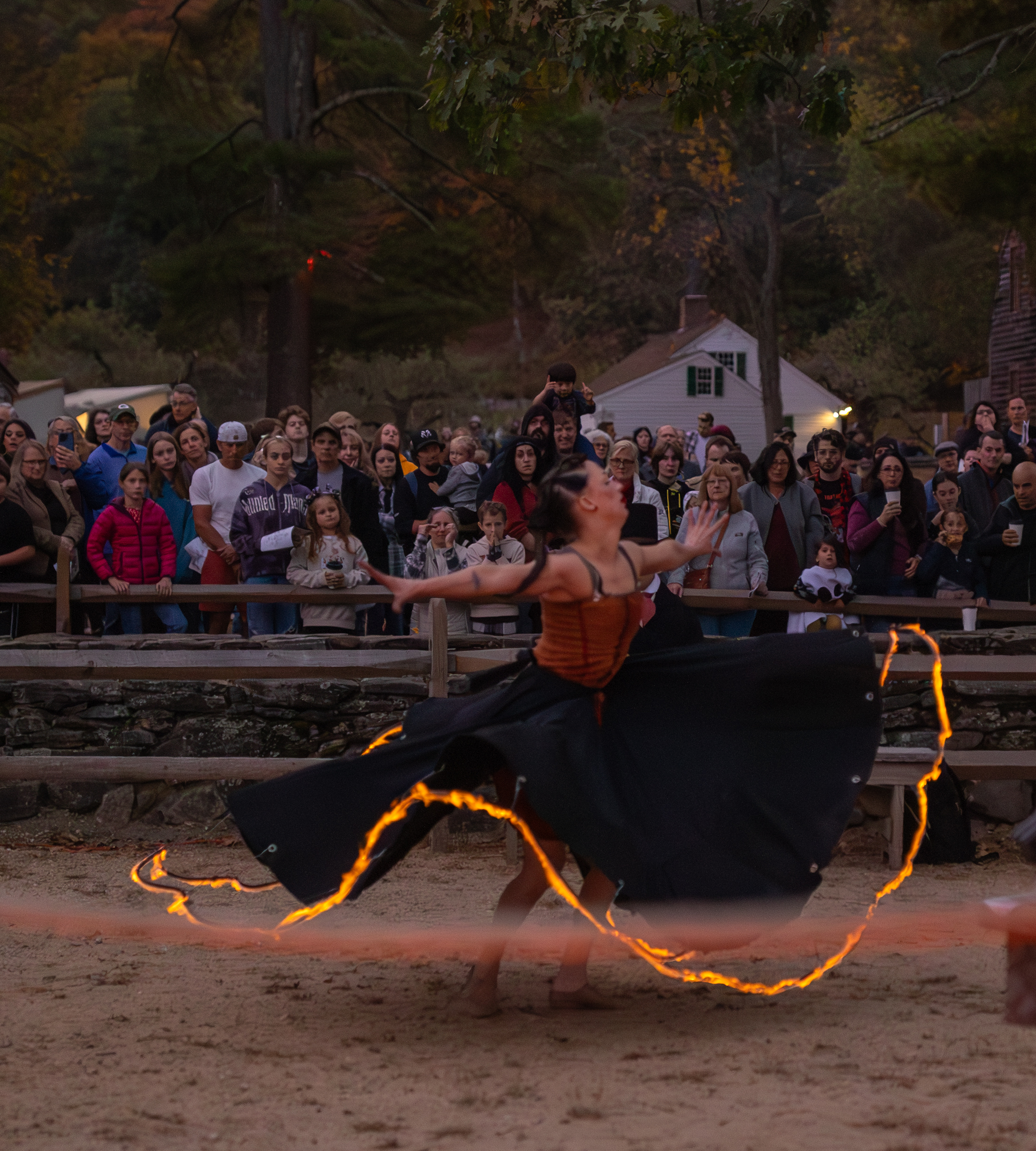
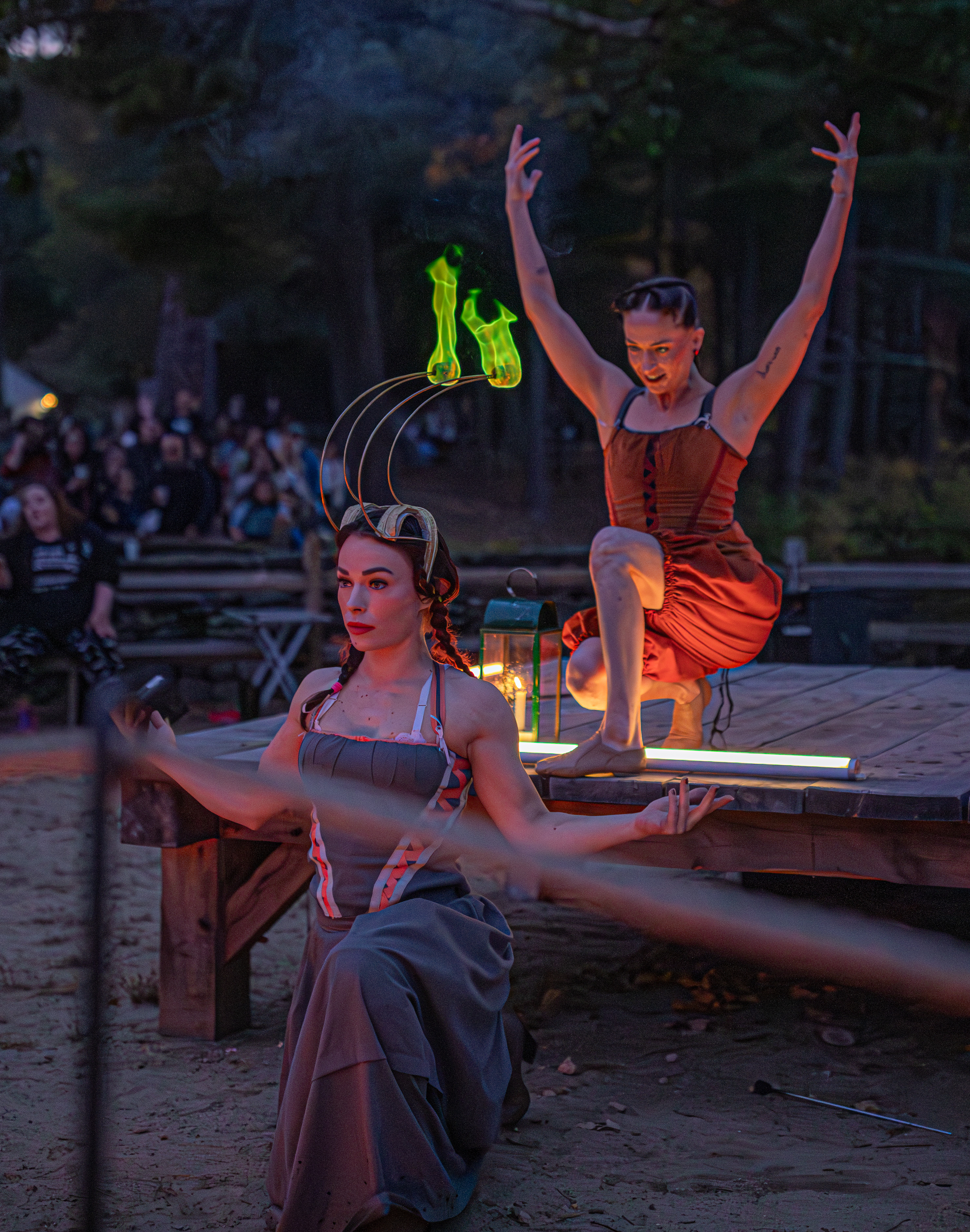
This performance included some awesome acrobatics and more fun with fire!

There were also additional shows at the event. In the spirit of the Halloween season, there were some macabre events like this re-enactment and info session about wakes. This event was both respectful and informative.

There was a lot of differences from wakes during the early 1800s. For instance, during the early 1800s, which is the time frame Old Sturbridge Village is based, people didn’t take visitors for wakes. People’s wakes were very different. People mourned and reflected on their own. A casket with a mannequin represented how the people would mourn.

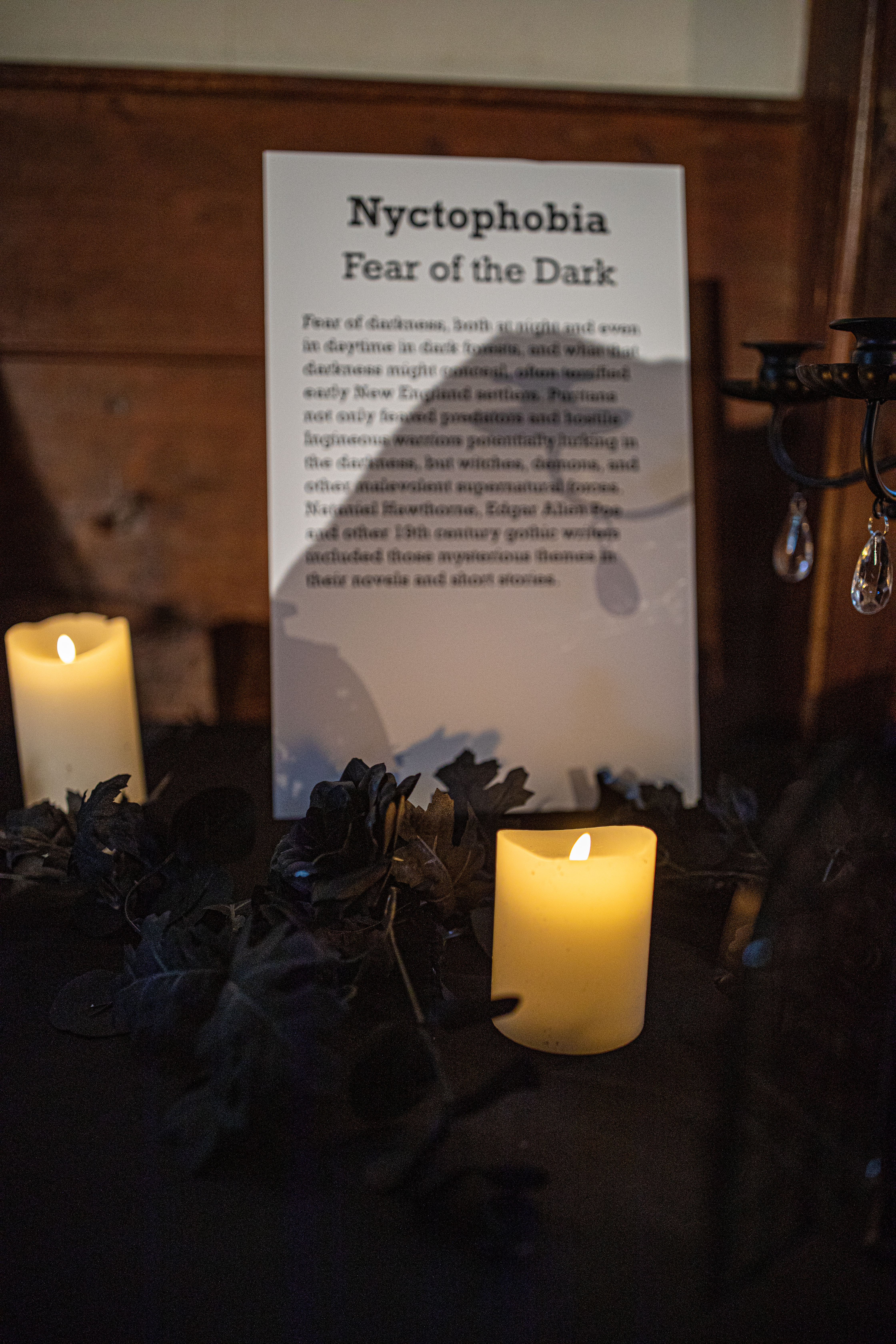
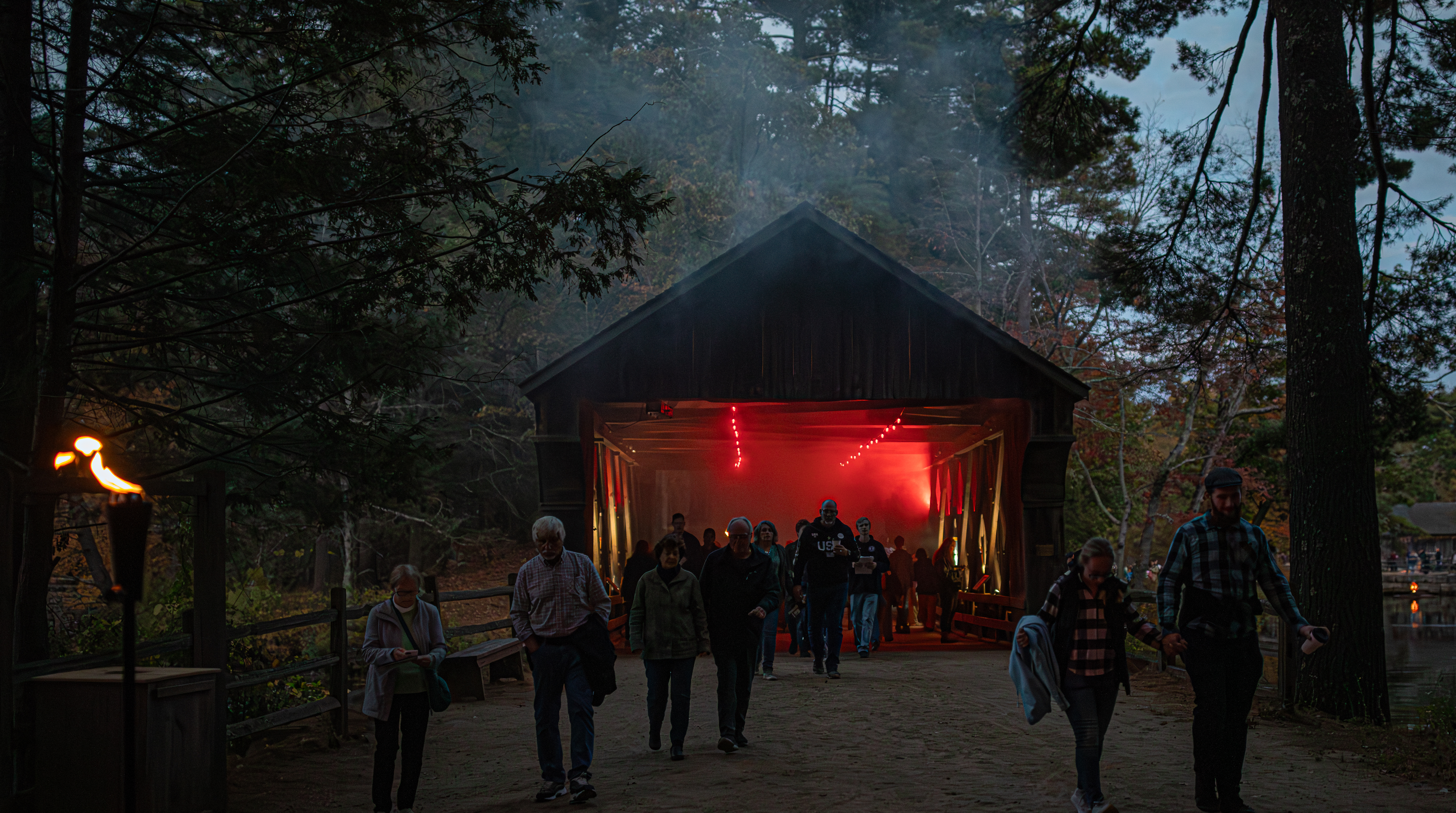
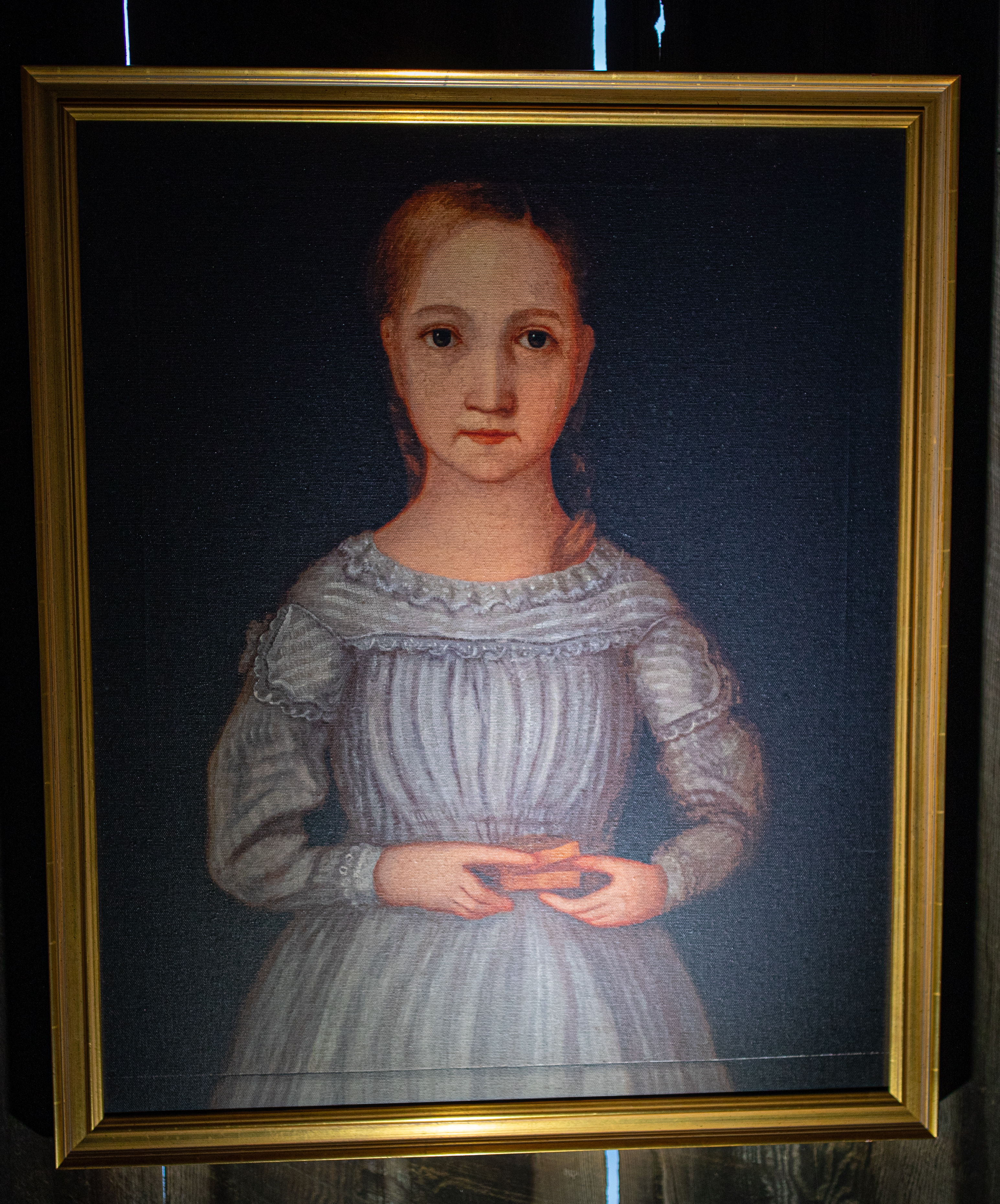
The lighting and decor added to the atmosphere of the event.

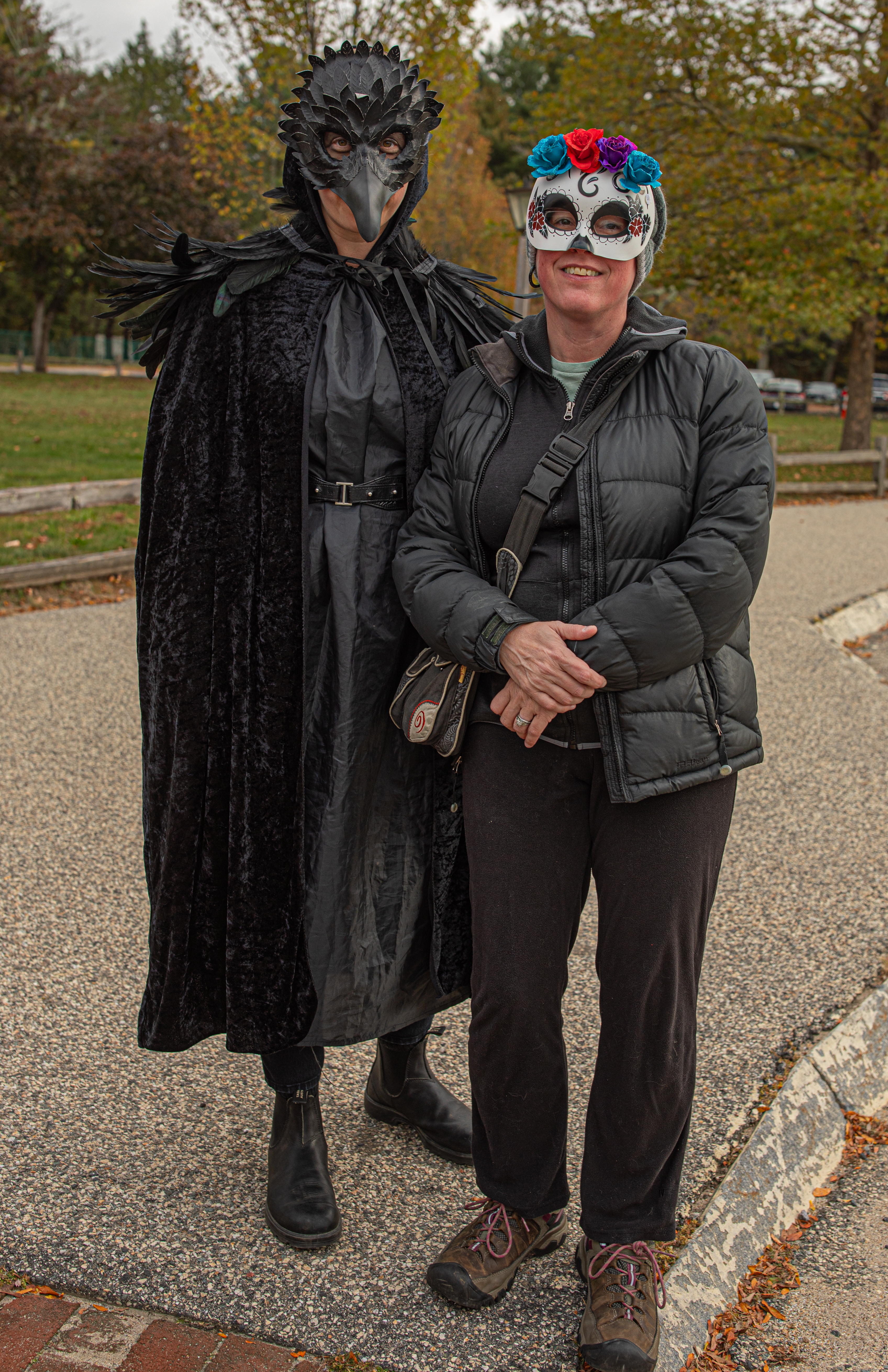
The performers at the event were not the only people who dressed up! Some of the visitors also wore costumes or other decorative items.

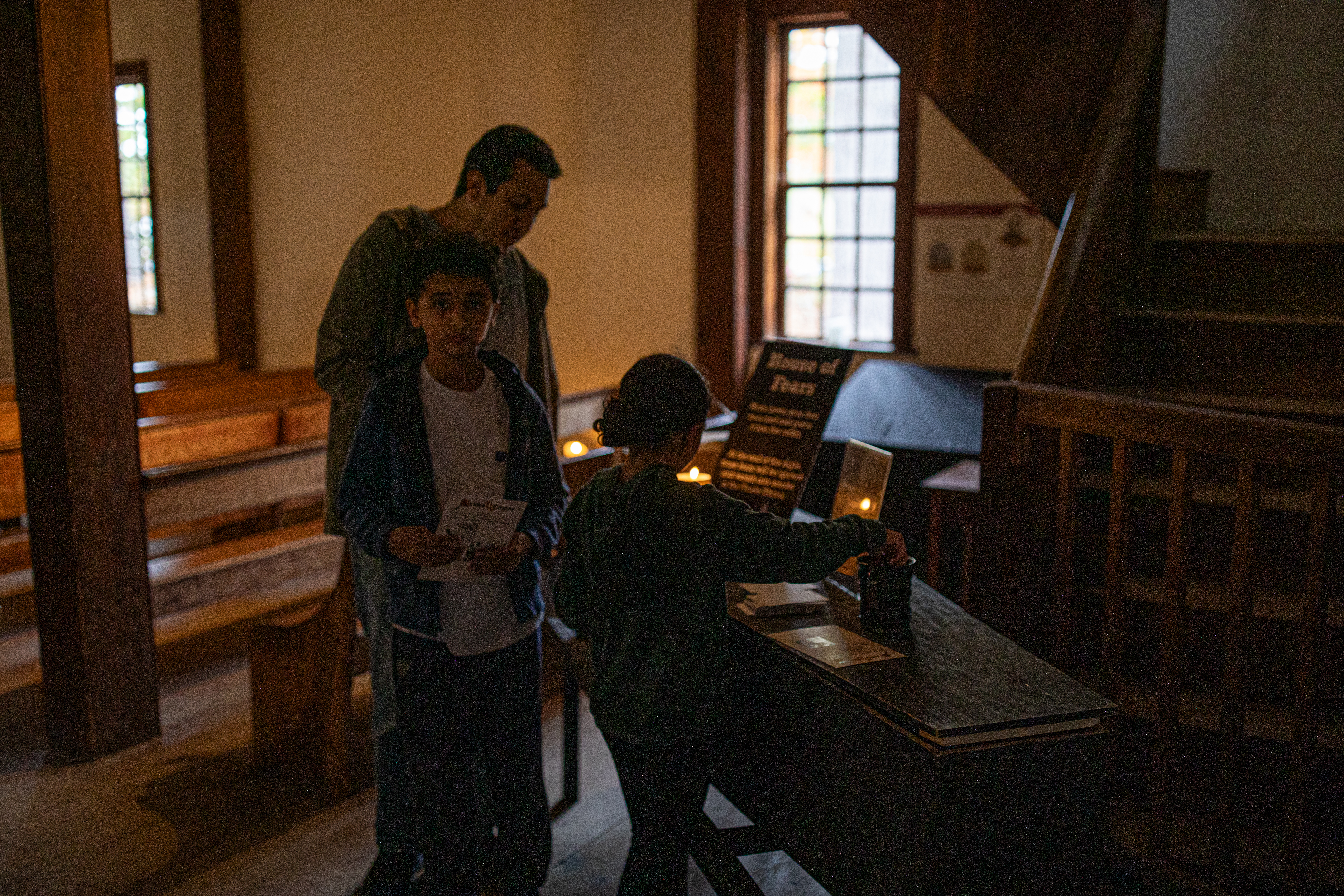
In addition to all of the performances, there was a Clues & Candy game where they had to collect stamps to complete a picture. The lucky ones who completed the tasks were rewarded with a treat pick up! There were also demonstrations of casket making, musicians and spooking story telling!

Despite all of the fire and death defying acrobats (or maybe because of it), the Phantoms By Firelight event was a big hit with both old young!

Please see below for videos from the event!

Redcoats & Rebels (Old Sturbridge Village, Sturbridge, MA)

Dates Of Event: August 3 & 4, 2024

Location: Old Sturbridge Village, 1 Old Sturbridge Village, Sturbridge, MA (1 hour and 30 minutes southwest of Boston, MA)

Hours: Hours and days of operation vary depending on the time of the year

Cost: $30 for adults, $28 for seniors (age 55+), and $15 for youth (ages 4-17). There is a $3 discount if you purchase tickets online. Military families also receive discounts.

Parking: Free parking is provided at the village

Summary: Hundreds of historical reenactors gathered at Old Sturbridge Village to recreate the Revolutionary War era.

Website: Old Sturbridge Village

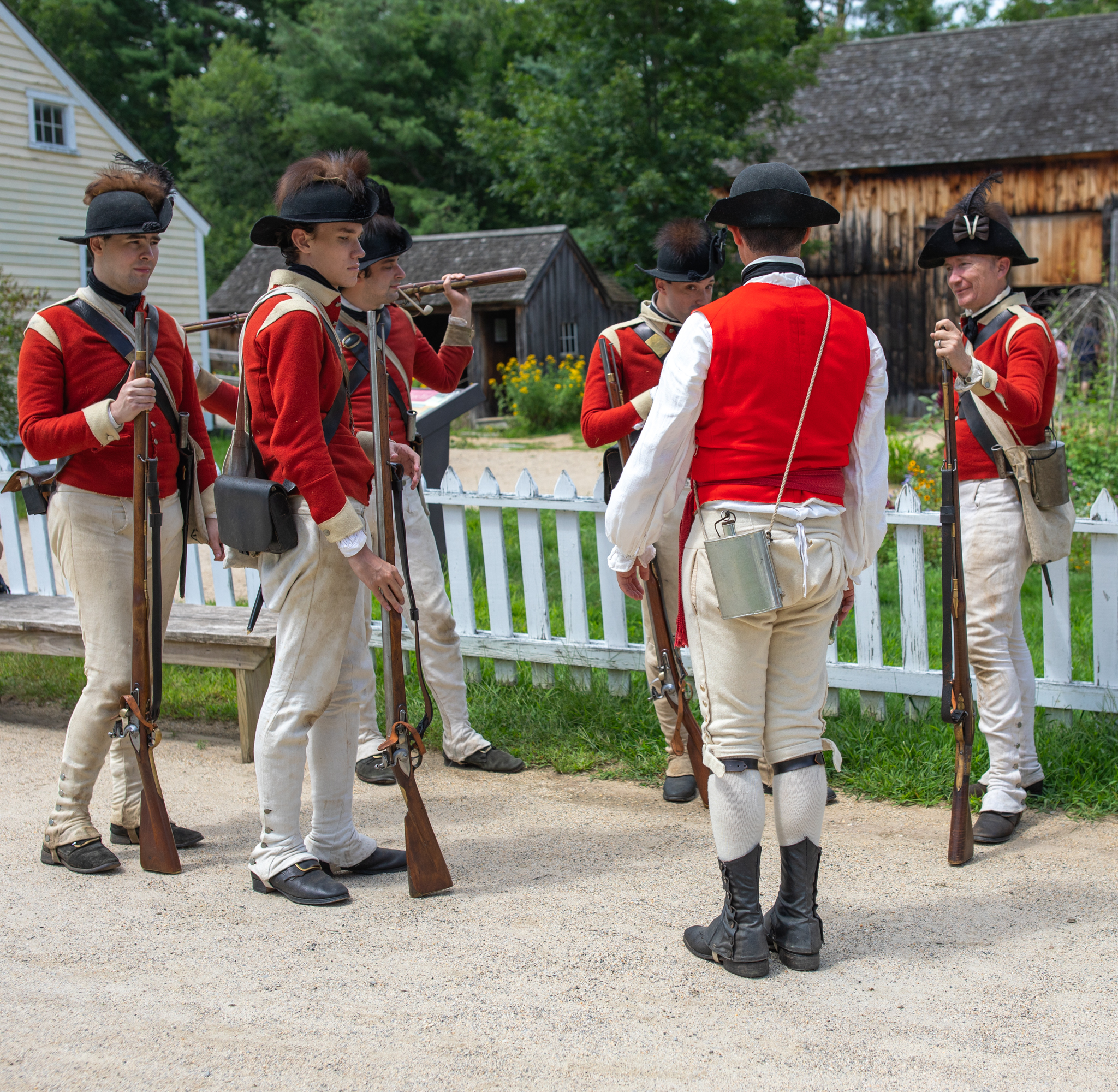
The largest military re-enactment in New England, Redcoats and Rebels, made its annual appearance at Old Sturbridge Village earlier this month. From cooking demonstrations to the highlight of the event; the battle reenactment, the historical village depicted life in the colonial era. Many of the reenactors showed off their culinary chops and craft making skills.

One of the delicacies served up at the encampment was egg pie (yum). And, it is still considered a popular dish in some parts. The big meal of the day, however, was a turkey dinner with all the fixings.

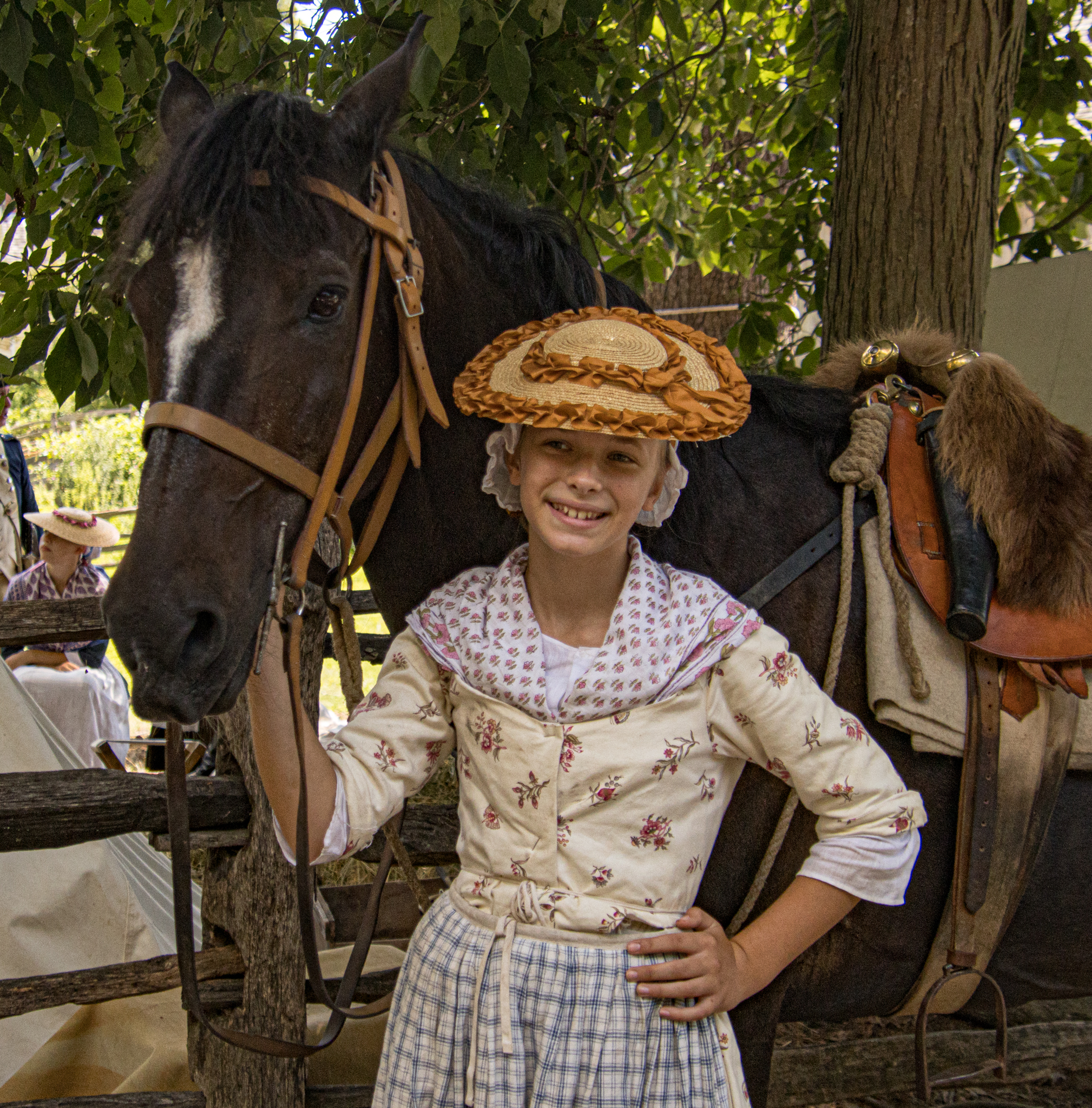
Horses played an integral part of life during this time and there were many people riding or caring for their horses. I found it heartwarming to see the care and effort they put into caring for these animals.

Some of the items on display were toys from that era. I don’t know about you. But, I’d rather play with my phone!
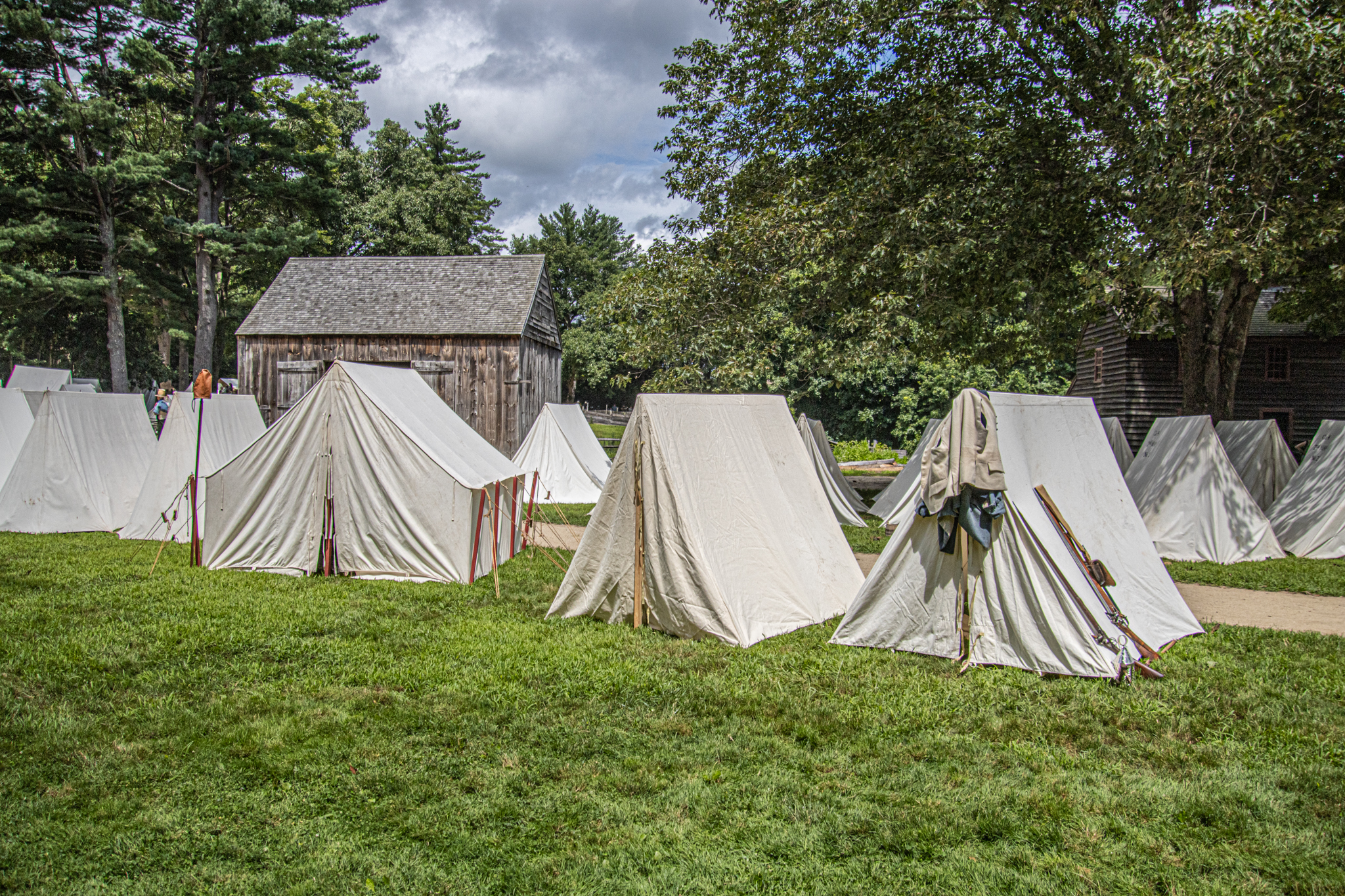
Tents and soldiers could be found throughout the encampment.

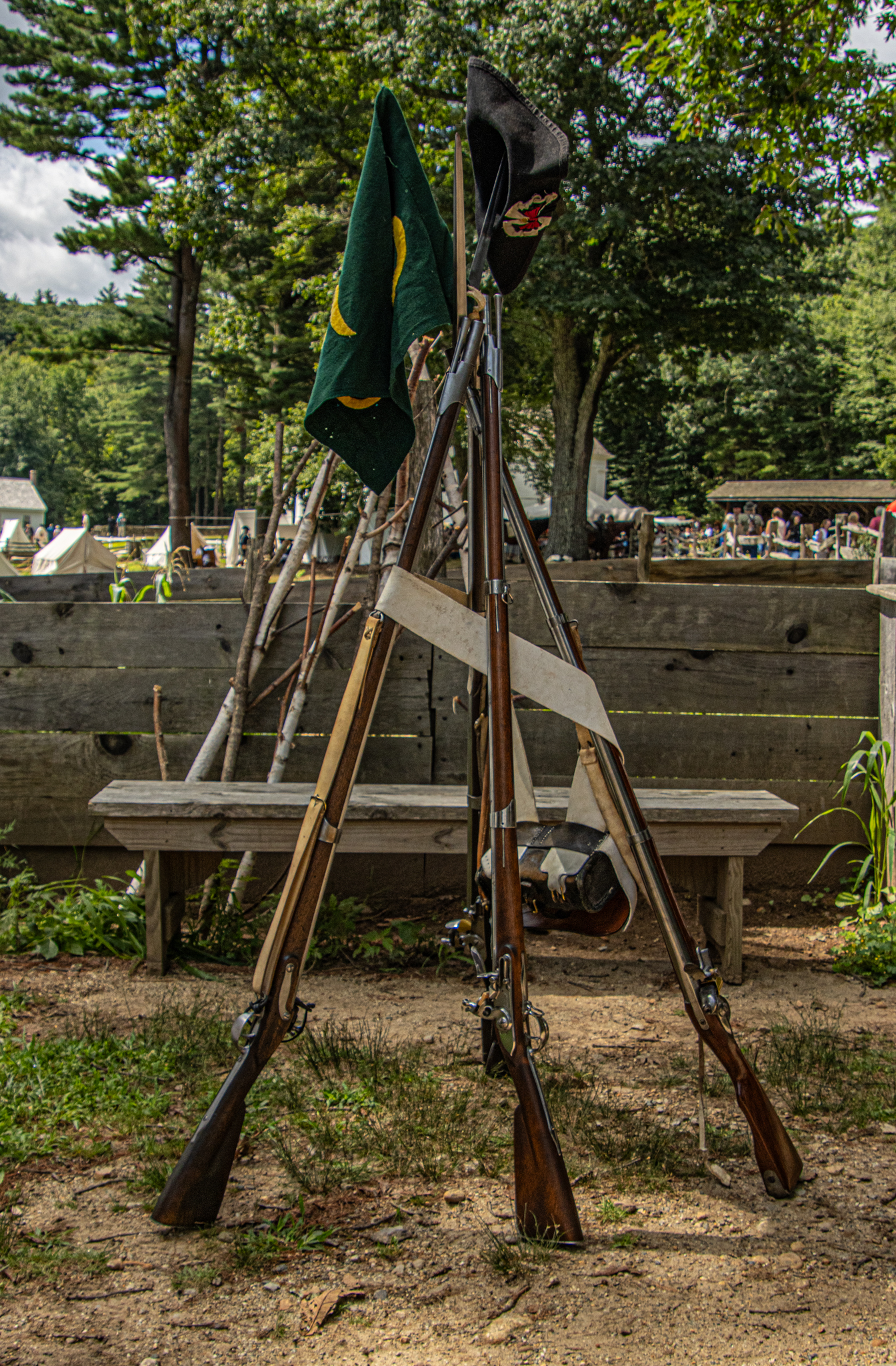
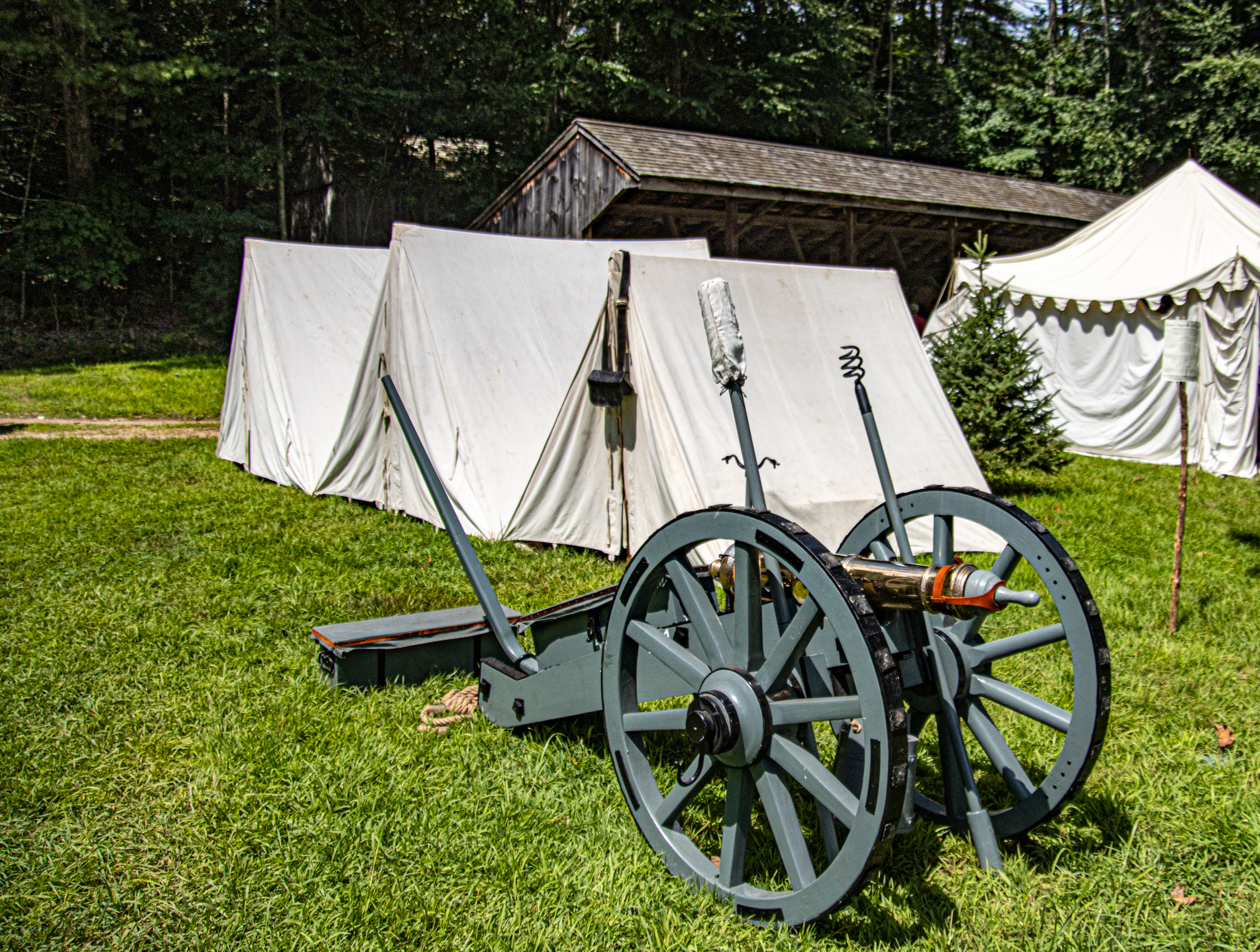
Some of the weapons from that era were also on display. I especially appreciated the fine detail incorporated in these weapons.

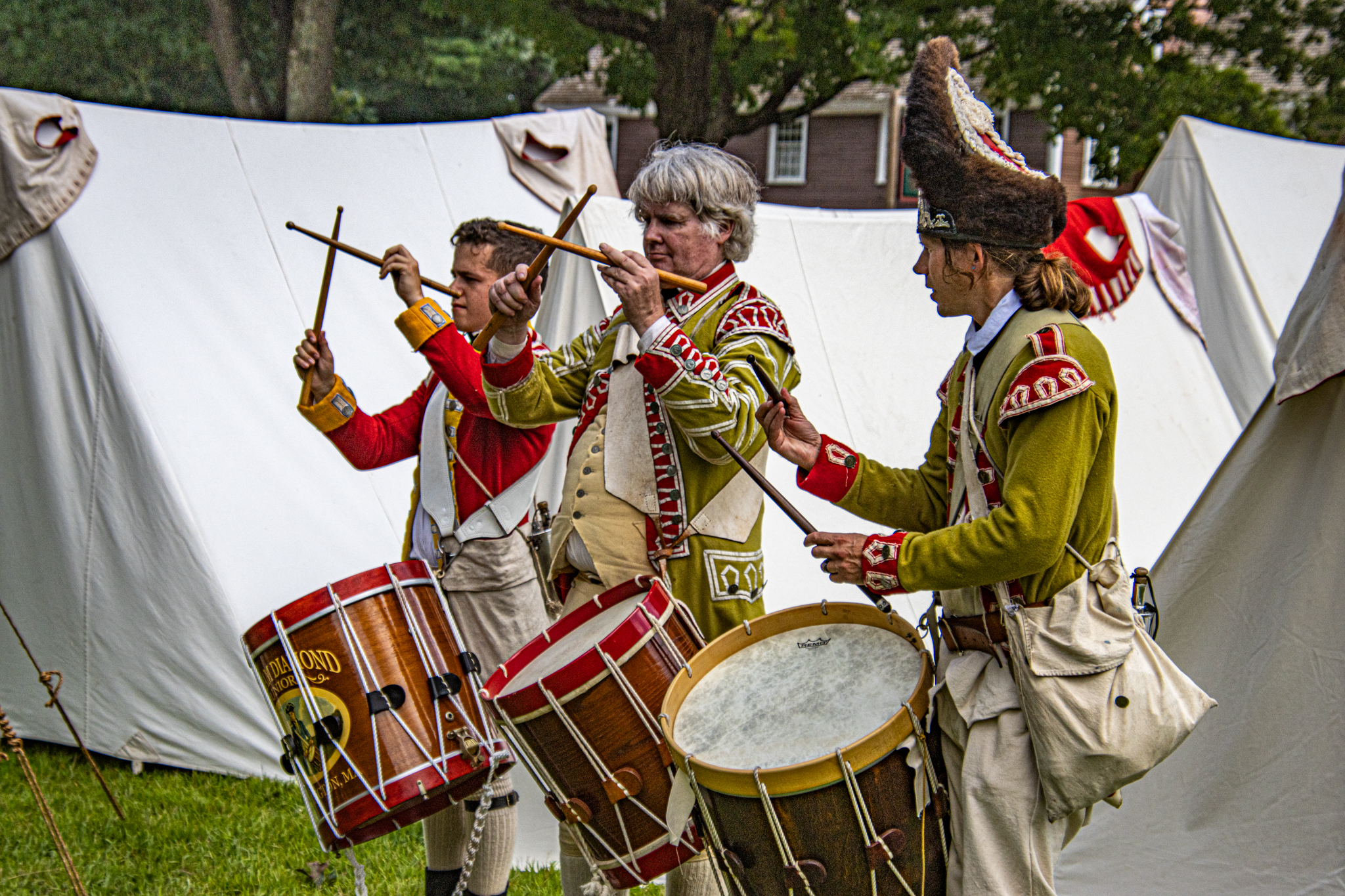
Music also played a big part at the event.

These drummers had a unique type of drumming. Not only did they bang on their drums, they also banged their sticks together.

I noticed these musicians practicing before a musical event.

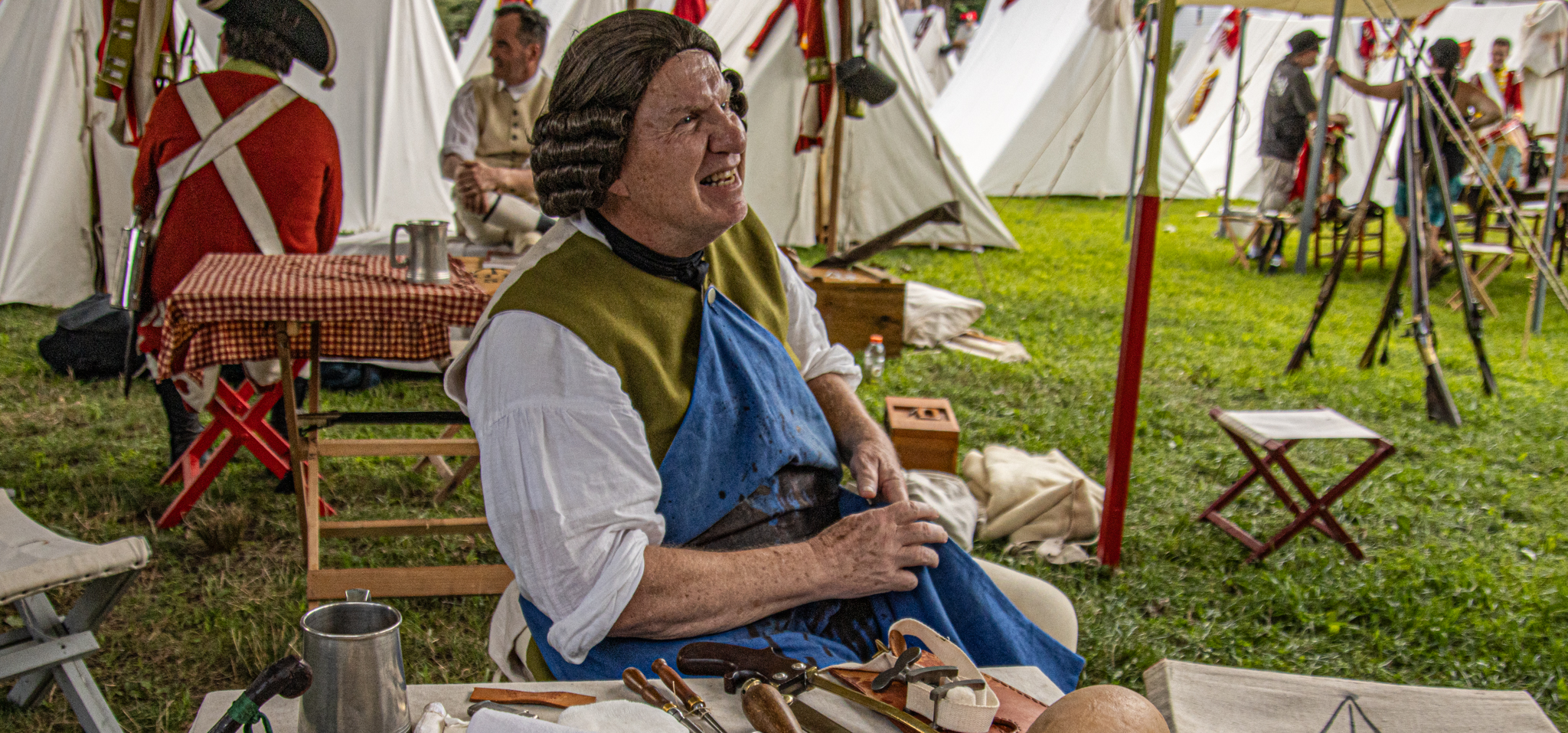
Doctor Newman, with the assistance of a fellow reenactor, explained the process of amputation during the Revolutionary War era. The average amputation at that time took 2 minutes and were done without any anesthesia. And, since liquor thins blood, they could not even take a few sips of whisky to help dull the pain.

For someone with such a gruesome job, Dr. Newman was a rather jovial sort.

The tools of the surgeon were shoddy. The white object that looks like a mitten was used to wrap the area where the amputation took place. It was a grim reminder of the cost of war that we should never forget.

There were many re-enactors I was fortunate enough to photograph at the event.

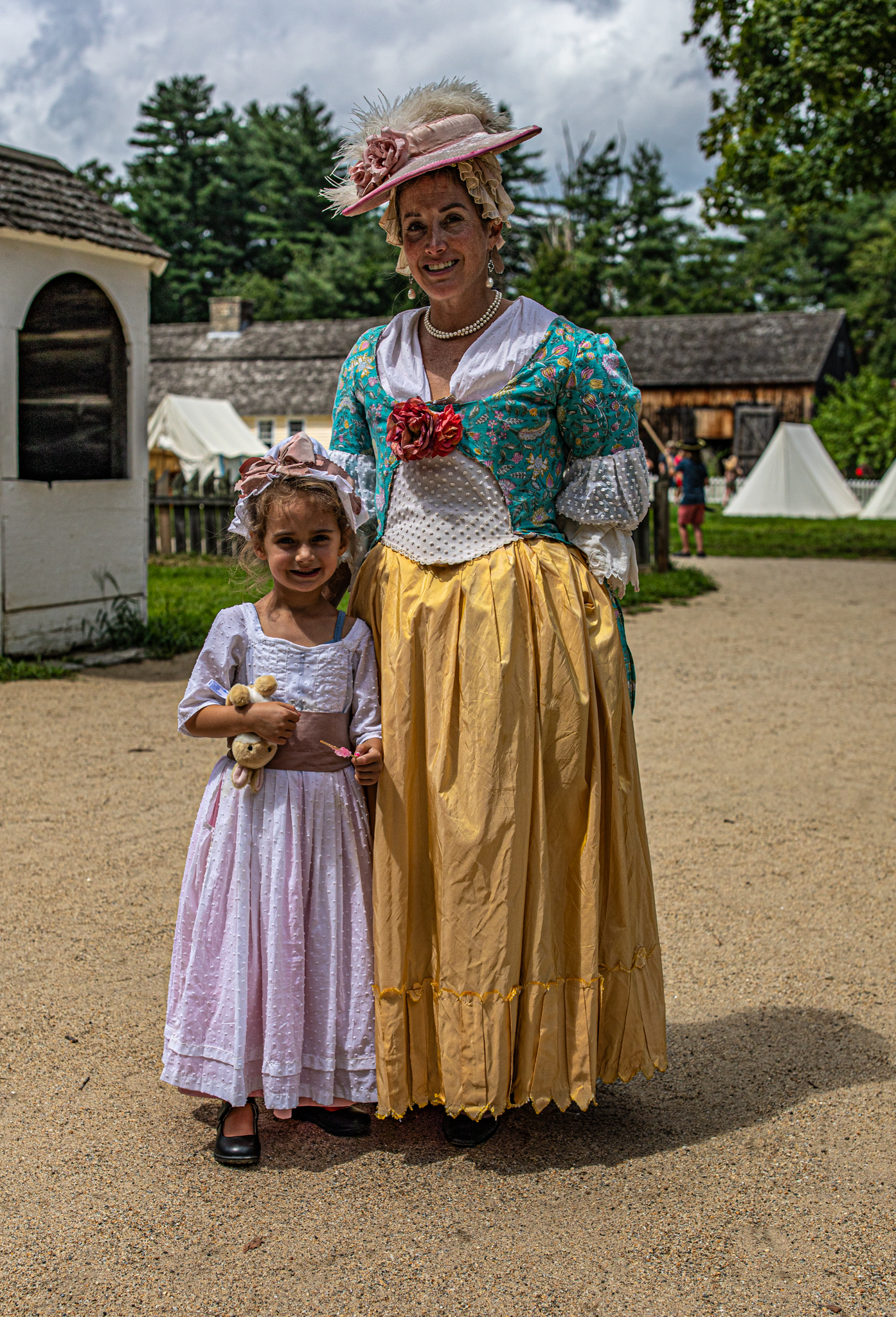
But, the re-enactors weren’t the only people who dressed up for the event. These visitors also dressed up in their best Colonial era attire.

Finally, after a busy day photographing the re-enactors, it was time for the Redcoats and Rebels battle to begin!

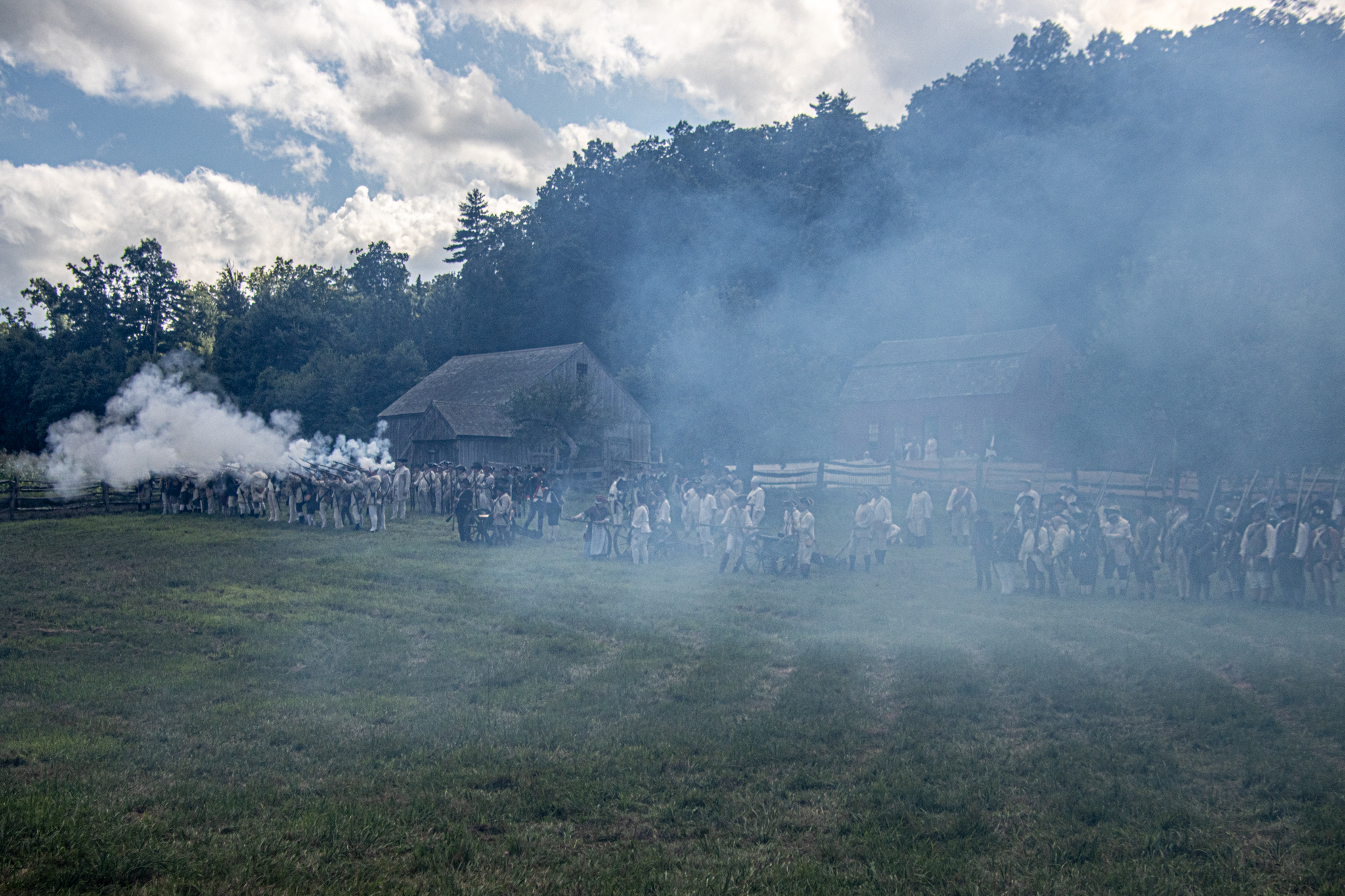
The battle was a realistic reenactment of the Revolutionary War.

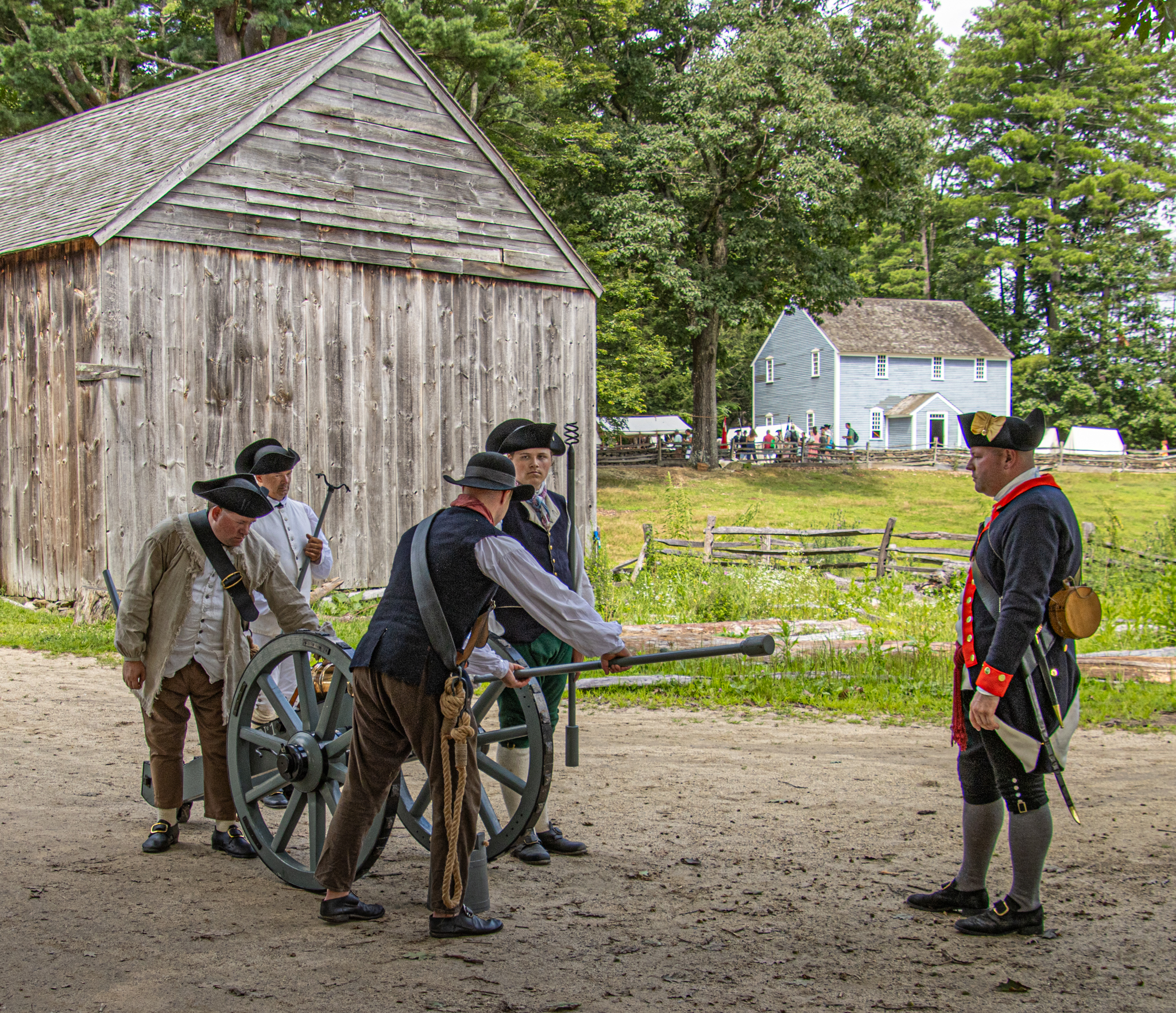
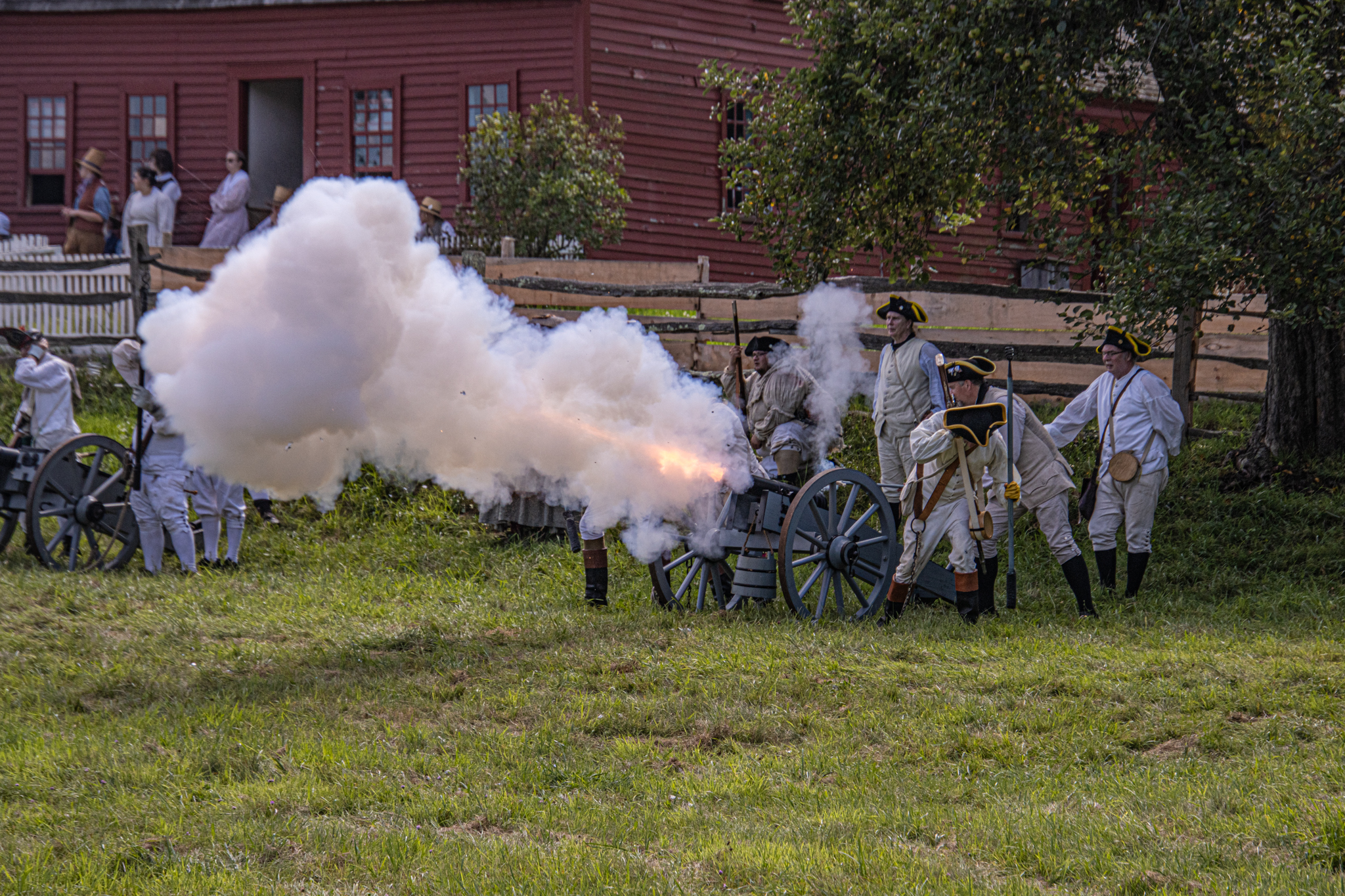
As you can see by some of the soldiers in the photo below, the cannons did make a very loud noise.

The British proved to be a formidable opponent.

But, in the end, the Rebels were able to keep them at bay and eventually the Redcoats retreated.

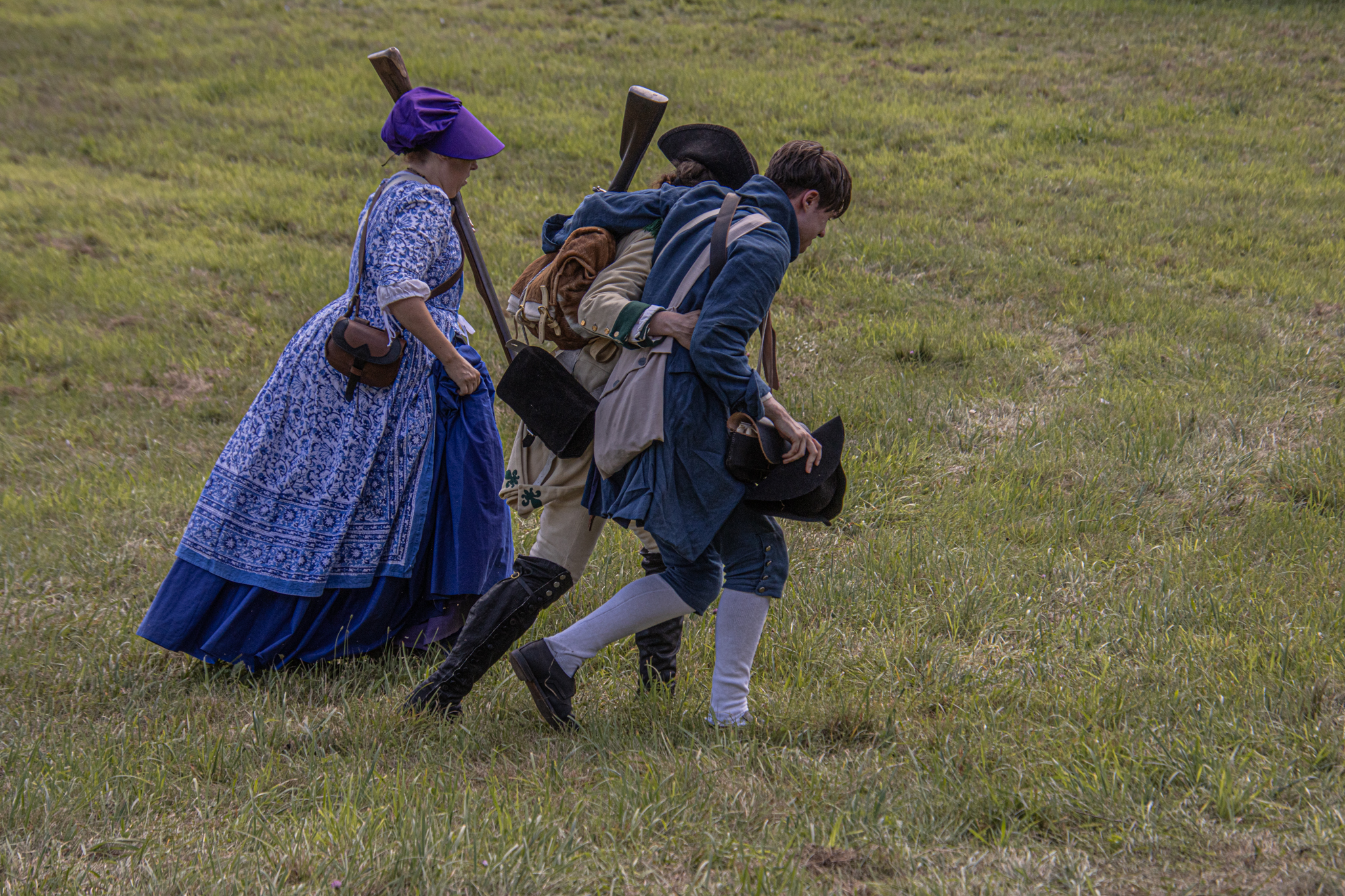
Both armies made sure to not leave their wounded behind.

As I was leaving, I passed by the “Field Of Flags.” Each flag represents a person who had died serving their country. It was a moving display to never forget those who have sacrificed for their country.


Family Farm Fest (Old Sturbridge Village, Sturbridge, MA)

Date Of Visit: April 15, 2017

Location: Old Sturbridge Village, 1 Old Sturbridge Village Rd.
Sturbridge, MA

Cost: Adults $28.00
Seniors (55 and over) $26.00
College Student (with valid college ID) $14
Youths (4-17) $14.00
Children age 3 and under Admitted Free

(if you do visit again within 10 days of the purchase of your ticket, your second visit is free)

Hours:

March – April
Open Wednesday – Sunday | 9:30 am – 4:00 pm

Open Daily | April 15 – 23 | 9:30 am – 4:00 pm

May – October
Open Wednesday – Sunday | 9:30 am – 5:00 pm

(hours vary upon the season)

Parking: Free parking with the purchase of a ticket is available for about a couple hundred cars.

Handicapped Accessible: Yes.  Old Sturbridge Village offers handicapped parking, and , upon request, wheelchairs for some visitors.  Only about half of their historic buildings are wheelchair accessible

Web Site: Old Sturbridge Village

IMG_0923

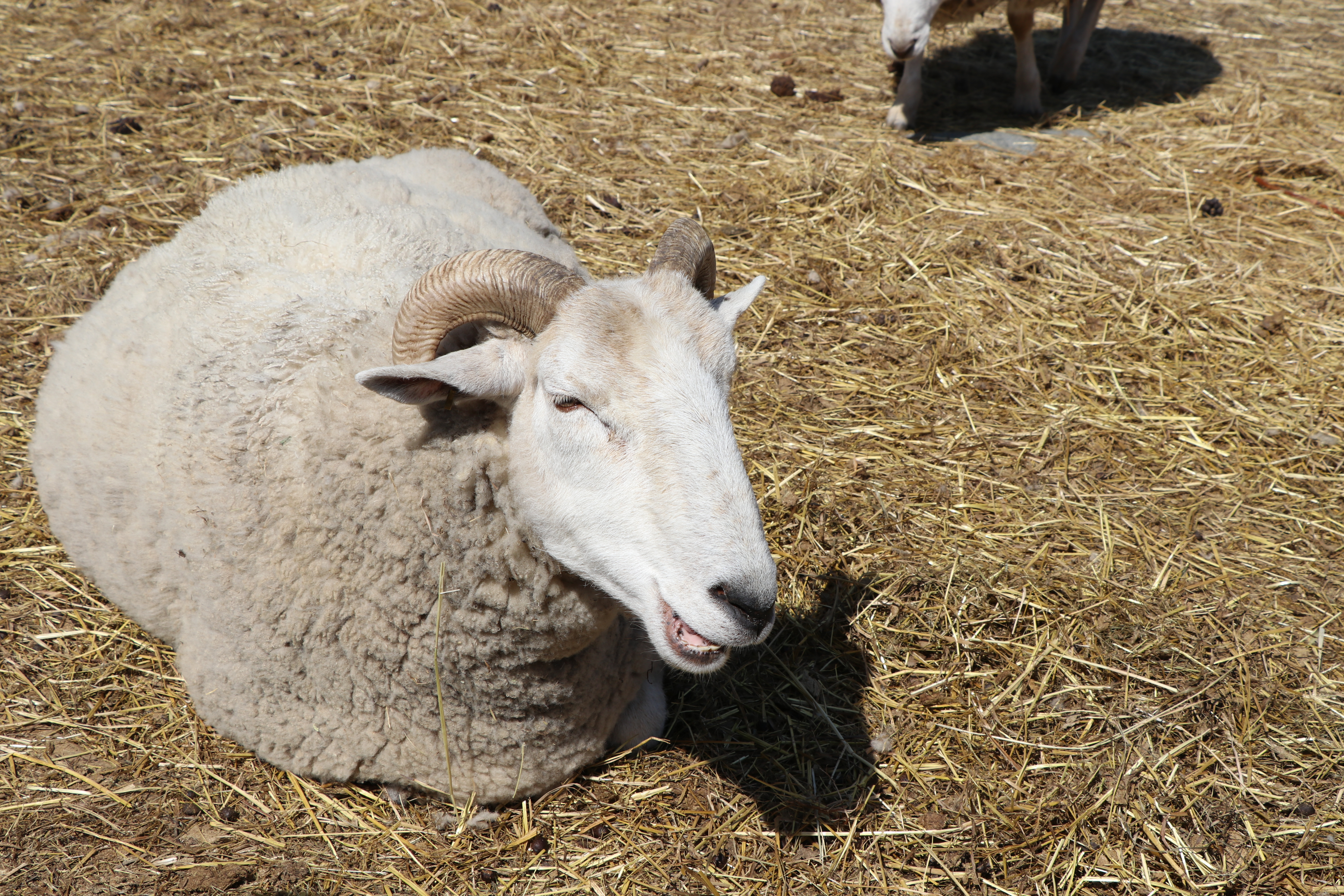
Warmer temperatures and longer days of sunlight are not the only things coming to Old Sturbridge Village.  The baby animals have also arrived!

Just in time for April school break, Old Sturbridge Village is home to a variety of barnyard animals.  It is always a treat seeing the baby animals at the living history museum.


I have already made multiple visits to Old Sturbridge Village (click here to view my original post about my first visit there in July of 2016) and I am sure to make many more visits when they have fun events like this one.

Although they did not have as many animals as the Strawbery Banke Musuem’s baby animals exhibition, Old Sturbridge Village still had a wide variety of animals to view and, in some cases, pet.

Many of the animals, particularly the little ones, were pretty tuckered out after all that traveling and playing.

Meet Jake (on the left) and Patrick (on the right).  They are donkeys who were rescued from a farm in Texas and are looking for a good home, if you’re interested!

In the fields in the middle of the common area, there were chickens, alpacas and pigs and other animals in their pens.

This mommy hen was digging for food for her chicks.

There were also living actors playing parts of the people from that era (the 1830s).  They also interacted with the audience and they were very informative.

Fun fact: it took a shoemaker about one whole day to make…that’s right one shoe.  One.  Well, I guess it’s a “fun fact” unless you’re one of the shoemakers.

Okay, nerd alert: I could listen to these living actors (I hope they’re “living”) all day.  But, I couldn’t spend too long as I had photos to take and only so much time to spend there.  One day, I plan on just spending the entire day and taking it all in.

These aren’t real actors in case you were wondering (although in the first photo, the woman looking mannequin looks like a ghost).  These mannequins are dressed in common attire of the day.

The kids got a blast out of the firing of the musket (he was shooting blanks).

Thiss gentleman was building the frame of a house, with a little help from some friends.

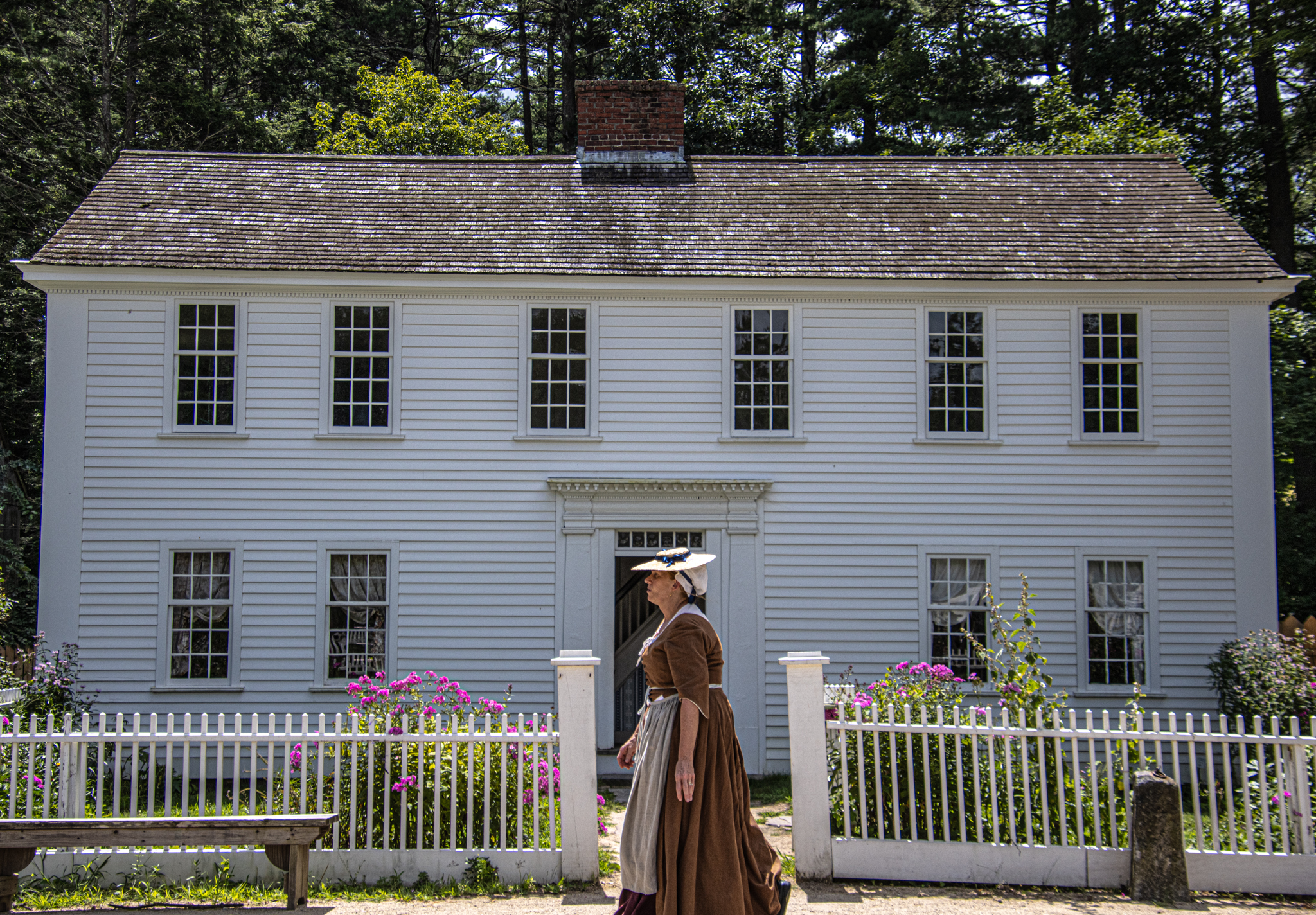
Of course, I couldn’t resist taking photos of the beautiful buildings and landscapes at the village.