Category Archives: history

Christmas In Salem – Boughs And Blossoms – 4 Chestnut St – Deacon John Stone House (Salem, MA)

Date Of Visit: December 6, 2025

Location: 4 Chestnut St, Salem, MA (about 30 minutes northeast of Boston, MA)

Universally Accessible: No

Cost: $40 per ticket ($50 if you purchase day of tour tickets)

Parking: There are several parking garages in Salem, as well as metered on street parking.

Summary: The home at 4 Chestnut St, another home of Deacon John Stone, was decked out for the holidays. They also let people tour the second floor!

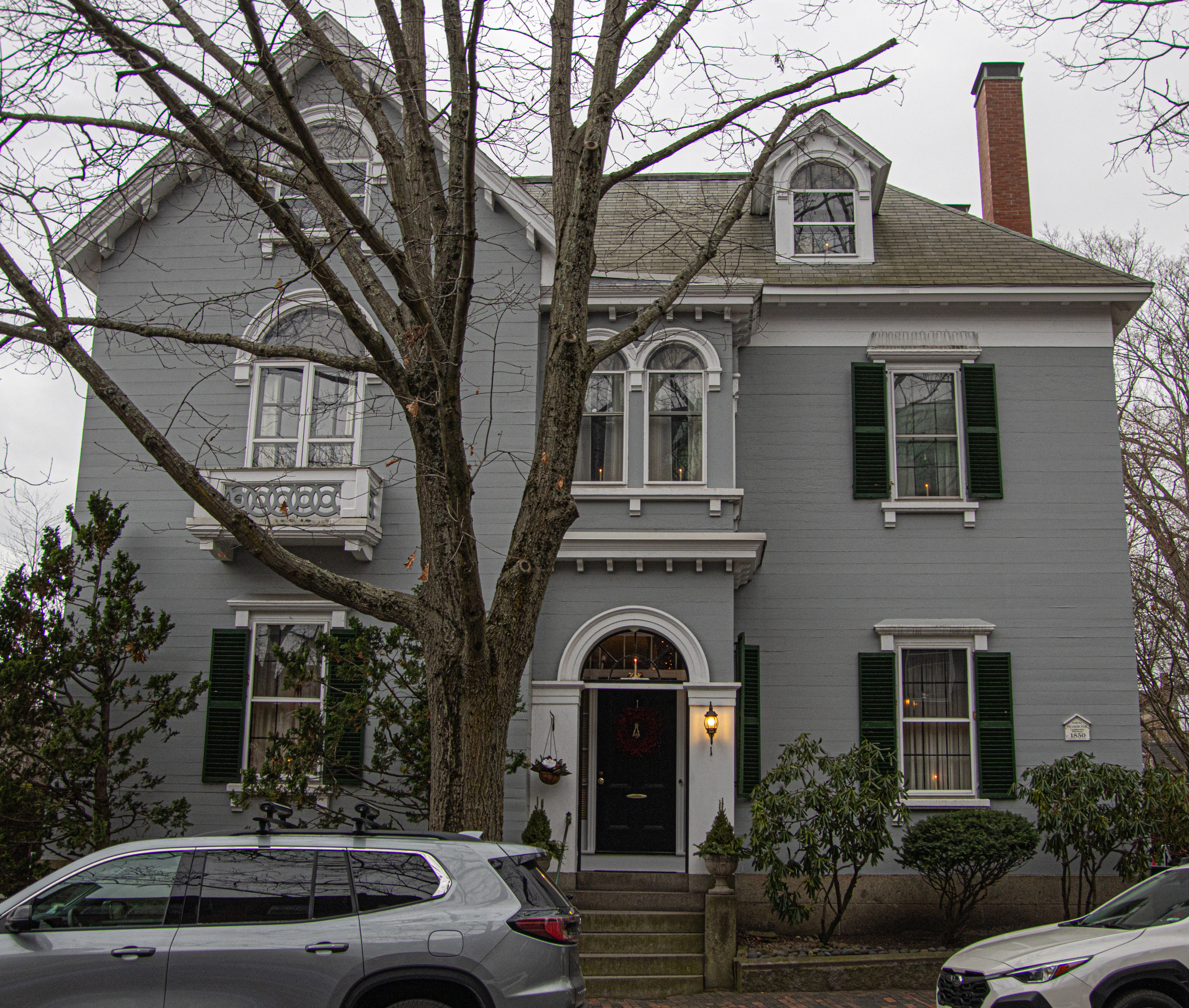
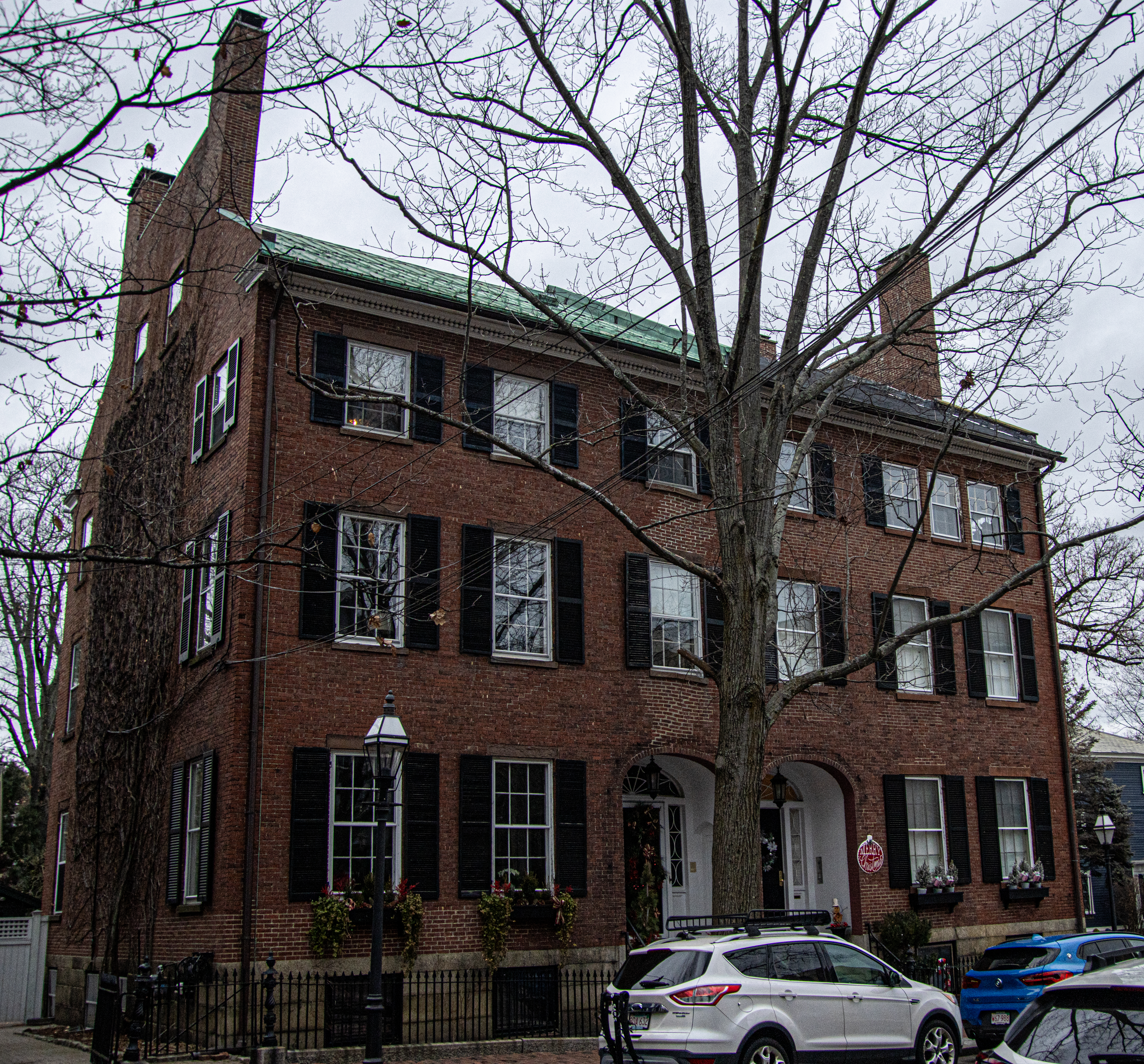
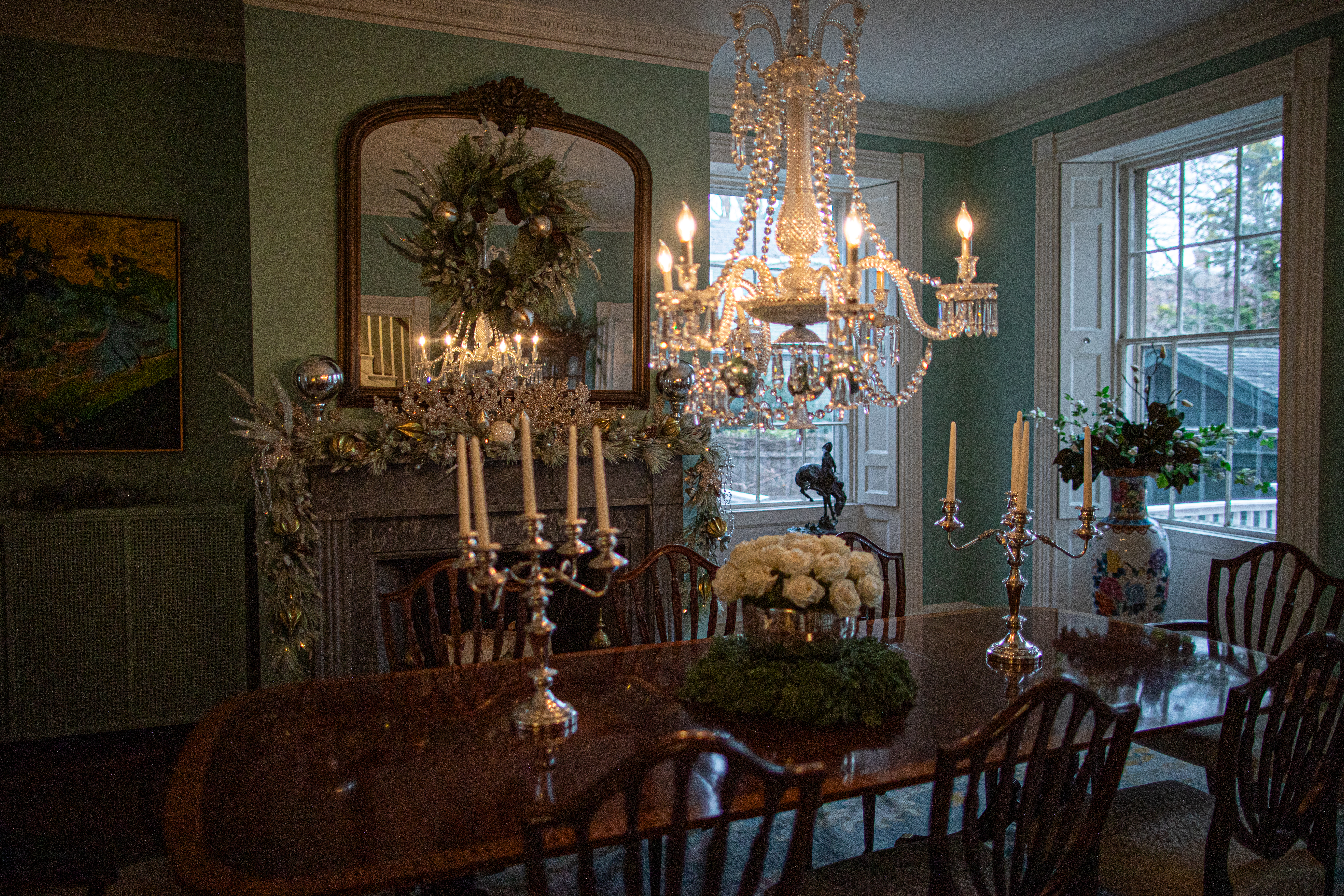
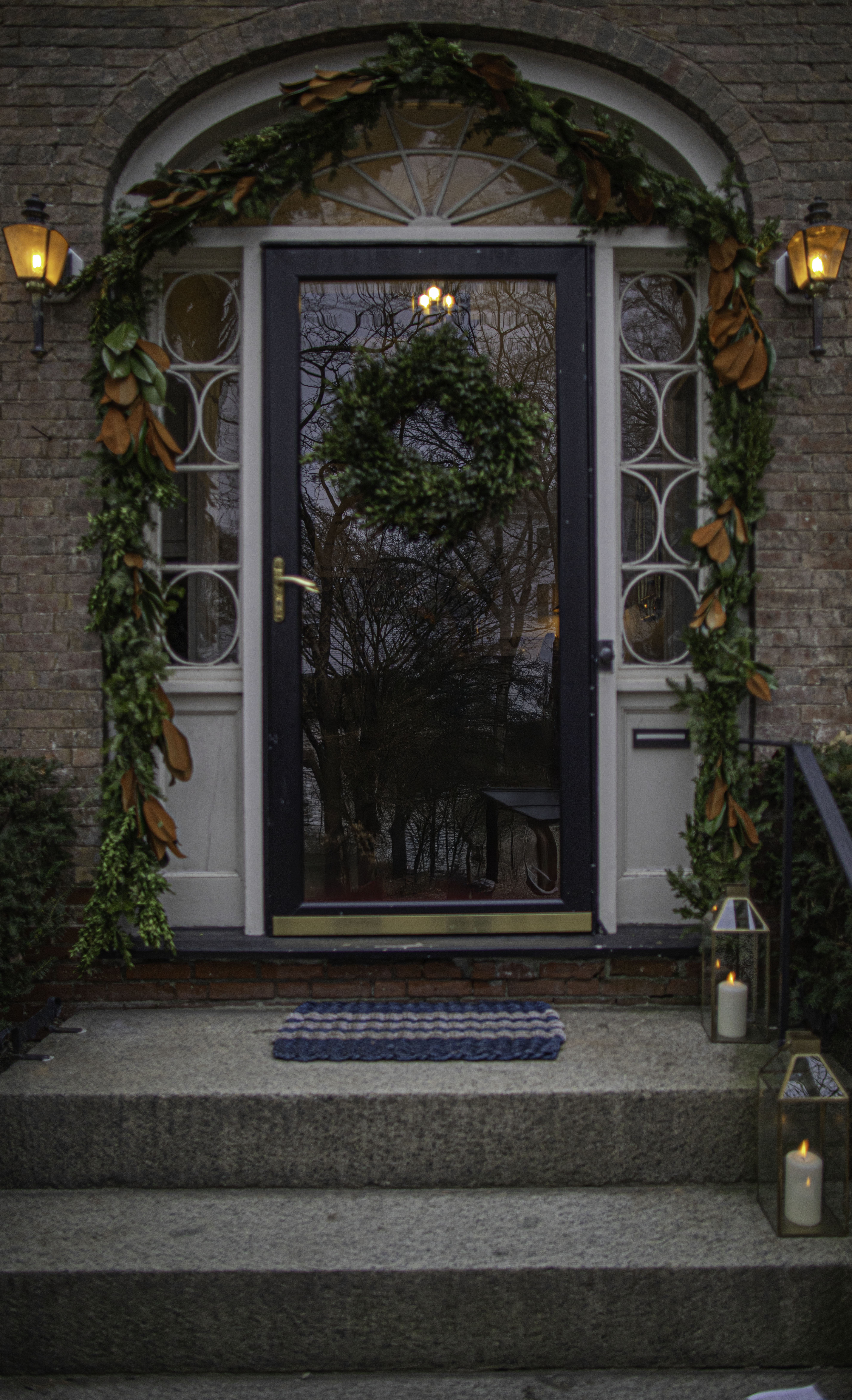
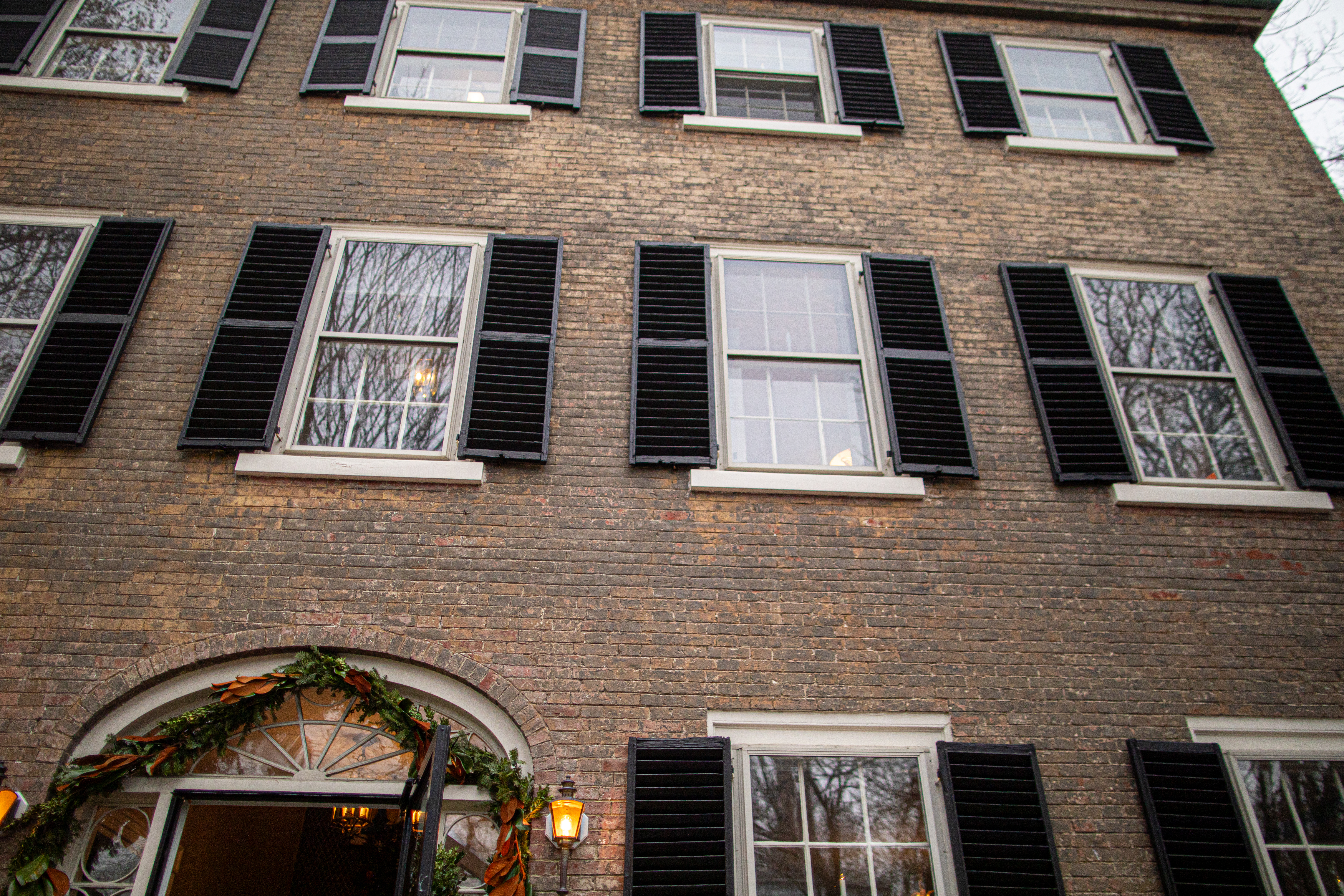
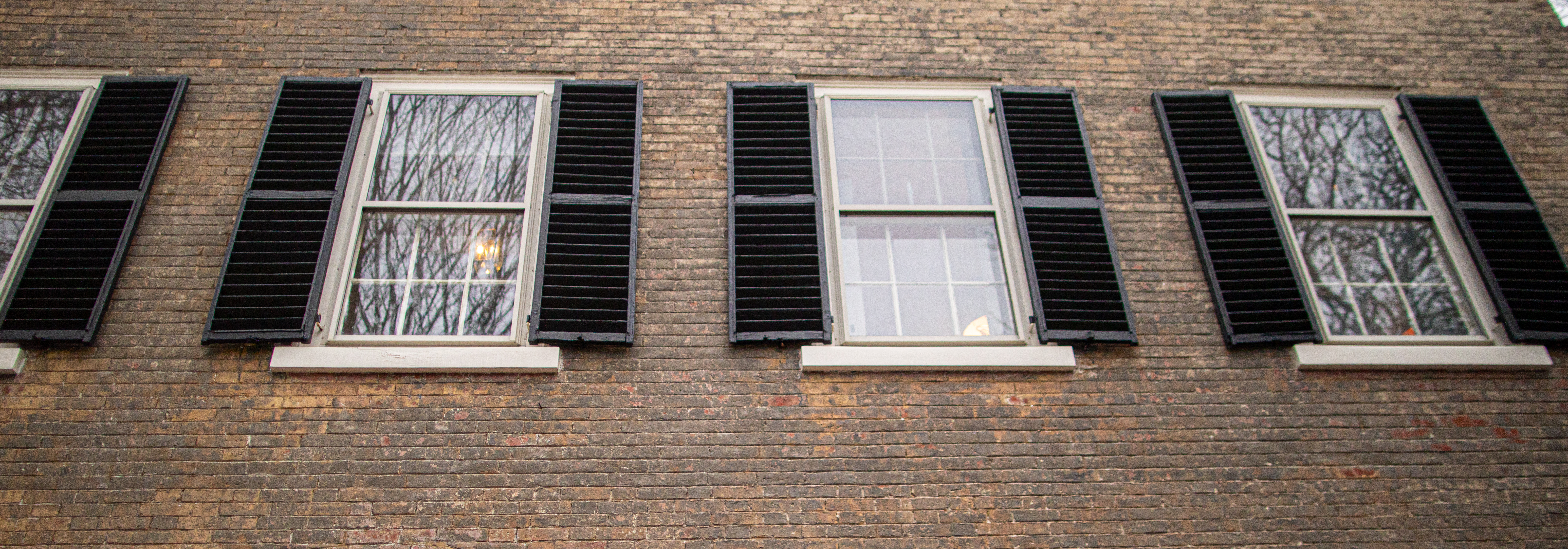
John Stone, a third generation distiller and a deacon in the First Unitarian Church in Salem, MA, built this three story brick double row house in 1827 on the former site of Mrs. Dowst’s Candy Store. An example of the late Federal style, the house boasts a pair of interior chimneys at either end and features semi-circular fan lights over the front doors as well as symmetrically placed windows along its facade. Of note are the somewhat unique two separate, recessed, semi-elliptical arched entrances located in the center two bays of the block, so that each townhouse appears as a mirror image of the other.

The Stone family resided in townhouse #4, the western, or left, side of the two residential units, until 1839 when the building was acquired by Stone’s daughter Lucy and her husband, Salem merchant, John Robinson. Because of their long-time occupancy of the eastern half, the house was often referred to as “The Robinson Block.” After the Civil War the double dwelling became known as “The Studio” when Salem artists Frank Benson and Phillip Little rented the studio space in it. In the 1880s the property was leased by two physicians. Then, in the early 1900s, the east side of the property (#2) housed Miss Howe’s School.

All joining walls and doors between the two units were closed off in 1923 as #2 Chestnut and #4 Chestnut Street were sold as individual properties. The house at #4 Chestnut St was designated a Massachusetts Historic Landmark in 1969.
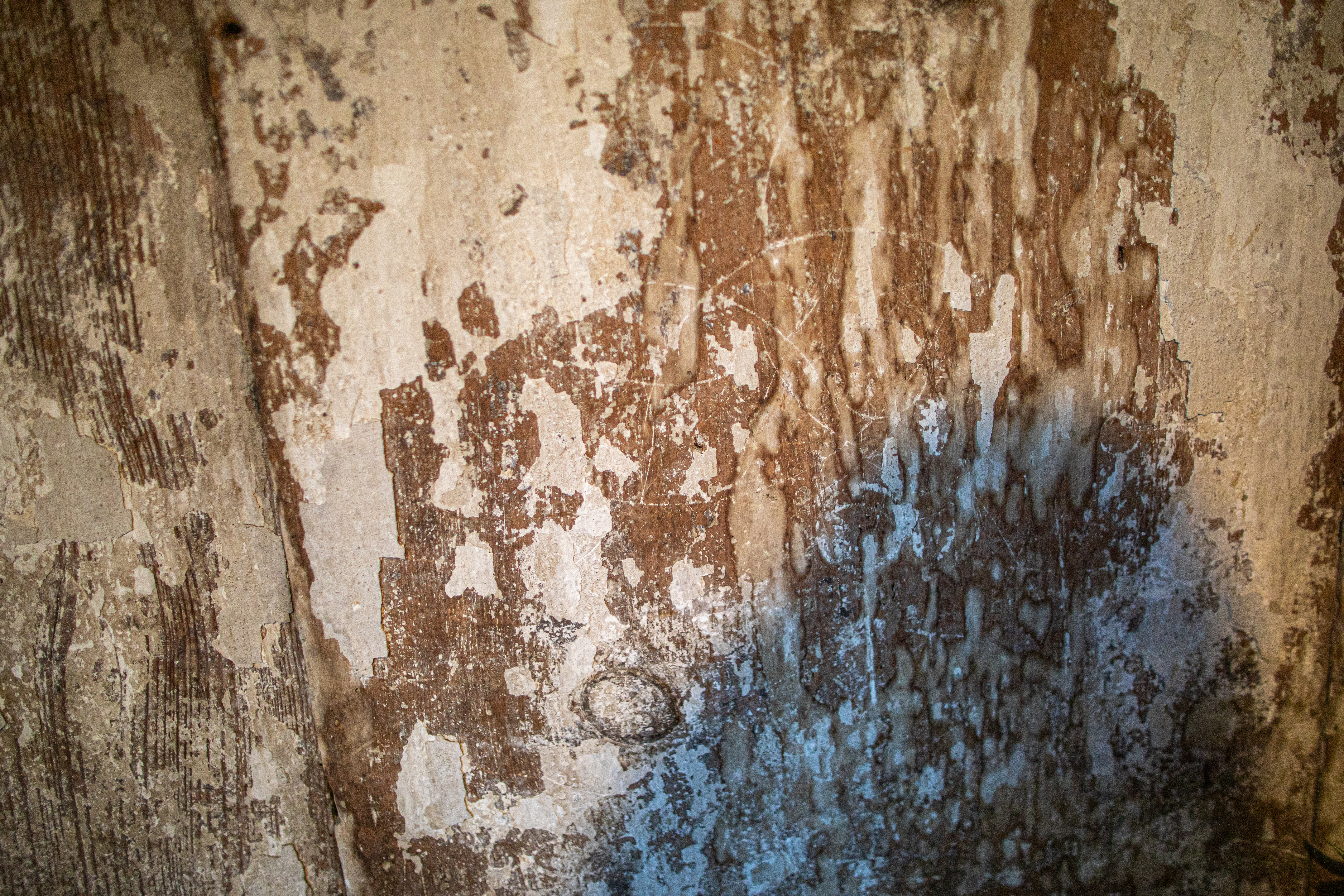
So, as you can see, the home has a rich history, no pun intended, and has gone through quite a lot of changes over the years.

Fun fact: Chestnut St is the widest street (by a few centimeters) in Salem, MA (ironically, it’s also a one way street) . So, take that Essex St! Now, you have something to talk about at dinner parties and blind dates.

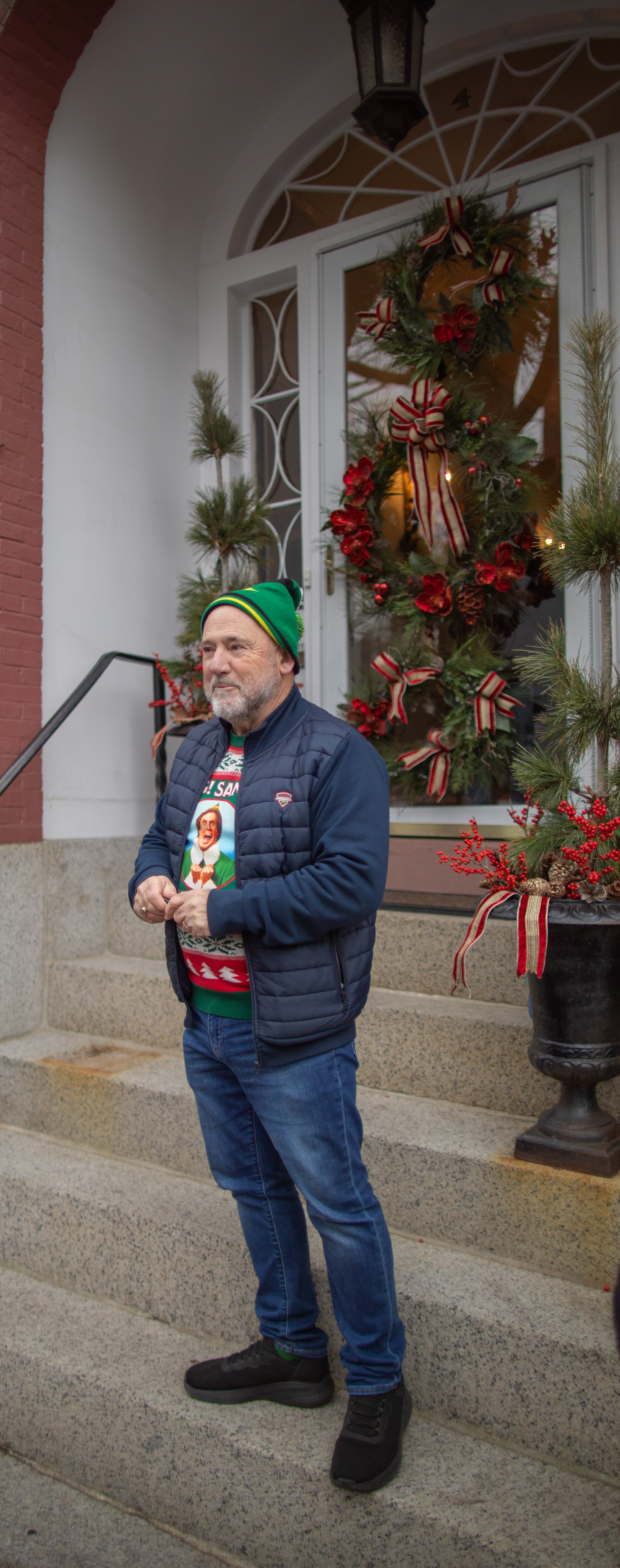
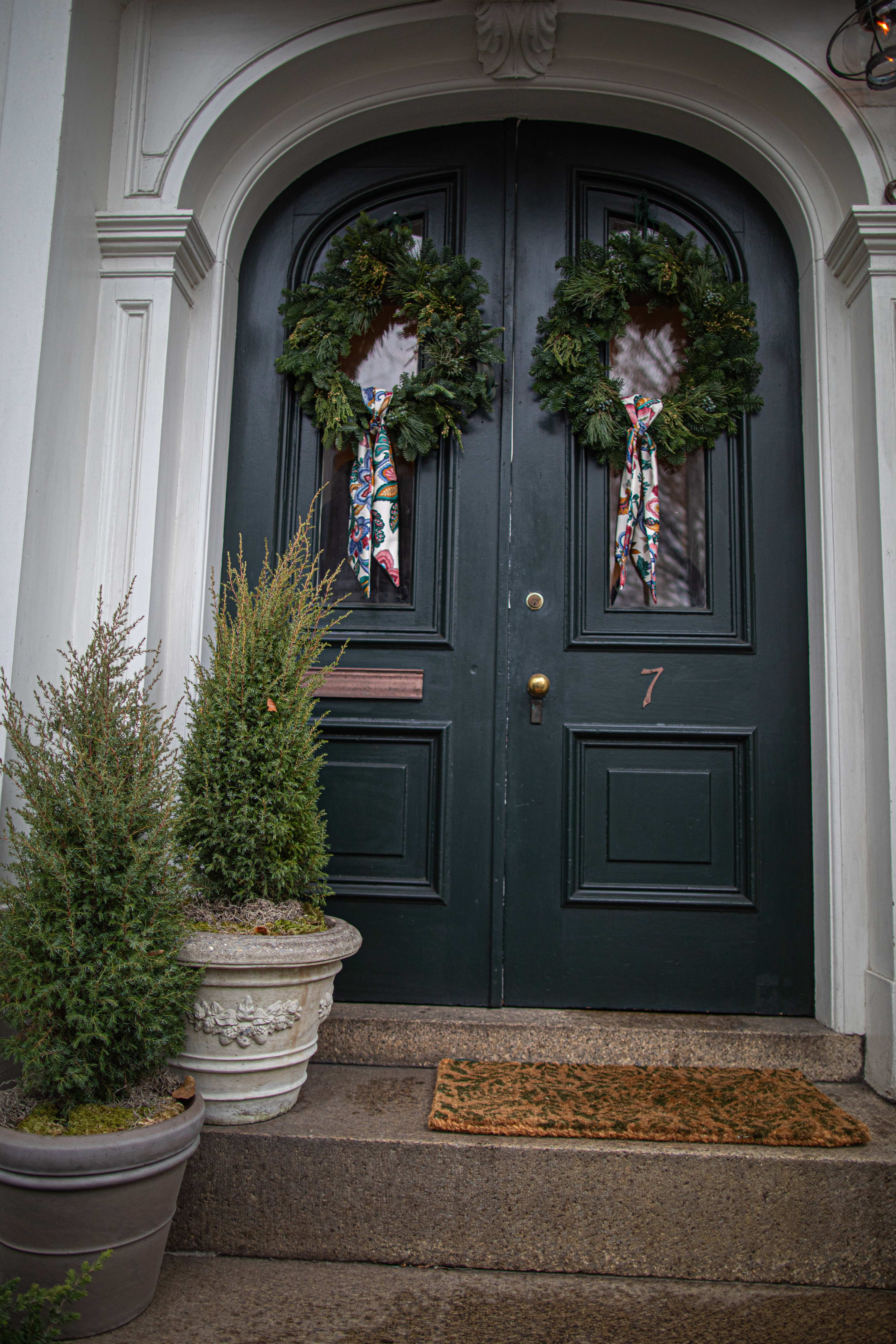
The charming home on 4 Chestnut is actually a two on the corner of Chestnut St. One of the tour guides gave a brief background and history of the home in front of a very festive front door.

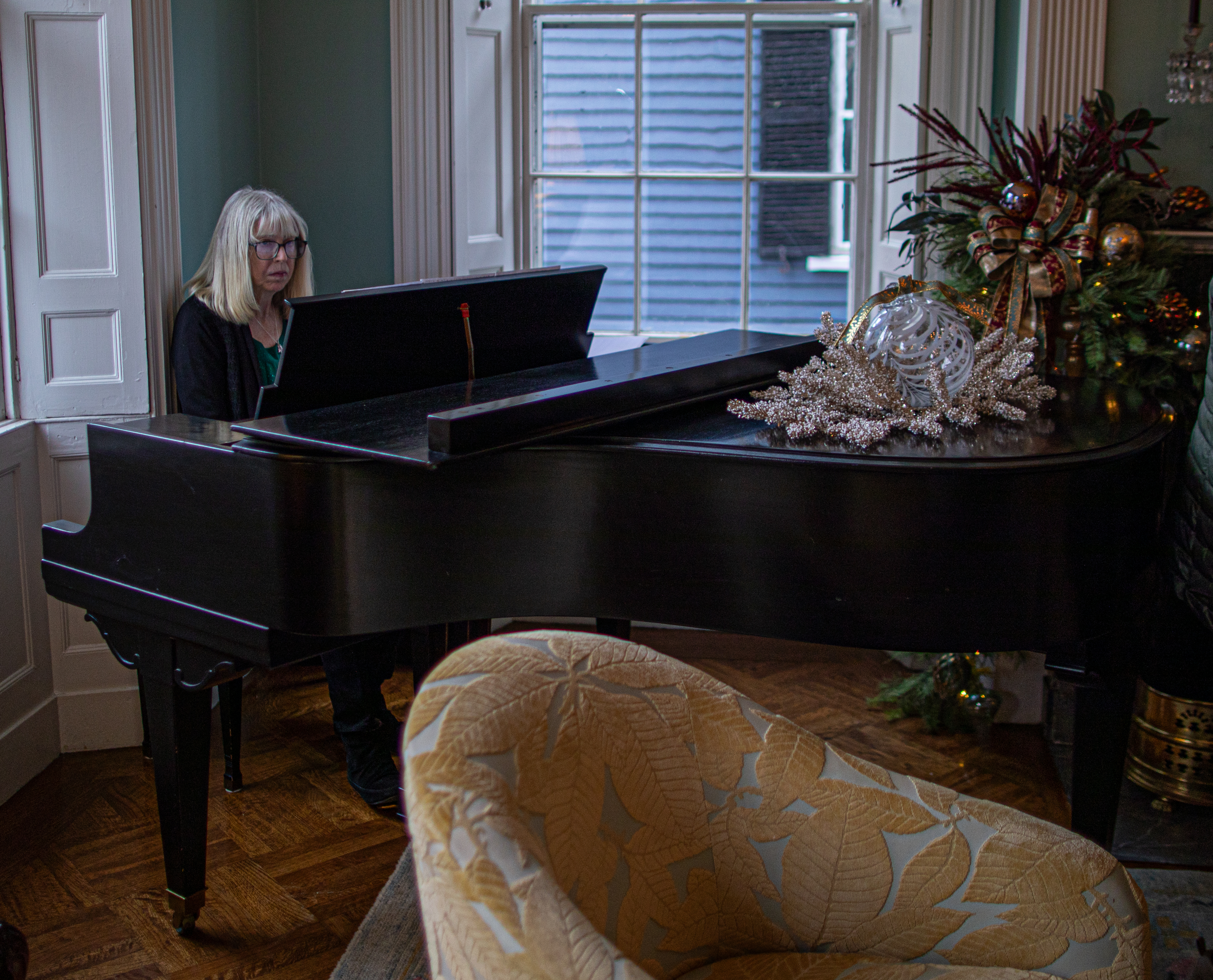
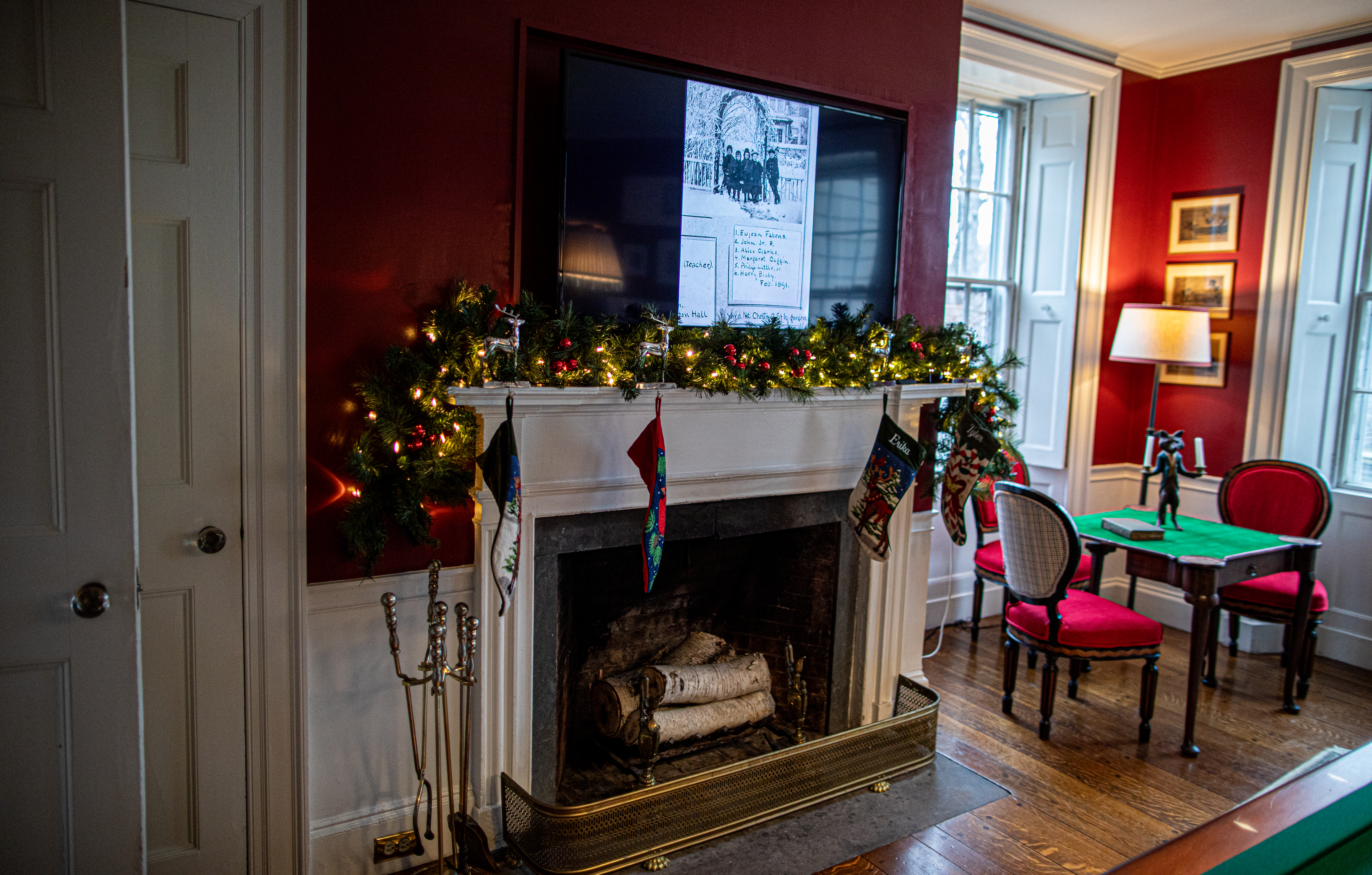
A pianist played traditional Christmas music in the living room.

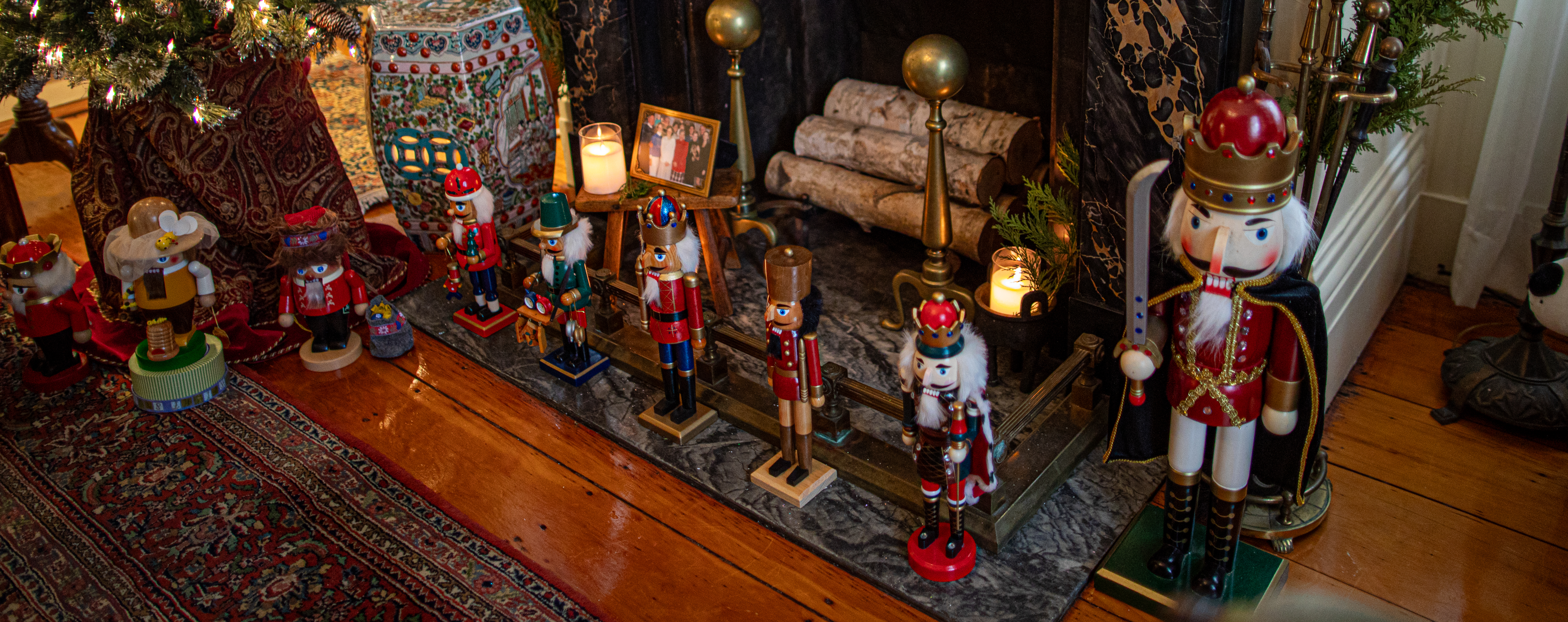
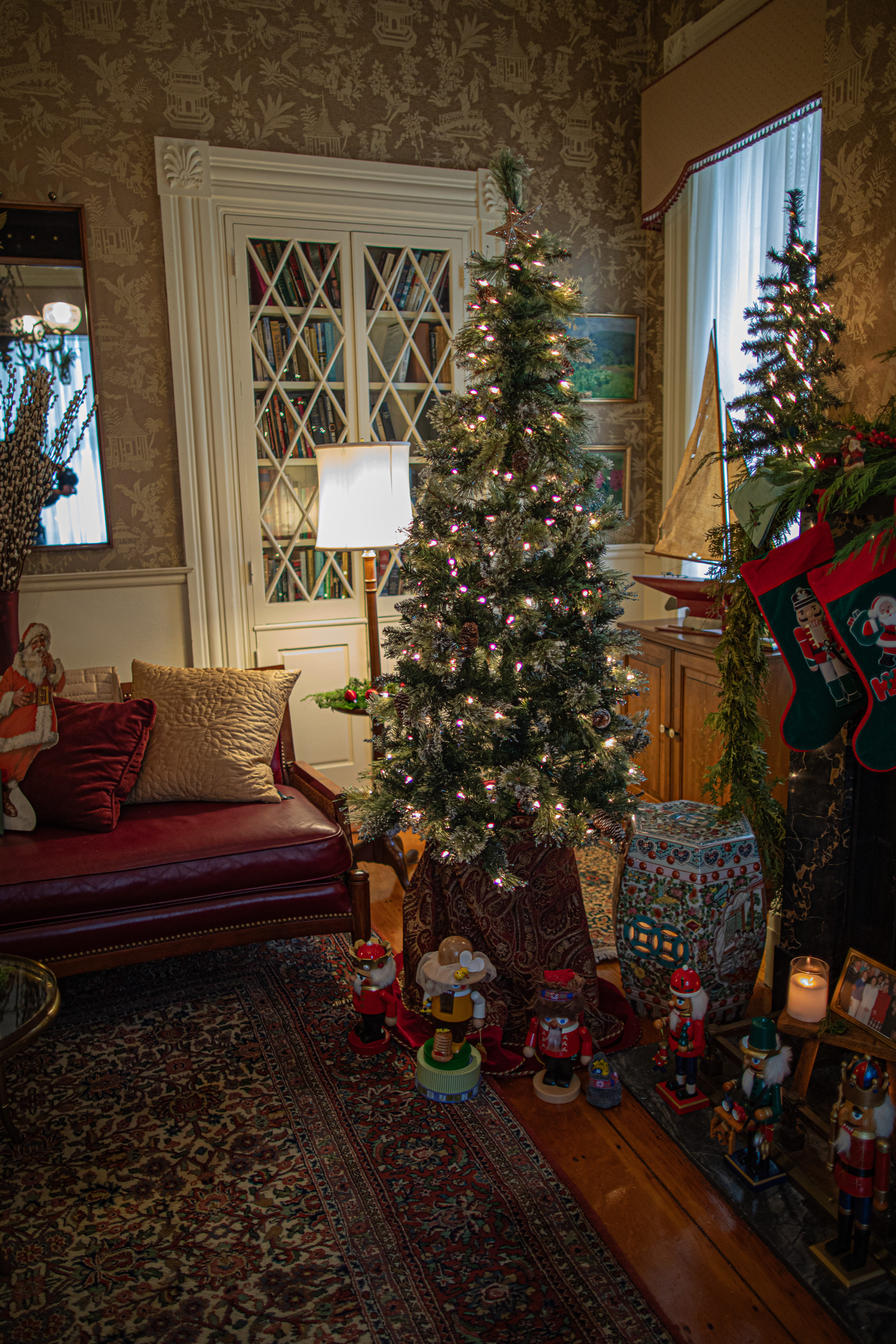
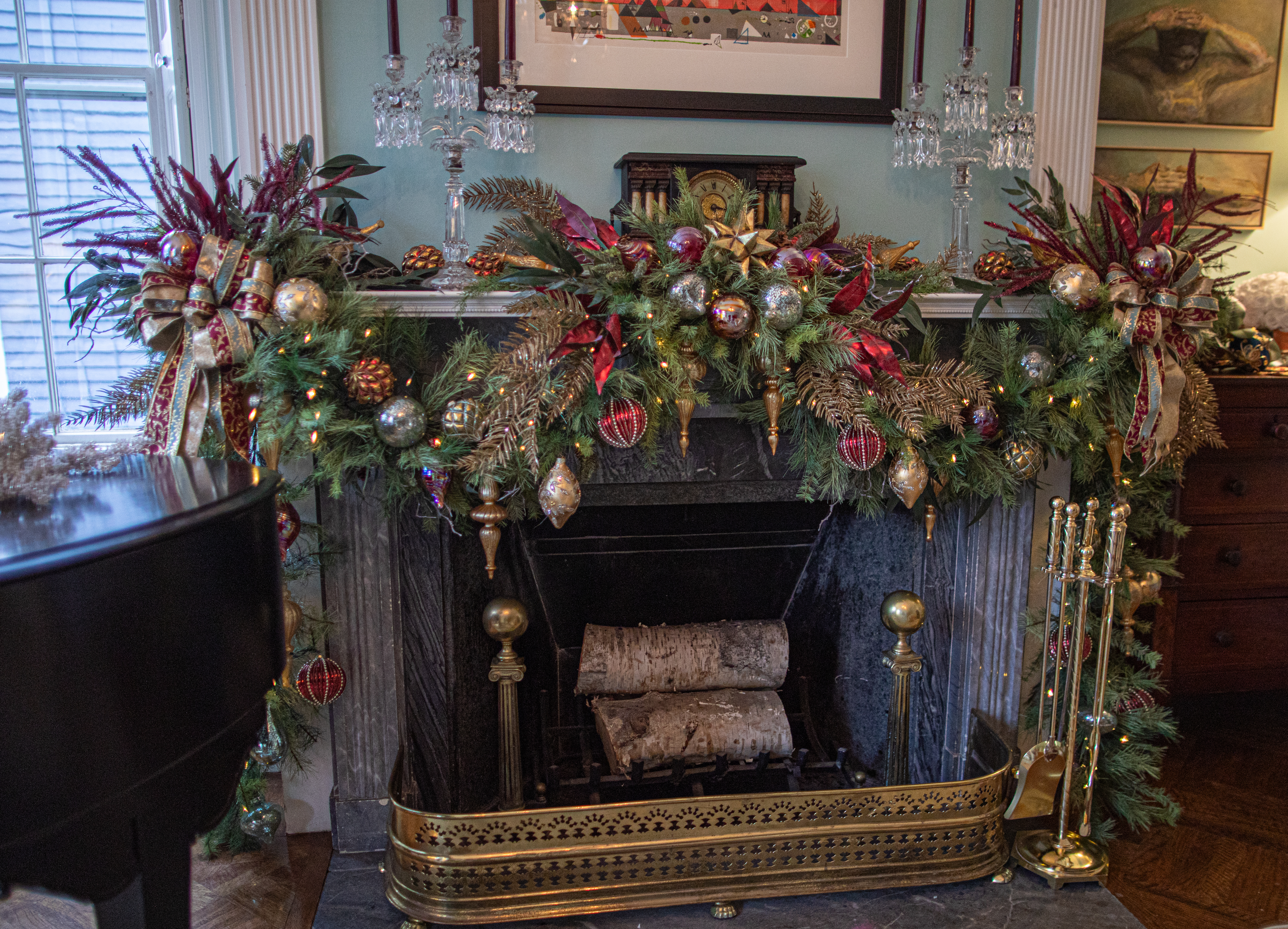
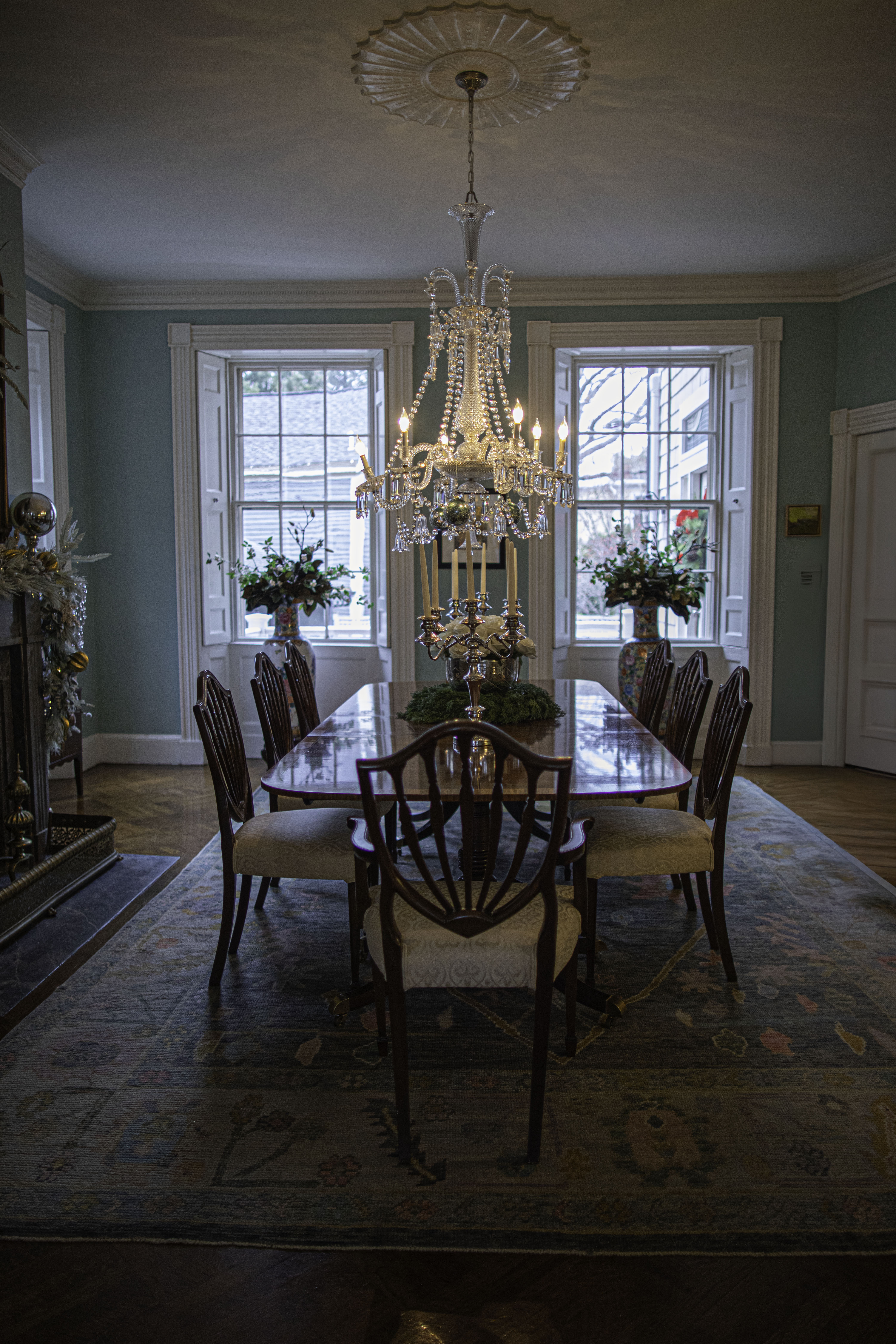
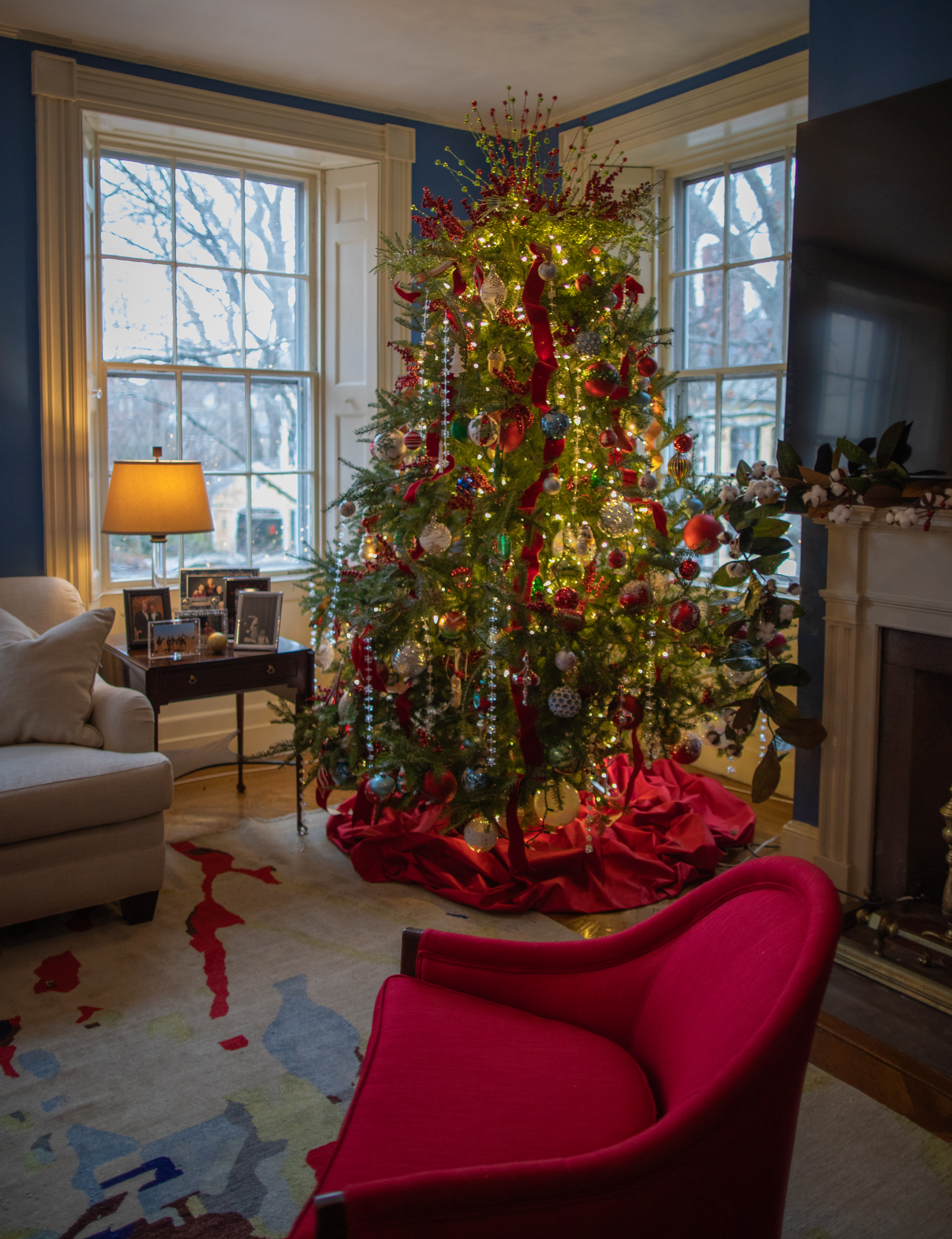
The living room was designed by an interior designer from Atlanta. Of course, it was dressed up for the holidays.

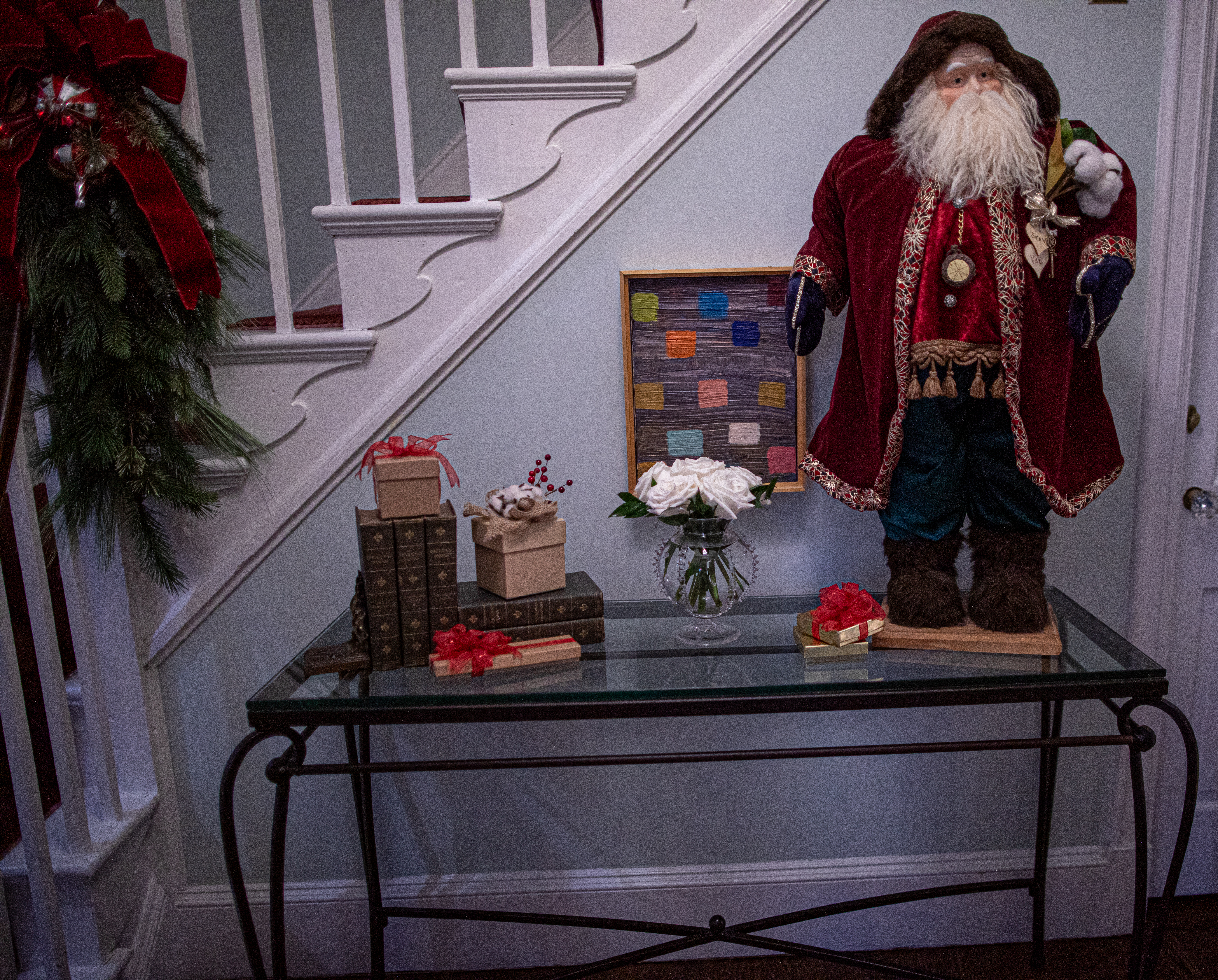
As an added bonus, the Deacon John Stone home, one of a few he owned on the street, was the only home on the tour where they allowed you to visit the second floor.

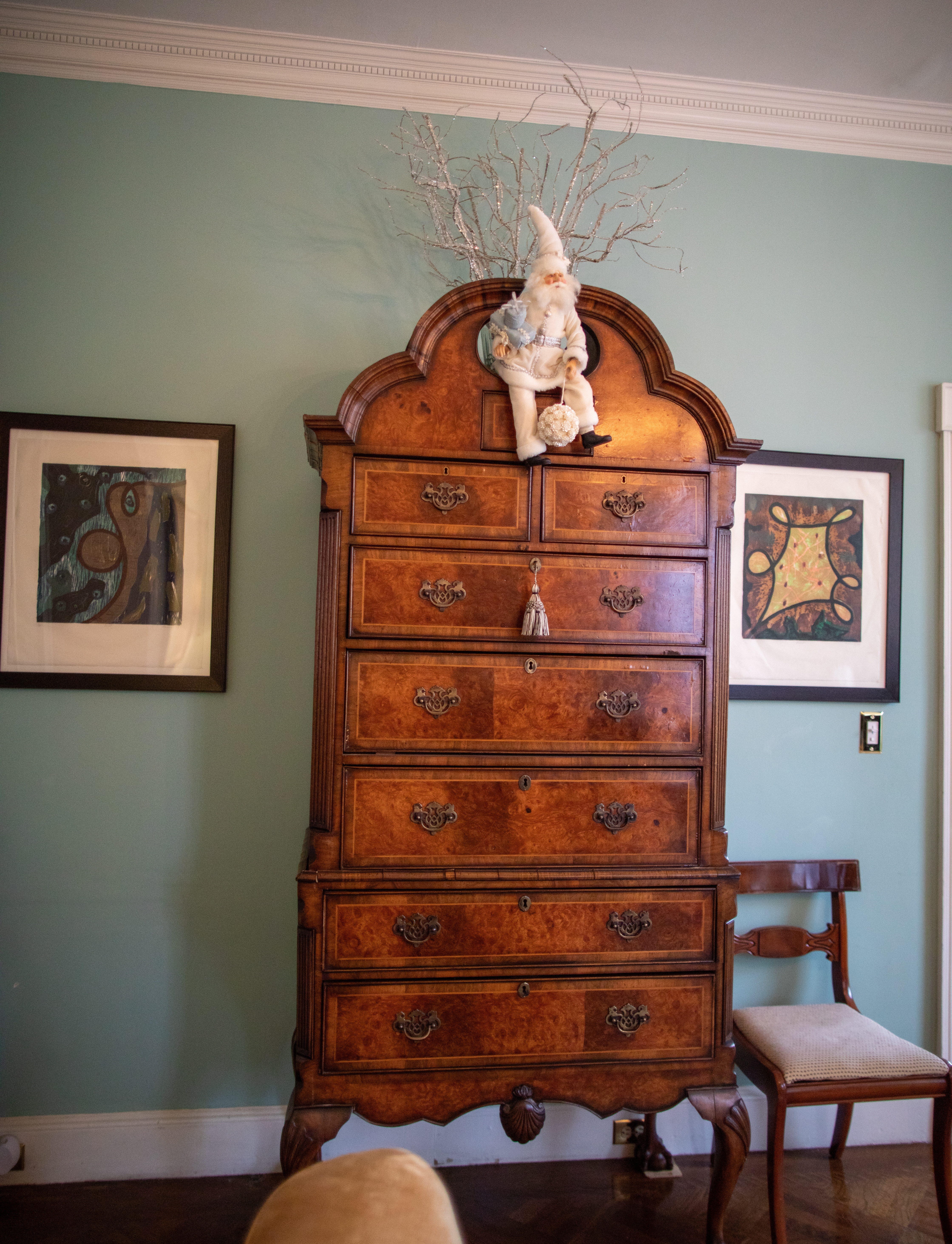
The second floor had a game room with a pool table, elegant furniture and lots of photos and memorabilia on the walls.

I feel like I say this about every house I tour, But, 4 Chestnut St was a beautiful home with lots of charm!


Christmas In Salem – Boughs And Blossoms – 7 Chestnut St – built for Deacon John Stone (Salem, MA)

Date Of Visit: December 6, 2025

Location: 7 Chestnut St, Salem, MA (about 30 minutes northeast of Boston, MA)

Universally Accessible: No

Cost: $40 per ticket ($50 if you purchase day of tour tickets)

Parking: There are several parking garages in Salem, as well as metered on street parking.

Summary: Home to Deacon John Stone, the home sat 7 Chestnut St had some impressive decor and many original pieces.

Built circa 1827 by architect William Lummus, 7 Chestnut St was commissioned by Deacon John Stone as a rental property while the Stone Family resided at 2 and 8 Chestnut St (the Deacon was doing very well for himself apparently). Early tenants included the Reverend W.R. Babcock, minister of the Baptist Church and, later, James E Sprague, the high sheriff of Essex County.

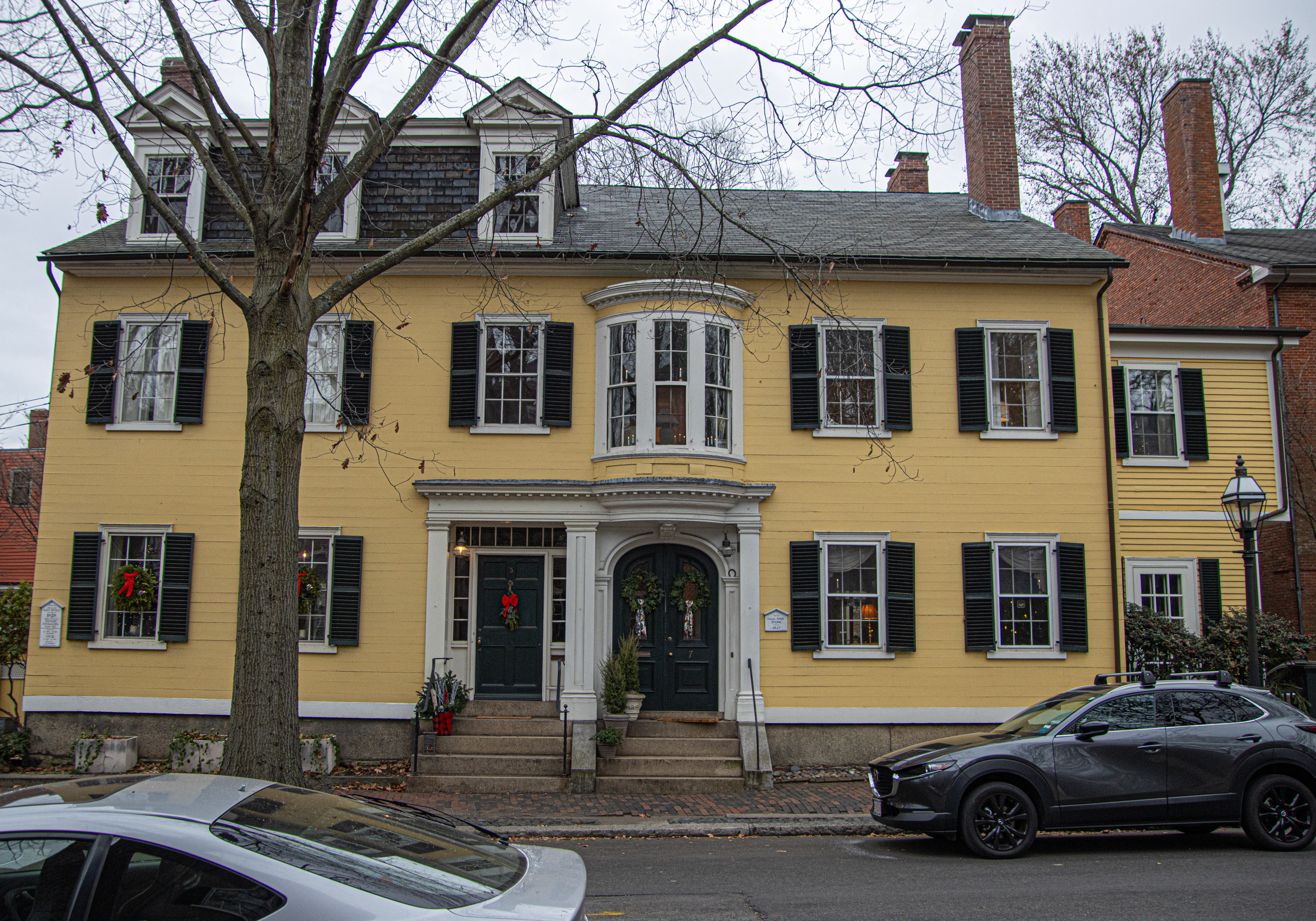
The house, located on the right side entryway, is known for both its yellow exterior and the asymmetrical double-house design – a rarity in its time. The left side of the house features 4/3 pane windows, dormers and a rectangular entryway, while the right side presents similar windows paired with an arched double-door entry. Above the entryway, a rounded bay window provides additional changes from the left side.

As mentioned above, the home has very unique characteristics from the outside. The exterior of the building was decorated for the holidays.

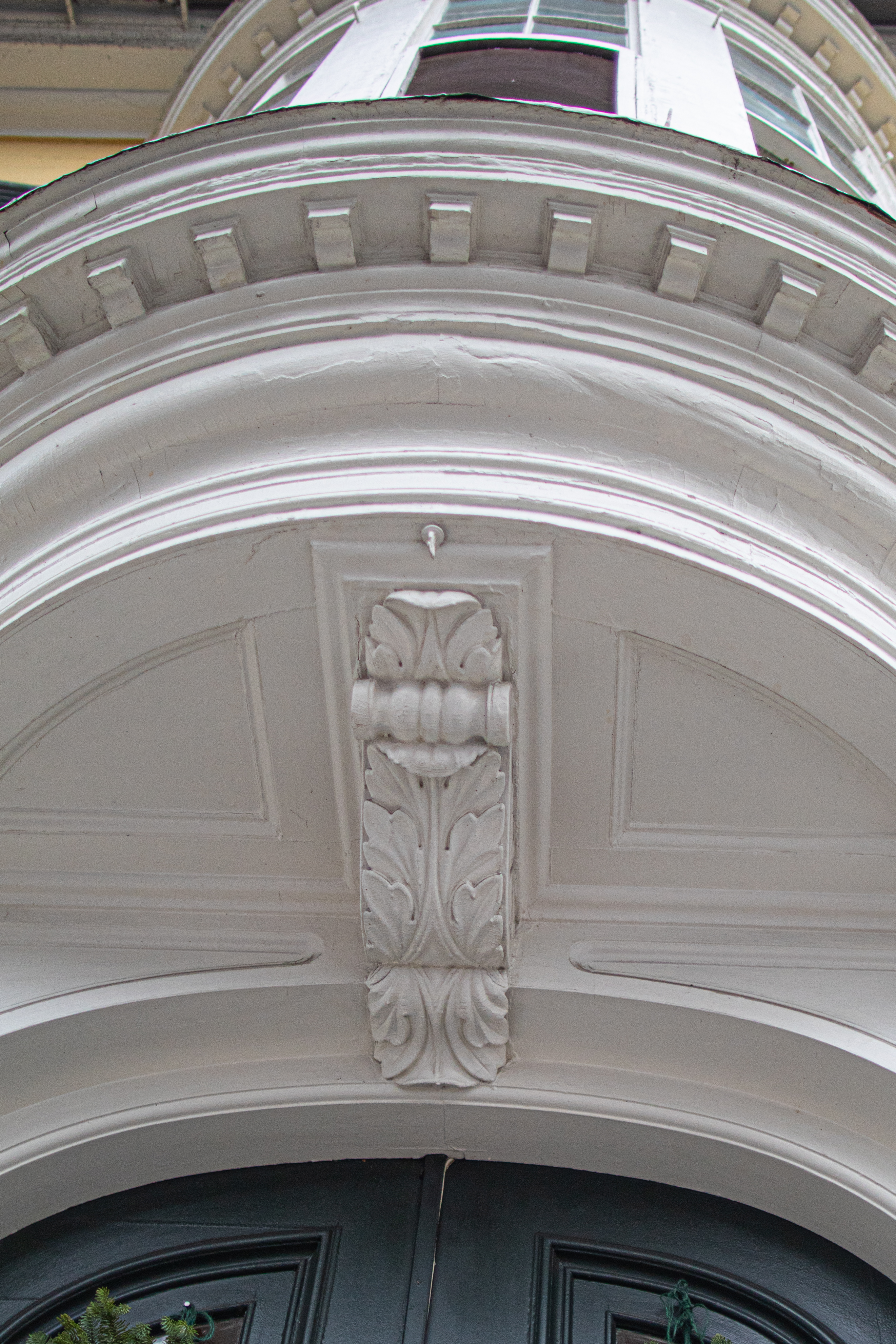
This decor above the door stood out to me.

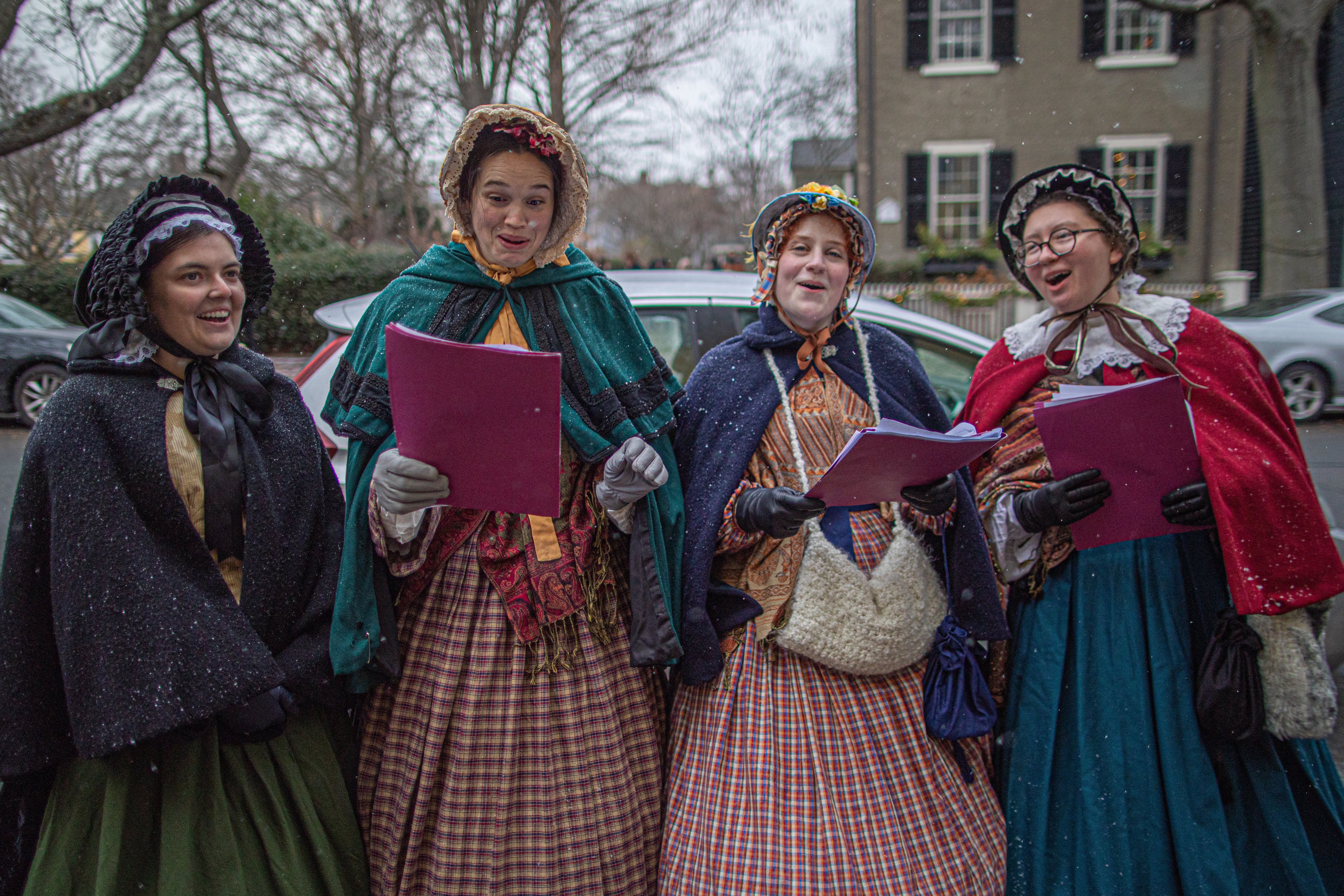
The line to get in to the houses can be long. So, we all took delight when these carolers stopped by. On cue, as the were singing, a light snow began to fall.

Eventually, we entered the home of Deacon John Stone, said to be the largest producer of rum in the area. The Deacon had his fingers in a lot of pots, apparently.

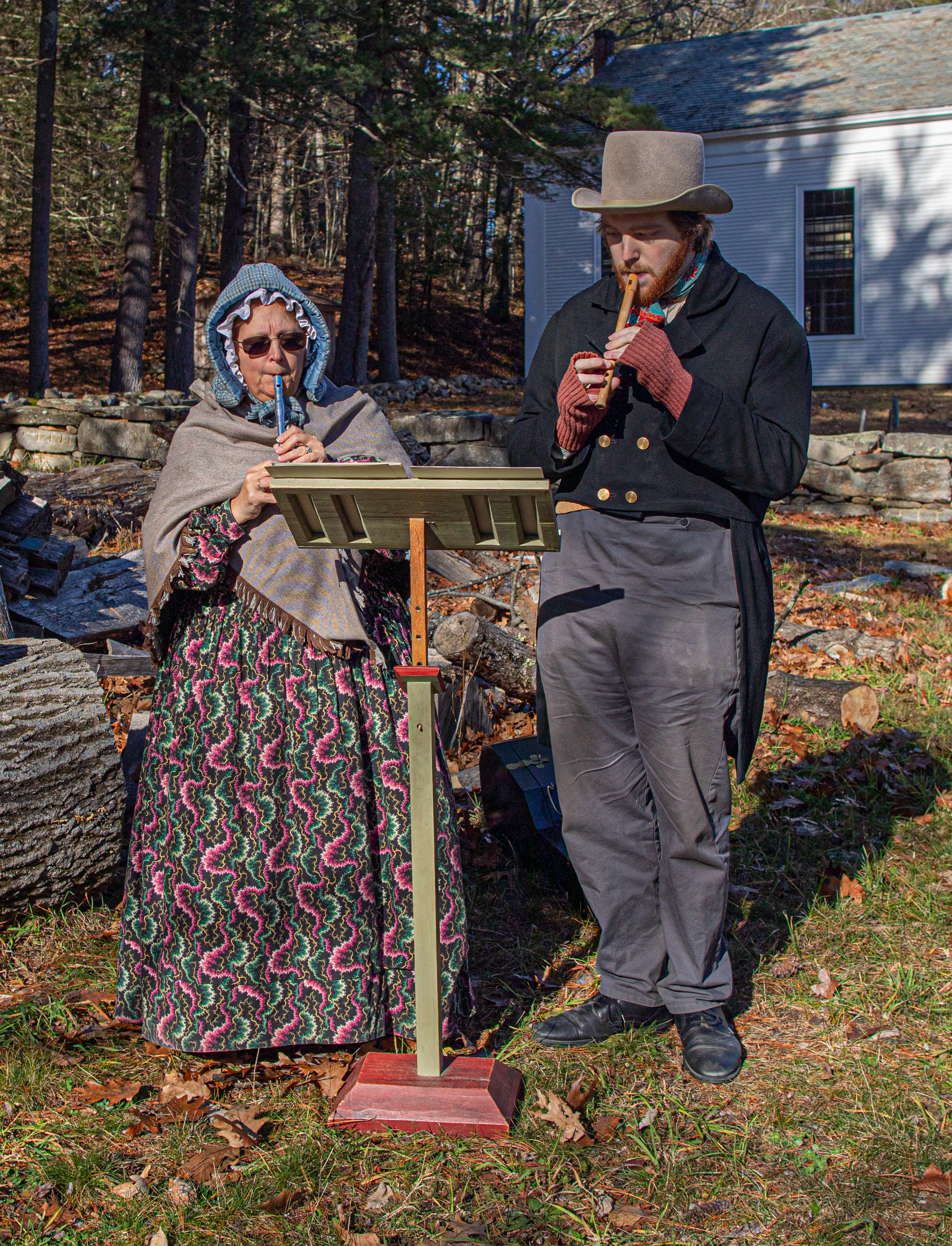
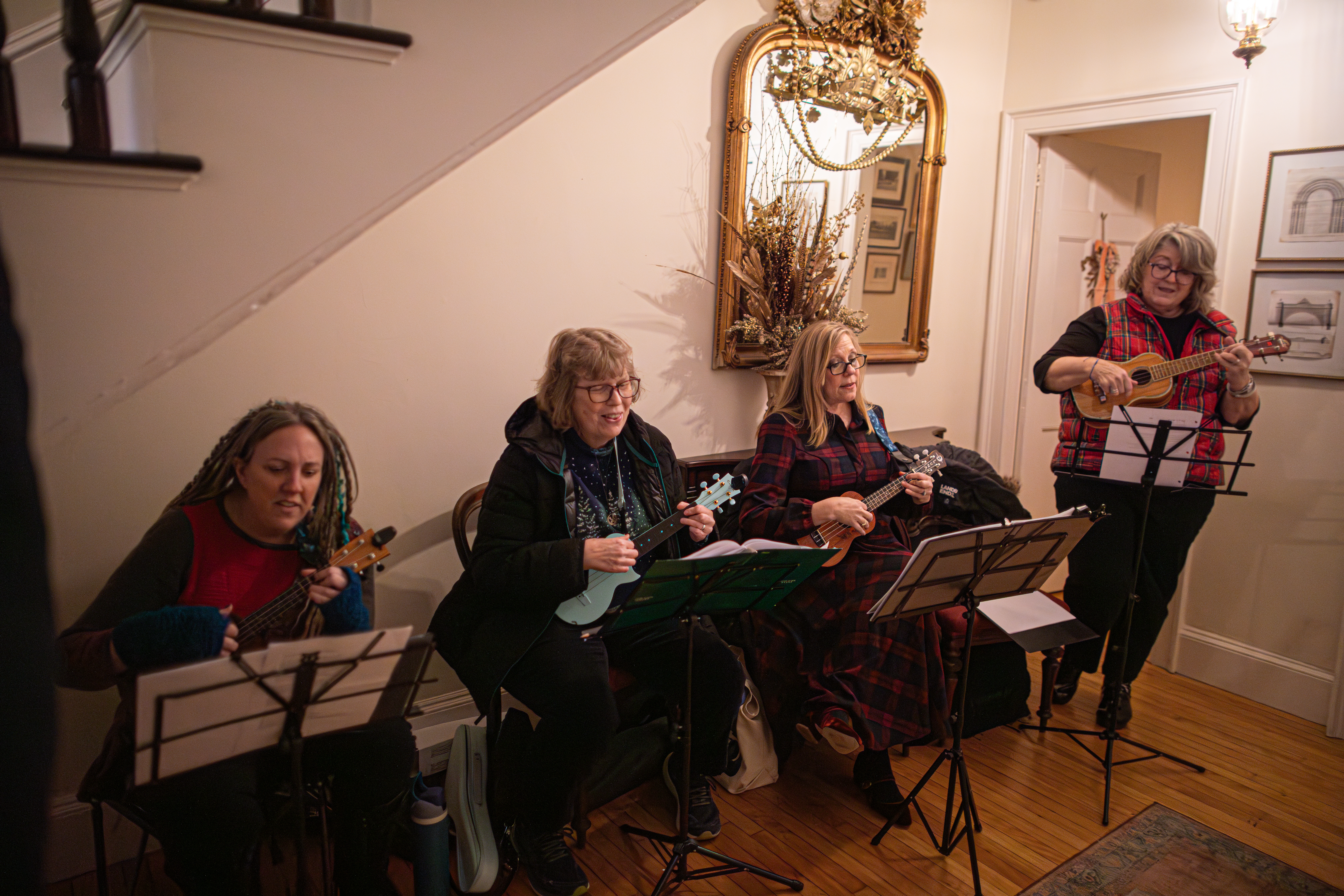
In the entryway, we were greeted by some musicians and signers playing holiday songs.

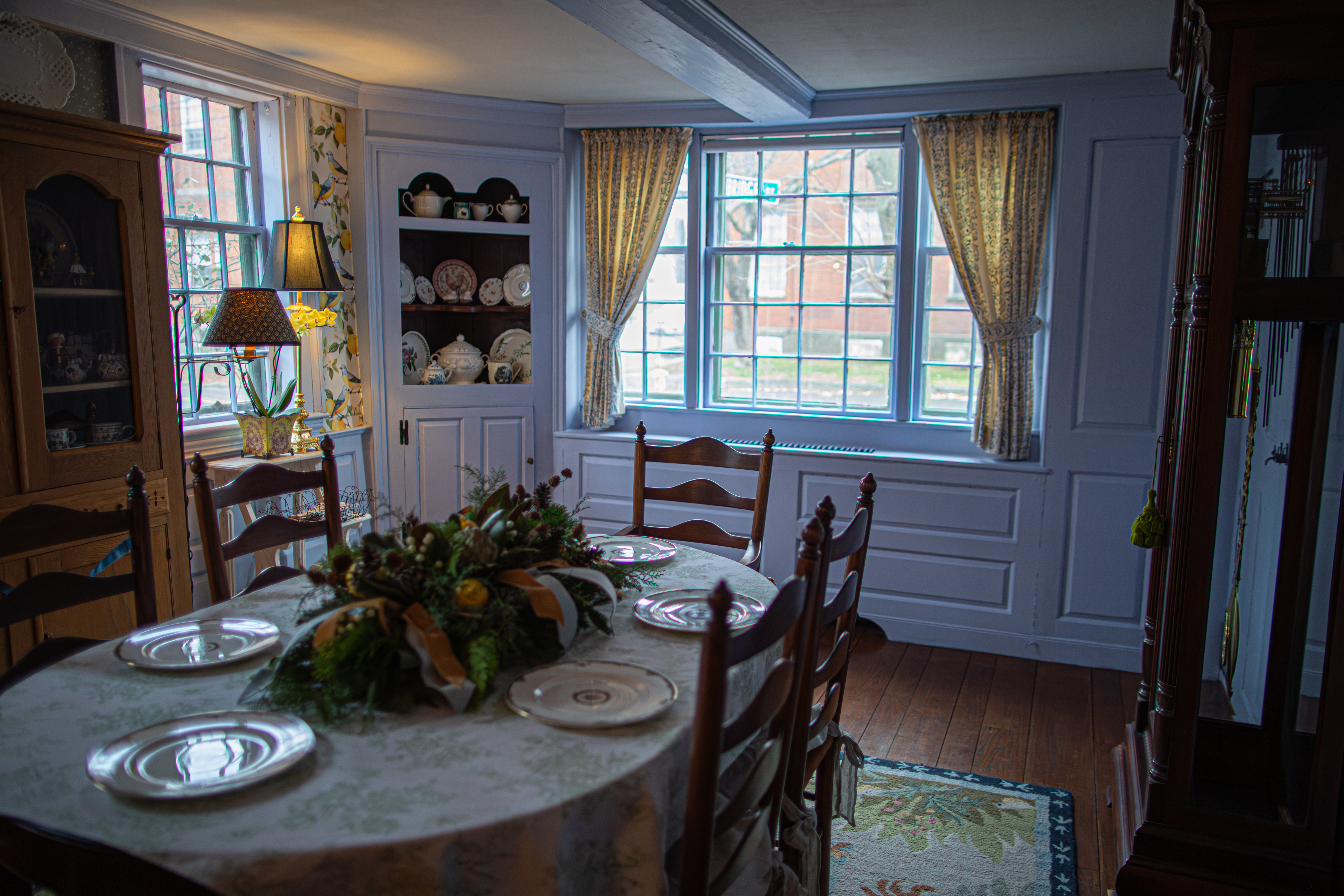
The home had a lot of vintage or original pieces.

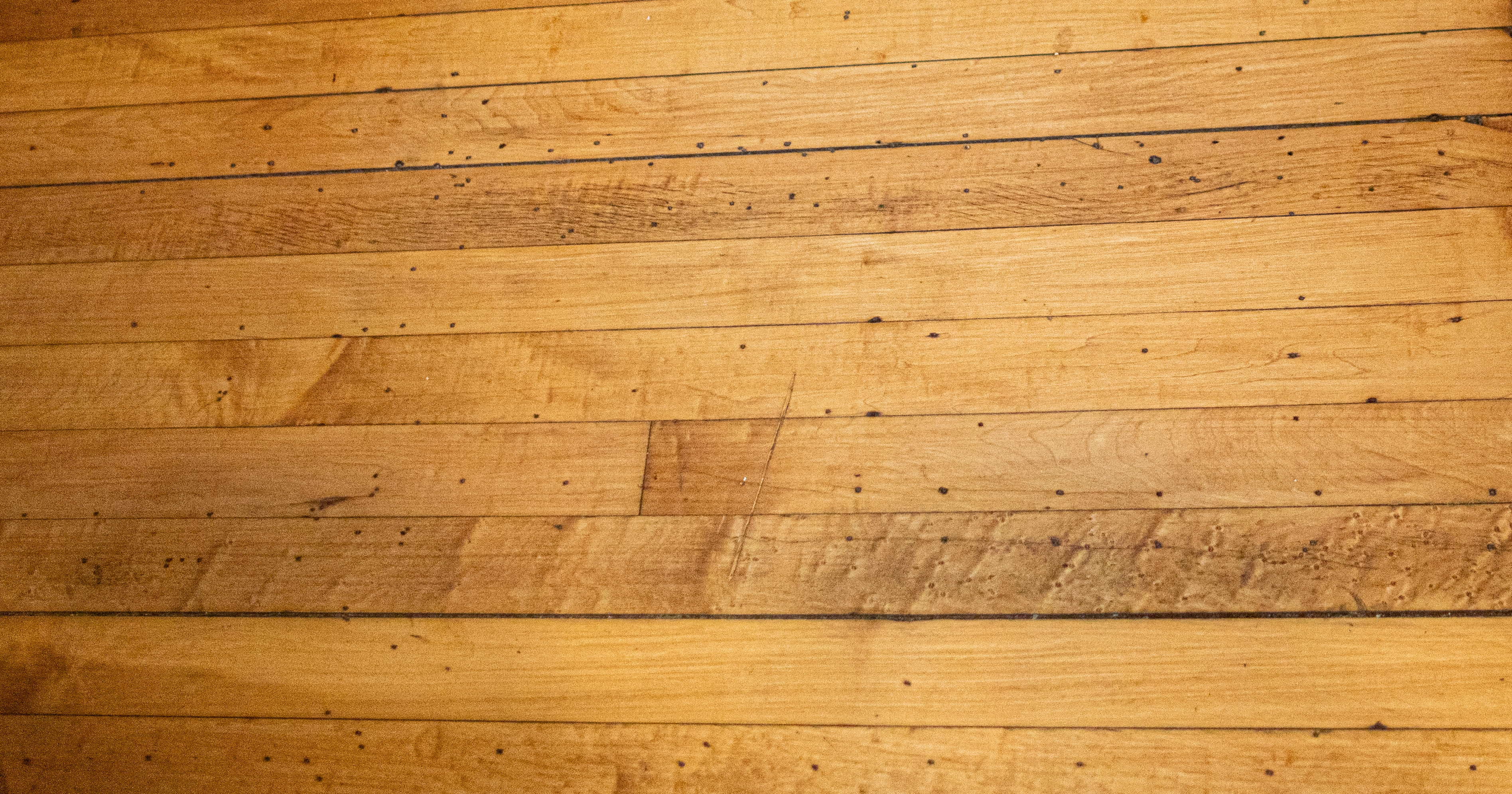
The floors were said to have been original to the home.

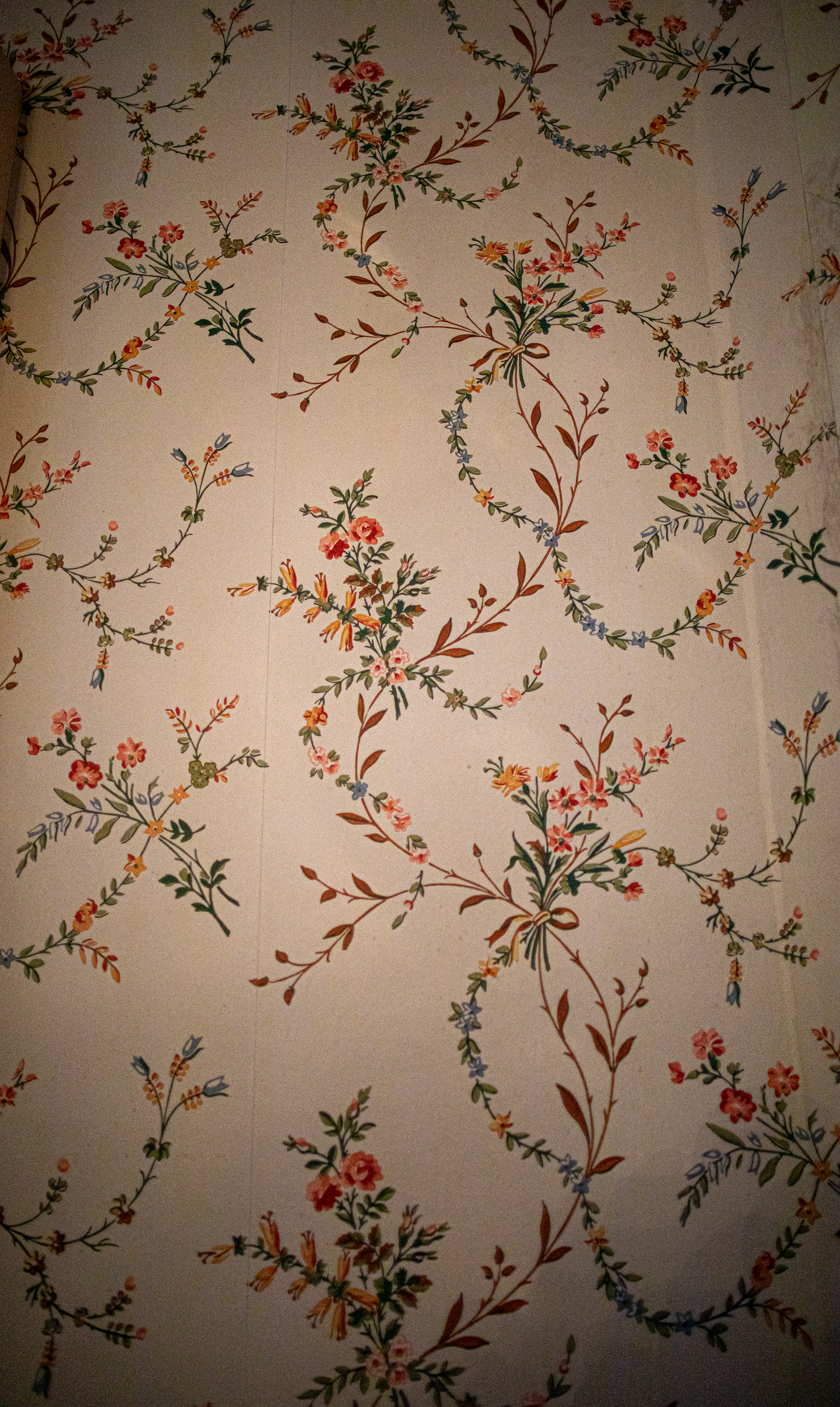
And the wallpaper was either the original or a replica of the original wallpaper. It never ceases to amaze me how the wallpaper on these homes have lasted so long, especially since people smoked in these homes in the past. I have to paint my walls every few years.

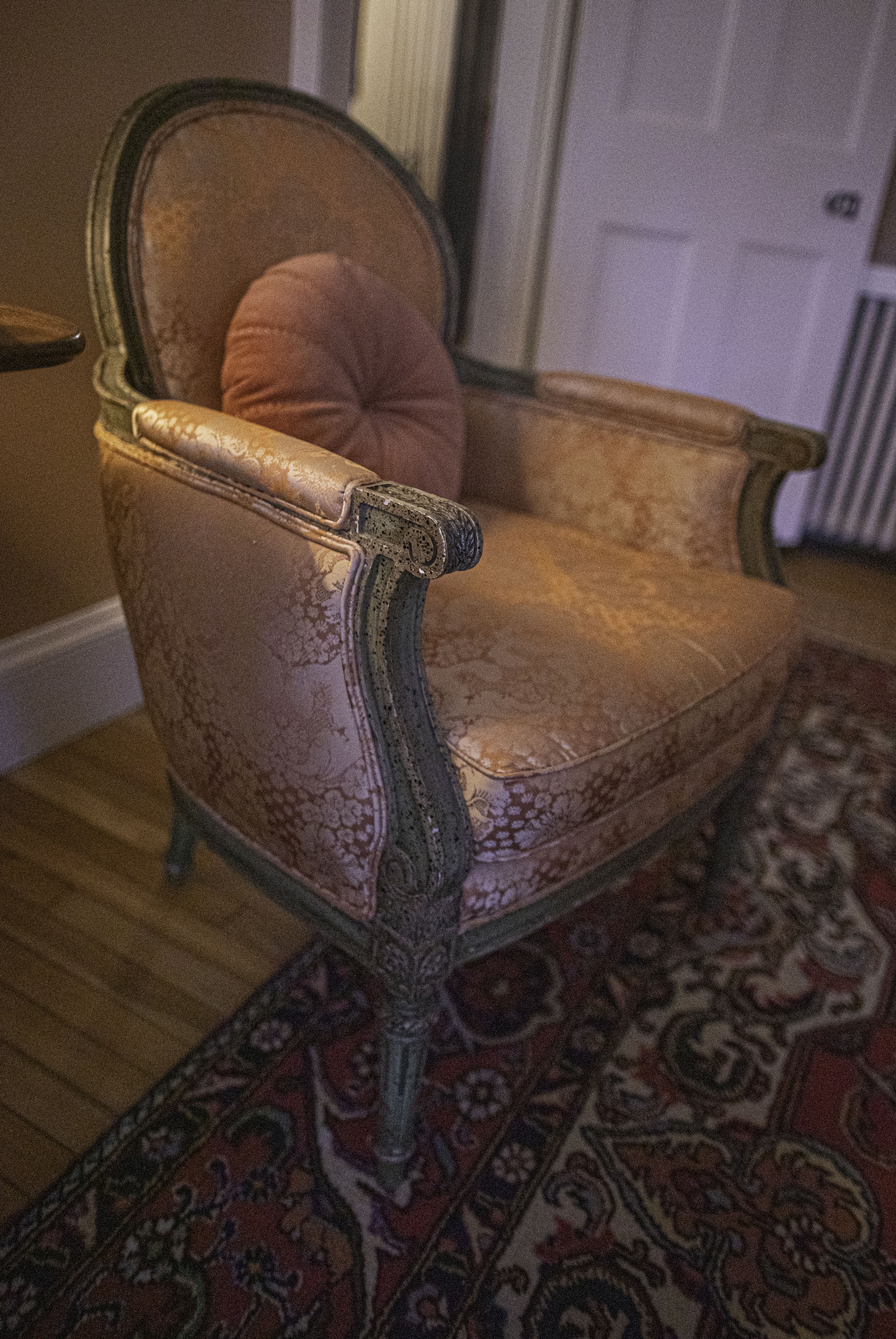
This Berger chair is a vintage piece that would have been common when this house was built.

And I thought my recliner was comfortable.

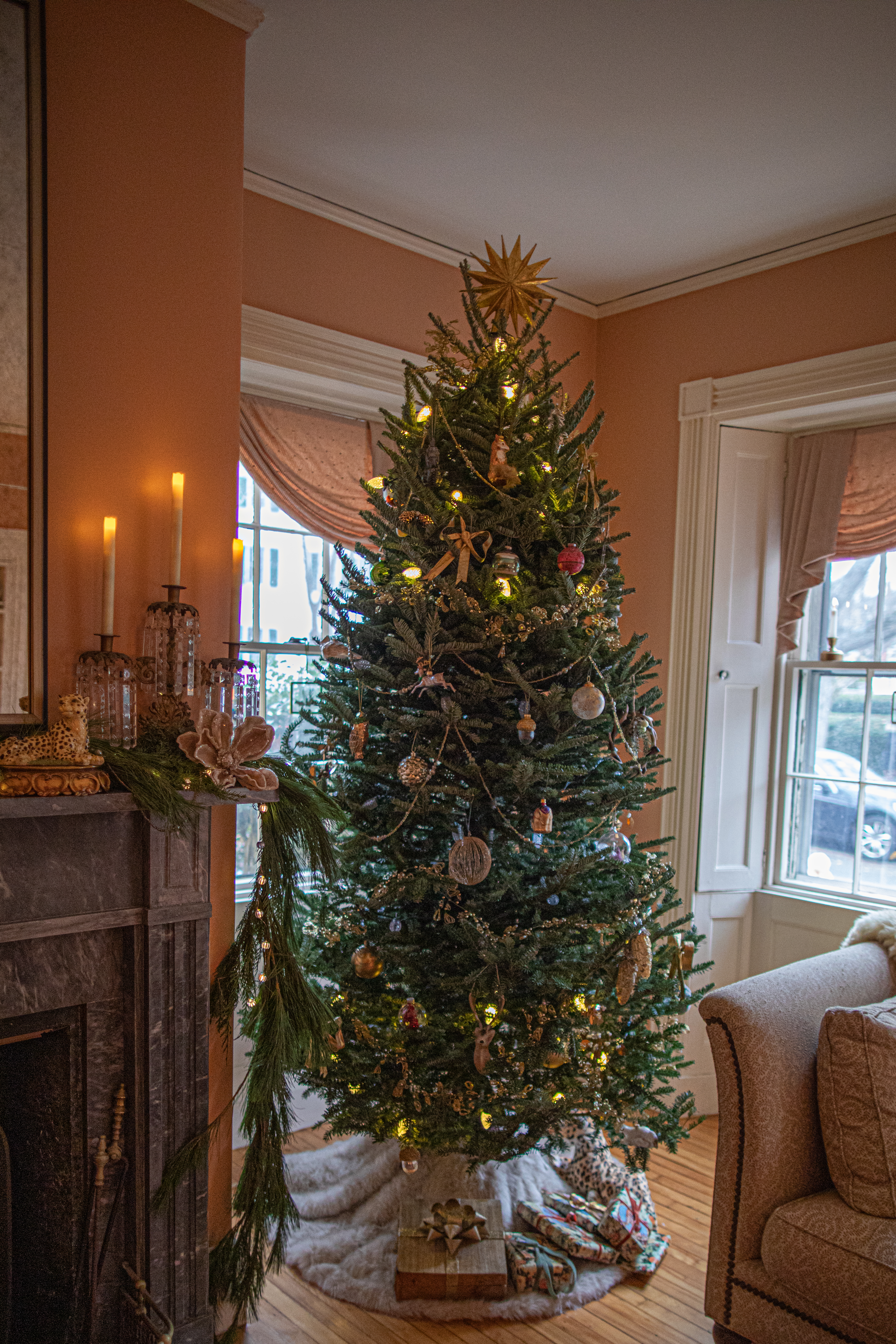
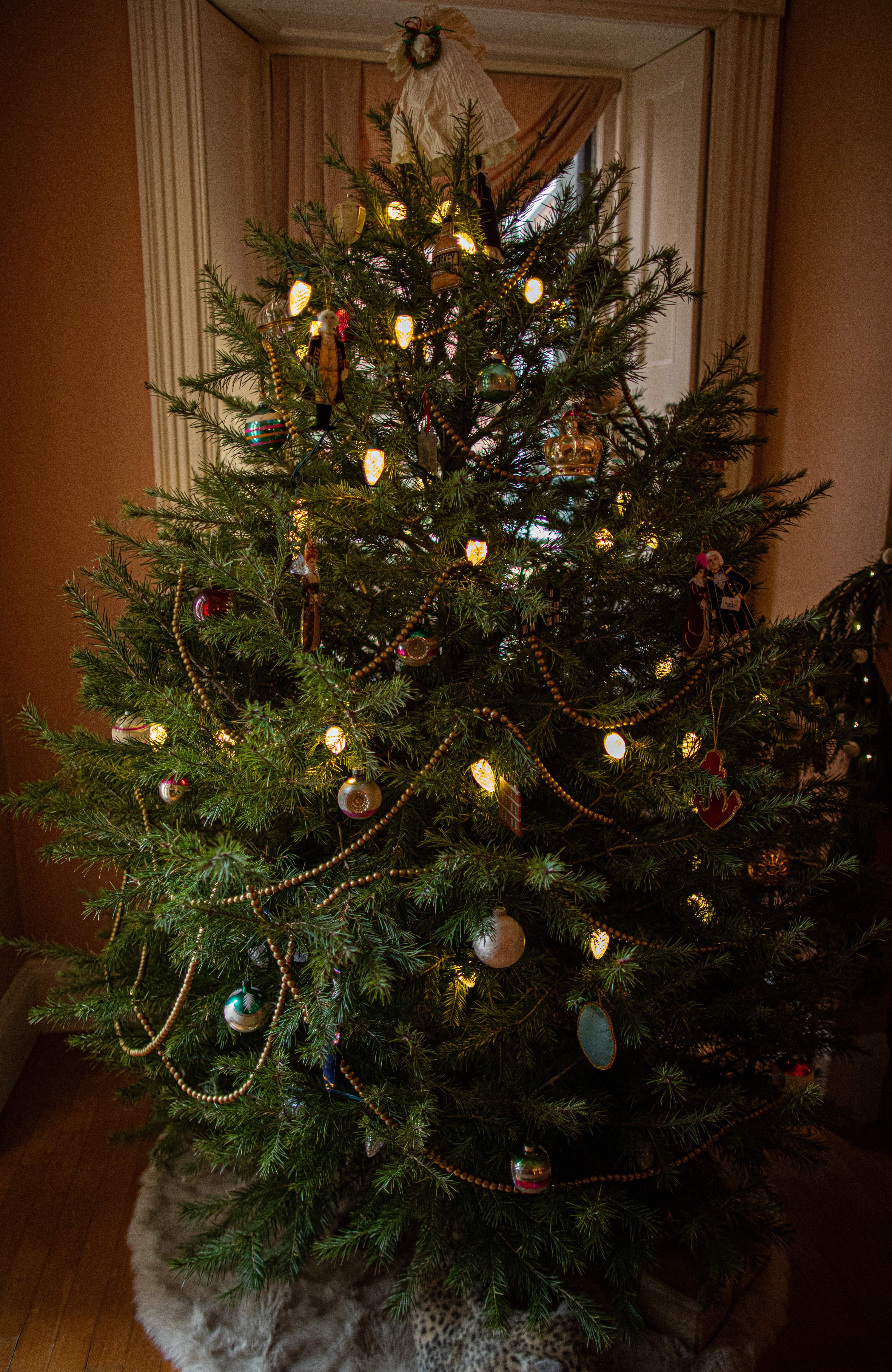
The house was decorated for the holidays.

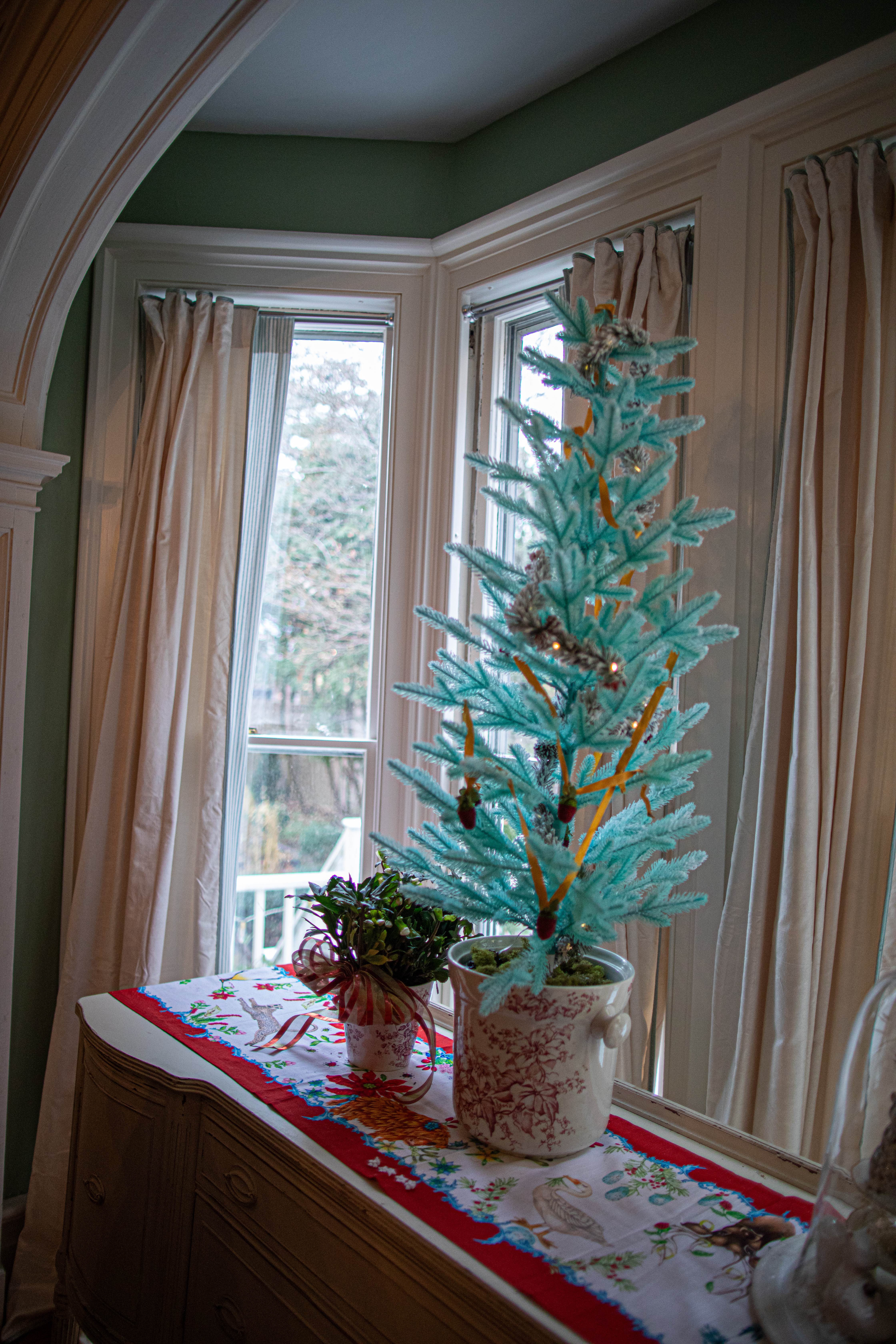
As the two trees suggest, there were indeed two separate rooms for dinner parties, festivities and other communal events. However, as was custom at the time, the men would congregate in one room while the women gathered in the other room. Some couples may still wish this custom was in vogue.

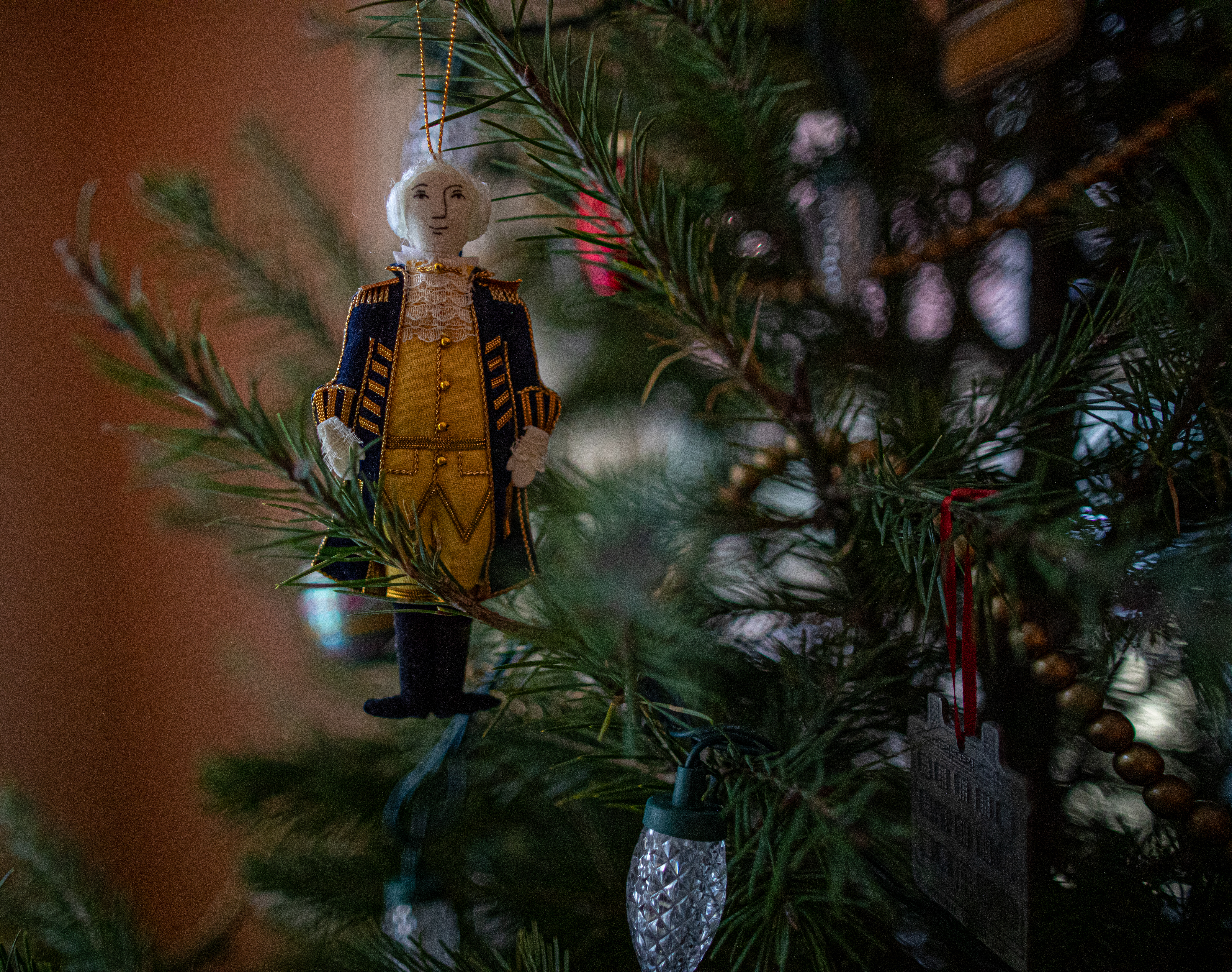
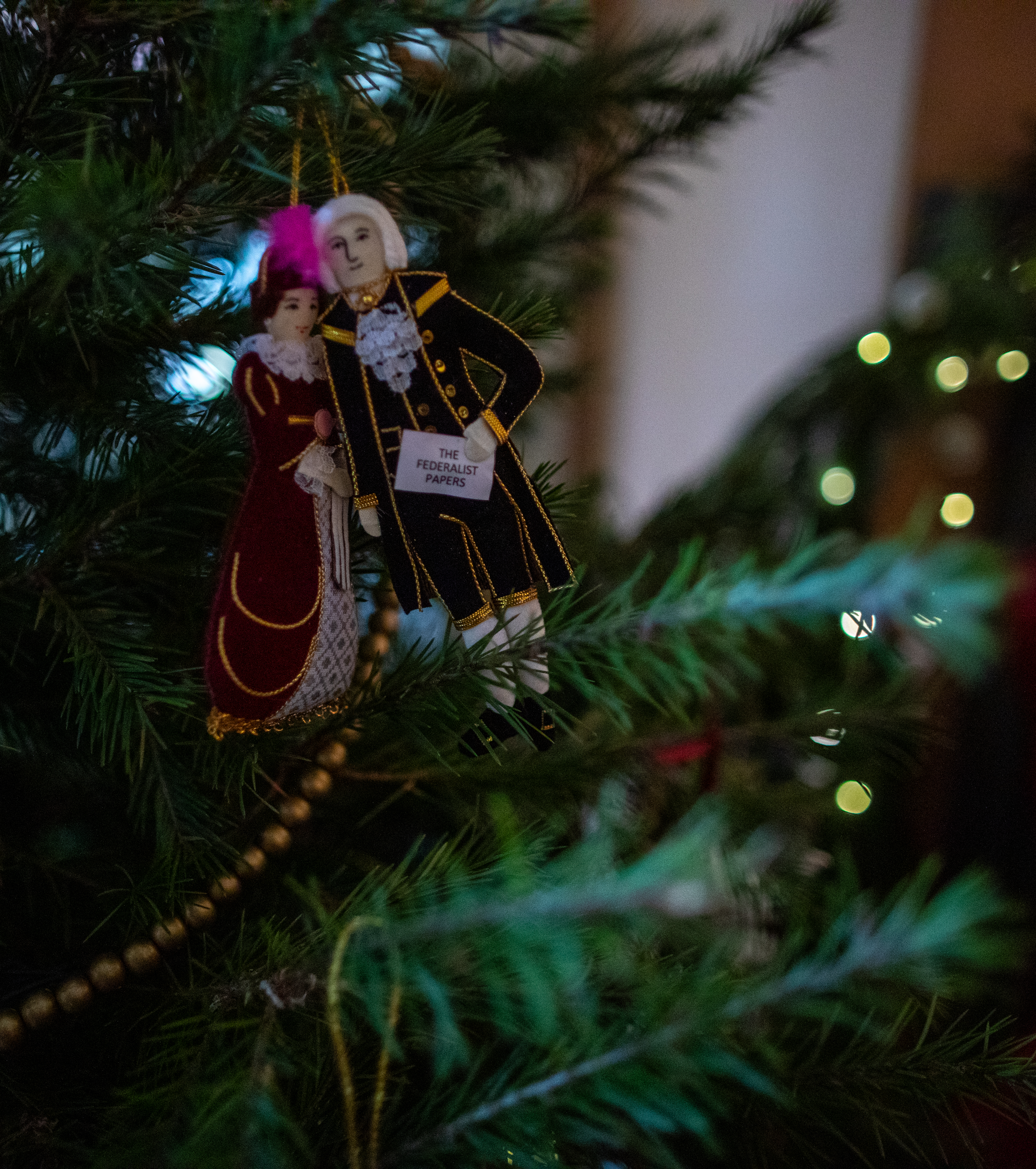
I had never seen ornaments of the early leaders of the country before.

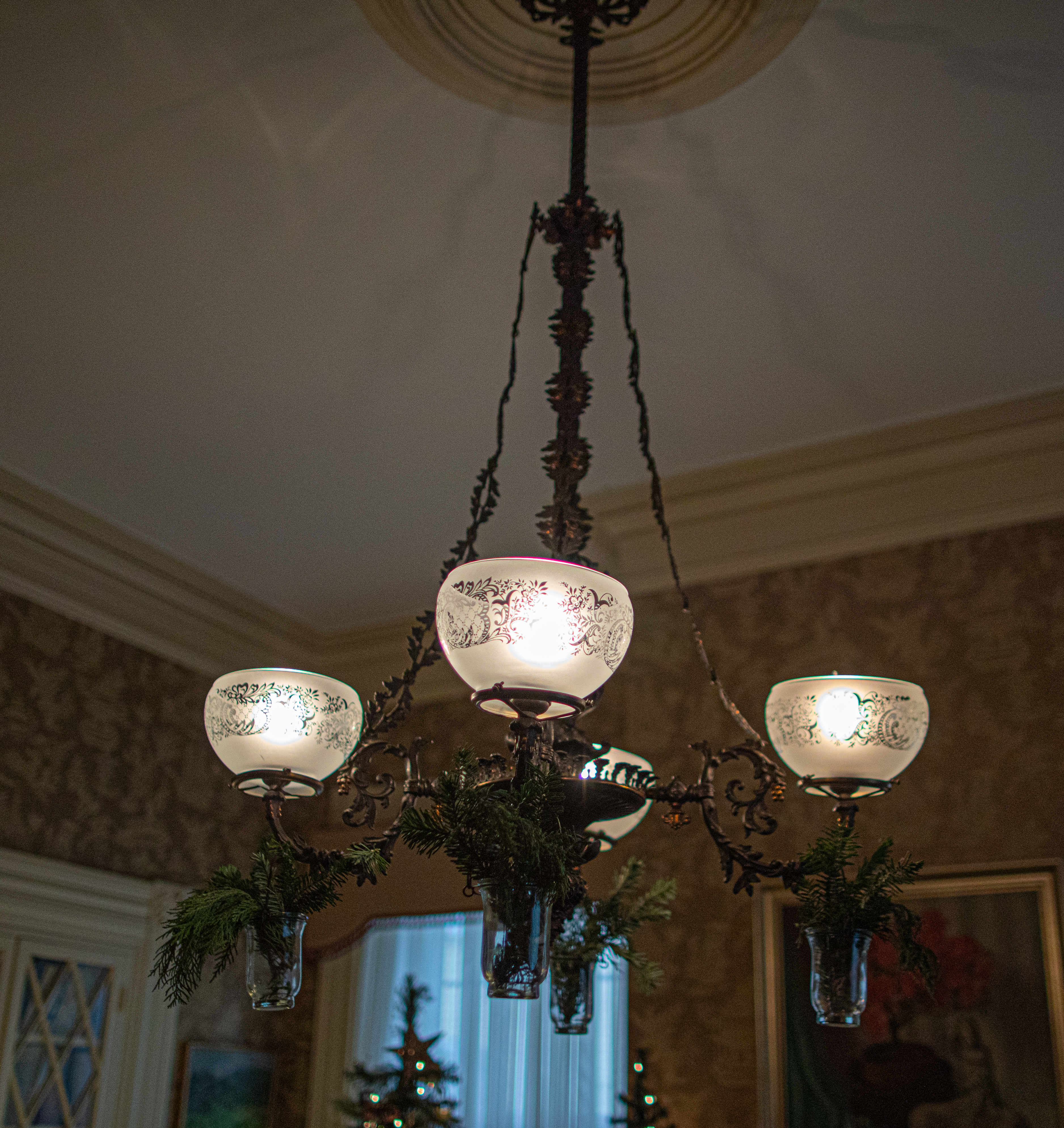
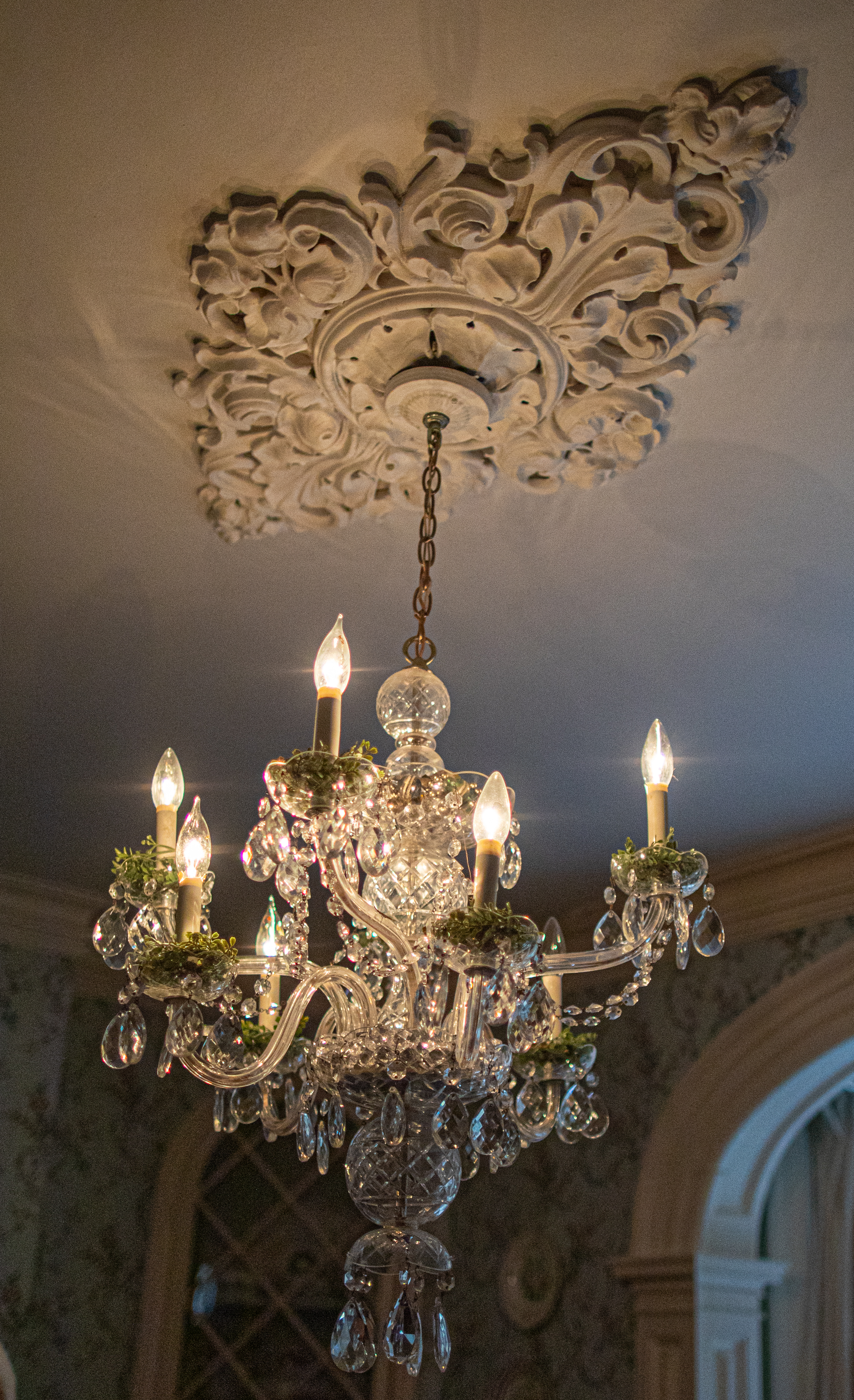
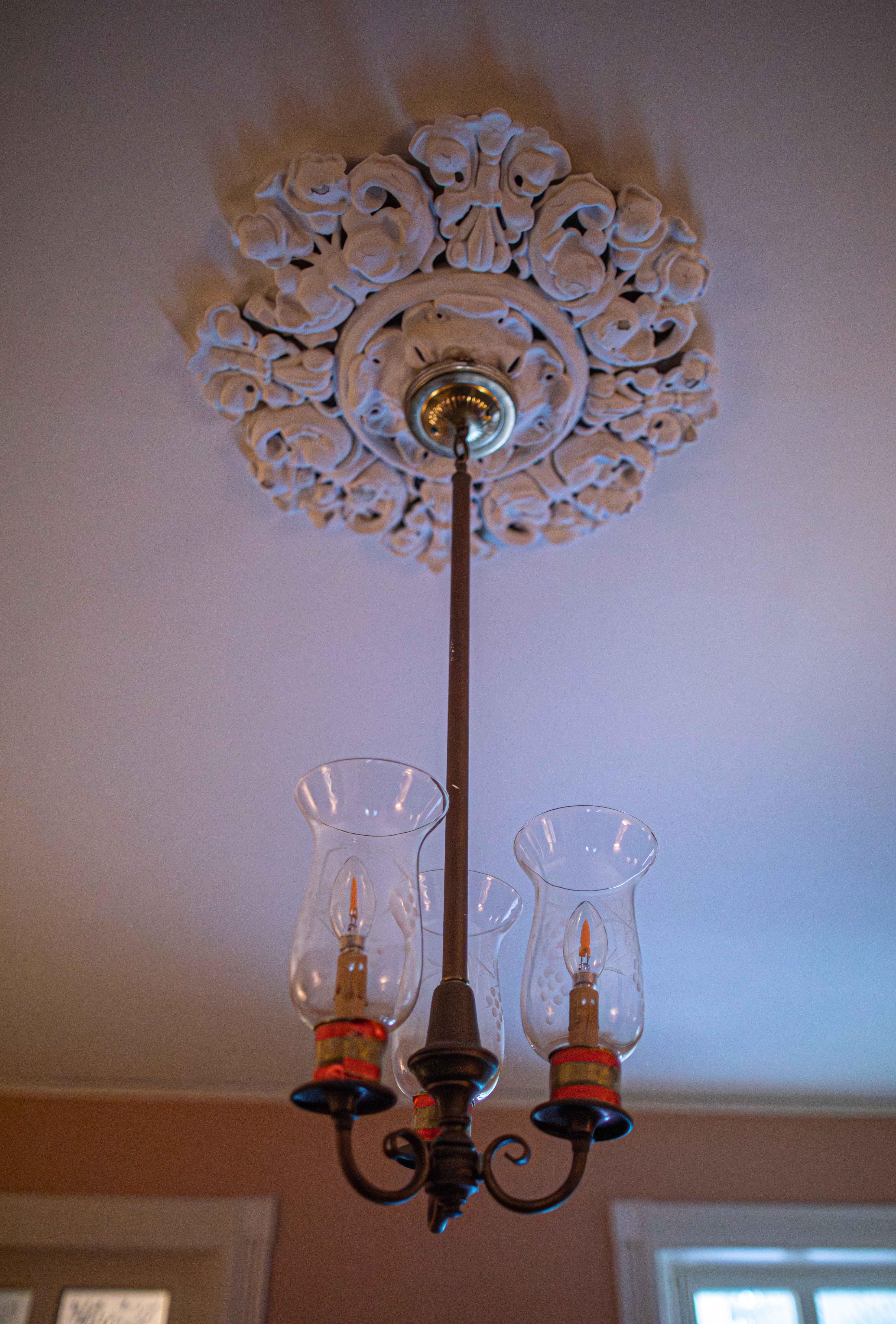
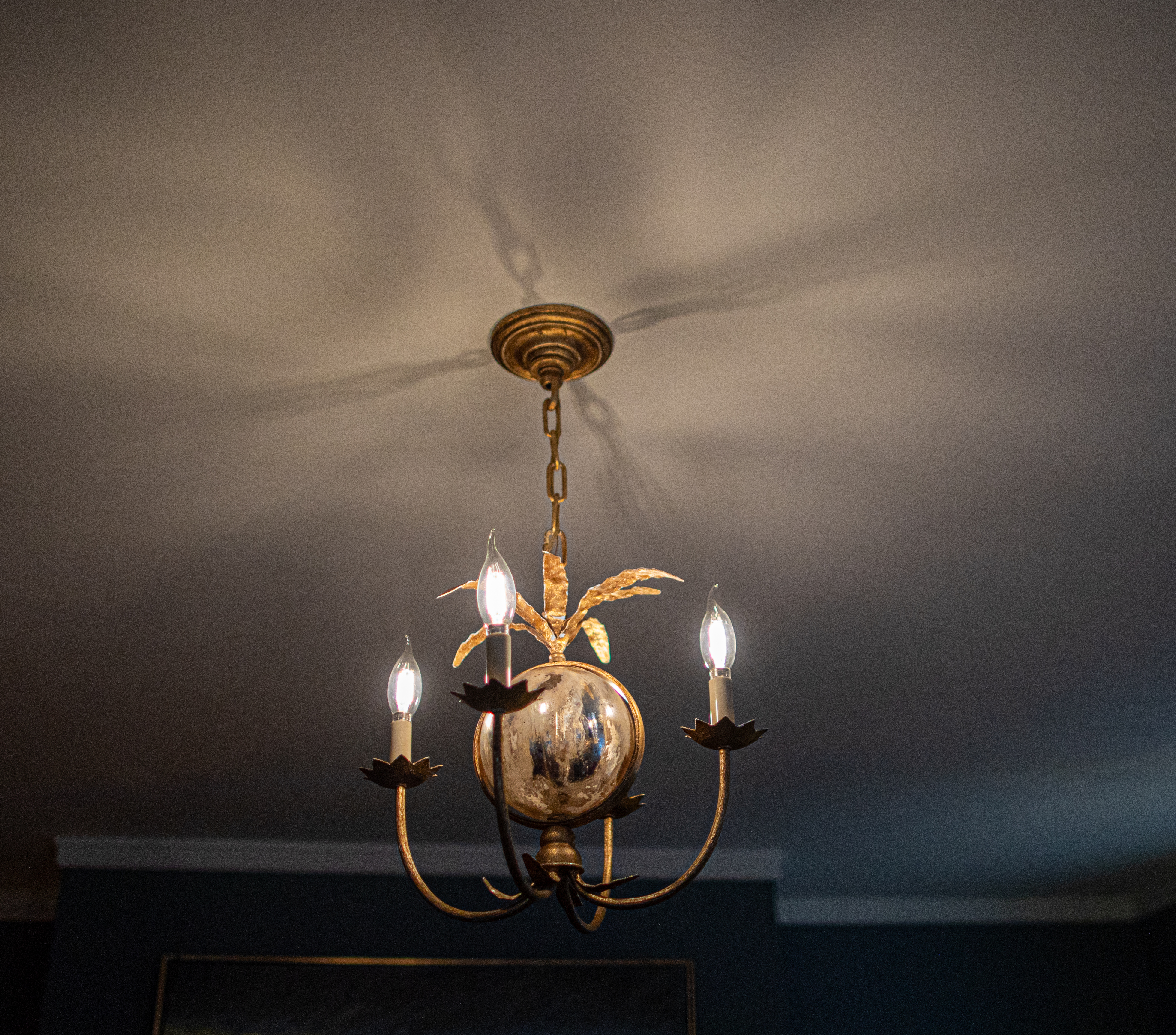
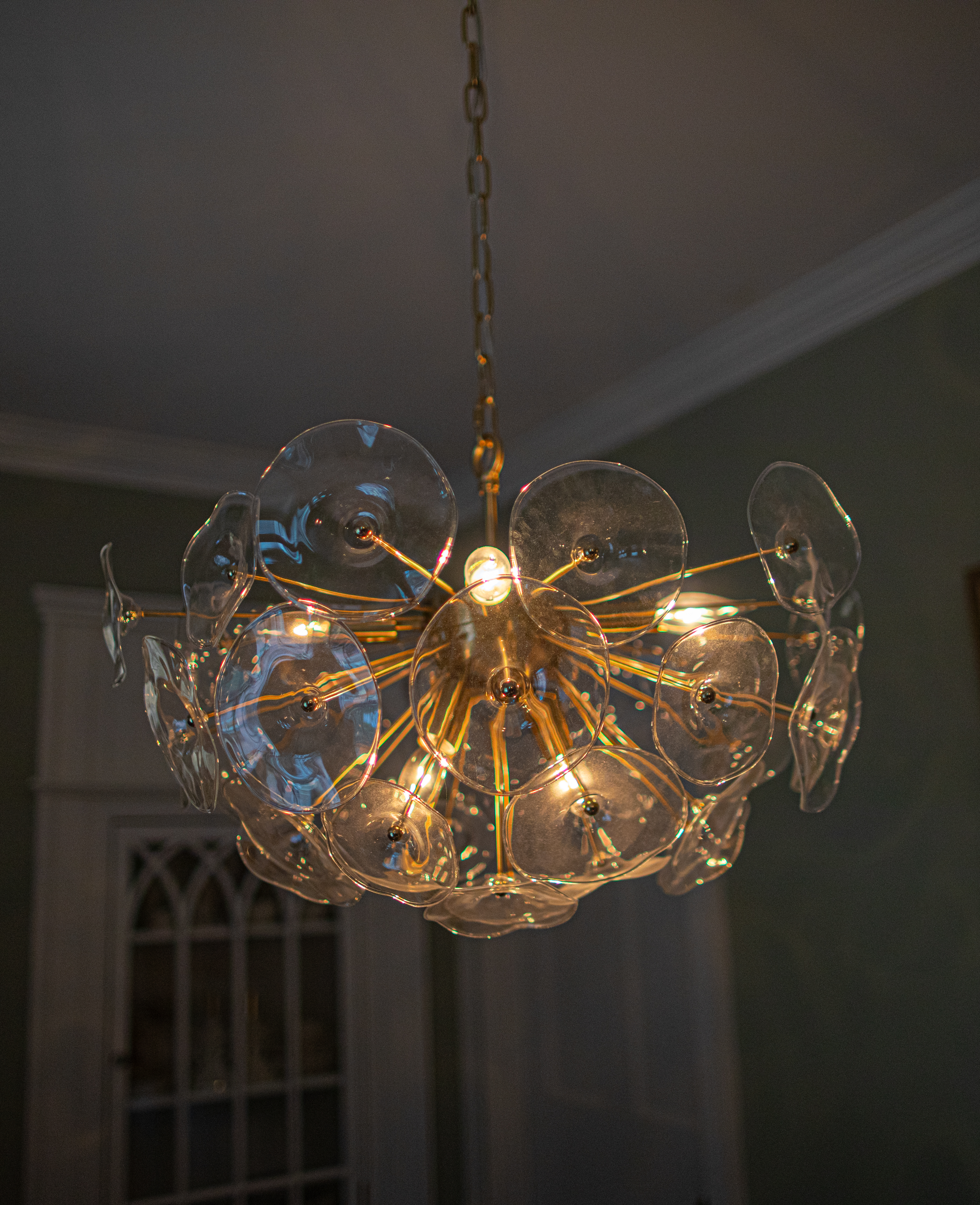
Of course, the lighting fixtures caught my eye, especially since this one reminded me of a light we had in my childhood home sans the greenery.

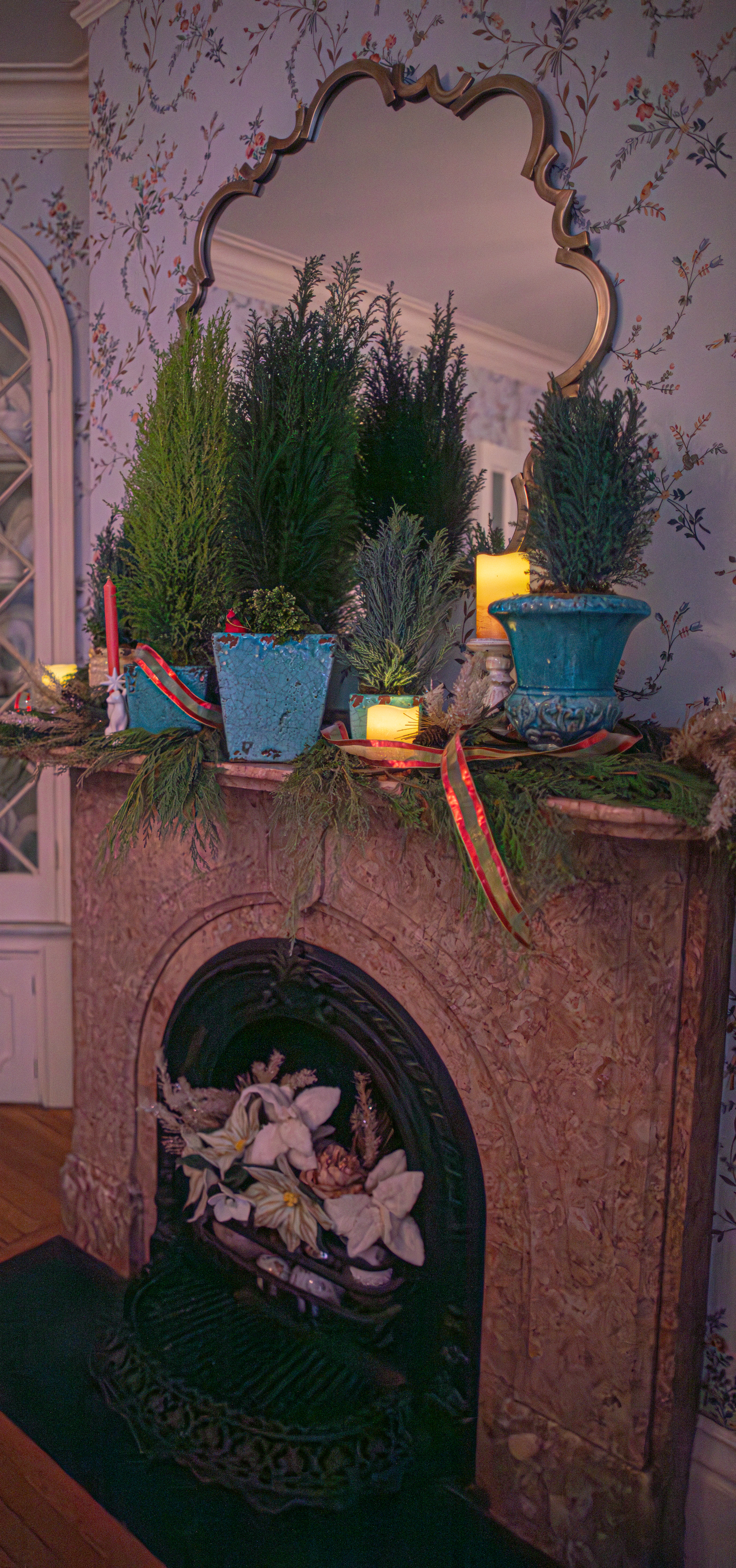
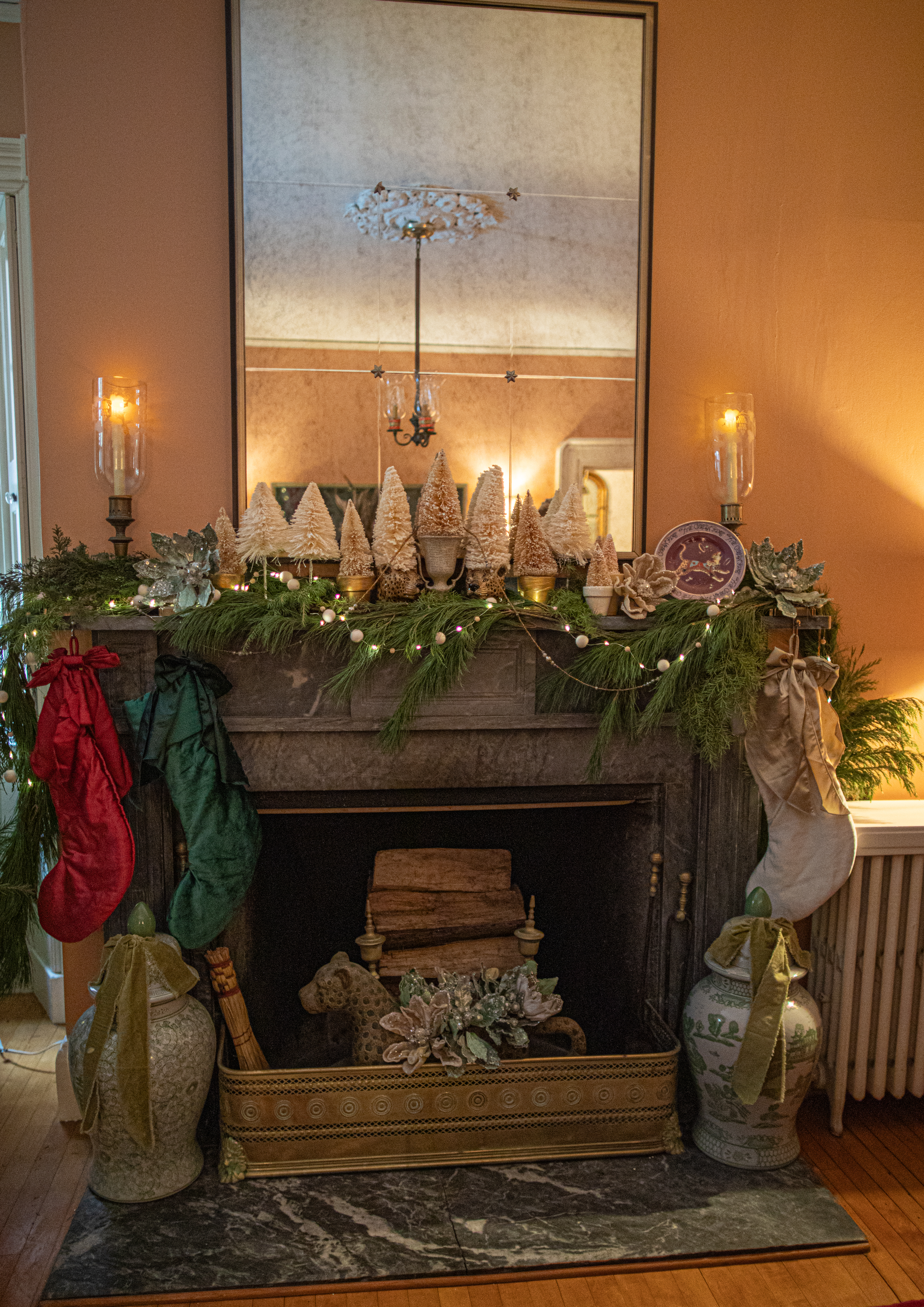
This original fireplace has a very rare marble.

I always enjoy seeing the molding on the ceilings from which the lights hang from.

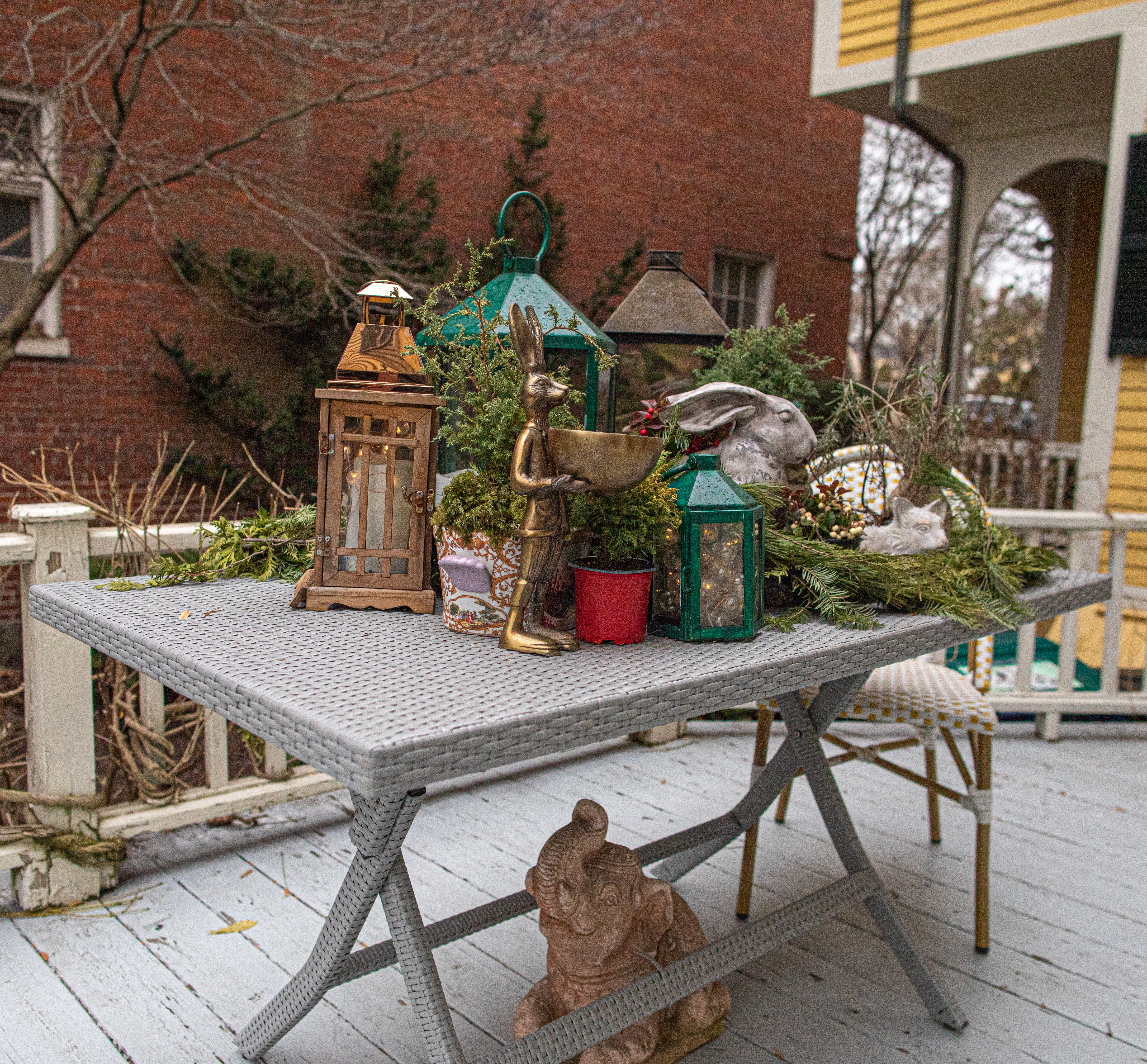
But, the holiday cheer didn’t end with the interior of the home. As we left the home, this decor was on the back porch.


Christmas In Salem – Boughs And Blossoms – 18 Broad St – The Pickering House (Salem, MA)

Date Of Visit: December 6, 2025

Location: 18 Broad St, Salem, MA (about 30 minutes northeast of Boston, MA)

Universally Accessible: No

Cost: $40 per ticket ($50 if you purchase day of tour tickets)

Parking: There are several parking garages in Salem, as well as metered on street parking.

Summary: The Pickering House is both the biggest and perhaps most impressive homes on the tour!

The Pickering House was built in 1660 by John Pickering. From its construction until 1998, ten generations of the Pickering family lived in the home. Since 1998, it has continuously occupied by a caretaker family, making it the oldest continuously inhabited house in the United States. Over the centuries, the home has hosted numerous visitors including George Washington who is said to have dined at the very same table that is still in the house. The original portion of the home – the front living room – retains its exposed beams from 1660. Additional sections were added over time, with the most recent major renovation, the kitchen, completed in 1911. The exterior, a Gothic Revival Influence, was chosen by John Pickering VI to mirror European architectural trends during his time at the residence.

The most impressive building, at least from its exterior, the Pickering House is also the oldest home on the tour.

One of the features of the home that caught my attention was the chimney which is a group of flues from several chimneys.. You can see the chimney in the left of the photo below. The reason for the shape of the chimney was to allow for all of the flues from the various fireplaces in the home. When it was renovated, the home owners wanted to duplicate that look even if the home didn’t have as many fireplaces in it any longer.

There is a lot of history inside the Pickering House. For instance, the home still has the original wallpaper.

And this couch which was a gift from Eleanor Roosevelt.

There were pretty decorations and furniture throughout the home.

To keep the large home warm, this fireplace was said to have been much bigger. The fireplace was originally from doorway to doorway. It was downsized during renovations.

Just like most historic homes in Massachusetts, and New England for that matter, George Washington slept in this home. It’s amazing how this rumor or legend has become a claim to fame for so many homes and inns. Legend has it George Washington slept in one of the second floor bedrooms. It is said that Washington stopped by the Pickering house and tied his horse to an old locust tree in the front yard when he visited Colonel Pickering in 1789. But, whether he slept there is still a bit of a mystery. Everywhere I looked for information to support this claim either didn’t mention anything to support it or used hedge words like “rumored” or “legend has it.” In any event, that’s their story and their sticking to it.

There also musicians playing Christmas music in one of the dining rooms. I could have stayed all day and listened to them.

As if that wasn’t enough, the Pickering House also had a barn that was lit up and decorated for the holiday season. It was a festive way to end the tour of the home.


Christmas In Salem – Boughs And Blossoms – 10 Broad St built for Hannah Smith (Salem, MA)

Date Of Visit: December 6, 2025

Location: 10 Broad St, Salem, MA (about 30 minutes northeast of Boston, MA)

Universally Accessible: No

Cost: $40 per ticket ($50 if you purchase day of tour tickets)

Parking: There are several parking garages in Salem, as well as metered on street parking.

Summary: The home at 10 Broad St has a long history of changing ownership, construction (and deconstruction) and a lot of charm!

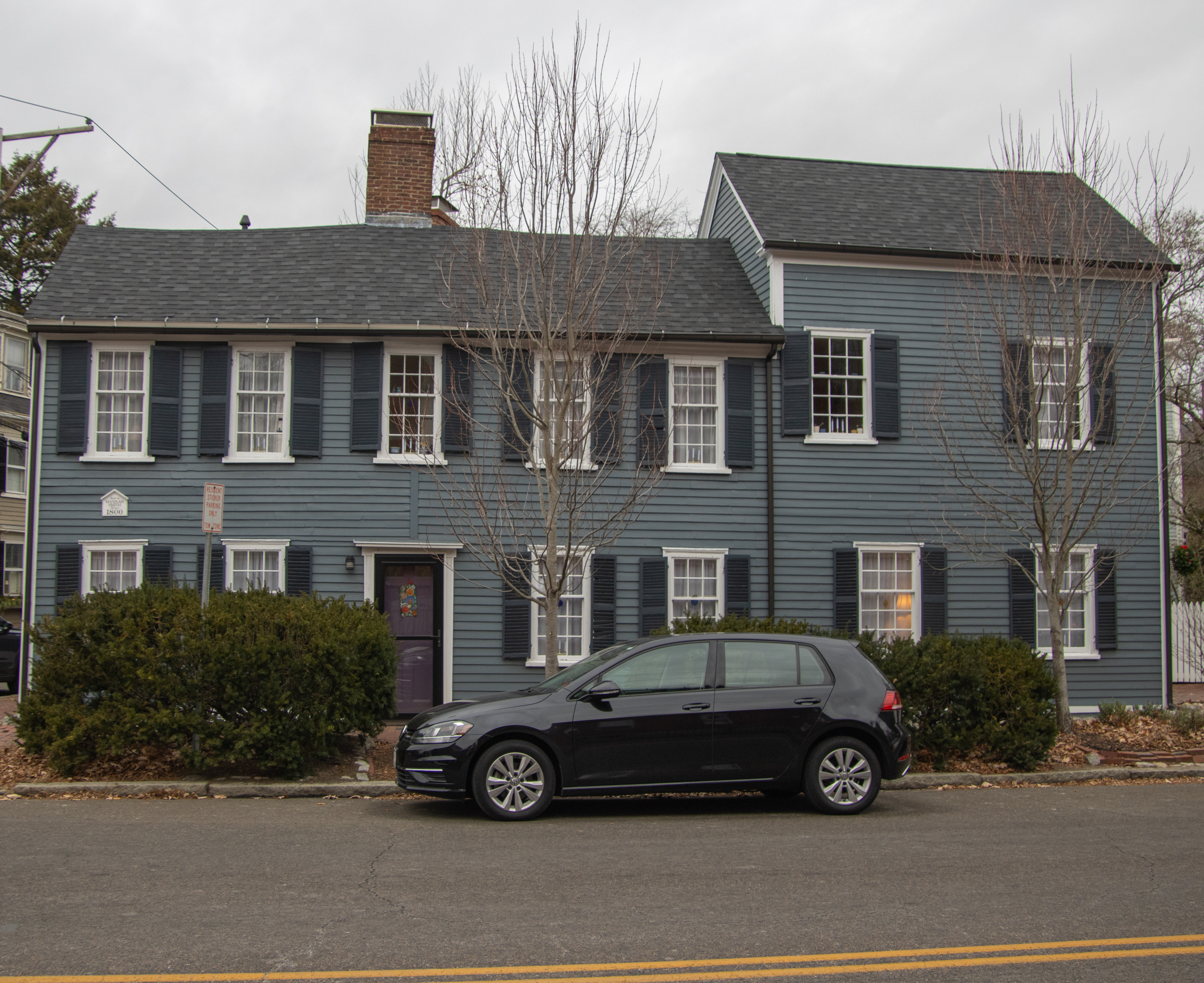
Like many of the houses on the Christmas In Salem tour, the home at 10 Broad St was part of the 17th century “homestead land” of Jonathan Neal (that name may ring a bell from my previous post) which was partitioned among the children and grandchildren. Hannah Smith, a 43 year old widow and granddaughter of Neal, inherited “Lot #7 and the small old house thereon” in 1799. Hannah razed the old house and built a new one in 1800, occupying the Broad St portion of the house and renting out the portion that front Cambridge St. After her death the property was partitioned again and divided into two parts by her heirs as two separate residences.

The Cambridge St section of the building was continuously occupied for much of the 19th century while the Broad St side was often vacant. One hundred years later, the two entities were united into a single-family residence by another widow, Hope Brown, in 1954.

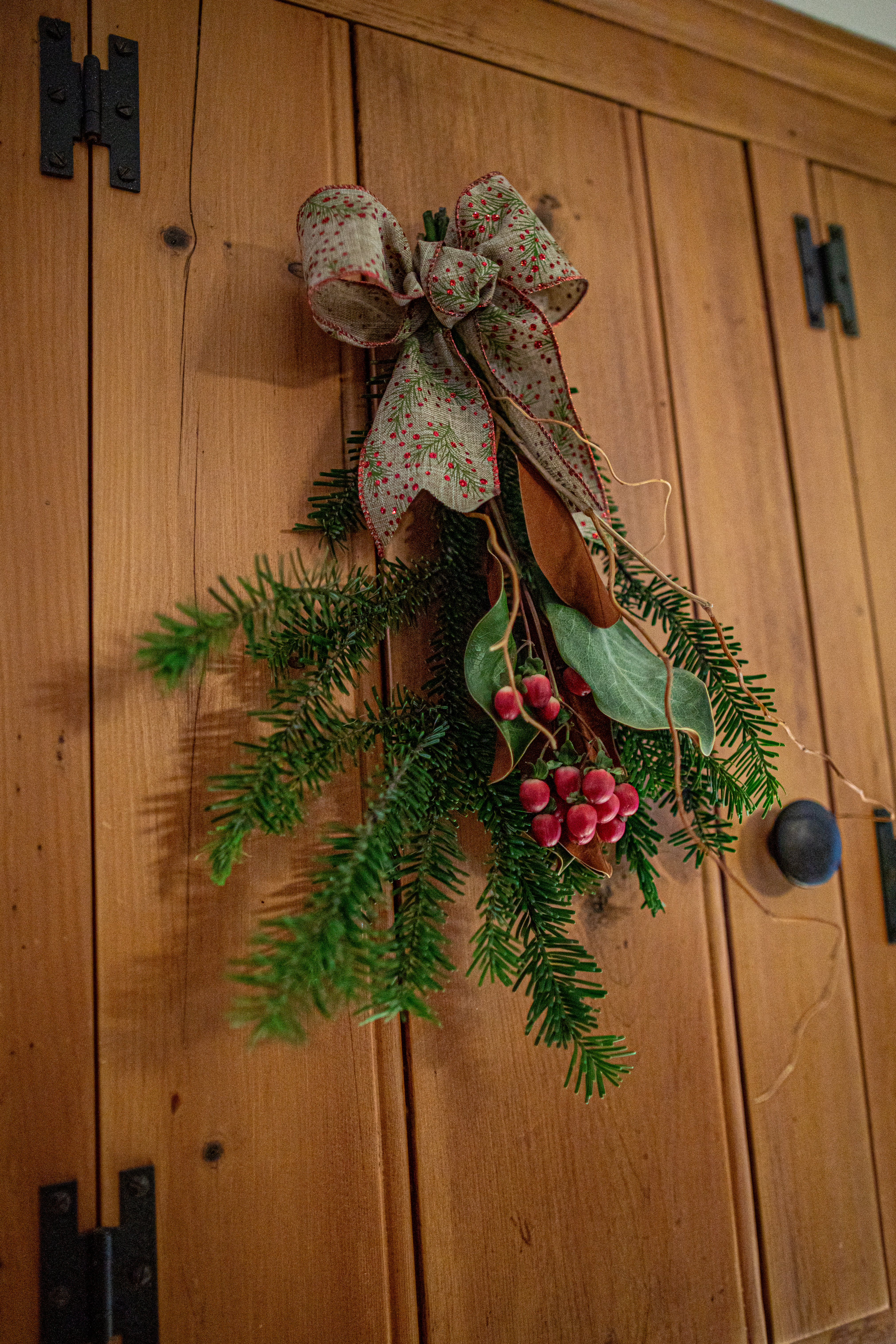
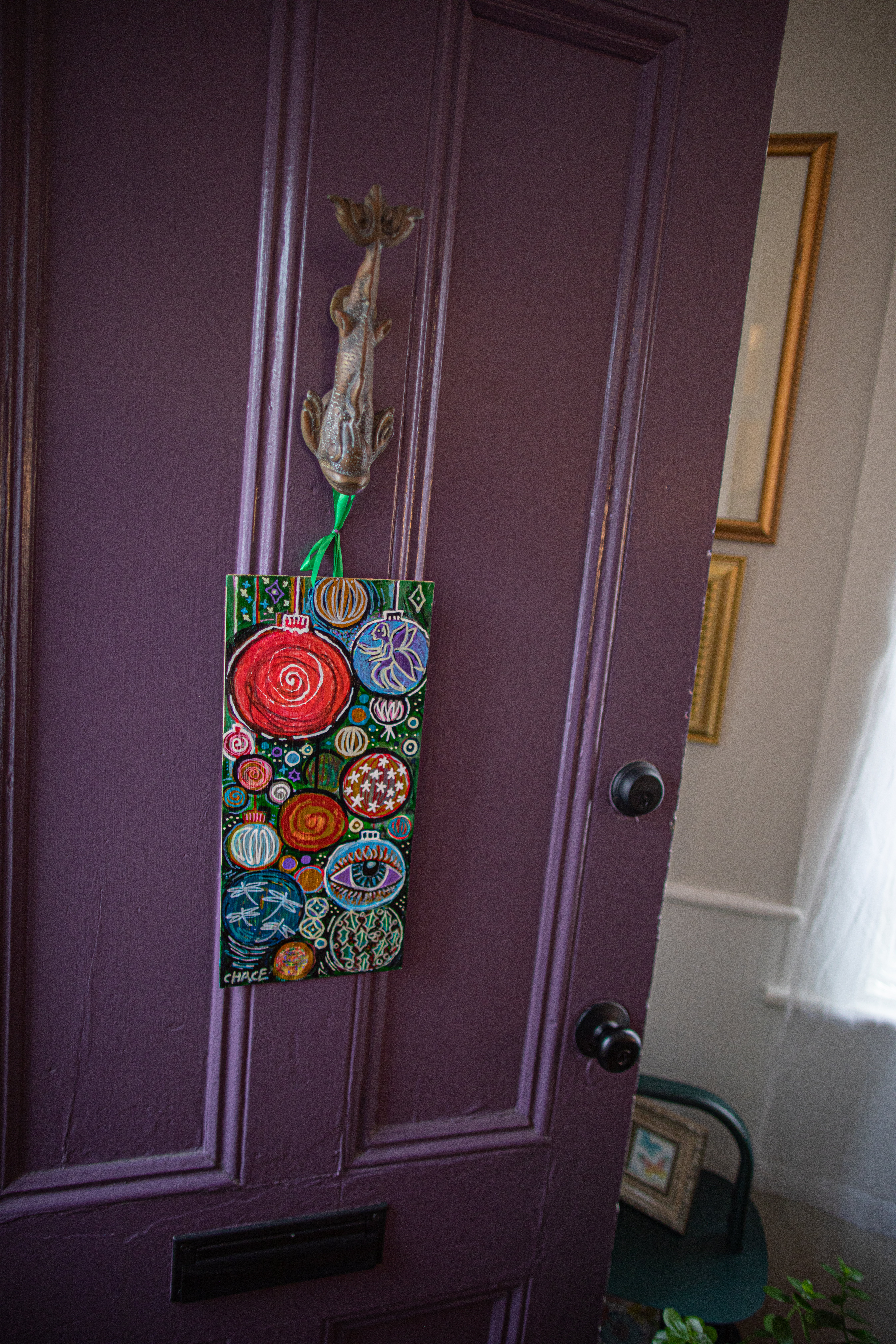
The entrance to the home is located at the side of the right of the building. There was some Christmas decor attached to a Neoclassical Style Dolphin Door knocker.

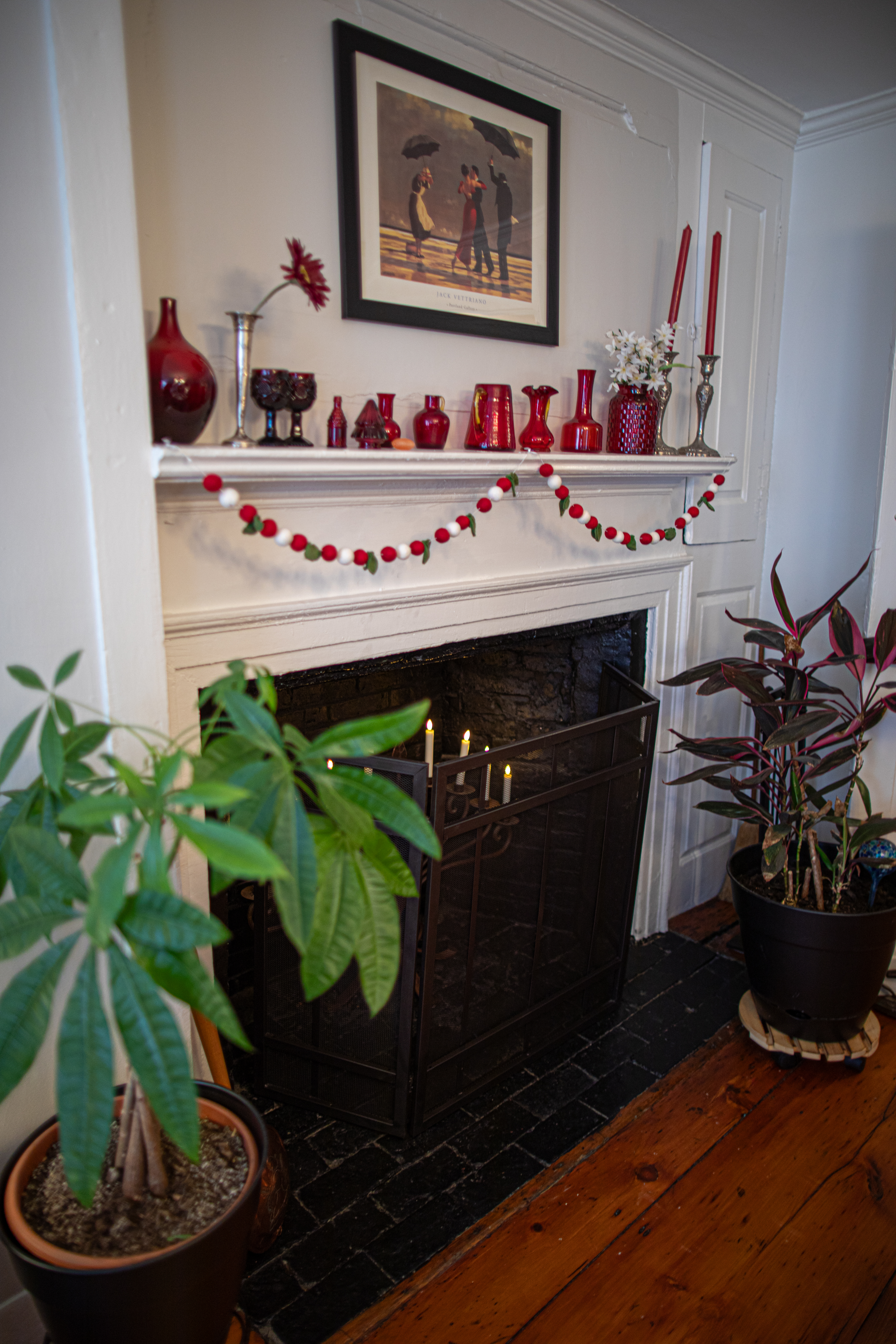
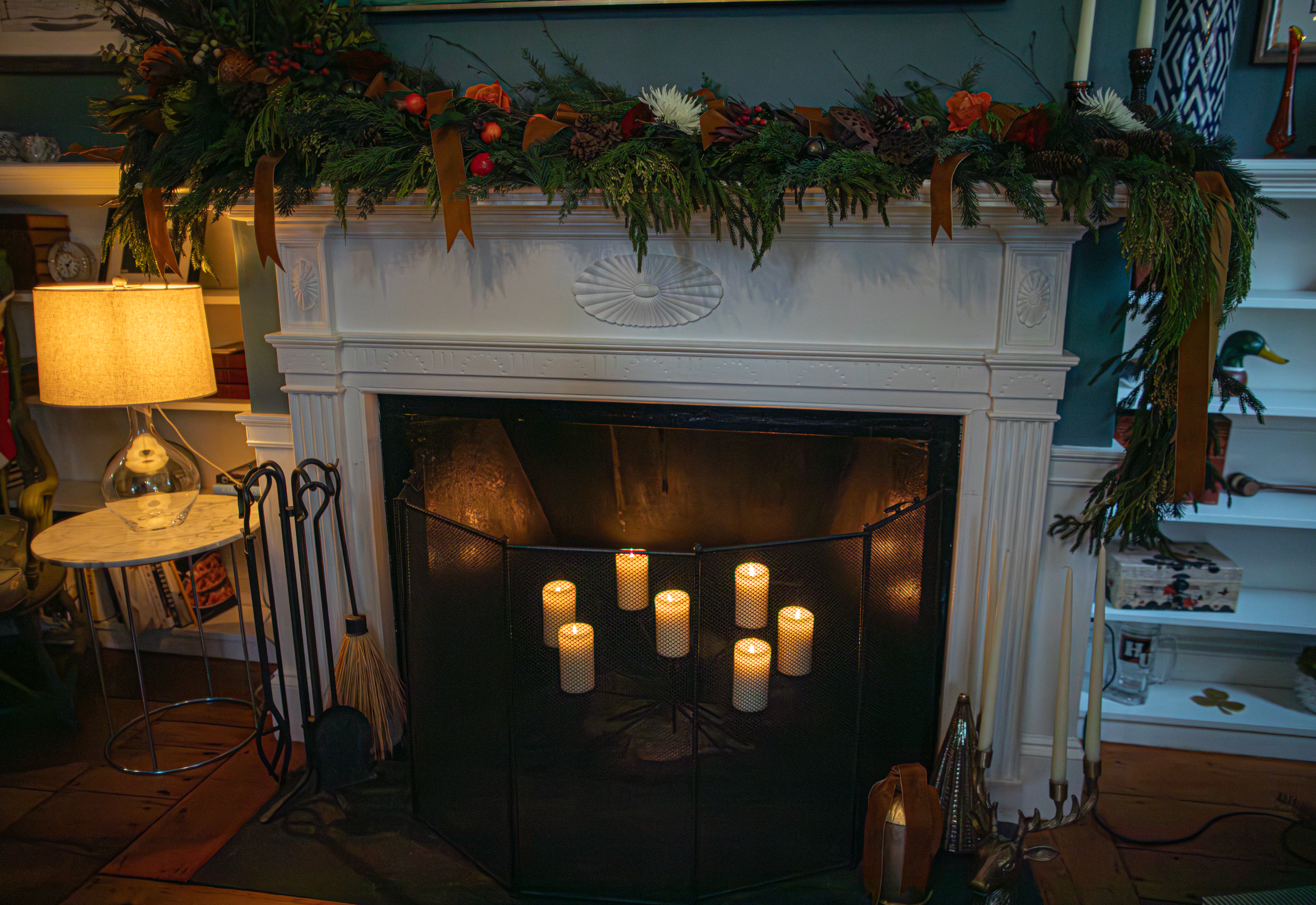
This fireplace had a holiday feel to it.

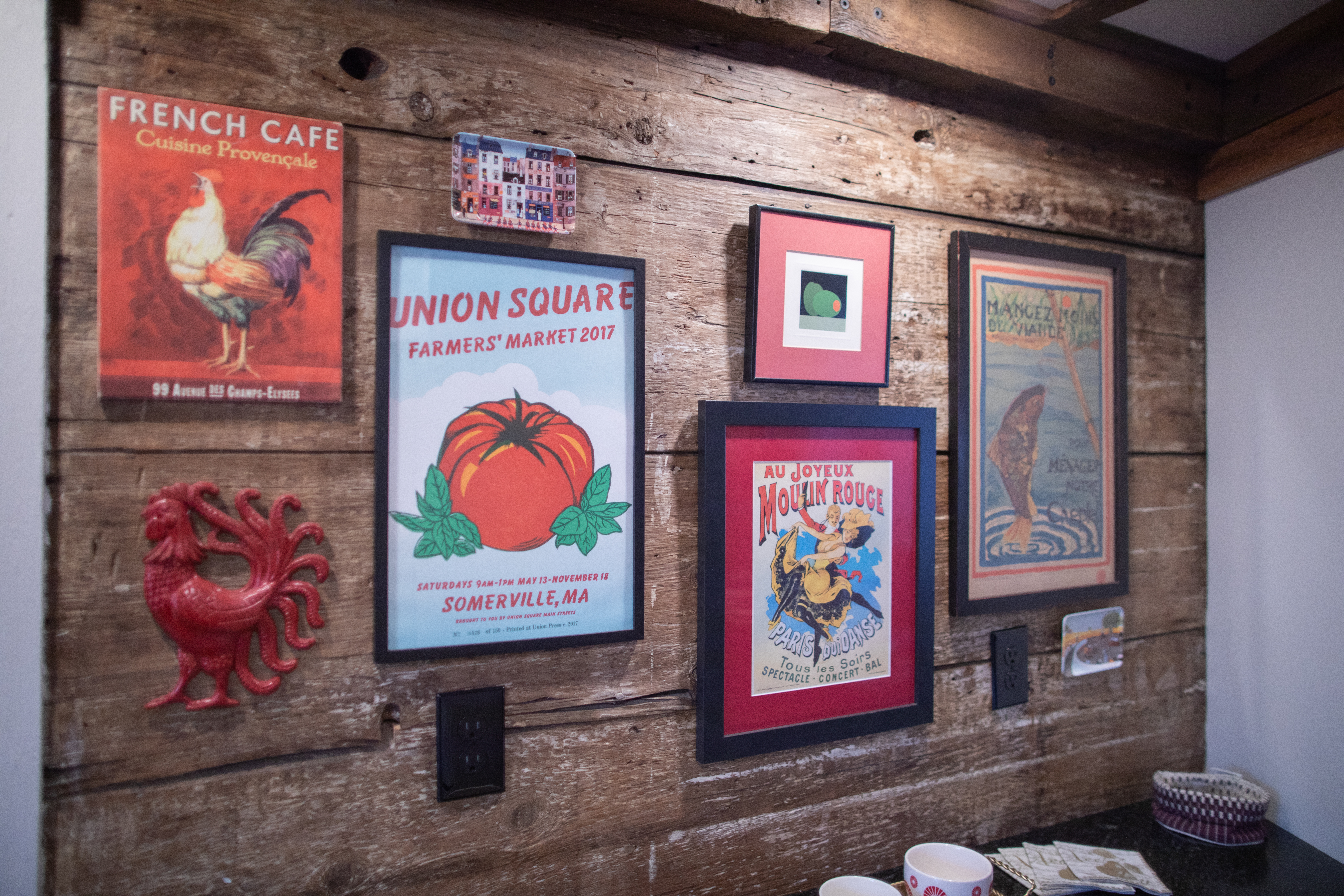
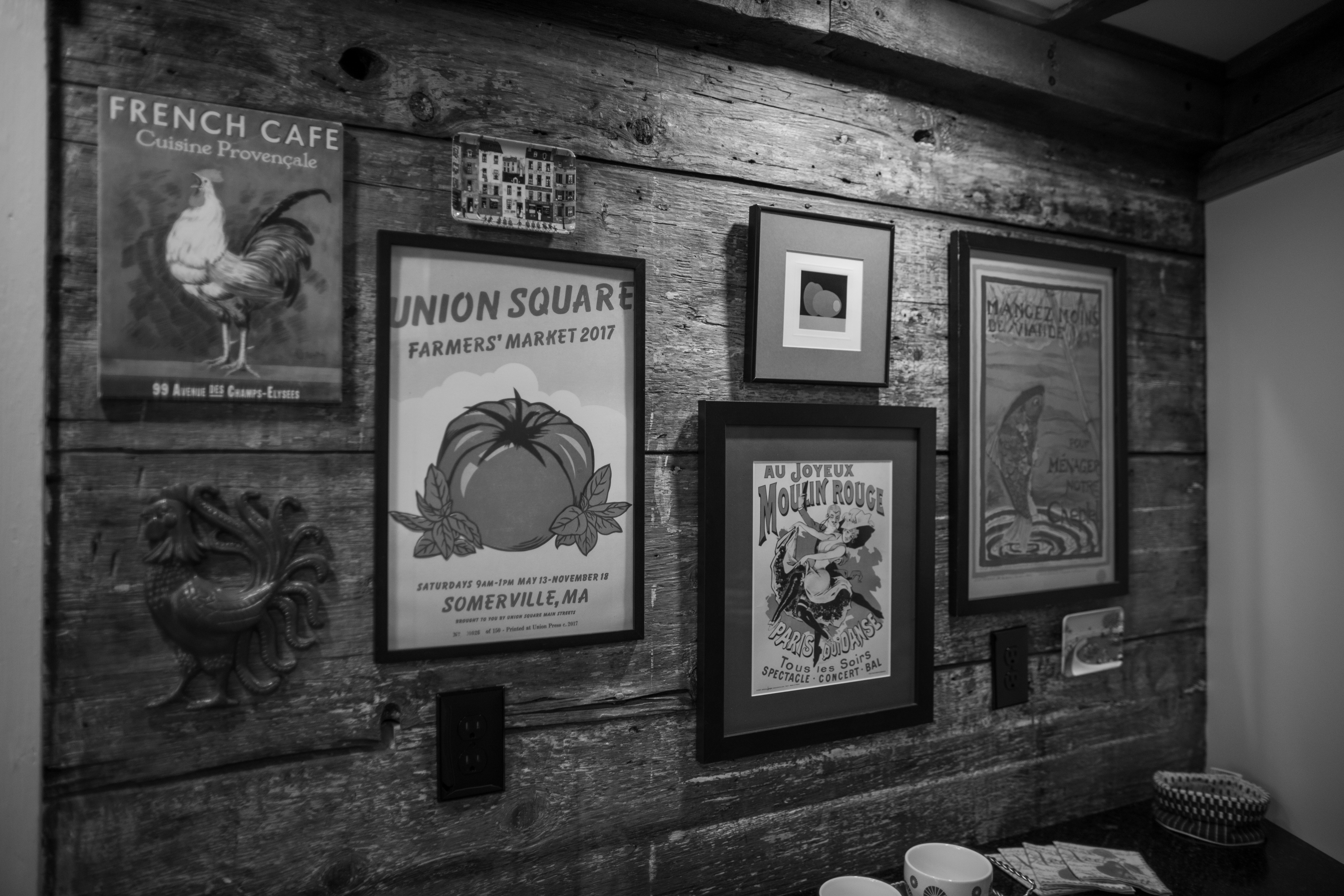
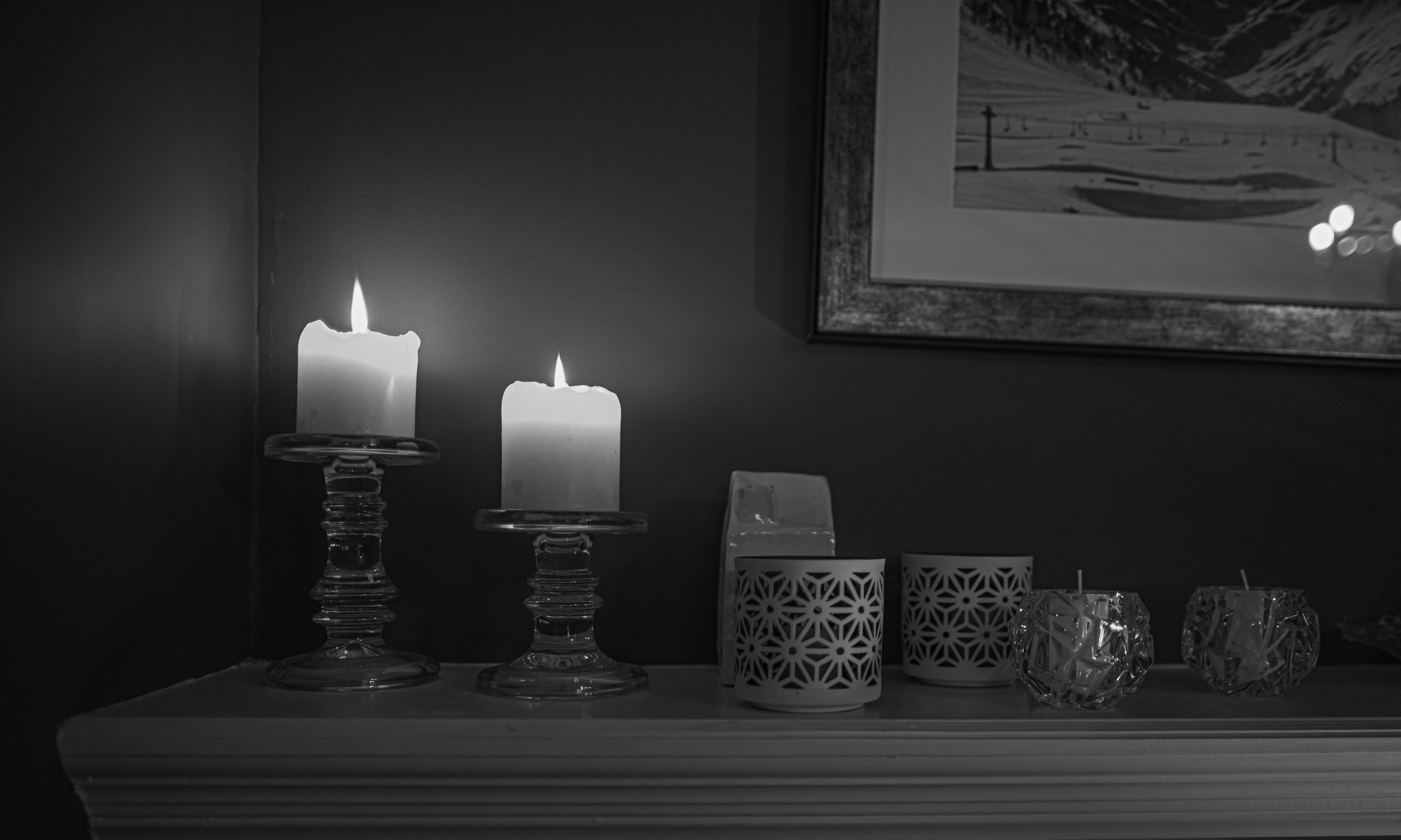
The house had a red and chicken theme. I liked the black and white photo better. But it didn’t illustrate the color theme as well as the color photo. So, I’ll attach the black and white photo below as well.

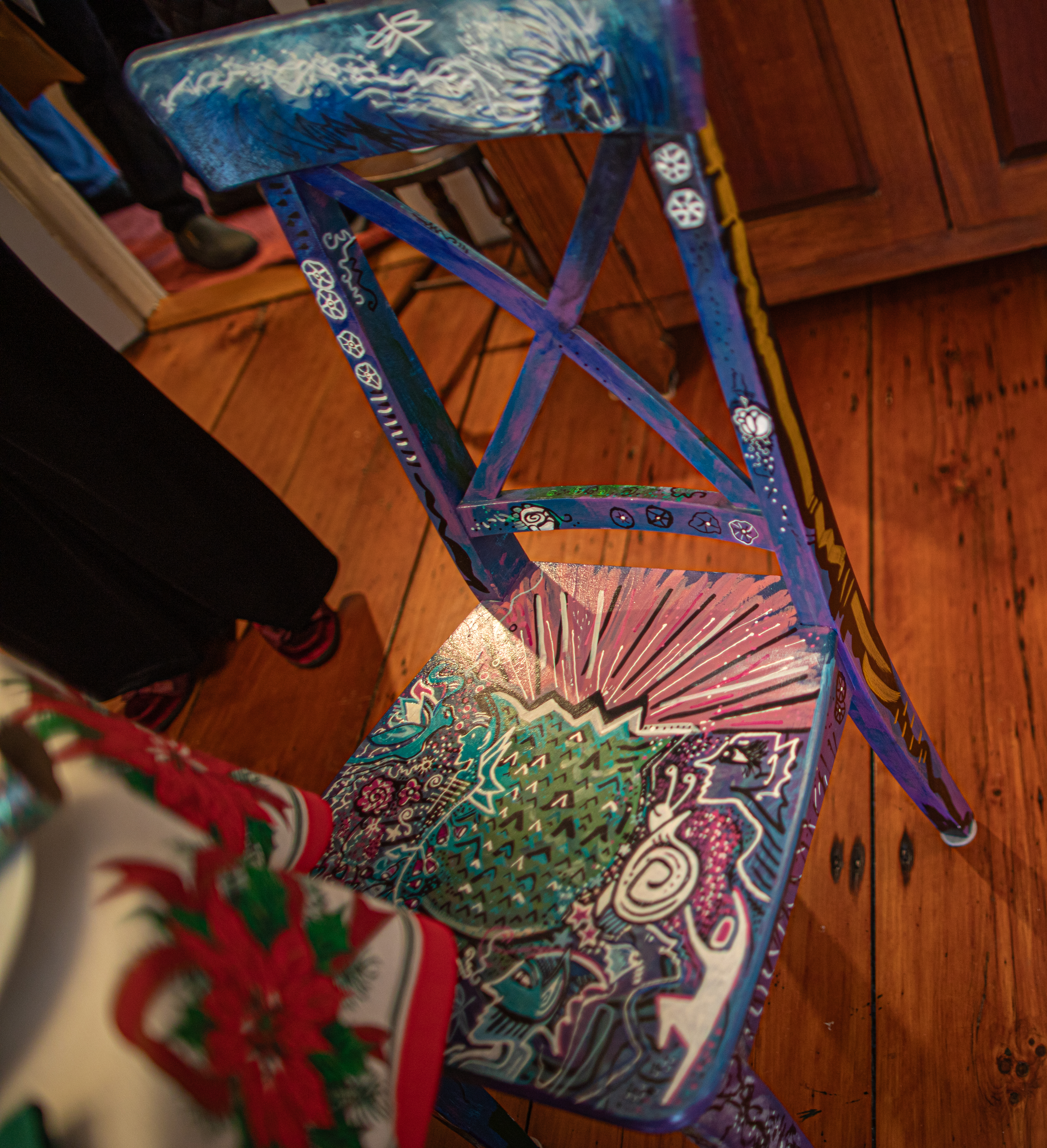
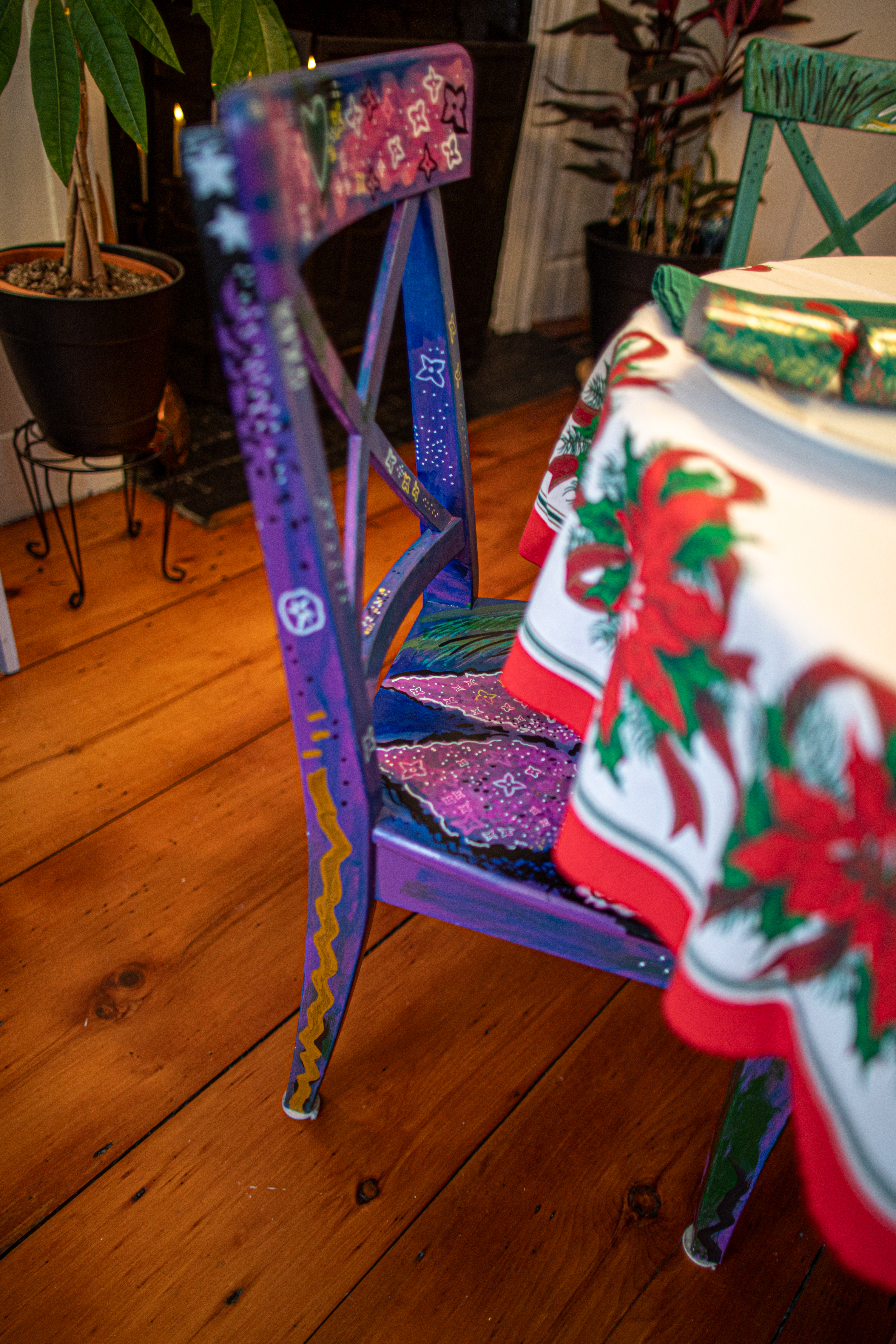
These chairs were originally Ikea chairs the owner bought and were decorated to represent important times, events and other things of their life.

The tour guide didn’t say specifically what events or things the decor represented. But, I think that adds to the secrecy and mystery of the decorations.

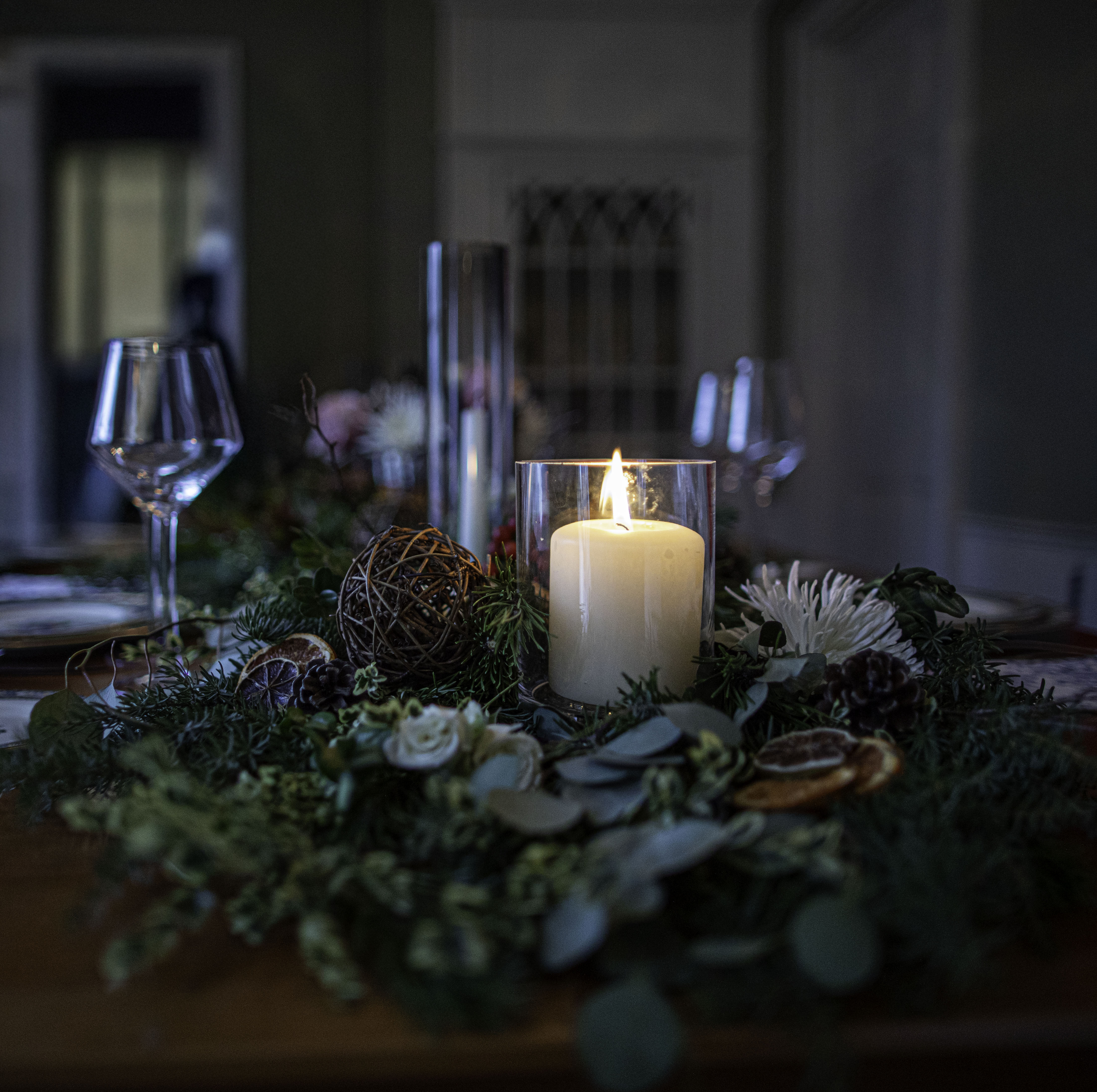
The home had a lot of Christmas cheer (and some extra cheer in the bottles of the last group of photos). I especially liked how they set up the dining room table as though they were expecting dinner guests.

I liked the stars hanging from the lighting fixture and, of course, the bokeh.

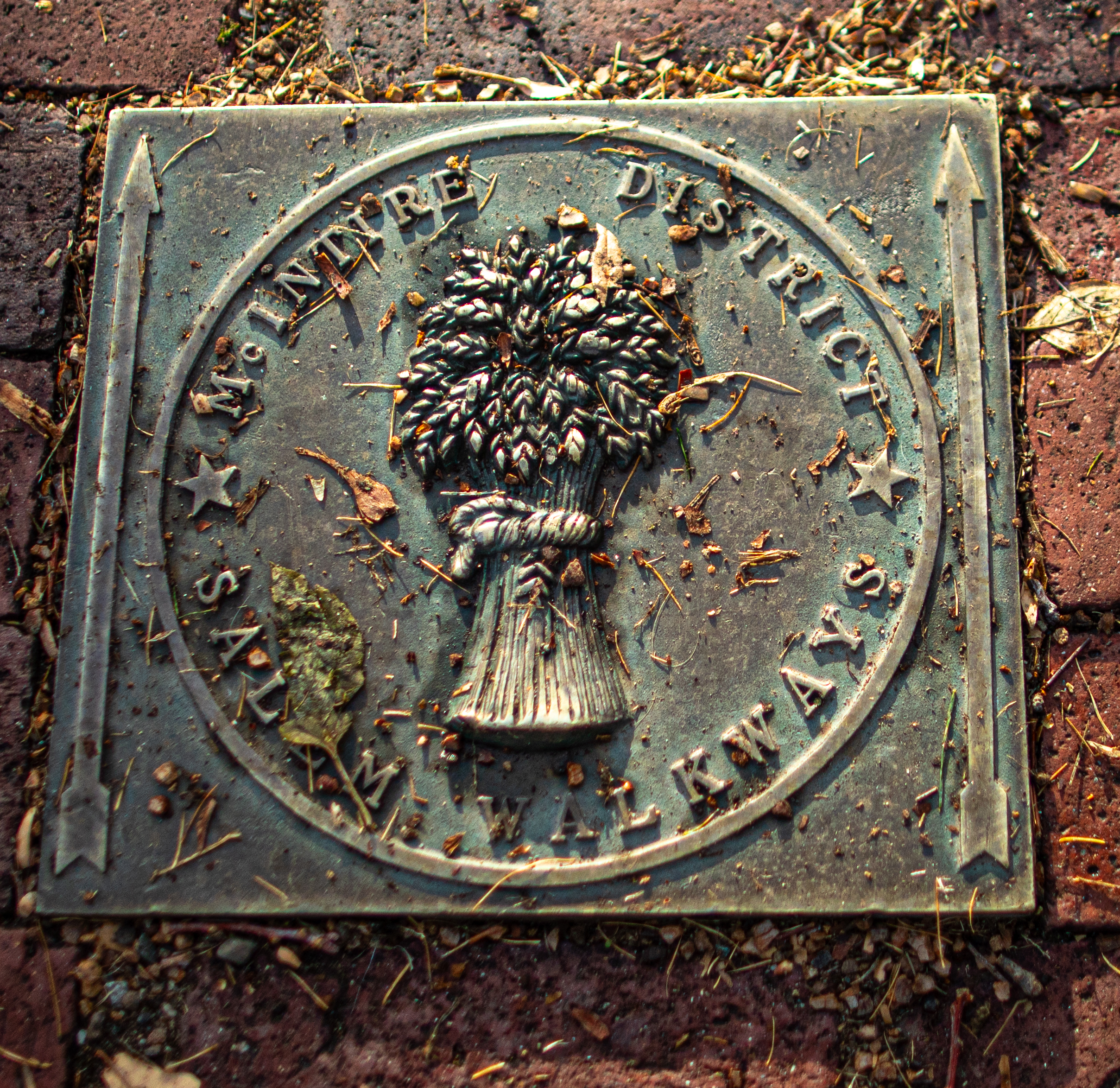
While I was walking along the trail to the various homes, I saw a few of these markers.

Since these homes are in the “Mcintire District), named after famous Salem architect, carver, sculpture and crafts worker Samuel Mcintire. A whole post or series of blog posts could be devoted to Samuel Mcintire’s work. But, the fact that an entire section of Salem has been dedicated in his honor says volumes. Even though he may not have had a part in the building or design of some of these homes, his influence can be noticed in all of the homes.


Christmas In Salem -Boughs And Blossoms – 12 Broad St built by Jonathan Neal (Salem, MA)

Date Of Visit: December 6, 2025

Location: 12 Broad St, Salem, MA (about 30 minutes northeast of Boston, MA)

Universally Accessible: No

Cost: $40 per ticket ($50 if you purchase day of tour tickets)

Parking: There are several parking garages in Salem, as well as metered on street parking.

Summary: The home on 12 Broad St, built by Jonathan Neal, has some impressive decor, an interesting history and a connection to bees and chickens! I bet that got your attention!

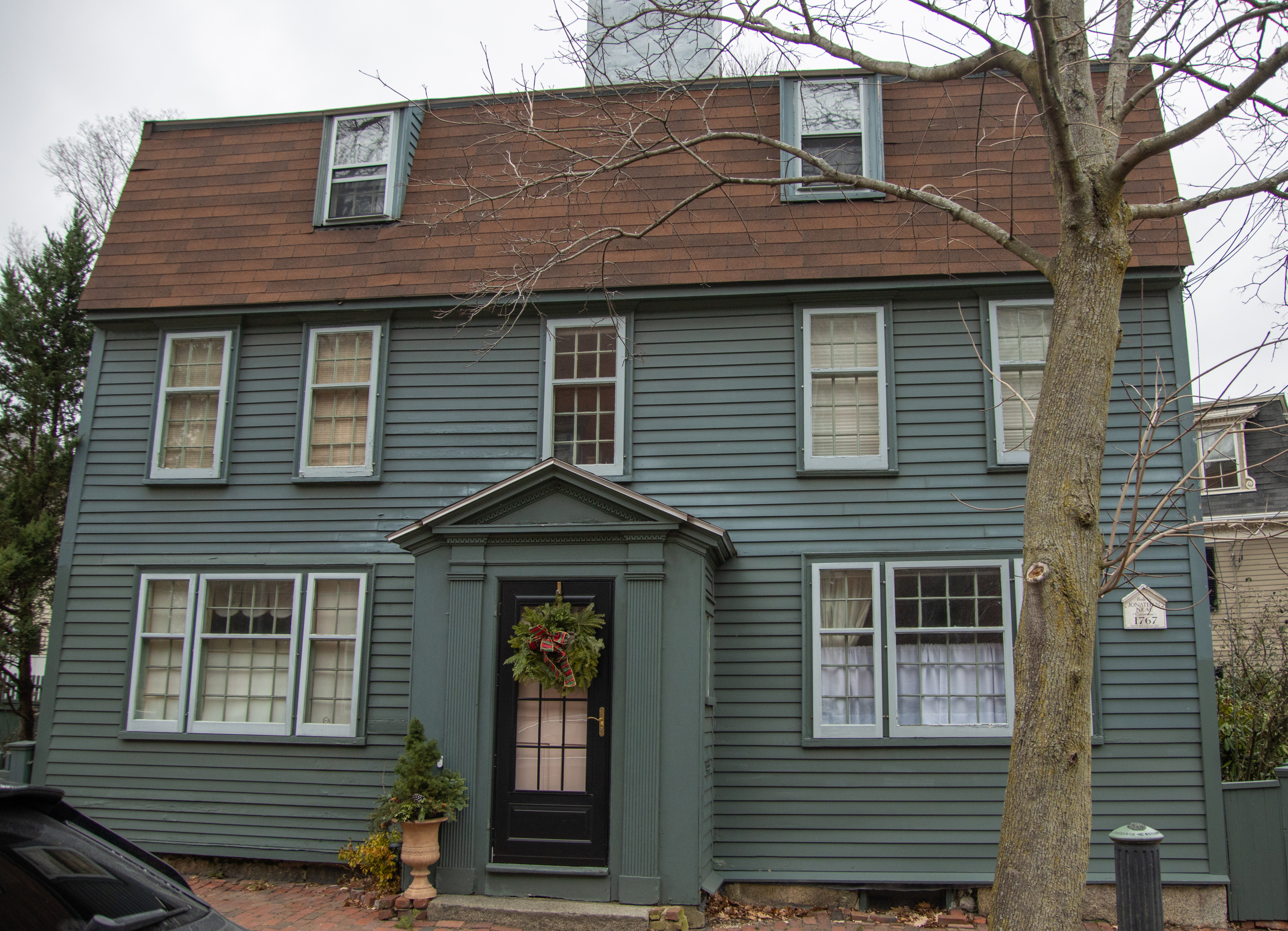
In 1767 Johnathan Neal, a yeoman and carter, built this house on land owned owned by the Neal family since the 1600s; The house Jonathan built was described as two stories high and one room deep with a pitched roof which may have been a recycled from a previous house. Certain elements, such as a front-to- back summer beam on the first floor, suggest a possible pre-1730s date while elsewhere there is beaded box molding suggestive of post-1730s construction. The house is said to have had 6 working fireplaces. It was extensively renovated in the 20th making it difficult to determine which elements are original and which have been restored.

The area of Broad St where this house stands was not far from the town almshouse (a charitable residence, often endowed by a benefactor, providing housing of poor, elderly, disabled or otherwise disadvantaged people in a community) where indigent and very sick people were housed in the 18th century. Because of the location of the almshouses, the street was known as Almshouse Lane.

Neal died in 1790 after falling off the wharf near his almshouse after visiting a “house of intemperance.” Neal landed face first in the mud. Hey, we’ve all had bad nights. Unfortunately, Neal’s bad night was fatal. After his death, the house was divided among his children into four units occupied by the Neal family and in-laws. After the Civil War, the dwelling house became a two-family home and in 1925 it was a single-family home for the first time in over 25 years.

In 1885, Leverett Saltonstall, who grew up on nearby Chestnut St, recalled that Jonathan Neal’s sons had run a bakery at 12 Broad St where pigs were often slaughtered in the yard. The process was so grim and viscous screams and squeals from the pigs could be heard around the block. Because of the noises, Jonathan Neal Jr was taunted by the children as “Piggy Neal who makes pigs squeal.”

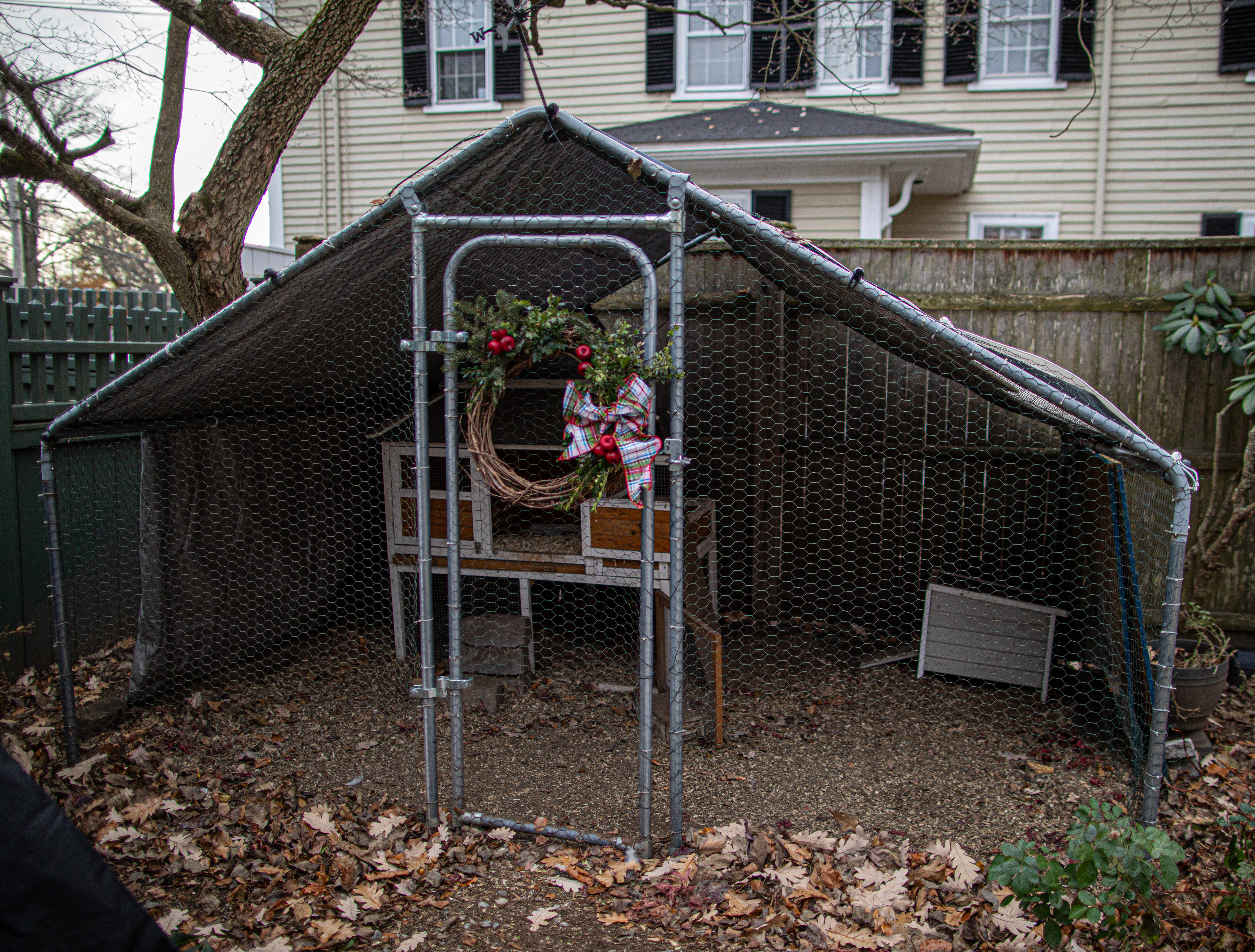
Instead of the pigs mentioned above, bees and chickens are now the themes of the house. The owners raise chickens and are beekeepers. There were beekeeping supplies outside of the house.

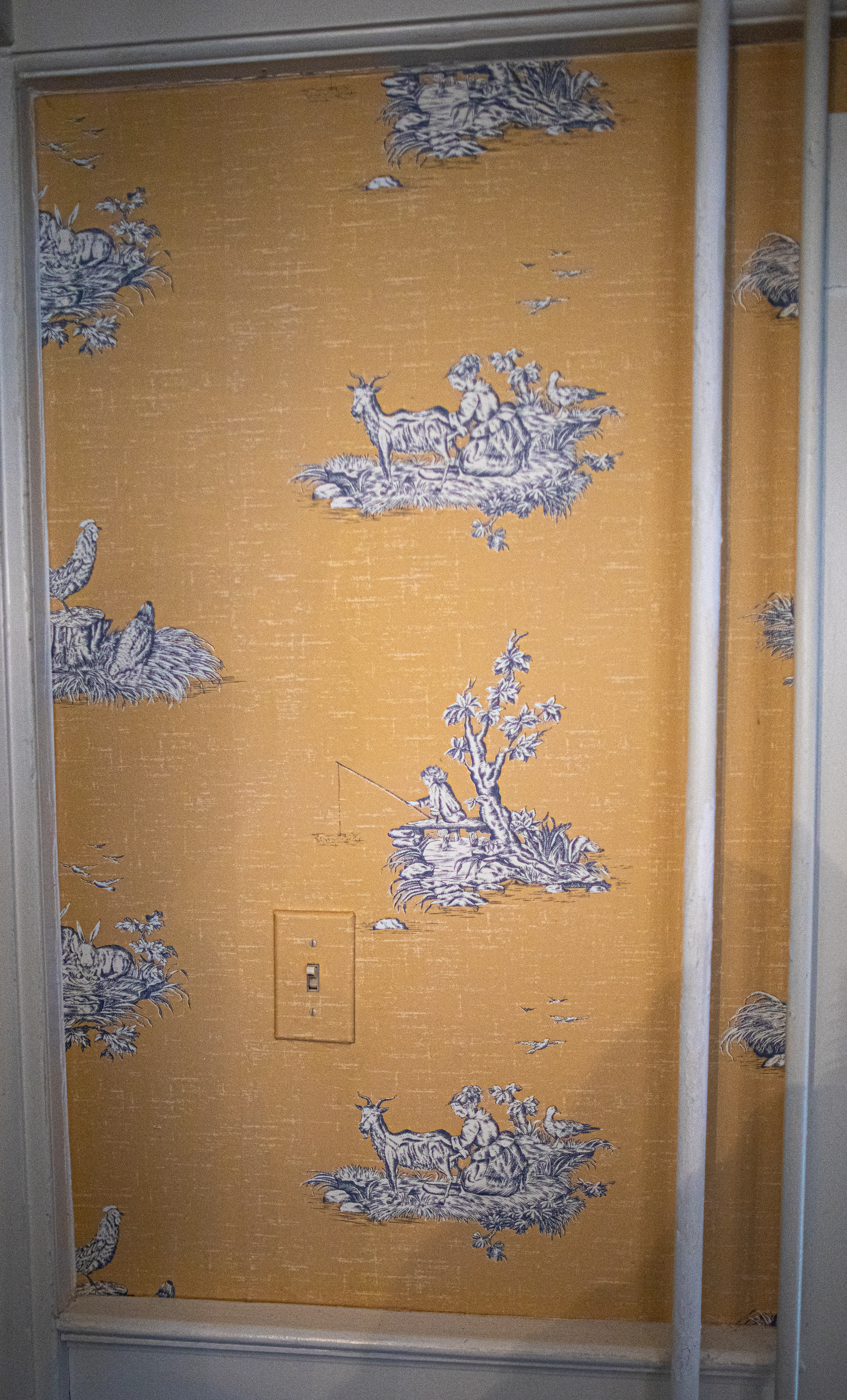
This is the original wallpaper from the 18th century. I know. I had to ask twice to make sure I heard that correctly.

The home was decorated tastefully for the holiday season.

Keeping with the chicken and bee theme, this tree had chicken and beekeeper decorations (zoom in and look about 1/3 of the way from the top on the left)’

This was one of the fireplaces on the first floor.

I was particularly impressed by the artwork above the fireplace.

I particularly appreciated the wainscoting and traditional decor in the dining room.

I know Christmas is over. But, these posts serve as “left overs” from a holiday season I think we all wish lasted longer! Fear not. I have many more tours to take you all on!


Christmas In Salem – Boughs And Blossoms – 8 Chestnut St (Built by Daniel Gregg)

Date Of Visit: December 6, 2025

Location: 8 Chestnut St, Salem, MA (about 30 minutes northeast of Boston, MA)

Universally Accessible: No

Cost: $40 per ticket ($50 if you purchase day of tour tickets)

Parking: There are several parking garages in Salem, as well as metered on street parking.

Summary: The historic home at 8 Chestnut St had a decorative and historic feel to it!

Constructed in 1805 by Daniel Gregg, the home on 8 Chestnut was originally built as a one-story store and residence. It is one of the oldest surviving homes on Chestnut St. In its early years, Captain Somers operated a grocery store at the building while David Ashby, sexton of the nearby South Church, resided there. Around 1828, Deacon John Stone purchased the property (one of several he would own on that street) and he added the upper stories. Stone would later convert it into a full residence. By 1830, it was advertised as a rental property before eventually housing the Stone family there.
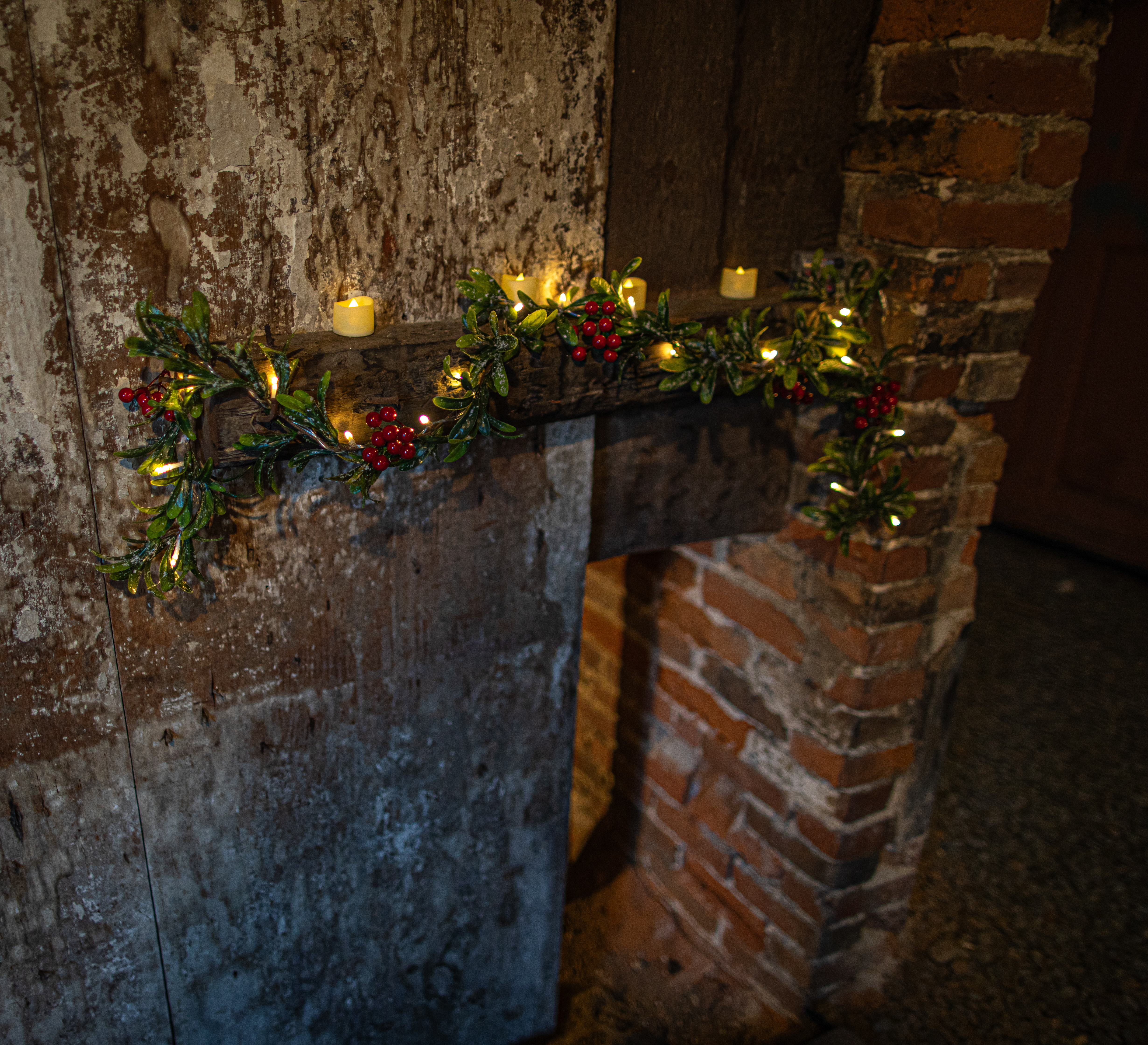
The house is considered a fine example of the early 19th-century brick Federal architecture. Its elliptical entryway with sidelights and decorative wood panels exemplifies this style.

I was able to arrive just as they were putting on the finishing touches of the decorations.

The home has a side entrance rather than an entrance on the street. One theory for this states it was done to avoid or pay less in taxes since the area facing the street was the area that was taxed. Google and other sources dispute this though claiming it was done more for functionality and aesthetic purposes. In any event, our efficient tax officials have rectified this loophole!

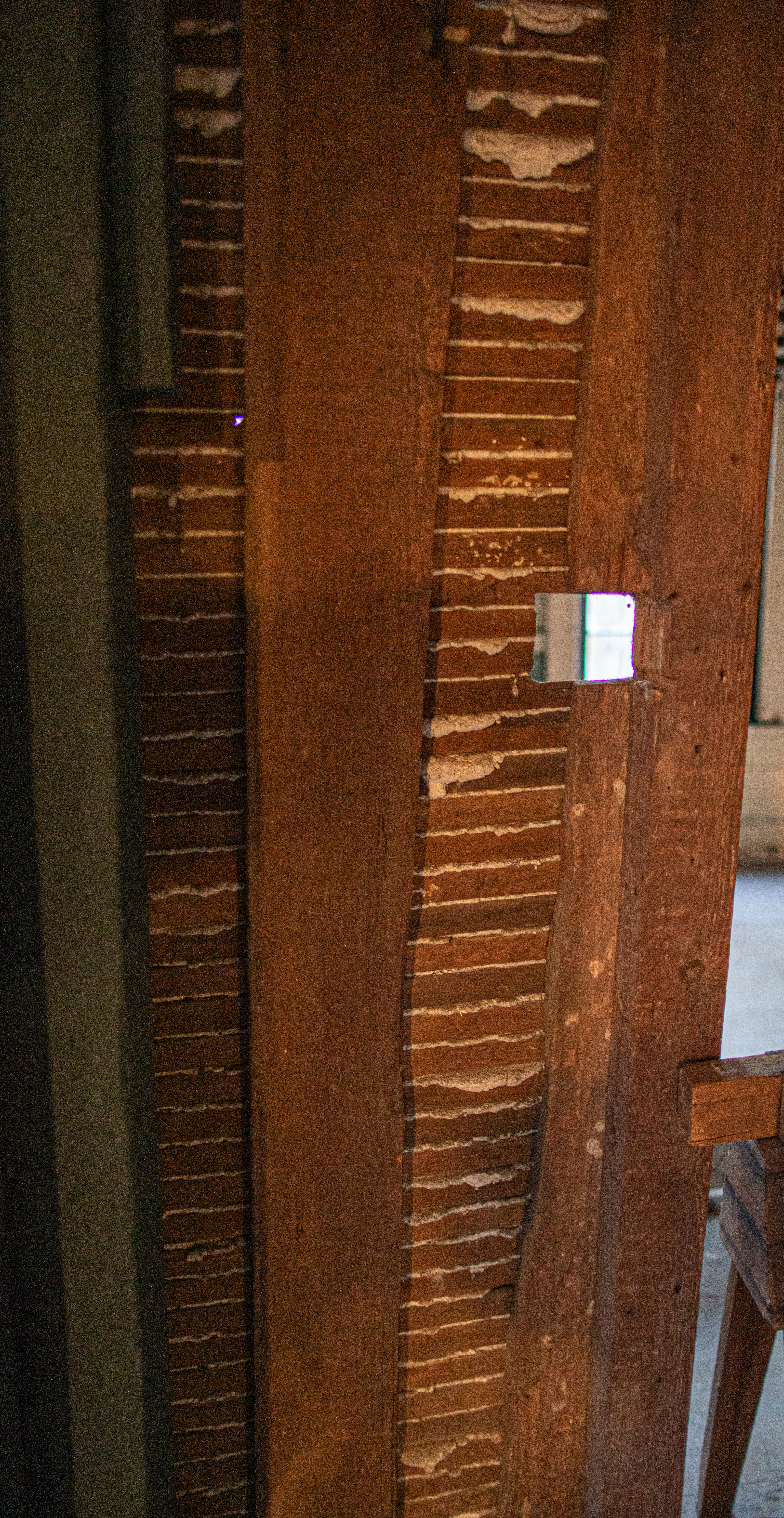
This home has so many little details and history. Even the bricks on the home are unique and interesting. The brick pattern layout on the outside of the house is Flemish bond brick pattern. A common feature in Georgian style homes, the Flemish bond pattern features bricks laid lengthwise (stretchers) alternating with bricks laid with their shorter ends exposed (headers) within the same courses. 
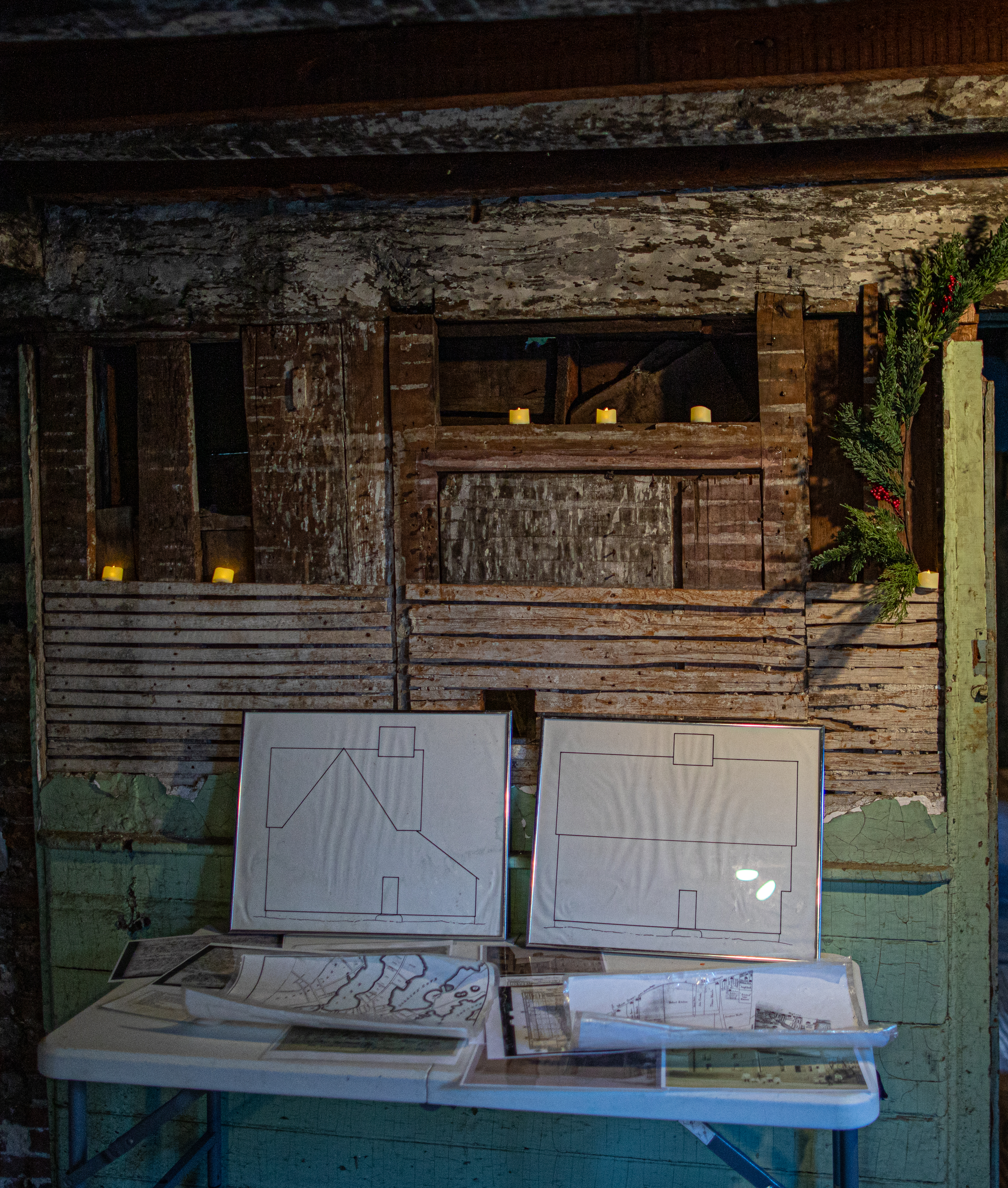
You may have to zoom in to see the details.
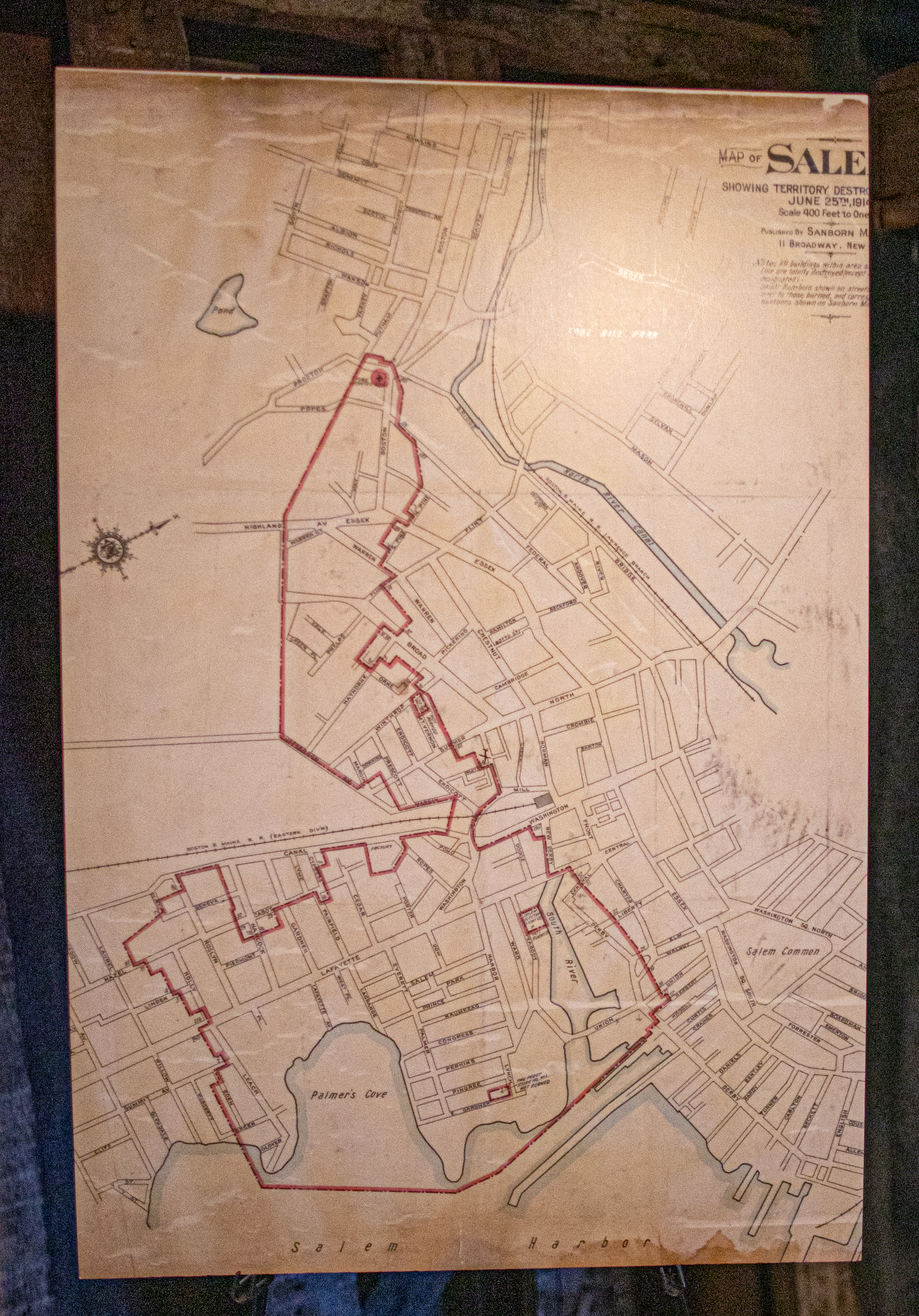
The house had a very festive decor.

The fireplace and wainscotting are restored from the original construction.

And, of course, lighting fixtures.
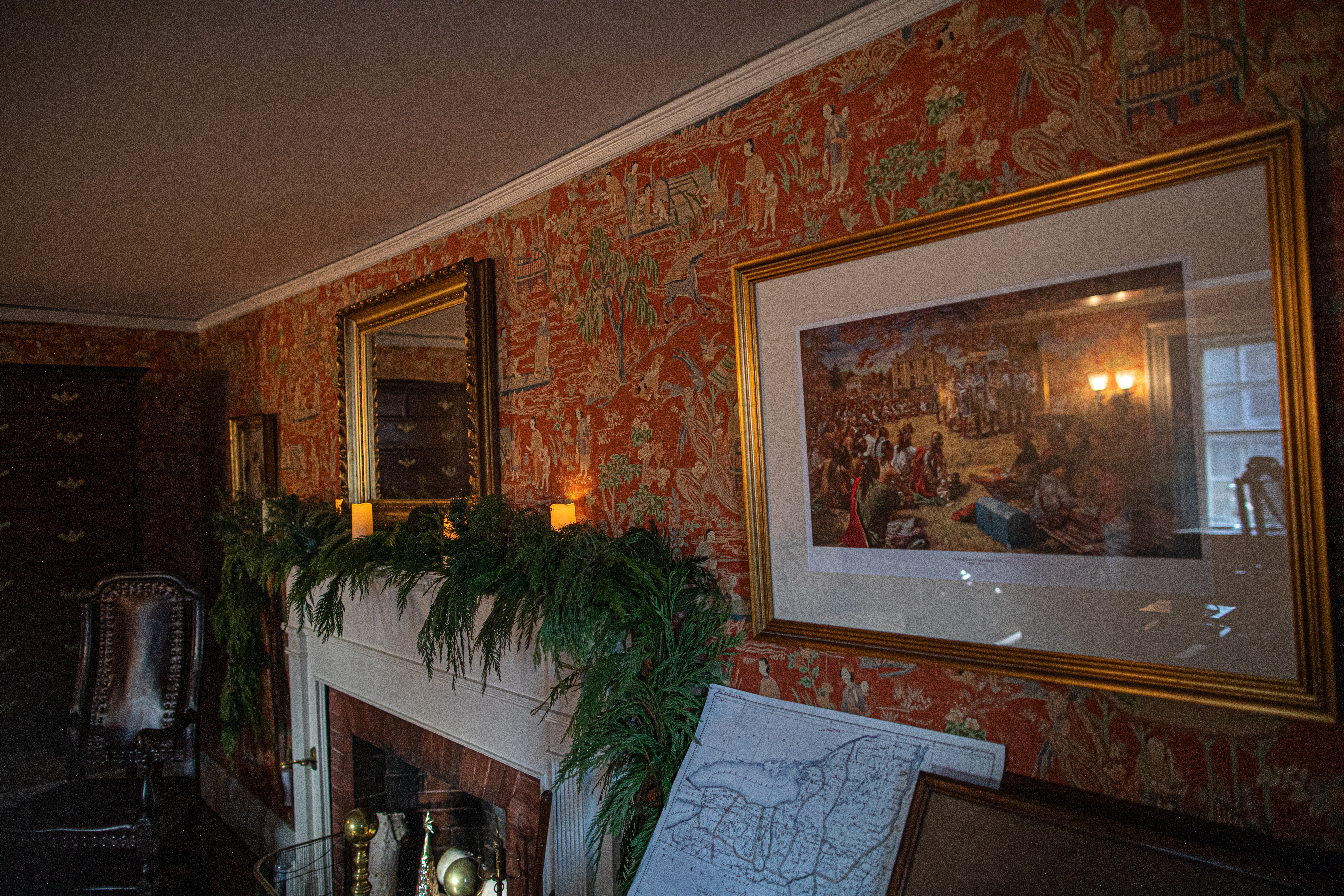
This house in only one of a group of homes on Chestnut St. Stay tuned for more historic homes on this street!


Christmas In Salem – Boughs And Blossoms – John Fullington House (Salem, MA)

Date Of Visit: December 6, 2025

Location: 19 Cambridge St, Salem, MA (about 30 minutes northeast of Boston, MA)

Universally Accessible: No

Cost: $40 per ticket ($50 if you purchase day of tour tickets)

Parking: There are several parking garages in Salem, as well as metered on street parking.

Summary: The John Fullington home, constructed in 1807, is full of lots of surprises.
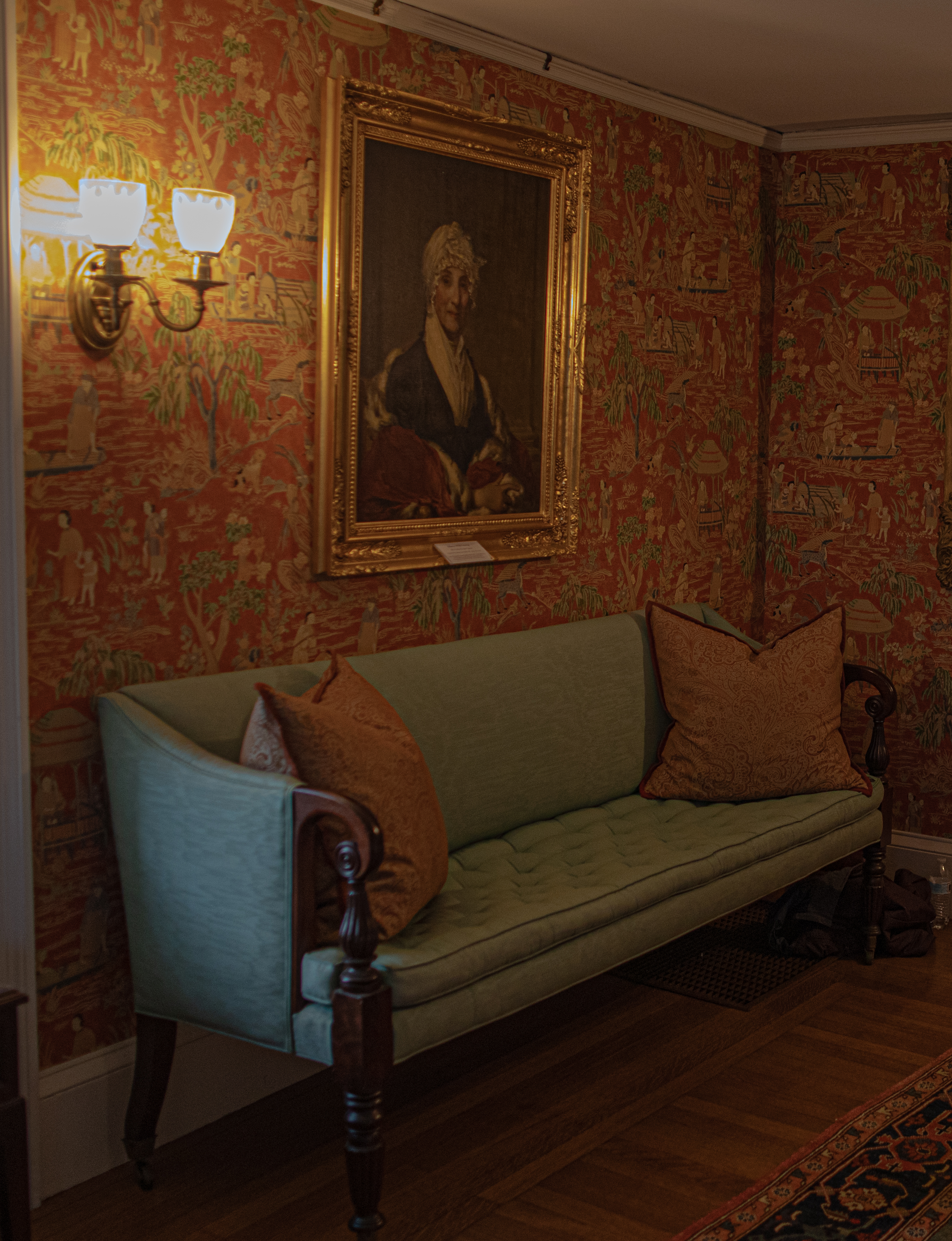
Although records show this home was built in 1807 by John Fullerton, it was really built by John Fullington, a bricklayer. The house has gone through some changes since it was originally built, though. It is now stylistically considered a mid 1860s home. While the original structure may have been in the federal Style, the house has been redesigned in the Second Empire Style around 1865. Some of the elements of the Second Empire Style include the mansard roof with flared eaves punctuated by dormer windows, large and small decorative brackets and the recessed side hall entrance containing double doors. The front doors were recently restored by a Salem based artisan. The door hood is topped by a flat cornice upon which rests a rectangular bay window.

During the late 19th century, renovations in the rear extension were added, creating a larger kitchen as well as a small upstairs bedroom.

James J. Buckley, a wine merchant, acquired the property in 1865. He most likely was responsible for the major renovations that were made to the house at that time. Buckley owned a liquor store on Washington St and shared the home with his wife Margaret and their son James O. Buckley. After Buckley’s death in the early 1870s, Margaret continued to live in the house until 1919 when it was sold to Isabella Murphy, the widow of John Murphy. Her son, Edward, a painter and leather worker, lived there with his wife until the 1950s. Mary Murphy occupied the house until the 1980s.

The home tour guide made an astute observation at the entry way of the home and I agree – the owner of the home must not have cats. If you know, you know.

The home did have some unique and unexpected features like this bell above the doorway.

Besides a certain type of decor I will touch on later, the owner of the home has a special affinity for our 16th President. The top hat on the book is a tribute to Abraham Lincoln. There’s also an Easter egg on the floor on the right side of the Christmas tree.

One of the pieces of decor that stood out to me were the chairs.

This chair is a 1880’s Victorian chair model.

I also liked the Christmas decor in and outside of the home.

I agree with this sign!

And, if you’ve been following my posts, you know I appreciate most of the lighting fixtures of these homes. This light had an environmental feel to it.

Now, back to the special theme of the home that I alluded to previously and the “Easter egg” from earlier in the post. This home like some of the homes on the tour had a theme or certain type of decor. The theme of this home was rocking horses! The owner of this home really likes rocking horses.

As you can see, the Fullington home was full of charm, Christmas cheer and a few pleasant surprises!


Christmas In Salem – Boughs & Blossoms – Joseph Kinsman House (Salem, MA)

Date Of Event: December 6, 2025

Location: 311 Essex St, Salem, MA (about 30 mins northeast of Boston, MA)

Universally Accessible: No

Cost: $40 ($50 if you buy ticket on day of tour)

Parking: There are several parking lots and garages and metered on street parking in Salem.

Summary: The Kinsman home has multiple Christmas trees, interesting art and decor and a lot of history!

Another home that I have walked past while marveling at its design is the Joseph Kinsman house. Some of the homes on this tour look like something you’d see in a movie. Wait until we get on to Chestnut St.

The Kinsman House has a long history of owners and changing locations. In 1850, Eliza Fiske sold her property which included her house on the corner of Essex and Summer Streets to John Kinsman, Superintendent of the Eastern Railroad, and his wife Nancy Fogg. The house, which was originally numbered 311 Essex St and later renumbered 309 after the Second Empire-style house was constructed, was demolished by the 1950s to make way for the expansion of Summer and North Streets (the streets adjacent to Essex St). Kinsman, after getting remarried to his second wife Martha Lord, sold his property to Caroline E and Joseph F. Dane, a shoe and leather dealer, on 1864, the lot already had two brick houses. Dane and his wife lived in 309 Essex St and rented out 311 Essex St to various tenants.

After their parents deaths in the early 1900s, the Dane children divided the property between the two buildings, selling 311 Essex St to Dr. George K. Blair, a renowned physician and surgeon in Salem. Madeline, his wife, lived at 311 Essex St until her death in 1983.

The tour guide for the home had some horns growing. He should have that looked at!

The entryway was decorated with some traditional Christmas decorations.

The spacious bedroom had a lot of character and pretty decor.

This painting of the house, done by a local artist, hung on the bedroom wall.

These colorful curtains were from high end decorators Cole & Son.

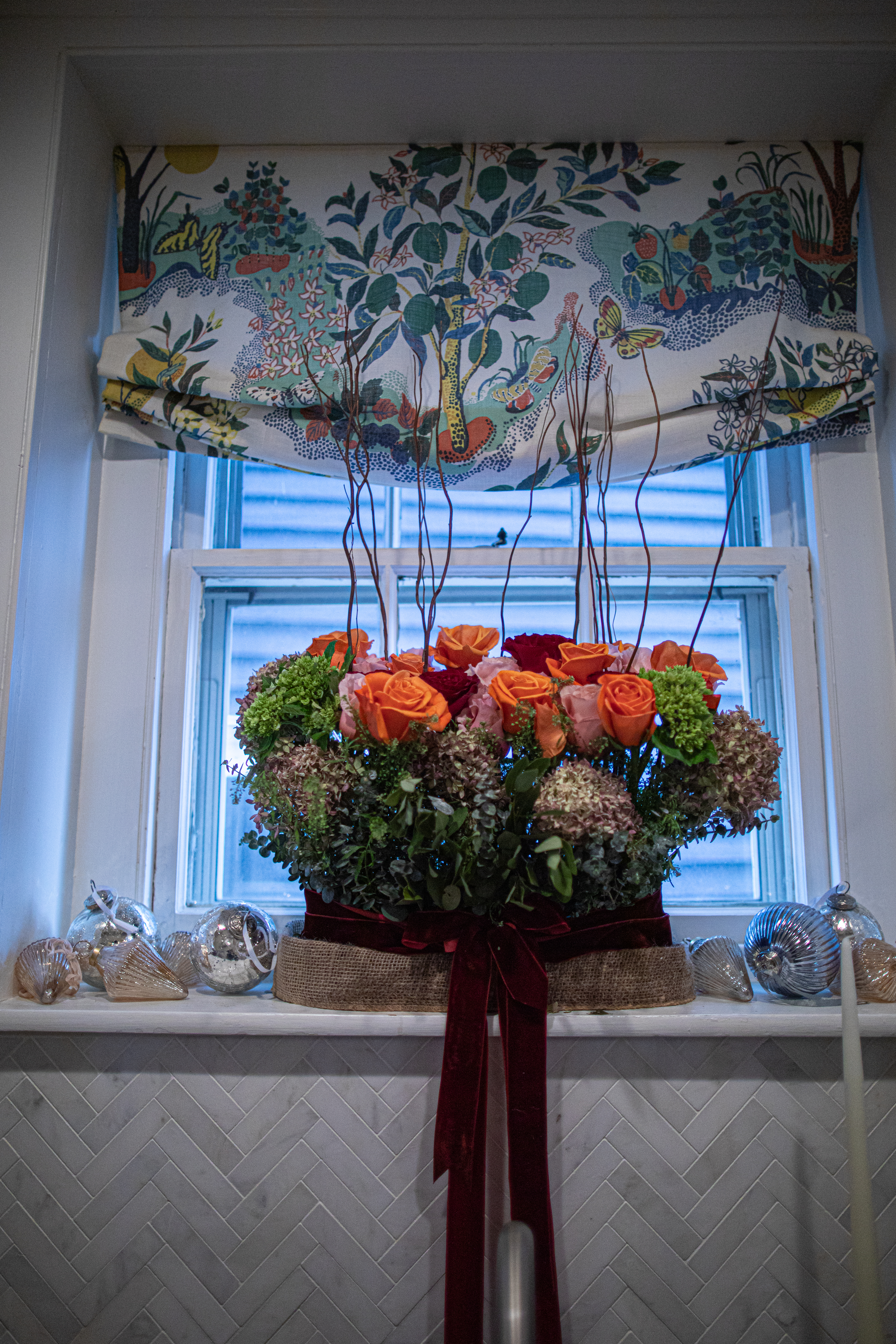
The decor on the fireplace mantle and table were emblematic of the aptly named “Boughs and Blossoms” tours. And, no, they are not decorated this way all year long! I did ask!

I’m always intrigued by the lighting fixtures at these historic homes.

The owner of the home is a connoisseur of whisky and other fine liquors. But, the tour guide assured us there was no liquor in this drink (wink, wink).

This so called “blessed buck” is indeed a real buck.

The home had various works of art and other types of decor around the home. I especially liked the painting in the middle. But, it is a house in Salem, So, of course, there was a skeleton and what appears to be a dragon in the group of paintings. This is what I like so much about these home tours. It’s interesting to see what they look like on the inside. And, it’s fun to see how different each of the home owners decorate.

There were quite a few trees in the home. One in the bedroom.

And in the kitchen.

And one outside

Some of the visitors dressed up for the event. These guys wore some festive headwear!

And these ladies wore their best hats! This is just another reason to love these tours! The people you meet are both interesting and fun to be around!


2024 Christmas In Salem Part 8 – The Witch House (Salem, MA)

Date Of Event: December 7, 2024

Location: 310 Essex St, Salem, MA

Website: The Witch House

The Witch House in Salem, MA, may be not only the most photographed housew in Salem, it may also be the most infamous.

Built in circa 1675, the building was built by Captain Nathaniel Davenport of Boston. The wood-frame and clapboard home was sold to Salem merchant Jonathan Corwin. After purchasing the home, Corwin hired mason Daniel Andrew to complete the structure.

In 1692, during the Salem witch trials, Corwin, who served as a magistrate and justice, would question and examine some of the accused witches in this very house. None of the accused ever lived in the house. And, of course, none of the accused witches were actual witches.

The house was built in a center chimney style. The clustered brick chimney served as an anchor for the house. A two-story projecting projecting porch is flanked by peaked gables on the facade, a rear lean-to extends the space on the back. The entire second story overhangs the first story in the front with decorative drop pendants at the ends of the overhangs of the porch.

Through the year, multiple changes and alterations were made to the structure. In the second-half of the 19th century, owner George P. Farrington, attached a drugstore to the east front of the structure.

In the 1940s, the city wanted to enlarge North St (the original location of the Witch House). But, the citizens of Salem raised $42,000 to save the home and to have it moved to its current location on Essex St. The Witch House was eventually opened as a museum in 1948.

I have mixed feelings about this house. Innumerable people line up to take photos in front of this infamous home. While it’s important to keep reminders of the past and it’s also good that places where tragic things have taken place have transformed into places of historic value (and business), it still doesn’t sit well with me.

The Witch House had a self-guided tour that had print outs with information about the house. While the house is generally known for the tragic events of the Salem witch trials, this tour dealt more with the Christmas traditions and some of the rituals and remedies of the day.

According to the handouts, the colonists brought over many of their Christmas traditions from England. Some of these traditions include eating and singing religious hymns. Did I mention eating?

I got hungry just posting these photos! And, of course, one would need implements to eat these foods.

These utensils were found through archeological digs and excavations.

The Christmas festivities from that time lasted from December 25 until the Twelfth Day, January 6. During this time period very little work was done. What a bunch of party animals.

The Witch House was festively decorated for the tours.

During the times of the witch trials, people used holly remedies as cures. Archeologists found ritual shell-cups in North America with residue dating back to 1,200 BC. The leaves can be used to make tea and alleviate digestive disorders, water retention, jaundice, rheumatism, periodic fevers, measles and respiratory illnesses such as cold, coughs, flu and pneumonia. Somedays I feel like I may have every single one of those. Holly leaves can also be used to treat symptoms of dizziness and high blood pressure. They also can be used topically for sores and itching.

There were some documents from the witch trials. These actual documents from the trials are kept in a sealed container.

The Witch House also displays an assortment of wares and other tools of the era.


2024 Christmas In Salem Part 7 – First Church Of Salem (Salem, MA)

Date Of Visit: December 7, 2024

Location: 316 Essex St, Salem, MA

Hours: Open all day Saturday, special Sunday hours 1-4 pm

I am still planning on posting all of the summaries of my tours of the homes and buildings on the Christmas In Salem tour, albeit a little late. I did get side tracked with some other events I attended. But, I will now focus on these last remaining homes of the tour. I am also adding a bonus surprise to this post which will be revealed at the end of the description of this church.

From the 4 leaf clover-like design at the top of the building to the unique design, the First Church of Salem is one of the more recognized structures in the city of Salem, MA., that doesn’t have “witch: in it’s name. In fact, as I took the photo above a lady mentioned how it was one of the most photographed buildings in Salem. But, the interior of the building and the building’s history are lesser known points of interest.

Built in 1836, the The First Church of Salem is not only considered the continuous Protestant Congregation, it is also considered one of the best examples of stone masonry Gothic Revival ecclesiastical structures in the United States.

Constructed of cut and regularly coursed Quincy granite covered by a low-hipped slate roof, the First Church of Salem has symmetrical front facade on which is centered a square, crenelated attached bell tower with a Tudor-arch front doorway. Just like my home. Above the doorway is a large traceried (ornamental stone openwork) pointed-arch window. There are additional pointed-arch windows with basic tracery and diamond-shaped panes on either side of the tower and along the side walls. The church also houses stained glass windows by such names as Tiffany, LaFarge and Reynolds. Grace Park, widow of George Swinnerton Parker of Parker Brothers fame, dedicated one of the stained glass windows in memory of her husband and 2 sons.

Festive decor was abundant in the church.

In the back of the church, there was a room for functions and receiving people.

A pianist played some holiday music.

One of the interesting tidbits the guides for the church discussed was the church’s role in Leslie’s Retreat. To make a long story short, starting in 1718, the First Church of Salem broke into five different churches, with all but one rejoining the original First Church in later years. Today, the congregation worships at the meetinghouse of the North Church, built in 1836. The one congregation that remains independent is the Tabernacle Church in Salem, which separated from the First Church in 1734 over a row about a minister at the time. 

On February 26, 1775 at North Church, which is the current location of the First Church, Reverend Thomas Barnard Jr left his pulpit to join a group of Salem men to convince the British Colonel Leslie to not attack a munitions depot alleged to be stored in North Salem. After some cajoling (and perhaps some bending of the truth), Col. Leslie agreed to not attack. It is said that if not for the reverend’s efforts, the Revolutionary War would not have started in February, 1775 instead of April, 1775. A portrait of the reverend still hangs at the church.

Drum roll please for the bonus to this post…

Every so often, I am planning on adding book reviews from authors from New England or books about New England. I’ve read many books from authors based in New England or about the area. But, to refresh my memory, I will have to re-read some. If you do have any New England themed books or books written by people from New England, feel free to leave a comment or suggestion!

This was not my first go at a book by this author some of you may have heard of. And, although I’ve given this author many tries, I’ve never been overly impressed. But, that may be because it’s just not my personal taste of genre. However, this book was different. I am copying and pasting text from my goodreads review. Click on the link if you want to read the entire review. And, send a friend request if you’re a goodreads user!

The Shining – Stephen KIng

It may be surprising to some. But I am not a huge Stephen King fan. However, he definitely delivered in this effort.

Of course, I had seen the movie several times before reading the book. However, not everyone prefers the film over the book. In fact, Stephen King has been a sharp critic of the film version. While each production stands on their own, here’s what I appreciated about the book.

Jack Torrance. What a character. Unlike the film, Jack is a much more nuanced and layered character in King’s book. Sometimes he seems dangerous, indeed evil. Other times he seems almost relatable, particularly his struggles with his vices.

I also appreciated the Wendy character in the book. She was both sincere and, frankly, bad ass.

King transitioned smoothly to various side stories…