Category Archives: Christmas In Salem

2024 Christmas In Salem Part 8 – The Witch House (Salem, MA)

Date Of Event: December 7, 2024

Location: 310 Essex St, Salem, MA

Website: The Witch House

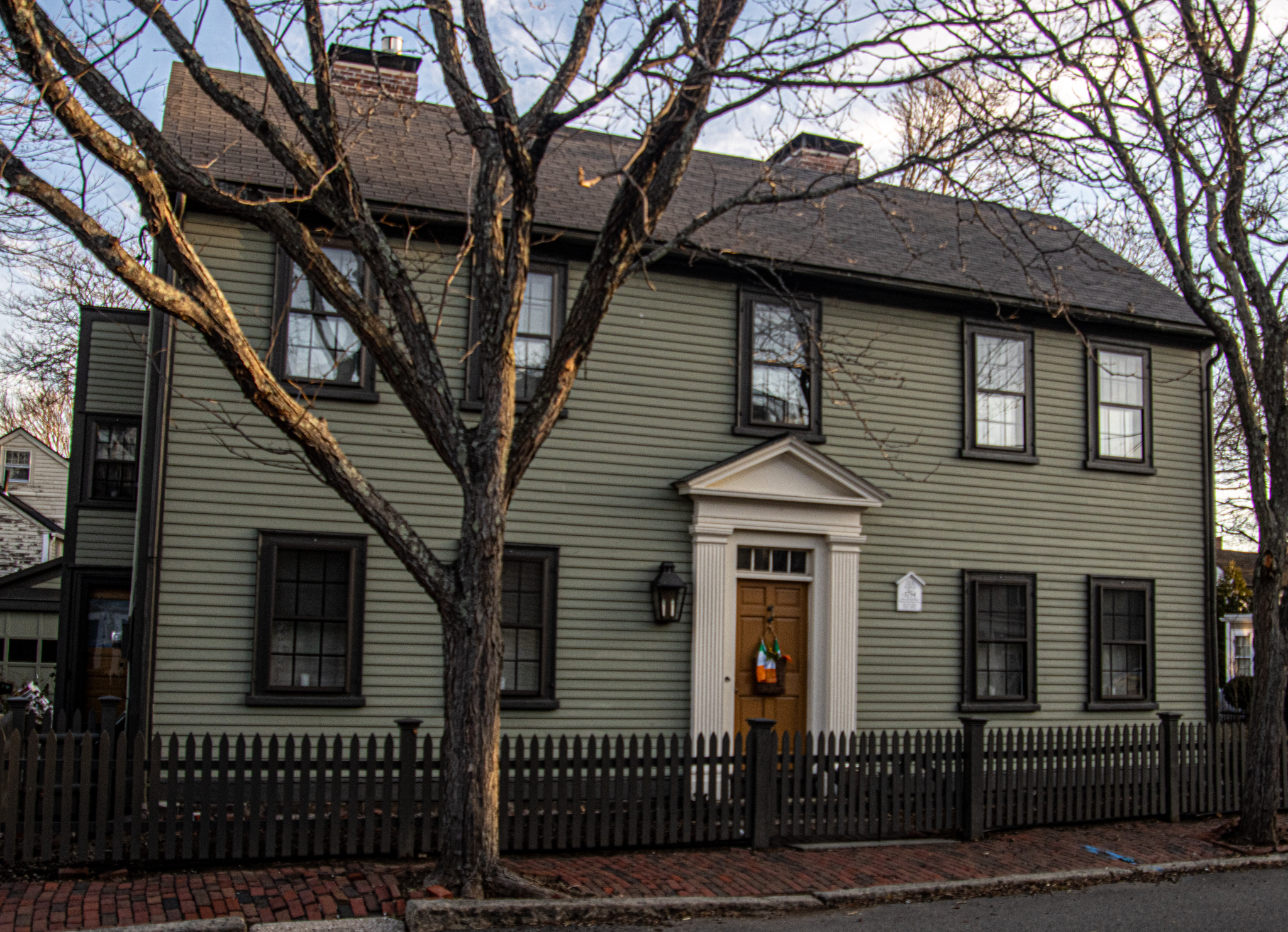
The Witch House in Salem, MA, may be not only the most photographed housew in Salem, it may also be the most infamous.

Built in circa 1675, the building was built by Captain Nathaniel Davenport of Boston. The wood-frame and clapboard home was sold to Salem merchant Jonathan Corwin. After purchasing the home, Corwin hired mason Daniel Andrew to complete the structure.

In 1692, during the Salem witch trials, Corwin, who served as a magistrate and justice, would question and examine some of the accused witches in this very house. None of the accused ever lived in the house. And, of course, none of the accused witches were actual witches.

The house was built in a center chimney style. The clustered brick chimney served as an anchor for the house. A two-story projecting projecting porch is flanked by peaked gables on the facade, a rear lean-to extends the space on the back. The entire second story overhangs the first story in the front with decorative drop pendants at the ends of the overhangs of the porch.

Through the year, multiple changes and alterations were made to the structure. In the second-half of the 19th century, owner George P. Farrington, attached a drugstore to the east front of the structure.

In the 1940s, the city wanted to enlarge North St (the original location of the Witch House). But, the citizens of Salem raised $42,000 to save the home and to have it moved to its current location on Essex St. The Witch House was eventually opened as a museum in 1948.

I have mixed feelings about this house. Innumerable people line up to take photos in front of this infamous home. While it’s important to keep reminders of the past and it’s also good that places where tragic things have taken place have transformed into places of historic value (and business), it still doesn’t sit well with me.

The Witch House had a self-guided tour that had print outs with information about the house. While the house is generally known for the tragic events of the Salem witch trials, this tour dealt more with the Christmas traditions and some of the rituals and remedies of the day.

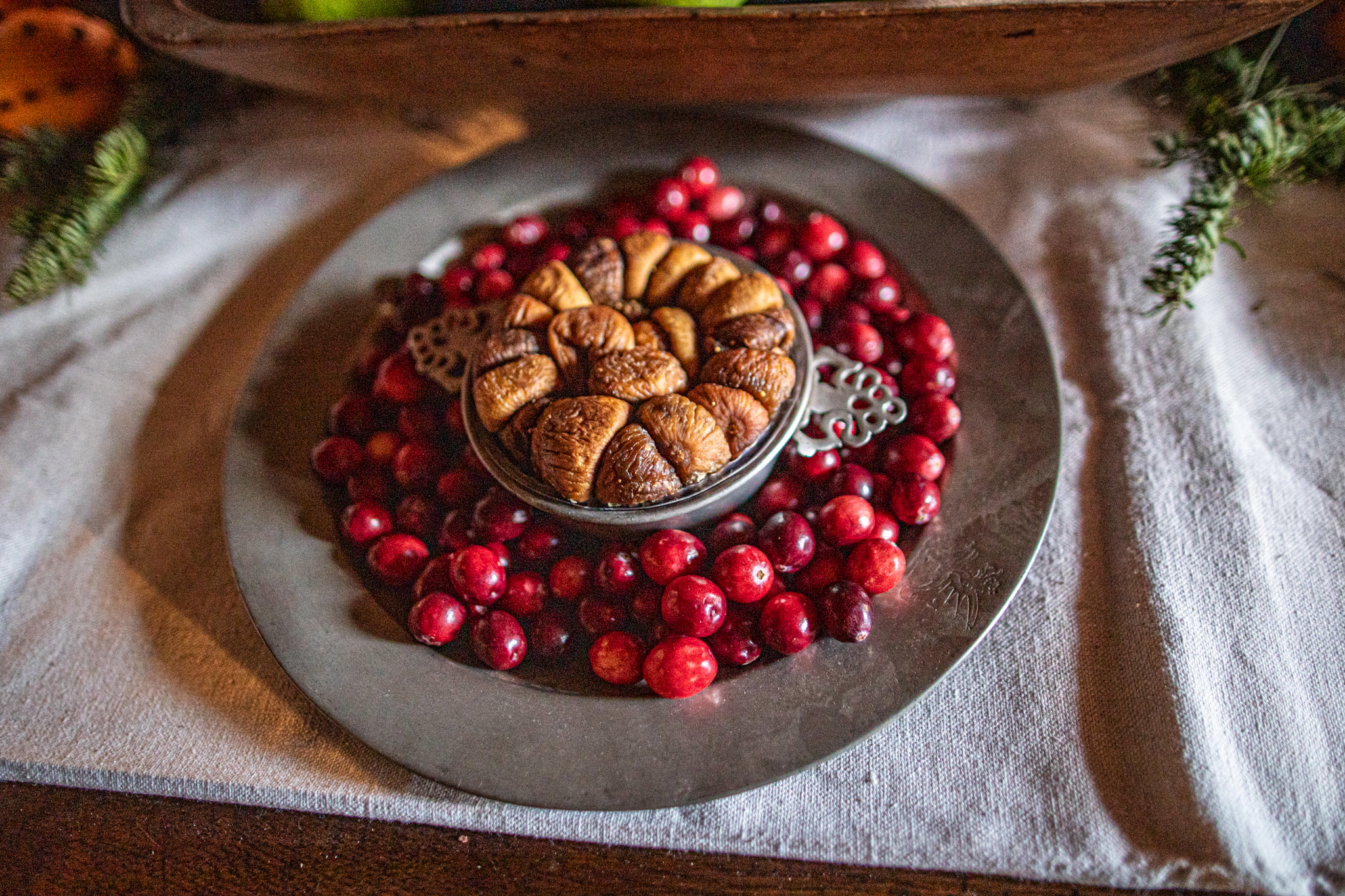
According to the handouts, the colonists brought over many of their Christmas traditions from England. Some of these traditions include eating and singing religious hymns. Did I mention eating?

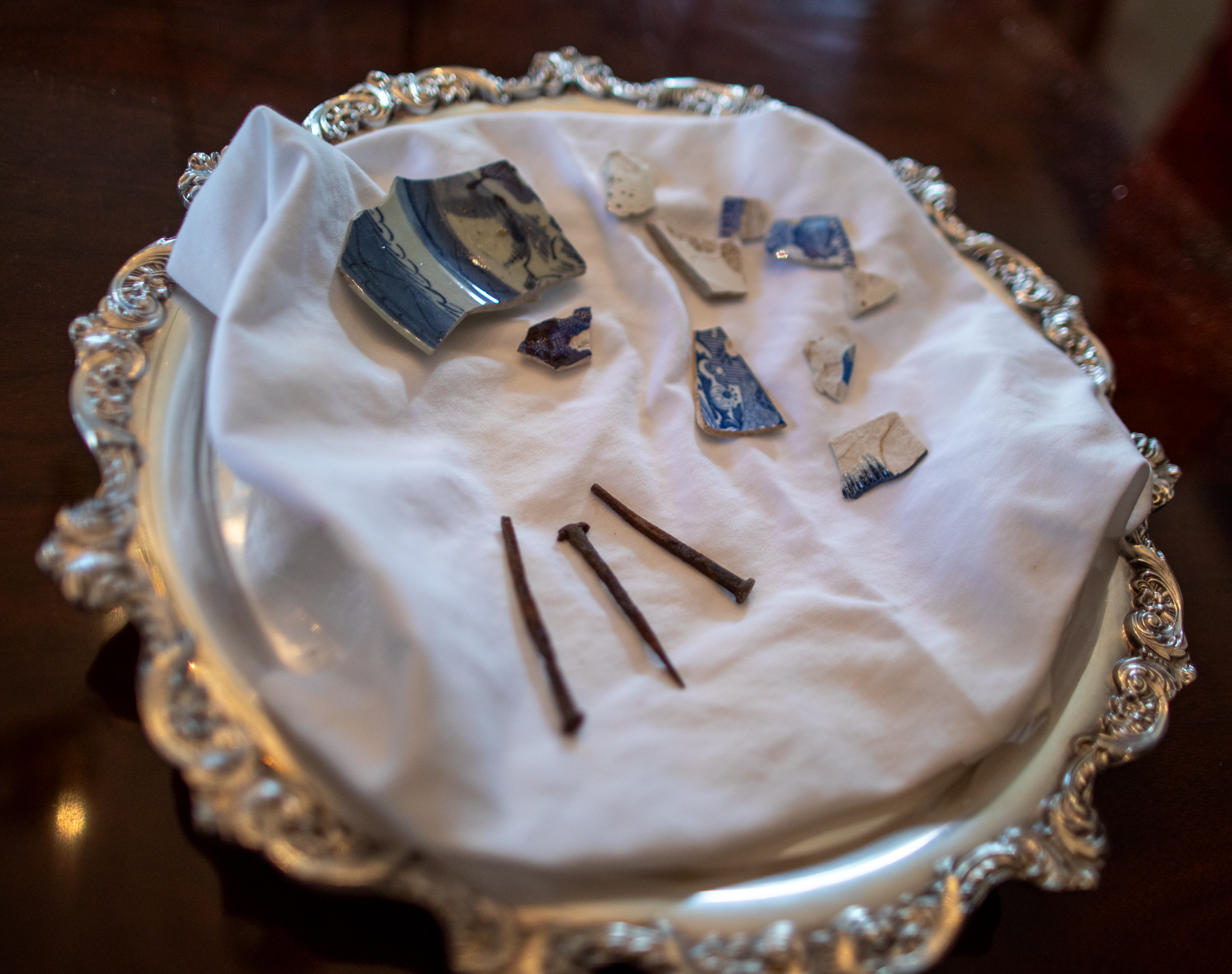
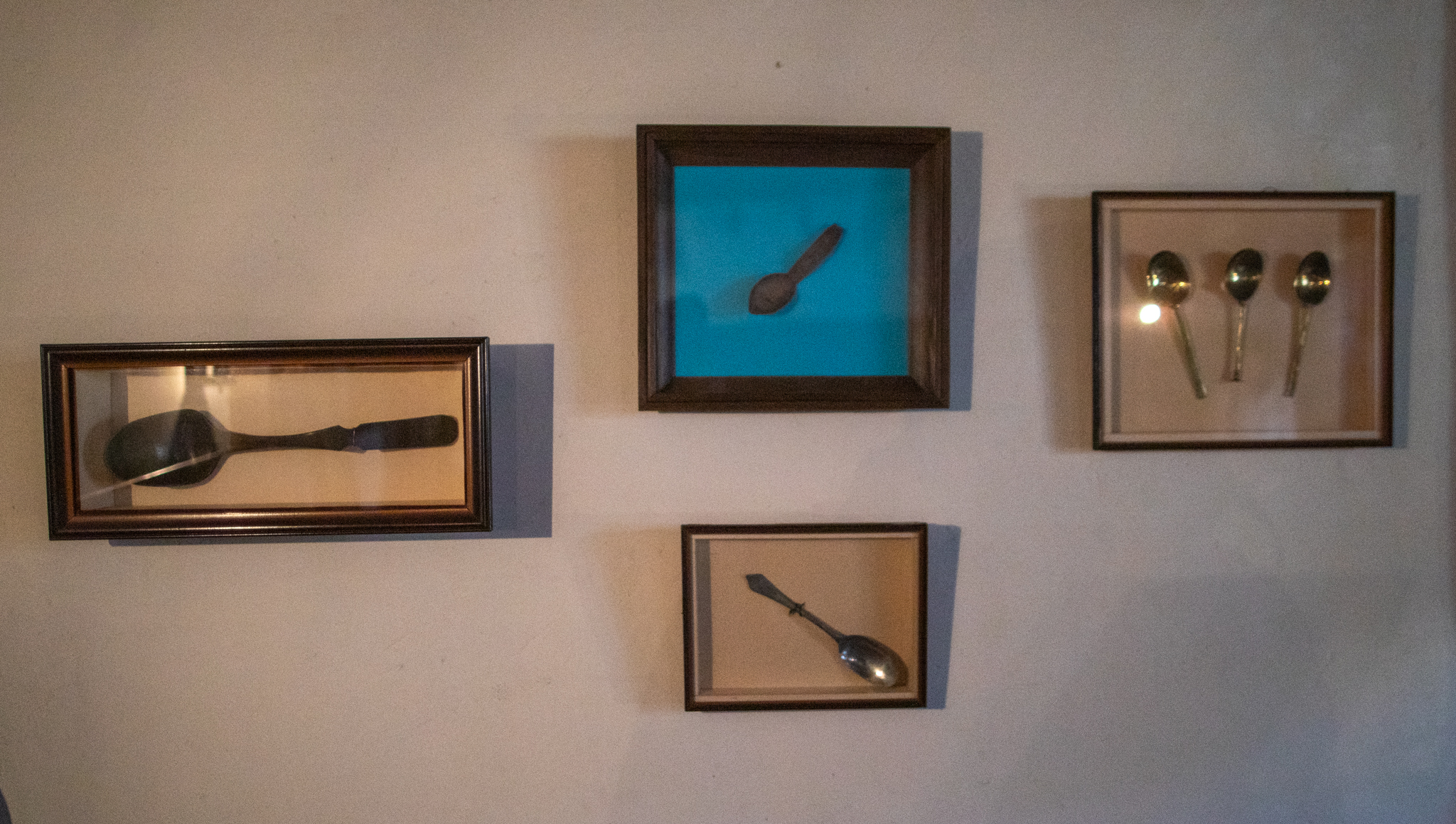
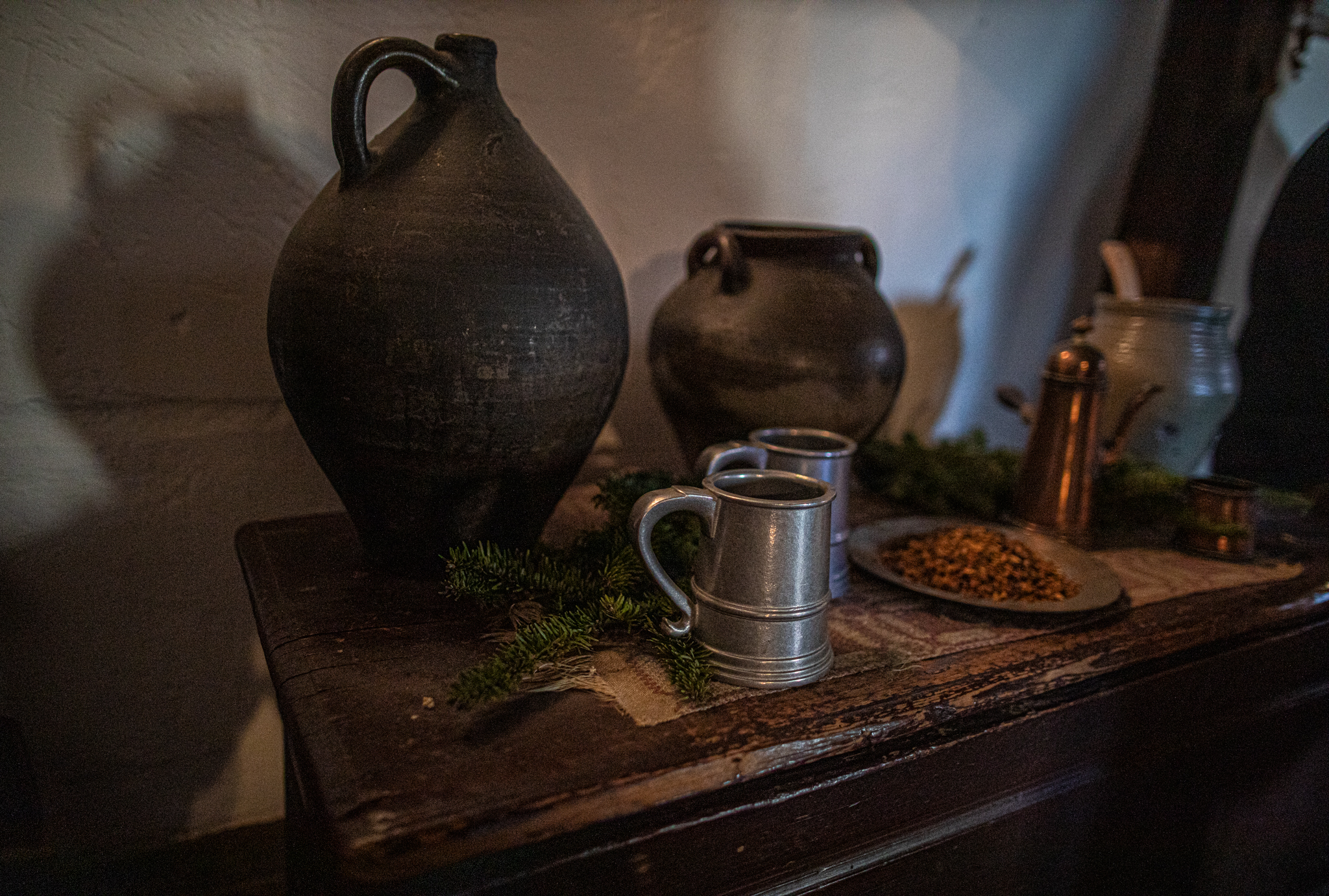
I got hungry just posting these photos! And, of course, one would need implements to eat these foods.

These utensils were found through archeological digs and excavations.

The Christmas festivities from that time lasted from December 25 until the Twelfth Day, January 6. During this time period very little work was done. What a bunch of party animals.

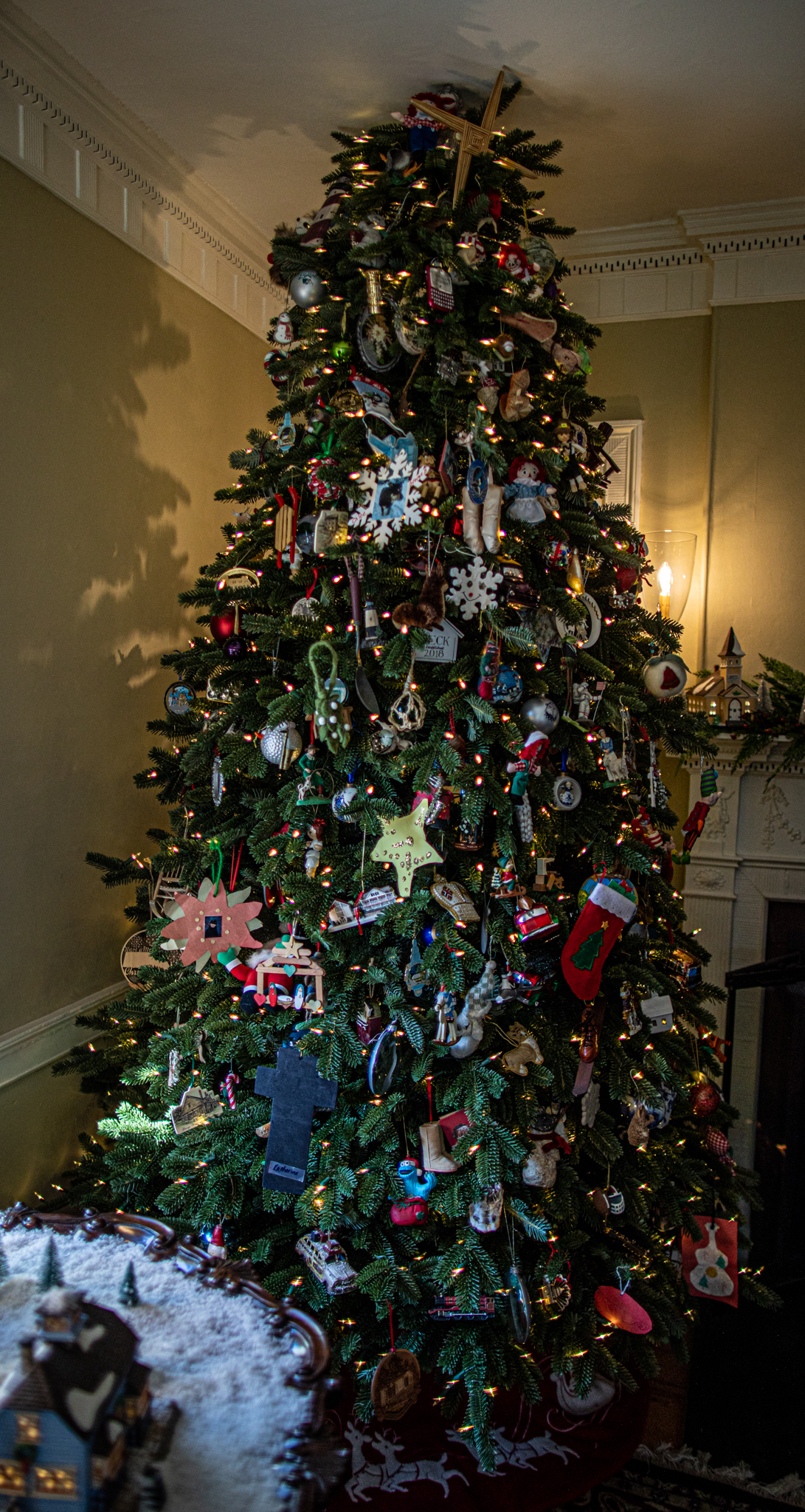
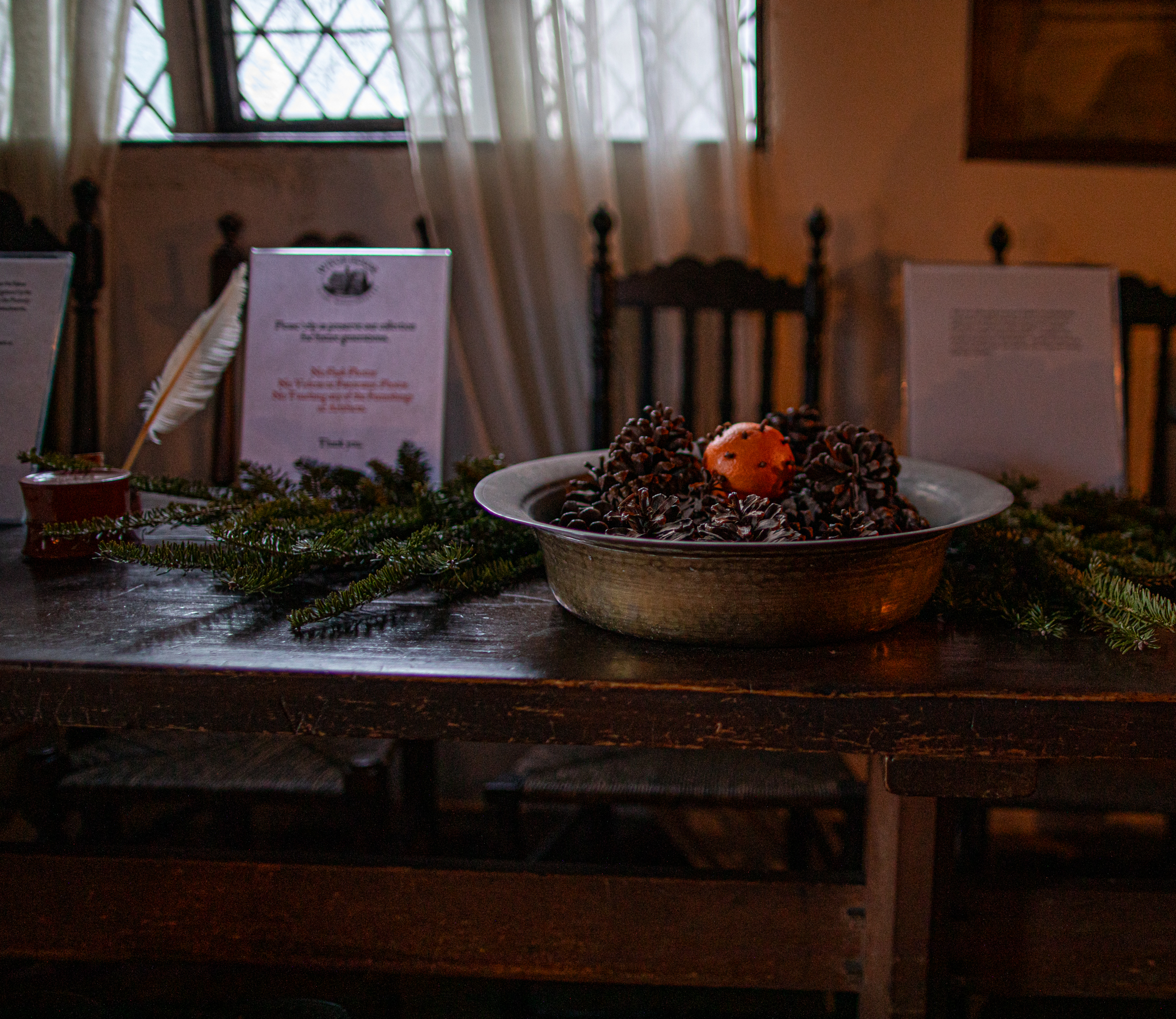
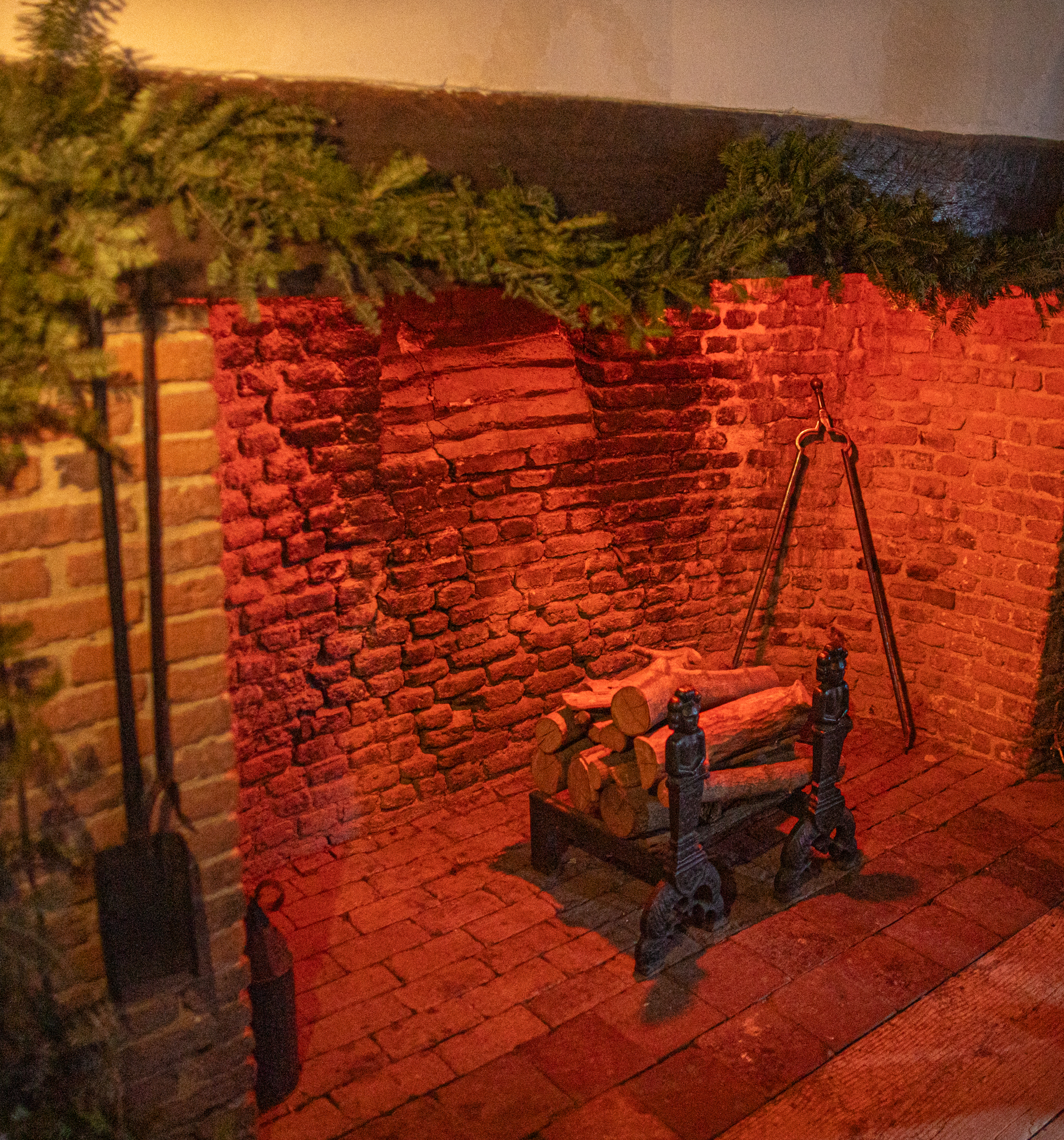
The Witch House was festively decorated for the tours.

During the times of the witch trials, people used holly remedies as cures. Archeologists found ritual shell-cups in North America with residue dating back to 1,200 BC. The leaves can be used to make tea and alleviate digestive disorders, water retention, jaundice, rheumatism, periodic fevers, measles and respiratory illnesses such as cold, coughs, flu and pneumonia. Somedays I feel like I may have every single one of those. Holly leaves can also be used to treat symptoms of dizziness and high blood pressure. They also can be used topically for sores and itching.

There were some documents from the witch trials. These actual documents from the trials are kept in a sealed container.

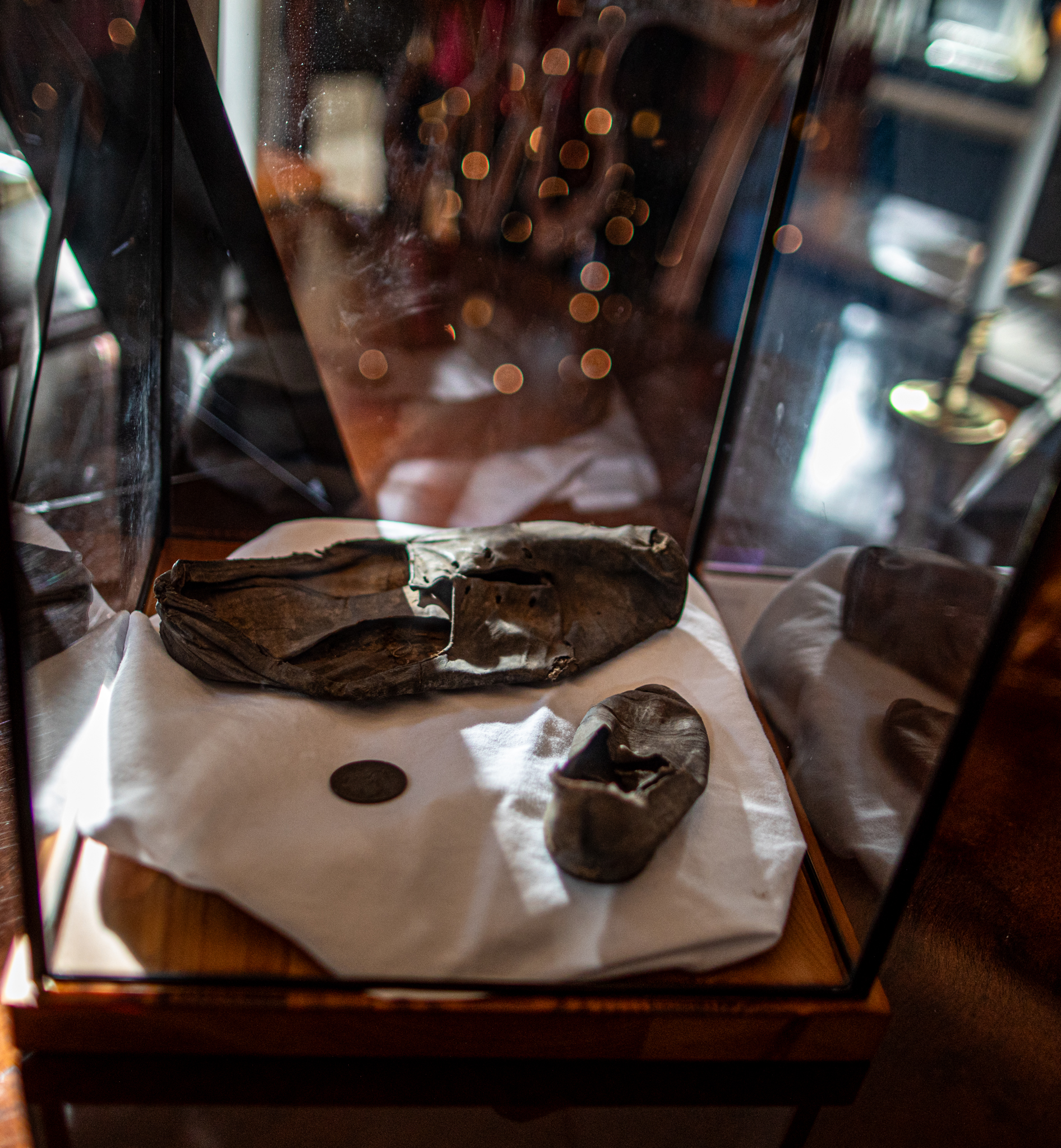
The Witch House also displays an assortment of wares and other tools of the era.


2024 Christmas In Salem Part 7 – First Church Of Salem (Salem, MA)

Date Of Visit: December 7, 2024

Location: 316 Essex St, Salem, MA

Hours: Open all day Saturday, special Sunday hours 1-4 pm

I am still planning on posting all of the summaries of my tours of the homes and buildings on the Christmas In Salem tour, albeit a little late. I did get side tracked with some other events I attended. But, I will now focus on these last remaining homes of the tour. I am also adding a bonus surprise to this post which will be revealed at the end of the description of this church.

From the 4 leaf clover-like design at the top of the building to the unique design, the First Church of Salem is one of the more recognized structures in the city of Salem, MA., that doesn’t have “witch: in it’s name. In fact, as I took the photo above a lady mentioned how it was one of the most photographed buildings in Salem. But, the interior of the building and the building’s history are lesser known points of interest.

Built in 1836, the The First Church of Salem is not only considered the continuous Protestant Congregation, it is also considered one of the best examples of stone masonry Gothic Revival ecclesiastical structures in the United States.

Constructed of cut and regularly coursed Quincy granite covered by a low-hipped slate roof, the First Church of Salem has symmetrical front facade on which is centered a square, crenelated attached bell tower with a Tudor-arch front doorway. Just like my home. Above the doorway is a large traceried (ornamental stone openwork) pointed-arch window. There are additional pointed-arch windows with basic tracery and diamond-shaped panes on either side of the tower and along the side walls. The church also houses stained glass windows by such names as Tiffany, LaFarge and Reynolds. Grace Park, widow of George Swinnerton Parker of Parker Brothers fame, dedicated one of the stained glass windows in memory of her husband and 2 sons.

Festive decor was abundant in the church.

In the back of the church, there was a room for functions and receiving people.

A pianist played some holiday music.

One of the interesting tidbits the guides for the church discussed was the church’s role in Leslie’s Retreat. To make a long story short, starting in 1718, the First Church of Salem broke into five different churches, with all but one rejoining the original First Church in later years. Today, the congregation worships at the meetinghouse of the North Church, built in 1836. The one congregation that remains independent is the Tabernacle Church in Salem, which separated from the First Church in 1734 over a row about a minister at the time. 

On February 26, 1775 at North Church, which is the current location of the First Church, Reverend Thomas Barnard Jr left his pulpit to join a group of Salem men to convince the British Colonel Leslie to not attack a munitions depot alleged to be stored in North Salem. After some cajoling (and perhaps some bending of the truth), Col. Leslie agreed to not attack. It is said that if not for the reverend’s efforts, the Revolutionary War would not have started in February, 1775 instead of April, 1775. A portrait of the reverend still hangs at the church.

Drum roll please for the bonus to this post…

Every so often, I am planning on adding book reviews from authors from New England or books about New England. I’ve read many books from authors based in New England or about the area. But, to refresh my memory, I will have to re-read some. If you do have any New England themed books or books written by people from New England, feel free to leave a comment or suggestion!
This was not my first go at a book by this author some of you may have heard of. And, although I’ve given this author many tries, I’ve never been overly impressed. But, that may be because it’s just not my personal taste of genre. However, this book was different. I am copying and pasting text from my goodreads review. Click on the link if you want to read the entire review. And, send a friend request if you’re a goodreads user!

The Shining – Stephen KIng

It may be surprising to some. But I am not a huge Stephen King fan. However, he definitely delivered in this effort.

Of course, I had seen the movie several times before reading the book. However, not everyone prefers the film over the book. In fact, Stephen King has been a sharp critic of the film version. While each production stands on their own, here’s what I appreciated about the book.

Jack Torrance. What a character. Unlike the film, Jack is a much more nuanced and layered character in King’s book. Sometimes he seems dangerous, indeed evil. Other times he seems almost relatable, particularly his struggles with his vices.

I also appreciated the Wendy character in the book. She was both sincere and, frankly, bad ass.

King transitioned smoothly to various side stories…


2024 Christmas In Salem Part 6 – The Greymoor /Putnam-Balch House (Salem, MA)

Date Of Visit: Dec. 7, 2024

Location: 329 Essex St, Salem, MA

It’s easy to see why the Grey-Balch residency is considered “the most ambitious and outstanding residence of its era in Salem.”

The Greymoor-Balch House boasts rusticated wooden sheathing, paired pilasters with fluted tops at the corners of the facade and an elaborate arched dormer window above the second floor which is enhanced by a heavily bracketed cornice. The front entrance porch is supported by eight square molded columns capped by a balustrade with corner posts supporting urns.

The house’s decor is modeled after the Second Empire and Italianate styles.

Greymoor was built by James S. Putnam in 1872 after he demolished a house on that site which was owned by Benjamin Marston, a former Essex County high sheriff and colonel in the state militia. In 1881 the property was by Frank Balch. Balch worked at the Naumkeag Steam Co. Balch’s son is said to have improved x-ray technology by inventing the Balch Roentgen Scopic screen in 1916 which reduced the time required for taking an x-ray picture from 20 seconds to 1/5 of a second. Balch’s company, Balch Roentgenoscopic Screen Co, was located in Salem, MA.

The house served as Salem’s American Legion headquarters between 1921 and 1979. Between 1971 and 1981, Donald Costin restored the house as a private home. More recently, the current owners have restored the house to its original decor. The 6,352 square foot included 3 floors with 2.5 bathrooms, 5 bedrooms and 8 fireplaces. When the house was listed for sale in June, 2019, the house was listed for just under a paltry $1.4 million.

Upon entering the home, it was clear there was a lot of Christmas decor in the house.

I thought this arched door was very elegant.

Of course, my favorite of any home is the kitchen. I always like to look at the kitchens of these old homes! This very old looking cast iron coal stove had 6 burners. I especially enjoyed the artwork and decor above the stove.

In the hallway, there was this painted window that could be opened.

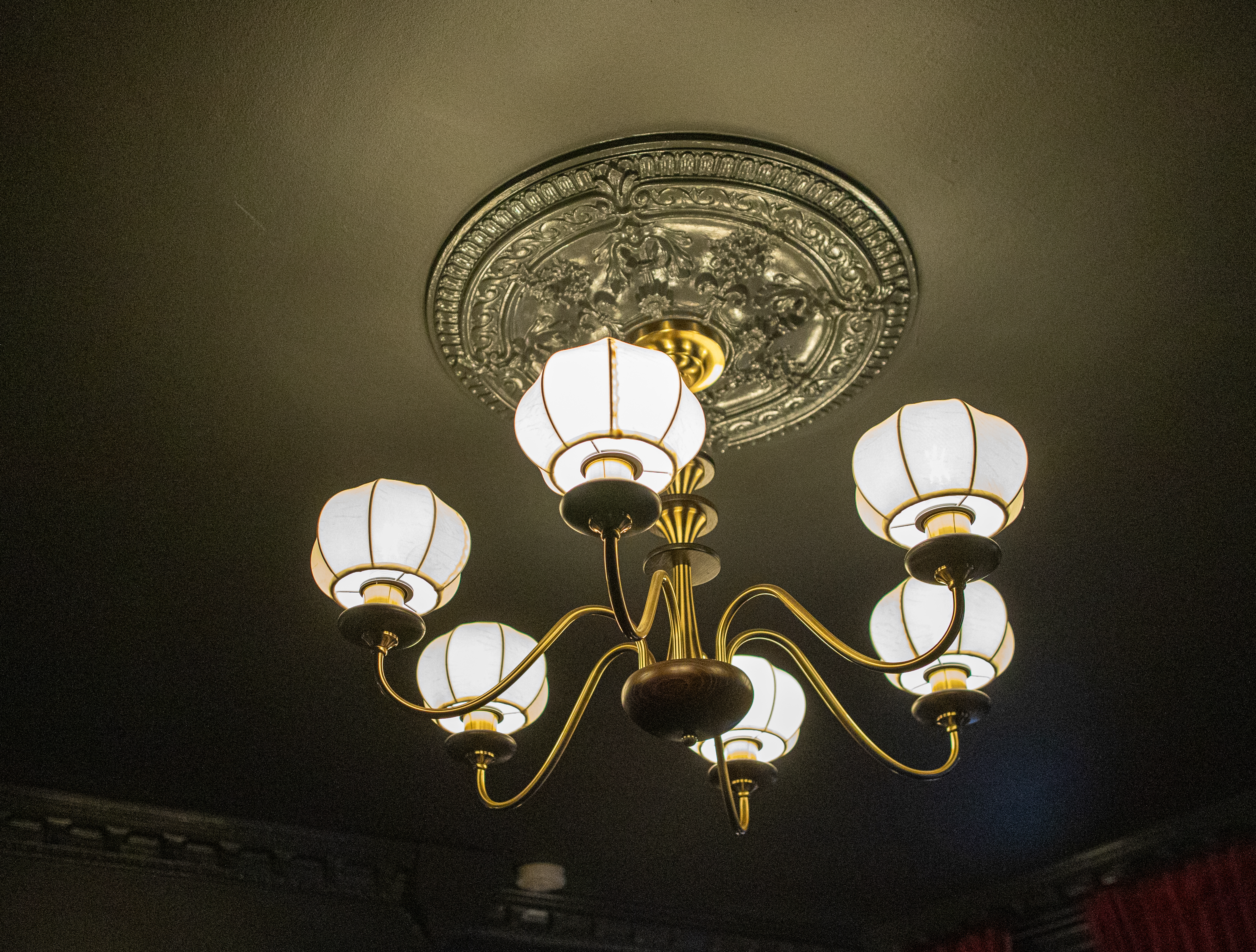
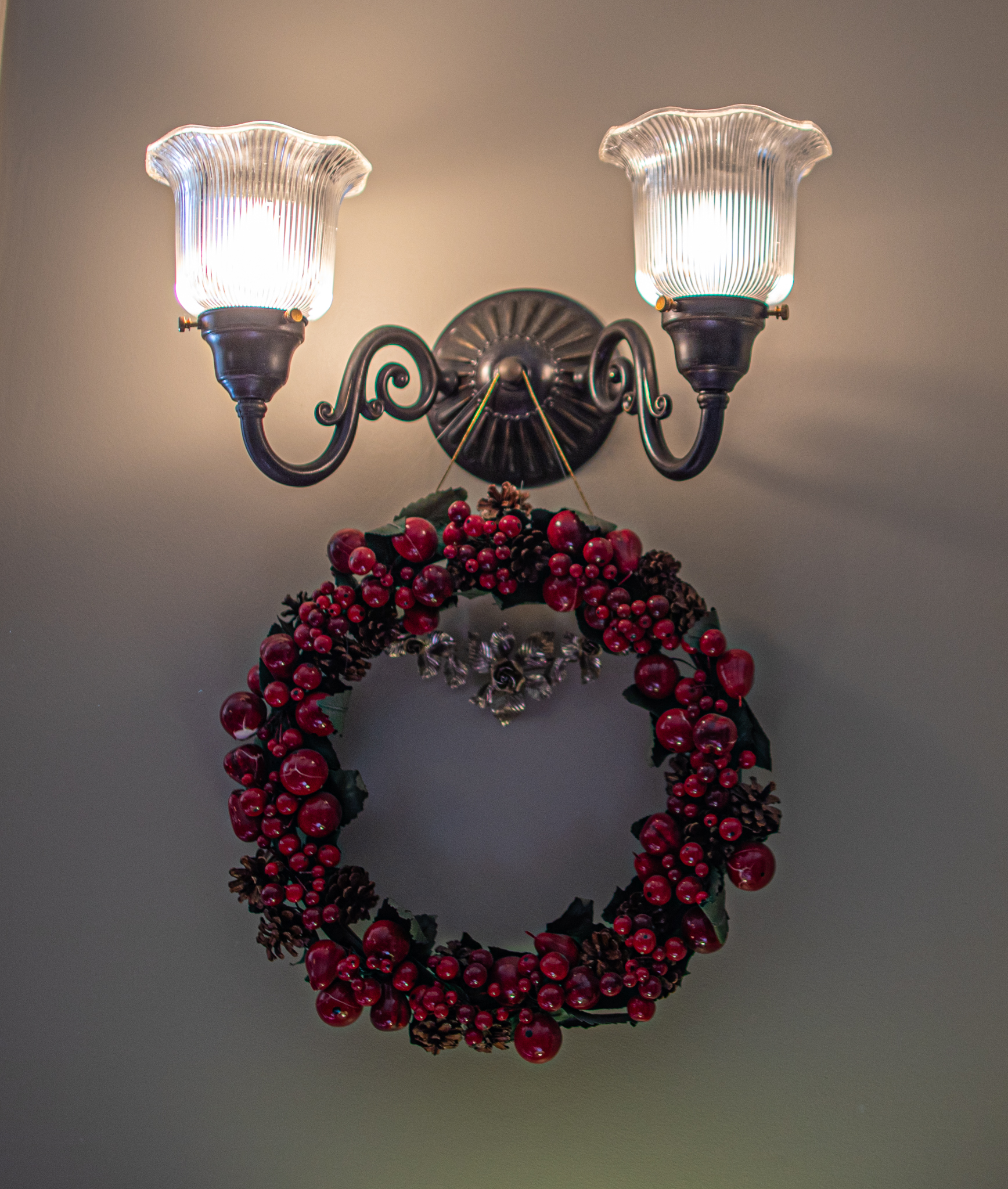
The home was tastefully decorated. I especially liked the lighting fixtures.

Fitz Blarney provided some holiday cheer.

I have a pet peeve about taking photos in general. But, especially with photos of homes. If there is a vehicle or some other obstruction, I won’t take head on photos of the building. So, I will often take photos from an angle or the side. However, this home is so pretty, I decided to include a front facing photo of the building from the real estate website when it was on the market (photo courtesy of priceypads.com).


2024 Christmas In Salem Part 5 – Salem Athenaeum (Salem, MA)

Date Of Visit: December 7, 2024

Location: 337 Essex St, Salem, MA

Website: Salem Athenaeum

The Salem Athenaeum has a rather storied history.

While it’s unofficial history can be dated back to 1760 when members of two institutions started combining the latest scientific works into a joint collection, it wasn’t until 1810 when they decided to merge together to form the Salem Athenaeum.

There was no permanent location for the athenaeum for many decades. Then, in 1850, at the bequest of Caroline Plummer, a philanthropist and founder of Plummer Professorship of Christian Morals, a brick building was constructed in the Italianate style at 132 Essex St. The Athenaeum stayed at this location for 50 years. Then, in 1905, the Athenaeum sold the building to the Essex Institute. It would later become what is now the Peabody Essex Museum.

With the proceeds from the sale of the building at 132 Essex St, the Salem Athenaeum was built at at its current location of 337 Essex St. Dedicated in 1907, the current red brick building was modeled after the Homewood Estate in Maryland which was built by Charles Carroll one of the signers (and longest living survivor) of the Declaration of Independence.

Over the years, many people of note have been members of the Salem Athenaeum. Nathaniel Hawthorne, mathematician Nathaniel Bowditch, former Supreme Court Justice Joseph Story, Impressionist painter Frank W. Benson and Charles Grafton Page, an early inventor of the electric motor, have all been members of the Athenaeum.

The name “Athenaeum” is derived from the Greek goddess of wisdom, “Athena.” And, according the tour guide, the translation for “Athenaeum” is loosely “private library.”

From time to time, the athenaeum will feature speakers, presenters and other people of note to speak. This book tree consists of books written by people who have spoken at the athenaeum.

Because of a certain famous theatrical release from last year, there were a few exhibits dedicated to The Wizard Of Oz and other related works.

The Athenaeum has many interesting pieces of decor.

This may look familiar to some. It is a drawing taken from the Chronicles of Narnia (The Last Battle). I got the feels when I saw that as it was one of my favorite books I read as a younger person. This is one of the treasures of going to a library like this. It can not only open doors of learning. It can also revive old dormant feelings.

The athenaeum also has a special vault where books, pamphlets and other publications with high appraisal values are kept. But, the small climate-controlled storage area can only hold a fraction of the highly prized documents.

While the library is open and free to everyone during their normal hours of operation, members get perks such as borrowing books or magazines without overdue fines, advanced notice and reduced fee or free admission to programs and events and other bonuses.


2024 Christmas In Salem Part 4 – Captain Emery Johnson House (Salem, MA)

Date Of Visit: December 7, 2024

Location: 630 Essex St, Salem, MA

Parking: There are several parking lots and garages in the Salem area

Universally Accessible: No, many of the homes do not have ramps or universally accessible entry

After a short break from posting about the Christmas In Salem tours, I am resuming these posts.

The Christmas In Salem event reinforces how you can’t judge a book, or in this case house, by it’s cover or exterior. At first glance, the Captain Emery Johnson House looks like any garden variety historic home. Yet, as you will soon see, it’s interior is far from it.

Built in 1853, the Captain Emery S. Johnson house is an Italian Revival style residence. Decor of the Italian Revival style can be seen in the bay window frames and the scored corner boarding. Captain Johnson inherited the land for the house in 1845 when his father passed away.

After a successful career in maritime, Captain Johnson retied at the ripe old age of 22. Johnson’s travels included traveling to Brazil, Zanzibar and Madagascar. Shortly after his retirement, Johnson met Ann Elizabeth Creamer. They wed in June, 1850. After the death of both of Johnson’s brothers at sea, he became the sole heir of his father’s fortune. With his new found riches, he decided to have the house built.

The lighting fixtures at the home were very pretty and unique.

A piano player provided some comforting Christmas music.

Christmas decor and other types of decor were abundant in the home.

There were small Christmas trees and a rather big one! You may notice something different about the background of this photo. More on this later.

This dinner table is not any normal dinner table. This dinner table used to be a billiards table! That’s right. People used to play pool on this table. It appears to have been modified for

Getting back to the background in the photo of the tree decoration posted above, this may look like some decorative wallpaper or painted decor. But, it’s not.

This wall decor was done by stencil! Incredible, yet true.

Another odd part of this home was the dining area. Specifically this table.

At some point during the ownership of the home, a Dr Friedman owned the house. And, yes, were that table is was possibly where he did his “research.” Of course, it’s not the exact same table. But, it’s still a little creepy.

Outside the home there was more cool decor.

Don’t forget to visit my Facebook page to see more photos I don’t post in my blog. And you can also find me on Instagram.


Christmas In Salem Part 3 – Grace Church (Salem, MA)

Date Of Visit: December 7, 2024

Location: 385 Essex St, Salem, MA

Website: Grace Church

Not all of the buildings in the Christmas In Salem tour are homes. This part of the tour took us to the Grace Church.

Grace Church has been at its current location since 1926. Previously, it was a wooden Gothic Revival building in 1869. The original church was demolished as it was deemed inadequate for the needs of the congregation. Philip Horton Smith and Edgar Walker, both architects of Salem, constructed the stone masonry late Gothic Revival structure that exists at the location today. Four of the stained glass windows in the church were transferred from the original 1856 structure, two of which are by Tiffany.

While the church was being built, Grace Church acquired the Burill House as a Parish House. The building has been remodeled and enlarged while adding a cloistered wing to the church.

Susan Gentile’s “Heavenly Light” art project adorns the walls of the church.

If you look closely at this stained glass window, you may see some historical figures (besides the obvious one).

In the second row of the stained glass window, there are images of Martin Luther King, Ghandi and Mother Teresa.

Grace Church is involved in many activities and causes such as the Abundant Life Garden which engages children in scripture and agriculture as well as many other causes.


2024 Christmas In Salem Part 2 – The Thomas Whittredge House (Salem, MA)

Date Of Event: December 7, 2024

Location: 144 Federal St, Salem, MA

Parking: There are several parking lots and garages in the Salem area

Universally Accessible: No, many of the homes do not have ramps or universally accessible entry

The second home on the Christmas In Salem tour is the Thomas Whittredge House. Thomas Whittredge, a shipmaster from Salem, purchased the land for the home on November 30, 1799. The house was finally built in 1802. The boundaries of the from the original deed have not changed an inch.

Fittingly, this home on Federal Street is built in the original Federal style which was popular from 1780 to 1820. The front facade is most noticeable due to its Doric pilasters elliptical fanlight above the door. Originally, there was a two story stable and a shed and outhouses on the property.

Whittredge was a master mariner who traded in the mid-Atlantic states. He owned two vessels that served as privateers during the war of 1812. He and his wife Sarah, a native of Danvers, were married in 1793. They lived in the home with their 4 children until Thomas’ death in 1829. Sarah lived in the house until 1841 when she transferred the deed to her daughter and son-in-law. The house, which was originally a single family home, was divided into a two-family home around 1885.

During the 1990s, a fire damaged the home. It would not be fully rebuilt until 20 years later.

The home still has its original floors in the fireplace area.

The house was dressed up for the holidays with bow, ribbons and a variety of lights!

If you look closely up this stairwell, you might see a portrait of one of the family members!

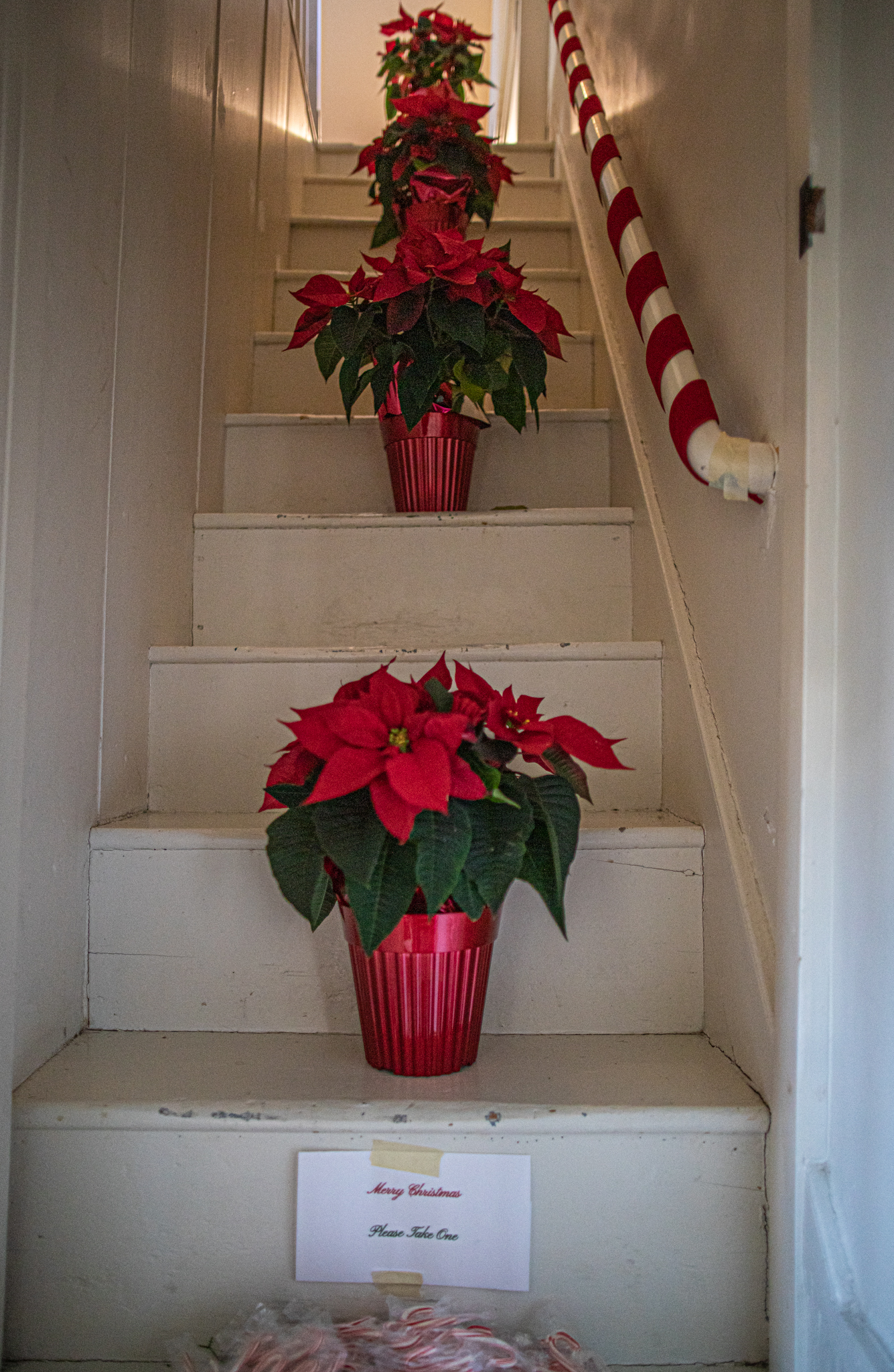
And what holiday home would be complete without a poinsettia! The best part were the free treats in the bowl!

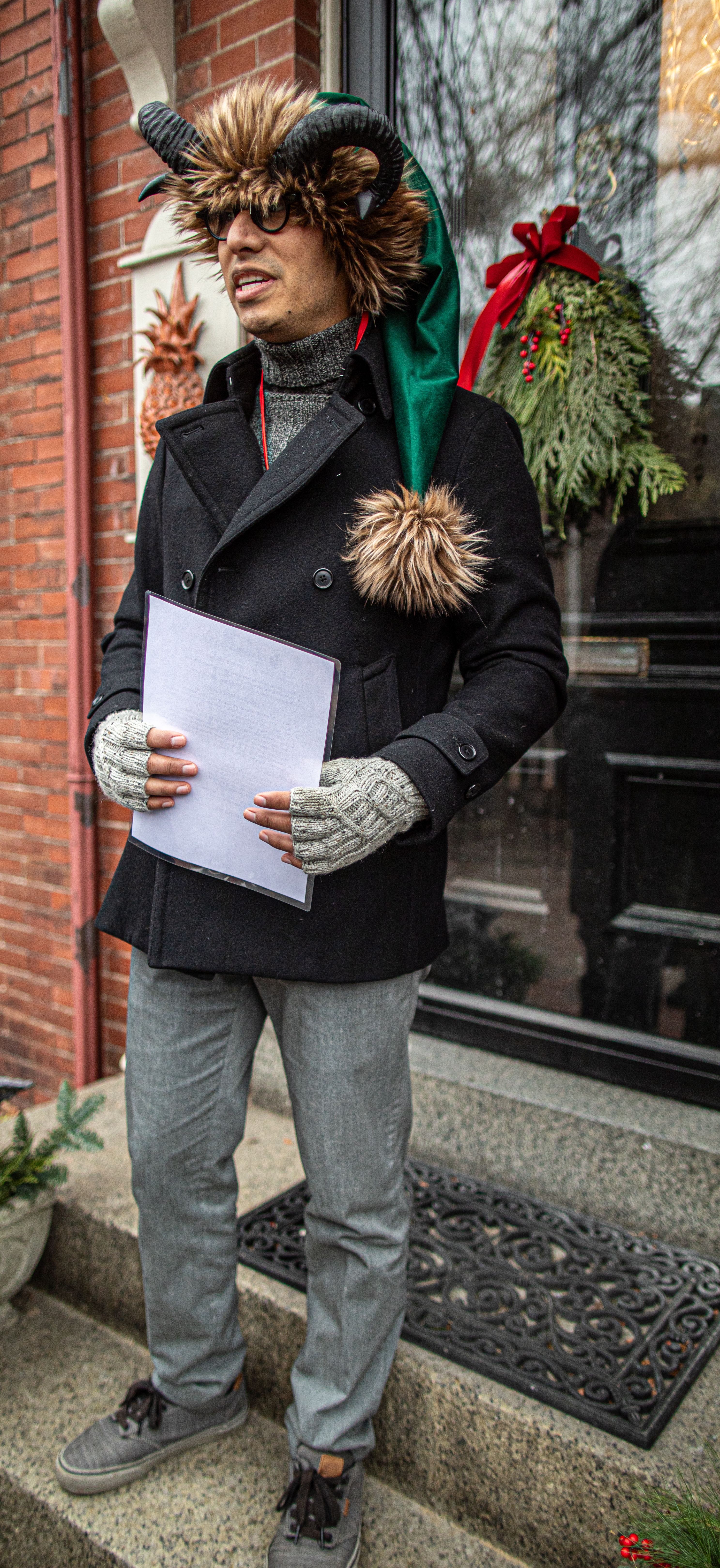
Some of the visitors got into the holiday spirit and wore their best headwear for the event!


2024 Christmas In Salem Part 1 – The Cotting-Smith Assembly House (Salem, MA)

Date Of Visit: December 7, 2024

Location: 138 Federal St, Salem, MA

Parking: There are several parking lots and garages in the Salem area

Universally Accessible: No, many of the homes do not have ramps or universally accessible entry

When you ask most people what they think of when they think of Salem, MA they will most likely reply with something about Halloween and witches. However, Salem has become an all year round attraction. In fact, the Christmas in Salem event has quickly become one of the more popular events in Salem.

Christmas In Salem is a series of guided tours at 13 historic homes and buildings in Salem, MA. In these series of posts, I will take you all on these tours and give some observations from my perspective through my photos and the information provided by the informative tour hosts and the literature from this event.

The first home on the Christmas In Salem tour is the Cotting-Smith Assembly House (aka as the Assembly House) on Federal St. This house was used as the headquarters of the tour. People registered for the tour by showing their receipt and, upon registering, were given a handbook with the addresses and writeups for each building.

Built in 1782 as a “Federalist Clubhouse”, the Cotting-Smith Assembly House was used as a ballroom and concert venue as well as a place to host lectures and other events for Salem’s elite. The Marquis de Lafayette was said to have danced in that very house in 1784 and it is said that George Washington dined there in 1789. While the original documentation for the building is not available, it is believed the house was essentially plain and functional in its original state in 1782.

The building was originally funded as a joint stock venture. Once it was rendered obsolete in 1792, Jonathan Waldo, one of the original developers, obtained full ownership. Waldo then sold the house to Samuel Putnam in 1794. Either Waldo or Putnam hired renowned Salem architect and craftsman Samuel_McIntire to remodel it as a private home. McIntire added 4 pillar of iconic pilasters to the second floor facade and a pediment centered above. The Assembly House is said to the the only wooden structure designed by McIntire with a pavilion front. The house was later remodeled during the 1830s or 40s. During this time the Greek Revival portico was added to the front of the house featuring an ornate frieze of carved grape vines by master carpenter Joseph True. The Assembly House, which is now owned by the Peabody Essex Museum, is listed on the National Register of Historic Places.

The building acted as the meeting place for visitors to get their handbook of houses to visit and map of all of the buildings on the tour. So, there wasn’t much decor at this particular home. However, I did see some photo worthy things.

Sometimes the little things can tell a lot about a home. For instance, this wallpaper spoke to the trade relations between Salem and other countries. This wallpaper, which shows what looks like a rendition of life and culture of the people of Asia, may have been an example of how the owners traveled to certain parts of Asia. It was not unusual for people to put up wallpaper that reminded them of places they traveled to or traded with.

This is not an original print, though. It is a stylized representation of wallpaper from that time.

While wallpaper may not be in vogue now, it was a treasured possession of the wealthy at the time this house was built.

According to Historic New England, the earliest record of wallpaper in America is in the estate inventory of a Boston stationer in 1700, where “7 quires of painted paper and three reams of painted paper” were listed. But, only one wallpaper in Historic New England’s collection with a history in New England dates back to the 1700s. Like all early references, this was more descriptive of quantity than of design. Only one wallpaper in Historic New England’s collection with a history in New England dates to this early period. This wallpaper was later used to cover a copy book of poetry in 1783.

Initially, paper hangings, as wallpaper was called in the eighteenth century, were only available from stationer and book sellers. Or they could be custom ordered from merchants who specialized in importing luxury goods. Eventually, wall paper could be purchased from upholsterers.

Prior to 1760, only the wealthiest colonists in urban areas in New England could afford wallpaper. Wallpaper was expensive because of the process involved in making it. The rolls the wallpaper was printed on had to be made of individual sheets of paper. These sheets were glued together. Then, they were hand printed with wood blocks, one block for each color of the design.

That is what makes the Christmas In Salem event so interesting. You can learn so much about the history of wallpaper just by touring a historic home!

Please join me on my tours of all of these historic homes!

You can find me on Instagram here, new.england.nomad_

You can follow me on Facebook here.

If you want to see more photography from New England, click here to join my Photographers of New England Group on Facebook.

I don’t do Twitter and I’m too old for TikTok!


Christmas In Salem Part 10 – The Andrew-Safford House (Salem, MA)

Date Of Event: December 2, 2023 (event is held annually the first weekend of Dec)

Location: 13 Washington Square West, Salem, MA

Cost: Tickets for Christmas in Salem are available online at www.historicsalem.org at a cost of $40 for non-Historic Salem, Inc. members and $35 for HSI members.  Tickets purchased the day of the tour are $45.  Tour tickets including the Friday night candle-lit preview are $120 for non-HSI members and $100 for members of Historic Salem, Inc.  Christmas in Salem proceeds support the preservation mission of Historic Salem, Inc

Hours: Sat & Sun 10-4

Parking: there are several parking lots and metered street parking throughout the city.

Website: Christmas In Salem

Summary: The Christmas In Salem event consists of a tour of historic homes and buildings in Salem, MA. Each year, home owners and building management open their doors to visitors to get a glimpse into what these historic homes look like and what stories they may have.

Well, we made it ot the 10th and final house in the Christmas In Salem tour. This house was decorated a little different than the other houses on the tour as you will see later in this post. But, the house does have a rich history, just like the other homes in this tour.

The Andrew Safford House was commissioned in 1818 by John Andrew. Andrew made his fortune trading with Russia. He was also a partner with Samuel Archer in the merchant firm Archer and Andrew. For many years it was unclear who designed the house until The Peabody Essex Museum (who we will discuss later in thsi post) confirmed it was designed by Joseph True. True was a master carver and protege of famed Salem architect Samuel McIntire. The home features 4 large pine columns on the southern side of the house. The front parlor has a marble mantlepiece, a plaster -work ceiling and woodwork by Joseph True. One of the most prominent features of the house is the early nineteenth-century French wallpaper which depicts scenes of Cupid and Pysche (I had to Google that too).

After Andrew died in 1829, the house was divided between his widow Catherine and his son John Forrester Andrew. After John Forrester Andrew died in 1845 his widow, Louisa, owned the house until 1860. Over the next decade, the house was owned first by Edmund Smith, treasurer of the Naumkeag Steam Cotton Company, and a merchant named Frederic M. Creamer. In 1871 the house was purchased by James O. Safford, a leather manufacturer. The house then passed through several generations of the Safford family before being acquired by the Essex Institute in 1947. The Andrew-Safford House is still maintained by its current organization, the Peabody Essex Museum.

The Andrew-Safford House showcased both Christmas and Moby Dick decor. While that may seem like an unusual combination, it makes perfect sense.

Since the Peabody Essex Museum maintains the house, they decided to include elements of their upcoming exhibit Draw Me Ishmael: The Book Arts of Moby Dick which will feature artistic depictions of the novel. According to the museum, Moby Dick is the most continuously, frequently and diversely depicted American work of literature. So, take that 50 Shades of Grey.

This was by far the most uniquely decorated home on the tour. The decor didn’t just include whale decorations (although there were some). There were also a penguin, jellyfish and whatever that pink thing is.

However, the main decor of the house was still Christmas and, of course, whale decor.

If you look closely at the Christmas trees (I know you must be thinking “my eyes” when you look at that blue tree) but you may see some marine life in the decorations such as sea horses and whales.

Another thing that I’ve mentioned in previous posts is how much I love the design, architecture and lighting fixtures of these historic homes.

The Call Me Ishmael exhibit will be on display at the Peabody Essex Museum from June 1, 2024 to January 4, 2026. You can find out more about the exhibit here

Thank you all for checking out my posts from this tour! I learned a lot about both these homes and how to photograph these beautiful homes in low light environments which can be challenging. I hope you join me later this year when I photograph this event again! And, of course, follow me here throughout the year on my many travels!

Don’t forget to check out my Facebook page for more content

You can follow me on Instagram at new.england.nomad_

And view my videos on YouTube


Christmas in Salem Part 9 – The Daniels House (Salem, MA)

Date Of Event: December 2, 2023 (event is held annually the first weekend of Dec)

Location: 1 Daniels St, Salem, MA

Cost: Tickets for Christmas in Salem are available online at www.historicsalem.org at a cost of $40 for non-Historic Salem, Inc. members and $35 for HSI members.  Tickets purchased the day of the tour are $45.  Tour tickets including the Friday night candle-lit preview are $120 for non-HSI members and $100 for members of Historic Salem, Inc.  Christmas in Salem proceeds support the preservation mission of Historic Salem, Inc

Hours: Sat & Sun 10-4

Parking: there are several parking lots and metered street parking throughout the city.

Website: Christmas In Salem

Summary: The Christmas In Salem event consists of a tour of historic homes and buildings in Salem, MA. Each year, home owners and building management open their doors to visitors to get a glimpse into what these historic homes look like and what stories they may have.

The ninth house, and really the *last* historic home on the tour (more on this later) is the Daniels House.

One of the oldest homes in Salem, MA, the Daniels House was constructed by Stephen Daniels I or Stephen Daniels II between 1667 and 1693. The home was occupied by mariners and shipbuilders until the mid 1800s. In the mid 1700s Stephen Daniel’s daughter Mary married into the Silsbee family and lived in the house until 1803. Mary’s son, Samuel Silsbee (who was a carpenter), remodeled and enlarged the house around the time of his marriage to Martha Prince in 1756

Silsbee’s heirs divided the house into two properties listed as numbers 1 and 3 Daniels Street in the mid 1800s. When Samuel’s daughters died in the 1860s, the properties were sold to other families. For about a century after the sale, the house went through what Samuel Chamberlain, a photographer who spent some of his life in Massachusetts, said was a period of “many vicissitudes. The house was subdivided into a double house of at least 4 apartments, served as a day nursery and boarding house. There was an ever rotating group of laborers, widows, railroad and shoe workers living in the house for the better part of 50 years. The house then went into foreclosure after the Great Depression and was vacant for almost 20 years. Eventually, the house was owned by Theodore Perry and Winifred Halter. They operated a historic tea room in the first floor. In 1962, the Halters sold the house to Thomas and Catherine Gill. Catherine “Kay” Gill operated the house first as a bed and breakfast and then an inn for 55 years until her death in 2018.

The house is a three story clapboard and wood frame home. It has a closed in front entrance that is covered by a half hipped roof. Over the years, the home has gone through a constant growth and changing architectural styles.

From the decorated Christmas tree to the tasteful decorations of the fruit bowls (no pun intended), the Daniels House was an especially fun home to photograph.

There was also an assortment of dolls, figurines and other holiday decor throughout the home.

This home had not one but two cozy fireplaces. I really wanted to sit by the fireplace and take in the warmth and history of this home.

As much as I wanted to stay there for a longer visit, I had to hurry off to the next and last home on the tour. Luckily, they did allow people to visit slightly after 4 pm which was the time the tours were supposed to end. In fact, I was one of the last people admitted to the last home on the tour. The tour lasts 2 days (Saturday and Sunday). But, I had plans for the following day. So, it all worked out! But, as I mentioned earlier, the last house on the tour was very…different. Hopefully, you’ll be able to see for yourself in the 10th and final installment of this series of posts!